


 del.icio.us
 Digg
Digg Facebook
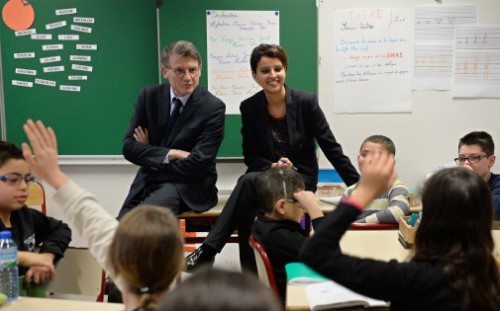
Polémique autour de la théorie du genre, dérives communautaires, résultat catastrophique au classement Pisa, l'école Française est en crise. Dans votre dernière chronique pour le Figaro, vous écrivez, «l'école n'instruit plus, n'éduque plus, elle rééduque». Qu'entendez-vous par là?
Natacha Polony - Le vieux débat entre instruction et éducation est complexe. Pour les tenants de l'instruction, dont je fais partie, l'école doit transmettre des savoirs universels. C'était le projet de Condorcet qui est le premier à avoir pensé l'école de la République à travers ses cinq mémoires sur l'instruction publique. A l'époque, on parlait bien d'instruction et non d'éducation, cette dernière revenant aux familles. Certes, l'école transmettait aussi des valeurs, mais celles-ci passaient par l'histoire, la littérature, les textes. Et c'est en cela qu'elles étaient émancipatrices puisqu'elles étaient le fruit d'un savoir. Au cours de la seconde moitié du XXe siècle cet équilibre a été bouleversé. Les savoirs ont peu à peu été abandonnés au profit de ce que les «pédagogistes» appellent le «savoir être». Dans le socle commun de connaissances et de compétences définit par l'Education nationale, les grands textes officiels du savoir sont mis sur le même plan que certaines «compétences» qui relèvent de l'éducation des familles tel que «le savoir vivre ensemble» ou «le savoir respecter autrui». La polémique autour de la théorie du genre, bien qu'elle ait été instrumentalisée par certains extrémistes, illustre la propension de l'école à vouloir concurrencer la vision du monde transmise aux enfants par leurs parents. Il me paraît plus urgent d'apprendre aux élèves à lire, écrire et compter. En tant qu'héritier des Lumières, Condorcet misait sur l'intelligence pour élever les esprits. C'est par là que passe le combat pour l'émancipation et non par un vague catéchisme moralisateur.
La focalisation de l'école sur les questions de société n'est-elle pas justement un moyen de masquer son échec sur l'apprentissage des savoirs fondamentaux?
Certainement, mais à l'inverse la focalisation sur les questions de société est aussi l'une des causes de la crise actuelle de l'école. En effet, un collégien de troisième d'aujourd'hui cumule deux ans de retard de cours de Français par rapport à un élève des années 1970. La volonté de l'école de tout faire, l'hygiène, l'antiracisme, la sécurité routière, l'éloigne de ses missions originelles. J'ai noté le cas concret d'une classe qui a fait appel à 11 intervenants extérieurs en une semaine. Dans ces conditions, comment dégager du temps pour apprendre aux élèves à lire? Il faut effectuer des choix. Cette focalisation sur les questions de société est aussi une manière de tromper les élèves sur leur niveau réel. Pour ne pas faire de sélection, l'école nivelle par le bas en sacrifiant les savoirs fondamentaux au profit de choix pédagogiques démagogiques et accessoires.
Hormis cette dérive sociétale, quelles sont les causes profondes de cette faillite de l'école de la République?
Il y a deux problèmes qui se conjuguent. Le premier dépend de l'école elle-même. Depuis les années 70, les pédagogies constructivistes, d'après lesquelles c'est l'enfant qui construit lui-même son savoir, ont pris le pouvoir dans l'enseignement. Par exemple en ce qui concerne l'apprentissage de la lecture, les neurosciences prouvent que la méthode syllabique est plus efficace que les méthodes mixtes ou globales. C'est pourtant ces dernières qui sont privilégiées par la majorité des enseignants. Pour lutter contre l'illettrisme, il faut revenir d'urgence aux méthodes classiques et arrêter de caresser les élèves dans le sens du poil.
Le second problème est le fruit de la société. Les parents qui ont une vision consumériste de l'école se déchargent de leurs responsabilités. Gavés de télévision, les enfants ne sont plus habitués à contrôler leurs pulsions et à obéir. Ils sont donc plus difficiles à gérer pour les professeurs. Comme l'explique Marcel Gauchet, l'évolution de l'individualisme contemporain rend très difficile la transmission. L'école est confrontée à ce délitement du lien républicain.
Avec le rapport puis la feuille de route sur l'intégration, la gauche a relancé le débat sur l'interdiction du voile et plus largement sur le multiculturalisme à l'école. Le risque n'est-il pas de faire de cette dernière l'otage de tous les communautarismes?
La problématique du voile à l'école remonte à 1989 lorsque Lionel Jospin, alors ministre de l'éducation nationale, saisit le Conseil d'Etat après l'exclusion à Creil de deux collégiennes portant le tchador, puis publie une circulaire statuant que les enseignants ont la responsabilité d'accepter ou de refuser le voile en classe, au cas par cas. Or il existait déjà une circulaire, la circulaire Jean Zay du 15 mai 1937 qui rappelait la laïcité de l'enseignement public et demandait aux chefs d'établissements de n'admettre aucune forme de prosélytisme dans les écoles. Il y a donc eu carence de l'État. Le rôle des pouvoirs publics était d'affirmer la validité de cette circulaire et de faire respecter l'esprit et la lettre de la loi de 1905. Cela nous aurait évité de perdre un temps considérable et d'en passer par une nouvelle loi sur la laïcité en 2004. Venir réveiller cette question aujourd'hui est une bêtise effarante qui montre qu'une partie de la gauche a encore la tête farcie d'idées délirantes! Cette gauche-là a renoncé au projet d'intégration allant jusqu'à nier la préexistence du pays d'accueil, à nier son identité. Il n'y a plus d'hôte, plus d'accueilli. Or, une nation ne peut se perpétuer que lorsqu'elle transmet son héritage. Nous avons cessé de transmettre, pas seulement aux étrangers, à tous nos enfants.
Dans une interview accordé à Libération, Vincent Peillon en appelle pourtant à la défense de l'école républicaine… Qu'en dites-vous? Cela va-t-il dans le bon sens?
Vincent Peillon se veut un ministre philosophe et connaisseur de l'histoire de l'école. Mais il se paie de mots et se réfugie derrière les valeurs et les principes pour mieux pratiquer l'ambiguïté. Les grandes déclarations sont pour lui un moyen d'éluder les vraies questions qui sont la refonte du système des mutations, pour que les jeunes professeurs ne soient plus parachutés dans les classes les plus difficiles, et celle des méthodes d'apprentissage. Comme ses prédécesseurs, il préfère se concentrer sur des questions annexes et dérisoires: les rythmes scolaires, les 60 000 postes supplémentaires ou encore la théorie du genre. Pendant ce temps-là, l'école est incapable d'apprendre aux élèves à lire et à écrire. Elle ne fabrique plus des citoyens, plus des hommes libres, mais des incultes qui seront dépendants des discours les plus idiots! Si 80 % d'une classe d'âge va jusqu'au baccalauréat aujourd'hui, l'école est pourtant plus inégalitaire que jamais. Les statistiques sont terribles. Dans les années 60, 14 % des élèves des milieux défavorisés accédaient aux grandes écoles. Ils ne sont plus que 6 % aujourd'hui.
Natacha Polony (Le Figaro, 14 février 2014)
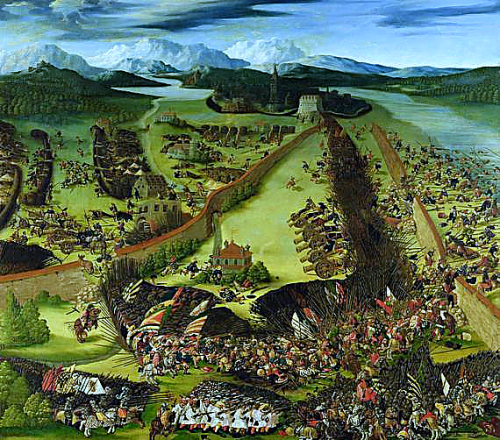
Se cumplen 489 años desde que en la madrugada del 24 de febrero de 1525 los valerosos tercios saliesen victoriosos de la batalla de Pavía luego de que el rey francés, Francisco I se sintiese amenazado por el Imperio de Carlos I de España y V de Alemania que se había convertido en el personaje más poderoso del mundo. Francisco I preocupado por la concentración de títulos en manos del español decidió anexionarse el ducado de Milán para lo que comenzó la primera batalla contra los españoles conocida como la batalla de Bicoca donde el ejército francés bajo el mando del general Lautrec inició la batalla con 15.000 piqueteros suizos contra 4.000 arcabuceros españoles. Los franceses, después de perder 22 capitanes y unos 3.000 hombres se vieron obligados a retirarse, mientras que los españoles no sufrieron ninguna baja. Al igual sucedió en Sesia donde los españoles vencieron de nuevo.
Sin embargo el 25 de octubre de 1924 después de cruzar Francisco I los Alpes y atacar Milán los españoles se vieron obligados a retirarse de su campaña. Alrededor de unos 2.000 arcabuceros españoles, 4.500 lansquenetes alemanes y 30 jinetes pesados , mandados todos ellos por Antonio de Leyva, se atrincheraron en la cercana Pavía. Seguido por el comienzo del asedio a la ciudad por parte de los franceses con un ejército de unos 30.600 hombres y 53 piezas de artillería.
Los españoles aguantaron los incesantes ataques franceses durante nada menos que tres meses. Francisco I había decidido agotar a los asediados por hambre y sed, estrategia que no resultó tal y como éste esperaba. Antonio de Leyva, el héroe defensor de Pavía, tenía 45 años de edad y había participado ya en 32 batallas y 47 asedios, este se trataba de un hombre muy respetado por parte de Carlos I.
Mientras los franceses esperaban la rendición de Antonio Leyva, Carlos I ordenó la intervención de un ejército de auxilio desde Alemania a Pavía al frente del cual estaba el marqués de Pescara. El objetivo era apoyar a las tropas de Leyva y romper el cerco.
Los capitanes y generales españoles que se encontraban en Pavía desembolsaron de su propio bolsillo el dinero para que las tropas aguantaran. Ante la difícil situación de sus oficiales, los 2.000 arcabuceros españoles decidieron que seguirían defendiendo Pavía aún sin cobrar. El Marqués de Pescara, tan excelente psicólogo como general, se ganó a sus hambrientas tropa, y en la arenga que dio a sus hombres y a los defensores de Pavía, le dijo: "Hijos míos, todo el poder del emperador no os puede facilitar en el día de hoy pan para llevaros a vuestro estómago , nadie puede traeros ese necesario pan. Pero hoy, precisamente hoy os puedo decir que si queréis comer, el alimento se encuentra en el campo francés." . No fue necesario apelar a las banderas a la patria, al heroísmo, etc.
El 24 de febrero de 1525 el ejército imperial de refuerzo llegó a Pavía y abrió fuego. Estuvo constituido por 13.000 lansquenetes alemanes, 6.000 infantes de los tercios españoles y 3.000 italianos con 2.300 jinetes y 17 cañones. Las tropas francesas que sitiaban a las tropas españolas, ahora eran sitiadas por las tropas de refuerzo. Desde que acampó ante Pavía no pasó día en que Pescara no fingiera un ataque nocturno contra los franceses. Los franceses se acostumbraron a las falsas alarmas y de esta forma aprovecharía cogerles desprevenidos.
El grueso del ejército francés se encontraba atrincherado en el parque del castillo del Mirabello, a las afueras de Pavía, parque rodeado por una muralla de más de 10 kilómetros de longitud y de 2,5 m de alto . Cuando llegaron las 3 de la mañana del 24 de febrero de 1524 los imperiales iban a comenzar un ataque sumamente estratégico. Las órdenes eran avanzar en silencio hasta el cercado del castillo de Mirabello donde estaban atrincheradas las tropas francesas y abrir brechas en sus muros. Pescara envió dos compañías de encamisados a abrir una brecha en el muro del parque que protegía a los franceses.
A las 5 de la mañana, los encamisados habían abierto tres brechas por las que al amanecer pasaría Pescara al frente de los imperiales con sus escuadrones de piqueros flanqueados por la caballería. Los tercios pasaron en formación compacta, con largas picas protegiendo a los arcabuceros. El ejército imperial ya había penetrado en el parque de Mirabello, los encamisados en la vanguardia, por el centro entraron los piqueros. Tras la brecha abierta en el muro del parque la artillería aguardó su turno para cruzar. Mientras los arcabuceros atacaban y saqueaban el castillo.
Francisco I ordenó entonces cargar a la caballería francesa. La flor y nata de la aristocracia francesa se iba a topar con el mejor arma de la época, los tercios españoles. Los tercios invictos desde las primeras batallas de Italia y que ahora, en Pavía, iban a demostrar tu auténtica capacidad para el combate. Los encamisados fueron lanzados en primer lugar, era el cuerpo ligero de la tropa de infantería.
Los 3.000 arcabuceros de Fernando de Ávalos clavaron sus picas y dispararon terminando con la primera línea de la caballería pesada francesa. Más tarde los alabarderos y piqueros entraron en combate cuerpo a cuerpo. Mientras tanto Carlos de Lannoy al mando de la caballería española y el marqués de Pescara, en la infantería, luchaban ya contra la infantería francesa comandada por el comandante Ricardo de la Pole y Francisco de Lorena. Los franceses caían a cientos, fue una batalla auténticamente sangrienta.
La situación era dramática para las tropas francesas; se luchaba cuerpo a cuerpo y los tercios no perdonaban la vida de los franceses. El rey de Francia y su escolta también combatían a pie; en el fragor de la batalla , Francisco I con un grupo de leales , quedó copado por las tropas. Francisco I cayó del caballo y al intentarse levantar se encontró con el estoque de un soldado de la infantería española, era el vasco Juan de Urbieta Berástegui y Lezo. Juan no sabía que había apresado al mismísimo rey de Francia.
Juan de Urbieta, junto al granadino Diego Dávila y el gallego Alonso Pita da Veiga, no eran conscientes de a quién acababan de apresar, pero por las vestimentas supusieron que se trataría de un noble francés. Aquel preso resultó ser el mismísimo rey de Francia. El rey de Francia Francisco I había caído prisionero de Carlos I. La noticia corrió como la espuma por todos los territorios europeos. Francia había sido humillada por la captura de su monarca a manos de los tercios españoles.