Ok

En poursuivant votre navigation sur ce site, vous acceptez l'utilisation de cookies. Ces derniers assurent le bon fonctionnement de nos services. En savoir plus.

dimanche, 10 octobre 2010

La guerre économique a commencé

La guerre économique a commencé

Par Paul Bara, ex-trader, économiste de marché puis directeur financier. Il a parallèlement enseigné l’économie et la finance à Paris X et à l’ENA.

Ex: http://fortune.fdesouche.com/

L’année 2010 a emporté les dernières illusions d’une reprise forte et durable (reprise en V). Le tassement de la croissance aux États-Unis, au deuxième trimestre, a montré que celle-ci était due à l’augmentation de la dépense publique et aux transferts sociaux.

Chaque Etat cherche donc à tirer parti, du seul relais de croissance qui semble encore fonctionner : les exportations, en utilisant l’arme monétaire.

La stratégie chinoise : une attaque en règle contre le Japon. Celle-ci repose, en premier lieu, sur la substitution de ses produits aux importations de produits technologiquement avancés en provenance des pays riches.

La Chine entend tirer profit de la croissance de son marché intérieur ainsi que de son gigantesque plan de relance et de la relance de crédit qui devrait toutefois marquer le pas (risque de bulle financière et immobilière).

Mais elle entend surtout accaparer une partie significative du « pactole du commerce international », qui devrait croître de 13,5 % en 2010, selon les prévisions de l’OMC. En achetant de la dette japonaise, elle peut faire monter le yen par rapport au dollar, ce qui aura pour effet de faire baisser le renminbi (la monnaie du peuple), puisque celui-ci est défini par un rapport fixe vis à vis du dollar. Il s’agit d’une sorte de dévaluation compétitive masquée.

La hausse du yen pose un sérieux problème au Japon. Cela risque de bloquer le seul moteur de croissance encore valide : les exportations et de l’enfermer dans une déflation sans fin. Le Japon est donc parti en guerre contre « l’endeka », ce qui a amené sa Banque Centrale à intervenir sur le marché des changes, le 15 septembre, afin d’enrayer la hausse de sa devise.

La stratégie américaine : une attaque en règle contre la zone euro


La stratégie américaine part d’un constat douloureux : l’échec de son plan de relance mais aussi de la réduction de la dette américaine, à long terme, détenue par les pays asiatiques (essentiellement la Chine) puisque celle-ci est passée de 52 % à 48 %.

Malgré une injection de 4000 milliards de dollars dans l’économie américaine, celle-ci n’a pu engendrer qu’une croissance d’environ 200 milliards de dollars. En outre, la réduction de la dépense publique au premier trimestre a eu pour effet un tassement de la croissance au second trimestre.

La seule stratégie, qui permette de tenir compte de l’ensemble de ces contraintes, consiste à laisser filer le dollar. La Fed a donc provoqué – par des canaux détournés – la baisse du dollar : elle a annoncé, mardi dernier, qu’elle était prête à prendre toutes mesures d’assouplissement nécessaires afin de stimuler la croissance. En clair, il s’agit de faire tourner la planche à billet afin de racheter des obligations d’Etat à maturité longue (quantitative easing), ce qui lui permettra de financer des mesures de relance éventuelle afin de lutter contre une possible déflation et de remplacer les investisseurs étrangers défaillants.

Les investisseurs anticipent donc une chute du dollar et préfèrent miser sur l’euro.

L’administration Obama compte, par ce biais, doper ses exportations, mais aussi faire augmenter l’inflation grâce à l’augmentation du prix de ses importations. Elle a, en outre, décidé de prendre des mesures contre la Chine. Une nouvelle étape a été franchie : la chambre des représentants a voté une loi qui permet de prendre des sanctions commerciales contre la Chine, en assimilant la sous-évaluation de la monnaie à une subvention déguisée. Les Américains estiment, en effet, que le renembi est sous-évaluée de 20 à 40 %.

L’utilisation de l’arme monétaire par les États-Unis et la Chine semble déboucher sur un scénario de guerre économique.

Un scénario de guerre économique ? : Qui va s’emparer du pactole du commerce international ? Dans ce cadre, on peut se poser la question du sérieux de la demande américaine : demander aux chinois de réévaluer leur monnaie de 20 à 40 %, a-t-il un sens ?

Le Premier ministre chinois, Wen Jibao, a répondu à cette question, en expliquant : « Si le renmimbi s’apprécie de 20 à 40 %, comme le demande le gouvernement américain, nous ne savons pas combien d’entreprises chinoises feront faillite (….), il y aura des troubles importants dans la société chinoise ».

En premier lieu, les Américains ont un modèle de croissance basé sur la consommation (70 % du PIB), ils ne peuvent relancer la croissance qu’en prenant de nouvelles mesures de relance. Les exportations ne peuvent être qu’un moteur accessoire.

En outre, les États-Unis est un pays largement désindustrialisé, qui n’a pas la structure industrielle pour tirer pleinement profit de la croissance du commerce internationale (pays émergents) : ils sont plus un exportateur de bons du Trésor et de produits financiers titrisés qu’un exportateur de produits industriels à forte valeur ajoutée.

La conséquence de la politique américaine et chinoise, c’est de faire jouer à l’euro et au yen le rôle de soupape de sécurité, en les tirant vers le haut. Autrement dit, les États-Unis et la Chine ont déclaré la guerre économique à la zone euro et au Japon.

Les États-Unis et la Chine entendent mettre la main sur le pactole du commerce internationale : la Chine en prenant des parts de marché au Japon et à l’Allemagne sur les produits à forte valeur ajoutée, une partie du surplus ainsi généré sera utilisé afin de financer la dette publique américaine.

N’oublions pas que la politique de quantitative easing envisagée par la FED, a surtout pour objet de remplacer les investisseurs étrangers défaillants (à long terme).

Si la Chine refusait à l’avenir de financer la dette américaine (notamment à long terme), les États-Unis pourraient lui imposer une double sanction : en faisant baisser la valeur des réserves de change chinoises investies en bons du trésor et en leur appliquant des sanctions commerciales (l’Europe et le Japon pourraient les imiter).

En conclusion, à court terme, l’euro et le yen devrait s’apprécier vis à vis du dollar. Quant à la paire Euro / Jpy (yen), on peut parier sur la hausse de l’euro.

Le scénario de guerre économique que j’évoque, plus haut, n’est cohérent qu’a moyen terme car, à long terme, les intérêts de la Chine et des États-Unis sont divergents.

A long terme, les États-Unis ont intérêt à se ré-industrialiser, en s’appuyant sur le réchauffement climatique et l’économie verte, ce qui leur permettra d’offrir des emplois qualifiés à la classe moyenne et de développer des services à forte valeur ajoutée.

La guerre économique actuelle (à moyen terme) qui oppose les États-Unis et la Chine à la zone euro et au Japon, n’est que le préalable, de la guerre économique (à long terme) qui va opposer les États-Unis et la Chine : un saut dans l’inconnu.

Nous rentrons dans une période d’affrontements économiques qui se traduiront par des désordres monétaires : les dévaluations compétitives entraînant des mesures protectionnistes (schéma bien connu lors de la crise de 1929), ce qui, à terme, aura pour conséquence de contracter le commerce international.

La seule manière d’étendre son empire économique passe, alors, par la guerre.

Le blog de la finance et de l’économie

On achète bien les cerveaux... Sur la publicité et les médias


On achète bien les cerveaux...

Sur la publicité et les médias

Ex: http://zentropa.splinder.com/

"Les liens des régies publicitaires avec les neurosciences prouvent que la fabrication de "cerveaux humains disponibles" chers à Patrick Le Lay, le président de TF1, est devenue une réalité des médias. Une idéologie est à l’oeuvre : elle vise à nous rendre étrangers à nous-mêmes pour faire de nous des cibles normées en fonction d’intérêts marketing.

Je suis l’auteur d’un livre dont vous n’entendrez probablement jamais parler dans vos journaux, à la télévision ou même à la radio. Son nom ? On achète bien les cerveaux (édition Raisons d’agir, 2007). Il ne s’agit pas d’un opuscule tendancieux ou d’un brûlot d’extrême gauche ou d’extrême droite. Simplement, c’est un livre qui prétend apporter une analyse critique sur un phénomène qui rythme notre quotidien : l’omniprésence massive de la publicité et ses conséquences sur les médias. Le titre fait bien sûr référence à la phrase prononcée en 2004 par Patrick Le Lay, le PDG de TF1, sur le « temps de cerveau humain disponible » que le patron de la chaîne s’enorgueillit de vendre à Coca-Cola. Je suis allée enquêter dans le cœur même de la machinerie publicitaire de la Une. Et ce dont je me suis aperçue, c’est que la commercialisation du cerveau du téléspectateur n’est pas un phantasme ou un abus de langage. C’est le reflet de la plus stricte vérité si l’on en croit les propos de neurologues qui travaillent aujourd’hui pour les principaux médias, dont TF1, sur l’impact de la publicité dans la mémoire.

Le temps n’est plus où l’on se contentait de tests et de post-tests pour prouver l’efficacité des messages publicitaires. Face à des nouveaux médias comme Google ou Yahoo, qui proposent à l’annonceur de payer pour chaque contact transformé en trafic et de suivre le client à la trace, les grands médias cherchent à montrer qu’ils arrivent à pénétrer l’inconscient des consommateurs. A l’instar des grands annonceurs américains, ils ont confié à une société spécialiste des sciences cognitives, Impact Mémoire, le soin d’explorer ce que le cerveau retient dans la communication publicitaire. Pour cela, les « neuromarketers » ont recours à une machine uniquement utilisée jusqu’à présent à des fins médicales, pour détecter les tumeurs par exemple : l’imagerie à résonance magnétique (IRM). Que disent les expériences menées en laboratoires ? Que la zone du cerveau réactive aux images publicitaires, le cortex prefrontal médian, est associée à l’image de soi et à la connaissance intime qu’on a de soi-même (c’est la région cérébrale qui est affectée lorsqu’il y a des troubles de schizophrénie par exemple). En activant le cortex prefrontal médian, les neuromarketers cherchent donc à réussir l’alchimie parfaite : l’opération qui consiste à transformer tout amour de soi en tant que soi - le narcissisme - en amour de soi en tant qu’autre - une cible publicitaire. La publicité vise donc à nous rendre en quelque sorte étrangers à nous-mêmes pour modeler en nous des comportements normatifs qui épousent les intérêts des firmes commerciales.

On le sait depuis Jean Baudrillard et John Kenneth Galbraith, la société de consommation ne peut exister sans son corollaire publicitaire. Car seule la publicité crée dans les têtes une urgence fantasmatique et pavlovienne sans laquelle il n’est pas de tension consumériste : c’est parce que je suis sans cesse sollicité par un univers euphorisant, rempli de symboles de bonheur, que je tends vers la jouissance de l’acquisition matérielle. De cette tension naît un désir structurant dans la mesure où il permet à l’individu d’exister en tant qu’homo consumans. Adhérer aux valeurs de l’imagerie publicitaire - « On vous doit plus que la lumière », « Vous n’irez plus chez nous par hasard », « Parce que je le vaux bien » -, c’est communier aux nouvelles icônes des temps modernes. Il s’agit de prendre corps dans l’espace collectif, de se transfigurer dans une identité à la fois plurielle et, puisqu’elle s’adresse à moi en tant que cible, singulière. L’essayiste François Brune parle d’une « volonté de saisie intégrale de l’individu dans ce qu’il a d’anonyme ». D’où un principe clé de la domestication des esprits : chacun cherche à se ressembler en tant que tribu consommatrice. C’est en effet parce que je renonce à mon appartenance à une identité universelle pour m’inscrire dans une fonctionnalité « tribalisée » que j’abdique de ma citoyenneté au profit d’un label de consommateur tel que l’entend l’ordre marchand. Ce faisant, la publicité permet la mutation d’une société de classes vers autant de cibles qu’il y a d’intérêts et de positions économiques à défendre. Elle vise la reproduction et la permanence de stéréotypes inhérents à tout message établi en fonction d’un statut supposé sur l’échelle sociale.

Seulement, puis-je réellement me retrouver dans cette incessante musique d’ambiance que je n’ai pas sollicitée ? Comme l’a montré Bernard Stiegler dans De la misère symbolique (éditions Galilée, 2004), « on ne peut s’aimer soi-même qu’à partir du savoir intime que l’on a de sa propre singularité ». Or les techniques marketing, parce qu’elles me donnent à entendre et à voir des sons et des images identiques à celles de mon voisin, me construisent une histoire qui est semblable à celle de mes congénères. Comme tel, c’est bien à un effondrement de la conscience individuelle et à une dissolution du désir que nous conduit l’idéologie publicitaire : « Mon passé étant de moins en moins différent de celui des autres parce que mon passé se constitue de plus en plus dans les images et les sons que les médias déversent dans ma conscience, mais aussi dans les objets et les rapports aux objets que ces images me conduisent à consommer, il perd sa singularité, c’est-à-dire que je me perds comme singularité ».( De la misère symbolique, op. cit. p. 26). Selon Bernard Stiegler, le règne hégémonique du marché entraîne inexorablement la ruine d’un « narcissisme primordial » en ce sens qu’il induit un « conditionnement esthétique » qui est aussi une « misère libidinale et affective ». En s’identifiant à la cible publicitaire à laquelle il est supposé appartenir, le consommateur consent par là même à la dissolution de son désir individuel dans un « nous » artificiel créé pour les besoins d’édification du marché des classes dominantes.

De ce conditionnement va naître une nouvelle socialité phantasmatique qui amène le consommateur à se sentir déterminé beaucoup moins par son groupe de classe, son origine sociale, que par des aspirations collectives véhiculées par les médias. Ce n’est d’ailleurs pas tant des emblèmes statutaires que cherche à promouvoir la publicité que des rapports imaginaires qui permettent à l’individu d’exister virtuellement dans le regard de ses contemporains. Tout est prétendument accessible, y compris le luxe, puisque je ne suis plus prisonnier de mon statut mais libéré par ma consommation. A la vieille division archaïque entre dominants et dominés doivent venir se substituer des communautés de désirs susceptibles de reconstruire un « nous entièrement fabriqué par le produit ou le service » comme dit Stiegler.

L’ homo economicus est en quelque sorte consommé par ce qu’il consomme. Il se jette à corps perdu dans l’addiction consumériste, non pas tant dans une course éperdue à l’avoir, comme on le croit souvent, mais pour être. Car le bonheur publicitaire apporte une forme de plénitude fugace dans une société privée de repères politiques et esthétiques. Après la fin proclamée des idéologies et l’avènement d’une classe moyenne de plus en plus compromise par des tensions inégalitaires, il structure notre être de façon rituelle en permettant la transfiguration d’un « je » devenu anarchique, incontrôlé, en un « nous -cible » standardisé et resocialisé.

Créée en 1836 pour aider les journaux à mieux se vendre aux masses populaires, la publicité s’impose aujourd’hui comme le mode de financement principal, voire exclusif, des médias à l’ère numérique. Le consommateur accepte avec insouciance cette manne providentielle qui lui permet d’accéder à des contenus. Mais en connaît-il vraiment le prix ? Information altérée au profit d’intérêts économiques, positionnements éditoriaux déterminés par les perspectives de recettes des annonceurs, campagnes véhiculant des stéréotypes sociaux... Parce qu’elle structure de façon incontestée notre inconscient collectif, la publicité est devenue un vecteur non plus seulement de revenus mais de sens... Les médias tendent à se transformer en zélés prédateurs d’une clientèle-proie pour le compte de leurs principaux clients. Des neurosciences au travestissement des contenus, tout est mis en place pour parvenir à cet objectif. Ce livre se propose d’étudier comment l’instrument économique d’une démocratisation de l’information s’est peu à peu mué en outil politique d’une domination économique."

Marie Bénilde

Jack Malebranche's Androphilia: A Manifesto

Jack Malebranche’s Androphilia: A Manifesto

Ex: http://www.counter-currents.com/

Jack Malebranche (Jack Donovan)
Androphilia: A Manifesto
Baltimore, Md.: Scapegoat Publishing, 2006

Near the end of Androphilia, Jack Donovan writes “It has always seemed like some profoundly ironic cosmic joke to me that the culture of men who love men is a culture that deifies women and celebrates effeminacy. Wouldn’t it make more sense if the culture of men who are sexually fascinated by men actually idolized men and celebrated masculinity?” (p. 115).

He has a point there. As Donovan notes, homosexual porn is almost exclusively focused on hypermasculine archetypes: the lumberjack, the marine, the jock, the cop, etc. (I am going to employ the term “homosexual,” despite its problematic history, as a neutral term to denote same-sex desire among men. I am avoiding the term “gay,” for reasons that will soon be apparent.) So why are homosexuals, who worship masculine men, so damn queeny? Most straight men (and women too) would offer what they see as the obvious answer: homosexuals are not real men. They are a sort of strange breed of womanly man, and it is precisely the otherness of masculine men that attracts them so. This is, after all, the way things work with straight people: men are attracted to women, and vice versa, because they are other. We want what we are not. Therefore, if a man desires another man then he must not be a real man.

What makes this theory so plausible is that so many self-identified homosexuals do behave in the most excruciatingly effeminate manner. They certainly seem to be not-quite-men. Donovan thinks (and I believe he is correct) that it is this womanish behavior in homosexuals that bothers straight men so much – more so, actually, than the fact that homosexuals have sex with other men in the privacy of their bedrooms.

Donovan objects to effeminacy in homosexuals as well, but he sees this effeminacy as a socially-constructed behavior pattern; as a consequence of the flawed logic that claims “since we’re attracted to what’s other, if you’re a man attracted to a man you must not be a real man.” Having bought into this way of seeing things, the “gay community” actually encourages its members to “camp it up” and get in touch with their feminine side. They think they are liberating themselves, but what they don’t see is that they have bought into a specific set of cultural assumptions which effectively rob them of their manhood, in their own eyes and in the eyes of society.

Donovan argues, plausibly, that homosexual attraction should be seen as a “variation in desire” among men (p. 21). Homosexuals are men — men who happen to be attracted to other men. Their sexual desire does not make them into a separate species of quasi-men. This is a point that will be resisted by many, but it is easily defended. One can see this simply by reflecting on how difficult it is to comprehend the homosexuals of yore in the terms we use today to deal with these matters. There was, after all, unlikely to have been anything “queeny” (and certainly not cowardly) about the Spartan 300, who were 150 homosexual couples. And the samurai in feudal Japan were doing it too — just to mention two examples. These are not the sort of people one thinks of as “sensitive” and who one would expect to show up at a Lady Gaga concert, were they around today. It is unlikely that Achilles and his “favorite” Patroclus would have cruised around with a rainbow flag flying from their chariot. These were manly men, who happened to sexually desire other men. If there can be such men, then there is no necessary disjunction between homosexuality and masculinity. QED.

In essential terms, what Donovan argues in Androphilia is that homosexuals should reject the “gay culture” of effeminacy and reclaim masculinity for themselves. Ironically, gay culture is really the product of an internalization of the Judeo-Christian demonization of same-sex desire, and its insistence that homosexuality and masculinity are incompatible. Donovan wants gays to become “androphiles”: men who love men, but who are not defined by that love. “Gay men” are men who allow themselves to be defined entirely by their desire, defined into a separate segment of humanity that talks alike, walks alike, dresses alike, thinks alike, votes alike, and has set itself apart from “breeders” in fashionable urban ghettos. “Gay” really denotes a whole way of life “that promotes anti-male feminism, victim mentality, and leftist politics” (p. 18). (This is the reason Donovan often uses “homo” instead of “gay”: gay is a package deal denoting much more than same-sex desire.) He argues that in an effort to promote acceptance of men with same-sex desire, homosexuals encouraged others to regard them as, in effect, a separate sex — really, almost a separate race. “Gay,” Donovan remarks, is really “sexuality as ethnicity” (p. 18). As a result, gay men have cut themselves off from the fraternity of men and, arguably, trapped themselves in a lifestyle that stunts them into perpetual adolescence. Donovan asks, reasonably, “Why should I identify more closely with a lesbian folk singer than with [straight] men my age who share my interests?”

Many of those who have made it this far into my review might conclude now that Androphilia is really a book for homosexuals, and doesn’t have much to say to the rest of the world. But this is not the case. Donovan’s book contains profound reflections on sexuality and its historical construction (yes, there really are some things that are historically constructed), the nature of masculinity, the role of male bonding in the formation of culture, and the connection between masculinity and politics. This book has implications for how men — all men — understand themselves.

Donovan attacks head-on the attempt by gays to set themselves up as an “oppressed group” on the model of blacks and women, and to compel all of us to refrain from uttering a critical word about them. He attacks feminism as the anti-male ideology it is. And he zeroes in on the connection, taken for granted by nearly everyone, between gay culture and advocacy of left-wing causes. Androphilia, in short, is a book that belongs squarely on the political right. It should be no surprise to anyone to discover that Donovan has been busy since the publication of Androphilia writing for sites like Alternative Right and Spearhead.

Donovan himself was a part of the gay community when he was younger, but never really felt like he belonged. He so much as tells us that his desire for men is his religion; that he worships masculinity in men. But it seemed natural to Donovan that since he was a man, he should cultivate in himself the very qualities he admired in others. His desire was decidedly not for an “other” but for the very qualities that he saw, proudly, in himself. (He says at one point, “I experience androphilia not as an attraction to some alien opposite, but as an attraction to variations in sameness,” p. 49).

Donovan is certainly not alone. It’s natural when we think of homosexuals to visualize effeminate men, because those are the ones that stand out. If I asked you to visualize a Swede you’d probably conjure up a blonde-haired, blue-eyed Nordic exemplar. But, of course, a great many Swedes are brunettes (famous ones, too; e.g., Ingmar Bergman). The effeminate types are merely the most conspicuous homosexuals. But there also exists a silent multitude of masculine men who love men, men whom no one typically pegs as “gay.” These men are often referred to as “straight acting” — as if masculinity in a homosexual is necessarily some kind of act. These men are really Donovan’s target audience, and they live a tragic predicament. They are masculine men who see their own masculinity as a virtue, thus they cannot identify with what Donovan calls the Gay Party (i.e., “gay community”) and its celebration of effeminacy. They identify far more closely with straight men, who, of course, will not fully accept them. This is partly due to fear (“is he going to make a pass at me?”), and partly, again, due to the prevailing view which equates same-sex desire with lack of manliness. The Jack Donovans out there are lost between two worlds, at home in neither. Loneliness and sexual desire compels such men to live on the periphery of the gay community, hoping always to find someone like themselves. If they have at all internalized the message that their desires make them less-than-men (and most have), then their relationship to masculinity will always be a problematic one. They will always have “something to prove,” and always fear, deep down, that perhaps they are inadequate in some fundamental way.

Androphilia is therapy for such men, and a call for them to form a new identity and group solidarity quite independent of the “gay community.” On the one hand, Donovan asserts that, again, homosexuality should be seen as a “variation in desire” among men; that homosexuals should see themselves as men first, and not be defined entirely by their same-sex desire. On the other hand, it is very clear that Donovan also has high hopes that self-identified androphiles will become a force to be reckoned with. He writes at one point, “While other men struggle to keep food on the table or get new sneakers for Junior, androphiles can use their extra income to fund their endeavors. This is a significant advantage. Androphiles could become leaders of men in virtually any field with comparative ease. By holding personal achievement in high esteem, androphiles could become more than men; they could become great men” (p. 88).

Is Jack Donovan — the androphile Tyler Durden — building an army? Actually, it looks more like he’s building a religion, and this brings us to one of the most interesting aspects of Androphilia. Repeatedly, Donovan tells us that “masculinity is a religion,” or words to that effect (see especially pp. 65, 72, 76, 80, 116).

A first step to understanding what he is talking about is to recognize that masculinity is an ideal, and a virtue. Men strive to cultivate masculinity in themselves, and they admire it in other men. Further, masculinity is something that has to be achieved. Better yet, it has to be won. Femininity, on the other hand, is quite different. Femininity is essentially a state of being that simply comes with being female; it is not an accomplishment. Women are, but men must become. If femininity has anything to do with achievement, the achievement usually consists in artifice: dressing in a certain manner, putting on makeup, learning how to be coy, etc. Femininity is almost exclusively bound up with being attractive to men. If a man’s “masculinity” consisted in dressing butch and not shaving, he would be laughed at; his “masculinity” would be essentially effeminate. (Such is the masculinity, for example, of gay “bears” and “leatherman.”) Similarly, if a man’s “masculinity” consists entirely in pursuing women and making himself attractive to them, he is scorned by other men. (Ironically, such “gigolos” are often far more effeminate mama’s boys than many homosexuals.) No, true masculinity is achieved by accomplishing something difficult in the world: by fighting, building something, discovering something, winning a contest, setting a record, etc. In order for it to count, a man has to overcome things like fear and opposition. He has to exhibit such virtues as bravery, perseverance, commitment, consistency, integrity, and, often, loyalty. Masculinity is inextricably tied to virtue (which is no surprise — given that the root vir-, from which we also get “virile,” means “man”). A woman can be petty, fickle, dishonest, fearful, inconstant, weak, and unserious — and still be thought of as 100% feminine.

A woman can also be the butchest nun, women’s lacrosse coach, or dominatrix on the planet and never be in any danger of someone thinking she’s “not a real woman.” With men, it’s completely different. As the example of homosexuals illustrates, it is quite possible to have a y chromosome and be branded “not a real man.” Masculinity, again, is an ideal that men are constantly striving to realize. The flip side of this is that they live in constant fear of some kind of failure that might rob them of masculinity in their eyes or the eyes of others. They must “live up” to the title of “man.” Contrary to the views of modern psychologists and feminists, this does not indicate a “problem” with men that they must somehow try to overcome. If men did not feel driven to make their mark on the world and prove themselves worthy of being called men, there would be no science, no philosophy, no art, no music, no technology, no exploration.

“But there would also be no war, no conflict, no competition!” feminists and male geldings will shriek in response. They’re right: there would be none of these things. And the world would be colorless and unutterably boring.

As Camille Paglia famously said, “If civilization had been left in female hands, we would still be living in grass huts.” She also said “There is no female Mozart because there is no female Jack the Ripper.” What this really means is that given the nature of men, we can’t have Mozart without Jack the Ripper. So be it.

It should now be a bit clearer why Donovan says that “masculinity is a religion.” To quote him more fully, “masculinity is not just a quality shared by many men, but also an ideal to which men collectively aspire. Masculinity is a religion, one that naturally resonates with the condition of maleness. Worship takes place at sports arenas, during action films, in adventure novels and history books, in frat houses, in hunting lodges” (p. 65).

Earlier in the book he writes: “All men appreciate masculinity in other men. They appreciate men who are manly, who embody what it means to be a man. They admire and look up to men who are powerful, accomplished or assertive. . . . Men respectfully acknowledge another man’s impressive size or build, note a fierce handshake, or take a friendly interest in his facial hair. . . . Sportscasters and fans speak lovingly of the bodies and miraculous abilities of their shared heroes. . . . While straight men would rather not discuss it because they don’t want to be perceived as latent homosexuals, they do regularly admire one another’s bodies at the gym or at sporting events” (p. 22). None of this is “gay,” “latently gay,” or “homoerotic.” This is just men admiring manliness. One of the sad consequences of “gay liberation” (and Freudian psychology) is that straight men must now police their behavior for any signs that might be read as “latency.” And gay liberation has destroyed male bonding. Just recently I re-watched Robert Rossen’s classic 1961 film The Hustler. In the opening scene, an old man watches a drunken Paul Newman playing pool and remarks to a friend, “Nice looking boy. Clean cut. Too bad he can’t hold his liquor.” No straight man today would dream of openly admiring another man’s appearance and describing him as “nice looking,” even though there need be nothing sexual in this at all.

Of course, there is something decidedly sexual in androphilia. The androphile admires masculinity in other men also, but he has a sexual response to it. An androphile may admire all the same qualities in a man that a straight man would, but the androphile gets turned on by them. Here we must note, however, that although the straight man admires masculinity in men he generally spends a lot less time reflecting on it than an androphile does. And there are innumerable qualities in men (especially physical qualities) which androphiles notice, but which many straight men are completely oblivious to. In fact, one of the characteristics of manly men is a kind of obliviousness to their own masculine attractiveness. Yes, straight men admire masculinity in other men and in themselves — but this is often not something that is brought fully to consciousness. No matter how attractive he may be, if a man is vain, his attractiveness is undercut — and so is his masculinity. Men are attractive — to women and to androphiles — to the extent that their masculinity is something natural, unselfconscious, unaffected, and seemingly effortless. Oddly, lack of self-consciousness does seem to be a masculine trait. Think of the single-minded warrior, uncorrupted by doubt and introspection, forging ahead without any thought for how he seems to others, unaware of how brightly his virtue and heroism shine.

What all this means is that androphilia is masculinity brought to self-consciousness. To put it another way, the androphile is masculinity brought to awareness of itself. It is in the androphile that all that is good and noble and beautiful in the male comes to be consciously reflected upon and affirmed. It is in androphiles like Jack Donovan that the god of masculinity is consciously thematized as a god, and worshipped. Masculinity is a religion, he tells us again and again.

Now, I said a few lines earlier that lack of self-consciousness seems to be a masculine trait. If in androphiles a greater self-consciousness of masculinity is achieved, doesn’t this mean that androphiles are somehow unmasculine? Actually what it means is that they are potentially hyper-masculine. It is true that we admire unselfconscious figures like Siegfried or Arjuna, because they seem to possess a certain purity. But such men are always ultimately revealed to be merely the plaything of forces over which they have no control. Greater still then a naïve, unselfconscious purity is the power of an awakened man, who consciously recognizes and cultivates his virtues, striving to take control of his destiny and to perfect himself. This is part and parcel of the ideal of spiritual virility Julius Evola spoke of so often.

The difference between Siegfried and Arjuna is that the latter had the god Krishna around to awaken him. Krishna taught him that he is indeed a plaything of forces over which he has no control. But Arjuna then affirmed this, affirmed his role in the cosmic scheme as the executioner of men, and became the fiercest warrior that had ever lived.

Most men unconsciously follow the script of masculinity, pushed along by hormones to realize the masculine ideal — usually only to find the same hormones putting them in thrall to women and, later, children. Androphiles consciously recognize and affirm masculinity, and because their erotic desires are directed towards other men, they have the potential to achieve far more in the realm of masculine accomplishment than those who, again, have to “struggle to keep food on the table or get new sneakers for Junior.” Thus, far from being “unmasculine,” androphiles have it within their power to become, well, Overmen. Androphiles have awakened to the god in themselves and other men. There is an old saying on the Left Hand Path: “There is no god above an awakened man.” There is also no man above an awakened man. So much for the idea that a man’s love for other men is a badge of inferiority.

Implicit in the above is something I have not remarked on thus far, and that Donovan does not discuss: the duality in the masculine character. It is a rather remarkable thing, as I alluded to earlier, that testosterone both makes a man want to fight, to strive, and to explore — and also to inseminate a woman and tie himself down to home and family. Of course, without that latter effect the race would die out. But it is nevertheless the case that men are pulled in two directions, just by being men: towards heaven and towards earth. To borrow some terms from Evola again, they have within themselves both uranic and chthonic tendencies. Modern biologists have a way of dealing with this: they insist that all of life is nothing but competition for resources and reproduction. Thus, all of men’s uranic striving, all of their quest for the ideal, all of their adventures and accomplishments, are nothing more than ways in which they make themselves more attractive to females. This is sheer nonsense: nothing but the mindset of modern, middle-class, hen-pecked professors projected onto all of nature.

The truth is that men strive to realize the ideal of masculinity in ways that not only have nothing to do with the furtherance of the species, but are often positively inimical to it. Perhaps the best and most extreme example of masculine toughness one could give is the willingness of the samurai to disembowel themselves over questions of honor. Men strive for ideals, often at the expense of life. Masculinity has a dimension that can best be described as supernatural — as above nature. Women are far more tied to nature than men are, and this (and not sexist oppression) is the real reason why it is almost exclusively men who have been philosophers, priests, mystics, scientists, and artists. It is woman’s job to pull man back to earth and perpetuate life.

One way to look at androphilia is that it is not just the masculine come to consciousness of itself, but the masculine ridding itself of the “natural.” This “natural” side of the man is not without value (again, without it we would go extinct), but it has almost nothing to do with what makes men great. The androphile is free to cultivate the truly masculine aspects of the male soul, because he is free of the pull of the feminine and of the natural. This has to have something to do with why it is that so many great philosophers, artists, writers, mystics, and others, have tended to be androphiles. In 1913, D. H. Lawrence wrote the following to a correspondent: “I should like to know why nearly every man that approaches greatness tends to homosexuality, whether he admits it or not: so that he loves the body of a man better than the body of a woman — as I believe the Greeks did, sculptors and all, by far. . . . He can always get satisfaction from a man, but it is the hardest thing in life to get one’s soul and body satisfied from a woman, so that one is free for oneself. And one is kept by all tradition and instinct from loving a man.”

The androphile, again, is masculinity brought to consciousness of itself — and in him, it would seem, much else is brought to consciousness as well. For what else are science, philosophy, religion, art, and poetry but the world brought to consciousness of itself? These things — which are almost exclusively the products of men — are what set us apart and make us unique as a species. Human beings (again, almost exclusively men), unlike all other species, are capable of reflecting upon and understanding the world. We do this in scientific and philosophical theories, but also in fiction, poetry, and painting. Some of us, of course, are more capable of this than others — capable of achieving this reflective stance towards existence itself. And it would seem that of those men that are, some carry things even further and become fully aware of the masculine ideal that they themselves represent. And they fall in love with this. Sadly, androphile writers, artists, poets, etc., have often bought into the notion that their desire for other men makes them unmasculine and, like Oscar Wilde, have shoe-horned themselves into the role of the decadent, effeminate aesthete.

I think that when Donovan describes masculinity as a religion this is not just a desire to be provocative. I think he does experience his admiration for men as sacred. If this is the case, then it is natural for men who feel as he does to insist that such a feeling cannot be indecent or perverse. Further, it is natural for them to wonder why there are men such as themselves. What I have tried to do in the above reflections (which go beyond what Donovan says in his book) is to develop a theory of the “cosmic role,” if you will, of the masculine itself, and of the androphile. I believe Donovan is thinking along the same lines I am, though he might not express things the same way. He writes at one point:

Masculinity is a religion, and I see potential for androphiles to become its priests — to devote themselves to it and to the gods of men as clergymen devote their lives to the supernatural. What other man can both embody the spirit of manhood and revere it with such perfect devotion? This may sound far-fetched, but is it? If so, then why? Forget about gay culture and everything you associate with male homosexuality. Strip it down to its raw essence — a man’s sexual desire for men — and reimagine the destiny of that man. Reimagine what this desire focused on masculinity could mean, what it could inspire, and who the men who experience it could become. (p. 116)

There is much else in Androphilia that is well-worth discussing, though a review cannot cover everything. Particularly worthy of attention is Donovan’s discussion of masculinity in terms of what he calls physical masculinity, essential masculinity, and cultural masculinity. Then there is Donovan’s discussion of masculine “values.” These really should be called “virtues” (especially given the etymology of this word — mentioned earlier — Donovan his missed a bit of an opportunity here!). The language of “values” is very modern. What he really has in mind is virtues in the Aristotelian sense of excellences of the man. Donovan lists such qualities as self-reliance, independence, personal responsibility, achievement, integrity, etc. He starts to sound a bit like Ayn Rand in this part of the book, but it’s hard to quarrel with his message. The book ends with a perceptive discussion of “gay marriage,” which Donovan opposes, seeing it as yet another way in which gays are aping straight relationships, yearning narcissistically for society’s “approval.”

This is really a superb book, which all men can profit from, not just androphiles. If one happens to be an androphile, however, one will find this is a liberating and revolutionary work.

Por la creacion de un Romanestan - Los Gitanos, ?Un problema Hindu-Europeo?


Por la creación de un Romanestán
LOS GITANOS, ¿UN PROBLEMA HINDU-EUROPEO?

Sebastian J. Lorenz
 
Los “gitanos”, también conocidos como “rom, roma o romaní”, son un pueblo nómada –o mejor decir “itinerante”- procedente de Asia, concretamente del Subcontinente Indio, en la zona que actualmente ocupa la frontera entre los estados de Pakistán y la India. Su pretendido origen egipcio o babilonio (muy difundido por ellos mismos) está descartado. No digamos ya de sus leyendas sobre una procedencia misteriosa. El estudio de la lengua romaní – el romanò-, propia de los gitanos, confirmó que se trataba de una lengua índica, muy similar al panyabí o al hindi occidental. Además, los estudios genéticos corroboran la evidencia lingüística que sitúa el origen del pueblo gitano en dicha área geográfica. Con todo, la inclusión de una persona como perteneciente al pueblo gitano depende no sólo de factores étnicos (únicos reconocidos por ellos, desde su visión etnocéntrica) sino también de indicios socioeconómicos (desde una posición eurocéntrica).
Existen en el mundo unos 12 millones de gitanos, 9 de los cuales reside –o mejor dicho, “se desplaza”- en Europa, continente en el que la mayor cuota se la lleva Rumanía (más de 2 millones) y con importantes minorías en otros países como España (800-000), Francia e Italia, países de recepción de su peculiar diáspora migratoria, que se ha visto incrementada, tras la caída del muro comunista, por una auténtica invasión romaní del occidente europeo procedente de los países del este, y que previsiblemente alcanzará cotas máximas con las actuales medidas adoptadas en varios estados europeos (Austria, Chequia, Italia, Francia).
Los problemas fundamentales de este grupo étnico derivan de su desinterés por la integración y de la discriminación que sufren por parte de las poblaciones europeas de origen. En un principio, su confesionalidad cristiana les hizo ser bien acogidos en todo el continente europeo, pero pronto serían perseguidos por mendicidad y vagabundeo (Carlos V fue un maestro en la materia). La leyenda negra sobre los gitanos gira en torno a su nomadismo, su celo racial, sus costumbres ancestrales (magia, brujería), su falsa sexualidad, su apatía laboral, su tendencia a la delincuencia, su desinterés por la comunidad que les adopta, incluso –con más frecuencia de la deseable- su odio y desprecio a todo aquel que no acepte sus tortuosas leyes consuetudinarias. Con todo, hay que decir que en España los gitanos han logrado reubicarse, aparentemente, en condiciones bastante óptimas, situación, no obstante, que no ha estado exenta de conflictos entre los dos grupos étnicos (payos y gitanos).
La legislación represiva es muy antigua. De 1449 a 1783 -fecha en la que Carlos III equipara jurídicamente a los gitanos con el resto de los españoles, creyendo que la tolerancia aceleraría su integración en la sociedad- se dictan dos leyes punitivas contra ellos, con sanciones que iban desde el destierro o la cárcel hasta la prohibición de hablar su propia lengua. Una disposición de 1878, mantenida todavía en buena parte del siglo XX, establecía que los gitanos debían exhibir ante los agentes de la autoridad cerrespondiente, la cédula personal, la patente de hacienda y la guía de caballería, bajo pena de detención inmediata o embargo (en la práctica, confiscación automática).
En nuestro país, desde luego, sigue existiendo una especie de “apartheid” ibérico en forma de “gitanerías o barrios calorros” (además de los conocidos poblados de chabolas, donde reina el narcotráfico y el crimen organizado), donde la transición del nomadismo y la trashumancia al sedentarismo urbano, provoca el enfrentamiento entre clanes (ahora también, entre mafias), haciéndose difícil el mantenimiento de una mínima cohesión interna (que sólo se manifiesta cuando se unen contra los payos o se alían para seguir siendo subvencionados), todo lo cual explosiona hacia afuera en una acentuada tensión entre las dos comunidades raciales y sociales que no tiene indicios de terminar pacíficamente, sino todo lo contrario.
El proyecto de construir un Estado Romaní, idealizado por una pretendida “nación gitana”, bajo el nombre de “Romanestán”, actualmente es una entelequia. En un principio, este estado se situaba en alguna parte de Somalia o Sudán, posteriormente al norte de la India y Pakistán (una vuelta a los orígenes), actualmente debería pensarse en la despoblada área euroasiática, en las estepas ocupadas por las etnias exsoviéticas de origen turco-mongol (con permiso de los iranios), un espacio geográfico muy apropiado para su estilo de vida nómada (o semi-sedentaria, pero nunca más parasitaria). Pero este proyecto ideal -seguramente, la mayoría de los ciudadanos europeos mostrarían su conformidad- carece de fuertes mentores políticos y económicos que sí concurrieron en la formación del Estado de Israel. Tampoco existe un suelo que reclamar (aunque sea retrocediento varios milenios como los hebreos), donde los gitanos hubieran tenido una vida organizada socialmente autónoma. Sin embargo, considero que la creación de un estado gitano independiente (pero vigilado y tutelado por la Unión Europea y Rusia) es una necesidad acuciante que deberá plantearse en un futuro inmediato. Está mal decirlo (pensarlo en silencio sería lo correcto), pero los problemas étnicos no se solucionan con expulsiones o discriminaciones, aunque tampoco con integraciones y subvenciones.

[Publicado en "ElManifiesto.com"] 

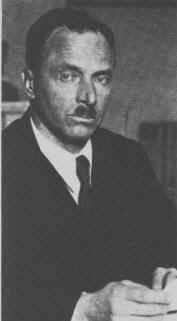
La critica alla democrazia in Henri de Man

La critica alla democrazia in Henri de Man

Ex: http://fralerovine.blogspot.com/ 

La democrazia come forma di dominio borghese

Il giovane De Man è ancora fedele al marxismo ortodosso, in linea con la Seconda Internazionale, ma già si delineano alcuni temi che saranno centrali nel suo pensiero. In particolare, in “L’era della democrazia” (1907) emergono tre punti fondamentali. In primo luogo, il suo socialismo ha una base volontaristica, secondo cui lotta di classe e istinto di sopravvivenza – “volontà di potenza” per usare un termine nietzscheano” – coincidono. In secondo luogo – e qui viene ribadita la sua linea radicale e non riformista –, il proletariato dovrà essere attento a non cedere agli inganni della borghesia, bensì mantenersi puro e intransigente per conquistare il potere. Egli, infatti, riconosce il carattere precedentemente rivoluzionario della borghesia, ma ammonisce a non confondere la rivoluzione borghese con quella proletaria.


1. La crescita parallela dei movimenti socialisti dei lavoratori e del movimento democratico di parte della borghesia, come abbiamo visto negli ultimi anni, in particolare da noi in Francia, Inghilterra, Olanda e Belgio, ha portato molti membri del nostro partito alla conclusione che, siccome entrambi i fenomeni sono portati avanti dalla medesima causa e per lo stesso scopo (la “democrazia” che infine diverrà “socialista”), così il progresso della democrazia e quello del movimento dei lavoratori sarà simile, combinato, inseparabile. Bene, questa conclusione è erronea, questa conclusione è falsa, questa conclusione è pericolosa.


In terzo luogo, però, il proletariato, man mano che acquisterà coscienza di classe, sarà in grado di vincere la borghesia con le proprie forze, sfruttando le stesse condizioni della democrazia borghese.


2. Sarebbe il peggior tipo di pessimismo concludere che non dobbiamo aspettarci immediati miglioramenti politici, che dobbiamo fermarci e riporre tutta la nostra speranza nel sovvertimento rivoluzionario della società capitalista. No; la democrazia politica – cioè, un minimo di diritti politici e legalità – è la condizione assolutamente indispensabile per il successo della rivoluzione sociale […]. Ma il proletariato sarà sempre più l’unica forza a sostenere tutte le battaglie per la democrazia e dovrà dipendere sulle sue risorse per la realizzazione della democrazia. Man mano che la democrazia diventa più indispensabile per il proletariato, diviene più pericolosa per la borghesia, e man mano che la lotta per ogni frammento di libertà e legalità diventa più difficile, sempre più s’avvicina a quella lotta finale in cui non ci sarà quartiere, dove la posta sarà il controllo del potere politico, la stessa esistenza dello sfruttamento capitalistico e della democrazia a uno e a un medesimo tempo.


Fin dall’inizio, quindi, il rapporto con la democrazia borghese, in quanto sistema politico reale e quotidiano in cui ci si trova ad operare e che occorre affrontare, risulta fondamentale nell’opera di De Man, il quale però ammonisce che la democrazia può spianare la strada al proletariato ma non è in sé una condizione sufficiente, tale da condurre automaticamente al socialismo.


3. Dunque, nella nostra lotta, non lasciamo che illusioni sulla misericordia della borghesia, né fiducia nella sincerità delle loro convinzioni democratiche, confondano la consapevolezza di classe del proletariato. La posta della battaglia è ben maggiore che un po’ di legalità o solo una riforma, ben più grande di quanto una rivoluzione borghese abbia mai tentato. E il proletariato ha un’arma molto più forte e formidabile di quanto la borghesia ne abbia mai usate. Non l’ha forgiata a partire dall’idea democratica – e dal fraseggio di un impotente classe in declino. Come il giovane eroe nel Sigfrido di Wagner, vede ciò con distacco […]. E forgerà la sua spada per salvare il mondo a partire dalla forte organizzazione di classe e con eroica coscienza di classe.


Infatti, approfondendo la sua preparazione teoretica e la sua conoscenza della democrazia liberale, De Man sarà sempre più cauto e guardingo relativamente all’attrazione del liberalismo e del riformismo sul proletariato. Particolarmente interessanti sono le sue lettere da London, pubblicate nel 1910 sul “Leipziger Vokszeitung” come “Lettere di viaggio socialiste”, laddove egli descrive come il partito laburista sia del tutto integrato in quello liberale e, perciò, funzionale agli stessi interessi borghesi, mentre invece quelli dei proletari sono ignorati o calpestati.


4. È del tutto ovvio che la natura della competizione elettorale tra i due grandi partiti borghesi, che almeno a Londra monopolizza quasi il campo di battaglia, è una competizione per catturare i voti del lavoratore attraverso trucchi pubblicitari da poco, così che il partito che ha meno scrupoli e più denaro vincerà. Perché alla fine, l’essenza del senso politico nel sistema elettorale inglese è questo: trasformare il potere finanziario delle classi proprietarie in potere politico in modo che il diritto di voto dei lavoratori sia reso un modo di preservare la loro dipendenza intellettuale e politica dai partiti borghesi.


L’analisi e la critica del sistema democratico inglese prosegue toccando altri punti fondamentali, quali la legge elettorale in sé, la quale esclude il voto femminile, riduce l’elettorato ai soli possidenti o affittuari benestanti, garantisce il voto plurale a laureati e proprietari terrieri, ed è basata su un sistema maggioritario, per cui in ogni collegio è eletto solo il singolo candidato che ottiene la maggioranza relativa. Inoltre, egli descrive la conduzione della campagna elettorale presso i lavoratori con distribuzione gratuita di alcoolici, propaganda di massa e addirittura l’organizzazione delle masse stesse al voto. Il termine che meglio descrive l’atteggiamento delle classi dominanti verso la classe operaia è “condiscendenza”.


5. Il movimento socialista operaio è trattato dalla classe dominante in Inghilterra in completo contrasto con il socialismo e con il movimento operaio. Mi esprimerò più chiaramente: il socialismo come teoria sociale e filosofica non appare come minaccioso per il corpo della borghesia, finché esso non trova sostenitori nei circoli intellettuali borghesi […]. In breve, il socialismo qui è ancora socialmente accettabile, come non lo è stato per lungo tempo in Germania. La borghesia inglese molto tempo fa ha fatto pace con il movimento dei lavoratori a patto che non fosse socialista, cioè, con il movimento sindacale di vecchio stampo.


Tuttavia, come fa notare De Man, alla “carota” viene affiancato il “bastone”: i metodi repressivi non sono meno assenti nella democrazia liberale, semplicemente essi sono usati con maggiore parsimonia e oculatezza. Questo è particolarmente evidente nel modus operandi della polizia inglese, in realtà non molto dissimile da quella prussiana, nonostante la differenza di regime, in linea teorica.


6. Alla fine il parallelo tra i “bobbies” e i “Bleus” riflette fondamentalmente quello tra le due forme di governo, il borghese liberale e lo Junker reazionario, in generale. Queste sono le due forme democratiche di oppressione politica del proletariato nell’era capitalista; la prima è la più ragionevole, la seconda la più brutale. Questo non significa che la polizia di Londra non possa e non si sia comportata in modo brutale. Ma questo ha luogo non regolarmente ma solo in circostanze straordinarie, cioè, quando è considerato davvero indispensabile.


In sintesi, il giovane De Man prende una posizione molto dura verso la democrazia borghese, liberale o autoritaria che sia. Se da una parte, infatti, riconosce che all’interno di essa è possibile trovare gli strumenti per portare avanti la lotta di classe, pure è consapevole che a un certo punto sarebbe risultata inevitabile la rivoluzione.

La democrazia come tappa intermedia

Nel 1914, con l’invasione del Belgio da parte tedesca, questa visione secondo cui non c’era differenza tra i vari regimi borghesi e imperialisti doveva cambiare radicalmente. Le democrazie occidentali parevano, infatti, garantire maggiori possibilità ai movimenti operai rispetto agli imperi centrali. Altrettanto importanti furono le sue esperienze di viaggio in Unione Sovietica e negli Stati Uniti, che lo convinsero della necessità di un ordinamento democratico come tappa intermedia tra il capitalismo e il socialismo. In quest’ottica egli arrivò a contrapporre all’URSS, che egli accusava di eccessiva furia nel tentare d’imporre le conquiste del socialismo a un proletariato ancora impreparato, gli Stati Uniti, dove invece vedeva quasi compiute le basi democratiche del socialismo.

Henri De Man, ne traccia una sintesi nell’articolo “La lezione della guerra”, comparso su “Le Peuple” nel 1919. Egli è però attento a sottolineare come la sua posizione non fosse stata immediatamente interventista come molti altri socialdemocratici e socialisti europei, bensì meditata alla luce degli eventi da lui vissuti tra il 1915 e il 1918, e frutto di una coscienza tormentata dalla consapevolezza delle contraddizioni.


7. Al fine di evitare ogni incomprensione, devo dichiarare che, anche se io ero un ufficiale associato all’azione del governo durante la guerra con due missioni ufficiali all’estero – in Russia nel 1917 e negli Stati Uniti nel 1918 – non sono mai stato tra quelli che hanno perso la loro autonomia morale per l’intossicazione del patriottismo ufficiale e dello sciovinismo militarista. Io ero un socialista antimilitarista e internazionalista prima della guerra. Credo di esserlo ancora di più ora. Forse lo sono in modo differente, ma certamente non in misura meno profonda o meno sentita. È precisamente perché io considero il socialismo una realtà urgente e ancora più ineluttabile che mai che esso mi appare da una prospettiva differente dalle mie opinioni del 1914. La revisione delle mie idee è dovuta soprattutto al fatto che per tre anni sono state letteralmente sottoposte alla prova del fuoco.


De Man propone in queste pagine però una svolta di entità non indifferente, anzi una vera e propria revisione del marxismo, dovuta ad esperienze che traspaiono come traumatiche. Egli trasvaluta tutti i valori, alla ricerca di una dottrina politica che gli consenta di comprendere davvero gli eventi.


8. Non penso più che possiamo capire i nuovi fatti della vita sociale con l’aiuto di una dottrina stabilita sulla base di fatti precedenti e differenti. Non penso più che la toeria che vede le guerre contemporanee unicamente come il risultato di conflitti economici tra governi imperialisti sia giusta. Non penso più che i soli fenomeni economici possano fornirci la trama di tutta l’evoluzione storica. Non penso più che il socialismo possa essere realizzato indipendentemente dallo sviluppo della democrazia politica. Non penso più che al socialismo basti fare appello agli interessi di classe del proletariato industriale, disdegnando il supporto che certi interessi e ideali comuni all’intera nazione o a tutta l’umanità possono darci. Non penso più che la lotta di classe proletaria, che rimane il mezzo principale per la realizzazione del socialismo, possa condurre ad esso senza ammettere certe forme di collaborazione di classe e di partito. Non credo più che il socialismo possa consistere semplicemente nell’esproprio dei mezzi di produzione di base da parte dello Stato, senza una profonda trasformazione dei processi amministrativi per portare allo sviluppo illimitato della produttività sociale. Non penso più che una società socialista possa essere sostenuta domani se rinuncia allo stimolante che oggi è fornito dalla competizione d’imprese private e di un ineguale frutto del lavoro, proporzionato alla sua produttività sociale. Credo in un socialismo più a portata di mano, più pragmatico, più organico – in una parola, più umano.


Egli spiega poi le sue motivazioni di contro al marxismo internazionalista, adducendo come tappa necessaria sul cammino verso il socialismo l’autonomia nazionale e la democrazia politica, entrambe ancora da raggiungere nelle due grandi nazioni europee dove era stata tentata la rivoluzione bolscevica, ovvero Russia e Germania, in quanto nazioni ancora rette da una monarchia di diritto divino. In quest’ottica, la guerra delle potenze dell’Intesa era giustificata anche da un punto di vista socialista proprio perché portava a termine quella rivoluzione borghese di cui parlava Marx. De Man continua a fare riferimento al filosofo di Treviri, anche se ne critica l’economicismo.


9. Il metodo del materialismo storico fondato da Marx ci ha abituati troppo a vedere solo il lato economico dei fatti della vita sociale. D’altra parte, il marxismo è stato represso troppo fortemente dal socialismo di Germania e Russia, due Paesi dove la mancanza d’istituzioni democratiche e, quel che è peggio, di tradizioni democratiche ha necessariamente avuto ripercussioni sul punto di vista dei lavoratori.


Egli ha ben presente che non è stata una guerra rivoluzionaria socialista, ma nondimeno è stata una guerra rivoluzionaria democratica. Passando poi a confrontare Stati Uniti e Russia, sottolinea le migliori condizioni del primo Paese, in confronto al secondo dove il proletariato, mancando di un’educazione democratica, non è stato in grado di gestire il potere conquistato.


10. In Russia, ho visto socialismo senza democrazia. In America, ho visto democrazia senza socialismo. La mia conclusione è che, per parte mia, preferirei, se dovessi scegliere, vivere in una democrazia senza socialismo che in un regime socialista senza democrazia. Questo non significa che io sia più democratico che socialista. Molto semplicemente significa che la democrazia senza socialismo è pur sempre democrazia, mentre il socialismo senza democrazia non è nemmeno socialismo. La democrazia, essendo il governo della maggioranza, può condurre al socialismo, se la maggioranza è a favore di esso; il socialismo, se non è basato sul governo della maggioranza, è un regime dispotico, il che significa o guerra civile o stagnazione.


Per risolvere questo problema, il proletariato dovrebbe includere non solamente gli operai, ma anche i tecnici e gli intellettuali, i quali vendono anch’essi la loro forza lavoro, sia pure più specializzata, il che fa di loro dei proletari.


11. Non sarei un socialista se non credessi che questa capacità si può trovare in nuce nel proletariato – a condizione che l’espressione includa oltre ai lavoratori manuali coloro, come i tecnici, i colletti bianchi, gli ingegneri, gli studiosi e gli artisti, che oggi vendono la loro forza lavoro intellettuale sul mercato del mondo capitalista. Ma poiché questo nucleo possa svilupparsi e rendere più che non solo vantaggi temporanei, un lungo periodo di adattamento della classe lavoratrice ai nuovi compiti di gestione sociale deve aver luogo.


Questa collaborazione tra le classi inferiori, sostiene De Man, ha già in realtà visto in parte la luce nelle trincee, laddove la maggioranza dei combattenti erano appunto proletari (in questo senso allargato). Qui sono state poste le basi sociali per un socialismo democratico, del tutto differente dal socialismo dittatoriale del bolscevismo sovietico.

Riguardo agli Stati Uniti, troviamo interesse nella “Lettera d’America” comparsa, sempre su “Le Peuple”, l’anno successivo. Ciò che l’autore sottolinea, sono le ottime condizioni materiali dei lavoratori americani, in particolare i contadini, rispetto a quelli europei. E a queste si accompagna una superiore istruzione e dunque una vera e propria coscienza di classe, che porrebbe le basi per un movimento socialista di successo.


12. Questo è un Paese che dimostra che non è la povertà che crea la più vigorosa coscienza di classe, e che un regime di sfruttamento capitalistico è più minacciato dove la gente comune ha acquisito il più alto grado di benessere materiale ed istruzione, come nel Far West americano. Tutto questo Paese è proprio ora lo sfondo di una grande rinascita della coscienza di classe, sia tra la popolazione rurale, sia tra i lavoratori urbani. È un fenomeno sorprendente, specialmente per un periodo immediatamente successivo a una guerra. La sua espressione più caratteristica è l’alleanza dei sindacati e delle organizzazioni agrarie per sostenere un programma esplicitamente collettivista.


La democrazia nel planismo

Il successivo percorso di studio di De Man lo portò a toccare e ad approfondire ben altri argomenti, in particolare relativamente alla critica e al superamento del marxismo da un punto di vista psicologico, come espresso in “Psicologia del socialismo” (1926). La sua critica del marxismo è funzionale però a una radicalizzazione del movimento socialista. Secondo l’autore, infatti, è nella dottrina di Marx che devono essere rintracciati quei tratti filosofici positivisti come il meccanicismo, il razionalismo, l’edonismo materialista, che favoriscono l’imborghesimento dei movimenti marxisti. Un altro problema è la tendenza alla divisione, specie nei partiti di stampo bolscevico, tra dirigenti attivi e masse passive (“Masse e capi”, 1932). Il lato più propriamente psicologico è poi approfondito in “La lotta per la gioia del lavoro” (1927), laddove esamina i moventi psicologici che influenzano positivamente il lavoratore, ovvero principalmente l’utilità sociale, l’interesse personale, e il senso dell’obbligazione sociale; e quelli che lo influenzano negativamente, come l’insicurezza e la precarietà delle condizioni di vita e di lavoro o l’impossibilità di promozione sociale.

Con “L’idea socialistica” (1933) viene finalmente approfondito un altro tema cruciale, quello dell’imborghesimento del proletario. De Man ricostruisce prima storicamente il passaggio da una borghesia lavoratrice a una borghesia proprietaria e sfruttatrice e poi osserva il processo analogo nel proletariato contemporaneo. Secondo lui, indubbiamente, ha un forte peso il miglioramento delle condizioni di vita, ma il fattore cruciale, che mina a suo parere il marxismo alla base, è il materialismo: la classe operaia lotta non per il bene dell’umanità, ma egoisticamente per il proprio benessere, mirando essenzialmente a rovesciare il dominio borghese e sostituirvisi. In questo senso, riprendendo il pensiero di Spengler e Sombart, il marxismo non è tanto un movimento opposto al capitalismo, quanto interno ad esso. Il socialismo invece doveva prescindere dagli interessi specifici della classe operaia, che a suo parere avrebbero potuto anche essere soddisfatti dal capitalismo, come negli Stati Uniti.

È proprio su queste premesse, che De Man scriverà il “Piano del lavoro” nel 1933, come programma pragmatico di riforma dello Stato dal punto di vista tanto sociale quanto economico.


13. L’obiettivo di questo piano è una trasformazione economica e politica del Paese, consistente in: 1) L’istituzione di un sistema economico misto che includa, oltre a un settore privato, un settore nazionalizzato che comprenda il controllo del credito e delle principali industrie che sono già monopolizzate di fatto; 2) La sottomissione dell’economia nazionale così riorganizzata a lle direttive del benessere comune mirante all’allargamento del mercato interno così da ridurre la disoccupazione e da creare condizioni che portino a un’accresciuta prosperità economica; 3) La realizzazione all’interno della sfera politica di una riforma dello Stato e del sistema parlamentare tale da creare le basi per una vera democrazia sociale ed economica.


Scendendo in maggiori dettagli riguardanti quest’ultimo punto, che delineino come sia mutata la concezione della democrazia propugnata da De Man, occorre consultare la settima e ultima parte del piano.


14. Per rinforzare le basi della democrazia e per preparare istituzioni parlamentari per la realizzazione delle trasformazioni economiche che sono delineate, la riforma dello Stato e del sistema parlamentare deve soddisfare le seguenti condizioni: 1) Tutti i poteri derivano dal suffragio universale non adulterato; 2) L’esercizio delle libertà costituzionali è pienamente garantito a tutti i cittadini; 3) Il sistema politico ed economico assicurerà l’indipendenza e l’autorità dello Stato e del potere pubblico rispetto al potere finanziario; 4) il potere legislativo sarà esercitato da una singola camera, di cui tutti i membri siano eletti con suffragio universale; 5) questa camera, i cui metodi di lavoro saranno semplificati e adattati alle necessità della moderna organizzazione sociale, saranno assistiti nell’elaborare leggi da consigli consultativi, i cui membri saranno scelti in parte fuori dal Parlamento, sulla base della loro riconosciuta competenza; 6) per evitare i pericoli dello statalismo, il Parlamento darà alle agenzie responsabili per legge della gestione dell’economia quei poteri d’implementazione indispensabili alla rapidità d’azione e alla focalizzazione delle responsabilità.


Nelle successive tesi di Pontigny del 1934, stabilirà il ruolo del partito all’interno della pianificazione qui delineata, ovvero la piena partecipazione, all’interno del sistema legale e politico democratico alla riforma dello Stato. Questo interventismo, unito alla delusione per l’inerzia del regime borghese e democratico sarà alla base della sua scelta, nel 1940, di appoggiare il fascismo, sperando che potesse compiere quella riorganizzazione dello Stato che né il socialismo né la democrazia erano stati in grado di intraprendere.