Ok

En poursuivant votre navigation sur ce site, vous acceptez l'utilisation de cookies. Ces derniers assurent le bon fonctionnement de nos services. En savoir plus.

samedi, 16 octobre 2010

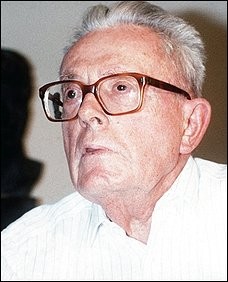
Maurice ALLAIS (1911-2010)

 Maurice ALLAIS (1911-2010)

(vertaald door Frederik Ranson : Ex: http://n-sa.be/ )

AllaisMauH2.jpgMaurice Allais, die op 9 oktober op 99-jarige leeftijd overleed, was een Nobelprijswinnaar die waarschuwde tegen de "casino"-praktijken op de aandelenmarkt die uiteindelijk hebben geleid tot de huidige wereldwijde financiële crisis; hij beweerde ook Einsteins algemene relativiteitstheorie te hebben weerlegd.

In de jaren 1990 verheugde hij de eurosceptici door zijn verzet, bijna uniek onder de Franse economen, tegen de Europese eenheidsmunt; eurofoben waren minder enthousiast toen hij onthulde dat hij ertegen was omdat de invoering van de munt had moeten worden voorafgegaan door een Europese politieke unie op grote schaal.

Hij won zijn Nobelprijs voor de Economie in 1988. Maar hij had ook kandidaat kunnen zijn voor die in de Natuurkunde, een vakgebied waarin hij het best bekend was voor zijn ontdekking dat zwaartekracht van de aarde lijkt te stijgen tijdens een zonsverduistering.

In 1954 experimenteerde hij met een zelf uitgevonden "paraconische" slinger en hij merkte dat, wanneer de maan voor de zon passeerde, de slinger een beetje sneller bewoog dan hij zou moeten hebben gedaan. Zijn verklaring, uiteengezet in L'Anisotropie de l'espace (1997), was dat ruimte andere eigenschappen vertoont langs verschillende assen en dit als gevolg van beweging door een ether die gedeeltelijk wordt beïnvloed door planetaire lichamen.

Schommelingen zijn inmiddels gemeten tijdens een twintigtal totale zonsverduisteringen, maar de resultaten zijn nog niet overtuigend en het "Allais-effect" (zoals het bekend staat) blijft voor verwarring zorgen onder wetenschappers. Allais zelf twijfelde er niet aan dat het effect een fout in Einsteins relativiteitstheorie aangaf. Inderdaad, hij had weinig tijd voor Einstein, die volgens hem het werk van eerdere wetenschappers zoals Lorentz en Poincaré had geplagieerd in zijn geschriften van 1905 over de speciale relativiteitstheorie en E=mc2.

Als econoom had Allais reden om te klagen dat anderen erkenning hadden gekregen die hem toekwam. In zijn eerste grote werk, A la Recherche d'une discipline économique (1943), bewees hij wiskundig dat een efficiënte markt kan worden bereikt via een systeem van economisch evenwicht (wanneer de prijzen zorgen voor een evenwicht tussen de vraag en wat kan worden geleverd).

Het bleek van vitaal belang in het sturen van de beslissingen over investeringen en prijzen die genomen werden door jongere economen, werkzaam voor de staatsmonopolies die zich uitbreidden in het West-Europa van na de Tweede Wereldoorlog – en voor de overheden die private sectorale monopolies reguleerden in een tijdperk van denationalisering.

Hij werd bekroond met de Nobelprijs voor zijn "baanbrekende bijdragen aan de theorie van de markten en een efficiënt gebruik van middelen", maar de onderscheiding kwam laat. Zijn werk is gunstig vergeleken met dat uitgevoerd op hetzelfde ogenblik of later door de Amerikaan Paul Samuelson en de Britse econoom John Hicks, die beiden Nobelprijzen wonnen in de jaren ‘70. Allais’ werk diende ook als basis voor de analyse van de markten en maatschappelijke efficiëntie uitgevoerd door een van zijn voormalige leerlingen, Gérard Debreu, die de Nobelprijs voor de Economie won in 1983 (nadat hij Amerikaanse staatsburger was geworden) en Kenneth Arrow, die de prijs in 1972 won.

De belangrijkste reden waarom Allais zo lang over het hoofd werd gezien lijkt te zijn dat hij niet in het Engels publiceerde tot laat in zijn carrière en als gevolg daarvan niet de internationale erkenning kreeg die hem toekwam. Paul Samuelson vond dat als Allais’ vroege werken in het Engels waren geweest, "een generatie van economische theorievorming een andere koers zou hebben genomen".

Maurice Allais werd geboren als zoon van de eigenaar van een kaaswinkel in Parijs op 11 mei 1911. Nadat zijn vader tijdens de Eerste Wereldoorlog in krijgsgevangenschap overleed, werd hij opgevoed door zijn moeder in moeilijke omstandigheden.

Als een briljante student aan het Lycée Louis-le-Grand werd Allais opgeleid als ingenieur aan de Ecole Polytechnique en hij werkte enkele jaren als mijningenieur. Hij wendde zich tot de economie na geschokt te zijn door het leed dat hij zag tijdens een bezoek aan de Verenigde Staten tijdens de Grote Depressie. Hij schoolde zichzelf in het onderwerp en begon al snel te les te geven aan de Ecole Nationale Superieure des Mines de Paris, waarbij hij een wiskundige strengheid invoerde in het Franse vakgebied, dat op dat ogenblik voornamelijk niet-kwantitatief was.

Allais’ belangrijkste bijdragen aan de economische theorie werden geformuleerd tijdens de Tweede Wereldoorlog, toen de Franse academici – werkend onder Duitse bezetting – grotendeels van de buitenwereld afgesneden waren.

John Hicks, een van de eerste geallieerde economen in Parijs na de bevrijding, herinnerde zich dat hij zich een weg moest banen naar een zolder waar – eens zijn ogen zich aan het duister hadden aangepast – hij een groep met mijnwerkerslampen op hun hoofd kon zien luisteren naar een leraar voor een bord. Die leraar was Allais en hij was aan het spreken over het feit of de rente nul procent zou moeten zijn in een economie zonder groei. Dit was de voorbode van zijn tweede grote publicatie, Economie et interêt (1947), een enorm werk over kapitaal en rente dat de basis heeft gevormd voor de zogenaamde "gouden regel van de accumulatie". Daarin staat dat om het reële inkomen te maximaliseren de optimale rente gelijk moet zijn aan de groei van de economie.

Allais’ boek bevatte ook de suggestie dat het bij het stimuleren van een economie nuttig is om een eenvoudig model, bestaande uit twee generaties (jong en oud), te gebruiken. Bij elke stap sterft de oude generatie, wordt de jonge generatie ouder en verschijnt een nieuwe jonge generatie. Het model – nu bekend als het overlappende-generatiesmodel – kreeg weinig aandacht op dat ogenblik, maar meer dan een decennium later introduceerde Paul Samuelson  hetzelfde idee onafhankelijk van Allais.

Allais' werk hadden meer dan een theoretisch belang. Toen Frankrijk zijn economie in een combinatie van staatsdirigisme en markteconomie heropbouwde, leverde Allais het theoretische kader dat de planners nodig hadden om het korte-termijndenken van politici te kunnen weerstaan en optimale prijs- en investeringsstrategieën op te stellen.

Tijdens de jaren 1950 bedacht hij als eerste een nieuwe aanpak toen hij, tijdens onderzoek naar hoe mensen reageren op economische prikkels, een groep vroeg om te kiezen tussen bepaalde gokken en vervolgens hun beslissingen onderzocht. Hij ontdekte dat de proefpersonen handelden op manieren die in strijd waren met de standaardtheorie over nut, die voorspelt dat mensen zich zullen gedragen als rationele economische wezens. Als gevolg daarvan bedacht hij de "Allais-paradox", een vergelijking die reacties op risico's voorspelt.

Allais, die werkte als directeur van het Franse Nationale Centrum voor Wetenschappelijk Onderzoek, bleef actief en onafhankelijk denkend tot ver in zijn tachtigerjaren. Kort voor de beurskrach van 1987 schreef hij een opstel waarin hij schreef dat de situatie "drie fundamentele gelijkenissen (vertoonde) met dat wat de Grote Depressie van 1929-1934 voorafging: een bovenmatige ontwikkeling van schuldbewijzen, koortsachtige speculatie en een daaruit voortvloeiende mogelijke instabiliteit in kredietmechanismen, dat wil zeggen: de financiering van investeringen op lange termijn met korte-termijndeposito's".

In 1989 waarschuwde hij dat Wall Street een "waar casino" was geworden, met losse kredietpraktijken, onvoldoende margevereisten en een gecomputeriseerde handel op een non-stop wereldmarkt – die allen bijdragen tot een gevaarlijk wispelturig financieel klimaat.

In een recent artikel betoogde hij dat een "rationeel protectionisme tussen landen met een zeer uiteenlopende levensstandaard niet alleen gerechtvaardigd is, maar zelfs absoluut noodzakelijk".

Allais was een productieve schrijver, zowel in de lengte van zijn stukken (zijn boeken hadden dikwijls 800 à 900 pagina’s) als in de verscheidenheid van onderwerpen die hij behandelde. Naast werken over economische theorie en natuurkunde schreef hij ook boeken over geschiedenis.

Maurice Allais werd benoemd tot officier van het Legion d'honneur in 1977 en Grootofficier in 2005. Hij werd bevorderd tot het Grootkruis van het Legion d'honneur eerder dit jaar.

Zijn vrouw, Jacqueline, overleed in 2003 en hij wordt overleefd door hun dochter.

Bron: Telegraph

Maurice Allais

Maurice Allais

ex: http://www.telegraph.co.uk/ 

Maurice Allais, who died on October 9 aged 99, was a Nobel Prize winner who warned against "casino" stockmarket practices that eventually precipitated the current global financial crisis; he also claimed to have disproved Einstein's General Theory of Relativity.

 
Photo: AFP/GETTY

In the 1990s he delighted eurosceptics by his opposition, almost unique among French economists, to the single European currency; europhobes were less enthused when he revealed that he was against it because the currency's introduction should have been preceded by wholesale European political union.

He had won his Nobel for Economics in 1988. But he might also have been a candidate for the award in Physics, a discipline in which he was best known for his discovery that Earth's gravitational pull appears to increase during a solar eclipse.

Fluctuations have since been measured during 20 or so total solar eclipses, but the results remain inconclusive, and the "Allais effect", as it is known, continues to confound scientists. Allais himself had little doubt that the effect indicated a flaw in Einstein's theory of relativity. Indeed, he had little time for Einstein who, he claimed, had plagiarised the work of earlier scientists such as Lorentz and Poincaré in his 1905 papers on special relativity and E=mc2.

As an economist, Allais had reason to complain that others had been given credit that was his due. In his first major work, A la Recherche d'une Discipline Economique (1943), he proved mathematically that an efficient market could be achieved through a system of equilibrium pricing (when prices create a balance in demand with what can be supplied).

It proved vital in guiding the investment and pricing decisions made by younger economists working for the state-owned monopolies that proliferated in Western Europe after the Second World War – and for the authorities regulating private sector monopolies in an age of denationalisation.

He was awarded the Nobel for his "pioneering contributions to the theory of markets and efficient utilisation of resources", but the award was late in coming. His work has been compared favourably with that carried out at the same time or later by the American Paul Samuelson and the British economist John Hicks, both of whom won Nobel Prizes in the 1970s. Allais's work also served as a basis for the analysis of markets and social efficiency carried out by one of his former pupils, Gerard Debreu, who won the Nobel Economics Prize in 1983 after he became an American citizen, and Kenneth Arrow, who won the prize in 1972.

The main reason why Allais was overlooked for so long appears to be that he did not publish in English until late in his career and as a result did not gain the international recognition that was his due. Paul Samuelson felt that, had Allais's early works been in English, "a generation of economic theory would have taken a different course".

The son of a cheese shop owner, Maurice Allais was born in Paris on May 11 1911. After his father died in captivity during the First World War, he was raised by his mother in reduced circumstances.

A brilliant student at the Lycée Louis-le-Grand, Allais trained as an engineer at the Ecole Polytechnique and worked for several years as a mining engineer. He turned to economics after being appalled by the suffering he saw during a visit to the United States during the Great Depression. He taught himself the subject and soon began to teach it at the Ecole Nationale Supérieure des Mines de Paris, introducing a mathematical rigour into the French discipline, which at that time was mostly non-quantitative.

Allais's most important contributions to economic theory were formulated during the Second World War, when French academics, working under German occupation, were largely cut off from the outside world.

John Hicks, one of the first Allied economists in Paris after the liberation, recalled making his way to an attic where, once his eyes had adjusted to the dark, he could see a group with miners' lamps on their heads listening to a lecturer at a board. The lecturer was Allais, and he was talking about whether the interest rate should be zero per cent in a no-growth economy. This foreshadowed his second major publication, Economie et Intérêt (1947), a massive work on capital and interest which has formed the basis for the so-called "golden rule of accumulation". This states that to maximise real income, the optimum rate of interest should equal the growth rate of the economy.

Allais's book also included the suggestion that in stimulating an economy it is helpful to use a simple model consisting of two generations, young and old. At each step, the old generation dies, the young generation grows old, and a new young generation appears. The model, now known as the overlapping generations model, got little attention at the time, but more than a decade later Paul Samuelson introduced the same idea independently.

Allais's work had more than theoretical importance. When France rebuilt its economy on a combination of state dirigisme and market economics, Allais provided the theoretical framework needed to allow planners to resist the short-termism of politicians and set optimum pricing and investment strategies.

During the 1950s he pioneered a new approach when, in examining how people respond to economic stimuli, he asked a group to choose among certain gambles, and then examined their decisions. He discovered that the subjects acted in ways that were inconsistent with the standard theory of utility, which predicts that people will behave as rational economic beings. As a result he created the "Allais Paradox", an equation that predicts responses to risk.

Allais, who served as director of research at the National French Research Council, remained active and independent-minded until well into his eighties. Shortly before the stock market crash of 1987 he wrote a paper warning that the situation presented "three fundamental analogies with that which preceded the Great Depression of 1929-1934: a great development of promises to pay, frenetic speculation, and a resulting potential instability in credit mechanisms, that is, financing long-term investments with short-term deposits."

In 1989 he warned that Wall Street had become a "veritable casino", with loose credit practices, insufficient margin requirements and computerised trading on a non-stop world market – all contributing to a dangerously volatile financial climate.

In a recent article he argued that a "rational protectionism between countries with very different living standards is not only justified but absolutely necessary".

Allais was a prolific writer, both in the length of his pieces (his books typically ran to 800 or 900 pages) and in the variety of subjects he addressed. As well as works on economic theory and physics, he also wrote books on history.

Maurice Allais was appointed an officer of the Légion d'honneur in 1977 and grand officer in 2005. He was promoted to Grand Cross of the Légion d'honneur earlier this year.

His wife, Jacqueline, died in 2003, and he is survived by their daughter.

Le lobby pro-français en Wallonie

Picard / «  ‘t Pallieterke » :

Le lobby pro-français en Wallonie


wallonie-france2.jpgEn France, pense-t-on sérieusement à annexer la Wallonie, et même Bruxelles, à la « mère-patrie » hexagonale ? Oui, si l’on croit ce qu’écrivent certains sites sur Internet ou certains journaux. Ainsi, le ministre français des affaires européennes, Pierre Lellouche, se serait exprimé ouvertement, lors d’une réunion, sur les effets positifs qu’aurait une réception de la Wallonie dans le giron de Mère-France. La question demeure ouverte : quel est le degré de réalisme de tels plans ? Quel zèle déploient donc  les décideurs pour que cesse d’exister la frontière qui sépare encore la Wallonie de la France ?


Soyons clairs dès le départ : l’intérêt que porte la France à la Wallonie est encore relativement réduit. Il existe certes quelques parlementaires néogaullistes en France qui ont montré un bien vif intérêt pour les anciens départements de Jemmapes (= Hainaut), de Sambre-et-Meuse (Namur), de l’Ourthe (Liège) et des Forêts (Luxembourg wallon + Grand-Duché). Jean-Pierre Chevènement, nationaliste de gauche, lorgne, lui aussi, vers le Nord. En fait, l’intérêt que portent les Français pour ce Septentrion wallon reste fort marginal. Les Français ne connaissent pas trop bien les réalités belges. Lors d’une visite, fin des années 90, le Président français de l’époque, Jacques Chirac, s’était demandé si « la Belgique comptait en fait plusieurs cantons ».


Cet intérêt assez chiche pour la Wallonie procède de tout un éventail de raisons. D’abord, Paris ne s’est intéressé qu’aux régions flamandes bordées par l’Escaut. Ensuite, la Wallonie n’est, pour les Français, qu’une sorte d’annexe délabrée du « Nord ». Elle est à leurs yeux une région dépourvue d’intérêt. De surcroît, on sait aussi en France que ce n’est pas seulement la Wallonie mais la Belgique tout entière qui se trouvent partiellement sous contrôle économique français, par le biais des « secteurs utiles », notamment via la position dominante qu’occupe Electrabel/GDF/Suez. Les Français savent aussi que les frontières existantes sont des vaches sacrées à l’intérieur de l’UE. Paris a bien l’intention de toujours les respecter. Sauf s’il y a évidemment une majorité claire et nette de Wallons qui opterait pour une annexion à la France. La situation peut rapidement se modifier.


Pour le moment, ce n’est certainement pas le cas. Le lobby pro-français en Wallonie est actuellement faible. Il s’agit surtout de personnages qui lorgnent vers le Sud depuis des décennies comme les chefs de file du « Rassemblement wallon », Paul-Henry Gendebien et le constitutionaliste liégeois François Perin. Or le poids politique de ces deux hommes est inexistant. Comme on le sait fort bien, le parti rattachiste RWF n’a jamais été capable de dépasser 1% des voix en Wallonie.


Cette situation pourrait peut-être se modifier complètement en cas de dislocation de la Belgique. Si tel est le cas, une attitude pro-française pourrait subitement émerger en Wallonie, pour autant qu’elle soit latente. Pour avancer une telle hypothèse, nous n’avons qu’un seul exemple historique : au lendemain de la seconde guerre mondiale, beaucoup d’associations wallingantes se sont engouées pour la France. C’est un fait : le mouvement wallon (officiel) a toujours cherché à se profiler comme un mouvement de résistance antiallemand se référant à la personnalité du Général De Gaulle. La date du 18 juin 1940 est significative à cet égard. Ce jour-là, rappelons-le, De Gaulle prononce, depuis Londres, son fameux appel à poursuivre la lutte contre l’Allemagne. Or la date du 18 juin est aussi, par un pur hasard, celle de la bataille de Waterloo en 1815. Pour les tenants du wallingantisme, ce fut une défaite calamiteuse car, en conséquence, les Wallons furent inclus dans le « Royaume-Uni des Pays-Bas », instance politique qu’ils abominent. Nous ne devons pas oublier non plus que la « Congrès National Wallon » de 1945 avait opté pour une annexion à la France. S’il y a scission de la Belgique, cette vieille histoire sera certainement exhumée du placard.


Cependant, cette nostalgie des Wallingants s’avèrera insuffisante pour amener une majorité du peuple de Wallonie dans le giron de la France. Pour réussir une pareille opération, il faut des hommes politiques connus et populaires. Il y en a : quelques politiciens socialistes comme Christophe Collignon ou Claude Eerdekens lorgnent depuis longtemps vers la France. Ils se sentent étroitement liés à la région « Nord/Pas-de-Calais », qui est un bastion rouge. Ils n’auront de cesse de souligner que la Wallonie et cette région du Nord de l’Hexagone ont beaucoup de points communs.


Quelques figures de proue de la mouvance libérale portent leur regard plus loin : vers Paris. C’est bien connu : une personnalité comme Didier Reynders était fort heureux de voir la Banque Fortis reprise par BNP-Paribas. Cet homme connaît son chemin dans les salons de la capitale française. Il est d’ores et déjà écrit dans les étoiles que Reynders, quand il quittera la politique, occupera à Paris une fonction importante à la BNP-Paribas.


Si besoin s’en faut, Reynders est prêt à jouer les utilités et à devenir l’une des chevilles ouvrières du lobby pro-français de Wallonie. Il sait qu’il obtiendra, pour ce faire, le soutien de l’homme d’affaires wallon Albert Frère, qui est devenu plus français que belge. Frère a été l’un des personnages les plus importants quand il s’est agi de vendre à l’encan quelques grandes entreprises belges à la France. Parmi les protagonistes français de cette affaire, nous avons les dirigeants de Dexia, dont Pierre Mariani, qui auront tout intérêt en cas de scission de la Belgique à conserver de solides liens économiques avec le Septentrion wallon (et avec le reste aussi…).


Picard / « ‘ t Pallieterke ».

(article paru dans «  ‘t Pallieterke », Anvers, 22 septembre 2010).    


Cyprus: Diplomatic history

Cyprus: Diplomatic History and the Clash of Theory in International Relations

William Mallinson (author)

Hardback £54.50

What are the mainsprings of international rivalry and conflict and how are they to be uncovered - by international relations theory, history or by the practice of diplomacy? Cyprus is ideal for thoroughly testing theory and practice. The island has been at the epicentre of international relations rivalry throughout its history and to this day Cyprus remains a geopolitical tinder-box with acute tension between Cyprus and Turkey over the Turkish occupation of a third of the island. Hostility has now been transferred to the forum of the EU, with Cyprus as a member and the US and Britain pushing for Turkey to join. Meanwhile in the geopolitical hinterland, Russia remains suspicious of the island's British bases which project NATO power in the Eastern Mediterranean and the Middle East. William Mallinson's approach in analyzing Cyprus' problems and the dangers for international relations is unique. He applies practical hands-on experience of international diplomacy with academic research as an historian and international relations theorist.

Mallinson applies international theory to his minute analysis of revealing documents - the life-blood of the historian of diplomacy - and shows how historical research provides the essential basis for international relations theory.

Imprint: I.B.Tauris
Publisher: I.B.Tauris & Co Ltd

Hardback
ISBN: 9781848854161
Publication Date: 30 Sep 2010
Number of Pages: 256

Cyrpus in World War II

Cyprus in World War II: Politics and Conflict in the Eastern Mediterranean

Anastasia Yiangou (author)

World War II marked a pivotal point in the history of Cyprus, yet surprisingly, this period of the island's history has been little studied to date. Anastasia Yiangou here provides the first major study of the impact of World War II on the political development of Cyprus. In doing so, she traces shifting Cypriot attitudes to the war and the formation of a triangular conflict in the island between the Left, Right and British colonial power. She explains how the British and Cypriots fought a war alongside each other, yet remained far apart in discussions on the future of the island. Yiangou's original and compelling analysis highlights how the post-1945 landscape of Cypriot political struggles was shaped by forces set in motion during the war itself.

Anastasia Yiangou holds a PhD from the Institute of Commonwealth Studies, University of London in 2009. She has taught at the University of Cyprus and the G.C. School of Careers, Cyprus.

Imprint: I.B.Tauris
Publisher: I.B.Tauris & Co Ltd
Series: International Library of Twentieth Century History

Hardback
ISBN: 9781848854369
Publication Date: 30 Sep 2010
Number of Pages: 304
Height: 216
Width: 134

Italo Svevo

Italo Svevo, un uomo caduto in piedi, così tanto borghese,così tanto italiano

di Graziella Balestrieri

Fonte: Roberto Alfatti Appetiti (Blog) [scheda fonte]

"Ogni lettore, quando legge, legge sé stesso. L'opera dello scrittore è soltanto una specie di strumento ottico che egli offre al lettore per permettergli di discernere quello che, senza libro, non avrebbe forse visto in se stesso". (M.Proust)
 
italosvevo_big.jpgN.S.

In ogni opera di Svevo vidi me stessa.
Non nacqui in una famiglia borghese. Mio padre lavorava tutto il giorno e lo vedevo poco, però aveva l’attenzione giusta e capì subito che i libri mi piacevano e ogni settimana sin da piccolina mi comprava un volume nuovo, che io puntualmente leggevo sottolineavo e poi capivo dopo. A quei tempi, prima del Liceo, in casa c'erano solo libri politici, destra e sinistra, tanto è vero che ebbi una confusione mentale che dura sino ad oggi. Ovvio, mia mamma berlingueriana e mio padre un fascistone. E vabbè, non tutti i mali vengono per nuocere. Leggevo pure quelli, ma non mi entusiasmavano, sì la storia era interessante, ma quel modo di scrivere non mi esaltava. A 17 anni mi accorsi di un libro che stava lì. Una vita, Italo Svevo. 
Non so di preciso cosa mi incuriosì, ma iniziai a leggere e poco tempo dopo in classe capii il perché. Nei temi andavo sempre fuori traccia, è vero, ma perché mi annoiavo e le trovavo stupide, per cui scrivevo quello che mi andava. Dopo aver letto Una Vita, iniziai ancora di più a fare di testa mia, seguivo solo il flusso della mia coscienza, e quando in un tema in classe pensai di aver scritto un qualcosa di magnifico la prof ai colloqui disse a mio padre "Sua figlia scrive in modo strano, mette virgole e punti dove vuole, e cambia le tracce, argomenti interessanti, ma ha qualche problema?". Mio padre disse “bu, legge sempre, se questo è un problema non lo so”. Io sorrisi ed ero pienamente soddisfatta, una prof che io consideravo la quinta essenza della borghesuccia messa lì a insegnare non capiva come scrivevo. Io che la lingua tagliente non l’ho mai riposta, le dissi “si vede che lei non ha mai letto Svevo o Joyce”. Lei non rispose e da allora i miei voti in italiano aumentarono in maniera indescrivibile. Il quinto anno cambiò insegnante, arrivò e quando fu il tempo di “spiegare” Svevo disse testuali parole “Svevo era pazzo, un fissato con la malattia, facciamo poco”. Io andai su tutte le furie e le testuali mie parole non credo di ricordarle, ma la prof diceva di non agitarmi e disse “se ti piace tanto spiegalo tu”. Io mi alzai e spiegai, ma questo episodio lo legai al dito. Agli esami di stato, quando lei voleva farsi bella con me su Svevo dinnanzi alla commissione esterna, mi alzai con la sedia e passai a Filosofia. Un libro non ti cambia la vita, ma te la stravolge. Una vita fu per me, e poi più tardi La coscienza di Zeno, una catastrofe positiva che avrebbe fatto di Svevo un mio “padre letterario”.
Per la prima volta mi trovavo davanti a due vocaboli che mi giravano intorno, ma che non sapevo definire: inetto e borghese. Iniziare a guardare le cose di “sbieco”….la vita, prenderla di sbieco. Così dove tutti guardavano dritto per dritto iniziai ad inclinare la testa, per avere una prospettiva diversa. I personaggi, a me cari, da Alfonso Nitti a Zeno Cosini avevano tutti un filo conduttore: non nasci borghese ma qualcuno ti costringe a diventarlo, ma una soluzione esiste: l’ironia. In Italia non è stato molto amato, capirai il piccolo borghese qui domina e la fa da padrone. Vivere: un impiego statale, una famiglia, i figli, i pranzi con i parenti. L’amante. Tutto regolare. Troppo regolare. Così Svevo che poi è in Una Vita e ancor di più in Zeno Cosini e Senilità si ritrovava ai tempi a vivere in maniera parallela la “malattia” della scrittura e la “salute” dell’impiegato di banca con la famigliola perfetta. La differenza tra salute e malattia. Cosa è sano, cosa è malato?

L’inetto sveviano si trova in un mondo che non ha voluto, costretto a vivere “una vita” che non è la sua ma è quella che gli altri vorrebbero che fosse. Matrimoni per convenienza, bei vestiti, un’amante. Un torpore borghese che uccide ogni apertura mentale. Così in Svevo la malattia è la cosa più “sana”, quella che può sconfiggere la salute borghese. La rinuncia a essere sani nei suoi racconti è l’unico modo di affrontare il buio: “Si trovava, credeva, molto vicino allo stato ideale sognato nelle sue letture stato di rinunzia e quiete. Non aveva più neppure l’agitazione che gli dava lo sforzo di dover rifiutare. Non gli veniva offerto più nulla; con la sua ultima rinunzia egli s’era salvato, per sempre , credeva, da ogni bassezza a cui avrebbe potuto trascinarlo il desiderio di godere”(Una vita).

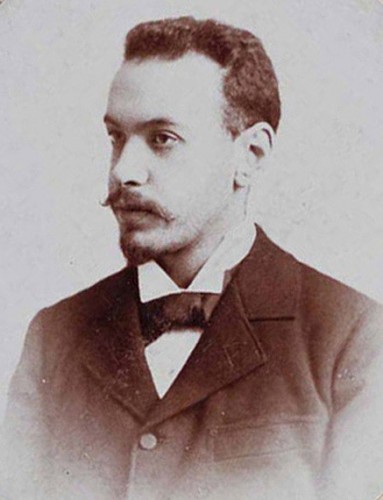
Ettore Schimtz , il vero nome dell’austro-italiano Italo, nasce a Trieste nel 1861, quando l’Italia diventa Italia. Per quanto mi riguarda, nonostante ai licei la vita degli scrittori si riduce al “nasce, vive muore e queste sono le opere”, la cosa importante che viene tralasciata è: il vissuto, l’ambiente che lo ha portato a scrivere. Ed è fondamentale in Svevo perché per seguire quel flusso di coscienza che Proust ritrova nel passato, Joyce ritroverà e perderà nel raccontare le mille vicissitudini della sua terra, nonostante l’esilio volontario, nel raccontare il proprio vivere si riesce a capire se stessi e a scavare nell’animo della gente che ti circonda. Non venne mai considerato un esteta della scrittura, alcuni addirittura arrivarono a dire "che non sapeva scrivere", un dilettante. Ma Svevo per uscire dai canoni della perfezione dell’ideologia naturalista in un qualche modo ha dovuto cercare la via migliore per raccontare e capire se stesso: la normalità. Scrivere in maniera normale, come farebbe una persona normale. Non fu mai “un esaltato” della vita al pari di D’Annunzio, nemmeno alla ricerca della bellezza, non ha mai voluto trovare altro che il significato stesso della vita. E come si fa a trovare l’essenza della vita se non si ricerca prima il proprio essere?

svevocouv.jpgCosì, nel sembrare un pessimista di natura, cerca nei suoi personaggi la chiave per descrivere l’uomo che cade in piedi. Che non è semplice, perché se cadi il segno di un livido ti rimane, cadendo e rimanendo in piedi il dolore lo senti solo dentro. Non è fisico, è solo mentale. Alfonso Nitti, bancario che lascia la mamma e si ritrova in una città che non sembra appartenergli, a cui non vuole appartenere, il personaggio di Una vita ricalca l’archetipo del debole, di colui che si arrende all’amore perché non è amato dalla donna che vorrebbe, che si arrende alla perfezione e alla cura estetica del collega che lo snerva nel suo essere borghese e arrivista, si arrende alla distanza inevitabile del suo capo, il Maller. Solo la morte per quanto crudele e distante, riuscirà ad avvicinarlo alla perfezione della vita, ma questo nemmeno servirà ad sentire più vicini quelli che lui considerava mal volentieri “colleghi”."La Banca Maller, in puro stile burocratico, annuncia un funerale che avviene con l’intervento dei colleghi e della direzione" (Una vita). Alfonso, che si dà colpe non sue, scriverà alla mamma: “Non credere, mamma, che qui si stia tanto male; sono io che ci sto male”. Non faceva nulla e quel nulla lo portava ad avere un’inerzia totale dinnanzi alle cose. Non era stanco, era solo annoiato. Tutti i giorni lì su quella sedia, tutti i giorni a subire e non capire, tutti i giorni un pezzo di vita che si vedeva portar via, ma la cosa assurda è che mentre gli altri “sembravano” contenti di vivere così, Alfonso era contento di non vivere. Avrà ragione Joyce a dire che nella penna di un uomo c’è un solo romanzo e che quando se ne scrivono diversi si tratta sempre del medesimo più o meno trasformato. Così da Una Vita si passa alla Coscienza di Zeno, che nel 1924 Svevo spedisce al suo ormai amico Joyce, trasferitosi a Trieste e suo professore di inglese che Livia Veneziani Svevo descriverà così: “Fra il maestro, oltremodo irregolare, ma d’altissimo ingegno e lo scolaro d’eccezione le lezioni si svolgevano con un andamento fuori dal comune”. Joyce, entusiasta del suo “allievo”, fa conoscere il manoscritto in Francia dove verrà pubblicato. In Italia sarà per merito di Eugenio Montale, sulle pagine della rivista L’Esame, che Svevo riuscirà ad avere la prima notorietà. Zeno Cosini che cerca di guarire da una malattia non ancora ben definita ed inizia il percorso psicoanalitico presso il Dottor S. Dottore che, per quanto poco si sforzi di capire il problema, non riuscirà a farlo e nel momento dell’abbandono della terapia da parte di Zeno si vendicherà pubblicando le memorie del suo paziente con la speranza che questo gli procuri dolore. Ma Zeno, che è più impegnato ad amare la sua sigaretta non farà altro che ridere e deridere il suo analista.

Come poteva credere di guarirlo se la cura consisteva nel dovergli togliere l’unica cosa che lo faceva stare bene: la scrittura. Zeno sapeva benissimo che ciò che lui imputava al fumo, "il veleno che mi scorre nelle vene, questo mi procura nevrosi", non era la causa principale del suo malessere. Un mondo popolato da borghesi, alla ricerca del vivere bene, della salute, di tutto ciò che deve apparire, di tutto ciò che è importante per gli altri. Mai qualcuno a chiedersi se quello che vedi è quello che senti, mai nessuno a chiedere se quello che vivi ti appartiene. Zeno sposerà Augusta, brutta ma dolcissima, sorella di Ada di cui lui era innamorato ma che preferì il borghese e mondano Guido. Così dopo la delusione si autoconvincerà che Augusta è la donna della sua vita. Non più gli altri che ti convincono. Lo spazio vitale è talmente ristretto che ti autoconvinci. Non starò qui a elencare e descrivere pezzo per pezzo i capitoli della Coscienza di Zeno. Solo il fumo. Si iniziai a fumare per colpa di Zeno. Non riuscivo a capire perché quel modo ossessivo di parlare di un qualcosa che io avevo sempre cercato di evitare a mio padre. Iniziai a fumare Davidoff, marca tedesca, perché Zeno iniziò con quelle di marca tedesca.

svevosenil.jpgStupida come cosa, ma immediatamente riuscii a capire il veleno che ti attraversa le vene, riuscii a capire quanto sia debole un uomo dinnanzi ad un vizio, che non ti serve, che non è utile, che è dannoso, ma diventa vitale. E più di tutto mi impressionò in Zeno il tentativo di voler smettere e la volontà certa di non farlo mai. Il medico della casa di cura dove venne “rinchiuso” per smettere di fumare gli dice:"Non capisco perché lei, invece di cessare di fumare, non si sia piuttosto risolto di diminuire il numero delle sigarette che fuma". Il non averci mai pensato di Zeno risulta l’immagine migliore del romanzo, il dolore che vivi dallo stacco brutale da un qualcosa a cui sei morbosamente legato ti ripaga dell’amore per cui morbosamente sei legato a quella cosa. Così o si rinuncia in maniera totale o non si rinuncia. Così Zeno passerà ogni sera ad annotare una U.S, un’ultima sigaretta mai spenta.

La morte del padre, che avrà la forza di dare un ultimo schiaffo al figlio, agli occhi di Zeno risulta non minaccioso e imperioso, solo un ultimo gesto per rimanere attaccato alla vita. In fondo lo schiaffo sarebbe stato solo la continuazione del loro rapporto. L’incomprensione non avrebbe avuto vita in una carezza. Sposando Augusta, Zeno non aveva scelto, era uno che si lasciava scegliere. Le alternative erano poche. Così un’amante che non dà problemi ricalca perfettamente lo stile borghese. La famiglia perfetta e il marito con l’amante. Capitolo a parte è Senilità, che fu un insuccesso per l’ormai famoso Svevo. Emilio Brentani e Amalia, sua sorella, sono l’immagine della sconfitta e a loro fanno da contraltare Stefano Balli, rude e senza coscienza, e Angiolina, che secondo Svevo vive in un eccesso di illusioni. Emilio perderà letteralmente la testa per Angiolina, convinto dall’inizio che ella sarà solo un giocattolo che poi lui non sarà più in grado di far funzionare. Più aumenta la passione, più svanisce ogni cosa. Senilità è il romanzo della distruzione, dell’uomo che conosce il passaggio del piacere piccolo borghese e si avvicina alle idee proletarie. In tutto questo va detto che il romanzo è molto più fluido e ben scritto rispetto agli altri, ma forse per questo è distruttivo, descrive un piccolo borghese Emilio che ha vissuto in maniera mediocre e riesce a vivere il romanzo che non saprà scrivere mai. Scrivere è una cosa, l’aver vissuto è un’altra. Così lo stesso Svevo scriverà: "Io a quest’ora e definitivamente ho eliminato dalla mia vita quella ridicola e dannosa cosa che si chiama letteratura". L’immagine che ho sempre avuto attraverso gli occhi di Svevo è come dire: provate a immaginare un uomo che cammina lentamente in mezzo al traffico, la gente corre, spintona, cade, si rialza, fa finta di niente, se ti osservano è solo per un motivo, per vedere quello che indossi, se cercano conversazione è solo per sapere i fatti tuoi. Così chi non corre passa in mezzo alle macchine e tutti a suonare con i clacson. "Spostati idiota, qui si corre". Ho sempre pensato che i romanzi di Svevo fossero quel momento in cui tu ti fermi, ma non perché gli altri lo vogliono. Lo decidi tu e se sai fermarti bene, se trovi la chiave, l’ironia, fai si che le macchine degli altri vadano a sbattere una contro l’altra e tu rimani lì: con il sogghigno arguto, con la testa inclinata, a guardare la vita di sbieco. Se cammini correndo, non osservi. Se rimani fermo lo fai. L’inetto sveviano non subisce alla fine, sceglie di subire: è diverso. Non sarà stato uno scrittore eccelso, banale a tratti, ma è stato l’unico a saper descrivere il flusso della vita nell’uomo: esiste qualcosa di più banale e complicato dell’uomo?
Svevo riuscì a descrivere l’epica della grigia casualità della nostra vita di tutti i giorni”(Eugenio Montale)

N.S


Tante altre notizie su www.ariannaeditrice.it