Ok

En poursuivant votre navigation sur ce site, vous acceptez l'utilisation de cookies. Ces derniers assurent le bon fonctionnement de nos services. En savoir plus.

mercredi, 25 mars 2009

Operatie Camille Gutt II

Ex: http://www.n-sa.be/ 

Operatie Camille Gutt II

 
IMFDe politieke en financiële gangsters van de machtskaste hebben weer een origineel plan bedacht om het geld van het eigen volk door te kunnen sluizen naar het buitenland. Of beter gezegd, hoe ze geld weg kunnen pikken uit de zakken van de gewone mensen om het daarna in de casino-jackpots (eenarmige dieven) van het wereldkapitalisme te stoppen. De  verantwoordelijke voor deze diefstal is Minister van Financiën Reynders. Hij heeft deze kostelijke grap bedacht. Mijnheer is dan ook een ware marionet  en vertegenwoordiger van een vazalstaat, een vazalstaat van de kapitaallobby die men in de Brusselse salons billenkletsend België noemt. Want inderdaad, deze Belgische rampstaat is eigenlijk geen echte in zijn hoedanigheid, maar een omhulsel, dat gebruikt wordt door machtselites voor eigen gewin en als melkkoe voor globalistische projecten van de op het wereldkapitaal en op de wereldmarkt gerichte financiële dievenbendes. Wat heeft deze mijnheer Reynders ditmaal gepresteerd (naast liegen, bedriegen en banken verkopen)? Op een bijeenkomst van de 20 belangrijkste industrie- en groeilanden, de G20 (waar België niet eens toe behoort) heeft deze parvenu zich als een dronken lor die niet goed bij zinnen is ons volk verplicht om aan het IMF (Internationaal Monetair Fonds) 4 miljard euro over te maken. "We hebben 2% van het totaalbedrag beloofd", zegt Reynders, "zo plaatsen we ons bij de eerste 20 financiers van het IMF". Voor een land dat straks weer meer dan 140% van zijn BNP tekort heeft mag deze daad zonder schroom als het werk van een gek worden gezien. Maar alleen zo kunnen de internationale bankiers aan de roulettetafels van de beurzen blijven hangen en zichzelf met vals spel verrijken.
 
In totaal wil het IMF zo een slordige 500 miljard dollar bijeenscharrelen om zo de carrousel van het lenen en ontlenen verder te doen draaien. Dat deze geldmiddelen uit louter lucht bestaan kan verder niemand een barst schelen, zolang de volkeren die daarvoor moeten opdraaien maar interest op die luchtbellen blijven betalen is alles dik in orde, daar leeft (en feest) het internationaal kapitaal tenslotte van. De beloofde 4 miljard Belgische euro's komen volgens Reynders eigen verklaringen uit de reserves van de nationale bank. Die nationale bank is het bijhuis van de Europese centrale bank, het geldmachientje van de €urocratie en de €urokapitalisten. Daar drukt men in navolging van de Federal Reserve Bank uit de VSA geld met hopen. Het is dan ook niet verwonderlijk dat de €urobank graag de wereldwijde redding van de USD en het accepteren van deze in feite waardeloze munt verder wil ondersteunen. De ECB en de Federal Reserve Bank van de VSA hebben het niet voor niks op een akkoordje gegooid in 2007. Onder de dekmantel van de Term Auction Facilite hebben de €urokapitalisten zich toen verplicht om ervoor te zorgen dat de VSA in de €urozone een constante liquiditeit bezit. Ze kunnen die waardeloze rommeldollars hier dus altijd kwijt. Je kan het vergelijken met wat de Chinezen doen, die nemen ook waardeloze Amerikaanse dollars aan in ruil voor nog waardelozere staatsobligaties.
 
Sinds Bretton Woods is alleen de dollar aan de goudstandaard gekoppeld en is meer dan 3/4 van de wereldvoorraad goud in Amerika. Alleen is er een klein probleem, dat goud is niet het eigendom van Amerika, maar van alle staten die zich bij het IMF hebben aangesloten. Ook het Belgische goud zit daar onder een wapperende Stars & Stripes, het zal nog een leuk spektakel opleveren als onze Vlaams-nationalisten (die anders zo verzot zijn op de VSA) ooit bij een mogelijke zelfstandigheid dat goud terug willen halen. Kunnen ze Beliën erop afsturen, die is nu toch al Amerikaanse ambassadeur bij de Republiek Madou-rodam. "We love Amerika", weet je wel. In ieder geval Sarkozy en Gordon Brown hebben zich al neergelegd bij de dollarhegemonie om nog maar te zwijgen van de dienstdoende Amerikaanse slippendraagster in Duitsland, DDR-Genosse Merkel. Deze drie onderbazen van €uropa (waarvan er een is die niet meedoet met het €uromonopoliegeldspel) hebben aan de Amerikanen voorgesteld om een nieuw Bretton Woods verdrag te sluiten om de huidige crisis te keren. Volgens medewerkers van deze club moet een dergelijk nieuw akkoord leiden tot één enkele wereldbank en uiteindelijk tot een wereldregering. We weten al waar die wereldregering zal gevestigd worden. Ja, juist kameraden, in Obamaland. Daar doen ze dat goed, grote stukken van dat land lijkt al op Kenia, uitgedroogd, dor en geen wegen. Obama moet zich daar als een visje in het riool voelen.
 
De vraag bij dit alles is of wij in ons land gediend zijn met het weggeven van geld waar wij uiteindelijk als gemeenschap de rentelasten van zullen mogen ophoesten. Er wordt verwacht dat het tekort op de begroting dit jaar zal oplopen tot 3,3% van het BBP wat betekent dat er ongeveer 11 miljard euro tekort zal zijn om de boel draaiende te houden, het Belgische circus incluis. De 4 miljard die wij nu aan het door Amerikaans kapitalisme gedomineerde IMF geven, betekent dat we een derde van dat tekort makkelijk hadden kunnen opvangen (het geld ligt volgens Reynders toch maar te beschimmelen in de NBB). Als we al het geld dat we dit jaar weggegeven hebben aan buitenlandse- in plaats van onze eigen sukkelaars bij elkaar tellen, zal dat nog wel enkele miljarden 'transfers' opleveren. Ook het Kriegsspiel van General Oberst Von Crem kost ons het eten uit onze bejaarden hun mond. Niet uit de mond van Von Crem en de rest van de kliek politieke gieren natuurlijk. Neen, die feesten lekker door, ze houden zelfs verkiezingsbals, waar ze zichzelf laten verkiezen. Hiep, hiep, hoera voor de democratie! De monetaire verdwijnkunsten zijn net als al de fratsen van de politieke goochelaars niet eens origineel te noemen.
 
In 1945 hadden we reeds tovenaars die geld konden wegtoveren. Dat gebeurde door inbeslagnamens, blokkering van tegoeden. Kortom, het openlijk wegpikken van andermans spaargeld. Deze gangsterstreek stond op naam van een zekere Camille Gutt en werd naar zijn naam dan ook Operatie Gutt genoemd. Al het geld lekte weg en werd voor 90% waardeloos. Enkel de kloosters werden vrijgesteld van deze maatregelen die zogenaamd tegen het 'zwartgeld' verdiend onder den Duits waren bedoeld. Maar in realiteit moest ons land zijn geldvoorraad saneren en kijken hoeveel ze met deze methode konden stelen van de burgers om zo de gedane kosten van onze bevrijders (den Amerikaan) mee te betalen. De Amerikanen waren dankbaar voor zo veel dienstbaarheid en lieten Camille Gutt benoemen tot eerste voorzitter van het IMF.
 
Een groot deel van onze politieke elite wil maar al te graag de broek afsteken om toch maar in de gunst te staan bij de Amerikanen. Altijd goed voor de carrière. Voor het volk blijft de schuldenopbouw en de last om die af te betalen. De elite vegeteert, het volk wordt economisch en sociaal gesaneerd. Er is maar één manier om die gangsters te stoppen.
 
SOLIDARISEREN !

Eddy Hermy
Hoofdcoördinator N-SA

00:40 Publié dans Actualité | Lien permanent | Commentaires (0) | Tags : belgique, flandre, wallonie, politique, crise, finances, économie | |  del.icio.us | | Digg! Digg |  Facebook

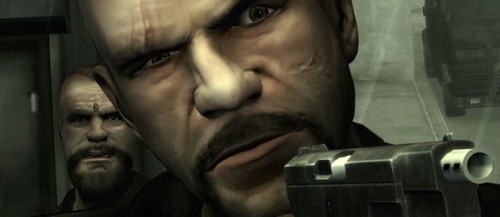
Gewelddadige spellen

36959_une-gta.jpg


Gewelddadige spellen

Geplaatst door yvespernet

Naar aanleiding van de schietpartijen in scholen is het debat weer opgelaaid over gewelddadige spellen. Nu zouden er weer extra controlemechanismen moeten komen op spellen en anderen willen dan weer dat gewelddadige spellen gewoon niet meer op de markt komen. De daders van deze gruweldaden zouden immers geïnspireerd zijn door gewelddadige spellen en de oplossing zou dan toch simpel zijn? Gewoon heel die boel afschaffen en de overblijvende spellen sterk laten controleren.

Wel beste mensen, die controlemechanismen op spellen bestaan al. Die controlemechanismen heten verantwoordelijke ouders die weten waarmee hun kinderen bezig zijn. Ouders die interesse tonen in wat hun kinderen doen. Natuurlijk heeft elk kind ook geheimen voor zijn of haar ouders, maar als ouder is het maar een zeer kleine moeite om te zien welke beelden verschijnen op het televisie- of computerscherm. Er zullen altijd zonderlingen zijn die geschift zijn en dan daarenboven ook gewelddadige spellen spelen. Maar volgens mij zijn het eerder de daders van zulke daden die zich aangetrokken voelen tot gewelddadige spellen dan de spellen die mensen zouden aanzetten tot het plegen van extreme gewelddaden. Ouders van zulke figuren kunnen natuurlijk zeer weinig doen tegen de daden van hun kinderen, maar zij kunnen wel een rol spelen bij gewone kinderen om het geweld te kaderen en in te grijpen waar nodig. Ik zeg niet dat bij de schietpartijen ouders hun verantwoordelijkheid hebben ontlopen, verre van zelfs. Maar het waren dan ook personen met grote mentale problemen, niet gewone mensen die na een paar spelletjes te spelen opeens bedachten dat hun school overhoop schieten wel eens “tof” zou kunnen zijn.

Persoonlijk ben ik een relatieve “hardcore gamer”. Ik heb dan ook vele “extreem gewelddadige” spellen gespeeld. Noem ze maar op en er is een grote kans dat ik gespeeld heb en nog steeds in mijn bezit heb. Carmageddon I en II, de GTA-serie, Counterstrike, Diablo I & II, Manhunt, etc… Nooit heb ik echter de neiging gevoeld om mijn school overhoop te gaan schieten, mensen op straat voor punten te gaan dood rijden of andere extreme gewelddaden. Dat sommigen vol overtuiging wijzen naar die spellen is mijn inziens dan ook een ontlopen van verantwoordelijkheden. De beste controlemechanismen zijn de ouders. Als men een spel koopt, staat het al vol met waarschuwingen. Zo ben ik een grote fan van de Europa Universalis-reeks. Daar worden rijken gebouwd, legers de dood ingestuurd en mensen al dan niet vrijwillig tot een bepaalde godsdienst bekeerd. Het is minder grafisch dan een Counterstrike, maar in de kern is het wel pakken erger.

Ook het focussen op Counterstrike is compleet onnodig. Dat is een onschuldige mod van de Half Life-serie waar het er nog heel braafjes aantoe gaat. Het is wel enorm bekend en enorm graag gespeeld, maar om nu te zeggen dat het extreem gewelddadig is… Dan is bv Manhunt of GTA pakken “erger”, maar ik blijf erbij dat zo’n spellen mensen niet aanzetten tot moorden. Een spel als voornoemden kan volgens mij zelf als uitlaatklep dienen. Daarbij, als ze de grote sector van videospellen nog meer willen reglementeren, een sector die trouwens nog wel winst kent, dan gaan ze wel op internet spellen zoeken. Gamefudge.com, kongregate.com, etc… Er zijn nog tonnen meer websteks waar je gratis Flash-spellen kan spelen die bij momenten honderd keer gewelddadiger zijn dan wat je in de winkel kan kopen.

Metaphysics of War : Battle, Victor & Death in the World of Tradition

fussvolk.jpg


Metaphysics of War: Battle, Victor & Death in the World of Tradition

by Julius Evola, Integral Tradition Publishing, 2007

Reviewed by David J. Wingfield - Ex: http://www.rosenoire.org/

BOOK REVIEW

Metaphysics of War: Battle, Victor & Death in the World of Tradition by Julius Evola

Reviewed by David J. Wingfield

METAPHYSICS of War is the first publication of the Integral Tradition Publishing team and is the first stage of a projected endeavor to make Julius Evola’s thought and works more accessible in the English language. As such it represents a continuation of the spirit of the Inner Traditions publishing house, which first made Evola’s social writings Revolt Against the Modern World and Men Among The Ruins available in English back in the 1980s.

The book consists of a collection of sixteen essays on the spiritual and heroic aspects of war and combat, all but one of which appears in English for the first time. The material spans the fifteen turbulent years between 1935 and 1950, with the majority being written during the high tide of the European fascist experiment in the nineteen thirties up to nineteen forty three. The final piece of the collection, The Decline of Heroism written after the post war dust had settled, is a rallying call to the human spirit against the impersonal mediocrity of the encroaching cold war. It shows all the hallmarks of Evola’s post-war social Traditionalist thought, as expressed in the great manifesto Men Among the Ruins. Metaphysics of War therefore spans the period between Evola’s two major “political” works, starting as they do a year after the publication of “Revolt” and should properly be read against the philosophical bedrock of these books.

This is the voice of the political Evola, written during the time of his much maligned engagement with Italian fascism and German National Socialism, when he still considered these movements, despite their shortcomings, to be potential vehicles for a Traditionalist renewal across Europe. This will account for the rhetoric of fascism that permeates some of these essays. As such, it represents a personal period of passionate change and development in Evola’s philosophy. The metapolitical theme is a continued exhortation for the European peoples to transcend their stagnant bourgeois societies and the turbulence of their war ravaged times, by a sustained appeal to embrace the heroic traditions of their ancient heritage. In fact, despite his tacit support, Evola fell foul of the authorities in both Nazi Germany and Fascist Italy for his “reactionary” opinions and repudiation of purely scientific reductionist racism and was only able to publish outside the beady eye of the censors due to the patronage of some time National Fascist Party chairman Roberto Farinacci. Seven of the essays in this work appeared originally in Evola’s Philosophical Dioramas column of Farinacci’s newspaper “Il Regime Fascista”. This is a series of articles elaborating on Evola’s theory of sacred war mentioned in Revolt. The essay “The Greater war and the Lesser war” is taken almost Verbatim from the chapter in Revolt of the same name for a July 1935 edition of the “Regime” . Others appeared in the state organs La Difesa della Razza (The Defense of The Race) and La Vita Italiana. Others, such as the controversial Aryan Doctrine of Combat and Victory and The Meaning of the Warrior Element for the New Europe were produced during Evola’s abortive flirtation with Heinrich Himmler’s SS.

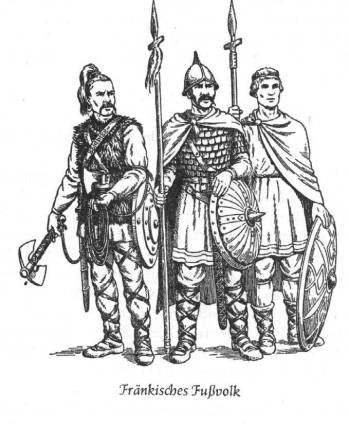
As always in his writings, both esoteric and social, Evola’s preoccupation is with the transcendent esoteric spiritual virility that he saw underpinning all traditional social and philosophical systems. As such he takes examples from medieval Europe, Islam, ancient Imperial Rome and Indo-Aryan traditions to underline his thesis. This is, that through the extreme existential existence of a warrior in protracted combat, an individual may overcome the limitations of human existence and partake in a level of human consciousness bordering on the divine. Thus parallels are drawn between the Nordic conception of Valhalla and the idea of the “Heavenly Jerusalem” envisaged by the Frankish crusaders, as a state of “immortal” being for heroic souls. The true warrior ethos and life can be seen in this view as a method of, or extension of an initiatory process. Evola deplores the mass soldier armies of the twentieth century and emphasizes the path of Holy War as an interior as well as exterior struggle.

Throughout the series of essays, The Baron outlines a theory of Holy War which goes beyond individual historical and religious concepts. For Evola, heroism could take two forms. The experience of battle could awaken “sub-human” animal instincts of savage ferocity and self-destructive bravery which transmutes the individual into a beast of prey, devoid of spirit and individuality. Evola notices that this heroism was notably present during the First world conflagration and is well expressed in the characters of Remarque’s famous novel “All Quiet on the Western Front” , where the protagonists of the book are dehumanized by their experience, despite acts of blind valour. This highly collectivized heroism is also a characteristic of the primitive “Races of Nature” and is evident in the behavior of Russian soldiers fighting for the Soviet Union in the early 1940s. For a member of a “Race of the Spirit” such as those of Roman-Germanic heritage, this form of heroism should really be seen as an involutionary process. Contrary to this is the second form of heroism, whereby the warrior accesses the root spiritual strength of his race in an exultation of victorious self-sacrifice and overcoming. Here a theory of holy war is developed, paralleled in both medieval Christianity and Islam, where the “Lesser Holy War” against external enemies mirrors the “Greater Holy War” against internal enemies with the same perceived characteristic traits. In this Weltanschauung of ecstatic and victorious self-overcoming even death itself is a laughable impossibility, for the hero achieves a divine immortal dynamism in the “hall of heroes” outlined by Evola in several Aryan traditions. Throughout Metaphysics, the author also delves into the idea of the divine feminine as initiatrix in the guise of the Germanic Valkyries and the Fravashi of the Aryo-Iranian Mithras cult. This is interesting to read alongside Evola’s exposition of the spiritual aspects of medieval knighthood in Revolt. Clear parallels can be made between the “true love” of medieval romance and the initiating spirit of divine wisdom she represents and the Roman and Teutonic “Goddess of Battle”, through whom the higher aspects of the warrior/initiate are “given birth”. Throughout his explorations, Evola is consistent in presenting the ancient warrior ethos as a viable initiatory ‘modus operandi’ for his contemporary world and presents a vision of how “warlike” ethics and a heroic spirituality can revitalize a moribund society.

Metaphysics of War is a lucid translation, which allows the reader to access Evola’s fervently intense prose and encyclopedic knowledge of Tradition with relative ease. However, this is not a book I would recommend as a starting point for those without a general familiarity with Evola’s life and ideas or grounding in the historical context in which the essays were given birth. Being a series of essays written over a wide span of years and journal issues, each offering contains a fair degree of recapping and repetition of core themes and material common to serializations. Saying that, however, this collection is by no means a dry assembly of “Evoliana” or apocryphal relics. Rather, these writings contain meta-historical insights and inspiration that are still valid and interesting, over sixty years after their writing. Interesting comparisons are drawn in John Morgan’s introduction between the aristocratic self-sacrifice of the Japanese Kamikazes of World War Two and aspects of the cult of martyrdom evident in present day resurgent Islam. Certainly the living Tradition revealed by Evola still offers food for thought in the fragmented world of the 21st century west, much as it did when this book was written. To conclude simply, this book is well worth a read and I look forward to future Evola related publications from this company.

Frédéric Nietzsche et ses héritiers

2teezoet.jpg


Frédéric Nietzsche et ses héritiers


(Intervention de Robert Steuckers - Université d'été de la FACE - 1995)


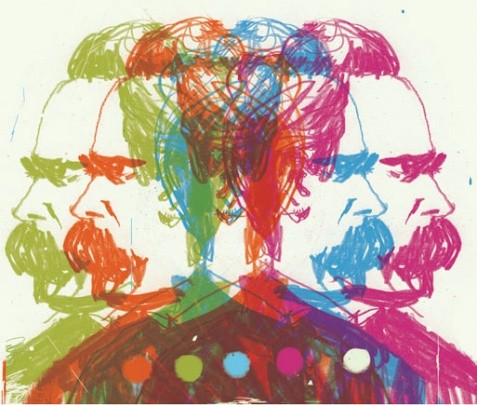
L'inpact de Nietzsche est immense: on ne peut remplacer la lecture de Nietzsche par une simple doxa, mais si l'on fait de l'histoire des idées politiques, on est obligé de se pencher sur les opinions qui mobilisent les élites activistes. L'objet de cet exposé n'est donc pas de faire de la philosophie mais de procéder à une doxanalyse du nietzschéisme politisé. Nous allons donc passer en revue les opinions qui ont été dérivées de Nietzsche, tant à gauche qu'à droite de l'échiquier politique. Nietzsche est présent partout. Il n'y a pas un socialisme, un anarchisme, un nationalisme qui n'ait pas reçu son influence. Par conséquent, si l'on maudit Nietzsche, comme cela arrive à intervalles réguliers, si l'on veut expurger tel ou tel discours de tout nietzschéisme, si l'on veut pratiquer une “correction politique” anti-nietzschéenne, on sombre dans le ridicule ou le paradoxe. On en a eu un avant-goût il y a deux ans quand un quarteron de cuistres parisiens a cru bon de s'insurger contre un soi-disant rapprochement entre “rouges” et “bruns”: si rapprochement il y avait eu, il aurait pu tout bonnement se référer à du déjà-vu, à des idées nées quand socialistes de gauches et pré-fascistes communiaient dans la lecture de Nietzsche.


L'an passé, pour le 150ième anniversaire de la naissance de Frédéric Nietzsche, un chercheur américain Steven A. Aschheim a publié un ouvrage d'investigation majeur sur les multiples impacts de Nietzsche sur la pensée allemande et européenne, The Nietzsche Legacy in Germany 1890-1990 (California University Press). Etudier les impacts de la pensée de Nietzsche équivaut à embrasser l'histoire culturelle de l'Allemagne dans son ensemble. Il y a une immense variété d'impulsions nietzschéennes: nous nous bornerons à celles qui ont transformé les discours politiques des gauches et des droites.


Steven Aschheim critique les interprétations du discours nietzschéen qui postulent justement que Nietzsche a été “mésinterprété”. Il cite quelques exemples: l'école de Walter Kaufmann, traducteur américain de l'œuvre de Nietzsche. Kaufmann estime que Nietzsche a été “droitisé”, au point de refléter l'idéologie des castes dominantes de l'Allemagne wilhelmienne. Or celles-ci conservent une idéologie chrétienne, essentiellement protestante, qui voit d'un assez mauvais oeil la “philosophie au marteau” qui démolit les assises du christianisme. Le professeur anglais Hinton Thomas, lui, a publié un ouvrage plus pertinent, dans le sens où il constate que Nietzsche est bien plutôt réceptionné à la fin du 19ième siècle par des dissidents, des radicaux, des partisans, des libertaires, des féministes, bref, des transvaluateurs et non pas des conservateurs frileux ou hargneux.


Nietzsche est donc d'abord un philosophe lu par les plus turbulents des sociaux-démocrates, par les socialistes les plus radicaux et les plus intransigeants. Ces hommes et ces femmes manifestent leur insatisfaction face à l'orthodoxie marxiste du parti social-démocrate, où le marxisme devient synonyme de socialisme procédurier, sclérosé, bureaucratique. Les socialistes allemandes les plus fougueux rejettent la filiation “Hegel-Marx-Sociale-Démocratie”. L'itinéraire de Mussolini est instructif à cet égard. De même, la correspondante du journal L'Humanité, Isadora Duncan, en publiant des articles apologétiques sur la révolution russe, écrit, en 1920, que cette révolution réalisent les idéaux et les espoirs de Beethoven, Nietzsche et Walt Whitman. Aucune mention de Marx.


Ces socialistes radicaux voulaient en finir avec la “superstructure”. Ils pensaient pouvoir mieux la démolir avec des arguments tirés de Nietzsche qu'avec des arguments tirés de Marx ou d'Engels. Les jeunes sociaux-démocrates regroupés autour de Die Jungen, la revue de Bruno Wille, l'idéologue Gustav Landauer critiquent les pétrifications du parti et exaltent la fantaisie créatrice. La féministe Lily Braun s'oppose à toutes les formes de dogmatisme, vote les crédits de guerre contre le knout du tsarisme, le bourgeoisisme français et le capitalisme anglais, et finit, comme Mussolini, par devenir nationaliste. De même le pasteur non-conformiste Max Maurenbrecher évolue de la sociale-démocratie aux communautés religieuses libres, dégagées des structures confessionnelles, et de celles-ci à un nationalisme ferme mais modéré.


Après 1918, la gauche ne cesse pas de recourir à Nietzsche. Ainsi, Ernst Bloch, futur conseiller de Rudy Dutschke qui finissait par théoriser un national-marxisme, dérive une bonne part de sa méthodologie de Nietzsche. Marcuse, en se réclamant de l'Eros, critique la superstructure idéologique de la civilisation occidentale.


Mais les conformistes de la gauche n'ont jamais accepté ces “dérives indogmatisables”. Dès le début du siècle, un certain Franz Mehring ne cesse de rappeler les jeunes amis de Bruno Wille à la “raison”. Kurt Eisner, qui avait pourtant aimé Nietzsche, rédige un premier manuel d'exorcisme en 1919. Plus tard, Georg Lukacs abjure à son tour l'apport de Nietzsche, alors qu'il en avait été compénétré. Plus récemment, Habermas tente d'expurger tous les linéaments de nietzschéisme dans le discours de l'école de Francfort et de ses épigones. En France, Luc Ferry et Alain Renaut tente de liquider le nietzschéisme français incarné par Deleuze et Foucault, sous prétexte qu'il prône le vitalisme contre le droit. Toutes les manifestations de “political correctness” depuis le début du siècle ont pour caractéristique commune de vouloir éradiquer les apports de Nietzsche. Vaine tentative. Toujours vouée à l'échec.


(résumé de Catherine NICLAISSE).