Ok

En poursuivant votre navigation sur ce site, vous acceptez l'utilisation de cookies. Ces derniers assurent le bon fonctionnement de nos services. En savoir plus.

vendredi, 09 novembre 2012

Elementos n°34 y n°35

ELEMENTOS Nº 34. EL PROBLEMA DE LA TÉCNICA EN LOS AUTORES KR (vol. I)

 
Enlace Revista electrónica

Enlace Revista documento pdf

SUMARIO.-

La pregunta sobre la Técnica en los revolucionario-conservadores, 
por Sebastian J. Lorenz
 
Mesianismo tecnológico Ilusiones y desencanto,
por Horacio Cagni
 
El hombre entre el nihilismo de la técnica y la responsabilidad ético-política,
por Franco Volpi
 
La Edad de la Técnica: reflexiones sobre Heidegger, Jünger y Schmitt,
por José Luis Villacañas Berlanga
 
Heidegger y el problema de la técnica,
por Felipe Boburg
 
Ortega y Gasset, meditador de la técnica,
por José María Atencia Páez
 
Jünger: Antropología de la Técnica
por Patricia Bernal Maz
 
Técnica y Naturaleza humana según Arnold Gehlen, 
por Amán Rosales Rodríguez


Enlace Revista Electrónica

Enlace Revista documento pdf

SUMARIO.-


El origen histórico del problema técnico,
por Eduardo Arroyo
 
Tecnología, Utopía y Cultura,                                  
por Germán Doig Klinge
 
La Técnica como lugar hermeneutico privilegiado: Ortega y Heidegger,
 por Antonio López Peláez
 
 
Nihilismo y técnica, 
por José Luis Molinuevo
 
¿Ecología o Tecnocracia? El conservadurismo en la modernidad,  
por Michael Grossheim
 
Por una ontología de la técnica. Dominio de la naturaleza y naturaleza del dominio en Julius Evola,  
por Giovanni Monastra
 
Heidegger y la Técnica,  
por Eugenio Gil
 
El hombre y la técnica, de Spengler, 
por Carlos E. Luján Andrade
 
La Perfección de la Técnica: Friedrich-Georg Jünger,  
por Robert Steuckers
 
Carl Schmitt: Topología de la Técnica, 
por Enrique Ocaña
 
Arnold Gehlen: la condición del hombre en la era de la Técnica, 
por José Javier Esparza
 
La técnica, devoradora de hombres, 
por Ernst Niekisch


La légende d’Ulenspiegel

Les classiques de la culture européenne

La légende d’Ulenspiegel

par Jean-Joël BREGEON

Ex: http://fr.novopress.info/

MEMORABLES 2 – Les classiques de la culture européenne – La légende d’Ulenspiegel
 
Ce qui est mémorable est « digne d’être conservé dans les mémoires des hommes » dit Le Robert. Celle des Français, en ce début de siècle, semble de plus en plus courte. Dans le seul domaine littéraire, des auteurs tenus pour majeurs par des générations de lecteurs sont tout simplement tombés aux oubliettes. Pas seulement des écrivains anciens, de l’Antiquité, du Moyen Age, de la Renaissance ou des Temps modernes mais aussi des auteurs proches de nous, disparus au cours du XXème siècle.

Cette suite de recensions se propose de remettre en lumière des textes dont tout « honnête homme » ne peut se dispenser. Ces choix sont subjectifs et je les justifie par le seul fait d’avoir lu et souvent relu ces livres et d’en être sorti enthousiaste. Ils seront proposés dans le désordre, aussi bien chronologique que spatial, de manière délibérée. A vous de réagir, d’aller voir et d’être conquis ou critique. En tout cas, bonne lecture !

Charles de Coster. La légende d’Ulenspiegel au pays de Flandre et ailleurs.

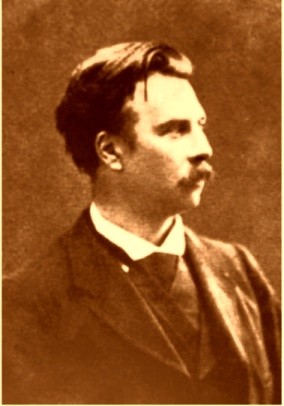
Coster.jpgL’auteur d’abord : Charles de Coster. Il naît en 1827, d’un père yprois (Ypres) et d’une mère liégeoise. Des parents catholiques et tout fraîchement belges (le royaume vient d’être fondé, en 1830). De Coster va mener une vie contrariée, dans ses amours comme dans sa vie professionnelle. Formé par les jésuites, étudiant en droit et en lettres, contraint de travailler dans la banque puis d’enseigner à l’Ecole militaire de Bruxelles, il passe trop de temps à l’écart de ses passions, l’histoire, les lettres anciennes. Bel homme, altier, il n’est pas pris au sérieux sauf auprès d’une bande de bruxellois non-conformistes et bons vivants,la Société des Joyeux, fondée en 1847. Beaucoup de tintamarre chez ces étudiants prolongés qui ont en commun la détestation du parisianisme et du conformisme sulpicien, ultramontain, de la classe dirigeante belge.

De Coster a des peines de cœur – une muse qu’il ne peut séduire – et il s’épanche dans des poèmes plutôt mièvres. Puis il se met à adapter des légendes flamandes et des contes brabançons, dans une écriture un peu trop chantournée, très « troubadour ». La bonne inspiration lui vient tard lorsqu’il se trouve attelé à un travail d’archiviste qui le met en contact direct avec l’histoire dela Flandre. Il s’empare alors d’une légende un peu oubliée qui circule en plusieurs versions imprimées et traduite en français sous le titre : Histoire joyeuse et récréative de Till Ulespiegel (1559). La légende a déambulé dans toute l’Europe du Nord. Elle part d’un personnage réel, un paysan du Schleswig-Holstein qui vivait au début du XIVème siècle. Il se serait fait connaître par ses plaisanteries, ses farces touchant les bourgeois et les modes de vie citadins. Compilées, adaptées, déformées, rendues plus littéraires, les soties de Thyl Ulenspiegel (en néerlandais) parviennent jusqu’à De Coster qui les transfigure littéralement.

Il les recompose dans un français qui puise dans le terreau de la langue, du côté de Rabelais et de Montaigne. Au-delà de cette recréation langagière, truculente mais aussi savante et raffinée (la même démarche que celle de Louis-Ferdinand Céline), qui porte son récit, De Coster créé une épopée nationale, alliance de l’Iliade et de l’Odyssée, à la gloire d’une Flandre, frondeuse et joyeuse même dans les pires tourments. Son Thyl Ulenspiegel est  comme un lutin, un peu donquichottesque mais aussi homme libre, de fidélité, vrai paladin des libertés flamandes. Son compagnon, Lamme Goedzak est plutôt un Sancho Panca, mais sans la charge du personnage de Cervantès, moins niais, moins couard, porteur  de  la sagesse populaire.

Le nom du héros est « la conjonction de « Uyl », hibou, et de « Spiegel », miroir, qui désigne autant l’œil rond, toujours en éveil, de l’oiseau de nuit qui voit tout, que le miroir interne où se reflètent la turbulence et le fracas du monde extérieur » (P. Roegiers). Il est bien Thyl l’Espiègle et le mot français vient tout droit de lui, bouffon, badin, un peu fripon, toujours malin.

MEMORABLES 2 – Les classiques de la culture européenne

MEMORABLES 2 – Les classiques de la culture européenne – La légende d’Ulenspiegel

La légende d’Ulenspiegel est articulée en cinq livres. Tout part de Damme, l’avant port de Bruges :« A Damme, en Flandre, quand Mai ouvrait leurs fleurs aux aubépines, naquit Ulenspiegel, fils de Claers. » L’atmosphère de kermesse, directement inspirée des peintures bruegéliennes tourne court avec l’irruption des Espagnols décidés à maintenirla Flandre dans le giron de l’Eglise catholique et romaine et donc à extirper l’hérésie. Thyl perd son père, brûlé vif sous l’accusation de propos hérétiques. C’est en sa mémoire qu’il parcourtla Flandre et le Brabant, traqué par les « happe-chair » du terrible duc d’Albe. Il soulève les villes, accomplit des missions secrètes, entre dans des « bandes » pour faire la guerre aux Espagnols :

« Partant de Quesnoy-le-Comte pour aller vers le Cambrésis, il rencontra dix compagnies d’Allemands, huit enseignes d’Espagnols et trois cornettes de chevau-légers, commandées par don Ruffele Henricis, fils du duc, qui était au milieu de la bataille et criait en espagnol :

- Tue ! tue ! Pas de quartier ! Vive le Pape !… Ulenspiegel dit au sergent de bande :
- Je vais couper la langue à ce bourreau.
- Coupe, dit le sergent.
- Et Ulenspiegel, d’une balle bien tirée, mit en morceaux la langue et la mâchoire de don Ruffele  Henricis, fils du duc.
»

Philippe II, roi d’Espagne, est montré enfermé dans son palais-monastère de l’Escorial, ranci de bigoteries, jouissant de ses bas instincts. Le portrait est charge tout comme celui du clergé qui se nourrit de la superstition des humbles et les maintient dans la terreur de l’Enfer. Thyl veut vivre libre et jouir des plaisirs de la vie. Mais il a aussi la fidélité dans le sang. Son astuce lui donne mille idées pour venger veuves et orphelins et démasquer les traitres. Il est Achille mais aussi Ulysse car, à Damme, l’attend la tendre Nele, une autre Pénélope.

Mais la chair est faible et Ulenspiegel succombe lorsqu’il croise des filles bien délurées. A cette « fille rougissante » qui veut bien mais se méfie un peu : « Pourquoi m’aimes-tu si vite ? Quel métier fais-tu ? Es-tu gueux, es-tu riche ? »

Il lui répond sans détour : « Je suis Gueux, je veux voir morts et mangés des vers les oppresseurs des Pays-Bas. Tu me regardes ahurie. Ce feu d’amour qui brûle pour toi, mignonne, est feu de jeunesse. Dieu l’alluma, il flambe comme luit le soleil, jusqu’à ce qu’il s’éteigne. Mais le feu de vengeance qui couve en mon cœur, Dieu l’alluma pareillement. Il sera le glaive, le feu, la corde, l’incendie, la dévastation, la guerre et la ruine des bourreaux. »

Au cabaret, il mène le chœur, c’est la chanson des Gueux :

« Que le duc soit enfermé vivant avec les cadavres des victimes ! Que dans la puanteur, Il meure de la peste des morts !
Battez le tambour de guerre. Vive le Gueux !Et tous de boire et de crier : – Vive le Gueux !
Et Ulenspiegel, buvant dans le hanap doré d’un moine regardait avec fierté les faces vaillantes des Gueux Sauvages.
»

Pour Charles de Coster, la réception de son épopée par le milieu littéraire fut un désastre. A Paris et à Bruxelles on parla de récit sans queue ni tête, d’un « ingénieux rapiéçage d’anecdotes » et on réclama une traduction en « vrai français ». De Coster ne s’en remit pas. Il mourut à 52 ans, couvert de dettes, dans une mansarde, au 114 rue de l’Arbre Bénit à Bruxelles où allait naître 19 ans plus tard un autre iconoclaste des lettres belges : Michel de Ghelderode.

La gloire fut posthume, au début du XXème siècle et universelle. Grâce notamment à Verhaeren, on découvrit que De Coster avait écrit la « Bible flamande », un chef-d’œuvre traduit dans une dizaine de langues. En 1956, Gérard Philippe produisit le film Till l’espiègle qu’il tourna dans les studios de Berlin-Est, dans le plus pur réalisme socialiste. Ce fut un échec. L’œuvre de Charles De Coster avait été mieux servie par Richard Strauss qui en avait tiré un poème symphonique (Opus 28, 1894).

Devenue l’épopée nationale flamande,La Légended’Ulenspiegel prend aujourd’hui une singulière saveur. N’est-elle pas écrite par un Belge francophone, à la gloire de la partie néerlandophone de cette Belgique inventée par les cours d’Europe, il y a 182 ans ? Tout cela laisse augurer d’une partition à l’amiable, en bon voisinage, des deux entités belges. Au grand dam des eurocrates et pour la plus grande joie de Charles De Coster, l’Espiègle.

Jean-Joël Bregeon pour NOVOpress Breizh

* Charles de Coster – La Légende et les aventures héroïques, joyeuses et glorieuses d’Ulenspiegel et de Lamme Goedzak au pays de Flandres et ailleurs, Minos/La Différence, Paris, 2003.

Une déclaration de guerre contre la Russie?

 Une déclaration de guerre contre la Russie?

par Alexandre Latsa

Ex: http://fortune.fdesouche.com/

Récemment un théologien sunnite réputé, le cheikh Youssef  Qardaoui, a tenu des propos assez surprenants et plutôt inattendus, en affirmant tout simplement que “Moscou (la Russie) était devenu récemment un ennemi de l’islam et des musulmans, un ennemi numéro un (…) et que la Russie est responsable de la mort des civils en Syrie“.

Pendant son prêche prononcé à Doha (capitale du Qatar), il a dit que les pèlerins musulmans à la Mecque devaient cette année prier Dieu “pour qu’il détruise la Russie, la Chine et l’Iran qui sont selon lui les pires ennemis des musulmans et des Arabes, parce qu’ils soutiennent le régime de Bachar el-Assad par les armes“. Ce théologien avait aussi lancé une Fatwa pour l’assassinat de Kadhafi début 2011, une Fatwa qui a paradoxalement vu sa réalisation grâce aux armées occidentales.

Le cheikh Youssef al Qardaoui, qatari d’origine égyptienne, est bien connu et très populaire dans une partie du monde musulman. Radical et proche de la confrérie des frères musulmans, il considère que la “démocratie n’est simplement pas compatible avec la Charia” ou encore que “le châtiment infligé aux juifs par Hitler était la volonté de dieu et que si Dieu le veut, le prochain châtiment des juifs sera infligé par les musulmans“. Il est aussi un fervent défenseur des attentats suicides du Hamas en Israël et affirme également que l’Islam va revenir en Europe mais cette fois en vainqueur. En 2002, le cheïkh, par ailleurs président d’une instance théologique qui porte le nom de conseil européen de la fatwa et de la recherche (CEFR), avait été accueilli en grande pompe en France.

En 2004, celui-ci avait même été sollicité par l’état français pour contribuer à la libération d’otages français au Qatar. Puis le vent a tourné, et bien que la très officielle UOIF (Union des organisations islamiques de France) soit affiliée au CEFR, le cheïkh s’est vu cette année interdit de séjour en France par l’ancien président Nicolas Sarkozy en personne.


Ces propos inquiétants qui surviennent en plein conflit syrien illustrent parfaitement non seulement la tension qui entoure la Russie dans les franges les plus radicales du monde musulman, la guerre qui couve au sein du monde musulman, mais aussi les alliances directes, indirectes ou par ricochet qui sont en train de se créer.

Les Occidentaux qui se sont longtemps fait des illusions sur les printemps arabes peuvent désormais clairement constater à quel point la situation a basculé non pas vers un été démocratique, mais au contraire un hiver islamiste. Et pourtant, la politique du deux poids deux mesures de l’Occident n’a visiblement jamais été aussi prospère.

L’analyste français Alexandre Del Valle constatait récemment avec beaucoup d’étonnement que les puissances occidentales étaient, par exemple, promptes à appliquer leur vision droit-de-l’hommiste et interventionniste du monde pour protéger les sunnites syriens mais n’avaient visiblement pas jugé nécessaire d’intervenir contre le massacre de deux millions de chrétiens au Sud Soudan entre 1960 et 2007, par la dictature militaro-islamiste de Khartoum.

On peut en effet se demander pourquoi la Syrie est mise au ban des nations sous prétexte qu’elle serait une dictature alors que l’Arabie Saoudite ou le Pakistan sont considérés comme des Etats « normaux ». Est-ce simplement parce que les armes atomiques du Pakistan pourraient être dirigées contre l’Inde alliée de la Russie? Est-ce simplement parce que les dictatures wahhabites du Golfe sont des alliées inconditionnels de l’Amérique et ce depuis bien longtemps ? Ce sont pourtant ces monarchies qui sont désormais les centres névralgiques d’un islam radical et totalitaire qui menace tant la Syrie que le Caucase ou de nombreux quartiers dits sensibles des capitales occidentales.

Le nouveau grand jeu oriental est sans doute en train de bruler les doigts de ceux qui pensaient que les Etats arabes étaient de simples pions utilisables pour atteindre des objectifs géostratégiques. La Tunisie tout comme l’Egypte et la Libye sont désormais sous le contrôle politique des frères musulmans, dont est issu le cheikh Youssef al-Qardaoui qui appelle à la guerre sainte contre la Russie. Même le Maroc a  aujourd’hui un premier ministre issu des frères musulmans. Ces pays voient désormais certains de leurs Salafistes et Takfiristes les plus radicaux combattre à l’extérieur, en Syrie ou encore au Mali. Le monde chiite (Iran-Syrie-Hezbollah-Irak) est aujourd’hui soumis à une pression terrible de l’axe sunnite radical, axe qui a pris le pouvoir partout où le printemps arabe est passé et qui bénéficie du soutien des démocraties occidentales. Dernière conséquence de ces éruptions, le Liban est désormais au bord de l’explosion et la Jordanie est sous pression. Il n’y a pourtant là aucune surprise, le ministre russe des Affaires étrangères avait au début de ce mois rappelé que “les Européens ne connaissent rien au Proche-Orient (…) et risquent de déstabiliser la région tout entière, à commencer par le Liban et la Jordanie“.

La Russie, bien que menacée par la nébuleuse islamo-takfiriste, ne perd pourtant pas le nord et défend très logiquement les régimes nationalistes et/ou laïques de la région. La Russie vient d’obtenir la juste récompense d’une politique extérieure équilibrée dans le monde musulman via la signature de contrats d’armement pour une valeur de plus de 4 milliards de dollars en Irak.

Alors que la guerre en Syrie n’en est peut-être qu’à ses prémices, que l’un des candidats à la Maison Blanche qualifie la Russie d’ennemi principal de l’Amérique (!), qu’Al-Qaïda vient officiellement d’appeler à la guerre contre la Syrie de Bachar el-Assad, les hommes politiques européens devraient se demander si leur “collaboration” avec les ennemis de la liberté et de la démocratie n’est pas de nature à se retourner contre eux et contre leurs peuples, bien plus rapidement qu’ils ne le pensent.

RIA Novosti


La teoria dei cicli di Nikolai Kondratiev

La teoria dei cicli di Nikolai Kondratiev

Gli studi dell’economista russo vittima delle purghe nell’Urss di Stalin

Alexander Aivazov e Andrej Kobyakov

Ex: http://rinascita.eu/  

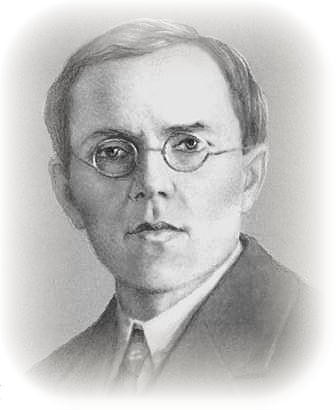
kondrqtiev.jpgLa crisi finanziaria che è scoppiata negli Stati Uniti e che dopo ha coinvolto tutto il mondo, richiede adeguate misure da parte della comunità globale. Ma quali azioni dovrebbero essere considerate adeguate in questo caso?
Per rispondere a questa domanda dobbiamo prima identificare le vere ragioni sottostanti che hanno creato la crisi, e stimare la sua lunghezza e profondità. Gli economisti liberali dogmatici continuano a convincerci che in diversi mesi, o almeno in uno o due anni, tutto si “calmerà”, il mondo tornerà ad un progressivo sviluppo, mentre la Russia si sposterà verso un modello economico dell’innovazione.
È veramente così?
Più di 80 anni fa l’importante economista russo Prof. Nikolai D. Kondratiev descrisse e dimostrò teoricamente l’esistenza di grandi cicli di sviluppo economico (45-60 anni), all’interno dei quali le “riserve dei maggiori valori materiali” globali vengono nuovamente riempite, cioè in cui le forze produttive mondiali messe assieme a ogni ciclo trascendono verso un livello più alto.
Secondo Kondratiev, ogni ciclo ha una fase ascendente e una declinante. La dinamica interna di cicli (denominati cicli K in base al suo nome) e il principio della loro fluttuazione si basano sul meccanismo di accumulazione, concentrazione, dispersione e svalutazione del capitale come fattori chiave dello sviluppo dell’economia (capitalista) di mercato.
Inoltre Kondratiev indicò che questa regolarità ciclica esisterà finché persiste la modalità capitalista di produzione. “Ogni nuova fase del ciclo è predeterminata dall’accumulazione di fattori della fase precedente, ogni nuovo ciclo segue il ciclo precedente in modo tanto naturale quanto una fase di ciascun ciclo segue l’altra fase. Però bisogna capire che ogni nuovo ciclo emerge in nuove particolari condizioni storiche, su un nuovo livello di sviluppo delle forze produttive, e perciò non è una semplice reiterazione del ciclo precedente”. [Non una semplice reiterazione, ma di fatto una reiterazione, in base allo schema oggettivo di Kondratiev. Vero solo in un particolare sistema economico-finanziario].
Nikolai Kondratiev riuscì a studiare solo due grandi cicli e mezzo, terminando la sua ricerca sulla fase crescente del terzo ciclo. Egli pubblicò il suo rapporto quando si era già nella fase discendente del terzo ciclo, nel 1926, e quando la grandezza e lunghezza della fase discendente non poteva ancora essere stabilita (così egli predisse la grande depressione).
Purtroppo per la scienza economica internazionale Nikolai Kondratiev cadde in disgrazia: nel 1928 egli perse la sua posizione di direttore del suo istituto di ricerca; nel 1930 fu arrestato per “attività antisovietiche” infine condannato a morte. I marxisti ortodossi, comprendendo la stoNikolai ria come un processo lineare unidirezionale e prevedendo il crollo del capitalismo il “ giorno dopo”, percepirono la sua teoria del graduale miglioramento dell’ordine capitalista come un’eresia pericolosa. Altri critici videro nel regolare declino dell’economia che egli aveva descritto un sabotaggio dei piani economici quinquennali (sebbene Kondratiev avesse preso parte alla elaborazione del primo piano quinquennale). Come risultato l’eredità scientifica di Kondratiev fu occultata per quasi sessant’anni. Solo nel 1984 l’economista Stanislav Menshikov, uno scienziato di fama mondiale coinvolto nelle previsioni economiche per conto delle Nazioni Unite, amico e coautore di John Kenneth Galbraith, riabilitò il nome di Kondratiev in un articolo sulla rivista “Communist”.
Nel 1989 Menshikov e sua moglie pubblicarono col titolo “Long Waves in Economy: When the Society Changes its Skin” [“Le onde lunghe in economia: quando la società cambia la sua pelle”] la più profonda analisi della teoria di Kondratiev. Un altro prominente autore russo, Sergey Glazyev, contribuì alla teoria di Kondratiev, fornendo un’analisi strutturale dei sottostanti cambiamenti negli “schemi (modi) tecnologici”.
Il nome di Kondratiev era ben noto agli economisti occidentali. Però Stanislav Menshikov notò un fenomeno curioso: l’interesse alla teoria dei grandi cicli solitamente ringiovaniva durante le fasi declinanti, negli anni 20-30 e negli anni 70 e 80, mentre nelle fasi crescenti, quando l’economia globale si sviluppa progressivamente e le fluttuazioni, concordemente alla teoria di Kondratiev, non sono molto profonde, l’interesse scompare.

kondratiev-cdf80-2b584.jpg
 
Una Depressione prevista
 
Le previsioni di Nikolai Kondratiev furono pienamente confermate nel periodo della grande depressione che coincise con il punto più basso della fase declinante del terzo periodo. Una periodizzazione ulteriore è argomento di polemica. I ricercatori si dividono principalmente in due gruppi, applicando differenti approcci alla determinazione di cicli.
Il primo gruppo che basa le sue analisi principalmente sugli indici dell’economia reale—quantità della produzione, dinamica dell’impiego, attività di investimento e varie proporzioni strutturali—ritengono che la fase declinante del terzo ciclo terminò all’inizio della seconda guerra mondiale.
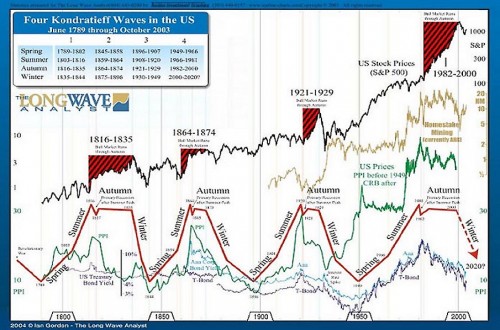
La fase crescente del quarto ciclo iniziò durante la guerra e continuò sino a metà degli anni 60. La crisi del dollaro Usa e il crollo sistema di Bretton Woods nel 1968-71 divenne il punto critico per la transizione alla fase declinante, che corrispose con la crisi petrolifera e la stagflazione degli anni 70. La “Reaganomics” negli Stati Uniti e la politica di Margaret Thatcher in Gran Bretagna segnarono la transizione al successivo quinto ciclo K, con la sua fase crescente che ha coperto la seconda metà degli anni 80 e gli anni 90.
Come al solito, alla fine della fase crescente, nella cosiddetta zona di saturazione, ci troviamo di fronte a fenomeni quali la diminuzione della percentuale di guadagno nel settore dell’economia reale e un imponente fuoriuscita di capitali verso la sfera della speculazione finanziaria che generò prima un surriscaldamento del mercato azionario (fine anni 90) e poi del mercato dei mutui (inizio anni 2000).
Il secondo gruppo di ricercatori, che si basa piuttosto sugli indici finanziari, cioè sulla dinamica del mercato azionario e sulla dinamica del tasso di guadagno sulle obbligazioni, estende la fase declinante del terzo ciclo per l’intero periodo della seconda guerra mondiale e la ricostruzione postbellica sino al 1949. In modo simile al primo gruppo, essi collocano il punto estremo della fase crescente a inizio anni 70, ma interpretano il declino di quel periodo come una “recessione primaria” seguita da un plateau che dura sino all’inizio del ventunesimo secolo. Essi indicano che un simile plateau è corrisposto agli andamenti crescenti del mercato azionario nei cicli precedenti, rispettivamente nel 1816-1835, 1864-1874, e 1921-1929. Il secondo gruppo di ricercatori stima la durata media di un ciclo in cinquant’anni, ma l’ultimo ciclo nella loro descrizione viene stranamente protratto oltre i sessant’anni.
Perciò, nonostante le significative differenze metodologiche degli approcci, entrambi i gruppi di analisti identificano negli anni 2000 l’inizio di un declino, cioè di una fase di depressione.
 
L’attuale crisi è all’inizio
 
Di fronte al declino ci aspettiamo un nuovo scoppio di interesse verso la teoria di Kondratiev. Nel frattempo i monetaristi liberali le cui idee hanno dominato la scienza economica negli ultimi 25 anni vengono screditate, i loro sforzi di interpretare l’attuale crisi come una fluttuazione temporanea nell’economia globale, rivela solo la loro ignoranza economica. L’esperienza dei precedenti cicli K indica che le misure tradizionali contro la crisi sono efficienti solo nella fase crescente del ciclo, nel periodo di fiorente crescita quando le recessioni sono leggere e transitorie sullo sfondo di uno sviluppo progressivo dell’economia globale.
Gerhard Mensch, uno scienziato che ha studiato simili processi durante la fase declinante degli anni 70, ha sottolineato che sotto le condizioni di deterioramento della congiuntura economica i metodi monetaristi per risolvere il problema sono inefficienti, dato che politiche restrittive del credito inevitabilmente colpiscono i prezzi al consumo, mentre politiche liberali pro-attive favoriscono operazioni di speculazione. E’ piuttosto naturale che l’approccio fortemente restrittivo scelto dalla Banca centrale europea risulti in una crescita dell’inflazione, sebbene cinque anni fa gli effetti della stessa politica risultarono opposti.
All’inizio della crisi l’inflazione in Europa non superava il 2%, ma ad oggi il potere d’acquisto è crollato, nonostante gli elevati livelli dei tassi di rifinanziamento introdotti dalla BCE. Nel frattempo la politica liberale, condotta sino a un periodo recente negli Stati Uniti, ha alimentato la speculazione sul mercato azionario e l’espansione di capitali fittizi (gonfiati), stimolando un incremento speculativo dei prezzi nei settori dei beni più commerciabili: mercato immobiliare, oro, petrolio e cibo. L’incremento dei prezzi non ha alcuna relazione con la quantità di produzione e con la saturazione della domanda.
Nonostante tutti gli sforzi intrapresi dal (l’ex) presidente della BCE Jean-Claude Trichet e dal presidente della Federal Reserve Ben Bernanke, cambiamenti positivi non vengono raggiunti. L’economia globale deve passare attraverso un periodo di “ ricarica” sbarazzandosi del capitale sovraccumulato tramite una sua massiccia svalutazione nel processo di una inevitabile e lunga recessione. La svalutazione del capitale monetario probabilmente procederà attraverso una catena di crack finanziari, che daranno inizio al terzo default del dollaro Usa (come già avvenne negli anni 20-30 e negli anni 70). Perciò, l’economia globale verrà scossa molte volte, l’attuale crisi è solo un colpettino alla cravatta segno di eventi più grandi che arriveranno nei prossimi anni. L’economia globale probabilmente raggiungerà il suo punto più basso alla fine della fase declinante del quinto ciclo K, tra il 2012 e il 2015.
Il crollo del sistema finanziario Usa può avvenire uno o due anni in anticipo nel caso che il nuovo presidente Usa scelga un approccio dogmatico agli attuali problemi.
 
Titolo originale: “Nikolai Kondratiev’s “Long Wave”: The Mirror of the Global Economic Crisis”
Alexander Aivazov
e Andrei Kobyakov
rpmonitor.ru/ - mlnews
 
Box
I TRE CICLI ANALIZZATI
 
I. Fase crescente: dalla fine degli anni 80 del 1700, inizio anni 90, sino al 1810-1817.
Fase declinante: dal 1810-1817 al 1844-1851.
II. Fase crescente: dal 1844-1851 al 1870-1875.
Fase declinante: dal 1870-1875 al 1890-1896.
III. Fase crescente: dal 1890-1896 al 1914-1920.
La nuova ricerca (primo gruppo)
I ricercatori del primo gruppo sono convinti che i cicli si comprimono con l’intensificazione del progresso scientifico-tecnologico: dagli anni 40 la lunghezza di un ciclo si è ridotta da 50-55 a 40-45 anni. La continuazione della regolarità di Kondratiev risulta in questo modo:
Fase declinante del terzo ciclo: dal 1914-1920 (negli Stati Uniti dalla fine degli anni 20) al 1936-1940.
IV. Fase crescente: dal 1936-1940 al 1966-1971.
Fase declinante: dal 1966-1971 al 1980-1985.
V. Fase crescente: dal 1980-1985 al 2000-2007.
Fase declinante: dal 2000-2007 sino approssimativamente al 2015-2025 (previsione).
VI. Fase crescente: dal 2015-2025 al 2035-2045 (previsione).
In base al secondo gruppo di analisti, la regolarità di Kondratiev prosegue in questo modo:
Fase declinante del terzo ciclo: dal 1914-1920 al 1949.
IV. Fase crescente: dagli anni 50-70, con una “recessione primaria” sino al 1982, seguita da un plateau sino agli anni 2000.
Fase declinante a partire da inizio, metà degli anni 2000.
 
 
LE ONDE DI KONDRATIEV
Quando si parla di onde, in natura si pensa a quelle marine o a quelle elettromagnetiche, mentre in Borsa si pensa a quelle di Elliot.
Oggi però voglio parlarvi delle onde di Kondratiev, una teoria risalente agli anni ’20. L’argomento è in realtà d’estrema attualità, visto che è strettamente legato all’andamento dell’economia e dei mercati finanziari in generale, e a quello delle materie prime (o commodities) in particolare.
Nel 1925 l’economista russo Nikolai Kondratiev (1892-1938) osservò che lo sviluppo delle economie di mercato è caratterizzato da onde o supercicli, lunghi 50-60 anni, ognuna delle quali suddivisibile di quattro fasi: espansione, recessione, depressione e ripresa.
Negli anni Trenta del ‘900 l’austriaco Joseph Schumpeter (1883-1950) riconsiderò la teoria e scoprì che queste onde K corrispondono agli sviluppi dei cicli di innovazione. Sono le nuove tecnologie, quindi, che caratterizzano questi supercicli e che permettono la creazione di nuove industrie e attività, spesso in nuove localizzazioni divenute più vantaggiose. Il primo ciclo di Kondratiev (1770-1825; Rivoluzione industriale) corrisponde ai primi sviluppi in Gran Bretagna della siderurgia basata sul carbon fossile e dell’industria tessile basata sul vapore. Queste nuove tecnologie causarono la concentrazione dell’attività industriali, fino a quel momento frammentate e disseminate in un numero sterminato di piccole officine e laboratori, in grandi fabbriche localizzate sul carbone.
L’applicazione del vapore ai trasporti ferroviari e marittimi sostenne il secondo ciclo (1825-1880; Era del vapore e delle ferrovie) creando, sempre in Inghilterra, nuovi impianti industriali non solo sui bacini carboniferi, ma anche in centri come Crewe, Derby o Swindon.
Il terzo ciclo (1880-1930; Era dell’acciaio, dell’elettricità e dell’ingegneria pesante)sostenuto dall’invenzione dell’elettricità, del telegrafo, del telefono e del motore a scoppio, nonché dallo sviluppo dell’industria petrolchimica, interessò soprattutto gli Stati Uniti, la Germania e la Francia, con conseguente passaggio del primato industriale dalla Gran Bretagna all’Europa continentale ed agli Stati Uniti.
Il quarto ciclo (1930-1980; Era del petrolio, dell’automobile e della produzione di massa) sostenuto, oltre che dall’ulteriore sviluppo della petrolchimica, da industrie ad alta tecnologia come quella televisiva e hi-fi, aerospaziale, delle fibre sintetiche e dell’elettronica, ha interessato soprattutto gli Stati Uniti, la Germania e ancora il Regno Unito.
Oggi viviamo in un quinto ciclo innovativo (Era dell’informatica e delle telecomunicazioni) che sta dando vita ad un’economia dell’informazione, che sfrutta l’energia immateriale del cervello umano per la ricerca e lo sviluppo (R&S) in campi come servizi per l’industria, creazione di software, biotecnologia e robotica, ecc, e che in modo sempre più diretto tende a legare la costosa R&S all’industria finale e ai servizi. In queste nuove attività gli Stati Uniti hanno un temibile rivale nelGiappone.
La recessione degli anni Settanta fu il risultato congiunto dell’aumento dei prezzi del greggio e della transizione dal quarto al quinto ciclo, che qualcuno ha individuato anche nel concetto di società post-industriale. Infatti, nei Paesi più sviluppati l’industria ha progressivamente ceduto il passo ai servizi, anche a causa della forte concorrenza dei nuovi paesi industrilizzati (o NIC) e dei produttori emergenti del Terzo Mondo.
Veniamo ai nostri giorni. Si legge ovunque dell’interesse per le commodities, prima fra tutte il petrolio, ma si teme, al contempo, che la lunga ascesa delle quotazioni, che dura ormai da circa un quinquennio, possa riservare brutte sorprese. Ci sono però economisti e investitori, (come Marc Faber, Shane Oliver ed altri – fra i quali mi annovero, nel mio piccolo), che ritengono che l’attuale fase storica rialzista delle commodities sia solo all’inizio.
Se si condivide la teoria delle onde K, infatti, il superciclo attuale è ancora in una fase di espansione, caratterizzata da un incremento degli investimenti capitali, da nuove tecnologie e da nuovi mercati. In questo contesto la domanda di materie prime soprattutto da parte di NIC quali Cina e India è, non solo forte, ma ancora in costante aumento, a fronte di un’offerta contenuta, sia nello stock che nella dinamica di crescita.
Kondratiev non beneficiò mai delle sue analisi: nel 1930 venne arrestato con l’accusa di appartenere ad un partito politico illegale nella Russia staliniana e dopo 8 anni di carcere, fu giustiziato. Le sue idee, però, sopravvissero e potrebbero trovare ulteriore conferma fra 15-20 anni.


URL: http://rinascita.eu/index.php?action=news&id=17539

Nicolás Gómez Dávila: Aphorisms and the Modern World

Nicolás Gómez Dávila

Aphorisms and the Modern World


Nicolás Gómez Dávila
 
 "I distrust every idea that doesn't seem obsolete and grotesque to my contemporaries."
 

The reactionary does not extol what the next dawn must bring, nor is he terrified by the last shadows of the night. His dwelling rises up in that luminous space where the essential accosts him with its immortal presence. The reactionary escapes the slavery of history because he pursues in the human wilderness the trace of divine footsteps. Man and his deeds are, for the reactionary, a servile and mortal flesh that breathes gusts from beyond the mountains. To be reactionary is to champion causes that do not turn up on the notice board of history, causes where losing does not matter. To be reactionary is to know that we only discover what we think we invent; it is to admit that our imagination does not create, but only lays bares smooth bodies. To be reactionary is not to espouse settled cases, nor to plead for determined conclusions, but rather to submit our will to the necessity that does not constrain, to surrender our freedom to the exigency that does not compel; it is to find sleeping certainties that guide us to the edge of ancient pools. The reactionary is not a nostalgic dreamer of a cancelled past, but rather a hunter of sacred shades upon the eternal hills.

The Authentic Reactionary, Nicolás Gómez Dávila


Nicolás Gómez Dávila (don Colacho) was born 18 May 1913 in Cajicá, Colombia, into an affluent family. He was a prolific writer and important political thinker who is considered to be one of the most intransigent political theoreticians of the twentieth century. It was not until a few years prior to his death in 1994 that his writing began to gain popularity due the translation of some works into German. At the tender age of six his family relocated to Europe, where they resided for the next seventeen years. During his time in Europe, Gómez Dávila contracted a persistent illness which confined him to his bed for long periods, and as a result of this he had to be educated by private tutors with whom he studied Latin, Greek and developed a fondness for classical literature.

When Gómez Dávila turned twenty-three he moved back to Colombia, residing in Bogotá, where he met and married Emilia Nieto Ramos. Here, with his wife and children Gómez Dávila is reported to have led a life of leisure. Assisting his father briefly in the management of a carpet factory, he spent little time in the office, instead preferring to spend his time at the Jockey Club, where he played polo until incurring an injury (Gómez Dávila was thrown from his horse whilst trying to light a cigar.) Following this, he spent more time reading literature. By the end of his life, he had accumulated a library of approximately 30,000 books, many of which were in foreign languages. In addition to the French, English, Latin and Greek he learnt during childhood, Gómez Dávila could also read German, Italian, Portuguese, and was even reportedly learning Danish prior to his death in order to be able to read Søren Kierkegaard in the original language.

Gómez Dávila was also an eminent figure in Colombian society. He assisted Mario Laserna Pinzón found the University of the Andes in 1948 and his advice was often sought by politicians. In 1958 he declined the offer of a position as an adviser to President Alberto Llera after the downfall of the military government in Colombia, and in 1974 he turned down the chance to become the Colombian ambassador at the Court of St. James. Gómez Dávila had resolved early on during his work as a writer that an involvement in politics would be detrimental to his literary career and thus had decided to politely abstain from all political involvement, despite these tempting and prestigious offers.

During his lifetime, Gómez Dávila was a modest man and made few attempts to make his writings widely known. His first two publications were available only to his family and friends in private editions. Only by way of German (and later Italian as well as French and Polish) translations beginning in the late eighties did Gómez Dávila's ideas begin to disperse. Initially his works were more popular in Germany than in Colombia, and a number of prominent German authors such as Ernst Jünger (who in an unpublished letter defined Gómez Dávila's writing as: "A mine for lovers of conservatism"), Martin Mosebach, and Botho Strauß expressed their admiration for Gómez Dávila’s works. His most translated and final work, El Reaccionario Auténtico (The Authentic Reactionary) was published after his death in the Revista de la Universidad de Antioquia.

Gómez Dávila has many unique features that occur within his works, but perhaps the most famous literary feature he is famed for is the aphorism, which remains prominent throughout his writing. Not only is the aphorism used as an aesthetic tool, it is also a purposely deployed technique selected by Gómez Dávila as his method of choice, which he referred to as escolios (or glosses). This technique was used extensively in the five volumes of Escolios a un texto implícito (1977; 1986; 1992).

By definition, an aphorism is an original thought, spoken or written in a concise and memorable form; the term aphorism literally means a distinction or definition, coming from the Greek ἀφορισμός (aphorismós). In traditional literature, the aphorism is used as a mnemonic technique to relate wisdom and is found in works such as the Sutra literature of India, The Golden Verses of Pythagoras, Hesiod's Works and Days, the Delphic Maxims, and Epictetus' Handbook. In more recent times, the aphorism has been used heavily by philosophers such as Nietzsche and Cioran, both of whom share a number of ideas and perspectives with Gómez Dávila. Nietzsche himself used aphorisms heavily and even went so far as to describe why aphorisms are used – naturally in the form of an aphorism itself – “He who writes in blood and aphorisms does not want to be read, he wants to be learned by heart.” In regards to Gómez Dávila this is certainly the case, for he himself stated that aphorisms are like seeds containing the promise of “infinite consequences.” Thus, with a short but highly memorable sentence, an idea is planted in the mind of the reader, an idea that hopefully sprouts action, and with it consequences. Similarly in Notas, he stated that the only two “tolerable” ways to write were a long, leisurely style, and a short, elliptical style - since he did not think himself capable of the long, leisurely style, he opted for aphorisms. As indicated above however, Gómez Dávila’s use of the aphorism is not merely a stylistic reference; these short but effective phrases are part of his ‘reactionary’ tactic, which he hurls like bombs into readers minds – where they either detonate or take root, sprouting into the ‘consequences’ their author hoped for. In his own words, he describes his use of aphorisms:

[to] write the second way is to grab the item in its most abstract form, when he is born, or when he dies leaving a pure schema. The idea here is a cross burning, a light bulb. Endless consequences of it will come, not yet but [a] germ, and promise themselves enclosed. Whoever writes well but not touching the surface of the idea, [there] a diamond lasts. The ideas and plays extend the air space. Their relationships are secret, [their] roots hidden. The thought that unites and leads is not revealed in their work, but their fruits [are] unleashed on archipelagos that crop alone in an unknown sea.1

According to Gómez Dávila, in the modern era the reactionary cannot hope to formulate arguments that will convince his opponent, because he does not share any assumptions with his opponent. Moreover, even if the reactionary could argue from certain shared assumptions, modern man’s dogmatism prevents him from listening to different opinions and ideas. Faced with this situation, the reactionary should instead write aphorisms to illicit a response rather than engaging in direct debate. Gómez Dávila compares his aphorisms to shots fired by a guerrilla from behind a thicket on any idea that dares advance along the road. Thus, the reactionary will not convince his opponent, but he may convert him.2 Furthermore, the aphorisms themselves are not written in isolation – when placed together in their context they are equally as informative as any normally composed text could hope to be.

Another function that Gómez Dávila’s aphorisms served was, as their Spanish title (Escolios a un Texto Implícito) suggests, as notes on books he had read. The Spanish word escolio comes from the Greek σχόλιον (scholion). This word is used to describe the annotations made by ancient and medieval scribes and students in the margins of their texts. Many of these aphorisms may therefore be allusions to other works. They constitute the briefest of summaries of books he read and conclusions he had drawn from these works or judgments on these texts.3

Gómez Dávila was a truly devout Christian, and his strand of religious thought is deeply entwined with his ideas on politics, democracy and society as a whole. This is a central concept in understanding Gómez Dávila’s work. However, not all of his thoughts resonated with other religious thinkers of his era, for he realised that his contemporaries were incapable of revitalising either Christianity or Catholicism and thus were not able to ensure the survival of the church in the modern era. Not only did this aggravate some of his fellow Catholics, they also were wary of Gómez Dávila due to his appreciation of authors such as such as Nietzsche and Heidegger, who are not usually regarded as being affable to Christianity.

In regards to the way religion is combined with his political thought, Gómez Dávila, interprets democracy as “less a political fact than a metaphysical perversion” and is a harsh critic of ideology. He defines democracy as “an anthropotheist religion,” which he believes is a methodology that seeks to elevate the common man to a plane above God – which he believes to be a dangerous and unprecedented level of religious anthropocentricism. Though this may sound odd at first, Gómez Dávila is by no means the only author who has claimed that democracy incorporates a religious element into it, and even some contemporary political scientists have asserted that democracy functions as a political religion. Gómez Dávila interpreted the vital sign of democracy being a political religion as the modern state’s hostility to traditional religions, which he believed was because a true religious authority was capable of challenging a government – thus the power of religion has to be curbed in order for the government to have full, unmediated control of the people – and as a consequence of this a democracy had to replace religion by adopting ‘quasi-religious’ elements. It is this light, that contrary to public opinion, Gómez Dávila does not see democracy as a promise of liberation; on the contrary to him democracy represents a loss of freedom. Since democracy has achieved hegemony, spiritual and cultural matters have become secondary to politics, and today when a citizen is branded as a ‘heretic’ is not because of his rejection of a religion, but because they dare to question the controlling political regime. In this regard, Gómez Dávila questions democracy, but he should be regarded as a critic and not an opponent, for as mentioned earlier Gómez Dávila had no interest in a political agenda. To Gómez Dávila, democracy was a political religion that encouraged the exaltation of the cult of individualism to a dangerous status, which set an individual on an undeserved plateau above God and eroded genuine metaphysical belief but replaced it with nothing substantial. However he was not a blind devotee or fundamentalist either, for Gómez Dávila was also a powerful critic of the Church as well as democracy.


Another feature at play within Gómez Dávila’s writing is that he believes equality to be a social construct of modernity – whilst equality levels the playing field for some individuals, for others it hobbles them. Effectively, it creates a mythical average citizen who does not in actuality exist, raising one individual to an elevated position and demoting another. Rather than recognising individual qualities and merits, it removes all hierarchies – not only the negative hierarchies, but also the positive ones. All variation is lost and replaced by the ‘myth of the average’ – and if Gómez Dávila’s interpretation of democracy as a political religion is correct, it then denounces religion and evaluates the mythical ‘average citizen’ to a theoretical level of freedom wherein the ‘average citizen’ is a substitute for the very pinnacle of the religious hierarchy – God. Thus, Gómez Dávila criticises democracy because it seeks to replace the sacred with the average and mundane man. And because democracy replaces religion, it is for this reason that criticism of democracy is the taboo of the West, and the modern equivalent to heresy. Thus, the modern ideologies such as liberalism, democracy, and socialism, were the main targets of Gómez Dávila's criticism, because the world influenced by these ideologies appeared to him decadent and corrupt.

In order to critique ideas, Gómez Dávila created the figure of the ‘reactionary’ as his unmistakable literary mask which he developed into a distinctive type of thinking about the modern world as such. This is explained in The Authentic Reactionary, which refers to one of his most well-known works, El reaccionario auténtico, originally published in Revista Universidad de Antioquia 240 (April-June 1995), 16–19. By adopting this label, Gómez Dávila is defining himself as one who sits in opposition. This is not simply a matter of placing Gómez Dávila into a neat political pigeonhole for clearly defined and organised policies – because he turned down prestigious political positions, and certainly didn’t intend to advocate any political platforms in his literary work. The reactionary is for him not at all a political activist who wants to restore old conditions, but rather a “passenger who suffers a shipwreck with dignity”; the reactionary is “that fool, who possesses the vanity to judge history, and the immorality to come to terms with it.”4 He did not mean to identify himself exclusively with a narrow political position. In several aphorisms, he acknowledged that there is no possibility of reversing the course of history. Rather, the reactionary’s task is to be the guardian of heritages, even the heritage of revolutionaries. This certainly does not mean that Gómez Dávila made his peace with democracy; all it means is that he also did not allow himself to be deluded by promises of the restoration of the old order.5 As we see below;

The existence of the authentic reactionary is usually a scandal to the progressive. His presence causes a vague discomfort. In the face of the reactionary attitude the progressive experiences a slight scorn, accompanied by surprise and restlessness. In order to soothe his apprehensions, the progressive is in the habit of interpreting this unseasonable and shocking attitude as a guise for self-interest or as a symptom of stupidity; but only the journalist, the politician, and the fool are not secretly flustered before the tenacity with which the loftiest intelligences of the West, for the past one hundred fifty years, amass objections against the modern world.6

In this regard Gómez Dávila does not seek to eliminate the concept we know of as ‘modernity’, which he sees as an impossible task. Instead he provides a criticism of modernity, disputing that is natural and that it leads to a false conception of progress. The illusionary doctrine of progress, to Gómez Dávila’s way of thinking is a myth which has been deployed to help enslave workers to capitalism and industrial society, by effectively manipulating the population to believe that they helping to make the world a better place, when effectively the real event that is taking place is that they only serving to make capitalism and consumerism more efficient. The illusion of progress acts as a placebo effect to make the citizens feel better about themselves in a world where god and religion has long since perished, replaced by blind faith in the power of the state. “In order to heal the patient, which it wounded in the 19th century, industrial society had to numb his mind [to pain] in the 20th century.”7

By defending cultural and spiritual heritage, however, Gómez Dávila is not advocating a return to the past – rather be is strategically deploying this as a method to cut ties with the present and create a different future, for in his own words: "To innovate without breaking a tradition we must free ourselves from our immediate predecessors linking us to our remote predecessors".8 Gómez Dávila believes that "The modern world resulted from the confluence of three independent causal series: population growth, democratic propaganda, [and] the industrial revolution" (Successive Scholia, 161). This in turn led to further developments and propaganda which effectively restructured traditional belief and "replaced the myth of a bygone golden age of a future with the plastic age" (Scholia II, 88) leading us to a world where consumerism eventually will replace both religion and politics - "The Gospels and the Communist Manifesto pale, the future is in the hands of Coca-Cola and pornography" (Successive Scholia, 181).

Therefore Gómez Dávila’s stance, dispersed through an assortment of brief aphorisms, becomes much more perceptible to the casual reader in light of The Authentic Reactionary, which for English readers (who as yet are not able to read all of his writing in translation) becomes a pivotal key in understanding Gómez Dávila’s work. The reactionary does not act in isolation from history and modernity, rather he seeks to challenge what he perceives as a false doctrine of progress and looks back in retrospect not to recreate the ancient past, but rather to generate ideas which link modernity to tradition, in order to create real progress by offering an alternative to the current regime of mass consumerism, capitalism and other destructive political ideologies. It is incorrect to locate Gómez Dávila in any existing political paradigm, because there is simply nothing which matches his core ideas…and as such he is correctly identified as what he labelled himself – a ‘reactionary’. His reactionary stance comes close to touching on the topics at the core of writers such as Guénon and Evola, but in regard to linking spiritual and cultural decline to political origins, he actually goes further beyond their ideas to suggest that as an inevitable side product of consumerism, destroying belief in a higher power or God would benefit capitalism and help corporations control the people by encouraging self-indulgent attitudes. Thus politics replaces spirituality, and the citizen replaces god with disguised worship of the state, who in turn rewards them with consumerism. The authentic reactionary is someone who is aware of problems like this in society and provides an intellectual critique of the system whilst remaining aloof from it:

History for the reactionary is a tatter, torn from man’s freedom, fluttering in the breath of destiny. The reactionary cannot be silent because his liberty is not merely a sanctuary where man escapes from deadening routine and takes refuge in order to be his own master. In the free act the reactionary does not just take possession of his essence. Liberty is not an abstract possibility of choosing among known goods, but rather the concrete condition in which we are granted the possession of new goods. Freedom is not a momentary judgment between conflicting instincts, but rather the summit from which man contemplates the ascent of new stars among the luminous dust of the starry sky. Liberty places man among prohibitions that are not physical and imperatives that are not vital. The free moment dispels the unreal brightness of the day, in order that the motionless universe that slides its fleeting lights over the shuddering of our flesh might rise up on the horizon of the soul.9

The soul of Nicolás Gómez Dávila, the authentic reactionary, departed from his flesh in his beloved library on the eve of his 81st birthday, on May 17, 1994. Though achieving fame in Colombia, where his works are well read today, Gómez Dávila remains largely unread in the Occident. Whilst his writing achieved some popularity in Germany, much of it remains untranslated for English readers, which prevents his writing from reaching a wider audience. Hopefully a new generation of authors will appear to pick up the challenge of translating Gómez Dávila’s writing and help him achieve the recognition he deserves as a thinker and philosopher.

Main Works

Escolios a Un Texto Implicito: Obra Completa. Nicolas Gomez Davila, Franco Volpi.

July 2006.Villegas Editores.

Notas I, Mexico 1954 (new edition Bogotá 2003).

Textos I, Bogotá 1959 (new edition Bogotá 2002).

Sucesivos escolios a un texto implícito, Santafé de Bogotá 1992 (new edition Barcelona 2002).

Escolios a un texto implícito. Selección, Bogotá 2001.

El reaccionario auténtico, in Revista de la Universidad de Antioquia, Nr. 240 (April–June 1995), p. 16-19.

De iure, in Revista del Colegio Mayor de Nuestra Senora del Rosario 81. Jg., Nr. 542 (April–June 1988), p. 67-85.

Nuevos escolios a un texto implícito, 2 volumes, Bogotá 1986.

Escolios a un texto implícito, 2 volumes, Bogotá 1977.


Notes:

1 Volpi, F., An Angel Captive in Time

2  Why aphorisms?

3   Why aphorisms?

4    The Last Reactionary

5 What is a reactionary?

6 Gómez Dávila, N.,The Authentic Reactionary

7 Ibid.

8 Duke, O. T., Nicolás Gómez Dávila: Passion of Anachronism, in Cultural and Bibliographical Bulletin . Issue 40. Volume XXXII, 1997

9 Gómez Dávila, N.,The Authentic Reactionary

 
Gwendolyn Taunton

Gwendolyn Taunton

Gwendolyn Taunton was the recipient of the Ashton Wylie Award for Literary Excellence in 2009 for her work with Primordial Traditions. Her most recent work is Mimir - Journal of North European Traditions.

Warum überhaupt José Ortega y Gasset?

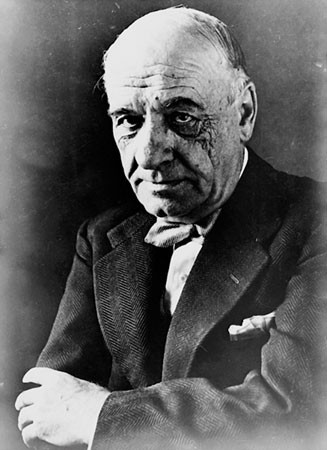
ortega.jpgDr. Ernst-Georg RENDA:

Eine aktuelle und kritische Frage zur Jahrtausendwende: Warum überhaupt Philosophie?

Eine unumgehbare Frage der Philosophie Europas: Warum überhaupt José Ortega y Gasset?

Ex: http://staff.uni-mainz.de/  

Die eindrucksvolle und überzeugende Antwort in der Zeit:

Ortega y Gassets Lebensphilosophie ist deshalb so aktuell,

  • weil eine moderne, utilitaristisch-hedonistisch geprägte europäische Informationsgesellschaft eine Orientierung sucht. Je weiter sich die Schere der Handlungstendenzen zwischen dem Sein und dem Sollen öffnet, desto attraktiver wird eine Philosophie der Moral und der Lebensvitalität, die jenseits der normativen Kraft des Faktischen den Gewissensentscheid des Individuums anmahnt.
  • weil die naturalen Egoismen in uns mit dem archaischen Jagdschema im kulturellen Handlungsschema fortbestehen. Sie beeinflussen unsere Denkschemata und Emotionen, unsere Wünsche und Strebungen. Damit wecken sie im modernen Menschen das unwiderstehliche Bedürfnis nach Selbstaufklärung, nach Selbstdeutung und Selbstauslegung. Weil der Mensch notwendig den Sinn seiner Existenz im Ausgang des ihm natürlich Vorgegebenen mit dem ihm im Ziel Aufgegebenen zu einer Vollendungsgestalt verbinden muß, die in der wahren Humanität, in der sittlichen Persönlichkeit liegt, ist er gezwungen, die Modi eines gelungenen Lebens zu begreifen. José Ortega y Gassets kulturanthropologischer Beitrag in "Meditationen über die Jagd" eröffnet auch dem hypermodernen Menschen ein Selbstverständnis als Jäger, für den die Jagd nur ausnahmsweise zugleich Wildtierjagd bedeutet.
  • weil das spezifisch Menschliche im Sinne der Plessnerschen Anthropologie in der Natur-Kultur-Verschränkung liegt, und wir unter der Voraussetzung aufgeklärten Denkens das Grundproblem menschlicher Existenz in der Frage erblicken: Was ist der Mensch? Worin besteht die Natur des Menschen? Liegt Sinn und Möglichkeit von Kultur in der Natur seiner Natur und wie ist das zu denken?

José Ortega y Gasset hat in seinem kulturanthropologischen Beitrag zur Jagd, den er bereits 1942 in Portugal verfaßte, eine stukturanalytische Erklärung des Menschen gefunden, die unsere weltweit operierenden High-Tech-Jägerhorden am Modell des Wildtierjägers in ihrer Intentionalität besser verständlich machen. Er hat gezeigt, daß die kognitiven und emotionalen Bedingungsstrukturen, die als Jagdschema a priori das Verhalten, näherhin die Intentionalität des frühen Menschen teleologisch beeinflußten, mit der Evolution des Neocortex des Urjägers zu Denkstrukturen wurden, ohne Freiheit und Selbstbestimmung zu "bedrohen" oder in Frage zu stellen. Wer überhaupt begreift, daß und wie dank des mit phänomenologischer Methode analytisch erfahrenen Erkenntnisfortschritts durch José Ortega y Gasset das vitalkategoriale Jagdschema das Denkschema des modernen Menschen handlungsintentional beeinflußt und uns so (methodisch) zum Jäger auf mannigfachen Lebensfeldern werden läßt, der versteht auch, daß aus dem urzeitlichen Wildtierprädator der moderne Ressourcenprädator geworden ist, der im Prozeß der Fortpflanzung, Selbstregulierung und Transformation in derselben Gefühlswelt lebt wie der pleistozäne Jäger.

In der Dialektik von Geist und Natur liegt die Grundspannung, die der Mensch zwischen Jagd und Vernunft gewärtig wird. Die Struktur der Jagd, die aufgrund des Jagdschemas a priori im animalischen Bereich Verhalten determiniert, hat vor allem im Übergang zur neolithischen Revolution bis heute methodisch weiterhin das Handlungsschema beeinflußt ohne die Freiheit und Selbstbestimmung in Frage zu stellen. Unsere Sprache erweist sich als unbeirrbarer Aufweis der Kontinuität des Jagdschemas als Denkschema auf fast allen Lebensgebieten. Homo Venator ist im Spiegel seiner Vernunft Ausdruck des spezifisch Menschlichen. Die Jagd bedeutet im Sinne der anerkannten Anthropologie von Helmuth Plessner eine Vitalkategorie, ein natürliches Phänomen, das in und mit dem modernen Wildjäger als die menschliche Strukturtypik der Natur-Kultur-Verschränkung zum Aufschein gelangt. Der spanische Philosoph José Ortega y Gasset gilt als der bisher einzige große Denker, der den Zusammenhang zwischen Jagd als einem natürlichen (Vitalkategorie) und kulturell angeeigneten Phänomen (z. B. das Waidwerk) im Ausgang der Denkansätze von Platon, Blaise Pascal und Nikolaus von Kues erkannt und systematisch in seinem Beitrag "Meditationen über die Jagd" unter Anwendung der phänomenologischen Methode als Erkenntnisweg analysiert hat. Sein erkenntnistheoretischer Fortschritt liegt in der kulturphilosophischen Grundannahme, daß das Erbeuten und Töten von Wildtieren in Form der Jagd im Falle des modernen Menschen ein kulturell bedingtes Handlungsschema bildet, das im Fortschreiten aus natürlichen Phänomenen im Unterschied zu anderen Formen des Tötens von Tieren sich nur angemessen begreifen läßt, wenn man es als dieses kulturelle Phänomen in den Blick nimmt. Denn in der intentional herbeigeführten, auf das Töten von Tieren als Selbstzweck intendierten Erfüllung, mit der die Realisierung des naturalen Jagdtriebes verbunden ist, erfährt sich der jagende Mensch zugleich in Einheit und Differenz zu der ihn umgebenden Natur, deren Zwecke er jagend auch verfolgt. Im Spiegel seiner Vernunft akzeptiert er demütig sein animalisches Sein und dessen Grenzen. Zugleich weiß er sich in seiner freien und gezielten Unterwerfung unter die Zwecke der Natur, die Struktur der Jagd, über dieses Animalische hinaus. Hier, an der Grenze zwischen Tier- und Menschsein tätig, erfährt er sich selbst und das Gelingen eben dieser spezifisch menschlichen Struktur der Natur-Kultur-Verschränkung als ein höchstmögliches Maß an Glück. Es ist ein der Natur jedes Menschen inhärentes Bedürfnis, sich zum Streben nach Glück berufen zu fühlen. Die Wildtierjagd unter Leitung und Lenkung durch Vernunft, näherhin jene Tätigkeit, die im Verständnis des traditionellen Waidwerks liegt, erweist sich damit nicht als Atavismus, sondern als ökosystemgerechte Jagd, die die naturalen Kriterien und Determinanten der Urjagd aufgreift. Der Mensch bewahrt so die Reziprozität zwischen Jagendem und Gejagtem durch Beschränkung seiner Mittel, durch die Selbstintervention seiner Vernunft, indem er den natürlichen Spielraum bewahrt, der im Aufeinandertreffen der Instinktsysteme bei der Jagd zwischen Jagenden und Beutearten von Natur aus gegeben ist. Auf diese Weise ist die aus dem Verständnis von Waidwerk betriebene Jagd in Wahrnehmung des Wildtieres als Mitgeschöpf eine in sich orientierende moralische Größe unter dem Leitgedanken der Ökosystemgerechtigkeit.

Welcher Umstand macht für unsere Zeit, die sich auch als eine Zeit der ökologischen Revolution betrachtet, den spanischen Philosophen so außerordentlich attraktiv?

Als einer der ersten großen Denker dieses Jahrhundets hat José Ortega y Gasset den Horizont für einen praktisch geübten Tierschutz eröffnet. Im Sprachgebrauch der modernen Soziologie hat er uns vermittelt, daß die Bedingung der Möglichkeit der Erfahrung einer wechselseitigen Mensch-Tier-Beziehung nicht unterschiedlichen Bezugsebenen angehört: Wechselseitig sind Tier und Mensch zur "Kommunikation" und "Interaktion" fähig.

  • José Ortega y Gasset hat mit einer wissenschaftlichen Erkenntnistheorie unter Verwendung der phänomenologischen Methode gezeigt, daß die Existenz der Prädatoren- bzw. Beutetierarten interdependent aufeinander verwiesen ist. Mit anderen Worten: Die Existenz des Beutetieres bedingt die Existenzweise des Jägers (seine Verhaltensdisposition) und umgekehrt. Der Jäger ist das naturnotwendige Pendant für jede Beutetierspezies. Ein Verzicht auf Bejagung bereitet Beutetierpopulationen kein Paradies, sondern beschneidet ihr evolutiv natürlich vorgegebenes Lebensprogramm, das sie in ihrem Lebensraum zu verwirklichen streben. Wildtiersein ohne Jäger bedeutet soviel wie Menschsein ohne Kultur.
  • José Ortega y Gasset hat in einer kulturanthropologischen Analytik, die durch Plessners Anthropologie ("Die Stufen des Organischen und der Mensch") fundiert ist, nachgewiesen, daß die Wildtierjagd des modernen Jägers, näherhin die kulturell angeeignete Jagd nicht erfolgt, um zu töten, obwohl sie das Töten des Tieres intendiert, sondern sich aus einer genuin spezifisch menschlichen Grundausstattung heraus erklärt, auf die sich jeder Mensch anspruchsbegründend gegenüber seiner Gesellschaft regelmäßig beruft.
  • José Ortega y Gasset hat unseren Blick auf ein Moralverständnis gelenkt, das von den menschlichen Vitalinteressen ausgeht und als Bezugsebene das Leben wählt. Im Sinne einer Güterabwägung und Präferenzordnung wird die zoologische Hierarchie als Modell einer sittlichen Werterangordnung an der Natur orientiert, deren Teil die Natur des Menschen ist, denn: Das Denken ist ein Ereignis innerhalb der Natur! Die natürliche Ordnung ist trotzdem nicht Kopievorlage für humane Moralordnung; letztere aber darf die Erstere nicht verletzen. Daraus leitet Ortega sein Postulat, einen moralphilosophischen Leit- und Grundsatz ab: "Die Sorge um das, was sein soll, ist nur dann anerkennenswert, wenn sie die Achtung vor dem, was ist, ausgeschöpft hat."

Lassen wir einige "Schlaglichter" des Denkens von José Ortega y Gasset auf uns einwirken, um mit ihnen, mit einigen partiellen Sichtweisen der Grundlagen unserer Existenz zu den Horizonten seiner Verstehensphilosophie Zugang zu finden. Problematisiert ist das Jahrtausende alte Phänomen, das jene kaum gelöste Frage berührt, weshalb der Mensch auf die immer gleichen Fragen, denen er mit seinem Dasein in der Welt begegnet, zu sehr unterschiedlichen Antworten findet, die dem idealtypischen Vorstellen einer Gleichheit aller Menschen grundlegend widersprechen. Es genügt deshalb nicht, Wissenschaft in Beschränkung auf Natur als Gegenstand der (positiven) Wissenschaften zu begreifen, sondern eine überzeugende Antwort auf die Frage zu finden: Was ist der Mensch? Eine Antwort hierauf aber vermag nur die Philosophie zu leisten, weil die Grundspannung in der modernen Informationsgesellschaft nicht allein in der Dialektik von Materie und Geist liegt, sondern in der Vermittlung von Natur und Kultur. Sie besitzt eine prozeßhafte Tendenz, ihre Sphäre im Durchlauf des vitalen Spannungsfeldes selbstregulativ zu transformieren und zu übersteigen. Das Ziel ist nicht das Leben, sondern es liegt jenseits des Lebens als ein Etwas, an das ich mein Leben setze. "Der Mensch ist ein Tätigkeitspotential", und seine Bezugsebene liegt vor allem nach dem Verständnis von José Ortega y Gasset in der Vitalsphäre innerhalb der wir Menschen unser Lebensprogramm aus einer Berufung zum Glücklichsein zu verwirklichen bestrebt sind.

Das Vorgegebene und das Aufgegebene

Dem Menschen ist als Sinnenwesen im Ausdruck eines Tätigkeitspotentials sein Lebensprogramm vorgegeben. Dieses Programm auf ein Ziel hin zu verwirklichen ist uns aufgegeben: "Werde, der du bist!" Das Aufgegebene ist jene Zielgestalt in unserem Leben, zu der wir eine Berufung verspüren. Eine Berufung fühlen wir in erster Linie in unserem Glücksstreben: "... denn in den glückhaften Beschäftigungen verrät sich die Berufung des Menschen." José Ortega y Gasset nennt die Jagd als eine Beschäftigungsweise, zu der Menschen aller Zeiten die am meisten glückbringende Berufung empfanden. Gemeint ist jene Jagdform, die wir über die animalische Jagdform hinaus als die kulturell geprägte Jagd zwischen Leidenschaft und Vernunft, also unter einem ethischen Postulat betreiben: "Die Berufung ..., das heißt das, was wir wirklich zu tun haben, ist nicht in unser Belieben gestellt. Sie wird uns unweigerlich aufgegeben. Daher hat alles menschliche Leben seine Aufgabe." Dabei ist Freiheit versus Determinismus ein zentraler Begriff. Freiheit und Selbstbestimmung sind die Eckpfeiler, die tragenden Säulen des im Ziel uns Aufgegebenen. Dorthin streben wir nicht in der Weise eines selbständigen Seins (im Gegensatz zu Thomas), sondern als Subjekte des Erlebens, als ein Ich, das mit seinem vitalen Programm unabänderlich identisch ist. Das Sein und die Natur des Menschen werden homolog verstanden. Der ethische Schattenriß des Menschen Wir erfassen die Persönlichkeit eines Menschen im individuellen Antlitz, im Hindurchscheinen des Wesenstypischen durch ein Gesicht, das verhüllt indem es enthüllt. Das Entbergen des Verborgenen des individuellen Charakters bringt auch jene individuelle Zielgestalt zum Aufschein, die uns eine Vollendungsgestalt des Menschen andeutet. Sie zeigt uns, was er wirklich ist, an dem, was er seiner Anlage nach sein könnte: "Ich sehe jeden Menschen, der mir begegnet, gleichsam von seinem idealen Schattenriß umgeben; er verdeutlicht, was sein individueller Charakter im Falle der Vollkommenheit wäre." Der Mensch ist das mit seinem vitalen Programm jederzeit identische Ich. Er gestaltet sein "inneres Schicksal" im Streben nach Glück, und Glück bedeutet Vollkommenheit, näherhin, Glück bedeutet die Humanität, die sittliche Persönlichkeit in Goethes Sinne (sc. Westöstlicher Diwan). Dies besagt, daß wir vollendetes Glück dann erfahren, wenn das entworfene Leben mit dem gelungenen Leben übereinstimmt, wenn sich Lebenswirklichkeit mit der Idee vom Menschen ideal zu verbinden vermag. Demgemäß liegt der Sinn menschlichen Lebens darin, die Sinnaktualität des vital Vorgegebenen aus der Sinnidealität des Aufgegebenen, nämlich als den Inhalt des gelungenen Lebens zu begreifen.

 Der Imperativ der Vitalität

Es ist ein moralisches Gebot, die vitale Gesundheit zu sichern, um diese als die Voraussetzung "für geistige und moralische Gesundheit zu erhalten". Beides steht deshalb unter dem Imperativ der Vitalität. Grundlage des Humanum sind sensu José Ortega y Gasset biologische Werte, die er einteilt in "vital gut" und "vital schlecht". Diese Einteilung hat Bedingungscharakter für moralische Werte: "Tritt die Ethik auf, wird es am Platz sein zu erörtern, ob das moralisch Gute und das moralisch Schlechte mit jenen anderen vitalen Werten übereinstimmen oder nicht." Nur auf diese Weise ist eine höhere Moral konstitutiv, die gelebtes Leben als erlebte Transzendenz des Lebens zu erfassen vermag: "Leben heißt, auf ein Ziel abgeschnellt sein; es ist etwas, woran ich mein Leben setze, und ist deshalb außerhalb, jenseits des Lebens."

Der Tod steht im Sinnkreis der Vitalität

Das Festkleben am Leben mit dem Ziel, nur ja eines natürlichen Todes zu sterben erweist sich als eine der menschlichen Natur inadäquate Empfindung, eine animalische Form des Lebensvollzugs, die "eine würdige Moral" nicht zuläßt: "Eine höhere Moral müßte dem Menschen zeigen, daß er sein Leben besitzt, um es sinnvoll in Gefahr zu bringen", urteilt José Ortega y Gasset.

Was ist der Mensch?

Interessiert Sie eine Antwort auf die Frage, worin die Grundspannung von Geist und Natur, zwischen Jägernatur und Vernunftnatur, zwischen dem Menschen als Sinnenwesen und seiner Personalität liegt? Wußten Sie schon, daß Jagdgegner, jene im Zeichen des Tierschutzes kämpferisch auftretenden Naturschützer, die den modernen Wildjäger an den Pranger stellen, selbst auf beispielhafte Weise dem Jagdschema als Jäger in aggressiver Absicht folgen, ohne es zu ahnen? Reizt Sie das Wissen über Ursprung und Ziel unserer humanen Existenz? Haben Sie sich schon einmal danach gefragt, weshalb das ehemals verhaltenskonstitutive Jagdschema des pleistozänen Jägers, also das vitalkategoriale Jagdschema, heute das Handlungsschema des modernen Homo sapiens der Informationsgesellschaft gestaltend prägt, indem es unsere Aktivitätsmethoden beeinflußt? Wissen sie, weshalb die Wildtierjagd des kulturellen Jägers unserer Zeit Modellfall für die hypermodernen Netzwerksysteme bildet, mit denen unser Gehirn auf allen Lebensfeldern Jagd nach Ressourcen, High-Tech-Jagd betreibt? Für den Freundeskreis José Ortega y Gasset, dem angesehene Persönlichkeiten, Universitätsprofessoren, Manager aus Wirtschaft, Wissenschaft und Medien, Natur- und Geisteswissenschaftler ebenso wie Vertreter verschiedener bürgerlicher Berufe angehören, unterrichte ich Sie gerne mit weiteren Informationen. Fordern Sie einfach unsere Broschüre an; sie wird Ihnen kostenlos zugeleitet.

Ihr Dr. Ernst-Georg Renda


Postanschrift: Am Damsberg 12
                      D-55130 Mainz

00:03 Publié dans Philosophie | Lien permanent | Commentaires (0) | Tags : ortega y gasset, philosophie, espagne | |  del.icio.us | | Digg! Digg |  Facebook