


 del.icio.us
 Digg
Digg Facebook
Ex: http://anti-mythes.blogspot.com/
La première réunion du chapitre de l'ordre de la Toison d'or, tenue à Lille le 27 novembre 1431, fut un moment fort du '"règne" de Philippe le Bon, ce duc de Bourgogne qui voulut reconstituer la vieille Lotharingie fut surnommé le « Grand duc d'Occident » et aimait dire « Je veux qu'on sache que si je l'eusse voulu, j'eusse été roi. » A vrai dire, sans porter le titre royal, le Bourguignon pouvait se permettre de traiter d'égal à égal avec tous les souverains, tant était grande sa puissance.
Son troisième mariage le démontra puisqu'il obtint sans peine la main de l'infante Isabelle de Portugal, fille du roi Jean 1er d'Avis et de Philippa de Lancastre, princesse de la Maison royale d'Angleterre. Le mariage fut fastueux, dans des décors mis en place pour la circonstance afin d'accueillir les réjouissances où les franches ripailles à la flamande et les joutes entretenaient cette ambiance de « fougueuse kermesse, joyeuse et brutale » que décrit Michelet. Philippe le Bon choisit ce moment, peut-être afin de rehausser les fastes du mariage princier, pour annoncer solennellement la foudation du « Très noble Ordre de la Toison d'Or », destiné à réunir les preux d'entre les preux de tous les Etats bourguignons, sur le modèle évident de cette chevalerie de la Table Ronde qui faisait flamber, à la fin du Moyen Age, l'imaginaire de toute l'aristocratie européenne. Philippe le Bon avait pris soin de faire savoir, par la voix du « roi d'armes de Flandre » (le premier des hérauts flamands du prince), qu'il s'agissait d'exhorter les membres du nouvel ordre à se hisser au niveau de vaillance des anciens preux.
Au début de son principat, Philippe le Bon s'était vu proposer, par le duc de Bedford, Régent d'Angleterre, d'entrer dans l'ordre de la Jarretière. Il avait décliné l'offre. Il ne se voyait qu'en Grand Maître d'un ordre créé par lui. Il ne faisait en cela qu'imiter nombre d'autres princes. Charles VI n'avait-il pas créé en 1410 la « Chevalerie du Roi du Soleil d'Or » ? Et Amédée de Savoie, en 1362, l'« Ordre du Collier », qui devait devenir plus tard l'''Annonciade'' ? Le roi René, mais également les ducs de Bourbon, avaient leur ordre bien à eux.
Le duc de Bourgogne, mécène de sculpteurs et de peintres de génie, était homme de culture mais aussi et surtout grand politique. En un temps où les mythes antiques retrouvaient, par le biais de l'Italie, une place d'honneur dans la culture européenne, la force symbolique de l'histoire de la Toison d'Or lui semblait bien digne d'exalter son pouvoir. Et Jason, parti vivre avec ses Argonautes une aventure surhumaine en Colchide pour en rapporter cette Toison si chargée de sens mythique, n'avait-il pas naturellement, comme héritier spirituel, le « Grand Duc d'Occident », qui avait vocation à réanimer l'idéal de croisade ?
C'est dans les rues de Bruxelles, où se trouvait le duc Philippe à la Toussaint 1431, que fut annoncée par le « roi d'armes » de Brabant et ses hérauts la tenue du premier chapitre de la Toison d'or : « Oyez, princes, seigneurs, chevaliers et écuyers. De par très haut et très excellent, très puissant prince de mon redouté seigneur Philippe, par la grâce de Dieu duc de Bourgogne, de Lothier, de Brabant et de Limbourg, comte de Flandre, d'Artois et de Bourgogne, palatin, est à savoir à tous les nobles seigneurs et compagnons de l'Ordre de la Toison, et à tous les autres princes, seigneurs, chevaliers et écuyers, que vous soyez en la bonne ville de Lille en Flandre, la nuit de Saint-André prochainement, pour accompagner le duc, lequel a intention et volonté de commencer la fête du noble Ordre de la Toison d'Or. Si fera très bonne chère à ceux qui y voudront venir ! »
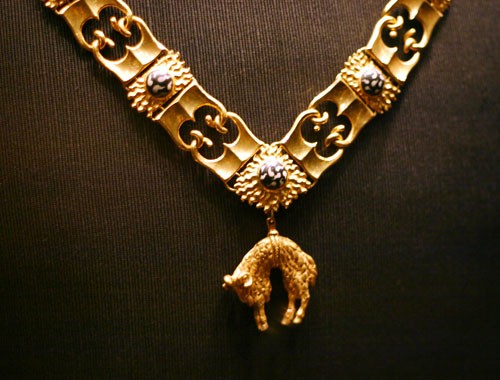
Les premiers statuts du nouvel Ordre furent transcrits en « langue bourguignonne », non en latin. Au cours d'un office, le chancelier de la Toison d'Or, l'évêque Jean Germain, profita de l'occasion pour dénoncer, au cours de son homélie, le caractère franchement trop païen du héros grec Jason, qui devait donc être remplacé par le juge biblique - Gédéon. Le duc l'écouta bien sûr poliment... et, comme on le voit à Dijon et à Anvers sur son beau portrait réalisé par Van der Weyden, n'en garda pas moins Jason comme référence, en portant autour du cou, comme tous les membres de l'Ordre, le collier d'or marqué de l'emblème bourguignon (les "fusils" ou briquets entrecroisés et la « pierre à feu » lançant des étincelles) auquel était suspendue la toison du bélier divin.
Après la mort du dernier duc de Bourgogne, Charles le Téméraire, le mariage de sa fille Marie fit passer l'Ordre de la Toison d'or dans la maison de Habsbourg. Mais la Toison fit rêver, jusqu'en plein xxe siècle, ceux qui voulurent faire revivre une Grande Bourgogne.
P. V. Rivarol 2008
Son troisième mariage le démontra puisqu'il obtint sans peine la main de l'infante Isabelle de Portugal, fille du roi Jean 1er d'Avis et de Philippa de Lancastre, princesse de la Maison royale d'Angleterre. Le mariage fut fastueux, dans des décors mis en place pour la circonstance afin d'accueillir les réjouissances où les franches ripailles à la flamande et les joutes entretenaient cette ambiance de « fougueuse kermesse, joyeuse et brutale » que décrit Michelet. Philippe le Bon choisit ce moment, peut-être afin de rehausser les fastes du mariage princier, pour annoncer solennellement la foudation du « Très noble Ordre de la Toison d'Or », destiné à réunir les preux d'entre les preux de tous les Etats bourguignons, sur le modèle évident de cette chevalerie de la Table Ronde qui faisait flamber, à la fin du Moyen Age, l'imaginaire de toute l'aristocratie européenne. Philippe le Bon avait pris soin de faire savoir, par la voix du « roi d'armes de Flandre » (le premier des hérauts flamands du prince), qu'il s'agissait d'exhorter les membres du nouvel ordre à se hisser au niveau de vaillance des anciens preux.
Au début de son principat, Philippe le Bon s'était vu proposer, par le duc de Bedford, Régent d'Angleterre, d'entrer dans l'ordre de la Jarretière. Il avait décliné l'offre. Il ne se voyait qu'en Grand Maître d'un ordre créé par lui. Il ne faisait en cela qu'imiter nombre d'autres princes. Charles VI n'avait-il pas créé en 1410 la « Chevalerie du Roi du Soleil d'Or » ? Et Amédée de Savoie, en 1362, l'« Ordre du Collier », qui devait devenir plus tard l'''Annonciade'' ? Le roi René, mais également les ducs de Bourbon, avaient leur ordre bien à eux.
Le duc de Bourgogne, mécène de sculpteurs et de peintres de génie, était homme de culture mais aussi et surtout grand politique. En un temps où les mythes antiques retrouvaient, par le biais de l'Italie, une place d'honneur dans la culture européenne, la force symbolique de l'histoire de la Toison d'Or lui semblait bien digne d'exalter son pouvoir. Et Jason, parti vivre avec ses Argonautes une aventure surhumaine en Colchide pour en rapporter cette Toison si chargée de sens mythique, n'avait-il pas naturellement, comme héritier spirituel, le « Grand Duc d'Occident », qui avait vocation à réanimer l'idéal de croisade ?
C'est dans les rues de Bruxelles, où se trouvait le duc Philippe à la Toussaint 1431, que fut annoncée par le « roi d'armes » de Brabant et ses hérauts la tenue du premier chapitre de la Toison d'or : « Oyez, princes, seigneurs, chevaliers et écuyers. De par très haut et très excellent, très puissant prince de mon redouté seigneur Philippe, par la grâce de Dieu duc de Bourgogne, de Lothier, de Brabant et de Limbourg, comte de Flandre, d'Artois et de Bourgogne, palatin, est à savoir à tous les nobles seigneurs et compagnons de l'Ordre de la Toison, et à tous les autres princes, seigneurs, chevaliers et écuyers, que vous soyez en la bonne ville de Lille en Flandre, la nuit de Saint-André prochainement, pour accompagner le duc, lequel a intention et volonté de commencer la fête du noble Ordre de la Toison d'Or. Si fera très bonne chère à ceux qui y voudront venir ! »
Les premiers statuts du nouvel Ordre furent transcrits en « langue bourguignonne », non en latin. Au cours d'un office, le chancelier de la Toison d'Or, l'évêque Jean Germain, profita de l'occasion pour dénoncer, au cours de son homélie, le caractère franchement trop païen du héros grec Jason, qui devait donc être remplacé par le juge biblique - Gédéon. Le duc l'écouta bien sûr poliment... et, comme on le voit à Dijon et à Anvers sur son beau portrait réalisé par Van der Weyden, n'en garda pas moins Jason comme référence, en portant autour du cou, comme tous les membres de l'Ordre, le collier d'or marqué de l'emblème bourguignon (les "fusils" ou briquets entrecroisés et la « pierre à feu » lançant des étincelles) auquel était suspendue la toison du bélier divin.
Après la mort du dernier duc de Bourgogne, Charles le Téméraire, le mariage de sa fille Marie fit passer l'Ordre de la Toison d'or dans la maison de Habsbourg. Mais la Toison fit rêver, jusqu'en plein xxe siècle, ceux qui voulurent faire revivre une Grande Bourgogne.
P. V. Rivarol 2008