Ok

En poursuivant votre navigation sur ce site, vous acceptez l'utilisation de cookies. Ces derniers assurent le bon fonctionnement de nos services. En savoir plus.

samedi, 27 avril 2013

José Antonio Primo de Rivera: A Spiritual Patriot

José Antonio Primo de Rivera:
A Spiritual Patriot

 Ex: http://www.counter-currents.com/

Editor’s Note:

The following article is being reprinted in honor of the birthday of Don José Antonio Primo de Rivera y Sáenz de Heredia, 1st Duke of Primo de Rivera, 3rd Marquis of Estella, Grandee of Spain, who was born on April 24, 1903. His greatest accomplishment was founding the Falange Española (“Spanish Phalanx”), for which he was murdered on November 20, 1936 by Spain’s Communist “Republican” regime. See also on this site Julius Evola’s “What is Spanish Falangism? [2]

“Fascism was born to inspire a faith not of the Right (which at bottom aspires to conserve everything, even injustice) or of the Left (which at bottom aspires to destroy everything, even goodness), but a collective, integral, national faith.”

José Antonio Primo de Rivera

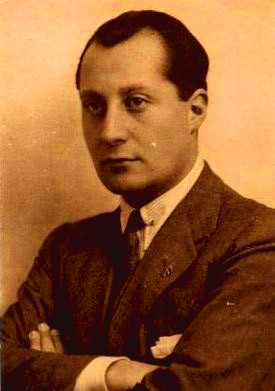
JOSE-ANTONIO-PRIMO-DE-RIVERA.jpgJosé Antonio Primo de Rivera y Saenz de Heredia Marques de Estella or José Antonio (as he is more commonly called) was born on April 24, 1903 in Madrid to grow up in a healthy aristocratic family environment as the eldest son of General Miguel Primo de Rivera, who was the Leader of Spain from 1923 to 1930. His family was socially prominent in Andalusia, having intermarried with large landholders and merchants around Jerez de la Frontera. From his father José Antonio inherited the title marqués de Estella.

His father, after a rapid and brilliant military career in Cuba, the Philippines, and Morocco, became governor of Cádiz (1915), then in turn captain general of Valencia, Madrid, and Catalonia. From Catalonia he staged a coup d’etat in September 1923, dissolving the Cortes and then establishing, with the full approval of King Alfonso XIII, a military directory. The constitution of 1876 as well as civil liberties were suspended. The military dictatorship was replaced by a civil one (1925); both ruled quite moderately, without the brutalities and extreme repression that characterized later dictatorships.

Miguel Primo de Rivera ended the war in Morocco (1926), introduced many measures aimed at economic modernization and administrative reform, and launched an ambitious program of public works, but his rule aroused the opposition of anarcho-syndicalists, Catalan regionalists, and all liberals. His regime was in more than one instance misguided, clumsy, and naive, but it was a basically generous and inclusive one. Spain under him would develop economically, and all Spaniards would share the benefits. There were public works, greater employment, more schools, sanitary improvements, and attention given to worker’s rights. An uprising in 1929 by the liberals did not succeed, but various political and economic failures of the regime soon led to his resignation (Jan., 1930). He died in exile in Paris, reportedly of a broken heart.

José Antonio was an intense intellectual and studied the works of philosophers and political thinkers such as Spengler, Keyserling, Marx, Lenin, Ortega, Mussolini, and Trotsky. He went to the University of Madrid to study law and after military service he began a career as a lawyer in 1925. When his father’s memory was being made a mockery of in the Cortes (parliament), he involved in politics when he held speeches defending the policies of his father and finally decided to run for parliament. The more they attacked and ridiculed his father, the more antagonistic he became toward their insistence on middle-class liberal democracy and parliamentary forms. His disdain for the political realm would inspire in him a theory for a political system that would retain the positive aspects of his father’s regime and create others that would fix the faults. José Antonio also edited the right-wing journal, El Fascio. After it was shut down by the Republican government he wrote for the periodical ABC.

The Republic was set up in Spain on April 14, 1931 with the end of General Primo de Rivera’s dictatorship. The country was therefore not looking for another authoritarian form of government, and definitely not a monarchy since Alfonso XIII had shown that he was utterly incompetent at ruling the Spanish people. The Left finally had the opportunity to govern Spain their way. Yet, disgust with the way things were going was evident just a few months after the Republic was created. In the years that followed emotions became stressed and nerves taut. Promises of change were being broken faster than they were made. The Cortes was plagued with the constant bickering of members concerned only with their propaganda and affairs. Spanish liberalism started to rise and the possibility of creating a political alternative began to be discussed.

World War I had left Europe in a state of disarray. National spirits had risen like heavy perfume on a cold night, sweetening what was left of putrid Europe. Underneath this cloud, however, was still the problem of class struggle and the question of social justice. These two components – national interest and the social question – eventually sparked a new movement, one that called for the nation irrespective of class – nationalistic and socialist. Spain was in a far worse condition than any other country with the possible exception of Portugal, after World War I. The country was in a semi-medieval rut. Around the beginning of the twentieth century about ninety-eight percent of the land was owned by about three percent of the total population. The society was mainly agrarian and organized labor seemed unheard of. Although Spain was improving, thanks to the help of the constitutional monarchy that began in 1875 and the dictatorship of General Primo de Rivera, its growth was unusually slow. And to make matters worse, the regions that did see economic growth were isolated, though more culturally than geographically. Class struggle became increasingly exacerbated. Perhaps the only thing that the middle class, which would be the main component of the Fascist movement, was passionate about at the time was the abatement of the proletarian rebellion, if not avoiding it altogether.

The conditions were finally right for the growth of a national socialist movement. Differing levels of the new movement developed in two other countries beside Spain. Germany would take part in a national socialist movement that suppressed the socialism under the bloated pride of nationalism. Italy apparently had a pragmatic reconciliation of socialist and nationalist aspirations. Spain’s national socialist, or Fascist, movement, however, took on a more personal, or individual, patriotic role. The stage was being prepared for the beginning of a Spanish national socialist party, José Antonio Primo de Rivera’s party.

José Antonio offered a fresh look at the system of government. He sympathized with the Republic in feeling disdain for a capitalist system. Like the Left, José Antonio believed that Spain had been suffering from the capitalist plague “that turns the worker into a dehumanized cog in the machinery of bourgeois production.” However, he also believed that the solution was not the communism that the Left offered. José Antonio argued that while a capitalist system “dehumanized” a person, communism “absorbs the individual personality into the State.”

He spent some time during the early months of 1933 looking for someone to lead a new national socialist movement. He deemed himself unable, claiming that he had “too many intellectual preoccupations to be a leader of the masses” and his possible financiers did not wish to back “another Primo de Rivera.” Fortunately, José Antonio found “a solid collaborator” in Ruiz de Alda. Alda was a renowned aviator who himself had been attracted by nationalistic appeals and distrusted the established parties. They got to work together about creating their idealistic brand of national syndicalism. Now all they had to do was wait for a moment when the political atmosphere would be more favorable. The wait was not long for in the fall of that year elections were to be held.

On October 29, 1933 in the Teatro Comedia, José Antonio Primo de Rivera gave a speech where he announced his election into the Cortes and the creation of the Falange Española. José Antonio announced that Sunday evening in the Teatro Comedia to a crowd of about 3,000 persons what the Falange stood for: The faith of the Falange was in Spain, that is in the total synthesis of all individuals and classes, which thus synthesized into a new individual had a divine destiny. Within this synthesis, there could not be political parties: religion would be tolerated so long as it did not interfere in undefined affairs not of its competence: there could be no drones nor parasites in the new society: all men would have the right but also the duty to work for the community.

To achieve the new society, violence might be necessary, but it was not an end in itself. He launched the Falange as a movement committed to overthrowing the government if the political parties of the left should manage to impose their policies on the country. It was part militia, part political party, and part movement, inspired by Mussolini’s fascism, and started preaching about the need for a greater national interest that would be above all the particular or group interests then claiming for attention, and that the answer was not in either the Right or the Left, but in an amalgamation of the best of both.

The parties initials F.E. for Falange Española make the Spanish word for “faith,” summarizing the feeling of what José Antonio held for Spain. He expounded his Revolutionary views in his periodicals F.E. (1934) and Arriba (1935), and when these publications were suppressed by the state, he addressed meetings across the country and made speeches in the Cortes (parliament), to which he had been elected in 1933. In its manifesto the Falange condemned socialism, Marxism, republicanism, and capitalism and proposed that Spain should become a Fascist state. Professing generally the principles of fascism, the Falange distinguished itself from other fascist groups by its great emphasis on national tradition, particularly the imperial and Renaissance Christian traditions of Spain.

The first months of the Falange showed great success. Already they had acquired more members than the National Syndicalists (Juntas de Ofensiva Nacional-Sindicalist – J.O.N.S.), the national syndicalist organization, which was headed by Ledesma Ramos. Among the new followers were many university students impressed with José Antonio’s rhetoric. The J.O.N.S. was similar in style, and quoted roughly one thousand members. There was an immense pressure for the two parties to merge, if they want to stay afloat in the political pool. On March 14, 1934 the J.O.N.S. joined the Falange to become one (FE-JONS) under José Antonio as its leader. José Antonio agreed to the union; he disliked Ledesma, the party’s leader, and the party’s “crudeness.”

Yet, violence was nothing new to the Falange party. The violence among Falangists and the Left was intense. Just a few days after the party had formed, its first member was killed. José Antonio had asserted that violence would be necessary, and he was absolutely realistic. Many attempts were made at his life, including once when a bomb was thrown at his vehicle. José Antonio reacted by getting out of his car and attempted to shoot the assailants. He did not shudder at the price of freedom of speech. Night after night there were reports of “suspect Fascists” being arrested or gunned down. In the speech of the founding of the Falange José Antonio declared, “We are not going to that place [the Cortes] to squabble with the habitués over the insipid scraps of an unclean feast. Our place is outside . . . our place is in the open air, under the clear night sky, sword in hand and stars above.”

A different type of violence was occurring in the party. Many were fearful of the party growing too conservative. While José Antonio was strengthening his control, Ledesma abandoned the party at the beginning of 1935. Later that year, José Antonio put his party at the service of the Italian government, from which he received a monthly subsidy until June 1936.

In 1935 the parties of the left formed the Popular Front, which came to power after the elections of February 1936, whereas the Falange won only 0.7 per cent of the vote. José Antonio was elected to the Cortes. Being a legally elected official mattered little to the Leftist-ruled government in Madrid. To them José Antonio was a symbol of everything they feared: Patriotism, Discipline, Morality, and Spirituality. At that time the Falange had neither the numbers nor the money to make a difference. There was no way the Republican government were going to allow the Falangists to gain any kind of power in Spain, in a formally legal way or otherwise.

For a while he managed to keep his followers from responding to the increasing violence in the streets. After the victory of the Popular Front the Falange Espaola grew rapidly and by July had a membership of 40,000. Then he too was swallowed in the gunpoint battles which were the regular form of intercourse at the street level. The situation having deteriorated further he ended up, after other options had failed, Primo de Rivera joined a conspiracy to overthrow the Popular Front government. Primo de Rivera fully supported the military rebellion in July 1936 against the republican government and after the outbreak of the Spanish Civil War the Falange became the dominant political movement of the Nationalists. The Falange militia joined the Insurgents in the Spanish civil war of 1936–39.

When word got back to the Republican government that Falangists were beginning to arm themselves, they set about arresting the leaders of the Falangist movement throughout Spain. The so-called Republican government never did a thing to stop the Communists and Socialists from arming themselves or the criminal acts perpetrated by these two groups.

Violence soared through the streets of Madrid. Falangists were being arrested and shot, and vice versa in retaliation. The tensions finally peaked when on the night of July 12, 1936. José Calvo Sotelo, the leading spokesman of the organized Right, was supposedly taken into custody. The next morning his body was found at the gates of a cemetery. This was the incident that sparked the fire. Riots broke out, rebellions were implemented, and on July 17, 1936 the Spanish Civil War began. With the outbreak of the Spanish Civil War, shortly after losing his seat in the Cortes at that time, the Spanish Falange was declared an illegal organization by the Republicans. They banned the party, arrested its leaders, and closed down its press. Primo de Rivera was arrested on June 5th 1936 and incarcerated in Alicante Prison by the puppet mercenaries of the State (police), in the power of his opponents. The Falange grew into one of the most powerful movements in Spain while José Antonio was in prison.

Primo de Rivera was tried for his part in the rebellion. He was given a summary trial for conspiring against the Republic and leading a Fascist-based organization and condemned to death. On November 18th 1936, José Antonio wrote, “Condemened to death yesterday, I pray God that if He does not still spare me from coming to that last trial, He may preserve in me up to the end the seemly submission with which I contemplate it, and that in judging my soul He may apply to it not the measure of my merits but that of His infinite Mercy.”

The circumstances surrounding José Antonio’s death are very peculiar. The Republican government had grown anxious of the rise in power of the Fascists. A Fascist crackdown was implemented. Fearful of what José Antonio might impress upon his followers to do, the Republican government kept him in jail for several months. In his Last Will and Testament José Antonio notes that it was not until five to six days before he wrote this statement that he was informed of the charges upon his indictment. On November 20, 1936, José Antonio Primo de Rivera was marched out of his cell in Alicante prison and with a crucifix in his hand and “prayer on his lips” and forgiveness for the enemies about to murder him was executed by a firing squad. José Antonio died like a Man, he died a Hero, a Martyr and a Saint.

News of his death was suppressed until a year later. The location of his body in the Alicante prison cemetery was unknown until his brother Miguel, after being released from prison, was able to provide information. Before Miguel’s statement of the events, the Republican government had tried to cover up the execution by claiming that a mob broke into the jail and killed José Antonio.

The death of José Antonio led to the death of his Falange. The Falange that followed would go through vast changes. There was much bickering over who would succeed José Antonio. A man, most unworthy of the position, named Hedilla led the organization for only brief period of time. For Franco was looming in the background, growing more victorious. Eventually the Generalissimo declared himself the jefe nacional and, on April 19, 1937, changed the organization into the Falange Espanola Tradicionalista y de las Juntas de Ofensiva Nacional-Sindicalist.

Finally, after three years of lies, José Antonio was given his due respect in 1939. His remains were excavated and moved to the Escorial Monastery. Planes dropped wreaths on the Alicante cemetery, and Franco broadcast a tribute to the dead leader. A huge funeral mass was held that lasted for 10 days and included a 284-mile procession with his coffin on Fascist shoulders. Mussolini had Italian Fascists personally carry a bronze wreath to his grave. José Antonio was buried at the Escorial Monastery in the Guadarrama Mountains among Spain’s king and queens. After Franco had built the Valley of the Fallen his remains were moved there on March 30, 1959 for the last time.

General Franco’s party treated José Antonio as a martyr to gain the support of the National Revolutionary movement’s followers. Merged with the Carlist militia by Francisco Franco in 1937, the organization was renamed Falange Española Tradicionalista and was made the official party of the Nationalist state. It was a much less independent force than Italian fascism, however, and was exploited and manipulated by Franco. From the middle of World War II on, the party grew steadily weaker, and Franco sought to make it a kind of bureaucratic nationalist front. The Falange movement itself was diluted, and any vestiges of the old revolutionary spirit were eradicated in order to appease the Roman Catholic Church and the military. By the early 1970s, it had virtually no influence. José Antonio Primo de Rivera’s articles and speeches help to form some of the doctrine of Franco’s Nationalist movement; but like any and all mainstream political organisations, they could not truly bread beyond conventionalism and institute the truly Revolutionary aspects of the doctrine that would have made Spain a true Nation of the People.

With everything that has been said, it is difficult to image that even today people carelessly throw around a word as powerful as “Fascist.” This term has been loosely used to label anyone person or organization of the Right that is seen as revolutionary, anyone who loves his country above all else, and anyone who approves of an authoritarian government. Today, patriotic middle class Christians that believe in individual responsibility seemed to be labeled Fascists or Fascist sympathizers. Julius Evola has commented that “fascism has undergone a process which can be called mythologization, and the attitude which many adopt towards it is of a passionate and irrational kind rather than a critical, intellectual one.”

In a note that was eventually published in the Spanish Press on the 10th of December 1934, José Antonio clearly states that the “Falange Espanola de las J.O.N.S. is not a Fascist movement. It has certain coincidences with Fascism in essential points which are of universal validity; but it is daily acquiring a clearer outline of its own, and is convinced that by following this path and no other it will find its most fruitful possibilities of development.” Even at the end of his life he was intensely frustrated with the political name-calling and bullying. “It astounds me that after three years the immense majority of our countrymen should persist in judging us without having begun to show the least sign of understanding us, and indeed without having even sought or accepted the slightest information.”

It is no wonder that in this day and age of immorality and anti-heroes, that José Antonio stands out like a Beacon of Light with an ever growing popularity and following throughout, not only Spain but the rest of the World as well.

Rivera’s Obras completas (“Complete Works”) appeared in 1944.

Source: http://www.geocities.com/integral_tradition/rivera.html [3]


Article printed from Counter-Currents Publishing: http://www.counter-currents.com

URL to article: http://www.counter-currents.com/2013/04/jose-antonio-primo-de-rivera-a-spiritual-patriot/

URLs in this post:

[1] Image: http://www.counter-currents.com/wp-content/uploads/2013/04/JoseAntonioFEJONS.jpg

[2] What is Spanish Falangism?: http://www.counter-currents.com/2010/11/what-is-spanish-falangism/

[3] http://www.reocities.com/integral_tradition/rivera.html: http://www.reocities.com/integral_tradition/rivera.html

FEMEN en Fourest VS Léonard en Chichah: twee maten, twee gewichten

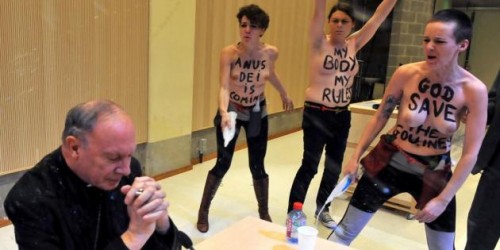
leonard_femen_georges_gobet_afp_0.jpg

FEMEN en Fourest VS Léonard en Chichah: twee maten, twee gewichten

door  Theo Van Boom

Ex: http://www.solidarisme.be/ 

Dinsdag j.l. heeft de feministische groep FEMEN de aartsbisschop Léonard belaagd tijdens een spreekavond aan de ULB. De hysterie (al is die nogal sec) ten spijt, wat vooral ZOU MOETEN opvallen is andermaal de flagrante hypocrisie van de ULB.

Even ter herinnering: in 2011 voerden enkele (linkse) moslims een actie tegen Caroline Fourest aan dezelfde universiteit en onder dezelfde omstandigheden. Wel werd er enkel wat gescandeerd. Volslagen terecht tegen een serpent als Fourest, die overigens actief FEMEN ondersteunt.

ALLE politieke partijen veroordeelden dit. De ULB veroordeelde dit. De moderator van dienst, pseudo-filosoof Guy Haarscher: "herrieschoppers die zich gedragen als fascisten"! Souhail Chichah, medewerker aan de ULB, werd hiervoor geschorst!

Consternatie alom, dus.

En... laat het nu net diezelfde Haarscher zijn die ook aan tafel met Léonard zat.

Was zijn reactie op dinsdag al even sterk? Met Fourest sprong de man meteen op om de Burqa-bla-bla activisten uit te schelden voor extreemrechts (alle sympathie daarmee), met de wellustige dames is hij een stuk onverschilliger. Helemaal leuk is zijn interview in La Libre. Bij de vraag of het hem geshockeerd had, antwoordt Haarscher simpelweg dat "het gedrag van de fotografen niet meer shockeert". Was dat de vraag, mijnheer Haarscher?

Nog leuker:

"Comme les Pussy Riots, ce sont des femmes courageuses qui ont mené des combats importants face à des régimes totalitaires. Elles osent s’affirmer contre les dogmatismes, l’intolérance et l’inégalité des femmes. Tout cela est bien [...]"

Ze krijgen zowaar een schouderklopje!

Ook dit keer heeft hij het over democratische beginselen en het recht op vrije meningsuiting. Dat het 'debat' met Fourest (het ging over extreemrechts) echter meer eenzijdig was dan verkiezingen in Noord-Korea, kan je ook niet wegwuiven. Haarscher heeft het over journalistieke deontologie, maar academische deontologie is de man blijkbaar vreemd.

En wat al helemaal niet weg te wuiven valt is dat het hier om een fysieke aanval ging, maar dat vindt Haarscher minder erg dan toen het 'debat' met Fourest niet kon doorgaan. Geweld is dus minder erg, zolang de avond maar kan doorgaan. Of is het allicht zolang het tegen een vertegenwoordiger van de RKK is en niet een extremistische plagiatrice van de genderbeweging?

Dit keer dus geen veroordelingen vanuit de ULB, geen veroordelingen vanuit de politieke partijen, geen klachten bij het parket... Zelfs geen verontwaardiging, als je erbij stilstaat. Niks.

Conclusie: Fourest (klik hier voor meer) en de FEMEN worden beter beschermd dan onze eigen aartsbisschop Léonard of de universitair medewerker/excuusallochtoon Chichah. De twee protesten naast elkaar gelegd tonen aan dat dit onmiskenbaar een geval van twee maten en twee gewichten is, geen enkele nuance kan deze vaststelling uitwissen.

Il faut le faire, inderdaad.

Feminisme, hoe radicaal ook, wordt beter beschermd dan religieuze uitingen. Dat is de kern van de zaak in de seculiere staat België. Dat is ook het uiteindelijke gevolg van de zogeheten 'laïcité', wat na de "Manifs pour Tous" in Frankrijk ook nog maar eens duidelijk is geworden: bescherming van de staat tegen religie en zeker niet omgekeerd.

Secularisme is een mondialistische staatsideologie die de religie van de Verlichting voorrang geeft op die van God. Een excuus voor verdoken discriminatie te voeren, gedoogd onder het mom van verdraagzaamheid. En wanneer puntje bij paaltje komt, maakt deze discriminatie geen onderscheid tussen islam of christendom. Of nationalisme.

En tenminste op dit vlak kan je nog zeggen dat FEMEN, de ULB, Haarscher en de politieke partijen meer consequent zijn dan de uiteindelijke geviseerden zelf. Die laten zich liever tegen elkander uitspelen bij populistische nondebatten over een hoofddoek.

Religieus of niet, de enige vraag die we ons moeten blijven stellen: trekken wij de kaart van het mondialisme?

Nee? Goed, in dat geval alle steun aan Léonard en Chichah. En dat ze Femen en Fourest de volgende keer ook met brandblussers verwelkomen.

War Roak n°37

war raok 37


War Roak n°37

Réveiller les PEUPLEs-PATRIEs!

A divers moments de leur histoire tous les peuples ont du faire entendre leur voix pour continuer d’exister. Il est illusoire d’imaginer qu’un peuple puisse obtenir sa reconnaissance en droit et sa liberté dans le cadre de la Constitution d’un autre pays. Ceci est fondamental et depuis l’aube des temps l’administration coloniale a usé de toutes ses ressources, militaires et intellectuelles, pour asseoir sa domination. Sans liberté politique, il n’y a pas d’épanouissement possible !


Aujourd’hui le temps est venu de proposer à tous les peuples « embastillés » de se prendre en main, d’assurer eux-mêmes leur développement, d’affirmer leur volonté de vivre dans le respect de leurs valeurs nationales et de refuser les grands systèmes sans définition ethnique, sans dimension charnelle. Aussi l’idée des peuples-patries, élargie à l’Europe et au monde, est-elle le véritable défi historique du siècle à venir, le défi d’une civilisation bâtie sur un socle ethnique vigoureux.
Arrêtons-nous aux grandes déterminations qui définissent un peuple-patrie et le maintiennent dans sa personnalité différenciée, qui sont aussi ce par quoi la société politique internationale devra le reconnaître et le respecter. Le peuple-patrie n’est pas une population, un agrégat d’individus assemblés par les hasards d’une contrainte politique, les lois d’un marché économique, les intérêts matériels transitoires d’une classe ou d’une famille.
Il ne se saisit pas dans le moment mais ne se conçoit que dans la double perspective d’un passé et d’un avenir étroitement solidaires et propres au groupe national. (…) La « conscience nationale » est une expression récente, relative à des réalités qui ont souvent varié en fonction des dominantes philosophiques. Le peuple-patrie, lui, quel que soit son degré de conscience, reste un élément permanent de la vie, bien au-delà du politique.
En ce sens, les mouvements des peuples-patries ne sont pas des phénomènes mais bien au contraire la dynamique même du devenir des hommes. Notre engagement pour un peuple-patrie, union du peuple et de sa terre ancestrale, résulte d’une prise de conscience et d’une décision spécifique. Nous sommes mus par une nécessité interne et non par la pression ou l’influence d’une société qui nous devient étrangère, et dont nous refusons les rôles qu’elle veut nous faire jouer.

Nous voulons créer l’Etat de notre peuple-patrie. L’Etat n’est pas pour nous la fin de la vie nationale, mais le moyen de lui assurer un développement harmonieux, par ses interventions de puissance médiatrice, d’instance supérieure du politique, de garant de la personnalité ethnique du peuple-patrie. Nous ne sacrifions à aucun totalitarisme, car pour nous le changement institutionnel n’est pas la seule condition du salut national. Ne perdons jamais de vue que ce qui compte c’est la personnalité communautaire, plus que telle ou telle structure. L’Etat national doit être le régulateur d’une vie sociale qu’il n’a pas créée, le promoteur de formes culturelles qu’il n’a pas inventées et le gardien d’un patrimoine qui reste sa seule justification.
Il est une instance de la souveraineté populaire et un moyen d’exercice du politique compris comme recherche du consensus dans une visée à long terme du développement de la nation. Le principe de respect des cultures nous fait condamner l’assimilation des peuples par colonisation et substitution planifiée des populations.
Ce que nous refusons pour les ethnies d’Europe, nous le refusons aussi pour les peuples du monde. Notre position sur l’immigration de populations non-européennes en Europe se nourrit de notre expérience de nationalités en lutte pour leur survie et la reconquête de leur caractère-propre. Elle est donc choisie sereinement et avec rigueur. Nous sommes opposés à l’immigration extra-européenne comme au néo-colonialisme économique et culturel qui l’accompagne ordinairement.
Contre la dépersonnalisation et le déracinement des peuples de culture nous voulons un dialogue fécond des civilisations. Nous refusons donc le mondialisme et son projet de métissage universel des peuples et des cultures, caricature inversante d’une réelle solidarité humaine. Nous prônons la relance de la démographie de nos peuples. Nous rejetons le misérabilisme, nous refusons de gémir sur des maux nés en partie de notre faiblesse, car nous savons que notre action prend place dans une longue suite de renaissances qui sont autant de triomphes formalisateurs sur les faux-sens de l’histoire…

Extraits du texte proposé par Padrig MONTAUZIER et lu lors de la conférence de Terre et Peuple Wallonie au château de Coloma. 

Il grande equivoco della «nuova evangelizzazione»

Il grande equivoco della «nuova evangelizzazione»

di Francesco Lamendola

Fonte: Arianna Editrice [scheda fonte]

Sacerdoti e credenti laici, da un po’ di tempo a questa parte, si vanno riempiendo la bocca con una nuova espressione che, a loro parere, dovrebbe spiegare e giustificare tutto, mentre non spiega e non giustifica proprio nulla: la cosiddetta nuova evangelizzazione.

Si parte da un dato corretto, anzi, perfino banale nella sua lampante evidenza: il mondo moderno è diventato radicalmente laico, o, per meglio dire, laicizzato e secolarizzato; si è radicalmente allontanato dal sacro e dal religioso; si è radicalmente scristianizzato. Il sogno di Hébert, degli “enragés”, dei sanculotti del 1793 si è infine realizzato: ma non già, come essi cercarono di fare, chiudendo le chiese e abolendo gli ordini religiosi, bensì svuotando le chiese dei fedeli e trasformando, snaturando lo spirito dei monasteri.

Da questa constatazione nasce l’idea, in sé giusta, che il cristianesimo, almeno in Occidente, deve ripartire da zero: alle masse secolarizzate, immerse nel materialismo e nell’edonismo più sfrenato, si deve riproporre la Buona Novella ripartendo da niente: non ci sono più basi, non si deve dare nulla per scontato, perfino il battesimo non è che un rito formale. La verità è che i cristiani sono diventati non solo minoranza, ma esigua minoranza; e che, anche fra di essi, l’autentico spirito di fede è paurosamente scemato, quando non è stato alterato e perfino travisato.

Le cause sono molteplici, ma tutte riconducibili al fenomeno della modernizzazione: prima con la Rivoluzione scientifica, poi con la Rivoluzione industriale, infine con le ideologie “progressiste” di matrice illuminista – liberalismo, democrazia, socialismo, comunismo, radicalismo -, la società occidentale ha imboccato sempre più decisamente la strada della glorificazione dell’uomo e delle sue opere: gli stati, le merci, il denaro, la scienza e la tecnica; e, contemporaneamente, la strada dell’oblio dell’essere, dell’assoluto, di Dio.

Spesso la glorificazione dell’uomo, davanti ai ripetuti insuccessi, agli errori ed ai crimini di cui è stata costellata la marcia verso le “magnifiche sorti e progressive”, si è rovesciata nel suo contrario: nell’amaro disprezzo, nella svalutazione totale, nello schifo, nella nausea, nella nullificazione. Raramente, però, dallo schifo, dalla nausea e dalla nullificazione di sé, l’uomo moderno ha avuto la forza di ritrovare la necessaria umiltà e di chiarire a se stesso le ragioni del proprio scacco; raramente ha trovato il coraggio di riconoscere l’origine del proprio fallimento e di rimettersi sulla strada dell’essere, alla ricerca dell’assoluto, che sola avrebbe potuto spegnere la sete divorante che ontologicamente appartiene alla sua natura.

La Chiesa cattolica rispecchia e riflette le contraddizioni del mondo moderno, prima fra tutte l’idolatria del’uomo e delle sue opere. A un certo punto ha creduto che l’unico modo per non scomparire, per conservare il proprio messaggio e trasmetterlo alle future generazioni, fosse quello di parlare la stessa lingua del mondo moderno, di adottare i suoi punti di vista, la sua prospettiva, il suo stile, le sue finalità. Molti cristiani lo pensavano in buona fede, sia chiaro, e lo pensano tuttora: hanno creduto, così facendo, di riagganciare il treno in partenza, di ristabilire un dialogo con quanti avevano perso la fede o la stavano perdendo: e non si sono accorti che, un poco alla volta, inavvertitamente, quelli che stavano perdendo la fede erano loro.

Hanno creduto, per esempio, che la liturgia fosse una semplice veste esteriore; e l’hanno a tal punto modificata, da renderla irriconoscibile. Hanno creduto che il dogma si potesse “interpretare” alla luce della mentalità moderna: e, come i protestanti, hanno cominciato a leggerlo ciascuno a suo modo, sempre con la “buona” intenzione di renderlo più comprensibile, più al passo coi tempi. Hanno cominciato a sentire, a pensare, a vestire, a parlare, ad agire in tutto e per tutto come gli “altri”. Perdendo la propria specificità, e ciò sulla base di un grande equivoco: che, per dialogare con l’altro, sia necessario abolire la distanza, rinunciando a quel che si è. Ma questo non è dialogare: questo è camuffarsi, abdicare a se stessi, imbrogliare le carte. Non è una forma di rispetto né verso gli altri, né verso se stessi, né, meno ancora, verso la verità.

Sempre più spesso sedicenti “teologi” cattolici pubblicano libri, rilasciano interviste e imperversano nei salotti televisivi, per sostenere delle autentiche enormità, per vendere come l’ultimo grido del politicamente corretto e dell’audacia speculativa una serie di affermazioni che nulla hanno di cristiano e che gettano solamente la confusione e lo smarrimento fra i credenti, mentre non servono affatto a conquistare l’attenzione e il rispetto dei non credenti, come invece essi - non sai se più ingenui o vanitosi -  s’immaginano.

Siffatti teologi negano il mistero, negano i miracoli, o quasi tutti i miracoli; negano, in sostanza, il soprannaturale: imbevuti di evoluzionismo, di psicanalisi, di storicismo e di positivismo, pensano e parlano come se solo le  verità della scienza, dell’economia, della politica fossero degne di rispetto; come se soltanto l’agire fosse utile e necessario, mentre il pregare – specie se in un monastero di clausura – fosse parassitismo. Questo non lo dicono esplicitamente, beninteso: ma lo si evince chiaramente da tutti i loro discorsi. Ostentano una filosofia “progressista” che dovrebbe catturare la benevolenza dei loro interlocutori profani, mentre attira su di essi solamente il disprezzo. In compenso, vengono lusingati nella loro umana vanità: i loro libri si vendono bene, i conduttori televisivi li invitano spesso. Non si accorgono nemmeno di essere il trastullo di quei salotti buoni, gli inconsapevoli buffoni della situazione. Li trovano utili, finché parlano male del Papa o deridono la credenza nel Diavolo, finché gettano dubbi sulla vita dell’anima, sul peccato, sul Giudizio: li strumentalizzano ed essi ci cascano, lusingati nella loro ambizione, nel loro narcisismo intellettuale. Si sentono dei grand’uomini, degli “illuminati” e sono gratificati dal pensiero che stanno contribuendo a “modernizzare” il cristianesimo.

E sempre più spesso membri del clero parlano e si comportano come se non credessero nel sacramento del sacerdozio: non vedono l’ora di vestirsi in borghese, appena terminato di officiare la messa; preidicano con disinvolta leggerezza, turbano le coscienze con affermazioni azzardate e gratuite; in privato, ma sovente anche in pubblico, criticano ferocemente la Chiesa, rammentano gli scandali, i casi di pedofilia, la corruzione della Curia; incuranti di ogni spirito di carità, di umiltà, di obbedienza, parlano male del Papa – lo hanno fatto specialmente con Woityla e Ratzinger; in breve: fanno di tutto per piacere al “mondo” e per farsi perdonare la “colpa” di essere, loro malgrado, esponenti di una istituzione oscurantista e retrograda.

In molte chiese, la messa è diventata una sorta di pomposo rito laico, simile, in tutto e per tutto, a una qualsiasi assemblea profana: si ripete qualche formula, magari sopprimendo le più “imbarazzanti” (come il “Confiteor”); si ascolta una omelia che ha ben poco di spirituale; si fa della musica con le chitarre e si cantano delle canzoni insulse e dolciastre, pervase di un buonismo tanto generico quanto insipido; ci si rivolge ai vicini di banco per scambiarsi il cosiddetto “segno di pace”, stringendosi la mano come si farebbe in piazza, al passeggio, con grandi segni di amicizia e simpatia (anche se ciascuno è solo coi suoi problemi e, una volto uscite di lì, le persone non si salutano nemmeno).

L’anima non trova il silenzio, non si rivolge verso l’alto; la presenza di Dio è un “optional”, non la si sente viva e vibrante nei gesti e nelle parole del sacerdote; questi, anzi, volta costantemente le spalle all’altare del Santissino, si tiene sempre rivolto all’assemblea, come farebbe un qualsiasi oratore profano: si direbbe che la Messa sia una faccenda fra lui ed essa, che sia, al massimo, una semplice commemorazione. Dello Spirito che scende sui fedeli, del mistero della transustanziazione, si stenta a riconoscere la presenza. Ciascuno si prende in mano la particola, come se fosse un qualunque pezzo di pane, e la porta alla bocca da sé: come dire: faccio da solo, non ho bisogno di nessun altro. Ma questa è la dottrina luterana del sacerdozio universale: non è una dottrina cattolica.

Ultima in ordine di tempo, da Cagliari giunge la notizia che un gruppo di frati francescani e di suore hanno organizzato canti e balli in piazza, coinvolgendo alcune decine di ragazzi, con lo scopo dichiarato di “riavvicinare” a Dio le persone: il tutto in una sarabanda di movenze scomposte, in un frenetico agitarsi di corpi come in una discoteca, che si sarebbe potuto giudicare semplicemente grottesco, se non fosse stato, prima di tutto, penoso. Alla fine la manifestazione é stata sciolta dalle forze dell’ordine, perché sprovvista delle necessarie autorizzazioni.

La preghiera, il silenzio, il decoro, la modestia, il rientro nelle profondità dell’anima, per trovare la Parola assoluta: tutto questo, per quei religiosi, è passato di moda. Oggi bisogna predicare Dio a tempo di rock; scimmiottando lo stile profano, essi pensano di farsi pescatori di uomini: ma chi è che rimane preso veramente nella rete, a questo punto: il pesce o il pescatore? Lo spettacolo che essi hanno offerto era ridicolo, ma anche pericoloso: il cristianesimo che hanno “proposto” al pubblico non era che una caricatura della fede, una mascherata totalmente fuorviante.

La domanda è sempre la stessa: per dialogare con il mondo moderno, bisogna introiettare la filosofia del mondo moderno? Se così fosse, allora sarebbe più semplice fare quel che fecero Lutero e Calvino cinque secoli fa: abolire la Chiesa, sopprimere gli ordini religiosi e la distinzione fra sacerdoti e laici, leggere e interpretare liberamente le Sacre Scritture, eliminare quasi tutti i sacramenti, negare al Papa qualunque obbedienza; e, soprattutto, smettere di sforzarsi di essere dei buoni cristiani, perché tanto non serve a niente, Dio ha già deciso chi salvare e chi no.

Lutero e Calvino, almeno, furono coerenti (meno coerenti gli storici professionisti che si ostinano a chiamare “riforma” quella che fu una radicale distruzione), mentre questi teologi, questi preti e questi fedeli “progressisti” dei nostri giorni non hanno nemmeno la virtù della coerenza: vorrebbero snaturare completamente la fede, ma senza avere il coraggio di dirlo e, forse, nemmeno l’onestà di rendersene conto. Intanto si affannano per tirare la Chiesa dalla loro parte, per tirare il Papa per la falda della sottana, spostandoli sempre più verso le loro posizioni. La fede?, una possibilità. La vita dopo la morte?, forse. Il sacerdozio femminile: perché no? Le unioni di fatto, i matrimoni gay: perché no, dopotutto? Aborto ed eutanasia: no, certo; però, bisogna vedere, vi sono taluni casi…

E così via, di dubbio in dubbio, di possibilismo in possibilismo, di compromesso in compromesso: alla fine quel che resterà non avrà più niente di specificamente cristiano e neppure di specificamente religioso. Sarà una pseudo-religione fatta da ciascuno sulla propria misura, come si va dal sarto ad ordinare un vestito. Una “religione” buona per tutte le stagioni, che costa il minimo della fatica intellettuale e nessun sacrificio sul piano morale. Una religione comoda, una religione usa e getta. Gesù Cristo, alla fine, sarà uno dei tanti maestri di saggezza: un uomo notevole, certamente, ma insomma un uomo. Come dicono i Testimoni di Geova. E la morte, tornerà ad essere la morte: la parola definitiva sulla vita, come nell’Antico Testamento. Poi, forse, Dio resusciterà i defunti: ma l’anima, l’anima immortale, non sarà più necessaria.

Si tornerà a leggere i Vangeli e si “scoprirà” che Gesù, nel deserto, non è stato tentato da Diavolo, perché quel racconto è un semplice simbolo; che i pani e i pesci non sono stati moltiplicati, perché anche quello è solo un simbolo; che Lazzaro non è stato richiamato dal paese dei morti, perché questo non è possibile. Quasi quasi, si scoprirà che Gesù non ha fondato una nuova religione: era un ebreo, che pensava da ebreo, ed ebrei erano i suoi seguaci - Paolo compreso, l’evangelizzatore dei gentili. Dunque il cristianesimo non è che una forma di ebraismo, un ebraismo rivisto e adattato alla mentalità dei non ebrei.

Allora bisogna avere il coraggio di dire che Pio X, quando ha condannato il modernismo, definendolo “sintesi di tutte le eresie”, ha sbagliato in pieno; bisogna avere il coraggio di dire che molti teologi, preti e laici hanno visto nel Concilio Vaticano II la rivincita della verità rappresentata dal modernismo, ingiustamente condannato; e che il cristianesimo attuale, che essi volevano e vogliono, è un cristianesimo modernista, ossia un cristianesimo fatto a immagine e somiglianza del mondo moderno, che dice solo quelle cose che piacciono al mondo moderno e che tace o si vergogna di tutte le cose che, al mondo moderno, potrebbero dare fastidio.

Resta solo da capire che cosa potrebbe farsene, l’uomo moderno, di un siffatto cristianesimo. Per sentire dei discorsi che piacciono al mondo moderno, non c’è bisogno di una religione, né di una chiesa, e tanto meno del cristianesimo, Le stesse cose le dicono già, e le dicono meglio, innumerevoli ideologie politiche, sociali, filosofiche; meglio ancora: le dice la società moderna, senza bisogno di ideologie. Le dice con l’adorazione quotidiana delle cose, del denaro, del sesso, del potere. E dunque, perché ripeterle tra le navate di una chiesa, scimmiottando lo stile del mondo?


Tante altre notizie su www.ariannaeditrice.it


La France, la loi et la légitimité

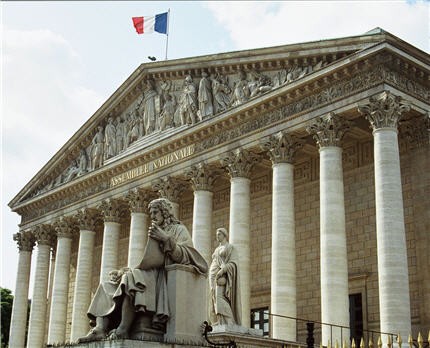
 assemblee-nationale.jpg

Claude Bourrinet:

La France, la loi et la légitimité

Ex: http://linformationnationaliste.hautetfort.com/

En France, les deux sources de légitimité politique, comme il va de soi, du reste, dans la plupart des nations, a été Dieu et le peuple. L’héritage indo-européen du roi sacré, réactivé par l’apport germanique et la figure vétérotestamentaire de David oint par le Seigneur, a donné à l’Etat la caution divine qui a fondé longtemps sa légitimité. Il en restait quelque bribe dans le rapport parfois mystique qu’entretenait la foule avec la haute figure d’un De Gaulle, que l’on cherchait à « toucher », comme un monarque de droit divin. Le christianisme étant par ailleurs la respublica christiana, le peuple chrétien, il était normal que cette assise populaire fût aussi adoptée, à l’âge moderne, par le technicien de la chose publique, dans un contexte plus sécularisé. Néanmoins, la désacralisation du rapport vertical entre la tête et le corps de la société ne fut jamais totale. Une mystique de l’onction populaire est à la base de la conception démocratique du pouvoir, la notion de « démocratie » s’entendant au sens littéral, qui n’équivaut pas au légalisme électoraliste des régimes libéraux contemporains, mais à un lien profond entre le démos et l’Etat. On peut concevoir le rituel du vote comme un cérémonial qui délivre cycliquement à l’Etat un influx prenant sa source plus dans la foi ou la confiance, que dans la rationalité.


La conjonction entre les deux voies de légitimité politique, qui, d’une façon ou d’un autre, se réclamaient de la vox populi, a donné le ton de tout engagement public, qu’il fût au sommet ou à la base de la société. Jusqu’à ce qu’on s’avisât, depuis quelque temps, que la gestion d’un pays relevait plutôt de la « gouvernance », et qu’il n’y avait guère de différence entre la maîtrise des hommes et celle des choses. C’est ce que signifia, de manière abrupte, Margaret Thatcher, lorsqu’elle affirma que la société n’existait pas, mais seulement des impératifs économiques qui motivaient entreprises et individus.

La « dame de fer », bien qu’ayant inspiré le néoconservatisme politique, qui, sous son appellation de reaganisme, allait révolutionner la conception politique de la droite occidentale, n’avait pas tout à fait adhéré, en apparence, aux principes du postmodernisme, qui, d’une certaine façon, considère que tout n’est que société. Ou plutôt, devrait-on dire, que tout est sociétal. Ce qui n’enlève rien aux soubassements libéraux d’une telle assertion, puisque la société a vocation, in fine, à être marchandisée, comme le reste du réel existant.
La postmodernité se définit par sa logique déterritorialisante : elle arrache toute vie à son terreau naturel pour en faire un produit charrié par le flux illimité du commerce.


Ce que les mots veulent dire


Confucius conférait aux mots un pouvoir que d’aucuns jugeraient exorbitant. Ou plutôt, il considérait que l’accord sur la bonne définition de ceux-ci permettait de bien gouverner les hommes.


Or, ce qui s’est dilué avec la liquéfaction générale des choses et des liens, c’est bien le sens des mots. Les transgressions multidimensionnelles, et la métamorphose des réalités humaines traditionnelles en réseaux pulsionnels, ont vaporisé le dictionnaire vernaculaire. Tout sceptique en serait ravi, qui verrait dans notre monde l’incapacité à dire, à transmettre et à recevoir. Le cours du monde, du reste, s’accélérant, et se détachant du sol de son Histoire, le vocable n’est plus guère susceptible d’invoquer quoi que ce soit de permanent, et le lexique n’est plus qu’un vain fantôme que l’on exhibe, dans cette fête foraine qu’est devenu la politique, un croquemitaine, parfois, tout juste bon à faire comme si nous étions effrayés. Ainsi des étiquettes comme « fascisme », « communisme », « révolution » etc.
Et même « peuple ».


Il est d’actualité de s’y référer à l’occasion des « manifs pour tous » ou autres sautes d’humeur. Caroline Fourest a nié que les réfractaires au mariage pour tous fussent du « peuple ». Elle a regardé leurs chaussures, et a conclu que c’étaient des bourgeois. Pour un peu, elle se serait référée à la Commune, comme Taubira chantonnant le Temps des cerises. La canaille, eh bien j’en suis !

C’est à mourir de rire, bien sûr. Qui ne sait que les porteurs de Rolex et autres bobos homos sont sans doute bien plus à l’aise dans la société de consommation made in California qu’un catho tradi, qui a, au moins, en sa faveur une répugnance pour Mammon, ce qui est désormais loin d’être le cas dans la Gauche caviar et décomplexée.
De fait, le « peuple », soit il s’abstient, soit il vote pour le Front national.


Le destin national


Si l’on prend le temps et la distance de considérer le destin français, voilà ce que l’on constate : des peuples disparates ont occupé notre sol au fil des âges, et des strates de civilisations se sont superposées, et ont plus ou moins fusionné sans abdiquer leur singularité. Si bien que l’Histoire de France peut être considérée comme blanche, chrétienne, et d’héritage celte, grec et latin. Et comme la société d’autrefois, longtemps, est restée paysanne, c’est-à-dire vouée à la permanence des structures et des mentalités, tout ce qui sourdait de ce substrat lui était consubstantiel. Même les villes, au dam de Descartes, en étaient des excroissances naturelles, bien que leur logique les eût portées vers d’autres horizons. Les corporations étaient le reflet urbain de l’enracinement paysan.

 
L’Etat, en France, fut toujours, comme tout Etat, mais à un degré extrême, le fruit de la volonté. Néanmoins, et quoiqu’il imposât sa dure étreinte sur le corps d’une Nation qu’il modelait à sa guise, il n’attenta que peu à la réalité des patries charnelles. Un Français était sujet du Roi, mais aussi picard ou auvergnat. La France était ainsi une petite Europe, car elle cultivait la diversité. Mais elle réalisait aussi ce qui manquait à l’Europe, l’unité.


Faut-il traduire l’arrachement civilisationnel qui suivit l’avènement de la modernité, dès la Renaissance, comme une fatalité nécessairement réduite à donner ce que nous avons sous les yeux, un monde déréglé, délimité, déstructuré, déraciné, dénaturé et déshumanisé ? L’urbanisation universelle, l’industrialisation, la marchandisation mondiale, les idéologies humanitaristes et internationalistes, et d’autres facteurs, en ont été les déclinaisons, que certains estiment être des progrès, d’autres des catastrophes et les vecteurs véritables du déclin. Comment les peuples peuvent-ils perdre leur mémoire, leur vocation, leur être ?
Le gaullisme fut à plus d’un titre une divine surprise. Un peuple en décadence, dont les gouvernements, depuis la Grande Guerre, capitulaient devant la force des choses, ou bien se couvraient de ridicule, semblait reprendre le chemin de l’honneur, et se réapproprier son avenir. L’Etat, soudain, redevenait ce levier indispensable pour soulever le monde. Et l’Archimède de cette « révolution » était un homme doté d’une volonté de fer, assez lucide et machiavélique pour manier les hommes, et assez idéaliste pour être guidé par une haute idée de notre destinée. La lecture répétée du livre talentueux d’Alain Peyrefitte, « C’était de Gaulle », s’impose à celui qui veut retrouver une France qui était encore à la hauteur de sa vocation, une France indépendante, orgueilleuse, hardie, optimiste. On y puise à la source des idées riches et encore d’actualité. Car ce qui est frappant dans cet ouvrage admirablement écrit, c’est sa fraîcheur, son intelligence, et les rudes leçons qu’il nous prodigue. Un véritable programme, si l’on veut. A mettre entre toutes les mains, surtout des jeunes.

Le Général, certes, était entouré d’hommes qui avaient de la trempe, et qui étaient animés d’un enthousiasme qui nous fait envie maintenant. Cependant, bien que les résultats de notre économie, dirigée par un Etat fort, fussent superbes, que le chômage fût quasi inexistant, on sentait, au fil des témoignages, des anecdotes et des comptes rendus, que de Gaulle était loin d’être accepté par tous. Sa forte personnalité en imposait, mais certains n’attendaient qu’une occasion pour le trahir. Pompidou et Giscard, ces hommes de la finance, de la banque, adeptes de l’ouverture des marchés et de l’entrée de la Grande Bretagne dans l’Europe des six, n’attendaient que le bon moment pour agir. De Gaulle n’avait pas de mots assez durs pour critiquer une bourgeoisie, pour lui artificielle, appâtée par le gain, qui lisait à droite le Figaro, et à gauche l’Immonde (le mot est de lui). Il vilipendait aussi la caste des journalistes, partagée entre communistes et américanistes. Il condamnait un libéralisme coupable d’accroître l’injustice et de favoriser les tricheurs. Pour lui, seul comptait le lien mystérieux mais réel entre l’Etat, incarné par un homme, et un peuple se souvenant, comme tout bon aristocrate, de ce qu’il est, de son sang, de son patrimoine, de son passé. Et le plus miraculeux, c’est qu’on eut l’impression, au grand désappointement des Judas qui patientaient impatiemment, que le fil tenait, entre l’instinct populaire et la volonté d’un homme.


Une série de trahisons


L’effondrement de la fin des années soixante apparaît dès lors, soit comme une anomalie, soit comme l’expression nationale d’une fatalité mondiale. Le Général pressentait cet achèvement pitoyable. Il essayait de contrer l’américanisation des mœurs, du langage, des esprits, par une politique éducative forte. Mais comment affronter ce ras de marée ?
Le « mariage pour tous » est l’une de ces vagues lointaines de ces années là, un de ces déferlantes destructrices que nous envoie la civilisation matérialiste américaine. Depuis la mort du Général, le trop plein de palinodies, de rétractations, de cynisme et de trahisons a infesté l’élite nationale. Ce fut comme un débordement d’épandage. D’abord la droite se découvrit mondialiste, reaganienne, libérale, libre-échangiste, et fut convertie au grand marché européen, qui prit la place de cette belle idée, partagée par de Gaulle, d’une Europe puissance dont le noyau aurait été le couple franco-allemand; dans le même temps, la gauche se convertit au marché, à l’entreprise, au fric et au luxe, ouvertement, et tint pour une grande conquête de l’humanité le métissage généralisé, que la droite avait préparé par une politique d’immigration suicidaire. Puis vint le moment où on s’aperçut qu’il n’existait plus guère de France, ni de société française, ni même de français, et que l’Histoire de notre patrie n’était qu’un point de vue fallacieux, et que seul subsistait comme horizon le grand Océan du commerce, remué par les pulsions libératrice d’un individu enfin acteur de sa machine désirante.


Face à ce naufrage, quelle attitude faut-il avoir ?


Tout patriote encore attaché à la mémoire de son sang (j’appelle sang l’amour que l’on porte à son histoire nationale) est placé devant un dilemme : ou bien il considère que tout est foutu, que la décadence est irréversible, que la logique du monde doit aboutir infailliblement au désert actuel, et à l’oubli définitif de notre destin commun ; ou bien il pense que le sursaut national des années soixante, comme celui, jadis, incarné par la Geste de Jeanne, est une donnée itérative de notre caractère, que notre peuple, pour ainsi dire en dormition, doit se réveiller, et renouer avec sa vocation.

Les deux options, malgré leur nature antithétique, sont nobles. La première invite au retrait, à une réflexion profonde, à un ressourcement personnel, et à un espoir un peu désespéré d’un retournement lointain de la logique mortelle des choses. La deuxième convie à l’action, à une foi dans l’imminence de la victoire, car il serait impensable que le peuple français se renie à ce point.


Selon ce dernier point de vue, nous sommes un peu comme en juin 40. La défaite semble irrémédiable, et les collaborateurs s’en donnent à cœur joie. Les dirigeants de l’UMPS ont choisi de considérer que la victoire de l’Amérique allait de soi, et ils la souhaitent même. Ils ont méthodiquement, sournoisement, agressivement, comme des gens qui ont toujours haï notre nation, déconstruit tout notre dispositif de protection, anéanti nos bataillons industriels, livré notre culture à nos ennemis mortels, donné notre armée à l’état-major US, confié les guides du gouvernement à une entité technocratique supranationale, aboli les frontières et les repères, supprimé notre Histoire dans les classes, déshonoré nos ancêtres, discrédité l’autorité de l’Etat… Autrement dit, l’instrument étatique peut marcher, la police peut réprimer, l’autorité législative légiférer, le pouvoir exécutif exécuter, etc., tous ces rouages en mouvement ne produisent que du vide, ou ne servent qu’à démolir encore plus notre nation, notre identité et nos intérêts.


Dans cette optique, la loi et ce qui s’ensuit n’est plus légitime. Comme disent les Chinois, les gouvernements qui se sont succédés depuis une trentaine d’années, voire plus, ont perdu le mandat du Ciel. De Gaulle, avec l’Appel du 18 juin, a eu la prétention extravagante d’incarner la France. Pas celle que pourrait représenter tel gouvernement, mais la France éternelle, celle qui ne peut, comme il le dira plaisamment, fondre comme une châtaigne dans la purée. Et ce pari fut le bon.


« Ce sur quoi il ne faut jamais céder, c’est la légitimité, voyez-vous, c’est l’intérêt supérieur de la nation, c’est sa souveraineté. Primum omnium salus patriae. (Avant tout, le salut de la patrie).

La Nation est un tout. Ce n’est pas en manifestant, main dans la main, de façon pitoyable, contre le mariage homo, en criant, du reste, qu’on aime les homos, qu’on se refera une virginité. Boutin, Mariton, Collard et tutti quanti, badigeonnés en rose ou ceints d’une écharpe tricolore qui ne leur va pas du tout (ils devraient plutôt porter la bannière étoilée), ont beau jeu de berner le naïf, qui croit voir en eux des champions des « valeurs ». On sait très bien que l’UMP au pouvoir ne reviendra pas sur cette loi scélérate. La constitution d’un « thé party » à la française ne procède que d’une tactique électoraliste. Il n’y a que l’épaisseur d’un papier à joint entre l’agité friqué de « droite » et le bobo « cool » de « gauche ». Copé « moral » ? Quelle rigolade ! Hollande "socialiste" ? C'est une blague de très mauvais goût, et même une manifestation flagrante de débilité, de ramollissement du cerveau. Hollande et ses acolytes haïssent le socialisme, comme des bourgeois vulgaires.

Que l’on commence par interdire la conversion des élus en avocats d’affaires, et les conférences gratifiantes des chefs d’Etat, qui semblent par là recevoir le prix de leur salaire. Il est pour le moins étrange que les émoluments d’un Sarkozy, à la suite de ces traîtres que furent Gorbatchev ou Aznar, reçus par des organismes tels que Goldman Sachs, telle banque brésilienne ou telle université américaine, ne suscitent guère que des sourires un peu jaloux. Assurément, c’est un cas de haute trahison, l’indice infaillible d’un comportement qui est loin d’avoir été clair lorsque le pouvoir était en jeu. Imaginez-vous de Gaulle donner une conférence à 200 000 € à la bourse de Nouillorque ?

Claude Bourrinet 

http://www.voxnr.com