

jeudi, 19 mars 2009
Chauprade: refonder un monde multipolaire
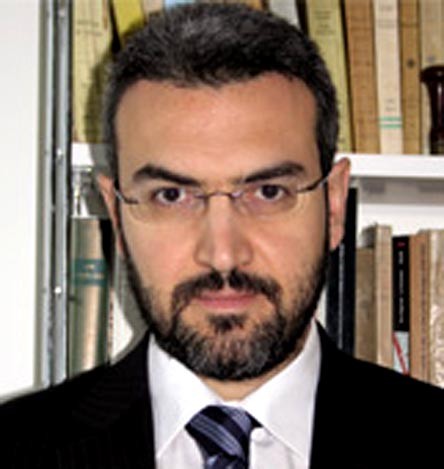
Chauprade : "refonder un monde multipolaire" |
| Ex: http://unitepopulaire.org/ | |
| « Mes détracteurs cherchent à faire de moi un complotiste. Or, je ne suis pas plus complotiste que ceux qui défendent la version officielle [des attentats du 11 Septembre]. […] Ne perdons pas de vue que le monde est partagé entre deux représentations de ces attentats. En Chine, en Russie, dans le monde arabe, en Amérique latine, bref dans l’écrasante majorité du monde non occidental, on ne croit pas à la version officielle. Je ne dis pas qu’il faut reprendre à son compte ces doutes, je dis simplement que cela fait partie de la réalité géopolitique du monde. […] Je revendique le droit de douter. C’est là le fondement de la recherche scientifique. En histoire et en géopolitique, cela consiste à s’interroger sur la vérité de tel ou tel événement historique, de la confirmer, de la nuancer ou de l’infirmer, si elle est inexacte dans sa formulation. C’est cela qu’on nous refuse. Car au-delà de mon cas, ce qui est remis en question, c’est le droit élémentaire de douter, de s’interroger. Je ne suis pas le seul. Beaucoup d’autres ont été frappés avant moi. Ce qui montre qu’il y a un resserrement des libertés dans notre pays. […] Dès le moment où un Etat, en l’occurrence les Etats-Unis, a délibérément menti sur les armes de destruction massive pour justifier son attaque contre l’Irak, je ne vois pas ce qui justifierait de prendre pour parole biblique la version qu’il donne du 11 Septembre. […] Le point de départ du mondialisme est la finance new-yorkaise, qui n’a cessé d’accroître son emprise sur le monde. Elle fait de la géopolitique depuis l’entrée en guerre des Etats-Unis dans la Première Guerre mondiale. Or, la finance est entrée en crise, et avec elle le projet mondialiste. Le moment est venu de refonder un monde multipolaire. Ma crainte, c’est que les Européens soient absents de cette refondation. On voit les Russes, les Chinois, les Sud-Américains. On ne voit pas émerger de conscience européenne, ni de réveil des peuples européens. L’Europe semble être tombée en léthargie au lendemain de la Deuxième Guerre mondiale. Or, la paix découle d’équilibres entre les puissances. Dès lors que l’une d’entre elles s’affaiblit dans son identité, dans ses capacités militaires, dans sa faculté à se penser, elle s’expose à disparaître, broyée par des civilisations fières de leur identité, qui ont le nombre avec elles. […] J’invite mes amis à rester discrets. Moi je suis sorti et je vais continuer le combat à l’extérieur. Eux doivent rester pour le mener à l’intérieur. Que mes amis ne s’inquiètent pas pour moi. Ils vont voir mon combat redoubler en intensité. »
Aymeric Chauprade, interviewé par Le Choc du Mois, février 2009
|
00:40 Publié dans Géopolitique | Lien permanent | Commentaires (0) | Tags : censure, france, liberté d'expression, multipolarité, politique internationale, stratégie |  |
|  del.icio.us |
  |
|  Digg |
  Facebook
US uses Europe as a bridge-head to attack Eurasia

'US uses Europe as a bridge-head to attack Eurasia'
16 March, 2009, http://russiatoday.ru/
The world financial crisis is not just about money though it started on Wall Street, says Tiberio Graziani, editor of Eurasia magazine on geopolitical studies and author of many books on geopolitics.
RT spoke to Graziani in Rome.
RT: Governments worldwide are adopting protectionist measures. It affects all levels of society. In Italy we are seeing more support towards right wing anti-immigration policies. How can Italy and how can we all outlive the world financial crisis?
Tiberio Graziani: First of all, we should reflect on the motives of this financial crunch, which also affected production at an industrial level, first, in the United States and then in the entire Western system, constituted by a famous triumvirate: the US, Western Europe and Japan. This crisis has affected the whole world market. As for Italy, the effects have begun to show slightly later and, in my view, will become more pronounced during 2009 and in 2010.
Because the Italian economy is mainly based on small and medium enterprises, there’s no high concentration of industry, and therefore Italy tends to have more flexibility necessary to face and contain the crisis. Anyway, the crisis will be very deep.
We’ll be able to overcome a financial crisis if we operate in a continental geo-economic context. It means that we should look for recipes in which the economies of the emergent countries such as Russia, China and India are going to have their part. The crisis cannot be resolved only through national recipes or recipes created in Brussels by the European Union only.
RT: Lets talk about the recent gas crisis, Italy has been affected perhaps not as much as the Balkans and Eastern Europe, but still, it was among those taken hostage by it. The truth has been concealed. What is the real origin of the dispute?
T.G.: The origin of the gas dispute between Kiev and Moscow is actually a reflection of NATO enlargement in Eastern Europe as well as EU expansion into Eastern European countries. These two coinciding enlargements were seen in Moscow as a kind of aggression in its close neighbourhood.
This kind of enlargement began in 1989 after the fall of the Berlin Wall. From that moment the United States had decided to manage the whole planet. They chose Western Europe as a starting point to move in the direction of Russia and Central Asia, as it’s known that Central Asia has huge resources of gas and oil.
The US started to influence Warsaw block countries and some former Soviet states, such as Ukraine.
From 1990 Ukraine began to separate its geopolitical future from its natural location, or from Moscow.
If we analyze the so-called ‘Orange Revolution’, we’ll realize that behind these achievements of the so-called civil society of Ukraine were interests coming from across the Atlantic, from Washington. We mustn’t also forget about the influence of so called philanthropists such as George Soros not just in the destabilization of Ukraine, but also in the former Yugoslavian republics.
When Ukraine abandoned or tried to abandon its natural geo-political context, that of a privileged partner of Moscow, it’s evident that when it came to gas, Moscow tried to set market prices for it as Ukraine was no longer a privileged client but a customer like any other. Obviously gas prices went up affecting Europe because Ukraine's leaders lack sovereignty and are driven by other Western interests. Instead of looking for an economic agreement, as is usually done between sovereign countries, Ukraine aggravated the situation by siphoning off gas designated for European nations.
This true reason was neglected by the Eastern European press, including the Italian press. In the gas dispute, the majority of Italian journalists focused their attention not on its real causes, but on the deionization of the Russian government, saying that it had used geo-policy as a weapon in the gas issue, but President Medvedev and Prime Minister Putin were only applying market prices to normal economic transactions concerning gas.
RT: Ukraine is on the verge of default. Russia cannot possibly count on Ukraine paying market prices next year.
T.G.: I believe it’s possible to find an economic agreement. Moscow and Kiev can also negotiate possible discounts. I’d like to stress again that it’s not only a problem of economic transaction, export and import. It’s a geopolitical issue. It’s evident, if Ukraine chooses to set up a Western camp with Washington’s leadership, that’ll affect not only gas, but also other economic issues as well. Hence, I believe, it’ll be possible to find an economic solution, but resistance comes from Kiev, because it depends on Washington’s interests.
RT: While we’re focusing on Washington let's talk about US military bases on Italian soil, what is public opinion here?
T.G.: Most people are aware of the presence of military bases but they aren’t politically conscious. Thus, in the case of the enlargement of a military base in Vicenza, in the north of the country, the main argument was environmental. And the main motive was hidden as, in reality; this enlargement serves the US armed forces, as they’d have the opportunity of contacting a nearby military base, located in Serbia, which also depends on Washington. In future it’ll be possible to operate in border countries and in the Middle East, such states as Syria and Iran and to some extent Russia. The Yugoslavian nation, Serbia in this case, wasn’t chosen by chance, but because it has some cultural and ethnic similarities to Moscow.
RT: The gas crisis has strained Russia-EU relations, many EU states are already looking for alternative suppliers. Does Russia need to worry?
T.G.: No, I don’t think Russia should worry about it. I think every country should look for the best opportunities in the market concerning energy supplies and be self-sufficient. In a wider geo-political context of Eurasia I believe relations between Russia and Europe, between Russia and Italy should be based also on economic interests: exchanging new high technology, military technology, energy resources and, obviously, cultural relations.
I believe cultural relations between the European Union and Italy and, naturally, the Russian Federation should be strengthened.
After WWII, more than sixty years ago, these relations declined because they were undermined by the intellectual class of Europe which supported the Westernization or Americanization of European culture. If we compare European and Italian literature of recent years with the 1930s we’ll notice that many Italian writers use more incorrect language with many borrowed English words. It is a result of cultural colonization which Washington has been carrying out since WWII until today. It’s interesting to note that this tendency is also present in the countries of the former Soviet block.
RT: What is the general line of Italy towards Russia? Can Russians count on Italy to play a part in improving Russia-EU relations?
T.G.: Sure, naturally Italy along with other countries of the European Union is a potential partner ofI’d like to reiterate that in Italy there are more than 100 military sites depending on the US, which are part of the project of American influence and occupation of the entire European peninsula. Under such conditions there are certain limits for Italy and other countries to express their own interests in their politics and their economy. But it should also be acknowledged that in recent years the economic policy of President Putin before President Medvedev today has laid the ground for Italy to become a true partner of Moscow not only economically but also in politics and, in my view, in a military field as well. Italy is located in the Mediterranean area, and occupies an important strategic position. Besides, Italy’s central position is also vital at a geopolitical level. And it would be correct if it uses it for Eurasian integration.
I believe relations between Italy and Russia are improving, as Italian entrepreneurs are moving in the right direction, because they overcome limitations established by a political power which comes directly from Washington and London.
RT: You’re very critical of Washington, you portray the US almost as an imperial nation almost, but we hardly live in a unilateral world anymore.
T.G.: I’m very critical of Washington because it has included Europe in its own geopolitical space and looks on Europe only as a bridge-head to attack the whole Eurasian ground. It makes me critical, but, of course, the significance of the US should always be taken into account. And the US should also realize that its era as a superpower is over. At present, in the 21st century, on a geo-political level we have a multipolar system with Russia, China, India, the United States and some states in South America, which are also creating their own geo-political entity, I refer to Brazil, Argentina, Chile and Venezuela, and, obviously, Bolivia too. In particular, major liberties which these South-American countries enjoy can allow the European Union to leave the Western camp ruled by the US and Great Britain.
RT: You travel all over Europe’s hotspots and breakaway regions. You were monitoring the election in Transdniester. There is an island off the coast of Sardinia in Italy that’s just declared independence, they say inspired by Abkhazia and South Ossetia. Is there one universal formula on how to deal with separatism?
T.G.: These issues are absolutely different. In Sardinia there is a political movement of separatism, but this is a movement which a few years ago to those people who are in the government of Italy now. As for Transdniester, it’s necessary to view its situation from the geo-strategic point of view. The countries of Moldavia and Romania feel the weight of the United States and NATO. Transdniester is one of the so called frozen conflicts. I think Transdniester’s independence would be interesting, because in this case it’ll become an area the United States won’t be able to enter. It’ll be a territory of liberty from the Eurasian point of view, because Transdniester will have its sovereignty. I don’t analyze this republic judging it by its actual government. I only analyze its geo-strategic and geo-political situation. Thus, Transdniester is a republic, and it means that on its small territory there are no NATO bases.
00:35 Publié dans Actualité | Lien permanent | Commentaires (0) | Tags : europe, etats-unis, affaires européennes, eurasie, eurasisme, atlantisme, occidentalisme, défense, otan, russie | | del.icio.us | | Digg | Facebook
De moderne Inquisitie : Fall Sascha Jung
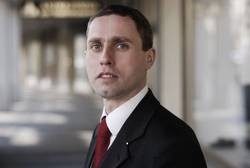
De moderne inquisitie: Fall Jung
Ex: http://onsverbond.wordpress.org/
Beieren, land van Oktoberfeesten, Alpenhoorns en bergidylle. Land waar traditie en toekomst mekaar ontmoeten in Laptop und Lederhosen. Land met legendarische minister-presidenten als Franz Jozef Strauss en Edmond Stoiber, waar de conservatieve CSU sinds jaar en dag de absolute meerderheid behaalt en de immigratie- en demografische problematiek beantwoordt met “Kinder statt Inder” (Kinderen in plaats van Indiërs). Niet toevallig het favoriete vakantieland van Bart De Wever. Als we aan Beieren denken, roept dat bij ons, nationaal-conservatieven, niets dan goede connotaties op. Beieren, waar mensen nog zelfbewust en trots op hun identiteit zijn, waar Duitsers nog zonder complexen Duits zijn. Dat dachten we tenminste.
DEUTSCHE BURSCHENSCHAFT
De Deutsche Burschenschaft of DB! is een koepelorganisatie van academische clubs. De Burschenschaft ontstond in 1815 uit studentenvrijwilligers die in de oorlog tegen Napoleon dienden. De DB! plaatst zich rond vrijheidslievende, patriottische en democratische beginselen. Haar leuze is Ehre-Freiheit-Vaterland.
De DB! was één van de drijvende krachten achter de burgerrevolutie van 1848. Zonder aan haar beginselen van burgervrijheid, democratie en Duitse eenheid te sleutelen, maar omdat de realiteit veranderde, evolueerde de DB! van revolutionaire beweging in staatsdragend bij de Duitse eenmaking van 1870. In 1936 werd de DB! door het nationaal-socialistisch regime opgeheven en ondergebracht in een academische eenheidsbeweging. De fameuze Gleichschaltung trof ook academische middens. De DB! telt onder haar Alte Herren (= oud-studenten) tal van prominenten: Friedrich Nietzsche, Ferdinand Porsche, Carl Bosch, Max Weber, Otto Skorzeny, … Ook de Vlaamse studentenleiders Albrecht Rodenbach, Jef Van den Eynde en Mon De Goeysse haalden hun mosterd voor de vorm en inhoud van het Vlaamse studentenleven bij de Deutsche Burschenschaft. De DB! staat enkel open voor Duitse mannen die hun dienstplicht vervuld hebben. Leden van de DB! zijn verplicht de Mensur te beoefenen. Anno 2008 bestaat de Deutsche Burschenschaft uit 120 afdelingen - inclusief 6 clubs in Chili - met zo’n 14.000 leden.
SASCHA JUNG
Sascha Jung (°1972) is rechtsgeleerde en Alte Herr van de Münchener Burschenschaft Danubia (°1848), een bijzonder prestigieuze en traditierijke lidvereniging van de DB! In Leipzig geboren, verzette Sascha Jung zich tegen de communistische dictatuur en weigerde zijn dienstplicht in de Nationalen Volksarmee te vervullen omdat hij geen totalitaire staat wou verdedigen. Hij nam ook deel aan de beroemde betoging van het Neues Forum die sterk bijdroeg tot de ineenstorting van de DDR. Na de hereniging vervulde hij twee jaar dienstplicht in de Bundeswehr en werd reserve-officier.
Jung is tevens lid van de sociaaldemocratische SPD en richtte in 1992 der Hofgeismarer Kreis op, een afdeling van de Jungsozialisten (JuSo). Hij stelde zich tot doel “in einer Zeit zunehmender gesamtgesellschaftlicher Orientierungslosigkeit, des Werteverfalls und des Verlustes an realistischen Zukunftsvisionen linkspatriotische politische, ökonomische und kulturelle Alternativen auszuarbeiten und in die sozialdemokratische Politik einzubringen.”
DEMOCRATISCHE PARADOX
In 1971 besloot Willy Brandt, toenmalig sociaal-democratisch premier van de BRD, dat het openbaar ambt enkel ingevuld kon worden door mensen die de democratische rechtstaat onderschreven. Elk jaar maakt het Bundesambt für Verfassungsschütz (staatsveiligheid) een lijst op van organisaties en personen die naar haar oordeel vijandig staan tegenover de democratische rechtstaat of waarvan er genoeg twijfel bestaat omtrent het onderschrijven van die democratische rechtsstaat. Deze personen of leden van deze organisaties kunnen niet benoemd worden in een openbaar ambt: Berufsverbot. Deze maatregel was in volle Koude Oorlog gericht tegen communisten. Zo’n 3,5 miljoen mensen werden als staatsgevaarlijk omschreven, terwijl 11.000 een beroepsverbod kregen en 1.500 uit hun ambt ontzet werden. In 1991 nam Beieren als laatste Bundesland deze maatregel in zijn wetgeving op.
Deze maatregel was bedoeld om de democratie te versterken. Democratie bestaat echter uit vrije burgers met onvervreemdbare rechten en vrijheden: burgers vormen de democratie. Als de democratie evenwel moet beschermd worden tegen zijn burgers, is er dan nog sprake van democratie? De paradox moge duidelijk zijn. Een democratie moet immers niet beschermd worden, maar beschermt zichzelf; niet vanuit de staat, maar vanuit zijn burgers.
HEKSENJACHT
In de periode 1994-2002 was Jung lid van de Aktivitas B! Danubia, maar deed zich een incident voor in het huis van B! Danubia. In 2001 liet een verblijvende gast een vriend overnachten in het huis van B! Danubia. Later bleek dat de vriend van deze gast een gezochte rechtsextremist was. Het Bundesambt für Verfassungsschutz kwalificeerde om deze reden in haar jaarrapport over 2001 B! Danubia als een rechtsextremistische vereniging. Nochtans stelde het politieonderzoek B! Danubia buiten elke verdenking. In Vlaanderen klinkt dit nogal irrelevant, wij Vlaams-nationalisten zijn immers per definitie staatsgevaarlijk.
In Duitsland zit dat evenwel net iets anders in mekaar. De Duitse Groenen eisten confiscatie van het huis en alle tegoeden van B! Danubia, de SPD verklaarde dat Burschenschafter geen lid konden zijn van hun verdraagzame partij, Jung werd uitgesloten maar ging in beroep en kreeg finaal in 2008 gelijk van de rechter. Verder hield de Verfassungschütz het huis van B! Danubia in het oog, terwijl ook diverse linkse demonstraties en aanvallen aan hun huis plaatsvonden, met andere woorden: B! Danubia werd zwaar onder druk gezet.
Traditionele en zelfbewust-Duitse verenigingen als de DB! zijn al langer een doorn in het oog van de linkerzijde. Hun tentakels in de pers bliezen het voorval op tot “Danubia verstopt neonazi”. Toenmalig Beiers minister van Binnenlandse Zaken en huidig minister-president Günther Beckstein (CSU) handhaafde deze staatsgevaarlijke status jarenlang spijts massaal protest. Beieren is zoals gezegd conservatief, maar de rest van Duitsland is dat in veel mindere mate. Allicht door zijn toenmalige ambities om nationaal minister te worden sprong hij mee op de kar van de door de linkerzijde georganiseerde lastercampagne tegen B! Danubia. En zo ontstond ‘Fall Jung’.
FALL JUNG
Sascha Jung slaagde in mei 2004 voor het staatsexamen wat hem toegang gaf tot een loopbaan in de magistratuur. Hij solliciteerde voor een openstaande vacature en loog niet over zijn lidmaatschap van B! Danubia. Zijn kandidatuur werd op grond hiervan in juni niet weerhouden (cfr. supra). Jung moest een andere professionele richting uit. In september 2004 slaagde hij met glans in het examen voor een assistentenmandaat aan de universiteit van Bayreuth. Minister Beckstein interpelleerde de universiteit van Bayreuth echter over zijn twijfel over de “fundamentele democratische overtuiging” van Jung wegens zijn lidmaatschap van B! Danubia en de staatsgevaarlijke kwalificatie van deze nochtans zeer respectabele vereniging. In februari 2005 werd Jung door Eckehardt Beck, rector van de universiteit van Bayreuth, twee dagen lang (!) ondervraagd over zijn politieke, ideologische en andere inzichten en opinies. In april 2005 werd hij nogmaals, voor vijf-en-een-half uur ondervraagd over zijn politieke standpunten door Marion Frisch van het Beierse ministerie van Binnenlandse Zaken. Zeer concreet werd hem verweten een podium aan extreemrechts te hebben gegeven door Horst Mahler van de NPD ooit eens uitgenodigd te hebben voor een lezing. Natuurlijk nodigt B! Danubia tal van andere politici uit. Maar de rede was allang zoek in deze zaak. Vrijheid van vergadering? Vrijheid van meningsuiting? Frisch verklaarde dat ze nog steeds twijfelde aan de politieke ideeën van Jung omdat “er betont weiterhin seine Verbundenheit zur Danubia und ihren Zielen. Die Einstufung des Verfassungsschutzes qualifiziert er ab”. Had hij met andere woorden afstand genomen van zijn broeders en de doelstellingen van B! Danubia, was er geen probleem. Was hij zonder eer geweest en had hij zichzelf en zijn club verloochend, was er geen probleem. Jung is echter een Burschenschafter: Ehre-Freiheit-Vaterland.
In mei 2005 liet de universiteit van Bayreuth weten dat hij niet langer kon aangeworven worden omdat de fondsen voor zijn mandaat ondertussen … aan boeken waren uitgegeven. Jung liet het daar niet bij en bracht de zaak voor de arbeidsrechtbank. Wegens de risico’s en de hoge kosten zag hij zich in februari 2007 echter genoodzaakt om zijn rechtzaak te staken.
BURGERINITIATIEF
Het onrecht dat Sascha Jung werd aangedaan, was zo schandalig dat burgers opstonden. De voormalige topambtenaar dr. iur. Hans Merkel, sinds 1967 lid van de CSU, stichtte de Initiatieve Akademische Freiheit en richtte een verzoekschrift ondertekend door 3.000 Beierse burgers - waaronder bijzonder veel academici, professores en leden van de CSU - aan de Beierse minister van Binnenlandse Zaken om het Berufsverbot tegen Jung op te heffen. Merkel verklaarde zijn initiatief: “Ik ben lid van Münchener Burschenschaft Arminia-Rhenania. Zo u weet, waren de Burschenschafter de speerpunt van de Duitse vrijheidsbeweging in de 19de eeuw en pleitte die vanaf 1815 voor menswaardigheid, de rechtstaat, nationale eenheid en democratisch zelfbeschikkingsrecht. In deze traditie sta ik als Burschenschafter, bewust van de vluchtigheid van de opportunistische tijdsgeest. Danubia streed bij de revolutie van 1848 voor burgerrechten en -vrijheden. In 1919 nam ze deel aan het neerslaan van de Münchner radenrepubliek en redde ons zo van de communistische dictatuur. In 1935 werd ze ontbonden door de NS-dictatuur. Danubia staat voor een vrijheidstraditie! De strijd tegen B! Danubia kadert zich in de strijd van de linkerzijde ‘gegen rechts’, waarbij geen rechtsextremisten gediscrediteerd worden, maar conservatieven en rechtsen.”
Het verzoekschrift van Merkel werd beantwoord met een nietszeggende standaardbrief van minister Beckstein. Burschenschafter uit gans Duitsland betoonden op de Burschentag 2007 in Eisenach hun solidariteit met Sascha Jung, namen de zaak in december 2007 over en dienden klacht in tegen de Beierse regering. Nu heeft de Beierse staat niet langer Sascha Jung of B! Danubia tegenover zich, maar de ganse Deutsche Burschenschaft: 14.000 academici, 120 clubs en bijna 200 jaar traditie in de strijd voor Freiheit en Vaterland. Wordt ongetwijfeld vervolgd!
Vbr. OS lic. rer. pol. Tom Vandendriessche
00:25 Publié dans Actualité | Lien permanent | Commentaires (0) | Tags : allemagne, bavière, inquisition, liberté d'expression, totalitarisme, socialisme | | del.icio.us | | Digg | Facebook
Patriotic Anarch? 100 Years of Robert A. Heinlein
| |
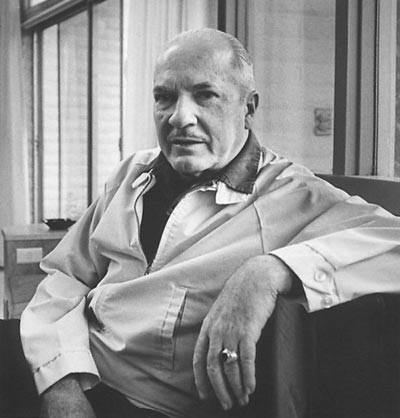
THE first book I read that was authored by Robert A. Heinlein was “Stranger in a Strange Land”. I borrowed it from my younger brother and it was a cheap paperback edition with a very beautiful cover. I still keep it in my library at my family home in the Azores. “Stranger in a Strange Land” was considered very progressive in Heinlein’s day, dealing with the sexual revolution when that sort of thing was still considered as counter-culture and giving Heinlein himself some sort of guru status. Even though the book was first published in 1961, that edition was censored and the readers only got a chance to read the book in its entirety in 1991. Some claims have been made that this was the book that inspired the Manson Cult, even though Charles Manson himself publicly stated that he didn’t ever even read the book and had no responsibility regarding what his followers read.
Born July 7, 1907, Heinlein began his political trail as a regular left-winger but somehow along the trail that changed and when he died he was viewed as some sort of right-wing anarchist. I can’t really tell you what happened, but his “Starship Troopers” novel did sound a bit anti-communist to me and it was published earlier than “Stranger in a Strange Land”. But since anti-communism cannot be considered as something which is reviled by right-wingers alone, after all, regular anarchists are also anti-communist as part of their anti-authoritarian agenda (say what you like, proletariat dictatorship is still a dictatorship) and that goes as far back as the First International, when Mikhail Bakunin clashed with Karl Marx. So, many left-wingers (I would dare say most) are anti-communist and that’s nothing new.
I’ll avoid all the fuss about whether “Starship Troopers” was an ode to militarism or some sort of patriotic fascist order and place it, instead, side by side with “Nineteen Eighty-Four”, “The Iron Heel” and “Brave New World”. It depicts a future under an authoritarian form of government and that is that! Let me borrow a quote from Wikipedia: “The overall theme of the book is that social responsibility requires individual sacrifice. Heinlein's Terran Federation is a limited democracy with aspects of a meritocracy based on willingness to sacrifice in the common interest. Suffrage belongs only to those willing to serve their society by two years of volunteer Federal Service (there is no draft)” Well, that sounds good to me and remains one of my own views on Socialism. The common interest of the people should be more important than the interest of individuals and this would improve our modern society, even though I also believe that we need a more significant change.
Returning to Heinlein, as was common practice among militaristic science fiction writers, once upon a time he had been a soldier and served in the United States Navy during World War Two, but due to health reasons he never had a chance to fight. He remained in the States, in the background, during the war. He and his wife, during the Cold War, founded the Patrick Henry League when the National Committee for a Sane Nuclear Policy, in 1958, tried to unilaterally stop all nuclear weapons testing in the USA despite the fact that the Soviet Union could keep on testing theirs… which sounds like the act of a patriot. To this day “Starship Troopers” remains a part of the reading list in four of the five existing American military academies (covering the Army, the Marines and the Navy).
So, what was he? He has been labeled a fascist, a nazi, a racist and at the same time promoted homophobia and sexual liberation. And if in “Starship Troopers” we see him picturing good government as big government, on the other hand we find him fighting central government in “The Moon is a Harsh Mistress” while promoting small communities as models of individual freedom (as any good anarchist should). and what can one say about his “Take Back Your Government!: A Practical Handbook for the Private Citizen Who Wants Democracy to Work”?
All of his earlier writings and even his Socialist political activism will show him as an anarchist, but due to the peculiarities of the Cold War he also embraced patriotism. His country was at war with a federation of foreign countries and it seemed natural to him to stand up for his fellow countrymen, but let us not forget that his position regarding homosexuality, sexual liberation, his criticism of organised religion and his more private issues (he remained a naturist all of his life) can hardly be interpreted as right-wing. His writing was revolutionary, his positions were those of a traditional anarchist, but when need be he also was a patriot and criticised Soviet Communism, which should not be mistaken with Socialism.
His books remain as exciting today as they were almost half a century ago and important lessons can be derived from all of them, as well as great entertainment. He did won four Hugo awards, after all, so let us hope that this revolutionary writer and thinker will not be forgotten so soon.
| Ho | Articl | Essay | Interview | Poetr | Miscellan | Review | Book | Archive | Link |
00:20 Publié dans Littérature | Lien permanent | Commentaires (0) | Tags : littérature, lettres, lettres américaines, littérature américaine, science fiction, etats-unis | | del.icio.us | | Digg | Facebook
Ezra Pound, lo scandalo libertario
Ezra Pound, lo scandalo libertario

«Beauty is difficult»,
L' intervento di Giorello non è passato inosservato. Non ci riferiamo tanto al commento entusiastico di Luciano Lanna sulla prima pagina del Secolo d' Italia, «Pound (come Jünger) era un libertario», quanto all' attenzione che ad esso ha dedicato Giano Accame, ex direttore del Secolo d' Italia, ma soprattutto uno dei maggiori esperti italiani del pensiero politico di Pound. «Negli anni Novanta avevo pubblicato per Settimo Sigillo il saggio Pound economista. Contro l' usura - ci dice Accame -. Un lavoro cui mi dedicai quando Pound, soprattutto per i lavori poetici, era stato ampiamente rivalutato dalla critica di sinistra, a cominciare dai fondamentali saggi del professor Massimo Bacigalupo, che collaborava al manifesto e, detto per inciso, era figlio del medico italiano dell' autore dei Cantos. Mi sembra che l' intervento di Giorello possa rappresentare l' inizio della rivalutazione non soltanto poetica, ma del pensiero complessivo di Pound, anche alla luce della crisi finanziaria internazionale».
Che cosa c' entra, si potrebbe obiettare, il crollo dei mercati finanziari, evocato peraltro anche da Giorello, con il poeta americano che aveva scelto di vivere in Italia? «Pound - spiega Accame - si reputava un patriota, legato ai valori della Costituzione, che affidava al Congresso di Washington la custodia della moneta. Egli considerava un' abiura della sovranità popolare l' aver delegato la gestione della moneta e della finanza alla Banca centrale, un ente i cui responsabili non rispondono delle proprie azioni al popolo. Da questa concezione derivava la proposta ingenua di una moneta deperibile... Al di là degli aspetti utopistici e sconclusionati del suo pensiero economico, restano oggi, in questa situazione, i moniti profetici. Pound considerava i poeti come le antenne di un popolo».
Pensiero economico a parte, definire «libertario» uno scrittore che si schierò pubblicamente per la Repubblica sociale italiana può essere visto da alcuni intellettuali di sinistra come un' impostura. «Non è affatto un' impostura - risponde Accame - perché il sogno finale di tutti i grandi intellettuali fascisti, da Giovanni Gentile all' eretico Berto Ricci e all' artista Mario Sironi, era realizzare la grandezza italiana nella libertà. Il fatto poi che Pound fosse vicino al fascismo in declino rispondeva un po' alla natura dei pionieri americani, gente costretta a fuggire perché negletta nella propria terra».
Internato in un campo di concentramento vicino a Pisa, dove scrisse i Canti pisani, da alcuni considerato il meglio della sua produzione, Pound passò poi dodici anni in un manicomio criminale a Washington, ma l' America non ebbe mai il coraggio di condannare per tradimento uno dei suoi geni. Nessuno può negare la tensione libertaria di testi composti in un campo di prigionia. Tuttavia, osserva Luigi Sampietro, docente di letteratura angloamericana all' Università Statale di Milano e frequentatore tra la fine degli anni Sessanta e i primi anni Settanta di casa Pound a Brunnenburg, vicino a Merano, «non si deve confondere tensione democratica, certamente presente in Pound, e liberalismo, che è l' espressione culturale del mercato. In fondo Adams e Jefferson condussero una guerra economica, per la liberalizzazione del mercato, diedero l' indipendenza alla propria terra perché non volevano pagare tasse. Ezra Pound, invece, con la sua ossessione contro l' usura, da cui derivava il suo antiebraismo, e l' invenzione di una moneta deperibile basata sul valore accumulato con il lavoro, contrapposto al denaro neutro valido per tutti, si ispirava in fondo a principi antiliberali. Chi potrebbe realizzare, se non una dittatura con un' economia dirigista, la carta-lavoro ipotizzata dall' autore dei Cantos?».
D' accordo con «l' elogio libertario» scritto da Giulio Giorello è lo scrittore Pietrangelo Buttafuoco, autore di Cabaret Voltaire (Bompiani). Tuttavia, dice Buttafuoco, il contesto politico-culturale del nostro Paese ci costringe sempre «alla scoperta dell' acqua calda. Sì, ha capito bene: scoperta dell' acqua calda. Perché fin quando non ci libereremo dell' incubo antifascista, non ci potremo accostare con serenità al grande patrimonio culturale del Novecento. E non solo, perché ricordo che in Italia la cultura marxista più retriva ha messo in dubbio persino i filosofi presocratici, considerandoli antesignani del pensiero negativo. Come per Pound, oggi assistiamo alla rivalutazione del Futurismo, dopo che per anni ci hanno annoiato con le scoperte della transavanguardia. Ci rendiamo conto soltanto adesso che il Futurismo è stato il maggiore movimento culturale italiano assieme al Rinascimento? Certo, ebbe anche una valenza politica».
00:10 Publié dans Littérature | Lien permanent | Commentaires (0) | Tags : lettres, littérature, lettres américaines, littérature américaine, usure, liberté, avant-gardes | | del.icio.us | | Digg | Facebook
Une "nouvelle gauche" contre la vulgate des Lumières
Archives de SYNERGIES EUROPEENNES - 1995
Une “nouvelle gauche” contre la vulgate des Lumières
Nous assistons à l'avènement d'une gauche inattendue. Elle s'oppose à la vulgate des Lumières, base de la “political correctness”, elle s'insurge contre l'emprise étouffante de l'économisme, elle est “contextualiste” dans le sens où elle ne rejette pas nécessairement tous les nationalismes, elle est résolument “communautaire”, elle fait recours aux traditions, même, parfois, sous leurs aspects ésotériques.
Il y a déjà quelque temps qu'une certaine gauche (spécialement en France), que certains intellectuels déçus de leur parcours politico-philosophique marxiste et social-démocrate sont partis en quête d'arguments nouveaux, vers d'autres horizons spirituels. Ils ont toutefois gardé le meilleur de leur ancienne vision-du-monde: une aversion à l'égard de la culture libérale, fondée sur l'individualisme. Mais ils ont abandonné les recettes collectivistes et préfèrent le “communautaire” qu'ils avaient pourtant abjuré comme un “irrationalisme”. Aujourd'hui, ils affirment et démontrent que toute intégration sociale est déterminée par des valeurs spirituelles. C'est-à-dire que toute intégration est “holiste” et nullement “contractualiste”. On préfère désormais Ferdinand Tönnies à Jean-Jacques Rousseau.
Vu ces glissements et ces évolutions, le dialogue est donc possible avec ces intellectuels de gauche qui ont désormais des références fécondes. Ces cénacles et ces hommes courageux ne poussent toutefois pas l'audace trop loin: ils restent sur des positions égalitaristes, nivelleuses, qui ne permettent pas aux communautés, qu'ils rêvent de rétablir dans leur plénitude conviviale, de retrouver une véritable articulation organique. Des communautés non hiérarchisées, sans épine dorsale hiérarchique, risquent d'être des communautés figées, répétitives, sans vie intérieure. Lugubre perspective! Qui ne distinguera pas ce “communautarisme” de la massification actuelle, où les individus ne sont plus que de petits rouages. Autre obstacle que ces nouvelles gauches ne peuvent franchir: elles sont incapables, semble-t-il, de formuler une critique définitive des racines de la modernité mercantiliste.
Mais voici le catalogue des “nouveaux hérétiques”.
Les néo-tribalistes
“Le temps des tribus” est le titre d'un essai de 1989, qui n'est pas passé inaperçu. L'auteur en est le sociologue de gauche Michel Maffesoli, un des plus ardents théoriciens du nouveau communautarisme, des petites agrégations, comme les bandes de jeunes par exemple. Au contractualisme qui est un lien très faible, trop faible, Maffesoli oppose une sorte d'“élan vital” bergsonien, force irrationnelle d'intégration sociale: c'est ce qu'il appelle aussi le solidarisme orgiaque, où corps et âmes s'attirent et fusionnent. Maffesoli semble s'inspirer davantage d'une catégorie de Pareto, celle des “résidus”, voire celle des “actions non-logiques” que du concept de “Gemeinschaft” chez Tönnies.
Autre théoricien “communautariste”: Pietro Barcellona, ex-député du PCI. Dans ses écrits, l'anti-individualisme sort carrément des canons de l'idéologie des Lumières. La modernité et ses dérivés sociaux d'inspiration économiciste (le communisme par exemple) n'ont pas ressenti de culpabilité pour avoir fait disparaître les valeurs cimentant la solidarité. Ç'aurait été, explique le juriste Barcellona, une position “trop nostalgique et réductrice”. Barcellona n'épargne cependant pas le mercantilisme et le consumérisme. Et cet ancien député du PCI écrit, dans L'individualismo proprietario: «Le travailleur évolue désormais dans un monde de consommation à la recherche du succès personnel qui lui permettra de se présenter comme acquéreur dans des super-marchés fantasmagoriques, où le pur décor se substitue à la dignité et à l'orgueil de classe».
Les anti-occidentaux
Serge Latouche défend les positions les plus radicales en ce qui concerne la contestation du modèle occidental de vie et de développement. Dans L'occidentalisation du monde, il démasque purement et simplement le projet impérialiste et libéral-capitaliste qui éradique à coup de télévision les valeurs spirituelles résiduaires dans les pays du tiers-monde. Ainsi disparaissent chez ces peuples leur raison de vivre. L'Occident pour Latouche est une anti-culture: «Il donne des droits aux citoyens les plus efficaces. Il est tout le contraire d'une culture impliquant une dimension holiste qui procure une solution au défi de l'existence à tous ses membres». Que faire, dès lors, pour sortir de l'homogénéisation? Repartir, affirme l'ancien gauchiste, des micro-communautés, y compris les micro-communautés ethniques, qui ont été expulsées du marché.
Anti-occidentaliste encore plus farouche que Latouche: le linguiste américain Noam Chomsky, philosophe favori des gauches dures aux Etats-Unis. «Qui connaît les décisions les plus importantes prises lors des négociations du GATT ou du FMI, et qui ont pourtant un impact certain au niveau du monde entier? Et qui connaît les décisions des grandes multinationales, ou des banques internationales, ou des sociétés d'investissement qui régulent la production, le commerce et la vie de tant de pays?». Chomsky estime que cette opacité est la tare majeure du libéral-capitalisme, avec la globalisation de l'économie et l'impérialisme militaire sous la bannière Stars and Stripes. C'est contre cet expansionisme militaire américain que Chomsky a consacré son dernier livre 501: la conquête continue.
Les anti-scientistes
Il a rompu avec le communisme dans les années 50. Mais cette rupture ne l'a pas empêché de rêver à un “nouveau départ”, au-delà des “thérapies” du libéral-capitalisme. Nous voulons parler d'Edgar Morin, qui, dans un de ses derniers essais, nous met en garde contre le péril du scientisme, derrière lequel se profile une ombre totalitaire. En 1992, Morin déclarait: «Je crains un système qui puisse contrôler la population. Je pense aux manipulations génétiques et aux manipulations cérébrales. Une certaine fanta-science pourrait se transformer en science appliquée». Edgar Morin va bien au-delà d'une simple démolition du dogme scientiste: il en arrive à augurer une véritable révolution conservatrice: «Aujourd'hui, il nous faut associer deux notions opposées, celles de conservation et de révolution. Nous devons également nous abreuver aux sources du passé: Homère, Platon et Bouddha sont encore radiactifs».
Les “archaïsants” de la gauche
Il y a tout juste un an, à l'âge de 61 ans, mourrait l'historien américain Christopher Lasch. Il avait été un mythe pour la gauche italienne jusqu'il y a peu d'années. Lui aussi, comme Caillé, Morin, Maffesoli et Latouche, avait abandonné les canons de l'idéologie des Lumières et les idéologèmes économicistes, pour partir à la recherche des fondements de la solidarité, de ses principes spirituels. Aucun “pacte social” n'a jamais pu pallier aux réalités d'ordre communautaire telles la famille, la nation, le sens du devoir, toutes rejetées par les gauches sous prétexte qu'elles étaient “réactionnaires” ou “petites-bourgeoises”. La position de Lasch pourrait se définir comme étant une sorte de “radicalisme populiste”. Face à ce “communautarisme” prémoderne, le sociologue français Alain Caillé cultive un nostalgisme à peine voilé, tout en restant bien campé sur des positions égalitaires, typiques de la gauche. Il est un théoricien de l'anti-utilitarisme, le chef de file du MAUSS (Mouvement Anti-Utilitariste dans les Sciences Sociales). Depuis quelques années, il a ouvert un dialogue avec Alain de Benoist et la “Nuova Destra” italienne [tandis que le secrétaire d'Alain de Benoist, Charles Champetier, déploie mille et une astuces pour l'imiter et le paraphraser]. Dans l'orbite du MAUSS, on trouve également, outre Caillé, Latouche et Morin. Dans son essai le plus important, ce sociologue français condamne la logique du “donner-pour-avoir” et exalte, en contrepartie, la logique archaïque du don, ce qui lui permet, ou l'oblige, à réévaluer le rôle des cultures traditionnelles où «l'on se préoccupe davantage de la cohésion que du profit».
Les solidaristes du travail
Le capitalisme contre le capitalisme. Le modèle anglo-saxon des Etats-Unis contre le modèle rhénan nord-européen. L'individualisme du boursicotier contre le communautarisme des entreprises. Le sociologue Michel Albert, au départ de ses positions sociales-démocrates, explique dans son best-seller Capitalisme contre capitalisme les raisons de la supériorité sociale et économique du modèle “communautaire” allemand face au modèle ultra-libériste qui ne considère l'entreprise que comme une simple “commodité”, comme un bien vendable et interchangeable. La supériorité sociale du “modèle rhénan” réside dans sa capacité d'opérer une médiation entre biens spirituels (fidélité, amitié, communauté, honneur, générosité) et biens de marché, exclusivement commercialisables. Michel Albert donne un exemple: «Les religions en Allemagne sont des institutions non commerciales. Aux Etats-Unis, elles font recours à des formes de plus en plus sophistiquées de publicité et de marketing».
«Le travail à temps plein est terminé»: cette phrase programmatique figure dans l'introduction de Lavorare meno per lavorare tutti (Travailler moins pour que tous puissent travailler) de Guy Aznar, beaucoup lu à gauche aujourd'hui. Aznar est heureux de saluer la restitution à l'individu d'une portion de sa vie où il peut appartenir à ses amis, pratiquer la coopération libre et gratuite, s'adonner à des activités échappant à la logique de l'argent et du marché. Aznar suggère une sortie hors de l'emprise totale du travail à temps plein avec ses dégénérescences (utilitarisme, mercantilisme, efficacité à tout prix, massification, déracinement total). Dans cette optique, suggérer la réduction des horaires de travail n'est pas seulement une mesure pour lutter contre le chômage.
Les “nationaux-communautaires” scandaleux
Hans Magnus Enzensberger est l'un des intellectuels historiques de la gauche allemande. Il est aujourd'hui en rupture de ban avec ses anciens camarades, parce qu'il ne cesse plus de lancer des affirmations en faveur de l'identité nationale. Ses théories ont fini, en Allemagne, par être mises directement en accusation sous prétexte qu'elles cautionnaient des “filons philosophico-idéologiques” marginalisés par les bien-pensant: idéologues de na “nouvelle droite”, positions politiques d'un Ernst Nolte. Mais un interview accordé au Spiegel a fait un scandale encore plus retentissant. Dans cet interview, Botho Strauss, dramaturge de l'école fondée jadis par Adorno, souligne la nécessité de forger en Allemagne une “nouvelle droite” non libérale et conservatrice, attentive aux thèmes “communautaires”.
Les “ésotériques”
Dans l'archipel de la culture de gauche, on a vu émerger une petite île et on tente déjà d'en interdire l'accès. Tant elle recèle de l'hérésie. Mais elle est pourtant bien inaccessible à la majorité des post-communistes et néo-communistes qui demeurent tous de formation étroitement laïque, fidèles à l'idéologie des Lumières et au scientisme. Dans cette “île”, on peut professer des idées issues des traditions ésotériques, alchimiques, gnostiques. Inouï! Deux auteurs sont particulièrement sensibles à ces thématiques. Le premier, c'est Attilio Mangano, un ancien communiste ultra, attiré désormais par le mythe, les religions et la spiritualité des cultures centre-européennes (Mitteleuropa). Mangano est un partisan fermement convaincu du retour aux valeurs communautaires pré-modernes: ou, plus exactement, aux aspects ludiques de la fête, aux liens magiques qui lient les personnes à la nature, à l'orgiaque. L'autre auteur sensible aux thèmes ésotériques est Luciano Parinetto. Il a étudié l'alchimie (ses principaux écrits sont: Alchimia e utopia et Solilunio) et s'est réfugié dans cette discipline traditionnelle pour sortir de l'aliénation née de la modernité. Mais cette démarche nous semble tout de même un peu “forcée”, dans la mesure où il nous semble bien difficile de concilier l'utopisme marxiste anti-spirituel et anti-initiatique avec l'ars regia.
Les théologiens
Les théologiens de la nouvelle gauche hérétiques sont deux, et ils sont très différents l'un de l'autre. Le philosophe Massimo Cacciari, communiste et bourgmestre de Venise, a courageusement dépassé les clivages culturels. Au-delà du marxisme, au-delà des dogmes de l'idéologie des Lumières, Cacciari propose un itinéraire post-nihiliste nous permettant de sortir à la fois de la pensée négative et de nous ouvrir à la théologie et à la mystique.
C'est une façon de pousser la philosophie plus en avant, de la faire aller au-delà de l'orbite qui lui est généralement assignée. Dans ce cas, on pourrait effectivement hasarder des parallèles originaux. En sortant la mystique de son isolement, on retourne au néo-platonisme. En voulant dépasser le seuil de la philosophie, on revient en quelque sorte à l'idéalisme magique de Julius Evola.
Un autre intellectuel de la gauche italienne, Carlo Formenti, veut replacer les fondements de la philosophie dans leur dimension théologique.
Les anti-racistes différentialistes
Intellectuel français manifestant des sympathies pour le PS, Pierre-André Taguieff mène depuis longtemps déjà une bataille contre les insuffisances révélatrices du discours anti-raciste. Outre le racisme “mixophobe”, Taguieff dénonce le racisme “universaliste”, qui procède à l'arasement de toutes les différences. L'universalisme est raciste, en somme, parce qu'il projette d'imposer par voie d'impérialisme, un modèle unique. Il est en ce sens l'anti-chambre culturelle du colonialisme.
Francesco COLOTTA.
(texte tiré de Linea, II, 4, mai 1995; adresse: Via Federico Confalonieri 7, I-00.195 Roma; abonnement annuel: 30.000 Lire; trad. franç.: Robert Steuckers).
00:05 Publié dans Théorie politique | Lien permanent | Commentaires (0) | Tags : politique, gauche, socialisme, école de francfort, lumières, illuminisme, libéralisme, italie | | del.icio.us | | Digg | Facebook