

samedi, 10 octobre 2026
Le but de l’organisation, c’est son échec! - Interventions réactionnaires depuis le labyrinthe du politique

Le but de l’organisation, c’est son échec!
Interventions réactionnaires depuis le labyrinthe du politique
Werner Olles
Bien qu’elle mérite assurément un examen plus approfondi, le réactionnaire considère la «Nouvelle Droite intellectuelle» de ce pseudo-État qu’est la RFA comme une entreprise relativement dépourvue de perspectives, si on la compare à des groupements similaires en Italie, en France, en Espagne ou en Amérique latine. Fait intéressant, cela correspond exactement à la faible légitimité d’un non-État — ou anti-État — sans courage ni honneur, dont le personnel politique souffre d’un incroyable déficit d’intelligence qui ne l’empêche toutefois pas de cultiver une mentalité de petit malin.
Il en va de même des établissements d’enseignement supérieur et des universités allemandes, aujourd’hui détruits, avec leurs étudiants dépourvus de la capacité d’enthousiasme, qui devrait pourtant être le propre de la jeunesse, et du goût de penser et de prendre plaisir à la pensée.
Pour donner quelques repères généraux: cela résulte, du moins en partie, de la victoire illusoire et de la pseudo-émancipation produites par la prétendue révolution culturelle de 1968. Son raisonnement fallacieux — selon lequel la révolution aurait pour fonction de réaliser, ou tout au moins de favoriser, l’émancipation des êtres humains, alors qu’elle est en réalité une lutte pour le pouvoir — a largement contribué à la situation dans laquelle se trouve aujourd’hui la droite. À l’époque, cependant, on ne voyait pas là un échec inévitable, mais des erreurs théoriques et des trahisons qui auraient pu être évitées: une erreur fatale. Désormais, même les très jeunes savent déjà ce que «l’opinion publique» attend d’eux.
Les soixante-huitards ont en réalité déployé des efforts et des ambitions intellectuels absolument extraordinaires et redécouvert de façon remarquable des continents entiers de littérature théorique oubliée, de Georg Lukács, Karl Korsch et Wilhelm Reich jusqu’à la Dialectique de la raison de Horkheimer et Adorno. Cependant, avec la disparition du SDS et l’ascension de ceux que l’on a appelés les «soixante-douzards» — voir Joschka Fischer —, il ne s’agissait plus de transformer la structure profonde de la société, ni de modifier la formule constitutive de l’économie nationale, ni de poser la question du pouvoir, mais d’adopter un autre mode de vie, recherchant au sein de l’ordre existant un hédonisme flottant, presque semblable à des particules en suspension. Alors que les anciens marxistes se trahissent jusque dans leur langage, puisqu’ils emploient sans hésiter des termes tels que «plus-value», «lutte des classes», «loi de la valeur», «accumulation primitive» et «paupérisation», la gauche woke ignore absolument tout du marxisme. L’intelligence considérable des anciens soixante-huitards, gravitant autour de Frank Böckelmann et Günter Maschke, s’est précipitée à une vitesse vertigineuse dans les profondeurs les plus extrêmes après la victoire des « soixante-douzards ».
Alors que, dans la RFA, la droite intellectuelle constitue, sur les plans théorique et métapolitique, un ensemble assez hétérogène de nominalistes et d’universalistes, qui avait déjà fortement perdu en qualité et en mordant polémique dans les années 1990 et demeure jusqu’à aujourd’hui incapable d’expliquer, historiquement et du point de vue de la théorie de l’État, le totalitarisme de l’État dit "le plus libre ayant jamais existé sur le sol allemand", les sceptiques et les réactionnaires comprennent bien mieux la tyrannie de l’opinion publique, malgré le vacarme humanitariste aussi stupide qu’éhonté. Son principal défaut tient manifestement au fait que cette droite intellectuelle ne lit et ne médite plus que ce qui pourrait éventuellement lui être vite utile.
Pourtant, quiconque veut comprendre, ne serait-ce qu’approximativement, toute l’incommensurabilité de l’imperfection humaine et politique doit au moins lire Kierkegaard — «Dans l’ensemble, il est presque incroyable de voir à quel point les hommes sont habiles et ingénieux lorsqu’il s’agit d’éviter les décisions!» —, Tocqueville et Donoso Cortés: «Il s’agit finalement de choisir entre la dictature du poignard et la dictature du sabre. Je choisis la dictature du sabre, parce qu’elle est la plus noble!».
Les horreurs de la démocratie moderne de masse, de la termitisation, de l’accélération technologique, de l’uniformisation du monde, de l’absence de Dieu et de l’arrachement à tout lieu, ainsi que les guerres des États-Unis — l’État voyou numéro un —, qui ont fait, rien qu’en Irak, 300.000 morts et un demi-million d’enfants morts de faim, la tromperie de l’Union européenne, de l’OTAN et de l’ONU, et le capitalisme boursier mondialisé donnent finalement raison à la célèbre formule de Moeller van den Bruck: «C’est par le libéralisme que meurent les peuples!».

Alors que le socialisme est mort de l’économie et les différentes formes de fascisme de la guerre civile, le libéralisme déracine les êtres humains, tandis que la stratégie corrompue de la Banque mondiale et du Fonds monétaire international désorganise les pays les plus faibles au moyen du libre-échange.
La Révolution conservatrice a certes perçu ces dangers, mais elle n’est pas parvenue à édifier un césarisme audacieux, encore moins à suivre la célèbre maxime de Donoso: «Si la légalité suffit à sauver la société, alors la légalité; si elle ne suffit pas, alors la dictature!». Donoso savait au moins que «c’est précisément la pseudo-religion de l’humanité absolue qui ouvre la voie à une terreur inhumaine!».
Nous voyons que la démocratie ne peut jamais être que celle d’un peuple, uniquement le kratos d’un demos. Il ne saurait donc exister de démocratie européenne, et encore moins de démocratie englobant le monde entier. Les anticipations d’un «droit cosmopolitique» et d’un ordre juridique cosmopolite ne sont rien d’autre qu’un paninterventionnisme mensongèrement travesti sous des euphémismes — «mandat robuste», «mesures de maintien de la paix», etc. — et attestent que la «démocratie» porte toujours en elle la démocratie totalitaire, y compris la haute trahison, l’incitation à la guerre et la guerre civile.
Le bavardage sur la «démocratie» sert donc les appareils de partis et les carriéristes opportunistes, ainsi que des «groupes de pression» anonymes au sein de parlements infiltrés. En réalité, le politique est tout simplement inconcevable sans théories du complot; tout le reste relève du néo-dada de tous ces vulgarisateurs impudents et des paroles de combat habituelles de la gauche, destinés à tromper les masses manipulables.


Hans Freyer et Herbert Marcuse.
«Les mouvements vers la grandeur sont toujours contraints; les mouvements vers la décadence sont toujours naturels», écrit Georges Sorel, que la droite refuse elle aussi obstinément de lire. Il en va de même d’Herbert Marcuse, dont le livre L’Homme unidimensionnel constitue une mine de tout premier ordre, y compris pour les esprits de droite, du moins s'ils sont vraiment intelligents. Le texte de Marcuse s’inspire en effet en grande partie du penseur de droite Hans Freyer et de son ouvrage Théorie de l’époque contemporaine (1955). Le terme même d’«unidimensionnalité» vient de Freyer. Une hostilité commune à l’ordre existant et des diagnostics similaires devraient pourtant suffire à susciter un intérêt pour la pensée, la lecture et la discussion, car c’est surtout cette dernière qui constitue la véritable solution de remplacement à la démocratie libérale et parlementaire.
Ainsi, Marx critiquait sans la moindre gêne le capitalisme industriel naissant en s’appuyant sur des auteurs conservateurs. Il pourrait donc servir d’exemple à une droite sans œillères, car le véritable partisan prend ses armes là où il peut les trouver. Malheureusement, la Nouvelle Droite se montre souvent incapable d’examiner sans ressentiment les arguments d’autrui, en quoi elle ne diffère guère de l’ancienne droite.
Quant à la gauche woke, qui n’a pas un seul argument intelligent à offrir, mieux vaut ne pas en parler. En réalité, nous — la droite — ne disposons toujours pas d’une analyse satisfaisante des sociétés occidentales de consommation et d’un pouvoir étatique qui s’appuie sur la technique moderne et sur l’art d’influencer les masses — contrairement à certains intellectuels marxistes qui ne craignent pas les contacts avec la droite, tels que Diego Fusaro.
Nous demeurons dans l’«immobilité frénétique» qu'évoquait Günter Maschke. Nous ne savons même pas exactement qui sont les dominants ni sur quoi repose leur domination. La complicité funeste avec le système néolibéral et mondialiste se retrouve aujourd’hui dans presque toutes les couches de la société: même l’ouvrier prétendument «éclairé», le petit artisan ou l’employé de bureau suivent désormais avec anxiété les cours de la Bourse, quand bien même la virgule de leur compte courant se situerait nettement à gauche.

Assécher les territoires de la rectitude politique, infestés par la fièvre des marais, devrait être la tâche d’un État fort. Mais la RFA est tout ce que l’on voudra, sauf un État fort: c’est une république bananière animée par la ruse, l’hypertrophie morale, la complaisance fangeuse dans tout travail effectué sur le passé et l’hédonisme vulgaire. Imperturbable et sans même sourciller, elle assiste chaque année au meurtre de masse de plus de 100.000 enfants à naître, innocents, tandis que ses « élites » favorisent politiquement cet acte monstrueux sans éprouver la moindre honte.
La RFA est ainsi une société mourante qui va jusqu’à saluer expressément sa propre mort. Toute personne à peu près honnête ne peut que désespérer de ce pays et de son insupportable «esprit démocratique». Les chances de changement sont malheureusement très très faibles; «mais le combat perd-il donc tout son sens uniquement parce que les perspectives de succès sont mauvaises?» (Günter Maschke). Et n’oublions pas: «Il sera toujours temps de mourir», disait Clausewitz.
18:48 Publié dans Actualité, Réflexions personnelles | Lien permanent | Commentaires (0) | Tags : actualité, allemagne, werner olles, réflexions personnelles, droite, gauche |  |
|  del.icio.us |
  |
|  Digg |
  Facebook
mardi, 25 août 2026
Le wokisme, du mythe à la politique: voici pourquoi la gauche ne fera jamais marche arrière

Le wokisme, du mythe à la politique: voici pourquoi la gauche ne fera jamais marche arrière
par Sergio Filacchioni
Source: https://www.ilprimatonazionale.it/approfondimenti/woke-mi...
Rome, 17 août – Il faut reconnaître à Alexandria Ocasio-Cortez une certaine capacité de synthèse, même quand cette synthèse, en fait, n’est pas d’elle. Interrogée par ABC, la députée démocrate a repris une boutade du conseiller socialiste new-yorkais Chi Ossé: «Woke one was crazy» (“Le premier woke était fou”). Puis elle a précisé: pendant le Covid, la fenêtre d’Overton s’est grande ouverte, toutes sortes de propositions ont investi le débat, et la rhétorique alors employée n’est pas celle que les progressistes utiliseraient aujourd’hui. Quand le journaliste lui a énuméré certaines positions du programme national des Democratic Socialists of America – abolition de la police et des prisons, amnistie généralisée, abolition du Sénat, propriété publique des industries essentielles –, Ocasio-Cortez (photo) a répondu simplement qu’elle ne les partageait pas. Mieux vaut parler de loyers, de courses, de salaires et de santé.


Une absorption progressive du wokisme
On pourrait y voir un aveu tardif. De notre côté, d’ailleurs, les funérailles du wokisme avaient déjà été annoncées début 2024, lorsqu’en Italie même La Repubblica commençait à expliquer que «trop de woke tue le woke», que Disney découvrait soudain qu’il fallait vendre des films, et que les grandes entreprises commençaient à refroidir ce mélange de DEI (Diversité, Équité et Inclusion), d’écologisme corporatiste, de représentation post-identitaire et de militantisme symbolique qui avait atteint son apogée après la mort de George Floyd et le cycle Black Lives Matter. Puis, en 2025, la confirmation la plus flagrante de ce repositionnement est venue : Meta, avec d’autres géants de la Silicon Valley, a commencé à démonter pièce par pièce l’architecture interne du paradigme woke. Non seulement un rétrécissement des politiques DEI, mais aussi la suppression de ces petits «drapeaux» microsymboliques qui avaient marqué l’époque précédente: des programmes d’inclusion poussée jusqu’aux choix les plus paradoxaux, comme la distribution de serviettes hygiéniques dans les toilettes pour hommes dans les bureaux de la Silicon Valley, du Texas ou de New York, justifiée au nom des salariés non-binaires ou en transition. Une mesure qui, au-delà des intentions, était devenue le symbole d’une réécriture idéologique du réel matériel.

Ce ne fut pas un cas isolé. Entre 2024 et 2025, une série de grandes entreprises – de McDonald’s à Amazon, de Walmart à Ford – ont progressivement réduit ou abandonné des programmes structurés d’inclusivité et de diversité, les remplaçant par un langage plus neutre, axé sur la performance et les résultats. Comme l’a résumé un dirigeant d’Amazon, l’objectif n’est plus la multiplication des programmes, mais la construction d’une culture « plus réellement inclusive », à travers des indicateurs vérifiables et des objectifs d’entreprise. Plus récemment, c’est Larry Fink qui a expliqué que le balancier était allé « trop loin ». BlackRock a revu à la baisse certaines politiques qui, quelques années auparavant, semblaient être le nouveau catéchisme obligatoire de la grande finance. Mais le point, alors comme aujourd’hui, n’était pas de crier victoire. Il s’agissait de comprendre que le capitalisme n’avait pas soudain retrouvé le «bon sens»: il avait simplement changé de besoins. C’est précisément pour cela que la phrase d’Ocasio-Cortez, et l’écho qu’elle a reçu, mérite attention. Parce qu’elle montre quelque chose de plus intéressant que le simple «nous avions raison»: la phase «mythologique» du wokisme a pu s’achever au moment même où commence sa phase politique.
De l’«excès idéologique» à la nouvelle gauche
L’année 2020 n’a pas été simplement un moment d’« excès idéologique », mais une phase typique de mobilisation mythopoïétique: un cycle où un ensemble de symboles, de récits et de rituels sert à rendre politiquement disponible un nouveau champ de conflit. Les genoux à terre, les carrés noirs sur les réseaux sociaux, les statues déboulonnées, les manuels d’antiracisme obligatoires, le blackwashing obsessionnel dans les productions audiovisuelles, la révision des canons de beauté féminins et les entreprises qui, pendant quelques mois, se comportaient comme des départements d’études culturelles : ce ne sont pas des phénomènes esthétiques isolés, mais des dispositifs de synchronisation symbolique. Ils servent à produire un langage commun et, surtout, à signaler l’entrée de nouveaux critères de légitimité publique. En termes sociologiques, il s’agit de la phase «mythique» d’un cycle politique: non pas parce qu’elle serait irrationnelle, mais parce qu’elle agit sur la production de sens avant sa traduction institutionnelle. Le mythe est une structure narrative qui permet à des questions latentes (inégalités, race, violence institutionnelle, patriarcat) de devenir dicibles et rassemblées dans une seule grammaire morale. C’est ce qui rend la coalition possible, non ce qui la remplace.

Aujourd’hui, Ocasio-Cortez l’admet presque candidement en parlant de la fenêtre d’Overton. Mais la dynamique est plus précise que ne le suggère la métaphore: une fois qu’une fenêtre de légitimité s’ouvre, elle ne se referme pas simplement; elle s’institutionnalise. Les idées qui traversent la phase mythique ne restent pas identiques à elles-mêmes: elles sont sélectionnées, traduites, épurées, puis intégrées dans des appareils stables – partis, administrations, politiques publiques, langages techniques. C’est là que réside l’erreur d’interprétation la plus courante: lire le reflux du wokisme comme un démenti du phénomène, plutôt que comme sa transition de phase. Netflix, Disney ou les campagnes publicitaires ne sont que la surface visible d’un moment esthétique désormais dépassé ; mais le véritable héritage du cycle n’est pas esthétique, il est infrastructurel.
La gauche des grandes coalitions
C’est ici que des cas politiques comme ceux de Zohran Mamdani et Abdul El-Sayed deviennent intéressants, même si la question ne se limite pas aux États-Unis. Mamdani est devenu maire de New York en axant l’essentiel de son programme sur le coût de la vie. Son administration parle de logements abordables, de transports, de services et de défense des locataires ; le plan logement présenté en mai prévoit la construction de 200.000 nouveaux logements abordables et la préservation de 200.000 autres sur la prochaine décennie.

El-Sayed (photo), tout juste vainqueur des primaires démocrates pour le Sénat dans le Michigan, utilise une formule encore plus élémentaire: retirer l’argent de la politique, le remettre dans les poches des Américains, adopter Medicare for All. Il parle de supermarché, de loyer, d’hôpital, de salaires et de syndicats. Il serait difficile de trouver une forme plus «anti-woke» dans la présentation. Mais ce même schéma, avec des variantes locales, se retrouve désormais aussi en dehors des États-Unis.
Au Royaume-Uni, par exemple, la trajectoire d’une partie du Labour post-Corbyn et des administrations municipales progressistes s’est progressivement déplacée vers un vocabulaire beaucoup plus matériel: crise du logement, coût de l’énergie, transports publics, salaires réels. Même lorsque la culture politique reste imprégnée de multiculturalisme et de droits civils, la compétition électorale se joue de plus en plus sur les loyers et les factures que sur les batailles symboliques. En France, La France Insoumise de Mélenchon est un cas encore plus explicite: dans une structure idéologique qui conserve des éléments fortement identitaires et postcoloniaux, la campagne politique s’est concentrée de plus en plus sur l’inflation, le pouvoir d’achat, les retraites et le conflit social. L’axe n’est plus seulement celui de la « reconnaissance », mais aussi de la redistribution, avec une rhétorique qui revient à opposer le peuple aux élites économiques avant de penser en termes de minorités contre majorités culturelles.
En Italie, le fameux « champ large » progressiste montre une dynamique similaire, bien que plus confuse: la solidité des coalitions dépend de moins en moins d’un agenda culturel cohérent et de plus en plus de la capacité à rassembler des demandes sociales très concrètes – santé de proximité, salaires stagnants, précarité du logement, coût de la vie – qui traversent des électorats différents et souvent incompatibles sur le plan idéologique. Là aussi, le vocabulaire woke survit en surface, tandis que la substance de la compétition politique se déplace. Et pourtant, c’est précisément là l’essentiel. La gauche radicale, des deux côtés de l’Atlantique, apprend à dissocier son programme politique de l’esthétique qui l’accompagnait au cycle précédent. Ocasio-Cortez peut prendre ses distances avec l’abolition de la police tout en restant membre du chapitre new-yorkais des DSA. Elle peut tourner la page de la rhétorique de 2020 et, dans le même temps, saluer comme un « renouveau » du Parti démocrate la percée de la nouvelle gauche socialiste.

La gauche ne pourra plus jamais être non-woke
Il y a quelques jours, The American Spectator publiait un article au titre volontairement provocateur : « Why All Leftism Is Now Far Left ». La thèse d’Itxu Díaz est que des thèmes qui, au XXe siècle, appartenaient à la gauche radicale – politique de genre, multiculturalisme, frontières, révision de l’histoire, abolitionnisme pénal – ont progressivement colonisé l’ensemble du camp progressiste. Pris à la lettre, bien sûr, « toute la gauche est extrême » est faux. Il existe des démocrates modérés aux États-Unis, des sociaux-démocrates européens, des administrateurs pragmatiques, etc. Mais la provocation met le doigt sur un phénomène réel: il a presque entièrement disparu, ce courant de gauche qui pouvait être socialiste sur l’économie, national sur la communauté, populaire dans les mœurs et radicalement étranger à la constellation idéologique articulée autour du genre, de l’intersectionnalité, de l’écologisme et du tiers-mondisme. L’ancienne gauche pouvait se disputer sur les salaires sans avoir nécessairement une théorie sur la fluidité de genre. Elle pouvait défendre l’État-providence sans considérer que toute frontière est une forme de violence. Elle pouvait organiser les ouvriers sans s’imaginer investie de la mission de représenter universellement toutes les minorités existantes. Désormais, toute la gauche doit emporter avec elle un peu de woke, même pour parler de santé, d’infrastructures et de travail. Le wokisme a profondément changé la signification même d’« être de gauche ».
Au sein de cette transformation s’inscrit aussi un phénomène qui mériterait d’être analysé sans caricatures: la convergence politique croissante entre le progressisme occidental et une partie des communautés musulmanes. Non pas à cause de la foi personnelle en soi, qui ne prouve rien, mais parce que des questions comme Gaza, Israël, l’immigration et la discrimination sont devenues des points de mobilisation à travers lesquels une partie de l’électorat musulman entre durablement dans les nouvelles coalitions progressistes. El-Sayed soutient ouvertement l’embargo sur les armes à Israël et l’abolition de l’ICE, tout en axant sa campagne sur Medicare for All et le coût de la vie. En ce sens, « woke » et lutte des classes ne sont pas des pôles opposés, mais deux moments d’une même dialectique historique qui tend à se rejoindre après une phase de gestation et de séparation apparente.
Du mythe à la politique: que se passe-t-il maintenant ?
En somme, on peut sourire des boutades sur le «Woke 1» et suivre les trajectoires des candidats démocrates qui n’ont plus envie de discuter de l’abolition de la police. Le carnaval, du moins pour l’instant, semble terminé. Mais les fenêtres d’Overton fonctionnent précisément ainsi: certaines propositions entrent, d’autres sont rejetées, d’autres encore deviennent si normales qu’elles n’ont plus besoin de l’étiquette qui les a fait passer. Le vrai succès d’une idéologie arrive quand elle n’a plus besoin de se présenter comme idéologie. En 2020, le wokisme fut une explosion mobilisatrice, un véritable mythe avec ses symboles, ses prêtres et ses liturgies. Mais il a entre-temps sélectionné des cadres, modifié des coalitions, déplacé des priorités, mais surtout changé le vocabulaire politique d’une génération entière.

C’est là, sans doute, que la droite devrait commencer une réflexion moins consolatrice. Car si une partie d’entre elle a eu le mérite de reconnaître très tôt la nature idéologique du phénomène woke, elle a trop souvent confondu cette capacité de diagnostic avec une politique. Elle a parfaitement appris le mythe de l’adversaire, sans jamais réussir à en construire un pour elle-même. Pendant des années, elle a su dire ce qu’elle ne voulait pas: la cancel culture, l’immigration sans limites, la fluidité de genre, l’écologisme punitif, la réécriture du passé. Mais elle a beaucoup moins clairement su dire quelle forme de société, quelle idée du peuple, quel rapport entre travail, technique, famille, État et nation devait leur succéder. Et là, le problème devient brutalement politique, plus que simplement culturel. Un mythe ne se combat pas avec de «meilleures» idées, ou en démontrant que celles des autres sont scientifiquement «fausses», mais quand une autre représentation du monde devient assez puissante pour produire un langage, des hommes, des institutions et des comportements.
* * *
Qui est Sergio Filacchioni?
Journaliste, graphiste et photographe, actif pour le magazine en ligne Il Primato Nazionale. Romain, né en 1998.
14:14 Publié dans Actualité, Sociologie, Théorie politique | Lien permanent | Commentaires (0) | Tags : actualité, gauche, wokisme, sociologie, théorie politique, sciences politiques, politologies | | del.icio.us | | Digg | Facebook
vendredi, 21 août 2026
Voilà pourquoi l’Europe a une gauche aussi médiocre - Gabriel Rockhill montre comment les États-Unis l’ont pilotée avec de l’argent

Voilà pourquoi l’Europe a une gauche aussi médiocre
Gabriel Rockhill montre comment les États-Unis l’ont pilotée avec de l’argent
Kajsa Ekis Ekman
Source: https://www.aftonbladet.se/kultur/bokrecensioner/a/Wv69qr...
Hannah Arendt, Bertrand Russell et Albert Camus – trois parmi tant d’autres qui ont été financés par le CCF, le Congress for Cultural Freedom, fondé par la CIA, écrit Gabriel Rockhill dans Who paid the pipers of western marxism.
Lorsque les tours jumelles se sont effondrées le 11 septembre 2001, Gabriel Rockhill, originaire d’une ferme du Kansas, se trouvait très loin de chez lui. Il étudiait alors la philosophie dans l’une des meilleures universités de Paris, sous la direction de Jacques Derrida. Il s’y était rendu car la "théorie française" était considérée comme la plus radicale au monde: elle remettait tout en question, même les mots eux-mêmes ! Mais lorsque Rockhill fut invité à donner une conférence à l’université sur l’attentat du 11 septembre, il eut soudain un blanc – rien de ce qu’il avait appris ne pouvait expliquer ce qui s’était passé ni pourquoi. Il fouilla dans son arsenal théorique: pouvait-il utiliser l’objet petit a, les lois du désir, ou peut-être choisir une confrontation avec l’Autre?


Choqué, Rockhill comprit que tout ce qu’il avait appris était complètement déconnecté de la réalité. Et si les théories les plus prestigieuses du monde étaient incapables d’expliquer la réalité, comment pouvaient-elles être radicales?
Depuis, Rockhill a tenté de répondre à cette question, et le résultat est l’ouvrage le plus bouleversant et novateur que j’aie lu ces dix dernières années. Who paid the pipers of western marxism m’a permis de comprendre, comme sous un éclairage brutal, pourquoi l’université européenne et les intellectuels de gauche européens sont si mous et édulcorés. Toute ma vie adulte, j’ai essayé de comprendre pourquoi ils caracolent avec des concepts sans jamais rien expliquer, pourquoi ils se disent radicaux sans vouloir rien changer, et pourquoi ils partagent si souvent l’opinion de l’establishment sur les questions de première importance.
J’ai pensé que c’était une question de pression de groupe ou de routine, parfois je me suis dit que ceux qui sont mis en avant étaient ceux qui ne menaçaient pas trop l’ordre établi, mais en même temps, j’ai eu du mal à imaginer comment le processus fonctionnait concrètement.
Rockhill a la réponse: ils sont payés par la CIA ! Pas tous, bien sûr, mais ce qu’il démontre dans cet ouvrage truffé de notes, c’est que la pensée de la gauche ouest-européenne est, dans une large mesure, le résultat d’une vaste opération d’influence des États-Unis. Pendant toute la période d’après-guerre, les États-Unis ont mené d’amples projets pour réorienter la gauche européenne.
Après la victoire de l’Armée rouge sur les nazis, le communisme bénéficiait d’un grand prestige au sein des mouvements radicaux en Europe. Éliminer physiquement la gauche, comme les États-Unis l’ont fait en Asie et en Amérique centrale, aurait été trop difficile et sanglant. Ils ont donc préféré la canaliser autrement, lançant un vaste projet visant à neutraliser la gauche en l'achetant.
Ils ont aussi placé leurs employés dans la plupart des agences de presse européennes, comme Reuters, AP et la danoise Ritzau.

Le CCF, Congress for Cultural Freedom, a été fondé par la CIA en 1950. Son financement provenait en partie du budget de l’État, en partie des fondations Ford et Rockefeller. L’objectif était de pousser les intellectuels européens à prendre leurs distances avec le socialisme réel, et de créer une division entre l’Est et l’Ouest. Le siège était à Paris, et l’activité consistait à sponsoriser des journaux (plus de vingt magazines entretenus par le CCF), des revues académiques, des maisons d’édition (Routledge et Free Press, notamment), des conférences, etc. On plaçait aussi des employés dans la plupart des agences de presse européennes, comme Reuters, AP et leur homologue danoise Ritzau.
La mission était la suivante: éliminer l’influence communiste; transférer le nationalisme des pays individuels à une dimension paneuropéenne; unifier l’Europe de l’Ouest et les États-Unis et montrer aux non-Européens que la communauté atlantique n’est pas un club d’hommes blancs mais un bastion démocratique du monde libre.
Parmi les auteurs financés par le CCF, on trouve Hannah Arendt, Bertrand Russell, Raymond Aron, Albert Camus, Daniel Bell, André Malraux et Heinrich Böll. Certains ont affirmé par la suite qu’ils ignoraient qui était derrière ces généreuses subventions, mais selon Tom Braden de la CIA, cité par Rockhill, c’est ridicule: «À la fin des années 1960, tout le monde savait qui était derrière le CCF».
La différence était telle entre ces universitaires, qui bénéficiaient de moyens pratiquement illimités, et les autres, que cela ne pouvait pas passer inaperçu – mais il n'y a pas que cela: la CIA, grâce à son large réseau dans la presse, pouvait aussi s’assurer que ses auteurs aient droit à de grands articles et de bonnes critiques.
 Par exemple, le Times Literary Supplement a inclus le livre de Daniel Bell, The End of Ideology, entièrement financé par la CIA et qui remercie ses agents dans la préface, dans sa liste des livres les plus influents du siècle. Comme par hasard, ce livre soutient que le marxisme est mort et que la gauche n’attire plus la classe ouvrière.
Cela ne signifiait évidemment pas que des agents de la CIA dictaient dans le détail ce que les intellectuels de gauche européens devaient écrire. Cela n’aurait donné guère plus que de la propagande grossière. De plus, on ne peut pas contrôler un intellectuel de cette façon. Non, ils étaient entièrement libres d’écrire ce qu’ils voulaient, et pouvaient être aussi radicaux et provocateurs qu’ils le souhaitaient, sauf sur un point: ils devaient prendre leurs distances avec le socialisme réel. Ils pouvaient critiquer le capitalisme autant qu’ils voulaient, proclamer la mort de la famille ou l’effondrement complet de la société, et même se dire communistes, tant qu’ils étaient d’accord pour ne pas vouloir que ce soit un communisme comme en Union soviétique. Autrement dit, entre capitalisme et socialisme réel, ils devaient toujours choisir le capitalisme.
Tout le monde à gauche en Suède devrait porter un regard attentif sur ses valeurs et examiner d’où elles viennent.
 La révélation la plus choquante de Rockhill concerne peut-être l’École de Francfort, source du fameux «marxisme culturel». Cette école a engendré des penseurs comme Herbert Marcuse, Theodor Adorno et Max Horkheimer ; toute la « nouvelle gauche » pourrait en être issue. Quel intellectuel de gauche en Europe n’a pas puisé dans le terreau de l’École de Francfort? Moi-même, j’ai lu Reich et Marcuse à quinze ans – aujourd’hui, je devrais peut-être me réjouir de ne pas avoir tout compris à l’époque.
L’École de Francfort était en réalité totalement infiltrée et sponsorisée par l’État américain. Adorno a réalisé des études pour l’armée américaine, Horkheimer a personnellement veillé à purger les termes « communisme » et « révolution » des publications de l’École de Francfort, et Marcuse était le plus impliqué de tous. Il a travaillé sept ans pour le précurseur de la CIA, l’OSS, et son livre Le marxisme soviétique – une analyse critique a été financé par Rockefeller, tandis que ses brouillons étaient envoyés à l’US Air Force pour approbation.
On ne peut pas passer à côté de ce livre. Toute la gauche suédoise devrait examiner soigneusement ses valeurs et leur origine. Car le postmodernisme même, qui a marginalisé la gauche ouest-européenne (la seule fois qu’un parti de gauche a gagné une élection, c’était en Grèce, lors d’une crise économique profonde, et l’économie en était le seul enjeu) et l’a rendue ridicule, est le produit de l’anticommunisme de l’École de Francfort.
Le résultat, c’est que l’Europe a sans doute la gauche la plus médiocre du monde. Une gauche qui se drape dans la moralité et condamne les mouvements de résistance mais qui n’arrive même pas à faire interdire les oranges israéliennes dans les supermarchés, une gauche qui cultive la mélancolie au lieu de l’action, qui privilégie la culture sur l’économie et qui a une peur bleue de la victoire. Si c’est une gauche qui a été payée pour perdre, alors tout s’explique.
Cet ouvrage est le premier d’une trilogie, dont le dernier volume portera sur les penseurs contemporains. Rockhill annonce déjà qu’il s’attaquera à Judith Butler, Slavoj Žižek et Wendy Brown. J’ai hâte de lire la suite !
Kajsa Ekis Ekman est journaliste et écrivaine.
15:26 Publié dans Actualité, Livre, Livre | Lien permanent | Commentaires (0) | Tags : gabriel rockhill, livre, gauche, école de francfort, cia | | del.icio.us | | Digg | Facebook
dimanche, 07 juin 2026
La gauche infantile et sa fascination pour le lumpenprolétariat
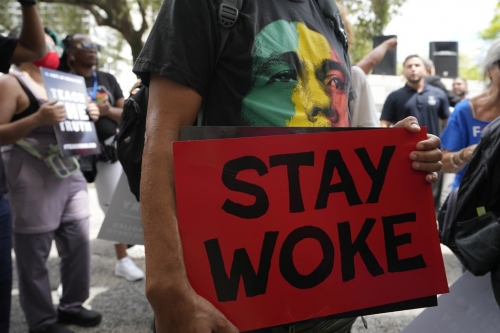
La gauche infantile et sa fascination pour le lumpenprolétariat
Sergio Meneses
Source: https://geoestrategia.eu/noticia/46316/opinion/la-izquier...
Le week-end dernier, après la victoire du Paris Saint-Germain en finale de la Ligue des Champions, Paris est redevenue le théâtre de troubles. Des milliers de personnes sont sorties célébrer la victoire du club, mais, comme c’est désormais habituel lors de ce type de festivités massives dans certains quartiers de la ville, des centaines de jeunes ont profité de l’occasion pour détruire des véhicules, brûler du mobilier urbain, piller et affronter la police. Des images de voitures calcinées, de vitrines brisées et de conteneurs en flammes ont circulé sur les réseaux sociaux. Rien de nouveau sous le soleil parisien.
Ce qui est véritablement révélateur, ce ne sont pas les émeutes elles-mêmes — prévisibles et répétées —, mais bien la réaction d’une certaine gauche qui se proclame « transformatrice ». Au lieu de condamner la violence gratuite, une partie d’entre elle l’a justifiée, l’a idéalisée, voire l’a célébrée ouvertement. C’est la gauche infantile, la gauche ACAB, qui éprouve une fascination quasi érotique pour le lumpenprolétariat, surtout lorsque celui-ci se livre à une destruction dépourvue de sens.

Pour ce courant, tout acte de vandalisme commis par des jeunes de quartiers défavorisés se transforme automatiquement en « résistance ». Peu importe qu’il n’y ait aucune revendication politique claire, aucune direction idéologique, ni même l’ombre d’un projet de transformation sociale. Il suffit que les protagonistes appartiennent à des milieux marginaux pour que la destruction soit interprétée comme un cri contre « le système ».
C’est un romantisme répugnant qui se focalise autour de jeunes qui, dans bien des cas, agissent par pure excitation, par mimétisme, par absence de limites ou simplement parce qu'il y a opportunité de piller. Il n’y a nulle part de conscience de classe. Il y a une rage diffuse, un hédonisme destructeur et, bien souvent, de la délinquance pure et simple.
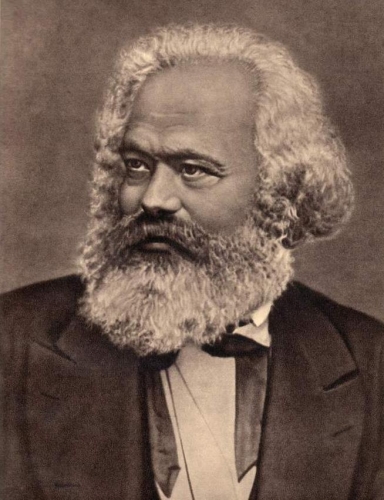 Marx avait déjà mis en garde à propos du lumpenprolétariat: cette strate sociale dégradée, sans conscience de classe, facilement manipulable et prête à servir aussi bien la réaction que le crime organisé. Loin d’être une avant-garde révolutionnaire, le lumpenprolétariat est, selon les mots mêmes de Marx, «la lie de toutes les classes». Aujourd’hui, certains pans de la gauche infantile ont complètement inversé cette appréciation: ce qui était un problème structurel est devenu un objet de fétichisme.
Les organisations sérieuses, celles qui comprennent le sens de la transformation sociale, savent que la violence ne prend sens que lorsqu’elle est subordonnée à un objectif politique clair et dotée d’une direction stratégique. L’incendie de voitures à Paris après une finale de football n’a rien de tout cela. C’est une violence ludique, nihiliste, contre-productive. Loin de rapprocher la classe ouvrière de ses intérêts, elle l’en éloigne: le travailleur qui voit sa voiture détruite ou son quartier transformé en zone de guerre ne ressent pas de solidarité envers les incendiaires, mais du rejet et de la peur.
Néanmoins, pour la gauche ACAB, cette distinction est « bourgeoise ». Condamner les émeutes reviendrait à « stigmatiser les jeunes des quartiers ». Mieux vaut garder le silence ou sortir la phrase attendue: « la violence vient de l’État ».
Cette attitude n’est pas seulement moralement répugnante. Elle est politiquement suicidaire. En légitimant le lumpenprolétariat comme sujet révolutionnaire, cette gauche abandonne la classe ouvrière réelle — celle qui se lève à six heures du matin, paie ses impôts et souhaite la sécurité dans son quartier — pour embrasser les parasites sociaux, vivant en marge de toute contribution productive. Le résultat est prévisible: perte de soutien populaire et renforcement de la droite qui, elle, parle clairement d’ordre et de sécurité.
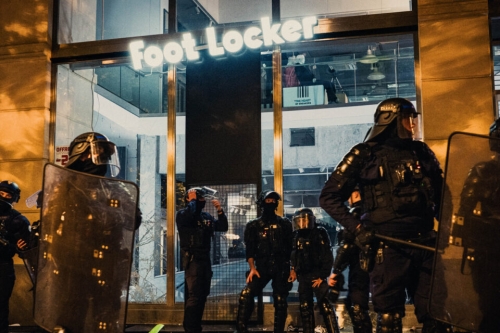
La gauche à construire — si tant est qu’elle aspire encore à être une alternative au pouvoir — doit rompre radicalement avec cette fascination infantile pour la destruction gratuite. La violence lumpenprolétarienne n’est pas émancipatrice. Elle est régressive. Les intérêts de la classe ouvrière passent par l’éducation, un emploi digne, un logement abordable, une santé publique forte et la sécurité dans les quartiers, non par le spectacle de conteneurs incendiés à chaque événement sportif.
Ceux qui justifient ou se taisent devant ces épisodes ne sont pas les alliés des travailleurs. Ils sont complices de la dégradation sociale. Et à ce titre, ils méritent d’être fermement rejetés.
La véritable transformation sociale ne naîtra pas de jeunes brûlant des voitures sans raison. Elle viendra de travailleurs organisés, conscients et porteurs d’un projet. Le reste n’est que spectacle et folklore lumpenprolétarien.
16:54 Publié dans Actualité, Définitions | Lien permanent | Commentaires (6) | Tags : gauche, lumpenprolétariat, définition | | del.icio.us | | Digg | Facebook
samedi, 23 mai 2026
Mondialisation: Gauche et Droite atlantistes
Mondialisation: Gauche et Droite atlantistes
Diego Fusaro
Source: https://posmodernia.com/anglobalizacion-izquierda-y-derec...
Le pouvoir découlant du dispositif idéologique néolibéral, son omniprésence intrusive, capable d'imprégner intégralement l’imaginaire général de notre époque et, par conséquent, de subordonner sous lui-même les deux quadrants que sont la Droite et la Gauche, apparaît clairement à travers la capacité performative dont il fait preuve, en tout contexte, pour se légitimer en délégitimant toute expérience différente, qu’elle soit réellement existante ou idéalement possible. L’utilisation de la mémoire historique à sens unique, mais aussi de la catégorie du totalitarisme, en sont de brillants exemples.
À leurs côtés, et reliées à ces deux fonctions expressives, demeure la diabolisation toujours omise, par l’ordre discursif néolibéral, du lancement des deux bombes atomiques sur Hiroshima et Nagasaki, qui constitue le dernier acte de la Seconde Guerre mondiale et, en même temps, le premier de la Guerre froide. L’absence de repentir et de traitement collectif du crime qui fut alors commis, et qui n’a même pas été défini comme « crime », mais comme un acte légitime de guerre ou, si l'on se place d’un point de vue différent, comme un « mal nécessaire » (contre un Japon déjà vaincu et réduit à l'impuissance), est emblématique de ce qui a déjà été souligné: pour l’ordre néolibéral américano-centré, le génocide et la violence, les bombardements et le totalitarisme sont toujours, par définition, ceux qui ne sont pas directement liés à la mise en œuvre de leur propre ordre néolibéral.
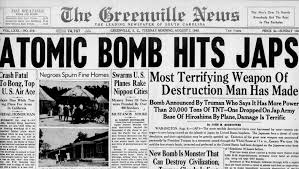
L’origine fondatrice de l’impérialisme atlantiste actuel réside, sur le plan de la Weltgeschichte (de l'histoire universelle), dans la justification des bombardements d’Hiroshima et Nagasaki: et, par conséquent, dans ce déséquilibre de la culpabilité, en vertu duquel la juste condamnation des camps de concentration et des goulags n’a pas été suivie par une condamnation analogue du lancement de ces deux bombes atomiques, et avec elles, de la pratique des «bombardements pour faire le bien». Le résultat de cette asymétrie évaluative est bien connu: en tant que «mal nécessaire», le bombardement légalisé a pu être de nouveau pratiqué, comme en témoignent, entre autres, les événements du Vietnam (1965), de Yougoslavie (1999), d’Irak (1991 et 2003), de Libye (2011) ou d’Iran (2026).
Si la droite a historiquement maintenu un rapport constant et crédible avec l’impérialisme et a été, en fait, l'espace premier de sa propulsion et de sa légitimation, la nouveauté idéologique, digne d’être mentionnée, semble être la récente reconversion de la Nouvelle Gauche fuchsia qui accepte les «justifications» avancées pour banaliser les "bombardements éthiques", l’interventionnisme humanitaire et les embargos thérapeutiques: en un mot, cette gauche fuchsia accepte les raisons inviquées par le « mal universel » qu'est l’impérialisme américain, lequel coïncide de facto avec le «bras armé» de la mondialisation marchande. Et c’est, de plus, la preuve que l’ordre néolibéral n’emploie la violence que là où le pouvoir persuasif de la manipulation et la puissance intellectuelle de la domestication ne lui suffisent plus, et qu’il réapplique alors cette violence, « en versant – pour le dire avec Marx – sang et immondice de la tête aux pieds », là où il rencontre résistance et opposition.
L’impérialisme américain repose sur un « syllogisme de guerre » (Domenico Losurdo), qui stipule ce qui suit: étant donné qu’il existe des valeurs universelles, dont l’Occident atlantiste est l’interprète et le gardien exclusif, il en découle logiquement que l’Occident lui-même détient le droit d’exporter ces valeurs universelles, éventuellement en recourant à une guerre souverainement déclarée «préventive»; une guerre qui, selon ces présupposés, sera par définition et en tout cas – si on laisse de côté ses conséquences plus ou moins catastrophiques – une guerre juste, menée au nom des droits de l’homme et de la liberté universelle. Et, parce que, de l’erreur, tout découle (ex falso sequitur quodlibet): la torture et les morts violentes n’auront pas la même signification si elles sont commises par un terroriste non aligné sur l'idéologie globaliste ou par un promoteur du libre-échange sous l’égide de l'atlantisme.

La structure économique des droites (l'imposition du marché et des intérêts des groupes dominants) trouve désormais son complément dans la superstructure culturelle des gauches (l'idéologie interventionniste des droits de l'homme). En effet, l’impérialisme du Léviathan au drapeau étoilé procède toujours, dans ses justifications, selon un double registre: celui du cynique de droite et celui de la «belle âme» de la gauche. Le cynique soutient ouvertement l’invasion impérialiste au nom de «l'intérêt du plus fort» – selon le théorème de Trasymaque – et au nom de l’intérêt économique et géopolitique brut de la force dominante. La belle âme, qui se déclare de gauche, cherche, quant à elle, à justifier l’invasion impérialiste par la rhétorique tonitruante des droits de l'homme ou, même, en feignant d’adopter le point de vue des plus faibles que l’opération impérialiste elle-même serait censée défendre.
C’est uniquement sous cette perspective que l’on peut pleinement expliquer le positionnement des principales forces de la «gauche impériale» de l’Occident dans le cadre de la «Quatrième Guerre mondiale», tel que l’a interprété et défini Costanzo Preve. Ce conflit coïncide avec la guerre globale que la civilisation du dollar, victorieuse de la Troisième Guerre mondiale (c'est-à-dire la Guerre froide), a déclarée en 1989 à tous les gouvernements de la planète qui ne s’étaient pas encore alignés sur le consensus de Washington ni intégrés dans les espaces protégés du (dés)ordre de la mondialisation néolibérale américano-centrée.
L’objectif principal de la Quatrième Guerre mondiale, et de ses tentatives techniques pour mettre fin à l’humanité, consiste à maintenir le monde unipolaire du leadership atlantiste (la gouvernance globale), à détruire militairement les forces qui lui résistent encore, à prévenir l’émergence de concurrents (en particulier la Russie et la Chine), à dévaluer le droit international et à mondialiser une économie de marché déterritorialisée, dépolitisée et dé-souverainisée. C’est le prix de la guerre – ou plutôt, du bellum iustum – que mène la monarchie de type néo-Léviathan fondée sur le dollar (après la fin du bloc soviétique et son rôle, jamais assez loué, de frein à l’impérialisme atlantiste); elle mène cette guerre: a) pour soumettre le monde entier, orphelin de la bipolarité protectrice d’avant 1989 (c'est le projet du Nouvel Ordre Mondial); et b) pour garantir sa propre sécurité globale, en diabolisant immédiatement toute résistance ou opposition, et en la traitant en conséquence de «terroriste».

Parmi les nombreux épisodes de la Quatrième Guerre mondiale, visant à américaniser le globe, il suffit de rappeler, une fois de plus, le cas de la Serbie en 1999. N’étant pas aligné sur la volonté de Washington et fermement attaché à la défense de l’État serbe, le socialiste Milosevic a été copieusement vilipendé par la rhétorique atlantiste et mis au rang de «nouvel Hitler». Et cela afin que, en second lieu, l’opinion publique manipulée accepte le traitement qui lui était réservé à l'avance, et célèbre, en tant que «libération» du nouveau «nazisme» de Milosevic, l’occupation impérialiste pré-ordonnée des Balkans.
D’ailleurs, cette occupation – abstraitement menée au nom des droits de l'homme – s’est traduite par la création, dans la province yougoslave du Kosovo, du « Camp Bondsteel », la plus grande base américaine construite à l’étranger depuis l’époque de la guerre du Vietnam. Elle a ainsi aussi révélé le véritable objectif de l’attaque contre la Serbie, comme un moment clé de la Quatrième Guerre mondiale.
Elle coïncidait principalement avec l’américanisation intégrale d’une partie de la région balkanique, traditionnellement moins influencée par l’atlantisme et culturellement plus proche de Moscou que de Washington. D’ailleurs, même l’ambassade de China a été bombardée par la monarchie du dollar, qui justifiait ce qu’elle qualifiait de « dommage collatéral indésirable » – terme officiel désignant les principaux crimes commis par Washington – ce qui pourrait peut-être mieux se comprendre comme un avertissement clair lancé à la Chine, l’un des principaux – sinon le principal tout court – obstacle à l’atlantisation du monde dans le contexte postérieur à 1989.
Dans ce cas aussi, la gauche néolibérale s’est tenue fermement aux côtés de l’impérialisme américain – comme dans tous les autres épisodes de la Quatrième Guerre mondiale – parfois même avec plus de ferveur que la droite bleue. De plus, elle a joué un rôle crucial dans la justification superstructurelle de ce conflit mondial devant l’opinion publique. Et ce en utilisant le discours politiquement correct du fondamentalisme des droits de l'homme, exportés par missiles et de l’exigence morale de renverser les «nouveaux Hitler» ainsi que les nouveaux totalitarismes disséminés à travers le monde. La guerre en Ukraine, qui a éclaté en 2022, confirme ces tendances, avec une « nouvelle gauche » de plus en plus solidement alignée en une seule file pour défendre les motifs de l’impérialisme américain (dans la phase de l’occupation des espaces post-soviétiques) et même en première ligne pour favoriser l’envoi d’armes aux ennemis de la Russie.
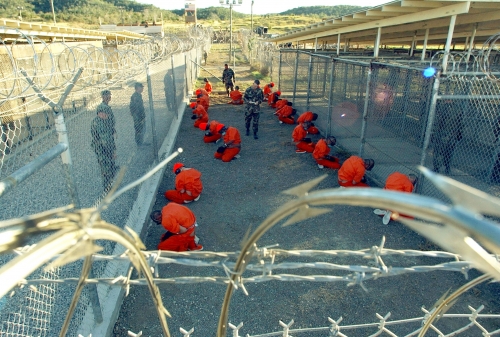
L’universalisme émancipateur qui motivait jadis la lutte contre l’impérialisme et la défense du patriotisme sous-tendant les luttes de libération nationale a été rapidement remplacé, chez les militants de gauche, par la servilité à l'égard du «mal universel», par la rhétorique creuse des droits de l'homme et de la démocratie, c’est-à-dire par l’idéologie que nous – avec Chomsky – qualifierions comme the umbrella of U.S. power (le parapluie du pouvoir américain). La réhabilitation intégrale de l’impérialisme et du colonialisme après 1989 pourrait être considérée comme définitivement accomplie: «Colonialism is back» fut le titre sans ambiguïté proposé par le New York Times le 18 avril 1993. Cette réhabilitation s'effectue par la redéfinition, dans le style parfait de la novlangue, de l’impérialisme atlantiste sous les noms rassurants mais perfides de peacekeeping (maintien de la paix) et d’exportation des droits et de la démocratie. Et elle survient toujours – en Serbie, en Irak ou en Libye – accompagnée d’un oubli bien opportun des exterminations clairement totalitaires qui sont menées par le bras armé de la puissance capitaliste mondialiste, avec ses "bombardements humanitaires" à l'aide d'armes non conventionnelles, avec ses camps de concentration "éthiques et libéraux" (de Guantánamo à Abu Ghraib), ses guerres préventives pour le plus grand Bien, ses embargos génocidaires posés comme thérapeutiques (de Cuba à l’Irak), sa déstabilisation de gouvernements légitimes remplacés par de néfastes dictatures.
Dans le cadre de cette économie politique des droits de l'homme, la réduction à Hitler – selon la figure conceptuelle théorisée par Leo Strauss – joue un rôle de premier plan dans la légitimation du Nouvel Ordre Mondial. Comme cela a été montré dans Il futuro è nostro, la réduction idéologique des gouvernements non alignés sur l'Amérique et l'atlantisme à la catégorie de «nouveaux Hitler» et de «nouveaux totalitarismes rouges et noirs» permet, en fait, l’activation automatique du «modèle Hiroshima», c’est-à-dire, du bombardement éthique présenté comme un «mal nécessaire» (ou comme un «dommage collatéral»), avec des conséquences dévastatrices mais, en tout cas, justifiées au nom de la chute nécessaire de l’abominable dictateur.
C’est pour cette raison que l’ordre discursif libéral-atlantiste a transformé en « nouveaux Hitler » tant Kadhafi, Saddam, Assad que Milosevic – et, en général, tous ceux qui, condamnés a priori pour se trouver du mauvais côté de l’histoire, oseraient s’opposer à l’américanisation impérialiste du monde.
En 2022, même Poutine, dirigeant du pays qui a pris de jure la succession de l’ancienne Union soviétique qui avait combattu en Europe contre le nazisme, a été ouvertement présenté comme un « nouvel Hitler » – dans une extrême manipulation et hypocrisie; et cela, en plus, par une civilisation du dollar qui n’hésitait pas à soutenir, en Ukraine, les nazis réellement existants du «Bataillon Azov» et toutes les forces russophobes qui sont ouvertement nazies dans leurs idées et symboles affichés de manière outrancièrement ostentatoire.

La leçon à en tirer est inflexible: contre les « nouveaux Hitler », non seulement la négociation et le dialogue sont par définition impossibles. Au-delà de cela, toute opération militaire dépasse les limites et la régulation du jus in bello et du jus ad bellum: l’attaque impérialiste, déguisée en «libération» des peuples opprimés, peut être menée jusqu’à ses conséquences extrêmes, donc au-delà de toute prétendue légitimité du jus in bello. La dérégulation du marché s’accompagne ainsi de la dérégulation de la guerre et de l’idée convergente d’une guerre totale, que les hérauts de l’Empire – autoproclamés « forces du Bien » – se déclarent appelés à conduire, par tous les moyens et sans limites, contre les forces diaboliques du Mal: l’Operation Infinite War fut, d’ailleurs, le projet de guerre globale lancé par le président Bush en 2002.
La «Quatrième Guerre mondiale» (Preve) se distingue des précédentes, qui se sont déroulées dans le cadre du capitalisme dialectique, également à cet égard. Elle est également portée par la droite et la gauche impérialistes, toutes deux colonisées par l’idéologie – constitutive de la conscience de la fausse conscience occidentale – avec laquelle le monde capitaliste impérialiste parvient à se légitimer comme le seul monde libre.
La droite bleue et la gauche fuchsia néolibérales apparaissent ainsi comme les deux intendants au service de l’impérialisme américain: c’est-à-dire, de la violence avec laquelle la mondialisation marchande – en tant que phénomène politique, économique, social et culturel – s’impose dans les zones du monde encore résistantes à accepter les « destinées magnifiques et progressistes » du capital.
18:55 Publié dans Actualité | Lien permanent | Commentaires (1) | Tags : gauche, gauche fuchsia, droite, néolibéralisme, actualité, diego fusaro, quatrième guerre mondiale | | del.icio.us | | Digg | Facebook
samedi, 25 avril 2026
Les fronts se clarifient - Les «droitards» atlantistes et les «sionistes chrétiens» – la Cinquième Colonne des globalistes

Les fronts se clarifient
Les «droitards» atlantistes et les «sionistes chrétiens» – la Cinquième Colonne des globalistes
par Werner Olles
La politique planétaire et les combats culturels mondiaux à l’ère du libéralisme globalitaire et néo-impérialiste font ressurgir du tombeau les formes hideuses des valeurs récemment réclamées avec insistance par l’idéal des Lumières. La responsabilité principale de cette évolution violente revient aux « droitards » atlantistes et aux « sionistes chrétiens », dont le rôle, en tant que produits authentiques de la civilisation occidentale, a été jusqu’ici largement sous-estimé.
Oscillant entre ordre fondé sur la violence et logique de destruction, ils jouent un rôle non négligeable dans le cadre de la démocratie, des droits de l’homme et des marchés libres dans un monde globalisé, au sein du jeu fatal entre le policier mondial, les acteurs étatiques de la violence tels qu’Israël et l’Ukraine, et la mythologie selon laquelle le national-socialisme aurait été principalement une force anti-occidentale.
Mais ce n’est rien d’autre qu’une idéologie tenace, largement véhiculée par l’Occident collectif, par l’UE, par l’OTAN et par leurs défenseurs idéologiques, adorateurs des sociétés civiles métropolitaines, où prospère aujourd’hui plus que jamais le patriotisme étatique à la Habermas. Même si peu d'entre nous peuvent éviter un certain haut-le-coeur en voyant des figures telles que Zelensky et ses groupies Merz, Klingbeil, Starmer, Macron et von der Leyen: elles ne peuvent réaliser leur œuvre, ces figures, que parce qu’elles croient en la toute-puissance de la volonté politique, et que le véritable souverain ne leur frappe pas sur les doigts, qu'elles ont rapaces et sales.

Ainsi, elles manipulent sans scrupules l’argent des contribuables, créent des milliards pour une Ukraine totalement corrompue, et nourrissent non pas les caisses vides des retraites ou de la sécurité sociale, mais engraissent à l’échelle mondiale des millions d’illégaux issus des taudis d’Orient et d’Afrique, de la naissance à la mort. Le travailleur ordinaire, le petit entrepreneur et le moyennement fortuné doivent travailler jusqu’à soixante-dix ans pour ensuite, autant que faire se peut, quitter rapidement, en étant ainsi "socialement responsable", le paradis terrestre du capitalisme mondial.
Horkheimer, par exemple, l’un des représentants les plus conservateurs et cohérents de la théorie critique, voyait dans «l’État autoritaire» la réalisation et l’émancipation irréfutable de la politique par rapport à l’économie, car seul le fascisme serait capable, pensait-il, de mener une révolution véritable et effective pour soumettre le système à une critique fondamentale et, en fin de compte, le renverser. Cependant, l’analyse empirique a désormais profondément falsifié cette vision plutôt sympathique, conséquence des nombreuses maladies infantiles et ambiguïtés du fascisme, dont les sphères peu différenciées avaient également tendance à aller vers l'«objectivisme» et le «déterminisme économique».
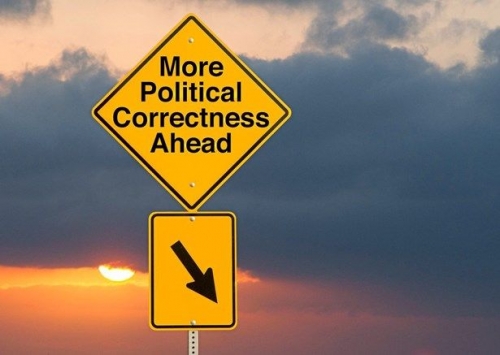
La Political Correctness, originaire des États-Unis, s’est depuis lors transformée, faute de critique sociale de fond et de mouvement réellement protestataire, en une calamité morale à prétention didactique, produisant à tour de bras des définitions arbitraires du racisme, du fascisme, du chauvinisme, etc.; elle s’est désormais métamorphosée en un libéralisme de gauche woke, théoriquement abracadabrant, et a transformé ses carences intellectuelles et son incompétence théorique en violence de gangs, ceux des extrémistes de gauche. De nombreux idiots, notamment dans diverses ONG financées par l’État, ont ainsi pu laisser libre cours à leur racisme inversé, antisémite et nationaliste, dans un climat de société civile abrutie par une télévision publique à redevance obligatoire.
Mais dans ces marécages putrides et toxiques est né un sectarisme psychopathologique anti-allemand, mais pas seulement cela. Dans leur sillage, on a assisté à la chute de toute politique réaliste, et à l'avènement d'un état d’urgence démocratique entretenu contre les citoyens et contre la nature, le tout accompagné de la transformation d'un capitaliste général en un criminel complet: ce pandémonium a marqué la fin de la politique habituelle (depuis 1949) et d’un système de régulation socio-politique.
À partir de ce moment, aucune perversion ne pouvait plus rester simple hypothèse, mais devenait réalité. Avec l’émergence des idiots historiques réunis en une cohue en 1989, allant du président américain aux verts allemands, en passant par d’anciens communistes russes, une figure est apparue à la lumière: celle qui a proclamé le libéralisme comme force dominante dans la sphère publique, tout en ignorant que cet événement devait inévitablement conduire à une forme ou une autre de guerre civile.
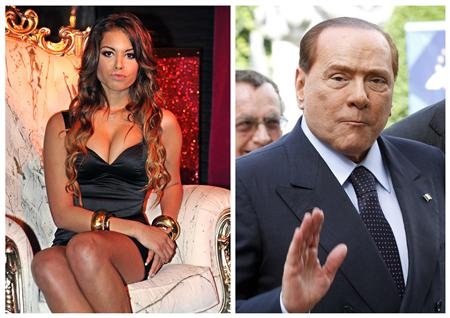
Les bruits qui annonçaient la catastrophe sociale et les cris de douleur du petit monde politique n’ont pas été entendus. La violence des bandes s’est insidieusement mêlée aux actions de l’appareil dit démocratique pour nous monter un théâtre de simulacres postmoderne. Qu’un type comme Berlusconi soit encore une épiphanie qui n'était pas totalement désagréable, dont les plaisanteries capricieuses du « Bunga-Bunga » divertissaient encore le public, aujourd’hui on voit dans le mythe Epstein le signe avant-coureur ou même le porteur d’une nouvelle offensive totalitaire, qui se transforme en barbarie pédophile, érigeant le système étatique en système totalitaire et faisant du totalitarisme substantiel de la modernité la seule forme véritable et légale: la démocratie libérale.
De la secte anti-allemande aux récents convertis, depuis la prise de pouvoir de Trump, des «droitards» partisans de la «société civile» occidentale, qui laissent les aviations israélienne et américaine bombarder et tuer en Iran et au Liban au nom de la démocratie libérale, et qui transforment la Libye et la Syrie avec la meilleure conscience du monde en abattoirs islamistes – l’essentiel étant que les «tyrans» anti-impérialistes, anti-occidentaux et anti-israéliens tels Khaddafi et Assad soient partis – ici s’ouvre un terrain fertile et effrayant pour des spéculations ontologiques sur l’inutilité de toute recherche humaine de paix.
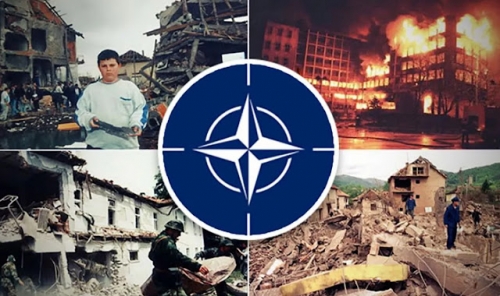
Nous rappelons à ce propos la guerre civile en Yougoslavie, alimentée par l’Allemagne et l’UE, que l’OTAN a déclenchée en 1999 par une campagne de bombardements contre la Serbie et le Monténégro. Il s’agissait d’une guerre d’agression clairement contraire au droit international, même – il faut le dire – soutenue ouvertement par la Confédération allemande des syndicats de gauche (DGB). En 2002, l’ancien Premier ministre serbe Milosevic a été inculpé par le Tribunal pénal international à La Haye, mais il ne s’agissait pas d’un procès équitable ou de faire la lumière sur de véritables crimes, mais d’un tribunal des vainqueurs qui, a posteriori, a légitimé la guerre d’agression.
Il n’est plus nécessaire d’écouter la sagesse prudente des anciens, qui ont terminé leur mission. C’est comme dans une pièce de théâtre médiocre. De l’ennui profond à l’écœurement existentiel, c’est la chute du réalisme qui se joue dans cette atmosphère d’incapacité générale des «droites» et des «gauches»: la convergence catastrophique du système est à la fois niée avec rage par «le haut» et «le bas».
Les jeunes «gauchistes» et «droitistes» – en particulier les anciens radicaux de gauche et les néocons d’aujourd’hui, «sionistes chrétiens» et les «droitards» atlantistes, qui trouvent leur grand bonheur en visitant les villas de Trump en Floride, et dont la majorité provient du KBW, sont des fétichistes de l’organisation, pour ensuite se présenter comme des éducateurs sociaux diplômés avec un arrière-plan de lutte de classes en mode opéra – ont à peu près autant de connaissances de la Théorie critique qu’un chat n'en a sur les livres sur les chats. La mutation de M. Joschka Fischer, du spontanéiste radical de gauche à la caricature outrée d’un homme d’État préoccupé, peut être considérée comme le scénario-modèle de toutes les histoires personnelles des ex-gauchistes.
Aujourd’hui, si l’on veut être pris au sérieux, que l’on soit «droitard» ou «gauchiste», on ne se réfère plus à une révolution mondiale, à la souveraineté des États insoumis comme l’Iran ou le Venezuela, ou à la paix, mais on doit lever le doigt, en se donnant la mine du donneur de leçons, pour avertir le bon peuple de la menace d’une attaque russe contre des États vassaux européens totalement ruinés, et, surtout, qu'il faut, en presque tout contexte, évoquer «Auschwitz».
Les mots de Konrad Adenauer en 1951 devant le Bundestag, selon lesquels «le peuple allemand a, dans sa majorité, condamné les crimes commis contre les Juifs et ne s’en est pas rendu complice», est depuis longtemps oubliée. Pour les «sionistes chrétiens», une telle déclaration, qui dit toute la vérité, est déjà qualifiable d'«antisémite», et la chancelière Merkel, «la calamité en pantalon», a déclaré en 2008 devant la Knesset que la sécurité d’Israël était la raison d’État de l’Allemagne.
Cette terminologie en perpétuelle fluctuation sera utilisée pour l’éternité par les parties intéressées pour étouffer toute protestation contre la politique et les crimes de guerre d’Israël à Gaza, et pour accroître sans limite la répression contre les groupes et les individus pris sous le feu croisé des diktats de l’opinion publique allemande.
En réalité, la couverture médiatique des médias d'Etat ou proches de l’État des vicissitudes de cette guerre, dont le nombre de morts dépasse les centaines de milliers, constitue un scandale absolu, empêchant toute vue impartiale sur le camp palestinien. Mais en fin de compte, toutes les événements qui se déroulent en Israël et autour d’Israël sont subordonnées aux intérêts américains, ce qui ne pose aucun problème aux « droitards » tatlantistes.
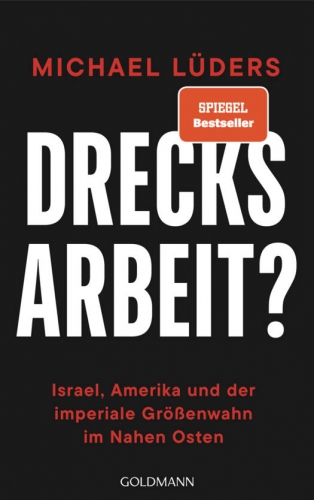
La nouvelle prémisse de la politique mondiale, depuis la dissolution de l’URSS en 1991 jusqu’à la guerre de Gaza en 2023, reste l’unipolarité, où seule une puissance mondiale, les États-Unis, est reconnue comme unique hegemon. De plus, le manque d’intérêt en Allemagne pour une réflexion approfondie, comme le montre par exemple Michael Lüders dans son livre «Drecksarbeit ? Israël, l’Amérique et la mégalomanie impériale au Moyen-Orient» (Munich, 2025), conduit à une représentation et une perception toujours plus déformées des événements réels qui frappent cette région.
Le bien absolu, ce sont les droits de l’homme et la démocratie en tant que «domination de l’argent» (Oswald Spengler) et «tyrannie de la majorité» (Alexis de Tocqueville). En réalité, «le réactionnaire doit s’habituer à vivre dans la crépuscule violet de la défaite» (Nicolás Gómez Dávila). Personne n’a mieux décrit le désespoir de notre existence que ce plus grand des misanthropes du 20ème siècle. Aujourd’hui, il serait un cas pour la «Protection de la Constitution»!
Werner Olles
16:37 Publié dans Actualité | Lien permanent | Commentaires (0) | Tags : actualité, droite, gauche, allemagne | | del.icio.us | | Digg | Facebook
lundi, 17 novembre 2025
La gauche post-woke
La gauche post-woke
Joakim Andersen
Joakim Andersen soutient que, bien que le mouvement woke ait maintenant dépassé son apogée en popularité, il reste ancré dans les institutions clés et continue de façonner l’idéologie de la gauche sous le couvert du populisme. Il suggère que ce changement est davantage tactique qu’authentique, en conservant les valeurs woke au sein des structures managériales et bureaucratiques.
On dit parfois que nous avons dépassé le « pic woke », que le phénomène woke a atteint son sommet et, comme la marée, recule. « Avec le bon regard, on peut presque voir le signe de la marée haute, ce point où la vague s'est enfin rompue et s’est retirée », pour citer la description de Hunter S. Thompson sur la chute de la culture propre aux années 1960.
 Il existe de nombreux parallèles entre cette époque et aujourd’hui: par exemple, la terreur de gauche et l’afro-manie décrites dans des œuvres comme Days of Rage, qui trouvent aujourd’hui un écho dans une nouvelle vague de terreur et dans le mouvement BLM. La même chose vaut pour la vision négative des lois sur l’âge de consentement sexuel, largement répandue dans la gauche lors de la phase précédente, mais ensuite discrètement reléguée dans ce que l’on appelle un « trou de la mémoire ».
Il y a aussi des différences: lors de la précédente vague, il y avait encore des milieux de fonctionnaires publics de type bourgeois classique, tandis qu’aujourd’hui, les couches managériales ont été façonnées pendant des décennies par la gauche qui a conduit au phénomène woke; les milieux pré-woke des années 1960 comportaient également une composante juive significative, mais la situation est aujourd’hui plus complexe.
L’histoire suggère ce qui se passe actuellement: les couches woke ont subi de multiples revers, notamment dus à l’absence de soutien populaire; comme après 1968, ils se retireront et lècheront leurs blessures. En interne, ils continueront à maintenir en vie leurs idées et leurs sentiments, et à les développer pour la prochaine vague; certains se radicaliseront davantage et puniront ceux qui n’ont pas adopté leurs idées (pensons aux Zwaardgeesten, aux « esprits épée », en particulier aux Batenburgers après la chute de la ville anabaptiste de Münster au 16ème siècle) (ndlr: Secte protestante extrémiste, en lutte contre le Saint-Empire, le catholicisme et l'église luthérienne, recourant à des méthodes criminelles, telles l'incendie d'immeubles et les assassinats, pratiquant la polygamie, etc.; la secte sévit des années 1530 à 1580 dans l'Est des Pays-Bas actuels et en Frise).
Comme on peut le voir, il est utile d’envisager le mouvement woke d’un point de vue historique, religieux et psychologique: dans bien des aspects, il s’agit d’une secte (une hérésie, ou plutôt une hérésie dans une hérésie, plus précisément le sécularisme post-protestant). La secte a des liens avec la gauche métahistorique décrite par Igor Chafarevitch, mais aussi avec l’État moderne, le monde académique et la classe qui a été appelée, entre autres noms, "classe dirigeante", "bureaucratie" et "CPM" ("Classe Professionnelle-Managériale"). Avec l’État moderne, nous obtenons les futures couches managériales, intimement liées au monde académique qui les façonne. C’est ici que l’on voit pourquoi Marx parlait si peu de la bureaucratie en tant que classe et voulait plutôt relier la gauche à la classe ouvrière: la gauche, cependant, est l’avant-garde de la couche managériale plutôt que l'avant-garde du prolétariat.
Cela signifie que parler du « pic woke » est à la fois vrai et faux. Il est vrai que cette phase a atteint son sommet, mais les milieux et couches sociales qui portent les sentiments et idéaux woke attendent le moment opportun et constituent une grande partie de ce que Louis Althusser appelait l’« appareil idéologique d’État » (école, monde académique, médias, Église, etc.). Supposer que nous avons gagné et que nous pouvons nous reposer sur nos lauriers reviendrait à compter les poussins avant qu’ils n’éclosent.

Une analyse intéressante de la façon dont la gauche gérera la perte de popularité du wokisme est proposée par Carl Benjamin (photo - également connu sous le nom de YouTuber "Sargon of Akkad") dans l’essai sur vidéo The Post-Woke Left: An Examination. Le point de départ de Benjamin est que la gauche a compris que le wokisme est impopulaire et qu’elle le diluera en tant que stratégie, mais qu’elle restera néanmoins woke. Cela est particulièrement vrai en ce qui concerne leur vision de l’immigration comme droit humain et nécessité pour soutenir le système. Ils sont en train de repositionner leur rhétorique, passant du wokisme explicite au populisme de gauche, « 99% contre 1% ».
Benjamin remarque que la définition purement économique de ces deux pôles ne correspond pas à l’identité des personnes et masque les conflits réels entre les 99%. Son analyse plus approfondie de la vision du monde qui considère l’immigration de masse comme un droit est également intéressante. La gauche woke voit le monde au-delà de l’Occident comme un enfer dont il faut sauver les gens. En même temps, elle considère l’Occident comme une maison de retraite, où nous avons besoin de corps sombres qui prennent soin de nous; Benjamin parle ici du «fardeau de l’homme sombre».
Benjamin devient également intéressant lorsqu’il explique leur vision sur l’existence des «mauvaises personnes»; les wokistes soutiennent que la pauvreté et les structures en sont la cause (même si cela ne s’applique pas à l’explication des «racistes blancs», cela doit être noté). L’analyse de Benjamin est, dans certains points, injuste: la vision du monde de la gauche n’est pas aussi primitive qu’il le prétend (par exemple, la logique du capital peut expliquer pourquoi même certains riches peuvent être «mauvais»).
Mais, dans l’ensemble, c’est une analyse enrichissante; Carl Benjamin aborde beaucoup de leurs affirmations sur la nécessité de l’immigration pour l’État-providence, et sur le fait que ce sont «les riches» qui ont augmenté les loyers plutôt que l’immigration de masse. Il soutient également que l’ancienne gauche woke restera probablement enfermée pendant une période considérable dans un ghetto politique avec un soutien populaire limité. Parmi leurs faiblesses, explique-t-il, figurent l’incapacité à reconnaître l’identité anglaise et la réticence à réduire l’immigration. Ce sont aussi les faiblesses que rencontrera la gauche post-woke en Suède; même si elle se présente comme une force populiste de gauche, elle portera avec elle des sentiments et des idées woke qui pourront être facilement exploités par la bourgeoisie, les nationalistes et d’autres.
En résumé, il ne s’agit donc pas d’un vrai post-wokisme au sens strict; pour des raisons tactiques, ils ont simplement atténué une rhétorique impopulaire. Ce qui est également intéressant, c’est la relation entre le populisme post-woke et la pensée marxiste historique. Il s’agit désormais davantage de redistribution et de gestion, et moins de changer les rapports de production. Le populisme de gauche en discussion est plus un projet managérial qu’une expression du principe selon lequel « la libération de la classe ouvrière doit être conquise par la classe ouvrière elle-même ». La classe ouvrière est plutôt un objet qu’un sujet dans un tel projet, même s’il est tout à fait possible que « la classe ouvrière elle-même » ait toujours agi davantage comme une rhétorique que comme une politique réaliste (le schéma du manifeste pour la fin des modes de production peut aussi être lu comme une théorie élitiste, dans laquelle la transition vers le socialisme n’est pas prévue). Nous avons maintenant constaté que Marx s’est non seulement trompé sur qui étaient les combattants, mais qu’il a aussi sous-estimé/masqué la bureaucratie, et mal évalué l’équilibre des forces (comme le suggère la dimension temporelle: les premiers communistes croyaient, comme les premiers chrétiens, que la transformation du monde pouvait se faire durant leur vie). Le fait que les couches managériales se coordonnent selon leurs propres intérêts sous une façade populiste de gauche peut donc être parfaitement rationnel, même si Sahra Wagenknecht montre que le populisme de gauche n’a pas nécessairement à être woke.
12:55 Publié dans Actualité | Lien permanent | Commentaires (0) | Tags : actualité, idéologie, gauche, gauches, wokisme | | del.icio.us | | Digg | Facebook
mercredi, 29 octobre 2025
Pourquoi la gauche perd les élections... et est rejetée par les classes populaires

Pourquoi la gauche perd les élections... et est rejetée par les classes populaires
Nicolas Maxime
Source: https://www.facebook.com/nico.naf.735
Javier Milei a été confirmé aux législatives de mi-mandat, encore un nouveau signe que le basculement dans le Monde vers la droite populiste se poursuit, pendant que la gauche continue de s’effondrer, incapable de comprendre ce qui lui arrive. La gauche perd élection après élection, et elle continuera à les perdre, partout dans le monde, pendant que l’extrême droite poursuit sa progression — y compris avec un programme économique pourtant contraire aux intérêts matériels des classes populaires. Pourquoi ? Parce que l’extrême droite, elle, a parfaitement compris la logique girardienne du bouc émissaire, en désignant les « assistés », les chômeurs, les migrants voire les fonctionnaires et les retraités comme étant responsables de la crise. Tandis que la gauche, devenue nullissime (y compris dans ses formes dites « radicales »), n’a plus rien compris au peuple, au point d'en être venue, par inversion mimétique, à faire du prolo blanc son bouc émissaire car perçu comme un plouc ou un « beauf » réactionnaire et raciste.
Cette déconnexion avec le réel s’incarne parfaitement dans le mépris de classe d’un Édouard Louis, qui va jusqu’à rêver — comme il l’exprime sans gêne — d’un régime où les villes et les campagnes auraient des gouvernements séparés, tant il estime irréconciliables le peuple urbain « progressiste » et les campagnes jugées réactionnaires. C’est le symbole parfait d’une gauche culturelle, moraliste et métropolitaine, qui ne supporte plus le peuple réel, celui qui ne parle pas comme elle, ne vit pas comme elle, et surtout, ne vote plus pour elle.
Aux yeux des classes populaires, motivées par un instinct de survie et de préservation de leur mode de vie, la gauche d’aujourd’hui n’est plus qu’une « gauche morale », une gauche qui incarne précisément tout ce qu’elles détestent.
Cette « gauche morale » n’a plus grand-chose à proposer sinon quelques réformes sociétales, une écologie quinoa-vegan fondée sur les interdictions et la culpabilisation, et la taxation des riches comme ultime horizon moral. En somme, elle est devenue la gauche du Capital — celle des médias, des grandes institutions culturelles, des universités et des métropoles. Elle est désormais considérée par les classes populaires comme plus dangereuse encore que l’extrême droite, parce qu’elle a trahi le camp qu’elle prétendait défendre, elle inspire désormais le rejet d’une majorité silencieuse qui, faute d’alternative crédible, se tourne vers l’extrême droite ou se réfugie dans l’abstention, perçue comme le moindre mal.
Comme le disait Jean-Claude Michéa, cette gauche a définitivement rompu avec le peuple dès lors qu’elle a cessé de se définir par la critique du capitalisme pour se fondre dans la logique du progressisme libéral. Depuis les années 1980, elle a abandonné la lutte des classes, la socialisation des moyens de production et la défense du monde du travail, pour devenir « gauche morale » des droits individuels, de la redistribution des richesses et de la bonne conscience. Elle ne s'adresse plus aux ouvriers et aux employés mais à la bourgeoisie culturelle, à ceux qui détiennent le capital symbolique, et non plus à ceux qui n’ont que leur force de travail pour vivre.
Comme le résume Michéa, elle ne combat plus le système, elle l’accompagne au nom du « progrès ». Et c’est précisément parce qu’elle a cessé d’être populaire qu’elle est devenue, dans le regard des classes populaires, la gauche du haut, celle des donneurs de leçons et des convertis au nouvel ordre moral libéral.
Dans ses enquêtes sur les campagnes françaises, il montre que les territoires périphériques et ruraux, loin d’être des bastions réactionnaires, sont d’abord des espaces de sociabilité, de solidarité et d’entraide, mais où domine un profond sentiment d’abandon. Coquard décrit un monde populaire attaché à la reconnaissance, au travail bien fait et qui voit dans la gauche diplômée et urbaine non plus une alliée, mais une élite moralisatrice qui ne les comprend pas et les méprise.
Pendant que la gauche sermonne et culpabilise, l’extrême droite capte les affects, les colères, les peurs — bref, tout ce que la gauche a méprisé au nom de sa « supériorité morale ». Et c’est ainsi qu’elle s’installe durablement comme le seul refuge politique pour ceux qui, désespérément, veulent encore croire qu’ils existent.
Bien entendu, l’extrême droite ou la droite populiste sera une impasse, et les classes populaires le découvriront (malheureusement) à leurs dépens. Car ce ne sont pas les immigrés, les minorités ou les élites culturelles qui menacent leurs modes de vie et les traditions : c’est le capitalisme lui-même, dans sa phase terminale, qui bascule désormais vers une forme autoritaire et libertarienne, où il n’y aura plus aucun compromis avec les travailleurs.
La véritable question est donc : comment le faire comprendre sans tomber dans les mêmes travers que la gauche morale ?
19:53 Publié dans Actualité | Lien permanent | Commentaires (0) | Tags : actualité, gauche, droite, idéologie | | del.icio.us | | Digg | Facebook
lundi, 26 mai 2025
Théologie politique: la politique comme religion des modernes
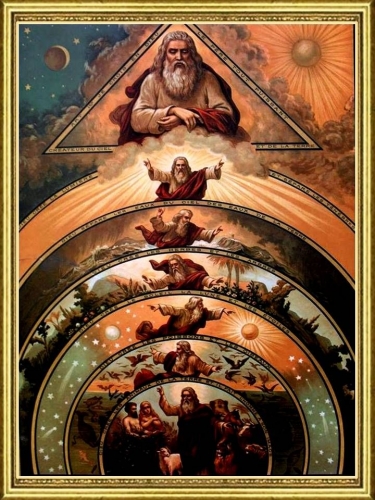
Théologie politique: la politique comme religion des modernes
Diego Fusaro
Source: https://posmodernia.com/teologia-politica-la-politica-com...
À la lumière de l'herméneutique mobilisée par Schmitt, c'est dans le Léviathan de Hobbes (1651) que le dispositif de la politische Theologie (théologie politique) apparaît opératoire dans sa splendeur originelle. Mais ce n'est qu'à partir du système catégoriel de Rousseau que le modèle de la théologie politique commence à s'articuler selon une dichotomie qui prélude à celle entre la droite et la gauche apparue avec la Révolution française.
 C'est ce qu'Ernst Cassirer a analysé dans son étude Das Problem Jean Jacques Rousseau (1932). Selon le spécialiste des « formes symboliques », le cœur théorique de la pensée politique de Rousseau réside dans le fait qu'il a déplacé la « théodicée » - un énoncé, comme on le sait, composé de « θεός » et de « δίκη », « Dieu » et « justice » - de la sphère théologique verticale à la sphère politique horizontale. À partir de Rousseau, la genèse du mal n'est plus imputable au « péché originel » ou à une volonté divine impénétrable, mais à la société elle-même. Pour Rousseau, en effet, ce n'est pas l'homme qui est naturellement mauvais, comme le prétend le « sophiste Hobbes ». La doctrine du péché originel, « propagée par le rhéteur Augustin », n'est pas non plus admise.
La société qui a produit le mal - l'aliénation et l'exploitation, l'inégalité et la propriété privée, comme l'affirme déjà Rousseau dans le Discours sur l'origine et les fondements de l'inégalité parmi les hommes (1755) - est également appelée à se racheter par la politique. Puisque, comme l'affirme le Contrat social (1762), l'homme est né libre et partout il est dans les fers, c'est une exigence fondamentale de la politique que de travailler à rendre à l'homme sa liberté en brisant les chaînes qui ont été créées par l'évolution historique.
Pour Rousseau, précisément parce que le mal n'est pas co-essentiel à la nature humaine et ne coïncide pas avec une condamnation sanctionnée ab aeterno par Dieu, c'est la tâche ambitieuse de la politique de rectifier l'injustice et de libérer la société du mal, en instaurant l'égalité entre les hommes et la démocratie directe comme forme de gouvernement.
Il est vrai, cependant, que Rousseau se place dans le cadre « contractualiste » des modernes et, bien qu'il aspire à une communauté de solidarité et de rédemption, il part de l'hypothèse anthropologique trompeuse de l'individu comme préexistant à l'État (compris à son tour - dirait Hegel - comme le fruit d'un « contrat » conçu selon les modules du « contrat privé »). Le Discours sur l'origine de l'inégalité de 1755 distingue l'inégalité naturelle - celle qui, par exemple, différencie les hommes par l'intelligence et la puissance physique - de l'inégalité conventionnelle, qui « dépend d'une sorte de convention, et est établie ou du moins permise par le consensus des hommes ». Il faut agir pour éliminer la seconde et neutraliser les effets de la première.
Fichte, dans ses cinq conférences d'Iéna sur le destin des sages en 1794, n'apportera pas de modifications majeures à ce programme. Il se contentera d'insister davantage sur la dimension de l'avenir comme espace ouvert à sa réalisation par l'action passionnée d'un Sujet conscient (je) capable, sous la conduite intelligente du « sage » (der Gelehrte), de redéfinir l'Objet (non-moi) en fonction de la raison.
Nous avons ainsi la genèse de la « théologie » moderne de la politique divisée entre gauche et droite, bien que le lexique de Rousseau ne mentionne pas encore expressément le clivage (la division) qui n'émergera qu'avec le choc de 1789. La gauche est le parti qui aspire à corriger un mal - l'inégalité entre les hommes et les pathologies qui lui sont associées - qui est social, c'est-à-dire produit par la société et rachetable par sa propre praxis. La droite, quant à elle, réagit en réaffirmant la nature de l'ordre existant, dont elle s'érige en gardienne: l'inégalité, qui pour la gauche est une erreur sociale à laquelle il faut remédier, apparaît à la droite comme la condition naturelle, toujours donnée, voulue par Dieu ou, en tout cas, nécessairement produite par les relations entre ces entités belligérantes et réciproquement hostiles que sont les hommes, tels des loups.
Cette reconstruction permet, entre autres, de comprendre pourquoi la gauche est « originaire » et la droite « dérivée ». La seconde est « réactionnaire », car elle répond à la mobilisation théorico-pratique de ceux qui aspirent à modifier les grammaires de l'existant pour le libérer du mal. Le profil philosophique de Nietzsche peut donc, pleno iure, être compris comme l'inversion de celui de Rousseau.
En effet, il part du principe que les hommes sont inégaux par nature et que seule la société, avec sa « morale du troupeau » et sa religion de la résignation, produit la corruption de l'égalité (du christianisme au socialisme).
 La corruption, qui pour Rousseau engendre l'inégalité, produit en revanche pour Nietzsche l'égalité, c'est-à-dire ce « drôle d'expédient mental » - comme dans Par-delà le bien et le mal - qui permet de masquer « l'hostilité de la plèbe à l'égard de tout ce qui est privilégié et souverain ». La droite, avec Nietzsche, reconnaît l'inégalité et propose des politiques qui la favorisent, tandis que la gauche, avec Rousseau, prend l'égalité comme présupposé et élabore des politiques qui la favorisent.
Cette approche permet de différencier la droite et la gauche en fonction de la manière dont elles se sont articulées et opposées dans l'aventure multiforme de la modernité. La droite tend à défendre un ordre naturel - s'il n'est pas directement voulu par Dieu - contre ses éventuelles convulsions pratiques ; un ordre qui, en tant que tel, présuppose des hiérarchies et des inégalités. Cela ne signifie pas pour autant que la droite, si attentive à la nature, n'ait pas sa propre culture, ni même qu'elle puisse être identifiée au rejet total de la culture au nom du réalisme et du pragmatisme: cela signifie simplement que la culture de la droite - non moins riche et articulée que celle du camp opposé - trouve sa propre référence constante dans l'immédiateté de la nature et d'un ordre naturellement donné.
La gauche, pour sa part, insiste sur la culture et sur l'historicité plutôt que sur la nature, sur le νόμος -nómos- plutôt que sur la φύσις -physis- : pour la gauche, l'ordre existant n'est pas naturel, mais le produit de rapports de force concrets qui, marqués comme ils le sont par des hiérarchies et des inégalités, exigent d'être rectifiés au nom de configurations de société plus élevées et plus rationnelles, qu'il appartient à la praxis sociale de traduire de la puissance à l'acte. L'immédiateté de la nature donnée, chère à la droite, crée une antithèse radicale à la réflexivité de la culture, typique de la gauche.
Il s'agit donc d'une contraposition entre la culture comme regnum hominis, d'où découle l'impératif - typique de la gauche - de l'action visant à façonner le monde selon les préceptes de la raison, et la nature comme puissance extérieure, qui - pour la droite - ne se laisse pas anthropomorphiser et qui, au contraire, doit être protégée contre les prétentions révolutionnaires à la violer en la subvertissant et en la réorganisant en fonction de la volonté de l'homme.
La genèse théologico-politique de la dichotomie droite-gauche, qui projette sur le plan immanent-horizontal les espoirs et la foi, le dogmatisme et souvent l'intransigeance propres à la sphère transcendante-verticale de la religion, explique à sa manière, entre autres, le caractère « sacré » avec lequel le couple dichotomique continue à être défendu liturgiquement et fidéistiquement même à l'époque de son « crépuscule » : précisément, presque comme s'il s'agissait d'une foi, souvent même en contraste avec les canons du λόγος -lógos- (credo quia absurdum - je le crois parce que c'est absurde-).
Le clivage a en effet guidé la pensée et l'action des modernes: et ils sont dans l'erreur ceux qui, partant peut-être d'une évaluation correcte de la hodierna morte de la dichotomie, soutiennent qu'elle n'a jamais existé ou qu'elle n'a jamais joué un rôle vraiment décisif. Par exemple, les partisans de la théorie des élites (Mosca, Pareto, Michels) ont diversement considéré que, toujours et de toute façon, il était inévitable que des groupes dirigeants sélectionnés se forment au sommet de la société, même dans les sociétés qui prétendaient ex hypothesi être plus égalitaires et de gauche : pour eux, donc, la dichotomie entre droite et gauche serait en tant que telle un ens imaginationis. Ortega y Gasset a exprimé cette thèse, bien que dans une perspective différente, en affirmant qu'« être de gauche est, comme être de droite, l'une des infinies façons dont l'homme peut choisir d'être un imbécile: toutes deux, en effet, sont des formes d'hémiplégie morale ».
Il est vrai que, historiquement, c'est surtout la droite qui a nié la validité de la dichotomie, la présentant comme une construction intellectualiste subreptice qui désintègre la nature organique et unitaire de la société. Cette thèse, embryonnaire dans la pensée de De Maistre, est pleinement formulée, par exemple, par Jean Madiran dans La droite et la gauche (1977). Madiran (photo, ci-dessus) va plus loin. Il affirme que la distinction s'est toujours faite à l'initiative et au profit de la gauche, qui l'a utilisée pour renverser le pouvoir et pour boucler et exclure la droite en l'identifiant au mal.
Par ailleurs, Donoso Cortés avait déjà affirmé que le parlementarisme et la dichotomie gauche-droite se réfèrent à la « chattering class », la classe bourgeoise qui débat.
Ici aussi, il y a un aspect paradoxal. Si la dichotomie est à l'origine symboliquement favorable à la droite (le « bon » côté opposé au « mauvais » côté), c'est la gauche qui l'institue - et y fonde sa propre identité - et c'est la droite qui, dans un premier temps, la rejette. C'est pourquoi, comme le soulignait déjà Alain au siècle dernier, c'est surtout la droite qui tente de nier la dichotomie alors qu'elle était encore opérante: et celui qui, dans la Modernité, prétend n'être ni de droite ni de gauche, tend à le faire parce qu'il se place déjà dans les rangs de la droite. Mais il est vrai aussi que, si l'on inverse les rôles, ceux qui attribuent à la droite l'indistinction ou l'inexistence du clivage sont presque toujours à gauche.
Il est vrai que la droite surtout, après 1945, a essayé de nier la dichotomie pour des raisons purement techniques et tactiques, c'est-à-dire pour cacher sa propre faiblesse et son échec, en cherchant à se « camoufler » sous des catégories de sortie différentes et moins désavantageuses.
 Cependant, comme nous le verrons, un discours diamétralement opposé s'appliquera à ceux qui nient la validité de la dyade après 1989, reconnaissant son épuisement évident et non plus son inexistence tout court. La liste de ces auteurs comprend des personnalités de la Nouvelle Droite, comme Alain de Bneoist, et des philosophes de la gauche marxiste, comme Costanzo Preve (photo, ci-contre).
D'autre part, en ce qui concerne la dichotomie, il ne faut pas négliger le caractère structurellement asymétrique qu'elle présente : le dupla n'est pas seulement utilisé pour décrire aseptiquement, mais aussi pour distinguer, discriminer et évaluer. Dans le passé, on s'en souvient, la gauche était identifiée à la « partie maudite », la droite à la « partie divine ». C'est surtout dans la seconde moitié du 20ème siècle, du moins en Europe, que le rapport s'est inversé : seule la gauche tend à être présentée avec des connotations positives dans le discours public, tandis que la droite - souvent identifiée sans réserve par ses adversaires aux expériences tragiques du nazisme et du fascisme - se voit imputer des dévalorisations substantielles.
Alors que la gauche se voit souvent attribuer sans réfléchir les valeurs d'égalité, de progrès et de solidarité, la transformant idéologiquement en une sorte de paradis sémantique, la droite se voit attribuer, depuis la seconde moitié du 20ème siècle, les prérogatives les plus abjectes de dictature, de violence, d'inégalité et de discrimination.
En dehors de ces considérations, le caractère religieux et seulement imparfaitement sécularisé de la dichotomie apparaît clairement, et ce sous la forme d'une foi tenace qui, de manière apparemment contradictoire, semble survivre même à la fin des grands récits avec laquelle, selon Lyotard, la condition postmoderne coïnciderait. Weber avait raison lorsqu'il affirmait que le « désenchantement du monde » (Entzauberung der Welt) ouvert par le « développement particulier » (Sonderentwicklung) de la rationalisation capitaliste occidentale finit par coexister avec une sorte de réenchantement immanent qui lui est propre : celui en vertu duquel les hommes ont cessé de croire en Dieu et en la dichotomie entre l'au-delà et l'au-delà, au moment même où la foi dans le marché capitaliste et dans le binôme droite-gauche a atteint un degré d'intensité impressionnant.
C'est pourquoi, à l'époque de la « mort de Dieu » et de la splendeur de la religion du capital, la dichotomie semble dotée d'une charge religieuse maximale ; une charge qui s'exprime, entre autres, dans le « tabou de l'impureté » adressé à quiconque appartient au parti adverse (ou, ce qui n'est pas rare, à quiconque est même soupçonné d'avoir des relations avec lui) et dans la substitution désormais consommée de l'espace de « l'action communicative » (socratique avant même d'être habermassienne), incardiné sur le λόγος, -logos-, par le terrain émotionnel, fidéiste et fanatique de l'appartenance « confessionnelle » et de la lutte obéissante contre les « hérétiques » du camp adverse. En bref, la politique devient à toutes fins utiles la religion des modernes. Aujourd'hui, cependant, les post-modernes vivent la mort de Dieu également en politique ; et sous toutes les latitudes, c'est la perte de la foi politique ou, si l'on préfère, le nihilisme politique qui prédomine.
14:45 Publié dans Philosophie, Théorie politique | Lien permanent | Commentaires (0) | Tags : diego fusaro, philosophie, clivage gauche-droite, gauche, droite, théologie politique, philosophie politique, politologie, sciences politiques, théorie politique | | del.icio.us | | Digg | Facebook
vendredi, 27 septembre 2024
Droite et gauche ? La véritable distinction politique de notre époque se situe entre le nihilisme vitaliste et le sens de la finitude humaine
Droite et gauche? La véritable distinction politique de notre époque se situe entre le nihilisme vitaliste et le sens de la finitude humaine
par Riccardo Paccosi
Source : Riccardo Paccosi & https://www.ariannaeditrice.it/articoli/destra-e-sinistra-la-vera-distinzione-politica-del-nostro-tempo-e-quella-tra-nichilismo-vitalista-e-senso-della-finitezza-umana
Ces derniers jours, j'ai participé à des discussions en ligne avec des amis et des contacts d'une certaine profondeur culturelle qui critiquaient le désir répandu de dépasser la dyade catégorielle droite-gauche.
Les arguments variaient, mais celui qui revenait le plus souvent était que tant qu'il y aura un point de vue orienté vers l'universalité des droits sociaux par opposition à un point de vue niant la nécessité d'une protection sociale, la distinction entre la gauche et la droite persistera.
Cependant, comme je l'ai déjà soutenu à plusieurs reprises, l'opposition susmentionnée concerne la gauche des 19ème et 20ème siècles, c'est-à-dire la gauche fondée sur la lutte des classes ou, du moins, sur l'héritage de cette dernière.
L'émancipation ouvrière et prolétarienne n'est cependant pas l'objectif autour duquel la gauche est née historiquement. L'avènement du mot « gauche » coïncide en effet avec un processus révolutionnaire ayant pour principe constitutif l'idée que « les droits de la liberté, de la propriété, de la sûreté et de la résistance à l'oppression doivent être garantis à tous les citoyens » (Déclaration des droits de l'homme et du citoyen, France, 1789). Dans ce contexte, le concept d'égalité existe, certes, mais il concerne le statut juridique et la citoyenneté, et non l'économie politique.
De plus, ce processus révolutionnaire est issu d'une base philosophique des Lumières quelque peu hostile au passé et l'exprime par un désir de tabula rasa, un redémarrage palingénésique du temps historique à partir de zéro.
Après les contingences de l'alliance entre la bourgeoisie progressiste et la classe prolétarienne, après la phase d'industrialisation et le compromis fordiste entre les classes sociales - selon divers penseurs d'aujourd'hui, dont Jean-Claude Michéa - la gauche de ce nouveau siècle n'a pas « viré à droite » mais est revenue à ses origines des Lumières.
A l'appui de cette thèse, que je partage, je pose la question suivante aux détracteurs du concept de dépassement gauche-droite :
Il y a deux ans, le gouvernement espagnol a fait passer la philosophie d'une matière obligatoire à une matière optionnelle dans les lycées, affirmant également vouloir surmonter l'académisme et donner plus d'espace à l'éco-féminisme, aux droits des LGBT, etc.
Honnêtement, je ne vois rien en elle qui puisse être spécifiquement qualifié de « droite ». Au contraire, j'y vois ce mépris du passé et ce désir de tabula rasa qui caractérisaient la gauche à ses origines, ces mêmes « destins et progressions magnifiques » dont se moquait déjà Giacomo Leopardi il y a deux cents ans.
Un autre aspect doit être pris en compte : la vision progressiste du temps historique est en elle-même vitaliste. C'est - pour le dire cette fois de droite avec Marinetti - une locomotive qui fonce vers un accident. Bref, quelque chose qui n'a pas besoin de protection sociale.
Aujourd'hui, alors que l'homme s'immerge dans la numérisation, le sens de l'éphémère, de la fragilité et de la finitude de la vie humaine, il est étouffé par le bourdonnement perpétuel et immortel des machines.
Et la politique s'adapte : qu'il s'agisse du néo-modernisme visant à effacer le passé, posture promue par la gauche, ou de la perspective néo-barbare de la droite selon laquelle la liberté consiste pour chacun à acheter un fusil automatique à l'emporium d'à côté et à aller tirer dans une école, tout est impulsion vitaliste aveugle et frénétique, tout est suppression de la fragilité.
Et nous en arrivons à la question mentionnée au début, celle des droits sociaux et de la protection sociale.
Pour que des réglementations telles que l'aide au revenu pour les chômeurs et les employés à temps partiel, les pensions et les soins de santé gratuits soient considérées comme légitimes, il faut que se généralise une vision de l'existence axée sur l'impératif de soigner, de protéger et de préserver.
(Et à ce stade, une deuxième question peut se poser : soigner, protéger et préserver sont-ils des principes de droite ou de gauche ?)
En bref, il faut une idée de l'homme qui revienne au centre de sa réalité mortelle, une idée qui sache tirer précisément de cet aspect déchu et malheureux, comme le dit Simone Weil, le sens de la fraternité et de la communion.
Mais tout cela signifie qu'il faut combattre les deux paradigmes de droite et de gauche, obtusément vitalistes et farouchement nihilistes, comme des ennemis de la vie et de l'amour entre les êtres humains.
15:10 Publié dans Actualité, Théorie politique | Lien permanent | Commentaires (0) | Tags : droite, gauche, philosophie politique, théorie politique, politologie, sciences politiques | | del.icio.us | | Digg | Facebook
dimanche, 07 juillet 2024
Douguine: "Il y a de vrais militants de gauche qui luttent contre le système capitaliste mondial"
Douguine: "Il y a de vrais militants de gauche qui luttent contre le système capitaliste mondial"
Alexandre Douguine
Source: https://www.geopolitika.ru/it/article/esistono-veri-e-propri-uomini-di-sinistra-che-lottano-contro-il-sistema-capitalistico
Il existe de vraie figure de gauche qui luttent contre le système capitaliste mondial. En Occident, ils sont représentés par des personnalités telles que Sahra Wagenknecht, Diego Fusaro, Emmanuel Todd, Giorgio Agamben, Jackson Hinkle ou Taz. Ces marxistes et socialistes considèrent les mondialistes et les libéraux comme leur principal ennemi et dans la lutte contre eux - en tant que principal ennemi (!) - ils sont prêts à s'allier avec n'importe quelle force antilibérale, y compris la droite. La vraie droite (pas les marionnettes du capital) est en guerre contre le même ennemi: l'élite libérale mondialiste, ce que Trump a appelé "le marécage" et, dans un front commun, la gauche et la droite populistes s'influencent mutuellement, échangent des concepts et des idées, progressant vers un front antilibéral uni - le Front de libération mondiale de la dictature libérale. Vers une quatrième théorie politique (à l'opposé du libéralisme, du communisme et du fascisme que la politique euro-moderne impose à tous).
Les hommes de gauche comme Sanders ou Mélanchon, dans une situation critique, quand il y a une possibilité historique de porter un coup mortel au capitalisme mondial, prennent le parti des libéraux et sauvent leur pouvoir.
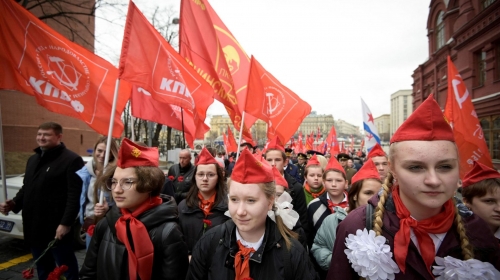
Dans l'histoire post-soviétique, les communistes de Russie ont représenté, jusqu'à un certain point, un flanc gauche-patriotique solidaire des anti-libéraux du flanc droit-patriotique conservateur, qui s'est progressivement renforcé. Cette compréhension mutuelle, incarnée de manière éclatante par la figure d'Aleksandr Andreyevič Prokhanov, avait un ton de camaraderie. L'anticonservatisme farouche (soit l'anti-"fascisme") et l'anticommunisme farouche n'étaient des caractéristiques que des parias. Les Bolcheviks nationaux, aujourd'hui interdits, étaient censés cimenter cette synthèse sur le plan doctrinal et institutionnel, mais leur alliance avec les libéraux au début des années 2000 les a gravement discrédités et a sapé leur crédibilité.
Dès les années 1990, les agents de l'influence occidentale ont constamment tenté de diviser les antilibéraux russes en deux camps, la gauche et la droite, afin de continuer à gouverner tout en se battant les uns contre les autres. Mais cela a généralement été évité. Aujourd'hui, la position des libéraux est plus faible que jamais et une victoire politique définitive sur eux - même en Occident - devient possible. Dans ces conditions, les libéraux ont repris avec une vigueur renouvelée le clivage entre la gauche antilibérale et la droite antilibérale ; mais, comme cette fois la principale menace pour la dictature libérale vient de la droite et non de la gauche, les libéraux s'en prennent à la gauche, l'impliquant dans le trotskisme et le gaucho-libéralisme et l'opposant aux populistes de droite, aux conservateurs et aux traditionalistes qui renforcent nettement leurs positions. On le voit bien en France et en Allemagne, ainsi qu'aux États-Unis, où les libéraux qui dominent le parti démocrate utilisent à leur profit leur flanc gauche trotskiste. Paradoxalement, les trotskystes se trouvent également parmi les républicains - ils constituent le noyau idéologique des néoconservateurs.
Ce processus a également touché la Russie, où un groupe de représentants des services de renseignement occidentaux, se faisant passer pour des "gauchistes" et des représentants du mouvement mondial de gauche, tente par tous les moyens de raviver la discorde politique entre les patriotes de gauche et de droite, et ce au beau milieu de la guerre de notre saint peuple contre l'Occident, menée par les libéraux et les mondialistes. Nous avons fait face à ces provocations dans le passé. Nous y ferons également face aujourd'hui. Il est temps de revenir à l'idée de l'unité des patriotes russes, qui est le testament politique de ma fille. (https://platonova-consensus.ru/)
16:13 Publié dans Actualité | Lien permanent | Commentaires (0) | Tags : gauche, alexandre douguine, actualité | | del.icio.us | | Digg | Facebook
mercredi, 10 avril 2024
Surveiller et punir au 21ème siècle
Surveiller et punir au 21ème siècle
Alberto Giovanni Biuso
Source: https://www.aldousblog.it/single.php?id=191
"Indépendamment de la volonté des hommes et des autorités qui les dirigent", écrit Fernand Braudel, "les phénomènes collectifs s'engendrent, se produisent, se transforment" (Civilisation matérielle, économie et capitalisme (XVe-XVIIIe siècles), vol. III, I tempi del mondo, traduit par C. Vivanti, Einaudi, Turin 1982, p. 65). Une fois enclenchées, les dynamiques sociales et politiques vivent une vie propre, selon des règles certes moins rigides que celles qui guident le monde physique, mais très fortes et parfois très proches des principes qui sous-tendent les transformations matérielles.
Les climats de guerre sont également dangereux pour cette raison, comme le démontrent amplement les événements de 1914, qui constituent un sinistre précédent pour l'hystérie anti-russe qui, créée à dessein par les États-Unis d'Amérique, provoque le massacre du peuple ukrainien, littéralement envoyé à l'abattoir, et prépare une catastrophe guerrière pour l'Europe occidentale, après avoir déjà produit une crise économique qui ne cesse de s'aggraver.
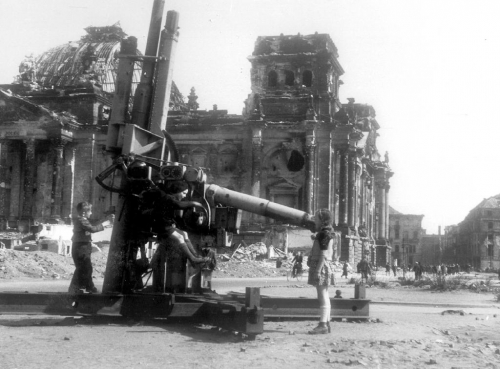
La nature de l'Europe en tant que colonie, qui était claire depuis le suicide de 1939-1945, est maintenant tout à fait évidente et les gouvernements nationaux sont en réalité des gouvernements fantoches au service des États-Unis. Servilité dans laquelle se distinguent les exécutifs et les parlements italiens, qu'ils soient dirigés/majoritaires par le Parti démocrate (socialiste) ou par Fratelli d'Italia.
La doctrine de Brejnev sur les "pays à souveraineté limitée" décrit largement l'Europe contemporaine. Egalement parce que l'une des dynamiques les plus caractéristiques du premier quart du 21ème siècle est l'affaiblissement progressif des États et de leurs appareils politiques, qui mettent leurs structures administratives et leurs réserves économiques au service de puissances mondiales et multinationales, qu'elles soient aussi visibles que les GAFAM (Google, Apple, Facebook, Amazon, Microsoft) payant des impôts dérisoires, ou moins évidentes que la galaxie gravitant autour du magnat de la finance Soros et du Forum économique mondial (WEF) de Davos.

L'une des innovations politico-technologiques les plus pertinentes financées et soutenues par le GAFAM et le WEF est le "Digital ID Wallet", le "portefeuille numérique" qui constitue l'une des expressions les plus claires du dispositif de contrôle que Michel Foucault a résumé par la formule "surveiller et punir".

Le "portefeuille numérique", en effet, par le biais d'un simple programme dans les téléphones mobiles, unifie les documents d'identité, les données de santé et les données fiscales, ainsi qu'une géolocalisation implacable du porteur, dont les mouvements deviennent tous traçables. Le cabinet Frost & Sullivan, qui a primé cette invention, déclare qu'"en cas de suspension du droit d'un individu pour quelque raison que ce soit, le gouvernement peut l'invalider en temps réel sur la plateforme" (G. Travers, in éléments, n° 194, février-mars 2022), transformant brutalement le citoyen en étranger sans droits civiques et ne disposant plus de son argent. Une condition de servitude authentique et intégrale (prenons donc bien garde à "télécharger" de telles applications sur nos téléphones).
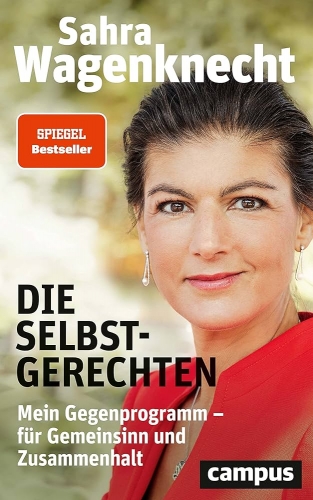
Un soutien politique total à ces dynamiques liberticides et dictatoriales est offert par "la gauche néolibérale" (titre de la traduction italienne d'un livre de Sahara Wagenknecht, leader depuis quelques années du parti allemand Die Linke/La Gauche, qui porte dans l'original la dénomination plus efficace de Die Selbstgerechten, que l'on peut traduire par "les arrogants, les présomptueux, les satisfaits d'eux-mêmes"). Wagenknecht procède, dans ce livre, à une description plastique de l'idéalisme politico-anthropologique qui passe de l'internationalisme "communiste", répudié avec horreur, à l'internationalisme ultra-libéral d'un capitalisme (depuis toujours) sans patrie et sans identité, dans lequel triomphe l'ontologie fluxique et indéterminée d'un être humain qui, en se privant d'identité, nie aussi toute différence, un être humain n'existant que comme lieu de passage purement volontariste et sans racines territoriales, culturelles ou biologiques.
Une "gauche" "championne des quotas pour protéger toutes les minorités (diversité), du wokisme correctif à effet rétroactif de l'histoire, et du genderisme biffant le réel de la biologie" et qui au contraire adresse un "dénigrement constant ... quand ce n'est pas un mépris pur et simple pour les droits de l'homme...", quand ce n'est pas le mépris des valeurs défendues par les classes sociales les plus modestes et les habitants des périphéries urbaines et des petites villes de province", qui sont ainsi incités "à voter pour la droite anti-establishment même si elle propose alors des recettes néo-libérales dont ils ne tireront rien" (C. Nizzani, Diorama Letterario, n° 378, mars-avril 2024, p. 24).
Même la propagande écologique de cette "gauche" est en réalité tout à fait superficielle et factice, à la fois parce que la prétendue "transition écologique" est en réalité limitée à l'économie du continent européen, elle aussi vouée à succomber dans le marché mondial; et parce que les solutions qu'elle propose (comme la voiture électrique) sont en réalité encore plus polluantes que les technologies dérivées du charbon; et parce que le principe clé de l'approche écologique originelle et de la Deep Ecology d'Arno Næss et de Martin Heidegger est la défense des territoires, de leurs cultures, de leurs langues, de leurs traditions, et de leurs identités.
Aux fondements libéraux et aux résultats destructeurs de cette "gauche", on pourrait appliquer la formule de Michele Del Vecchio concernant le paradoxe de la "philanthropie de l'ambiguïté", transformée à l'envers, cependant, en ambiguïté de la philanthropie.
20:40 Publié dans Actualité | Lien permanent | Commentaires (0) | Tags : actualité, gauche, néolibéralisme, digital id wallet, surveillance | | del.icio.us | | Digg | Facebook
dimanche, 14 janvier 2024
Fin de la droite et de la gauche, triomphe du turbocapitalisme
Fin de la droite et de la gauche, triomphe du turbocapitalisme
Diego Fusaro
Source: https://geoestrategia.es/noticia/42063/opinion/fin-de-la-derecha-y-la-izquierda-triunfo-del-turbocapitalismo.html
En suivant les "aventures de la dialectique", comme les appelait Merleau-Ponty, le passage au turbocapitalisme (ou capitalisme absolu-totalitaire) peut être interprété comme la transition historique d'une forme de capitalisme caractérisée par la présence de deux classes (bourgeoise et prolétarienne) à une forme inédite de capitalisme "post-classe", qui ne se distingue plus par l'existence de classes au sens strict (en tant que subjectivité in se et per se) et qui, en même temps, se caractérise par une inégalité maximale. Ce processus évolutif a également déterminé la raison profonde de l'obsolescence de la dichotomie gauche-droite, "deux mots désormais inutiles".
Par capitalisme "post-classe", c'est-à-dire littéralement "sans classe", il ne faut pas entendre un mode de production dépourvu de différences individuelles et collectives en matière de connaissance, de pouvoir, de revenu et de consommation. En effet, ces différences augmentent de manière exponentielle dans le contexte de la cosmopolitisation néolibérale (dont le mot d'ordre est précisément le slogan "Inégalités"). Mais pas en formant, en soi et pour soi, des "classes" en tant que subjectivités conscientes et porteuses de différences culturelles et idéelles. Car en tant que "classes", en soi et par soi, ni le Serviteur national-populaire ni le Seigneur mondial-élitiste ne peuvent être pris en considération. Aussi paradoxal que cela puisse paraître, au moment où - à Berlin, en 1989 - le capital commence à devenir plus classiste que jamais et à donner lieu à des inégalités plus radicales qu'auparavant, les classes comprises comme des groupes dotés d'une "en-soi-ité" et d'une "pour-soi-ité" seront éclipsées. Plus concrètement, les prolétaires ne cessent pas d'exister et augmentent même en nombre, du fait de la concentration de plus en plus asymétrique du capital. Mais ils ne possèdent plus la "conscience de classe" antagoniste et, à proprement parler, le prolétariat lui-même devient un "précariat", condamné à la flexibilité et au nomadisme, à la mobilité et à la rupture de tout lien solide, en fonction des nouveaux besoins systémiques du turbo-capitalisme. La classe bourgeoise, quant à elle, perd sa conscience malheureuse et, avec elle, sa condition matérielle d'existence. Elle se prolétarise et, depuis 1989, plonge progressivement dans l'abîme de la précarité.

Tant que le système capitaliste, dans sa phase dialectique, était caractérisé par la division en deux classes et deux espaces politiques opposés, il était, dès le départ, intrinsèquement, fragile. En effet, il était traversé par des contradictions et des conflits, qui se manifestaient dans la conscience bourgeoise malheureuse, dans les luttes prolétariennes pour la reconnaissance du travail, dans les utopies futuristes de réorganisation du monde et enfin dans le programme "rédempteur" de la gauche (qu'elle soit socialiste-réformiste ou communiste-révolutionnaire). D'un point de vue hégélien, le capital se trouve dans son propre être-autre-que-soi, dans son propre éloignement de soi qu'il doit dialectiquement "surmonter" afin de pouvoir coïncider pleinement avec lui-même sous la forme d'un dépassement de sa propre négation.
Le Capital, comme la Substance dont parle Hegel, coïncide avec le mouvement de dépossession de soi et avec le processus de devenir autre-que-soi-avec-soi. Il s'agit donc de l'égalité auto-constitutive après la division. Pour le dire encore avec Hegel, il s'agit de devenir égal à soi-même à partir de son propre être-autre. Son essence n'est pas la Selbständigkeit abstraite, l'égalité immobile avec elle-même, mais le "devenir égal à soi-même" : l'identité "avec soi-même" n'est pas donnée, mais est atteinte comme résultat du processus. C'est pourquoi, à l'instar de l'Esprit théorisé par Hegel, le Capital peut aussi être compris comme das Aufheben des/seines Andersseyns, "le dépassement de son propre être-autre". En se développant au rythme de son propre Begriff, c'est-à-dire - selon la Science de la Logique - comme une réalité ontologique en développement dialectique, le capitalisme produit un dépassement à la fois des classes antagonistes, de la dichotomie gauche-droite et, en perspective, de tout autre élément dialectique capable de menacer sa reproduction.
En particulier, ce processus, sur la pente qui va de 1968 à 1989 et de là à aujourd'hui, se développe - comme l'a montré Preve - en subsumant sous le capital toute la sphère des antagonismes et des contestations, tant de la part de la droite (traditionalisme culturel in primis et protestations de la petite bourgeoisie contre la prolétarisation), que - surtout - de la part de la gauche, qu'elle soit démocratique, socialiste ou communiste (réformisme keynésien, pratiques redistributives, welfarisme, praxis révolutionnaire, utopie de la réorganisation égalitaire de la société). La droite et la gauche sont dialectiquement "dépassées" (aufgehoben), au sens hégélien du terme. Elles se transforment en parties abstraitement opposées et concrètement interchangeables de la reproduction capitaliste. Ils apparaissent comme des pôles qui, alternant dans la gestion du statu quo, nient l'alternative. Et ils trompent les masses sur l'existence d'une pluralité qui, en réalité, a déjà été résolue pour toujours dans le triomphe prédéterminé du parti unique articulé du turbo-capitalisme.
C'est pourquoi le dépassement du binôme gauche-droite ne doit être compris ni comme le simple résultat d'une "trahison" des leaders de la gauche, ni comme une subtile tentative contemporaine de la droite radicale d'infiltrer le "monde des gentils". Au contraire, il s'agit d'un processus en acte co-essentiel à la logique dialectique du développement du capital. Et en synthèse, l'incapacité à interpréter correctement le contexte réel constitue l'erreur des tentatives herméneutiques encore généreuses et naïves du vieux marxisme survivant, encore guidées par la prétention illusoire de superposer au turbo-capitalisme les contours du cadre dialectique précédent maintenant dissous, tombant ainsi dans le théâtre de l'absurde; un théâtre de l'absurde sur la scène duquel on continuerait à représenter le conflit entre la bourgeoisie et le prolétariat, et par conséquent, on pourrait "refonder" la gauche par un retour au passé injustement oublié (alors que la vérité crue est que le conflit réellement existant, aujourd'hui, est celui entre "le haut" et "le bas", entre le "haut" de l'oligarchie financière et le "bas" des classes moyennes et des travailleurs, de plus en plus réduits à la misère).
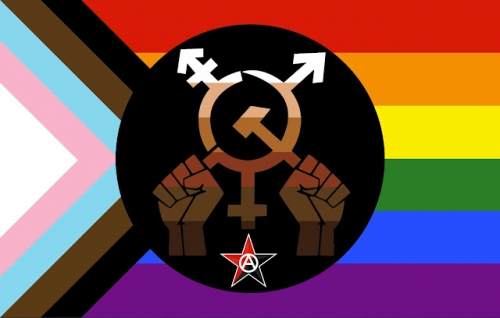
La gauche ne peut se refonder principalement pour deux raisons: a) le cadre historique a muté (ce qui nécessite donc de nouveaux paradigmes philosophico-politiques qui comprennent et contestent opérationnellement la mondialisation capitaliste et le néolibéralisme progressiste); b) elle héberge depuis son origine dans une partie d'elle-même - comme l'a montré Michéa - un double vulnus fondamental : 1) la conception du progrès comme rupture nécessaire avec les traditions et les liens antérieurs, c'est-à-dire l'élément décisif qui le conduira infailliblement à adhérer au rythme du progrès néolibéral; et 2) l'individualisme hérité des Lumières, qui conduit nécessairement à la monadologie concurrentielle néolibérale. La défense de la valeur individuelle contre la société d'Ancien Régime s'inverse dans l'individualisme capitaliste et son anthropologie monadologique, de même que le renversement en bloc des traditions génère l'intégration de l'individu non plus dans la communauté égalitaire, mais dans le marché mondial des biens de consommation.
Le fondement du capitalisme absolu-totalitaire, dans le contexte socio-économique, n'est plus la division entre la bourgeoisie de droite et le prolétariat de gauche. Et ce n'est même pas, politiquement, l'antithèse entre la droite et la gauche. Le nouveau fondement du capitalisme mondial est la généralisation non-classiste et omni-homologisante de la forme marchandise dans toutes les sphères du symbolique et du réel. C'est précisément parce qu'il est absolu et totalitaire que le capitalisme surmonte et résout - au sens capitaliste du terme - les divisions qui menacent sa reproduction de diverses manières. C'est pourquoi le turbo-capitalisme n'est ni bourgeois ni prolétarien. Il n'est pas non plus de droite ou de gauche. En fait, il a dépassé et résolu ces antithèses, valables et opérantes dans sa phase dialectique précédente.
Avec l'avènement du turbo-capitalisme, le prolétariat et la bourgeoisie sont "dépassés" et "dissous" - non pas "in se" et "per se" (en soi et pour soi), dirait-on avec Hegel - dans une nouvelle plèbe post-moderne de consommateurs individualisés et résilients, qui consomment des marchandises avec une euphorie stupide et supportent avec une résignation désenchantée le monde subsumé sous le capital, c'est-à-dire un monde de plus en plus inhabitable écologiquement et déshumanisé anthropologiquement. D'où la société de Narcisse, le dieu postmoderne des selfies, des "autoportraits" de gens tristes qui s'immortalisent en souriant.

De même, droite et gauche sont "dépassées" et "dissoutes" dans une homogénéité bipolaire, articulée selon la désormais perfide alternance sans alternative d'une droite néolibérale peinte en bleu et d'une gauche néolibérale peinte en fuchsia. Ils ne se battent pas pour une idée différente et peut-être opposée de la réalité, fondée sur des ordres de valeurs différents et sur leurs Weltanschauungen irréconciliables. Au contraire, ils rivalisent pour réaliser la même idée de la réalité, celle décidée souverainement par le marché et le bloc oligarchique néolibéral, par rapport à laquelle ils jouent désormais le rôle de simples majordomes, bien que dans une livrée de couleur différente. Au sommet, sur la passerelle de contrôle, il y a une nouvelle classe post-bourgeoise et post-prolétarienne, qui n'est ni de droite ni de gauche, ni bourgeoise ni prolétarienne. C'est la classe du patriciat financier cosmopolite qui, plus précisément, est de droite en économie (compétitivité sans frontières et marchandisation intégrale du monde), de centre en politique (alternance sans alternative du centre-droit et du centre-gauche également néolibéraux), et de gauche en culture (ouverture, dérégulation anthropologique et progressisme comme philosophie du plus jamais ça).
En bref, la transition vers la nouvelle figure du capitalisme absolu-totalitaire se développe le long d'une trajectoire qui nous suit de 1968 au nouveau millénaire, en franchissant la date fondatrice de 1989. En effet, de 1968 à nos jours, le capitalisme a dialectiquement "surmonté" (aufgehoben) la contradiction qu'il avait lui-même provoquée dans la phase antithétique-dialectique, représentée par le double nœud d'opposition entre bourgeoisie et prolétariat, et entre droite et gauche. Ainsi, le capitalisme actuel absolu-totalitaire se caractérise: d'une part, par l'éclipse du lien symbiotique entre les deux instances de la "conscience malheureuse" bourgeoise et des "luttes pour la reconnaissance du travail servile" prolétariennes ; et d'autre part, par l'élimination de la polarité entre la droite et la gauche, désormais convertie en deux ailes de l'aigle néolibéral. Le turbo-capital a "dépassé" ces antithèses, propres au moment de l'"immense puissance du négatif" (c'est-à-dire de l'être-autre-de-soi), et les a "subsumées" sous lui-même, en reconquérant sa propre identité avec lui-même à un niveau plus élevé que dans la phase thétique, comme le fruit du passage par son propre auto-étranglement.
15:21 Publié dans Actualité, Philosophie | Lien permanent | Commentaires (0) | Tags : diego fusaro, droite, gauche, philosophie, néolibéralisme, turbocapitalisme | | del.icio.us | | Digg | Facebook
lundi, 25 septembre 2023
L'artériosclérose politique incurable des droitards et des gauchistes
L'artériosclérose politique incurable des droitards et des gauchistes
par Andrea Zhok
Source : Andrea Zhok & https://www.ariannaeditrice.it/articoli/l-inguaribile-arterosclerosi-politica-di-destri-e-sinistri
Pour reprendre un chemin vertueux dans ce pays (=l'Italie), une multitude de conditions doivent mûrir, mais nous pouvons commencer par les plus fondamentales, en attendant plus.
Une condition préalable minimale pour comprendre quoi que ce soit du monde contemporain devrait être l'abandon définitif, complet et sans hésitation ni indécision de l'appareil politique oppositionnel du 20ème siècle.
Il y a un effondrement systématique des facultés d'analyse chaque fois que les mécanismes à ressort de la condamnation des "fascistes" à gauche et des "communistes" à droite sont déclenchés.
Dès que quelqu'un, à gauche, voit se profiler des traits qui évoquent les schémas "antifa", tout l'appareil des réactions à ressort y associées est activé (racistes ! xénophobes ! intolérants ! obscurantistes ! etc.) et immédiatement apparaît devant les yeux, comme dans les images de Gestalt, toute la figure du squadriste fasciste brutal contre lequel, par définition, on ne peut pas argumenter, mais seulement s'armer.
Et la capacité réflexive s'effondre au niveau du gibbon.
Dès que quelqu'un à droite voit se profiler un trait qui rappelle plus ou moins latéralement les schémas "anticommunistes" avec leurs réactions réflexes (paupéristes ! bouffeurs de curés ! matérialistes sordides ! expropriateurs ! etc.), immédiatement la figure du garde rouge du goulag apparaît à l'horizon, les lèvres s'arquent de dégoût et une dose de rodenticide est souhaitée.
Et la capacité réflexive est réduite à celle d'un pitbull.
Cela paraît incroyable, mais ces réflexes conditionnés fonctionnent encore et font des dégâts terrifiants, permettant la survie d'une "gauche" unie seulement par l'antifascisme le plus vil et d'une droite unie seulement par l'anticommunisme le plus pathétique.
Et cela ne s'applique pas seulement à la gauche ou à la droite standard, mais aussi à ceux qui se considèrent comme des consciences critiques.
On ne peut pas entendre des gens respectables qui, face aux débordements de Meloni, sautent sur l'occasion en craignant le "danger fasciste", parce qu'entre un rabotage sur la souveraineté et un rabotage de la culture nationale, notre dame de Garbatella intercale quelques clichés décisionnistes.
On n'entend pas les gens sérieux s'insurger à un moment donné contre le "danger communiste" qu'incarnerait Klaus Schwab (sur la base du "vous n'aurez rien et vous serez heureux").
Ce sont bien là des signes d'infantilisme, de régression anale, d'incapacité à retirer de sa bouche la tétine réconfortante du 20ème siècle.
Une règle sûre aujourd'hui pour déterminer que quelqu'un ne sait pas de quoi il parle ou écrit est de le voir jouer la carte de l'anticommunisme ou de l'antifascisme.
Ce sont des signes d'artériosclérose politique qui bloquent complètement la prise de conscience du monde réel qui nous entoure.
19:52 Publié dans Actualité | Lien permanent | Commentaires (1) | Tags : actualité, andrea zhok, gauche, droite | | del.icio.us | | Digg | Facebook
jeudi, 21 septembre 2023
Contre les "progressistes"

Contre les "progressistes"
Carlos x. Blanco
Le lecteur connaît déjà une série d'écrits de ma part, certains déjà anciens, tous destinés à dénoncer une grave imposture. L'imposture de ce qu'on appelle aujourd'hui "gauche", "progressisme", "éveil" (woke), etc. C'est toute une galaxie d'activistes, de leaders, d'enseignants, d'écrivains, de "penseurs" qui s'arrogent la possession absolue de la vérité et qui exercent de manière hégémonique et parfois totalitaire le pouvoir de censure ("culture de l'annulation" ou "cancel culture"). Les moins avisés ne peuvent manquer de remarquer un fait fondamental, qui s'impose d'emblée comme une réponse immédiate à la question suivante : qu'ont en commun des personnages et des approches aussi variés, apparemment si contradictoires entre eux ? Le capital. Le capital les finance et les met en œuvre.
Le progressisme, la "nouvelle gauche" post-moderne et "réveillée" se caractérise par :
(a) Un anti-marxisme forcené. La plupart d'entre eux font un usage partiel, ignorant ou tordu de l'héritage théorique ou scientifique de Marx et Engels. Ils nient le concept de classe et donc de lutte des classes. Ils le dénaturent en le subordonnant au concept de lutte identitaire (racialisée, sexiste, ethnique). Ils tentent de nous faire avaler un ragoût toxique: ils disent que l'identité ( ?), souvent indéfinie, est plus importante que la conscience de classe et l'exploitation d'une classe sur une autre. Ainsi, sous un habillage prétendument progressiste, ils reviennent aux pires méthodes du suprémacisme. Une race autrefois opprimée et asservie doit maintenant être la maîtresse de nos destinées. Un "genre" autrefois opprimé et exploité doit maintenant être privilégié. Un peuple ou une nation prétendument colonisé(e) dans le passé doit maintenant mettre ses bottes sur les nations autrefois dominantes. L'infantilisme et le crypto-fascisme de cette nouvelle gauche sont vraiment effrayants. Elle admet que le Blanc, le mâle, l'Européen, l'Espagnol, l'habitant du présent, possède une tache générique, un péché originel qui doit être lavé en raison des outrages commis par ses ancêtres et congénères il y a plusieurs siècles ou décennies. Ce suprémacisme qui fait porter aux populations d'aujourd'hui la "culpabilité" des exactions et des génocides du passé est intolérable. Un tel enfantillage nous conduit dans les ténèbres, et plus encore si l'on considère que la perspective de classe est délibérément occultée. C'est une classe exploitée (et en tant que classe, elle est multiraciale et composée de personnes des deux sexes) qui doit s'élever contre l'exploiteur. C'est le capitalisme qui produit le rêve de la raison et tous ses monstres, y compris le racisme, le colonialisme des peuples ou l'aliénation des femmes.
b) L'absence absolue de remise en cause du régime capitaliste dans sa version néo-libérale. De forts soupçons pèsent sur la gauche identitaire, post-moderne ou woke, anti-ouvrière, bourgeoise, financée par les grandes fondations d'ingénierie sociale, qui étendent leurs tentacules partout, y compris dans les partis politiques, les universités, les gestionnaires culturels, etc. Beaucoup d'argent a été investi pour enterrer la théorie de la valeur travail, le cœur du marxisme, dans l'oubli. La lutte idéologico-culturelle a été déconnectée de la lutte syndicale et de la lutte pour la souveraineté économique.
En Espagne, cela se voit très bien : qui finance toute cette pléthore de sites web et de plumes qui se consacrent à voir le fascisme partout, sauf chez Soros, chez les GAFAM, chez les fonds vautours et les banques habituelles? Qui se consacre à distribuer des cartes de fasciste ou de progressiste, selon le cas, comme s'il s'agissait du jugement divin à la fin des temps? Le système néolibéral paie 90% de ce qui est écrit sur le "progressisme". Je lis déjà de multiples articles de gauchistes (c'est ainsi qu'ils se présentent) assimilant Marx et le "travaillisme" au fascisme. Il en va de même pour les tentatives d'"annulation" d'autres auteurs qui, sans être strictement marxistes, défendent, avec d'authentiques marxistes, une perspective souverainiste espagnole (M. Gullo, Pedro Baños, etc.).
Il faut dénoncer la pseudo-gauche qui tente de nous refiler l'Agenda 2030 et le "monde sans frontières". De même, les gourous de la mort du travail et les partisans de l'oisiveté et de la "soupe universelle". Le marxisme espagnol doit être reconstruit dans une perspective souverainiste, au moyen d'un État du travail qui réalise une insubordination, c'est-à-dire qui se réindustrialise avec le protectionnisme et la déconnexion programmée (Gullo, S. Amin, Fusaro).
20:17 Publié dans Actualité, Théorie politique | Lien permanent | Commentaires (0) | Tags : actualité, gauche, progressisme, théorie politique, politologie, sciences politiques | | del.icio.us | | Digg | Facebook
lundi, 11 septembre 2023
Au-delà de la gauche et de la droite: l'avenir de l'antimondialisme
Au-delà de la gauche et de la droite: l'avenir de l'antimondialisme
Brecht Jonkers
Discours tenu lors du colloque de l'association Feniks, Anvers, 10 septembre 2023
Bonjour,
"Au-delà de la gauche et de la droite, contre le mondialisme" est un slogan que l'on retrouve dans les publications de Feniks. Un slogan qui non seulement indique clairement ce à quoi l'organisation s'oppose dans la société, mais qui porte également un message qui transcende les divisions traditionnelles de notre paysage politique.
Pourquoi ce slogan m'interpelle-t-il ? Permettez-moi tout d'abord d'évoquer mon parcours politique personnel. J'ai été fasciné par la politique dès mon plus jeune âge et j'ai été actif dans les cercles de gauche, en particulier dans les cercles marxistes, pendant de nombreuses années. Dans ce cadre, je me suis principalement plongé dans les développements politiques internationaux et ce que l'on appelle la géopolitique. L'invasion de la Libye par l'OTAN et ses conséquences désastreuses m'ont fortement incité à me consacrer davantage à l'étude de l'impérialisme, en particulier du rôle des alliances occidentales telles que l'OTAN. Pour reprendre les mots de Lénine, l'impérialisme est le stade le plus élevé du capitalisme, et la contradiction entre l'impérialisme et ses victimes est la contradiction la plus importante au niveau mondial.
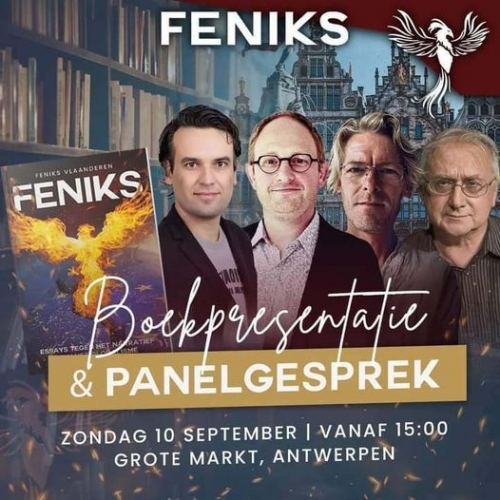
En étudiant et en évaluant les luttes de différents pays et cultures pour leur individualité et leur souveraineté, je me suis souvent heurté à l'étrange contradiction entre les sociétés occidentales et le Sud global. Dans la plupart des pays, préserver et protéger sa propre culture est quelque chose de logique, de fondamental et d'évident. Dans des pays comme la Belgique, c'est étrangement différent. Qu'est-ce que notre propre culture ? Souvent, il y a fondamentalement peu de différences dans la société entre, disons, la Belgique, l'Allemagne, l'Angleterre ou même les États-Unis. La mondialisation, et en particulier le rôle des États-Unis, a mis en place une sorte de superstructure sur le corps de notre société, une superstructure de valeurs libérales, dites de marché libre, et de pensée unitaire cosmopolite.
En Europe, l'idée de défendre les valeurs traditionnelles a souvent été monopolisée par ce que l'on appelle la droite, mais d'une manière qui n'est généralement pas trop profonde. Du côté droit de l'opposition traditionnelle, on observe souvent une peur exagérée de "l'étranger", des locuteurs non natifs, des personnes de couleur différente et des autres religions. Mais on passe souvent à côté de l'essentiel : le fait que les traditions sont écrasées par le système libéral-capitaliste cosmopolite et les changements socioculturels qui l'accompagnent.
D'autre part, la gauche passe souvent complètement à côté de cette dimension culturelle. Les gens de gauche ont toujours osé remettre en question la nature économique de ce système et ses conséquences antisociales, bien qu'ils ont de moins en moins osé le faire de manière fondamentale au cours des 30 dernières années. Mais le lien qui existe entre le caractère unique de la culture et la société est souvent complètement oublié. Il est presque hors de question, dans ces milieux-là, de poser des questions sur les valeurs traditionnelles, les questions éthiques et la souveraineté nationale des nations, parce qu'il s'agit, après tout, de thèmes qui font l'objet d'une pensée "de droite".
Ce type de division rigide entre de telles thématiques n'existe pas du tout dans la plupart des pays du monde. Les partisans cubains de Castro ont tendance à être extrêmement patriotiques, les communistes chinois ont des valeurs traditionnelles fortes et respectent les traditions confucéennes et bouddhistes de leur pays, et les politiciens musulmans conservateurs de Malaisie, par exemple, ont souvent des programmes économiques qui sont plus à gauche que ceux du social-démocrate européen moyen. L'adhésion obstinée à la pensée gauche-droite, qui remonte au 18ème siècle, est pernicieuse pour la capacité à nommer correctement les problèmes et à formuler des solutions.
Les exemples que j'ai cités ne sont bien sûr que des illustrations. Je ne plaide pas ici pour l'adoption de systèmes comme s'il s'agissait d'un modèle de société belge. Le fait est qu'il est possible de lutter simultanément contre des concepts de "droite" tels que le marché libre libéral, la politique d'austérité, l'obsession de la privatisation et les interventions impérialistes à l'étranger, ainsi que contre des idées de "gauche" telles que l'élimination de la religion de la vie publique, l'idéologie du genre, l'accent excessif mis sur les identités LGBT et la "citoyenneté mondiale" sans racines et sans base traditionnelle ou nationale.
En fait, cela devrait aller de soi. En fait, ces thèmes dits "de droite" et "de gauche" sont déjà combinés et promus par les propagandistes du capitalisme libéral et du mondialisme. "Le capitalisme débridé combiné à la "liberté" personnelle de se réfugier dans la drogue, le sexe ou toute autre forme de distraction, c'est ce qu'on appelle souvent le "socialement libéral mais économiquement conservateur". Une société qui permet à peu près tout tant que cela ne touche pas aux profits que peuvent faire ceux qui sont au sommet. Ce que nous appelons la droite a trop souvent repris aujourd'hui l'opposition libérale "progressiste" aux identités traditionnelles et à la religion organisée, et vice versa, l'idée d'une sorte de modèle occidental supérieur qui doit être propagé au reste du monde même contre sa propre volonté est maintenant aussi fortement présente à gauche.
Face à cela, il faut créer une réponse qui dépasse le vieux schéma gauche-droite. Le problème ne réside pas dans le migrant lui-même, mais dans le système qui a fait de la migration un commerce de plusieurs milliards de dollars. Le problème ne réside pas non plus dans le Flamand blanc hétérosexuel, mais dans le système qui le prive de sa sécurité d'emploi, de son système de retraite et même de sa sécurité de base. Les préjugés qui existent tant à gauche qu'à droite font obstacle à une solution fondamentale aux problèmes de la société.
Il devrait être possible de combiner la justice sociale et l'humanité économique avec la préservation et la protection de ses propres valeurs traditionnelles et de la souveraineté nationale du pays. En fait, c'est ainsi que les partis socialistes ont fonctionné pendant des décennies, avant de céder la place au vague programme progressiste des dernières décennies.
Nous vivons dans un monde en mutation extrêmement rapide. La structure de la politique mondiale mise en place après la fin de la guerre froide se désintègre. À la place d'un modèle unipolaire dominé par les États-Unis et soutenu par l'OTAN, un ordre multipolaire a émergé. Un monde dans lequel chaque civilisation a la possibilité de se développer selon sa propre identité et ses propres normes et valeurs. C'est exactement ce que les pays d'Europe ont aujourd'hui l'occasion de faire : remettre leur individualité à l'honneur et s'éloigner de la vision déracinée de la société que nous impose l'élite néolibérale. Le consumérisme capitaliste et l'individualisme cosmopolite ne sont pas la culture de ce pays, ni même de ce continent. Il s'agit d'une structure imposée d'en haut qui peut, et doit, être brisée.
C'est pourquoi je me sens attiré par les initiatives de Feniks et par leur message "au-delà de la gauche et de la droite". La principale contradiction politique se situe entre l'impérialisme, aujourd'hui déguisé en mondialisme, et le reste du monde. Cette lutte transcende l'opposition dépassée dans laquelle notre système politique est encore trop souvent enfermé.

La boutique de Feniks, pour toutes commandes: https://www.feniksvlaanderen.be/webwinkel
14:39 Publié dans Actualité, Théorie politique | Lien permanent | Commentaires (0) | Tags : brecht jonkers, actualité, gauche, droite, théorie politique, politologie, sciences politiques | | del.icio.us | | Digg | Facebook
mercredi, 09 août 2023
L'insaisissable catégorie libérale du totalitarisme
L'insaisissable catégorie libérale du totalitarisme
Diego Fusaro
Source: https://posmodernia.com/la-escurridiza-categoria-liberal-del-totalitarismo/
Parmi les catégories philosophico-politiques qui rencontrent le plus de succès dans l'ordre du discours néolibéral, tant à droite qu'à gauche, figure celle de "totalitarisme", en particulier dans le sens conceptualisé jadis par Hannah Arendt dans son ouvrage Les origines du totalitarisme (1951). À travers cette catégorie, c'est toute l'histoire du "petit siècle" qui est réinterprétée de manière tératomorphique comme une succession de gouvernements despotiques et génocidaires, rouges et bruns, ennemis de la société ouverte prônée par Popper. L'horreur du siècle court serait cependant déterminée par le happy end capitaliste de la Fin de l'Histoire (brevetée par Fukuyama) et le triomphe de la liberté universelle (traduite en termes réels par celui du libre marché planétaire). Toute l'histoire humaine se déroulerait ainsi dans l'ordre néolibéral, assumé de manière tout sauf idéologiquement neutre, comme la fin (end) et comme la fin (finalité) de l'histoire en tant que telle - selon le double sens du terme grec τέλος.
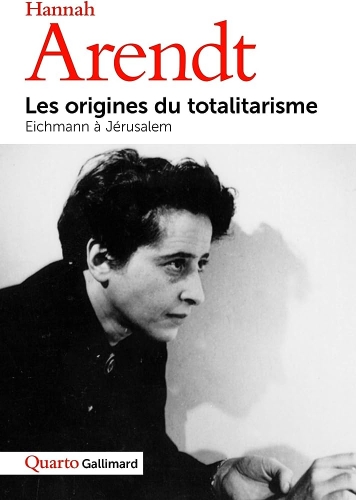
Le haut degré idéologique de ce récit apparaît quel que soit le point de vue dans lequel on l'observe. Tout d'abord, le vingtième siècle, qui fut - comme le rappelle Badiou - le "siècle des passions politiques", se résout entièrement dans le règne sinistre de la terreur et du génocide, des goulags et des barbelés des camps d'extermination; des horreurs bien présentes, ça va sans dire, mais qui ne peuvent certainement pas conduire à ignorer tout ce qui a été différent et mieux produit pendant le "siècle court". Grâce à l'identification, loin d'être neutre, entre 20ème siècle et Totalitarisme, il ne reste en effet aucune trace de la passion utopique pour le dépassement de la prose du capitalisme, ni des conquêtes sociales des classes laborieuses, ni même des acquis en termes de droits et de pratiques démocratiques obtenus grâce au cadre des États-nations souverains. Selon le théorème "publicitaire" des nouveaux philosophes - eux-mêmes célébrés en leur temps comme un produit commercial de l'industrie culturelle - le Goulag devient la vérité de toute aspiration authentiquement socialiste. Et, synergiquement, les barbelés d'Auschwitz deviennent la vérité de toute défense de l'État national, de la souveraineté et de la tradition.
En plus d'hypothéquer la dimension utopique ouverte à la projection de futurs meilleurs, la rhétorique antitotalitaire remplit une fonction apologétique à l'égard du présent lui-même. En effet, elle suggère que, bien que rempli de contradictions et d'injustices, l'ordre néolibéral est toujours préférable aux horreurs totalitaires rouges et brunes qui ont envahi le "siècle court". Ainsi, le présent réifié n'est plus combattu en raison des contradictions qui le sous-tendent (exploitation et misère, inégalités et hémorragie constante des droits); il est au contraire défendu contre le retour possible du fascisme et du communisme.
La victoire du rapport de force capitaliste (Berlin, 1989) peut ainsi être idéologiquement élevée au rang de fait définitif de la Weltgeschichte. Cette dernière, après l'"immense puissance du négatif", mènerait son propre processus autotélique de mise en œuvre de la libre circulation des marchandises et des personnes commercialisées. Celui qui, sans réfléchir, ne reconnaît pas l'identification entre la liberté et le libre marché, entre la démocratie et le capitalisme, en essayant peut-être même de faire revivre le rêve éveillé d'une meilleure liberté et d'un exode hors de la cage d'acier du techno-capital sans frontières, sera donc ostracisé et vilipendé comme "totalitaire", "antidémocratique" et "illibéral" ; ou, dirait Popper, comme "ennemi de la société ouverte" qui, soit dit en passant, est l'une des sociétés les plus fermées de l'histoire, si l'on considère le degré d'exclusion socio-économique, en termes de droits fondamentaux et de nécessités de base, auquel un nombre croissant d'êtres humains sont condamnés.
La rhétorique antitotalitaire fonctionne à plein régime grâce à son activation symétrique par la droite bleue et la gauche fuchsia. La première accuse la gauche - dans tous ses gradations et dans toutes ses couleurs - d'être de connivence avec la "folie totalitaire rouge" du maoïsme et du stalinisme. Elle veille donc à ce qu'elle reste attachée au dogme néolibéral, sans ouverture possible à un plus grand contrôle politique du marché et à d'éventuelles extensions des droits sociaux, pratiques qui sont elles-mêmes immédiatement pointées du doigt comme un retour au totalitarisme rouge. De manière analogue, la gauche fuchsia accuse la droite bleue d'être en permanence tentée par la "folie totalitaire noire ou brune", mussolinienne ou hitlérienne. Elle veille ainsi à ce que la néo-droite libérale reste toujours aussi attachée au credo néo-libéral, en délégitimant immédiatement comme "fascisme" toute tentative de re-souverainisation de l'Etat national, de résistance à la globalisation marchande et de protection des identités culturelles et traditionnelles des peuples. Cela révèle, une fois de plus, comment la droite et la gauche ont introjecté le noyau du fondamentalisme néolibéral, selon lequel - dans la syntaxe de Hayek - toute tentative politique de contrer la libre concurrence et le marché déréglementé conduit inexorablement au "chemin vers la servitude".
En vertu de cette logique néolibérale, qui réciproquement est logique de surveillance (et qui reconfirme donc la fonction déployée aujourd'hui par le clivage droite-gauche comme simple simulacre idéologique au profit de la classe dominante), la droite bleue et la gauche fuchsia se garantissent mutuellement leur propre pérennité stable dans le périmètre de la matrice libérale politiquement correcte de la Pensée Unique. Celle-ci focalise l'ennemi suprême sur l'État souverain keynésien et régulateur de l'économie, l'identifiant automatiquement au totalitarisme rouge et brun ou, plus rarement, à l'ens imaginationis du "totalitarisme rouge-brun". Et comme résultat de tout ce processus, le capitalisme lui-même réapparaît, de plus en plus ennobli et légitimé idéologiquement: en effet, aujourd'hui il est présenté - tant par la droite que par la gauche - comme le royaume de la liberté, comme le meilleur des mondes possibles, ou en tout cas comme le seul possible dans le temps de désenchantement qui reste après les atrocités des totalitarismes rouge et brun.
17:57 Publié dans Actualité, Philosophie, Théorie politique | Lien permanent | Commentaires (0) | Tags : actualité, philosophie, néolibéralisme, droite, gauche, diego fusaro, théorie politique, philosophie politique, politologie, sciences politiques | | del.icio.us | | Digg | Facebook
vendredi, 28 juillet 2023
Costanzo Preve : dix ans après sa mort
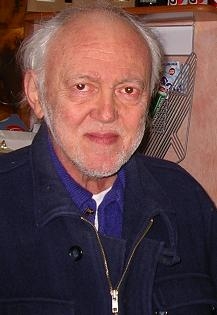
Costanzo Preve : dix ans après sa mort
par Federico Roberti
Source : https://www.ariannaeditrice.it/articoli/costanzo-preve-a-dieci-anni-dalla-scomparsa
Ceux qui nient la nature humaine, et qui le font à partir de la "gauche", convaincue qu'il s'agit d'un concept conservateur et réactionnaire (confondant ainsi l'utilisation idéologique du concept avec sa pertinence philosophique et ontologique), ne comprennent malheureusement pas que le caractère générique même de la nature humaine est le principal facteur empêchant la stabilisation d'une dictature manipulatrice, qu'elle soit inspirée par le matérialisme dialectique de Staline ou par le fondamentalisme sioniste-protestant de Bush. Si l'homme n'était pas une entité naturelle générique, dans laquelle la créativité et la réaction à l'oppression sont des éléments non seulement historiques mais enracinés dans la structure anthropologique la plus profonde, je ne parierais même pas dix euros sur les possibilités des mouvements de résistance.
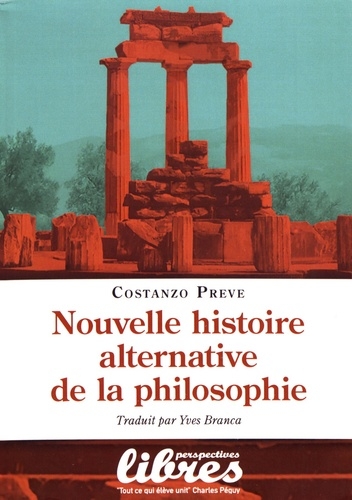
Costanzo Preve [1]
En Italie, la classe dirigeante est soumise aux pouvoirs forts. Et elle prospère en les servant, en prétendant gouverner et administrer la chose publique de manière autonome. Forte parce que le peuple n'a même pas le courage d'admettre qui est le véritable responsable. Elle doit être considérée comme une noblesse fidèle au roi, qui suit ses ordres ; elle est seulement divisée en deux factions qui s'affrontent à la cour pour la suprématie: la "droite" et la "gauche", y compris une grande partie du pouvoir judiciaire.
Deux conceptions de la subordination et de la vente au détriment des citoyens s'affrontent. Les "barons", la droite, veulent agir comme des seigneurs féodaux, afin qu'en tant que vassaux, ils puissent disposer d'une certaine autonomie sur leurs fiefs, et abattre le peuple aussi bien à leur profit qu'au nom du roi. Les "mandarins", la gauche et les magistrats, veulent exécuter les souhaits prédateurs des pouvoirs forts en tant que fonctionnaires "sages" et parvenir ainsi à vivre vénérés et forts, sans trop se salir les mains avec des vols personnels. On ne sait pas laquelle des deux factions est la pire pour les gens ordinaires, qui feraient bien de ne pas se ranger du côté de l'une ou de l'autre. Les gesticulations suite au C ovid, et les fraudes biomédicales structurelles en général, montrent comment, dans certains cas, les mandarins peuvent être encore plus zélés et donc encore plus nocifs, en déchirant la constitution et la loi et en opprimant le peuple, que les barons qui veulent établir un droit de prédation même pour eux-mêmes alors qu'ils sont des prédateurs pour le roi.
Francesco Pansera [2]
Pour Costanzo Preve, l'être en tant que métaphore de la communauté n'est compréhensible qu'à travers la pratique philosophique et c'est la prémisse indispensable à toute praxis politique. La praxis doit être associée à la théorie pour dépasser le nihilisme de la technocratie, alors que le cirque médiatique ne fait la part belle qu'aux philosophies inoffensives pour les oligarchies au pouvoir. Il y a donc une philosophie où l'on s'affranchit des modes, où l'on rompt avec les simplismes pour fonder la vérité. Une vérité qui n'est ni fabriquée ni possédée, mais que l'on peut approcher sans jamais en faire sa propriété personnelle.
En s'éloignant volontairement des stéréotypes et des fausses vérités propagées par le cirque médiatique, la philosophie devient l'activité véridique d'une communauté humaine qui se fixe des objectifs ontologiques. Chez Costanzo Preve, il y a coprésence de plusieurs registres linguistiques parce que la philosophie ne doit pas s'enfermer dans des niches spécialisées ; c'est le voyage autour de l'être humain et donc les philosophes doivent enseigner l'écoute et que la critique est un moyen de s'humaniser et de se retrouver entre semblables.
La politique n'existe que si l'être humain pense et définit sa propre nature, dans un travail de l'esprit qui peut être inhibé par la déconstruction des corps intermédiaires de la démocratie. Le nihilisme technocratique, idéologiquement athée et anti-communautaire, élève son péan à l'individualisme pour démanteler la politique et ses pratiques communautaires et réduire l'être humain à un atome consommateur qui ne perçoit pas la nécessité de la communauté sous ses formes plurielles.
LE DIALOGUE
La politique n'est possible qu'à travers un chemin de recherche commun où la dialectique n'est pas considérée comme une division mais comme une pratique communautaire et, en tant que telle, déjà une pratique politique. À l'inverse, le bavardage est le symptôme d'un manque d'être, il n'est donc pas une simple opération médiatique mais l'expression de la pathologie qui corrompt le corps social. Le bavardage consolide l'insignifiance de la parole et enseigne que si la pensée est impuissante, le Pouvoir peut tout. Ses propos sont la reproduction du système dominant qui gouverne par le biais d'un bavardage perpétuel dont le caractère infondé n'est pas un obstacle à sa diffusion mais plutôt un facteur déterminant qui le favorise. En effet, "le bavardage est la possibilité de tout comprendre sans appropriation préalable de la chose à comprendre" (cf. Martin Heidegger, "L'Être et le temps, l'essence du fondement").
Le bavardage forme des personnalités indifférentes et des troupeaux dociles, des plèbes qui se dispersent parmi les signifiants circulant dans le système et deviennent l'objet du Pouvoir. Il réduit la vie en communauté à une simple banalité, particularité propre aux animaux, alors que le dialogue est communauté et n'appartient qu'aux êtres humains. Le cirque médiatique forme les individus à l'exercice du bavardage pour les priver de pensée utopique-révolutionnaire et de praxis politique ; sans distinction entre droite et gauche, il est aujourd'hui essentiellement unifié dans son rôle de passivation du corps social. Des agents d'influence (influencers) sont engagés pour détourner l'attention du présent et de ses monstrueuses contradictions vers le vide du bavardage. La régression vers celui-ci est l'instrument le plus efficace pour pousser les individus et les groupes dans l'imaginaire publicitaire de la consommation et du désir de consommation illimitée ; le désengagement de la pensée devient désengagement de la politique, avec l'effet non accidentel de légitimer la concentration de la richesse dans des oligarchies qui gèrent le discours public, tandis que les peuples plébéiens restent sujets et précaires, attendant que les miettes tombent de la table des privilégiés.
L'opération de recherche de la vérité par le dialogue est difficile et suscite des résistances auxquelles est liée, aujourd'hui, la censure perpétrée par des agents d'influence pour pousser les dissidents politiquement incorrects vers une position d'invisibilité sociale. Cependant, la vérité demeure et se révèle au fil du temps.

Le dialogue n'est pas un simple échange de significations, mais une rencontre intégrale dont l'issue est imprévisible, à condition que les participants soient disposés à parler franchement et soient préparés à l'éventualité que leurs thèses soient contredites, voire niées. L'expérience dialogique peut avoir lieu si les sujets s'orientent à quitter les amarres de leurs propres opinions et, en traversant la mer instable de la confrontation, arrivent à de nouveaux ports, à de nouvelles solidités conceptuelles.
L'activité de dialogue est une communication dans l'écoute, qui implique de longues temporalités et opère dans un cadre amical. Le dialogue est une formation, car face à la résistance qui peut émerger de l'intérieur, on ne se dérobe pas, mais on se prépare à l'écouter avec l'intention de se connaître soi-même ; le dialogue est un champ de bataille, non seulement avec l'interlocuteur, mais surtout avec soi-même.
DROITE/GAUCHE
L'insignifiance de la droite et de la gauche est la condition en laquelle se déploie la comédie politique à l'époque du capitalisme absolu. Devenue autonome de toute contrainte éthique, elle dissimule derrière des images, des slogans et des phrases chocs la vacuité conceptuelle des deux camps. Son but ultime, improcratique, est de reformuler la vérité sur la nature humaine, qui doit perdre la capacité de calculer par la pensée et donc de tracer la ligne.
La dichotomie fictive et politiquement correcte droite/gauche sert à masquer la dichotomie réelle entre oligarchie dominante et démocratie en déclin ; il faut masquer la réalité en neutralisant les questions qui peuvent collectivement faire prendre conscience de cette nouvelle dichotomie. La dichotomie gauche/droite ne sert pas seulement à masquer l'arrogance oligarchique mais aussi l'incapacité réelle des professionnels de la politique à prendre des décisions souveraines et stratégiques. La seule empathie que l'on peut désormais leur trouver est l'exhibitionnisme puéril avec lequel ils tentent de gagner la sympathie et l'approbation de la plèbe.

Si la politique est le lieu où les oppositions sont habilement créées pour normaliser le mal, la gauche et la droite jouent le rôle de vestales de la tragédie de la mondialisation. L'homologation entre les deux camps favorise la désertification de l'imaginaire culturel, la pensée évoluant dans des limites étroites qui confirment le modèle de société actuel. Face à l'impossibilité de soupçonner que le présent n'est pas tout, les comportements consuméristes et nihilistes se renforcent, où la possibilité de choix, le libre arbitre, concerne les biens et les expériences "consommables" mais pas son propre destin ni celui de la communauté de référence ; on ne peut choisir que les moyens d'atteindre les fins permises par le Pouvoir, en compensant par des formes de narcissisme exaspéré la menace confusément perçue du néant qui se dessine.
Droite et gauche sont les moyens par lesquels le capitalisme absolu gagne chaque liturgie électorale quels que soient les résultats des partis en lice, dans une œuvre pérenne de réduction de la démocratie à un ritualisme formel sans substance où s'affirme une sorte de dictature du Centre. Le minus-pegging et le evil-minorism, qui se font passer pour des théories politiques, ne sont en réalité que des instruments pour conjurer le chômage des classes politiques professionnelles. Cette homologation, symptôme d'une pensée stagnante qui a nécrosé la dialectique, devra affronter (et dans certains cas, affronte déjà) les contradictions de la cage d'acier dans laquelle elle veut enfermer les peuples ; bientôt, il ne sera plus possible de contourner le déclin de la Planète, la prolétarisation des classes moyennes, la misère anthropologique et surtout la concentration sans précédent du pouvoir et de la richesse. Alors que les contradictions dormantes remontent à la surface, l'élaboration d'une alternative politique, dotée d'une mémoire historique, ne peut être différée ; en effet, sauver la mémoire n'est pas un acte neutre mais un choix qui dénonce l'anomie du présent et l'urgence d'une projectualité renouvelée.
Parce que la mondialisation libérale-capitaliste n'est pas le dernier mot de l'histoire et que la libre pensée est dans l'essence naturelle de l'homme.
AU-DELÀ DE LA DROITE ET DE LA GAUCHE
Au-delà de la droite/gauche, il y a la communauté, où s'affirme la valeur d'usage et non la valeur d'échange. Une révolution métaphysique et ontologique doit partir d'une vision intégrale de l'être humain, afin que toute réforme économique et politique éventuelle ne soit pas la proie de régressions. Ce n'est qu'en identifiant le problème premier de l'Occident libéral, à savoir l'oubli de son fondement ontologique, que l'on peut comprendre que la tragédie éthique d'aujourd'hui, prétendument irréversible selon les chantres du capital, exige le courage d'une métaphysique en phase avec son temps.
Au-delà de la droite/gauche, le rôle de "marionnettiste" dans le jeu d'oppositions que joue le capitalisme absolu doit être démasqué pour que le conflit soit horizontal et non vertical et que soit occultée la véritable opposition entre démocratie et oligarchie. Si le demos n'a que le droit formel de voter, il ne décide pas mais est victime de manœuvres oligarchiques qui neutralisent sa capacité de décision en manipulant l'information et en réduisant son éducation à une formation professionnelle. Les oligarchies au pouvoir vident la démocratie, ne permettant que la survie de l'institution juridique formelle afin d'éviter l'émergence de conflits. Le demos doit agir en intervenant dans les luttes internes des dominants pour ouvrir une brèche qui peut devenir le début d'une transformation si les dominés ont les outils pour décoder ces luttes et s'il existe des projets politiques alternatifs.
Au-delà de la droite/gauche, il y a ce que Costanzo Preve appelle le "communautarisme démocratique", dans lequel le sujet humain n'est pas privé de son individualité mais vit l'esprit communautaire dans la conscience de son essence sociale. Face à la société des besoins induits qui ne reconnaît aucun fondement commun et atomise l'individu dans la solitude, le sujet humain du communautarisme démocratique définit ses propres besoins authentiques avec la médiation du logos et s'émancipe parce qu'il découvre que la réalité historique est posée par l'homme et peut donc être transformée. Dans ce cadre, l'économie répond aux besoins authentiques des personnes librement associées et ne vise pas à satisfaire les appétits du marché.
Au-delà de la droite/gauche, la religion n'est pas une malformation de la culture humaine mais exprime le besoin profond de participer à un destin commun. Si Dieu est une métaphore de la communauté, l'athéisme du capitalisme absolu voudrait banaliser la religion comme résidu de résistance à l'individualisme économique.
Dans le contexte chrétien, Jésus a été condamné à mort parce qu'il voulait ramener la mesure et la justice là où régnait la concentration oligarchique des richesses, le représentant comme le symbole de l'aspiration jamais assouvie à l'égalité solidaire. Aujourd'hui, l'Église, qui a fait taire la signification révolutionnaire de la figure de Jésus, n'a de visibilité que si elle contribue à la pacification sociale par des activités de soutien aux plus démunis. L'aversion pour le christianisme et les religions en général se fait non pas au nom de la liberté mais au nom du capital, et la sécularisation n'est pas le triomphe de la rationalité contre l'irrationalité de la foi, mais le processus de remplacement d'un clergé traditionnel par un nouveau clergé médiatique dont la fonction est de légitimer les oligarchies dominantes en faisant triompher les canons de l'extériorité et de l'apparence.
Au-delà de la droite/gauche, le communautarisme représente une alternative viable au capitalisme absolu et mondialisé s'il ne se réduit pas à un organicisme conformiste où la communauté prévaut sur le sujet humain indépendamment de sa volonté et de son caractère, avec des arguments ambigus qui ne peuvent être acceptés par les esprits libres auxquels il faut d'abord s'adresser. En ce sens, la communauté représente le seuil d'interaction entre l'individu concret et l'humanité, elle est le lieu où se rencontrent la liberté et la solidarité. "Une liberté sans solidarité est une illusion narcissique destinée à disparaître lorsque la fragilité matérielle de l'homme oblige même l'individu le plus réticent à entrer en relation avec ses semblables. La solidarité sans liberté est une contrainte humanitaire extrinsèque...", déclare Costanzo Preve.
Au-delà de la droite/gauche, face à l'usage irrépressible des réseaux sociaux, au culte de l'image et à l'idolâtrie de l'iconique sans contenu, la démocratie de proximité soutient le contact direct entre les sujets humains, la tension tonique des regards et des paroles sans laquelle la participation n'est qu'une brève parenthèse de peu de sens dans le flux de la vie quotidienne. La participation directe renforce l'unité et la dialectique, tandis que la distance de la dimension virtuelle structure des relations dans lesquelles les sujets peuvent plus facilement se soustraire aux tensions et aux doutes, faisant disparaître la responsabilité communautaire et politique. La politique et l'éthique communautaires ne peuvent s'affirmer que dans des relations participatives, où le dialogue neutralise les éventuels titanismes, narcissismes et autres formes de nihilisme.
Au-delà de la droite/gauche, le capitalisme absolu abrutit les masses populaires avec ce nouvel opium du peuple qu'est le consumérisme, alors que la conscience malheureuse et la souffrance vécues par les masses elles-mêmes sont des sources d'inspiration indispensables et des préalables à une projectualité politique commune. L'aliénation est médicalisée pour en faire un état permanent qu'il faut apprendre à supporter, en s'adaptant à un état de nihilisme passif. Si le capitalisme absolu cultive l'impuissance du sujet humain, dans le nouvel humanisme prôné par Costanzo Preve, on calcule la limite de tout besoin. De cet humanisme, la philosophie, la religion, l'art et la science sont des fondements désintéressés, désengagés de l'idéologie totalitaire du profit et de la plus-value, des activités permanentes du sujet humain en tant qu'être à la fois naturel et social.
Au-delà de la droite/gauche, le communautarisme démocratique est la réponse à la réification que le capitalisme absolu fait de la nature humaine, réduite à une simple entité à utiliser en fonction du marché, dans un processus transversal qui affecte toutes les classes sociales auxquelles il applique un pouvoir d'homogénéisation qui non seulement homogénéise les goûts mais aussi passivise les tempéraments, provoquant des passions tristes et débilitantes. L'être humain étant déterminé dans l'espace et le temps, l'espace géographique illimité de la mondialisation ne permet pas une réelle participation. Au contraire, la démocratie de proximité exige des espaces de participation factuelle rationnellement gérables, faute de quoi elle n'est qu'une forme sans substance. La participation est aussi inextricablement liée à l'éducation en tant que véhicule, un long voyage, pour arriver à la capacité de rechercher les raisons de chaque événement ; seule une éducation libérée du conditionnement du pouvoir dominant, qui ne se confond pas avec un conformisme imposé d'en haut, peut former la personne en développant pleinement les capacités de chaque individu. Tout ordre démocratique se mesure à la capacité de la communauté, et pas seulement de la communauté scolaire et/ou académique, à être éducative à l'égard des citoyens qui la composent.
Au-delà de la droite/gauche, le communautarisme démocratique de Costanzo Preve n'envisage pas le dépassement dialectique marxien de l'État, mais plutôt son renforcement, dans la mesure où il doit devenir le garant des formes médiatiques à travers lesquelles le citoyen participe à la communauté. L'État est l'institution qui permet la défense et la mémoire des identités culturelles et linguistiques, nourrissant une forme de patriotisme où "patrie" signifie les identités mentionnées ci-dessus, qui ne doivent pas être effacées pour en faire au contraire le ciment de la communauté et de sa liberté, rejetant toute tentative d'imposer une domination idéocratique comme l'actuel "parapluie protecteur" des États-Unis sur l'Italie et l'ensemble de l'Europe.

Droite/gauche est une dichotomie qui survit aujourd'hui comme une fiction et une tragicomédie, dans un interrègne marqué par des doses de plus en plus massives de violence publique et privée, parce que ce qui est ancien ne veut pas disparaître ; le début d'un "nouveau monde" n'est possible qu'en abandonnant la logique sectaire des alignements et en acceptant de comprendre la nécessité de se libérer de l'assujettissement au stéréotype.

La grande limite de l'époque contemporaine est le refus généralisé de s'engager, mais cela ne doit pas justifier l'inaction. Au contraire, il est nécessaire de sortir des chaînes de la plainte, chacun s'engageant dans les limites de ses possibilités à construire une alternative politique crédible. Avec ses écrits, adressés à tous ceux qui veulent échapper à l'anomie, Costanzo Preve a osé rouvrir la chaîne des "pourquoi" ; les destinataires ne peuvent plus être les soi-disant militants, mais toutes les personnes qui veulent réfléchir et comprendre, indépendamment de la façon dont elles sont ou ne sont pas placées dans le théâtre politique. L'appartenance n'est rien, la compréhension est tout.
* Front de la dissidence Émilie-Romagne
* Cet essai est une reprise libre du contenu de "Pratica filosofica e politica in Costanzo Preve", écrit par Salvatore Bravo et publié par Editrice Petite Plaisance en 2021.
NOTES
[1] "Marx inattuale", Bollati Boringhieri, Turin 2004, p. 161.
[2] https://menici60d15.wordpress.com/2023/07/10/baruffe-di-c...
20:25 Publié dans Philosophie, Théorie politique | Lien permanent | Commentaires (0) | Tags : costanzo preve, droitegauche, droite, gauche, marxisme, communautarisme, théorie politique, politologie, sciences politiques, philosophie, philosophie politique | | del.icio.us | | Digg | Facebook
samedi, 22 juillet 2023
Robert Havemann et la tendance rouge-verte
Robert Havemann et la tendance rouge-verte
par Joakim Andersen
Source: https://motpol.nu/oskorei/2023/07/12/robert-havemann-och-den-rodgrona-tendensen/
L'idéologie hégémonique du socialisme réel de l'Europe de l'Est était le marxisme-léninisme, ce qui n'excluait pas certaines tendances idéologiques et culturelles inattendues. Pour le meilleur ou pour le pire, le marxisme oriental était une protection contre le développement décrit par Michel Clouscard par les termes libéralisme-libertaire et capitalisme de la séduction, aujourd'hui mieux connu sous le nom de "capitalisme woke".
 Ulf Modin a décrit dans son livre sur la RDA comment l'héritage culturel européen était valorisé et comment l'américanisation était évitée ; en Roumanie, en Corée du Nord et en Albanie, une vision protochronique de l'histoire a été développée où les racines profondes du propre peuple ont été soulignées. Enver Hoxha, par exemple, affirmait fièrement que le sang des Albanais n'avait jamais été mélangé à celui des conquérants ; il s'élevait également contre "les comportements, les goûts et le mode de vie dégénérés du monde bourgeois-révisionniste pourri". En Allemagne de l'Est, il y a même eu une politique eugénique réelle et efficace, visant à faciliter la fondation d'une famille par les étudiantes, notamment par le biais d'allocations familiales élevées et ciblées.
Vers la fin de l'existence des États socialistes réels, des tendances idéologiques intéressantes se sont manifestées: en Union soviétique, même avant la chute du système, il existait un environnement intellectuel "néo-ruraliste", partiellement accepté par le système, avec des éléments néo-orthodoxes, écologiques et conservateurs. Il a ensuite influencé le nationalisme postérieur à la chute du Mur. Des tendances partiellement similaires peuvent être identifiées en Allemagne de l'Est, en particulier l'évolution de Rudolf Bahro (1935-1997), qui est passé d'un marxisme relativement orthodoxe à une position verte comportant des aspects ésotériques et nationaux. Robert Havemann (1910-1982) est également intéressant dans ce contexte, mais pas pour les mêmes raisons que Bahro.
 Bahro et Havemann ont tous deux été membres du parti pendant un certain temps et ont d'abord été considérés comme des opposants loyaux. Havemann, un peu plus âgé, avait participé à un mouvement de résistance antifasciste pendant la guerre mondiale et était un chimiste réputé en RDA. Bahro n'a pas eu un parcours aussi spectaculaire que Havemann, mais il a travaillé pendant plusieurs années dans les cénacles des cadres est-allemands. Étant donné que la question du climat est aujourd'hui liée à une "grande remise à zéro" ayant des connotations managériales et totalitaires, Bahro et Havemann sont tout à fait pertinents. Ils ont également abordé la question de la relation entre un véritable système socialiste ou capitaliste d'État et la crise écologique.
L'approche de Havemann était originale. Son objectif était une société presque anarchiste dans laquelle l'État socialiste réel s'était effondré, mais il avait une attitude relativement positive à l'égard du potentiel des communistes du parti pour y contribuer. Bahro s'est développé dans une direction légèrement différente, avec l'espoir d'un "prince vert" et le désir d'organiser les communistes en dehors de l'appareil du parti. Havemann développe ses arguments dans Morgen, un livre datant de 1980. Il y décrit la crise écologique, avec des aspects tels que la crise des matières premières, les émissions, l'explosion démographique et la famine, comme une crise existentielle pour l'humanité. Havemann se réfère au Club de Rome et écrit que les lecteurs verront de leur vivant la fin d'une "civilisation industrielle obsédée par la croissance". Il cite également Lao-Tseu et affirme que "lorsque les gens ne craignent pas ce qui est terrible, ce qui est le plus terrible de tout se produit".
Havemann s'est ensuite demandé si le capitalisme ou un véritable socialisme pouvait résoudre la crise écologique. Il écrit que dans les sociétés historiques, la stagnation a été la norme, le capitalisme qui a émergé en Europe est une anomalie avec sa croissance constante. Les conditions de cette évolution sont l'interaction d'un certain nombre de "caractéristiques ethnologiques, historiques, économiques, géographiques et culturelles extrêmement improbables" (comparez ici le "mode de production germanique" décrit par le jeune Marx). Cependant, sa conclusion est que le capitalisme ne peut pas résoudre la crise parce qu'il dépend d'une croissance constante: "sans croissance constante, le capitalisme est condamné". D'où, entre autres, la société de consommation.
 Son analyse du socialisme réel n'est pas beaucoup plus positive, y compris le fait qu'il y dit qu'il ne s'agit pas de socialisme. Il a également abordé la question des prix parfois chaotiques dans le socialisme réel, en comparant des analyses similaires de Mises et de Hayek. Dans un tel système, "les prix ne correspondent pas à la valeur", surtout lorsqu'il existe aussi, pour des raisons politiques, un système de prix bas subventionnés pour certains biens. Dans la compétition entre le socialisme réel et le capitalisme, la consommation et les prix jouent un rôle central, de même que la croissance. "Bientôt, nous aurons rattrapé l'Occident".
Havemann estime néanmoins que les États socialistes réels sont mieux placés que leurs concurrents capitalistes pour se réformer et faire face à la crise écologique. La condition préalable est qu'ils puissent réaliser le socialisme et la démocratie. Pour Havemann, une discussion ouverte est essentielle, ce qui, à la lumière de son analyse matérialiste historique du socialisme réel en tant que société de classe, semble quelque peu idéaliste. Mais il a également développé un argument sur l'importance de l'espoir pour les êtres humains, un argument qui a fait penser à Ernst Bloch et qui a débouché sur une utopie.
L'utopie de Havemann rappelle les Nouvelles de nulle part de William Morris, un avenir où les grandes villes, la société de consommation et l'État ont disparu. Les grandes villes sont encore là comme des ruines destinées à décourager, et les gens vivent de manière plus dispersée. Même l'État s'est progressivement désintégré, il n'y a "plus d'État, plus de gouvernement, plus de police... juste la gestion des choses". Il n'y a pas non plus d'obligation de travailler en Utopie, ce qui ne veut pas dire que les gens ne travaillent pas. Au contraire, ils consacrent beaucoup de temps à la culture et à l'éducation. Les biens de consommation ont une "durée de vie énorme", ils sont produits pour durer longtemps. La production est fortement automatisée, mais il n'est pas question de "communisme de luxe entièrement automatisé" (la dégénérescence anthropologique qui rend un tel idéal possible venait juste de commencer lorsque Havemann a écrit son utopie). Il n'y a pas non plus d'armée, et presque pas de voitures, de trains ou d'avions. Le tourisme existe, mais les gens aiment le voyage et prennent leur temps.
Il convient de noter que certaines idées contemporaines se sont glissées dans l'utopie de Havemann. Par exemple, il a consacré beaucoup d'espace à l'avenir de l'amour et de la sexualité. Il affirme que dans l'utopie, aucune sexualité n'est taboue, y compris l'inceste (bien qu'il décrive la plupart des homosexualités historiques comme le résultat d'un stress social et d'une anomalie). De même, la jalousie disparaît lorsqu'aucun bien ne peut être hérité du père à l'enfant. Les enfants sont élevés dans de grands villages d'enfants et la religion a disparu d'elle-même (bien que Havemann ait été plus compréhensif à l'égard de la religion que beaucoup de vrais socialistes et qu'il ait été ouvert à la coopération avec les croyants).
 En tant qu'utopie, il s'agit d'une version actualisée de Morris, où il apparaît rapidement que Havemann n'avait pas la même âme artistique que l'Anglais. Elle souffre des mêmes problèmes que Morris en termes d'exécution et, comme mentionné ci-dessus, contient également des éléments moins attrayants. En même temps, la différence avec le "Great Reset" est évidente: Havemann recherchait un socialisme et une démocratie authentiques plutôt qu'une politique climatique imposée d'en haut. Il est tout à fait possible que l'écologie et la démocratie soient en réalité des entités incompatibles, mais pour Havemann, elles ne l'étaient pas. En même temps, son travail contient des analyses intéressantes. Par exemple, il décrit la scission entre les sociaux-démocrates et les communistes comme un désastre historique, tout comme l'émergence de petites sectes radicales qui ont éloigné du communisme des personnalités de valeur. Citant Togliatti, il décrit l'objectif comme une "unité de la diversité" dans laquelle les différents groupes de gauche pourraient coopérer tout en ayant des différends sur différentes questions. Pour cela, il faut d'abord "savoir clairement où se situent les fronts de la lutte révolutionnaire dans la société d'aujourd'hui". Ces fronts ne se situent pas, par exemple, entre les communistes et les sociaux-démocrates ou entre les religieux et les athées. À notre époque, la même question se pose pour les divers groupes qui s'opposent aux mondialistes, à la "gauche", au libéralisme, au Léviathan et à tout ce qu'ils choisissent d'appeler leurs adversaires. Eux aussi doivent essayer d'identifier les fronts de lutte et de créer une sorte d'"unité de la diversité".
Dans l'ensemble, Havemann est intéressant en tant qu'exemple de la manière dont certains marxistes ont évolué vers une position verte dès l'époque du socialisme réel. Ce qui est aujourd'hui une rhétorique vague a souvent été exprimé ouvertement par Havemann, y compris l'objectif et le conflit entre la bureaucratie et la liberté. Le fait qu'une "grande remise à zéro" ait également des connotations de classe devient évident à la lecture de Havemann. En même temps, il y a des domaines qu'il a moins abordés qu'un Linkola ou un Kaczinsky, notamment la relation entre la psychologie et l'écologie. Par exemple, l'anthropologie de Havemann, avec ses éléments de tabula rasa et d'optimisme général, est une expression de ce que Kaczinsky définit comme le gauchisme. Son analyse de la société de consommation était également relativement superficielle par rapport à la droite plus authentique. Quoi qu'il en soit, Havemann est intéressant du point de vue de l'histoire des idées ; il serait également une connaissance potentiellement enrichissante pour la génération de Greta Thunberg, car il a si clairement souligné le conflit entre la bureaucratie et la liberté.
A propos de l'auteur : Joakim Andersen
Joakim Andersen tient le blog Oskorei depuis 2005. Il a une formation universitaire en sciences sociales et une formation idéologique en tant que marxiste. Au fil des ans, l'influence de Marx a été complétée par Julius Evola, Alain de Benoist et Georges Dumezil, entre autres, car le marxisme manque à la fois d'une théorie durable de la politique et d'une anthropologie. Aujourd'hui, Joakim ne s'identifie à aucune étiquette, mais considère que la fixation, entre autres, sur le conflit imaginaire entre la "droite" et la "gauche" occulte les véritables enjeux de notre époque. Son blog s'intéresse également à l'histoire des idées et aime présenter des mouvements étrangers à un public suédois.
18:32 Publié dans Philosophie, Théorie politique | Lien permanent | Commentaires (0) | Tags : robert havemann, allemagne, théorie politique, philosophie politique, philosophie, gauche, gauche allemande, rda, politologie, sciences politiques | | del.icio.us | | Digg | Facebook
mercredi, 05 juillet 2023
Contre les lectures "de droite" et "de gauche" des émeutes en France
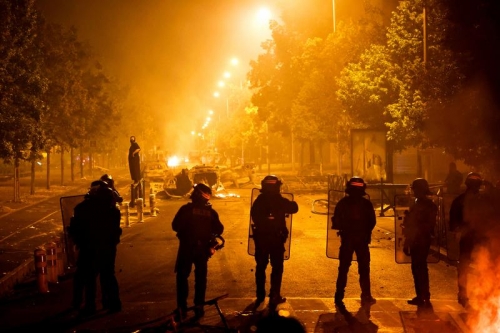
Contre les lectures "de droite" et "de gauche" des émeutes en France
par Andrea Zhok
Source : Andrea Zhok & https://www.ariannaeditrice.it/articoli/contro-le-letture-di-destra-e-di-sinistra-delle-rivolte-in-francia
Dans l'analyse des émeutes en France (qui se sont un moment étendues à Lausanne), une interprétation trompeuse des événements continue d'être obstinément répétée. On continue d'opposer deux lectures, traditionnellement associées à la "gauche" et à la "droite".
La première est une lecture économiste qui voit dans la révolte une contestation de sa propre condition de pauvreté et d'exploitation.
La seconde est une lecture ethnico-culturelle qui voit dans la révolte une contestation de la civilisation et de la culture autochtones par une autre culture importée, liée aux immigrés.
Le fait d'utiliser ces deux interprétations comme opposées et alternatives est un exemple de plus qu'aujourd'hui les catégories cultivées unilatéralement par la droite et la gauche sont obsolètes et inutiles. C'est aussi un signe de la pauvreté catégorielle de plus en plus répandue que refuse de sortir des schémas abstraitement simplifiés.
Beaucoup de choses restent cachées et occultées par l'adoption de cette double lecture.
Tout d'abord, cette lecture clivée s'aveugle sur le fait que l'argent, la réussite économique, dans les sociétés telles que celles du capitalisme libéral moderne, représente la première forme de reconnaissance sociale. Quelqu'un est reconnu comme un représentant à part entière et légitime de la société dans la mesure où il dispose d'un certain revenu. Si le fait d'être du côté de l'échec économique, de la pauvreté relative, coïncide plus ou moins avec le fait d'être d'origine non autochtone (immigrée), il est clair que l'on s'identifiera comme un groupe en état d'infériorité stable, comme "autre" sur le plan ethnique ou religieux (même si cette raison est contingente).
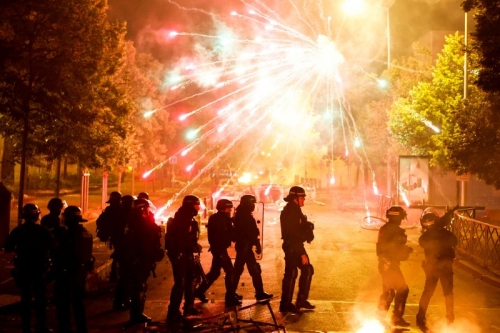
Deuxièmement, cette lecture à double face ne tient pas compte du fait que, dans nos sociétés, l'argent n'est pas essentiellement un moyen de subsistance, mais un moyen (et un symbole) de pouvoir. Dans la configuration des valeurs des démocraties libérales, ce n'est jamais la pauvreté absolue qui pose problème, mais bien la pauvreté relative. Il est significatif que ces révoltes soient généralement encouragées par des immigrés de la deuxième génération. (C'est d'ailleurs la raison pour laquelle ce stade de dégradation n'est pas encore apparu en Italie : nous avons principalement encore affaire à des immigrés de la première génération). Les immigrés de la première génération sont issus de contextes de valeurs différents qui les amènent à se focaliser sur la pauvreté absolue, paramètre sur lequel le passage d'un pays en voie de développement à un pays industrialisé représente généralement un progrès : il y a moins de chances de mourir de faim dans les banlieues que dans les régions pauvres d'Afrique du Nord. Mais une fois les "valeurs" occidentales assimilées, être clairement du côté des perdants dans la joyeuse compétition libérale est simplement perçu comme une injustice inacceptable.
Troisièmement, cette lecture oublie un autre fait fondamental, apparu depuis longtemps dans les analyses socio-économiques, à savoir que le système de valeurs basé sur le modèle compétitif de l'Homo Oeconomicus, c'est-à-dire sur l'individu guidé de manière univoque par la maximisation de son intérêt personnel, crée systématiquement et nécessairement des "parasites de la règle" (free riders).
En fait, les règles sociales ont deux natures possibles : elles peuvent être des règles guidées par le profit ou des règles guidées par une valeur commune (des règles morales).
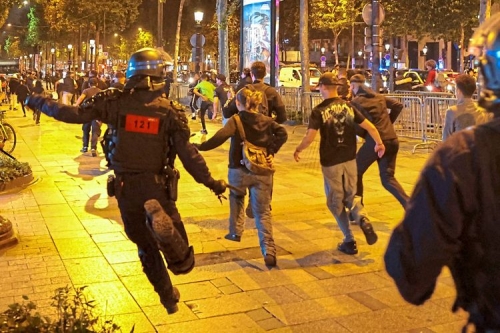
Dans les modèles libéraux-démocratiques, les règles guidées par le profit sont prépondérantes, constituent presque un monopole, et ces règles disent en gros qu'il est utile pour tout le monde de respecter certaines règles (il est utile de payer des impôts parce qu'ainsi il y a des services publics, il est utile de payer le ticket de bus parce qu'ainsi il y a un service de transport public, etc.). Seulement, si la motivation est l'utilité, il se peut que mon utilité soit encore accrue si je peux me soustraire à la règle en privé: si je ne paie pas d'impôts, les services continuent d'exister parce que d'autres paient, et je n'ai que des avantages. Je ne suis donc incité à suivre les règles fondées sur le profit que tant que les préjudices que je peux subir en les violant sont pires que les avantages que j'en retire. Mais cela a une conséquence immédiate: moins j'ai à perdre, plus je serai enclin à violer ces règles. Cela signifie que les violations des règles fondées sur le profit dans une société libérale auront tendance à exploser là où il y a plus de personnes ayant peu ou rien à perdre.
En même temps, les règles basées sur le profit qui caractérisent l'Occident entrent en conflit - en perdant fatalement - avec les règles morales qui dépendent d'une tradition ou d'une base communautaire. Ceci est particulièrement important dans les contextes populaires, et d'autant plus dans les contextes populaires ayant une ascendance culturelle extra-libérale (par exemple islamique, mais valable pour toutes les religions et toutes les cultures communautaires).
Les règles de l'utile peuvent être sereinement violées s'il est utile de le faire. Les règles morales, en revanche, vous définissent en tant que personne, définissent votre statut, et ne peuvent être violées en fonction de l'opportunité. Cela crée une double voie : d'une part, "nos" règles du sous-groupe marginal, inviolables et souvent renforcées par des sanctions drastiques, et d'autre part, les règles du "système", négociables et fondamentalement fictives.
C'est ici que l'arrière-plan extra-occidental (extra-libéral) se superpose à nouveau à la réalité contingente de ces groupes hors caste.
Les immigrés de la deuxième génération vivent généralement dans un contexte de valeurs partagées. D'une part, la tradition dont ils sont issus, communautaire et religieuse, ajoutée au contexte communautaire forcé dans lequel ils vivent dans les quartiers de banlieue, leur fournit une dimension d'appartenance et des règles morales à respecter au sein de leur propre groupe, dans leurs propres quartiers. (Il ne faut pas imaginer des choses particulièrement élaborées, mais toutes ces sous-cultures de banlieue génèrent des codes et des règles de loyauté et de coexistence interne, dont la violation est sanctionnée non pas par les tribunaux, mais par des moyens beaucoup plus brutaux). D'autre part, l'exposition à la culture libérale dominante dans laquelle ils sont immergés crée un espace de règles fictives (les lois de l'État) auxquelles ils ne reconnaissent aucune autorité et que toute personne capable de les violer avec profit est encouragée à le faire.
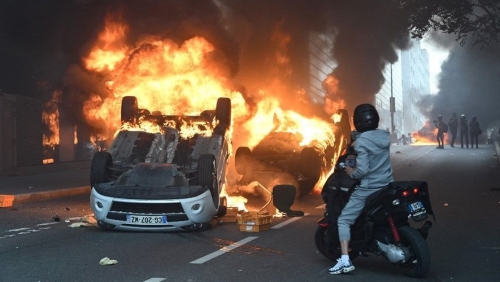
C'est dans ce contexte que l'extrémisme islamique que nous avons vu à l'œuvre dans les attentats en France, au Royaume-Uni, en Belgique, en Espagne, etc. peut également émerger en tant que sous-produit. Dans ce cas, un islam de retour assume le rôle d'une réglementation interne de la communauté, fondée sur l'éthique, par opposition aux règles fictives de l'État. Mais il serait faux de penser que nous sommes confrontés ici à un contraste entre la "religion islamique" et les "valeurs occidentales". Ceux qui alimentent cette lecture en imaginant une réédition de la confrontation "christianisme contre islam" créent à nouveau, peut-être involontairement, une fausse lecture qui amplifie le facteur ethnoculturel pour éliminer le facteur socio-économique.
L'erreur originelle réside dans une idéologie occidentale spécifique, alimentée de manière instrumentale parce qu'elle est économiquement utile: cette idéologie imagine qu'il n'existe pas vraiment de différences culturelles, ethniques, traditionnelles ayant une signification autonome ; elle imagine qu'elles se dissoudront toutes automatiquement dès qu'elles entreront en contact avec la culture universaliste de l'Occident, posée comme "supérieure". Cette idéologie suffisante et présomptueuse a promu, et continue de promouvoir, les mécanismes de migration comme un bien économique (et à court terme, ils le sont) destiné à produire une société harmonieuse enrichie par des vibrations multiculturelles. Cette vision irénique, présomptueuse et hypocrite balaie systématiquement un fait fondamental, à savoir que précisément dans nos sociétés, les mécanismes de la concurrence marchande génèrent structurellement la fragmentation, l'exclusion et l'exploitation, et que l'immigration sert principalement de tampon pour atténuer cette dynamique au profit des autochtones ("Vous voulez avoir une pension ? Nous avons besoin de sang jeune pour travailler sans prétention". "Vous voulez que votre enfant ait les mêmes perspectives que vous ? Nous avons besoin de quelqu'un pour ramasser les tomates et vider les fosses d'aisance sans se faire remarquer").
Bien sûr, il s'agit de solutions fictives et momentanées, qui ne changent rien à la tendance structurelle du système, qui va vers la concentration du pouvoir et de l'argent dans quelques mains et vers la prolétarisation de couches de plus en plus larges de la population.
Mais le capitalisme - et les sociétés démocratiques libérales dont il est la colonne vertébrale - vit à court terme et pour le court terme. Et tout le reste n'est qu'ennui, jusqu'à ce qu'ils brûlent votre voiture.
20:13 Publié dans Actualité, Affaires européennes | Lien permanent | Commentaires (2) | Tags : gauche, droite, france, europe, affaires européennes, immigration | | del.icio.us | | Digg | Facebook
lundi, 26 juin 2023
Andrea Zhok, "Au-delà de la droite et de la gauche" (Il Cerchio, 2023)
Andrea Zhok, "Au-delà de la droite et de la gauche" (Il Cerchio, 2023)
Compte rendu de Venceslav Soroczynski
Source: https://www.sinistrainrete.info/articoli-brevi/25758-venceslav-soroczynski-andrea-zhok-oltre-destra-e-sinistra-il-cerchio-2023.html
On sait qu'il y a essentiellement deux façons de voter: avec les enfants et sans les enfants. Lorsqu'on est parent, on manipule délicatement le bulletin de vote, on entre dans l'isoloir comme dans les églises d'autres religions mystérieuses, on lit les noms pensivement et on fait son choix le cœur sur la main. Le vote, après avoir commis l'imprudence de confier un enfant à la réalité, semble avoir plus de poids dans l'histoire de l'humanité. C'est pourquoi, dans ces moments-là, l'idée fulminante et insoutenable de Flaiano selon laquelle, si l'on n'est pas de gauche à vingt ans et de droite à cinquante ans, on n'a rien compris à la vie, ne nous vient même pas en aide. C'est une plaisanterie, bonne pour les années soixante-dix, mais désormais inadaptée. Aujourd'hui, au contraire, on est, mais seulement par instinct, de gauche à cinquante ans et de droite à quatre-vingts ans, étant donné qu'à vingt ans, on sait publier une vidéo sur TikTok et qu'à cinquante ans, quelqu'un est encore engagé dans un stage gratuit.
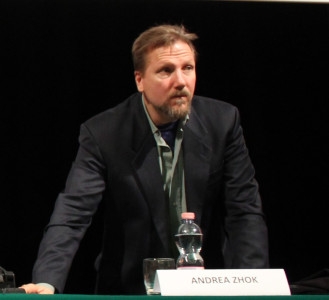

L'aphorisme de Flaiano, cependant, a toujours du sens et est très clair: quand on est jeune, on vote pour révolutionner; quand on est vieux, pour conserver. Parfois, l'impulsion persiste et l'on continue à croire que la gauche est progressiste et la droite modérée.
Mais l'impulsion est la grande erreur, c'est la croyance, c'est l'exercice d'une confiance inexplicable, voire infondée. En effet, les résultats des dernières élections suggèrent que le calcaire fidéiste est en train de fondre, mais ils laissent aussi le soupçon que le corps électoral est passé d'une erreur à l'autre: lorsque nous votons, nous nous trompons. Nous n'en faisons pas une seule de bonne. Mais pourquoi ? Parce que nous ignorons une grande partie de la géographie, une longue période de temps, une grande partie de la réalité.
Ce qu'Andrea Zhok tente de faire avec ce court essai, c'est de combler ces lacunes: de nous expliquer, patiemment, avec des mots compréhensibles, dans un texte qui n'est pas du tout maniable, que la droite et la gauche ne sont que des "simulacres".
Zhok est professeur de philosophie, donc obstinément attiré par la recherche de la clarté, de la vérité, des relations de cause à effet. Et de temps en temps, cela ne nous fait pas de mal non plus de nous plonger dans cette chose curieuse et peu fréquentable qu'est la réalité. C'est pourquoi, au lieu de lire les journaux les plus populaires et les plus distrayants de notre époque, je me suis jeté sur "Au-delà de la droite et de la gauche", comme quelqu'un qui se noie dans l'information mais qui passe à côté de la vue d'ensemble.
L'auteur part d'une analyse historique qui explique comment le "progressisme", depuis le 19ème siècle, a été l'expression du besoin de la bourgeoisie de changer, de progresser afin de se défaire des privilèges de la propriété foncière. Mais, sous le couperet de la révolution industrielle, les classes populaires, les paysans, les enfants, les mères, ont fini. Ainsi, le progrès pour les uns signifie déjà la régression pour les autres. En effet, l'auteur souligne que ses effets n'ont été positifs que pour un dixième des personnes concernées, tandis que pour les neuf autres, les conditions se sont dégradées. Le progressisme devient donc déjà libéral-capitaliste.
Dès lors, le Manifeste de Marx et Engels ne pouvait qu'être critique à son égard, affirmant qu'il ne suffit pas de progresser dans le sens du changement, mais qu'il faut corriger les erreurs du passé, tout en préservant sa valeur - aujourd'hui, nous dirions "ses valeurs". Ainsi, si le progressisme est une impulsion névrotique ou cynique au profit de certains, le progrès est le résultat d'une action réfléchie au profit de tous.
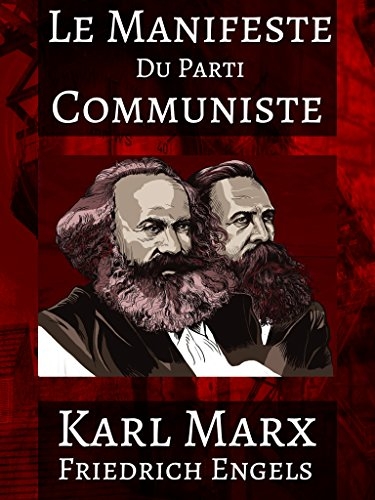 Le progressisme critiqué par Marx est un progressisme libéral, qui supporte mal les contraintes car il n'a pas de temps à perdre: il doit chercher de nouveaux marchés et accumuler du capital. Il nage bien dans la société liquide qui est telle d'un point de vue social, identitaire, anthropologique. Le socialisme scientifique perd sa connotation historique originelle et se disperse dans le sens scientifique de la science naturelle. Ce que la science rend possible est autorisé, surtout si cela sert le capital, indépendamment des dispositions naturelles de l'individu. Aujourd'hui encore, l'"expert" influence l'opinion des masses, tandis que l'intellectuel n'est pas écouté. Il est impossible de ne pas évoquer, à cet égard, les paroles lumineuses de Thomas Stearns Eliot : "Où est la sagesse que nous avons / Perdue dans la connaissance / Où est la connaissance que nous avons / Perdue dans l'information" (The Rock, 1934).
Ainsi, dans les pays "avancés", la gauche et la droite copient les pires modèles, qui érodent la qualité et la quantité des services publics essentiels, sous prétexte d'alléger la machine étatique. Les droits sociaux, sous prétexte d'augmenter la flexibilité. Comme le dit l'auteur, gauche et droite sont devenues de simples variantes du progressisme libéral (rappelons d'ailleurs que Gianni Agnelli avait laissé entendre qu'en Italie, seule la gauche pouvait faire des réformes de droite. Et, de fait, quelques années plus tard, c'est le gouvernement PD/socialiste de Renzi qui a dépriorisé les protections inscrites à l'article 18 du Statut des travailleurs).
Zhok affirme qu'il y a maintenant une véritable attaque contre la nature humaine, une attaque visant à éliminer toute institution non négociable, y compris la famille : "... tout lien de caractère affectif stable représente un problème du point de vue du capital, parce qu'il rend le comportement de l'individu dépendant d'une contrainte étrangère aux exigences du marché". Et si l'on considère que "... la famille est le lieu principal où se déchargent toutes les tensions et contradictions du monde, où elles s'amortissent, et où elles cherchent, laborieusement, une solution. Les familles, surtout celles qui fonctionnent bien, sont donc des lieux de travail intensif, de travail sur les attentes, sur la communication, sur la construction des motivations, sur le sens de l'existence", on comprend bien la dévastation sociale que la thèse laisse présager.
L'auteur poursuit en nous donnant des exemples de la manière dont le progressisme libéral sape les institutions sociales et les institutions intimes de l'individu : la gestation pour autrui, qui commence à ressembler à une rente de plus ; la fluidité des genres, qui rend désormais les identités biologiques floues, fuzzy, adaptables, flexibles, précaires; le "féminisme de la deuxième vague", qui n'a plus pour objectif propre l'égalité, mais vise à identifier l'autre sexe comme sujet exploiteur: ce n'est donc pas la nouvelle société libérale qui est source d'injustice, mais un homme qui est dans le rouage de la structure.
Le livre dit beaucoup plus, diagnostiquant ainsi précisément un malaise dont le symptôme est corroboré par le fait qu'après tout, nous ne votons pas: nous achetons des marchandises. Selon Debord, "toute la vie des sociétés où règnent les conditions modernes de production se présente comme une immense accumulation de spectacles. Tout ce qui était vécu directement a reculé dans une représentation" (La société du spectacle, 1967). Nous choisissons des images, nous achetons des billets pour des monologues, en fait "le spectacle est le contraire du dialogue" (Debord encore). Alors, où en sommes-nous ? J'ai le sentiment que, pendant la décennie de distraction, le navire a simplement fait un lent virage à droite. La politique intérieure - parce que la politique étrangère, nous le savons maintenant, n'est rien d'autre que l'exécution des ordres des États-Unis - est de droite.
Et cette droite est soit libérale, soit libéraliste, soit fasciste. En matière de politique fiscale, elle est libérale : pour les parts de revenus même très élevées, le contribuable peut appliquer une flat tax violemment inconstitutionnelle - et ce n'est pas un fait théorique: simplement, ceux qui ont plus paient proportionnellement moins. En matière de politique de santé, soit on est libéral (s'il a des moyens matériels, le malade peut payer une visite privée pour 150 euros ; s'il n'en a pas, il attend 14 mois pour une visite), soit on est fasciste (soit vous vous injectez une substance inefficace et potentiellement toxique, soit vous renoncez à votre salaire et vous rejoignez les rangs des sans-protection de la loi Zan). Je n'ai donné que quelques exemples.
La politique italienne, dans ses grands choix, se déplace sur des rails de tramway et le conducteur du tramway ne peut pas tourner à gauche ou à droite quand il le souhaite. Le conducteur du tramway, pour les choses importantes, doit suivre la route de fer dont le concepteur se trouve de l'autre côté de l'Atlantique et nous regarde comme on regarde un allié dont on peut se passer. Ce dans quoi nous sommes impliqués n'est pas la guerre de la Russie contre l'Ukraine : c'est la guerre des États-Unis contre toute l'Europe. Ils nous ont pris l'approvisionnement en matières premières bon marché, les marchés de débouchés pour les produits de luxe italiens, les touristes qui avaient l'habitude de dépenser davantage sur nos plages et dans nos montagnes. Ils nous ont pris tout cela, et peut-être pour des décennies. Et ils s'efforcent de nous priver de l'industrie manufacturière chinoise.
Comme l'a admirablement écrit le même auteur il y a quelque temps, "nous ne sommes pas sous le parapluie de l'OTAN, nous sommes le parapluie de l'OTAN". À mon avis, elle agit comme la mafia, c'est-à-dire qu'elle vient vous voir et vous dit : "Vous avez besoin de quelqu'un pour vous protéger de ceux qui veulent mettre le feu à votre magasin". Il se trouve que si vous ne payez pas sa "protection", votre magasin est effectivement incendié, mais c'est la mafia elle-même qui a fait cela. Ce "modèle d'entreprise" est le même que celui qui a été appliqué à l'Italie chaque fois qu'elle a voulu se passer de la protection imposée par le bloc d'intérêts basé aux États-Unis et au Royaume-Uni, depuis l'assassinat de Mattei.
Nous ne pouvons certainement pas ignorer l'avertissement de Machiavel, qui a observé que dès qu'une personne "populaire" s'élevait au rang des "seigneurs" dans le gouvernement de Florence, elle affaiblissait ses revendications révolutionnaires, car elle se rendait compte des réalités de la République : "Et comme il était monté à cette place et qu'il voyait les choses de plus près, il connut les désordres d'où ils provenaient et les dangers qui en résultaient et la difficulté d'y remédier ... et il devint immédiatement d'un autre esprit et d'une autre pensée" (Discorsi, I, 47). Et manifestement, même à notre époque, une force politique, tant qu'elle est dans l'opposition, peut facilement critiquer l'action des gouvernants, mais lorsqu'elle en vient à comprendre les véritables rapports de force, elle finit par reproduire la politique précédente.
Cela ne signifie pas qu'il faille baisser les bras, mais qu'il faut au moins avoir la lucidité de juger un parti non pas lorsqu'il est dans l'opposition, mais lorsqu'il gouverne. Et surtout, que nous avons encore une chance : donner confiance à ceux qui ne sont ni de droite ni de gauche, parce qu'ils ne sont pas encore "montés à cette place".
14:52 Publié dans Actualité, Théorie politique | Lien permanent | Commentaires (0) | Tags : droite, gauche, andrea zhok, actualité, théorie politique, philosophie politique, politologie, sciences politiques | | del.icio.us | | Digg | Facebook
lundi, 08 mai 2023
La gauche otaniste
La gauche otaniste
Carlos X. Blanco
L'OTAN est une organisation militaire dotée de nombreuses "ailes", extensions et franchises. Nous avons vu l'Union européenne se mettre à son service, surtout après l'intervention militaire spéciale de la Russie en Ukraine. Les meneurs et les fonctionnaires "pro-européens", même sans uniforme, se plient volontiers aux exigences du haut commandement, exécutent les ordres - très obligeamment - et se tiennent à la disposition de Washington. Josep Borrell est déjà un "général civil", un porte-parole du bellicisme américain, un homme "pentagonal" et otaniste.
Une "aile" de l'OTAN dont on parle moins est la gauche révisionniste (représentée en Espagne par Podemos, Más País et la nouvelle entité "Sumar"). Il est tout à fait possible de parler désormais d'une gauche otaniste. Il s'agit d'une gauche très répandue en Occident, et en particulier en Espagne, une gauche qui rejette ses origines idéologiques: "L'OTAN n'est pas faite pour desdébutants". Vous en souvenez-vous ? Moi, pour des raisons d'âge, je m'en souviens parfaitement. Je me souviens de l'arnaque du référendum. Il y avait, dans cette soi-disant "transition", une refus tranché et majoritaire au sein du peuple espagnol contre une organisation guerrière et belliciste dont la raison d'être et l'utilité pour la défense nationale étaient plus que discutables.
Avec une certaine dose de terrorisme médiatique et les manigances typiques du PSOE, l'Espagne a rejoint une telle organisation, signant des chèques en blanc et laissant son dos méridional à découvert : ce dos à découvert reste un danger, par lequel pénètrent les maux les plus nocifs pour l'Espagne: il a un nom. Il s'agit du Royaume du Maroc. L'OTAN a lavé le visage des Espagnols avec le soi-disant européanisme et a délivré un prétendu certificat d'occidentalisme: avec un visage lavé et une coiffure fraîchement peignée... mais avec l'arrière-train à découvert.
Les décennies passent et, au-delà du PSOE, dont la praxis néolibérale ne fait plus aucun doute, dans ce pays qui est le nôtre, si usé par les menteurs et les bonimenteurs, les "penseurs de la gauche otaniste" ont émergé. L'un d'entre eux, digne d'intérêt, est Santiago Alba (photo). Ce monsieur est l'un des fondateurs du site web rebelión.org, et l'inspirateur du parti politique Podemos depuis ses tout débuts.
Dans le quotidien Público [https://blogs.publico.es/dominiopublico/46548/no-a-la-otan-si-a-que/], Don Santiago s'étonne du fait qu'il puisse y avoir des gauchistes qui ne soutiennent pas l'OTAN. En tant que philosophe, il connaît le pouvoir de l'utilisation des mots, du choix des termes et de l'appropriation d'un "récit". Cet auteur représente parfaitement la gauche otaniste : cette étrange position de ceux qui affirment que le capitalisme est certes mauvais mais qu'il n'y a pas d'alternative à la puissance abusive et hégémonique de son gendarme, les Etats-Unis. Les gendarmes du monde ont créé l'OTAN, vient nous dire la gauche otaniste, et, ma foi, nous n'aimons pas beaucoup cette organisation. Mais quelle est l'alternative, l'"autocratie" de Poutine ? D'une manière ou d'une autre, Don Santiago parle ainsi.
Nous devons parler la langue du gendarme Biden, selon le conseil de M. Alba: ne parlons pas de "guerre en Ukraine", mais d'"invasion russe" (je cite M. Alba: "donner l'illusion que c'est l'Alliance qui assiège et menace les villes ukrainiennes"). L'article de M. Alba ne tient pas compte de l'ensemble du contexte - manifestement agressif - qui conduit l'OTAN à outrepasser ses compétences dans tous les sens du terme : au-delà des limites territoriales pour lesquelles elle a été conçue, au-delà de la limite stratégique de sécurité convenue avec la Russie il y a des années, au-delà des besoins défensifs des pays membres.... En dehors de la prudence et du bon sens. L'OTAN a déclaré la guerre à la Russie par procuration. Officiellement, l'OTAN aide un pays envahi. Le pays envahi, partie intégrante de la civilisation russe depuis des siècles, est cependant un territoire où l'Occident collectif a - précédemment - forcé un changement de régime, au profit des ultra-nationalistes et des nazis anti-russes, ce qui l'arrange bien pour compléter l'"encerclement" de la Russie.
Le langage de la gauche "correcte", alignée sur le gendarme mondial, M. Biden, et sur les autres "pentagonaux", doit insister sur la dénonciation de la volonté néo-impériale de Poutine. Santiago Alba a peur d'une volonté néo-impériale, celle de la "Troisième Rome" moscovite, et il s'est plutôt habitué à l'autre volonté d'empire, celle de Biden et du Pentagone. C'est celle devant laquelle l'auteur otaniste dit que nous devons nous incliner. C'est du moins celle que nous connaissons en Occident et qui nous guide. C'est aussi celui de la gauche. Alba demande : "Que fait la Russie, par exemple, en Syrie, au Mozambique, au Mali, en Libye, pour se défendre contre l'OTAN ?
Il s'avère que certains empires ont le droit d'être omniprésents. Mais les interventions ponctuelles d'autres empires, la Russie ou la Chine, doivent être immédiatement remises en cause. Faut-il chercher des chiffres pour comparer le nombre de porte-avions, de bases militaires dans le monde, de troupes déployées à l'étranger ? La différence est écrasante : les États-Unis l'emportent dans toutes les statistiques. C'est l'empire interventionniste et omniprésent : ils sont sur toutes les mers, sur tous les continents. La présence extérieure de la Russie, au-delà des pays satellites rattachés ou territorialement contigus à la Fédération, est rare, ponctuelle, limitée. De son côté, la présence militaire de la Chine, au-delà de la défense de ses eaux et frontières juridictionnelles, est très limitée. Dans cet article, Don Santiago maintient une équidistance inacceptable. Cette équidistance rappelle les années de plomb, des années où un camp tue et tire, et où l'autre tombe sous les coups en entendant, de la bouche de son propre bourreau, le refrain : "asseyons-nous et négocions !"
Don Santiago, avec sa gauche otaniste, condamne à mort toute une trajectoire idéologique d'opposition à l'empire yankee, de lutte contre le cadre agressif et belliciste de l'OTAN, de pacifisme conscient et réaliste, de défense active de la multipolarité, de lutte au nom des peuples, des nations qui ne veulent pas continuer à être des colonies des États-Unis ou les acolytes d'une armée omniprésente et génocidaire. Il ne s'agit pas d'aimer Poutine, ni d'adhérer à son "récit". Il s'agit pour nous de dénoncer clairement l'existence d'une gauche otaniste, l'une des "jambes" sur lesquelles repose l'empire du néolibéralisme.
17:13 Publié dans Actualité, Affaires européennes, Définitions | Lien permanent | Commentaires (0) | Tags : gauche, gauche espagnole, espagne, actualité, europe, affaires européennes, politique internationale, otan, gauche otaniste, gauche atlantiste | | del.icio.us | | Digg | Facebook
lundi, 30 janvier 2023
Si la "droite" a raison - à l'avenir, la pensée globaliste devra se combiner avec l'affirmation de soi localiste
Neue Züricher Zeitung (NZZ)
Commentaire d'un lecteur
Si la "droite" a raison - à l'avenir, la pensée globaliste devra se combiner avec l'affirmation de soi localiste
L'Occident a longtemps réussi à exercer une domination politique, idéologique et technologique sur le monde. Aujourd'hui, il est confronté à de puissants rivaux extérieurs et au relativisme culturel qui sévit en son sein. Le réalisme et l'autolimitation sont de mise.
Heinz Theisen
Après l'échec de l'utopie visant l'égalité matérielle, les aspirations de la gauche se sont déplacées vers l'égalité culturelle et biologique. Sous le signe de l'arc-en-ciel, la diversité et l'égalité sont censées se compléter au sein de "l'humanité unique" - comme autrefois la liberté et l'égalité au sein des sociétés nationales.
La puissance de cette nouvelle idéologie provient de sa coalition avec le capitalisme mondial. L'appel à l'ouverture des frontières unit les acteurs économiques mondiaux et les moralistes à la pensée globaliste. La libre immigration est pour les uns ce que l'externalisation est pour les autres.
Déconstruction du propre
Tous deux sacrifient pour cela l'affirmation de soi des communautés circonscrites, de la famille, de l'État-nation et de la culture. D'où la déconstruction, qui les caractérise, de toute identité originale, et leur haine de la culture occidentale, qui est la plus réussie et donc la plus inégalitaire. L'ordre du "monde unique" est attribué dans le grand reset à un centralisme numérisé d'instances mondiales.
La critique du manque de rationalité des intérêts ne s'adresse pas à un zèle religieux de substitution qui satisferait des aspirations profondes au bien. Non, ce manque de rationalité est critiquable parce qu'il s'agit d'un christianisme frelaté tant que son idéal d'universalité n'est pas associé au réalisme de la subsidiarité. L'amour du lointain risque de prendre le pas sur l'amour du prochain.
Lorsque les sociaux-démocrates danois veulent garantir l'État social en durcissant le droit d'asile, est-ce de gauche ou de droite ?
Le relativisme culturel de l'Occident était la condition préalable à son universalisme politique, jusqu'à justifier l'intervention dans des milieux culturels étrangers. Au sein de la société, les luttes culturelles étaient également programmées. Les valeurs et les structures occidentales étaient considérées comme transférables à satiété à d'autres cultures et, inversement, aux immigrés issus de cultures étrangères.
La coalition tricolore en Allemagne n'est pas le fruit du hasard. Un libéralisme galvaudé occupe une place centrale dans cette coalition arc-en-ciel. Il exige, jusque dans les rôles sexuels, la dissolution de toutes les formes d'identité communautaire au profit des identités individuelles. L'absence de limites est revendiquée même par rapport face aux contraintes naturelles.
Le moralisme de l'ouverture universelle revendique à son tour l'absoluité. Les positions opposées à ce Bien, posé comme tel, sont considérées comme mauvaises et ne méritent que d'être combattues. Toute forme d'affirmation de soi est considérée comme "de droite", la polarisation des sociétés suit son cours.
Les attaques venant du lointain sur tout ce qui est prochain et du futur sur le présent expliquent aisément les contre-mouvements furieux, observables de Trump au Brexit en passant par Le Pen et l'AfD. Mais ceux-ci ne constituent que des contre-pensées tant qu'ils ne proposent pas leur propre récit réaliste. Sans une compréhension plus profonde de la culture propre d'un terreau local/national, la volonté de le protéger ne peut être justifiée que par des peurs et des ressentiments. Et sans une reconstruction des éléments les meilleurs et les plus unificateurs de notre culture - comme en particulier l'histoire chrétienne bimillénaire de l'Europe - un sentiment de colère génère un rejet massif et renforce la polarisation.
Le mondialisme utopique délocalisé/délocalisant menace de générer des contre-extrémismes nationalistes et régressifs. L'État-nation n'est pas une fin en soi, comme le pensent certains romantiques identitaires. Il peut lui-même devenir l'agent d'un centralisme bureaucratique et détruire les petites communautés. Mais il n'y a aucune raison de le diaboliser tant qu'il agit de manière défensive et qu'il reste principalement axé sur l'affirmation de ses propres valeurs.

Démondialisation et nouvelle multipolarité
Dans un monde multipolaire composé de grandes puissances comme les Etats-Unis, la Chine et la Russie, les nations européennes sont trop petites pour pouvoir assurer seules leur sécurité et leur prospérité. La voie médiane et praticable entre le mondialisme et le nationalisme résiderait dans un aménagement de l'espace entre les acteurs, dont la structure et la taille résulteraient de leur capacité à résoudre les problèmes.
En Europe, cela pourrait se faire dans le cadre d'une Union qui connaitrait ses limites à l'extérieur et à l'intérieur. Plus de diversité à l'intérieur permettrait plus d'unité et de force à l'extérieur, face aux adversaires que sont la Russie, la Chine et ceux du monde islamique. Il ne s'agit pas de sortir de cette Union, mais de la transformer en une "Europe qui protège" (Macron) - jusqu'à un marché unique européen qui sache exiger la réciprocité dans les échanges avec la Chine.
La guerre d'agression de Poutine a mis fin à tous les rêves mondialistes et multilatéraux. La déconnexion de la Chine, opérée dans le cadre de la pandémie, qui a placé le pays hors des contextes internationaux, et les sanctions décrétées contre la Russie ont renforcé les tendances à la déglobalisation qui étaient déjà en germe dans la pandémie. La rivalité, qui s'est déchaînée dans l'économie mondiale, exige une plus grande protection de la classe moyenne contre les tendances oligopolistiques. Les pertes de prospérité sont inévitables, mais une meilleure délimitation de ce ressac permettrait de garder et de consolider l'ordre.
D'autant plus que les valeurs woke de l'Occident, qui glissent de plus en plus vers un extrémisme débridé, suscitent plutôt le dégoût dans les cultures traditionnelles ailleurs dans le monde. Alors que les démocraties libérales font preuve d'une très grande tolérance à l'égard de l'islam, l'islamisme, de son côté, se montre intransigeant. Dans leur propre culture, les conservateurs culturels affirment que leur culture doit demeurer dominante, et dans l'espace de la culture étrangère, ils respectent sa primauté. De cette manière, même des cultures incompatibles pourraient coexister pacifiquement.
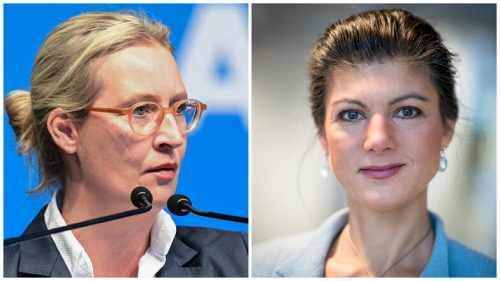
La droite et la gauche se confondent
La préoccupation centrale de la "droite", des traditionalistes aux nationalistes, est l'auto-affirmation de ce qui lui est propre. Ce récit permettrait également au conservatisme de sortir de son dilemme consistant à toujours s'opposer aux nouveautés des autres.
La "lutte contre la droite" déclarée par beaucoup semble être menée avec d'autant plus d'acharnement qu'elle passe à côté du sujet. Lorsque les sociaux-démocrates danois veulent garantir l'État social en durcissant le droit d'asile, est-ce là une position de gauche ou de droite? Un libéral qui défend l'égalité des sexes contre la charia est-il libéral ou conservateur? De même, une protection accrue du commerce de détail par une taxation minimale d'Amazon à l'échelle européenne serait à la fois de gauche, libérale et de droite.
Face à tout ce qui doit être affirmé et préservé en termes de progrès social et d'émancipation, l'affirmation de soi est également une préoccupation incontournable pour la gauche et les libéraux. Le conservatisme ne signifie donc pas l'exaltation du passé, mais la reconnaissance des nécessités pour faire face à la réalité. On peut aussi appeler cela du "protectionnisme".
Avec la guerre d'agression menée par la Russie, le nationalisme connaît une renaissance, si ce n'est au profit de sa propre nation, il le connaît via le soutien à l'Ukraine. Les pacifistes verts sont devenus du jour au lendemain les plus fervents partisans de la livraison d'armes. Si les anciens objecteurs de conscience du gouvernement allemand, comme le chancelier et le vice-chancelier, défendent l'autodétermination nationale des Ukrainiens, ils peuvent difficilement la refuser à leur propre pays. Les mondialistes seront confrontés à un Canossa similaire lorsque les flux migratoires toucheront les quartiers aisés et commenceront à submerger les éthiciens de la pensée qui y vivent.
Mais en fin de compte, les contradictions entre les mondialistes et les protectionnistes devront être transformées en réciprocité, comme dans le cas du conflit entre le capital et le travail dans l'économie sociale de marché. Les sociétés vieillissantes ont besoin à la fois d'immigration et d'État social. Une migration maîtrisée nécessite des formes contrôlées d'ouverture et des formes différenciées de protection.
Les avantages comparatifs en termes de coûts du libre-échange sont indispensables au développement de la prospérité. Des compromis peuvent être trouvés sur les limites de la concurrence mondiale en faveur des qualités locales. Leur recherche commence dès lors que des discours ouverts sont tenus sur les limites de l'ouverture.
Heinz Theisen est professeur émérite de sciences politiques à l'Université catholique de Rhénanie du Nord-Westphalie à Cologne.
18:54 Publié dans Actualité, Affaires européennes, Théorie politique | Lien permanent | Commentaires (0) | Tags : heinz theisen, allemagne actualité, globalisation, mondialisation, nationalisme, droite, gauche, actualité, théorie politique, sciences politiques, politologie | | del.icio.us | | Digg | Facebook
lundi, 24 octobre 2022
Le point de fusion entre progressisme et capitalisme
Le point de fusion entre progressisme et capitalisme
par Marcello Veneziani
Source : Marcello Veneziani & https://www.ariannaeditrice.it/articoli/il-punto-di-fusione-progressita-con-il-capitale
Quand a eu lieu le passage de la gauche du contre-pouvoir au pouvoir, de la Place publique au Palais des gouvernants ? Que s'est-il passé pour qu'une force antagoniste du Capital devienne la Garde rouge du Capital et fasse partie intégrante de la classe dirigeante ? Nous le répétons souvent, mais le passage clé nous échappe. Les indices de surface sont nombreux et trop familiers : à l'est, l'échec des expériences communistes, à l'ouest, l'effondrement de l'État-providence ; au niveau intellectuel, le déclin de Marx et de l'idée de Révolution, et au niveau social, l'inclusion de militants, d'agents et de fonctionnaires de gauche dans l'appareil public, le secteur privé et le système judiciaire, l'école, l'université, l'édition et le divertissement. Une inclusion qui, en plus des effets politiques et idéologiques bien connus, a également entraîné l'inévitable "gentrification" de la classe progressiste et la revalorisation subséquente de l'establishment.
Nous pouvons également périodiser ce processus : il s'est produit après 1968, tout au long des années 1970, puis s'est étendu dans les années suivantes jusqu'à intégrer et interpénétrer les pouvoirs et les institutions. L'avantage est réciproque : au Capital, il a donné une "bonne conscience" éthique et une légitimation culturelle au niveau de l'émancipation et de la défense des droits de l'homme et du citoyen ; et à la Gauche, il a donné un pouvoir d'influence et d'interdiction, et un leadership culturel et civil.
Mais tout cela n'explique toujours pas la raison centrale de l'union entre la gauche et le capital, la soudure de deux hégémonies, la soudure entre le pouvoir économique et le pouvoir culturel. Qu'est-ce qui a provoqué cette convergence ? C'est le but commun de remplacer le monde commun fondé sur la réalité par le monde uniforme fondé sur les désirs induits ; le désir d'un nouveau monde pour la gauche et de nouveaux marchés pour le capital.
Comment ce changement s'opère-t-il ? En effaçant, en méprisant et en brisant les liens, les frontières, les limites. Ce que la gauche appelle émancipation, libération, progrès ; et dans le jargon capitaliste, ils appellent ces phénomènes, le développement, la consommation, la modernisation. Le mot clé, commun à ces deux pôle, est le déracinement, où l'identité se dissout : le déraciné est alors considéré comme un homme libre qui n'a pas d'attaches ou d'affiliations, qui est fluide dans un monde liquide, projeté dans ses désirs plutôt qu'amarré à son héritage et à sa nature ; connecté à son époque et au web mais déconnecté de son lieu et de ses liens communautaires. Il devient ainsi un citoyen du monde, un homme sans frontières (y compris sexuelles), un individu émancipé et global, selon le rêve convergent de l'internationalisme de gauche et de la mondialisation capitaliste.
Le monde à démolir n'est pas nommé pour ce qu'il est - la réalité des liens religieux et civils, familiaux et communautaires - mais est renommé en termes négatifs comme racisme, fascisme, homo-transphobie, anti-féminisme.
Cette convergence a une répercussion sociale précise : déclarer la guerre au monde commun, à la réalité, à la nature, au contexte dans lequel l'homme a toujours vécu, signifie rompre avec les peuples et partir des élites, soit des oligarchies économiques et financières, politiques et intellectuelles, ennemies du sentiment commun, des racines et des liens populaires. C'est la rébellion des élites sur laquelle un sociologue américain lucide, Christopher Lasch, a écrit en 1994, faisant écho à la rébellion des masses d'Ortega y Gasset (1930).
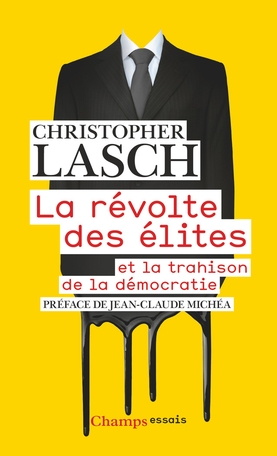
Dans son ouvrage, Lasch a noté ce que des observateurs italiens très pointus de bords idéologiques opposés comme Augusto Del Noce et Pierpaolo Pasolini avaient déjà saisi: les manifestants, les révolutionnaires et les gauchistes radicaux ont déclaré la guerre au capitalisme mais ont ensuite combattu le patriotisme, la religion et la famille traditionnelle, croyant frapper au cœur et à l'arrière du capitalisme. Au lieu de cela, leur combat était entièrement fonctionnel au capitalisme, qui voulait briser ces mêmes digues et se débarrasser de ces liens qui faisaient obstacle à l'établissement d'une société entièrement éradiquée, composée désormais d'individus solitaires, proies faciles du consumérisme. Même Marx avait expliqué dans le Manifeste qu'avec le capitalisme "toutes les relations sociales stables et fixes, avec leur cortège de conceptions et d'idées traditionnelles et vénérables, sont dissoutes". Par obtusion, présomption ou mauvaise foi, la gauche a ignoré le Manifeste de Marx (qui n'est pas un auteur réactionnaire) et est devenue le tueur à gages en charge de liquider la société traditionnelle, avec la bénédiction du capital... Si les croyants, les membres de la famille, les patriotes sont effacés, il ne reste que les consommateurs de marchandises et d'idéologies. "On ne s'affranchit de la tradition que pour se plier à la tyrannie de la mode", note Lasch dans l'essai Against Mass Culture (maintenant publié en Italie par Eleuthera).
La liberté consiste à choisir entre des marques, des produits, "des opinions et des idéologies préemballées conçues par des faiseurs d'opinion" ; le processus se fera, notait Lasch il y a trente ans, en "détruisant la mémoire collective, en remplaçant l'autorité responsable par un nouveau star system", aujourd'hui nous dirions avec les influenceurs et les usines de consensus manipulés. Il restera comme une gratification illusoire dont parle Lasch dans La culture du narcissisme : c'est le nouvel opium du peuple, réduit à un seul format devant le miroir (ou un smartphone).
Lasch a appelé à une alliance pour résister à l'assimilation, au déracinement et à la modernisation forcée. Pour Simone Weil, celui qui est déraciné déracine ; pour Lasch, "le déracinement déracine tout, sauf le besoin de racines".
C'est donc là que réside la fusion du gauchisme et du capital : dans la dissolution des liens naturels, religieux et communautaires que l'on fait passer pour une émancipation et une libération de l'emprise de monstres. Ils vous enlèvent tout et vous disent ensuite : vous avez moins de fardeaux et de contraintes, maintenant vous êtes libres de courir. Ils vous disent aussi où aller, quoi acheter et quelle route prendre.....
15:52 Publié dans Actualité, Sociologie | Lien permanent | Commentaires (0) | Tags : actualité, sociologie, christopher lasch, déracinement, capitalisme, gauche | | del.icio.us | | Digg | Facebook
jeudi, 11 août 2022
L'Occident libéral et la Russie fasciste? Slavoj Zizek, un pop-philosophe perdu dans la jungle des concepts
L'Occident libéral et la Russie fasciste? Slavoj Zizek, un pop-philosophe perdu dans la jungle des concepts
Markku Siira
Source: https://markkusiira.com/2022/08/09/liberaali-lansi-ja-fasistinen-venaja-kasitteissa-sekoilevan-pop-filosofin-politiikkaa/
Slavoj Žižek, un philosophe pop "freudo-marxiste", a publié un article sur le site Project Syndicate dans lequel il se demande ce que la gauche "éveillée" (=woke) et la droite alternative ont en commun.
Selon l'auteur, le conflit en Ukraine montre que les divisions politiques qui ont défini notre siècle sont fondamentalement fausses. Selon Žižek, le Kremlin représente la "droite alternative" et l'Europe le "système libéral politiquement correct", mais les deux camps combattent le système capitaliste mondial.
Le précédent remue-méninges de Žižek sur la défense de l'OTAN et de l'Ukraine n'a pas seulement suscité l'admiration des libéraux occidentaux, mais aussi des critiques justifiées. Maintenant, le Slovène essaie de prétendre qu'il n'y a pas tant de différence entre les deux camps dans le jeu géopolitique. Au final, il ne réussit qu'à rendre les choses plus compliquées.
Žižek commence par évoquer le psychologue canadien Jordan Peterson (ci-dessus), qui a précédemment condamné l'opération militaire spéciale de la Russie en Ukraine, mais qui en est venu depuis à défendre la Russie "métaphysiquement". Se référant aux journaux intimes de Dostoïevski, Peterson a affirmé que "l'individualisme hédoniste de l'Europe occidentale est inférieur à la spiritualité collective russe".
Selon Žižek, Peterson accepte la définition du Kremlin de la civilisation occidentale libérale comme étant "dégénérée". Le Canadien décrit le postmodernisme comme "une variante du marxisme qui cherche à détruire les fondements de la civilisation chrétienne". Vu sous cet angle, la guerre en Ukraine est "un concours entre les valeurs chrétiennes traditionnelles et une nouvelle forme de décadence communiste".
Pour Žižek, l'adoption par Peterson d'une "position pro-russe mais anticommuniste" indique une orientation politique plus large. En Europe, cette ligne est représentée par le Hongrois Viktor Orbán, qui tente de créer un terrain d'entente entre l'euro-atlantisme et le nationalisme, dénonçant de manière populiste les "mondialistes", tout attendant peut-être le retour de Trump?
Žižek estime que le même esprit peut être observé aux Etats-Unis. Selon lui, "de nombreux représentants du parti républicain" ont refusé de soutenir l'Ukraine. J.D. Vance, candidat républicain au Sénat dans l'Ohio, soutenu par Donald Trump, a déclaré qu'il est "insultant et stratégiquement stupide d'allouer des milliards de ressources à l'Ukraine tout en ignorant les problèmes de notre propre pays".
Dans la même veine, Matt Goetz, membre républicain de la Chambre des représentants de Floride, menace de couper l'aide américaine à l'Ukraine si son parti prend le contrôle de la Chambre en novembre.
Les différences entre les démocrates et les républicains sont-elles vraiment si grandes, et la ligne de politique étrangère définie par l'appareil d'État permanent, l'"État profond", changerait-elle si les républicains arrivaient au pouvoir ? J'en doute, il s'agit probablement de faire du tapage et de marquer des points pour faire éclore une fausse opposition. Les deux parties sont également d'accord sur la Chine, et l'administration Trump elle-même a parlé d'un "choc des civilisations".
Malgré l'anticommunisme de Peterson, il s'attaque à la principale conséquence du capitalisme mondial. Žižek se réfère à Marx et Engels, qui ont écrit, il y a plus de 150 ans, dans le premier chapitre du Manifeste du Parti communiste, l'impact du capitalisme destructeur bourgeois sur les cultures populaires :
"La bourgeoisie a détruit toutes les relations féodales, patriarcales, idylliques partout où elle est arrivée au pouvoir..... Toutes les relations périmées, rouillées et les vieilles idées et opinions chères qui les accompagnaient se dissolvent, tout ce qui vient d'être formé vieillit avant de pouvoir être dissous, tout ce qui est traditionnel et permanent disparaît, tout ce qui est sacré est profané, et les gens sont enfin forcés de regarder leur position dans la vie et leurs relations les uns avec les autres avec des yeux ouverts".
Les théoriciens culturels de la nouvelle gauche, qui continuent de concentrer leur critique sur "l'idéologie et la pratique patriarcales", ignorent cette observation. Pourtant, la critique du patriarcat a atteint son apothéose précisément au moment historique où le modèle social traditionnel a perdu sa position hégémonique, c'est-à-dire lorsqu'il a été remplacé par un individualisme de marché capitaliste et sans racines.
De tels "gauchistes" sont des moutons déguisés en loups, prétendant être des révolutionnaires radicaux alors qu'ils ne font que protéger le système capitaliste dominant, ultra-libéral, sous-entend également Žižek - bien qu'il ne soit pas meilleur, étant lui-même un nazi pro-occidental.
En tout état de cause, l'effondrement des relations sociales et des formes traditionnelles est déjà bien entamé: tous les aspects de l'identité humaine dans la société moderne sont une question de choix. La nature (et la nature humaine) est également de plus en plus soumise aux manipulations technologiques.
Néanmoins, la "guerre civile" que Peterson voit se dérouler en Occident est, selon Žižek, une chimère, un conflit entre deux versions du même système capitaliste mondial : elle oppose "l'individualisme libéral débridé" au "conservatisme néo-fasciste", qui "cherche à combiner le dynamisme capitaliste avec les valeurs et les hiérarchies traditionnelles".
Cela nous amène aux stigmatisations qui volent à qui mieux mieux et aux confrontations féroces entre internautes sur les champs de bataille des médias sociaux. Si vous êtes du côté de l'UE et des États-Unis et que vous souhaitez une extension de l'ordre libéral, vous êtes une "bonne personne" selon le récit des médias grand public. Si vous êtes positif, ou même neutre, à l'égard de la Russie de Poutine, vous êtes un troll, fauteur de fake news; un "fasciste" eurasien, noir jais - ou du moins rouge-brun.
Mais en regardant un peu plus objectivement, en Occident, l'"herméneutique" politiquement correcte, le wokisme, a remplacé la lutte des classes en créant une élite libérale qui prétend protéger les minorités ethniques et sexuelles en danger, simplement pour détourner l'attention de la prise de pouvoir économique et politique de ses propres membres.
Dans le même temps, cette diversion de la cabale bancaire centrale permet aux populistes de la droite alternative de se présenter comme les défenseurs des "vraies gens", contre les élites du monde des affaires et de l'"État profond". Tout cela n'est-il qu'une grande pièce de théâtre et dans quelle mesure les différences idéologiques sont-elles réelles dans un monde qui s'écroule sous nos yeux ? Trump, Biden, Poutine et Orbán ont tous également fait la promotion des vaccins pendant la crise sanitaire.
Žižek en conclut donc que les différents partis font partie du même système et qu'ils s'affrontent sur un tas de ferraille. Selon le penseur slovène, les guerres culturelles ont remplacé la lutte des classes comme moteur de la politique : aucun des deux camps, selon lui, ne défend les exploités, ni même ne s'intéresse à la classe ouvrière.
Le philosophe pop lui-même semble être perplexe face à la situation actuelle. Il confond également les concepts en qualifiant le conservatisme de "néo-fasciste", alors que c'est précisément cette conscience traditionnelle qui combat le néo-fascisme moderne en Ukraine et tente (plutôt sans succès) de défendre les peuples indigènes en Europe.
Žižek est heureux de répéter les mantras de la néo-gauche pseudo-radicale, dans laquelle toute forme de "conservatisme" - et peut-être aussi de "socialisme aux caractéristiques chinoises" ? - est grossièrement considéré comme du "fascisme" (il laisse de côté le fascisme arc-en-ciel du capitalisme libéral et les néonazis d'Ukraine, mais c'est désormais une condition préalable pour maintenir une carrière et une réputation dans les institutions occidentales).
Il est douteux que Žižek ou Peterson soient assez intelligents pour comprendre - et encore moins pour expliquer - les processus en cours de changement géopolitique et économique visant à construire un nouvel ordre mondial non occidental. L'Asie et le Sud global attendent-ils leur tour sous les feux de la rampe ? Pendant un certain temps encore, l'Occident, derrière le nouveau rideau de fer numérique, fera rage contre l'extinction de cette lumière.
18:46 Publié dans Actualité, Affaires européennes | Lien permanent | Commentaires (1) | Tags : slavoj zizek, europe, affaires européennes, droite, gauche, actualité | | del.icio.us | | Digg | Facebook