Traducción de Juan Gabriel Caro Rivera
Ex: https://www.geopolitica.ru
1. El gramscismo en las Relaciones Internacionales
Antes de comenzar a hablar de la contrahegemonía, en primer lugar, debemos dirigirnos a Antonio Gramsci, quien introdujo el concepto de hegemonía en el amplio discurso científico de la ciencia política. En sus enseñanzas, Gramsci dice que en el marco de la tradición marxista-leninista, hay tres zonas de dominación:
- La dominación económica tradicional para el marxismo, que viene determinada por la propiedad de los medios de producción, que predetermina la esencia del capitalismo. Según Marx, este es el dominio económico en la esfera de la infraestructura.
- La dominación política, que Gramsci asocia con el leninismo y considera como la autonomía relativa de la superestructura en el ámbito de la política. Cuando la voluntad política de determinadas fuerzas proletarias sea capaz de cambiar la situación política, aunque no esté del todo preparada la infraestructura para ello. Gramsci interpreta esto como la autonomía de un determinado segmento de la superestructura. Estamos hablando de poder político, expresado en los partidos, en el Estado, en los atributos clásicos del sistema político.
- La dominación en el tercer sector es la estructura de la superestructura, que Gramsci relaciona con la sociedad civil, al tiempo que enfatiza la figura del intelectual.
Gramsci cree que la hegemonía es el dominio de las actitudes de desigualdad y dominación, pero no en el ámbito de la economía y la política, sino en el ámbito de la cultura, la comunidad intelectual y de los profesionales, el arte y la ciencia. Este tercer sector tiene el mismo grado de autonomía relativa que el leninismo en la política. Una revolución, en este caso, desde el punto de vista de Gramsci, tiene tres vertientes: en la esfera económica (marxismo clásico), en la esfera política (leninismo) y en la esfera de la sociedad civil, que es la esfera de la libertad, y el intelectual puede elegir entre el conformismo y el inconformismo, una elección entre hegemonía y contrahegemonía, entre servir al status quo o elegir una revolución. La elección que hace un intelectual no depende de su posición económica, es decir su relación con la propiedad de los medios de producción, ni con su afiliación política a un partido en particular.
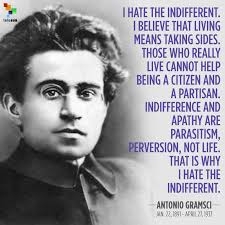
Gramsci ve el mundo occidental como un mundo de hegemonía establecida, en el que se ha establecido un sistema capitalista en la esfera económica, las fuerzas políticas burguesas dominan la política, los intelectuales sirven a los intereses de las fuerzas políticas burguesas y sirven al capital en un entorno inteligente. Todo esto en su conjunto en las relaciones internacionales crea un cierto contexto, en el centro del cual está el polo de la hegemonía establecida. Gramsci invita a los intelectuales inconformistas y revolucionarios a crear un bloque histórico que se oponga a esta hegemonía. Regresaremos a este punto un poco más tarde, pero ahora consideraremos un aspecto ligeramente diferente del pensamiento gramsciano. Desde el punto de vista de Gramsci, hay situaciones en las que surgen relaciones entre un sistema capitalista desarrollado y aquellas sociedades que aún no están completamente integradas en el núcleo de la hegemonía. Estos tipos modernos de sociedades, en las que la hegemonía no ha ganado por completo, los describe Gramsci como el modelo del cesarismo. Sugiere que, en tales Estados intermedios, la élite política aún no está realmente incluida en el mundo occidental capitalista, donde el capital, la hegemonía y los partidos políticos burgueses representan los intereses de la clase media que establecen la agenda a seguir.
Charles Kapchen, en su libro No Man's World, propone este modelo, que Gramsci denomina cesarismo, desglosado en tres tipos:
- La autocracia corrupta moderna rusa y otros modelos similares en el espacio postsoviético, que representan la élite de los clanes corruptos.
- El sistema del totalitarismo chino, que conserva el poder totalitario a nivel estatal.
- El sistema de las petromonarquías de Oriente Medio, que incluyen en la estructura de su dominación, en su cesarismo, también aspectos religiosos o dinásticos, como los sultanatos sauditas. Irán puede clasificarse como una forma intermedia, entre el modelo de monarquía del Golfo y la autocracia rusa.
El cesarismo se encuentra en condiciones muy interesantes: por un lado, se encuntra bajo la presión de una clase media en crecimiento, por otro lado, proviene de un Occidente más desarrollado. La hegemonía desde fuera y desde dentro obliga al cesarismo a hacer concesiones, desoberanizarse, entrar en un proceso global común en aras de la hegemonía global. Desde el punto de vista de Gramsci, el cesarismo no puede simplemente insistir por sí solo, ignorando estos procesos, por lo que sigue el camino que en la ciencia política moderna se llama transformismo.
El término transformismo, nos remite al gramscismo y al neogramscismo en la teoría de las relaciones internacionales, donde esto significa el juego del cesarismo con los desafíos de la hegemonía, es decir, la modernización parcial, movimiento parcial hacia la hegemonía, pero de manera que se mantenga el control político. Así, el transformismo es lo que viene haciendo China desde 1980, lo que ha estado haciendo la Rusia de Putin, sobre todo en la época de Medvedev, lo que han estado haciendo los Estados islámicos últimamente. Absorben algunos elementos de Occidente, capitalismo, democracia, instituciones políticas para la separación de los poderes, ayudan a que se produzca la clase media, siguen el ejemplo de la burguesía nacional, la hegemonía interna y la hegemonía externa internacional, pero no lo hacen del todo, no realmente, al nivel de una fachada para mantener un monopolio del poder político que no es estrictamente hegemónico.
El análisis básico de los términos gramaticales hegemonía, cesarismo y transformismo que hemos realizado era necesario como preludio al desarrollo de una teoría contrahegemónica.
2. Pacto histórico
Dado que todas las personas tienen derechos políticos y los delegan en partidos a través de la participación en las elecciones, y la posesión de los derechos económicos está diferenciada en el ámbito económico, Gramsci cree que en el tercer sector hay exactamente el mismo proceso de delegación de sus derechos. Los representantes de la sociedad civil empoderan a los intelectuales para representarse a sí mismos en el campo de la inteligencia en una especie de parlamento condicional de la sociedad civil.
Según la teoría del neogramscismo, existe el concepto de pacto histórico, y como estamos hablando de sociedad civil, este puede tener dos vectores fundamentalmente diferentes: o el pacto histórico se dirige hacia la hegemonía, o se puede implementar un pacto histórico en interés de la revolución.
La hegemonía desde el punto de vista de Gramsci no es un destino, sino una elección, lo mismo que la elección de los partidos políticos. Stephen Gill, un neogramscista, describe la Comisión Trilateral como un pacto histórico de intelectuales conformistas a favor de la hegemonía. Estos son los únicos estudiosos de esta clase de organizaciones donde los propios miembros de esta organización no se consideran una forma paranoica de teoría de la conspiración y reconocen su estatus académico.
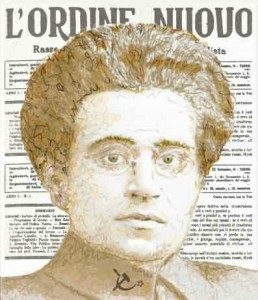 En última instancia, toda persona, según Gramsci, es libre de estar a favor del capitalismo o del comunismo, e incluso si una persona no pertenece a la clase proletaria, puede ser miembro del partido comunista de su país y participar en batallas políticas siguiendo a los socialistas o comunistas. La afiliación de clase proletaria no es necesaria para la inclusión en un partido político. De la misma manera, a nivel del intelectualismo, no es necesario para nada estar en desventaja, no es necesario ser expulsado del sistema de la sociedad para ponerse del lado de la contrahegemonía que, y este es el principal fundamento gramscista, cualquier intelectual puede elegir y adherirse al pacto histórico de la revolución.
En los años 60, y especialmente en los 70, cuando el gramscismo se generalizó en Europa, se desarrolló una situación única. Entonces la esfera intelectual estaba completamente ocupada por izquierdistas y era simplemente indecente no ser comunista. Se identificaron comunismo y moral en el ámbito de la sociedad civil, a pesar de que los partidos comunistas no dominaban en el ámbito político, y las relaciones burguesas continuaron persistiendo en el ámbito económico. Fue con esto, en gran medida, que los acontecimientos de 1968 y la llegada al poder de Mitterrand estaban relacionados. El giro a la izquierda en Francia no comenzó con la victoria de las fuerzas de izquierda en el parlamento y no con el propio gobierno, sino con la creación por parte de los intelectuales franceses de un bloque histórico contrahegemónico, en ese momento marxista. Hicieron su elección, sin que nadie los echara de los periódicos burgueses, que seguían siendo financiados por diversos círculos burgueses.
Este grado de libertad nos lleva al tema del constructivismo de la realidad social, que no es un dato fatal. El proceso de construcción de la realidad social se encuentra en la libertad del intelectual para hacer su elección fundamental a favor de un pacto histórico: hegemónico o contrahegemónico.
3. Contrahegemonía/contrasociedad
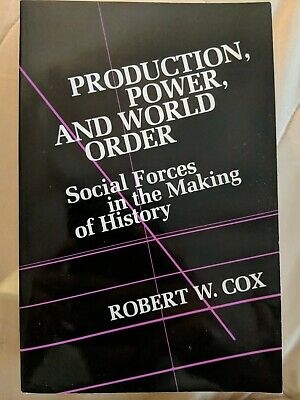 El concepto de contrahegemonía es introducido por el especialista en relaciones internacionales Robert W. Cox como una generalización del gramscismo y su aplicación a la situación global. Dice que hoy todo el sistema de relaciones internacionales se construye al servicio de la hegemonía. Todo lo que se nos dice sobre las relaciones entre Estados, sobre el significado de la historia, sobre guerras e invasiones es pura propaganda de la hegemonía de la élite oligárquica mundial. En gran medida, este constructo se apoya en el eje de la intelectualidad que opta por la hegemonía.
R. Cox plantea la cuestión de crear una construcción intelectual de una realidad revolucionaria alternativa global y para ello introduce el término contrahegemonía, dándole una justificación fundamental. Habla de la necesidad de un bloque histórico global de intelectuales mundiales que eligen la revolución, eligen la crítica del status quo y, lo que es más importante, no necesariamente sobre una base marxista, porque el marxismo presupone algún tipo de programa económico fatalista de los procesos históricos. R. Cox cree que el proceso histórico es abierto y en este sentido la dominación del capital es una construcción. En esto se diferencia mucho de los neomarxistas, incluido Wallerstein.
Esta idea pospositivista, constructivista, posmodernista de R. Cox, cuya esencia es que en condiciones de globalización es necesario plantear la cuestión de la contrahegemonía con la misma globalidad, ya que la hegemonía burguesa-liberal, llevando a cabo el transformismo, ya que tarde o temprano este transformismo romperá el cesarismo.
El segundo principio que introduce Cox es el de contrasociedad, ya que la sociedad global actual se basa en la dominación de principios burgueses-liberales, es decir, es una sociedad de la hegemonía. Esta es una sociedad de la hegemonía por medio del lenguaje, en las imágenes, en la tecnología, en la política, en las costumbres, en el arte, en la moda, en todo.
En consecuencia, es necesario construir una contra-sociedad. Todo lo que es bueno en una sociedad global debe ser destruido, y se debe construir una nueva sociedad en su lugar, si se quiere, una sociedad con signo contrario. En lugar del dominio de los principios universales, se deben construir comunas locales; en lugar de un monólogo liberal, debemos construir un polílogo de culturas orgánicas. Así, la contasociedad será una alternativa a la sociedad que existe hoy, en todos sus principios básicos.
Los términos de Robert Cox son contrahegemonía y contrasociedad.
4. Pensando en la contrahegemonía
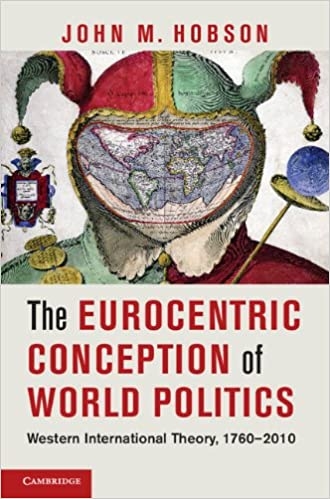 John M. Hobson, estudioso de las relaciones internacionales, autor de La concepción eurocéntrica de la política mundial, en la que critica el racismo occidental y afirma la brillante idea de construir las relaciones internacionales en un nuevo modelo de contrahegemonía basado en los trabajos de Cox, Gill y los neogramscistas es una bendición. La crítica es maravillosa, pero qué hacer, qué contrahegemonía debería crearse, no la encontraremos en sus obras, salvo en dos o tres páginas. Por tanto, es necesario contemplar la contrahegemonía.
Para concebir la contrahegemonía, primero hay que concebir la hegemonía. Volvemos de nuevo a este tema para comprender adecuadamente en qué estamos pensando.
Entonces, ¿qué es la hegemonía?
La hegemonía es la universalización del liberalismo, entendido como único contexto de un monólogo. El liberalismo es un engaño absoluto, hablando de contrahegemonía y contrasociedad, nos referimos a un desmantelamiento total del liberalismo. Así, contemplar la contrahegemonía es contemplar el no liberalismo, contemplar una sociedad que se opondría radicalmente al liberalismo. Cabe señalar aquí que el no liberalismo en el que tenemos que pensar a la hora de construir la contrahegemonía debe ser el no liberalismo del mañana. Este tiene que ser un no liberalismo hacia adelante, no un no liberalismo hacia atrás.
¿Qué es el no liberalismo hacia atrás? Este es el conservadurismo que ha desaparecido hace mucho y más allá del horizonte de la historia, el fascismo y el nacionalsocialismo que desapareció hace menos, y el comunismo, el sovietismo y el socialismo que han desaparecido recientemente. Todo esto no fue superado por el liberalismo por casualidad, no fue por casualidad que la hegemonía se disolvió, se desintegró, estalló y envió al basurero histórico, al olvido ahistórico, esas ideologías no liberales que se han enumerado. Abordarlos, con toda la facilidad de tal movimiento, no nos acercará a resolver el problema de la creación de la contrahegemonía. Seremos los portadores de un discurso arcaico, marxista, nazi, fascista o conservador-monárquico, que por sí mismos ya han demostrado que no pueden resistir la batalla histórica con la hegemonía. En consecuencia, este es un control de la realidad ineficaz para oponerse al liberalismo.
La principal victoria del liberalismo radica en el hecho de que en el centro de su discurso está el principio: libertad versus no libertad. Esta simple dialéctica resultó muy eficaz, como lo demostró claramente el siglo XX. Para derrotar a sus enemigos ideológicos, el liberalismo utilizó la idea del totalitarismo como concepto. Por tanto, en cuanto el liberalismo buscó a tientas este aspecto totalitario en ideologías que ofrecían su alternativa no liberal, inmediatamente incluyó la parte más fuerte de su ideología, que se llama libertad, liberty.
Para considerar estos procesos con más detalle, es necesario recordar el contenido de la libertad de John Stuart Mil. La libertad es “libertad de”, libertad negativa, y para que la libertad negativa funcione, debe haber una no libertad positiva, es decir, la tesis del totalitarismo. Cuando hay una sociedad basada, por ejemplo, en una identidad racial fascista, pero usted no se ajusta específicamente a ella, entonces su libertad estará dirigida contra esta identidad. Lo mismo ocurre con el comunismo. Si no compartes esta ideología, entonces aplicas la tesis negativa de la libertad a esta tesis positiva de una sociedad totalitaria, y como resultado, tarde o temprano ganarás. La libertad negativa funciona porque la "libertad de" adquiere contenido a través de la negación dialéctica.
Hoy el liberalismo ha conquistado todo lo que pudo conquistar y se ha propuesto esa tarea. La "libertad de" ahora se nos da por definición, como un hecho. Hoy vivimos en un mundo liberal donde, en principio, no hay nada de qué liberarnos, es decir, La “libertad de” ha desarrollado todo su potencial relacional-creativo, porque se ha liberado de todas aquellas formas que, de una forma u otra, mantenían al individuo en un cierto estado de no libertad. En este momento, se reveló el lado puro de la libertad, "libertad de" como libertad de cualquier cosa es en realidad solo nihilismo. Nihilismo que no estaba en la superficie precisamente porque alguien obstruía esta libertad. En consecuencia, la libertad en el liberalismo victorioso no significa más que la absolutización del nihilismo. La liberación no es nada.
Lo que vivimos hoy es la victoria absoluta de la hegemonía combinada con su implosión fundamental. Esta implosión del liberalismo es un factor importante en su triunfo hegemónico. Pero por ahora, al liberalismo se le opone un cesarismo lento en las últimas etapas, como un defecto temporal, que es objeto de afinar el liberalismo global para que finalmente pueda tener lugar el fin de la historia.
Por cierto, prestemos atención al hecho de que entendemos la palabra fin como el concepto de El fin de la historia de Francis Fukuyama como fin, pero en inglés la palabra fin tiene otro significado: el objetivo, es decir, este es el objetivo de la historia, su telos, hacia lo que se dirige. Este es el logro de la historia alcanzando su cúspide, su límite, es decir, hacia donde se dirigió. Vivimos en el liberalismo como en el nihilismo victorioso, y la implosión de este nihilismo se está produciendo ante nuestros propios ojos.
¿Qué más le queda a la humanidad liberal libre? Desde las últimas formas de identidad colectiva expresadas en género. El problema de las minorías sexuales no es un epifenómeno accidental de la estrategia liberal, es su centro mismo. La lógica en este caso es simple: si una persona no se libera del género, permanecerá en un estado totalitario de separación con otros individuos humanos de cierta identidad colectiva, masculina o femenina. En consecuencia, la reasignación de género no es solo un derecho, sino que pronto también se convertirá en un deber. Si una persona no cambia de sexo, entonces es, de hecho, un fascista, porque si un individuo es un hombre o una mujer, entonces acepta una existencia esclava dentro del marco de su definición de género.
No la igualdad de sexos, es decir, su cambio, se deriva de la libertad, la "libertad de", la libertad de una persona del género, del sexo, así como la libertad cosmopolita de elegir la ciudadanía, el lugar de residencia, la profesión, la religión. Todas estas libertades liberales requieren una etapa lógica, la libertad de género y un cambio total múltiple de género, porque el individuo comienza a acostumbrarse y vuelve a caer en el marco totalitario del género.
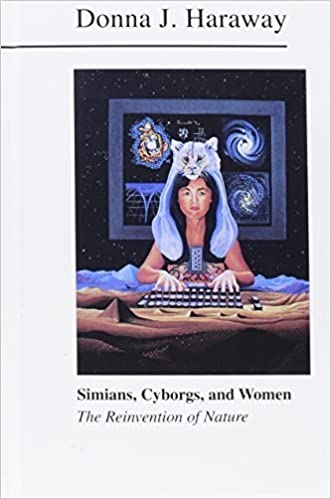
Pero ese no es el límite, ya que queda la última identidad colectiva que no se ha superado, la pertenencia de un individuo a la humanidad. Como ejemplo de la necesidad de superar la identidad humana, que en última instancia es también fascismo desde el punto de vista de la lógica liberal, podemos citar el Manifiesto Ciborg de Donna J. Haraway, así como las ideas plasmadas en el programa transhumanista.
 Superar el género y las identidades colectivas humanas son solo detalles que ocuparán nuestra conciencia durante algún tiempo, asustarán a los conservadores y a los elementos liberales incompletamente modernizados y, a la inversa, inspirarán a los liberales para continuar sus próximas hazañas. Al mismo tiempo, cabe señalar que la agenda se ha estrechado, y con el desarrollo del arte genético y quirúrgico, la microtecnología, la biotecnología y el desentrañamiento del genoma, estamos, de hecho, al borde de que este programa se convierta en un tema técnico. Se propone no esperar más, sino pensar de tal manera que el liberalismo, en principio, en su programa nihilista, ha cumplido su cometido.
¿Y qué significa pensar en el no liberalismo hacia adelante? Significa pensar en el no liberalismo, que es después de esta deshumanización del hombre, después de la pérdida de la identidad de género. Es necesario ver el horizonte del liberalismo como una victoria absoluta de la Nada y ofrecer una alternativa no desde fuera, sino desde dentro. La cuestión es que, en última instancia, el liberalismo va más allá de la sociología y nos lleva a problemas antropológicos. La sociedad se desintegra, surge una post-sociedad, un ciudadano liberal separado del mundo, un cosmopolita que, de hecho, no pertenece a ninguna sociedad.
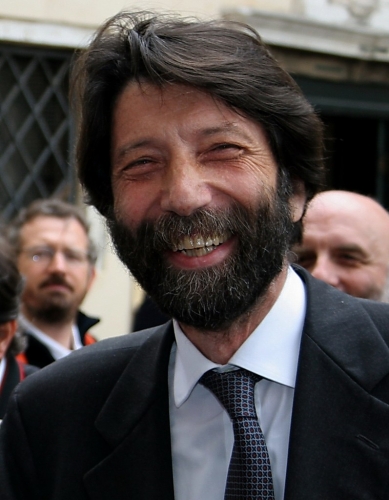
Massimo Cacciari llama a esto una sociedad de idiotas totales que pierden la capacidad de comunicarse entre ellos, porque pierden todo en común que los conecta, surge un lenguaje individual, una existencia rizomática en red, etc. En esta situación, llegamos a la última frontera humana, desde la que se propone iniciar un proyecto de contrahegemonía.
El curso principal de la contrahegemonía en su aspecto antropológico es la idea de un replanteamiento radical de las libertades. Es necesario oponer el liberalismo no al totalitarismo, porque al hacerlo solo alimentamos sus energías destructivas, sino el principio de libertad significativa, es decir, de la "libertad para", la libertad en la terminología de J.S. Mill. Al abordar la problemática de la antropología, en la que el principio individual se sitúa por encima de la humanidad, el liberalismo no debe oponerse a valores conservadores, sino a algo radicalmente diferente, y el nombre de este radicalmente diferente es el concepto de persona o personalidad, es decir, libertad contra libertad, la persona contra la libertad individual.
La personalidad devuelve a la persona a la esencia de su humanidad, esta es su revolucionaria tarea fundamental de crearse a sí mismo por su propia fuerza, esta es, si se quiere, una categoría metafísica. En el cristianismo, la personalidad es donde tiene lugar la fusión del principio divino con el individuo. La persona nace en el momento del santo bautismo.
En las religiones, la personalidad se describe de diferentes maneras, pero como Marcel Mauss ha revelado tan bellamente en sus obras, en cualquier sociedad arcaica es el concepto de persona el que está en el centro de atención. Este no es un individuo, es la intersección del sujeto eidético de alguna especie dada y espiritual o generalizada.
Así, oponiendo la individualidad con alguna forma de integración social, atacamos al liberalismo y ofrecemos un no liberalismo no desde atrás, sino que necesitamos proponer un modelo de no liberalismo desde el futuro. La personalidad debe rebelarse contra el individuo, la “libertad para” debe moverse contra la “libertad de”, no la no libertad, la no sociedad y algunas otras formas de restricciones colectivas. Debemos enfrentar el desafío del nihilismo. Este, según Martin Heidegger, es el difícil conocimiento del nihilismo.
Pensar en la contrahegemonía significa pensar en una personalidad creativamente libre como la raíz de esta contrahegemonía, sin este cambio fundamental de régimen en las condiciones del nihilismo total no crearemos ningún concepto inteligible de contrahegemonía.
5. El modelo de contrasociedad
El modelo de contrasociedad debe necesariamente estar abierto desde arriba, este es el principio de la libertad, a la cabeza de esta sociedad deben estar aquellos que estén máximamente abiertos a la dimensión superior de lo personal, que no sean lo más idénticamente posible entre ellos mismos. Son los filósofos contemplativos. La Platonopolis como expresión política del platonismo abierto, liderado por un filósofo que piensa en cualquier cosa menos en sí mismo. No manda, no hace nada, pero abre la posibilidad de que todos sean individuos. Abre la posibilidad de que la sociedad se abra desde arriba, hace que esta sociedad sea verdaderamente libre, sin darse cuenta de sus limitaciones. Él crea una sociedad así, este es el Estado, esta es la sociedad sagrada.
La contrasociedad debe construirse desde arriba, debe ser absolutamente abierta desde lo vertical, este es su principio fundamental. Una filosofía política abierta desde lo vertical debería ser la plataforma para un nuevo pacto histórico de intelectuales. Si creamos este pacto basado en alianzas pragmáticas, no lo lograremos, porque tarde o temprano el liberalismo se hará cargo de todas estas formas.
6. Diversificación contrahegemónica de actores en las Relaciones Internacionales
Para la diversificación contrahegemónica de actores en las RI, se puede partir de los conceptos y definiciones de transnacionalismo y neoliberalismo en las relaciones internacionales, que afirman la expansión de la nomenclatura de actores en el contexto de la hegemonía. Se propone aceptar esta simetría en la construcción de la contrahegemonía y reconocer que el bloque histórico debe estar compuesto por actores de diferentes escalas.
La estructura de la contrahegemonía puede ser la siguiente: en el centro hay intelectuales con una filosofía vertical abierta, es decir, un pacto histórico entre los intelectuales. Debe ser necesariamente global, no puede ser nacional, en ningún país de ninguna cultura, incluso, por ejemplo, en el gran mundo islámico o en el chino, es imposible hacer esto. Todo lo que se necesita es una escala global de contrahegemonía y una unificación global de intelectuales contrahegemónicos basada en una filosofía abierta. Se puede construir una constelación de sistemas de diferentes escalas alrededor de este actor principal, simétricamente en la forma en que Joseph S. Nye describe un sistema liberal transnacional, donde tanto los Estados como los partidos y los movimientos, industrias, grupos, movimientos religiosos e incluso individuos singulares se convierten en actores.
Todos ellos no solo pueden, sino que también son actores en las relaciones internacionales, en el modelo hegemónico de globalización. Estamos hablando de contra-globalización, no de anti-globalización, no de globalización alternativa, sino de contra-globalización, que reconoce que para derribar esta hegemonía es necesario unir actores de diferentes escalas.
7. La voluntad y los recursos de la contrahegemonía. El archipiélago de Massimo Cacciari
El eje de la estrategia contrahegemónica debe ser la voluntad constructiva, no los recursos. Primero la voluntad, luego los recursos. Esta voluntad debe provenir de la élite intelectual global contrahegemónica como miembros de la sociedad global. Por supuesto, todas las personas piensan, pero los intelectuales también piensan para los demás, y por eso están dotados del derecho a ser caminantes del pueblo, a ser representantes de la humanidad como tal, cuyo discurso global ahora es captado y plasmado por representantes del bloque histórico hegemónico. Por cierto, cuando se ataca a los liberales por un caso, la escasez y la inconsistencia de su argumentación se revela necesariamente, y todo esto porque su argumentación es de voluntad fuerte.
Sin embargo, ¿en qué recursos puede apoyarse esta voluntad constitutiva de la élite intelectual? En primer lugar, este es el segundo mundo, sobre el que escribe Parag Khanna, los países de los BRICS, los Estados que, en el status quo actual, han recibido algo menos o no están en los primeros roles. Y estos son prácticamente todos aquellos Estados que se sienten incómodos en la arquitectura imperante de la hegemonía. Pero por sí mismos, estos países no son una contrahegemonía, por sí mismos no harán nada.
Los regímenes gobernantes en estos países, si no se activan, continuarán participando en el transformacionalismo, pero los intelectuales contrahegemónicos deben contraatacarlos, incluso en su propio proyecto, en lugar de esperar a ser llamados a trabajar para la administración. Es importante comprender que la administración está comprometida con el transformismo y se ocupará de ello independientemente del lugar: en China, Irán, Azerbaiyán, India, Rusia, los países del BRICS, existe una transformación continua.
Los intelectuales contrahegemónicos deben interceptar la narrativa y dictar la agenda a estos Estados para que ejerzan el cesarismo durante el mayor tiempo posible. Pero esto no es una meta, la meta de la contrahegemonía es diferente, sin embargo, el potencial de estos países es un buen recurso, y como herramienta para lograr la tarea planteada, es bastante bueno. Por ejemplo, un Estado con armas nucleares parece muy convincente como argumento en oposición a la hegemonía.
Asimismo, los partidos antiliberales en todo el mundo son relevantes como recurso contrahegemónico, independientemente de que sean de derecha o de izquierda, socialistas o conservadores. A esto hay que sumar varios movimientos de tipo verticalmente abierto: cultural, artístico, estético, ecológico. En este contexto, conviene prestar atención al hecho de que el campesinado mundial y la industria mundial, tarde o temprano, serán víctimas del sistema bancario y financiero, el sector terciario de la economía, que ya comienzan a colapsar ante el crecimiento proporcional del capital financiero especulativo globalista. No se debe esperar que ellos mismos se pongan del lado de la contrahegemonía y propongan planes, sin embargo, también pueden ser considerados como uno de los componentes del recurso en el arsenal de la alianza de los intelectuales contrahegemónicos dentro del pacto histórico.
Todas las religiones tradicionales, que, en su esencia, son no liberales, a diferencia de las religiones de orientación liberal, que son básicamente laicas o relativistas, o, digamos, religiones desreligiosas, también pueden actuar como un recurso para los intelectuales contrahegemónicos.
La tarea del bloque histórico contrahegemónico es unir todos estos recursos en una red global. Aquí es donde el concepto de "Archipiélago" de Massimo Cacciari, que aplica a Europa, será de gran utilidad, pero la idea en sí puede difundirse más ampliamente. Massimo Cacciari sostiene que entre el Logos universalista y la anarquía de los idiotas atómicos hay un logos privado. Este Logos en particular, junto con el paradigma de la complejidad de Edgar Morin, junto con operaciones en estructuras complejas, con modelos no lineales, pueden ser de gran utilidad.
Ésta es una cuestión fundamental, porque utilizando un modelo complejo, se hace posible construir un diálogo e integrar a la derecha y la izquierda en un solo pacto histórico, mientras que en este momento se miran a través de la lente de sus propias tácticas.
8. Rusia y la hegemonía
Rusia es ahora un campo de transformismo típico y lo que comúnmente se llama putinismo no es más que cesarismo. Se opone a la hegemonía interna en forma de la oposición del listón blanco y de Eco de Moscú (1), así como a la hegemonía externa que ejerce presión sobre Rusia desde afuera. El cesarismo está equilibrando estos factores, que intenta jugar por un lado con la modernización y por otro lado con el conservadurismo, tratando de retener el poder por cualquier medio. Esto es muy racional y muy realista: no hay idea, no hay visión del mundo, no hay metas, no hay comprensión del proceso histórico, no hay telos en tal gobierno - esto es cesarismo ordinario, en su comprensión gramscista.
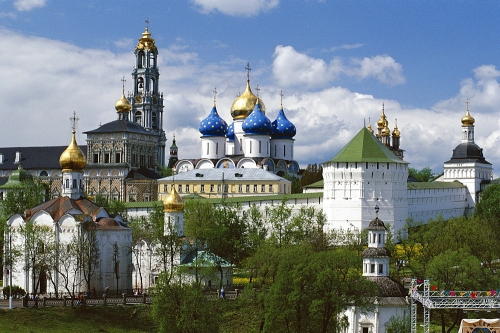
La oposición del cesarismo a la hegemonía interna y externa lo obliga a moverse en la necesariamente en dirección a los intelectuales de la contrahegemonía, pero el transformismo es una estrategia adaptativa-pasiva, lo que significa que tarde o temprano el objetivo de este transformismo, no obstante, destruirá el cesarismo. Dado que la hegemonía viene tanto del exterior como del interior, cualquier modernización conduce objetivamente, de una forma u otra, al fortalecimiento de la clase media, y la clase media es enemiga del Estado, así como la burguesía, el capitalismo, el individualismo son enemigos tanto de la sociedad concreta como de la humanidad en su conjunto.
¿Qué tan pronto caerá el cesarismo? El tiempo muestra que puede esto tardar mucho, pero mucho tiempo. En teoría, debería caer, pero sigue existiendo, demostrando a veces ser bastante exitoso. Todo depende de si la transformación se lleva a cabo con éxito o sin éxito. Es una estrategia de retaguardia pasiva condenada al fracaso, pero a veces de la forma más paradójica puede resultar bastante eficaz.
Es bastante obvio que, si en los últimos 13 años esta estrategia se ha mantenido con un pragmatismo omnívoro e ideológico tan generalizado, entonces seguirá existiendo, a pesar de la indignación que causa por todos lados. Sin embargo, vale la pena señalar que es precisamente el transformismo exitoso lo que evita que el Estado sea destruido por representantes de la hegemonía global.
Pero esto no es suficiente, se requiere una estrategia de tipo completamente diferente, contrahegemónica en su esencia, con el ánimo de promover la teoría de un mundo multipolar. Otra iniciativa importante es la Alianza Revolucionaria Global, que es una estrategia bastante activa que puede desarrollarse en Rusia a un nivel paralelo, siendo tanto rusa como global, internacional. E incluso si hay algunas contradicciones internas entre los representantes de la alianza revolucionaria global en Europa o América, y hay algunas, y existen muchas, entonces este momento no debería avergonzar a nadie, y mucho menos detenerse. Dado que la gente elige la misma ética contrahegemónica a pesar de las sociedades en las que vive.
Al rechazar la hegemonía, no es necesario centrarse en el poder. Ahora las autoridades nos dicen “sí” porque estamos del mismo lado con respecto a la hegemonía, estamos en contra de la hegemonía, y las autoridades, de una forma u otra, están en contra de la hegemonía. Pero incluso si la hegemonía hubiera triunfado en Rusia, esta situación no debería influir en la toma de decisiones de la élite intelectual contrahegemónica, ya que debe moverse en nombre de objetivos fundamentales. Sólo una orientación exclusivamente hacia una idea, hacia la escatología, hacia el telos, hacia una meta, y no hacia beneficios momentáneos, puede traer la victoria y el éxito.
El pacto histórico de intelectuales con una filosofía vertical abierta puede ser solidario con la Federación de Rusia en su estado actual como uno de los elementos más importantes del archipiélago de la contrasociedad. La Rusia nuclear de Putin es una isla excelente en este archipiélago, perfecta para una lucha revolucionaria externa, una base maravillosa para capacitar a personas que deben promover actividades escatológicas y revolucionarias a escala mundial. Es una herramienta muy valiosa, pero sin ella se podría seguir igual. Necesitamos buscar contactos en China, Irán, India, Latinoamérica, hacer contrahegemonía en países africanos, en países asiáticos, en Europa, en Canadá, en Australia, etc. Todos los descontentos son miembros potenciales del archipiélago contrahegemónico: desde Estados hasta individuos.
No se pueden equiparar dos cosas: los intereses nacionales de la Federación de Rusia, agotados por el término del transformismo y la estrategia global contrahegemónica. Son cosas diferentes, ya que la contrasociedad es deliberadamente extraterritorial y es un archipiélago.
Notas del Traductor:
1. Eco de Moscú (en ruso: Э́хо Москвы́) es una estación de radio rusa que transmite las 24/7 con sede en Moscú. Emite en muchas ciudades rusas, algunas de las ex repúblicas soviéticas (a través de asociaciones con estaciones de radio locales) y a través de Internet. El actual editor en jefe es Alexei Venediktov. Eco de Moscú se hizo famoso durante los eventos del intento de golpe de Estado soviético de 1991: fue uno de los pocos medios de comunicación que habló en contra del Comité Estatal sobre el Estado de Emergencia. Es un medio con posturas liberales.




 del.icio.us
 Digg
Digg Facebook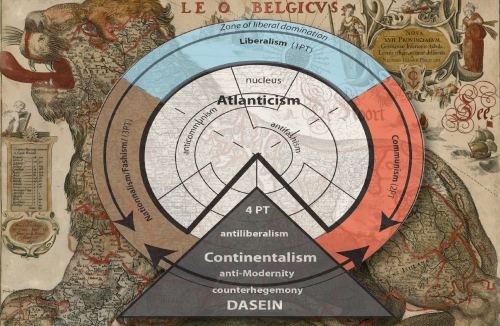
 Mais qu’est-ce que « sauver » veut dire ? Sauver est apporter le salut, cela nous le savons, tout le monde le sait sans néanmoins comprendre profondément la portée d’un tel geste. Apporter le salut, s’il faut donc définir correctement cette expression, signifie faire l’effort de redonner son intégrité à une personne, la considérer en son entièreté. Il ne s’agit donc point originellement d’une action visant à la soustraire d’un danger extérieur à elle-même, donc de se permettre soi-même de la dominer de ses sentiments prétendument supérieurs. Cela est autre chose que le salut. C’est d’ailleurs l’attitude prétentieuse qui prédomine dans notre monde lorsque de l’homme l’on désire en faire autre chose que ce qu’il est ! Mais nous y reviendrons.

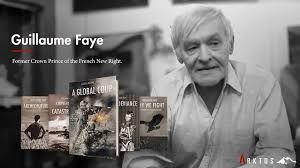
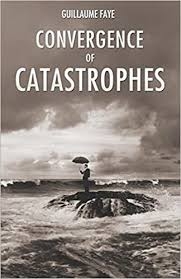 The Great Catastrophe


 Review:
 Salazar had written on various relatively obscure subjects before achieving fame with the 2015 publication of his reports on ISIS, Paroles Armées (Armed Words). His specialist field of study is rhetoric: how the power and associative imagery of words can be used as a tool in appropriating or resisting power. Rhetoric as a legitimate democratic tool recalls the sophists who marketed their skills in Ancient Athens to ambitious politicians and were lambasted for so doing by Socrates. Salazar seems interested in words less as tools to discover the truth than as tools in a struggle to gain ascendancy.
 From this alone the reader can see we are far from the earnestness of the usual “investigative reporter.” There is a lightness about this inquiry, a certain half-suppressed amusement which gives a very great advantage and a very great drawback to the study.
 Here is an example of Salazar’s showmanship approach. This is how the chapter entitled “A Cosmopolitan Croatian” begins:
 A chapter with more substance than many is “A Global White Nationalist” (English in the original), Salazar’s talk with the editor of Counter-Currents, Greg Johnson. Johnson’s clear aims are outlined. A question and answer session ensues on page 183 which reminded me of a Roman Catholic catechism recital.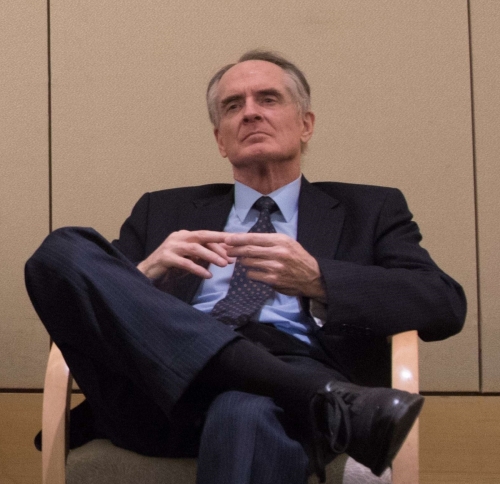
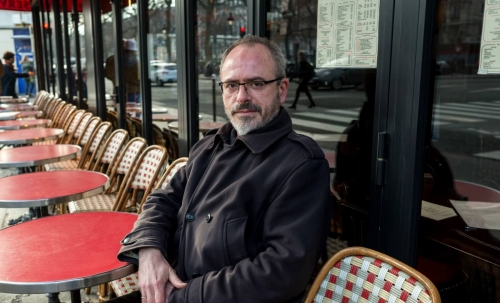
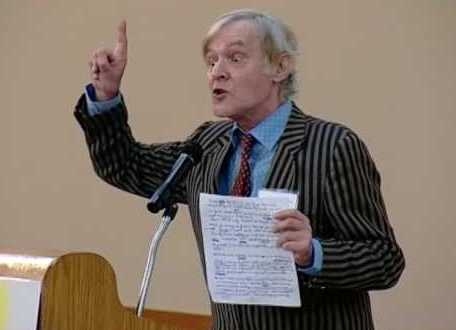
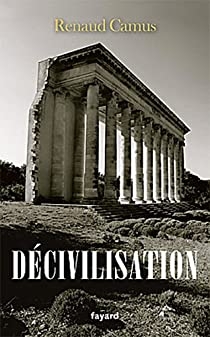 Camus’ definition of race is original: cultural apprenticeship plus natural reproduction equals race. This perhaps Evolian notion of race runs counter to the biological rationalist understanding of most North Americans. Salazar visits Camus, a Baron de Charlus character, in his Medieval castle tower in the Gers in rural France. He passes a Peugeot dealership in the middle of the countryside on his way to Camus and enigmatically states that “it should not be.” (p. 244). Salazar is not making a moral judgment here. He means the machine is not appropriate to this setting. Some might argue to the contrary: bringing small industry home to the nation and away from the big cities is too little, too late; it is what would have prevented the land drain that transformed France in the 1950s, 60s, and 70s. Then the question: How should and could regional identity work? Would home industry prove more a blessing or a bane? What of Trump’s insistence on prioritizing home industries in contrast with the EU’s extreme globalism? Salazar has nothing to say on this and presumably does not encourage Camus to say anything about it. Again, we have a debate that wasn’t. Salazar makes it clear that the interview with Camus was a disappointment, albeit the two part on friendly terms. Salazar dismissively asks himself rhetorically how many thinkers of the alt-right have read the book so praised by Camus as a key to understanding the true meaning of racial and cultural replacement, La Grande Peur des bien-pensants (The Great Fear of right-thinking people) by Georges Bernanos? (p. 252) Nevertheless he concedes, seemingly contradicting himself, and citing Barthes, that Camus is right about the evocative power of words: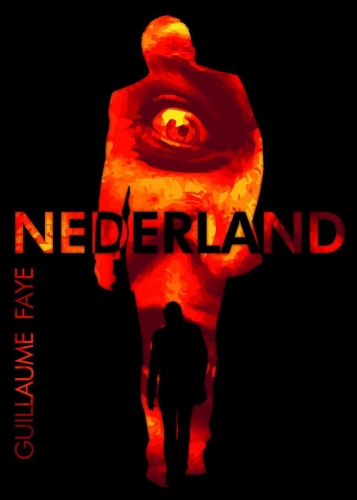
 Les gens du vulgaire qui comme nous lisent et relisent avec humilité la contribution de
 Robert Dragan
 Jean-Patrick Arteault

 Pierre Vial



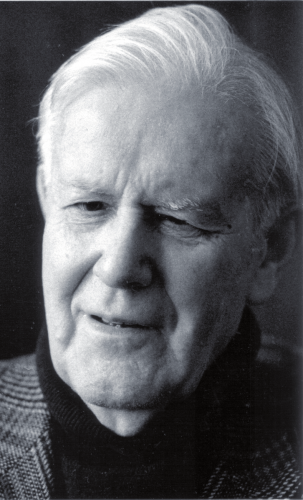
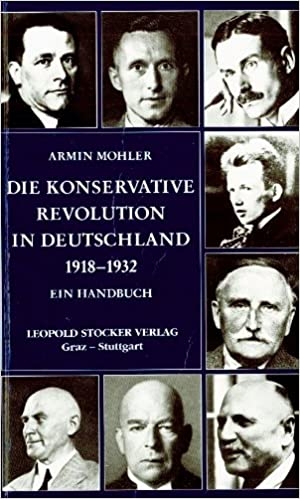 À partir de 1953, Armin Mohler s’installe en France. Il travaille pour les journaux allemands et suisses alémaniques Die Zeit, Die Welt et Die Tat. Il lit Maurice Barrès, Léon Bloy et Georges Sorel qu’il estime dans un livre de 2000 non traduit comme le « Grand-père » de la Révolution conservatrice. Ses amis se nomment Michel Mourre, le provocateur lettriste pré-situationniste, et le futur académicien José Cabanis. Revenu en Allemagne, Armin Mohler s’investit en politique. Ce directeur – gérant de la prestigieuse fondation Carl Friedrich von Siemens écrit pour les revues jeune-conservatrice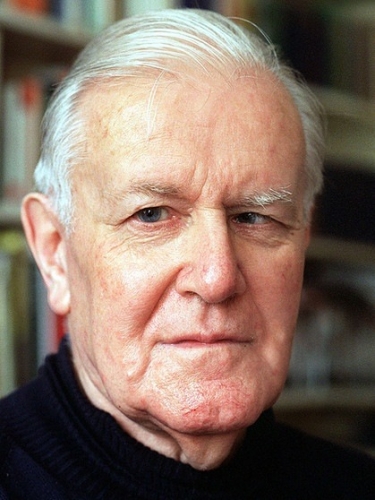
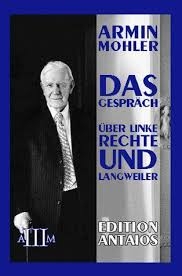 Ce n’était pas une crise, ce n’était pas un problème concret, ce n’était pas davantage une analyse de la situation qui avait généré ces phénomènes politiques. Ils ne devaient leur émergence et leur succès qu’au seul effet de la pensée du défunt Armin Mohler. Or celui, ajoutait le rédacteur de Die Zeit, n’avait rien d’un penseur original. Car Mohler n’avait fait que recycler le « nationalisme folciste » du temps de la République de Weimar. Bien sûr, les protagonistes actuels de la « nouvelle droite » n’atteignaient plus le niveau des Moeller van den Bruck, Oswald Spengler, Carl Schmitt ou Ernst Jünger. Mais, voilà, elles avaient mûri les graines que Mohler, avec son livre Die konservative Revolution in Deutschland, avait semées.
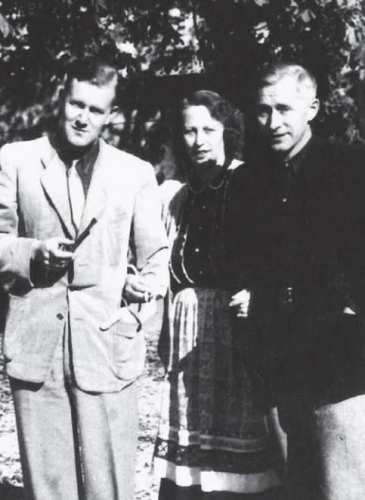 On devra toutefois constater que Mohler n’a laissé qu’un petit nombre d’écrits réellement personnels : on citera, outre son œuvre principale consacrée à la révolution conservatrice, Was die Deutschen fürchten et Die Vergangenheitbewältigung ; mais il ne faut pas oublier, qu’à côté de ces livres-là, il y a eu toute une série d’essais qui ont sans nul doute laissé, chez leurs lecteurs, des impressions bien plus fortes comme, par exemple, Der faschistischen Stil ou Liberalenbeschimpfung.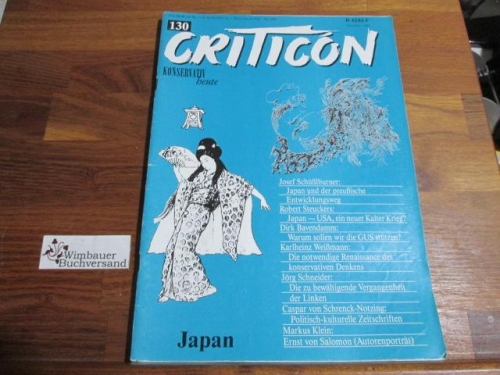
 Si l’on cherche à expliquer ce qu’il reste de la pensée de Mohler, alors il faut laisser tomber ce qu’il a souvent lui-même (et aussi ses adversaires) mis au centre de ses préoccupations. Son « nominalisme » n’avait guère de consistence tout comme sa critique du christianisme, sa vision « technocratique » n’a nullement été une solution pour la mouvance conservatrice, son orientation « gaullienne » n’a quasi convaincu personne. En revanche, ce qui est incontournable dans sa manière de saisir le monde, c’est son analyse de « la période axiale du conservatisme ».
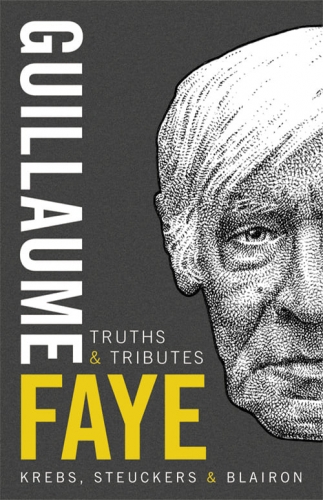
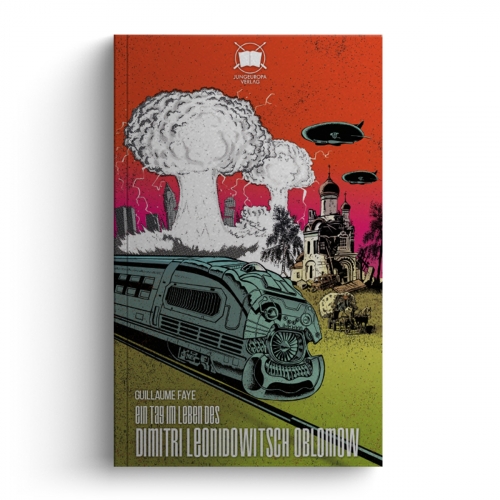
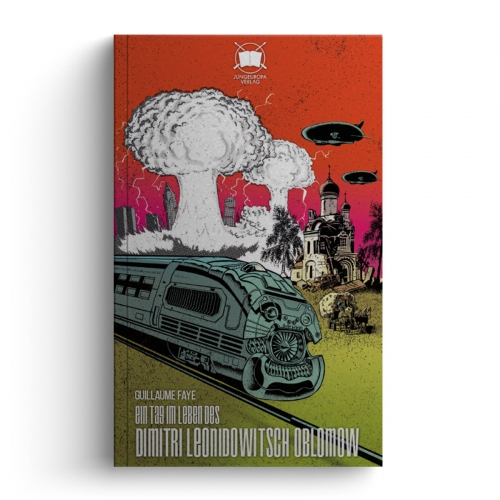
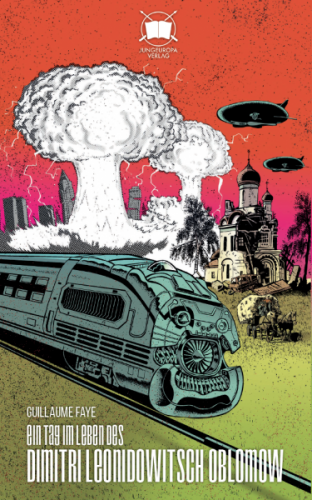 Malgré vos innombrables activités éditoriales et métapolitiques, nous n’allons pas parler de vous aujourd’hui mais de Guillaume Faye, plus précisément de sa brève nouvelle intitulée „Une journée dans la vie de Dimitri Léonidovitch Oblomov“ qui est parue en traduction allemande dans notre maison d’édition il y a quelques semaines. Sur votre compte Twitter, vous avez annoncé cette parution avec enthousiasme, sinon de manière euphorique. Révélez-nous pourquoi un tel enthousiasme ?
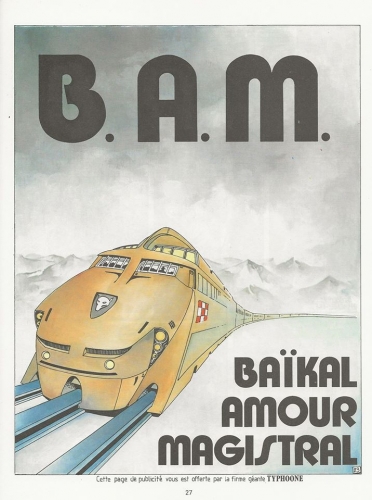
 Faye s’intéressait très fort aux projets de chemins de fer, surtout pour la ligne transsibérienne „Baïkal-Amour“, aussi pour les anciens projets allemands de la „Breitspurbahn“, pour l’aérotrain de la France de De Gaulle, pour les projets japonais similaires, etc. Voilà pourquoi Oblomov passe sa journée dans un train, partiellement souterrain. Pour Faye, la tâche première de tout Etat ou de tout Empire était d’organiser des communications ultra-rapides, exactement comme l’empire romain reposait sur ses routes et en dépendait. Mon fils et moi-même fumes un jour très étonné de constater qu’il lisait avec grand intérêt des revues de vulgarisation scientifique traitant de toutes les nouvelles technologies et biotechnologies, comme Science & Avenir, Sciences & Vie, etc. Même si quelques gros malins, croyant tout savoir et se piquant d’être omniscients, considéraient que ce genre de préoccupation était ridicule, je persiste à croire, avec le recul, que les diplômés en sciences humaines, littéraires ou sociologiques, doivent se donner pour hygiène mentale de glaner du savoir sur les révolutions en cours dans les sciences naturelles, physiques, et dans les domaines des hautes technologies (comme la nanotechnologie par exemple), afin de ne pas énoncer des théories boiteuses et incomplètes.
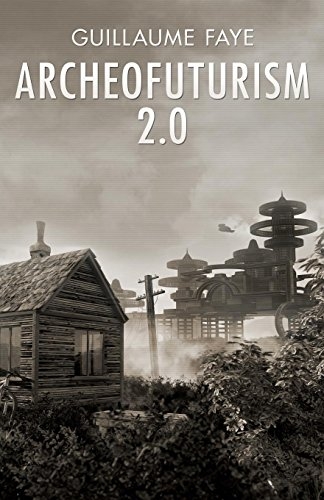 L’intérêt de Faye pour ce type de littérature se repère également dans le livre qui fait suite à L’archéofuturisme, soit L’Archéofuturisme V2.0: Nouvelles cataclysmiques,
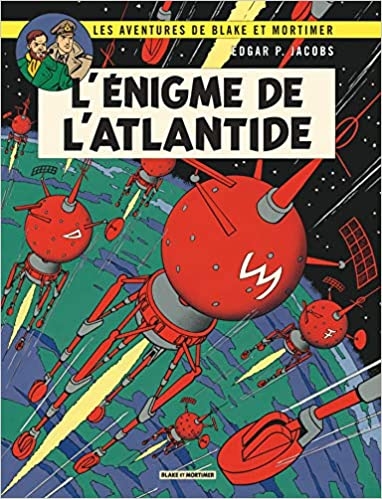 Ensuite, il y a la série „Blake et Mortimer“ d’Edgard P. Jacobs, où l’on trouve un „roman graphique“, qui nous décrit et nous dessine un royaume d’Atlantide se situant sous les flots au beau milieu de l’Océan Atlantique, juste en dessous des Açores. Ce royaume sous-marin est dirigé avec sagesse par un vieux Basileus, inspiré par l’harmonie grecque antique, mais, il est simultanément menacé par des barbares surexcités qui entendent prendre le pouvoir et massacrer les Atlantes. Ces barbares finissent par vaincre mais détruisent les barrages qui protègent des flots la cité sous-marine d’inspiration platonicienne qui est alors engloutie par l’océan. Mais les Atlantes et leur Basileus peuvent quitter la Terre à temps à bord de centaines de fusées pour se donner un avenir sur une autre planète.
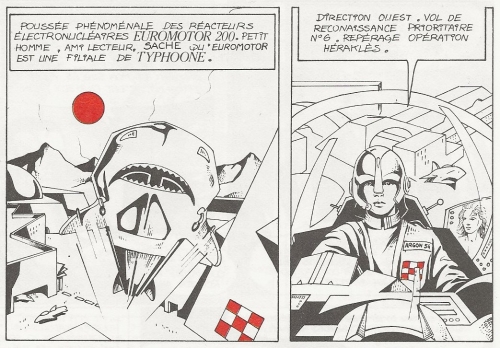
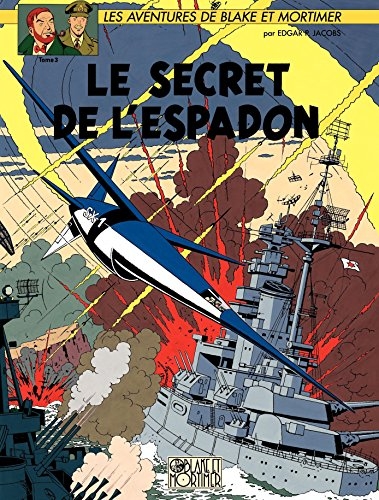 La fascination de Faye pour les technologies futuristes, pour l’exploration spatiale et les armes biologiques découle certainement d’une connaissance profonde des „romans graphiques“ belges de Franquin, Jacobs et Hergé. Dans la mouvance en France, il n’était d’ailleurs pas le seul dans ce cas: le musicien et dessinateur Jack Marchal, qui avait inventé le petit peuple des rats noirs néofascistes, avait à l’évidence puisé son inspiration chez le dessinateur wallon Raymond Macherot qui, lui aussi, avait créé un peuple de méchants rats vivant dans les égouts d’une ville imaginaire et en sortaient pour commettre mille méfaits. Ensuite son ami le peintre Olivier Carré et son camarade de combat (du moins au début de sa carrière) Grégory Pons étaient également „tintinophiles“, tout comme l’avocat genevois Pascal Junod (toujours très actif en Suisse romande) et moi-même. Cette influence de la bande dessinée belge ne se perçoit quasiment pas dans les milieux politiques germanophones. Je pense en outre qu’il aurait trouvé cela fantastique si des dessinateurs avaient utilisé les thèmes de son oeuvre métapolitique pour lancer de nouvelles séries de BD sur le marché !
 Après la rupture entre Faye et Benoist, je n’ai évidemment pas eu les réflexes imbéciles de la secte, en excommuniant à mon tour mon vieux camarade Guillaume Faye. Nous nous sommes vus en août 1987 en Suisse, où Pascal Junod, qui n’était pas encore un avocat renommé, avait organisé une fête paneuropéenne. Faye y a distribué sa lettre d’adieu et y a rencontré un bon paquet d’amis venus des quatre coins de la France et d’ailleurs. J’ai profité de l’occasion pour l’inviter en septembre à Bruxelles, dans les salons de l’Hôtel Métropole (aujourd’hui fermé pour cause de faillite suite au confinement de ce printemps 2020), afin qu’il puisse y présenter un livre et un thème, La soft-idéologie, qu’il avait travaillé et rédigé avec le grand analyste et stratégiste français des médias et des guerres de quatrième dimension, François-Bernard Huyghe. Faye, à l’époque, avait des contacts avec les cercles académiques les plus prestigieux. Sa conférence à Bruxelles sur la soft-idéologie fut la dernière qu’il fit à une tribune de la mouvance dite de „nouvelle droite“. Ensuite, pour moi, il a disparu, sans traces et sans donner signe de vie, dans le labyrinthe des médias alternatifs, polissons mais toutefois notoirement connus sur la place de Paris, où il joua, entre autres facéties, le rôle de Skyman, une sorte de superman vengeur des opprimés, capable d’organiser les plus désopilants des canulars.
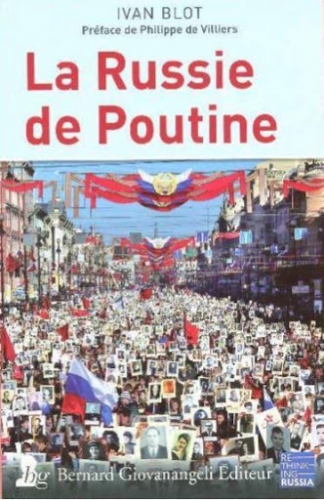 Il était, sur ce plan, sur la même longueur d’onde qu’Yvan Blot, un très ancien animateur de la nouvelle droite qui avait aussi rompu avec l’inénarrable de Benoist et qui est, hélas, décédé quelques mois avant Guillaume Faye, laissant un vide énorme dans la mouvance, qui n’est guère perçu dans l’espace germanophone, alors que Blot parlait parfaitement l’allemand. Il n’y a guère de querelles sur ce sujet dans les rangs de la nouvelle droite française actuelle: la plupart des activistes et sympathisants sont plutôt pro-russes, y compris bon nombre de catholiques de la vieille droite, bien que quelques-uns, et non des moindres, soutiennent l’ultra-droite ukrainienne (PS d’août 2020: les événements tout récents de Biélorussie modifieront sans doute quelque peu la donne, wait and see).
 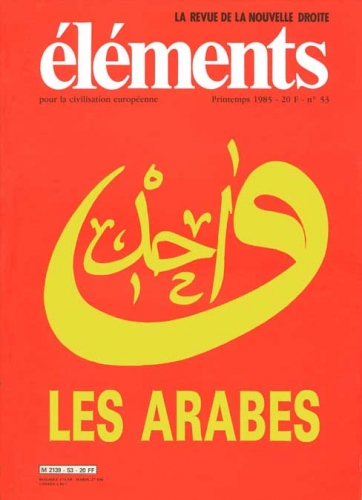 Faye a été dans les années 80, le fougueux avocat d’une coopération euro-arabe anti-impérialiste. Un colloque euro-arabe, visant un tel objectif, a eu lieu à l’université de Mons en Hainaut en 1985, auquel deux Allemands de la mouvance nationale-révolutionnaire, autour de la revue Wir Selbst, ont participé: Siegfried Bublies et Karl Höffkes (et, moi, j’étais leur interprète). C’était au temps où le monde arabe était dominé par le nationalisme militaire (Algérie), par le laïcisme, le nassérisme, le baathisme ou l’idéal de la „troisième théorie universelle“ de Khadafi. Depuis lors, la donne a considérablement changé. Les réseaux salafistes et wahhabites saoudiens ont oblitéré toute la scène politico-religieuse arabe. Or le salafisme, le frèrisme et le wahhabisme sont des instruments de l’impérialisme américain tout comme le sionisme. Le salafisme a ébranlé durablement l’Algérie et, plus tard, a déstabilisé l’Egypte et meurtri la Syrie, qui se trouve aujourd’hui dans un bien triste état. Chacun sait aujourd’hui que Brzezinski a soutenu les moudjahiddins afghans et leur a fourni des missiles Stinger, tout en recrutant Ben Laden comme mercenaire saoudien pour combattre les Soviétiques dans les montagnes de l’Hindou Kouch. La situation n’est plus aussi simple, aussi gérable, que dans les années 1980.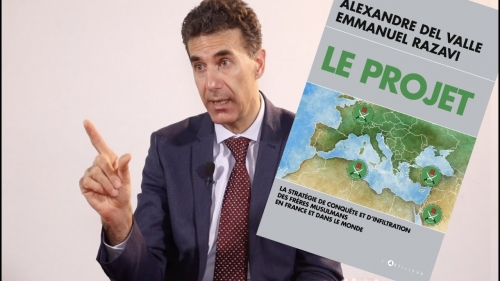
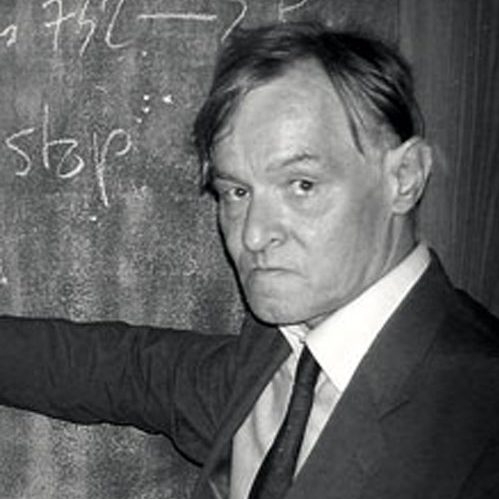
 J’ai connu Faye au début de l’année 1976 (ou fin 1975), une journée où il faisait très froid et où il prononçait une conférence à Lille sur l’indépendance énergétique de l’Europe (toujours des thèmes concrets !). Comme je viens de le dire, il était un homme très aimable, amical, toujours bienveillant, jamais agressif. Quand quelqu’un venait à lui en lui faisant entrevoir des perspectives nouvelles, il l’écoutait toujours attentivement (ce fut mon cas, alors que j’étais encore un gamin). Faye avait étudié dans un collège des Jésuites à Angoulême, où il avait reçu une solide formation classique, gréco-latine. De fait, sa culture antique était époustouflante. Il avait lu tout Platon et tout Aristote, avait intériorisé leur savoir et leur sagesse. Plus tard, quand il est venu à Paris pour étudier et qu’il s’est rapproché des cercles premiers de la „nouvelle droite“ dans la capitale française, c’est-à-dire les Cercles Vilfredo Pareto et Oswald Spengler, il s’est mis à lire Jouvenel, Freund, Schmitt et Raymond Ruyer. Plus tard, il découvrit les premiers livres, fondamentaux, de Michel Maffesoli. Ses axes de recherche étaient essentiellement politiques, au sens du politique tel que défini par Aristote, Schmitt et Freund, du politique au sens le plus noble du terme.
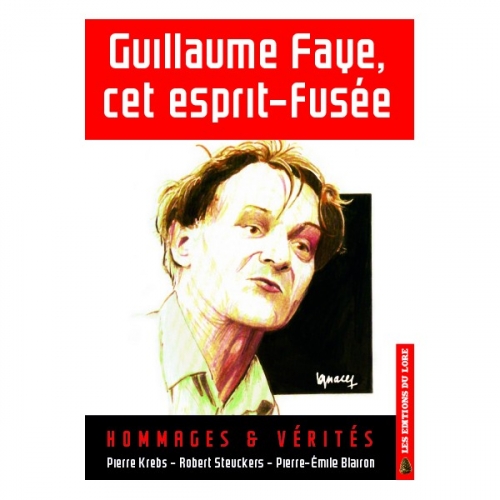
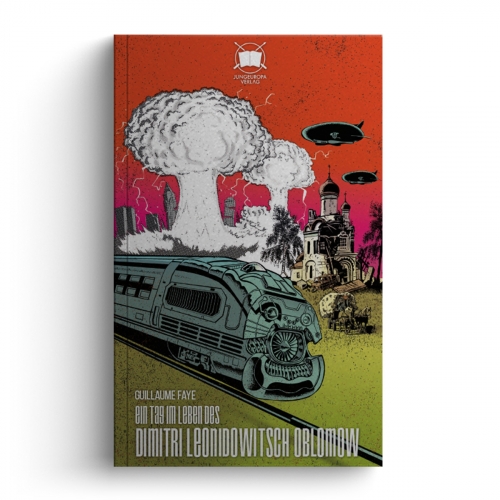
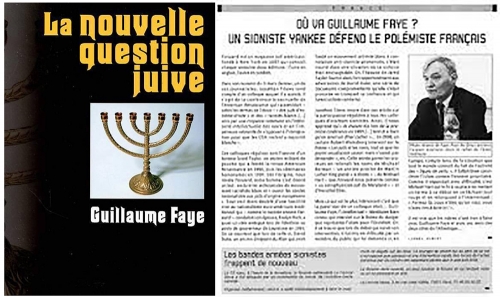
 Es ist kein Geheimnis, dass die Novelle eigentlich »nur« ein literarischer Anhang zu Fayes umfassendem Buch L’Archéofuturisme ist, in dem er seine Ideen einer zukünftigen Welt nach der »Großen Katastrophe« beschreibt und ausführt. Können Sie umreißen, was Faye unter dem Begriff »Archäofuturismus« versteht und was seinen ideologischen Kern ausmacht?
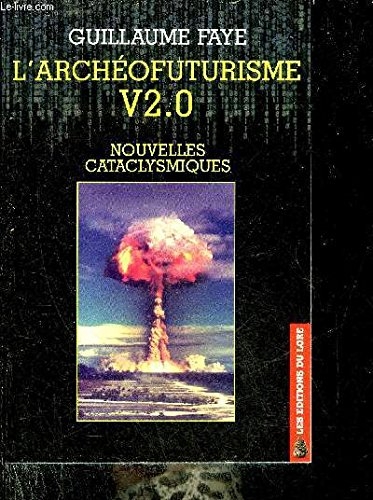 Für seine literarische Begeisterung spricht auch die Ausgestaltung des »Nachfolgebuches« L’Archéofuturisme V2.0: Nouvelles Cataclysmiques, ein ausschließlich aus Kurzgeschichten bestehender Band, der den Archäofuturismus erneut in den Fokus rückt. Doch schon 1985 beteiligte sich Faye als Autor an dem Comic-Band Avant-Guerre, in dem viele Motive seiner späteren Novellen, etwa die »Eurosibirische Föderation«, angelegt sind. Hat Faye gewissermaßen eine große Geschichte, eine eigene Welt, erfunden, die er über Jahre ausgestaltete und fortführte?
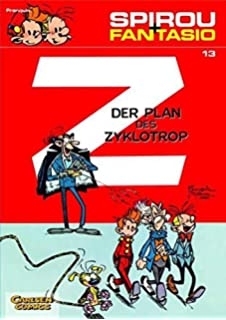 Das »Metamol« vernichtet eine südamerikanische Armee und chinesische Panzer, Zorglubs Stützpunkt im Dschungel Amazoniens wird mit Handgranaten zerstört, die ein allesfressendes Pilzextrakt enthalten, womit alle menschlichen Konstruktionen buchstäblich aufgelöst werden. Weiter in der Reihe Blake und Mortimer von Edgard P. Jacobs, findet man eine graphische Novelle, in der sich ein Atlantis-Reich unterseeisch in der Mitte des Atlantischen Ozeans direkt unter den Azoren befindet. Dieses unterseeische Reich wird von einem alten ehrwürdigen Basileus sanft geleitet, aber zur gleichen Zeit von aufgehetzten Barbaren bedroht. Die Barbaren siegen und zerstören die schützenden Deiche, wobei die musterhafte Polis platonischer Prägung überflutet wird. Aber die Atlanten und ihr Führer Basileus können rechtzeitig unsere Erde an Bord von hunderten Raumschiffen verlassen, um eine Zukunft auf einem anderen Planeten zu schaffen.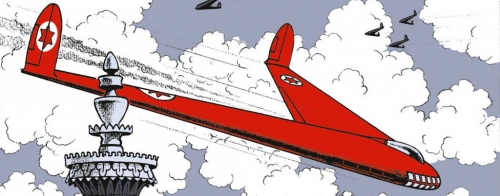
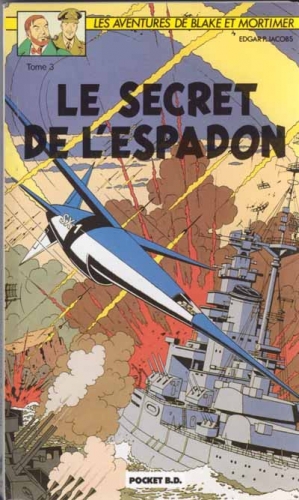 Die Faszination Fayes für futuristische Technologien, für Raumfahrt und Biowaffen entstammt sicherlich seiner tiefen Kenntnis der belgischen graphischen Novellen von Franquin, Jacobs und Hergé. Er war in der französischen Szene nicht allein: Der Musiker und Zeichner Jack Marchal, der das Völkchen der schwarzen neofaschistischen Ratten erfunden hat (man denke an das GUD-Symbol!), ließ sich eindeutig und bewusst von den bösen Ratten des wallonischen Zeichners Raymond Macherot inspirieren. Dann sein Freund, der Maler Olivier Carré, und dessen Bekannter Grégory Pons. Auch sie waren »Tintinophil« (= »Tim-Freaks«), so wie noch heute der Genfer Anwalt Pascal Junod (hyperaktiv in der Schweiz) und ich selbst. Dieser Einfluss ist im deutschsprachigen Raum freilich nicht zu spüren. Ich glaube aber, er hätte es toll gefunden, hätten Zeichner seine Themen aufgegriffen, um neue Serien auf den Markt zu bringen.
  Sein Comeback war diskret, aber, wie üblich, gekonnt umgesetzt. Er gab der Redaktion der damals jungen Zeitschrift Réfléchir & Agir (die man heute in allen Kiosken Frankreichs kaufen kann), ein Interview. Hauptthema des Gesprächs war eine Darstellung der neuen zeitgenössischen Musikströmungen, die einen durschlagenden Effekt auf Gesellschaft und Politik hätten, wenn sie zur gleichen Zeit auch in eine solche Richtung durch eine weltanschauliche Elite gelenkt würden. So könnte eine alternative Welt geschaffen werden.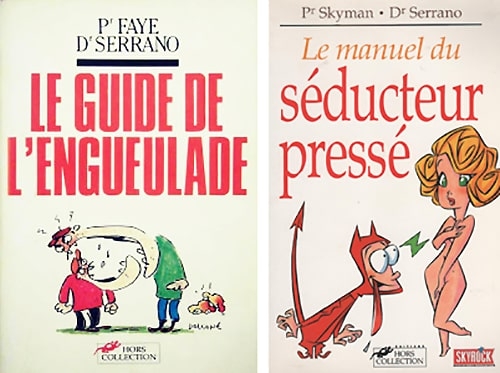



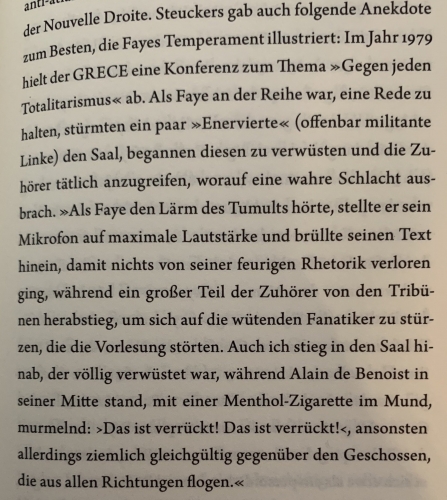

 Pierre Vial
 Jean Haudry
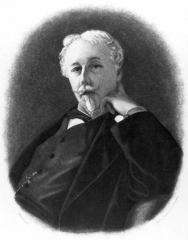 L’essor vertigineux des sciences et des techniques allait imposer une suprématie des Européens qui paraissait alors pérenne. A Arthur de Gobineau, pessimiste, leur décadence paraît inévitable : les Sumériens, les Egyptiens, les Perses, les Grecs, les Romains se sont dilués dans les alluvions du métissage. Dans son Essai sur l’inégalité des races, les Blancs sont les plus entreprenants et la sémitisation est synonyme de déclassement. Si certains de ses arguments sont aujourd’hui infirmés (les Slaves ne sont pas un ramassis d’Eurasiens et sa dévaluation des Asiatiques est tendancieuse), sa réflexion conserve un intérêt central. Pour Chamberlain et Grant, leur engouement nordiciste les pousse à certaines contre-vérités, qui ne devraient pas dévaloriser leur analyse générale, notamment l’étiolement que provoque le métissage et l’importance de l’eugénisme.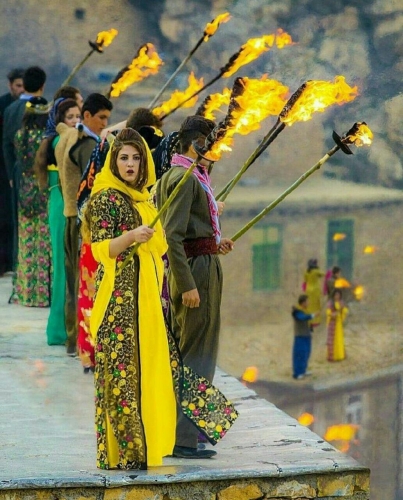
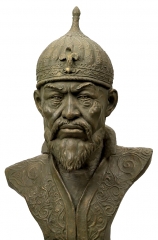 Tamerlan ravagera tout de Delhi au Caire. Il écrase les Ottomans turcophones et encage leur sultan Bajazet, mais il meurt soudain, laissant le fils de Bajazet, Mehmet Ier, fonder l’empire ottoman. Le fils de celui-ci, Mehmet II, s’empare de Constantinople en 1453. A l’est, les Safavides, des Kurdes soufis, font renaître la Perse. Ils se convertissent à un chiisme intransigeant et, en 1501, Ismaïl, qui s’est proclamé Shah de Perse, lance un djihad contre les sunnites. Le Kurdistan est déchiré entre, à l’est, l’empire perse indo-européen et chiite et, à l’ouest, l’empire ottoman turco-mongol et sunnite. Au lieu de s’en faire des alliés, Ismaïl traite les Kurdes avec rigueur et Sélim, le sultan ottoman, massacre 40.000 Kurdes chiites et met en pièces l’armée perse en 1514. A l’exception du sud-est, tout le Kurdistan est aux mains des Ottomans. Comme ils ne disposent pas des moyens de le défendre, ils en confient la charge aux Kurdes contre une parcelle d’autonomie. Comme ceux-ci se révoltent sans cesse, les Turcs rasent des centaines de villages yézidis. L’empire perse déclinant, les Afghans sunnites détruisent en 1719 sa magnifique capitale Ispahan et c’est alors le Kurde Kerim Xané Zend qui devient shah et relève la Perse. En 1830, Mir Kor chasse les Turcs et proclame l’indépendance du Kurdistan, mais les Anglais, jouant la carte ottomane contre la Russie et la Perse, le livrent aux Ottomans. Lors de la guerre de Crimée, Ils répéteront leur traitrise en leur livrant le Kurde Yeshander, qui avait réussi à lever une armée de cent mille volontaires. Le sultan forme alors le corps des auxiliaires kurdes sous commandement turc, à qui seront confiées des basses besognes, notamment le génocide des Arméniens. Un mouvement intellectuel de liberté pro-kurde émerge à la fin du XIXe siècle, malheureusement au moment où s’impose le fanatisme des Jeunes Turcs kémalistes, panislamique et panturc. En 1914, les Kurdes, qui avaient joué la carte slave, sont dans le mauvais camp. Ces mises malheureuses vont se répéter ensuite à l’envi et aujourd’hui, Trump, qui a récupéré le pétrole irakien, n’a plus besoin des Kurdes et les a livrés à la vindicte d’Erdogan.
 Pour situer son imprégnation personnelle par la spiritualité païenne,
  Lorsque, en 1943, Maurice Martin endosse l’uniforme maudit de la Brigade Frankreich, il précisera : « Je me suis rallié à un type humain plutôt qu’à une idéologie. Le monde guérira par la personnalité allemande. » Condamné à un an de prison, il exerce ensuite de multiples métiers, dont l’enseignement de l’allemand. Aux jeunes, il apprend à être des missionnaires du combat révolutionnaire européen et de la défense de leur identité raciale, des protecteurs des identités régionales enracinées dans l’ensemble civilisationnel de la Grande Europe Blanche, laquelle inclut la Russie. Ecologiste avant la lettre, il épouse la vision jungienne du conditionnement géographiques des psychismes dans le cadre d’une psychologie des profondeurs. Il soutient le projet d’une agriculture naturelle et non-productiviste. Vis-à-vis de ses proches, il se refuse à être un gourou et recommande : « N’ayez jamais de maîtres à penser, pensez par vous-même. »
 R.D.
R.D. Dans ‘l’Empire prédateur d’occident’, l’essayiste helvétique
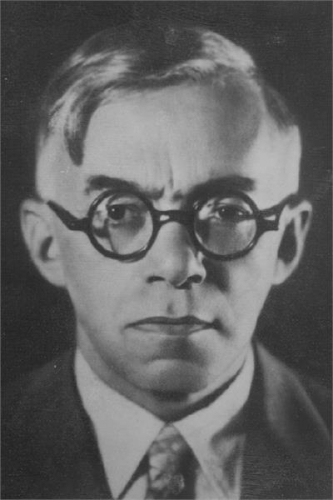 Après la chute de Tel Hai, en 1920, la Fédération sioniste autorisa Zé’ev Jabotinsky (photo) à former une Force de défense juive, la Haganah, que celui-ci voyait comme un bataillon intégré à l’armée anglaise. Mais Ben Gourion voulait une milice armée autonome et la Haganah se procure alors clandestinement des armes et organise l’entraînement de ses forces dans des associations sportives. En 1929, des attaques simultanées de colonies juives sont déclenchées dans toute la Palestine et des massacres ont lieu, les Anglais s’attachant alors à limiter la liberté d’action des sionistes. La Haganah, désormais subordonnée au seul Yishouv, l’organisation sioniste, voit naître une dissension en son sein actionnée par la Histadrout, qui défend les droits syndicaux des salariés juifs. Il en résultera la sécession de l’organisation militaire nationale Etzel (Irgoun Tsvaï Léoumi). Quand éclate la grande révolte arabe de 1936-1939 contre tant les Anglais que les Juifs, ils joignent leurs forces et des volontaires de la Haganah sont intégrés à la police. Leurs escouades de nuit organisent des coups de main. La Haganah, qui entre-temps s’est dotée du Shai, service secret très efficace, et du Ta’as, comptait en 1937 25.000 miliciens et miliciennes.
 Pierre Vial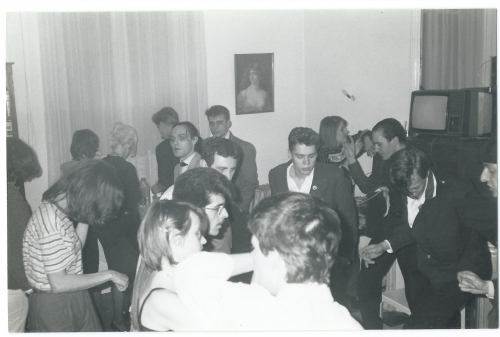
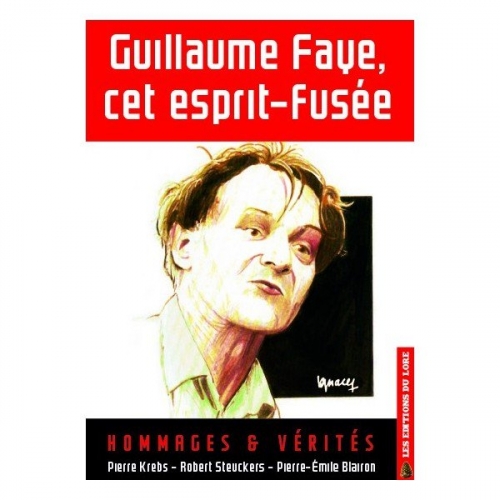
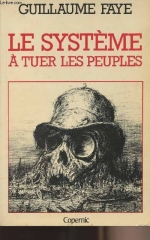
 Sinon, au printemps 83, Faye est une manière de star dans le petit milieu ex. dr. : c'est, au sommet de la "Nouvelle Droite", le bras droit, jeune et branché d'Alain de Benoist, auteur d'un essai assez remarqué, Le Système à tuer les peuples, clairement anti-libéral et anti-occidental (l'Occident de Jean-Paul II et de Ronald Reagan, pour préciser sa pensée).
 Et on le devine rien qu'à le voir sur cette photo, les yeux maquillés comme une star rock, pour un regard et un profil d'oiseau de proie... Derrière lui, de dos, la nuque droitiste de Bernard Lehoux, autre disparu de la photo. Juste à gauche de lui et de dos elle aussi, Odile, soeur d'Olivier Carré, dont on appréciera l'élégant tailleur noir et la coupe asymétrique new wave et blonde. Enfin, juste derrière Faye, votre serviteur arbore le spencer Kruger et l'air sombre réglementaires... On dansera, boira et papotera pas mal, et on regardera l'enregistrement vidéo d'un défilé de mode soviétique très réussi, organisé par Jalons, où Carré et moi-même avons un rôle... Faye, un peu éméché, me proposera de collaborer à une revue confidentielle, mais aussi au magazine de droite branchée que prépare Alain Lefebvre (Magazine Hebdo) : rien de tout ceci ne se réalisera (pour moi) mais j'aurai passé une bonne soirée, ne quittant les lieux qu'à 3 heures du matin... C'était le bon temps, le temps de l'Avant-Guerre !
 « Je n’ai pas connu Guillaume Faye assez longtemps pour oser me compter au nombre de ses amis, mais suffisamment pour avoir partagé avec lui d’excellents moments, que j’évoque ici. Je ne lui rends pas un hommage convenu, mais salue la mémoire d’un homme resté jusqu’au bout un soldat politique, un partisan européen de la Cause blanche.
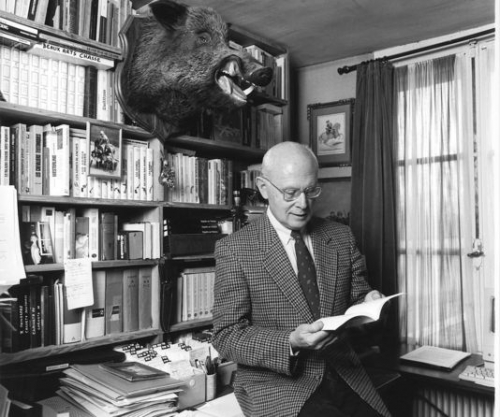
 J’ai d’abord découvert Venner, l’expert en armement, avant de m’intéresser à son parcours politique et intellectuel. Pourtant « quel roman que (sa) vie ! » comme aurait dit Napoléon.
 Ayant étudié Marx et Lénine, il analyse le Communisme, qu’il combat depuis toujours, non seulement comme un programme politique, mais aussi comme une organisation que les militants nationalistes doivent imiter en se structurant intellectuellement.
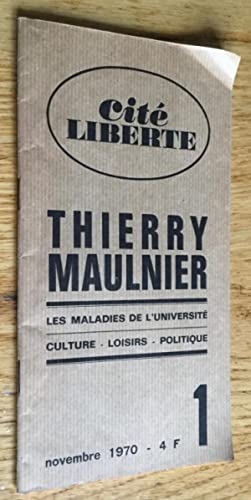 Après plusieurs colloques et sept numéros de « Cité-Liberté », l’institut se saborde en 1971.
 Certains ont aussitôt parlé du « geste d’un déséquilibré ». Il n’en est rien : dans une lettre envoyée à ses amis de « Radio Courtoisie » et à Robert Ménard, qui la publiera dans « Boulevard Voltaire », il explique « croire nécessaire… devant des périls immenses pour sa patrie française et européenne…de se sacrifier pour rompre la léthargie qui nous accable ». Il déclare « offrir ce qui lui reste de vie dans une intention de protestation et de fondation ».
 Influenced by the Konservative Revolution of pre-war Germany, particular the civilisational pessimism of Oswald Spengler, the merciless critique of liberal democracy assembled in the works of Carl Schmitt and the complex and hard to define body of work created by Ernst Junger, the Nouvelle Droite’s think tank GRECE (Groupement de Recherce et d’Études pour la Civilisation Européene, or Research and Study Group for European Civilisation) established itself, for a time, as an influential body on the French political scene.
 Avowedly anti-capitalist, anti-American, anti-globalisation and pro-European unification, there is, unfortunately for the online censors, therefore very little evidence of Nouvelle Droite influences on Gove’s personal politics. Indeed, many of its lines of thought can be traced more clearly in European politicians as superficially distinct as Macron and Orban than in any British figure.
 The European Union, similarly, links climate change to a
  Indeed, Faye’s darkest warnings are echoed in British parliamentary politics only by the Green Party, one of whose most senior figures, the University of East Anglia’s professor of Philosophy and
 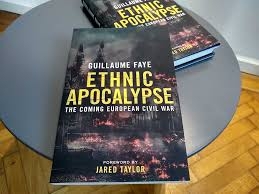 We should be pleased that our political representatives are reading offbeat ideas, not necessarily because they believe them, but because they represent the strange intellectual and political ferment of the early 21st century. The idea that There Is No Alternative to the neoliberal consensus is long gone. There are, if anything, too many alternatives, and they represent a future as dangerous as it is exciting.

 Russia has been hit by the pandemic in a relatively mild form. I can not say that the measures the government has undertaken were (or are) exceptionally good but the situation is nevertheless not as dramatic as elsewhere. From the end of March, Russia began to close its borders with the countries most affected by coronavirus. Putin then mildly suggested citizens stay home for one week in the end of March without explaining what the legal status of this voluntary measure actually was. A full lockdown followed in the region most affected by pandemic. At the first glance the measures of the government looked a bit confused: it seemed that Putin and others were not totally aware of the real danger of the coronavirus, perhaps suspecting that Western countries had some hidden agenda (political or economic). Nonetheless, reluctantly, the government has accepted the challenge and now most regions are in total lockdown.
 On one hand, many experts claim that the disease has artificial origin and was leaked (accidently or on purpose) as an act of biological warfare. Precisely in Wuhan there is allegedly one of the top biological laboratories in China. In the US, many people, including President Trump, pursue this hypothesis or suggest this is all part of the plan of a select group of globalists (like Bill Gates, Zuckerberger, George Soros and so on) to expand the deadly virus in order to impose the vaccination and eventually introduce microchips into human beings around the world. The surveillance methods already introduced to control and monitor infected people and even those who are still healthy seem to confirm such fears. There is a conspiracy theory which suggests that China has been set up as a scapegoat. We might laugh at the inconsistency of such myths and their lack of proof, but belief in such theories – especially during moments of deep crises – are easily accepted and become the basis for real actions, and could even lead to war.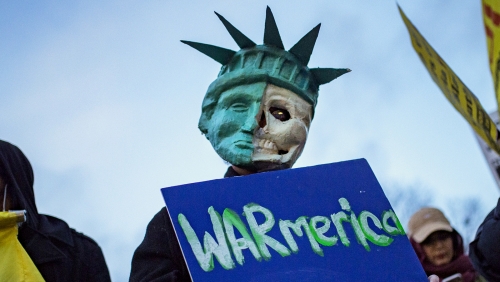
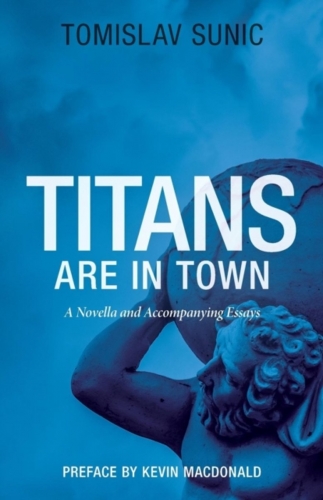
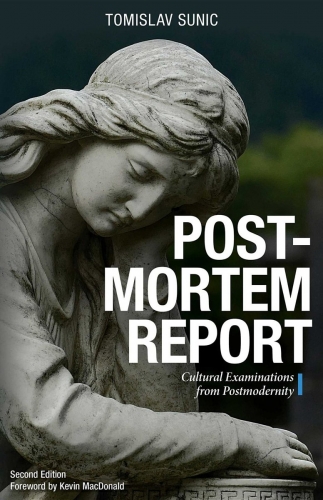
 Hinsichtlich der „Umvolkung“ oder des „Bevölkerungsaustausches“ sollte man darauf hinweisen, daß es dies immer schon gegeben hat und immer geben wird. Vor kurzem gab es mehrere kleine Bevölkerungs-Austauschaktionen im ehemaligen Jugoslawien, wobei viele Kroaten, muslimische Bosniaken und Serben in Bosnien ihre ehemaligen Wohnorte verlassen mußten. Vertreibung wäre hier ein besseres Wort für diese Aktion, da dieser Bevölkerungsaustausch in Ex-Jugoslawien mitten im Kriege stattgefunden hat.
 Deswegen ist jegliche Kritik an der Masseneinwanderung ohne eine vorhergehende Kritik am liberalen Handel bzw. am Kapitalismus sinnlos. Und umkehrt. Die kleinen kriminellen Migrantenschlepper, die meistens aus dem Balkan stammen, sind nur ein Abbild der großen Gutmenschen-Migrantenschlepper, die in unseren Regierungen sitzen. Auch unsere Politiker, ob sie in Brüssel oder in Berlin sitzen, befolgen nur die Regeln des freien Marktes.
  Natürlich könnte der heutige Bevölkerungsaustausch von jedem europäischen Staat jederzeit gestoppt oder auch rückgängig gemacht werden, solange Politiker Mut zur Macht haben, solange sie politische Entscheidungen treffen wollen, oder anders gesagt, solange sie die Entschlossenheit zeigen, den Zuzug der Migranten aufzuhalten.
 Demzufolge stellt sich die Frage, was bedeutet es heute, ein guter Europäer zu sein? Ist ein Bauer im ethnisch homogenen Rumänien oder Kroatien ein besserer Europäer, oder ist ein Nachkomme der dritten Generation eines Somaliers oder Maghrebiners, der in Berlin oder Paris wohnt, ein besserer Europäer?
 Die einzige Waffe, sich gegen den heutigen Völkeraustausch zu wehren, liegt in der Wiedererweckung unseres biologisch-kulturellen Bewußtseins. Ansonsten werden wir weiterhin nur die hohlen Floskeln der christlichen, liberalen oder kommunistischen Multikulti-Ideologie wiederkäuen. So richtig es ist, die Antifa oder den Finanzkapitalismus anzuprangern, dürfen wir nicht vergessen, daß die christlichen Kirchen die eifrigsten Boten des großen Bevölkerungsaustauschs sind.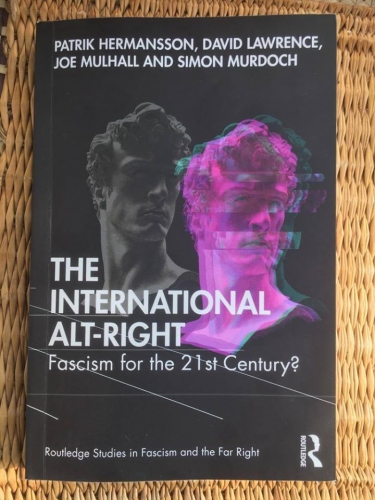
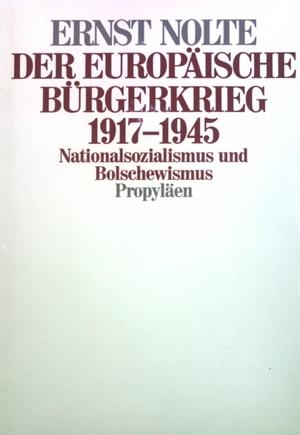 E' un fenomeno irripetibile, inquadrabile in tutto e per tutto nel XX secolo e figlio della palingenesi collettiva della prima guerra mondiale, che forgiò una generazione in quella che Benito Mussolini definirà come “trincerocrazia”, mito fondativo di una nuova gioventù che tornava a casa dopo quattro anni di trincea. Il fascismo mussoliniano è figlio della Grande Guerra, l’evento che ha mutato per sempre la storia, l’Europa e il mondo, e senza la quale non avremmo avuto né il nazionalsocialismo in Germania né la Rivoluzione d'Ottobre in Russia. E' nel suo mezzo, e qui aveva ragione Ernst Nolte, che scoppia la “europäische Bürgerkrieg” (1917 - 1945) fra due diverse concezioni del mondo, fra quella materialista storica incarnata nel marxismo-leninismo a quella romantica, idealista e volontarista incarnata dai fascismi. E' quel carnaio a creare l'idea che sarebbe nata un’aristocrazia guerriera venuta fuori direttamente dalla gerarchia della trincea, la trincerocrazia, cioè
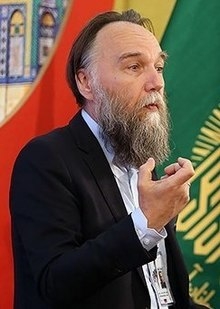
 Diverso il discorso della Nouvelle Droite o la Quarta Teoria Politica di Aleksandr Dugin, che è una riattualizzazione della konservative Revolution, che non punta alla creazione di uno stato totalitario (a differenza del fascismo, che è figlio della modernità) ma piuttosto organico, federale e continentale, pescando dal pre-moderno, dall'arcaismo, dal tradizionalismo, dai valori iperborei, dalle identità ancestrali che il cosiddetto "mondialismo", figlio della post-modernità, sta cancellando. L'alt-right invece è strettamente legata alla mentalità liberale e ai modelli di produzione capitalistici. Insomma, certi storici americani è meglio che studino altro!