
 del.icio.us
 Digg
Digg Facebook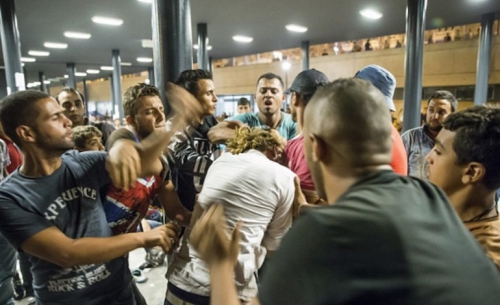
Les agressions sexuelles et les vols commis de façon étendue à Cologne, ainsi que dans d’autres villes allemandes et européennes à Nouvel an, ont suscité l’émoi dans l’opinion publique. Ces incidents ont également affaibli la ligne d’ouverture envers les migrants adoptée par la chancelière allemande Angela Merkel. Entretien avec Dominique Baettig, psychiatre et personnalité politique qui s’affranchit du politiquement correct.
Alimuddin Usmani : Les incidents de Cologne étaient largement prévisibles, particulièrement par ceux qui critiquaient une immigration massive et incontrôlée. Quelle a été votre première réaction en apprenant la nouvelle d’une agression aussi massive et organisée?
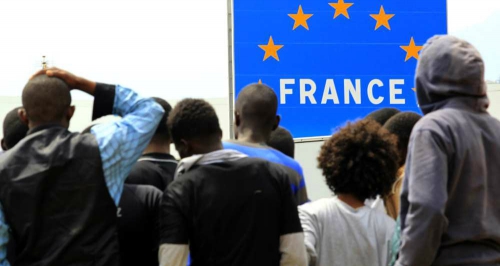
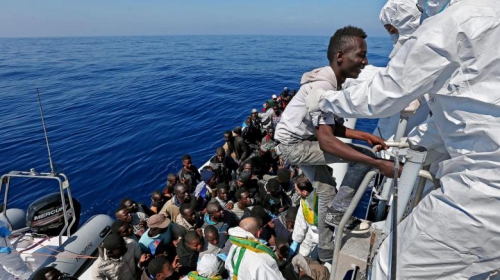
Dominique Baettig : Oui, comme très souvent les Cassandre (ceux qui disent qu’il y a un problème deviennent le problème !) avaient raison. Les risques étaient d’ailleurs très élevés, si l’on en juge déjà par les images prémonitoires d’une vague déferlante, menaçante, encadrée par des passeurs « professionnels » spécialisés aussi dans les trafics d’êtres humains, l’industrie des faux papiers, revendiquant ses droits et appuyée sans réserve par les medias.
Ma première réaction a été la surprise, pas des faits qui se sont déjà déroulés à maintes reprises dans des contextes de « saturnales culturelles » comme les Fêtes de la bière, les beuveries collectives du Nouvel An et bien sûr le Carnaval où la démesure et le défoulement sont la règle, mais de la levée soudaine de l’interdit de parler de ce qui n’est pas politiquement, sociologiquement et culturellement correct. Pourquoi le voile se lève-t-il maintenant, l’autocensure ne fonctionne-t-elle plus efficacement ? A cause des réseaux de réinformation, peut-être ? Mais l’analyse d’un tel harcèlement collectif et les réactions de déni des milieux habituels qui exploitent ces sujets et en ont fait leur fonds de commerce (féministes, antifas et autres petites frappes moralistes au service de la haine de soi, gauche des valeurs et droite économique immigrationiste) mérite d’être faite en profondeur. Comme politique, comme psychiatre, comme décodeur de la propagande du consentement « fabriqué », je pense que nous avons affaire à une superposition et un renforcement de mécanismes qui créent un sentiment de chaos et d’impuissance acquise et qui induiront un renoncement. La stratégie de la tension, en vue d’imposer un multiculturalisme de morcellement de la société et réaliser un programme d’immigration massive planifié par les institutions internationales mondialistes passe à un échelon et une vitesse supérieure.
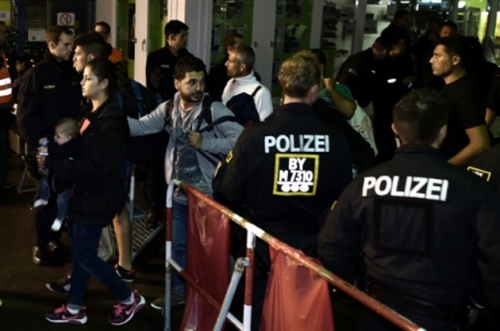
La psychologie des foules, de Le Bon, nous donne des clés utiles pour comprendre un événement comme celui de Cologne. L’individu construit une relation particulière avec un autre individu, issu d’une culture différente et cette relation change dès qu’il y a foule. L’effet de groupe, de meute est facilitateur de régression et de désinhibition, permettant tous les excès sur d’autres individus isolés ou un groupe plus petit. Le groupe devient irrationnel, ne se contrôle plus et suscite des réactions de crainte des individus n’appartenant pas à ce groupe. Le nombre industriel de migrants, les forces de l’ordre dépassées, font changer de paradigme et de rapport de forme. L’intégration dorénavant signifie s’adapter à des groupes plus nombreux, modifier activement ses comportements, renoncer à des libertés, des habitudes culturelles et sociales, à son mode de vie.
Il est piquant de noter que, dans le cas qui nous occupe, le fossé entre la lutte contre le mobbing et le harcèlement sexuel tel qu’il est pensé dans notre culture, souvent basé sur des faits en disproportion ou des procès d’intention, et la minimisation qui s’est passée avec des groupes culturels intouchables ( des pauvres victimes pour la gauche bobo), qui peuvent être beaucoup plus primaires, surtout sous l’influence de l’alcool et l’incitation culturelle à s’éclater. Depuis longtemps, beaucoup de femmes avaient tiré la sonnette d’alarme. Le respect de la femme, sa liberté de comportement, sa liberté de choix va être freinée par le comportement de mâles vraiment machos, possessifs et violents. L’immigration, la globalisation en confrontant massivement des sociétés à grand écart culturel représentent un risque de régression culturelle et sociale et l’augmentation de l’insécurité. Nous y sommes dorénavant.
Choc des mentalités : l’immigration massive, arme de destruction sociale et culturelle massive pose de plus en plus de problèmes mais elle s’inscrit dans le cadre d’une guerre économique et une guerre de domination de l’oligarchie. L’Islam n’est ici qu’un phénomène secondaire par rapport à la migration. Certains cherchent maintenant à insister sur la domination masculine dans l’immigration qui transite par la Turquie, venant de Syrie, d’Irak, d’Afghanistan ou d’Afrique du Nord. Il faut reconnaître qu’avec un arrière fonds de culture et de formatage musulmans, une religion qui est encore trop proche de la névrose obsessionnelle, à la différence des formes modernes et traditionnelle du christianisme avec peu d’intériorisation morale autonome, importance des interdits externes, rigidité, intransigeance, la forme l’emporte sur le fond, prise au pied de la lettre du discours, l’explosion est garantie en cas de confrontation aux valeurs libérales de consommation. Confronté au monde occidental des désirs, sans frein, le risque de péter un plomb est très grand. Les psychiatres connaissent bien les manifestations parfois massives de l’alcoolisme chez des musulmans migrants et hors protection religieuse.
La problématique culturelle éducative de l’enfant Roi (tyran) au migrant, bon Sauvage idéalisé, pas corrompu par le matérialisme, la névrose de consommation, le fascisme, le racisme, mérite aussi d’être mise en évidence.
Coup dur pour la gauche bobo que de voir ses protégés idéalisés se comporter comme les pires machos, violents, misogynes et homophobes. Mais le migrant, auquel tout est dû, victime de discrimination, de préjugés, non coupable par essence car mal intégré par « rejet de l’Autre » devient comme l’enfant Roi sans limites, une véritable bombe à retardement et de désillusion. Dur, dur pour les gentils bisounours. Une intégration réussie passe par l’imposition et l’acceptation de limites et de respect d’autrui. La gauche a échoué dans ses réformes éducatives, la culture de l’excuse, le droit à la susceptibilité pour les minorités, le culte inadéquat et toxique du « Grand Autre » paré de toutes les vertus xénophiles.
Certains n’hésitent pas à faire un parallèle entre ce qui s’est passé en 1945, lors du déferlement de soldats soviétiques qui violaient des Allemandes en masse, et la situation actuelle. Les immigrés venus en Europe se comporteraient comme une armée de vainqueurs et en terrain conquis à l’instar des Soviétiques. Que pensez-vous de cette comparaison?
Ceux qui dissertent à l’infini, lorsqu’ils parlent de la guerre civile yougoslave ou les exactions d’ISIS, sur le viol comme arme de guerre ne veulent pas voir ce qui s’est passé à la fin de la deuxième guerre mondiale pour la population allemande : déportations, viols de masse, crimes de guerre et contre l’Humanité. Il faut se garder de faire des comparaisons inappropriées. Les abus sexuels des occupants, russes, américains, anglais, français, en Allemagne, mais aussi au Japon et ailleurs en Asie sont connus. Les migrants ne sont pas globalement une armée d’occupation (ils ne présentent pas tous les mêmes comportements) même s’ils sont utilisés comme armes de guerre économique et politique dans l’hypothèse d’un « choc des civilisations » qui est instrumentalisé. Ceci dit le peuple allemand est l’exemple réussi d’une culpabilisation masochiste par lavage de cerveau. La haine de soi poussée jusqu’à l’absurde et l’intériorisation.
Si 1000 hommes allemands avaient commis les mêmes actes dans les rues de Tunis ou de Casablanca, il est probable qu’ils auraient été lynchés par une foule en colère. La société occidentale ne souffre-t-elle pas de dévirilisation pour laisser commettre des actes aussi abjects?
Je ne me pencherai pas sur le tourisme sexuel de masse, y compris pédophile qui a lieu dans les pays du Maghreb. La liberté féminine et le comportement d’égalité respectueuse affirmé en Allemagne est incompréhensible pour des sauvages qui ne voient la sexualité que comme une prédation, une domination ou une prestation achetable. L’homme occidental, sûrement dévirilisé psychologiquement, n’est pas plus outillé pour se défendre et adopter le bon comportement que la femme qui ne se rend plus compte de la provocation mal interprétée de son comportement, la mauvaise gestion de la distance, son habillement ou la consommation d’alcool pour un « sauvage » aux pulsions explosives et aux aguets.
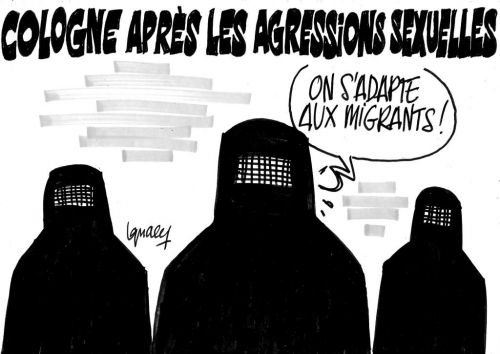
On n’entend pas tellement les organisations féministes dénoncer ces actes qui devraient les révulser. Comment l’expliquez-vous?
Pour le féminisme, le problème c’est l’Homme occidental, le Père, l’abuseur sexuel de la famille, le Patron, le macho local, le collabo. Ses œillères idéologiques l’empêchent encore de voir la réalité puisqu’il ne faut pas faire le lit de l’extrême-droite et surtout ne pas faire d’amalgames. L’idéologie dominante s’impose avec préjugés, autocensure, déni de la réalité qui est forcément « fasciste ».
Quelle est selon-vous la meilleure recette pour éviter de tomber dans le piège de la guerre civile qui nous est tendu?
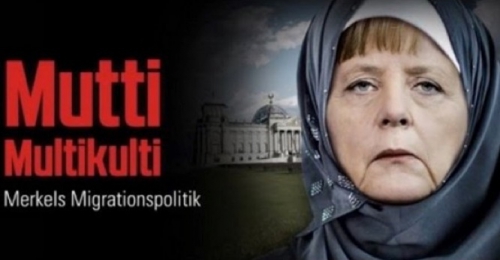
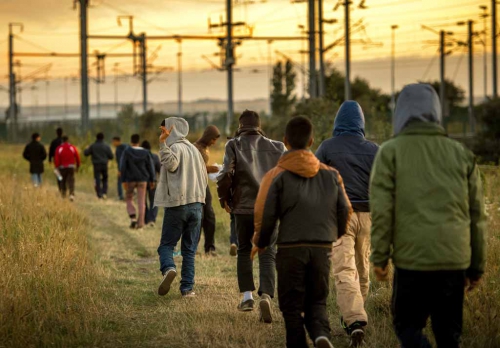
Je pense que la campagne faite actuellement est un indice du changement de rapport de force (plus de 800’000 migrants illégaux et requérants d’asile en Allemagne qui s’imposent et sont imposés par les milieux économiques mondialistes, c’est colossal). Les milieux politiques, et Madame Merkel qui ont annoncé que les migrants étaient les bienvenus en masse, jouent sur la peur de la migration mais pour obtenir, par les réactions émotionnelles, juste l’’inverse c’est-à-dire la soumission et la redistribution ailleurs en Europe par pression morale et économique. Les solutions proposées seront les cours de respect, peu efficaces, explorer les moyens juridiques de renvoi, tigres de papier, et surtout la criminalisation de toute critique du vivre ensemble imposé. Les lois de surveillance antiterroristes serviront d’abord à museler la vraie opposition. C’est dorénavant aux peuples européens d’accepter, y compris avec les aspects criminels (trafics, travail au noir, abus de prestations sociales, exploitation) la migration de masse incontournable. Faire peur c’est induire l’impuissance et le renoncement. Pas une bonne nouvelle. Mais il faudra lutter, même si dans la vision de nos adversaire, se défendre c’est ajouter un nouveau problème et qu’il serait plus facile de s’écraser. Notre système juridique, qui permet des recours infinis, paie gratuitement un avocat pour ses recours et ne débouche que rarement sur des expulsions ne fait pas peur à ceux qui n’ont rien à perdre et resteront sans risques. Accepter l’initiative de mise en œuvre, le 28 février, de l’initiative sur l’expulsion de criminels étrangers, même si on reste dans le symbolique, est important. Voter massivement sera un bon signal. Défendre son identité, sa culture, son mode de vie, sa langue, sa religion est un Droit légitime.
Entretien de Alimuddin Usmani avec Dominique Baettig, Publication commune : Lapravda.ch et Lesobservateurs.ch, 11 janvier 2016
http://lapravda.ch/index.php/2016/01/11/entretien-avec-do...



 Beweren dat het boek dood gezwegen werd, zou overdreven zijn maar er mag wel gezegd worden dat de weinige aandacht die er naar uitging onmiddellijk bedolven werd onder een tsunami van politiek correcte reacties. Er werden dan ook helemaal geen beleidsconclusies uit haar vaststellingen getrokken. Integendeel de Molenbeekse burgemeester Phillipe Moureaux, in die tijd een van de belangrijkste coryfeeën van de Brusselse PS, verklaarde een tijdje later voor een Franstalige Tv-zender dat Vlaanderen hysterisch deed over Molenbeek, terwijl daar volgens hem niets bijzonder aan de hand was. Over het feit dat er in datzelfde Molenbeek wijken waren die voor de politie no go areas waren, repte hij uiteraard met geen woord. Wel maakte hij duidelijk dat hij er niet aan dacht iets te ondernemen. Dat dit alles te maken had met het feit dat de PS, net zoals de socialisten in Vlaanderen, de stemmen van de ‘nieuwe Belgen“ nodig had om het verlies aan aanhang bij de arbeidersklasse te compenseren, werd er niet aan toe gevoegd. Moureaux was achter niet de enige die de Molenbeekse realiteit bewust ontkende. Wie hier ook in uitblonk, was de ex-dominicaan Johan Leman (van de orde van de inquisitie dus) die jaren lang als opvolger van Paula D’ Hondt aan het hoofd gestaan heeft van de gedapo (gedachtepolitie) die van het regime de naam C.G.K.R. (het zogenaamde Centrum voor Gelijkheid van Kansen en Racismebestrijding) heeft gekregen. Hij had in Molenbeek aan het hoofd gestaan van het jeugdcentrum Foyer en was van mening dat er zeker geen reden was om zich over de evolutie in deze gemeente ongerust te maken*. Hij kreeg voor dit standpunt de enthousiaste steun van een horde Vlaamse bobo’s en progressievellingen die met veel subsidies in Molenbeek theatervoorstellingen en concerten op het getouw gingen zetten omdat die gemeente een diepe multiculturele warmte uitstraalde en het er toch zo gezellig was.
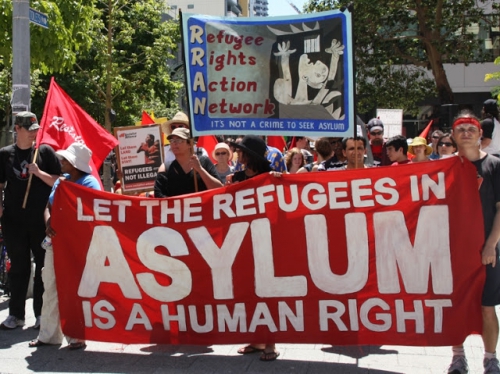

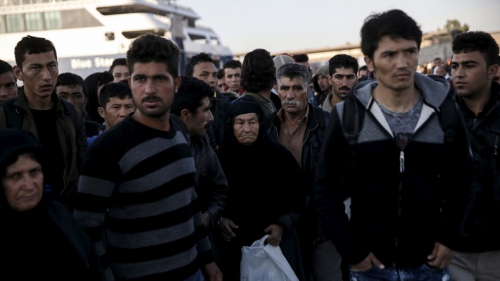
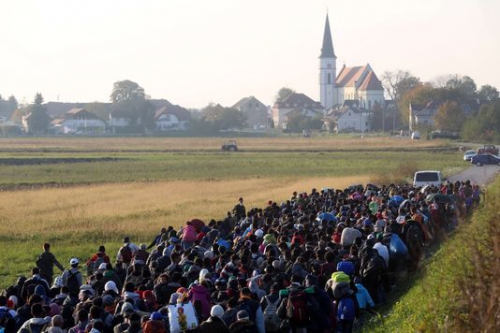
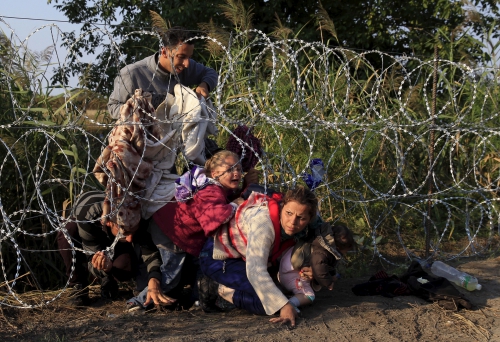
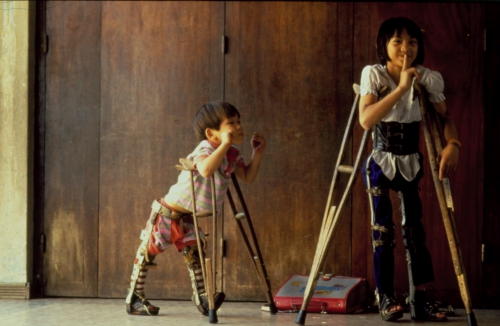
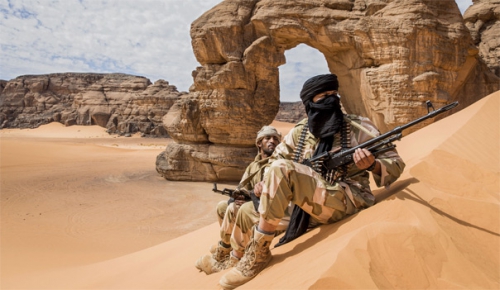
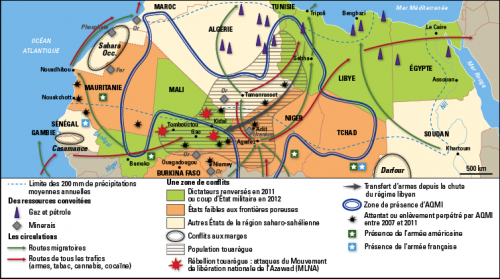

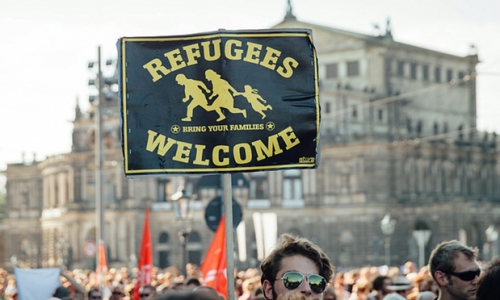
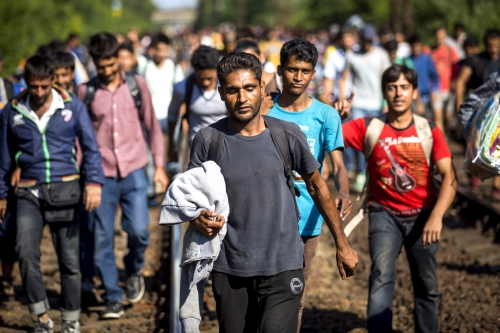
 Dat was, lezer, 2004. Wat hebben de politici in Nederland en in België met bovenstaande inzichten gedaan? Welke conclusies hebben ze daaruit getrokken? De vraag stellen is ze beantwoorden. In dit dramatische jaar 2015, nu een nooit eerder geziene volksverhuizing richting Europa op gang is gekomen, hoor je nog steeds hetzelfde versleten discours. En wordt de waarheid gemanipuleerd in de ijdele hoop bij de bevolking een zogenaamd 'draagvlak' te creëren. Zo willen politici en journalisten ons doen geloven dat die volksverhuizing uit alleen maar oorlogsvluchtelingen bestaat, uit hoogopgeleide Syriërs, dokters en ingenieurs. Terwijl het voornamelijk gaat om een eindeloze stroom jonge moslims op zoek naar een Europees eldorado - in meerderheid laagopgeleiden met daarbij een vijftien à twintig procent analfabeten.