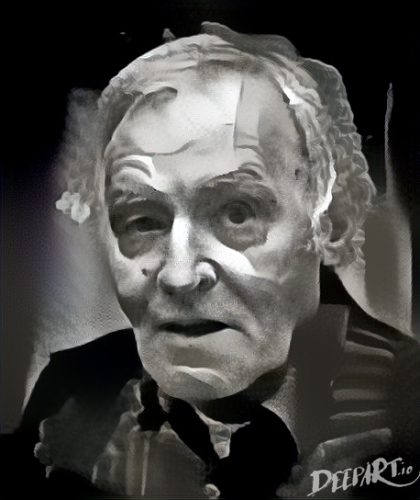
Robert Steuckers :
Au revoir, Guillaume Faye, après 44 ans de combat commun !
J’ai appris le décès de Guillaume Faye, peu avant midi, à la Gare de Lyon, au moment de partir en mission à Genève, où se tenait une réunion patronnée par Maître Pascal Junod et un colloque de « Résistance Helvétique », sous la direction de David Rouiller et où j’allais rejoindre Pierre Krebs et Tomislav Sunic. Je n’ai pu m’empêcher de penser à un détail qui m’est revenu soudainement à l’esprit : j’ai appris sa mort à l’endroit même où il fut photographié pour le Figaro Magazine en compagnie de Roger Lemoine, alors Président du G.R.E.C.E. : l’hebdomadaire de Louis Pauwels le présentait comme celui qui allait faire un Tour de France pour vendre la « nouvelle droite », alors en plein envol.
 Personnellement, j’ai vu Guillaume Faye pour la première fois à Lille, en 1975, alors qu’il prononçait une conférence sur la dangereuse dépendance énergétique de l’Europe. Ses arguments étaient factuels, concrets, et me rappelaient un auteur célèbre que j’avais déjà intensément pratiqué au sortir de l’adolescence : Anton Zischka (1904-1997). J’avais lu plusieurs de ses ouvrages, trouvés chez des bouquinistes ou lus dans la bibliothèque du patron de mon père, le Comte Guillaume de Hemricourt de Grunne (1888-1978). Pour un mémoire de fin d’études secondaires (en 1974), j’avais compulsé un ouvrage de cet auteur prolixe sur l’Europe centrale et orientale. Zischka parlait avec précision des faits de monde, sans fioritures idéologiques, et je viens de lire, quarante-cinq ans plus tard, qu’Ernst Jünger avait un jour vanté son style, avait écrit qu’il savait saisir l’essentiel et le communiquer à ses lecteurs, qu’il était un grand « synopticien » (ein grosser Synoptiker). Tel était aussi le Guillaume Faye des années 1970, qui avait un autre point commun avec Zischka : celui-ci pensait que les sciences et les techniques pratiques étaient capables de résoudre les problèmes politiques, géopolitiques et agro-alimentaires des peuples, à condition que l’on jette les « nuisances idéologiques » aux orties. Guillaume Faye en était persuadé même si, personnellement, dans la vie quotidienne, il ne savait pas utiliser des objets électriques, mécaniques ou techniques un tant soit peu sophistiqués. Je ne suis pas beaucoup plus fortiche que lui en ces domaines.
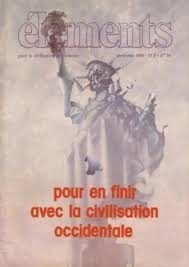 Quelques mois plus tard, je revois Faye dans une salle de l’hôtel Ramada, Chaussée de Charleroi à Saint-Gilles, en compagnie de Georges Hupin, Alain Derriks, Frédéric Beerens, Piet Tommissen, etc. Légèrement éméché, Guillaume brosse un résumé succinct de l’impérialisme américain et présente le nouvel axe de combat du G.R.E.C.E ., celui de l’anti-occidentalisme, annoncé dans le copieux numéro de Nouvelle école sur l’Amérique, dû essentiellement aux vues de Giorgio Locchi, qu’il considérait comme son maître. Allait suivre dans la foulée le numéro d’Eléments, titré « Non à la civilisation occidentale » et dont la couverture était rehaussée par la reproduction d’une belle et étonnante peinture d’Olivier Carré, représentant une statue de la Liberté en phase de décrépitude. L’anti-occidentalisme de notre vision du monde était lancé. Mes camarades et moi trouvions enfin des alliés pour ce combat que nous entendions bien entamer mais sans encore avoir mis de l’ordre dans nos intuitions. Faye arrachait ainsi la future « nouvelle droite » à toutes les ambigüités plus ou moins occidentalistes qui semblaient encore coller à son discours au début des années 1970. Ce ton déplaisait à une bande de snobinards libéraux qui venaient nous piler les agasses dans les réunions bruxelloises du premier G.R.E.C.E. belge et la légère ébriété de Faye, quand il avait parlé dans les salons du Ramada, les avait scandalisés, comme des rombières, laïcardes cette fois, qui entendent des propos graveleux. Fallait voir leurs bobines !
Pour nous, il était évident que la « nouvelle droite », qui ne portait pas encore ce nom, c’était cela : un môle de résistance à l’occidentalisme, à l’atlantisme, aux politiques de démission et de soumission que ces forces négatives induisaient partout en Europe et en Belgique en particulier. Nous exprimions ce rejet parce que nous n’avions pas digéré, à l’époque, l’affaire du « marché du siècle », où les pays du Bénélux et de la Scandinavie avaient opté pour le F16 américain au détriment des appareils Bloch-Dassault et Saab. Ce môle de résistance était repérable chez Jean Thiriart, qui avait abandonné le terrain politique et dont les bureaux étaient à un jet de pierre de la salle du Ramada, où Faye avait tonné son discours ; il était repérable aussi dans les écrits et les discours de Locchi et de Faye. Thiriart et son disciple Garcet nous avaient déjà avertis de la pusillanimité du gourou du G.R.E.C.E., dont les idées politiques avaient la « consistance d’un plat de macaronis cuits ». Les années suivantes nous confirmeront qu’ils avaient eu bien raison de s’en méfier… Toutefois, cette pusillanimité n’existait manifestement pas chez Faye et chez Locchi et c’est eux que nous entendions suivre et soutenir.
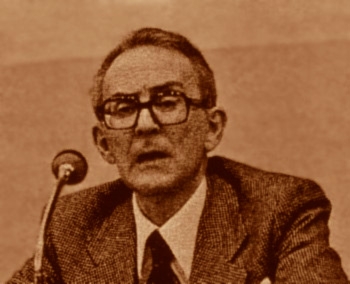 Nous suivions donc essentiellement Faye, parce qu’il était clair dans ses discours et ses écrits, et nous apprîmes assez vite qu’il était devenu l’animateur principal du pôle « Etudes et Recherches » du G.R.E.C.E., pôle qui, en théorie, devait être le moteur principal de l’association dont les buts étaient officiellement de nature « métapolitique ». Nous entendons un premier discours de Faye (« Contre l’économisme ») au colloque du G.R.E.C.E. de 1978, le dernier où Giorgio Locchi a pris la parole. Faye me convie à participer au « Secrétariat Etudes et Recherches » (S.E.R.) début 1979, avant même que je ne sois devenu membre de l’association. Je me rends à Paris en juin 1979 pour assister à ma première réunion de ce Secrétariat, où j’apprends, à ma grande déception, que Giorgio Locchi avait quitté le G.R.E.C.E., ne souhaitant plus collaborer avec lui, au motif (exact) que la stratégie d’entrisme dans les clubs feutrés et huppés des droites régimistes était prématurée donc vouée à l’échec. Son fils était venu l’annoncer et ses déclarations, ce jour-là, ont éveillé en moi une certaine méfiance, diffuse, à l’égard de l’association car, de fait, elle couvait en son sein des éléments hostiles au penseur italien, des éléments prêts à toutes les compromissions avec un régime détestable, des éléments qui ne pouvaient qu’être nuisibles ; l’avenir le confirmera. C’est ce jour-là que je fis la connaissance de Stefano Vaj, venu tout exprès de Milan.
En décembre 1979, le G.R.E.C.E. organise son colloque annuel avec pour titre « Contre tous les totalitarismes ». Quand vient le tour de Faye de prendre la parole, un ramassis de nervis fait irruption dans le Palais des Congrès de la Porte Maillot et ravage la salle des stands, blessant sérieusement Jean-Louis Pesteil, un collègue traducteur et germaniste, que je ne connaissais pas encore personnellement, ainsi que Grégory Pons, qui gardait un sourire moqueur tout en étant ensanglanté de la tête aux pieds et quelques autres participants. En entendant le bruit de la bagarre, Faye met le son de son micro au maximum et hurle son texte, pour que l’on ne perde rien de sa fougueuse rhétorique, tandis qu’une bonne part des auditeurs descendent des gradins pour courir sus aux énergumènes en fureur qui venaient troubler le colloque. Je descends aussi et je trouve une salle totalement détruite avec, au milieu, Alain de Benoist, cigarette mentholée à la bouche, hochant de la tête et marmonnant « c’est fou ! c’est fou !», sans se soucier des projectiles qui volaient en tous sens. Un ami anonyme arrache les pieds métalliques de quelques chaises et les distribue aux arrivants pour qu’ils s’en servent dans la bataille qui s’engage. J’en reçois un et je cours vers la mêlée, avec mon costume du dimanche, mais sans y parvenir : les assaillants sont repoussés grâce à Patrice de Plunkett qui a actionné la lance à incendie et arrosé de maîtres-jets les perturbateurs qui prirent la fuite en désordre, poursuivi par les plus pugnaces de nos amis, dont un camarade arménien, Jacques Karakachian, surnommé le « sanglier du Caucase », Gérald le Pied-Noir et Jean-Pierre Van Geyt, récemment décédé et longtemps correspondant de Nouvelle école en Belgique romane, ainsi que Michel R., de Namur, et un jeune ouvrier flamand, travaillant, me déclara-t-il, dans une « usine de boîte aux lettres métalliques ».
Le 6 juin 1980, Faye débarque chez Georges Hupin à Uccle, flanqué de Philippe Millau, pour participer d’abord à une brève présentation de mon travail de fin d’études sur la géopolitique selon Jordis von Lohausen puis, dans la foulée, pour prononcer une nouvelle conférence de teneur anti-occidentaliste dans la grande salle de la « Tour du Midi », à côté de la gare. Sa conférence sera chahutée de manière puérile et ostentatoire par celui qui deviendra l’obséquieux vicaire d’Alain de Benoist en Flandre mais qui changera évidemment d’avis quand son gourou lui en intimera l’ordre : d’occidentaliste américanophile caricatural, favorable à l’OTAN, il deviendra, en surface, un européiste anti-américain, critique de l’OTAN ; si le pontife lui avait demandé d’être tout à la fois pro-chinois, panafricaniste ou adventiste du septième ciel, il le serait devenu aussi... Faye et Millau me demandent, ce jour-là, de participer, en juillet, à l’école des cadres du G.R.E.C.E., qui reçut pour nom « Promotion Themistoklès Savas », en souvenir d’un ami grec qui venait de se tuer en moto dans les montagnes de l’Epire. Un ancien doyen de l’Université du Pirée, qui sera un grand ami et un grand soutien de Faye, était présent, Jason Hadjidinas, qui lui restera fidèle jusqu’à sa mort en 1986, en ayant toujours espéré le dégager de la précarité et de la dangereuse dépendance pécuniaire qui le liait au gourou capricieux qui lui imposait de vivre avec le SMIC. La disparition de Jason fut une épreuve cruelle pour Faye, qui explique peut-être sa décision de quitter le G.R.E.C.E. fin 1986 puis de s’engager dans le showbiz via Radio Skyrock. L’école des cadres de 1980 fut décisive pour moi. Je m’y étais rendu depuis Paris avec Faye, dans la voiture de Pierre Bérard : nous avions pris Guillaume en charge à son domicile, petit appartement charmant, où venait de naître sa fille. Nous visitâmes en chemin Vaison-la-Romaine et l’Abbaye de Sénanque, où je ne retournai qu’en 2017. Je découvre avec eux la Provence, je vois mes premiers champs de lavande, j’entends pour la première fois la musique des cigales, je vois passer sur nos tables de longs lézards gris. Je deviens membre du G.R.E.C.E. en septembre 1980 et Pierre Vial me remet ma carte à Bruxelles. Je lui promets de rester fidèle à notre combat métapolitique jusqu’à la mort : je suis dès lors très heureux de le servir encore aujourd’hui, même si j’ai quitté l’association en décembre 1981.
En 1981, Faye et moi sommes collègues dans les locaux de la rue Charles-Lecocq à Paris à partir du 15 mars. Nous le resterons jusqu’au 15 décembre. Avec Michel Dejus, il fut pratiquement mon seul interlocuteur au cours de cette période de neuf mois : je l’ai connu comme quelqu’un d’affable, d’une gentillesse naturelle en dépit de rodomontades nietzschéo-surhumanistes qui faisaient évidemment partie de notre folklore. J’y découvre aussi un Guillaume tintinophile et lecteur de Franquin, manie que nous partagions avec Grégory Pons et Pascal Junod. Pour Faye, le personnage du gros Demesmaeker dans les albums de Gaston Lagaffe est l’incarnation du monde vénal et psychorigide, vaniteux, stupide et pharisaïque qu’une véritable anthropologie néo-droitiste se devait de moquer et de combattre (notamment par le biais de canulars téléphoniques, polissonneries dans lesquelles Faye excellait). Le surhumanisme, terme forgé par Locchi, devait faire advenir une (sur)humanité où il n’y aurait plus de Demesmaeker ou bien où ceux-ci seraient houspillés dans les marges de la société. J’ajoute bien entendu une évidence à ce petit panorama bédéphile : les machines volantes de Zorglub, dans les aventures de Spirou et Fantasio, titillaient déjà la fibre archéofuturiste de Faye qui, dans un recoin de son imagination, devait déjà concevoir les fameux « squalines » de sa bande dessinée Avant-guerre.
Deux missions nous ont été données à l’époque : fabriquer un numéro de Nouvelle école sur Pareto et un autre sur Heidegger. Les deux thèmes avaient bien entendu été suggérés par Faye qui tenait absolument à ce que la revue restât sérieuse et fût lue dans les universités sans susciter de sarcasmes. La hantise de Faye était de voir imprimés dans la revue quelques délires en provenance d’un paganisme de pacotille, des « paganouilleries » ou des « nazisteries » comme aimait en commettre le directeur de la publication, avec une étourderie qui nous laissait pantois. Faye avait horreur des ritournelles et des tics langagiers répétés ad infinitum, surtout quand ils n’avaient aucune pertinence dans la vie réelle. Pour Faye, un paganisme articulable devait renouer avec l’antiquité grecque et sa philosophie bien charpentée, indépassable dans son questionnement, avec la fougue dynamique d’Héraclite, avec l’élitisme de Platon, avec la logique et la rigueur d’Aristote, exprimée dans Les politiques.
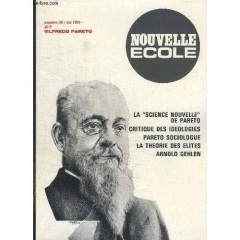 Grâce à l’intervention bienveillante du Professeur Piet Tommissen et au concours de Bernard Marchand, nous pûmes sortir en juin un numéro potable, dans lequel Faye produisit d’ailleurs un maître-article sur un ouvrage hélas oublié aujourd’hui et que la génération des anciens devrait retrouver dans les rayons de ses bibliothèques : L’intelligence du politique, en deux volumes, de Jules Monnerot, plus spécifiquement le tome deuxième de cette œuvre magistrale, consacré, pour l’essentiel, à la « doxanalyse », c’est-à-dire l’analyse des opinions qui animent toute sphère politique. Monnerot, ancien du surréalisme français et proche des poètes de la négritude vu ses origines martiniquaises, me déclarera plus tard que ce fut la meilleure analyse de son œuvre, largement ignorée par l’université française au nom, déjà, d’une forme ante litteram de « political correctness ». Faye aimait, à l’époque, parler d’aléa : le monde est soumis aux aléas, répétait-il ; les philosophies consolatrices et les nuisances idéologiques (Raymond Ruyer) n’y changeront jamais rien car elles ne figeront jamais le monde. Suite à ma lecture d’un texte issu d’un colloque de la Siemens Stiftung de Munich, que présidait en ces temps-là Armin Mohler, je parlais d’Ernstfall. Chez Monnerot, nous découvrions la notion d’hétérotélie, terme désignant une situation survenue en dépit des objectifs fixés par la volonté politique initiale (trop rationnelle) du décideur. La volonté politique peut donc générer des états de choses contraires à tout projet initial, à tout programme bien charpenté, taillé selon une logique parfaite. Dans nos conversations de l’époque, nous mêlions quantité de réflexions sur les notions d’aléa, de tragique, de logique du pire (Clément Rosset), d’Ernstfall et d’hétérotélie.
Dans Nouvelle école, n°36, Faye écrit : « L’intérêt de la doxanalyse parétienne (que Monnerot décryptait) n’est donc pas uniquement la critique des idéologies qui se croient logiques et négligent leurs propres résidus (ce que fait le macronisme aujourd’hui de manière emblématique), …. Il est de reconnaître l’invalidité fondamentale de toute interprétation rationaliste du monde. Derrière les résidus et les actions non logiques, il y a ce que Jules Monnerot appelle ‘les pulsions de l’humain’ ». Faye démontre, citations de Monnerot à l’appui, que « si les pulsions de l’humain étaient totalement réprimées par le social (ou le politiquement correct, dirait-on aujourd’hui), il y aurait déjà eu faillite de l’espèce, disparition du type d’homo sapiens que nous sommes ». Il faut donc un équilibre entre les résidus et les diverses expressions de la logique, ce qui implique que les résidus, considérés comme irrationnels par les « corrections politiques », doivent impérativement être maintenus et non éradiqués, faute de quoi toute société bascule dans une spirale mortifère. L’évolution ultérieure de Faye -et même ses dérapages que certains jugent « involutifs » aujourd’hui, de manière si lourde et si pesante- s’inscrit dans une perspective qui veut privilégier les résidus non logiques contre tous les figements, ceux-ci étant tous « dignes du gros Demesmaeker », pour illustrer cette angoisse fayenne par une caricature qui lui aurait plu. Cependant, ajoutait-il, dans son article de Nouvelle école (n°36), bon nombre de résidus, en Europe, proviennent du « poison chrétien », tel que l’imaginait Nietzsche. Il faut donc remplacer ces résidus par des résidus plus archaïques, puisés dans la culture classique ou dans les paganités européennes, thème essentiel d’un article ultérieur sur Heidegger, paru dans le numéro 39 de la revue, à l’automne 1982 et intitulé « Heidegger et la question du dépassement du christianisme ».
 Après la parution du numéro consacré à Pareto, en juin 1981, nous nous attelons tous deux à la confection d’un numéro sur Heidegger. Faye rédigera pour cette livraison de Nouvelle école un long article sur le reclus de Todtnauberg où il révèle une phase qu’il pensait futuriste, mais non détachée d’une adhésion à des archétypes, chez le philosophe de la Forêt Noire. Faye croit déceler, dans la pensée heideggerienne que l’on campe généralement comme anti-techniciste, une piste « arraisonnante » qui permet de réintroduire positivement la technique dans le cadre de la pensée mais, cette fois, sous le signe d’autres tables des valeurs. Bruno V., un ami de Beerens, philosophe de formation et helléniste méticuleux, traducteur occasionnel de textes importants de Fichte pour l’université, avait accepté de relire le texte de Faye avant publication : il n’était pas d’accord avec cette interprétation mais il ne voulait pas changer un iota du texte car celui-ci, avait-il conclu, détenait sa cohérence et son originalité qu’il n’entendait pas, lui, Bruno V., confisquer. La lecture fayenne de Heidegger en 1981 anticipe bien entendu toutes ses réflexions ultérieures sur l’archéofuturisme.
L’année 1981 nous permit aussi de faire deux séjours à Strasbourg, où la section locale du G.R.E.C.E. était animée par Pierre Bérard, immigré angevin en terre alémanique et francique-mosellane, ignorant tout de la langue de Goethe. Lors d’un colloque organisé au départ de cette section alsacienne, Faye est à la tribune avec Julien Freund et les débats sont troublés par Freddy Raphaël, auteur de nombreux livres sur la communauté juive de Strasbourg et d’un ouvrage remarqué aux P.U.F., intitulé Judaïsme et capitalisme. Dès le début du débat, Freddy Raphaël lance tout de go que « cette histoire de ‘nouvelle droite’ est un ‘jeu avec le caca’ », espérant in petto déclencher une foire aux empoignes. Julien Freund, bien ancré dans les réalités alsaciennes et dans son cher bourg de Villé, où il y avait une communauté israélite, le ramène à la raison et les deux vieux complices sortent bras dessus-bras dessous de la salle de conférence, pour aller vider quelques bons cruchons. Cette journée fut pour moi l’occasion de rencontrer de jeunes camarades alsaciens, germanophones, et captivés par l’œuvre de Carl Schmitt. Plus tard dans l’année, à l’automne, Faye, Millau et moi-même reprenons la route de l’Alsace pour rencontrer Julien Freund dans une superbe auberge alsacienne et, après le repas pantagruélique, pour filmer, chez le professeur, un entretien entre, d’une part, l’auteur de Qu’est-ce que le politique ?, et, d’autre part, Bérard et Faye. Pour des raisons techniques, le film de cet entretien n’a malheureusement jamais pu être exploité.
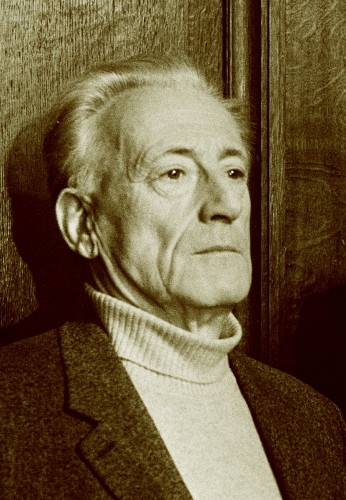 L’année 1981 fut aussi deux fois l’occasion, pour moi, d’accompagner Faye à la Closerie des Lilas pour y rencontrer Henri Lefebvre, en rupture de ban avec le parti communiste français dont il avait pourtant été l’un des principaux idéologues. J’ai déjà eu l’occasion d’évoquer la profonde influence que ce philosophe marxiste-léniniste avait eue sur Faye (http://robertsteuckers.blogspot.com/2011/11/influence-de-... ), ce qui devrait interdire à de terribles simplificateurs de décréter que notre ami ne fut jamais rien d’autre qu’un « beauf d’extrême-droite », insulte qu’il a recueillie chez les « antifas » aussi bien que chez ceux qui s’étaient dits ses amis mais qui torpilleront toutes ses initiatives jusqu’à le mener à sa perte. Lors des repas à la Closerie, Lefebvre évoquait les bagarres monumentales qui opposaient en ces lieux des bandes rivales au temps du surréalisme parisien. Ce « lefebvrisme » de Faye permet à Stefano Vaj de dire, dans son hommage récent, que notre ami, comme bon nombre de marxistes non dogmatiques, pensait exclusivement pour favoriser une action révolutionnaire dynamisante et jamais pour perpétuer un figement quelconque, qu’il qualifiait volontiers de « muséographique ». Pour lui, de Benoist, par exemple, commettait le péché de « muséographie », et le commettait plus que de raison, rendant ainsi sa pensée fragmentaire et désordonnée, ensemble de bribes éparses, fait de collages et de placages où toute cohérence pragmatique s’évanouit dans un smog difficilement pénétrable et, par voie de conséquence, impossible à utiliser dans une véritable stratégie métapolitique, gramscienne ou autre.
Après un colloque, tenu durant l’année 1981, Faye réunit chez lui les correspondants du G.R.E.C.E. dans divers pays européens dont Marco Tarchi, Stefano Vaj, pour l’Italie, le vicaire du pontife en Campine, qui avait chahuté sa conférence en juin 1980 à Bruxelles, Michael Walker, qui venait de fonder sa revue, The Scorpion, et Pierre Krebs qui avait tout récemment créé le Thule-Seminar. Ce fut le début d’une longue coopération, sauf avec Tarchi et le petit vicaire campinois qui obéiront comme des toutous à tous les ordres de sabotage énoncés par le pontife, dont le premier à faire les frais fut Stefano Vaj. Faye était heureux d’avoir permis, ce jour-là, de conférer une dimension européenne à l’entreprise « néo-droitiste ». Je partageais sa joie.
Le SER (« Secrétariat Etudes & Recherches ») était donc l’apanage de Faye au G.R.E.C.E. Dans le bulletin intérieur de l’association (BI), divisé en rubriques composées de feuilles volantes, une partie était dévolue au SER. Faye y publiait la majeure partie de ses articles, refusés dans les grandes publications de la mouvance, par jalousie, par méchanceté gratuite, par un désir obscur et cruel de nuire comme celui qui anime le vilain sorcier animiste qui fiche des aiguilles dans des figures de cire représentant ceux qu’il veut perdre : les articles de Faye, en effet, ne pouvaient paraître dans les revues Nouvelle école (où ils auraient eu toute leur place), éléments ou même Etudes et Recherches, publication plus modeste. Un ukase occulte avait prononcé cette fatwa. Voici la liste des articles, non publiés, de notre Guillaume, qui n’ont quasi pas pris une ride :
- - Qu’entendons-nous par « société marchande » ?, septembre-octobre 1978.
- - Géopolitique et puissance des nations, mars-avril 1979.
- - Analyse du Janus d’Arthur Koestler, mars-avril 1979.
- - Le commencement grec, juillet 1979.
- - Politique, métapolitique, parapolitique : réflexion post-gramscienne, octobre 1979.
- - Notre position sur l’Europe, février 1980.
- - L’économique et le politique, février 1980.
- - La puissance : une idée neuve en Europe, février 1980.
- - Réel et rationnel : peut-on concevoir un retour de la rationalité ?, juin-juillet 1980.
- - Pour une interprétation subversive du marxisme, juin-juillet 1980.
- - Pour une sociologie de l’égalitarisme, juin-juillet 1980.
- - Les contradictions culturelles du capitalisme, juin-juillet 1980.
- - Qu’est-ce que la Realpolitik ?, juin-juillet 1980.
- - Les néo-conservateurs américains, exemple des contradictions internes de l’idéologie égalitaire, printemps 1981.
- - Réflexion critique sur les positions artistiques de l’école de Francfort, janvier-février 1981.
- - Redécouvrir Bergson, automne 1981.
- - La société du non-travail (I), décembre 1981.
- - La société du non-travail (II), printemps 1982.
Dans la livraison du BI du printemps 1981, nous cosignons « Eléments pour une théorie du politique ». On le voit : pour Guillaume Faye, qui fut défini comme un simple « électron libre » sur la page 142 d’un pensum auto-glorificateur intitulé Mémoire vive (que Philippe Baillet moque plaisamment en évoquant une « mémoire trouée »), ce n’est pas mal… et cela révèle la nature foncièrement mensongère de cette définition fielleuse. La pertinence de ces articles et leur validité persistante, près de quarante ans plus tard, font de Faye le théoricien le plus clair de la mouvance à laquelle il a appartenu, à laquelle il a donné du lustre. Dans son bureau trainaient également les restes d’un manuscrit rejeté, celui d’un livre sur les doctrines économiques, inspirées de List, de l’école historique allemande, de Wagemann, de Delaisi, de Perroux, de Passet et de Jouvenel (sur le « bloc continental » de Napoléon). Je n’ai pu en sauver qu’un seul maigre chapitre, publié ultérieurement dans Orientations n°5 (1984) : le manuscrit était incomplet car, dépité, Guillaume en prenait des pages pour nettoyer sa pipe… Ce bref chapitre, sauvé in extremis du curage de pipe, s’intitulait « Contestation du libre-échangisme » et entrait évidemment en contradiction avec les projets occultes et pseudo-machiavéliques du pontife de kermesse, qui, tout à ses intrigues rocambolesques, entendait bien être coopté par tous les thatchériens de la planète (j’y reviens !!). Dans ce même numéro, je publie une étude magistrale et copieuse de notre ami, « Critique du système occidental », qui pourrait toujours motiver des lecteurs jeunes, aujourd’hui, afin qu’ils ne tombent pas dans le piège du discours dominant, exaltant les « valeurs éternelles de l’Occident ou de la République ».
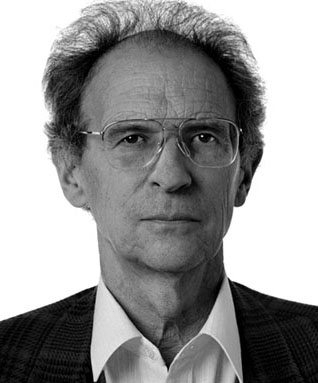 Pendant ma formation de traducteur à l’Institut Marie Haps, j’avais eu pour professeur d’esthétique et de littérature contemporaine le célèbre Henri Van Lier (1921-2009) qui nous avait composé un dossier de 77 fiches de termes nouveaux, généralement scientifiques, annonçant un nouvel âge de l’humanité. Pour Van Lier, qui préparait son maître-ouvrage, Anthropogénie, qui paraîtra dans sa version définitive, et très copieuse, en 2002, « Homo » est d’abord technicien avant d’être un « parlant », sa « culture » est d’abord celle des outils avant d’être celle de la parole. L’action immédiate sur le monde matériel précède donc les discours, toujours tenus à une certaine distance des choses, toujours « médiats ». Le parallèle avec Arnold Gehlen est évident ici : lors d’un examen de Van Lier, j’ai parlé de Gehlen, qu’il ne connaissait pas encore, plutôt que de la matière qu’il avait fallu étudier. Van Lier en était très content. Gehlen était à l’ordre du jour du « Secrétariat Etudes & Recherches », depuis la fin des années 1970, où le fils de Giorgio Locchi, Pierluigi Locchi, avait consacré son travail de fin d’études à ce sociologue et anthropologue allemand, toujours, hélas, trop peu lu : personnellement, j’avais commis une première petite conférence sur son œuvre en 1978 dans le cercle patronné par Georges Hupin ; plus tard, Yvan Blot se démènera pour faire éditer un ouvrage de Gehlen aux P.U.F. Revenons à Van Lier : pour lui, comme pour Moeller van den Bruck avant 1914, l’architecture typée d’une civilisation est toujours son point de départ, l’indice majeur de l’amorce d’une nouvelle aventure humaine collective ; quant au « nouvel âge » qui s’annonce, ce sera celui où les machines ne puiseront plus leurs forces dans l’homme ou dans la nature, ne seront plus devant l’homme à sa simple disposition mais entreront en synergie avec lui et avec la nature. Thèmes comparables au « Travailleur » de Jünger.
 Pour Van Lier, qui savait bien forger son propre vocabulaire, c’est l’« âge 3 », l’âge des réseaux. L’idée de composer un dossier de mots-clefs, similaire à celui de Van Lier, est immédiatement venue à Faye : ce fut là l’origine du Petit lexique du partisan européen qui, remanié et amplifié, donnera en 2001 l’ouvrage Pourquoi nous combattons, rapidement traduit en anglais. C’est, tous en conviennent, un véritable bréviaire, récapitulant la vision du monde et du politique que Faye a toujours voulu promouvoir. Je pense toutefois qu’il faudrait rajouter un volume à ce premier dossier, avec de nouveaux termes précurseurs, déjà présents dans les sciences de pointe, surtout dans les sciences biologiques et médicales : un travail à réaliser. Et d’urgence !
Les dernières semaines du printemps de 1981 ont vu la parution du premier livre de Faye, Le système à tuer les peuples, que le sinistre sachem des lieux avait tenté de saboter jusqu’à la toute dernière limite, de façon à ce que le livre ne puisse pas paraître pour le colloque annuel ni concurrencer son propre ouvrage sur le paganisme, très très largement inspiré du maître-ouvrage de la philosophe et islamologue allemande Sigrid Hunke, Europas wahre Religion, qui avait été traduit par un prisonnier qui devait bosser en tôle pour léguer quelque chose à ses enfants, alors aux études. Le tapuscrit de Faye était bloqué sous prétexte qu’il manquait de références bibliographiques. Faye, triste et inquiet, est venu m’en demander dans mon bureau. Finalement, l’imprimeur a tout de même reçu le texte à temps, grâce à Millau, je pense. Je fus le premier à recenser le livre pour le bulletin du G.R.E.C.E.-Belgique de Georges Hupin, en même temps qu’une recension pour le livre du pontife, inspiré par Sigrid Hunke, dont j’avais lu les livres deux ou trois ans auparavant, pendant mes études. Stefano Vaj fit de même quelques jours plus tard dans un organe italien.
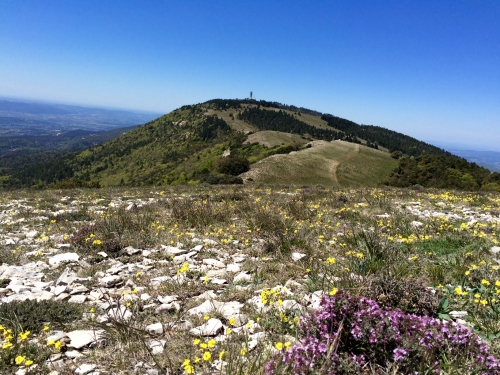
En juillet, nous animons l’université d’été du G.R.E.C.E. à Roquefavour, où nous avons accueilli un fidèle ami américain de Faye, l’avocat Sam Dickson, qui fera la randonnée habituelle sur les crêtes du Lubéron en chaussures de ville..., massacrant ses fines semelles et entamant le cuir du reste, le faisant ainsi ressembler aux prisonniers anglais qui, dans un célèbre film-culte, entrent dans le camp de prisonniers du Pont de la rivière Kwaï, en sifflotant un air jadis célèbre Outre-Manche. Stefano Vaj, de Milan, est, lui aussi, des nôtres. L’ambiance est du tonnerre. Le soir, après les travaux, Faye y récite ses versions truculentes et polissonnes des fables de La Fontaine et chante à tue-tête sa chanson favorite : « Le vieux vin gaulois ».
Nos travaux, heureusement, nous avons pu les parfaire en 1981 dans des bureaux où ne s’activait que le petit personnel, dépassé par les enjeux idéologiques. En effet, le sinistre pontife des lieux disparaissait à intervalles réguliers sans laisser ni explications ni consignes. En juillet, après une réunion du secrétariat de rédaction, il s’évanouit pendant sept semaines, sous prétexte d’un reportage en Extrême-Orient pour Le spectacle du monde, avec retour par la Californie, où la soeur d’une copine, qui l’accompagnait pour lui servir ses rillettes, poursuivait, paraît-il, des études d’on ne sait trop quoi du côté de Las Vegas. Il lui fallait aller serrer la pince de la donzelle et, du même coup, réitérer, en moins de temps, la prouesse de Phileas Fogg, célèbre héros de Jules Verne. Fin septembre, le bonhomme m’annonce qu’il se rend à la Foire de Francfort, comme chaque année. Cette foire dure cinq jours : il revient au bout de trois semaines ! Puis disparaît fin novembre, persuadé que des nervis veulent l’assassiner : il se serait caché dans un hôtel minable, claquemuré dans une chambrette et armé d’un pistolet à grenailles ; il revient quinze jours plus tard dans un état épouvantable, dégageant un fumet atroce, n’ayant vu ni savon ni cirage ni dentifrice pendant son exil volontaire dans ce galetas à moitié délabré. Et, trois minutes après son retour tout en odeurs, il a le toupet de nous engueuler, Faye et moi, en hurlant : « C’est Zig et Puce, ici ! C’est les Marx Brothers !». Faye était tarabusté. Ce jour-là, ma religion a été faite : j’ai décidé de foutre le camp. Comment travailler dans la cohérence, en respectant un ordre du jour, si le boss qui doit donner son aval pour tout, pour le moindre détail, est perpétuellement en goguette ou en dépression (des dépressions qui étaient surtout des mises en scène d’un très mauvais goût) ? Comment peut-on, en effet, servir un personnage pareil sans encore oser se regarder dans la glace ? La découverte de certaines manies, très peu hygiéniques, de notre sachem de ducasse conforte ma décision de partir définitivement. Une quinzaine de jours plus tard, je demandai à Millau de me payer mes gages et de bien vouloir accepter mon tablier.
Dans un tel contexte, contrairement à ce que l’on pourrait croire aujourd’hui après les aventures radiophoniques de Faye à Skyrock, après ses multiples facéties et ses bonnes blagues subversives commises sur la place de Paris et ailleurs, la sériosité idéologique se situait de son côté et de son côté seul. D’abord, pendant toute l’année 1981, il avait fait barrage contre tous les délires potentiels du pape de sotie qui entendait, seul, faire la pluie et le beau temps dans les locaux de l’état-major, rue Charles-Lecocq, en espérant bien recevoir de chacun un blanc-seing pour toutes ses lubies incongrues et ses « paganouilleries à la sauce nazistika ». Un jour, ce pape à tiare de plastique me déclare, avec un sérieux de croque-mort presbytérien, vouloir faire suivre le numéro sur Pareto par un numéro sur l’Atlantide, thème en vogue dans un réseau vaguement sectaire, partouzeur et mondain de l’époque, la « Nouvelle Acropole », où il comptait quelques drôles d’amis ! Quand j’en fais part à Faye, celui-ci porte évidemment son index au front. Et s’en désole : on le sent profondément meurtri car il sait, qu’avec de telles lubies infécondes, la mouvance risque d’être assimilée à une secte de farfelus et de perdre les bons contacts qu’elle entretient avec des universitaires de haut vol ; surtout, Faye n’a pas envie de se faire engueuler par Julien Freund. Un jour plus tard, j’entends des cris en provenance du bureau de Faye puis une porte qui claque violemment. Intrigué, je vais voir ce qui se passe. Je découvre mon Guillaume interloqué et un peu tremblant : juste au-dessus de sa tête, un coupe-papier était fiché dans le mur. Le gourou était venu insister lourdement, avec la fureur geignarde d’un gamin gâté, afin de faire accepter son idée saugrenue de publier un numéro sur l’Atlantide. Faye avait rétorqué tout de go : « Et pourquoi pas sur le continent Mu ? ». Furieux de cette réplique, l’autre s’était emparé d’un coupe-papier et l’avait envoyé tout net dans le mur, derrière Faye.
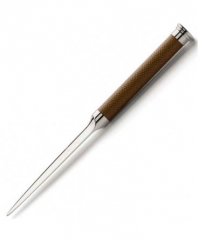 Le soir, je me sers d’une machine à écrire, plus sophistiquée que celle qui m’avait été confiée, dans le grand bureau de la secrétaire, retournée dans ses pénates pour y cuire sa tambouille vespérale. Le gourou-pape rapplique et me reparle de son projet abracadabrant : je résiste avec le même entêtement que Faye, tout en suggérant un numéro qui serait titré « Archéologie de la Mer du Nord » (car le pontife pense que l’Atlantide se situait autour d’Héligoland). Dans un nouvel accès de fureur, digne de ceux de Louis de Funès, il s’empare d’un autre coupe-papier et l’envoie, avec une remarquable dextérité, dans un petit réveil au boîtier de liège qui se trouvait devant moi. Calme comme un Coldstream Guard dans sa guérite à Buckingham, je réitère mon refus et il s’en va en ronchonnant, vexé que personne n’accepte ses caprices. Je me suis dit : si ce gars-là doit un jour partir en exil, il fera comme le Général Alcazar dans Les sept boules de cristal : il deviendra lanceur de poignards dans des music-halls de quat’sous. Cette comparaison avait bien fait rire Faye. La morale de cette historiette burlesque, c’est qu’il ne fallait surtout pas faire figurer le mot « Atlantide » sur la couverture de la revue, si l’on voulait encore être pris au sérieux. Faye avait raison. En août, toutefois, pendant que le pontifex minimus errait entre le riz sauté de Singapour, les hamburgers de Hollywood et les rillettes des deux donzelles, je me rends au Danemark et au Slesvig-Holstein pour rassembler de la documentation archéologique, notamment à l’Institut nord-frison de Bredstedt et chez l’archéologue Jürgen Spanuth, et pour rencontrer dans une « haute école populaire », à Tinglev, le scandinaviste François-Xavier Dillmann, correspondant de Nouvelle école en Allemagne, et le sociologue Henning Eichberg. J’ai donc tenté, à la demande de Faye, de « scientifiser » les lubies du grand panjandrum, qui fera paraître un numéro sur le sujet quelques années plus tard : il était titré «Archéologie ». Ouf !
Mais il y avait pire, en cet automne 1981 : derrière le dos de tous, profitant de sa position au Figaro Magazine, le manitou de Prisunic envisageait de monter à la tribune d’un colloque qu’il organisait lui-même, grâce à des prête-noms et à une association ad hoc, basée dans l’appartement de sa pauvre mère qui venait de décéder en juin. Ce colloque était annoncé sous le titre d’« Alternative libérale » et devait inviter tout le gotha du néolibéralisme thatchérien et reaganien à Paris, un aréopage essentiellement anglo-saxon au milieu duquel on allait vendre notre sachem de guimauve comme un petit prodige dont la pensée allait sauver la pauvre France des griffes du méchant mitterrandisme socialo-étatiste qui s’était abattu sur elle suite aux élections de mai 1981. Pour Faye qui était partisan d’une économie guidée, interventionniste sur le plan des infrastructures, hétérodoxe dans le sens où elle tenait compte des facteurs non économiques (contrairement aux orthodoxies marxiennes, libérales et keynésiennes), cette tentative d’alignement sur le reaganisme apparaissait comme une idée complètement loufoque ou, pire, comme une trahison pure et simple de notre message européiste fondamental. Cet entrisme irréfléchi donnait rétrospectivement raison à Locchi qui avait tiré sa révérence deux ans plus tôt. Faye était à l’époque un lecteur attentif de l’économiste André Grjebine, auteur, en 1980, de La nouvelle économie internationale, parue aux P.U.F. Grjebine plaidait pour une semi-autarcie auto-suffisante du continent européen. A l’évidence, je partageais ce point de vue, de même qu’Ange Sampieru, alors militant du G.R.E.C.E. à Paris, et toute l’équipe de mes amis restée à Bruxelles et à Liège. Le grand ponte polygraphe avait préparé son coup en écrivant des articles dithyrambiques dans le FigMag sur Raymond Aron (invité au colloque) et sur Karl Popper (dont les principaux disciples, hostiles à toute « société fermée », devaient monter à la tribune et débiter leurs sornettes néolibérales autour de son auguste personne). Hélas pour lui, la parousie n’allait pas advenir tout de suite : les services étatiques et diasporiques s’aperçoivent très vite de la manigance, cousue de fil blanc, de notre petit machiavel de pantomime. Et la machine à évincer les intrus se met en route : Aron refuse de parler si notre doxographe atlantidien du 6° arrondissement est présent au colloque. D’autres menacent de démissionner. Le voilà houspillé hors de son propre théâtre. Sa dépression hydrophobe de novembre 1981 s’explique par cette retentissante déconfiture. Notons qu’il faut être indécrottablement irréaliste, avec le pedigree de notre gus, pour avoir cru, un seul instant, qu’un tel montage allait aboutir ! A moins que le rapprochement tout récent avec Finkielkraut et Minc et, en mars 2019, la prise de parole à la tribune d’un fanfaron néo-bruxellois, qui ne cesse de faire de la retape pour notre bonne ville auprès des candidats exilés fiscaux français, ne soit l’aboutissement souhaité d’un libéralisme foncier, quasi génétique, qui, pour d’obscures raisons, s’était camouflé derrière des discours autres, y compris anti-libéraux ? Le bonhomme a continuellement entretenu les ambigüités, cumulé les contradictions, éjecté les tenants d’une véritable hétérodoxie économique : il est légitime de se poser des questions, celles que, de toutes les façons, les analystes de cette mouvance, étiquetée « nouvelle droite », poseront dans la postérité. Mais sans doute concluront-ils à la totale incohérence du doxographe, dont la boîte crânienne abrite un véritable capharnaüm et dont la stratégie se borne à monter des coups pour se constituer des « casse-croûte ». Les jugements de Faye, en ce domaine, auront alors été prémonitoires.
 L’effondrement du montage, l’éviction du grand wizard marri, provoque d’abord chez lui une dépression terrible puis une rage vengeresse et écumante, décuplée par le fait qu’il est désormais kické hors de la rédaction du FigMag, hormis une misérable petite colonne sur les vidéos que Louis Pauwels, bon prince, lui accorde avec une belle magnanimité. Cette rage lui dicte une nouvelle orientation nationale-révolutionnaire qu’il exprime aussitôt dans les pages d’Eléments et qui emporte notre adhésion. Le bougre avait sauvé sa boutique : on oubliait ses errements infructueux de l’automne 1981 et on estimait que tout rentrait dans l’ordre, puisqu’il semblait professer désormais un européisme radicalement anti-occidentaliste. Je quitte Paris en décembre 1981 et, au cours de l’année 1982, je participe à une assemblée générale du G.R.E.C.E. à Lyon et prononce une conférence à la tribune du « Cercle Héraclite », sur le national-neutralisme allemand, hostile à l’installation de missiles américains sur le territoire de la R.F.A. Position qui permet de lancer des passerelles avec d’autres mouvances politiques, dans bon nombre de pays européens. Le bulletin intérieur consacre quelques pages à cette thématique, entièrement nouvelle dans la mouvance à l’époque. En octobre 1982, je commence les dix mois de mon service militaire à Saive, près de Liège, puis à Marche-en-Famenne, à Bürvenich et Vogelsang dans l’Eifel. Pendant ma période d’instruction, Faye annonce qu’il tiendra un séminaire, organisé par une nouvelle structure, dans des locaux sis rue Blanche, dans le 9ème arrondissement. Ce séminaire, suivi d’un second quelques mois plus tard en 1983, a constitué à mes yeux, le sommet de l’œuvre métapolitique de Faye.
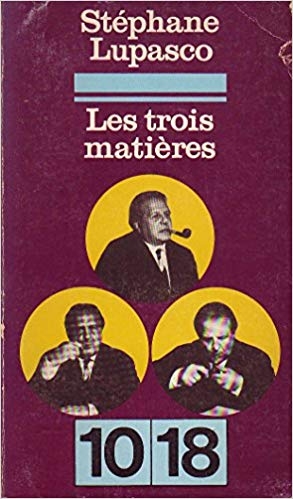 Au cours de ces deux séminaires, il a rassemblé autour de sa personne seule, des sommités comme Stéphane Lupasco, Bassarab Nicolescu, Manuel de Diéguez, Jules Monnerot et des sympathisants de ses idées comme les professeurs Martinez, Wagner et Asso. Les conférences se succèdent dans la joie et la bonne humeur, sans cette raideur psychologique que le pontife générait systématiquement autour de lui, en communiquant son stress intérieur et ses angoisses au public. Il n’est malheureusement resté aucune trace écrite de ces séminaires, Faye n’ayant jamais pu disposer des moyens de faire imprimer les textes des allocutions sous forme de volume : les mannes financières devaient couler vers une certaine escarcelle uniquement et surtout ne pas être consacrées à des entreprises métapolitiques valables et fécondes. C’est au cours de ces séminaires que j’ai pu m’entretenir avec Jules Monnerot, très satisfait de l’article de Faye sur sa conception de la doxanalyse, et bénéficier de la sympathie de Manuel de Diéguez qui avait apprécié mes articles dans Nouvelle école. En 1983, paraît Magazine Hebdo, où Faye, sous le pseudonyme de Gérald Fouchet, est chargé de recueillir les grands entretiens de l’hebdomadaire. Là encore, il a brillé de mille feux. Je conserve religieusement la collection de ces entretiens qui paraîtront, plus tard, après la faillite du magazine, en un volume, mais… sous la signature d’un tiers, qui a probablement encaissé les droits d’auteur… Faye avait pourtant montré un savoir-faire très professionnel dans la confection de ces nombreux entretiens.
De 1983 à 1986, Faye n’arrête pas de publier des brochures. On ne lui permet d’ailleurs pas d’éditer davantage. On veut le limiter au maximum et faire de lui l’homme d’un seul et unique livre, déjà oublié ou épuisé : Le Système à tuer les peuples, paru en 1981. Paraissent successivement des brochures, brèves mais très denses, telles : Contre l’économisme (1983), dont j’ai dû publier une deuxième édition de fortune parce qu’on lui avait refusé un second tirage ; Sexe et idéologie (1983), petit opuscule modeste qui servira néanmoins de base à son gros ouvrage de 2011, Sexe et dévoiement, paru aux éditions du Lore puis rapidement traduit en anglais (c’est actuellement le volume le plus vendu dans la série des traductions proposées par l’éditeur Arktos) ; La nouvelle société de consommation (1984) ; L’Occident comme déclin (1984), excellent texte dont le manuscrit fut refusé catégoriquement mais financé par l’ami Patrice Sage puis, pour la seconde édition, par mes amis liégeois d’Eurograf, qui signèrent, eux, un contrat en bonne et due forme avec Faye ; la riposte des sicaires du pontife ne se fit pas attendre, un avocaillon minable est venu me menacer au téléphone ; il fut éconduit puis ridiculisé par un avocat languedocien quelques jours plus tard, lors du colloque du G.R.E.C.E., qui s’était tenu dans le Pavillon Baltard. Faye se trouvait en 1985 devant un terrible dilemme : impossible de trouver pour chaque volume qu’il écrivait un généreux donateur comme Patrice Sage, qui n’avait évidemment pas une bourse inépuisable. Je fis appel aux amis d’Eurograf, dont le regretté Jean-Marie Simar, qui publia successivement, outre la seconde édition de L’Occident comme déclin, la plaquette Europe et modernité et la première version du Petit lexique du partisan européen, qui eut un succès retentissant, grâce à plusieurs éditions piratées, publiées jusqu’au seuil des années 2000. Dans Orientations, je publierai l’essai magistral intitulé « Critique du système occidental » (n°5, août-septembre 1984) puis deux études solides, « Les néo-conservateurs américains, exemple des contradictions internes de l’idéologie égalitaire » et « A la découverte de Thorstein Veblen » (Orientations, n°6, septembre-octobre 1985), toutes deux tirées d’anciens cahiers du SER dans le BI, la publication ultra-confidentielle qui servait de purgatoire à Faye, dont la majeure partie des textes étaient rejetés. Faye tenait toutefois éléments à bout de bras et gardait tout de même une barre certaine sur la revue, dont il choisissait les thématiques.
L’Occident comme déclin reste, à mes yeux, l’un des meilleurs textes de Faye. Qu’on en juge par les titres des chapitres : « Cosmopolis : l’Occident comme non-lieu » ; « Fin de l’idéologie ou idéologie de la fin ? » ; « Christopolis : l’Occident comme athéisme chrétien » ; « Antipolis ou la fin du politique » ; etc. Europe et modernité annonce très nettement les idées archéofuturistes de Faye, avec des chapitres tels : « L’hypothèse de l’inconscient pré-néolithique » ; « L’hypothèse de l’inconscient païen » : « L’échec de la nouvelle conscience et de la première modernité » ; etc.
En 1984, Faye (avec Tillenon) organise un séminaire du SER, pendant une semaine, en Provence, sans la présence du pontife, qui rendait toujours l’atmosphère malsaine, par ses récriminations perpétuelles et sa geignardise que Philippe Baillet, caustique, appellera bien plus tard, dans deux articles critiques bien sentis, les rouspétances du « Dr. Peutt Peutt ». En ce juillet caniculaire de 1984, je suis de la partie avec un ami bruxellois, MC, qui venait tout juste, une semaine auparavant, de décrocher son diplôme de docteur en médecine. Il était devenu le plus jeune médecin de la place de Bruxelles. Et, bien sûr, je participe à la randonnée sur les crêtes du Lubéron, au départ de Cucuron, où je fis une formidable photo de Faye, avec une guitare en bandoulière.
Autre grand événement de l’époque : la participation à un séminaire sur les relations euro-arabes dans les locaux de l’Université de Mons en Hainaut, sous la houlette du Professeur Safar, qui y enseignait la langue arabe. Je m’y rends, au titre d’interprète avec les orateurs Faye, Bérard et Hadjidinas. J’y fus chargé, notamment, de traduire une intervention de Karl Höffkes, alors lié à la revue Wir Selbst de Siegfried Bublies qui fut, lui aussi, présent, très intéressé qu’il était à l’époque par les idées sociales et panafricanistes de Kadhafi. Faye y noua des relations hautes en couleurs avec… le représentant du Vatican à ce colloque de trois jours, le Père Michel Lelong, qui avait été chargé par Rome en 1975 de chapeauter le dialogue islamo-chrétien dans le cadre des diverses initiatives de dialogues interreligieux que patronnait le Saint-Siège. Hadjidinas était déjà malade et, le lendemain de ce colloque, prit un café avec moi sur la Grand Place de Bruxelles où, très paternellement, il me fit part de ses inquiétudes quant à l’avenir de Guillaume. J’ai été très touché par la sollicitude de ce vieux professeur grec qui, à la vieille de sa mort, avait deviné les dangers et la précarité qui guettaient Faye. Aujourd’hui, j’y pense rétrospectivement avec un chagrin certain. Que de bons amis avons-nous perdus ?
La situation de Faye devenait en effet de plus en plus précaire : Jean-Claude Cariou, secrétaire-général du G.R.E.C.E., avait été évincé de manière particulièrement ignoble en 1985 parce qu’il avait demandé, entre autres bonnes choses, que Faye reçoive un salaire décent et non plus son SMIC, parfois payé avec un lance-pierre. On rejetait tous ses manuscrits théoriques, hormis ceux, de brève ampleur, convenant aux dossiers d’éléments. Il n’y eut qu’une exception : Les nouveaux enjeux idéologiques, parus dans une nouvelle collection du « Labyrinthe » qui, finalement, ne compta que deux livres, celui de Faye et le Terre et Mer de Carl Schmitt. L’éviction de Cariou avait provoqué le départ immédiat du président du G.R.E.C.E., l’indianiste Jean Varenne, qui publiait Panorama des idées actuelles, un bulletin bibliographique auquel Faye a donné ses meilleures recensions : le départ de ce président prestigieux enlève encore une tribune à Faye. Cariou avait été remplacé par Gilbert Sincyr qui ne tiendra pas longtemps, lui aussi écoeuré du comportement de certains sicaires du pontife qui tissait sournoisement ses méchantes intrigues.
 A la fin de l’année 1986, Faye décide de jeter l’éponge, de quitter la « nef du fou », où, de toutes les façons, il ne pouvait plus rien faire. Il a tout de même la courtoisie de prononcer le discours qu’il avait promis de tenir au colloque de décembre 1986, où je fus moi-même appelé à la rescousse : le ton de l’allocution de Faye, donnée dans l’après-midi, trahissait néanmoins son aigreur et son mécontentement, pleinement justifiés. En 1987, il rédige un texte bref, annonçant son départ du G.R.E.C.E., et exhortant ses sympathisants à œuvrer en tous sens pour faire passer le message fondamental de l’association métapolitique, texte qu’il distribue en Suisse au rassemblement de la Lugnasad, le 1 août, jour de la fête de la Confédération helvétique. Plus tard, je traduirai ce texte en allemand pour DESG-Inform. Faye participe alors aux activités de Ker Vreizh, la maison bretonne du quartier Montparnasse à Paris, animée par Yann-Ber Tillenon et Goulven Pennaod. L’amitié entre Faye et Tillenon, née vers 1982, s’est nouée définitivement à cette époque : elle sera indestructible, preuve d’une fidélité exemplaire, jusqu’à la mort en mars 2019 de Faye. Ce groupe breton édite alors la revue Diaspad, au sein d’un « Cercle Maksen Wledig », nom celtique de l’Empereur romain Maxence. Faye confiera à cette publication des textes, sûrement d’une haute pertinence, mais dont je ne dispose malheureusement plus. Une analyse de ces articles mériterait certainement d’être faite pour lui rendre un hommage vraiment complet et pour expliciter chaque étape de son itinéraire personnel et intellectuel. Cette joyeuse bande bretonnante se réunissait à l’époque à la crêperie « Ti Jos » dans le quartier de Montparnasse. La même année, Faye publie, avec l’aide de deux amis, Burgalat et Falavigna, un journal très original, J’ai tout compris, qui ne parut malheureusement que quatre fois, avec un numéro particulièrement bien ficelé, alliant humour, cynisme, catastrophisme bien calculé, sur le SIDA, grand thème à l’époque. Krebs traduira en allemand les articles les plus pertinents de ce numéro consacré au fléau HIV, le virus qui semait la mort.
Les nouveaux enjeux idéologiques annonçaient, dès 1985 donc, les ouvrages plus polémiques de Faye, parus chez l’AEncre au début de la décennie 2000, avec, pour chapitres, « Société multiraciale, société multiraciste » ; « L’ethnocide des Européens » ; « La ‘tradition’ à la lueur de l’âme faustienne » et « L’identité européenne à l’ombre de la technique moderne ».
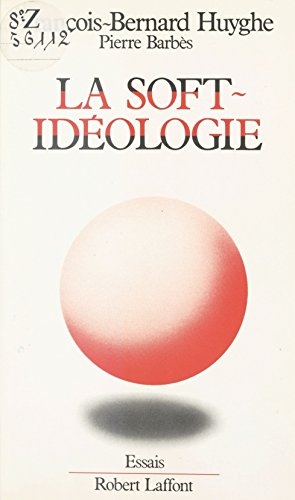 En 1987, sous le pseudonyme de Pierre Barbès, Faye co-rédige un ouvrage très important, eu égard à l’ampleur que prend de nos jours le « politiquement correct », avec François-Bernard Huyghe : La soft-idéologie, livre paru chez Robert Laffont. Cet ouvrage m’a aussitôt paru fondamental et, avec Jean van der Taelen et Guibert de Villenfagne de Sorinnes, nous décidons d’inviter Faye et nous lui louons une salle du prestigieux hôtel Métropole, en plein centre de Bruxelles. Rogelio Pete, qui avait invité Alain de Benoist en mars 1981 dans le cadre d’un colloque sur la défense européenne, se charge, cette fois, de la logistique, car il avait, lui aussi, apprécié le contenu de la Soft-idéologie. La veille de la conférence, je reçois un coup de téléphone d’un militant du G.R.E.C.E., agissant en service commandé, pour m’engueuler copieusement d’avoir lancé cette initiative et pour agonir Faye des plus basses injures. J’ai eu beau jeu de lui dire que je n’étais pas l’organisateur du colloque et qu’il devait adresser ses réclamations à Pete, ce qu’il ne fit évidemment pas, parce qu’il n’avait pas le numéro de téléphone de notre ami hispaniste. Cette gesticulation, mêlant haine viscérale et stupidité abyssale, n’eut aucun effet. La conférence s’est bien déroulée.
Faye quittera cependant l’orbite de Diaspad pour entamer sa carrière d’une dizaine d’années à Skyrock, où il sera Skyman, et dans toutes sortes de médias comiques, multipliant sketches, canulars et blagues de potache dont je n’avais plus que des échos indirects. Je me rappelle vaguement d’un canular de Skyman-le-vengeur, appelant une dame un peu bêbête, qui tombait des nues, pour lui dire que son mari n’avait pas payé les honoraires d’un célèbre immunologue lyonnais, le Dr. Belmont. En pleine psychose du SIDA, bien entendu… Un jour, le béjaune que le bazboug tabagiste avait bombardé « secrétaire-général » du G.R.E.C.E. m’appelle et, avec une voix de bigote à qui un polisson aurait narré une histoire salace que la dite rombière n’ose pas répéter, me dit que « Faye a commis des facéties » dans l’Echo des savannes. Intrigué, je quitte mon bureau pour me rendre à la maison de la presse du quartier et me procurer le numéro, plein de photos révélatrices des « facéties » : Faye y avait fait une traversée de Paris, déguisé en handicapé moteur et mongolien, avec repas mouvementé à l’Hippopotamus, et une promenade germanopratine en aveugle, heurtant tout sur son passage avec sa canne blanche, renversant un présentoir de cartes postales et une pile de boîtes de conserve dans un Franprix. Plus tard, je le revois dans Paris Match, accompagné d’une sémillante secrétaire nommée Mary Patch ( !) : il est devenu le Prof. Kervous, ami personnel de Bill Clinton, fraîchement élu Président des Etats-Unis. Kervous est envoyé en mission secrète en Europe car Clinton a décidé en catimini d’avoir un secrétaire d’Etat aux affaires européennes qui doit être obligatoirement un Européen et le premier à obtenir cette charge sera un Français. Kervous sonde alors toute une série de politicards hexagonaux qui se bousculent pour avoir le poste, médisent de leurs collègues. Mary Patch enregistre le tout, qui fera un formidable papier dans Paris Match. Il y eut ensuite Faye, artiste-peintre lithuanien, présenté comme l’ami personnel du nouveau président de la Lituanie désoviétisée. En vingt-quatre heures, Faye et ses complices avaient peint une vingtaine de toiles, représentant de glorieux phallus en érection, qu’ils exposeront le lendemain dans une galerie pour les vendre au prix fort. Et ça a marché ! Ils rembourseront le lendemain en expliquant que c’était un canular mais le message politique, bien perceptible, était aussi clair que de l’eau de roche : l’art dit contemporain est une formidable supercherie. Faye et ses copains facétieux venaient de le prouver !
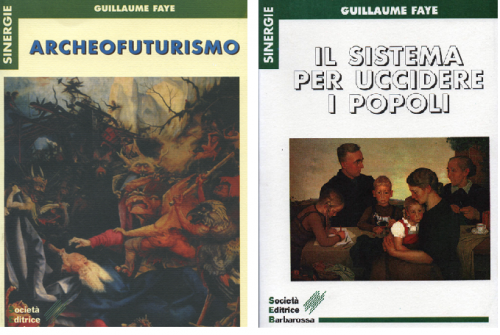
En 1995, mes amis italiens des « Edizioni Barbarossa », qui publient une collection « Sinergie europee » me demandent, avec l’appui insistant de Stefano Vaj, de rédiger une préface à une nouvelle édition italienne du Système à tuer les peuples. J’en profite pour expliciter en profondeur la teneur philosophique des démarches de Faye (cf. http://robertsteuckers.blogspot.com/2012/01/lapport-de-gu... ) et pour dénoncer les mécanismes qui ont conduit à son éviction du mouvement auquel il avait, sans compter, sans hésiter, consacrer toute sa jeunesse, en ne terminant pas ses études pour se mettre au service d’un pontife qui ne cessera de lui mettre des bâtons dans les roues.
Puis, tout à coup, fin 1997, un entretien de Faye paraît dans une nouvelle revue qui fera son chemin, Réfléchir et Agir, animée à l’époque par Eric Rossi. Cet entretien avait été obtenu par « DW », militant de la mouvance qui, le malheureux, avait été entraîné dans une escroquerie, scandaleuse autant que ridicule, montée par un faux architecte et un mécanicien-dentiste, soi-disant deux «amis de la communauté », dont l’un fut, un moment, l’animateur principal de l’URPIF (« Unité Régionale de Paris-Ile-de-France ») et l’autre, un féal thuriféraire du pontife (et l’est resté), et est aussi, à l’occasion, le chansonnier de la bande mais, hélas, affligé d’une voix de crécelle enrayée, lui valant le surnom d’« Assurancetourix ». DW, qui avait été manipulé par ces deux intéressants personnages, avait écopé d’un séjour de six mois dans un célèbre hôtel de Fleury-Mérogis. Inutile de dire que le gars ruminait une certaine amertume. Il est venu me trouver à Bruxelles, m’a fait ensuite, au fil des mois, rencontrer Rossi à Paris, dont la thèse universitaire sur la mouvance nationale-révolutionnaire est certainement ce qui, jusqu’ici, se fit de meilleur, de même qu’un sympathique philosophe irakien, baathiste mais spécialiste de Marx. Puis, un jour, DW, excellent garçon, me téléphone pour me dire que Faye revient à la « métapolitique », après son entretien accordé à R&A, et que je suis le premier qu’il veut revoir !
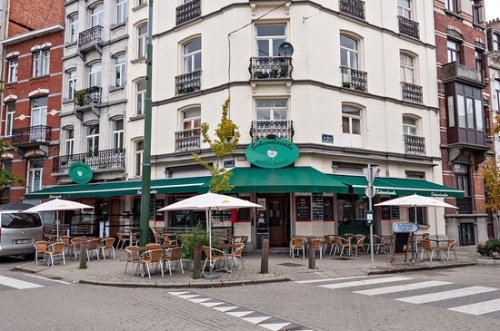
La façade de l'actuel "Schieve Lavabo", site de feu le "Cent histoires". C'est là que Faye et DW passèrent la première après-midi avec mes amis et moi-même au printemps 1998 !
Et voilà qu’un beau jour du printemps de l’année 1998, Faye, piloté par DW, débarque à Bruxelles, dans mon quartier. Il y avait onze ans que nous ne nous étions plus vus, depuis la conférence sur la soft-idéologie au Métropole et depuis le rassemblement de la Lugnasad, organisé par Pascal Junod, le 1 août 1987, en pays vaudois. Mais nous nous sommes tout de suite parlé comme s’il n’y avait pas eu de parenthèse, comme si la dernière réunion du SER avait eu lieu une semaine auparavant. Nous nous replions pour déjeuner au café le « Cent histoires », tenu par le fameux Hubert, natif de Bütgenbach, commune des cantons germanophones de la Belgique. Par un heureux hasard, Faye était arrivé à Bruxelles quand quelques amis allemands y séjournaient aussi, de même que Tomislav Sunic. Tous lui posaient des questions, revenaient sur des souvenirs du passé, d’autres, ignorant tout de la mouvance, étaient ravis de faire un brin de causette avec Skyman ou avec le fauteur d’une autre plaisanterie cocasse ou grivoise ou avec le collègue de la célèbre Tabatha Cash (photo), sulfureuse animatrice de Skyrock, toutes choses dont je n’avais jamais entendu parler.
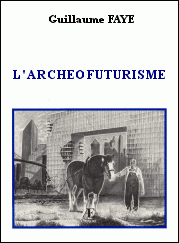
 Le vin a coulé à flot. La facture s’allongeait et Hubert de Bütgenbach avait les yeux qui scintillaient comme ceux de Picsou quand il voit des dollars. Au beau milieu de nos libations, nous avons décidé que Faye participerait à l’Université d’été de « Synergies européennes » qui devait se tenir dans le Trentin en juillet. Il devait y présenter son nouvel ouvrage, paru à l’AEncre : L’archéofuturisme. Le livre commençait par une critique très courtoise des dérives de la ND (canal historique et… hystérique), lignes qui attestent du caractère affable de Faye, prompt à la réconciliation et au pardon pour ceux qui l’avaient pourtant si profondément meurtri. Pour formuler cette critique courtoise, Faye avait policé un petit essai corrosif, qu’il m’avait envoyé quelques semaines plus tôt par l’intermédiaire de DW, et qu’il avait intitulé « La ND ou la planète des clowns » (tiens, au fond, ce texte traîne encore dans mes tiroirs…). Il formulait ensuite son idée-force d’« archéofuturisme » comme « réponse à la catastrophe de la modernité » et comme « alternative au traditionalisme ». Suite à cette double introduction sur les avatars de la ND et sur la définition de l’archéofuturisme, Faye nous offrait, dans son nouveau bouquin, une masse d’articles divers, dont quelques pages pertinentes sur la pensée de Carl Schmitt. Ensuite, deux essais : « Pour une économie mondiale à deux vitesses » et « La question ethnique et la question européenne envisagées d’un point de vue archéofuturiste ». L’ouvrage se terminait par une fiction : « Une journée de Dimitri Leonidovitch Oblomov – Chroniques des temps archéofuturistes ». Bref la machine était relancée.
 En effet, Charles Champetier, alors factotum principal du lugubre pontife, se dépêche de prendre un entretien avec Faye pour éléments. Puis vint l’université d’été. Nous nous rendons tous deux en train de nuit à Milan, accompagnés de Fleur, qui travaillait à l’époque pour les éditions de l’AEncre. Stefano Vaj, fidèle à l’esprit premier du SER, nous y accueille chaleureusement dans son club très huppé de notables sapés comme des milords (et nous étions en tenue de campagne…). Puis ce fut la route vers le Trentin, où, arrivés le soir, nous prenons nos quartiers. Le lendemain matin, les séminaires commencent avec, au programme, une conférence de Laurent Schang sur l’œuvre de Bertrand de Jouvenel. Il la prononce en français devant un groupe franco-allemand, dont faisait partie l’écologiste Baldur Springmann, pionnier de l’agriculture biologique, âgé de 87 ans qui avait conduit sa propre voiture depuis Hambourg pour venir nous rejoindre. Je traduis les propos de Schang. Faye, en retard, descend de sa chambre, s’installe à la table, écoute pendant cinq minutes ce jeu de discours et de traductions un peu fastidieux puis lance : « J’ai eu Jouvenel comme prof à la fin des années 60 ; voici ce qu’il disait…. ». S’ensuivit un cours magistral, et non préparé, sur l’œuvre de Bertrand de Jouvenel. Ce diable d’homme de Faye avait retenu la substantifique moelle des théories jouvenelliennes sur le pouvoir, trente-et-un ans après les avoir entendues à la Sorbonne ! Tour de force !
 En 2000, suite à une plainte des habituels « vigilants » contre son ouvrage La colonisation de l’Europe, le pontife, crevant de trouille et dans l’espoir de se dédouaner (de quoi ?), monte une cabale contre Faye, revenu, un peu moins de deux ans auparavant, dans le bercail de la ND. Il le fait exclure de toutes les instances qu’il patronne et interdit à ses ouailles de le fréquenter et de le publier. Faye subit là une deuxième blessure inguérissable qui inscrira, très profondément, en son for intérieur, un désespoir sans rémission, expliquant plusieurs de ses dérives comportementales dont, personnellement, je m’empresse de le dire, je n’ai jamais eu à me plaindre. Pire : Alexandre Del Valle, alors copain comme cochon avec Faye et victime, lui aussi, de la vindicte obsessionnelle et hargneuse des sbires du pontife, avait tout juste repéré un entretien entre la rédaction du journal italien Lo Stato et les deux compères du saint des saints de la ND (canal historico-hystérique) : je veux dire le triste sire de Benoist et le pauvre manant de service Champetier. Dans leurs réponses, les deux zigomars chargent Faye, le traitant d’excité et de « raciste », apportant ainsi, de manière très perfide, de l’eau au moulin de ses adversaires face à la 17ème Chambre de Paris. Del Valle et Faye me téléphonent illico à Bruxelles, tous les deux dans un état de fureur déchaînée, pour me conter les vilénies imprimées dans Lo Stato. Je fouille mes archives et trouve, effectivement, une photocopie de cet entretien que m’avaient fait parvenir tout récemment mes correspondants italiens mais que je n’avais encore eu le temps de lire. Je traduis aussitôt les réponses des deux malandrins et les commente de manière assez acerbe ; espiègle et primesautier, je les balance sur le net pour faire une petit buzz hebdomadaire, c’est toujours amusant... Champetier, piqué à vif, répond aussitôt et envoie sa réponse à tout le fichier de la ND mais sans camoufler les deux mille adresses de ses destinataires ! Je les consulte et quelle ne fut pas ma stupeur en constatant qu’au fichier des sympathisants s’ajoutaient toutes les adresses des journalistes du Monde, du Nouvel Observateur, de quelques associations de vigilants. Bref, de la délation pur jus, de la méchanceté gratuite, une volonté délibérée de nuire. Pour défendre Faye, je disposais d’un coup, et de manière inespérée, de toutes les adresses, nouvelles et anciennes, de la ND. S’ensuivit une polémique, accentuée par une équipe qui s’était baptisée « Cercle Gibelin » et qui voulait remettre le temple au milieu de l’urbs, en fédérant les forces vives et désormais dispersées du « dextrisme » néo-droitiste, en le débarrassant enfin de ses traitres, de ses pusillanimes et de ses aggiornamentistes. Immédiatement après la polémique, Charles Champetier, qui avait participé à la curée contre Faye et qui avait consacré quatorze années de sa jeune existence au service du pontife, de ses 18 ans à ses 32 ans, était jeté hors de l’association comme un malpropre, parce qu’il fallait donner son salaire à un vieux cacique de la bande qui avait fait tant de bêtises priapiques à son boulot qu’on l’avait congédié et qu’il se trouvait sans ressources sur le pavé de Paris. On ne reverra jamais plus le p’tit père Champetier. Après quelques années très douloureuses, où il aurait ressassé avec amertume son éviction et affronté les déboires familiaux qui s’ensuivirent pour son épouse et leurs quatre pauvres marmots, le malheureux Charles serait retombé sur ses pattes et s’occuperait aujourd’hui d’écologie pratique dans de vertes et riantes campagnes, au fin fond de la France périphérique, loin des gaz de Paris et des cigarettes de son ex-mentor, quintessence emblématique de l’ingratitude.
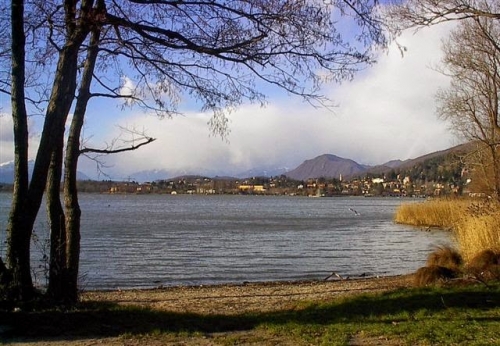
Gropello di Gavirate
Après sa seconde éviction et après la délation qu’il avait subie, Faye, sans doute profondément blessé et outré de cette veule trahison, a toutefois continué sur sa lancée avec l’appui inconditionnel de son éditeur : le combat devait continuer, avec les moyens du bord, au-delà des chagrins profonds que l’on pouvait ressentir. Il participe aux universités d’été de « Synergies européennes » en 2000 à Gropello di Gavirate, près de Varese en Lombardie, et en 2001 à Vlotho-im-Wesergebirge en Basse Saxe. Dans cette région idyllique du cœur germanique de notre Europe, surtout en ce bel été de 2001, Faye, une fois de plus, nous a étonnés. Un jeune ami, Thierry de Damprichard, prononçait une conférence sur la Beat Generation américaine. Dans le débat qui s’ensuivit, entre 21 heures et 22 heures parce que la chaleur de l’après-midi avait été trop intense, Faye, enthousiaste, refait un cours sur ces auteurs américains, très prisés à l’époque de sa jeunesse et, subitement, tombe tout raide en pâmoison. Les amis allemands appellent aussitôt l’ambulance et le médecin urgentiste. Un hôpital sur roues s’arrête devant la porte mais Faye, ranimé par un ami suisse, secouriste dans l’armée helvétique, refuse de se faire soigner, habitude que déplore d’ailleurs Yann-Ber Tillenon dans le bel hommage qu’il lui a rendu après son décès, dans une poignante vidéo parue sur « youtube ». Puis, il se rafraîchit, retourne devant ses jeunes auditeurs, reprend le fil de ses idées et achève son cours de littérature américaine !
 En décembre 2001, nous nous retrouvons à Saint-Germain à Paris pour une conférence sur l’euro, qui allait être introduit en France et en Belgique une semaine plus tard. En 2001, Faye réécrit et complète son Petit Lexique du partisan européen, édité en 1985 par Eurograf dans la banlieue de Liège grâce à l’entregent de Jean-Marie Simar qui n’avait pas hésité une seule seconde à lui venir en aide. Sans cette initiative, ce lexique aurait terminé dans une poubelle des bureaux de la rue Charles-Lecocq. Faye, en 2001, le remanie complètement, l’étoffe, l’amplifie et, dès le tout premier sous-titre de cette version parue à l’AEncre, il annonce la couleur : « Faire bloc avec des idées claires contre l’ennemi commun ». Ce « manifeste de la résistance européenne » connaîtra un succès mérité, surtout dans ses versions allemande et anglaise.
En 2002 paraît à l’AEncre Avant-Guerre – Chronique d’un cataclysme annoncé. Un pavé de 382 pages avec, pour fleurons, les chapitres sur les « rebelles d’opérette », sur « l’intellectualisme comme anesthésiant », sur « la classe politique comme sarabande des clowns », sur le déclin du christianisme et de son anthropologie faussée, sur le retour nécessaire à une « philosophie vitaliste » pour lutter contre la « pensée dégénérée ». En 2004, nouvel ouvrage à l’AEncre, Le coup d’état mondial – Essai sur le nouvel impérialisme américain. Ce livre est une analyse fine des ressorts de l’impérialisme américain mais propose, en son onzième et dernier chapitre, un projet d’alliance euro-russo-américain, que Faye nomme « Septentrion ». Notre auteur s’en prend également à ce qu’il appelle l’AAOH ou « l’anti-américanisme obsessionnel et hystérique ». Il plaide pour une critique réaliste et contre toutes les formes d’imprécation que véhiculaient et répandaient les discours anti-impérialistes et anti-américains des gauches marginales et du pontife acariâtre qui l’avait chassé deux fois de l’association, celle qu’il considérait, avec tristesse et amertume, comme sa « maison », celle où, plein d’espoir, il était venu frapper sur le coup de ses vingt ans.
Dans mes propres publications de l’époque, peu de choses sont finalement parues, sauf :
- -L’annonce du retour de Faye dans le numéro 3 de Réfléchir & Agir, avec brève recension de ses propos recueillis par Maxime Lion (in : Nouvelles de Synergies Européennes, n°30/31, octobre-décembre 1997, p. 35).
- - Un entretien accordé par Faye au quotidien Il giornale d’Italia, dans le cadre de l’Université d’été 1998 de « Synergies européennes ». Propos recueillis par Michele Fasolo, le 24 juillet 1998 (in : Nouvelles de Synergies Européennes, n°35-36, juillet-septembre 1998, pp. 34-35).
- - Un dossier « Guillaume Faye » dans le n°46 de Nouvelles de Synergies Européennes (juin-juillet 2000, pp. 9 à 16). Il s’agissait de prendre la défense de Faye après son expulsion des réseaux de la ND, canal historique, et de rendre compte de l’impact, en Italie, de ses ouvrages les plus récents. Textes : « Faut-il lyncher Guillaume Faye ? » par le regretté Pierre Maugué ; « Du dextrisme » par Patrick Canavan, texte reprenant les thèses du « Cercle Gibelin », qui entendait remettre les pendules à l’heure dans l’ensemble de la mouvance néo-droitiste ; « Questions à la ‘nouvelle droite’ – La ND française à la croisée des chemins », toujours par Pierre Maugué ; « Déracinement ou archéofuturisme ? » par le Prof. Augusto Zuliani (recension parue dans le quotidien milanais La Padania, 24 février 2000) ; « Guillaume Faye ou des racines archaïques du futur » par Angelo Mellone, paru dans la prestigieuse revue Area en mars 2000 ; « Archéofuturisme : cette civilisation ne passera pas la nuit… » par Claudia Gualdana, article préalablement paru dans le grand quotidien Il Sole-24 Ore, le 30 janvier 2000).
- - Un entretien avec Guillaume Faye dans Au fil de l’épée, n°30, février 2002. Propos recueillis par Victor Marck et tirés du net. Faye y évoque son nouveau livre Avant-guerre.
- - Un article en défense de Guillaume Faye, insulté dans la revue éléments par un certain Jean-Charles Personne, surnommé le « Bidasse Nemo ». Lothaire Demambourg avait trempé sa plume dans le vitriol pour fustiger, à la mode de Léon Bloy, ceux, toujours de la même clique, qui traînaient encore une fois Faye dans la boue (in : Au fil de l’épée, recueil n°46, juin 2003). La polémique n’était pas piquée des vers !
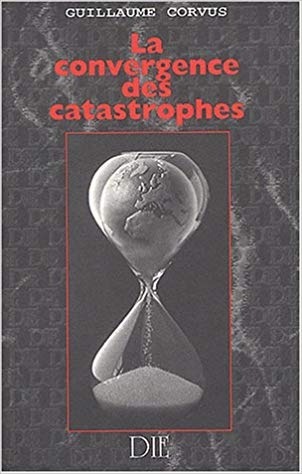 De 2000 à 2007, Faye est venu plusieurs fois en Belgique pour présenter ses thèses et ses livres. En 2004, nous sommes tous deux à Gand. Il participera à plusieurs colloques au Château Coloma, à Sint-Pieters-Leeuw, à l’initiative de Georges Hupin, qui, avec son épouse, l’accueillera toujours avec une bienveillance toute paternelle dans leur belle demeure du quartier « Art Nouveau » d’Anvers. En 2006 à Bruxelles dans la salle du Ravensteinhof, nous présentons à deux La convergence des catastrophes, excellent livre qu’il avait écrit en 2004 sous le pseudonyme de Guillaume Corvus (ma contribution à cette conférence commune : http://robertsteuckers.blogspot.com/2013/12/guillaume-fay... ). En 2007, nous participons à un colloque à Termonde, organisé par Chris Roman de l’association « EuroRus », visant à concrétiser un dépassement de l’occidentalisme en Europe qui aurait pour corollaire une réconciliation définitive avec la Russie. Chris Roman invitera encore Faye à débattre avec le penseur russe Pavel Toulaev (Tulaev), notamment sur la notion d’« Eurosibérie » que notre ami russe trouvait inadéquate, la Sibérie n’ayant jamais été un sujet de l’histoire parce que, dans cette immense région du monde, seule la Russie le fut, du moins après la disparition du grand ensemble gengiskhanide. Le débat s’est effectué dans la courtoisie dans la belle bibliothèque de Roman.
En 2007, Guillaume Faye rencontre Jules Dufresne, homme très jeune, qui vient alors de fonder les Editions du Lore. Un premier livre sort dès cette année-là, qui suscitera une terrible et résiliente polémique : La nouvelle question juive (2007). C’est évidemment le sujet qui fâche : les positions prises par Faye n’ont satisfait personne, inutile de le dissimuler. Personnellement, je pense qu’il n’aurait pas dû aborder le sujet car la catégorie dans laquelle on l’avait placé, surtout après le procès qui lui fut intenté après la parution de La colonisation de l’Europe, ne permettait pas d’aborder la question juive de manière sereine même si Faye avait pour intention louable de mettre un terme à des préoccupations monomaniaques souvent stériles, exprimées dans les différents cénacles où elles se manifestaient (nationaux pro-palestiniens, nationaux philo-sionistes, pro-palestiniens en faveur et en défaveur de l’immigration, antisionistes défavorables à l’immigration, etc.). Malgré les 396 pages qu’il a noircies en essayant de traiter de toutes les facettes de la question, il n’a pas su créer un nouveau consensus face à cette problématique pour le moins épineuse. Il a récolté l’étiquette de « sioniste » et le surnom de « shabbat-goy », qu’on lui faisait partager avec Del Valle. L’ouvrage demeure toutefois symptomatique d’un état d’esprit qui régnait effectivement dans les milieux non-conformistes dans la première décennie du 21ème siècle. Sa lecture est dès lors incontournable. A titre documentaire.
 Pierre Krebs, -que nous avions rencontré pour la première fois en 1981 dans l’appartement de la jeune femme qui hébergeait Faye, dans sa chambre de bonne, et avait accessoirement servi des rillettes au sinistre pontife entre Hong Kong et Las Vegas-, avait publié une version allemande de Pourquoi nous combattons (Wofür wir kämpfen) en 2006. Il l’avait préfacée avec Andreas Molau qui invite aussitôt Faye à Bayreuth, fin avril, pour un prestigieux colloque allemand et européen où Enrique Ravello et moi-même prenons également la parole. Des émissaires du pontife essaient en dernière minute de torpiller cette édition que le colloque avait annoncée : Faye remarque leur manège dans la salle et m’en parle, visiblement ému car cette tentative retourne une fois de plus le couteau dans la plaie secrète de notre homme mais qui, même invisible, reste si vive... Je fonce tout de suite vers les deux gogols, braves types dans le fond mais légèrement handicapés de la dure-mère, et je leur dis : « Fantastique ! Un livre de Guillaume Faye va enfin paraître en allemand ! Il faut s’en réjouir ! Un homme aussi génial ! Et dire que des envieux ont toujours dénigré cet orateur hors pair !». Ils n’ont pas osé me contredire. Ce fut donc un coup dans l’eau pour les habituels nuisibles. Un de plus. Caramba ! Encore raté ! Krebs et Molau n’ont pas cédé. C’est ce que j’aime dans ce milieu : Beharrungsmenschen !
Il faudra attendre 2011 pour que les éditions du Lore, toujours dirigées par Jules Dufresne, publient Sexe et dévoiement, une somme de 371 pages récapitulant toutes les idées de Faye sur la sexualité et l’histoire de la sexualité, de l’antiquité à la christianisation et de l’époque moderne à l’ère postmoderne. Il s’agit d’une somme inégalée dans la mouvance. L’ouvrage est l’amplification et l’approfondissement de sa brochure rédigée en 1983, Sexe et idéologie. En 2012, les éditions du Lore sortent deux nouveaux ouvrages de Faye, Mon programme et Archéofuturisme V2.0. Mon programme est, comme son nom l’indique, un programme politique à appliquer immédiatement si, tout d’un coup, il y avait vacance de pouvoir et si nous étions les seuls à pouvoir la combler. Le texte peut encore et toujours inspirer mais n’oublions pas que la réalité politique est désormais de plus en plus volatile et que ce type de programme est rapidement obsolète. Archéofuturisme V2.0 est une série de « nouvelles cataclysmiques », qui ont le grand mérite de l’originalité, dévoilant simultanément une facette de romancier que Faye n’a finalement que peu exploitée. Début 2013, le Lore publie une brochure, dans le style de celles qui étaient jadis produites par le G.R.E.C.E. : elle est intitulée La nouvelle lutte des classes. Faye y annonce le collapsus social, dû, entre autres choses, à la multiplication exponentielle des castes parasitaires inutilement importées qui ne contribuent pas à la richesse de la nation. Cette brochure s’inscrit donc dans la logique inaugurée dans La colonisation de l’Europe. La coopération de Faye avec les éditions du Lore s’arrêta là.
Il coopéra par la suite avec les éditions Tatamis dirigées par Jean Robin, où il sortit un Comprendre l’islam, dont je ne possède pas (encore) d’exemplaire. Enfin, chez un cinquième éditeur, Daniel Conversano, Faye sortira son ultime bouquin, intitulé La guerre civile raciale, que j’attends avec impatience.
Mais la grande avancée de Faye au cours de la deuxième décennie du 21ème siècle se produisit dans les pays anglo-saxons. Grâce aux éditions Arktos, patronnées par Daniel Fridberg, Suédois, et par John Morgan, Américain, Faye connaîtra des tirages bien plus importants qu’en France et une diffusion mondiale grâce à d’excellentes traductions dûment annotées. En voici la liste :
- - Archeofuturism (2010).
- - Why we fight (2011).
- - Convergence of catastrophes (2012).
- - Sex and deviance (2014).
- - The colonisation of Europe (2016).
- - Archeofuturism 2.0 (2016).
- - Understanding Islam (2016).
- - A Global Coup (2017).
 Dans la vaste mouvance américaine, aucun sabotage de ses livres n’a eu lieu. Les sites de Greg Johnson et de Jared Taylor, suivi par beaucoup d’autres, en font une publicité ininterrompue. Le matraquage sur les réseaux sociaux est incessant. Le spécialiste de la « nouvelle droite » française aux Etats-Unis, le formidable Michael O’Meara, lui consacre un petit livre, Guillaume Faye and the Battle of Europe (Arktos, 2013), qui a le mérite d’expliciter l’œuvre de Faye en consolidant chaque argument d’un bon appareil de notes. Dans le seul exemplaire américain de son œuvre que je possède, une copie de Why we Fight, que Faye m’a remis à Paris le 4 juin 2011, je découvre une préface de O’Meara où Faye est décrit comme le prophète du « Quatrième Age », suivie d’une traduction en anglais de la préface allemande de Krebs. Les noms de tous ceux qui ont permis cette édition anglaise de Pourquoi nous combattons figurent en page 4 du volume : le traducteur O’Meara, l’éditeur John Morgan et le co-éditeur australien, excellent connaisseur de la langue française, Matthew Peters, le réalisateur de la couverture Andreas Nilsson et l’incontournable Daniel Fridberg. On peut supposer que cette excellente équipe n’a pas été importunée par les habituels cloportes expédiés depuis la sombre officine parisienne du gourou… Très récemment, quelques jours avant le départ définitif de Faye, le gourou a vomi sa colère et son dépit (hu...hu…hu… !) dans les colonnes du quotidien italien La Reppublica : les représentants de l’Alt-Right, proclamait-il, ne sont que de « petits extrémistes ridicules », qui lui ont pourtant financé de belles éditions de ses propres pensums et quelques voyages d’agrément dans les Amériques… Toujours l’ingratitude foncière de l’indéboulonnable Dr. Peutt Peutt…
Mais les dédouanements du pontife Peutt Peutt n’ont aucune incidence, ne servent strictement à rien : en date du 28 mars 2019, vingt-deux jours après la mort de Faye, paraît une longue « étude » d’un certain Dan Glazebrook sur le site de « Democracy and Class Struggle » (= Démocratie et lutte des classes » - titre : « The Browning of the Left : How Fascists Colonised Anti-Imperialism » - https://democracyandclasstruggle.blogspot.com/2019/03/ ). C’est un long pensum de cerveau mou, genre antifa, sur le grand manitou que nous avons côtoyé tous deux pendant si longtemps. Jugeons-en : le manitou est l’homme qui, sur cette planète, « brunit la gauche » et qui « s’approprie les concepts de la gauche pour les mettre au service d’un fascisme plus politiquement correct » ; « sa carrière politique a commencé en applaudissant directement les impérialistes jingoïstes dans des livres tels ‘Le courage est leur patrie’ et ‘Rhodésie : terre des lions fidèles’ » ; « il a surfé sur les concepts de la nouvelle gauche de façon à mettre au goût du jour une forme explicitement fasciste de politique identitaire » ; « sa nouvelle droite a immédiatement adopté la phraséologie captatrice de la nouvelle gauche sur le ‘respect de la diversité’ et le ‘droit à la différence’ pour se faire l’avocate d’une politique prônant la séparation des ethnies, qui seront alors racialement purifiées » ; « il recyclait les théories d’un apartheid global, propre des racistes du 19ème siècle, qu’il cherchait explicitement à réhabiliter » ; « de cette manière, …, il cherchait à implanter l’injonction de Hitler de créer un peuple prêt au fascisme » ; « il jette effectivement les fondations d’une politique identitaire blanche au cœur du fascisme moderne ». Tout cela, je suis d’accord, c’est le blabla abscons que l’on entend depuis de longues décennies, et qui est l’indice d’une sévère pétrification mentale, mais, voilà, ces accusations ne seront plus, dans un avenir proche, adressées à Faye, l’homme qui ne mâchait pas ses mots, mais bien à celui qui l’a toujours systématiquement enfoncé dans l’espoir de se dédouaner, de passer chez les badernes du système pour le gentil intello modéré face au méchant Faye, pitbull qui voulait mordre les pauvres salafistes et Savonarole postmoderne qui ne cessait de calomnier les braves wahhabites… (le tout avec l’aide très hypothétique de Tsahal), face aussi à l’alt-right américaine, composée de « petits extrémistes ridicules » qui se servent de son auguste personne pour se faire valoir (comme si ces gens avaient besoin, pour se hausser le col, d’un vieillard parisien radoteur, interlocuteur récent d’autres radoteurs séniles de l’autre bord dans les colonnes du Figaro ou du Causeur…). Faye a d’ailleurs eu les mots qu’il fallait pour les « repentis », et, a contrario, ce Dan Glazebrook les confirme. Ecoutons Faye : « Ceux qui, jadis, ont commis des erreurs de parcours, des péchés de jeunesse, des écarts abominables, et qui veulent se faire pardonner en montrant patte blanche. Hélas, ils ne parviennent pas à détacher de leur queue les casseroles tintinnabulantes, quelque effort, grouillerie, reptation, léchage, renvoi d’ascenseur qu’ils fassent » (Avant-guerre, p. 207). Cqfd.
En octobre 2018, plusieurs amis me téléphonent pour me dire que l’état de santé de Guillaume Faye est alarmant. Il est hospitalisé. On connaît la suite. Mais sa réplique aux médecins et aux amis qui ne lui cachaient pas la vérité est vraiment formidable et on aimerait tous avoir la même froide sérénité aux moments ultimes : « J’ai 69 ans, je mourrai au même âge que Platon, également d’un cancer… ». La Parque a coupé le dernier fil que le liait à la vie le 6 mars 2019, peu avant minuit. Son cercueil a été placé dans le caveau familial, dans le cimetière d’un village près de Poitiers (Faye se disait « Poitevin »). Yann-Ber Tillenon lui a placé sur la poitrine l’aigle de Maksen Wledig. Le camarade Bruno a glissé une carte de la « Grande Europe » (Sibérie comprise), avec un texte poignant. Philippe Gibelin a présidé à la cérémonie. Daniel Conversano était présent. D’autres amis de la région s’étaient déplacés. Des bouquets de fleurs entouraient sa pauvre dépouille, bouquets d’une grande beauté parce que d’une grande simplicité. Je suis heureux que Faye ait retrouvé sa terre, sa famille, son enfant au bout de son interminable errance dans une certaine solitude, au bout de sa désinstallation permanente qui fut toujours marquée du sceau du tragique, en dépit de sa joie apparente, de la joie affichée qui cachait sa grande douleur.
C’est Pierre Vial qui a trouvé les mots les plus justes pour évoquer le destin de Faye. Vial a mis le doigt sur la vérité nue, cruelle qui était là, au fond de sa personne et qu’il dissimulait (mais tristement) derrière un panache truculent. Ainsi, Vial écrit qu’au G.R.E.C.E. « ses talents ont fait merveille. Peut-être trop au goût de certains egos surdimensionnés à qui il faisait (sans le vouloir) de l’ombre ». Personnellement, je peux témoigner de la pertinence de cette phrase… Et, Vial ajoute : « Quand le divorce avec certains hiérarques de la Nouvelle Droite est devenu inévitable, il a été touché au plus profond de son être et nous avons été peu nombreux à nous en rendre compte ». Enfin : « Il y avait en lui des blessures qui ne se sont jamais refermées ». Ces blessures ont été constamment ravivées par les mêmes ignobles personnages car, il faut le dire, en extrapolant très légèrement les propos de Vial, que Guillaume a été un homme que l’on a délibérément voulu tuer à petit feu, un homme qui fut littéralement kapotgekoeioneerd ou kaputtkujoniert comme on dit en néerlandais et en allemand (c’est-à-dire, « couillonné jusqu’à en crever »). Une volonté qui n’émanait pas de l’ennemi mais de son propre camp ! En l’humiliant et en l’insultant à longueur de journée dans les années 1980, alors que son travail était exemplaire ; en colportant les pires ragots sur sa personne dans les années 1990 et 2000. Or, les comportements qu’on lui prêtait, personne, ici, dans les anciens Pays-Bas autrichiens ou aux Etats-Unis, ne les a remarqués ni a fortiori subis, sauf peut-être, en Bretagne, son troisième éditeur, Jules Dufresne (mais sans doute est-ce à cause de l’hydromel qu’il offre si généreusement à ses hôtes et à ses auteurs…). Ni Georges Hupin ni Guibert de Villenfagne ni Chris Roman ni Jared Taylor ni moi-même, qui l’avons régulièrement hébergé, n’avons eu à nous plaindre de lui. Pas davantage que ceux qui nous offraient le gîte lors des universités d’été en Italie ou en Allemagne. Honte donc à tous ceux qui l’ont meurtri sans raison, jadis, avec une cruauté abjecte et inquiétante (pour leur santé mentale), l’ont continuellement vilipendé, honte surtout à « ceux qui l’ont connu » et l’insultaient encore, quelques jours avant qu’il n’ait été porté en terre, méritant le titre de « clique » qu’un ancien de nos camarades, et non des moindres, leur a collé sur le dos dans un courrier qui m’était personnellement adressé, honte aussi aux petits roquets sans cervelle qui servent obséquieusement les vieillards haineux de la « clique » et répandent allègrement leurs phrases fielleuses sur la grande toile.
Si Vial, en quelques phrases parfaitement ciselées, a bien mis le doigt sur le tréfonds de la problématique psychologique qui fut celle de la personne Faye, sur cette tristesse indicible et immense, inguérissable, qui l’avait transformé lentement et fait, du garçon généreux, joyeux et curieux qu’il était, un homme qui a basculé dans la farce pendant dix ans mais a voulu en sortir, un homme vieilli avant l’âge, miné par un mal sournois, Yann-Ber Tillenon dans une première vidéo rend très justement hommage à l’homme qui présentait des facettes multiples. Tillenon voit en Faye un penseur, un polémiste, un scénariste de canulars, un auteur de bande dessinée, un acteur capable de jouer n’importe quel rôle. Propos que Faye lui-même avait corroborés dans une émission récente de « TV Libertés » en disant qu’il avait toujours recherché cette multi-dimensionnalité que présentaient également les philosophes grecs de l’antiquité, ses modèles. En effet, la pensée de Faye est une réponse à l’unidimensionnalité du monde bourgeois, le sien au départ, qu’il avait rejeté de toutes les fibres de son corps, pour se vouer entièrement à la cause, au détriment de sa vie de famille, de toute carrière professionnelle cohérente. Sa réponse à l’unidimensionnalité (celle de Demesmaeker) n’était évidemment pas la même que celle proposée par Herbert Marcuse… encore que… Faye voulait un retour aux Grecs, à Aristote (ce qui le rapprochait d’Ivan Blot, disparu en octobre 2018), à Héraclite et rejetait ce qu’il appelait, avec Raymond Ruyer (1902-1987), les « nuisances idéologiques », toutes issues d’une modernité dévoyée.
Faye avait fait connaissance avec le G.R.E.C.E. au moment où celui-ci disposait d’un cercle à Sciences-Po à Paris, le « Cercle Pareto », et où les cadres du mouvement, suite aux leçons données par le sociologue allemand Henning Eichberg à la « Domus », dans la région d’Aix, avaient planché sur l’empirisme logique de l’école anglaise et sur le Tractatus logico-philosophique de Ludwig Wittgenstein. Domaine qui avait intéressé aussi Raymond Ruyer, alors professeur à Nancy et membre du comité de patronage de Nouvelle école. Pour l’école empiriste/logique anglaise, Ruyer, les disciples de Wittgenstein et leur interprète national-révolutionnaire allemand Eichberg, les discours scientifique et politique se devait d’être limpides, logiques, dépourvus d’ambigüités et d’affects incapacitants. Faye, après la lecture de Heidegger et de sa Lettre sur l’humanisme, concevait bien qu’une telle logique pure, et scolastique, ne pouvait s’adapter à la sphère effervescente du politique, toujours grevée d’irrationalité, parfois destructrice, parfois constructive. Cependant, il y avait, chez lui, la volonté de rejeter sans appel les ambigüités, les affects incapacitants et les ritournelles stérilisantes, tous figements qu’il convenait de briser, au marteau, à la mode de Nietzsche (comme, par exemple, quand il s’était mis dans la peau d’un « peintre lithuanien » à la mode…). Faye se disait « réalitaire et acceptant » contrairement à l’engouement pour la critique pure et déconstructiviste sur laquelle pariaient alors les gauches intellectuelles, dans le sillage de l’école de Francfort, du déconstructivisme français (la « French School ») et d’autres modes intellectualistes. L’imitation de ces travers par les sycophantes de notre propre mouvance était à rejeter avec la même vigueur. Pour échapper à cet irréalisme, à ces « nuisances idéologiques » et à ces affects incapacitants, il fallait renouer avec l’esprit hellénique de l’antiquité dans lequel, adolescent, dans son collège d’Angoulême, il avait baigné et même adorer se baigner. Une nouvelle paedia grecque et une immersion dans le mos majorum des Romains sont les antidotes aux dérives de la modernité tardive.
Par voie de conséquence, il ne fallait pas, dans notre mouvance, tenir compte des nuisances idéologiques pour pouvoir être admis dans des débats stériles (où « l’on discute du sexe des escargots ») orchestrés par les médias du système (à tuer les peuples) (cf. Avant-guerre, p. 206). Il ne fallait tenir compte que des faits, être en quelque sorte « factualiste » et non des idées fumeuses avec lesquelles le « paysage intellectuel français » faisait allègrement joujou pendant que la société toute entière partait en quenouille (« Contre le byzantinisme, retour au réel ! », ibid.). L’erreur majeure du pontife était donc de vouloir occuper des tribunes là où, en fait, on ne disait rien de concret, rien de « bouleversant ». Quant au paganisme fayen, il était classique, hellénique et romain car, ainsi, il permettait de renouer avec les humanités classiques, sans tomber dans les dérives du New Age, des mauvais lecteurs de Tolkien, des hippies recyclés dans une sorte de folcisme soft, etc. Benedikt Kaiser, représentant de la toute dernière génération de la « Neue Rechte » allemande, dans son texte sur Faye en date du 7 mars 2019 (sur https://sezession.de/60561 ), jour où nous avons tous appris le décès de notre ami, parle de sa volonté d’ancrage dans le réel, de sa Wille zur realpolitischen Erdung. Belle parole qui ne l’empêchera pas d’aller glander dans le club des lèche-derche du pontife dans l’espoir fou de recevoir une petite tape amicale sur la joue droite… Il a déjà donné tous les gages pour cela.
Faye, pour moi, était aussi, grâce à la formation qu’il avait reçue dans un collège de jésuites, un praticien des « arts de la mémoire ». Parfois, une magnifique conférence de deux heures était préparée sur un petit bout de papier froissé, un sous-bock, avec quelques mots-clefs et un « chemin » fait de quelques lignes et de quelques flèches. Son intervention sur Jouvenel dans le Trentin en juillet 1998 prouvait qu’il gardait certains de ces « chemins » dans un coin de son cerveau et pouvait les restituer tout de go. C’est un art que l’on a largement oublié en Europe aujourd’hui.
J’ai donc perdu celui avec qui j’ai marché pendant 44 ans, même si au cours de ces vingt dernières années, nous n’étions plus collègues : l’essentiel continuait à nous unir intellectuellement. J’aurais encore mille et une choses à dire et à écrire ici sur Faye. Mais, voilà, je pense avoir communiqué quelques pistes importantes pour ceux qui écriront l’histoire de la mouvance, à laquelle il a donné ses meilleures impulsions mais qui l’a chassé et renié, pour ceux qui veulent en comprendre les ressorts tout en épousant ses thèses essentielles, au-delà de la méchanceté de certains hiérarques qui, eux, méritent d’être oubliés, en tout cas, d’être exclus des tables où nous dînons. Nul besoin de commensaux pareils. Cependant, ce qu’il faut garder en tête, c’est que les idées demeurent, étaient là avant nous, seront là après nous, tandis que les hommes passent, les meilleurs comme les pires, car, très souvent, ils faillissent.
En tout cas, jamais je ne pourrai exprimer ma reconnaissance à Faye pour tout ce qu'il m'a apporté. Merci, Guillaume, repose en paix en terre poitevine, avec tes parents, à proximité du Futuroscope... La terre et les fusées...
Robert Steuckers.
Forest-Flotzenberg, mars 2019.




 del.icio.us
 Digg
Digg Facebook
 1969 promovierte Sander bei Hans-Joachim Schoeps in Erlangen zum Dr. phil. Der Titel seiner Promotionsschrift lautete „Marxistische Ideologie und allgemeine Kunsttheorie“; Sander setzte sich hier insbesondere mit der Kunstkonzeption von Marx und Engels auseinander. Es war wohl insbesondere der Einfluß des Staatsrechtlers Carl Schmitt, mit dem er bis 1981 brieflich in Kontakt stand, der ihn in dieser Zeit mehr und mehr zu rechtskonservativen Auffassungen tendieren ließ. Von 1964–1974 arbeitete er für das Deutschland-Archiv. In dieser Zeit gestaltete er gelegentlich auch Rundfunkfeuilletons für öffentlich-rechtliche Sender. Sanders „Geschichte der Schönen Literatur in der DDR“ (1972) löste eine heftige Kampagne aus, in deren Folge der Verlag das Buch aus dem Vertrieb zog. Sander verlor nun zunehmend an publizistischem Spielraum. Alternativen fand er unter anderem bei Caspar von Schrenck-Notzings Zeitschrift Criticón.
  Sander hat nie einen Hehl daraus gemacht, daß er die Bundesrepublik für nicht reformierbar hielt. Beide deutsche Staaten seien unter Kuratel der Besatzer entstanden, was unter anderem für eine Negativauslese im Hinblick auf die Eliten gesorgt habe. Dennoch sei nichts verloren: Die Deutschen bräuchten „sich nur innerlich aufzuraffen“, so Sander im „Nationalen Imperativ“, „um sich der brüchigen alten Zustände der Innen- und Außenpolitik zu entledigen, wieder auf die überlieferten, immer noch wirkenden Tugenden zu setzen und neue Formen und Ziele zu wagen, die in Richtung auf einen neuen Machtstaat, eine neue Großmacht drängen, die den Nachbarn durchaus zuzumuten wäre, weil durch nichts sonst das schutzbedürftige Europa noch gerettet werden kann.“ Diese Sätze können, in einer Zeit, in der Europa durch die Auswirkungen der „Flüchtlingskrise“ schutzbedürftiger denn je ist, durchaus als Vermächtnis Sanders nicht nur an die Deutschen gelesen werden.
 Arrêté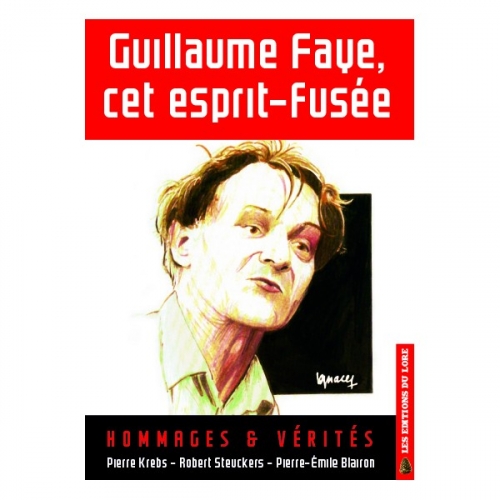
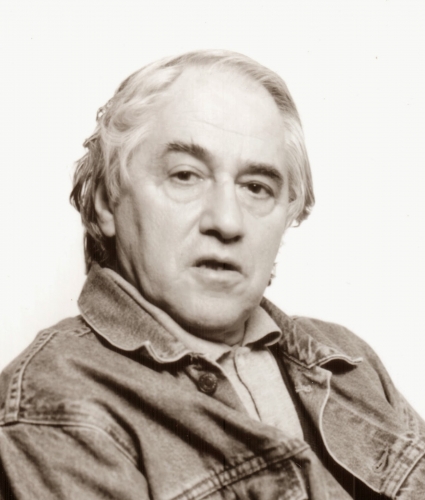
 Des trois volumes de L’Altermonde, le deuxième, Franchoupia, est le moins abouti. Il traite d’une France libre réduite à la Guyane. Il s’agit d’une satire virulente de l’Hexagone sous les présidences de François Mitterrand et de Jacques Chirac. Il faut cependant reconnaître que deux décennies plus tard, l’immonde société franchoupienne s’épanouit sous les différents quinquennats de Sarközy, de Hollande et de Macron !
 Après une quinzaine d’années de recul, Faye refit surface à la fin des années quatre-vingt-dix, alors que le mouvement identitaire, ou du moins ses idées, prenait une nouvelle orientation, se définissant de moins en moins comme « national-révolutionnaire » et davantage comme « identitaire ». La transition d’Unité radicale (UR) en Bloc identitaire, bien que causée par la dissolution d’UR illustre à merveille ce changement qui fut loin d’être superficiel.
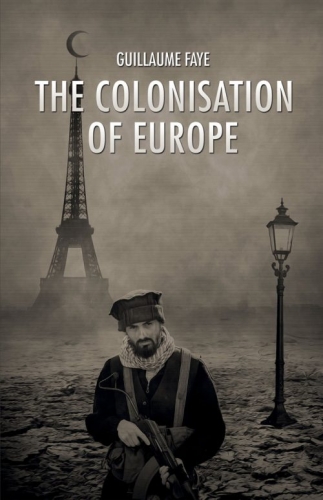 Aux discours et à la vision métapolitique véhiculée par ses compatriotes, Faye opposait la dure réalité. Les conflits ethniques et la submersion migratoire n’auraient rien à voir avec les débats académiques opposant les tenants de la Révolution conservatrice contre les adeptes d’un socialisme européen. Cet intellectualisme minant le camp national était pour lui une tare. Les grands mots ne changeraient rien quand la situation dégénérerait.
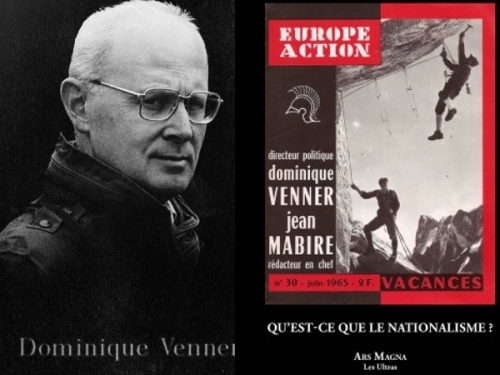
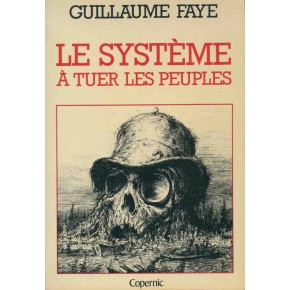 Ce n’est pas un philosophe, autoproclamé ou pas, même s’il est amoureux de la sagesse, comme l’indique le mot lui-même, mais ce mot a subi tellement d’avatars qu’il ne veut plus dire ce qu’il exprime.
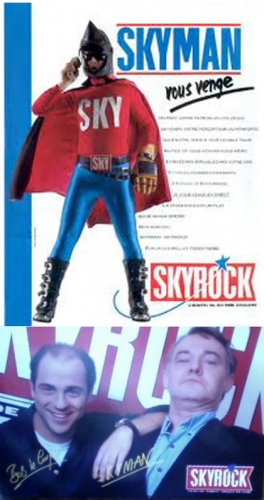 Pendant une période qui a quand même duré dix ans, de 1987 à 1997, Il a été un animateur de radio reconnu sous le nom de Skyman, et aussi de télévision sur France 2 où il imaginait des canulars dans l’émission Télématin. Il a aussi, pendant cette même période, collaboré à des revues de bandes dessinées comme L’Echo des savanes, en compagnie d’auteurs plus ou moins déjantés généralement situés à l’extrême-gauche.
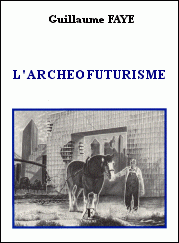 La pensée de Guillaume suivait très exactement l’évolution de la situation et il réagissait comme un général sur un champ de bataille, un général qui maîtrise l’ensemble des paramètres minute après minute et qui prend des décisions que la plupart de ses subordonnés ne comprennent pas. Ses lecteurs et ses amis ont souvent été désarçonnés par ce qu’ils croyaient être des revirements ; il n’en était rien ; Guillaume Faye se portait à l’assaut exactement là où les défenses faiblissaient et là où elles avaient besoin de renfort. Petit à petit, il a pointé très exactement – comme une « frappe chirurgicale » – le danger le plus important, écartant tous les autres et préconisant des alliances momentanées, avec Israël d’abord, ce qui n’a pas plu à tout le monde ; le danger auquel on devait prêter toute notre attention et tous nos efforts étant le Grand remplacement des populations européennes par des populations africaines manipulées et rassemblées par la religion musulmane. Dans son dernier livre paru post mortem, Guillaume ne fait plus la distinction entre islam et islamisme, il emploie donc le terme générique de « musulman ». J’ai acheté ce dernier livre à Daniel Conversano, son dernier éditeur, qui l’a tiré du coffre de sa voiture, dans l’enceinte même du cimetière où a été inhumé Guillaume. C’était encore une façon de lui rendre hommage.
 L’Europe
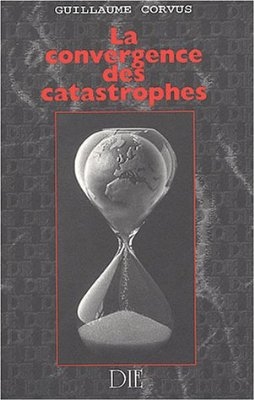 La convergence des catastrophes a des racines plus anciennes si l’on se reporte à un temps plus long, dans l’histoire sacrée des dieux plutôt que dans l’histoire récente des hommes, l’histoire profane. Toutes les anciennes traditions qui fonctionnent selon le système cyclique ont évoqué ce type de catastrophes ultimes dans le passé ; il suffit de lire Eliade, Daniélou, Evola ou Guénon pour s’en convaincre. La convergence des catastrophes, pour nos anciens, se manifeste par une conjonction de cycles astrologiques, les petits s’emboîtant dans les grands et qui, à un moment, se rejoignent tous pour arriver à leur fin pour ensuite repartir de plus belle, tout comme les aiguilles d’une montre se rejoignent sur le 6 (le 666) pour remonter ensuite toutes ensemble à des vitesses différentes. Guillaume m’avait d’ailleurs fait la surprise – je ne sais pas si c’est pour me faire plaisir – de citer un de mes articles sur le sujet dans sa Convergence des catastrophes, qu’il avait signée Corvus, mais je doute qu’il ait été vraiment convaincu par les références appuyées aux anciennes traditions de ce texte. Il s’agissait d’un article de la revue Roquefavour que j’éditais à l’époque, article datant de 2004, que j’ai repris ensuite dans mon livre La Roue et le sablier.
 La technoscience
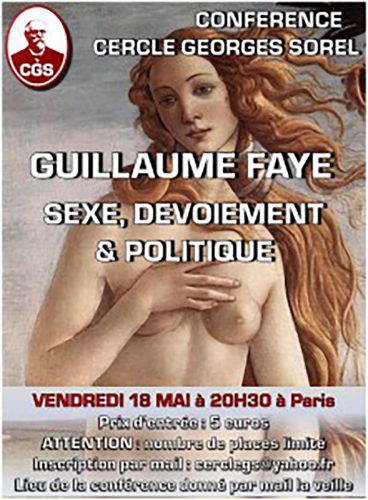 Selon Pierre Vial et Robert Steuckers, les deux ruptures successives d’avec le GRECE l’ont traumatisé -.il n’a jamais abordé le sujet avec moi, par pudeur ? – son caractère impulsif peut l’avoir amené à blesser certaines personnes dans la fougue de ses réactions, mais il en prenait conscience et il le regrettait rapidement. Il est devenu alors un garçon fragile et vulnérable qu’on aurait dû protéger et non pas accabler.
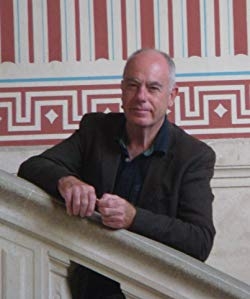 Pierre-Émile Blairon

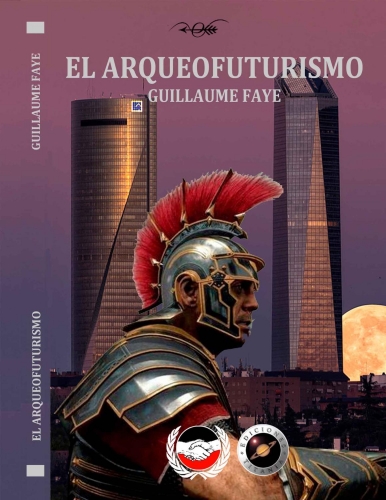

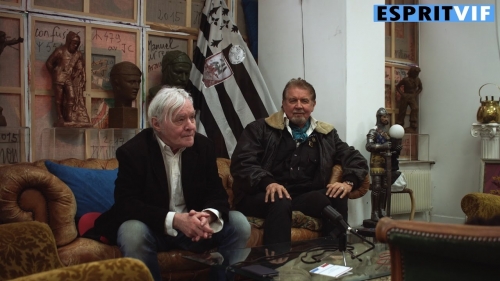

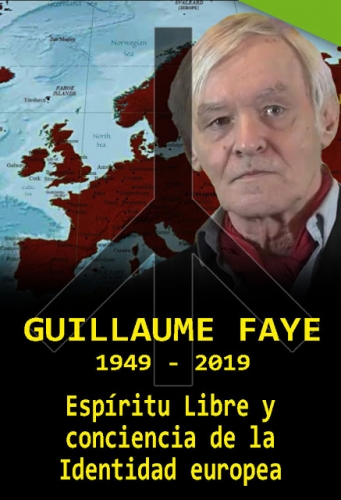
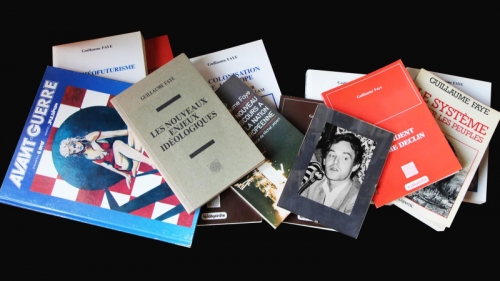

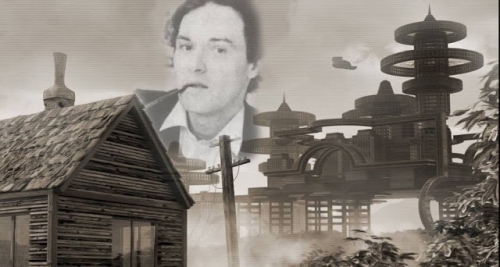
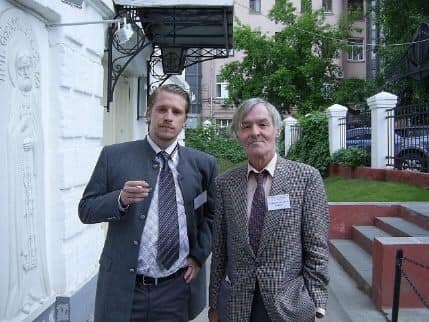
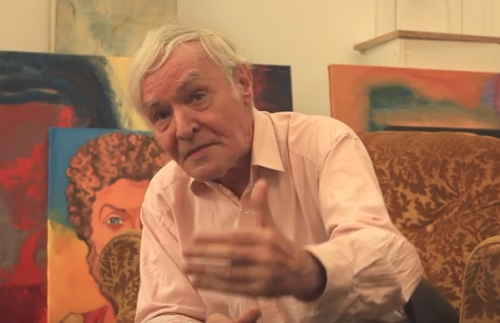
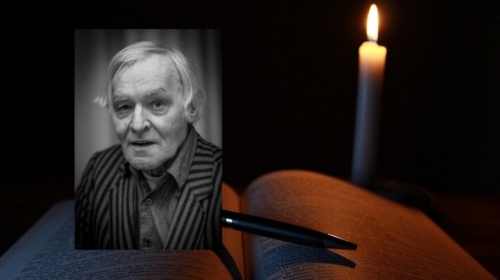
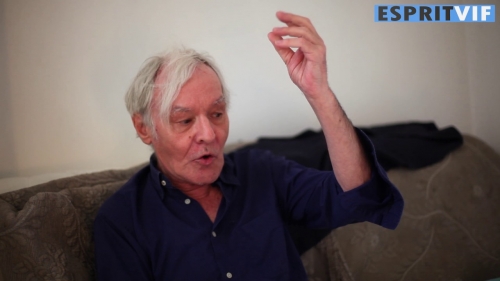
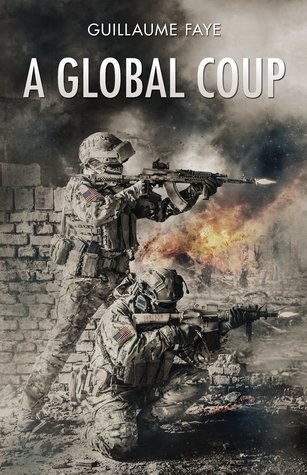 Ces points de désaccord ne suffisaient pas à rendre le personnage infréquentable et persona non grata. Ce qui me liait avant tout à Guillaume Faye, c’était son combat pour sauver notre civilisation, c’est-à-dire avant tout la race blanche. On aura beau nommer nos enfants et nos petits-enfants Sigurd ou Leonidas, et leur transmettre tout notre patrimoine d’Européens, comment pourrons-nous nous reconnaître en eux si nous avons affaire à des métèques et des mulâtres ? Je voue à Guillaume Faye un immense respect pour être resté fidèle à cette cause primordiale, à savoir défendre notre droit à demeurer ce que nous sommes.