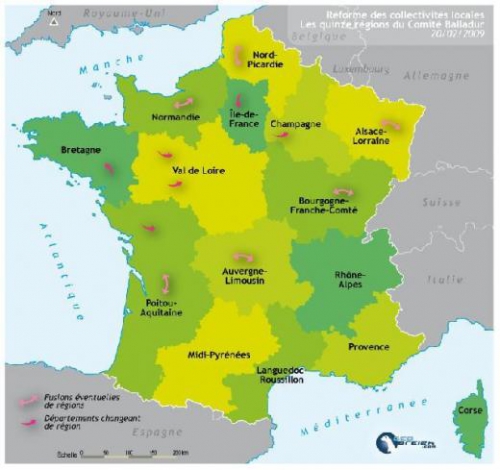
La grande réforme territoriale se fera-t-elle finalement ? Lancé avec fracas au printemps 2014 avec l’arrivée à Matignon de Manuel Valls, l’ambitieux projet risque de s’enliser dans les sables mouvants des procédures législatives du fait d’une majorité sénatoriale désormais d’opposition, d’un allié radical de gauche récalcitrant et d’élus P.S., tant nationaux que locaux, réticents. En outre, les différents votes parlementaires démontrent une ignorance profonde de l’histoire régionale, ce qui, après tout, n’est pas étonnant dans un pays colonisé, centralisé, asphyxié, dominé depuis des siècles par Paris.
Au cours de l’été 2014, avec le vain espoir d’attiser l’attention du locataire (très précaire) de l’Élysée, Richard Roudier, militant actif de la Ligue du Midi et au Réseau-Identités, a publié une vigoureuse Lettre ouverte au Président à propos de la réforme des régions (1). Il souhaitait apporter une « Réponse au bazar anti-identitaire » déclenché par des hiérarques P.S. obnubilés par leurs seules prébendes territoriales. Comment en effet accepter, d’une part, la fusion de l’Alsace, de la Lorraine et de la Champagne-Ardennes ou du Limousin, du Poitou-Charentes et du Centre et refuser, d’autre part, le rattachement de la Loire-Atlantique à la Bretagne ?
Opposant résolu au gouvernement et à ses lubies, Richard Roudier ne manie pas la langue de bois, le jargon bureaucratique et la novlangue médiatique. S’adressant directement à « Flamby », il prévient que « toute initiative que vous prenez se transforme immédiatement en piège. À peine énoncée, la moindre de vos tentatives de réforme fait se lever contre vous, “ chez les gens ”, des torrents de haine littéralement surprenants… C’est le propre des situations pré-révolutionnaires (2) ». Le ton vif de la missive est légitime. « Cette lettre ouverte est […] une tentative ultime d’éveiller le président de la République au sérieux de sa fonction et à ses responsabilités séculaires puisqu’en France, un découpage territorial dure généralement 250 ans avant qu’on puisse trouver l’occasion de le changer en le jetant par les fenêtres… (3) » Il n’est pas le seul à s’en inquiéter. « François Hollande et Manuel Valls ont commis deux erreurs. D’abord, note Michel Feltin-Palas, c’est depuis Paris que les deux hommes ont dessiné la France de demain, sans prendre le temps de consulter les citoyens. Surtout, ils se sont contentés de regrouper les régions existantes, dont ils reconnaissent eux-mêmes que les contours n’ont pas grand sens (4). » En plus de l’improvisation palpable, de l’amateurisme tangible et des concessions scandaleuses accordées aux barons régionaux, la carte gouvernementale des nouvelles régions démontre la ferme et néfaste volonté d’éradiquer tout repère géo-culturel précis. Le Régime promeut « l’uniformité, la suppression des racines et des origines des peuples afin que les gens deviennent ainsi totalement maniables et façonnables à volonté… (5) » Richard Roudier l’assure : « Les 22 régions naturelles ont des défauts, mais elles valent encore probablement mieux que la réforme que le président veut en faire (6) ! » Ce plan ridicule présente de vraies non-régions, préalable à une super-pétaudière hexagonale.
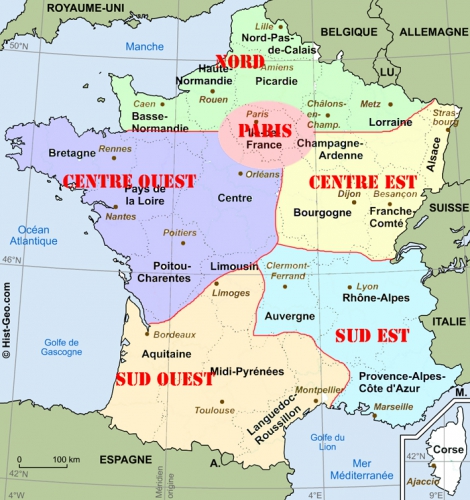
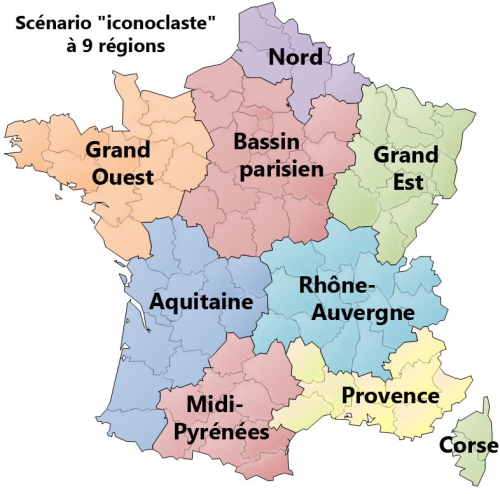
Que penser alors du projet du géographe Jacques Lévy publié dans L’Express ? Cet universitaire se fiche des identités vernaculaires, s’affranchit des délimitations administratives et propose dix régions de taille démographique et de superficie inégales. Il les obtient à partir des bassins de vie des Français au niveau local et des territoires vécus établis notamment d’après les déplacements domicile – travail. Si l’Alsace garde son identité propre, elle annexe Belfort et Montbéliard. L’Aquitaine englobe Limoges, La Rochelle et Poitiers. La Bretagne déborde de ses frontières historiques et s’empare de la Vendée, de Laval et de l’Anjou. Le Languedoc va d’Auch et de Toulouse jusqu’à Nîmes. La Lyonnaise s’adjoint l’Auvergne et le Sud du Jura. La Lotharingie commence dans les Ardennes pour se terminer au Sud de Chalon-sur-Saône… Le pire concerne la région dénommée « Bassin parisien ». Avec plus de vingt-deux millions d’habitants et une superficie de 149 148 km2, elle absorbe la Normandie, s’étend jusqu’à Chaumont, et couvre les territoires d’Amiens, de Nevers, de Tours, de Châteauroux, de Reims et de Charleville-Mézières. Cette région symbolise à l’excès la désastreuse hypertrophie parisienne.
Certes, l’actuelle carte régionale ne convainc pas Richard Roudier qui ne cache pas son engagement régionaliste occitan. Naguère militant à Poble d’Oc, il connaît ses classiques. Qui se rappelle aujourd’hui du marquis Régis-Marie-Joseph de L’Estourbeillon de La Garnache ? Créateur en 1898 de l’Union régionaliste bretonne, il fut ensuite élu député royaliste du Morbihan. Qui est capable, à Paris, à Lille ou à Mâcon, de définir l’Arpitanie (7) ? Qui serait apte à traiter de l’Union générale des Rhodaniens fondée en 1926 par Gustave Toursier (8) ? Guère de monde !… La Lettre ouverte… de Richard Roudier se clôt d’ailleurs sur la couverture d’ouvrages qui firent date en leur temps dans la renaissance intellectuelle du fait régional français : Yann Fouéré, Robert Lafont, Guy Héraud, Jean-Pierre Richardot.
L’héritage de Gravier
Pour bien faire saisir au Président Pétaud ce qu’est vraiment une région, Richard Roudier salue les travaux d’un géographe « polémique » en son temps : Jean-François Gravier (1915 – 2005). Maurrassien, rédacteur dans les turbulentes revues de la Jeune Droite non-conformiste des années 1930, partisan de la Révolution nationale entre 1940 et 1944, Gravier se rendit célèbre en 1947 avec son Paris et le désert français. Favorable au polycentrisme urbain et au repeuplement des campagnes, « l’auteur s’y montre adepte résolu du Plan et de “ l’économie dirigée ”, qui prévaut à l’époque, mais pour défaire le centralisme plutôt que pour le faire triompher… (9) ». Cette référence est originale. « Monsieur le Président, plutôt que de vous lancer dans une révolution périlleuse qui ne contentera personne, vous devez construire dans le réel une réforme douce qui, parce qu’elle satisfera tout le monde à ce titre, apparaîtra alors comme révolutionnaire est d’abord une mesure qui reste ! (10) » Il n’est d’ailleurs pas anodin que Richard Roudier dédie sa Lettre ouverte… aux militants de Jeune Bretagne, à Jacques Cordonnier d’Alsace d’abord et à Didier Patte, président – fondateur du Mouvement Normand.
L’un des rares points positifs de tous ces projets de redécoupage régional reste la réunification normande. Conscient de l’enjeu, le Mouvement Normand vient d’éditer une brochure qui récapitule son combat fondamental : « Nous voulons la Normandie, espace de taille humaine, à identité forte et notoriété reconnue mondialement (11). » Dès 2005, Didier Patte signalait que « la fusion pourrait être le signe fort d’une solidarité retrouvée, d’une volonté réaffirmée d’associer tous les Normands à la conquête de leur futur. Cela, les conservateurs de toute obédience l’ont rejeté a priori (12) ». Il va de soi que « nous avons lassé, peut-être, par notre volonté inentamée et toujours plus exigeante de voir renaître la vraie Normandie, mais nous ne nous sommes jamais découragés : nous savions que le sens de l’histoire nous donnerait raison un jour (13) ». Cependant, volontiers régionaliste, voire autonomiste, « le Mouvement Normand n’a jamais remis en cause l’unité de la France et le rôle primordial de l’État : c’est sans doute ce qui le distingue de maints mouvements régionalistes ou nationalitaires. […] Que l’État central soit à la manœuvre pour entreprendre cette salutaire évolution institutionnelle est un gage de réussite : nous en sommes persuadés (14) ».
Mais l’État doit opérer avec minutie et s’inscrire dans la longue durée. Ainsi Didier Patte conteste-t-il aussi bien l’éclatement envisagé de la Picardie que « la création d’une “ eurorégion ” Île-de-France – haute Normandie – Picardie, rejetant, comme le suggère Marylise Lebranchu, la Manche vers la Bretagne ou l’ensemble bas-normand vers un fuligineux Grand Ouest… (15) ». Le rejet de toute subordination de la Normandie à la Bretagne est une impérieuse nécessité !
Comment dès lors procéder au redécoupage ? Très éloigné du brouillon du Président Pétaud, Richard Roudier passe en revue différents critères avant de les récuser car trop artificiels. Pour lui, « ce qui caractérise […] une région identitaire; ce qui fait vraiment la Catalogne, la Bavière, l’Écosse ou la Flandre… Eh bien c’est la langue (16) ». Il insiste : « La fabrication d’un espace politique régional se caractérise fondamentalement par le processus de construction sociale d’une “ identité ” (c’est-à-dire par des ensembles anciennement constitués, notamment autour de la langue régionale ou de l’Histoire) et également par l’apparition d’institutions favorisant du même coup la légitimation de cet espace. “ L’identité ” étant alors entendue comme le résultat d’une objectivation du territoire rendue opératoire dans la réification d’une histoire, en partie mythifiée et utilisée dans les rapports de force avec l’État et entre collectivités territoriales, pour la définition légitime de cette identité régionale (17). » On retrouve un discours semblable au Mouvement Normand : « Une région n’est pas un espace incohérent, déterminé (au mieux) par des intérêts économiques communs, par essence changeants, partiels et qui, dans le meilleur des cas, transcendent les frontières administratives. Les régions doivent avoir une âme, résultante d’un long passé et d’une identité forgée au long des siècles. Elles se définissent aussi par des vocations particulières (18). » Déjà, en 1973, un auteur que Richard Roudier ne cite malheureusement pas, Paul Sérant – un ami du Mouvement Normand – , prévenait : « Qu’on ne dise pas que les régions naturelles et historiques de l’Europe sont ou trop nombreuses, ou trop imprécises, pour constituer les cellules de l’organisation de demain. Pour l’ensemble de l’Europe occidentale, ces régions ne seront pas plus nombreuses que ne le sont aujourd’hui les départements pour l’ensemble de notre hexagone (19). »
Quel découpage régional ?
Examinons une autre similitude entre Richard Roudier et Didier Patte. Tous deux défendent le département qui, selon le premier, « pourrait survivre avec la double mission classifiée de continuer à représenter, à son échelon, l’État ainsi que la Région qui a tout autant besoin d’une subdivision administrative propre, surtout si elle devient plus grande… (20) ». Dès lors, estimant qu’« en France, la carte des aires linguistiques dessine une quinzaine de régions identitaires évidentes (21) », le président du Réseau – Identités se réfère avec intérêt à la proposition de redécoupage d’Europe Écologie – Les Verts qui est au fond « très proche du vrai ! (22) ». Quelle est donc la France des régions selon Richard Roudier ? On y trouve une Grande Lorraine étendue aux Ardennes (historiquement la Haute-Lorraine), la Champagne, le Nord – Pas-de-Calais – Picardie, la Normandie réunifiée, le Val-de-France – « Cœur-de-France », l’Île-de-France, une Grande Bourgogne (avec la Franche-Comté), un Poitou-Charentes accrue de la Vendée, un ensemble Gascogne – Guyenne – Aquitaine, le Languedoc – Pyrénées, la Corse – promue collectivité autonome -, Provence – Alpes – Côte d’Azur avec l’Ardèche et la Drôme, l’Arpitanie et les Monts d’Oc. Inspiré par l’exemple maintenant révolu du demi-canton helvétique, il propose en outre la scission institutionnelle de l’Île-de-France entre une demi-région « Grand Paris » qui inclurait les deux couronnes urbanisées, et une demi-région francilienne (« Paris-Campagne » ?) plus rurale. Quant aux « Monts d’Oc », elle couvrirait le Massif Central et recouperait « les anciens parlers du “ Croissant occitan ” (nord-occitan) (23) ». Ces régions pourraient avoir des « départements autonomes » destinés à prendre en compte les spécificités flamandes, basques, catalanes, nissartes et savoisiennes. Pour sa part, le Mouvement Normand condamne le plan gouvernemental d’avril 2014, car « certains rapprochements […] nous paraissent trop technocratiques (Alsace – Lorraine – Champagne-Ardennes; Languedoc-Roussillon – Midi-Pyrénées; Rhône-Alpes – Auvergne; l’énorme Sud-Ouest) (24) ». « Le Mouvement Normand, depuis plus d’une décennie, a proposé une nouvelle carte des régions de la face nord-ouest et ouest de la France : des régions le plus souvent à cinq départements. C’est-à-dire les Pays-Bas français (regroupement du Nord – Pas-de-Calais et de la Picardie), la Normandie, la Bretagne (avec la Loire-Atlantique), le Poitou-Charentes (avec l’adjonction de la Vendée, qui jadis, faisait partie du Poitou), l’Aquitaine. Cela entraînerait une mutation des Pays de la Loire, où l’on retrouverait la conjonction du Maine, de l’Anjou et de la Touraine (25). » En juillet 2014, le critique gastronomique Périco Légasse décrivait « le découpage “ idéal ” des régions (26) » qui coïncide à peu près aux propositions de Richard Roudier. Les quelques divergences se rapportent au destin de la Vendée ou des Ardennes.
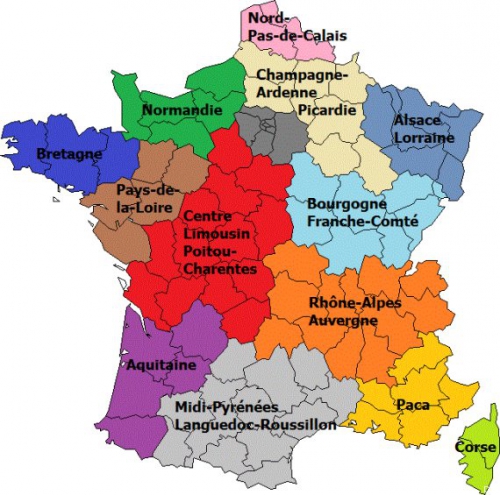
Le professeur Gérard Dussouy émet de pareilles suggestions. « À partir du découpage en vigueur, et en prenant en compte certaines revendications culturelles mais en veillant aussi à rétablir quelques cohérences territoriales, il nous semblerait rationnel […] d’envisager les régions suivants : Armorique (Bretagne, plus la Mayenne, l’ouest du Maine-et-Loire, la Vendée et le nord des Deux-Sèvres), Alsace (avec le Territoire de Belfort), Artois – Flandre – Picardie (Nord – Pas-de-Calais plus la Somme et le nord de l’Aisne), Aquitaine (la région actuelle agrandie de la Charente, Charente-Maritime et des Hautes-Pyrénées, afin de constituer un pôle Pau – Tarbes – Lourdes), Auvergne – Limousin (ensemble des deux régions actuelles qui récupérerait la Lozère pour réunir tous les pays de moyenne montagne du Massif Central), Bourgogne – Franche-Comté (moins le Territoire de Belfort et l’ouest de la Nièvre), Champagne-Ardenne (qui incorporerait l’est de l’Aisne), Corse, Gascogne – Haut-Languedoc – Roussillon (Midi-Pyrénées moins les Hautes-Pyrénées, mais qui s’agrandirait de l’Aude, de l’ouest de l’Hérault, et des Pyrénées-Orientales en attendant que ces dernières puissent un jour, éventuellement, rejoindre la Catalogne), Île-de-France (région actuelle plus l’Oise, le sud de l’Aisne et le nord de l’Eure-et-Loir), Lorraine, Normandie (réunion des deux régions normandes), Pays ligérien (ex-région Centre moins le nord de l’Eure-et-Loir, mais avec l’est du Maine-et-Loire, la Vienne et le sud des Deux-Sèvres, et l’ouest de la Nièvre), Provence – Bas-Languedoc (P.A.C.A. actuelle plus le Gard et l’est de l’Hérault), Rhône-Alpes (27). »
Avec un Languedoc à huit départements que Richard Roudier nomme « Languedoc – Pyrénées », cette nouvelle région « retrouve presque ses limites d’Ancien Régime (28) ». Vraiment ? Oublie-t-il que les États du Languedoc d’avant 1789 intégraient le Vivarais (l’Ardèche) et le Velay (la Haute-Loire moins l’arrondissement auvergnat de Brioude) ? Plus de deux siècles, trois Révolutions industrielles et plusieurs évolutions dans les modes de transport plus tard ont bouleversé les anciennes appartenances. Paul Sérant constatait qu’« en vivant aux frontières de l’Île-de-France, de la Picardie et de la Champagne, j’ai découvert la complexité et la profondeur du fait régional, de ses composantes géographiques, climatiques, historiques et ethniques. Je suis rentré à Paris mieux armé pour comprendre les problèmes de la France et aussi de l’Europe, car la merveilleuse diversité régionale dont bénéficie notre pays s’étend bien au-delà de ses frontières (29) ». Au sujet des contours régionaux, il avertissait que « l’important est qu’[…] on ne consulte pas seulement les experts économiques, car on aboutirait alors à la construction de régions dont “ Rhône-Alpes ”, qui ne correspond à aucune donnée naturelle, fournit actuellement en France un exemple affligeant (30) ».
Pour ou contre Rhône-Alpes – Auvergne ?
Une convergence notable unit les raisonnements de Richard Roudier, de Didier Patte, de Paul Sérant et de Périco Légasse : tous contestent soit l’existence de Rhône-Alpes, soit son union avec l’Auvergne. Pour le journaliste de Marianne, c’« est un non-sens. [Rhône-Alpes] se suffit à elle-même avec huit départements s’étendant de la Bresse à l’Oisans et d’Évian à Privas, et une population de 6 340 000 habitants qui la place en deuxième position après l’Île-de-France (31) ». Et pourtant ! L’aire Auvergne – Rhône-Alpes a connu deux moments historiques cruciaux communs. La moins éloignée se rapporte au temps des domaines du Connétable Charles III de Bourbon dans le premier tiers du XVIe siècle. La plus ancienne date du Moyen Âge avec le royaume de Bourgogne. « Durant le haut Moyen Âge, l’espace rhône-alpin – pour désigner par un terme commode les terres d’entre Rhône et Alpes dans lesquelles allaient s’organiser les principautés savoyardes et dauphinoises – constituait un centre domanial dominé par la monarchie bourguignonne (32). » « De Lausanne à Viviers, du Jura aux Alpilles en passant par Chambéry, Lyon et Vienne, poursuit Christian Lauranson-Rosaz, le royaume de Bourgogne – Provence a bien montré sa diversité mais aussi sa spécificité : bien qu’elle en soit à maints égards voisines, la Burgondie n’est ni la Lotharingie/Lorraine austrasienne, ni l’Italie lombarde, ni le Midi aquitain. C’est en ce sens qu’elle préfigure, même de très loin, le grand Sud-Est rhodanien que nous connaissons et qui joue un rôle fort dans les temps actuels, avec la dimension européenne qui est la sienne (33). » Certes, si « le pagus Lugdunensis ne fait l’objet d’aucune contestation, ni d’aucun découpage : ses franges occidentales – pagus Forensis (Forez) et le pagus Rodonensis (Roannais) – restent attachées à la cité de Lyon et au regnum Jurensis (34) » et demeure dans l’Empire, les Monts du Forez servant de frontière occidentale avec le Royaume des Francs, les échanges n’ont jamais été freinées par ces contraintes physiques et politiques.
Aujourd’hui, les populations d’Ambert et de Saint-Anthème, communes du Puy-de-Dôme, sont plus tournées vers Montbrison, sous-préfecture de la Loire, voire vers Saint-Étienne que vers Clermont-Ferrand, plus éloignée. Quant à la Haute-Loire, ce n’est pas un hasard si le député – maire U.M.P. du Puy-en-Velay, Laurent Wauquiez, revendique son rattachement à la seule région Rhône-Alpes si échoue le mariage avec l’Auvergne. Il est vrai que depuis la seconde moitié du XIXe siècle, les deux tiers du territoire altiligérien sont attirés par le département de la Loire. L’Yssingeleais et le Velay ont fourni une abondante main-d’œuvre aux usines et aux mines de houille du bassin stéphanois et des vallées de l’Ondaine et du Gier. En outre, sur le plateau de la Burle (35) coupé par la délimitation entre l’Ardèche et la Haute-Loire, et donc par Rhône-Alpes et l’Auvergne, les Ardéchois de Sainte-Agrève, de Saint-Martin-de-Valamas et de Coucouron, ont plus de contacts avec le versant vellave de Tence ou du Chambon-sur-Lignon qu’avec Tournon-sur-Rhône et l’Ardèche du couloir rhodanien. Jacques Lévy le confirme : « La plupart des Auvergnats l’ont compris : leur intérêt consiste à se rapprocher d’une grande ville dynamique comme Lyon et non pas à former avec le Limousin une région Massif Central, comme le prônait naguère Valéry Giscard d’Estaing (36). »
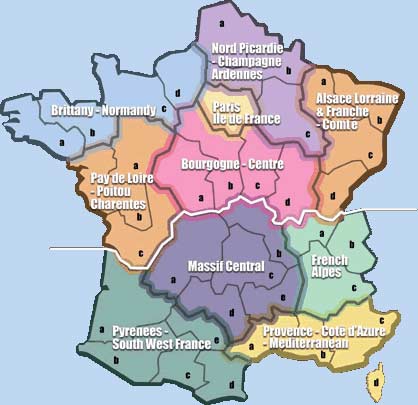
Richard Roudier estime cependant que la « Rhodanie auvergnate des Alpes et du Tripou […] est mort-née (37) ». Il a tort. Si une grande région Rhône-Alpes – Auvergne se révèle impossible à constituer, la région « Monts d’Oc » serait viable à la seule condition d’y inclure les départements de la Loire, de l’Ardèche et du Rhône maintenu (38) tandis que l’Ain, la Drôme et l’Isère rejoindraient une grande région Savoie. Illogique ? On oublie que jusqu’en 1601, la Bresse, le Bugey et le Pays de Gex appartenaient aux États de Savoie dont l’autorité s’appliquait aussi au Franc-Lyonnais (39).
Pour des capitales néo-régionales médianes !
Outre les départements, ces régions nouvellement configurées reposeraient aussi sur des structures intercommunales. Les communautés de communes (C.D.C.) devraient avoir un seuil d’existence viable de 30 000 habitants afin de correspondre aux « pays », véritables « unités démocratiques de base (40) ». Les ennemis des régions profitent des dysfonctionnements de l’intercommunalité souvent perçue comme l’« impérialisme » de la ville-centre sur sa périphérie proche pour soulever la question lancinante et fallacieuse de la capitale régionale. Pour le Mouvement Normand, « la solution raisonnable serait que l’on considérât l’ensemble métropolitain normand (agglomérations de Caen – Le Havre – Rouen + les C.D.C. interstitielles) comme la “ capitale ” de la Normandie moderne (41) ». Il insiste sciemment qu’« une métropole n’a pas le privilège intangible de vouloir concentrer tous les organes de direction d’une région. Peut-il y avoir une région sans métropole ? Réponse : oui. Peut-il y avoir une métropole sans région ? Réponse : non (42) ». En effet, « ce qui distingue la Normandie d’autres régions, c’est son polycentrisme, même si Rouen accède au rang de métropole. Les trois villes importantes : Caen, Le Havre et Rouen ont des fonctions et des rôles complémentaires : centralité à Caen, puissance à Rouen, dynamisme économique au Havre (43) ». Richard Roudier en généralise le principe à l’échelle nationale. Pour la Normandie, il suggère le choix d’une commune « équidistante entre Caen et Rouen, mais également située non loin du Havre par le Pont de Normandie (44) » : Pont-Audemer ou bien l’agglomération Deauville – Trouville. En Bretagne réunifiée, le principe de l’équidistance entre Rennes, Nantes, Brest et Quimper ferait de Vannes la nouvelle capitale bretonne. La capitale du Languedoc – Pyrénées ne serait ni Toulouse, ni Montpellier, mais Narbonne. Quant à la Grande Bourgogne, ce statut reviendrait à Dole entre Dijon et Besançon. Tours ferait une excellente capitale du Val-de-Loire. Dans l’optique de l’union Auvergne – Rhône-Alpes, les parlementaires ont entériné que Lyon en soit la nouvelle capitale, ce qui est une erreur grossière, car la capitale des Gaules possède une indéniable dimension européenne. Ce vote risque d’accroître plutôt les effets délétères de « Lyon et le désert luguno-auvergnat » et d’anémier les autres centres urbains locaux. La meilleure capitale rhodano-auvergnate doit se situer à égale distance de Lyon et de Clermont-Ferrand. De savants calculs géographiques assignent cette centralité à Saint-Chamond dans la Loire. Mais voisine de cette commune dont l’édile fut longtemps l’indépendant de droite Antoine Pinay, Saint-Étienne pourrait en assumer le rôle et accueillir certaines institutions régionales tandis que les anciens locaux auvergnats deviendraient ceux du conseil régional économique, social et environnemental. Saint-Étienne et ses environs immédiats s’en trouveraient redynamisés…
Néanmoins, le dessin des régions, leur masse humaine ou leur superficie ne sert à rien si la région française n’acquiert pas une véritable autonomie politique. « La fédéralisation de la France, estime Gérard Dessouy, s’impose comme la voie à suivre pour, de concert, moderniser le pays et préparer son intégration à l’espace européen (45). » Sa proposition provocatrice risque d’indisposer le plus grand nombre alors qu’« il est possible d’organiser un pluralisme ordonné, dans un fédéralisme à plusieurs niveaux. Il trouverait sa solution dans des unions régionales par affinités linguistiques ou économiques (46) ». Quant à Richard Roudier, il soutient une meilleure répartition des compétences. « L’État doit se concentrer sur les fonctions régaliennes; les régions se spécialiser sur les entreprises, l’emploi et l’accessibilité du territoire; le département s’occuper de la solidarité sociale et territoriale; et le bloc communal, des services de proximité et du lien social (47). »
Pour une vraie régionalisation…
Le Mouvement Normand est encore plus explicite. « Au nom du principe de subsidiarité, il faut donner à la région les pouvoirs et les moyens d’une politique régionale effective. C’est une question d’efficacité. Pouvoirs sans limites ? Non, la Normandie est terre de France et, en tant que telle, elle doit être solidaire du reste de la nation. Le pouvoir régional le plus ambitieux possible ne doit pas empiéter sur les prérogatives régaliennes de l’État : la diplomatie, la défense, la sécurité, les grandes politiques nationales (santé – politique économique et sociale – objectifs éducatifs, etc.) (48). » Il considère que « la clause de compétence générale (sauf les compétences régaliennes) doit être réservée aux seules régions selon le principe que la décentralisation passe d’abord par la régionalisation. Les autres structures (métropoles, départements, communautés de communes, communes) devraient dépendre hiérarchiquement de la région, laquelle, bien entendu, reconnaît et reconnaîtrait la prééminence de l’État (49) ». Les régionalistes normands ont raison d’affirmer qu’« une région n’est importante et efficiente que par l’ampleur des pouvoirs qui lui sont accordés, notamment en matière budgétaire. Cet argument est tout à fait valable et nous ne le récusons pas, bien au contraire. Le Mouvement Normand ne limite pas son programme à la réunification de la Normandie : l’extension des pouvoirs de la région est une de nos priorités, notamment en matière d’aménagement de son territoire (et, par conséquent, de son financement). La seule limite que nous imposons au pouvoir régional est le respect des pouvoirs régaliens de l’État (50) ».
Cela suppose au préalable un changement des mentalités et une remise en question radicale du très minable personnel politicien (51). Est-ce seulement possible ? Oui l’assure Richard Roudier par le biais d’un geste national fort : changer la capitale de la France ! Il faut que Paris et l’Île-de-France dégonflent tant démographiquement qu’économiquement. À l’instar de Pierre Fougeyrollas (52), il envisage la création d’une nouvelle capitale française, baptisée « Franceville », au milieu de l’Hexagone « entre Creuse et Haute-Vienne, mais on pourrait tout aussi bien installer la nouvelle cité dans le Bourbonnais, au cœur de l’histoire nationale, dans le berceau des Bourbons (53) ». Les géographes ont calculé ce « nombril » qui serait la commune de Nassigny (198 habitants) dans le département de l’Allier (54). Les exemples de transfert de capitale ne manquent pas. Outre Washington fondé ex nihilo, mentionnons Brasilia au Brésil, l’ivoirienne Yamoussoukro, la kazakhe Astana ou, au Myanmar (ex-Birmanie), Naypyidaw. Dernièrement, la présidente argentine Cristina Kirchner a proposé de faire de Santiago de l’Estero la nouvelle capitale fédérale. En 1986, son lointain prédécesseur, Raul Alfonsin, suggérait de dynamiser le Sud argentin avec un « projet Patagonie » dans lequel la ville de Viedma devenait la nouvelle capitale de l’Argentine (55).
On constate que la véritable révolution territoriale attend son heure. Elle devient urgente au moment où un autre géographe « polémique », Christophe Guilluy, observe l’éclatement de l’Hexagone en trois ensembles épars (56). Décidément, la géographie devient un vrai outil politique !
Georges Feltin-Tracol
Notes
1 : Richard Roudier, Lettre ouverte au Président à propos de la réforme des régions. Réponse au bazar anti-identitaire, Éditions Identitator, 2014.
2 : Idem, pp. 19 – 20.
3 : Id., p. 10.
4 : Michel Feltin-Palas, « Les régions dont la France a besoin », dans L’Express, 29 octobre – 4 novembre 2014.
5 : Richard Roudier, op. cit., p. 21.
6 : Id., p. 42.
7 : L’Arpitanie désigne une aire linguistique spécifique avec l’arpitan (ou franco-provençal). Son territoire coïncide avec une très grande partie de la région Rhône-Alpes, l’espace romand suisse, hormis le canton du Jura et le district bernois de Moutier, le Val d’Aoste en Italie, à l’exception des territoires walser germanophones.
8 : Avec son Union générale des Rhodaniens, l’Ardéchois Gustave Toursier (1869 – 1950) préconisait déjà une large décentralisation régionale et défendait la formation d’une structure commune autour du Rhône, de la frontière suisse jusqu’à la Camargue.
9 : Richard Roudier, op. cit., p. 31.
10 : Idem, p. 15.
11 : Didier Patte, 6 mois de réflexion pour la réunification de la Normandie, Mouvement Normand, 2014, p. 2.
12 : Idem, p. 7.
13 : Id., p. 1.
14 : Id., p. 2.
15 : Id., p. 31.
16 : Richard Roudier, op. cit., p. 41.
17 : Id., p. 69, souligné par l’auteur.
18 : Id., p. 47.
19 : Paul Sérant, Des choses à dire, La Table Ronde, p. 218.
20 : Richard Roudier, op. cit., p. 107.
21 : Id., p. 68.
22 : Id., p. 67.
23 : Id., p. 100.
24 : Didier Patte, op. cit., p. 29.
25 : Id., p. 17.
26 : Périco Légasse, « Pour Marianne, voici le découpage “ idéal ” des régions », dans Marianne, 18 – 24 juillet 2014.
27 : Gérard Dussouy, pp. 158 – 159, souligné par l’auteur.
28 : Richard Roudier, op. cit., p. 110.
29 : Paul Sérant, op. cit., pp. 41 – 42.
30 : Id., p. 218.
31 : Périco Légasse, art. cit., p. 23.
32 : Laurent Ripart, « Du Royaume aux principautés (Savoie – Dauphiné, Xe – XIe siècles) », dans Le Royaume de Bourgogne autour de l’An Mil, textes réunis par Christian Guilleré, Jean-Michel Poisson, Laurent Ripart et Cyrille Ducourthial, Université de Savoie, coll. « Sociétés, religions, politiques – Laboratoires Langages, littératures, Sociétés », Université de Savoie, 2008, p. 250.
33 : Christian Lauranson-Rosaz, « Conclusion », dans Le Royaume de Bourgogne autour de l’An Mil, op. cit., p. 283.
34 : Pierre Ganivet, « représentation, répartition et évolution des pouvoirs à Lyon autour de l’An Mil », dans Le Royaume de Bourgogne autour de l’An Mil, op. cit., p. 135.
35 : La burle désigne le vent du Nord qui souffle en violentes rafales en hiver sur les plateaux de l’Aubrac, du Haut-Forez et du Mézenc – Vivarais, élevant ainsi rapidement de très hautes congères qui égarent les voyageurs…
36 : Jacques Lévy cité par Michel Feltin-Palas, art. cit. On ne peut qu’exprimer notre désaccord sur ce sujet avec les propos, compréhensibles, des amis auvergnats entendus dans l’émission n° 204 du 18 octobre 2014 de « Méridien Zéro » consacré au « socialisme identitaire : à la rencontre du M.A.S. Auvergne ».
37 : Richard Roudier, op. cit., p. 114, souligné par l’auteur.
38 : Rappelons qu’en 2015, le Grand Lyon deviendra une « euro-métropole » et recevra les compétences départementales. Elle pourrait aussi prendre en charge les compétences régionales et ainsi devenir une véritable collectivité autonome.
39 : Outre une enclave dans la Dombes, le Franc-Lyonnais se nichait sur la rive gauche de la Saône et s’étendait sur une dizaine de paroisses (Rochetaillée-sur-Saône, Cuire, Genay, etc.), y compris la Croix-Rousse dont le plateau constitue maintenant le IVe arrondissement de Lyon.
40 : Richard Roudier, op. cit., p. 82.
41 : Didier Patte, op. cit., p. 17.
42 : Idem, p. 18.
43 : Id., p. 12.
44 : Richard Roudier, op. cit., p. 100.
45 : Gérard Dussouy, op. cit., p. 156.
46 : Idem, p. 153.
47 : Richard Roudier, op. cit., p. 26.
48 : Didier Patte, op. cit., p. 41.
49 : Idem, pp. 18 – 19.
50 : Id., p. 37.
51 : Le redécoupage ne doit pas se limiter aux seules régions. Un réduction du nombre d’académies (et par conséquent de rectorats) s’impose afin d’obtenir une cohérence administrative certaine entre le territoire régional et le cadre de l’enseignement national.
52 : Pierre Fougeyrollas, Pour une France fédérale. Vers l’unité européenne par la révolution régionale, Denoël, 1968.
53 : Richard Roudier, op. cit., p. 118.
54 : Adrien Jaulmes, « la France. La quête du juste milieu », dans Le Figaro, 18 août 2014.
55 : cf. Anaïs Dubois, dans Libération, 5 septembre 2014.
56 : Christophe Guilluy, La France périphérique. Comment on a sacrifié les classes populaires, Flammarion, 2014.





 del.icio.us
 Digg
Digg Facebook






 Originally intended as one book, Black House Publishing has brought out two volumes that, while of course companions, are self-contained.
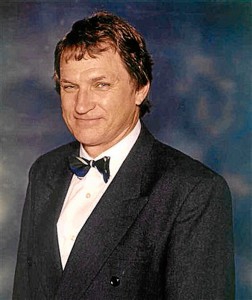 Goodson’s book is unique in this genre in several major ways: he traces the course of usury through history over thousands of years; something that has not usually been attempted since one of Ezra Pound’s favorite books, Brooks Adams’ Law of Civilization and Decay was published over a century ago.[3] Goodson also provides both a history of the usurers and those who opposed usury, plus technicalities on the finance system and how it can be fixed.

 Mais l’autre est parfois en soi, le barbare est parfois « à l’intérieur ». L’autre « c’est surtout tout ce qui est voilé en soi-même » (Mathilde Bernard). Diogène le cynique avait cette requête : il appelait à « ensauvager la vie. Cela voulait dire faire l’expérience d’une sagesse sans la culture et sans la raison. Faire l’expérience d’une sagesse barbare. C’est là introduire le doute sur soi et en soi. C’est prendre le risque de la négation de soi ou de l’envie de mélanger tel le conquérant Alexandre loué en cela par Plutarque (Vie des hommes illustres). Se mélanger pour se dépasser. À l’écart de ce dionysisme nous voyons Ératosthène, géographe et mathématicien; il ne glorifie pas la distinction barbare/non barbare, il ne médit pas non plus son peuple. Pour lui seule compte la vertu, qui est répandue partout, chez les Grecs comme chez les Barbares, tout comme la médiocrité peut concerner des Grecs et des barbares.





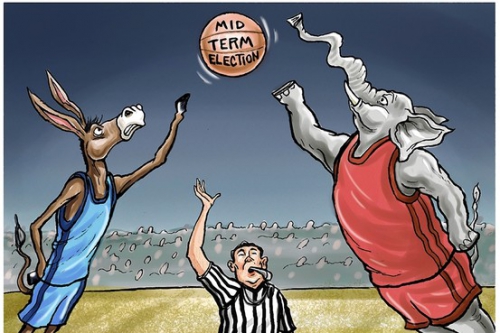



 La France a toujours manifesté une réticence certaine à l'égard du pouvoir des juges, comme en témoigne encore notre Constitution, qui préfère le terme d'« autorité judiciaire » à celui de « pouvoir judiciaire ». Toutefois, les choses ont beaucoup évolué depuis la présidence gaullienne.