
Ortega y Gasset: rationalisme, utopisme et raison historique à l'âge de la complexité et de la post-modernité
par Irnerio Seminatore
1. La modernité et le monde contemporain
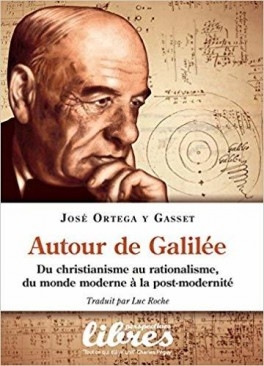
La réponse qu'Ortega y Gasset apporte à l'analyse du monde contemporain procède de sa réflexion sur l'origine et l'historicité de la ''Raison''.C'est une réponse anticipatrice, lorsqu'il dégage les traits saillants de la poétique historique et la naissance d'une stratégie cognitive d'importance capitale, la ''révolution galiléenne''.
C'est un pari existentiel, à l'accent stoïcien, lorsqu'il décrit la condition anthropologique de l'homme, confronté à la crise des certitudes et à celle de l'esprit rationaliste. C'est une critique aristocratique des sociétés, qu'il conçoit sous l'angle de l'action conjointe et fondatrice des élites, de la tradition et des croyances. C'est enfin une réponse actuelle, lorsqu'il s'en prend aux philosophies et aux doctrines de la modernité, éditées à partir d'utopies, d'esprit de système, de théories ou de lois.
Ortega y Gasset devance son temps.
Il ne cesse de répéter que « la vie est la seule réalité radicale », que « la vie concrète, celle de tout individu est, en son essence, circonstance et, avant tout, appartenance à la circonstance... ».L'horizon du devenir a un centre et un point d'ancrage permanents : c'est l'homme, maître unique de son destin !
L'eschatologie du salut n'est que la toile de fond, où l'homme sécularise son besoin d'absolu.
Opposée à la Raison abstraite, à l'idée de « nécessité » ou de providence, appliquées à la société par la Weltanschauung rationaliste, Ortega y Gasset met l'accent sur l'abîme que celle-ci creuse entre le monde des idées et la situation concrète de l'homme. La volonté rationaliste veut faire coïncider à tout prix et a-priori des constructions et des projets idéaux avec la réalité vivante. Cette forme de rationalisme est à la base du radicalisme de la « raison pure », dont le radicalisme politique n'est qu'une conséquence.
Observant les événements de son temps, Ortega y Gasset y décèle les fondements de « l'esprit révolutionnaire, qui résident en une attitude radicale face à la réalité...; en une forme d'activisme doctrinaire. L'esprit révolutionnaire- dit-il – est traversé de part en part par le projet de matérialiser l'utopie, la fille de la raison pure calquée sur l'histoire ».
Puisque la vie est un devenir, la vie humaine ne peut être tenue pour une chose; elle n'a pas une nature définie ou préétablie, dont la consistance réside en un vérité, fixe et immuable. Sa seule réalité est un « facendium », un « que hacer », « un événement à caractère dramatique », bref, un heurt permanent avec la circonstance.
 À tout moment et dans toute conjoncture; l'homme est acculé à un choix. Par ce choix, il affirme sa vocation profonde qui confère au projet humain la portée d'un engagement, dans lequel l'individu risque la perte de son existence et celle de son âme.
Substance migrante dans les formes infinies de l'être, l'homme s'investit dans le temps, en accord ou en opposition avec les multiples variations des croyances, car « on vit toujours à partir de certaines croyances ».
La vie humaine, en sa vocation authentique, demeure quête de sens et recherche de foi. C'est ainsi qu'elle est créativité et, de ce fait, histoire et seule historicité possible. Toute abstraction ne peut qu'apparaitre anti-historique, puisqu'elle ne possède pas, en soi, la faculté de juger et de résoudre les problèmes de l'homme.
2. La Raison et la « Raison Pure »
La « Raison Pure » n'est pas, pour Ortega y Gasset, la Raison, car nous entendons «par Raison, la capacité de penser vrai et, par conséquent, de connaître l'être des choses». « L'idée de Raison inclut, à l'intérieur de soi, les thèmes de la vérité, de la connaissance et de l'être »; elle est donc vecteur d'une conception éthique, d'une certaine forme de savoir et d'une représentation particulière de la réalité, naturelle ou sociale. Or, d'après Ortega y Gasset, la Raison du « Discours de la méthode » n'était pas toute la Raison, mais seulement la « raison pure », celle des concepts et des objets mathématiques.
« La Raison pure n'est pas l'intelligence, mais une manière poussée aux extrêmes de faire fonctionner la Raison... Au lieu de créer un contact avec les choses, elle s'en éloigne et cherche la fidélité la plus exclusive dans ses propres lois internes... Cet usage pur de l'intellect, cette pensée « more geometrico », est appelé d'habitude rationalisme. Il serait peut-être plus exact de l'appeler « radicalisme ».
« Le radicalisme politique n'est pas une attitude originelle, mais une conséquence. On n'est pas radicaux en politique, puisqu'on est politiquement radicaux, mais parce que, avant, on est intellectuellement radicaux. ». Le radicalisme, comme renversement du rapport entre la vie et les idées, consistant à vouloir plier la réalité au projet, à s' éloigner de celle-là et à en dédaigner les formes, à faire de l'idée la seule valeur et la seule chose juste, bonne et belle, s'accomplit en l'amour pour l'idée.
La politique devient politique d'idées et la vie doit se mettre au service d'un concept, d'un système de concepts. « Toute la culture scientifique moderne depuis sa fondation par Descartes, s'est prévalue de disciplines radicales ». « La solidité de son œuvre a su résister à trois siècles d'assauts et d'expériences, pour décliner seulement aujourd'hui (1940). Cette solidité était due au radicalisme de sa méthode». Or, la crise de cette méthode se commue en une « crise de la foi en la Raison ».
Depuis la Renaissance, « le drapeau de la coexistence européenne, c'était la Raison, faculté, pouvoir, ou instrument, sur lequel l'homme avait cru pouvoir compter, pour éclairer son existence, orienter ses actions et résoudre ou contrôler ses conflits ».
La plus flagrante manifestation de cette crise apparaît dans le paradoxe, par lequel « nous avons bouclé la boucle des expériences politiques, comme le démontre le fait ajoute-t-il - qu'aujourd'hui (1937), les droites promettent des révolutions et les gauches proposent des tyrannies ».
3. La vie humaine et le monde des idées
 Vers 1860, Dilthey, considéré par Ortega y Gasset comme le plus grand penseur de la deuxième moitié du dix-neuvième siècle, fit la découverte d'une nouvelle réalité philosophique, celle de la « vie humaine ». La vie, rappelle ce dernier, n'est point « quelque chose de dérivé ou de secondaire, mais le constituant de l'idée elle-même ».
Lorsque les hommes tournent le dos à la réalité, ils « tombent amoureux des idées comme telles ». Ce « renversement radical de la relation entre la vie et les idées, devient alors l'essence véritable de l'esprit révolutionnaire ». « Une idée, forgée sans autre but que de la rendre parfaite comme idée, quelle que soit sa pertinence à la réalité, est ce que nous appelons utopie ».
Rationalisme, radicalisme et pensée « more geometrico » sont des utopismes. Or, depuis les origines, la connaissance et l'action appartiennent à deux domaines distincts.
Connaître ce n'est point changer !
Pour connaître le monde, il suffit d'une hypothèse ou d'une conjecture, pour le changer, il faut des capitaines et des forces. « L'intelligence n'a pas créé les peuples, elle n'a pas fabriqué les nations ». Or, puisque « la politique est réalisation », elle doit forcément entrer en contradiction avec l'idée ou l'utopie, en tant que promesse irréalisée d'une réconciliation définitive de l'Histoire.
Toute révolution se propose la chimère de réaliser une utopie plus ou moins complète. La tentative, inexorablement, fait échec. L'échec suscite le phénomène jumeau et antithétique de toute révolution : la contre-révolution. Nouvel échec, nouvelle réaction.. , et ainsi successivement, jusqu'au moment où la conscience sociale commence à soupçonner que le mauvais résultat n'est pas dû à l'intrigue des ennemis, mais à la contradiction même du projet utopique ».
4. L'Esprit Rationaliste et l'Esprit Révolutionnaire
L'époque de l'esprit rationaliste et de l'esprit révolutionnaire qui s'y accompagne, liée au refus du passé et donc au rejet de ses usages et de ses croyances, est due au triomphe de l'individualisme. Celui-ci répudie la tradition et, de ce fait, est obligé de reconstruire l'univers idéalement, fictivement, dans la tête et par la seule raison, aux moyens des idées pures, des axiomes et des principes. En ce sens, le « révolutionnaire » ne se révolte pas véritablement contre les abus de son temps, car il ne serait alors qu'un réformateur, il se « révolte contre les héritages » et donc contre la tradition.
« La révolution - affirme-t-il - n'est pas une barricade, mais une attitude de l'esprit ». Elle veut faire table rase du passé. Cependant, « la chose la moins essentielle dans les vraies révolutions, c'est la violence ». L'essentiel y est une attitude spirituelle, une vision du monde.
C'est ainsi que Ortega y Gasset perçoit tout à la fois la valeur fondatrice des croyances, qui sont à la base des grandes mutations de l'histoire et l'importance parallèle, pour la vie de l'homme, de la tradition et de la continuité historiques. Pour la sauvegarde de son équilibre créatif, de ses racines et de sa mémoire, l'homme moderne revendique son « droit à la continuité ».
La crise du présent est, en même temps, une crise de l'individualisme et une crise, non pas des principes premiers ou des valeurs suprêmes, mais de leur absence. D'où le désenchantement. L'époque que nous vivons est celle de l'âme désenchantée. Notre époque n'est point une époque de réaction, qui est toujours le « parasite de la révolution », mais la phase d'une évolution de la civilisation vers un nouveau développe-ment de la spiritualité. Le développement de la civilisation par époques, induit une correspondance dans les phases de développement de l'homme. Ainsi, « d'une attitude spirituelle de type traditionnel, on passe à un état d'esprit rationaliste et de celui-ci à un régime de mysticisme ». La troisième phase est donc celle de la désillusion, de l'âme facile, docile et servile.
 L'ère révolutionnaire, dans laquelle la politique se trouvait au centre des inquiétudes humaines », où la politisation intégrale de la vie avait atteint son apogée, cette période de ferveur intense est révolue. Elle représentait une évidente aberration de la perspective sentimentale, car « l'homme moderne, qui a montré sa poitrine sur les barricades de la révolution, a montré sans équivoque qu'il attendait la félicité de la politique ».
Lorsque « la politique a été exaltée à un si haut niveau d'espoir et de dévouement », demandant trop d'elle, il est normal qu'à « la politique des idées, succède une politique des hommes et des choses... L'ère révolutionnaire se conclut simplement, sans phrases, sans gestes, résorbée dans une sensibilité nouvelle ».
Dans une période d' affection pour l'intelligence, « l'intellectuel, comme professionnel de la raison pure... a accompli son devoir, consistant à se trouver sur la brèche anti-traditionaliste, ... et il a obtenu le maximum d'influence, d'autorité et de prestige... ». Dans la période de « déclin des révolutions, les idées ne sont plus le facteur historique primaire » des grands changements historiques. Une « réforme de l'intelligence » et un nouveau rapport entre élites et masses, intellectuels et sociétés, prennent la relève dans la poursuite du cycle.
5. L'évolution des Civilisations
Le schéma des successions dans l'évolution d'une civilisation, allant du traditionalisme (ou du réalisme), au rationalisme (et donc à la révolution et à l'utopie), puis au pragmatisme (ou au désenchantement) et enfin au mysticisme (c'est-à-dire au spiritualisme), nous fournit-il une grille de lecture, adéquate à l'intelligibilité de notre temps ?
Si, comme l'affirme Ortega y Gasset dans « les époques d'âme traditionaliste s'organisent les nations », par « un mode traditionnel de réagir intellectuellement, (qui) consiste dans le souvenir du répertoire des croyances reçues des ancêtres » et « si l'âme primitive, quand elle naît, accepte le monde constitué qu'elle trouve... gouverné par un seul principe et disposant d'un seul centre de gravité, la tradition », la naissance, puis le développement de l'individualisme, contiennent la négation de ce monde.
« Le mode individualiste d'agir, tourne le dos à tout ce qu'il a reçu... cette pensée qui ne vient guère de la collectivité immémoriale, qui n'est pas celle des « pères », cette création sans ascendance... doit être nécessairement une Raison ».
Or, puisque pour Ortega y Gasset « la vie humaine est nécessairement histoire », la réalité humaine, à cause de son dynamisme et de son historicité, consiste à procéder du passé vers le futur. La seule limite de l'expérience humaine réside pour Otega y Gasset dans le passé. « Les expériences de vie restreignent le futur de l'homme... car l'homme n'a pas une nature, mais... une histoire ».
La signification du combat intellectuel d'Ortega y Gasset, se trouve en somme définie pour une part, par son refus du rationalisme et de l'idéalisme utopique, et pour l'autre, par la critique du monisme dominant de son temps, le prophétisme matérialiste et son eschatologie.
Estimant toujours possible les retours en arrière, l'histoire, loin d'être le lieu de réconciliation de la Raison est, pour Ortega y Gasset « une perpétuelle succession de deux classes d'époques » ; époques de formation d'aristocraties et, avec elles, de sociétés et époques de décadence de ces aristocraties et, avec elles, de désagrégation des sociétés». Rien de plus frappant, que ce diagnostic colporte un dédain pour la période que nous vivons, une période « servile et mystique », signalée par la « lâcheté et la superstition ».
6. La Scène Planétaire : vers une fin de l'Âge idéologique
La coexistence actuelle d'univers mentaux et de cultures-mondes, vivant différemment la communauté et la vie, agissant selon les modalités les plus disparates, magiques, sacralisées, laïcisées, rationalisantes et utopiques, cette coexistence hétérogène des valeurs de référence, comporte des segmentations éthico-culturelles multiples. Le champ des agirs socio-politiques est déchiré entre communauté et individualisme, traditions et rationalisme, croyances et modernité, puisqu'il sous-tend plusieurs types de devenirs, jusqu'ici disparates et irréductibles, sous l'empire d'une même universalité historique. La scène du monde est ainsi caractérisée par l'interdépendance croissante de l'humanité et par une complexité inégalée des univers physiques et mentaux. Une gestation permanente de la poétique historique annonce des futurs aléatoires et des avènements de mondes incertains et proches, au sens de l'Apocalypse de Saint-Jean.
 Immédiatement, nous observons la fin provisoire de l'âge idéologique et de l'utilisation, bonne ou mauvaise, de celle-ci. Cela ne signifie point leur disparition définitive, car les utopies et les rêves réapparais-sent perpétuellement dans le siècle, et ils en constituent la trame imaginaire. Les sociétés développées ont refusé le fanatisme et le millénarisme, au profit d'une phase d'apaisement de leurs conflits. Elles ne pourront vivre longtemps dépossédées de leurs âmes. Nous assistons sûrement à une accélération du temps, à l'irruption d'un autre univers mental, où les contradictions frontales seront atténuées et les schémas dialectiques ne seront plus en mesure de rendre compte de l'histoire telle qu'elle est. Dans la perspective d'un avenir, où les buts de la vie humaine seront partiellement profanes, tout en demeurant pour une part transcendants, les anciennes croyances ne pourront que réapparaître dans la vie historique.
7. L'Europe et l'Histoire Universelle
À la faveur des grandes découvertes géographiques, précédées par la double révolution, industrielle et française, les sociétés européennes ont pris conscience de leurs particularités et de leurs différences, par rapport aux autres ensembles humains. D'où la réflexion sur la morphologie de l'Histoire Universelle.
Le goût pour les faits de civilisations a suscité un bilan sur le coût social du progrès, ainsi que sur les avantages et les inconvénients de la Modernité. L'opposition de tradition et de raison, d'intellect et d'âme, la dissolution des sociétés traditionnelles, des anciennes hiérarchies et cadres de vie, a fait l'objet de débats inépuisables. En leur sein, le libéralisme et le socialisme ont été deux variantes idéologiques de l'industrialisme naissant, les deux toiles d'un même rêve de libération ou de liberté. Leurs étiques, complémentaires et contradictoires, ont ainsi différemment modulé les thèmes de l'individualisme et du projet collectif. Ils se sont différemment inclinés face à des archétypes idéaux et à des formes plus ou moins poussées de spiritualisation implicite, sans épuiser, ni l'un ni l'autre, la soif assoupie de religiosité et de transcendance.
La vision pluraliste du monde, que suppose l'incohérence du réel et l'anarchie incompatible des valeurs, s'est, tour à tour, opposée à la vision moniste de la réalité, prétendant à la cohérence fondamentale de l'ordre social et, en perspective, à un type d'organisation, fondée sur la synthèse de valeurs compatibles. Or, la variété des civilisations et des croyances et la multiplicité des régimes politiques nous force au constat, exaltant pour les uns et désarmant pour les autres, qu'il ne pourra jamais y avoir de synthèse de valeurs compatibles.
Le temps des conciliations définitives et l'état des réalités planétaires sont irréductibles aux différents types de monismes, philosophiques, scientifiques ou naturels. Seuls la foi, la religion et le rêve puisent dans le domaine de l'unique et de l'ultime. « Toute sorte de métaphysique - dit Durkheim - n'est que le mythe qu'a la société d'elle-même ».
8. Le spirituel, le religieux et le politique face à l'Histoire
De nos jours, l'appel à la religion n'est plus utilisé comme modèle pour expliquer l'architecture transcendante du monde, à la manière des interprétations du sacré et de l'origine révélée de l'Univers, mais pour affermir une identité et une continuité historiques. Le spirituel a fait sa rentrée en politique, à l'Est de l'Europe, comme fait de connaissance, comme révision critique de l'histoire, comme individualité et particularité du « destin occidental », pour souligner le caractère contingent et passager des solutions politiques ou des formes d'État et de gouvernement. La religion, rejetée dans le silence, devient une garantie de la pérennité des identités culturelles endormies et des droits fondamentaux de la personne humaine.
Un nouveau type d'opposition se creuse entre l'idéologie, comme justification du pouvoir, et le spirituel, comme légitimation authentique de l'autorité et ressourcement des vieilles consciences nationales. Ainsi, le miracle occidental, comme miracle de l'émergence historique de l'individualisme, ne correspond plus à une vision du monde, fondée sur des certitudes.
Sans violer les traditions et les âmes, la conception dominante de l'histoire de l'époque contemporaine, et plus particulièrement de la post-modernité, réfute toute sorte de réductionnisme, philosophique, économique ou politique.
 Libéralisme et religions y apparaissent sous un regard nouveau. Le libéralisme est un corpus doctrinal qui ne prêche pas de certitudes et vit uniquement dans le présent. L'avenir éloigné le laisse insensible, l'histoire lui apparaît profane, le règne de la liberté dépend d'un projet et d'un pari, profondément individuels. Les conceptions, religieuses et libérales, ont toutefois un point commun. Elles fournissent une base pour résister aux tyrannies de l'histoire. Les premières, rappelant la critique permanente du monde et de la contingence, les autres, se référant aux ambitions et aux finalités de la vie humaine, perpétuellement relatives, insyndicales et arbitraires, plongées dans un univers réversible et incertain.
Le monde ne peut adopter l'uniformisation par une seule religion, avec ses prétentions d'universalité et d'absolu et la politique ne peut épouser aucune religion, sauf que pour mieux dominer les âmes, car le propre de la politique, c'est de vivre dans le siècle et d'en résoudre les problèmes. La religion est, par sa nature, exclusive, car celui qui croit en une vérité absolue ne peut considérer qu'il y en ait d'autres dans le monde.
L'histoire n'en est pas à sa fin, comme le prétend Fukuyama, car elle est un théâtre d'évènements, résultant d'une pluralité de principes et de motivations, d'une multitude d'intérêts et de doctrines, irréductibles à une conciliation définitive.
Berceau et en même temps tombeau des philosophies et des idéaux, auxquels sont rapportés le sens des évènements et l'ordre du devenir immanent, l'histoire aura la durée des contradictions de l'humain.
« La conscience de la finitude de tout phénomène historique et de toute situation humaine ou sociale, ainsi que la conscience de la relativité de toute sorte de foi, n'est qu'un pas vers la libération de l'humanité » (Dilthey).
Cette libération ne peut comporter d'apaisements définitifs.
Au regard d'une finalité intelligible, aucune des conditions ou des idéalités qui mènent le monde, n'a une fonction première, aucune ne détermine les autres de façon exclusive, toutes sont ouvertes sur l'ensemble et cet ensemble ne forme jamais un système, ne se fige jamais en une structure, ne peut être ordonné à une loi, à un but ou à un principe. Cette irréductibilité à un principe premier est aussi une irréductibilité à une fin ultime.
9. Modernité, complexité et questionnements
La fin de l'histoire ne sera pas pour demain. Aucun système de concepts ne pourra la réduire à un monisme efficient ou à une dialectique d'opposition irréconciliables.
A l'âge de la complexité, de nouveaux paradigmes s'imposent, pour fonder un nouveau dialogue entre l'homme et la nature, ainsi que de nouvelles possibilités de description et de compréhension de la société. Cet âge de mutation de la rationalité et de la connaissance est en réaction vis-à-vis des canons de la tradition scientifique de type classique, érigée sur des hypothèses et modèles, fermées et réductionnistes.
La fin des matérialismes, traduisant au niveau politique, les conceptions mécanistes et linéaires de la connaissance jadis dominantes, ainsi que d'autres formes de déterminisme, ouvre-t-elle la voie à des révolutions des esprits et des âmes, à des changements prométhéens des leviers de l'espérance humaine?
Le nihiliste refuse les faiblesses de l'espoir et renie à l'ordre existant le mérite de survivre. L'idéaliste est incapable d'accepter le divorce de la vérité et du monde et ne peut exalter que l'éthique de la conviction. Il oscille ainsi entre l'intégrisme négateur de la réalité et l'utopisme du recommencement perpétuel. Le réaliste ne dispose guère de concepts et de théories, clos, définitifs et fixes, mais d'un ensemble de convictions et de coordonnées, par définition innombrables, dispersées dans l'infini inépuisable de l'expérience.
A quelle catégorie d'exhortations ou de projets s'inspireront les énergies de la politique pour guérir le mal séculaire de l'homme ?
Le pessimisme protège des illusions, que le cynisme interdit de cultiver. Or, s'il ne peut y avoir de projet rationnel ou de politique scientifique, peut-il exister d'action politique sans espérance et de prophétie sans illusions ?
A quels buts et à quels dieux veut-il servir l'homme, qui va à la politique en citoyen et au combat pour la liberté en modéré, avec la conviction de servir la cité et non les Princes, qui croit à la solidarité entre les êtres, sans faire de concessions aux passions des foules ou à la foi brûlante des prophètes ?
A quelle République de l'Esprit veut-il obéir, dans la vie et dans l'action, le radical sans tomber dans l'utopie d'une société unifiée, pacifiée et homogène qui, justifiant la corruption inévitable des institutions représentatives, favorise les tentations des despotismes?
Comment établir une hiérarchie entre les valeurs de la science ou de la raison et celles de la vie ou de la passion et comment les inscrire dans le cadre des convictions globales de l'homme?
L'engagement qui éliminerait la raison ou la science de l'horizon de nos choix tomberait dans le relativisme le plus total ; celui qui en ferait un fétiche et un idole, les poserait en substituts d'une croyance religieuse. Or, comment prendre partie en politique, si l'ordre temporel se sécularise totalement et la science élimine la religion et désenchante le monde?
Si l'engagement, politique et métaphysique, devient l'expression d'une condition, faite à l'homme par la connaissance, de dépouiller la totalité de toute signification, l'irrationalité et le probabilisme domineraient le champ de l'historicité et toute perspective d'action collective serait, ainsi dissoute. De quels arguments s'armeront alors les hommes, pour affronter l'avenir et réfuter les prétentions des utopistes ou des prophètes, à déterminer nos valeurs et à nous dicter des conduites au nom d'un futur totalement écrit à l'avance et d'un bonheur collectivement garanti pour toujours ?
En insistant sur les limites des déterminismes, économiques, scientifiques ou religieux, Ortega y Gasset refuse toute hiérarchie des univers spirituels, ordonnés à un but ultime. Homme tragique et, dans le même temps, homme de science, il garde la conviction que la connaissance réserve un espace à la foi, que la « raison » récuse et considère que le champ de la politique est celui où les passions humaines vivent en permanence dans le conflit, que seul le monde spirituel peut transcender, dans une quête, jamais éteinte, d'absolu.



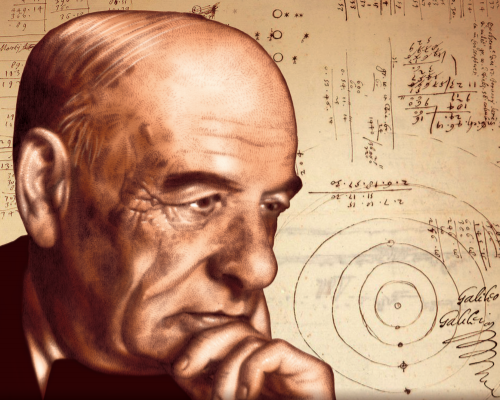
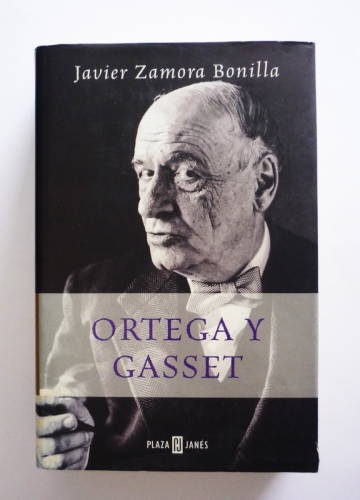
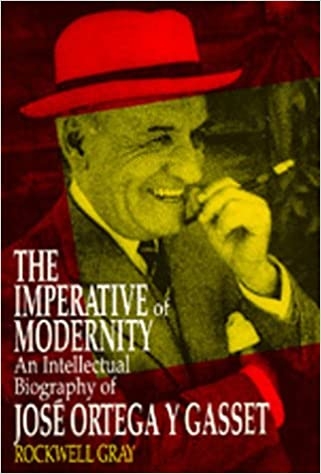 La littérature sur Ortega y Gasset est extraordinairement abondante. Longtemps, elle s’est limitée à la présentation et l’étude de ses idées philosophiques, sociologiques, politiques et esthétiques. Ce n’est qu’assez récemment que sont apparues les premières biographies en bonne et due forme. Deux des plus fouillées, par Rockwell Gray et Javier Zamora Bonilla, coordinateur de la nouvelle édition des œuvres complètes d’Ortega en dix volumes, sont essentiellement, pour reprendre l’expression utilisée par le premier de ces deux auteurs à propos de son livre, des biographies « intellectuelles ». En filigrane de l’exposé des idées d’Ortega et de leur évolution, un certain nombre d’aspects de sa vie personnelle et de son caractère y étaient toutefois évoqués. Jordi Gracia va plus loin encore dans cette direction, en s’appliquant à mettre en évidence, grâce à l’exploitation de nombreux documents dont certains inédits (notes privées, correspondance), le jeu serré des interactions entre la personnalité d’Ortega, ses idées et les péripéties de sa vie. Dense, touffue, farcie de citations et rédigée sur un ton souvent subjectif, personnel et passionné, épousant les reliefs et les sinuosités de la vie intellectuelle et émotionnelle d’Ortega plutôt que de présenter de manière linéaire, distante et méthodique les événements de son existence et le contenu de ses œuvres, cette biographie, dont la lecture profitera surtout à ceux qui sont déjà un peu familiers des théories du philosophe et de sa trajectoire, jette sur le personnage une lumière nouvelle.
 L’image qui ressort de ce portrait est nuancée et complexe. C’est celle d’un homme « d’une intelligence insolente […] impérialement sûr de lui et souriant, plaisantin, jovial, fanfaron et séducteur », d’un travailleur forcené et infatigable doté d’une imagination puissante, mais aussi d’un homme anxieux, tourmenté et non sans contradictions, s’efforçant avec opiniâtreté de surmonter des faiblesses dont il était en partie conscient, vulnérable au découragement et qui a traversé plusieurs épisodes de dépression psychologique paralysante. Comme l’indique sans équivoque la première phrase du livre, c’est aussi l’image d’un homme pouvant penser que sa vie avait été, au moins partiellement, un échec. Pour quelles raisons ?
 Ces années furent les plus pénibles de l’existence d’Ortega. À Paris, où s’était également réfugié Gregorio Marañon, il souffrit de graves problèmes de santé qui mirent ses jours en danger. En Argentine, la fréquentation de milieux conservateurs lui valut l’opprobre des intellectuels progressistes, avec pour effet de le placer dans une situation de terrible isolement. L’étrange théorie du penseur comme prophète condamné à la solitude qu’il développa à ce moment dans plusieurs articles, à rebours de sa vision de toujours du rôle de l’intellectuel, pourrait être interprétée, suggère judicieusement Eve Giustiniani, comme une tentative d’auto-légitimation de cette solitude forcée – preuve supplémentaire, s’il était nécessaire, de l’impact permanent des épisodes de sa vie sur sa pensée.
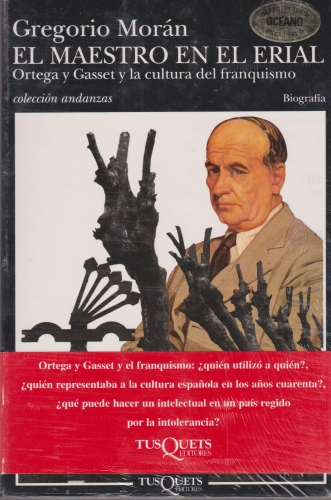 À l’évidence, Ortega n’avait en effet aucune sympathie intellectuelle pour l’idéologie franquiste. Résolument agnostique (par fidélité avec ses convictions sur ce plan, sa famille, à sa mort, refusa les funérailles religieuses qu’envisageaient les autorités), il se sentait à des années-lumière du conservatisme clérical et religieux du parti de Franco. Il est incontestable qu’une partie des phalangistes au pouvoir se sont emparés de certaines de ses idées dans le but de fournir au régime une légitimité intellectuelle. Mais de cela on ne peut le tenir responsable. On ne peut pas non plus vraiment lui reprocher d’avoir naïvement pensé que le régime franquiste pouvait évoluer dans le sens de la démocratie. On peut par contre lui faire grief de s’être laissé aller, par manque de courage ou par opportunisme, à tenir des propos et à prendre des initiatives qu’il aurait pu éviter, ainsi que d’avoir continuellement maintenu autour de sa position politique une ambiguïté troublante. Il la paiera lourdement : regardé avec méfiance par les opposants au régime comme par les responsables de celui-ci, il passera les vingt dernières années de sa vie dans une situation peu claire et inconfortable en Espagne, ne bénéficiant d’une réelle reconnaissance sans réserve et sans arrière-pensées qu’en dehors des frontières du pays.
 Esprit curieux et lecteur vorace, Ortega a emprunté des idées ou des concepts à de nombreux penseurs, pour les mettre au service d’une intuition centrale : « le socle de toutes mes idées philosophiques, écrira-t-il, est l’intuition du phénomène de la vie humaine ». L’idée que l’objet de la philosophie ne peut être que l’existence humaine dans ce qui fait sa singularité – le fait qu’elle ne se réduit pas à sa réalité biologique et possède une dimension historique au plan individuel et collectif – Ortega l’a trouvée dans la lecture de penseurs comme Nietzsche, Bergson et surtout Wilhelm Dilthey, psychologue et philosophe allemand qu’il considérait comme « le philosophe le plus important de la seconde moitié du XIXe siècle ».
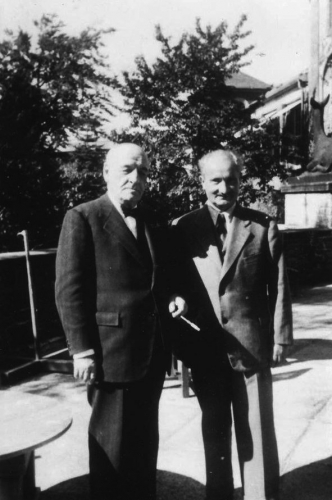 Un choc considérable à cet égard a été la parution, en 1927, de L’Être et le Temps, l’ouvrage qui a fait connaître Martin Heidegger. À plusieurs endroits de son livre, Jordi Gracia évoque le bouleversement qu’a engendré chez Ortega la découverte de la philosophie de Heidegger, dont la proximité apparente des idées avec les siennes ne pouvait manquer de le perturber. Conformément à son habitude, Ortega prit soin de se distancer de Heidegger en pointant du doigt ce qu’il critiquait comme les faiblesses de sa pensée : dans un premier temps ce qu’il appelait son pessimisme, bien illustré dans son esprit par le rôle dévolu dans L’Être et le Temps à l’angoisse comme révélateur de la condition humaine ; plus tard ce qu’il présentait à juste titre comme la dérive de la pensée de Heidegger vers des considérations de caractère religieux et théologique, lorsque ses préoccupations ont évolué d’une philosophie de l’existence à des réflexions ontologiques (sur la nature de l’être en général).
 Le parallèle pourrait être poussé plus loin encore, jusqu’à inclure un trait psychologique particulier des deux hommes, leur attitude face aux penseurs et aux artistes dont ils traitaient. Ortega analysait la vie de Goethe, Velasquez ou Goya à la lumière de leur « vocation fondamentale » exactement comme Sartre lisait celle des écrivains dont il parlait en référence à leur « projet existentiel ». Mais l’un et l’autre tendaient de surcroît à se projeter dans la vie et la personnalité des créateurs sur qui ils écrivaient, d’une façon qui conférait aux portraits qu’ils livraient d’eux le caractère d’autoportraits implicites et déformés. Comme Sartre, Ortega était rempli de lui-même, même si c’est d’une manière très différente, la forme particulière d’orgueil de Sartre lui interdisant cette vantardise dans laquelle le philosophe espagnol tombait volontiers. Mais, comme lui, il a réussi à faire de cette caractéristique psychologique une force, en développant une vision de la vie qui, tout en nous parlant ostensiblement de lui-même, possède à l’évidence une portée universelle.
 Si Ortega a choisi de s’exprimer presque exclusivement de la sorte, c’est certainement pour pouvoir toucher un large public, en conformité avec ce qu’il voyait comme son rôle d’éducateur de l’élite. Mais c’est aussi pour des raisons liées à son caractère et sa personnalité, justement soulignées par son disciple Julian Marias : « Écrire un livre requiert un tempérament bien plus ascétique que celui d’Ortega. […] Le caractère voluptueux des sujets [qu’il traitait], qu’Ortega ressentait intensément d’une manière qui faisait de lui non seulement un intellectuel, mais un écrivain au sens plein du terme, le distrayait très fréquemment et l’entraînait vers des questions secondaires et, surtout, vers de nouveaux sujets […]».
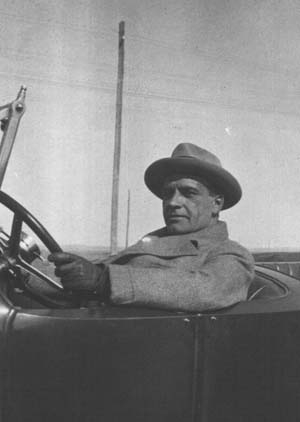 Au titre de ceux-ci, l’écrivain Javier Cercas énumère ainsi « [la] pédanterie d’Ortega, son snobisme, sa tendance aux jugements arbitraires, son nationalisme mal dissimulé, son autoritarisme de salon [et] son goût pour les gens prétentieux », caractéristiques dont Jordi Gracia, tout en soulignant à l’envi ses qualités (sa générosité intellectuelle, son courage dans l’adversité, son tempérament combatif et passionné), ne tente pas de faire davantage mystère que des traits physiques et de comportement qui leur sont liés et sont autant de composantes de l’image qu’il voulait donner (et que nous avons) de lui : l’élégance vestimentaire extrême, le canotier et les voitures décapotables décapotées même en hiver, habitude dont la combinaison avec l’assuétude à la cigarette, a-t-on dit, a pu contribuer aux problèmes respiratoires dont il a souffert durant toute sa vie.
 Une pépinière d’idées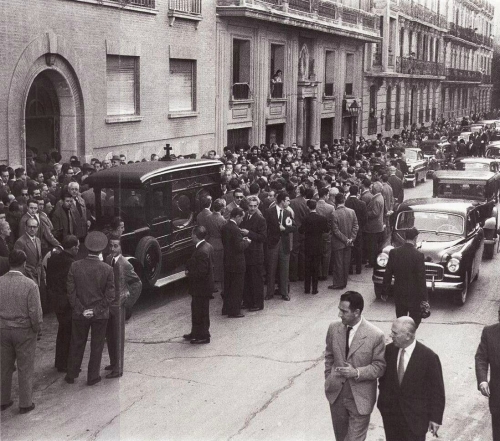

 del.icio.us
 Digg
Digg Facebook
 Hinsichtlich der „Umvolkung“ oder des „Bevölkerungsaustausches“ sollte man darauf hinweisen, daß es dies immer schon gegeben hat und immer geben wird. Vor kurzem gab es mehrere kleine Bevölkerungs-Austauschaktionen im ehemaligen Jugoslawien, wobei viele Kroaten, muslimische Bosniaken und Serben in Bosnien ihre ehemaligen Wohnorte verlassen mußten. Vertreibung wäre hier ein besseres Wort für diese Aktion, da dieser Bevölkerungsaustausch in Ex-Jugoslawien mitten im Kriege stattgefunden hat.
 Deswegen ist jegliche Kritik an der Masseneinwanderung ohne eine vorhergehende Kritik am liberalen Handel bzw. am Kapitalismus sinnlos. Und umkehrt. Die kleinen kriminellen Migrantenschlepper, die meistens aus dem Balkan stammen, sind nur ein Abbild der großen Gutmenschen-Migrantenschlepper, die in unseren Regierungen sitzen. Auch unsere Politiker, ob sie in Brüssel oder in Berlin sitzen, befolgen nur die Regeln des freien Marktes.
  Natürlich könnte der heutige Bevölkerungsaustausch von jedem europäischen Staat jederzeit gestoppt oder auch rückgängig gemacht werden, solange Politiker Mut zur Macht haben, solange sie politische Entscheidungen treffen wollen, oder anders gesagt, solange sie die Entschlossenheit zeigen, den Zuzug der Migranten aufzuhalten.
 Demzufolge stellt sich die Frage, was bedeutet es heute, ein guter Europäer zu sein? Ist ein Bauer im ethnisch homogenen Rumänien oder Kroatien ein besserer Europäer, oder ist ein Nachkomme der dritten Generation eines Somaliers oder Maghrebiners, der in Berlin oder Paris wohnt, ein besserer Europäer?
 Die einzige Waffe, sich gegen den heutigen Völkeraustausch zu wehren, liegt in der Wiedererweckung unseres biologisch-kulturellen Bewußtseins. Ansonsten werden wir weiterhin nur die hohlen Floskeln der christlichen, liberalen oder kommunistischen Multikulti-Ideologie wiederkäuen. So richtig es ist, die Antifa oder den Finanzkapitalismus anzuprangern, dürfen wir nicht vergessen, daß die christlichen Kirchen die eifrigsten Boten des großen Bevölkerungsaustauschs sind.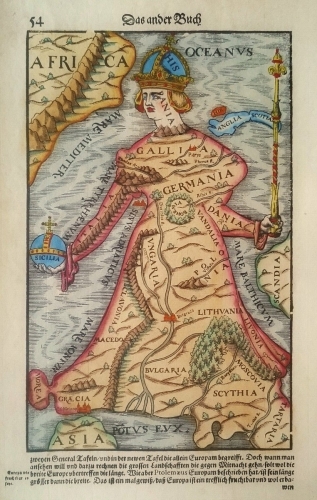

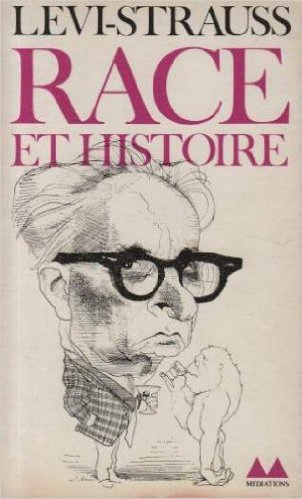 Je voudrai, à présent, citer une personnalité incontestable et incontournable, telle que celle de Claude Levi-Strauss: " Car, si notre démonstration est valable, il n'y a pas, il ne peut y avoir, une civilisation mondiale au sens absolu que l'on donne souvent à ce terme, puisque la civilisation implique la coexistence de cultures offrant elles le maximum de diversité, et consiste même en cette coexistence. La civilisation mondiale ne saurait être autre chose que la coalition, à l'échelle mondiale, de cultures préservant chacune son originalité". (Claude Levi-Strauss - "Races et Histoires").

 N’oublions pas non plus le rôle de certains groupuscules étudiants associés à l’ultragauche ou à certaines franges extrêmes de « l’antiracisme » ou du « féminisme » qui entendent encadrer la parole sur les campus, en distinguant ceux qui ont le droit de s’exprimer et ceux qui ne l’ont pas. De leur point de vue, la liberté d’expression n’est qu’une ruse « conservatrice » servant à légitimer l’expression de propos haineux ou discriminatoires — c’est ainsi qu’ils ont tendance à se représenter tous les discours qui s’opposent à eux frontalement. Ces groupuscules au comportement milicien n’hésitent pas à verser dans la violence, et pas que verbale, et cela, avec la complaisance d’une partie du corps professoral, qui s’enthousiasme de cette lutte contre les « réactionnaires » et autres vilains. Ils entrainent avec eux des étudiants emportés par une forme d’hystérie collective dont les manifestations font penser à la scène des deux minutes de la haine chez Orwell. Nous pourrions parler d’ivresse idéologique : des idées trop vite ingérées et mal comprises montent à la tête de jeunes personnes qui se transforment en vrais fanatiques.
 Campus Vox : Vous évoquez souvent le déconstructivisme, en quoi cette idéologie peut tuer l’université française ?
 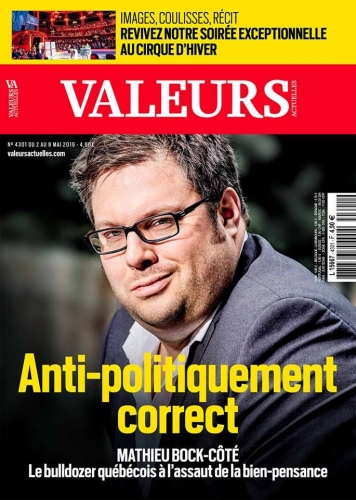 Mathieu Bock-Côté : L’université française était-elle autant épargnée qu’on l’a dit ? Une chose est certaine, la vie intellectuelle française n’était pas épargnée par le sectarisme. Il suffirait de se rappeler l’histoire de l’hégémonie idéologique du marxisme, d’abord, puis du post-marxisme, dans la deuxième moitié du XXe siècle, pour s’en convaincre. Cela dit, il est vrai que la France est aujourd’hui victime d’une forme de colonisation idéologique américaine — on le voit par exemple avec l’application systématique sur la situation des banlieues issues de l’immigration de grilles d’analyse élaborées pour penser la situation des Noirs américains, comme si les deux étaient comparables ou interchangeables. La sociologie décoloniale s’autorise cette analyse dans la mesure où elle racialise les rapports sociaux, évidemment.
 Mathieu Bock-Côté : Cela fait des années que ceux qu’on appelle les conservateurs (mais pas seulement eux) tiennent tête au politiquement correct et il est heureux de voir qu’ils ont du renfort. Jacques Parizeau, l’ancien Premier ministre du Québec, disait, à propos de ceux qui rejoignaient le mouvement indépendantiste : « que le dernier entré laisse la porte ouverte s’il vous plaît ». Les conservateurs peuvent dire la même chose dans leur combat contre le régime diversitaire. L’enjeu est historique : il s’agit de préserver aujourd’hui la possibilité même du débat public en rappelant que le pluralisme intellectuel ne consiste pas à diverger dans l’interprétation d’un même dogme, mais dans la capacité de faire débattre des visions fondamentalement contradictoires qui reconnaissent néanmoins mutuellement leur légitimité. Ce n’est qu’ainsi qu’on pourra tenir tête à la tyrannie des offensés qui entendent soumettre la vie publique à leur sensibilité, et qui souhaitent transformer tout ce qui les indigne en blasphème. La France n’est pas épargnée par le politiquement correct, mais elle y résiste, en bonne partie, justement, parce qu’elle dispose d’un espace intellectuel autonome d’un système universitaire idéologiquement sclérosé. On peut croire aussi que la culture du débat au cœur de l’espace public français contribue à cette résistance. C’est en puisant dans leur propre culture que les Français trouveront la force et les moyens de résister au politiquement correct

 Comments like these have caused a
  And that is coming from a group of self-identified anarchists! We also have the statements of literal ecofascists, such as the late and venerable Pentti Linkola, whose observations of mass man’s destructive nature famously led him to write: “If there were a button I could press, I would sacrifice myself without hesitating, if it meant millions of people would die.” Rather than mass die-offs, however, his preference was for the complete abolition of liberal democracy and the institution of a strong centralized government with “tireless control of citizens,” which could enact the controversial measures necessary to reverse human-inflicted environmental damage.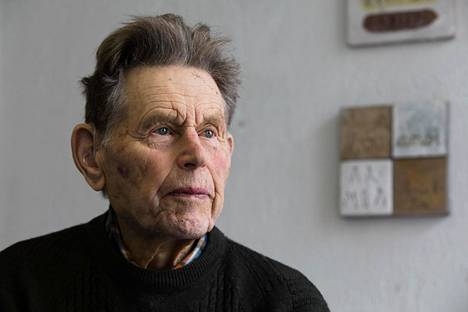

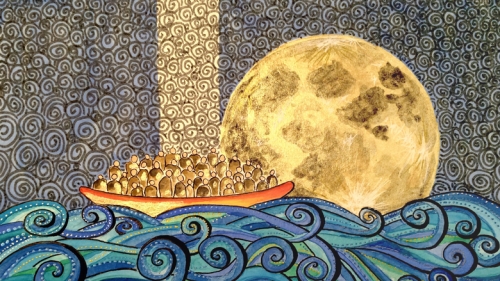
 The environmental dimensions of the immigration debate are less well-known. The link between wilderness preservation and nativism was established by Madison Grant in the 1920s, but disappeared in the latter half of the 20th century. This is because, since the 1970s, the environmental movement has been almost completely dominated by leftists who have pushed this question to the wayside for purely ideological reasons.


 Non, le fond du problème est ailleurs et nos sociétés libérales souffrent de la même faiblesse que le système soviétique, à savoir celle à laquelle toute société complexe, au sens que Joseph Tainter donne à ce terme dans L’Effondrement des sociétés complexes, doit faire face lorsqu’elle se retrouve confrontée à une crise de grande ampleur. De ce point de vue, les sociétés complexes sont vues comme des organisations de résolution de problèmes qui sont toutes invitées à trouver une solution à une équation insoluble : ces problèmes appellent des solutions de plus en plus coûteuses à mesure que la société se complexifie. Il s’agit là de la décroissance du rendement marginal, soit la diminution du rendement par unité supplémentaire d’investissement. C’est la loi d’airain du déclin civilisationnel…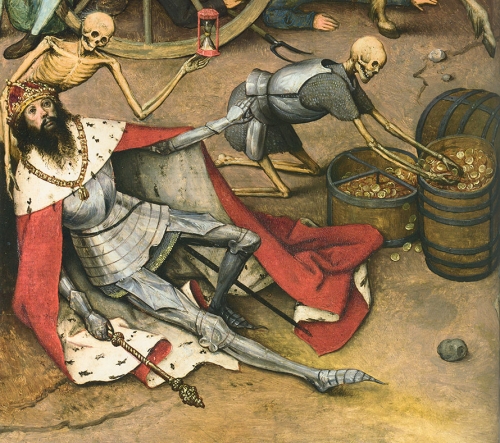
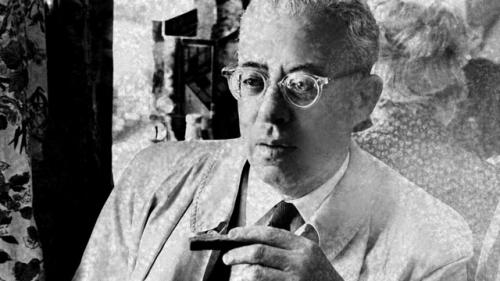
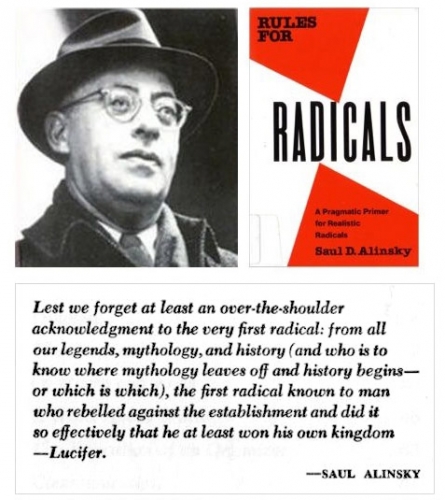
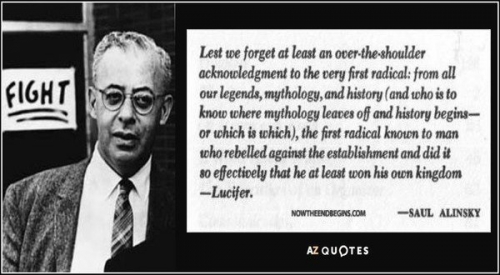
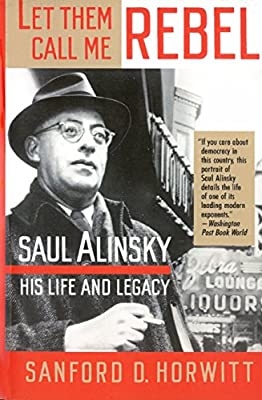 1) Le pouvoir. Alinsky est loin d’épouser une vision irénique de la démocratie. Le principe primordial de l’organizer est celui du pouvoir. Le pouvoir, soutient-il, est « l’essence même, la dynamo de la vie » (dans certains textes, il ira jusqu’à citer Nietzsche)
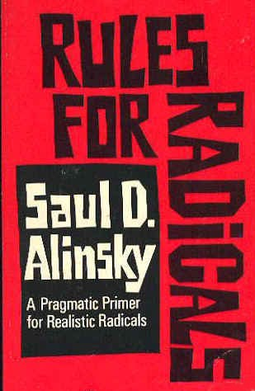 Surtout, Alinsky reconnaissait que les valeurs dénoncées par cette jeunesse en colère étaient justement celles auxquelles les pauvres pour lesquels il a milité aspiraient : en 1967, il remarquera : « Les gosses du SDS me disent : ‘Alinsky, tu sais ce que tu fais ? Tu organises les pauvres au nom de valeurs décadentes, ruinées, bourgeoises, et matérialistes.’ Et je me trouve en train de répondre : ‘Vous savez ce qu’ils veulent, les pauvres, dans ce pays ? Ils veulent une part plus grande dans ces valeurs décadentes, ruinées, bourgeoises ».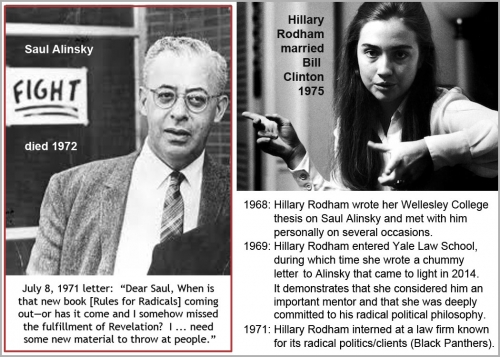
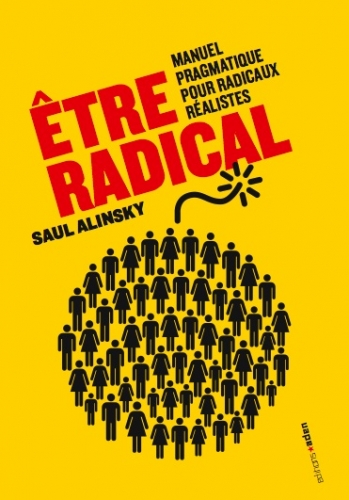 Situé au croisement de la tradition du « self-made man » et d’une sorte d’autogestion à l’américaine, Alinsky insiste toujours sur la nécessité des pauvres de pourvoir à leurs intérêts, mêmes « bourgeois » et « décadents », et nourrit un profond mépris pour les « libéraux » (au sens américain du terme, donc la gauche) qui, en prétendant connaître les intérêts profonds des couches sociales démunies, ne font que les infantiliser. Mais de là à rejoindre les critiques libérales (au sens européen) de l’Etat-providence ? Rappelons qu’en 1996, le président Clinton, appuyé par les Républicains, adopta la loi sur la « responsabilité personnelle » (Personal Responsibility and Work Opportunity Reconciliation Act, PRWORA), qui supprima de nombreuses allocations destinées aux plus démunis (en particulier celles destinées aux enfants), en les remplaçant, au niveau des Etats fédérés, par une politique dite de « workfare », qui lie le droit aux prestations sociales à l’obligation de travailler (même dans des conditions indignes). Clinton annonça à cette occasion que « l’ère du big government » est terminé aux Etats-Unis. En dépit de son engagement profond pour les pauvres, Alinsky et sa méthode ne constituent-ils pas, par le biais de leur critique des aides gouvernementales au nom du savoir-faire spontané de la communauté, la voie détournée vers le « workfare » ?
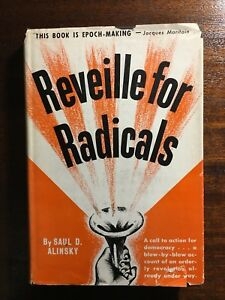 Mais Obama évoque le pouvoir de séduction qu’exerça sur lui le langage alinskien au cours de sa formation comme organizer : « L’action, le pouvoir, l’intérêt particulier. J’aimais ces concepts. Ils témoignaient d’un certain réalisme, d’un refus temporel pour le sentiment ; la politique, et non la religion ».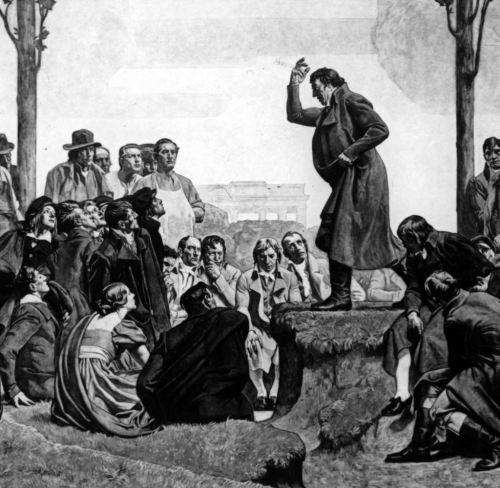
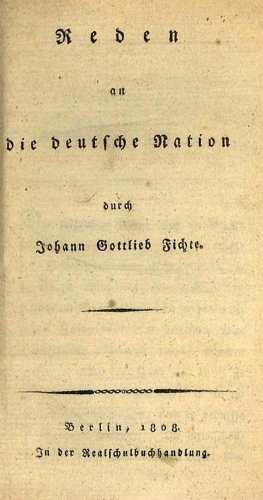 aduction française parue en 1992 à l’Imprimerie Nationale à Paris(1) et réalisée par le philosophe français, né en 1948, Alain Renaut, ce dernier se pose la question de la conception de la nation mise en avant par Fichte : celle née de la Révolution française, qui considère que le Tiers état la constitue, ou celle du romantisme allemand, « dont on a parfois soutenu qu’elle avait émergé avec la notion herderienne(2) de Volksgeist »,(3) qui veut que seuls les descendants de membres de la nation appartiennent à cette dernière ?
 « Si la nationalité procède d’un acte d’adhésion volontaire, l’accès à cette nationalité relève d’un libre choix : dans la logique révolutionnaire, il suffit de déclarer son adhésion aux droits de l’homme et, à partir de 1791, à la Constitution, pour devenir français.(6)
 L’idée fichtéenne de nation
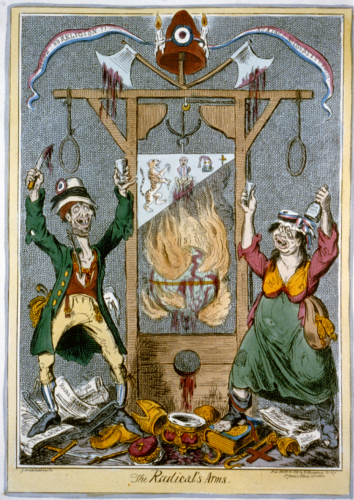
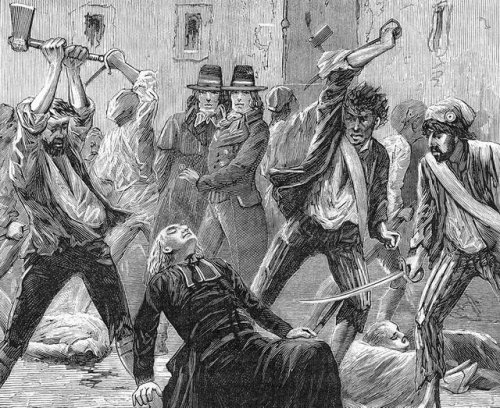
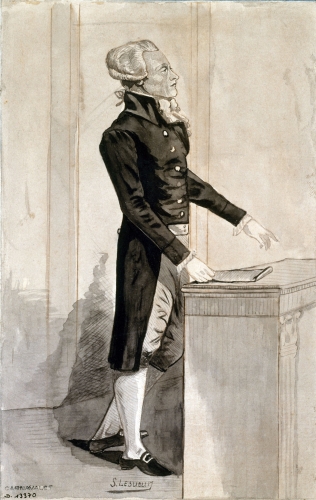 "Dès son adolescence, écrit-il sans retenue, Robespierre fut probe modeste et studieux ; il prit de bonne heure la défense du faible contre le fort, de la raison contre le préjugé ; il arrive aux États Généraux, en 1789, plein de vénération pour la mémoire de Rousseau, dont il médita les écrits toute sa vie ; déjà il aimait et plaignait le peuple, abhorrait les grands méprisait les faiseurs d'esprit et était convaincu que tout était à reformer dans l'ordre civil et politique de la France."
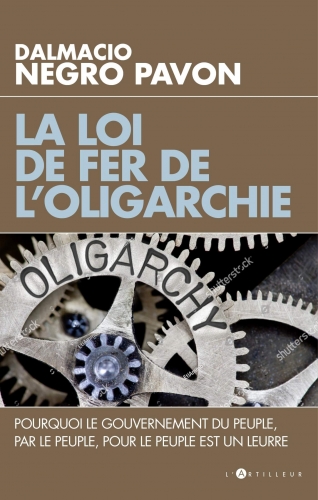 Réputé l’un des meilleurs politologues du monde hispanique, l’académicien Negro Pavón a beau montrer que le réalisme politique n’est pas une famille politique homogène mais un point de vue de recherche et d’étude qui vise à éclairer les règles de la politique, qu’il n’est pas la défense du statu quo, qu’il part de l’évidence des faits mais ne se rend pas devant eux, qu’il ne se désintéresse pas des fins dernières mais reconnaît au contraire la nécessité vitale des finalités non politiques (le bonheur et la justice), rien ne peut ébranler la foi de ses adversaires, ennemis autoproclamés de toute pensée « machiavélienne », ou plutôt, selon leurs dires, « machiavélique ». Dans le fond, on le sait, le postmodernisme (mélange de néo-marxisme et de néo-libéralisme), n’est qu’une rébellion contre la réalité. Et le péché capital que redoutent ses thuriféraires est moins la « démagogie populiste », comme on l’entend ad nauseam, que le « sain scepticisme politique ». Une manière de penser qui, précisément, fait dire à Pavón, au grand dam de nos pseudo-progressistes, qu’il y a une condition essentielle pour que la démocratie politique soit possible et sa corruption beaucoup plus difficile: « il faut que l’attitude à l’égard du gouvernement soit toujours méfiante ». Et encore, citant Bertrand de Jouvenel : « le gouvernement des amis est la manière barbare de gouverner ».
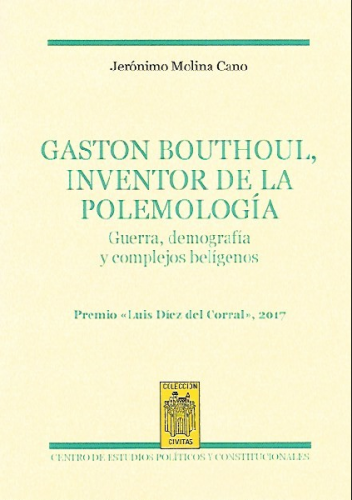 Gaston Bouthoul (Boutboul selon son certificat de naissance), est né dans la petite ville côtière de Monastir en Tunisie, le 8 mai 1896. Élevé au sein d’une famille bourgeoise de la communauté juive d’Afrique du Nord, le jeune Gaston parle le français, le dialecte arabe de la région et l’italien. Une fois ses études secondaires terminées, il quitte Tunis pour Paris, mais il restera toujours très attaché à son pays de naissance. En mai 1916, il s’inscrit à la faculté de droit et de lettres de la Sorbonne, puis, en juillet 1918, à l’Université de Lyon. De retour à Paris, en novembre 1918, dès la fin de la Première guerre mondiale, il acquiert la nationalité française.
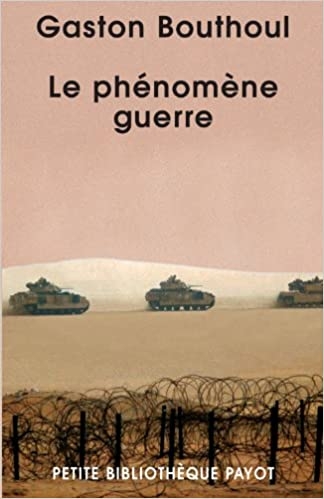 C’est en 1922 que le nom de Gaston Bouthoul est mentionné pour la première fois dans la Revue internationale de sociologie, organe de l’Institut international de sociologie fondé par le sociologue René Worms (1893). À partir de 1926, cette revue réputée est dirigée par un ami de Bouthoul, Gaston Richard, un disciple de Durkheim devenu anti-durkheimien. Collaborateur régulier de la Revue internationale de sociologie mais aussi du Mercure de France, le futur polémologue recense et commente les néo-machiavéliens italiens Roberto Michels, Gaetano Mosca et Vilfredo Pareto. Pacifiste, se situant politiquement au centre-gauche, Bouthoul adhère à la franc-maçonnerie et collabore, semble-t-il, avec Paul Reynaud. Mais ses prises de position partisanes sont accidentelles au regard de son scepticisme politique foncier. Personne n’a plus souligné que lui « l’extrême pauvreté intellectuelle de la vie politique », la persistance dans le temps de quelques idées politiques basiques qui permettent de parler d’une infrastructure psychologique ou mentale dont les effets opèrent constamment sur la pensée et l’action politique. La politique est, selon lui, le degré le plus bas de l’activité intellectuelle. N’importe qui peut aspirer à une brillante carrière s’il est capable de réciter quelques slogans.
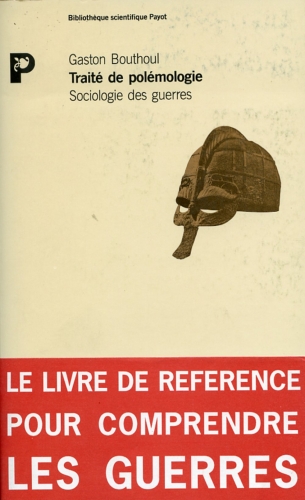 La profonde impression que produit la Deuxième guerre mondiale sur Bouthoul – l’hécatombe européenne et les effets de l’arme atomique -, réoriente sa vie intellectuelle. De retour à Paris en 1945, il fonde l’Institut Français de Polémologie pour l’étude scientifique des causes des guerres (IFP). La polémologie, c’est l’étude de la guerre considérée comme un phénomène d’ordre social et psychologique. Bouthoul cherche à remplacer le pacifisme idéologique par un pacifisme scientifique, c’est-à-dire une conception de la paix fondée sur l’étude multifactorielle du « phénomène guerre ».
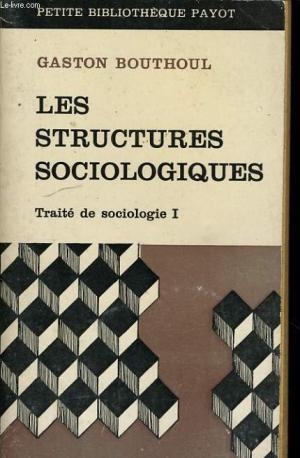 Bouthoul étudie la périodicité des guerres, leurs causes présumées et leurs fonctions sociales. Il remet en question toute forme de déterminisme économiciste qu’il soit d’inspiration libérale ou marxiste. Ce n’est pas l’économie, mais la démographie qui est « le facteur numéro 1 » de la guerre. Ni le dirigisme économique ni le libre-échange influent décisivement sur l’agressivité des nations. Il ne faut pas nier l’influence des facteurs psychologiques, culturels ou économiques, mais les circonstances de nature démographique sont celles qui comptent le plus.
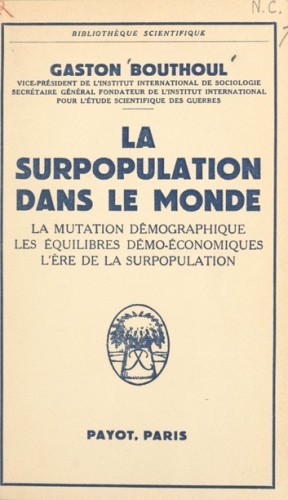 Durant toute sa vie, Bouthoul publie des centaines d’articles et une bonne vingtaine de livres dont les titres sont éloquents. Parmi eux citons : Cent millions de morts (1946), Huit mille traités de paix (1948) [pas moins de 8000 traités de paix « qui devaient durer éternellement » ont été conclus entre l’année 1500 av. J.-C. et 1860], Les guerres, éléments de polémologie (1951), Le phénomène-guerre (1962), Sauver la guerre : lettre aux futurs survivants (1962), La surpopulation dans le monde (1964), L’art de la politique (1969), L’infanticide différé (1970), Essais de polémologie ( 1976) ou encore, en collaboration avec René Carrère et Jean-Louis Annequin, Le Défi de la guerre de 1740 à 1974 (1976) et Guerres et civilisations (1979).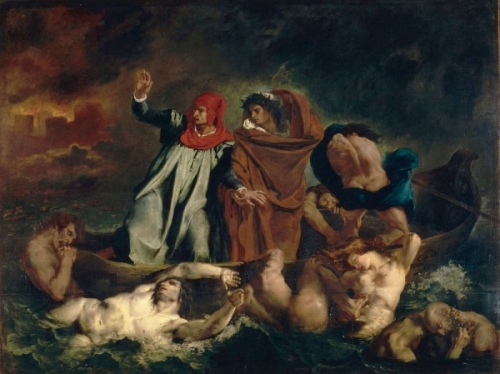
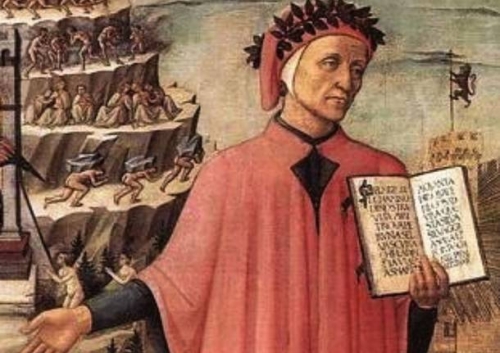
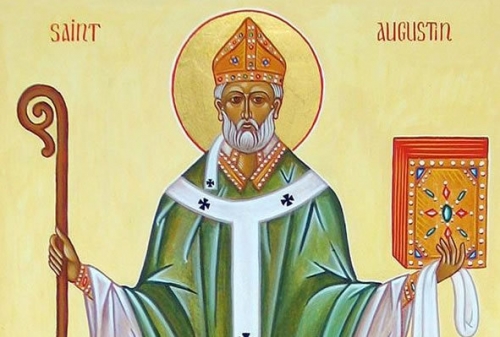
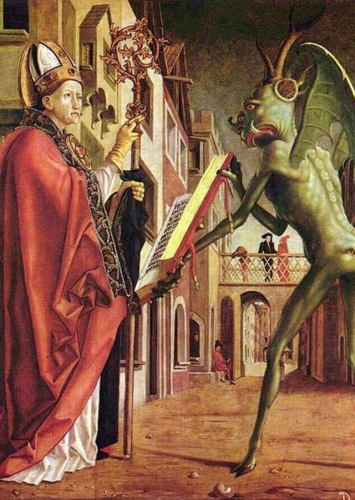
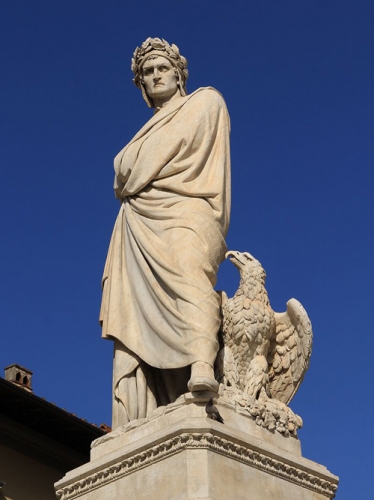 Enfin, dans la 6e Épître, Dante reprend les thèses fondamentales de la Monarchie. Il utilise cette doctrine comme un argument dans la critique de la notion de liberté : Florence, en affirmant son indépendance vis-à-vis de l’Empire et sa liberté à se gouverner elle-même (en choisissant ses magistrats), rejette la vraie liberté, considérée comme un héritage sacré garantie par une longue habitude. Dante attribue aux Florentins la volonté de considérer le pouvoir impérial comme caduque. Il concède pourtant que l’autorité impériale a négligée l’Italie. C’est pourquoi il assimile cette revendication de liberté à une affirmation absurde. Il prétend discerner dans la réalité des temps les signes divins de la providence. Il donne ainsi les instruments théoriques d’une déconstruction de la réalité florentine : la liberté comme privation de la sagesse. La plus haute réflexion politique de Dante s’achève ainsi sur un trône vide dans le chant 30 du Paradis de la Divine Comédie.
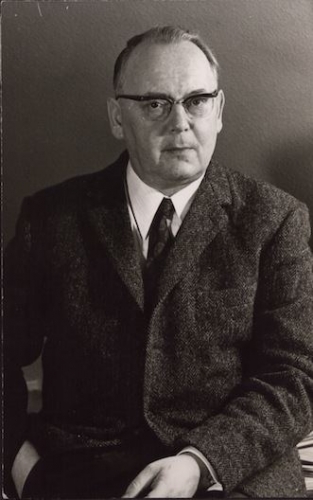
 After the fall of the Third Reich in 1945, Schelsky joined the German Red Cross and formed its effective Suchdienst (service to trace down missing persons). In 1949 he became a Professor at the Hamburg "Hochschule für Arbeit und Politik", in 1953 at Hamburg University, and in 1960 he went to the University of Münster. There he headed what was then the biggest West German centre for social research, in Dortmund.
 After the Second World War, no longer a National Socialist, Schelsky became a star of applied sociology, due to his great gift of anticipating social and sociological developments. He published books on the theory of institutions, on social stratification, on the sociology of family, on the sociology of sexuality, on the sociology of youth, on Industrial Sociology, on the sociology of education, and on the sociology of the university system. In Dortmund, he made the Social Research Centre a West German focus of empirical and theoretical studies, being especially gifted in finding and attracting first class social scientists, e.g. Dieter Claessens, Niklas Luhmann, and many more.
 Schelsky was able to design Bielefeld University as an innovative institution of the highest academic quality, both in research and in thought. But the fact that his own university had moved away from his ideas hit him hard. His later books, criticizing ideological sociology (very much acclaimed now by conservative analysts) and on the sociology of law (quite influential in the Schools of Law) kept up his reputation as an outstanding thinker, but fell out of grace with younger sociologists. Moreover, his fascinating analyses, being of highest practical value, went out of date for the same reason; only by 2000 did new sociologists start to read him again.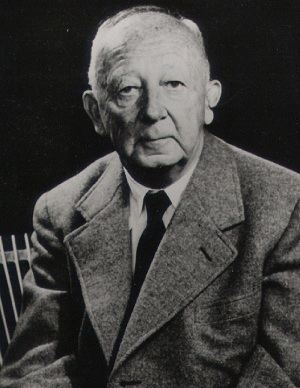
 Der Sohn eines sächsischen Postdirektors erhielt seine Gymnasialausbildung am königlichen Elitegymnasium zu Dresden-Neustadt, studierte von 1907 bis 1911 in Leipzig Philosophie, Psychologie, Nationalökonomie und Geschichte, u.a. bei Wilhelm Wundt und Karl Lamprecht, in deren universalhistorischer Tradition er seine ersten Arbeiten zur Geschichtsauffassung der Aufklärung (Diss. 1911) und zur Bewertung der Wirtschaft in der deutschen Philosophie des 19. Jahrhunderts (Habilitation 1921) verfaßte. Nach zusätzlichen Studien in Berlin mit engen Kontakten zu Georg Simmel und Lehrtätigkeit an der Reformschule der Freien Schulgemeinde Wickersdorf kämpfte F. mit dem Militär-St.-Heinrichs-Orden ausgezeichnet im Ersten Weltkrieg. Als Mitglied des von Eugen Diederichs initiierten Serakreises der Jugendbewegungverfaßte F. an die Aufbruchsgeneration gerichtete philosophischen Schriften: Antäus (1918), Prometheus (1923), Pallas Athene (1935). Von 1922 bis 1925 lehrte er als Ordinarius hauptsächlich Kulturphilosophie an der Universität Kiel, erhielt 1925 den ersten deutschen Lehrstuhl für Soziologie ohne Beiordnung eines anderen Faches in Leipzig und widmete sich von nun an der logischen und historisch-philosophischen Grundlegung dieser neuen Disziplin. In Auseinandersetzung mit dem Positivismus seiner Lehrer und mit der Philosophie Hegels sollten typische gesellschaftliche Grundstrukturen herausgearbeitet und ihre historischen Entwicklungsgesetze gefunden werden. Darüber hinaus ist für F. die Soziologie als konkrete historische Erscheinung, erst durch die abendländische Aufklärung möglich geworden, Äußerung einer vorher nie dagewesenen gesellschaftlichen Emanzipation zur wissenschaftlichen Selbstreflexion, drückt deshalb als "Wirklichkeitswissenschaft" in der Erfassung des gegenwärtigen gesellschaftlichen Wandels auch den kollektiven Willen aus, ist also als Wissenschaft zugleich politische Ethik, die die Richtung des gesellschaftlichen Wandels zu bestimmen hat.
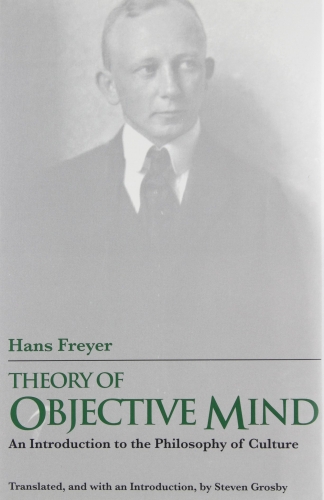 F. war ab 1933 Direktor des Instituts für Kultur- und Universalgeschichte an der Leipziger Universität. Als neu gewählter Präsident der Deutschen Gesellschaft für Soziologie legte er diese 1933 still, um eine politische "Gleichschaltung" zu verhindern. Den damaligen europäischen politischen Umbrüchen brachte F. als Theoretiker des Wandels zunächst offenes Interesse entgegen, fühlte sich der theoretischen Erfassung dieser Entwicklungen verpflichtet und war deshalb nie aktives Mitglied einer politischen Partei oder Bewegung; er wurde später der "konservativen Revolution" der zwanziger Jahre als "jungkonservativer Einzelgänger" (Mohler) zugeordnet. Die vor 1933 noch idealistisch formulierte Konzeption des Staates als höchste Form der Kultur (1925) hat F. im Lauf der bedrohlichen politischen Entwicklung revidiert in seinen Studien über Machiavelli (1936) und Friedrich den Großen (Preußentum und Aufklärung 1944) durch einen realistischen Staatsbegriff, der ausschließlich durch Gemeinwohl, langfristige gesellschaftliche Entwicklungsperspektiven und durch prozessuale Kriterien der Legitimität gerechtfertigt ist: durch den Dienst am Staat, der aber den Menschen keinesfalls total vereinnahmen darf, sowie die Prägekraft des Staates, der dem Kollektiv ein gemeinsames Ziel gibt, aber dennoch die Freiheit und Menschenwürde seiner Bürger bewahrt. Insbesondere gelang F. in der Darstellung der Legitimität als generellem Gesetz jeder Politik eine dialektische Verknüpfung des naturrechtlichen Herrschaftsgedankens mit der klassischen bürgerlich-humanitären Aufklärung: Nur die Herrschaft ist legitim, die dem Sinn ihres Ursprungs entspricht - es muß das erfüllt werden, was das Volk mit der Einsetzung der Herrschaft gewollt hat.
 Zentraler Gesichtspunkt seiner Nachkriegsschriften war die gegenwärtige Epochenschwelle, der Übergang der modernen Industriegesellschaft zur weltweit ausgreifenden wissenschaftlich-technischen Rationalität, deren "sekundäre Systeme" alle naturhaft gewachsenen Lebensformen erfassen. F. weist nach, wie diese Fortschrittsordnung zum tragenden Kulturfaktor wird in allen Teilentwicklungen: der Technik, Siedlungsformen, Arbeit und Wertungen. Seine frühere integrative Perspektive einer Kultursynthese wird ersetzt durch den Konflikt von eigengesetzlichen, künstlichen Sachwelten einerseits und den "haltenden Mächte" des sozialen Lebens andererseits, die im "Katarakt des Fortschritts" auf wenige, die private Lebenswelt beherrschende Gemeinschaftsformen beschränkt sind. Jedoch bleibt die Synthese von "Leben" und "Form", von Menschlichkeit und technischer Zivilisation für F. weiterhin unerläßlich für den Fortbestand jeder Kultur, im krisenhaften Übergang noch nicht erreicht, aber durchaus denkbar jenseits der Schwelle, wenn sich die neue geschichtliche Epoche der weltumspannenden Industriekultur konsolidieren wird. F.s Theorie der Industriekultur, kurz vor seinem Tode begonnen, ist unvollendet geblieben. Sein strukturhistorisches Konzept der Epochenschwelle hat in der deutschen Nachkriegssoziologie weniger Aufnahme gefunden, während es in der deutschen Geschichtswissenschaft wesentlich zur Überwindung einer evolutionären Entwicklungsgeschichte beigetragen hat und eine sozialwissenschaftlich orientierte Strukturgeschichtsschreibung einleitete, wofür F.s Konzept der Eigendynamik der sekundären Systeme ebenso ausschlaggebend war.
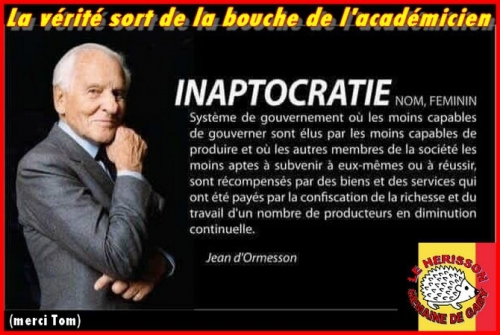
![ineptocracie_thumb[2].png](http://euro-synergies.hautetfort.com/media/01/02/1259712049.png)

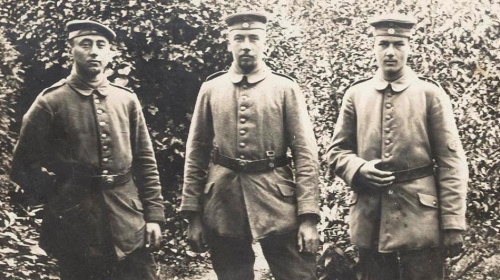
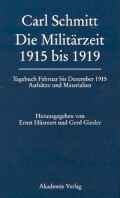 Der Nachlass Carl Schmitts ist eine reiche Quelle. Fast wundert es aber, dass er so reichlich sprudelt. Denn seine Edition wurde nicht generalstabsmäßig geplant. Das lag auch an Schmitt selbst. Zwar entwickelte der zahlreiche interpretative Strategien im Umgang mit seiner Rolle und seinem Werk. Anders als etwa Heidegger organisierte er aber seine posthume Überlieferung nicht im großen Stil. Er betrieb keine Fusion von Nachlassinterpretationspolitik und Nachlasseditionspolitik, bei der interpretative Strategien kommenden Editionen vorarbeiteten. Initiativen zu einer großen Werkausgabe scheiterten deshalb auch nach Schmitts Tod. Damals wurde eine Chance vertan, denn personell und institutionell haben sich die Bedingungen nicht verbessert. Schmitts letzte Schülergeneration, die „dritte“ Generation bundesdeutscher Schüler (Böckenförde, Schnur, Quaritsch, Koselleck etc.), tritt ab und den Institutionen geht das Geld aus. Heute ist keine historisch-kritische Gesamtausgabe in Sicht. Die Zukunft ist solchen Projekten auch nicht rosig. Das gerade erschienene Berliner „Manifest Geisteswissenschaften“ etwa, ein revolutionäres Dokument der „Beschleunigung wider Willen“, plädiert für eine Überführung akademischer Langzeitvorhaben in „selbständige Editionsinstitute“.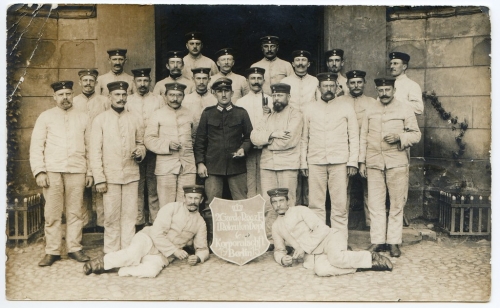

 Mais l’œuvre du publiciste de Weimar n’a pas seulement eu écho à travers les travaux d’auteurs plus ou moins conservateurs : la réception de la pensée du juriste a pour spécificité d’être étonnamment polarisée. Jürgen Habermas lui-même, l’un des plus farouches contempteurs du théoricien du politique, n’a pas manqué de reconnaître l’exactitude du constat de Schmitt qui conclut à une déliquescence de la logique parlementaire. L’histoire de l’ « espace public » suit, en effet, à la lettre l’analyse que soumet Carl Schmitt de la transformation progressive du parlementarisme [
 Si en Allemagne ou en Italie, les emprunts contemporains aux théories de Schmitt peuvent prendre appui sur de véritables précédents, Zarka souligne qu’il s’agit en réalité d’un « phénomène assez nouveau en France » [
 Depuis une dizaine d’années, les études schmittiennes se sont élargies à la question d’un prolongement continental et européen de la notion du « politique ». Ce phénomène naissant, encore à l’état d’un décantage initial, fut impulsé, pour l’essentiel, par les recherches de Christoph Schönberger et d’Ulrich K. Preuss [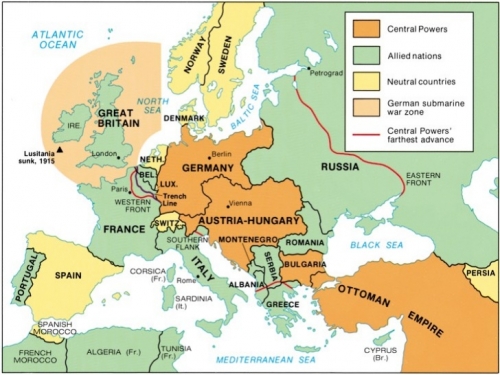
 Ce paradigme spatial apparaît très explicitement dans la doctrine Monroe de 1823. Cette théorie américaine revendique l’indépendance de tous les Etats américains, interdit leur colonisation par des Etats tiers et défend à ceux-ci d’intervenir en leur sein. Elle crée donc un corpus de règles ayant vocation à s’appliquer à un grand espace qui est l’espace américain. La difficulté réside dans le fait que la doctrine Monroe a évolué avec le temps. Elle est passée d’un non-interventionnisme catégorique à un impérialisme intransigeant, d’une neutralité à une position morale donnant le droit de s’ingérer dans les affaires des pays du monde entier. « L’aversion de tous les juristes positifs contre une telle doctrine est bien compréhensible ; devant pareille imprécision du contenu normatif, le positiviste a le sentiment que le sol se dérobe sous lui », ironise l’auteur. En fait, les américains ont modifié leur interprétation de la doctrine Monroe au fil du temps et de leurs intérêts. La raison d’Etat se passe facilement des débats juridiques car contrairement à ce que de nombreux juristes pensent, dans la lignée du positivisme juridique, le droit ne créé rien. Il est simplement le reflet d’un rapport de forces. Les marxistes le désigneraient comme étant une superstructure.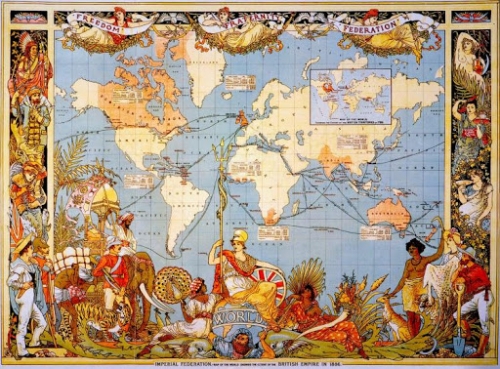
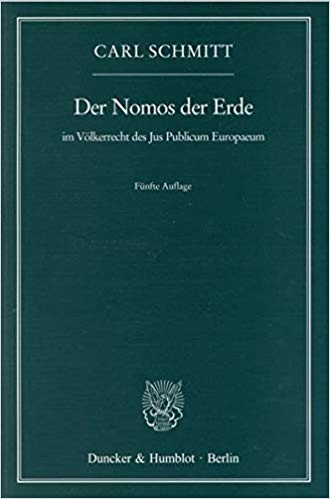 Ouvrage court mais très exigeant, Le droit des peuples réglé sur le grand espace constitue une bonne introduction à l’ouvrage majeur Le nomos de la terre qu’écrira par la suite Carl Schmitt. Ecrit dans un style toujours clair sans être universitaire, le livre présente le grand mérite d’être en avance sur son temps. A une époque où l’on réfléchissait encore en termes de nation, il anticipe largement les grandes évolutions du monde. Aujourd’hui, comment nier que le monde est traversé par une logique de blocs animés par une puissance dominante. L’espace américain est dominé par les Etats-Unis, l’espace asiatique par la Chine et l’espace eurasiatique par la Russie. Il n’y a guère que l’Europe qui ne suit pas cette évolution. En effet, au lieu de s’ancrer dans son espace culturel et religieux, elle a préféré se dissoudre dans un système technico-économique abstrait sous-tendu par les inévitables droits de l’homme. A trop nier l’espace, on finit par nier l’homme comme produit d’un enracinement culturel pour aboutir à l’homme-marchandise.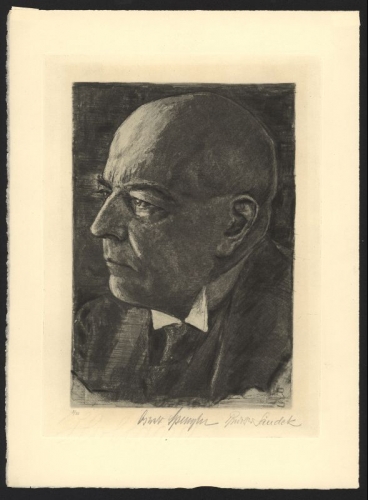
 The most radical contradiction with Spengler made by Moeller van den Bruck was the rejection of Spengler’s cultural morphology, since Moeller believed that Germany could not even be classified as part of the “West,” but rather that it represented a distinct culture in its own right, one which even had more in common in spirit with Russia than with the “West,” and which was destined to rise while France and England fell.[10] However, we must note here that the notion that Germany is non-Western was not unique to Moeller, for Werner Sombart, Edgar Julius Jung, and Othmar Spann have all argued that Germans belonged to a very different cultural type from that of the Western nations, especially from the culture of the Anglo-Saxon world. For these authors, Germany represented a culture which was more oriented towards community, spirituality, and heroism, while the modern “West” was more oriented towards individualism, materialism, and capitalistic ethics. They further argued that any presence of Western characteristics in modern Germany was due to a recent poisoning of German culture by the West which the German people had a duty to overcome through sociocultural revolution.[11]
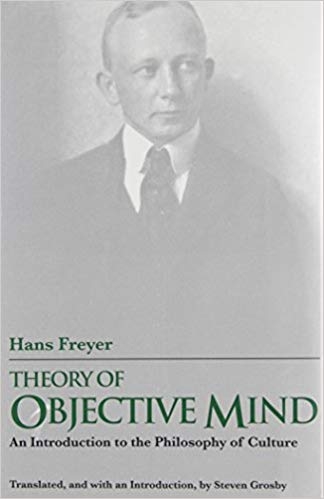 However, Freyer argued that the idea of historical (cultural) types and that cultures were the product of an essence which grew over time were already expressed in different forms long before Spengler in the works of Karl Lamprecht, Wilhelm Dilthey, and Hegel. It is also noteworthy that Freyer’s own sociology of cultural categories differed from Spengler’s morphology. In his earlier works, Freyer focused primarily on the nature of the cultures of particular peoples (Völker) rather than the broad High Cultures, whereas in his later works he stressed the interrelatedness of all the various European cultures across the millennia. Rejecting Spengler’s notion of cultures as being incommensurable, Freyer’s “history regarded modern Europe as composed of ‘layers’ of culture from the past, and Freyer was at pains to show that major historical cultures had grown by drawing upon the legacy of past cultures.”[14] Finally, rejecting Spengler’s historical determinism, Freyer had “warned his readers not to be ensnared by the powerful organic metaphors of the book [Der Untergang des Abendlandes] … The demands of the present and of the future could not be ‘deduced’ from insights into the patterns of culture … but were ultimately based on ‘the wager of action’ (das Wagnis der Tat).”[15]
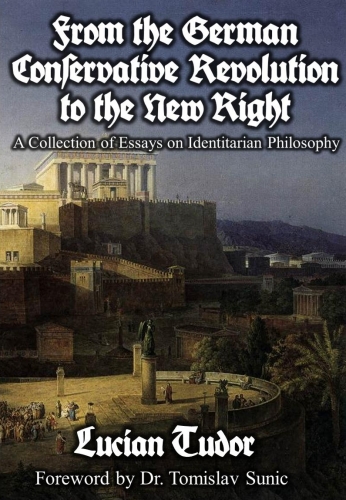
 Like their Revolutionary Conservative precursors, New Rightists reject any fatalist and determinist notion of history, and do not believe that any people is doomed to inevitable decline; “Decadence is therefore not an inescapable phenomenon, as Spengler wrongly thought,” wrote Pierre Krebs, echoing the thoughts of other authors.[23] While the New Rightists accept Spengler’s idea of Western decline, they have posed Europe and the West as two antagonistic entities. According to this new cultural philosophy, the genuine European culture is represented by numerous traditions rooted in the most ancient European cultures, and must be posed as incompatible with the modern “West,” which is the cultural emanation of early modern liberalism, egalitarianism, and individualism.
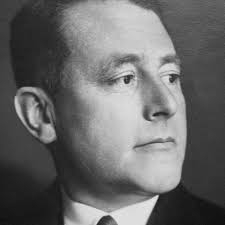
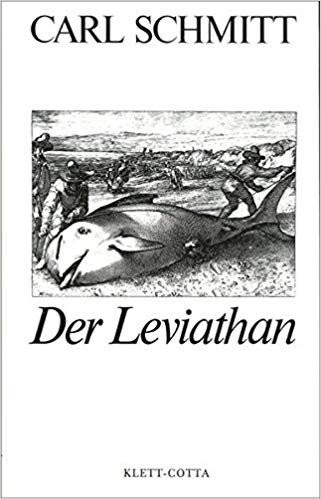 La théorie moderne de l’État
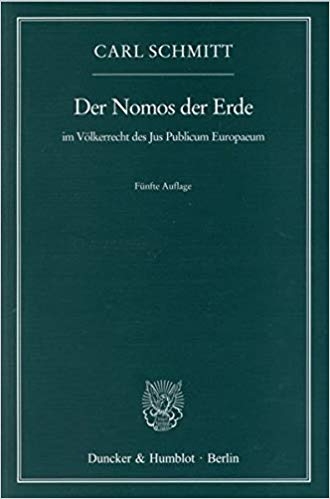 Union européenne et Confédération d’États. De la guerre inter-étatique à la "guerre civile mondiale"
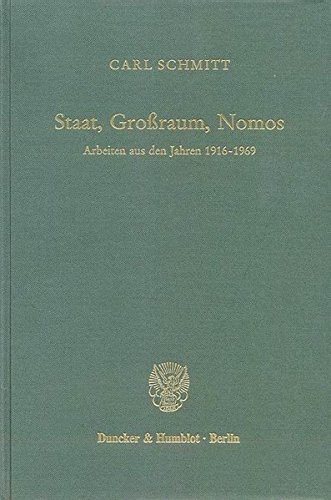 Le "pluriversum" comme nouvel ordre planétaire
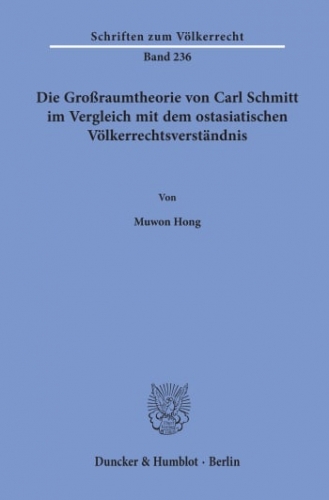 Schmitt, en excluant toute conception universaliste du droit international parvient à la conclusion que l'ordre du monde ne peut se réaliser sans antagonismes entre les grands espaces, ou sans la domination d'un centre sur sa périphérie. Toutefois il reconnaît l'exigence d'une autorité supérieure, en mesure de trancher sur les différends et les tensions entre forces régulières et irrégulière, intérieures et extérieures. Il est incontestable que l’État moderne se distingue de tous les autres, pour avoir dompté, à l'intérieur de ses frontières, la relation ami-ennemi , sans l'avoir totalement supprimée.
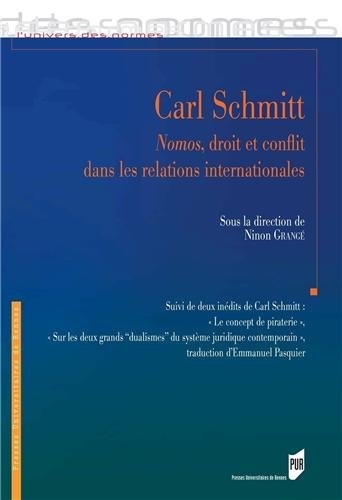 Ce dilemme et cette problématique rapprochent Schmitt et Kissinger, au delà de leur plaidoirie respective en faveur de l'Allemagne ou des Etats- Unis.