



 del.icio.us
 Digg
Digg Facebook
 On l’aura au moins dit une fois.
 Le film donc dénonçait notre déshumanisation progressive et indolore sous l’effet de la technique et de la communication. Et ce n’est pas moi qui le dit mais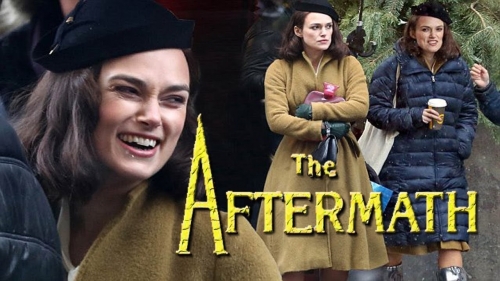
“Then the Lord rained brimstone and fire on Sodom and Gomorrah, from the Lord out of the heavens.” — Genesis 19:24
Despite the fact that reviews of Rhidian Brook’s semi-biographical familial novel The Aftermath (2013) offered the tentative possibility of a balanced insight into one of the most apocalyptic and wholly unnecessary acts of brutality in the whole of the Second World War, I, being the cynic I am, still expected nothing more from the book’s screen adaption than the usual Hollywood-style travesty: a set filled with stilted stereotypes mouthing the predictable, formulaic script that reinforces the notion of a “just war” and exonerates the perpetrators because they were allegedly fighting a crusade against the completely unprecedented and unjustified victimization of the Jewish community by monstrous megalomaniacs in highly polished jackboots, driving about in sleek, black cars adorned with swastika pennants. But instead what I saw was, if a little too predictable and woodenly performed in certain parts, a reasonably well-crafted cinematic experience that supported a thin and slightly contrived narrative that, intended or not, subverted the paradigm of good Allies and bad Germans that the media and our educational institutions bombard us with every day.
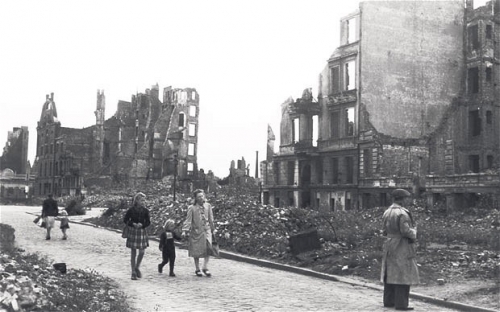
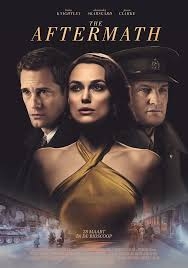 Cinematographer Franz Lustig’s opening scenes confront even the most unsuspecting and ill-informed audience with the sight of an almost obliterated Hamburg filled with crumbling buildings. Raw footage shows, or at least intimates, that a deliberate and premeditated plan had achieved its desired effect of sending Germany back to the Stone Age. This plan, codenamed Operation Gomorrah, which was at the time the heaviest aerial assault ever undertaken, was later called “Germany’s Hiroshima” by British Bomber Command. Reel after reel offers shocking images: black-and white photo montages of the chaff-filled skies and the abhorrent results of the merciless firebombing that had raised a four-hundred-and-sixty-meter scorching-hot tornado that reached temperatures of up to eight hundred degrees Celsius, and swept over twenty-one square kilometers of the city. Carried out by Lancaster, Wellington, Stirling, and Halifax aircraft, their blockbuster bombs turned asphalt streets into rivers of flame, asphyxiating young and old alike in a sea of carbon monoxide, and as one eyewitness later recalled, it “sucked people like dry leaves into its molten heart.”
These macabre and shameful acts – which were approved by Churchill’s Westminster clique –took place in late July and early August of 1943, and incinerated at least forty-two thousand civilians and injured at least thirty-seven thousand. The population and infrastructure of this once fine and free Hanseatic city, situated on the banks of the River Elbe, were deliberately targeted. This policy was repeated over and over again across many other unique and culturally rich medieval and Baroque German cities, most notably Dresden, where historians like David Irving, author of The Destruction of Dresden (1963), showed that the horrors and death toll were far higher even than in Hamburg and the rationale even less clear. The makers of The Aftermath include pitiful shots of a troglodyte-like people still shoveling the melted skeletons and ash-powder corpses of their neighbors and families out of the rubble-strewn streets, six months after the German surrender.
At this point, we are introduced to an idealistic British Colonel, Lewis Morgan, brilliantly acted by Jason Clark and probably the film’s most sympathetic character. We soon come to realize that he is deeply impacted not only by the death of his own son during a German air raid, but also by the things he has had to do on behalf of British intelligence as part of the war effort. As the Colonel leading mop-up operations, he has no doubt been at places like Bad Nenndorf, where German POWs were subjected to illegal torture at the Combined Services Detailed Interrogation Centre (CSDIC) between 1945 and 1947. Morgan mutters, “We dropped more bombs on this city in one weekend than they dropped on London in the whole war.”
This is a throwaway line, but one that sets the tone for everything thereafter, implying the disproportionate scale of retribution suffered by German civilians: over 214,350 homes were destroyed by 22,580 tons of bombs that rained down on Hamburg. Among the incalculable losses was the Nikolaikirche (St. Nicholas Church), a marvel that was built in 1195 and was once the tallest building in the world. A surgeon with the US Air Force commented in January 1946 that the effects of the atomic bomb dropped on Nagasaki “were not nearly as bad as the fire effects of the RAF raids on Hamburg on July 27, 1943.”
Little wonder, then, that the subsequent episodic scene involves a young Werewolf operative being shot as he tries to escape after being caught following an act of sabotage (the Werewolves were a German guerrilla resistance force trained to fight behind enemy lines as the Allies occupied the country). His killer is another British intelligence officer called Burnham, who we discover later is a highly belligerent, aggressive, and boorish man who harbors a deep hatred for the locals, and whose wife, in a gossipy dialogue with Lewis Morgan’s recently arrived and sexually estranged spouse Rachael (Keira Knightley), warns, “Behind their smiles, their hatred is still there.” This is a suspicion that feeds Rachael’s already troubled soul as she continues to grieve for her lost boy and acts out her anger and frustration on the Lubert family, giving voice to unfounded prejudices such as, “When all is said and done, Germans are bad.” These statements ape the guidebook that her surviving son, Edmund (who is featured in the book but not the movie), is told to read, and which instructs members of the occupying forces and their families on how to deal with the population: “Don’t try to be kind – this is regarded as weakness. Keep Germans in their place. Don’t show hatred: the Germans will be flattered.”
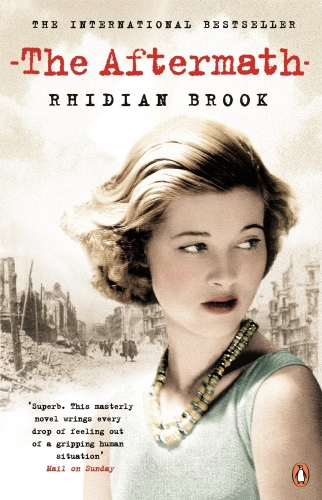 Stefan Lubert (Alexander Skarsgard), a widower, and his daughter Freda (Flora Thiemann), are the people whose palatial home Rachael has in effect invaded when it is requisitioned by the occupying forces to billet the Morgans. Rachael insists, “I want them out!”, which means in effect expelling them to the refugee camps. She also asks them difficult questions about a certain portrait that had only recently been removed from a place of honor over their fireplace and hurriedly replaced by another painting. These are petty acts of spiteful sadism that were no doubt common practice and openly endorsed by the non-fraternization code at that time, but in the context of the film’s narrative clearly signals more about Rachael’s own insecurities than it does about any misdemeanors or malicious intent on the part of those in whose home she resides.
Rachael’s feelings of vengeful ill-will are not, however, shared by her husband, who offers several acts of kindness, like when he cradles the head of the dying Werwolf Burnham shoots, as well as his refusal to expel the Luberts from their home. These show him to be an honorable man. In one very revealing conversation with his young driver, he speaks of the shame he feels for the things he has had to do on behalf of His Majesty’s Armed Forces, and wonders how his wife would react if she knew the things he had done during the occupation. This is a refreshing and honest confession filled with a sense of sincere regret, compassion, and generosity of spirit that at first his wife understands, but which eventually drives an even bigger wedge between the two, who have been separated emotionally and physically as well as geographically for some time.
Despite the awful change in their circumstances and the obvious resentment they would very naturally feel, it is the Luberts’ quiet dignity in the face of suffering terrible injustice that makes the most positive impression. Herr Lubert is a handsome and, despite the deprivations of the time, well-dressed man trying to keep up appearances; almost a dapper gentleman, as the English might say in their more pungent moments. He is also a respected architect, who had once been very rich and well-connected at the Hamburg ports. His wife was killed in a British air raid. He is morally grounded, pragmatic, and upstanding, imbued with all those Prussian virtues we Anglos assume of the Germans. One suspects, however, that his political inclinations – if he has any at all – are probably more of the German conservative variety of the time, rather than National Socialism. He is made to answer the Fragebogen, which was a questionnaire issued by the occupying forces intended to determine the extent of a German’s collaboration with the Hitler regime consisting of 133 questions; this led to one being classified as black, grey, or white, with some intermediate shades. Stefan is confronted by the aforementioned Burnham, and there are hints that the British suspect that the deceased Frau Lubert was more involved with the former regime than her husband would like to admit. Burnham ignores the atrocities committed at the nineteen American Rheinwiesenlager camps, where the Red Cross was denied access and which some historians – such as the Canadian, James Bacque, author of Other Losses (1989) – believe that up to a million German prisoners-of-war were starved to death. Instead, he waves photos of the other camps in Stefan’s face and asks, “Did you know?” The scene ends with Stefan saying he wished “things could go back to how they were” and walking out, refusing to shake the hand Colonel Morgan offers in a gesture of solidarity and understanding.
The novel upon which the movie is based contains a similar, and rather marvelous, vignette set in a certification office: a cold, sinister gentleman, who could easily be a character from Arthur Koestler’s Darkness at Noon (1940) or George Orwell’s 1984 (1949), slowly turns the pages of a novel with gloved hands, O’Brien style, before he gives Stefan his clearance papers. At the same time, a nervous young woman who is also awaiting a decision is ominously told to come back for further interrogation. This proves that the stereotypes that we are all force-fed about the last European Civil War should no longer apply, and our deeply-held assumptions and prejudices need to be constantly challenged.
And challenge is what Freda, Stefan’s daughter, does best. It is as if she has become the repository for all the fallen Reich’s energy. In Brook’s text, she exercises using Thomas Mann’s voluminous book The Magic Mountain as a counterweight. “You should try Shakespeare, or perhaps the Atlas,” her father tells her after she flashes her knickers as a sign of dominance over Edward, and later delivers a chamber pot full of hot piss to his room.
In the film, it is obvious from the outset that the selection of Flora Thiemann to play Freda was a masterstroke of casting. With her natural good looks and pristine Gretchen wreath braids, she is a model for the Bund Deutscher Mädel (BDM) in the mode of Ilse Hirsche, who was a member of the Werewolf team that executed Franz Oppenhoff, the Allied-appointed Mayor of Aachen. One can practically see her marching to “onward, onward, fanfares are joyfully blaring; onward, onward, youth must be fearless and daring; Germany, your light shines true, even if we die for you” as she walks about her house in her prim-pleated skirt, tailored blazer, and brown leather satchel at her side. Her wardrobe is so reminiscent of the BDM girls on parade in their navy-blue skirts, brown jackets, and twin pigtails. This is imagery that even Inge Scholl of the anti-Nazi White Rose group admitted had a “mysterious power,” and which mesmerized the public as they marched in “closed ranks, banners waving, eyes fixed straight ahead, keeping time to the drumbeat.” German girls were brought up on the principles laid down by their leader, Jutta Rüdiger, who made a speech in 1937 that set out the BDM’s goals:
The task of our League is to bring young women up to pass on the National Socialist faith and philosophy of life, girls whose bodies, souls, and minds are in harmony, whose physical health and well-balanced natures are incarnations of that beauty which shows that mankind is created by the Almighty . . . We want to train girls who are proud to think that one day they will choose to share their lives with fighting men. We want girls who believe unreservedly in Germany and the Führer, and will instill that faith into the hearts of their children. Then National Socialism and thus Germany itself will last forever.
These are the sort of girls who trained with small arms and fought side-by-side with their male counterparts of the Jungvolk in defense of the Pichelsdorf bridges in Berlin. Freda, literally brimming with the self-confidence and instinctive superiority that her heritage and upbringing bestows on her, seethes with resentment at her family and nation’s defilement at the hands of these interlopers. She steals a cigarette box and a treasured photo of Lewis Morgan with his deceased son, delivering them to a young man who is involved with the underground resistance, played by the up-and-coming actor Jannik Schuman (who was himself born in Hamburg in 1992). In a telling scene filled with emotion, he reaches into the dirt at his feet and, raising a clenched fist, lets the soil run between his clasped fingers, telling Freda that it is filled with the dust of their city and the bones of German girls just like her. A similar theme appears when Morgan is sent to interrogate an SS officer who is being imprisoned in the Russian zone and has clearly been ill-treated. His unrepentant adversary tells him that the Werewolves would come in the night to slit their throats and kill their women in revenge for what the Allies had done.
While Lewis is away doing his duty, his wife, who has been wandering aimlessly around the Luberts’ Elsinore-like mansion, slowly but surely overcomes her pre-conceived ideas about all Germans being evil. She goes on to have a torrid affair with the fair-haired widower, which involves Knightley delivering her stock-in-trade nude scene a la Atonement (2007). The resulting nerve-jangling question of, “Will she or won’t she run away with Stefan to start a new life?”, is the weakest thread in the film, but one which does facilitate a virtuoso cry from Jason Clark’s heart when he realizes he has been cuckolded. Simultaneously, Freda’s young beau puts a burning cigarette on Lewis’ much-loved photo of his lost son and loads a pistol in preparation for his assassination. The attack is botched, however, and only kills Lewis’ young driver. After a spine-tingling chase through snow-filled woods, the young German, trapped on an ice flow, screams contemptuously at Lewis, who is aiming a gun at him, to “Do it!” before drowning as the crack symbolically widens beneath him. Young Freda’s anguished cry of frustration then resounds through the dark northern cedars.
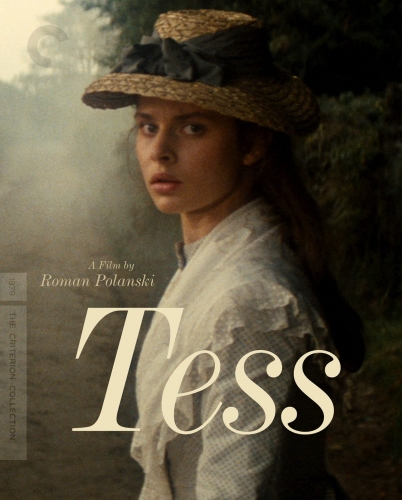 En revoyant le ghost writer de Polanski, j’ai compris pourquoi ce maître impertinent avait connu tant de problèmes avec la justice américaine. Il y est fait mention des conspirations anglo-saxonnes à travers le monde, du comportement de Tony Blair, des guerres médio-orientales de Bush, ainsi que du train de vie oligarque des hommes politiques postmodernes (« à moi la belle vie », comme disait Sarkozy). Et il est facile de voir dans l’œuvre de Polanski une récurrence : la critique radicale des élites – voyez Tess, le bal des vampires, ou bien sûr le grand classique Chinatown. On rajoutera le Couteau dans l’eau, qui dénonçait audacieusement la nouvelle bourgeoisie communiste et on n’oubliera pas le bébé de Rosemary, dont j’avais souligné le contenu subversif dans ma Damnation des stars publiée en 1996 chez Filipacchi.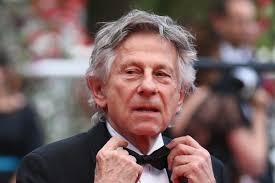
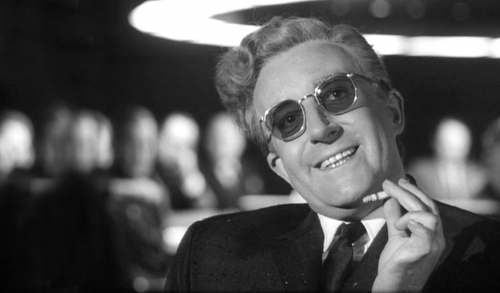
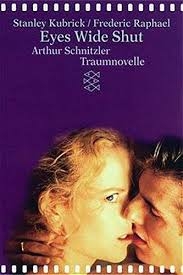 « Ziegler pourrait jouer lui au contraire un rôle d’élite cosmopolite et rigolarde, aimable et protectrice (à la manière de certains hiérarques socialistes ?). Dans sa manière de traiter Bill paternellement, il nous rappelle ce mot d’esprit cité par Freud à propos d’un petit-bourgeois qui se croyait ami de Rothschild :
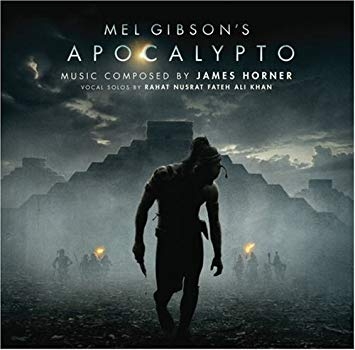 The film does not fall short of its epic ambitions, and its success is a testament to Gibson’s vision and his technical mastery as a filmmaker. Even his many enemies have to admit that he is one of the most talented directors alive today.

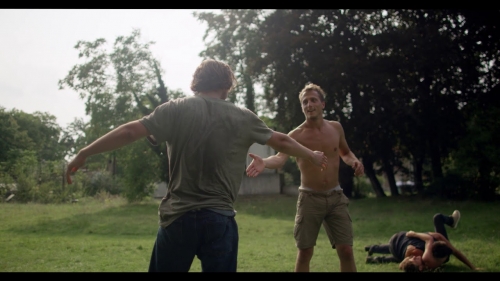
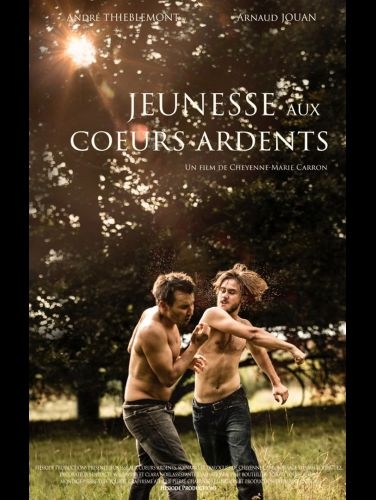 Un jour, leur victime est un ancien militaire ayant servi dans la Légion étrangère et ayant fait la guerre d’Algérie. Henri, « le capitaine », refuse de baisser les yeux comme le lui ordonne un complice de David. C’est là l’acte fondateur de ce qui, petit à petit, provoquera chez David une admiration, voire une fascination, pour cet homme âgé dont la vie consiste à défendre des valeurs fort éloignées de son monde à lui en même temps que l’honneur et la mémoire de ses anciens soldats.
 Henri, lui, c’est André Thiéblemont, un véritable ancien officier de Légion. Dans le film, c’est un taiseux et ses silences sont souvent plus évocateurs que ses rares paroles. Ses yeux bleus parlent pour lui, mais c’est avant tout une « gueule » impressionnante et dont la vérité crue des expressions nous émeut.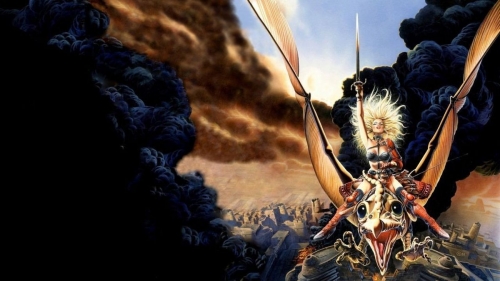
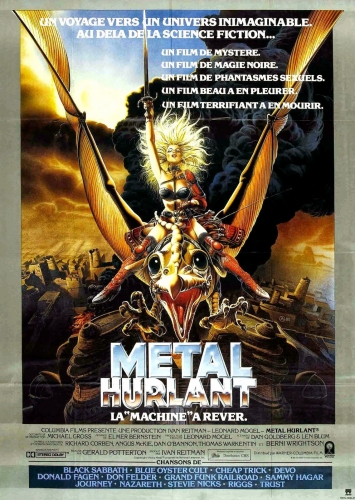 S’inspirant de la revue éponyme, le film de Gerald Potterton, produit par Ivan Reitman, est le symptôme de son époque. Il est l’adolescent qui, au « Qu’ai-je fait pour avoir un fils pareil ! » réponds en hurlant et en branchant sa guitare électrique. C’est ce que raconte Métal Hurlant, film nihiliste et bruyant qui suit les aventures du Loc-Nar, une bille verte symbolisant le mal absolu.
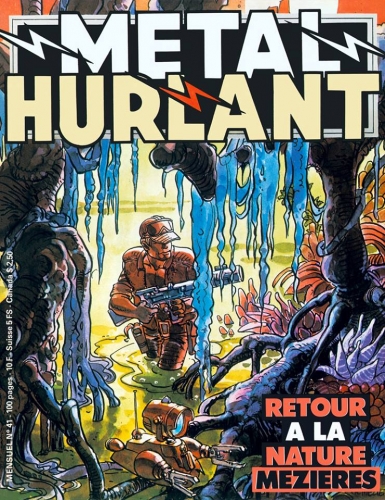 Mais les adolescents en ébullition des années 80 trouvèrent dans Métal Hurlant ce que tous les jeunes garçons cherchent : de la bagarre, et des femmes nues. Entre récits d’aventures vaguement pulp et film d’animation, les (anti) héros de Métal Hurlant sauvent, séduisent et couchent avec de splendides jeunes femmes (et parfois dans le désordre). L’exception notable est le personnage de Taarna (personnage aux caractéristiques arthuriennes étonnantes) puisqu’il s’agit d’une femme et qu’elle se bat à moitié nue; et sans coucher avec personne, ni prononcer un mot, d’ailleurs.

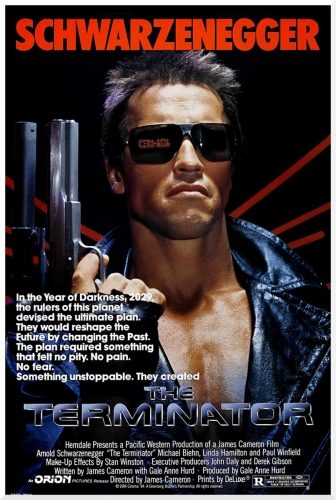 La guerre contre la machine...


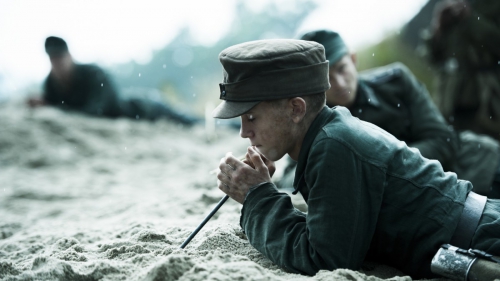
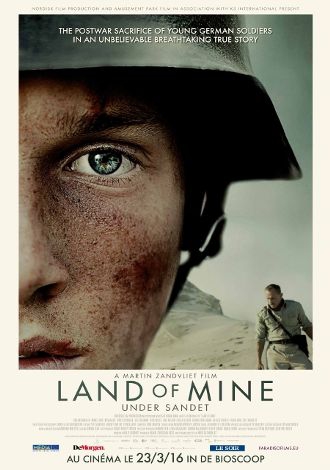 Directed by Martin Zandvliet, Land of Mine is the Danish entry for Best Foreign Film in the upcoming Academy Awards. I despise the Oscars, but even I might take a peek to see if it wins. Nordisk Film claims their standard for Oscar entries is that it must be cinema with high cultural value to the Nordic countries, and in this effort they certainly succeeded. It is one of the most moving war dramas I’ve seen.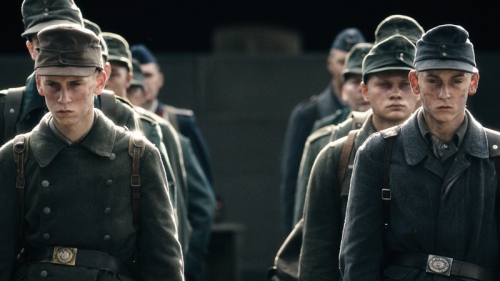

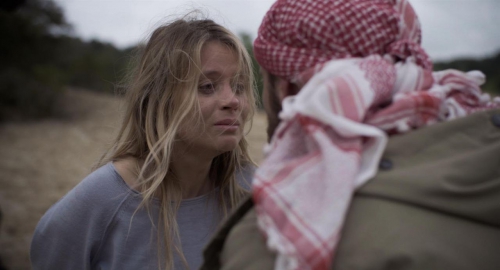
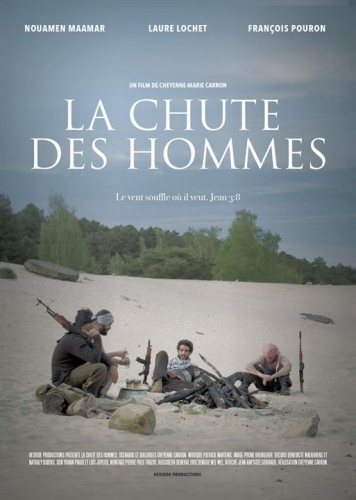 Lucie est une jeune Parisienne, fille d’un père aux convictions païennes et d’une mère chrétienne d’origine ukrainienne. Spécialiste des parfums, elle doit se rendre dans un pays oriental (dont le nom ne sera, à dessein, jamais indiqué) pour mener une recherche dans le cadre de son sujet d’étude, à savoir « l’histoire des odeurs et la mémoire des peuples ». Le thème des parfums reviendra d’ailleurs comme un leitmotiv tout au long du film, qui aurait tout à fait pu être une œuvre tournée en odorama ! Les choses ne se passent toutefois pas comme prévu et, peu après son arrivée, la jeune fille, trompée par un chauffeur de taxi, est livrée à un groupe de djihadistes qui la prennent en otage pour obtenir de l’argent de la France. L’histoire nous est racontée tour à tour selon trois perspectives : celle de Lucie, celle de Younes (le chauffeur de taxi en proie à un dilemme moral et que les difficultés économiques contraignent à se faire le complice des islamistes) et celle d’Abou (un djihadiste d’origine française qui va peu à peu être assailli de doutes sur son engagement à mesure que la situation se dégrade).
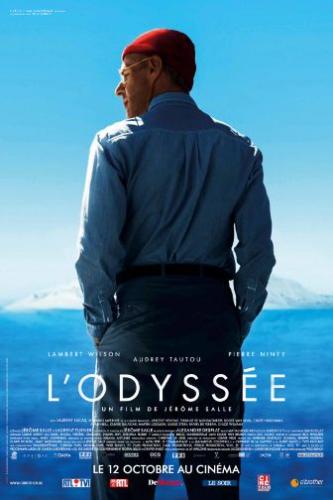 Autour de la figure de Jacques-Yves Cousteau, interprété par Lambert Wilson, L'Odyssée, film de Jérôme Salle, César du meilleur premier film pour Anthony Zimmer, nous entraîne dans trente années qui vont forger un mythe en même temps que changer le monde : 1949-1979. Deux mondes que toute oppose. Derrière l'Odyssée, nous assistons plutôt à une série d'odyssées, celle de la famille Cousteau, celle de la France triomphante des Trente Glorieuses, celle, au final, de l'écologie balbutiante.
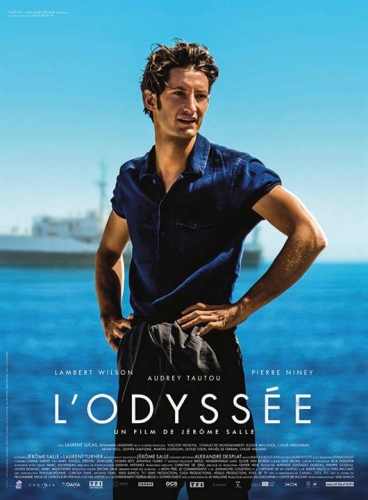 Le rêve Cousteau se transforme ainsi peu à peu en cauchemar pour son équipage et son épouse, attachés à la Calypso, alors que le Commandant se rend dans les soirées mondaines à New-York ou à Paris. La décrépitude de son épouse, qui ressemble de plus en plus à une tenancière de bistrot de province, contraste avec l'allure de son mari, toujours impeccablement habillé, signant des autographes et séduisant les femmes. L'archétype de l'homme français, séducteur et agaçant qui parvient parfois à conquérir l'Amérique.
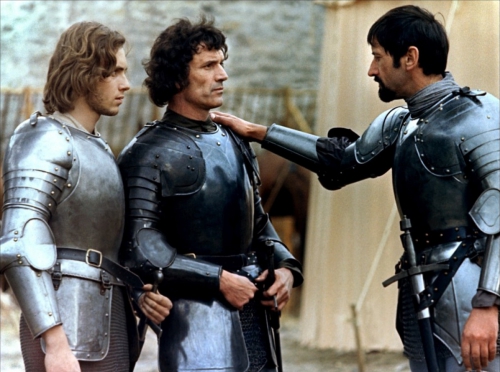
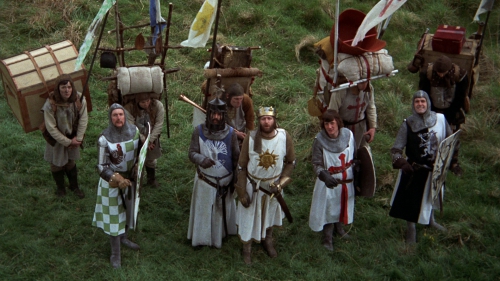
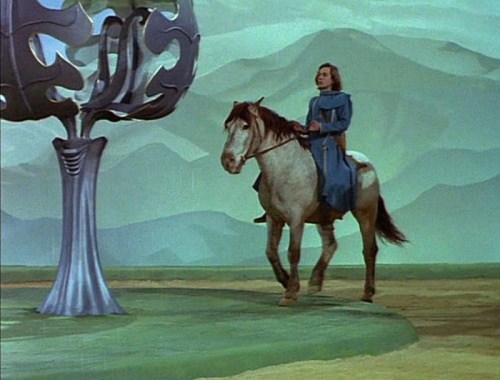

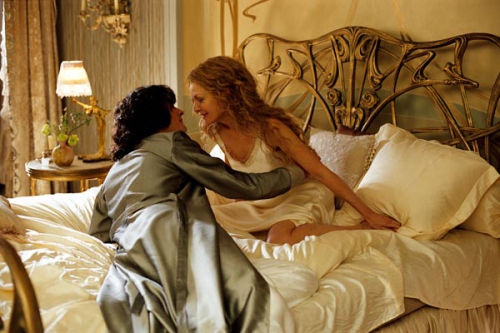

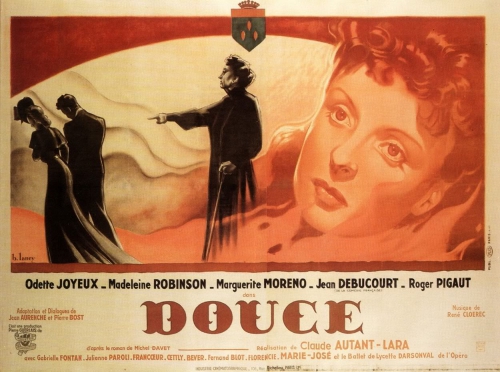
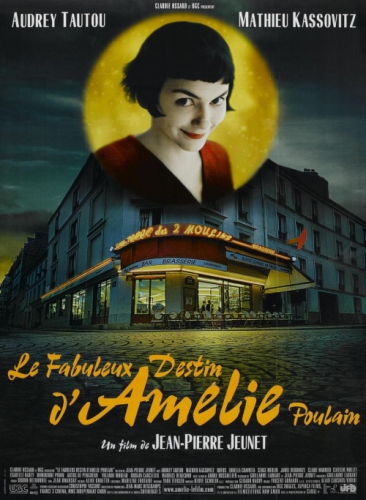
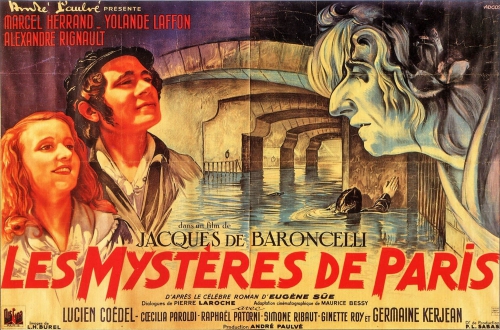
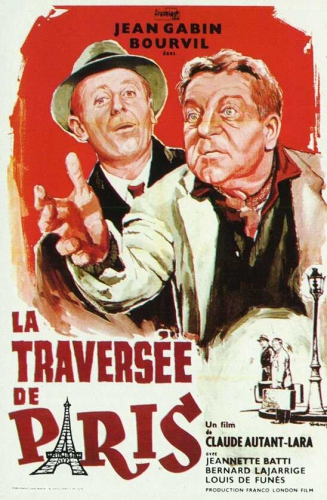 Paris est occupée par les armées du Reich en cette année 1943. La pénurie d'essence, sévissant en France, réduit à l'inactivité le chauffeur de taxi Marcel Martin. Le chauffeur survit en transportant clandestinement des colis destinés à l'alimentation du marché noir. L'activité n'est pas sans risque et Martin apprend que son compère vient d'être arrêté par la police. Il lui faut le remplacer au plus vite. Dans un bistrot, Martin fait la connaissance impromptue de Grandgil, qu'il prend pour un plâtrier, qui acceptera d'entreprendre la traversée de Paris. Le duo se rend chez Jambier, épicier de la rue Poliveau. L'épicier les charge de convoyer un cochon réparti dans quatre valises dans une boucherie de la rue Lepic. Six kilomètres périlleux au cours desquels toutes les péripéties peuvent se produire. A plus forte raison lorsque le nouvel acolyte Grandgil se révèle vite incontrôlable...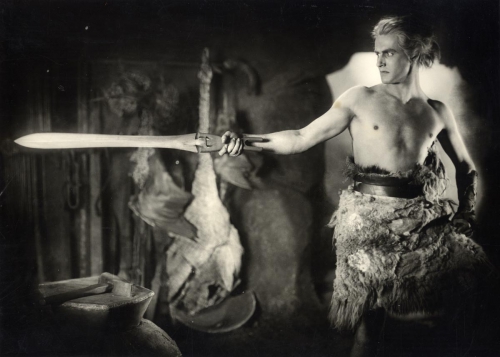
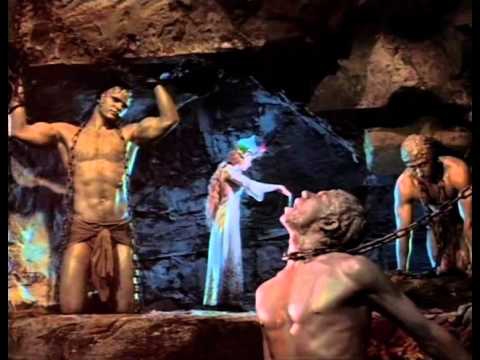
 Cette industrie artistique a aidé à comprendre (même si elle a parfois caricaturé ou recyclé) la beauté du monde ancien, tellurique et agricole qui allait disparaître. Le cinéma japonais est magnifique dans ce sens jusqu’au début des années soixante. Et donc l’objet de ce livre est de pousser la jeunesse à redécouvrir l’esprit de la Genèse, la nature, les animaux, les cycles, les hauts faits, les voyages et les grandes aventures initiatiques. Les romains, dit déjà Juvénal dans ses Satires, connurent le même problème, les enfants ne croyant même plus aux enfers ! C’est un livre sur la poésie de la vie et des images qui nous aident à l’affronter aux temps de l’existence zombie et postmoderne.






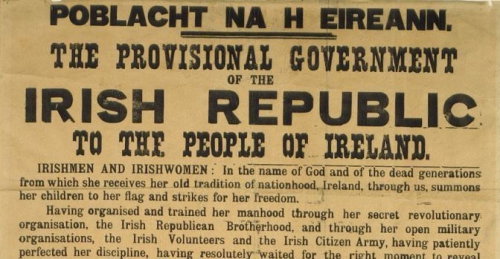
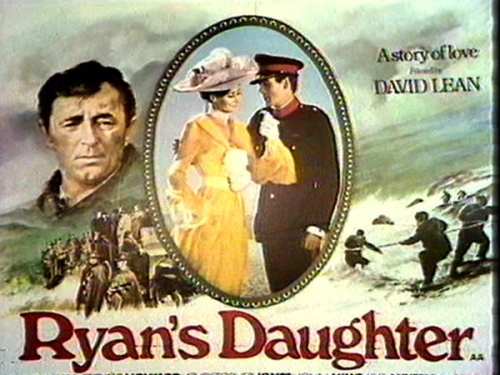
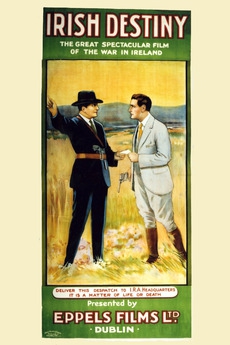 En 1919, la lutte pour l'indépendance de l'Irlande vient de débuter. Les sombres Black and Tans poursuivent inlassablement les rebelles indépendantistes. Le petit village de Clonmore est l'un des théâtres d'opération. Volontaire républicain, Denis O'Hara apprend au cours de la descente que la police investira le lieu d'une réunion secrète, qui doit se tenir non loin de Dublin, afin de discuter des actions à mener. Afin de déjouer l'arrestation de chacun, O'Hara tente de prévenir ses camarades mais est touché par une balle etbbientôt appréhendé. Son arrestation le fait échouer dans sa tentative. O'Hara est emprisonné à Kildare. Sans nouvelle du jeune homme, la famille du prisonnier le croit mort. Sa mère perd la vue sous le choc de la nouvelle tandis que sa fiancée Moira est enlevée par Gilbert Beecher, traitre acquis aux loyalistes. Le jeune O'Hara parvient néanmoins à s'échapper et regagner son village...
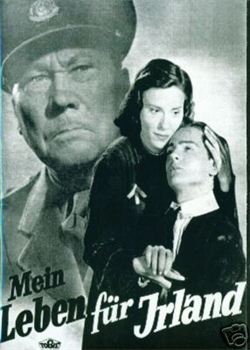 Dublin en 1903, Michael O'Brien est capturé. L'activiste indépendantiste est suspecté d'un attentat meurtrier sur des policiers de Sa Majesté. La justice condamne le jeune O'Brien à mort après une parodie de procès. Pendant sa détention, sa fiancée enceinte Maeve Fleming le visite en prison et obtient l'autorisation de l'épouser avant qu'il ne soit pendu. O'Brien lui remet une croix d'argent qu'arborent les nationalistes irlandais et sur laquelle sont gravés les mots "Ma vie" et "Irlande". Puisse cette croix revenir un jour au fils qu'O'Brien ne verra jamais... 1921, O'Brien n'aura effectivement jamais connu son fils qui passe cette année-là son baccalauréat dans un collège anglais. Sa condition de fils d'un rebelle lui a imposé une éducation spécifique par l'occupant sous la férule de Sir George Baverly qui veut en faire un parfait Britannique. Ainsi sont éduqués les mauvais Irlandais comme Michael Jr. Il se peut qu'il en faille plus qu'un conditionnement sous haute surveillance pour transformer un fils de rebelle en fidèle sujet de la Couronne...
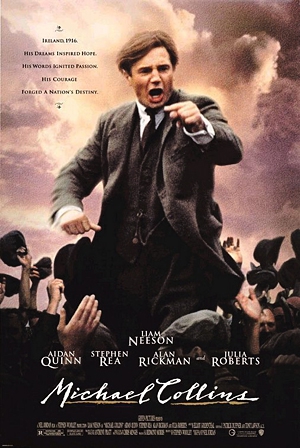 Pâques 1916, l'atmosphère est lourde dans la cité dublinoise. Chacun sent bien que des événements vont se produire. Si la rébellion d'une poignée d'insoumis irlandais éclate bien, l'issue des combats ne laisse aucun doute tant la supériorité technique des troupes anglaises est remarquable. Nombre de patriotes irlandais sont tués dans les combats. Beaucoup d'autres sont arrêtés, tel Eamon De Valera, président du Sinn Fein. On fusille des prisonniers parmi lesquels le révolutionnaire national-syndicaliste Connolly. L'insurrection est noyée dans le sang et provoque une détermination infaillible chez les survivants. Parmi les jeunes insurgés à avoir échappé à la mort, Michael Collins se jure que 1916 constituera le dernier échec des indépendantistes. Face à un ennemi supérieur en armes, la surprise doit-elle prévaloir. Aussi, la priorité est-elle l'élimination des espions. Avec l'aide de son fidèle ami Harry Boland et l'appui d'un informateur anglais, Collins devient le héraut républicain, entreprend la neutralisation des traitres et prépare une véritable stratégie de harcèlement militaire qui porte ses fruits. Le traité de 1921 accorde l'indépendance à la majeure partie de l'île. L'Ulster reste sous domination britannique, faisant se déchirer la famille républicaine...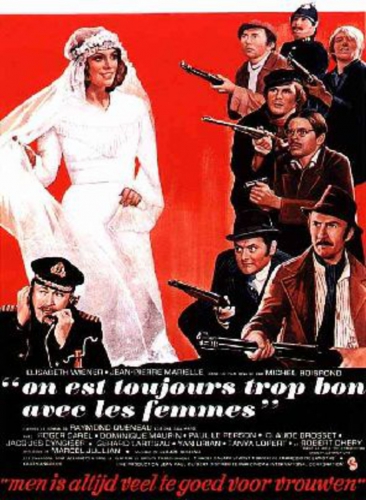
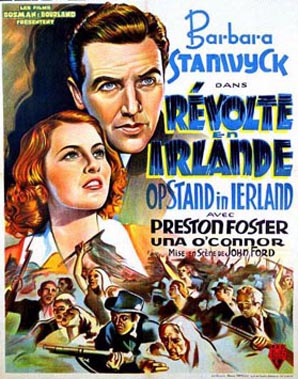 Pâques 1916 en Irlande. Les troubles agitent Dublin. L'insurrection..., Nora Clitheroe aimerait s'en tenir la plus éloignée possible. Mais voilà..., son époux Jack vient d'être nommé par le général Connolly commandant d'une unité. L'époux doit prendre immédiatement ses fonctions. Les dirigeants du Sinn Fein viennent de proclamer l'indépendance. Une indicible peur envahit l'épouse lorsqu'elle apprend que l'homme qu'elle aime éperdument reçoit l'ordre d'investir le bâtiment des Postes. Les rebelles possèdent l'avantage de la surprise et se battent vaillamment. Mais les nombreuses forces loyalistes écrasent sans difficultés la hardiesse des volontaires irlandais. Poursuivi sur les toits de la cité, Jack peine à retrouver Nora tout en continuant de tirer ses cartouches. Son amour pour Nora ne le fera guère abandonner la lutte armée...
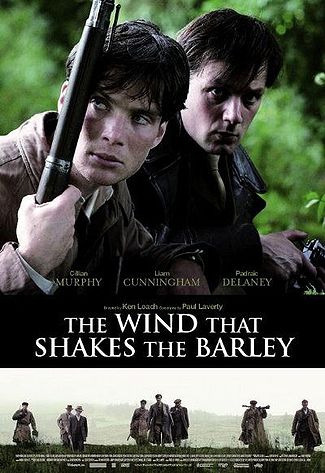 Les années 1920 en Irlande. Des bateaux entiers déversent leur flot de Black and Tans pour mâter les rebelles qui poursuivent la lutte pour l'indépendance après l'échec de l'insurrection de Pâques 1916. Les exactions sont nombreuses et la répression britannique impitoyable. A l'issue d'un match de hurling dans le comté de Cork, Damien O'Donovan voit son ami Micheál Ó Súilleabháin sommairement exécuté sous ses yeux. Malgré quelques hésitations, Damien plaque la jeune carrière de médecin qu'il devait débuter dans l'un des plus prestigieux hôpitaux londoniens pour rejoindre son frère Teddy, commandant de la brigade locale de l'I.R.A. Dans tous les comtés, des paysans rejoignent les rangs des volontaires républicains et bouter l'Anglais hors de l'île. Au prix de leur sang, et d'indicibles tourments, les volontaires de l'I.R.A. changeront le cours de l'Histoire...