Les Jeux olympiques. Histoire et alternatives
Konstantin Stepanov
Ex: https://www.geopolitica.ru/article/olimpiyskie-igry-istoriya-i-alternativy
Antiquité
Pour commencer à parler de la situation actuelle du mouvement olympique, il n'est pas superflu de rappeler où tout a commencé.
L'établissement des jeux dans l'ancienne Olympie remonte aux dactyles, des êtres chthoniens qui ont poussé dans le sol sous les doigts de Rhéa, qui a donné naissance à Zeus. Voici ce que Pausanias écrit à ce sujet dans sa "Description de l'Hellas" (livre V, chapitre VII).
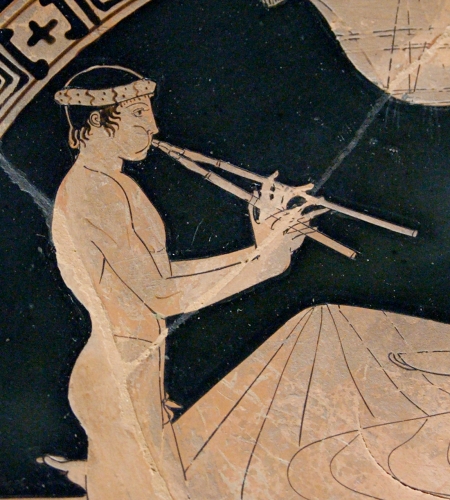
"En ce qui concerne les concours olympiques, les experts aéliens de l'Antiquité racontent qu'au début, Kronos régnait dans le ciel et qu'à Olympie, un temple à Kronos fut construit par les gens de l'époque qu'on appelait la génération dorée. Lorsque Zeus naquit, Rhéa confia l'enfant à la garde des Dactyles de l'Ida, qui étaient aussi appelés Kuretes (Curètes); ils venaient de l'Ida crétoise et se nommaient Héraclès (note 1), Peoneus, Epimedes, Jasius et Idas. Au cours des plaisanteries et des jeux, Héraclès, qui était le plus âgé d'entre eux, les défia dans une course et couronna le vainqueur d'une branche d'olivier sauvage; ils avaient tant d'olives sauvages qu'ils dormaient dessus, utilisant comme tapis les branches vertes sous eux. On dit qu'Héraclès a apporté le rameau d'olivier sauvage aux Hellènes depuis le pays des Hyperboréens, et que ceux-ci étaient le peuple qui vivait au-delà du vent <nord> de Borée. <...> Ainsi, Héraclès l'Idéen fut le premier à instituer ces jeux, et il fut le premier à leur donner le nom d'olympiques. Il a été établi qu'elles devaient se tenir tous les cinq ans, car leurs frères étaient au nombre de cinq. Certains disent que Zeus s'est disputé le pouvoir avec Cronos lui-même; d'autres disent qu'il a fondé les jeux après l'avoir vaincu. D'autres <dieux> sont également appelés vainqueurs, comme Apollon, qui a vaincu Hermès dans une course, et Arès qui l'a vaincu dans un combat à mains nues. C'est pour cette raison que le jeu des flûtes pythiques aurait été introduit lors du concours de saut au pentatl (note 2), car la flûte était dédiée à Apollon et Apollon lui-même était le vainqueur des Jeux Olympiques".
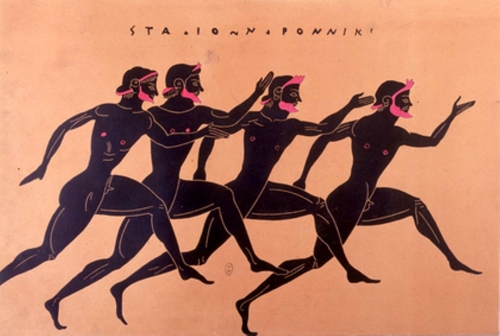
Aucune information historique précise sur les premiers jeux d'Olympie n'a été conservée. On sait seulement qu'au VIIIe siècle avant J.-C., les jeux olympiques ont été repris par le législateur spartiate Lycurgue et le roi Iphitheus d'Alyde. Ce sont ces compétitions, organisées comme les Jeux olympiques modernes une fois tous les quatre ans, que nous connaissons sous le nom de "Jeux olympiques antiques" ou "Jeux olympiques de l'Antiquité".
Il convient de noter que les compétitions à Olympie n'étaient pas les seules en Grèce à cette époque. Les Jeux pythiques à Delphes, les Jeux isthmiques à Corinthe, les Jeux néméens à Argos et les Jeux panathénaïques à Athènes. Dans certaines régions, il s'agissait de compétitions purement athlétiques (agonie au sens moderne du terme) ; d'autres étaient des concours de chanteurs, de poètes et de musiciens (comme les Jeux pythiques) ; d'autres encore combinaient à parts égales agonie athlétique et agonie musicale, comme les Jeux panathénaïques.
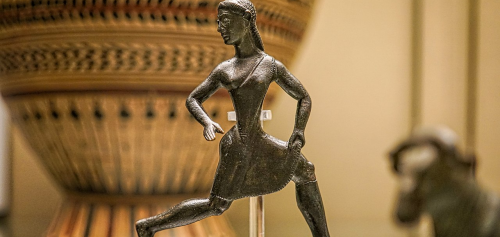
Il convient également de mentionner les Jeux héréens, qui se sont également tenus à Olympie un mois après les Jeux olympiques, et auxquels seules les filles ont participé (contrairement aux autres jeux, où traditionnellement seuls les hommes participaient et étaient présents en tant que spectateurs).
Cependant, si l'on se rappelle les intrigues de la mythologie antique, les compétitions de course, de lutte, de lancer de javelot, de disque ou de tir à l'arc sont constamment utilisées par les dieux et les hommes pour résoudre certaines situations litigieuses, étant un substitut à un conflit / une guerre entre deux ou plusieurs héros.
Des morceaux tels que :
- La compétition de course à pied entre Apollon et Hermès et la compétition de lutte entre Apollon et Arès mentionnées par Pausanias ;
- La compétition entre les prétendants de Pénélope, remportée par le jeune Ulysse ;
- Hercule rivalise dans le pentathlon avec le roi de Sicile, Erix, dans la course de chars il bat Cicna, fils d'Arès, il rivalise avec Eurytes au tir à l'arc, avec Persée au lancer du disque, avec Jason à la rame ;
- Thésée, Jason et Hercule sont devenus célèbres en tant que grands lutteurs; Achille était connu comme un coureur invincible.
Il n'est pas surprenant que les Hellènes aient vu dans les vainqueurs des concours l'incarnation de héros tels qu'Hercule, Thésée ou Achille. Les poètes helléniques glorifiaient les Olympiens en vers, les dirigeants de la polis les couvraient d'honneurs et recherchaient leur faveur, et les victoires de leurs concitoyens aux Jeux étaient considérées comme la faveur des dieux pour leurs villes et leurs pays. Les Olympiens eux-mêmes sont devenus des stratèges, des législateurs, des tyrans et des fondateurs d'écoles et d'enseignements philosophiques - on sait, par exemple, que Pythagore (à Olympie) et Platon (à Corinthe) ont remporté les jeux.
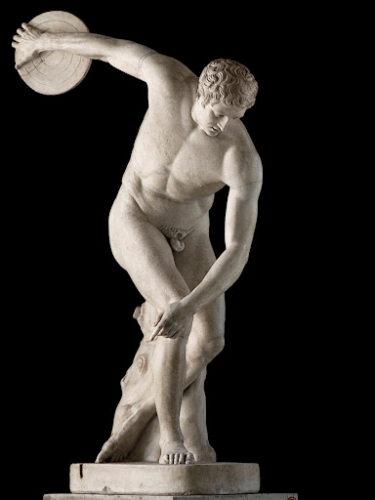
Selon Jakob Burckhardt, les jeux sportifs étaient une expression de l'esprit de compétition (agonistique) inhérent à la civilisation hellénique. Cette qualité était la base de la vision de chaque citoyen de la polis et du monde grec dans son ensemble. On peut dire que c'est ce qui distingue fondamentalement la culture hellénique de toutes les autres cultures modernes. Cela est peut-être dû au fait que le monde grec était fragmenté en petites polis-états et leurs colonies éloignées associées, lorsque la "guerre de tous contre tous" était une norme d'existence, tant pour un individu que pour la société dans son ensemble, et que la recherche constante de la perfection et de la victoire était une garantie de survie (réf. 3).
Mais il est important de garder à l'esprit que les Jeux Olympiques (ainsi que les autres) de l'époque n'étaient pas seulement et pas tellement des compétitions sportives ou artistiques, mais plutôt des actions sacrées, des mystères consacrés à des divinités panhelléniques ou locales (Note 4) complétés par des agonies de certains types de concours, qui ressemblaient à leur tour au théâtre hellénique.
Cependant, avec le temps, non seulement les représentants de l'aristocratie et les citoyens libres, mais aussi les "athlètes professionnels", très proches des sportifs modernes, dont le but n'était que la perfection dans un certain type de compétitions au détriment de la perfection intellectuelle et spirituelle, dont Platon parle avec beaucoup de regret dans son dialogue "État".
Notes de la première partie:
Note 1 - Il s'agit d'Héraclès l'Ancien ou Héraclès des Idées, qu'il ne faut pas confondre avec Héraclès de Thèbes, fils de Zeus et d'Alkmena. Cependant, la version donnée par Pausanias n'est pas la seule - divers héros helléniques, dont Héraclès de Thèbes, sont mentionnés parmi les fondateurs des Jeux, mais un dénominateur commun est que les Jeux d'Olympie ont été établis en relation avec les mythes sur la victoire de Zeus sur son père Kronos et la transition de l'âge d'or à l'âge d'argent.
Note 2 - Il s'agit d'un pentathlon (pentathlon, grec πενταθλον) qui comprenait la course à pied, le lancer du disque, le lancer du javelot, le saut en longueur et la lutte.
Note 3 - Au passage, on peut noter que ce type de compétition n'avait pas d'équivalent, ni d'adaptation similaire, dans la Rome antique. Les Romains préféraient d'autres types de divertissements (spectacles) - combats de gladiateurs, mises à mort d'animaux par les hommes (héritées de Carthage et conservées sous la forme des corridas espagnoles). Bien que les courses de chars aient été adoptées par les Romains à l'imitation des Grecs à l'époque philhellène, elles sont restées un passe-temps favori des habitants des villes romaines et, après l'interdiction des Jeux olympiques par l'empereur Théodose au Ve siècle après J.-C., jusqu'à l'époque de la Byzance tardive.
Note 4 - Outre les jeux organisés régulièrement tous les deux ou quatre ans, les jeux pouvaient également être associés à d'autres événements spécifiques - la victoire dans une bataille ou la mort d'un héros (l'exemple typique est celui des jeux organisés par Achille sous les murs de Troie en mémoire de son ami Patrocle).
Époque moderne (fin du XIXe siècle et première moitié du XXe siècle)
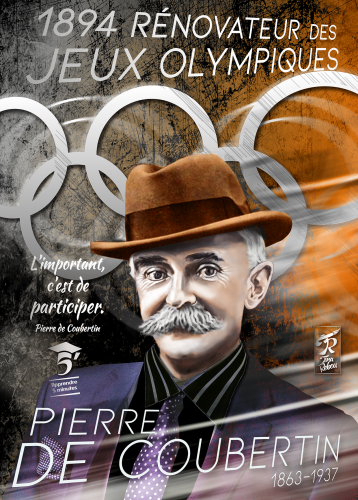
L'histoire des Jeux olympiques modernes remonte au congrès de 1894 qui s'est tenu à la Sorbonne sous la présidence du baron Pierre de Coubertin, lorsqu'il a été décidé de créer le Comité international olympique (CIO) et d'organiser les premiers Jeux olympiques actuels à Athènes en 1986.
Il convient de noter qu'avant cela, des festivals sportifs de grande envergure, marquant le début de la nouvelle ère, ont été organisés dans différents pays d'Europe : des compétitions appelées "Jeux olympiques" ont eu lieu en Angleterre au XVIIe siècle; les "Olympiades de la République", organisées dans les premières années qui ont suivi la victoire de la Révolution en France; au milieu du XIXe siècle, des "Olympiades" de différentes envergures ont été organisées en Grèce, en Grande-Bretagne et en Suède.
Il est important de noter que pour de Coubertin et ses associés (en premier lieu les Français), la renaissance des Jeux Olympiques n'était pas seulement la réalisation d'aspirations romantiques visant à faire revivre les Olympiades antiques (dans leur composante sportive, bien sûr). Selon de Coubertin, c'est la mauvaise préparation physique des soldats français qui est l'une des causes de la défaite française lors de la guerre franco-prussienne de 1870-1871. Il a cherché à changer la situation en améliorant la culture physique des Français. En même temps, il voulait surmonter les égoïsmes nationaux et contribuer à la lutte pour la paix et la compréhension internationale. La "jeunesse du monde" devait être mesurée dans les événements sportifs, et non sur le champ de bataille. La renaissance des Jeux olympiques lui semble être la meilleure solution pour atteindre ces deux objectifs.
Un autre modèle pour de Coubertin était le haut niveau de forme physique et l'intérêt pour le sport qui faisait partie intégrante du style de vie du "gentleman anglais".
Les organisateurs des Jeux modernes ont pris en considération les problèmes rencontrés par leurs prédécesseurs antiques et, conformément aux règles établies depuis les Jeux olympiques d'Athènes, seuls les athlètes amateurs, pour lesquels les performances sportives n'étaient pas censées constituer une source de revenus importante, étaient autorisés à participer aux épreuves.
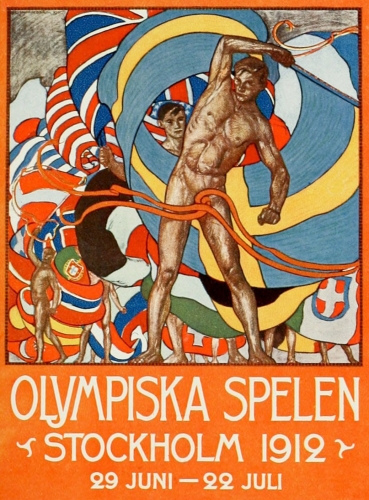
Bien que les Jeux olympiques d'Athènes aient été un grand succès et que les Jeux suivants aient été organisés régulièrement tous les quatre ans, leur sort a longtemps été remis en question en raison de la longueur de la compétition (les calendriers des Jeux de Paris en 1900, de Saint-Louis en 1904 et de Londres en 1908 duraient 5 à 6 mois chacun), Le faible intérêt des spectateurs, l'instabilité de l'ensemble des sports, le caractère secondaire des jeux par rapport à d'autres événements (les jeux de Paris et de Saint-Louis étaient liés à l'Exposition universelle, tandis que les jeux de Londres étaient liés à une grande foire franco-britannique), le manque de formation des participants. Il faut attendre la Première Guerre mondiale pour que les Jeux olympiques acquièrent un format plus ou moins familier.
Si, dans un premier temps, les Jeux olympiques ont réussi à rester en dehors du grand jeu politique dans les années 20, tout a changé au milieu des années 30.
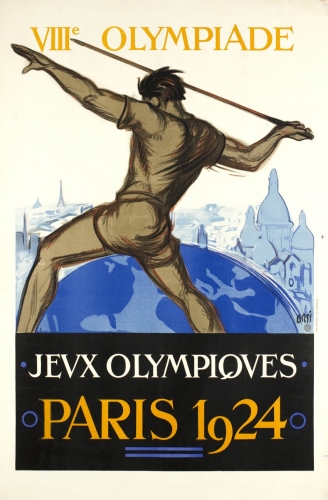
La décision d'organiser les Jeux de 1936 à Berlin a été prise des années avant l'arrivée au pouvoir du NSDAP en Allemagne. Et bien que les idées d'un éventuel déplacement des Jeux dans un autre pays circulent depuis 1934, personne n'a osé s'engager dans le premier conflit majeur du mouvement olympique international.
Pour les nationaux-socialistes, les Jeux ne sont pas seulement l'occasion de démontrer la supériorité physique de la race aryenne (les athlètes allemands remportent confortablement la première place au classement par équipe), mais aussi de montrer le "national-socialisme à visage humain" à des ennemis potentiels - les pogroms anti-juifs disparaissent des rues de Berlin et les panneaux "Juifs non désirés" sont temporairement retirés des lieux publics. Pendant les préparatifs des Jeux, le baron de Coubertin est invité à Berlin. Il est si enthousiaste devant l'ampleur des préparatifs du Troisième Reich pour les Jeux olympiques que, dans une allocution à la radio d'État allemande, il décrit Hitler comme "l'un des plus beaux représentants des âmes créatrices de notre époque".
Les Jeux olympiques de Berlin ont laissé en héritage le relais de la flamme olympique, toujours organisé avant le début des Jeux, depuis une oliveraie sacrée de l'ancienne Olympie (la paternité de cette idée est souvent attribuée à tort à Goebbels, son véritable auteur était le chef du secrétariat des Jeux - Karl Diem) et un film documentaire exceptionnel de Leni Riefenstahl, "Olympia", qui est devenu un classique absolu de la cinématographie sportive.
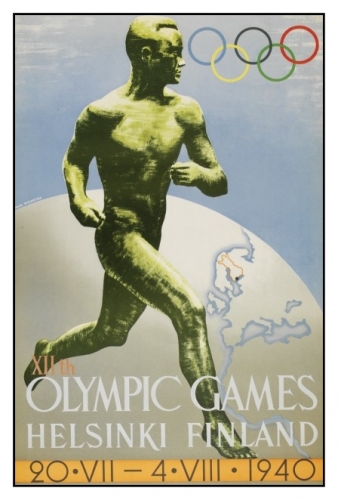
Il est important de noter que 1936 est la première tentative d'organiser des Jeux olympiques "alternatifs" - en juillet de cette année-là, il était prévu d'organiser à Barcelone les "Jeux olympiques du peuple", qui incluaient la participation d'athlètes de l'Union soviétique, mais la guerre civile espagnole a commencé, et ces jeux n'ont pas eu lieu.
L'Alternative rouge (années 1920-30 et années 1960)
Il est évident que les Jeux olympiques, lancés par de Coubertin, avec leur idéal d'un "gentleman apolitique aimant le sport", étaient considérés par les mouvements de gauche de l'époque (communistes et sociaux-démocrates) comme "bourgeois" et étrangers à l'esprit de la lutte de la classe ouvrière pour ses droits. En outre, les Jeux olympiques organisés par le CIO mettent l'accent sur la concurrence entre les pays, ce que les communistes et les sociaux-démocrates considèrent comme une manifestation de chauvinisme.
Dès la fin du XIXe siècle, des unions sportives ouvrières ont commencé à se former en Allemagne et, au début de la Première Guerre mondiale, le mouvement sportif prolétarien allemand comptait plusieurs centaines de milliers de membres actifs.
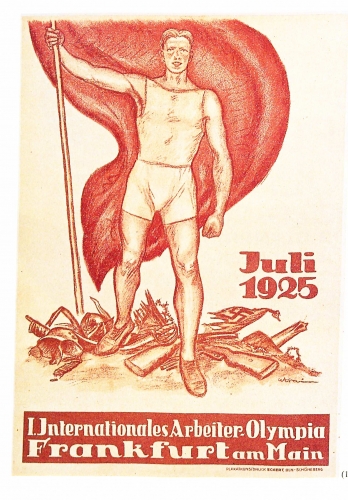
En 1920, l'Internationale socialiste des travailleurs (Sozialistische Arbeitersport Internationale, SASI), également connue sous le nom d'Internationale de Lucerne, se tient à Lucerne. L'organisation, fondée par des représentants des partis sociaux-démocrates européens (France, Belgique, Allemagne, Autriche et autres) a maintenu une politique de neutralité vis-à-vis des organisations de partis, une politique héritée du mouvement sportif ouvrier allemand (qui cherchait à rester en dehors des conflits de factions entre les socialistes allemands). Toutefois, cette politique a été contestée par les communistes, qui ont fait valoir que le mouvement sportif ouvrier ne pouvait s'abstenir de s'engager dans la lutte révolutionnaire.
Les activités de l'Internationale de Lucerne ont conduit à l'organisation de trois "Olympiades internationales des travailleurs" d'été et de deux d'hiver entre 1925 et 1937. De plus, durant cette période, les Jeux olympiques des travailleurs n'ont pas été moins bons que les Jeux olympiques organisés par le CIO en termes de nombre de spectateurs, de nombre de participants et de qualité réelle des athlètes qui y ont participé.
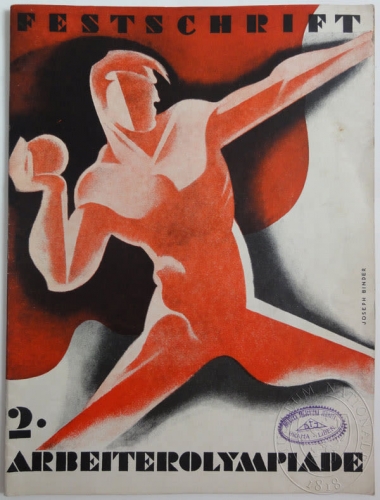
En 1921, le troisième congrès de l'Internationale communiste a décidé de créer une internationale parallèle des sports ouvriers (Note 5). En août 1921, le Sportintern (à l'origine l'Association internationale des associations de sports et de gymnastique rouges) a été fondé.
L'idée de créer le Sportintern a été suggérée par Nikolai Ilyich Podvoisky qui, lors du 2e congrès mondial du Comintern à l'été 1920, a discuté avec un certain nombre de délégués du monde entier de l'idée de créer une organisation sportive internationale pour les jeunes travailleurs. Podvoisky, un expert militaire chargé d'organiser la formation militaire en Russie soviétique, estimait que l'entraînement physique systématique était utile pour les besoins de l'Armée rouge et la formation de jeunes gens en bonne santé dans ses rangs (Note 6).
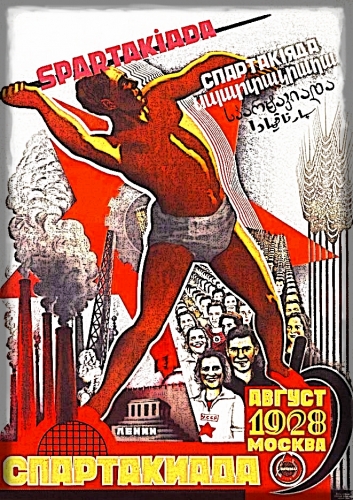
Le travail de Sportintern a débouché sur la Spartakiade internationale des travailleurs organisée en 1928 (l'été à Moscou et l'hiver à Oslo). En 1931, une spartakiade est prévue à Berlin, mais elle est finalement perturbée par les représentants de la République de Weimar, qui craignent les manifestations de masse des partisans du parti communiste. L'Olympiade des travailleurs de 1937 à Anvers a été organisée conjointement par l'Internationale de Lucerne et le Sportintern, avec la participation active et réussie de représentants sportifs soviétiques. Ces événements sont les derniers de l'histoire des Olympiades/Spartakiades des travailleurs (Note 7).
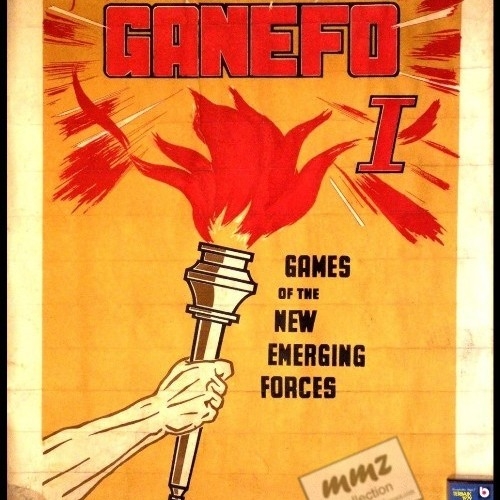 Dans ce contexte, on peut également mentionner les Jeux des nouvelles forces émergentes (GANEFO) qui se sont tenus à Djakarta, en Indonésie, en 1963. En substance, il s'agissait de créer une sorte de "Comité international olympique anti-impérialiste" pour les pays du tiers monde dont les dirigeants cherchaient à créer un nouveau pôle géopolitique, les pays non alignés qui n'étaient ni des partisans de l'Union soviétique ni des satellites des États-Unis.
L'idée d'organiser ces Jeux avait été suggérée par le président indonésien Suharto lui-même, qui s'était auparavant heurté aux représentants du CIO pour la non-délivrance de visas aux athlètes d'Israël et de Taïwan qui devaient participer aux Jeux asiatiques organisés en Indonésie l'année précédente. L'initiative a été soutenue par le leader chinois Mao Zedong. Les jeux de Jakarta sont soutenus par l'URSS et les pays du bloc socialiste, qui n'ont pas envoyé leurs équipes les plus fortes aux Jeux (par crainte d'un conflit avec le CIO), mais elles sont assez compétitives.
Cependant, les Jeux GANEFO ne se sont pas développés davantage.
Notes de la deuxième partie:
Note 5 - Il est curieux qu'en 1920, avant les Jeux d'Anvers, le CIO ait ignoré une demande de la direction générale de la RSFSR pour Vsevobuch visant à autoriser huit athlètes de la RSFSR à participer aux Jeux. La raison officielle de l'absence de réponse officielle à la demande soviétique était que la RSFSR ne reconnaissait pas les obligations financières de l'ancien régime, ce qui signifiait logiquement qu'il n'y avait pas de continuité. Et jusqu'au milieu des années 1930, le CIO a considéré des figures du mouvement des émigrés - notamment le prince Lev Urusov - comme ses représentants russes. Les mémoires de Coubertin nous apprennent que dans les années 1920, Urusov a développé un projet de participation parallèle et égale aux Jeux Olympiques de deux équipes nationales de Russie - une équipe soviétique et une équipe d'émigrés. Malgré l'attitude favorable de Coubertin à cette idée, le CIO ne l'approuve pas.
Note 6 - Extrait d'un discours prononcé par N. I. Podvoisky en 1925 au Plénum du Comintern : "Faire du sport et de la gymnastique une arme de la lutte révolutionnaire de classe, concentrer l'attention des ouvriers et des paysans sur le sport et la gymnastique comme l'un des meilleurs instruments, méthodes et outils de leur organisation et de leur lutte de classe". Les parallèles avec les idées de Coubertin sur la réhabilitation de la nation française et la formation de recrues prêtes au combat pour l'armée par le biais de sports de masse sont ici tout à fait évidents.
Note 7 - De 1956 à 1991, la Spartakiada des Peuples de l'URSS, bien qu'elle ait parfois accueilli des athlètes étrangers, n'était alors considérée que comme une compétition syndicale interne, qui ne cherchait pas à être considérée comme une alternative aux Jeux Olympiques organisés par le CIO.
Jeux olympiques de la guerre froide (années 1950 à 1980)
Un dégel temporaire des relations entre l'Union soviétique et le monde occidental pendant la Seconde Guerre mondiale a permis, entre autres, l'inclusion officielle des sports soviétiques dans le Mouvement olympique international. Le Comité olympique de l'URSS a été créé en 1951 dans le but de participer aux Jeux olympiques d'été de 1952 à Helsinki, bien qu'une invitation à participer aux jeux ait déjà été adressée aux dirigeants soviétiques avant les Jeux de Londres de 1948.
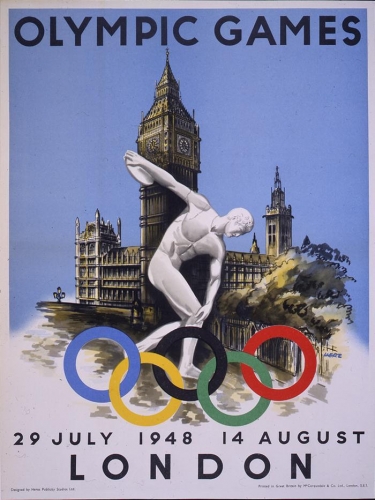
C'est le début de la confrontation entre les athlètes soviétiques et américains (ou, plus largement, entre les pays soviétiques et ceux de l'OTAN) aux Jeux olympiques (Note 8).
Si les débuts des athlètes soviétiques en 1952 ne peuvent être reconnus que comme relativement réussis face à la domination des athlètes américains (22 médailles d'or ont été remportées par les athlètes soviétiques contre 40 par les Américains), les athlètes soviétiques ont ensuite perdu la tête du classement des médailles aux Jeux olympiques d'été au profit des Américains, Lors des jeux d'été, les athlètes soviétiques ont devancé les Américains à deux reprises, d'abord à Tokyo en 1964, puis à Mexico en 1968 (les jeux de Los Angeles en 1984 ont été boycottés par l'Union soviétique et la plupart des autres pays du bloc socialiste).
Cependant, la composante politique des Jeux ne s'est pas limitée à ces confrontations.
Les Jeux olympiques de 1952, par exemple, ont vu se dérouler des matchs de football entre l'URSS et la Yougoslavie. À cette époque, les relations entre Staline et Tito avaient été irrémédiablement endommagées, et la défaite de l'équipe nationale d'URSS en deux matchs (le match aller s'est terminé sur un score de 5-5, alors que les joueurs soviétiques ont réussi à revenir de 1-5 et le match retour s'est terminé par une victoire 3-1 de la Yougoslavie) est passée inaperçue des hauts responsables soviétiques, après quoi l'équipe de football CDKA (ancêtre du CSKA actuel), dont les joueurs formaient le noyau de l'équipe nationale d'URSS, a tout simplement été dissoute.
Ces mêmes Jeux olympiques ont également vu naître la "question chinoise". Tout comme l'ONU et de nombreuses autres organisations internationales n'ont pas reconnu pendant longtemps la victoire des communistes de Mao en Chine, les représentants de Taïwan étaient membres à part entière du CIO sous la bannière de la "République de Chine". Jusqu'aux Jeux d'hiver de 1980 et aux Jeux d'été de 1984, les représentants de la RPC ont boycotté la participation aux Jeux olympiques pour quelque raison politique que ce soit.
La "question allemande" remonte à 1956 : à l'origine, le CIO ne reconnaissait que le Comité olympique allemand et les athlètes de la République démocratique allemande étaient obligés de concourir uniquement dans le cadre de l'équipe d'Allemagne unie, qui comprenait, outre la RDA et la RFA, des athlètes de Berlin-Ouest et de la Sarre. Cette situation perdure jusqu'en 1968, lorsque les athlètes de la RDA et de l'Allemagne de l'Ouest concourent pour la première fois en tant qu'équipes distinctes sous leur propre drapeau.
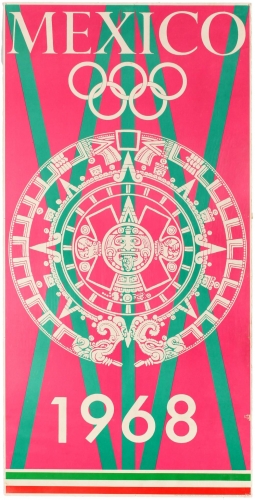
En 1968 (Jeux olympiques de Mexico), le discours politique des athlètes aux Jeux olympiques le plus connu à ce jour concerne la lutte des Noirs américains pour leurs droits, prononcé par les athlètes américains Tommie Smith et John Carlos lors de la cérémonie de remise des prix.
Bien entendu, on ne peut passer sous silence un chapitre tragique de l'histoire du mouvement olympique, les jeux de Munich de 1972, au cours desquels des membres de l'équipe olympique israélienne ont été enlevés et assassinés par des terroristes palestiniens.
Le boycott des Jeux olympiques par les équipes nationales pour des raisons politiques remonte à 1956 :
- 1956 : l'Espagne, la Suisse et les Pays-Bas n'ont pas envoyé leur délégation aux Jeux en Australie pour protester contre la répression par les troupes soviétiques du soulèvement hongrois. L'Égypte, l'Irak et le Liban ignorent à leur tour les Jeux en raison de la crise de Suez.
- 1976 : 27 pays africains plus l'Irak et la Guyane se joignent à eux pour boycotter les Jeux olympiques de Montréal, en raison de la participation de représentants de la Nouvelle-Zélande accusés d'avoir des liens sportifs avec l'Afrique du Sud. Les représentants de la RPC, du Vietnam et de l'Albanie n'ont pas non plus participé aux Jeux.
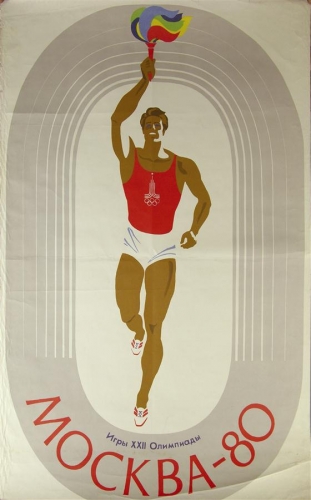
- 1980 : Le boycott des Jeux olympiques de Moscou par un bloc de pays occidentaux, dirigé par les États-Unis, pour protester contre l'invasion soviétique de l'Afghanistan. Certains pays européens qui se sont joints au boycott (Grande-Bretagne, France, Italie et autres) ont néanmoins permis à leurs athlètes de participer aux Jeux de Moscou en représentant les comités olympiques de leurs pays. En outre, pour diverses raisons politiques, les Jeux olympiques de 1980 ont été ignorés par la Chine, l'Iran, Israël et le Chili. Au total, plus de 50 pays ont refusé de participer aux Jeux de Moscou.
- 1984 : Boycott des Jeux olympiques de Los Angeles par les pays socialistes menés par l'URSS. Seule la Roumanie (en tant qu'équipe du comité olympique du pays) a représenté les pays du bloc de l'Est aux Jeux olympiques de 1984. La raison officielle du boycott était le refus des organisateurs des Jeux olympiques de satisfaire la demande de garanties de sécurité pour les délégations de l'URSS et des autres pays du Pacte de Varsovie. Bien que le motif évident derrière les actions des dirigeants soviétiques était une "réaction symétrique" au boycott des Jeux olympiques de Moscou par les États-Unis et leurs satellites. Des représentants de la Libye, de l'Iran et de l'Albanie ont également boycotté les Jeux de Los Angeles (ces deux derniers pays ont boycotté les Jeux olympiques pour des raisons politiques tant en URSS qu'aux États-Unis). Pour la première fois, la République populaire de Chine était représentée aux Jeux olympiques d'été.
- 1988 : les Jeux de Séoul sont, comme prévu, boycottés par les représentants de la RPDC, ainsi que de Cuba, du Nicaragua, de l'Éthiopie et à nouveau de l'Albanie (pour la quatrième fois consécutive).
Note de la troisième partie:
Note 8 - Les Jeux olympiques d'Helsinki sont souvent décrits comme "les derniers vrais Jeux olympiques", lorsque le sport et l'esprit de compétition étaient encore primordiaux, les composantes médiatiques, commerciales et politiques restant à l'arrière-plan.
L'alternative commerciale (années 1980-90)
Les boycotts généralisés des Jeux olympiques ont évidemment conduit à la recherche de formats alternatifs pour les événements sportifs internationaux.
En 1980, après la tentative ratée de perturber les Jeux olympiques de Moscou et l'échec d'un projet alternatif en Côte d'Ivoire, une compétition internationale de deux jours dans les principales épreuves du programme olympique d'athlétisme a été organisée à Philadelphie, qui n'était pas susceptible de présenter une alternative valable aux Jeux officiels.
En 1984, les pays du bloc socialiste, menés par l'URSS, ont organisé une série de concours intitulée Druzhba-84. Contrairement aux Jeux olympiques, les compétitions ne se sont pas déroulées dans une seule ville ni même dans un seul pays (URSS, Bulgarie, Hongrie, RDA, RPDC, Cuba, Mongolie, Pologne et Tchécoslovaquie). Néanmoins, en termes de sports inclus dans le programme des événements, les jeux de Druzhba-84 étaient absolument comparables aux Jeux olympiques officiels, et en termes de résultats montrés par les athlètes, ils ont même surpassé les Jeux olympiques de Los Angeles.
En 1986, dans le contexte de la confrontation entre l'URSS et les États-Unis, qui empêchait les athlètes les plus forts des deux pays de s'affronter aux Jeux olympiques du CIO, le magnat américain des médias Ted Turner a eu l'initiative d'organiser une compétition à laquelle tous les athlètes les plus forts du monde, représentant à la fois l'URSS (et les pays du bloc socialiste) et les États-Unis (et ses satellites européens), pourraient participer simultanément.
Turner a décrit la situation et son rôle dans celle-ci comme suit : "Imaginez qu'il y ait deux boxeurs exceptionnels qui revendiquent un titre mondial, mais que leurs promoteurs se détestent et ne les laissent pas organiser un match. Je suis l'homme qui peut aider à organiser le match".
L'idée de Turner a trouvé un écho auprès des nouveaux dirigeants soviétiques et, à l'été 1986, Moscou a accueilli les premiers Jeux de la bonne volonté, auxquels ont participé des athlètes de premier plan du monde entier, bien que le programme soit plus court que celui des Jeux olympiques officiels.
"Les Jeux de la bonne volonté étaient à l'origine positionnés comme un événement commercial, mais tant les premiers jeux de Moscou que ceux qui ont suivi en 1990 à Seattle et en 1994 à Saint-Pétersbourg se sont soldés par des pertes de plusieurs millions pour Turner (note 9).
Bien que Turner se soit désintéressé de son projet après 1994, l'inertie a conduit aux Jeux de la bonne volonté de New York (1998) et de Brisbane (2001), à l'issue desquels le projet a cessé d'exister.
Note de la quatrième partie:
Note 9 - Selon des informations officielles non confirmées, Sergei Kuryokhin avait été initialement proposé comme réalisateur de la cérémonie d'ouverture des Jeux de la bonne volonté à Saint-Pétersbourg, mais le projet d'événement proposé par Kuryokhin n'a pas été accepté par les organisateurs russes des Jeux et la proposition a été retirée en raison de "contraintes budgétaires du côté russe". On ne peut que regretter qu'un projet d'une telle envergure n'ait jamais été réalisé. Au minimum, il aurait été intéressant de voir comment Kuryokhin aurait pu intégrer un discours du président russe Boris Eltsine et d'autres officiels dans l'événement.
La réalité commerciale (des années 1990 à aujourd'hui)
Depuis les premiers Jeux olympiques de l'ère moderne, les organisateurs de l'événement ont strictement limité (ou plutôt découragé) la participation des athlètes professionnels aux Jeux.
Les concurrents des Jeux devaient répondre aux critères suivants
- Ne pas concourir pour des prix en espèces et des enjeux ;
- Ne pas être récompensé par de l'argent pour sa participation au concours ;
- Ne pas être indemnisé pour un congé de compétition ;
- Ne pas être un entraîneur professionnel.
Sur la base de ces exigences, non seulement les athlètes professionnels ont été exclus des Jeux olympiques, mais même certains sports comme le tennis ou le rugby ont été complètement exclus.
Ces critères n'ont pas été remis en question avant le début des années 1950. Elles n'ont pas non plus été soulevées par la suite, bien que le statut ambigu des athlètes de l'URSS et des pays socialistes, officiellement répertoriés comme entraîneurs sportifs, étudiants ou militaires, mais qui ne pratiquaient en fait que le sport d'élite, ait suscité des critiques de la part des représentants des pays occidentaux.
Avec l'augmentation de la commercialisation du sport dans les années 1980, les conflits liés au refus d'autoriser certains athlètes connus à participer aux jeux sont devenus de plus en plus fréquents. Par exemple, le célèbre skieur suédois Ingemar Stenmark s'est vu refuser l'accès aux Jeux d'hiver de 1984 au seul motif qu'il avait reçu l'argent des contrats publicitaires directement des annonceurs, et non de la Fédération suédoise de ski, comme l'exige le règlement.
Et bien qu'en 1980, le président du CIO, Michael Killanin, ait soutenu littéralement ce qui suit: le danger du professionnalisme du sport est qu'il transforme le sport en "show business". L'athlète perd sa liberté et devient un outil entre les mains d'un agent commercial qui détermine où il doit se produire et contre qui, en accordant une attention particulière aux revenus provenant de la vente de billets et de droits télévisés. Personnellement, je n'ai rien contre le sport professionnel. Mais si l'on admettait des professionnels aux Jeux olympiques, le mouvement olympique tomberait entre les mains de gestionnaires et d'imprésarios". Un tel rigorisme était de plus en plus en contradiction avec l'essence des Jeux olympiques modernes, qui s'éloignaient de plus en plus des principes formulés par le baron de Coubertin et se transformaient de plus en plus clairement d'un festival international du sport en "The Greatest Show on Earth".
En 1988, la décision finale a été prise d'admettre les athlètes professionnels aux Jeux olympiques, ouvrant ainsi la porte aux représentants des ligues étrangères (la NBA pour le basket-ball et la NHL pour le hockey sur glace) comme hégémonies de facto de leurs sports respectifs.
Il convient toutefois de mentionner qu'aujourd'hui encore, on trouve parmi les médaillés olympiques des athlètes pour qui le sport n'est pas l'activité principale, comme Anna Kiesenhöfer, docteur en mathématiques originaire d'Autriche, qui a remporté la médaille d'or olympique en cyclisme sur route à Tokyo.
La réalité du dopage (des années 1990 à aujourd'hui)
La "question du dopage" trouve son origine dans les Jeux olympiques de 1960. Elle a été déclenchée par la mort du cycliste danois Knud Jensen, survenue directement sur la piste olympique. Selon l'enquête, la consommation de stimulants forts est l'une des raisons de sa mort. Les conséquences de cet événement tragique ont été la création de la commission médicale du CIO (le précurseur de l'actuelle Association mondiale antidopage, l'AMA) et la pratique de contrôles réguliers des concurrents olympiques pour la consommation de médicaments, de stimulants et de substances narcotiques interdits.
Bien que, jusqu'au début du XXIe siècle, les Jeux olympiques n'aient pas connu d'incidents majeurs de dopage en grande quantité. La seule exception a été le cas de Ben Johnson, le vainqueur canadien et détenteur du record du monde du 100 mètres, qui a été disqualifié et s'est vu retirer sa médaille d'or lors des Jeux olympiques de Séoul.
Alors que les années précédentes, depuis la fin des années 60, un maximum de 3-4 incidents avec des substances interdites étaient enregistrés pendant les Jeux, depuis 2000 (c'est-à-dire depuis la création de l'Association mondiale antidopage - AMA) le nombre d'incidents se compte en dizaines. Et les principales victimes de l'AMA ont toujours été les représentants de la Russie et des autres anciennes républiques soviétiques.
La liste des pertes de médailles pour la Russie depuis 2002
- Jeux d'hiver 2002 à Salt Lake City : 3 ors et 2 bronzes ;
- Jeux d'été 2004 à Athènes : 1 or et 2 bronze ;
- Jeux d'hiver 2006 à Turin : 1 argent ;
- Jeux d'été de Pékin 2008 : 1 or, 6 argent et 7 bronze ;
- Jeux d'été de Londres 2012 : 5 or, 8 argent et 2 bronze ;
- Jeux d'hiver 2014 à Sotchi : 3 or et 1 argent ;
- Jeux d'été de Rio de Janeiro 2016 : 1 argent ;
- Jeux d'hiver de Pyeongchang 2018 : 1 bronze.
L'apothéose de la campagne "antidopage" contre les athlètes russes a été le procès initié par Grigory Rodchenkov, l'ancien chef du laboratoire antidopage de Moscou, qui a fui aux États-Unis en 2016. Selon le témoignage de Rodchenkov dans le rapport Richard McLaren, avant les Jeux d'été 2012 et les Jeux d'hiver 2014, Rodchenkov a lui-même supervisé le développement d'agents dopants à base de stéroïdes anabolisants utilisés par les athlètes russes, ainsi qu'une falsification massive des programmes de dopage. Au terme d'un processus qui a duré des années et qui a donné lieu à de nouvelles allégations de falsification des tests de dopage du côté russe, les athlètes russes se sont vu interdire pendant quatre ans de se produire sous le drapeau de l'État aux Jeux olympiques et aux championnats du monde.
Un autre résultat de l'"affaire Rodchenkov" a été l'adoption de la loi dite Rodchenkov Anti-Doping Act (RADA) par le Congrès américain en 2019, selon laquelle les autorités américaines peuvent poursuivre toute personne, même non citoyenne américaine, pour implication dans une conspiration de dopage. La loi s'applique aux manifestations admissibles à l'AMA auxquelles participent des athlètes américains. Les infractions sont passibles d'une peine de prison pouvant aller jusqu'à 10 ans et d'une amende pouvant atteindre un million de dollars.
Une nouvelle alternative ?
Une véritable alternative aux Jeux olympiques sous les auspices du CIO est-elle possible à l'heure actuelle ?
Pour répondre à cette question par oui ou par non, il faut répondre à la série de questions suivantes :
- Qui participera à ces Jeux : professionnels ou amateurs ?
- Quels sports seront représentés aux Jeux ?
- L'ensemble traditionnel des sports adoptés aux Jeux olympiques par le CIO ?
- Cybersport ?
- Les sports de l'esprit ?
- Les sports locaux qui sont traditionnels pour les différents pays et régions ?
- Quels sont les pays qui participeront aux jeux ?
- Ou bien la participation des athlètes aux jeux sera-t-elle organisée sur une base différente de celle de la représentation de leurs nations ?
- Qui s'intéressera aux jeux du point de vue du spectateur ?
- Qui sera intéressé par les jeux du point de vue des annonceurs ?
Il convient de noter d'emblée que le nombre de compétitions alternatives au format des Jeux olympiques proprement dits, ou sans chevauchement avec celui-ci, est assez important.
Il existe des événements bien connus tels que les Jeux paralympiques (pour les athlètes handicapés) ou les Universiades (pour les étudiants athlètes). Festivals internationaux pour les sports "non-olympiques". Les compétitions régionales - Jeux asiatiques, africains et panaméricains ainsi que les Jeux du Commonwealth. Maccabiades - compétitions pour les athlètes juifs du monde entier. Les jeux "professionnels" hautement spécialisés - militaires, marins ou pompiers. Par ailleurs, il existe des compétitions de "nations non reconnues" auxquelles participent des athlètes représentant à la fois des pays et territoires non reconnus par le CIO et des mouvements luttant pour l'indépendance de certaines régions.
Les Jeux de la CEI qui ont eu lieu à Kazan en septembre de cette année peuvent également être mentionnés parmi les jeux régionaux, mais force est de constater que ces jeux n'ont pas réussi à susciter un quelconque intérêt sportif ou médiatique.
Contrairement à 1984, lorsque l'Union soviétique a pu mobiliser ses alliés socialistes et organiser une compétition Druzhba '84 comparable aux Jeux olympiques de Los Angeles, la Russie n'est pas prête, à l'heure actuelle, à organiser et à mettre en œuvre de telles compétitions par elle-même. La raison en est qu'à l'heure actuelle, le statut de l'URSS en tant que l'une des deux principales puissances sportives du monde est hors de portée de la Russie. Au mieux, une compétition alternative sous l'égide de la Russie pourrait prendre la forme d'un "championnat ouvert de la CEI". Pour l'instant, on ne pourrait parler d'une véritable alternative aux Jeux olympiques que si la Chine - seul pays en termes de médailles remportées aux Jeux olympiques d'été - était l'initiateur et l'organisateur de tels jeux, prêt à défier les États-Unis ainsi que le CIO et l'AMA. Toutefois, la mesure dans laquelle la Chine, à la fois en tant que participant, en tant que plus grand consommateur de contenu médiatique et en tant que l'un des plus grands annonceurs (au total), est prête à lancer un tel projet est largement hypothétique.
Des compétitions mondiales dans des sports qui ne figurent pas et n'ont jamais figuré au programme des Jeux olympiques, ou des versions "reconstituées" de sports traditionnels (par exemple, le "punkration" du programme des Jeux olympiques de l'Antiquité) pourraient, d'une part, stimuler l'intérêt des gens du monde entier pour leurs racines civilisationnelles et, si possible, les rapprocher de l'esprit des anciens Jeux olympiques, mais on ne peut que spéculer sur la popularité de masse de telles compétitions à l'heure actuelle.
Une alternative curieuse, mais plutôt effrayante, aux Jeux olympiques traditionnels pourrait être des jeux exempts non seulement de contrôles antidopage (tous les stimulants possibles sont autorisés, et les athlètes les utilisent à leurs risques et périls), mais aussi de contrôles sur l'"humanité" des participants - utilisation d'implants de membres, à long terme - muscles artificiels, organes artificiels et intelligence artificielle (à l'extrême). Pour l'instant, il ne s'agit que d'un terrain de discussion pour divers concepts intelligents (ou moins intelligents), mais nous pouvons supposer avec un haut degré de probabilité que dans les prochaines décennies, certaines de ces idées pourront être réalisées dans le cadre des Olympiades officielles.

Selon les experts, les cyber-olympiades de sports informatiques (avec éventuellement l'intégration de "sports de l'esprit", par exemple les échecs) ne sont pas loin. Les tournois mondiaux de Counter Strike, StarCraft, DOTA rassemblent des dizaines de milliers de spectateurs dans l'espace réel et des millions de vues dans l'espace virtuel. La question de la reconnaissance de l'eSport par le CIO ou de la création d'une organisation mondiale distincte regroupant les organisations nationales d'eSport reste ouverte.
En résumant les brèves spéculations sur les perspectives des compétitions sportives de niveau mondial alternatives aux Jeux Olympiques sous l'égide du CIO, on peut seulement affirmer que dans les prochaines décennies :
- La confrontation entre les athlètes américains et chinois aux Jeux olympiques va persister ;
- Les athlètes russes, avec un soutien approprié de l'État, tant en termes de fourniture matérielle de sports professionnels que de sélection de personnel d'encadrement adéquat, pourront rester parmi les leaders du sport mondial (parmi les trois ou cinq premières puissances sportives) ;
- La création d'une véritable alternative aux Jeux olympiques sous les auspices du CIO est irréaliste pour le moment, et un boycott indicatif des Jeux par la Russie a peu de chances d'aboutir à des résultats significatifs, que ce soit au niveau national ou international ;
- La vulnérabilité du sport russe face aux attaques du CIO, de l'AMA, de la législation américaine et d'autres organismes qui pensent, à juste titre, que les attaques réussies contre le sport russe entraînent de réelles pertes d'image pour la Russie, dans le pays et à l'étranger, subsistera tant que la Russie sera en mesure de maintenir et de réaffirmer son statut de superpuissance, et tant qu'elle pourra consolider sa position dans le mouvement sportif mondial - une tâche de plus en plus problématique à l'heure actuelle ;
- Dans les années à venir, la popularité mondiale des cybersports va croître rapidement, ce qui conduira à terme soit à l'inclusion de disciplines cybernétiques dans les Jeux olympiques classiques, soit à la création de "Cyber Olympiques".



 del.icio.us
 Digg
Digg Facebook



 Pour me soutenir sur tipeee :
 ![Bibliothèque_Marcel_de_Corte_La_[...]De_Corte_bpt6k3367280v.JPEG](http://euro-synergies.hautetfort.com/media/02/00/2925388246.JPEG)

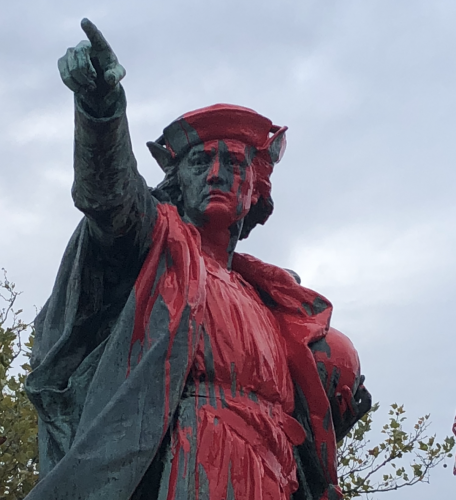
 Pour les politologues, la cancel culture est un phénomène typique de la modernité tardive, une théorie élaborée par une "culture dominante" qui change de contenu en fonction du contexte social: dans les sociétés pauvres, elle tend à coïncider avec une culture conservatrice en matière de morale et de religion, encline aux valeurs nationales; dans les sociétés riches, comme le monde postindustriel, elle tend à prendre la forme d'une culture progressiste, libérale et "fluide", favorable aux idéologies de genre, au "mariage entre personnes de même sexe" et au mouvement LGBTQ, enclin à un multiculturalisme inconditionnel.










 Même les guerres ont été suspendues. Mars a régné du printemps à la fin de l'été. Puis, à l'équinoxe, Quirinius lui a succédé. Qui est un dieu rustique. Et exige la paix. Il a tenu bon jusqu'en février, lors des fêtes organisées en son honneur. Le ferment de la renaissance de la nature a remis Mars, ou Mavros, comme l'appelle encore Lucrèce, en vogue. Et avec lui, les conflits et les guerres.










 Le speed est une boisson énergisante très répandue chez les jeunes. La combinaison d'éléments chimiques tels que la caféine et la taurine donne au buveur (selon la publicité), concentration et performance. Le nouveau visage du libéralisme semble assumer les effets "bénéfiques" de cette boisson. Dans tous les débats publics, ses partisans affichent la musculature de leurs idées: culte de la liberté individuelle, bonté du capitalisme, mépris de la plèbe et réalisation de soi comme but suprême. Dans notre pays (nous faisons référence à l'Argentine), on a inventé deux caractéristiques que, noblesse oblige, nous pensons qu'il est important de souligner. D'une part, l'impudence vertueuse de gifler la classe politique qui infeste le Congrès, la Maison du gouvernement et les enceintes gouvernementales. En revanche, certains de ses représentants de renom ont défendu les valeurs de la famille, de la vie et de l'éducation sans myopie idéologique. De plus, face à la question de l'avortement, ces mêmes représentants ont élevé la voix face au silence pusillanime de nombreux "pasteurs" lâches.
 Afin de dissoudre l’ethnocentrisme inhérent à chaque individu et à chaque peuple, Habermas entendait faire appel à la « raison communicationnelle » qu’il interprète, note le philosophe pragmatiste américain Richard Rorty, « comme l’intériorisation de normes sociales, plutôt que comme une composante du « moi humain ». Habermas entend « fonder » les institutions démocratiques ainsi que Kant espérait le faire ; mais il ambitionne de faire mieux en invoquant, à la place du « respect de la dignité humaine » une notion de « communication exempte de domination », sous l’égide de laquelle la société doit devenir plus cosmopolite et démocratique »
 L’ankylose idéologique dont souffrent les partis politiques allemands explique notamment le peu d’entrain de l’Allemagne à suivre Emmanuel Macron quand il parle de « souveraineté européenne » et qu’il propose des avancées en matière de défense communautaire ou d’armée européenne. Le président français, adepte lui-même des thèses d’Habermas qu’il est allé visiter au début de son quinquennat, aurait pourtant dû s’y attendre.