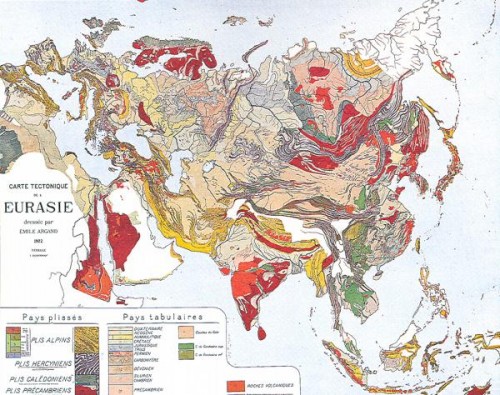
Archives de SYNERGIES EUROPEENNES - 2003
Les Etats-Unis et l'Eurasie :
fin de partie pour l'ère industrielle
Avec l’aube du 21ème siècle, le monde est entré dans une nouvelle phase du combat géopolitique. La première moitié du 20ème siècle peut être comprise comme une longue guerre entre la Grande-Bretagne (et des alliés variables) et l’Allemagne (et des alliés variables) pour la suprématie européenne. La seconde moitié du siècle fut dominée par une Guerre Froide entre les Etats-Unis, qui émergèrent comme la principale puissance militaro-industrielle du monde après la 2ème Guerre Mondiale, et l’Union Soviétique et son bloc de protectorats. Les guerres américaines en Afghanistan (en 2001-2002) et en Irak (qui, en comptant les sanctions économiques et les bombardements périodiques, s’est poursuivie de 1990 jusqu’au moment présent) ont inauguré la dernière phase, qui promet d’être le combat géopolitique final de la période industrielle – un combat pour le contrôle de l’Eurasie et de ses ressources d’énergie.
Mon but est ici de tracer les contours généraux de ce chapitre culminant de l’histoire tel qu’il est actuellement en train de s’écrire. D’abord, il est nécessaire de discuter de géopolitique en général et depuis une perspective historique, en relation avec les ressources, la géographie, la technologie militaire, les monnaies nationales, et la psychologie de ses praticiens.
Les fins et les moyens de la géopolitique
Il n’est jamais suffisant de dire que la géopolitique concerne le « pouvoir », le « contrôle », ou l’« hégémonie » dans l’abstrait. Ces mots n’ont un sens qu’en relation avec des objectifs et des moyens spécifiques : pouvoir sur quoi ou sur qui, exercé par quelles méthodes ? Les réponses différeront quelque peu dans chaque situation ; cependant, la plupart des objectifs et des moyens stratégiques tend à avoir certaines caractéristiques en commun.
Comme les autres organismes, les humains sont sujets aux perpétuelles contraintes écologiques de l’accroissement de la population et de l’appauvrissement des ressources. S’il est peut-être simpliste de dire que tous les conflits entre sociétés sont motivés par le désir de surmonter des contraintes écologiques, la plupart le sont certainement. Les guerres sont généralement menées pour des ressources – terre, forêts, voies maritimes, minerais, et (durant le siècle passé) pétrole. Les gens combattent occasionnellement pour des idéologies et des religions. Mais même alors les rivalités pour les ressources sont rarement loin de la surface. Ainsi les tentatives d’expliquer la géopolitique sans référence aux ressources (un récent exemple est Le choc des civilisations de Samuel Huntington) sont soit erronées soit délibérément trompeuses.
L’ère industrielle diffère des périodes précédentes de l’histoire humaine par l’exploitation à grande échelle des ressources en énergie (charbon, pétrole, gaz naturel, et uranium) pour les objectifs de production et de transport – et pour l’objectif plus profond d’accroître la capacité de notre environnement terrestre à supporter les humains. La totalité des réalisations scientifiques, des consolidations politiques, et des immenses accroissements de population des deux derniers siècles sont des effets prévisibles de l’utilisation croissante et coordonnée des ressources en énergie. Dans les premières décennies du vingtième siècle, le pétrole a émergé comme la plus importante ressource en énergie à cause de son faible coût et de sa facilité d’utilisation. Le monde industriel dépend maintenant d’une manière écrasante du pétrole pour l’agriculture et le transport.
La géopolitique mondiale moderne, parce qu’elle implique des systèmes de transport et de communication à l’échelle mondiale basés sur les ressources en énergie fossile, est par conséquent un phénomène unique de l’ère industrielle. Le contrôle des ressources est largement une question de géographie, et secondairement une question de technologie militaire et de contrôle sur les monnaies d’échange. Les Etats-Unis et la Russie étaient tous deux géographiquement bénis, étant auto-suffisants en ressources énergétiques durant la première moitié du siècle. L’Allemagne et le Japon ne parvinrent pas à atteindre l’hégémonie régionale en grande partie parce qu’ils manquaient de ressources énergétiques domestiques suffisantes et parce qu’ils ne parvinrent pas à gagner et à conserver l’accès à des ressources à un autre endroit (en URSS pour l’une et dans les Indes Néerlandaises pour l’autre).
Néanmoins si les Etats-Unis et la Russie furent tous deux bien dotés par la nature, tous deux ont dépassé leurs pics de production pétrolière (qui furent atteints en 1970 et 1987, respectivement). La Russie reste un exportateur net de pétrole parce que son niveau de consommation est faible, mais les Etats-Unis sont de plus en plus dépendants des importations de pétrole tout comme de gaz naturel.
Les deux nations ont commencé depuis longtemps à investir une grande partie de leur richesse basée sur l’énergie dans la production de systèmes d’armes fonctionnant avec du carburant pour accroître et défendre leur intérêts en ressources à l’échelle mondiale. En d’autres mots, tous deux ont décidé il y a des décennies d’être des joueurs géopolitiques, ou des concurrents pour l’hégémonie mondiale.
A peu près les trois-quarts des réserves pétrolières cruciales restantes du monde se trouvent à l’intérieur des frontières des nations à prédominance musulmane du Moyen-Orient et d’Asie Centrale – des nations qui, pour des raisons historiques, géographiques et politiques, furent incapables de développer des économies militaro-industrielles indépendantes à grande échelle et qui ont, au long du dernier siècle, surtout servi de pions des Grandes Puissances (Grande-Bretagne, Etats-Unis, et l’ex-URSS). Dans les récentes décennies, ces nations riches en pétrole à prédominance musulmane ont rassemblé leurs intérêts dans un cartel, l’Organisation des Pays Exportateurs de Pétrole (OPEP).
Si les ressources, la géographie et la technologie militaire sont essentielles à la géopolitique, elles ne sont pas suffisantes sans un moyen financier de dominer les termes du commerce international. L’hégémonie a eu une composante financière aussi bien que militaire déjà depuis l’adoption de l’argent par les empires agricoles de l’Age de Bronze ; l’argent, après tout, est une revendication sur les ressources, et la capacité à contrôler la monnaie d’échange peut affecter un subtil transfert en cours de richesse réelle. Celui qui émet une monnaie – particulièrement une monnaie fiduciaire, c’est-à-dire une monnaie qui n’est pas soutenue par des métaux précieux – a un pouvoir sur elle : chaque transaction devient une prime pour celui qui frappe ou imprime l’argent.
Durant l’ère coloniale, les rivalités entre le real espagnol, le franc français et la livre britannique furent aussi décisives que des batailles militaires pour déterminer la puissance hégémonique. Pendant le dernier demi-siècle, le dollar US a été la monnaie internationale de référence pour presque toutes les nations, et c’est la monnaie avec laquelle toutes les nations importatrices de pétrole doivent payer leur carburant. C’est un arrangement qui a fonctionné à l’avantage de l’OPEP, qui conserve un consommateur stable avec les Etats-Unis (le plus grand consommateur de pétrole du monde et une puissance militaire capable de défendre les royaumes pétroliers arabes), et aussi des Etats-Unis eux-mêmes, qui perçoivent une subtile dîme financière pour chaque baril de pétrole consommé par toutes les autres nations importatrices. Ce sont quelques-uns des faits essentiels à garder à l’esprit lorsqu’on examine le paysage géopolitique actuel.
La psychologie et la sociologie de la géopolitique
Les objectifs géopolitiques sont poursuivis dans des environnements spécifiques, et ils sont poursuivis par des acteurs spécifiques – par des êtres humains particuliers avec des caractéristiques sociales, culturelles et psychologiques identifiables. Ces acteurs sont, dans une certaine mesure, les incarnations de leur société dans son ensemble, recherchant des bénéfices pour cette société en compétition ou en coopération avec d’autres sociétés. Cependant, de tels individus puissants sont inévitablement tirés d’une classe sociale particulière à l’intérieur de leur société – généralement, la classe riche, possédante – et tendent à agir d’une manière telle qu’elle bénéficie de préférence à cette classe, même si agir ainsi signifie ignorer les intérêts du reste de la société. De plus, les acteurs géopolitiques individuels sont aussi des êtres humains uniques, avec des connaissances, des préjugés et des obsessions religieuses qui peuvent occasionnellement les conduire à agir en représentants non seulement de leur société, mais aussi de leur classe.
Du point de vue de la société, la géopolitique est un combat darwinien collectif pour une capacité de support accrue ; mais du point de vue du géostratège individuel, c’est un jeu. En effet, la géopolitique pourrait être considérée comme le jeu humain absolu – un jeu avec d’immenses conséquences, et un jeu qui ne peut être joué qu’à l’intérieur d’un petit club d’élites.
Depuis qu’il y a eu des civilisations et des empires, les rois et les empereurs ont joué une certaine version de ce jeu. Le jeu attire un type particulier de personnalités, et il favorise une certaine manière de pensée et de perception concernant le monde et les autres êtres humains. L’acte de participer au jeu confère un sentiment d’immense supériorité, de distance, de pouvoir, et d’importance. On peut commencer à apprécier la drogue suprêmement excitante que constitue le fait de participer au jeu géopolitique en lisant les documents rédigés par les principaux géostratèges – des textes sur la sécurité nationale signés par des gens comme George Kennan et Richard Perle, ou les livres d’Henry Kissinger et de Zbigniew Brzezinski. Prenons, par exemple, ce passage de l’Etude de Planification Politique N° 23 du Département d’Etat, par Kennan en 1948 : “Nous avons 50 pour cent de la richesse mondiale, mais seulement 6,3 pour cent de sa population. Dans cette situation, notre véritable travail pour la période à venir est de concevoir un modèle de relations qui nous permette de maintenir cette position de disparité. Pour ce faire, nous devons nous dispenser de toute sentimentalité … nous devons cesser de penser aux droits de l’homme, à l’élévation des niveaux de vie et à la démocratisation”.
Une prose aussi sèche et fonctionnelle est à sa place dans un monde de services, de téléphones et de limousines, mais c’est un monde totalement coupé des millions – peut-être des centaines de millions ou des milliards – de gens dont les vies subiront l’impact écrasant d’une phrase par-ci, d’un mot par là. A un niveau, le géostratège est simplement un homme (après tout, le club est presque entièrement un club d’hommes) faisant son travail, et tentant de la faire de manière compétente aux yeux des spectateurs. Mais quel travail ! – déterminer le cours de l’histoire, décider du sort des nations. Le géostratège est un Surhomme, un Olympien déguisé en mortel, un Titan en tenue de travail. Un bon poste, si vous pouvez l’obtenir.
L’Eurasie – le Grand Prix du Grand Jeu
En regardant leur cartes et leurs globes terrestres, les géostratèges britanniques des 18ème et 19ème siècles ne pouvaient pas manquer de noter que les masses de terre du globe sont hautement asymétriques ; l’Eurasie est de loin le plus grand des continents. Il est clair que s’ils voulaient eux-mêmes bâtir et maintenir un empire vraiment mondial, il serait d’abord essentiel pour les Britanniques d’établir et de défendre des positions stratégiques dans tout ce continent riche en minerais, densément peuplé, et chargé d’histoire.
Mais les géostratèges britanniques savaient parfaitement bien que la Grande-Bretagne elle-même est seulement une île au large du nord-ouest de l’Eurasie. Sur ce plus grand des continents, la nation la plus étendue était de loin la Russie, qui dominait géographiquement l’Eurasie ainsi que l’Eurasie dominait le globe. Ainsi les Britanniques savaient que leurs tentatives pour contrôler l’Eurasie se heurteraient inévitablement aux instincts d’auto-préservation de l’Empire Russe. Durant tout le 19ème siècle et au début du 20ème, des conflits russo-britanniques éclatèrent à maintes reprises sur la frontière indienne, notamment en Afghanistan. Un fonctionnaire impérial nommé Sir John Kaye appela cela le « Grand Jeu », une expression immortalisée par Kipling dans Kim.
Deux guerres mondiales coûteuses et un siècle de soulèvements anti-coloniaux ont largement guéri la Grande-Bretagne de ses obsessions impériales, mais l’Eurasie ne pouvait pas manquer de rester centrale pour tout plan sérieux de domination mondiale.
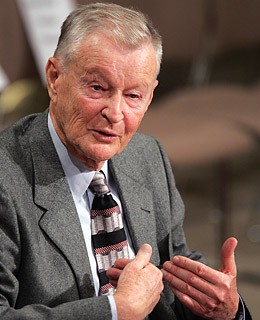
Ainsi en 1997, dans son livre The Grand Chessboard: American Primacy and its Geostrategic Imperatives [Le grand échiquier : la primauté américaine et ses impératifs géostratégiques] , Zbigniew Brzezinski, ancien conseiller à la Sécurité Nationale du président américain Jimmy Carter et géostratège par excellence, soulignait que l’Eurasie devait être au centre des futurs efforts des Etats-Unis pour projeter leur propre puissance à l’échelle mondiale. « Pour l’Amérique », écrivait-il, “le grand prix géopolitique est l’Eurasie. Pendant un demi-millénaire, les affaires mondiales ont été dominées par des puissances et des peuples eurasiens qui se combattaient les uns les autres pour la domination régionale et qui aspiraient à la puissance mondiale. Maintenant une puissance non-eurasienne est prééminente en Eurasie – et la primauté mondiale de l’Amérique dépend directement de la durée et de l’efficacité avec lesquelles sa prépondérance sera soutenue” [1].
L’Eurasie a un rôle de pivot, d’après Brzezinski, parce qu’elle « compte pour 60 pour cent du PNB mondial et environ les trois-quarts des ressources énergétiques connues du monde ». De plus, elle contient les trois-quarts de la population mondiale, « toutes les puissances nucléaires déclarées sauf une et toutes les [puissances nucléaires] secrètes sauf une » [2].
Dans la vision de Brzezinski, de même que les Etats-Unis ont besoin du reste du monde pour les marchés et les ressources, l’Eurasie a besoin de la domination américaine pour sa stabilité. Malheureusement, cependant, les Américains ne sont pas accoutumés aux responsabilités impériales : « La recherche de la puissance n’est pas un but qui soulève la passion populaire, sauf dans des conditions d’une menace ou d’un défi soudain pour le sens public du bien-être domestique » [3].
Quelque chose de fondamental a basculé dans le monde de la géopolitique avec les attaques terroristes du 11 septembre 2001 – qui a clairement présenté « une menace soudaine … pour le sens public du bien-être domestique». Ce basculement a été de nouveau perçu avec la détermination de la nouvelle administration américaine – exprimée avec une insistance croissante en 2002 et pendant les premières semaines de 2003 – d’envahir l’Irak. Ces changements géostratégiques semblent s’être centrés dans une nouvelle attitude américaine envers l’Eurasie.
A la fin de la 2ème G.M., quand les Etats-Unis et l’URSS émergèrent comme les puissances dominantes du monde, les Etats-Unis avaient établi des bases permanentes en Allemagne, au Japon, et en Corée du Sud, toutes pour encercler l’Union Soviétique. L’Amérique mena même une guerre manquée et extrêmement coûteuse en Asie du Sud-Est pour acquérir encore un autre vecteur d’encerclement de l’Eurasie.
Quand l’URSS s’écroula à la fin des années 80, les Etats-Unis semblèrent libres de dominer l’Eurasie, et donc le monde, plus complètement que toute autre nation dans l’histoire mondiale. La décennie qui suivit fut surtout caractérisée par la mondialisation – la consolidation de la puissance économique collective largement centrée aux Etats-Unis. Il sembla que l’hégémonie US serait maintenue économiquement plutôt que militairement. Le livre de Brzezinski reflète l’esprit de ces temps, recommandant le maintien et la consolidation des liens de l’Amérique avec les alliés de longue date (Europe de l’Ouest, Japon et Corée du Sud) et la protection ou la cooptation des nouveaux Etats indépendants de l’ancienne Union Soviétique.
Contrairement avec cette prescription, la nouvelle administration de George W. Bush sembla prendre un virage plus brutal – un virage qui tenait pour acquis les vieux alliés dans son unilatéralisme sans complexes. Par son viol des accords internationaux pour l’environnement, les droits de l’homme, et le contrôle des armes ; par sa poursuite d’une doctrine d’action militaire préventive ; et particulièrement par son obsession apparemment inexplicable de l’invasion de l’Irak, Bush dépensa un énorme capital politique et diplomatique, se créant inutilement des ennemis même parmi les alliés éprouvés. Son motif de guerre – l’élimination des armes de destruction massive de l’Irak – était manifestement ridicule, puisque les Etats-Unis avaient fourni beaucoup de ces armes et que l’Irak ne constituait alors une menace pour personne ; de plus, une nouvelle guerre du Golfe risquait de déstabiliser tout le Moyen-Orient [4]. Qu’est-ce qui pouvait bien justifier un tel risque ? Quelle était la motivation de ce bizarre nouveau changement de stratégie ? A nouveau, une discussion d’arrière-plan est nécessaire avant de pouvoir répondre à cette question.
Les Etats-Unis : un colosse à cheval sur le globe
A l’aube du nouveau millénaire, les Etats-Unis avaient la technologie militaire la plus avancée du monde et la monnaie la plus forte du monde. Tout au long du vingtième siècle, l’Amérique avait patiemment bâti son empire, d’abord en Amérique Centrale et en Amérique du Sud, à Hawaï, à Puerto Rico, et aux Philippines, et ensuite (après la 2ème G.M.) par des alliances et des protectorats en Europe, au Japon, en Corée, et au Moyen-Orient. Son armée et son agence de renseignement étaient actives dans presque tous les pays du monde alors que son immense puissance semblait tempérée par sa défense ostensible de la démocratie et des droits de l’homme.
Dans les années 80, le gouvernement US tomba sous le contrôle d’un groupe de stratèges néo-conservateurs entourant Ronald Reagan et George Herbert Walker Bush. Pendant des années, ces stratèges travaillèrent à détruire l’URSS (ce qu’ils réussirent à faire en minant l’économie soviétique) et à consolider leur puissance en Amérique Centrale et au Moyen-Orient. Ce dernier projet culmina avec la première guerre USA-Irak en 1990-91. Leur but ouvertement déclaré n’était rien moins que la domination mondiale.
Alors que l’administration Clinton-Gore insistait sur la coopération multilatérale, son effort pour la mondialisation commerciale – qui transférait impitoyablement la richesse des nations pauvres aux nations riches – était essentiellement une prolongation des politiques Reagan-Bush. Pourtant, les néo-conservateurs enrageaient d’être exclus des reines du pouvoir. Ils se considéraient comme le leadership légitime du pays, et regardaient Clinton et ses partisans comme des usurpateurs. Quand la Cour Suprême nomma George W. Bush Président en 2000, les néo-conservateurs eurent leur revanche. Avec l’assistance des médias serviles, Bush – le fils choyé d’une famille de la côte Est, riche et avec de puissants liens politiques qui avait fait sa fortune dans la banque, les armes, et le pétrole – réussit à se présenter comme un pur Texan « homme du peuple ». Il s’entoura immédiatement du groupe des stratèges géopolitiques - Donald Rumsfeld, Dick Cheney, Paul Wolfowitz, et Richard Perle – qui avaient développé la politique internationale de la première administration Bush.
Dans son récent article « La poussée pour la guerre », l’analyste des affaires internationales Anatol Lieven fait remonter les racines du programme stratégique d’extrême-droite à une mentalité persistante de guerre froide, au fondamentalisme chrétien, à des politiques intérieures de plus en plus diviseuse, et à un soutien inconditionnel à Israël. Le but basique de domination militaire totale du globe, écrivait Lieven, “était partagé par Colin Powell et le reste de l’establishment de sécurité. Ce fut, après tout, Powell qui, en tant que Président du Conseil des Chefs d’Etat-Major, déclara en 1992 que les Etats-Unis avaient besoin d’une puissance suffisante « pour dissuader n’importe quel rival de simplement rêver à nous défier sur la scène mondiale ». Cependant, l’idée de défense préventive, à présent doctrine officielle, pousse cela un pas plus loin, beaucoup plus loin que Powell aurait souhaité aller. En principe, elle peut être utilisée pour justifier la destruction de tout autre Etat s’il semble même que cet Etat puisse être capable de défier les Etats-Unis dans le futur. Quand ces idées furent émises pour la première fois par Paul Wolfowitz et d’autres après la fin de la Guerre Froide, elles se heurtèrent à une critique générale, même de la part des conservateurs. Aujourd’hui, grâce à l’ascendance des nationalistes radicaux dans l’Administration et à l’effet des attaques du 11 septembre sur la psyché américaine, elles ont une influence majeure sur la politique US” [5].
Que l’administration ait orchestré d’une certaine manière les événements du 11 septembre – comme cela fut suggéré par les commentateurs Michael Ruppert et Michel Chossudovsky – ou pas, elle était clairement prête à en tirer avantage [6]. Bush proclama immédiatement au monde que « soit vous êtes avec nous, soit vous êtes avec les terroristes ».
Avec un budget militaire gonflé, un établissement médiatique craintif et obéissant, et un public effrayé au point d’abandonner volontairement les protections constitutionnelles de base, les néo-conservateurs semblaient avoir gagné le plein contrôle de la nation et être devenus les maîtres de son empire mondial. Mais même alors que leur victoire semblait complète, des rumeurs de dissidence commençaient à se répandre.
Insubordination dans les rangs
La résistance populaire à la mondialisation commerciale commença à se matérialiser à la fin des années 90, s’unissant pour la première fois dans la manifestation massive anti-OMC à Seattle en novembre 1998. Dès lors, le mouvement anti-mondialisation sembla grandir avec chaque année qui passait, se transformant en un mouvement anti-guerre mondial en réponse aux plans US d’envahir d’abord l’Afghanistan et ensuite l’Irak.
Mais le mécontentement vis-à-vis de la domination US du globe ne se limita pas à des gauchistes brandissant des marionnettes géantes dans des manifestations. Alors que les bases militaires américaines s’installaient dans les Balkans dans les années 90, et en Asie Centrale après la campagne d’Afghanistan, les géostratèges en Russie, en Chine, au Japon et en Europe de l’Ouest commencèrent à examiner leurs options. Seule la Grande-Bretagne semblait rester ferme dans son alliance avec le colosse américain.
Une réponse apparemment inoffensive à l’hégémonie US mondiale fut l’effort de onze nations européennes pour établir une monnaie commune – l’Euro. Quand l’Euro fut lancé au tournant du millénaire, beaucoup prédirent qu’il serait incapable de rivaliser avec le dollar. En effet, pendant des mois la valeur comparative de l’Euro se fit attendre. Cependant, elle se stabilisa bientôt et commença à monter.
Un développement plus inquiétant, du point de vue de Washington, fut la tendance croissante de nations de second ou de troisième rang à abandonner ouvertement les politiques économiques néo-libérales au cœur du projet de mondialisation, puisque les nouveaux gouvernements du Venezuela, du Brésil et de l’Equateur rompirent publiquement avec la Banque Mondiale et déclarèrent leur désir d’indépendance vis-à-vis du contrôle financier américain.
En même temps, en Russie le théoricien politique Alexandre Douguine gagnait une influence croissante avec ses écrits géostratégiques anti-américains. En 1997, la même année où parut le livre de Brzezinski Le grand échiquier, Douguine publia son propre manifeste, Les fondements de la géopolitique, recommandant un Empire Russe reconstitué, composé d’un bloc continental d’Etats alliés pour nettoyer la masse terrestre eurasienne de l’influence US. Au centre de ce bloc, Douguine plaçait un « axe eurasien » avec la Russie, l’Allemagne, l’Iran, et le Japon.
Alors que les idées de Douguine avaient été bannies à l’époque soviétique à cause de leurs échos de fantaisies pan-eurasiennes nazies, elles gagnaient graduellement de l’influence parmi les officiels russes post-soviétiques. Par exemple, le ministère russe des Affaires Etrangères a récemment décrié la « tendance croissante vers la formation d’un monde unipolaire sous la domination financière et militaire des Etats-Unis » et a appelé à un « ordre mondial multipolaire », tout en soulignant la « position géopolitique [de la Russie] en tant que plus grand Etat eurasien ». Le parti communiste russe a adopté les idées de Douguine dans sa plate-forme ; Gennady Zyouganov, président du parti communiste, a même publié son premier ouvrage de géopolitique, intitulé La géographie de la victoire. Bien que Douguine reste une figure marginale sur le plan international, ses idées ne peuvent qu’avoir une résonance dans un pays et un continent de plus en plus cernés et manipulés par une nation hégémonique puissante et arrogante de l’autre coté du globe.
Extérieurement, la Russie – comme l’Allemagne, la France, le Japon, et la Chine – est encore déférente avec les Etats-Unis. Même la dissidence vis-à-vis du montage de Bush pour la guerre en Irak est restée assez modérée. Mais en privé, les dirigeants de tous ces pays sont sans aucun doute en train de faire de nouveaux plans. Peu iraient cependant jusqu’à approuver l’idée d’Alexandre Douguine que l’Eurasie finira par dominer les Etats-Unis, ni l’idée inverse. Néanmoins, en seulement trois ans, l’attitude de nombreux dirigeants eurasiens envers l’hégémonie américaine est passée de l’acceptation tranquille à une critique mordante associée à un examen sérieux des alternatives.
Le dilemme américain
Douguine et d’autres critiques eurasiens de la puissance américaine commencent par une prémisse qui semblerait ridicule pour la plupart des Américains. Pour Douguine, les Etats-Unis agissent non par force, mais par faiblesse.
Pendant de longues années, l’Amérique a supporté une balance commerciale très fortement négative – qu’elle pouvait se permettre seulement à cause du dollar fort, permis à son tour par la coopération de l’OPEP dans la facturation des exportations pétrolières en dollars. La balance commerciale de l’Amérique est négative en partie parce que sa production intérieure de pétrole et de gaz naturel a atteint son point culminant et que la nation dépend maintenant de plus en plus des importations. De même, la plupart des sociétés américaines ont transféré leurs opérations de fabrication outre-mer. Une autre faiblesse systémique vient de la corruption largement répandue dans les sociétés – révélée de façon aveuglante par l’effondrement de Enron – et des liens étroits entre les sociétés et l’establishment politique américain. Bulle après bulle – haute technologie, télécommunications, dérivés, immobilier – ont déjà éclaté ou sont sur le point de le faire.
Après le dollar fort, l’autre pilier de la force géopolitique US est son pilier militaire. Mais même dans ce cas il y a des fissures dans la façade. Personne ne doute que l’Amérique possède des armes de destruction massive suffisantes pour détruire le monde plusieurs fois. Mais les Etats-Unis utilisent en fait leur armement de plus en plus à des fins de ce que l’historien français Emmanuel Todd a appelé du « militarisme théâtral ». Dans un essai intitulé « Les Etats-Unis et l’Eurasie : militarisme théâtral », le journaliste Pepe Escobar note que cette stratégie implique que Washington … ne doit jamais apporter une solution définitive à un problème géopolitique, parce que l’instabilité est la seule chose qui peut justifier des actions militaires à l’infini de la part de l’unique superpuissance, n’importe quand, n’importe où … Washington sait qu’elle est incapable de se mesurer aux véritables joueurs dans le monde – Europe, Russie, Japon, Chine. Elle cherche donc à rester politiquement au sommet en brutalisant des joueurs mineurs comme l’Axe du Mal, ou des joueurs encore plus mineurs comme Cuba [7].
Ainsi les attaques américaines contre l’Afghanistan et l’Irak révèlent simultanément la sophistication de la technologie militaire US et les fragilités inhérentes de la position géopolitique US. Le militarisme théâtral a le double but de projeter l’image de l’invincibilité et de la puissance américaines tout en maintenant ou en accroissant la domination militaire US sur les nations du tiers-monde riches en ressources. Cela explique largement la récente invasion de l’Afghanistan et l’attaque imminente contre Bagdad. Cette stratégie implique que les actions terroristes contre les Etats-Unis doivent être secrètement encouragées comme justification pour davantage de répression intérieure et d’aventures militaires à l’étranger.
Néanmoins nous n’avons pas pleinement répondu à la question posée précédemment – pourquoi la présente administration veut-elle dépenser un si grand capital politique intérieur et international pour mener la guerre imminente en Irak ? Les critiques de l’administration soulignent que c’est une guerre pour le pétrole, mais la situation est en fait plus compliquée et ne peut être comprise qu’à la lumière de deux facteurs cruciaux non pleinement reconnus.
La puissance du dollar est remise en question
Le premier est que le maintien de la puissance du dollar est en question. En novembre 2000, l’Irak annonça qu’il cesserait d’accepter des dollars en échange de son pétrole, et n’accepterait plus que des Euros. A l’époque, les analystes financiers suggérèrent que l’Irak perdrait des dizaines de millions de dollars à cause de ce changement de monnaie ; en fait, dans les deux années suivantes, l’Irak gagna des millions. D’autres nations exportatrices de pétrole, incluant l’Iran et le Venezuela, ont déclaré qu’elles prévoyaient un changement similaire. Si toute l’OPEP passait des dollars aux Euros, les conséquences pour l’économie US seraient catastrophiques. Les investissements fuiraient le pays, les valeurs immobilières plongeraient, et les Américains se retrouveraient rapidement dans des conditions de vie du Tiers-Monde [8].
Actuellement, si un pays souhaite obtenir des dollars pour acheter du pétrole, il ne peut le faire qu’en vendant ses ressources aux Etats-Unis, en souscrivant un emprunt à une banque américaine (ou à la Banque Mondiale – en pratique la même chose), ou en échangeant sa monnaie sur le marché libre et ainsi en la dévaluant. Les Etats-Unis importent en effet des biens et des services pour presque rien, son déficit commercial massif représentant un énorme emprunt sans intérêts au reste du monde. Si le dollar devait cesser d’être la devise de réserve mondiale, tout cela changerait du jour au lendemain.
Un article du New York Times daté du 31 janvier 2003, intitulé « Pour les indicateurs russes, l’Euro dépasse le dollar », notait que « les Russes semblent avoir accumulé jusqu’à 50 milliards de dollars américains en paquets de café et sous leurs matelas, la plus grande réserve parmi toutes les nations ». Mais les Russes échangent tranquillement leurs dollars contre des Euros, et des articles de luxe comme les voitures affichent maintenant des prix en Euros. Plus loin, « La banque centrale de Russie a dit aujourd’hui qu’elle a accru ses avoirs en Euros durant l’année passée jusqu’à 10 pour cent de ses réserves [en devises] étrangères, partant de 5 pour cent, alors que la part de dollars a chuté de 90 à 75 pour cent, reflétant le faible retour d’investissements en dollars » [9].
Ironiquement, même l’Union Européenne est préoccupée par cette tendance, parce que si le dollar chute trop bas alors les firmes européennes verront leurs investissements aux Etats-Unis perdre de la valeur. Néanmoins, à mesure que l’UE grandit (elle a programmé l’entrée de dix nouveaux membres en 2004), sa puissance économique est de plus en plus perçue comme dépassant inévitablement celle des Etats-Unis.
Pour les géostratèges US, la prévention d’un passage de l’OPEP des dollars aux Euros doit donc sembler capitale. Une invasion et une occupation de l’Irak donnerait effectivement aux Etats-Unis une voix dans l’OPEP tout en plaçant de nouvelles bases américaines à bonne distance de frappe de l’Arabie Saoudite, de l’Iran, et de plusieurs autres pays-clés de l’OPEP.
Le second facteur pesant probablement sur la décision de Bush d’envahir l’Irak est l’appauvrissement des ressources énergétiques US et donc la dépendance américaine croissante vis-à-vis de ses importations pétrolières. La production pétrolière de tous les pays non-membres de l’OPEP, pris ensemble, a probablement culminé en 2002. A partir de maintenant, l’OPEP aura toujours plus de pouvoir économique dans le monde. De plus, la production pétrolière mondiale culminera probablement dans quelques années. Comme je l’ai expliqué ailleurs, les alternatives aux carburants fossiles n’ont pas été suffisamment développés pour permettre un processus coordonné de substitution dès que le pétrole et le gaz naturel se feront plus rares. Les implications – particulièrement pour les principales nations consommatrices comme les Etats-Unis – seront finalement ruineuses [10].
Les deux problèmes sont d’une urgence écrasante. La stratégie de Bush en Irak est apparemment une stratégie offensive pour élargir l’empire américain, mais en réalité elle est principalement d’un caractère défensif puisque son but profond est de devancer un cataclysme économique.
Ce sont les deux facteurs de l’hégémonie du dollar et de l’épuisement du pétrole – encore plus que l’arrogance des stratèges néo-conservateurs à Washington – qui incitent à un total mépris des alliances de longue date avec l’Europe, le Japon et la Corée du Sud, et au déploiement croissant de troupes US au Moyen-Orient et en Asie Centrale.
Même si personne n’en parle ouvertement, les échelons supérieurs dans les gouvernements de la Russie, de la Chine, de la Grande-Bretagne, de l’Allemagne, de la France, de l’Arabie Saoudite et d’autres pays sont pleinement conscients de ces facteurs – d’où les changements d’alliance, les menaces de veto, et les négociations d’arrière-salle conduisant à l’inévitable invasion US de l’Irak.
Mais la guerre, bien que devenue inévitable, reste un coup hautement risqué. Même s’il se termine en quelques jours ou en quelques semaines par une victoire américaine décisive, nous ne saurons pas immédiatement si ce coup a payé.
Qui contrôlera l’Eurasie ?
Alors que j’écris ces lignes, les Etats-Unis préparent des plans pour bombarder Bagdad, une ville de cinq millions d’habitants, et pour déverser pendant les deux premiers jours de l’attaque deux fois plus de missiles de croisière qu’il n’en fut utilisé dans toute la première guerre du Golfe. Les obus et les balles à uranium appauvri seront à nouveau employés, transformant une grande partie de l’Irak en désert radioactif et condamnant les futures générations d’Irakiens (et les soldats américains et leurs familles) à des malformations de naissance, à des maladies et à des morts prématurées. Il est difficile d’imaginer que le spectacle de tant de mort et de destruction non-provoquées ne puisse manquer d’inspirer des pensées de vengeance dans les cœurs de millions d’Arabes et de musulmans.
Les stratèges géopolitiques américains diront que l’attaque est un succès si la guerre se termine rapidement, si la production des champs pétrolifères irakiens remonte rapidement, et si les nations de l’OPEP sont contraintes de conserver le dollar comme monnaie courante. Mais cette opération (on ne peut pas réellement l’appeler une guerre), entreprise comme un acte de désespoir économique, ne peut que temporairement endiguer une marée montante.
Quelles sont les conséquences à long terme pour les Etats-Unis et l’Eurasie ? Beaucoup sont imprévisibles. Les forces qui sont en train d’être libérées pourraient être difficiles à contenir. Les tendances à long terme les mieux prévisibles ne sont pas favorables. Epuisement des ressources et pression démographique ont toujours été annonciateurs de guerre. La Chine, avec une population de 1,2 milliards, sera bientôt le plus grand consommateur de ressources dans le monde. Dans une époque d’abondance, cette nation peut être vue comme un immense marché ouvert : il y a déjà plus de réfrigérateurs, de téléphones mobiles et de télévisions en Chine qu’aux Etats-Unis. La Chine ne souhaite pas défier les Etats-Unis militairement et a récemment obtenu des privilèges commerciaux en soutenant tranquillement les opérations militaires américaines en Asie Centrale. Mais alors que le pétrole – la base de tout le système industriel – se fait de plus en plus rare et que ses réserves sont plus chaudement disputées, on ne peut pas s’attendre à ce que la Chine reste docile.
La Corée du Nord, un quasi-allié de la Chine, était tranquillement neutralisée au moyen de négociations pendant l’ère Clinton, mais s’irrite maintenant d’être classée par Bush dans « l’axe du mal » et de voir un embargo US imposé à ses importations en ressources énergétiques cruciales. Par désespoir, elle tente d’attirer l’attention de Washington en réactivant son programme d’armes nucléaires. En même temps, le nouveau gouvernement sud-coréen est totalement opposé à l’unilatéralisme US et veut négocier avec le Nord. Les Etats-Unis menacent de détruire les installations nucléaires de la Corée du Nord par des frappes aériennes, mais cela provoquerait la formation d’un nuage nucléaire mortel sur toute l’Asie du nord-est.
Dans le même temps, l’Inde et le Pakistan ont aussi des intérêts qui finiront probablement par diverger de ceux des Etats-Unis. Ces nations voisines sont, bien sûr, des puissances nucléaires et des ennemis jurés avec des querelles frontalières de longue date. Le Pakistan, actuellement un allié des Etats-Unis, est aussi un fournisseur important de matières nucléaires pour la Corée du Nord, et a apporté une aide aux Talibans et à Al-Qaïda – des faits qui soulignent bien à quel point la stratégie de Washington est devenue tortueuse et contre-productive ces derniers temps.
Pour les Etats-Unis, le danger est clair : une hypothétique alliance entre l’Europe, la Russie, la Chine et l’OPEP
Le pire cauchemar des Américains serait une alliance stratégique et économique entre l’Europe, la Russie, la Chine, et l’OPEP. Une telle alliance possède une logique inhérente du point de vue de chacun des participants potentiels. Si les Etats-Unis devaient tenter d’empêcher une telle alliance en jouant la seule bonne carte encore dans leurs mains – leur armement de destruction massive – alors le Grand Jeu pourrait se terminer par une tragédie finale.
Même dans le meilleur cas, les ressources en pétrole sont limitées et, puisqu’elles vont progressivement diminuer pendant les prochaines décennies, elles seront incapables de supporter l’industrialisation prochaine de la Chine ou le maintien de l’infrastructure industrielle en Europe, en Russie, au Japon, en Corée, ou aux Etats-Unis.
Qui dominera l’Eurasie ? Finalement, aucune puissance isolée ne sera capable de le faire, parce que la base de ressources énergétiques sera insuffisante pour supporter un système de transport, de communication et de contrôle à l’échelle du continent. Ainsi les fantaisies géopolitiques russes sont tout aussi vaines que celles des Etats-Unis. Pour le prochain demi-siècle il restera juste assez de ressources énergétiques pour permettre soit un combat horrible et futile pour les parts restantes, soit un effort héroïque de coopération pour une conservation radicale et une transition vers un régime d’énergie post-carburant fossile.
Le prochain siècle verra la fin de la géopolitique mondiale, d’une manière ou d’une autre. Si nos descendants ont de la chance, le résultat final sera un monde formé de petites communautés, bio-régionalement organisées, vivant de l’énergie solaire. Les rivalités locales continueront, comme elles l’ont fait tout au long de l’histoire humaine, mais l’arrogance des stratèges géopolitiques ne menacera jamais plus des milliards d’humains d’extinction.
C’est-à-dire si tout se passe bien et si tout le monde agit rationnellement.
NEW DAWN MAGAZINE, Melbourne, Australia.
Notes:
[1] Zbigniew Brzezinski, The Grand Chessboard : American Primacy and its Geopolitical Imperatives (Basic Books, 1997), p. 30.
[2] Ibid., p. 31.
[3] Ibid., p. 36.
[4] Voir Richard Heinberg, "Behold Caesar," MuseLetter N° 128, octobre 2002,
http://www.newdawnmagazine.com/articles/www.museletter.com.
[5] Anatol Lieven, "The Push for War," London Review of Books, 30 décembre 2002,
http://www.newdawnmagazine.com/articles/www.lrb.co.uk/v24/n19/liev01_.html.
[6] Voir les sites web de Michael Ruppert, From the Wilderness www.fromthewilderness.com ; et de Michel Chossudovsky, Centre for Research on Globalisation,
http://www.newdawnmagazine.com/articles/www.globalresearch.ca/articles/CHO206A.html.
[7] Pepe Escobar, "Us and Eurasia: Theatrical Militarism," Asia Times Online, 4 décembre 2002,
http://www.newdawnmagazine.com/articles/www.atimes.com/atimes/archive/12_4_2002.html.
[8] W. Clark, "The Real but Unspoken Reasons for the Upcoming Iraq War,"
http://www.newdawnmagazine.com/articles/www.indymedia.org/front.php3?article_id=231238&group=webcast
[9] Voir Michael Wines, "For Flashier Russians, Euro Outshines the Dollar," New York Times, 31 janvier 2003.
[10] Richard Heinberg, The Party’s Over : Oil, War and the Fate of Industrial Societies (New Society, 2003).
Richard Heinberg, journaliste et enseignant, est membre de la faculté du New College de Californie à Santa Rosa, où il enseigne un programme sur la culture, l’écologie, et la communauté viable. Il rédige et publie la « MuseLetter » mensuelle : http://www.newdawnmagazine.com/articles/www.museletter.com. Cet article est une adaptation de son livre à paraître, The Party’s Over: Oil, War, and the Fate of Industrial Societies [La partie est finie : pétrole, guerre, et le sort des sociétés industrielles] (New Society Publishers,
http://www.newdawnmagazine.com/articles/www.newsociety.com).
[Cet article a été publié dans New Dawn N° 77 (mars-avril 2003)].



 Il 23 Febbraio 2010, l’intelligence iraniana assestava un duro colpo alla strategia neo-mackinderiana dell’amministrazione Obama, catturando Abdolmalek Rigi, il capo del gruppo terroristico Jundallah, responsabile di stragi, rapina a mano armata, sequestro di persona, atti di sabotaggio, attentati e operazioni terroristiche contro i civili, esponenti del governo e militari dell’Iran, assassinando in 6 anni oltre 150 persone in Iran, per la maggior parte civili.
 del.icio.us
 Digg
Digg Facebook
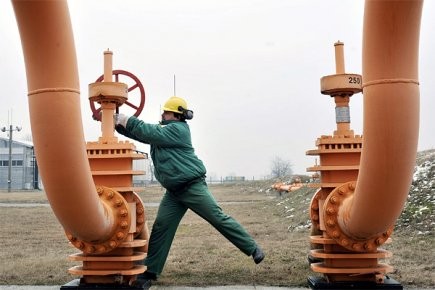 Ende 2009 hat Moskau genau zum geplanten Zeitpunkt und zur großen Überraschung Washingtons nach vierjähriger Bauzeit die Ostsibirien-Pazifik-Pipeline (East Sibiria Pacific Ocean, ESPO) in Betrieb genommen. Der Bau der Ölpipeline hat etwa 14 Milliarden Dollar gekostet. Sie ermöglicht Russland nun den direkten Export von Öl aus den ostsibirischen Feldern nach China sowie nach Südkorea und Japan – ein großer Schritt zu einer engeren wirtschaftlichen Integration zwischen Russland und China. Die Pipeline verläuft zum etwas nördlich der chinesischen Grenze gelegenen Ort Skoworodino am Fluss Bolschoi Newer. Dort wird das Öl für den Transport zum Pazifikhafen Kozmino in der Nähe von Wladiwostok zurzeit noch auf Eisenbahntankwagen umgeladen. Allein der Bau dieser Station hat zwei Milliarden Dollar gekostet. Dort können täglich bis zu 300.000 Barrel Rohöl verladen werden. Das Öl, das von vergleichbarer Qualität ist wie die im Nahen Osten geförderten Sorten, dominiert mittlerweile den Markt in der Region. Der russische staatliche Pipelinemonopolist Transneft hat noch einmal zwölf Milliarden Dollar in die 2.700 Kilometer lange Pipeline durch die ostsibirische Wildnis investiert, die eine Verbindung zu den verschiedenen, von den russischen Großunternehmen Rosneft, TNK-BP und Surgutneftegaz erschlossenen Ölfelder in der Region herstellt.
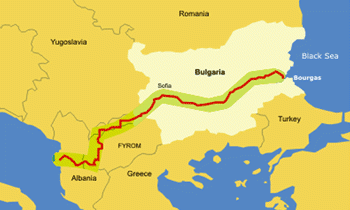 Je vous le donne en mille : le huitième corridor passe par Skopje, en Macédoine, à quelques kilomètres du Kosovo. Pourquoi n'en n'avons-nous jamais entendu parler, puisque nous vivons en démocratie, que nous nous permettons de bombarder des télévisions et des radios, de tuer des journalistes (coupables de faire de la propagande, et nous de l'information), pourquoi n'avons-nous jamais entendu parler des corridors VIII, X, IV et "dalmatien" ? Pourquoi ces projets, qui sont au cœur des politiques de tous les pays des Balkans, qui concernent directement le développement économique de l'Europe, nous ont-ils été cachés ? Pourquoi cet élément vital, dans la décision des peuples à entrer en guerre, a-t-il été occulté ?

 Ante la clara y manifiesta tendencia de los EE.UU. hacia el dominio global –en los últimos tiempos marcadamente sustentada por el corpus ideológico-religioso veterotestamentario (9) más que por un cuidadoso análisis del momento actual que llevase la impronta de la Realpolitik –China, India y Rusia, al contrario, parecen ser bien
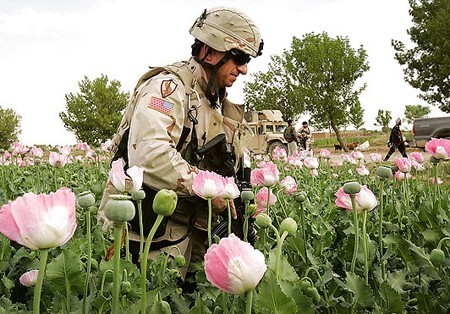 Impresa privata tedesco-albanese che da anni fornisce servizi logistici alle basi Isaf in Afghanistan, sospettata di traffico internazionale di eroina
 L’Afrique du Sud n’est pas LA « Nation arc en ciel » dans laquelle les déterminismes raciaux ont disparu par un coup de baguette magique, mais l’assemblage de plusieurs peuples réunis par le colonisateur britannique à la suite de nombreuses guerres.
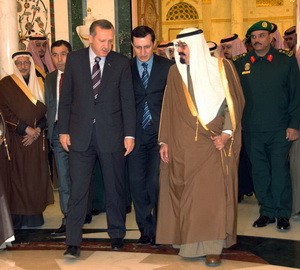
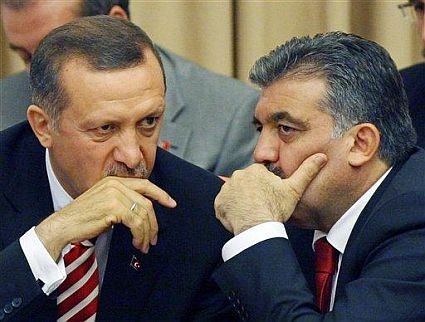 Inside the Beltway, the fact that Turkey is no longer an "ally" of the United States in any meaningful sense is still strenuously denied. We were reminded of the true score on March 9, however, when Saudi King Abdullah presented Turkish Prime Minister Recep Tayyip Erdogan with the Wahhabist kingdom's most prestigious prize for his "
 E' noto che il filosofo tedesco Carl Schmitt, interpretando la famosa tesi di von Clausewitz secondo cui la guerra è la continuazione della politica con altri mezzi, ritiene che la politica sia, in un certo senso, la continuazione della guerra con altri mezzi. Categorie decisive per comprendere il Politico sarebbero pertanto due: amico o nemico. Una visione del Politico certamente realistica, che forse ha il difetto di fondarsi, in parte, su una antropologia tutt'altro che convincente come quella di Hobbes, poiché Schmitt condivide l'idea del filosofo inglese secondo cui "auctoritas non veritas facit legem". Il che implica che "auctoritas" sia contrapposta, e non solo distinta, da "veritas"; ossia un'idea che pare trascurare il nesso tra "cosmo" ("veritas") ed agire rettamente orientato ("auctoritas", diversa dalla mera potenza, dalla "potestas" che è la facoltà di imporre la propria volontà mediante la legge), che rende ragione del fatto che Roma (della cui efficienza politica e militare nessuno può seriamente dubitare) fosse sempre attenta a seguire una linea politica conforme alla propria "tradizione" ed a ciò che, ad esempio, gli stoici (non a caso, perlopiù, difensori della concezione imperiale romana) consideravano l'ordine divino del mondo.
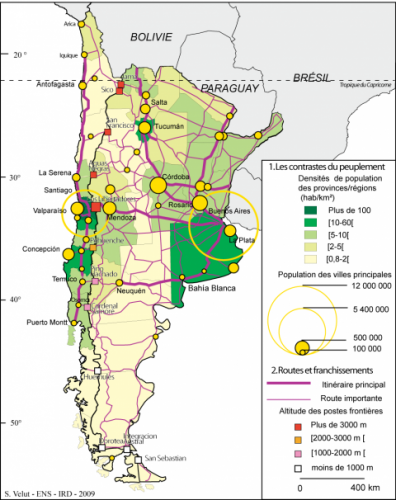 Si le Canal de Panama est bloqué, le trafic maritime n'a d'autre alternative que d'emprunter la route qui passe par le Cap Horn. C'est pourquoi tant l'Argentine que le Chili ont une très grande importance géopolitique. A l'époque de la guerre froide, ces deux pays étaient des cibles privilégiées des tentatives de pénétration soviétique. Le long littoral de la côte argentine face à l'Atlantique Sud (1700 miles) fait de ce pays une puissance atlantique. De l'autre côté du cône austral de l'Amérique du Sud se trouve le Chili, dont la côte pacifique est longue de 2600 miles. Le territoire chilien s'étend sur une centaine de miles plus au Sud. Le Détroit de Drake entre la Péninsule Antarctique et le Cap Horn constitue une connexion vitale entre les Océans Pacifique et Atlantique. Il nous apparaît dès lors fort important de procéder à une étude de la géopolitique chilienne et argentine en Europe, afin que nous nous rendions bien compte de l'importance géostratégique et géopolitique vitale de cette région du monde.
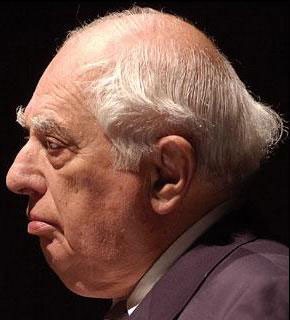 L’orientaliste Bernard Lewis (photo) a la réputation, en Occident, d’être un expert des questions islamiques. Lewis a été jadis un agent de ce département des services
 Lors d’une conférence ultérieure du Groupe des Bilderberger, qui eut lieu en mai 1979 en Autriche, le Plan Lewis a été adopté de manière plus ou moins officielle. Il poursuivait l’objectif de « balkaniser » l’ensemble du Moyen Orient par le truchement du fondamentalisme islamique et de le fragmenter en de nombreuses petites entités étatiques. Lewis proposait à l’Occident d’encourager tous les groupes ethniques ou minorités autonomes comme les Kurdes, les Arméniens, les Maronites libanais et les peuples de souche turque à se dresser contre leurs gouvernements. Le chaos, qui en résulterait, créerait automatiquement un « arc de crise », dont les Etats-Unis pourraient profiter car la déstabilisation s’étendrait rapidement aux régions mahométanes du flanc sud de l’URSS (3). Un expert soviétique de la CIA, occupant un rang élevé dans la hiérarchie, a déclaré à l’époque et sans circonlocutions diplomatiques que la déstabilisation de l’Union Soviétique était devenue l’un des objectifs majeurs de la politique étrangère américaine et « que l’islam était le grand géant endormi de l’Union Soviétique qui attendait son heure pour se réveiller… et Khomeiny se sentait obligé de prêcher l’islam à ses frères au-delà de ses frontières ». Et Khomeiny, de fait, a apporté son soutien aux moudjahiddins afghans, en leur livrant des armes et en leur fournissant protection contre les Russes ; il a mis ensuite des émetteurs puissants en œuvre pour exporter la révolution islamique dans les régions musulmanes de l’URSS » (4).
 Het internationale grootkapitaal is ambitieus. Het wil zoveel als mogelijk haar macht uitbreiden. Elkeen die in de weg staat, moet “geneutraliseerd” worden . Na pogingen in Servië, Georgië, Oekraïne, Kirgizië, Oezbekistan, Irak en anderen is nu Iran aan de beurt. Het gebruikte trukje is eenvoudig. Ofwel organiseert de CIA en aanverwante organisaties door aanvoer van letterlijk hele kisten vol dollars “spontane betogingen”, ofwel bombardeert men het land en zijn bevolking.


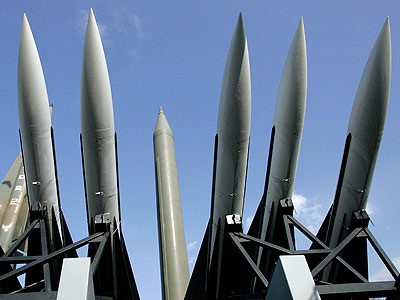
 Per secoli gli storici, i teorici della politica, gli antropologi - ma anche la gente comune - hanno perlopiù pensato ai processi politici in termini ciclici. Le grandi potenze, come i grandi uomini, nascono, crescono, dominano e poi lentamente scompaiono. Il declino delle civiltà di solito si protrae per un lungo periodo. Anche le sfide che gli Stati Uniti si trovano ad affrontare sono spesso viste come processi graduali. È la tendenza costante del fattore demografico - che fa salire la quota dei pensionati rispetto ai lavoratori attivi -, non una cattiva politica a condannare la finanza pubblica degli Stati Uniti a sprofondare nei debiti. È l' inesorabile crescita dell' economia cinese, non la stagnazione americana, a far sì che il Pil della Repubblica Popolare supererà quello degli Stati Uniti entro il 2027. Che cosa succederebbe, però, se la storia non fosse ciclica né si muovesse solo lentamente, ma avesse un andamento irregolare - a tratti quasi immobile, ma anche capace di improvvise accelerazioni? E se il crollo non si verificasse dopo secoli, ma arrivasse all' improvviso? Le grandi potenze sono sistemi complessi, fatti di un gran numero di componenti che interagiscono tra di loro. Il loro modo di funzionare si colloca tra l' ordine e il disordine. Per un certo periodo di tempo sembrano procedere in maniera stabile, sembrano aver trovato un equilibrio, ma in realtà continuano ad adattarsi. Poi arriva un momento in cui i sistemi complessi entrano in crisi. Una spinta anche modesta può innescare il passaggio da uno stato di proficuo equilibrio a uno di crisi. Poco dopo il verificarsi di una crisi del genere entrano in scena gli storici. Che però, nel decodificare questi eventi, spesso ne valutano male la complessità. Sono addestrati a spiegare le calamità ricercando cause di lungo periodo, magari lontane decenni. In realtà la maggior parte dei fenomeni anomali che gli storici studiano non sono il culmine di un processo lungo e deterministico, ma piuttosto sconvolgimenti, a volte il crollo completo, di sistemi complessi. Tutti i sistemi complessi hanno alcune caratteristiche in comune. In un sistema del genere, ad esempio, una minima variazione, uno shock relativamente piccolo, possono produrre cambiamenti enormi, spesso imprevisti. Perciò, quando in un sistema complesso le cose vanno male, l' entità dello sconvolgimento è quasi impossibile da prevedere. Tutte le grandi entità politiche sono sistemi complessi. La maggior parte degli imperi hanno un' autorità centrale nominale - un imperatore ereditario o un presidente eletto -, ma in realtà il potere di ogni singolo governante è funzione di una rete di relazioni economiche, sociali e politiche sulle quali lui o lei esercita il suo controllo. Sotto questo profilo gli imperi mostrano molte delle caratteristiche di altri sistemi complessi e adattabili, tra cui la tendenza a passare molto rapidamente dalla stabilità all' instabilità. L' esempio più recente e noto di rapido declino è il crollo dell' Unione Sovietica. Col senno del poi, gli storici hanno individuato ogni genere di marciume nel sistema sovietico, fino all' era Breznev e oltre. Allora però non sembrava fosse così. L' arsenale nucleare dei sovietici era più grande di quello degli Stati Uniti, e i governi di quello che allora era chiamato il Terzo Mondo in quasi tutti i 20 anni precedenti si erano schierati dalla parte dei sovietici. Eppure, meno di cinque anni dopo l' ascesa al potere di Gorbaciov, l' impero sovietico nell' Europa centro-orientale si sgretolò, e poco dopo, nel 1991, fu la volta della stessa Unione Sovietica. Se gli imperi sono sistemi complessi che prima o poi soccombono a crisi improvvise e catastrofiche, quali conseguenze dobbiamo trarne per gli Stati Uniti di oggi? Anzitutto che discutere degli stadi del declino è probabilmente una perdita di tempo. Uomini politici e cittadini dovrebbero preoccuparsi piuttosto di una caduta improvvisa e inaspettata. Inoltre, il crollo di un impero quasi sempre avviene in seguito a una crisi finanziaria. Quindi i campanelli d' allarme dovrebbero suonare molto forte visto che gli Stati Uniti prevedono di avere un deficit di più di 1.500 miliardi di dollari nel 2010, il più alto dopo la Seconda guerra mondiale. Questi numeri non sono buoni, ma nel campo della politica sono altrettanto importanti le percezioni. Nei periodi di crisi degli imperi non sono tanto le reali basi del potere a contare, quanto le attese sugli sviluppi futuri. Le cifre che abbiamo citato non possono da sole erodere la forza degli Stati Uniti, ma possono indebolire la fiducia che per tanto tempo gli americani hanno avuto nella capacità del loro Paese di superare qualsiasi crisi. Un giorno o l' altro una brutta notizia apparentemente casuale - magari un rapporto negativo di un' agenzia di rating - comparirà sulle prime pagine dei giornali in un periodo altrimenti abbastanza tranquillo, e all' improvviso non saranno più solo pochi addetti ai lavori a preoccuparsi della sostenibilità della politica fiscale degli Stati Uniti, ma chiunque, compresi gli investitori all' estero. È questo passaggio a essere fondamentale: un sistema complesso e adattabile è seriamente nei guai quando i suoi componenti perdono la fiducia nella sua capacità di rigenerarsi. La prossima fase della crisi attuale potrebbe incominciare quando la gente inizierà a mettere in discussione la credibilità delle radicali misure finanziarie e fiscali prese per risanare l' economia. Nessun tasso a interesse zero o stimolo finanziario potrà produrre un risanamento sostenibile se la gente, negli Stati Uniti e all' estero, deciderà collettivamente, da un giorno all' altro, che queste misure alla fine porteranno a tassi di inflazione molto più alti o a un vero e proprio crollo. Combattere una battaglia perdente sulle montagne dell' Hindu Kush è già stato il segno premonitore della caduta dell' impero sovietico. Quel che è avvenuto 20 anni fa dovrebbe ricordarci che gli imperi non nascono, si sviluppano, dominano, entrano in declino e cadono secondo un ciclo ricorrente e prevedibile. Gli imperi si comportano piuttosto come tutti i sistemi complessi adattabili. Restano per un certo periodo in apparente equilibrio e poi, improvvisamente, crollano. Washington, sei avvertita. (traduzione di Maria Sepa)
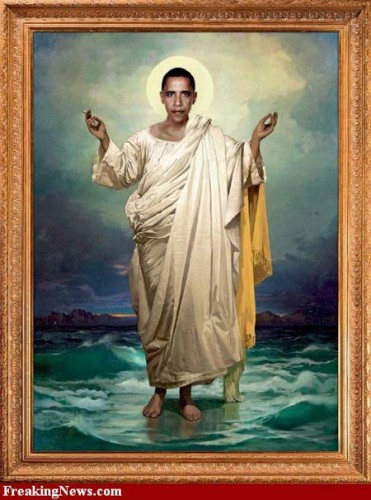 Irgendwie sind seine Fans ziemlich still geworden. Kein Wunder: Da killt er in Pakistan fröhlich vor sich hin und knipst »Terroristen«, aber auch Zivilisten von der Luft aus ab. Mit ferngelenkten Drohnen. Ist ungefähr so wie ein Videospiel. Jemand sitzt an einem Bildschirm und betätigt einen Stick – und »paff«: Weg ist der Terrorist. Oder wer auch immer. Denn natürlich kann man Terroristen von Zivilisten gar nicht unterscheiden. Es ist ja das Wesen des Terroristen, dass er in zivil unterwegs ist. Uniformiert ist nur eine reguläre Truppe. Befindet sich der Terrorist in Wirklichkeit also gar nicht am Boden, sondern quasi am anderen Ende des Sticks? Oder gar im Weißen Haus? Das zu beweisen, erfordert nur ein wenig simple Logik.
 able
able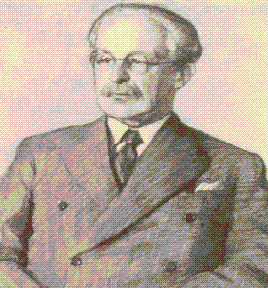 Qui était le géopoliticien britannique Mackinder, génial concepteur de l'opposition entre thalassocraties et puissances océaniques? Un livre a tenté de répondre à cette question: Mackinder, Geography as an Aid to Statecraft, par W.H. Parker. Né dans le Lin-colnshire en 1861, Sir Halford John Mackinder s'est interessé aux voyages, à l'histoire et aux grands événements internationaux dès son enfance. Plus tard, à Oxford, il étu-diera l'histoire et la géologie. Ensuite, il entamera une brillante carrière universitaire au cours de laquelle il deviendra l'impulseur principal d'institutions d'enseignement de la géographie. De 1900 à 1947, il vivra à Londres, au coeur de l'Empire Britannique. Sa préoccupation essentielle était le salut et la préservation de cet Empire face à la montée de l'Allemagne, de la Russie et des Etats-Unis. Au cours de ces cinq décennies, Mackinder sera très proche du monde poli-tique britannique; il dispensera ses conseils d'abord aux "Libéraux-Impérialistes" (les "Limps") de Rosebery, Haldane, Grey et Asquith, ensuite aux Conservateurs regroupés derrière Chamberlain et décidés à aban-donner le principe du libre échange au profit des tarifs préférentiels au sein de l'Empire. La Grande-Bretagne choisissait une économie en circuit fermé, tentait de construire une économie autarcique à l'échelle de l'Empire. Dès 1903, Mackinder classe ses notes de cours, fait confectionner des cartes historiques et stratégiques sur verre destinées à être projetées sur écran. Une oeuvre magistrale naissait.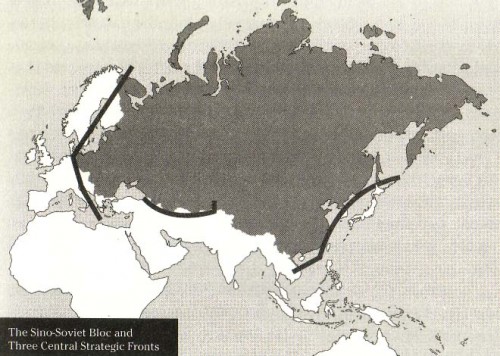
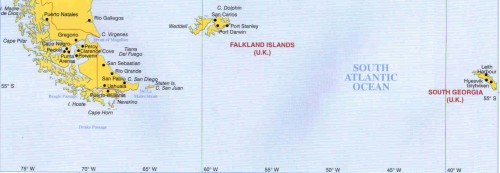
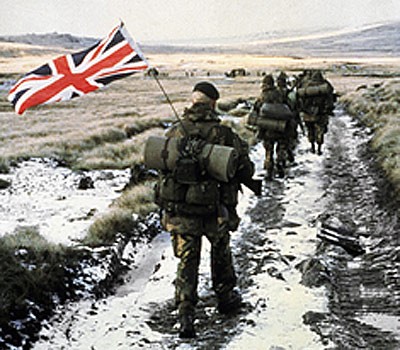 Face à ces prospections, l’Argentine cherche à marquer des points sur le front diplomatique. Jorge Taiana, ministre argentin des affaires étrangères, a demandé, lors d’un entretien avec le secrétaire général de l’ONU, Ban Ki-Moon, l’intervention des Nations Unies. Il avance pour argument que les forages britanniques à proximité des Iles sont « un acte illégal qui offense le droit des gens », alors que « des résolutions explicites des Nations Unies exigent qu’aucune des deux parties ne pose d’actes unilatéraux qui pourraient aggraver la situation ». En 1982, le Royaume-Uni et l’Argentine s’étaient affrontés lors d’une guerre de dix semaines pour la maîtrise de l’archipel malouin. Un millier de soldats avaient laissé leur vie dans ce conflit, tous camps confondus.