Entretien sur Guillaume Faye et l’archéofuturisme
Robert Steuckers répond aux questions de Philip Stein
Monsieur Steuckers, vous êtes de nationalité belge et je suis Allemand mais nous pouvons réaliser cet entretien en langue allemande, sans avoir besoin de traducteur. Si je ne m’abuse, j’aurais pu poser mes questions en espagnol, en français ou en anglais. Comment êtes-vous parvenu à maitriser autant de langues européennes?
Ce n’est nullement étonnant: je ne suis pas le seul dans ce cas en Belgique. Le Prof. David Engels écrit tout aussi bien en français qu’en allemand (et en polonais!), sûrement parce qu’il est originaire d’Eupen; mon collègue linguiste et journaliste Lionel Baland, qui s’est spécialisé dans l’étude des partis et mouvements non-conformistes et populistes, qui est natif de Liège, travaille, lui aussi, en quatre langues (français, allemand, néerlandais et anglais); le Dr. Frank Judo a également eu l’occasion de prendre la parole en allemand lors d’un symposium dans la „Bibliothek des Konservativismus“, etc. Dans un groupe d’amis, à Louvain, nous utilisons très souvent la langue allemande et tous les membres de ce petit club sont invités à bien la connaître pour continuer à en faire partie. Par ailleurs, je suis diplômé de l’école des traducteurs. On peut aussi dire qu’entre néerlandophones et germanophones, la différence est mince: nous ne sommes séparés que par deux mutations consonantiques. Ensuite, j’ai suivi les cours de latin en secondaire à une époque où cela valait encore la peine d’étudier une langue morte, car ce n’était pas inutile, comme le racontent à l’envi tous les adeptes de la jactance néolibérale et festiviste. Sur base de ce savoir scolaire, les langues romanes sont d’un accès facile, du moins à la lecture. Finalement, mon épouse est née à Madrid, au pied du monticule où se trouve le palais royal. Cela aide.
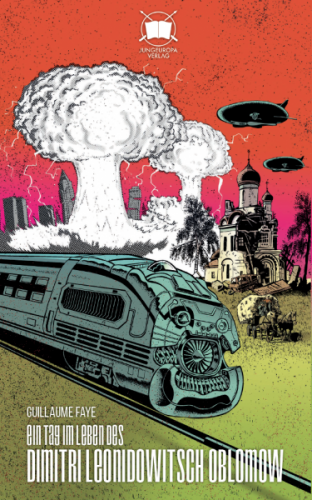 Malgré vos innombrables activités éditoriales et métapolitiques, nous n’allons pas parler de vous aujourd’hui mais de Guillaume Faye, plus précisément de sa brève nouvelle intitulée „Une journée dans la vie de Dimitri Léonidovitch Oblomov“ qui est parue en traduction allemande dans notre maison d’édition il y a quelques semaines. Sur votre compte Twitter, vous avez annoncé cette parution avec enthousiasme, sinon de manière euphorique. Révélez-nous pourquoi un tel enthousiasme ?
Le grand espoir de Faye était de voir ses travaux édités en allemand. Vous êtes donc ceux qui, post mortem, ont réalisé ce voeu très cher de mon vieux camarade décédé. En étalant cet enthousiasme euphorique, comme vous dites, j’ai voulu exprimer la joie que Faye aurait ressentie s’il avait pu savoir qu’un petit livre de lui était enfin paru en allemand, du moins après tant d’années. L’éditeur Wigbert Grabert avait certes fait traduire quelques-uns de ses textes mais non ses brochures théoriquement si importantes sur l’économie, la sexualité, la nouvelle société de consommation, la modernité, etc. Ces petits travaux, très denses, ont vraiment été pionniers dans notre mouvance. Faye a toujours essayé, dans les années 1980, d’être actif dans des cercles avant-gardistes. Récemment, j’ai découvert sur Facebook une brève allusion à ses „Soirées Avant-Guerre“ de Paris. Pierre Robin, un compagnon de Faye à cette époque, en est l’auteur.
Robin nous révèle, très exactement, ce que Faye concoctait dans ces années-là. Robin écrit, avec pertinence, que Faye, in petto, n’était pas vraiment intéressé par les musiques et les modes dites de la „New Wave“ mais, en revanche, il savait très bien que sans une „mise à jour“, rien ne serait plus possible. Dans ses souvenirs des „Soirées Avant-Guerre“ de Paris, Robin nous dit que, pour Faye, il n’était pas possible de réanimer la Weltanschauung classique, grecque et aristotélicienne, ni même le dionysisme des anciens Hellènes en répétant de manière scolaire les cours donnés jadis dans les classes d’humanités classiques. Il fallait donc d’autres moyens, d’autres instruments, pour tenter de sortir de l’étau de la modernité mortifère.
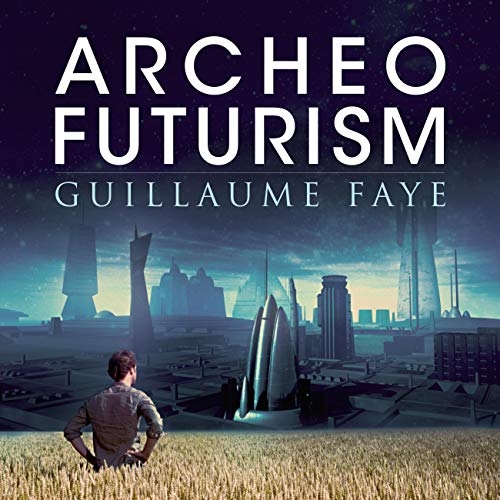
Ce n’est pas un secret de dire que cette petite nouvelle, que nous avons éditée en allemand, n’est qu’une annexe à son épais volume titré „L’archéofuturisme“, où il expose ses idées sur le monde futur après la „grande catastrophe“. Pouvez-vous nous esquisser ce que Faye entendait par „archéofuturisme“ et quel en était le noyau idéologique?
La réponse à votre question se repère aisément dans la nouvelle: on y décèle parfaitement ce qu’il a voulu dire. L’élite de l’Etat, de l’Empire, les dirigeants de la „Fédération“, avec leur formation pluridisciplinaire, les chefs des armées futures, seront futuristes, bénéficieront de toutes les technologies hypermodernes et les utiliseront comme instruments pour asseoir une puissance planétaire indestructible. Le reste de la population sera à nouveau lié à la terre, aura un mode de vie agraire, et développera une culture populaire stable et éternelle. L‘“archéofuturisme“ est donc archaïque, agraire, écologique pour la grande masse des populations et hyper-technique et futuriste pour les élites.
 Faye s’intéressait très fort aux projets de chemins de fer, surtout pour la ligne transsibérienne „Baïkal-Amour“, aussi pour les anciens projets allemands de la „Breitspurbahn“, pour l’aérotrain de la France de De Gaulle, pour les projets japonais similaires, etc. Voilà pourquoi Oblomov passe sa journée dans un train, partiellement souterrain. Pour Faye, la tâche première de tout Etat ou de tout Empire était d’organiser des communications ultra-rapides, exactement comme l’empire romain reposait sur ses routes et en dépendait. Mon fils et moi-même fumes un jour très étonné de constater qu’il lisait avec grand intérêt des revues de vulgarisation scientifique traitant de toutes les nouvelles technologies et biotechnologies, comme Science & Avenir, Sciences & Vie, etc. Même si quelques gros malins, croyant tout savoir et se piquant d’être omniscients, considéraient que ce genre de préoccupation était ridicule, je persiste à croire, avec le recul, que les diplômés en sciences humaines, littéraires ou sociologiques, doivent se donner pour hygiène mentale de glaner du savoir sur les révolutions en cours dans les sciences naturelles, physiques, et dans les domaines des hautes technologies (comme la nanotechnologie par exemple), afin de ne pas énoncer des théories boiteuses et incomplètes.
Pourquoi Faye s’est-il décidé à ajouter cette petite nouvelle, un travail purement littéraire, à son livre sur l’archéofuturisme? Pour donner une teneur littéraire à la matière? Ou doit-on émettre l’hypothèse qu’il y a un „plus“ derrière cette décision, l’enthousiasme de Faye pour la littérature?
Faye, tout comme Jean Thiriart d’ailleurs, n’était pas tellement intéressé à la pure littérature, du moins pendant les années où je l’ai connu (car sa culture littéraire n’est pas négligeable pour autant). Il lisait essentiellement des ouvrages de sociologie (Maffesoli, Lipovetsky), de philosophie (Heidegger), de sciences politiques (Freund), d’économie (List, Perroux, Grjebine), d’histoire et de géographie, comme le prouve les recensions qu’il publiait dans éléments ou dans des feuilles internes du G.R.E.C.E. Une exception toutefois chez ces deux penseurs politiques non-conformistes: Louis-Ferdinand Céline, que tous deux appréciaient grandement. L’objectif de cette petite nouvelle bien ficelée de Faye, que vous venez de traduire et d’éditer, est d’éveiller l’attention de ses lecteurs sur le double aspect que porte en lui son concept d’archéofuturisme, notamment la nécessité de penser simultanément hypertechnicisme et archaïsme organique. Faye regrettait que les cercles de la nouvelle droite n’évoquaient jamais de telles thématiques ou les refoulaient. Cette attitude négative face aux hautes technologies ou aux biotechnologies était l’indice, à ses yeux, d’une attitude impolitique, contemplative et „muséale“, ce qu’il explique d’ailleurs très clairement, et avec emphase, dans son livre intitulé L’archéofuturisme. Il a très certainement souhaité créer un monde de science-fiction pour obliger les „littéraires“ de la nouvelle droite (comme les appelait Thiriart en se foutant d’eux copieusement!) à s’intéresser enfin à des thématiques porteuses d’avenir. Ce souhait englobait également les biotechnologies, thème choisi, pour l’un de ses livres, par son vieil ami italien, le juriste Stefano Sutti Vaj. Le futurisme de Faye doit être pensé simultanément avec le biotechnologisme de Sutti Vaj. Les deux approches, celle de Faye et celle de Sutti Vaj, sont malheureusement restées dans une impasse dans le petit univers néo-droitiste franco-italien.
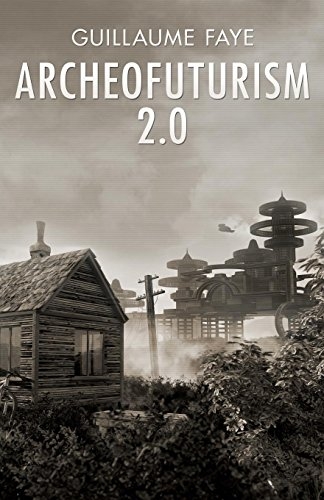 L’intérêt de Faye pour ce type de littérature se repère également dans le livre qui fait suite à L’archéofuturisme, soit L’Archéofuturisme V2.0: Nouvelles cataclysmiques, un volume constitué seulement de courtes historiettes, qui se focalisent toutes sur la thématique de l’archéofuturisme? Mais en 1985 déjà, Faye s’était profilé comme l’auteur d’une bande dessinée intitulée Avant-Guerre, où plusieurs éléments de ses futures nouvelles apparaissent, comme l’idée d’une „Fédération euro-sibérienne“. Faye a-t-il inventé un grande histoire, un monde qui lui était propre, auquel il a réfléchi pendant de longues années, qu’il a peaufiné en sa tête… ?
Oui, c’est certain. Il s’est aussi toujours intéressé à la conquête spatiale, aux projets européens Ariane. C’est aussi le résultat qu’un intérêt enthousiaste, depuis son enfance et son adolescence, pour la bande dessinée franco-belge, pour les „romans graphiques“ comme disent les Anglais aujourd’hui. Deux séries ont été déterminantes pour l‘engouement que Faye a eu, pendant toute sa vie, pour la conquête spatiale, pour les sciences et la haute technologie, soit pour le „futurisme“. D’abord la série „Spirou et Fantasio“ de Franquin où deux scientifiques entrent en concurrence: d’une part, Zorglub, qui conçoit et construit d’étonnantes machines volantes puis envoie des centaines de fusées sur la lune pour y inscrire une publicité pour Coca-Cola; d’autre part, Pacôme, Comte de Champignac, qui est chimiste et crée des armes organiques inouïes au départ de champignons, comme, par exemple, le „Metamol“, qui ramollit et liquéfie tous les métaux. Le „Métamol“ détruit ainsi une armée sud-américaine et des tanks chinois. La base de Zorglub dans la jungle amazonienne est détruite par quelques grenades au „Métamol“ contenant un extrait de champignon capable de tout dévorer: toutes les constructions humaines sont alors englouties dans un magma vert et organique, à une vitesse inimaginable.
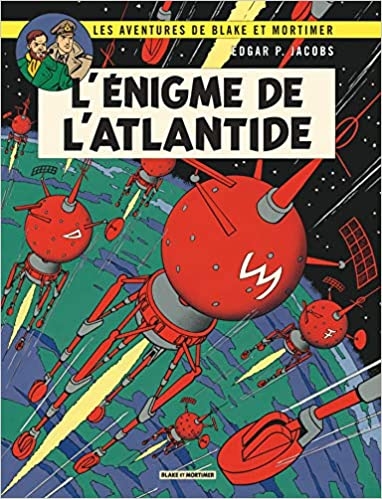 Ensuite, il y a la série „Blake et Mortimer“ d’Edgard P. Jacobs, où l’on trouve un „roman graphique“, qui nous décrit et nous dessine un royaume d’Atlantide se situant sous les flots au beau milieu de l’Océan Atlantique, juste en dessous des Açores. Ce royaume sous-marin est dirigé avec sagesse par un vieux Basileus, inspiré par l’harmonie grecque antique, mais, il est simultanément menacé par des barbares surexcités qui entendent prendre le pouvoir et massacrer les Atlantes. Ces barbares finissent par vaincre mais détruisent les barrages qui protègent des flots la cité sous-marine d’inspiration platonicienne qui est alors engloutie par l’océan. Mais les Atlantes et leur Basileus peuvent quitter la Terre à temps à bord de centaines de fusées pour se donner un avenir sur une autre planète.
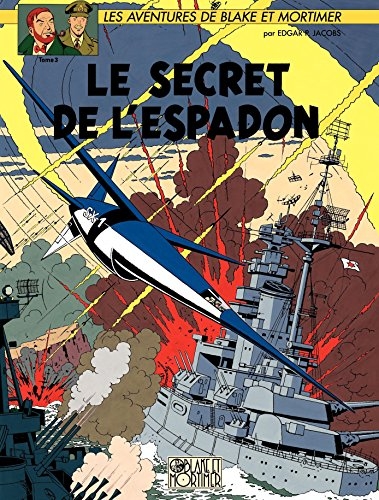
Faye était ensuite fasciné par les avions que Jacobs avait dessinés pour sa trilogie de la série „Black et Mortimer“, intitulée Le secret de l’Espadon, notamment „l’aile rouge“ du Colonel Olrik, incarnation du mal, et l’Espadon de ses adversaires anglais. Cet appareil a très nettement inspiré Faye quand il imaginait ses propres chasseurs „Squalines“, fers de lance des forces aériennes de la „Fédération“. On peut également ajouter que Faye a lu, avec beaucoup d’attention, les deux albums de „Tintin et Milou“, où Tintin s’embarque pour la lune avec le Capitaine Haddock dans une fusée qui ressemble aux V2 allemands de la seconde guerre mondiale. Les armes à ultra-sons inventées par le Professeur Tryphon Tournesol dans L’Affaire Tournesol l’intéressaient beaucoup, elles aussi.
 La fascination de Faye pour les technologies futuristes, pour l’exploration spatiale et les armes biologiques découle certainement d’une connaissance profonde des „romans graphiques“ belges de Franquin, Jacobs et Hergé. Dans la mouvance en France, il n’était d’ailleurs pas le seul dans ce cas: le musicien et dessinateur Jack Marchal, qui avait inventé le petit peuple des rats noirs néofascistes, avait à l’évidence puisé son inspiration chez le dessinateur wallon Raymond Macherot qui, lui aussi, avait créé un peuple de méchants rats vivant dans les égouts d’une ville imaginaire et en sortaient pour commettre mille méfaits. Ensuite son ami le peintre Olivier Carré et son camarade de combat (du moins au début de sa carrière) Grégory Pons étaient également „tintinophiles“, tout comme l’avocat genevois Pascal Junod (toujours très actif en Suisse romande) et moi-même. Cette influence de la bande dessinée belge ne se perçoit quasiment pas dans les milieux politiques germanophones. Je pense en outre qu’il aurait trouvé cela fantastique si des dessinateurs avaient utilisé les thèmes de son oeuvre métapolitique pour lancer de nouvelles séries de BD sur le marché !
Je serai direct: combien de science-fiction y a-t-il dans „Une journée dans la vie de Dimitri Leonidovitch Oblomov“ et dans les autres courtes nouvelles de Faye? Il affirme cependant qu’il s’agit d’une vision d’avenir très réaliste…
Oui, de fait, Faye rêvait d’un partenariat euro-russe où les distances immenses entre la Bretagne -qu’il aimait parce que son meilleur ami, le nationaliste culturel breton Yann-Ber Tillenon lui avait communiqué le sens de la „bretonnitude“ tout en demeurant son plus fidèle soutien- et la Sibérie orientale, plus exactement le Kamtchatka, auraient été surmontées par des moyens de communication hyperrapides. Dans sa courte nouvelle, une telle „Fédération“ euro-russe ou euro-sibérienne est devenue réalité. Et, comme je viens de le dire, l’élite de cette „Fédération“ est marquée et formée par une praxis hypertechnicisée et futuriste tandis que les masses populaires vivent à un rythme agraire et conservent, de manière vivante et créative, leurs vieilles racines culturelles celtiques, germaniques ou slaves. Faye réconcilie, dans cette nouvelle, les deux pôles, en apparence foncièrement différents, qui s’opposent au sein des mouvances conservatrices-révolutionnaires voire nationales-révolutionnaires et qui existaient déjà au temps de Weimar: le monde du „Travailleur“ d’Ernst Jünger et l’anti-technicisme de son frère Friedrich-Georg.
En publiant L’archéofuturisme, Faye opère son retour dans la mouvance néodroitiste en 1998, après avoir passé de nombreuses années dans une sphère apolitique, où il a été animateur de radio et avait tourné le dos à la (méta)politique. Juste avant cette parenthèse, il s’était détaché de la „Nouvelle Droite“ d’Alain de Benoist ou, plutôt, en fut expulsé de manière particulièrement inélégante. Vous avez subi un sort analogue. Aviez-vous des contacts à cette époque? Comment, à votre avis, faudrait-il interpréter le retour de Faye, avec, pour arrière-plan, cette utopie archéofuturiste? Comment caractériser Faye à ce moment-là de son existence?
Le processus de rupture avec Benoist a duré environ huit mois, entre l’été 1986 et mars 1987, avant de devenir définitif. L’université d’été du G.R.E.C.E. de 1986 avait été un fiasco total. Faye a ensuite exprimé ses griefs à l’occasion du colloque annuel de l’association en novembre 1986. En mai 1987, il publie sa lettre d’adieu, rédigée en des termes courtois et modérés. Je l’ai traduite en allemand pour le bulletin de la D.E.S.G. (Deutsch-Europäische Studien-Gesellschaft), qui paraissait à Hambourg. A cette époque-là, grâce au soutien de Jean van der Taelen et de Guibert de Villenfagne de Sorinnes, j’étais parfaitement indépendant de la clique parisienne rassemblée autour de Benoist. Jean-Marie Simar, un ami de Liège, avait édité trois brochures de Faye avec de très modestes moyens: Europe et modernité (à coup sûr, l’essai le plus profond que Faye ait jamais écrit), Petit lexique du partisan européen (la première mouture de Pourquoi nous combattons ?) et L’Occident comme déclin (autre essai magistral qui, hélas, n’a jamais été traduit, pas même en anglais).
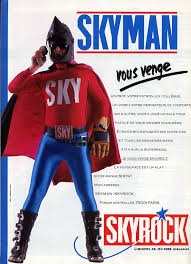 Après la rupture entre Faye et Benoist, je n’ai évidemment pas eu les réflexes imbéciles de la secte, en excommuniant à mon tour mon vieux camarade Guillaume Faye. Nous nous sommes vus en août 1987 en Suisse, où Pascal Junod, qui n’était pas encore un avocat renommé, avait organisé une fête paneuropéenne. Faye y a distribué sa lettre d’adieu et y a rencontré un bon paquet d’amis venus des quatre coins de la France et d’ailleurs. J’ai profité de l’occasion pour l’inviter en septembre à Bruxelles, dans les salons de l’Hôtel Métropole (aujourd’hui fermé pour cause de faillite suite au confinement de ce printemps 2020), afin qu’il puisse y présenter un livre et un thème, La soft-idéologie, qu’il avait travaillé et rédigé avec le grand analyste et stratégiste français des médias et des guerres de quatrième dimension, François-Bernard Huyghe. Faye, à l’époque, avait des contacts avec les cercles académiques les plus prestigieux. Sa conférence à Bruxelles sur la soft-idéologie fut la dernière qu’il fit à une tribune de la mouvance dite de „nouvelle droite“. Ensuite, pour moi, il a disparu, sans traces et sans donner signe de vie, dans le labyrinthe des médias alternatifs, polissons mais toutefois notoirement connus sur la place de Paris, où il joua, entre autres facéties, le rôle de Skyman, une sorte de superman vengeur des opprimés, capable d’organiser les plus désopilants des canulars.
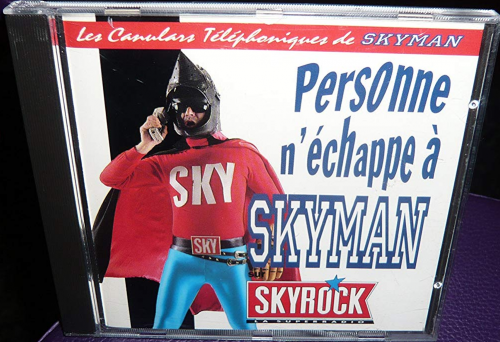
Son retour, dans un premier temps, a été discret mais, selon sa bonne habitude, percutant. Il accorda un entretien à la rédaction d’une jeune revue à l’époque, Réfléchir & Agir (que l’on trouve dans tous les kiosques de France aujourd’hui). Le thème principal qu’il aborda dans cet entretien était les courants musicaux de l’époque qui auraient pu provoquer un effet de rupture salutaire dans la société et l’espace politique, du moins s’ils étaient impulsés dans la bonne direction par une élite porteuse d’une véritable Weltanschauung alternative. De cette manière, un monde alternatif aurait pu émerger. Un ami commun, qui militait pour diffuser Réfléchir & Agir, nous organisa une rencontre à Bruxelles, parce que Faye souhaitait me revoir avant de réapparaître pour de bon dans la mouvance. Un beau jour du printemps 1998, Faye sonna à la porte de ma maison. Il avait certes pris un coup de vieux car la vie dans le petit monde du „Showbiz“ n’est bien sûr ni paisible ni sobre. Cela avait laissé des traces. Mais nous avons entamé la conversation comme si la dernière réunion de son département „Etudes & Recherches“ avait eu lieu une semaine auparavant. Il était resté joyeux, espiègle et polisson, son rayonnement intellectuel était intact. Il nous expliqua ce que signifiait son concept d’archéofuturisme et annonça à tous les amis présents la parution imminente de son livre sur le sujet. Quelques membres de la section hambourgeoise de „Synergon“ étaient présents, de même que le Dr. Tomislav Sunic. Ce fut l’une des journées les plus inoubliables de mon existence !
Le terme central: „Fédération euro-sibérienne“: Faye, en fait, prend une position dans sa nouvelle, qui s’oppose à la conception que se fait Douguine de l’Eurasie. Faye plaide pour une „Euro-Sibérie“ qui ne comprend que la partie européenne de la Russie. Comment jugez-vous cette position aujourd’hui, en tenant compte de l’arrière-plan des querelles qui se sont faites jour dans les rangs de la nouvelle droite française?
Je pense qu’il ne faudrait pas prendre trop au sérieux les différences perceptibles dans les emplois des termes „Eurasie“ et „Euro-Sibérie“. Certes, Douguine est politiquement plus conséquent car il est derechef ancré dans les réalités de l’histoire russe, ce qui l’oblige à tenir compte des anciennes frontières de l’URSS défunte, où Staline a été, volens nolens, un successeur de Catherine II, la « rassembleuse des terres ». Douguine n’escamote pas de manière simpliste l’histoire de l’Union Soviétique. Faye, en fait, développe et élargit une perspective que l’on trouve tout à la fois chez De Gaulle et chez Thiriart: il espère ainsi faire émerger un „grand-espace continental“ qui serait suffisamment autarcique pour pouvoir résister aux entreprises malveillantes d’autres grands espaces impériaux. Faye est ici disciple de Friedrich List et de François Perroux, lequel avait esquissé des plans pour donner de la cohérence au continent latino-américain afin qu’il puisse s’affirmer contre les menées impérialistes de Washington. Pour Faye, pour Thiriart ou pour Perroux, les Etats, petits et moyens, de l’Europe sont trop exigus et l’Europe seule, sans la Russie-Sibérie, n’est pas suffisamment autarcique pour simplement survivre sur le long terme. La Russie, de son côté, est trop peu densément peuplée pour avoir un poids démographique suffisant, face à des adversaires potentiels.
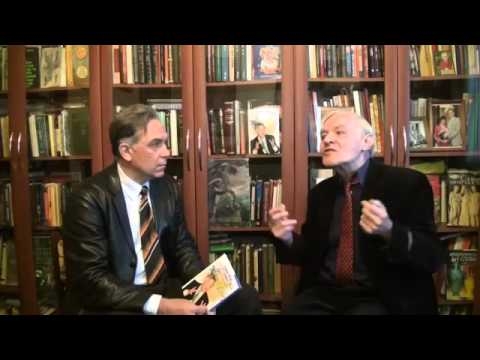
Le débat Faye/Toulaev à Moscou.
A Moscou et à Termonde (Dendermonde, Flandre orientale, une petite ville à proximité de Bruxelles), Faye a mené des débats intéressants avec un idéologue national russe, hispaniste et historien de l’art: Pavel Toulaev. Ce dernier critiquait le concept d’Euro-Sibérie dans la mesure où la Sibérie n’a jamais été un sujet de l’histoire et que, dans l’espace sibérien, seule la Russie l’a été et l’est restée, puisque l’empire mongol de Gengis Khan et de ses successeurs a définitivement disparu. C’est la raison pour laquelle Toulaev et l’activiste flamand russophone Kris Roman parlent plutôt d’Euro-Russie. On voit ici qu’il y a une différence notable entre cette perspective euro-russe, qui table sur des peuples de souche purement européenne, et la perspective „touranienne“ que Douguine a faite sienne, suite à d’autres eurasistes du 20ème siècle russe, qu’ils aient été « blancs » ou « rouges ». Quoi qu’il en soit, Faye a toujours été partisan d’une alliance euro-soviétique ou euro-russe, comme l’attestent ses très nombreux articles, parus sur son site, sur celui de Thomas Ferrier ( http://thomasferrier.hautetfort.com ) ou sur mon blog http://euro-synergies.hautetfort.com.
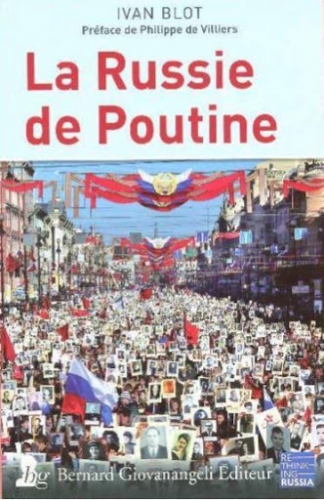 Il était, sur ce plan, sur la même longueur d’onde qu’Yvan Blot, un très ancien animateur de la nouvelle droite qui avait aussi rompu avec l’inénarrable de Benoist et qui est, hélas, décédé quelques mois avant Guillaume Faye, laissant un vide énorme dans la mouvance, qui n’est guère perçu dans l’espace germanophone, alors que Blot parlait parfaitement l’allemand. Il n’y a guère de querelles sur ce sujet dans les rangs de la nouvelle droite française actuelle: la plupart des activistes et sympathisants sont plutôt pro-russes, y compris bon nombre de catholiques de la vieille droite, bien que quelques-uns, et non des moindres, soutiennent l’ultra-droite ukrainienne (PS d’août 2020: les événements tout récents de Biélorussie modifieront sans doute quelque peu la donne, wait and see).
Les Etats-Unis, dans sa nouvelle, connaissent un sort peu enviable, celui d’une implosion. Or Faye, à la fin de sa carrière, a pris parti pour Israël et a défendu une vision très négative de l’islam, qui correspond à celle des néoconservateurs américains, théoriciens du „Contre-Djihad“. Comment expliquez-vous cette mutation dans son discours? Est-ce une posture à prendre au sérieux?
De concert avec d’autres observateurs de la société américaine de ses dernières décennies, comme, par exemple, James Howard Kunstler ou Dmitry Orlov, Faye était convaincu que la trépidance qui sous-tend le dynamisme erratique de la société américaine ne pouvait se maintenir sur le long terme. En plus, pensait-il, les Etats-Unis sont marqués par une idéologie libérale incapacitante, un biblisme irréaliste et anti-scientifique et un moralisme agressif. Ces idéologèmes ne peuvent constituer de véritables fondements politiques, au sens où Carl Schmitt et Julien Freund entendaient et définissaient „le politique“. Sans fondements véritablement politiques, un Empire ne peut durer. Il est alors condamné à entrer en décadence. Dès lors, quand a émergé un gigantesque empire, fictif mais peut-être réel demain, comme la „Fédération“, les Etats-Unis se sont automatiquement ratatinés sur le plan de la puissance parce que, contrairement à la figure mythologique grecque d’Antaios, ils ne puisent pas leur force dans un terreau culturel „tellurique“, en entrant à intervalles réguliers en contact avec la Terre, ne se revigorent pas au contact d’un sol à eux. L’avenir appartient à des empires liés à leurs propres sols, qui construisent leur avenir à partir des forces vives de leur „arkhè“. La „Fédération“ euro-russe, tout comme la Chine ou l’Inde, est un empire de ce type, ancré sur son propre sol. La jeune femme indienne, qui voyage en compagnie d’Oblomov dans la nouvelle de Faye, appartient, elle aussi, à un empire ancré dans ses fondements védiques, comme elle le dit d’ailleurs dans la conversation qu’elle a engagée avec le haut fonctionnaire russe de la „Fédération“. Elle voyage en direction d’un autre empire traditionnel, la Chine, dont elle étudiera les fondements traditionnels sans s’y immiscer.
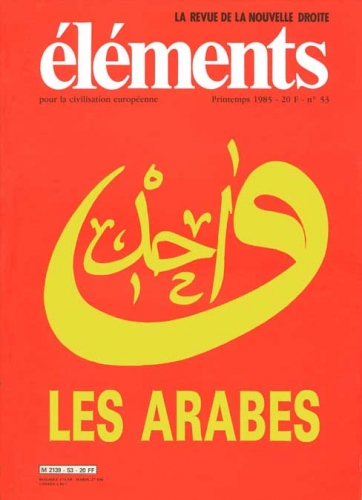 Faye a été dans les années 80, le fougueux avocat d’une coopération euro-arabe anti-impérialiste. Un colloque euro-arabe, visant un tel objectif, a eu lieu à l’université de Mons en Hainaut en 1985, auquel deux Allemands de la mouvance nationale-révolutionnaire, autour de la revue Wir Selbst, ont participé: Siegfried Bublies et Karl Höffkes (et, moi, j’étais leur interprète). C’était au temps où le monde arabe était dominé par le nationalisme militaire (Algérie), par le laïcisme, le nassérisme, le baathisme ou l’idéal de la „troisième théorie universelle“ de Khadafi. Depuis lors, la donne a considérablement changé. Les réseaux salafistes et wahhabites saoudiens ont oblitéré toute la scène politico-religieuse arabe. Or le salafisme, le frèrisme et le wahhabisme sont des instruments de l’impérialisme américain tout comme le sionisme. Le salafisme a ébranlé durablement l’Algérie et, plus tard, a déstabilisé l’Egypte et meurtri la Syrie, qui se trouve aujourd’hui dans un bien triste état. Chacun sait aujourd’hui que Brzezinski a soutenu les moudjahiddins afghans et leur a fourni des missiles Stinger, tout en recrutant Ben Laden comme mercenaire saoudien pour combattre les Soviétiques dans les montagnes de l’Hindou Kouch. La situation n’est plus aussi simple, aussi gérable, que dans les années 1980.
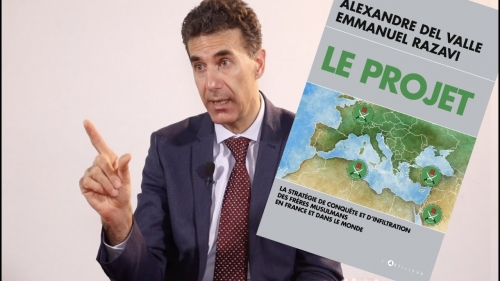
Entre 2000 et 2004, Faye s’était lié d’amitié avec le géopolitologue Alexandre Del Valle, qui s’était posé comme l’avocat d’une orientation pro-sioniste. La plupart des observateurs de la mouvance nationale-révolutionnaire et néodroitiste en ont conclu que Faye avait opté pour un pro-sionisme radical. Ce qui est plus patent, ce qu’il serait plus pertinent de dire, c’est qu’il a réagi de manière trop émotionnelle et trop passionnelle, notamment dans son livre La nouvelle question juive parce qu’il en avait marre, plus que marre, d’entendre pérorer un certain Arnaud Guyot-Jeannin, satellite de l’inénarrable de Benoist, qui, avec une jactance aussi débile qu’insupportable, tentait de nous vendre un islamisme superficiel, caricatural et schématique. Les thèses de Del Valle se sont étoffées aujourd’hui et sont présentes dans bien des débats en France et en Italie. Dans son dernier livre, Le projet, il met l’accent sur le rôle des Frères musulmans dans l’émergence d’un indescriptible chaos au sein du monde arabe : la thèse est évidemment pertinente, on ne peut le nier. Del Valle avait commencé sa carrière, vers 1999, en dénonçant très clairement, et à très juste titre, l’alliance secrète entre les fondamentalistes islamistes et les faucons néoconservateurs américains. Sur ce plan, on ne peut pas dire qu’il s’est trompé. Son analyse de la situation en Syrie est également correcte. Mais, ce qu’il ne veut pas dire (ou ne peut pas dire), c’est que le sionisme est aussi un instrument de l’impérialisme américain. Les baathistes de Syrie, les Russes, les Chinois et les Chiites d’Iran ou du Liban forment ensemble, eux aussi, une alliance „contre-djihadiste“. Sans les salafistes, les wahhabites et les sionistes.
Alain de Benoist s’est exprimé de manière très négative dans la recension qu’il a consacrée au livre de Faye L’archéofuturisme. De Benoist écrivait en conclusion: „Faye esquisse un univers fictif dans lequel je ne voudrais pas vivre“. Puis-je vous demander, tout en restant neutre et objectif, ce qui distingue Faye, le penseur et le provocateur, de ses anciens compagnons du G.R.E.C.E et ce qui rend la lecture de ses textes particulièrement intéressante?
Benoist ne s’intéresse pas du tout à la géopolitique, aux communications (terrestres et aériennes) ou aux hautes technologies (il est tenaillé par un affect anti-techniciste finalement très puéril). Ces désintérêts pour les thèmes concrets expliquent sa réaction négative, outre la haine viscérale qu’il portait à Faye. La vie idéale, pour le bonhomme de Benoist, se déroulerait dans des espaces intérieurs étroits et confinés, bourrés de bouquins et noyés dans un âcre brouillard de fumée de cigarettes, où erreraient aussi quelques chats discrets et fantomatiques qui compisseraient allègrement tapis et fauteuils (j’en ai fait la malodorante expérience dans un certain appartement sis dans une impasse parisienne à proximité du cimetière du Père Lachaise). Bien sûr, ne me faites pas dire ce que je n’ai pas dit, je n’ai rien contre les chats (à condition qu’ils puissent grimper aux arbres avant de venir ronronner près de mon poêle à bois). Je trouve que les chats sont des animaux formidables. Mais, je vous l’avoue, je préfère me promener dans la forêt avec un chien.
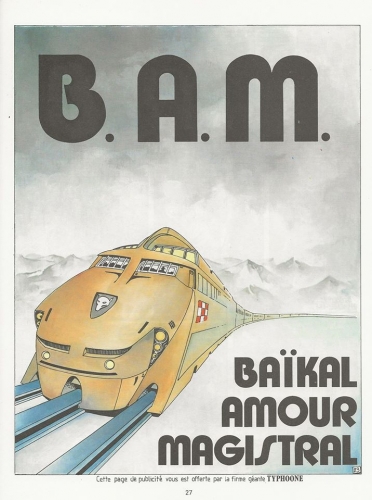
Une planche "publicitaire' dans la BD de Faye, intitulée "Avant-Guerre": la fascination pour les grands projets ferroviaires transparait ici nettement !
Mais, trêve de plaisanterie, je vais, comme vous, essayer d’être neutre et objectif: des centaines de gens ont été actifs dans les cercles et unités régionales du G.R.E.C.E. Chacune de ces femmes et chacun de ces hommes avaient derrière lui un itinéraire personnel, un vécu spécifique, un bagage intellectuel précis, des engouements particuliers voire des dadas agaçants. Beaucoup appréciaient Faye comme homme et, après qu’il eut quitté l’association, beaucoup la quittèrent aussi, remplacés notamment par de très jeunes éléments qui ont gobé tous les ragots vomis par le pontife Benoist. En gros, nous pourrions dire que Faye, comme il l’écrit du reste dans L’archéofuturisme, moquait copieusement le paganisme naïf et rejetaient les dadas (droitiers) sempiternellement répétés. Ceux qui ne pratiquaient pas ce paganisme de pacotille, ceux qui ne cultivaient ni dadas ni obsessions incapacitantes (ce terme est de Faye!) étaient ses camarades. Il faut répéter ici, pour dissiper les méchants ragots, que Faye était un personnage affable, toujours à l’écoute d’autrui pourvu que cet autrui racontait des choses pertinentes, lui faisait découvrir de nouveaux territoires intellectuels ou culturels; il n’aimait pas les polémiques personnelles. Moi, que voulez-vous, je suis un vieux Bruxellois, moqueur et sarcastique, cru et caustique, et je ne peux m’empêcher de me foutre de parigots arrogants et prétentieux qui dissimulent mal leur vide intellectuel derrière leurs vilaines grimaces. C’est ainsi et je paraphraserais volontiers Luther en disant: „Me voici, je ne peux autrement“ (Hier bin ich, ich kann nicht anders).
Guillaume Faye est mort en mars 2019. Vous l’aviez connu pendant des décennies. Quel type d’homme était-il? Quels livres lisait-il en privé? Quelles anecdotes pouvez-vous nous rappeler?
 J’ai connu Faye au début de l’année 1976 (ou fin 1975), une journée où il faisait très froid et où il prononçait une conférence à Lille sur l’indépendance énergétique de l’Europe (toujours des thèmes concrets !). Comme je viens de le dire, il était un homme très aimable, amical, toujours bienveillant, jamais agressif. Quand quelqu’un venait à lui en lui faisant entrevoir des perspectives nouvelles, il l’écoutait toujours attentivement (ce fut mon cas, alors que j’étais encore un gamin). Faye avait étudié dans un collège des Jésuites à Angoulême, où il avait reçu une solide formation classique, gréco-latine. De fait, sa culture antique était époustouflante. Il avait lu tout Platon et tout Aristote, avait intériorisé leur savoir et leur sagesse. Plus tard, quand il est venu à Paris pour étudier et qu’il s’est rapproché des cercles premiers de la „nouvelle droite“ dans la capitale française, c’est-à-dire les Cercles Vilfredo Pareto et Oswald Spengler, il s’est mis à lire Jouvenel, Freund, Schmitt et Raymond Ruyer. Plus tard, il découvrit les premiers livres, fondamentaux, de Michel Maffesoli. Ses axes de recherche étaient essentiellement politiques, au sens du politique tel que défini par Aristote, Schmitt et Freund, du politique au sens le plus noble du terme.
Quant aux anecdotes, il y en aurait des centaines à raconter ! Je n’en évoquerai qu’une. Immédiatement après son retour, lors de l’université d’été de Synergies Européennes 1998 qui se déroulait dans le Trentin, Faye est arrivé avec un léger retard à un séminaire sur l’oeuvre de Bertrand de Jouvenel. Le jeune conférencier expliquait très en détails tous les aspects que pouvaient revêtir les concepts forgés jadis par Bertrand de Jouvenel dans ses nombreux ouvrages. C’était complexe et assez fastidieux. Tout d’un coup, Faye a dit: „Minute, j’ai assisté jadis aux cours de Jouvenel en 1967. C’est ainsi qu’il expliquait ces notions…“. Et Faye commença à répéter magistralement les leçons de Jouvenel, comme s’il les avait entendues la veille. Il faut aussi ajouter qu’il avait la faculté de pratiquer ce que l’on appelle désormais „l’art de la mémoire“, soit une méthode que l’on a utilisée en Europe jusqu’au 18ème siècle, pour retenir les lignes d’un discours à prononcer. Comme les orateurs de jadis, Faye griffonnait quelques mots-clefs et quelques flèches sur des bouts de papier minuscules, concevait ainsi ce que les anciens nommaient un „chemin“, ce qui lui permettait, comme eux, de tenir un discours continu pendant deux heures ou plus. Je l’ai vu faire à Bruxelles, le jour où il a présenté son livre prophétique La convergence des catastrophes. Le tout tenait sur le côté pile d‘un sous-bock, le verso étant une réclame pour une cervoise quelconque. J’ai été posément étonné et ai admiré d’autant plus son savoir-faire.
Et pour terminer, cher Monsieur Steuckers, quels projets comptez-vous poursuivre, quelles idées entendez-vous défendre dans un avenir proche?
D’abord, il faut tenir. Je veux maintenir intact le rythme avec lequel je travaille aujourd’hui en gérant les sites et les comptes à mon nom ou à celui de Synergies européennes. Ensuite je souhaite publier et compléter mes archives et les éditer sous forme de livres, avec le concours de mes éditeurs. Ce sera beaucoup de travail. Enfin, je souhaite sillonner l’Europe (mais pas trop!) pour rencontrer ceux et celles qui travaillent avec assiduité pour faire triompher la même Weltanschauung.
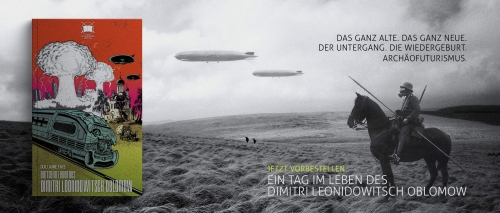
Pour commander la traduction allemande de la nouvelle de Faye: https://www.jungeuropa.de/buecherschrank/192/ein-tag-im-leben-des-dimitri-leonidowitsch-oblomow?c=37
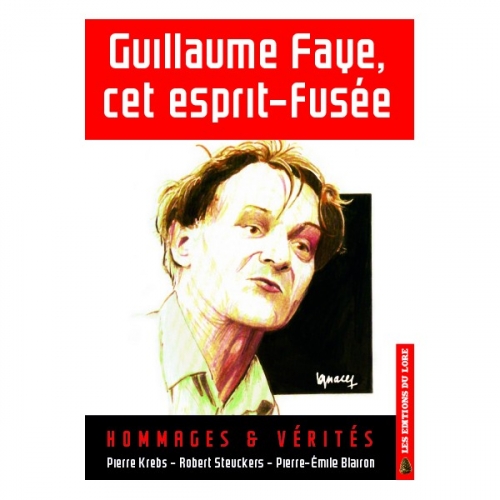
Pour commander "Guillaume Faye, cet esprit-fusée" auprès des éditions du Lore: http://www.ladiffusiondulore.fr/home/765-guillaume-faye-cet-esprit-fusee-hommages-verites.html




 del.icio.us
 Digg
Digg Facebook



 Dans les années 2000, le livre de John Gray « Les hommes viennent de Mars, les femmes viennent de Vénus » eut en France un succès colossal. Les lecteurs des deux sexes le dévoraient pour essayer de comprendre le sexe opposé. On pouvait surement opposer beaucoup d’arguments à la méthode « vulgarisante » de Gray, mais son objectif était clair : aider les hommes et les femmes à mieux se comprendre pour mieux vivre ensemble, et particulièrement en couple.
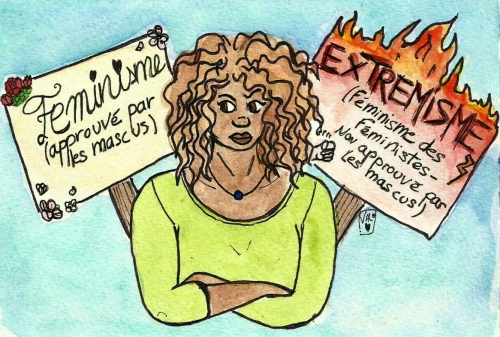
  Qu’une call-girl accepte une relation sexuelle pour de l’argent ne dérange pas les féministes. Qu’une carriériste accepte une relation sexuelle avec son supérieur pour obtenir une promotion ne dérange pas les féministes. Ce qui dérange les féministes, ce qui pour elle relève de l’abomination, c’est qu’une femme accepte, parfois, une relation sexuelle par amour pour son mari.



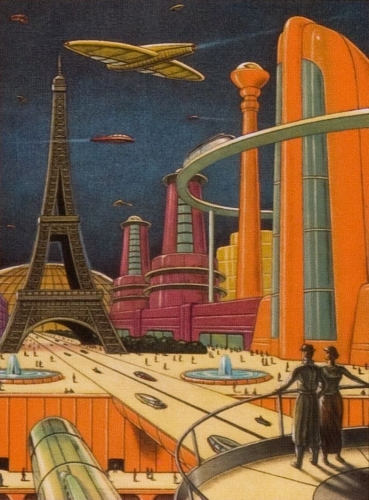
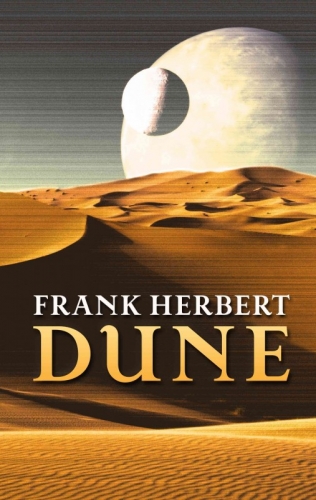 L’idée de créer une société utopique au moyen du progrès scientifique et technologique remonte à des fondateurs de la philosophie moderne comme Bacon et Descartes, bien que l’idée ait déjà été effleurée par Machiavel. Mais aujourd’hui, les visions de la plupart des gens concernant l’utopie technologique sont dérivées de la science-fiction. A l’exception notable de
 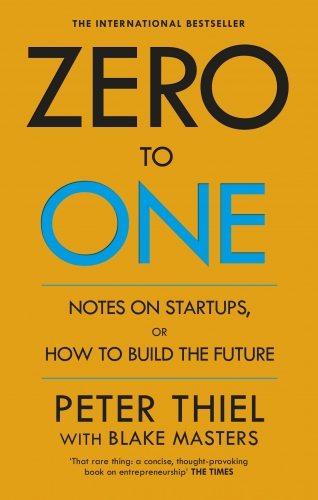 Comme Peter Thiel le dit d’une manière convaincante dans
 La plupart des gains de productivité qui viennent de la globalisation économique son tune question de réduction des coûts, réduisant principalement les coûts du travail. Le Tiers Monde a une immense quantité de main d’oeuvre à bon marché. La globalisation économique permet le libre mouvement du travail et du capital. Les entreprises peuvent réduire les coûts de la main d’oeuvre en déplaçant les usines outre-mer ou en important de nouveaux travailleurs pour faire baisser les salaires dans les pays industrialisés.




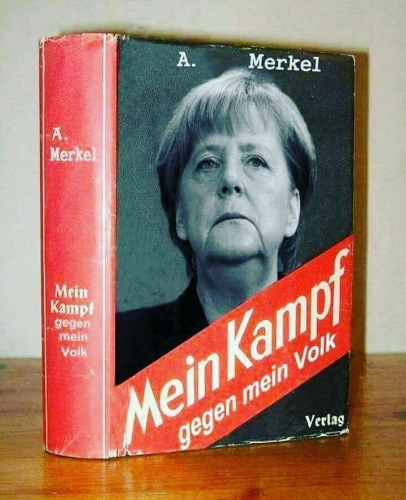
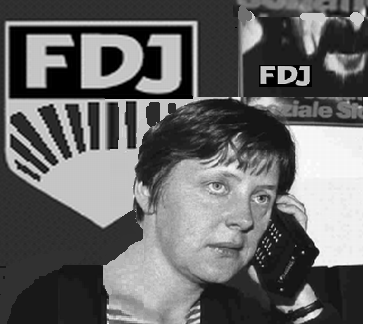
 Der Autor der Jungen Freiheit, Hinrich Rohbohm, hat zudem für sein Buch System Merkel monatelang im Umfeld von Merkels Familie recherchiert. Demnach lehnte ihr Vater nicht nur die Wiedervereinigung, sondern auch die Gesellschaftsordnung der BRD ab. Am Abendbrottisch der Familie wurde ebenso intensiv über Politik gesprochen wie bei den regelmäßigen Treffen seines politischen »Hauskreises«, an denen auch Angela Merkel rege teilnahm. In Konflikt mit der SED-Diktatur kamen weder die Familie noch Merkel; ganz im Gegenteil, sie waren Teil der privilegierten Oberschicht und besaßen neben einem Dienstwagen auch einen Privatwagen. Ferner waren der Familie zahlreiche Russlandaufenthalte sowie Westreisen gestattet. Der SED-Staat ermöglichte Merkel zudem das Abitur und ein Physikstudium an der »roten« Karl-Marx-Universität in Leipzig, die als deutlich SED-konformer als andere Hochschulen galt. Ein Klassenkamerad Merkels erinnert sich, dass diese am Ende ihrer Schulzeit an den FDJ-Aktivitäten ihrer Abiturklasse führend mitwirkte. Auch an der Karl-Marx-Universität, wo die ideologische Indoktrination stark ausgeprägt war und es von Stasi-Mitarbeitern nur so wimmelte, übernahm sie FDJ-Funktionen. Gemäß Rohbohms Recherchen wurde Merkel von Kommilitonen als FDJ-Funktionärin bezeichnet, die Studenten »auf Linie gebracht« habe.
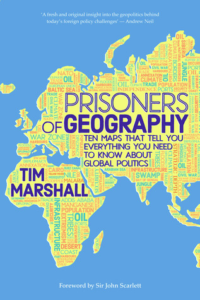 Ever since I was a small child, roughly from age three or four, I remember staring transfixed at any map I could get my hands on. Atlases, globes, wall charts, everything to satisfy my voracious appetite for map-reading. It’s important to not confuse the map for the territory, but a map is a story of the territory, for those who know how to read it. I would scan maps for hours on end, learning to the best of my ability the various geographical features, the names of countries, cities, and capitals. Much of it I still remember even at my embarrassingly advanced age. So, it should come as no surprise to anyone that I was positively giddy when I heard that a book about maps that explain the world exists. And indeed,



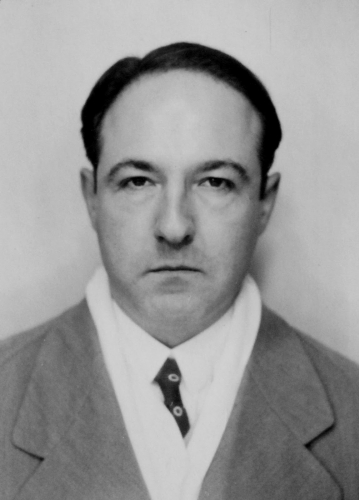
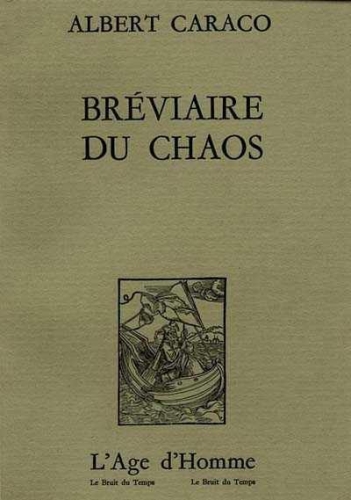 Plusieurs postures se superposent lorsque l’on tente un portrait de ce solitaire : celle du Proscrit des Belles Lettres, celle du Prophète criant dans un désert qu’il s’est patiemment ménagé, celle de l’Auteur en pleine et souveraine disposition de son œuvre et du destin qu’il lui assigne. C’est dire si sa fréquentation est complexe : ses textes, maintenus par une impressionnante force d’entropie, n’invitent en rien au partage. Un peu comme si Caraco, en s’enfermant dans l’hermétique noyau de sa pensée, s’ingéniait à exclure d’office son putatif lecteur. Un lecteur qu’il imagine le découvrant à titre posthume, et conquis d’avance par la puissance de sa parole.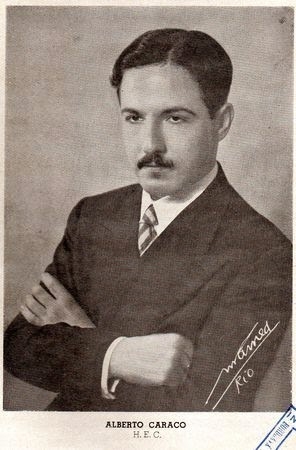
 C’est cette inadmissibilité radicale qui en fonde à nos yeux l’intérêt et qui motive notre démarche. Le bouillonnement contenu, le volcan contraint que fut Caraco nous apparaît autant comme un foyer de rayonnement que comme un trou noir. On peut s’y égarer sans conteste, s’y perdre même ; on peut de la même façon s’en nourrir, s’en inspirer et s’en trouver régénéré.


 Un autre élément est un fonctionnement familial clanique, très répandu chez les gens du voyage, les familles kosovares et maghrébines. Un clan est comme un corps dont chaque individu est un membre. Alors que le but d’une famille devrait être que les parents cherchent à ce que leur enfant se construise une pensée personnelle et puisse s’éloigner d’eux pour se construire un projet personnel, dans une famille clanique le mode de pensée est indifférencié, le but n’est pas qu’un sujet pense par lui-même, son identité est d’abord d’appartenir au groupe. Le terme de ghettoïsation est donc inexact car on est enfermé dans un ghetto alors qu’ici au contraire, la contrainte est intérieure, autosécrétée, car c’est l’éloignement du groupe qui est angoissant, en pensée, ou physiquement hors du territoire. Les populations concernées n’ont pas été contraintes de se regrouper, ce sont elles qui choisissent de se concentrer sur la base d’une identité groupale. Et la représentation que les membres d’un clan ont de la relation n’est pas de personne à personne mais de groupe à groupe. Si l’un d’eux est en difficulté dans une relation, il rameute son groupe : « mes frères vont venir te tuer ». Ce mode clanique est un obstacle à l’intégration des individus, les codes du groupe peuvent primer sur les règles de la République.
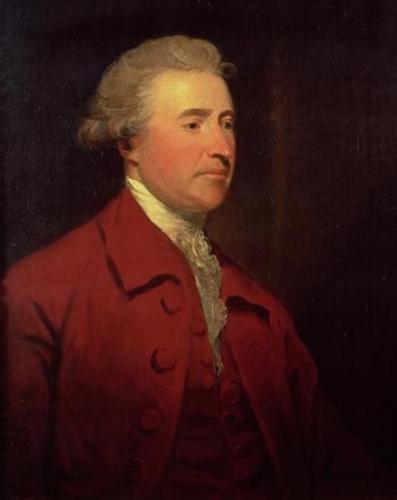
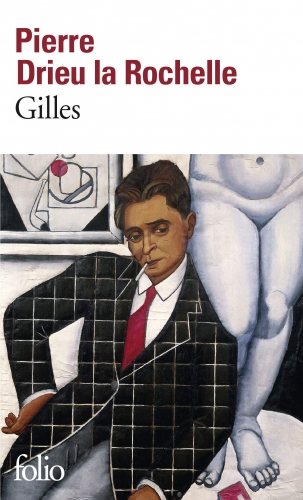
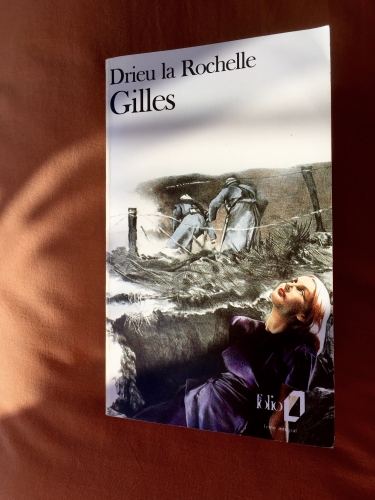

 C’est ainsi que Gilles, lui aussi revenu des femmes, chemine d’une certaine façon aux côtés de l’homme à cheval, Jaime Torrijos. Il en conte la geste sanglante et merveilleuse, au moyen de la musique, assemblant les chapitres de son histoire comme autant de «chants qui avaient lancé et soutenu toute [leur] action et qui la soutiendraient encore par la suite» (pp. 193-4), musique que Felipe joue sur sa guitare. Bien sûr, nous avons vite fait de deviner que Felipe et Jaime ne font qu’un, le rêve de l’un s’attachant à l’autre, le guitariste étant lié au maître de la Bolivie «par des liens beaucoup plus étroits et particuliers que ceux» qu’il avait imaginés (p. 146), une dialectique subtile entre l’action et la pensée se nouant entre ces deux vecteurs d’une même force : ainsi Felipe se déclare habile aux «idées ou à l’action seulement dans ces moments de l’action qui sont si intenses que celle-ci s’épure et devient aussi prompte et simple que la pensée» (p. 163). Il dispose aussi de «couteaux de la pensée» (p. 20) qu’il a fort aiguisée par ses méditations théologiques (5), mais il s’agit finalement toujours de nouer le même nœud : rendre l’action pensante, façonner la pensée pour la rendre aussi dangereuse qu’une dague. Cette dialectique tend ses deux bornes entre le début et la fin du roman, les différentes péripéties mouvementant le récit pouvant en fin de compte n’être considérées que comme un fil d’acier, qu’un simple pincement fera vibrer comme une corde de guitare. Écoutons Felipe se réciter l’antienne de l’action point dépourvue de finalité, de la pensée lestée de force agissante, dans leur éternelle sarabande l’une autour de l’autre : «Et moi, retrouvais-je dans ce que disait Jaime ce que je lui avais parfois murmuré ? La pensée devenue action, trempée de sang, forgée comme une arme d’acier est étrangère au penseur. Mais comme est peu sage cet étonnement des hommes de pensée devant la rapidité d’assimilation des hommes d’action, car les hommes d’action ne sont importants que lorsqu’ils sont suffisamment hommes de pensée, et les hommes de pensée ne valent qu’à cause de l’embryon d’homme d’action qu’ils portent en eux» (p. 198). L’action, pour quoi faire ? Reconstruire le défunt empire inca sur un sacrifice propitiatoire censé faire de nouveau pulser le vieux cœur endormi ? Ce sera l’occasion d’un beau jeu de mots plus que d’une action véritable, fût-elle romanesque, fût-elle par avance synonyme d’échec ce qui, finalement, est la même chose, tout grand roman racontant l’histoire d’un échec, la parole, sauf peut-être aux abords du Paradis, avec Dante, étant bien incapable de fixer la pure lumière, d’en dessiner les linéaments qui ne se détachent jamais mieux que sur un fond d’obscurité, où pourra être figurée la folle destinée humaine : «Ce sont les impérieux, ce sont les impériaux» (p. 234) qui, finalement, dirigent le monde, alors que Jaime et, surtout, Felipe, sont des êtres pensants, comme le concède sans peine ce dernier qui avoue, à l’action, un autre but qui la dépasse, la connaissance évidemment : «D’abord, j’avais été porté contre cet homme par l’action, la joyeuse action, ensuite s’était figée la méconnaissance, résidu triste de cette action, enfin, j’atteignais à une sorte de connaissance et d’amour qui d’abord était délivrance» (p. 225), métamorphose ultime qui aura été rendue possible parce que, un instant, la pure action a donné forme à la pure pensée : «Qu’étais-je, moi ? Un joueur de guitare, un pâle étudiant en théologie; et soudain tu t’es dressé devant moi, tu étais la forme. La forme. Moi qui étais amant de la beauté, je me suis rué vers cette forme, qui était la beauté vivante. Soudain, la musique, la théologie étaient une seule figure qui marchait dans le monde» (p. 236), car les idées les plus hautes de l’humanité « se trempent dans le sang versé par les héros» (p. 239) et qu’il nous faut, décidément, parier sur la possibilité «de grands hommes et de grandes actions pour que nous retrouvions le sens des grandes choses» (pp. 238-9) et, même, le temps des «grandes actions, des actions impériales» (p. 231).
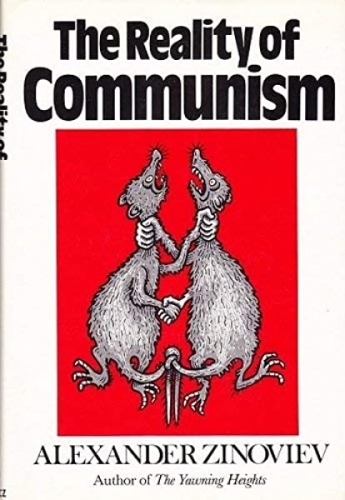
 Zinoviev décrit très bien le redoutable mondialisme qui naît du défunt et redouté communisme :
 A la fin des années 90 les socialistes sont de pures canailles (voyez aussi les excellents pamphlets de Guy Hocquenghem et de mon éditeur Thierry Pfister qui datent des années 80) :
 « En littérature, c’est la même chose. La domination mondiale s’exprime, avant tout, par le diktat intellectuel ou culturel si vous préférez. Voilà pourquoi les Américains s’acharnent depuis des décennies à faire baisser le niveau culturel et intellectuel du monde : ils veulent baisser au leur pour pouvoir exercer ce diktat. »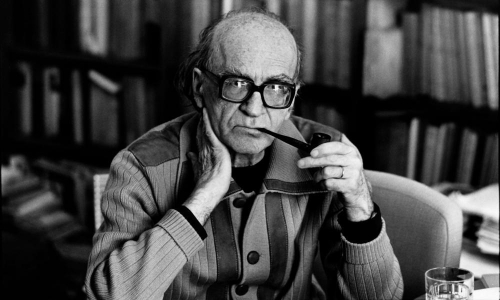
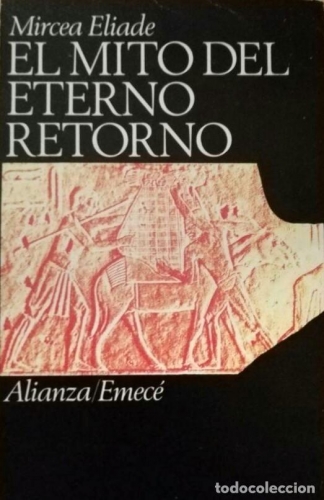 El Eterno Retorno no es solo la vida en los ciclos cósmicos. Este es precisamente el deseo del hombre de volver al "tiempo": el tiempo radial del alma, que pasa a través de los anillos del tiempo y se dirige hacia la imagen de la Eternidad.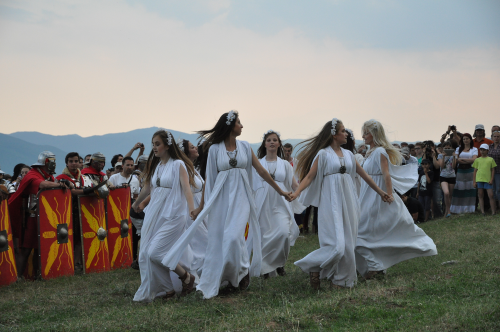


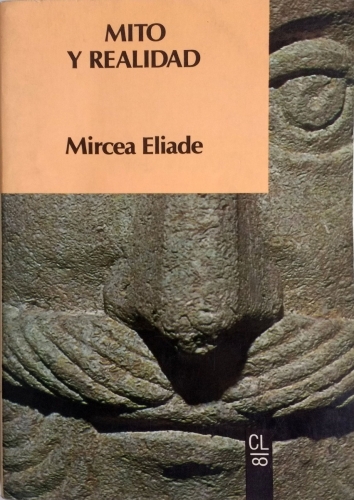
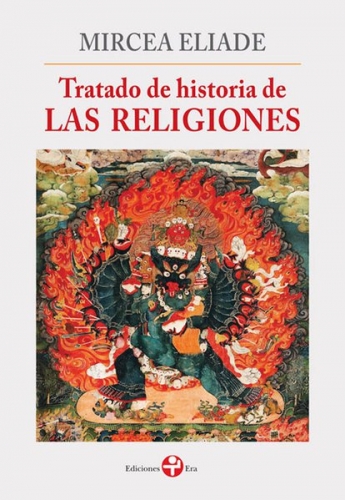 Se presta especial atención a los problemas de la relación de los sexos en la obra literaria, el equilibrio entre el hombre y la mujer, el peculiar simbolismo matrimonial de Eliade, claramente manifestado en su obra literaria, también se refiere al principio característico de la tercera función según Dumézil: la relación entre los sexos y "estar en la boda".
 L’anonymat, la possibilité de placer de « faux drapeaux » pour faire accuser d’autres, la technicité du trucage informatique (bientôt les deep fakes), la difficulté d’attribuer une attaque, la facilité de recueillir des données sur les citoyens pour leur délivrer exactement le message qui les fera pencher d’un côté (voir l’affaire Cambridge Analytica), les techniques numériques dites de « guerre de l’attention » pour attirer les réseaux sociaux sur un thème et le rendre viral, l’économie de moyens, … tout cela facilite les actions d’influence politique par écrans interposés.