Nous donnons ci-dessous deux textes, qu’il importe de lire avec la plus extrême attention et surtout, surtout, en n’en croyant même pas un demi-mot puisqu’il s’agit de deux textes d’origine russe, l’un de Spoutnik-France , l’autre de RT-France. Qui plus est le second met en scène Zemmour, Eric, agent bien connu et toujours jeune de la très-vénérable Tchéka. Toutes les pièces du dossier sont donc prêtes pour prononcer le verdict avant même que le procès n’ait lieu, rendant inutile de se dépenser en un procès dont le verdict est connu d’avance puisqu’il n’y a pas matière à procès. Il s’avère donc que, bien que n’ayant pas encore sauvé la civilisation dont il est le soutien et le souteneur tout nûment, le bloc-BAO a inventé le mouvement perpétuel. Il en fait le meilleur usage du monde.
Le procès qui n’aura pas lieu, c’est celui du coupable, l’effroyable et infernal trio-maléfique, Moscou-Poutine-FSB, en présence de l’attentat innommable contre Navalny. Puisque le sacrilège est si évident tel qu’on l’a décrit, on est passé directement aux applications diverses de la peine, laquelle passe essentiellement, – très joyeuse nouvelle pour les familles respectives, – par une noce arrangée des culpabilités, entre Navalny et le projet quasi-terminée de gazoduc sous-marin entre la Russie et l’Allemagne, NordStream 2. C’est donc à ce niveau qu’il faut traiter l’affaire.
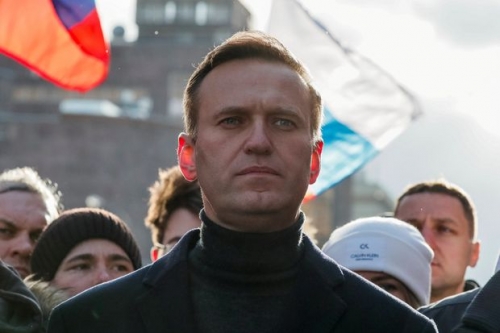
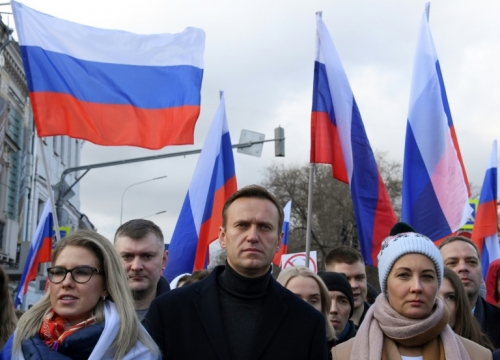
Au départ, donc, l’attaque contre le malheureux Navalny : montage complet bien entendu, business as usual et toujours les mêmes amateurs au boulot (selon PhG : « On sait depuis longtemps, depuis les trouvailles fameuses de la CIA ridiculisant le secrétaire d’État Powell devant l’ONU en 2003, que les officiers des ‘services’ ont véritablement adopté les godillots des Dupont-Dupond lorsqu’il s’agit de fabriquer des bidouilleries faussaires. ») Il n’empêche et malgré les grognements cyniques et le scepticisme défaitiste de PhG, l’affaire Navalny nième version a été bel et bien lancée début septembre.
Le 3 septembre 2020, Karine Bechet-Kolovko (nommons-là KBK de ses initiales, cela permettra aux organes de ‘désintoxication’ de Libé et du Monde d’annoncer la création d’un nouveau services de subversion russe, chargé de ‘K’, qui est une lettre douteuse et subversive), – KBK donc, qui n’est en général pas si tendre que cela pour Poutine et sa politique qu’elle juge trop laxiste, nous annonçait fort justement et à propos :
« Ca y est, l’opération Navalny tourne à plein régime. Merkel l'a déclaré : la Russie a empoisonné Navalny au Novichok, il n'y a aucun doute. Et comme c'est la Russie, elle doit reconnaître les faits. Et comme il n'y a aucun doute, il n'est pas nécessaire de présenter les preuves. Quant à savoir pourquoi un produit si toxique et volatil a réussi à ne toucher absolument personne dans l'entourage de Navalny, ni dans l'avion, ni dans l'hôpital à Omsk, cela doit faire partie des mystères de la géopolitique. En attendant, la communauté internationale prépare sa ‘réponse’, autrement dit continue son attaque contre la Russie. »
« Cette ‘mécanique’, celle qu’est la presseSystème, ou mainstream outre-Atlantique, fonctionne à cet égard effectivement comme une entité absolument fiable et superbement apprêtée, démarrant au quart de tour, sans demander son reste ni se préoccuper des restes. Pour elle, pour la presseSystème et ses bataillons obéissants, la culpabilité russe est l’existence qui précède l’essence, et au-delà, pour le prochain ‘crime d’État’ de Poutine & Cie, l’essence qui précède l’existence. La culpabilité russe existe avant même que ne soit connu et encore moins commis le crime, tout comme le communiqué de dénonciation du bloc-BAO.
» Tout juste mais tout de même, pourra-t-on noter qu’il existe cette fois un peu moins de place faite à la dernière monstruosité poutinesque, cette narrative Navalny-Novichok, dans le cours de la communicationSystème, essentiellement pour cause de crises diverses en cours qui doivent être régulièrement alimentées et mises en scène avec une durabilité sans faille, et qui prennent leurs aises dans la susdite communication. (Je veux parler des stars de la GCES : Covid19 et dépression à suivre, Grande Émeute2020, etc.) »
Las, c’était sans compter sur l’effronterie et le sens de l’à-propos dans les coups fourrés de Pompeo et de soin ancienne CIA, et sur l’absence de limites de la ‘goinfrerie zombiesque’ de la presseSystème. En effet, aussi incroyable que cela paraissait au départ en regard de la légèreté grossière de l’affaire Navalny et du poids énorme du gazoduc, comme signalé plus haut les familles réussirent à rassembler les deux partis et à annoncer un mariage de convenance entre le pseudo-‘dissident principal’ russe et NordStream 2.
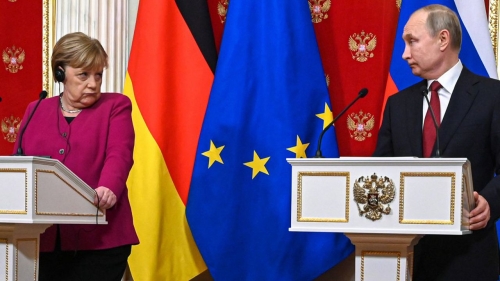
Outre les surprises de l’amour (celui de Navalny-NordStream 2), PhG n’avait pas prévu, dans sa dénonciation de la sottise cosmique des amateurs des ‘services’ anglo-saxons, qu’il y a une sottise encore plus grande et une couardise à mesure du côté européen, et particulièrement de l’Allemagne, dont on nous annonce régulièrement la renaissance de sa puissance, au moins depuis la réunification, et peut-être même depuis les euromissiles de 1979 et la complicité Mitterrand-Kohl de 1982. Rien du tout : l’Allemagne de Merkel est encore plus sotte et plus soumise à ses ‘valeurs’ que lui suggèrent la CIA par courrier diplomatique et la NSA par l’intermédiaire de son portable. Exécution, donc, ‘selon le plan prévu’, et l’affaire Navalny déboule en cascade sur la nécessité absolue, pour sauver la liberté du monde et les Lumières toujours brûlantes de la civilisation, de liquider NordStream 2 pour aider le brave Navalny à se remettre complétement sur pied et à se remettre à savourer sa dose quotidienne de Novichok.
(A propos, pour ne pas oublier la distribution des sucettes en chocolat et pour expliquer sa présentation au Prix Nobel de la Paix 2020, Trump tient à nous rappeler que “c’est moi qui ait eu le premier l’idée” [de couler NordStream 2].) «
Pour autant et en fonction des développements qui nous sont contés dans les textes ajoutés à celui-ci, nous vient comme un des derniers événements en date la bienheureuse possibilité que cette crise-simulacre devienne une vraie crise... La même et avisée KBK déjà citée ci-dessus nous avertit ce 10 septembre 2020 de cette chose intéressante que si le montage se poursuit de façon aussi dramatiquement ridicule du côté du bloc-BAO, il y a désormais le risque d’une grave “crise internationale”, du fait des Russes qui commence à être incommodés. Cela serait en effet la meilleure chose du monde, si, pour une fois en tous cas et peut-être enfin pour “une bonne fois“, les Russes poussaient les feux jusqu’à une vraie-de-vraie ‘grave crise internationale’.
« Au regard de la poussée d'hystérie en Occident autour de l'affaire Navalny, des déclarations agressives du G7 envers la Russie et de l'implication de l'OIAC, la Russie a décidé de réagir fermement. Le ministère des affaires étrangères a convoqué l'ambassadeur allemand pour lui remettre une note de protestation. Puisqu'à ce jour aucune analyse n'a été transmise aux autorités russes, Navalny est quand même citoyen russe, si les autorités russes ne reçoivent pas les documents demandés, elles considéreront cela comme une provocation hostile, avec toutes les conséquences qui, logiquement, en découlent, faisant reposer la responsabilité de cette crise internationale, non seulement sur l’Allemagne, mais aussi sur l'OTAN et l'UE. A suivre. »
« Une information aussi surprenante que significative vient d’être dévoilée par le chef de file de la délégation russe à l'Assemblée parlementaire du Conseil de l'Europe : dès le mois d'août, avant que l'on ne sache ce qui se passe avec Navalny, l'ordre du jour des séances prévoyait à la rentrée une discussion ... sur Navalny. Si le politiquement correct nous oblige à écarter la voie de la mise en scène concertée de l'exfiltration du blogueur-opposant et de la relance de l'attaque de la Russie, il ne reste qu'une seule explication possible : le Conseil de l'Europe a recours à des voyants ... C'est tout aussi plausible que le Novichok.
» Pietr Tolstoï, à la tête de la délégation russe à l’APCE vient de faire une déclaration qui, à n’en pas douter, passera inaperçue dans les médias occidentaux. Et pour cause.
» “Pour moi, ça a été particulièrement surprenant de voir, encore en août, à l'ordre du jour des séances de la commission des questions juridiques et des droits de l’homme un point prévoyant la discussion de ce sujet (Navalny). Alors qu’à ce moment, il n'y avait absolument aucune information sur l'état de santé de Navalny et ni sur son diagnostic. (...) Il a été demandé aux collègues européens une aide concertée dans l'enquête sur l’incident avec le blogueur Navalny, pour que par la suite, il soit possible de discuter de la confirmation des faits et non pas des rumeurs.” »
Voilà, nous allons nous arrêter là pour l’instant, en attendant les résultats de l’interrogatoire de Navalny par la police russe (en Allemagne, rien que ça !), – lequel interrogatoire sera sans doute refusé pour cause de pandémie Covid19 accompagnant toute diffusion du Novichok. L’on pourrait poursuivre en détaillant le brio de l’intelligence et de l’héroïsme des membres de l’UE, de l’OTAN et du bloc-BAO, décidés à défendre jusqu’au sacrifice suprême le modèle civilisationnel dont les crises à répétition prouvent le bien-fondé et la vertu sans limites. Nous sommes pour l’instant, et pour ce commentaire, un peu découragés par l’amas sans fin de vertus et de brio. Pour un peu de détente, nous préférons laisser l’attention du lecteur se disperser et prendre un peu d’aise avec les textes subversifs et absolument catastrophiques, détestables, déplorables et pitoyables... Voici donc successivement :
• « Arrêt du Nord Stream 2: une sanction européenne contre la Russie à double tranchant », de Maxime Perrotin, sur Spoutnik-français le 10 septembre 2020, et ;
• « Navalny, la Biélorussie et la CIA : cris d’orfraie après les propos de Zemmour sur CNews », à propos du galopin mucho-subversif remis à sa place par quelques beaux et scintillants esprits EnMarche, sur RT-France le même 10 septembre 2020.
dedefensa.org
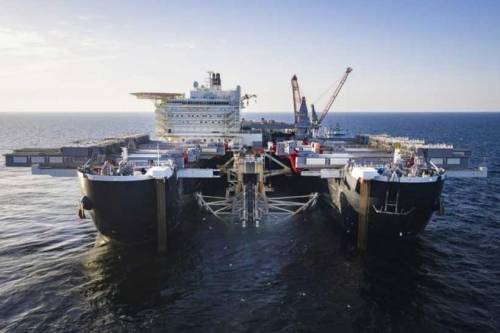
Les appels à interrompre le projet Nord Stream 2 se multiplient, en guise de sanction à l’encontre de la Russie, accusée de l’empoisonnement d’Alexeï Navalny. Mais cet arrêt du projet profiterait avant tout à ses principaux concurrents, Américains en tête, qui mettent tout en œuvre pour couler le gazoduc avant sa mise en service.
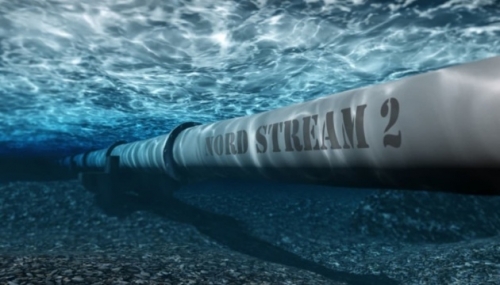
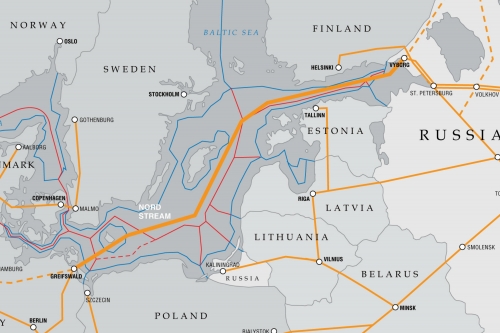
Nord Stream 2 verra-t-il le jour? Le mégaprojet de gazoduc reliant la Russie à l’Allemagne en passant par la mer Baltique est aujourd’hui sur la sellette, du fait de l’affaire Navalny.
Depuis l’annonce le 2 septembre, par Angela Merkel, que le gouvernement allemand détiendrait la preuve qu’Alexeï Navalny aurait été victime d’un empoisonnement, les appels à remettre en cause le projet de gazoduc se multiplient jusque dans le camp de la chancelière allemande. Alors qu’elle répétait le 1er septembre, face aux menaces de sanctions américaines, son attachement à ce projet entériné en 1997, Angela Merkel a finalement depuis ouvert la porte à son éventuel arrêt.
«Cela serait une première, car cela traduirait un gâchis important», réagit pour Sputnik Jacques Percebois, directeur du Centre de recherche en économie et droit de l’énergie (CREDEN).
En effet, s’il n’est pas exceptionnel que des projets de pipeline ne voient pas le jour (tel South Stream, qui devait relier la Russie à l’Europe occidentale), le professeur émérite à l’université de Montpellier souligne qu’il est en revanche beaucoup plus rare que des projets mis en chantier soient annulés en cours de route. Nord Stream 2, qui passe par la mer Baltique, est déjà achevé à plus de 95%, sa mise en service étant prévue début 2021.
Ainsi, une telle décision politique s’accompagnerait-elle d’une casse financière considérable pour les compagnies européennes ayant participé à ce projet: le français Engie, l’anglo-néerlandais Shell, l’autrichien OMV et les allemands Uniper et Wintershall. Sur les 10 milliards d’euros investis dans gazoduc, chacune d’entre elles a mis environ un milliard sur la table, le solde ayant été apporté par le russe Gazprom.
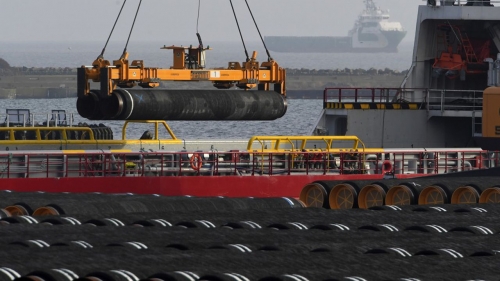
Des compagnies européennes qui sont déjà sous le coup de sanctions américaines. En effet, Nord Stream 2 aurait dû être mis en service en janvier 2020, mais des sanctions adoptées par le Congrès américain fin 2019 à l’encontre des compagnies prenant part à la construction du pipeline ont in extremis interrompu le chantier en provoquant le retrait de la compagnie helvético-néerlandaise Allseas, chargée de construire la section offshore du projet.
Suite à la reprise du chantier, qui enregistre ainsi un an de retard, les Américains ont décidé en juillet d’élargir leurs sanctions à l’égard de toutes les compagnies impliquées d’une manière ou d’une autre (armateurs, assurances, autorités portuaires, organismes de certification, etc.) dans Nord Stream 2, et ce d’une manière rétroactive. Comme le précisait alors à Sputnik la société Nord Stream 2 AG, opérateur du gazoduc, ce dernier fait travailler pas moins d’un millier d’entreprises originaires de 25 pays.
«L’indépendance énergétique de l’Europe, c’est un paravent derrière lequel les États-Unis s’abritent. La vraie raison derrière, c’est qu’ils souhaitent exporter vers l’Europe du gaz sous forme liquide [gaz naturel liquéfié (GNL), ndlr]. Tout ce qui sera acheté en Russie ne sera pas acheté aux États-Unis. Il ne faut pas se voiler la face!»
De fait, au premier rang de ces nouvelles sources d’approvisionnement en hydrocarbures figurent les producteurs américains, qui ont bousculé le jeu mondial ces dernières années. Portés par la révolution du pétrole et du gaz de schiste, les États-Unis sont rapidement devenus les premiers producteurs de la planète tant de pétrole que de gaz.
Un statut qui va de pair avec certaines ambitions en matière d’exportations, malgré son coût. Lors du premier forum économique sur l’énergie organisé par l’UE et les États-Unis, le 2 mai 2019, Rick Perry, secrétaire d’État américain à l’Énergie, vantait les qualités de son GNL: « Bien que plus cher que le russe », soulignaient nos confrères du Figaro à l’époque, « celui-ci est “fiable” et synonyme de “liberté” pour les Européens.»
C’est dans cette optique qu’il faut comprendre que Trump a déclaré à la presse, le 7 septembre dernier, qu’il a «été le premier à émettre l’idée» d’asséner un coup fatal au projet Nord Stream 2, qui doit doubler les fournitures de gaz russe à l’Allemagne. L’affaire Navalny tombe donc à pic pour l’industrie gazière américaine.
Autres pays, cette fois-ci en Europe, qui brandissent l’argument d’une augmentation de la pression russe sur les Européens via le levier du gaz: les pays baltes, la Pologne ou encore l’Ukraine. Ces deux derniers pays, pour l’heure, profitent de la manne financière que leur procure le transit par leur territoire… de ce même gaz russe. «Il est toujours prévu qu’il en passe un peu, mais à partir du moment où Nord Stream 2 va entrer en fonctionnement, on n’aura plus besoin de l’Ukraine», précise Jacques Percebois.
Pourtant, comme le souligne Jacques Percebois, en cas de non-aboutissement du projet Nord Stream 2, le plan de sortie du charbon de l’Allemagne (deuxième consommateur européen derrière la Pologne depuis sa décision de sortir du nucléaire) à l’horizon 2038 sera lui aussi remis en cause. «Le gaz a une vertu, c’est que c’est la moins polluante des énergies fossiles», souligne le directeur du CREDEN, avec deux fois moins de CO² émis par kilowattheure produit par rapport au charbon.
«Le charbon, c’est un peu moins de 30% de la production d’électricité en Allemagne. S’il n’y a pas ce gaz russe, cela veut dire qu’on va maintenir plus longtemps les centrales à charbon. [14: 35] Renoncer au projet, cela veut dire retarder l’arrêt des centrales à charbon», met-il en garde.
Cependant, l’impact du gaz naturel sur l’environnement est amplifié par la liquéfaction du gaz lui-même, un processus gourmand en énergie, ce qui «pose la question du bien-fondé d’une augmentation des livraisons de gaz liquéfié, par exemple depuis les États-Unis», soulignait dans un article, pourtant critique à l’encontre du Nord Stream 2, Maxime Filandrov, consultant en coopération industrielle et commerciale pour le marché russe et ancien représentant de la Commission européenne à Saint-Pétersbourg, responsable de la coopération entre l’UE et la Russie du Nord-ouest. Quant aux méthodes d’exploitation des hydrocarbures américains, la fracture hydraulique (fracking) est un procédé très loin d’être considéré comme écoresponsable.
La bataille autour de la survie de ce mégaprojet devrait pourtant plus se jouer sur le terrain politique qu’environnemental. Si Jacques Percebois soulignait l’ampleur des «coûts échoués» économiques –une ardoise potentielle de 10 milliards d’euros, rappelons-le–, il souligne en effet que ceux-ci seraient également politiques.
Ce serait bien sûr le cas pour Vladimir Poutine et Angela Merkel, qui subiraient l’affront de voir enterré un projet qu’ils ont soutenu, mais aussi pour Emmanuel Macron, dont l’accord sera nécessaire à cet arrêt. En pleine crise économique, le Président de la République devrait assumer de faire perdre près d’un milliard d’euros à Engie, avec d’imprévisibles conséquences sur l’emploi et l’investissement de l’ancien groupe public.
Le procès qui n’aura pas lieu, c’est celui du coupable, l’effroyable et infernal trio-maléfique, Moscou-Poutine-FSB, en présence de l’attentat innommable contre Navalny. Puisque le sacrilège est si évident tel qu’on l’a décrit, on est passé directement aux applications diverses de la peine, laquelle passe essentiellement, – très joyeuse nouvelle pour les familles respectives, – par une noce arrangée des culpabilités, entre Navalny et le projet quasi-terminée de gazoduc sous-marin entre la Russie et l’Allemagne, NordStream 2. C’est donc à ce niveau qu’il faut traiter l’affaire.
Au départ, donc, l’attaque contre le malheureux Navalny : montage complet bien entendu, business as usual et toujours les mêmes amateurs au boulot (selon PhG : « On sait depuis longtemps, depuis les trouvailles fameuses de la CIA ridiculisant le secrétaire d’État Powell devant l’ONU en 2003, que les officiers des ‘services’ ont véritablement adopté les godillots des Dupont-Dupond lorsqu’il s’agit de fabriquer des bidouilleries faussaires. ») Il n’empêche et malgré les grognements cyniques et le scepticisme défaitiste de PhG, l’affaire Navalny nième version a été bel et bien lancée début septembre.
Le 3 septembre 2020, Karine Bechet-Kolovko (nommons-là KBK de ses initiales, cela permettra aux organes de ‘désintoxication’ de Libé et du Monde d’annoncer la création d’un nouveau services de subversion russe, chargé de ‘K’, qui est une lettre douteuse et subversive), – KBK donc, qui n’est en général pas si tendre que cela pour Poutine et sa politique qu’elle juge trop laxiste, nous annonçait fort justement et à propos :
« Ca y est, l’opération Navalny tourne à plein régime. Merkel l'a déclaré : la Russie a empoisonné Navalny au Novichok, il n'y a aucun doute. Et comme c'est la Russie, elle doit reconnaître les faits. Et comme il n'y a aucun doute, il n'est pas nécessaire de présenter les preuves. Quant à savoir pourquoi un produit si toxique et volatil a réussi à ne toucher absolument personne dans l'entourage de Navalny, ni dans l'avion, ni dans l'hôpital à Omsk, cela doit faire partie des mystères de la géopolitique. En attendant, la communauté internationale prépare sa ‘réponse’, autrement dit continue son attaque contre la Russie. »
« Cette ‘mécanique’, celle qu’est la presseSystème, ou mainstream outre-Atlantique, fonctionne à cet égard effectivement comme une entité absolument fiable et superbement apprêtée, démarrant au quart de tour, sans demander son reste ni se préoccuper des restes. Pour elle, pour la presseSystème et ses bataillons obéissants, la culpabilité russe est l’existence qui précède l’essence, et au-delà, pour le prochain ‘crime d’État’ de Poutine & Cie, l’essence qui précède l’existence. La culpabilité russe existe avant même que ne soit connu et encore moins commis le crime, tout comme le communiqué de dénonciation du bloc-BAO.
» Tout juste mais tout de même, pourra-t-on noter qu’il existe cette fois un peu moins de place faite à la dernière monstruosité poutinesque, cette narrative Navalny-Novichok, dans le cours de la communicationSystème, essentiellement pour cause de crises diverses en cours qui doivent être régulièrement alimentées et mises en scène avec une durabilité sans faille, et qui prennent leurs aises dans la susdite communication. (Je veux parler des stars de la GCES : Covid19 et dépression à suivre, Grande Émeute2020, etc.) »
Las, c’était sans compter sur l’effronterie et le sens de l’à-propos dans les coups fourrés de Pompeo et de soin ancienne CIA, et sur l’absence de limites de la ‘goinfrerie zombiesque’ de la presseSystème. En effet, aussi incroyable que cela paraissait au départ en regard de la légèreté grossière de l’affaire Navalny et du poids énorme du gazoduc, comme signalé plus haut les familles réussirent à rassembler les deux partis et à annoncer un mariage de convenance entre le pseudo-‘dissident principal’ russe et NordStream 2.
Outre les surprises de l’amour (celui de Navalny-NordStream 2), PhG n’avait pas prévu, dans sa dénonciation de la sottise cosmique des amateurs des ‘services’ anglo-saxons, qu’il y a une sottise encore plus grande et une couardise à mesure du côté européen, et particulièrement de l’Allemagne, dont on nous annonce régulièrement la renaissance de sa puissance, au moins depuis la réunification, et peut-être même depuis les euromissiles de 1979 et la complicité Mitterrand-Kohl de 1982. Rien du tout : l’Allemagne de Merkel est encore plus sotte et plus soumise à ses ‘valeurs’ que lui suggèrent la CIA par courrier diplomatique et la NSA par l’intermédiaire de son portable. Exécution, donc, ‘selon le plan prévu’, et l’affaire Navalny déboule en cascade sur la nécessité absolue, pour sauver la liberté du monde et les Lumières toujours brûlantes de la civilisation, de liquider NordStream 2 pour aider le brave Navalny à se remettre complétement sur pied et à se remettre à savourer sa dose quotidienne de Novichok.
(A propos, pour ne pas oublier la distribution des sucettes en chocolat et pour expliquer sa présentation au Prix Nobel de la Paix 2020, Trump tient à nous rappeler que “c’est moi qui ait eu le premier l’idée” [de couler NordStream 2].) «
Pour autant et en fonction des développements qui nous sont contés dans les textes ajoutés à celui-ci, nous vient comme un des derniers événements en date la bienheureuse possibilité que cette crise-simulacre devienne une vraie crise... La même et avisée KBK déjà citée ci-dessus nous avertit ce 10 septembre 2020 de cette chose intéressante que si le montage se poursuit de façon aussi dramatiquement ridicule du côté du bloc-BAO, il y a désormais le risque d’une grave “crise internationale”, du fait des Russes qui commence à être incommodés. Cela serait en effet la meilleure chose du monde, si, pour une fois en tous cas et peut-être enfin pour “une bonne fois“, les Russes poussaient les feux jusqu’à une vraie-de-vraie ‘grave crise internationale’.
« Au regard de la poussée d'hystérie en Occident autour de l'affaire Navalny, des déclarations agressives du G7 envers la Russie et de l'implication de l'OIAC, la Russie a décidé de réagir fermement. Le ministère des affaires étrangères a convoqué l'ambassadeur allemand pour lui remettre une note de protestation. Puisqu'à ce jour aucune analyse n'a été transmise aux autorités russes, Navalny est quand même citoyen russe, si les autorités russes ne reçoivent pas les documents demandés, elles considéreront cela comme une provocation hostile, avec toutes les conséquences qui, logiquement, en découlent, faisant reposer la responsabilité de cette crise internationale, non seulement sur l’Allemagne, mais aussi sur l'OTAN et l'UE. A suivre. »
« Une information aussi surprenante que significative vient d’être dévoilée par le chef de file de la délégation russe à l'Assemblée parlementaire du Conseil de l'Europe : dès le mois d'août, avant que l'on ne sache ce qui se passe avec Navalny, l'ordre du jour des séances prévoyait à la rentrée une discussion ... sur Navalny. Si le politiquement correct nous oblige à écarter la voie de la mise en scène concertée de l'exfiltration du blogueur-opposant et de la relance de l'attaque de la Russie, il ne reste qu'une seule explication possible : le Conseil de l'Europe a recours à des voyants ... C'est tout aussi plausible que le Novichok.
» Pietr Tolstoï, à la tête de la délégation russe à l’APCE vient de faire une déclaration qui, à n’en pas douter, passera inaperçue dans les médias occidentaux. Et pour cause.
» “Pour moi, ça a été particulièrement surprenant de voir, encore en août, à l'ordre du jour des séances de la commission des questions juridiques et des droits de l’homme un point prévoyant la discussion de ce sujet (Navalny). Alors qu’à ce moment, il n'y avait absolument aucune information sur l'état de santé de Navalny et ni sur son diagnostic. (...) Il a été demandé aux collègues européens une aide concertée dans l'enquête sur l’incident avec le blogueur Navalny, pour que par la suite, il soit possible de discuter de la confirmation des faits et non pas des rumeurs.” »
Voilà, nous allons nous arrêter là pour l’instant, en attendant les résultats de l’interrogatoire de Navalny par la police russe (en Allemagne, rien que ça !), – lequel interrogatoire sera sans doute refusé pour cause de pandémie Covid19 accompagnant toute diffusion du Novichok. L’on pourrait poursuivre en détaillant le brio de l’intelligence et de l’héroïsme des membres de l’UE, de l’OTAN et du bloc-BAO, décidés à défendre jusqu’au sacrifice suprême le modèle civilisationnel dont les crises à répétition prouvent le bien-fondé et la vertu sans limites. Nous sommes pour l’instant, et pour ce commentaire, un peu découragés par l’amas sans fin de vertus et de brio. Pour un peu de détente, nous préférons laisser l’attention du lecteur se disperser et prendre un peu d’aise avec les textes subversifs et absolument catastrophiques, détestables, déplorables et pitoyables... Voici donc successivement :
• « Arrêt du Nord Stream 2: une sanction européenne contre la Russie à double tranchant », de Maxime Perrotin, sur Spoutnik-français le 10 septembre 2020, et ;
• « Navalny, la Biélorussie et la CIA : cris d’orfraie après les propos de Zemmour sur CNews », à propos du galopin mucho-subversif remis à sa place par quelques beaux et scintillants esprits EnMarche, sur RT-France le même 10 septembre 2020.
dedefensa.org
Les appels à interrompre le projet Nord Stream 2 se multiplient, en guise de sanction à l’encontre de la Russie, accusée de l’empoisonnement d’Alexeï Navalny. Mais cet arrêt du projet profiterait avant tout à ses principaux concurrents, Américains en tête, qui mettent tout en œuvre pour couler le gazoduc avant sa mise en service.
Nord Stream 2 verra-t-il le jour? Le mégaprojet de gazoduc reliant la Russie à l’Allemagne en passant par la mer Baltique est aujourd’hui sur la sellette, du fait de l’affaire Navalny.
Depuis l’annonce le 2 septembre, par Angela Merkel, que le gouvernement allemand détiendrait la preuve qu’Alexeï Navalny aurait été victime d’un empoisonnement, les appels à remettre en cause le projet de gazoduc se multiplient jusque dans le camp de la chancelière allemande. Alors qu’elle répétait le 1er septembre, face aux menaces de sanctions américaines, son attachement à ce projet entériné en 1997, Angela Merkel a finalement depuis ouvert la porte à son éventuel arrêt.
«Cela serait une première, car cela traduirait un gâchis important», réagit pour Sputnik Jacques Percebois, directeur du Centre de recherche en économie et droit de l’énergie (CREDEN).
En effet, s’il n’est pas exceptionnel que des projets de pipeline ne voient pas le jour (tel South Stream, qui devait relier la Russie à l’Europe occidentale), le professeur émérite à l’université de Montpellier souligne qu’il est en revanche beaucoup plus rare que des projets mis en chantier soient annulés en cours de route. Nord Stream 2, qui passe par la mer Baltique, est déjà achevé à plus de 95%, sa mise en service étant prévue début 2021.
Ainsi, une telle décision politique s’accompagnerait-elle d’une casse financière considérable pour les compagnies européennes ayant participé à ce projet: le français Engie, l’anglo-néerlandais Shell, l’autrichien OMV et les allemands Uniper et Wintershall. Sur les 10 milliards d’euros investis dans gazoduc, chacune d’entre elles a mis environ un milliard sur la table, le solde ayant été apporté par le russe Gazprom.
Des compagnies européennes qui sont déjà sous le coup de sanctions américaines. En effet, Nord Stream 2 aurait dû être mis en service en janvier 2020, mais des sanctions adoptées par le Congrès américain fin 2019 à l’encontre des compagnies prenant part à la construction du pipeline ont in extremis interrompu le chantier en provoquant le retrait de la compagnie helvético-néerlandaise Allseas, chargée de construire la section offshore du projet.
Suite à la reprise du chantier, qui enregistre ainsi un an de retard, les Américains ont décidé en juillet d’élargir leurs sanctions à l’égard de toutes les compagnies impliquées d’une manière ou d’une autre (armateurs, assurances, autorités portuaires, organismes de certification, etc.) dans Nord Stream 2, et ce d’une manière rétroactive. Comme le précisait alors à Sputnik la société Nord Stream 2 AG, opérateur du gazoduc, ce dernier fait travailler pas moins d’un millier d’entreprises originaires de 25 pays.
«L’indépendance énergétique de l’Europe, c’est un paravent derrière lequel les États-Unis s’abritent. La vraie raison derrière, c’est qu’ils souhaitent exporter vers l’Europe du gaz sous forme liquide [gaz naturel liquéfié (GNL), ndlr]. Tout ce qui sera acheté en Russie ne sera pas acheté aux États-Unis. Il ne faut pas se voiler la face!»
De fait, au premier rang de ces nouvelles sources d’approvisionnement en hydrocarbures figurent les producteurs américains, qui ont bousculé le jeu mondial ces dernières années. Portés par la révolution du pétrole et du gaz de schiste, les États-Unis sont rapidement devenus les premiers producteurs de la planète tant de pétrole que de gaz.
Un statut qui va de pair avec certaines ambitions en matière d’exportations, malgré son coût. Lors du premier forum économique sur l’énergie organisé par l’UE et les États-Unis, le 2 mai 2019, Rick Perry, secrétaire d’État américain à l’Énergie, vantait les qualités de son GNL: « Bien que plus cher que le russe », soulignaient nos confrères du Figaro à l’époque, « celui-ci est “fiable” et synonyme de “liberté” pour les Européens.»
C’est dans cette optique qu’il faut comprendre que Trump a déclaré à la presse, le 7 septembre dernier, qu’il a «été le premier à émettre l’idée» d’asséner un coup fatal au projet Nord Stream 2, qui doit doubler les fournitures de gaz russe à l’Allemagne. L’affaire Navalny tombe donc à pic pour l’industrie gazière américaine.
Autres pays, cette fois-ci en Europe, qui brandissent l’argument d’une augmentation de la pression russe sur les Européens via le levier du gaz: les pays baltes, la Pologne ou encore l’Ukraine. Ces deux derniers pays, pour l’heure, profitent de la manne financière que leur procure le transit par leur territoire… de ce même gaz russe. «Il est toujours prévu qu’il en passe un peu, mais à partir du moment où Nord Stream 2 va entrer en fonctionnement, on n’aura plus besoin de l’Ukraine», précise Jacques Percebois.
Pourtant, comme le souligne Jacques Percebois, en cas de non-aboutissement du projet Nord Stream 2, le plan de sortie du charbon de l’Allemagne (deuxième consommateur européen derrière la Pologne depuis sa décision de sortir du nucléaire) à l’horizon 2038 sera lui aussi remis en cause. «Le gaz a une vertu, c’est que c’est la moins polluante des énergies fossiles», souligne le directeur du CREDEN, avec deux fois moins de CO² émis par kilowattheure produit par rapport au charbon.
«Le charbon, c’est un peu moins de 30% de la production d’électricité en Allemagne. S’il n’y a pas ce gaz russe, cela veut dire qu’on va maintenir plus longtemps les centrales à charbon. [14: 35] Renoncer au projet, cela veut dire retarder l’arrêt des centrales à charbon», met-il en garde.
Cependant, l’impact du gaz naturel sur l’environnement est amplifié par la liquéfaction du gaz lui-même, un processus gourmand en énergie, ce qui «pose la question du bien-fondé d’une augmentation des livraisons de gaz liquéfié, par exemple depuis les États-Unis», soulignait dans un article, pourtant critique à l’encontre du Nord Stream 2, Maxime Filandrov, consultant en coopération industrielle et commerciale pour le marché russe et ancien représentant de la Commission européenne à Saint-Pétersbourg, responsable de la coopération entre l’UE et la Russie du Nord-ouest. Quant aux méthodes d’exploitation des hydrocarbures américains, la fracture hydraulique (fracking) est un procédé très loin d’être considéré comme écoresponsable.
La bataille autour de la survie de ce mégaprojet devrait pourtant plus se jouer sur le terrain politique qu’environnemental. Si Jacques Percebois soulignait l’ampleur des «coûts échoués» économiques –une ardoise potentielle de 10 milliards d’euros, rappelons-le–, il souligne en effet que ceux-ci seraient également politiques.
Ce serait bien sûr le cas pour Vladimir Poutine et Angela Merkel, qui subiraient l’affront de voir enterré un projet qu’ils ont soutenu, mais aussi pour Emmanuel Macron, dont l’accord sera nécessaire à cet arrêt. En pleine crise économique, le Président de la République devrait assumer de faire perdre près d’un milliard d’euros à Engie, avec d’imprévisibles conséquences sur l’emploi et l’investissement de l’ancien groupe public.
Maxime Perrotin
Eric Zemmour s'est interrogé sur la main des services américains dans l'escalade diplomatique autour d'Alexeï Navalny, ou dans la situation en Biélorussie. Plusieurs personnalités se sont émus de la diffusion, selon eux, de «propagande» pro-russe.
Le polémiste et essayiste Eric Zemmour n’est décidément pas effrayé par le «qu’en-dira-t-on». Présent comme chaque soir, le 9 septembre, dans l’émission de Cnews Face à l’info, l’écrivain s'est permis une analyse assez peu en vue dans les médias occidentaux traditionnels concernant l’affaire Navalny, mais également à propos des troubles survenus en Biélorussie depuis la réélection, contestée par l’opposition, du président Alexandre Loukachenko le 9 août. Il a émis l’hypothèse d’une entreprise des services extérieurs américains : la CIA. «Certains fantasment sur le KGB devenu FSB, moi je fantasme sur la CIA restée CIA»
«J’essaye de comprendre et il y a des choses qui me troublent. Si c’est Poutine qui a donné l’ordre d’empoisonner cet opposant politique [Alexeï Navalny], pourquoi les médecins russes lui ont sauvé la vie et l’ont transféré en Allemagne pour se faire soigner par les Allemands quitte à voir [le] crime démasqué ? C’est bizarre», a-t-il d’abord déclaré au sujet de l’affaire Alexeï Navalny, opposant qui aurait, selon Berlin été victime d'empoisonnement.
«Il y a cette histoire au moment où les Américains font pression sur les Allemands pour qu’ils renoncent à Nord Stream 2 [projet de gazoduc devant relier l'Allemagne à la Russie] […] Incroyable hasard ! Certains fantasment sur le KGB devenu FSB, moi je fantasme sur la CIA restée CIA», a-t-il poursuivi, ajoutant : «Cela ressemble beaucoup à la CIA.»
Questionné par la journaliste Christine Kelly sur la mise en place de possibles sanctions contre la Russie dans ce dossier, Eric Zemmour a expliqué y être opposé par principe. «C’est contre-productif», a-t-il rétorqué, faisant mention de sanctions prises à l’encontre de la Russie concernant la Crimée qui «se sont retournées contre nous».
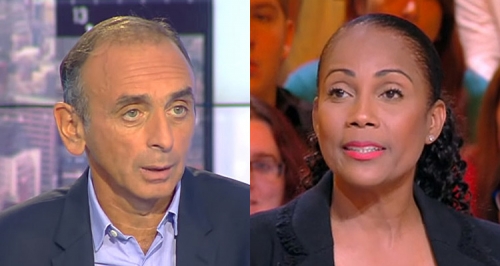
Réagissant sur Twitter, la députée européenne du groupe Renew, Nathalie Loiseau, a dénoncé, selon elle, «l’extrême-droite russolâtre en action». L'ancienne ministre en charge des Affaires européennes a même fait référence à notre média : «J’ai cru que j’étais sur Russia Today. Non, c’est CNews et c’est Zemmour. Ça devient de plus en plus pareil. L’extrême-droite russolâtre en action.»
De son côté, sur le même réseau social, le député MoDem des Français de l'étranger pour l'Allemagne, l'Europe centrale et de l'Est et une partie des Balkans, Frédéric Petit, s'est dit «sidéré d’entendre Eric Zemmour déverser sur une chaîne française la propagande (complotiste) servie par le régime de Loukachenko et la Russie».
Deux versions s'opposent actuellement sur le cas de l'opposant russe Alexeï Navalny, toujours hospitalisé en Allemagne. D'une part, les médecins russes qui ont initialement pris en charge l'opposant, selon lesquels «aucun poison ou trace de poison dans le sang ou dans l'urine n'a[vait] été trouvé».
D’autre part, Berlin soutient le contraire, affirmant que des tests toxicologiques réalisés par un laboratoire de l'armée allemande ont apporté des «preuves sans équivoque» de «la présence d’un agent chimique neurotoxique de type "Novitchok"» dans le corps d'Alexeï Navalny. Des accusations fermement contestées par la Russie.
Par ailleurs, l'Allemagne a fait savoir être ouverte à un possible gel du projet de gazoduc Nord Stream 2 si la Russie n'apportait pas rapidement les réponses attendues par Berlin, faisant peser une pression supplémentaire sur les autorités russes, déjà ciblées dans l'affaire Navalny par les accusations d'autres gouvernements occidentaux dont la France ou les Etats-Unis.
Concernant le dossier biélorusse, lui aussi au cœur de l'actualité, de nombreuses manifestations de l'opposition se succèdent dans le pays, rassemblant plusieurs centaines de milliers de citoyens, depuis la réélection d'Alexandre Loukachenko lors de la présidentielle du 9 août. L'opposition, emmenée par Svetlana Tikhanovskaïa, arrivée deuxième et qui a quitté le pays pour la Lituanie, conteste les résultats de l'élection et demande un nouveau vote. Le chef d'Etat biélorusse voit de son côté la main de l'étranger dans la crise que traverse son pays. Les autorités biélorusses ont arrêté, ces derniers jours plusieurs membres de l’opposition, comme Maxime Znak et Maria Kolesnikova.
RT-France

 del.icio.us
 Digg
Digg Facebook










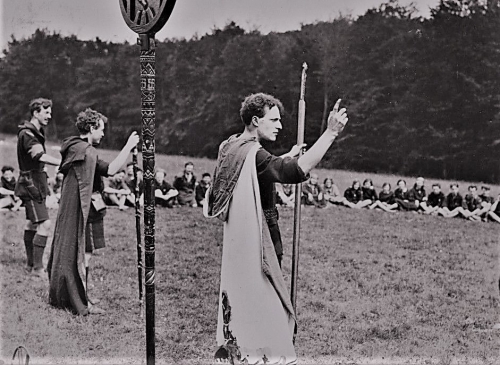
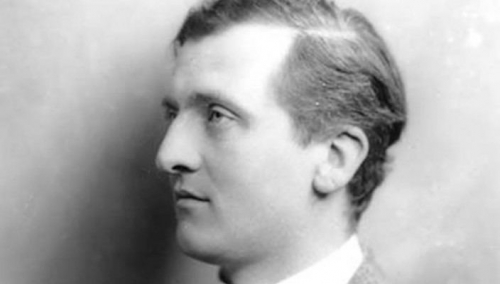
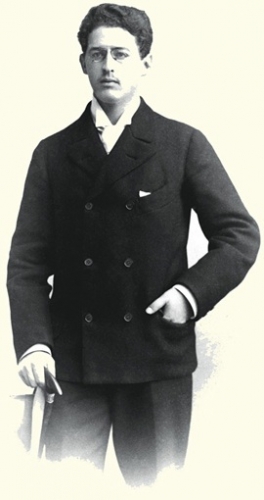
 In which case, with John Hargrave (photo), of the Kibbo Kift, and then the Green Shirt Movement for Social Credit, and with Rotha Lintorn-Orman, in her move from pioneering Girl Guide to British Fascist, 2* shades into 4*. Rolf Gardiner is an emblematic figure here. Born in Berlin, and a writer in German, he was a conduit for Bündische ideas.
 The influence of Nietzsche is almost as important in England as in Germany. Levy’s “Nietzsche Movement in England” is a C.R.-adjacent current. Ludovici began in Levy’s movement to become important within the English Mistery, as well as the illiberal wing of the eugenic movement. An overlooked aspect of Hulme qua philosopher is his similarity to Nietzsche (in “Cinders,” especially). A feature shared by many of the sects thrown together in the pages of The New Age—Social Credit, Toryism, Marxism, guild socialism, Fabianism, Gurdjieffism, etc., etc.—is an interest in Nietzsche.
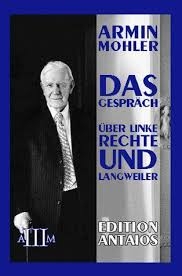 Ce n’était pas une crise, ce n’était pas un problème concret, ce n’était pas davantage une analyse de la situation qui avait généré ces phénomènes politiques. Ils ne devaient leur émergence et leur succès qu’au seul effet de la pensée du défunt Armin Mohler. Or celui, ajoutait le rédacteur de Die Zeit, n’avait rien d’un penseur original. Car Mohler n’avait fait que recycler le « nationalisme folciste » du temps de la République de Weimar. Bien sûr, les protagonistes actuels de la « nouvelle droite » n’atteignaient plus le niveau des Moeller van den Bruck, Oswald Spengler, Carl Schmitt ou Ernst Jünger. Mais, voilà, elles avaient mûri les graines que Mohler, avec son livre Die konservative Revolution in Deutschland, avait semées.
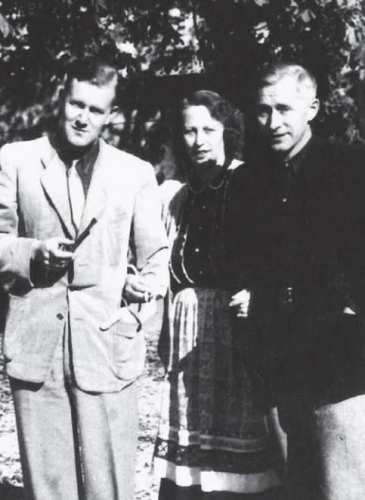 On devra toutefois constater que Mohler n’a laissé qu’un petit nombre d’écrits réellement personnels : on citera, outre son œuvre principale consacrée à la révolution conservatrice, Was die Deutschen fürchten et Die Vergangenheitbewältigung ; mais il ne faut pas oublier, qu’à côté de ces livres-là, il y a eu toute une série d’essais qui ont sans nul doute laissé, chez leurs lecteurs, des impressions bien plus fortes comme, par exemple, Der faschistischen Stil ou Liberalenbeschimpfung.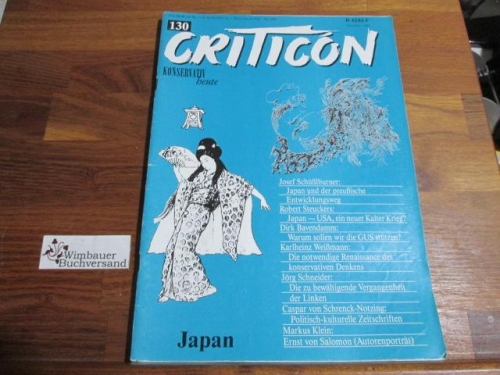
 Si l’on cherche à expliquer ce qu’il reste de la pensée de Mohler, alors il faut laisser tomber ce qu’il a souvent lui-même (et aussi ses adversaires) mis au centre de ses préoccupations. Son « nominalisme » n’avait guère de consistence tout comme sa critique du christianisme, sa vision « technocratique » n’a nullement été une solution pour la mouvance conservatrice, son orientation « gaullienne » n’a quasi convaincu personne. En revanche, ce qui est incontournable dans sa manière de saisir le monde, c’est son analyse de « la période axiale du conservatisme ».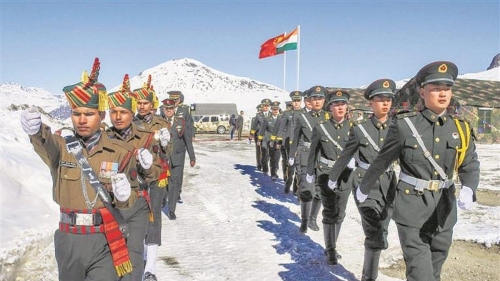





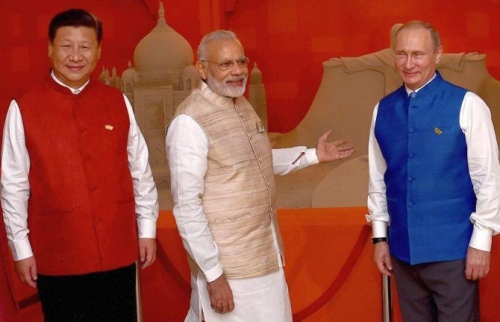
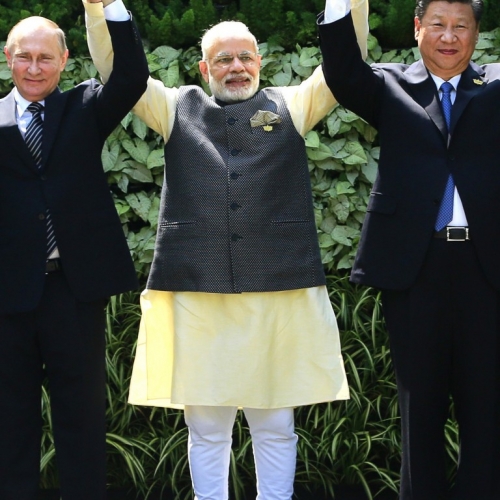
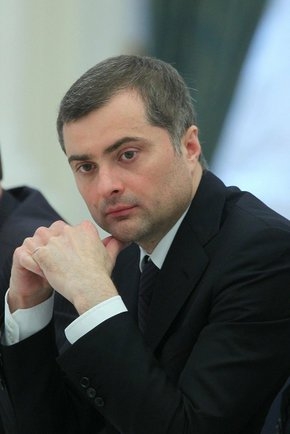 Dans un essai révélateur de 2018, le conseiller de Poutine, Vladislav Surkov, qui a été licencié en février dernier, a mis en avant cette hybridité, mi-européenne et mi-asiatique, comme la caractéristique centrale de l’âme russe. « Notre identité culturelle et géopolitique rappelle l’identité volatile de celui qui est né dans une famille métisse », écrit Surkov. « Un métis, un métissage, un type bizarre. La Russie est une nation métisse de l’Ouest et de l’Est. Avec son statut d’État bicéphale, sa mentalité hybride, son territoire intercontinental et son histoire bipolaire, elle est charismatique, talentueuse, belle et solitaire. Tout comme un métis l’est ». Pour Surkov, le destin de la Russie en tant que État-civilisation, comme celui de la Byzance à laquelle elle a succédé, est celui d’une « civilisation qui a absorbé l’Orient et l’Occident. Européenne et asiatique à la fois, et pour cette raison ni tout à fait asiatique ni tout à fait européenne ».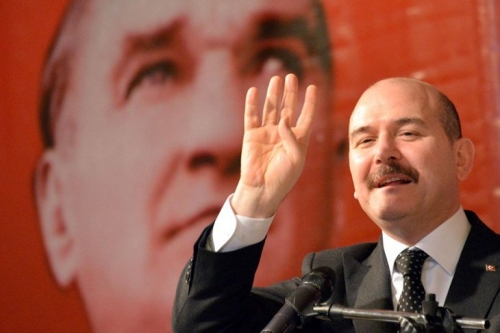


 Ward Hermans
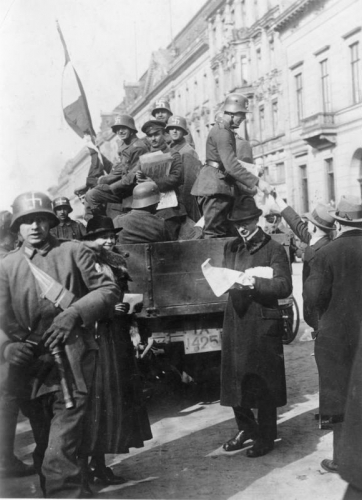 Dit waren voor Frankrijk ideale gelegenheden om militair nog verder in te grijpen. Ook andere incidenten, zoals het niet tijdig betalen van herstelbetalingen, de niet levering van materialen enz. waren aanleidingen om de militaire bezetting nog te verstrengen. Telkens weer moest België soldaten mee inzetten en werd zo in het revanchistisch Frans politiek spel meegesleurd.


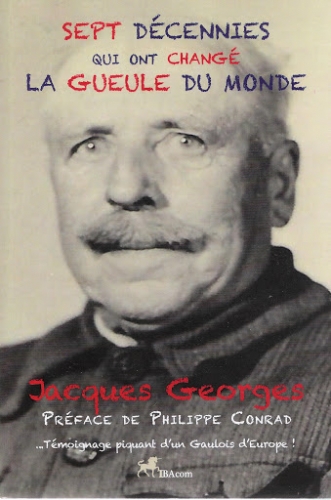
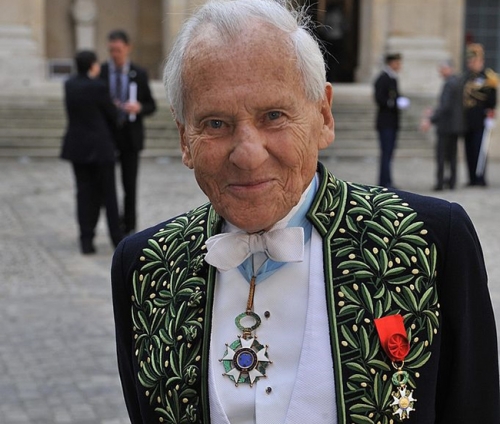 Stade suprême d’un copinage éhonté, l’auteur me présente comme « un esprit encyclopédique ayant tout lu et tout analysé (p. 291) ». C’est très gentil de sa part, mais inexact. Pour preuve, Jacques Georges cite régulièrement « Jean d’Ormesson pour sa légèreté profonde (p. 285) ». Hormis les articles souvent indigestes parcourus rapidement dans les pages « Opinions » du Figaro, ce libéral conservateur très en vue demeure pour moi un inconnu. Certes, lycéen et ayant apprécié le feuilleton télévisé Au plaisir de Dieu, je pris avec déception connaissance du roman éponyme. En 2015, Romaric Sangars avait signé chez Pierre-Guillaume de Roux un pamphlet au titre plaisant, Suffirait-il d’aller gifler Jean d’Ormesson pour arranger un peu la gueule de la littérature française ? La question se posait. Toutefois, l’un des tout premiers romans de « Jean d’O » en 1971, La gloire de l’Empire, serait un pastiche uchronique, ce qui peut le rendrait moins antipathique. Jean d’Ormesson a surtout fait une prestation remarquable – et remarquée – aux côtés de Catherine Frot dans le film de Christian Vincent en 2012, Les Saveurs du palais. Il y campe avec gourmandise un président de la République très mitterrandien.
 Des réflexions réactives
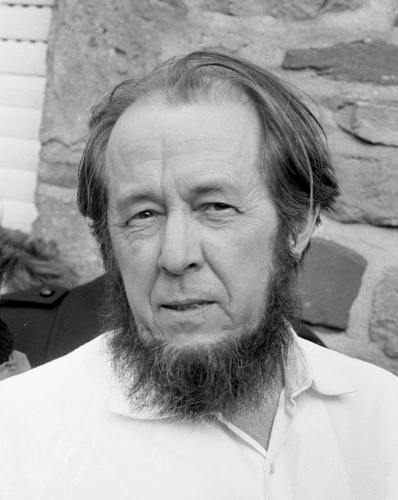
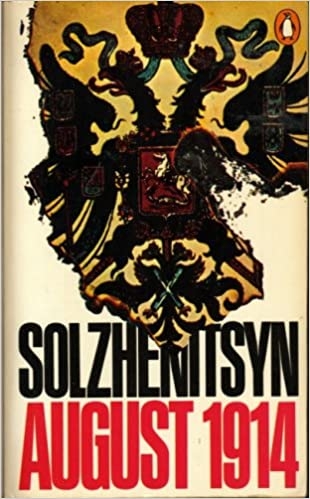 Still, he was secure in his wildly successful record as prime minister. In the Russia he loved, the economy was strong, people were working, and the threat of revolution which had haunted the Romanovs for decades had finally subsided. War was also no longer on the horizon. Recently, he had convinced the Tsar not to mobilize against Austria-Hungary over a pesky affair in the Balkans. Foreign policy was so easy for Stolypin; he never understood why people struggled with it. As Aleksandr Solzhenitsyn tells us in the expanded version of August 1914: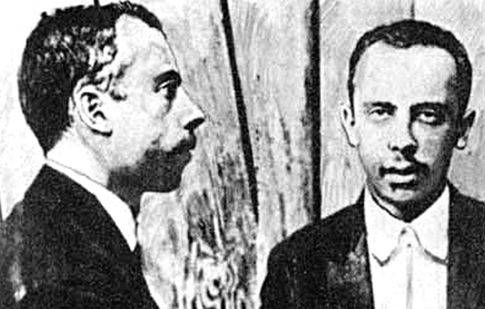
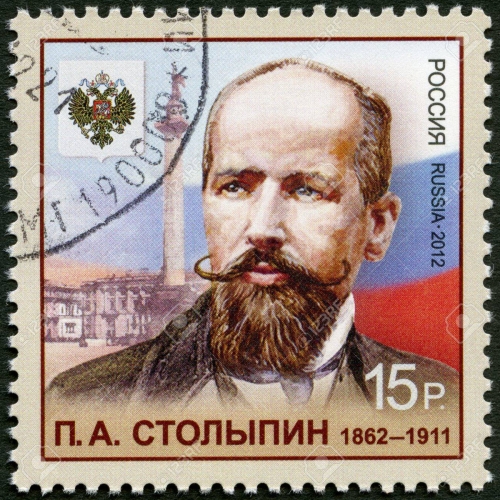
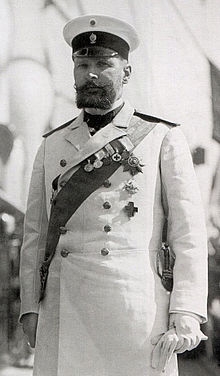 When Solzhenitsyn first published August 1914 in 1971, he hadn’t included the Stolypin and Bogrov chapters. When he did, slightly more than a decade later — after having gained access to Western libraries during his exile from the Soviet Union — he added ten chapters and nearly 200 pages, much of which was in small type and dealt with the minutiae of Stolypin’s interactions with the Duma. If Solzhenitsyn’s nationalism and his Judeo-skepticism had been in any doubt before he published the expanded version of August 1914, this was the work that began to remove it.
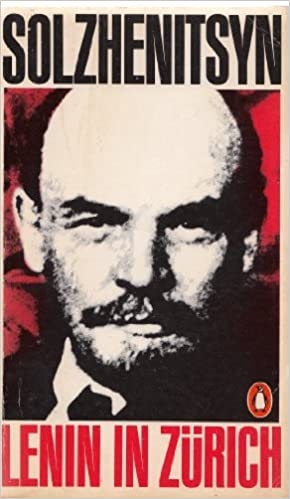 Solzhenitsyn’s critics also overlooked how Solzhenitsyn took a similar approach with his depiction of his near-psychotic Lenin in
 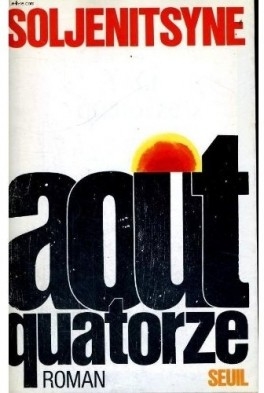 August 1914 also contains one of the few wholly positive Jews in Solzhenitsyn’s fiction: Ilya Isakovich Arkhangorodsky. Based on a real-life benefactor of Solzhenitsyn’s mother, this character is a wealthy and well-respected engineer who embodies the conundrum of nationalism among racial minorities. To whom should the minority pledge its allegiance? To its nation or to its nation within a nation? The middle-aged Ilya Isakovich belongs in the former category. Late in the book, during the early days of the war, he entertains an engineer friend over lunch with his family. Included are his radical daughter Sonya and her friend Naum — both fervent believers in revolution.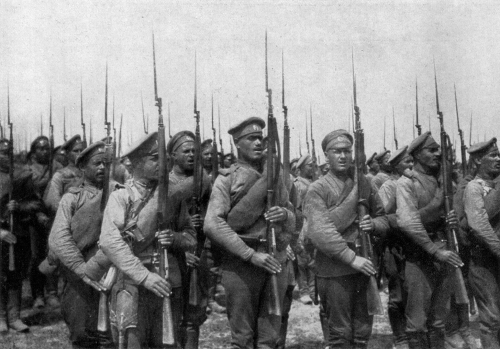
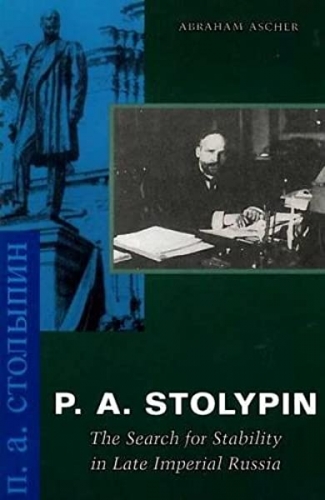 Stolypin saw Christianity as being historically bound with Russia, and saw that adhering to Russia’s historical principles would be the antidote to rootless socialism. He saw patriotism as a necessary virtue. He was also a great defender of the Autocracy and its divine mandate. Most of all, he was a Russian who believed that ethnic Russians should control Russia — just as many white nationalists in the West today believe that whites should remain in control of their ancient homelands.