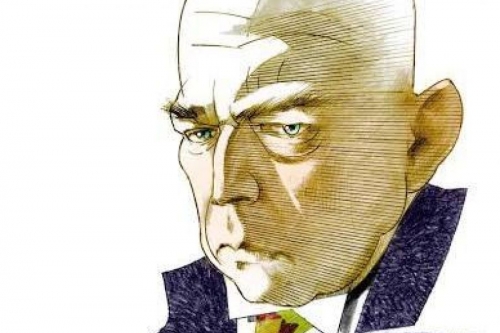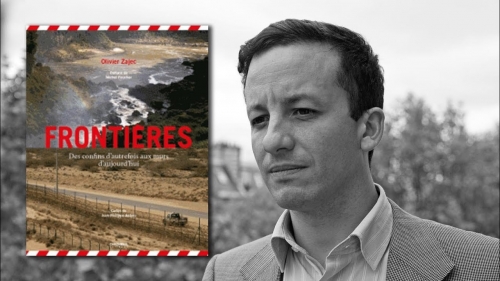
Jean-François Fiorina s’entretient avec Olivier Zajec
Ex: http://notes-geopolitiques.com
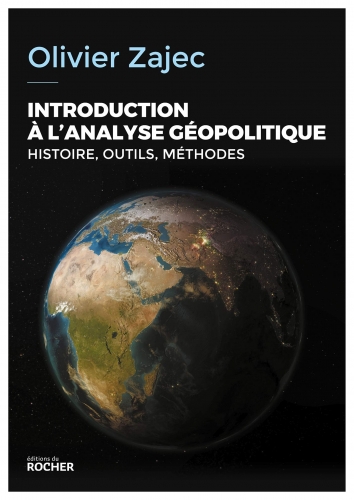
Constamment mise à jour et rééditée, l’Introduction à l’analyse géopolitique d’Olivier Zajec (Le Rocher, 2018), publiée pour la première fois en 2013, est en passe de devenir un classique, et son auteur l’une des figures universitaires marquantes de sa génération.
Très impliqué dans la réflexion stratégique, c’est aussi un pédagogue qui excelle dans l’art de sensibiliser le grand public aux questions complexes, comme l’illustre son superbe album de 2017, Frontières (Chronique Editions).
Il n’en était que plus indiqué pour nous parler de son parcours, de sa vision de la géopolitique, et des évolutions que connaît cette discipline, instrument indispensable, résume-t-il, pour « saisir l’alterité » et comprendre les transformations du monde.
Comment en êtes-vous venu à la géopolitique, puis avez-vous choisi d’orienter votre enseignement vers cette discipline ?
Je suis venu à la géopolitique par l’histoire (maîtrise puis agrégation), avant de choisir la science politique comme enseignant-chercheur, à l’issue de ma thèse.
Plus j’enseigne la géopolitique et les Relations internationales, que ce soit à mes étudiants de master à Lyon 3, ou aux officiers dans les écoles de guerre, en France comme à l’étranger, et plus le socle historique m’apparaît comme indispensable.
En règle générale, les géopoliticiens qui ne se préoccupent que d’économie ou de science politique – pour ne rien dire de ceux qui ont un agenda purement idéologique – ont tendance à privilégier les dynamiques par rapport aux inerties, même inconsciemment.
La géopolitique est l’art de pondérer ces deux forces, en tenant compte des conditionnements culturels et spatiaux.
L’histoire, qui donne l’intuition de la longue durée, de ce qui est « lent à couler, à se transformer », comme l’écrivait Braudel, est donc l’une des ancres référentielles majeures de la géopolitique.
Il n’y a pas d’analyse socio-spatiale utile sans prise en compte de la longue durée.
Pour comprendre notre monde, où s’entremêlent sans cesse passé et présent, mémoires et espoirs, coopération et compétition, peut-être vaut-il mieux lire René Grousset que Robert Kaplan.
Vous avez consacré votre thèse à Nicholas Spykman. Sa pensée ou à tout le moins sa méthode d’analyse sont-elles toujours utiles aujourd’hui ?
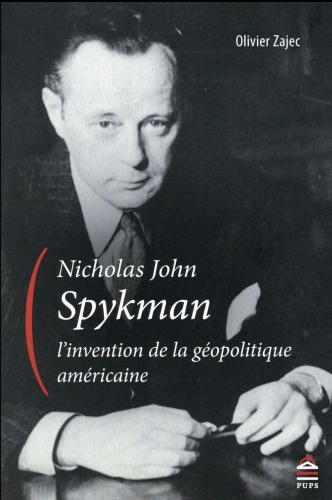 Spykman est un personnage assez fascinant. De nombreux auteurs de géographie politique le classent parmi les géopoliticiens « matérialistes », uniquement préoccupés de quantification des facteurs de force, en particulier militaires, et obnubilés par les déterminismes liés à la localisation des acteurs étatiques.
Tous les manuels répètent ce topos. C’est malheureusement une perspective complètement faussée, qui montre à quel point l’historiographie des concepts et théories géopolitiques est parfois mal connue en France, malgré les travaux récents de Martin Motte, de Pascal Vénier, de Florian Louis, de Philippe Boulanger et d’autres auteurs.
L’originalité de Spykman réside en premier lieu dans sa formation sociologique, laquelle prend racine dans la thèse de doctorat qu’il consacre à la sociologie de Georg Simmel en 1923, et qui fut lue avec profit dans l’entre-deux guerres par de nombreux sociologues, philosophes et spécialistes de relations internationales, parmi lesquels le jeune Aron, comme je l’ai montré dans une biographie publiée en 2016.
Cette culture sociologique, fondée sur une intégration fonctionnelle des interactions, des distances et du conflit, contribue à faire de Spykman un cas singulier chez les politistes et les « géopoliticiens » de l’entre-deux guerres : « Je suis, répétera-t-il souvent, un théoricien social, l’un de ceux qui adaptent un peu de leur théorie sociale dans le domaine des relations internationales… »
Spykman, en raison de son éducation au regard sociologique, sera de fait l’un des rares pionniers des Relations internationales à penser le mot relations au même titre que le mot international.
C’est extrêmement moderne, presque constructiviste, et cela se passe à la fin des années 1920 !
La géopolitique de ce globe-trotter polyglotte est en réalité une géo-sociologie, une modélisation socio-spatiale qui fait la différence entre l’aspect quantitatif de la force, et l’aspect qualitatif de la puissance.
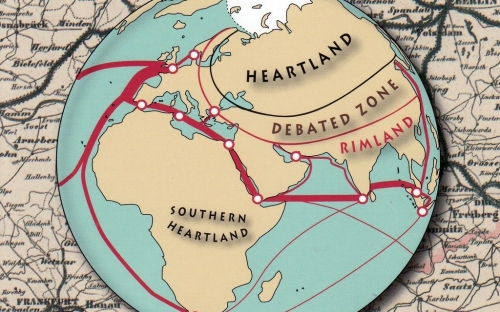
Son concept de « rimland », par exemple, privilégie l’équilibre à l’opposition. Contrairement à ce que répètent les manuels à ce propos, c’est Mackinder, beaucoup plus que Spykman, qui inspire le containment de la Guerre froide.
Spykman est mort prématurément en 1943. En quoi est-il utile dans le monde multipolaire qui est déjà le nôtre ?
D’abord, par sa méthode. Pour lui, la géostructure demeure bien la plus permanente des réalités de la politique internationale.
Mais il est également le premier, des décennies avant la Critical Geopolitics, à faire reposer sa théorie des Relations internationales sur un socle « social ». C’est d’une géopolitique interstitielle et contextualisée de ce type dont nous avons aujourd’hui besoin, me semble-t-il. La géopolitique n’est pas une « science » déterministe.
C’est une méthode d’approche des conditionnements de la scène internationale.
Elle nous suggère des modèles, plutôt que de nous imposer des lois. C’est cette approche dont Spykman a été le pionnier négligé.
Redécouvrir la géopolitique à travers son regard est extrêmement enrichissant.
Par quels autres auteurs, anciens ou actuels, avez-vous été marqué ?
Bien entendu, en matière de géopolitique, il faut connaître et redécouvrir les « classiques » : Ratzel, Mackinder, Mahan, Haushofer, pour s’apercevoir tout à la fois de la richesse de leur pensée (les Allemands, Ratzel surtout, ont été caricaturés) mais également… de leurs limites. Mahan n’est pas très profond, il a beaucoup emprunté.
Mackinder a un regard qui embrasse les continents et brasse les époques, mais son anglo-centrisme outré lui fait exagérer la dichotomie terre-mer d’une manière excessive.
Les auteurs les plus intéressants, anciens ou nouveaux, sont pour moi ceux qui se situent généralement aux marges de la géopolitique.
Par exemple le sociologue Robert Park et son concept de Human Ecology, l’approche d’économie géographique de l’économiste Paul Krugman, ou le travail pionnier et extrêmement pénétrant réalisé sur les frontières par le géographe Michel Foucher.
Pour la synthèse entre géopolitique et stratégie, Coutau-Bégarie doit être lu et relu, car nul n’est plus clair et synthétique.
Le terme « géopolitique » est aujourd’hui très utilisé, souvent de manière extensive, et parfois abusive. Tout ne se résume pas à la géopolitique. A contrario, certains auteurs considèrent aujourd’hui que la mondialisation, parce qu’elle ôte de l’influence aux Etats, donc relativise l’importance politique du territoire, rend la géopolitique, sinon obsolète, en tout cas moins légitime. Comment vous situez-vous dans ce débat ? Et d’une manière générale, dans quelle(s) direction(s) la géopolitique évolue-t-elle aujourd’hui ?
 L’interdépendance économique est certes une réalité. Elle l’était aussi à la veille de 1914.
Son extension ne vaut nullement garantie d’un futur pacifique. Ainsi que le rappelait Hassner dans une optique tout aronienne, « l’universalité ne saurait faire fi de la pluralité, le cosmopolitique de l’interétatique, donc de la rivalité et du conflit ».
La géopolitique a un bel avenir devant elle, contrairement à certaines théories performatives à obsolescence programmée qui promettent, semble-t-il, de disparaître avec les cohortes les plus idéologisées de la génération du baby-boom.
Les années 1990-2000 ont été marquées par une illusion intellectuelle, parfois fortement polarisée idéologiquement.
Après avoir diagnostiqué la fin de la géographie (O’Brien), de l’histoire (Fukuyama), ou des frontières (Ohmae), les analystes transnationalistes ou libéraux-institutionnalistes semblent aujourd’hui sur la défensive.
Sans sous-estimer la force des phénomènes globaux de convergence normative, il nous faut effectivement constater que, dans la société internationale contemporaine, les dynamiques de différenciation politiques semblent bien progresser au rythme même des dynamiques d’uniformisation technologiques.
Je fais souvent la comparaison avec le processus de mise à feu thermonucléaire, fondé sur la fission-fusion : nous voyons en effet à l’oeuvre dans la géopolitique mondiale une concomitance de la fusion globale (économique, financière et technologique) et des fissions locales (culturelles et identitaires).
La première s’accélère, les autres se multiplient. Mal régulé, ce mélange peut libérer des forces explosives d’une intensité accrue.
Le plus urgent, pour préserver la paix, est sans doute de considérer avec attention les mutations dynamiques de la structure internationale actuelle, en estimant à leur juste poids les agendas politiques et culturels des acteurs qui la polarisent.
Certains auteurs voudraient que le monde à venir ne soient fait que de lieux et d’espaces interconnectés d’où les appartenances auraient quasi-disparu.
C’est une dangereuse illusion, qui sous-estime la centralité renouvelée du politique dans notre monde réticulé où la connexion, je le répète souvent aux étudiants, n’est pas forcément le lien.
Entre le local et le global, il y aura toujours des territoires politiquement appropriés, représentés et défendus par des États.
Ces derniers utiliseront le droit et la technologie comme des instruments et non des fins en soi, de manière à augmenter leur influence et densifier leur puissance, au nom de leur autonomie stratégique et de leur liberté d’action.
C’est la raison pour laquelle la géopolitique est aussi intéressante : interprétative et non explicative, elle permet de tempérer nos projections, en modélisant les conditionnements qui agiront sur les matrices de coopération, de compétition et d’opposition de cette nouvelle scène internationale.
En ce sens, les analyses que l’on pourrait appeler « statophobes » voilent la réalité des relations internationales.
Il y a, me semble-t-il, un immense désir d’État dans le monde. Mais des États réformés. Représentatifs. Respectueux de leurs peuples. Que veulent d’ailleurs ces derniers ?
Une connexion au niveau global qui ne détériore pas le respect de leur identité au niveau local.
L’État, à la charnière du global et du local, est donc consubstantiel à la mondialisation, parce que dans un monde accéléré, on attend de lui qu’il assure la paix et la sécurité sur un territoire, en produisant du commun plutôt que de se soumettre aux seules lois du marché.
Sur ce point de la place des États dans la mondialisation, vous avez parfaitement raison de dire que tout ne se résume pas à la géopolitique. Il faut aussi, entre autres, se tourner vers la théorie des relations internationales.
Comme le rappelle ainsi avec raison Michael Williams, reprenant en cela des avertissements similaires du constructiviste Alexander Wendt, « Il est important de noter que l’État demeure une limite – non la limite de la communauté politique. Reconnaître la centralité continue des acteurs étatiques n’empêche en aucune manière le développement – et l’étude analytique – d’autres formes d’ordres, d’institutions, de solidarités transversales et de transformations par-delà les frontières ».
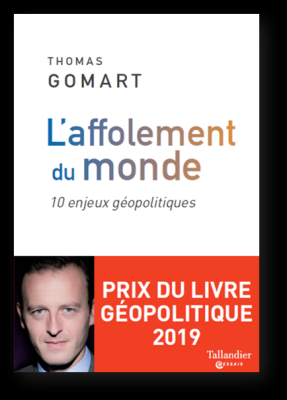 Dans son récent essai, L’affolement du monde, Thomas Gomart dit que nous vivons un moment « machiavélien », au sens où l’analyse des rapports de force, qui était passée au second plan à l’ère des grandes conférences sur le désarmement, reprend une importance fondamentale dès lors que les trois principales puissances, Etats-Unis, Russie et Chine, réarment comme jamais. Après avoir contribué à stabiliser le monde, ce que le général Gallois appelait « le pouvoir égalisateur de l’atome » est-il en train de devenir obsolète ?
L’analyse de Thomas Gomart est fondamentalement juste. Il faut également lire les développements qu’il a récemment consacrés à la notion d’intérêt national.
En étant sur une ligne pour l’essentiel complémentaire, j’aurais simplement tendance à dire que le moment que nous vivons est sans doute autant « clausewitzien » que « machiavélien ».
Machiavel raisonne en termes de rapports de force transactionnels. Il faut le compléter avec les aspects interactionnels de la théorie réaliste de la guerre clausewitzienne. Celle-ci ne peut pas être restreinte à la stratégie dite « classique ».
Relire Clausewitz, c’est comprendre l’importance de distinguer, pour reprendre son expression, les genres de guerres dans lesquels s’engagent ou auxquelles se préparent les États, et les relations stratégiques qui en découlent au niveau international.
Ceux qui ont négligé Clausewitz pendant la parenthèse idéaliste des années 1990-2000 ont eu tendance à oublier que De la Guerre était un ouvrage de théorie sociale, fondée non pas sur les seuls rapports de force, mais sur la dialectique des intérêts et des volontés.
Et précisément, la dissuasion nucléaire est une dialectique, avant d’être un rapport de force. Les Français l’ont parfaitement compris avec leur concept de stricte suffisance.
La dissuasion reste plus que jamais pertinente et stabilisatrice dans le monde qui vient. Simplement, elle ne peut pas résoudre tous les problèmes.
Sous la voûte nucléaire qui nous garantit des guerres absolues, un considérable espace de conflits potentiels – y compris de guerres majeures – demeure, qu’il faut anticiper et auxquels il faut se préparer en renforçant l’autonomie stratégique de la France et de l’Europe.
Que peut apporter une culture géopolitique aux futurs managers qui auront à évoluer dans une économie mondialisée ?
Le sens des permanences, qui seul donne l’intelligence des transformations. Et je ne vois pas d’aptitude professionnelle qui soit plus précieuse aujourd’hui.
Que faudrait-il enseigner concrètement aux étudiants en matière de géopolitique ?
Je constate depuis une dizaine d’années, à l’occasion des cours et des conférences que je donne en stratégie, géopolitique ou relations internationales, que le niveau de culture historique, artistique, religieuse et surtout littéraire décroît de manière dramatique. Ce n’est pas un lamento régressif.
C’est un fait brut, massif, inquiétant. Or, il ne peut y avoir de compréhension, d’interprétation, de saisie de ce qui porte l’autre, de ses traumatismes historiques, de ce qui l’attache à un territoire, sans prise en compte de sa matrice spirituelle, de ses modes de représentation du bien et du mal, du beau et du laid, du juste et de l’injuste.
On ne saisit pas la spécificité iranienne sans connaître sa poésie millénaire. Balzac permet toujours de comprendre ce pays déconcertant qu’est la France. Kennan – l’un de mes auteurs préférés – conseillait au Département d’Etat de lire Tchekhov plutôt que les briefs de la CIA pour mieux comprendre les Russes.
Sans les humanités, nous analysons à vide.
 Du point de vue des apprentissages, la « géopolitique » n’y fera rien, ni l’économie, ni la « communication ».
Le rejet de la culture générale dans les écoles qui forment les élites françaises est une stupidité sans nom. L’économie, le marketing, sont importants. Mais c’est la culture, pas l’économie, qui nous empêche de nous jeter les uns sur les autres.
La culture n’est pas un produit de nos déterminismes sociaux, elle n’est pas un outil de reproduction de ces derniers, c’est au contraire ce qui permet de leur échapper. Elle est tout ce qui peut parfois paraître inutile de prime abord.
Mais c’est cette culture générale qui donne son prix à une analyse géopolitique, à une dissertation d’économie, à un policy paper de think-tank, parce qu’elle permet de lever le nez des chiffres ou des oracles liés aux taux de croissance, au débit internet, ou au nombre de porte-avions.
Je conseillerais aux étudiants en géopolitique de ne pas utiliser exclusivement les méthodologies instrumentales et quantifiées qu’on leur présente parfois comme plus efficaces, et d’investir aussi dans les outils d’analyse qui permettent d’approfondir l’inquantifiable des vies humaines.
Simone Weil avait saisi cette dimension lorsqu’elle écrivait que « La perte du passé, collective ou individuelle, est la grande tragédie humaine, et nous avons jeté le nôtre comme un enfant déchire une rose. C’est avant tout pour éviter cette perte, concluait-elle, que les peuples résistent désespérément à la conquête. »
Lire cette phrase, la retenir, la méditer, permet de mieux comprendre la raison pour laquelle un petit pays peut résister à un grand pendant si longtemps.
La géopolitique, méthode d’approche multidisciplinaire des Relations internationales, permet de mieux saisir l’altérité.
À condition de l’ouvrir à l’histoire et à la littérature : celles-ci nous fournissent les clés d’un passé qui, en transmettant ce qui fut, nous murmure parfois ce qui sera.
Comment a été reçu votre dernier livre ?
Frontières, paru en 2017, a été bien reçu. Je suis très fier que l’Armée de terre l’ait distingué par le prix « L’Épée ».
Mieux nous comprendrons la nécessité fonctionnelle et indépassable des frontières, moins il y aura de murs dans le monde.
Faire de la géopolitique, c’est également, me semble-t-il, comprendre ce type de paradoxes.
Pour en savoir plus sur Olivier Zajec:
Olivier Zajec, 43 ans, est maître de conférences en science politique à la faculté de droit de l’université Jean Moulin – Lyon III (EA 4586), où il a fondé et dirige l’Institut d’études de stratégie et de défense (IESD).
Agrégé et docteur en Histoire des relations internationales (Paris-IV Sorbonne), diplômé de l’École Spéciale Militaire de Saint Cyr et de Sciences-Po Paris, il est membre du Conseil scientifique et chef du cours de géopolitique de l’École de Guerre (Paris) depuis 2015.
Conférencier à l’Institut des Hautes Études de la Défense Nationale (IHEDN), à Paris Sorbonne Université Abou Dhabi (PSUAD) et au Centre des Hautes Études Militaires (CHEM), il est chargé de recherches à l’Institut de Stratégie Comparée (ISC, Paris) et directeur adjoint de la revue Stratégique.
En même temps, il collabore régulièrement à diverses publications de défense et de relations internationales : Le Monde diplomatique, Défense et sécurité internationale (DSI), Res Militaris, Conflits, La Revue de Défense nationale.
Il prépare actuellement un ouvrage consacré aux fonctions politiques de la guerre dans les relations internationales.
Olivier Zajec est l’auteur de nombreux articles et de divers ouvrages, dont :
– La Mesure de la Force. Traité de stratégie de l’École de Guerre, (avec Martin Motte, Jérôme de Lespinois et Georges-Henri Soutou), Paris, Tallandier, avril 2018 (voir CLES, HS 81, janvier 2019, notre entretien avec Martin Motte) ;
– Frontières. Des confins d’autrefois aux murs d’aujourd’hui, Paris, Éditions Chronique, septembre 2017 (Prix « L’Épée » 2018) ;
– French Military Operations, dans Hugo Meijer and Marco Wyss (dir.), The Handbook on European Armed Forces, Oxford University Press ;
– La formation des élites militaires : un enjeu de politique publique, Stratégique, n° 116, août 2017 ;
– Introduction à l’analyse géopolitique. Histoire, outils, méthodes, quatrième édition revue et augmentée, Paris, Éditions du Rocher, septembre 2018 ;
– La formation des élites militaires : un enjeu de politique publique, Stratégique, n° 116, août 2017 ;
– Hyperconnectivité et souveraineté : les nouveaux paradoxes opérationnels de la puissance aérienne, Défense et sécurité internationale, septembre 2017 ;
– Security studies et pensée stratégique française : de la vision globale à la myopie contextuelle, Res Militaris. Revue européenne d’études militaires, hors-série France : opérations récentes, enjeux futurs, décembre 2016 ;
– Nicholas J. Spykman, l’invention de la géopolitique américaine, Paris, Presses Universitaires de Paris-Sorbonne, mars 2016 (Prix Albert Thibaudet 2016) ;
– Carl von Clausewitz en son temps : die Natur des Mannes, lecture critique de Bruno Colson, Clausewitz, Paris, Perrin, 2016, Stratégique, n° 114, décembre 2016.



 del.icio.us
 Digg
Digg Facebook


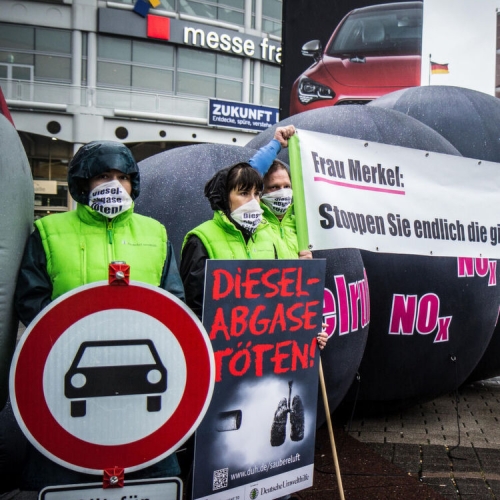
 Durch komplexe Überwachungssoftware wie PRISM, Tempora und XKeyscore werden diese Datenberge sodann von der NSA durchforstet und mit der CIA und anderen Behörden gemeinsam weiter verwertet.
 L’innocent argent de poche de l’hyperclasse…
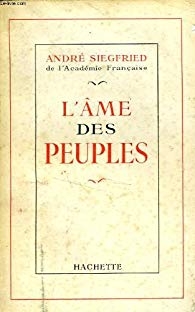 Philippe Grasset a comparé l’américanisme au germanisme. Siegfried rappelait :
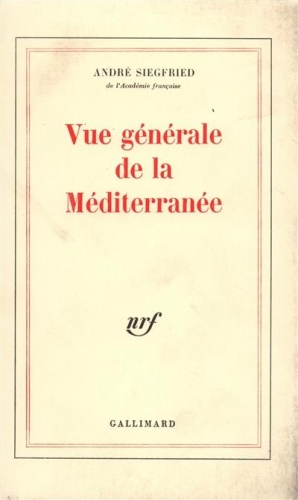 Et comme Ortega Y Gasset à cette même et lucide époque, Siegfried dénonce le péril collectiviste américain et il pressent ce que l’européen va perdre :
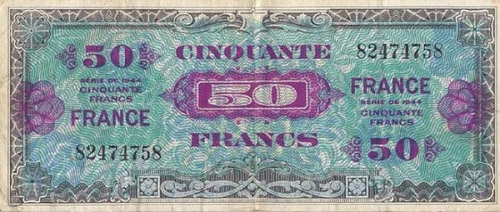
 Lucien appelait à une saine réaction populaire, comme disait Pie X dans les prédictions qu’on lui prête. Mais tout cela a fait long feu et les sondages donnent Macron vainqueur aux prochaines élections… Ou Sarkozy. On continuera de tonner contre (Flaubert) puis on fera la queue devant Picard, McDonald, ou chez le marchand d’or.
 Villiers-de L’Isle-Adam le disait déjà dans ses Contes cruels : « le premier des bienfaits dont nous soyons, positivement, redevables à la Science, est d’avoir placé les choses simples essentielles et « naturelles » de la vie HORS DE LA PORTEE DES PAUVRES. »
 Cela c’est quelque chose que les leaders de Davos appliquent. Pas d’humanitarisme, privons le peuple et il se calmera. Il ne s’agit pas de donner plus, comme au cours des Trente Glorieuses, quand on avait une U.R.S.S. un peu plus convaincante que la Russie miniature de Poutine, des syndicats marxistes et des partis communistes. Car si on lui donne, il demandera plus. Faisons-lui peur avec la dette, le climat, le machisme, les attentats, il se soumettra. Trottinette/bicyclette, jeûne et smartphone au programme. Dix mètres carrés pour mille euros. Voyez le film Marie-Francine, de Valérie Lemercier, qui a très bien compris tout cela. Quatre ans plus tard le mouvement social se contente d’empuantir un peu plus Paris, avec sa grève des éboueurs qui ne débouche sur rien.

 L’autre version est plus ouvertement radicale dans ses prescriptions politiques, et pourrait être comprise comme le bras écologique de la Nouvelle Gauche. Elle trouve son armée parmi les adhérents des mouvements post-1980 « Earth First ! » et des Fronts de Libération de la Terre ou des Animaux, ainsi que parmi les anarchistes verts, les anarcho-primitivistes et les éco-féministes ; ses tactiques sont les manifestations de masse, la désobéissance civile, et les actes mineurs de sabotage qui sont parfois qualifiés d’« éco-terrorisme ». Les activistes souscrivant à ces vues tendent à rejeter complètement la civilisation, et travaillent à combattre ses nombreux maux – hiérarchie, racisme, patriarcat, spécisme, homophobie, transphobie, les classes, l’étatisme, le fascisme, privilège blanc, capitalisme industriel, et ainsi de suite – pour mettre fin à l’exploitation et à l’oppression de toute vie sur Terre. « Libération totale » est leur cri de ralliement. Bien que s’inspirant du primitivisme romantique et du Transcendantalisme de la Nouvelle-Angleterre, les fondements philosophiques de l’écologie gauchiste peuvent être retrouvés plus directement dans la contre-culture des années 60, la critique de la théorie des races, le féminisme, et les mouvements pour la paix et les droits civiques.
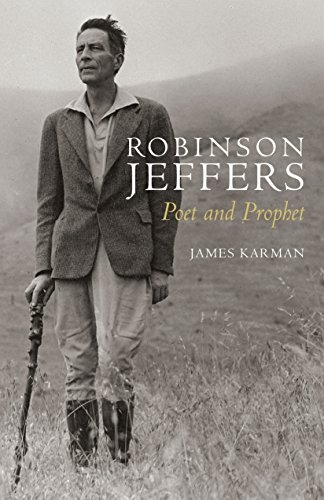 Finalement, pour s’opposer au développement du libéralisme des Lumières, du socialisme, du matérialisme scientifique et de l’industrialisme dans l’époque moderne, le romantisme et l’idéalisme allemand offrirent une nouvelle expression artistique et philosophique de l’ancienne vision-du-monde holistique, qui trouva plus tard son expression la plus radicale dans l’anti-anthropocentrisme de Nietzsche, Heidegger, and Robinson Jeffers.
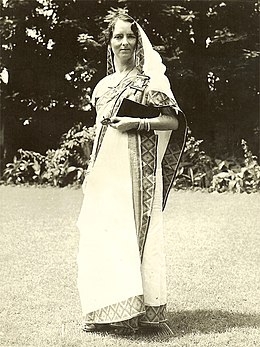 Bien sûr, étant donné notre nature défectueuse et déchue, la plupart des humains resteront attachés à leur volonté propre et à leurs intérêts matériels. Ainsi, alors que la religion de l’égalitarisme propose un anthropocentrisme fondamental par lequel tous les humains sont égaux simplement du fait qu’ils sont humains, dans la doctrine traditionnelle cela est nié par le fait de l’inégalité humaine. Comme l’a observé Savitri Devi, un beau lion a plus de valeur qu’un humain dégénéré, étant donné la plus grande conformité du lion vis-à-vis de l’ordre naturel et de l’Eidos divin. Pour cette raison, la métaphysique traditionnelle aussi bien qu’une écologie vue de droite requièrent le rejet de l’humanitarisme sentimental de la gauche moderne, d’après lequel chaque vie humaine (ou même chaque vie non-humaine, dans le cas des droits des animaux) a une valeur égale.
 Pour l’écologiste de droite, cependant, la fin de toutes les choses humaines n’est pas un argument pour ne pas vivre avec honneur et combattre sans passion contre les forces de désintégration et de chaos. L’Homme contre le Temps peut, sur le long terme, être voué à échouer dans ses entreprises terrestres, mais cela ne diminue pas sa résolution. C’est parce qu’il agit avec le sens du détachement noble – le karma yoga de la Bhagavad Gita, le wou-wei de Lao-Tseu, ou l’Abgeschiedenheit de Maître Eckhart – par lequel l’action découle de la pureté de son être et de son rôle dans le cosmos plutôt que d’un calcul utilitaire ou d’un effort volontaire. Soutenir l’ordre naturel demande de défendre ses expressions les plus pures : le saint, l’innocent et le noble parmi l’humanité, ainsi que les arbres et les loups et les rochers qui étaient là avant nous, qui respectent dans une harmonie inconsciente l’ordre cosmique auquel l’homme peut seulement aspirer.
 Dans un
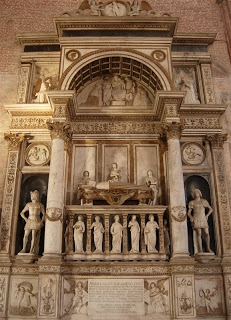 Ces sirènes ont été sculptées par Tullio et Antonio Lombardo, fils de Pietro Lombardo, maîtres vénitiens de la fin du XVe et du début du XVIe siècle – « et Tullio Romano a sculpté les sirènes, comme le dit l’ancienne gardienne : de sorte que depuis lors, personne n’a pu en sculpter d’autres pour la boîte à bijoux, Santa Maria dei Miracoli », comme on peut le lire dans le Canto 76.
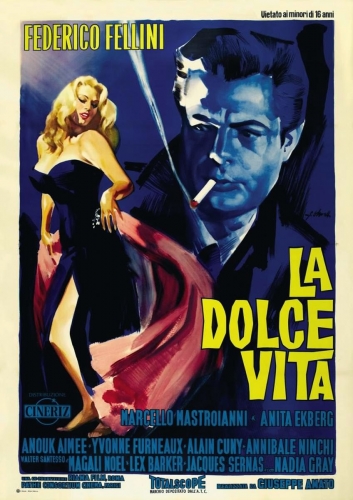 La dolce vita aura 60 ans en 2020. Tout comme les sirènes de Pound, le tour de force aujourd’hui légendaire de Fellini à Rome est comme un palimpseste en celluloïd noir et blanc d’une époque révolue, la naissance des Swingin’ Sixties. Marcello (Marcello Mastroianni) et Maddalena (Anouk Aimée), impossiblement cool et chic, apparaissent comme la dernière femme et le dernier homme avant le déluge de « vulgarité bon marché ». À la fin, Fellini nous montre Marcello désespéré par la laideur et, oui, la vulgarité qui s’immiscent dans son magnifique mini-univers – l’esquisse de la culture trash fabriquée et vendue par le ‘leader du système’ qui allait rapidement nous engloutir tous.


 Soulignons également que l’époque antique est celle où les dieux étaient les garants de l'harmonie du cosmos. Ils interviennent par ailleurs dans les rêves des hommes pour leur délivrer des messages. A plusieurs reprises, Athéna intervient dans les songes d’Ulysse pour le guider.
  Or, le feu et le rêve appartiennent au même monde. Ils partagent les mêmes propriétés peu à l’aise avec celles de ce monde. Le rêve est comme le feu, immatériel, fluctuant, instable, prompte à retourner dans son monde nocturne.
  Poussée par force nostalgie, l’humanité est parvenue à se hisser dans l’espace. L’homme a marché sur la lune, escale retour d’un aller métaphorique vers la planète terre, vers le plan matériel, dont la mémoire s’est perdue. Vu sous cet angle, la conquête de l’Espace n'est qu’une manifestation de la nostagie profonde qui habite l’homme.
 A travers ces exemples, on est saisi par l'idée qu'un immense et implacable dispositif concerté a visé, depuis des temps immémoriaux (serait-ce même la pente de l'Histoire ?), a assécher l'imaginaire des peuples par un imaginaire de substitution. Ce dispositif est apparu historiquement avec le pouvoir centralisateur de l'Empire Romain, les Conciles, et devenu totalement incontrôlable par la suite, comme une machine planétaire devenue folle. Il poursuit aujourd'hui sa course folle avec la réplique de l'Empire qu'est l'Empire Américain, le Soft Power, le Nouvel Ordre Mondial qui contrôle à la fois le capitalisme avec sa technoscience destructrice de l'environnement et l'imaginaire de l'écologie et des médias.
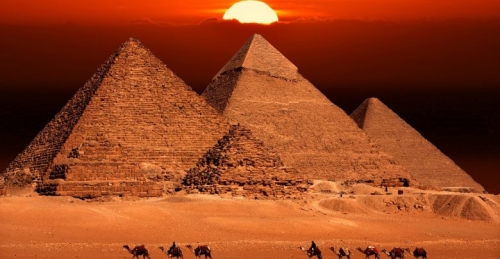
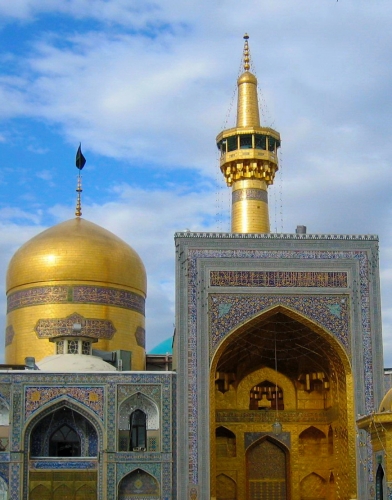
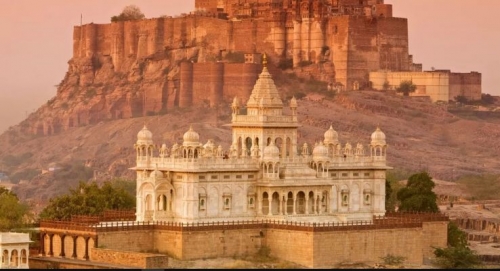
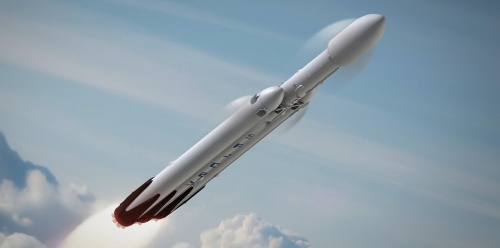
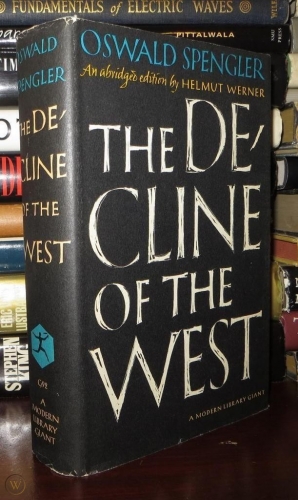 The Decline of the West, I discovered, as neither a traditional history book or a dirge predicting the end of civilization as we know it. Instead, Spengler opened up vast and profound vistas of world cultures, often with startling insights like this: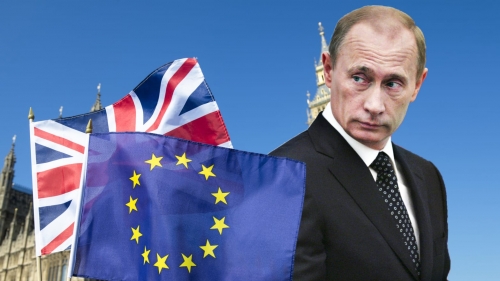
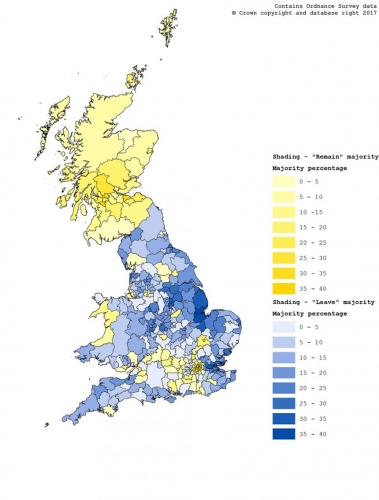
 En este mundo que cambia, los grandes poderes económicos británicos quieren caminar solos; ponen sus intereses estratégicos en el centro y, desde su autonomía, buscarán alianzas con Europa; mejor dicho, con algunos países europeos. Nadie cuestiona sus acuerdos de fondo con los EEUU, y el Reino Unido seguirá en ellos con voz e intereses propios. El otro lado de la cuestión debería suscitar alguna reflexión a los europeístas de andar por casa que hoy nos abruman. El dato más relevante para los hombres y mujeres que estamos en el marco de la UE es que a más integración, menos capacidad de Europa para ser un sujeto autónomo y diferenciado en unas relaciones internacionales donde las grandes potencias están definiendo intereses y marcos de actuación.
 Manolo Monereo

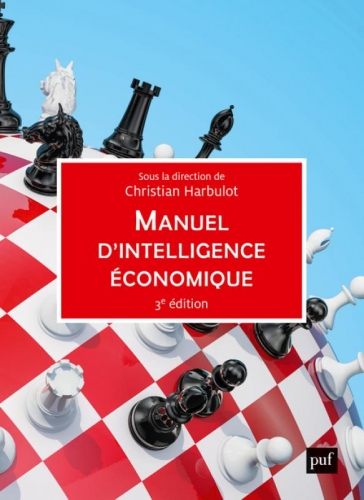 Manuel d’intelligence économique, sous la direction de Christian Harbulot (PUF, 2019) ;
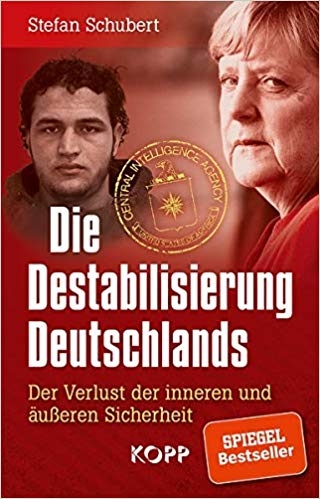 Politische Gewalttäter können und werden dieses Schweigen als Zustimmung und Legitimierung der Gewalt durch den Mainstream werten, solange die Brandanschläge und Gewaltexzesse im Namen der guten Sache begangen werden. Die ständige Drohkulisse durch Nazi-Vergleiche und einer linksextremen, geduldeten Gewalt auf der Straße, wird augenscheinlich ganz offen als Herrschaftsform durch das Merkel-Regime eingesetzt. Die Einheitsparteien der Grenzöffnungen ersticken so den breiten Unmut in der bürgerlichen Mitte und tabuisieren jegliche Kritik und Debatte an den epochalen Fehlentwicklungen im Land.
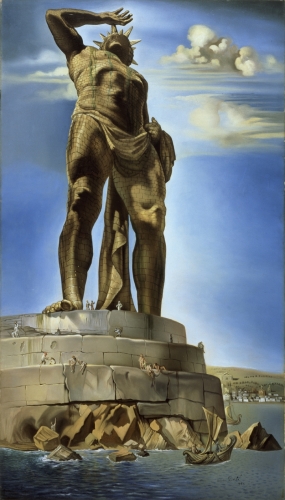
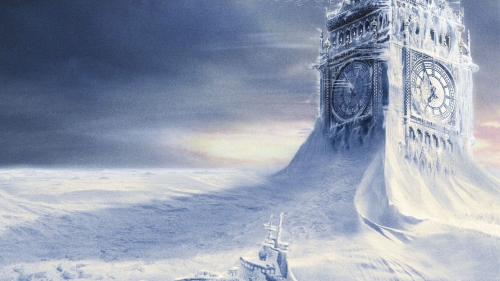
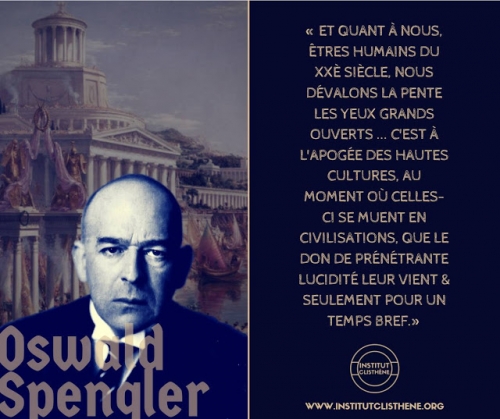
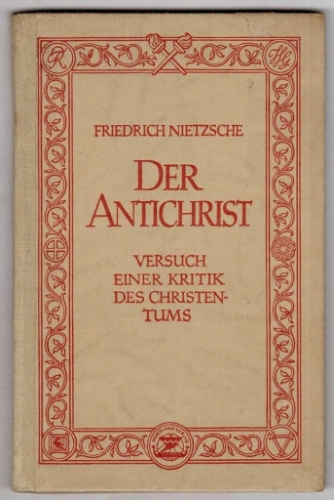 Effectivement. Si « les doux hériteront de la Terre », il n’y a pas de place pour un effort humain vers l’infini, qui atteigne son but, et qui place l’Homme sur le même plan que Dieu. Si la douceur, l’humilité, l’« humble agneau de Dieu » est l’archétype fondateur d’une culture, alors bien sûr l’infini et l’inconnu ne pourront jamais être atteints. « Tu ne connaîtras pas » : il est étonnant de voir tout ce que nous avons réalisé en dépit de cela, et ces remarquables réalisations occidentales sont survenues – pas par hasard – principalement pendant les périodes automnale et hivernale de la Haute Culture faustienne. C’est seulement quand les contraintes imposées par la culture à définition chrétienne se sont dissipées dans une large mesure que l’acceptation a priori de l’échec s’est affaiblie. Le problème est qu’avec une haute Culture décadente et mourante, cette émancipation (partielle) vis-à-vis du culte de l’humilité ne mènera nulle part. Seule une nouvelle Haute Culture bâtie sur le concept fondamental de la transcendance humaine, et sur la conquête de l’infini et de l’inconnu, permettra à l’Homme Occidental d’accomplir son destin. Les ruines croulantes de la Haute Culture précédente peuvent servir de blocs de construction pour le futur, c’est certain, elles peuvent fournir une inspiration, certainement, et être une source de fierté, c’est sûr. Mais nous devons regarder vers le Futur, et non pas monter la garde auprès d’un Passé mourant ou mort, comme le soldat romain de Spengler.