AUßENPOLITISCHES
Gated Community: Bill Gates und die Macht seiner Milliarden-Stiftung
Wie ein Zusammenschluss von Stiftungen der superreichen Weltelite und durch sie finanzierte und mit Steuergeldern geförderte NGOs die Migration nach Europa leiten – Teil I: Die »International Migration Inititative« der Zwölf
"Ist Deutschland noch sicher?"
China macht sich Sorgen um Europa
China ist zunehmend verunsichert über ein chaotisches Europa. Kanzlerin Merkel muss deshalb während ihres Staatsbesuchs bei den Gastgebern für Vertrauen in Deutschland und die EU werben.
Ungarn warnen vor "Terror der politischen Korrektheit"
Wer den Willen der Wähler ignoriert und unbegrenzt Flüchtlinge aufnimmt, werde schon sehen, was er davon hat – warnen Vertraute Viktor Orbáns. Sie prophezeien Parteien vom Schlage der CDU die Abwahl.
(Ein erster Schusswechsel an der EU-Außengrenze…)
Bulgarische Grenzschützer erschießen Flüchtling
Ein Flüchtling ist von bulgarischen Grenzschützern erschossen worden. Als er die Grenze überqueren wollte, traf ihn wohl ein Querschläger. Ministerpräsident Borissow verließ daraufhin den EU-Gipfel.
(Unter den zehn größten Waffenherstellern der Welt ist keine deutsche Firma. Statt dessen liest man viel von USA…)
Sipri-Rangliste
Das sind die größten Waffenhersteller der Welt
Europaexperte Verheugen im Interview
"Nicht unmöglich, dass sich die EU auflöst"
(Er bekennt sich zum Che Guevara-Poster und beschuldigt Marine Le Pen der "Barbarei". Es darf gelacht werden…)
"Demokratie oder Barbarei"
Der Spanier Pablo Iglesias ist der neue Hoffnungsträger der Linken. Hier spricht der Podemos-Chef über Angela Merkels Fehler und Europas neue Faschisten.
(Erdogan wird sich seine Kooperation mit vielen Zugeständnissen bezahlen lassen…)
Flüchtlings-Kooperation mit Türkei
So soll der "Merkel-Plan" die Krise beenden
von Christoph Herwartz
Der türkische Präsident Erdoğan bekommt in Brüssel einen Vorschlag vorgelegt, der den Durchbruch in der Flüchtlingsfrage bringen soll.
Was man so alles kaufen kann
Schlaglicht: Ein Neustart im Verhältnis zur Türkei. So wurde Angela Merkels Blitzbesuch in der Türkei gewertet. Ob man sich da nicht etwas überhoben hat?
Menschenrechte: EU verheimlicht Türkei-Bericht
Blutiger Anschlag: 86 Tote in Ankara
Tausende demonstrieren gegen türkische Regierung
Islamismus
Marokkanische Polizei soll in Brüssel aushelfen
NATO prüft Vorfall
US-Truppen treffen Klinik in Kundus aus Versehen - 19 Tote
Syrische Armee und russische Luftwaffe starten Offensive gegen Rebellen
Syrien
Ein neues 1618?
von Martin van Creveld
(Auch eine sehr dubiose Story. Wenn da mal keine inszenierte Mediengeschichte dahinter steckt…)
Teenager als vermeintlicher Bombenbauer: Ahmeds Familie zieht nach Katar
Vier Festnahmen in Israel nach Lynchmord an Mann aus Eritrea
Extremisten attackieren Journalisten und A.F.P.-Gebäude in Paris
Ausschreitungen der kahanistischen „Jüdischen Verteidigungsliga“ vor dem Pressegebäude der Nachrichtenagentur „Agence France Presse“ wegen Berichterstattung über Geschehnisse in Palästina und Israel.
Schlesien
Polnischer Politiker beschimpft deutsche Schüler
Polen: Erdrutschsieg für Nationalkonservative
EU-Parlament: Merkel-Hitler-Vergleiche und Nazi-Parolen gerügt
(Niederländisches Militär auf deutschem Boden…)
Aufregung im Main-Kinzig-Kreis
Truppenübung ohne Wissen der Behörden
Island: Oberstes Gericht verurteilt 26 Top-Banker zu Haftstrafen
INNENPOLITISCHES / GESELLSCHAFT / VERGANGENHEITSPOLITIK
Deutschland, gefangen im falschen Film
Merkels wahnwitziges Weltbild - Selbstmord für Deutschland
Meinung
Die! Stimmung! kippt!
von Henning Hoffgaard
Claudia Roth wieder da: „Die Stimmung darf jetzt nicht kippen“
Claudia Roth
"CSU betreibt die Orbánisierung der Asylpolitik"
Bundestagsvizepräsidentin Claudia Roth lobt die Kanzlerin für ihre Haltung in der Flüchtlingskrise und ist entsetzt über die CSU. Auch mit Bundespräsident Gauck hat die Grünen-Politikerin ein Problem.
(Einige Christdemokraten bekommen Angst um ihre Posten…)
Aufstand weitet sich aus
Flüchtlingskrise: 126 CDU-Politiker unterzeichnen Brandbrief gegen Merkel
Kritik an Merkel bei Auftritt in Sachsen
"Das ist nicht mehr unsere CDU"
Schäuble nennt Stimmung in der CDU "dramatisch" schlecht
Armin Laschet
„Die Lage ist ernst“: Stimmungsumschwung irritiert CDU
(Wie gut, dass die SPD sehr zufrieden mit Merkel ist…)
Flüchtlingsdebatte
Gabriel springt Merkel zur Seite
Experte: Merkel könnte Chancen auf den Friedensnobelpreis haben
Völker hört die Signale – Offener Brief von Angela Merkel an die muslimische Welt
Eine globale Satire von Thomas Böhm
Wegen Strafanzeige gegen Merkel
CDU beschimpft AfD-Vize Gauland als „Haßprediger“
(Auch eine Art Volksaustausch…)
Kassel
CDU-Politiker: Asylkritiker können „dieses Land jederzeit verlassen“
Flüchtlingsdebatte in Lohfelden
Walter Lübcke im Interview: "Ich bleibe bei meiner Aussage"
Umfrage: Union verliert 2 Millionen Wähler
Kommentar: Noch eine Völkerwanderung - in der Union
(Rumoren bei den "Genossen"…)
Magdeburger Oberbürgermeister tritt aus SPD aus
„Ich lasse mir den Mund nicht verbieten“
Wegen Asylkrise: SPD-Vize schmeißt hin
Paukenschlag bei der SPD im Erzgebirge: Der stellvertretende Kreisvorsitzende und Juso-Vize Tobias Andrä (33) trat überraschend von allen Funktionen zurück - und aus der SPD aus.
Haushaltsdebatte
„Schwarze Null“ steht – trotz Flüchtlingskrise
Kosten für Flüchtlinge: Schäuble stellt sich auf neue Staatsschulden ein
So wird Deutschland geplündert
(Gängelung des Normalbürgers)
Kommentar
Der Rechtsstaat beißt um sich
von Michael Paulwitz
Gastbeitrag: Verfassungsstaat In der Sinnkrise
25 Jahre nach der Wiedervereinigung schwächelt die Demokratie, der Rechtsstaat neigt zur Erosion und das Gefüge der Gewaltenteilung hat sich verschoben.
Ihr da drinnen, wir da draußen
Einheitsfeier ohne Einheit zwischen Politklasse und Volk
Asylkatastrophe
Der Staat hat abgedankt
von Michael Paulwitz
Politiker, das kotzt mich einfach an!
Stephanie Schulz ist der neue Star bei Facebook. in einem 15 minütigen Video spricht sie aus, was möglicherweise viele Menschen denken. Das teils emotionale Video ist poltisch ziemlich inkorrekt und dürfte in Kürze bei Facebook gelöscht werden.
Armut
Immer mehr Menschen leben in Obdachlosigkeit
Schätzung
Krankenkassenbeiträge steigen weiter
(Eine mit Steuergeldern finanzierte Jobmaschine für "bis zu acht" Ratsuchende im Monat…)
Hessens Kampf gegen Diskriminierung
Bis zu acht Menschen suchen jeden Monat bei der Anfang des Jahres eingerichteten Antidiskriminierungsstelle des Landes Hessen Rat und Hilfe. Das teilte am Donnerstag Staatssekretär Jo Dreiseitel (Grüne) in Wiesbaden mit. Die Leiterin der Stelle, Musgana Tesfamariam, erarbeitet derzeit mit ihrem Team einen "Aktionsplan für Akzeptanz und Vielfalt" sowie Strukturen, die Diskriminierung verhindern sollen.
Eklat in Thüringen
AfD fragt nach Anzahl der Homosexuellen
Seit Ende vergangenen Jahres sitzt die AfD im Thüringer Landtag. Jetzt sorgt die rechtspopulistische Partei mit einer sonderbaren Anfrage für Empörung.
Manipulation: Razzia wegen Abgasaffäre bei VW in Wolfsburg
Die Staatsanwaltschaft hat in Wolfsburg und mehreren anderen Orten VW-Standorte durchsucht. Die Razzien stehen in Zusammenhang mit der Abgasaffäre.
Deutsche Bank streicht Tausende Stellen
Massendemo gegen TTIP: So viele kamen noch nie
Bis zu 100.000 Teilnehmer waren angemeldet, am Ende zählte selbst die Polizei deutlich mehr: In Berlin hat ein breites Bündnis gegen das Freihandelsabkommen TTIP demonstriert. Befürworter finden das "unerklärlich".
(Ein Atlantiker und Freihandels-Propagandist sieht auch hier natürlich böse "Rechte" am Werk…)
"Stoppt TTIP"-Demo: Schauermärchen vom rechten Rand
Eine Polemik von Alexander Neubacher
Bundesnachrichtendienst
BND-Umzug wird immer teurer
Bundestag beschließt Vorratsdatenspeicherung
"Über Wiedereinführung der Wehrpflicht nachdenken"
Mehr Polizei und eine Rückkehr zur Wehrpflicht: Niedersachsens CDU-Fraktionschef Björn Thümler schlägt vor, den deutschen Sicherheitsapparat deutlich aufzurüsten - zur Sicherung der Grenzen.
(Beginnende Repression)
Rechte Gewalt: Koalition plant Ausbau der Sicherheitsbehörden
Die Bundesregierung will offenbar den Sicherheitsapparat aufstocken. Deutlich mehr Mittel sollen ans BKA und den Verfassungsschutz gehen.
Flüchtlinge
Bundeskanzlerin warnt vor Gefahr durch neuen rechten Terror
Keine Toleranz für Angriffe auf Flüchtlinge: Kanzlerin Angela Merkel will entschlossen gegen Fremdenhass vorgehen. Eine Schande wie den NSU-Terror dürfe es nicht mehr geben.
(Strategiediskussion)
Der kommende Aufstand
Verfahren gegen Nazi-Juristen eingestellt
Rätsel um Aktenfunde zu NS-Ankläger Fritz Bauer
Opfer des SED-Regimes fordern endlich ein Mahnmal
Diese Woche wird der Bundestag mit Postkarten überschwemmt. Mit dieser Aktion wollen Opferverbände an alle jene Deutschen erinnern, die unter der SED-Diktatur leiden mussten.
LINKE / KAMPF GEGEN RECHTS / ANTIFASCHISMUS / RECHTE
Widerstandsschritte (4): Diskussionsveranstaltungen
Widerstandsschritte (5): Ernst machen
Widerstandsschritte (6): Widerstandsrecht in Einsiedel?
Der Partisan – ein Umriß
(Der Tonfall der herrschenden Klasse wird nervöser und rauer…)
„Rattenfänger“
„Harte Rechtsextremisten“: Innenminister attackiert Pegida
Empörung über Twitter-Eintrag
Grünen-Nachwuchs verteidigt antideutsche Äußerung
Die bewusste Entgleisung der Rechtspopulisten
Ein Gespräch mit der österreichischen Linguistin Ruth Wodak über die Strategien von Strache und Co.
(Juliane Nagel)
Vorwurf Todesdrohung
Gericht beantragt Immunitätsaufhebung von Linken-Politikerin Nagel
Intelexit
Aussteigerprogramm für Geheimdienstleute vorgestellt
NSU-Opfer erfunden: Verdächtiger legt Teilgeständnis ab
(Antifa)
Demonstranten am Hauptbahnhof
Proteste gegen Einheitsfeier in Frankfurt
Während die einen in Frankfurt ausgelassen feiern, demonstrieren andere dagegen. Am Hauptbahnhof versammelten sich am Abend hunderte Demonstranten.
(Antifa)
Aufruhr am Tag der Deutschen Einheit
Demonstranten stürmen Bundesratszelt
Übergabe der Bundesratspräsidentschaft von Hessen an Sachsen gestört
(Nacht der Enttarnung…)
"Rechter Grantler" auf Youtube
Percy Hoven ist Pegida-Liebling Dr. Proebstl
(…folgt die Selbstanklage bzw. Distanzierung)
Youtube-Satiriker
„Dr. Alfons Proebstl“: Moderator distanziert sich von eigener Rolle
(…und der erwartbare Artikel im "Antifa"-Stil, in dem nachgetreten und das "Umfeld durchleuchtet" wird…)
Wie der Ex-TV-Moderator Percy Hoven als Dr. Alfons Proebstl bei YouTube gegen Flüchtlinge hetzte
(Leserkommentare beachten!)
Percy Hoven: Heißt das jetzt Pergida?
Der ehemalige Big-Brother-Moderator Percy Hoven hat fremdenfeindliche Ressentiments auf YouTube verbreitet. Er sagt, das sei Satire. Was ist dann Pegida?
Von Felix Stephan
(Hier der "antifaschistische" "Enttarner": Matthias Matuschik)
Je suis Dr. Proebstl!
Demonstration in Dresden
Streit um Galgen bei Pegida
(alles schon mal dagewesen…)
Anti-TTIP-Guillotine im Visier der Staatsanwaltschaft
Kommentar
Köln, Dresden und der Pegida-Eklat
von Dieter Stein
30000 beim PEGIDA-Geburtstag – eine Anmerkungen zu Akif Pirincci
SPD-Generalsekretärin
Fahimi beschimpft Pegida als „völlig Wahnsinnige“
(Fahimi fordert offen den autoritären Repressions-Staat…)
SPD will Verfassungsschutz gegen Pegida einsetzen
Anhänger von Pegida sollen nach Ansicht der SPD-Generalsekretärin Fahimi mit der "vollen Härte der Polizei und des Verfassungsschutzes" verfolgt werden. Es drohe, dass ein "rechter Terror" entsteht.
Anti-Afd und Anti-Pegida sind kein Ersatz für Einwanderungspolitik
Wer sind die Hetzer?
Von Bettina Röhl
Sind AfD und Pegida verfassungsfeindlich und voll Nazi, muss die Bundesregierung ein förmliches Partei- und Vereinsverbot betreiben. Sonst sind ihre Attacken gegen Afd- und Pegida-Anhänger ihrerseits bloße Hetze.
Asylkritik
Integrationsbeauftragte fordert Pegida-Sonderkommission
Kommentar zu Heiko Maas
Der kleine Agitator
von Michael Paulwitz
Nach Rede auf Demonstration
Pegida distanziert sich von Akif Pirinçci
Kommentar
Köln, Dresden und der Pegida-Eklat
von Dieter Stein
Interview mit Akif Pirinçci
„Das Ganze ist totalitär“
von Felix Krautkrämer
Freiheit für Pirincci, seine Kunst und sein Wort!
(Wieder mal so etwas wie Bücherverbrennung…)
Amazon und Co
Buchhändler boykottieren neuen Pirinçci
(Zur neuen Bücherverbrennung)
Der Fall Pirinçci
Rückfall des deutschen Buchhandels in die Barbarei
Offener Brief im Fall Pirinçci
Ach, ihr Guten von Random House!
von Thor Kunkel
Publizisten gegen Boykott
Meinungsfreiheit muß auch einen Pirinçci aushalten
von Felix Krautkrämer
Der Grüne Boris Palmer hat Recht
Beim Thema Flüchtlingskrise gibt es ein Diskursverbot
Von Hugo Müller-Vogg
Nach Kritik an Flüchtlingspolitik
Asylkrise: Kretschmann weist Palmer zurecht
Grüne Jugend will OB Palmer aus Partei werfen
30000 beim Pegida-Geburtstag – über die Verhältnismäßigkeit der Dinge
An allem ist Pegida schuld
Boris T. Kaiser
Akif Pirinçci und Oliver Polak: Der eine darf, der andere nicht
Nach Boykott und Beschimpfungen
Pirinçci will Deutschland verlassen
(Plötzlich, wenn die Wählerstimmen gefährdet sind, wird ein wenig in verfassungspatriotische Symbolpolitik und "Identität" gemimt…)
Deutsche Identität und Flüchtlingskrise
Nehmt Pegida die Deutschlandfahnen weg!
Von Peter Tauber
Schwarz-Rot-Gold steht für Freiheit und Hoffnung – nicht für Hass und Angst. Ein Gastkommentar.
("Lügenpresse" a la "Radio Energy")
Falschmeldung
Radiosender schiebt linke Gewalt Pegida in die Schuhe
(War die "Bild"-Zeitung jemals etwas anderes als "Lügenpresse"?...)
Kommentar zum „Bild“-Pranger
Hetzer ohne Herz
von Michael Paulwitz
Medienbericht
Verstorbener „Hogesa“-Gründer soll V-Mann gewesen sein
(Die etablierte Presse frohlockt, dass ihre "Antifa" diesmal in der Mehrzahl war…)
Hogesa hat nicht mal genug nüchterne Ordner
Gerade mal 1000 Hooligans und Neonazis erscheinen zur Hogesa-Kundgebung in Köln. Am Rande kommt es zu Prügeleien mit Linksextremen – doch insgesamt geht die Strategie der Polizei bestens auf.
Bilanz zur Hogesa-Kundgebung
24 Verletzte bei Demos in Köln - Polizei: Gewalt aus linkem Spektrum
Widerstand gegen Rechtsextreme: Köln trotzt Hogesa
BKA warnt vor Zunahme rechter Gewalt – und nun die Fakten
Paketzusteller wegen Flüchtlings-Hetze verurteilt
Ein 36-Jähriger hat sich auf Facebook öffentlich über einen Brandanschlag auf ein Flüchtlingsheim gefreut. "Hihi richtig so", schrieb er. Ein Gericht hat ihn nun zu einer Geldstrafe verurteilt.
(Keine Auszeichnung für "Republikaner")
Politische Korrektheit
Badische „Integrations“-Posse
Es ist wieder soweit
Von Holger Arppe
Das Bestreben, gegen Andersdenkende nicht mehr nur zu moralisieren, sondern diese zu kriminalisieren und zwar mit dem Ziel der existentiellen Vernichtung, hat inzwischen Ausmaße erreicht, die es geraten erscheinen lassen, ganz offen die Parallelen zwischen DDR und gegenwärtigem Deutschland zu benennen.
Potsdam
Empörung über Besuch von Landrat Schröder bei AfD-Fraktion
BDK: AfD ist gefährlich verfassungstreu
(Linksradikal-bürgerliche Volksfront…)
„Recht auf Teilhabe verwirkt“
Piratenpartei: AfD-Anhänger sind Nazis und Rassisten
(Um Differenzierung bemühter "Antifa"-Autor)
AfD: Höcke ist kein Nazi
Vieles, was der Thüringer AfD-Fraktionschef Björn Höcke sagt, klingt absonderlich. Doch wer ihn in die Nazi-Ecke stellt, hat ihn nicht verstanden – sondern hilft ihm nur.
Von Toralf Staud
Rede Björn Höcke 22.10.2015 München
Mannheim
Auf AfD-Veranstaltung
Linksextremist prügelt 95jährigen ins Krankenhaus
Leipzig
Anschlag auf AfD-Büro
„Ich werde mich diesem feigen Terror nicht beugen“
(Gewalt gegen AfD in Frankfurt)
Pakt gegen Gewalt nach Überfall auf Parteistand
BFF-Fraktion schlägt Allparteieninitiative vor
(Die Saat von oben geht unten auf… Ein Indikator dafür, dass sie diese Partei als Risiko für ihre Posten ansehen.)
Einbrüche und Anschläge
Gewaltwelle gegen AfD-Funktionäre
(Der von den etablierten Kräften insgeheim erwartete Klein-Breivik?...)
Attentat auf OB-Kandidatin Henriette Reker in Köln
Wahl findet nach Messer-Attacke statt – Reker noch nicht „über den Berg“
Nach Attentat: Kandidatin Reker siegt bei Oberbürgermeister-Wahl in Köln
Messerattacke auf Kölner Oberbürgermeisterin
War Reker-Attentäter V-Mann?
(Nur ein Fall für die Lokalpresse…)
Frankfurt
Linksradikale zerstörten AfD-Stand
Angriff in Rödelheim: Eine Gruppe Vermummter haben einen Infostand der Partei AfD attackiert. Dabei hatten die Angreifer nicht nur Inventar im Visier. Auch auf Parteimitglieder wurde losgegangen.
EINWANDERUNG / MULTIKULTURELLE GESELLSCHAFT
Erneut Verdopplung der erwarteten Asylbewerber
Asyl-Prognose für 2015 jetzt schon bei 1,5 Millionen
Merkels Willkommensruf hallt bis nach Westafrika
Deutsche Willkommenskultur wirkt in Mali sogar bei denen, die bisher gar nicht weg wollten. TV-Bilder freundlicher Menschen mit Gastgeschenken locken die Migranten. Deutsche Visa kann man kaufen.
Merkel will Hunderttausende von „Flüchtlingen“ direkt nach Europa holen
Mehr Syrer könnten mit Flugzeug hergebracht werden
Menschenrechtler fordern, mehr Flüchtlinge aus den Kriegsgebieten nach Europa zu fliegen. Deutschland hat dies mehrfach getan und könnte mehr Flugzeuge schicken. Doch es gibt zwei Schwierigkeiten.
Bis zu 16 Millionen!
"Zusammenbruch der Versorgung": Asylflut nimmt apokalyptische Ausmaße an
(Georg Diez sieht natürlich kein Problem und ruft zum Durchhalten auf… Leserkommentare beachten…)
S.P.O.N. - Der Kritiker: Ja, wir schaffen das
Eine Kolumne von Georg Diez
(Wenn zwei NPD-Leute auf dem Marktplatz stehen, schreien die "Grünen" umgehend "Alarm", wenn 1,5 Millionen Einwanderer ins Land strömen, beschwichtigen sie…)
Flüchtlingskrise
Grüne: Asylzahlen nicht überdramatisieren
Niedersachsen
Flüchtlinge verschwinden aus Notunterkünften
Aus niedersächsischen Notunterkünften sind rund 700 Flüchtlinge spurlos verschwunden - viele seien nicht registriert. Stimmen nach einer direkten behördlichen Erfassung werden lauter.
Erding
Camp Shelterschleife: 580 Flüchtlinge „verschwunden“
Chaos bei der Registrierung
Tausende Flüchtlinge in Deutschland verschwunden: "Sie sind schlicht nicht mehr da"
Allensbach-Umfrage
Deutsche trauen Politik keine Lösung der Flüchtlingskrise zu
Sachsen
Asylkrise: SPD-Politiker warnt vor Bürgeraufstand
(Nebelkerze)
Innenminister
De Mazière wirft Asylbewerbern Undankbarkeit vor
Angriffe auf Asylbewerber
De Maizière besorgt über fremdenfeindliche Gewalt
Seehofer in der Asylkrise
Maulheldentum
von Michael Paulwitz
Merkel macht Flüchtlingshilfe zur Chefsache
TV-Kritik "Anne Will"
Therapiestunde mit Frau Merkel
Frau Merkel, würden Sie Flüchtlinge bei sich aufnehmen?
Trotz der mehrheitlich muslimischen Asylbewerber sieht Angela Merkel keine Bedrohung durch den Islam in Deutschland. Bei Abschiebungen gibt die Kanzlerin fehlende Schnelligkeit und Konsequenz zu.
Flüchtlingskrise - Politiker appellieren an Merkel: "Mehr geht nicht mehr"
(Merkel: "Der Herrgott hat uns diese Aufgabe jetzt auf den Tisch gelegt")
Flüchtlingspolitik
"Sich jetzt wegzuducken und zu hadern, das ist nicht mein Angang"
(Der "Herrgott" bestand auch aus Anweisungen…)
Hamburger Polizei wird schriftlich zur Strafvereitelung angewiesen
Merkel über Flüchtlinge: "Ja, es sind sehr, sehr viele. Aber wir sind 80 Millionen"
In Nürnberg hat sich Kanzlerin Angela Merkel dem Dialog mit 60 Bürgern gestellt. Das wichtigste Thema: die Flüchtlingskrise in Deutschland. Die Kanzlerin plädierte für "möglichst viele Begegnungen".
Meinung
Quatsch mit Merkel
von Michael Paulwitz
(Frank-Jürgen Weise)
Hetze gegen Rentner
Deutschlands Asyl-Chef freut sich über Flüchtlinge
SPD-Propagandaplakate…
(Das Ganze wird immer irrsinniger. Ein Fall für spätere psychopathologische Untersuchungen durch Historiker…)
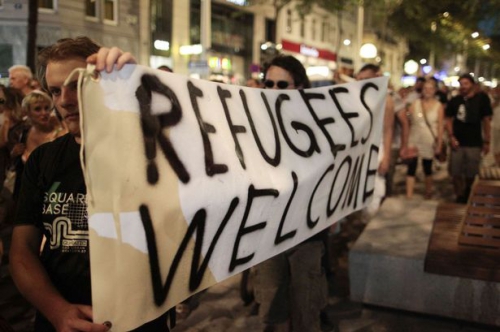
Leipzigs Grüne unterstützen Initiative für „Refugees-Welcome-Platz“
Eine Bürgerinitiative setzt sich für die Umbenennung des Richard-Wagner-Platzes ein. Um symbolisch auf die Willkommenskultur aufmerksam zu machen, soll der Ort in Zukunft Refugees-Welcome-Platz heißen. Die Stadtratsfraktion der Grünen unterstützt die Idee.
(Subversive "grüne" Behördenmitarbeiter…)
Flüchtlingsbroschüre
Grün-rote Asyl-Tipps verwundern Opposition
(Zu Abschiebungen und Grenzkontrollen)
Kommentar Falscher Auftrag für die Bundeswehr
Von Reinhard Müller
Sicherheitsexperten entsetzt über deutsche Politik
"Wir werden eine Abkehr vieler Menschen vom Verfassungsstaat erleben", warnen Sicherheitsbeamte. Ex-Innen-Staatssekretär August Hanning legt einen Zehn-Punkte-Plan zur Lösung der Flüchtlingskrise vor.
(Offene Grenzen…)
Polizei will illegale Einreisen straffrei machen
Gegen Hunderttausende muss wegen illegalem Grenzübertritt ermittelt werden – fast ohne Aussicht auf Verurteilung. Polizeigewerkschaften und Linke fordern, die Beamten endlich zu entlasten.
(Eine weitere TV-Diskussionsrunde)
Björn Höcke, Günther Jauch und die deutsche Nationalfahne
Dieter Stein hat ein ernstes Höcke-Problem
Streit über Auftritt bei Günther Jauch
AfD-Spitze distanziert sich von Björn Höcke
(Auch Höcke versucht die SPD beruflich zu schädigen…)
Theoretisch könnte er wieder Kinder unterrichten
SPD: AfD-Frontmann Björn Höcke als Lehrer nicht geeignet
Thüringen droht Handlungsunfähigkeit wegen Flüchtlingskosten
Kosten der Flüchtlingskrise
Berlin und Brüssel erwägen europäischen Soli
Bis zu 100 Prozent mehr
Kitas, Friedhof, Hunde: So wollen Kommunen jetzt abkassieren
Viele deutsche Städte und Gemeinden haben zu wenig Geld. Um ihre Finanzen aufzubessern, planen deshalb viele Kommunen höhere Steuern und Gebühren. Hier müssen Sie bald deutlich mehr zahlen.
Mehr Flüchtlinge – höhere Zinsen – höhere Steuern – das Chaos naht

Sozialexperte erwartet massive Steuererhöhungen
Deutschland sei das "einzige Einwanderungsland der Welt ohne Regeln", beklagt Ökonom Raffelhüschen. Flüchtlinge würden – statt in den Arbeitsmarkt – in die Sozialsysteme integriert. Das habe Folgen.
Drei Jahre im Asylsystem
Ökonom schätzt jährliche Kosten für Flüchtlinge auf 45 Milliarden Euro
Arbeitslohnspende zur Förderung der Flüchtlingshilfe
Stegner zu Asylkrise
SPD-Vize: Wir müssen unseren Wohlstand teilen
(Martin Schulz…)
EU-Parlamentspräsident gegen Grenzschließung
Flüchtlingskrise – "Nie gefragt, ob wir Einwanderungsland werden wollen"
Politologe Werner Patzelt ist sicher: Die Flüchtlinge werden zu einem Problem für unsere Gesellschaft. Die Politik habe es versäumt, das Volk überhaupt zu fragen, ob man Einwanderungsland sein wolle.
Henryk M. Broder - "Was Merkel treibt, grenzt an Untreue im Amt"
Millionen weitere Asylbewerber werden kommen
Seit Jahren gehen die europäischen Regierungen ihren Illusionen nach und blicken auf einen Nahen Osten, den es nicht mehr gibt. Das hat dazu geführt, dass sich immer mehr Menschen gen Europa aufmachen.
Interview zur Flüchtlingskrise
„Deutschland ist das Mekka Europas“
Wo Milch und Honig fließen: So sehen viele Syrer Deutschland, sagt Salem El-Hamid. Der Generalsekretär der Syrisch-Deutschen Gesellschaft spricht über Schleuser, drohende Unruhen und Mittel gegen den Flüchtlingsstrom.
Sehnsuchtsort Deutschland
Wenn der Satan solch ein Chaos sieht
Im Gottesdienst in Riedlingen singt die Gemeinde: „Wach auf, wach auf, du deutsches Land!“ Und der Pastor meint, die Bibel gebe eine „messerscharfe“ Antwort auf die Frage, ob ein guter Christ dafür sein müsse, alle Flüchtlinge aufzunehmen.
(Ein weiterer Kritiker aus dem Establishment…)
"Deutschland zerbricht an der Flüchtlingskrise"
Der deutsche Historiker Jörg Baberowski kritisiert Angela Merkels Verhalten in der Flüchtlingskrise als unverantwortlich und sieht den sozialen Frieden in Gefahr.
Rupert Scholz über Flüchtlingspolitik
"Da liegt die Bundeskanzlerin falsch"
Angela Merkel hat gesagt, 3000 Kilometer deutscher Grenzen könne man nicht schützen. Und sie lehnt Obergrenzen für das Asylrecht ab. Bei beidem irrt sie, meint Staatsrechtler Rupert Scholz im Interview.
(Ein interessanter Blick in die nähere Zukunft)
Nicolaus Fest
Zum Stand dieses Landes: Verleumdung und Niedergang
Die Sprache als Hebel der multikulturellen Kulturrevolution (1)
„Flüchtlings-Krise“: Die globalistische Perspektive
Flüchtlingskrise im Kopf: Die Deutschen und der edle Wilde
Europa wegzüchten: „Ein einzigartiges Experiment“
Gewagtes Experiment: Merkel hofft auf Wachstum durch Massen-Einwanderung
Zuwanderung als Wirtschaftstreiber: Deutsche Bank lobt Merkels Flüchtlingspolitik
(Ein "Verfassungspatriot" hat immer noch nicht kapiert, was gerade passiert…)
Integrationsdebatte: Lammert fordert von Flüchtlingen Anpassung an "Leitkultur"
Gauck
Ähnlich wie die Wiedervereinigung
Integration der Flüchtlinge wird Generationen beschäftigen
(Den letzten Satz beachten! Er kann zu Diskussionen anregen.)
Orientierung ist schwierig
Kommentar: Politik für und gegen Flüchtlinge
(Die Deutschen sollen bis zum Umfallen malochen, um den "Refugees" das Leben zu bezahlen…)
"Rentenalter muss steigen, um Flüchtlinge zu ernähren"
Die Deutschen sollen nach Meinung von ifo-Präsident Hans-Werner Sinn länger arbeiten, um die Kosten der Flüchtlingsintegration stemmen zu können. Auch der Mindestlohn müsse abgeschafft werden.
(Und auch die "Refugees" werden als Billigarbeiter herangezogen…)
Amazon will Flüchtlinge als Saisonkräfte einsetzen
Knapp jeder fünfte Asylbewerber hat Berufs- oder Studienabschluss
Sieben von zehn Flüchtlingen brechen Ausbildung ab
Würden Sachsens Arbeitgeber überhaupt Flüchtlinge einstellen?
(Mangelnder Bildungsstandard von Einwanderern)
"Wir verteidigen Europas Werte"
Ingenieure auf Realschulniveau
Offenbach
Treffpunkt der Tagelöhner
Arbeiterstrich in der Nähe des Wilhelmsplatzes
Keine Bewerber für Stellen bei BMW-Projekt
Dingolfinger Landrat: Vielen Flüchtlingen fehlt "Bereitschaft zur Anstrengung"
(Nahles meint Jobs für die Betreuungsindustrie, die vom Steuerzahler finanziert werden…)
Arbeitsmarkt
Nahles erwartet tausende neue Jobs durch Flüchtlingskrise
Will Andrea Nahles die Deutschen in die Knechtschaft zwingen?
Asylwahnsinn auch in Holland: Geert Wilders berichtet
Asyl. Die Flut – Wo soll das enden? Elsässer/Kubitschek bei Compact Live
Michael Paulwitz
JF-TV zu Asylkrise
„Uns droht ein Bürgerkrieg“
Asylanten: Das ist der Schneeball, die Lawine kommt noch!
Die Ursprünge der deutschen Selbstverbrennung
Chemnitz, Plauen, Sebnitz, Görlitz
Sachsen: Tausende demonstrieren gegen Asylpolitik
Pegida ruft zu "zivilem Ungehorsam" auf
Pegida hat wieder mehr Zulauf, rund 9000 Menschen versammelten sich in Dresden. Die Bewegung radikalisiert sich: Erstmals rufen die Veranstalter offen zu aktivem Widerstand gegen Flüchtlinge auf.
Die kleine und die große Ordnung – Kubitschek über seine Pegida-Rede
Asylunterkunft in Chemnitz-Einsiedel
Wenn Bürger auf die Barrikaden gehen
von Felix Krautkrämer
Kommentar
Danke, Sachsen!
von Michael Paulwitz
Erfurt
Tausende demonstrieren mit AfD gegen Asylpolitik
Dresdener Bürgerinitiative
Polizei löst Anwohnerprotest gegen Asylunterkunft auf
Gunnar Heinsohn
Wirtschaftsstandort Deutschland
Bevölkerungsexperte: Medien beschönigen Asylkrise
München Hauptbahnhof, Einwanderer, Flüchtlinge, Statistik
Brandbrief
Thüringer Landkreis verweigert Aufnahme von Asylbewerbern
NRW
215 Bürgermeister schreiben Brandbrief an Merkel
"Wir verteidigen Europas Werte"
Asylrecht kennt Obergrenze
von Rupert Scholz
(Neue Jobs…)
Bundestagsausschuss billigt neue Stellen für BAMF
(Flüchtlingsindustrie)
Jahresgehalt 160.000 Euro
Caritas-Chef deklarierte Geburtstagsfeier als "dienstliche Veranstaltung"
(ein weiterer Einwanderungspropagandist…)
Flüchtlinge in Deutschland
Schluss mit der Negativdebatte
Von Marc Beise
(Ein "Promi" bekommt Gegenwind…)
Hass-Mails gegen Joko Winterscheidt
("Eine 39-jährige Frau aus Aleppo mit fünf Kindern"…)
Hilfe für Flüchtlinge
Sarah Connor nimmt syrische Familie auf
(Zu viel unterwegs…)
Warum Schweiger keinen Flüchtling aufnehmen kann
TV-Star Til Schweiger engagiert sich für Flüchtlinge und gegen Fremdenfeindlichkeit. Doch anders als Sängerin Sarah Connor will er niemanden bei sich zu Hause aufnehmen – aus einem einfachen Grund.
Post von Wolfgang: Lieber Til Schweiger!
(Kein stumpfer Welcome-Jubler, sondern um Differenzierung bemüht…)
Peter Maffay schickt klare Warnung an Flüchtlinge
Er selbst musste als Teenager seine Heimat verlassen. Jetzt erlebt Peter Maffay, wie Hunderttausende nach Deutschland kommen. Nur wer die Werte der westlichen Gesellschaft akzeptiere, sei willkommen.
(Eine Mitarbeiterin der Ausländerbehörde Mainz gesteht: "Auch für uns ist das teils traumatisch, wenn wir böse sein müssen."…)
Tränen und Protest - Aus dem Alltag der Abschiebungen
Abschiebungen sind oft ein Drama. Nun soll ihre Zahl steigen. Auch darüber berät am Freitag der Bundesrat. Der Alltag bei Rückführungen ist für Polizisten eine besondere Belastung.
(Gehirnwäsche anschaulich und in Farbe)
Speyerer Schüler vs Pegida / Das Ding vor Ort
(Soziale Forderungen der Einwanderer)
The ''Refugees'' in Europe act like Disappointed Tourists Compilation
Unglückliche Flüchtlinge, man hätte jedem eine Villa schenken müssen.
Asylanten fragen: Wann bekommen wir unser Haus und Auto?
Sonderjustiz: Ungarn urteilt Flüchtlinge im Schnellverfahren ab
(Leser "typhoon" dazu treffend:
"Ungarn ist im Recht. Flüchtlinge dürfen nur die Grenze in das erste sichere Land überqueren und bleiben nach der Konvention nur dann straffrei, wenn sie sich unmittelbar bei der Polizei melden. Das alles dürfte bei den Flüchtlingen aus Afghanistan und Syrien wohl nach zig Transitländern nicht mehr zutreffen. Also SPON, schön die Tatsachen berichten und nicht verdrehen.")
"Höchste Zeit diese Invasion zu stoppen!"
Der Slowake Richard Sulík redet eine gute, sehenswerte Minute vor dem europäischen Parlament knallhart Klartext zum Thema Flüchtlingskrise und den Gesetzesbrüchen der deutschen Kanzlerin. (1:25 min)
Orban nennt Flüchtlinge "Wirtschaftsmigranten und ausländische Kämpfer"
Die "wahre" Ursache der Fluchtkrise
Orban wittert linke Verschwörung
Einwanderung
Schweden deutet Kehrtwende in Asylpolitik an
Flüchtlingsheime in Flammen – Schweden am Limit
Großzügig hat Schweden bislang Flüchtlinge aufgenommen. Doch jetzt kann das Land nicht mehr. Wir sind am Limit, sagt Regierungschef Löfven. Die Stimmung droht zu kippen, Flüchtlingsheime brennen.
Österreichische Innenministerin
„Wir müssen um Europa eine Festung bauen“
Soldaten kontrollieren Grenzen
Slowenien stimmt für Militäreinsatz
Seit der Abriegelung der ungarischen Grenze kommen täglich Tausende Flüchtlinge nach Slowenien. Das Parlament des kleinen Adria-Landes reagiert jetzt auf die chaotischen Zustände und gibt der Armee mehr Macht.
(Angeblich dem Tode entronnene "Flüchtlinge" zünden ihre sichere Bleibe an…)
Kroatisch-slowenische Grenze
Zelte in Brezice brennen nieder
Tausende Flüchtlinge über Slowenien, auf den Weg nach Österreich !!!
Tumultartige Szenen
Flüchtlinge in Spielfeld/Österreich | Refugees Austria 22.10.2015
Österreicher platzt der Kragen zu „Flüchtlingen“ Hier wird die Hölle entstehen! Danke Angela Merkel!
Asylpolitik: Verteilung der Flüchtlinge in der EU droht zu scheitern
Wenn Flüchtlinge auf Helfer losgehen
Flüchtlinge zünden Zelte im Lager an und treten in den Hungerstreik. Sie fühlen sich eingesperrt und betrachten sogar Helfer als Feinde. Dabei könnte man mit einer einzigen Aktion für Ordnung sorgen.
Keine Haftpflicht
Bei Unfällen mit Flüchtlingen bleiben Bürger meist auf Kosten sitzen
Wer in einen Unfall mit einem Flüchtling verwickelt ist, bleibt meist auf seinen Kosten sitzen. Denn kaum einer hat eine Haftpflichtversicherung. Jetzt soll der Staat helfen.
Flüchtlingszüge - was Reisende wissen müssen
Die Sonderzüge genügten nicht mehr: Erstmals nutzte die Deutsche Bahn einen regulären ICE, um Flüchtlinge zu befördern. Bald dürften weitere Verbindungen geblockt werden. Welche Rechte Reisende haben.
Deutsche Bahn lässt Flüchtlinge gratis reisen
Die Deutsche Bahn reagiert flexibel auf den großen Flüchtlingsstrom. Wer den Schaffner überzeugt, wirklich ein Flüchtling zu sein, fährt gratis. Auch einige Deutsche müssen keinen Fahrschein kaufen.
Deutschland: ein gescheiterter Staat
Deutschland im Herbst 2015. Ein gescheiterter Staat. Augenzeugenbericht in einem ICE. - Asylanten kennen ihre angeblichen Rechte und nutzen die Situation entsprechend aus: auch in der ersten Klasse im ICE. Ein Staat außer Kontrolle...
Vorschlag der Fahrlehrer
Staat soll Flüchtlingen Führerschein bezahlen
Stiftung Preußischer Kulturbesitz
Museen in Berlin: Für Asylsuchende und Helfer kostenlos
Vectone Mobile verteilt Freiminuten, kostenlose SMS und freies Datenvolumen an Flüchtlinge in Österreich
Bundesagentur für Arbeit
Merkblatt zu Kindergeldansprüchen nun auch auf arabisch
Auf Kosten der Gebührenzahler
CSU fordert eigenen TV-Sender für Asylbewerber
Asylbewerber
Dachauer Tafel will Flüchtlingen kein Essen geben
Asylbewerber - Die Flüchtlinge und Mama Lenz
Verschleiert? "Dat ham wer jetzt häufiger"
In Köln-Ehrenfeld nimmt der Einfluss konservativer Muslime zu. Viele Bürger nehmen die Veränderungen kaum wahr – bis plötzlich eine Frau mit Ganzkörperschleier neben einem in der Bäckerei steht.
Diese Frau greift den deutschen Islam frontal an
Ihre Familie drohte Sabatina James mit dem Tod, weil sie den Islam aufgab. In dem Buch "Scharia in Deutschland" rechnet sie ab – auch mit "naivem Integrationsoptimismus" der Politik. Eine Begegnung.
Islamkritiker Hamed Abdel Samad: Die meisten, die herkommen, denken nicht an Integration
Asylbewerber wollten lieber einen Mann
Morddrohungen gegen Immobilienmaklerin
Wohnhaus für minderjährige Flüchtlinge
Grünwald - Rund 1,7 Millionen Euro nimmt die Gemeinde Grünwald in die Hand, um ein Wohnhaus für zehn Flüchtlinge zu bauen.
Missbrauch
Gutverdiener nehmen Bedürftigen Sozialwohnungen weg
In Deutschland fehlt Wohnraum für Familien, Studenten und nun auch für Flüchtlinge. Zwar gibt es mehr als eine Million Sozialwohnungen. Doch darin sitzen häufig Gutverdiener, die keiner kontrolliert.
Flüchtlinge in Turnhallen untergebracht
"Die Solidarität kommt an ihre Grenzen"
14 von 30 großen Turnhallen sind in Bremen schon zu Flüchtlingsunterkünften umgewandelt worden. Landessportbund und Elternvertreter kritisieren das Sozialressort für den Umgang mit den Turnhallen.
Dresdner Grundschule wird wegen Asylbewerbern umquartiert
Frankfurt
Flüchtlingssituation: Goethe-Uni organisiert Sportstudium um
Lindlar
Unterbringung von Flüchtlingen
Ein Kündigungsschreiben und viele Emotionen
Niederkassel
Stadt wirft achtköpfige Familie aus ihrem Haus
Deutsche raus Flüchtlinge rein, trotzdem gefällt ihnen die neue Bleibe nicht
Unterkünfte für Flüchtlinge in Rhein-Berg
Kaum noch Betten und Duschen für Einrichtungen
Offenbach
Einsatzbefehl des hessischen Innenministeriums
Kreis benötigt 1000 neue Schlafplätze für Flüchtlinge in 48 Stunden
Flüchtlinge
Düsseldorf mietet Traglufthalle für Flüchtlinge - 96000 Euro
(Die sterbende Kirche hat ihre letzte Aufgabe gefunden…)
Gemeinde räumt Kirche für Asylbewerber
Kameraleute lauern, um das richtige Stimmungsbild für die Einwanderung schießen zu können
("Lügenpresse" gibt scheibchenweise ihre Manipulationen zu…)
ARD räumt falsches Flüchtlingsbild ein
„Tagesschau“
ARD manipulierte Bericht über Lichterkette für Flüchtlinge
Der somalische Held Abdihafid Ahmed - Der seine Familie im Bombenhagel zurückließ
Migranten enttäuscht: Sie wollen gutes Essen, mehr Geld und auch Zigaretten
Ein RT-Team befragte Migranten in mehreren europäischen Staaten. Es zeigt auch, dass sich einige eher wie enttäuschte Urlauber verhalten und nicht wie Menschen, die gerade mit dem Leben davon gekommen sind.
Flüchtlinge in Hessen
21 Leute im Transporter: Drei Jahre Haft für Schleuser
Salafisten werben um Flüchtlingskinder in Köln
Kindergärten
Streit um Sankt-Martins-Fest in Düsseldorf
Flucht: "Diese Frauen sind rechtlich nicht geschützt"
Interview mit Necla Kelek
 Europarat: Medien sollen Ausländerkriminalität verheimlichen
"Wir stehen vor einer Jahrhundertaufgabe"
Polizeigewerkschaft warnt vor Kriminalität durch Asylbewerber
"Stehen vor sozialen Unruhen"
Polizeigewerkschaft fordert Grenzzaun
Der Chef der Polizeigewerkschaft plädiert für einen Zaun an der Grenze zu Österreich und hofft auf eine europaweite Grenzbefestigungswelle. Jemand müsse "die Notbremse ziehen". Die Bundeskanzlerin nimmt er dabei persönlich in die Pflicht.
Flüchtlingsgewalt alarmiert Berlin "Wir sehen das mit erheblicher Sorge"
Zugverkehr unterbrochen: Mehr als hundert Flüchtlinge dringen in Eurotunnel ein
5 Autos, 7 Pässe
Anführer der Ungarn-Revolte in Haft
Asylforderer immer dreister: Staatsbedienstete sind wütend
Kliniken klagen über Belastung durch Flüchtlinge
Die schiere Zahl der Schutzsuchenden und ihr teils erbärmlicher Gesundheitszustand belasten die Krankenhäuser. Sorgen bereiten längst überwunden geglaubte Krankheiten und kulturelle Differenzen.
Wegen Flüchtlingen
Main-Taunus-Kreis ruft Katastrophenfall aus
Niedersachsen plant keine Massenabschiebungen
Abschiebungen werden nicht mehr angekündigt, Niedersachsen will aber am humanitären Umgang mit Flüchtlingen festhalten - auch nach der am Sonnabend in Kraft tretenden Verschärfung des Asylrechts. So soll es auch künftig kein massenhaftes Abschieben von abgelehnten Asylbewerbern geben.
Hardheim
Gemeinde erteilt Asylbewerbern Benimm-Lektion
Saarland-Ministerpräsidentin: Müssen verhindern, das Migranten mehrfach Geld beziehen
IS-Terroristen rufen zum Jihad in Deutschland und Österreich auf
Versandhändler
Zalando zeigt Flüchtlinge an
Der Online-Versender Zalando hat fast 1000 Pakete mit Kleidung in ein saarländisches Flüchtlingslager geliefert – ein Jahr lang, obwohl die Rechnungen nie bezahlt wurden.
Gewalt und Respektlosigkeit
Polizeibeamtin klagt: „Wir verlieren immer mehr die Hoheit auf der Straße“
Großeinsätze
Aggressive Asylbewerber halten Hamburger Polizei in Atem
Hamburg
Albaner verlangen „Duschgeld“: Massenschlägerei in Asylheim
"Wenn die Stofftierverteiler schlafen"
Polizei beklagt Gewalt unter Migranten
Viele Migranten hätten keinen Respekt vor unseren Werten, beklagt Gewerkschaftschef Wendt bei n-tv. Sie brächten ihre Probleme mit und kämpften sie hier aus. Wenn die Polizei da mittendrin stehe, "liegen diejenigen, die Stofftiere verteilt haben, in ihren Betten."
Polizeigewerkschaft zur Asyl-Gewalt: Die Öffentlichkeit erfährt nur einen Bruchteil
Polizeigewerkschafts-Chef warnt Wendt: Flüchtlinge könnten sich zu Clans zusammenschließen
Flüchtling will kommen
Muslim migrants demand sex in Finland.
24-Jährige in Magdeburg missbraucht Polizei sucht nach Vergewaltigung nach Zeugen
Wie Frauen in Flüchtlingslagern zu Freiwild werden
Bedrängt, betatscht, missbraucht: Frauen in Asylunterkünften werden vermehrt Opfer sexueller Gewalt. Behörden und Beratungsstellen ringen nun um Lösungen. Gibt es bald Unterkünfte nur für Frauen?
Kitzingen
Keine weiblichen Putzkräfte mehr in Asylunterkunft
Notunterkunft in Kitzingen
Flüchtlinge sollen Mitarbeiterin sexuell genötigt haben
Anschuldigungen in Thüringen
Brisante E-Mail: Verschweigt die Polizei Vorfälle in Flüchtlingsheimen?
(Selbstverständlich sind nur die Deutschen und ihr mangelhaftes Engagement dabei, angenehme Wohnbedingungen zu schaffen, Schuld an den Gewaltausbrüchen…)
Asylbewerber in Lebensgefahr
Heftige Krawalle in Flüchtlingsheimen
Gewalt in Dresden
Nordafrikaner stechen Studenten nieder
Erste Zeugen nach Messerattacke in Dresden
Er zündete Frauen die Haare an
Haftverschonung: Gewalttätiger Libyer taucht unter
Kriminelle Asylanten verhöhnen Berliner Polizei
Nach Schlägerei in Asylheim
Vier Syrer in Untersuchungshaft
Hamburg
Stimmung in Flüchtlingsunterkunft "explosiv"
Verprügelt, weil er zum Christentum konvertierte
Nacht der Gewalt in Hamburg: An drei Orten kam es zu gewalttätigen Streits zwischen Flüchtlingen. In einem Fall soll der Grund religiös motiviert sein - es wäre der erste Fall dieser Art in der Hansestadt.
Ausländerkriminalität
Mord in Essen: Polizei nimmt türkischen Intensivtäter fest
Junge Frau mitten am Tag in Dresden vergewaltigt
Einrichtung in Bensheim
Schlägerei unter Flüchtlingen
Schlägereien und ethnische Auseinandersetzungen: Konflikte in Flüchtlingsheimen
In Flüchtlingsheimen: 6 Vergewaltigungen in Baden Württemberg, Frauen für 10 Euro vermietet.
Aufruhr in Unterkunft: Mehrere hundert Flüchtlinge protestieren in Freiburg
Massiver Einsatz am Brucker Fliegerhorst
Aufgebrachte Syrer drohen Polizei mit Waffengewalt
(Die Gegenseite der Radikalisierung)
Vorfall im Münsterland
Mann beschimpft Albaner als „Ausländerschwein“ und sticht ihn nieder
KULTUR / UMWELT / ZEITGEIST / SONSTIGES
(Willkommen in der modernistischen Trabantenstadt…)
Willkommen in Neu-Aleppo, der Stadt für Flüchtlinge
Noch leben die meisten Flüchtlinge in Notunterkünften. Aber bald brauchen sie eine eigene Wohnung. Planer entwickeln bereits Konzepte – bis hin zu einer ganzen Stadt mit einer Moschee im Zentrum.
(Moderne Architektur, experimentell wie gewohnt…)
Bau-Panne an Freiburger Uni-Bibliothek: Blendend
Mussolinis Bauten
Das schwarze Erbe
Wie Mussolini das Stadtbild von Rom prägte: ein etwas anderer Rundgang durch die ewige Stadt.
Vatikan-Theologe bekennt sich vor Synode zu Homosexualität
Frankreich
Gericht erlaubt „neutral“ als Geschlecht
Seit mehr als 60 Jahren ist er offiziell ein Mann, hat aber Merkmale beider Geschlechter. Nun kann ein Franzose sein Geschlecht auf „neutral“ ändern – falls das Urteil nicht noch kassiert wird.
Loiza Lamers: Transgender-Frau ist "Holland's Next Topmodel"
Erstmals hat eine Transgender-Frau den Wettbewerb "Holland's Next Topmodel" gewonnen: Loiza Lamers, 20 Jahre alt, bekommt nun einen lukrativen Vertrag - und will ganz nach oben.
(Nein, es handelt sich nicht um Margot Käßmann…)
Anglikanische Bischöfin muss nach tödlicher Alkofahrt in Haft
(Medienzensur)
Österreich
Wahlwerbespots abgelehnt: FPÖ wirft Sendern Zensur vor
Programmbeschwerde gegen SWR wegen "Falschmeldung" über "Stopp Ramstein"-Demo
(Zum Vorwurf der Lügenmedien)
Drei Lügen (ein Märchen über die Objektivität der Presse)
(Lügen-"Tatort"…)
"Fall Oury Jalloh"
Gewerkschaft der Polizei kritisiert „Tatort“-Krimi
IVW-Zahlen
Dramatische Auflagenverluste für „Bild“, „FAZ“ und Co.
44 Prozent der Bundesbürger sagen: Ja, die von oben gesteuerten Medien lügen
(Kommentar zu den "Lügenmedien"…)
Medien
Das Vertrauen schwindet
von Giselher Suhr
KenFM zeigt: Die dunkle Seite der Wikipedia
Schwedische Bischöfin: Kreuze auf Kirchen beleidigen Muslime – weg damit
Botho Strauß: Eine Glosse zum Untergang
Wie komme ich eigentlich ins Darknet?
Kriminelle, Drogendealer, Pädophile – das Darknet ist verrufen. Dabei kann jeder Nutzer, der auf seine Privatsphäre Wert legt, hinein. Vorausgesetzt, er hat Zugang zur Verschlüsselungssoftware.
Scientists claim they can change your belief on immigrants and God – with Magnets
Gehirnwäsche erkennen und vermeiden
Wachstumskritik (V): Überbevölkerung, Reichtum und Technologie
Wachstumskritik (VI): Asketische Ethik und Größenwahn
(Glücklich das Land, das solche Probleme hat, oder?...)
Grundschule Spenge Land
Mensch ärgere Dich nicht
Eltern malen versehentlich Hakenkreuz
(Der monatliche "Nazi"-Aufreger auf den Boulevard-Seiten…)
Die geschmacklose Wehrmacht-Puppe "Bastian"
Bastian Schweinsteiger als Wehrmacht-Puppe: Ein Spielzeughersteller aus China bietet diese Geschmacklosigkeit zum Verkauf an. Die Erklärung der Firma ist hanebüchen. Der Weltmeister reagiert offenbar.
„Verzerrung der Geschichte“
Bizarre Netanjahu-Behauptung: Palästinenser stiftete Hitler zum Holocaust an
Walmart: Israeli-Uniform für Kinder zu Halloween
Kunden empören sich auf Twitter - Auch "Scheich-Fagin-Nase" kritisiert
Mundstuhl - Nett zu dunkelhäutigen Menschen
Potsdam
Sinterklaas-Fest ohne Sinterklaas
Jean Raspail und das „Heerlager der Heiligen“
Im weichen Bauch des Kontinents
von Thorsten Hinz
Lust, die eigene Kultur auszulöschen
Jean Raspail hat 1973 in einem parodistischen Roman den heutigen Flüchtlingsnotstand vorweggenommen. Wir sollten das Meisterwerk wieder lesen.
Kommentar
Raspails Buch wirkt!
von Thorsten Hinz
(Neuer Roman von Shumona Sinha über die Migrationsindustrie)
Erschlagt die Armen! Mit einer Rotweinflasche gegen Migranten?
(Buch "Deutsche Geschichte")
„Dieses Buch ist ein patriotisches“
Interview mit Karlheinz Weißmann
(ebenso dazu)
„Es ist ein patriotisches Buch“
Akif Pirinçci - Die grosse Verschwulung





 del.icio.us
 Digg
Digg Facebook

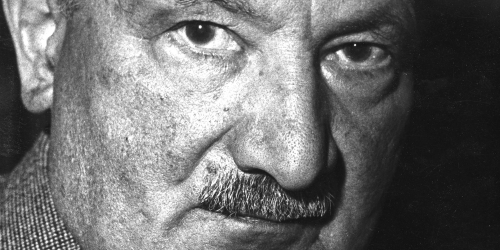
 Ma questa analogia non è la sola che possa essere citata. Lo stesso Corbin ne sottintende un’altra dello stesso genere allorché, avvalendosi di una terminologia heideggeriana, ci ricorda che “il passaggio dall’essere (esse) all’ente (ens), i teosofi islamici lo concepiscono come il porre l’essere all’imperativo (KN, Esto). È in forza dell’imperativo Esto che l’ente è investito dell’atto di essere“7.
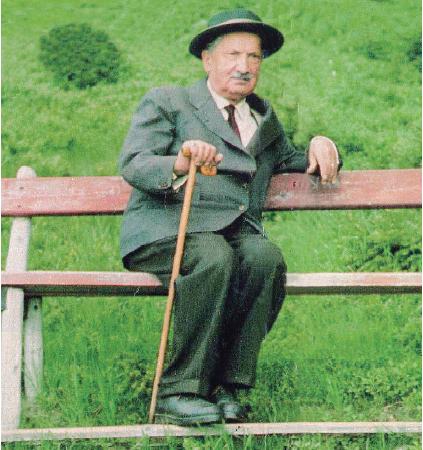
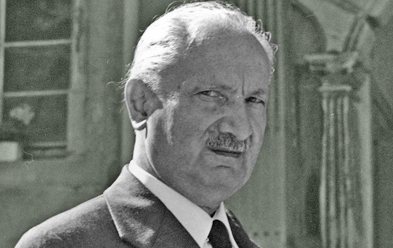 Nel 1964 avvenne l’incontro di Heidegger col monaco buddhista Bikkhu Maha Mani, docente di filosofia all’Università di Bangkok, che era venuto in Europa per conto della Radio tailandese. “Convinto sostenitore di un uso misurato della tecnologia e dei mass media come strumenti educativi, in Germania aveva voluto incontrare Heidegger proprio per confrontarsi sul problema della tecnica”22. Nel colloquio privato che ebbe luogo fra i due il giorno prima che venisse registrato un loro dialogo sul ruolo della religione, destinato ad essere trasmesso da un’emittente televisiva di Baden-Baden, Heidegger parlò di “abbandono” e di “apertura al mistero” e domandò al suo ospite che significato avesse, per l’Orientale, la meditazione. “Il monaco risponde del tutto semplicemente: ‘Raccogliersi’. E spiega: quanto più l’uomo, senza sforzo di volontà, si raccoglie, tanto più dis-fa [ent-werde] se stesso. L”io’ si estingue. Alla fine, vi è solo il niente. Il niente, tuttavia, non è ‘nulla’, ma proprio tutt’altro: la pienezza [die Fülle]. Nessuno può nominarlo. Ma è, niente e tutto, la piena realizzazione [Erfüllung]. Heidegger ha compreso e dice: ‘Questo è ciò che io, per tutta la mia vita, ho sempre detto’. Ancora una volta il monaco ripete: ‘Venga nella nostra terra. Noi La comprendiamo’”23.
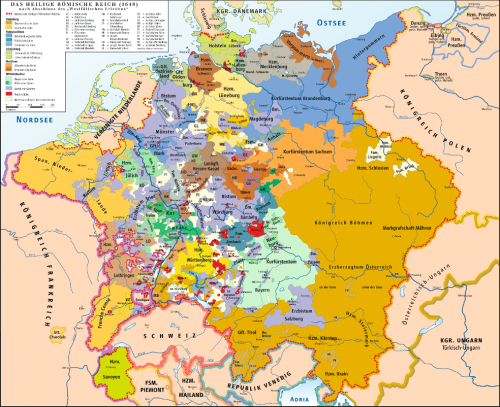
 Nous ne sommes pas familiers de la forme impériale développée par le Saint Empire romain germanique réunissant les territoires italiens, bourguignon et germanique à l'origine, émancipant par la suite les deux premiers. Elle s'étend pourtant sur près de neuf siècles, et constitue le grand modèle institutionnel duquel se démarqua l'État souverain. Si Pufendorf a pu le qualifier de « monstre politique », « irregulare aliquod corpus et montro simile », il n'en reste pas moins que sa longévité nous incline à considérer sérieusement la forme institutionnelle de ce pouvoir. Nous en rappellerons brièvement les éléments essentiels, d'un point de vue normatif plus qu'historique. Le titre de Saint Empire romain germanique, das Heilige Römische Reich deutscher Nation, ne commence à être utilisé qu'à la fin du XVe siècle. Mais il n'est encore ni une appellation officielle, ni une seule utilisée pour décrire la situation politique de l'Empire germanique. L'ambition de cette désignation consiste à trouver un critère discriminant d'appartenance des différents peuples germaniques à une structure politique commune.
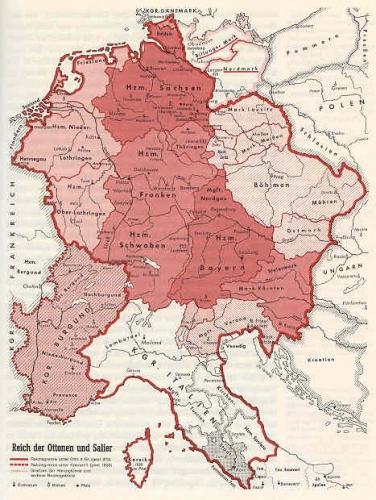 Mais l'Empire romain auquel on est renvoyé n'est pas celui de César et d'Auguste ; c'est celui de Constantin. Charlemagne inaugure cette Renovatio Imperii en se faisant couronner par le pape en 800 : l'onction papale seule pouvait assurer la mission sacrée remplie par l'empereur. Par ce geste, Charlemagne entendait reprendre le modèle romain d'une union politique de peuples divers, usant de l'autorité spirituelle pour valider ses décisions. Ce qui réinscrit le mouvement de l'Empire germanique dans la forme de l'Empire romain, et permet à l'empereur de distinguer son pouvoir de celui des autres princes allemands, de le placer dans un rapport de transcendance repris de la référence à l'Empire romain. Il permet de fonder la supériorité du pouvoir de l'empereur et inscrit par là la forme impériale dans le mouvement d'un devenir historique précis, en reprenant le critère de l'universalité et en y adjoignant le critère de protection que son pouvoir devra prendre comme fil conducteur, assumé par l'adjectif heilig.
 Mais les deux autorités se heurtent encore violemment. Il était fait usage du célèbre faux de Constantin – la « Donation de Constantin » - pour légitimer les revendications ecclésiastiques
 D
D

 Umfrage: Wer Kontakt zu Migranten hatte, sieht inneren Frieden eher gefährdet




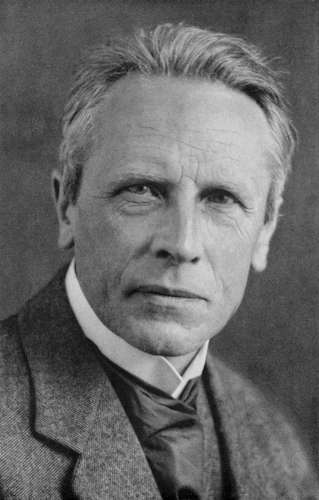 Klages puts Life in the centre, but he also identifies an anti-Life force that gradually infiltrated the world and took it over.
 Klages and Romanticism
 Hambourg, 25 mars 1999 : à quelques heures du début des bombardements de l’OTAN sur la Serbie, l’ancien chancelier Helmut Schmidt (1974-1982), cinquième de la République fédérale à porter ce titre, 80 ans, nous reçoit, mon confrère Pierre-André Stauffer de l’Hebdo, et moi, dans son bureau, au sommet de la tour de « Die Zeit », dont il est l’éditeur. Vue sur le port. Sa ville natale, splendide. Hanséatique. L’une de mes villes allemandes préférées.
 Ce que les gens, aujourd’hui, connaissent peu en Suisse romande, c’est l’immensité de l’intelligence politique de l’homme qui nous quitte aujourd’hui. Dans la droite ligne de Bismarck, il construit le destin allemand sur le long terme, sans états d’âme, jouant des alliances pour le seul intérêt supérieur de la nation qui lui est confiée. Simplement, ses années de Chancellerie, 1974-1982, sont celles où l’Allemagne, redevenue géant économique, n’a pas encore droit à occuper la même taille en politique. Avec les vainqueurs occidentaux de la Seconde Guerre mondiale, Américains principalement, Schmidt, parfait anglophone, s’entend à merveille. Mais il serait faux de ne voir là qu’une obédience atlantiste : l’homme, patiemment, guette l’heure de son pays. Ce sera son successeur, le Rhénan Helmut Kohl, qui l’entendra sonner, le 9 novembre 1989. Et son prédécesseur, l’immense Willy Brandt, qui aura ce jour-là le mot juste : « Jetzt kann zusammenwachsen, was zusammengehört ».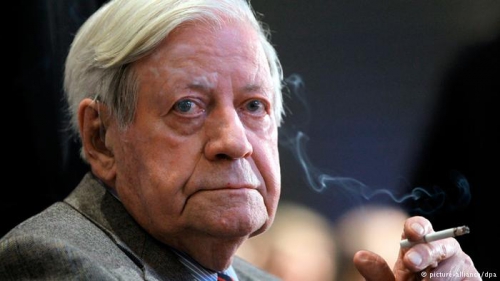

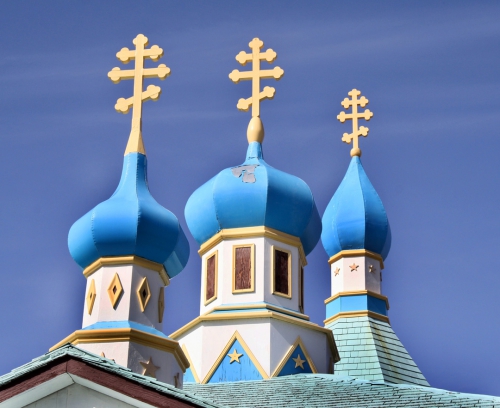
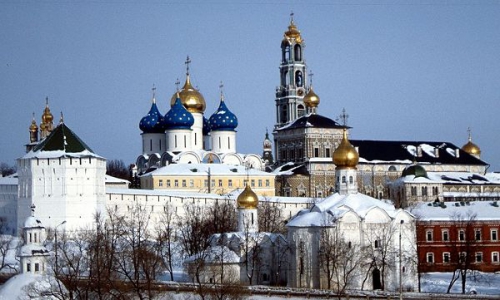
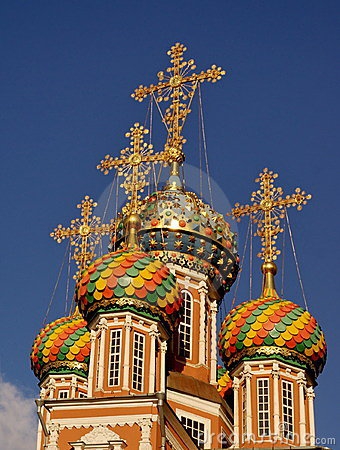 The hatred of the ‘West’ and of ‘Europe’ is the hatred for a Civilisation that had already reached an advanced state of decay into materialism and sought to impose its primacy by cultural subversion rather than by combat, with its City-based and money-based outlook, ‘poisoning the unborn culture in the womb of the land’. (Spengler, 1971, II, 194). Russia was still a land where there were no bourgeoisie and no true class system but only lord and peasant, a view confirmed by Berdyaev, writing:
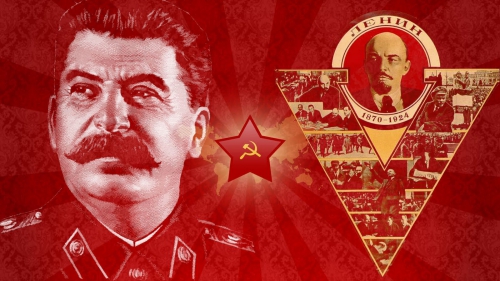
 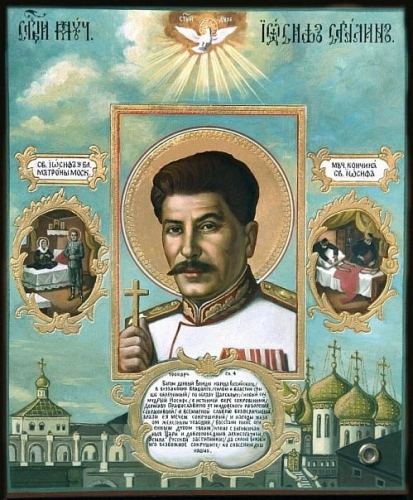 Spengler states above that the Russians do not ‘fight’ capital. (Ibid., 495). Yet their young soul brings them into conflict with money, as both oligarchy from inside and plutocracy from outside contend with the Russian soul for supremacy. It was something observed by both Gogol and Dostoyevski. The anti-capitalism and ‘world revolution’ of Stalinism took on features that were drawn more from Russian messianism than from Marxism, reflected in the struggle between Trotsky and Stalin. The revival of the Czarist and Orthodox icons, martyrs and heroes and of Russian folk-culture in conjunction with a campaign against ‘ rootless cosmopolitanism’, reflected the emergence of primal Russian soul amidst Petrine Marxism. (Brandenberger, 2002). Today the conflict between two world-views can be seen in the conflicts between Putin and certain ‘oligarchs’ and the uneasiness Putin causes among the West.