


lundi, 20 septembre 2021
Bonnal et la Nécropolitique


11:40 Publié dans Actualité | Lien permanent | Commentaires (0) | Tags : actualité, nécropolitique, nicolas bonnal, problèmes contemporains |  |
|  del.icio.us |
  |
|  Digg |
  Facebook
Du 9/11 aux Guerres Infinies
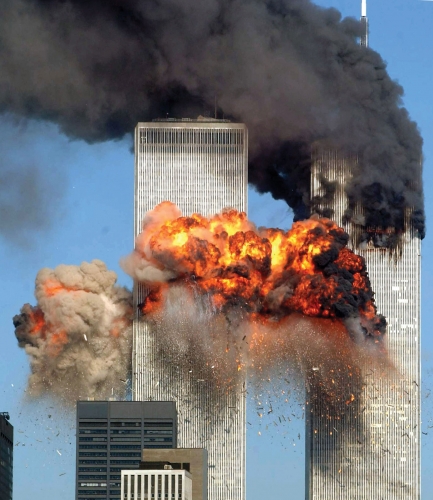
Du 9/11 aux Guerres Infinies

11:31 Publié dans Actualité | Lien permanent | Commentaires (0) | Tags : politique internationale, 911, 11 septembre 2001, états-unis | | del.icio.us | | Digg | Facebook
Voici sept signes du virus "woke"
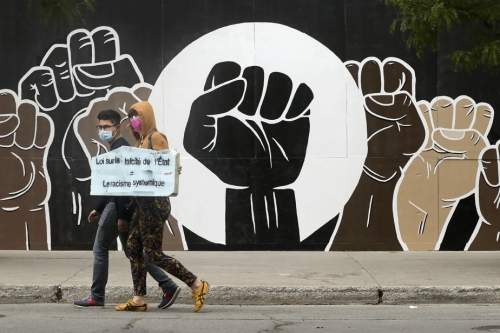
Voici sept signes du virus "woke"
par Brett Sinclair
Covid n'est pas le seul virus qui balaie l'Occident, la politique woke sévit de manière obsessionnelle avec des variantes des plus virulentes, émergeant un peu partout, des salles de rédaction aux collèges. Comme l'une de mes connaissances y a lentement succombé, voici ce que j'ai observé. Certains traits semblent être extrêmement courants chez les personnes « wokes ».
Woke étant désormais un terme courant pour ceux d'entre nous qui deviennent, à juste titre, exaspérés par les problèmes de justice sociale (typique des grands consommateurs de médias occidentaux ou des récents diplômés universitaires). Souvent, nous pouvons voir cette obsession se manifester sous la forme d'un activisme de protestation agressif - pas seulement comme un passe-temps, mais à tous les niveaux sociaux, privés et professionnels de leur vie. C'est ça, une personnalité « woke ».
Bien qu'il existe des marqueurs physiques bien connus indiquant une personne woke (cheveux bleus ou violets, obésité, androgynie, barbe effilée chez l'homme, lunettes agaçantes), j'ai été pendant un certain temps un étudiant curieux de leurs habitudes et de leurs manières psychologiques, que j'ai également noté, avec les traits physiques, d'avoir des qualités universelles.
Jusqu'à récemment, j'avais supposé que ces traits de personnalité universels étaient la preuve d'un état existant chez la personne d'abord (c'est-à-dire un excès de confiance suffisant) qui la rendait vulnérable aux «idées wokes». Mais de plus en plus d'expériences anecdotiques m'apprennent que devenir woke, ou contracter le «virus woke», crée son propre type de psyché humaine chez l'hôte sans méfiance, qui est reconnaissable dans de nombreux cas observables. À mon avis, cette psyché est le résultat du virus de l'esprit, et pas nécessairement une qualité préexistante. Ainsi, si cela est vrai, cela signifie que l'éveil lui-même remodèle l'esprit.
Ces qualités sont :
- Suffisance. Une attitude absolue, inébranlable et arrogante et condescendante envers toutes les opinions non wokes. Bien qu'étant un trait en soi, il est lié au numéro 2.
- Manque d'introspection. Aucune trace de remise en question ou de monologue intérieur apparent. Aucun sens de l'équité ou de la compréhension de l'opinion relative.
- Colère à fleur de peau. Volonté non seulement d'exprimer son opinion en toute occasion, avec n'importe qui, même en infériorité numérique, mais de le faire avec colère. Une volonté de couper tout ami ou membre de la famille qui ne se conformera pas à la croyance woke.
- Athéisme nihiliste. Ils parlent beaucoup de science, tout en ignorant la science qui ne se conforme pas à leurs croyances. Ils ont tendance à supposer que vous êtes dogmatiquement religieux si vous n'êtes pas d'accord avec eux. Ils s'accrocheront à un nihilisme fortement négatif, croyant que tout est finalement sans espoir et que c'est de l'orgueil sardonique de croire en quoi que ce soit ou de faire quelque chose (ce qui est lié au numéro 6).
- Malhonnêteté. Ils sont prêts à être ouvertement malhonnêtes pour faire avancer leurs idées virales. S'ils perdent un point dans une dispute, ils passent à un nouveau point, sans jamais reconnaître qu'un point a été perdu. Lorsque tous les points d'attaque sont utilisés, les attaques personnelles commencent. Le passé est une ardoise vierge ouverte à la révision.
- Égocentrisme. Celui-ci m'a pris un certain temps pour le remarquer, mais il semble que vous ayez affaire à une infection-woke si la personne est devenue anormalement égocentrique et, dans la conversation, ne rend pas tant la pareille que de parler d'elle-même en termes toujours positifs ou auto glorifiants, souvent irréalistes. Ils peuvent également insérer l'apitoiement sur soi, cela semble généralement exacerber un besoin de recherche d'attention.
- Dépression, faible estime de soi, anxiété. Je n'ai remarqué cela que récemment, c'est probablement le résultat subconscient des numéros 4 et 6 en particulier. Tout véritable questionnement personnel sur le sujet révèle généralement de profondes inquiétudes et angoisses, et souvent des problèmes de santé mentale.

Une expérience récente avec une connaissance, une femme d'âge moyen qui, grâce à un nouveau cercle d'amis, est passée de normale et apolitique à complètement woke, m'a permis d'étudier les changements (avec une horreur détachée) au fur et à mesure qu'ils se produisaient. Premièrement, elle a commencé à faire preuve d'un égocentrisme extrême, car ce nouveau groupe social de pairs est devenu important pour elle (je crois que c'était un « club de lecture »). Cela a commencé quand elle est devenue apparemment incapable de parler d'autre chose que d'elle-même. J'avais remarqué cette qualité chez d'autres amis wokes, et chez beaucoup d'entre eux, je me souviens qu'ils n'étaient pas comme ça auparavant, mais c'était la première personne adulte à faire cette transition lente sous mes yeux, alors j'ai sorti mon bloc-notes et pris des notes.
Elle est devenue quelque peu maniaque, très anxieuse, plus inquiétante et d'apparence moins saine. Parallèlement à cela, des remarques politiques béatement décontractées sont venues dans une conversation polie. Il va sans dire qu'il y avait les inévitables messages Facebook sur la politique woke, ou sur elle-même, ou la combinaison idéale : des messages sur elle-même croisées woke. Mais rien de tout cela ne faisait partie de sa personnalité auparavant, bien que la politique woke soit avec nous depuis de nombreuses années maintenant. Cela a commencé pour elle avec un nouveau cercle de pairs qu'elle souhaitait visiblement impressionner et cela culmine actuellement avec ses amis et sa famille, qui envisagent sérieusement une intervention d'aide psychologique, non pas à cause de la constante signalisation-de-la-vertu, mais pour l'autre plus autodestructrice : les changements de personnalité.
Cela me rappelle la science de la psychopathie. J'étais très intéressé d'apprendre dans ma jeunesse, non seulement que les psychopathes ont essentiellement peu ou pas de sentiments émotionnels, et certainement pas d'empathie, mais aussi qu'ils existent parmi nous en grand nombre. Ils ne deviennent pas tous des serial killers, mais il y a des gens que vous connaissez qui sont des psychopathes que vous n'auriez jamais devinés parce qu'ils apprennent à imiter le comportement humain. En effet, un traumatisme grave durant la jeunesse peut créer une psychopathie, il peut donc s'agir d'une condition environnementale.
Je ne dis pas que les gens wokes sont des psychopathes (bien qu'ils partagent tous le narcissisme), je dis que des conditions psychologiques peuvent être créées, et que le monde moderne est impitoyable, avec son consumérisme matérialiste rampant, son athéisme dogmatique et son système fabriquant une nouvelle psyché humaine, à la fois frêle et lourde et à sa manière perverse.
Observez la propagation du virus, observez et étudiez et espérez que vous êtes immunisé.
par Brett Sinclair,
Auteur, artiste, historien, éditorialiste et blogueur qui a travaillé pour plusieurs magazines nationaux au Canada et dans des médias internationaux.
11:22 Publié dans Actualité | Lien permanent | Commentaires (0) | Tags : woke culture, actualité, problèmes contemporains | | del.icio.us | | Digg | Facebook
dimanche, 19 septembre 2021
L'accord américano-britannico-australien sur les sous-marins est une plaisanterie dangereuse qui ne fera qu'aggraver la crise géopolitique avec la Chine
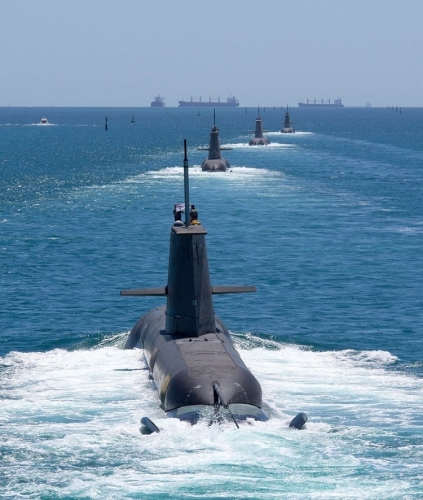
L'accord américano-britannico-australien sur les sous-marins est une plaisanterie dangereuse qui ne fera qu'aggraver la crise géopolitique avec la Chine
L'Australie a du mal à maintenir opérationnels ses six sous-marins à propulsion diesel actuels; elle veut maintenant construire huit sous-marins à propulsion nucléaire, bien qu'elle ne dispose ni de la main-d'œuvre qualifiée ni de l'infrastructure nucléaire nécessaire.
Il s'agit d'une histoire d'achats militaires géopolitiques devenus fous.
L'Australie est une nation insulaire dont la survie même dépend de sa capacité à accéder aux lignes de communication maritimes stratégiques (SLOC) afin que les liaisons commerciales essentielles puissent fonctionner de manière durable. En bref, si une nation ou un groupe de nations devait couper les liaisons maritimes de l'Australie avec le reste du monde, le pays finirait par s'étioler et mourir.
Malgré son impressionnante masse terrestre, l'Australie est une nation relativement petite, avec une population d'un peu moins de 26 millions d'habitants (ce qui la place au 55e rang mondial) et un PIB de 1,3 billion de dollars (13e rang mondial). Le budget de la défense pour 2021 prévoit que l'Australie dépense 2,1 % de son PIB, soit environ 44,6 milliards de dollars australiens. Un peu moins de 16 milliards de dollars australiens ont été consacrés à la marine australienne, qui compte près de 50 navires en service et plus de 16.000 personnels à son service.
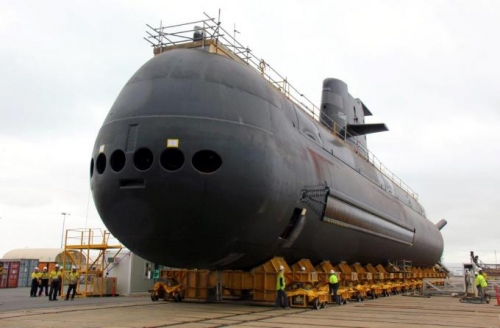
Parmi les types de navires sur lesquels l'Australie compte pour sa défense navale figure le sous-marin à missiles guidés de classe Collins, une modification de la classe suédoise Vastergotland de sous-marins diesel-électriques. L'Australie a acheté six sous-marins de la classe Collins entre 1996 et 2003. Le sous-marin de classe Collins utilise trois moteurs diesel pour charger des batteries géantes qui permettent au sous-marin de fonctionner en quasi-silence, un avantage dangereux dans la guerre navale moderne. En effet, un sous-marin de classe Collins a réussi à pénétrer les défenses d'un porte-avions américain lors d'un exercice en 2000, se positionnant pour le couler. Cet incident n'est pas un cas unique pour le sous-marin de classe Collins, dont les opérations silencieuses en font l'une des classes de sous-marins les plus dangereuses en termes de guerre navale déployée aujourd'hui.
Le sous-marin de classe Collins présente toutefois de nombreux problèmes. Des défauts de conception et une pénurie de pièces de rechange ont eu un impact sur la disponibilité opérationnelle des sous-marins, coûtant aux Australiens des centaines de millions de dollars en frais de maintenance par an. Et bien que chaque sous-marin soit doté d'un équipage d'environ 60 personnes spécialement formées, il n'y avait qu'un équipage suffisant pour faire fonctionner trois ou quatre sous-marins à la fois.
Les sous-marins de la classe Collins devraient terminer leur vie utile avant 2030. Le gouvernement australien a opté pour un sous-marin de remplacement basé sur un sous-marin nucléaire français existant, mais en remplaçant le système de propulsion nucléaire par une configuration diesel plus silencieuse.
Il était prévu de construire douze de ces sous-marins pour un coût compris entre 40 et 50 milliards de dollars australiens. En 2021, cependant, ces projections de coûts avaient explosé pour atteindre plus de 90 milliards de dollars australiens pour la construction et 145 milliards de dollars australiens pour l'entretien pendant leur cycle de vie. En outre, le premier sous-marin ne serait pas disponible avant 2034 environ, ce qui obligerait la marine australienne à entreprendre un coûteux programme de prolongation de la durée de vie de ses sous-marins existants de la classe Collins.
Les États-Unis entrent en scène. Les États-Unis sont actuellement focalisés sur la nécessité d'affronter militairement la Chine dans la région du Pacifique, mais ils sont désavantagés en termes de capacités et de soutien régional. Alors que les États-Unis ont fait pression sur le Royaume-Uni pour qu'il augmente son engagement naval dans le Pacifique, ce qui s'est traduit par le déploiement très médiatisé de grands navires de guerre, l'adhésion de l'Australie à la campagne de lutte contre la Chine est considérée comme un atout majeur pour la crédibilité de toute dissuasion navale dirigée par les États-Unis.
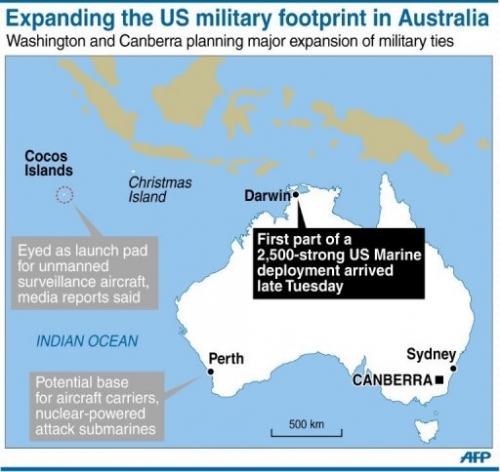
Conscient du potentiel offert par la débâcle de l'Australie en matière d'acquisition du sous-marin de classe Collins, le président Joe Biden, ainsi que le premier ministre britannique Boris Johnston, ont lancé une bouée de sauvetage politique au premier ministre australien Scott Morrison, permettant à l'Australie d'annuler son coûteux projet de sous-marin de classe Collins et de le remplacer par un sous-marin à propulsion nucléaire de conception encore indéterminée, qui sera développé avec les États-Unis et le Royaume-Uni au cours des 18 prochains mois.
L'Australie a rapidement accepté l'offre.
L'intérêt de la proposition américano-britannique réside dans le fait qu'elle n'est accompagnée d'aucun détail - combien coûtera le programme, comment l'Australie exploitera-t-elle les systèmes avancés d'énergie nucléaire alors qu'elle n'a aucune expérience indigène en la matière et, peut-être plus important encore, comment l'Australie prévoit-elle d'équiper huit grands sous-marins alors qu'elle peut à peine fournir quatre équipages pour sa flotte existante de classe Collins ?
En outre, au-delà de la prémisse opérationnelle dictée par les États-Unis consistant à "défier les Chinois", le dossier ne dit rien sur la manière dont l'acquisition de grands sous-marins à propulsion nucléaire fera progresser la sécurité nationale australienne. C'est le silence et la manœuvrabilité qui font du sous-marin de classe Collins une arme potentiellement mortelle. Toute flotte australienne équipée de sous-marins nucléaires aura des difficultés à opérer dans les eaux peu profondes qui définissent la majorité des SLOC qu'elle devra défendre. En outre, le bruit et la configuration plus volumineuse d'un sous-marin à propulsion nucléaire signifieront que toute future force australienne sera beaucoup moins capable de tuer un adversaire naval moderne, et beaucoup plus susceptible d'être détectée et détruite.
En réalité, l'offre américano-britannique de fournir des sous-marins nucléaires à l'Australie n'est guère plus que de la politique intérieure projetée sur une carte géopolitique théorique créée par les États-Unis. L'Australie est confrontée à une crise budgétaire due à l'explosion du budget associé au remplacement du sous-marin de classe Collins de conception française, une crise qui pourrait menacer de faire tomber le gouvernement de Scott Morrison. Boris Johnston cherche désespérément une plateforme à partir de laquelle il peut projeter une image de pertinence géopolitique du Royaume-Uni. Et Biden a désespérément besoin de pouvoir faire de même pour un électorat américain ébranlé par l'humiliation d'avoir perdu un conflit de 20 ans en Afghanistan.
Il n'en reste pas moins que les États-Unis n'ont pas de contrepoids militaire significatif face à la Chine, que le Royaume-Uni n'est pas en mesure de maintenir une présence militaire crédible dans le Pacifique et que l'Australie ne peut se permettre d'acquérir et d'exploiter une force de huit sous-marins d'attaque à propulsion nucléaire. Le projet de sous-marin nucléaire australien est une plaisanterie dangereuse qui ne fait qu'exacerber la crise géopolitique existante avec la Chine en y injectant une dimension militaire qui ne verra jamais le jour.
Source: https://www.rt.com/op-ed/535199-australia-submarine-deal-dangerous/
14:09 Publié dans Actualité, Géopolitique | Lien permanent | Commentaires (0) | Tags : actualité, géopolitique, politique internation, ale, france, australie, royaume-uni, aukus, états-unis, marine, sous-marins | | del.icio.us | | Digg | Facebook
Géopolitique du chiisme
Géopolitique du chiisme
Alexandre Douguine
Ex: https://www.geopolitica.ru/en/article/geopolitics-shia
L'évaluation correcte du timing géopolitique est cruciale
Avec la panique qui a suivi le retrait américain d'Afghanistan, il est clair que nous vivons déjà dans un monde multipolaire. Le leadership unipolaire incontestable de l'Occident appartient au passé. L'émergence d'un ordre multipolaire est déjà un fait. Il est donc grand temps de revoir les principaux acteurs - actuels et futurs, mondiaux et régionaux. Dans la phase de transition, beaucoup de choses impensables hier, deviennent possibles. C'est le début d'une situation d'urgence mondiale - Ernstfall/Urgence (C. Schmitt). Les vieilles portes se ferment, les vieilles routes explosent, les vieux murs sont détruits. C'est le moment de penser avec audace et d'agir rapidement. La forme de l'établissement de la multipolarité dépend de nous; elle sera exactement comme nous entendons la façonner : le monde de notre création (N. G. Onuf).

Considérons le monde chiite. Il représente une partie importante du territoire islamique. La victoire des talibans le concerne profondément à bien des égards. La proximité de l'Iran, la minorité chiite des Hazaras, le changement brutal de l'équilibre des forces (le retrait des États-Unis) dans la région, le nouveau rôle du Pakistan, de la Chine et de la Russie - tout cela affecte la communauté chiite. Cela crée de nouveaux défis, de nouveaux risques et de nouvelles opportunités.
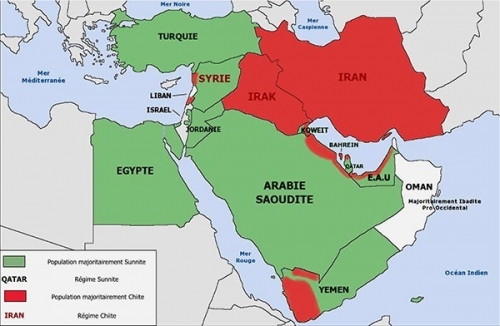
Sur le plan géopolitique, les chiites doivent être considérés comme un Großraum (grand espace). Le cœur du monde chiite est l'Iran et en partie la partie sud de l'Irak. Il s'étend à l'est (Pakistan, Afghanistan), au nord (Azerbaïdjan), à l'ouest (hussites au Yémen, chiites en Syrie, au Bahreïn, en Arabie saoudite, au Kurdistan, Hezbollah au Liban bordé par la Palestine). Il ne faut pas oublier certaines branches moins orthodoxes du chiisme Ghulat: les alaouites en Syrie, les alévites en Turquie, les ismaélites au Tadjikistan et en Inde. Il existe des communautés chiites en Afrique occidentale (Nigeria) et ailleurs.
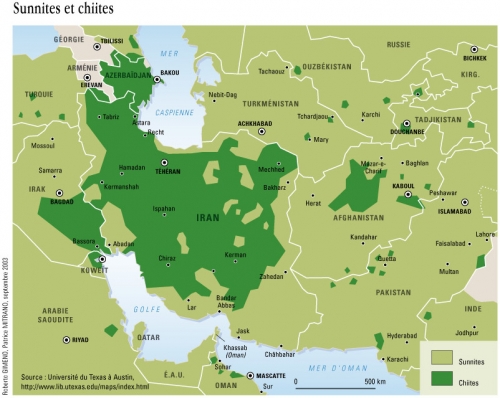
Tout d'abord, nous devons mentionner que le monde chiite est une sorte de réseau: il a un cœur (l'Iran), un bastion (l'Irak et le Hezbollah) et des branches du réseau - avec quelques régions spéciales de contrôle territorial au Yémen et ailleurs. Il est temps de penser à toute cette structure asymétrique avec des différences ethniques, sectaires et historiques comme un tout. Une telle pensée stratégique existait à l'époque de l'Imam Khomeini et à la veille de la Révolution de Juillet parmi les clercs d'Irak et de Qom. Au cours des dernières décennies, cette stratégie était en déclin; le moment est venu de la restaurer.
Le Großraum chiite possède des caractéristiques très particulières. En géopolitique, il semble être très anti-occidental et anti-libéral. Ce n'est pas seulement une partie du message du leader de la révolution iranienne, l'imam Khomeini, mais une partie existentielle de l'identité chiite profonde. Le chiisme est une tendance religieuse révolutionnaire qui est très sensible à l'oppression et à l'attitude coloniale de l'Occident moderne. La même sensibilité se retrouve dans la relation des chiites avec les Palestiniens: les chiites sont très intolérants à l'égard de l'occupation israélienne de la Palestine et sont l'un des principaux moteurs du bloc de résistance du Moyen-Orient.
L'identification théologique d'Al-Dajjal (le Trompeur) avec l'Occident capitaliste-impérialiste est la caractéristique essentielle de la mentalité politique chiite. Il ne s'agit pas seulement d'une composante idéologique, mais de la partie organique de la doctrine principale. D'où les changements d'optique géopolitique au Moyen-Orient et ailleurs.
Compte tenu de ce qui précède, il est clair que pour l'ensemble de la communauté chiite, la nette atténuation de l'hégémonie occidentale, illustrée par le retrait des États-Unis et de leurs collaborateurs de Kaboul - avec de pauvres serviteurs américains tombant des avions - est l'occasion de réaffirmer sa position en comblant le vide partout où il se produit.
C'est un objectif facile à atteindre en raison de la présidence de Raisi en Iran même, compte tenu de la croissance du pouvoir des groupes cléricaux chiites conservateurs au sein du gouvernement.
Les chiites peuvent donc saisir l'occasion pour renforcer leurs attaques: c'est ce que l'on appelle la "stratégie du vide".
Où ce principe peut-il être appliqué ?
Tout d'abord, en Irak. La fuite panique de Kaboul est l'image qui peut - et doit - être répétée en Irak. Ce n'est pas seulement une question de volonté américaine. Cela dépend en outre de la détermination du peuple irakien à mettre définitivement fin à l'occupation. Le principal obstacle ici n'est pas la décision américaine - rester ou ne pas rester - mais plutôt l'absence d'une image viable de l'avenir. Les Américains en Irak ne sont encore tolérés que parce qu'il n'y a pas de consensus entre les chiites irakiens entre eux, et que le modèle de leur relation avec les sunnites et les kurdes est problématique. Les États-Unis servent aujourd'hui d'une sorte d'équilibre qui est pragmatiquement utile pour tous. Mais avec leur déclin évident, ils arrivent à une fin tout aussi évidente. Fuir l'Afghanistan et s'emparer de l'Irak serait un geste suicidaire et ne ferait que provoquer une future escalade de l'anti-américanisme dans la région. Ils auraient donc dû abandonner tôt ou tard, plutôt tôt que tard.
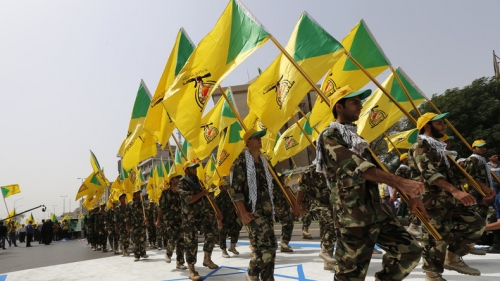
Les chiites doivent s'y préparer. Leur avenir en Irak dépend de leur comportement à l'égard du processus de retrait américain. S'ils restent à l'écart et font preuve de passivité, d'autres puissances agiront à leur place ; cette question doit être examinée sérieusement.
Mais le plus important pour les chiites en Irak est d'avoir un plan pour l'avenir. Pour l'instant, ils n'ont pas de vision d'avenir et suivent plutôt une politique plus ou moins opportuniste. Si les Américains quittent l'Irak, ils essaieront de ne pas donner au pays la chance d'un processus normal de reconstruction de leur État. Pourquoi ? C'est facile à expliquer: pour promouvoir le séparatisme parmi les Kurdes, pour enflammer les hostilités entre sunnites et chiites, et pour diviser les fractions chiites concurrentes. Ils le font déjà maintenant, mais dans certaines limites, il semble obligatoire pour eux de rester. Quand vous partez, vous pouvez claquer la porte. Juste au visage des chiites. Il n'y a donc presque plus de temps pour réfléchir avec toutes les responsabilités.
Deuxièmement, il y a la Résistance en Syrie et au Liban qui se dresse en direction de la Palestine. Si les Américains sont chassés d'Asie centrale, cela affectera-t-il aussi l'aide à "Israël"? Si oui, c'est le bon moment pour commencer la mobilisation de la Résistance. Ou serait-il préférable d'attendre un peu, et seulement ensuite de décider? C'est aux stratèges chiites de décider. Mais c'est grave. L'évaluation correcte du timing géopolitique est cruciale.
Prochain défi: comment le retrait américain affecterait-il les relations entre chiites et sunnites? Il est clair que la victoire des talibans est une réalisation presque entièrement sunnite. Elle ne peut être revendiquée par les Turcs et donc les Frères musulmans (en raison de l'adhésion de la Turquie à l'OTAN). Mais l'Arabie saoudite et l'Égypte sont plutôt gagnantes comme d'autres groupes salafistes. Ils sont considérés comme des forces hostiles par les chiites. Ce facteur peut affecter négativement le Großraum chiite en donnant une seconde chance à la stratégie salafiste. Il serait tout à fait logique, si les Américains sont évincés, qu'ils utilisent à nouveau le facteur salafiste. L'orientation des ex-ennemis contre d'autres ennemis est tout simplement naturelle et logique pour les États-Unis. Les chiites seraient donc un objectif possible dans ce tour de jeu. Cela ne concerne pas seulement les Hazaras mais aussi les Hussites, l'équilibre des forces en Syrie, mais aussi le cœur du monde chiite - l'Irak et l'Iran eux-mêmes.
Soyons clairs: en Afghanistan, les principaux gagnants sont précisément les sunnites radicaux aux racines salafistes-soufies (la tendance Wahdat-al-Shuhud - et non Wahdat al-Wujjud). Aujourd'hui, ils sont plus qu'antiaméricains et le resteront pendant un certain temps; cependant, ils étaient auparavant soutenus et armés par la CIA et ont été utilisés contre d'autres ennemis des États-Unis - les Soviétiques, les régimes laïques (tels que les baathistes) et l'Iran.
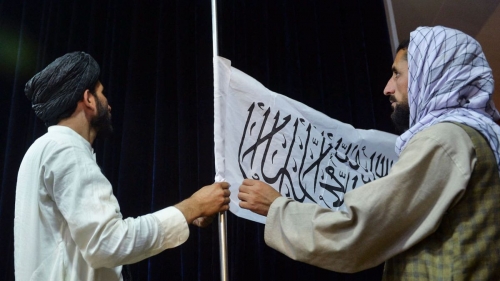
Nous avons donc ici un terrain fertile pour le rapprochement entre chiites et sunnites - l'anti-américanisme. Un ennemi commun est une grande chose en politique, peut-être la plus grande chose.
La même situation est valable pour l'équilibre géopolitique au Moyen-Orient. Le retrait des États-Unis serait la meilleure solution pour Washington afin de laisser derrière lui Al-Fitna (la discorde) - une guerre civile sanglante entre chiites et sunnites qui nuirait aux deux parties. Pour "Israël", ce serait également la meilleure solution - presque le seul moyen de retarder sa disparition finale. Nous devons donc réfléchir à la manière d'éviter ce scénario.
Ici, les chiites ont différentes voies à explorer. La Turquie, avec ses rêves ottomans, sera toujours considérée comme un acteur égocentrique, vu avec une certaine méfiance par la plupart des Arabes. En joignant ses efforts à ceux de la Turquie et en utilisant intelligemment le facteur alévite et l'affinité ethnique des Iraniens avec les Kurdes, les chiites peuvent facilement établir un partenariat régional ; ou bien ils peuvent utiliser des tactiques opposées en essayant d'améliorer leurs relations avec les régimes arabes sunnites qui se sentent menacés par l'élargissement d'Ankara. Cette voie est déjà testée par les relations Téhéran-Doha.
Le Pakistan est une autre option. Le désaccord traditionnel avec Islamabad - sunnite, partiellement salafiste et pro-américain - perd ses raisons dans la situation actuelle. Islamabad se rapproche de plus en plus de la Chine et de la Russie, essayant d'assurer sa place dans un club multipolaire. Théoriquement, il est plus que jamais enclin à revoir sa position régionale sans égard pour l'Occident. Dans de telles conditions, les Pachtounes peuvent causer des problèmes au Pakistan lui-même. Islamabad peut donc opter pour une certaine forme de coopération avec les chiites et l'Iran, en particulier, en joignant ses efforts à l'échelle régionale.
À l'échelle mondiale, le Großraum chiite et sa ramification dans le réseau devraient définir sa place dans un contexte multipolaire en général. Il s'agit d'une nécessité pour la survie des chiites - pour garantir son espace en tant que partie indépendante et plus ou moins unifiée de la civilisation islamique. Cela signifie qu'il faut accepter le rôle du pôle chiite à l'intérieur du pôle islamique - plus large - et cela n'est pas trop dangereux en raison de la structure multipolaire de l'islam sunnite lui-même. Il y aura toujours suffisamment de contradictions et de rivalités entre les sunnites eux-mêmes - Turquie, pays arabes du Moyen-Orient, Maghreb, Pakistan et région indonésienne - pour donner aux chiites la possibilité de sauver leur indépendance. Mais tout cela devrait être inscrit dans la structure principale de la multipolarité émergente. Et maintenant que ses caractéristiques et ses frontières ne sont pas encore clairement définies et fixées, c'est le bon moment pour énoncer des revendications générales - pour formuler la vision géopolitique dans le cadre principal d'un ordre mondial polycentrique.
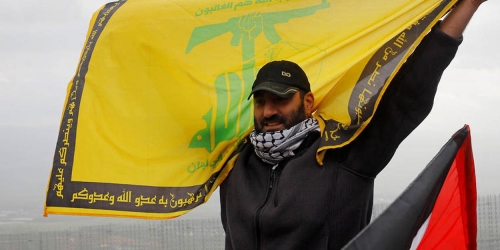
Les facteurs russes et chinois sont les principaux piliers géopolitiques de la multipolarité. L'alliance russo-chinoise a déjà démontré son efficacité en Syrie. Le rapprochement avec la Russie peut être extrêmement important dans le cadre général de la géopolitique chiite. Il pourrait affecter de nombreuses questions régionales - Palestine, Yémen, Afghanistan, Caucase, Asie centrale, etc.
D'autre part, les territoires et réseaux chiites font partie intégrante de l'initiative chinoise Belt & Road. La Chine est donc un autre partenaire clé.
(Presque) tout le monde dans le monde islamique, la Russie et la Chine sont existentiellement intéressés par la limitation, voire l'arrêt de l'hégémonie unipolaire occidentale (américaine). Il y a donc une chance de renforcer le Großraum chiite - de manière physique et virtuelle - en rejoignant la tendance multipolaire, si clairement définie avec le retrait américain d'Afghanistan.
Dans la perspective de l'eschatologie chiite, la situation actuelle peut être considérée comme un signe extrêmement important de l'approche du moment du Zuhur (l'apparition de l'Imam Al-Mahdi, le rédempteur eschatologique de l'Islam).
13:48 Publié dans Actualité, Géopolitique, Islam | Lien permanent | Commentaires (0) | Tags : actualité, islam, chiisme, chiites, asie, affaires asiatiques, iran, irak, moyen-orient, géopolitique, eurasisme | | del.icio.us | | Digg | Facebook
Géo-ingénierie et armes climatiques
Géo-ingénierie et armes climatiques
Leonid Savin
Traduction par Juan Gabriel Caro Rivera
Ex: geopolitica.ru
La forte bruine qui s'est abattue sur les pays d'Europe et d'Asie, ainsi que les nombreux incendies qui font rage en Russie et à l'étranger, ont amené beaucoup de gens à se demander une fois de plus: est-il possible pour l'homme de contrôler les phénomènes naturels? Et si une telle technologie existe, peut-elle être utilisée à des fins destructives (comme on le voit dans un film d'action de science-fiction comme Geostorm)? Ou, pour le dire autrement, les armes météorologiques (géomagnétiques, stratosphériques, etc.) existent-elles?
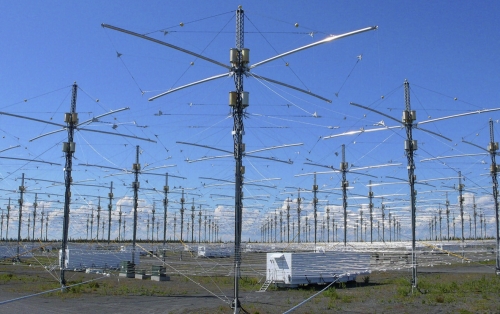
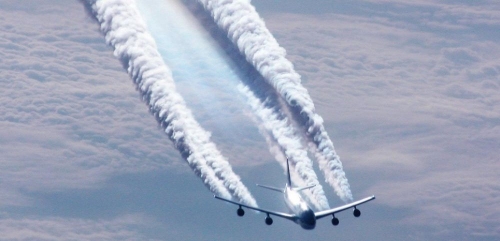
Commençons par dire que nous n'allons pas étudier les théories du complot sur les chemtrails [a] liées au milliard d'or [b], ni parler du système HAARP, qui a déjà été démantelé. Nous allons aborder le sujet d'un point de vue rationnel.
Il est évident qu'il existe des technologies permettant de contrôler les phénomènes météorologiques. Il suffit de dire que, relativement récemment, les nuages au-dessus de Moscou ont été dispersés le 9 mai afin de ne pas affecter l'atmosphère festive ou interférer avec la parade militaire. En Chine et aux Émirats arabes unis, des techniques sont utilisées pour provoquer des pluies artificielles afin de lutter contre la sécheresse qui touche ces pays.
Cependant, si nous considérons les choses dans un contexte plus large, nous pouvons dire que ces technologies ont une relation directe avec l'idéologie politique. Les États-Unis ont commencé à développer des technologies permettant de contrôler le temps au début du XXe siècle, au moment où la doctrine de la "Destinée manifeste", qui affirmait le droit divin de l'Amérique à dominer le monde, est devenue populaire.
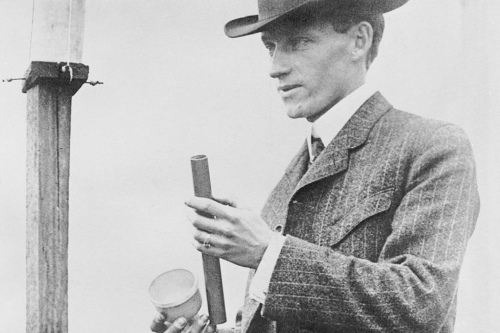
La première utilisation réussie d'une technologie météorologique a eu lieu au Texas en 1916, lorsque Charles Hatfield (photo, ci-dessous) a utilisé ses inventions pour provoquer de fortes pluies. Cependant, il est difficile de qualifier cette initiative de succès retentissant, car elle a déclenché une violente tempête qui a détruit plusieurs bâtiments et causé de nombreux décès. De plus, le succès de Hatfield est plutôt douteux car il avait échoué tant de fois.
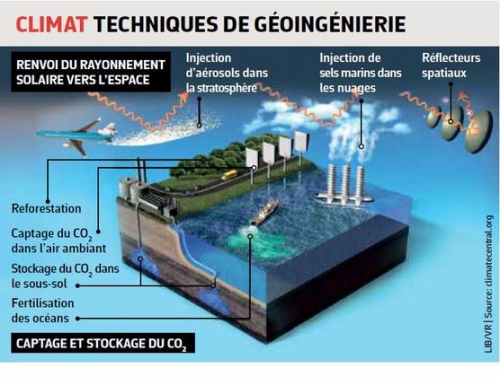
C'est à partir des années 1990 que l'Occident a commencé à parler ouvertement de l'urgence de développer ces technologies sous couvert d'un agenda environnemental. Le terme "géo-ingénierie" a commencé à être utilisé à partir de 2000 et a été considéré par plusieurs gouvernements comme une stratégie très importante dans leur politique étrangère (1).
Par exemple, le journal britannique de gauche The Guardian affirme dans un article de 2011 que "la géo-ingénierie est un projet visant à combattre directement les effets du changement climatique en retirant le CO2 de l'air ou en limitant la quantité de lumière solaire atteignant la surface de la planète". Bien que la géo-ingénierie à grande échelle soit encore en phase de développement, ses partisans affirment qu'elle pourrait devenir indispensable si le monde veut éviter les pires effets du changement climatique. Les critiques, en revanche, affirment que la géo-ingénierie n'est pas réaliste et qu'elle pourrait être une fausse piste pour réduire les émissions" (2).
Les moyens utilisés pour contrôler le climat comprennent les polymères plastiques, l'ajout de chaux dans l'eau, l'enfouissement de charbon de bois afin d'augmenter la concentration de carbone dans le sol, le pâturage de certains types de bétail, le rejet d'aérosols sulfatés dans la stratosphère afin de réfléchir la lumière du soleil depuis l'espace, l'utilisation de drones pour augmenter la couverture nuageuse au-dessus de l'océan en pulvérisant de l'eau de mer dans l'air, la peinture blanche des toits afin d'augmenter la réflectivité, et même l'installation de petits miroirs dans l'espace entre la terre et le soleil.
La géo-ingénierie a fait appel à de nombreuses idées afin de minimiser l'impact des catastrophes naturelles. Il a même été suggéré que "lorsqu'une éruption volcanique majeure se produit dans l'hémisphère nord, du sulfate devrait être libéré dans la stratosphère de l'hémisphère sud pour contrebalancer rapidement la chaleur, refroidissant ainsi les deux hémisphères. Si une grave sécheresse était évitée, nous aurions remporté une grande victoire" (3). Mais comme aucune preuve de changement n'a été produite, toutes ces hypothèses restent des spéculations théoriques.
Il est intéressant de noter que le Guardian reconnaît que l'utilisation de la géo-ingénierie dans le but de modifier la structure du climat planétaire a des implications géopolitiques importantes pour la gouvernance mondiale, impliquant des conflits entre différents États.
Le blog du Council on Foreign Relations donne une définition similaire à la précédente, mais parle ouvertement de l'utilisation de ces technologies comme armes.

"La géo-ingénierie pour le bien commun (CBG en anglais, GBC, en français) est le type de technologies utilisées pour la manipulation du climat qui sont déployées dans un but global, que ce soit dans la stratosphère ou en haute mer, et comprend l'utilisation d'aérosols stratosphériques, ainsi que la fertilisation en fer des océans et le blanchiment des nuages au-dessus de la mer. Le droit international ne réglemente pas encore de manière exhaustive les GBC, tandis que les lois environnementales et le droit de la guerre ne s'y appliquent qu'indirectement ou dans des conditions spécifiques. Cependant, la sécurité nationale est indissociable des questions scientifiques, juridiques et éthiques entourant la GBC, comme ce fut le cas pour le développement de la bombe atomique. Si une grande puissance comme les États-Unis décide de développer des GBC, des grandes puissances comme la Chine ou des puissances moyennes scientifiquement compétentes comme le Royaume-Uni pourraient considérer cela comme une autorisation tacite d'en disposer, surtout si l'on considère que cette technologie offre un avantage stratégique ou tactique. Cela pourrait conduire à une sorte de course aux armements climatiques pour voir quel État sera capable de manipuler le climat à son avantage" (4).
Cela pourrait être considéré comme une admission explicite de l'existence des armes climatiques. Dans le même temps, Foreign Affairs, une publication du Council on Foreign Relations, encourage la géo-ingénierie depuis des années (5), de sorte que nous ne pouvons exclure une course aux armements pour contrôler le climat. En fait, les États-Unis détiennent de nombreux brevets dans ce domaine. La légalisation de ces technologies et leur application internationale donnerait aux entreprises américaines non seulement d'énormes avantages économiques, mais aussi une sorte de droit moral d'être au sommet de la pyramide afin de gérer l'ensemble du processus.
Les États-Unis disposent de telles technologies depuis longtemps. L'un des premiers brevets dans ce domaine est le US3613992, connu sous le nom de "Method of weather modification" (6). L'inventeur était l'Américain Robert Knollenberg et il a enregistré son invention en mars 1966. A partir de là, nous pouvons commencer à étudier le développement de telles inventions par le gouvernement américain afin de modifier le temps.
Un autre brevet très similaire serait le US3564253, appelé "System and method of irradiating sections of the earth's surface". L'inventeur est Arthur Buckingham de la Westinghouse Electric Corporation, dont le brevet a été déposé le 16 février 1971. Il ne s'agit plus d'"ensemencer" les nuages avec des produits chimiques - ce qui pourrait être fait par avion - mais d'une technologie plus précise qui rappelle une arme.
Le brevet US5762298, "Using strategically placed satellites in Earth orbit to modify the effect of solar radiation on the Earth's weather cycles", est encore plus récent et son inventeur, Franklin Chen, l'a déposé en juin 1998.
En outre, il existe de nombreux autres brevets confidentiels, c'est-à-dire des brevets qui sont classés en raison de leur utilisation militaire ou qui font partie du système de renseignement américain.
Il existe et continue d'exister des entreprises qui produisent divers systèmes et dispositifs utilisant ces technologies (7).
Mais il existe aussi des organisations qui suivent l'émergence de ces technologies et décrivent leur impact en détail (8).
Les armes climatiques, c'est-à-dire les technologies permettant de contrôler la nature, existent donc bel et bien. Ce qui est beaucoup plus difficile à déterminer, c'est l'interdépendance entre les catastrophes naturelles et l'utilisation éventuelle de ces technologies expérimentales. Pour l'instant, les mondialistes occidentaux attribuent tout cela au réchauffement climatique et proposent de le combattre... en utilisant la géo-ingénierie.
Notes :
1. https://web.archive.org/web/20090618133101/http:/www.parliament.uk/docum...
2. https://www.theguardian.com/environment/2011/feb/18/geo-engineering
3. https://heliophage.wordpress.com/2013/03/31/climate-geoengineering-for-n...
4. https://www.cfr.org/blog/can-we-use-geoengineering-defend-ourselves
5. https://www.foreignaffairs.com/articles/global-commons/2013-03-27/truth-...
6. https://www.geoengineeringwatch.org/patents/patent-3613992.pdf
7. https://www.pmeasuring.com/es/
8. https://www.geoengineeringwatch.org/
Notes du traducteur :
a. La théorie du complot des chemtrails, également connue sous le nom de chemtrails, affirme que les longues traînées de condensation laissées par les avions à haute altitude sont en fait des "chemtrails" constitués d'agents chimiques ou biologiques pulvérisés par les avions à des fins infâmes non divulguées au grand public. Les adeptes de cette théorie du complot affirment que si les traînées de vapeur normales se dissipent relativement vite, les traînées qui s'attardent longtemps contiennent d'autres substances. Les adeptes de cette théorie spéculent que le but de la libération de produits chimiques pourrait être la gestion du rayonnement solaire, la modification du temps, la manipulation psychologique, le contrôle de la population humaine ou la guerre biologique ou chimique, et que les traînées provoquent des maladies respiratoires et d'autres problèmes de santé.
b. L'expression "milliard d'or" est une métaphore utilisée dans le journalisme russe post-soviétique pour désigner la population des pays les plus riches et les plus développés, où le déséquilibre entre leur niveau de vie et de consommation et celui des pays en développement apparaît clairement. En 1999, Sergei Kara-Murza a écrit que "récemment, en Occident, l'expression "milliard d'or" est devenue très courante et a commencé à faire référence à la population des pays du premier monde qui font partie de l'Organisation de coopération et de développement économiques". Sur le plan épistémologique, l'expression "milliard d'or" trouve son origine dans le néo-malthusianisme du rapport du Club de Rome intitulé Les limites de la croissance (1972). Ce nom était à l'origine associé à la population totale des pays capitalistes développés : les États-Unis (311 millions), le Canada (34,3 millions), l'Australie (22,6 millions), les pays de l'UE (28 pays, 500 millions au total), le Japon (127,4 millions), Israël et la Corée du Sud, ainsi qu'à la perspective de limiter leur croissance au cours du 21e siècle. Mais en raison de la mondialisation et des inégalités sociales croissantes dans les pays développés, l'expression "milliard d'or" a commencé à désigner la "classe moyenne" mondiale comme une strate sociale privilégiée par les processus de fusion de l'économie mondiale.
13:24 Publié dans Actualité | Lien permanent | Commentaires (0) | Tags : actualité, géo-ingénierie, climat, armes climatiques | | del.icio.us | | Digg | Facebook
Ce que l'élargissement de l'OTAN pourrait coûter
Ce que l'élargissement de l'OTAN pourrait coûter
Leonid Savin
Ex: https://www.geopolitica.ru/article/vo-chto-mozhet-oboytis-rasshirenie-nato
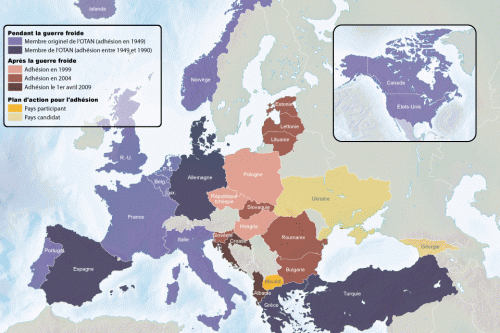
L'un des principaux groupes de réflexion américains en matière de sécurité et de politique étrangère, le Center for Strategic and International Studies, a présenté le 8 septembre 2021 une étude sur l'élargissement de l'OTAN.
L'étude a porté principalement sur les besoins des forces armées et les coûts nécessaires qu'ils impliquent. L'aspect même du document est tout à fait symptomatique: alors que les sommets parlent année après année de l'acceptation éventuelle de nouveaux membres ou de leur report, et que les représentants américains et britanniques incitent constamment à la cooptation d'autres nations - ce qui relève de la politique rhétorique, l'analyse rationnelle des avantages et des inconvénients indique déjà une routine systématique, avec des calculs détaillés et la prise en compte des expériences précédentes.
Les auteurs affirment d'emblée que le projet est né du succès de l'OTAN et des changements apportés au système de sécurité européen en raison de la "montée d'une Russie hostile et militairement résurgente". Ils affirment également que la valeur de l'OTAN elle-même, ou son élargissement passé, n'est pas remise en question. "L'objectif de ces discussions est plutôt de renforcer la sécurité des États-Unis et de leurs alliés de l'OTAN et de maintenir la stabilité de l'Europe dans son ensemble. Le partage du fardeau de ces engagements futurs pourrait être une question politique et militaire importante."
En effet, le montant de la contribution de chaque pays a fait l'objet d'un débat animé entre les membres de l'alliance au cours des dix dernières années. Il est clair que l'auteur soulève délibérément la question à l'avance afin que les décideurs disposent de suffisamment de temps pour élaborer les mécanismes et les options nécessaires. Le rapport se concentre sur cinq pays - la Géorgie, l'Ukraine, la Bosnie-Herzégovine, la Finlande et la Suède. "Trois de ces pays - la Géorgie, l'Ukraine et la Bosnie-Herzégovine - cherchent activement à devenir membres. La Finlande et la Suède ne cherchent pas à adhérer et restent attachées au non-alignement."
Bien que le désir de la Bosnie-Herzégovine soit discutable en raison de la nature anti-OTAN de la Republika Srpska ainsi que du statut spécifique de l'entité fédérale elle-même avec une souveraineté limitée, il est par ailleurs vrai que l'expérience du Monténégro et de la Macédoine a montré que les petits pays des Balkans peuvent être absorbés par l'OTAN assez rapidement si les bonnes conditions pour cela ont été préalablement créées, c'est-à-dire s'il y a présence de leurs agents d'influence dans les organes directeurs clés du pays. Ce faisant, les auteurs mettent en évidence un surprenant dilemme associé aux États européens.
"Les pays non membres de l'OTAN sont bien placés pour répondre aux situations de crise, aux contingences à petite échelle et à la coopération en matière de sécurité, car ils ont effectué de nombreuses missions de ce type depuis la fin de la guerre froide. Pour les opérations à grande échelle, les capacités sont sévèrement limitées. Par rapport à la Russie, les coûts et les forces des pays non membres de l'OTAN sont beaucoup plus importants. Toutefois, l'OTAN a du mal à déployer des forces, même modestes. L'OTAN, qui a déployé 40 divisions (environ 360 bataillons de combat) en Europe du Nord pendant la guerre froide, a eu du mal à déployer quatre bataillons dans les pays baltes."
En d'autres termes, les membres non membres de l'OTAN sont eux-mêmes tout à fait capables de combattre. La question est de savoir qui ils considèrent comme une menace et contre qui ils ont l'intention d'utiliser leurs forces armées. De toute évidence, si un chapitre entier est consacré à la Russie dans l'étude, le pays n'est pas simplement sous-entendu, mais est présenté comme un agresseur possible contre lequel une stratégie de défense collective est nécessaire. Par conséquent, les convictions des États non membres de l'OTAN quant aux intentions ambitieuses et agressives de Moscou doivent être maintenues afin de façonner l'opinion publique et d'obtenir le soutien nécessaire des gouvernements.
Pour l'OTAN, en revanche, il a été démontré que les forces armées elles-mêmes et les capacités économiques de ces pays présentent un intérêt significatif. Parce qu'ils permettent des dépenses relativement élevées, ils constituent un atout intéressant pour améliorer les capacités globales de l'OTAN.
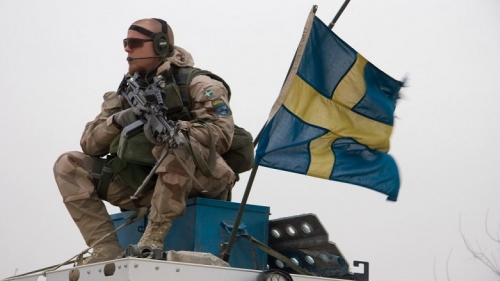
En Suède, par exemple, on fait valoir à juste titre que l'OTAN présente plusieurs faiblesses, telles que la dépendance à l'égard de la stratégie générale des États-Unis, le chevauchement des responsabilités entre les commandants de l'OTAN, les fournisseurs de troupes et les pays hôtes, qui complique un éventuel renforcement et une éventuelle expansion, la faiblesse relative des membres de l'Est, le manque d'infrastructures en Europe, qui rend problématique les mouvements et les déploiements rapides de troupes, et le manque d'équipements pour certains pays.
Les auteurs notent également un problème de lenteur dans la prise de décision. Il est évident que l'élargissement de l'alliance rendra ce processus plus difficile encore. Le choix d'une stratégie politico-militaire en période de conflit a également toujours été difficile.
"Lorsqu'ils examinent le concept de défense, les planificateurs de l'OTAN sont depuis longtemps confrontés à un choix difficile: maintenir une défense avancée qui tient le territoire mais qui est potentiellement fragile, ou mener une défense mobile qui force dans un premier temps le retrait du territoire et nécessite une contre-offensive ultérieure. La défense mobile présente de nombreuses caractéristiques militairement attrayantes et occupe une place importante dans les discussions sur la guerre de manœuvre. La politique, cependant, est une chose compliquée. Les nations sont réticentes à céder tout territoire à un ennemi, même temporairement, si un retrait stratégique peut avoir un sens militaire. Par la suite, les contre-attaques élargissent inévitablement la portée géographique des opérations, et souvent aussi la portée politique. Ces expansions augmentent les enjeux du conflit et peuvent provoquer l'utilisation d'armes nucléaires."
Les discussions précédentes sur cette question ont révélé un consensus certain au sein de l'OTAN sur le fait qu'il devrait y avoir un avantage de trois contre un, voire plus. Il doit également avoir une grande expérience de l'entraînement des troupes pour les opérations mobiles et de la préparation aux pertes civiles et aux pertes de biens. Rien de tout cela n'est observé parmi les membres de l'OTAN, comme l'ont démontré les exercices de ces dernières années et l'"efficacité" de l'OTAN en Afghanistan. Quant aux candidats possibles à l'adhésion à l'OTAN, leur potentiel et leur pertinence géopolitique sont décrits comme suit.
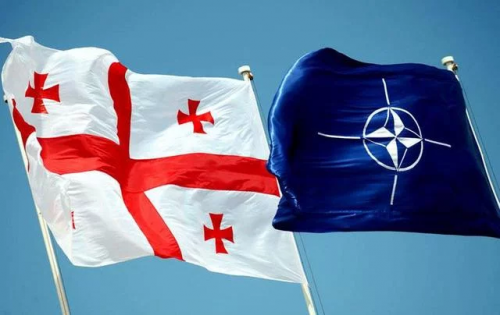
La Géorgie. L'OTAN organise des exercices annuels conjoints avec l'armée géorgienne depuis 2016 et maintient un bureau permanent en Géorgie pour "faciliter le dialogue politico-militaire dans la coopération pratique" entre Tbilissi et Bruxelles. Sur le plan militaire, la Géorgie est inférieure aux unités de l'armée russe dans le Caucase dans un rapport de deux à un. Pour que la Géorgie réussisse une opération militaire contre la Russie, même avec la participation de l'OTAN, au moins deux conditions doivent être remplies. 1) La possibilité d'un transport aérien opérationnel de forces armées importantes par des avions de transport militaire. 2) L'implication de la Turquie dans le conflit, y compris le déploiement de troupes sur le territoire turc avec des mouvements ultérieurs vers la Géorgie par voie terrestre et maritime. L'OTAN prévoit également une supériorité aérienne dans un tel conflit. La mise en œuvre de la dissuasion envisagée nécessite également des mesures sérieuses - le déploiement d'une division de l'OTAN, d'une autre division américaine, d'équipements et de composants pour les équipements lourds, et une présence permanente des forces de défense aérienne américaines.
Sept milliards de dollars par an sont nécessaires pour couvrir le coût des infrastructures, du déploiement, de la rotation des troupes et des exercices. La moitié de cette somme incomberait aux États-Unis et l'autre moitié aux membres européens de l'OTAN.
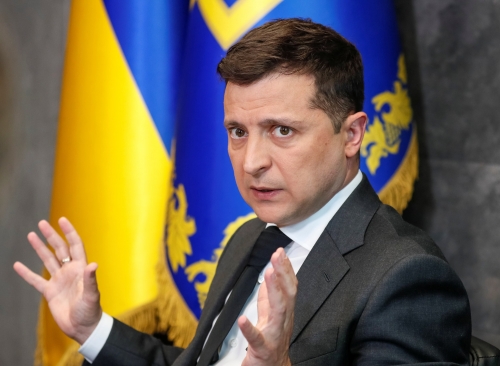
L'Ukraine présente un cas plus compliqué. Le rapport a été publié avant la signature de l'accord russo-biélorusse du 9 septembre 2021, qui implique également une intégration militaire, et ne tient donc pas compte du rôle du Belarus dans la participation à un conflit potentiel aux côtés de la Russie. Sinon, les évaluations auraient été différentes. Mais là encore, les auteurs fantasment sur une agression russe et citent un scénario de simulation dans lequel les troupes russes prennent le contrôle de la rive gauche de l'Ukraine, encerclant l'armée ukrainienne, qui tenterait de défendre Kharkov et un certain nombre de villes de l'Est. Bien que, dans ce scénario, l'aviation de l'OTAN soit en mesure de frapper les troupes russes, elle ne pourrait pas les arrêter. Il faudrait à l'OTAN trois mois pour créer les conditions d'une contre-attaque, mais la Russie riposterait avec des armes nucléaires tactiques. Le renforcement de la sécurité de l'Ukraine nécessitera le déploiement permanent de trois brigades (une américaine, deux de l'OTAN), l'achat et le déploiement d'équipements, le déploiement d'une brigade de défense aérienne, la mise à disposition d'instructeurs et de personnel de commandement américains (250 personnes), de deux escadrons de l'US Air Force et d'un de l'OTAN. Tous ces besoins nécessitent 27 milliards de dollars.
Le facteur Donbass avec la population russophone de l'Ukraine est également pris en compte. La répression du soulèvement devrait être une affaire coûteuse. Pour le "maintien de la paix", 98 milliards de dollars sur cinq ans et 130 milliards de dollars supplémentaires sur cinq ans pour les opérations anti-insurrectionnelles seront nécessaires. L'expérience de l'Irak et de l'Afghanistan (avec probablement une composante de corruption au profit des entreprises contractantes américaines) a été prise en compte dans les calculs.
En Bosnie-Herzégovine, le principal problème est la population serbe et la position de la Serbie elle-même. On suppose qu'il sera nécessaire de résister aux interférences, ce qui nécessitera 24,6 milliards de dollars. Il est révélateur que dans le cas de la Bosnie-Herzégovine, on dise qu'elle est déjà membre de l'OTAN et qu'il faudra y maintenir des troupes et l'ordre public.
La Suède. Là encore, les auteurs laissent libre cours à leur imagination. "Dans un conflit de l'OTAN avec la Russie, comme l'invasion russe des États baltes, la Suède serait profondément impliquée. Comme la Finlande fait office de tampon contre la Russie, une attaque depuis la terre est hautement improbable. Au lieu de cela, la Suède sera confrontée à trois tâches défensives: se défendre contre les attaques aériennes et les missiles russes, défendre son vaste territoire contre les infiltrations russes, et protéger l'île de Gotland et d'autres infrastructures clés afin que les forces armées de l'OTAN puissent les utiliser pour défendre l'entrée de troupes dans les États baltes et ailleurs." Cela nécessite le prépositionnement d'avions et de moyens de défense aérienne pour couvrir le Gotland et un certain nombre de positions en Suède. Cela coûterait 3,2 milliards aux États-Unis et l'OTAN devrait ajouter 6,4 milliards supplémentaires. Il est noté que "outre les tâches purement militaires, la Suède est confrontée à des problèmes militaires et politiques en adhérant à l'OTAN: l'adhésion à l'OTAN ne garantit pas simplement le territoire suédois contre une agression extérieure - elle exige également que la Suède s'engage dans des conflits avec d'autres pays, ce qu'elle n'a pas fait depuis le XVIIIe siècle". Cela dissuadera Stockholm de prendre une telle décision.
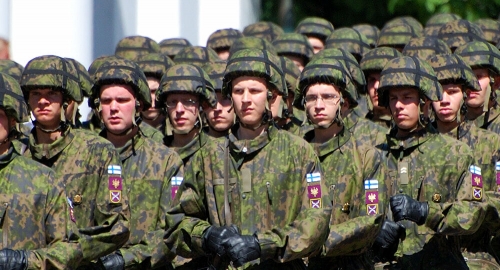
La Finlande coopère activement avec les pays occidentaux, notamment en participant à des manœuvres avec l'OTAN et les États-Unis. Les Finlandais ne sont vraisemblablement pas intéressés à inviter des troupes étrangères sur leur territoire, afin de ne pas provoquer la Russie. Afin de justifier d'une manière ou d'une autre le conflit russo-finlandais, les auteurs avancent une version concernant l'occupation des îles Aland, à laquelle Helsinki devra répondre. Mais la Finlande ne dispose ni d'avions de combat de la classe nécessaire pour résister à la Russie, ni d'un système de défense aérienne. Et si l'OTAN veut venir à la rescousse, cela prendra beaucoup de temps en raison de la géographie et de la distance. Pour une dissuasion minimale, un peu plus d'un milliard serait nécessaire, et pour un renforcement plus qualitatif, 5,3 milliards seraient nécessaires. Mais, comme la Suède, la Finlande devra s'accommoder de son nouveau rôle.
Bien que la solution politique et les questions techniques relatives aux nouveaux membres restent hypothétiques, le rapport montre clairement l'intention des États-Unis non seulement de présenter la Russie comme une menace future et un ennemi des pays européens, mais aussi de donner l'impression que les pays clients et les États relativement neutres sont désespérés et n'ont aucune alternative.
13:04 Publié dans Actualité, Affaires européennes, Géopolitique | Lien permanent | Commentaires (0) | Tags : actualité, europe, affaires européennes, otan, atlantisme, forces armées | | del.icio.us | | Digg | Facebook
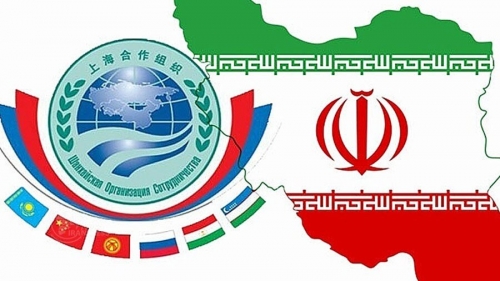
L'Iran désormais membre à part entière de l'Organisation de coopération de Shanghai
Markku Siira
L'Iran désormais membre à part entière de l'Organisation de coopération de Shanghai
Ex: https://markkusiira.com/2021/09/18/iranista-shanghain-yhteistyojarjeston-taysjasen/
Le 17 septembre 2021, les États membres de l'Organisation de coopération de Shanghai (OCS) ont approuvé l'Iran en tant que membre permanent de l'Alliance politique, économique et de sécurité. La nouvelle a été rapportée par The Cradle, un forum médiatique consacré à la géopolitique de l'Asie occidentale.
Cette décision a été annoncée à l'ouverture du 21e sommet de l'OCS à Douchanbé, au Tadjikistan, où le nouveau président iranien Ebrahim Raisi a dirigé une délégation de haut niveau pour son premier voyage à l'étranger depuis son entrée en fonction.
M. Raisi a remercié les États membres de l'OCS d'avoir permis à l'Iran de rejoindre le groupe, tout en exprimant son espoir de voir l'OCS devenir "une force motrice du multilatéralisme mondial".
"Aujourd'hui, la paix et la sécurité mondiales sont menacées par l'hégémonie et les défis tels que le terrorisme, l'extrémisme et le séparatisme", a déclaré Raisi. "Maintenir et renforcer la paix dans toute l'Asie n'est pas une question de choix mais une nécessité."
Le ministre iranien des affaires étrangères, Hossein Amir-Abdollahian, a pour sa part déclaré sur Twitter que "l'adhésion stratégique" aura "un impact important sur le processus de coopération globale de l'Iran, conformément à sa politique de voisinage et de centrage sur l'Asie".
L'Organisation de coopération de Shanghai est la plus grande organisation régionale du monde, couvrant les trois cinquièmes du continent eurasien et près de la moitié de la population humaine. Ses pays membres sont la Chine, la Russie, le Kazakhstan, le Kirghizstan, le Tadjikistan, l'Ouzbékistan, l'Inde, le Pakistan et maintenant l'Iran.
L'Iran s'est vu accorder le statut d'observateur au sein de l'Alliance en 2005. Il a fallu plus de 15 ans pour obtenir le statut de membre permanent, avec l'aide de la Russie.
Le président russe Vladimir Poutine a déclaré dans un discours par vidéoconférence que la Russie "soutient la pleine participation de l'Iran à l'Organisation de coopération de Shanghai, car l'Iran a joué un rôle important dans la région eurasienne et a une longue histoire de coopération positive avec cette organisation".
Les experts estiment que l'adhésion de l'Iran à l'OCS améliorera considérablement la position géopolitique du pays dans la région.
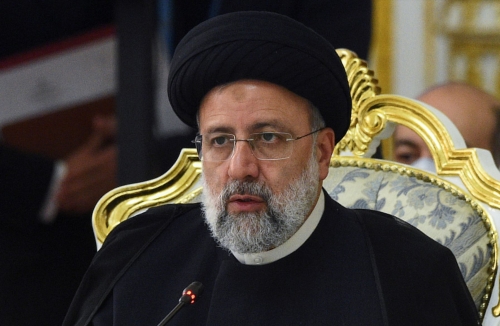
La délégation iranienne a déjà tenu plusieurs réunions de haut niveau avec d'autres membres à part entière et observateurs de l'OCS. Le président Ebrahim Raisi s'est notamment entretenu avec le premier ministre pakistanais Imran Khan et les deux dirigeants ont convenu de prendre des mesures urgentes pour stabiliser la situation sécuritaire, humanitaire et économique en Afghanistan suite à la montée du mouvement taliban dans le pays.
"L'OCS a bien réussi à relever les défis anciens et nouveaux, mais la complexité de l'environnement mondial et les tensions géopolitiques mettront notre détermination à l'épreuve à l'avenir", a déclaré le Premier ministre pakistanais Khan dans son discours au sommet.
Le président iranien s'est également entretenu avec les chefs d'État de l'Arménie et du Turkménistan et a convenu d'approfondir la coopération et le commerce bilatéraux avec ces deux pays.
Pendant ce temps, le ministre des Affaires étrangères Hossein Amir-Abdollahian a rencontré son homologue chinois, le ministre des Affaires étrangères Wang Yin. Le ministre des affaires étrangères Wang a déclaré que la Chine soutenait fermement l'Iran dans sa résistance à l'hégémonie [américaine] et dans la sauvegarde de la souveraineté, de la dignité humaine et des droits et intérêts légitimes du pays. La Chine est également prête à travailler avec l'Iran pour développer conjointement le projet d'infrastructure "la Ceinture et la Route".
On estime que les avantages politiques et sécuritaires de l'adhésion à l'Organisation de coopération de Shanghai pourraient l'emporter sur les autres avantages pour l'Iran à court terme.
Toutefois, si Téhéran contribue à répondre aux besoins énergétiques de l'OCS en augmentant la production de pétrole et de gaz pour ses nouveaux partenaires et facilite l'accès terrestre à long terme aux autres marchés d'Asie occidentale et d'Europe, dont le pays a tant besoin, l'économie iranienne bénéficiera également de manière significative de son orientation vers l'Est.
12:44 Publié dans Actualité, Géopolitique | Lien permanent | Commentaires (0) | | del.icio.us | | Digg | Facebook
Remarques sur la condition nécropolitique en Occident
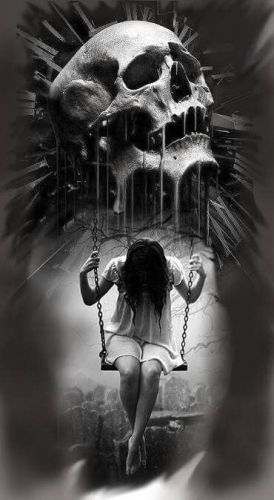
Remarques sur la condition nécropolitique en Occident
Nicolas Bonnal
Ce sujet vaut un livre mais il y a longtemps que j’ai compris que mieux vaut un mauvais article qu’un bon livre par les temps qui courent. L’important est de sensibiliser, pas de donner à penser: il est tard…
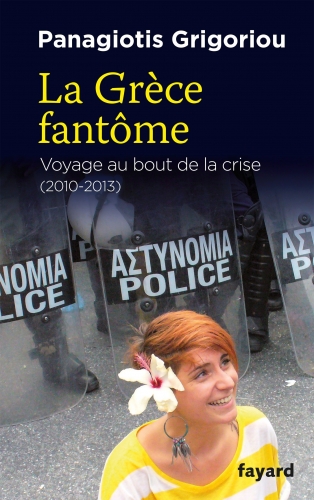
Nécropolitique. Le mot était trop simple. Il fallait y penser à partir du cimetière de zombies popularisé par Michael Jackson, par Don Siegel ou par Jarmusch. J’ai découvert ce mot grâce à mon ami écrivain et ethnologue Panagiotis Grigoriou (voyez son blog greek-crisis.com) ; il existait sous la plume d’Achille Mbembe, penseur camerounais qui reprenait Foucault (encore lui…) pour bellement décrire la condition du colonisé ou du palestinien.
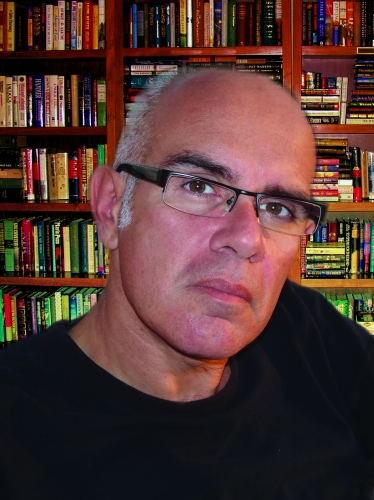
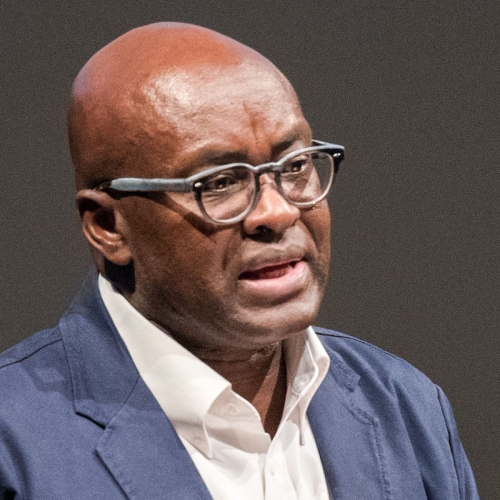

Panagiotis Grigoriou, Achille Mbembe.
Mais je vais faire en bon helléniste de ce mot ce qui me convient. La dernière partie de la Cité antique de Fustel de Coulanges éclairera les plus entreprenants. Les cités naissent, croissent et meurent plus vite qu’on ne le croit : Ibn Khaldun leur donne quatre générations, alors… Ce qui se passe en Occident en ce moment est prodigieux pour le froid observateur : dégénérescence morale, physique, économique, diplomatique, effondrement culturel et spirituel ; il ne reste plus rien, on peut évoquer les tombeaux pleins d’ossements dont parle le Christ. Dès les années vingt Zweig ou Bernanos voient cette entropie, et Guénon essaie de nous éclaircir sur ce point dans sa Crise du monde moderne. Malheureusement elle se poursuit et nous tombons plus bas. Ce n’est pas ce qui gêne la majorité qui ne sait pas qu’elle est morte sur le plan politique ou spirituel. Les imbéciles qui font mine de découvrir l’inféodation de toujours de la république aux anglo-saxons (aux banquiers de la City donc) en seront pour leurs frais. On peut être un vivant et un mort : c’est le sens du mot nécropolitique. On verra qui de Zemmour ou de Macron nos morts vivants préfèreront l’an prochain. Si élections il y a. Car la nécropolitique est aussi une dictature, si elle est une dictature populaire.

En même temps la tyrannie vaccinale se répand, et le contrôle informatique par le techno-nazisme des GAFA (le nazisme est un avatar irrationnel, technologique et bureaucratique de la démocratie capitaliste, c’est tout). En même temps on ne peut parler de dictature (Hitler n’était pas un tyran) : les populations approuvent dans leur immense majorité, comme je le dis depuis le début à ceux qui voient des Jean Moulin partout. La masse approuve, et on n’est pas en dictature. On est dans le domaine de la nécropolitique. J’aime aussi le mot d’hystérésis qui évoque une causalité morte. Notre civilisation helléno-chrétienne ou autre (je n’ai vraiment plus envie de gloser dessus) est morte depuis longtemps, mais quelque chose lui survit, quelque chose qui est mort – et ce depuis longtemps.
Les grands écrivains ont senti venir cette mort au dix-neuvième siècle (voyez mes recueils), fils des révolutions industrielles britannique et politique française (la démocratie, le parlement, etc.). C’est ce qui a donné les horreurs de la révolution industrielle qui prend fin (déplétion généralisée quoiqu’on en pense), des guerres dites mondiales, du conditionnement des masses (via leur instruction – voyez mon texte sur Lévi-Strauss), de la propagande à la Bernays, de la télé, du consumérisme, de la destruction des cultures orientale ou primitives encore vivantes, du colonialisme, etc. Tout cela a accru la monotonie (Zweig), le dégoût de la liberté (Bernanos), l’abrutissement médiatique (Bernays) ou technoscientifique. On vit une accélération via le smartphone qui étymologiquement est un instrument de mort (smert en russe) ou d’assassinat de l’esprit (phonè, meurtre en grec).

Le mot nécro-politique induit bien des sens ; il signe la mort du politique ; ou le citoyen mort. Ou même la ville morte : une ville qui ne vit que du tourisme est une ville morte par exemple. Je reviens de Tolède-citadelle qui s’est vidée de ses habitants: 4000 habitants contre 70.000 au précédent siècle. Le commerce crève aussi de ne plus avoir ses charters de chinois. La plupart des villes en Occident ne vivent que du tourisme et de l’administration qui a pris une dimension tentaculaire – et n’a pas attendu la crise sanitaire – au point d’exterminer via les règlements, les lois, les impôts, les préjugés toute volonté de vivre et de travailler (Tocqueville…). L’administration a créé aussi le citoyen superflu dont parle Nietzche, encadré et protégé par des bataillons de fonctionnaires. Le triomphe des imprimantes a créé aussi cela: une nécro-économie qui vit de la finance, de l’assurance, de l’immobilier (FIRE) et du tourisme a remplacé l’économie réelle.
Nous faire vivre comme des morts est le rêve de Schwab, Gates et autres techno-nécromanciens, sans doute avant de nous tuer. Il faut vivre comme un mort avant de mourir, tel est l’esprit de la nécropolitique selon Macron ou les ogresses Lagarde, von der Leyen, Yellen, Merkel. Lisez enfin pour comprendre ce que je veux dire la fin du conte La Belle au Bois dormant. Ce projet s’est accompagné d’une philosophie grotesque (le diable est mauvais théologien, dixit Guénon) et d’un fantastique abrutissement des masses occidentales, abrutissement qui menace une grande partie du monde. Les masses ne remarquent pas par exemple comme mon taxi de Tolède que les hommes politiques les détestent. Les nécropoliticiens veulent les piquer, les emprisonner, les marquer, les ruiner, les affamer, les remplacer, les faire crever de froid, de chaud, de n’importe quoi. Les phénomènes woke ou de repentance sont aussi utilisés pour neutraliser notoirement ces masses. Freud parlait de la liquidation de l’agressivité et de la sexualité comme fait fondamental de la civilisation (Guénon explique que la notion de civilisation apparait quand elle achève de disparaître la civilisation) ; en fait dans notre anti-civilisation sexualité et agressivité sont censurées et on débouche sur une liquidation en règle et parfaitement acceptée puisque la vieille race blanche comme je l’ai nommée préfère se laisser tuer que continuer de polluer. Ce n’est pas pour cela du reste qu’elle renonce au code QR et aux terrasses de café. Mais dans la nécropolitique on ne sait pas si on est vivant.
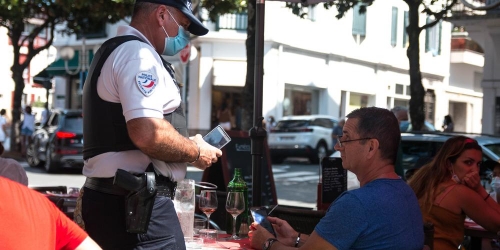
L’emprisonnement accepté via les camps australiens et canadiens (éternelles colonies pénitentiaires du Deep State anglais finalement), le passe sanitaire, les masques, les gestes-barrière, signes tous plus aberrants les uns que les autres marquent une mortalité beaucoup plus grave et vexante que celle du Covid, une mortalité psychique. Déjà Bernanos ou Céline ne se faisaient pas d’illusions sur notre condition ; et Chateaubriand ajoutait : « qui vit trop meurt vivant ». Car la nécropolitique repose sur le vieillard.
Bienvenus dans la nécropole mondialiste.
Sources :
http://www.dedefensa.org/article/rene-guenon-et-notre-civ...
http://www.dedefensa.org/article/sigmund-freud-politiquem...
https://www.amazon.fr/Grand-Reset-grand-effondrement-Alex...
https://www.amazon.fr/Chroniques-sur-lHistoire-Nicolas-Bo...
https://www.les4verites.com/international/chateaubriand-e...
http://www.greekcrisis.fr/2021/09/Fr0913.html#db
https://fr.wikipedia.org/wiki/N%C3%A9cropolitique
https://www.dedefensa.org/article/burckhardt-et-la-destru...
https://lesakerfrancophone.fr/informatique-et-nouvel-ordr...
11:09 Publié dans Actualité | Lien permanent | Commentaires (0) | Tags : nicolas bonnal, actualité, nécropolitique | | del.icio.us | | Digg | Facebook
La revue de presse de CD - 19 septembre 2021

La revue de presse de CD
19 septembre 2021
ALLEMAGNE
Toutes les failles qui divisent l'Allemagne
Les toute prochaines élections allemandes révèlent une fois de plus les différentes failles au sein de la République fédérale et la possibilité qu'elles se reflètent dans les années à venir dans un pays qui s'apprête à être orphelin d'Angela Merkel.
Euro-synergies
http://euro-synergies.hautetfort.com/archive/2021/09/11/t...
AMÉRIQUE DU SUD
Derrière le coup d’État haïtien, le système des mercenaires colombiens
Presque tous les assassins impliqués dans le meurtre du président haïtien Jovenel Moïse étaient colombiens. Ce n’est pas une coïncidence : si vous cherchez des mercenaires à louer à bas prix, souvent formés par l’armée américaine, vous les trouverez à la pelle en Colombie.
https://www.les-crises.fr/derriere-le-coup-d-etat-haitien...
ASIE
L’Afghanistan et l’Asie Centrale
Les conséquences sur les équilibres régionaux de la prise du pouvoir à Kaboul par les talibans ont déjà été abondamment analysées. Les réactions d’Islamabad et de Téhéran notamment sont bien connues. Mais on a beaucoup moins parlé des voisins septentrionaux de l’Afghanistan, le Turkménistan, l’Ouzbékistan et le Tadjikistan, sans oublier le géant de la région, le Kazakhstan, même si ce n’est pas un pays frontalier.
Geopragma
https://geopragma.fr/lafghanistan-et-lasie-centrale/
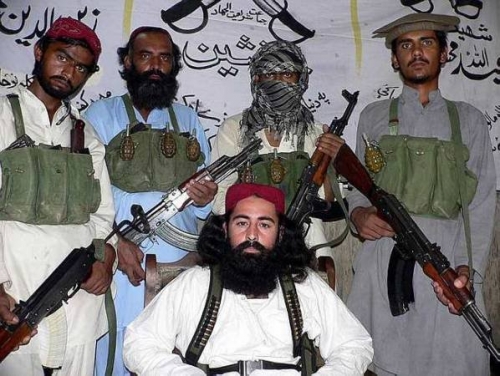
Le Pakistan et les talibans : les liaisons dangereuses
Depuis 1947, le premier impératif politique du Pakistan est de garantir la survie du pays, en particulier face à son voisin indien. Cette obsession détermine à la fois l’évolution interne et le positionnement international de l’État.
The Conversation
https://theconversation.com/le-pakistan-et-les-talibans-l...
DÉSINFORMATION
Wokisme et censure dans l’édition. Première partie et seconde partie
Les médias ne sont pas seulement constitués des radios, télévisions, sites, blogs, journaux etc. Le cinéma comme l’édition sont des outils médiatiques. Et à ce titre participent de la censure, du politiquement correct et de la mode woke comme l’indique la tribune libre d’Olivier Delavault que nous publions et où il relate son expérience d’éditeur, spécialiste des Indiens des Amériques.
OJIM
https://www.ojim.fr/wokisme-et-censure-dans-ledition-prem...
https://www.ojim.fr/wokisme-et-censure-dans-ledition-seco...
ÉTATS-UNIS
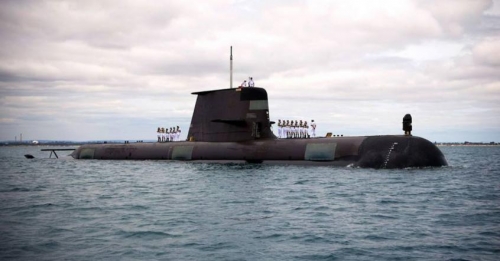
Sous-marins nucléaires australiens : le coup de Trafalgar de Biden contre la France, signe d’un basculement géopolitique majeur
Dans sa confrontation croissante avec la Chine, un Washington impitoyable a démontré que ce qui compte désormais pour lui, ce n’est pas l’Europe [ni même le Moyen-Orient], mais la région indo-pacifique. C’est là que la nouvelle guerre froide va être menée.
Le Cri des Peuples
https://lecridespeuples.fr/2021/09/16/sous-marins-nucleai...
EUROPE DE L’EST
Les Balkans : une crise permanente
Depuis le début de l'année 2021, la Bulgarie se trouve dans un état de crise politique permanente. Dans le contexte des manifestations de masse contre le parti libéral de droite au pouvoir, le GERB, des élections législatives ont été organisées début avril. En conséquence, aucune des forces politiques n'a été en mesure de former un gouvernement. De nouvelles élections ont eu lieu en juin. Cependant, aucun gouvernement n'a encore été formé.
Euro-synergies
http://euro-synergies.hautetfort.com/archive/2021/09/15/l...
FRANCE
Que raconte la mise en examen d’Agnès Buzyn par la CJR ?
L’ancienne ministre de la Santé a été mise en examen par la commission d’instruction de la Cour de justice de la République (CJR) dans le cadre de sa gestion du début de la crise Covid. L’incrimination retenue par les magistrats est :
« Mise en danger délibérée d’autrui par violation de mesures particulières de prudence ou de sécurité prévues par la loi ou le règlement ». Analyse de l’avocat Régis de Castelnau ?
Vu du Droit
https://www.vududroit.com/2021/09/que-raconte-la-mise-en-...
Bordeaux : derrière l’écologie, l’économie socialiste
La mairie de Bordeaux risque de transformer les entreprises en des chercheuses de subventions, vivant aux crochets du contribuable.
Contrepoints
https://www.contrepoints.org/2021/09/13/405368-bordeaux-d...
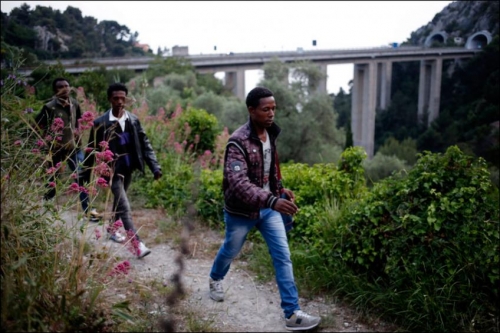
Immigration : comment en finir avec les frontières passoires ?
À quelques mois de l’élection présidentielle qui aura lieu en avril 2022, les candidats déclarés ou potentiels à ce scrutin multiplient les propositions en matière d’immigration. À en entendre certains, il suffirait d’un peu de volonté politique pour que notre pays ne subisse plus les flux migratoires délirants qu’il connaît actuellement. Ils sont en revanche souvent discrets sur la nécessité ou non de faire évoluer le droit existant pour retrouver des marges de manœuvre en la matière. Les réactions atterrées dans le camp « progressiste » après les déclarations de Michel Barnier (LR) annonçant vouloir affranchir la France des règles de la Cour européenne des droits de l’homme relatives à l’immigration sont révélatrices des tabous qui existent en la matière.
Polémia
https://www.polemia.com/immigration-comment-en-finir-avec...
Il est l’un des personnages souvent cités par la presse comme proche d’Alexandre Benalla, suite à l’affaire du 1er mai, actuellement en jugement. Selon nos informations, Izzat Khatab fait l’objet d’une plainte pour « violences en réunion » par l’un de ses anciens gardes du corps. Depuis 10 ans, celui qui se présente comme un homme d’affaires a multiplié les relations de pouvoir à Paris, jusqu’au sommet de l’État. Notre enquête nous a mené à une autre découverte : Alexandre Benalla a bien travaillé pour Izzat Khatab, selon plusieurs témoins, juste avant de se mettre au service d’Emmanuel Macron.
QG
https://qg.media/2021/09/16/exclusif-izzat-khatab-l-ami-d...
GAFAM
L’UE et les États-Unis négocient un nouvel accord pour le transfert de données
Ces discussions sont la conséquence d’une décision de la Cour de Justice de l’Union européenne (CJUE) de juillet 2020. La plus haute instance juridique du Vieux Continent avait invalidé l’accord « Privacy Shield », de 2016, qui encadrait les transferts de données avec le Nouveau Monde. Ce dernier en remplaçait lui-même un autre, « Safe Harbor », déjà cassé en 2015 par la CJUE.
Siècle digital
https://siecledigital.fr/2021/09/13/lue-et-les-etats-unis...
GÉOPOLITIQUE
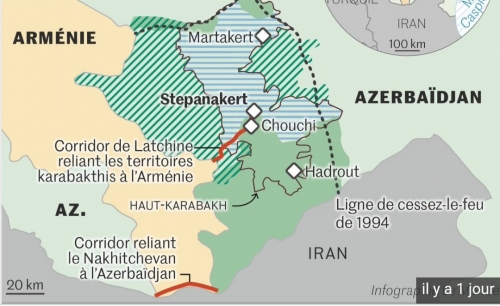
Nakhitchevan : le corridor du prochain round au Haut-Karabakh
Depuis la « fin » de l’épisode le plus récent de la guerre de quarante-quatre jours entre l’Azerbaïdjan soutenu par la Turquie et Israël – et facilitée par les États-Unis – et l’Arménie (au mieux vaguement) alignée sur la Russie, on assiste à un florilège de lamentations politiquement correctes sur la « paix illibérale » qui en résulte.
Les-crises.fr
https://www.les-crises.fr/nakhitchevan-le-corridor-du-pro...
LECTURE
Comment vivre au temps du coronavirus. Un manuel pour comprendre et résister, d’Alain Bauer et Roger Dachez. Editions du Cerf, 2020, 360 p., 20 €.
Présentation : un essai qui « raconte l’histoire d’une pandémie attendue et qui n’arriva pas. Et d’une autre qui arriva sans prévenir. Alors qu’on avait défait tout ce qui avait été construit contre la précédente » (extrait de la 4e de couverture).
Auteurs : le premier est professeur de criminologie ; le second médecin et universitaire.
Contenu : 195 pages d’analyses chronologiques des pandémies dans l’histoire, presque autant de documents officiels (rapports, études, etc.).
Extraits : « Le triptyque national ‘’Négation, Minoration, Éjection’’ (en français courant : ‘’ce n’est pas vrai’’, puis ‘’ce n’est pas grave’’, et enfin ‘’ce n’est pas ma faute’’) va servir d’excuse. »
« Comme aimait le rappeler Michel Rocard : ‘’En matière de grande catastrophe bureaucratique, il faut beaucoup plus miser sur la connerie que sur le complot. La première est à la portée de tous, donc largement répandue, le second exige beaucoup plus d’intelligence et d’organisation, et se révèle bien plus rare qu’on ne le pense’’. »
« A la fin de 2009, l’EPRUS dispose d’un milliard de masques chirurgicaux et environ 700 000 masques FFP2. Mais alors que la grippe A (H1N1), fait en définitive peu de victimes en France, le gouvernement est mis en cause et accusé par l’opposition, la presse, les humoristes, la Cour des comptes et la justice d’avoir gaspillé l’arent du contribuable ; […] Allant jusqu’au bout de sa logique, l’administration ne va pas renouveler ses commandes et la principale usine française mettra la clé sous la porte en 2018. Dans l’indifférence générale. Pourtant, en 2018, le directeur général de la Santé, Jérôme Salomon, avait reçu une note l’informant que le stock d’États de masques était en grande partie périmé et insuffisant selon les révélations du magazine Challenges, publiées le 23 avril 2020 et non contestées.

RÉFLEXION
Informatique et nouvel ordre mondial : un rappel de Claude Lévi-Strauss
Le nouvel ordre mondial se met en place sur fond d’apparent effondrement américain : en réalité GAFA et oligarques se foutent du peuple américain, devenu un troupeau réductible et contrôlable comme un autre. Certains risquent d’être déçus par le comportement des Talibans qui se sont vus régaler le pays, relâchés par les Américains, et dont certains leaders ont été préparés par le Dr Seligman et les procédés de Guantanamo.
Le Saker francophone
https://lesakerfrancophone.fr/informatique-et-nouvel-ordr...
« La révolte des élites » : faut-il lire Christopher Lasch ?
Réactionnaire ? Visionnaire ? Progressiste authentique critique de la modernité ? Christopher Lasch a suscité les mêmes controverses, aux États-Unis, que Jean-Claude Michéa en France – qui est souvent décrit comme l’un de ses continuateurs. Son oeuvre phare, La révolte des élites, a tour à tour été acclamée comme ayant saisi l’esprit du temps, et décriée comme un pamphlet sans rigueur historique ou sociologique. Alors que le thème de la sécession des élites prend une place croissante dans le monde médiatique, il convient de s’intéresser à l’auteur de la notion.
Le Vent Se Lève
https://lvsl.fr/la-revolte-des-elites-faut-il-lire-christ...
Sur et autour de Carl Schmitt – Trois heures d'entretien avec Robert Steuckers
Cette vidéo est consacrée à la pensée de Carl Schmitt à partir du livre « Sur et autour de Carl Schmitt » de Robert Steuckers. Dans cet entretien, l’auteur nous explique le contexte dans lequel Schmitt a élaboré sa conception de la « décision » en politique et du « Grand Espace » (Großraum). En effet, l’entretien est divisé en deux parties, consacrées respectivement à ces notions. L’intérêt de cet entretien est qu’il permet d’aborder la pensée politique de Schmitt non pas de manière abstraite, mais en lien avec son époque et avec ses sources. A travers Schmitt, Robert Steuckers évoque, entre autres, les figures de Donoso Cortés, Karl Haushofer, Clausewitz et même Guillaume Faye. Avec beaucoup de perspicacité et de brio, il nous rappelle l’importance et l’actualité de cette pensée.
Euro-synergies
http://euro-synergies.hautetfort.com/archive/2021/09/15/s...
SANTÉ
Bénéfice risque des vaccinés covid par tranche d’âge au 1er juillet 2021
On ne peut plus établir le bénéfice/risque des vaccins Covid après le 16 juillet 2021 car Santé Publique France ne publie plus les données brutes nécessaires à ces calculs. Pour les personnes de moins de 45 ans, la létalité supposée liée au vaccin est plus importante que la mortalité liée à la Covid-19. Les séquelles très graves regroupant les décès, invalidité et pronostic vital engagé, ont plus que doublé entre le 27 mai et le 1er juillet 2021 pour le vaccin Pfizer. Pour les personnes sans comorbidité, le vaccin apparaît délétère pour les moins de 65 ans. Le rapport bénéfice/risque de la vaccination est défavorable lorsque le nombre est supérieur à 1 (cases rouges dans les tableaux).
Réinfo Covid
https://wiki.reinfocovid.fr/_media/newsletters/newsletter...
Risque infime de mourir de la Covid-19 pour les personnes sans comorbidités
La COVID-19 ne tue pratiquement pas avant 20 ans. Les personnes âgées de plus de 70 ans sont les plus affectées. L’absence de comorbidités est associée à un risque de décès par la COVID-19 diminué de plus de 100 fois. 95 % des personnes hospitalisées avec la COVID-19 sont porteurs de comorbidités.
Réinfo Covid
https://wiki.reinfocovid.fr/_media/newsletters/newsletter...
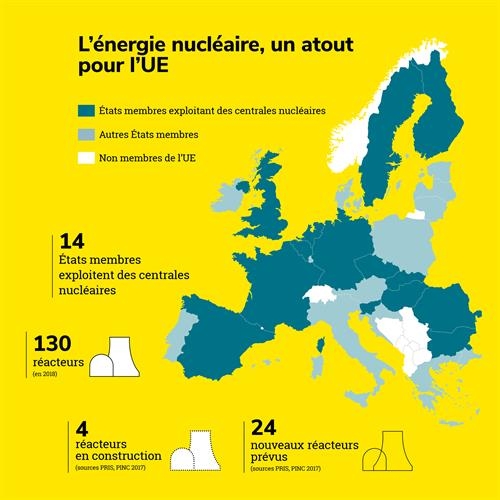
UNION EUROPÉENNE
Pellerin-Carlin : Bruxelles se prépare à reconnaître le nucléaire comme une énergie « verte »
Selon toute vraisemblance, la Commission européenne devrait dans les prochains mois faire une proposition pour inclure l’énergie nucléaire dans la taxonomie verte européenne, selon Thomas Pellerin-Carlin, chercheur à l’institut Jacques Delors. Mais elle a d’abord intérêt à attendre le dénouement des élections allemandes, souffle-t-il.
Euractiv.fr
https://www.euractiv.fr/section/climat/interview/pellerin...
Comment les lobbyistes des gros pollueurs font pression sur la législation européenne
L’Union européenne envisage une importante législation sur le climat visant à réduire les émissions sur le continent. Mais un ennemi bien connu se mobilise pour faire reculer la législation : les lobbyistes des gros pollueurs.
les-crises.fr
https://www.les-crises.fr/comment-les-lobbyistes-des-gros...
10:49 Publié dans Actualité, Affaires européennes | Lien permanent | Commentaires (0) | Tags : actualité, affaires européennes, france, presse, journaux, médias | | del.icio.us | | Digg | Facebook
vendredi, 17 septembre 2021
Le pacte AUKUS et l'Europe
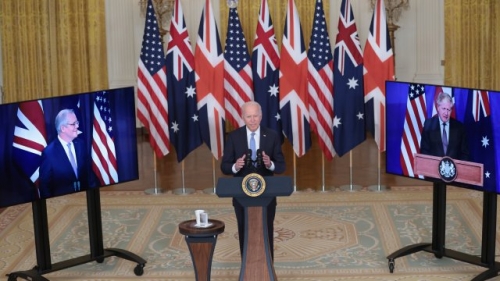
Le pacte AUKUS et l'Europe
Ex: https://www.kulturaeuropa.eu/2021/09/17/il-patto-aukus-e-leuropa/
Le Pacte AUKUS est né. L'Australie, l'Angleterre et les États-Unis s'unissent dans un pacte militaire, qui aura également une dimension économique, dans le but déclaré de maintenir la zone indo-pacifique "libre et ouverte". Il va sans dire que l'intention, même si elle est mal dissimulée, est d'endiguer la (sur)puissance croissante et de plus en plus rampante de la Chine.
Mais ce qui devrait nous faire réfléchir, c'est que les États-Unis et le Royaume-Uni ne se sont même pas posé le problème de savoir qui devrait être leur partenaire dans cette nouvelle frontière géopolitique: l'Europe doit être hors jeu, ils se tournent donc vers l'Australie. Celle-ci n'est certainement pas un partenaire militairement stratégique, mais elle l'est à coup sûr tactiquement dans une position clé dans la région, même s'il faut dire qu'au troisième millénaire, le dernier problème pour l'armée Stars and Stripes est de trouver un point d'ancrage. Cela suggère que le seul objectif, en fin de compte, était de donner une gifle au Vieux Continent. Et ça a marché, ça a vraiment marché. La France, à l'occasion de la naissance de ce nouvel accord, a perdu une commande d'environ 31 milliards d'euros pour l'achat de sous-marins à propulsion nucléaire qu'elle s'apprêtait à vendre à l'Australie.
L'Alliance atlantique s'effrite, comme en témoignent les déclarations de Rome, Paris et Berlin (les capitales des pays les plus influents de l'UE) qui ont ouvertement admis qu'ils n'avaient nullement été informés. Ainsi, le très apprécié et acclamé Joe Biden, après une retraite de Kaboul, à la limite de la lâcheté et de l'embarras, a porté un nouveau coup à ce qui serait l'Alliance des pays les plus à même de garantir l'"équilibre" au niveau mondial.
Il faut admettre que l'équilibre de l'OTAN a déjà été mis à l'épreuve, il n'est donc pas surprenant que les Anglo-Américains continuent à tirer les ficelles. En effet, pour être précis, suite à la déclaration de la future projection de l'UE dans la zone indo-pacifique, les Etats-Unis indiquent clairement qu'ils veulent et désirent évidemment que leurs alliés européens soient là où ils mènent leurs guerres (même si elles sont plus ou moins froides), mais plus généralement les Etats-Unis veulent que les Européens soient et se déplacent comme eux le veulent, sans jamais agir de manière autonome.
Dans ce contexte, que faire ? Malheureusement rien, l'UE n'est qu'un grand fourre-tout qui s'effondre et qui a réussi à réveiller un nationalisme renaissant, mais qui n'a aucune intention apparente de se transformer en un véritable État qui prend des décisions dans son propre intérêt.
Le temps nous dira comment les choses évolueront, mais ce qui est certain, c'est que nous semblons toujours aimer nous montrer comme d'humbles serviteurs. Pas étonnant qu'ils nous traitent de cette façon.
15:14 Publié dans Actualité, Affaires européennes, Géopolitique | Lien permanent | Commentaires (0) | Tags : aukus, australie, états-unis, royaume-uni, océan pacifique, géopolitique, politique internationale, europe, affaires européennes | | del.icio.us | | Digg | Facebook
Les ombres d'Angela
Les ombres d'Angela
Lorenzo Vita
Ex: https://it.insideover.com/politica/tramonto-angela-merkel.html
Il est très difficile de comprendre l'héritage d'Angela Merkel. Les élections de fin septembre marqueront la fin du quatrième mandat de chancelière de la figure de proue de la Cdu. Et inévitablement, le moment de faire le point arrive.
Selon de nombreux experts, l'adieu de la chancelière n'est pas ce qu'elle et ses partisans souhaitaient. La "dame de fer" de la politique allemande a toujours donné l'impression qu'elle maîtrisait la situation et que son leadership, tant comme personnage clé de la Cdu que comme cheffesse du gouvernement, semblait sans égal. Pourtant, même Mme Merkel, l'étoile de la politique allemande qui a donné une image de stabilité presque granitique face à une Europe en perpétuelle ébullition, a récemment subi des coups durs.
Et ce coucher de soleil merkelien a aussi le goût d'un adieu amer. La gestion de la pandémie, notamment avec certains blocages, a souvent donné l'impression de ne pas être particulièrement fluide, laissant de nombreux Allemands méfiants. Les inondations qui ont frappé le cœur de l'Allemagne ont également mis en lumière un pays encore fragile face aux fureurs de la nature: des éléments qui, dans un électorat attiré par les Verts, ne sont certainement pas secondaires.
Et enfin, une ombre supplémentaire apparait quant au choix de son successeur, Armin Laschet, que les experts considèrent comme une erreur retentissante. Les sondages les plus récents confirment que la Cdu, pour la première fois depuis des années, pourrait être dépassée par les sociaux-démocrates de la Spd. Et le fait que le ministre des finances, Olaf Scholz, soit considéré par certains comme le véritable héritier de Mme Merkel, est un signe qu'il ne faut pas sous-estimer.
La fin peu réjouissante d'une longue période de pouvoir ne saurait résumer les quatre mandats de chancelier. Et il serait injuste de réduire Angela Merkel à la dernière étape d'un parcours qui l'a vue passer des décombres du mur de Berlin au sommet de la République allemande. Toutefois, le fait que cette ombre soit tombée comme un voile au cours de la dernière année à la tête du pays permet, d'une certaine manière, de déchirer le voile d'une hagiographie excessive que l'on pourrait écrire sur le leadership de Mme Merkel. Et elle est révélatrice des difficultés inhérentes à l'évaluation de la longue ère de son mandat de chef de file incontesté des chrétiens-démocrates.
En politique intérieure, la capacité de Mme Merkel à diriger le pays face aux différentes crises qui ont frappé l'Europe peut être considérée comme un luxe digne uniquement d'un grand dirigeant. Cette capacité est évidente, à laquelle s'ajoute celle d'avoir créé l'idée de la Grande Coalition comme exemple de gouvernement stable de large accord sans être considéré comme étranger à l'électorat. Pour la Cdu, en outre, la saison de Merkel est aussi celle qui a permis d'éviter l'effondrement du consensus lors de l'explosion des mouvements souverainistes, notamment l'Afd. Et cette capacité à absorber les dérives les plus extrêmes de l'Allemagne s'est surtout manifestée avec la crise des réfugiés en provenance de Syrie, lorsque la multiplication des épisodes criminels de groupes d'étrangers combinée à l'explosion du racisme et de l'antisémitisme a fait craindre que le pays ne sombre dans une spirale de violence. Cela n'a pas été le cas, même s'il ne faut pas oublier que la période merkelienne a également été celle où le terrorisme islamique a frappé le peuple allemand, et où des signes de résurgence du phénomène néonazi sont apparus pour la première fois dans certains appareils d'État. Les forces de défense et de sécurité intérieure ont fait défaut, confirmant non seulement les avertissements de nombreux experts sur les difficultés de la structure militaire allemande, mais aussi les craintes que Berlin ne soit pas en mesure de gérer les engagements extérieurs ou les défis à la sécurité nationale et de garantir la sécurité à l'intérieur de son propre pays.
D'un point de vue économique, l'Allemagne a été le symbole d'un pays caractérisé par une forte croissance, un faible taux de chômage et une grande stabilité financière. Bien qu'il y ait des signes précurseurs de crise, notamment dans la classe moyenne. Et les scandales financiers et industriels (du Dieselgate à Wirecard) ont montré une Allemagne moins attentive aux dangereuses dérives de la finance et de l'industrie nationale. Des taches qui, si elles ne nuisent pas à l'image d'une puissance économique, révèlent certainement un côté sombre que l'on ne peut nier et qui va de pair avec certains signes de difficulté de la part de la population. L'un d'entre eux est le problème de l'immobilier et des loyers.
Le jugement sur la politique étrangère est également complexe. Angela Merkel a tenté, surtout ces dernières années, de faire du poids économique de l'Allemagne un poids politique. L'exemple le plus proche est celui d'avoir "arraché" à l'Italie le lieu où se déroulent les discussions sur la Libye, désormais défini non plus par la réunion de Palerme mais par les sommets tenus à intervalles réguliers à Berlin. Cette démarche est à mettre en parallèle avec la présence allemande dans le dialogue sur le nucléaire iranien, ainsi que dans le jeu plus délicat (pour l'Europe) entre la Russie et l'Ukraine.
L'Allemagne joue un jeu d'insertion dans les Balkans et d'harmonisation entre les positions de la Grèce et de la Turquie. Elle est également entrée récemment dans le secteur de la défense, devenant un pays extrêmement actif au Sahel et se projetant dans d'autres zones de crise jusqu'à l'Indo-Pacifique. Tout cela sans tenir compte du poids spécifique que Merkel (et avec elle l'Allemagne) a pris en Europe ces dernières années. Le leadership de Mme Merkel est devenu si fondamental que, pendant de nombreuses années, la chancelière allemande était considérée comme la véritable maîtresse de la politique européenne, Bruxelles apparaissant presque comme un protectorat allemand au lieu d'une capitale indépendante des intérêts des différents États.
Mais face à ces nombreuses tentatives de prise de pouvoir, l'Allemagne de Merkel a également montré des faiblesses (et parfois une myopie) qui ont souvent révélé un revers de la médaille sous-estimé. De nombreux experts, par exemple, soulignent qu'il est vrai que la Chancelière a déplacé ses pions pour avoir une Allemagne de plus en plus importante au niveau stratégique, mais cela n'a jamais permis d'avoir une Allemagne véritablement autonome. Dario Ronzoni l'explique dans Linkiesta. Liée aux États-Unis pour l'OTAN, à la Russie pour le gaz et à la Chine pour le commerce, l'Allemagne s'est montrée forte mais jamais indépendante. Et si tout cela a été synonyme de multipolarité, d'un autre côté il ne faut pas oublier que Berlin s'est parfois transformé en un territoire de confrontation plutôt que de pouvoir. Et dans le contexte européen, de nombreux critiques pointent du doigt l'austérité promue par les faucons allemands comme complice (si ce n'est le véritable auteur) à la fois de la crise de la zone euro et de l'explosion des mouvements eurosceptiques et centrifuges qui ont conduit, par exemple, au Brexit. On peut dire la même chose de la question commerciale, puisque la surproduction allemande a également déclenché des crises avec les États-Unis, qui ont également conduit à des tensions sur les tarifs douaniers brandis comme menace par Donald Trump.
Ces analyses laissent de nombreuses questions ouvertes et ne peuvent occulter l'importance d'Angela Merkel dans l'histoire plus récente de l'Allemagne et du continent européen. Mais ce sont des questions qui mènent surtout à une autre question: quel est le véritable héritage de la chancelière. La réponse peut être difficile, mais il est clair que si l'Europe considère Mario Draghi et Emmanuel Macron comme ceux qui seront capables de combler le vide laissé par le dirigeant allemand, nous avons déjà une réponse. Après Merkel, l'Allemagne pourrait ne plus être l'étoile polaire de l'Union européenne. Et c'est déjà un fait qui pourrait faire froncer les sourcils des partisans de la Cdu.
15:01 Publié dans Actualité | Lien permanent | Commentaires (0) | Tags : allemagne, europe, affaires européennes, angela merkel | | del.icio.us | | Digg | Facebook
Vigie d'un monde en ébullition!

Une nouvelle émission régulière de Radio Méridien Zéro
Vigie d'un monde en ébullition!
Pourquoi ce titre ?
par Georges FELTIN-TRACOL
Pour écouter: https://radiomz.org/vigie-dun-monde-en-ebullition-1-pourq...
Amis de Radio Méridien Zéro,
À compter de ce jour, votre radio numérique préférée s’étoffe d’une nouvelle émission régulière : une chronique hebdomadaire tenue par votre serviteur, Georges Feltin-Tracol. Un grand merci pour leur confiance au Lieutenant Sturm et à toute son équipe qui depuis plus d’une décennie maintenant cingle à travers les vastes océans internautiques. Pour ma part, je franchis l’équateur symbolique qui sépare l’état d’invité à celui d’animateur.
Voici donc « Vigie d’un monde en ébullition ». Que les auditeurs ne soient pas inquiets, je ne commence pas une quelconque transition genrée ! Radio Méridien Zéro se conçoit en navire pirate (ou corsaire). Sur ce galion se trouve au sommet du mât principal un veilleur installé dans une hune, chargé de scruter l’horizon : la vigie. Est aussi vigie le responsable de la surveillance du large depuis le littoral, autorisé à allumer des signaux destinés aux navires côtiers pour qu’ils évitent rochers et faibles fonds marins. Dans les deux cas, la vigie se doit d’être un observateur attentif.
« Vigie d’un monde en ébullition » s’intéresse aux tempêtes qui ponctuent notre monde hyper-moderne (et non post-moderne !). Cette hyper-modernité se caractérise par son extrême liquidité. Zygmunt Bauman a très bien décrit la grande mobilité de notre temps. Avant l’actuelle pandémie, environ 80 % des échanges mondiaux s’effectuaient par porte-conteneurs. En philosophie géopolitique, la fin de la Guerre Froide dont on assiste à l’achèvement graduel a marqué la victoire de la Mer sur la Terre quand bien même cette dichotomie soit moins tranchée dans les faits.
Le triomphe métaphysique de la Mer explique par conséquent cette ambiance fluide qui s’infiltre partout, du contrat de travail toujours plus flexible aux rapports amoureux inconstants en passant par l’hypertrophie des réseaux sociaux sur Internet. Pour user d’une métaphore marine, l’accélération des très gros « coups de tabac » politiques, sociaux, économiques, culturels et diplomatiques fait que notre époque mouvante entre en ébullition. L’expression se comprend aussi comme la situation du crabe plongé dans une casserole d’eau qui chauffe doucement jusqu’à l’ébouillantement final. Quelle terrible et atroce image pour nous autres, crabes en puissance !
D’une durée variable de cinq à dix minutes, les chroniques de la « Vigie d’un monde en ébullition » couvriront tous les domaines possibles et imaginables. Elles traiteront autant de l’actualité immédiate que de la longue durée. Au gré des circonstances, elles concerneront un ouvrage, un film, une série télévisée, une personnalité, une idée, etc. Elles apporteront un regard différent et, disons-le, décalé aux flots médiatiques du monde. La bande sonore qui les accompagne provient de Vangelis puisqu’on aura reconnu le générique de fin du fantastique film de Ridley Scott sorti en 1982 Blade Runner.
Qu’on se rassure toutefois, ces chroniques ne seront jamais neutres et consensuelles. Leur point de vue sera toujours européen de France, solidariste – justicialiste et révolutionnaire-conservateur. On a beau subir une époque liquide, elles ne déverseront pas de l’eau tiède. Symbole du café du commerce virtuel et vain, les commentaires seront bien sûr fermés.
Et comme on le disait peut-être sur l’Île de la Tortue au XVIIe siècle, salutations flibustières !
- « Vigie d’un monde en ébullition », n° 1, mise en ligne sur Radio Méridien Zéro, le 14 septembre 2021.
11:06 Publié dans Actualité, Nouvelle Droite | Lien permanent | Commentaires (0) | Tags : radio méridien zéro, georges feltin-tracol, radio libre, actualité | | del.icio.us | | Digg | Facebook
jeudi, 16 septembre 2021
Face au "Nouvel Ordre Elitaire", soulèvement ou soumission? Avec Michel MaffesoIi sur Zone Libre
Face au "Nouvel Ordre Elitaire", soulèvement ou soumission?
Avec Michel MaffesoIi sur Zone Libre


13:22 Publié dans Actualité, Entretiens, Livre, Livre, Philosophie | Lien permanent | Commentaires (0) | Tags : michel maffesoli, philosophie, actualité, livre | | del.icio.us | | Digg | Facebook
mercredi, 15 septembre 2021
Les Balkans: une crise permanente
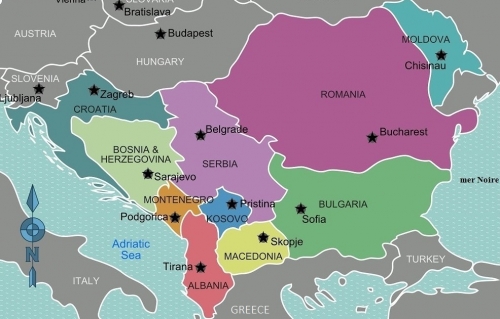
Les Balkans: une crise permanente
L'Europe de l'Est dans une nouvelle situation géopolitique
Ex: https://katehon.com/ru/article/balkany-permanentnyy-krizis
Bulgarie : une troisième élection ?
Depuis le début de l'année 2021, la Bulgarie se trouve dans un état de crise politique permanente. Dans le contexte des manifestations de masse contre le parti libéral de droite au pouvoir, le GERB, des élections législatives ont été organisées début avril. En conséquence, aucune des forces politiques n'a été en mesure de former un gouvernement. De nouvelles élections ont eu lieu en juin. Cependant, aucun gouvernement n'a encore été formé.
Le parti de protestation, qui porte pour nom "Il existe de telles personnes", dirigé par le présentateur de télévision Slavi Trifonov (photo), a remporté le plus grand nombre de voix lors des élections de juin. Mais l'équilibre des pouvoirs au Parlement est tel qu'il est très peu probable qu'un gouvernement soit formé. La Bulgarie doit donc affronter sa troisième élection parlementaire en un an.

Lors des élections de juin, le GERB et le parti de M. Trifonov, qui se distingue par l'absence d'une idéologie claire, ont obtenu un nombre de sièges à peu près égal - 65 et 63 - mais n'ont pas pu former un gouvernement, car il a besoin d'un partenaire parmi les partis libéraux minoritaires, mais refuse simultanément de soutenir l'une ou l'autre des deux forces politiques. Le président bulgare Rumen Radev a confié le mandat de former un gouvernement au "Parti socialiste bulgare", arrivé troisième aux élections. Si cette troisième tentative de formation d'un cabinet échoue également, le chef de l'État dissoudra le Parlement et décidera d'un troisième tour d'élections législatives anticipées.
En général, toutes les forces politiques qui se partagent le pouvoir en Bulgarie se distinguent par leur orientation vers l'OTAN et l'UE. Les populistes de "droite", populaires auparavant, ont perdu toute crédibilité. "Le parti socialiste bulgare - également pro-OTAN et pro-UE mais exploitant des sympathies pro-russes - a également perdu ses anciens soutiens.
Dans le contexte de la crise politique que traverse la Bulgarie, le lobby occidental s'est employé à attiser le sentiment anti-russe. En mars 2021, plusieurs personnes soupçonnées d'espionnage pour la Russie ont été arrêtées en Bulgarie. Il s'agit de la sixième arrestation depuis 2019 pour des accusations similaires.
Le service russe de renseignement extérieur a commenté l'arrestation des "espions" dans le cadre d'une campagne visant à accroître la russophobie en Bulgarie : "Selon les informations reçues, les services de renseignement américains ont lancé une campagne à grande échelle visant à compromettre les personnalités politiques et publiques des pays d'Europe orientale qui prônent le développement de relations de bon voisinage avec la Russie. A cette fin, les agents et les organisations non gouvernementales financés par les agences officielles américaines sont mobilisés.
En Bulgarie, l'organisation Bellingcat, déjà mentionnée, a tenté de promouvoir un scandale avec une implication russe présumée dans les attentats à la bombe en République tchèque en 2014. Ses représentants ont déclaré que l'attentat visait les activités du marchand d'armes bulgare Emelian Nagrev, qui stockait des armes et des munitions en République tchèque pour les envoyer en Ukraine.
Serbie et Monténégro : entre eurasisme et atlantisme
En juillet 2021, le gazoduc Balkan Stream, une branche du Turkish Stream, a atteint la Hongrie. Il a fallu un peu plus d'un an et demi pour faire passer le gazoduc par la Serbie. Au cours de l'année et demie précédente, on a essayé de construire le pipeline à travers la Bulgarie, en rencontrant de nombreux obstacles. La Serbie a démontré qu'elle était un partenaire plus fiable pour la Russie.
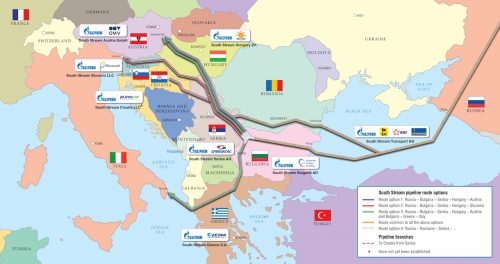
Dans l'ensemble, les dirigeants serbes maintiennent des liens avec l'Occident et une orientation générale vers l'adhésion à l'UE, qu'ils combinent toutefois avec un nationalisme serbe occasionnel et des sentiments pro-russes.
Parmi les exemples de l'utilisation de l'agenda nationaliste, citons les contacts entre Aleksandrov Živuć et le membre serbe de la présidence de Bosnie-Herzégovine Rostislav Godik, les contacts entre la Serbie et la Republika Srpska et l'utilisation du syntagme "monde serbe" par les dirigeants serbes.
Les dirigeants serbes s'opposent à l'élargissement de la liste des pays qui ont reconnu l'indépendance du Kosovo. Toutefois, l'attitude de Belgrade à l'égard des États-Unis reste la plus bienveillante. Les États-Unis ont soutenu l'initiative visant à créer un espace économique commun entre la Serbie, le nord de la Macédoine et l'Albanie - Opera Balkan. Cette initiative est soutenue par l'administration Vucic, mais les autorités sécessionnistes du Kosovo refusent de rejoindre le bloc.
Les négociations entre Pristina et Belgrade, par lesquelles les États-Unis et l'UE espèrent faire avancer la reconnaissance de l'indépendance du Kosovo et l'absorption ultérieure de la Serbie dans les structures de l'UE et de l'OTAN, ont jusqu'à présent peu progressé. Les résultats des élections de mars 2020 au Kosovo n'y ont pas contribué non plus. Le leader du mouvement d'autodétermination, Albin Kurti (photo), qui est farouchement opposé à tout compromis avec Belgrade, est devenu premier ministre. Kurti est orienté vers les cercles de gauche-libéraux en Europe et le parti démocrate américain.
La Bosnie reste un point d'instabilité potentiel, où le chef du bureau du Haut Représentant, l'Autrichien Valentin Inzko, avec le soutien des communautés croates et musulmanes, a fait passer une loi criminalisant la non-reconnaissance du "génocide" de Srebrenica. La loi est dirigée contre la Republika Srpska.
L'une des principales vulnérabilités des élites des Balkans est la corruption et les liens avec la mafia (principalement la mafia de la drogue). Cela permet aux Atlantistes de contrôler les élites de ces pays et d'exercer une pression en faisant chanter les représentants du gouvernement et des entreprises. Ces derniers mois, des accusations de liens avec la mafia ont également été utilisées contre le président serbe Aleksandar Vučić.
En juin, le parlement monténégrin a adopté une résolution sur le "génocide de Srebrenica". En substance, elle interdit de considérer les événements tragiques de 1995 dans cette localité bosniaque comme autre chose qu'un "génocide". La résolution a démontré la faiblesse du gouvernement de Zdravko Krivokapic, qui dépend du soutien des partis libéraux pro-occidentaux. Le fait qu'il ait été poussé par le président Milo Djukanovic et soutenu par Krivokapic montre que Djukanovic reste une personnalité politique sérieuse, capable de faire passer des solutions qui éloignent le Monténégro de la Serbie.
L'accord entre l'Église orthodoxe serbe et le Monténégro a également causé des difficultés. Krivokapic devait signer un accord de base sur le statut juridique de l'Église orthodoxe serbe au Monténégro en mai 2021, mais ne l'a pas fait. L'Église orthodoxe serbe a reçu l'accord modifié au début du mois d'août et ne fait encore que s'y familiariser. Zdravko Krivokapic a justifié son refus de normaliser les relations avec l'UOC (d'autres confessions du pays ont déjà de tels accords avec l'État) par la crainte d'être arrêté sous prétexte de violer la constitution du Monténégro. Krivokapic a déclaré qu'il ne se rendrait pas dans la capitale historique du Monténégro, Cetinje, pour la cérémonie d'intronisation du nouveau métropolite du Monténégro, le prêtre Joannikije, le 5 septembre 2021.
Le régime de Milo Djukanovic a été renversé par des protestations contre sa politique anti-églises. La grande majorité des Monténégrins sont des fidèles de l'Église orthodoxe serbe. Cependant, pour l'Occident, il est important de briser l'unité spirituelle des Serbes et des Monténégrins, car les Serbes sont perçus comme le facteur continental le plus important.
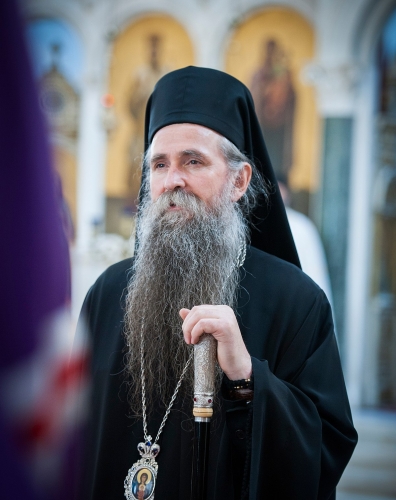
L'intronisation du Métropolite Joannikije (photo), le 5 septembre, s'est déroulée dans un contexte d'agitation des nationalistes monténégrins soutenus par Milo Dukanovic. Le conseiller de Milo Djukanovic, Veselin Velovic, figurait parmi les instigateurs de l'émeute détenus par les forces de l'ordre. Jusqu'à présent, les nationalistes monténégrins d'orientation atlantiste n'ont pas réussi à influencer sérieusement la situation de l'Église. Cependant, ils ont montré leur force, ce qui signifie que l'Occident - et surtout les États-Unis - soutiendra cette tendance comme étant prometteuse. Zravko Krivokapic s'est révélé être un politicien faible, facilement soumis à la pression et incapable de défendre le choix des Monténégrins orthodoxes qui l'ont porté au pouvoir - le choix en faveur de l'amitié avec la Serbie et de la protection de l'église canonique.
Albanosphère
L'Albanie, la Macédoine du Nord et le Kosovo continuent de mener des politiques extrêmement pro-américaines. Par exemple, les trois pays ont accepté d'accueillir des réfugiés d'Afghanistan après le retrait des troupes américaines de ce pays. Dans tous ces pays, y compris en Macédoine du Nord, le rôle principal est joué par des élites albanaises étroitement liées à la mafia de la drogue. En Macédoine du Nord, le gouvernement du social-démocrate atlantiste Zoran Zaev est au pouvoir et dépend entièrement des partis albanais. La majorité slave de ce pays est devenue l'otage de facto d'une minorité de libéraux et d'Albanais, faisant de la Macédoine du Nord un pays albanais de facto.
En août 2020, ces trois pays ont déclaré à l'unanimité qu'ils étaient prêts à accueillir des réfugiés afghans, en coopérant pour la plupart avec les États-Unis. Outre l'aspiration à plaire au partenaire étranger, on peut y voir les intérêts de la mafia albanaise de la drogue intéressée par le renforcement des communications avec l'Afghanistan et l'ajustement des communications avec les réseaux de drogue de ce pays. C'est précisément la mafia albanaise de la drogue qui contrôle de facto les frontières communes de l'Albanie, de la Macédoine du Nord et du Kosovo.
Albin Kurti, le premier ministre du Kosovo depuis mars 2021, n'a pas modifié la politique étrangère des séparatistes de Pristina. En avril, M. Kurti a voté par défi aux élections en Albanie, soulignant qu'il possède une double nationalité. Nationaliste albanais et atlantiste, il est aussi anti-serbe que les anciens dirigeants de la République autoproclamée du Kosovo.
Une extension de la sphère du séparatisme albanais a été l'entrée de la municipalité serbe de Bujanovac dans l'"Union des communautés albanaises" à l'été 2021. Cette organisation comprend Tirana, Pristina, Presevo (Serbie), Tetovo (Macédoine du Nord) et Ulcinj (Monténégro). En novembre 2020, le ministre albanais des Affaires étrangères, Gent Cacaky, a déclaré que Tirana soutiendrait les Albanais du sud de la Serbie qui seraient victimes de discrimination.
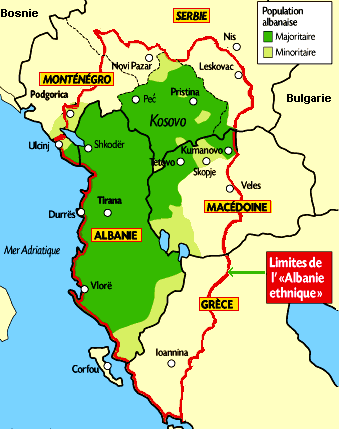
Le Kosovo, l'Albanie et la Macédoine du Nord continuent de renforcer leurs liens avec la Turquie. Ankara a généralement manifesté sa volonté de développer des relations avec tous les pays de la région, y compris la Serbie, et lors de la tournée d'Erdogan dans les Balkans (Bosnie-Herzégovine-Monténégro) en août 2021, ce dernier a déclaré que "la Turquie a une responsabilité historique" envers les pays de la région. L'Albanie développe des liens militaires étroits avec la Turquie, fournissant une base sur l'Adriatique pour la marine turque. L'Albanie et le Kosovo achètent des armes turques. En juin, Tirana a annoncé sa décision d'acheter des drones turcs pour un montant de 8,2 millions d'euros.
Dans l'ensemble, cependant, les perspectives d'adhésion des Balkans à l'UE restent faibles. Par exemple, les négociations sur l'adhésion de la Macédoine du Nord à l'UE sont bloquées par la Bulgarie en raison du différend sur l'histoire et l'identité du pays (la Bulgarie considère la population slave du pays non pas comme une nation distincte - les Macédoniens, mais comme des Bulgares). La France, les Pays-Bas et le Danemark, pour leur part, bloquent les négociations entre l'UE et l'Albanie. L'UE, qui connaît de nombreux problèmes internes au milieu d'une pandémie de coronavirus, démontre son incapacité à accepter que des pays corrompus, criminels et pauvres assument la responsabilité de leur développement. Les pays des Balkans avaient espéré que l'adhésion à l'OTAN serait le premier tremplin vers l'adhésion à l'UE, associée à la perspective de la prospérité économique. Aujourd'hui, pour les membres de l'OTAN comme l'Albanie et la Macédoine du Nord, l'adhésion à l'UE semble une perspective lointaine et la "prospérité" économique un objectif insaisissable.
14:05 Publié dans Actualité, Affaires européennes | Lien permanent | Commentaires (0) | Tags : actualité, politique internationale, balkans, europe, affaires européennes, bulgarie, serbie, monténégro, albanie, macédoine | | del.icio.us | | Digg | Facebook
L'ère de la grande incertitude pour les matières premières et l'énergie

L'ère de la grande incertitude pour les matières premières et l'énergie
Andrea Muratore
Ex: https://it.insideover.com/energia/lera-della-grande-incertezza-per-materie-prime-ed-energia.html
Un an et demi après le début de la pandémie du Covid-19, les prix des matières premières et de l'énergie sont en dents de scie. La phase actuelle, un véritable cycle haussier qui fait grimper les prix des matières premières énergétiques, s'inscrit dans le cadre d'une résurgence massive de l'inflation dans le sillage de la phase de croissance économique de 2021 qui touche les plus grandes économies du monde. Du gaz naturel au pétrole, toutes les ressources sont de plus en plus chères, et tandis que les principaux pays préparent de vastes plans de transition écologique, les demandes à court terme des citoyens et des entreprises s'orientent vers une demande beaucoup plus pragmatique de sécurité énergétique en raison de l'augmentation des factures, de la hausse du prix de l'essence à la pompe et des incertitudes sur les approvisionnements. Cette série de problèmes critiques est aggravée par la tendance parallèle à la hausse des matériaux de construction, qui jette une ombre sur la reprise économique mondiale qui, après avoir perdu son élan en Chine et aux États-Unis, perd également de sa vigueur dans l'Union européenne.
Une situation chaotique
De ce point de vue, nous parlons d'une situation qui est largement liée à la situation extrêmement critique qui s'est accumulée dans les mois qui ont suivi le début de la pandémie et à la consolidation d'une situation d'incertitude qui, en un an et demi, ne s'est jamais dissipée. Au cours de la pandémie, les prix de nombreux produits de base se sont d'abord effondrés en raison du choc économique mondial en cours et de la perturbation des chaînes de valeur mondiales ; ensuite, l'alimentation du grand jeu financier a relancé les prix des actions et des contrats à terme, avant que la reprise économique concrète ne fasse le reste.
Le Financial Times a souligné qu'au fil des mois, la situation s'était pratiquement inversée par rapport au problème initial de la demande inférieure à l'offre du marché. En effet, le journal City of London souligne que le rebond de la demande ne s'est pas accompagné d'une capacité similaire de l'offre à suivre, notamment en ce qui concerne la source fossile la plus stratégique, le gaz naturel, dont les stocks sont au plus bas dans toutes les économies les plus avancées, Europe en tête. Une situation très similaire à ce qui s'est passé sur le marché des puces, qui en dit long sur l'époque actuelle.
Quand le Covid a heurté les marchés
De nombreux souvenirs se sont accumulés au cours de cette longue année et demie de pandémie, mais les observateurs les plus attentifs n'oublieront guère ce qui s'est passé le 20 avril 2020, le jour où, pour la première fois dans l'histoire, le prix du pétrole est passé en territoire négatif sur les marchés. C'était le signe que l'économie mondiale vivait un spectacle inédit, le prélude à une crise sans précédent. Ce jour-là, le pétrole brut texan sur l'indice WTI, qui avait déjà considérablement chuté dans les jours qui ont suivi l'accord de réduction de la production entre la Russie, les États-Unis et les pays de l'Opep, a perdu plus de 190 % de sa valeur et était coté à -16 dollars le baril sur les marchés financiers en fin de séance. Sans toucher des niveaux similaires, le gaz naturel a lui aussi subi des soubresauts similaires, avec une baisse de son prix dans 23 des 25 marchés européens qui accordent leur valeur à cet or bleu.
Ces dynamiques peuvent être interprétées comme la motivation derrière l'effondrement des prix, puis le fort rebond en 2021. Les matières premières ont vu se rompre le circuit de l'offre et de la demande ; de même, les prix des titres et les "paris" associés à leur commerce se sont effondrés avant que les banques centrales ne lancent leurs plans de relance et que les gouvernements ne commencent à investir ; surtout, les entreprises et les gouvernements ont poursuivi de manière inattendue leur stratégie de consommation des stocks qu'ils avaient constitués dans les secteurs du gaz et du pétrole tandis que, sur le front de l'électricité, les asymétries liées aux besoins de la transition énergétique commençaient à se faire sentir. Cela exigeait un tel niveau d'investissement et une telle évolution vers l'efficacité qu'il était important de promouvoir les investissements en cascade et le développement potentiel, mais à court terme, c'était une source d'augmentation des coûts pour les services publics et les consommateurs.
Logistique des matières premières
Ainsi, à l'été 2020, alors que les économies commençaient à redémarrer après les confinements, le système énergétique mondial était confronté à de profondes inefficacités, loin du mythe de la "résilience" qui l'entoure aujourd'hui, et ce problème structurel allait bientôt être aggravé par le défi crucial de la logistique.
La tentative laborieuse de relancer l'industrie et le commerce a mis l'ensemble de la chaîne d'approvisionnement sous tension. Concentrons-nous sur l'Europe, par exemple : la reprise de la production industrielle a nécessité une part croissante de pétrole, de gaz naturel et d'électricité, ainsi que, bien sûr, toute une série de matériaux (de l'acier au PVC) dont l'extraction, la transformation et la livraison exigent une chaîne logistique optimale; la pénurie de stocks consécutive à la première phase de Covid a contraint les producteurs et les décideurs à mener, en parallèle, une politique d'acquisition de sources pour une utilisation immédiate et une politique de reconstitution des réserves ; la dépendance à l'égard des sources d'approvisionnement étrangères a exacerbé le rôle de producteurs tels que la Russie en augmentant l'incertitude quant à la fourniture de ces approvisionnements; dans le même temps, l'euphorie des marchés boursiers a fait grimper les prix des titres liés à l'énergie; et la reprise du commerce mondial a remis en question la logistique et a encore accru la demande sur le système.
Le cabinet de conseil PwC a évoqué les problèmes des chaînes d'approvisionnement en énergie, soulignant que l'approvisionnement, c'est-à-dire la recherche de ressources, deviendra une question de plus en plus stratégique pour les entreprises à l'avenir. Le cas du blocage du canal de Suez au cours des derniers mois a illustré la nature des défis auxquels le monde de l'énergie est confronté.
Le dilemme du marché de l'électricité
Le monde de l'électricité est clairement rendu plus complexe par la course aux matières premières qui sous-tend la stratégie de production actuelle, mais il est encore perturbé par d'autres dynamiques de marché. En effet, comme le souligne Formiche, les coûts de la transition attendue dans un avenir proche se reflètent désormais dans les prix du marché, comme le montre l'évolution des prix des permis de polluer européens: "Aujourd'hui, produire une tonne de CO2 coûte au producteur 62,4 euros, soit deux fois plus que l'année dernière et douze fois plus qu'il y a quatre ans". Cela est dû à "la réduction progressive des certificats de carbone par l'UE, qui fait augmenter les prix. Mais si l'on a besoin d'électricité, on ne peut pas y faire grand-chose: les centrales électriques doivent la fournir, en supporter le coût et en répercuter une partie sur le consommateur final.
Le choix de Bruxelles de proposer une stratégie de décarbonisation basée sur une réduction nette des émissions (Fit for 55), dans cette perspective, ainsi que les importants investissements réalisés par les gouvernements et les services publics et la relance du cycle offre-demande avec toutes ses criticités ont galvanisé les prix. Ce n'est pas le plan lui-même, qui fixe des objectifs substantiellement réalistes et porteurs d'avantages économiques à moyen terme, qui pose problème, mais plutôt le fait qu'il n'a pas été décidé de l'accompagner de stratégies visant à encourager la réduction de la charge fiscale et des prix associés à l'électricité, comme l'avait demandé la vice-ministre espagnole de l'environnement, Teresa Ribera. Le Premier ministre madrilène, Pedro Sanchez, a réduit la TVA sur l'électricité pour éviter les problèmes économiques et sociaux liés aux factures élevées. Plus difficile que jamais à contrôler: Madrid a vu l'électricité en gros franchir la barre des 154 euros par mégawattheure (MWh) le 13 septembre, mais comme le poursuit Formiche, même "le principal point de référence de l'UE, basé sur l'Allemagne, a battu des records vendredi dernier en touchant le chiffre de 97,25 euros par mégawattheure (MWh). Dans le même temps, son homologue français a atteint son pic historique de 100,4 €/MWh. Pour replacer cela dans son contexte, la moyenne européenne au début de 2020 était d'environ 36 €/MWh", signe d'une hausse des prix potentiellement incontrôlable.
Dans ce contexte, les problèmes structurels accélérés par le Covid-19 sont désormais sans rapport avec la pandémie, dont l'impact économique a produit d'abord, en 2020, une crise symétrique pour toutes les économies avancées et, aujourd'hui, une phase d'incertitude et de volatilité aiguës qui montrent les limites et les contradictions du système moderne. Une incertitude qui semble ne pas être liée au cycle des ouvertures/fermetures, à la tendance des vaccinations, à la tendance des infections Covid, mais qui concerne plutôt l'émergence de différents points critiques du système, qui dans les matières premières ont leur point de chute au fur et à mesure qu'émerge la difficile coexistence entre économie réelle, finance, commerce dans le domaine des ressources à la base de notre système.
13:29 Publié dans Actualité, Affaires européennes, Economie | Lien permanent | Commentaires (0) | Tags : énergie, actualité, économie, matières premières | | del.icio.us | | Digg | Facebook
Gouvernance environnementale et sociale : le capitalisme passe au rouge et au vert
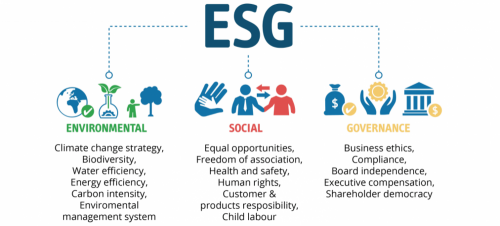
Gouvernance environnementale et sociale: le capitalisme passe au rouge et au vert
par Giulio Montanaro
Ex: https://www.centromachiavelli.com/2021/09/08/environmental-social-governance/
ESG est l'acronyme de Environmental Social Governance, un terme qui, selon le Financial Times, est utilisé sur les marchés des capitaux et par les investisseurs pour évaluer le comportement des entreprises et déterminer leurs futures performances financières. L'une des personnalités les plus en vue du moment, Larry Fink, le PDG de Blackrock (photo), en parle avec beaucoup plus de ferveur. Blackrock est le plus grand fonds d'investissement du monde pour certains, le véritable gouvernement fantôme de la planète pour d'autres (des médias à Big Pharma en passant par le système bancaire, personne n'échappe à son contrôle).
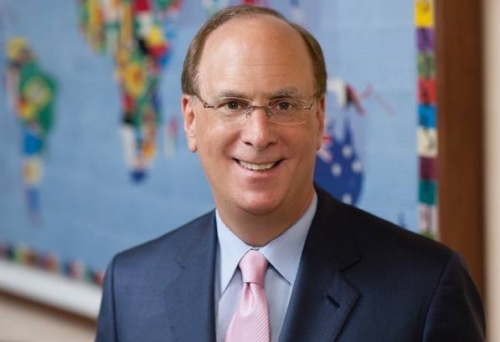
L'ESG est donc le nouveau critère de mesure du succès des entreprises, des activités à but non lucratif et des pays. Des milliards de dollars sont disponibles pour garantir que l'ESG prospère à l'avenir : "Pour prospérer à long terme", nous dit Fink, "toute entreprise devra non seulement afficher de solides performances financières, mais aussi démontrer comment elle peut contribuer positivement à la société. "Bloomberg Intelligence prévoit un boom des actifs ESG, les estimant à 50 000 milliards de dollars d'ici 2025, couvrant essentiellement un tiers du marché financier mondial : bienvenue dans l'ère du capitalisme éthique.
Il y a quelques jours à peine, la Deutsche Bank, le groupe bancaire allemand désormais le plus connu pour ses scandales liés à la corruption internationale et à la manipulation des marchés financiers, et qui avait déjà accepté en janvier de verser 125 millions de dollars au gouvernement américain pour éviter d'être poursuivi pour avoir manipulé le marché des métaux précieux, est revenue dans l'œil du cyclone.
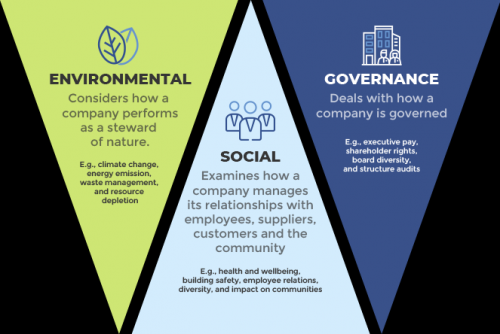
Comme le rapporte le Wall Street Journal, un cadre du DWS Group, le principal gestionnaire d'actifs qui gère actuellement quelque 900 milliards d'euros d'actifs pour le compte de la Deutsche Bank, s'est plaint que le groupe allemand, bien qu'il ait rassuré ses investisseurs dans son rapport annuel en affirmant que "l'ESG est au cœur de toutes les initiatives que nous entendons poursuivre à l'avenir", fait en réalité bien moins que se concentrer sur la planification et la réglementation du phénomène. Oliver Plein, responsable de la branche des produits ESG de DWS, confirme également que le groupe est "bien en retard : nous devons encore comprendre quelle est notre ambition et entamer le processus de transformation". Desiree Fixler, responsable de la durabilité chez DWS, a déclaré au conseil d'administration que l'entreprise "n'a pas d'ambition ou de stratégie claire, manque de politiques sur le carbone et d'autres questions et que les équipes ESG sont considérées comme des spécialistes plutôt que de faire partie du processus décisionnel". Un autre avertissement vient du Financial Times, qui rapporte que les controverses ESG ont déjà dévalué les entreprises américaines de près d'un demi-billion de dollars.
Des considérations qui ne semblent pas trouver de caisse de résonance dans le bureau de Larry Fink. Le PDG de "Blackrock" va jusqu'à prédire (ou peut-être - mieux - anticiper) qu'il n'y aura pas d'échappatoire à l'ESG dans l'avenir des entreprises. Au fil du temps, les performances financières passeront au second plan et la gouvernance environnementale et sociale sera le critère qui déterminera la valeur d'une entreprise : être "réveillé" ou ne pas l'être, en bref.
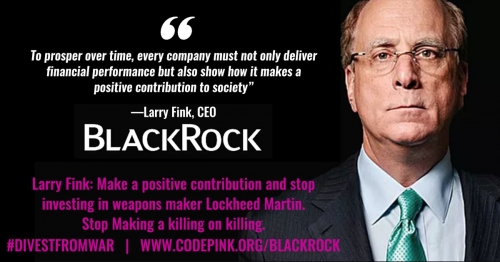
Cela semble absurde, mais comment l'un des fers de lance de la mondialisation esclavagiste hypercapitaliste peut-il nous dire qu'à l'avenir, les revenus céderont la place à ce qu'on appelle le "Wokeness" ? En d'autres termes, que l'impératif catégorique de l'avenir des entreprises ne sera plus les bilans sains et les entreprises solides, mais les arcs-en-ciel éblouissants et les sociétés fluides ? En d'autres termes, pour recevoir des financements pour ses propres entreprises, sera-t-il indispensable d'avoir un activisme politique et entrepreneurial totalement déconnecté de toute logique économique et purement progressiste ? Oui, c'est et ce sera le sort qui nous attend. Stephen R. Soukup en parle longuement dans son excellent livre The Dictatorship of Woke Capital : How Political Correctness Captured Big Business, dans lequel, à partir d'un discours du sénateur républicain Tom Cotton, il dénonce la façon dont la gauche pousse les marchés à privilégier les objectifs politiques au détriment des objectifs entrepreneuriaux.
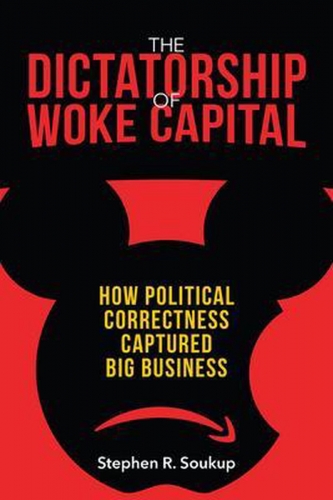
Comme l'a également observé avec perspicacité Andrew Olivastro, de la Heritage Foundation, "il y a un nombre croissant de personnes qui veulent imposer leurs préférences politiques et culturelles au monde et utiliser votre argent pour le faire". Ce n'est pas la seule incohérence que souligne Olivastro dans son éditorial (dont je recommande la lecture) et il n'est pas le seul à émettre des doutes sur l'ESG. D'autres conspirateurs présumés, ennemis extrémistes de la liberté, portent les noms des universités de Harvard et de Stanford.
Comme le montre une étude publiée le 25 avril 2021 par le Harvard Law School Forum on Corporate Governance (par Peter Reali, Jennifer Grzech et Anthony Garcia), la poussée vers l'ESG (c'est-à-dire, fin du suspense, vers des investissements visant à financer des politiques soutenant la diversité, l'inclusion, l'égalité, l'environnement...) est de plus en plus forte. Harvard, le 12 mai 2021, a publié une autre étude de Richard Morrison, qui dénonce les risques de la théorie de la Gouvernance Sociale Environnementale comme la plus grande menace pour les actionnaires, met en évidence le fait qu'elle devient de plus en plus l'un des sujets à l'ordre du jour de l'ONU et du Forum Economique Mondial, souligne l'incertitude des paramètres et des objectifs, et avertit des très graves conséquences auxquelles nous risquons d'être confrontés dans les prochains mois.
Beaucoup plus précise, et de l'avis de certains, exacte et correcte, est l'analyse de la "Stanford Review" publiée le 16 juin 2021 par Jonah Wu, avec laquelle nous terminons cette pièce et que nous croyons pouvoir résumer en traduisant le dernier paragraphe de la recherche :
"L'ESG se dirige vers l'inconnu et est soutenue par d'immenses capitaux et une élite managériale libérale. Malgré leurs nombreux attributs admirables, beaucoup de ces politiques d'investissement manquent de rigueur et d'incitations pour les pauvres, et poussent de manière déraisonnable les entreprises vers le progressisme. Pour y pourvoir efficacement, il faut trouver une alternative qui modère la force du mouvement GNE : il est temps pour les conservateurs de créer leur propre GNE".
Giulio Montanaro
Polyglotte, découvreur de talents dans le monde de la musique électronique, conseiller créatif avec diverses expériences en gestion d'entreprise, chercheur indépendant et amoureux des médias alternatifs, Giulio Montanaro a fait ses débuts en tant que reporter en 2000, à Padoue, au sein du groupe éditorial "Il Gazzettino".
11:57 Publié dans Actualité, Economie | Lien permanent | Commentaires (0) | Tags : actualité, économie, woke culture, capitalisme | | del.icio.us | | Digg | Facebook
mardi, 14 septembre 2021
Aude Lancelin et la réélection de Macron
Aude Lancelin et la réélection de Macron
par Nicolas Bonnal
Il a été élu dans un fauteuil il y a quatre ans (66.6% des voix…), face à une incapable qui sera cette fois taclée par Zemmour, le candidat des cons et des islamophobes, et il sera réélu car pour les bourgeois il n’y a rien d’autre. Le putsch du CAC40 (X2 en 12 mois) pourra se prolonger, le coup d’Etat deviendra permanent. Mais n’en sommes-nous pas là depuis deux siècles de bonapartisme et de dirigisme français, au bout de trois décennies de trique gouvernementale au service du capital néolibéral ?
On va relire quelques passages du splendide et nourri texte d’Aude Lancelin, daté du 20 avril 2017, qui expliquait à quelle sauce oligarque le capital allait nous bouffer. On pourrait intituler cet extrait « la présentation du chérubin au temple » :
« C’était à la fin de l’été dernier, je venais de rendre le manuscrit du « Monde libre ». Mon regard errait devant les images de BFM TV, dans les vestiges d’une canicule parisienne achevée il y a peu. C’est alors que je compris brutalement que l’année 2017 serait terrible, et que la présidentielle à venir ne ressemblerait à rien de ce que ce pays avait connu jusqu’ici. La première chaîne d’informations en continu du pays, fleuron du groupe Altice-SFR détenu par Patrick Drahi, n’avait pas lésiné sur les moyens en ce 30 août 2016. Le tout pour couvrir un événement considérable, imaginez du peu : la démission du ministère de l’économie d’un jeune baron du hollandisme encore quasi inconnu du public deux ans auparavant. Un scoop d’importance planétaire, on voit ça, qui valait bien la mobilisation générale de toutes les équipes de la chaîne détenue par ce milliardaire français issu des télécoms. L’étrange spectacle qui s’étalait sur les écrans du pays ce jour-là, c’était un chérubin en costume-cravate s’échappant du ministère de Bercy en navette fluviale pour remettre sa démission à l’Elysée, poursuivi par les caméras de BFM TV, le tout dans le style flouté et distant caractéristique de la paparazzade, de l’image arrachée à l’intimité d’une personnalité livrée bien malgré elle à la convoitise des foules. Comme l’Hyppolite de Racine, le futur ex-ministre en question, qui n’était autre qu’Emmanuel Macron, semblait ainsi être saisi par surprise en train de « traîner tous les cœurs après lui » sur la Seine, dans une étrange séance de ski nautique géant national. Ce que le téléspectateur ignorait à ce stade, c’est que ce sont les cœurs des patrons du CAC 40 qui battaient la chamade pour lui depuis déjà un petit moment, et que tous avaient un plan pour la France : porter à la Présidence de la République le chérubin si compréhensif aux doléances du capital. A ce stade il n’était rien, mais ça n’était pas un problème. Ses Geppetto, les poches pleines de billets et les rédactions pleines de journalistes, étaient prêts à en faire tout. »
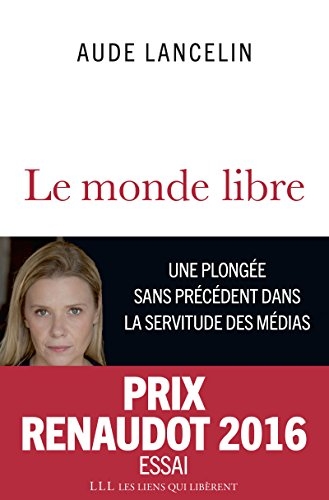
Aude Lancelin commente ce « blitzkrieg médiatique » :
« La scène, totalement surréaliste, m’est toujours restée en mémoire. De même que la surexcitation des commentateurs en plateau, chargés de faire mousser le non-événement, et de faire passer la dérisoire péripétie pour un événement susceptible de casser l’histoire du monde en deux. Ce jour-là, oui, j’eus le pressentiment que nous nous apprêtions à vivre une opération de propagande d’une dimension et d’une nature tout à fait inhabituelles. Une blitzkrieg médiatique à côté de laquelle les éditoriaux érotiques du « Monde » en faveur d’Edouard Balladur en 1995, ou les tribunes culpabilisatrices de « l’Obs » ou de « Libération » pour faire gagner le « Oui » en 2005, ne furent que de dérisoires et fort rudimentaires précurseurs. »
La France n’est pas un pays libre, dixit reporters sans frontières :
« Il est certain en effet que la situation dans les médias s’est spectaculairement dégradée depuis ces années là, jusqu’à faire chuter la France au 45ème rang du classement 2016 de la liberté de la presse établi par « Reporters sans Frontières », quelque part entre le Botswana et la Roumanie. Le tout à cause, contentons-nous de citer l’organisme international sur ce point, « d’une poignée d’hommes d’affaires ayant des intérêts extérieurs au champ des médias qui ont fini par posséder la grande majorité des médias privés à vocation nationale. » Jamais une situation pareille de mainmise quasi totale sur la presse ne s’était vue en France depuis 1945. De sinistre mémoire, le quinquennat Hollande restera du reste comme celui de la victoire par KO du capital sur l’indépendance des rédactions. »
Les énumérations à la Prévert (ou à la Rabelais ?) se succèdent pour expliquer le triomphe de la cause oligarque sur celle informative :
« C’est également sous ce quinquennat qu’aura lieu la prise de contrôle du groupe « Canal+ » par Vincent Bolloré avec les conséquences sinistres que l’on sait. Ou encore le rachat en 2015 du « Parisien » par Bernard Arnault, déjà propriétaire des « Echos » et premier annonceur publicitaire de la presse, bien connu également pour son progressisme social, sans parler de sa sympathie pour le populo. Mais aussi, après l’absorption en 2010 du quotidien « le Monde » par un trio d’investisseurs emmené par Xavier Niel, ogre concurrent des télécoms, l’avalement par ce même groupe de la quasi-totalité de la presse social-démocrate mainstream, avec le rachat en 2014 de « L’Obs », là encore surveillé comme le lait sur le feu par le président de la République. »

Aude Lancelin ajoute sur le sinistre Hollande :
« Ainsi ce dernier pensait-il encore, début 2016, en dépit de sa popularité exécrable, avoir mis autant d’atouts que possible de son côté pour la reconquête de son fauteuil présidentiel. Las, c’était sans compter sur Emmanuel Macron, le polichinelle que lui avaient mis dans le tiroir ses nouveaux amis du CAC 40. »
Et le Français toujours « enthousiaste » (Céline) élut le ministre de l’économie (du dénommé Hollande) qu’on lui présenta alors comme un homme neuf (il n’a donc pas la télé le Français !). Lancelin rappelle la stratégie du cruel louveteau :
« Plus précoce que sa dupe élyséenne, il y a des années que Macron plaçait ses pions auprès des géants des médias. Déjà lorsqu’il était banquier d’affaires chez Rothschild, le protégé d’Alain Minc avait conseillé le groupe Lagardère pour la vente de ses journaux à l’international. Excellentes aussi, les relations entretenues par Macron avec le sulfureux patron de Canal+, Vincent Bolloré, dont on connaît la passion pour les démocrates africains et l’indépendance des rédactions. Très étroites également, celles qu’il a avec le fils de ce dernier, Yannick Bolloré, PDG d’Havas, géant de la communication mondiale. Avec le groupe de Patrick Drahi, c’est aussi la love story à ciel ouvert, même si en période électorale les pudeurs de carmélite s’imposent. Ainsi le Directeur général de BFM TV est-il régulièrement obligé de se défendre de faire une « Télé Macron », sans convaincre grand monde, tant les affinités électives sont avérées entre le candidat à la présidence et l’entité Altice-SFR Presse. Lorsque Martin Bouygues et Patrick Drahi s’affronteront pour le rachat du groupe SFR, c’est Emmanuel Macron, devenu le successeur d’Arnaud Montebourg à Bercy, qui entérinera le deal en faveur du second… »
Et on reparle du tout-puissant monsieur Niel, qui sort presque d’un texte de Balzac (on y revient) :
« C’est toutefois avec Xavier Niel, à qui le même Perdriel revendit l’Obs en 2014, que les relations avec le candidat Macron sont devenues au fil du temps carrément torrides. Entre capitalistes qui s’assument, désirant pour la France un destin de « start up nation », peuplée de benêts rêvant de devenir milliardaires, c’est peu de dire que le courant passe. Alors même qu’un reportage diffusé au 20 heures de France 2 annonçait début 2016 que le patron de Free s’apprêtait à financer les ambitions de l’autre, Niel est devenu plus taiseux sur la question. Difficile en effet d’admettre publiquement pour l’homme fort du groupe « Le Monde » son degré de proximité avec le candidat d’En Marche!, alors même que beaucoup accusent déjà le quotidien du soir d’être devenu le bulletin paroissial du macronisme. »
Aude Lancelin évoquait déjà cette mission Marchand qui allait déboucher sur un Fachoda de nos libertés :
« Une enquête particulièrement bien informée de « Vanity Fair » sur la reine de la presse people, Michèle Marchand dite « Mimi », levait début avril un coin du voile sur les dîners privés organisés entre Xavier Niel et le couple Macron un an avant la présidentielle. « Quand lors d’un dîner avec les Macron, j’ai entendu Brigitte se plaindre des paparazzis, explique ainsi tranquillement Niel à « Vanity Fair », je lui ai naturellement conseillé Mimi. » Et la journaliste Sophie des Déserts de préciser que c’est le patron du groupe « Le Monde » qui organisa la rencontre à son domicile. Un hôtel particulier du Ranelagh, où il réside avec la fille de Bernard Arnault, patron de LVMH et autre grand fan du petit prince Macron, dont le CAC 40 voulait faire son loyal gérant élyséen. »
Et de poursuivre sur le devenir-Sarkozy (ou Badinguet) de la France superficielle – et non profonde – de la postmodernité. La France, dit la belle Aude, n’aura plus que ses yeux pour pleurer :
« Davantage qu’une intuition, c’est une certitude : si Emmanuel Macron devait être élu à la Présidence de la République, on se réveillerait en mai avec une nouvelle nuit du Fouquet’s, des révélations feuilletonnées sur toutes sortes de grands donateurs, des histoires de premier cercle rappelant les pires heures du sarkozysme, de collusions d’une ampleur inédite entre très gros intérêts industriels, médiatiques et financiers. Partout l’argent rode autour de cette candidature, tout le monde le sait. Lorsque les conditions concrètes qui ont présidé à cette mise sur orbite sortiront enfin dans la presse, post festum, car elles finiront par sortir, ces choses-là finissent toujours par sortir, les Français n’auront alors plus que leurs yeux pour pleurer. »
Et les impôts ? Il faut comprendre que pour faire économiser trente milliards d’euros à une poignée d’oligarques chéris et adorés, il faut pressurer beaucoup plus dix ou vingt millions de contribuables à raison de deux-trois mille euros (comme dit Jean-Luc Mélenchon, les vingt-sept Français les plus riches ont plus que les trente millions les plus pauvres).
Lancelin :
« Entre temps, l’ISF sur les grands patrimoines financiers aura été supprimé, le code du travail ravagé à coups d’ordonnances, les services publics sévèrement amputés, les dividendes toujours mieux reversés. Un véritable continent oligarchique est là encore à demi-englouti, prêt à surgir sous nos yeux le 8 mai prochain, et personne n’a jugé bon jusqu’ici de le dévoiler aux citoyens… »
Notre commentatrice de remarquer tristement :
« Toutes les idées sont tolérées dans ces rédactions-là où, non sans stupéfaction, j’ai par exemple pu entendre un chef de service défendre le programme économique de François Fillon comme étant le meilleur d’entre tous début 2016. Toutes les idées, oui, sauf celles de la gauche debout contre le néolibéralisme. Toutes les idées, sauf celles aujourd’hui portées par un social-démocrate conséquent comme Jean-Luc Mélenchon, repeint par le Président de la République actuel en dictateur et en ennemi de l’Occident. »
Interrogé par la télé russe, j’avais parlé de Louis-Philippe. (Rothschild, Balzac, libéralisme frou-frou, Villermé, modèle anglo-saxon, etc.). Aude Lancelin conclut brillamment sur ce présent permanent de l’Histoire :
« Macron, c’est le 19ème siècle à travers les âges et son indifférence complète à la souffrance populaire, à peine barbouillé de couleurs acidulées et de Silicon Valley. Macron, c’est en réalité ni plus ni moins que le retour du Comité des Forges, et de sa fameuse presse, entièrement asservie par l’argent de la haute finance et celui de la grande industrie, dont les anciens résistants formèrent le rêve de débarrasser le pays à jamais, une fois les « Jours heureux » venus. »
Saluons ce complot permanent du pognon, « mouvement autonome du non-vivant » (Hegel), définitivement plus actif, disait Baudrillard, que l’homme...
Sources :
https://www.legrandsoir.info/emmanuel-macron-un-putsch-du-cac-40.html
Nicolas Bonnal - Chroniques sur la Fin de l’Histoire, Balzac et le déclin de la France…
13:49 Publié dans Actualité, Affaires européennes | Lien permanent | Commentaires (0) | Tags : aude lancelin, nicolas bonnal, france, europe, affaires européennes, politique, emmanuel macron | | del.icio.us | | Digg | Facebook
Age of Entitlement : Caldwell met en pièces la révolution des "droits civils".
Age of Entitlement : Caldwell met en pièces la révolution des "droits civils"
par Daniele Scalea
Ex: https://www.centromachiavelli.com/2021/09/09/caldwell-age-of-entitlement-recensione/
Le journaliste américain Christopher Caldwell, rédacteur en chef de la Claremont Review of Books, est un homme qui, à bien des égards, va à contre-courant de la tendance dominante : un conservateur qui parvient à se faire publier régulièrement par le New York Times, mais, à l'ère de l'hyper-simplification sociale boulimique, on ne le trouve pas sur Facebook ou Twitter, et il publie un livre tous les dix ans. Mais ce sont des livres qui laissent des traces.
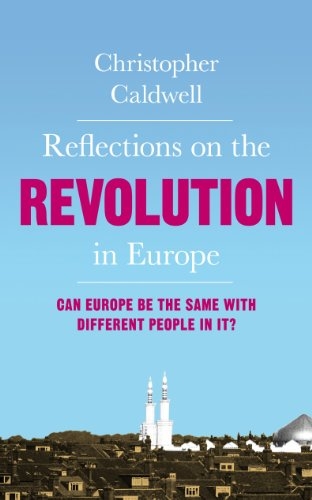

En 2009, deux ans avant la grande crise migratoire qui lancera le thème, il publie Réfllexions sur la révolution en Europe: une analyse fine de la manière dont l'immigration, notamment musulmane, révolutionne déjà l'Europe. Ceux qui ont lu le livre beaucoup plus modeste de l'auteur de cette critique, Immigration : the Reasons of Populists, se souviendront de l'ouvrage de Caldwell comme l'un des textes fondamentaux sur le sujet.
L'année dernière, un nouvel ouvrage du journaliste américain est arrivé sur les étagères des librairies : The Age of Entitlement. America since the Sixties. Le titre, qui se traduit approximativement par "l'âge des droits" (mais le terme "entitlement" a une connotation qui renvoie au privilège et à la revendication), fait référence à l'ère de l'histoire américaine qui a débuté avec la loi sur les droits civils de 1964.
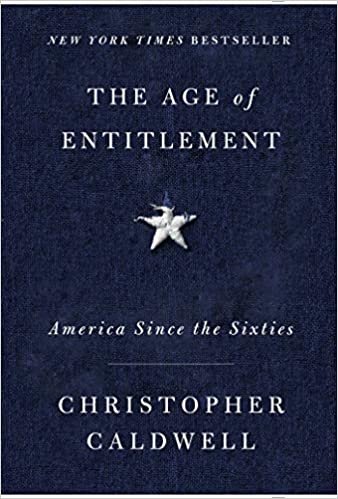
Le livre analyse ces cinquante dernières années, en essayant de lire entre les lignes des événements et d'expliquer comment et pourquoi la société a changé. Il s'agit sans aucun doute d'un ouvrage essentiel pour le chercheur américain, mais il est également intéressant et précieux pour d'autres : parce que l'on sait combien le Nouveau Monde a eu d'influence sur l'Ancien, et parce que, comme l'écrit Caldwell lui-même, "la politique des droits civils s'est avérée être l'exportation américaine la plus réussie de la fin du vingtième siècle". L'Amérique décrite par Caldwell est aussi, dans les grandes lignes, notre Europe : en comprenant la première, on peut comprendre la seconde.
Age of Entitlement est un livre iconoclaste, qui met en pièces l'un des totems du progressisme (la déségrégation raciale) ainsi que celui du conservatisme (Reagan). Bien entendu, Caldwell n'est pas nostalgique du racisme et de la ségrégation, mais il regarde au-delà de la surface pour pénétrer dans les profondeurs de la révolution que le président Lyndon Johnson, exploitant la vague d'émotions suscitée par l'assassinat de son prédécesseur Kennedy, a lancée avec le Civil Rights Act, la loi fédérale qui a mis fin à la discrimination raciale dans le Sud. Comme l'explique en détail l'auteur, cette révolution a été lancée par une Amérique encore conservatrice, dominée à tous les niveaux (politique, médias et académie) par les vétérans de la Seconde Guerre mondiale, qui ne souhaitaient que mettre fin à la honte de la ségrégation.
Le résultat n'a pas répondu aux attentes du public. La réforme des droits civils est devenue l'une des entreprises les plus difficiles et les plus durables de l'histoire des États-Unis : elle a débuté dans les années 1960, a duré (jusqu'à présent) un demi-siècle, a coûté des billions de dollars et a conduit à une relecture de l'ensemble de l'histoire américaine à la lumière du problème racial. La race a pris une signification religieuse et le mouvement des droits civiques est devenu son église. La réforme des droits civils était censée mettre fin à l'obsession de la race dans le Sud : elle a fini par la nationaliser par le biais de l'action positive, ou discrimination "positive". Avec elle, un système explicite de préférence raciale a été introduit au niveau fédéral.
En outre, la loi sur les droits civils a également offert un modèle de pouvoir transformateur fondé sur la coercition, les dépenses et le mépris des prescriptions constitutionnelles. L'imposition bureaucratique, les décrets, la surveillance militante, les poursuites judiciaires et les décisions de justice ont été les outils utilisés, au cours des décennies suivantes, par chaque minorité pour affirmer ses privilèges contre la tradition et la volonté de la majorité. Les tribunaux et la bureaucratie ont remplacé la politique démocratique. Par exemple, le Bureau des droits civils a été créé, dont les directives ont depuis été traitées comme des lois par les tribunaux, bien qu'elles aient été rédigées par des bureaucrates en dehors de toute représentation et de tout contrôle démocratiques. La loi sur les droits civils est devenue une deuxième constitution "non officielle" qui, en cas de conflit avec la première et "officielle", prévaut toujours. D'où l'annulation de certains "anciens" droits constitutionnels tels que la liberté d'association (pour interdire la ségrégation) et la liberté d'expression. En 1978, la Cour suprême a statué qu'il était légitime d'attribuer des notes sur une base raciale en tant que handicap ; en d'autres termes, la discrimination positive ne visait plus à compenser le racisme passé, mais à corriger le racisme (supposé) présent. Les différences de résultats entre les groupes doivent désormais nécessairement être attribuées au racisme. Prétendre le contraire (par exemple en remettant en question le mérite individuel) revient à délégitimer la révolution des droits civils, la nouvelle "Constitution" de facto des États-Unis. Voici la censure des opinions divergentes, qui prendra la forme du "politiquement correct". Le système créé par les droits civils fait qu'il est intenable pour toute entreprise de supporter des cas de discrimination. Les employeurs sont donc toujours prêts à licencier les employés qui sont attaqués par les "progressistes". C'est la privatisation de la censure. Tout le monde a peur de dire un mot déplacé qui pourrait lui coûter sa carrière. Le politiquement correct est une réforme imposée d'en haut à l'opinion publique par le biais de la punition des dissidents. Il s'agit - écrit Caldwell - de "la conquête idéologique du pouvoir institutionnel la plus complète de l'histoire des États-Unis".
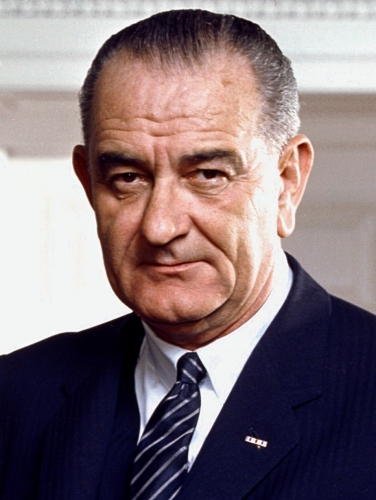
Toutes les impulsions des minorités ont, depuis 1964, toujours prévalu sur la démocratie. Un exemple évident est celui des gays. Caldwell retrace dans un chapitre le processus d'émancipation/affirmation jusqu'au mariage homosexuel, en soulignant comment il a eu lieu à chaque étape contre l'opinion dominante (qui ne se conformera qu'a posteriori aux décisions affirmées par la minorité) et toujours par le biais de décisions de justice dans des cas étudiés à la table par des fondations et des cabinets d'avocats, dans lesquels les plaignants eux-mêmes sont soigneusement sélectionnés pour plaire aux juges (voir Edith Windsor). Le résultat a été la redéfinition juridique du mariage, qui n'est plus une réalité préexistante à l'État et reconnue par lui, mais une institution sociale créée par l'État lui-même (et qui, en tant que telle, ne peut accepter aucune forme de discrimination).
Les premières épigones noires à exploiter le nouveau modèle dans les années 1970 ont toutefois été les féministes, mais pas toujours avec des résultats heureux pour les femmes elles-mêmes. Le modèle du New Deal de la famille à revenu unique, dans lequel le salaire du mari devait compenser les tâches ménagères de sa femme, a été renversé. Depuis les années 1970, les femmes aussi doivent travailler sur le marché pour gagner leur part, mais cela ne s'ajoute pas à ce qu'elles avaient déjà par l'intermédiaire de leur mari. Le revenu familial reste le même, mais deux personnes doivent désormais travailler pour le gagner. Caldwell cite une pensée intéressante de Bertrand Russell, selon laquelle l'État-providence remplacerait l'État dans le rôle du père et, ce faisant, saperait la moralité traditionnelle. La mère n'a plus besoin d'un père fiable pour ses enfants. Les hommes, privés du rôle paternel, perdent tout intérêt pour la postérité, l'histoire, la continuité et la procréation. Nous ne savons pas si le diagnostic de Russell est correct, mais les symptômes sont sans aucun doute ceux décrits et Lyndon Johnson a créé un État-providence aux États-Unis.
Les années 1970 ont également marqué un changement important au sein de la classe dirigeante américaine. La défaite au Vietnam a miné le prestige de l'armée : ce ne sont plus les anciens combattants qui donnent le ton, mais la génération des baby-boomers et, en particulier, ceux qui s'étaient opposés à la guerre et ne l'avaient pas combattue (essentiellement l'élite universitaire). Il est essentiel de comprendre le rôle des baby-boomers : comme leur nom l'indique, les personnes nées entre 1946 et 1964 constituent une génération numériquement énorme. Pour être précis, note Caldwell, la plus grande génération de l'histoire américaine. Pendant trois quarts de siècle, toutes les autres générations, qu'elles aient précédé ou suivi, ont dû se conformer aux préoccupations exprimées par les baby-boomers, plus nombreux, qui, bien entendu, ont évolué au fur et à mesure de leur maturation : dans les années 1960 et 1970, ils sont jeunes et la sexualité domine ; dans les années 1980 et 1990, ils sont en pleine maturité et l'accent est mis sur la famille et les possibilités d'enrichissement ; après 2000, il s'agit de protéger le patrimoine constitué au cours des décennies précédentes. Caldwell ne peut pas le faire pour des raisons de temps, ayant écrit la majeure partie du livre avant 2020 : mais on pourrait ajouter ce qui s'est passé ces deux dernières années, lorsque les Boomers, maintenant âgés de 60-70 ans, face à une vague épidémique, ont soumis l'ensemble de la société aux exigences de la santé préventive.
Caldwell donne une interprétation originale de la contre-culture des années 1970 : selon lui, elle est essentiellement réactionnaire, un mouvement mystique qui regrette la pureté perdue de l'Amérique du passé ; tout est marqué par un sentiment de décadence. Ce n'est pas un hasard si les citoyens de cette décennie, confrontés à une criminalité galopante et à la propagation de la toxicomanie, sont arrivés à la conclusion que les brillants projets sociaux des années 1960 avaient échoué : c'est pour mettre fin à ces expériences qu'ils ont, à leur grande surprise, porté Ronald Reagan à la Maison Blanche en 1981. Contrairement aux attentes, Reagan n'a pas coulé mais sauvé le système progressiste, qui reviendra d'ailleurs avec encore plus de force après lui.
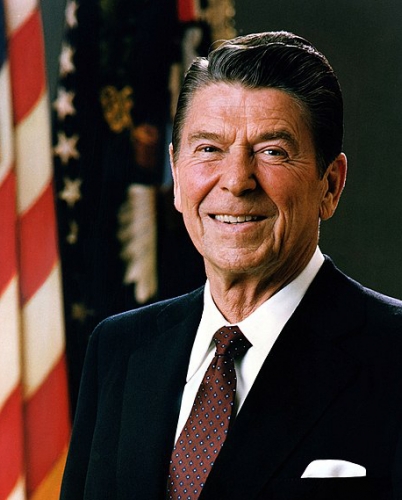
L'accusation de Caldwell contre Reagan était qu'il n'était conservateur qu'en paroles. Il était plutôt un libertaire, influencé (comme beaucoup de droitiers de sa génération) par Ayn Rand et le culte anti-traditionnel et anti-moraliste du capitalisme débridé. Le slogan Reagan du "rêve américain" est celui d'une génération qui n'accepte pas les limites de la nature ou du bon sens, qui veut tout maintenant. Avec les Reaganomics, les Boomers ne font qu'exploiter le futur travail de leurs enfants, par l'endettement, et celui des étrangers, par les délocalisations et les portes ouvertes à l'immigration.
La voie choisie par Reagan n'était en aucun cas obligatoire : au cours de ces années, la société américaine a atteint le taux de dépendance le plus bas (c'est-à-dire le rapport le plus élevé entre la population productive et la population non productive) et n'était pas confrontée à une urgence particulière. Et pourtant, la dette a encore augmenté pour la première fois depuis la Seconde Guerre mondiale. Selon Caldwell, les baby-boomers ont acheté (avec l'argent de leurs enfants) la paix sociale avec les secteurs de la société qui dépendaient désormais de l'État-providence Johnsonien, dont le coût explosait et qui, sous Reagan, atteignait des trillions. Reagan a financé (et augmenté) les coûts de la déségrégation mais a compensé la classe moyenne blanche (affectée par la discrimination positive : chaque emploi donné à un homme noir par préférence raciale est un emploi enlevé à un homme blanc qui l'aurait eu par mérite) en réduisant les impôts. Il a donc été le sauveur de la Grande Société (c'est ainsi qu'on appelle en Amérique le programme des démocrates, à partir de Johnson, visant à éliminer la pauvreté et les inégalités raciales), mais au prix de l'endettement de la postérité, de la désindustrialisation du pays et de l'ouverture des portes à l'immigration sauvage.
C'est en 1986, sous la présidence de Reagan, qu'une loi bipartisane a accordé l'amnistie et la citoyenneté aux nombreux immigrants illégaux et, par le biais d'une législation anti-discrimination, a de facto forcé les employeurs (qui ne pouvaient pas "discriminer" sur la base de l'origine nationale) à embaucher des illégaux. Les immigrés ont moins de droits sur le lieu de travail, bien sûr, mais ils en auront davantage devant les tribunaux, en tant que victimes éventuelles de discrimination. De nouveaux groupes ethniques rejoignent les Noirs en tant que "minorités" à protéger dans le cadre du nouveau culte de la "diversité".
Les années 1990 ont été la décennie de l'essor de la nouvelle économie, à propos de laquelle Caldwell est également critique. Avant elle, le pays était "un tout économique"; avec elle, il est devenu une simple partie économique de la division internationale du travail. Des concepts tels que la "souveraineté" et l'"indépendance" ont perdu leur sens; la capacité (donnée par la technologie) d'assembler des composants individuels à distance a permis même aux pays pauvres et non industrialisés de concurrencer les États-Unis. Surtout, les nouvelles chaînes de valeur mondiales n'avaient plus une finalité industrielle (c'est-à-dire la recherche d'une valeur ajoutée dans le monde) mais une finalité politique: elles servaient à passer outre les droits des travailleurs. Le favoritisme fiscal accordé aux entreprises de haute technologie devait porter le coup de grâce à l'économie traditionnelle: des géants comme "Amazon" devaient être aidés par la politique pour remplacer les petits détaillants.
Les années 1990 ont également vu une accélération de la spirale de l'endettement. Le Républicain George H.W. Bush et le Démocrate Bill Clinton ont tous deux procédé au Bush et Bill Clinton ont poursuivi sur la voie de Reagan (financement de l'État-providence par la dette plutôt que par les impôts). Les prêts ont été complètement politisés : suivant le mantra selon lequel toute inégalité serait une discrimination, l'État a favorisé et garanti les prêts aux minorités (la facture sera payée la décennie suivante avec la crise des prêts hypothécaires à risque et les sociétés soutenues par l'État - "Fannie Mae" et "Freddie Mac" - qui les ont accordés). En outre, les banques ont été incitées (pour éviter les accusations de racisme) à accorder des prêts libéraux et à faire contrôler leurs prêts par des "groupes communautaires" liés au mouvement des droits civiques : des milliards de dollars entre les mains d'organisations politiques hautement idéologisées.
La "société civile" a gagné en importance au cours de cette période, complétant les juristes et les bureaucrates dans l'exercice du pouvoir réel. Dans les années 1980, les super-riches augmentaient leur richesse à un rythme sans précédent, alors que dans le même temps, un culte idolâtre des managers et de l'élite en général se répandait. Le concept de "philanthropie" a subi un changement majeur : alors qu'il ne s'agissait auparavant que de charité et d'aide aux pauvres et aux nécessiteux, il a été établi que la propagande idéologique pouvait également être incluse. Ce qui n'a pas changé, c'est la large déductibilité fiscale des sommes consacrées à la "philanthropie". Les super riches peuvent désormais utiliser des fondations pour influencer la politique en fonction de leurs intérêts pratiques ou de leurs idéaux, l'ensemble de la population devant payer la facture et compenser la perte de recettes fiscales. Il va sans dire que la grande majorité de ces super-riches sont du côté des "progressistes" et des "droits civils". Selon M. Caldwell, parmi les nombreuses motivations, une seule prévaut : l'élite est une minorité et, en tant que telle, bénéficie de lois et de pratiques qui réduisent le pouvoir de la majorité. Elle ne se soucie peut-être pas du sort des Noirs, des immigrés et des homosexuels, mais elle se soucie que la minorité ait les moyens de l'emporter sur la majorité.
Il existe un autre événement peu connu des années 1990 que Caldwell désigne comme très important dans l'histoire américaine : la légalisation et la commercialisation massive de l'OxyContin et d'autres opioïdes à base d'oxycodone en 1996. Puissants analgésiques à fort effet de dépendance, ils ont été à la base d'un nouveau cycle épidémique de toxicomanie dans la population américaine, après l'héroïne dans les années 1970 et le crack dans les années 1980. M. Caldwell se demande comment, dans le débat public et la culture populaire, ces deux autres épidémies d'opioïdes ont eu une profonde influence, alors que l'épidémie actuelle passe plutôt inaperçue. Pourtant, son taux de mortalité est 10 fois supérieur à celui des années 1980 et 20 fois supérieur à celui des années 1970. Qu'est-ce qui a changé ? La réponse de Caldwell est la suivante : à la différence des deux précédentes, l'épidémie d'oxycodone touche principalement les Blancs (au point de provoquer un déclin anormal et rapide de leur population qui n'est compensé que par l'immigration) et ne peut donc pas s'inscrire dans le récit moral "officiel". Le politiquement correct a créé une hiérarchie "morale" entre les races, dans laquelle les Blancs constituent la base méprisée et ne sont destinés qu'à se tordre de culpabilité. L'autorité morale appartient aux Noirs (à tel point que de nombreux Blancs se font passer pour des Noirs : le livre en offre quelques exemples illustres, mais nous avons également abordé ce phénomène dans ce blog) ; la blancheur, en revanche, est considérée comme un état spirituel inférieur - et héréditaire. En somme, la révolution des droits civiques n'a pas créé un monde nouveau, mais seulement effectué une transvalorisation : c'est le même vieux monde mais à l'envers. La pyramide raciale et raciste est toujours là, mais elle a été renversée. La situation s'est peut-être même aggravée, selon M. Caldwell. L'ancienne Constitution américaine garantissait la neutralité et la liberté raciales. La "nouvelle constitution" officieuse des droits civils, en revanche, favorise la conscience raciale et le dirigisme gouvernemental.
Dans ce cadre, les démocrates sont devenus le parti de ceux qui bénéficient des droits civils : les minorités (y compris les super-riches), les immigrants, les femmes (et plus particulièrement les féministes), les bureaucrates, les juges et les avocats. Le parti républicain a donc changé : il englobe désormais l'ensemble du spectre politique d'avant 1960, qui était à l'époque divisé entre les partisans et les opposants du New Deal. Les démocrates, qui contrôlent l'économie et la culture grâce à leur hégémonie dans les universités et les organisations à but non lucratif, dirigent le système même lorsqu'ils ne sont pas au gouvernement. Les républicains, isolés de la classe instruite, sont incapables d'influencer le système (même lorsqu'ils gouvernent) et même de comprendre sa logique.
C'est le dernier et précieux avertissement du livre de Caldwell, qui rend également justice à l'activité de ces associations ou fondations qui, comme le Centro Studi Machiavelli, tentent de reconnecter la droite avec la connaissance afin de la rendre capable de dominer le système, au lieu de s'illusionner en pensant qu'elle peut gouverner - sans le faire - après chaque élection qu'elle gagne.
Daniele Scalea
Fondateur et président du Centre d'études Machiavelli. Diplômé en sciences historiques (Université de Milan) et docteur en études politiques (Université Sapienza), il enseigne "Histoire et doctrine du djihadisme" et "Géopolitique du Moyen-Orient" à l'Université Cusano. De 2018 à 2019, il a été conseiller spécial sur l'immigration et le terrorisme auprès du sous-secrétaire aux affaires étrangères Guglielmo Picchi. Son dernier livre (écrit avec Stefano Graziosi) s'intitule Trump contre tous. L'Amérique (et l'Occident) à la croisée des chemins.
13:27 Publié dans Actualité, Livre, Livre | Lien permanent | Commentaires (0) | Tags : actualité, livre, christopher caldwell, états-unis | | del.icio.us | | Digg | Facebook
La course à trois pour la chancellerie : ce que disent les sondages allemands
La course à trois pour la chancellerie: ce que disent les sondages allemands
Andrea Muratore
Ex: https://it.insideover.com/politica/elezioni-germania-2021-sondaggi.html
A moins d'un mois des élections allemandes, le jeu que dessinent les sondages est plus complexe que jamais. Alors que le nombre de jours qui restent avant l'élection qui sanctionnera le début de l'ère post-Merkel diminue, les prévisions semblent avoir complètement démenti le scénario qui voyait une course à deux voies entre le Cdu d'Angela Merkel et les Verts décidés à éroder le consensus du parti social-démocrate. Porté par l'effet propulseur de la candidature du ministre des finances Olaf Scholz, c'est le SPD qui, désormais, se taille la part du lion dans les sondages.
L'été allemand a apporté divers éléments de discussion pour les politologues et les initiés, qui ont signalé un renversement des perspectives avec la montée progressive mais inexorable des sociaux-démocrates (SPD) due à la baisse de confiance dans les deux partis considérés comme leaders et à la hausse de la popularité de leur candidat chancelier.
Le fait que Scholz fasse partie intégrante du gouvernement de Merkel et puisse revendiquer la continuité de son action politique, les gaffes d'Annalena Baerbock ces dernières semaines et l'impréparation manifeste du dauphin de Merkel, Amin Laschet, face au chaos des inondations de juillet ont contribué à rebattre les cartes pour la énième fois dans cette longue course électorale. Fin août, les sondages ont montré que les sociaux-démocrates dépassaient l'Union Cdu/Csu, ce qui était inattendu il y a seulement quelques semaines. Au début du mois de septembre, ils semblent certifier que le parti de Scholz a pris la tête.
Les sondages récompensent les sociaux-démocrates
Après des années en tant que partenaire junior de la Cdu dans les gouvernements de coalition et après une série de défaites électorales, la SPD est-elle tirée en avant par Scholz au point d'amorcer un dépassement inattendu du parti de Merkel ? Il est encore trop tôt pour le dire, mais les sondages semblent indiquer une tendance positive pour le centre-gauche allemand. Et l'avance se creuse de jour en jour.
Fin juillet, les principaux sondages (de l'institut Insa à ceux de Forsa, en passant par l'agence démoscopique Allensbach) estimaient que le SPD était épinglé en dessous des niveaux décevants des élections de 2017, entre 15 et 17% de consensus. Un mois plus tard, cependant, les estimations variaient entre les 19,5 % d'Allensbach et les 23 % attribués à Forsa (semaine du 16 au 23 août) et à Insa (20 au 23 août), ce qui plaçait le parti de Scholz au moins un point au-dessus de la Cdu-Csu quinze ans après la dernière fois qu'un tel chiffre avait été enregistré. Et tous les sondages s'accordent sur le rôle positif joué par le candidat chancelier dans l'évolution des sondages.
YouGov, Kantar et Forschungsgruppe Wahlen pour la période allant de la dernière semaine d'août au 2 septembre montrent une croissance de 25% pour les sociaux-démocrates. L'institut Wahlkreisprognose les situe même à 27%. Surtout, aucun institut de recherche ne semble désormais sanctionner un avantage pour les chrétiens-démocrates.
La Cdu divisée sur l'après-Merkel
L'alliance Cdu-Csu, elle, risque de perdre quinze à vingt points du vote de 2017 au terme d'une campagne électorale où, en un an et demi, l'Union est passée d'un positionnement autour de 40% des intentions de vote dans la phase initiale de la pandémie à un premier recul devant les Verts alors que la deuxième vague de Covid-19 faisait rage et que le chaos vaccinal commençait, pour ensuite capitaliser sur le redressement de l'exécutif et de la Chancelière.
À l'approche de la fin de l'ère Merkel, le parti s'est retrouvé orphelin et divisé entre l'aile plus ouverte aux compromis acceptés sur l'économie et la gouvernance politique au cours de cette année et demie et la faction plus rigoureuse, rangée pour défendre l'austérité et le retour au passé, et par conséquent polarisée dans son jugement sur la chancelière. L'hémorragie considérable du consensus, vécue par la Cdu-Csu au bénéfice des libéraux (Fdp), parmi les plus farouches partisans de la rigueur, doit être lue dans cette optique. Quand la Cdu-Csu avait entre 30 et 35% des voix en février et mars, les libéraux étaient entre 6 et 7%. Jusqu'à la fin du mois d'août, les sondages montraient une symétrie entre la progression de leur soutien, qui se situait entre 12 % (Forsa) et 13 % (Insa), et le déclin de l'Union, qui ne bénéficiait d'un avantage considérable sur le SPD que grâce à Allensbach, qui lui donnait une avance d'environ 25 % et 27,5 % des voix, mais que les principales agences considéraient désormais comme inférieure à 25 %.
Les révélations les plus récentes amènent à niveler encore ce chiffre vers le bas. La Cdu se situerait autour de 20-22%, et le plus intéressant à noter est le fait que, début septembre, un transfert de voix vers le parti de Scholz a commencé, capitalisant sur son rôle de véritable "héritier" de Merkel.
Les sondages pour les Verts
De ce point de vue, les sondages indiquent un recul de la vague verte qui, à partir de 2017, a conduit les écologistes désormais dirigés par Annalena Baerbock à aspirer sérieusement à des rôles gouvernementaux au niveau fédéral. Certes, en termes absolus, il s'agira tout de même d'une avancée considérable: sixième parti avec 8,9 % des voix en septembre 2017, les Verts ont été largement crédités ces derniers mois de la deuxième place dans les sondages.
Stables autour de 20% depuis des mois, avec quelques incursions jusqu'à 25%, les Verts semblent aujourd'hui plus restreints dans leurs succès potentiels après les gaffes qui ont miné le parcours de Baerbock et après la démonstration des limites d'un agenda programmatique accusé de "moralisme" excessif par leurs adversaires. Les derniers sondages Insa, Kantar, Allensbach et Forsa placent les Verts entre 17 et 19% en tant que troisième parti : ce qui est surprenant, c'est qu'il ne semble pas y avoir eu de transfert direct de voix vers les sociaux-démocrates, qui puisent principalement dans la Cdu et chez les anciens abstentionnistes, témoignant du fait que, selon toute vraisemblance, les écologistes allemands, progressistes et enracinés dans les zones urbaines, ont également construit un bloc sensiblement homogène. Leur expansion, cependant, apparaît désormais de plus en plus marquée de complexité.
Les effets du second débat sont attendus
Jamais auparavant il n'a été aussi clair que lors de ces élections que l'acceptation des dirigeants par l'électorat allemand jouera un rôle décisif. L'effet Scholz est, selon les sondages, en même temps l'effet Laschet-Baerbock : le ministre des finances convainc parce qu'il est considéré comme plus pragmatique et préparé que ses concurrents. Le deuxième débat télévisé du dimanche 12 septembre a donc pris de l'importance. Laschet est passé à l'attaque contre Scholz et est même allé jusqu'à critiquer le gouvernement de large coalition dont il est le ministre des finances, dirigé par Angela Merkel : "Si mon ministre des finances travaillait comme vous, je prendrais des mesures", a déclaré Laschet, attaquant Scholz pour les scandales de ces dernières années, avant que Baerbock n'intervienne et s'en prenne à toute la structure de pouvoir du gouvernement noir-rouge avec ses déclarations. Les effets de ce duel sur les sondages à quelques semaines du vote sont attendus dans les prochains jours.
Comment se portent l'Afd et Linke
En ce qui concerne les autres formations, les libéraux ont été mentionnés : avec les chiffres qu'elle peut désormais alignés, la Fdp pourrait aspirer à la fois à un gouvernement avec la SPD et les Verts et à rechercher une coalition avec la Cdu et les écologistes, se positionnant en tête des futures négociations gouvernementales.
L'Alternative für Deutschland, parti de droite populiste, serait en reflux dans ses bastions d'Allemagne de l'Est, voué à être contre-attaqué par les libéraux et à reculer par rapport aux 12,6 % qu'il avait obtenus en 2017. Tous les principaux sondages placent la formation entre 10 et 11%, juste au-dessus de l'extrême gauche de Die Linke, perchée entre 6,5% et 7%. Les deux groupes les plus radicaux pourraient, avec ces chiffres, être destinés à former les plus petits groupes du prochain Bundestag : à sa manière, par rapport à il y a quelques années, cela pourrait être l'un des principaux thèmes du vote de septembre. Avec ces chiffres, il semble de plus en plus probable que la formation du gouvernement se jouera entre les trois grands partis, les libéraux pouvant faire pencher la balance.
13:07 Publié dans Actualité, Affaires européennes, Politique | Lien permanent | Commentaires (0) | Tags : allemagne, élections allemandes, politique, politique internationale, europe, affaire seuropéennes | | del.icio.us | | Digg | Facebook
lundi, 13 septembre 2021
Comment la Chine s'est ouverte au monde

Comment la Chine s'est ouverte au monde
Ex: https://katehon.com/ru/article/kak-kitay-otkrylsya-dlya-mira
La Chine a été en mesure d'atteindre un nouveau niveau de développement économique, prenant sa place parmi les géants économiques du monde.
Bien que l'Occident parle constamment de tolérance et accuse les autres pays de violer les droits de l'homme, une image bien différente se dessine dans les pays qu'il fustige ainsi, ridiculisant l'entêtement des pays occidentaux. Bien que la vision du monde de la Chine divise le monde entre Chinois et barbares, sa politique actuelle vise à une interaction réussie entre tous les pays du monde sur la base de droits égaux.
L'étude des pictogrammes chinois permet d'en savoir plus sur la culture de ce peuple, y compris sur sa forme contemporaine.
Même dans les caractères eux-mêmes 中国 (zhōngguó), qui sont utilisés pour désigner la Chine, il y a une philosophie ancienne que les Chinois suivent depuis des siècles. Le premier caractère 中 (zhōng) signifie "milieu", 国 (guó) signifie littéralement "état". Traduit littéralement, la Chine est l'"État du milieu". En d'autres termes, le peuple chinois se considérait à l'origine comme le centre de la terre et les autres comme de simples nations barbares, ce qui explique en partie pourquoi la Chine ancienne a été un État fermé pendant des siècles.
Au départ, l'idéologie chinoise solidement établie était très difficile à changer. Au fil du temps, cependant, la Chine s'est progressivement ouverte au monde - ou, pour être plus précis, le monde a commencé à "s'ouvrir" à la Chine. Cette démarche a été motivée par des événements déplaisants: les guerres dites de l'opium (première guerre de l'opium, 1839-1842; deuxième guerre de l'opium, 1856-1860), qui visaient à protéger les intérêts commerciaux britanniques dans l'empire Qing. En 1861, l'impératrice Cixi a adopté une toute nouvelle politique d'autogestion pour la Chine. Le but de cette politique était d'emprunter la technologie occidentale (puisque le développement technologique chinois de l'époque était très en retard sur la technologie occidentale), ainsi que d'utiliser les nouvelles connaissances techno-scientifiques. Plus tard, les Chinois ont même commencé à se rendre à l'étranger pour s'y instruire.
En 1949, la République populaire de Chine a été fondée, et le pays s'est ouvert, bien que principalement aux seuls États communistes.
En 1978, le grand réformateur chinois Deng Xiaoping a proposé un programme de réforme économique connu sous le nom de "politique de réforme et d'ouverture". Le pays s'est ouvert aux investissements étrangers et la main-d'œuvre chinoise bon marché était recherchée dans le monde entier. Cette phase a préparé le terrain pour la création d'une nouvelle image de la Chine en tant qu'État fort et à croissance rapide.
La politique initiée depuis longtemps par Deng Xiaoping se poursuit aujourd'hui. Le nouveau dirigeant de la République populaire de Chine, Xi Jinping, continue activement à renforcer la position de la Chine dans le monde et à créer une image de la Chine attrayante pour les pays voisins.
Une caractéristique importante de la politique étrangère de Xi Jinping est sa décision de mettre en œuvre le 13ème plan quinquennal de développement de la RPC, qui devait s'étendre de 2016 à 2020. L'objectif de ce plan était de construire une société à revenu moyen d'ici 2020. Les concepts clés pour la mise en œuvre de ce plan étaient l'écologie, l'innovation, l'ouverture et l'orientation de l'économie chinoise vers la demande intérieure du pays. Grâce à cela, la Chine a pu atteindre un nouveau niveau de développement économique, prenant sa place parmi les géants économiques du monde. La Chine a un plan clair de développement économique, dont une partie a été la décision de faire revivre la "route de la soie" chinoise dans le concept moderne de "One Belt, One Road", qui a été proposé lors de la visite du représentant chinois au Kazakhstan.
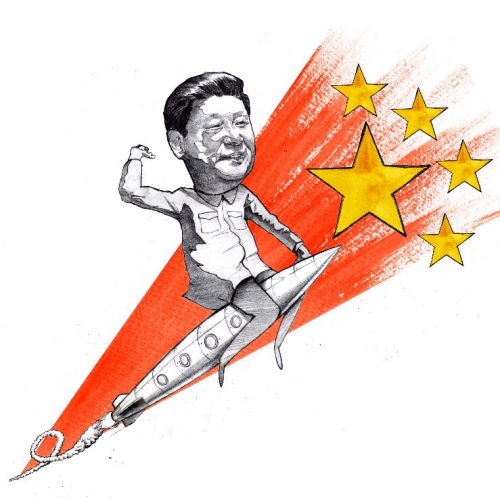
Une idée particulièrement importante de Xi Jinping a été la création d'un concept appelé "Communauté d'un seul destin pour l'humanité", qui repose sur les principes de sécurité universelle et de paix durable, de prospérité partagée, d'ouverture et d'inclusion.
Le dirigeant chinois a exprimé à plusieurs reprises l'objectif d'établir une zone de libre-échange en Asie-Pacifique.
Renforcer sa position dans la région asiatique est la tâche prédominante du dragon chinois que de nombreux pays craignent. Beaucoup pensent qu'en adoptant le mode de développement chinois, ils deviendront dépendants de la Chine elle-même.
Malgré cela, la Chine a annoncé une nouvelle forme de politique étrangère qui s'appuie sur le "soft power". Le gouvernement chinois, malgré toutes les réalisations des dernières décennies, présente la Chine à tous comme un pays en développement. Elle le fait afin d'être respectée et de s'engager sur un pied d'égalité avec les autres "pays en développement" (qui sont désormais majoritaires dans le monde).
Si la Chine a, après des années, révisé pour le mieux son attitude à l'égard des États qui l'entourent, pourquoi l'Occident n'essaierait-il pas de faire de même ?
17:57 Publié dans Actualité | Lien permanent | Commentaires (0) | Tags : actualité, chine, asie, affaires asiatiques, politique internationale | | del.icio.us | | Digg | Facebook
Baerbock, Laschet, Scholz Leur politique étrangère accroît le risque de guerre

Baerbock, Laschet, Scholz: leur politique étrangère accroît le risque de guerre
Oskar Lafontaine
De Gaulle le savait, Brandt le savait, Macron le sait aussi : l'Europe a besoin d'une politique étrangère indépendante. Lorsque les États-Unis, contrairement à toutes leurs promesses, étendent l'OTAN, transformée en alliance de guerre, jusqu'à la frontière russe et encerclent non seulement la Russie mais aussi la Chine, et que le président Biden, coresponsable de nombreuses guerres américaines qui violèrent le droit international, parle d'une possible "véritable guerre avec une grande puissance", alors le découplage des États-Unis et l'affirmation de soi de l'Europe sont une question de survie pour l'Allemagne également.
Baerbock a prouvé qu'elle n'est absolument pas apte à être chancelière en exigeant que la chose la plus importante maintenant soit "d'augmenter la pression sur la Russie", que le gazoduc Nord Stream 2 de la mer Baltique soit "retiré de tout soutien politique". Elle veut également augmenter la pression sur la Chine. Parce que les Verts continuent d'inviter la tueuse d'enfants Madeleine Albright en tant qu'experte en géopolitique (les sanctions américaines contre l'Irak ont entraîné la mort de 500.000 enfants, mais "nous pensons que le prix en vaut la peine"), qu'ils prônent les drones armés et les guerres qui violent le droit international, leur politique étrangère augmente le risque de guerre en Europe, y compris la guerre nucléaire.
Armin Laschet, qui prônait à l'origine de bonnes relations avec la Russie (Laschet a critiqué une "montée en puissance rhétorique et une diabolisation (de la Russie)" en 2018 et a déclaré en 2019: "Même s'il y avait et continue d'y avoir des différences politiques entre la Russie et l'Allemagne, il est particulièrement important maintenant de poursuivre le dialogue". Nous devons renforcer les liens qui unissent nos pays, resserrer ces liens et intensifier la compréhension mutuelle entre nos peuples, et nous devons aborder ouvertement les choses qui nous divisent"). Il sait pertinemment qu'une politique étrangère agressive à l'égard de la Chine serait désastreuse pour l'économie allemande mais donne malheureusement l'impression de grimacer lorsque les médias allemands bellicistes le réprimandent, et encore plus lorsque le grand frère à Washington fronce les sourcils.
Scholz, qui a été fait roi des sondages par Laschet et Baerbock, a montré lors du débat d'aujourd'hui au Bundestag qu'il serait également un mauvais élève en tant que chancelier. Il n'a jamais entendu parler de la politique étrangère sociale-démocrate traditionnelle. Jugez-en par vous-même : https://youtu.be/IgwCG1Su_tA?t=1550
Brandt voulait la paix et le désarmement. Scholz affirme la guerre et le réarmement. Quelle façon de passer de la génuflexion à Varsovie à la génuflexion devant l'impérialisme américain et l'industrie de l'armement.
Source: https://katehon.com/de/article/baerbock-laschet-scholz-ihre-aussenpolitik-erhoeht-die-kriegsgefahr
17:38 Publié dans Actualité, Affaires européennes, Politique | Lien permanent | Commentaires (0) | Tags : annalena baerbock, armin laschet, olaf scholz, allemagne, élections allemandes, politique, europe, affaires européennes | | del.icio.us | | Digg | Facebook
dimanche, 12 septembre 2021
La répression chinoise contre l'"opium spirituel" des jeux fait partie d'une grande révolution sociale qui oppose le collectivisme à l'individualisme.
La répression chinoise contre l'"opium spirituel" des jeux fait partie d'une grande révolution sociale qui oppose le collectivisme à l'individualisme
Les Chinois nous disent: "Nous vivons une nouvelle ère fascinante de réformes socialistes, très ambitieuse et radicale, qui ne vise qu'un seul résultat : gagner la bataille technologique contre l'Amérique".
L'ampleur de la révolution sociale de Xi Jinping s'intensifie chaque jour, et rien ne semble à l'abri de sa portée. En plus de la réorganisation spectaculaire des cours particuliers, de la mise à mal des grandes entreprises technologiques et de la campagne contre la culture des célébrités, l'État chinois s'intéresse désormais à ce qu'il perçoit comme un excès de jeux chez les jeunes. De nouvelles réglementations strictes visent à limiter leurs activités sur les plateformes de jeux à seulement trois heures par semaine, en les décrivant comme un "opium spirituel" et en soulignant qu'elles ont un impact négatif sur leur santé mentale, tout en cherchant à faire en sorte que les enfants se concentrent davantage sur leur éducation.
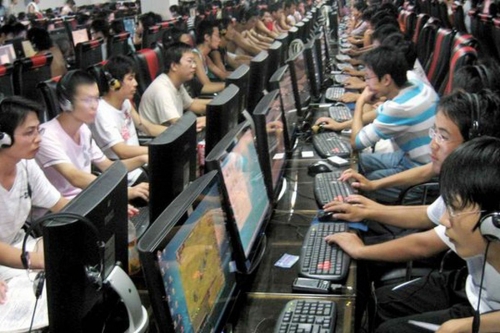
Il s'agit d'un nouvel effort pour aligner la société chinoise sur ses priorités nationales, et d'une nouvelle indication que les intérêts des "grandes entreprises" ne représentent pas toujours les intérêts de la société dans son ensemble, comme de nombreux pays occidentaux le supposent habituellement. George Soros a récemment exprimé son inquiétude, mais c'est probablement plus un signe que la Chine est sur la bonne voie qu'autre chose.
Dans le contexte, l'évolution et la croissance des jeux vidéo ont complètement changé nos vies et notre façon de nous divertir. En l'espace d'une quarantaine d'années, les jeux vidéo et les consoles ont transformé les activités récréatives et les passe-temps de millions de personnes, reléguant les "jeux de société familiaux" classiques au rang d'antiquités. Tous les enfants des années 1990 ont grandi avec différentes consoles, de la Playstation à la Nintendo, en passant par la XBox et les plateformes en ligne massives comme Stream. Outre son impact sur les modes de vie, le jeu moderne a également donné naissance à une méga industrie qui se chiffre en centaines de milliards.

La Chine possède une énorme part de ce gâteau. Mais c'est là que réside le problème aux yeux de Xi. L'industrie des jeux vidéo s'efforce de perpétuer ses produits et d'accaparer une part toujours plus grande du temps et des ressources des jeunes, même si cela perturbe leur développement social et éducatif. Si les jeux sont amusants et divertissants, ils ne correspondent pas au monde réel. Les efforts qui y sont déployés ne débouchent jamais sur quelque chose de tangible ou de valable, et c'est pourquoi la Chine s'y oppose fermement, en disant effectivement "ça suffit" : les enfants doivent se concentrer sur les vraies priorités de leur vie". Et la priorité numéro un est l'éducation, pas l'univers fantastique des jeux.
C'est une mauvaise nouvelle pour les plus grands conglomérats chinois du secteur des jeux, tels que Tencent, qui ont déjà subi les contrecoups du vaste remaniement opéré par Pékin, mais il y a là une sagesse innée, liée à l'intensification de la lutte technologique entre la Chine et les États-Unis et à sa propre vision du développement.
Cette sagesse est la suivante : la Chine devrait développer de meilleures entreprises de semi-conducteurs, d'intelligence artificielle et de puces technologiques haut de gamme, et non des entreprises de jeux vidéo de plus en plus grosses. S'il y a un message qui ressort des événements de ces derniers mois, c'est que la force économique d'un pays ne se définit pas seulement par le nombre de "Mark Zuckerberg" qu'il possède. Xi articule sans relâche une vision directe et claire de l'économie chinoise et utilise les principes socialistes pour la défendre. Il a décidé que certaines choses sont plus importantes que d'autres pour l'économie de la Chine et son développement stratégique.
Il ne s'agit pas simplement de savoir qui a le plus de milliardaires ou les plus grandes entreprises, mais le défi avec les États-Unis signifie qu'il y a un domaine très spécifique dans lequel le pays doit exceller, et son avenir stratégique et son succès en dépendent. C'est pourquoi Xi s'est attaqué aux jeunes et aux habitudes de jeu dans le cadre de son approche globale de l'éducation, qui a également mis fin au soutien scolaire à but lucratif.
Mais comment cette limite de trois heures va-t-elle être appliquée? Qui dira aux enfants "tu as eu tes trois heures, éteins maintenant !", surtout si les parents ne sont pas coopératifs? La Chine va sans aucun doute faire peser la charge réglementaire sur les sociétés de jeux pour qu'elles l'appliquent, et les punira si elles ne le font pas. Compte tenu de la manière dont la Chine moderne gère l'identité et les données, les gens pourraient être obligés de s'inscrire sur des plateformes de jeux pour vérifier leur âge et leurs documents d'identité, qui limiteront ensuite leur temps en conséquence. Il existe sans doute des moyens de contourner ces limites - il suffit de demander aux centaines de millions de Chinois qui utilisent des VPN (réseaux privés virtuels qui masquent votre identité réelle ou votre localisation) - et l'efficacité de cette mesure n'est pas claire, et elle dépend en grande partie de la volonté des parents d'être responsables et de discipliner leurs enfants.

En résumé, la Chine dit clairement qu'elle ne veut pas, n'a pas besoin et n'apprécie pas les joueurs. Il s'agit d'un passe-temps qui est fondamentalement une distraction, quelque chose qui est acceptable avec modération, mais pas en tant qu'addiction à grande échelle, étant donné qu'il a une faible valeur sociale. En le qualifiant d'"opium spirituel", la Chine évoque métaphoriquement un puissant souvenir historique: elle est enfermée dans une nouvelle "guerre de l'opium" contre l'Occident, avec une série de pays qui veulent imposer leurs préférences idéologiques, économiques et stratégiques à la Chine, tout comme les Britanniques ont cherché à le faire au XIXe siècle avec leurs exportations de drogue depuis le sous-continent indien.
Mais cette fois, Pékin a décidé que ce type d'asservissement ne pourra plus jamais se reproduire. Xi ne veut pas d'une société de joueurs, il veut une société d'ingénieurs, de scientifiques, de médecins et d'innovateurs ; le genre de personnes qui peuvent faire en sorte que Pékin gagne la course technologique et prenne le dessus dans la lutte avec l'Amérique. Ce faisant, il utilise les principes les plus forts du collectivisme contre la nature individualiste des sociétés occidentales, où les enfants font à peu près ce qu'ils veulent. Il s'agit d'une nouvelle ère de réforme socialiste, très ambitieuse et radicale sans équivoque. Il s'agira d'une expérience fascinante.
Source: https://katehon.com/en/news/chinas-crackdown-spiritual-opium-gaming-part-big-social-revolution-pitting-collectivism-against
12:58 Publié dans Actualité, Ecole/Education | Lien permanent | Commentaires (0) | Tags : drogues électroniques, jeux électroniques, chine, asie, affaires asiatiques, xi jinping | | del.icio.us | | Digg | Facebook
Élections allemandes : qui remplacera Mme Merkel et comment les relations entre Berlin et Moscou vont-elles évoluer ?
Élections allemandes: qui remplacera Mme Merkel et comment les relations entre Berlin et Moscou vont-elles évoluer?
Daria Platonova
Ex: https://www.geopolitica.ru/article/vybory-v-germanii-kto-smenit-merkel-i-kak-izmenyatsya-otnosheniya-berlina-s-moskvoy
L'Allemagne tiendra des élections législatives le 26 septembre pour élire les membres du vingtième Bundestag. Pour la première fois depuis 2005, Angela Merkel ne sera pas chancelière. Cette décision, probablement justifiée à la fois par la fatigue politique et la baisse de la cote de son parti, l'Union chrétienne-démocrate (CDU), a été prise le 29 octobre 2018. En outre, les sondages d'opinion préliminaires montrent que les élections pourraient entraîner une fragmentation importante du Bundestag, ce qui pourrait conduire à de longues négociations sur la formation de la coalition à hisser au pouvoir (trois à six mois, comme ce fut le cas en 2013 ou 2017) .
Après les élections, les partis allemands négocieront la formation d'un gouvernement et, par conséquent, la nomination d'un chancelier. Le chancelier devra être soutenu par une majorité de tous les membres élus du Bundestag. Si, après trois tentatives, le Bundestag ne parvient pas à nommer un chancelier, le président allemand (une figure presque nominale dans une république parlementaire) a le droit de nommer un candidat qui obtient une pluralité de voix, créant ainsi un gouvernement minoritaire.
Les successeurs possibles de Mme Merkel sont actuellement Armin Laschet (CDU/CSU), Olaf Scholz (SPD) et Annalena Baerbock (Verts).
LES PRINCIPAUX ACTEURS : UNE CARTE DES FORCES POLITIQUES EN ALLEMAGNE
Il y a six acteurs principaux dans ces élections - le Parti social-démocrate, la coalition gouvernementale composée des partis CDU et CSU, les Verts, le Parti démocratique libre (FDP), l'Alternative pour l'Allemagne (AfD), la Gauche (Die Linke).
- Le Parti social-démocrate d'Allemagne (SPD) - défend la redistribution des impôts en faveur des moins bien lotis, a une position géopolitiquement européenne, et fait partie d'une coalition gouvernementale avec la CDU/CSU depuis 2013. Le candidat du parti au poste de chancelier est Olaf Scholz. Selon les sondages, le parti bénéficie d'un soutien de 25%. La cote du parti a recommencé à augmenter à la fin du mois de juillet, pour atteindre et dépasser celle de la CDU/CSU le 23 août (le public en a assez du statu quo).
- L'Union chrétienne-démocrate (CDU), le principal parti conservateur, dirige le gouvernement depuis 2005. Ses homologues bavarois sont le parti de l'Union chrétienne-sociale (CSU). Ce parti a une orientation droite-libérale, est officiellement orienté vers le partenariat atlantique, et a traditionnellement suivi une voie vers une Europe unie. Le candidat du parti au poste de chancelier est Armin Lachet. Selon les derniers sondages, le bloc CDU/CSU obtient 19% des voix. Depuis février 2021, la cote de ce bloc a commencé à baisser de manière intensive (à la fin du mois de janvier 2021, elle était de 36 %). En outre, de nombreux Allemands sont mécontents de la manière dont les autorités gèrent les conséquences des inondations désastreuses qui ont touché certaines régions du pays cet été.
- Les Verts sont un parti à vocation mondialiste dont le principal message est la nécessité de protéger la nature et l'environnement sous le contrôle de l'État. Elle promeut aussi activement les droits des minorités sexuelles et des migrants. Depuis 2018, sa coprésidente est Annalena Baerbock (la plus jeune candidate à la chancellerie, elle a 40 ans). Selon les sondages préliminaires, le parti pourrait obtenir 17% des voix. Le parti a atteint le sommet de sa popularité en mai 2021 (lorsque les Verts ont atteint jusqu'à 25%), mais une série de scandales liés au livre d'Annalena Baerbock, accusée de plagiat, ont réduit la popularité du mouvement.
- Le Parti démocratique libre (FDP) est un parti libéral qui prône une diminution générale des impôts, moins de bureaucratie, le maintien des libertés individuelles et les droits de l'homme. Le candidat du parti au poste de chancelier est Christian Lindner. Selon les sondages, leur cote est de 13% des voix.
- Alternative für Deutschland (AfD) est un parti eurosceptique de droite avec un programme anti-migration bien développé. Jeune mais gagnant activement en popularité, le parti est désormais représenté dans toutes les circonscriptions d'Allemagne. Les candidats du parti au poste de chancelier sont Alice Weidel et Tino Chruppala. Selon les sondages, ils ont un taux d'approbation de 11 %.
- La gauche (anciens communistes) est un parti qui critique la mondialisation, l'américanisation de l'UE, et qui est favorable à une régulation de l'économie par l'État. Le candidat chancelier du parti est Jeanine Wissler, Dietmar Bartsch. Les derniers sondages indiquent une part de 6 % des voix.
PRÉVISIONS POUR LA RUSSIE
Si Armin Lachet (CDU) ou Scholz (SPD) est élu chancelier, nous pouvons nous attendre à ce que les relations avec la Russie soient fondées sur une approche pragmatique recherchant un bénéfice mutuel, dans l'esprit de Merkel et, éventuellement, dans le climat actuel d'affaiblissement de l'hégémonie américaine en Europe.
De tous les candidats à la direction de la CDU, Armin Lachet est le plus favorable à la coopération avec la Russie, comme le montrent ses appels à ne pas diaboliser notre pays, et contrairement à ses rivaux de la CDU, Röttgen et Merz, il est également plus positif au sujet de Nord Stream 2. Cependant, Lachet ne peut pas non plus être qualifié de "pro-russe", il s'est inquiété, comme Merkel, de "l'empoisonnement de Navalny" et a également soutenu les sanctions occidentales contre la Russie.
M. Scholz, appelé en plaisantant "Scholzomat" en Allemagne pour ses discours mécaniques et technocratiques, est partisan d'une politique réservée et dure à l'égard du Kremlin. Il a critiqué la réunification de la Russie avec la Crimée et la politique de Moscou à l'égard des minorités sexuelles, et a également évoqué à plusieurs reprises le thème de "l'empoisonnement de Navalny" pour faire pression sur le Kremlin. En même temps, le parti social-démocrate lui-même a une évaluation plutôt positive de la coopération avec la Russie: l'ancien chancelier allemand Gerhard Schröder, qui a prôné la formation d'un axe géopolitique continental Paris-Berlin-Moscou, est issu de la SPD.
L'arrivée de Baerbock (Verts) au poste de chancelier pourrait, au contraire, conduire à un net refroidissement des relations germano-russes. C'est d'autant plus probable que, selon plusieurs publications allemandes, le parti est financé par des mouvements environnementaux qui font partie d'un réseau lié à l'Open Society de George Soros. C'est elle qui s'est activement opposée à Nord Stream 2 et qui a également demandé à plusieurs reprises de nouvelles sanctions contre la Russie. Il est également possible que Mme Baerbock soit nommée ministre des affaires étrangères dans le nouveau gouvernement, auquel cas elle tentera également de saboter les relations russo-allemandes.
Les plus pro-russes sont les représentants des partis de la Gauche (Die Linke) et de l'Alternative pour l'Allemagne (AfD). Ils plaident activement en faveur d'une alliance avec la Fédération de Russie et l'un de leurs dirigeants, Sarha Wagenknecht, a appelé à plusieurs reprises à une révision de la politique allemande à l'égard de la Russie, ainsi qu'à l'abandon de la "politique unilatérale voulue par les États-Unis". Entre-temps, le parti lui-même a déclenché une guerre des clans et, à la veille des élections, Sarha Wagenknecht, l'étoile la plus brillante de la gauche allemande, a même fait l'objet d'une tentative d'exclusion du parti pour son livre Die Selbstgerechten, dans lequel elle critiquait le parcours libéral-gauchiste de ses camarades du parti.
L'"Alternative pour l'Allemagne", dont les principaux dirigeants sont Alice Weidel et Tino Chrupalla, prône une réinitialisation des relations entre l'Allemagne et la Russie et est extrêmement sceptique à l'égard du mondialisme, déclare que l'Allemagne doit quitter l'UE et revenir à une politique souveraine, reconnaît la nécessité de lever les sanctions contre la Russie car elles frappent également l'économie allemande, et a activement soutenu la construction de Nord Stream 2. Les députés du parti ont déclaré à plusieurs reprises que "l'abandon du gazoduc signerait la fin du pays en tant que puissance industrielle développée".
Les candidats de la Gauche et de l'Alternative pour l'Allemagne n'ont aucune chance réaliste de devenir chancelier lors de ces élections, mais en fonction des résultats, ils pourraient faire partie de la coalition gouvernementale et ainsi influencer la composition du gouvernement.
L'ALLEMAGNE VA-T-ELLE SE COMPLAIRE DANS LA CRISE ?
Le groupe de réflexion bien connu et apprécié, Stratfor, note que les prochaines élections en Allemagne "donneront naissance à un gouvernement modéré qui soutiendra l'adhésion à l'UE et à l'OTAN, cherchera à assainir les finances publiques après la pandémie de COVID-19 et mettra en œuvre des politiques visant à réduire les émissions de carbone au fil du temps". Selon Stratfor, le rythme d'un tel programme dépendra de la composition idéologique de la prochaine coalition gouvernementale.
Toutefois, il convient de noter qu'il existe des contradictions irréconciliables entre les principaux acteurs de la course électorale sur tous les fronts susmentionnés. L'adhésion de l'Allemagne à l'UE est critiquée par l'AfD, on trouve même des critiques modérées de l'UE au sein de la CDU/CSU (en termes d'attitude à l'égard des mesures aggravant la division des marchés financiers dans la zone euro - l'introduction d'une garantie commune des dépôts pour les banques de l'UE), la gauche (Die Linke) est activement opposée à l'OTAN. L'agenda vert, malgré sa présence dans les programmes du SPD et de la CDU/CSU, divise également les partis - car les Verts poussent à une transition énergétique rapide tandis que le SPD et la CDU/CSU considèrent qu'il est plus approprié de maintenir un équilibre entre la transition énergétique et la protection de la compétitivité de l'industrie allemande. L'agenda environnemental a déjà conduit à l'échec des pourparlers de formation d'une coalition entre la CDU/CSU et les Verts après les élections de 2017.
Ainsi, aucun consensus de parti ne peut émerger dans la situation politique actuelle, contrairement aux prédictions des think tanks américains, et l'Allemagne risque de plonger dans une crise prolongée assortie d'un long processus de formation d'un nouveau gouvernement. Personne ne peut prédire quelle en sera l'issue à l'heure actuelle. De nombreux analystes allemands estiment que l'Allemagne entre dans une zone de turbulences politiques. La crise évidente de la communauté atlantique après le retrait américain d'Afghanistan, la récession économique dans l'UE, les problèmes sanitaires, juridiques et technologiques exposés à l'ère de la pandémie, tout cela crée une atmosphère très défavorable pour qu'une société allemande calme et équilibrée continue à le rester.
12:44 Publié dans Actualité, Affaires européennes, Politique | Lien permanent | Commentaires (0) | Tags : allemagne, actualité, europe, affaires européennes, politique, politique internationale | | del.icio.us | | Digg | Facebook
La tianxia mondialiste, la double contrainte et le dilemme insoluble de Poutine
La tianxia mondialiste, la double contrainte et le dilemme insoluble de Poutine
Alexandre Douguine
Ex: https://www.geopolitica.ru/it/article/la-tianxia-globalista-il-doppio-legame-e-lirrisolvibile-dilemma-di-putin
La situation idéologique en Russie à la veille des élections est de plus en plus tendue. Le résultat des élections importe peu, mais le système lui-même commence à trembler, non pas à cause des risques imminents, mais parce qu'il entre en résonance avec les contradictions accumulées en son sein, qui se reflètent non pas dans les élections, mais dans le système lui-même et dans la société. Ces élections ne peuvent même pas prétendre libérer leur charge. Le fait est qu'elles ne publient rien. La vapeur s'accumule, la structure commence à laisser percevoir des tremblements internes.
Tout le monde voit que l'avancée de la cinquième colonne dans la Fédération de Russie n'est que progressive; en outre, plus l'Occident tente de soutenir les organisations terroristes des libéraux, interdites en Russie, moins elles sont considérées à l'intérieur. Le retournement de l'opinion russe s'applique aussi aux entreprises multinationales et surtout aux américaines dans le domaine de l'information; nous assistons dès lors à un processus évident où de nombreux Russes commencent à percevoir de nombreux médias comme étant des agents de l'étranger. Cela remet en question l'existence même de YouTube, Google, Twitter, Facebook, TikTok, etc. Le Goskomnadzor vient d'annoncer la fin des travaux sur le principal VPN, qui permettait de contourner facilement le blocage des sites.
Il convient de noter que dans l'agence de presse, les révélations selon lesquelles non seulement la cinquième colonne (Navalny, agents étrangers directs), mais aussi la sixième, ont fortement augmenté ces derniers temps. Cela nécessite une attention particulière.
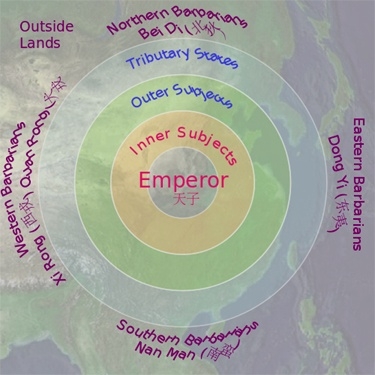
Auparavant, Poutine agissait selon un schéma comparable à la doctrine Tianxia de la Chine, qui prédéterminait le système de relations internationales de la Chine traditionnelle. Ainsi, les voisins de la Chine - principalement la Corée et le Vietnam, mais aussi le Cambodge, le Laos, la Thaïlande et même le Japon - reconnaissent pleinement l'hégémonie culturelle du Céleste Empire (écriture en pictogrammes, coutumes, étiquette, système politique, rituels, canons littéraires, poésie, peinture, musique, danse, etc.), tout en conservant leur souveraineté politique. Officiellement, ils reconnaissaient l'empereur de l'Empire céleste comme leur souverain, mais il s'agissait d'un acte de courtoisie politique, et lorsque la Chine tentait d'établir une domination politique directe sur la Corée ou le Viêt Nam, les dirigeants coréens et vietnamiens se rebellaient farouchement, et parvenaient le plus souvent à défendre leur liberté contre l'agression chinoise ; mais après s'être assurés contre les armées de l'Empire céleste, ils restauraient l'hégémonie culturelle chinoise comme si de rien n'était.
Poutine considère également que la Russie fait partie du monde occidental et ne pense même pas qu'elle puisse constituer une civilisation séparée et isolée. Dans le cas contraire, aurait-il maintenu à la tête de l'État, pendant plus de vingt ans, l'élite libérale pro-occidentale dominante dans les domaines de l'économie, de l'éducation, de la politique étrangère, de la culture et de l'espace d'information? Poutine est d'accord avec l'hégémonie spirituelle occidentale, avec la Tianxia mondialiste libérale, mais seulement jusqu'au moment où la métropole mondiale unifiée (Washington et son satellite Bruxelles) ne pensera pas à intégrer sa culture (économique, de valeur, de domination idéologique - en un mot, le capitalisme) à une subordination directe à la Russie. C'est ici que Poutine prononce le mot; arrêt! Ceux qui ne comprennent pas qu'arrêter signifie arrêter, ça suffit, allez voir Chodorkovsky, Berezovsky, Navalny. C'est pourquoi les autorités écrasent aujourd'hui la cinquième colonne et sont plutôt tolérantes envers la sixième, c'est-à-dire envers les agents libéraux américains de l'élite dirigeante. Si les espions au pouvoir sont personnellement fidèles à Poutine et reconnaissent sa souveraineté politique, alors ils ne sont pas là.
Cependant, dans la structure de l'hégémonie, il est très difficile de tracer une ligne claire
- entre ceux qui soutiennent et développent une culture de libéralisme et
- ceux qui fournissent des informations classifiées (sur les armes, la technologie, l'industrie, etc.) à l'ennemi ou organisent des actions directes de sabotage, déstabilisant gravement la situation.
Il existe un continuum entre la cinquième et la sixième colonne et, bien sûr, tout libéral au pouvoir sympathise secrètement avec les groupes protestataires, rêve que "la Crimée n'est plus à nous" et ne peut attendre la fin du "régime de Poutine." C'est cette contradiction entre la pression croissante sur la cinquième colonne et la prospérité et l'impunité relatives des libéraux au pouvoir qui crée des tensions, surtout avant les élections.
Le principe de Tianxia a fonctionné avec succès sous Poutine pendant plus de 20 ans. Lorsque le soutien des masses est nécessaire - juste à temps pour les élections - ils se tournent vers le fait que la Russie est une puissance souveraine, qu'ils le veuillent ou non, mais qu'elle est par ailleurs "une partie de l'Europe, du monde occidental", c'est-à-dire qu'elle est régie par les lois de l'hégémonie libérale; et ce n'est que lorsque l'hégémonie empiète sur la souveraineté (comme le font la cinquième colonne, l'"Écho de Moscou" et le mouvement de protestation dans son ensemble) que l'épée punitive s'abat sur elle.
Tout le monde est fatigué de cette situation. Les siloviki pensent: si vous luttez contre les agents, alors vous luttez contre tout le monde, et ils ont un coup d'arrêt venu d'en haut, mais seulement dans le cadre que nous indiquons. En psychologie, on parle de double contrainte, lorsqu'une personne reçoit deux missions qui s'excluent mutuellement. "Cherchez et ne trouvez pas", "fournissez mais perdez", "faites tout pour que rien n'advienne". Si vous interdisez et mettez Navalny en prison, pourquoi s'embêter avec Tchoubai, Gref, Nabiullina, RIAC ou HSE ? Les personnes chargées de la sécurité voient parfaitement la continuité entre la cinquième et la sixième colonne, elles savent que les deux ont les mêmes protecteurs, des systèmes de soutien et de communication communs, et elles ne comprennent pas: s'agit-il d'attraper des espions ou non? Pour renforcer la souveraineté ou simplement pour prétendre qu'ils la renforcent?
Cette incertitude est l'essence même de la stratégie de Poutine pour diriger le pays, la stratégie Tianxia. La Russie accepte le capitalisme, mais conserve le droit de contrôler son propre territoire. Mais le capitalisme :
- est de nature internationale
- est beaucoup plus développée en Occident.
C'est la raison pour laquelle l'Occident est en colère: si notre hégémonie est acceptée, alors ayez aussi la gentillesse d'accepter notre mot à dire en tout. Non seulement avec les silloviki à l'intérieur de la Russie, mais aussi avec l'Occident, avec la métropole capitaliste, il y a une dissonance cognitive.
Combien de temps cela peut-il durer? Vladislav Surkov, dans un de ses articles, a suggéré: que ce soit comme ça pour toujours. Une proposition extrêmement suspecte et irréaliste.
Combattre efficacement la cinquième colonne tout en protégeant soigneusement la sixième ne fonctionnera pas longtemps. C'est pourquoi les entreprises qui s'y opposent voient le jour et deviennent rapidement très populaires. En général, Tchoubais est bien plus odieux aux yeux des masses (c'est-à-dire des électeurs) que Navalny, que peu connaissent. Il suffit de le mettre en prison pour faire exploser les résultats des élections, mais il faudrait pour cela rejeter la loi de l'hégémonie libérale, rejeter Tianxia. Je suis sûr que Poutine n'est pas prêt pour cela en ce moment, ce choix est un dernier recours si les troupes ennemies s'approchent du Kremlin, ce qui, Dieu merci, est loin d'être le cas.
D'un point de vue stratégique, il faut choisir, soit la Russie, soit l'hégémonie libérale (capitalisme). Très probablement, ce dilemme fondamental devra réellement être affronté par quelqu'un qui viendra après Poutine.
Traduction par Lorenzo Maria Pacini
11:39 Publié dans Actualité, Affaires européennes | Lien permanent | Commentaires (0) | Tags : russie, vladimir poutine, alexandre douguine, europe, affaires européennes | | del.icio.us | | Digg | Facebook