
 del.icio.us
 Digg
Digg Facebook

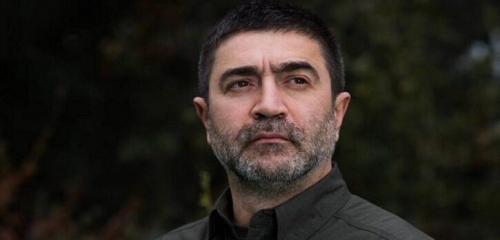
Iurie Roşca est déclaré persona non grata sur le territoire roumain
Le 14 août 2021, le signataire de ces lignes, un ancien dignitaire de la République de Moldavie, journaliste, éditeur et militant civique avec une carrière de personnalité publique de 35 ans, a été interdit d’entrée sur le territoire roumain.Les agents de la police des frontières m’ont ainsi informé que cette interdiction m’avait été imposée, sans en expliquer les raisons.Ils ont seulement précisé que je suis couvert par le libellé passé en lettre H du document qui m’a été remis et qui s’intitule « Refus d’entrer à la frontière ». Voici la définition qui me concerne : ”C’est une personne pour qui consigne de refus d’entrée a été ordonnée”. Les éléments suivants sont inscrits sur l’en-tête : « Roumanie. Ministère de l’Intérieur. Police des frontières. Le poste frontière d’Albița ». J’ai également été informé verbalement par les officiers respectifs que cette interdiction aurait été imposée par une ordonnance d’urgence du gouvernement roumain en septembre 2020 pour une période de trois ans. Cependant, rien n’est expressément écrit dans le texte du document respectif ni sur la date d’adoption de cette décision, ni sur la durée pour laquelle je suis persona non grata sur le territoire roumain.
Il faut noter en particulier que dès la fin de l’épisode de mon expulsion de Roumanie, à partir du même jour du 14 août et ce pendant plusieurs jours, une gigantesque campagne de dénigrement public de ma personne a été organisée par toute la pieuvre de la presse dominante en Roumanie et en République de Moldavie. Toutes les chaînes de télévision et de radio, centrales et provinciales, des dizaines de portails d’information, des structures médiatiques telles que la BBC, Free Europe, Deutsche Welle ont déclenché une véritable guerre médiatique contre moi. Et, bien entendu, aucun mercenaire déguisé en journaliste n’a JAMAIS appelé la personne ciblée pour lui demander son avis sur ce qui s’était réellement passé. Évidemment, il s’agit d’une campagne de presse visant à me discréditer en tant que personnalité publique.
Qui aurait pu commander une telle opération de presse? Bien sûr, les mêmes cercles d’influence qui contrôlent à la fois l’État roumain et les réseaux de presse qui servent leurs intérêts occultes.Nous les appelons généralement par divers euphémismes, plus ou moins conventionnels: mondialistes, globalistes, corporatocratie, ploutocratie, banksters, etc.Nous les appelons aussi communément le Monde Occulte, les artisans du Nouvel Ordre Mondial.Ce sont ces cercles derrière le rideau de l’histoire et de la politique internationales qui ont été la cible de mes enquêtes journalistiques et de mes critiques publiques ces dernières années.
Les causes qui auraient pu conduire aux mesures punitives contre moi, entreprises au nom de l’État roumain
A travers mes articles de presse, à travers des conférences académiques, à travers mon activité éditoriale, à travers ma présence internationale, à travers la multitude d’événements publics dans lesquels j’ai abordé des sujets géopolitiques, économiques, socio-politiques et, plus largement, civilisationnels, j’ai réussi à concentrer l’attention de la diplomatie occidentale, du réseaux Soros, de toute la pieuvre qui a vassalisé et dévasté mon pays, ainsi que les autres pays du monde.
Je suis pratiquement la seule personne publique en République de Moldavie, qui articule systématiquement un discours eurosceptique, souverainiste, anti-atlantique, favorable au nationalisme économique et surtout centré sur les valeurs du christianisme orthodoxe.Je suis un critique fervent et constant du „politiquement correct”, de la pensée unique, de la promotion du colonialisme économique et de l’agenda LGBT.Je combats l’unipolarisme américano-centré et l’hégémonie du capitalisme spéculatif, je révèle l’essence de la dictature de la ploutocratie mondiale, qui prend actuellement la dimension d’une technocratie et nous pousse vers une ère de transhumanisme et vers un goulag planétaire numérique.
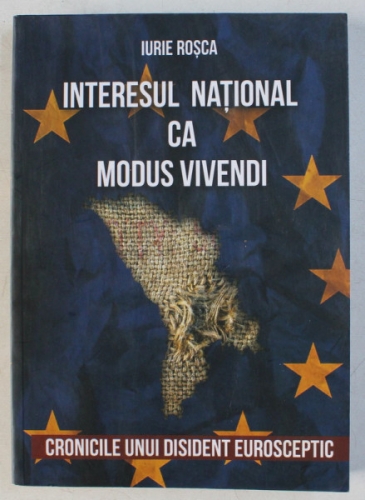
Je pense que l’interdiction d’entrer en Roumanie aurait pu également se fonder sur les événements publics que j’avais organisés à l’occasion de mes dernières visites à Bucarest. Le 24 janvier 2020, nous avions organisé la présentation du livre de l’auteur français Lucien Cerise «Neuro-pirates. Réflexions sur l’ingénierie sociale».Au cours de cet événement, nous avons annoncé notre intention de proposer de tels événements éditoriaux chaque mois, avec la présence d’auteurs occidentaux anti-système (voir le lien lors de l’événement : https://www.youtube.com/watch?v=_9VczDUUCf8). Puis le 5 mars 2020 a suivi la présentation de mon livre „L’Intérêt National comme Modus Vivendi” (voir lien : https://www.youtube.com/watch?v=hUL2WVdnj2I).
J’incline à croire que ces deux événements publics ont achevé de remplir le verre de patience des vrais maîtres de la Roumanie.
Il est à noter que depuis décembre 1989 et jusqu’à présent,je suis la seule personne d’origine roumaine à qui l’on a interdit d’entrer en Roumanie. Bien que je n’ai pas la nationalité roumaine, je suis un descendant de citoyens roumains qui l’ont perdue suite à l’invasion soviétique de la Bessarabie en 1940.Et comme je n’ai jamais mené d’activité criminelle sur le territoire de la Roumanie, ni eu aucune activité économique ni même pas enfreint le code de la route, il est clair que je suis persécuté pour mes convictions exprimées publiquement. C’est mon attitude ferme envers le Système qui a fait de moi l’ennemi public numéro un de la Roumanie. En fait, de la mafia qui contrôle cet État.
Il est bien connu qu’après la chute du communisme les pays de l’espace ex-communiste ont été envahis et colonisés par la corporatocratie occidentale. Les centres d’influence occidentaux, qui ont définitivement dé-souverainisé dans la seconde moitié du XXe siècle non seulement les pays du Tiers-Monde, mais aussi les États d’Europe occidentale, les États-Unis et le Canada, ont aussi lancé une offensive générale contre les peuples d’Europe Centrale et de l’Est, utilisant à cette fin tout l’arsenal de la guerre non-militaire.Ainsi, l’expansion du réseau des ONG et des médias a assuré la colonisation de l’esprit collectif des anciens peuples captifs de l’Empire soviétique. La «thérapie de choc », l’instauration du régime de libre-échange, l’imposition de prêts exorbitants, la privatisation de masse et la libéralisation des prix ont assuré la colonisation économique. Le diktat des vainqueurs de la Guerre Froide a imposé le paradigme libéral comme une idéologie unique, à caractère axiomatique, qui a produit l’uniformisation et la vassalisation de tout le spectre politique dans l’espace ex-communiste.L’imposition de l’adhésion à l’Organisation mondiale du commerce, l’Union européenne et l’OTAN ont achevé le processus de soumission des pays ex-communistes.
Quelques précisions sur mon passé
Le signataire de ces lignes était pleinement engagé dans le mouvement anticommuniste et d’émancipation nationale à la fin du siècle dernier, étant dans le tourbillon de tous les événements qui ont précédé la chute de l’URSS et suivi cet événement géopolitique majeur.J’ai été l’un des dirigeants du premier parti anticommuniste, avec d’autres camarades j’ai créé les premiers journaux libres, j’ai dirigé pendant deux décennies le plus ancien parti anticommuniste, qui a eu la plus longue présence parlementaire continue, pendant cinq législatures, de 1990 à 2009.J’ai été quatre fois député au Parlement de la République de Moldavie, deux fois vice-président du Parlement et vice-premier ministre du pays.
Ma pensée politique et implicitement la trajectoire de mon action politique étaient typiques des patriotes de cet espace. Entré dans la vie publique comme anticommuniste et nationaliste, je croyais naïvement que l’Occident collectif, en concurrence avec le système soviétique, serait notre allié naturel, et que le modèle occidental nous serait bénéfique. Ceci explique le fait que le rejet du paradigme communiste a nous a jeté dans le piège du paradigme libéral. Mais l’expérience acquise au fil du temps nous a montré le vrai visage de nos « bienfaiteurs » occidentaux.Ainsi, de la position de combattant contre l’empire soviétique, je me suis retrouvé dans la position de combattant contre l’empire planétaire américain.Et si jusqu’à il y a une dizaine d’années j’étais l’ennemi numéro un de Moscou, entre-temps je suis devenu l’ennemi numéro un de Washington.
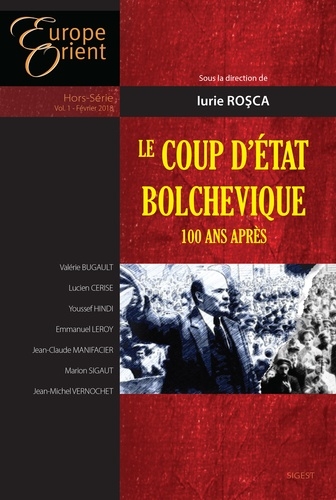
J’ai eu une carrière de journaliste pendant quatre décennies. J’ai également publié toute une série de livres, dont certains sont disponibles au format PDF ici : http://iurierosca.md/carti/.Parmi les derniers volumes du soussigné figurent «La chute de l’URSS dans l’UE. Chroniques antilibérales »(2014), «Orthodoxie et nationalisme économique»(2017),”La conspiration des démons rouges. 100 ans depuis le coup d’État bolchevique. Interviews”(2017) „L’Intérêt National comme Modus Vivendi. Les Chroniques d’un dissident eurosceptique”(2020).
En tant qu’éditeur, j’ai publié ces dernières années une série de livres d’auteurs anti-système au sein de la Maison d’édition de l’Université populaire. Les auteurs que j’ai publiés représentent tous une pléiade de la nouvelle dissidence souverainiste européenne,résistante à l’hégémonie américaine. Ces auteurs sont parus exclusivement dans notre maison d’édition, aucune autre maison d’édition en République de Moldavie ou en Roumanie (le même espace linguistique) n’a publié d’auteurs de cette nouvelle vague de patriotes anti-atlantistes.Nous listons ici une série d’auteurs édités en traduction roumaine par nos soins: Hervé Juvin, Ivan Blot, Jean-Michel Vernochet, Youssef Hindi, Lucien Cerise, Valérie Bugault, Pierre-Antoine Plaquevent (tous les sept étant des auteurs français non-alignés de premier plan),Alexandre Dougine (le sociologue et géopoliticien le plus remarquable de Russie à l’heure actuelle), Ilie Badescu (le sociologue et géopoliticien le plus remarquable de Roumanie aujourd’hui).
Je suis l’organisateur d’une initiative internationale, appelée Chisinau Forum, créée en 2017, qui a eu trois éditions et a réuni des intellectuels de premier plan de plusieurs pays du monde, pleinement engagés dans le courant de la pensée et de l’action souverainiste.En mai 2017, la réunion de Chisinau a abouti à l’adoption du document suivant :https://flux.md/stiri/le-manifeste-de-chisinau-créer-la-g.... Je reproduis ici le titre du document adopté en mai 2017: «Le Manifeste du Chisinău: Créer une grande Europe. Le brouillon géopolitique du monde multipolaire». En décembre de la même année 2017, a suivi la deuxième édition de notre forum, qui s’est déroulée sous la devise suivante : «Le capitalisme financier et ses alternatives pour le 21e siècle. Contributions à la quatrième théorie économique ». (vidéo complète: https://flux.md/stiri/video-international-conference-fina...– chisinau-15-décembre).Suit la troisième édition de septembre 2019. Les discours des participants sont disponibles sur www.flux.md. Voici mon discours d’ouverture : https://flux.md/stiri/chisinau-forum-iii-international-co....
En 2019, à l’initiative de l’avocat international Arnaud Develay, nous avons organisé une délégation de souverainistes européens, qui s’est rendue en Syrie, victime d’une guerre d’agression. Au cours de cette visite, nous avons eu toute une série de réunions publiques dans plusieurs villes de Syrie. Ce fut une expérience de solidarité intense avec le peuple syrien. J’ai fait des reportages quotidiens sur ce que j’ai vu en Syrie, que j’ai publiés sur www.flux.md (Voir ici exemple: https://flux.md/stiri/externe/foto-video-conferinta-publi...).
Je suis poursuivi depuis 2017, l’affaire est en cours, je risque jusqu’à 7 ans de prison
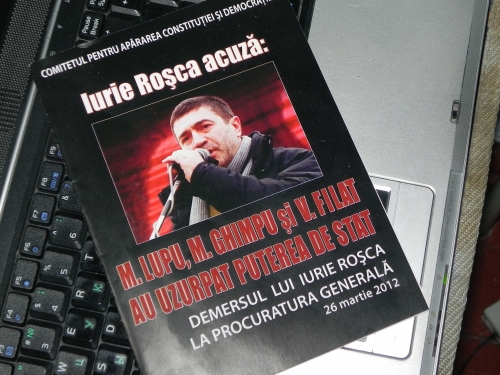
Le 29 février 2017, mon domicile a été perquisitionné par le parquet anticorruption. C’est alors que j’ai découvert que j’étais poursuivi dans une affaire fabriquée par l’ancien gouvernement criminel. Je suis accusé du délit de « trafic d’influence ». Je risque d’être condamné à 7 ans de prison. Ceci dans les conditions dans lesquelles j’ai critiqué sévèrement ceux qui ont usurpé le pouvoir de l’État en République de Moldavie depuis 2009 et l’ont maintenu en captivité jusqu’à il y a un an et demi.Après le changement de pouvoir, y compris le procureur général, plusieurs dizaines de personnes ont été annoncées par le parquet général comme „victimes de la persécution politique du régime Plahotniuc lors de l’usurpation du pouvoir de l’Etat”. Ceci en dépit du fait que, contrairement à moi, aucune des personnes acquittées n’avait eu d’activité publique en désaccord avec l’ancien gouvernement. La plupart d’entre eux n’ont souffert qu’en tant qu’hommes d’affaires.Mais mon cas n’a pas bénéficié du même traitement, bien que je fus un opposant irréconciliable à ce régime. L’affaire est toujours devant le tribunal, au stade de l’audience préliminaire.
2020-2021: La Grande Réinitialisation, l’usurpation du pouvoir à l’échelle mondialladictature technocratique
À partir de mars 2020, je fus le seul intellectuel de la République de Moldavie et parmi les quelques personnalités publiques de tout l’espace roumain, pleinement engagé à démasquer le projet des mondialistes d’établir le Nouvel Ordre Mondial comme une forme de dictature à l’échelle mondiale, progressant rapidement sous prétexte médical. J’ai réalisé plusieurs centaines d’enregistrements vidéo, quotidiennement, en roumain et en russe, dévoilant point par point tous les éléments de cette mascarade mondiale, dont la cible se réduit à deux priorités majeures des satanistes cachés en coulisses:
- DEPOPULATION ou LA REDUCTION DE LA POPULATION MONDIALE DE 90-95%;
- L’ESCLAVAGISATION DES SURVIVANTS DE CET HOLOCAUSTE PLANÉTAIRE.
Voir à cet égard : www.flux.md, iurierosca.md, altermedia.md, chaîne Telegram Iurie Roșca.
Imposition de la « p(l)andemie », les mesures liberticides et génocidaires comme le port du masque, les tests et surtout les injections forcées et répétées, les confinements, la destruction méthodique des économies du monde, la numérisation totale, la suppression de l’argent liquide, Agenda 21 et Agenda 2030, „développement durable”, Club de Rome et ” limites de croissance”, le rapport 2010 de la Fondation Rockefeller, Bill Gates et Klaus Schwab, Organisation mondiale de la santé et GAVI, nanoparticules, 5G, cyber pandémie, urgence climatique (mythe du réchauffement climatique et armes climatiques), traces chimiques, agenda transhumanisme, puces, programmation prédictive, contrôle sur l’esprit humain, ingénierie sociale, etc., etc.Voici les sujets que j’ai abordés dans mes discours, ceux-ci s’appuyant sur une multitude de sources internationales d’une crédibilité maximale.
Il est bien connu que mes matériaux bénéficient d’une audience importante sur les réseaux sociaux, certains d’entre eux cumulant plus de 500 000 vues et des dizaines de milliers de partages et de likes.Ma chaîne YouTube a été supprimée. Mon compte Facebook de base est actuellement bloqué pendant 30 jours.Les médias dominants, parrainés par les mondialistes, font la promotion agressive de leur agenda et entreprennent régulièrement des campagnes pour dénigrer ma personne. Le but est de me compromettre et ainsi de discréditer mon discours public.
Malheureusement, en République de Moldavie, aucun parti politique, aucune organisation non gouvernementale, aucun journaliste n’a adopté d’attitude critique envers le régime dictatorial sous prétexte de santé depuis un an et demi.Ma voix reste singulière, ce qui fait de moi une cible privilégiée de toutes les attaques des agents du pouvoir mondialiste.
Conclusion
L’acte punitif d’exécution publique au travers de l’interdiction du mon entrée en Roumanie, mes poursuites pénales pendant des années,ansi que le lynchage médiatique sont les moyens traditionnels utilisés par les centres d’influence basés en Occident contre un adversaire dangereux pour leurs intérêts. Je suis une figure publique mal vue dans les cercles qui établissent méthodiquement actuellement l’agenda du Nouvel Ordre Mondial.Au cours de ma longue carrière de personnalité publique, je me suis déjà habitué à un état de terreur psychologique permanente.Mais malgré tout le harcèlement et la pression, je ne céderai pas et je ne renoncerai pas à dire la vérité.
Iurie Roșca,
Chisinau,
République de Moldavie,
23.08.2021
Telephone portable: +373 79 77 44 44 (Telegram, Signal, Viber)
Adresse électronique: roscaiurieppcd@gmail.com

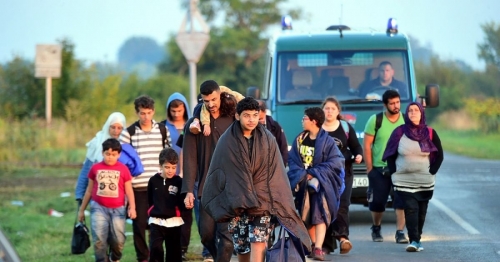
 Rien de tout cela, cependant, n'est le fait de personnes dépensant volontairement l'argent qu'elles ont gagné en travaillant sur les produits de ces entreprises, mais tout est payé par de l'argent détourné par la contrainte de l'État aux dépens d'activités socialement importantes et/ou créatrices de valeur. L'immigration ne crée donc rien de valable, mais signifie au contraire que les fonds qui auraient dû être consacrés à des investissements dans l'avenir sont, premièrement, dépensés dans le présent, deuxièmement, utilisés d'une manière dont aucune personne honnête ne profitera et, troisièmement, dépensés dans des activités aux externalités négatives gigantesques. Les entrepreneurs qui opèrent dans le cadre de la vague d'immigration gagneront certainement beaucoup d'argent, mais pas en fournissant au marché un produit que les consommateurs ou les électeurs demandent, mais en remplissant les comptes bancaires de ces entrepreneurs avec l'argent des contribuables par ceux qui sont au pouvoir et qui ont tout sauf le bien public à l'esprit, en échange de leur travail de sape de la civilisation occidentale. Le fait que ces entrepreneurs soient constamment récompensés par des prix industriels et présentés comme de bons entrepreneurs™ devant un public ayant une connaissance très limitée de la théorie économique n'y change rien.
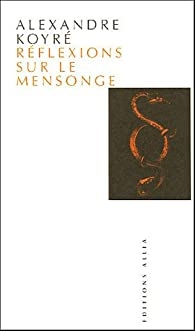 On constate que relativement peu de penseurs ont traité spécifiquement du sujet du mensonge. L'explication réside dans le fait que les philosophes ont ouvertement traité de son contraire: la vérité. Néanmoins, nous trouvons quelques auteurs significatifs qui ont étudié le mensonge: Saint Augustin dans deux petits livres: De mendacio (395 après J.-C.) et Contra mendacium (420 après J.-C.); Friedrich Nietzsche dans Sobre la verdad y la mentira en sentido extramoral (Über Wahrheit und Lüge im aussermoralischen Sinne), de 1873; et Alexandre Koyré dans Réflexions sur le mensonge. En outre, entre Saint Augustin et Nietzsche, il y a quatorze siècles pendant lesquels le sujet est traité par les grandes Summae theologicae, qui donnent aussi un certain traitement, collatéral au sujet de la vérité.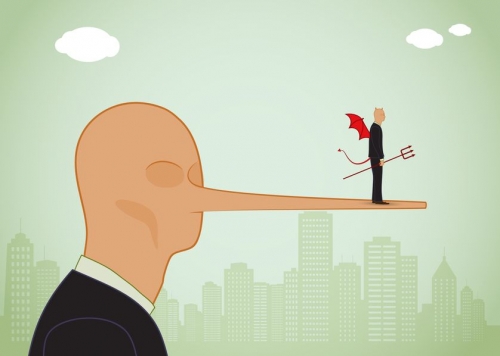
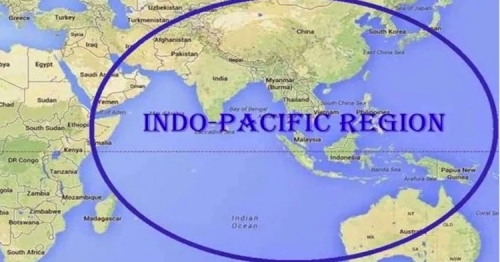
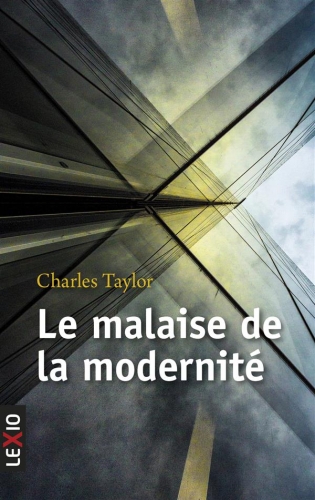
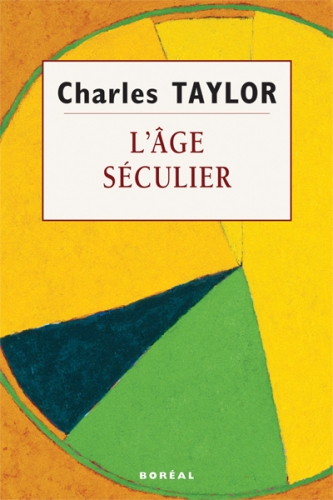
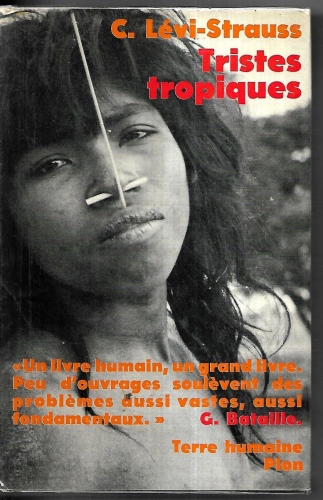
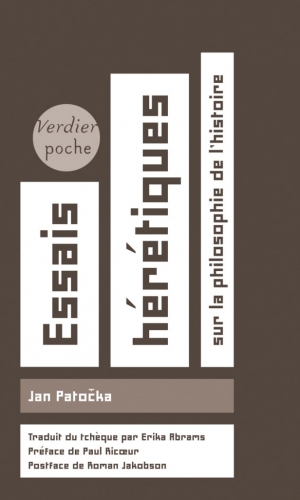
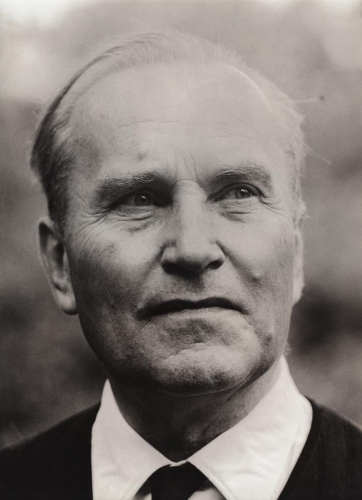


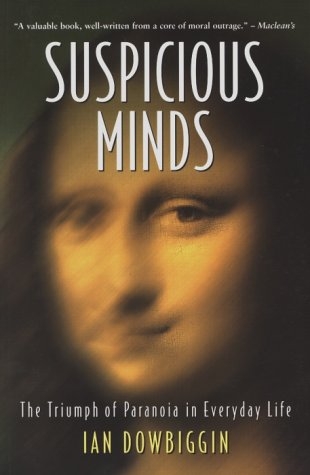
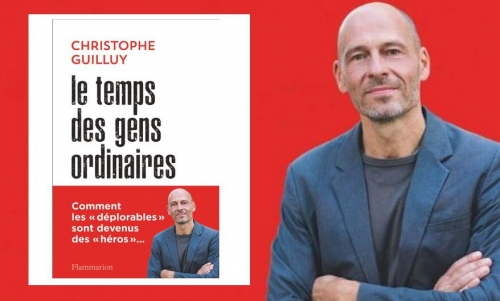
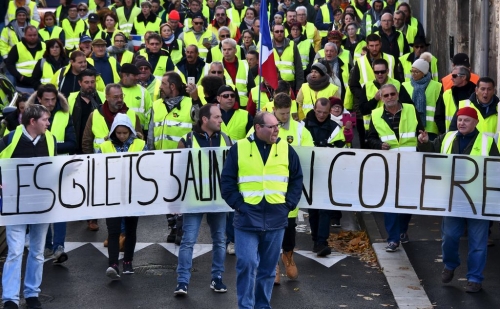



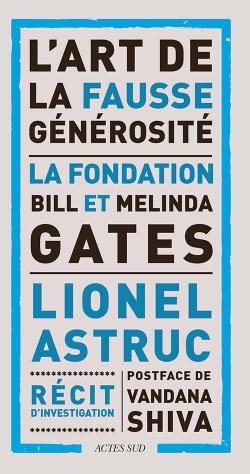 Citant Lionel Astruc, il s’exaspère par ailleurs que la Fondation Gates, soit « très liée aux multinationales les plus novices pour l’environnement, la santé et la justice sociale (p. 88) ». Il pointe enfin « toutes les envolées lyriques sur le “ monde d’après ” [qui] ont un point commun, elles ne prennent jamais en compte le mouvement réel de la société. Néolibérale pour les uns, écologique pour les autres, la société du futur ne laisse qu’une place marginale aux gens ordinaires (p. 132) ». À la suite de Guillaume Pitron avec La Guerre des métaux rares. La face cachée de la transition énergétique et numérique (2018) et d’autres essayistes courageux, il conteste la fameuse « transition énergétique ». « L’intermittence des énergies renouvelables, la superficie nécessaire pour installer les infrastructures avec des rendements limités, la durée de vie réduite des éoliennes et des panneaux solaires, leur impact sur l’extraction des métaux indispensables à leur fabrication (lithium, cobalt, nickel, cuivre, argent…) ainsi que les effets délétères de l’utilisation de la biomasse forestière et des biocarburants révèlent les contradictions de cette “ révolution verte ” (p. 90). »
![HA1.ht84[1].jpg](http://euro-synergies.hautetfort.com/media/01/01/1930463949.jpg)
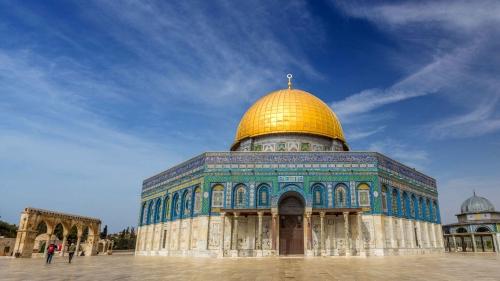
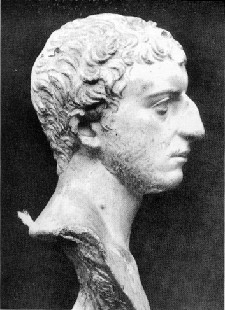 Pour les Juifs, cet événement est considéré comme l'une des pires catastrophes de l'histoire sainte.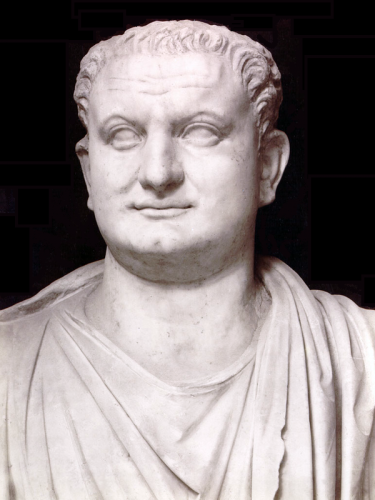



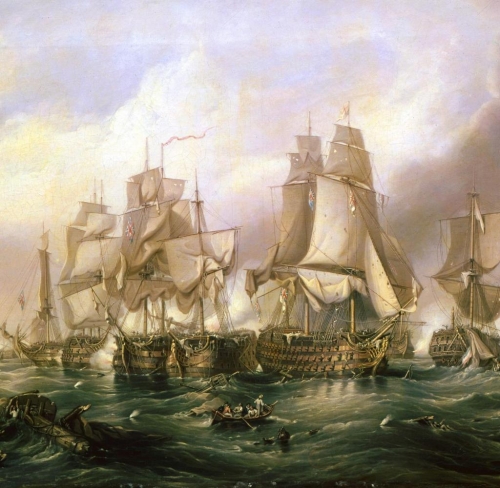
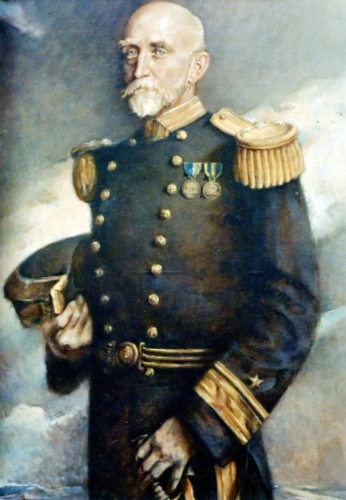
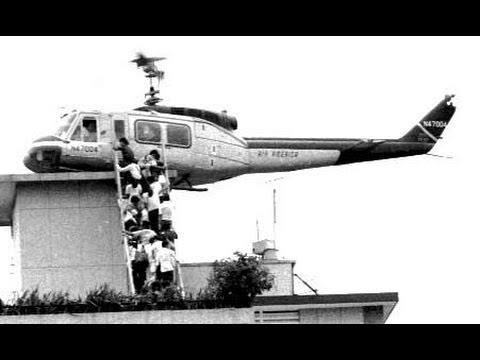
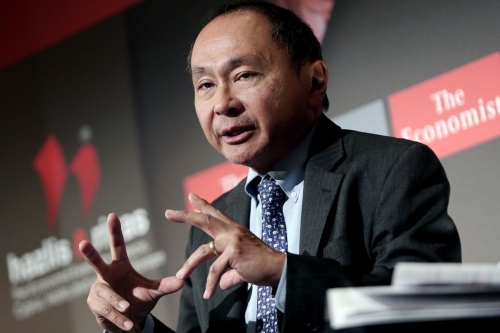
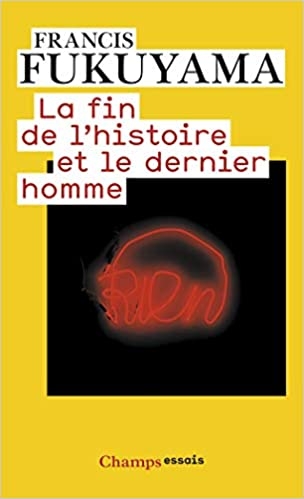

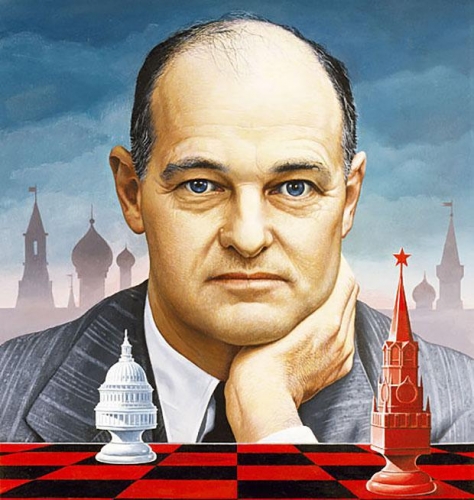
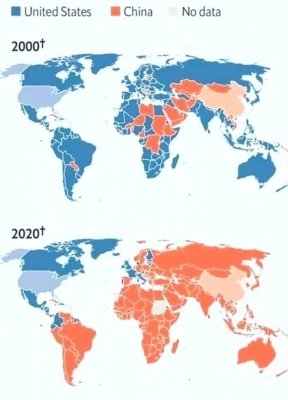
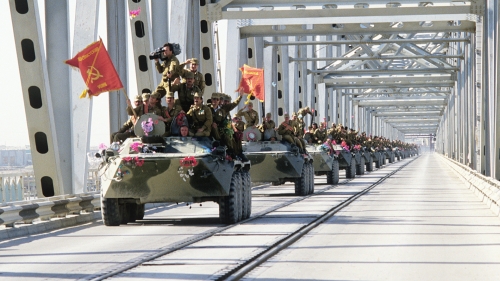
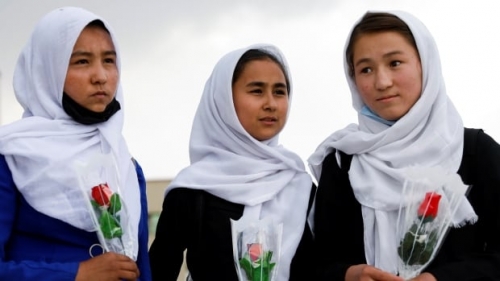
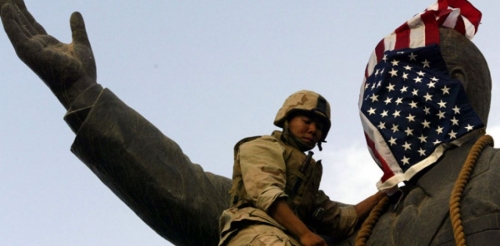
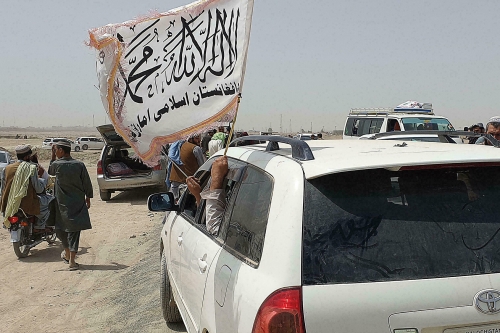
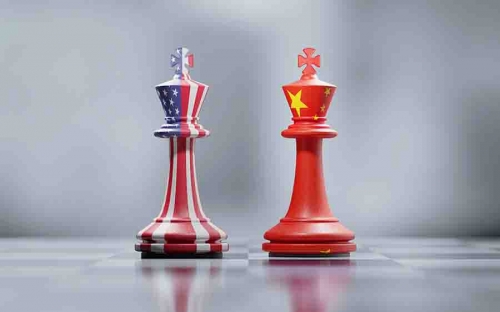
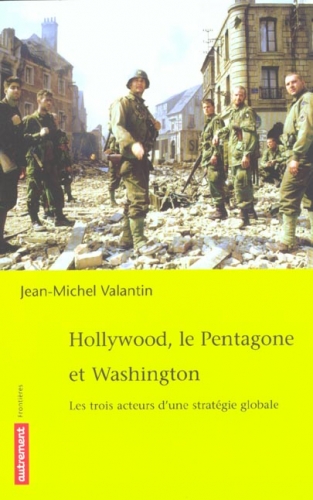
 Tout au long de la guerre froide et jusqu'au début des années 2000, les élites s'accordaient à dire que les États-Unis voulaient conserver leur rôle de premier plan dans la politique mondiale. Les guerres brutales et apparemment sans fin en Afghanistan et en Irak ont ennuyé de nombreux Américains non seulement en évoquant des lieux difficiles à comprendre et à conceptualiser comme le Moyen-Orient, mais aussi en suscitant un rejet de l'engagement international en général.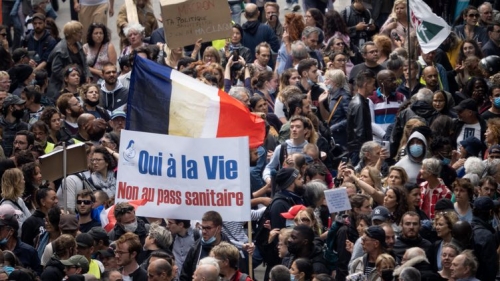
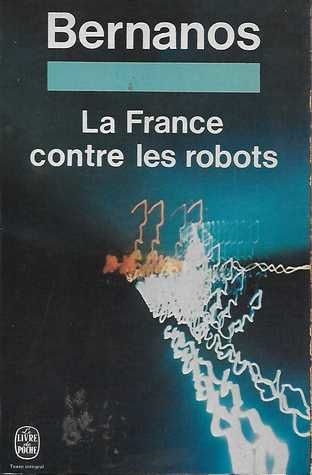 Il faut rappeler à ce sujet les propos visionnaires de Georges Bernanos dans son livre, La France contre les robots : "Je pense depuis longtemps que, si un jour, les méthodes de destruction de plus en plus efficaces finissent par rayer notre espèce de la planète, ce ne sera pas la cruauté qui sera la cause de notre extinction, et moins encore, bien entendu, l'indignation qu'éveille la cruauté, ni même les représailles et la vengeance qu'elle s'attire, mais la docilité, l'absence de responsabilité de l'homme moderne, son acceptation vile et servile du moindre décret public. Les horreurs auxquelles nous avons assisté, les horreurs encore plus abominables auxquelles nous allons maintenant assister, ne signalent pas que les rebelles, les insubordonnés, les réfractaires sont de plus en plus nombreux dans le monde, mais plutôt qu'il y a de plus en plus d'hommes obéissants et dociles."