Ok

En poursuivant votre navigation sur ce site, vous acceptez l'utilisation de cookies. Ces derniers assurent le bon fonctionnement de nos services. En savoir plus.

jeudi, 03 avril 2014

Énergies : vers un contrat russo-chinois de fourniture de gaz?

Énergies : vers un contrat russo-chinois de fourniture de gaz?


BRUXELLES (NOVOpress) - Les partisans de sanctions contre la Russie, notamment le Commissaire européen à l’énergie Günther Oettinger et une grande partie de « l’élite » bureaucratique européenne, se plaisent régulièrement à souligner la dépendance économique et financière de la Russie des importations européennes, et par conséquent sa vulnérabilité économique.
 
Lien de cause à effet auquel Günther Oettinger n’a peut-être pas réfléchi, l’UE ne dispose de réserves de gaz que pour quelques jours si la Russie impose un arrêt de livraison, comme l’indique une étude réalisée par Steffen Bukold (politologue allemand, spécialiste des questions énergétiques).
 
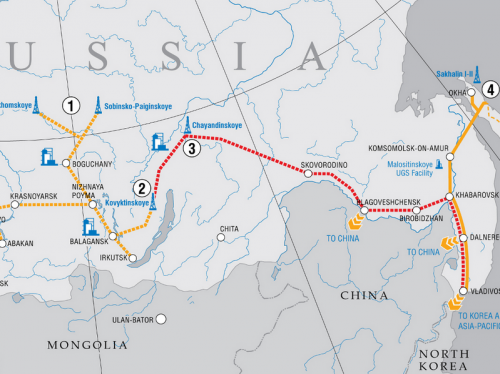
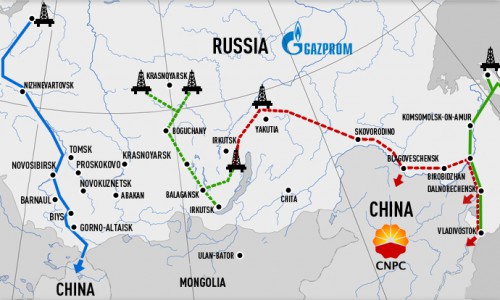
En outre, la Russie semble avoir déjà trouvé des alternatives au marché européen : il se pourrait qu’il y ait un contrat d’approvisionnement de 30 ans avec la Chine. L’analyste de Citigroup Ronald Smith pense qu’un tel accord russo-chinois sera mis en place cette année.
 
Sans transition rapide vers les sources d’énergies renouvelables, l’UE est toujours dépendante des livraisons de gaz russe. Si l’Union européenne poursuit sa politique hostile à l’égard de la Russie, une hausse des prix ou des pénuries d’approvisionnement pourraient frapper l’économie européenne massivement… Non sans raison, l’ancien chancelier allemand Helmut Schmidt a appelé les sanctions contre la Russie un “non-sens” (“dummes Zeug”).
 

http://fr.novopress.info/

mardi, 01 avril 2014

The U.S. Empire Is Trying Desperately To Contain the Eurasian Alliance

belarusrepublicflag.png

The U.S. Empire Is Trying Desperately To Contain the Eurasian Alliance of Russia, China, Central Asian Nations, Iran, Iraq, Syria, Pakistan

By

Ex: http://www.lewrockwell.com

The U.S. and its puppets, especially the E.U. and Nato, have been trying to weaken the rebuilding Russian empire as much as possible to contain it, while maintaining the  U.S. Global Empire.

This has become a vital, crucial goal because of the rapid growth of Chinese power and the ever closer Alliance of Russia, China, Iran, Iraq, Syria, Central Asia, Pakistan, etc.

The U.S. and E.U. are desperate to stop Russia from rebuilding its vast Central Asian states within the Russian Federation and this new Alliance, especially because of the vast Caspian Sea oil and gas. The E.U. is highly dependent on Russia for gas and on Russia, Iraq, Iran and the pro-Russian Caspian Sea powers, especially Kazakhstan. The Russian move into the Black Sea is another major step in that direction. Kazakhstan publicly supported the Russian move to reunite with the Crimea. Kazakhstan is the great prize, with 30% of its population  Russian and a vast border with Mother Russia. Russia is probably not at this time trying to reunite Kazakhstan with Russia, since that would involve many more problems, but simply to keep it as a close ally, as the Ukraine was until the violent overthrow of the Kiev government by the U.S. supported coup.

Russia, Iran, Iraq, and their Central Asian allies are close to a vast oligopoly on the oil and gas exports of the world, especially to the E.U., U.K., China, India, etc.

Saudi Arabia is desperate to break the growing Iran-Iraq-Syria-Hizbollahp-Russian-Central Asian power block. Right now it is trying desperately to build its own military forces to offset the U.S. withdrawal from the region, but that is absurd. In the long term, Saudi Arabia will align with Russia-China-Iran-Central Asia or be overthrown from within by those who will become reasonable.

China, now firmly in the Russian-Central Asia-Iran-Iraq block with gas lines from Russia, etc., is moving forcefully into all of the South China Sea to control oil and gas there. The U.S. is desperate to stop that, but China keeps moving out.

All of that puts the dying U.S. Empire on a collision course with the vast Russian-Chinese-Iranian-Central Asian Alliance. Pakistan has become very anti-U.S. because of the U.S. attacks in Pakistan and is allying more and more with China. Even India is working more and more closely with Iran and its allies to get the gas they need. Just yesterday the president of Iran spoke in Afghanistan calling for a great regional entente, working together more and more closely. That is the likely route for Iranian oil and gas to India.

Ultimately, the U.S. Empire must withdraw from its vast over-stretch to save itself financially and economically, politically and militarily.

The E.U. knows that, so Germany’s Prime Minister talks privately with Putin in German and Russian about the American Global Crisis. [She knows Russian and he knows German, so it's easy.] Germany, the E.U. and Russia are moving toward a long run understanding once the crippled U.S. implodes financially or withdraws to save itself. The CEO of Siemens, the giant and vital German technology corporation, has just visited with Putin in Russia and made public statements of strong plans to continue working with Russia very closely. Other German CEO’s have done the same, acting as informal reassurances from the Prime Minister that her public words going along with the U.S. more or less do not mean any kind of break with the close relations with Russia.

President Xi calls on China, Germany to build Silk Road economic belt

President Xi calls on China, Germany to build Silk Road economic belt

(Xinhua) - Ex: http://www.chinadaily.com


President Xi calls on China, Germany to build Silk Road economic belt
 
Chinese President Xi Jinping (center) visits Port of Duisburg of Germany March 29, 2014. [Photo/Xinhua]


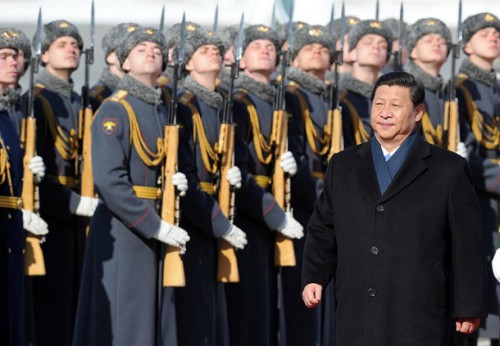
DUSSELDORF, Germany - Chinese President Xi Jinping Saturday called on China and Germany to work together to build the Silk Road economic belt.

Xi made the remarks during a visit to Port of Duisburg, the world's biggest inland harbor and a transport and logistics hub of Europe.


The Chinese leader expressed the hope that Port of Duisburg will play a bigger role in the China-Germany and China-Europe cooperation.

Xi witnessed the arrival of a cargo train at the railway station in Duisburg from the southwestern Chinese city of Chongqing. The train had travelled all the distance along the Chongqing-Xinjiang-Europe international railway.

The Chinese president, accompanied by Vice German Chancellor and Minister of Economics and Energy Sigmar Gabriel, was warmly welcomed by Hannelore Kraft, premier of the State of North Rhine-Westphalia, and Soren Link, mayor of the city of Duisburg.

Kraft and Link, in their speeches at the welcome ceremony, said the state and the city will grasp the opportunities that the initiative on the Silk Road economic belt brings to them, and step up the cooperation with China.

vendredi, 28 mars 2014

L’axe Moscou-Pékin à full speed contre le $

L’axe Moscou-Pékin à full speed contre le $

Ex: http://www.dedefensa.org


russia-china-dollar1.jpgLe 21 mars 2014, le site Zero Hedge annonce la signature prochaine de ce qu’il nomme Holy Grail pour désigner le gigantesque accord gazier entre la Russie et la Chine, qui doit constituer parallèlement une attaque massive contre le pétrodollar. Tyler Durden place cet accord, à ce moment, comme un signe fondamental de basculement des puissances au détriment du bloc BAO.

«If it was the intent of the West to bring Russia and China together – one a natural resource (if “somewhat” corrupt) superpower and the other a fixed capital / labor output (if “somewhat” capital misallocating and credit bubbleicious) powerhouse — in the process marginalizing the dollar and encouraging Ruble and Renminbi bilateral trade, then things are surely “going according to plan.”

»For now there have been no major developments as a result of the shift in the geopolitical axis that has seen global US influence, away from the Group of 7 (most insolvent nations) of course, decline precipitously in the aftermath of the bungled Syrian intervention attempt and the bloodless Russian annexation of Crimea, but that will soon change. Because while the west is focused on day to day developments in Ukraine, and how to halt Russian expansion through appeasement (hardly a winning tactic as events in the 1930s demonstrated), Russia is once again thinking 3 steps ahead... and quite a few steps east.

»While Europe is furiously scrambling to find alternative sources of energy should Gazprom pull the plug on natgas exports to Germany and Europe (the imminent surge in Ukraine gas prices by 40% is probably the best indication of what the outcome would be), Russia is preparing the announcement of the “Holy Grail“ energy deal with none other than China, a move which would send geopolitical shockwaves around the world and bind the two nations in a commodity-backed axis. One which, as some especially on these pages, have suggested would lay the groundwork for a new joint, commodity-backed reserve currency that bypasses the dollar, something which Russia implied moments ago when its finance minister Siluanov said that Russia may regain from foreign borrowing this year. Translated: bypass western purchases of Russian debt, funded by Chinese purchases of US Treasurys, and go straight to the source.»

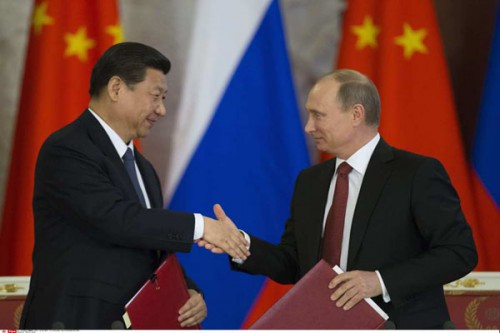
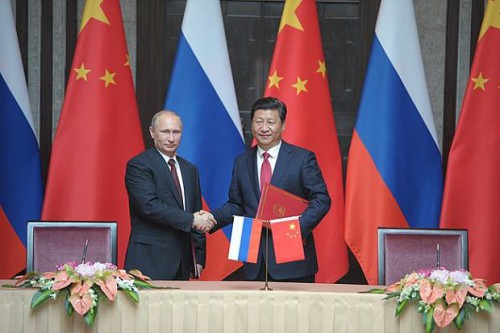
L’accord pourrait être signé en mai, lors du voyage de Poutine à Pékin. Il instituerait une relation structurelle fondamentale entre le principal producteur de gaz et le principal consommateur de gaz, dans le chef des relations des deux pays et en considérant leurs propres activités énergétiques. (On y ajoutera l’élément que cette année, la Chine est devenue le premier importateur de pétrole russe, dépassant l’Allemagne.) Un expert russe de la Chine, Vasily Kachine, de l’Institut Analysis of Strategies and Technologies (CAST), estime que dans de telles conditions, il est complètement absurde de parle de l’“isolement” de la Russie, – et l’on pourrait considérer au contraire que c’est le bloc BAO qui est sur la voie de l’isolement, d’autant que Durden poursuit : «Bingo. And now add bilateral trade denominated in either Rubles or Renminbi, add Iran, Iraq, India, and soon the Saudis (China's largest foreign source of crude, whose crown prince also happened to meet president Xi Jinping last week to expand trade further) and wave goodbye to the petrodollar.»

Durden fait un tour d’horizon des relations de la Russie avec les principaux pays alternatifs au bloc BAO (Chine, Inde, etc.), pour estimer que leurs relations avec la Russie sont en bonne voie de se stabiliser dans un sens positif dans la sillage du choc qu’a constitué la crise ukrainienne. Durden ajoute que des mesures de coopération hautement symboliques et très significatives sont en cours de préparation dans d’autres domaines de coopération («CAST's Kachine said the prospects of Russia delivering Sukhoi SU-35 fighter jets to China, which has been under discussion since 2010, would grow»).

« The punchline: “A strong alliance would suit both countries [Russia & China] as a counterbalance to the United States.” An alliance that would merely be an extension of current trends in close bilateral relations, including not only infrastructure investment but also military supplies... [...] To summarize: while the biggest geopolitical tectonic shift since the cold war accelerates with the inevitable firming of the “Asian axis”, the west monetizes its debt, revels in the paper wealth created from an all time high manipulated stock market while at the same time trying to explain why 6.5% unemployment is really indicative of a weak economy, blames the weather for every disappointing economic data point, and every single person is transfixed with finding a missing airplane.»

Ce qui est le plus impressionnant dans cette analyse, qui renforce des bruits et des prospectives diverses, des déclarations d’officiels russes, etc., c’est le schéma d’extension accélérée de la crise ukrainienne, – dans ce cas, passant au problème fondamental du rôle/du statut du dollar dont on sait le poids qu’il pèse dans le dispositif d’hégémonie du Système. Il s’agit de mesurer comment et à quelle vitesse cette crise passe d’une dimension régionale à une dimension globale, comprenant tous les domaines, remettant en cause tous les facteurs des restes encore à peu près stables des relations internationales, et cela dans un sens systématiquement défavorable au bloc BAO. Pendant ce temps, le bloc suit une dynamique dans l’autre sens, notamment dans le cadre de l’élaboration des sanctions antirusses. On assiste alors, pour ce cas, au phénomène étonnant d’une sorte de “provincialisation” de la globalisation. L’image n’est pas outrée ni caricaturale, lorsqu’on se rapporte aux échos venus notamment des organismes européens, où l’on plonge dans les détails les plus dérisoires pour faire s’accorder des paquets de sanctions calculés au millimètre et à l’euro près, en cherchant à satisfaire toutes les parties prenantes, les pays-membres certes, mais aussi les lobbies, les industriels, les forces diverses. (On cite l’exemple significatif par sa dimension picrocholinesque d’une petite société autrichienne, très efficace dans le lobbyisme, alors que son pays est très réticent pour les sanctions, qui dispose d’une commande de €30 millions en Russie, qui proteste contre cette perte et menace de mettre le cas sur un plan juridique, qui est sur la voie d’obtenir une indemnisation de €30 millions des institutions européennes en échange de l’abandon de son lobbyisme et de ses récriminations, voire de ses projets d’aller au tribunal, – et ainsi de suite... C’est à ce niveau de “micro-management”, de parcellisation folle des mesures envisagées que l’on se trouve réduit...)

Un autre phénomène sémantique apparu dans le texte de Durden, c’est la prise en compte de la Crimée comme d’une cuisante défaite géopolitique US, comme l’a été, auparavant, la crise syrienne d’août-septembre 2013 («...the shift in the geopolitical axis that has seen global US influence... [...] decline precipitously in the aftermath of the bungled Syrian intervention attempt and the bloodless Russian annexation of Crimea»). Là aussi, il s’agit d’une formidable extension de la crise ukrainienne, cette fois dans le domaine de la perception et de la communication. Bien entendu, cette extension est totalement ignorée par la bloc bAO, parce que totalement verrouillée par les narrative écrasantes en cours dans les directions du bloc, qui n’ont jamais été aussi lourdes, aussi prégnantes, aussi impudentes, et qui emprisonnent à double tour toutes les pensées officielles (celles qui s’expriment à haute voix, celles qui apparaissent finalement sur les talking point ou les rapports définitifs en moins d’une page sur tel ou tel aspect de la crise, etc.). Là encore, le décalage entre le bloc BAO et l’“autre côté” dans la crise (la Russie, mais sans doute bien plus que la Russie) est stupéfiant. Et là-dessus, pour faire bonne mesure et considérant l’ambiance de micro-management où se trouvent plongés tous les outils de puissance du bloc BAO, il nous apparaît bien improbable que le bloc se rende compte de ce qui se passe précisément, dans cette affaire générale commentée ici (l’axe Russie-Chine et le pétro$), comme dans d’autres domaines du dispositif global du bloc.

Pour paraphraser Duden, et en ne limitant pas nécessairement la remarque à la Russie, «Russia is [...] thinking 3 steps ahead»... Mais quoi, l’on se rend compte par ailleurs de ce qu’est la véritable préoccupation des citoyens US (voir ce même 22 mars 2014), ce qui renforce la logique de la situation en faisant de cette circonstance un facteur complémentaire de type antiSystème (les Américains contre le système de l’américanisme/contre le Système) à l’action Russo-chinoise & Cie, et dessine ce qui pourrait déboucher sur une révolte générale antiSystème. Certes, il s’agirait d’une opportunité et d’une tentative de plus dans ce sens, mais toujours plus sérieuse que les précédentes, et cette fois tellement plus sérieuse que les précédentes avec les facteurs impliqués qu’on est fondé à la juger comme ayant des chances à la fois fortes et d'une grande dynamiques d’être proche de s’avérer décisive.

jeudi, 20 mars 2014

Der Westen, Russland, China und die Ukraine

Ukraine-en-e.jpg

«Rechtzeitig die bereits brennende Lunte aus dem Benzinfass nehmen»

Der Westen, Russland, China und die Ukraine

Ex: http://www.zeit-fragen.ch

von Willy Wimmer, Staatssekretär des Bundesministers der Verteidigung a.D., Mitglied des Deutschen Bundestages 1976–2009

Die Nachrichten wegen der Ukraine überschlagen sich und der schöne Schein von Sotschi mit den glänzend gestimmten Sportlern ist schneller zerstoben, als das allen lieb sein konnte.
Dennoch sollten wir in der Flut der Nachrichten über Ereignisse gut 700 Kilometer von Berlin entfernt die Meldung über ein fürchterliches Massaker in der chinesischen Stadt Kunming nicht übersehen oder falsch einordnen. Kunming als Hauptstadt der chinesischen Provinz Yünnan beeindruckt eigentlich durch seinen Charme, der an lebenslustige Gebiete am Mittelmeer erinnert. Am letzten Wochenende kam der Tod nach Kunming, als fast 30 Menschen ermordet und mehr als 100 Menschen schwer verletzt wurden. Weit weg?
Erinnern wir uns an den Vorabend des völkerrechtswidrigen Krieges gegen die Bundesrepublik Jugoslawien, dessen Beginn sich in diesen Tagen zum 15. Male jährt. Über Monate hatte es im chinesischen Westen Anschlag über Anschlag gegeben. Tote und Verletzte waren die Folge. Prominente Schauspieler aus Hollywood eröffneten eine Kampagne wegen Tibet. Es war so dramatisch, dass eine kriegerische Auseinandersetzung wegen Tibet erwartet wurde. Nicht nur im Spiegel konnte jeder lesen, dass wohl amerikanische Dienste hinter den Ereignissen im Westen Chinas stünden.
Das, was losbrach, waren die Bombenangriffe auf Belgrad, mitten im europäischen Kerngebiet, und das Vehikel war die albanische Terrororganisation UÇK, auf die die Vereinigten Staaten und später die gesamte Nato gesetzt hatte, um ihre Ziele in der Bundesrepublik Jugoslawien durchzusetzen.


Zeichen an der Wand sind häufiger zu sehen, als uns lieb sein kann. Das bedeutet für uns, dass wegen der gleichzeitig stattfindenden Umbrüche in der Ukraine das Gesamtbild nicht aus den Augen gelassen werden darf.


Es ist etwas ganz Grosses im Gange, das uns alle zerreissen kann. Wer heute Russland aus den G 8 schmeissen will, der hat keine Hemmungen, morgen China mit dem Rauswurf aus der Welthandelsorganisation zu drohen und die Drohung auch wahrzumachen. Es ist Endspiel-Zeit, und es ist geradezu spektakulär, wie der amerikanische Aussenminister John Kerry sich als Schutzengel des Völkerrechtes aufspielt.


Dennoch ist das amerikanische Verhalten seit dem völkerrechtswidrigen Krieg gegen Belgrad und die folgenden, ebenfalls klassischen Aggressionskriege gegen den Irak u. a., keine Ausrede für andere, in amerikanische Muster der letzten Jahrzehnte zu verfallen. Aber tun sie das? Man ist heute schnell bei der Hand, den russischen Präsidenten Putin mit Adolf Hitler zu vergleichen, wie es in diesen Tagen ein ehemaliger tschechischer Aussenminister getan hat. Fürst Schwarzenberg hat gut reden, waren es doch die Russen, die gnadenlos unter Adolf Hitler ihr Blut vergiessen mussten. Peinlicher geht es nicht mehr.


Aber die Ukraine wird uns um die Ohren fliegen, auch wenn es seit Joschka Fischer einen Nato-Modus zu geben scheint, wenn Ziele angeleuchtet werden. Janukowitsch ist weg, und wer will ihm eine Träne nachweinen? Bei den Protzvillen? Als wenn das bis zum Ringen um das Assoziierungsabkommen irgend jemanden in Brüssel, Berlin, London oder Washington gestört hätte. In der Staatskasse noch knapp 300 000 Euro? Wo waren die peniblen Brüsseler Schlaumeier bei der Überprüfung der Kiewer Daten vor dem angepeilten Abkommen zwecks grösserer Nähe der Ukraine zur Europäischen Union?


Von ganz neuer Qualität dürfte jedoch sein, dass nicht nur die US-amerikanische Staatssekretärin Nuland den Überlegungen zur Manipulation der neuen Regierung in der Ukraine freien Lauf gelassen hat. Hier wurde zum ersten Mal in der neueren Geschichte eine Regierung, die nach Bekundungen aller – von der OSZE bis zum Europa-Rat – durch faire und freie Wahlen zustande gekommen war, aus dem Amt geputscht, und alle Abkommen zur Krisenbeilegung wurden beiseite gefegt.


Das geschah wohlgemerkt auch und gerade durch Kräfte, die einen gesamteuropäischen Aufschrei der Abscheu hätten hervorrufen müssen. Noch in der Nacht der Machtergreifung wurde gegen die russischsprachigen Bewohner der Ukraine mobil gemacht. Man hatte nichts Eiligeres zu tun, als ihnen die Zerstörung ihrer Bürgerrechte in Aussicht zu stellen. Es war eben auch der ­politische Mob, der anschliessend drohte, durch die gesamte Ukraine zu fegen.


Wegen des unmittelbar drohenden Finanzkollapses der Ukraine droht sich dort ein Furor breitzumachen, der zwar heute nach dem Westen ruft, aber dem Heulen und Zähneknirschen drohen, wenn ihn die westeuropäische und amerikanische Realität erreicht.
Washington scheint zu den letzten Mitteln vor einer Kriegserklärung an die Russische Föderation greifen zu wollen, wenn man die Herren Obama und Kerry hört. Wäre es wegen der Dimension des von der Ukraine ausgehenden Urknalls für ganz Europa nicht sinnvoller gewesen, die Fäden zusammenzuhalten? Schliesslich war es Moskau, das der maroden Ukraine noch mehr Geld nachwerfen wollte, als der in diesen Dingen äusserst penible Westen.


Und Putin? Hätte er zuwarten sollen, bis die Kiewer Machtübernahme die russische Grenze erreicht hätte? Die Träger des neuen Geistes waren alle auf dem Weg. Was in Teufels Namen hat nach der Kiewer Machtübernahme die neuen Machthaber dazu veranlasst, nun jeden wichtigen Amtsträger im ganzen Land aus dem Amt zu jagen und durch eigene Günstlinge zu ersetzen? Der russische Präsident Putin hat durch die Form seiner Reaktion diesem Tun ein Halt-Signal gesetzt, für das man ihm vielleicht noch einmal sehr dankbar sein wird. Die Souveränität und territoriale Integrität auch der Ukraine stehen ausser Frage. Rechtzeitig die bereits brennende Lunte aus dem Benzinfass zu nehmen, wie es Putin gemacht hat, sollte dann als Chance begriffen werden, wenn das russische Handeln nicht als Gefährdung der eigenen westlichen Absichten gesehen wird.    •

Westeuropäische Medien wie gleichgeschaltet unter US-Oberbefehl?

Offener Brief an die Staats- und Regierungschefs der EU zur Sitzung vom 6. März 2014

Sehr verehrte Damen,
sehr geehrte Herren,
nach den Standards, die in der Europäischen Union bei schwierigen Entwicklungen üblich sind, müssten die Staats- und Regierungschefs bei ihrem Treffen in Brüssel wegen der Lage in der Ukraine festlegen, dass
1.    zu den neuen Machthabern in Kiew auf der Regierungsebene keine Kontakte stattfinden, solange es ernsthafte und begründete Zweifel an der Rechtmässigkeit der neuen Organe in Kiew gibt,
2.    so lange davon ausgegangen werden muss, dass in hohen und höchsten Ämtern der neuen Organe in Kiew sich Personen befinden, deren politische Haltung in ganz Europa Abscheu wegen ihres Gedankengutes hervorruft, sollte ein Boykott der EU […] über die Organe in Kiew so lange verhängt werden, bis diese Personen nicht mehr den im Amt befindlichen Organen in Kiew angehören. Für die Bundesregierung in Berlin ist es nicht akzeptabel, dass vor dem Bundesverfassungsgericht in Karlsruhe ein Verbot der NPD durchgesetzt werden soll, während man gleichzeitig in Kiew mit denen unter einer Decke steckt, die engste Kontakte zur NPD pflegen.
Es ist in hohem Masse bedauerlich, dass in Westeuropa die Medien auf die krisenhafte Entwicklung so reagieren, als wären sie gleichgeschaltet und unterstünden amerikanischem Oberbefehl. […]
In der letzten Woche drohten die Flammen des Maidan in Kiew auf die ganze Ukraine überzugreifen. Eine im Bürgerkrieg versinkende Ukraine hätte ganz Europa mit in den Untergang gerissen. Diese Gefahr ist immer noch nicht vom Tisch, weil die wirtschaftlichen Gefahren erst noch auf alle zukommen. Das besonnene und deutliche Auftreten der russischen Regierung unter Präsident Putin hat Europa und der Welt eine Chance gegeben, Souveränität und territoriale Integrität der Ukraine zu erhalten und uns vor dem Furor eines Bürgerkrieges in der Ukraine zu bewahren.
Die Russische Föderation hat in den Jahren, die mit dem ordinären Angriffskrieg der Nato gegen die Bundesrepublik Jugoslawien vor fast genau 15 Jahren und zu einem friedensbedrohenden und völkerrechtswidrigen Verhalten der USA auch in anderen Teilen der Welt führten, sich zum Völkerrecht und seinen tragenden Grundsätzen bekannt. Ohne dieses Völkerrecht und vor allem die Charta der Vereinten Nationen wird das Schicksal Europas mehr denn je ungewiss sein. […]

Willy Wimmer, Staatssekretär des Bundesministers der Verteidigung a.D., Mitglied des Deutschen Bundestages 1976–2009

jeudi, 13 mars 2014

China's Xi Jinping urges US to show restraint over Ukrainian crisis

Chine.-L-equipe-Xi-Jinping.jpg

China's Xi Jinping urges US to show restraint over Ukrainian crisis

Ex: http://www.geopolitica.ru

China feels that all parties related to the situation in Ukraine should show restraint to avoid fomenting tension, the President of the People’s Republic of China, Xi Jinping, said in a statement. "China has taken an unbiased and fair stand on Ukraine’s issue. The situation in Ukraine is involved, so all parties should retain composure and show restraint, to prevent tension from making another upward spiral”, the Chinese leader said in a telephone conversation with his US counterpart Barack Obama.

Xi Jinping pointed out that the crisis should be settled politically and diplomatically. He said he hoped that all the parties interested would be able to reconcile their differences in a proper way, through contact and consultation, and would bend every effort to find a political solution to the problem.

President Xi said the situation in Ukraine is "highly complicated and sensitive," which "seems to be accidental, (but) has the elements of the inevitable."

He added that China believes Russia can "push for the political settlement of the issue so as to safeguard regional and world peace and stability" and he "supports proposals and mediation efforts of the international community that are conducive to the reduction of tension."

"China is open for support for any proposal or project that would help mitigate the situation in Ukraine, China is prepared to remain in contact with the United States and other parties interested”, the Chinese President said.

The Xinhua news agency said earlier in a comment that Ukraine is yet another example for one and all to see of how one big country has broken into pieces due to the unmannerly and egoistic conduct of the West.

mercredi, 12 mars 2014

West’s Muted Response on Terror Attack in China

china-attack_pek25.jpg

Tony Cartalucci

West’s Muted Response on Terror Attack in China

Source: Simon Song

Ex: http://journal-neo.org

Saturday March 1, 2014′s horrific terror attack at China’s Kunming railroad station left 29 victims dead and over 100 wounded. The terrorist attack was the work of Uyghur separatists hailing from Western China’s Xinjiang province. The US would only condemn the attack as an act of terror after China accused Washington of applying double standards to its coverage and stance on the incident

 However, the US’ failure to initially condemn the attack as terrorism runs deeper than mere superficial double standards applied to a global competitor. The US is in fact driving the separatist movement in Xinjiang, encouraging violence and creating faux-human rights organizations to then condemn the predictable response of Chinese security forces. 

Indeed, first and foremost in backing the Xinjiang Uyghur separatists is the United States through the US State Department’s National Endowment for Democracy (NED). For China, the Western region referred to as “Xinjiang/East Turkistan” has its own webpage on NED’s site covering the various fronts funded by the US which include: 

International Uyghur Human Rights and Democracy Foundation
$187,918
To advance the human rights of ethnic Uyghur women and children. The Foundation will maintain an English- and Uyghur-language website and advocate on the human rights situation of Uyghur women and children. 

International Uyghur PEN Club
$45,000
To promote freedom of expression for Uyghurs. The International Uyghur PEN Club will maintain a website providing information about banned writings and the work and status of persecuted poets, historians, journalists, and others. Uyghur PEN will also conduct international advocacy campaigns on behalf of imprisoned writers. 

Uyghur American Association
$280,000
To raise awareness of Uyghur human rights issues. UAA’s Uyghur Human Rights Project will research, document, and bring to international attention, independent and accurate information about human rights violations affecting the Turkic populations of the Xinjiang Uyghur Autonomous Region. 

World Uyghur Congress
$185,000
To enhance the ability of Uyghur prodemocracy groups and leaders to implement effective human rights and democracy campaigns. The World Uyghur Congress will organize a conference for pro-democracy Uyghur groups and leaders on interethnic issues and conduct advocacy work on Uyghur human rights.

All of these NED-funded organizations openly advocate separatism from China,  not even recognizing China’s authority over the region to begin with – referring to it instead as “Chinese occupation.”  

Of the recent terror attack, the US-funded World Uyghur Congress would even attempt to justify it by claiming Chinese authorities have left the separatists with little other choice. The US State Department’s “Radio Free Asia” report titled, “China’s Kunming Train Station Violence Leaves 33 Dead,” reported:

World Uyghur Congress spokesman Dilxat Raxit said in an emailed statement that there was “no justification for attacks on civilians” but added that discriminatory and repressive policies provoked “extreme measures” in response.

Just as the US has done in other nations it is fomenting political chaos and armed violence in such as Syria, it is attempting to steer clear of labeling the Xinjiang separatists as “terrorists” for as long as possible in order to sow the maximum amount of chaos at the cost of Chinese political stability.


All Part of the Plan 

The US’ support of the Xinjiang separatists is just one small cog in a much larger machine grinding toward the encirclement and containment of China, while maintaining American hegemony across the Asia Pacific, Central Asia, and beyond. The use of faux-human rights organizations to defend what is essentially a terrorist organization is a trick the US has repeated in Russia’s Caucasus region

This containment strategy is documented in the 2006 Strategic Studies Institute report “String of Pearls: Meeting the Challenge of China’s Rising Power across the Asian Littoral” where it outlines China’s efforts to secure its oil lifeline from the Middle East to its shores in the South China Sea as well as means by which the US can maintain American hegemony throughout the Indian and Pacific Ocean. The premise is that, should Western foreign policy fail to entice China into participating in the “international system” as responsible stakeholders (fall in line,) an increasingly confrontational posture must be taken to contain the rising nation.

This includes funding, arming, and backing terrorists and proxy regimes from Africa, across the Middle East, Central Asia, Southeast Asia, and even within China’s territory itself. Documented support of these movements not only include Xinjiang separatists, but also militants and separatists in Baluchistan, Pakistan where the West seeks to disrupt a newly christened Chinese port and pipeline, as well as the machete wielding supporters of Aung San Suu Kyi in Myanmar’s Rakhine state - yet another site the Chinese hope to establish a logistical hub.

US aspirations to contain China through a network of proxies dates back even further than the SSI 2006 report. In US policy scribe Robert Kagan’s 1997 piece in the Weekly Standard titled, “What China Knows That We Don’t: The Case for a New Strategy of Containment, he states (emphasis added):

The Chinese leadership views the world today in much the same way Kaiser Wilhelm II did a century ago: The present world order serves the needs of the United States and its allies, which constructed it. And it is poorly suited to the needs of a Chinese dictatorship trying to maintain power at home and increase its clout abroad. Chinese leaders chafe at the constraints on them and worry that they must change the rules of the international system before the international system changes them. 

In truth, the debate over whether we should or should not contain China is a bit silly. We are already containing China – not always consciously and not entirely successfully, but enough to annoy Chinese leaders and be an obstacle to their ambitions.

Kagan would continue (emphasis added):

We should hold the line instead and work for political change in Beijing. That means strengthening our military capabilities in the region, improving our security ties with friends and allies, and making clear that we will respond, with force if necessary, when China uses military intimidation or aggression to achieve its regional ambitions.

It is clear that the writings of Kagan are not just simply his own personal thoughts in 1997, but reflect a policy that has since then been implemented vis-à-vis China. It is also clear that “with force” does not necessarily mean the mobilization of America’s conventional military assets, but also includes covert and proxy forces as seen more recently in Libya and Syria.

The horrific attack in Kunming China is not an isolated incident. It is a tentacle of America’s containment policy manifested as terrorism toward China briefly breaking the surface of murky geopolitical waters. For the rest of the world increasingly influenced and dependent on the sustainable and stable rise of China on the world stage, it is essential to understand the true nature of events playing out within China and along its peripheries. Failing to do so leaves us vulnerable to investing in false causes that will only further destabilize China, Asia, and the world – threatening our best interests while serving the machinations of Wall Street/Washington yet again.

Tony Cartalucci, Bangkok-based geopolitical researcher and writer, especially for the online magazine New Eastern Outlook”

lundi, 10 mars 2014

Un rapport officiel alarmant sur la situation des droits-de-l’homme aux États-Unis

chine, états-unis, droits de l'homme, politique internationale,

La Chine vient de publier un rapport officiel alarmant sur la situation des droits-de-l’homme aux États-Unis

Ex: http://aucoeurdunationalisme.blogspot.com
 
Scandalisée des leçons de morale que les dirigeants américains ont l’audace de faire à la planète entière, la République Populaire de Chine a publié, le 28 février 2014, un rapport officiel alarmant sur la situation des droits-de-l’homme aux États-unis.
 
Ce rapport a été rendu public mondialement par l’Agence de presse chinoise Xinhua News.


Bien entendu, aucun des médias français de grande diffusion n’a jugé utile d’en informer les Français, alors qu’ils sont si prompts, dans le sens inverse, à faire constamment état de la situation des droits de l’Homme en Chine.C’est à mon avis une raison supplémentaire pour porter attention à ce document.
 
BEIJING, 28 février (Xinhua) — La Chine a répondu vendredi aux critiques et aux commentaires irresponsables des États-Unis sur sa situation des droits de l’homme en publiant un rapport sur les problèmes liés aux droits de l’homme aux États-Unis.
 
Un document intitulé “L’État des droits de l’homme aux États-Unis en 2013” a été publié par le Bureau de l’information du Conseil des Affaires d’État (gouvernement chinois) en réponse aux Rapports sur les pratiques des pays en matière de droits de l’homme en 2013 publiés jeudi par le Département d’État américain.
 
Dans son rapport, la Chine assure que de sérieux problèmes ont persisté l’année dernière aux États-Unis concernant les droits de l’homme et précise que la situation s’est même détériorée dans de nombreux domaines.
 
Se posant en “juge mondial des droits de l’homme”, le gouvernement américain a, de nouveau, “effectué des attaques arbitraires et prononcé des commentaires irresponsables” sur la situation des droits de l’homme dans près de 200 pays et régions, explique le rapport chinois.
 
“Cependant, les États-Unis ont pris soin d’éviter de faire état de leurs propres problèmes dans le domaine des droits de l’homme”, souligne-t-il.


LE MONDE À TRAVERS PRISM
 
Le document chinois qualifie le programme américain PRISM, qui exerce une vaste surveillance à long terme aux États-Unis et à l’étranger, de “violation flagrante du droit international” et estime que ce programme “porte gravement atteinte aux droits de l’homme”.
 
Les services de renseignement américains, s’appuyant sur les données fournies par les entreprises des secteurs de l’Internet et des télécommunications, dont Microsoft, Google, Apple, Facebook et Yahoo, suivent ainsi les contacts privés et les activités sociales des citoyens américains.


ROBOTS TUEURS ET CONVENTIONS NON RATIFIÉES


Le rapport pointe également du doigt le grand nombre de civils tués durant les fréquents raids de drones américains dans des pays tels que le Pakistan et le Yémen.
 
La partie américaine a mené 376 attaques de drones au Pakistan depuis 2004, tuant 926 civils, selon le rapport.
 
À ce jour, les États-Unis n’ont toujours pas ratifié ou participé à une série de conventions clés des Nations unies sur les droits de l’homme, notamment le Pacte international relatif aux droits économiques, sociaux et culturels, la Convention sur l’élimination de toutes les formes de discrimination à l’égard des femmes, la Convention relative aux droits de l’enfant et la Convention relative aux droits des personnes handicapées, rappelle le rapport.
 
SANCTIONS CRUELLES ET EXCEPTIONNELLES


La mise à l’isolement est populaire dans le système carcéral américain, critique le rapport.
 
Le pays compte quelque 8.000 prisonniers placés en isolement, dans des cellules exiguës, mal ventilées et ayant peu ou pas de lumière naturelle. Certains sont même incarcérés ainsi depuis plus de 40 ans.
 
VIOLENCES PAR ARMES À FEU
 
Le culte américain des armes à feu engendre de la violence et fait chaque année 11.000 morts dans le pays.
 
Le rapport cite les statistiques du FBI expliquant que les armes à feu ont été utilisées dans 69,3% des homicides, 41% des braquages et 21,8% des agressions graves.
 
“En 2013, 137 personnes sont mortes dans 30 tueries de masse aux États-Unis”, précise le rapport.
 
CHÔMAGE ET PERSONNES SANS DOMICILE
 
“Les États-Unis restent confrontés à une situation difficile en matière d’emploi, alors que le taux de chômage du pays reste élevé”, précise le rapport.
 
D’après le document, le taux de chômage chez les ménages à faibles revenus a atteint 21%, tandis que le nombre de sans-abri a augmenté de 16% entre 2011 et 2013.
 
“Il existe également un grand nombre d’enfants travaillant dans le secteur agricole aux États-Unis, et leur santé physique et mentale a été gravement atteinte”, indique le rapport.
 
Le rapport de vendredi est la 15e édition annuelle publiée par la Chine en réponse aux accusations américaines.
 
 
CONCLUSION : UN NOUVEAU SYMPTÔME DU DÉCLIN RELATIF DES ÉTATS-UNIS
 
La publication par le gouvernement chinois de ce rapport très sévère sur la situation des droits de l’homme aux États-Unis me semble intéressante à deux égards :
1°) les faits qui sont énumérés dans le rapport officiel de Pékin sont en effet très graves
 
Bien entendu, je n’ignore pas que la situation des droits de l’homme en Chine laisse éminemment à désirer et qu’elle y est certainement plus mauvaise qu’aux États-Unis.
 
Il n’en demeure pas moins que les problèmes soulignés par Pékin sur la situation des droits de l’homme aux États-Unis sont bien réels et très graves. Et il est d’autant plus légitime de s’en préoccuper que les États-Unis prétendent par ailleurs être le juge planétaire suprême en la matière !
 
On notera d’ailleurs que le rapport de Pékin est incomplet puisqu’il ne mentionne pas la question de la peine de mort, appliquée de façon massive aux États-Unis… comme en Chine et en Arabie saoudite.
 
Il n’y a d’ailleurs pas que le gouvernement chinois qui s’émeut de la dégradation continue de la situation des droits de l’homme aux États-Unis.
 
Par exemple, dans son classement annuel de la liberté de la presse dans le monde, l’association RSF a fait dégringoler les États-Unis de 13 places en un an, du 30e au 43e rang mondial.
 
L’association dénonce “la chasse aux sources et aux lanceurs d’alerte” et précise : “L’année 2013 a connu un pic en termes de pression sur les journalistes et leurs sources”. La condamnation du soldat Bradley Manning à 35 ans de prison pour avoir transmis à WikiLeaks des milliers de documents, ou la traque d’Edward Snowden, à l’origine du scandale sur les écoutes menées par l’agence nationale de sécurité américaine NSA, “sont autant d’avertissements à ceux qui oseraient livrer des informations dites sensibles, mais d’intérêt public avéré, à la connaissance du plus grand nombre”.
 
 
Autre exemple, l’ancien président américain James (Jimmy) Carter en personne a fait sensation l’an dernier, en affirmant notamment que “la démocratie américaine ne fonctionne plus”.[ source : http://rt.com/usa/carter-comment-nsa-snowden-261 ]
 
2°) le fait même que le gouvernement chinois publie et présente mondialement ce rapport en dit long sur le déclin de la domination américaine et de sa prétendue supériorité morale sur le monde.
 
C’est sans doute l’enseignement le plus important. Le temps où Washington pouvait se donner les allure d’arbitre mondial de la démocratie et des droits de l’homme est en train d’appartenir au passé.  Ce déclin moral va irrésistiblement de pair avec le déclin relatif en termes économique, social, financier et industriel.
 
Alors que Washington est à l’origine de la déstabilisation quasi-concomitante de la Syrie, du Venezuela et de l’Ukraine, le constat de ce déclin relatif ne doit pas être perdu de vue.


vendredi, 07 mars 2014

La Russie, l’Occident, le fondamentalisme islamiste et l’Ukraine

pschlat.jpg

La Russie, l’Occident, le fondamentalisme islamiste et l’Ukraine

Entretien avec Peter Scholl-Latour

Propos recueillis par Bernhard Tomaschitz

Q.: Monsieur Scholl-Latour, en 2006 vous avez écrit un livre où vous dites que la Russie se trouve prise en tenaille entre l’OTAN, la Chine et l’Islam. Depuis la rédaction de cet ouvrage, la pression sur la Russie a-t-elle, oui ou non, augmentée?

PSL: Pour le moment je ne vois aucun conflit poindre à l’horizon entre la Chine et la Russie parce que ces deux grandes puissances sont suffisamment intelligentes pour remiser les conflits potentiels qui pourraient les opposer et qui les opposeront un jour, notamment celui qui aura pour cause la démographie chinoise en Extrême-Orient sibérien. Tant les Russes que les Chinois n’ont aucun intérêt à s’engager dans des conflits sur deux fronts avec l’Occident.

Q.: L’Occident en revanche attise les conflits; en effet, l’actualité nous montre que sa volonté de frapper Moscou a le vent en poupe...

PSL: Il est très étonnant que l’Occident adopte une attitude si hostile à la Russie actuellement. Cette hostilité vient de la personnalité de Poutine, que l’on critique sur un mode extrême. Ce ton, adopté par l’ensemble de l’Occident, relève de la pure sottise, car cet Occident se comporte comme si la Guerre Froide n’était pas terminée. Que Poutine en Russie soit un autocrate ou ne le soit pas, cela ne nous regarde pas. Sous Gorbatchev, la Russie avait fait l’expérience de la démocratie occidentale, ce qui avait été très avantageux pour l’Occident —la réunification allemande a été rendue possible à cette époque— mais absolument catastrophique pour la Russie. A cette époque-là, la démocratie et le capitalisme avaient précipité la Russie dans une misère et une incertitude jamais vues auparavant. C’est la raison pour laquelle toutes les spéculations occidentales sur une éventuelle insurrection du peuple russe contre Poutine sont pures chimères.

Q.: Comment jugez-vous les événements qui agitent actuellement l’Ukraine, voisine de l’UE?

PSL: Ce qui se passe actuellement en Ukraine est également une grosse sottise commise par l’Occident. Il est certes juste de dire que les Ukrainiens ont le droit de décider de leur propre destin, mais nous n’avons pas à nous en mêler, à déterminer le mode de cette auto-détermination. L’Occident, y compris les Européens, s’est malheureusement habitué à intervenir en tout. Et voilà que l’on soutient maintenant les diverses oppositions au Président Yanoukovitch qui, ne l’oublions pas, a tout de même été élu démocratiquement. Nous ne devons pas oublier non plus que l’Ukraine est en soi un pays déjà divisé. Nous devons plutôt espérer que les tensions qui agitent l’Ukraine ne débouchent pas sur une guerre civile.

Q.: Au début des années 1990, l’effondrement de l’Union Soviétique semblait annoncer aussi la désagrégation de la Russie. Ce danger est-il désormais conjuré?

PSL: Cette désagrégation de la Russie a commencé avec la dissolution de l’Union Soviétique car les régions, devenues indépendantes sous Gorbatchev, avaient fait partie de l’Empire des Tsars. L’Ouzbékistan actuel n’était pas, à l’époque, une conquête soviétique mais appartenait déjà à la Russie impériale. Lénine avait renoncé à d’énormes portions de territoires à l’Ouest parce qu’il croyait qu’une révolution mondiale était imminente et réunirait bien vite le tout sous la bannière rouge.

Q.: Quelle intensité la menace de l’islamisme fondamentaliste peut-elle faire peser sur la Russie, si l’on tient compte de la situation dans le Caucase du Nord?

russland-im-zangengriff-cover.jpgPSL: Les Américains commencent, petit à petit, à reconnaître le danger que représente l’islamisme, sujet principal de la politique américaine, en dépit de la montée en puissance de la Chine. Ils savent aussi que l’islamisme est bien présent en Russie aussi. Les observateurs internationaux sont conscients de cette menace parce que les peuples musulmans du Caucase ont constitué récemment des facteurs de turbulences voire des facteurs nettement belligènes. Je ne pense pas tant à la Tchétchénie aujourd’hui mais plutôt au Daghestan. Les Russes se sentent très menacés par le fondamentalisme islamique, facteur qui n’existait pas auparavant. Lorsque je visitais l’Asie centrale en 1958, le fondamentalisme n’était pas un sujet de discussion mais, entretemps, les choses ont changé par l’attitude prise par les dirigeants locaux, tous jadis hauts fonctionnaires du PCUS comme Nazarbaïev au Kazakstan. En un tourne-main, tous ces dirigeants communistes se sont mués en despotes orientaux mais ils doivent agir sous la pression de forces radicales islamistes, surtout en Ouzbékistan.

Q.: La crainte de l’islamisme ne constitue-t-elle pas le motif majeur de l’appui qu’apporte la Russie au président syrien Al-Assad?

PSL: Le soutien apporté à la Syrie repose sur plusieurs motifs: la Syrie a toujours été un allié de l’ex-Union Soviétique et les Russes n’ont aucun intérêt à ce que la Syrie tombe aux mains des extrémistes musulmans qui combattent aux côtés de l’opposition ni aux mains d’Al Qaeda qui entend créer un “Etat islamique d’Irak et de Syrie”. Obama semble lui aussi reconnaître, mais un peu tard, dans quelle mélasse il est allé patauger. Nous ne devons pas oublier que la Fédération de Russie elle-même —c’est-à-dire ce qui reste de la Russie après la désagrégation de l’Union Soviétique— abrite au moins 25 millions de musulmans. Ceux-ci n’habitent pas seulement dans les régions au Nord du Caucase mais aussi dans le centre même de la Russie, le long de la Volga. A Kazan, où les aspirations à un nationalisme tatar ne se sont pas encore faites valoir, on a édifié une gigantesque mosquée qui, en dimensions, est bien plus vaste que le Kremlin construit par Ivan le Terrible. J’ai appris qu’y oeuvraient des extrémistes musulmans. Comme d’habitude, ces derniers reçoivent le soutien de prédicateurs haineux venus d’Arabie saoudite.

Q.: Dans quelle mesure peut-on évaluer la méfiance que cultivent Poutine et bon nombre de dirigeants russes à l’endroit de l’Occident, surtout si l’on tient compte de l’élargissement de l’OTAN à l’Est?

PSL: Ils ont raison de se méfier! Comme je l’ai déjà dit, on a l’impression que la Guerre Froide n’est pas terminée. Si, à la rigueur, on peut comprendre qu’une grosse portion de l’Ukraine veut demeurer purement ukrainienne et ne pas être occupée par la Russie, directement ou indirectement, on ne doit pas oublier non plus que la Russie est née à Kiev, lorsque les autres princes russes croupissaient encore sous le joug tatar. C’est à Kiev que la Russie s’est convertie à la chrétienté orthodoxe byzantine.

Q.: Par conséquent, estimez-vous que l’UE, face à la question ukrainienne, et face à la Russie, devrait adopter une position plus souple, plus pondérée?

PSL: L’Europe ferait bien mieux de s’occuper de ses propres problèmes au lieu de chercher encore et toujours à s’étendre. On tente en Allemagne d’étendre sans cesse l’Europe alors que ce fut une bêtise gigantesque d’accepter la Roumanie et la Bulgarie dans l’UE. Et voilà que maintenant on veut aborber l’Ukraine quand l’Europe souffre déjà de son hypertrophie. Si les insurgés ukrainiens s’imposent sur la scène politique, l’Ukraine se dégagera de son partenariat étroit avec la Russie et s’orientera vers l’Europe qui, alors, s’étendra presque jusqu’à l’ancienne Stalingrad! Mais ce n’est pas là le but de la manoeuvre!

(entretien paru dans “zur Zeit”, Vienne, n°6-7/2014, http://www.zurzeit.at ).

jeudi, 20 février 2014

The Salvadorian Elections and Beijing’s Rise Star in Central America

Map_Of_El_Salvador.jpg

The Salvadorian Elections and Beijing’s Rise Star in Central America

Mahdi Darius NAZEMROAYA

Ex: http://www.strategic-culture.org

 
The Salvadorian corruption scandal involving Francisco Flores, who was president of El Salvador from 1999 until 2004, has opened the door for the diplomatic recognition of the People’s Republic of China by the next government in San Salvador, which the FMLN failed to ascertain under the term of President Mauricio Funes. The graft involving Flores has created the appropriate political opportunity for El Salvador’s Farabundo Marti National Liberation Front (FMLN) to formally cut diplomatic ties with Taiwan (formally known as the Republic of China)), if an FMLN president is elected in March 2014. 

This diplomatic question additionally exposes the behind the scenes coordination that is taking place between Beijing and Taipei. This paints a picture of a cordial path towards Chinese unification between Taiwan and mainland China and not one of rivalry. Neither Beijing nor Taipei has put major obstacles in the other’s way, recognizing that ultimately there will be one China.

Francisco Flores and the Salvadorian Oligarchy

sv-seal.gifFrancisco Flores was president of El Salvador when the Nationalist Republican Alliance, mostly commonly called by its Spanish acronym ARENA, was ruling the Central American republic. He is a member of the corrupt US-aligned Salvadorian oligarchy that cheapened El Salvador by reducing it to the de facto status of a US colony by following orders from Washington, DC. Exemplifying this relationship, it was under the presidential term of Flores that El Salvador would send hundreds of troops to help the United States and the United Kingdom during their illegal occupation of Iraq.

The Salvadorian oligarchy has for all purposes operated as a comprador elite class, which means that they have ultimately served as the local representatives or managers of foreign corporations, governments, and interests. In this case the Salvadorian oligarchy has acted collectively as a comprador elite class serving the elites of the United States, which themselves are more precisely described as parasitic elites due to the fact that they have siphoned off most the local wealth and resources of the countries they have subverted to their influence. Historically, these US elites penetrated the power structures and hierarchies of Latin America once the influence of the original Spaniard parasitic elites at the top of the economic hierarchy in the Western Hemisphere was eroded. Many Latin American countries even had a US official or minister overseeing their government and daily affairs.

Under Flores and ARENA, El Salvador lost its monetary sovereignty. The colon, El Salvador’s national currency, was removed by order of Flores and his ARENA government. They replaced the colon with the US dollar as the official currency of El Salvador. Thus, El Salvador joined the ranks of the various territories of the US, East Timor, Panama, and Ecuador as a place where the US dollar is official currency.

Under ARENA’s rule numerous unfair private business monopolies were established by law for ARENA members and supporters. It was illegal and next to impossible to buy medication from anyone except Alfredo Cristiani, the oligarch who was the ARENA president of El Salvador prior to Armando Calderón Sol and later Funes. Cristiani not only initiated the neoliberal economic restructuring of El Salvador, but also used his private monopoly on medication to always overcharge users and to even sell expired medication with impunity. It was the same with fertilizer and other agricultural products too, which were placed under Cristiani’s private monopoly. The ARENA government would allow no competition whatsoever. Moreover, Cristiani privatized the Salvadorian banking system letting his family use Cuscatlan Bank, which is now owned by Citibank, to expand their influence across Central America.

Albeit political corruption still lingers in El Salvador, the criminal basis of the previous ARENA governments is explicitly acknowledged by the reports and files of their own police administrations. Police intelligence files testify that every president, justice minister, and police director was tied to organized crime until the FMLN took over the government in San Salvador. Moreover, Alfredo Cristiani, the sweetheart of the International Monetary Fund (IMF) and World Bank, is widely recognized as the father of organized crime in El Salvador.

The Authors of the Salvadorian Option

Before ARENA was officially formed, these oligarchs used the Salvadorian military and police to wage a vicious war, with the outright involvement of the US government and Pentagon, against El Salvador’s indigenous people, peasants, poor, intellectuals, unions, Roman Catholic Church, and anyone demanding democracy and equal rights. The brutal repression and consequential civil war in El Salvador was part of the Salvadorian oligarchy’s efforts to maintain control over Salvadorian society. 

It was under the rule of these oligarchs that the infamous Salvador Option was spawned by US-aligned death squads that would exterminate whole villages in slow, cruel, and grotesque ways. Ice picks would be used to stab out eyes and deform faces while limbs would be systematically torn by horses or vehicles. The murder of Archbishop Oscar Romero, the head of the Roman Catholic Church in San Salvador, who was killed while giving a mass, is one of their most well-known acts. The man behind Romero’s murder, Major Roberto D’Aubuisson, would become the founder of ARENA.

The murder of Archbishop Romero, however, was merely one of the many atrocities that these oligarchs committed with Washington’s full knowledge, support, and involvement. Salvadoran military leaders were trained by the infamous School of the Americas and by the Pentagon and many of the torture and murder techniques that the death squads had used were taught to them by the US military. Moreover, countless Salvadorian guerilla fighters remember fighting US troops and hearing US orders on the radios to bomb the jungle and villages of El Salvador in English or Spanish.

Almost all of El Salvador’s indigenous population would be exterminated by these oligarchs. Entire families would be murdered while their properties would be plundered or destroyed. Not even children and animals would be spared. Both rape and the desecration of graves would be systematic and common practices.

One of the worst massacres was committed on December 11, 1981. This massacre took place in the village of El Mozote in the Department of Morazan. Eight hundred unarmed civilians, including children, were systematically tortured, humiliated, raped, and killed by a US-trained special operations unit.

Washington would send people like James Steele and John Negroponte to Anglo-American occupied Iraq to recreate the reign of terror that the US helped author in El Salvador. The exact same patterns and tactics of murder and torture would emerge in occupied Iraq, exposing the US as the source behind the death squads in both El Salvador and Anglo-American occupied Iraq. 

Taiwanese Bribery?

While the National Assembly or Legislative Assembly of El Salvador was conducting an investigation on past corruption it discovered that 10 million US dollars had personally gone to bank account of Francisco Flores. When Flores was questioned by the National Assembly about the large amount of money his responded by saying that the money had come from the Taiwanese government and that he had actually taken more than 10 million dollars from Taiwan. It was after this that Flores tried to flee El Salvador or tried to make it look like he had fled. Flores did this after he was ordered to reappear in front of the National Assembly again on the eve of the first round the 2014 Salvadorian presidential elections.

The funds that Francisco Flores had taken were actually part of a set of secret payments being made by Taiwan annually. Taiwan has very close ties to El Salvador and Central America. Aside from the US-sponsored states of Latin America, the Taiwanese government also joined the US and Israel to support the oligarchs in El Salvador against the FMLN during the Salvadorian Civil War. 

The secret payments made by Taiwan to Flores were originally established to prevent El Salvador from recognizing the government in Beijing as the legitimate government of China. While the payments may have originally been anti-Beijing or a Taiwanese award for the recognition of Taiwan instead of the government in mainland China, they appear to have been sustained with less and less anti-Beijing sentiments. The continued Taiwanese payments were maintained to sustain advantageous treatment of Taiwanese business interests and to win economic concessions in El Salvador, including a monopoly over the Salvadorian geothermal sector that is completely owned by Taiwan.

It is also worth noting that the Salvadorian government and Taipei have been exchanging information over the corruption scandal. This is in part due to the fact that Chen Shui-bian was the Taiwanese president whose government sent Flores the funds. Shui-bian and his wife are now in jail due to corruption convictions in Taiwan and there is probably a parallel probe in Taipei examining the role of Shui-bian and his associates. 

China’s Rising Star

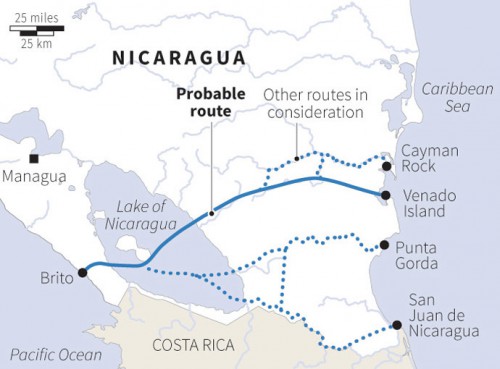
The People’s Republic of China is an increasingly important player in Latin America. One important project that involves China is the creation of a mega canal connecting the Atlantic Ocean with the Pacific Ocean, like a second Panama Canal. This second Panama Canal, however, will be based in Nicaragua and called the Great Canal of Nicaragua… The Nicaraguan government even signed an agreement in 2012 with a freshly formed Hong Kong-based company, called the Nicaragua Canal Development Investment Company Limited, run by a Chinese telecommunications businessman magnet for attracting international investments for building the canal. The project is due to start in a matter of months.

When the FLMN had Mauricio Funes elected as president, they had him immediately establish diplomatic relations with Cuba when he was inaugurated on June 1, 2009. The previous ARENA government refused to have ties with Havana and was helping the US blockade Cuba and to oppose Venezuela and its regional allies. The FLMN additionally established diplomatic relations with Vietnam, Cambodia, and Russia. They failed to do so, however, with the People’s Republic of China due to multiple factors. 

The failure to recognize Beijing was due to opposition by President Funes, who is now the outgoing president of El Salvador. Mauricio Funes, a former CNN employee and popular local broadcaster, was merely endorsed by the FLMN. Funes is not a member of the FMLN as some outside of El Salvador assume. Under the agreement that Funes had with the FMLN, the portfolios of the Salvadorian cabinet were divided between the FMLN and non-FMLN individuals (popularly called the “Friends of Funes”) selected President Funes. Under this power sharing agreement, Funes would control strategic issues, national economics, and the secretariat for political reforms while the FMLN would manage the portfolios responsible for healthcare, education, and security. It was under this framework that Funes was able to stall recognition of the People’s Republic of China and to hinder the economic and political reforms that the FMLN wanted. 

By the time that the Salvadorian government did reach out to officials in Beijing, the Chinese government was cool to the idea of establishing diplomatic ties. This was most probably because of the delay, which the Chinese government could have viewed as an insult to Beijing’s dignity. Although the FMLN as a political party has direct links to the People’s Republic of China through the FMLN’s international affairs office and has delegations invited to Beijing, the FMLN will look at ways to establishing formal diplomatic ties with Beijing when the FMLN win the 2014 presidential elections in March’s second round of voting. In this context, a second FMLN presidential term provides the opportunity for the FLMN to rectify the mistake and recognize Beijing quickly under a new chapter when Vice-President Salvador Sanchez becomes El Salvador’s next president.

The Salvadorian government and the FMLN have made it clear to Taiwan that El Salvador ultimately intends to recognize the Beijing as the legitimate government of China. What is interesting to note is that there has been no opposition from Taiwan against this decision. Nor will the severing of diplomatic ties between San Salvador and Taipei end Taiwan’s trade ties with El Salvador. There is even some type of silent coordination between Taiwan and the People’s Republic of China in regards to this trajectory that falls into the framework of Chinese unification. 

Mahdi Darius Nazemroaya is currently travelling in Central America. Presently he is in the Sandinista National Liberation Front (FSLN) stronghold of León inside Nicaragua. He was an international observer in El Salvador during the first round of the presidential elections in February 2014 and held discussions with Salvadorian officials about Salvadorian economics and foreign policy.


mardi, 28 janvier 2014

The Great Nicaraguan Canal

nc-1.jpg

The Great Nicaraguan Canal, or the Chinese puzzle for America

Nil NIKANDROV

Ex: http://www.strategic-culture.org

 
The idea of building an interoceanic canal through Nicaragua, similar to the Panama Canal but deeper and wider, has inspired the Nicaraguans for decades. There have been a number of obstacles to the realisation of this idea, but the main obstacle has been sabotage by the US, for whom the implementation of large-scale projects in a country ruled by Sandinistas is completely unacceptable. 

The operation of the Panama Canal, despite the formal transfer of control to Panama in 2000, is firmly tied to the military-strategic and geopolitical interests of the US. In recent years, crisis situations have been created in many regions of the world through the efforts of the Pentagon, and there is no guarantee that such events will not also take place in Latin America. This is exactly why the news regarding the forthcoming construction of the Great Nicaraguan Canal (GNC) was received so enthusiastically by the Latin Americans. The alternative interoceanic route – a call of the times – is an international megaproject costing USD 50 billion that could be a controlling factor on the imperial ambitions of the US. The construction of the canal is expected to begin at the end of 2014-beginning of 2015.

Nicaraguan President Daniel Ortega has taken a gamble on China, Russia and Brazil for this project. The United States, meanwhile, has taken a backseat, which is why Washington has rejected every opportunity for US companies to take part in GNC’s construction. In fact Managua did not expect any different from the Americans, and the promotion of the project began without them.

In July 2012, the National Assembly of Nicaragua passed a law prepared by the government «On the legal status of the Great Interoceanic Canal and the creation of its management structure». This structure (The Authority of the GNC) is authorised to build the canal, and will also be responsible for its future upkeep. It has become known that the project’s investor is Empresa Desarrolladora de Grandes Infraestructuras S.A. (EDGISA). The Authority of the Great Interoceanic Canal and EDGISA have signed a contract with the Chinese company HK Nicaragua Canal Development Investment, which has been given the authority to develop the project. The agreement also contains a clause on the special functions of the project’s operator, which will be responsible for ensuring the development of the infrastructure and the management of the construction, as well as dealing with shareholders. The operator company HKND Group Holdings Limited, which was registered on the Cayman Islands in November 2012, is managed by experienced Chinese businessman Wang Jing, who enjoys support at the highest state level...

There are a number of confidential issues in the GNC’s construction plans, as there are in any large-scale business projects. Making sense of these intricacies is difficult for even the most experienced third-party analysts. An important provider of regional support for the GNC is Venezuela, which is increasing its volume of oil supplies to China. Every now and then, Rafael Ramírez, Venezuela’s energy minister, issues politically correct statements on maintaining the volume of oil exports to China, while at the same time statements that are making Washington uneasy can be heard from the mouths of Venezuelans: «We are selling oil to China because it is the second-largest economy in the world and soon it will be the largest. While the US and Europe are in crisis, the Chinese economy continues to grow». Oil experts are interpreting Ramirez’s words like this: China will eventually become the main importer of Venezuelan oil, both heavy crude oil and light crude oil. Preparation for this is under way, as evidenced by China’s programme for the construction of large-capacity tankers for the Venezuelan oil company PDVSA. The first of four «Carabobo» VLCC-class tankers with a capacity of 320,000 deadweight tons was launched in September 2012. Tankers of this class can carry up to two million barrels of oil in a single voyage.

The Panama Canal, which was designed for vessels with a maximum capacity of up to 130,000 deadweight tons, cannot cope with the intensity of modern-day interoceanic traffic. Work is being carried out at an increased rate to widen the canal for the passage of higher-tonnage vessels. This is unlikely to provide a satisfactory solution, however. The reconstruction of the canal currently under way will allow for the passage of vessels with a capacity of up to 170,000 tons, but there are already hundreds of vessels in existence today that would be unable to use it. In the future, the number of large-capacity tankers (up to 250,000 tons and more) will increase tenfold. 

The Nicaraguan Canal will further promote trade and economic ties between countries in Latin America and the BRICS group of countries (Brazil, Russia, India, China and the Republic of South Africa). The realisation of the Nicaraguan megaproject will be yet further confirmation that Washington’s positions in Latin America are weakening, and that the region is being fiercely infiltrated by other powers, competition from which is neutralising the hegemonic claims of the US. And this is not happening just anywhere, but in those territories that were previously considered to be the Empire’s back yard.

The US Administration is trying to break this trend and create new alliances like the Pacific Alliance in order to undermine the processes of Latin American integration. It is also promising soft forms of cooperation with NATO to its closest allies, as happened with Colombia. The various methods of weakening, and in the long term removing, the authority of the Sandinista government have been miscalculated. In order to solve this issue, one of the largest US embassies in the Western Hemisphere has been set up in Nicaragua. It is headed by Phyllis Powers, who has experience of working in Panama. 

Issues related to the GNC are a priority for the US Embassy in Nicaragua. The objectives set are comprehensive: to gather information on the project’s key organisers and China’s intentions regarding the use of the canal for military purposes, including the creation of naval bases, expose corrupt schemes and so on. An exceptional amount of attention is being paid to the development of recommendations on how to compromise the project, the preparation of ideas for the introduction of propaganda campaigns regarding its lack of potential and its unprofitability, and so forth. 

On the whole, Daniel Ortega’s government is aware of these plans and intentions. This is possibly why (for preventive purposes) the Nicaraguan Foreign Ministry published a list of all diplomatic missions accredited in the country. As a rule, each mission includes between three and ten employees, whereas the US Embassy in Managua provides work to no less than one hundred Americans. As well as this, there are also the Peace Corps, USAID Agency employees, and a good ten other suspicious «charitable» organisations operating in the country. 

Ambassador Phyllis Powers’ right-hand man is Charles Barclay, who has 25-years of experience working in the State Department. One of his missions was in Mexico, where Barclay was in charge of a political intelligence agency and became famous for regularly sending encrypted telegrams to CIA headquarters on the alarming penetration of mythical Iranian terrorists into the country of Aztecs. The subject was a fashionable one, and the resident earned his stripes for it. In Cuba, Barclay was responsible for the organisation of a dissident group of journalist bloggers and the financing of their activities. Now in Nicaragua, the authorities are aware of Barclay’s true mission and the critically dangerous concentration of US intelligence agency employees in the country. 

The Nicaraguan authorities are also aware of the NSA Task Force operating under the roof of the embassy, which is carrying out electronic surveillance of government agencies, military leaders and security agencies. US intelligence agencies in the country are also carrying out the phased implementation of destabilisation scenarios. One of the main objectives is to review the dubious GNC agreements with the Chinese, and then reject the project under the pretext of the exposure of numerous cases of corruption. The names of people from Daniel Ortega’s inner circle who are allegedly using the project for the purposes of personal enrichment are already being bandied about in the press. 

It is noteworthy that at the end of last year, the US State Department criticised the ruling Sandinista National Liberation Front over the reform of its Constitution. The State Department called the proposals «anti-democratic». If the reform is approved, it will allow Ortega to run for a fourth term in the 2016 elections. 

The battle for and against the GNC is still going on, and it seems that the US is planning to use its entire arsenal of covert warfare in order to «cleanse» Nicaragua of both the Chinese and the Sandinistas. 

mardi, 14 janvier 2014

Le développement de la Chine est une déclaration de guerre aux Etats-Unis

254836.jpg

Le développement de la Chine est une déclaration de guerre aux Etats-Unis

Par Peter KUNTZE

La Chine a confiance en elle; elle ose des réformes et sa nouvelle direction veut consolider ses succès

Le contraste ne pourrait pas être beaucoup plus grand: d’un côté du Pacifique, la puissance qui est toujours l’hegemon, est confrontée à de fortes turbulences économiques et politiques; de l’autre côté, la superpuissance en devenir bat tous les records sur le plan économique, en dépit des prophètes de malheur, et a pleine confiance en son avenir.

Ce n’est pas étonnant: trois décennies et demie après le lancement de la politique de réformes et d’ouverture voulue par Deng Xiaoping, le successeur de Mao Zedong, ce changement de cap révolutionnaire a donné ses fruits en bien des domaines. Le pauvre Etat paysan, avec ses millions de “fourmis bleues” est devenu un pays moderne aux immeubles de prestige rutilants et a développé une industrie de la mode qui se révèle désormais sur les “catwalks” de Paris et de Milan.

Hollywood aussi s’énerve car, de fait, l’industrie américaine du cinéma a toutes les raisons de craindre l’avènement d’un sérieux concurrent installé en Extrême-Orient. Pourquoi? Wang Jianlin, l’homme qui serait le plus riche de la République Populaire de Chine, est en train de faire construire à Tsingtau (l’ancienne base et colonie allemande) les plus grands studios cinématographiques du monde. Ce projet gigantesque coûterait plus de huit milliards de dollars et serait achevé en 2017.

On pourrait énumérer encore beaucoup de nouvelles de ce genre, qui confirmeraient le développement exponentiel de la Chine actuelle. Pourtant, lorsque la nouvelle direction chinoise a accédé au pouvoir en novembre 2012, les voix se multipliaient pour annoncer le déclin prochain de la Chine, comme ces mêmes voix, d’ailleurs, l’avaient fait pour les directions précédentes. Comme le “New York Times” ou le “Spiegel”, les médias occidentaux étaient à l’unisson pour évoquer des scénarii catastrophiques: une bulle immobilière était sur le point d’éclater, qui aurait été suivie d’une bulle de crédit et, ensuite, le pays croulerait à cause de la corruption, tandis que la pollution le ravagerait et que le peuple ne tolèrerait plus les différences entre riches et pauvres. L’aspiration générale à la liberté ferait tomber la direction communiste, si des réformes rapides et de vaste ampleur n’étaient pas traduites dans le réel et si cette direction ne renonçait pas à son monopole de pouvoir.

Rien de tout cela ne s’est produit depuis que Xi Jinping (chef de l’Etat et du Parti) et Li Keqiang (premier ministre) ont pris leurs fonctions en novembre 2012 pour les conserver pendant dix ans. On ne voit pas pourquoi le chaos politique et la débâcle économique frapperaient la Chine au cours de la décennie à venir, décennie au bout de laquelle la République Populaire, selon l’OCDE, rattraperait les Etats-Unis, en tant que principale puissance économique de la planète. Le nouveau président de la Banque Mondiale, Jim Yong Kim, a prévu pour la Chine un développement positif à la mi-octobre: “La République Populaire croît de manière certes plus lente mais elle poursuit ses réformes. Le pays s’impose une gigantesque transformation: il passe du statut de pays exportateur et investisseur à une économie plus orientée vers la consommation. Sa direction envisage de s’en tenir à cette politique, en dépit des difficultés. C’est là un modèle pour d’autres”.

Deux nouvelles institutions contribueront à consolider la voie choisie par le gouvernement chinois: une première autorité, soumise au cabinet, a reçu, sur décision du Comité Central, la mission “d’éviter les conflits sociaux et de les résoudre de manière efficace”, afin de garantir la sécurité intérieure de l’Etat.

L’émergence de cette autorité vise, d’une part, à résoudre les problèmes qui se profilent derrière les nombreuses protestations et les manifestations parfois violentes qui se sont organisées dans le pays contre les excès de fonctionnaires locaux; d’autre part, à réagir contre d’autres dérapages comme l’attentat récent qui a frappé Pékin. Fin octobre, devant la Porte de la Paix Céleste, trois Ouïghours avaient foncé avec leur voiture bourrée d’essence sur une foule et entraîné deux passants avec eux dans la mort. On ne peut pas affirmer avec certitude qu’il s’agit d’un acte terroriste de facture islamiste, comme l’affirme le gouvernement. Une chose est sûre cependant: au Tibet comme dans la province du Xinjiang, peuplée d’Ouïghours, les incidents se multiplient car les habitants de ces vastes régions se sentent menacés par l’immigration sans cesse croissante de Chinois Han.

La deuxième autorité, qui verra le jour, s’appelle le “Groupe Central de Direction”, et sera soumis au Comité Central du PC chinois. Il supervisera le processus des réformes en cours et à planifier et veillera à leur “approfondissement général”.

Avec ces décisions, que le Comité Central du PC chinois a prises au début de novembre 2013 après quatre jours de délibérations, Xi Jinping et son camarade de combat, l’élégant Li Keqiang, ont imposé leur politique face à la résistance des forces orthodoxes de gauche. En effet, le texte de la résolution parle du marché qui ne tiendra plus un rôle “fondamental” mais bien un rôle “décisif” dans la répartition des ressources. Tant la propriété étatique que la propriété privée sont désormais des composantes essentielles de “l’économie socialiste de marché”.

D’importantes réformes sociales ont également été décidées. Ainsi, la politique d’un enfant par couple sera assouplie afin de mettre un terme au processus de vieillissement démographique qui freine le développement économique. Jusqu’ici les couples résidant en zone urbaine ne pouvaient avoir un deuxième enfant que si les deux parents n’avaient ni frères ni soeurs. Dorénavant, les couples chinois des villes pourront avoir un deuxième enfant si un seul des parents n’a ni frère ni soeur.

On annonce également la suppression des camps de travail où, depuis 1957, les petits délinquents et les adversaires du régime pouvaient être “rééduqués” pour une période allant jusqu’à quatre années, sans décision d’un tribunal.

L’échec du projet de reconstruction chinois, qui serait dû à des désordres intérieurs et devrait survenir au cours de ces prochaines années, est une chimère de plus colportée par les médias occidentaux. Beaucoup de Chinois profitent désormais de la politique gouvernementale. Tout visiteur étranger s’en aperçoit aisément en déambulant dans les rues des villes chinoises: ce ne sont plus que les seuls dirigeants politiques communistes qui circulent en automobile avec chauffeur. Aujourd’hui des millions de Chinois, fiers, sont au volant de leur voiture personnelle neuve de fabrication japonaise, américaine, allemande ou sud-coréenne.

De plus, plus de 90 millions de Chinois se sont rendus cette année à l’étranger. Ce ne sont pas seulement des amoureux du dépaysement mais des champions du “shopping” international. En 2012, les touristes chinois ont dépensé à l’étranger près de 102 milliards de dollars, plus que n’importe quelle autre nation au monde.

Quasiment à l’insu du reste du monde, Pékin vient d’entamer un combat sur le plan énergétique. Selon les médias chinois, le gouvernement prévoit, pour les cinq années à venir, la somme de 280 milliards d’euro pour financer des mesures visant des économies d’énergies et pour diminuer les effets négatifs de la pollution. Cette somme s’ajoute aux 220 milliards déjà investis dans les énergies renouvelables. Plus important encore: à moyen terme, la direction chinoise veut libérer le cours du yuan (la devise chinoise), le coupler éventuellement à l’or, et, ainsi, détrôner le dollar comme devise globale.

Peter KUNTZE.

(article paru dans “Junge Freiheit”, Berlin, n°49/2013; http://www.jungefreiheit.de ).

lundi, 13 janvier 2014

IL SECOLO CINESE?

IL SECOLO CINESE?

IL SECOLO CINESE?

Ex: http://www.eurasi-rivista.org

È uscito il numero XXXII (4-2013) della rivista di studi geopolitici “Eurasia” intitolato:


IL SECOLO CINESE?

Ecco di seguito l’elenco degli articoli presenti in questo numero, con un breve riassunto di ciascuno di essi.


EDITORIALE

IL SECOLO CINESE? di Claudio Mutti


GEOFILOSOFIA

HEGEL E IL FONDAMENTO GEOGRAFICO DELLA STORIA MONDIALE di Davide Ragnolini*

All’interno delle «Vorlesungen über die Philosophie der Weltgeschichte» del grande filosofo tedesco la riflessione sulla base geografica della storia mondiale trova una significativa collocazione propedeutica alla stessa storia filosofica del mondo, la cui importanza non è stata ancora sufficientemente colta. Hegel poneva a fondamento dello svolgimento storico mondiale il rapporto tra i popoli e la condizione naturale nella quale questi hanno localizzazione. Secondo l’impostazione storico-idealistica di Hegel, tempo e spazio hanno nella storia e geografia universale il loro correlato fenomenico dal quale i popoli avviano la propria esistenza. Da un punto di vista filosofico il rapporto tra spirito e natura costituisce la struttura teoretica portante su cui Hegel basa l’emancipazione di un popolo dalla condizione di mero «ente naturale» a soggetto storico all’interno della storia mondiale. Dal geografo e collega Carl Ritter,il filosofo tedesco ha tratto i princìpi interpretativi per la comprensione delle possibilità di sviluppo che le differenze geografiche offrono ai popoli, la rappresentazione geologica della superficie terrestre, la sua divisione in continente euroafrasiatico ed aree insulari, e infine la contrapposizione tra terra e mare. Questi rappresentano solo alcuni dei molti aspetti della geografia hegeliana, forieri di sviluppi successivi per la teoria geopolitica. 


DOSSARIO: IL SECOLO CINESE?

LA REPUBBLICA POPOLARE CINESE: PROFILO E RISORSE a cura della Redazione

La Cina oggi: una panoramica dei dati essenziali e delle dinamiche in atto contribuisce alla comprensione della più grande realtà asiatica.


LA NUOVA VIA DELLA SETA di Qi Han

La signora Qi Han è incaricata d’Affari dell’Ambasciata della Repubblica Popolare Cinese in Italia. “Eurasia” la ringrazia per aver gentilmente concesso di pubblicare il testo del discorso da lei pronunciato in occasione del Forum Eurasiatico di Verona (17-18 ottobre 2013). 

RITORNO ALLA VIA DELLA SETA di Giuseppe Cappelluti

 Dal mito alla realtà. Dopo secoli di oblio la Via della Seta, storico ponte tra l’Occidente e la Cina, sta tornando ad essere una direttrice primaria del commercio internazionale. Lungo i suoi itinerari si è tuttavia prefigurata l’ennesima disputa tra eurasiatismo ed euro-atlantismo: da un lato il percorso attraverso Russia e Kazakistan, più rapido e stimolato dal rafforzamento dell’integrazione eurasiatica, dall’altro quello attraverso il Caucaso e il Mar Caspio voluto dall’Unione Europea.

LA CINA PER UN ORDINE MULTIPOLARE di Spartaco A. Puttini

 L’ascesa della Cina si è imposta come una realtà della quale tener conto, in tutte le dimensioni proprie della geopolitica. Ma per coglierne la portata e le conseguenze per la vita internazionale occorre collocarla in un contesto preciso: quello attualmente attraversato dalle relazioni internazionali e caratterizzato dal braccio di ferro in corso tra il tentativo statunitense di imporre al mondo il proprio “dominio a pieno spettro” e l’emergere di un equilibrio di potenza multipolare. Nelle righe che seguono cercheremo di dare sommariamente conto dell’azione politica della Cina popolare su diverse scacchiere (dall’America Latina all’Africa) evidenziandone finalità ed effetti. Di particolare rilievo risulta l’impulso dato allo sviluppo dei rapporti economici Sud-Sud con mutuo beneficio, che promettono di erodere il potere ricattatorio esercitato dalle centrali finanziarie legate all’Angloamerica nei confronti dei paesi in via di sviluppo. Si accennerà al complesso rapporto che viene a stabilirsi concretamente tra l’aspirazione cinese ad una crescita armonica e pacifica e il vincolo sistemico indotto dagli Stati Uniti con la corsa agli armamenti e con il susseguirsi di gravissimi crisi regionali che contribuiscono ad attizzare le tensioni tra le Potenze.                         


 LA SECONDA PORTAEREI CINESE di Andrea Fais

La crescita della potenza economica cinese ha avuto principalmente due ripercussioni internazionali. L’una, di carattere commerciale, sta già modificando le dinamiche dei flussi di capitale nel pianeta ed è quella più dibattuta dalla stampa europea ma troppo spesso accentuata, se non deformata da giudizi raramente in sintonia con la realtà dei fatti. L’altra, di carattere strategico, mantiene ritmi di trasformazione più lenti, non tanto per il ritardo con cui la Repubblica Popolare Cinese è giunta ad affrontare nel concreto i temi salienti della guerra informatica e della modernizzazione militare quanto piuttosto per l’enorme potenziale accumulato dal Pentagono nel decennio compreso tra il 1998 e il 2007. Eppure dal momento che le dimensioni commerciale e militare sono interdipendenti, all’inversione di tendenza nella prima potrebbe presto seguirne un’altra nella seconda. Il debutto della prima portaerei cinese, la Liaoning, nel settembre 2012 aveva lanciato un dado sul tavolo: la sfida a quello strapotere aeronavale statunitense che, assieme al primato internazionale del dollaro, costituisce l’architrave dell’egemonia nordamericana sul resto del mondo.


LA TRIADE NUCLEARE DELLA REPUBBLICA POPOLARE CINESE di Alessandro Lattanzio

L’arsenale strategico cinese è oggetto di varie congetture. Qui viene presentato un quadro sintetico delle varie stime relative all’arsenale nucleare, dovute ai più importanti enti occidentali di analisi strategica.


GLI ALTRI PARTITI NELLA CINA POPOLARE di Giovanni Armillotta

 Le origini, la storia e l’organizzazione dei partiti democratici. Le lotte comuni assieme ai comunisti nell’epopea della liberazione contro i giapponesi, e nella guerra civile nel periodo della dittatura del Guomindang. La collaborazione di essi col Partito Comunista Cinese nell’amministrazione del Paese e le rappresentanze dei partiti indipendenti nelle alte istituzioni statali. Paralleli col sistema partitico della nostra Italia 1945-1994. Nell’articolo è adottato il sistema di traslitterazione Pinyin di nomi e toponimi.


LA  QUINTA GENERAZIONE AL POTERE di Sara Nardi

Negli ultimi anni il problema dell’informazione e dei mezzi di comunicazione di massa si è fatto stringente anche in Cina. Come seconda potenza mondiale e come nazione pienamente inserita nel processo di globalizzazione economica e digitale, il colosso asiatico è ormai entrato sotto la lente d’ingrandimento della famigerata osservazione internazionale. Si tratta di una realtà complessa, che spesso risente delle contraddizioni o delle forzature che il punto di vista politico e geografico dell’osservatore reca necessariamente con sé. Tuttavia, è stato lo stesso Xi Jinping ad annunciare un piano di riforme che risolvano in modo più efficace le complicate questioni legate alla corruzione, agli intrecci impropri tra politica e stampa e alla regolamentazione della rete multimediale. Una sfida da cui dipende l’immagine della Cina nel mondo e, dunque, la sua capacità di guadagnare legittimazione e consenso internazionali.


HUKOU. LA RESIDENZA IN CINA di Maria Francesca Staiano

La RPC è caratterizzata da un sistema di registrazione permanente della residenza (Hukou) che esclude i residenti non regolari, soprattutto i lavoratori migranti, dal godimento delle prestazioni sociali, come l’accesso ai servizi di istruzione, di sanità, di previdenza sociale e di sicurezza sul lavoro. Ciò ha generato una divaricazione netta tra la popolazione urbana e i migranti che provengono dalle zone rurali. Il sistema dello Hukou deriva da una tradizione storica-culturale antica ed è stato modificato varie volte dal Governo cinese. Oggi, la questione dello Hukou è nell’agenda del terzo plenum del Partito Comunista della RPC e quanto mai attuale. La Cina si trova ad affrontare la sfida di un esercito di lavoratori migranti che, sostenendo l’economia cinese, pretendono gli stessi diritti dei cittadini urbani.


MYANMAR: UNA PARTITA ANCORA APERTA? di Stefano Vernole

Lo “sdoganamento” del Myanmar apparentemente favorisce l’intrusione occidentale nell’area del Sud-Est asiatico, ma la stabilizzazione dell’ex Birmania è funzionale agli interessi di sicurezza della Cina. La strategia geoeconomica del PCC appare ancora una volta vincente. Il secolo asiatico vedrà Pechino protagonista?

LA CINA IN ROMANIA di Luca Bistolfi

La Cina è vicina, e molto, anche in Romania. Da anni ormai, semplici cittadini, operai, imprenditori e multinazionali di servizi e infrastrutture provenienti dalla Città Proibita hanno adottato il Paese carpatico quale meta di investimenti a lunga durata. Nel bellum omnium contra omnes i romeni se ne vanno dal loro Paese e ad esser assunti sono i cinesi, sempre più a basso costo e non meno sfruttati. Un risultato, fra i tanti, è che anche le aziende italiane, andate per suonare, sono state suonate. Sempre dai cinesi. E la Romania, ancora una volta, piange.


IL TURISMO CINESE DEL XXI SECOLO di Ornella Colandrea

Negli ultimi tre decenni, la Repubblica Popolare Cinese ha adottato politiche e misure che, modificando fortemente la struttura socioeconomica del paese, hanno inaugurato una fase di costante crescita economica. La Cina rappresenta oggi un interessante mercato in  crescente espansione in cui il turismo costituisce uno dei fulcri centrali dell’industria nazionale. Il mercato turistico cinese rappresenta una grande opportunità per l’Europa e per il sistema di offerta italiano in particolare. L’articolo analizza i dati, i ritmi di sviluppo, le tendenze, i profili dei turisti cinesi, individuando criticità e opportunità.


IL TURISMO CINESE IN ITALIA di Elena Premoli

Affari, ma non solo: anche più tempo libero, voglia di esplorare il mondo, curiosità sempre crescente, desiderio di evasione, necessità di staccarsi dalla frenetica vita delle grandi megalopoli asiatiche. E, soprattutto, maggiore disponibilità economica. Sono questi alcuni fattori che stanno alla base di un fenomeno  sempre in crescita e che sta raggiungendo cifre davvero importanti. Si tratta del turismo cinese, dei viaggi interni alla Cina o all’estero che sempre più abitanti della Terra di Mezzo decidono di compiere per piacere.  Dove si posiziona il nostro Paese all’interno di questa filiera? Quali passi sono stati già compiuti, da quali sbagli è bene trarre insegnamento e quali piccole accortezze sono richieste agli operatori del settore per accogliere al meglio gli ospiti in arrivo dalla Repubblica Popolare? L’articolo offre un breve excursus sull’evoluzione del fenomeno turistico, andando alle radici della pratica del viaggiare per poi arrivare velocemente ai giorni nostri. Espone alcune cifre che definiscono un’idea generale del fenomeno e si chiude con uno sguardo particolare su quanto è possibile fare per trarre maggiori guadagni da tale tendenza, impossibile da trascurare.

LA RICEZIONE DI CARL SCHMITT IN CINA di Davide Ragnolini

La recente traduzione in cinese delle opere del giurista tedesco e la crescita delle pubblicazioni dedicategli in Cina rappresentano un elemento di novità sotto un duplice punto di vista. Da un lato contribuiscono sul piano ermeneutico ad arricchire la storia della ricezione della filosofia schmittiana del diritto sotto un più generale aspetto teoretico-dottrinale nel dibattito scientifico mondiale; dall’altro, queste pubblicazioni sono rilevanti come inedita introduzione di un autore europeo ormai classico all’interno della specificità politico-culturale della più grande nazione asiatica. Un recente saggio di Qi Zheng fornisce una panoramica su questo dibattito scientifico in Cina e al contempo ci dà la possibilità di intravedere i limiti attuali della ricezione cinese di un pensatore che, come spiega la stessa Qi Zheng, come nessun altro ha causato tante controversie in Cina.

CONTINENTI

GLOBALIZZAZIONE: DEFINIZIONE E CONSEGUENZE di Cristiano Procentese

La globalizzazione costituisce il fenomeno più rilevante degli ultimi decenni: ingrediente ormai irrinunciabile di ogni riflessione, rimane, ciononostante, un concetto ancora generico e impreciso. Tuttavia, dopo le apologetiche profezie dei sostenitori della globalizzazione, il risultato degli ultimi anni è  stato un modello di sviluppo che ha come componente intrinseca l’accentuazione delle diseguaglianze, la precarizzazione del lavoro ed il senso d’insicurezza dei cittadini. La crescita incontrollata della speculazione finanziaria, la delocalizzazione delle imprese, che diventano multinazionali o transnazionali, e l’impotenza dei governi nazionali nel gestire un fenomeno così complesso, sono le priorità cui la politica, riappropriandosi delle proprie prerogative, dovrebbe cercare di dare una risposta.

LA LETTONIA VERSO L’EURO di Giuseppe Cappelluti

Il 1 gennaio 2014 sarà una data storica per la Lettonia: il Paese baltico, infatti, diventerà il diciottesimo membro di Eurolandia. Per ragioni sia economiche sia geopolitiche (la volontà di sancire l’appartenenza all’Occidente in funzione antirussa) l’adozione dell’euro è stata uno dei principali obiettivi del governo di centrodestra, ma il Paese è tutt’altro che entusiasta. L’accettazione della Lettonia nell’Eurozona, dopo tutto, è stata vincolata all’adozione di rigide misure di austerità, e non manca chi, memori dei cinquant’anni di occupazione sovietica, teme per la propria sovranità nazionale. Alcuni economisti, d’altro canto, non vedono di buon occhio alcuni provvedimenti recentemente approvati in materia fiscale e temono che il Paese si trasformi in un ponte verso i paradisi fiscali, o peggio che diventi esso stesso un paradiso fiscale.

LE MANI SULL’ASIA CENTRALE di Giuseppe Cappelluti

La Cina è oggi uno dei maggiori interlocutori commerciali degli “stan” dell’Asia Centrale, e i suoi interessi nell’area sono in forte crescita. Emblematici delle strategie geopolitiche di Pechino verso il Centrasia sono i rapporti con Kazakhstan e Kirghizistan. Se fino a poco più di vent’anni fa la Cina era totalmente assente dagli orizzonti kazachi, la sempre più massiccia presenza cinese nell’economia dell’Aquila della Steppa, non più limitata al tradizionale settore degli idrocarburi, ne ha fatto uno dei più importanti partner commerciali e strategici. Inoltre, pur non mancando timori per un possibile boom dell’immigrazione cinese, gli interessi tra i due Paesi sono reciproci, a partire dalle questioni legate alla sicurezza e dalle nuove infrastrutture che collegheranno Cina e Russia attraverso il Kazakhstan. Il Kirghizistan, al contrario, interessa essenzialmente per la sua posizione geografica, mentre la sua futura adesione all’Unione Doganale non è propriamente una buona notizia per quello che un tempo fu il Celeste Impero. Ma nei due Paesi le mosse cinesi suscitano non pochi sospetti: legittimi interessi o espansionismo geoeconomico?

LA GUERRA CIVILE DEL TAGIKISTAN (1992-1997) di Andrea Forti

Nonostante la durata, cinque anni, e l’elevato numero di vittime (dai cinquanta ai centomila morti) la guerra civile del Tagikistan rimane, agli occhi del grande pubblico occidentale (e non solo), uno dei conflitti meno conosciuti del convulso periodo immediatamente successivo alla fine della Guerra Fredda, oscurato dai contemporanei ma ben più mediatici conflitti nella ex-Jugoslavia, in Algeria o in Somalia. La guerra civile tagica, nonostante l’oblio che ormai circonda questa drammatica pagina di storia, è di grande interesse sia per lo studio dei conflitti nati dal dissolvimento dell’Unione Sovietica che per eventuali comparazioni con conflitti attualmente in corso, come quello in Siria che oppone le forze governative alla ribellione islamista.

COMUNITÀ RELIGIOSE IN SIRIA di Vittoria Squillacioti

La Siria odierna è un paese complesso dal punto di vista etnico e religioso. Per comprendere quali siano effettivamente le differenze che caratterizzano la sua popolazione è necessario tenere presente le variabili della lingua, della confessione religiosa e dell’eventuale collocazione geografica delle diverse comunità, tre variabili che agiscono profondamente nella definizione delle diverse identità e appartenenze. Nel variegato mosaico siriano riscontriamo così la presenza dominante dei musulmani, ancorché suddivisi tra sunniti, sciiti, ismailiti, alawiti, drusi e yazidi, ma anche diverse varietà del cristianesimo ed una comunità ebraica.

ARABIA SAUDITA: ALLEANZE ESTERE E DINAMICHE INTERNE di Sara Brzuszkiewicz

In seguito al deciso rifiuto da parte dell’Arabia Saudita del seggio nel Consiglio di Sicurezza delle Nazioni Unite, per il quale era stata eletta come membro non permanente, ci si interroga sugli attuali rapporti del Regno dei Saud con storici alleati, rivali di sempre e timido dissenso interno, per scoprire che, nonostante a prima vista possa sembrare il contrario, il vento del cambiamento è ancora lontano dalla Culla dell’Islam.

IL TAGLIO DELL’ISTMO DI SUEZ di Lorenzo Salimbeni

Nel novembre del 1869 venne inaugurato il Canale di Suez. Ci era voluto quasi un decennio di massacranti lavori per portare a compimento quest’opera ciclopica, dopo che già in fase di progettazione non erano mancate le polemiche. La necessità di mettere in collegamento il Mar Mediterraneo ed il Mar Rosso era chiara a tutti, ma la modalità con cui conseguire tale obiettivo era oggetto di discussione. Vi fu chi propose di aprire un canale fra il Mar Rosso ed il delta del Nilo (come era già stato fatto all’epoca dei Faraoni e della dominazione araba dell’Egitto), chi insistette per un collegamento ferroviario Alessandria-Il Cairo-Mar Rosso e chi spinse per tagliare l’istmo di Suez, anche se si riteneva che fra i due mari vi fosse un dislivello di alcuni metri che avrebbe richiesto la costruzione di complesse chiuse. La Compagnia Universale del Canale di Suez presieduta dallo spregiudicato Ferdinand de Lesseps, il genio ingegneristico di Luigi Negrelli e l’iniziale opposizione britannica furono i soggetti più importanti nella fase iniziale dell’ambiziosa opera di scavo.

INTERVISTE

TUCCI IN ORIENTE. L’AVVENTURA DI UNA VITA. INTERVISTA A ENRICA GARZILLI (a cura di Andrea Fais)

Enrica Garzilli è, dal 1995, direttrice delle riviste accademiche “International Journal of Sanskrit Studies” e “Journal of South Asia Women Studies”. È stata quindi Research Affiliate al P.G.D.A.V. College, una delle più antiche istituzioni dell’Università di Delhi. Dal 1991 al 2011 ha vinto la Senior Fellowship presso il Center for the Study of World Religions dell’Università di Harvard (1992–94), ha compiuto quattro anni di studi post-laurea in storia, informatica e giurisprudenza, ha insegnato come Lecturer di sanscrito all’università di Harvard e servito come direttore editoriale della Harvard Oriental Series-Opera Minora, è stata Visiting Researcher alla Harvard Law School (1994–96) e docente presso le università di Macerata, Perugia e Torino. Collabora in qualità di esperta alla RSI – Radiotelevisione Svizzera e a riviste e giornali italiani.

“GLOBAL TIMES”: UNO STRUMENTO DI DIALOGO. INTERVISTA A LI HONGWEI (a cura di Andrea Fais)

Li Hongwei è caporedattore dell’edizione in lingua inglese del quotidiano di approfondimento cinese “Global Times”. Fondato nel 1993 dall’editore del “Quotidiano del Popolo”, il “Global Times” ha raggiunto una popolarità internazionale a partire dal 2009, quando fu lanciata l’edizione in lingua inglese che ha raggiunto i lettori di tutto il mondo, accreditandosi come riferimento imprescindibile per conoscere analisi e opinioni della società cinese. La presente intervista è stata rilasciata ad Andrea Fais, collaboratore di “Eurasia” e di “Global Times”.

RECENSIONI

Luciano Pignataro, La Cina contemporanea da Mao Zedong a Deng Xiaoping (1949-1980) (Andrea Fais)

Tiziano Terzani, Tutte le opere (Stefano Vernole)

Carlo Terracciano, L’Impero del Cuore del Mondo (Andrea Fais)

Massimo Cacciari, Il potere che freno (Claudio Mutti)

lundi, 30 décembre 2013

La geostrategia dell’India e la Cina

china-india.jpg

La geostrategia dell’India e la Cina

Mackinder contro Mahan?

Zorawar Daulet Singh


Due eventi recenti esemplificano il dilemma geopolitico dell’India. Durante i primi giorni di aprile 2013 è stato riferito che alcuni sottomarini cinesi avevano condotto incursioni nell’Oceano Indiano, ovviamente avvertite dai sonar della marina statunitense1. Un paio di settimane dopo c’è stata l’intrusione di un plotone di truppe cinesi nella zona della valle di Depsang, nel Ladakh orientale2. Anche se lo status precedente all’incursione è stato raggiunto pacificamente, l’incidente del Ladakh ricorda chiaramente le durevoli implicazioni dell’irrisolta controversia himalayana. Insieme, ciò a cui entrambi questi eventi fanno pensare è anche la profonda controversia nella geostrategia dell’India nei confronti della Cina. Questa è contesa tra le rappresentazioni di Mackinder e di Mahan, e parte della sua ambivalenza strategica può essere ricondotta proprio alla mancanza di una rappresentazione geopolitica ben definita su cui basare il dibattito.

L’illusione mahaniana

Una soluzione mahaniana alla sfida posta dalla Cina riguarda il fatto che l’India può superare alcuni dei suoi svantaggi continentali disturbando le linee di comunicazione marittime (SLOC – sea lines of communications) cinesi, o prendendo parte alle dispute dell’Asia Orientale. La logica di fondo deriva dal concetto di escalation orizzontale, secondo cui si può tentare di superare l’asimmetria in un teatro facendo salire il conflitto ad un dominio geografico più ampio. Riassumendo, se la Cina dovesse continuare ad avventurarsi nelle montagne, l’India potrebbe rispondere in mare aperto.

Anche se concettualmente intuitivo, questo collegamento richiede che Pechino valuti l’integrità delle sue linee di comunicazioni marittime in una maniera sufficiente a spingerla a modificare i suoi piani sulle montagne. I blocchi navali sono inoltre operazioni complesse, e l’orizzonte temporale necessario al successo, che corrisponderebbe al porre una seria minaccia alla sicurezza delle risorse cinesi, sarebbe significativamente più lungo di quello richiesto da una rapida e limitata operazione continentale volta a modificare permanentemente la linea di controllo effettiva (Line of Actual Control – LAC) o avente scopi punitivi. La crescente riserva strategica di petrolio della Cina inoltre, anche se destinata a compensare turbative di mercato, rappresenterebbe una risorsa in una situazione del genere. Infine, la ricerca cinese di nuove linee di comunicazione eurasiatiche, sia mediante i sempre più importanti legami energetici con la Russia che con le interconnessioni attraverso l’Asia Centrale, indicano una potenziale riduzione della dipendenza dalle linee di comunicazioni marittime dell’Oceano Indiano, almeno per alcune delle risorse strategiche3. Chiaramente la Cina percepirà il gioco allo stesso modo, e nulla suggerisce che la predilezione dello statega marittimo indiano per questo tipo di gioco rappresenti un’eccezione. In parole povere un interesse centrale non può essere difeso attraverso azioni orizzontali periferiche.

Affrontare la pressione continentale

Come può l’India impedire che venga esercitata una pressione pesante sulle sue frontiere? Non ci sono alternative alla deterrenza in ambito continentale, dove suoi interessi fondamentali, in questo caso l’integrità territoriale, possono essere minacciati. Forse il metodo più sistematico per sviluppare opzioni di deterrenza è con un doppio processo.

In primo luogo il rafforzamento dei sistemi di allerta delle frontiere nei passaggi chiave di tutta la linea di controllo effettiva, attraverso il potenziamento della logistica, le capacità di spostamento pesante, e le capacità di intelligence, sorveglianza e ricognizione (ISR), per migliorare l’abilità a muovere le forze in avanti verso passi montani vulnerabili. Questo aumenterebbe un po’ i costi per la Cina. A dire il vero esistono intrinseci limiti geografici a quanto la catena logistica può diventare flessibile ed efficiente, e l’India non riuscirà mai a pareggiare i vantaggi della Cina, che prevedono un approccio decisamente flessibile alla gestione delle frontiere, permesso dalla comodità dell’uniforme territorio tibetano. Ma l’India non si avvicina neanche lontanamente a un briciolo di quelle che sono la moderna logistica e la rete ISR in una topografia vincolata.

Un rapporto, basato su valutazioni ufficiali, afferma che “sul versante indiano molte delle strade si fermano tra i 60 e gli 80 km prima della LAC, compromettendo così il dispiegamento delle truppe e la loro presenza in avanti”4. Nonostante la decisione ufficiale di migliorare l’interconnessione delle regioni di confine in tutte e tre le sezioni della frontiera indo-cinese “a partire dal 2010, solo nove delle 72 strade pianificate sono state completate”5. Alcune delle motivazioni, legate principalmente all’inerzia burocratica e ai gravi limiti nel coordinamento e nelle capacità dell’Organizzazione delle strade di confine, sono note, ma non sono state affrontate6.

Si può affermare che la mancanza di una logistica moderna e di una rete di connessione può aver involontariamente enfatizzato in modo eccessivo il pattugliamento dei punti controversi lungo la LAC. In altre parole, l’approccio prevalente per la gestione delle frontiere è una soluzione tampone per compensare problemi strutturali decennali sul retro, come quelli infrastrutturali, della catena logistica, delle ISR basate sulla tecnologia, ecc. Se alcuni di questi aspetti, compresa la capacità di monitoraggio, fossero rafforzati, la gestione delle frontiere verrebbe trasformata. In assenza di seri mutamenti nella rete logistica retrostante che conduce alle montagne, l’India potrebbe restare per sempre ostaggio di una situazione in cui un’azione cinese in una zona controversa lungo la LAC lascia a Nuova Delhi solamente opzioni costose.

In secondo luogo, anziché in ambiti periferici, la capacità di aumentare i livelli della violenza orizzontalmente e verticalmente costituisce un elemento importante per il rafforzamento della deterrenza. La Cina è logisticamente in grado di ammassare un grande volume di forze e potenza di fuoco in ogni settore in breve tempo7. Per scoraggiare tale scenario da “guerra lampo”, l’India può dimostrare di avere le capacità e la disciplina per dirigere gli obiettivi a un grado più basso, nel cuore del Tibet e in un dominio cui la Cina assegna un importante valore, il suo heartland continentale nella parte orientale.
Questo implica che l’India ha bisogno di sistemi di deterrenza a distanza come missili a lunga gittata e una forza aerea avente un ampio raggio d’azione. Alcune di queste capacità esistono già, ma non sono state dirette verso obiettivi di deterrenza dalla politica centrale. Di conseguenza le forze armate, esercito e aviazione in questo caso, vengono lasciati a soddisfare le loro limitate preferenze, precludendo una dottrina congiunta terra-aria. L’esercito è legato a una concezione di deterrenza che prevede un uso intensivo delle risorse umane, mentre le forze aeree si accontentano di accumulare funzionalità ad hoc senza contribuire a una condizione di deterrenza stabile. È sconcertante, ad esempio, che l’India stia cercando di conquistare capacità di proiezione fuori area senza prima considerare le esigenze di trasporto dei carichi pesanti per le sue necessità di sicurezza o l’assenza di una rete di difesa aerea moderna.

Forse è stato a partire da una valutazione così frammentaria che un documento programmatico ampiamente letto nel 2012 parlava di promuovere la deterrenza asimmetrica, preparandosi “a innescare una vera e propria rivolta nelle zone occupate dalle forze cinesi” in caso d’invasione8! La Cina non è neanche lontanamente in procinto di impegnare i piani dello stratega indiano in una lunga guerra vicino alle colline. In effetti, si può affermare che un approccio di modernizzazione della difesa delle frontiere dominato dalle risorse umane, piuttosto che rafforzare la deterrenza, potrebbe involontariamente minarla, inviando a Pechino un messaggio sbagliato, e, allo stesso tempo, illudere la leadership politica e militare che stia per essere posto in essere un atteggiamento di “difesa attiva”9.

Sfide in tempo di pace e guerra limitata

bulard_inde-f309a.jpgLa sfida cinese lungo le frontiere deve essere analizzata chiaramente in ogni sua parte. In assenza di un confine ben definito, una delle sfide consiste nel garantire che la zona contestata della LAC non si ampli a causa dell’abilità logistica della Cina nel perseguire un atteggiamento attivista di perlustrazione in tempo di pace. Questo può essere affrontato solo, come già accennato, concentrando l’attenzione sulla logistica e sulle capacità di monitoraggio, insieme a un approccio dinamico alla gestione delle frontiere. Inoltre, dato che l’India possiede un territorio più basso, deve anche fare leva sulle misure di confidence-building (CBM) e intanto negoziare nuove norme per vincolare le capacità superiori della Cina in termini di flessibilità e pattugliamento. Se sfruttate prudentemente, le CBM possono aiutare nel mantenimento di uno status quo stabile.

C’è poi il classico scenario di un conflitto limitato derivante da un deterioramento delle relazioni bilaterali. Questo conduce direttamente al cuore di una valida strategia di deterrenza basata sulla natura geopolitica del campo di battaglia himalayano. Una strategia di deterrenza fondata sulla negazione è un approccio sbagliato in un mondo nucleare. L’asimmetria può in effetti essere volta a favore dell’India. Anziché affidarsi a una strategia di risposta flessibile, che vede la Cina in una posizione migliore grazie alla sua logistica superiore e ai vantaggi geostrategici del suo territorio più alto, la dottrina indiana dovrebbe basarsi sulla deterrenza attraverso la punizione. È inutile e costoso prepararsi ad attaccare la Cina a tutti i livelli con ogni tipo di aggressione. Se c’è una lezione da imparare dalla coppia India-Pakistan è proprio questa. L’attore convenzionalmente più debole può annullare l’asimmetria sfruttando politicamente le sue capacità strategiche e la sua dottrina. Una dottrina nucleare credibile e ponderatamente segnalata, correlata a una dottrina convenzionale congiunta ad ampio raggio d’azione, consentirà all’India di allontanare lo scenario dell’avventurismo cinese.

Di chi è la dottrina?

Il punto cruciale è che l’appropriata dottrina militare sta emergendo a partire dall’inerzia istituzionale piuttosto che attraverso un piano accuratamente dibattuto. Se l’obiettivo è creare deterrenza in condizioni di alta tecnologia convenzionale e nucleare, allora investire nelle risorse umane per intraprendere un’ipotetica battaglia in Tibet è una strategia non ottimale che potrebbe esacerbare il dilemma della sicurezza tra India e Cina, senza aumentare la tranquillità dell’India sulla frontiera. Dati i vantaggi geostrategici e logistici della Cina, un atteggiamento di difesa attiva da parte dell’India è semplicemente non credibile.

Una strategia di deterrenza mediante punizione, combinata a solide capacità di mantenimento, è preferibile all’illusione di poter perseguire una dottrina di difesa attiva. Una strategia di questo tipo richiede sistemi di precisione a lungo raggio, la conoscenza del settore spaziale, capacità aeree di quarta e quinta generazione e una moderna rete di difesa aerea, oggi quasi interamente garantita dall’Indian Air Force (IAF). Anche in questo caso, alcuni degli ingredienti di base esistono già, sparsi all’interno delle forze armate, ma non sono stati orientati verso obiettivi dottrinali comuni.

Il cuore del problema non è la mancanza di pensiero strategico, ma la diversità delle percezioni strategiche e delle dottrine che sono in competizione per la validità individuale e il primato. Mentre i mahaniani sminuiscono i continentalisti per il loro attaccamento a rappresentazioni geopolitiche obsolete, questi ultimi si sono sforzati di interiorizzare le implicazioni di un ambiente ad alta tecnologia post nucleare, dove la deterrenza deve essere la finalità principale della strategia militare. La dimensione militare della grande strategia non può essere di tipo additivo, in cui le diverse parti interessate, in questo caso le forze armate, suggeriscono mezzi autonomi per affrontare le stesse minacce o addirittura ricostruiscono delle minacce per adattarsi ai mezzi, mentre il compito dello stratega è di far quadrare insieme queste dottrine!

La strategia non consiste nel gettare soldi in un pozzo senza fondo, ma nell’orientare in modo dinamico e creativo gli strumenti più appropriati verso le minacce in modo che possano apparire basati sugli obiettivi politici e sulla dottrina militare degli avversari, e non come e dove dovrebbero apparire. L’elite politica dell’India deve accettare di riconoscere la sua parte di responsabilità, dato che è stata l’apatia a quel livello a permettere un’impostazione dal basso e un approccio frammentario alla strategia, senza un pianificatore centrale disposto a fissare i termini dell’agenda.

La priorità dell’India: Cina continentale o Cina marittima?

L’India dovrebbe focalizzarsi più sulla Cina continentale che su quella marittima, ed è l’equilibrio di potere e d’influenza sulla periferia subcontinentale che richiede costante attenzione strategica. Le linee di comunicazione cinesi verso l’Asia Meridionale partono dalla Cina continentale. Il corridoio verso l’Asia Centrale, i collegamenti che attraversano il Karakorum tramite il Pakistan e il corridoio attraverso il Myanmar sono tutti parte della geostrategia continentale di Pechino per garantire la sicurezza delle sue regioni periferiche e integrarsi con i vicini. L’estensione e l’ulteriore potenziale di queste linee di comunicazione nel nord dell’Oceano Indiano, nel Golfo del Bengala o nel Mar Arabico, non possono essere sfruttati senza l’acquiescenza strategica e la cooperazione dell’India.

Il regno marittimo non è, contrariamente a quanto osservano alcuni analisti10, il teatro di un gioco a somma zero tra India e Cina, in cui sono in ballo gli interessi vitali di entrambi i Paesi. La realtà geopolitica è che le linee di comunicazioni marittime cinesi passano vicino a schieramenti navali indiani, e oltre l’85% delle importazioni di petrolio cinesi attraversano le rotte marittime dell’Oceano Indiano. Allo stesso modo, più del 50% del commercio indiano attraversa oggi gli stretti di Malacca e Singapore. Anziché rappresentare una fonte di conflitto questo dovrebbe essere la base di un rapporto marittimo accomodante.
Nell’ambito di un’economia politica internazionale interdipendente l’idea di sicurezza unilaterale lungo le linee di comunicazione marittima è illogica.

I territori dell’Indo-Pacifico sono caduti sotto il dominio di una sola superpotenza in condizioni storiche uniche che non possono prevalere a tempo indeterminato. Anche se è prematuro valutare a priori l’evoluzione del sistema marittimo dell’Indo-Pacifico, sicuramente questa vedrà uno sforzo collettivo in cui nessuna singola potenza può essere esclusa dalla gestione degli spazi comuni. All’interno di questa logica è probabile che diverse potenze regionali prendano in carico oneri maggiori nelle loro periferie geopolitiche. Ma finché il commercio interregionale e lo scambio di risorse sostengono l’economia globale, gli spazi comuni non possono diventare un sistema di sicurezza chiuso. La rivalità marittima anglo-tedesca testimonia l’inutilità di un gioco a somma zero. Quella rivalità ha prodotto un’incontrollabile corsa agli armamenti che ha frantumato il predominio marittimo britannico e, in ultima analisi, le pretese della Germania di avere un’egemonia europea.

In effetti, l’evoluzione della tecnologia militare evidenzia come le idee di Mahan siano pressoché obsolete. La storica logica mahaniana di controllo offensivo del mare attraverso le grandi flotte di superficie, “definita come la capacità di utilizzare i mari sfidando la volontà degli altri”11, è superata. Le prescrizioni originali di Mahan sul controllo del mare derivavano da uno specifico contesto storico, industriale e tecnologico che non prevale più, vista l’evoluzione dell’ambiente tecnologico-militare. Forze missilistiche continentali a lungo raggio; capacità aerospaziali di quarta e quinta generazione; funzionalità subacquee come i sottomarini d’attacco; ISR e abilità nell’individuazione degli obiettivi su terra, aria e spazio; armi anti-satellite (ASAT) e capacità informatiche rendono l’idea del controllo del mare, un concetto altamente controverso. In realtà, la negazione del mare, insieme a limitate capacità di proiezione di potenza, è forse il massimo a cui le potenze emergenti contemporanee possono aspirare. È probabile che la struttura della forza marittima di domani assumerà la forma di piattaforme disaggregate e meno vulnerabili, piuttosto che di potenza di fuoco concentrata in grandi flotte trasportatrici di mezzi.

Sarebbe più appropriato descrivere la strategia militare cinese come un approccio regionale “antinavale” di negazione del mare che come una ricerca di potere marittimo globale12. I sistemi terrestri sono parte integrante della modernizzazione navale della Cina, che non compete con le grandi flotte di superficie della tradizione anglo-americana. Come sottolinea una valutazione occidentale, “l’obiettivo principale della marina cinese è ancora quello di proteggere il Paese dal potere di attacco in mare statunitense”13. Un autorevole studio americano afferma che “la nuova marina della Cina conta più su viaggi senza equipaggio e missili balistici che su velivoli con equipaggio, e più su sottomarini che su navi di superficie”14. Ciò considerato, è ironico che, nel dibattito strategico indiano, qualcuno chiami in causa l’immagine mahaniana della Liaoning, la sola portaerei cinese, come simbolo e guida della strategia marittima cinese15. La proiezione in mare aperto, al di là dei mari regionali, è di secondaria importanza per Pechino. L’obiettivo principale della strategia cinese per l’immediato futuro è la negazione del mare, focalizzata nel Pacifico Occidentale e sulla marina statunitense.

La marina degli Stati Uniti riconosce di non poter più agire indisturbata nelle periferie marittime delle varie potenze regionali, e gran parte del suo dibattito strategico è animato dalla sfida asimmetrica antiaccesso che si estende nelle regioni dall’Asia Occidentale alla penisola coreana16. Queste tecnologie perturbatrici sono resistenti e, dal momento che vengono messe in campo dalle potenze del Rimland eurasiatico, il discorso mahaniano sarà profondamente modificato nei prossimi anni.
In sintesi, anche se Stati continentali come India e Cina possono far aumentare i costi operativi delle altre potenze marittime, incluse l’un l’altra, nelle loro rispettive regioni, non possono acquisire unilateralmente il controllo del mare necessario ad assicurare le linee di comunicazione marittima in mare aperto, linee vitali delle loro economie. In ciò consiste la logica della competizione e della cooperazione. Strategie di autotutela possono coesistere con regole cooperative di ripartizione degli oneri per consentire una più ampia stabilità degli spazi comuni.

Ammansire i mahaniani per sviluppare una geostrategia principalmente continentale

L’influenza cinese sulle coste dell’Oceano Indiano paradossalmente è emersa non perché la marina dell’Esercito popolare di liberazione fosse percepita come garante della sicurezza, ma perché l’assistenza economica e tecnico-militare ha assicurato alla Cina uno spazio politico. Le possibilità marittime dell’India si riducono a un insieme di mezzi per recuperare influenza. Per quanto riguarda l’influenza indiana in Asia Orientale, l’emulazione delle pratiche cinesi è una strada maggiormente percorribile rispetto all’eventualità di premature incursioni marittime in teatri dove l’India dovrebbe confrontarsi con il peso della potenza di fuoco cinese. Ad esempio, l’influenza indiana è avanzata di più sostenendo la capacità propria del Vietnam di bilanciare asimmetricamente una Cina assertiva, piuttosto che con la presenza diretta nel Mar Cinese Meridionale.

I mahaniani hanno raccomandato all’India di disfarsi delle sue rappresentazioni continentali e prospettano per essa il ruolo marittimo di “garante della sicurezza” in altre regioni. Quest’analisi fin qui suggerisce che non è una strategia prudente. Considerati gli straordinari investimenti e il tempo richiesto da una modernizzazione della marina, è indispensabile che gli strateghi indiani raggiungano questa consapevolezza.
I mahaniani per certi aspetti riflettono i più ampi cambiamenti nel profilo economico e diplomatico dell’India, che hanno diffuso i suoi interessi in tutto il mondo. È vero che l’India globalizzata ha un impatto economico e culturale in molti continenti, e che le sue istituzioni dovrebbero riflettere ciò, ma non è affatto detto che la strategia marittima, spesso considerata come il potenziale mezzo di espansione degli interessi globali indiani, dovrebbe guidare questo processo. E non è sicuramente detto che l’India debba ricercare un ruolo extra-regionale prima ancora di aver raggiunto un minimo di sicurezza e influenza nella propria regione, in cui le sue aspirazioni locali restano fortemente contestate.

Per il futuro imminente gli interessi fondamentali dell’India dovrebbero restare nel continente ed essere perseguiti attraverso una geostrategia principalmente continentale. Un ruolo marittimo strettamente legato al rafforzamento della deterrenza e dell’influenza nel Subcontinente sembra più in sintonia non solo con le sfide nazionali dell’India, ma anche con la direzione geostrategica delle pressioni che continuano a ricorrere.

(Traduzione dall’inglese di Chiara Macci)


NOTE:
Zorawar Daulet Singh è ricercatore presso il Center for Policy Alternatives, Nuova Delhi e dottorando presso l’India Institute, King’s College, Londra.

1. Singh, Rahul, China Submarines in Indian Ocean Worry Indian Navy, “Hindustan Times”, 7 April 2013.
2. Singh, Rahul, China Ends Ladakh Standoff, Troops Pull Back, “Hindustan Times”, 5 May 2013.
3. Downs, Erica S., Money Talks: China-Russia Energy Relations after Xi Jinping’s Visit to Moscow, 1 April 2013; Alexandros Petersen, China Latest Piece of the New Silk Road, “Eurasia Daily Monitor”, Vol. 10, No. 4, 10 January 2013; Li Yingqing e Guo Anfei, Third Land Link to Europe Envisioned, “China Daily”, 2 July 2009.
4. Rajagopalan, Rajeswari Pillai e Rahul Prakash, Sino-Indian Border Infrastructure: An Update, ORF Occasional Paper No. 42, May 2013, p. 11.
5. Ibid., p. 14.
6. Ibid. Si veda anche Shishir Gupta, 45 Years After China Conflict, Delhi to Build Roads Linking Ladakh Outposts, “Indian Express”, 21 May 2007.
7. Chansoria, Monika, China’s Infrastructure Development in Tibet: Evaluating Trendlines, Manekshaw Paper No. 32, New Delhi: Claws, 2011.
8. Khilnani, Sunil, Rajiv Kumar, Pratap Bhanu Mehta, Prakash Menon, Nandan Nilekani, Srinath Raghavan, Shyam Saran e Siddharth Varadarajan, Nonalignment 2.0: A Foreign and Strategic Policy for India in the Twenty First Century, New Delhi: Centre for Policy Research, 2012, p. 41.
9. Samanta, Pranab Dhal, Incursion Effect: Strike Corps on China Border Gets Nod, “Indian Express”, 26 May 2013; Ajai Shukla, New Strike Corps for China Border, “Business Standard”, 24 August 2011.
10. Raja Mohan, C., Beijing at Sea, “Indian Express”, 26 April 2013.
11. Gompert, David C., Sea Power and American Interests in the Western Pacific, Santa Monica: Rand Corporation, 2013, p. 186.
12. Ibid., p. 14.
13. Ibid., p. 113.
14. Saunders, Phillip, Christopher Yung, Michael Swaine, e Andrew Nien-Dzu Yang (eds), The Chinese Navy: Expanding Capabilities, Evolving Roles, Washington, D.C.: National Defence University Press, 2011, p. 12.
15. Raja Mohan, Beijing at Sea, n. 10.
16. Gertz, Bill, Threat in Asia is Anti-ship Missiles, “Washington Times”, 23 March 2010; Roger Cliff, Mark Burles, Michael S. Chase, Derek Eaton, Kevin L. Pollpeter, Entering the Chinese Antiaccess Strategies and Their Implications for the United States Dragon’s Lair, Santa Monica: Rand Corporation, 2007.

vendredi, 06 décembre 2013

Dollar survival behind US-China tensions

China-Yuan-US-Dollar-54969.jpg

Dollar survival behind US-China tensions
 
By Finian Cunningham
 
Ex: http://www.presstv.ir
The escalation of military tensions between Washington and Beijing in the East China Sea is superficially over China’s unilateral declaration of an air defense zone. But the real reason for Washington’s ire is the recent Chinese announcement that it is planning to reduce its holdings of the US dollar.


That move to offload some of its 3.5 trillion in US dollar reserves combined with China’s increasing global trade in oil based on national currencies presents a mortal threat to the American petrodollar and the entire American economy.

This threat to US viability - already teetering on bankruptcy, record debt and social meltdown - would explain why Washington has responded with such belligerence to China setting up an Air Defense Identification Zone (ADIZ) last week extending some 400 miles from its coast into the East China Sea.

Beijing said the zone was aimed at halting intrusive military maneuvers by US spy planes over its territory. The US has been conducting military flights over Chinese territory for decades without giving Beijing the slightest notification.

Back in April 2001, a Chinese fighter pilot was killed when his aircraft collided with a US spy plane. The American crew survived, but the incident sparked a diplomatic furor, with Beijing saying that it illustrated Washington’s unlawful and systematic violation of Chinese sovereignty.

Within days of China’s announcement of its new ADIZ last week, the US sent two B52 bombers into the air space without giving the notification of flight paths required by Beijing.

American allies Japan and South Korea also sent military aircraft in defiance of China. Washington dismissed the Chinese declared zone and asserted that the area was international air space.

A second intrusion of China’s claimed air territory involved US surveillance planes and up to 10 Japanese American-made F-15 fighter jets. On that occasion, Beijing has responded more forcefully by scrambling SU-30 and J-10 warplanes, which tailed the offending foreign aircraft.

Many analysts see the latest tensions as part of the ongoing dispute between China and Japan over the islands known, respectively, as the Diaoyu and Senkaku, located in the East China Sea. Both countries claim ownership. The islands are uninhabited but the surrounding sea is a rich fishing ground and the seabed is believed to contain huge reserves of oil and gas.

By claiming the skies over the islands, China appears to be adding to its territorial rights to the contested islands.

In a provocative warning to Beijing, American defense secretary Chuck Hagel this week reiterated that the decades-old US-Japan military pact covers any infringement by China of Japan’s claim on the Diaoyu/Senkaku Islands.

It is hard to justify Washington and Tokyo’s stance on the issue. The islands are much nearer to China’s mainland (250 miles) compared with Japan’s (600 miles). China claims that the islands were part of its territory for centuries until Japan annexed them in 1895 during its imperialist expansion, which eventually led to an all-out invasion and war of aggression on China.

Also, as Beijing points out, the US and its postwar Japanese ally both have declared their own air defense zones. It is indeed inconceivable that Chinese spy planes and bombers could encroach unannounced on the US West Coast without the Pentagon ordering fierce retaliation.

Furthermore, maps show that the American-backed air defense zone extending from Japan’s southern territory is way beyond any reasonable halfway limit between China and Japan. This American-backed arbitrary imposition on Chinese territorial sovereignty is thus seen as an arrogant convention, set up and maintained by Washington for decades.

The US and its controlled news media are absurdly presenting Beijing’s newly declared air defense zone as China “flexing its muscles and stoking tensions.” And Washington is claiming that it is nobly defending its Japanese and South Korea allies from Chinese expansionism.

However, it is the background move by China to ditch the US dollar that is most likely the real cause for Washington’s militarism towards Beijing. The apparent row over the air and sea territory, which China has sound rights to, is but the pretext for the US to mobilize its military and in effect threaten China with aggression.

In recent years, China has been incrementally moving away from US financial hegemony. This hegemony is predicated on the US dollar being the world reserve currency and, by convention, the standard means of payment for international trade and in particular trade in oil. That arrangement is obsolete given the bankrupt state of the US economy. But it allows the US to continue bingeing on credit.

China - the second biggest economy in the world and a top importer of oil - has or is seeking oil trading arrangements with its major suppliers, including Russia, Saudi Arabia, Iran and Venezuela, which will involve the exchange of national currencies. That development presents a grave threat to the petrodollar and its global reserve status.

The latest move by Beijing on November 20 giving notice that it intends to shift its risky foreign exchange holdings of US Treasury notes for a mixture of other currencies is a harbinger that the
American economy’s days are numbered, as Paul Craig Roberts noted last week.

This is of course China’s lawful right to do so, as are its territorial claims. But, in the imperialist, megalomaniac mindset of Washington, the “threat” to the US economy and indebted way of life is perceived as a tacit act of war. That is why Washington is reacting so furiously and desperately to China’s newly declared air corridor. It is a pretext for the US to clench an iron fist.

FC/HJL
 
Finian Cunningham (born 1963) has written extensively on international affairs, with articles published in several languages. He is a Master’s graduate in Agricultural Chemistry and worked as a scientific editor for the Royal Society of Chemistry, Cambridge, England, before pursuing a career in journalism. He is also a musician and songwriter. For nearly 20 years, he worked as an editor and writer in major news media organisations, including The Mirror, Irish Times and Independent. Originally from Belfast, Ireland, he is now located in East Africa as a freelance journalist, where he is writing a book on Bahrain and the Arab Spring, based on eyewitness experience working in the Persian Gulf as an editor of a business magazine and subsequently as a freelance news correspondent. The author was deported from Bahrain in June 2011 because of his critical journalism in which he highlighted systematic human rights violations by regime forces. He is now a columnist on international politics for Press TV and the Strategic Culture Foundation.

mercredi, 04 décembre 2013

QUAND LA CHINE VACILLERA, LE MONDE TREMBLERA

REU-CHINA-SMOG_.jpg

QUAND LA CHINE VACILLERA, LE MONDE TREMBLERA

Le cauchemar écologique

Rémy Valat
Ex: http://metamag.fr

9782842802233.jpgChine : le cauchemar écologique est le titre du dernier ouvrage de Sébastien le Belzic, correspondant de presse en Chine et romancier (Le lotus et le dragon, éditions Zinedi, 2003). Ce livre a été écrit à partir des données et des enquêtes de terrain qu'il a pu effectuer sur place en contact des acteurs du drame écologique (militants d'ONG, victimes des pollutions).  Sur la forme, ce  livre de 109 pages est très agréable à lire et bien documenté, mais une bibliographie, même sommaire aurait été la bienvenue. L'auteur a pris soin d'intégrer des petits encarts récapitulant les points ou les chiffres clefs des phénomènes observés. Sébastien Le Belzic souhaite informer, alerter à partir des informations qu'il a pu collecter pour ses reportages.


Sur le fond, oui, la Chine, deuxième économie mondiale, est bien le premier pollueur de la planète. Ceci, on le savait déjà, mais Sébastien Le Belzic nous apporte des précisions, des faits concrets et des informations, souvent de première main, très inquiétantes sur les conditions sanitaires en Chine, mais aussi sur la résistance des populations aux abus des autorités. Les mouvements de contestation populaire sont importants, 500 manifestations quotidiennes, et ceci en dépit de la censure et des risques sur la personne. Les informations circulent via le réseau Twitter chinois, Weibo, facilitant ainsi l'organisation d'actes revendicatifs et l'information des ONG, chargée de la défense de l'environnement... ONG, qui nous paraissent, selon notre point de vue, remplir une mission ambiguë de protection de l'environnement et d'outils de dépréciation de l'image de la Chine au service des Ėtats-Unis, car la guerre économique fait rage entre les deux supers-grands : Ma Jun, d'abord journaliste d'investigation (donc un « opposant »), a été officiellement promu directeur de l'Institut des Affaires publiques et Environnementales, puis classé par la « voix de l'Amérique », The Times, parmi les 100 personnes les plus influentes du monde...  

Une résistance des plus légitime


On ne compte plus les villages aux populations ravagées par des épidémies de cancer (plus de 450) : statistiquement, les cancers du poumon ont augmenté de 645% ; une hausse de 98% des accidents industriels depuis 2010 dans une économie en surchauffe, au sein d'entreprises peu intéressées par les conditions de travail de ses ouvriers. 


L'auteur nous présente le cas des « ateliers de la sueur d'Apple » dans les maquiladoras chinois où règnent le travail des mineurs, les discriminations à l'embauche, les heures supplémentaires imposées et non payées, un taux de suicide record, les expositions aux produits chimiques... Sébastien le Belzic nous expose d'autres affaires, comme celles du lait contaminé et autres gourmandises empoisonnées qui ont mis un coup de projecteur sur la mauvaise qualité de certains produits chinois. Les « contrôles qualités » se sont renforcés, mais beaucoup de produits destinés à l'export ne quittent pas les usines ou restent à quai : 51% des aliments chinois ayant fait l'objet d'audits sont impropres à la consommation ou facteurs de risques sanitaires... Parmi les sujets les plus préoccupants : les biotechnologies. Outre les OGM, qui sont censées résoudre en partie les problèmes alimentaires du pays, les scientifiques chinois lorgnent du côté du clonage des embryons humains pour s'emparer du juteux marché des transplantations d'organes : le professeur de philosophie près l'Académie des Sciences sociales de Chine, Qiu Renzong aurait déclaré : « Selon la pensée confucianiste, une personne n'est considérée comme un être humain qu'après sa naissance. Les embryons et les fœtus ne sont donc pas des êtres humains (…) C'est la raison pour laquelle, il n'y a pas de problème pour les Chinois à détruire des embryons humains pour conduire les recherches sur les cellules souches ». Si Confucius l'a dit... La lecture de cet ouvrage ouvre de nombreuses pistes de réflexions dépassant le cadre, déjà catastrophique des problèmes sanitaires et environnementaux. J'en retiendrai deux. Tout d'abord, la montée d'une résistance citoyenne qui tôt ou tard va finir par prendre dessus : et, à ce moment-là, si la crise économique et sociale chinoise ne peut être canalisée, le vacillement chinois aura une répercussion planétaire (pensons aux risques de conflits avec les voisins asiatiques de la Chine, la fuite des bons du trésor chinois investis aux Ėtats-Unis, etc.). Enfin, si dans une perspective « plus heureuse » pour les Chinois, leur pays venait à se hisser à la tête des premières puissances économiques du monde, on peut s'interroger sur les valeurs offertes par ce nouveau modèle.... Un capitalisme pragmatique et sauvage, certes. Un idéal ? Une projet de société ? Probablement aucun.


Chine : le cauchemar écologique, de Sébastien Le Belzic, Editions SEPIA

dimanche, 01 décembre 2013

B52 EN ASIE : UNE PENTE DANGEREUSE


lee_photo_A2.jpg

B52 EN ASIE : UNE PENTE DANGEREUSE

Les stratèges américains en plein chambardement

Michel Lhomme
Ex: http://metamag.fr

Nous l’avions écrit: le prochain théâtre de guerre sera asiatique et en partie maritime (l’Océan Pacifique). Deux bombardiers américains B-52 ont pénétré dans la très controversée « zone aérienne d'identification » (ZAI) mise en place par la Chine.  Cette zone est récente et même très récente puisque elle date tout simplement de samedi dernier ! On nous dit que les Etats-Unis n’en auraient pas référé à Pékin mais heureusement puisque cette ZAI n’existe pas dans les textes ! Les avions US, qui n'embarquaient aucune arme mais sans doute de bons outils de renseignements, ont décollé de l'île de Guam dans le Pacifique lundi soit à peine deux jours après l’annonce unilatérale chinoise. Le soutien des Américains à leur allié japonais est donc total.

Aucun plan de vol n'avait été déposé au préalable auprès de la Chine et la mission s'est déroulée "sans incident". Les deux avions sont restés "moins d'une heure", - ce qui est assez long - dans la dite "zone aérienne d'identification". Ils attendaient sans doute les avions de chasse chinois que Pékin s’est bien gardé d’envoyer. Cette "zone aérienne d'identification" a suscité l'opposition ferme et justifiée du gouvernement japonais car elle englobe les îles Senkaku, îles fermement revendiquées par Pékin sous le nom de Diaoyu. Mais la ZAI chinoise de samedi va aussi plus loin : elle englobe des eaux revendiquées par Taïwan et la Corée du Sud, ces derniers ayant également manifesté leur mécontentement après la décision de Pékin.

CHINA_-_JAPAN_-_Diaoyu-Senkaku.jpgDans sa déclaration de samedi, la Chine exigeait que tout appareil s'aventurant dans cette ZAI fournisse désormais au préalable son plan de vol précis, affiche sa nationalité et maintienne des communications radio permettant de "répondre de façon rapide et appropriée aux requêtes d'identification" des autorités chinoises, sous peine d'intervention des forces armées. Le ton est monté lundi entre Tokyo et Pékin à la suite de la décision chinoise d'imposer cette zone de contrôle aérien. Le même jour et en solidarité avec son allié japonais, le colonel Warren, porte-parole de la Défense américaine a qualifié la mesure chinoise d'"incendiaire". Des responsables du Pentagone ont alors précisé que les avions de l'armée américaine continueraient de voler dans cette région comme avant, sans soumettre de plans de vol à Pékin au préalable.

Le différend territorial entre les deux puissances asiatiques s'est aggravé depuis septembre 2012, lorsque le Japon a nationalisé trois des cinq îles qui appartenaient à un propriétaire privé nippon. Cette décision avait entraîné une semaine de manifestations anti-japonaises violentes en Chine, et une forte contestation de Pékin. Le Japon fit de son côté patrouiller ses garde-côtes dans les mêmes eaux et ce chassé-croisé avait suscité les craintes d'un éventuel incident armé entre les deux puissances.

B52 dans le Pacifique mais lâchage en Afghanistan

Par ailleurs, poursuivant leur politique de « changement de pivot stratégique », la conseillère de sécurité nationale américaine Susan Rice en visite à Kaboul a prévenu le président afghan Hamid Karzaï qu’il ne serait « pas viable » de retarder la signature de l’accord de sécurité entre leurs deux pays. Elle a haussé le ton en affirmant que sans signature rapide d’un accord réciproque, les Etats-Unis n’auraient d’autre choix que de prévoir un après-2014 où les troupes américaines et de l’Otan ne seraient plus présentes .Le gouvernement de Karzaï se retrouverait seul et sans appui financier. Sans le dire ouvertement, les USA affirment qu’ils sont prêts à lâcher l’Afghanistan, quitte à  entériner un retour taliban dans le secteur. Un peu déroutant tout de même pour nos défunts soldats : pour qui, pourquoi sont-ils morts finalement ?

La relation entre les Etats-Unis et l’Afghanistan est extrêmement tendue. L’enjeu est la signature du traité bilatéral de sécurité (BSA) que Washington et Kaboul négocient actuellement depuis plusieurs mois. Kharzaï ne cesse de faire monter les enchères. La Loya Jirga, grande assemblée traditionnelle afghane, a pourtant approuvé dimanche le Traité, qui doit définir les modalités d’une présence militaire américaine en Afghanistan après le départ des 75 000 soldats de l’Otan. En fait, d’ores et déjà, ce retrait fait craindre une recrudescence des violences dans le pays et même une offensive taliban au printemps prochain entraînant une déstabilisation de la partie indienne ou pakistanaise.

Pour précipiter cette signature, la Maison Blanche tente de jouer des divisions locales et s’est donc vivement félicitée de l’approbation du Traité bilatéral de Sécurité par la Loya Jirga pachtoune. Elle demande des comptes à Kharzaï ! Or, ce dernier aurait énoncé de nouvelles conditions pour signer l’accord et aurait même indiqué qu’il n’était pas prêt à signer rapidement.

Hamid Karzaï est aux abois 

Il souhaite que la promulgation de l’accord ait lieu après l’élection présidentielle d’avril 2014, à laquelle cependant la Constitution lui interdit de se présenter. Les Etats-Unis ont refusé catégoriquement les nouvelles exigences de Karzaï et répondu que « retarder la signature jusqu’aux élections de l’année prochaine n’était pas viable, car cela ne donnerait pas la clarté nécessaire aux Etats-Unis et à l’Otan pour planifier leur présence après 2014. L'absence d’un BSA signé mettrait en danger les promesses d’aides faites par l’Otan et d’autres pays aux conférences de Chicago et Tokyo en 2012 ».

La diplomatie a aussi des perspectives économiques. En Iran, les entreprises automobiles américaines s’apprêtent à revenir dans le pays, satisfaites au passage d’avoir pu, avec l’aval du blocus occidental, éliminé les compagnies françaises concurrentes, Renault et Peugeot ! En fait, on n’est pas vraiment sûr que la diplomatie française ait compris les changements d’alliances en cours, qu’elle ait réellement pris la mesure de la rapidité avec lequel les Etats-Unis, très bien informés sur l’état réel de la défense chinoise sont aujourd’hui déterminés à pivoter à cent quatre vingt degrés. Ils ont accéléré l’accord sur le Sahara occidental et renforcé l’alliance militaire avec le Maroc. Ils sont en train  d’éclaircir leurs positions en Amérique latine tout cela pour se concentrer ensuite sur le Pacifique et l’endiguement de la Chine. Il serait peut-être temps que le Quai d’Orsay se réveille. Mais après tant de décisions irrationnelles, le peut-il encore vraiment sans se désavouer totalement ?

dimanche, 17 novembre 2013

US-China Relations and the Geopolitics of the Trans Pacific Partnership Agreement (TPPA)

Obama-Jintao.jpg

US-China Relations and the Geopolitics of the Trans Pacific Partnership Agreement (TPPA)


In criticising the leaders of her native New Zealand for their myopia in treating the TPPA as a depoliticised international agreement, Jane Kelsey argues that China is the ultimate target of every major US proposal in this ‘new-generation, twenty-first-century agreement.’

The term ‘competitive imperialism’ applies where ‘free trade is subservient to the goal of projecting influence to another country or throughout a region, and checking actual or perceived reciprocal efforts by another power’. Last decade, it was used to describe the contest between the US and the European Union (EU) as they competed to secure new-generation free trade agreements (FTAs) for strategic reasons. Today, ‘competitive imperialism’ is more appropriately used to describe the growing desperation of the US to neutralise the ascent of the ‘BRICS’ – Brazil, Russia, India, China and South Africa. China is preeminent among them, to the point that, even though it is not a party to the proposed Trans-Pacific Partnership Agreement (TPPA), it is the elephant that is constantly in the room and the ultimate target of the US’s most aggressive proposals.

The strategic and foreign policy dimension of the TPPA has especially serious implications for a country like New Zealand which wants to remain best friends with both sides. On the one hand, Trade Minister Tim Groser warned in February 2012 that New Zealand would pull out of the negotiations if politicians in the United States used them as a vehicle to try to contain the rise of China. Senior government representatives from New Zealand and Australia are believed to have been very uncomfortable with some of Washington’s anti-China rhetoric. As detailed below, that rhetoric continues unabated, but predictably Groser has not walked away.

At other times, political leaders and journalists resort to that happy place where New Zealand can claim neutrality as an independent small power and play on both teams. In late 2012 Prime Minister John Key welcomed the talks for a mega-deal involving China and the Association of South-East Asian Nations (ASEAN), ‘but TPP is the big game for us at the moment’.

New Zealand’s approach is to treat the TPPA as a depoliticised international economic arrangement and float above the geopolitics. That may be achievable in the early stages, but if this becomes a Cold War by proxy each side will expect friends to become allies. A similar studied myopia informs the grand plan for all members of the Asia-Pacific Economic Cooperation (APEC) forum and their other agreements to ‘dock’ onto this US-centred treaty and form one regional APEC free trade agreement. Repeated attempts to achieve that goal have foundered since it was first proposed in the early 1990s because there are divergent economic models and strategic relationships among APEC’s 23 members. It is true that all the TPPA countries have their own reasons for being in this game, and some, such as Vietnam, see it as constructing their own bulwark against China. But there is no evidence to suggest those decades of resistance to a binding and enforceable US template for the Asia-Pacific will simply melt away.

The US Pacific century

US President Barack Obama and Secretary of State Hillary Clinton left no doubts at the APEC meeting they hosted in Honolulu in November 2011 about the drivers behind the TPPA. The US aims to revive its geopolitical, strategic and economic influence in the Asian region to counter the ascent of China, in part through constructing a region-wide legal regime that serves the interests of, and is enforceable by, the US and its corporations. In the TPPA context, what the US wants is ultimately what counts.

Expanding on her article entitled ‘America’s Pacific Century’ in the November 2011 issue of Foreign Policy magazine, Clinton said the security and economic challenges that currently confront the Asia-Pacific ‘demand America’s leadership’. Officials described the US role as ‘the anchor of stability in the region’, committed to ‘managing the relationship with China, economically and militarily’.

According to Obama’s advisers, he made it ‘very clear’ during his bilateral discussions with China’s President Hu Jintao ‘that the American people and the American business community were growing increasingly impatient and frustrated with the state of change in the China economic policy and the evolution of the US-China economic relationship’. China had failed to show the same sense of ‘responsible leadership’ as the US had tried to do.

At the TPPA leaders’ meeting Obama had talked about establishing international norms that would ‘be good for the United States, good for Asia, good for the international trading system – good for any country in dealing with issues like innovation and the discipline of state-owned enterprises (SOEs), creating a competitive and level playing field’. Above all, the TPPA would create international norms that would be good for resurrecting US strategic and economic hegemony.

The bellicose tone intensified during the 2012 US presidential election campaign. Republican candidate Mitt Romney complained that Obama had not been tough enough with China and then endorsed the TPPA as a ‘dramatic geopolitical and economic bulwark against China’. Obama was equally belligerent. While China could be a partner, America was ‘sending a very clear signal’ that it is a Pacific power and intended to have a presence there. In a coded reference to the TPPA he said ‘we’re organising trade relations with countries other than China so that China starts feeling more pressure about meeting basic international standards. That’s the kind of leadership we’ve shown in the region. That’s the kind of leadership that we’ll continue to show’.

There is some tension between the antagonistic foreign policy position of the State Department and the commercial drivers of the TPPA. China is the ultimate target of every US major proposal in this ‘new generation, twenty-first century agreement’, in particular stricter protection for intellectual property rights, disciplines on ‘anti-competitive’ state-owned enterprises, and processes and rules to stop ‘unjustified and overly burdensome’ regulation. It is unclear how they intend to get China to adopt these rules. Sometimes it sounds like an encirclement strategy, creating a model that dominates the Asia-Pacific and forces China first to adjust, and ultimately to accede to the TPPA. At other times, the target seems to be China’s alliances and operations in third countries to undercut its economic foothold and strategic influence.

The US’s potential leverage over China stepped up a notch with the announcement in February 2013 of negotiations for a Trans-Atlantic Free Trade Area (TAFTA) between the US and the EU bloc of 27 countries. There is a synergy between the EU’s Global Europe strategy to externalise its internal regulatory regime and the US goal for the TPPA to provide a seamless regulatory environment for capital, goods, services, data and elite personnel throughout the Asia-Pacific. But there is the sticky question of whose regime would rule, given their longstanding conflicts in areas such as agriculture, food safety, telecommunications and intellectual property. The commercial and strategic attractions of a trans-Atlantic pact are obvious, especially for the US. If they were able to pull it off, America would span the powerful TPPA and TAFTA blocs, massively boosting its power in the face of the BRICS.

China’s diplomatic counter

China’s public response has been measured. In late September 2011, China’s Ambassador to the World Trade Organisation (WTO) said diplomatically that they had ‘no objections to the TPP’ and were waiting to see whether there was a possibility that China might be involved in the discussions. Speaking immediately before the APEC Summit in 2011, a senior Chinese official more sharply criticised US goals as ‘too ambitious’ and called for a balance between the TPPA and ‘other paths to achieve multilateral and regional trade liberalisation’. The TPPA negotiations should be ‘open’; China had not been invited to participate. The US replied that any country must apply to join and demonstrate that it is prepared to operate by the TPPA’s gold-standard 21st-century rules.

China has a number of options. Ignoring the TPPA in the hope that it stalls and goes the way of the Doha Round of WTO negotiations and the moribund Free Trade Area of the Americas carries too high a risk. China could seek to join the talks indirectly through its Hong Kong proxy, but that would bring the extensive holdings of China’s SOEs in Hong Kong under the TPPA disciplines. It would also expose Hong Kong’s governance processes to unpalatable obligations on process, disclosure and external participation.

China could make a direct request to participate in the TPPA. That would set off a feeding frenzy among the TPPA negotiating countries that do not have a free trade agreement with China: the US, plus Canada, Japan, Mexico and Australia. But accession involves a lengthy and demeaning process of bilateral discussions and endorsement by each existing participant, then a collective decision to allow them entry, followed by a 90-day notification to the US Congress. The process for Canada and Mexico took a year. They were told they had to accept everything that had been agreed by the time they formally joined the negotiations, but they were not permitted to see the text itself before then. Even though the US ensured that Japan’s accession was expedited, it will come to the table in late July 2013 on the same terms: Japan will not have had access to the formal texts and will not be able to reopen anything that has already been agreed in negotiations. In reality, many of the chapters of greatest interest to Japan will not have been concluded, which guarantees that an October deadline is unachievable.

It seems inconceivable that China would agree to a process of bilateral discussions and arduous preconditions simply to get to the table, and accept a raft of US-drafted rules that are designed to cripple China’s principal sources of commercial advantage.

The most realistic option is for China to grow its own mega-group. That is already in play. China has a free trade agreement with ASEAN whose scope has progressively expanded from goods to services to investment. It is in bilateral negotiations with South Korea, and the first talks for a China-Japan-Korea FTA were held in March 2013. These relationships are crucial for China. There are ongoing foreign policy tensions with Japan over the disputed Diaoyu/Senkaku islands and this was clearly a factor in Japan joining the TPPA talks, despite vigorous domestic opposition. However, South Korea has said it will not follow suit at this stage because it is focusing on the China negotiations and the three-way deal with Japan.

China’s other major counter-play is the 16-country Regional Comprehensive Economic Partnership (RCEP), which brings China and the 10 ASEAN countries together with India, South Korea, Japan, Australia and New Zealand – but not the US. The talks were launched in November 2012. The rhetoric is similar to the TPPA, with supporters describing it as ‘a framework within which business can use the region’s resources to best effect in generating higher living standards and welfare for the region’s people’. There are similar expectations around services and investment liberalisation, supply chains and connectivity, but they are weaker in relation to intellectual property, domestic regulatory reforms, environment, labour, government procurement and non-tariff measures such as consumer protection laws.

Whereas the US sees the TPPA as a vehicle for American leadership in the Asia-Pacific, ASEAN researchers assert ‘it is in the interests of East Asia and the world as a whole that East Asia should be the engine of growth for the world economy’, while being open to the rest of the world. The RCEP negotiations and agreement itself should follow the precedent set by the ASEAN Economic Community and should be guided by the ‘ASEAN way’.

The ethos of the China and ASEAN-led project is fundamentally different from the US-led TPPA. Rather than a uniform commitment to a ‘gold-standard twenty-first century agreement’, the RCEP will recognise ‘the individual and diverse circumstances of the participating countries’. Whereas the TPPA has rejected any special and differential treatment for poorer countries beyond longer phase-in periods and some technical assistance, the RCEP promises to ‘include appropriate forms of flexibility including provision for special and differential treatment’, especially for least developed countries.

Seven countries currently span both sets of negotiations: Australia, Brunei, Japan, Malaysia, New Zealand, Singapore and Vietnam. The timeframe is to conclude an RCEP agreement by the end of 2015. The US clearly does not want these negotiations to advance until it has locked the crossover countries into the orbit of its own TPPA rules, especially those with which it does not already have a free trade agreement. That will become more difficult with Japan at the table.

If both agreements were eventually concluded, countries like New Zealand that are party to both would face some hard decisions further down the line. The two agreements will reflect divergent paradigms, as well as geopolitical allegiances. Parties would be required to implement quite different sets of obligations, and compliance with them both would be enforceable by state parties and foreign firms.

Jane Kelsey is Professor of Law at the University of Auckland in New Zealand. For several decades her work has centred on the interface between globalisation and domestic neoliberalism, with particular reference to free trade and investment agreements. Since 2008 she has played a central role in the international and national campaign to raise awareness of, and opposition to, the Trans-Pacific Partnership Agreement. The above is extracted from her new book Hidden Agendas: What We Need to Know About the TPPA (Bridget Williams Books, May 2013).

mardi, 12 novembre 2013

Bielorussia e Cina resistono alle pretese occidentali sui diritti umani

ob_71eefa2df01cacc7fed7a28576cac553_rtx11o3m-batko-468.jpg

Bielorussia e Cina resistono alle pretese occidentali sui diritti umani

Minsk, 1 novembre (BelTA)

Ex: http://www.statopotenza.eu

Bielorussia e Cina resistono agli assalti delle forze occidentali sui diritti umani. Il presidente della Bielorussia Aleksandr Lukashenko ha dichiarato incontrando Meng Jianzhu, membro dell’Ufficio Politico del Comitato Centrale del Partito Comunista Cinese, segretario della Commissione per gli affari politici e legali del Comitato centrale del PCC, membro del Consiglio di Stato della Cina, a Minsk il 1° novembre. Aleksandr Lukashenko ha detto: “Credo che la vostra visita come rappresentante del presidente cinese aprirà una nuova pagina nelle nostre intense consultazioni e relazioni“. Il Presidente ha osservato che non vi è alcuna necessità di analizzare la situazione nei rapporti bielorusso-cinesi e d’indicare l’importanza e l’intensità di queste relazioni per le nazioni bielorussa e cinese.


La Cina è un alleato strategico della Bielorussia. I nostri rapporti sono stati costruiti fin dal primo giorno dell’indipendenza, mentre le basi furono gettate ai tempi dell’Unione Sovietica“, ha detto il leader bielorusso. Secondo lui non vi sono assolutamente problemi tra la Bielorussia e la Cina dal punto di vista dei futuri sviluppi della situazione globale. “Oggi abbiamo le stesse idee sull’agenda internazionale“, ha sottolineato Aleksandr Lukashenko. Secondo il capo di Stato bielorusso, la Cina è in prima linea nel tentativo volto a realizzare un mondo multipolare. “Sosteniamo anche la stessa visione“, ha detto Aleksandr Lukashenko. “Abbiamo sempre sostenuto e sosterremo la Cina sull’integrità territoriale. Agiremo insieme anche nel contrastare gli assalti attuati da certe forze occidentali sui diritti umani e altre cose che conosciamo bene“. Aleksandr Lukashenko ha anche detto che i buoni rapporti e la visione comune sulle questioni politiche evolvono tra la Bielorussia e la Cina.

Traduzione di Alessandro Lattanzio

mercredi, 06 novembre 2013

Al Qaeda in China, Islamic Insurgency in Uighur-Xinjiang, China and the US-Saudi-Israeli Plan for the Middle East

xinjiang-500x615.gif

Al Qaeda in China, Islamic Insurgency in Uighur-Xinjiang, China and the US-Saudi-Israeli Plan for the Middle East

 
Global Research, October 30, 2013

THE YINON PLAN LIVES ON

Named after Israel’s minister of foreign affairs at the time of the 1982 invasion of Lebanon and occupation of Beirut, with about 25 000 dead, this divide-and-rule geostrategy plan for the MENA (Middle East and North Africa) lives on.

Already victims of this strategy since 2011 – operated by Israel, the US and Saudi Arabia – we have the divided and weakened states of Iraq, Libya, Yemen and Syria. Egypt and even Tunisia can also possibly be added to the list. Others can be identified as likely short-term target victim countries.

In February 1982 the foreign minister Oded Yinon wrote and published ‘A Strategy for Israel in the Nineteen Eighties‘, which outlined strategies for Israel to become the major regional power in the Middle East. High up the list of his recommendations was to decapitate and dissolve surrounding Arab states into sub-nations, warring between themselves. Called the peace-in-the-feud or simply divide and rule, this was part of Yinon’s strategy for achieving the long-term Zionist goal of extending the borders of Israel, not saying where but potentially a vast region. His strategy was warmly and publicly supported by leading US policy makers with close ties to Israel, like Richard Perle, by the 1990s.

This regional balkanization plan is centred on the exploitation of ethnic, religious, tribal and national divisions within the Arab world. Yinon noted the regional landscape of the MENA was “carved up” mainly by the US, Britain and France after the defeat and collapse of the Ottoman empire in 1917. The hastily traced and arbitrary borders are not faithful to ethnic, religious, and tribal differences between the different peoples in the region – a problem exactly reproduced in Africa, when decolonization started in the 1950s and 1960s. Yinon went on to argue this makes the Arab world a house of cards ready to be pushed over and broken apart into tiny warring states or “chefferies” based on sectarian, ethnic, national, tribal or other divisions.

Central governments would be decapitated and disappear. Power would be held by the warlord chiefs in the new sub-nations or ‘mini-states’. To be sure, this would certainly remove any real opposition to Israel’s coming regional dominance. Yinon said little or nothing about economic “collateral damage”.

To be sure, US and Saudi strategy in the MENA region is claimed to be entirely different, or in the Saudi case similar concerning the means – decapitating central governments – but different concerning the Saudi goal of creating a huge new Caliphate similar to the Ottoman empire. Under the Ottomans nations did not exist, nor their national frontiers, and local governments were weak or very weak.

ISLAMIC INSURGENCY IS WELL KNOWN IN CHINA

China knows plenty about Islamic insurgency and its potential to destroy the nation state. Even in the 1980s and 1990s, some 25 years ago, China had an “Islamic insurgency” threat concentrated in its eastern resource-rich and low population Xinjiang region. Before that, since the early days of the Peoples’ Republic in the 1950s, China has addressed Islamic insurgency with mostly failed policies and strategies but more recently a double strategy of domestic or local repression, but aid and support to Islamic powers thought able to work against djihadi insurgents – outside China – has produced results.

The Chinese strategy runs completely against the drift of Western policy and favours Iran.

A report in ‘Asia Times’, 27 February 2007, said this: “Despite al-Qaeda’s efforts to support Muslim insurgents in China, Beijing has succeeded in limiting (its) popular support….. The latest evidence came when China raided a terrorist facility in the country’s Xinjiang region, near the borders with Pakistan, Afghanistan, Tajikistan and Kirgizstan. According to reports, 18 terrorists were killed and 17 were captured”.

Chinese reporting, even official white papers on defence against terror are notoriously imprecise or simply fabricated. The official line is there is no remaining Islamic insurgency and – if there are isolated incidents – China’s ability to kill or capture militants without social blowback demonstrates the State’s “hearts and minds” policy in Xinjiang, the hearth area for Chinese Muslims, is working.

Chinese official attitudes to Islamic insurgency are mired with veils of propaganda stretching back to the liberation war against anti-communist forces. These featured the Kuomintang which had a large Muslim contingent in its Kuomintang National Revolutionary Army. The Muslim contingent operated against Mao Zedong’s central government forces – and fought the USSR. Its military insurgency against the central government was focused on the provinces of Gansu, Qinghai, Ningxia and Xinjiang and continued for as long as 9 years after Mao took power in Beijing, in 1949.

Adding complexity however, the Muslim armed forces had been especially active against the Soviet Union in the north and west – and by 1959 the Sino-Soviet split was sealed. Armed hostilities by Mao’s PLA against the Red Army of the USSR broke out in several border regions, with PLA forces aided by former Muslim insurgents in some theatres. Outside China, and especially for Arab opinion, Mao was confirmed as a revolutionary nationalist similar to non-aligned Arab leaders of the period, like Colonel Husni al-Zaim of Syria and Colonel Nasser of Egypt.

CHINA’S THREAT TO WESTERN STRATEGY IN THE MENA

Especially today, some Western observers feign “surprise” at China’s total hostility towards UN Security Council approval for “surgical war” strikes against Syria. The reasons for this overlap with Russia’s adamant refusal to go along with US, Saudi Arabian, Turkish and French demands for a UNSC rubber stamp to trigger “regime change” in Syria but are not the same. For China the concept of “regime change” with no clear idea – officially – of what comes next is anathema.

As we know, when or if al Assad falls, only chaos can ensue as the country breaks apart, but this nightmare scenario for China is brushed aside by Western politicians as a subject for “later decision”.

China’s successful efforts to keep the global jihad from spreading into its territory is surely and certainly taken as a real challenge by Saudi-backed insurgents in western China. Various reports indicate the al-Qaeda organization trains about 1 000 mostly Xinjiang-origin Uighurs and other Chinese Muslims every year. Located in camps in Afghanistan, Pakistan, Kirgizstan and elsewhere, this terror training has continued since at least the mid-1990s, for a total of more than 15 years.

The focus on Xinjiang, formerly called Turkestan is no accident. The region’s Russian influence is still strong, reinforced by Muslim migration from Russia in the 19th century, accelerated by the Russian Civil War and 1917 revolution. During China’s warlord era preceding Mao’s rule, the USSR armed and supported the Muslim separatist East Turkestan Republic which only accepted Mao’s rule when the PRC under the Chinese communists was fully established in 1949. The longstanding East Turkestan jihadi movement (ETIM) is highly active today after being relaunched in the early 2000′s, especially since the Iraq war of 2003. It however mainly acts in “external theatres” such as Pakistan’s Baluchistan province. The Baluchi of Pakistan have long-term rebellious relations with the central government in Islamabad, and are allied with Kurd nationalists in Iraq, Syria, Lebanon and Turkey.

The US Council on Foreign Relations in a 29 May 2012 briefing on Xinjiang noted that since the Chinese Qing dynasty collapse of 1912, the region has experienced various types of semi-autonomy and on several occasions declared full independence from China. The Council for example notes that in 1944, factions within Xinjiang declared independence with full support from the USSR, but then cites US State Dept. documents claiming that Uighur-related terrorism has “declined considerably” since the end of the 1990s and China “overreacts to and exaggerates” Islamic insurgency in Xinjiang.

Notably, the US has declassified the ETIM Islamic movement – despite its terror attacks – as a terrorist organization. The ETIM was defined as such during the Bush administration years, but is no longer listed as a Foreign Terrorist Organization (FTO) in the State Dept. FTO list as from January 2012.

China has fully recognized the Islamic insurgency threat, with its potential for drawing in hostile foreign powers seeking to destroy national unity and break the national government. Its concern, shared by Indian strategists and policy makers is to “stop the rot” in the MENA.


THE CHINESE STRATEGY

Unofficially, China regards the US and Saudi strategy in the MENA and Central Asia as “devil’s work” sowing the seeds of long-term insurgency, the collapse of the nation state and with it the economy. The US link with and support to Israel is in no way ignored, notably Israel’s Yinon plan for weakening central governments and dissolving the nation state right across the MENA.

China’s main concern is that Central Asian states will be affected, or infected by radical Islamic jihadi fighters and insurgents drifting in from the West, from the Middle East and North Africa. These will back the existing Islamic insurgent and separatist movement in resource-rich Xinjiang. To keep Central Asian states from fomenting trouble in Xinjiang, China has cultivated close diplomatic ties with its neighbors, notably through the Shanghai Cooperation Organization which has a secretariat concerned with counter-insurgency issues.

US analysts however conclude, very hastily, that China “instinctively supports the status quo” and therefore does not have an active international strategy to combat djihadi violence and anarchy outside China. US analysts say, without any logic, that China will respond to and obediently follow initiatives from Washington and other Western powers – as it has starkly not done in the UN Security Council when it concerns the Western powers’ long drawn out attempt to repeat, for Syria, their success in 2011 for getting UNSC approval to the NATO war in Libya!

China was enraged, and regarded it as betrayal when its support for limited action by NATO in Libya – a rare instance of China compromising on nonintervention – turned into an all-out “turkey shoot” to destroy the Gaddafi clan. Libya was handed over to djihadi militants, who subsequently declared war against central government, an accelerating process resulting in Libya, today, having no central government with any real authority. That experience certainly hardened Beijing’s responses on Syria.

Post-Mao China has restored the concept of Chinese cultural continuity, with a blend of Confucian, Taoist and Buddhist strands which had been been weakened but not completely destroyed in the years of ideologically-driven Communism. For the Communists of Mao’s era “history was bunk”, not even a mixed bag but an unqualified evil that must be smashed. The Chinese attitude to radical Islam as embodied in the ideologies of Wahabism and Salafism is the same – they are treated as a denial of world history and its varied cultures, with immediate and real dangers for China. Its counter-insurgency strategy against Islamic radicals is the logical result.

This strategy ensures closer Tehran-Beijing relations, usually described by Western analysts as a “balancing act” between ties to Washington and growing relations with Iran. China and Iran have developed a broad and deep partnership centered on China’s oil needs, to be sure, but also including significant non-energy economic ties, arms sales, defense cooperation, and Asian and MENA geostrategic balancing as a counterweight to the policies and strategies of the United States and its local allies, Saudi Arabia and Israel. Chinese attention now focuses the Washington-Riyadh axis and its confused and dangerous MENA region geostrategy, resulting in a de facto proliferation of Islamic djihadi insurgents and the attack on the basic concept of the nation state across the region. The Chinese view is that Iran’s version of “Peoples’ Islam” is less violent and anarchic, than the Saudi version.

OPPOSING THE WASHINGTON-RIYADH AXIS

Both Chinese and Indian strategists’ perceptions of the US-Saudi strategy in the MENA, and other Muslim-majority regions and countries is that it is dangerous and irresponsible. Why the Western democracies led by the US would support or even tolerate the Saudi geostrategy and ignore Israel’s Yinon Plan – as presently shown in Syria – is treated by them as almost incomprehensible.

China is Tehran’s largest trading partner and customer for oil exports, taking about 20% of Iran’s total oil exports, but China’s co-operation is seen as critical to the Western, Israeli and Arab Gulf State plan to force Iran to stop uranium enrichment and disable the capacity of its nuclear program to produce nuclear weapons. Repeated high-level attempts to “persuade Beijing” to go along with this plan, such as then-US Treasury Secretary Timothy Geithner’s 2012 visit to Beijing, however result each time in Chinese hosts politely but firmly saying no. This is not only motivated by oil supply issues.

Flashpoints revealing the Chinese-US divide on Iran crop up in world news, for example the US unilateral decision in January 2012 to impose sanction on Chinese refiner Zhuhai Zenrong for refining Iranian oil and supplying refined products back to Iran. This US action was described by China’s Foreign Ministry spokesman as “totally unreasonable”. He went on to say that “China (has) expressed its strong dissatisfaction and adamant opposition”.

At the same time, China’s Xinhua Agency gave prominence to the statement made by Iran’s OPEC delegate Mohamed Ali Khatibi: “If the oil producing nations of the (Arab) Gulf decide to substitute Iran’s oil, then they will be held responsible for what happens”. Chinese analysts explained that China like India was irritated that Iranian oil sanctions opened the way for further de facto dominance of Saudi Arabia in world export supplies of oil, as well as higher prices.

Iran is however only the third-largest supplier of oil to China, after Angola and Saudi Arabia, with Russia its fourth-largest supplier, using EIA data. This makes it necessary for China to run sustainable relations with the Wahabite Kingdom, which are made sustainable by actions like China’s Sinopec in 2012 part-funding the $8.5 billion 400 000 barrels-per-day refinery under construction in the Saudi Red Sea port city of Yanbu.

The Saudi news and propaganda outlet Al Arabiya repeatedly criticises China and India for their purchase of Iranian oil and refusal to fully apply US-inspired sanctions. A typical broadside of February 2013 was titled “Why is China still dealing with Iran?”, and notably cited US analysts operating in Saudi-funded or aided policy institutes, such as Washington’s Institute for Near East Policy as saying: “It’s time we wised up to this dangerous game. From Beijing’s perspective, Iran serves as an important strategic partner and point of leverage against the United States”. US analysts favourable to the Saudi strategy in the MENA – described with approval by President Eisenhower in the 1950s as able to establish a Hollywood style Saudi royal “Islamic Pope” for Muslim lands from Spain to Indonesia – say that Iran is also seen by China as a geopolitical partner able to help China countering US-Saudi and Israeli strategic action in the Middle East.

A 2012 study by US think tank RAND put it bluntly: “Isolated Iran locked in conflict with the United States provides China with a unique opportunity to expand its influence in the Middle East and could pull down the US military in the Gulf.” The RAND study noted that in the past two decades, Chinese engineers have built housing, bridges, dams, tunnels, railroads, pipelines, steelworks and power plants throughout Iran. The Tehran metro system completed between 2000 and 2006 was a major Chinese engineering project.

THE BIG PICTURE

China’s Iran policy and strategy can be called “big picture”. Iranian aid and support to mostly but not exclusively Shia political movements, and insurgents stretches from SE Asia and South Asia, to West and Central Asia, Afghanistan, the Caspian region, and SE Europe to the MENA. It is however focused on the Arabian peninsula and is inevitably opposed to Saudi geostrategy. This is a known flashpoint and is able to literally trigger a third world war. Avoiding this is the big picture – for China.

Li Weijian, the director of the Research Center of Asian and African Studies at the Shanghai Institute for International Studies puts it so: “China’s stance on the Iranian nuclear issue is not subject to Beijing’s demand for Iranian oil imports, but based on judgment of the whole picture.” China is guided in foreign relations by two basic principles, both of them reflecting domestic priorities. First, China wants a stable international environment so it can pursue domestic economic development without external shocks. Second, China is very sensitive to international policies that ‘interfere in or hamper sovereign decisions”, ultimately tracing to its experience in the 19th and 20th centuries at the hands of Western powers, and the USSR, before and after the emergence of the PRC. It adamantly opposes foreign interference in Taiwan, Tibet, and Xinjiang.

This includes radical Islamist or djihadi interference, backed by any foreign power. While China has on occasions suspected Tehran of stirring Islamic insurgency inside its borders it sees the US-Saudi geostrategy of employing djihadists to do their dirty work as a critical danger, and as wanton interference. Indian attitudes although not yet so firm, are evolving in the same general direction. Both are nuclear weapons powers with massive land armies and more than able to defend themselves.

Claims by Western, mostly US analysts that China views Iran as exhibiting “unpredictable behaviour” in response to US-led sanctions and that Iran is “challenging China’s relations with its regional partners” can be dismissed. In particular and concerning oil, China is well aware that Iran will need many years of oil-sector development to return to anything like pre-Islamic revolution output of more than 5 million barrels a day. Unless oil sanctions are lifted, Iran’s oil output will go on declining, further increasing the power of the Gulf States led by Saudi Arabia, and Shia-governed but insurgency threatened Iraq to dictate export prices.

China dismisses the claim that its policies have hampered US and other Western political effort to dissuade Iran from developing nuclear weapons capability.

China’s distaste for toppling almost any central government, even those run by dictatorial strongmen springs from a deep sense of history – marked by insecurity about the uncertain political legitimacy of governments arising from civil war and revolution – like the PRC. At its extreme, this Chinese nightmare extends to fears that if the US-Saudi geostrategy can topple governments in the Middle East almost overnight, what will stop them from working to bring down China’s government one day? Unlike almost all MENA countries minus the oil exporters, China has scored impressive victories in the fight against poverty. Its economy although slowing creates abundant jobs and opportunity.

For China, this is the only way to progress.

HARDENING POLICIES AND POSITIONS

The emerging Chinese anti-Islamist strategy also underlines a menacing reality for the US and other Western powers. China rejects the belief there is still only one superpower in today’s world—the USA. The USA’s weakened economy and uncontrollable national debt, its confused and cowardly drone war, its slavish support to Israeli and Saudi whims do not impress China – or India.

To be sure China’s classic-conventional weapons development programs lag far behind the US. The Chinese military strategy for pushing back US dominance focuses global reach ballistic missiles, tactical nuclear weapons, drones, submarines, and military space and cyberwarfare capabilities.

With the PLA it possesses the biggest land army in the world. No US warmonger, at least saner versions would “take on China”.

China has invested heavily in Iraq, Saudi Arabia and other Gulf states, as well as Iran. It does not want to see its investment effort destroyed by deliberately promoted Islamic anarchy. Also, its Middle Eastern presence will continue due to the fact that while US dependence on oil imports is declining, China overtook the US as the world’s largest oil importer on a daily basis, this year, several years ahead of analysts’ consensus forecasts.

The likely result is that China is now poised and almost certain to strengthen relations with Iran. The intensifying Syrian crisis as well as the dangerously out of control US-Saudi-Israeli djihadi strategy, of fomenting sectarian conflict and destroying the nation state in the MENA, will likely prompt China to soon take major initiatives.

lundi, 21 octobre 2013

Kopp online 319

Logo Kopp
Nr. 319 vom 17.10.2013

Crash-Gefahr in den USA steigt: die Hintergründe

Redaktion

Die Einigung der Politik in den USA auf eine neue Schuldenobergrenze wurde weltweit erleichtert kommentiert. Dieses Theater jedoch ist für objektive Betrachter nicht nachzuvollziehen. Denn das Problem wurde nicht aufgeschoben, sondern sogar noch verschlimmert.

mehr

Geopolitische Kräfteverlagerung: Russland sucht Handel und Investitionen mit China

F. William Engdahl

Während sich die meisten Medien im Westen auf den Fortschritt bei den Gesprächen über die dubiose, von den USA unterstützte Transpazifische Partnerschaft (TPP) zur Liberalisierung des Handels konzentrieren - China ist von den Verhandlungen ausgeschlossen -, zeigt man sich darüber in China nicht allzu betrübt. Denn zurzeit werden Investitionen und Handelsbeziehungen im und zum Nachbarland Russland, dem ehemaligen Gegner im Kalten Krieg, stark ausgeweitet. Die auf den ersten Blick unspektakulären Vereinbarungen deuten auf eine tektonische geopolitische Verschiebung hin, die dem Westen, vor allem den USA, noch zu schaffen machen wird.

mehr

samedi, 12 octobre 2013

Il Tibet e il problema idrico cinese

img620.gif

Il Tibet e il problema idrico cinese nel contesto dell’Asia Meridionale

Francesco Bellomia 
 
Ex: http://www.geopolitica-rivista.org

Si discute spesso del crescente fabbisogno energetico cinese e dunque delle problematiche relative al reperimento di materie prime come petrolio, gas naturale e carbone, ma, nell’ambito delle risorse naturali, ciò non rappresenta l’unica esigenza a cui la classe dirigente a Pechino deve far fronte. La mancanza di acqua, unita all’inquinamento di una parte delle risorse idriche disponibili, sta divenendo infatti una questione sempre più pressante, un problema che finisce per ripercuotersi sulla stessa crescita economica del paese, oltreché sulla stabilità sociale e sui rapporti della Cina con gli stati limitrofi nell’area dell’Asia Meridionale.

plateaumap_lgLa Cina detiene il 7% delle risorse mondiali di acqua, stante però una popolazione equivalente al 20% del totale, Pechino si classifica al centesimo posto su centosettantacinque paesi nel ranking relativo alle risorse idriche mondiali pro capite (con un ammontare di 2.093 m3 di acqua a persona)1.Essendo quella cinese un’economia ancora in espansione, il fabbisogno idrico ne risulterà certamente crescente in maniera esponenziale, soprattutto dal punto di vista industriale e abitativo. Sei regioni nel paese registrano già consumi di acqua superiori alle risorse disponibili, mentre altre cinque vengono considerate al di sotto della soglia di criticità (fissata a 1000 m3 di acqua pro capite)2.

Vi è poi un problema di distribuzione tra nord e sud. Il 77% delle risorse idriche è infatti concentrato nel sud del paese, mentre si trovano invece al nord il 64% delle terre arabili e il 40% della produzione industriale. Una parte delle risorse di acqua inoltre, non può essere utilizzata a causa degli elevati livelli di inquinamento. Il 34% dell’acqua dei sette maggiori fiumi cinesi è classificata come inquinata, di questa il 14% come altamente inquinata, il che la rende inservibile anche per gli usi industriali o agricoli. Secondo la FAO, intorno alle aree urbane, soprattutto quelle industrializzate del nord, il 90% dei fiumi può essere considerato come altamente inquinato3. Come è noto, alla base di tali dati vi è la priorità data da Pechino allo sviluppo industriale rispetto alle problematiche relative alla tutela ambientale, che però stanno finendo per ripercuotersi in maniera indiretta sullo stesso sviluppo economico del paese.

Per tentare di attenuare le carenze idriche e favorire un riequilibrio delle risorse tra nord e sud, il governo centrale cinese ha posto in essere alcuni imponenti progetti, sia in termini ingegneristici che economici, tra i quali spicca il South-North Water Diversion Project. Dai costi stimati di 62 miliardi di dollari, il progetto prevede la costruzione di tre sezioni di canali e dighe che, in diversi punti lungo il fiume Yangtze, dovrebbero convogliare l’acqua verso la parte nord del paese. L’obiettivo è di deviare annualmente, verso le pianure settentrionali, 45 miliardi di metri cubi di acqua.

I progetti di costruzione di dighe e di deviazione dei corsi d’acqua, oltreché rappresentare ulteriori minacce dal punto di vista ambientale, rischiano di esacerbare le relazioni di Pechino con i paesi confinanti. Centrale da questo punto di vista è la regione tibetana. Le abbondanti risorse idriche del Tibet sono un’ulteriore ragione per cui l’area ha un un’importanza fondamentale per la Cina, non solo dal punto di vista economico, ma anche strategico.

Nascono infatti in Tibet o nell’area dell’Altopiano tibetano, fiumi di importanza vitale non solo per la parte nord-orientale della Cina, come lo Yangtze o il Fiume Giallo, ma anche per gli altri paesi dell’Asia sud-orientale. È il caso dello Yarlung Tsangpo, che dal Tibet scorre verso l’India (dove prende il nome di Brahmaputra) e il Bangladesh; del fiume Saluen che raggiunge invece Myanmar e Thailandia; del fiume Mekong, che, partendo dalla regione tibetana, attraversa Myanmar, Laos, Thailandia, Cambogia e Vietnam; e del fiume Indo che dal Tibet confluisce poi in India e Pakistan, rappresentando per quest’ultimo la più importante fonte idrica del paese. Si tratta di corsi d’acqua che sono già stati oggetto della costruzione di dighe o altre infrastrutture di deviazione dei flussi, o che sono al centro di progetti in tal senso, pianificati dalle autorità cinesi.

In particolare, i piani riguardanti lo Yarlung Tsangpo, come la costruzione della diga di Zangmu o la sezione occidentale del South-North Water Diversion Project, diffondono una certa apprensione in India. Quest’ultima risulta dipendente dalla Cina non soltanto per la parte settentrionale del fiume Brahmaputra, ma anche per altri corsi d’acqua, come il già citato Indo e un suo importante affluente il Sutej, entrambi i quali sorgono all’interno della regione tibetana. L’India, come la Cina, deve essa stessa fare i conti con i problemi derivanti dalla cronica mancanza d’acqua, per cui la salute e la reperibilità delle proprie risorse idriche diventa vitale per Nuova Delhi. Per questi motivi, in più di un’occasione, gli indiani hanno chiesto alla Cina di essere trasparente, riguardo alla condivisione dei dati idrogeologici relativi al proprio tratto dei fiumi transfrontalieri. Le questioni riguardanti il Tibet restano dunque ancora una volta centrali nell’ambito dei rapporti sino-indiani. Relazioni segnate in larga parte da diffidenza, e che in passato hanno conosciuto significative tensioni collegate proprio allo status della regione tibetana.

Nei conflitti che possono derivare dal possesso delle risorse idriche di un fiume, è evidente il vantaggio di essere paesi “a monte” rispetto che “a valle”. In questo senso, rinunciare al Tibet significherebbe per la Cina perdere il controllo, non solo delle risorse idriche presenti nella regione, ma anche delle sorgenti di fiumi d’importanza fondamentale per il fabbisogno di molti paesi in tutta l’Asia Meridionale, corsi d’acqua che assicurano dunque a Pechino un potere strategico vitale.

Ultimamente, l’economia cinese sta subendo significativi rallentamenti e, secondo diversi analisti, la fase delle crescite a due cifre si è ormai ampiamente conclusa. Tutto ciò può avere significative conseguenza sulla tenuta del sistema. Al momento, i rischi maggiori per Pechino, più che dalle tensioni indipendentiste in Tibet o nello Xinjiang (seppur ancora ampiamente presenti), sembrerebbero nascere soprattutto dalle tensioni sociali che possono derivare dai problemi economici, oltreché dalla richiesta di maggiori diritti. Per anni, la solidità del sistema è stata garantita non solo dalla repressione, ma anche dalle opportunità che una crescita economica impetuosa sembrava offrire.

Da questo punto di vista, il Tibet, visti gli ulteriori margini di crescita economica, la ricchezza di minerali e altre risorse naturali, le possibilità di trasferimenti aggiuntivi di popolazione da aree sovrappopolate, continuerà a giocare un ruolo fondamentale. La regione è cambiata molto negli ultimi anni, la classe dirigente a Pechino infatti, non vi ha portato solo repressione e censura (o popolazioni di etnia Han), ma anche un certo sviluppo economico, particolarmente visibile soprattutto a Lhasa. Uno sviluppo percepito però da una buona parte dei tibetani come “colonialismo”, e dunque come una minaccia alla propria identità. Per decenni, a farla da padrone in Tibet sono stati la geografia e la natura, oggi lo sviluppo tecnologico ha reso la regione un po’ meno inospitale. Chi ha avuto la possibilità di visitarla testimonia di come appaia per certi versi come un “cantiere a cielo aperto”.

Tornando al problema idrico, secondo il 2030 Water Resources Group la domanda cinese di acqua nel 2030 supererà l’offerta di 201 miliardi di metri cubi4. Seppur le previsioni in questi ambiti sono sempre azzardate, la questione non può certo essere negata. Diventa fondamentale per Pechino un utilizzo più efficiente delle proprie risorse e una maggiore sensibilità riguardo ai problemi ambientali. Ulteriori progetti di deviazione e sfruttamento dei fiumi presenti nell’area sud-occidentale sembrerebbero inevitabili. L’acqua ha un’importanza vitale non solo dal punto di vista industriale o agricolo, ma anche da quelli della produzione di cibo, della salute, degli usi abitativi. Non bisogna dimenticare poi, che i vari corsi d’acqua fungono anche da fonti di produzione di energia idroelettrica, consentendo alla Cina di diversificare le sue fonti, attenuando la dipendenza dai combustibili fossili. La tenuta del sistema è quindi in buona parte legata alla disponibilità futura di una risorsa vitale e insostituibile.

L’acqua del Tibet dunque, sembrerebbe destinata a divenire sempre più un ulteriore terreno di attrito tra la Cina e i paesi limitrofi, i quali già accusano Pechino di scarsa trasparenza sui piani di gestione dei propri tratti dei corsi d’acqua transfrontalieri. In definitiva, nel contesto dell’Asia Meridionale, il rischio maggiore è che l’enorme fabbisogno cinese di acqua lasci a bocca asciutta tutti gli altri.

NOTE:
Francesco Bellomia, dottore magistrale in Relazioni Internazionali (Università degli Studi di Roma "La Sapienza"), è ricercatore associato del programma "Asia Meridionale" dell'IsAG.

1. Dato relativo al 2011. The World Bank.
2. Le suddivisioni amministrative in deficit idrico sono: Ningxia, Shanghai, Jiangsu, Tianjin, Pechino e Hebei. Le aree invece considerate in condizione di “carenza idrica” sono: Henan, Shandong, Shanxi, Liaoning e Gansu. Si tratta di 11 regioni che da sole forniscono il 45% del totale del PIL cinese, Chinawaterrisk.org.
3. Aquastat - FAO's global water information system.
4. Charting Our Water Future, "2030 Water Resources Group", 2009.

mardi, 08 octobre 2013

Brazil and China's Unstoppable March through Latin America

XxjwsfF000085_20110303_BJPFN1A001.jpg

Brazil and China's Unstoppable March through Latin America

by Nil Nikandrov

Ex: http://www.strategic-culture.org

The conflict situation which has arisen between Brazil and the United States due to espionage by the NSA, the CIA and other intelligence agencies has highlighted the existence of deep crisis tendencies in the relations between the «only superpower» and Latin America. The provocation of wars in Africa and Asia in order to establish control over hydrocarbon-rich countries, the early successes of this aggressive strategy and the illusion that they can get away with anything has made the U.S. ruling elite rather giddy with success.  Washington's emphasis on brute force has led to a noticeable «dumbing down» (there's no other word for it!) of its foreign policy, using threats instead of constructive dialog and reasoned arguments. Even outward political correctness has become a useless anachronism for American diplomats.

This explains the hard-line response of Brazilian president Dilma Rousseff to the Obama administration's virtual refusal to apologize for its espionage in the country and guarantee that it would not occur again in the future. To the Brazilian leadership, all Washington's attempts to avoid concrete discussion of the problem are equivalent to a display of imperial haughtiness and hostility. If the Brazilians had any hopes for an «equal partnership» with the United States in the 21st century, they are now gone. Theoretically, it is just such a partnership that could have helped Washington to maintain its position in South America. However, the Obama administration fumbled its chance, thus guaranteeing the further penetration of extra-regional powers into the continent.

On the backdrop of the Syrian failure, which revealed Washington's dirty methods of organizing «humanitarian interventions», the Obama administration's failure in Brazil is not so noticeable, but it is a momentous one for the countries of the Western Hemisphere. The Brazilians have finally shown publicly that they are displeased with the hostile actions of the U.S. Previously, difficult issues were kept quiet and, at Washington's insistence, were resolved «through diplomatic channels», that is, they were relegated to oblivion. U.S. diplomats and intelligence agents took the Brazilian leadership's political correctness for weakness and a lack of political will. Several times (during the presidency of Inacio Lula da Silva) the Brazilian government limited itself to «moderate reprimands» even when they had proof of specific subversive activities by Americans. It is sufficient to remember the U.S. intelligence operations for preparing the seizure of the Amazon basin on the pretext of «preserving» strategic reserves of fresh water «in the interests of humanity».

Amid increasing criticism of the U.S. in Brazilian society, President Dilma Rousseff is expanding relations with China, this time without the traditional glances at Washington's possible reaction. China, one of Brazil's partners in BRICS, is skillfully making use of this alliance's potential to strengthen its positions in the country. The Obama administration has no leverage to hinder this. All of the U.S.'s resources are being used to keep the positions it has won in oil-producing countries in Africa and Asia and on maintaining pressure on Syria and Iran. The U.S. is gradually losing political and economic influence in Latin America, and the vacuum is being filled by powerful competitors.

If one were to analyze the intensity of visits of high-ranking Chinese leaders to the continent, Beijing definitely holds first place in this regard. As a rule, the visits are well-planned and end in the signing of specific agreements, and, most importantly, these agreements are subsequently implemented. At the turn of the millennium, the Chinese promised Latin America that it would implement a program for capital investments in the region's economy. The program is being carried out successfully, from Mexico to Chile and from Ecuador to the island states of the Caribbean Sea. Without fuss, step by step, the Chinese are opening up the region, demonstrating the effectiveness of their industry, their aerospace potential, their technologies for manufacturing modern armaments, and their agriculture. The United States can only conduct an increasingly noisy campaign about the growth of the «yellow peril» on the continent, but the Chinese barely react to it. They are confident in their strengths. And that is one more proof that China has come to the Western Hemisphere, including to the U.S., for the long term, or more accurately, for good.

Experts predict the further consolidation of Brazilian-Chinese relations. Dilma Rousseff is essentially giving a signal to other countries: favorable conditions are now taking shape for getting out from under imperial guardianship and seeking alternatives for development and collaboration without ultimatums and dictates. Alliances of states have been created in Latin America, such as UNASUR, SELAC, ALBA and others, for which Brazil's fundamentally independent foreign policy and economic course will mark a rebirth. Previously, many of these alliances' decisions were made with a backward glance at Brazil's position in order not to exacerbate relations with Washington. In particular, this was the case with the issue of creating a South American defense system. The need for one has come to a head. Sooner or later, the United States will be pushed out of foreign territories, but it will resist this with all its might. Is that not why dozens of U.S. military bases have already been created in Latin America?


vendredi, 04 octobre 2013

Kenya : futur point d’entrée de la Chine en Afrique pour supplanter le dollar ?

chkenya.jpg

Kenya : futur point d’entrée de la Chine en Afrique pour supplanter le dollar ?

Elisabeth Studer

Ex: http://www.leblogfinance.com

Simple coïncidence  ? Alors que le Kenya vient d’être le théâtre d’une attaque terroriste particulièrement meurtrière et que les dessous de l’affaire pourraient réserver quelques surprises, précisons que Nairobi est en train de remettre en cause la suprématie du dollar, en se tournant tout particulièrement vers le yuan chinois.


Le Kenya souhaiterait en effet prochainement héberger une chambre de compensation pour la devise de l’Empire du Milieu au sein de sa Banque centrale; ce qui, le cas échéant – serait une première sur le continent africain. Même si Pékin envahit pas à pas l’Afrique du Nord au sud.
Certes, un tel rapprochement ne devrait pas éclipser totalement la monnaie américaine, mais n’est pas vu d’un très bon oeil du côté de Washington, alors que même le gouvernement doit faire face une nouvelle fois à un mur budgétaire.


A l’heure actuelle, les opérations en monnaie chinoise sont peu répandues parmi les gestionnaires africains, les traders étant attachés dans tous les sens du terme à la flexibilité du billet vert.
Si les Africains peuvent d’ores et déjà obtenir des cotations de leurs devises par rapport au yuan, une chambre de compensation permettrait de mettre fin à l’obligation de règlements en dollars, réduisant parallèlement les coûts et accélérant les transactions.


Via une telle opération, le Kenya deviendrait symboliquement la passerelle entre le monde des affaires du continent africain avec la Chine, l’empereur économique de l’Asie, même si lés débuts demeurent modestes.


De tels types d’échanges seraient également les premiers réalisés en dehors du continent asiatique.
Mais la concurrence pourrait d’ores et déjà faire rage sur le continent africain, alors notamment que le Nigéria détient des réserves en yuan.


L’Afrique du Sud a par ailleurs été évoquée comme un hôte potentiel de la chambre de compensation, des officiels ayant toutefois affirmé qu’un tel plan n’était pas envisagé.
En août dernier, le ministre kenyan des Finances Henry Rotich laissait ainsi entendre que la proposition du gouvernement kenyan consistait avant tout de démontrer l’ampleur du marché financier du Kenya …. et de rendre le projet attractif … tout en favorisant la confiance des marchés et investisseurs.
Une situation désormais grandement remise en cause par l’attaque terroriste survenue il y a quelques jours à Westgate.

« Nous considérons comme très positif ce projet de chambre de compensation, et je pense qu’il est très important pour le Kenya de mettre en place un centre financier sur son territoire en vue de traiter la monnaie chinoise », indiquait quant à lui l’ambassadeur de Chine au Kenya, Liu Guangyuan, le mercredi 18 septembre à Nairobi, soit quelques heures avant l’assaut meurtrier du centre commercial.

C’est en août dernier, que la volonté de Nairobi avait été affichée au grand jour, le Président kenyan Uhuru Kenyatta ayant fait son offre au cours d’une visite à Pékin cet été.

Rappelons que la Chine s’est d’ores et déjà accordé avec le Japon en vue d’établir une convertibilité directe yen-yuan en transaction bilatérale.


Des études sont menées parallèlement au sein du groupe des BRICS en vue de revoir la suprématie du dollar et de l’euro sur le marché international.


Le Kenya pourrait devenir une des premières régions du monde à l’expérimenter. De quoi fâcher certains ….

Sources : Reuters, legriot.info

Elisabeth Studer – 28 septembre 2013 – www.leblogfinance.com

A lire également :

. Kenya : quand la découverte de pétrole provoquait espoir et inquiétude

mardi, 24 septembre 2013

Shanghai Cooperation Organisation warns against US-led war on Syria

sco.jpg

Shanghai Cooperation Organisation warns against US-led war on Syria

By John Chan
Ex: http://www.wsws.org/

The latest summit of the Russian- and Chinese-led Central Asian grouping, the Shanghai Cooperation Organisation (SCO), held in Bishkek, the capital of Kyrgyzstan, on September 13, was dominated by the rising global tensions produced by the US preparations for war against Syria.

Russian President Vladimir Putin insisted that “military interference from outside the country without a UN Security Council sanction is inadmissible.” The summit’s joint declaration opposed “Western intervention in Syria, as well as the loosening of the internal and regional stability in the Middle East.” The SCO called for an international “reconciliation” conference to permit negotiations between the Syrian government and opposition forces.

As he had done at the recent G20 summit in St Petersburg, Chinese President Xi Jinping lined up with Russia against any military assault on Damascus, fearing that it would be a prelude to attack Iran, one of China’s major oil suppliers.

Significantly, Iran’s new President Hassan Rouhani attended the meeting, despite suggestions that his government would mark a shift from former President Mahmoud Ahmadinejad and his anti-American rhetoric at previous SCO summits. Rouhani welcomed Russia’s proposal to put Syria’s chemical weapons under international control, claiming that it has “given us hope that we will be able to avoid a new war in the region.”

The SCO explicitly supported Iran’s right to develop its nuclear program. Putin insisted in an address that “Iran, the same as any other state, has the right to peaceful use of atomic energy, including [uranium] enrichment operations.” The SCO declaration warned, without naming the US and its allies, that “the threat of military force and unilateral sanctions against the independent state of [Iran] are unacceptable.” A confrontation against Iran would bring “untold damage” to the region and the world at large.

The SCO statement also criticised Washington’s building of anti-ballistic missile defence systems in Eastern Europe and Asia, aimed at undermining the nuclear strike capacity of China and Russia. “You cannot provide for your own security at the expense of others,” the statement declared.

Despite such critical language, neither Putin nor Xi want to openly confront Washington and its European allies. Prior to the SCO summit, there was speculation that Putin would deliver advanced S-300 surface-to-air missile systems to Iran and build a second nuclear reactor for the country. Russian officials eventually denied the reports.

Russia and China are facing growing pressure from US imperialism, including the threat that it will use its military might to dominate the key energy reserves in the Middle East and Central Asia. The SCO was established in 2001, shortly before the US utilised the “war on terror” to invade Afghanistan. Although the SCO’s official aim is to counter “three evils”—separatism, extremism and terrorism in the region—it is above all a bid to ensure that Eurasia does not fall completely into Washington’s orbit.

Apart from the four former Soviet Central Asian republics—Kazakhstan, Uzbekistan, Kyrgyzstan and Tajikistan—the group also includes, as observer states, Mongolia, Iran, India, Pakistan and Afghanistan. The “dialogue partners” are Belarus, Sri Lanka and, significantly, Turkey, a NATO member, which was added last year.

However, US influence is clearly being brought to bear on the grouping. Before the summit, there were reports in the Pakistani press that the country could be accepted as a full SCO member. Russia invited new Prime Minister Nawaz Sharif to attend. However, Sharif only sent his national security advisor Sartaj Aziz, and no Pakistan membership was granted.

While the SCO is looking to enhance its role in Pakistan’s neighbour, Afghanistan, after the scheduled withdrawal of NATO forces, Aziz said Pakistan’s policy was “no interference and no favorites.” He insisted that the US-backed regime in Kabul could achieve an “Afghan-led reconciliation” if all countries in the region resisted the temptation to “fill the power vacuum.”

China and Russia are also deeply concerned by the US “pivot to Asia” to militarily threaten China and to lesser extent, Russia’s Far East, by strengthening Washington’s military capacities and alliances with countries such as Japan and South Korea. In June, China and Russia held a major joint naval exercise in the Sea of Japan, and in August, they carried out joint land/air drills in Russia involving tanks, heavy artillery and warplanes.

Facing US threats to its interests in the Middle East and the Asia-Pacific, China is escalating its efforts to acquire energy supplies in Central Asia. For President Xi, the SCO summit was the last stop in a 10-day trip to Turkmenistan, Kazakhstan, Uzbekistan and Kyrgyzstan—where he signed or inaugurated multi-billion-dollar deals for oil and gas projects.

At his first stop, Turkmenistan, Xi inaugurated a gas-processing facility at a massive new field on the border with Afghanistan. Beijing has lent Turkmenistan $US8 billion for the project, which will triple gas supplies to China by the end of this decade. The country is already China’s largest supplier of gas, thanks to a 1,800-kilometer pipeline across Uzbekistan and Kazakhstan to China.

In Kazakhstan, where Xi signed a deal to buy to a minority stake in an offshore oilfield for $5 billion, he called for the development of a new “silk road economic belt.” Trade between China and the five Central Asian republics has increased nearly 100-fold since 1992, and Kazakhstan is now the third largest destination of Chinese overseas investment.

Xi delivered a speech declaring that Beijing would never interfere in the domestic affairs of the Central Asian states, never seek a dominant role in the region and never try to “nurture a sphere of influence.” This message clearly sought to also placate concerns in Russia over China’s growing clout in the former Soviet republics.

During the G20 summit, the China National Petroleum Corporation signed a “basic conditions” agreement with Russia’s Gazprom to prepare a deal, expected to be inked next year, for Gazprom to supply at least 38 billion cubic metres of gas per year to China via a pipeline by 2018.

With so much at stake, Wang Haiyun of Shanghai University declared in the Global Times that “maintaining regime security has become the utmost concern for SCO Central Asian members, including even Russia.” He accused the US and other Western powers of inciting “democratic turmoil” and “colour revolutions” and warned that if any SCO member “became a pro-Western state, it will have an impact on the very existence of the SCO.” If necessary, China had to show “decisiveness and responsibility” to join Russia and other members to contain the turmoil, i.e. to militarily crush any “colour revolution” in the region.

The discussions at the SCO meeting are a clear indication that Russia and China regard the US war plans against Syria and Iran as part of a wider design to undermine their security, underscoring the danger that the reckless US drive to intervene against Syria will provoke a far wider conflagration.

Copyright © 1998-2013 World Socialist Web Site - All rights reserved