En poursuivant votre navigation sur ce site, vous acceptez l'utilisation de cookies. Ces derniers assurent le bon fonctionnement de nos services. En savoir plus.
Nous reproduisons ci-dessous un point de vue d'Hervé Juvin, cueilli sur son site personnel et consacré aux conséquences économiques de la crise sanitaire. Économiste de formation, vice-président de Géopragma et député européen, Hervé Juvin est notamment l'auteur de deux essais essentiels, Le renversement du monde (Gallimard, 2010) et La grande séparation - Pour une écologie des civilisations (Gallimard, 2013). Candidat aux élections européennes sur la liste du Rassemblement national, il a publié récemment un manifeste intitulé France, le moment politique (Rocher, 2018).
Économie : En territoire inconnu
Wall Street a connu début avril sa meilleure semaine depuis… 1938 ! Au moment même où les États-Unis annonçaient un nombre record d’inscriptions au chômage : 16 millions ! Malgré l’extension mondiale de la pandémie de Covid19, la paralysie d’un nombre croissant d’économies et la réduction du commerce international, de l’ordre de 30 %, ni les produits de taux, ni les actions n’ont subi les conséquences de la crise en proportion des effets attendus sur les résultats des entreprises, à l’exception des valeurs directement impactées ; tourisme, aéronautique, etc.
Les marchés lead l’économie
Que se passe-t-il ? Aucun hasard dans cet apparent paradoxe, aucune raison non plus d’en appeler à la ritournelle de ceux qui veulent que tout ça n’ait aucun sens, que les marchés aient perdu toute utilité, et qu’il suffise de fermer les Bourses, d’interdire le versement des dividendes, et accessoirement de nationaliser les entreprises. Les Cassandre finissent toujours par avoir raison, elles ne savent ni quand ni pourquoi, ce qui les rend dérisoires.
Mieux vaut regarder en face les trois faits révolutionnaires qui changent tout ce que nous croyions savoir sur les marchés.
D’abord, ce ne sont plus les chiffres d’affaires et les résultats qui font les mouvements des valeurs d’actifs, c’est l’action des Banques centrales. Business ne fait plus-value. Ceux qui croient encore que les sociétés privées dirigent le monde doivent y réfléchir. Depuis un mois, les États décident du versement des dividendes et des rachats d’action, les États décident de l’implantation des usines et des autorisations de vente à l’étranger ou d’importation de produits industriels, et les États décident de la vente ou non d’entreprises privées à d’autres entreprises privées, le blocage de la vente de Photonis à Télédyne en France en donnant un bon exemple !
Nous sommes loin de l’abandon d’Alcatel, d’Alstom, de Morpho-Safran, de Technip, des Chantiers de l’Atlantique, etc. Et ceux qui croient encore que les marchés s’autorégulent doivent abandonner leurs illusions ; les banques centrales ont tiré la leçon de 2008, elles savent que les marchés s’autorégulent encore moins qu’ils ne sont transparents et équitables, et elles en tirent la conséquence ; à elles de faire les prix de marché — pour le meilleur ou pour le pire, c’est une autre histoire !
L’endettement
Ensuite, la Nouvelle Politique Monétaire (NPM) et son application signifient que l’émission de monnaie est devenue le vrai moteur des économies, et que tout peut être fait, rien ne doit être exclu, qui assure le maintien des valorisations boursières. Les banques centrales sont le premier acteur de l’économie nouvelle. Les marchés ont été nationalisés ; ou, plutôt, les marchés financiers sont devenus trop importants pour les laisser à la confrontation des acheteurs et des vendeurs. Le citoyen avait disparu, effacé par le consommateur, le consommateur disparaît, effacé par l’investisseur, devenu l’acteur central de la société globale, ou par son symétrique, le consommateur endetté, État ou particulier, qui doit avoir la certitude, non de rembourser ses dettes, ne rêvons pas, mais de pouvoir s’endetter davantage !
Nous sommes passés d’un univers dans lequel le crédit bancaire et les aides d’État déterminaient l’activité, au monde dans lequel la valorisation boursière commande la propriété et in fine décide de l’activité du crédit. Quelle Nation pourrait accepter que les plus belles entreprises nationales soient rachetées à vil prix parce que les cours de leurs actions ont baissé ? Trois solutions : la nationalisation, à la fois suspecte et coûteuse ; l’interdiction par la loi, qui trouve vite ses limites géopolitiques ; le soutien des cours. D’où cette conviction appliquée, il faut faire tout ce qu’il faut pour que les valorisations demeurent élevées, et progressent, c’est la condition de la stabilité économique ! La surabondance monétaire booste les cours des actions. Est-ce la nouvelle règle du jeu ?
Enfin, c’en est fini de la diversité des anticipations, cette fiction convenable des marchés où les prix étaient le résultat de l’appréciation du risque, et des anticipations d’acteur divers par leurs horizons de gestion, leurs objectifs de rendement, leur appétence pour le risque, etc. Jamais la détention d’actions n’a été aussi massivement concentrée entre les mains des 1 % de « superriches » — aux États-Unis, de toute leur histoire ! Et jamais la concentration des pouvoirs (ou la confiscation de la démocratie) n’a joué aussi manifestement pour protéger les super-riches contre tout événement fâcheux, et leur garantir la poursuite accélérée de leur enrichissement !
Les banques centrales sont prêtes à tout
Les données publiées par le site « Zerohedge » indiquent plus de 16 000 milliards de dollars ont été engagées par la FED pour sauver les banques américaines, leurs actionnaires et leurs dirigeants, de la faillite et de ses conséquences judiciaires pour les uns, financières pour les autres ! Ce qu’elles n’indiquent pas, c’est ce phénomène bien connu et si bien exploité ; la surrèglementation nourrit l’hyperconcentration. Seuls, les très gros, très riches et très forts bénéficient des seuils réglementaires et normatifs qui excluent les plus petits, plus faibles, moins riches.
Le temps est venu de ranger au bazar des accessoires défraîchis les enseignements de l’économie classique sur la fabrication des prix et les racontars sur « la concurrence libre et non faussée » que nul n’a jamais rencontrée nulle part ailleurs que dans les manuels d’économie et les discours de la Commission européenne à la Concurrence ! Les marchés actions doivent progresser, les Banques centrales en sont garantes, et on ne gagne jamais contre les banques centrales, c’est bien connu ! Voilà qui met à bas tout ce que nous croyions savoir sur les politiques de gestion d’actifs. Les politiques de gestion raisonnables, différenciées, basées sur les fondamentaux des entreprises ou des États n’ont plus de sens quand ce sont les injections de liquidités et les politiques de rachat de tout et n’importe quoi par les banques centrales qui font les cours. S’il est une conclusion à tirer de l’énormité des engagements des banques centrales, Fed comme BCE, c’est bien qu’elles sont prêtes à acheter n’importe quoi pour que la musique continue !
Dans ces conditions, le couple risque-rentabilité qui dirigeait les allocations d’actifs raisonnées n’est plus de saison. La sélection des titres est un exercice vain. Tout simplement parce que la partie « risque » s’est évanouie, ou que l’action des banques centrales fait qu’il est impossible de l’évaluer. Il n’y a plus de prix pour le risque, ce qui interroge au passage sur le nouveau tour du capitalisme et le sens du mot « entrepreneur ». La logique est : qui va bénéficier des actions de la FED et du Congrès, de la BCE et des décisions du Conseil et de l’Eurogroupe ?
La richesse ne vient plus du travail
Au moment d’entrer en territoire inconnu, que conclure ? D’abord, essayer de comprendre les règles du « new normal ». Les règles ne sont pas les mêmes, ce qui ne signifie qu’il n’y a pas de règles ; elles sont nouvelles, c’est tout. Ensuite, s’efforcer de prévoir l’évolution dans le temps de ces règles et de leurs impacts, leur nouveauté même pouvant réserver toutes les surprises. Enfin, reconnaître l’intérêt de la France, et faire en sorte que la France sorte gagnante d’un jeu qui fera des gagnants et des perdants.
Sauver l’effet richesse, c’est la nouvelle règle du chef d’orchestre. La richesse dans les pays riches ne vient plus du travail, mais de la détention ou de l’attraction du capital (cas exemplaire des start-up qui ne sont riches ni de produits, ni de clients, ni de chiffre d’affaires, mais du capital qu’elles lèvent sans limites, et qu’elles consomment également sans limites ; voir Uber, Tesla, etc. !) Et voilà comment des compagnies aériennes américaines qui ont racheté pour 45 milliards de leurs propres actions (soit 96 % de leur cash flow disponible) pour enrichir leurs actionnaires demandent… 54 milliards d’aides au gouvernement pour ne pas faire faillite (Boeing a suivi la même politique, consacrant la totalité de son cash flow disponible en dix ans au rachat de ses propres actions et demande également le sauvetage par l’argent public) !
Le compromis entre le capital et le travail a été rompu dans les années 1990 pour être remplacé par un compromis entre les détenteurs du capital et les banques centrales ; il ne s’agit plus de partager des gains de productivité, il s’agit de s’enrichir sans fin ! Il ne s’agit plus de redouter une « stagnation séculaire » de la croissance dans les pays riches, il s’agit d’assurer l’enrichissement des plus riches par la création monétaire déversée sur les marchés d’actifs ! Ce ne sont plus les plus vulnérables qui sont protégés, ce sont les plus riches qui peuvent se servir. Il est permis d’espérer, mais ce n’est pas demain que le monde du travail retrouvera les leviers qui lui avaient permis de négocier le partage des gains de productivité qu’assurait l’industrie — d’ailleurs, il n’y a plus chez nous ni industrie ni gains de productivité ! Pour s’en convaincre, et contrairement à tout ce que suggèrent la situation actuelle et la célébration méritée du courage des soignants, des gendarmes et des policiers, des caissières et des livreurs, il suffit de regarder où va l’argent émis par les banques centrales ; les marchés ont l’argent, les soignants ont l’ovation de 20 heures aux fenêtres chaque soir ! Paradoxalement, la pandémie marque un nouveau bond en avant du capitalisme libéral. Certains peuvent rêver que ce soit le dernier.
L’Europe laissée de côté pour le véritable affrontement
Éviter la confrontation au réel et ruiner l’adversaire, c’est le jeu du moment. Un jeu impitoyable dans la confrontation des faibles aux forts. La Chine est annoncée grande gagnante de l’épreuve actuelle. Attendons. Il serait paradoxal que le pays d’où est parti la pandémie, qui l’a probablement aggravé par sa politique de censure des informations critiques, ou simplement des mauvaises nouvelles, et par le retard mis à en reconnaître le caractère expansif et non maîtrisé, en tire un bénéfice géopolitique et financier, mais nous sommes installés en plein paradoxe (le fait qu’une chose et son contraire puissent être affirmés en même temps est caractéristique de la situation présente, c’est-à-dire du chaos cognitif et de la confusion mentale) ! Attendons pour en juger de voir quels engagements en faveur de la relocalisation massive de nos productions stratégiques seront effectivement tenus.
Tout indique que les États-Unis se détournent de l’Europe pour engager la confrontation avec le pays qu’ils jugent leur premier adversaire du XXIè siècle, une confrontation dont tout indique qu’elle mobilisera la gamme entière des stratégies non conventionnelles et des armes non militaires, les moyens de paiement, les systèmes d’information et les attaques biologiques constituant quelques-uns des moyens d’un arsenal varié. Bitcoin, 5G, biotech — nous n’avons encore rien vu des ressources que la monnaie et la finance de marché peuvent mobiliser pour appauvrir l’ennemi, pour diviser l’ennemi, pour obliger l’ennemi à composer.
Plus besoin des canonnières du commodore Perry pour obliger un pays à s’ouvrir et à se plier ! Au choix, on considérera les milliers de milliards de dollars mis sur la table par la FED depuis ces dernières années comme une arme de destruction massive pour les détenteurs de papier libellé en dollar, ou pour le système financier occidental lui-même… les paris sont ouverts ! Et on sera attentif au projet attribué au macronisme de confier la gestion des réserves d’or de la France à une banque américaine ; après le pillage d’Alstom, le pillage de la Banque de France ? Pendant la pandémie, le hold-up continue !
Protéger le patrimoine national et l’activité nationale devient une priorité pour chaque État. C’est la priorité de la France. La sécurité monétaire, la sécurité économique et patrimoniale, s’imposent au premier rang des enjeux de sécurité globale. Derrière les soubresauts boursiers, les risques de prise de contrôle de tel ou tel fleuron technologique ou industriel sont multipliés. Derrière la suppression de la monnaie papier, les enjeux de contrôle, de détournement, et de vol, sont gigantesques. Derrière la naïveté avec laquelle les administrations européennes prétendent se moderniser en substituant au papier et au guichet l’Internet obligé se cache mal l’exploitant américain ou chinois et un retour au temps des colonies, quand quelques compagnies privées, aventureuses et pirates, se partageaient des continents.
Et qu’en sera-t-il si le traçage individuel grâce aux données collectées à partir des téléphones portables se justifie par des motifs sanitaires pour devenir la règle imposée à toute la population, au bénéfice des prestataires qui s’en félicitent déjà ? La pandémie n’arrête pas les (bonnes) affaires d’Atos et de ses concurrents (écouter à ce sujet sur RTL l’étonnant discours du commissaire européen Thierry Breton, ex-PDG d’Atos, ouvrant sereinement la voie au contrôle numérique de la population européenne !) Derrière l’échappée belle de toutes les règles budgétaires de rigueur imposées par l’Union, s’annonce une course qui fera des gagnants et des perdants.
La France doit saisir dans la pandémie une bonne occasion de rompre avec les contraintes que l’Union européenne impose aux choix nationaux, à la protection du marché national, à la préférence pour les entreprises nationales. La France doit utiliser au maximum les facilités qui sont offertes par la BCE, par un mécanisme européen de solidarité (MES) débarrassé de toute conditionnalité, par le fonds européen de relance annoncé.
Elle doit le faire au profit des entreprises françaises, des projets français, de l’indépendance de la France – et sauver les entreprises familiales du commerce et de la restauration, contre les ambitions prédatrices des chaînes mondiales de « malbouffe ». Elle doit mobiliser toutes les capacités que l’Union européenne peut offrir dans son propre intérêt, comme l’Allemagne, comme les Pays-Bas, comme les autres Nations le font. Et elle doit plus encore considérer les marchés financiers pour ce qu’ils sont, un outil à la disposition de qui choisit de s’en servir. Voilà qui n’invalide pas le rôle des marchés, mais qui le transforme.
Tout simplement parce que nous sortons du monde du bon père de famille qui savait que rembourser des dettes enrichies. Dans le nouveau monde, non seulement les dettes ne seront jamais remboursées, mais celui qui s’enrichit est celui qui peut émettre le plus de dettes. Dans le nouveau monde, ce ne sont plus des créanciers exigeants et sourcilleux qui achètent la dette, ce sont des banques centrales d’autant plus accommodantes qu’elles jouent elles-mêmes leur survie — au cours des dernières semaines, la nouvelle Présidente de la BCE, Christine Lagarde, l’a bien compris !
Et l’impensable arrive. La France de 2020 doit savoir s’enrichir de sa dette et mobiliser sans freins la dépense publique, si elle sait l’employer à relocaliser son industrie, à relancer une politique territoriale qui commence par le soutien au secteur de l’hôtellerie, de la restauration familiale et du petit commerce, à relancer de grands projets (le second porte-avion, le cloud français ?) et à réduire le coût du financement de son économie, l’exemple allemand étant sur ce sujet à méditer.
Mieux vaut danser en cadence quand s’arrêter donne le vertige. Les colonnes du temple européen s’effondrent les unes après les autres, de Maastricht à Schengen, ce n’était que des colonnes en papier. Mais que l’entreprise privée, libre de sa stratégie, que les marchés concurrentiels où se forment les prix, que l’allocation des capitaux selon le rapport rendement-risque disparaissent par la magie complaisante des banques centrales, voilà qui mérite attention ; ce sont cette fois les bases du libéralisme qui sont mises à mal. Certains diront ; changeons de partition ! D’autres diront plus simplement ; tant que la musique joue, il faut continuer à danser, seuls ont tort ceux qui pensent d’en tirer en s’isolant dans leur coin. Mais la seule question qui compte est tout autre ; vaut-il mieux être celui qui joue dans l’orchestre, celui qui danse sur la piste, ou celui qui agite son mouchoir sur le quai en regardant partir le Titanic, tous pavillons flottant au vent ?
Hervé Juvin (Site officiel d'Hervé Juvin, 13 avril 2020)
In these modern times, every fundamental aspect of humanity (and beyond) has been politicized. The politicization of these fundamental assets of life has inevitably caused them to be claimed by different factions racing in the political arena. The stagnation caused by these ‘claims’ has made it impossible to provide concrete solutions to matters, that weren’t even supposed to be matters in the first place. As every subject that is politicized stagnates, important and authentic assets are being deliberately politicized so that their destruction can get carried out quicker : justice, economic freedom, environement and ecology, tradition and religion (from what’s left of it), family and gender, city planning and architecture,etc…
Let us also not forget that, which ever faction that manages to become mainstream, to get ‘democratically elected’ and gain seats, to officially brand itself under terms such as ‘left, centre, right,...’ or that gets any form of attention from the media, is directly or indirectly at the service of the dark side.
Both the right and the left wing belong to the same dragon.
Politics, in its modern concept, is the dragon that Archangel St-Michael is fighting, and is therefore a threat to the prevealing of Life.
Humans are biological creatures and thus, a part of the natural Whole.
Concepts and corrupted virtues that are forced upon us by self-entitled ‘democratical governments’ such as equality, human rights, liberty and more, are in their essence opposite to the natural order of the Universe. This has resulted in a gradual and somehow ‘unconscious’ quantification of the qualitative aspects of our lives.
It is always easier to delete numbers than to delete deep rooted abstract and metaphysical concepts. The destructive nature of democracy can also be seen outside and around us, its corrupt modern virtues are not only a foe for humanity but for the entire living things on this planet. From an objective point of view, humans are the ones who have the least suffered from this decay. However, this illusion is only temporary ; the one who is cutting the branch on which he sits, will only get a sense of his mistakes when he achieves his ultimate goal.
In order to ‘ride the tiger’ and survive the civilisational and cultural crumble, some of the Traditionalist thinkers defend a ‘passive apolitiea’ stance. This stance rests on the perception that sooner or later, these modern heretics will auto-annihilate themselves by drowning in their own decay. However, even if they have forgotten it, these are biological beings and are directly linked to the whole. Even if cancerous, they are part of the organism. This would mean that when the time of auto-annihilation will come, they will annihilate the earth with themselves. This can be compared to a very modern phenomenon: the suicide bomber dies alongside the bomb that explodes. Taking the lives of those around him, and damaging the environment too. It is unnecessary for me to emphasize the consequences that 7.5 billion unconscious humans will cause on this tired planet. This behaviour is easily predictable and it’s footsteps can even be seen as of today. With the outbreak of this ‘debatable’ pandemia, some individuals have attempted to contaminate people by spitting and licking public infrastructure (A big number of such cases has been recorded in Belgium, USA and China). This may be the result of a failed individualistic mentality : ‘If I die, everyone should die with me.’
In order to prevent this global mental meltdown, an ‘active apolitea’ is necessary.
Idealistic men should leave former rivalry behind and gain consciousness and unity.
All political institutions, concepts, and autorities along with economical establishments should be boycotted. Anything that is a result of modernity should be boycotted, this can range from ditching ones TV from the window to refusing to ride a car. The entire space-time in which we are currently stuck in, should be denied. This will not only result in the individual reconnecting with the infinite but, will also detach the individual from the modern ‘volunteer slave’ mentality and give him the necessary awareness to fight it. Ideals and values connected to the infinite are the only truly effective weapons we can arm ourselves with.
As for societal order, a forced depopulation and degrowth must be enhanced. This will directly and/or indirectly help the planet recover from the deep wounds modern humans have inflicted it with their evergrowing hedonistic desires.
Some parts of the world population facing this ‘forced healing of earth’ will, eventually, gain consciousness of their ‘uselesness’ and will be aware that they take too much space. A big majority of the ‘useless’ will have to sacrifice themselves for the good of the ‘Universe, Nature and Whole’.
Those who are too selfish and/or scared of death, will rush to try to make themselves useful, some will manage to find hidden talents (that were prevented to arise due to a modern lobotomising lifestyle) and some who fail to do so, will have to embrace death. For the ones that meet the natural requirements to stay alive, will have to give back what has been forcefully taken. It is our duty as honorable critters to ask forgiveness and rebuild. But this time, it is not going to be about size or numbers for the Truth does not deal with such reductive concepts.
Humanity must gain awareness of its place in the natural order as soon as possible and (re)gain its decency and humility. Otherwise, doom awaits.
A planet of waste
Self-destructive hedonism is not as modern as we may think. It has been the result of the « ego » since our dawn. However, the proportion that it has taken in current times is the result of an ‘enlightened ideal’ that the modern world is so proud with : Individualism. Splitting an organism into seperate entities, each thinking that the world revolves around them, and forcefully feeding their ‘ego’ like water-inflated chickens, has resulted in an entire century of degeneration.
This is a very well programmed ‘separatism’ agenda, first separating humanity from the Whole and then from itself. To maintain this unconsciousness in the long-term, animalistic pulsions have been severly taunted and kept alive in order to boggle the mind. Furthermore neverding empty desires and reductive behaviour have been succesfully advertised with the help of technology. This also proves that technological advancement, which is a result of democratical progress, is also an enemy of existence once it reaches its ultimate goal. Feeding such a big population with such atrocities is not an easy task, a big portion of ‘life’ has therefore been compromised to meet the demand.
Countless industrial sites and mass-production around every corner of the planet are continuously expoliting the planet. (How much can something inside a barcoded plastic package be called food ?). A child expoliting his mother in order to feed his hedonism must be the biggest heresy of our age.
The necessary actions that must be undertaken in order to stop this, as we have stated above, will put an end to this excessive gluttony and over-exploitation. However, an enormous chunk of concrete waste alongside chemical and bio-engineered desolation will remain.
What to do with empty skyscrapers, brutal concrete blocks, uncountable amount of waste and dead bodies ?
GUILLAUME FAYE: DAL TERZOMONDISMO DI DESTRA ALL'ARCHEOFUTURISMO
Matteo Luca Andriola
Diplomato all'Institut d'études politiques di Parigi e titolare di un dottorato in scienze politiche, Guillaume Faye è stato, nel periodo che va dal 1970 al 1986, uno dei principali teorici del Groupement de Recherches et Etudes pour la Civilisation Européenne (GRECE) e dell'ambiente più tardi noto come "Nouvelle Droite", corrente di pensiero rivoluzionario-conservatrice che fa capo tutt'oggi alla figura di Alain de Benoist. In seguito, sarà ispiratore di diversi ambienti etno-identitari presenti in tutta Europa. Rompe definitivamente col GRECE nel 1987, avvicinandosi al belga Robert Steuckers, ex esponente del Secrétariat Études & Recherches del GRECE-Belgique e animatore di un circolo culturale nato sul solco della Nouvelle Droite, ma più radicale, il gruppo EROE (Études, Recherches et Orientations Européennes), ufficializzando il tutto con una lettera inviata al GRECE il 25 maggio 1987 e pubblicata quel'estate sul mensile italiano «Orion» di Maurizio Ulisse Murelli, per spiegare le ragioni della sua rottura e l'adesione ad un nuovo progetto in cui sarebbero stati coinvolti dissidenti dei vari circoli europei vicini alla Nouvelle Droite e personalità del nazionalismo-rivoluzionario, l'associazione EUROPA:
«L'obiettivo, dunque, è gettare le basi di un movimento: 1) che si estenda agli altri paesi europei; 2) che trascuri le vecchie sfaldature; 3) che metta a frutto il capitale costituito in seno al GRECE; 4) che miri alla costruzione concreta di élite attive e all'intervento positivo nella società civile. Questo lavoro sarà lungo e difficile. Ma è indispensabile cominciarlo fin da ora. È ugualmente indispensabile (e logico) che il massimo di aderenti e simpatizzanti del GRECE si unisca a ciò che è la sua continuazione storica. Beninteso, uomini nuovi, venuti da ogni parte dell'orizzonte, si uniranno a noi. Per affrontare il mondo reale e agirvi, noi ne avremmo bisogno. Sul piano giuridico, l'embrione di questo nuovo movimento (che non è evidentemente né un partito né un apparato!), destinato ad apportare energia nuova alla nostra comunità, è stato fondato sotto la forma di un'associazione: EUROPA. Il nuovo movimento è nella sua fase d preparazione e non comincerà realmente, a livello europeo, le sue attività che al rientro dalle vacanze 1987. Il suo atto di nascita concreto sarà l'UNIVERSITÉ D'ÉTÉ 1987, che avrà luogo a Nivernais […] alla fine di agosto, nel corso della quale verranno gettate le basi del nostro lavoro».
L'associazione EUROPA sarà l'embrione del network nazionalbolscevico Synergies Européennes, un'aggregazione di natura culturale nata nel 1993-1994 sulla falsariga del GRECE che ha visto la confluenza di esponenti del radicalismo di destra e quelli della Nuova Destra, fra i quali lo studioso fiammingo Robert Steukers, designato dallo stesso Guillaume Faye, dopo la rottura con Alain de Benoist, come continuazione storica di un GRECE oramai infiacchitosi e incapace di divenire un punto di riferimento metapolitico per tutta l'estrema destra. Collaborerà con l'italiano Stefano Vaj - ex membro del Secrétariat Études & Recherches del GRECE, collaboratore di riviste come l'Uomo libero, La Gazzetta Ticinese, Nouvelle École (rivista del GRECE), La Padania, Letteratura-Tradizione, Rinascita. Quotidiano di Sinistra Nazionale, Intervento, The Ring, Il Federalismo, Transumanar, Dissenso e Il Candido, e militante identitarista, membro dell'associazione identitaria vicina alla Lega Nord Terra Insubre - animando assieme a quest'ultimo il Collectif de Réflexion sur le Monde Contemporain. Faye, inoltre, collabora anche con l'associazione identitaria Terre et Peuple, gruppo animato dall'ex presidente del GRECE Pierre Vial, vicino agli identitari filoleghisti di Terra Insubre. Ha collaborato con giornali e riviste come Figaro-Magazine e Paris Match, nonché con l'emittente radio Skyrock.
Negli anni Ottanta Faye innoverà l'ambiente, introducendo un'analisi de-complottistizzata sui fenomeni della globalizzazione che diverranno parte del suo libro, del 1981, 'Le Système à tuer les peuples' (ed. it. 'Il Sistema per uccidere i popoli', 1983). In quest'epoca, durata fino a metà degli anni ottanta, Faye designa come nemico principale il mondo occidentale a guida USA, contro il quale tutti i popoli liberi e radicati nelle proprie tradizioni devono far fronte comune. Le sue riflessioni sul Sistema come entità acefala e autoregolantesi anticipano le dinamiche dell'attuale globalizzazione e richiamano alla mente alcune tesi di Michel Foucault sulla microfisica del potere e altre della Scuola di Francoforte. In questa fase Faye, da un punto di vista più politico, adotta vedute particolarmente anti-occidentaliste e apertamente terzomondiste, che diverranno il marchio di fabbrica della "Nouvelle Droite" e del GRECE fino a oggi, e che spiegheranno la scelta filoaraba di molti gruppi politici.
A partire dalla fine degli anni novanta, dopo una lunga pausa dalle attività metapolitiche, Giullaume Faye - che fa suo un pensiero volontarista faustiano, marcatamente nietzscheano e portatore di un neopaganesimo postmodernista - ha invece sviluppato un'autocritica che coinvolge soprattutto le sue vedute di un tempo a proposito dell'Islam, da lui ora indicato come nemico giurato dell'Europa. In quest'ultima fase della sua attività metapolitica, Faye denuncia l'immigrazione allogena come una forma di colonizzazione di popolamento. Nel libro L'Archéofuturisme (Paris, l'Æncre, 1998), Faye elabora l'archeofuturismo, proposto all'Università d'Estate di Sinergie Europee, la branca italiana che fa capo a Maurizio Murelli, una "sintesi" ispirata alla Rivoluzione conservatrice fra arcaismo (cioè 'fondamento', 'inizio', 'stimolo fondatore', cioè il continuo richiamo ai valori ancestrali di matrice indoeuropea presenti nella cultura dei popoli del continente, come la fedeltà e l'onore) e futurismo (inteso come 'dinamismo', 'volontà di potenza', 'proiezione nel futuro', o, più semplicemente, il desiderio di forgiare un popolo europeo nel futuro e per il futuro, senza mai perdere di vista l'ambizione, l'indipendenza, la creatività e la potenza). Questa "sintesi culturale" che si ispira alle riflessioni di Friedrich Nietzsche e di Giorgio Locchi, riprende e fonde sia concetti presi da questi due filosofi che le riflessioni di Evola, Marinetti e Heidegger:
«Bisogna riconciliare Evola e Marinetti, […] [riprendere] il pensiero organico, unificante e radicale di Friederich Nietzsche e Martin Heidegger; pensare insieme la tecno-scienza e la comunità immemorabile della comunità tradizionale. Mai l'una senza l'altra. Pensare […] l'uomo europeo a un tempo come il deinatatos («il più audace»), il futurista, e l'essere di lunga memoria. Globalmente il futuro richiede il ritorno dei valori ancestrali, e questo per tutta la Terra».[1]
L'archeofuturismo - sviluppatasi sul solco della Nouvelle Droite, del movimento völkisch, del nazionalismo europeo e del federalismo etnico con l'aggiunta dell'islamofobia, che non verrà affatto digerita da tutto il nazionalismo-rivoluzionario europeo, storicamente antisionista e filoarabo, e che col tempo porteranno Faye a rivalutare l'Occidentalismo e addirittura Israele - si contrappone all'egualitarismo "giudaico-cristiano" «Sorta dall'evangelismo laicizzato, dal mercantilismo anglosassone e dalla filosofia individualista dei Lumi, […] [che] è riuscita a realizzare il suo progetto planetario, basato sull'individualismo economico, l'allegoria del progresso, il culto dello sviluppo quantitativo, l'affermazione di astratti "diritti dell'uomo"»[2], viene elaborata da Faye per contrastare quella che lui definisce come una "convergenza delle catastrofi" che sta minacciando l'Occidente - concetto estraneo alle vecchie elaborazioni fatte ai tempi de Il sistema per uccidere i popoli - e cioè la "colonizzazione di popolamento" da parte dei popoli del Sud del mondo e da parte di quelli dei paesi islamici, seguita da una catastrofe causata da una "crisi economico-demografica europea" - cioè il rallentamento economico a causa dell'invecchiamento della popolazione continentale e della denatalità -, a cui farà seguito il "caos sociale" nel Sud del mondo causato da una serie di tensioni esplosive a seguito dell'occidentalizzazione forzata e dai relativi squilibri, con l'emersione di poche oligarchie ricche affiancate da masse di diseredati, una grave "crisi economico-finanziaria" che partirà dall'estremo Oriente che, come effetto della globalizzazione, si espanderà in tutto il globo terrestre e la rinascita dei fanatismi religiosi e dei fondamentalismi, come quello islamico. Secondo Faye l'Occidente secolarizzato farà fatica a resistere allo scontro etnico-religioso tra Nord e Sud del mondo e alla crisi ambientale, che piegheranno l'Europa.
Pensatore poliedrico, non si è esentato anche dall'analisi economica. Nel saggio breve Per l'Indipendenza Economica[3] si fa portatore di una visione di sviluppo che definisce autocentrato e autarchico, protezionista, in diretta contrapposizione alle direttrici della globalizzazione.
Note
[1] G. Faye, Archeofuturismo, Società Editrice Barbarossa, Cusano Milanino 2000, p. 82. [2] Ibidem, pp. 55, 56. [3] G. Faye, Per l'indipendenza economica, in "L'Uomo libero" n. 13, gennaio 1993.
Opere originali - Le système à tuer les peuples, Copernic, 1981. - La NSC: Nouvelle société de consommation, Editions du Labyrinthe, 1984 - Les nouveaux enjeux idéologiques, Editions du Labyrinthe, 1985. - L'Archéofuturisme, l'Æncre, 1998. - La colonisation de l'Europe, Discours vrai sur l'immigration et l'Islam, L'Æncre, 2000. - Pourquoi nous combattons. Manifeste de la résistance européenne, L'Æncre, 2001. - Avant-guerre: Chronique d'un cataclysme annoncé, L'Æncre, 2003. - Le coup d'état mondial, essai sur le nouvel imperialisme américain, l'Æncre, 2004. - La nouvelle question juive, Les éditions du Lore, 2007.
Opere in lingua italiana - La ragnatela mondiale del sistema, in "L'uomo libero", n. 10, aprile 1982 - Gli eroi sono stanchi, in "L'Uomo libero", n. 14, aprile 1983 - NSC. La Nuova Società dei Consumi, in "L'Uomo libero", n. 20, gennaio 1985 - Per l'indipendenza economica, in "L'Uomo libero" n. 13, gennaio 1993 - La colonizzazione dell'Europa: la soluzione di Prometeo e del Dottor Faust, in "L'Uomo libero", n. 58, novembre 2004 - Il Sistema per uccidere i popoli, SEB, Milano 1997 - Archeofuturismo, SEB, Milano 2000 - Per farla finita con il nichilismo. Heidegger e la questione della tecnica, SEB, Milano 2007 - Futurismo e modernità, in "Divenire. Rassegna di studi interdisciplinari sulla tecnica e il postumano. Vol. 3".
Bibliografia - Pierre-André Taguieff, Sur la Nouvelle droite. Jalons d'une analyse critique, Paris, Descartes & Cie, 1994 (ed. it. Sulla Nuova Destra. Itinerario di un intellettuale atipico, Firenze, Vallecchi 2003) - Robert Steukers, L'Apport de Guillaume Faye à la Nouvelle droite, Clepsydre, 1996 (ed. it. come "Introduzione" a Guillaume Faye, Il Sistema per uccidere i popoli, Cusano Milanino, SEB, 1997, http://robertsteuckers.blogspot.com/…/lapport-de-guillaum...) - Robert Steuckers, Au revoir Guillaume Faye, après 44 ans de combat commun!, in Pierre Krebs, Robert Steuckers e Pierre-Émile Blairon, Guillaume Faye, cet esprit-fusée !, Ed. du Lore, 2019, pp. 35-88, http://robertsteuckers.blogspot.com/…/au-revoir-guillaume.... - Matteo Luca Andriola, La Nuova destra in Europa. Il populismo e il pensiero di Alain de Benoist [2014], Milano, Edizioni Paginauno, 2019. - Matteo Luca Andriola, Il Mouvement Identitaire francese: dal gramscismo di destra a Terre et peuple, Paginauno, a. VII, n. 35, dicembre 2013 - gennaio 2014. - Matteo Luca Andriola, Il Mouvement Identitaire francese: da Unité radicale al Bloc identitaire, Paginauno, a. VIII, n. 37, aprile - maggio 2014. - Jean Yves Camus, Le Bloc identitaire, nouveau venu dans la famille de l'extrême droite, Rue89, 19 ottobre 2009. - Stéphane François, Guillaume Faye, entre postmodernité et identité, in Id., Identité, écologie et paganisme. Études sur la Nouvelle Droite et ses dissidences, Le Bord de l'eau, Billère 2020, pp. 73-80. - Stéphane François, Réflexions sur le mouvement “Identitaire”, 2009, http://tempspresents.wordpress.com/…/reflexions-sur-le-mo... e http://tempspresents.wordpress.com/…/reflexions-sur-le-mo.... - Stéphane François, Au-delà des vents du Nord. L’extrême droite française, le Pôle nord et les Indo-Européens, Lyon, Presses Universitaires de Lyon, 2014.
par François-Bernard HuygheEx: http://metapoinfos.hautetfort.com
Nous reproduisons ci-dessous un point de vue de François-Bernard Huyghe, cueilli sur son site Huyghe.fr et consacré à la guerre de l'information autour du coronavirus. Spécialiste de la stratégie et de la guerre de l'information, François-Bernard Huyghe enseigne à la Sorbonne et est l'auteur de nombreux essais sur le sujet, dont, récemment, La désinformation - Les armes du faux (Armand Colin, 2015), Fake news - La grande peur (VA Press, 2018), Dans la tête des Gilets jaunes (VA Press, 2019) avec Xavier Desmaison et Damien Liccia, et dernièrement L'art de la guerre idéologique (Cerf, 2019).
Le virus du faux
Nous vivons dans un monde obsédé par les fausses informations (auxquelles on associe spontanément : complotisme, propagande, désinformation et manipulation en ligne).
Pour au moins deux raisons : a) leur indéniable prolifération sur les réseaux sociaux (symptôme d’une méfiance populaire à l’égard de l’information « mainstream» et d’une certaine réceptivité) et b) la peur éprouvée par les élites après l’élection de Trump, le Brexit, etc. Phénomènes qu’elles tendent à d’attribuer à la désinformation (éventuellement russe et/ou par des communautés en ligne extrémistes) donc à une causalité intentionnelle plutôt qu’à des évolutions profondes des mentalités.
Il est bien connu qu’en cas de guerre, la première victime est la vérité (Kipling). La guerre au virus n’a pas dérogé à la règle. La contamination informationnelle (notamment les fake en ligne) est parallèle à la contamination sanitaire, mais ses formes sont plus variées.
Il y a d’abord le classique mensonge ou silence d’État. La Chine a commencé en tentant de cacher l’épidémie sous le tapis et en faisant taire les lanceurs d’alerte qui en parlaient : si le réel contrevient aux ordres du Parti, le réel a tort. Puis, la chose admise (le réel, c’est ce qui est irrémédiable disait un philosophe), Pékin a opéré un brillant retournement : ses victoires pour confiner puis restreindre l’épidémie sont exploitées pour montrer l’excellence de son modèle confuciano-capitalo-socialo-autoritaire. C’est la Chine qui aide ostensiblement les Occidentaux un peu laxistes et dépassés.
Elle affirme son soft power à mesure de sa prééminence économique et technique et de sa force de résilience. Quand l’épidémie sera finie, sera-t-elle présentée comme la puissance hégémonique qui remplace les USA (et profite de la confusion européenne) ? En tout cas, elle tient à agir sur l’opinion occidentale, ce qui se manifeste notamment par une action croissante de « diplomatie publique » sur les réseaux sociaux (sans oublier ses médias internationaux classiques d’influence).
Voir la virulence avec laquelle la « sinosphère » réagit aux moindres accusations. Le storytelling chinois (une épidémie vite maîtrisée par un peuple discipliné et un système efficace) appelle des messages plus agressifs sur les responsabilités de la pandémie, l’efficacité des réponses occidentales...
Par contraste, les « trolls russes » et médias d’influence idéologique poutiniens semblent dépassés. Dans tous les cas les stratégies d’influence internationales se déploient dans la perspective du chaos - politique, géopolitique, économique, culturel, etc.. - que risque de provoquer la pandémie. Dans les pays autoritaires, il est tentant de doubler le contrôle de l’information disponible pour sa population d’une stratégie d’accusation ou de confusion à destination des publics étrangers.
La position de déni française n’est pas sans conséquences ; l’art de feindre d’organiser les événements qui vous dépassent s’y est déployé : il ne sert à rien de fermer les frontières, de porter des masques si l’on n’est pas malade, de dépister les gens qui ne sont pas gravement atteints, nous dit-on. Mais ces erreurs que l’on appellera par charité de communication ont entretenu une méfiance populaire : on nous cache tout, on ne nous dit rien... D’où la tentation d’adhérer aux explications alternatives, « non officielles ». Ainsi des sondages montrent qu’une proportion remarquable de nos concitoyens est convaincue que le virus aurait pu être fabriqué en laboratoire. D’où il aurait été délibérément répandu ou aurait simplement fuité.
Le coronavirus pose aussi le problème de la vérité idéologique. Son terrible principe de réalité a dissipé quelques illusions : l’Europe qui protège, la mondialisation irrésistible et bonne, l’ouverture et la fin des frontières, la ringardise de l’État-providence, l’inutilité de la Nation qui protège, les flux tendus, la communication de tous avec tous, l’économie avant tout, ... Les dirigeants occidentaux peinent à comprendre qu’un événement (une guerre, une révolte, un virus) soit imprévisible, que le tragique puisse revenir, que les courbes ne se prolongent pas toujours, et que les situations les plus archaïques (grandes épidémies, rupture des flux de circulation) puissent encore se reproduire. Elles tendent à nier ce qui les nie. Mais l’affaire du coronavirus stimule l’opposition idéologique au « système », donc, là aussi, la propension à croire en une réalité différente.
Parallèlement, il est tentant de refuser la vérité du hasard, c’est-à-dire que des événements, parfois d’une importance tragique, adviennent sans cause ou finalité (sauf l’aléa d’une mutation génétique et de quelques voyages de sujets porteurs) : ni puissance obscure, ni dessein caché. Le phénomène n’est pas nouveau : en cas de catastrophe, accident tragique, disette, épidémie, les rumeurs portent vite sur ceux qui en profitent ou ceux qui en sont responsables. Ici, évidemment avec un effet démultiplicateur : la planète est touchée et nous pouvons tous communiquer sur Internet.
Un exemple : en France le risque de mourir du Corona a provoqué des conséquences inimaginables il y a quelques mois (confinement, changement de politique économique et financère) et, paradoxalement, le 1° trimestre 2020 a connu la plus faible mortalité des cinq dernières années.
Du coup, se développent des théories dite complotistes, surtout relatives à l’origine de la pandémie. Ainsi :
- Les Chinois auraient fabriqué le virus dans un laboratoire militaire et l’auraient laissé s’échapper - Le virus aurait été fabriqué par les Américains pour déstabiliser la Chine - Ce sont des militaires américains qui ont contaminé la Chine à l’occasion de jeux - Le virus a été fabriqué par l’institut Pasteur comme le prouverait un brevet (en réalité, ancien, portant sur une autre variété du virus, et destiné à trouver un vaccin, pas un virus tueur). - Vient récemment de s’ajouter la thèse d’une manipulation du virus HIV un laboratoire chinois suivi d’une fuite accidentelle de SARs-CoV-2 (prof. Montagnier)
Des contre-vérités relèvent du mécanisme ancien de la rumeur ou désinformation. Il suffit de consulter la rubrique fake news de son navigateur : fausses photos de morts, fausses informations sur les horreurs qui se produisent là ou là, faux remèdes de bonnes femmes pour se guérir ou se préserver, fausses révélations sur des plans secrets... Et bien entendu, faux espoirs et solutions miraculeuses.
Le phénomène n’est pas nouveau et on devait en raconter de rudes dans les tavernes au moment de la peste antonine ou du choléra. Plus un sujet touche à nos vies et nos passions - ici la peur- plus nous avons envie d’échanger à son propos, plus nous sommes ouverts à l’information alternative (et donc méfiants à l’égard de l’information venue d’en haut), plus nous nous intéressons aux révélations sensationnelles, plus nous les diffusons... Avec, évidemment, l’effet multiplicateur des réseaux sociaux...
Dernier paradoxe : le virus médical favorise le virus informatique : les cyberattaques opportunistes se multiplient basées sur le principe que, si l’on envoie un message piégé qui porte dans son titre quelque chose en rapport avec le coronavirus (un appel urgent de l’OMS, une demande d’aide, des instructions importantes), les destinataires vont plus facilement cliquer, être moins vigilants, et introduire plus facilement des logiciels malveillants dans leur système.
D’autres éléments :
Tout cela s’ajoute à des phénomènes déjà repérés : doute sur l’efficacité des vaccins, la dangerosité de tel ou tel produit, le réchauffement climatique, les médecines alternatives. Il s’agit, sinon d’une remontée d’obscurantisme, du moins d’une dévaluation de l’autorité scientifique. En principe, celle du vérifiable. L’époque permet à chacun – surtout s’il pioche des révélations de « gens comme lui » sur les réseaux sociaux – d’étendre le champ de son opinion et de fantasmer son expertise.
Il n’y a rien de mal, en démocratie, à ce que nous divergions sur ce qui est souhaitable et probable demain. Mais il faut s’entendre pour parler du même monde des événements avérés et principes démontrés (dans 1984 d’Orwell, le héros réclame la liberté de dire que 2+2=4, pas le contraire).
On a vu des sondages sur la chloroquine. Que l’on interroge le public sur une question sur laquelle les experts se disputent est en soi comique. Nous sommes (moi en tout cas) incompétents pour en trancher. Que veut le peuple en physique quantique ? Il y a des domaines où la logique libérale du choix individuel doit connaître des limites. Le recours aux experts et aux comités ne garantit en rien l’autorité de la science.
Ici, elle a d’autant plus de mal à apporter preuves et vérifications qu’il s’agit souvent de projections et anticipations (par exemple de taux futurs de contaminations, d’immunité, de létalité, etc.). De nombreux biais cognitifs bien repérés nous empêchent comprendre des raisonnements basés sur les probabilités. D’où la tentation d’une « autre » explication ou interprétation des risques, de leurs causes et de l’efficacité de leurs remèdes. Ou la confusion : voir les débats sur l’efficacité de la chloroquine et sa vérification (représentativité des échantillons testés, par exemple). Le fait que les professeurs Raoult ou Montagnier (prix Nobel) émettent des thèses controversée et qu’une partie de la communauté scientifique se dresse contre eux n’aide pas le citoyen moyen à bien distinguer ce qui est scientifique et ce qui est fake news. Cette complexité n’excuse pas la prolifération des thèses douteuses, mais l’explique en partie.
Dernier élément : il y a une base sociologique et culturelle indéniable à l’adhésion à la version « officielle » ou « alternative ». Un indice entre cent : il y a une forte corrélation statistique entre le vote anti-système (RN, LFI, blanc ou nul + abstention) et le scepticisme à l’égard du « discours officiel », l’adhésion aux thèses alternatives de type « le virus s’est échappé d’un laboratoire », etc. Le bloc populiste, qui ne profite pas de la mondialisation, celui qui a le plus besoin de l’État protecteur et qui appartient souvent aux professions les plus exposées en cas d’épidémie, a déjà accumulé de la colère au moment des Gilets jaunes et de la réforme des retraites. Et comme ce sont les populations qui souffriront le plus des conséquences économiques et sociales du « jour d’après »…, ce seront les plus persuadées qu’on leur a menti, que les services publics ont été démantelés, que la Nation a besoin de frontières et de souveraineté, que la mondialisation est une folie, que l’Europe ne peut rien pour nous.
Il y aura donc, après l’épidémie, des tensions entre les protestataires (par ailleurs divisés), le parti de la colère, et les partisans d’un retour à l’ordre fût-il agrémenté de considérations sur une nécessaire gouvernance ou une économie de l’humain (cf. Attali). Tout le monde proclame que « plus rien ne sera comme avant », mais chacun y met ce qu’il croyait auparavant. Et l’Histoire nous enseigne que d’effroyables épidémies n’ont pas forcément bouleversé l’ordre politique. Le pouvoir peut se renforcer du chaos.
François-Bernard Huyghe (Huyghe.fr, 16 avril 2020)
En estos días de pandemia, algunos se han referido al cierre de fronteras y las medidas extraordinarias adoptadas por los gobiernos citando recurrentemente la celebérrima fórmula schmittiana sobre la manifestación fáctica del verdadero poder soberano, que es quien decide sobre la excepcionalidad. En realidad, Carl Schmitt no aludía con esto al recurso por parte de los Ejecutivos a los poderes excepcionales o de emergencia previstos en las Constituciones, cuyo ejercicio está acotado a predeterminadas circunstancias de gravedad o alteración de la normalidad jurídico-política, como resulta de la crisis sanitaria del Covid-19, sino al estado de excepción, algo mucho más profundo y vasto en su obra que remite al propio concepto de lo político.
Puestos a seguir con el genial politólogo y jurista alemán, sorprende que en estos momentos de tanta excepcionalidad, en coherencia con lo anterior, no se haya reparado en traer a colación también una temática que cobra plena vigencia y a la que este teórico de la democracia dedicó su atención: la dictadura como forma de gobierno emanada, precisamente, de la máxima excepción. La dictadura, institución clásica de Roma, rescatada con las revoluciones liberales y democráticas de los siglos XVIII y XIX, ha pervivido a lo largo de la historia bajo diversos regímenes, fueran liberal-parlamentarios, autocráticos, autoritarios o puramente totalitarios de un signo u otro e implantadas con carácter transitorio o con vocación de permanencia. Y parece que, por todo lo que estamos presenciando, no es una forma lejana y arrumbada en el tiempo, sino que retorna bajo el pretexto de lucha contra el coronavirus.
Los poderes de emergencia tasados en las Constituciones, llamados estados de excepción, implican una suspensión o restricción provisional de alguno de los derechos garantizados en éstas ante una situación grave o extraordinaria prevista en la norma con la finalidad de defender la propia Constitución o en pos de un bien superior. Por ejemplo, proteger la salud pública ante una pandemia.
Sin embargo, el enfoque schmittiano de estado excepcional no debe confundirse con los mencionados estados de excepción constitucionales, aunque se solape con ellos. La excepción es la condición para que irrumpa en el momento de crisis, de alteración del orden existente, el soberano quien es el mismo que decide sobre la excepcionalidad para enfrentar la amenaza que quiebra la normalidad y regularidad jurídica. Lo cual presupone el acto político por excelencia, que es la previa designación del “enemigo”, sin el cual no puede existir la excepción, comunidad política ni lo propiamente político. La excepción se decide contra el hostil que amenaza el orden normativo preestablecido.
Así, la suprema excepción que implica la suspensión general del orden jurídico significa la imposición transitoria de una dictadura cuya finalidad puede ser el restablecimiento del orden preexistente, una vez conjurado el peligro existencial o, como suele mostrar la historia de forma más habitual, una dictadura sin posibilidad de regreso a la regularidad anterior, sino a la instauración constituyente de un nuevo orden.
Un ataque sin precedentes del Régimen contra los derechos y las libertades
El gobierno de coalición del PSOE y Unidas Podemas decretó el estado de alarma, que es el más leve y limitado dentro de los tres estados de excepción, graduados de menor a mayor restricción de derechos, del artículo 116 de la Constitución del régimen del 78 (alarma, excepción y sitio) y además, permite eludir el control parlamentario, cuya actuación se ciñe a convalidar los decretos de estado de alarma que pueden ser prorrogados ilimitadamente. Ahora bien, bajo el decreto dictado por el ejecutivo para combatir al “enemigo”, el Covid-19, y escudados en las recomendaciones de un comité científico y expertos médicos se ha suspendido de facto derechos y libertades que, bajo ningún concepto, están contemplados en la previsión del estado de alarma, el cual, entre otras medidas, solo permite la posibilidad de restringir la libre circulación en determinados lugares y a determinadas horas. Así, de un plumazo se ha confinado a toda la ciudadanía en sus domicilillos y se ha impuesto un toque de queda permanente que supone un flagrante atentado contra derechos y libertades, incluso de los denominados como fundamentales, tales como el de reunión, libertad de circulación, residencia, reunión y manifestación. Con las medidas de “hibernación” de la economía, de parón forzoso de casi todas las actividades, se ha vulnerado el derecho al trabajo y el de libertad de empresa. Por la vía de hecho, se ha suspendido la ley de transparencia, contribuyendo al apagón informativo que además sostienen cadenas y medios de prensa regados con dinero público; a lo que se suman las encuestas sesgadas del CIS, un organismo público puesto al servicio del gobierno de forma burda y descarada. Qué decir de los rastreos promovidos en internet y redes sociales por el Ministerio de Interior bajo la coartada de contrarrestar los “ciber-bulos” y localización de discursos sobre la infección que puedan ser considerados peligrosos e incluso punibles; y otras medidas del ente público RTVE, como verifica RTVE también para la neutralización de supuestos “fake news”, atentando con todo lo anterior contra el derecho a la información, a la vez que se imponen subrepticiamente mecanismos de censura y se coarta el derecho a la libertad de expresión.
Cuanto menos, si no solo resulta inquietante la monitorización del confinamiento vía geolocalización de móviles, supone además una violación del derecho a la intimidad y al secreto en las comunicaciones de la ciudadanía.
A lo que se sumarían otras iniciativas liberticidas en el mundo entero, como la acometida motu proprio por WhatsApp para limitar el reenvío masivo de mensajes, que no puede ser interpretada de otra manera que como un medio indiscriminado para censurar preventivamente la propagación, llegado el caso, de mensajes subversivos a través de esta aplicación propiedad de Facebook, cuyas relaciones de colaboración con la agencias norteamericanas de seguridad e inteligencia NSA y CIA son sobradamente conocidas.
Estamos ante una suspensión generalizada de derechos y libertades anti-jurídica, conculcando la propia norma que rige al régimen del 78, y por tanto ante la emergencia de una dictadura de facto, con una deriva despótica. No es un golpe de estado partidista de corte bolivariano como pretende cierta derecha casposa, sino la dictadura del mismo régimen del 78 al completo, dada la solícita asistencia de todos los partidos al Ejecutivo por acción u omisión, reyertas de banderías aparte.
Está por ver si lo excepcional devolverá en algún momento la normalidad anterior a la pandemia o, por el contrario, como puede intuirse por la envergadura de las actuaciones excepcionales impuestas en España, y en buena parte del mundo con el confinamiento masivo de poblaciones, se está jalonando el camino hacia una nueva “normalidad” que instituirá en lo cotidiano el cercenamiento de derechos y libertades. Máxime para reforzar los mecanismos de control de conflictividad y represión social de una población noqueada de antemano por el coronavirus ante la gran crisis económica global del liberal –capitalismo que es una realidad cuyos efectos devastadores para España pronostican, para empezar, una espeluznante caída del 15% del PIB y tasas de desempleo superiores al 20%, con el consiguiente bucle infernal de repunte de déficit y deuda públicas, deterioro y devaluación de las condiciones socio-económicas de la ciudadanía y de la vida en general
“Resistiré”
Si bien, con carácter anecdótico, puede haber algunos pocos, muy pocos, periodistas y juristas en España que comienzan a cuestionar tímidamente y de pasada algunos aspectos del estado de alarma, no puede hablarse de ninguna reacción significativa por parte de nuestros compatriotas frente a la vulneración de sus derechos y libertades bajo este estado de alarma impropio que algunos sí denunciamos desde el primer momento. A diferencia, por ejemplo, de otros países, tales como Estados Unidos en los que hay protestas contra las medidas de confinamiento o Alemania, cuyo Tribunal Constitucional ha fallado a favor de unos ciudadanos que pretendían manifestarse en la vía pública.
Nuestros queridos compatriotas pueden seguir endulzando su confinamiento, sometido a vigilancia policial y, a veces también bajo el escrutinio de vecinos chivatos vocacionales presentes en todas las dictaduras y estados policiales, con el jolgorio en los balcones, el trágala de las consignas oficiales y participar de las convocatorias de las 20h, los catárticos “2 minutos del odio” orwellianos, reconvertidos en aplausos acríticos de adhesión a la gestión gubernamental de una calamidad, así como atiborrarse de los amables reportajes de sainetes vecinales de entrañables y conmovedores gestos solidarios que emiten constantemente los informativos, junto a series de entretenimiento e infinidad de conciertos online.
“Resistiré” es el himno oficial de la dictadura del Covid-19. Pero resistencia es también la consigna que los españoles deben interiorizar frente a esta dictadura cuyos resultados nos abocan a una catástrofe sin parangón.
Der größte Crash aller Zeiten: Deutschland am Scheideweg
Ex: https://kopp-report.de
Einer der klügsten Köpfe Deutschlands legt nach: Nach Der Draghi-Crash (2017), Wenn schwarze Schwäne Junge kriegen (2018) und Verzockte Freiheit (2019), allesamt Bestseller, hat der Ökonom und Risikomanager Markus Krall, ein neues, 300 Seiten starkes Buch mit dem Titel Die bürgerliche Revolution vorgelegt. Sein Untertitel ist Programm: »Wie wir unsere Freiheit und unsere Werte erhalten«.
Im ersten Teil seines Buches zeigt Krall, der sich selbst als libertär einordnet, welche Entwicklungen die bürgerlich-freiheitliche Ordnung in Europa und Deutschland bedrohen. In komprimierter und auch für Laien verständlicher Form erläutert Krall die fatalen Folgen, die von der planwirtschaftlichen Geldpolitik der Notenbanken für Wachstum und Wohlstand unserer Gesellschaft ausgehen. Dieser vom Autor so bezeichnete »Geldsozialismus«, der zu Lasten der Leistungsträger geht und seinen sichtbarsten Ausdruck in den Nullzinsen der EZB finde, führe unweigerlich zum Kollaps des monetären Systems und der Marktwirtschaft. Die politische Klasse billige den Kurs der Zentralbanken, um mit immer neuen Schulden die kurzfristigen Konsumwünsche der Bürger zu befriedigen und Wählerstimmen zu maximieren. Die herrschenden Eliten seien nicht in der Lage, den Menschen durch Aufklärung und geistige Führung das langfristig Notwendige zu vermitteln. Den tieferen Grund für dieses Versagen sieht Krall in der adversen ökonomischen Selektion des politischen Personals, die den Aufstieg rückgratloser Opportunisten ohne intellektuelle Befähigung begünstige.
Der absehbare wirtschaftliche Zusammenbruch werde am Ende auch die Demokratie zerstören, ist sich Krall sicher, und führt als historisches Beispiel die Weimarer Republik an. Dieses Szenario werde begünstigt durch die Aushöhlung der Herrschaft des Rechts und die defizitär ausgestaltete Gewaltenteilung in Deutschland, was der Autor beispielhaft an der Institution des Bundesverfassungsgerichts und seiner Rechtsprechung festmacht. Letztlich versagten aber alle drei Gewalten – Exekutive, Legislative und Jurisdiktion – bei ihrer vom Grundgesetz vorgegebenen Aufgabe, die konstitutionelle Ordnung zu schützen und die Rechte der Bürger zu wahren.
Scharfe Kritik übt Krall an den Kirchen, die zu einem »Wurmfortsatz des Staates« verkommen seien und sich dem linken Zeitgeist angebiedert hätten. Ihre Funktionsträger schwiegen zum Konsumterror, zur Auflösung von Ehe und Familie, zu Pornographie und Abtreibung. Stattdessen beteilige man sich an der Abschaffung der freiheitlichen Ordnung, obwohl die ihr ideengeschichtliches Fundament gerade im christlichen Glauben finde. Die Folge, so Krall, sei »die tiefgreifendste Erosion des Glaubens in unserer Gesellschaft, die je stattgefunden hat«. Das Führungsversagen der Kirchenoberen schaffe ein geistiges Vakuum, das sowohl von scheinwissenschaftlicher Propaganda mit religiösem Wahrheitsanspruch wie der Klimahysterie als auch dem Islamismus gefüllt werde.
Ebenfalls hart ins Gericht geht Krall mit den Medien, die ihrer Rolle als »vierte Gewalt« zur Kontrolle der Mächtigen nicht mehr gerecht würden. Stattdessen fungierten sie als ein Erziehungsinstrument im Interesse der herrschenden Eliten, was besonders im Haltungsjournalismus zum Ausdruck komme, der nicht mehr zwischen Nachricht und Meinung unterscheide. Ziel sei es, das Publikum im politisch korrekten Sinn umzuerziehen. Dazu gehöre es auch, die Sprache zu manipulieren, indem bestimmte Begriffe als »Unworte« aus dem Diskurs verbannt oder usurpiert und mit neuen Bedeutungen aufgeladen werden. Krall nennt dafür einige Beispiele im Buch. Darüber hinaus würden ganze Themenkomplexe und unliebsame Meinungen in der öffentlichen und medialen Diskussion verunglimpft. Eine besonders unrühmliche Rolle bei dem Versuch, die destruktive Politik der Regierenden zu rechtfertigen, spiele der öffentlich-rechtliche Rundfunk, den der Bürger als Opfer der Indoktrination auch noch mit Zwangsgebühren finanzieren müsse. Gleichzeitig werde das Internet als freier Informations- und Diskussionskanal für kritische Bürger durch immer schärfere Gesetze und Zensurmaßnahmen beschränkt. Als Beispiele führt Krall das Netzwerkdurchsetzungsgesetz und den auf EU-Ebene beschlossenen Upload-Filter an.
Als ideologische Grundlage für die gesellschaftlichen Verwerfungen, die den Fortbestand der bürgerlich-freiheitlichen Gesellschaftsordnung gefährden, identifiziert Markus Krall den Kulturmarxismus. In ihm manifestiere sich die Herausforderung des Sozialismus in der Gegenwart, der für die Unfreiheit des Menschen stehe. Seine Merkmale seien die Feindschaft gegen Ehe und Familie, die Ablehnung des Privateigentums, die Verneinung der Freiheitsrechte des Individuums, der Hass auf die Religion und insbesondere das Christentum sowie die Zerstörung von Kunst, Kultur und Musik. In allen seinen historischen Ausprägungen – einschließlich der des Nationalsozialismus – habe der Sozialismus stets zu Massenmord und Genozid geführt, weshalb diese Ideologie ein Todeskult sei, der die Vernichtung der Menschheit zum Ziel habe. Krall beschreibt die »weichen« Methoden, mit denen die Kulturmarxisten versuchen, die Macht schrittweise an sich zu reißen, um danach zu den viel brutaleren Mitteln des Staatssozialismus überzugehen.
Für den Autor ist klar: Die Gesellschaften des Westens stehen vor einem Kampf um die Freiheit, sowohl gegen die Kräfte des Kulturmarxismus als auch des salafistischen Islamismus, der eine Spielart der sozialistischen Menschenfeindlichkeit sei. Wie dieser Kampf ausgehen wird, hängt nach Meinung von Krall entscheidend davon ab, ob die Leistungsträger der Gesellschaft bereit und in der Lage sind, die freiheitliche Kraft der bürgerlichen Revolution zu revitalisieren. Es gehe um Freiheit oder Knechtschaft. Das sei der epochale und unausweichliche Konflikt, den es zu bestehen gelte.
Im zweiten Teil seines Buches zeigt Markus Krall auf, mit welchen Strategien und Methoden es dem Bürgertum gelingen kann, diesen Kampf zu gewinnen. Der nahende Zusammenbruch des Geldsystems biete dabei die Chance zu einer grundlegenden Erneuerung, sofern es gelinge, den Menschen zu verdeutlichen, dass der Crash nicht die Folge von Markt-, sondern von Staats- und Politikversagen sei. Ziel müsse eine »Republik der Freiheit« basierend auf Bildung und Leistung sein, die Marktwirtschaft, Eigentum, Ehe und Familie, Religion, Individualität und christlich-europäischer Kultur verpflichtet sei. Krall entwirft den 100-Tage-Plan einer neuen freiheitlichen Regierung, der die Reaktivierung der Selbstheilungskräfte des Marktes zum Ziel hat, um die Folgen der jahrzehntelangen Misswirtschaft rasch zu überwinden.
Dem schließt sich ein umfassendes Konzept für die Reform des Grundgesetzes an, das von allen freiheitsfeindlichen Elemente bereinigt werden müsse. Krall will für Deutschland eine Reform an Haupt und Gliedern, die nicht nur die Wirtschaft, sondern alle Politikfelder umfassen soll.
Der Autor beschränkt sich dabei nicht auf Allgemeinplätze, sondern legt seine Vorstellungen zur Neugestaltung unserer Verfassungsordnung sehr konkret dar. Einige der Programmpunkte dürften kontroverse Diskussionen auslösen, etwa die Forderungen nach einer Mindestqualifikation für Amtsträger der Exekutive, der Abschaffung des Länderfinanzausgleichs und einem Goldstandard. Oder der Gedanke, ein Wahlkönigtum anstelle des heutigen, von den Parteien ausgekungelten Bundespräsidenten zu konstituieren.
Mit Die bürgerliche Revolution hat Markus Krall einen provokanten Debattenbeitrag vorgelegt, der es bereits kurz nach seinem Erscheinen in die Spiegel-Bestsellerliste geschafft hat. Zu Recht. Ein empfehlenswertes Buch für alle freiheitlich denkenden Zeitgenossen, denen die Zukunft Deutschlands nicht gleichgültig ist!
La mini-série Chernobyl expose avec un réalisme certain les causes et les conséquences de l’explosion du réacteur n°4 de la Centrale nucléaire de Tchernobyl survenue le 26 avril 1986. Cependant, le visionnage récent de ces 5 épisodes nous a laissé perplexe.
En effet, cette production grand public, par les thèses qui y sont soutenues sur les responsabilités des uns et les actions des autres, nous révèle deux écueils majeurs de notre civilisation occidentale : l’un prend la forme d’un impensé quand l’autre n’est que l’expression d’un inconscient des plus naïfs.
Nous ne ferons donc aucune considération esthétique sur l’œuvre elle-même et ne révélerons pas les rebondissements de l’intrigue, mais développerons quelques remarques qui entrent en résonance particulière avec la crise sanitaire actuelle causée par la pandémie de maladie à coronavirus.
1. L’origine du désastre
Financée par deux maisons de production américaine et anglaise, l’œuvre dont nous parlons offrait à l’anticommunisme primaire une belle occasion d’expression. Sans surprise, on assiste au procès du communisme en général et de la société soviétique en particulier, véritable « système du mensonge », incapable de se regarder en face pour ce qu’elle est vraiment ni de se remettre en cause, le népotisme prévalant sur toute autre logique. Ce jugement, bien qu’il recouvre une part de vérité, ne nous semble pas aller au cœur du problème, sachant qu’une constatation similaire pourrait être faite de nos brillantes institutions actuelles, françaises et européennes.
Non, le fond du problème est ailleurs et nos sociétés libérales souffrent de la même faiblesse que le système soviétique, à savoir celle à laquelle toute société complexe, au sens que Joseph Tainter donne à ce terme dans L’Effondrement des sociétés complexes, doit faire face lorsqu’elle se retrouve confrontée à une crise de grande ampleur. De ce point de vue, les sociétés complexes sont vues comme des organisations de résolution de problèmes qui sont toutes invitées à trouver une solution à une équation insoluble : ces problèmes appellent des solutions de plus en plus coûteuses à mesure que la société se complexifie. Il s’agit là de la décroissance du rendement marginal, soit la diminution du rendement par unité supplémentaire d’investissement. C’est la loi d’airain du déclin civilisationnel…
Toutes les économies modernes hautement intégrées (et donc interdépendantes) sont ainsi confrontées aux mêmes défis et aux mêmes crises potentielles : c’est là le grand impensé de notre temps.
Et là où réside la différence, c’est que l’URSS, malgré tous ses travers, avait encore un état digne de ce nom qui n’obéissait pas uniquement à des motifs idéologiques ou à des logiques de marchés déterritorialisés. Pour gérer une crise de cette ampleur et, passés les premiers instants de déni, rappelons que l’URSS a quand même mobilisé plus de 600 000 personnes pendant plusieurs mois (plusieurs années pour certains d’entre eux), sacrifié des millions de tonnes de matériels militaires et civils et relocalisé les 115 000 personnes résidant dans un rayon de 30 km autour de la catastrophe nucléaire. Quel État occidental serait aujourd’hui capable de mener une telle politique de salut public ?
2. La résistance s’organise
Revenons à la mini-série. Les « méchants » et les « tyrans » y sont incarnés par les membres de l’État-parti quand les « gentils » et les « résistants » se trouvent… chez les scientifiques ! Véritable force d’opposition au mensonge, ces êtres qui ont pour métier de rechercher la vérité dans un domaine précis auront évidemment la même attitude lorsqu’ils devront agir dans la sphère publique, au mépris des conséquences personnelles plus ou moins désagréables que leurs prises de position pourraient leur faire encourir.
Cette représentation naïve, bien évidemment fausse, nous révèle cette fois l’inconscient qui sous-tend notre civilisation occidentale : la société n’y est plus conçue que comme un système technologique dont la réponse aux questions qui se posent n’a plus à faire débat, mais nécessite la consultation d’un expert dont on exécutera les recommandations. C’est bien évidemment le scientifique, ce héros des temps modernes, qui représente dans notre inconscient l’archétype de l’homme soucieux de vérité à qui l’on devrait se référer, plutôt qu’aux passions des foules et aux décisions impétueuses d’une caste politicienne plus intéressée à sa propre quête de pouvoir qu’à l’intérêt général. La réalité historique était toute autre : l’URSS a produit un nombre important de scientifiques de très haut niveau dont la plupart étaient tout à fait alignés sur la politique du Parti.
Là encore, nous devons prendre du recul. Comme toute la philosophie politique nous l’a enseigné depuis l’Antiquité, le but le plus élevé qu’une collectivité politiquement instituée puisse atteindre est justement de s’assigner une fin commune, considérée comme un bien et poursuivie en tant que telle par une communauté de destin. Cette leçon, récemment rappelée par un Castoriadis en France ou les penseurs communautariens aux États-Unis, s’est depuis noyée dans les « eaux glacées » de la gouvernance, du management et de l’ingénierie sociale.
La question de la finalité politique n’existe plus, seule la roue incessante des problèmes immédiats à résoudre continue à tourner, indéfiniment…
3. Et maintenant ?
Nous vivons dans une société complexe qui a été bâtie par l’action conjointe de l’État et du marché, chacune ayant leur logique propre. La première de ces deux entités n’étant plus que l’ombre d’elle-même, comment la prochaine crise de grande ampleur sera-t-elle traversée et quelles en seront les répercussions ?
Pierre Legendre, dans son Fantômes de l’État en France, fait la généalogie de cette institution de pouvoir central et nous aide à en comprendre le dépérissement. Dans notre pays, l’idée nationale est inséparable de la forme étatique et la vitalité du lien social en est grandement tributaire.
Acculé qu’il est par les assauts du management, ce « montage fiduciaire » multiséculaire est au plus mal et l’on peut réellement s’interroger, avec inquiétude, sur la façon dont la crise sanitaire actuelle sera traversée. En ressortirons-nous vainqueur ou plutôt fragilisé, voire vaincu ? Sommes-nous en train d’assister à l’instant de vérité d’un système à bout de souffle ?
Affronter un défi de la taille d’une pandémie mondiale nécessite des ressources matérielles considérables du fait de la nature du système économique dans lequel nous évoluons, et une foi dans les capacités d’action administratives de l’État, expressions concrètes du pouvoir. L’on aura compris que ces deux dimensions sont aujourd’hui particulièrement fragilisées.
Avec un peu de provocation et un brin de malice, on pourrait même se demander si l’amateurisme de nos gouvernants ne réussirait pas l’exploit de nous faire regretter un état fort et autoritaire, tel celui commandé par les soviétiques, au moins capable d’actions effectives en temps de crise…
Jürgen Spanuth, son Atlantide septentrionale et les peuples de la Mer
Robert Steuckers
Quand, dans la mouvance métapolitique de la "nouvelle droite", dès la fin des années 1970, on évoquait la thèse de Jürgen Spanuth, qui situait l’Atlantide de Platon dans la mer du Nord, plus exactement dans les parties immergées de l’île allemande d’Heligoland, reste très réduit d’un territoire insulaire préhistorique, protohistorique et même médiéval, nous étions très sceptiques : nous prenions cette thèse pour une fantaisie nordiciste reposant certes sur des indices archéologiques incontestables mais trop ténus pour étayer toute certitude historique. Depuis lors, l’archéologie de la protohistoire a fait des progrès extraordinaires : le passé préhistorique de la mer du Nord, dont le fond n’a été submergé qu’entre 10.000 et 8000 avant l’ère chrétienne, est désormais mieux connu depuis l’apparition de forêts pétrifiées au large du Pays de Galles ou de la Charente ; la route de l’ambre qui amenait des pionniers du commerce de longue distance depuis les régions baltiques vers la Méditerranée a également été l’objet d’investigations archéologiques plus précises ; les bouleversements de l’année 1177 avant l’ère chrétienne qui ont chamboulé totalement les civilisations de la Méditerranée orientale et du Levant sont désormais mieux connus qu’à l’époque où, pour faire connaître ses thèses au grand public, Spanuth n’avait pas hésité à utiliser une terminologie contestable, frisant le sensationnel, terminologie qui avait d’ailleurs suscité notre propre scepticisme.
Personnellement, ce scepticisme avait été ébranlé très tôt, par la découverte d’un petit livre allemand dans la magnifique librairie du Passage 44 à Bruxelles, un ouvrage dû à la plume de Gerhard Gadow, Der Atlantis-Streit – Zur meistdiskutierte Sage des Altertums ( = La querelle de l’Atlantide – A propos du récit le plus discuté de l’antiquité). Gadow rappelait, comme Spanuth, les différentes hypothèses formulées au fil du temps sur l’Atlantide depuis le Critias et le Timée de Platon, qui faisait remonter le récit à Solon, le législateur athénien, qui l’aurait ramené d’un voyage en Egypte. Le récit égyptien évoquait un puissant royaume au-delà des colonnes d’Hercule, composé d’une île principale et de littoraux en face de celle-ci. Ce royaume jouxtait l’Italie, avait pris pied en Libye (Cyrénaïque) et avait conçu le projet de soumettre l’ensemble de la Méditerranée : les armées d’Athènes et d’Egypte avaient vaincu ces envahisseurs. D’autres sources antiques évoquent l’Atlantide : Hérodote, plusieurs décennies avant Platon ; Elien (Claudius Aelianus), historien romain du 3ème siècle avant l’ère chrétienne, écrivant principalement en grec ; Théopompe de Chios, historien et orateur grec du 4ème siècle av. J.C., premier à avoir évoqué les Etrusques et la prise de Rome par les Celtes ; Posidonios d’Apamée, qui visita la Gaule une cinquantaine d’années avant la conquête par César et qui nous laisse une description précise du pays et de ses sanctuaires, confirmée aujourd’hui par l’archéologie. A l’époque contemporaine, les thèses se sont également succédé, à commencer par celle de Jean-Baptiste Bory de Saint-Vincent, officier napoléonien, qui situait l’Atlantide autour des Iles Canaries, suite à un très long voyage en 1799, avec escale à Madère et aux Canaries. Cette expédition fut l’occasion d’écrire de nombreux ouvrages de géographie, dont le premier date de 1803 et s’intitule Essais sur Les Isles Fortunées et l'Antique Atlantide ou Précis de l'Histoire générale de l'Archipel des Canaries. Les hypothèses de Bory de Saint-Vincent, jugées trop éthérées par son éditeur allemand de 1804, seront prises au sérieux par le plongeur français Jean-Albert Foex (1917-1994), mais il ne parviendra pas à les étayer par l’archéologie : l’archipel, aujourd’hui espagnol, n’a été que tardivement peuplé par les Guanches, ses premiers habitants. A l’époque imaginée par Platon, l’Egypte, quant à elle, était une jungle touffue et humide, impropre à la sédentarisation des hommes. Plus tard, l’archéologue allemand Adolf Schulten, qui avait fouillé les restes du camp romain installé pour faire le siège de l’oppidum celtibère de Numance, avance l’hypothèse que l’Atlantide de Platon aurait pu être la ville andalouse antique de Tartessos, située sur la côte atlantique, au sud de la péninsule ibérique, fondée vers 1150 par les Etrusques et détruite six cents ans plus tard par leurs rivaux carthaginois. L’archéologie -en dépit d’un préjugé très favorable à cette hypothèse parce que la cité antique, de pure identité ibérique, se situe sur l’Atlantique, au-delà des « colonnes d’Hercule »- finira par l’infirmer. Schulten demeure néanmoins le principal archéologue des sites celtibères et des guerres cantabriques, menées par Rome contre les peuples du Nord-Ouest de l’Espagne. Ensuite, l’hypothèse est émise d’une Atlantide située autour de l’île de Théra dans la mer Egée, une Atlantide qui se serait effondrée suite à l’éruption du volcan de l’île de Santorin. L’hypothèse d’une Atlantide égéenne ne tiendra pas davantage : les nouvelles techniques de datation, de plus en plus précises, l’infirmeront.
Carte ancienne montrant le rétrécissement de l'île d'Heligoland au fil des siècles
Spanuth a voulu énoncer une théorie nouvelle sur l’Atlantide, au-delà du port atlantique et ibérique de Tartessos, des Canaries et de l’Egée en évoquant une cité en mer du Nord, s’étendant à son époque de gloire autour de l’île résiduaire d’Héligoland, vestige d’un espace insulaire jadis beaucoup plus vaste, fleuron de l’Age du Bronze nordique et lié commercialement à la Méditerranée et à l’Egypte par le trafic de l’ambre, lequel aurait été l’orichalque mythique de l’Atlantide de Platon, qui est surtout, comme le souligne Geneviève Droz, un modèle pour une cité forte et harmonieuse, à restituer dans l’espace culturel hellénique de son époque.
Quelle fut, dès lors, la démarche de Spanuth (1907-1998) ? Quel fut son itinéraire intellectuel ? Né à Leoben en Carinthie, il sera favorable à l’Anschluss d’une Autriche désormais enclavée et privée de ses ressources alimentaires et de ses débouchés vers l’Adriatique. Ce qu’on lui reprochera jusqu’à sa mort, alors qu’il n’a pas eu d’activités politiques proprement dites. Théologien et archéologue de formation universitaire, il sera, de 1933 à 1978, le pasteur évangélique du bourg de Bordelum dans le Slesvig-Holstein, Land nord-allemand qui deviendra sa patrie d’adoption. Archéologue, il adhère à la société d’études fondée par le Baron Bolko von Richthofen, la « Gesellschaft für Vor- und Frühgeschichte », qui s’intéresse principalement à l’origine des peuples germaniques et à l’archéologie des populations préhistoriques et protohistoriques autochtones de l’Allemagne et de ses régions limitrophes. Son statut de prêtre protestant l’amène tout naturellement à lire la Bible avec grande attention, à s’intéresser au passé protohistorique et antique de la « Terre Sainte », du Levant en général, et aux influences culturelles exercées par les Philistins et les Phéniciens dans la région. Les Phéniciens procèdent, selon les historiens en général et selon Spanuth en particulier, d’une fusion entre les Philistins, peu nombreux et allochtones, et le substrat ethnique local, demeuré largement majoritaire. Les Phéniciens, selon Spanuth, auraient emprunté les techniques de navigation et l’écriture alphabétique aux Philistins, venus d’Europe et même d’Europe du Nord (Slesvig-Holstein), dans le sillage de migrations importantes et bouleversantes, qui sont repérables dans la région entre 1250 et 1170 avant l’ère chrétienne et qui changent toute la donne en Grèce, en Anatolie, au Levant et, partiellement, en Egypte.
Pour Spanuth, les bouleversements et les vagues migratoires de grande ampleur de la protohistoire de l’Europe et du Levant, sont dues à deux catastrophes naturelles majeures : la chute d’une comète au large du Slesvig-Holstein, entre l’île d’Heligoland et l’embouchure de la rivière locale, l’Eider. L’île d’Heligoland aurait été le centre d’une civilisation du bronze nordique, enrichie par le commerce de l’ambre et de l’étain. Ensuite, l’explosion du volcan de Santorin qui aurait détruit les résidus de la civilisation mycénienne. Cette double catastrophe naturelle en entraînera d’autres comme des famines et des sécheresses, empêchant le déploiement futur des cultures propres aux populations locales vivant sur les territoires innervés par la civilisation du bronze nordique et en Europe centrale, où les mines de cuivre de l’Autriche actuelle avaient permis l’éclosion d’une société protohistorique prospère (thèse reprise par Reinhard Schmoeckel).
Bon nombre de mythes antiques rappellent cette ère ponctuée de terribles catastrophes, ayant provoqué, pendant au moins huit ou neuf décennies des désordres effroyables et des migrations inattendues, notamment celles des peuples centre-européens de la culture des champs d’urnes et des populations dites « doriennes », issues de la civilisation détruite du bronze nordique. Pour le déluge provoqué, selon Spanuth, par la chute de la comète, il s’agit des mythes de Deucalion et de Pyrrha, le couple seul survivant du cataclysme qui arrive en Grèce, sur le Mont Parnasse ; les récits bibliques des plaies d’Egypte et de l’Exode des Israélites ; l’arrivé des peuples de la mer et l’installation des Philistins en Palestine (à laquelle ils donnent leur nom). Ensuite, nous avons le mythe de Phaéton chez Platon, où ce fils d’Hélios, dieu-soleil, conduit avec une épouvantable maladresse le char solaire paternel et provoque une catastrophe cosmique entraînant sa chute en face de l’embouchure du fleuve Eridanos. Allusion directe à une catastrophe cosmique dans le territoire initial des « Atlantes ». Les mythes égyptien de Sekhmet et syrien d’Anat y font également allusion, de même que l’Avesta persan et le Ragnarök germanique, sans même mentionner, pour le déluge, le très contesté récit frison de l’Oera-Linda. L’historien grec antique Hécate de Milet tentera de déchiffrer les mythes, d’en restituer la consistance historique réelle, notamment pour l’histoire du sous-continent européen, en évoquant une cité celtique (polis keltikè) du nom de Nyrax, que l’on situe soit au nord de Marseille soit en Carinthie (dans la province romaine du Noricum) où, à l’époque historique, se trouvait une cité du nom de Noreia.
La chute de Phaeton par P.P. Rubens
Les catastrophes de la période qui va de 1250 à 1170 avant l’ère chrétienne semblent donc attestées, tant par la mythologie que par les sciences archéologiques. Après Spanuth, l’historien contesté H. K. Horken ajoute à la catastrophe cosmique esquissée par Spanuth, l’effondrement du Doggerbank au milieu de la mer du Nord, confirmé depuis lors par les archéologues. L’archéologue britannique Paul Dunbavin, quant à lui, évoque la disparition d’une civilisation protohistorique face à l’Atlantique au Pays de Galles, hypothèse désormais étayée par la découverte d’une forêt fossile, truffée d’artefacts humains.
La chronologie antique parle, avec Solon, d’une époque datant de 9000 avant l’apex de la civilisation athénienne classique. Or les sources de Solon étaient égyptiennes, civilisation qui comptait les lunaisons et non les cycles solaires annuels : les 9000 lunaisons de Solon et de sa source égyptienne correspondraient donc à 673 années solaires environ, ce qui ramène notre Athénien à la période des grandes catastrophes de 1250 à 1170. Spanuth a rétabli cette chronologie solaire. Les peuples de la région ravagée vont dès lors s’ébranler en direction de la Grèce et de la Méditerranée, en empruntant justement les routes de l’ambre partant des côtes de la mer du Nord et surtout de la Baltique, qui avait fait leur richesse. En arrivant en Grèce, pense Spanuth et ses fidèles, ils arrachent ce territoire à l’orientalisation qui l’affectait. La Grèce cesse alors d’être mycénienne, pensait Spanuth, car les migrants doriens ravagent le territoire et s’y installent. L’archéologie, sur ce point comme sur d’autres, ne lui a pas donné raison : cette installation se serait opérée plus tard. Les Doriens n’auraient fait que traverser la Grèce, sans exercer trop de ravages, pour marcher sur l’Egypte. Battus par le Pharaon, ils seraient revenus plus tard, sur l’espace mycénien détruit par d’autres catastrophes. Spanuth parle alors de « retour des Héraclides », thème auquel il a consacré un ouvrage qui complète et corrige ses thèses premières. Par voie de conséquence, la chute de la comète dans le nord de l’Europe est quasi contemporaine d’une autre catastrophe, survenue dans l’Egée, à savoir l’éruption du volcan de Santorin. C’est elle qui provoque la disparition de la civilisation mycénienne et son remplacement ultérieur, par les débris des Doriens ou Héraclides, repoussés par les armées du Pharaon. Cependant le choc entre l’Egypte, les peuples de la mer et les autres peuples arrivés d’Europe aurait été tel que l’empire des Pharaons en fut sérieusement ébranlé, entraînant la fuite hors d’Egypte des Israélites qui se heurteront alors aux Philistins, issus de ces mêmes peuples d’origine européenne, sur le territoire actuellement palestinien, appelé alors « Pays de Canaan ».
Carte montrant l'effondrement de la côte au Schleswig-Holstein et au Danemark, autour du bourg médiéval de Rungholt
Gerhard Gadow rappelle le début des démarches de Spanuth dans l’ouvrage qu’il lui consacre partiellement. Pendant l’été 1953, Spanuth commence à explorer les fonds de la mer du Nord, notamment le Steingrund (littéralement : le fond pierreux) à l’est d’Héligoland. Pendant la première guerre mondiale, un navire de guerre allemand s’était échoué sur ce fond, entraînant l’activité de plongeurs qui y découvrent des pierres taillées : Spanuth pensait qu’il s’agissait de bâtiments ou de palais représentatifs de cette civilisation du bronze nordique qu’il croyait détruite par un cataclysme cosmique. La publication des résultats de ces recherches très difficiles à parfaire enclenche une polémique entre archéologues, où Spanuth doit faire face à une opposition entêtée, rejetant ses hypothèses sans réellement les examiner. A la suite de ces débats aigres-doux, un archéologue toutefois rappelle que l’on avait aussi pris Schliemann pour un fou, alors que cet amateur a redécouvert la Troie des récits homériques.
Dans les polémiques qui le fustigeaient et voulaient le chasser des débats, l’accent est généralement mis sur sa thèse « atlantide » car ce vocable, issu du mythe platonicien, a suscité, au fil des décennies, une vague de thèses farfelues et invraisemblables, relevant du mythe moderne, de la veine utopique, de la fantasmagorie ou de la fantaisie littéraire. C’est oublier un peu vite que Spanuth est l’auteur de deux volumes bien étayés, l’un sur les Philistins, l’autre sur les Phéniciens, parus tous deux chez l’éditeur Otto Zeller d’Osnabrück, qui fut, entre bien d’autres choses, l’un des traducteurs en allemand des Védas, de l’Iliade et de l’Odyssée. Pendant la seconde guerre mondiale, le Dr. Otto Zeller, indianiste, servit d’interprète aux indépendantistes indiens présents à Berlin pour servir les forces de l’Axe : les anecdotes à ce sujet qu’il m’a racontées étaient fort plaisantes… Zeller faisait siennes les thèses de Spanuth, notamment dans un ouvrage qu’il avait publié uniquement pour les membres de sa famille, mais dont il m’offrit un exemplaire lors de ma visite à sa maison d’édition en 1985 (cf. bibliographie). Pour Zeller, les migrations successives des peuples dits « indo-européens » partent, dans la protohistoire, de la zone indiquée par Spanuth : les tribus migrantes gardaient leur nom qui se transformait selon les règles des mutations consonantiques et s’installaient parfois très loin de leur foyer initial. Zeller ne retient pas l’hypothèse de foyers fixes mais avance celle de foyers essaimés entre l’Atlantique et l’Indus, où elles marquent souvent le territoire de manière durable et laissent des traces onomastiques. Il pose ainsi l’hypothèse que les Frisons, proches du foyer héligolandais de Spanuth, ont essaimé, d’une façon par ailleurs décrite par Oswald Spengler, notamment dans le bassin parisien (les « Parisii ») et en Angleterre (d’autres « Parisii ») voire jusqu’aux rivages de la Caspienne et en Perse où les clans dominants auraient été de souche frisonne, proche ou lointaine.
Spanuth est donc essentiellement, pour la communauté scientifique, non le théoricien d’une Atlantide héligolandaise, car on considère sa thèse comme une fantaisie personnelle, comme une sollicitation outrancière des faits archéologiques, mais l’archéologue qui a exploré les mondes philistin et phénicien. Pour Spanuth, l’invasion des peuples de la mer, dont les Philistins, a été dûment planifiée puisqu’elle s’attaque à l’Egypte de Ramses III par trois côtés à la fois : par l’Ouest libyen, par l’Est, le Sinaï, et par le Nord, le delta du Nil.
Son ouvrage sur les Philistins repose notamment sur un décryptage en règle des fresques du temple égyptien de Medinet Habou, lesquelles relatent les combats victorieux du Pharaon Ramses III contre les peuples de la mer. L’archéologie a toujours spéculé sur l’origine de ces peuples marins qui ont tenté de subjuguer l’Egypte. Les textes hiéroglyphiques de Medinet Habou disent : « Les peuples de l’océan du Nord lointain ont ourdi un complot dans leur île. Ils conçurent le plan de s’emparer de tous les pays jusqu’aux confins extrêmes de la Terre. Aucun royaume ne résista à leurs armes. … (tous) furent détruits en même temps. Ils édifièrent leur camp en un lieu d’Amarru (= la Palestine). (…) puis se dirent « En avant vers l’Egypte ». Ils s’étaient alliés aux Peleset, Sakars, Dennes, Sekels et Wasasa ». Pour Spanuth, les Peleset sont les Philistins de la Bible et les Sakars et les Dennes sont vraisemblablement des tribus de ce même peuple. Les Sekels seraient originaires de Sicile ; les Wasasa de Corse. Après leur défaite face aux troupes du Pharaon, les Philistins se replient sur leurs bases de Palestine, essentiellement sur la côte méditerranéenne. Les Sakars s’installent dans le Liban actuel et les Dennes à Chypre, où ils deviendront maîtres dans l’art de travailler le cuivre, ressource majeure de l’île.
A l’Ouest, les Lebu (= Libyens), les Tyrrhéniens et les Sardana (= les Sardes ?), seront appuyés par les Wasasa de la mer et demeureront à l’ouest de l’empire des pharaons, parmi les tribus libyennes. Indubitablement, le Pharaon est vainqueur en Egypte mais, précise Spanuth, ne parvient plus à asseoir son pouvoir sur les territoires actuellement palestiniens ou libanais, alors que son prédécesseur Ramsès II les avait arrachés aux Hittites, suite à la fameuse bataille de Qadesh (-1288). Un facteur nouveau s’était imposé au Levant : les Philistins avaient bel et bien ôté à l’Egypte ses provinces levantines qui lui permettaient d’avoir un accès direct et caravanier à la Mésopotamie pour consolider durablement son commerce. Les forteresses égyptiennes de la région, édifiées après le choc de Qadesh contre les Hittites mais détruites ensuite par les catastrophes naturelles entre 1250 et 1170 avant l’ère chrétienne, n’ont jamais été reconstruites. Les terres dominées par les Philistins s’étendaient, démontre Spanuth, jusqu’à proximité immédiate du delta du Nil. L’exode hors d’Egypte des tribus hébraïques, que relate la Bible, n’a de sens, dit Spanuth, que si le pouvoir du Pharaon ne s’exerçait plus sur les terres qu’elles avaient quitté plusieurs générations auparavant. Cet exode se serait effectué en passant par l’étroite bande de terre séparant la Méditerranée du Sabkhat el Bardawil (Mer de Sibonis dans l’antiquité) au nord du Sinai, laquelle était sans intérêt et pour les Philistins et pour les Egyptiens. Au bout de cette bande de terre ingrate, les migrants hébraïques durent traverser le désert et, bien plus tard, prendre à revers, par l’intérieur, les territoires utiles et littoraux, contrôlés par les Philistins.
Les routes terrestres et maritimes empruntées par les peuples de la mer sont, pour Spanuth, celles qui reliaient dans la protohistoire l’Egypte aux rivages d’où provenait l’ambre, si prisée dans l’empire des pharaons, et l’étain des Cornouailles dans des Iles Britanniques alors marquées par la culture mégalithique. Depuis les côtes méridionales de l’actuelle Angleterre, ces routes longent, sur le continent, les cours de la Seine, de la Saône et du Rhône pour se porter ensuite vers les trois grandes iles du bassin occidental de la Méditerranée. Une route maritime cabote le long des côtes atlantiques et entre en Méditerranée par Gibraltar pour aborder les Baléares et la Sardaigne. La première des routes de l’ambre remonte la Weser et le Rhin, pour suivre ensuite le Doubs, la Saône et le Rhône et se joindre à la route venue des Iles Britanniques. Une deuxième route suit le cours de l’Elbe jusqu’en Bohème où elle bifurque, amenant, pour la première de ces bifurcations, les marchands d’ambre puis les peuples migrants vers l’Italie en suivant le Danube et l’Inn ; et, pour la seconde de ces bifurcations, vers le Danube jusqu’à hauteur de Belgrade ou elle emprunte le cours de la Grande Morava puis descend le cours du petit fleuve grec, le Vardar, qui a son embouchure dans l’Egée aux environs de Salonique ; de là les peuples migrants ont pu se répandre en Crète, à Chypre, dans l’Anatolie hittite et le long des côtes méditerranéennes du Levant jusqu’au Sinai. La troisième route, partant de la Baltique, suit l’Oder et rejoint la bifurcation danubienne/égéenne.
L’archéologie actuelle confirme, non pas directement les thèses de Spanuth mais toutes les hypothèses qui suggéraient un degré de culture assez élevé en Europe centrale et dans les régions plus septentrionales du Mecklembourg, de la Poméranie, des terres situées à l’embouchure de la Vistule et des côtes s’étendant de ce fleuve, aujourd’hui polonais, jusqu’aux littoraux de tous les Pays Baltes. Ainsi, dans un ouvrage largement vendu Outre-Rhin, Die Bernsteinstrasse, de Gisela Graichen et Alexander Hesse, nos deux auteurs reconstituent la carte géographique des relations commerciales de la protohistoire européenne, méditerranéenne et levantine, en appuyant leurs démonstrations de preuves archéologiques récentes, qui ne sont guère connues du grand public jusqu’à ce jour. Le commerce de l’ambre balte se repère en Egypte dès l’époque du pharaon Thutmosis III qui, par ailleurs, organisait des caravanes pour aller chercher du lapis-lazuli dans des régions orientales aujourd’hui afghanes. Le petit-fils et successeur de ce pharaon, Thutmosis IV épouse une princesse du Royaume Mitanni (Syrie, Nord de l’Irak), dont on ne connaît guère les composantes ethniques mais où l’on devine une présence indo-européenne, notamment chez les charistes de l’armée. La princesse apporte, dans sa dot, des bijoux faits d’ambre. Ce mariage scelle la paix entre l’Egypte de Thutmosis III, qui, vainqueur, avait consolidé la domination égyptienne sur le Levant. Cette suzeraineté égyptienne permet le développement du port de Byblos (Liban) où arrivait probablement l’ambre et d’où partait le bois de cèdre vers l’Egypte, dont les palmiers n’offraient qu’un bois de plus piètre qualité, inapte à soutenir les constructions pharaoniques.
Les objets d’ambre ne proviennent probablement pas de la voie terrestre occidentale car rien n’indique qu’il y a eu conflits armés ou relations commerciales avec les tribus libyennes vivant à l’ouest des terres du Pharaon. Dans le tombeau du jeune Toutankhamon (-1334, -1324), un grand nombre d’objets faits d’ambre baltique ont été découverts. Ils sont d’une facture telle qu’on peut affirmer qu’ils proviennent de la culture des tumuli, installée, à l’époque, dans la région baltique. L’hypothèse est de dire qu’ils ont été acheminés par étapes sur des voies terrestres de la Baltique à la Grèce, puis, de là, vers les ports du Levant et d’Egypte. Toutankhamon a donc reçu ces objets directement d’Europe du Nord ou par l’intermédiaire des villes du Levant. On émet l’hypothèse que le culte solaire, imposé par Akhenaton, époux de la belle Nefertiti, a une origine nord-européenne, car des objets de culte solaire existaient, dans cette période protohistorique, dans le Nord, comme l’attestent le magnifique char solaire découvert à Trundholm au Danemark et qui date de -1400 avant l’ère chrétienne. Graichen et Hesse écrivent : « Les idées, les représentations, les religions voyageaient sur des milliers de kilomètres, même quand on n’avait pas internet » (p. 225).
Mais l’époque des grandes catastrophes, qui ont ruiné tous les empires et royaumes du Levant, de l’Anatolie et de la Grèce, et, pour Spanuth, le royaume insulaire de la Mer du Nord centré autour de l’île d’Heligoland, a eu des répercussions en Allemagne du Nord également. Sur le territoire du Land actuel de Mecklembourg-Poméranie occidentale, les archéologues ont retrouvé les traces d’une bataille et d’un massacre de grande ampleur pour l’époque, qui a sans doute eu pour enjeu l’ambre de la Baltique. On retrouve des colliers de perles d’ambre dans les vallées glacées des cols alpins : ils sont semblables à ceux retrouvés dans les tombeaux des pharaons, des rois mycéniens et des princes de Qatna (Syrie). Les cols alpins ont donc été la voie de passage des vendeurs d’ambre en direction de l’Egypte, de la Grèce et du Levant. Outre les régions alpines, la ville de Halle en Allemagne semble avoir été un dépôt d’ambre à l’époque, de même qu’un centre d’observation astronomique, vu que l’on y a découvert le fameux disque de Nebra, première représentation cartographiée du ciel et des astres. La question que se posent aujourd’hui les archéologues d’Europe centrale est la suivante : que s’est-il passé entre les Alpes et la Baltique, précisément sur les voies d’acheminement de l’ambre vers le Sud, qui amenait le cuivre et l’étain vers le Nord et le sel et l’ambre vers la Méditerranée ?
Le récit biblique évoque donc, vers la même époque, l’exode des Hébreux vers le Levant. Dans le Nord de l’Europe, un peuple installé dans la zone préalpine s’ébranle, avec femmes, enfants et bétail, vers le Nord, vers les régions baltiques d’où vient l’ambre. Seule l’archéologie récente peut l’affirmer, vu qu’aucune trace écrite ne mentionne cette migration, à l’époque des grandes catastrophes. Cette tribu danubienne et préalpine emporte dans ses bagages de l’étain et, en moindre quantité, de l’or. Dans la vallée de la rivière Tollense, au sud de l’actuelle ville de Greifswald, elle affronte, avec ses armes de bronze, des autochtones qui lui refusaient le passage d’un gué. Une bataille s’ensuivit dont les traces ont été retrouvées, dans la boue du lit de la rivière : des squelettes d’hommes, entre 20 et 40 ans, mutilés, aux crânes défoncés à coups de gourdin, aux colonnes vertébrales broyées, nourris, avant leur mort tragique, de millet provenant des contreforts alpins. Questions : pourquoi cet affrontement, pour quel enjeu ? Pourquoi les cadavres des migrants danubiens vaincus n’ont-ils pas été enterrés ni leurs trésors complètement pillés ? Cette tribu massacrée, en errance, a-t-elle quitté son territoire d’origine suite à une dégradation générale du climat ? Et quelle est la cause de ce changement climatique ? La chute de la météorite dans la Mer du Nord et l’éruption du volcan de Santorin, comme le pense Spanuth ? Ou voulait-elle s’emparer des littoraux d’où venait l’ambre pour ne pas avoir à payer tribut à des intermédiaires et monopoliser à son seul profit ce commerce florissant avec l’Egypte ?
Bataille de la Tollense: crâne fracassé et armes découvertes sur le site.
Le 17 mars 1991, le musée de Neustrelitz apprend qu’une découverte tout aussi sensationnelle vient d’être faite dans un champ près de la ville : dans une urne de céramique de grande dimension mise à jour par des riverains, on trouve 700 objets de bronze, 180 perles de verre et 20 perles d’ambre de la Baltique. Les perles de verre sont d’origine égyptienne ou proviennent des rives des grands lacs suisses. Les archéologues pensent que l’enfouissement de ce trésor constitue une offrande aux dieux, peut-être pour les apaiser suite aux catastrophes et aux changements climatiques, afin d’être à l’unisson avec le numineux, par une unio magica. Mais outre cette dimension religieuse, la découverte de Neustrelitz prouve désormais bel et bien que l’Europe centrale et septentrionale n’était pas une région arriérée et désolée, repliée sur elle-même mais était en contact avec la Méditerranée, l’Egypte et, partant, le Levant, la Mésopotamie et sans doute les terres afghanes qui fournissaient de l’étain et du lapis-lazuli, ce qui pourrait corroborer l’hypothèse de Zeller que des fragments de tribus, des cadets de famille s’établissaient le long des routes commerciales, jusqu’en Inde sur tout le territoire plus ou moins indo-européanisé entre l’Europe et l’Inde ou le Sinkiang.
Objets découverts sur le site de la bataille de la Tollense
En avril 2011, près de Diepholz en Basse-Saxe, un archéologue découvre des objets de bronze, faits de matériaux venus d’Europe balkanique, et des artefacts d’un or en provenance d’Asie centrale. Cette région allemande, plus proche de la Mer du Nord que de la Baltique, était donc en relations commerciales avec des contrées très lointaines à l’Age du Bronze. La manière dont cet or avait été traité indique un savoir-faire très avancé, qu’on ne soupçonnait pas jusqu’ici, dans nos régions. L’Europe centrale et septentrionale était donc branchée sur le monde extérieur par des voies commerciales qui fonctionnaient dans les deux sens, avec des sites-étapes probablement équidistants, le long de lay lines, sans que les destinataires, aux extrémités, ne se rencontrent jamais.
Or découvert à Diepholz.
En 1994, l’ethnologue Hans-Peter Duerr, spécialiste des religions autochtones sud-américaines et chamaniques, mais spécialiste aussi des traditions rurales de Frise septentrionale (et donc du Schleswig-Holstein), explore, à proximité d’Heligoland, les eaux qui ont englouti le bourg médiéval de Rungholt dans la Wattenmeer, peu profonde, laissant parfois des plages de plus de 5 km de long à marée basse. Il y découvre des objets en provenance des régions méditerranéennes. Ces découvertes amènent les archéologues à s’interroger sur les voies maritimes de l’Age du Bronze entre ce Schleswig-Holstein et les Iles Britanniques, où se trouvent les mines d’étain des Cornouailles. Ils estiment d’ores et déjà qu’une navigation au moins élémentaire se rendait des côtes de cette région nord-frisonne vers l’île d’Heligoland d’où on extrayait le silex rouge. Par ailleurs, ils estiment aussi qu’une navigation fluviale existait, de même qu’un cabotage sur le pourtour de la Mer du Nord. Les forêts, assez denses, étaient traversées par des chemins praticables, avec passages de bois dans les sites marécageux et renforcements divers à l’aide de madriers. Les hypothèses lancées en 1994 par Duerr permettent aujourd’hui d’avoir une image plus claire sur la préhistoire et la protohistoire de cette région et de lancer de nouvelles recherches sur la Mer du Nord à l’Age du Bronze, qui corroboreront peut-être quelques-unes des thèses de Spanuth.
Pour la navigation préhistorique ou protohistorique, plus plausible aujourd’hui qu’elle ne l’était il y a soixante ou cinquante ans quand Spanuth a entamé ses recherches, on se réfèrera, du moins pour la Manche, les côtes septentrionales et méridionales de l’Armorique et la péninsule ibérique, aux thèses remarquables de l’archéologue britannique Barry Cunliffe qui évoque notamment une navigation océanique/atlantique pour le transport des métaux (or, étain, cuivre), qui aurait commencé dès le cinquième millénaire avant l’ère chrétienne. Si une telle navigation pouvait exister sur les eaux tumultueuses de l’Atlantique, le passage d’embarcations, même rudimentaires, devait être plus facile dans la Mer du Nord, pour accéder au cuivre et à l’étain des Iles Britanniques, amenés, sans doute, par voie fluviale vers les centres préalpins du commerce protohistorique avec le bassin oriental de la Méditerranée. Heligoland, face à l’embouchure de l’Elbe, a pu dès lors jouer un rôle clef et servir de dépôt insulaire, et donc plus sûr, à des richesses en provenance de la frange atlantique, d’une part, et des Balkans, tremplins vers l’Egypte et le Levant, d’autre part. Rappelons aussi que les gravures rupestres protohistoriques de la Scandinavie présentent de nombreux dessins d’embarcations de longueurs diverses.
Revenons en Egypte et au Levant. Après la défaite des Philistins en Egypte et l’exode des Hébreux, ces deux peuples vivent en voisins pendant un siècle ou deux sans se heurter. Les Philistins maîtrisent les techniques navales, équestres et architecturales que les Hébreux de l’époque ne possédaient pas. Et leur transmettront vraisemblablement leur alphabet, dérivé d’un système d’écriture européen. Les Philistins ont donc joué un rôle civilisateur indéniable au Levant. Spanuth précisera ce rôle dans son ouvrage sur les Phéniciens. Ceux-ci maîtriseront finalement une bonne part de la Méditerranée, fonderont Carthage et plusieurs comptoirs en Hispanie préromaine, avant de succomber aux assauts répétés des peuples sémitiques de l’arrière-pays du Levant.
Mais c’est là une autre histoire, celle de la reconstruction du monde européen et méditerranéen après les catastrophes survenues entre -1250 et -1177 avant l’ère chrétienne. Cette catastrophe, qui est une césure dont nous ne saisissons pas trop bien l’ampleur, est étudiée par le professeur américain Eric H. Cline, qui évoque aussi un réseau protohistorique de commerce international euro-méditerranéen et eurasien, fonctionnant sans trop de heurts et certainement stabilisé après la victoire de Ramses II à Qadesh contre les Hittites. Ce réseau s’est effondré subitement, entre autres motifs à cause des coups portés par les « peuples de la mer » et la tâche de l’archéologie est d’expliquer les raisons de cet effondrement. Spanuth n’a pas voulu faire autre chose. L’avenir nous donnera certainement des explications plus précises sur cette tragédie du monde pré-antique.
Robert Steuckers,
Forest-Flotzenberg, février-avril 2020.
Bibliographie et blogographie :
Eric H. Cline, 1177 B.C. – The Year Civilization Collapsed, Princeton University Press, 2014.
Barry Cunliffe, Facing the Ocean – The Atlantic and its Peoples, Oxford University Press, 2001-2004.
Barry Cunliffe, Océano – Una hisrtoria de conectividad entre el Mediterràneo y el Atlàntico desde le prehistoria al siglo XVI, Desperta Ferro, Madrid, 2019.
Geneviève Droz, Les mythes platoniciens, Seuil-Points, Paris, 1992 (Cet ouvrage reproduit les textes de Platon, relatifs au mythe de l’Atlantide, extraits du Critias et du Timée).
Gerhard Gadow, Der Atlantis-Streit – Zur meistdiskutierte Sage des Altertums, Fischer, Frankfurt am Main, 1973.
Gisela Graichen / Alexander Hesse, Die Bernsteinstrasse – Verborgene Handelswege zwischen Ostsee und Nil, Rowohlt, Reinbeck bei Hamburg, 2012.
Harald Haarmann, Das Rätsel der Donauzivilisation – Die Entdeckung der ältesten Hochkultur Europas, Beck, München, 2011.
Herodotus, Histories, Wordsworth Classics, 1996.
Othniel Margalith, The Sea People in the Bible, Otto Harrassowitz Verlag, Wiesbaden, 1994.
Ulderico Nistico, Il ritorno degli Eraclidi e la tradizione dorica spartana, Ed. di Ar, Padova, 1978.
K. Sandars, De Zeevolken – Egypte en Voor-Azië bedreigd – 1250-1150 v. C., Fibula/Van Dieshoeck, Haarlem, 1980.
Reinhard Schmoeckel, Die Indo-europäer – Aufbruch aus der Vorgeschichte, Lindenbaum Verlag, Beltheim-Schnellbach, 2012.
Jürgen Spanuth, Die Philister – Das unbekannte Volk – Lehrmeister und Widersacher der Israeliten, Otto Zeller Verlag, Osnabrück, 1980.
Jürgen Spanuth, Die Phönizier – Ein Nordmeervolk im Lebanon, Zeller Verlag, Osnabrück, 1985.
Jürgen Spanuth, Die Rückkehr der Herakliden – Das Erbe der Atlanter - Der Norden als Ursprung der griechischen Kultur, Grabert, Tübingen, 1989.
Jürgen Spanuth, Le secret de l’Atlantide – L’empire englouti de la mer du Nord, Editions d’Heligoland, 2011.
Paul Vaute, Mer du Nord : les invasions toujours recommencées,https://lepassebelge.blog, 7 septembre 2019.
Otto Zeller, Der Ursprung der Buchstabenschrift und das Runenalphabet, Biblio Verlag, Osnabrück, 1977.
Otto Zeller, Am Nabel und im Autrag der Geschichte, Biblio Verlag, Osnabrück, 1985.
«Une annulation des dettes ne changera rien aux difficultés de l’Afrique»
Entretien avec Caroline Galactéros*
paru dans le FigaroVox le 17/04/2020
Ex: http://www.geopragma.fr
FIGAROVOX.- Le chef de l’État s’est engagé à «effacer» une partie de la dette des pays africains, était-ce la meilleure manière d’aider ces pays face à la crise économique sans précédent qui guette le monde entier?
Caroline GALACTÉROS.- La France a décidé de réorienter une partie de son aide au développement à hauteur d’1,2 milliard d’euros pour alléger les dettes bilatérales de certains pays africains envers nous et renforcer les systèmes de soins, de recherche et de détection, notamment via les instituts Pasteur. Paris a par ailleurs poussé le Club de Paris, qui réunit les créanciers de l’Afrique, à déclarer un moratoire sur 20 des 32 milliards de dollars dus cette seule année, par 76 pays pauvres dont 40 africains. Il s’agit donc à ce stade d’un moratoire, non d’une annulation ni même d’un allègement ou d’un rééchelonnement. Par ailleurs, le FMI et la Banque mondiale ont eux aussi activé certains de leurs mécanismes pour pouvoir prendre en charge le service de la dette durant quelques mois ou prêter (comme d’ailleurs l’UE à hauteur de 20 milliards d’euros) aux pays africains dont le budget est très lourdement au service de la dette et qui risquent une trop grande fragilisation si la crise du coronavirus venait à les toucher massivement submergeant leurs structures sanitaires notoirement insuffisantes et souvent dépendantes de l’intervention humanitaire.
“Au regard du sous-équipement de notre système de soins, on peut imaginer l’incidence d’une propagation soudaine du Covid-19 en Afrique.”
Quand on voit le sous-dimensionnement et le sous-équipement de notre propre système de soins, alors que nous pérorions sur sa supériorité mondiale il y a encore quelques mois, on peut imaginer l’incidence d’une propagation soudaine du Covid-19 sur certains grands ou petits États africains. Pour l’heure, le continent est toutefois peu touché à l’exception de l’Algérie, de l’Égypte et de l’Afrique du Sud. Les pays les plus à risque sont paradoxalement les plus développés et ceux qui dépendent fortement du tourisme et du pétrole, deux ressources en chute libre. La crise économique liée à la pandémie menace au bas mot 20 millions d’emplois, pourrait priver les États africains d’un tiers de leurs recettes fiscales et faire chuter leur croissance d’au moins 1%, sans parler du fait que les économies africaines demeurent majoritairement informelles, ce qui rend le concept du confinement tout simplement impraticable.
De ce point de vue, Paris est donc une fois encore dans l’incantation généreuse, sans grands risques, mais aussi un peu décalée par rapport à la réalité des nouveaux équilibres de puissance et d’influence. L’initiative française masque mal la préoccupation grandissante qui est la nôtre. En appelant à l’annulation de la dette, Emmanuel Macron a aussi saisi l’opportunité, après son offensive européenne manquée sur la mutualisation des dettes européennes, de mettre une nouvelle fois LE sujet brûlant sur la table. Celui de notre propre dette que les vannes désormais grandes ouvertes de la création monétaire pour parer l’effondrement de l’économie nationale (et européenne) va rendre elle aussi ubuesque et de fait bientôt irremboursable! Un peu comme lorsqu’on veut poser une question personnelle à un psychologue et qu’on lui «demande conseil pour un ami».
Toutefois, cette salve de générosité envers l’Afrique correspond sans doute aussi à un élan plus large et partiellement sincère, que le tragique de la situation mondiale actuelle permet d’invoquer…sans trop y croire. En effet, la France est aussi en train de «tester» auprès des membres permanents du Conseil de sécurité des Nations unies, un texte appelant à une trêve mondiale des conflits en cours, tandis que la Russie a, de son côté, proposé son aide à l’Amérique. Donald Trump avait semblé prêter l’oreille. Crise du Pétrole oblige probablement. La Chine enfin a, à plusieurs reprises, appelé à l’unité du monde et au renforcement du multilatéralisme face à une menace qui vise la communauté humaine dans son ensemble.
“Les attaques sur la propagande des démocratures respirent la frustration et l’impuissance.”
Évidemment, comme pour les cargaisons de matériel sanitaire et médical livrées par la Russie à l’Italie ou par Pékin à l’Europe, on crie à la propagande et à l’instrumentalisation de la solidarité. Comment imaginer qu’il puisse exister, à côté d’un évident opportunisme et de la gestion bien comprise des intérêts nationaux, une once d’empathie ou de générosité gratuite dans l’action de ces démocratures? À mon sens, ces attaques sont à la fois puériles et contre-productives. Elles respirent la frustration et l’impuissance. Nous aimerions bien, nous aussi, être sortis de la tempête, avoir protégé nos populations, limité les pertes et remis notre appareil productif en branle, nous offrant le luxe de nous porter au secours des autres et de leur faire sentir combien ils dépendent de nous pour avoir abandonné leur souveraineté industrielle ou sanitaire…! Nous en sommes très loin. La crise du Coronavirus est une crise d’humanité. Elle révèle l’indifférence, la rapacité, l’absence d’appréhension globale de notre sort au-delà des envolées abstraites sur le multiculturalisme. C’est déjà le multilatéralisme qui est en morceaux et qu’il faudrait savoir ranimer.
N’est-ce pas la Chine qui est le plus gros créancier de l’Afrique?
En effet, la Chine détient environ 40% de la dette africaine: 145 milliards de dollars sur 365. Il faut savoir que cette dette n’est pas que publique, mais détenue partiellement par des fonds d’investissement, des banques, des entreprises privées. La Chinafrique n’est pas un mythe. La Chine achète l’Afrique depuis déjà près de 20 ans, sur les décombres de notre influence viciée par la repentance. L’absence de conditionnalité politique mise à son appui financier (il suffit de reconnaître l’existence d’une seule Chine pour être dans les clous) lui a assuré un immense succès qui lui fait posséder des pans entiers de l’économie de certains États ou parfois leur dette entière.
“La Chinafrique n’est pas un mythe.”
Pékin n’a donc pas d’intérêt à annuler quoi que ce soit, mais à creuser plus encore son emprise économique et monétaire, comme d’ailleurs en Amérique latine. Le projet des Nouvelles Routes de la Soie y pourvoie notablement et vise à installer des têtes de pont notamment portuaires pour les produits chinois à destination des marchés locaux mais aussi européens. Il est d’ailleurs évident qu’au moment où se conclut ce «généreux» moratoire, de multiples contreparties en concessions minières, pétrolières agricoles doivent être négociées sans doute à des conditions léonines, contre le secours chinois (comme probablement contre celui des autres créanciers occidentaux du continent). La pandémie a juste accéléré la bascule en cours depuis plus d’une décennie du leadership global du monde vers l’Asie et chacun cherche à en tirer parti, ou du moins, à n’en point trop faire les frais.
Cette aide sera-t-elle suffisante?
Évidemment non. Ce n’est pas à la mesure des problèmes de l’Afrique qui sont endémiques. Rien ne garantit d’ailleurs qu’elle sera véritablement «fléchée» vers les bons usages et qu’elle ne disparaîtra pas au moins partiellement dans les poches de ses récipiendaires africains officiels. C’est un geste qui ne coûte pas grand-chose au Club de Paris au G20 et mais ne rapportera pas non plus beaucoup aux populations africaines.
“C’est un geste qui ne rapportera pas non plus beaucoup aux populations africaines.”
C’est à mon sens surtout un moyen d’espérer retarder les effets déstabilisateurs de la pandémie sur un continent surpeuplé dont nous voudrions en Europe qu’il fixe ses populations afin d’enrayer la perspective de flux migratoires à sens unique incontrôlables, et ce plus encore maintenant que nos propres populations vont par millions se retrouver hors de l’emploi et que les coûts économiques et sociaux de l’épidémie en Europe vont exploser.
La fermeture des frontières européennes a ralenti pour un temps la pression migratoire. Faut-il s’attendre à ce qu’elle s’intensifie dans les années qui viennent à cause de la crise?
Oui. D’abord car il faudrait une prise de conscience durable pour que l’espace Schengen demeure véritablement fermé, ce qui est impératif. Je rappelle que la France, tandis que la pandémie fait toujours rage, n’a toujours pas jugé bon de fermer ses frontières nationales avec ses voisins immédiats tandis que l’Allemagne ou l’Italie sont infiniment plus pragmatiques…Nos tabous européistes et idéologiques nous affaiblissent dans la réponse à la crise.
“Le pire en matière de pression migratoire est à venir.”
S’agissant de l’Afrique, le pire en matière de pression migratoire est donc à venir. À cause de la crise, à cause des guerres de déstabilisation suicidaires que nous soutenons toujours au Moyen-Orient sans voir qu’elles creusent au loin le lit de la déstructuration nationale. À cause aussi des questions environnementales qui affectent une Afrique déjà si structurellement frappée par les éléments. Plus encore que cette pandémie sans doute, le défi migratoire est et sera pour l’Europe le test de sa survie. Si elle ne sait pas comprendre que la souveraineté de ses membres et le rétablissement d’États lucides et solides au socle régalien assumé sont, non des handicaps, mais les conditions de sa renaissance comme ensemble qui compte, alors l’UE mourra progressivement de son européisme hors sol, de son allégeance mentale et stratégique naïve à une Amérique plus patriote et unilatéraliste que jamais, dont elle ne constitue en fait docilement que la profondeur stratégique continentale face à la Russie et face à la Chine. Pour survivre, et d’autant plus après ce coup d’arrêt économique, l’Europe va devoir réserver ses forces et ses moyens pour ses propres populations et valoriser la préférence communautaire dans tous les domaines. Pour reconstituer ses forces et ses équilibres, sans indifférence au reste du monde, mais sans vivre dans un permanent renoncement à elle-même. Ce sursaut ne sera possible qu’avec des gouvernants dotés de vision, de cohérence et de courage politique.
Alors que l'Allemagne entreprend aujourd'hui, méthodiquement et franchement, son déconfinement, les représentants du meilleur système du monde, celui de l'Hexagone, s'exprimaient hier sur les ondes du service public. La longueur de leur communication n'a d'égal que le nombre de questions sans véritables réponses.
Humainement, on peut les plaindre de leur douleur, visible en ce moment, dans leur rôle de ministres, c'est-à-dire serviteurs, d'un État aussi lourd, aussi centralisé, aussi coûteux et en même temps aussi impuissant, hésitant et cafouilleux.
Mais, autant nous souffrons tous de cet étatisme, autant nos bons esprits faiseurs d'opinion suggèrent d'en guérir les maux par un surcroît d'étatisme.
Cette conférence de presse conjointe du Premier ministre et du ministre de la Santé présentait, sur tous les points, le mérite d'une certaine franchise, celle de sa propre obscurité. Les deux intervenants associés dans cette entreprise s'enlisaient en effet dans les nouveaux méandres de la parole publique.
Ils y étalaient donc à l'envi leurs propres incertitudes.
Deux heures pour lâcher, ce 19 avril, à peu près trois informations : la première pour annoncer que nous pourrons, c'est une bonne nouvelle, aller visiter ceux de nos aînés séjournant, dépendants, contraints, en fin de vie, dans des maisons de retraite ; la deuxième qu'il sera bientôt obligatoire de porter un masque dans les transports en commun et d'installer du gel dans les magasins – à condition de pouvoir se procurer masques et gels, idem pour les tests – sans garantie du gouvernement ; et enfin, confirmation, on ne sait toujours rien, après un mois de confinement et une semaine de tâtonnement, de ce qu'il en sera vraiment de la vie scolaire des enfants et de leurs vacances d'été.
Pour le reste, débrouillez-vous dans le brouillard braves gens, mais attention aux gendarmes.
Une seule chose semble certaine : les bistrots seront totalement fermés et les écoles en partie ouvertes. Cette dernière décision, arrêtée en fait parce qu'il se révèle urgent de laisser les parents travailler, se veut prise en principe au nom de l'égalité des chances. Le discours présidentiel du 13 avril a fixé la doctrine sur ce point. Reste aux syndicats et aux bureaucrates de l'Éducation nationale de s'accorder sur sa mise en œuvre. Ils n'y sont pas encore parvenus.
Ainsi, la parole publique ne souffre pas seulement de l'incertitude propre au sujet.
Comment accepter un propos toujours si imprécis, sur la disponibilité des masques, ou des tests, nous contraignant de croire, par ailleurs à l'omnicompétence de notre bureaucratie ?
Comment se fier, pensera-t-on, à des experts qui se contredisent ?
Comment croire en un président de leur comité, si péremptoire face aux médias, le Delfraissy, obligé de reconnaître les larges pans de son ignorance quand il est auditionné par les Sénateurs le 15 avril ?
Le discrédit s'abat, plus encore, et de plus en plus massivement, depuis les authentiques mensonges proférés face à la crise.
Le 24 janvier, deux victimes du virus chinois étaient confirmées en France, sur des patients hospitalisés à Paris et Bordeaux. Ce jour-là, encore ministre de la santé, Agnès Buzyn déclare : • 1° que "le risque d’importation depuis Wuhan est pratiquement nul"; • 2° que "le risque de propagation est très faible"; • 3° que "notre système de santé est bien préparé".
Trois affirmations totalement démenties par les faits
Le 17 mars, la même Buzyn affirme au Monde que, dès le mois de janvier, elle avait prévenu le Premier ministre de la gravité potentielle de l’épidémie de nouveau coronavirus. Autrement dit, si on la croit : d’une part le Gouvernement, informé du danger, n’aurait pas agi ; d’autre part, elle-même aurait sciemment cherché à tromper l'opinion.
Le 27 janvier, le professeur Jérôme Salomon directeur général de la santé ose affirmer que "nous bénéficions en France d’un test rapide qui va être disponible de plus en plus largement sur le territoire dans les prochains jours".
Le 23 février, Olivier Véran, qui vient de succéder à Agnès Buzyn, annonce : "dans les hôpitaux de Paris, nous allons pouvoir être largement en mesure de répondre aux demandes, quelles qu’elles soient, de réalisation de tests".
Que vaut donc aujourd'hui, au pays de Voltaire et des servantes de Molière, la parole publique ?
Le 11 mai approche, et ce jour-là, devant le désastre, l'opinion et la rue, artificiellement endormies jusque-là, se réveilleront et pourront demander des comptes.
Le règne du mensonge appartient toujours, certes hors concours, aux héritiers de l'empire du communisme. Mais si nous ne voulons pas évoluer vers l'ombre mortifère du totalitarisme, il faut prendre conscience du danger, ici et maintenant, de la post vérité officielle.
JG Malliarakis Pour recevoir en temps réel les liens du jour de L'Insolent, il suffit de le demander en adressant un message à courrier.insolent@gmail.com
»Regierungen nutzen Pandemie, um eine Architektur der Unterdrückung zu errichten«
Ex: https://kopp-report.de
Im Kampf gegen das neuartige Coronavirus setzen einige Regierungen, beispielsweise in China, Taiwan und Südkorea, nicht nur auf Quarantänen und Lockdowns, sondern auch auf eine »Contact Tracing« genannte Überwachungsstrategie. Der US-amerikanische Whistleblower und ehemaliger Geheimdienstmitarbeiter Edward Snowden befürchtet, dass viele Staaten ihre neuen Befugnisse nach dem Ende der Pandemie nicht wieder aufgeben werden.
Im Detail unterscheiden sich die Programme der einzelnen Länder, aber bei allen handelt es sich letztlich um Handy-Apps, die fortwährend den Gesundheitszustand der Nutzer ebenso erfassen wie Gesundheitsdaten sämtlicher Personen, mit denen die Nutzer in Kontakt kommen.
Kommt ein Handy in engen Kontakt mit jemandem, der möglicherweise das Virus in sich trägt, erhält der Nutzer eine Benachrichtigung und die App weist ihn an, sich die nächsten zwei Wochen in Quarantäne zu begeben. Allerdings ist diese Quarantäne nicht notwendigerweise freiwilliger Natur, das hängt davon ab, wo man lebt. In einigen Ländern wurden die Handys als eine Art »Fußfessel für den Hausarrest« genutzt. Sollte die überwachte Person – aus welchem Grund auch immer – das Haus verlassen, werden die Behörden informiert.
Sowohl in Italien wie auch in Großbritannien werden diese Apps als bester Weg aus der Kontaktsperre propagiert und es scheint, dass die Behörden diesen Weg wählen werden.
Auf den ersten Blick mag dieser Ansatz wie eine nützliche Strategie im Kampf gegen ein weiteres Umsichgreifen der Krankheit wirken, aber Datenschützer und Technologieexperten geben sich besorgt. Sie fürchten, mit den Daten könne Missbrauch getrieben werden, außerdem geben sie zu bedenken, dass korrupte Regierungen eventuell auch lange nach dem Ende der Pandemie nicht auf diese beispiellosen Möglichkeiten, ihre Bevölkerungen überwachen zu können, verzichten wollen.
Edward Snowden äußerte kürzlich in einem Interview mit Vice Bedenken an den Überwachungsprogrammen. Er sprach von einer »Architektur der Unterdrückung«.
»Glauben Sie wirklich, dass man diese Fähigkeiten nicht beibehalten wird, selbst wenn die erste Welle, die zweite Welle und die 16. Welle des Coronavirus längst Geschichte sind? Dass die Daten nicht gespeichert werden? Egal, wie sie verwendet werden, man betreibt hier den Aufbau einer Architektur der Unterdrückung«,
so Snowden.
Das Virus sei eine ernste Bedrohung, räumte Snowden ein. Schon damals, als er noch beim amerikanischen Geheimdienst arbeitete, hätten die Dienste gewusst, dass es nur eine Frage der Zeit war, bis eine gewaltige Pandemie das Land lahmlege.
»In einer Welt, in der wir dicht an dicht in überfüllten und verschmutzten Städten aufeinander hocken, ist als Krise der öffentlichen Gesundheit nichts vorhersehbarer als eine Pandemie. Jeder Akademiker und jeder Wissenschaftler, der sich die Situation angesehen hat, wusste, dass uns das bevorstand. Das gilt auch für die Geheimdienste, wie ich aus eigener Erfahrung bestätigen kann. Sie hatten die Berichte gelesen und bereiteten sich auf Pandemien vor«, sagte er.
Snowden äußerte Zweifel an den positiven Zahlen, die China seit einigen Wochen meldet. Er verwies darauf, dass die chinesische Regierung dafür gelobt worden sei, wie gut sie die Ausbreitung der Krankheit eindämmen konnte – etwas, was ihr nur gelungen sei, weil sie einen drakonischen Lockdown anordnete.
Möglicherweise funktioniere Chinas extreme Strategie nicht so gut, wie es die Regierung behauptet, so Snowden, aber mit Gewissheit lasse sich das nicht sagen, weil die Regierung alle Informationen, die das Land verlassen, strengstens kontrolliere.
»Sieht man sich Länder wie China an, wo sich die Fallzahlen zu stabilisieren scheinen, stellt sich die Frage, wie sehr man diesen Zahlen vertrauen kann. Ich glaube nicht, dass wir das können«, sagte Snowden. »Wie wir sehen, hat die chinesische Regierung kürzlich daran gearbeitet, westliche Journalisten aus dem Land zu werfen – genau zu dem Zeitpunkt, an dem wir glaubwürdige, unabhängige Warnungen aus dieser Region benötigen.«
Unterdessen haben Apple und Google kürzlich eine ungewöhnliche Partnerschaft angekündigt. Die Unternehmen wollten untereinander kompatible Tracing-Apps entwickeln, die auf Opt-In-Basis funktionieren sollen, also nur auf ausdrückliche Zustimmung der Nutzer hin.
Die Nachrichtenagentur Bloomberg allerdings meldet, dass die Unternehmen beabsichtigen, Contact Tracing zum Teil künftiger Software-Aktualisierungen zu machen.
Beide Unternehmen beteuern, dass man die Möglichkeit haben werde, sich nicht an dem Programm zu beteiligen, aber es ist durchaus vorstellbar, dass beispielsweise der Zugang zu Supermärkten oder größeren Geschäften und Veranstaltungen davon abhängig gemacht wird, dass die Apps den Nutzer für unbedenklich erklären.
»Während sich der Autoritarismus ausbreitet, die Notstandsgesetze zunehmen und wir unsere Rechte opfern, opfern wir auch unsere Möglichkeiten, das Abrutschen in eine weniger liberale und weniger freie Welt aufzuhalten«,
Roberto, sur Méridien Zéro, vous propose un entretien avec Laurent Ozon, vieux militant et auteur de France, les années décisives, pour une analyse à chaud de la crise que nous traversons. Nos auditeurs connaissent Laurent Ozon : sa personnalité et ses analyses laissent rarement ceux qui l’écoutent indifférents, qu’on l’approuve ou qu’il énerve. gageons qu’il en sera de même avec cet entretien…
Pour écouter: https://radiomz.org/lecho-des-canuts-12-epimondialisation-entretien-avec-laurent-ozon/
Lorsque le 28 février 1960, le très discret Pierre Daye s’est éteint à Buenos-Aires, très peu de Belges se souvenaient probablement de lui. Et pourtant ce Porteño d’adoption avait été l’un des journalistes européens les plus brillants de la première moitié du XXe siècle, ainsi qu’un protagoniste majeur de la vie politique bruxelloise d’avant-guerre. Grand reporter à la façon d’un Albert Londres, d’un Paul Morand ou d’un Henri Béraud, brillant causeur et plaisant conférencier, il avait également été député et avait même occupé des fonctions gouvernementales sous l’Occupation. Effacé de la mémoire collective comme des annales littéraires belges, ce personnage aux multiples facettes mérite amplement, 60 ans après sa disparition, de sortir du purgatoire.
Un globe-trotter
C’est dans une famille très bourgeoise de Schaerbeek, l’une des communes de Bruxelles, que Pierre Daye vient au monde le 24 juin 1892. Scolarisé chez les pères jésuites du Collège Saint-Michel, il se voit offrir, dès l’enfance, la possibilité de faire plusieurs beaux voyages. À une époque où l’on circule bien moins qu’aujourd’hui, le jeune Pierre découvre Venise (août 1901), la Bretagne et les pistes de ski de Kandersteg (1904). Il assiste même à une audience du Pape Saint Pie X. À 17 ans, il passe des vacances à Tanger (1909) puis intègre l’Institut Saint-Louis où il va suivre deux années de droit. Appelé ensuite sous les drapeaux, il se trouve donc fin prêt, en juillet 1914, pour répondre à la mobilisation générale. Le jeune homme prend part aux batailles de Namur, d’Anvers et de l’Yser, puis son goût pour l’exotisme le conduit à se porter volontaire pour rejoindre, en Afrique, les troupes du général Charles Tombeur (1867-1947). Ces unités (la Force publique congolaise) se battent contre le célèbre général allemand Paul Emil von Lettow-Vorbeck (1870-1964). Mitrailleur, Pierre Daye participe à la prise de Tabora (19 septembre 1916), le principal fait d’armes des bataillons belges. Il consacrera plus tard un livre à cette épopée tropicale (1). Promu officier mais sévèrement atteint par la malaria, il est alors rapatrié en Europe. Au terme de sa convalescence, le conflit n’est pas achevé, ce qui lui vaut d’effectuer encore une dernière mission, nettement moins périlleuse celle-là : assurer, à Washington, la promotion de la Belgique, en qualité d’attaché militaire adjoint. C’est à ce titre qu’il est reçu, en décembre 1918, par le président cubain García Menocal (1866-1941). De son séjour américain, il tirera matière à un livre, Sam ou le voyage dans l’optimiste Amérique, qui paraîtra en 1922.
Pierre Daye, officier de la "Force publique" congolaise.
Rendu à la vie civile en 1919, Pierre Daye s’intéresse dès lors aux joutes politiques. Membre de la Ligue de la Renaissance nationale, où il côtoie Pierre Nothomb (2), l’aviateur Edmond Thieffry (3) et le peintre Delville (4), il en est candidat suppléant lors des élections de novembre 1919. On le trouve ensuite au Comité de politique nationale, un groupe qui milite, sous la houlette de Pierre Nothomb, pour « la plus grande Belgique », et il collabore à l’hebdomadaire La Politique (1921). Très sédentaire, cette activité n’est toutefois pas à même de le retenir bien longtemps car, au fond, sa véritable passion, ce sont les voyages. Dès 1922, il embarque donc sur l’Élisabethville et repart pour l’Afrique : durant plusieurs mois, il sillonne le Congo, en voiture, en train, à pied ou en « typoï » (chaise à porteurs), et navigue sur le lac Tanganyika. Puis, avant de rentrer en métropole, il fait un crochet par l’Union sud-africaine où il s’entretient avec le Premier ministre Jan Smuts.
Embauché comme reporter par le grand quotidien Le Soir, il va désormais multiplier les expéditions les plus lointaines et les entrevues exclusives. En une quinzaine d’années, ses pérégrinations vont l’emmener aux quatre coins de l’univers et lui permettre de rencontrer un nombre incroyable de personnalités de premier plan. Après le Congo (où il retournera plusieurs fois), Pierre Daye visite ainsi le Maroc, où il s’entretient avec le sultan Moulay Youssef (1881-1927), les Balkans, où il est reçu par le Premier ministre bulgare Alexandre Tsankov (1879-1959), et l’Argentine, où il se rend, en 1925, en faisant le subrécargue sur un modeste cargo. Après Buenos-Aires, où il se lie avec l’écrivain nationaliste Leopoldo Lugones (1874-1938), il traverse la Cordillière des Andes et découvre le Chili, puis se rend en Uruguay et au Brésil. En 1926, il est à Moscou, approche Léon Trotsky, Leonid Krassine (5) et Maxime Litvinov (6), puis passe par la Pologne et s’y entretient avec Sikorski (7), avant de regagner Bruxelles pour y faire rapport au roi Albert Ier. D’autres expéditions le conduisent en Angola, en Nubie mais aussi au Maroc espagnol, où il rencontre le général Primo de Rivera, et en Asie qu’il visite en qualité de chargé de mission. Après une escale à Ceylan, il passe par les Indes britanniques, la Malaisie, Sumatra, le Japon, la Chine et la Mandchourie. Dans l’Empire du Milieu, il va voir les tombes des Mings, rencontre Pou-yi (8) et obtient une entrevue avec le président Tchang Tso-lin (9). D’une curiosité insatiable, Pierre Daye effectue ensuite un tour du monde par les îles, périple original qui le conduit au Cap Vert, aux Antilles, à Panama, à Tahiti, aux îles Fidji, aux Nouvelles-Hébrides, en Nouvelle-Calédonie, en Australie et à Java. Il va sans dire que toutes ces étapes donnent naissance à autant d’articles ou de livres captivants (10). Notre impénitent voyageur connaît également bien Constantinople et le Moyen-Orient. Passé par la Syrie, la Palestine et Jérusalem, il séjourne assez longuement en Égypte (1931), ce qui lui permet de visiter Memphis (avec le peintre Herman Richir), Thèbes, Abou Simbel et le temple d’Edfou.
Ajoutons encore à la liste de ses voyages mémorables, la traversée de la Sibérie par 30° au-dessous de zéro, et un séjour en Perse qui lui offre l’occasion de converser avec Reza Chah Pahlavi. Son goût affirmé pour les contrées lointaines ne l’empêche pas d’apprécier aussi les découvertes européennes. Angleterre, Portugal, Italie, Autriche, Hongrie et pays scandinaves n’ont guère de secrets pour lui ; en août 1932, il est même en Lituanie, à Nida, où l’a invité Thomas Mann, tandis qu’en 1935, il visite les Pays-Bas et l’Allemagne en compagnie de Pierre Gaxotte. À Berlin, les deux hommes auront l’occasion d’échanger quelques propos avec Ribbentrop et Otto Abetz. Aventurier dans l’âme, Pierre Daye ne se contente pas de flâner nonchalamment mais il n’hésite pas, le cas échéant, à se rendre sur le théâtre de certains conflits : on le verra par exemple, en pleine guerre civile espagnole, faire la tournée des lignes de front avec Gaxotte et José Félix de Lequerica (11).
Un homme du monde
Chroniqueur réputé et homme du monde, Pierre Daye est également un habitué des dîners en ville où ses commensaux sont généralement des personnes de qualité. On l’apercevra ainsi à la table du maréchal Joffre ou à celle de Raymond Poincaré. Ami de Pierre Gaxotte (qui le fera bientôt entrer à Je suis partout), il est également lié au poète Éric de Haulleville, à Pierre Drieu la Rochelle, Maurice Mæterlinck et Georges Remi (Hergé). Sa popularité de journaliste et ses talents de causeur en font par ailleurs l’un des hôtes les plus réguliers des salons à la mode de la capitale belge. Membre assidu du très chic Cercle Gaulois, que fréquentent André Tardieu, Paul Claudel ou Pierre Benoit, il est aussi l’un des convives attitrés des dîners que donne Isabelle Errera (Goldschmidt), des soirées de prestige qu’organise Madame Jules Destrée, ou encore des réunions qu’orchestre la belle Lucienne Didier (Bauwens). Très éclectiques, ces rendez-vous accueillent aussi bien des notables de gauche, comme Henri De Man (12) et Paul-Henri Spaak (13), que des intellectuels de droite, comme Louis Carette (le futur Félicien Marceau), Brasillach, Montherlant et Fabre-Luce, ou des penseurs indépendants, comme Emmanuel Mounier (14). Dans les années 1930, il n’est pas excessif de dire que Daye est un homme arrivé. Un peu sarcastique, Jean-Léo le présente ainsi : « Grand bourgeois catholique, un peu précieux, toujours habillé avec recherche (sauf quand il pratique le nudisme), il affectionne les cravates club et ne fume que des ‘Abdalla’ à bout doré » (15). « Gentleman globe-trotter », précise-t-il encore, « habitué des sleepings, des paquebots, des palaces et des restaurants quatre étoiles (…) il est un peu boudé par la bonne société qui lui reproche ‘des mœurs dissolues’ (L’expression, à une époque où l’on ne s’éclate pas encore dans les Gay pride, désigne son homosexualité que Marcel Antoine, dans ses caricatures, suggère en le représentant jouant du bilboquet » (16). Confirmant ce portrait, l’historien Jean-Michel Etienne ajoute que l’homme est sans conteste intelligent et bon connaisseur des milieux diplomatiques belges et étrangers (17).
Disons aussi que si Pierre Daye est effectivement familier de la haute société, il ne succombe jamais à ce miroir aux alouettes qu’il observe un peu comme une sorte d’entomologiste. Parlant des « gens du monde », voici d’ailleurs ce qu’il en dit : « … vains, souvent paresseux, certains ont pour excuse sinon leur fortune, tout au moins leur culture ou leur goût, qui sont parfois réels. Snobs, comme on dit, ils se nourrissent néanmoins d’idées toutes faites, à condition qu’elles soient à la mode (…) On trouve chez eux, souvent, de l’élégance extérieure, du brillant, du charme, ce que l’on a appelé la douceur de vivre, et parfois du comique involontaire. C’est pourquoi je les ai beaucoup fréquentés, et ils m’ont beaucoup amusé. À condition de les juger pour ce qu’ils sont et de ne rien leur demander, les gens du monde apparaissent d’un utile et agréable commerce pour un célibataire qui se pique d’être en même temps un observateur professionnel » (18)
Au demeurant, il serait injuste et inexact de ne voir en Pierre Daye qu’un voyageur nanti et un mondain frivole : il s’agit aussi et surtout d’un écrivain talentueux dont les nombreux livres se vendent très bien. Auteur de multiples récits de voyage (19), il a également consacré plusieurs ouvrages aux souverains belges (20), ainsi que plusieurs essais à l’Afrique (21). Dans la première partie de sa vie, il a, en revanche, peu abordé la politique dans ses livres, et lorsqu’il l’a fait, ce fut plutôt sous l’angle de la politique étrangère (22). Il s’est par ailleurs peu intéressé à la fiction, sinon sous la forme de quelques nouvelles et contes. L’un de ceux-ci, Daïnah, la métisse (1932), sera même adapté au cinéma par Jean Grémillon (avec Charles Vanel dans l’un des rôles principaux).
Député rexiste
Dans les années 1930, la politique, qu’il avait autrefois délaissée au profit des voyages, l’attire de nouveau. Secrétaire du socialiste Jules Destrée, Daye se refuse toutefois à rallier le Parti Ouvrier Belge (POB). En fait, il se range parmi les conservateurs « éclairés » : membre (depuis 1926) de l’Union paneuropéenne, il se montre sensible aux questions sociales, mais à la façon des catholiques, et reste très fidèle au roi comme à l’unité nationale. Partisan de la colonisation et hostile à une émancipation rapide du Congo, il n’est cependant absolument pas raciste et ne témoigne d’aucune hostilité de principe à l’égard des Noirs. Dès 1921 et dans un article consacré au mouvement « pan-nègre » (23), il souligne qu’ « il serait vain de croire que la suprématie de la race blanche pourra se maintenir intacte », proclame que « les préjugés de race sont absurdes » et s’affirme partisan « des généreuses idées de collaboration des races ». À propos des Africains, il déclare : « Nous sommes les premiers à vouloir que le sort de la race noire soit amélioré ; que là où des abus existent, ils soient redressés ; que l’on s’occupe de l’éducation, de la formation intellectuelle et – par après – de la liberté des nègres. Mais il faut procéder avec ordre ». Car, ajoute-t-il, « il nous faut veiller à ce qu’au nom de principes sentimentaux, on n’aille pas saper notre autorité en Afrique ». Si nous insistons quelque peu sur ces opinions, disons paternalistes, de Pierre Daye, c’est afin de mieux souligner toute l’absurdité qu’il y a à le qualifier de « nazi » comme d’aucuns le feront un jour…
Désireux de descendre dans l’arène pour y défendre ses idées catholiques, sociales et nationales, Pierre Daye découvre en 1935 le nouveau phénomène politique qu’est Léon Degrelle. Le 24 janvier, il le voit, pour la première fois, à Louvain où le jeune orateur l’impressionne beaucoup. « J’attendais depuis plusieurs années », racontera-t-il, « que se manifestât dans mon pays un effet de ce grand mouvement européen dont j’avais découvert en tant de nations les signes tangibles » (24). Séduit, l’écrivain n’est pas long à rejoindre les rangs de Rex où il siège d’emblée au Conseil politique (mais pas au Bureau exécutif). Aux élections du 24 mai 1936, le mouvement, qui a le vent en poupe, obtient du premier coup 33 élus (21 députés et 12 sénateurs). « Nous étions partis, nous pouvons bien le dire », se souvient-il, « sans aucun moyen ; nous n’avions pas d’argent, aucune expérience, très peu d’hommes, pas de journaux. Mais nous avions la foi. Et la jeunesse aussi… » (25). Et le 27 mai, dans les colonnes du Pays réel, le nouveau député bruxellois se montre plus laudatif encore, affirmant entre autres que « Léon Degrelle est devenu l’interprète de tout ce qui, dans la nation, est jeune, vivant, audacieux, tourné vers l’avenir » (26). L’Assemblée que découvre Pierre Daye n’a rien de bien attrayant : selon lui, « les trucs, les combinaisons, l’intérêt personnel, la stérilité, la suffisance, la vulgarité, tels étaient quelques-uns des traits que révélait l’examen de l’institution parlementaire » (27). Il semble néanmoins tout à fait décidé à jouer le jeu et à faire sérieusement son travail de député. Placé à la tête du groupe parlementaire, il s’efforce donc, en premier lieu, de discipliner ses collègues rexistes qui font souvent preuve d’une nonchalance et d’un amateurisme consternants. Auteur d’un projet de loi réduisant la durée du service militaire, il s’exprime aussi au sein de la Commission des Colonies et de celle des Affaires Étrangères où il plaide fougueusement pour l’Espagne nationaliste. Assez proche du chef, il est souvent associé aux grandes manœuvres de ce dernier. En septembre 1936, par exemple, il est aux côtés de Degrelle lorsque celui-ci est reçu par Hitler (invité par Rudolf Hess, il profite du déplacement pour assister au 8e congrès de Nuremberg). C’est par ailleurs autour de la table de Pierre Daye que se nouent certains contacts discrets entre des gens comme Gustave Sap (28), Hendrik Borginon (29), Gérard Romsée (30), Joris van Severen (31), Charles-Albert d’Aspremont-Lynden (32), et Léon Degrelle. Plus tard, et au grand dam du Quai d’Orsay, il demandera la dénonciation de l’accord militaire franco-belge, ainsi que des accords de Locarno (33).
Dévoué mais exigeant, Pierre Daye va vite se lasser des carences profondes du groupe parlementaire rexiste dont il abandonne d’ailleurs la présidence dès juin 1937. Cela ne l’empêche cependant pas de continuer son travail à la Chambre. Dans le même temps, il poursuit son activité de chroniqueur et d’essayiste. En octobre 1936, il joue un rôle clef dans la parution d’un numéro spécial de Je suispartout entièrement consacré à Rex, avec une « Lettre aux Français » de Léon Degrelle et des articles de Serge Doring, Carlos Leruitte et Lucien Rebatet [La même année, Robert Brasillach fait paraître Léon Degrelle et l’avenir de Rex (Plon) et l’année suivante (3 novembre 1937), il dédiera toute une page de Je suis partout au mouvement belge]. Régulièrement présent dans les colonnes de l’hebdomadaire parisien, Pierre Daye signe également, en 1937, un livre sur Léon Degrelle etle rexisme (Fayard), suivi en 1938 d’une Petite histoire parlementaire belge. Malgré cet engagement sans faille, les erreurs répétées de Rex et de son chef finissent toutefois par user sa patience. Ce désenchantement le conduit même, en 1939, à refuser de se représenter aux élections et à quitter le mouvement. Le 10 mars, il prend donc définitivement congé du groupe parlementaire et se tourne dès lors vers le parti catholique où il a conservé nombre d’amis. Il s’en va, certes, mais demeure en excellents termes avec Degrelle, ce que la suite des événements ne va pas tarder à démontrer.
La catastrophe de 1940
À nouveau libre de ses initiatives et très hostile à l’idée d’un nouveau conflit avec l’Allemagne, Pierre Daye s’associe, le 23 septembre 1939, au manifeste des intellectuels (34) « pour la neutralité belge, contre l’éternisation de la guerre européenne et pour la défense des valeurs de l’esprit ». Le texte paraît le 29 septembre dans la Revue catholique des idées et des faits, puis dans Cassandre, le Pays réel, les Cahiers franco-allemands, et ses treize signataires se voient aussitôt interdire l’accès au territoire français. En décembre, Daye rejoint Robert Poulet, Hergé, Gaston Derijcke (Claude Elsen) et Raymond De Becker, au nouvel hebdomadaire L’Ouest qui se veut le prolongement du manifeste. La France, la Grande-Bretagne et l’Allemagne étant entrées en guerre le 3 septembre, la situation devient dès lors chaotique en Belgique où partis politiques et ministres ne parviennent pas à faire des choix clairs et consensuels.
Et puis survient soudain le cataclysme, avec l’attaque allemande du 10 mai 1940 et la débandade quasi immédiate du gouvernement belge. Avant de filer vers Paris, Poitiers, Limoges ou Vichy, les autorités ont tout de même fait appréhender tous ceux qu’elles soupçonnent – à tort le plus souvent – d’appartenir à la cinquième colonne. Averti de l’arrestation de nombre de ses amis mais épargné par la première rafle, Pierre Daye juge dès lors prudent de s’éloigner au plus vite de Bruxelles. Accompagné de son neveu, Jacques Lesigne, il part donc, le 12 mai, pour La Panne, dans le but de trouver asile en France. Refoulé car il ne possède pas les visas nécessaires, il parvient cependant, le 14 mai, à franchir la frontière à Poperinghe et à filer vers Eu. Après une étape de cinq jours à Lisieux, il reprend la route, le 20 mai, traverse Nantes et atteint La Rochelle où son ami Pierre Bonardi (35) lui offre le vivre et le couvert. Le 24 mai, il pousse encore jusqu’à la périphérie de Bordeaux, laisse son neveu à Libourne, puis rebrousse chemin et regagne La Rochelle où les Bonardi le dirigent vers l’île de Ré où ils possèdent un moulin.
Daye va donc séjourner plusieurs semaines à Saint-Clément-des-Baleines. Loin des combats, il fait de la bicyclette, se balade avec Henri Béraud et aperçoit de temps en temps Suzy Solidor ou le peintre Paul Colin. Cette paisible villégiature s’achève toutefois vers la fin juin car avec l’armistice, le journaliste souhaite désormais rentrer chez lui. Le 8 juillet 1940, il remonte donc sur Paris, s’y arrête le temps de voir Jean Chiappe, puis regagne Bruxelles. Informé du massacre d’Abbeville (36) et du décès de Léon Degrelle, le journaliste ne tarde pas à réapparaître à Paris où l’ambassadeur Abetz, une vieille connaissance, lui apprend incidemment que Degrelle n’est absolument pas mort, mais probablement interné dans un camp du sud de la France. En dépit des divergences politiques qui ont pu opposer les deux hommes, Daye estime alors de son devoir de se porter au secours du chef de Rex et part aussitôt à sa recherche. Accompagné de Jacques Crokaert et Carl Doutreligne, il file à Vichy, rencontre Adrien Marquet mais aussi plusieurs ministres belges en déréliction… L’administration française n’ayant pas mis longtemps à localiser Degrelle qui se trouve dans l’Ariège, au camp du Vernet, le trio de sauveteurs (« mes trois mousquetaires » dira Degrelle dans La cohue de 40) s’empresse de reprendre la route. Quelques heures plus tard, ils sont à Carcassonne où ils retrouvent enfin Léon Degrelle, « sale, amaigri, méconnaissable » (37), ainsi que l’ex-député rexiste Gustave Wyns.
Au cœur des intrigues
La petite troupe ne s’attarde pas dans l’Aude et remonte aussitôt vers Paris où une brève escale permet à Degrelle de remercier Abetz et de s’entretenir avec Fernand de Brinon. De retour à Bruxelles le 30 août, Pierre Daye reçoit bientôt la visite du comte Robert Capelle auquel il relate la triste épopée de Degrelle. À cette occasion, le secrétaire du roi lui fait part de la position circonspecte et réservée du souverain, et lui conseille de collaborer à la presse. « Le patriotisme », énonce-t-il, « commande que les patriotes s’emparent des journaux, au lieu de les laisser à d’autres » (38). Là-dessus, Daye effectue un nouveau séjour à Paris, sa terre d’élection. Le 7 août 1940, il présente Degrelle à Pierre Laval, puis déjeune avec Bertrand de Jouvenel, et dîne un soir avec Abetz, Degrelle et Henri de Man. Le 12 août, enfin, il est chez le comte de Beaumont où il passe la soirée en compagnie de Pierre Drieu la Rochelle, avant de regagner Bruxelles.
Loin d’être le pestiféré qu’il deviendra bientôt, Pierre Daye conserve en cette époque troublée de nombreuses relations mondaines : il organise, chez lui, une rencontre entre le comte Capelle et le chef de Rex, dîne avec les frères Heymans (dont l’un, Corneille, est prix Nobel) et séjourne au Zoute, chez le banquier Wauters. Invité chez le vicomte Jacques Duvignon, ancien ambassadeur à Berlin, il revoit également Mme Destrée et Robert Poulet, tandis que lors d’un enième séjour à Paris, il croise Alphonse de Chateaubriant (qui l’accueille dans les locaux de La Gerbe), Bernard Grasset, l’historien Pierre Bessand-Massenet et Stanislas de la Rochefoucauld. Si, en dépit des circonstances, Pierre Daye est quelqu’un qui demeure attaché aux petits plaisirs de la vie et aux relations sociales, il serait erroné de ne voir en lui qu’un second couteau falot et superficiel. En fait, il sert de passerelle entre beaucoup d’acteurs importants du jeu politico-diplomatique et maintient notamment d’étroits contacts avec les proches du roi. En relation avec les secrétaires du souverain, il voit aussi, très régulièrement, les anciens ministres Maurice Lippens et Henri De Man, ainsi que le général Van Overstræten, aide-de-camp de Léopold III. Pour le palais royal, Daye est donc une précieuse source de renseignements : « Je servis bien souvent d’informateur au souverain », écrit-il, « et le bloc-notes en main, le comte Capelle prenait des indications ‘pour sa Majesté’ durant la plupart de nos entretiens » (39). Il facilite par ailleurs certains contacts improbables comme cette entrevue, chez lui, le 22 mai 1943, entre Capelle et l’abbé Louis Fierens, l’aumônier (non rexiste) de la Légion Wallonie… Aucun reproche, explicite ou implicite, ne lui ayant jamais été exprimé, le journaliste s’étonnera plus tard des accusations de félonie formulées à son encontre : « Pouvais-je n’être pas convaincu », demande-t-il dans ses mémoires, « après tous mes rapports plus ou moins directs avec lui (le roi), par l’intermédiaire de son entourage, que ma conduite était approuvée ? Ou que tout au moins, elle n’était pas blamée ? » (40). Et pour être encore plus clair, il ajoute : « Si des ‘collaborationnistes’ sincères se trompaient, Léopold III aurait dû les avertir, ou les faire avertir, même au risque de déplaire aux Allemands » (41).
Engagé mais avec raison
Il faut dire que conformément aux conseils de Capelle, Pierre Daye s’engage assez nettement dans la « politique de présence » en rejoignant, à l’automne 1940, la rédaction du Nouveau Journal que lance Paul Colin, son ancien condisciple de l’Institut Saint-Louis. Déjà patron de l’hebdomadaire Cassandre, ce dernier est, selon Jean-Léo, un véritable « Frégoli polygraphe, merveilleusement à l’aise une plume à la main » (42). Rescapé du camp du Vernet, il a réuni autour de lui une équipe brillante où figurent entre autres Robert Poulet, le rédacteur en chef, Nicolas Barthélémy, Guido Eeckels, Paul Herten, Joseph Jumeau (alias Pierre Hubermont) et Paul Werrie (43). Son quotidien revendique « un esprit nouveau » et veut « montrer aux Belges que leur pays doit réclamer et prendre sa place dans l’économie continentale à l’érection de laquelle le Reich allemand – c’est un fait – consacre aujourd’hui une grande partie de son effort » (44). Partisan d’une collaboration digne et relativement modérée, il s’agit néanmoins, aux yeux des résistants et des Belges de Londres, d’un journal « emboché ».
Chargé de la rubrique de politique étrangère, Pierre Daye en sera l’un des principaux chroniqueurs jusqu’en avril 1943. Le NouveauJournal n’est pas le seul organe de presse à accueillir sa prose puisque l’on trouve également sa signature dans Junges Europa, Das Neue Europa, Europäische Revue, Signal, Actu, le Petit Parisien, Je suis partout, et qu’il s’exprime de temps à autres au micro de Radio-Bruxelles. Quoique très dense, cette activité journalistique ne l’empêche pas de publier aussi quelques nouveaux livres. En 1941, il fait ainsi paraître un essai politique, Guerre et révolution, lettre d’un Belge à un ami français, suivi d’un Rubens, puis de Parle monde qui change, un ouvrage où il évoque quelques-uns des pays qu’il a visités, décerne au passage quelques compliments au Reich pour avoir encouragé la jeunesse et amélioré la race, et décrit Adolf Hitler comme « un homme simple, très différend des hobereaux allemands d’autrefois » (45). Si l’homme de lettres ne fait pas mystère de ses sympathies, il s’abstient toutefois de franchir certaines limites : il garde notamment ses distances avec la Légion Wallonie et fait même publiquement savoir qu’il n’est jamais intervenu en sa faveur auprès du palais royal. Il admire, dit-il, le courage des volontaires mais ne comprend pas vraiment leur démarche. Très attaché à l’unité et à l’intégrité de la Belgique comme à la personne du roi, il prend grand soin de ne jamais cautionner une autre ligne que celle-là. Hostile à la persécution des Juifs comme à tout démembrement du royaume, Pierre Daye considère globalement les affaires politiques d’un œil sévère : « Trop de gens aux dents longues, trop de bonshommes intéressés. Trop de tripotages. Trop de fortunes aussi gigantesques que rapides » (46). Désireux de voir la Belgique se réorganiser sur un schéma centralisateur, monarchique et corporatif, il regroupe autour de lui un « Bureau politique », auquel prennent part ses amis Gustave Wyns et Jacques Crokaert, puis s’associe, en mai 1941, à la tentative de créer un Parti des Provinces Romanes. Ce dernier doit soutenir l’Ordre Nouveau européen, protéger la race et favoriser la fondation d’un État autoritaire, corporatif et chrétien (47). Le projet fera long feu car le 5 août 1941, les autorités allemandes y opposent leur veto. Autre geste politique de Pierre Daye : le 1er février 1943, il adhère à la Société Européenne des Écrivains (48) et plus précisément à l’une de ses deux sections belges, la Communauté Culturelle Wallonne (49). Cet engagement sans détour ne fait cependant pas de lui un fanatique ou un ultra, et c’est assez souvent, il faut le dire, qu’il intervient en faveur de certains Israélites ou de résistants (dont le communiste Albert Marteaux et le socialiste Victor Larock).
La guerre n’a pas émoussé le goût pour les voyages de Pierre Daye qui continue, dans la mesure où les événements le permettent, à se déplacer en Europe. Début 1942, il est par exemple au Portugal, puis en août en Hongrie, et séjourne, en fin d’année, à Rome. Dans la ville éternelle, il renoue avec de vieux amis, comme la duchesse de Villarosa ou le sénateur Aldobrandini Rangoni, tous très anglophiles, et s’entretient, le 10 janvier 1943, avec le prince Umberto. Quatre jours auparavant, il a pu être reçu par le Souverain Pontife, ce qui revêt pour lui une importance toute particulière. Grâce à un proche du Pape, le père jésuite Tacchi-Venturi, il a en effet obtenu de voir brièvement Sa Sainteté Pie XII qui l’a interrogé sur la situation belge et lui a donné sa bénédiction. « Ce qui m’avait le plus ému durant cette entrevue », rapporte-t-il, « c’est la grande allure du Saint-Père, son air de seigneur, la beauté de son visage ascétique et blême, avec ses yeux d’un noir brillant, sa longue bouche volontaire, son nez en bec d’aigle, la noblesse de ses gestes » (50). Peu de temps après cette promenade italienne, en février-mars 1943, Pierre Daye se rend à Madrid. N’étant inféodé à aucune faction politique, il profite de ce passage dans un pays non-belligérant pour adresser, de son propre chef, un courrier à Paul van Zeeland : « Il faut souhaiter », lui écrit-il, « que des éléments provenant des deux clans entre lesquels se divise aujourd’hui la Belgique, celui des “gens de Londres“ et celui de ceux que vous appelez, je crois, les “collaborationnistes“ (je suis pour ma part convaincu que tous deux comptent des patriotes sincères) puissent bientôt, à l’issue des hostilités, se comprendre et collaborer, autour du Roi, dans l’intérêt même de notre pays » (51). Par le biais de l’armateur Pierre Grisar, il envoie une missive du même genre à Hubert Pierlot, le chef du gouvernement belge en exil. Faut-il préciser qu’il n’obtiendra aucune réponse…
Face à l’orage
La destination préférée de Pierre Daye reste la France où le Belge a ses habitudes depuis des lustres et où il compte de nombreux amis. À Paris, il rencontre bien sûr les gens de Je suispartout : Lucien Rebatet (« bouillant, grinçant, belliqueux, rageur »), Brasillach, Lesca (« serein, définitif et magnifique »), Georges Blond, Pierre-Antoine Cousteau, Claude Jeantet et Alain Laubreaux (« féroce, débordant d’esprit, d’érudition théâtrale »). À La Gerbe, il rend visite à Alphonse de Chateaubriant qu’il invitera bientôt à Bruxelles. Toujours friand de distractions, il retrouve aussi son complice Carl Doutreligne et dîne parfois avec lui chez Maxim’s où les deux compères coudoient Cécile Sorel et Maurice Chevalier, mais aussi Fernand de Brinon, Alice Cocéa, Serge Lifar et l’ambassadeur Scapini. Sans parler de quelques Belges comme les barons Jean Empain et de Becker-Remy… Doué pour les croquis, Pierre Daye en parsème les articles qu’il donne alors au Nouveau Journal et au Petit Parisien. On y voit défiler Fernand de Brinon, « la taille moyenne, le profil aquilin, la voix un peu haute », Pierre Laval, « l’œil plein d’ironie » et presque « asiatique », Jean Chiappe, avec « ses souliers vernis à tiges de drap mastic et ses hauts talons, son melon un peu penché sur l’oreille, sa canne à bague d’or », ou encore Robert Brasillach, « le regard toujours ingénu derrière ses grosses lunettes à monture d’écaille ». De cette galerie, le chroniqueur n’omet pas le maréchal, « figure ferme, au teint mat et sain », ni Jacques Doriot, « grand, de visage plus martelé que sur les photos, agile, quoique puissant (…), l’œil très noir derrière les verres ronds, le geste sobre » (52).
Présent dans les gazettes, Pierre Daye l’est tout autant aux devantures des librairies : en 1942, il fait paraître deux essais politiques (L ‘Europeaux Européens et Trente-deux mois chez les députés), puis en 1943, un texte sur l’Afrique (Problèmes congolais), et en 1944, un recueil de contes (D’ombre et de lumière). À compter de 1943, son engagement se concrétise aussi par son accession à un poste officiel dans l’administration belge. Sur recommandation du Flamand Gérard Romsée, il est en effet nommé, le 25 juin 1943, au poste un peu inattendu de … commissaire général à l’Éducation Physique et aux Sports. En soi, il s’agit d’une fonction peu compromettante et qui fournit à son titulaire d’excellentes justifications pour voyager. Reste qu’elle fait de Pierre Daye un fonctionnaire officiel de la collaboration, ce qui peut se révéler extrêmement dangereux. De fait, loin d’aller vers l’apaisement qu’il souhaitait, la situation se dégrade et les rivalités belges se muent désormais en sanglants règlements de compte. « Les hitlériens de nationalité belge [sont] plus abjects encore que leurs maîtres allemands », proclame un journal clandestin communiste. « Cette vermine immonde doit être écrasée (…) Les Partisans belges se sont juré de liquider ces bêtes puantes » (53) L’année 1942 est ponctuée d’au moins 67 attentats et l’année 1943 connaît une recrudescence vertigineuse des actes violents, au point que le chef de l’administration allemande, Eggert Reeder, parle carrément d’une vague de meurtres ou Mordwelle. « Dans la rue et les campagnes, surtout à partir de 1943 », écrit une historienne belge, « règne une atmosphère de guerre civile : rexistes et nationalistes flamands, ainsi que les membres de leurs familles, sont abattus, sans autre forme de procès, sans distinction d’âge ou de sexe » (54).
Le 14 avril 1943, Paul Colin, le patron et l’ami de Pierre Daye, est abattu dans sa librairie. L’un de ses employés, Gaston Bekeman, tombe sous les balles du même assassin. Le meurtrier, Arnaud Fraiteur, un étudiant de 22 ans (55), et ses deux complices, André Bertulot et Maurice Raskin, seront condamnés à mort et pendus. « Paul Colin », écrit Pierre Daye, « n’était pas seulement le premier critique d’art de Belgique (…) l’auteur de tant d’essais littéraires, artistiques, politiques, l’historien profond des ducs de Bourgogne, l’éditeur, le directeur du Nouveau Journal et de Cassandre, le chroniqueur et le pamphlétaire, le fondateur et le président de l’Association des journalistes belges, mais un amateur éclairé, un homme de goût et surtout un être terriblement intelligent, un des plus intelligents que j’ai rencontrés dans cette partie agitée de ma carrière » (56) « Il était détesté, naturellement », ajoute-t-il, « car il haïssait la médiocrité et ne se privait pas de le montrer, avec une verve, un éclat terribles. Il avait la dent dure et adorait se faire des ennemis » (57).
Profondément choqué par le déferlement de violence auquel il assiste, Pierre Daye en juge sévèrement les inspirateurs : « Il fallait », constate-t-il amèrement, « par la provocation, empoisonner une atmosphère trop paisible, donc trop favorable à l’occupant. Il fallait susciter des vengeances, allumer l’esprit de représailles » (58). Et confronté à cet engrenage fatal (59), il en décrit tristement le mécanisme : « De braves gens, mûs uniquement par le sentiment patriotique, ne se doutaient point du vrai rôle qu’on leur faisait ainsi jouer. Et des canailles trouvaient, en se glissant parmi eux, le moyen de commettre les plus bas crimes (…) Se sentant sans protection, d’autres braves gens, de l’autre idéologie, se dirent alors qu’il fallait se défendre soi-même ; non pas se venger, mais si l’on voulait vivre, répondre à la terreur par la terreur » (60).
Sa charge administrative facilitant les déplacements, Pierre Daye ne se prive pas de revenir en France autant qu’il le souhaite. Le 29 novembre 1943, il est à Vichy où il déjeune avec Pierre Laval, « la mèche napoléonienne sur la lippe fatiguée (…) Ironique, sans illusion, finaud » (61). Le soir, il dîne au Chantecler avec Stanislas de la Rochefoucauld, l’ambassadeur Gaston Bergery (« toujours l’air d’un jeune père jésuite, sec, précis et désabusé, strictement vêtu de drap sombre ») et son épouse, Bettina Jones, ancienne égérie de Schiaparelli. Au retour, le Belge s’arrête bien sûr à Paris où il rend visite à Drieu, avenue de Breteuil. « Il m’effraye », note-t-il, « par sa lucidité triste : la guerre, la décadence des possédants, la lourdeur des Allemands, l’incompréhension des femmes, le préoccupent. Son scepticisme me désespère et me séduit à la fois » (62). De retour chez lui, avenue de Tervueren, à Etterbeek, Pierre Daye n’est pas rasséréné par l’atmosphère ambiante. Les attentats se multiplient et les positions des uns et des autres se crispent jusqu’à l’absurde. Même les nuits ne laissent désormais plus aucun répit : « Qui n’a pas connu », raconte-t-il, « l’angoisse causée par des centaines d’avions passant sur les têtes, tandis que roulait à travers les nuages un bruit sourd, dominant tous les autres, et la sensation de la mort qui pouvait vous atteindre à chaque seconde, alors que l’on se sentait accablé d’impuissance, hors de toute possibilité de fuite ou de recours quelconque, ne sait pas ce que furent pour les nerfs ces heures démoralisantes » (63).
Loin des épurateurs
Dans ces conditions, et compte tenu de l’avenir immédiat de la Belgique tel qu’il l’anticipe, Daye songe de plus en plus à mettre quelque distance entre les futurs libérateurs du royaume et lui-même. En mai 1944, l’occasion s’offre à lui d’effectuer une tournée officielle en Espagne en qualité de commissaire aux sports, déplacement qui possède l’immense avantage de le mettre à l’abri des pistoleros du Front de l’Indépendance, comme des bombes de la RAF et de l’US Air Force. Le 19 mai, le quotidien madrilène ABC rapporte que le Belge a donné une conférence de presse dans la capitale ibérique, et quant à l’intéressé lui-même, il signale qu’il passe ensuite quelques jours à Barcelone afin de s’entretenir avec le général Moscardo (1878-1956), délégué national aux sports. Peu pressé de rentrer en Belgique, Pierre Daye se trouve encore à Madrid le 6 juin lorsque tombe la nouvelle du débarquement allié en Normandie. Ses supérieurs le pressent de rentrer au pays, mais l’écrivain n’en a cure : « J’étais venu librement comme les autres fois », commente-t-il. « Nul ne m’avait donné d’ordres, et je ne me sentais pas d’humeur à commencer à en recevoir » (64). D’ailleurs, un retour impliquerait de traverser une France en pleine insurrection et comme il le souligne : « Je possédais les meilleures raisons du monde pour ne pas tomber entre les mains d’excités pris de folie sanguinaire » (65). À cette époque commence donc pour Pierre Daye une seconde existence, celle d’un émigré politique. Elle va durer un peu plus de quinze ans.
Les premiers temps d’exil ne sont pas trop durs car l’expatrié possède encore quelques relations : il est reçu chez le phalangiste Eugenio d’Ors (66) ou chez le général Eugenio Espinosa de los Monteros, ancien ambassadeur à Berlin, et dîne même parfois avec Walter Starkie (67), le directeur de l’Institut Britannique de Madrid. Plus tard, il verra de temps en temps François Piétri et l’académicien Abel Bonnard. Quelles que soient les difficultés qu’il rencontre et la peine qu’il éprouve, cet exil lui épargne à tout le moins un sort funeste. L’épuration belge se veut en effet particulièrement vindicative puisque, si l’on en croit Paul Sérant, un certain Marcel Houtman exige par exemple que soient exécutés tous les Belges ayant combattu sur le front de l’Est, tous les écrivains et journalistes de la collaboration et tous les fonctionnaires ayant servi les desseins de l’occupant ! (68) Les intellectuels ne peuvent donc guère espérer de mansuétude. Le poète René Baert a été sommairement abattu au coin d’un bois, quelque part en Allemagne, plusieurs journalistes sont condamnés à la peine capitale et fusillés (Paul Herten, José Sreel, Jules Lhoste, Victor Meulenyser, Charles Nisolles, Paul Lespagnard), d’autres échappent de très peu au poteau (Robert Poulet, Paul Jamin), et quelques-uns, comme Pierre Hubermont et Gabriel Figeys, écopent de lourdes peines de détention. Le peintre Marc Eemans est frappé d’une peine de huit ans de prison, tandis que le dramaturge Michel de Ghelderode se fait copieusement insulter et chasser de son emploi. Beaucoup ne retrouveront un peu de tranquillité qu’à l’étranger : Simenon, Hergé et Henri de Man en Suisse, Paul Werrie en Espagne puis en France, Raymond de Becker (condamné à mort puis à la détention perpétuelle), Claude Elsen (condamné à mort par contumace) et Louis Carette (condamné par contumace à 15 ans de travaux forcés) en France. Certains feront malgré tout, hors de Belgique, de brillantes carrières : émigré à Paris, Oscar Van Godtsenhoven, alias Jan Van Dorp, y remportera un prix (1948) pour son Flamand des vagues ; Louis Carette, alias Félicien Marceau, sera élu à l’Académie française (1975), tandis que Jean Libert et Gaston Vandenpanhuyse vendront des milliers de livres sous les noms d’emprunt de Paul Kenny et Jean-Gaston Vandel. « La répression contre les intellectuels », note Elsa Van Brusseghem-Loorne, « surtout en Wallonie (69), prendra (…) une tournure dramatique et particulièrement cruelle, comme si le pouvoir, détenu par des classes en déclin, voulait éliminer par tous les moyens ceux qui, par leurs efforts, étaient la preuve vivante de son infériorité culturelle » (70)…
Au pays de Martin Fierro
Faute d’avoir pu épingler Pierre Daye à leur tableau de chasse, les nouvelles autorités belges se penchent néanmoins sur son cas, et la 4e Chambre du Conseil de Guerre n’éprouve aucun scrupule à le condamner par contumace, le 18 décembre 1946, à la peine de mort. Des pressions sont exercées sur l’Espagne qui ne peut décemment, sous le nez des Alliés, offrir l’hospitalité à tous les proscrits d’Europe et se voit donc contrainte d’effectuer des choix. Si le Caudillo a accordé l’asile politique à Léon Degrelle, Jean Bichelone ou Abel Bonnard, il n’a pas gardé Pierre Laval qui a fini devant un peloton d’exécution… Malgré le soutien de quelques dignitaires franquistes, comme José Félix de Lequerica, Manuel Aznar et José María de Areilza, Pierre Daye fait lui aussi partie des gens que l’on incite vivement à quitter l’Espagne. Muni d’un passeport espagnol libellé au nom de Pedro Adán, l’ancien commissaire aux sports s’envole donc pour Buenos Aires où il arrive le 21 mai 1947. En Argentine, le nouveau venu n’est pas livré à lui-même car plusieurs amis et connaissances l’ont précédé et sont là pour l’accueillir. Au nombre de ces fidèles, citons Charles Lesca (71), alias Carlos Levray ou Pedro Vignau, ancien directeur de Je suis partout, Georges Guilbaud (72), alias Jorge Degay, et Robert Pincemin (73), alias Rives ; dans le comité d’accueil figure également Mario Octavio Amadeo (74), l’un des proches conseillers du Président Perón. À peu près à la même époque, Buenos Aires voit aussi arriver Jean-Jules Lecomte, alias Jean Degraaf Verhegen, ancien bourgmestre rexiste de Chimay ; plus tard, en 1949, débarquera encore Henri Collard-Bovy, un avocat bruxellois d’un certain renom. Avisée de l’arrivée de Pierre Daye, Bruxelles se manifeste aussitôt auprès du gouvernement argentin et réclame son extradition (17 juin 1947). Cette demande ayant été rejetée, l’écrivain est alors tout simplement déchu de sa nationalité. À compter du 24 décembre 1947, l’ancien combattant de 1914-18, vétéran de Tabora et ex-député, n’est donc plus citoyen belge, il est apatride.
Âgé de 55 ans et plutôt combatif, l’homme est cependant loin d’avoir dit son dernier mot. Le 29 juin 1948, il prend part, avec quelques autres expatriés (75), à la création de la Société Argentine pour l’Accueil des Européens ou Sociedad Argentina para la Recepción de Europeos (SARE). Jouissant de la discrète protection de l’anthropologue Santiago Peralta, patron des services d’immigration, et bénéficiant des encouragements du cardinal Santiago Luis Copello (1880-1967), cette société s’efforce d’aider les « maudits » qui continuent d’affluer sur les rives du Rio de la Plata. Pierre Daye reprend aussi son métier de journaliste et participe au lancement de plusieurs publications dont Hebdo (1947), Europe-Argentine (1948), Argentina 49, Paroles françaises et Nouvelles d’Argentine. Naturalisé argentin en 1949, il collabore également aux revues Criterio et Itinerarium, à El Economista, le journal que fonde l’ancien Premier ministre yougoslave Milan Stojadinović (1888-1961), ainsi qu’à Dinámica Social, le mensuel que lance, en 1952, l’ancien hiérarque fasciste Carló Scorza (alias Camillo Sirtori)-(76). Organe officiel du Centre d’Études Économiques et Sociales, cette revue regroupe de nombreuses plumes de talent dont celles du philosophe roumain Georges Uscatescu, d’Ante Pavelić (alias A. S. Mrzlodolski), du père Juan Ramon Sepich, de Julio Irazusta, ou encore de Jean Pleyber, André Thérive, Jacques de Mahieu et Jacques Ploncard (alias Jacques de Sainte-Marie). Pierre Daye ne délaisse pas non plus le terrain politique où il parvient, avec son entregent habituel, à rester en bons termes à la fois avec les traditionalistes catholiques et les péronistes. Durant l’été 1949, il a quelques contacts avec le Centre des Forces Nationalistes, mais s’intéresse aussi à la Troisième Position de Juan Perón. Avec Radu Ghenea, Georges Guilbaud, René Lagrou (77) et Victor de la Serna, il signe d’ailleurs à ce sujet une note qui sera remise au chef de l’État. En septembre 1950, l’écrivain a le plaisir de renouer avec le ministre belge Marcel Henri Jaspar (1901-1982) qui est de passage dans le cône sud. Autre contact important, Sir Oswald Mosley, qu’il rencontre en novembre 1950, lors de la visite que l’ancien chef de la British Union of Fascists fait en Argentine (78). Venu s’entretenir avec Hans Ulrich Rudel, l’Anglais sera reçu par Juan Perón. Installé à Buenos Aires, dans le quartier de Palermo, et nommé professeur à l’Université de La Plata (sur recommandation de son ami le ministre des Affaires Étrangères Hipólito Jesús Paz), Pierre Daye entretient d’autre part une abondante correspondance.
On sait notamment qu’il a de fréquents échanges épistolaires avec des gens comme Jean Azéma, Maurice Bardèche, Henri de Man, Georges Remi (Hergé), Christian du Jonchay (alias Della Torre), le père Omer Englebert, Simon Arbellot, Henri Poulain ou l’éditeur genevois Constant Bourquin. Au plan des relations sociales, il est probable qu’il rencontre assez souvent quelques collègues d’autrefois comme Henri Lèbre (alias Enrique Winter), un ancien du Cri du Peuple, Henri Janières, vétéran de Paris-Soir (et futur correspondant local du Monde) et Pierre Villette-Dorsay, ancien chroniqueur parlementaire à Je suis partout et rescapé de Radio-Patrie (79), qui tous résident dans la capitale fédérale. Il possède également d’excellents amis argentins, comme Juan Carlos Goyeneche (1913-1982), l’attaché de presse de la présidence de la République. En août 1951, il assiste sans doute, à la cathédrale de Buenos Aires, à la messe qui est célébrée, devant des milliers de fidèles, pour le repos de l’âme du maréchal Pétain, et fin 1952 à celle qui est dite pour Charles Maurras. Séparé de son lectorat habituel et résidant dans un pays hispanophone, Pierre Daye ne publie quasiment plus de livres : seul paraîtra, en 1952, un essai politique, El suicidio de la burguesía (Le suicide de la bourgeoisie). Cela ne l’empêche bien évidemment pas d’écrire et il laissera à la postérité de nombreux inédits. Parmi ceux-ci et outre divers essais (Le voyageur de la guerre, 1940-1945 ; Panorama espagnol ; En Argentine ; Pris auxautres), son long exil lui permet de rédiger d’imposants mémoires. Intitulés D’un monde à l’autre et ne comptant pas moins de 63 chapitres ou 1600 pages dactylographiées, ces mémoires sont, hélas, encore inédits et dorment toujours dans les bibliothèques bruxelloises…
La chute de Juan Perón, en septembre 1955, n’entraîne pas d’inconvénients majeurs pour Pierre Daye qui n’est pas vraiment un acteur de la vie politique locale. Tenu pour proche du péronisme, il se retrouve néanmoins marginalisé et éloigné des nouveaux cercles dirigeants. Plus que le changement de régime, c’est plutôt l’isolement et l’oubli qui le menacent désormais. Le temps fait lentement son œuvre et la plupart des Belges l’ont d’ores et déjà oublié. Pas mal d’émigrés ont regagné l’Europe, on lui demande de moins en moins d’articles et la solitude le guette. C’est dans ce contexte un peu maussade que le 20 février 1960, à un peu moins de 68 ans, une hémorragie cérébrale vient brutalement mettre un terme à son existence. Cultivé, discret et fort modéré, on se demande encore ce que cet homme avait bien pu faire pour que la Belgique d’après-guerre lui témoigne d’une vindicte aussi tenace. Se pourrait-il tout simplement que l’on ait jugé, en haut lieu, qu’il en savait beaucoup trop long sur les arcanes (et les drôles de combines) de l’Occupation et qu’il fallait le discréditer à jamais ?
Christophe Dolbeau
———————————————
(1) Avec les vainqueurs de Tabora, Paris, Perrin et Cie, 1918.
(2) Le baron Pierre Nothomb (1887-1966) fut avocat mais surtout écrivain et homme politique. Leader des nationalistes belges, il sera plus tard sénateur du Parti catholique puis du Parti social-chrétien. Voy. Lionel Baland, Pierre Nothomb, Qui suis-je, Grez-sur-Loing, Pardès, 2019.
(3) Edmond Thieffry (1892-1929) était un as de l’aviation belge. En 1925, il accomplit l’exploit de rallier Léopoldville (Kinshasa) depuis Bruxelles, à bord d’un avion Handley Page W8.
(4) Jean Delville (1867-1953) était un poète et un peintre symboliste. Il enseigna son art à l’Académie royale des beaux-arts de Bruxelles entre 1907 et 1937.
(5) L’ingénieur Leonid Krassine (1870-1926) était un dirigeant bolchevik qui fut commissaire du peuple au commerce extérieur, puis ambassadeur soviétique à Paris et Londres.
(6) Fils de banquier, Maxime Litvinov ou Meir Henoch Wallach-Finkelstein (1876-1951) fut commissaire du peuple aux Affaires Étrangères et ambassadeur soviétique à Londres, puis auprès de la SDN.
(7) Le général Wladyslaw Sikorski (1881-1943) avait été, en 1920, l’un des artisans de la défaite des bolcheviks devant Varsovie. Il sera successivement chef d’état-major, Président du Conseil et ministre des affaires militaires.
(8) Pou-yi (1906-1967) fut le dernier empereur de Chine. Destitué en 1912 puis réfugié à Tianjin, il sera placé par les Japonais à la tête du « Grand État mandchou de Chine » ou Mandchoukouo (1932).
(9) Seigneur de guerre et généralissime, Tchang Tso-lin (1875-1928) sera brièvement président de la République de Chine (juin 1927-juin 1928) après avoir été longtemps le maître de la Mandchourie.
(10) Par exemple LeMaroc s’éveille (1924), Moscou dans le souffle de l’Asie (1926), La Chine est un pays charmant (1927), Le Japon et son destin (1928), La clefanglaise (1929), Beaux jours du Pacifique (1931) et Aspects du monde (1934).
(11) José Félix de Lequerica (1891-1963) fut maire de Bilbao (1938-39), puis ambassadeur d’Espagne en France, ministre des Affaires Étrangères (1944-45) et ambassadeur aux Etats-Unis (1951-54).
(12) Président du Parti Ouvrier Belge, Henri de Man (1885-1953) sera ministre des Travaux publics (1934-35) et ministre des Finances (1936-38). Condamné en 1946 à 20 ans de détention et dix millions d’amende pour avoir « servi les desseins de l’ennemi », il finira ses jours en Suisse (écrasé par un train sur une voie de chemin de fer où sa voiture s’était immobilisée).
(13) Militant socialiste, Paul-Henri Spaak (1899-1972) sera ministre des Transports et des PTT, ministre des Affaires Étrangères et Premier ministre. Il est considéré comme l’un des « pères de l’Europe ».
(14) Voy. Bernard Delcord, « À propos de quelques ‘chapelles’ politico-littéraires en Belgique (1919-1945 », Cahiers d’Histoire de la IIe Guerre mondiale, Bruxelles, Centre de Recherches et d’Études historiques de la IIe Guerre mondiale, n° 10, octobre 1986, p. 165-168.
(15) Voy. Jean-Léo, La Collaboration au quotidien – Paul Colin et le Nouveau Journal 1940-1944, Bruxelles, Racine, 2002, p. 107.
(16) Ibid, p. 109.
(17) Voy. Jean-Michel Etienne, Le mouvement rexiste jusqu’en 1940, Paris, Armand Colin, 1968, p. 73.
(18) Voy. Le Dossier du Mois, n° 12 (décembre 1963), Bruxelles, Editions du Ponant, p. 35 – extrait du chapitre XLVII des mémoires de Pierre Daye.
(19) Voy. supra, note 10.
(20) À savoir La politique coloniale de Léopold II (1918), Léopold II (1934), Vie et mort d’Albert Ier (1934), La jeunesse et l’avènement de Léopold III (1934).
(21) Par exemple Les conquêtes africaines des Belges (1918), L’Empire colonial belge (1923), LeCongo belge (1927), Congo et Angola (1929), Stanley (1936), Livingstone retrouvé par Stanley (1936),
(22) Voy. En Espagne, sous la Dictature (1925), La Belgique et la mer (1926), La Belgiquemaritime (1930) et L’Europe en morceaux (1932).
(23) « Le mouvement pan-nègre », Le Flambeau, 4e année, n° 7, juillet 1921, pp. 360-375 (consultable en ligne).
(24) Pierre Daye, Léon Degrelle et le rexisme, Paris, Fayard, 1937, p. 10.
(25) Le Dossier du Mois, n° 12, p. 2 – chapitre XLII des mémoires de Pierre Daye.
(26) Voy. Jean-Michel Etienne, op.cit., p. 36.
(27) Le Dossier du Mois, n° 12, p. 4 – chapitre XXXV des mémoires de Pierre Daye.
(28) Le Flamand Gustave Sap (1886-1940) était le propriétaire du journal catholique DeStandaard. Député du Parti catholique, il sera ministre des Travaux publics, de l’Agriculture et du Commerce (1932-34), ministre des Finances (1934), puis de l’Économie et du Commerce (1939-40). Ses sympathies pour la droite et le rexisme entraîneront son exclusion du Parti catholique…
(29) L’avocat Hendrik Borginon (1890-1985) était l’un des dirigeants du parti nationaliste flamand VNV.
(30) Député du Parti catholique populaire flamand, Gérard Romsée (1901-1975) fut ensuite l’une des figures de proue du parti nationaliste flamand VNV. En avril 1941, il sera nommé secrétaire général à l’Intérieur et la Santé, ce qui lui vaudra d’être condamné à mort puis à la réclusion perpétuelle en 1945.
(31) Nationaliste flamand, Joris van Severen (1894-1940) fut le fondateur du mouvement solidariste thiois Verdinaso. Arrêté en 1940 sur soupçon (totalement infondé) d’appartenance à la 5e colonne, il sera sommairement abattu par des militaires français, le 20 mai, à Abbeville.
(32) Charles-Albert d’Aspremont-Lynden (1888-1967) était un sénateur du Parti catholique. Il sera ministre de l’Agriculture en 1939-40 et ministre sans portefeuille dans le gouvernement belge en exil à Londres (1940-44).
(33) « On ne comprit pas », écrit Pierre Daye, « ou plutôt on ne voulut pas comprendre, qu’en politique, les sentiments et le réalisme sont deux choses et que si mon affection pour la culture et pour le peuple de France n’a jamais varié, je ne pouvais pas rester aveugle devant la folie de sa politique guerrière… » – Le Dossier du Mois, n° 12, p. 8 – chapitre XXXV des mémoires de Pierre Daye.
(34) Voy. Bernard Delcord, op. cit., pp. 177-179.
(35) Autonomiste corse, Pierre Bonardi (1887-1964) était un journaliste et un écrivain. Longtemps proche du Parti radical-socialiste et de la Ligue contre l’antisémitisme (LICA), il adhèra ensuite au PPF et soutint Pierre Laval durant l’Occupation.
(36) Le 20 mai 1940, 21 personnes arrêtées en Belgique et soupçonnées d’appartenir à la 5e colonne sont assassinées sans jugement, à Abbeville, par une compagnie de l’armée française aux ordres du capitaine Marcel Dingeon et du lieutenant René Caron. Disparaissent (entre autres) dans ce massacre le leader flamand Joris Van Severen et son adjoint Jan Ryckoort, le rexiste René Wery, le hockeyeur canadien Robert Bell, deux communistes et deux Juifs. Léon Degrelle échappe de justesse à la mort. Voy. Léon Degrelle, La guerre en prison, in Relectures LéonDegrelle, Lyon, Irminsul Éditions, s.d. ; Carlos Vlaeminck, Dossier Abbeville, Louvain, Davidsfonds, 1977.
(37) Le Dossier du Mois, n° 12, p. 15 – chapitre XLII des mémoires de Pierre Daye.
(38) Ibid, p. 16 – chapitre XLII des mémoires de Pierre Daye.
(39) Ibid, p. 22 – chapitre XLV des mémoires de Pierre Daye.
(40) Ibid, p. 24 – chapitre XLV des mémoires de Pierre Daye.
(41) Ibid, p. 24 – chapitre XLV des mémoires de Pierre Daye.
(42) Voy. Jean-Léo, op.cit., p. 28.
(43) Ibid, pp. 41-48.
(44) Voy. Jean-Léo, op. cit., p. 56.
(45) cité par Roland Roudil, Jean-François Durand et Guillaume Bridet, in Le reportage colonial, Pondicherry, Kailash, 2016, p. 462.
(46) Le Choc du Mois, n° 12, p. 36 – chapitre XLVII des mémoires de Pierre Daye.
(47) Voy. Bernard Delcord, op. cit., p. 183.
(48) Voy. C. Dolbeau, « Weimar 1941-1942 : la Société Européenne des Écrivains », Tabou, vol. 25, Saint-Genis-Laval, Akribeia, 2019, 160-183.
(49) Voy. Bernard Delcord, op. cit., p. 182.
(50) Le Dossier du Mois, n° 12, p. 27 – chapitre XLVI des mémoires de Pierre Daye.
(51) Ibid, p. 27-28 – chapitre XLVI des mémoires de Pierre Daye.
(52) Ibid, pp. 31-32 – chapitre XLVII des mémoires de Pierre Daye.
(53) Voy. Jacques Willequet, La Belgique sous la botte, Paris, Éditions universitaires, 1986, p. 279.
(54) Voy. Elsa Van Brusseghem-Loorne, « La libération et l’épuration en Belgique », Le Crapouillot, n° 120 (juillet-août 1994), p. 62.
(55) petit-cousin de Robert Poulet (1893-1989), le rédacteur en chef du Nouveau Journal.
(56) Le Dossier du Mois, n° 12, pp. 28-29 – chapitre XLVI des mémoires de Pierre Daye.
(57) Ibid, p. 29 – chapitre XLVI des mémoires de Pierre Daye.
(58) Ibid, p. 35 – chapitre XLVII des mémoires de Pierre Daye.
(59) Les Partisans communistes se vantent d’avoir « exécuté » 962 soldats ennemis et 1137 collaborateurs (voy. J. Willequet, op. cit., p. 300) et l’on parle de 700 rexistes assassinés. En face, des commandos ripostent, en abattant le banquier Alexandre Galopin et l’ancien gouverneur François Bovesse ou en massacrant 27 otages à Courcelles-Charleroi.
(60) Le Dossier du Mois, n° 12, p. 35 – chapitre XLVII des mémoires de Pierre Daye.
(61) Ibid, p. 34 – chapitre XLVII des mémoires de Pierre Daye.
(62) Ibid, p. 34 – chapitre XLVII des mémoires de Pierre Daye.
(63) Ibid, p. 36 – chapitre XLVII des mémoires de Pierre Daye.
(64) Ibid, p. 36 – chapitre XLIX des mémoires de Pierre Daye.
(65) Ibid, p. 36 – chapitre XLIX des mémoires de Pierre Daye.
(66) Célèbre écrivain et critique d’art catalan, Eugenio d’Ors i Rovira (1881-1954) fut ministre des Beaux-Arts du gouvernement nationaliste durant la Guerre Civile. Membre de l’Association des amis de l’Allemagne, il siégeait aussi à l’Académie royale espagnole.
(67) Universitaire et musicien, Walter Starkie (1894-1976) était un grand spécialiste de la culture rom. Il avait appartenu, dans les années 1920, au Centre International d’Études sur le Fascisme (CINEF) avec Giovanni Gentile, James S. Barnes et Herman de Vries de Heekelingen.
(68) Voy. Paul Sérant, Les vaincus de la Libération, Paris, Robert Laffont, 1964, p. 136.
(69) Il ne faut toutefois pas sous-estimer les effets de la répression du côté flamand, avec notamment l’exécution d’Auguste Borms et Karel de Feyter, la condamnation à mort puis à la détention perpétuelle de Ward Hermans, Johannes Timmermans, Gérard Romsée et Josephus Van De Wiele, la condamnation à mort de Jozef François, la condamnation à mort par contumace du père Cyriel Verschaeve, de Wies Moens, Hendrik Elias, Frans Daels et Edgar Delvo, la peine de 20 ans de détention infligée à Hendrik Borginon (avec une amende de 10 millions), celle de 12 ans de prison infligée à Jules Callewaert ou celle de 10 ans infligée à Filip de Pillecijn – Voy. Franz W. Seidler, Die Kollaboration 1939-1945, Munich-Berlin, Herbig, 1999.
(70) Elsa Van Brusseghem-Loorne, op. cit., p. 62.
(71) Charles Lesca (1887-1948) était né en Argentine et s’appelait en fait Carlos Hipólito Saralegui Lesca. Ami personnel de Charles Maurras, il succéda à Robert Brasillach à la direction de Je suispartout, ce qui lui valut, en mai 1947, d’être condamné à mort par contumace. Voy. Dominique Venner, Histoire de la Collaboration, Paris, Pygmalion, 2000, p. 620-621 ; Philippe Randa, Dictionnaire commenté de la Collaboration française, Paris, Jean Picollec, 1987, pp. 560-562.
(72) Ancien fort des Halles mais aussi docteur en droit, Georges Guilbaud (1914) était un ex-communiste qui avait rejoint le PPF de Jacques Doriot. Directeur du journal L’Écho de la France, il fut également plénipotentiaire français auprès de la République Sociale Italienne. Voy. Dominique Venner, op. cit., p. 600.
(73) Ancien ingénieur de l’École Centrale, Robert Pincemin avait dirigé la Milice française dans les départements de l’Ariège et de la Haute-Garonne. Il fondera en Argentine une branche locale de la Cité catholique et publiera plusieurs ouvrages de politique et d’économie.
(74) Philosophe et diplomate, Mario Octavio Amadeo (1911-1983) était l’un des fondateurs de l’Action catholique en Argentine. Proche un temps de Juan Perón, il s’en écartera par la suite et sera brièvement ministre des Affaires Étrangères en 1955. Chef de la délégation argentine aux Nations Unies, il en présidera même le Conseil de Sécurité en 1959.
(75) En l’occurrence le Roumain Radu Ghenea (1907-1973), ex-ambassadeur de Roumanie à Madrid et ancien avocat de Corneliu Zelea Codreanu, Ferdinand Durčansky (1906-1974), ancien ministre slovaque de l’Intérieur et des Affaires Étrangères, Mgr Ferenc Luttor (1886-1953), protonotaire apostolique hongrois, Eugenio Morreale, ex-ambassadeur d’Italie à Madrid, et Robert Pincemin (voy. note 73).
(76) Plusieurs fois élu député, Carló Scorza (1897-1988) fut, en 1943, le dernier secrétaire du Parti national fasciste.
(77) L’avocat flamand René Lagrou (1904-1969) fut le premier chef de l’Algemeene-SS Vlaanderen puis il rejoignit la Waffen-SS en qualité de correspondant de guerre et obtint le grade de Sturmbannführer dans la division Langemarck.
(78) Il voyage alors sous l’amusant pseudonyme de Harry Morley.
(79) Voy. C. Dolbeau, « Des Français chez Perón », Écrits de Paris, n° 727, janvier 2010, 47-53.
——————————————————
Bibliographie
– Le Dossier du Mois, n° 12 (décembre 1963), Bruxelles, Éditions du Ponant (« Les Mémoires de Pierre Daye »).
– Elsa Van Brusseghem-Loorne, « La libération et l’épuration en Belgique », Le Crapouillot, n° 120 (juillet-août 1994), 61-63.
– Pierre Daye, Léon Degrelle et le rexisme, Paris, Fayard, 1937.
– Pierre Daye, « Le mouvement pan-nègre », Le Flambeau, 4e année, n° 7, juillet 1921, 360-375.
– Léon Degrelle, La cohue de 40, Lausanne, Robert Crauzaz, 1949.
– Léon Degrelle, La guerre en prison, in Relectures Léon Degrelle, Lyon, Irminsul Éditions, s.d.
– Paul Sérant, Les vaincus de la Libération, Paris, Robert Laffont, 1964.
– Jean-Michel Etienne, Le mouvement rexiste jusqu’en 1940, Paris, Armand Colin, 1968.
– Jacques Willequet, La Belgique sous la botte. Résistances et collaborations 1940-1945, Paris, Éditions universitaires, 1986.
– Bernard Delcord, « À propos de quelques ‘chapelles’ politico-littéraires en Belgique (1919-1945) », Cahiers d’Histoire de la IIe Guerre mondiale, Bruxelles, Centre de recherches et d’études historiques de la IIe Guerre mondiale, n° 10, octobre 1986, 153-205.
– Bernard Delcord et José Gotovitch, Papiers Pierre Daye, Inventaires 22, Bruxelles, Centre de recherches et d’études historiques de la IIe Guerre mondiale, 1989.
– Jean-Léo, La collaboration au quotidien – Paul Colin et le Nouveau Journal 1940-1944, Bruxelles, Racine, 2002.
– Louis Fierens, 39-45 Carnets de Guerre – Prêtre chez les SS, Waterloo, Éditions Jourdan, 2012.
Youssef Hindi est historien des religions et géopolitologue. Spécialiste du messianisme et de ses implications historiques, politiques et géopolitiques, ses recherches inédites ont levé le voile sur les origines d’idéologies modernes, parmi lesquelles le sionisme, le socialisme et le républicanisme français. Il est l’auteur de nombreux articles de prospective sur les relations internationales et de six ouvrages dont La Mystique de la Laïcité : Généalogie de la religion républicaine (éd. Sigest), Du Brexit aux Gilets jaunes (éd. Sigest), et Occident & Occident – Tome I : Sources et genèse messianiques du sionisme (éd. Sigest). Il est aussi co-auteur de l’étude “Notre-Dame, Al Aqsa et le troisième Temple. La géopolitique des religions” réalisée pour Strategika.
Strategika – On lit beaucoup d’éléments contradictoires selon les différentes sources d’information disponibles ou selon les avis des professionnels de la santé. Quelle est la réalité effective de cette pandémie selon vous ?
N’étant pas moi-même un professionnel de la santé, je me limiterai, pour ce qui est de la réalité de l’épidémie, à reprendre différentes études statistiques officielles, tout particulièrement sur la létalité réelle du Covid-19.
Des chiffres et des faits
Depuis le début de l’épidémie au jour où j’écris ces lignes (6 avril 2020), il y a eu 1 276 302 personnes infectées dans le monde. Sur ce total, 264 048 personnes sont guéries et 69 527 sont mortes[i]. Rapporté à la population mondiale, 7,794 milliards d’individus, c’est infime.
C’est un chiffre qui est également faible comparé au nombre de morts causés par la grippe saisonnière : entre 290 000 et 650 000 décès par an, d’après l’OMS (Organisation mondiale de la Santé)[ii].
La létalité de la grippe saisonnière se situe entre 0,2% et 0,5%. La létalité du Covid-19 serait, quant à elle, de 2,3% à 2,6%, d’après une étude publiée par le Centre chinois de contrôle et de prévention des maladies (CDC), qui analyse les données collectées jusqu’au 11 février 2020. Toutefois, ces deux maladies, Covid-19 et ce qu’on appelle la grippe saisonnière, ne touchent pas les mêmes personnes. La grippe saisonnière touche beaucoup les enfants, mais avec un très faible taux de mortalités, tandis que les personnes âgées, moins atteintes, ont le taux de mortalité le plus élevé, explique Bruno Lina, virologue et chercheur au Centre international de recherche en infectiologie (Ciri). Ainsi, 64% des morts de la grippe saisonnière en 2018-2019 avaient plus de 65 ans, selon Santé publique France.
Le Covid-19, explique le CDC chinois, ne touche pas les enfants. Les moins de 10 ans représentent moins de 1% des personnes contaminées. En revanche, expliquait le virologue (fin février) français susmentionné, « on observe des formes graves de Covid-19 chez des adultes de moins de 65 ans, ce qui est rare pour la grippe. Ce n’est pas la même épidémie, elle n’a pas la même circulation et ne touche pas les mêmes tranches d’âge. »
Et depuis cette interview de Bruno Lina, nous avons un peu plus de recul et de données.
Prenons le pays le plus mortellement frappé par le Covid-19, l’Italie. L’Institut supérieur de santé publique (ISS) italien a publié un rapport officiel le 17 mars[iii] mettant en évidence que l’âge moyen des personnes mortes (sur 2003 cas mortels) du Covid-19 est de 80 ans et demi. Sur les 17 personnes de moins de 50 ans qui sont décédés, 5 avaient de graves pathologies précédentes. Recensant une dizaine de pathologie les plus courantes relevées sur les personnes décédées, dont les plus fréquentes sont l’hypertension, le diabète ou la cardiopathie ischémique, l’ISS souligne que 48,5% des personnes décédées souffraient de trois ou plus de ces pathologies et 25,6% de deux pathologies. Seulement 0,8% des personnes, trois au total, n’avaient aucune pathologie, toujours d’après l’ISS.
En France, au 31 mars, 3 523 personnes sont décédées à l’hôpital, et parmi elles 84% étaient âgées de 70 ans et plus.[iv]
En Chine, l’étude réalisée par le CDC sur un échantillon de 72 314 personnes, montre que plus de 80% des morts du Covid-19 sont des personnes âgées : 60-69 ans : 30,2% ; 70-79 ans : 30,5% ; 80 ans et + : 20,3% des victimes.[v]
En conclusion, la létalité du Covid-19 est globalement très faible et il n’est dangereux que pour les personnes en fin de vie et/ou ayant de graves pathologies.
L’épidémie est bien réelle, mais sa gravité est à relativiser. La dangerosité du Covid-19 est très largement exagérée par les pouvoirs publics et les médias qui ont provoqué une panique mondiale. C’est d’ailleurs l’avis de dizaines d’épidémiologistes et virologues de renommée internationale, à l’instar du Docteur Karin Mölling – une virologue allemande dont les travaux ont porté sur les rétrovirus – qui explique :
« On vous dit maintenant chaque matin combien il y a de décès dus au SRAS-Corona 2 (Covid-19). Mais on ne vous dit pas combien de personnes sont déjà infectées par la grippe cet hiver et combien de décès elle a causés.
Chaque semaine, une personne meurt à Berlin de germe. Cela représente 35 000 décès par an en Allemagne. On n’en parle pas du tout. Je pense que nous avons connu des situations comme celle-ci à plusieurs reprises et que les mesures prises sont maintenant exagérées. »[vi]
Ce n’est pas la première fois qu’on grossit à l’échelle planétaire la gravité d’un virus. Souvenez-vous du H1N1 que l’on nous a présenté en 2009 comme une pandémie dangereuse pour l’Humanité. En France, un scandale avait éclaté à cette occasion. La psychose provoquée autour du H1N1 a conduit à une campagne de vaccination presque forcée par la ministre de la Santé, Roselyne Bachelot. Cette dernière avait fait acheter par l’État français pour plusieurs centaines millions d’euros[vii] de vaccins[viii] produit par le laboratoire pharmaceutique Astra Zaneca[ix](anciennement ICI Pharma) dont elle avait été salariée, au poste de déléguée à l’information médicale, de 1969 à 1976[x]. L’annonce, le 4 janvier 2010, de la revente à l’étranger d’un certain nombre de doses de vaccins avait mis le feu aux poudres ; les partis politiques, du Parti communiste au Nouveau centre, en passant par le PS, le Modem et le Nouveau Parti anticapitaliste, avaient pilonné la campagne de vaccination antigrippe du gouvernement : « Fiasco », « scandaleux échec », « faute stratégique lourde »… Le 4 janvier 2010, le porte-parole du Parti socialiste, Benoît Hamon, demanda une « commission d’enquête » parlementaire sur le sujet, et qui a effectivement été ouverte en 2010 sur la manière dont a été programmée, expliquée et gérée la campagne de vaccination de la grippe A (H1N1). De nombreux responsables ont été auditionnés, dont Madame Bachelot (le 15 juin 2010)[xi]. Loin d’avoir été condamnée, Roselyne Bachelot est aujourd’hui omniprésente sur les plateaux de télévision (notamment LCI) pour donner son avis et ses conseils dans le contexte de la crise du coronavirus.
À la fin de l’épidémie H1N1, en 2010, le virologue Bruno Lina reconnut qu’« on en a fait beaucoup plus que ce qui était nécessaire » contre la grippe A (H1N1), et d’ajouter que « le virus n’était pas aussi dangereux qu’on l’avait cru… »[xii]
Strategika – Cette pandémie précède-t-elle un effondrement économique et systémique selon vous ?
En préambule de ma réponse, je citerai quelques scientifiques, à commencer par le Docteur David Katz, le directeur fondateur du Centre de recherche sur la prévention de l’université de Yale (Yale-Griffin Prevention Research Center), qui explique que ce n’est pas la pandémie qui causera le plus de morts, mais bien la politique de confinement totale :
« Je suis profondément préoccupé par le fait que les conséquences sociales, économiques et de santé publique de cet effondrement quasi-total de la vie normale – écoles et entreprises fermées, rassemblements interdits – seront durables et désastreuses, peut-être plus graves que le bilan direct du virus lui-même. Le marché boursier se redressera à temps mais de nombreuses entreprises ne le feront jamais. Le chômage, l’appauvrissement et le désespoir qui en résulteront probablement seront des fléaux de santé publique de premier ordre. » (« Notre lutte contre le coronavirus est-elle pire que la maladie ? », New York Times, 20 mars 2020)[xiii]
D’après Frank Ulrich Mongtomery, radiologue allemand, ancien président de l’Association médicale allemande et vice-président de l’Association médicale mondiale, le confinement total est non seulement inefficace, mais aussi contre-productif :
« Je ne suis pas un fan du confinement. Quiconque impose une telle mesure doit aussi dire quand et comment en sortir. Puisque nous devons supposer que le virus sera présent pendant longtemps, je me demande quand reviendrons-nous à la normale ? On ne peut pas garder les écoles et les garderies fermées jusqu’à la fin de l’année. Parce que cela prendra au moins autant de temps avant que nous ayons un vaccin. L’Italie a imposé un verrouillage et a obtenu l’effet inverse. Ils ont rapidement atteint leurs limites de capacité, mais n’ont pas ralenti la propagation du virus pendant le confinement.» (Interview pour le General Anzeiger, 18 mars 2020)
C’est également l’avis du professeur Didier Raoult, le directeur de l’IHU Méditerranée Infection à Marseille ayant obtenu des résultats positifs en administrant de la chloroquine aux malades du coronavirus[xiv], qui déclarait lors d’une interview donnée le 17 mars 2020 :
« Il n’y a pas de catastrophe qui justifie des mesures dignes d’une catastrophe atomique… Il faut arrêter de raconter des choses qui terrifient les gens. Evidemment, si vous ne testez que les gens en réanimation, et vous dites à tous les gens qui sont malades de rester chez eux, vous aurez une vision de la maladie qui n’aura rien à voir avec la gravité (réelle) de la maladie…
Moi je ne vois pas de signaux de la maladie qui soit spécifiquement redoutable ; je ne vois pas de modification de la mortalité générale dans le pays. Je continue à penser qu’il faut raison garder.
Il faut faire comme pour les maladies infectieuses en général : du diagnostic.
Le confinement en Italie n’empêche pas une évolution exponentielle (du nombre de malades) ; il continue à y avoir une évolution exponentielle en France et en Espagne. Et ces trois pays ont décidé de mettre au premier plan le confinement. On peut se poser la question s’il ne faut pas réfléchir, accepter de changer d’opinion, ce qui est une forme d’intelligence sous la pression des événements, et repartir sur ce qu’a fait la Corée (du Sud), c’est-à-dire multiplier les tests, traiter les gens, et n’isoler que les gens positifs. On ne peut pas isoler toute la population !
Ce n’est plus de la science, c’est de la science-fiction ou de la sorcellerie ! »[xv]
Par conséquent, l’on peut légitimement se demander si le confinement total n’a pas pour objectif de détruire l’économie. Car ce qu’on appelle « effondrement économique » est au fond la destruction de l’économie réelle par l’économie fictive, la finance spéculative, dont les tenants contrôlent la politique économique de nombre de pays occidentaux.
Cet « effondrement » est une étape dans le processus de domination des sociétés par le système bancaire. Il n’y a rien de nouveau sous le soleil, sinon l’évolution technique, mais le principe reste le même. Depuis sa naissance dans la Haute Antiquité, la pratique du prêt à intérêt a pour conséquence ultime et objectif non avoué la réduction à l’esclavage, plus précisément au péonage, du paysan, de sa famille, et par suite du peuple laborieux[xvi].
Cette pandémie, ou plutôt les politiques de confinement mises en œuvre en Occident pour y « répondre » – à quelques exceptions près – précèdent surtout une spoliation massive des peuples qui aura pour conséquence leur réduction en esclavage s’il n’y a aucun sursaut de leur part.
Le confinement total est un moyen d’achever le processus d’appauvrissement des classes moyennes et des ouvriers occidentaux que le libre-échangisme mondialisé a bien entamé. Le libre-échange a détruit une partie de l’industrie occidentale – qui a été délocalisée en Asie – et fait pression sur les salaires ; ce système a provoqué un surendettement des particuliers et des États, notamment aux USA[xvii]. Et les étapes de ce processus sont bien connues : la déréglementation bancaire et financière en 1980 avec le Depository Institutions Deregulation and Monetary Control act qui fut suivi en 1999 par le Gramm-Leach-Bliley Act abolissant le Glass-Steagall Act (établi en 1933) qui séparait les banques de dépôt et les banques d’investissement.
C’est cette dérégulation, permettant aux banques de jouer avec les économies des épargnants, qui a conduit à la crise de 2008. À la suite de quoi les États ont renfloué ces mêmes banques avec l’argent du contribuable : privatisation des gains et socialisation des pertes.
Nombre d’économistes annonçaient pour 2020 une nouvelle crise financière d’ampleur plus importante que celle de 2008[xviii].
L’on peut légitimement se demander également si cette pandémie n’est pas une opportunité, pour les tenants de la finance internationale et leurs auxiliaires, d’opérer cette grande spoliation, sans être désignés comme coupables. Le responsable désigné serait alors cet « ennemi invisible » contre qui nous serions « en guerre ». Or, ce n’est pas la pandémie qui met à l’arrêt l’économie réelle, mais la panique artificiellement provoquée et les mesures étatiques excessives.
Le coronavirus a fait chuter en mars la Bourse new-yorkaise de 20% par rapport à son record de février[xix] ; et en France, le CAC 40 a perdu en un mois plus de 37% par rapport à son plus haut atteint le 19 février.
Je rappelle encore que l’objectif des banquiers internationaux est l’appauvrissement des masses, pas leur prospérité. Raison pour laquelle Christine Lagarde, l’ancienne directrice du Fond monétaire international (FMI) – qui est un instrument des banquiers – a déclaré en 2012, alors qu’elle était en poste :
« Quand le monde qui tourne autour du FMI va mal, nous, nous nous portons bien. C’est dans ces périodes que nous commençons à devenir particulièrement actifs, car nous prêtons de l’argent et nous gagnons sur les intérêts, et toutes les charges, et c’est là que notre institution prospère, qu’elle se porte bien. »[xx]
Pour que cela paraisse plus clair au lecteur, je vais résumer en quelques lignes le fonctionnement et le rôle du FMI.
Les recettes administrées par le FMI aux pays d’Amérique du Sud, d’Afrique et d’une partie de l’Asie, mais aussi à la Grèce et aux pays développés en période de crise, se résument ainsi :
Chaque fois que des pays en voie de développement se trouve en déficit budgétaire – à cause de la politique préconisée par l’OMC (Organisation mondial du commerce) et le FMI –, intervient l’institution internationale en faisant entrer des capitaux étrangers pour combler le déficit ; rôle que la banque centrale de chaque pays peut remplir mais qu’interdit le FMI.
Cela entraine une réévaluation de la monnaie à la hausse, augmentant ainsi le déficit commercial. En résulte la fuite potentielle des capitaux étrangers[xxii].
En somme, le rôle du FMI consiste à mettre à genou les pays ciblés et à les réduire en péonage pour le compte des banquiers internationaux.
Et pour régner définitivement sur le monde, le banquier doit également faire main basse sur l’épargne des classes moyennes supérieures. Et c’est ce qu’on a pu observer quelques mois avant le déclenchement de l’épidémie.
Dans les quatre mois de 2019 qui ont précédé le coronavirus, les banquiers et assureurs ont incité les Français à privilégier les supports investis en Bourse, dans le cadre de l’assurance-vie. Ces supports boursiers ont représenté près de 35% de la collecte, d’après les chiffres de la Fédération française de l’assurance. Un niveau d’investissement boursier des particuliers Français qui a nettement progressé, alors que le coronakrach approchait. Le PDG de la société de gestion Cholet Dupont a déclaré que :
« C’est la première fois qu’une crise sanitaire est à l’origine d’une crise financière. On va dans l’inconnu. »[xxiii]
Les fonds détenus par les particuliers, en actions, ont enregistré des pertes de 20 à 40% depuis le début de l’année. La chute des marchés va affecter une partie de l’épargne des Français via l’assurance-vie qui est leur placement le plus important : 1 789 milliards d’euros d’encours.
Dans un communiqué publié le 10 mars 2020, l’Autorité de contrôle prudentiel et de résolution observait :
« Les clients sont de plus en plus souvent incités à orienter tout ou partie de leur épargne en assurance–vie vers des supports en unités de compte plutôt que vers des supports en euros. »
Y-a-t-il eu derrière cette incitation un délit d’initiés ?
Quoi qu’il en soit, les banquiers lorgnent sur l’épargne que les Français ont placées sur les comptes courants ou conservées en liquide à hauteur de 603,8 milliards d’euros, fin septembre 2019, quasi deux fois plus qu’il y a dix ans, selon les derniers chiffres de la Banque de France[xxiv].
Ce n’est pas une supposition de ma part, c’est un projet qui est dans les cartons des banquiers depuis plusieurs années. En 2013, le FMI a établi un rapport sur les finances publiques qui posait, encore une fois, le problème de la soutenabilité des dettes des États « avancés » : l’Europe, les Etats-Unis, le Japon. Et pour régler ce « problème », le FMI a proposé un prélèvement « une fois pour toute » sur l’épargne privée pour réduire la dette publique. Les économistes du FMI ont fait un calcul pour quinze pays de la zone euro dans leur rapport :
« Les taux de taxation nécessaires pour ramener les ratios de dettes (par rapport au PIB) à leur niveau de la fin 2007 nécessiteraient une imposition d’environ 10% sur tous les ménages disposant d’une épargne nette positive. »[xxv]
En résumé, le FMI préconise une politique économique conduisant à la contraction de crédit par les États, et en dernière instance il va, pour le compte du système bancaire, organiser un racket généralisé des épargnants privées pour rembourser une dette illégitime.
Et il y a eu des précédents. Confrontée à une grave crise financière en 1992, l’Italie voyait sa dette publique frôler les 120%. Le gouvernement a choisi une solution radicale pour rentrer in extremis dans les critères de Maastricht. Le socialiste Giuliana Amato a fixé le taux de taxation à 0,6% sur l’ensemble des dépôts italiens positifs. Ainsi, 15 milliards d’euros ont été ponctionnés.
« Il y a eu un travail d’explication en amont. La mesure n’était pas considérée comme confiscatoire, mais comme un effort collectif nécessaire pour assainir les finances du pays » analysait le cabinet Weave dans Le Monde en mars 2013[xxvi]. Pourtant, « le traumatisme a été tel qu’aucun politicien ne s’y est risqué une seconde fois », expliquait Galileo Global Advisors à la même époque dans Challenges[xxvii].
Le gouverneur de la Banque de France, Christian Noyer, interrogé à l’époque sur l’éventuelle taxation de l’épargne des Français, avait répondu « en théorie c’est possible, mais notre rôle est de faire en sorte que cela n’arrive jamais »[xxviii]
Au printemps 2013, Chypre a ponctionné 47,5% sur les dépôts de plus de 100 000 euros afin de se voir accorder un plan d’aide international. C’était, comme nombre d’analystes l’ont compris, un ballon d’essai, avant de taxer à plus grande échelle. Aujourd’hui le coronavirus est le prétexte idéal.
C’est ce qu’appelait Karl Marx le rançonnage des États. Un système de spoliation qu’il avait bien décrit :
« L’endettement de l’État était d’un intérêt direct pour la fraction de la bourgeoisie qui gouvernait et légiférait au moyen des Chambres. C’était précisément le déficit de l’État, qui était l’objet même de ses spéculations et le poste principal de son enrichissement. À la fin de chaque année, nouveau déficit. Au bout de quatre ou cinq ans, nouvel emprunt. Or, chaque nouvel emprunt fournissait à l’aristocratie une nouvelle occasion de rançonner l’État, qui, maintenu artificiellement au bord de la banqueroute, était obligé de traiter avec les banquiers dans les conditions les plus défavorables. Chaque nouvel emprunt était une nouvelle occasion de dévaliser le public qui place ses capitaux en reste sur l’Etat, au moyen d’opérations de Bourse, au secret desquelles gouvernement et majorité de la Chambre étaient initiés.
En général, l’instabilité du crédit public et la connaissance des secrets d’État permettaient aux banquiers, ainsi qu’à leurs affiliés dans les Chambres et sur le trône, de provoquer dans le cours des valeurs publiques des fluctuations insolites et brusques dont le résultat constant ne pouvait être que la ruine d’une masse de petits capitalistes et l’enrichissement fabuleusement rapide des grands spéculateurs.
Pendant que l’aristocratie financière dictait les lois, dirigeait la gestion de l’État, disposait de tous les pouvoirs publics constitués, dominait l’opinion publique par la force des faits et par la presse, dans toutes les sphères, depuis la cour jusqu’au café borgne se reproduisait la même prostitution, la même tromperie éhontée, la même soif de s’enrichir, non point par la production, mais par l’escamotage de la richesse d’autrui déjà existante… »[xxix]
Selon toute vraisemblance, le coronavirus sera le moyen, pour « l’aristocratie financière », de spolier la bourgeoisie. Cette bourgeoisie qui s’imagine appartenir à la classe qui organise son appauvrissement.
Quant aux classes sociales les plus basses, le projet, comme je l’ai dit précédemment, c’est leur réduction en esclavage. La destruction des PME et de l’emploi, compensé par un revenu universel minimum pour noyer la population et lui maintenir juste le nez en dehors de l’eau afin de prévenir sa révolte.
Et le coronavirus est le prétexte tout trouvé pour imposer ce « revenu universel » aux États-Unis et en Europe. Ce revenu minimum et universel était d’ailleurs une des propositions du candidat socialiste, Benoît Hamon, à l’élection présidentielle de 2017 en France[xxx].
Au Royaume-Uni, 170 parlementaires de différents partis ont adressé le 19 mars dernier une lettre au gouvernement britannique, lui demandant de mettre en place un « revenu universel d’urgence » le temps de la pandémie[xxxi].
Le gouvernement espagnol a annoncé, par la voix de sa ministre de l’Économie Nadia Calvino, la mise en place dès que possible d’un « revenu vital minimum » pour combattre les répercussions économiques causées par la pandémie. Mais cette mesure pourrait être adoptée « de manière générale et permanente »[xxxii].
En Allemagne, le ministre social-démocrate des Finances, Ola Scholz (SPD), envisage de dégager des fonds « illimités » (jusqu’à 150 milliards d’euros), pour « amortir » les répercussions économiques « causés » par la pandémie. Le journal de Francfort, le Frankfurter Rundschau, plaidait le 20 mars, non pour un crédit, mais pour l’instauration d’un revenu de base, d’un montant de 1 000 euros par mois sur une période de six mois. La crise est aussi le temps des possibles, souligne le Frankfurter Rundschau : « L’État devrait se saisir de l’opportunité pour introduire le revenu universel à l’échelle de tout le pays. » [xxxiii]
En France, la proposition de revenu universel s’est retrouvée en bonne place sur la plateforme « Le jour d’après »[xxxiv], lancée le 4 avril 2020 par une soixantaine de députés – notamment LREM[xxxv] – où les Français sont invités à présenter leur vision du monde d’après la crise pour un monde plus « durable ».
Dans le même temps et en toute logique, le gouvernement français a profité de l’état d’urgence sanitaire qu’il a instauré pour « assouplir » (détruire) le code du travail[xxxvi].
Or, il existe une solution simple et efficace, qui est pratiquée depuis l’Antiquité : l’annulation de la dette – suivie d’une reprise de contrôle de la création monétaire et le retour de l’emprunt à la banque centrale, et non plus sur les marchés. Une éventualité que craignent les banquiers. À ce sujet, leur représentante, Christine Lagarde, aujourd’hui présidente de la Banque centrale européenne (BCE), a répondu, lors d’une interview le 9 avril dernier sur France Inter, à l’idée d’une annulation globale des dettes contractées par les États de la zone euro durant la pandémie du coronavirus : « Ça me paraît totalement impensable… il faudra dans le temps, progressivement, procéder au remboursement des dettes et se remettre dans une pente plus stable et plus propice au bon équilibre des finances publiques… »[xxxvii]
Rappelons à Madame Lagarde que lors de la crise financière de 2008, les banques, fautives, ont été sauvées par les États. Parmi eux, l’État français, Nicolas Sarkozy à sa tête, a renfloué les banques avec l’argent du contribuable, et sans aucune contrepartie[xxxviii].
Strategika – Plus de trois milliards de personnes sont appelées à se confiner dans le monde. Pour la première fois de son histoire, l’Humanité semble réussir à se coordonner de manière unitaire face à un ennemi global commun. Que vous inspire cette situation ?
Il y a dans cette situation, cette atmosphère, quelque chose de fictionnel et d’apocalyptique. Le confinement est une rupture dans la vie des sociétés. Le temps est suspendu car tous les rituels qui régulent et donnent des repères dans la vie des individus et des sociétés sont mis à l’arrêt. Il y a de quoi être déboussolé.
Ceci étant dit, la situation actuelle peut s’expliquer de façon rationnelle :
La mise en quarantaine est pratiquée, en cas d’épidémie, depuis plusieurs siècles[xxxix]. L’ampleur inédite du confinement actuel est la conséquence de la mondialisation. La planétarisation des moyens de transport et la massification sans précédent des voyageurs à l’échelle de l’Histoire ont fait de cette épidémie un problème mondial.
Mais il faut relativiser. Le confinement n’est absolument pas pratiqué de la même façon par tous les pays. Entre la Corée du Sud qui n’a confiné que les malades, pratiqués des tests massifs et soignés les malades, et le gouvernement français qui confine la totalité de la population en conseillant aux malades de rester chez eux jusqu’à ce qu’ils soient au bord de l’agonie, il y a une énorme différence, notamment en termes d’efficacité.
Le gouvernement chinois quant à lui n’a pas confiné le pays dans son entièreté, seulement la région de Hubei (dont Wuhan est la capitale), épicentre de l’épidémie, qui compte environ 60 millions d’habitants.
La Grande-Bretagne a refusé dans un premier temps de confiner sa population, et elle a fini par plier, mais pas seulement sous la pression sociale du village occidental (j’y reviendrai plus bas).
Quant à la Suède, elle se refuse toujours à confiner. Les autorités sanitaires se limitent à des recommandations simples, comme ne pas rendre visites aux grands-parents (les plus fragiles face au virus). Et il n’y a eu au total que 250 morts entre le début de l’épidémie et le 8 avril.
L’économie suédoise continue à fonctionner, les restaurants restent ouverts, de même que les salles de sport. Écoles et collèges continuent d’accueillir les élèves (les universités et les lycées, eux, sont fermés) car « L’absentéisme creuserait et renforcerait à long terme les inégalités sociales », explique la ministre de l’Enseignement secondaire, Anna Ekström[xl].
Et aux États-Unis, il n’y a pas d’uniformité, puisque c’est le gouverneur de chaque État qui est en mesure de prendre la décision de confiner. Au total, une quarantaine d’États (sur cinquante) ont demandé aux habitants de ne pas sortir de chez eux hormis pour faire des courses ou pour des urgences. Le président Donald Trump a déclaré qu’il ne voyait pas la nécessité pour le gouvernement fédéral de décider par décret d’un confinement à l’échelle nationale.[xli]
L’idée de confinement totale est venue du très influent épidémiologiste britannique, Neil Ferguson. Il est au cœur du système globaliste : conseiller de l’Organisation mondiale de la Santé (OMS), de l’Union européenne, de la Banque mondiale et de plusieurs gouvernements, dont le gouvernement britannique.
J’en profite au passage pour indiquer qu’une enquête menée sur l’OMS en 2016 par les journalistes Jutta Pinzler et Tatjan Mischke pour la chaîne allemande NDR a révélé que l’Organisation mondiale de la Santé est sous le contrôle de Bill Gates, des multinationales pharmaceutiques, et des puissances anglo-américaines[xlii]. Ce reportage a été diffusé le 4 avril 2017 par la chaîne franco-allemande ARTE sous le titre « L’OMS dans les griffes des lobbies »[xliii].
Top 3 des financiers de l’OMS. TTC – Publié le 29 mai 2017
En tant que directeur de l’Imperial College COVID-19 Response Team composée de 50 scientifiques liés à l’OMS, Neil Ferguson a, depuis la mi-janvier, publié 14 rapports très alarmistes, affirmant, par exemple, le 16 mars, que « si rien n’est fait », la Grande-Bretagne compterait jusqu’à 510 000 morts et les États-Unis, 2 200 000 morts.
Le confinement, selon Ferguson, ferait descendre le bilan en Grande-Bretagne à 20 000 morts.[xliv]
D’après le New York Times, c’est ce rapport de Ferguson qui aurait contribué à pousser les États britannique et américain vers une politique de confinement.
Le 30 mars il publie un rapport évaluant la part de la population déjà infectée en Europe ; pour la France, il s’agirait, d’après Ferguson, de 3%, soit 2 millions de personnes[xlv].
À Genève, le très respecté épidémiologiste, Antoine Flahault estime, dans un entretien accordé à l’Obs que les prédictions de Ferguson « sont des spéculations théoriques »[xlvi].
Devi Sridhar, professeure de santé publique à l’université d’Edinburgh, pointe du doigt le fait que ce qui a de l’importance dans ces rapports de l’équipe de Neil Ferguson, n’est pas le contenu, mais ceux qui en sont les auteurs. Ajoutant que Ferguson « a une énorme influence ».
Son influence énorme trouve évidemment son origine chez ses appuis : OMS (qui est une émanation de l’ONU), Banque mondiale…
Raison pour laquelle on fait appel à ses modélisations lors de toutes les épidémies : grippe aviaire, Ebola, Zika, Sras, H1N1…
C’est encore Ferguson qui aurait, par l’intermédiaire du conseil scientifique Covid-19, convaincu Emmanuel Macron d’appliquer le confinement en France. Le Nouvel Observateur rapporte :
« ‘‘Jusqu’à 500 000 morts, si l’on ne fait rien’’: telle est la prédiction alarmiste de Ferguson qui est présentée le 12 mars à Emmanuel Macron. La fermeture des écoles est annoncée le soir même. Impossible de connaître le détail de ce chiffrage, il n’est pas public, il a fait seulement l’objet d’une ‘‘communication personnelle’’ via le conseil scientifique Covid-19. Au sein de ce cénacle, le modélisateur Simon Cauchemez connaît bien les travaux du savant britannique : les deux hommes ont travaillé ensemble de 2005 à 2013. »[xlvii]
Simon Cauchemez, relai en France de Ferguson – et donc de la propagande des institutions globalistes, de Bill Gates et de l’industrie pharmaceutique – a passé son doctorat en bio-statistiques appliquées à l’épidémiologie des maladies infectieuses en 2005 à l’INSERM, et a rejoint la même année l’université Imperial College London en tant que post-doctorant dans l’équipe de Neil Ferguson, puis comme professeur associé. Il rejoint l’Institut Pasteur à Paris en 2013 pour y devenir le directeur du laboratoire de modélisation mathématique des maladies infectieuses qu’il a fondé[xlviii].
À l’instar de Ferguson, il a été impliqué dans la modélisation de l’épidémie de grippe A (H1N1) de 2009[xlix], de Chikungunya (2013-2014)[l], du Zika (2015-2016) dans les Amériques, et d’Ebola en Afrique…
Et comme l’a souligné l’Obs, Simon Cauchemez est également membre du conseil scientifique COVID-19 mis en place par le ministre français de la santé, afin d’informer le gouvernement au cours de l’épidémie, en tant que modélisateur.
Le confinement total des populations n’est pas une réponses scientifique efficace à l’épidémie, comme l’ont souligné nombre de scientifiques précités.
Nous avons donc affaire ici, de toute évidence, à la mise en place d’un projet politique. Ce qui nous amène à la question suivante.
Strategika – Cette pandémie va-t-elle forcer l’humanité à se doter d’un gouvernement mondial comme le préconisait Jacques Attali lors de la pandémie de grippe A en 2009 ? En 2009 toujours, Jacques Attali expliquait que “l’Histoire nous apprend que l’humanité n’évolue significativement que lorsqu’elle a vraiment peur”. Que vous inspire cette idée ?
Voici ce qu’écrivait précisément Jacques ATTALI, le 3 mai 2009, dans la foulée du déclenchement de l’épidémie de Grippe A (H1N1) et quelques mois après le krach financier d’octobre 2008, dans sa rubrique du magazine L’Express :
« L’Histoire nous apprend que l’humanité n’évolue significativement que lorsqu’elle a vraiment peur : elle met alors d’abord en place des mécanismes de défense ; parfois intolérables (des boucs émissaires et des totalitarismes) ; parfois futiles (de la distraction) ; parfois efficaces (des thérapeutiques, écartant si nécessaire tous les principes moraux antérieurs). Puis, une fois la crise passée, elle transforme ces mécanismes pour les rendre compatibles avec la liberté individuelle et les inscrire dans une politique de santé démocratique.
La pandémie qui commence pourrait déclencher une de ces peurs structurantes. »[li]
Et partant de l’observation des conséquences de la grippe aviaire de 2003, il décrit, en les amplifiant, celles qu’aurait pu provoquer la Grippe A :
« Si elle n’est pas plus grave que les deux précédentes peurs liés à un risque de pandémie (la crise de la vache folle de 2001 en Grande Bretagne et celle de la grippe aviaire de 2003 en Chine), elle aura d’abord des conséquences économiques significatives (chute des transports aériens, baisse du tourisme et du prix du pétrole ) ; elle coûtera environ deux millions de dollars par personne contaminée et fera baisser les marchés boursiers d’environ 15% ; son impact sera très bref (le taux de croissance chinois n’a baissé que pendant le deuxième trimestre de 2003, pour exploser à la hausse au troisième) ; elle aura aussi des conséquences en matière d’organisation (en 2003, des mesures policières très rigoureuses ont été prises dans toute l’Asie ; l’Organisation Mondiale de la Santé a mis en place des procédures mondiales d’alerte ; et certains pays, en particulier la France et le Japon, ont constitué des réserves considérables de médicaments et de masques).
Si elle est un peu plus grave, ce qui est possible, puisqu’elle est transmissible par l’homme, elle aura des conséquences véritablement planétaires : économiques (les modèles laissent à penser que cela pourrait entrainer une perte de trois trillions de dollars, soit une baisse de 5% du PIB mondial) et politiques…»
Ce scénario catastrophe permettrait in fine, selon ATTALI, d’établir un gouvernement mondial :
« Et, même si, comme il faut évidemment l’espérer, cette crise n’est très grave, il ne faudra pas oublier, comme pour la crise économique, d’en tirer les leçons, pour qu’avant la prochaine, inévitable, on mette en place des mécanismes de prévention et de contrôle et des processus logistiques de distribution équitable des médicaments et de vaccins. On devra pour cela mettre en place une police mondiale, un stockage mondial et donc une fiscalité mondiale. On en viendra alors, beaucoup plus vite que ne l’aurait permis la seule raison économique, à mettre en place les bases d’un véritable gouvernement mondial. C’est d’ailleurs par l’hôpital qu’a commencé en France au 17ème siècle la mise en place d’un véritable Etat.
En attendant, on pourrait au moins espérer la mise en œuvre d’une véritable politique européenne sur le sujet. Mais là encore, comme sur tant d’autres sujets, Bruxelles est muet. »
Le gouvernement mondial est une utopie. Les utopies ne se réalisent jamais, mais elles produisent, au cours et à la suite de leur tentative de réalisation, souvent beaucoup de souffrances.
Ce projet d’établissement d’un gouvernement mondial tire ses racines du messianisme biblique. Jacques ATTALI, messianiste revendiqué et chantre pour la France de ce projet d’essence religieuse attend cette ère eschatologique depuis bien des années. En 2010, il déclarait sur la chaîne de télévision Public Sénat qu’il rêvait de voir Jérusalem devenir « la capitale de la planète qui sera un jour unifiée autour d’un gouvernement mondial »[lii].
J’ai consacré plusieurs ouvrages – parmi lesquels Occident & Islam Tome I et Tome II – aux origines antiques et aux phases de développement médiévales et modernes de ce messianisme vétérotestamentaire ; je n’y reviendrai donc pas ici car cela nous emmènerait trop loin.
Je rappellerai simplement que le « gouvernement mondial » est un des multiples noms – à l’instar de « La dictature du prolétariat », « La République universelle », « La Fin de l’histoire et le Dernier Homme »… – de ce qui correspond, dans ce messianisme, à l’effondrement de l’Histoire laissant place à un monde qui est un mélange d’Eden terrestre (décrit dans le premier livre de la Torah, la Genèse) rétabli et d’utopie jamais connue.
Ces temps messianiques doivent être précédés de grandes catastrophes. Des calamités qui, si elles ne sont produites par le cours naturel de l’histoire, doivent être, du point de vue des messianistes, provoquées, afin de « hâter la venue du Messie ». Pour ceux qui ne sont pas familiers de ces notions, je citerai quelques lignes du plus grand historien du judaïsme et du messianisme, Gershom Scholem (1897-1982) :
« Pour les prophètes et les maîtres de l’Aggada (l’Aggada désigne les enseignements rabbiniques non-législatifs) la rédemption devait se produire par suite d’un bouleversement général, d’une révolution universelle, de catastrophes, de calamités inouïes en vertu desquelles l’histoire devait s’effondrer et s’éteindre. L’histoire était considérée par eux avec le pessimisme le plus absolu… Pour aboutir à la délivrance, il est nécessaire que l’édifice actuel soit abattu pour faire place à l’édifice messianique… »[liii]
Les messianistes conscients – comme ceux qui s’ignorent mais dont l’espérance messianique est logée au tréfonds de leur inconscient – voient dans chaque grande catastrophe, ou ce qui est désigné comme telle, un de ces événements prophétiques et apocalyptiques précédents la fin de l’Histoire et l’établissement du paradis terrestre.
Ainsi, dès le lendemain de la Seconde Guerre mondiale, Albert Einstein écrivait en novembre 1945 dans la revue Atlantic Monthly : « Puisque pour l’instant seuls les États-Unis et la Grande-Bretagne possèdent le secret de la bombe atomique, il reviendrait naturellement à ces pays d’inviter l’Union soviétique à préparer et présenter le premier projet de constitution d’un gouvernement mondial… Un gouvernement mondial tel que je le conçois devrait être compétent pour juger de toute affaire militaire. Outre cette compétence, je ne lui donnerais qu’un seul pouvoir, celui de s’ingérer dans les affaires intérieures d’un État dans le cas où une minorité opprimerait la majorité des hommes du pays, créant ainsi un climat d’instabilité pouvant conduire à une guerre. »
Dans un autre texte paru deux mois plus tard, en janvier 1946 dans le Survey Graphic, Einstein revient sur cette idée : « Le désir de paix de l’humanité ne pourra se réaliser que par la création d’un gouvernement mondial. »[liv]
Aujourd’hui, la crise du coronavirus, présentée par certains comme l’équivalent d’une guerre mondiale, offre un nouveau prétexte aux messianistes pour tenter de faire aboutir leur projet.
Le journal britannique The Guardian a publié le 26 mars 2020 un article titré « Gordon Brown calls for global government to tackle coronavirus » (Gordon Brown appelle à un gouvernement mondial pour combattre le coronavirus). On y lit les propos tenus par l’ancien Premier ministre (travailliste) de Grande-Bretagne, Gordon Brown, qui « a exhorté les dirigeants mondiaux à créer une forme temporaire de gouvernement mondial pour faire face à la double crise médicale et économique causée par la pandémie de Covid-19. »[lv]
L’ex premier ministre a déclaré que la crise actuelle était différente – en ce qu’elle nécessiterait une solution globale – de celle à laquelle il a fait face, à savoir la crise financière de 2008 où il s’était illustré en « persuadant » les dirigeants mondiaux de la nécessité de renflouer les banques (avec l’argent des peuples), puis a organisé une réunion du G20 à Londres, qui a abouti à un plan de sauvetage du système bancaire.
De la même façon, Henry Kissinger (ancien secrétaire d’État et ancien conseiller à la sécurité nationale des États-Unis), qui a été l’un des hommes les plus influents du système impérial américain, a publié le 3 avril 2020 dans le Wall Street Journal un texte titré « The Coronavirus Pandemic Will Forever After the World Order » (La pandémie de coronavirus modifiera à jamais l’ordre mondial) où il plaide pour l’établissement d’un gouvernement mondial en réponse au coronavirus.
Usant de la même rhétorique qu’ATTALI et Brown, consistant à faire accepter le projet globaliste par la peur que suscitent les catastrophes successives, KISSINGER débute son texte, par une analogie, à dessein, entre la Seconde Guerre mondiale et le coronavirus :
« L’atmosphère surréaliste de la pandémie de Covid-19 me rappelle ce que j’ai ressenti lorsque j’étais jeune homme dans la 84e division d’infanterie pendant la bataille des Ardennes.Aujourd’hui, comme à la fin de 1944, il existe un sentiment de danger imminent, qui ne vise pas une personne en particulier, mais qui frappe au hasard et avec dévastation. Mais il y a une différence importante entre cette époque lointaine et la nôtre. L’endurance américaine était alors fortifiée par un objectif national ultime. Aujourd’hui, dans un pays divisé, un gouvernement efficace et clairvoyant est nécessaire pour surmonter des obstacles sans précédent en termes d’ampleur et de portée mondiale… »
Et d’après Monsieur Kissinger, le gouvernement américain, solidifié, devra conduire le monde vers un État planétaire pour triompher face au Covid-19 :
« Aucun pays, pas même les États-Unis, ne peut, dans un effort purement national, vaincre le virus…Si les États-Unis, dans leurs efforts pour reconstruire leur propre économie, ne font pas les premiers pas vers la création d’un gouvernement mondial, l’humanité est condamnée. »[lvi]
Nous voyons bien là qu’il existe, à travers les décennies et au-delà, une communion de pensée entre les différents représentants de l’oligarchie occidentale, d’Einstein à Kissinger en passant par Attali. Le même catastrophisme apocalyptique, la même espérance messianique, la même rhétorique et la même attitude aujourd’hui face au coronavirus.
L’essayiste Naomi Klein a baptisé la stratégie de l’oligarchie « doctrine du choc », c’est-à-dire : « la stratégie politique consistant à utiliser les crises à grandes échelle pour faire avancer des politiques qui approfondissent systématiquement les inégalités, enrichissent les élites et affaiblissent les autres. »[lvii]
C’est une analyse marxiste, économico-matérialiste – qui est un des aspects, par définition partiel et incomplet, du phénomène historique – de ce que j’appelle le catastrophisme apocalypto-messianique. Le messianisme biblique est un projet global qui embrasse toutes les dimensions, l’économie est une parmi d’autres.
J’ai déjà eu l’occasion de l’écrire – notamment dans un article du 26 juin 2016[lviii], au lendemain du vote favorable au Brexit – la crise, qu’elle soit provoquée ou non, peut être un moyen, pour une branche de l’oligarchie occidentale, de passer à une étape supérieure. Il s’agit du concept de Karl Marx, le « saut qualitatif » menant à un changement de paradigme. Ce concept est une redéfinition matérialiste d’une conception historique empruntée, consciemment ou non, au messianisme juif.
Mais la pandémie n’est pas la seule catastrophe prévue/attendue/provoquée par l’oligarchie pour faire accoucher, dans la douleur, du gouvernement mondial.
Jacques ATTALI, toujours, lors d’une interview en septembre 2015, faisait part de sa vision des développements à moyen terme. Il ne s’agit en réalité, pas tant de sa vision personnelle, que de l’agenda de l’oligarchie qu’il représente :
« Je pense que l’Europe va devenir un ensemble fédéral avec une zone restreinte à 20 pays environ, avec un parlement, un gouvernement, une armée, un président de l’Eurozone…
Toutes les crises récentes ont entraîné des progrès vers le fédéralisme. Celle de 2008 a accouché de l’Union bancaire. La crise grecque a fait naître le MES (mécanisme européen de stabilité) avec une force de frappe financière de 500 milliards… La crise des réfugiés va entraîner le renforcement d’un outil jusqu’ici méconnu, Frontex, qui va devenir la police commune des pays européens…
La dépression (économique) est aujourd’hui masquée par les banques centrales qui déversent des milliards sur les marchés. Mais c’est de l’argent imaginaire. Les gouverneurs des banques centrales sont des Madoff qui ne vont pas en prison. Je ne leur reproche rien car ils laissent théoriquement le temps aux hommes politiques de créer un État de droit planétaire.
Je confirme les cinq étapes que j’avais décrites dans « Brève Histoire d’avenir» : déclin de l’empire américain, tentative ratée des autres gouvernements de s’unir pour gouverner le monde, gouvernement du monde par les marchés, guerre mondiale et enfin état de droit mondial. Nous sommes à la fin de la deuxième étape. À ce stade on court droit vers une guerre mondiale en 2035. Mais on peut toujours l’éviter. »[lix]
En résumé, d’après la vision historique et vétérotestamentaire de l’oligarchie messianiste, le monde ne sera finalement pacifié, unifié et l’Eden terrestre instauré, qu’après être passé par plusieurs catastrophes, dont les principales sont : la crise financière, la pandémie et la guerre mondiale.
Et vraisemblablement l’oligarchie globaliste se prépare sérieusement à l’éventualité d’une guerre nucléaire. En juin 2006[lx] avait débuté la construction d’un bunker dans l’Arctique, à Svalbard (Norvège). Il s’agit d’une immense chambre forte construite pour préserver la diversité végétale de la planète : plusieurs millions d’échantillons de graines récoltées dans les 1 400 banques de gènes à travers le monde.
L’Arche en question est une installation fortifiée qui comprend un long tunnel d’une centaine de mètres de long qui débouche sur trois grandes alcôves. Les graines y reposent dans des sachets hermétiques alignés sur des étagères métalliques. La partie visible se limite à l’entrée qui émerge de la montagne enneigée. Celle-ci est constituée de deux hautes parois surmontées d’une œuvre d’art conçue pour être visible à des kilomètres à la ronde dans l’obscurité permanente. Le bunker comprend des portes blindées, des caméras de surveillance, des parois en béton armé de plus d’un mètre d’épaisseur, le tout protégé par la roche de la montagne qui permet en théorie de résister aux tremblements de terre et, selon leur concepteur, à une attaque nucléaire directe ou à une chute d’avion.
Elle a été baptisée « l’Arche de Noé végétale » en référence au récit biblique. L’Arche de Noé végétale a été inaugurée le 26 février 2008 par José Manuel Barroso alors président de la Commission européenne (de 2004 à 2014, pour être ensuite embauché par la banque judéo-américaine Goldman Sachs en tant que président non exécutif du conseil d’administration), qui l’a décrite, toujours en référence à la Bible, comme « un jardin d’Eden glacé »[lxi], et d’ajouter, durant son discours : « nous espérons et œuvrons pour le meilleur, mais nous devons nous préparer au pire. »[lxii]
Le nom officiel du projet est « Svabald Global Seed Vault », alors que les partenaires qui y collaborent l’appellent entre eux « le coffre-fort du Jugement dernier » (doomsday vault).
Les investisseurs derrière le projet et les opérations de l’Arche sont bien connus. Dans un communiqué le Réseau Semences Paysannes souligne que ce projet est le fruit d’un accord tripartite entre le gouvernement norvégien, « Global Crop Diversity Trust » et la « Nordic Gene Bank ». Le « Trust » est financé et soutenu par Bill Gates[lxiii], via sa Fondation Bill et Melinda Gates, La Fondation Rockefeller, Syngenta AG, Dupont/Pioneer, Monsanto, et la Fédération Internationale des Semences, les plus importants acteurs et lobbyistes de l’industrie des semences.
Or, ces structures ne sont pas réputées pour favoriser la diversité génétique et l’accès aux ressources vivantes actuelles. Selon le Réseau Semences Paysannes, « elles imposent partout des lois qui remettent en cause les droits des paysans de conserver, utiliser, échanger et vendre les semences reproduites à la ferme (…) Elles les obligent ainsi à acheter celles de l’industrie, seules à pouvoir être inscrites dans les catalogues officiels requis pour toute vente. Dans de nombreux pays, les paysans n’ont même plus le droit de ressemer leur récolte. » De plus, « elles généralisent la culture des organismes génétiquement modifiés (OGM) par des stratégies commerciales agressives mettant en danger la diversité des semences fermières. »
Il existe déjà des banques de semences à travers le monde qui conservent en plusieurs exemplaires les graines si précieuses. Les concentrer en un seul endroit, si les autres devaient fermer pour une raison ou pour une autre (la banque de gènes d’Alep, en Syrie, a été détruite durant la guerre[lxiv]), pourrait au contraire augmenter considérablement le risque que ce projet cherche à prévenir officiellement[lxv].
Et on apprend qu’en pleine crise du coronavirus, début mars 2020, l’Arche a reçu une importante livraison de graines alors qu’on nous annonce que la pandémie de coronavirus pourrait entraîner une pénurie de nourriture à l’échelle planétaire. L’Arche de Noé végétale doit, à terme, accueillir deux ou trois millions d’échantillons pour « rendre l’avenir de l’alimentation de l’homme encore plus sûr ».[lxvi]
Quand la réalité dépasse le complotisme…
Strategika – Comment liez-vous la crise actuelle à votre domaine d’expertise et votre champ de recherche ? Comment voyez-vous l’évolution de la pandémie et ses conséquences politiques et sociales dans les semaines à venir ?
Mes champs de recherches sont l’histoire des religions, des idéologies, leurs influences politiques et géopolitiques. Mes travaux, ma réflexion et mes écrits sont en bonne part consacrés à la prospective, c’est-à-dire à l’anticipation des évènements socio-politiques et de l’évolution des grandes tendances historiques.
Comme je l’ai dit récemment à l’occasion d’une autre interview[lxvii], faire de la prospective, visuellement, c’est comme prolonger les courbes correspondant à des tendances sur un diagramme.
Cette épidémie accentue certaines tendances idéologiques, politiques, sociales et géopolitiques sur lesquelles j’ai écrit un certain nombre d’articles – réunis dans un ouvrage publié en février 2019 : Du Brexit aux Gilets jaunes (éd. Sigest) – ; à savoir le retour de la nation contre le globalisme, la régression du libre-échange à l’avantage du protectionnisme économique et la multipolarité au détriment de l’unipolarité américaine.
En d’autres termes, la pandémie constitue, non par sa gravité réelle mais par les mesures prises à l’échelle mondiale et leurs effets rétroactifs, une accélération historique.
En tant qu’accélérateur historique de certaines tendances lourdes, le coronavirus est un révélateur, en ce qu’il fait apparaître brusquement à un nombre croissant de gens ce qui leur était invisible à l’œil nu. Il dévoile – c’est le sens du terme grec apocalypse – ces tendances lourdes et l’agenda que l’oligarchie veut précipiter.
L’oligarchie occidentale, et une partie des élites dirigeantes qui exécutent leur agenda, croient, au sens religieux du terme, que le sens de l’Histoire est en leur faveur ; c’est pourquoi ils n’envisagent pas la possibilité d’être pris à revers.
La réalisation au forceps de leur utopie messianique nécessite des moyens considérables qui ne passent pas inaperçus, notamment en raison de la violence économique et sociale que l’arme du confinement engendre.
Dans les différentes phases énumérées par Attali que j’ai cité précédemment, il a mentionné le « gouvernement du monde par les marchés ». Une réalité que le coronavirus fait apparaître.
Par exemple, les puissantes multinationales Google et Apple mettent à disposition des gouvernements les outils nécessaires pour contrôler les populations, sous prétexte de combattre la pandémie. Google a lancé une plateforme qui permet de visualiser, grâce à la localisation des utilisateurs, le degré de respect du confinement dans les différents pays. Un outil qui collecte déjà les données des internautes dans 131 pays. Le site d’information américain The Verge explique que cette plateforme « utilise les données stockées dans les smartphones pour comprendre le degré d’adhésion des citoyens aux consignes de confinement données par les gouvernements. »[lxviii]
Le 10 avril 2020 Apple et Google ont conjointement annoncé un partenariat pour permettre le suivi numérique des individus ayant été à proximité des personnes infectées par le coronavirus. Les deux géants ont indiqué dans un billet de blog :
« Google et Apple annoncent un effort conjoint pour permettre l’utilisation de la technologie Bluetooth dans le but d’aider les gouvernements et les agences de santé à réduire la propagation du virus, en intégrant la confidentialité et la sécurité des utilisateurs au cœur de la conception. »[lxix]
Evidemment, la promesse du respect de la vie privée par Apple et Google ne vaut strictement rien.
Ryan Calo, chercheur à l’université de Washington et affilié au Centre pour Internet et la société de Stanford, s’interroge :
« Il est difficile de savoir quel usage ils comptent faire des données obtenues… S’ils pensent que le suivi numérique des contacts va permettre aux gens d’arrêter la distanciation sociale, je suis sceptique. »[lxx]
Le 19 mars dernier, dans le cadre de la lutte contre l’épidémie de Covid-19, le Comité européen de la protection des données (CEPD) a levé l’interdiction sur l’échange et le traitement des informations personnelles des citoyens membres de l’Union européenne, en indiquant que « le RGPD (Règlement général sur la protection des données) permettait aux autorités sanitaires compétentes de traiter les données personnelles dans le contexte d’une épidémie, conformément au droit national et dans les conditions qui y sont fixées ».
Cyrille Dalmon, chercheur associé à l’Institut Thomas More, faisait remarquer, dans un texte du 2 avril 2020[lxxi], que d’ores et déjà, en Pologne, les personnes en quarantaine doivent se prendre en photo chez elles pour prouver via une application qu’elles respectent bien le confinement. L’Italie a également recours à l’utilisation massive de la géolocalisation et du recoupement de données personnelles afin de connaître les personnes qui ont potentiellement été en contact avec des malades. En France, en plus de la loi d’urgence votée le 23 mars, loi d’exception s’il en fut, et des vingt-cinq ordonnances adoptées le 25 mars, le comité CARE (Comité Analyse Recherche et Expertise), chargé de conseiller le gouvernement sur le tracking afin d’identifier les personnes en contact avec celles infectées par le coronavirus, se penche sur « l’opportunité de la mise en place d’une stratégie numérique d’identification des personnes ayant été au contact de personnes infectées », c’est-à-dire de géolocalisation et de recoupement des données comme en Italie.
Et Cyrille Dalmon de poursuivre : « On doit donc constater lucidement que la lutte contre l’épidémie est l’occasion d’une accélération de la numérisation de nos existences et d’un contrôle accru des pouvoirs publics sur nos vies. La constitution de vastes bases de données, associées à un fichage massif des populations, déjà engagée avant la crise dans tous les États du monde, dont nos États démocratiques, est légitimée par l’urgence sanitaire.
Au risque de choquer, et de déplaire, le parallèle (jugé excessif par certains) avec le système de « crédit social » chinois s’en trouve légitimé en retour, au moins partiellement. Si ce dispositif, consistant en une surveillance généralisée de la population et en l’attribution d’une note au citoyen (bonne s’il est « vertueux », mauvaise s’il est « déviant ») paraît odieux à beaucoup d’entre nous, il faut rappeler qu’il n’est que la mise en commun organisée et systématique par l’État de multiples outils technologiques, le plus souvent inventés et développés en Occident.
On nous rétorquera que les réseaux sociaux (qui collectent tant d’informations sur nous, notre vie, nos habitudes, notre santé, etc.) appartiennent à des entreprises privées et non à l’État. C’est vrai. Mais il n’est pas inutile de rappeler que, dans notre propre pays, des fonctionnaires travaillent depuis plus d’un an avec Facebook à l’élaboration d’une stratégie commune « de lutte contre les contenus haineux », sans que cela émeuve outre mesure.»
Ces mesures ne sont pas temporaires, comme l’a souligné l’historien israélien (bien placé pour en parler) Yuval Noah Harari dans les pages du Financial Times du 19 mars : « Les mesures prises dans l’urgence ont la mauvaise habitude de rester en place même après l’urgence, d’autant qu’il y a toujours de nouvelles menaces. »
L’oligarchie a conscience que l’appauvrissement organisé des peuples va provoquer des remous dans les corps sociaux ; en conséquence il leur faut accentuer le contrôle numérique et la répression en amont pour prévenir et neutraliser toute révolte.
Remarquons au passage que cette « guerre » contre un « ennemi invisible », la pandémie, rappelle la guerre infinie contre cet autre ennemi, le terrorisme, qui a servi de prétexte à la destruction de pays entiers et au renforcement des lois liberticides aux États-Unis comme en Europe[lxxii].
Nous vivons les conséquences de la phase terminale de la fusion historique de deux systèmes apparemment opposés, le capitalisme financier débridé surplombant et contrôlant les États, et le système concentrique de contrôle social soviétique ; les deux ont donné naissance à une sorte de soviéto-capitalisme. La technologie numérique des GAFA (Google, Apple, Facebook, Amazon…) au service d’un politburo planétaire (en fait occidental) en gestation.
Ce processus de prise de contrôle de l’appareil d’État par les multinationales et le système bancaire est devenu manifeste et grandissant aux États-Unis durant les années Reagan (1981-1989)[lxxiii]. Le phénomène s’est prolongé géographiquement en Europe, via notamment ce « machin » qu’est l’Union européenne – Charles de Gaulle en son temps avait qualifié ainsi l’Organisation des Nation unies : « Le machin qu’on appelle l’ONU »[lxxiv] – qu’il conviendrait d’appeler le Politburo de Bruxelles.
Aux États-Unis comme en Europe, les allers-retours des hauts fonctionnaires, entre les grandes banques (Goldman Sachs, JP Morgan…) et les appareils d’États, les ministères des Finances, le Trésor américain et les institutions (comme la Banque centrale européenne), est en cela tout à fait significatif de ce soviéto-capitalisme. Emmanuel Macron, passé de la banque Rothschild à l’Elysée, est l’archétype de ce système.
L’on peut qualifier également le système chinois de soviéto-capitaliste, à une différence près, et elle est de taille : en Chine, contrairement à l’Occident, le capitalisme est sous le contrôle de l’État. En cela, la Chine est le miroir renversé de l’Occident. Par ailleurs, la crise du coronavirus est aussi un accélérateur et un aggravateur de l’opposition géopolitique États-Unis/Chine. Mais n’oublions pas que l’Occident a involontairement et indirectement créé le système économique de la Chine contemporaine en faisant d’elle son atelier dans le cadre du libre-échange. Les Chinois, champions du mimétisme, ont ainsi copié les technologies occidentales pour monter en gamme – jusqu’en 2010 au moins les industries dont l’investissement était étranger étaient plus productrices que les industries locales[lxxv]. La Chine a finalement retourné l’arme du libre-échange contre l’Occident et accentué la destruction de l’industrie européenne et étasunienne. La Chine a profité d’un système qui est entièrement anglo-américain.
Tout cela étant dit, ce que l’on constate d’ores et déjà avec cette crise pandémique, ce n’est pas un mouvement d’unification de la planète qu’espère Attali et les siens, mais un renforcement de la nation, d’une volonté de relocalisation et une accentuation de la multipolarité.
Le monde est témoin de ce qu’il s’est passé en Italie – pays abandonné par ses voisins de l’UE et aidé par la Chine, la Russie, Cuba… – où le drapeau de l’Union européenne a été retiré par des maires et brûlé par nombre de citoyens italiens. La colère et les critiques contre l’UE et l’Allemagne sont même venues d’hommes politiques et journaux italiens qui sont en temps normal des européistes convaincus[lxxvi].
À cela s’est ajouté l’échec du sommet européen pour résoudre la crise du coronavirus. Le jeudi 26 mars, le sommet réunissant les dirigeants européens s’est terminé avec des insultes. Jean Quatremer, journaliste correspondant à Bruxelles, rapportait :
« Les couteaux sont tirés. Une large majorité d’États ne supportent plus l’égoïsme et la morgue du ‘‘club des radins’’ (Allemagne, Finlande et Pays-Bas). ‘‘Leur comportement de châtelain européen s’adressant à leurs sujets est insupportables’’, grince-t-on à Paris. Le demi-échec du sommet des chefs d’État et de gouvernement, jeudi soir, Berlin et ses alliés s’étant opposés à la création d’un ‘‘instrument de dette commun’’, a fait sauter le couvercle des rancœurs accumulées. »
Le ministre néerlandais, Wopke Hoekstra a demandé à la Commission européenne d’enquêter sur les raisons de l’absence de marge de manœuvre budgétaire de certains pays pour faire face à la crise du coronavirus. En réponse, le lendemain matin du sommet, Antonio Costa, Premier ministre portugais, a réagi en dénonçant violemment son attitude « répugnante » :
« C’est d’une inconscience absolue et cette mesquinerie récurrente mine totalement ce qui fait l’esprit de l’Union et représente une menace pour son avenir. »[lxxvii]
Aux États-Unis, le coronavirus accentue encore la lutte – que j’analyse depuis plusieurs années – entre les factions qui se partagent le pouvoir : pour aller vite les souverainistes protectionnistes contre les globalistes. À titre d’exemple, Donald Trump a annoncé, le 14 avril 2020, qu’il suspendait la contribution des États-Unis au budget de l’Organisation mondiale de la santé (OMS), qui est, comme je l’ai écrit plus haut, sous le contrôle de Bill Gates et des multinationales pharmaceutiques. Le président américain accuse l’OMS d’avoir commis de nombreuses « erreurs » dans sa gestion de l’épidémie. Il a précisé qu’il coupait les vivres de l’OMS, que les États-Unis financent à hauteur de 400 à 500 millions de dollars par an, le temps qu’une étude soit menée « pour examiner le rôle (de l’OMS) dans la mauvaise gestion et la dissimulation de la propagation du coronavirus », ce qui pourrait prendre entre 60 et 90 jours[lxxviii].
Le président américain a, dans un premier temps, été réticent à confiner la population, et il a manifestement été dubitatif face à la narration officielle occidentale concernant la dangerosité du coronavirus. Durant une conférence de presse à la Maison Blanche le 4 avril dernier, Donald Trump, s’est ainsi exprimé sur le coronavirus :
« Nous irons mieux, et nous irons mieux très vite. Ceci a été artificiellement induit. Ils ont dit ‘‘fermez le pays, nous devons fermez le pays’’, et nous avons fermé le pays. Et nous guérissons, et nous irons mieux très vite. »[lxxix]
Le coronavirus a aggravé une autre lutte, qui oppose depuis deux ans[lxxx] Donald Trump et la FED (Réserve fédérale), la banque centrale étasunienne contrôlée par le cartel bancaire. Alors que le coronavirus perturbait les marchés, le président américain a attaqué publiquement le président de la FED, Jerome Powell, dans un tweet du 10 mars :
« Notre Réserve fédérale minable et lente, dirigée par Jay Powell, qui a relevé les taux trop rapidement et (les a) baissés trop tard, devrait ramener notre taux directeur aux niveaux de ceux de nos pays concurrents. »
Le taux directeur influence directement le prix du crédit octroyé par les banques privées qui répercutent les taux de la banque centrale. Des taux directeurs faibles peuvent aussi signifier que les intérêts sur les produits d’épargne sont moins élevés car les paiements des taux d’intérêt perdent de la valeur[lxxxi]. Le taux bas, est bon pour le foyer et l’entreprise, et le taux élevé est à l’avantage du banquier et du vendeur. En clair, si la FED relève trop haut son taux directeur, cela a un impact négatif sur l’économie réelle. Et comme je le disais plus haut, le projet, selon moi, des financiers internationaux, est de détruire l’économie réelle, appauvrir les classes moyennes et inférieures, en tondant aux passages les épargnants.
L’opposition entre Trump et la FED c’est au fond l’opposition entre l’économie réelle, industrielle, et l’économie fictive, la finance, la banque.
Par ailleurs, rapporte le New York Times[lxxxii]– qui défend ouvertement la FED contre le président des États-Unis -, Donald Trump a menacé de remplacer Jerome Powell ; ce qui reviendrait à placer sous le contrôle de la Maison Blanche la politique monétaire des États-Unis. Ce serait une déclaration de guerre envoyée au système bancaire.
Pour résumer : la crise du coronavirus va accentuer l’opposition entre, d’une part le globalisme, la finance mondiale, et l’impérialisme unipolaire, et d’autre part le souverainisme, le protectionnisme économique et la multipolarité géopolitique.
Strategika – Existe-t-il une issue politique à la situation que vous venez de décrire et quelle forme pourrait-elle prendre selon vous ?
Il n’y a pas de réponse unique à cette question, car si l’on peut, comme je viens de le faire à grands traits, analyser et anticiper les tendances de fond et les confrontations politico-idéologiques, l’issue politique variera en fonction du pays. Je me concentrerai donc ici sur la France.
Si mon modèle d’analyse prospectiviste est efficient et mon concept « coronavirus : accélérateur historique » valide, nous verrons en France, comme dans le reste du monde, une accélération des processus en cours depuis quelques années (je renvoie à mon ouvrage Du Brexit aux Gilets jaunes).
Parmi ces processus, il y a la destruction de la classe moyenne, que le géographe Christophe Guilluy a décrite dans son ouvrage No Society. La fin de la classe moyenne occidentale (2018). C’est ce qui explique le comportement de la finance internationale, que j’ai exposé plus haut, vis-à-vis des épargnants (appartenant à la classe moyenne et à la bourgeoisie) et la déconstruction d’une partie du code du travail et des acquis sociaux par le gouvernement français qui profite de « l’état d’urgence sanitaire »[lxxxiii]. Politique d’appauvrissement volontaire du peuple français (les patrons de PME comme les employés, les ouvriers etc…) par la mise à l’arrêt, par le confinement, de l’économie nationale au prétexte de la lutte contre la pandémie.
Alors que, en plein coronavirus, l’Agence régionale de santé (ARS) confirme la suppression de 600 postes à l’hôpital de Nancy[lxxxiv], le Ministère de l’Intérieur a publié un appel d’offre (le 3 mars 2020) d’un montant de 3 642 864 euros pour l’achat de gaz lacrymogène[lxxxv], suivi d’un autre appel d’offre (le 12 avril 2020), toujours du Ministère de l’Intérieur, d’un montant de quatre millions d’euros pour l’achat de plusieurs centaines de drones destinés à la surveillance de la population[lxxxvi].
Il ne s’agit plus là d’un simple « flash totalitaire » (pour reprendre le concept d’un historien et démographe médiatique qui analysait l’épisode « Charlie »[lxxxvii]) mais d’une volonté de l’oligarchie, via sa courroie de transmission, le gouvernement de Macron, de détruire et soumettre la société tout entière à une dictature bancaire.
Mais cela peut produire l’effet contraire à celui souhaité par le pouvoir. Cette politique de confinement/appauvrissement pourrait conduire à une révolte d’ampleur plus large que celle des Gilets jaunes, par la jonction de la France périphérique (que représentent les Gilets jaunes) et des classes moyennes.
J’ai eu l’occasion de le dire à plusieurs reprises, notamment lors d’une conférence donnée chez les Gilets jaunes de Cannes[lxxxviii] : l’une des conditions nécessaires pour transformer une révolte en révolution, c’est le couplage de la France périphérique et des classes moyennes, et une partie de la bourgeoisie. Et la destruction de l’économie par le confinement va bien évidemment atteindre la bourgeoisie – à plus forte raison si son épargne est ponctionnée – et pourrait, si elle n’est pas retenue par une prudence malencontreuse, être conduite à rejoindre les révoltés de la France périphérique.
D’ailleurs, selon des notes confidentielles (datées du 7, 8 et 9 avril) sur le « suivi de l’impact du Covid-19 » que le journal Le Parisien a pu consulter, le service central du renseignement territorial (SCRT) redoute une radicalisation de la contestation sociale à l’issue du confinement[lxxxix]. Les agents du SCRT analysent ainsi les informations en leur possession :
« Le jour d’après est un thème fortement mobilisateur des mouvances contestataires. Le confinement ne permet plus à la gronde populaire de s’exprimer, mais la colère ne faiblit pas et la gestion de crise, très critiquée, nourrit la contestation. »
Le Parisien souligne que lors des grèves de novembre contre la réforme des retraites, des rapprochements avaient déjà été observés entre « Gilets jaunes radicalisés » et « cheminots irréductibles ». Les agents de la SCRT s’alarment de l’agitation des groupuscules « d’extrême gauche » et de « l’ultra droite » ; or, le danger pour le pouvoir ne viendra certainement pas de là, mais plutôt d’une massification de la révolte. La neutralisation voire la manipulation de ces groupuscules n’a jamais constitué un défi ou une difficulté pour les services de renseignement…
Dans l’attente de la sortie du confinement, les agents du renseignement anticipent « la création de comités de lutte entre personnes d’un même immeuble » ainsi « qu’une organisation commune à distance ».
Neutraliser un peuple entier voulant sortir du confinement pour empêcher sa réduction en esclavage est une autre paire de manches que de s’occuper de quelques groupes marginaux et résiduels. L’État policier peut s’illustrer dans la répression de dizaines de milliers de Gilets jaunes, mais dans le contexte actuel, il est inexistant, il lui est impossible de maîtriser l’ensemble de la population. En clair, les 67 millions de personnes qui sont assignées à résidence, ne le sont pas par contrainte, mais parce qu’elles y ont consenti. Pour combien de temps encore ? S’il venait à l’esprit des Français, collectivement, de braver le confinement, ils s’apercevraient que nous sommes face à un État policier virtuel, un État policier sans policier. La police n’étant omniprésente qu’à la télévision.
Par conséquent, en essayant de soumettre la société, les dirigeants sont peut-être bien en train de fabriquer involontairement un Golem incontrôlable, fait de la fusion des colères, et qui se retournerait contre eux. Ils provoqueraient alors un flash totalitaire inversé qui ferait s’abattre sur ces élites dirigeantes un terrifiant courroux.
[vii] Une commande initiale d’un montant de 712 millions d’euros qui avait fait scandale et poussé R. Bachelot à annuler la commande de 50 millions (sur les 94 millions commandés) de doses de vaccins, environ la moitié. https://www.liberation.fr/societe/2010/01/05/grippe-h1n1-...
[xxxviii] L’État français a « investi » de pseudo-fonds-propres – en réalité il s’agissait d’un prêt sur cinq ans. Un prêt donc, à hauteur de 10,5 milliards d’euros accordé à six banques (BNP Paribas, Crédit Agricole, Banque populaires, Crédit Mutuel, Société Générale, Caisse d’épargne), qui ne donnait par conséquent à l’État français aucun pouvoir décisionnel. Cf. Frédéric Lordon, La crise de trop, Fayard, 2009, pp. 127-128.
[xlix] Christophe Fraser, Christl A. Donnelly, Simon Cauchemez et William P. Hanage, « Pandemic Potential of a Strain of Influenza A (H1N1): Early Findings », Science, vol. 324, no 5934, 19 juin 2009, p. 1557–1561.
[l] S Cauchemez, M Ledrans, C Poletto et P Quenel, « Local and regional spread of chikungunya fever in the Americas », Euro surveillance : bulletin Europeen sur les maladies transmissibles = European communicable disease bulletin, vol. 19, no 28, 17 juillet 2014, p. 20854.
Nous reproduisons ci-dessous un point de vue de Denis Collin, cueilli sur le site La Sociale et consacré à la décomposition accélérée des élites françaises. Agrégé de philosophie et docteur ès lettres, Denis Collin est l’auteur de nombreux ouvrages consacrés à la philosophie, à la morale et à la pensée politique, dont Introduction à la pensée de Marx (Seuil, 2018) et Après la gauche (Perspective libres, 2018).
Pourrissement des élites
Pour une analyse du cas français
Il n’y a pas de société sans élite. Ce constat est désagréable pour tous ceux qui, comme moi, tiennent l’égalité pour une vertu fondamentale. Mais c’est un fait. Nous ne pouvons guère nous passer de chefs capables de prendre des bonnes décisions sans trop tergiverser, de penseurs qui voient un peu plus loin que le bout de leur nez. Aucun État ne peut se passer d’un corps de fonctionnaires compétents, intègres et connaissant les lois et les techniques de l’administration. Qu’on le veuille ou non, toutes ces tâches ne peuvent être exercées par tous. Pour devenir un bon médecin, il faut beaucoup de temps et de connaissances et personne ne peut s’improviser médecin.
Le problème est bien connu : comment concilier l’idéal démocratique avec la nécessité que les élites gouvernent de fait. Il doit demeurer un libre jeu, conflictuel, entre le peuple et les grands, pour parler comme Machiavel. Les lois fondamentales doivent être adoptées par le peuple tout entier et les élites doivent être élues par le peuple et doivent lui rendre des comptes. La république idéale n’a pas d’autres principes. Le problème tient à ce que dans une société divisée en classes sociales aux intérêts divergents et même antagonistes, les élites sont sélectionnées par leur compétence, mais aussi et surtout par leur origine sociale. Ceux d’en haut finissent en haut ! Vilfredo Pareto a consacré un travail monumental à cette question en montrant les difficultés de la sélection des élites et la nécessité de la circulation des élites.
Si nous revenons maintenant à la situation française, il faut faire un constat terrible : celui de la décomposition accélérée des élites. En rajeunissant le personnel politique et en contribuant à l’éjection d’une bonne partie de la vieille classe politique, le macronisme a mis en lumière l’extraordinaire effondrement du niveau intellectuel des élites instruites dans notre pays. La bêtise crasse, la vulgarité, l’absence de tout sens moral et l’incompétence accablante dominent ces nouvelles élites, cette classe des « crétins éduqués » si bien caractérisée par Emmanuel Todd. Chaque jour, presque chaque heure, un des personnages haut placés du gouvernement profère quelque énormité qui va alimenter les réseaux sociaux. La porte-parole du gouvernement, Sibeth Ndiaye excelle dans ce domaine, mais elle s’est tout simplement mise dans les pas de son « Jupiter » dont les petites phrases sur les gens qui ne sont rien, les chômeurs qui n’ont qu’à traverser la rue, etc. ont donné le ton général. Lallement et Castaner, Aurore Bergé et Amélie de Montchalin, Élisabeth Borne qui les a dépassées (les bornes) en niant la nécessité pour les éboueurs d’avoir des masques, cette députée LREM, médecin de son état, qui affirme que gouvernement a volontairement menti sur les masques pour mieux obliger les Français à se laver les mains : la galerie des monstres n’en finit pas.
Trransformations sociales du mode de production capitaliste
Il serait absurde de penser qu’un hasard malencontreux a permis à cette assemblée de prendre le pouvoir. Contrairement à l’idée que 99 % des citoyens s’opposeraient à 1 % de salopards, il faut admettre que la stratification sociale, les modes de formation et l’évolution technologique ont produit ces gens.
La France, c’est bien connu maintenant et nous le vérifions cruellement ces jours-ci, est un pays largement désindustrialisé — à la différence de nos voisins allemands et italiens (on oublie que la deuxième puissance industrielle de l’UE n’est pas la France, mais l’Italie). La désindustrialisation affaiblit le poids des élites scientifiques et techniques. À l’époque des Trente Glorieuses, l’appareil d’État était dominé par les « grands corps » issus des prestigieuses écoles d’ingénieurs (Polytechnique, Mines, Ponts et Chaussées). Ces gens n’étaient forcément des modèles d’humanisme ni d’humanité, mais au moins on peut présumer qu’ils savaient de quoi ils parlaient. En outre, leur existence sociale dépendait de l’existence d’une industrie forte et de la pérennité des orientations stratégiques de l’État. L’orientation vers les services et le commerce au détriment de l’industrie date de Giscard d’Estaing, grand européiste. Elle sera poursuivie par Mitterrand, en dépit de velléités contraires entre 1981 et 1983 et par tous les gouvernements successifs depuis. Macron n’est que l’aboutissement d’un héritage particulièrement lourd.
La délocalisation massive de la production vers les pays à bas coûts de main-d’œuvre se projette dans l’ensemble du corps social. Les ouvriers et les techniciens de l’industrie ont vu leurs effectifs fondre. Des pans entiers de l’industrie (textile, sidérurgie, électroménager) ont quasiment disparu. Les automobiles « françaises sont massivement fabriquées en dehors de nos frontières, notamment pour les petites citadines et gammes moyennes sur lesquelles la marge de profit est plus faible quand elles restent fabriquées en France. Est apparue une nouvelle classe moyenne supérieure de managers, commerciaux, communicants, DRH, etc. dont les compétences techniques et scientifiques sont nettement moindres, mais dont l’arrogance surpasse bien vite les pires des anciens élèves de l’X. Cette classe moyenne supérieure mène une vie aisée. Ses enfants trustent les bonnes écoles. Elle parle systématiquement une langue qui mélange des restes de français avec le globish. Elle comporte plusieurs millions d’individus. Certains sont directement des profiteurs de ce nouveau système et beaucoup d’autres sont seulement des aspirants, mais qui veulent y croire parce qu’ils pensent qu’ils le valent bien. Cette classe supérieure (entre la moyenne supérieure et la vraiment supérieure) est généralement “progressiste” : elle aime le “high tech”, les voyages, la communication et ne souhaite pas trop s’encombrer de restrictions. Elle est aussi souvent sympathisante de la cause animale, et elle est favorable au multiculturalisme avec d’autant plus de ferveur qu’elle vit dans ses propres quartiers, notamment les centres-villes “gentrifiés”. Point commun : la haine des “gilets jaunes”, ces ploucs qui fument et roulent au gazole, comme l’avait dit un certain ancien ministre, le sieur Benjamin Grivaux, disparu prématurément de la scène politique pour avoir voulu faire concurrence à Rocco Siffredi…
Des sociologues comme Christophe Guilluy ou des politologues comme Jérôme Sainte-Marie ont commencé d’analyser ces transformations sociales, mais c’est un travail qu’il faudrait poursuivre afin d’en comprendre toutes les implications.
L’éducation nouvelle et la fin de la culture générale
La culture générale a toujours eu pour finalité la formation intellectuelle des classes dominantes. De Gaulle le disait clairement : “La véritable école du commandement est la culture générale. Par elle, la pensée est mise à même de s’exercer avec ordre, de discerner dans les choses l’essentiel de l’accessoire (…) de s’élever à ce degré où les ensembles apparaissent sans préjudice des nuances. Pas un illustre capitaine qui n’eût le goût et le sentiment du patrimoine et de l’esprit humain. Au fond des victoires d’Alexandre, on retrouve toujours Aristote.” Tout est dit ! C’est pour cette raison que le mouvement ouvrier traditionnel a toujours revendiqué pour les prolétaires l’accès à cette “école du commandement”. Dans les écoles de formation des partis “marxistes” on faisait lire Marx et Engels, mais aussi Balzac et Hugo. On y vénérait l’histoire autant que la poésie.
À partir du moment où le gouvernement cède la place à la gouvernance, où la communication envahit tout le champ public autant que privé — ce qui commence au début du XXe siècle — la culture générale authentique n’est plus d’aucune utilité. Symbolique : la suppression de l’épreuve de culture générale à l’entrée de Sciences Po Paris — une école “prestigieuse” qui depuis longtemps n’était le plus souvent que “science pipeau”. La politique n’a plus besoin de culture, comme la direction de l’industrie n’a plus besoin d’ingénieurs. Une classe dirigeante cultivée peut être aussi cruelle et cynique qu’une classe dirigeante inculte — si la culture avait un rapport quelconque avec le bien, on le saurait. Mais une classe dirigeante inculte n’a aucun sens des perspectives d’avenir, y compris de son propre avenir. L’enseignement des vertus ayant complètement disparu, il ne peut plus en émerger quelque grand homme, quelque visionnaire.
Toutes les “réformes” de l’école depuis 1968 ont eu comme principale finalité l’abaissement du contenu des disciplines enseignées, entraînant l’indifférence croissante à l’idée de vérité objective. Tout bon communicant le sait : la vérité n’existe pas, elle n’est que ce que l’on parvient à faire croire. La pédagogie n’est rien d’autre qu’une technique de persuasion. L’idée n’est pas neuve. Elle est propre au système totalitaire, ainsi que l’a bien montré Hannah Arendt — on peut lire avec profit son livre sur Du mensonge à la violence. La fin de la culture générale implique également la fin du rapport au passé. Ce qui est inscrit d’une manière ou d’une autre dans l’idéologie du “progressisme” s’impose avec d’autant plus de perfidie qu’on multiplie les commémorations qui n’ont pas d’autre fin que de réécrire le passé, comme le fait Winston dans 1984.
L’élite gouvernante réunie derrière la figure de Macron — on a maintes fois raconté comment Macron a été choisi par l’élite tant étatique (inspection des finances) que capitaliste — est à la fois inculte (il suffit d’avoir entendu Macron essayer de s’élever spirituellement pour comprendre pourquoi il n’a pas passé l’agrégation de philosophie) et douée pour le baratin. Ils font tous immanquablement penser à un vendeur de voitures d’occasion, ce qui est un peu injuste pour les vendeurs de voitures d’occasion. Dans l’attitude de ces gens dans la crise du coronavirus il y a une part d’affolement devant une situation qui les dépasse, parce qu’il faut faire autre chose que de la communication et que les manuels de résolution de problèmes n’indiquent pas la procédure à suivre.
Ce qui atteint les classes dominantes rejaillit sur les classes dominées. On le sait depuis longtemps, ce sont souvent les intellectuels issus des classes dominantes qui ont apporté leurs armes aux dominés. Marx et Engels n’étaient pas des gros producteurs de plus-value ! Au lieu de ces mouvements des classes dominantes vers les classes populaires, nous avons aujourd’hui une “rébellion” organisée, patronnée, financée par les grands capitalistes qui y voient une opportunité commerciale autant qu’une idéologie parfaitement adéquate à leur monde, les mouvements “anti-discrimination” de tous les cinglés de la Terre, féministe 2.0, LGBTQ+++, décoloniaux de tous poils et amis des islamistes qui trustent les postes à l’Université, organisent les colloques les plus déments sur fonds publics et organisent la chasse aux sorcières contre ceux qui gardent un peu de bon sens.
La destruction du sens moral
Ce qui a disparu, ainsi que l’a très bien montré Diego Fusaro, c’est la “conscience malheureuse”, c’est-à-dire l’existence au sein de la classe dominante de la conscience de la contradiction entre les idéaux intellectuels et moraux au nom desquels elle a instauré sa domination (liberté, égalité, fraternité) et la réalité de cette domination. Tous ces ressorts de la vie sociale qui expriment la “force de la morale” [1] ont été progressivement supprimés. Entre un moralisme puritain et anxiogène et la destruction du “Surmoi” (au sens freudien), on aurait dû trouver une juste mesure. La critique du moralisme s’est transformée en critique de la morale et en apologie du “style décomplexé”. Sarkozy avait fait l’éloge de la “droite décomplexée”. Que veut dire “être décomplexé” ? C’est assez simple : mentir sans même avoir honte quand on se fait prendre la main dans le sac, n’avoir aucune compassion réelle pour les plus faibles, sauf, si c’est utile de manifester une compassion feinte qui n’entraîne aucune action, mépriser ceux qui se trouvent plus bas dans l’échelle sociale (les fameuses “gens qui ne sont rien”), et plus généralement refuser toute contrainte d’ordre moral et considérer que la réussite en termes d’argent est le seul critère qui vaille. Dans un tel monde, la corruption et les passe-droits sont normaux. Un Benalla est protégé et peut faire ce qu’il veut. Les titulaires de fonctions politiques se considèrent comme les propriétaires des lieux qu’ils occupent — voir le couple Macron à l’Élysée. Cette pourriture se propage de haut en bas — la soumission totale ou presque de la magistrature au pouvoir exécutif en est un exemple. “Le poisson pourrit par la tête” dit un proverbe.
Certes, rien de tout cela n’est vraiment neuf. Les scandales émaillent la vie de toutes les républiques. Mais ce qui est nouveau, c’est qu’il n’y a même plus de scandale. L’immoralisme a pignon sur rue et ceux qui invoquent la morale ne sont plus craints, mais traités comme des niais incurables, reliquats du “monde d’avant”. On a légalisé l’euthanasie obligatoire pendant cette crise sanitaire sans qu’il y ait le moindre débat et sans qu’on entende la moindre protestation. La vie humaine a un coût, n’est-ce pas. Et si cela passe aussi facilement, c’est que les esprits sont préparés depuis longtemps, parce que, depuis longtemps, règne le “tout est possible” — un slogan dont Hannah Arendt avait montré qu’il est un des slogans du système totalitaire.
Tous les pays d’Europe ne sont pas également atteints par ce mal qui décompose les élites françaises. Le contrôle de la morale publique reste assez fort dans les pays protestants d’Europe du Nord. Plus généralement, le parlementarisme aide à réfréner les délires des puissants, y compris dans un pays où la corruption est endémique comme l’Italie. La France qui se pensa jadis comme le phare intellectuel et politique de l’Europe, est aujourd’hui dans la pire des situations. “Ma France”, celle de Jean Ferrat peine à survivre sous le tas de fumier de la caste. Pourtant, il reste un peu d’optimisme. Emmanuel Todd dit les choses à sa manière : les classes supérieures ont bloqué l’ascenseur social, donc les meilleurs éléments des classes populaires restent “en bas” et donc logiquement la bêtise se concentre en haut ! Voilà où est l’espoir.
Denis Collin (La Sociale, 5 avril 2020)
Note :
[1] Voir La force de la morale par Denis Collin et Marie-Pierre Frondziak, à paraître à l’automne 2020 aux éditions « Rouge et Noir ».
Sur les illusions de la démocratie et le renouveau des élites
Irnerio Seminatore
Sécession du peuple ou sécession des élites?
Ce sont là les deux extrêmes du débat en cours sur la pratique et les illusions de la démocratie.
L'exemple le plus parlant de la sécession actuelle du peuple est, en France, le mouvement des "Gilets jaunes" et l'expression la plus contestée de la sécession des élites, l'émergence et l'accès au pouvoir de Macron, il "Valentino" de la Cinquième République, le "Borgia" des temps modernes.
La sécession du peuple ou de la plèbe, autrement dit, l'auto-institution d'un sujet sans statut politique en acteur de son destin, réclamant sa participation à la liberté et à la délibération politique, n'est pas d'aujourd'hui.
Mais c' est d'aujourd'hui sa parole publique, sa recherche de "sens" et sa dénonciation de la démocratie, orpheline du débat et de l'écoute du Prince.
D'où la révolte du peuple, semblable à celle des sans culottes parisiens et des jacobins anglais du XVII anglais.
Cependant, qu'on l'appelle sécession ou retrait de la vie publique, la "sécession" est toujours un moment de contestation du pouvoir, à partir de la république romaine et du retrait de l'Aventin (de 494 a.J.C.).
C'est un changement du personnel de gouvernement qui est réclamé, plébéien ou patricien, national ou globaliste!
Ce changement est aujourd'hui en cours en France, en Italie, en Espagne et en Allemagne.
Les plébéiens ou néo-nationalistes contestent les patriciens, élitistes ou globalistes ,ou encore, néo-progressistes et ce renouveau se présente, à la surface, comme un changement de la représentation politique et donc comme une crise de la démocratie moderne, tandis qu'il est, en son fond, un bouillonnement anti-système de la société en révolte et une crise de subversion, au relents violents.
Ce changement s'affiche publiquement comme une dénonciation des élites et de leur sécession.
C'est un changement de fond de l'ordre social, porteur d'insubordination et de révolte et il appartient comme tel, à l'histoire discontinue de la liberté politique.
Cependant il se range du côté des mouvances identitaires et des droites néo-conservatrices et souverainistes et il est résolument contre les "divers gauches", cosmopolites et globalistes.
Le renouvellement des élites dirigeantes, qui est en cours partout en Europe,est signalée par le refus de l'égalitarisme et du gauchisme des élites privilégiées et par la révolte contre la subordination atlantiste de la politique nationale et de celle-ci au modèle culturel de l'Amérique.
Dans le cadre de conceptions rénovées, s'affirme ainsi la conscience que les conflits ne naissent plus des idéologies désincarnées, mais de la politique d'affirmation néo-nationale et populaire.
A l'intérieur des pays occidentaux, les régimes démocratiques, laïcisés et ouverts, deviennent dépolitisés, obsolètes et totalitaires, tandis que les régimes anti-systèmes se commuent en perturbateurs ou en révolutionnaires et sont ouvertement combattus, dénigrés et déstabilisés.
La Révolte néo-nationale contre la "Révolte des Élites"
La menace à l'ordre social a été perçue autrefois, comme une des réponses à la "Révolte des masses"(Ortega y Gasset-1930). Cette menace, venant de la social- démocratie, du marxisme théorique et de la révolution russe, fut à la racine d'une réflexion, sur la théorie des élites, représentée, autour des années 1920, par Pareto, Mosca et Michels, en réponse au dysfonctionnement du régime libéral et de son système parlementaire.
Qu'en est il aujourd'hui? La sécession des élites précède-t-elle et explique-t-elle la "Sécession des masses"de nos jours?
Les mouvements souverainistes et populistes et les droites politiques en Europe s'inspirent elles des mêmes sources et des mêmes objectifs?
Christopher Lasch a analysé, aux États-Unis, au courant des années 1990, les raisons de fond de l'émancipation des "élites" du peuple et a essayé d'expliquer leur sécession, intellectuelle et morale, de l'ordre social existant.
En critique de fond du progressisme et d'une modernité, qui a rompu toute forme de tradition et d’enracinement au profit du "melting pot", C.Lasch tâche de comprendre pourquoi les élites occidentales se sont éloignées du peuple et ont fait sécession de leurs sociétés.
Ces élites, qui ne se limitent pas aux dirigeants politiques,se sont déconnectées de la réalité et méprisent les citoyens et les préoccupations des masses.
Or, la menace à l'ordre social vient désormais des élites globalistes et de leurs objectifs manichéens et guère de la révolte sociale.
La menace vient du rôle des médias,de l'idéologie des universités (le gauchisme), du rapport à la religion, du sexisme,des militants LGBT (la théorie du gendre) et des fausses réponses données aux questions raciales.
"La révolte des Élites" de C.Lasch(1993), marque désormais l'avènement de l'individualisme narcissique et met à nu les illusions de la démocratie. Ainsi le problème n'est donc plus celui du dysfonctionnement du système politique, mais d'une profonde réforme de la société.
De la "révolte" à la "faillite des élites"
En effet une époque s'achève, celle du rationalisme moderne, matérialiste, technocratique et instrumental, qui avait perdu sa relation au "sens" de la vie et au tragique, la mort, conduisant à la finitude de l'aventure humaine, imbue du destin et des valeurs ancestrales.
Cette fin d'une époque et cette dégénérescence du tragique et de la finitude humaine est bien le sentiment dominant de notre temps de crise ou d'une transition qu'il faudrait définir désormais comme "La faillite des Élites"(M.Maffésoli).
Contre cette faillite les réalités actuelles nous font présager une énième et possible révolte des masses, autrement dit des soulèvements larges et diffus, que les intellectuels et les hommes politiques de droite annoncent et prévoient depuis longtemps.
Dans ce contexte, la perte de confiance dans le progressisme matérialiste et dans le système démocratique se manifeste partout en Europe par la fragmentation des partis politiques traditionnels. On ajoutera que le rejet des élites encourage les mouvements souverainistes et populistes à approfondir leur bataille et que l'insécurité grandissante aggrave la crainte d'une perte d'identité, due à une invasion migratoire massive.
Le triomphe du néo-nationalisme et du néo-conservatisme semble ainsi assuré de succès par la montée en puissance des droites européennes.
Ernst Lohoff, analyse clairement, dans une perspective critique, le ressentiment des citoyens contre l'UE et qualifie ce ressentiment de force historique.
Il rappelle que la gauche allemande surfe contre l'UE, à l'image de Podemos en Espagne et que l'égérie de Die Linke, Sahra Wagenknecht, avant garde du néo-nationalisme de gauche, identifie l'espace démocratique à l’État Nation et prône un globalisme décentralisé, comme base d'une utopie, qui demeure au fond passive et non pro-active.
V. Orban, Salvini, Marine le Pen, Vox et AfD, interprètent collectivement, bien que différemment les sentiments de révolte qui traversent la société européenne selon des clivages ethniques et religieux, d'autant plus intenses et profonds que la société a été forcée à devenir communautaire et tribale et donc multiculturelle, multiconflictuelle et pré-moderne, encouragée et contrainte par des pouvoirs irresponsables.
La dissolution du corps politique est manifeste désormais par le vote "sur la loi d'urgence" en Hongrie, qui représenterait, au yeux de la Commission européenne,une dérive absolue des "valeurs européennes" et de l’État de droit, déjà périmées depuis longtemps.
Le grand abus, égalitariste et mondialiste de la gauche radicale et du djihadisme compassionnel se poursuivra, à l'aide des globalistes occidentaux, par un travail génocidaire et méthodique contre les peuples d'Europe, pour confiner, soumettre, traiter, uniformiser et diffuser le mal du métissage et de l'aliénation.
Restauration du passé historique et affirmations identitaires
Or, le rôle fondamental de la mémoire et des récits historiques représente une tâche politique primordiale, que les droites conduisent en Europe, pour mobiliser les "énergies vitales du passé", menacées par le modèle anglo-saxon, d'empreinte américaine et par une immigration massive, de peuplement et de remplacement. Le temps présent est par conséquent aux résurgences et aux affirmations identitaires, que seule la pensée néo-nationale poursuit par le refus sacro-saint de l'égalitarisme politique et racial, de la subordination de la politique nationale au globalisme et de la priorité du modèle anglo-saxon sur le modèle européen.
En repensant la politique en termes de siècles et l'espace en termes de continents, la conscience historique des pays européens d'aujourd'hui ne peut occulter une même identité de civilisation et, de ce fait, les origines franques de la nation française, la germanité commune du passé carolingien, ainsi que la Chrétienté latine de l'Europe occidentale et byzantine, des Balkans, de l'aire slavo-orthodoxe et de l'espace russo-sibérien.
Ces rappels ethno-linguistiques et religieux opposent l'aire européenne à l'aire anglo-saxonne. Cette dernière, orientée par la stratégie globale d'Hégémon, exercée en termes de Sea-Power (ou pouvoir de la mer), comme modèle culturel fondé sur l'individualisme et l'échange, contribue au déracinement de nos sociétés, fondées sur les traditions anciennes de la terre et de ses mythes ancestraux.
L'issue de cette opposition entre modèles culturels contrastants, peut conduire tout droit à l'annihilation de l'histoire continentale et à la négation de toute renaissance. Or, le rôle fondamental de la mémoire et des récits nationaux représente une tâche politique primordiale, que les droites conduisent en Europe, pour mobiliser les "énergies vitales du passé", menacées par le modèle anglo-saxon d'empreinte américaine.
Le temps présent est donc aux résurgences, aux affirmations identitaires et à la revendication des pays d'antan du vieux continent, de vouloir dessiner un nouvel avenir du monde, bien ancré, moderne et à nouveau mythique.
Jelle Krol, Frison de cœur et de tripes, collaborateur au « Tresoor », a passé récemment une thèse de doctorat, qui est remarquable, et sur laquelle je souhaite attirer l’attention de mes lecteurs. Le « Tresoor » à Leeuwarden, capitale de la Frise néerlandaise, est, dans une certaine mesure, l’équivalent de la Maison des Lettres AMVC en Flandre.
L’objectif premier de la thèse de Krol est de situer les littératures produites par les minorités ethno-linguistiques dans la période qui a immédiatement suivi la première guerre mondiale et qui ont été exprimées par des écrivains qui se posaient comme les dirigeants politiques de minorités linguistiques auxquels ils s’identifiaient. Il aborde des auteurs tels Douwe Kalma (1896-1953), Frison, Saunders Lewis (1893-1985), Gallois, Hugh MacDiarmid (1892-1978), Ecossais, et Roparz Hemon (1900-1978), Breton.
Avant-Garde
Pendant la première guerre mondiale, le Président américain Woodrow Wilson avait annoncé que des nations sans langue jusqu’alors officielle allaient recevoir l’autonomie. Après la guerre, la carte de l’Europe avait pris un tout autre aspect. Si on la compare à celle d’avant 1914, on constate que le nombre d’Etats souverains avait augmenté d’environ un tiers. Des langues qui, auparavant, n’avaient aucun statut, sont devenues en 1918, des langues d’Etat, comme notamment le Polonais et le Slovaque. L’Islande avait obtenu un plus grand degré d’indépendance et l’Irlande (moins l’Irlande du Nord) était devenue une république indépendante.
Conséquence du débat public sur l’auto-détermination des minorités ethno-nationales, les sentiments propres au nationalisme culturel se sont intensifiés pendant l’entre-deux-guerres. Ces sentiments se sont exprimés tant et si bien que de jeunes écrivains d’avant-garde, partout en Europe, surent capter l’attention des lecteurs et des auteurs de langues majoritaires pour les littératures des langues minoritaires et, par suite, de créer de la sorte un espace plus indépendant pour leur propre littérature. Ces écrivains d’avant-garde se percevaient comme les leaders d’une nouvelle vague, au seuil de temps nouveaux. En tant que disciple de la spécialiste française ès-littératures comparées, Pascale Casanova, Jelle Krol pose ces littératures des langues minoritaires comme des « littératures de combat ».
Avec acribie, Krol explore la vie et l’œuvre des quatre auteurs ethno-nationalistes mentionnés ci-dessus, sans perdre de vue le contexte politique, socio-économique et religieux de leurs régions respectives. Les auteurs sélectionnés par Krol sont des contemporains, tous nés dans la dernière décennie du 19ème siècle. Il les décrit comme des littérateurs de premier plan, qui ont vigoureusement stimulé l’usage de leurs langues (le frison, le gallois, le breton et l’écossais), en démontrant qu’elles pouvaient exprimer des valeurs intellectuelles et culturelles de haut niveau. On les comparera à nos flamingants d’avant la première guerre mondiale qui ont su prouver à leurs détracteurs que la langue néerlandaise était aussi une langue scientifique (notamment dans le cadre de la lutte pour faire ouvrir une université de langue néerlandaise).
L’idée de la Grande Frise
Douwe Kalma opposait l’idée d’une Grande Frise à celle d’une Grande Néerlande, en exprimant de la sorte les liens, qu’il ressentait comme réels et charnels, entre les Frisons des Pays-Bas et ceux de Frise septentrionale et de Frise orientale qui vivaient sous les administrations allemande et danoise. Simultanément, il plaidait pour une Grande Frise qui aurait eu pour fonction de faire pont entre la Scandinavie et l’Angleterre, afin de lier des peuples qui, selon lui, étaient très proches depuis longtemps et qui présentaient certaines affinités mentales. Pour pouvoir donner forme à cette fonction de pont, la Frise, selon Kalma, devait réclamer une plus grande autonomie ; il fallait, pour cela, que ses compatriotes soient culturellement structurés.
Inspirés par la lutte pour l’indépendance irlandaise, Saunders Lewis et Hugh MacDiarmid insistaient sur la nécessité de promouvoir des changements politiques et des réformes culturelles, notamment au niveau de l’enseignement. En 1925, Lewis participe à la fondation du « Plaid Genedlaethol Cymru » (le Parti National du Pays de Galles) ; en 1928, MacDiarmid devint l’un des fondateurs du « National Party of Scotland ».
Saunders Lewis.
Hugh MacDiarmid.
Roparz Hemon, au contraire, pensait qu’une Bretagne plus autonome ne pourrait être concrétisée que si les Bretons se donnaient la peine de parler la langue bretonne, au-delà des cercles familiaux et religieux. Il croyait surtout que si la Bretagne devenait davantage bretonne sur les plans de la langue et de la culture, elle finirait par acquérir tout naturellement une plus large indépendance.
Roparz Hemon.
En langue anglaise
Chacun de ces quatre auteurs, dans sa propre sphère linguistique, s’est avéré comme critique radical, qui exigeait une plus ample reconnaissance de sa langue. En même temps, ils incitaient leurs collègues écrivains à créer une littérature de haut niveau dans leurs langues minoritaires. Leur attitude combattive pourrait s’expliquer par leurs sentiments meurtris qui les auraient conduits à une ferme détermination : celle de se consacrer entièrement à leur mission. Chez ces quatre hommes, la minimisation ou, parfois, le mépris à l’endroit de la langue de leurs parents et de leurs ancêtres, ont constitué, consciemment ou inconsciemment, l’élément moteur de leur engagement.
Ils se posaient comme des dirigeants appelés à parfaire une mission. Indépendamment les uns des autres, ces quatre écrivains ont formulé plus ou moins le même objectif : ils voulaient que l’on déplace le foyer nodal de la civilisation des centres du pouvoir vers les périphéries. Ils avaient tous quatre conscience que le chemin vers ce noble but serait parsemé d’embûches et de défis. Leurs langues étaient toutefois davantage associées à la tradition et à la simplicité plutôt qu’à l’innovation et à la modernité.
Finalement, ces quatre écrivains étaient tous convaincus que leur langue et leur culture pouvaient jouer un rôle significatif dans l’après-guerre de 1918, non seulement dans leurs environnement réduit mais aussi à un niveau plus vaste, sur le plan international. Ils ont réussi à donner plus de respectabilité à leur littérature. Ces quatre militants linguistes plaidaient aussi pour une large autonomie culturelle, pour le maintien de leur identité et pour une autonomie de leurs régions.
J’ai esquissé ici les lignes de force de la thèse du Dr. Jelle Krol. Cette thèse recèle toutefois un grand désavantage : elle est écrite en anglais (avec seulement un résumé en néerlandais à la fin). C’est devenu la règle dans les universités aux Pays-Bas.
Hélas, cette tendance à l’anglicisation devient aussi de plus en plus fréquente dans les universités flamandes. Je ne sais pas si cette thèse paraîtra un jour en néerlandais, en frison, en gallois, en écossais ou en breton. Quoi qu’il en soit, elle constitue un solide dossier, fourmillant de points de vue originaux, qui devraient intéresser nos lecteurs.
Pieter Jan Verstraete.
(ex : ‘t Pallieterke, 20 septembre 2018).
Jelle Krol, « Combative Minority Literature Writers in the Aftermath of the Great War », Groningen, Rijksuniversiteit Groningen, 2018. 408 pages, ISBN-978-94-60016-51-6.
Le bataillon des Philhellènes : le soutien à la lutte grecque contre le joug turc
Par Henrik Bergtann
Le 25 mars 1821 éclate la révolte générale, et bien planifiée, des Grecs contre la domination turque qui s’exerçait depuis plusieurs siècles sur l’archipel hellénique. Entre cette date et la défaite finale de l’Empire ottoman, avec l’appui de la Grande-Bretagne, de la France et de la Russie, défaite scellée en 1829 par le Traité d’Andrinople, de nombreux et sanglants combats ont eu lieu. Mais les Grecs, à cette époque-là, n’étaient pas laissés à eux-mêmes, car leur lutte soulevait les enthousiasmes partout en Occident. « La jeunesse manifestait son enthousiasme pour Hellas (…) et, les philologues, tout particulièrement, brûlaient d’ardeur et s’enflammaient pour la cause grecque », notait Heinrich Heine. Les associations qui récoltaient de l’argent pour les Grecs en lutte connaissaient un vif succès. En plus, des milliers de jeunes étaient prêts à offrir leur force physique et leur vie pour la lutte qui s’engageait dans le Sud-Est de l’Europe. De nombreux aventuriers, issus de tous les pays, se retrouvèrent ainsi dans le fameux bataillon des Philhellènes, qui s’était constitué pour venir en aide à ceux que l’on posait comme les héritiers des Spartiates. Certes, l’une des principales motivations était l’amour de la culture antique mais bon nombre de volontaires étaient aussi animés par les idées antimonarchistes et par la naïveté de l’idéologie des Lumières, parce qu’ils ne pouvaient pas exprimer ces pulsions-là dans leur propre pays. A la manière du romantisme, ils projetaient leurs aspirations sur le peuple grec.
L’apothéose de ce combat des Philhellènes, héroïque autant que désastreux, fut la bataille livrée près de Peta. Commandés par Karl von Normann-Ehrenfels, les Philhellènes, avec les insurgés grecs, purent tenir longtemps une colline contre un parti ottoman quatre fois plus nombreux, qui ne cessait de lancer des attaques contre eux. Au bout du compte, cet engagement héroïque se solda par une défaite.
Karl von Normann-Ehrenfels
Le plus connu des Philhellènes est assurément George Gordon Noel Byron, encore connu de nos jours sous le nom de « Lord Byron », un des plus célèbres poètes anglais. En 1823, Byron prend le commandement d’une unité qu’il avait équipée de ses deniers. Pour ce faire, il avait vendu une ancienne maison de maître pour la somme de 20.000 livres sterling, qu’il a versée intégralement dans sa caisse de guerre. Après avoir affronté les Turcs dans plusieurs escarmouches, Byron est grièvement blessé au combat en avril 1824, dans la ville assiégée de Missolonghi, et y meurt des suites d’une hémorragie.
Beaucoup de Philhellènes avaient été déçus par la Grèce de cette époque du soulèvement général car il l’avait imaginée pareille aux beautés de l’antiquité, dont ils rêvaient tous. Or, de cette beauté, il ne restait plus grand-chose. Byron se plaignait notamment que les représentants des factions grecques, qui se querellaient entre elles, ne briguaient que son argent. Sur le plan culturel, la plupart de ces Philhellènes pensaient à l’Orient dans cette Grèce-là, plutôt qu’à l’hellénité antique, berceau de la culture européenne.
Le Morgenblatt für gebildete Leser publia à l’époque quelques contributions du Dr. Daniel Elster, l’un des rares étrangers à avoir survécu à la bataille de Peta. Ce médecin se montrait choqué du piètre niveau culturel de ses camarades grecs : « Un bonne partie d’entre eux réclamaient que je leur dévoile leur destin futur. Pas étonnant ! Car sorciers, magiciens, prophètes et médecins sont placés sur le même plan chez les Grecs d’aujourd’hui dont les médecins sont généralement des prêtres ».
Plusieurs monuments rappellent encore le combat des Philhellènes. Les Grecs honorent encore tout particulièrement les figures de Byron et de Normann-Ehrenfels.
Entretien avec Pierre Le Vigan: «Il n’y a à cela qu’une solution, la relocalisation de tout, y compris des imaginaires»
Ex: http://rebellion-sre.fr
Pierre Le Vigan est urbaniste et a travaillé dans le domaine du logement social. Attentif aux mouvements des sociétés, il est aussi l’auteur d’études sociologiques sur la post-modernité.
R/ A la fois globale et remettant en cause tous les repères de nos contemporains, l’épidémie de coronavirus est-elle la première crise de la post-modernité ?
Tout dépend de ce que l’on appelle post-modernité. Prenons d’elle une définition simple : la fin des grands récits. C’est 1989. Le grand récit communiste était à bout de souffle. Tout comme le fascisme est mort en 1945, le communisme meurt en 1989. C’est la fin des grands récits historiques, à la Hegel ou à la Auguste Comte. Le grand récit du monde libéral et américain s’effondre lui aussi, et il est vrai que depuis la guerre du Vietnam, il ne tenait plus très bien debout. Mais il reste un grand récit implicite : le progrès, et sa forme ultra-moderne, la plasticité de tout, l’idée que le « doux commerce » protège des guerres, l’idée que les peuples sont appelés à disparaitre pour laisser la place à une humanité enfin mondiale et homogène. « Tout peuple plongé dans la marchandise est appelé à se dissoudre. » Sauf si son Etat assume avec une force inouie, et une violence sociale sans retenue la cohésion (voir la Chine).
Le covid-19 est-il la première crise de la postmodernité ? Non. Il y a eu le 11 septembre 2001, et la crise financière de 2008. Les crises sont moins des évènements que des moments de la restructuration du système. Sur le plan des morts induits, le covid-19 est un événement marginal. Il fait moins de morts que beaucoup de maladies. C’est sa gestion qui en fait une crise majeure. 2 millions de malades et 130 000 décès dans le monde au 14 avril, sur 7,7 milliards d’humains, c’est peu. Mais 3 milliards de plus ou moins confinés, ce n’est pas rien.
Toutefois, disons deux mots de son origine d’abord. Passé de l’animal à l’homme (transmis par le pangolin à partir de la chauve-souris), venu d’une morsure de chauve-souris, ou issu d’une erreur de manipulation dans un laboratoire, laissons les spécialistes en discuter (pour éclairer un peu notre lanterne, voir les travaux d’Emma Khan sur www.aimsib.org). Ce qui par contre est incontestable, c’est qu’un certain nombre de caractéristiques de notre monde favorisent le virus : la diminution de la biodiversité, les effets de la pollution sur l’organisme humain. Dans quelles proportions ? Là aussi, laissons les spécialistes en discuter. L’essentiel est cette interaction. Dans un monde unifié par les transports, les techniques et les modes de vie, les mêmes fragilités se développent et les mêmes vulnérabilités se répandent partout. La meilleure protection contre un virus mondial, c’est de retrouver une diversité des modes de vie des différents peuples. Les zoonoses, maladies ou infections transmises de l’animal à l’humain, risquent en tout cas de se développer en fonction de la disparition des espèces et de la transformation du cadre de vie des animaux. Pour Gwenaël Vourc’h, de l’unité d’épidémiologie vétérinaire de l’INRAE, Institut national de recherche pour l’agriculture, l’alimentation et l’environnement, « vu la croissance de la population humaine et son utilisation toujours plus intense de ressources planétaires, la destruction d’écosystèmes de plus en plus nombreux multiplie les contacts entre espèces ». De même, l’artificialisation croissante des sols multiplie ces problèmes. (France info, 11 avril 2020, « le covid-19, énième zoonose causée par l’interférence de l’homme sur la biodiversité »). Quant aux particules fines, elles auraient agi, dit un chercheur de l’Université de Bologne, à propos de la très polluée plaine du Pô, comme une « autoroute pour la contagion [par le virus] » (France Info, 13 avril 2020, « Le billet science. La pollution aggrave-t-elle la maladie chez les patients atteints de covid-19 ? »). Virus et hypertrophie de la modernité, perte des limites, immensité délirante et croissante des villes (dont la contrepartie est le marasme des villes moyennes et de la France périphérique), débordement du tourisme et des migrations, c’est un seul et même problème. Il n’y a à cela qu’une solution, la relocalisation de tout, y compris des imaginaires.
R/ La nature se rappelle à nous avec ce virus. Quelle est votre conception du rapport que l’homme doit avoir avec elle ?
La nature de l’homme est d’être un animal politique, donc pas entièrement naturel. On sait cela au moins depuis Aristote, mais aussi plus récemment depuis Arnold Gehlen. L’homme est une « créature lacunaire » disait-il dans ses Essais d’anthropologie philosophique. « L’homme a un cerveau plastique ». Cela ne veut pas dire qu’il peut faire ce qu’il veut de ce qu’il est, mais qu’il n’est pas déjà construit. De ce fait, l’homme ne peut qu’agir sur la nature et sur sa nature. Toute la question est : dans quelle mesure ? « Dieu a créé l’homme à son image », dit la Genèse. Et Dieu dit : « Remplissez la terre et soumettez-la, dominez sur les poissons de la mer, sur les oiseaux du ciel et sur tout être vivant. Je vous donne toute herbe portant semence à la surface de toute la terre et tout arbre. » Avec un tel point de départ, cela ne peut pas bien se finir. Platon, dans une de ses interprétations tout au moins, renforce le dualisme entre l’homme et le vivant, entre l’homme et le matériel, entre l’homme et le corps. L’idée que l’âme est tombée dans le corps, et que c’est une déchéance n’est pas de nature à amener à un respect du corps. A la suite de Platon, ou d’une certaine lecture de Platon, nous pensons que nous existons en fonction de notre âme, de notre esprit, de notre chose pensante (res cogitans), nous pensons, comme Kant, que notre « véritable moi », c’est notre âme. Or, la terre n’est rien d’autre que le corps même du monde. Respecter la terre, et respecter le corps, le sien, celui d’autrui, celui des animaux, c’est tout un. Le respect de la terre, et le respect du corps implique, au contraire du dualisme, de prendre conscience que l’âme n’a pas d’existence sans la matière, ce qui ne veut pas dire qu’elle se réduit à du biologique. Dire qu’il y a un dualisme cerveau-corps, et non plus un dualisme âme-corps, c’est encore rester dans le dualisme, et c’est faire du réductionnisme biologique. En d’autres termes, notre cerveau n’est pas indépendant de notre corps, il n’est pas « le capitaine en son navire » (le navire étant notre corps). Il est aussi agi par notre corps. Descartes, évolutif, et conscient des contradictions et des faiblesses de son propre système, disait : « Je ne suis pas dans mon corps comme un pilote en son navire» (Méditations métaphysiques, VI). Notre corps est un tout, qui inclue notre esprit, et notre âme. En d’autres termes, comme le dit François Flahault, si notre nature d’homme est de produire une culture, cette culture elle-même fait partie de la nature. Comme la nature, nous sommes soumis à des transformations. La seule chose intelligente à faire est de nous adapter à ce que peut nous donner la nature, qui n’est pas illimitée en ressources. La terre n’a pas besoin des humains pour continuer d’exister. 10 000 bombes atomiques ne détruiront pas la terre. L’inverse n’est pas vrai. Nous avons besoin de la terre, et nous n’en avons qu’une. Il en est de même pour notre patrie française.
R/ Les grandes métropoles (du Grand Paris à New York) sont des épicentres de la maladie. Que vous inspirent ces espaces déshumanisés et pollués aux avenues désormais vides ?
Le retour des oiseaux est un grand bonheur. Moins de transports, et d’abord moins de voitures, veut dire aussi moins de pollution. Il faudrait retenir la leçon. Il faudrait à coup sûr moins de voitures, des déplacements plus modérés, et en finir avec l’idée que l’on doit pouvoir aller quotidiennement d’un bout à l’autre d’une immense agglomération comme l’agglomération parisienne. Le projet même d’un super métro – le projet ligne 15 – est une course sans fin contre la montre. Il n’est du reste pas sûr qu’il corresponde à un vrai besoin (je renvoie à l’étude de Philippe Herlin sur internet www.philippeherlin.com ), et surtout il y a bien d’autres priorités, la principale étant de faire marcher correctement les transports déjà existants, qui sont dans un état de grand délabrement, faute d’entretien depuis 30 ans, c’est-à-dire depuis l’offensive libérale contre les services publics.
Un métro rapide automatique tel la ligne 15 dite super métro, ou la ligne 14 existante, ne peut marcher que s’il est d’une longueur réduite. En ce sens, plus la ligne 14 sera prolongée, plus elle connaitra des incidents de parcours, et perdra son atout jusqu’ici, à savoir sa relative fiabilité. Il en est de même avec la ligne C. du RER, démesurément longue et tout le temps perturbée. On commence, enfin, à se demander s’il ne faudrait pas la réduite en différents tronçons plus gérables. On commence à se demander s’il y a vraiment une solution technique à la démesure. Gagnons du temps, donnons ce conseil aux technocrates : il n’y en a pas. La solution à la démesure, ce ne sont pas des logiciels soi-disant plus « performants » (c’est-à-dire plus menteurs sur leur performances), c’est de diminuer la taille. Là encore, comme dit Olivier Rey, tout est « une question de taille ». Trés grand, cela veut toujours dire « trop grand », comme je l’explique dans Métamorphoses de la ville, réédité et augmenté (mais pas trop !) en 2020, et dont le prix a été revu… dans le sens de la décroissance.
R/ Cette épreuve sera-t-elle le point de départ vers un retour à « la sobriété heureuse » ?
L’expression de « sobriété heureuse » est fréquente chez Pierre Rabhi, dont je partage bien des points de vues. Je crains toutefois fortement que cette épreuve n’amène pas un changement de civilisation en ce sens. Comme en 2008, les discours présidentiels ont paru prendre en compte les leçons de la crise. Relocalisation, réindustrialisation, patriotisme économique… sont revenus dans les discours. De Macron comme hier de Sarkozy. Mais je pense que cela sera peu suivi d’effets. Macron, quand bien même serait-il sincère, dépend de groupes de pression, d’une super classe, celle des très riches, qui a rompu les amarres avec le peuple de France. Macron a été porté au pouvoir pour mettre en œuvre un projet précis. « Parce que c’est notre projet », disait-il. C’est le projet du Capital. Lequel ? Déréguler, déconstruire l’Etat protecteur, le réduire à un filet de protection minimum. Supprimer l’Etat stratège, ou, pire, réduire la stratégie aux profits privés. C’est ce qui se passe.
C’est un projet de contrôle total, et de contrôle mondial des peuples. Dans cette perspective, les idées de revenu universel peuvent être un élément : il s’agit de rendre tout le monde dépendant de l’Etat, via les banques, bien sûr, et c’est déjà le cas, et via les versements sociaux. Il s’agit aussi d’institutionnaliser le fait qu’une partie de la population est « inutile », « inemployable », et que l’on renonce à toute perspective de travail pour tous. De ce fait, un certain emploi du revenu universel, loin de desserrer la contrainte marchande – ce qui est l’espoir de beaucoup de ses promoteurs – risque d’aboutir à l’effet inverse. Il est conçu par les mondialistes libéraux comme une contrepartie de la destruction des services publics et des biens communs. Il faut, plutôt qu’un revenu universel, restaurer et amplifier les communs. Mieux vaut des soins « gratuits » c’est-à-dire pris en charge par la collectivité, que des soins payants, et un revenu universel pour aider chacun à accéder à ces services payants, et à se soigner plus ou moins. Et surtout, le revenu universel ne donne pas la dignité que donne un travail, car il n’y a pas de travail idiot. Pas sûr, donc, que le turbo-capitalisme et l’économie de casino ne repartent de plus belle. Je suis, pour ma part, résolument favorable à la planification économique, à l’économie dirigée, à l’économie autocentrée. Cela ne peut se faire par le libre jeu du marché.
Derniers ouvrages parus, Le Grand Empêchement. Comme le libéralisme entrave les peuples, éd. Perspectives Libres, 2020, cerclearistote@gmail.com
Avez-vous compris les philosophes ? 3 volumes parus, 2019 et 2020. labarquedor@gmail.com
Vous avez dit « guerre », l’économie c’est la guerre !
Par Olivier de MAISON ROUGE
Avocat – Docteur en droit
Ex: http://www.epge.fr
A paraître « Survivre à la guerre économique » (VA Editions)
A trop de gargariser de mots flamboyants et à employer des formules trop verbeuses, on prend le risque de les détourner de leur sens premier.
Certes, le monde connaît une catastrophe planétaire majeure. La lutte contre le Covid-19 emploie toutes les ressources nécessaires à la survie de la nation : police, armées (plan « Résilience »), professionnels de santé, mais encore caissiers, éboueurs, ouvriers, agriculteurs, etc, effectivement envoyés en première ligne, la ligne de front.
Un champ sémantique belliciste
Le langage belliqueux semble naturellement s’imposer, tant cela peut ressembler à première vue à un conflit, une bataille en rang serré ; pourtant à regarder de plus près, cette crise n’emprunte pas tous les ressorts de la guerre.
Si « La guerre est un caméléon », comme le disait Von Clausewitz, Gaïdz Minassian contestait cependant cette rhétorique guerrière appliquée à la crise sanitaire[1] : « Elle [ la guerre ] change de forme, de couleur, d’acteurs mais pas de nature. Pour parler de guerre, il faut un ennemi. L’expression « d’ennemi invisible » pour qualifier le Covid-19 ne tient pas. Dans une guerre, l’ennemi est un élément structuré et incarné. » (…) Poursuivant « On ne signe pas la paix avec un virus ». (…) Enfin, « Qui dit guerre dit aussi destructions matérielles. Les rues des villes sont désertes, mais pas détruites ».
Il est vrai que, pour sa part, la guerre économique n’est sans user à son tour d’une sémantique militaire.
Qu’on en juge :
En effet, un prédateur entame les hostilités. La guerre économique met en opposition des assaillants. Auparavant, l’attaquant a affûté ses armes et constitué ses armées avec ses alliés ; placé ses pions et ses espions. Il commence alors l’offensive. Il se lance à l’assaut de l’entreprise devenue sa cible, son but de guerre, avant d’en faire un butin. Il livre bataille contre sa proie qui s’arme, riposte et se défend. Cette dernière lutte pour sauver ses marchés, ses approvisionnements, tandis que l’assaillant combat pour obtenir de nouvelles conquêtes, pour accroître sa fortune. Les hostilités sont dures et les coups sont rudes.
En revanche, la cible n’est pas sans défense. Elle contre-attaque et établit les plans d’une contre-offensive. Si le combat devient désespéré, elle ne rendra pas pour autant les armes aussi facilement. Elle peut tout d’abord faire appel à un chevalier blanc qui, s’il n’est pas franc peut s’avérer être un chevalier noir. Si la partie est définitivement perdue, la société prise dans le filet peut en dernier ressort pratiquer la politique de la terre brûlée. Se voyant perdue, déshonorée, livrée à l’ennemi, elle ingurgitera quelque pilule empoisonnée afin de ne pas se rendre vivante[2].
La guerre est un fait
Selon Oswald Spengler : « la paix est un souhait, la guerre est un fait » ce qui répond à la locution latine bien connue « Si vis pacem, para bellum ».
Une guerre est un affrontement entre deux puissances ; un « choc des volontés » selon Von Clausewitz qui prétendait également que « la guerre est le prolongement de la politique par d’autres moyens ». C’est invariablement un rapport de forces, associant tout à la fois brutalité par le fracas des armes et le metis ou la ruse de l’intelligence.
Un conflit s’opère entre ennemis, déclarés ou pas, mais toujours désignés, cherchant à dominer, à anéantir ou à réduire l’adversaire ou encore à s’approprier ou occuper un espace. La guerre conduit au sacrifice suprême de ses acteurs quelle que soit la ligne de front.
Aussi regrettable soit-il, nous sommes amenés à constater que dans l’histoire de l’humanité, depuis ses plus lointaines origines, la guerre est inhérente à la nature humaine et les épisodes pacifiques constituent a contrario des séquences anormales au sein de longues périodes guerrières beaucoup plus nombreuses. La paix est l’exception quand la guerre en constitue le temps ordinaire.
De tous temps, et dans tous les espaces, les hommes se sont donc affrontés et ce quel que soit le motif invoqué par les parties belligérantes et quel que soit la nature du conflit ; on peut ainsi affirmer que « la guerre est le propre de l’homme »[3].
Aussi, faut-il de méfier de ceux qui disent : « Il n’y a pas de conflit. » Ils sont mal informés ou dangereux. »[4]. Ce constat lucide a été énoncé en 1986 par Alexandre de Marenches, un grand espion français, ancien patron du SDECE, lequel avait sans nul doute une acuité certaine, ne serait-ce par déformation professionnelle.
Or, une grande spécificité de ces dernières décennies fut la négation de l’ennemi. Dès lors que la guerre demeurait proclamée comme étant immorale, l’ennemi avait disparu avec le principe même d’affrontement direct.
Or, comme l’a écrit très justement Julien FREUND : « Se tromper sur son ennemi par étourderie idéologique, par peur ou par refus de le reconnaître à cause de sa langueur de l’opinion publique c’est, pour un Etat, s’exposer à voir son existence mise tôt ou tard en péril. Or, un ennemi non reconnu est toujours plus dangereux qu’un ennemi reconnu »[5]. C’est sur cette nouvelle illusion que s’ouvrit le 21ème siècle.
L’économie, c’est aussi la guerre
Ainsi, en un demi-siècle, l’Occident a glissé au fil du temps d’une lutte armée, de nature conventionnelle entre états ou factions ethniques au moyen d’armements traditionnels tels que blindés, avions chasseurs et bombardiers, marine militaire, ou plus terrifiants comme les armes NBC[6] et électromagnétiques, à des conflits souterrains, plus feutrés, d’une nature nouvelle, dans un schéma de conquête économique et d’affirmation de puissance géoéconomique, géostratégique et géopolitique.
La guerre économique ne doit pas se confondre avec la guerre à l’économie militaro-industrielle, telle que la destruction ou le sabotage, par des moyens armés, d’usines d’armement, de voies de communication, atteintes aux pôles aéroportuaires, coupures à l’accès aux matières premières, moyens de télécommunication, infrastructures cyber, etc., lesquelles actions relèvent davantage de la guerre totale[7]. La guerre à l’économie c’est neutraliser les capacités de production de l’ennemi.
La guerre économique n’est pas non plus la guerre à l’économie que les altermondialistes et anticapitalistes mènent dans leur velléité d’anéantissement du libéralisme sous toutes ses formes, et plus largement des activités économiques humaines sous toutes ses formes. Si la guerre économique n’empêche pas la remise en cause d’un modèle économique, elle ne se rattache pas aux contempteurs du capitalisme, sauf à en dénoncer les travers.
Enfin, elle n’est pas l’économie de guerre à savoir l’effort industriel des entreprises d’armement pour subvenir aux ressources et moyens nécessaires pour livrer les batailles et alimenter l’appareil militaire en armement. Si la guerre économique interroge les questions essentielles d’autonomie stratégique, elle n’est pas le recours à toutes les capacités de production au bénéfice des forces armées.
En réalité, la guerre économique prospère précisément en temps de paix militaire, et constitue l’affrontement géoéconomique des grandes puissances, à défaut d’employer des moyens armés.
D’où le recours essentiel aux stratégies indirectes et/ou asymétriques dont le droit, la fiscalité, les technologies, les normes environnementales désormais, etc., ne sont pas absentes.
En matière de définition, selon Bernard Esambert :
« L’économie mondiale se globalise : la conquête des marchés et des technologies a pris la place des anciennes conquêtes territoriales et coloniales. Nous vivons désormais en état de guerre économique mondiale, et il ne s’agit pas seulement là d’une récupération du vocabulaire militaire. Ce conflit est réel, et ses lignes de force orientent l’action des nations et la vie des individus. L’objet de cette guerre est, pour chaque nation, de créer chez elle emplois et revenus croissants au détriment de ceux de ses voisins » (…)
« La guerre économique impose également des débarquements chez l’ennemi par l’implantation à l’étranger, la défense de l’arrière par des entreprises à caractère régional et l’établissement de protections au travers de tarifs douaniers qui ne représentent plus que des murets de fortune, de mouvements monétaires qui ont pris le relais des barrières douanières, enfin d’innombrables entraves aux échanges qui protègent ici ou là un pan de l’économie ». « Les chômeurs sont désormais les morts de la guerre économique »[8].
D’une autre manière, avec une lecture plus dialectique, Christian Harbulot suppose que :
« Ce sont désormais la politique, et donc la guerre, qui ont changé de visage pour se réinventer et se placer très largement au service de l’efficacité économique, c’est-à-dire d’un capitalisme financier à l’intérieur duquel l’État tente, avec plus ou moins de succès, de préserver une base industrielle. »[9]
Enfin, l’universitaire Frédéric Munier précise que :
« La guerre économique peut tout d’abord être définie, au sens strict, comme une modalité de la guerre. Elle s’inscrit alors dans un contexte de conflit entre nations sous la forme d’actions de violence économiques : l’embargo, le boycott, des mesures de contingentement en sont des exemples parmi d’autres. Les armes économiques sont mises au service d’un projet politique, le plus souvent l’affaiblissement d’une cible. (…) Cette guerre économique s’apparente à une guerre par l’économie. »[10]
Mais cette compétition économique exacerbée – ou guerre par l’économie pour reprendre l’expression de ce dernier – ne concerne pas seulement les grands groupes ; elle n’épargne pas non plus le tissu industriel et commercial territorial. Tant s’en faut.
En cette période de catastrophe sanitaire, veillons à ce que la crise qui s’en suit ne déchaîne pas davantage la guerre économique entre les nouveaux blocs Est-Ouest qui s’affirment.
Notes:
[1] MINASSIAN Gaïdz, « Covid-19, ce que cache la rhétorique guerrière », in Le Monde, 8 avril 2020
[2] de MAISON ROUGE Olivier, Les stratégies de défense anti OPA, mémoire, 2002
[3] A ce titre : MARRET J.-L., « Guerre totale », L’Editeur, 2012.
[4] OKRENT C. et de MARENCHES A. « Dans le secret des princes », Stock, 1986, p. 314.
[5] FREUND Julien, L’essence du politique, Dalloz, (réed.), 1965.
[6] Pour Nucléaire, Biologique ou Bactériologique et Nucléaire.
[7] Voir Jean TANNERY (1878-1939 à l’origine de la guerre économique, par Michaël BOURLET, in « Guerres mondiales et conflits contemporains », 2004/2, n°214.
[8] ESAMBERT Bernard, La guerre économique mondiale, Olivier Orban, 1991.
[9] HARBULOT Christian, La machine de guerre économique, Economica, 1992.
[10] Munier Frédéric, La Guerre économique. Rapport Anteios 2010, PUF, 2009.
Les «maîtres de l’univers» remarqueront-ils enfin que personne ne les prend plus au sérieux
par Alastair Crooke
Ex: https://echelledejacob.blogspot.com
L’intrusion d’un événement totalement étranger – comme une pandémie – dans un statu quo donné, ne le rompt pas nécessairement en, et par, lui-même. Mais elle expose cruellement les lacunes et le fonctionnement du statu quo existant. Elle les montre, non seulement nus, mais dévoile aussi, soudainement, les sombres coulisses des prébendes, à peine légales, au profit des entreprises, des copains et des coquins de Wall Street.
Fiodor Dostoïevski expose dans Les Frères Karamazov une allégorie [Le grand Inquisiteur. En bref : Jésus revient sur terre et demande des comptes à l’Inquisiteur sur ses atrocités, NdT] qui peut être appliquée à notre époque, mais qui a eu lieu à Séville, au seizième siècle, le moment le plus terrible de l’Inquisition, lorsque des feux étaient allumés chaque jour à la gloire de Dieu – plutôt qu’à « la gloire de Mammon » comme aujourd’hui, dans des splendides auto da fé [actes de foi], où les « diaboliques hérétiques » étaient brûlés vifs. Le livre de Dostoïevski a été publié en 1880.
Dans cette ville, un événement entièrement étranger – dirions-nous non humain ? – se produit, qui perturbe profondément la société : les citoyens sont soudain arrachés à leur banal quotidien pour voir le statu quo avec un autre regard – les yeux grands ouverts.
Le Grand Inquisiteur de Séville est indigné. Cet événement étranger risque de gâcher son statu quo soigneusement conçu :
Oh, nous allons les persuader [les citoyens de Séville] qu’ils ne deviendront libres que lorsqu’ils renonceront à leur liberté et se soumettront à nous. Et aurons-nous raison, ou mentirons-nous ? [Peu importe] ils seront convaincus que nous avons raison… Recevant du pain de notre part, ils verront clairement que nous prenons le pain – fait par leurs mains – [juste] pour le leur rendre… En vérité, ils seront plus reconnaissants de l’avoir eu de nos mains – que pour le pain lui-même [car il sera alors béni, NdT] ! Ce n’est que trop bien, ils connaîtront la valeur d’une soumission complète ! Nous leur montrerons qu’ils sont faibles, qu’ils ne sont que des enfants pitoyables, mais que le bonheur enfantin est le plus doux de tous.
Nous les délivrerons de leurs péchés ; leur permettant de s’occuper de leurs vices. Nous surveillerons tout, réglementerons tout, ordonnerons et légiférerons pour tout – et serons aussi leur conscience – afin qu’ils n’aient pas à se donner la peine de trop penser ; ou, être obligés de prendre des décisions. Ils n’existent que pour nous servir, nous, l’élite qui les gouverne : les millions, aussi nombreux que les sables de la mer, qui sont faibles, ne doivent exister que pour l’élite qui les gouverne. Dans ce mystère, dit le Grand Inquisiteur, «réside le grand secret du monde».
Eh bien, nous y sommes : nous avons un événement étranger, la Covid-19. C’est différent, bien sûr. L’Inquisiteur a littéralement incinéré la menace – vivante – de l’ordre existant à Séville. De même, nos «élus» d’aujourd’hui sont également prêts à préserver le statu quo. Et pour des raisons très semblables à celles de l’Inquisiteur.
Les élites d’aujourd’hui sont cependant confrontées à un modèle beaucoup plus complexe: nous parlons ici davantage des conséquences de la Covid-19 sur la psychologie humaine collective, plutôt que de l’efficacité de toute action entreprise, ou non, par la Fed, le G7 ou les Banques centrales. La menace à Séville concernait, fondamentalement, la transformation psychologique : «l’événement» de Séville a incité les citoyens à remettre en question le sens de leur vie – et à douter de l’organisation humaine – et de l’élite en particulier. Cela ne s’est pas bien terminé en Russie – ni pour les Inquisiteurs, finalement.
La question pour les gouvernements – au fond – est de savoir comment ressusciter une économie qui a été placée en hibernation. Les dirigeants occidentaux craignent que, si elle n’est pas réveillée – et rapidement -, il puisse y avoir des dommages permanents à l’infrastructure de l’économie réelle – et par conséquent, une série de défauts conduisant à une éventuelle crise financière, ou à l’implosion – c’est-à-dire un rideau final pour le statu quo. Donc, nous entendons beaucoup parler du fait que le remède est pire que le mal, c’est-à-dire qu’une économie bloquée peut être plus nocive que laisser des gens mourir de la Covid-19.
Mais le paradoxe ici est que les élites ne sont pas une organisation. Ce n’est pas la guerre contre le terrorisme. Il n’y a personne à blâmer – bien que les États-Unis souhaitent coller la Covid-19 sur le dos de la Chine : «Nous ne l’avons pas commencé». La «mort» est venue à nous – un événement de «l’au-delà». Le combat contre elle a néanmoins été déclaré «guerre complète». Il n’y a rien de tangible, pas de véritable ennemi «à combattre» – juste un virus qui change de forme, que les virologues décrivent comme «non vivant», mais tout de même à la limite de la vie. De telles entités ne peuvent littéralement pas être «tuées».
Et comment combattre cette guerre ? Où est le plan de bataille ? Il n’y en a pas. Il ne peut y en avoir – à part atténuer l’approche de la mort. Le Dr John Ioannidis, professeur de médecine et d’épidémiologie à l’Université de Stanford, nous dit que la modélisation dont dépend entièrement le plan du gouvernement pour sa campagne «militaire» est sans valeur :
Les données collectées à ce jour sur le nombre de personnes infectées et l’évolution de l’épidémie ne sont absolument pas fiables. Compte tenu des tests limités à ce jour, certains décès et probablement la grande majorité des infections dues au SRAS-CoV-2 (COVID-19) sont masquées. Nous ne savons pas si notre ignorance de l’étendue de l’infection se mesure par un facteur de trois, ou trois cents ! Trois mois après le début de l’épidémie, la plupart des pays, y compris les États-Unis, n’ont pas la capacité de tester un nombre important de personnes et aucun pays ne dispose de données fiables sur la prévalence du virus dans un échantillon aléatoire représentatif de la population en général…
Les taux de mortalité sont également similaires partout : alors que les chercheurs débattent de la cause d’un taux de mortalité supérieur à 10% en Italie, une chose est incontestable : les taux de mortalité augmentent. Presque tous les pays qui ont un grand nombre de cas signalés ont continué de voir les taux de mortalité augmenter. En Espagne, le taux de mortalité s’élève désormais à 8,7%. Il y a dix jours, il était de 5,4%. Aux Pays-Bas, il est de 8,3%. Il y a dix jours, il était de 3,8%. Au Royaume-Uni, il est de 7,1%. Il y a dix jours, il était de 4,6%. En France, le taux de mortalité est de 6,7%. Il y a dix jours, il était de 3,9%.
En d’autres termes, il semble que la mort prenne le dessus dans cette «guerre».
Et pourtant, derrière la crainte du gouvernement pour le statut financier et économique, se tapit un autre «démon» : l’hystérie de masse et la révolte de ceux qui, aujourd’hui au chômage, n’ont pas l’argent pour acheter de la nourriture. Encore une fois – la psychologie de la foule lors d’une émeute – est le fruit d’une psyché collective. Elle ne peut pas, littéralement, être tuée par des soldats. Cette psyché commence déjà à se manifester dans le sud de l’Italie où des gens, qui disent avoir faim et n’ont pas d’argent, prennent d’assaut les supermarchés et pillent la nourriture. Ce n’est que de la nourriture, pour l’instant, mais bientôt, ce sera une razzia pour de l’argent.
Les troubles sociaux et les émeutes sont susceptibles de faire encore plus peur aux gouvernements que les « bulles » dégonflées de leurs économies. Mais n’est-ce pas là le but du paradigme de la «guerre contre la mort» ? Police dans les rues ; patrouilles de l’armée ; loi martiale ; et criminalisation des mouvements non autorisés. Tout se prépare dans la perspective d’une révolte populaire, contre la crainte que les banlieues parisiennes, principalement immigrées, ou le Mezzogiorno italien, n’explosent.
La Fédération des Sociétés de la Croix-Rouge et du Croissant-Rouge a récemment averti qu’une «bombe sociale pourrait exploser à tout moment» dans les villes occidentales. En effet, l’évolution de la pandémie, qui a plongé l’économie américaine dans une dépression, pourrait entraîner un effondrement social dans les principales métropoles, en particulier dans les zones à faible revenu.
Le désespoir gouvernemental – dû aux risques de désintégration sociale et économique – est susceptible de pousser les gouvernements à jouer soit sur une levée précoce des confinements, soit sur une levée partielle. Mais le même dilemme s’applique : les gouvernements le feront «à l’aveugle», ou sur la base d’une modélisation empiriquement erronée.
Et c’est un pari. Le laboratoire Signier nous donne cette illustration des mathématiques possibles derrière la «distanciation» :
Ceci, comme la plupart des modèles actuels, est une conjecture en termes d’hypothèses sous-jacentes (comme un taux d’infection de 2,5). Mais son message est clair. Opter pour une ouverture partielle ou une ouverture localisée invitera une sorte de phase deux. La Chine vit déjà cela – et a dû verrouiller la province de Jin juste après avoir réouvert Hubei.
Où se situe donc l’équilibre des avantages pour les dirigeants désespérés ? Qui sait ? Une phase deux peut arriver de toute façon ; le virus pourrait muter, comme ce fut le cas en août 1918 avec la grippe espagnole, et devenir plus – ou moins – mortel. Ce qui rend l’infection Covid-19 particulièrement difficile à gérer ou à prévoir, c’est qu’elle commence à partir du jour zéro, mais le porteur ne ressentira aucun symptôme de maladie, ceux-ci n’apparaîtront que 5 à 8 jours plus tard. Pourtant, pendant tout ce temps, il/elle sera 100% infectieux – et propagera potentiellement une nouvelle phase. Il n’y a pas de test général pour les anticorps.
Les gouvernements atténueront probablement de toute façon le confinement pour limiter les pressions sociales et économiques. Ils auront les doigts croisés sur le fait que la Covid-19 ne reviendra pas lors d’une nouvelle phase pour leur «faire un pied de nez» – et ridiculiser toutes les mesures. C’est un pari – et la crédibilité de ces gouvernements sera en jeu – quoi qu’ils fassent. Ils sont coincés entre Charybde et Scylla, et sans bonne option.
Alors, où cela nous mène-t-il ? À une schizophrénie, pas inattendue. D’une part, il y a ceux qui sont tellement sous l’emprise – au sens de J B Yeats – du statu quo, que tout autre chose qu’un rétablissement rapide de la «normalité» est hors de leur portée. La riposte mentale est fermée hermétiquement. À titre d’exemple :
Un ensemble bien connu de gestionnaires d’actifs britanniques, hier matin, a prédit allègrement une reprise en forme de V à partir du troisième trimestre… Ils pensent que les packages QE Infinity [planche à billets] ont « réglé » la bulle de la dette, le marché des actions est désormais réaliste pour une reprise mondiale, les gouvernements ont atténué les dégâts, et nous verrons un rebond massif du moral, de l’activité et de la demande, réprimés par le confinement, et les économies repartiront – dans une liesse débridée.
Cette ligne de pensée soutient que ce qui se passe aux États-Unis et en Europe n’est pas une véritable récession. Les fondamentaux économiques étaient excellents. Nous fermons l’économie uniquement à cause de la Covid-19. Donc, il suffira simplement de la redémarrer – tout ira bien.
Mais, tout comme de fortes doses de sucre raffiné peuvent avoir un impact sur le cerveau humain d’une manière similaire aux drogues provoquant une dépendance en libérant de la dopamine, le produit chimique «de récompense» du cerveau, nous avons depuis 2008-2009, ce que Dan Amoss appelle une «économie dopée au sucre».
Ainsi, la prescription inévitable – pour maintenir le statu quo – est plus de sucre, plus de dépenses et plus d’impression avec la planche à billets. Et si l’effet commence à diminuer, la réaction est de «doubler la dose». Tout cela est un vœu pieux. Cela fait partie de l’illusion. L’économie n’allait pas bien. Depuis 2008, la Fed alimente une économie gavée de sucre. C’est une bulle. C’est le problème. Et la bulle a peut-être été fatalement crevée.
Que se passera-t-il lorsque, finalement, nous serons libérés du confinement : nous allons sortir – toujours en clignant des yeux – dans la lumière du jour, mais ce sera un monde très différent. Nous verrons que l’action humaine – c’est-à-dire nos gouvernements – n’a pas du tout réussi à arracher même un simulacre de victoire dans cette guerre. Les récriminations vont se multiplier. Si la mort s’est retirée – ce sera finalement parce que la nature et la biologie l’ont voulu. Il y a, bien sûr, l’action humaine – mais il y a d’autres forces à l’œuvre dans notre Cosmos, qui peuvent faire apparaître pathétique l’orgueil humain prométhéen.
C’était juste une telle perspicacité qui avait troublé Séville, dans l’allégorie de Dostoïevski. L’intrusion étrangère dans leur ville a fait remonter, dans la conscience des souvenirs à moitié oubliés, ce que c’est d’être pleinement humain et a rappelé d’autre mode de réalisation du potentiel humain. La conscience de notre nature mortelle peut aussi souvent provoquer cet effet, bien sûr.
Ce qui suit sera un monde plus hésitant et prudent. Choqué économiquement, et profondément, je pense que nous serons beaucoup plus prudents à l’avenir : les utilisations de cartes de crédit seront divisées par deux ; nous essaierons d’économiser davantage et nous nous adapterons «à la décroissance». Allons-nous sortir et dépenser généreusement ? Un «sursaut» du refoulé ? Non. L’expérience pour tous a été un châtiment. Qui voit maintenant l’avenir avec certitude ? Chaque aspect de la vie va être changé. Certaines des petites entreprises réouvriront, mais beaucoup resteront fermées. Beaucoup d’entre nous continueront de travailler à domicile. Beaucoup d’entre nous ne travailleront pas du tout – et ne travailleront peut-être plus jamais.
Mais ce qui semble attiser la conscience publique est d’un type différent : l’empathie pendant la pandémie – il n’y en avait pas avant. Rappelez-vous comment la Covid-19 s’abattant sur Hubei serait bon pour l’Amérique. La solidarité – il n’y en a pas eu – du moins de l’UE, bien sûr. Le leadership – il n’y en avait pas, mais l’abondante corruption semi-légale – était visible. Trump a pris en charge le Trésor américain, qui à son tour, contrôle désormais entièrement la presse à imprimer les dollars de la Fed. Trump est le roi dollar. Il peut imprimer ce qu’il veut, le donner à qui le veut, via les véhicules secrets à usage spécial du Trésor (SPV), sous-traités au fond spéculatif Blackrock. Le budget américain est désormais une triste blague.
Comme l’a fait remarquer un banquier : « Aimeriez-vous être un candidat démocrate contre [un Trump] dépensant 2.000 milliards de dollars en infrastructures dans une économie faible ? Bonne chance avec ça ! »
Les yeux grands ouverts : où est notre boussole morale – ainsi que notre humanité commune ?
Le masque est tombé : est-ce là le point d’inflexion de l’ordre mondial, lorsque le système hyper-financiarisé occidental est incapable de se réformer, refuse de se réformer – et pourtant, en même temps, est incapable de se maintenir, comme il l’était autrefois ? Le système – si activement occupé à prendre soin de lui-même – remarquera-t-il seulement que le monde ne croit plus en lui, si peu soit-il ?
À la recherche de la vérité dans ce qu’on nous dit sur le Covid-19
Auteur : Tony Cartalucci
Ex: http://www.zejournal.mobi
Après les nouvelles concernant la maladie du coronavirus 2019 (COVID-19), nous serions amenés à croire que l’humanité est confrontée à une crise sans précédent – et à en juger par les dégâts socio-économiques causés – il n’est pas si difficile de croire qu’une sorte de crise sans précédent est effectivement en train de se produire.
Pourtant, le sentiment d’urgence imposé au grand public – qui a provoqué des verrouillages dans le monde entier et la mise en place de mesures sans précédent, toutes centrées sur la lutte contre un agent pathogène dit dangereux et sur la nécessité d’éviter de surcharger les infrastructures de santé mondiales – est entièrement artificiel.
Si la COVID-19 était vraiment une pandémie digne d’une telle hystérie – une pandémie dont l’Occident a prétendu au fil des ans qu’elle était pratiquement inévitable – pourquoi l’ordre international actuel dominé par l’Occident a-t-il échoué à ce point dans sa lutte contre la COVID-19 ?
Des milliards pour une guerre sans fin, rien pour les préparatifs de la pandémie ?
Des milliards de dollars ont été littéralement déversés dans la seule guerre menée par les États-Unis en Afghanistan – sans parler des billions de dollars supplémentaires dépensés pour occuper l’Irak, faire la guerre en Libye et en Syrie, aider l’Arabie Saoudite à détruire le Yémen et la myriade d’interventions de « puissance douce » qui se déroulent dans le reste du monde.
Ce sont des milliards de dollars qui auraient pu remplir les hôpitaux avec des ventilateurs haut de gamme et les entrepôts avec des ventilateurs portables beaucoup moins chers qui auraient pu être déployés quand et où cela était nécessaire.
Et ce n’est pas comme si le besoin de respirateurs artificiels s’était soudainement fait sentir au milieu de l’épidémie de la Covid-19. Un article du MIT rédigé en 2010 et intitulé « Design and Prototyping of a Low-cost Portable Mechanical Ventilator » (Conception et réalisation de prototypes d’un ventilateur mécanique portable à bas prix) , il y a une décennie, écrivait :
Bien qu’il y ait suffisamment de ventilateurs pour une utilisation régulière, il y a un manque de préparation pour les cas où les victimes sont très nombreuses comme les pandémies de grippe, les catastrophes naturelles et les rejets massifs de produits chimiques toxiques. Les coûts de stockage et de déploiement des ventilateurs mécaniques de pointe pour les cas de nombreuses victimes dans les pays développés sont restreints. Selon le plan de préparation national publié par le président Bush en novembre 2005, les États-Unis auraient besoin de 742 500 ventilateurs, dans le pire des cas, dans une situation de pandémie. Par rapport aux 100 000 actuellement utilisés, il est clair que le système fait défaut.
Et en toute une décennie, rien n’a été fait pour remédier à cette pénurie, ce qui a conduit à l’hystérie dans tout l’Occident au milieu de l’épidémie de la Covid-19, où les gouvernements prétendent faire pression sur les entreprises privées pour qu’elles fabriquent des ventilateurs sur des chaînes de production habituellement utilisées pour la fabrication d’automobiles et d’appareils électroménagers.
Si le problème était bien connu il y a une décennie, les personnes au pouvoir – en particulier aux États-Unis, du président George Bush au président Barack Obama et à l’actuel président Donald Trump – n’ont rien fait pour remédier à la situation en choisissant de dépenser l’argent des impôts étasuniens dans des guerres et des sauvetages de banques. Les citoyens devraient-il ainsi faire confiance au leadership étasunien ou occidental pendant cette présumée crise ?
L’hystérie que ces intérêts suscitent chez la population doit-elle être maintenue ?
Si la COVID-19 représente une telle menace pour le monde – paralysant la vie quotidienne comme ne l’ont jamais fait deux décennies de « guerre contre la terreur » menée par les États-Unis – pourquoi n’a-t-on pas fait davantage pour s’y préparer ? D’autant plus que les pénuries étaient bien connues, même par les étudiants du MIT travaillant sur des projets de classe ?
Si tout ce qu’on nous dit sur la Covid-19 était vrai…
Les fermetures et les ruées pour construire des ventilateurs ne constituent qu’une dimension de cette crise actuelle.
Une autre est la ruée vers la fabrication de vaccins.
Déjà – l’idée de se faire vacciner – y compris contre la grippe – est imposée à l’ensemble de la population présentée comme absolument essentielle pour la santé publique. Pourtant, si cela était aussi crucial que le public soit amené à le croire, pourquoi les vaccins sont-ils confiés à certaines des entreprises les plus corrompues et les plus indignes de confiance de la planète ?
Même le ministère étasunien de la Justice a condamné à plusieurs reprises de grandes entreprises pharmaceutiques pour toutes sortes de raisons, de la falsification de rapports de sécurité et d’efficacité à la corruption de médecins, de régulateurs et de politiciens. Pourtant, le même gouvernement étasunien qui enquête et condamne ces entreprises à plusieurs reprises leur accorde également l’autorisation, par l’intermédiaire de la FDA, de fabriquer des produits dont on nous dit qu’ils sont absolument essentiels pour la santé publique – y compris des vaccins.
Si les vaccins étaient vraiment aussi importants qu’on nous le dit, leur recherche, leur développement, leur production et leur distribution devraient être absolument transparents, ouverts et nationalisés.
Les entreprises corrompues – qui ne sont pas soupçonnées, mais qui ont été condamnées à plusieurs reprises pour avoir fait passer leurs profits avant la santé publique – devraient être fermées, leurs actifs saisis et nationalisés, et leur travail placé dans le domaine public pour une surveillance et une transparence maximales.
Mais cela n’est possible que si tout ce que l’on nous dit sur les vaccins en général ou sur le prochain vaccin contre la Covid-19 est vrai. Apparemment, ce n’est pas vrai – d’où l’absence d’urgence réelle correspondant au simple sentiment d’urgence que le gouvernement et les entreprises qui influencent leur politique tentent d’imposer au grand public.
Ce sentiment d’urgence n’est pas imposé au public pour les meilleurs intérêts de la nation, mais pour les intérêts privés qui font avancer la politique étasunienne et leurs propres intérêts. L’hystérie et l’urgence qu’elle engendre font que le public est malléable et prêt à accepter pratiquement n’importe quoi comme « réponse » aux dangers qu’on lui a dit de craindre.
Les jeux politiques de l’hégémonie pendant une « pandémie » ?
Et si tout ce que l’on nous dit sur l’urgence de la COVID-19 était vrai, les États-Unis, en ces « temps difficiles », reconnaîtraient qu’il est également dans leur intérêt de lutter contre la COVID-19 à l’échelle mondiale – en aidant à combattre la maladie, quelles que soient les frontières à l’intérieur desquelles elle se présente. Pourtant, des sanctions économiques paralysantes restent en place contre des nations comme l’Iran, qui ont été particulièrement touchées par le virus.
Des pays comme la Russie restent également sous sanctions étasuniennes et, ironiquement, ont envoyé de l’aide aux États-Unis, aide provenant d’entreprises sous sanctions américaines.
« Une filiale d’une entreprise russe sanctionnée par les États-Unis a fabriqué des ventilateurs qui ont été transportés de Moscou à New York cette semaine pour aider à lutter contre la pandémie de coronavirus, selon les photos de la livraison ».
Il est évident que si la COVID-19 était une menace aussi mortelle, les États-Unis mettraient temporairement de côté leur politique étrangère hégémonique – et s’emploieraient plus activement à combattre l’épidémie – ne serait-ce que pour se sauver. Ce n’est pas le cas – parce que l’agent pathogène de la COVID-19 n’est pas à la hauteur de l’hystérie de ce virus.
Le peu qu’on nous dit sur la COVID-19 est vrai – le peu de vérité qui existe au milieu de ce que l’on dit au public est éclipsé par l’hystérie injustifiée qui se propage délibérément au sujet du virus. Cette hystérie ne conduit pas à des mesures visant à stopper l’épidémie, mais à des plans d’action publics à but lucratif qui rempliront les coffres des sociétés pharmaceutiques et à une législation qui renforcera l’emprise des gouvernements sur leurs populations concernées.
Les grandes entreprises survivront et profiteront non seulement des fausses solutions proposées pour « combattre » la COVID-19, mais aussi des actifs vendus par des petites et moyennes entreprises en faillite et des propriétaires immobiliers qui vendent des actifs à prix d’aubaine après les fermetures et la crise économique.
« Post-COVID-19 » – les mêmes intérêts corrompus et incompétents qui ont laissé le monde soit non préparé à une véritable pandémie – soit créer la panique chez la population à cause d’un virus délibérément sur-hypothéqué – sont maintenant prêts à en profiter et à prospérer dans son sillage.
Si tout ce qu’on nous a dit sur la COVID-19 était vrai, les personnes qui nous en ont parlé, qui nous ont fait paniquer et qui nous ont demandé d’agir face à ce virus – mais qui nous ont laissés totalement démunis – devraient être les dernières victimes du virus – déracinées socialement, économiquement et politiquement de la société et remplacées par des dirigeants, des systèmes économiques et des infrastructures de soins de santé capables de faire face non seulement aux pandémies virales, mais aussi aux pandémies socio-économiques et psychologiques.
Le nationalisme breton, si présent et offensif il y a encore peu et plutôt timide en ces temps de grande perturbation, doit reprendre toute sa place, s’affirmer et ainsi combattre les tentacules de cette République française jacobine et coloniale. Il doit également s’opposer de façon drastique aux partisans et aux adeptes de l’uniformisation de l’Europe et de la dissolution des spécificités ethniques dans un horrible mélange artificiel universaliste.
Il faut renverser cette utopie destructrice des peuples et des communautés ethniques ainsi que cet ordre marchand qui menace nos cultures et combat nos aspirations à une vie nationale propre. Le peuple breton, mon peuple, deviendrait-il un peuple sans fierté, un peuple timoré et soudainement frileux qui a honte de sa langue, de sa culture, de son identité… qui n’a pas le courage d’affirmer sa propre souveraineté et d’édifier enfin son propre État, sa propre République ?
Est-il nécessaire de rappeler, encore une fois, que nos droits de peuple sont bafoués mais également que notre propre culture, notre propre identité sont menacées. Cette culture bretonne et celtique, riche et unique, est notre meilleur rempart contre ceux qui souhaitent la dissoudre et créer ainsi une uniformisation criminelle. C’est, pour nous, militants et patriotes bretons, une véritable barricade contre une éventuelle mort culturelle.
Aucune nation ne naît multiculturelle. Le multiculturalisme est une situation artificielle autant que malsaine qui ne peut affecter que les sociétés en déclin général. Une société multiculturelle porte au plus profond d’elle les germes d’une future destruction nationale.
Le mouvement national breton qui lutte contre la politique coloniale de l’État français ne doit pas ignorer que d’autres maux, tout aussi mortifères, menacent l’existence même du peuple breton. Les méthodes sont multiples : violentes, brutales avec déplacement de populations, mais aussi plus fourbes et perfides qui consistent tout simplement à remplacer un peuple progressivement par l’arrivée massive de populations étrangères. Aujourd’hui la méthode préférée et choisie est celle du métissage, ce métissage que certains, (à gauche principalement, mais à droite également sans oublier les traîtres en soutane et les déclarations répétées du Vatican en faveur des migrants), considèrent comme une réalité indéniable et une véritable réponse à la crise démographique des nations occidentales... Pire, les irresponsables qui prônent la promotion de la mobilité universelle et du multiculturalisme et déclarent ouvertement qu’à l’heure de la mondialisation les migrations sont des facteurs de prospérité, d’innovation et de développement durable, ne sont pas uniquement des irresponsables mais des criminels en puissance. Pitoyable cette vision surréaliste vantant un enrichissement humain et culturel ! Cette “culture de rencontre”, cette perception du monde où l’invasion migratoire actuelle constitue l’horizon vital de l’humanité, non seulement nous la réfutons mais nous la rejetons catégoriquement.
Notre rôle de militant politique breton est de donner un éclairage indispensable pour dissiper la pénombre qui rend aveugle notre peuple atteint malheureusement de cécité du fait des mensonges diffusés, répandus et imposés par la bonne presse et sa propagande immonde, par les petits “flics” de la pensée unique, par une oligarchie décadente, sans omettre les manipulations de cet État français, notre geôlier, aux funestes projets de destruction des peuples qu’il embastille. Il nous appartient de résister à cet avenir crépusculaire, de combattre pour un destin nouveau et la sauvegarde de notre Bretagne. Les Bretons ont le devoir sacré de conserver leurs racines, leurs traditions, leur civilisation… leur identité et de transmettre à leurs enfants le magnifique héritage reçu de leurs ancêtres. Pour conclure, je reprendrai cette célèbre phrase de Friedrich Hegel : “L’erreur la plus fatale pour un peuple est d’abandonner ses caractères biologiques”. Aussi complétons sans condescendance l’intitulé de cet éditorial : “Notre foi : la fidélité à notre terre, à notre peuple... à notre sang”.
Padrig MONTAUZIER
SOMMAIRE N° 55
Buhezegezh vreizh
Editorial
Buan ha Buan
Société
Greta Thunberg, nouveau conte pour Occidentaux invertébrés – page 11
Religion
Quand un cardinal africain défend l’identité de l’Europe – page12
Musique
Da Anaon eo aet Yann-Fañch Kemener – page 16
Billet d’humeur
Non à l’idéologie du métissage généralisé – page 18
Hent an Dazont
Votre cahier de 4 pages en breton – page 19
Histoire de Celtie
Mort Ghlinne Comhann / Massacre de Glencoe – page 24
Histoire de Bretagne
Institutions bretonnes et classes sociales au XVe siècle – page 25
Environnement
Les effets de la pollution environnementale – page 28
Civilisation bretonne
Rapports entre principes féminin et masculin – page 32
Nature
Nous avions un ami, pourtant, ce n’était qu’un petit chien... – page 35
Lip-e-bav
Queue de lotte à l’armoricaine – page 37
Keleier ar Vro
Prezegenn Loig Kervoas e Koad-Kew 2019 – page 38
Bretagne sacrée
L’art breton à la fin du Moyen Âge – page 39
EDITORIAL War Raok N° 56
Un peuple faible est un peuple soumis !
L’année 2019 va s’achever dans quelques jours dans un désordre général qui ronge depuis maintenant tant et tant d’années notre vieille Europe. Pourquoi les peuples européens sombrent-ils de plus en plus dans une dégénérescence, une déchéance voire un déclin qui semblent inéluctables ?
Le mal s’est tellement immiscé dans l’ensemble de nos sociétés qu’il semble qu’il n’y ait plus aucun recours pour un véritable redressement. Personnellement je ne peux pas et ne veux pas céder au pessimisme ambiant et je pense que nous devons avoir la profonde certitude d’un relèvement, d’un sursaut de nos peuples et pour ce qui me concerne, de mon peuple… le peuple breton.
Depuis tant d’années, tant de siècles, les Bretons, privés de leur liberté, doivent sans cesse lutter pour continuer d’exister en tant que peuple, en tant qu’ethnie. Je suis donc optimiste quant à l’avenir des peuples européens, de nos patries charnelles, mais je m’autorise néanmoins d’être critique vis à vis de mon propre peuple et pour ce dernier éditorial de l’année 2019, il m’a semblé judicieux de vous livrer quelques réflexions de notre barde national, Glenmor, qui, avec son talent, sa verve bien connue, n’hésite pas à déranger quand il le faut les bonnes consciences. Il a parfaitement étudié et analysé les comportements d’un peuple qui lui était cher, un peuple dont il était issu, un peuple souvent en errance, dépossédé des ses droits mais toujours debout et déterminé, un peuple viscéralement attaché à ses traditions, un peuple fier de son identité… un peuple bien vivant car on ne meurt que de ses propres faiblesses.
Il faut savoir parfois être sévère envers son propre peuple, et notre barde a su, avec une grande sagesse, dans un de ses nombreux recueils et en quelques phrases nous brosser un tableau fidèle de la situation d’une nation et d’un peuple aux valeurs importées, un peuple certes conquis mais jamais soumis, un peuple qui en fait a besoin d’une lutte à mener pour se sentir exister.
… « Pour réussir la catastrophe actuelle, la France a depuis des siècles inventé la kermesse en invitant les Bretons à la foire. A toute bonne table, il faut un chien. Nous fûmes la guenille des kermesses que l’Histoire appelle des guerres, le paltoquet que l’économie nomme chantier. L’ennemi, le nôtre, nous a servi des œuvres d’art que l’on appelle monuments aux morts…
Mobiliser la conscience nationale d’un peuple n’est certes pas chose aisée tant il est vrai que celle-ci est diluée dans un fatras de bonnes ou mauvaises volontés… A chaque velléité jacobine, la Bretagne répond par un sourire ou une colère. Le mouvement breton s’embarrasse le plus souvent de détail que d’essentiel. Tel est le sort de toute Nation-colonie.
Il n’y a pas de politique bretonne sans nationalisme, c’est à ce niveau surtout que l’éparpillement est catastrophique. Le phénomène est directement lié au fait que le « politicien » breton a adopté le vocabulaire français. Le concept gallican, sa définition ont fortement marqué nos dernières générations. Nous assistons à la prolifération de partis relevant du gauchisme en Bretagne, les uns aussi sectaires et tout aussi ambigus que les mêmes bourgeonnements de Paris. Tout se passe comme si la Bretagne ne pouvait se définir une ligne politique propre au réel breton, au tempérament de l’homme breton ! Le réel breton débouche sur le nationalisme qui, en somme, n’est qu’une prise de conscience de celui-ci. Gérer ses propres affaires est liberté à tous les niveaux, à plus forte raison au niveau de l’ethnie et du peuple.
Dans le cadre français, d’autrefois et d’aujourd’hui, il n’a été et ne sera jamais possible de réaliser ce nationalisme d’avenir... ».
Extraits du recueil « Le sang nomade » 1975.
Alors devons-nous, comme Glenmor, hurler dans la nuit pour réveiller les Bretons qui refusent obstinément d’ouvrir les yeux ? Oui sans aucun doute en espérant que ce hurlement perce la brume dans laquelle trop de nos compatriotes se bercent.
Si nous combattons pour un idéal, pour une vision de la vie, nous combattons avant tout pour la survie du peuple breton, de notre ethnie spécifique, de notre identité bretonne, celtique et européenne.
Nedeleg laouen ha d’an holl ac’hanoc’h e hetan ur Bloavezh mat 2020.
Joyeux Noël et meilleurs vœux à vous tous pour 2020.
Padrig MONTAUZIER
SOMMAIRE N° 56
Buhezegezh vreizh — page 2
Editorial — page 3
Buan ha Buan — page 4
Politique :
Le temps des assassins — page 11
Société Bretagne 2050 :
Grands scénarios très politiquement corrects — page 13
Tribune libre :
Éclairer l’Europe — page 15
Europe
Pologne : Large victoire des nationalistes — page 16
Billet d’humeur :
Pour certains Bretons, la France est un pays étranger — page 18
Hent an Dazont :
Votre cahier de 4 pages en breton — page 19
Culture bretonne :
Les Beaux-Arts bretons — page 23
Histoire de Bretagne :
La guerre d’invasion de la Bretagne par la France — page 26
Environnement :
Écologisme et nationalisme, un combat indivisible — page 30
Civilisation bretonne :
Rapports entre principes féminin et masculin — page 32
Nature :
La nature au pillage — page 35
Lip-e-bav :
Tripes bretonnes au cidre et aux pruneaux — page 37
Keleier ar Vro :
Retour sur l’incendie de la chapelle de Koad-Keo — page 38
Nous reproduisons ci-dessous un point de vue d'Hervé Juvin, cueilli sur son site personnel et consacré à la crise sanitaire et à ses responsables. Économiste de formation, vice-président de Géopragma et député européen, Hervé Juvin est notamment l'auteur de deux essais essentiels, Le renversement du monde (Gallimard, 2010) et La grande séparation - Pour une écologie des civilisations (Gallimard, 2013). Candidat aux élections européennes sur la liste du Rassemblement national, il a publié récemment un manifeste intitulé France, le moment politique (Rocher, 2018).
Vivre un monde où plus rien n’est humain, où l’homme est un masque ?
La cause est entendue, contrairement à ce qu’ont asséné avec certitude les autorités sanitaires françaises en mars dernier encore, le port du masque est efficace et conseillé. Deviendra-t-il obligatoire et durable ? Porter le masque deviendra-t-il le nouvel état normal des contacts humains ? Certaines municipalités ont franchi le pas. À Nice, par exemple, plus question de sortir sans un masque. Et le déconfinement pourrait bien être subordonné au port du masque – et à leur mise à disposition…
Le masque, la nouvelle frontière
Je me souviens de ces arrivées dans les capitales de l’Asie en ébullition, où l’exotisme n’était pas dans les palmiers, les filets anti-requins ou les odeurs d’épices, mais dans les masques portés par une majorité de passants dans la rue. Et de ces deux réactions spontanées : quelle tristesse que ce monde où il faut porter un masque pour sortir dans la rue ! Et, aussitôt après, heureusement que chez nous, ça n’arrivera jamais !
Naïveté du visiteur, persuadé que chez lui… et bêtise devant la réalité criminelle de la globalisation, de la mobilité des hommes, de l’ouverture des frontières et des migrations de masse. Quand le monde se déverse dans les aéroports et le métro, le virus aussi y arrive. Et quand la frontière n’arrête plus la mobilité globale, la dernière frontière, c’est la peau.
Nous ne pouvons plus ne pas regarder la réalité en face. Quand les Nations n’ont plus de frontières, les individus se masquent. Quand les communautés ne se séparent plus les unes des unes, ce sont les individus qui se séparent les uns des autres, et de la manière la plus radicale. Après le préservatif, la distance sociale. Après la distance sociale, le masque sur le visage. Après le masque, quoi ? Sinon l’interdiction de se serrer la main de s’embrasser, de se promener main dans la main, d’ouvrir son lit à l’inconnu(e) de rencontre… voilà le résultat du globalisme, du sans frontiérisme, de l’affirmation stupide que tous les hommes sont les mêmes, que nous ne sommes de nulle part et que la frontière est une barbarie antique.
La globalisation tue. Les mouvements de population tuent. L’ouverture des frontières tue.
Le Crime des Davos’guys
Le nomadisme imposé à ceux à qui le marché vole leurs terres et promet l’idéal des mobiles sans terre, tue. Ceux qui ont promu le nomadisme comme la condition humaine de la modernité savent-ils le mal qu’ils commettent ? Car le nomadisme comme adaptation forcée des modes de vie à la globalisation, fait des hommes d’une Nation, des citoyens d’une terre, d’une loi et d’une société, des hommes hors sol, des hommes de rien, ceux qui se croient plus que des hommes parce qu’ils vont d’un aéroport à un centre de congrès, et qui sont moins qu’un homme, celui qui sait qu’il doit sa terre à ceux qui l’ont conquis, défendue et travaillée pour lui, et aux enfants de ses enfants qui la défendront et la travailleront comme il l’a fait.
Le développement, qui provoque l’explosion démographique africaine sans offrir la contrepartie en ressources, en capital et en formation, tue.
Le pouvoir sanitaire qui interdit que soient rendus les devoirs les plus universels, comme celui de l’assistance aux mourants, qui ferme les lieux de culte, les forêts et les sentiers, entérine un nouveau recul du sacré. Car le sacré commence avec l’idée qu’il y a plus que la vie, et qu’un homme commence avec ce qui justifie qu’il puisse tuer ou mourir pour autre chose que son intérêt individuel. Voilà pourquoi l’ordre nouveau des marchands et des financiers veut en finir à jamais avec la Nation, comme avec la religion, comme avec la famille et la nature ; car elles sont ce pourquoi tuer ou mourir, car elles sont tout ce qui s’oppose à la liquidation universelle de la vie pour le rendement financier.
La séparation des proches de leurs proches au moment de leur mort, la séparation des fidèles de leur lieu de culte, église, synagogue, temple ou mosquée, appellent Antigone. Mais où est-elle, celle qui se lèvera face à l’inhumanité des règles de confinement, face aux manipulations des laboratoires pharmaceutiques et des édiles de la santé publique, pour dire qu’il y a plus que la vie, et qu’autre chose compte que la loi des hommes ?
Nous ne pouvons plus voir les masques, porter les masques, faire face au masque obligé sur le visage de nos amis, de nos voisins, de nos proches, sans être certains du recul de la civilisation. Et nous ne pouvons suivre le chemin parcouru depuis le préservatif jusqu’au masque, sans constater que le rapport humain direct, amical et confiant est la victime achevée de l’individualisme radical, cette autocréation de chacun par lui-même, cette quête de l’indétermination absolue, cette négation de notre condition politique et humaine.
Il faudra que les socialistes qui ont tout sacrifié à un internationalisme forcené mesurent ce qu’ils ont fait quand ils ont abandonné l’ouvrier français pour le migrant, le combat social pour la promotion des minorités autoproclamées, et le progrès du citoyen dans sa Nation pour l’utopie de la société globale et de l’humanité unie. Quant aux écologistes qui s’accrochent encore au discours global, mesurent-ils que c’est l’urgence écologique qu’ils mettent en danger à force de la détourner pour un agenda libéral totalement et définitivement hostile à la vie — celui de la climatisation généralisée et de la vaccination universelle ?
Il faudra tôt ou tard que ceux qui ont imposé leur agenda criminel par haine de l’Europe et des Nations paient. Derrière leurs Fondations et leurs ONG qui blanchissent si bien l’argent du crime, les Davos’guys, les prêcheurs du nomadisme, les pirates de la Silicon Valley, sont coupables de crime contre la civilisation, cette civilisation qui n’existe que dans la diversité, donc la séparation, donc la discrimination.
Qu’en aurait dit le grand ethnologue défenseur passionné de la diversité des sociétés humaines, Claude Lévi Strauss ? Lui qui, âgé alors de plus de cent ans, confiait qu’il allait quitter sans regret un monde où plus rien ne demeurait de ce qu’il avait aimé ? Que dirait-il devant la prolifération de ces masques qui font de chacun, de chacune, un fantôme aseptisé ? Et que dirait Emmanuel Levinas, lui qui a fondé sa philosophie de l’altérité sur le contact direct avec le regard et le visage de l’autre, dans des villes où le masque cache à chacun le visage de l’autre ?
Le port du masque instaure cette Grande Séparation qui s’annonçait, voici bientôt dix ans (1). Nous vivons l’effet monstrueux de la négation de la distance, de la séparation, de l’éloignement. S’il faut porter un masque dans la rue, s’il faut se cacher derrière un masque pour sortir, rencontrer, côtoyer, la question se posera à beaucoup ; est-ce vraiment là le monde dans lequel nous avons envie de vivre ? Et la réponse s’imposera ; que paient ceux qui ont fait de lui ce qu’il est devenu ! Le prix ne sera jamais trop élevé.
Hervé Juvin
Note :
1) pour une fois, je ne peux que rappeler mon livre, « La Grande Séparation », Gallimard, « Le Débat », 2014.
Die in Genf ansässige Weltgesundheitsorganisation WHO ist die einflussreichste Organisation auf diesem Planeten, wenn es um Themen der globalen Gesundheit und Epidemien geht. Nur die wenigsten Menschen wissen allerdings, wer tatsächlich das Sagen bei der UNO-Tochterorganisation hat, welche schockierenden Interessenkonflikte dort an der Tagesordnung sind, wie weit verbreitet die Korruption ist und wie sehr es an Transparenz mangelt in dieser Einrichtung, von der wir erwarten, dass sie uns überparteilich durch die derzeitige Covid-19-Pandemie steuert.
Am 30. Januar verkündete der Generaldirektor der WHO, Tedros Adhanom Ghebreyesus, eine »gesundheitliche Notlage internationaler Tragweite«. 2 Tage zuvor hatte Tedros in Peking mit Chinas Präsident Xi Jinping über den dramatischen Anstieg schwerer Erkrankungen im Großraum Wuhan gesprochen, die mit einem neuartigen Coronavirus in Zusammenhang standen und die mittlerweile dramatische Ausmaße angenommen hatten.
Notlage internationaler Tragweite
Als Tedros die Notlage ausrief, lobte er die chinesischen Quarantänemaßnahmen – Maßnahmen, die in der öffentlichen Gesundheit hoch umstritten sind und die in der Neuzeit zuvor niemals bei ganzen Städten, geschweige denn ganzen Ländern, versucht worden waren. Zeitgleich kritisierte Tedros interessanterweise die Länder, die zur Eindämmung der unbekannten neuen Krankheit Flüge nach China blockierten. Das brachte ihm den Vorwurf ein, China über Gebühr in Schutz zu nehmen. Offiziell waren die ersten drei Fälle in Wuhan am 27. Dezember 2019 gemeldet worden, also einen ganzen Monat zuvor.
Bei allen drei Patienten stellte man eine Lungenentzündung fest, die auf eine »neuartige« oder neue Form des SARSCoronavirus zurückging. Wichtig in diesem Zusammenhang: Vom 17. Januar bis zum 8. Februar 2020 sollte die größte Massenmigration weltweit stattfinden, dann nämlich würden sich im Rahmen der Feierlichkeiten zum chinesischen Neujahrsfest rund 400 Millionen Chinesen in Bewegung setzen, um ihre Familien zu besuchen. Um 2 Uhr morgens am 23. Januar, 2 Tage vor Auftakt der eigentlichen Neujahrsfestivitäten, griff die Verwaltung von Wuhan zu einem beispiellosen Schritt: Sie kündigte an, die gesamte 11-Millionen-Einwohner-Stadt ab 10 Uhr morgens unter Quarantäne zu stellen. Zu diesem Zeitpunkt hatten bereits Hunderttausende, wenn nicht Millionen Bürger panikartig die Stadt verlassen …
Als die WHO am 30. Januar die »gesundheitliche Notlage internationaler Tragweite« verkündete, waren also bereits wertvolle Wochen im Kampf gegen die Krankheit verloren gegangen.
Auf die Frage, warum die WHO mit Blick auf die Ausbreitung von Covid-19 in Wuhan und an anderen Orten keine Pandemie ausrief, erklärte der WHO-Sprecher Tarik Jarasevic: »Es gibt keine offizielle Kategorisierung (für eine Pandemie) … Die WHO arbeitet nicht mehr mit dem alten Sechs-Phasen-System, das von Phase 1 (keine Berichte über eine Tier-Influenza, die beim Menschen Infektionen auslöst) bis zu Phase 6 (Pandemie) reichte und mit der einige Menschen möglicherweise noch von H1N1 im Jahr 2009 vertraut sind.« Am 11. März dann die Kehrtwende: Tedros erklärte erstmalig, dass die vom neuartigen Coronavirus verursachte und inzwischen auf den Namen Covid-19 getaufte Erkrankung eine »globale Pandemie « darstelle. Zu diesem Zeitpunkt gab es nach Angaben der WHO in 114 Ländern über 118 000 Fälle von Covid-19 und 4291 Tote.
Die falsche Pandemie von 2009
Nachdem die WHO 2009 ein Fiasko erlitten hatte, als sie wegen der »Schweinegrippe« H1N1 eine globale Pandemie ausrief, beschloss sie, den Begriff »Pandemie« nicht länger zu verwenden. Der Grund ist bezeichnend für die Korruption, die sich durch alle Ebenen der WHO zieht. 2009 infizierte sich ein junges mexikanisches Kind mit einem neuartigen Virus in Veracruz, nämlich mit dem Virus H1N1, dem Erreger der Krankheit, die »Schweinegrippe « getauft wurde. Nur wenige Wochen zuvor hatte die WHO, ohne großes Aufhebens darum zu machen, die traditionelle Definition dessen geändert, was eine Pandemie ausmacht. Eine Pandemie war nunmehr keine Krankheit mehr, die in vielen Ländern weitverbreitet ist und ausgesprochen tödlich oder kräftezehrend verläuft. Damit die »Fachleute« der WHO eine Pandemie ausrufen konnten, reichte es nunmehr aus, dass eine Krankheit – wie beispielsweise die saisonale Grippe – weitverbreitet ist. Die Symptome von H1N1 waren dieselben wie bei einer starken Erkältung.
Als die damalige WHO-Generaldirektorin Dr. Margaret Chan offiziell Phase 6 und damit einen globalen Pandemie-Notfall ausrief, setzte sie das nationale Notfallprogramm in Gang. Unter anderem kauften die Regierungen für Milliarden Dollar H1N1-Impfstoffe. Am Ende der Grippesaison 2009 stellte sich jedoch heraus, dass die Todesfälle, die sich auf H1N1 zurückführen ließen, winzig waren verglichen mit den Opferzahlen, welche die normale saisonale Grippe gefordert hatte. Der deutsche Lungenarzt Wolfgang Wodarg gehörte seinerzeit der Parlamentarischen Versammlung des Europarates an. Er forderte 2009 eine Untersuchung zu vermuteten Interessenkonflikten, was die Reaktion der EU auf die Schweinegrippe-Pandemie anbelangte.
Das niederländische Parlament deckte zudem auf, dass sich Professor Albert Osterhaus von der Erasmus-Universität in Rotterdam in einer Position befand, persönlich von den Milliarden Euro zu profitieren, die in die vermeintlich für H1N1 gedachten Impfstoffe gepumpt wurden. Als zentraler Influenza-Berater der WHO stand Osterhaus im Mittelpunkt der weltweiten Aktivitäten rund um die globale Schweinegrippe/ Influenza-A-H1N1-Pandemie von 2009. Viele andere wissenschaftliche Experten der WHO, die Chan zum Verkünden einer Pandemie rieten, erhielten direkt oder indirekt Geld von Big-Pharma-Konzernen wie Glaxo- SmithKline, Novartis und anderen führenden Impfstoffherstellern. Dass die WHO eine Schweinegrippe-Pandemie verkündete, war eine Luftnummer.
2009/10 fielen die Influenza-Zahlen so niedrig aus wie seit Beginn der Aufzeichnungen durch die Medizinforschung nicht mehr. Und die Pharma-Riesen scheffelten unterdessen Milliarden.
Nach dem Pandemie-Skandal von 2009 arbeitete die WHO nicht mehr mit der Phase- 6-Stufe einer Pandemie und stieg um auf das völlig vage und verwirrende Prinzip der »gesundheitlichen Notlage internationaler Tragweite«. Nun entschieden Tedros und die WHO jedoch willkürlich, den Begriff der Pandemie wieder einzuführen, räumten im Zuge dessen aber ein, dass sie noch dabei seien, eine neue Definition des Begriffs zu finden. »Pandemie« löst mehr Furcht aus als »gesundheitliche Notlage internationaler Tragweite«.
Weiterhin Konflikte um WHO-Beirat
Rund um die Ereignisse von 2009/10 gab es skandalöse und gewaltige Interessenkonflikte, was die Verflechtungen von Big Pharma und WHO anbelangt. Und dennoch hat die WHO unter Tedros nur wenig getan, um Korruption und Interessenkonflikte auszumerzen. Der Strategische Beirat der WHO für Immunisierungsfragen (SAGE) ist durchsetzt mit Mitgliedern, die »finanziell beträchtliche« Zuwendungen von großen Impfstoffherstellern erhalten, von der Bill & Melinda Gates Foundation oder dem Wellcome Trust. Laut den aktuellsten Informationen der WHO zu SAGE hatten nicht weniger als 8 der 15 Mitglieder mögliche Interessenkonflikte angezeigt, wie es das Gesetz vorschreibt. In fast jedem Fall waren die Geldgeber unter anderem die Bill & Melinda Gates Foundation, Merck & Co., Gavi, die Impfallianz (eine von Gates finanzierte Gruppe, die sich für Impfungen starkmacht), das Global Health Scientific Advisory Committee der Gates- Stiftung, Pfizer, Novovax, GlaxoSmithKline, Novartis, Gilead und andere führende Akteure der Impfstoffszene. So viel zum Thema Unabhängigkeit und Objektivität der WHO-Wissenschaftler.
Gates und die WHO
Wenn schon nicht überraschend, dann doch zumindest hochgradig aufschlussreich ist es, dass viele Beiratsmitglieder finanzielle Verbindungen zur Gates Foundation haben. Die WHO wird in erster Linie nicht von den Mitgliedern der Vereinten Nationen finanziert, sie ist vielmehr eine sogenannte öffentlich-private Partnerschaft und wird dominiert von privatwirtschaftlichen Impfunternehmen und der Gruppe der von Bill Gates geförderten Organisationen.
Der aktuellste öffentlich einsehbare Finanzbericht der WHO stammt vom 31. Dezember 2017 und zeigt, dass von den mehr als 2 Milliarden Dollar, die der WHO im allgemeinen Haushalt zur Verfügung stehen, etwas über die Hälfte von privaten Geldgebern oder externen Einrichtungen wie der Weltbank oder der EU stammen. Mit Abstand größte nichtstaatliche und private Geldgeber sind die Bill & Melinda Gates Foundation, die von Gates finanzierte Gavi, die Impfallianz sowie der von Gates angestoßene Globale Fonds zur Bekämpfung von Aids, Tuberkulose und Malaria (GFATM). Diese drei pumpten über 474 Millionen Dollar in die WHO. Die Bill & Melinda Gates Foundation allein steuerte atemberaubende 324 654 317 Dollar bei. Zum Vergleich: Die Vereinigten Staaten als größter staatlicher Finanzier überwiesen der WHO im selben Zeitraum 401 Millionen Dollar.
Unter den nichtstaatlichen Geldgebern finden wir die weltgrößten Impfstoff- und Medikamentenhersteller, wie Gilead Sciences (eine Firma, die derzeit darauf drängt, dass eines ihrer Produkte für die Behandlung von Covid-19 zugelassen wird), GlaxoSmithKline, Hoffmann-La Roche, Sanofi Pasteur, Merck Sharp & Dohme, Chibret und Bayer. Die Pharmaunternehmen haben die WHO 2017 mit Dutzenden Millionen Dollar unterstützt. Dass private Impfbefürworter wie die Gates Foundation und Big Pharma die WHO so stark unterstützen, ist mehr als nur ein reiner Interessenkonflikt; es bedeutet im Grunde, dass sie die Ausrichtung der Organisation in ihrem Sinne beeinflusst haben, denn eigentlich ist die WHO dafür zuständig, die weltweiten Reaktionen auf Epidemien und Krankheiten zu koordinieren.
Die Gates Foundation, mit etwa 50 Milliarden Dollar im Rücken die weltgrößte Stiftung, investiert zudem ihre steuerbefreiten Dollars in ebenjene Impfstoffhersteller wie Merck, Novartis, Pfizer oder GlaxoSmithKline. Vor diesem Hintergrund kam es nicht überraschend, dass der äthiopische Politiker Tedros Adhanom 2017 zum Leiter der WHO gewählt wurde. Er ist der erste WHO-Generaldirektor, der kein Doktor der Medizin ist (auch wenn er darauf besteht, sich als »Doktor« ansprechen zu lassen). Er promovierte zum Ph.D. im Fach Community Health, in seiner Doktorarbeit untersuchte er die Folgen, die Dämme auf die Übertragung von Malaria in der äthiopischen Region Tigray haben. Bis 2016 war Tedros Außenminister in Äthiopien, in seiner Zeit zuvor als Gesundheitsminister lernte er Bill Gates kennen und übernahm den Vorsitz beim Globalen Fonds zur Bekämpfung von Aids, Tuberkulose und Malaria, der enge Verbindungen zu Gates pflegt.
Unter Tedros hat sich die Lage, was Korruption und Interessenkonflikte bei der WHO betrifft, keineswegs verbessert, eher noch verschlimmert. Das WHO Health Emergencies Program, also die Abteilung, die für die globale Antwort auf Covid-19 zuständig ist, war einem Bericht der Australian Broadcasting Corporation (ABC) zufolge 2018 und 2019 unter Tedros‘ Ägide in einem miserablen Zustand, weil es nicht gelungen sei, das Programm und die Notfallabteilung mit ausreichenden Finanzmitteln zu versehen. Dadurch laufe man Gefahr, auf Länderebene nicht zu adäquaten Ergebnissen zu gelangen. Weiter heißt es in dem ABC-Bericht, die internen Korruptionsvorwürfe hätten innerhalb der gesamten Organisation deutlich zugenommen:
»Es wurden zahlreiche Versuche aufgedeckt, die internationale Organisation um größere Geldsummen zu betrügen.«
Beruhigend klingt das nicht.
Dieser Beitrag ist zuerst in KOPP Exklusiv (Ausgabe 15/20) erschienen.
Bestellinformationen:
» F. William Engdahl: Geheimakte NGOs, 268 Seiten, 22,99 Euro 9,99 Euro – hier bestellen!



 del.icio.us
 Digg
Digg Facebook
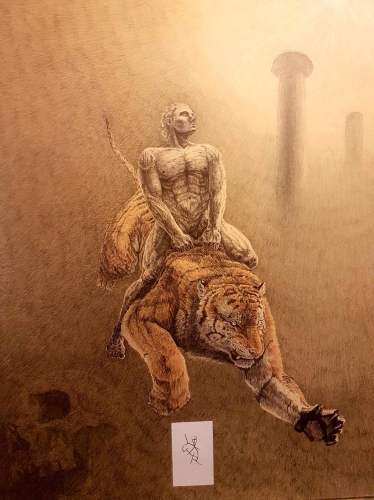
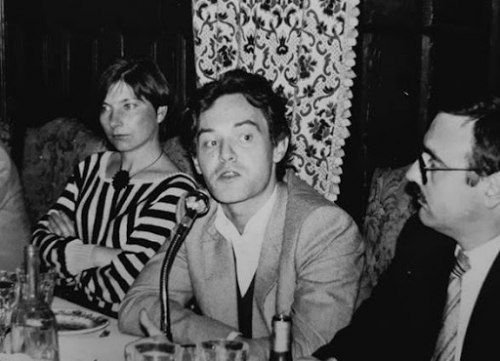
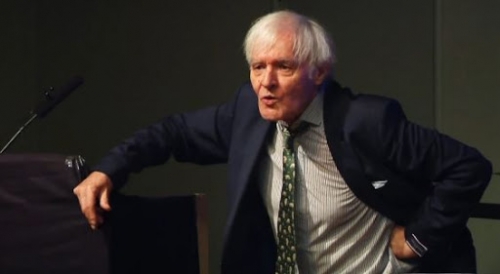
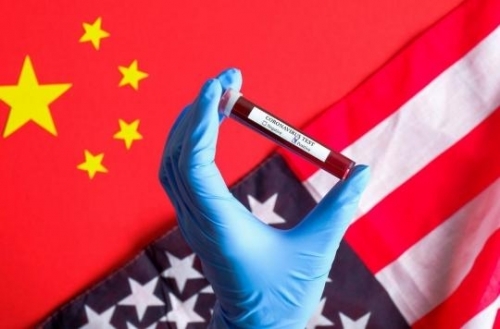
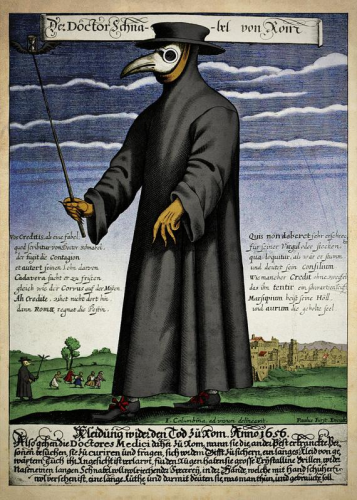
 El gobierno de coalición del PSOE y Unidas Podemas decretó el estado de alarma, que es el más leve y limitado dentro de los tres estados de excepción, graduados de menor a mayor restricción de derechos, del artículo 116 de la Constitución del régimen del 78 (alarma, excepción y sitio) y además, permite eludir el control parlamentario, cuya actuación se ciñe a convalidar los decretos de estado de alarma que pueden ser prorrogados ilimitadamente. Ahora bien, bajo el decreto dictado por el ejecutivo para combatir al “enemigo”, el Covid-19, y escudados en las recomendaciones de un comité científico y expertos médicos se ha suspendido de facto derechos y libertades que, bajo ningún concepto, están contemplados en la previsión del estado de alarma, el cual, entre otras medidas, solo permite la posibilidad de restringir la libre circulación en determinados lugares y a determinadas horas. Así, de un plumazo se ha confinado a toda la ciudadanía en sus domicilillos y se ha impuesto un toque de queda permanente que supone un flagrante atentado contra derechos y libertades, incluso de los denominados como fundamentales, tales como el de reunión, libertad de circulación, residencia, reunión y manifestación. Con las medidas de “hibernación” de la economía, de parón forzoso de casi todas las actividades, se ha vulnerado el derecho al trabajo y el de libertad de empresa. Por la vía de hecho, se ha suspendido la ley de transparencia, contribuyendo al apagón informativo que además sostienen cadenas y medios de prensa regados con dinero público; a lo que se suman las encuestas sesgadas del CIS, un organismo público puesto al servicio del gobierno de forma burda y descarada. Qué decir de los rastreos promovidos en internet y redes sociales por el Ministerio de Interior bajo la coartada de contrarrestar los “ciber-bulos” y localización de discursos sobre la infección que puedan ser considerados peligrosos e incluso punibles; y otras medidas del ente público RTVE, como verifica RTVE también para la neutralización de supuestos “fake news”, atentando con todo lo anterior contra el derecho a la información, a la vez que se imponen subrepticiamente mecanismos de censura y se coarta el derecho a la libertad de expresión.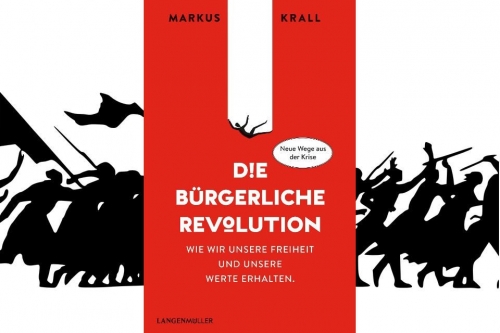
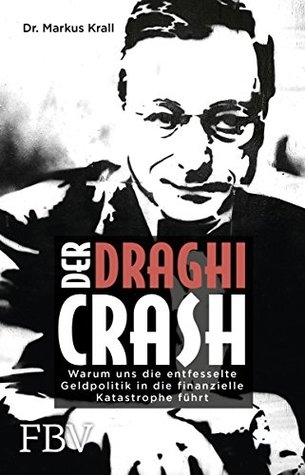 Ebenfalls hart ins Gericht geht Krall mit den Medien, die ihrer Rolle als »vierte Gewalt« zur Kontrolle der Mächtigen nicht mehr gerecht würden. Stattdessen fungierten sie als ein Erziehungsinstrument im Interesse der herrschenden Eliten, was besonders im Haltungsjournalismus zum Ausdruck komme, der nicht mehr zwischen Nachricht und Meinung unterscheide. Ziel sei es, das Publikum im politisch korrekten Sinn umzuerziehen. Dazu gehöre es auch, die Sprache zu manipulieren, indem bestimmte Begriffe als »Unworte« aus dem Diskurs verbannt oder usurpiert und mit neuen Bedeutungen aufgeladen werden. Krall nennt dafür einige Beispiele im Buch. Darüber hinaus würden ganze Themenkomplexe und unliebsame Meinungen in der öffentlichen und medialen Diskussion verunglimpft. Eine besonders unrühmliche Rolle bei dem Versuch, die destruktive Politik der Regierenden zu rechtfertigen, spiele der öffentlich-rechtliche Rundfunk, den der Bürger als Opfer der Indoktrination auch noch mit Zwangsgebühren finanzieren müsse. Gleichzeitig werde das Internet als freier Informations- und Diskussionskanal für kritische Bürger durch immer schärfere Gesetze und Zensurmaßnahmen beschränkt. Als Beispiele führt Krall das Netzwerkdurchsetzungsgesetz und den auf EU-Ebene beschlossenen Upload-Filter an.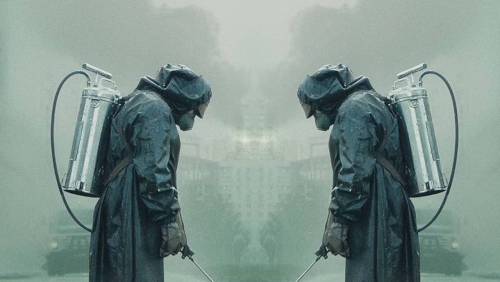
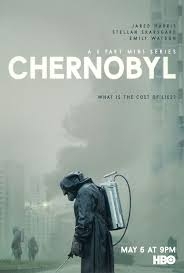 Non, le fond du problème est ailleurs et nos sociétés libérales souffrent de la même faiblesse que le système soviétique, à savoir celle à laquelle toute société complexe, au sens que Joseph Tainter donne à ce terme dans L’Effondrement des sociétés complexes, doit faire face lorsqu’elle se retrouve confrontée à une crise de grande ampleur. De ce point de vue, les sociétés complexes sont vues comme des organisations de résolution de problèmes qui sont toutes invitées à trouver une solution à une équation insoluble : ces problèmes appellent des solutions de plus en plus coûteuses à mesure que la société se complexifie. Il s’agit là de la décroissance du rendement marginal, soit la diminution du rendement par unité supplémentaire d’investissement. C’est la loi d’airain du déclin civilisationnel…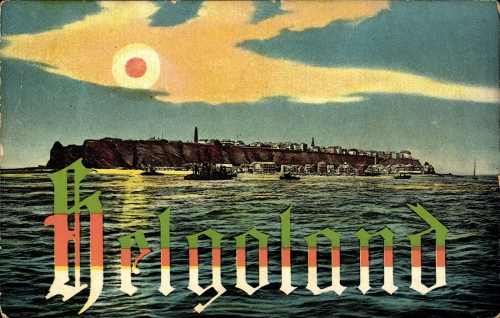
 Quand, dans la mouvance métapolitique de la "nouvelle droite", dès la fin des années 1970, on évoquait la thèse de Jürgen Spanuth, qui situait l’Atlantide de Platon dans la mer du Nord, plus exactement dans les parties immergées de l’île allemande d’Heligoland, reste très réduit d’un territoire insulaire préhistorique, protohistorique et même médiéval, nous étions très sceptiques : nous prenions cette thèse pour une fantaisie nordiciste reposant certes sur des indices archéologiques incontestables mais trop ténus pour étayer toute certitude historique. Depuis lors, l’archéologie de la protohistoire a fait des progrès extraordinaires : le passé préhistorique de la mer du Nord, dont le fond n’a été submergé qu’entre 10.000 et 8000 avant l’ère chrétienne, est désormais mieux connu depuis l’apparition de forêts pétrifiées au large du Pays de Galles ou de la Charente ; la route de l’ambre qui amenait des pionniers du commerce de longue distance depuis les régions baltiques vers la Méditerranée a également été l’objet d’investigations archéologiques plus précises ; les bouleversements de l’année 1177 avant l’ère chrétienne qui ont chamboulé totalement les civilisations de la Méditerranée orientale et du Levant sont désormais mieux connus qu’à l’époque où, pour faire connaître ses thèses au grand public, Spanuth n’avait pas hésité à utiliser une terminologie contestable, frisant le sensationnel, terminologie qui avait d’ailleurs suscité notre propre scepticisme.
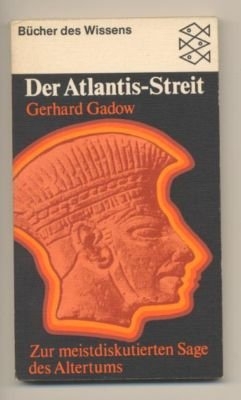 Personnellement, ce scepticisme avait été ébranlé très tôt, par la découverte d’un petit livre allemand dans la magnifique librairie du Passage 44 à Bruxelles, un ouvrage dû à la plume de Gerhard Gadow, Der Atlantis-Streit – Zur meistdiskutierte Sage des Altertums ( = La querelle de l’Atlantide – A propos du récit le plus discuté de l’antiquité). Gadow rappelait, comme Spanuth, les différentes hypothèses formulées au fil du temps sur l’Atlantide depuis le Critias et le Timée de Platon, qui faisait remonter le récit à Solon, le législateur athénien, qui l’aurait ramené d’un voyage en Egypte. Le récit égyptien évoquait un puissant royaume au-delà des colonnes d’Hercule, composé d’une île principale et de littoraux en face de celle-ci. Ce royaume jouxtait l’Italie, avait pris pied en Libye (Cyrénaïque) et avait conçu le projet de soumettre l’ensemble de la Méditerranée : les armées d’Athènes et d’Egypte avaient vaincu ces envahisseurs. D’autres sources antiques évoquent l’Atlantide : Hérodote, plusieurs décennies avant Platon ; Elien (Claudius Aelianus), historien romain du 3ème siècle avant l’ère chrétienne, écrivant principalement en grec ; Théopompe de Chios, historien et orateur grec du 4ème siècle av. J.C., premier à avoir évoqué les Etrusques et la prise de Rome par les Celtes ; Posidonios d’Apamée, qui visita la Gaule une cinquantaine d’années avant la conquête par César et qui nous laisse une description précise du pays et de ses sanctuaires, confirmée aujourd’hui par l’archéologie. A l’époque contemporaine, les thèses se sont également succédé, à commencer par celle de Jean-Baptiste Bory de Saint-Vincent, officier napoléonien, qui situait l’Atlantide autour des Iles Canaries, suite à un très long voyage en 1799, avec escale à Madère et aux Canaries. Cette expédition fut l’occasion d’écrire de nombreux ouvrages de géographie, dont le premier date de 1803 et s’intitule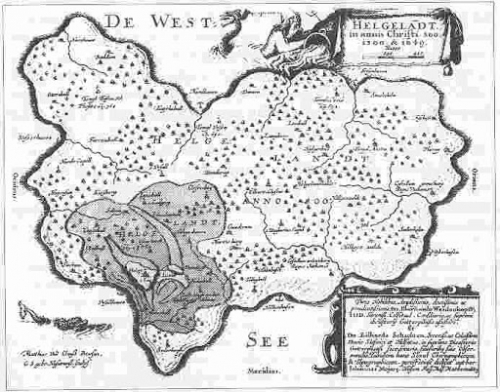
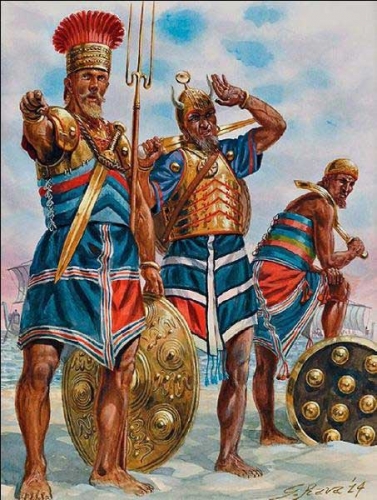
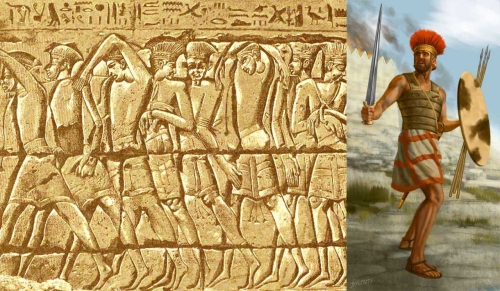
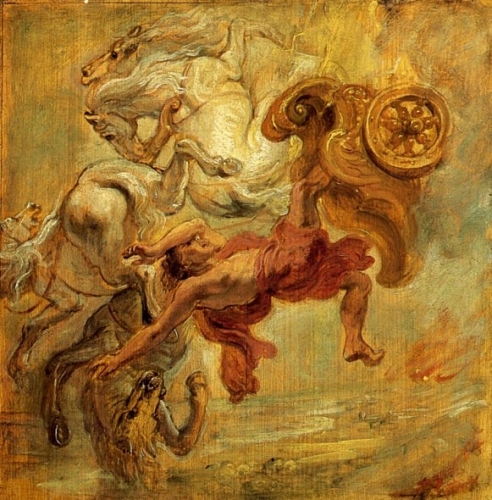
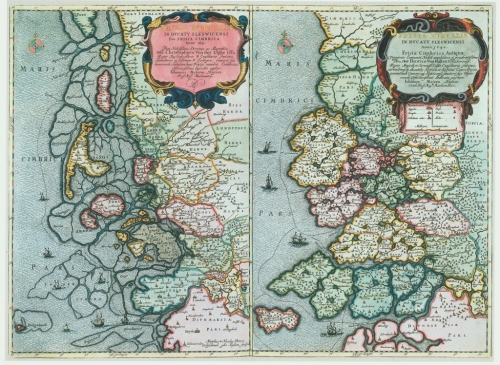
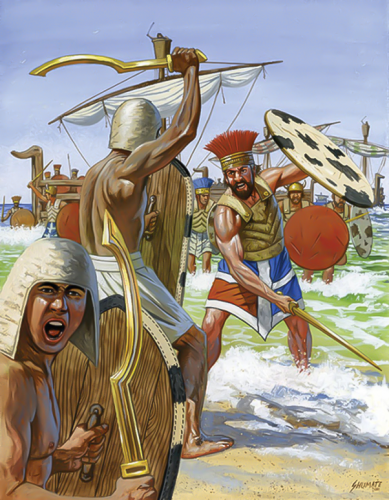
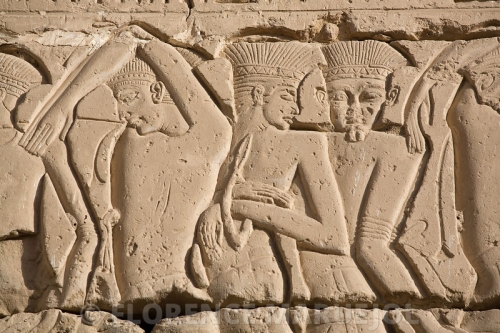
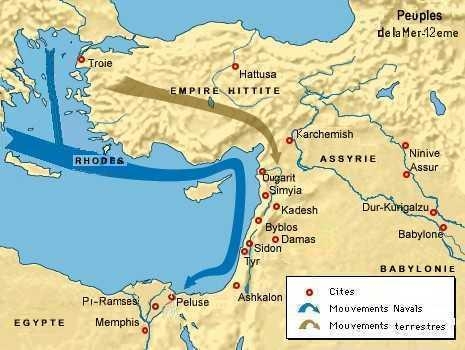
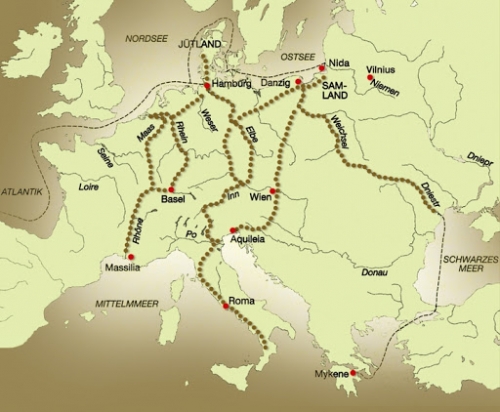
 L’archéologie actuelle confirme, non pas directement les thèses de Spanuth mais toutes les hypothèses qui suggéraient un degré de culture assez élevé en Europe centrale et dans les régions plus septentrionales du Mecklembourg, de la Poméranie, des terres situées à l’embouchure de la Vistule et des côtes s’étendant de ce fleuve, aujourd’hui polonais, jusqu’aux littoraux de tous les Pays Baltes. Ainsi, dans un ouvrage largement vendu Outre-Rhin, Die Bernsteinstrasse, de Gisela Graichen et Alexander Hesse, nos deux auteurs reconstituent la carte géographique des relations commerciales de la protohistoire européenne, méditerranéenne et levantine, en appuyant leurs démonstrations de preuves archéologiques récentes, qui ne sont guère connues du grand public jusqu’à ce jour. Le commerce de l’ambre balte se repère en Egypte dès l’époque du pharaon Thutmosis III qui, par ailleurs, organisait des caravanes pour aller chercher du lapis-lazuli dans des régions orientales aujourd’hui afghanes. Le petit-fils et successeur de ce pharaon, Thutmosis IV épouse une princesse du Royaume Mitanni (Syrie, Nord de l’Irak), dont on ne connaît guère les composantes ethniques mais où l’on devine une présence indo-européenne, notamment chez les charistes de l’armée. La princesse apporte, dans sa dot, des bijoux faits d’ambre. Ce mariage scelle la paix entre l’Egypte de Thutmosis III, qui, vainqueur, avait consolidé la domination égyptienne sur le Levant. Cette suzeraineté égyptienne permet le développement du port de Byblos (Liban) où arrivait probablement l’ambre et d’où partait le bois de cèdre vers l’Egypte, dont les palmiers n’offraient qu’un bois de plus piètre qualité, inapte à soutenir les constructions pharaoniques.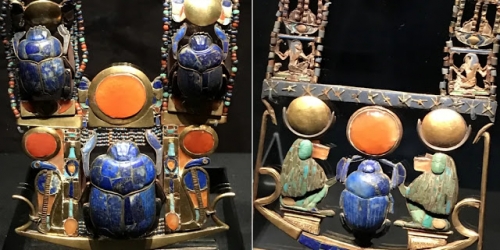
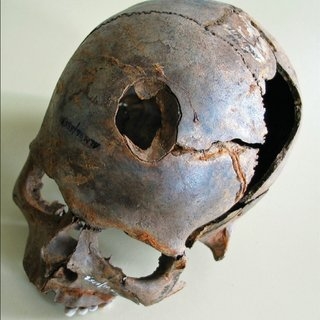
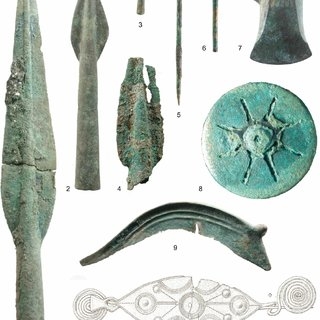
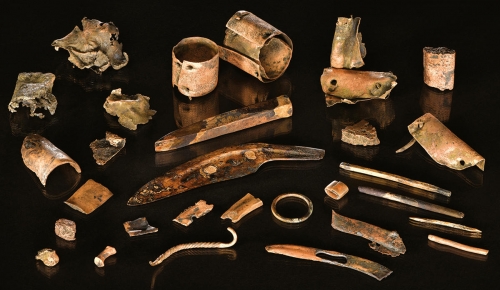
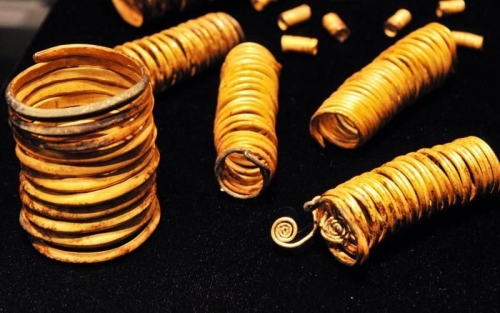
 Pour la navigation préhistorique ou protohistorique, plus plausible aujourd’hui qu’elle ne l’était il y a soixante ou cinquante ans quand Spanuth a entamé ses recherches, on se réfèrera, du moins pour la Manche, les côtes septentrionales et méridionales de l’Armorique et la péninsule ibérique, aux thèses remarquables de l’archéologue britannique Barry Cunliffe qui évoque notamment une navigation océanique/atlantique pour le transport des métaux (or, étain, cuivre), qui aurait commencé dès le cinquième millénaire avant l’ère chrétienne. Si une telle navigation pouvait exister sur les eaux tumultueuses de l’Atlantique, le passage d’embarcations, même rudimentaires, devait être plus facile dans la Mer du Nord, pour accéder au cuivre et à l’étain des Iles Britanniques, amenés, sans doute, par voie fluviale vers les centres préalpins du commerce protohistorique avec le bassin oriental de la Méditerranée. Heligoland, face à l’embouchure de l’Elbe, a pu dès lors jouer un rôle clef et servir de dépôt insulaire, et donc plus sûr, à des richesses en provenance de la frange atlantique, d’une part, et des Balkans, tremplins vers l’Egypte et le Levant, d’autre part. Rappelons aussi que les gravures rupestres protohistoriques de la Scandinavie présentent de nombreux dessins d’embarcations de longueurs diverses.
  Eric H. Cline, 1177 B.C. – The Year Civilization Collapsed, Princeton University Press, 2014.
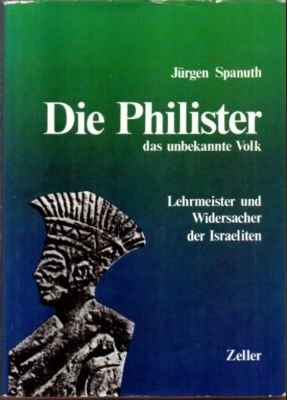 Jürgen Spanuth, Die Philister – Das unbekannte Volk – Lehrmeister und Widersacher der Israeliten, Otto Zeller Verlag, Osnabrück, 1980.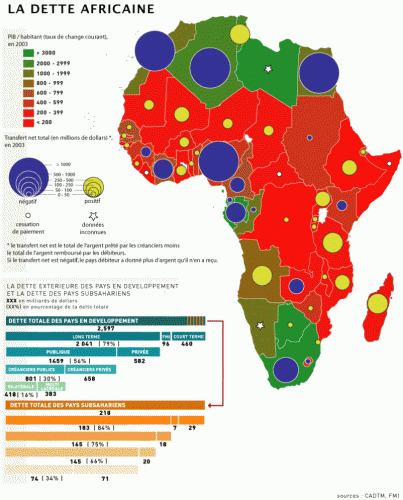
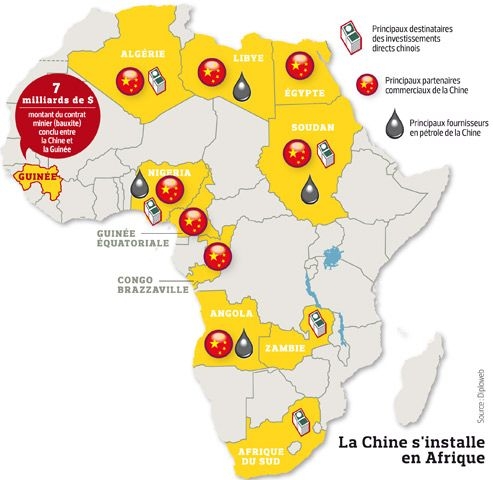
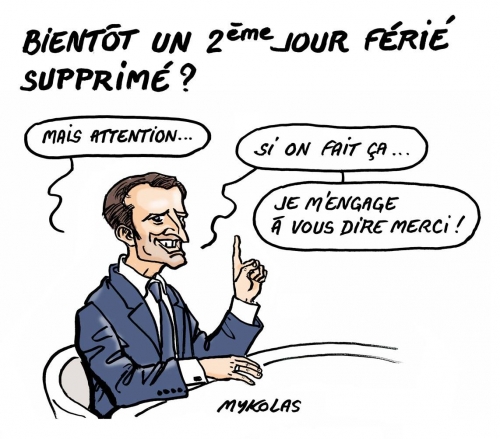
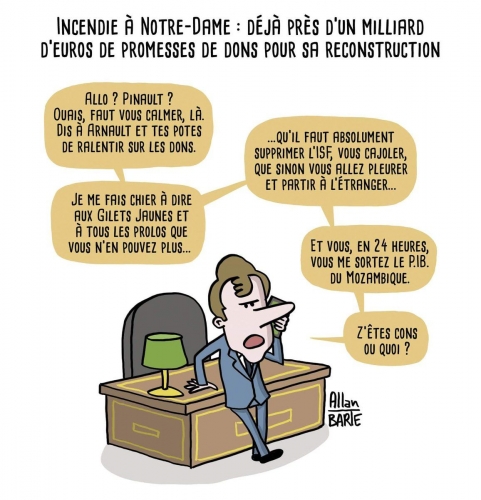

 Auf den ersten Blick mag dieser Ansatz wie eine nützliche Strategie im Kampf gegen ein weiteres Umsichgreifen der Krankheit wirken, aber Datenschützer und Technologieexperten geben sich besorgt. Sie fürchten, mit den Daten könne Missbrauch getrieben werden, außerdem geben sie zu bedenken, dass korrupte Regierungen eventuell auch lange nach dem Ende der Pandemie nicht auf diese beispiellosen Möglichkeiten, ihre Bevölkerungen überwachen zu können, verzichten wollen.
 »Sieht man sich Länder wie China an, wo sich die Fallzahlen zu stabilisieren scheinen, stellt sich die Frage, wie sehr man diesen Zahlen vertrauen kann. Ich glaube nicht, dass wir das können«, sagte Snowden. »Wie wir sehen, hat die chinesische Regierung kürzlich daran gearbeitet, westliche Journalisten aus dem Land zu werfen – genau zu dem Zeitpunkt, an dem wir glaubwürdige, unabhängige Warnungen aus dieser Region benötigen.«
 Embauché comme reporter par le grand quotidien Le Soir, il va désormais multiplier les expéditions les plus lointaines et les entrevues exclusives. En une quinzaine d’années, ses pérégrinations vont l’emmener aux quatre coins de l’univers et lui permettre de rencontrer un nombre incroyable de personnalités de premier plan. Après le Congo (où il retournera plusieurs fois), Pierre Daye visite ainsi le Maroc, où il s’entretient avec le sultan Moulay Youssef (1881-1927), les Balkans, où il est reçu par le Premier ministre bulgare Alexandre Tsankov (1879-1959), et l’Argentine, où il se rend, en 1925, en faisant le subrécargue sur un modeste cargo. Après Buenos-Aires, où il se lie avec l’écrivain nationaliste Leopoldo Lugones (1874-1938), il traverse la Cordillière des Andes et découvre le Chili, puis se rend en Uruguay et au Brésil. En 1926, il est à Moscou, approche Léon Trotsky, Leonid Krassine (5) et Maxime Litvinov (6), puis passe par la Pologne et s’y entretient avec Sikorski (7), avant de regagner Bruxelles pour y faire rapport au roi Albert Ier. D’autres expéditions le conduisent en Angola, en Nubie mais aussi au Maroc espagnol, où il rencontre le général Primo de Rivera, et en Asie qu’il visite en qualité de chargé de mission. Après une escale à Ceylan, il passe par les Indes britanniques, la Malaisie, Sumatra, le Japon, la Chine et la Mandchourie. Dans l’Empire du Milieu, il va voir les tombes des Mings, rencontre Pou-yi (8) et obtient une entrevue avec le président Tchang Tso-lin (9). D’une curiosité insatiable, Pierre Daye effectue ensuite un tour du monde par les îles, périple original qui le conduit au Cap Vert, aux Antilles, à Panama, à Tahiti, aux îles Fidji, aux Nouvelles-Hébrides, en Nouvelle-Calédonie, en Australie et à Java. Il va sans dire que toutes ces étapes donnent naissance à autant d’articles ou de livres captivants (10). Notre impénitent voyageur connaît également bien Constantinople et le Moyen-Orient. Passé par la Syrie, la Palestine et Jérusalem, il séjourne assez longuement en Égypte (1931), ce qui lui permet de visiter Memphis (avec le peintre Herman Richir), Thèbes, Abou Simbel et le temple d’Edfou.
  Ajoutons encore à la liste de ses voyages mémorables, la traversée de la Sibérie par 30° au-dessous de zéro, et un séjour en Perse qui lui offre l’occasion de converser avec Reza Chah Pahlavi. Son goût affirmé pour les contrées lointaines ne l’empêche pas d’apprécier aussi les découvertes européennes. Angleterre, Portugal, Italie, Autriche, Hongrie et pays scandinaves n’ont guère de secrets pour lui ; en août 1932, il est même en Lituanie, à Nida, où l’a invité Thomas Mann, tandis qu’en 1935, il visite les Pays-Bas et l’Allemagne en compagnie de Pierre Gaxotte. À Berlin, les deux hommes auront l’occasion d’échanger quelques propos avec Ribbentrop et Otto Abetz. Aventurier dans l’âme, Pierre Daye ne se contente pas de flâner nonchalamment mais il n’hésite pas, le cas échéant, à se rendre sur le théâtre de certains conflits : on le verra par exemple, en pleine guerre civile espagnole, faire la tournée des lignes de front avec Gaxotte et José Félix de Lequerica (11).
 Au demeurant, il serait injuste et inexact de ne voir en Pierre Daye qu’un voyageur nanti et un mondain frivole : il s’agit aussi et surtout d’un écrivain talentueux dont les nombreux livres se vendent très bien. Auteur de multiples récits de voyage (19), il a également consacré plusieurs ouvrages aux souverains belges (20), ainsi que plusieurs essais à l’Afrique (21). Dans la première partie de sa vie, il a, en revanche, peu abordé la politique dans ses livres, et lorsqu’il l’a fait, ce fut plutôt sous l’angle de la politique étrangère (22). Il s’est par ailleurs peu intéressé à la fiction, sinon sous la forme de quelques nouvelles et contes. L’un de ceux-ci, Daïnah, la métisse (1932), sera même adapté au cinéma par Jean Grémillon (avec Charles Vanel dans l’un des rôles principaux).
 Désireux de descendre dans l’arène pour y défendre ses idées catholiques, sociales et nationales, Pierre Daye découvre en 1935 le nouveau phénomène politique qu’est Léon Degrelle. Le 24 janvier, il le voit, pour la première fois, à Louvain où le jeune orateur l’impressionne beaucoup. « J’attendais depuis plusieurs années », racontera-t-il, « que se manifestât dans mon pays un effet de ce grand mouvement européen dont j’avais découvert en tant de nations les signes tangibles » (24). Séduit, l’écrivain n’est pas long à rejoindre les rangs de Rex où il siège d’emblée au Conseil politique (mais pas au Bureau exécutif). Aux élections du 24 mai 1936, le mouvement, qui a le vent en poupe, obtient du premier coup 33 élus (21 députés et 12 sénateurs). « Nous étions partis, nous pouvons bien le dire », se souvient-il, « sans aucun moyen ; nous n’avions pas d’argent, aucune expérience, très peu d’hommes, pas de journaux. Mais nous avions la foi. Et la jeunesse aussi… » (25). Et le 27 mai, dans les colonnes du Pays réel, le nouveau député bruxellois se montre plus laudatif encore, affirmant entre autres que « Léon Degrelle est devenu l’interprète de tout ce qui, dans la nation, est jeune, vivant, audacieux, tourné vers l’avenir » (26). L’Assemblée que découvre Pierre Daye n’a rien de bien attrayant : selon lui, « les trucs, les combinaisons, l’intérêt personnel, la stérilité, la suffisance, la vulgarité, tels étaient quelques-uns des traits que révélait l’examen de l’institution parlementaire » (27). Il semble néanmoins tout à fait décidé à jouer le jeu et à faire sérieusement son travail de député. Placé à la tête du groupe parlementaire, il s’efforce donc, en premier lieu, de discipliner ses collègues rexistes qui font souvent preuve d’une nonchalance et d’un amateurisme consternants. Auteur d’un projet de loi réduisant la durée du service militaire, il s’exprime aussi au sein de la Commission des Colonies et de celle des Affaires Étrangères où il plaide fougueusement pour l’Espagne nationaliste. Assez proche du chef, il est souvent associé aux grandes manœuvres de ce dernier. En septembre 1936, par exemple, il est aux côtés de Degrelle lorsque celui-ci est reçu par Hitler (invité par Rudolf Hess, il profite du déplacement pour assister au 8e congrès de Nuremberg). C’est par ailleurs autour de la table de Pierre Daye que se nouent certains contacts discrets entre des gens comme Gustave Sap (28), Hendrik Borginon (29), Gérard Romsée (30), Joris van Severen (31), Charles-Albert d’Aspremont-Lynden (32), et Léon Degrelle. Plus tard, et au grand dam du Quai d’Orsay, il demandera la dénonciation de l’accord militaire franco-belge, ainsi que des accords de Locarno (33).
 Dévoué mais exigeant, Pierre Daye va vite se lasser des carences profondes du groupe parlementaire rexiste dont il abandonne d’ailleurs la présidence dès juin 1937. Cela ne l’empêche cependant pas de continuer son travail à la Chambre. Dans le même temps, il poursuit son activité de chroniqueur et d’essayiste. En octobre 1936, il joue un rôle clef dans la parution d’un numéro spécial de Je suis partout entièrement consacré à Rex, avec une « Lettre aux Français » de Léon Degrelle et des articles de Serge Doring, Carlos Leruitte et Lucien Rebatet [La même année, Robert Brasillach fait paraître Léon Degrelle et l’avenir de Rex (Plon) et l’année suivante (3 novembre 1937), il dédiera toute une page de Je suis partout au mouvement belge]. Régulièrement présent dans les colonnes de l’hebdomadaire parisien, Pierre Daye signe également, en 1937, un livre sur Léon Degrelle et le rexisme (Fayard), suivi en 1938 d’une Petite histoire parlementaire belge. Malgré cet engagement sans faille, les erreurs répétées de Rex et de son chef finissent toutefois par user sa patience. Ce désenchantement le conduit même, en 1939, à refuser de se représenter aux élections et à quitter le mouvement. Le 10 mars, il prend donc définitivement congé du groupe parlementaire et se tourne dès lors vers le parti catholique où il a conservé nombre d’amis. Il s’en va, certes, mais demeure en excellents termes avec Degrelle, ce que la suite des événements ne va pas tarder à démontrer.
 Daye va donc séjourner plusieurs semaines à Saint-Clément-des-Baleines. Loin des combats, il fait de la bicyclette, se balade avec Henri Béraud et aperçoit de temps en temps Suzy Solidor ou le peintre Paul Colin. Cette paisible villégiature s’achève toutefois vers la fin juin car avec l’armistice, le journaliste souhaite désormais rentrer chez lui. Le 8 juillet 1940, il remonte donc sur Paris, s’y arrête le temps de voir Jean Chiappe, puis regagne Bruxelles. Informé du massacre d’Abbeville (36) et du décès de Léon Degrelle, le journaliste ne tarde pas à réapparaître à Paris où l’ambassadeur Abetz, une vieille connaissance, lui apprend incidemment que Degrelle n’est absolument pas mort, mais probablement interné dans un camp du sud de la France. En dépit des divergences politiques qui ont pu opposer les deux hommes, Daye estime alors de son devoir de se porter au secours du chef de Rex et part aussitôt à sa recherche. Accompagné de Jacques Crokaert et Carl Doutreligne, il file à Vichy, rencontre Adrien Marquet mais aussi plusieurs ministres belges en déréliction… L’administration française n’ayant pas mis longtemps à localiser Degrelle qui se trouve dans l’Ariège, au camp du Vernet, le trio de sauveteurs (« mes trois mousquetaires » dira Degrelle dans La cohue de 40) s’empresse de reprendre la route. Quelques heures plus tard, ils sont à Carcassonne où ils retrouvent enfin Léon Degrelle, « sale, amaigri, méconnaissable » (37), ainsi que l’ex-député rexiste Gustave Wyns.
 Loin d’être le pestiféré qu’il deviendra bientôt, Pierre Daye conserve en cette époque troublée de nombreuses relations mondaines : il organise, chez lui, une rencontre entre le comte Capelle et le chef de Rex, dîne avec les frères Heymans (dont l’un, Corneille, est prix Nobel) et séjourne au Zoute, chez le banquier Wauters. Invité chez le vicomte Jacques Duvignon, ancien ambassadeur à Berlin, il revoit également Mme Destrée et Robert Poulet, tandis que lors d’un enième séjour à Paris, il croise Alphonse de Chateaubriant (qui l’accueille dans les locaux de La Gerbe), Bernard Grasset, l’historien Pierre Bessand-Massenet et Stanislas de la Rochefoucauld. Si, en dépit des circonstances, Pierre Daye est quelqu’un qui demeure attaché aux petits plaisirs de la vie et aux relations sociales, il serait erroné de ne voir en lui qu’un second couteau falot et superficiel. En fait, il sert de passerelle entre beaucoup d’acteurs importants du jeu politico-diplomatique et maintient notamment d’étroits contacts avec les proches du roi. En relation avec les secrétaires du souverain, il voit aussi, très régulièrement, les anciens ministres Maurice Lippens et Henri De Man, ainsi que le général Van Overstræten, aide-de-camp de Léopold III. Pour le palais royal, Daye est donc une précieuse source de renseignements : « Je servis bien souvent d’informateur au souverain », écrit-il, « et le bloc-notes en main, le comte Capelle prenait des indications ‘pour sa Majesté’ durant la plupart de nos entretiens » (39). Il facilite par ailleurs certains contacts improbables comme cette entrevue, chez lui, le 22 mai 1943, entre Capelle et l’abbé Louis Fierens, l’aumônier (non rexiste) de la Légion Wallonie… Aucun reproche, explicite ou implicite, ne lui ayant jamais été exprimé, le journaliste s’étonnera plus tard des accusations de félonie formulées à son encontre : « Pouvais-je n’être pas convaincu », demande-t-il dans ses mémoires, « après tous mes rapports plus ou moins directs avec lui (le roi), par l’intermédiaire de son entourage, que ma conduite était approuvée ? Ou que tout au moins, elle n’était pas blamée ? » (40). Et pour être encore plus clair, il ajoute : « Si des ‘collaborationnistes’ sincères se trompaient, Léopold III aurait dû les avertir, ou les faire avertir, même au risque de déplaire aux Allemands » (41).
 Chargé de la rubrique de politique étrangère, Pierre Daye en sera l’un des principaux chroniqueurs jusqu’en avril 1943. Le Nouveau Journal n’est pas le seul organe de presse à accueillir sa prose puisque l’on trouve également sa signature dans Junges Europa, Das Neue Europa, Europäische Revue, Signal, Actu, le Petit Parisien, Je suis partout, et qu’il s’exprime de temps à autres au micro de Radio-Bruxelles. Quoique très dense, cette activité journalistique ne l’empêche pas de publier aussi quelques nouveaux livres. En 1941, il fait ainsi paraître un essai politique, Guerre et révolution, lettre d’un Belge à un ami français, suivi d’un Rubens, puis de Par le monde qui change, un ouvrage où il évoque quelques-uns des pays qu’il a visités, décerne au passage quelques compliments au Reich pour avoir encouragé la jeunesse et amélioré la race, et décrit Adolf Hitler comme « un homme simple, très différend des hobereaux allemands d’autrefois » (45). Si l’homme de lettres ne fait pas mystère de ses sympathies, il s’abstient toutefois de franchir certaines limites : il garde notamment ses distances avec la Légion Wallonie et fait même publiquement savoir qu’il n’est jamais intervenu en sa faveur auprès du palais royal. Il admire, dit-il, le courage des volontaires mais ne comprend pas vraiment leur démarche. Très attaché à l’unité et à l’intégrité de la Belgique comme à la personne du roi, il prend grand soin de ne jamais cautionner une autre ligne que celle-là. Hostile à la persécution des Juifs comme à tout démembrement du royaume, Pierre Daye considère globalement les affaires politiques d’un œil sévère : « Trop de gens aux dents longues, trop de bonshommes intéressés. Trop de tripotages. Trop de fortunes aussi gigantesques que rapides » (46). Désireux de voir la Belgique se réorganiser sur un schéma centralisateur, monarchique et corporatif, il regroupe autour de lui un « Bureau politique », auquel prennent part ses amis Gustave Wyns et Jacques Crokaert, puis s’associe, en mai 1941, à la tentative de créer un Parti des Provinces Romanes. Ce dernier doit soutenir l’Ordre Nouveau européen, protéger la race et favoriser la fondation d’un État autoritaire, corporatif et chrétien (47). Le projet fera long feu car le 5 août 1941, les autorités allemandes y opposent leur veto. Autre geste politique de Pierre Daye : le 1er février 1943, il adhère à la Société Européenne des Écrivains (48) et plus précisément à l’une de ses deux sections belges, la Communauté Culturelle Wallonne (49). Cet engagement sans détour ne fait cependant pas de lui un fanatique ou un ultra, et c’est assez souvent, il faut le dire, qu’il intervient en faveur de certains Israélites ou de résistants (dont le communiste Albert Marteaux et le socialiste Victor Larock).
 La guerre n’a pas émoussé le goût pour les voyages de Pierre Daye qui continue, dans la mesure où les événements le permettent, à se déplacer en Europe. Début 1942, il est par exemple au Portugal, puis en août en Hongrie, et séjourne, en fin d’année, à Rome. Dans la ville éternelle, il renoue avec de vieux amis, comme la duchesse de Villarosa ou le sénateur Aldobrandini Rangoni, tous très anglophiles, et s’entretient, le 10 janvier 1943, avec le prince Umberto. Quatre jours auparavant, il a pu être reçu par le Souverain Pontife, ce qui revêt pour lui une importance toute particulière. Grâce à un proche du Pape, le père jésuite Tacchi-Venturi, il a en effet obtenu de voir brièvement Sa Sainteté Pie XII qui l’a interrogé sur la situation belge et lui a donné sa bénédiction. « Ce qui m’avait le plus ému durant cette entrevue », rapporte-t-il, « c’est la grande allure du Saint-Père, son air de seigneur, la beauté de son visage ascétique et blême, avec ses yeux d’un noir brillant, sa longue bouche volontaire, son nez en bec d’aigle, la noblesse de ses gestes » (50). Peu de temps après cette promenade italienne, en février-mars 1943, Pierre Daye se rend à Madrid. N’étant inféodé à aucune faction politique, il profite de ce passage dans un pays non-belligérant pour adresser, de son propre chef, un courrier à Paul van Zeeland : « Il faut souhaiter », lui écrit-il, « que des éléments provenant des deux clans entre lesquels se divise aujourd’hui la Belgique, celui des “gens de Londres“ et celui de ceux que vous appelez, je crois, les “collaborationnistes“ (je suis pour ma part convaincu que tous deux comptent des patriotes sincères) puissent bientôt, à l’issue des hostilités, se comprendre et collaborer, autour du Roi, dans l’intérêt même de notre pays » (51). Par le biais de l’armateur Pierre Grisar, il envoie une missive du même genre à Hubert Pierlot, le chef du gouvernement belge en exil. Faut-il préciser qu’il n’obtiendra aucune réponse…
 Présent dans les gazettes, Pierre Daye l’est tout autant aux devantures des librairies : en 1942, il fait paraître deux essais politiques (L ‘Europe aux Européens et Trente-deux mois chez les députés), puis en 1943, un texte sur l’Afrique (Problèmes congolais), et en 1944, un recueil de contes (D’ombre et de lumière). À compter de 1943, son engagement se concrétise aussi par son accession à un poste officiel dans l’administration belge. Sur recommandation du Flamand Gérard Romsée, il est en effet nommé, le 25 juin 1943, au poste un peu inattendu de … commissaire général à l’Éducation Physique et aux Sports. En soi, il s’agit d’une fonction peu compromettante et qui fournit à son titulaire d’excellentes justifications pour voyager. Reste qu’elle fait de Pierre Daye un fonctionnaire officiel de la collaboration, ce qui peut se révéler extrêmement dangereux. De fait, loin d’aller vers l’apaisement qu’il souhaitait, la situation se dégrade et les rivalités belges se muent désormais en sanglants règlements de compte. « Les hitlériens de nationalité belge [sont] plus abjects encore que leurs maîtres allemands », proclame un journal clandestin communiste. « Cette vermine immonde doit être écrasée (…) Les Partisans belges se sont juré de liquider ces bêtes puantes » (53) L’année 1942 est ponctuée d’au moins 67 attentats et l’année 1943 connaît une recrudescence vertigineuse des actes violents, au point que le chef de l’administration allemande, Eggert Reeder, parle carrément d’une vague de meurtres ou Mordwelle. « Dans la rue et les campagnes, surtout à partir de 1943 », écrit une historienne belge, « règne une atmosphère de guerre civile : rexistes et nationalistes flamands, ainsi que les membres de leurs familles, sont abattus, sans autre forme de procès, sans distinction d’âge ou de sexe » (54).
 Profondément choqué par le déferlement de violence auquel il assiste, Pierre Daye en juge sévèrement les inspirateurs : « Il fallait », constate-t-il amèrement, « par la provocation, empoisonner une atmosphère trop paisible, donc trop favorable à l’occupant. Il fallait susciter des vengeances, allumer l’esprit de représailles » (58). Et confronté à cet engrenage fatal (59), il en décrit tristement le mécanisme : « De braves gens, mûs uniquement par le sentiment patriotique, ne se doutaient point du vrai rôle qu’on leur faisait ainsi jouer. Et des canailles trouvaient, en se glissant parmi eux, le moyen de commettre les plus bas crimes (…) Se sentant sans protection, d’autres braves gens, de l’autre idéologie, se dirent alors qu’il fallait se défendre soi-même ; non pas se venger, mais si l’on voulait vivre, répondre à la terreur par la terreur » (60).
 Les premiers temps d’exil ne sont pas trop durs car l’expatrié possède encore quelques relations : il est reçu chez le phalangiste Eugenio d’Ors (66) ou chez le général Eugenio Espinosa de los Monteros, ancien ambassadeur à Berlin, et dîne même parfois avec Walter Starkie (67), le directeur de l’Institut Britannique de Madrid. Plus tard, il verra de temps en temps François Piétri et l’académicien Abel Bonnard. Quelles que soient les difficultés qu’il rencontre et la peine qu’il éprouve, cet exil lui épargne à tout le moins un sort funeste. L’épuration belge se veut en effet particulièrement vindicative puisque, si l’on en croit Paul Sérant, un certain Marcel Houtman exige par exemple que soient exécutés tous les Belges ayant combattu sur le front de l’Est, tous les écrivains et journalistes de la collaboration et tous les fonctionnaires ayant servi les desseins de l’occupant ! (68) Les intellectuels ne peuvent donc guère espérer de mansuétude. Le poète René Baert a été sommairement abattu au coin d’un bois, quelque part en Allemagne, plusieurs journalistes sont condamnés à la peine capitale et fusillés (Paul Herten, José Sreel, Jules Lhoste, Victor Meulenyser, Charles Nisolles, Paul Lespagnard), d’autres échappent de très peu au poteau (Robert Poulet, Paul Jamin), et quelques-uns, comme Pierre Hubermont et Gabriel Figeys, écopent de lourdes peines de détention. Le peintre Marc Eemans est frappé d’une peine de huit ans de prison, tandis que le dramaturge Michel de Ghelderode se fait copieusement insulter et chasser de son emploi. Beaucoup ne retrouveront un peu de tranquillité qu’à l’étranger : Simenon, Hergé et Henri de Man en Suisse, Paul Werrie en Espagne puis en France, Raymond de Becker (condamné à mort puis à la détention perpétuelle), Claude Elsen (condamné à mort par contumace) et Louis Carette (condamné par contumace à 15 ans de travaux forcés) en France. Certains feront malgré tout, hors de Belgique, de brillantes carrières : émigré à Paris, Oscar Van Godtsenhoven, alias Jan Van Dorp, y remportera un prix (1948) pour son Flamand des vagues ; Louis Carette, alias Félicien Marceau, sera élu à l’Académie française (1975), tandis que Jean Libert et Gaston Vandenpanhuyse vendront des milliers de livres sous les noms d’emprunt de Paul Kenny et Jean-Gaston Vandel. « La répression contre les intellectuels », note Elsa Van Brusseghem-Loorne, « surtout en Wallonie (69), prendra (…) une tournure dramatique et particulièrement cruelle, comme si le pouvoir, détenu par des classes en déclin, voulait éliminer par tous les moyens ceux qui, par leurs efforts, étaient la preuve vivante de son infériorité culturelle » (70)…
 Âgé de 55 ans et plutôt combatif, l’homme est cependant loin d’avoir dit son dernier mot. Le 29 juin 1948, il prend part, avec quelques autres expatriés (75), à la création de la Société Argentine pour l’Accueil des Européens ou Sociedad Argentina para la Recepción de Europeos (SARE). Jouissant de la discrète protection de l’anthropologue Santiago Peralta, patron des services d’immigration, et bénéficiant des encouragements du cardinal Santiago Luis Copello (1880-1967), cette société s’efforce d’aider les « maudits » qui continuent d’affluer sur les rives du Rio de la Plata. Pierre Daye reprend aussi son métier de journaliste et participe au lancement de plusieurs publications dont Hebdo (1947), Europe-Argentine (1948), Argentina 49, Paroles françaises et Nouvelles d’Argentine. Naturalisé argentin en 1949, il collabore également aux revues Criterio et Itinerarium, à El Economista, le journal que fonde l’ancien Premier ministre yougoslave Milan Stojadinović (1888-1961), ainsi qu’à Dinámica Social, le mensuel que lance, en 1952, l’ancien hiérarque fasciste Carló Scorza (alias Camillo Sirtori)-(76). Organe officiel du Centre d’Études Économiques et Sociales, cette revue regroupe de nombreuses plumes de talent dont celles du philosophe roumain Georges Uscatescu, d’Ante Pavelić (alias A. S. Mrzlodolski), du père Juan Ramon Sepich, de Julio Irazusta, ou encore de Jean Pleyber, André Thérive, Jacques de Mahieu et Jacques Ploncard (alias Jacques de Sainte-Marie). Pierre Daye ne délaisse pas non plus le terrain politique où il parvient, avec son entregent habituel, à rester en bons termes à la fois avec les traditionalistes catholiques et les péronistes. Durant l’été 1949, il a quelques contacts avec le Centre des Forces Nationalistes, mais s’intéresse aussi à la Troisième Position de Juan Perón. Avec Radu Ghenea, Georges Guilbaud, René Lagrou (77) et Victor de la Serna, il signe d’ailleurs à ce sujet une note qui sera remise au chef de l’État. En septembre 1950, l’écrivain a le plaisir de renouer avec le ministre belge Marcel Henri Jaspar (1901-1982) qui est de passage dans le cône sud. Autre contact important, Sir Oswald Mosley, qu’il rencontre en novembre 1950, lors de la visite que l’ancien chef de la British Union of Fascists fait en Argentine (78). Venu s’entretenir avec Hans Ulrich Rudel, l’Anglais sera reçu par Juan Perón. Installé à Buenos Aires, dans le quartier de Palermo, et nommé professeur à l’Université de La Plata (sur recommandation de son ami le ministre des Affaires Étrangères Hipólito Jesús Paz), Pierre Daye entretient d’autre part une abondante correspondance.
  La chute de Juan Perón, en septembre 1955, n’entraîne pas d’inconvénients majeurs pour Pierre Daye qui n’est pas vraiment un acteur de la vie politique locale. Tenu pour proche du péronisme, il se retrouve néanmoins marginalisé et éloigné des nouveaux cercles dirigeants. Plus que le changement de régime, c’est plutôt l’isolement et l’oubli qui le menacent désormais. Le temps fait lentement son œuvre et la plupart des Belges l’ont d’ores et déjà oublié. Pas mal d’émigrés ont regagné l’Europe, on lui demande de moins en moins d’articles et la solitude le guette. C’est dans ce contexte un peu maussade que le 20 février 1960, à un peu moins de 68 ans, une hémorragie cérébrale vient brutalement mettre un terme à son existence. Cultivé, discret et fort modéré, on se demande encore ce que cet homme avait bien pu faire pour que la Belgique d’après-guerre lui témoigne d’une vindicte aussi tenace. Se pourrait-il tout simplement que l’on ait jugé, en haut lieu, qu’il en savait beaucoup trop long sur les arcanes (et les drôles de combines) de l’Occupation et qu’il fallait le discréditer à jamais ?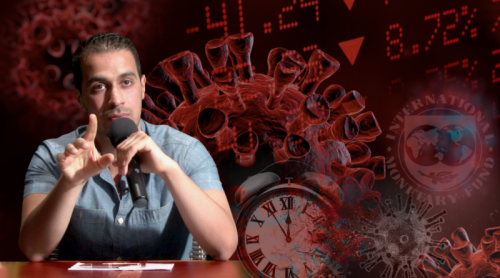
 D’après Frank Ulrich Mongtomery, radiologue allemand, ancien président de l’Association médicale allemande et vice-président de l’Association médicale mondiale, le confinement total est non seulement inefficace, mais aussi contre-productif :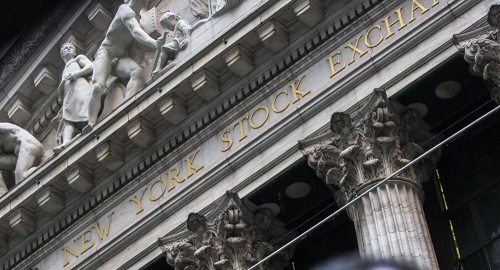
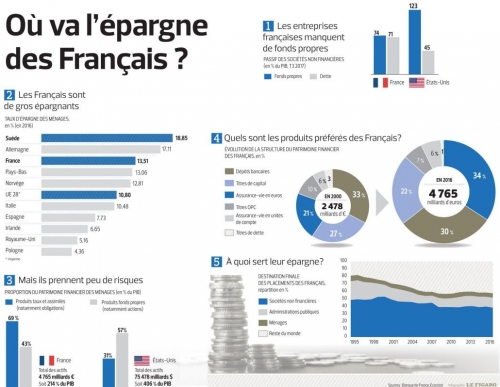
 Le gouverneur de la Banque de France, Christian Noyer, interrogé à l’époque sur l’éventuelle taxation de l’épargne des Français, avait répondu « en théorie c’est possible, mais notre rôle est de faire en sorte que cela n’arrive jamais »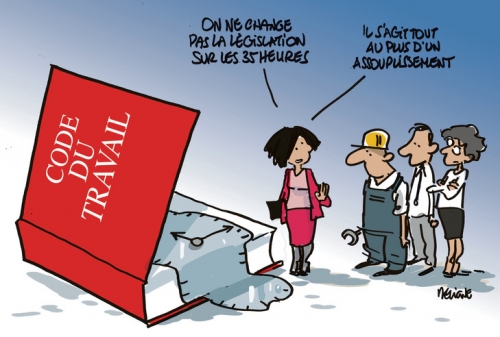
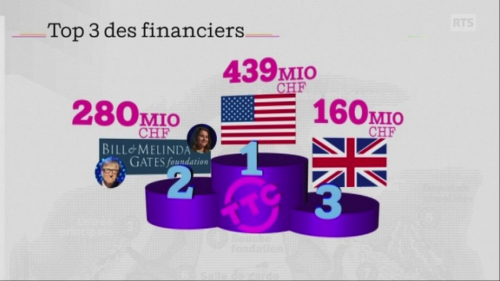
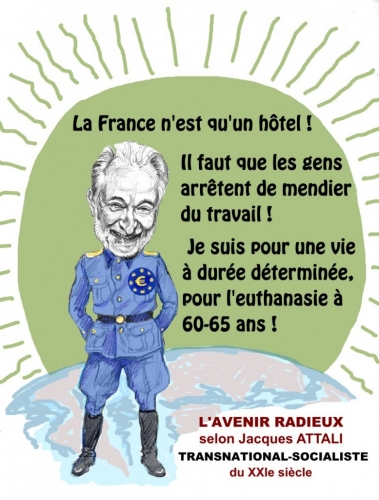
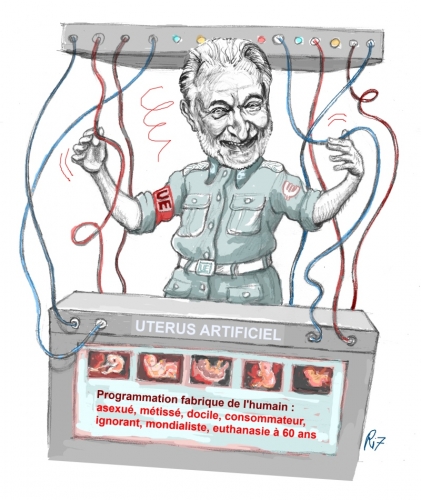
 « Pour les prophètes et les maîtres de l’Aggada (l’Aggada désigne les enseignements rabbiniques non-législatifs) la rédemption devait se produire par suite d’un bouleversement général, d’une révolution universelle, de catastrophes, de calamités inouïes en vertu desquelles l’histoire devait s’effondrer et s’éteindre. L’histoire était considérée par eux avec le pessimisme le plus absolu… Pour aboutir à la délivrance, il est nécessaire que l’édifice actuel soit abattu pour faire place à l’édifice messianique… »
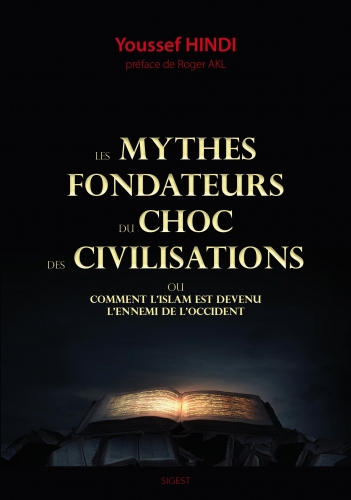 Strategika –
  Ryan Calo, chercheur à l’université de Washington et affilié au Centre pour Internet et la société de Stanford, s’interroge :
 Ce processus de prise de contrôle de l’appareil d’État par les multinationales et le système bancaire est devenu manifeste et grandissant aux États-Unis durant les années Reagan (1981-1989)
 Si mon modèle d’analyse prospectiviste est efficient et mon concept « coronavirus : accélérateur historique » valide, nous verrons en France, comme dans le reste du monde, une accélération des processus en cours depuis quelques années (je renvoie à mon ouvrage Du Brexit aux Gilets jaunes).
 Cependant, qu'on l'appelle sécession ou retrait de la vie publique, la "sécession" est toujours un moment de contestation du pouvoir, à partir de la république romaine et du retrait de l'Aventin (de 494 a.J.C.).
 La menace à l'ordre social a été perçue autrefois, comme une des réponses à la "Révolte des masses"(Ortega y Gasset-1930). Cette menace, venant de la social- démocratie, du marxisme théorique et de la révolution russe, fut à la racine d'une réflexion, sur la théorie des élites, représentée, autour des années 1920, par Pareto, Mosca et Michels, en réponse au dysfonctionnement du régime libéral et de son système parlementaire.
  "La révolte des Élites" de C.Lasch(1993), marque désormais l'avènement de l'individualisme narcissique et met à nu les illusions de la démocratie.
 Douwe Kalma opposait l’idée d’une Grande Frise à celle d’une Grande Néerlande, en exprimant de la sorte les liens, qu’il ressentait comme réels et charnels, entre les Frisons des Pays-Bas et ceux de Frise septentrionale et de Frise orientale qui vivaient sous les administrations allemande et danoise. Simultanément, il plaidait pour une Grande Frise qui aurait eu pour fonction de faire pont entre la Scandinavie et l’Angleterre, afin de lier des peuples qui, selon lui, étaient très proches depuis longtemps et qui présentaient certaines affinités mentales. Pour pouvoir donner forme à cette fonction de pont, la Frise, selon Kalma, devait réclamer une plus grande autonomie ; il fallait, pour cela, que ses compatriotes soient culturellement structurés.
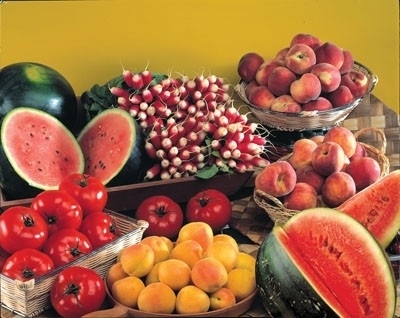
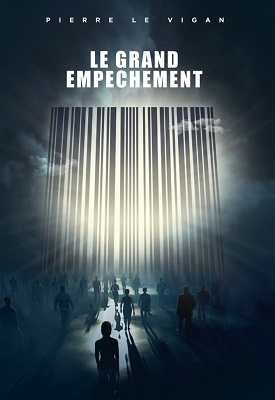 C’est un projet de contrôle total, et de contrôle mondial des peuples. Dans cette perspective, les idées de revenu universel peuvent être un élément : il s’agit de rendre tout le monde dépendant de l’Etat, via les banques, bien sûr, et c’est déjà le cas, et via les versements sociaux. Il s’agit aussi d’institutionnaliser le fait qu’une partie de la population est « inutile », « inemployable », et que l’on renonce à toute perspective de travail pour tous. De ce fait, un certain emploi du revenu universel, loin de desserrer la contrainte marchande – ce qui est l’espoir de beaucoup de ses promoteurs – risque d’aboutir à l’effet inverse. Il est conçu par les mondialistes libéraux comme une contrepartie de la destruction des services publics et des biens communs. Il faut, plutôt qu’un revenu universel, restaurer et amplifier les communs. Mieux vaut des soins « gratuits » c’est-à-dire pris en charge par la collectivité, que des soins payants, et un revenu universel pour aider chacun à accéder à ces services payants, et à se soigner plus ou moins. Et surtout, le revenu universel ne donne pas la dignité que donne un travail, car il n’y a pas de travail idiot. Pas sûr, donc, que le turbo-capitalisme et l’économie de casino ne repartent de plus belle. Je suis, pour ma part, résolument favorable à la planification économique, à l’économie dirigée, à l’économie autocentrée. Cela ne peut se faire par le libre jeu du marché.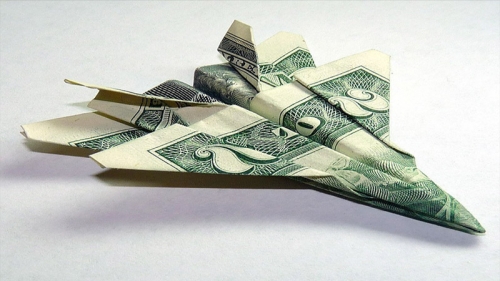
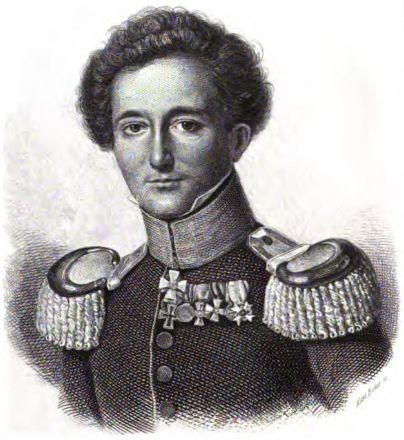 Une guerre est un affrontement entre deux puissances ; un « choc des volontés » selon Von Clausewitz qui prétendait également que « la guerre est le prolongement de la politique par d’autres moyens ». C’est invariablement un rapport de forces, associant tout à la fois brutalité par le fracas des armes et le metis ou la ruse de l’intelligence.
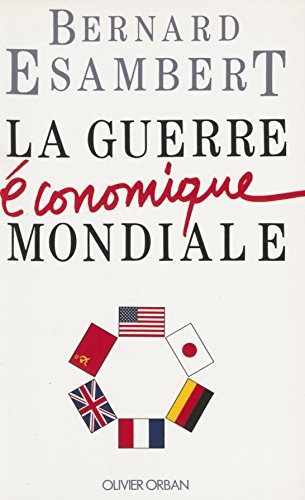 En matière de définition, selon Bernard Esambert :
 En d’autres termes, il semble que la mort prenne le dessus dans cette «guerre».
  Alors, où cela nous mène-t-il ? À une schizophrénie, pas inattendue. D’une part, il y a ceux qui sont tellement sous l’emprise – au sens de J B Yeats – du statu quo, que tout autre chose qu’un rétablissement rapide de la «normalité» est hors de leur portée. La riposte mentale est fermée hermétiquement. À titre d’exemple :
  Ce qui suit sera un monde plus hésitant et prudent. Choqué économiquement, et profondément, je pense que nous serons beaucoup plus prudents à l’avenir : les utilisations de cartes de crédit seront divisées par deux ; nous essaierons d’économiser davantage et nous nous adapterons «à la décroissance». Allons-nous sortir et dépenser généreusement ? Un «sursaut» du refoulé ? Non. L’expérience pour tous a été un châtiment. Qui voit maintenant l’avenir avec certitude ? Chaque aspect de la vie va être changé. Certaines des petites entreprises réouvriront, mais beaucoup resteront fermées. Beaucoup d’entre nous continueront de travailler à domicile. Beaucoup d’entre nous ne travailleront pas du tout – et ne travailleront peut-être plus jamais.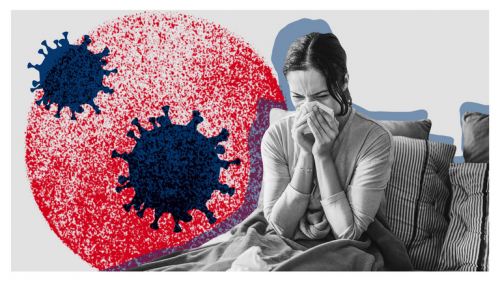


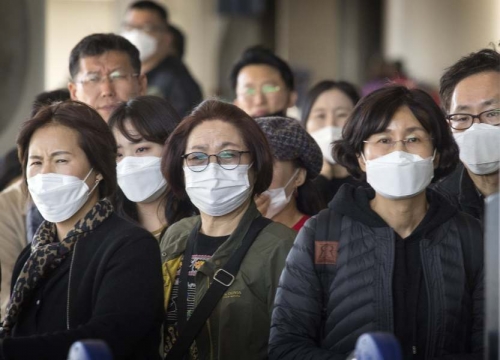
 Qu’en aurait dit le grand ethnologue défenseur passionné de la diversité des sociétés humaines, Claude Lévi Strauss ? Lui qui, âgé alors de plus de cent ans, confiait qu’il allait quitter sans regret un monde où plus rien ne demeurait de ce qu’il avait aimé ? Que dirait-il devant la prolifération de ces masques qui font de chacun, de chacune, un fantôme aseptisé ? Et que dirait Emmanuel Levinas, lui qui a fondé sa philosophie de l’altérité sur le contact direct avec le regard et le visage de l’autre, dans des villes où le masque cache à chacun le visage de l’autre ?
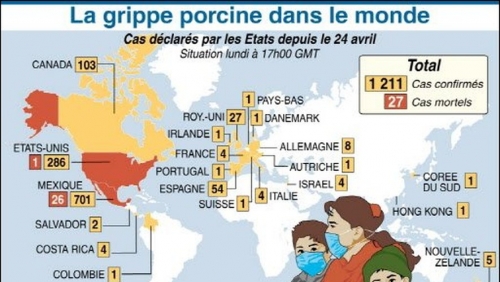
 Das niederländische Parlament deckte zudem auf, dass sich Professor Albert Osterhaus von der Erasmus-Universität in Rotterdam in einer Position befand, persönlich von den Milliarden Euro zu profitieren, die in die vermeintlich für H1N1 gedachten Impfstoffe gepumpt wurden. Als zentraler Influenza-Berater der WHO stand Osterhaus im Mittelpunkt der weltweiten Aktivitäten rund um die globale Schweinegrippe/ Influenza-A-H1N1-Pandemie von 2009. Viele andere wissenschaftliche Experten der WHO, die Chan zum Verkünden einer Pandemie rieten, erhielten direkt oder indirekt Geld von Big-Pharma-Konzernen wie Glaxo- SmithKline, Novartis und anderen führenden Impfstoffherstellern. Dass die WHO eine Schweinegrippe-Pandemie verkündete, war eine Luftnummer.
 Unter den nichtstaatlichen Geldgebern finden wir die weltgrößten Impfstoff- und Medikamentenhersteller, wie Gilead Sciences (eine Firma, die derzeit darauf drängt, dass eines ihrer Produkte für die Behandlung von Covid-19 zugelassen wird), GlaxoSmithKline, Hoffmann-La Roche, Sanofi Pasteur, Merck Sharp & Dohme, Chibret und Bayer. Die Pharmaunternehmen haben die WHO 2017 mit Dutzenden Millionen Dollar unterstützt. Dass private Impfbefürworter wie die Gates Foundation und Big Pharma die WHO so stark unterstützen, ist mehr als nur ein reiner Interessenkonflikt; es bedeutet im Grunde, dass sie die Ausrichtung der Organisation in ihrem Sinne beeinflusst haben, denn eigentlich ist die WHO dafür zuständig, die weltweiten Reaktionen auf Epidemien und Krankheiten zu koordinieren.
 Unter Tedros hat sich die Lage, was Korruption und Interessenkonflikte bei der WHO betrifft, keineswegs verbessert, eher noch verschlimmert. Das WHO Health Emergencies Program, also die Abteilung, die für die globale Antwort auf Covid-19 zuständig ist, war einem Bericht der Australian Broadcasting Corporation (ABC) zufolge 2018 und 2019 unter Tedros‘ Ägide in einem miserablen Zustand, weil es nicht gelungen sei, das Programm und die Notfallabteilung mit ausreichenden Finanzmitteln zu versehen. Dadurch laufe man Gefahr, auf Länderebene nicht zu adäquaten Ergebnissen zu gelangen. Weiter heißt es in dem ABC-Bericht, die internen Korruptionsvorwürfe hätten innerhalb der gesamten Organisation deutlich zugenommen: