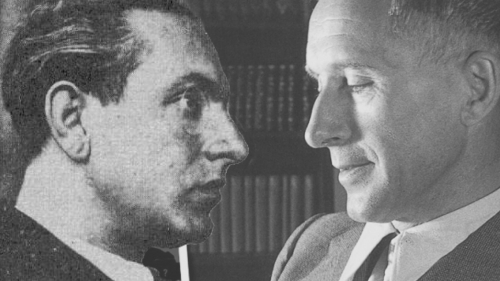
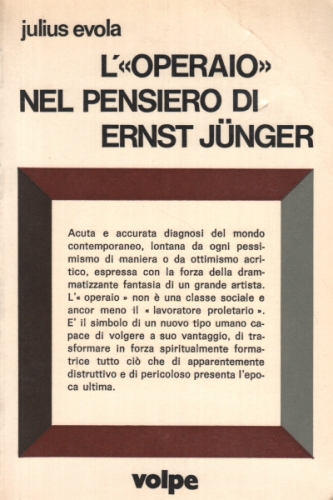
 Ces différences favorisent des lectures non point opposées, ni exclusives l'une de l'autre, mais complémentaires. A l'exception du Travailleur, livre qui définit de façon presque didactique l'émergence d'un Type, Jünger demeure fidèle à ce cheminement que l'on peut définir, avec une grande prudence, comme « romantique » et dont la caractéristique dominante n'est certes point l'effusion sentimentale mais la nature déambulatoire, le goût des sentes forestières, ces « chemins qui ne mènent nulle part » qu'affectionnait Heidegger, à la suite d'Heinrich von Ofterdingen et du « voyageur » de Gènes, de Venise et d'Engadine, toujours accompagné d'une « ombre » qui n'est point celle du désespoir, ni du doute, mais sans doute l'ombre de la Mesure qui suit la marche de ces hommes qui vont vers le soleil sans craindre la démesure.
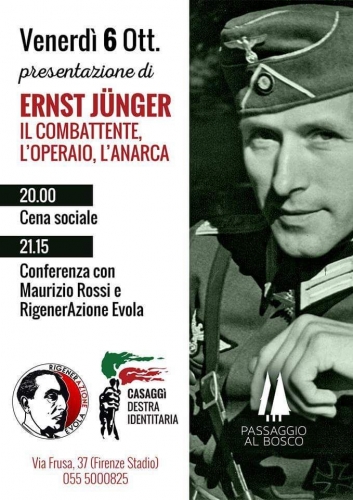
 Qu'est-ce que la Figure ? La Figure, nous dit Jünger, est le tout qui englobe plus que la somme des parties. C'est en ce sens que la Figure échappe au déterminisme, qu'il soit économique ou biologique. L'individu du matérialisme libéral demeure soumis au déterminisme, et de ce fait, il appartient encore au monde animal, au « biologique ». Tout ce qui s'explique en terme de logique linéaire, déterministe, appartient encore à la nature, à l'en-deçà des possibilités surhumaines qui sont le propre de l'humanitas. « L'ordre hiérarchique dans le domaine de la Figure ne résulte pas de la loi de cause et d'effet, écrit Jünger mais d'une loi tout autre, celle du sceau et de l'empreinte. » Par ce renversement herméneutique décisif, la pensée de Jünger s'avère beaucoup plus proche de celle d'Evola que l'on ne pourrait le croire de prime abord. Dans le monde hiérarchique, que décrit Jünger où le monde obéit à la loi du sceau et de l'empreinte, les logiques évolutionnistes ou progressistes, qui s'obstinent (comme le nazisme ou le libéralisme darwinien) dans une vision zoologique du genre humain, perdent toute signification. Telle est exactement la Tradition, à laquelle se réfère toute l'œuvre de Julius Evola: « Pour comprendre aussi bien l'esprit traditionnel que la civilisation moderne, en tant que négation de cet esprit, écrit Julius Evola, il faut partir de cette base fondamentale qu'est l'enseignement relatif aux deux natures. Il y a un ordre physique et il y a un ordre métaphysique. Il y a une nature mortelle et il y a la nature des immortels. Il y a la région supérieure de l'être et il y a la région inférieure du devenir. D'une manière plus générale, il y a un visible et un tangible, et avant et au delà de celui-ci, il y a un invisible et un intangible, qui constituent le supra-monde, le principe et la véritable vie. Partout, dans le monde de la Tradition, en Orient et en Occident, sous une forme ou sous une autre, cette connaissance a toujours été présente comme un axe inébranlable autour duquel tout le reste était hiérarchiquement organisé. »

 del.icio.us
 Digg
Digg Facebook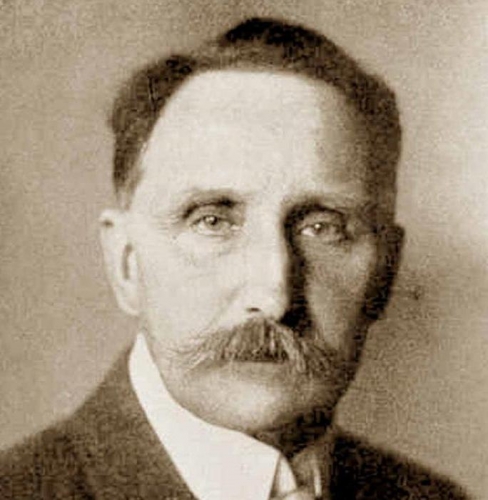
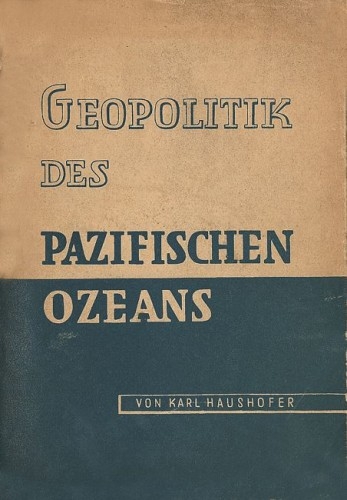
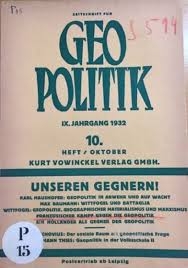
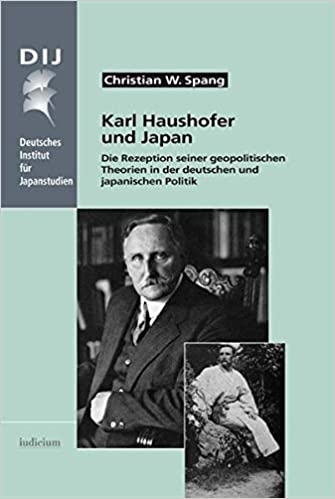
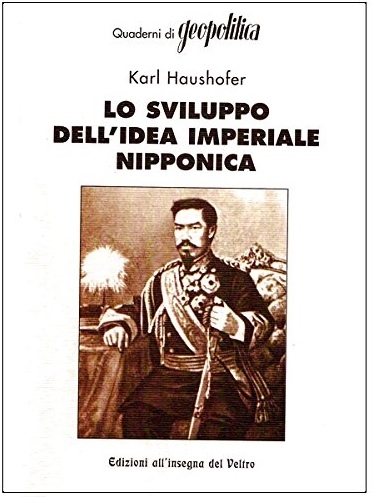 La maison d'édition de Parme, méritante et courageuse, All’Insegna del Veltro, dirigée par l'excellent traditionaliste Claudio Mutti, a publié, il y a déjà quelques années, plusieurs textes fondamentaux du savant et yamatologue (= japonologue) allemand Karl Haushofer (1869-1946), fondateur en 1924 de la prestigieuse Zeitschrift für Geopolitik ("Revue de géopolitique") et auteur de nombreux ouvrages liés à la géopolitique. Il était un défenseur tenace de la nécessité d’unir la masse continentale eurasienne. Dénoncé comme un idéologue du soi-disant expansionnisme d'Hitler, Haushofer était au contraire authentiquement anti-impérialiste. D'ailleurs, son plus grand connaisseur dans notre mouvance, le Belge Robert Steuckers, est profondément convaincu que la Géopolitique de Haushofer était précisément "non hégémonique", en opposition aux intrigues des puissances thalassocratiques anglo-saxonnes voulant une domination totale sur le monde, puisque ces dernières empêchaient le développement harmonieux des peuples qu'elles soumettaient et divisaient inutilement les continents.
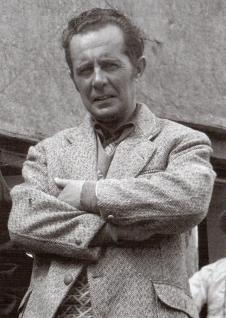 Outre la géopolitique, la plus grande passion intellectuelle du professeur et général bavarois était le Japon, qu'il a analysé, à son époque, avant la première guerre mondiale, d'un point de vue absolument original. Pour démontrer l’excellence et l'utilité des écrits de Haushofer sur le Pays du Soleil Levant, il faut mentionner un fait : il a été impliqué par le grand orientaliste italien Giuseppe Tucci (1894 - 1984) (photo) dans les activités de l'IsMEO (Institut italien pour le Moyen-Orient et l'Extrême-Orient). En effet, il a été invité à Rome par cet institut pour donner deux conférences. Son texte, Le développement de l'idée impériale japonaise, n'est qu’un extrait de la deuxième conférence donnée par Haushofer, le 6 mars 1941, en pleine Seconde Guerre mondiale ! Le texte est à insérer, historiquement, comme le souligne l'éditeur du "Cahier", le regretté Carlo Terracciano, dans le contexte des activités culturelles promues par Tucci lui-même.Celui-ci visait à informer et à sensibiliser l'intelligentsia italienne sur les opportunités et les nécessités, ainsi que sur les problèmes, de l'unité géopolitique de l'Eurasie, afin d'orienter la politique nationale vers la promotion d'une vision culturelle géopolitiquement centrée sur les relations entre l'Europe et le continent asiatique.
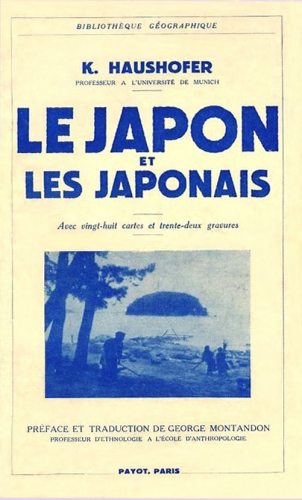 L'Allemand, dans le rapport qu’il a exposé à Rome, propose un parallélisme continu entre l'histoire européenne et japonaise : "[...] les luttes sauvages entre Taira et Minamoto, semblables à la guerre des Deux Roses, [...]" (18). Il souligne ainsi ce destin commun de l'histoire européenne et japonaise. (18), destin commun auquel il croyait obstinément. Tucci a été très impressionné par le caractère non fictionnel de la spéculation de Haushofer, par le fait que le géopolitologue a reconnu la primauté de Rome et de l'Italie en général, afin de construire une alliance avec le Japon qui ne soit pas seulement politique, mais spirituelle ; par exemple, lorsqu'il compare Kitabatake Chikafusa (1293-1354) à Dante (19), puisque tous deux ont été les auteurs de grands "poèmes politiques". Cela l'amène à déclarer que la Divine Comédie a trouvé une grande résonance dans le Jinnoshiki contemporain (神皇正統記, "Jinnō shōtōki", ca. 1339) de Kitabatake, qui peut raisonnablement être considéré comme un classique de la pensée politique japonaise, où les principes de légitimité de la lignée impériale ont été établis, conformément à la tradition shintoïste. Un tel texte, dans son ancrage de la "légitimité politique" à une matrice religieuse, ne pouvait qu'attirer l'intérêt des Allemands, qui en appréciaient les valeurs, ce qui aurait pu être une inspiration pour les nations occidentales non asservies à l'Economie et à la recherche de formules éthico-politiques sur lesquelles modeler une nouvelle forme de société, tournée vers le passé, certes, mais non nostalgique.
 Une synthèse inestimable sur la ‘’japonicitié’’
 Il convient maintenant de proposer une petite clarification linguistique. En transcrivant le terme chinois susmentionné, Haushofer utilise étrangement, pour un Allemand, le système de transcription de l'EFEO (École française d'Extrême-Orient), au lieu du Wade-Giles alors plus populaire. Dans ce système de romanisation phonétique, "Ko" correspond au "Ge" de l'actuel pinyin, le mot devient donc "gémìng" (革命, "revolt/revolt"), terme également utilisé pour désigner la grande révolution culturelle maoïste (文化大革命, "Wénhuà dà gémìng"). Cela nous fait comprendre comment certains concepts enracinés en Chine depuis l'Antiquité ont survécu aux bouleversements politiques les plus dramatiques. Dans l'Empire du Milieu, en effet, lorsqu'une famine ou toute autre catastrophe naturelle se produisait, l'Empereur lui-même était responsable, puisqu'il avait perdu la bienveillance des Déités, et le Peuple se sentait autorisé à se rebeller contre lui et à le déposer de force. Cela explique l'alternance de tant de dynasties dans le pays. Tout le contraire, comme on l'a dit, pour le Japon traditionnel, où l'empereur est un Dieu intouchable.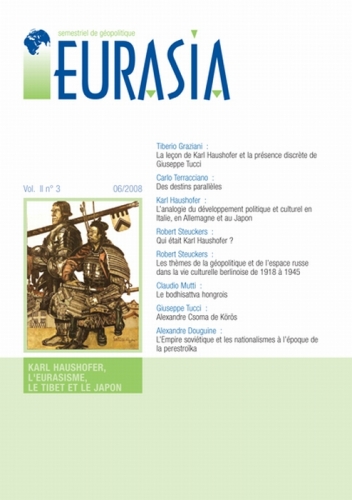
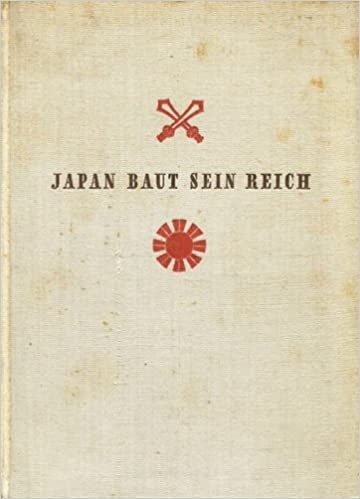 Quoi qu'il en soit, il faut préciser que le penseur allemand n'a pas simplement posé les prémisses d'une géopolitique qui n'était pas eurocentrique, c'est-à-dire encline à protéger les intérêts des puissances occidentales oppressives habituelles. Haushofer est allé beaucoup plus loin, à l'autre bout du globe, jusqu'au lointain Japon, en essayant de saisir des éléments structurels de valeur universelle. Comprenant que, pour déchiffrer ce Peuple, il est nécessaire de ne jamais séparer le politique du sacré, il nous apparaît comme le meilleur yamatologue (japonologue) du 20ème siècle, avec notre Père Mario Marega - missionnaire salésien très cultivé, auteur d'une indispensable traduction de Kojiki, publiée par Laterza en 1938 - et Fosco Maraini. Il faut également rappeler le principe très clair de Haushofer selon lequel le gouvernement du territoire doit être garanti par une appartenance éthico-politique dont le souverain est le symbole vivant, représentant la "dimension interne" : le kokoro (心) (21), son "cœur". Et cette frontière spirituelle - pas seulement dans le cas du Japon - doit être défendue à tout prix. Ce n'est pas pour rien qu'il utilise à plusieurs reprises le terme "marca", qui à l'époque des Carolingiens indiquait un territoire frontalier.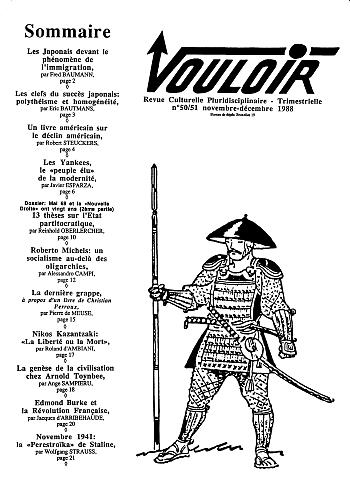
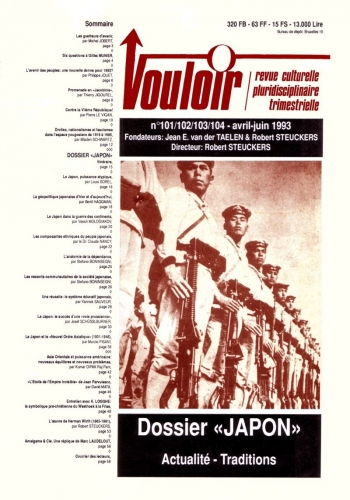
 Le concept nodal de Lebensraum ("Espace de vie"), linteau de toute la géopolitique haushoférienne, ne pouvait pas manquer dans ce document. Cependant, dans l'exemple singulier du Japon, il est représenté par la mer, qui permet l'isolement, par lequel s'est développé le facteur ethnique du Japon spécifique : "Le simple fait que, contrairement à ce qui s'est passé pour toutes les autres émergences nationales, les migrations des peuples n'ont pas exercé d'influence sur l’émergence nationale japonaise : celle-ci est née indépendamment des migrations des tribus et suffirait à caractériser de façon absolue la genèse de l'État japonais" (14). Nous comprenons donc que l'expansionnisme voulu par le gouvernement militaire, et qui a conduit le pays à la guerre contre la Grande-Bretagne et les États-Unis, était à sa manière une trahison de cette doctrine que le scientifique allemand avait donnée aux nombreux officiers japonais qui furent ses étudiants : jeter une influence sur l'Asie pourrait également être une solution équitable pour le Japon, à condition toutefois de ne pas affaiblir ce chapelet d'identité et d'autodéfense qui, des siècles auparavant, à deux reprises, avec la force du vent et de l'eau, avait sauvé l'archipel de l'invasion mongole. Dit d'une manière plus "technico-militaire", l'armée japonaise était dispersée dans tout l'Extrême-Orient, laissant, après le désastre de Midway (3-6 juin 1942), le Peuple chez lui, pratiquement sans défense.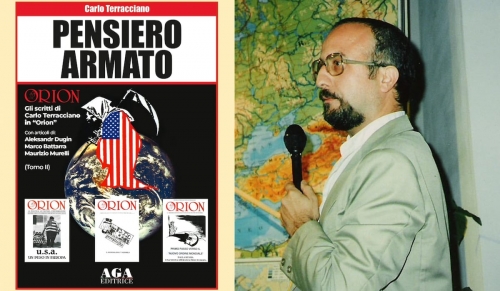
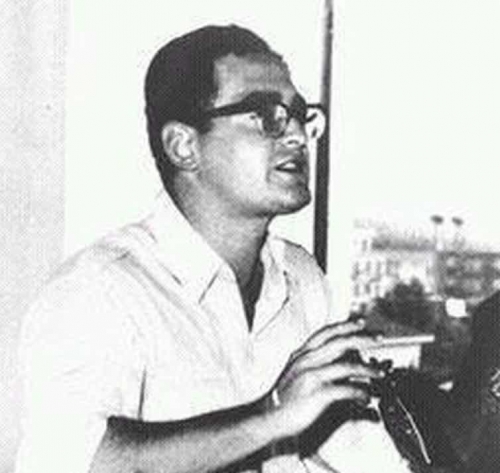
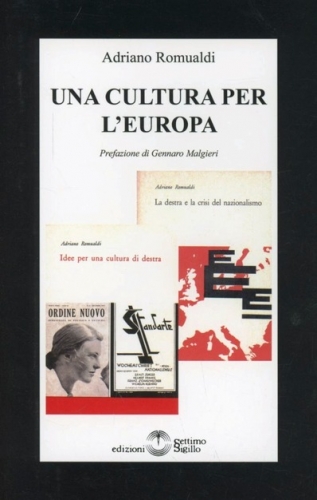
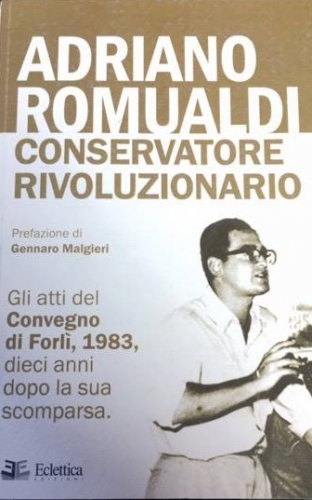 Bien sûr, il n'est pas nécessaire d'imaginer ce qui aurait pu se passer si l’homme le plus prometteur et le plus valable dans la culture de droite (de droite seulement ?), engagée à l’époque dans la guerre culturelle en cours en Italie n'avaient pas été violemment fauché sur une autoroute en un mois d'août 1973. Mais il me paraît utile de penser aux aspects du travail de Romualdi qui ont été négligés au fil des années. Romualdi a laissé derrière lui un bon nombre d'intuitions, exprimées dans un langage encore jeune : elles peuvent aujourd'hui refleurir dans notre contexte. Pour Adriano, l'idée de l'Europe et la tentative d'élaborer un nouveau mythe pour le nationalisme européen représentent la voie pour sortir des impasses dans lesquelles les mouvements patriotiques (même les plus révolutionnaires) s'étaient enfermés suite aux épreuves des deux guerres mondiales.
 Nous arrivons ici à un deuxième aspect fondamental de l'œuvre de Romualdi. Adriano comprend la nécessité stratégique de maîtriser le langage, les instruments, voire les conclusions des sciences occidentales modernes. En vivant avec Evola, il va acquérir un amour pour l'élément archaïque, pour ce qui, dans un passé lointain, a marqué la pureté d'une manière d'être encore incorruptible. Néanmoins, Romualdi réagit énergiquement au courant "guénonien" de la pensée traditionaliste : à cette approche d’antiquaire, et même un peu lunatique, qui, au nom de dogmes immuables, a conduit au mépris de tout ce qui avait changé dans l'histoire des dix derniers siècles, au mépris des grandes créations du génie moderne européen. Ainsi, alors que les "Guénoniens" se sont perdus dans la métaphysique arabe et ont alimenté d'interminables polémiques sur la "régularité initiatique" ou sur la "primauté du Brahmane", Adriano Romualdi veut donner une nouvelle définition au concept de Tradition.
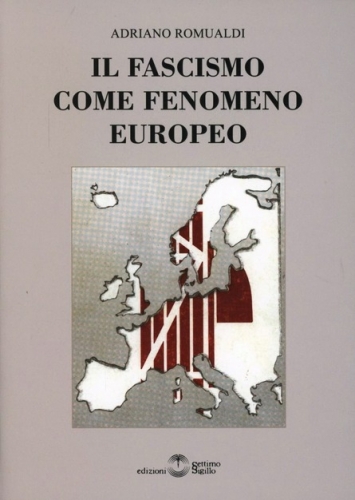
 Disons la vérité, lorsque la Nouvelle Droite française a commencé à valoriser les études de sociobiologie, l'éthologie de Lorenz et les recherches de psychologie les plus hétérodoxes, elle n'a fait que développer une impulsion déjà lancée par Adriano Romualdi. Et c’est aussi un héritage de Romualdi qui se manifeste, lorsque Guillaume Faye lance sa brillante provocation lexicale en se définissant comme « archéofuturiste ». L'Archéofuturisme de Faye propose en effet de réconcilier "Evola et Marinetti" ou les racines profondes de l'Europe et sa capacité scientifico-technologique moderne. Faye reprend, au fond, un thème notoire de Romualdi. Le lecteur de Fascisme comme phénomène européen se souviendra que Romualdi, dans le mouvement historique des fascismes, a reconnu la tentative de défendre les aspects les plus élevés de la tradition avec les instruments les plus audacieux de la modernité. En tournant son regard vers le futur proche, qui était prédit dans les années de la Contestation de 68, Romualdi a vu le risque de voir les Européens se ramollir mentalement dans leur bien-être, tombant comme des fruits trop mûrs dans les rets de peuples moins civilisés et moins vitaux (lire la préface de Correnti politiche e culturali della destra tedesca). Romualdi n'a donc jamais négligé les aspects les plus positifs de la modernité européenne et de cette société de bien-être construite à l'Ouest. Aujourd'hui, il se moquerait sans doute copieusement de ces intellectuels qui, à droite, sont tentés d'embrasser de stupides utopies islamisantes. Romualdi voulait une Europe ancrée dans sa propre "Arkè", et en même temps moderne, innovante, à la pointe de la technologie. Une Europe dans laquelle les hommes savent idéalement dialoguer avec Sénèque et Marc-Aurèle tout en conduisant des voitures rapides, en utilisant les instruments de communication par satellite, en opérant avec des lasers. Cette image de l'Europe, esquissée en quelques années par Romualdi, reste aujourd'hui le meilleur "préambule" pour un continent ancien et pourtant toujours audacieux.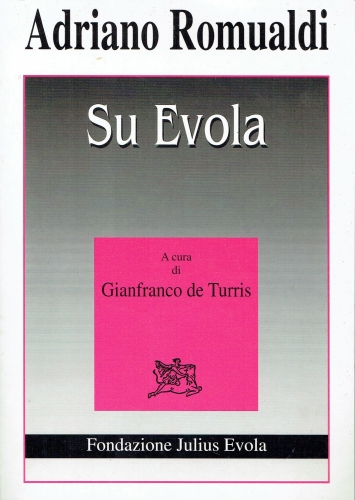
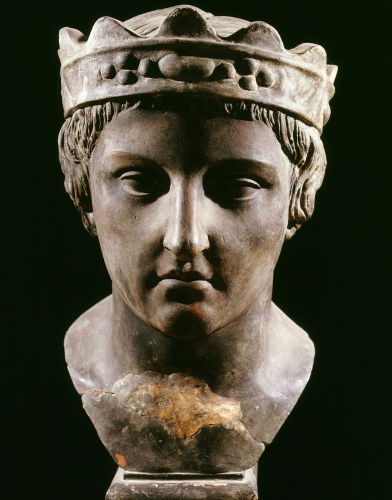

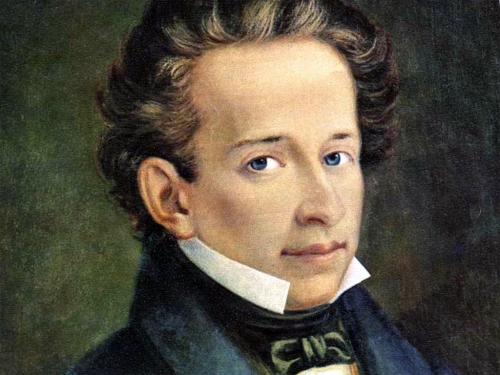
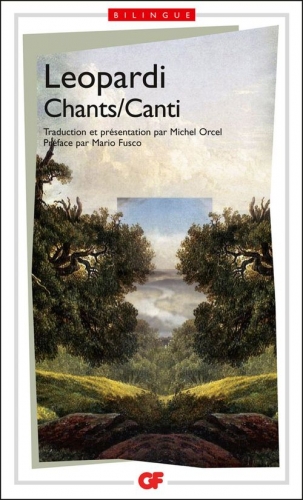 Revenons à Nietzsche et à Spinoza. Il y a une troisième figure sans laquelle la destruction ultime de la métaphysique n'aurait pas été accomplie par le philosophe allemand : elle s’appelle Leopardi, qui a eu une influence fondamentale sur la philosophie de Nietzsche. Car le "comte" de Recanati (qui ne connaissait pas l'allemand -mais il n'en avait pas besoin- car il possédait les langues anciennes comme le plus expert des philologues classiques, et ce dès son adolescence). Friedrich Nietzsche le connaissait bien. Et, chose que l'on oublie parfois, il est non seulement l'un des plus grands poètes du XIXe siècle - en italien, le plus grand, mais au sommet de tous les poètes de notre continent - mais aussi le plus grand philosophe italien du XIXe siècle, et l'un des plus grands d'Europe. Il ne faut pas oublier qu’il a fait largement usage d’une forme et d’un style qu'il partage avec Nietzsche : sa façon de penser par aphorismes. Hegel s'est lancé dans une divagation sur des systèmes d'une incroyable lourdeur et il a été le recréateur d'une théodicée moderne à laquelle nous devons, conjuguée à d'autres éléments, le nazisme. Le Zibaldone di pensieri de Leopardi semble être une suite d'aphorismes d'une concision latine apparemment désordonnée. Il possède cependant une formidable cohérence interne qui se fond avec la poésie de son auteur (même la poésie non "philosophique" : tout le monde peut comprendre que le Canto notturno di un pastore errante dell'Asia, ou La ginestra, sont de la philosophie chantée en vers sublimes, ou comprendre l'Operette morali et l'Epistolario. Et Friedrich Nietzsche était un connaisseur et un admirateur attentif de Leopardi. Sans lui, il serait resté prisonnier de la métaphysique wagnérienne.
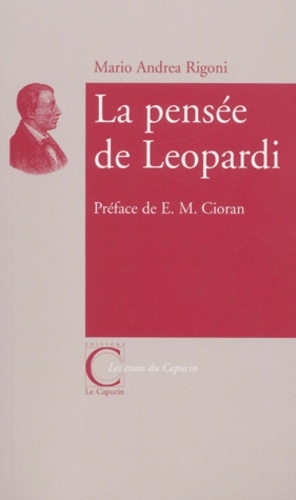 Rigoni connaît chaque virgule du Zibaldone, chaque ligne poétique, chaque épître du Contino ; chaque repli des Operette morali, qui sont un des sommets de la prose italienne et, venant du matérialisme français du XVIIIe siècle et de Fontenelle (auteur des Dialogues des morts), ils ont trouvé un Style Grotesque qui est soudé à l'ancien nihilisme, si je puis dire, de Lucian de Samosata. Même ses pages, ostensiblement un recueil d'essais successifs dans le temps (il a même l'habitude de dater chacun des essais), possèdent une formidable unité. Y a-t-il des livres qui ont été écrits par eux-mêmes ? En voici une. Les pages sont nées, recherchées et ensuite soudées.
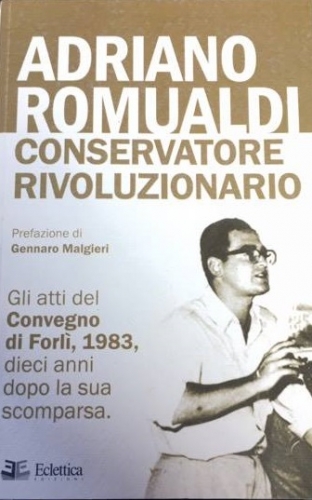 Il y a 80 ans, le 9 décembre 1940, Adriano Romualdi naissait à Forlì. Cet anniversaire est important pour se souvenir de cet intellectuel, demeuré jeune parce que décédé prématurément, le 12 août 1973, à la suite d'un accident de voiture. Son souvenir est resté gravé dans la mémoire de la jeune génération des années cinquante, confrontée à l'engagement politique et culturel des années soixante-dix. Adriano Romualdi était, pour cette génération, une sorte de grand frère, capable d'offrir à la vision néo-fasciste des raisons d'être plus profondes, puis d’emprunter de manière autonome les chemins d'un nouveau dynamisme culturel. Dans cette perspective, sa personnalité reste encore un exemple.
 Son idée d'un droit politique "non égalitaire" repose sur ces solides fondements spirituels, que je viens d’exposer ici. C'est en septembre 1972 qu'Adriano Romualdi, à l'occasion de la conférence annuelle de la revue L'Italiano, dirigée par son père Pino, figure historique du MSI, met en évidence la distinction entre la droite (politique et culturelle) et le qualunquisme, sous ses différentes formes (qualunquisme politique, patriotique, culturel).
 En dehors des contingences d'une situation politique et culturelle de cette époque d’avant 1973, qui sont nettement perceptibles dans certains passages de son œuvre écrite, inévitablement affectée par le temps qui a passé. Les bouleversements de notre époque ont changé la donne (il suffit de penser à la fin de l'URSS, à la crise de l'empire américain, à l'émergence de la mondialisation, à la montée des nouvelles économies asiatiques). Les propositions de Romualdi conservent leur valeur, dans la mesure où elles se nourrissent d'une vision profonde de la culture et donc de la politique, rejetant tout minimalisme et toute respectabilité rassurante.
 Bien sûr, la question de l'antifascisme est absolument décisive. Je voudrais résumer la question comme suit : à l'époque de Gramsci ou de Gobetti, en nous limitant au contexte italien, l'antifascisme était indispensable et fondamental, et il avait, du moins chez Gramsci, un but politique communiste, patriotique et anticapitaliste. Le problème, cependant, se pose lorsque l'antifascisme continue à se développer en l'absence de fascisme ou, plus précisément, lorsque le fascisme, si par cette expression nous entendons le pouvoir de manière générique, change de visage.
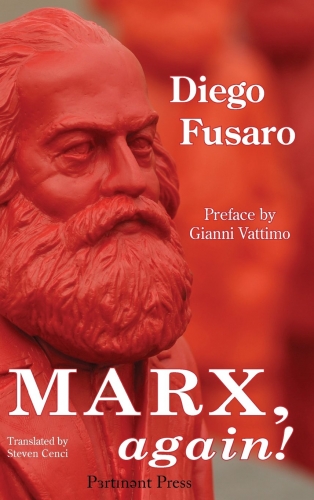 Par conséquent, la gauche, qui ne défend plus les idées de Gramsci et de Marx, mais qui défend directement le capital, du moins la plus grande partie de celui-ci, a besoin de maintenir l'antifascisme en vie pour se légitimer, afin que la contradiction ne soit pas visible et évidente ; c'est-à-dire que cette gauche veut dissimuler le fait pourtant patent que la gauche est restée antifasciste, alors que le fascisme n'existe plus mais n'est pas pour autant anticapitaliste, alors que le capitalisme progresse plus que jamais. Au contraire, les hommes de gauche utilisent l'antifascisme comme prétexte pour adhérer complètement au "fascisme" de la civilisation consumériste, à l'atout invisible de l'économie de marché. Je pense au cas français où la gauche forme un front antifasciste uni contre Le Pen pour accepter pleinement le "fascisme de marché" et l'élite financière cooptée par Rothschild, représentée par le libéral Macron.
 Il n'y a pas d'autre réalité, dans la modernité, pour les droits sociaux et les démocraties en dehors des États souverains nationaux. C'est pourquoi l'expression de Che Guevara "la patrie ou la mort" a sa propre validité aujourd'hui encore, non seulement parce qu'elle revendique l'identité contre l'anonymat impersonnel des marchés, mais aussi parce qu'elle revendique l'idée de souveraineté nationale contre les processus de déracinement voulus par le capitalisme mondialiste. La classe dominante est de gauche en matière de coutumes et de culture parce qu'elle n'a pas fait sien l'impératif de la gauche anticapitaliste de Gramsci ou de Lénine, qu'elle a d'ailleurs répudié, mais a adopté celui de la gauche rose de 1968, qui identifie le communisme à la libéralisation individualiste de la consommation et des coutumes ; c'est-à-dire à la société de libre-service des consommateurs individuels qui ont toute la liberté qu'ils peuvent concrètement acheter et se sentir libres comme des atomes de Nietzsche, comme des surhommes avec une volonté de pouvoir illimitée, c'est-à-dire qu'ils conçoivent la liberté comme la propriété de l'individu déraciné par rapport aux communautés sédentaires qu’ils posent comme autoritaires : la communauté familiale, la communauté politique, la communauté religieuse.
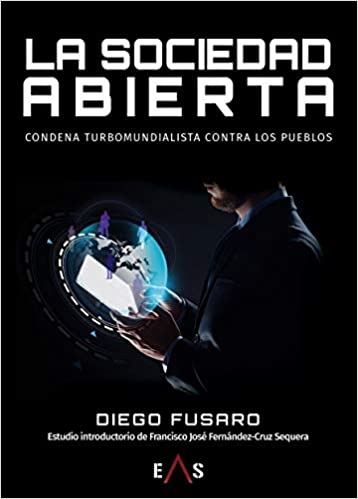 Une économie sans politique et sans État ne sera jamais démocratique ou socialiste, elle sera toujours l'humus idéal pour le capital cosmopolite, qui est tout sauf socialiste et démocratique. D'où l'importance de ce que j'appelle le souverainisme internationaliste et populiste. Souveraineté parce que la souveraineté nationale est pleinement récupérée comme base des droits et des démocraties, du socialisme et des conquêtes sociales. Internationaliste parce que ce n'est pas le nationalisme de la droite réactionnaire, xénophobe et autoritaire, c'est une souveraineté internationaliste ouverte aux autres nations socialistes et démocratiques, elle crée un internationalisme prolétarien, comme on l'appelait autrefois, qui est à l'opposé du nationalisme individualiste et réactionnaire et du cosmopolitisme libéral auxquels la gauche rose a vendu sa tête et son cœur, comme je l'ai dit précédemment.
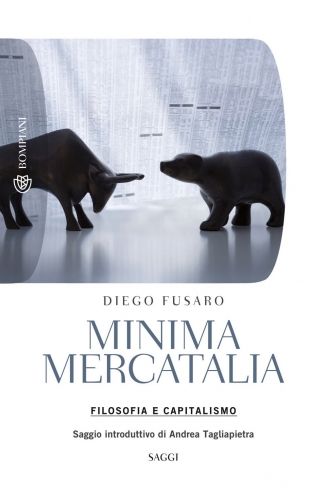 Par conséquent, quiconque s'oppose à cette vision, revendiquant la primauté de l'humain et du politique, défendant la nécessité de réguler, réclamant la primauté du politique et de la démocratie sur les flux de capitaux, de personnes, de désirs, de consommation, est automatiquement calomnié comme fasciste par la gauche rose-fuchsia, pour qui tout ce qui ne se met pas au diapason avec le seigneur cosmopolite, dont ils sont les idiots utiles, est fasciste. Le paradoxe est le suivant, je le résume ainsi, cette gauche diffame tout ce qui s'oppose à l'ordre de la classe dominante sans-frontiériste, de la classe globocratique du capital, elle diffame comme fasciste l'idée de l'intervention de l'État dans l'économie, elle diffame comme fasciste le réveil des classes dominées, des opprimés qui, comme le disait Fichte, sont au-dessus de toute autorité qui prétend être supérieure.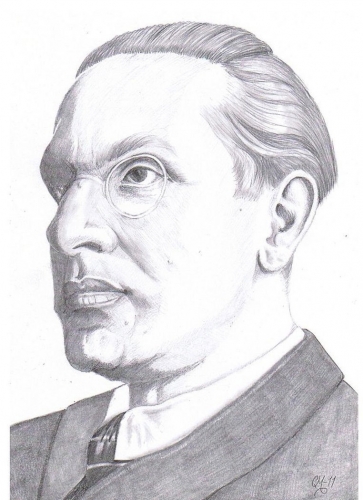
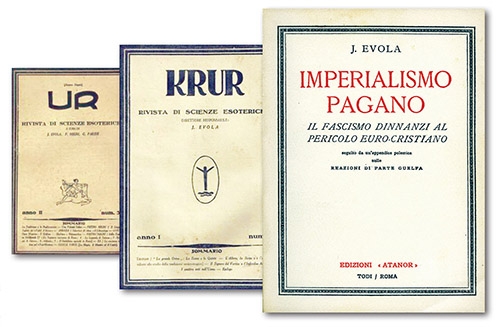
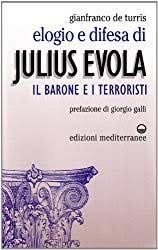
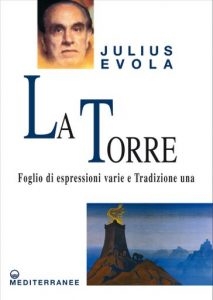 La nouvelle édition de La Torre, la revue mythique dirigée par Julius Evola en 1930, vient d'être publiée par la maison d’édition Mediterranee ; c’est une version critique, remise à jour, comprenant des notes, des bibliographies et des analyses approfondies. En plus d'être un document historique comme il y en a peu d'autres, cette réédition témoigne d'une approche "métapolitique" et "spirituelle", qui a tenté d'orienter la politique de l'époque dans un sens différent de celui pris dans les années ultérieures. À l'occasion de cette nouvelle édition, nous rapportons, avec l'aimable autorisation de l'éditeur, une note signée par Evola dans le quatrième numéro de la revue, le 16 mars 1930, dans la rubrique qu'il a dirigée, la rubrique L'Arco e la Clava. Ici, le philosophe répond clairement à tous ces périodiques (La Volontà d'Italia, Roma Fascista, L'Italia Letteraria, L'Ora, etc.) qui l'accusent de "catastrophisme", car, comme on le sait, il s’était penché sur le thème de la fin des civilisations. Dans cette réponse, Evola anticipe non seulement des analyses plus connues aujourd’hui de par le monde, contenues par exemple dans des textes tels que Le meilleur des mondes de Huxley (1932), La dialectique des Lumières d’Adorno de Horkheimer (1947), le 1984 d’Orwell (1949) et L'homme unidimensionnel de Marcuse (1964).De surcroît, iloffre un portrait impitoyable, une analyse quasi chirurgicale, de notre monde. Dans cette singulière variation sur le thème de la "fin du monde" (dont le spectre erre encore dans le débat public actuel), Evola imagine néanmoins une calamité bien différente de celles, littéraires et dystopiques, auxquelles nous nous sommes habitués, pour finir par décrire en fait... notre contemporanéité, avec ses tics et ses tabous, avec tous ses masques et ses acteurs que le lecteur - nous en sommes sûrs - n'aura pas de mal à reconnaître. C'est aussi parce qu'il n'y a souvent pas besoin de catastrophes naturelles - ou de pandémies, pourrait-on ajouter, pour basculer dans la dystopie. Une civilisation peut aussi mourir d'une mort naturelle. C'est peut-être le cas de la nôtre.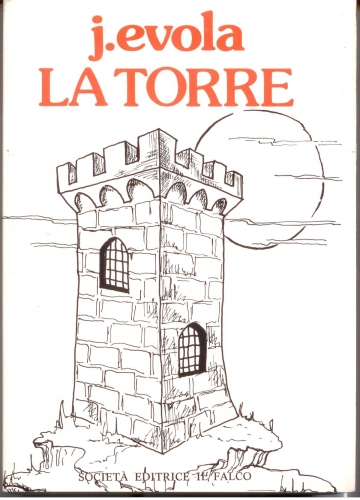
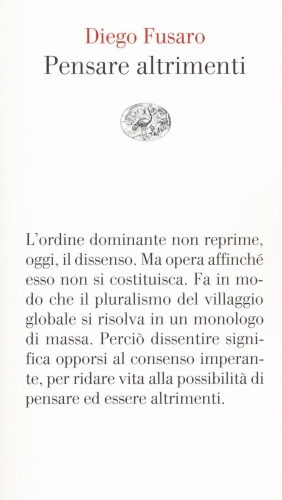 Omnímoda porque la economía productiva y la explotación del trabajador sólo son una parte vivificante de su propia dinámica especulativa. Hace ya tiempo que se ha desconectado la economía especulativa de la economía productiva, y al desconectarse, las plusvalías obtenidas de la explotación directa del trabajador no constituyen ningún “reloj” o indicador regulativo del ritmo especulador de acumulación de beneficios. El poder omnímodo del “Señor”, se asemeja a un polo o, quizá mejor, a un agujero negro: hacia allí converge toda materia y toda energía. El agujero la devora de manera insaciable, y, además, cuanto más devora, más rápida y extensamente se traga la materia y la energía restante, potencial, hasta llegar a caer por ese sumidero la totalidad del cosmos. Así, el “Señor” en el sentido fusariano se tragará al empresario mismo, lo rebajará a la categoría de plebe parasitaria junto con las demás clases. El filósofo italiano a quien sigo aquí, muestra con claridad la idea ya contenida in nuce en el marxismo: el capitalismo cava su propia tumba, se convierte en un turbocapitalismo, se impone un ultra-liberalismo que mina las propias bases genéticas de su existencia. No obstante, falla en el clásico esquema del marxismo el otro “polo”, para que ese socavamiento tenga lugar: el proletariado.
 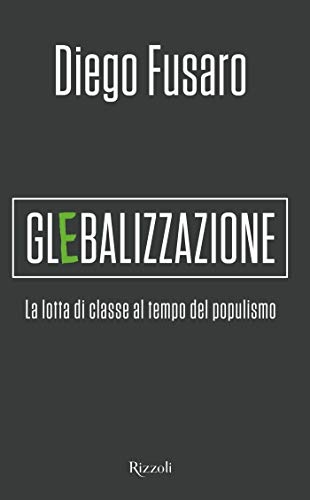 Recargar de energía el polo del “Siervo” frente al polo del “Señor” consiste en volver a iluminar un espacio de lucha, llevar la guerra de clases al primer término de la geopolítica mundial y del interés nacional. Dotar de armas, empezando por las armas críticas, al polo de los “Siervos” consiste, en primer lugar, en desenmascarar a toda esa izquierda glamurosa de “almas bellas” que lloran como cocodrilos o damiselas hipersensibles antes los males oficiales que los “trending topics” de sus sagradas cuentas de Twitter marcan como Males malísimos.
 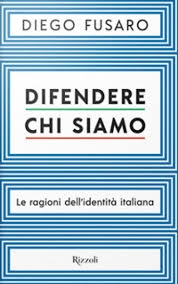 La conversión del “Estado del Bienestar” en un supuesto “Estado Asistencial” responde a la lógica malévola del “Señor”. Los señores mundialistas del dinero, en su despiadada avaricia, no dudan en convertir a capas cada vez más amplias de la sociedad en “dependientes”. Gente sana y fuerte, cerebros bien preparados y dispuestos, manos libres y aptas para ganarse la vida, todos, son reducidos a la peor condición posible: plebe, masa sostenida por un ingreso mínimo social facilitado por el Estado. El Estado se despoja de su cometido ético, garantizar a los ciudadanos el Bien Común, y se disfraza de Buen Samaritano. Pero no es la generosidad la que le mueve a distribuir ayudas, sino su lacayuna naturaleza de Siervo subsidiario del verdadero Señor globocrático. La universalización del rentista (peligro que siempre anida en un comunismo mal entendido) se traduce, en la práctica, en la universalización del mendigo. El Estado asistencial, lacayo de los Señores mundiales de la especulación, cumple con la sucia labor de gestionar la “masacre de clases”. Los Señores liquidan a los productores (clase obrera, campesina, clase media) y a los restos y despojos hay que suministrarles un “mínimo vital” para que el caos, los saqueos, la guerra urbana, etc. no se apoderen de las calles y no se adelante la catástrofe, que, de todas las maneras, es inevitable a medio plazo.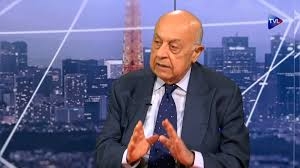
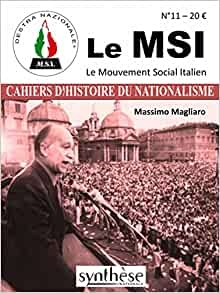 Massimo Magliaro a été un haut cadre du parti nationaliste italien dénommé Mouvement Social Italien (MSI) et a été très proche de l’ancien dirigeant de cette formation politique Giorgio Almirante. Après le décès de ce dernier en mai 1988, Massimo Magliaro est devenu journaliste à la Radio-Télévision italienne, puis directeur de la RAI Internationale et enfin président de la RAI Corporation, filiale de la RAI en Amérique. Il est l’auteur du numéro des Cahiers d’histoire du nationalisme consacré au Mouvement Social Italien (MSI). Lionel Baland l’a interrogé pour Eurolibertés.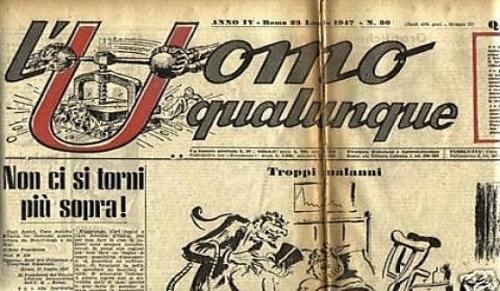
 En janvier 1995, à Fiuggi, le MSI s’autodissout. L’Alliance nationale (AN) y tient ensuite son premier congrès. Vous écrivez : « Dans son rapport d’ouverture, Fini affirme que les thèses du congrès d’AN, rédigées par un groupe de diverses extractions intellectuelles, ‘’sont les contenus d’une formation politique libérale-démocratique’’. »
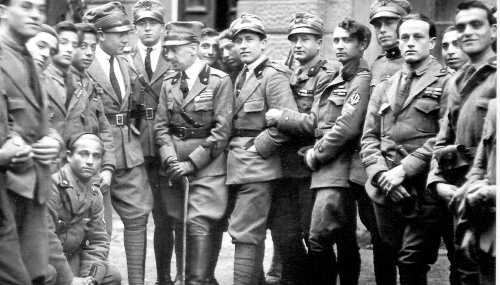
 Dans ce monde du tout utilitaire et du tout jetable, l’ultime herméneutique est le bruissement de la nostalgie fondamentale de l’Être. On ne peut pas ne pas entendre ce bruissement, mais seulement le recouvrir par tous les bruits du monde moderne, voire par les slogans substitutifs tels que « progrès », « liberté » ou même « écologie ». Qui sait aujourd’hui qu’à Fiume on invitait les animaux pour assister aux conférences ?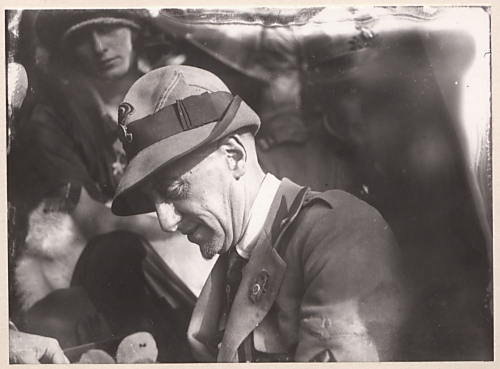
ex: http://www.counter-currents.com
Gianfranco de Turris
Julius Evola: The Philosopher and Magician in War: 1943–1945
Rochester, VT: Inner Traditions, 2020
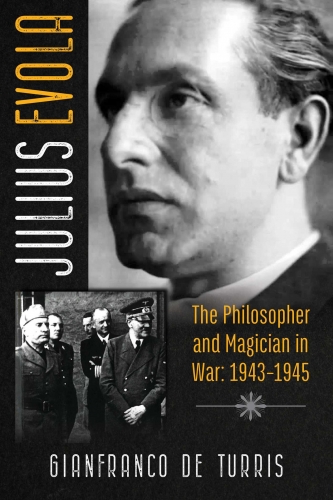 This English translation of Gianfranco de Turris’s Julius Evola: Un filosofo in guerra 1943–1945 has come along at just the right time, for it shows us how a great man coped both with societal collapse and with personal tragedy. As the title implies, the book focuses on Evola’s activities during the last two years of the Second World War. However, de Turris goes considerably beyond that time frame, dealing with much that happened to Evola after the war, up until about 1950.
De Turris’s main objectives in this work are to solve a number of mysteries about Evola’s activities at the end of the war, and in the post-war years, and to respond to the philosopher’s critics. Because, until now, so little has been known about these years in Evola’s life, they have been the object of a great deal of speculation, especially on the part of hostile, Left-wing writers. De Turris has uncovered fascinating new information about Evola’s activities and provided definitive answers to a great many lingering questions.
The book begins with an episode that will doubtless be the focus of most critical reviews: Evola’s journey to Hitler’s headquarters in August–September 1943. As the war dragged on, public opinion in Italy had begun to turn against Mussolini, especially after Rome was bombed by the Allies for the first time on the 19th of July. Several members of the government had turned against Mussolini, and the Duce felt compelled to summon the Fascist Grand Council for the first time since the beginning of the war. This turned out to be a mistake, for it passed a motion of no confidence in Mussolini, effectively giving King Victor Emmanuel the power to dismiss him. Mussolini, however, behaved as if nothing of significance had occurred. He appeared for an audience at the royal palace the next day, prepared to brief the King on recent events. Instead, the King had Mussolini arrested and imprisoned in a hotel atop Gran Sasso mountain, the highest peak in the Apennines.
The story of Mussolini’s daring rescue (on the 12th of September) by German commandos flying gliders, led by the legendary Otto Skorzeny, is one of the most famous episodes of the war. Mussolini was immediately flown to Munich and then to Hitler’s HQ (“Wolf’s Lair”) in East Prussia. When he arrived on the 14th of September, Julius Evola had already been there for several days. The philosopher was part of a delegation chosen by the Germans to help advise them on what course to take in Italy. The delegation also included the Duce’s son, Vittorio.
Their journey from Italy was undertaken at considerable risk. The plane carrying Evola narrowly escaped interception by Allied aircraft. On the ground, Evola and others were disguised for part of their journey in Waffen SS caps and coats. Once the philosopher had arrived at Wolf’s Lair, he and the other members of the delegation were received by Joachim von Ribbentrop who communicated to them Hitler’s wish that “the Fascists who remained faithful to their belief and to the Duce were to immediately initiate an appeal to the Italian people announcing the constitution of a counter-government that confirmed loyalty to the Axis according to the commitment first declared and then not maintained by the King” (quoting Evola’s account, p. 20).
Believe it or not, this is one of the less interesting parts of de Turris’s book. Far more interesting is what happens to Evola later. Those already familiar with the details of Evola’s life will know what is coming: his flight from Rome, his injury in Vienna, and his long recovery in the years immediately following the war. This part of the book is more interesting not just because it fills in many blanks in Evola’s biography, but because it reveals a more “human” side to the philosopher. I apologize if this seems a somewhat maudlin way to speak of a man like Evola, but I can think of no alternative.
Those who have read Evola extensively know that the philosopher can often seem as remote as the peaks he climbed in his youth. In de Turris’s account, however, we find an Evola who is initially depressed and dispirited by the outcome of the war, and by his injury. He struggles to make sense out of why these things have occurred, and he struggles to define what his mission must be in the post-war situation. Eventually, he emerges triumphant, but it is instructive to see not only how he overcomes his struggles, but that he struggles. In facing our current situation, in which the Western world (especially the US) seems to be falling down around our ears, Evola’s example gives us strength. We see that even Evola, even this “differentiated type” (to use his terminology) had to struggle with adversity — but that he overcame.
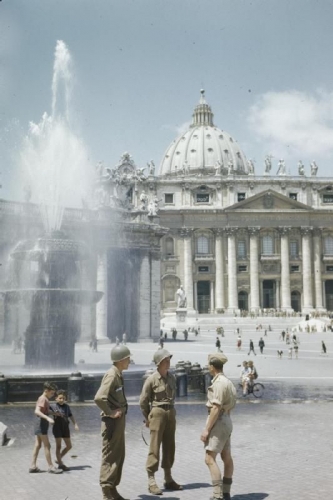
On June 4, 1944, the Allies captured Rome. One of the first things their agents did, just hours after entering the city, was to pay Julius Evola a call. Allied intelligence had learned that Evola’s name was on a list of intended agents of a German-led “Post-Occupational Network” for espionage and sabotage (his codename was “Maria”). They showed up at Evola’s apartment, no doubt with the intention of arresting and interrogating him. However, Evola’s elderly mother detained them at the entrance, while the philosopher slipped unnoticed out a side door. The one thing he took with him was a suitcase containing the materials that would eventually become the three-volume Introduction to Magic (Introduzione alla magia).
Evola then embarked on a long and arduous journey. On foot, he made his way out of the city and located the retreating German troops. They gave him shelter, and eventually, he wound up in Vienna, where he lived under an assumed name. Exactly why Evola headed for Vienna has been something of a mystery, and de Turris spends a good deal of time on it. Incredibly, it appears that Evola went to Vienna to undertake research on Freemasonry at the request of the SD (Sicherheitsdienst; the “Security Service” of the SS)! The SD’s “Office VII” had been engaged in Freemasonic studies, and they were not going to interrupt it for a small thing like the apocalypse.
Evola later told an associate that the SD had assigned him the task of “a purification work and ‘return to the origin’ of the Freemasonic rituals found during the war by the German troops in various countries” (p. 158). Evola was not sure exactly why the SD was interested in this. Had they sent him in search of the Ark of the Covenant, it would hardly be more surprising. In case it is not obvious what Freemasonry had to be “purified” of, Evola actually makes this clear in his autobiography The Path of Cinnabar (Il cammino del cinabro): “[Freemasonry] initially had an initiatic character but later, in parallel with its politicization, had moved to obey and subject itself to anti-traditional influences. The final outcome was to act out the part as one of the main secret forces of world subversion, even before the French Revolution, and then in general solidarity with the revolution of the Third State [sic]” (quoted in de Turris, p. 159; The translator means “Third Estate,” which, in the French Ancien Régime, was made up of the peasants and bourgeoisie).
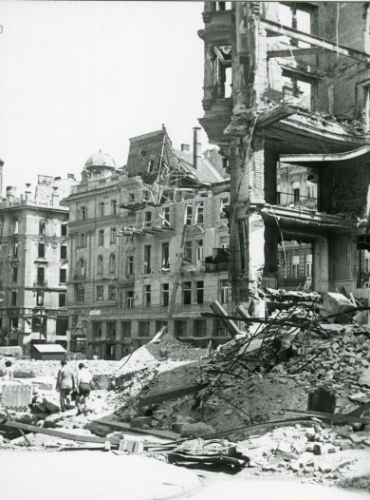 On January 21, 1945, Evola decided to take a walk through the streets of Vienna during an aerial bombardment by the Americans (and not the Soviets, as has been erroneously claimed). While he was in the vicinity of Schwarzenbergplatz, a bomb fell nearby, throwing Evola several feet and knocking him unconscious. He was found and taken to a military hospital. When the philosopher awoke hours later, the first thing he did was to ask what had become of his monocle. Once the doctors had finished looking him over, the news was not good. Evola was found to have a contusion of the spinal cord which left him with complete paralysis from the waist down. As Mircea Eliade notoriously said, the injury was roughly at the level of “the third chakra.” It resulted in Evola being categorized as a “100-percent war invalid,” which afforded him the small pension he received for the rest of his life.
Why did Evola go for a walk during a bombing raid? Eliade erroneously claimed that Evola “went to fight on the barricades against the Soviet Russian advance on Vienna” (p. 128). Evola provides an answer himself, in a hitherto unpublished letter to the wife of the Austrian conservative philosopher Othmar Spann:
. . . I would always challenge destiny, so to speak. And from here originate my acts of folly on the glaciers and mountains: hence the principle of my not caring or having any concern about the aerial bombardments. And the same goes for when I was in Vienna when the situation had exacerbated to the point of severe danger. . . . In the end I was caught by a carpet bombing in Schwarzenberg. [p. 125]
But when Evola went out walking that fateful day, he had expected that his destiny would be either to live or to die. He was not expecting that he might be destined to live out the rest of his days as a cripple. This turn of events seems to have utterly perplexed the philosopher, and he struggled to make sense of why this had happened to him, and at that point in his life. Matters were complicated by Evola’s belief, stated years later in The Path of Cinnabar, that “there is no significant event in existence that was not wanted by us before birth” (quoted in de Turris, p. 169).
In the same letter to Erika Spann, Evola writes: “What is not clear to me is the purpose of the whole thing: I had in fact the idea — the belief if you want to call it, naïve — that one either dies or reawakens. The meaning of what has happened to me is one of confusion: neither one nor the other motive” (p. 170). De Turris refers to the “incomprehension and disillusionment” Evola experienced “at the outcome and aftermath of the war” (p. 54). The philosopher had been struggling to understand the cataclysm that had engulfed Europe and destroyed Fascism and National Socialism, concerning which he had cautiously nurtured certain hopes. Now, additionally, he had to make sense of why fate had chosen to permanently cripple this Western kshatriya, this man of action. It is difficult to imagine the desolation and inner turmoil Evola had to endure in the years immediately following the war. Again quoting the letter to Frau Spann: “In this world today — in this world of ruins — I have nothing to do or look for. Even if tomorrow everything magically returns to its place, I would be here without a goal in life, empty. All the more so in this condition and in this clinic” (pp. 199-200).
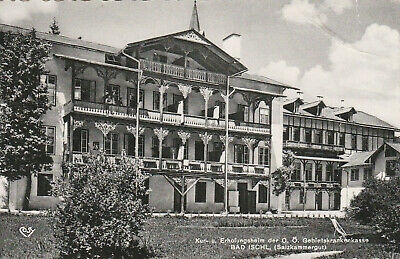 Evola was eventually transferred to a hospital in Bad Ischl, where he received better treatment. De Turris offers a rather harrowing account of the various operations and therapies used to treat Evola, mostly without success. Despite his condition, while at Bad Ischl, Evola actually traveled to Budapest, where he remained for a couple of months before returning to Austria. Little is known about what Evola was doing in Budapest or who helped him get there (though we now know the address at which he was living). De Turris argues persuasively that Evola went there to be treated by the famous Hungarian neurologist, András Pető, who had some success in the treatment of paralysis using unconventional methods. Unfortunately, he was not able to help Evola.
From the beginning, Evola had entertained the possibility that his paralysis was “psychic” in nature. He was encouraged in this belief by René Guénon, with whom he continued to correspond from his hospital bed in Bad Ischl. Guénon wrote to him:
According to what you tell me, it would seem that what really prevents you from recovering is more of a psychic nature than physical; if this is so the only solution without doubt would be to provoke a contrary reaction that comes forth from your own self. . . . Besides, it isn’t at all impossible that something might have taken advantage of the opportunity provided by the lesion to act against you; but it’s not at all clear by whom and why this may have occurred. [p. 148]
In fact, there does seem to be something mysterious about Evola’s condition. In 1952, he was visited in his apartment by several associates, including the anthroposophists Massimo Scaligero and Giovanni Colazza. During this visit, the men saw Evola move his legs – something that, given his paralysis, should have been completely impossible. After leaving Evola’s presence, they were naturally eager to discuss this. It was reported that Colazza said to Scaligero, “Of course he could! But he doesn’t! He does not want to do it” (p. 197).
Setting this mystery aside, Evola appears to have become reconciled to his condition by reminding himself that, after all, the body is but a temporary vehicle for the spirit. In a letter to a friend, he states that “in regard to my situation — even if I had to remain forever like this, which is not excluded — it spiritually does not signify anything more for me than if my car had a flat tire” (p. 168). Another friend, a Catholic priest, naïvely suggested that Evola travel to Lourdes in hopes of a miracle cure at the Sanctuary of our Lady. Evola responded with kindness and patience, saying, “I have already told you how little this thing means to me . . . The basic premise, which is that of an ardent desire for a healing, is first of all lacking. If grace were to be asked for, it would rather be to understand the spiritual meaning as to why this has happened — whether it remains this way or not; even more so, to understand the reason for my continuing to live” (pp. 168-69).
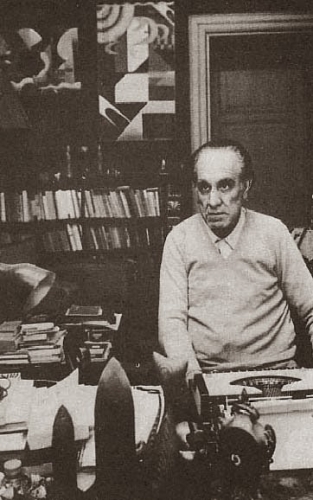 And, in time, Evola does seem to have come to some understanding of why fate had dealt him this hand, though he never made public these very personal reflections. On the eve of the philosopher’s return to Italy in August 1948, his doctor at Bad Ischl reported that “the general state of the patient has improved considerably in these last days, the initial depressions have become lighter, the irascibility and the problems of relationship with the nursing staff and patients have declined markedly” (p. 176). Indeed, one imagines that Evola was not an ideal patient. He wrote to Erika Spann of the “spirit-infested atmosphere of the diseases of these patients” (p. 193; italics in original).
What undoubtedly lifted Evola’s spirits is that he had at last defined what was to be his post-war mission. In The Path of Cinnabar, he writes that
The movement in the post-war period should have taken the form of a party and performed a function analogous to that which the Italian Social Movement [MSI] had conceived for itself, but with a more precise traditional orientation, belonging to the Right, without unilateral references to Fascism and with a precise discrimination between the positive aspects of Fascism and the negative ones. [Quoted in de Turris, p. 54]
Concerning this, de Turris comments that “all of his [post-war] publishing activities and book-writing projects were specifically oriented in this direction” (p. 54). In 1949, Evola began writing again, initially under the penname “Arthos.” He wrote in bed, in pencil, with a lap desk placed before him, or he used a typewriter, seated at his desk in front of the window. His French biographer, Jean-Paul Lippi, referred to him as “an immobile warrior.”
Around this time, Evola learned that he had become an idol of Right-wing youth in Italy. In September 1950, he addressed the National Youth Assembly of the MSI in Bologna. The inclusion of Evola seems to have been last-minute. The organizers heard that the philosopher was staying at a nearby hospital and paid him an impromptu visit. One of the men present offers this moving account of what happened next:
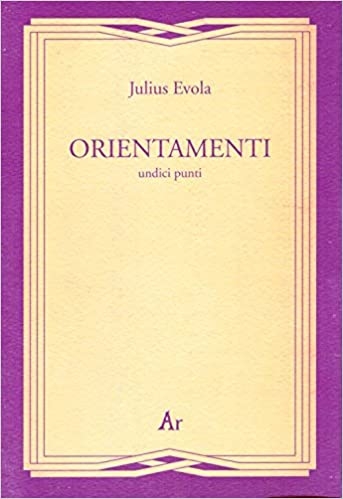
We introduced ourselves and invited him to attend the assembly. He made himself immediately available and expressed great interest. He asked us if he could have the time only to change and shave. I remember that in his haste he had a small cut on his cheek. We carried him in our arms and placed him in the German military truck. Upon entering the assembly hall he was warmly welcomed by our group and since Evola was unknown to me as a thinker, Enzo Erra introduced him as a heroic invalid of the Italian Social Republic. On stage, while I was supporting him, I noticed that he was pleasantly surprised and moved by the welcome of hundreds of young people. He silently fixed his attention and listened intently to the various interventions, and at the end of the proceedings we took him back to the hospital. It was at that moment that we had the idea of asking him to write a booklet that would be a guide, and that was how the Orientamenti was born. The next day we accompanied him to a small mountain hotel in the Apennines. [p. 207]
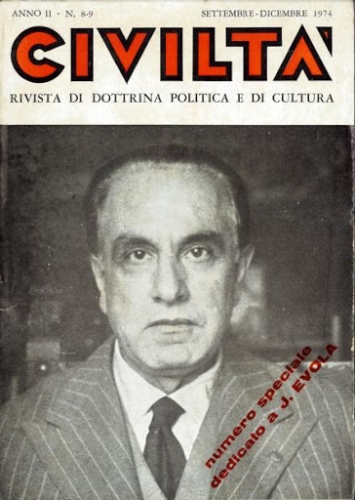 Julius Evola was back. Indeed, he wrote some of his most important books in the post-war years: Men Among the Ruins, The Metaphysics of Sex, Ride the Tiger, The Path of Cinnabar, Meditations on the Peaks, and others. Arguably, he enjoyed far more influence after the war than he ever did before. Disturbed by his influence on the youth, Italian authorities arrested Evola in May 1951 and put him on trial for “glorifying Fascism.” He was acquitted — something that would be unimaginable in today’s world, given its unironic concern with “social justice.”
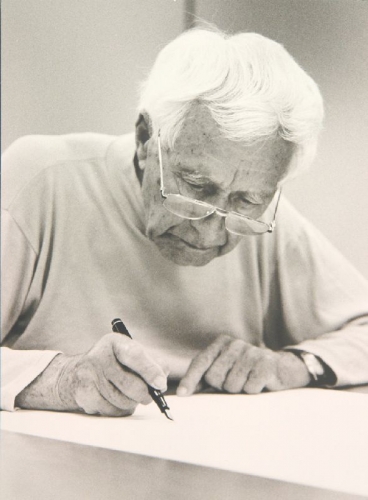
This book is required reading for admirers of Evola, and students of traditionalism generally. It should also be read by Leftist critics of Evola — though it will not be, or, if it is, the contents will be distorted and misrepresented. You see, de Turris does almost too thorough a job of demolishing Evola’s detractors. One wishes, in fact, that he had spent a little less time jousting with these people, as they all come off as dishonest lightweights. Still, I suppose it is necessary. And “jousting” is an appropriate term, as de Turris’s defense of his mentor is gallant and virile in the best tradition of the “aristocrats of the soul.” He has learned from a master, and in his voice we sometimes hear an echo of Evola’s own. De Turris is well-qualified to tell Evola’s story: he knew the philosopher personally, and is the executor of his estate.
Among the fine features of this volume are two interesting appendices. The first consists of illustrations, some of which are fascinating. One is a reproduction of the top of a cigar box signed by the men present at Wolf’s Lair, including Evola, Vittorio Mussolini, and others. The second appendix consists of hitherto-unpublished translations of several articles Evola wrote in 1943 for La Stampa, the daily newspaper in Turin. I will close with a quote from one of these, which is not only prescient, given Evola’s fate after 1943, but also particularly relevant to the situation in which we now find ourselves:
From one day to another, and even from one hour to another, an individual can lose his home to a bombardment: that which has been loved the most and to which one was most attached, the very object of one’s most spontaneous feelings. . . . It has become blatantly clear . . . as a living fact accompanied with a feeling of liberation: all that is destructive and tragic can have value to inspire. This is not about sensitivity or badly understood Stoicism. Quite the contrary: it is a question of knowing and nurturing a sense of detachment from oneself, people, and things, which should instill calm, unparalleled security, and even . . . indomitability. . . . A radical breakdown of the “bourgeois” that exists in every person is possible in these devastating times. . . . [To] make once more essential and important what should always be in a normal existence: the relationship between life and more than life . . . During these hours of trials and tribulations the discovery of the path, where these values are positively experienced and translated into pure strength for as many people as possible, is undoubtedly one of the main tasks of the political-spiritual elite of our nation. [pp. 261–62]
If you want to support our work, please send us a donation by going to our Entropy page [3] and selecting “send paid chat.” Entropy allows you to donate any amount from $3 and up. All comments will be read and discussed in the next episode of Counter-Currents Radio, which airs every Friday.
Don’t forget to sign up [4] for the twice-monthly email Counter-Currents Newsletter for exclusive content, offers, and news.
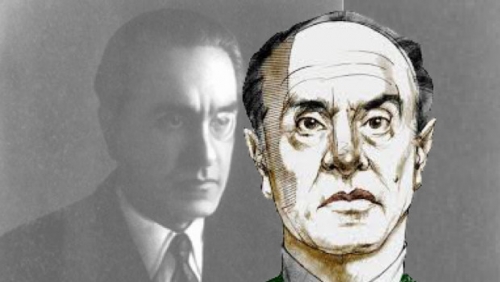
 As far as my own person, things have not always gone the best for me: a war wound prevents me from walking and I can remain seated only for a few hours a day. I returned to Italy in 1948, but I’ve had to stay in nursing homes, so that I returned to my former home in Rome only last May. Subsequently a strange thing happened: I was … arrested. At the margins of so-called “neofascism” (MSI – Movimento Sociale Italiano) groups were formed that committed some foolish acts (bombings). Since my writings were read in those circles with great frequency and my person was rather highly regarded as a “spiritual father”, they wanted to attribute to me the responsibility of a movement of which I knew almost nothing, and they accused me of the alleged defense of “fascist” ideas (“apologist for Fascism”). The story ended last month with my complete innocence; the only consequences were free publicity in my favour and a bad impression for the imposing, far-sighted state police.
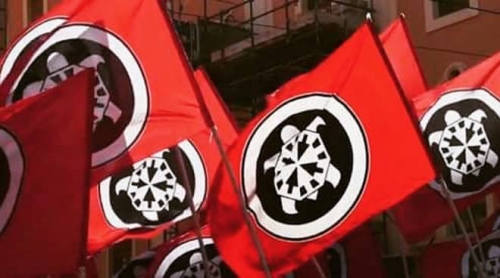

 «Alcuni storici asseriscono […] che il Mussolini della RSI era influenzato da Bombacci, cioè uno dei fondatori del PCI che si arruolò volontario nella RSI per difendervi la propria idea e perdervi la propria vita. Può darsi […] che Mussolini fosse influenzato da Bombacci; ciò non toglie, egregio Senatore, che è in nome di quel Mussolini che Lei ha combattuto (se mai ha veramente combattuto) nella RSI. È inutile dire che di citazioni “filocomuniste” e “filorusse” di Mussolini-maestro-di-Pisanò ne potremmo produrre ancora ben più di una, inchiodando Pisanò al palo della sua ignoranza o a quello del suo tradimento (scelga lui, giacché il suo filoamericanismo “fascista” è sinonimo o di ignoranza sull’autentica essenza del fascismo, oppure è consapevole tradimento). Ma il punto è anche un altro, giacché essendo noi per l’Eurasia non siamo affatto per il “comunismo” e, in ogni caso, il regime al potere in Russia non ha niente a che vedere con il comunismo marxista, né con quello leninista né con quello stalinista. Anzi, l’attuale premier [Michail Sergeevič Gorbačëv, dal 1985 segretario generale del PCUS e presidente dell’Unione Sovietica, n.d.a.] si sta dimostrando un burattino del potere mondialista, potere del quale già abbiamo detto e molto ancora diremo.»[4]
 NOTE
NOTE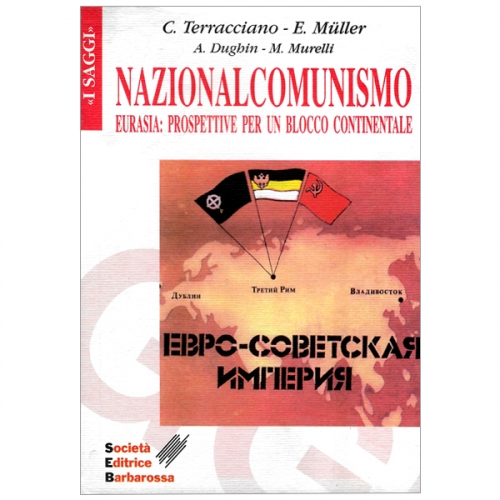
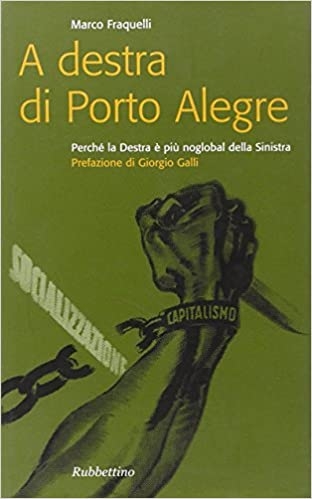 Marco Fraquelli, autore del volume A destra di Porto Alegre. Perché la Destra è più no-global della Sinistra (Rubbettino, 2005) sottolinea – pur essendo egli stesso di sinistra e discepolo del politologo Giorgio Galli – che i movimenti noglobal, nati a Seattle nel 1999 e protagonisti di importanti battaglie storiche, come la nascita nel 2001 del Social Forum di Porto Alegre in contrapposizione al World Economic Forum di Davos, e la contestazione del G8 di Genova, tendono “a contestare la globalizzazione convinti comunque che si tratti di un fenomeno che, attraverso opportuni correttivi, possa virare verso orizzonti positivi”, “che possa esistere insomma una globalizzazione ‘dal volto umano’, che sia possibile in altri termini, definire e imporre una nuova governance (e questo spiega per esempio le istanze per l’applicazione della Tobin Tax, per la cancellazione del debito contratto dai Paesi poveri, ecc.)” (1): ciò mostra che questi movimenti accettano le implicazioni della globalizzazione, rifiutando solamente il lato economico (“la Sinistra ha come obiettivo la mondializzazione senza il mercato” scrive Jean-François Revel), essendo figli dell’universalismo.
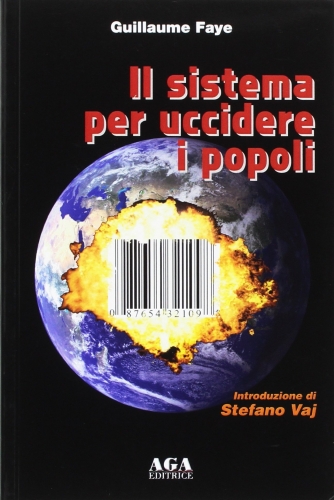 La nouvelle droite svilupperà le prime analisi sul mondialismo, che non declinerà mai nel cospirazionismo, descrivendolo come un tratto ontologico del capitalismo stesso, che per sua natura non può rimanere relegato entro i confini di un singolo Stato ma ha la tendenza a ‘mondializzarsi’. L’analisi del fenomeno viene fatta nel 1981 dall’esponente del Grece Guillaume Faye nel libro Le système à tuer les peuples (Il sistema per uccidere i popoli), dove l’autore, citando Weber, Schmitt, Habermas e la Scuola di Francoforte – ergo, non intellettuali di destra – spiega che dal 1945 si sarebbe sviluppato globalmente un Sistema, descritto in questi termini: “La caratteristica precipua del Sistema, che oggi esercita la sua azione alienante e repressiva in gradi diversi su tutti i popoli e tutte le culture, è in effetti quella di essere costituito da un insieme di strutture di potere – di carattere principalmente economico e culturale, ma anche direttamente politico, tramite le grandi potenze e le istituzioni internazionali – completamente inorganico, funzionante in modo meccanico, senza altro significato che la propria sopravvivenza ed espansione in vista di un’uscita definitiva dell’umanità dalla storia [...] le espressioni particolari del suo potere sociale sono [...] il monopolio dell’informazione e l’uso repressivo del potere culturale” (4). Una descrizione che ricorda la Megamacchina “tecno-socio-economica” analizzata negli anni Novanta da Serge Latouche, “un bolide che marcia a tutta velocità ma [che] ha perso il guidatore”, i cui effetti determinano “conseguenze distruttive non solo sulle culture nazionali, ma anche sul politico e, in definitiva, sul legame sociale, tanto al Nord quanto al Sud” (5). La principale arma usata dal Sistema per “uccidere l’anima” (l’identità) è una subdola forma di penetrazione culturale che omologa i costumi e, in conformità al vigente complesso economico, i consumi. Gli Stati Uniti, visto il loro carattere antitradizionale (è una nazione giovane nata dall’immigrazione e dal melting pot di popoli diversi fra loro) sono vittime stesse del Sistema da loro creato, che procede da solo per mezzo di una “classe tecnocratica cosmopolita” (manager, amministratori delegati, decisori finanziari) che dirige una politica ormai svuotata da ogni potere: “Contrariamente alle tesi marxiste, nessun ‘direttore d’orchestra’ più o meno occulto ci governa. Nessuna volontà coscientemente programmata anima l’insieme per mezzo di decisioni globali a lungo termine. Il potere tende a non aver più né ubicazione né volto; ma sono sorti poteri che ci circondano e ci fanno partecipare al nostro proprio asservimento. La ‘direzione’ delle società si effettua oggi al di fuori del concetto di Führung. Il Sistema funziona in gran parte per autoregolazione incitativa. I centri di decisione influiscono, tramite gli investimenti, le tattiche economiche e le tattiche tecnologiche, sulle forme di vita sociale senza che vi sia alcuna concertazione d’assieme. Strategie separate e sempre impostate sul breve termine si incontrano e convergono. Questa convergenza va nel senso del rafforzamento del Sistema stesso, della sua cultura mondialista, della sua sovranazionalità, così che il Sistema funziona per se stesso, senza altro fine che la propria crescita. Le sue istanze direttive molteplici decentrate, si confondono con la sua stessa struttura organizzativa. Imprese nazionali, amministrazioni statali, multinazionali, reti bancarie, organismi internazionali si ripartiscono tutti un potere frammentato. Eppure, a dispetto, o forse proprio a causa dei conflitti interni d’interessi, come la concorrenza commerciale, l’insieme risulta ordinato alla costruzione dello stesso mondo, dello stesso tipo di società, del predominio degli stessi valori. Tutto concorda nell’indebolire le culture dei popoli e le sovranità nazionali, e nello stabilire su tutta la Terra la stessa civilizzazione” (6). Il Sistema cancella i territori e le loro sovranità, modellandole così a immagine e somiglianza dell’unico sistema vincente, quello nordamericano: “Il mondialismo del Sistema non procede dunque per conquista o repressione degli insiemi territoriali e nazionali, ma per digestione lenta; diffonde le sue strutture materiali e mentali insediandole a lato e al di sopra dei valori nazionali e territoriali. Si ‘stabilisce’ come i quaccheri, senza tentare di irreggimentare direttamente, [...] parassitando i valori e le tradizioni di radicamento territoriale. La presa di coscienza del fenomeno si rivela di conseguenza difficile. Parallelamente alla loro formazione ‘nazionale’ i giovani dirigenti d’azienda del mondo intero hanno oggi bisogno, per vendersi e valorizzarsi, del diploma di una scuola americana. Niente di obbligatorio in questa procedura; ma poco a poco il valore di questo diploma americano e ‘occidentale’ soppianta gli insegnamenti nazionali, la cui credibilità deperisce. Un’istruzione economica mondiale unica vede allora la luce. Essa veicola naturalmente l’ideologia del Sistema” (7).
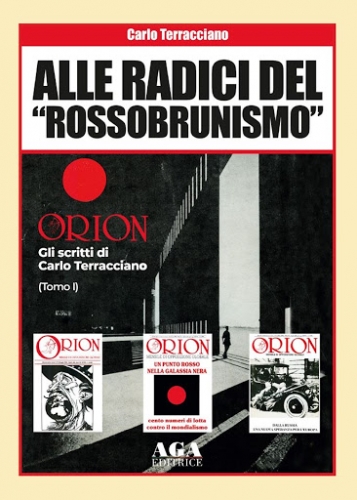
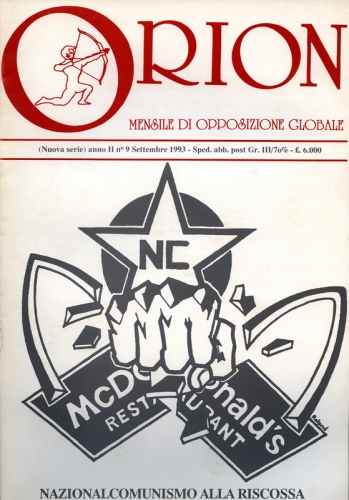
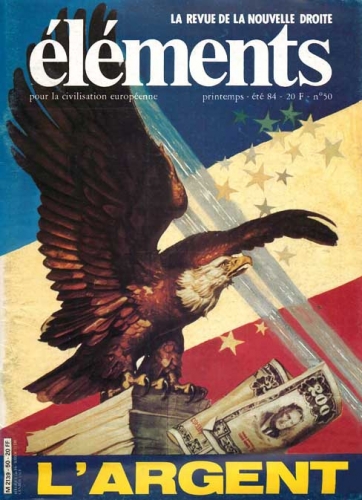 Ergo, la nouvelle droite, grazie al volume di Guillaume Faye, de-ebraicizza e de-complottizza l’analisi sul mondialismo, anche se negli ambienti del radicalismo di destra il concetto continuava sovrapporsi alla retorica antigiudaica. Non è casuale che Orion, che nel decennio Novanta sarà Organo del Fronte antimondialista, nei primi anni di vita editoriale, e cioè fra il 1984 e il 1987 circa, userà ancora tematiche cospirazioni ste antigiudaiche pescate dai Protocolli dei Savi di Sion, denunciando alleanze occulte fra l’alta finanza, ovviamente ebraica, le organizzazioni massoniche con a capo il B’nai B’rith, e i numerosi circoli sionisti sparsi in tutto l’Occidente, descritti come “l’architrave del progetto mondialista” dato che sarebbero tutti “casa, borsa e Sinagoga” (8). Il sionismo e il mondialismo sarebbero quindi considerate le due facce della stessa medaglia: il sionismo è “una delle componenti più importanti [...] del discorso mondialista” si legge in Orion, “il sionismo [...] è genocida e razzista [...] oggi l’unico vero razzismo esistente al mondo è quello praticato dal sionismo nazionale e internazionale. Un razzismo che affonda le sue radici nella storia, nella cultura e nella religione ma, certamente, l’unico vero e identificabile potere razzista e genocida” (9).
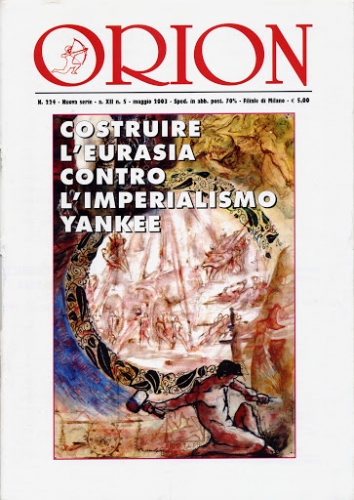 Fondamentali poi i club internazionali politici, i quali ufficiosamente fungerebbero da cardine fra i vari “attori mondialisti”, quali la Trilateral Commission, il Bilderberg Group e il Club di Roma, a cui Orion dedica numerose analisi e, all’inizio, l’inserto Orion-finanza – diretto dal torinese Mario Borghezio, poi esponente della Lega Nord e tramite fra il Carroccio e il radicalismo di destra. Nell’ultimo fascicolo, il numero 4 del maggio 1986, Orion pubblica per la prima volta l’elenco dei membri della Trilateral Commission, organizzazione che prende il nome dalla teoria del suo ideologo, Zbigniw Brzezinsky, che teorizza la fine del bipolarismo indicando in “tre pilastri” – Usa, Giappone e Europa occidentale – gli attori di un progetto liberoscambista capace di avvicinare tali zone per poi unificare il sistema economico-finanziario. Grazie a pubblicazioni di questo tipo – nonostante persista una certa retorica antiebraica – Orion cerca di archiviare l’ormai vetusta e desueta teoria del ‘grande complotto’ a opera della “grande piovra ‘giudaico-massonica’ che manovrerebbe tutto. Descrivendo un vertice della Trilateral tenutosi a Madrid dopo la riunione del G7 a Tokyo a metà anni Ottanta, che vedeva riunite persone come David Rockfeller, Isamu Yamashita, Giovanni Agnelli, Zbigniew Brzezinski (ex consigliere di Jimmy Carter) e Robert McNamara, tutti interessati alla Spagna soprattutto dopo il suo ingresso nella Comunità europea per il suo ruolo strategico (“trampolino di lancio per la strategia mondialista americana”) per le sue relazioni coi Paesi arabi, il Nord Africa e l’America Latina, ruolo svolto precedentemente dal Giappone per l’Europa, Murelli scriverà: “Chi oggi si domanda come sia stata possibile l’espansione dell’industria giapponese in così breve tempo, trova in questa autorevole dichiarazione la risposta al quesito”. La Trilateral Commission “sta soppiantando le vecchie strutture mondialiste quali la Massoneria”. Infatti, continua Murelli, “è forse un caso che la politica finanziaria nazionale di questi ultimi tempi ha come chiodo fisso, per esempio, l’internazionalizzazione non solo dei capitali, ma anche e soprattutto delle imprese e della produzione? È forse un caso che se mentre colano a picco personaggi come Calvi e Sindona emergono i vari De Benedetti, Berlusconi, Agnelli ecc.? È forse un caso che proprio Agnelli si sia battuto affinché l’affare Sirwkoski fosse vantaggioso per un’impresa americana piuttosto che da un’impresa italiana? E ancora: è un caso che l’Avvocato sostenga l’acquisto di Alfa Romeo da parte della Ford, azienda automobilistica che attraverso la sua Fondazione – ma guarda caso! – assieme alla Lilly Endowment, alla Rockfeller Brothers Fund e alla Kattering Fondation ha, fin dall’inizio, costituito una delle principali fonti di finanziamento della Trilateral?” (16).
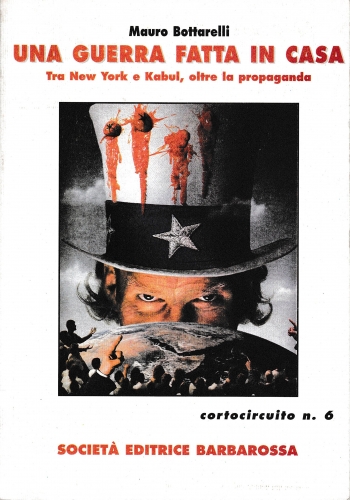 Le pubblicazioni della Società Editrice Barbarossa, contestando l’analisi complottista, inizieranno a identificare negli Stati Uniti il principale motore del mondialismo (contraddicendo così l’analisi di Guillaume Faye secondo cui tale processo di omologazione non presenterebbe “nessun ‘direttore d’orchestra’ più o meno occulto” che “anima l’insieme per mezzo di decisioni globali a lungo termine”), per il suo volere “la creazione di un unico governo o amministrazione (il Nuovo Ordine Mondiale), di un unico assetto politico, istituzionale e sociale (il liberismo), di un unico sistema di valori (individualismo-egualitarismo-dottrina dei Diritti dell’Uomo), e quindi di un unico insieme di costumi e di stile di vita (il consumismo) estesi a tutta la Terra e funzionali al dominio assoluto da parte delle forze politiche, economiche e culturali che lo incarnano: le élite della finanza mondiale!” (17). Si attacca l’Occidente, un sistema americanocentrico (una centralità dovuta al fatto che la stragrande maggioranza delle multinazionali e le più influenti lobby finanziarie hanno la loro sede legale negli Stati Uniti), anche se i suoi centri d’irradiazione sono policentrici e sparsi in tutto il globo. Infatti, “le imprese multinazionali – oltre l’80 per cento dei casi a sede statunitense – dominano il mercato delle principali derrate di base e degli altri settore chiave (macchinari industriali e agricoli, fertilizzanti, elettronica, ecc.)” (18). Gli ingredienti per la creazione di questo One World (il Nuovo Ordine Mondiale) uniformato all’American way of life sarebbero le “strutture tecnoeconomiche, l’ideologia universalista e la sottocultura di massa che potremmo definire – sottolinea Faye – ‘americano occidentale’”.
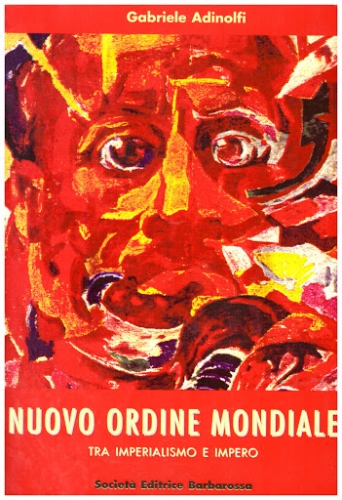 Identificando nel monoteismo giudaico-cristiano la cultura principalmente responsabile della genesi del mondialismo, notiamo come il gruppo di Orion recuperi le suggestioni neopagane della nouvelle droite, però scevre da ogni rimando di tipo antisemita. L’altra peculiarità del mondialismo è il rifarsi all’“ideologia universalista”, espletata “sia attraverso l’utopia cosmopolita e pacifista alla Emergency oppure tramite lo sbrigativo pragmatismo yankee alla Bush”, una “moderna religione” laica che fa sua la dottrina dei diritti umani, “la suprema espressione dell’Egualitarismo”, una “tendenza storica nata e affermatasi per la prima volta nella storia con il giudeo-cristianesimo e in seguito dispiegatasi storicamente nelle sue varianti laiche (democrazia liberale, comunismo, mondialismo ecc.)”, che impone una “morale presuntamente universale [che] fornisce l’armatura ideologica a un neo-colonialismo che al posto del ‘fardello dell’uomo bianco’ ha oggi come giustificazione un devastante cocktail di angelismo e ipocrisia. [...] La distruzione dei popoli passa anche da qui, dall’imposizione a livello planetario dei ‘valori’ occidentali e dalla conseguente disintegrazione di ogni legame organico, di ogni tradizione particolare, di ogni residuo di comunità – tutti ostacoli alla presa di coscienza della nuova ‘identità globale’ da parte del cittadino dell’era della globalizzazione. [...] rigettare la dottrina dei diritti dell’uomo non significa parteggiare per lo sterminio, per l’ingiustizia o per l’odio. [...] Il riconoscimento dei diritti umani, di per sé, non fonda proprio nulla, se non quel tipo di giustizia e di libertà che, tautologicamente, si trovano espresse... nella dottrina dei diritti umani! Malgrado il fatto che i sostenitori di tale dottrina continuino a pensare di aver ‘inventato la felicità’, occorre sostenere con decisione che un’altra giustizia, un’altra libertà, un’altra pace sono possibili. Opporsi ai diritti dell’uomo significa rifiutare una morale, un’antropologia, una certa idea dei rapporti internazionali e della politica, una visione del mondo globale figlia di una tendenza storica ben individuabile” (20).
 Un antimondialismo che non è anticapitalismo
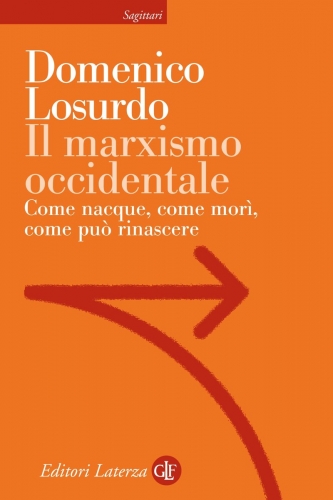 Una delle motivazioni di tale crisi, rileva il filosofo marxista Domenco Losurdo, è da ricercare dal fatto che la sinistra italiana e occidentale risulta assente, incapace di rendersi realmente indipendente dal sistema imperialistico, quando non colpevole di aver spianato la strada a un neoimperialismo di ritorno sotto forma di guerre di esportazione della democrazia occidentale, veicolando un pregiudizio eurocentrico e inconsciamente razzista. Secondo Losurdo questo avviene perché s’è creata una dicotomia fra marxismo occidentale, “che ha sviluppato una sua personale riflessione separandosi dallo sviluppo del pensiero marxista nel resto del mondo, un marxismo occidentale che ha influenzato i movimenti della cosiddetta ‘nuova sinistra’ e il filone sviluppatosi dal ‘68 in poi, divenendo egemone dopo il crollo dell’Unione Sovietica. Un pensiero, i cui cantori odierni sarebbero Negri, Hardt, Zizec e prima ancora Foucault e Arent, che ha rimosso dalle sue riflessioni il nodo della lotta antimperialista di matrice leninista e quello sullo sviluppo delle forze produttive, come invece hanno continuato a fare quei movimenti affermatisi fuori dall’Occidente, che si sono posti l’obiettivo di fare uscire dalla miseria e dalla fame centinaia di milioni di essere umani” (27). Tutti intellettuali – pensiamo alla fortuna entro Rifondazione comunista o nell’area noglobal del libro di Toni Negri e Michael Hardt Impero e Moltitudini – che non contestavano la globalizzazione in quanto tale, ma solo la sua governance èlitaria, auspicandone, come notava Fraquelli all’inizio, una dal “volto umano”, cioè gestita dal basso.
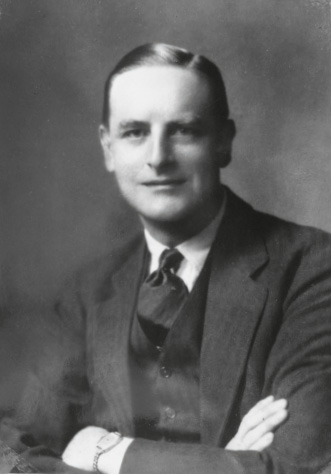
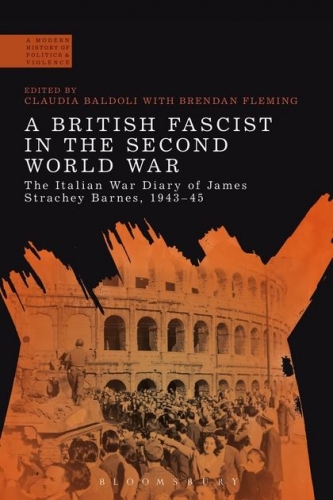 Le 27 septembre 1930, Jim Barnes, qui a tout de même quarante ans, épouse Buona Pia Felice Guidotti, la fille d’un général italien ; le couple (qui a reçu les félicitations de Mussolini et du Pape) aura un fils, Adriano, dit « Job », qui naît l’année suivante (27). Les activités du CINEF étant sur le déclin, Jim travaille désormais comme directeur des ventes chez Vickers Aviation, ce qui ne l’empêche aucunement de poursuivre son activité éditoriale. Toujours soucieux de mieux faire connaître au public anglophone la doctrine mussolinienne, il publie, en 1931, Fascism (Londres, Thornton Buttersworth Ltd), un petit livre qui connaîtra plusieurs rééditions. Fidèle à ses convictions spirituelles, c’est une interprétation très chrétienne du fascisme que Jim offre à ses lecteurs. Pour lui, le saint-patron du fascisme n’est autre que François d’Assise, et quant à son modèle absolu, c’est Ignace de Loyola : « Jamais peut-être n’a existé un homme associant aussi parfaitement, et en un seul individu, la pensée et l’action », affirme-t-il. « Il fut à la fois un philosophe, un soldat et un mystique. Il connaissait la valeur de la discipline et de l’autorité » (p. 76). Le fascisme, précise-t-il aussi, est « une force positive dont le but est de promouvoir la vertu » ; ce « n’est pas seulement un système politique ou social (…) mais une philosophie globale de la vie, une religion » (p. 18). Pour Jim, le fascisme « est une vigoureuse révolte contre le matérialisme, c’est à dire contre toutes les façons d’interpréter le monde d’un point de vue purement naturaliste et individualiste » (p. 43). Et « un gouvernement fondé sur le principe [autoritaire fasciste] », tranche-t-il, « serait en parfaite symbiose avec la tradition romaine » (p. 113). Le fascisme, c’est également un mouvement qui « fait tout ce qu’il peut pour éduquer les gens, pas seulement dans la perspective d’augmenter leurs connaissances, mais bien dans celle de forger les caractères, de promouvoir le jugement intuitif (jusqu’alors très négligé) et de développer le civisme et le sens moral » (p. 114). « Le fascisme », proclame-t-il enfin, « est décidé à faire des jeunes une génération d’individus qui croient à la Providence Divine, les hérauts d’un âge de foi ; à faire des jeunes une génération qui, grâce à sa foi, ne connaît pas la peur, va galvaniser l’esprit de sacrifice, affronter gaiement tous les dangers, soutenir la bonne cause, et subir le martyre avec le sourire » (p. 50). On voit que le disciple anglais du Duce ne manque pas de ferveur !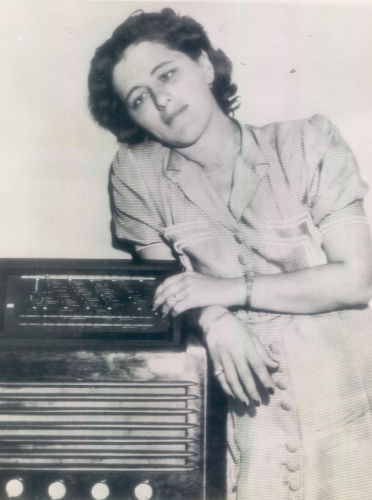
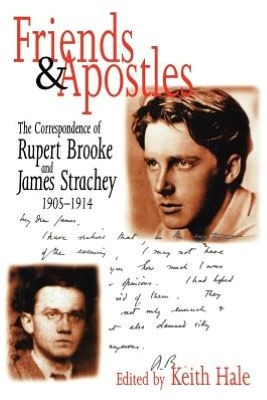 C’est donc au Tyrol du Sud qu’il apprend la mort du Duce (28 avril 1945), un drame qu’il n’hésite pas à qualifier de « plus grand crime depuis la crucifixion ». Activement recherché par les services secrets et la police militaire britanniques, Jim plonge dès lors dans la clandestinité la plus stricte. Son épouse demeure à Mérano, sans se cacher, mais lui-même disparaît totalement de la circulation. On le croit au Vatican, hébergé au Collège Pontifical Saint-Bede que l’on surveille en vain durant plusieurs mois. En fait, le fugitif est parti pour Bergame puis a trouvé refuge dans un couvent sicilien où il va séjourner jusqu’en août 1947. Pour quelqu’un d’aussi pieux que lui, cette réclusion monacale n’est pas un problème. À la fin de l’occupation britannique, il prolonge d’ailleurs sa retraite – on n’est jamais trop prudent – et continue à bénéficier de l’hospitalité de divers monastères, dans le Latium et le Piémont. Ce n’est qu’en septembre 1949 qu’il réapparaît au grand jour et retrouve les siens à Rome. Quatre ans ont passé, on est en pleine guerre froide et Londres ne s’intéresse plus du tout à lui. Barnes n’a renoncé à aucune de ses convictions mais la page du fascisme semble désormais tournée. Employé par une compagnie pétrolière, il garde le contact avec quelques vétérans de l’épopée mussolinienne mais n’a plus vraiment d’activité politique. Il correspond toutefois, de temps en temps, avec Ezra Pound et adresse même une lettre à Churchill pour lui demander d’intercéder en faveur du poète qui se morfond toujours à l’hôpital St Elizabeths, à Washington. En 1953 et avec dix ans de retard, Jim connaît enfin l’immense satisfaction d’être officiellement naturalisé italien. Il devient définitivement Giacomo Barnes, identité sous laquelle il succombe le 25 août 1955, et qui figure sur sa tombe au cimetière romain du Verano. « Aucun Italien digne de ce nom » affirmera l’historien et diplomate Luigi Villari (1876-1959), « n’oubliera jamais ce cher Jim, ses sacrifices pour la cause italienne, et les risques qu’il a courus pour la servir ».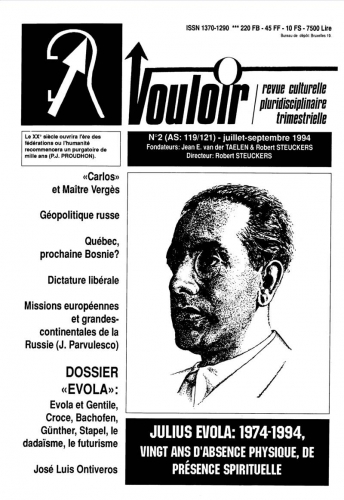
 We will surely remember 1994 better than 1984, which Orwell immortalised by writing his celebrated apocalyptic book predicting an ultra-totalitarian world in which we all would have been irredeemably crushed. We will not remember it solely for the political event of 27 March in Italy, but above all for the consequences that this “reversal” might (I insist on the conditional!) have in the cultural sphere. Whatever one may thing of the victory of Berlusconi and his allies, it has already had a first result: the organisation of a colloquium dedicated to the personality of Giovanni Gentile; it was held in Rome on 20 and 21 May 1994 on the initiative of the leftist municipal council (which does honour to the Italian left, as does the other colloquium it dedicated to Nietzsche). We remember he whom we always defined as the “philosopher of Fascism,” fifty years after his death, when he was assassinated by a commando of communist partisans in Florence on 15 April 1944. After having beaten a long and sinuous intellectual course, many post-Marxist philosophers, such as Colletti, Marramao and Cacciari, claimed him for an authentic figure of the left, at least in a decent part of his work.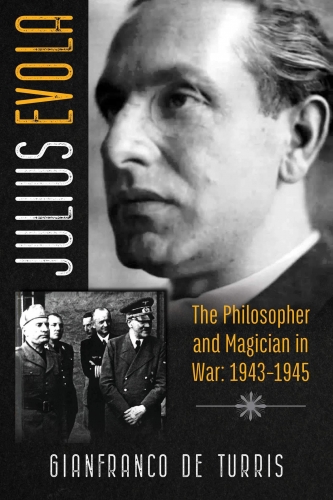
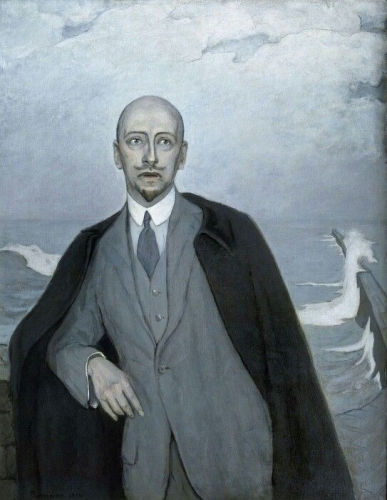
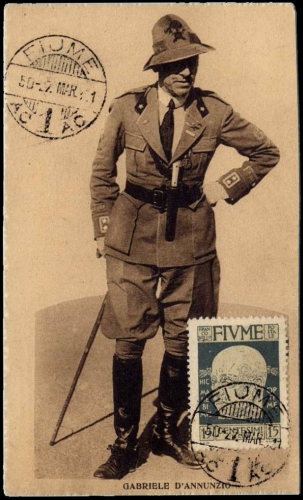
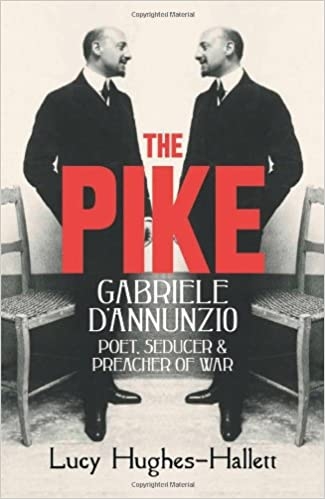 In her 2013 biography of d’Annunzio,