Docteur en science politique, Caroline Galactéros est l'auteur de Manières du monde, manières de guerre (Nuvis, 2013) et de Vers un nouveau Yalta (Sigest, 2019). Elle a créé en 2017, avec Hervé Juvin, entre autres, Geopragma qui veut être un pôle français de géopolitique réaliste.
Les grands défis et enjeux géostratégiques de 2021… et du monde multipolaire plein d’incertitudes qui vient
Alexandre del Valle : La rivalité croissante-économique, technologique et stratégique- entre les deux superpuissances du nouveau monde multipolaire, la Chine et les Etats-Unis, est-elle une tendance lourde, que la crise sanitaire n’a fait que révéler un peu plus ?
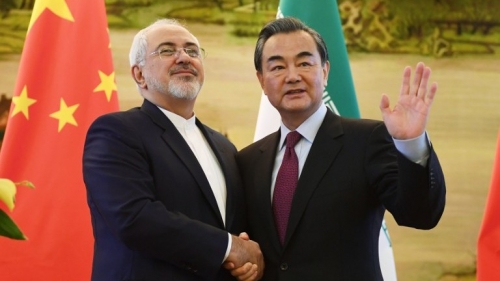
Caroline Galactéros : En effet, l’affrontement de tête entre Washington et Pékin, qui structure la nouvelle donne stratégique planétaire, va bon train sur le front commercial, mais aussi sur tous les autres terrains (militaire, sécuritaire, diplomatique, normatif, politique, numérique, spatial, etc…). La planète entière est devenue le terrain de jeu de ce pugilat géant, en gants de boxe ou à fleurets mouchetés : l’Europe bien sûr, l’Eurasie, mais aussi l’Afrique (où Pékin nous taille des croupières), l’Amérique latine, la zone indo-pacifique (bien au-delà de la seule mer de Chine), et naturellement le Moyen-Orient. Le président chinois Xi Jing Ping a d’ailleurs saisi l’occasion de la curée américaine sur Téhéran pour lancer une contre-offensive redoutable et plus puissante qu’un droit de véto, à la manœuvre américaine de « pression maximale » qui ne fait que renforcer les factions dures à Téhéran. La Chine a en effet volé au secours de Téhéran en nouant cet été un accord de partenariat stratégique de 400 milliards de dollars d’aide et d’investissements (infrastructures, télécommunications et transports) assortis de la présence de militaires chinois sur le territoire iranien pour encadrer les projets financés par Pékin, contre une fourniture de pétrole à prix réduit pour les 25 prochaines années et un droit de préemption sur les opportunités liées aux projets pétroliers iraniens. Cet accord, véritable « Game changer », est passé quasi inaperçu en Europe. Ses implications sont pourtant cardinales : s’il est mis en œuvre, toute provocation militaire occidentale orchestrée pour plonger le régime iranien dans une riposte qui lui serait fatale, reviendra à défier directement la Chine… En attaquant Téhéran, Washington attaquera désormais Pékin et son fournisseur de pétrole pour 25 ans à prix doux. Un parapluie atomique d’un nouveau genre… Pékin se paie d’ailleurs aussi le luxe de mener parallèlement des recherches avec Ryad pour l’exploitation d’uranium dans le sous-sol saoudien…. Manifeste intrusion sur les plates-bandes américaines et prolégomène d’un équilibre stratégique renouvelé.
ADV : Quel est votre regard sur l’outsider chinois depuis la crise sanitaire ? Doit-on combattre l’exemple anti-démocratique chinois qui séduit de plus en plus de pays du monde en voie de polarisation, donc de désoccidentalisation ?
CG : 2020 aura été l’année d’une accélération de la « guerre des capitalismes » qui fait rage désormais entre le capitalisme libéral occidental et son adversaire déclaré, le capitalisme politique chinois. Au grand dam de l’Occident, Pékin est en passe de résoudre la contradiction propre au système capitaliste occidental, qui détruit de l’intérieur la liberté des individus à force de l’exacerber, pour proposer une synthèse efficace et séduisante pour bien des pays, entre nation, développement collectif et prospérité individuelle. C’est du dirigisme, c’est une pratique autoritaire du pouvoir, c’est une restriction manifeste des « droits de l’homme », c’est le contrôle social direct grandissant des populations, oui. Mais c’est aussi la parade du pouvoir de Pékin à la déstabilisation extérieure ou au débordement intérieur par la multitude, c’est une réponse à la nécessité de sortir encore de la pauvreté des centaines de millions de personnes, et c’est le moyen de projeter puissance et influence à l’échelle du monde au bénéfice ultime des dirigeants mais aussi du peuple chinois. Au lieu de crier à la dictature, nous ferions mieux d’observer cette synthèse très attentivement et d’analyser sa force d’attraction. Les modèles de puissance et de résilience collective au mondialisme (tout en l’exploitant à son avantage) ont bougé depuis 30 ans. L’ethnocentrisme occidental et le moralisme dogmatique ne passent plus la rampe et brouillent le regard.
ADV : Sur le terrain des accords de libre-échanges en Asie, peut-on dire que la Chine a rempli le vide provoqué par le relatif désengagement américain sous l’ère Trump ?
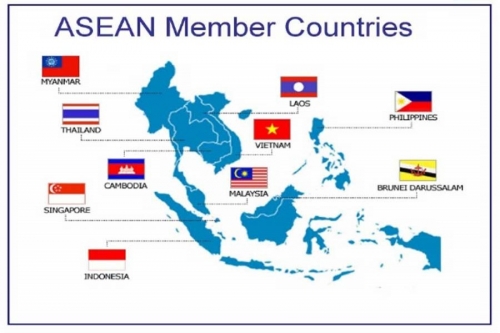
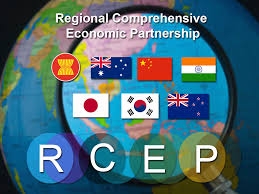
CG : Dans cette guerre « hors limites », et sans même parler ici de l’enjeu cardinal du contrôle – étatique ou via des GAFAM ou BATX (dans la version chinoise) complaisants – des données personnelles de centaines de millions de consommateurs-clients, Pékin vient de prendre magistralement l’avantage sur Washington avec la conclusion, le 15 novembre, du RECP (Regional Comprehensive Economic Partnership) avec quinze pays d’Asie. Cet accord constitue une bascule stratégique colossale et inquiétante dont ni les médias ni les politiques français ne pipent mot. Voilà le plus grand accord de libre-échange du monde (30 % de la population mondiale et 30 % du PIB mondial) conclu entre la Chine et les dix membres de l’ASEAN (Brunei, la Birmanie, le Cambodge, l’Indonésie, le Laos, la Malaisie, les Philippines, Singapour, la Thaïlande et le Vietnam), auxquels s’ajoutent quatre autres puissantes économies de la région : le Japon, la Corée du Sud, la Nouvelle-Zélande et l’Australie. Cette nouvelle zone commerciale gigantesque se superpose en partie au TPP (Trans-Pacific Partnership) conclu en 2018 entre le Mexique, le Chili, le Pérou et sept pays déjà membres du RCEP : l’Australie, la Nouvelle-Zélande, Brunei, le Japon, la Malaisie, Singapour et le Vietnam. Un TPP dont les Etats-Unis s’étaient en effet follement retirés en 2017. Ainsi se révèle et s’impose soudainement une contre manœuvre offensive magistrale de Pékin face à Washington. Où est l’UE là-dedans ? Nulle part ! Même l’accord commercial conclu en juin 2019 entre l’Union européenne et le Mercosur doit encore être ratifié par ses 27 parlements… Seule la Grande-Bretagne, libérée de l’UE grâce au Brexit, en profitera car elle vient habilement de sa rapprocher du Japon signataire du RCEP et du TPP…
ADV : Passons à notre voisin continental : les relations Occident – Russie sont-elles irréparablement endommagées ? L’Europe est-elle condamnée à rester une “impuissance volontaire”, prise en tenailles entre Chine, empire américain et Turquie néo-ottomane ?
CG : Rien n’est irréparable mais le temps a passé, la Russie a évolué et compris qu’elle n’était ni désirée ni attendue. Aujourd’hui, Moscou ne croit plus en l’Europe. Quant à la France, elle parle beaucoup mais n’agit pas. Trop de d’espérances, trop d’illusions sans doute, et bien trop de déceptions. La Russie n’a plus le choix et pivote décisivement vers l’Est et la Chine par dépit et nécessité.
Nous avions pourtant en commun tant de choses, et a minima, la commune crainte d’un engloutissement / dépècement chinois. Comme la Russie, l’Europe est en effet prise entre USA et Chine. Le point de rencontre -et de concurrence- Russo-chinois est l’Asie centrale. Certes, il existe depuis 2015 un accord d’intégration de l’UEE (Union économique eurasiatique) dans les projets des Nouvelles Routes de la Soie conclu entre les présidents Poutine et Xi Jing Ping. Mais c’est un accord très inégal, du fait des masses économiques et financières trop disparates entre Moscou et Pékin qui avance à grands pas avec l’OBOR et au sein de l’OCS (Organisation de Coopération de Shangaï) pour contrôler l’Asie centrale, pré-carré russe, puis se projeter vers l’UE. Moscou sait combien l’étreinte chinoise peut se transformer en un « baiser de la mort » si l’UE et la Russie ne se rapprochent pas autour d’enjeux économiques industriels et sécuritaires notamment. La Russie est en conséquence, n’en déplaise à tous ceux qui la voient encore comme une pure menace, l’alliée naturelle de l’UE dans cette résistance qui ne se fera ni par le conflit, ni par l’intégration stricte, mais par la coopération multilatérale et multisectorielle. C’est une évidence géopolitique, et il suffit de lire les stratèges anglo-saxons pour comprendre le piège dans lequel nous nous sommes laissés enfermés à notre corps consentant depuis bien trop longtemps. L’Europe est une courtisane sans grande ambition. Servile, soumise, paresseuse, ignorante de ses intérêts profonds qui auraient dû la porter à considérer la Russie comme un morceau d’Europe et d’Occident, un atout d’équilibre face à la domination américaine et un bouclier contre la vampirisation chinoise.
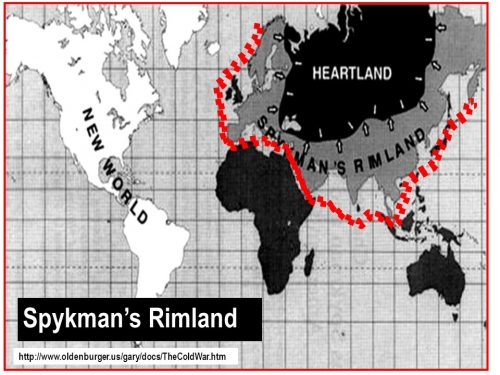
ADV : Nous voilà revenus aux fondamentaux de la géopolitique de Mackinder et Spykman, du Russe Danilevski à l’Américain Brezinski : L’Eurasie et le Heartland, “pivot géographique de l’Histoire”…
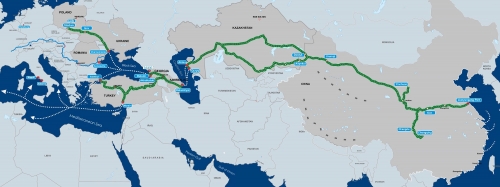
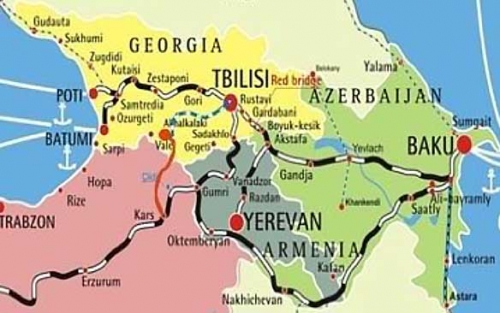
CG : L’Eurasie est en tout cas sans équivoque l’espace naturel du maintien de la puissance économique européenne et de son renforcement stratégique à court, moyen et long terme. C’est le socle du futur dynamique de l’Europe. Nous devrions donc nous projeter vers cet espace plutôt que de nous blottir frileusement en attendant que Washington, qui poursuit à nos dépens ses objectifs stratégiques et économiques propres, consente à nous libérer de nos menottes. Les parties orientale et occidentale du continent eurasiatique sont en effet les deux plus grandes économies mondiales : l’UE et la Chine. Pour ne parler que de l’UEE -pendant de l’UE-, c’est un marché de plus de 180 millions d’habitants (sans parler de tous les accords de partenariat en cours de négociation). L’Organisation de Coopération de Shangaï (OCS) rassemble quant à elle 43% de la population mondiale mais est dominée par la Chine. La force de l’Eurasie tient à son capital en matières premières et ressources minérales. 38% de la production mondiale d’uranium sont notamment concentrés au Kazakhstan. 8% du gaz et 4% du pétrole aussi, pour les seuls pays d’Asie centrale, sans compter naturellement la Russie. La construction d’infrastructures gigantesques à l’échelle continentale de l’Eurasie est la grande affaire du XXIème siècle. Avec le passage des corridors et routes de transit, on est face à un gigantesque hub de transit eurasiatique.
ADV : Un rapprochement avec la Russie a-t-il vocation à être durablement bloqué par les sanctions contre une Russie (à cause de l’Ukraine) et la question de l’opposition “persécutée” par le pouvoir de Vladimir Poutine que beaucoup qualifient de « Démocrature » ?
CG : Si l’UE (et ses acteurs économiques petits ou grands) se rendait compte du potentiel économique, géopolitique et sécuritaire qu’un dialogue institutionnel et une coopération étroite avec l’Eurasie au sens large (Asie centrale plus Russie) recèle, elle sortirait ipso facto de sa posture si inconfortable entre USA et Chine, et constituerait une masse stratégico-économique considérable qui compterait sur la nouvelle scène du monde. Il faut en conséquence ne pas craindre d’initier des coopérations économiques, politiques, culturelles, scientifiques et évidemment sécuritaires entre ces deux espaces. Or, ce sujet n’est quasiment jamais abordé dans son potentiel véritable et est quasi absent des radars de l’UE et de celle de la plupart de nos entreprises. Par anti-russisme primaire, inhibition intellectuelle, autocensure, aveuglement. L’UE veut certes bien collaborer avec l‘Asie centrale, mais en en excluant la puissance centrale et stratégiquement pivot ! Elle voit l’Eurasie à moitié. Ce n’est évidemment pas un hasard, mais c’est une erreur stratégique lourde qui procède d’un aveuglement atlantique. Encore une fois, nous faisons le jeu américain sans voir que nous en sommes la cible.
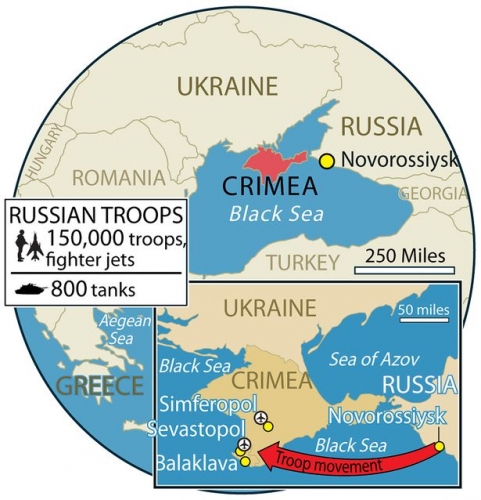
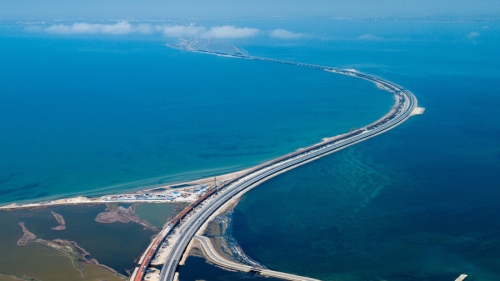
On me retorquera que rien n’est possible sans le règlement des questions de l’Ukraine et de la Crimée et surtout sans le règlement de « la grande affaire » fondamentale qui agite les chancelleries occidentales : le sort de l’opposant Alexei Navalny ? C’est ridicule ! Ce sont des « freins » largement artificiels et gonflés pour les besoins d’une cause qui n’est pas la nôtre et nous paralyse, pour justifier les sanctions interminables, pour limiter les capacités économiques et financières russes face à Pékin et neutraliser le potentiel économique européen. Ce sont aussi des prétextes que l’on se trouve pour se défausser de notre seule responsabilité véritable : reprendre enfin notre sort en main ! Tout cela saute aux yeux. Pourquoi, pour qui se laisser faire ? Il nous faut prendre conscience de l’urgence vitale qu’il y a à changer drastiquement d’approche en y associant des partenaires européens parfois contre-intuitifs, tels la Pologne, pont logistique idéal entre les deux espaces.
L’intégration continentale eurasiatique en tant que coopération des sociétés et des économies à l’échelle du continent eurasiatique tout entier doit donc devenir LA priorité pour l’UE et la nouvelle Commission européenne. La modernisation et la puissance économique sont en train de changer de camp. L’Europe s’aveugle volontairement par rapport à cette révolution. Ses œillères géopolitiques et l’incompréhension dans laquelle elle demeure face à la Russie qui est pourtant son partenaire naturel face à la Chine comme face aux oukases américains extraterritoriaux, l’empêchent de tirer parti des formidables opportunités économiques, énergétiques, industrielles, technologiques, intellectuelles culturelles et scientifiques qu’une participation proactive aux projets d’intégration eurasiatique lui permettrait. Il faut en être, projeter nos intérêts vers cet espace d’expansion et de sens géopolitique si proche et si riche, et cesser de regarder passer les trains en attendant Godot.
ADV : Passons au changement de pouvoir aux Etats-Unis. Le bilan de la présidence Trump est-il aussi horrible qu’on le dit ? L’arrivée de Joe Biden est-elle une bonne nouvelle pour la France et l’UE ?
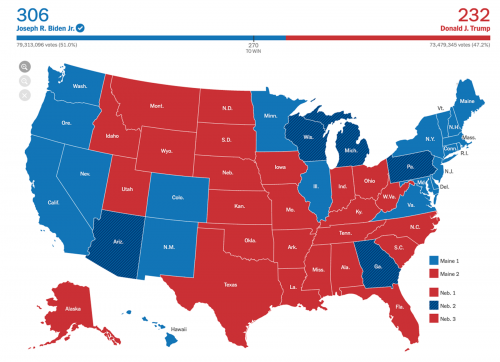
CG : Trump a été un président honni comme probablement aucun de ses prédécesseurs par « l’Establishment » au sens large qu’il avait défié par sa victoire et dont il a révélé sans tabou les turpitudes. En dépit de la curée politico-médiatique haineuse et sans trêve qui aura pourri toute sa présidence, avec un « Etat profond » à la manœuvre et des médias hystériques, il a réussi à remettre l’économie américaine en très bonne posture, à mener à bien (quoi qu’on en pense sur le fond), la grande manœuvre anti-iranienne de consolidation du front sunnite pétrolier contre Téhéran, sans pour autant céder à la guerre (en dépit de tous les efforts des bellicistes “néocons” emmenés par le très dangereux John Bolton). Sans la pandémie et son approche désinvolte et toute concentrée sur la nécessité de ne pas enrayer le moteur économique du pays, il aurait remporté un second mandat, ayant même réussi à séduire des franges de l’électorat noir et latino et à gagner près de 75 millions de voix (4 millions de voix de plus qu’en 2016) dans ce contexte de cabale permanente et jusqu’au-boutiste contre lui.
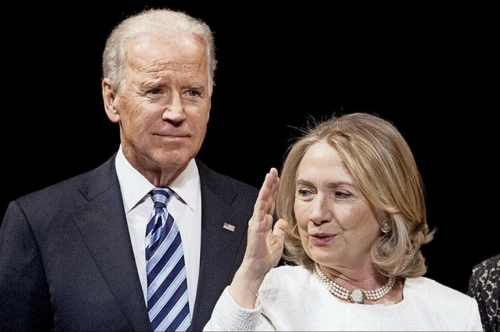
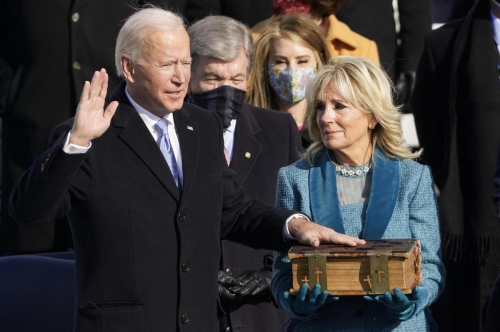
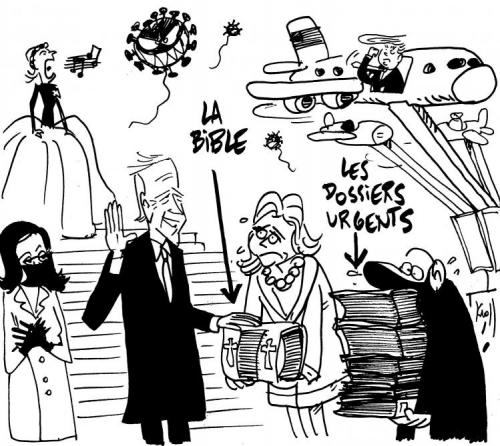
Avec Biden, on est repartis comme en l’an 40…. De mon point de vue, Joe Biden, quelles que soient ses qualités, est évidemment une très mauvaise nouvelle pour l’Europe et la France, qui voient se refermer la fenêtre d’opportunité inespérée que le discours trumpien – ouvertement humiliant et sans équivoque – nous avait offert pour enfin sortir de l’enfance stratégique, nous réveiller, faire nous aussi notre « Shift towards Asia » et nous projeter vers notre espace naturel de croissance économique et de densité géopolitique et sécuritaire que constitue l’Eurasie. Une projection qui passe évidemment par une complète révision de notre relation avec la Russie mais qui pourra seule nous permettre d’échapper à la double dévoration sino-américaine qui nous attend.
Ce sursaut salutaire, qui, aujourd’hui, en France ou en Europe, est capable d’en donner l’impulsion ? Je ne sais pas. Mais il est certain qu’avec Biden, ce n’est pas « un ami » que l’on a retrouvé (Les Etats n’ont pas d’amis) mais notre « doudou » ! Joe Biden est notre bon papa américain qui est enfin revenu pour nous protéger et nous rassurer. Atteints d’un syndrome de Stockholm géant, nous nous sentions depuis quatre ans stupidement orphelins de la férule américaine en gants de velours. Le problème est que ce président ne nous apportera rien d’autre qu’une excuse pour rester à jamais piégés dans une servitude consentie. Bref, je crains fort que nous ne sortions plus, sinon au forceps et sous l’impulsion d’un visionnaire courageux, de notre vassalité stratégique suicidaire vis-à-vis de Washington. L’Allemagne a d’ailleurs pris les devants des retrouvailles avec le puissant « oncle d’Amérique », et ce faisant, elle prend aussi le lead de l’Europe, là encore avec l’aval américain. C’est « le chouchou » de Washington et elle fera tout, y compris contre nous, pour le rester en donnant des gages… jusqu’à vendre des sous-marins à la Turquie ou affirmer que l’OTAN est à jamais l’alpha et l’oméga de la défense européenne. On est très loin de la « mort cérébrale » de l’Alliance ! Avec Biden c’est donc la méthode, non le fond qui va changer, et Berlin a clairement saisi la balle au bond, en réaffirmant sans états d ’âme sa soumission consentie aux oukases américains, enfonçant un dernier clou dans le cercueil de « l’Europe puissance », trop heureuse de rabattre leur caquet à ces Français qui rêvent mollement de ruer dans les brancards, de recouvrer leur souveraineté et osent même prétendre à l’ascendant politique sur elle, première puissance économique de l’Union. Le « couple franco-allemand » est un rêve de midinette française. L’alliance de la carpe et du lapin.
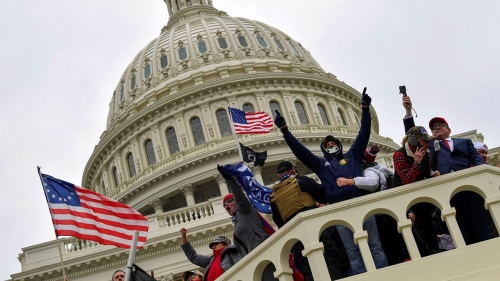
ADV : L’accusation de tentative de “coup d’Etat” imputée au camp Trump est-elle sérieuse ? Trump a-t-il fracturé l’Amérique ?
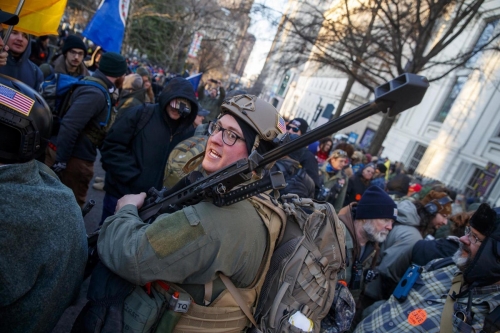
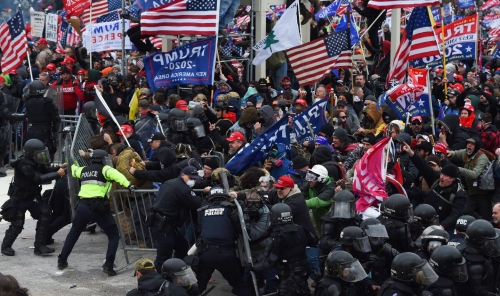
CG : Ce qui s’est passé au Capitole n’est en tout cas pas une tentative de coup d’Etat. Le contresens politique et médiatique délibéré entonné sur tous les canaux d’information là-bas comme ici, est tellement énorme et rabâché comme une évidence qu’on finit par le croire pour ne pas devoir accuser nos journalistes de complaisance avérée ou d’aveuglement gravissime. Pour ma part, j’y vois la révolte d’un électorat qui a subitement compris qu’il devait rentrer dans sa boîte et ne s’y est pas résolu. Les insurgés du Capitole sont en fait nos gilets jaunes. Ils auront souffert le même déni et le même mépris. Cette intrusion aura incarné la très profonde crise de la démocratie américaine, c’est-à-dire de la représentativité du système politique existant qui est en lambeaux. Le divorce entre les élites et le peuple est profond et Trump s’en est fait le héraut. Ce n’est pas lui qui a fracturé la société américaine. Les fractures sont anciennes, grandissantes mais désormais béantes. Le « coup d’Etat », c’est en revanche le refus même du DOJ (Department of Justice) d’examiner les recours pour fraude, c’est le double « impeachment », ce fut l’interminable « Russia Gate », c’est l’exploitation sans vergogne du système institutionnel et médiatique et du juridicisme américains par les Démocrates pour étouffer à tout prix, via Trump, une menace populaire montante, perçue comme illégitime et dangereuse par les élites qui confisquent le pouvoir depuis des décennies dans ce pays.
ADV : Voit-on se confirmer la “vraie” nouvelle fracture idéologique qui oppose non plus gauche et droite mais “Patriotes” (terme cher à Trump) et mondialistes”, clivage visible aussi en Europe occidentale ?
CG : Les Européens, et singulièrement les gouvernants et médias français qui avalent cette pâtée ridicule sans une once d’esprit critique, hurlent avec les loups et assènent délibérément des contresens, montrent leur servitude mais aussi leur peur panique de voir cela leur arriver et bousculer leurs Landernau établis. Ils sont plus inquiets que jamais devant les éruptions démocratiques populaires au sein de l’UE, car elles menacent leurs positions acquises. C’est pourquoi ils vouent aux mêmes Gémonies que Trump ses avatars européens (hongrois, polonais ou tchèque), qui, comme lui, écoutent leurs peuples et essaient de faire entendre leurs voix. L’anathème contre le « populisme » est infiniment plus confortable que d’admettre que ce sont là des réflexes de survie des peuples européens qui ne veulent pas succomber à l’arasement identitaire et culturel et à la décadence politique et stratégique. Des peuples qui ne veulent pas d’avantage être noyés dans la « Cancel culture » ravageuse qui est en train d’instaurer, à coups d’excommunications rageuses et au nom de la morale et du progrès, une bien-pensance débilitante qui détruit les individus en prétendant protéger leur liberté narcissique débridée et en faisant sauter les ultimes verrous du bon sens et de la nature, au profit d’une terrifiante dictature des minorités et de tous leurs fantasmes déconstructeurs.
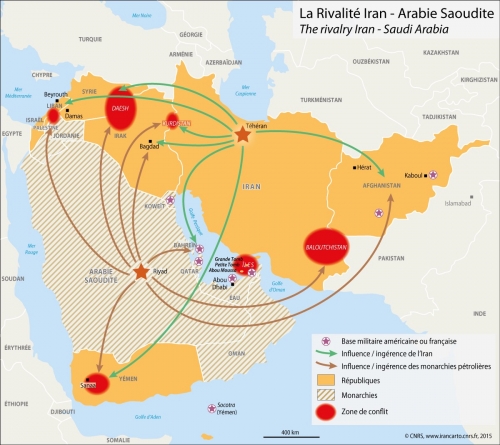
ADV : Enfin, quelles perspectives pour le Moyen-Orient en 2021 ? Le possible retour des Etats-Unis de Biden dans l’accord sur le nucléaire iranien de 2015, dont Trump s’était retiré, et le rapprochement entre Israël et plusieurs Etats arabes dans le cadre des accords d’Abraham sont-elles des bonnes nouvelles ?
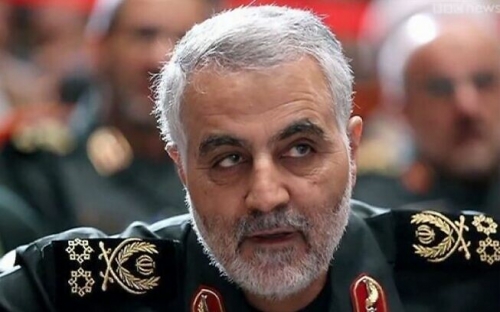
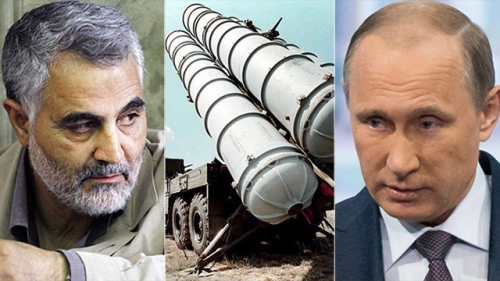
CG : L’année a débuté de façon à mon sens dangereuse avec l’assassinat en Irak, le 2 janvier 2020, du général iranien Qassem Soleimani, chef de la force al Qods des Gardiens de la Révolution. Figure héroïque et fer de lance de la politique d’influence régionale de l’Iran, il est assassiné alors même qu’il était chargé de transmettre via Bagdad un message d’apaisement à Ryad, notamment à propos de la sinistre et folle guerre du Yémen initiée par le prince Héritier Mohamed Ben Salman (MBS). Il fallait donc qu’il meurt, puisque la paix ou même le simple apaisement ne semble résolument pas une option séduisante à ceux que le conflit nourrit, et à leur puissant parrain d’outre Atlantique qui vit de et par la guerre, inépuisable source d’influence et de prospérité. Sans parler du fait qu’il fallait sans plus attendre, mettre un frein à l’influence iranienne en Irak que le général Soleimani consolidait activement via les milices chiites locales.
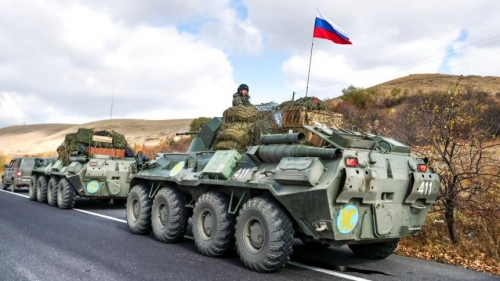
A l’autre bout de l’année, les « Accords d’Abraham », patronnés par Washington et signés en septembre 2020 entre Israël et son « protégé/obligé » saoudien d’une part, les EAU et Bahreïn désormais rejoints par le Soudan et le Maroc d’autre part, au nom de la normalisation des pays de la région avec l’Etat Hébreu, donnent une idée de la vaste manœuvre d’enveloppement et de récupération stratégique imaginée à Tel Aviv et à Washington. Judicieuse réunion de toutes les monarchies pétrolières sunnites contre l’Iran accusé de tous les maux, mais, bien au-delà de la question nucléaire, avant tout redouté en Israël pour sa ressemblance et non sa différence avec l’Etat hébreu en termes de profondeur culturelle et civilisationnelle, mais aussi de niveau intellectuel industriel, technologique. Bref, pour Tel Aviv, le jour où le marché iranien sera ouvert au monde, ce sera un concurrent redoutable dans le coeur de Washington. Tout n’est évidemment pas à jeter dans cette « manip » des Accords d’Abraham, notamment l’influence croissante des EAU qui sont sans doute les partenaires les plus avisés du coin. Mais la ficelle est grosse, la marginalisation définitive de la question palestinienne en est clairement l’un des effets indirects attendus, et la poursuite de la déstabilisation active des Etats récalcitrants (Liban Syrie, Libye) l’une des compensations manifestes. Même le Qatar semble désormais tenté de rejoindre cet attelage hétéroclite présenté comme « progressiste et moderne », ne serait-ce que pour porter financièrement secours au Hamas à Gaza …avec la bénédiction d’Israël. Il reste néanmoins probable que cette « coordination » sous tutelle n’apaisera pas la lutte pour le leadership du monde sunnite qui oppose Ryad à Ankara, mais aussi à Téhéran, Aman, Doha ou Casablanca, tout en faisant les affaires de Washington que la fragmentation régionale sert par construction. On voit par ailleurs que l’échec des interventions américaines directes ou par « proxys » occidentaux en Irak, Libye, Syrie, qui a permis à la Russie de revenir dans la région depuis 2015, doit être contrecarré en jetant la Turquie dans les pattes de Moscou en Libye, en Syrie et dans le sud Caucase notamment, et qu’il s’agit donc aussi, en polarisant au maximum l’affrontement avec l’Iran, de reprendre la main dans la région contre la Russie, mais aussi contre la Chine dont les diplomaties subtiles et très actives deviennent préoccupantes pour Washington.
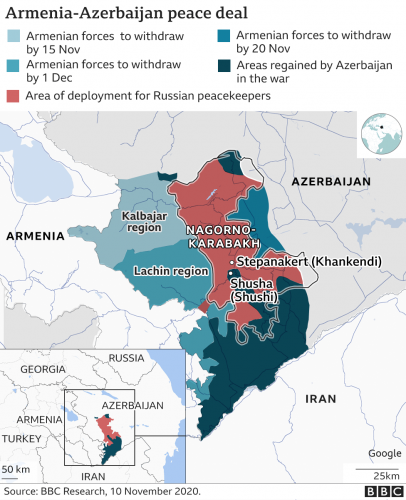
ADV : Vous connaissez bien la Russie et le Caucase : que répondre à ceux qui estiment qu’en Libye et dans le Caucase, la Russie s’est humiliée devant Erdogan qui aurait freiné Haftar à Tripoli et aidé l’Azerbaïdjan à vaincre les Arméniens du Haut Karabakh en plein « étranger proche russe » …
CG : Je ne crois pas qu’il faille psychologiser ainsi l’interprétation des événements. La Russie a fait son grand retour sur la scène internationale depuis 2015 et a démontré qu’en dépit de toute la diabolisation, les permanentes manœuvres et les pressions de tous ordres dont elle fait l’objet, elle est toujours une puissance globale dotée d’un pouvoir incarné et populaire, qui se bat pour sa stabilité, son développement et son influence sur l’ensemble de la planète.
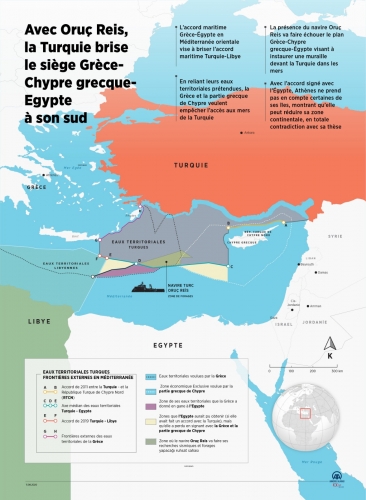
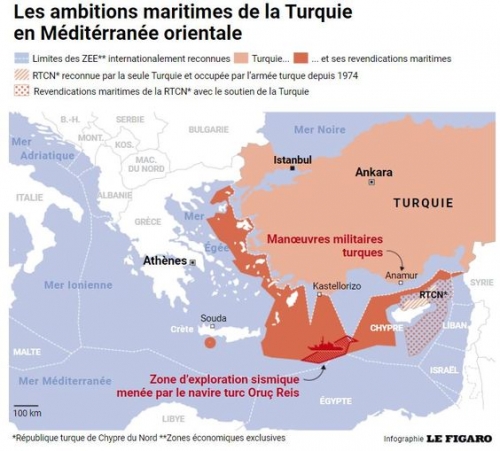
Quant à l’émergence tonitruante de la Turquie comme puissance déstabilisatrice aux ambitions débridées, ce n’est pas un phénomène sui generis. Le président Erdogan ne pourrait se permettre un dixième de ses foucades et provocations sans le blanc-seing direct ou complaisant de Washington. L’irruption turque dans les affaires mondiales manifeste l’indifférence américaine pour la stabilité de l’Europe et son hostilité paléolithique pour Moscou. Les Etats-Unis utilisent et continueront d’utiliser Ankara comme « proxy » en Syrie, en Libye, dans le sud Caucase et en Asie centrale contre Moscou, en Méditerranée orientale contre les Européens, qu’il s’agit depuis toujours de diviser et d’empêcher de pouvoir jamais atteindre une quelconque forme de puissance collective.
ADV : Quel est le jeu de l’Allemagne dans cet échiquier mondial de plus en plus polycentrique ?
CG : Dans ce marché de dupes, Berlin est en convergence tactique (et évidemment stratégique) avec Washington contre Paris, et nous savonne aimablement la planche en se désolidarisant ouvertement de nos postures et gesticulations sur la souhaitable « souveraineté européenne » afin d’assurer la finalisation de Northstream2 en dépit de l’hostilité américaine. La Chancelière allemande fait sans vergogne payer à l’Europe la note du chantage migratoire turc tout en vendant des sous-marins au néo sultan qui exulte d’une telle inconscience. Pourquoi d’ailleurs s’en priver puisque nous ne disons rien ? Le Président Erdogan joue donc sur tous les tableaux car il se sait indispensable à chacun. Il achète des anti-missiles S400 à Moscou et fait fi du courroux américain. La Russie en joue, elle aussi, et manie habilement la carotte et le bâton envers Ankara, selon les zones et les sujets, y compris dans le Haut Karabakh en dépit des apparences. Chacun a besoin de l’autre notamment en Syrie, même si la poche d’Idlib devient bien étroite pour le jeu d’influence des uns et des autres. Sans doute Joe Biden goûtera-il moins que Trump la grossièreté du président turc et ses crises mégalomaniaques. Mais ne nous y trompons pas. Au-delà de probables « condamnations » médiatiques – que nous boirons comme du petit lait, naïfs chatons que nous sommes-, cela ne devrait malheureusement pas modifier en profondeur l’attitude américaine envers la Turquie, puissance majeure du flanc sud de l’Alliance atlantique et très utile caillou dans la chaussure russe, ni envers l’Europe, éternelle vassale appelée à prendre « ses responsabilités », c’est-à-dire, à tout sauf à l’autonomie ne serait-ce que mentale. Être « des Européens responsables » signifiera toujours, pour Washington, être des Européens dociles, obéissants et inconditionnellement alignés sur les prescriptions et intérêts ultimes de l’Amérique.
ADV : Et celui de la France ?
CG : Quant à la France, que son suivisme abscons a plongée dans un discrédit global lourd depuis le milieu des années 2000 (quelles que soient nos épisodiques gesticulations martiales pour nous rassurer), elle est désormais clairement hors-jeu au Moyen Orient. Plus personne ne la prend au sérieux ni ne supporte ses leçons de morale hors sol. Notre incapacité à définir enfin les lignes simples d’une politique étrangère indépendante et cohérente nous coupe les ailes, sape notre crédibilité résiduelle et nous rend parfaitement incapables de constituer un contrepoids utile pour les « cibles » américaines qui ne sont pourtant pas les nôtres et dont la diabolisation ne sert en rien nos intérêts nationaux, qu’ils soient économiques ou stratégiques. Il faut sortir, et très vite, de cet aveuglement.
Pendant ce temps, la France plonge dans une diplomatie décidément calamiteuse qui l’isole et la déconsidère partout. Elle vient d’abandonner le Franc CFA pour complaire au discours débilitant sur la repentance et les affres de la Françafrique. On continue sur l’Algérie. On expie bruyamment. On ne sait pas vraiment quoi à vrai dire… Mais on se vautre dans les délices masochistes du renoncement. On laisse la place à Pékin, Washington, Moscou et même à Ankara. Il ne sert à rien de geindre sur « l’entrisme » de ceux-là en Afrique, quand on leur pave ainsi la voie. Il faudrait vraiment arrêter avec « le sanglot de l’homme blanc ». Il faut refondre notre diplomatie et aussi d’ailleurs remettre la tête à l’endroit de nombre de nos diplomates au parcours brillant mais incapables de sortir d’un prêt-à-penser pavlovien (anti russe, anti iranien, anti syrien, anti turc même !) qui nous paralyse et nous expulse du jeu mondial. Il faut enfin apprendre à répondre à l’offense ou à la provocation, et à ne pas juste se coucher dès que l’on aboie ou que l’on n’apprécie pas nos initiatives souvent maladroites ou sans consistance, mais aussi parfois courageuses. « Tendre l’autre joue » n’est tout simplement pas possible sur la scène du monde. On s’y fait vite piétiner. Pour être pris au sérieux, il ne faut pas toujours « calmer le jeu ». Il faut montrer les dents avec des « munitions », donc une vision, une volonté et des moyens affectés aux priorités régaliennes.
ADV : Quel enseignement tirez-vous de la crise sanitaire qui va être également une grave crise économique en 2021 et même socio-politique ? Quel bilan pour la France ?
CG : Je ne peux éluder ce qui fait cauchemarder les peuples et les dirigeants du monde entier et singulièrement ceux d’Occident depuis un an : la pandémie du COVID 19. Le premier enseignement est que fut initialement démontrée l’inanité de la solidarité et de la lucidité européennes, avec un lamentable retard à l’allumage dans la coordination des politiques. On laissa piteusement tomber les Italiens, on se vola des cargaisons de masques, bref le chacun pour soi a la vie dure, surtout quand certains Etats ferment intelligemment leurs frontières et que d’autres les laissent béantes « par principe ». J’en conclue tout d’abord que ce sont les Etats les plus décisifs, les plus « agiles », les plus pragmatiques et les plus capables de contraindre des franges de leurs populations – tout en maintenant leur économie active – qui s’en sortent le mieux économiquement et même sanitairement. En France, le bilan est lourd. Nous aurons démontré urbi et orbi non seulement la faillite de notre système de soins, autrefois excellent et toujours très généreux mais exsangue, mais plus encore celle de l’armature étatique et administrative de notre pays, embolisée par une bureaucratie en roue libre qui n’obéit plus. Il faut dire que l’autorité est un gros mot, l’esprit d’Etat un fossile et l’obéissance une vertu démonétisée du fait de la certitude de l’impunité en ce domaine comme en bien d’autres.
L’amateurisme politique, l’incurie logistique, et l’arrogance satisfaite de nos gestionnaires au petit pied, rien ne nous aura été épargné. Notre pays est moralement et économiquement à terre. Dès que nous serons sortis de la phase critique de la pandémie qui fait écran et permet au pouvoir de remplir à seaux le tonneau des Danaïdes au nom de l’urgence sanitaire, la déroute économique et sociale et le déclassement seront massifs. Les Français, à force d’infantilisation et de matraquage médiatique angoissant, en ont perdu leur latin et moutonnent en grommelant. Nos « responsables », dans un déni sidérant, se gargarisent indécemment de leur prétendue bonne gestion. Le réel est définitivement déconnecté de la perception, grâce à une communication quasi totalitaire et à un entêté « tout va très bien Madame la Marquise ! » qui veut rassurer le Français désabusé. Il sait pourtant bien, lui, que tout va très mal, mais il cherche protection jusque dans l’illusion et le renoncement. La politique ce n’est pas de la « com », de l’image, encore moins de la gestion à la petite semaine et au doigt mouillé. C’est une vision, du courage, l’acceptation du risque et de l’impopularité, de la planification, de la logistique implacable… et de l’autorité ancrée dans l’exemplarité. Pas du caporalisme ni de l’infantilisation de masse. De l’autorité, qui produit de la confiance et oblige chacun à l’effort.
Caroline Glactéros, propos recueillis par Alexandre del Valle (Geopragma, 22 janvier 2021)




 del.icio.us
 Digg
Digg Facebook
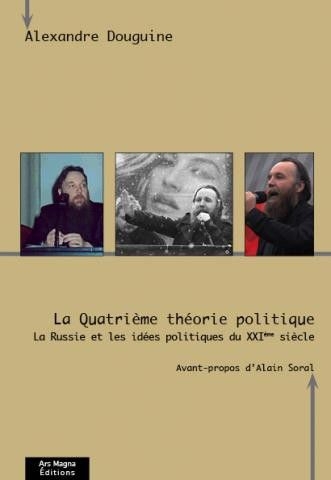
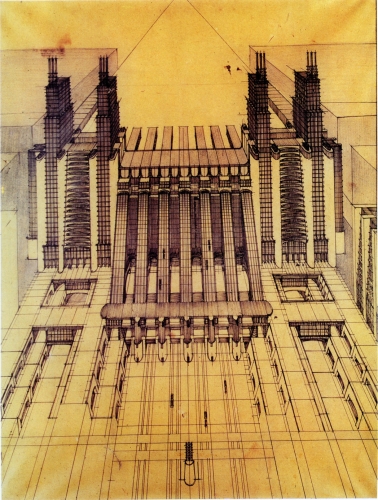
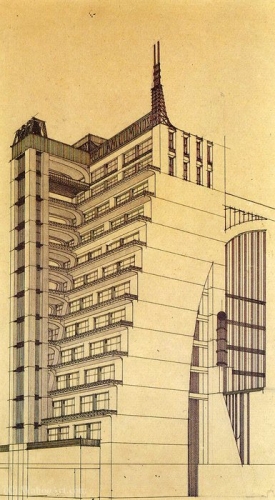 L'archéofuturisme reflète fidèlement la psychologie des conservateurs peu enclins au risque et au changement. La droite dispose de valeurs saines (la volonté de vaincre, la méritocratie, l'amour de la lutte, la loyauté) mais son conservatisme la prive de toute victoire à long terme. En lieu et place de l'archéofuturisme, cet article plaide pour une droite prométhéenne : une droite qui prône une créativité radicale, même au prix d'une rupture avec le passé, à condition que cette rupture soit synonyme de surcroît de puissance. Gardons à l'esprit que le concept de « haute technologie » est relatif : seule compte la capacité d'innovation perpétuelle et seul un état d'esprit moderne est en mesure d'honorer cette promesse. Au mieux, une société hautement technologisée mais disposant d'une mentalité traditionaliste stagnerait sur tous les plans ; au pire, elle déclinerait. Aussi, une droite moderne et prométhéenne est-elle requise, aux antipodes de cette tentative de rafistolage de la tradition au moyen de la technologie.
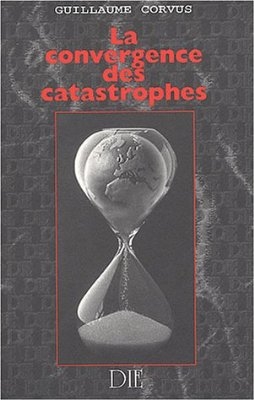 Une telle théorie de l'effondrement n'est qu'un malheureux substitut à un programme réaliste, proactif et orienté vers l'avenir. Nous ne pouvons espérer qu'un chaos nous dispense de combattre nos adversaires idéologiques. Prier pour que les quatre cavaliers de l'Apocalypse anéantissent nos ennemis est un appel à l'inaction. Un effondrement mondial a peu de chances de se produire. Il se peut, en effet, que survienne une apocalypse au sens grec du terme (une « révélation »). Cependant, elle prendra plus certainement la forme d'une révolution scientifique nous offrant un nouvel aperçu de la nature de notre réalité (l'espace-temps comme illusion, par exemple). Notre civilisation technologique est bien trop résistante, et la soi-disant renaissance religieuse bien trop archaïque et déconnectée de la science, pour que l'humanité entre dans un nouvel âge sombre.
 Faye associe notre faible taux de natalité à de l' « anti-natalisme » et de l' « ethno-masochisme ». C'est exact, mais seulement dans une certaine mesure. Comment expliquer que les taux de natalité les plus faibles soient le fait de pays asiatiques ? Autrement dit, de sociétés collectivistes qui ne partagent pas nos valeurs individualistes ? La principale raison de nos faibles taux de natalité est que, jusqu'à la révolution industrielle, les sociétés humaines ont été confrontées au spectre de l'extinction démographique, du fait de la famine, de la maladie et de la guerre. Les progrès technologiques nous en ont largement prémuni. Au XXe siècle, pour la première fois dans l'histoire, l'impératif biblique « Soyez féconds, multipliez et remplissez la Terre » a été remplacé par une volonté de décroissance démographique.
 « Ces catastrophes attendues sont la conséquence directe de la foi incorrigible de la modernité dans les miracles : il suffit de considérer le mythe selon lequel il serait possible de parvenir à un niveau de vie élevé à l'échelle mondiale…»
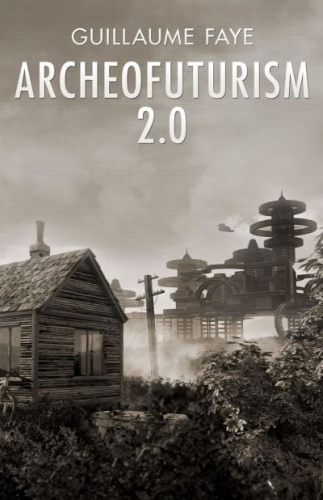 « […] L'humanité reviendra à ses valeurs archaïques, qui sont purement biologiques et humaines (c'est-à-dire anthropologiques) : la séparation des rôles entre les sexes ; la transmission des traditions ethniques et folkloriques, de la spiritualité et de l'organisation sacerdotale ; des hiérarchies sociales visibles et structurantes ; le culte des ancêtres ; les rites et les épreuves d'initiation ; le rétablissement de communautés organiques [...] ; la désindividualisation du mariage (les unions doivent être l'affaire de toute la communauté et pas seulement du couple marié) ; la fin de la confusion entre érotisme et conjugalité ; le prestige de la caste des guerriers ; l'inégalité entre les statuts sociaux – non pas une inégalité implicite, injuste et frustrante, que l'on retrouve aujourd'hui dans les utopies égalitaires, mais une inégalité explicite et idéologiquement légitimée... »

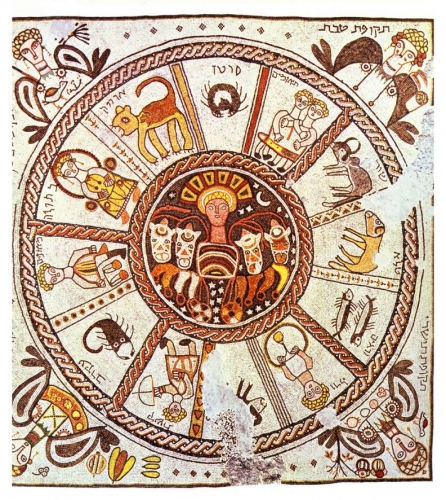
 « On peut se demander si les migrations successives des foyers de civilisation ne sont pas réglées, elles aussi, par des lois mathématiques. Les foyers de civilisation se sont déplacés de l’Est vers l’Ouest, par exemple d’Our en Chaldée et Athènes à Paris. Ces trois villes se trouvent sur le même arc de cercle et les distances Our-Athènes et Athènes-Paris sont sensiblement égales de même que leurs apogées successives sont séparées par le même laps de temps de vingt et un siècles et demi environ [= la précession des équinoxes]. Ceci nous conduit à supposer que le déplacement du point vernal, parcourant les signes du Zodiaque en vingt et un siècle et demi, régit en même temps que les rythmes de civilisation, leurs déplacements successifs à la surface du globe. »
 « La vieille tradition se trompe : l’Occident n’est plus européen, et l’Europe n’est plus l’Occident. Dans sa marche vers l’ouest, le soleil de notre civilisation s’est terni. Parti d’Hellade, investissant l’Italie, puis l’Europe occidentale, puis l’Angleterre, et enfin, ayant traversé les mers, s’étant installé en Amérique, le centre de l’‘Occident’ s’est lentement défiguré. Aujourd’hui, comme le comprit Raymond Abellio, c’est la Californie qui s’est instaurée comme épicentre et comme essence de l’Occident. (…) L’Occident alors, dans un mouvement planétaire qui est d’ailleurs déjà commencé, continuera sa marche vers l’Ouest en installant son centre là où il se prépare déjà, dans l’extrême-est, dans les archipels de l’Océan Pacifique, du coté du Japon et des Indes orientales… C’est la réversion absolue du mouvement de traversée des mers parti d’Europe au XVIe siècle… »

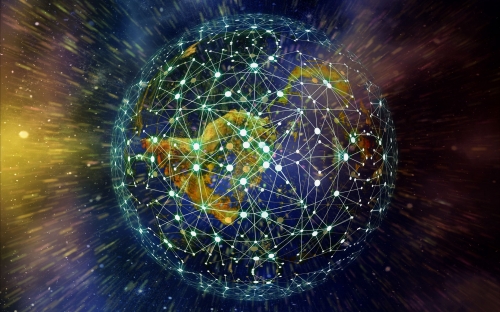
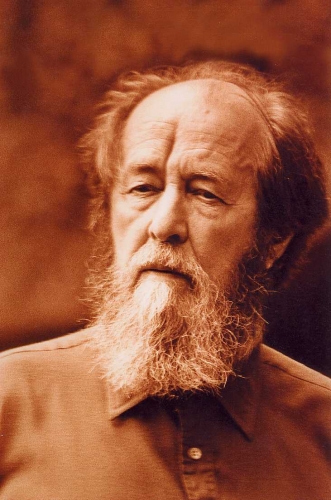




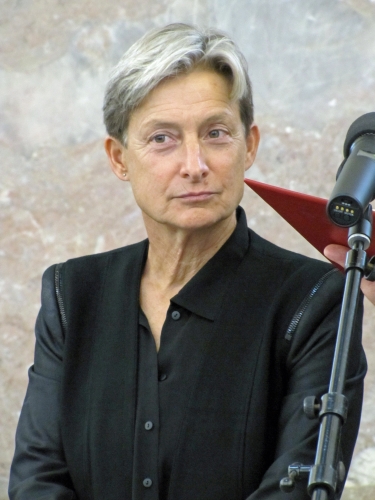




 Un monde entièrement virtuel, qui représente le rêve de ceux qui considèrent l'homme comme quelque chose d'obsolète et de dépassé, quelque chose qui doit être manipulé et perfectionné, un rêve (ou plutôt un cauchemar) également cultivé à des époques non soupçonnées : de fait, déjà à la fin des années 70, la féministe américaine Ti-Grace Atkinson (photo) écrivait : "l'acte sexuel ne devrait plus être le moyen utilisé par la société pour renouveler la population. Et les recherches sur l'utérus artificiel, la fécondation in vitro, le "mind uploading" et autres merveilles du techno-capitalisme, nous permettent de créer un modèle de société dans lequel il n'y a plus de place pour l'homme tel que nous l'avons connu. Un rêve, en dernière analyse, de mort, et qui risque de plonger le monde entier dans un cupio dissolvi incurable (ndt : un désir morbide de dissolution incurable).


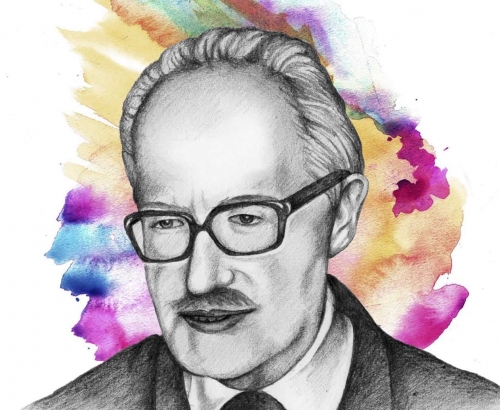
 Nicolas Gomez Davila est de ces rares auteurs qui tiennent leur lecteur en assez haute estime pour ne lui offrir que le meilleur d’eux-mêmes. Le véritable titre de ces formes brèves, qui ne sont ni des aphorismes, ni des sentences, rassemblées sous le titre Les Horreurs de la Démocratie (choix d’éditeur non dépourvu de roborative provocation) est « Escolios a un texto implicito », Scolies pour un texte implicite. Ces « scolies » ont pour règle de ne laisser apercevoir de la pensée que la fine pointe et pour vertu, la générosité de supposer au lecteur l’intelligence et l’art de déployer, à partir de ces fines pointes, un texte qui est à la fois absent et présent, implicite, c’est à dire donné, sans être pour autant révélé.
 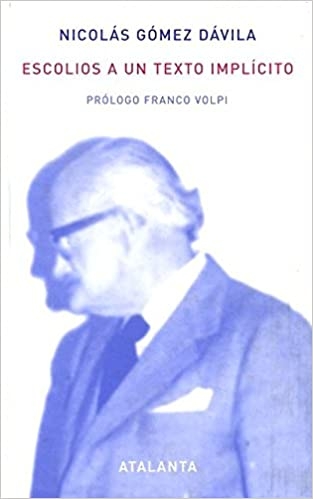 Les Scolies de Gomez Davila sont une œuvre de combat. Ce qui est en jeu n’est rien moins que la dignité et la liberté humaines, mais à la différence de tant d’autres qui mâchonnent les mots de « dignité » et de « liberté », Gomez Davila ne pactise point avec les forces qui les galvaudent et les ruinent. Ne nous attardons pas sur les roquets-folliculaires qui furent lancés aux basques de ce livre magnifique : ils n’existent que pour en illustrer la pertinence : « Le démocrate ne considère pas que les gens qui le critiquent se trompent, mais qu’ils blasphèment ». Cette figure du Moderne, que Gomez Davila nomme le « démocrate » (non, précise-t-il en tant que partisan d’un système politique mais comme défenseur d’une « perversion métaphysique ») peut, en effet, être définie ici comme fondamentaliste dans la mesure où elle ne louange le « débat », la « discussion », le « polémos » que sous l’impérative condition que ceux avec qui il est permis de débattre, discuter et polémiquer fussent déjà, de longtemps et notoirement, du même avis qu’elle ; et qu’ils le soient, par surcroît, avec le même vocabulaire, les mêmes rhétoriques, et si possible, avec les mêmes intonations, le même style ou, plus probablement, la même absence de style. Le démocrate fondamentaliste ne « raisonne » ainsi que dans les limites de sa folie procustéenne ; son amour de l’humanité « en général » ne s’accomplit qu’au mépris du particulier ; la liberté d’expression ne lui vaut que strictement réservée à ceux qui n’ont rien à dire ; la « dignité » humaine ne mérite à ses yeux d’être défendue qu’en faveur de ceux qui s’en moquent et s’avilissent à plaisir.
  La composition pointilliste des Scolies, qui mêlent les aperçus éthiques, esthétiques et politiques, interdit que l’on traitât de chaque domaine comme d’une région séparée. Le bien, le beau et le vrai sont indissociables. L’esthète est toujours moraliste et politique. « Le monde moderne est un soulèvement contre Platon ». Il appartient donc au « réactionnaire » tel que le définit Gomez Davila (dont la vocation est d’être « l’asile de toutes les idées frappées d’ostracisme par l’ignominie moderne ») d’œuvrer à la recouvrance du platonisme, non en tant que système philosophique ( à supposer qu’il existât un « système » platonicien hors des aides-mémoires de quelques pédagogues trop pressés d’enseigner ce qu’ils ne savent pas pour lire des Dialogues) mais en tant qu’expérience métaphysique fondamentale de la lecture (lecture du monde non moins que lecture des livres). « Derrière chaque vocable se lève le même vocable avec une majuscule : derrière l’amour, l’Amour, derrière la rencontre la Rencontre. L’univers s’évade de sa prison lorsque dans l’instance individuelle, nous percevons l’essence. »
 Si pour Gomez Davila la politique est impossible, c’est une raison supplémentaire pour s’y intéresser, mais seul. « La lutte contre le monde moderne doit être conduite dans la solitude. Lorsqu’on est deux, il y a déjà trahison ». On songe ici à la phrase de Montherlant : « Dès que les hommes se rassemblent, ils travaillent pour quelque erreur. » Il n’en demeure pas moins qu’il y eut des temps où l’ordre politique semblait destiné à nous éviter le pire, autant que possible. Le pire, c’est à-dire, le nihilisme, le totalitarisme, la terreur. « La démocratie a la terreur pour moyen et le totalitarisme pour fin ». Toutefois, le « totalitarisme » et la « terreur » ne disent point l’entièreté du pire. Le démocrate ne cesse d’en parler, de s’en prétendre le rempart lorsqu’il s’en trouve être la condition, la prémisse. Le pire est ce que l’homme devient, ce que tous les hommes deviennent, lorsque la contemplation disparaît du monde, lorsque le commerce entre les hommes ne s’ordonne plus qu’à l’économie. « L’absence de vie contemplative fait de la vie active d’une société un grouillement de rats pestilentiels ». Ce par quoi le langage témoigne de la contemplation, et de cette joie profonde, ambrée et lumineuse du Logos-Roi, c’est peu dire que le Moderne ne veut plus en entendre parler. Son monde, il le veut sans faille, compact et massif, c’est-à-dire réduit à lui-même, à sa pure immanence, autrement dit à l’opinion que les plus sots et les plus irréfléchis se font de lui. « Le moderne se refuse à entendre le réactionnaire, non que ses objections lui paraissent irrecevables, mais parce qu’elles ne lui sont pas intelligibles ».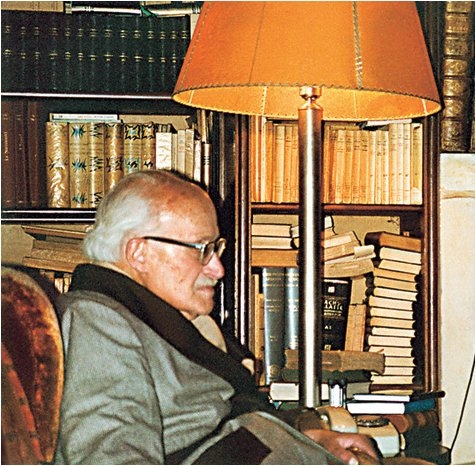
 Ces Scolies à un texte implicite, se donnent à lire ainsi, non seulement comme une suite d’aperçus lucides en forme d’exercices de désabusement, dans la lignée des meilleurs d’entre nos Moralistes, tels que Vauvenargues ou Rivarol, mais aussi, comme un Art de la guerre, un traité de combat contre les « lapalicistes ». « Est démocrate, celui qui attend du monde extérieur la définition de ses objectifs ». Contre la passivité des tautologies et contre le règne de la quantité qu’elle instaure, c’est à la seule vie intérieure, à la seule âme imprescriptible du lecteur qu’il appartient, dans cette solitude essentielle qui est la véritable communion, de nuancer d’un imprévisible ensoleillement, autrement dit, d’une espérance implicite mais prête à bondir dans le monde, ces Scolies qu’un inattentif regard ordonnerait au seul pessimisme. D’autant plus inquiétantes, roboratives et salubres, ces Scolies, que ce qu’elles ne disent pas chemine en nous à l’insu des censeurs ! « Seuls conspirent efficacement contre le monde actuel ceux qui propagent en secret l’admiration de la beauté. »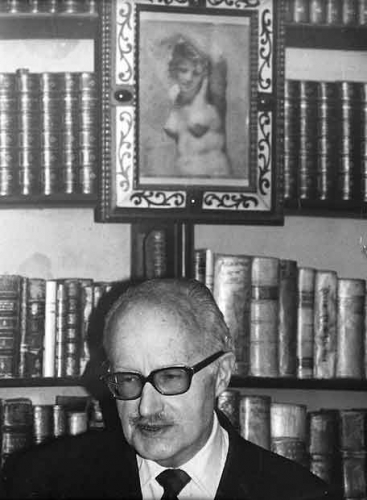
 Le monde, disent les Théologiens médiévaux, est « la grammaire de Dieu ». C’est ainsi que nous perdons ou gagnons en même temps Dieu et le monde, de même que nous perdons en même temps (ou gagnons) la compréhension d’Homère et des Evangiles. « Lorsque le bon goût et l’intelligence vont de pair, la prose ne semble pas écrite par l’auteur, mais par elle-même. » Que nous dit le texte implicite sinon notre propre secret qui est le secret du monde ? Tout se joue alors dans la voix, la voix unique, irremplaçable, celle de l’amour divin ( « Nous ne sommes irremplaçables que pour Dieu ») ; la plus irrécusable preuve de l’Un étant que toute chose, tant que demeurent les droits imprescriptibles de l’âme, est unique. Point de feuille dont les nervures fussent exactement semblables à sa voisine. Le grand mythe moderne, au sens de mensonge, tient dans cette lâcheté, cette paresse face à l’interprétation qui sans fin hiérarchise les êtres et les choses du plus épais jusqu’au plus subtil. Le Moderne veut croire à tout prix que le monde est inintelligible pour pouvoir le saccager à sa guise. Le bonheur et le malheur est qu’il en est rien. Tout est écrit, et nous ne faisons qu’ajouter la ponctuation. « Mes phrases concises sont les touches d’une composition pointilliste ». L’implicite ne serait alors que le non-encore ponctué. « Si l’univers est d’une lecture malaisée, ce n’est pas qu’il soit un texte hermétique, mais parce que c’est un texte sans ponctuation. Sans l’intonation adéquate, montante ou descendante, sa syntaxe ontologique est inintelligible. »
 « Je ne suis pas un intellectuel moderne contestataire mais un paysan médiéval indigné ». Si le mot rebelle voulait encore dire quelque chose, l’exégète des Scolies pourrait en faire usage ; tel n’est pas le cas. Demeure à travers ce qui est dit la possibilité offerte de n’être pas soumis au temps, d’imaginer ou de se souvenir d’une cohérence du monde, mystérieuse et sensible à « l’intonation montante ou descendante ». L’implicite des Scolies est une mise-en-demeure à la recouvrance de l’histoire sacrée, c’est-à-dire d’une histoire qui ne se réduit pas à « l’incertitude de l’anecdote » ni à la « futilité des chiffres ». En ce sens, « les ennemis du mythe ne sont pas les amis de la réalité mais de la banalité », le mythe n’étant pas alors le mensonge, mais bien la réverbération du vrai, la beauté suspendue entre l’immanence ingénue de notre race et la transcendance universelle. Tout écrivain digne de ce nom récite une mythologie d’autant plus réelle, au sens platonicien, c’est-à-dire d’autant plus vraie, qu’elle lui est plus personnelle, se proposant à lui presque par inadvertance, comme une fatalité heureuse. « Les penseurs contemporains sont aussi différents les uns des autres que les hôtels internationaux dont la structure uniforme se pare superficiellement de motifs indigènes. Alors qu’en vérité seul est intéressant le particularisme qui s’exprime dans un langage cosmopolite. »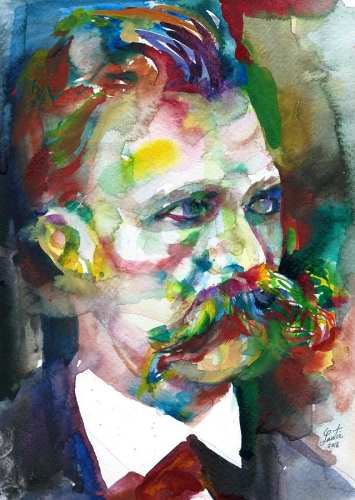

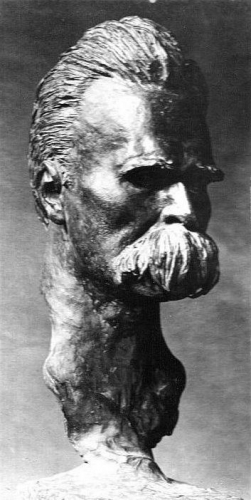 N.A. -




 On peut d’ailleurs leur retourner le compliment. Il suffit d’entendre, pour ceux qui en ont encore le courage, leur lancinante logorrhée, pour se demander si ce ne sont pas eux, les chasseurs de fake news, qui sont les protagonistes essentiels d’une authentique « complosphère »
 Il est une heureuse expression que l’on doit à l’universitaire et homme politique Pierre-Paul Royer-Collard (1763 – 1845) qu’il est utile de rappeler de nos jours. C’est ainsi qu’il oppose « le pays légal au pays réel ». Par après cette opposition a été reprise, diversement, par Auguste Comte ou Charles Maurras. Mais elle a l’heur de nous rappeler que parfois, il existe un divorce flagrant qui oppose la puissance populaire, puissance instituante, au pouvoir officiel et institué. C’est ce qui permet de saisir la lumière intérieure du bon sens populaire. C’est ce qui permet de comprendre qu’au-delà de la décomposition d’une société peut exister une renaissance. C’est cette métamorphose qui est en cours. Et au-delà de la soumission induite par la protection, c’est dans le « pays réel » que se préparent les soulèvements fondateurs d’une autre manière d ‘être ensemble.
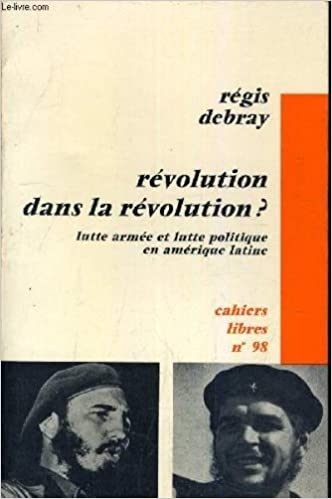 En 1967, l’éditeur des milieux gauchistes, François Maspero, réalise un beau coup éditorial. Il sort Révolution dans la révolution ? d’un agrégé de philosophie de 26 ans, Régis Debray qui vit depuis plusieurs mois à La Havane.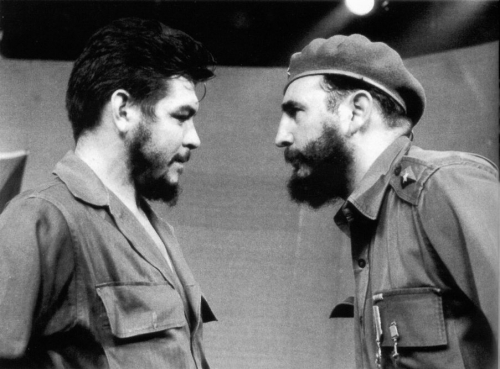
 Révolution dans la révolution ? Expose ainsi une vision exigeante, spartiate même, du militantisme. L’esprit d’abnégation, de service et de sacrifice parcourt tout l’ouvrage. Rejoindre une guérilla dans une jungle hostile ou au cœur d’une montagne inhospitalière secoue, bouleverse et remue les tripes du vieil homme. « On dit bien que nous baignons dans le social : les bains prolongés amollissent. Rien de tel que d’en sortir pour se rendre compte à quel point ces couveuses tièdes infantilisent et embourgeoisent. Les premiers temps dans la montagne, reclus dans la forêt dite vierge, la vie est tout simplement un combat de chaque jour, dans ses moindres détails – et d’abord un combat du guérillero contre lui-même, pour surmonter ses anciennes habitudes, les marques laissées par la couveuse dans son corps, sa faiblesse. L’ennemi à vaincre, dans les premiers mois, c’est lui-même, et on ne sort pas toujours vainqueur de ce combat-là : beaucoup abandonnent, désertent ou redescendent volontairement vers la ville, assumer d’autres tâches (pp. 71 – 72). » Dans un foyer guérillero, on y apprend aussi la fraternité, la solidarité et la communauté. « La première loi d’une guérilla, c’est qu’on n’y survit pas seul. L’intérêt du groupe est l’intérêt de chacun, et vice-versa. Vivre et vaincre, c’est vivre et vaincre tous ensemble. Qu’un seul combattant traîne et reste en arrière de la colonne en marche, c’est toute la colonne qui est compromise, dans sa rapidité et sa sécurité. À l’arrière, il y a l’ennemi : impossible de laisser le compagnon en chemin, ni de le renvoyer. À tous donc, de se répartir sa charge, alléger son sac, ses cartouchières, et de l’entourer jusqu’au but. Dans ces conditions l’égoïsme de classe ne fait pas long feu (p. 119). » Cette approche est cohérente parce que « lutter pour un maximum d’efficacité, c’est lutter en toute occasion pour la réunion de la théorie et de la pratique, et non contre la théorie au nom de la pratique à tout prix (p. 9, souligné par l’auteur) ». Ce livre manifeste une indéniable aspiration soldatique.
 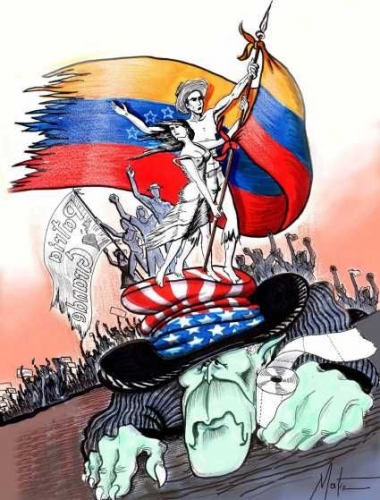 Régis Debray, et par-delà lui, rappelons-le, Fidel Castro, ne valide pas la démarche fixiste, routinière et stérile des héritiers de Léon Bronstein. « Dans certaines conditions, l’instance politique ne se sépare pas de l’instance militaire, elles forment un seul tout organique. Cette organisation, c’est celle de l’Armée populaire dont le noyau est l’armée guérillera. Le Parti d’avant-garde peut exister sous la forme propre du foyer guérillero. La guérilla est le Parti en gestation (pp. 113 – 114, souligné par l’auteur). » Dans l’espoir de l’emporter, « toute ligne militaire dépend d’une ligne politique qu’elle exprime (p. 21) » d’autant que « ce qui est décisif pour l’avenir, c’est l’ouverture de foyers militaires et non de “ foyers ” politiques (p. 129) ». Le foquisme se comprend comme une dynamique aux tactiques mouvantes adaptées à la réalité du terrain et aux circonstances du moment. Il désavoue en outre « l’économisme, c’est la défense exclusive des intérêts professionnels des travailleurs contre les empiétements du pouvoir patronal, à travers le syndicat; comme il est exclu d’attaquer le pouvoir politique des patrons, l’État bourgeois, cette défense accepte et avalise en fait ce qu’elle prétend combattre (p. 24, souligné par l’auteur) ». Il dénie tout sérieux à l’autodéfense. « De même que l’économisme nie le rôle du parti d’avant-garde, de même l’autodéfense nie le rôle du détachement armé, organiquement distinct de la population civile (p. 26). »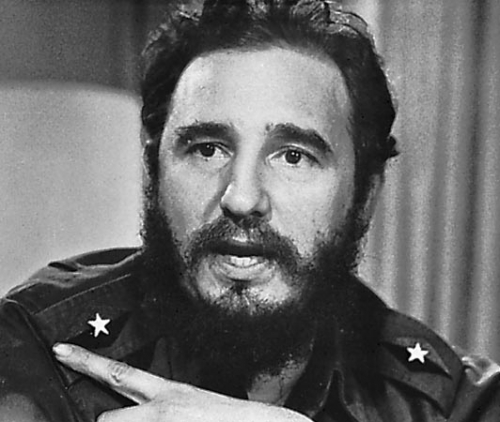
 Révolution dans la révolution ? reste bien une œuvre à part dans l’abondante bibliographie du philosophe. Sa lecture à la fin des années 1970 dans les squats autonomes, organisés ou non, suscitera un engouement considérable, déclenchant chez certains l’intention d’importer en Europe et en France pré-mitterrandienne un activisme armé similaire (10). Bien que maintenant daté, ce manuel de guérilla peut à sa manière aider la véritable dissidence en cours à mieux investir les périphéries à partir de BAD disséminées dans toutes les campagnes pour mieux ensuite assécher les centres métropolitains de la bobocratie cosmopolite…