





 del.icio.us
 Digg
Digg Facebook
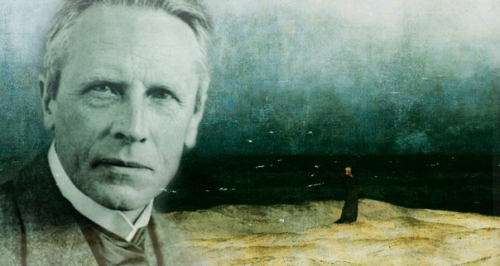
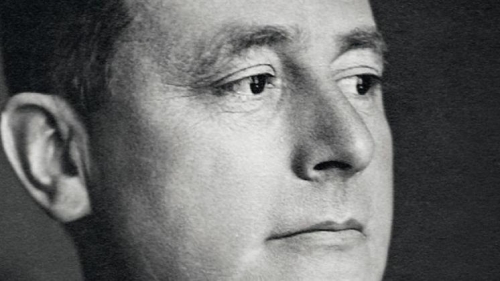
 Ludwig Klages was a one-of-a-kind brilliant man who is firstly known for his graphology work. But it is his philosophical work especially which deserves our attention. In fact, Klages belongs to what used to be called Lebensphilopsohie, a term that applies to Nietzsche’s. One thing they share is this dionysiac view on life which is often called « biocentric » when applied to Klages’ philosophy. His anti-christianity is another common point with Friedrich Nietzsche, and the same goes for a genre of paganism, or pantheism, shared by both philosophers.

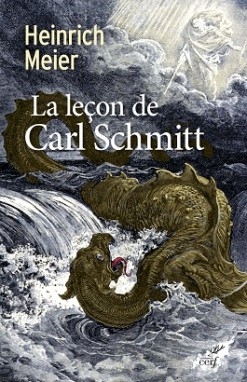
Heinrich Meier
L’auteur examine en quatre chapitres l’œuvre de Carl Schmitt, en montrant que ce qui l’unifie, c’est qu’elle constitue une «théologie politique». Toutefois, il faut se reporter à la fin de l’ouvrage pour comprendre ce qu’il faut entendre par ce terme. Dans la dernière partie du livre, l’auteur propose une rétrospective sur «la querelle de la théologie politique», qui permet de mieux comprendre le sens de cette expression utilisée dans le reste de l’ouvrage. Il y montre que si l’on interprète souvent l’expression de «théologie politique», à partir des textes mêmes de l’œuvre de Schmitt, comme «une affirmation relevant de l’histoire des concepts ou plutôt une hypothèse de la sociologie de la connaissance qui traite des «analogies de structures» entre des disciplines et des «transpositions» historiques» (p256), on restreint la portée et l’importance de ce concept que l’auteur estime central dans la pensée de Schmitt. Certes, C. Schmitt, évoquant une «théologie politique» a bien l’idée que des juristes ont transféré les concepts théologiques, comme celui de la toute-puissance de Dieu, sur le souverain temporel, dans les Temps modernes. Mais pour lui, la «théologie politique» désigne aussi, derrière cette opération de transfert, la volonté de ces juristes de répondre en chrétien à l’appel de l’histoire en «montrant le chemin à suivre pour sortir de la guerre civile confessionnelle.» Leur entreprise de sécularisation n’était pas portée par des intentions antichrétiennes, mais, bien au contraire, inspirée chrétiennement. Jean Bodin et Thomas Hobbes par exemple, que Schmitt désigne comme «ses amis», se tinrent, dans l’interprétation qu’il en donne, «solidement à la foi de leurs pères, et cela pas seulement de manière extérieure» (p261). Autrement dit, plus qu’un transfert de fait et historiquement repérable, la théologie politique désignerait pour Schmitt une attitude dans laquelle c’est à la politique de remplir une mission héritée de la religion, dans un monde qui se sécularise ou qui s’est sécularisé. La sécularisation, qui advient de fait, doit être gérée dans une intention qui demeure animée par la foi chrétienne. De là résulte entre autre que le critère du politique manifesté par la distinction entre ami et ennemi renvoie, pour l’auteur, en dernière analyse à l’opposition entre Dieu et Satan.
Chapitre 1: la réflexion schmittienne sur la morale
Dans le premier chapitre, centré sur la réflexion schmittienne sur la morale, l’auteur commence par montrer quel tableau –qui l’indigne– Schmitt dresse de son époque: un monde vivant aux pulsations de l’entreprise commerciale, rongé progressivement par la sécularisation et l’abandon de la foi, la démesure des hommes qui en «substituant à la providence les plans échafaudés par leur volonté et les calculs de leurs intérêts, pensent pouvoir créer de force un paradis terrestre dans lequel ils seraient dispensés d’avoir à décider entre le Bien et le Mal, et duquel l’épreuve décisive serait définitivement bannie.» (p15). La science elle-même n’est pour Schmitt que «l’auto-divination contre Dieu». Et Schmitt rejette ces formes d’auto-habilitation, par lesquelles l’homme prétend s’émanciper du Dieu transcendant.
Or, ce que souligne l’auteur, c’est que c’est chez Bakounine que Schmitt trouve en quelque sorte le paradigme de cette rébellion et de cette défense de la désobéissance, contre le souverain et contre Dieu. Bakounine en effet «conteste l’objet de la conviction la plus intime de Schmitt. Il attaque la révélation et nie l’existence de Dieu; il veut supprimer l’Etat et nie l’universalité revendiquée par le catholicisme romain.» (p19) ( «Dieu étant tout, le monde réel et l’homme ne sont rien. Dieu étant la vérité, la justice, le bien, le beau, la puissance et la vie, l’homme est le mensonge, l’iniquité, le mal, la laideur, l’impuissance et la mort. Dieu étant le maître, l’homme est l’esclave. Incapable de trouver par lui-même la justice, la vérité et la vie éternelle, il ne peut y arriver qu’au moyen d’une révélation divine. Mais qui dit révélation, dit révélateur, messies, prophètes, prêtres et législateurs inspirés par Dieu même; et ceux-là une fois reconnus comme les représentants de la divinité sur terre, comme les saints instituteurs de l’humanité, élus par Dieu même pour la diriger dans la voie du salut, ils doivent nécessairement exercer un pouvoir absolu. Tous les hommes leur doivent une obéissance illimitée et passive, car contre la Raison Divine il n’y a point de raison humaine, et contre la Justice de Dieu, point de justice terrestre qui tienne. Esclaves de Dieu, les hommes doivent l’être aussi de l’Eglise et de l’Etat, en tant que ce dernier est consacré par l’Eglise.» Mikhaïl Bakounine, Dieu et l’Etat). La devise «Ni Dieu ni maître» affiche le rejet de toute forme d’obéissance et détruit les fondements classiques de l’obéissance dans la culture européenne d’après Schmitt. Pour Bakounine, la croyance en Dieu est la cause de l’autorité de l’Etat et de tout le mal politique qui en procède. D’ailleurs Schmitt reprend à Bakounine l’expression de «théologie politique» que ce dernier emploie contre Mazzini. Pour Bakounine, le mal vient des forces religieuses et politiques affirmant la nécessité de l’obéissance et de la soumission de l’homme; alors que pour Schmitt – et dans une certaine tradition chrétienne – le mal provient du refus de l’obéissance et de la revendication de l’autonomie humaine.
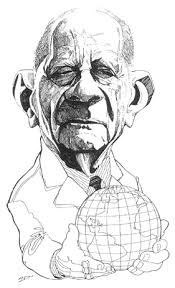 Chez ces deux auteurs, politique et religion sont mises ensemble, dans un même camp, dans une lutte opposant le bien au mal, même si ce qui représente le bien chez l’un représente le mal chez l’autre. Pour Schmitt, dans ce combat, le bourgeois est celui qui ne pense qu’à sa sécurité et qui veut retarder le plus possible son engagement dans ce combat entre bien et mal. Ce que le bourgeois considère comme le plus important, c’est sa sécurité, sécurité physique, sécurité de ses biens, comme de ses actions, «protection contre toute ce qui pourrait perturber l’accumulation et la jouissance de ses possessions» (p22). Il relègue ainsi dans la sphère privée la religion, et se centre ainsi sur lui-même. Or contre cette illusoire sécurité, Schmitt, et c’est là une thèse importante défendue par l’auteur, met au centre de l’existence la certitude de la foi («Seule une certitude qui réduit à néant toutes les sécurités humaines peut satisfaire le besoin de sécurité de Schmitt; seule la certitude d’un pouvoir qui surpasse radicalement tous les pouvoirs dont dispose l’homme peut garantir le centre de gravité morale sans lequel on ne peut mettre un terme à l’arbitraire: la certitude du Dieu qui exige l’obéissance, qui gouverne sans restriction et qui juge en accord avec son propre droit. (…) La source unique à laquelle s’alimentent l’indignation et la polémique de Schmitt est sa résolution à défendre le sérieux de la décision morale. Pour Schmitt, cette résolution est la conséquence et l’expression de sa théologie politique» (p24).). Et c’est dans cette foi que s’origine l’exigence d’obéissance et de décision morale. Schmitt croit aussi, comme il l’affirme dans sa Théologie politique, que «la négation du péché originel détruit tout ordre social».
Chez Schmitt, derrière ce terme de «péché originel», il faut lire la nécessité pour l’homme d’avoir toujours à choisir son camp, de s’efforcer de distinguer le bien du mal («Seule une certitude qui réduit à néant toutes les sécurités humaines peut satisfaire le besoin de sécurité de Schmitt; seule la certitude d’un pouvoir qui surpasse radicalement tous les pouvoirs dont dispose l’homme peut garantir le centre de gravité morale sans lequel on ne peut mettre un terme à l’arbitraire: la certitude du Dieu qui exige l’obéissance, qui gouverne sans restriction et qui juge en accord avec son propre droit. (…) La source unique à laquelle s’alimentent l’indignation et la polémique de Schmitt est sa résolution à défendre le sérieux de la décision morale. Pour Schmitt, cette résolution est la conséquence et l’expression de sa théologie politique» (p24).). L’homme est sommé d’agir dans l’histoire en obéissant à la foi («la théologie politique place au centre cette vertu d’obéissance qui, selon le mot d’un de ses plus illustres représentants, «est dans la créature raisonnable la mère et la gardienne de toutes les vertus» (Augustin, Cité de Dieu XII, 14). Par leur ancrage dans l’obéissance absolue, les vertus morales reçoivent un caractère qui leur manquerait autrement.» (p31-32).), et il doit pour cela avant faire preuve de courage et d’humilité. L’auteur montre ainsi que loin de se réduire à la «politique pure», la pensée schmittienne investit la morale en en proposant un modèle aux contours relativement précis.
Chapitre 2: Réflexion sur la conception politique de Schmitt
Dans chapitre II, H. Meier montre que la conception politique de C. Schmitt ne peut être entièrement détachée d’une réflexion sur la vérité et la connaissance. En effet, Schmitt écrit, dans La notion de politique, que le politique «se trouve dans un comportement commandé par l’éventualité effective d’une guerre, dans le clair discernement de la situation propre qu’elle détermine et dans la tâche de distinguer correctement l’ami et l’ennemi». Cela implique que le politique désigne un comportement, une tâche et une connaissance, comme le met en évidence l’auteur. Pour mener à bien l’exigence d’obéissance mise au jour dans le chapitre précédent, il faut une certaine connaissance. Cela semble relativement clair, mais l’auteur va plus loin et défend la thèse selon laquelle non seulement le politique exige la connaissance, mais il veut montrer que l’appréhension du politique pour Schmitt est «essentiellement connaissance de soi» (p46).
La distinction entre l’ami et l’ennemi s’appuie sur une notion existentielle de l’ennemi. L’ennemi présupposé par le concept de politique est une réalité publique et collective, et non un individu sur lequel on s’acharnerait, mu par une haine personnelle. Comme le précise H. Meier, «il n’est déterminé par aucune «abstraction normative» mais renvoie à une donnée de la «réalité existentielle» (…). Il est l’ennemi qui «doit être repoussé» dans le combat existentiel.» (p49). La figure de l’ennemi sert le critère du politique, mais chez Schmitt, selon l’auteur, elle n’est pas le fruit d’une élaboration théorique, voire idéologique, mais elle est ce en face de quoi je suis toujours amené existentiellement à prendre position et elle sert aussi à me déterminer et à me connaître moi-même, sur la base du postulat que c’est en connaissant son ennemi qu’on se connaît soi-même. Grâce à la distinction entre l’agonal et le politique, qui tous deux mettent en jeu la possibilité de ma mort et celle de l’adversaire ou de l’ennemi, mais qui s’opposent sur le sens de la guerre et la destination de l’homme ( Dans une compréhension politique du monde, l’homme ne peut réaliser pleinement sa destinée et sa vocation qu’en s’engageant entièrement et existentiellement pour l’avènement de la domination, de l’ordre et de la paix, tandis que dans la pensée agonale, ce qui compte, c’est moins le but pour lequel on combat que la façon de combattre et d’inscrire ainsi son existence dans le monde. E. Jünger, qui défend une pensée agonale écrit ainsi: «l’essentiel n’est pas ce pour quoi nous nous battons, c’est notre façon de nous battre. (…) L’esprit combattif, l’engagement de la personne, et quand ce serait pour l’idée la plus infime, pèse plus lourd que toute ratiocination sur le bien et le mal» (La guerre comme expérience intérieure).), Schmitt montre qu’il ne s’agit pas de se battre par principe et pour trouver un sens à vie, mais de lutter pour défendre une cause juste, ou mieux la Justice. Et c’est à ce titre que le politique est ce par quoi l’homme apprend à se connaître, à savoir ce qu’il veut être, ce qu’il est et ce qu’il doit être ( H. Meier développe ainsi un commentaire long et précis sur le sens d’une phrase de Theodor Däubler qui revient souvent chez Schmitt: «l’ennemi est la figure de notre propre question». Nous nous connaissons en connaissant notre ennemi et en même temps nous reconnaissons notre ennemi en celui qui nous met en question. L’ennemi, en quelque sorte, est aussi le garant de notre identité. Notre réponse à la question que l’ennemi nous pose est notre engagement existentiel-par un acte de décision – concret dans l’histoire.).
 La confrontation politique apparaît comme constitutive de notre identité. A ce titre, elle ne peut pas être seulement spirituelle ou symbolique. Cette confrontation politique trouve son origine dans la foi, qui nous appelle à la décision («La foi selon laquelle le maître de l’histoire nous a assigné notre place historique et notre tâche historique, et selon laquelle nous participons à une histoire providentielle que nos seules forces humaines ne peuvent pas sonder, une telle foi confère à chacun en particulier un poids qui ne lui est accordé dans aucun autre système: l’affirmation ou la réalisation du «propre» est en elle-même élevée au rang d’une mission métaphysique. Etant donné que le plus important est «toujours déjà accompli» et ancré dans le «propre», nous nous insérons dans la totalité compréhensive qui transcende le Je précisément dans la mesure où nous retournons au «propre» et y persévérons. Nous nous souvenons de l’appel qui nous est lancé lorsque nous nous souvenons de «notre propre question»; nous nous montrons prêts à faire notre part lorsque nous engageons ma confrontation avec «l’autre, l’étranger» sur «le même plan que nous» et ce «pour conquérir notre propre mesure, notre propre limite, notre propre forme.»« (p77-78).).
Aussi les «grands sommets» de la politique sont atteints quand l’ennemi providentiel est reconnu. La politique n’atteint son intensité absolue que lorsqu’elle est combat pour la foi, et pas simple combat, guerre limitée et encadrée par le droit des gens moderne (Les croisades sont ainsi l’exemple pour C. Schmitt d’une hostilité particulièrement profonde, c’est-à-dire pour lui authentiquement politique.). C’est pour une communauté de foi, et plus particulièrement pour une communauté de croyants qui se réclame d’une vérité absolue et dernière, au-delà de la raison, que la politique peut être authentique. C’est d’abord pour défendre la foi qu’on tient pour vraie, une foi existentiellement partagée – et qui éventuellement pourrait être une foi non religieuse – que la politique authentique peut exister. C’est ainsi que Schmitt pense défendre la vraie foi catholique contre ces fausses fois qui la mettent en danger et qui sont le libéralisme et le marxisme. Ce qu’on appelle ordinairement ou quotidiennement la politique n’atteint pas l’intensité décisive des «grands sommets», mais n’en est que le reflet.
Chapitre 3: théologie politique, foi et révélation
Dans le troisième chapitre, H. Meier établit l’inextricable connexion entre théologie politique, foi et révélation. Aussi la théologie politique combat-elle l’incroyance comme son ennemi existentiel. Comme le résume l’auteur: «l’hostilité est posée avec la foi en la révélation. (…) la discrimination entre l’ami et l’ennemi trouverait dans la foi en la révélation non seulement sa justification théorique, mais encore son inévitabilité pratique» (p102). Obéir sérieusement à la foi exige, pour Schmitt, d’agir dans l’histoire, ce qui suppose de choisir son camp, c’est-à-dire de distinguer l’ami de l’ennemi. Politique et théologique ont en commun la distinction entre l’ami et l’ennemi; aussi, note l’auteur, «quand le politique est caractérisé grâce à la distinction ami-ennemi comme étant «le degré extrême d’union ou de désunion» (…), alors il n’y a plus d’obstacle au passage sans heurt du politique à la théologie de la révélation. La nécessité politique de distinguer entre l’ami et l’ennemi permet désormais de remonter jusqu’à la constellation ami-ennemi de la Chute, tandis que se révèle le caractère politique de la décision théologique essentielle entre l’obéissance et la désobéissance, entre l’attachement à Dieu et la perte de la foi.» (p104). L’histoire a à voir avec l’avènement du Salut, les fins politiques et théologiques sont indissociables pour Schmitt. La décision entre Dieu et Satan est aussi bien théologique que politique, et lorsque l’ennemi providentiel est identifié comme tel, le théologique et le politique coïncident dans leur définition de l’unique ennemi. Le reste du temps, politique et théologique peuvent ne pas coïncider, dans la mesure où toute confrontation politique ne met pas en jeu la foi en la révélation et où toute décision théologique ne débouche pas nécessairement sur un conflit politique. Et si Schmitt développe une théologie politique, c’est parce que ce qui est fondamental est le théologique (qui toujours requiert la décision et l’engagement de l’homme («la foi met fin à l’incertitude. Pour la foi, seule la source de la certitude, l’origine de la vérité est décisive. La révélation promet une protection si inébranlable contre l’arbitraire humain que, face à elle, l’ignorance semble être d’une importance secondaire.» (p138).)) qui prend parfois, mais pas toujours nécessairement, la forme du politique pour sommer l’homme de se décider.
Puis l’auteur examine la critique de la conception de l’Etat dans la doctrine de Hobbes (dans Le Léviathan dans la doctrine de l’Etat de Thomas Hobbes. Sens et échec d’un symbolisme politique) qu’il étudie en trois points.
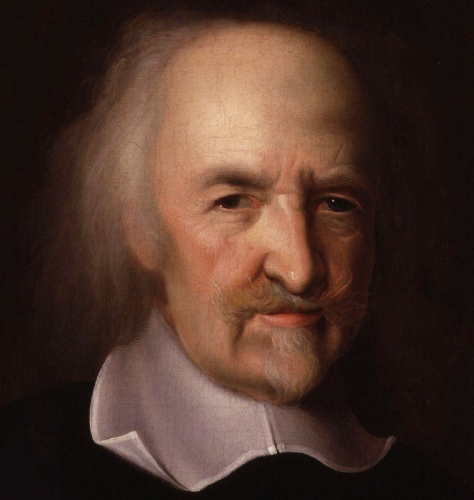 D’une part, Schmitt reproche à Hobbes d’artificialiser l’Etat, d’en faire un Léviathan, un dieu mortel à partir de postulats individualistes. En effet, ce qui donne la force au Léviathan de Hobbes, c’est une somme d’individualités, ce n’est pas quelque chose de transcendant, ou plus précisément, transcendant d’un point de vue juridique, mais pas métaphysique. A cette critique, il faut ajouter que, créé par l’homme, l’Etat n’a aucune caution divine: créateur et créature sont de même nature, ce sont des hommes. Or ces hommes, véritables individus prométhéens, font croire à l’illusion d’un nouveau dieu, né des hommes, et mortels, dont l’engendrement provient du contrat social. Et cette création à partir d’individus et non d’une communauté au sein d’un ordre voulu par Dieu, comme c’était, selon Hobbes, le cas au moyen-âge, perd par là-même sa légitimité aux yeux d’une théologie politique ( C. Schmitt écrit ainsi que: «ce contrat ne s’applique pas à une communauté déjà existante, créée par Dieu, à un ordre préexistant et naturel, comme le veut la conception médiévale, mais que l’Etat, comme ordre et communauté, est le résultat de l’intelligence humaine et de son pouvoir créateur, et qu’il ne peut naître que par le contrat en général.»).
D’autre part, Schmitt critique le geste par lequel l’Etat hobbesien est à lui-même sa propre fin. Autrement dit, cette œuvre que produisent les hommes par le contrat n’est plus au service d’une fin religieuse, d’une vérité révélée, mais, au contraire, est rendu habilité à définir quelles sont les croyances religieuses que doivent avoir les citoyens, qu’est-ce qui doit être considéré comme vrai. Enfin, Schmitt désapprouve le symbole choisi par Hobbes pour figurer l’Etat, le Léviathan.
Comme le note l’auteur, Schmitt pointe la faiblesse et la fragilité de la construction de Hobbes: «C’est un dieu qui promet aux hommes tranquillité, sécurité et ordre pour leur «existence physique ici-bas», mais qui ne sait pas atteindre leurs âmes et qui laisse insatisfaite leur aspiration la plus profonde; un homme dont l’âme artificielle repose sur une transcendance juridique et non métaphysique; un animal dont le pouvoir terrestre incomparable serait en mesure de tenir en lisière «les enfants de l’orgueil» par la peur, mais qui ne pourrait rien contre cette peur qui vient de l’au-delà et qui est inhérente à l’invisible.» (p167). Autrement dit, chez Hobbes, l’Etat peut se faire obéir par la peur de la mort, ce qui rend l’obéissance des hommes relatives à cette vie terrestre, alors que pour Schmitt, ce qui rend décisif et définitif l’engagement politique, c’est qu’il a à voir avec la fin dernière, le salut. Aussi peut-on être prêt ou décidé à mourir pour lutter contre l’ennemi, ce que nous craignons alors le plus est moins la mort violente que l’enfer post mortem. Et on comprend ainsi bien comment le libéralisme est ce qui veut éviter cet engagement, en niant la dimension proprement politique de l’existence humaine.
Chapitre 4: l'histoire comme lieu de discernement
Dans le dernier chapitre, centré sur l’histoire comme lieu de discernement dans lequel doit toujours se décider l’homme, l’auteur montre comment morale, politique et révélation sont liées à l’histoire pour permettre une orientation concrète («Pour la théologie politique, l’histoire est le lieu de la mise à l’épreuve du jugement. C’est dans l’histoire qu’il faut distinguer entre Dieu et Satan, l’ami et l’ennemi, le Christ et l’Antéchrist. C’est en elle que l’obéissance, le courage et l’espérance doivent faire leurs preuves. Mais c’est en elle aussi qu’est porté le jugement sur la théologie politique qui se conçoit elle-même à partir de l’obéissance comme action dans l’histoire.» (p177).). L’exemple privilégié par Schmitt pour mesurer un penseur qui se décide à l’histoire dans laquelle il se fait condamné à naviguer est celui de Hobbes. En effet, pour Schmitt, Hobbes prend position, avec piété pour l’Etat moderne, dans un cadre historique précis, celui des luttes confessionnelles, et sa décision en faveur de l’Etat qui neutralise les oppositions religieuses et sécularise la vie est liée à ce contexte historique. Si pour Schmitt, l’Etat n’est plus au XXème siècle une bonne réponse politique à la situation historique, au temps de Hobbes, se déterminer en faveur de cet Etat était la bonne réponse, puisque l’Etat «trancha effectivement à un moment historique donné la querelle au sujet du droit, de la vérité et de la finalité en établissant le «calme, la sécurité et l’ordre» quand rien ne semblait plus urgent que l’établissement du «calme, de la sécurité et de l’ordre»« (p183). En revanche, une fois conçu, l’Etat comme machine ou comme appareil à garantir la sécurité, il peut tomber entre les mains du libéralisme, du bolchévisme ou du nazisme qui peuvent s’en servir pour parvenir à leur fin, d’où sa critique de l’Etat au XXème siècle.
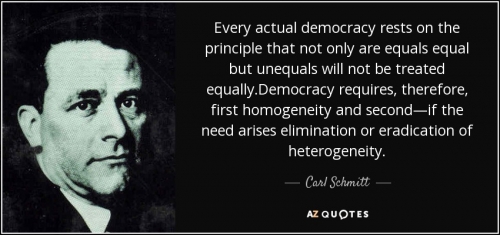
La question que pose alors l’auteur est celle de l’engagement de Schmitt. Il montre que Schmitt dans les années 1920 et au début des années 1930 commence par soutenir le fascisme mussolinien dans lequel il voit le modèle d’un Etat qui s’efforce de maintenir l’unité nationale et la dignité de l’Etat contre le pluralisme des intérêts économiques. Il oppose ce type d’Etat au libéralisme qu’il considère comme un «système ingénieux de méthodes visant à affaiblir l’Etat» et qui tend à dissoudre en son sein le proprement politique. Il critique l’Etat de droit bourgeois et en particulier le parlementarisme ( Il écrit ainsi dans l’article «l’Etat de droit bourgeois»: «les deux principes de l’Etat de droit bourgeois que sont la liberté de l’individu et la séparation des pouvoirs, sont l’un et l’autre apolitiques. Ils ne contiennent aucune forme d’Etat, mais des méthodes pour mettre en place des entraves à l’Etat.»). Il démasque l’imposture des prétendues démocraties qui n’intègrent pas le peuple, qui ne lui permettent pas d’agir en tant que peuple ( Pour Schmitt, le peuple ne peut être que réuni et homogène (c’est-à-dire non scindé en classes distinctes ou divisé culturellement, religieusement, socialement ou «racialement»). Il estime également que seule l’acclamation permet d’exprimer la volonté du peuple, à l’opposé des méthodes libérales qu’il accuse de falsifier la volonté du peuple.) mais l’atomisent, ne serait-ce que parce qu’au moment de la décision politique, les hommes sont isolés pour voter, alors qu’ils devraient être unis: «ils décident en tant qu’individus et en secret, ils ne décident pas en tant que peuple et publiquement.» (p204). Ce qui fait que les démocraties libérales sont pour lui des démocraties sans démos, sans peuple. Schmitt veut fonder la politique sur un mythe puissant et efficace, et dans cette optique, il estime que le mythe national sur lequel se fonde le fascisme est celui qui donne le plus d’intensité à la foi et au courage (plus, par exemple, que le mythe de la lutte des classes). Ce que souligne l’auteur cependant, c’est que pour Schmitt, tout mythe est à placer sur un plan inférieur à la vérité révélée. Il s’agit donc pour le théologien politique de ne pas croire ce mythe, national ou autre, parce qu’il est éloigné de la vraie foi, mais de l’utiliser pour intensifier la dimension politique de l’existence que tend à effacer le libéralisme européen de son époque.
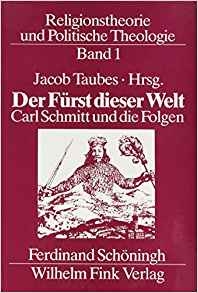
Comment concilier la décision de Schmitt en faveur du nazisme au printemps 1933? Pour Heinrich Meier, il faut considérer avant tout que cet engagement est fait en tant que théologien politique et non en tant que nationaliste. Il faudrait la lire comme l’essai pour sortir de deux positions antagonistes et qu’il rejette toutes les deux: le libéralisme et le communisme, tous deux adversaires du catholicisme et animés par une commune tradition visant un objectif antipolitique (L’auteur écrit ainsi: «Pendant les dix années, de 1923 à 1933, durant lesquelles Schmitt, empli d’admiration, suivit le parcours de Mussolini, sa conviction que le libéralisme et le marxisme s’accordaient sur l’essentiel ou en ce qui concerne leur «métaphysique» ne fit que se renforcer: l’héritage libéral était toujours déterminant pour le marxisme, qui «n’était qu’une mise en pratique de la pensée libérale du XIXème siècle». La réunion du libéralisme et du marxisme dans la «nouvelle croyance» du temps présent (…) disposant d’un fonds de dogmes communs et poursuivant le même objectif final antipolitique, devait faire apparaître le fascisme et le national socialisme comme les antagonismes les plus résolus.» (p212-213).). A cela s’ajoute, selon l’auteur, l’idée que le nazisme s’appuie sur la croyance au destin et à l’importance d’agir dans l’histoire. Mais peu après cette explication des raisons de l’adhésion de Schmitt au national-socialisme, l’auteur s’attache à montrer que des critiques du régime apparaissent dans ses écrits. On peut ainsi selon l’auteur lire de nombreux passages du livre sur Hobbes comme des critiques indirectes du régime nazi qui ne pouvaient pas ne pas être prises comme telles à l’époque (par exemple, des passages dans lesquels il explique que si l’Etat ne protège pas efficacement les citoyens, le devoir d’obéissance disparaît, ou des passages exposant que si un régime relègue la foi à l’intériorité, le «contre-pouvoir du mutisme et du silence croît».) Cependant, l’auteur prend également soin de distinguer d’un côté l’éloignement de Schmitt du pouvoir nazi en place et de l’autre la persistance de son antisémitisme. Ainsi le livre sur Hobbes est foncièrement antisémite – l’antisémitisme de ce livre ne serait pas qu’un fond, un langage destiné à répondre aux critères de l’époque – comme, du reste, dans de nombreux ouvrages. Et pour l’auteur cet antisémitisme a son origine dans la tradition de l’antijudaïsme chrétien, ce qui n’a pas détaché Schmitt de l’antisémitisme nazi. Au contraire, comme le souligne H. Meier, «on est bien obligé de dire que c’est l’hostilité aux «juifs» qui lie le plus durablement Schmitt au national-socialisme (…) Et il restera fidèle, même après l’effondrement du Troisième Reich, à l’antisémitisme» (p220).
Puis l’auteur s’intéresse à l’interprétation que Schmitt fait de l’histoire en mettant au cœur de cette interprétation le katechon, qu’on trouve dans la seconde lettre de Paul aux Thessaloniciens, et qu’il définit comme «la représentation d’une force qui retarde la fin et qui réprime le mal» ( Schmitt écrit ainsi dans Terre et Mer: «Je crois au katéchon; il représente pour moi la seule possibilité, en tant que chrétien, de comprendre l’histoire et de lui trouver un sens.»). Schmitt expose une vision chrétienne de l’histoire (notamment exposée dans une critique de Meaning in History de Karl Löwith) qu’il entend opposer à celle du progrès défendue par les Lumières, le libéralisme et le marxisme. La Providence ne peut être assimilée aux planifications prométhéennes humaines. La notion de katechon permet d’une part de rendre compte du retard de la parousie – et donc de l’existence perse de l’histoire ( C’est d’ailleurs dans cette perspective que Paul en parle.); d’autre part, elle «protège l’action dans l’histoire contre le découragement et le désespoir face à un processus historique, en apparence tout-puissant, qui progresse vers la fin. Enfin, elle arme à l’inverse l’action dans l’histoire contre le mépris de la politique et de l’histoire en l’assurant de la victoire promise.» (p231-232). En effet, sans le katechon, on est conduit à penser que la fin de l’histoire est imminente et que l’histoire n’a qu’une valeur négligeable.
Ainsi, l’auteur parvient à montrer efficacement comment morale, politique, vérité révélée et histoire sont liées dans la pensée schmittienne, pensée ayant son centre dans la foi catholique de Schmitt. On ne peut comprendre la genèse des concepts schmittiens et leur portée véritable qu’en ayant à l’esprit cette foi expliquant sa pensée est moins une philosophie politique – si la philosophie doit être pensée comme indépendante de la foi en la révélation – qu’une théologie politique, pour ainsi dire totale en ce qu’elle informe tous les aspects de l’existence. La tentative d’H. Meier d’expliquer et de rendre compte et de l’engagement de Schmitt dans le nazisme –sans évidemment l’excuser ou n’en faire qu’une erreur malencontreuse– par l’antagonisme que ce régime pouvait manifester à l’encontre des autres régimes (libéralisme, marxisme) qui luttaient contre le catholicisme est pertinente, d’autant qu’elle ne le disculpe pas et qu’elle prend soin de souligner son indéfendable antisémitisme. Il faut aussi reconnaître à l’auteur une connaissance extrêmement précise des textes de Schmitt, de leur contexte et des adversaires que vise ce dernier même lorsqu’ils ne sont pas nommés, ce qui contribue à la clarification de maintes argumentations de Schmitt parfois équivoques ou elliptiques.
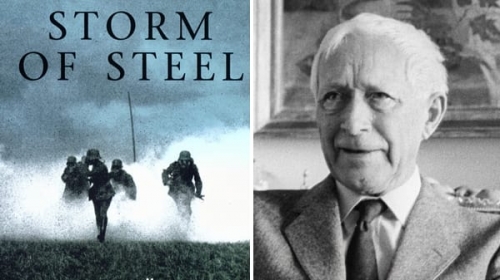
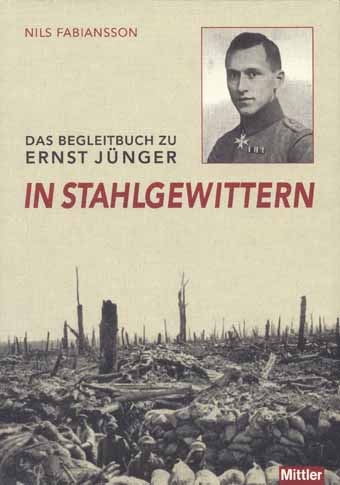 Biographisches Rohmaterial
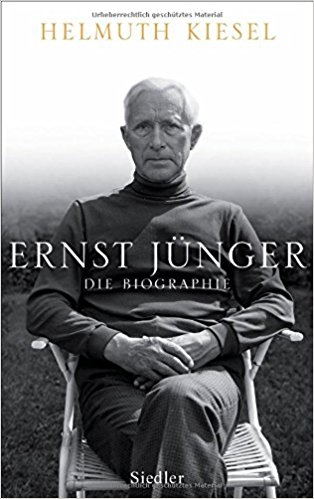 Ernst Jüngers Rhodos-Reisen von 1938, 1964 und 1981
 Springtime for Ernst Jünger
 Stratege im Hintergrund
 Der Einzelne nach der Kehre
 Unsere Total-Kalamität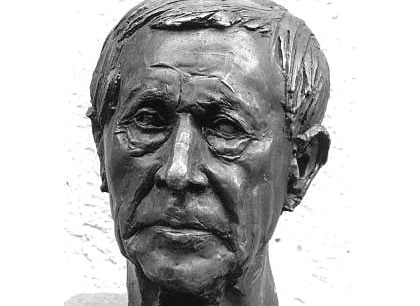


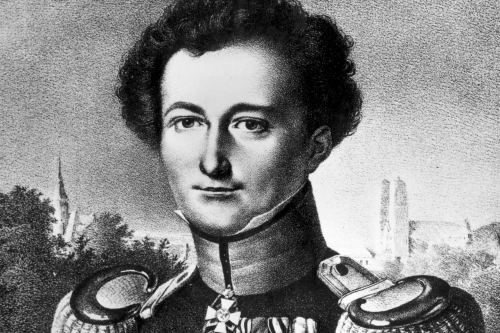
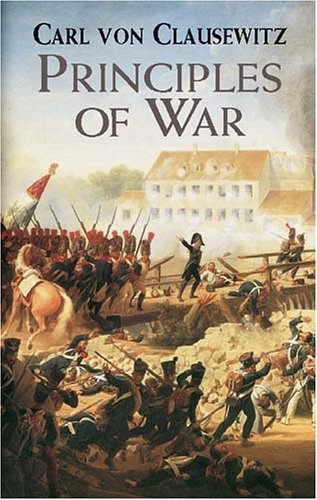 Oltre a questa differenza di fatto esistente nelle guerre, va stabilito in modo esplicito e preciso anche il punto di vista – pure praticamente necessario – secondo cui la guerra non è niente altro che la politica dello Stato proseguita con altri mezzi. Questo punto di vista, tenuto ben fermo dappertutto, darà unità a questa trattazione saggistica. E tutto sarà quindi più facile da districare.
 Centrando il nostro pensiero sulla politica, per poi passare alla guerra, è necessario soffermarsi su questo punto. La politica è un conflitto di interessi, si fonda su di essi e si basa su rapporti di forza, vale a dire su rapporti tra individui che pensano e agiscono in modo da raggiungere i loro scopi. Sicché si può divergere per almeno due ragioni: si diverge sul fine o si diverge sul mezzo, o su entrambi. La politica ammette diversificazione di partiti non solo in virtù dello scopo finale, cioè un peculiare ordinamento sociale o economico, ma pure sui mezzi attraverso cui raggiungere lo scopo. I comunisti e i socialisti non avevano grandi distinzioni in merito ai fini, ma grandi differenze sussistevano nella concezione dei mezzi attraverso cui raggiungere gli scopi.
 Ogni attore politico ammette tre generi di relazioni con un altro attore politico: alleanza, indifferenza, ostilità. Nel caso in cui le due parti in contrapposizione non trovino alcun genere di accordo possibile né sui fini da raggiungere, né sui mezzi, e sono propensi a darsi battaglia per ottenere la vittoria sull’altro, si giunge al conflitto. Se il conflitto è di natura sociale, si parla di lotta politica; se il conflitto è di natura armata, si parla di guerra. Politica e guerra sono solo due casi particolari della logica del conflitto e la guerra è, a sua volta, una peculiare forma della politica. Perché è solo l’interesse politico a determinare la volontà di combattere per mezzo delle armi.
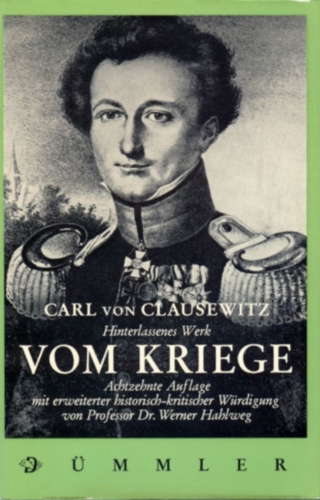 Allo stesso tempo, con l’avanzare della tecnica e delle conoscenze scientifiche, le guerre cambiano di strumenti ma non nella sostanza. La natura dei fini umani è sempre la stessa, non cambia in base alle epoche storiche: ciò che cambia è l’oggetto, non l’intenzione verso di esso. In questo senso, la guerra, non solo nel suo farsi ma anche nel suo concetto, è di natura permanentemente multiforme. Essa cambia nei mezzi e negli scopi, cioè muta totalmente di forma. È la forma della guerra, non le sue ragioni profonde, a costituire la ragione fondamentale della diversità dei conflitti armati della storia. Eppure, a partire dalla comprensione della guerra nel suo ruolo di strumento politico, si nota una lunga linea di continuità tra i vari fenomeni bellici.
 Lenin y Trotsky recuperarían sus definiciones dándoles terrenalidad en la experiencia misma de la revolución: en el evento por antonomasia del pasaje de la política a la lucha física: la ciencia y arte de la insurrección: el momento en que se rompe el continuum de la historia con la intervención de las masas comandadas por el partido revolucionario, que se hacen del poder y cambian la historia.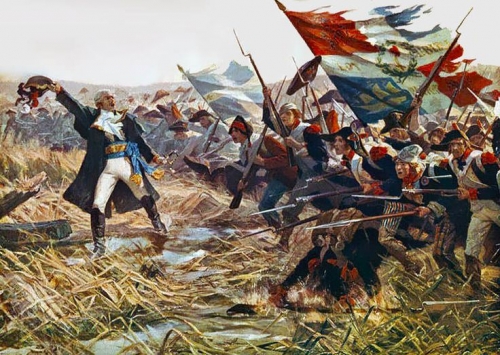
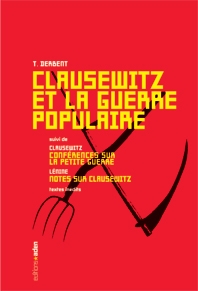 De ahí que muchos de los conceptos de la guerra se vean aplicados a la política, ya que ésta es, como la guerra, un campo para hacer valer determinadas relaciones de fuerza. Sin duda, las relaciones de fuerza políticas se hacen valer mediante un complejo de relaciones mayor y más rico que el de la violencia desnuda, pero en el fondo en el terreno político también se trata de vencer la resistencia del oponente.
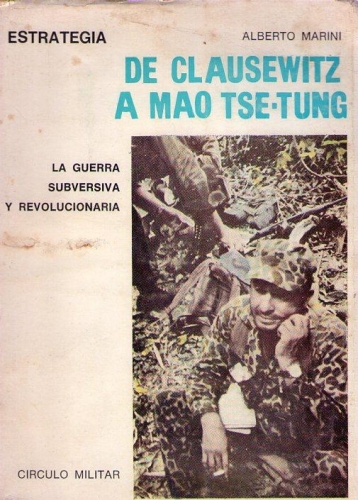
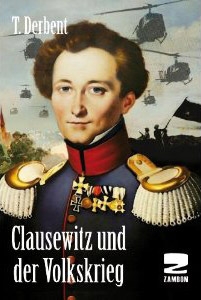
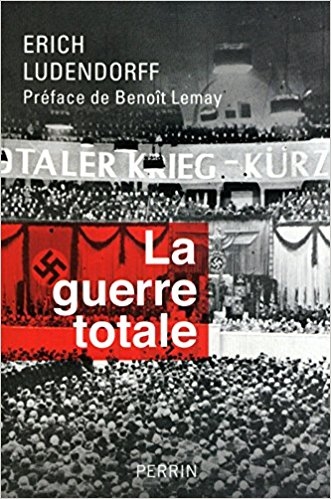 Tal era la posición del general alemán de la I Guerra Mundial, Erich von Ludendorff, autor de la obra La guerra total (1935), donde criticaba a Clausewitz desde una posición reduccionista que ponía en el centro de las determinaciones a la categoría de “guerra total”, a la que independizaba de la política negando el concepto clausewitziano de “guerra absoluta”, que necesariamente se ve limitado por las determinaciones políticas.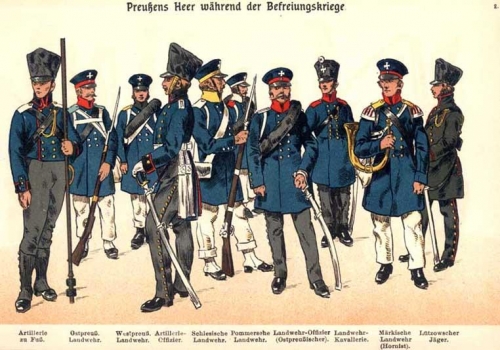
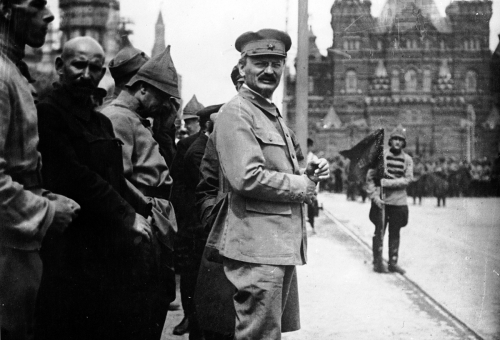
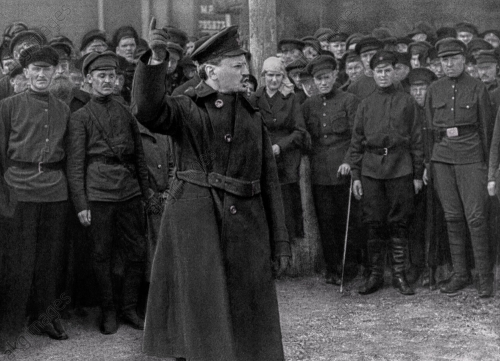
 Esta era una preocupación característica de Rosa Luxemburgo, que insistía en la necesidad de aprender de la experiencia real de la clase obrera, contra el conservadurismo pedante y de aparato de la vieja socialdemocracia.
 Este problema es clásico a toda gran revolución. Si la Revolución Francesa de 1789 logró triunfar es porque desde su centro excluyente, París, logró arrastrar tras de sí al resto del país. Algo que no consiguió la Comuna de París cien años después, lo que determinó su derrota. El mismo déficit tuvo el levantamiento espartaquista de enero de 1919 en Alemania, derrotado a sangre y fuego porque el interior campesino y pequeño-burgués no logró ser arrastrado. Multitudinarias movilizaciones ocurrían en Berlín enfervorizando a sus dirigentes (sobre todo a Karl Liebknecht; Rosa era consciente de que se iba al desastre), mientras que en el interior el ejército alemán se iba reforzando y fortaleciendo con el apoyo del campesinado y demás sectores conservadores.
 El partido no agrupa a los trabajadores por su condición de tales sino solamente aquéllos que han avanzado a la comprensión de que la solución a los problemas pasa por la revolución socialista: el partido agrupa a los revolucionarios y no a los trabajadores en general (cuya abrumadora mayoría es de ideología burguesa, reformista y no revolucionaria).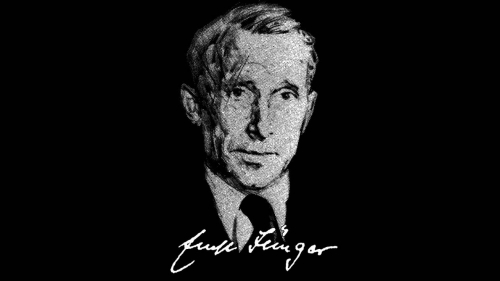
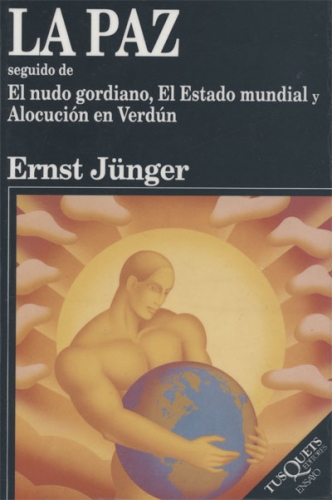 Jünger constata que la tendencia a la estatización (a la “organización”) se hace más rara a medida que ascendemos en la escala de los animales superiores. En ellos –por ejemplo, en los lobos, en numerosos grupos de aves, etc.- es frecuente hallar ejemplos de socialización, pero muy rara vez asistiremos a los sacrificios que la estatización impone a los insectos. En ese sentido, el hombre ocupa un lugar especial: la estatización no es algo que le sea natural, aunque el proceso de desarrollo de la civilización técnica muestre claras tendencias estatizadoras. En el mundo natural, la tendencia hacia la organización es un rasgo específico de los animales sociales; en el caso de la especie humana, es el síntoma más evidente del avance del proceso de civilización. Y sin embargo, la tendencia a la organización no es inapelable, inevitable; ni siquiera natural. Ese es el sentido de la pregunta que Jünger se formula: ¿Acaso el mundo está lleno de organismos que esperan ser organizados y reivindican tal organización? No, e incluso lo contrario es lo cierto, pues por todas partes puede percibirse como actúa “la tentativa de sustraerse al poder”. De manera que la organización no es un hecho natural, o al menos no lo es más que la resistencia a la organización.
 Un autre grand format du parti de Merkel a pris la parole: Volker Rühe. Répondant aux questions du magazine Stern, cet ancien secrétaire général de la CDU et ancien ministre de la défense ne ménage pas ses critiques à l’endroit des talents de négociatrice de la Chancelière ; sans mâcher ses mots, Rühe déclare : « Pour l’avenir de la CDU, la manière dont Merkel a négocié est un vrai désastre, alors que le salut du parti aurait dû davantage la préoccuper que sa propre situation présente ».
 Acheter
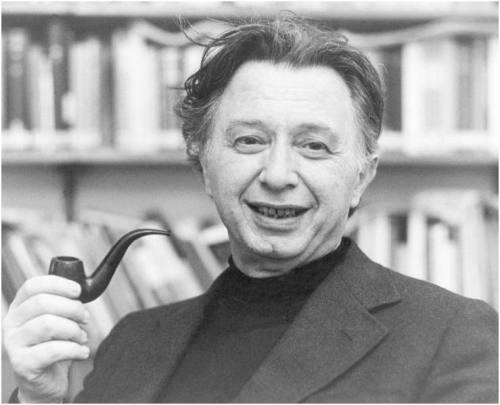
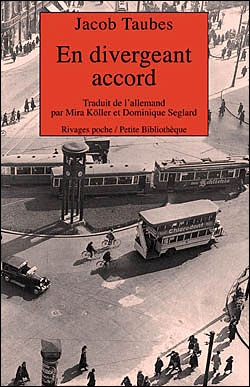
  Évidemment, tout, absolument tout étant lié, surtout lorsqu'il s'agit des affinités électives existant entre les grands esprits qui appréhendent le monde en établissant des arches, parfois fragiles mais stupéfiantes de hardiesse, entre des réalités qu'en apparence rien ne relie (cf. p. 38), je ne pouvais, poursuivant la lecture de cet excellent petit livre qui m'a fait découvrir le fulgurant (et, apparemment, horripilant) Jacob Taubes, que finalement tomber sur le nom qui, selon ce dernier, reliait Maritain à Schmitt, qualifié de «profond penseur catholique» : Léon Bloy, autrement dit le porteur, le garnt ou, pourquoi pas, le «signe secret» (p. 96) lui-même. Après Kafka saluant le génie de l'imprécation bloyenne, c'est au tour du surprenant Taubes, au détour de quelques mots laissés sans la moindre explication, comme l'une de ces saillies propres aux interventions orales, qui stupéfièrent ou scandalisèrent et pourquoi pas stupéfièrent et scandalisèrent) celles et ceux qui, dans le public, écoutèrent ces maîtres de la parole que furent Taubes et Kojève (cf. p. 47). Il n'aura évidemment échappé à personne que l'un et l'autre, Kafka et le grand commentateur de la Lettre aux Romains de l'apôtre Paul, sont juifs, Jacob Taubes se déclarant même «Erzjude» «archijuif», traduction préférable à celle de «juif au plus profond» (p. 67) que donne notre petit livre : «l'ombre de l'antisémitisme actif se profilait sur notre relation, fragile comme toujours» (p. 47), écrit ainsi l'auteur en évoquant la figure de Carl Schmitt qui, comme Martin Heidegger mais aussi Adolf Hitler, est un «catholique éventé» dont le «génie du ressentiment» lui a permis de lire «les sources à neuf» (p. 112).
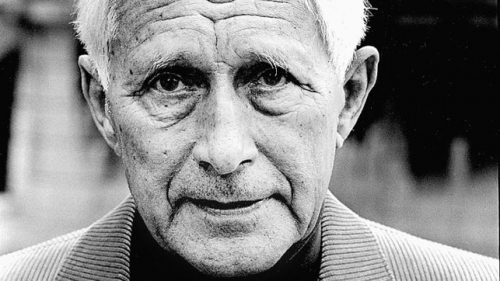
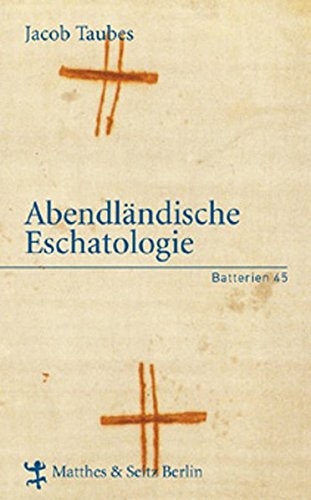 C'est l'importance, capitale, de cette thématique que Jacob Taubes évoque lorsqu'il affirme que les écailles lui sont tombées des yeux quand il a lu «la courbe tracée par Löwith de Hegel à Nietzsche en passant par Marx et Kierkegaard» (p. 27), auteurs (Hegel, Marx et Kierkegaard) qu'il ne manquera pas d'évoquer dans son Eschatologie occidentale (Nietzsche l'étant dans sa Théologie politique de Paul) en expliquant leur philosophie par l'apocalyptique souterraine qui n'a à vrai dire jamais cessé d'irriguer le monde (4) dans ses multiples transformations, et paraît même s'être orientée, avec le régime nazi, vers une furie de destruction du peuple juif, soit ce peuple élu jalousé par le catholiques (et même les chrétiens) conséquents. Lisons l'explication de Taubes, qui pourra paraître une réduction aux yeux de ses adversaires ou une fulgurance dans l'esprit de ses admirateurs : «Carl Schmitt était membre du Reich allemand avec ses prétentions au Salut», tandis que lui, Taubes, était «fils du peuple véritablement élu par Dieu, suscitant donc l'envie des nations apocalyptiques, une envie qui donne naissance à des fantasmagories et conteste le droit de vivre au peuple réellement élu» (pp. 48-9, le passage plus haut cité suit immédiatement ces lignes).
  Cette complexité se retrouve dans le jugement de Jacob Taubes sur Carl Schmitt qui, ce point au moins est évident, avait une réelle importance intellectuelle à ses yeux, était peut-être même l'un des seuls contemporains pour lequel il témoigna de l'estime, au-delà même du fossé qui les séparait : «On vous fait réciter un alphabet démocratique, et tout privat-docent en politologie est évidemment obligé, dans sa leçon inaugurale, de flanquer un coup de pied au cul à Carl Schmitt en disant que la catégorie ami / ennemi n'est pas la bonne. Toute une science s'est édifiée là pour étouffer le problème» (p. 115), problème qui seul compte, et qui, toujours selon Jacob Taubes, a été correctement posé par le seul Carl Schmitt, problème qui n'est autre que l'existence d'une «guerre civile en cours à l'échelle mondiale» (p. 109). Dans sa belle préface, Elettra Stimilli a du reste parfaitement raison de rapprocher, de façon intime, les pensées de Schmitt et de Taubes, écrivant : «Révolution et contre-révolution ont toujours évolué sur le plan linéaire du temps, l'une du point de vue du progrès, l'autre de celui de la tradition. Toutes deux sont liées par l'idée d'un commencement qui, depuis l'époque romaine, est essentiellement une «fondation». Si du côté de la tradition cela ne peut qu'être évident, étant donné que déjà le noyau central de la politique romaine est la foi dans la sacralité de la fondation, entendue comme ce qui maintient un lien entre toutes les générations futures et doit pour cette raison être transmise, par ailleurs, nous ne parviendrons pas à comprendre les révolutions de l'Occident moderne dans leur grandeur et leur tragédie si, comme le dit Hannah Arendt, nous ne le concevons pas comme «autant d'efforts titanesques accomplis pour reconstruire les bases, renouer le fil interrompu de la tradition et restaurer, avec la fondation de nouveaux systèmes politiques, ce qui pendant tant de siècles a conféré dignité et grandeur aux affaires humaines» (pp. 15-6).

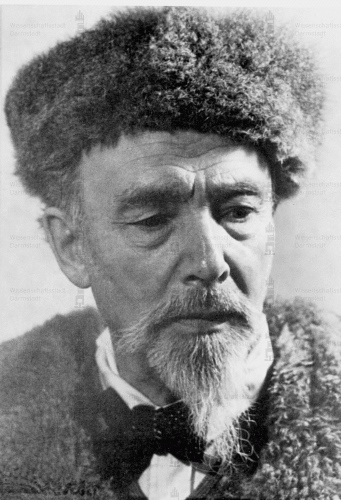
 - 4 - Là était la beauté de l'ancien ordre aristocratique : chacun était pleinement respecté dans son caractère spécifique, à son rang reconnu, et chacun se comportait sincèrement selon ce rang, de sorte qu'il ne pouvait y avoir de conflits nés de la jalousie ou de l'envie.
 - 11 - Pour moi, dès ma prime jeunesse, je n'étais jamais tombé amoureux ; en tout cas je ne m'étais jamais avoué qu'un amour germait en moi, car mon inconscient très puritain n'admettait pas la simple possibilité d'une chute dans la sensualité, condamnée comme une faiblesse. En outre la conscience des hommes baltes de ma génération qui furent plus ou moins mes contemporains, était encore entièrement déterminée par la tension : sanctuaire inviolable - vice […] ce qui les conduisait d'une part à idéaliser démesurément la femme dite "comme il faut", d'autre part à traîner dans la boue, avec autant d'exagération, toute femme qui menait une vie contraire à l'idéal, ce qui excluait une vie amoureuse libre sous la forme de la beauté.


 Ensuite, certains appliquent un verni (pseudo-)polythéiste à l’athéisme. Tel est le cas d’Alain de Benoist, notamment, à l’époque de son livre Comment peut-on être païen ? (3). Faisant fi de son athéisme, il faut tout de même saluer le « paganisme philosophique » professé dans cet ouvrage de qualité. En ce qui nous concerne, notre critique du livre d’Alain de Benoist demeure semblable à celle de l’auteur américain Collin Cleary (4) qui lui oppose un polythéisme théiste aux accents heideggériens.
  Le sujet que nous abordons constitue peut-être la racine principale de ce que l’on nomme paganisme : la relation de l’homme à sa terre, à la nature et au Kosmos; ces relations, ou plutôt interrelations, nous pourrions les réunir dans une seule expression, celle d’« écologie profonde » (ou « écologie intégrale »). Préoccupation majeure, l’écologie est malheureusement délaissée par de nombreuses personnes se réclamant de Droite au titre qu’elle serait de Gauche. Grave erreur ! La Gauche (extrême) a mis le grappin sur les questions environnementales, car la Droite radicale – sauf certains mouvements faisant exception comme feu le MAS ou, dans un registre plus « folklorique » dirons-nous, le Greenline Front – a abandonné ce thème qui fut le sien à l’origine. Heureusement vient de paraître aux éditions Akribeia un livre qui, nous espérons, remettra les pendules à l’heure, Piété pour le cosmos de l’Italien Giovanni Monastra et du Français Philippe Baillet.
 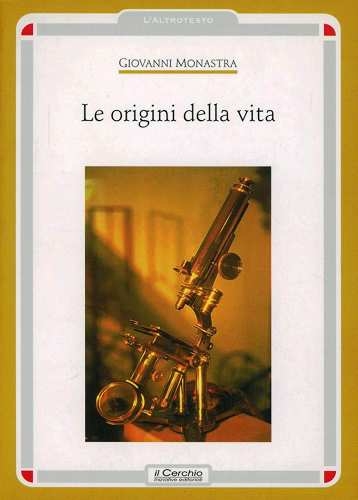 La première partie de l’ouvrage s’intitule « Les racines révolutionnaires-conservatrices de la pensée écologique », elle est l’œuvre de Giovanni Monastra. Celui-ci débute son exposé par un constat évident, à savoir la césure entre l’homme et la nature, séparation qui s’est d’autant plus accéléré à cause de la révolution scientifique et de la révolution industrielle. Cet état dichotomique procède de la dégradation cyclique, la relation entre l’homme et la nature n’a pas toujours été ainsi comme le rappelle l’auteur. Les sociétés traditionnelles connurent une relation empathique et holistique de la nature. « La première modalité, dominante par le passé et qui renaît de nos jours, consiste en une approche empathique et holistique, donc une approche qui perçoit et “ sent ” la réalité vivante comme un Tout au sein duquel les différentes parties, du niveau microscopique aux macrosystèmes en passant par celui où nous nous situons, ont certes leur autonomie (et cela vaut en premier lieu pour l’homme, dont la liberté est hors de question), mais où cette autonomie ne revient pas à nier les interrelations profondes qui existent entre les parties. Tout cela s’accorde avec la conception de la nature comme “ puissance ” créatrice et sacrée (pour les cultures prémodernes), force unitaire ordonnée et complexe, gouvernée par un équilibre délicat qu’il ne faut pas enfreindre, mais au contraire respecter, si bien qu’il importe de ne pas dépasser certaines “ limites ” (p. 11.). »
 Avant d’évoquer plusieurs précurseurs de l’écologie, et d’autres défenseurs de la nature, Giovanni Monastra se devait de mentionner le rapport entre la Gauche et les mouvements de préservation de la nature de manière générale. De nos jours, les partis écologistes sont souvent synonyme de partis d’extrême gauche, à tel point qu’un politicien comme Jean-Marie Le Pen les qualifiait de « pastèques » puisque vert à l’extérieur et rouge à l’intérieur, cette couleur désignant, bien entendu, leur véritable couleur politique. Assimiler l’écologie et la Gauche est « une énorme tromperie, qui a malheureusement pu s’appuyer aussi sur la façon de penser et le comportement concret […] d’une large faction des milieux de “ droite ” européens (p. 18) ». Pourtant, quelle soit marxiste ou pas, la Gauche ne fut pas toujours l’amie de l’écologie. « Elle a toujours exalté les vertus émancipatrices du progrès matériel sous toutes ses formes, au point de se faire la championne la plus stupide de l’industrialisme le plus exacerbé, à l’origine de toutes les pollutions. Le marxisme, lui, a toujours été intrinsèquement hostile aux perspectives écologistes. […] Selon Marx, la nature doit être “ humanisée” à travers la science afin de transformer la valeur intrinsèque du milieu en valeur d’usage pour l’homme (p. 19). »
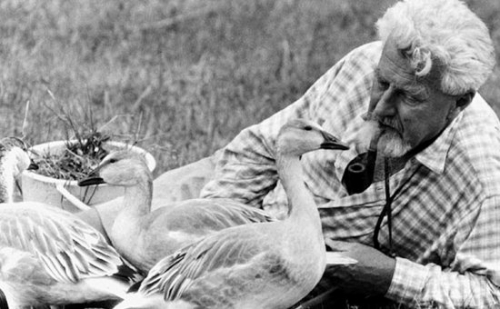
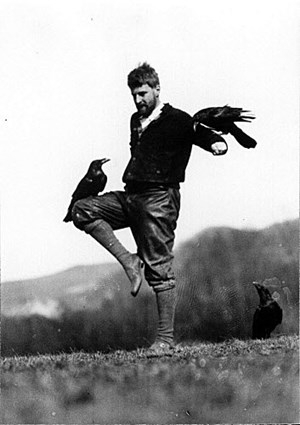
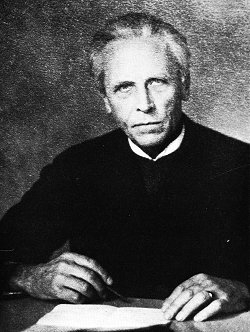 Giovanni Monastra va donc ensuite énumérer, en les présentant eux et leur idées, différents penseurs écologistes ou proche de la nature. Citons Ernst Haeckel, Ernst Moritz Arndt, Wilhelm Heinrich von Riehl, l’écrivain norvégien Knut Hamsun, les frères Friedrich Georg et Ernst Jünger, Oswald Spengler – qui dénonça « la domination de la technique [qui] nourrit la toute-puissance de l’économie et la diffusion cancérigène du marché, tout en s’en nourrissant elle-même (p. 46) » – Konrad Lorenz, Alexis Carrel, Ortega y Gasset, Julius Evola, René Guénon, etc. Parmi tous ces brillants penseurs, Giovanni Monastra s’intéresse particulièrement à un personnage regrettablement méconnu en France : Ludwig Klages (photo).
 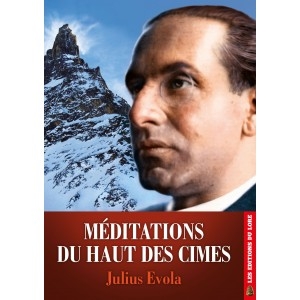 Giovanni Monastra, se réclamant de l’immense œuvre de Julius Evola, met brièvement en lumière la pensées du philosophe italien concernant la nature ou plutôt sa vision de la nature, bien qu’elle ne représente pas un sujet à part entière dans son œuvre. Notons qu’Evola critiquait tout mouvements de « retour à la nature » qu’il identifiait à une réponse catagogique à un vide existentiel, les deux émanant d’une société « crépusculaire et décomposée ». Evola connaissait bien l’un des aspects de la nature, celui qui défie les hommes et les pousse à se surpasser, quitte à y laisser la vie. Alpiniste chevronné sa vision de la nature ne se targue d’aucun matérialisme, ni d’aucun sentimentalisme, Giovanni Monastra cite le philosophe. Il « s’agit donc de rendre à la nature – à l’espace, aux choses, au paysage – ce caractère lointain et étranger à l’homme qui était couvert à l’époque de l’individualisme, quand l’homme projetait dans la réalité, pour se la rendre proche, ses sentiments, ses passions, ses petits élans lyriques. Il s’agit de redécouvrir le langage de l’inanimé […]. C’est de cette façon que la nature peut parler à la transcendance (p. 60) ».
 Philippe Baillet débute son étude avec la notion de conservatisme. Le dictionnaire Larousse propose la définition suivante : « Attitude ou tendance de quelqu’un, d’un groupe ou d’une société, définie par le refus du changement et la référence sécurisante à des valeurs ou des structures immuables (1). » Un brin réducteur tout de même que cette définition. Nonobstant les a priori partisans sur le conservatisme, le bon sens voudrait que sa définition première corresponde au maintien et à la préservation de ce qui est bien pour une société ou une nation. Ainsi préserver, conserver la nature intacte n’est-il pas, au-delà de la nécessité vitale, une question politique de bien commun ?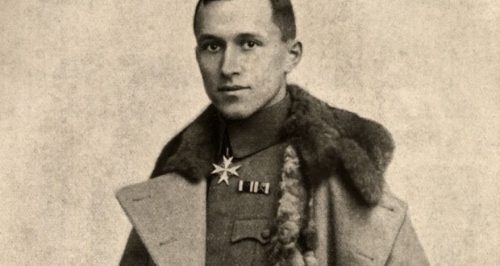

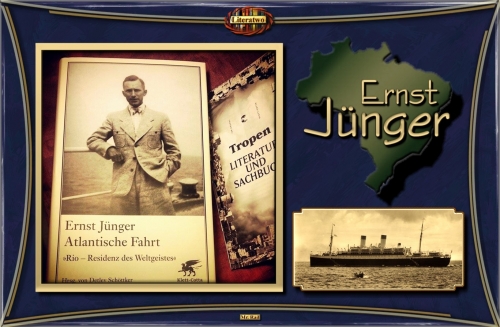
 Much of this confusion stems from the fact that National Bolshevism did not have a guiding text or any kind of magnum opus for the proliferation of a workers’ state ruled by nationalist sentiment. The closest to such a founding document is Ernst Junger’s
  Niekisch would become the greatest propagandist for National Bolshevism during the Weimar era. His short-lived journal Widerstand would publish Junger and other German writers who wanted to mix the austere radicalism of the Bolsheviks with that frontline soldier’s dedication to nation.
 Mais il existe un exemple très connu de « publicité mensongère » : la « Deutsche Bank ». Beaucoup de gens – peut-être même certains ici dans l’auditoire – pensent que c’est notre banque nationale. En raison de son nom. Cela semble presque aussi stable et fiable qu’une « horloge suisse ». Mais la « Deutsche Bank » est une banque privée ordinaire, fortement impliquée dans des projets de spéculation hyper-capitalistes de Wall Street, une institution financière mondialiste où le mot « allemand » n’est qu’une marque. Notre banque nationale est la « Bundesbank » – « banque fédérale ». Bien sûr, « Bundesbank » semble moins attrayant que « Deutsche Bank ». Mais c’est exactement l’essence de la « publicité mensongère ».
 Mais l’un sans l’autre ne fonctionnera pas à la fin. Le système de l’économie virtuelle va de pair avec le système de désintégration des sociétés. Le marché libre vient avec la société ouverte et vice versa.