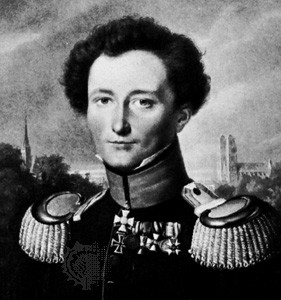
Guerra y saber político:
Clausewitz y Günter Maschke
http://nodulo.org/
Conviene, especialmente cuando suenan tambores de guerra, no malinterpretar a Carlos Clausewitz (1780-1831), y reconocer la conclusión realista del filósofo militar prusiano, que la Guerra es la expresión o la manifestación de la Política
«George Orwell advertía en una ocasión que, en las sociedades libres, para poder controlar la opinión pública es necesaria una «buena educación», que inculque la comprensión de que hay ciertas cosas que no «estaría bien decir» –ni pensar, si la educación realmente tiene éxito–.» (Noam Chomsky en Tarragona, octubre de 1998)
A José María Laso, luchador en la paz y en la guerra
1
La inminente guerra del Imperio realmente existente en el planeta, EEUU, contra Irak, y contra otros países del llamado «Eje del mal», entre los que se encuentra, según expresión de Gabriel Albiac, el «manicomio militarizado» de Corea del Norte, y que puede provocar la primera Guerra Nuclear en la que los dos contendientes utilicen efectivamente armas atómicas –aunque en la Historia contemporánea se ha estado varias veces al borde de la misma, y no solamente en la crisis de los misiles de Cuba, sino también hace unos meses en la guerra silenciada entre Pakistán y la India–, requiere que nos dispongamos a contemplarla con las mejores armas conceptuales posibles (pidiendo, a la misma vez, a Dios, a Alá, o a Yahvè, según la religión de cada uno, que «el conflicto bélico» no nos afecte individualmente).
¿Qué mejor arma conceptual, para nosotros, que delimitar lo que sea verdaderamente la «guerra» desde el punto de vista del «saber político»?
Porque las guerras no son una «maldición divina o diabólica» a pesar de que las consecuencias en las víctimas humanas, y la destrucción que provocan, así lo sea.
Las guerras pertenecen también, como nos recuerda Clausewitz, al «ámbito de la acción humana», y aunque siempre han estado envueltas en las formas artísticas de su tiempo y han sido el ámbito en el que se han realizado avances técnicos, tecnológicos y científicos de eficaz transcendentalidad –en el sentido del materialismo filosófico– innegable para las sociedades, las guerras «no pertenecen al campo de las artes y de las ciencias», y sin embargo, no son un saber sencillo, sino al contrario, «llevar una guerra» consiste en un saber de los más complejos y racionales que existen.
En las guerras se trata de «movimientos de la voluntad aplicado... a un objeto viviente y capaz de reaccionar», y por ello, subraya Günter Maschke, para Clausewitz, la guerra (también la próxima guerra contra Irak y Corea del Norte, &c., habría que añadir) es «incertidumbre, fricción y azar» que no permite una simplificación –ni por los militares, ni por los políticos e intelectuales– de los «complejos procesos» de la guerra, presentándola de tal forma «que incluso un niño podía tener el sentimiento de ser capaz de dirigir un ejército» («militärische Kinderfreunde»). Ni admite el desarme conceptual de la Filosofía ante ella, pues estaríamos renunciando a la comprensión verdadera de una de las cuestiones más cruciales del Presente histórico. ¡Ya es hora que la Filosofía no quede al margen de la Guerra, de la Idea de «guerra»!
2
El gran ensayista y pensador de lo político y la política, Günter Maschke, ha encontrado, al respecto y recientemente{1}, una solución plausible al laberinto interpretativo de lo que realmente nos quiso decir Carlos Clausewitz (1780-1831) sobre la Idea de la «Guerra» en su obra principal De la guerra, y en concreto en su relación con la «política».
Günter Maschke, después de un preciosa, y laboriosa, labor exegética de la correspondencia y demás obras, algunas inéditas, del famoso general prusiano, ha concluido, lo que muchos siempre hemos intuido, desde hace tiempo, a saber, que:
«La Guerra es la expresión o la manifestación de la Política».
Es ésta conclusión de Maschke una tesis que acerca el pensamiento de Clausewitz al «realismo político», y lo aleja, definitivamente, de los análisis bien intencionados y humanitaristas, de ciertos filósofos, intelectuales, especialistas universitarios y periodistas, que continuamente tratan de ocultarnos o silenciarnos la verdad de la geopolítica del inicio del siglo XXI en el Mundo (los que Antonio Gramsci denominó «expertos en legitimación»).
No podía ser de otra forma ya que la realidad política internacional, y nacional, es objetiva, y es la que es, independientemente de la propaganda orwelliana que realicen los «intelectuales», los «centros de educación» y los medios de comunicación.
3
La propaganda orwelliana de EEUU, y de sus «satélites» europeos –«satélites» porque no han conseguido tener una política exterior común, ni un ejército propio–, más o menos sutil, se presenta en dos frentes.
El primero es el frente de la opinión pública y consiste en conseguir que la misma adopte el consenso «políticamente correcto» de la élite intelectual.
En este caso el «consenso» significa que la guerra contra Irak es inevitable y necesaria por parte de EEUU y sus aliados (en cambio más razones tendría Irán), independientemente de saber si realmente el Irak de 2003 ha amenazado o agredido a EEUU o a Inglaterra o a Alemania o a España, o si sabemos con certeza las consecuencias sobre la población civil que tendrán los bombardeos y la invasión de los soldados de las fuerzas terrestres (bombardeos que se vienen haciendo, por lo demás, periódicamente desde 1991, y terminación «por tierra» de la guerra del golfo de 1991, sin hacer mención de la «medida política o militar» del «embargo de medicamentos, &c.»). Pueblo irakí y kurdo que, indudablemente, no se merece el régimen político de Sadam Husein (ni de Turquía), ni la ausencia de los derechos humanos elementales, inexistencia de derechos fundamentales que, lamentablemente, se suele olvidar por los que están en contra de la guerra contra Irak, salvo la honrosa excepción de Noam Chomsky, quién siempre ha defendido los derechos humanos auténticos contra cualquier organización estatal o no, sea EEUU o se trate de otro Estado.
El segundo frente de la propaganda orwelliana se presenta en el campo de las ideas del saber político. En el análisis político interesa que no se comprenda, no ya por la opinión pública, sino tampoco por parte de los dedicados a la «ciencia política», lo que significa la realidad de la guerra y la política, pues es propio de la ideología de un determinado régimen político que su «élite intelectual» posea unas herramientas conceptuales «apropiadas» para la consecución, no de la verdad, sino de los objetivos del régimen político –que suele coincidir con los objetivos de los más ricos y poderosos del régimen y sus monopolios económicos–.
Günter Maschke, en mi opinión, contribuye con su acertado análisis o comprensión verdadera del pensamiento de Clausewitz, a no convertirnos en víctimas conceptuales de este segundo frente de la propaganda orwelliana del «eje del bien» y/o del «eje del mal».
4
Los «intelectuales humanitaristas», que están afectados, del llamado por Noam, «problema de Orwell»{2}, suelen permanecer en la «ilusión necesaria» de que la política fracasa cuando se recurre a la guerra (de que la guerra es el «fin» de la política), porque han interpretado incorrectamente la famosa frase de Clausewitz:
«La guerra es un instrumento de la política/ Der Krieg ist ein Instrument der Politik»{3}
La «ilusión» de estos intelectuales de la «intelligentsia» viene de la confusión entre «instrumento» y «objetivo» de la «verdadera política». Si consideramos la guerra como un simple instrumento del «arte de la política», y la política tiene el instrumento pacífico de la diplomacia ¿no es, por tanto, un «fracaso» de la política, el recurrir al «instrumento de la guerra»?
Planteados así las premisas o los presupuestos, habría que concluir que sí; pero ocurre que las cosas no son así, es decir, que el pensamiento de Clausewitz (ni de los más importantes y coherentes «pensadores políticos», incluido Noam Chomsky) no tiene esos presupuestos que se les atribuye falsamente. Y ello debido a que la frase de Clausewitz (ni el pensamiento de los filósofos a los que me refiero) no puede sacarse del contexto de toda su obra, incluido la correspondencia, del general prusiano (y de los autores que miren «sin prejuicios» los hechos ).
Y el «objetivo» de la «política», como sabemos, es la eutaxia de su sociedad política; y para ello el objetivo no es solamente la «paz a cualquier precio», pues ello implicaría la renuncia a su «soberanía», a su «libertad» (si, en un país, todos aceptaran ser siervos o esclavos, o vivir en la miseria y sin luchar, no habría jamás violencia o «guerras»), &c., y en el límite la renuncia, de la misma sociedad política, a su «existencia» o permanencia en el tiempo de sus planes y programas –de su prólepsis política–.
Renuncia a la existencia de la misma sociedad política, puesto que, y esto se reconoce por Clausewitz y todos los autores, la «paz» como las «guerras», no son conceptos unívocos.
La «paz», y la «guerra», puede ser de muchas formas, desde la «Pax romana» a la «Paz establecida en Versalles». Además de la existencia, quizás más realista, de un «status mixtus que no es ni guerra ni paz», por ejemplo, ¿cómo calificar la situación actual entre Marruecos y España después de la «batalla» del islote Perejil? ¿O en el futuro, entre España e Inglaterra, por el asunto del peñón de Gibraltar? ¿O en el futuro, entre España y el «País Vasco» o «Catalonia» o «Galicia»? ¿De «diplomacia» o de «guerra»?
5
En realidad la guerra es la expresión o manifestación de la política, y ella –la guerra– es como «un verdadero camaleón, pues cambia de naturaleza en cada caso concreto», aparentemente creemos que se produce la «desaparición» de la política (o del Derecho Internacional) cuando «estalla la Guerra», y en verdad no es así, pues la política y la diplomacia continúa implementando sus planes y programas, ¿para qué?, para conseguir una mayor eutaxia de la sociedad política vencedora o no, en el «tiempo de paz» posterior (así consiguió EEUU su predominio en Oriente Medio después de la Guerra Mundial II).
Pues, recordemos que las guerras terminaban con los Tratados de Paz, por lo menos hasta la Guerra Mundial I. Hoy en día, parece más bien, que estemos en un permanente «estado de guerra» mundial, en el que es imposible un «Tratado de Paz» entre los contendientes. Así las cosas en el «mundo del saber político» ¿Cómo y cuando se firmará el Tratado de Paz entre EEUU y Ben Laden? ¿Y es posible tal cosa?
Bien dice G. Maschke que Clausewitz es autor de las siguientes frases que inclinan la balanza en favor del primado de lo político sobre lo militar en el tema de la «guerra»:
«la política ha engendrado la guerra», «la política es la inteligencia... y la guerra es tan sólo el instrumento, y no al revés», «la guerra es un instrumento de la política, es pues forzoso que se impregne de su carácter » político, la guerra «es solo una parte de la política... consecuentemente, carece absolutamente de autonomía», «únicamente se pone de manifiesto –la guerra– en la acción política de gobernantes y pueblos», «no puede, jamás, disociarse de la política», «pues las líneas generales de la guerra han estado siempre determinadas por los gabinetes... es decir, si queremos expresarlo técnicamente, por una autoridad exclusivamente política y no militar», o cuando dice «ninguno de los objetivos estratégicos necesarios para una guerra puede ser establecido sin un examen de las circunstancias políticas», &c.
Ahora bien, volvamos a la Guerra contra Irak, una manifestación más (en este caso de violencia extrema «policial») de la nueva «política «del «Imperio» constituido y constituyente de la también «nueva forma de la relación-capital» –el «Capitalismo como forma Imperio», según la reciente tesis del libro de Antonio Negri y M. Hardt– e intentemos «comprender» ahora, con las «armas conceptuales tradicionales» clausewitzianas, la política del bando «occidental». Entonces, EEUU, dirigido por Bush II, se nos presenta como un «nuevo Napoleón» que reuniera en su persona política la categoría de «príncipe o soberano» al ser, a los ojos del Mundo, al mismo tiempo «cabeza civil y militar» de la «civilización». Pero otorgándole que sea la cabeza militar en el planeta, ¿quién le otorga el que sea también la «cabeza civil»?{4} –Noam Chomsky es más realista al reconocer que desde el punto de las víctimas, es indiferente que el poder que los humilla y mata se llame «Imperio» o «Imperialismo». En cambio, el poder militar y civil de Sadam Husein se nos da en toda su crueldad dictatorial, apoyada –por cierto– hasta hace once años por los mismos EEUU y Occidente, que miraban, entonces, para otro lado, cuando se cometían innumerables atentados a los derechos humanos contra su propia población irakí y kurda.
6
En verdad la guerra es la expresión de la política, y en ese orden, es decir, que la política no es la manifestación de la guerra, lo cual viene a dar la razón, no solamente al realismos político de Carl Schmitt y Julien Freund, sino también a Gustavo Bueno, pues la existencia de las sociedades políticas auténticas, de los Estados o Imperios, requiere una capa cortical que se da, entre otras causas, por la acción política partidista y eutáxica.
Se consigue así que dichos intelectuales no incidan, como deseamos todos, en su lucha y defensa por una nueva política que se exprese predominantemente en diplomacia, y no en guerras de exterminio, predominantemente «exterminio de civiles».
Estos «intelectuales» y periodistas se concentran, en cambio, en la denuncia «humanitaria»{5} de los males de la guerra (males de la guerra que por más que se han denunciado en la Historia no han dejado de producirse salvo que se ha influido de manera práctica en la política), olvidándose de luchar conceptualmente, filosóficamente, por conseguir una vuelta a la verdadera política que no se exprese en guerras nucleares generalizadas o no.
Y, en cambio, la verdadera política incluye, como nos demuestra el análisis de G. Maschke, dos partes, en su expresión, la «diplomacia» y la «guerra». Y la política de una sociedad determinada no deja de ser «verdadera política» –utilizando conceptos de la «realista» filosofía política de Gustavo Bueno– cuando se manifiesta en diplomacia o en la guerra.
No se reduce la política a la paz, y a los medios pacíficos.
Otra de las causas del error habitual, hasta ahora, en la interpretación de Clausewitz, es no percatarse del origen histórico de determinadas Ideas del saber político, y viene recogida y resaltada por G. Maschke, a saber, la trascendental importancia del cambio histórico en la concepción de la guerra, con la Revolución Francesa de 1789 y Napoleón (príncipe o soberano, y no sencillamente «dictador»), ya que se pasó del «viejo arte de la guerra» de gabinete de los Estados Absolutistas, a «los grandes alineamientos engendrados por la guerras», por la Revolución.
Gustavo Bueno ha recogido también esta modificación crucial, sin hipostatizarla, con su análisis del surgimiento de la Idea de la «Nación política» o nación canónica:
«Algunos historiadores creen poder precisar más: la primera vez en que se habría utilizado la palabra nación, como una auténtica «Idea-fuerza», en sentido político, habría tenido lugar el 20 de septiembre de 1792, cuando los soldados de Kellerman, en lugar de gritar «¡Viva el Rey!», gritaron en Valmy: «¡Viva la Nación!» Y, por cierto, la nación en esta plena significación política, surge vinculada a la idea de «Patria»: los soldados de Valmy eran patriotas, frente a los aristócratas que habían huido de Francia y trataban de movilizar a potencias extranjeras contra la Revolución.» Gustavo Bueno, España frente a Europa, Alba Editorial, Barcelona 1999, página 109.
Por ello, el realismo político, y toda la filosofía política «realista» –en cuanto sabe separar la ideología y la verdad geopolítica– que incluye, en este sentido y a mi entender, a Gustavo Bueno y a Noam Chomsky, tienen que reconocer, lo que ya dijera Clausewitz:
«Que la «guerra no es otra cosa que la prosecución de la política por otros medios»
O como dice el mismo Günter Maschke: «La tesis fundamental de Clausewitz no es que la guerra constituye un instrumento de la política, opinión de los filántropos que cultivan la ciencia militar, sino que la guerra, sea instrumento o haya dejado de serlo, es la «prosecución de la política por otros medios.» Pero Clausewitz encontró una formulación aún mejor, sin percatarse de la diferencia con la precedente. Él escribe que las guerras no son otra cosa que «expresiones de la política» (tal cita proviene del estudio, todavía inédito, «Deutsche Streitkräfte», cfr. Hahlweg en la edición citada de Vom Kriege, pág. 1235), y en otro lugar, que la guerra «no es sino una expresión de la política con otros medios».» Empresas políticas, número 1, Murcia 2002, pág. 47.
7
En conclusión, es mucho más «humano» ser «realista» en el saber político, cuando se trata de Idea tan omnipresente como la «guerra», pues se evitan más «desastres humanitarios», y se consigue más auténtica libertad y justicia, cuando superamos el «problema de Orwell» y podemos contemplar la política tal como es, es decir, como la que tiene el poder real de declarar la guerra y la paz, que van configurando, a su vez, los «cuerpos de las sociedades políticas» en sus respectivas «capas corticales». Por ello la solución de G. Maschke a las ambigüedades de la obra de Clausewitz viene a contribuir al intento serio de cambiar la política para evitar las guerras. Se trata de una lucha por la verdad, en la paz y en la «guerra».
Notas
{1} «La guerra, ¿instrumento o expresión de la política? Acotaciones a Clausewitz», traducción de J. Molina, en la revista Empresas políticas (Murcia), año I, número 1 (segundo semestre de 2002).
{2} El «problema de Orwell» es el tema central de la labor de Noam como filósofo político, y consiste en la cuestión de «cómo es posible que a estas alturas sepamos tan poco sobre la realidad social» y política de los hombres(y olvidemos tan pronto las matanzas, miserias, etc. causados por el poder estatal imperialista), disponiendo, como se dispone, de todos los datos e informaciones sobre la misma. A Orwell no se le ocultó que una «nueva clase» conseguía en gran medida que los hechos «inconvenientes» para el poder político y económico, llegasen a la opinión pública «debidamente interpretados», y para ello si era preciso cambiar el Pasado, se hacía, pues se controlaba los hechos y los conceptos del Presente. La propaganda en las sociedades «libres» se consigue sutilmente, por ejemplo por el procedimiento de fomentar el debate pero dejando unos presupuestos o premisas de los mismos sin expresarse (y sin poder ser criticadas), o discutiendo por la intelligentsia, entre sí, cuestiones periféricas, dando la impresión de verdadera oposición.
{3} Clausewitz, Vom Kriege, págs. 990-998, 19 ed., Bonn 1980.
{4} La ONU, como institución internacional con «personalidad jurídica propia», ha sido «puenteada» continuamente por EEUU, cuando le ha interesado, y sus Resoluciones incumplidas sistemáticamente, siempre y cuando no sean como la 1441, que da a entender, o no –dicen otros– que se puede utilizar la «fuerza» contra el dictador irakí.
{5} ¡Como si no fuera «humano» el análisis científico y filosófico del concepto de las guerras y sus relaciones con la política, precisamente para conseguir mejores y mayor cantidad de Tratados de Paz!



 Robert Nisbet oltre l'etichetta di conservatore
 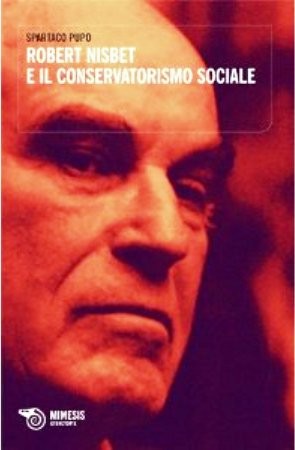 Autore di libri di culto come The Quest for Community, bibbia della primavera conservatrice a stelle e strisce dei primi anni Cinquanta, pubblicata in Italia nel 1957 dalle Edizioni di Comunità con il titolo La comunità e lo Stato, Nisbet, considerato non del tutto a ragione l’ideologo principale del reaganismo, da noi è pressochè sconosciuto, in particolare tra i più giovani. Il testo di Pupo, docente di Storia delle dottrine politiche presso l’università cosentina, colma questa lacuna e ne propone la riscoperta attraverso un’agile ma completa introduzione al pensiero politico, sottolineandone sin dal titolo l’originalità. Nisbet, infatti, ha indagato il carattere meno conosciuto del conservatorismo: la socialità, riconducibile non solo alla diffusa ricerca dell’identità e dell’autorità delle lealtà tradizionali, ma anche alle attenzioni verso gli indiscutibili benefici del welfare state e all’individuo inteso non come soggetto astratto ma come persona che nasce, vive e muore in una comunità di appartenenza. L’intuizione del sociologo californiano, ammesso che possa così definirsi un’attività di studio pluridecennale, è proprio nell’individuare nel declino delle comunità il più grande problema sociale e politico del nostro tempo e nella relativa “domanda di comunità” la risposta al malessere della società occidentale. Di qui la necessità di preservare, tra Stato e Mercato, una sfera di libertà basata su un tessuto di relazioni comunitarie, dalla scuola alla famiglia, dall’amministrazione locale alla piccola impresa economica. La moderna storia dell’occidente, a partire dalla rivoluzione industriale e dalla rivoluzione francese, altro non è – spiega Nisbet – che la storia del disfacimento delle comunità e del concomitante sviluppo di uno Stato politico che, sin dalla sua nascita, non solo riconosce come cittadini soltanto individui isolati e non più gruppi di uomini ma pretende di dirigere la vita di ogni uomo, sia nella sfera pubblica che in quella privata, indebolendo le lealtà umane fondate sulla fede, sul lavoro, sulla parentela, sull’etnia, sul luogo, sull’interesse condiviso e sul volontariato. Così facendo – ne conclude il sociologo – viene meno quella saldatura sociale che è stata la vera protagonista della crescita dell’America e degli altri paesi occidentali. Perché non è stato l’individuo solitario ma i gruppi di individui, ossia le comunità, le famiglie, i parentadi, i villaggi, le associazioni di volontariato, a realizzare scuole, strade, chiese, imprese comuni, istituzioni, regioni e nazioni. Quando politica ed economia recidono il legame individuo-società, l’individuo rischia di perdere, con il senso responsabilità verso l’altro, la sua stessa libertà. La libertà autentica, per Nisbet, è invece quella che nasce spontaneamente nella società pluralistica, dove una varietà di gruppi sociali intermedi tra l’individuo e lo Stato detiene ruoli, funzioni e responsabilità reali e autonomie sufficienti ad offrire al singolo individuo un senso di protezione, finalità, identità, appartenenza. Tutto ciò al fine di evitare che uomini nominalmente liberi diventino spiritualmente sterili, emozionalmente vuoti e sempre più soli, oltre che vulnerabili ai richiami di uno Stato non più comunità di comunità ma paternalistico, onnicomprensivo e autoritario. Critica che Nisbet, però, rivolge anche al liberalismo e a chi riteneva (e ritiene) che l’unica alternativa a a statalismo e dirigismo potesse essere rappresentata da un mercato sempre più incontrollato, un mercato che “deresponsabilizzando” l’individuo, finisce per renderlo schiavo delle grandi istituzioni politiche ed economiche contemporanee.
 del.icio.us
 Digg
Digg Facebook
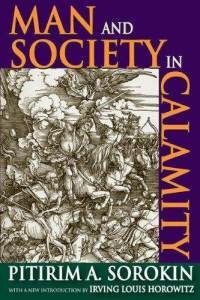 Sorokin was especially interested in the process by which societies change cultural orientations. He opposed the view, held by communists, that social change must be imposed externally, such as by a revolution. His principle of imminent change states that external forces are not necessary: societies change because it is in their nature to change. Although sensate or ideational tendencies may dominate at any given time, every culture contains both mentalities in a tension of opposites. When one mentality becomes stretched too far, it sets in motion compensatory transformative forces.
 La crisi finanziaria che è scoppiata negli Stati Uniti e che dopo ha coinvolto tutto il mondo, richiede adeguate misure da parte della comunità globale. Ma quali azioni dovrebbero essere considerate adeguate in questo caso?
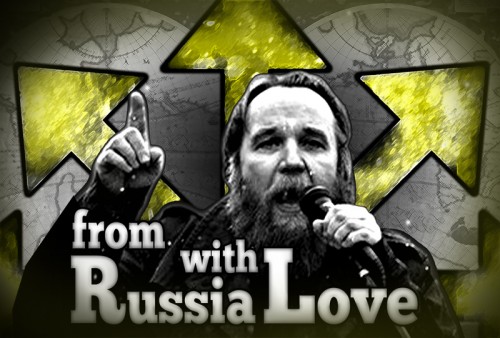
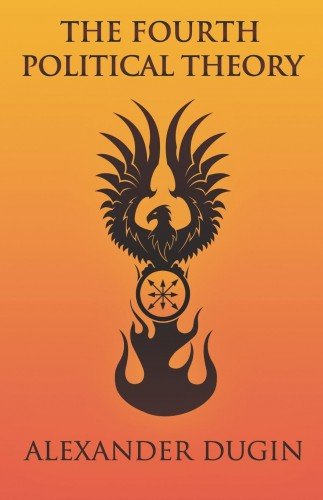 Despite past attempts by the Second and Third Theories to claim the crown of modernity, Dugin believes that Liberalism has triumphed here and has managed to irrevocably present itself as the only truly “modern” way. It has also succeeded in presenting itself as the “natural order,” rather than a mere ideology.
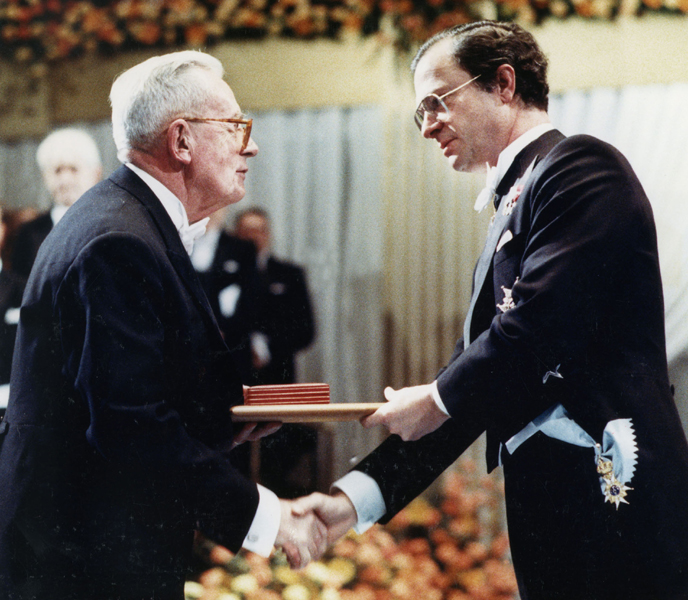
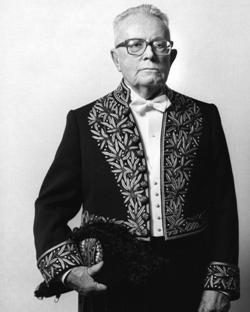
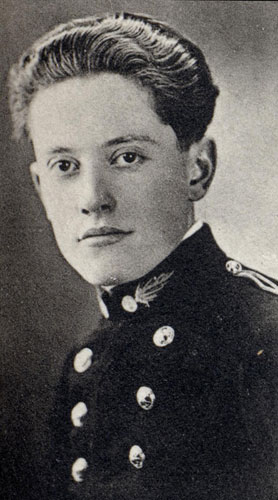 C’était le seul prix Nobel d’économie français. Né le 31 mai 1911, il part aux États-Unis dès sa sortie (major X31) de Polytechnique en 1933 pour étudier in situ la Grande Dépression qui a suivi la Crise de 1929. Ironie de l’histoire, il a ainsi pu réaliser une sorte de “jonction” entre les deux Crises majeures du siècle. Son analyse, percutante et dérangeante, n’a malheureusement pas été entendue faute de relais.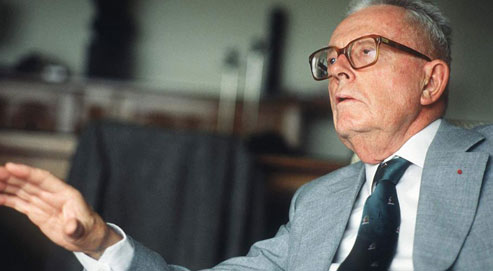
 « Cette doctrine [la « chienlit mondialiste laissez-fairiste »] a été littéralement imposée aux gouvernements américains successifs, puis au monde entier, par les multinationales américaines, et à leur suite par les multinationales dans toutes les parties du monde, qui en fait détiennent partout en raison de leur considérable pouvoir financier et par personnes interposées la plus grande partie du pouvoir politique. La mondialisation, on ne saurait trop le souligner,


 Wem würde die geneigte Leserschaft die Beantwortung von Fragen zur Einschätzung historischer Abläufe gerne anvertrauen? Politikern? Solchen rechter Ausrichtung? Oder linker? Oder Geistlichen? Christlicher, muslimischer, jüdischer, hinduistischer oder anderer Herkunft? Oder Europäern? Oder lieber Asiaten oder Afrikanern? Deutschen oder Franzosen, Rumänen oder Portugiesen? Senegalesen oder Kongolesen, Marokkanern oder Südafrikanern? Palästinensern oder Israeli? Wahabbiten, Schiiten oder der Nato? China oder Russland? – Oder? Vielleicht doch eher der Sache und nur der Sache, also den Quellen verpflichteten Historikern, die offen sind für neue Befunde, polyperspektivisch und quellen- und ideologiekritisch vorgehen, also Interessen hinter Sachverhalten aufspüren und offenlegen – dem humanistischen und aufklärerischen Ethos verbundenen Wissenschaftern?
 thk. Le 23 mars, Alfred de Zayas a été désigné, par le Conseil des droits de l’homme, comme expert indépendant auprès de l’ONU pour la promotion d’un ordre international démocratique et équitable. Il est le premier à avoir le droit d’assumer ce mandat créé en septembre 2011, pour pouvoir agir dans le domaine de la démocratisation de l’ONU et au sein des Etats nationaux unis en elle. Il est entré en fonction le 1er mai 2012. Déjà lors de la session d’automne 2012 du Conseil des droits de l’homme, Alfred de Zayas a présenté son premier rapport et a obtenu une large approbation. L’expert indépendant, qui présente une longue carrière à l’ONU, n’était pas venu tout à fait de manière inattendue à cette fonction, comme il le dit lui-même, car il s’est occupé depuis très longtemps de la question de l’organisation d’une vraie démocratie, c’est-à-dire de la démocratie directe, comme elle existe en Suisse. Avec son mandat, Alfred de Zayas souhaite s’engager pour la paix et l’égalité des peuples. «Horizons et débats» a interviewé Alfred de Zayas à l’ONU à Genève.




 thk. Professor Dr. iur. et phil. Alfred de Zayas wurde am 23. März zum Unabhängigen Experten bei der Uno zur Förderung einer demokratischen und gleichberechtigten Weltordnung vom Menschenrechtsrat ernannt. Er ist der erste, der dieses neu geschaffene Mandat übernehmen durfte, um so im Bereich der Demokratisierung der Uno und der in ihr vereinten Nationalstaaten wirken zu können. Bereits in der Herbstsession des Uno-Menschenrechtsrates hat Alfred de Zayas seinen ersten Bericht vorgelegt und ist dabei auf grosse Zustimmung gestossen. Der Unabhängige Experte, der eine lange Karriere an der Uno aufweist, war, wie er selbst sagte, nicht ganz unerwartet zu diesem Amt gekommen, da er sich schon sehr lange mit der Frage der Ausgestaltung echter, das heisst direkter Demokratie, wie sie in der Schweiz existiert, beschäftigt hat. Mit seinem Mandat möchte sich Alfred de Zayas für den Frieden und die Gleichwertigkeit der Völker einsetzen. Zeit-Fragen hat Professor de Zayas an der Uno in Genf getroffen.
par Guillaume de ROUVILLE
Ex: http://mediabenews.wordpress.com/