Il s’agit d’une version adaptée à la publication écrite.Cette allocution a été donnée, de façon sensiblement modifiée, le vendredi 21 août de 21h à 22h lors de l’université d’été d’Academia Christiana à Sées.
Les références à l’Encyclique Papale Laudato Si’ qui complètent le propos sont indiquées entre crochets.
L’intervention de ce soir tournera autour du thème suivant : Résister au capitalisme dans un système capitaliste ou les alternatives au capitalisme dans un système capitaliste.
Deux façons d’aborder le sujet suivant, à savoir comment sortir de la matrice : on parlera plutôt d’opposition dynamique que d’alternative. Résister et opposer me semblent être les termes adéquats.
Sur le groupe Facebook, sous le visuel de présentation il est écrit : « Consommation, individualisme, déracinement, peut-on guérir notre société de ces maux ? Peut-on échapper à ces phénomènes ? » Je vais effectivement donner des pistes.
Débutons par un cadrage rapide. La France est un système hybride entre étatisme et capitalisme, notre propos doit donc prendre place dans le cadre national, quand bien même nous sommes dans une société marquée par la mondialisation. Mais on ne peut pas aborder en France une « résistance au capitalisme » sans aborder la résistance à l’Etat.
Si l’omnipotence de l’Etat est pour beaucoup de « libéraux » le signe que la France n’est pas vraiment un pays libéral au sens où eux l’entendent : c’est à dire la liberté complète en matière économique, qui effectivement n’existe pas en France pour la majorité des citoyens, c’est en revanche l’Etat qui a permis au capitalisme de devenir dans notre pays un fait anthropologique total. L’Etat en France, c’est en grande partie l’administration et la bureaucratie. Exemple simple : c’est l’Etat qui a contribué au développement de l’agriculture productiviste, donc de l’industrie-agro-alimentaire, donc des grandes surfaces, donc des zones commerciales, donc de la mort de la paysannerie traditionnelle et des commerces de proximité, de la sociabilité locale au profit de territoires entièrement dédiés à la consommation (et de la vente des centres villes aux enseignes comme H&M, Zara, Starbucks, Subway, Carrefour contact, etc…). Cette consommation entraîne d’importantes mobilités, et ces mobilités sont donc un élément du déracinement et de l’atomisation des rapports sociaux (via la voiture individuelle).
 Par cet exemple simple, on comprend mieux le lien entre consommation, déracinement et individualisme. On comprend mieux aussi pourquoi on parlera de « fait anthropologique total ». Le rapport à l’Etat a aussi pour conséquence de renforcer l’individualisme : puisque l’État papa ou l’État maman est là (c.a.d : la version rassurante ou répressive de l’Etat), alors quel intérêt d’entretenir des liens de solidarité ? Nous sommes « seuls ensembles ». On devient un « sujet de l’Etat » et finalement tout le monde accepte tacitement le contrat : payer ses impôts pour avoir des « droits à » mais aussi le « droit de ». La loi prend la place de la coutume (locale) ou de la décence commune (pour replacer direct du Michéa).
Le Leviathan étatique permet l’intégration de la quasi totalité de la population, d’une manière ou d’une autre, au système capitaliste : par la formation (école), par l’aménagement du territoire (routes, permis de construire, grands travaux, etc…), par la culture qui est diffusée (télé, théatre, pub, …), par (tout simplement) les modes de vie, par la consommation (on peut consommer grâce aux aides sociales) [Encyclique Laudato Si’ – VI – 203]. Personne n’échappe réellement à la matrice et l’Etat doit vérifier que rien n’échappe à la matrice. Mais cela n’est pas étonnant, puisque tout pays capitaliste a besoin de l’Etat, au moins pour deux institutions : l’armée et la police. L’armée qui sécurise l’approvisionnement, et la police qui protège la propriété privée et les appareils de production. Mais l’armée et la police ont aussi pour fonction de protéger les citoyens et donc de déplacer le rapport de force des communautés humaines vers les Etats (c’est à dire que les peuples n’entrent plus en confrontation que si l’Etat le décide).
Par conséquent, je disais dès le début que résister au capitalisme c’était résister à l’Etat, mais résister à l’Etat c’est se mettre hors la loi. C’est donc la quadrature du cercle, comment résister au capitalisme de façon légale ? A la lumière de mon introduction, on pourrait s’imaginer que c’est contradictoire. En réalité, sauf sur quelques éléments, il est possible de se soustraire légalement à l’Etat sur un certain nombre de domaines, d’utiliser une partie du système contre lui. Toute sortie intégrale d’un quelconque système que ce soit est de toute façon chimérique. Citons en ce sens Serge Latouche : « Si la rigueur théorique exclut les compromissions de la pensée, le réalisme politique suppose des compromis pour l’action ». Même les moines ont besoin des touristes qui achètent leurs bières ou leurs confitures… car l’échange, même commercial, n’est pas forcément la recherche de l’enrichissement. Partons des moines pour poser notre plan : 1) comme le moine résister c’est donc d’une part une démarche individuelle (retourner le système c’est sûrement retourner l’individu contre l’individualisme), 2) résister au capitalisme c’est constituer une communauté sur des valeurs et d’une identité communes, 3) comme le moine, résister au capitalisme, c’est s’approprier un lieu, un territoire
1) Résister c’est agir soi-même
Démarrons par un extrait de Dominique Venner : « Etre un insoumis ne consiste pas à collectionner des livres impies, à rêver de complots fantasmagoriques ou de maquis dans les Carpates. Cela signifie être à soi-même sa propre norme par fidélité à une norme supérieure. »
Résister au capitalisme partira toujours d’une démarche individuelle. C’est bien l’intérêt d’une formation comme Academia Christiana, faire germer en chacun de vous un questionnement sur ce sujet pour qu’ensuite vous puissiez agir: seul, avec les autres et sur un territoire souvent en consommant différemment.
Être sa propre norme par fidélité à une norme supérieure, dans un contexte chrétien, cette « norme supérieure » est évidemment religieuse et biblique.
Retenons simplement ce passage de l’Evangile selon Saint Matthieu au Chapitre VI verset 24: « Nul ne peut servir deux maîtres : car ou il haïra l’un et aimera l’autre, ou il s’attachera à l’un et méprisera l’autre. Vous ne pouvez servir Dieu et la Richesse. » (Mammon) [Encyclique Laudato Si’ – VI – 217]
Pour résister au capitalisme il faut donc adopter une éthique. Éthique de la responsabilité, éthique de la limite. Il faut être responsable dans l’actionet accepter la limite. Pour les chrétiens, comme pour la philosophie païenne greco-romaine, la limite est liée au divin, qu’il soit sous sa forme païenne ou sous sa forme chrétienne. On songera bien sur à l’orgueil. Chez les Grecs, l’hybris est suivi de la colère des dieux (c’est ainsi qu’Herodote explique la défaite des Perses du roi Xerxès). Dans le christianisme, l’orgueil sera rangé au rang des péchés. Mais dans une société où « Dieu est mort » pour reprendre Nietzsche, il n’y a plus de limite. Dans la religion du progrès, qui ne se limite pas au capitalisme mais aussi à certaines formes de socialisme, marquée par l’économisme et le fétichisme de la croissance, l’objectif est de toujours « repousser les limites ».
La première étape de la résistance au capitalisme et ses corollaires consiste donc à adopter cette double éthique de la responsabilité et de la limite et à décoloniser son imaginaire (lire le papier de Serge Latouche dans le dernier numéro de La Décroissance). Cette décolonisation de l’imaginaire est une étape essentielle. Pour un catholique, la Bible devrait être un moyen de décoloniser l’imaginaire de la société capitaliste marquée par le matérialisme, l’accumulation et la soif d’enrichissement. Il ne faut pas accorder d’intérêt à tout ce qui nous pousse à consommer. Il faut résister à la séduction publicitaire (à la tentation). Il faut sans cesse se questionner : est-ce responsable ? Est-ce juste ? Est-ce bon ? Il n’y a pas de résistance au capitalisme sans recul sur le monde et la société et donc une prise de distance avec ces normes. La réussite, est-ce être un homme riche ou est-ce être un homme juste et bon ?
 Autre élément qu’on pourrait citer dans la décolonisation de l’imaginaire : le rapport au temps. Une des mutations anthropologique majeure induite par le progrès technique, c’est le changement de notre rapport au temps. On ne peut aller plus vite que le cheval que depuis la fin du XIXeme siècle. La « société de la vitesse » a donc émergée et aucun régime, y compris les régimes qui voulaient lutter contre l’homme libéral, n’a été contre la société de la vitesse. Il est nécessaire qu’il y ait une part prométhéenne mais on n’en maîtrise pas toujours les conséquences. La vitesse, si elle a contribué à la « grandeur des nations », a aussi favorisé une philosophie puis une pratique néo-nomadiste. Le déplacement fait parti de notre façon d’habiter le territoire. J’y reviendrai en troisième partie. Il faudrait donc repenser notre rapport au temps, prendre le temps, faire moins de « choses » mais mieux : la « philosophie de l’escargot » des décroissants.
Une fois qu’on a entrepris cette démarche, elle peut se retranscrire dans un certain nombre de gestes quotidiens, qu’ils soient marchands ou non marchands. Dans les gestes marchands il y aura évidemment ce que nous achetons et ce que nous n’achetons pas. 1 euro qui ne part pas dans la matrice ou 1 euro qui part à soutenir un projet économique alternatif et c’est 1 euro que l’on retire du circuit économique classique. Il faudra donc viser peu à peu la désertion des grandes surfaces, le refus d’acheter certains produits (huile de palme, en raison des conditions de production, le propriétaire de telle ou telle entreprise comme Monsanto ou Coca-Cola) [Encyclique Laudato Si’ – VI – 208]. Dans les gestes non marchands, il y a tout ce qu’on peut faire au quotidien chez soi : par exemple utiliser des outils non électriques dans certaines tâches, se déplacer à pied ou à velo. [Encyclique Laudato Si’ – VI 211]. Prendre le temps pour écrire des lettres ou pour lire : la lecture demeure une activité de résistance au capitalisme (encore faut-il bien choisir ce qu’on lit et donc ne pas être sensible aux phénomènes de mode). Plus de télé (aliénation). Tendre vers la frugalité volontaire. « Un homme heureux consomme peu. » S. Latouche [Encyclique Laudato Si’ – VI – 204 et VI – 223]
Continuer d’acheter des revues et journaux papier, aller pour certains ouvrages dans des librairies indépendantes (donc pas la FNAC). Aller chez les bouquinistes. Et c’est possible aussi dans d’autres domaines comme la musique ou l’habillement. Il est possible d’aller chez les revendeurs ou les friperies (exemple : Oxfam). Privilégier la réutilisation, le rapiéçage, la revente ou le don, à l’achat dans des magasins. Selon l’ADEME chaque habitant se débarrasse de 17 kilos de textile par an dont 9 kilos de vêtements. Agir en refusant de contribuer à la société du jetable, c’est forcément passer par des petits commerces (le bouquiniste, le cordonnier, la mercerie, …). Possibilité également d’acheter dans des magasins de qualité et français comme 1083 pour les jeans ou les chaussures.
Là aussi, paradoxalement, accepter dans un premier temps ses limites : vous ne pourrez pas tout faire, tout de suite, et dans certains domaines ce sera plus compliqué que dans d’autres pour x raisons. Vous serez par exemple confrontés à des réalités financières, il est possible de se nourrir bien pour pas trop cher, mais il est difficile de s’habiller bien pour pas trop cher. Par ailleurs la problématique de l’habillement nous renvoie à un autre élément qui moi me paraît central dans la société actuelle : les gens sont souvent mal habillés, la culture « sportswear » y est extrêmement développée. Là aussi c’est un signe de l’influence de la société capitaliste : le bougisme, la culture urbaine moderne, encouragent à se vêtir avec des chaussures de sport ou des vêtements de sport. Mais cela contribue souvent à l’enlaidissement et à la vulgarité de la foule. (voir un ouvrier avant et après). S’habiller correctement en ville, c’est une façon de ne pas succomber à la médiocrité et à la facilité ambiante. C’est la « tenue » chère à Dominique Venner. C’est aussi l’esthétique.
En définitive comme le dit André Gorz : « la critique de la croissance n’a de sens, et de portée révolutionnaire, qu’en référence à un changement social total. »
A l’issue de cette première partie, nous aurons vu la quasi totalité des 8 R de Serge Latouche: réévaluer, reconceptualiser, réduire, réutiliser et recycler. Il nous resterai restructurer, redistribuer et relocaliser à traiter.
2) Résister c’est agir avec les autres
Restructurer et redistribuer c’est agir avec les autres. C’est adopter de nouvelles façons d’organiser la vie sociale et économique. Zentropa a publié un article intitulé « la communauté ou le cauchemar du système ». La communauté, ce n’est pas le communautarisme. La communauté c’est l’affirmation des liens qui unissent des individus, qui favorisent l’entraide et la coopération dans une perspective d’autonomie. L’entraide est un facteur d’évolution chez Kropotkine, par opposition au darwinisme social de la loi du plus fort. La foi par exemple, ne peut pas simplement se vivre seul, elle se vit aussi dans la messe. Qu’est-ce que l’Eglise si ce n’est l’Ecclesia grecque, l’assemblée. Même le moine (du grec monos, seul), vit dans une « communauté monastique ». Ce n’est ni un ermite, ni un anachorète. Dans l’histoire du christianisme, la communauté a été prépondérante et la force de la communauté d’autant plus. Lors des persécutions, la force de la communauté a empêché l’empire romain de vaincre le christianisme. [Encyclique Laudato Si’ – VI – 219]. Aujourd’hui, pour résister à l’empire de la marchandise il faut agir en communauté. Le troc, le don, les systèmes associatifs (AMAP), les coopératives, les SEL (systèmes d’échanges locaux), les monnaies locales, les microcrédits, le prêt au sein de la communauté, l’autogestion, etc… Le Mouvement d’Action Sociale est un exemple de réponse.
Cela nous réapprend l’organisation collective, le partage, la confiance, etc… Il faut monter des ateliers : cuisine, couture, jardinage, lecture, … tout ce qui favorise le partage, la mutualisation. Il est important de prendre le temps de cuisiner, de partager un repas, sans avoir la télé qui hurle dans le salon. Faire des activités sportives ensemble: la marche, l’auto-défense. (on ne fait pas du sport simplement pour faire du sport, mais aussi pour être ensemble). Vous pouvez inventer vos propres formes de communauté. La communauté est également la garantie de maintenir vivante la norme (à laquelle sont attachés des valeurs et des principes) et de pouvoir trouver un « refuge » en cas de doute. On peut faire part de ses doutes à sa communauté. C’est aussi la nourrir, la réorienter, l’approfondir.

Il est nécessaire de pouvoir exclure du groupe, et sanctionner (et non de punir, la sanction est éducative, pas la punition), la communauté a des règles, elle «pose le « NON ». Dans la société individualiste, c’est l’absence de règle qui devient la norme. D’où l’inversion des valeurs. L’argent permet de tout s’acheter, de tout transgresser, d’échapper à la loi, etc… La première communauté à faire vivre : c’est le couple, première sphère d’entraide, de coopération d’échange, de complémentarité, de prise de décision collective.
Il ne s’agit pas ici d’une utopie (du grec u-topos qui signifie absence de lieu) mais bien au contraire de la mise en place de quelque chose de concret, de réel, de palpable, de sensible… la communauté est-elle même un « lieu », elle a en tout cas la capacité à s’inscrire et à sa manifester dans des lieux, sur un territoire.
3) Résister c’est agir sur un territoire
Tous les actes de la vie se déroulent dans des lieux : logement, travail, école, commerce, … Fréquenter d’autres lieux, c’est aussi résister aux « lieux du Capital ». Le choix de son logement, de son travail, de l’école de ses enfants, de là où on consomme, de là où on voyage, tout cela a une importance. Privilégier la densité du bâti à l’étalement urbain, le microfermage, l’agroforesterie, le bocage, la permaculture, etc… à l’openfield. C’est ce qu’on lit dans l’AT : « Malheur à ceux qui ajoutent maison à maison, Et qui joignent champ à champ, Jusqu’à ce qu’il n’y ait plus d’espace, Et qu’ils habitent seuls au milieu du pays » (Isaïe 5,8)
La communauté devra s’enraciner sur un territoire dans lequel elle agit. La communauté aura donc d’autant plus de pertinence qu’elle peut agir localement. D’une façon générale le localisme est une façon de rompre peu à peu avec la matrice. La maîtrise de son propre territoire est fondamentale. Dans l’idéal il faudrait en connaître la faune ou la flore. Il faut donc se réapproprier le territoire par la marche (ou le vélo).
Paradoxalement l’urbain maîtrise mieux son territoire que le néo-rural. Le territoire c’est l’enracinement (qui peut être incomplet / imparfait). S’enraciner, ce qui suppose donc un territoire, ce n’est pas refuser les mobilités, c’est se questionner sur la pertinence de nos mobilités et sur la façon donc nous nous déplaçons sur le territoire. Bien évidemment on adoptera pas la même « stratégie » si on est au centre-ville d’une métropole ou dans un petit village de la Creuse. Mais il y a pour tous les types de territoire des façons d’agir et des questionnements à avoir. L’Église elle même a constitué un maillage territorial au sein duquel elle agit.
Dans l’histoire, toutes les communautés se sont appropriées un territoire. Au sein d’un territoire il est plus simple de définir des rôles, complémentaires. Chaque personne peut exprimer ses talents sur le territoire et trouver une place au sein de la communauté. On ne définit pas arbitrairement des rôles, on les définit en fonction des besoins, ou on agit en fonction des talents comme c’est le cas dans un réseau. Ce territoire n’est pas une forteresse bastionnée mais peut être un camp de base, un centre, un point de ralliement et un lieu à partir duquel on s’ouvre au monde. Par définition le territoire est marqué par la limite : il est délimité, et il est possible pour la communauté de définir, sur le plan géographique, ce qui peut ou non passer la limite. Par exemple, le touriste, parfois mal vu par l’autochtone, qui « transgresse son territoire quotidien ».
Transgression des distances, des limites : on ne s’en rend même plus compte. On assiste à un retour au réel dans les banlieues : ces zones de non-droit sont en réalité des zones d’un autre-droit ce qui démontre l’importance du territoire. Quels sont nos espaces d’autonomie ? Où sont nos Républiques autonomes? Où est la souveraineté populaire ? C’est ce qu’on retrouve au sein des ZAD ou au sein des BAD, quant elles ne sont pas abordées sous l’angle du survivalisme anglo-saxon du seul contre tous, mais comme précisément une BASE, AUTONOME et DURABLE. Plutôt que durable, je préférerai le terme de « collective ». Ne cherchez pas plus loin la force du capitalisme, celle des gauchistes ou des « jeunes de banlieue »: c’est leur capacité à s’approprier le territoire qui fait leur force. Les premiers par les rapports de prédation marchande et de spéculation, les deuxièmes par des alternatives et les derniers par le contrôle social, l’économie souterraine et la violence (qui peut trouver une explication sur le plan anthropologique).
Conclusion :
1a) Décoloniser son imaginaire, éthique de la responsabilité et de la limite
1b) Modifier ses habitudes quotidiennes (dé-consommation, frugalité volontaire)
1c) Faire attention à sa Tenue et à l’esthétique (image)
2a) Agir avec les autres (entraide, coopération)
2b) Monter et soutenir des projets collectifs (autonomie)
2c) Savoir dire NON (limite)
3a) Fréquenter d’autres lieux
3b) Agir sur un territoire (localisme, enracinement)
3c) Constituer des lieux et s’approprier un territoire (ZAD, BAD)
Jean / C.N.C.
Note du C.N.C.: Toute reproduction éventuelle de ce contenu doit mentionner la source.
Première publication sur academiachristiana.wordpress.com

Bibliographie indicative:
Ouvrages :
ALLEMAND, Sylvain, ARSCHER François, LEVY Jacques, Les Sens du mouvement. Modernité et mobilités, Paris, Belin, 2005
BAUDRILLARD, Jean, La société de consommation, Paris, Denoël, 1970
CHEYNET, Vincent, Décroissance ou décadence, Vierzon, Editions « le pas de côté », 2014
COLLECTIF OFFENSIVE, Divertir pour dominer, La culture de masse contre les peuples, Montreuil, Éditions l’Échappée, 2010
DARDEL, Eric, L’homme et la Terre, Nature de la réalité géographique, Paris, Éditions CTHS, 1990
DEBRY, Jean-Luc, Le cauchemar pavillonnaire, Montreuil, L’Echappée, 2012
ELLUL, Jacques, Anarchie et christianisme, Paris, Editions de la Table Ronde, réed. 1998
ELLUL, Jacques, Le Système technicien, Cherche midi, réed. 2012
TRUILHE, Mathilde, GIBELIN, Fanny, Tour d’Europe, 6000 kilomètres à pied, Les Amis du Livre Européen, 2015
LATOUCHE, Serge, L’âge des limites, Mille et une Nuit, 2012
LATOUCHE, Serge, Le pari de la décroissance, Paris, Fayard Pluriel, réed. 2010
LUSSAULT, Michel, De la lutte des classes à la lutte des places, Paris, Grasset, 2009
LUSSAULT, Michel, L’homme spatial, Paris, Seuil, 2007
MAUSS, Marcel, Essai sur le don, Paris, PUF, réed. 2008
MICHEA, Jean-Claude, La double pensée, retour sur la question libérale, Paris, Flammarion, 2008
NAESS, Arne, Ecologie, communauté et style de vie, trad. Charles Ruelle, Paris, Editions MF, 2009
OZON, Laurent, France, les années décisives, BIOS, 2014
PAPE FRANCOIS, Loué sois-tu, Lettre encyclique Laudato Si’ sur la maison commune, Éditions Artège, 2015
TURKLE, Sherry, Seuls ensembles, De plus en plus de technologies de moins en moins de relations humaines, L’Echappée, Montreuil, 2015
VENNER, Dominique, Un Samouraï d’occident : Le bréviaire d’un insoumis, PGDR, 2013
WEIL, Simone, L’enracinement, Paris, Gallimard, réed. 2011
Articles :
LATOUCHE, Serge, LE CARBONEL, Guillaume, NAUDIN, Arnaud, « Serge Latouche : « la décroissance n’a pas à se situer sur l’échiquier politique », fr.novopress.info, 2014
LATOUCHE, Serge, « Pourquoi la décroissance implique de sortir de l’économie », La Décroissance n°121, juillet/août 2015
LE CARBONEL, Guillaume, « La décroissance pour les nuls », cerclenonconforme.hautetfort.com, 2015
LE CARBONEL, Guillaume, « Ecologie politique et combats locaux », cerclenonconforme.hautetfort.com, 2014
FELTIN-TRACOL, Georges, « Villes – banlieues, un constat accablant », europemaxima.com, 2012
Franck, « Chronique de livre : Fanny Truilhé et Mathilde Gibelin, Tour d’Europe », cerclenonconforme.hautetfort.com, 2015
GRIMAL (de), Frédéric, « Coca-Cola:entre boycott et alternatives locales », cerclenonconforme.hautetfort.com, 2014
MARTIN, Aristide, « Chronique de livre: Eric Dardel et l’homme et la Terre », cerclenonconforme.hautetfort.com, 2014
NAUDIN, Arnaud, « Chronique de livre : Thierry Paquot, désastres urbains », cerclenonconforme.hautetfort.com, 2015
Rüdiger, « Une sortie au Centre commercial », cerclenonconforme.hautetfort.com, 2012
Rüdiger, « Les vacances dont tu ne veux pas … », cerclenonconforme.hautetfort.com, 2015
Rüdiger et Ann, « Et toi, tu passes ta vie dans les bouchons », cerclenonconforme.hautetfort.com, 2013
Rüdiger et Ann, « Le goût de rien, où comment l’homme se perd », cerclenonconforme.hautetfort.com, 2014
Rüdiger et Ann, « Notre Sainte bagnole », cerclenonconforme.hautetfort.com, 2015
TERROIR, Jean, « Chronique de livre: Jean-Luc Debry, le cauchemar pavillonaire », cerclenonconforme.hautetfort.com, 2015
TERROIR, Jean, « La France du localisme. », cerclenonconforme.hautetfort.com, 2015
TERROIR, Jean, « Chronique de livre: Christophe Guilluy, La France périphérique, comment on a sacrifié les classes populaires », cerclenonconforme.hautetfort.com, 2014
TERROIR, Jean, « Chronique de livre: Laurent Ozon, France les années décisives », cerclenonconforme.hautetfort.com, 2014
TERROIR, Jean, « Chronique de livre: Vincent Cheynet, Décroissance ou décadence », cerclenonconforme.hautetfort.com, 2014
TERROIR, Jean, « Chronique de livre : Anarchie et Christianisme », cerclenonconforme.hautetfort.com, 2013
ZENTROPA, « La communauté ou le cauchemar du système », zentropa.tumblr.com, 2012




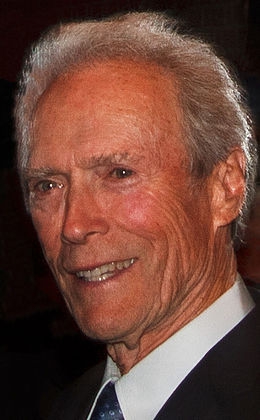 Face à Clinton donc, mais face aussi aux caciques du parti républicain qui l’ont attaqué à chaque prétendu dérapage, Paul Ryan et John McCain en tête, alors qu’il était désavoué par les Bush et combattu par les néo-conservateurs, et que même Schwarzenegger s’est dégonflé, ne bénéficiant dès lors que du soutien explicite de Clint Eastwood et de Steven Seagal, et du soutien implicite des Stallone, Willis, Norris et autres acteurs des films d’action, il a vaincu. Il a remporté les primaires, humiliant les Kasich et les Jeb Bush. Il a su obtenir le ralliement de Ted Cruz, son adversaire le plus déterminé mais qui, une fois vaincu, s’est montré ensuite d’un soutien sans faille. Il a su conserver le soutien aussi de Priebus, le président du parti républicain, face aux manœuvres des Romney et Ryan qui voulaient au mépris du vote des citoyens le renverser.
 del.icio.us
 Digg
Digg Facebook






 Hillary is the tool, enriched by the Oligarchy, whose job as President was to protect and to increase the trillion dollar budget of the military/security complex. With Hillary in the White House, the looting of the American taxpayers in behalf of the wealth of the One Percent could go forward unimpeded. But if Trump resolves “the Russian threat,” the Oligarchy takes an income hit.




 Manent se garde bien de postuler une ontologie du musulman, comme il l’écrit : « il ne s’agit pas de postuler une essence immuable de l’islam, seulement de reconnaître son existence et pour ainsi dire sa consistance (…). Notre régime politique et nos mœurs nous incitent à ramener les masses spirituelles aux individus qui les composent, mais enfin, aussi désireux que nous soyons de ne voir partout que des sujets titulaires de droits et des individus cherchant leur intérêt, nous nous heurtons à quelques grands faits collectifs qui sont déterminants pour la vie du monde. Nous nous y heurtons chaque jour davantage. Qui a peur du scandale trébuchera sur la pierre du scandale »[3]. Par ailleurs, il constate avec raison la négligence des gouvernants quant aux masses spirituelles, aveuglés qu’ils sont par l’individualisme libéral-libertaire du toujours plus de droits. Toutefois, sa réponse ne nous paraît pas souhaitable. Si nous sommes d’accord pour dire que les humiliations sont vexatoires et inutiles, autoriser les menus confessionnels, les horaires réservés et autres « accommodements raisonnables » comme on dit dans la Belle Province revient à rompre de fait l’égalité républicaine (rien à voir avec l’égalitarisme socialiste). Le groupe social musulman est composé de citoyens égaux en dignité et en droits aux autres. Il n’a pas a bénéficier de règlements spécifiques. D’une part, la population musulmane en métropole n’en a jamais eu besoin avant la lâcheté de Jospin en 1989, quand ce dernier s’est défaussé devant l’entrisme intégriste à Creil, et d’autre part, étant de peuplement récent en France (majoritairement arrivée à partir du regroupement familial dans les années 1970), elle doit s’adapter au pays qui l’accueille et dont elle a choisi de prendre la nationalité.

 Trump peut déjà être crédité d’un immense succès : sa campagne a contraint les médias dominants étasuniens à montrer leur vrai visage – le visage d’une machine de propagande mauvaise, menteuse et moralement corrompue. Par son vote, le peuple américain a récompensé ses médias avec un gigantesque «Allez vous faire foutre !», un vote de défiance et de rejet total, qui détruira à jamais la crédibilité de la machine de propagande de l’Empire.


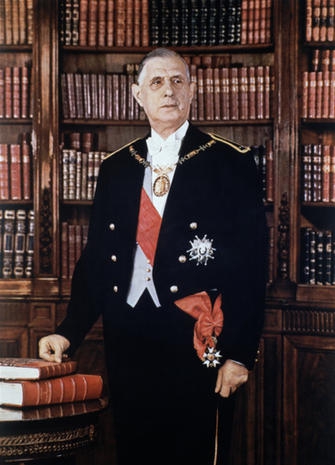

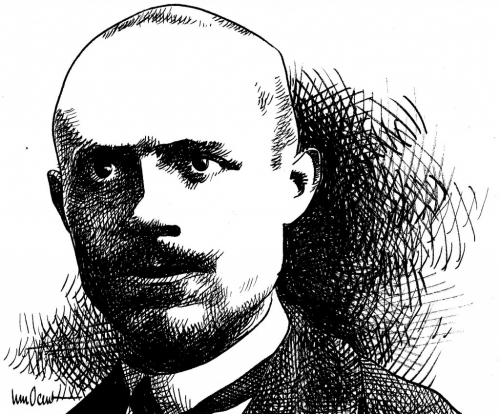







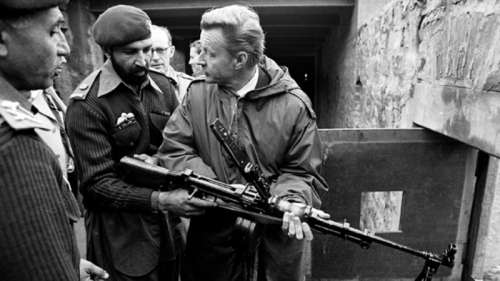


 Sur le plan médiatique, cette campagne fut tout aussi marquée. D’un coté, les médias de masse occidentaux, renforcés par le géant Google (Facebook et Twitter étant globalement restés plutôt neutres) et une armada d’ONG, de spécialistes rémunérés, de publicitaires, de people et de journalistes. De l’autre, une population sans médias ou presque, partageant son stress, son enthousiasme, ses informations et ses colères sur les réseaux et les courriers des lecteurs avec une myriade de petites ONG et de médias alternatifs, et une contribution qui restera historique, celle de la communauté informatique alternative mondiale qui, sous la houlette de
 •
•  •
•  •
•  •
•  •
• 







 Certains (par exemple, Robert Cramer) tentent de justifier cela en prétextant que nous vivons une situation un peu particulière et que c’est dans l’urgence que le pouvoir doit agir en attendant de pouvoir modifier la constitution (RASA et son/ses éventuel(s) contre-projet(s)). Pour ceux qui préfèrent que les choses soient dites concrètement, cela signifie que nous vivons un moment dans lequel une partie de la constitution est suspendue, que nos autorités disposent d’une situation de plein pouvoirs en la matière. Cela porte un nom : « dictature » même si personne n’ose le dire clairement.
 En Relations Internationales, rien n'exprime mieux le succès d'une théorie que sa reprise par la sphère politique. Au XXIe siècle, seuls deux exemples ont atteint cet état :
 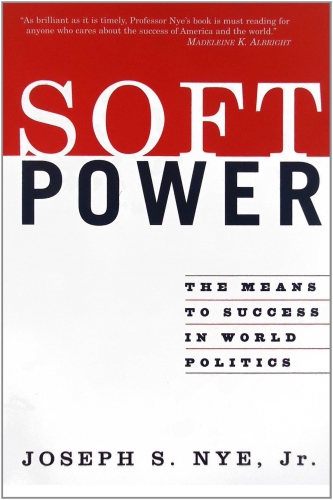 De là naît la nécessité pour les Etats, et principalement les Etats-Unis, de définir une véritable stratégie de puissance, de smart power. En effet, un Etat ne doit pas faire le choix d'une puissance, mais celui de la puissance dans sa globalité, sous tous ses aspects et englobant l'intégralité de ses vecteurs. Ce choix de maîtriser sa puissance n'exclue pas le recours aux autres nations. L'heure est à la coopération, voire à la copétition, et non plus au raid solitaire sur la sphère internationale. Même les Etats-Unis ne pourront plus projeter pleinement leur puissance sans maîtriser les organisations internationales et régionales, ni même sans recourir aux alliances bilatérales ou multilatérales. Ils sont voués à montrer l'exemple en assurant l'articulation politique de la multipolarité. Pour ce faire, les Etats-Unis devront aller de l'avant en conservant une cohésion nationale, malgré les déboires de la guerre en Irak, et en améliorant le niveau de vie de leur population, notamment par la réduction de la mortalité infantile. Cohésion et niveau de vie sont respectivement vus par l'auteur comme les garants d'un hard et d'un soft power durables. A contrario, l'immigration, décriée par différents observateurs comme une faiblesse américaine, serait une chance pour l'auteur car elle est permettrait à la fois une mixité culturelle et la propagation de l'american dream auprès des populations démunies du monde entier.
 L’étude replace toujours l’action de l’agence dans le contexte historique tant international qu’étatsunien avec, en creux, une critique de la politique hégémonique des Etats-Unis. Comme elle l’avait fait dans son livre précédent avec Echelon (2) , l’auteure se penche sur les stratégies de domination technologique et informationnelle de la NSA et montre sans détour combien la maîtrise de l’information est un enjeu fondamental de suprématie pour des Etats-Unis de plus en plus concurrencés en tant que puissance mondiale. Et au XXIe siècle, l’enjeu est de garder la main dans le nouveau champ qu’est le cyberespace. La guerre globale contre le terrorisme au nom de la défense des valeurs démocratiques et de la sécurité des Etats-Unis n’est alors qu’un prétexte à maintenir un leadership mondial de plus en plus contesté. Détentrice du pouvoir de renseigner, la NSA constitue l’un des instruments de la puissance américaine et de la sauvegarde d’intérêts de plus en plus menacés.