"Qui suis-je ?" L'anthropologie métaphysique de Yuri Mamleev
Rosa Semikina
Traduction par Juan Gabriel Caro Rivera
Source: https://www.geopolitica.ru/es/article/quien-soy-yo-la-antropologia-metafisica-de-yuri-mamleev
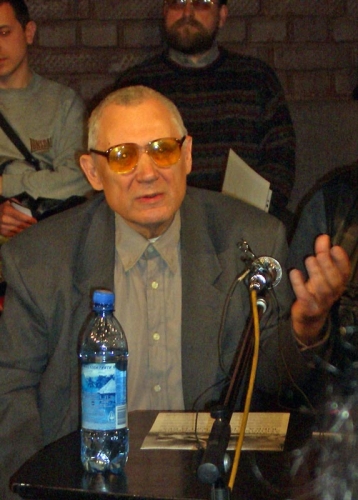
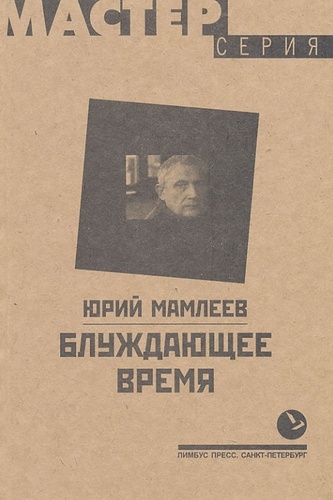
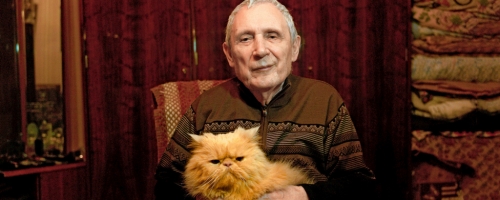
Yuri Mamleev est une figure majeure de la littérature russe, considérée par beaucoup comme un mythe, ainsi qu'un écrivain radical et mystérieux. On peut même dire qu'il a été le "pionnier" de la littérature russe contemporaine, lorsqu'il a commencé à écrire en 1960 : ses écrits étaient très "différents" des tendances et des courants artistiques qui dominaient à l'époque. Mamleev était un mystique et un ésotériste, se définissant comme un esprit ou un témoin qui recevait des messages provenant d'une autre réalité ; c'est pourquoi ses œuvres créent un monde très particulier : les morts reviennent à la vie, les monstres, les psychopathes, les maniaques, les meurtriers et les suicidés rationalistes apparaissent aux côtés d'êtres marginaux, de "sous-hommes" et de créatures non anthropomorphes. Ces "êtres déroutants" (provocateurs) ne se trouvent que dans des situations extrêmes et exceptionnelles (aux frontières ou au milieu de l'"écart" entre l'être et le non-être) ; ils explorent tous le mystérieux, l'inexplicable, le transcendant, ils raisonnent sur l'éternité et l'infini, la mort et l'immortalité, en essayant de trouver des preuves de l'existence de la divinité, en essayant de trouver leur "chemin vers l'abîme" et de répondre à cette question éternellement dérangeante : "Qui suis-je ? Bien sûr, cette question est posée non pas dans un sens psychologique, mais dans un sens métaphysique.....
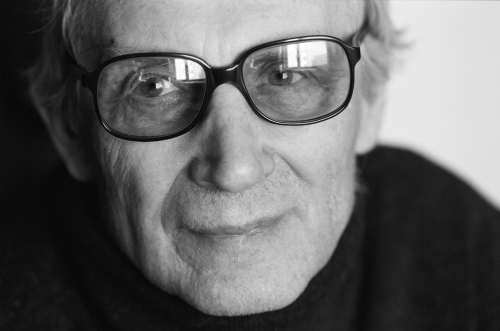
Mamleev explique cette dimension de son travail dans une interview : "Mon travail est une description matérialiste de l'enfer terrestre, des désastres spirituels, des faces cachées et non conventionnelles de l'âme humaine". Il admet que sa philosophie "est née d'une évaluation négative du monde". Mais la "nuit noire de l'âme", qu'il a un jour vécue en lui-même et qui est une constante de ses personnages, n'est rien d'autre qu'une étape nécessaire de l'"initiation" qui mène à la lumière, à Dieu et à la catharsis.
Par conséquent, la représentation fantasmagorique et surréaliste de ses personnages, des situations qu'ils vivent et des événements qu'ils vivent a, avant tout, une justification métaphysique, philosophique (car selon Mamleev le "réalisme métaphysique" de son œuvre "exige avant tout de s'immerger intensément dans notre réalité tout en traitant des problèmes globaux et métaphysiques") ou "intuitive" qui nous permet de démêler le sous-texte caché dans ses écrits. Deuxièmement, il s'agit de provoquer un choc ou un coup qui amène le lecteur à s'arrêter, à réfléchir et à commencer à "reconstruire" l'alchimie humaine qui se cache derrière tout cela. Bien sûr, cette "méta-exposition" ne garantit pas le retour à une pleine intégrité spirituelle, mais on ne peut ignorer qu'"une telle opération implique un processus de purification". Par exemple, dans l'histoire de Pensées du soir, Mikhaïl Saveliev, "un meurtrier et voleur bien connu et très âgé", se souvient un jour d'un événement qui s'est produit aux alentours de Pâques : alors qu'il était encore un jeune homme, il est entré dans l'appartement d'un autre et a tué deux personnes avec une hache, un homme et sa femme, mais "soudain, un petit garçon d'environ cinq ans, qui n'avait ni vu ni compris ce qui se passait, est sorti de la baignoire au bout du couloir : il était blanc, innocent, brillant et tendre. Il me regarde, regarde son oncle, et dit soudain : le Christ est ressuscité ! Il dit cela avec tant d'amour et de joie que j'ai compris ce qu'est vraiment Pâques. À ce moment-là, j'ai eu un malaise ; en un seul instant, j'ai eu l'impression que mon corps était traversé par un éclair et je suis tombé par terre, inconscient". Cet enfant grossier et innocent le sauve, car ses paroles ont un pouvoir surnaturel : cette "anecdote métaphysique" fait un trou dans l'âme du criminel qui le pousse à se repentir de ses crimes et à se retrouver dans un monastère.
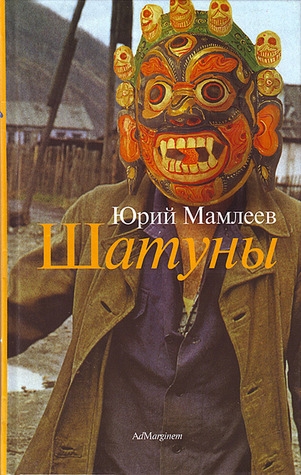 Les personnages de Mameleev sont souvent décrits comme des monstres, mais il s'agit là d'une appréciation superficielle : "ce sont des monstres parce qu'ils veulent percer les mystères qui se trouvent au-delà de l'esprit humain", déclare Mameleev. "Ils veulent briser le flux de la vie quotidienne et répondre à des questions éternelles hors de notre expérience, alors ils deviennent inévitablement des monstres. Je m'intéresse précisément à ces voyageurs et héros de l'au-delà.
Les schémas inhabituels de pensée philosophique et artistique de Mamleev entraînent naturellement des divergences dans la définition de sa méthode de création, l'amenant même à dire que "ses créations pourraient être considérées comme une sorte de réalisme métaphysique". M. Mamleev a publié plus de quarante livres en Russie et à l'étranger. Il est également le fondateur d'une école littéraire et philosophique et le lauréat du prix Andrei Biely et du prix international Pouchkine. On sait qu'un groupe de jeunes auteurs s'est formé autour de lui et qu'ils ont tous participé à un projet philosophico-littéraire connu sous le nom de "Mystère de l'infini". La plupart des idées de ce projet ont été publiées dans divers almanachs tels que Mystery of Infinity, The Equinox et Equinoxe. Vers un nouveau mysticisme. Depuis 2005, les éditions Ripol-klassik publient une collection intitulée "Bibliothèque du réalisme métaphysique", également appelée "Métaprose". On pourrait dire que Mamleev est le fondateur d'un courant littéraire.
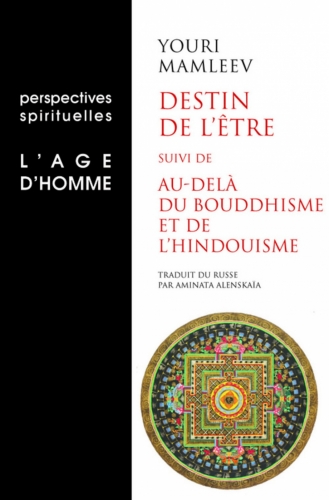
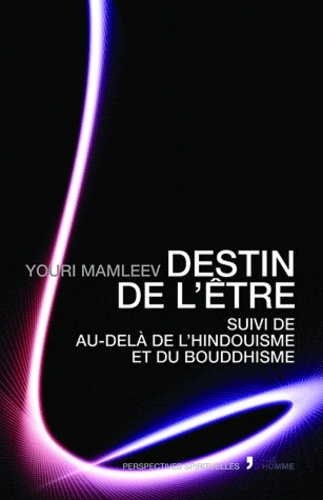 Mamleev explique sa conception du réalisme métaphysique et de la métaphysique en général dans son livre The Fate of Being.
Si la philosophie académique définit la métaphysique comme l'origine des idées suprasensibles de l'être, "désignant ainsi la tentative de la pensée et de la raison d'aller au-delà du monde empirique pour atteindre une réalité extra-empirique", alors nous pouvons dire qu'il s'agit de la connaissance de "l'être comme étant", c'est-à-dire, de la "connaissance de Dieu et de la substance suprasensible" (Aristote), ce qui a ensuite conduit la philosophie à considérer la métaphysique comme une forme d'"interrogation par laquelle nous essayons d'embrasser la totalité de l'être et pour que finalement celui-ci, que nous interrogeons sans cesse, nous interroge aussi" (M. Heidegger, Problèmes fondamentaux de la phénoménologie).
Y. Mamleev considère que la métaphysique fait partie du "monde des essences spirituelles", c'est-à-dire de "la sphère du supra-cosmique, du divin, de ce qui fait partie de l'originel et du spirituel en soi : on peut dire que le monde du cosmos "invisible" fait partie d'un autre type de connaissance". C'est ce que Mamleev appelle les principes métaphysiques (ou "réalités") qui sous-tendent l'univers et qui nous révèlent le "cours nébuleux d'autres mondes" et d'autres époques, le tout nous aidant à déchiffrer les symboles cachés de l'existence humaine. Ces "questions éternelles que l'esprit humain adresse souvent à ce Principe Primordial - aussi naïf soit-il du point de vue de l'absolu - qui reste silencieux, ont souvent une dimension métaphysique".
La "réalité métaphysique" est présente a priori dans tous les mondes, indépendamment de leur degré de "matérialisation", de sorte qu'il leur est possible de s'exprimer plus profondément et plus complètement en littérature qu'en philosophie. En effet, l'"image" est beaucoup plus multiforme que l'"idée", car la première "exprime plus facilement ce qui ne peut être pensé" (La liberté dans la poésie russe). Les héros de ce genre de littérature seraient avant tout des réalités philosophiques et métaphysiques telles que le Néant, la chose-en-soi, le "je" transcendantal, etc. Il est possible qu'il s'agisse du type de littérature dont parle Daniel Andreïev dans son livre La Rose du monde : "Ce n'est qu'ainsi que vous pourrez comprendre le sens des choses inhérentes à la Rose de la paix : car c'est ainsi que vous percerez la réalité physique pour accéder à différents niveaux, tant matériels que spirituels. <...> Je crois qu'un tel art... devrait être appelé réalisme translucide ou méta-réalisme". Sans aucun doute, c'est Y. Mamleev est l'auteur qui a le plus développé ce méta-réalisme.
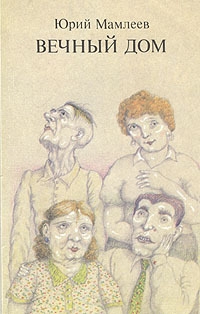 L'anthropologie de Mamleev part d'une compréhension du cosmicisme et des stratifications métaphysiques de l'homme, sans parler du lien métaphysique entre l'homme et le monde. Selon Mamleev, "... l'homme est un espace où le ciel et la terre sont reliés. En outre, l'homme est relié au monde physique, au monde intermédiaire (c'est-à-dire le monde subtil et parallèle) et au monde divin. Par conséquent, il existe des gouffres à l'intérieur de l'homme qui appartiennent à des mondes supérieurs, divins et ... sataniques..... L'homme est à la fois une bête et un ange, relié à des êtres qui lui sont inférieurs et supérieurs..... ... le ciel et la terre sont réunis en lui" (Russie éternelle).
Le microcosme humain est un reflet du macrocosme du monde : la spécificité métaphysique de l'homme n'est pas seulement qu'il est un lieu où "le ciel et la terre sont reliés", mais aussi que les êtres humains sont des "fissures" par lesquelles on peut pénétrer dans d'autres mondes. L'âme humaine (Mamleev l'appelle "l'archétype de l'âme de l'Univers") contient en elle un code universel. L'homme en tant que phénomène psycho-bio-social n'a pas d'importance ("surtout parce qu'il a été tellement étudié dans la littérature"), car le but du réaliste métaphysique est de connaître "l'invisible, l'homme caché" et pour cela il faut aller au-delà de la psychologie des profondeurs. L'homme de chair et de sang n'est rien d'autre qu'un fragment du "lieu métaphysique qu'occupe l'homme". Et si le réalisme traditionnel nous amène à postuler l'existence de deux gouffres à l'intérieur de notre âme, l'inférieur et le supérieur, alors nous pouvons dire que le but de Mamleev est de créer une vision multidimensionnelle de l'espace intérieur de l'homme qui nous permet d'observer toute une multitude de gouffres en nous. Selon H. Hesse, "la vie de tous les hommes n'oscille plus entre deux pôles, par exemple l'instinct et l'âme, ou le saint et le libertin, mais oscille entre des milliers, entre d'innombrables paires de pôles.... c'est une fatale nécessité innée chez tous les hommes de se représenter chacun son moi comme une unité.... Mais en réalité, aucun moi, même le plus naïf, n'est une unité, mais un monde hautement multiforme, un petit ciel d'étoiles, un chaos de formes, de gradations et d'états, d'héritages et de possibilités..... Car, bien sûr, la poitrine, le corps n'est jamais plus qu'un ; mais les âmes qui vivent à l'intérieur ne sont pas deux, ni cinq, mais innombrables ; l'homme est un oignon de cent pelures, un tissu composé de nombreux fils" (Steppenwolf).
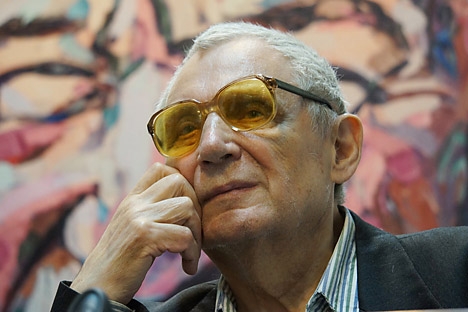
Une telle idée (ou "connaissance spéciale") de l'homme et du monde implique que l'écrivain ait une tâche très spécifique : premièrement, il doit voir derrière la vie visible les aperçus d'une "réalité beaucoup plus formidable", qui "doit être mise à nu et rendue visible et, malgré le caractère écrasant d'une telle tâche, nous devons découvrir les abîmes de l'être ; deuxièmement, il est nécessaire de révéler les abîmes intérieurs de l'âme humaine que nous observons dans notre comportement, notre vie spirituelle et nos peurs subconscientes. Une fois que nous avons obtenu que les personnages expriment ces comportements, nous obtenons ce que Dostoïevski appelle le "réalisme fantastique" (voir : La voix du néant. Histoires. M., 1991). Mamleev a trouvé plusieurs façons de représenter cet être métaphysique ou "situation métaphysique de l'homme". Par exemple, à travers la "profondeur du symbolisme", mais de manière à ce que l'on perçoive clairement que l'homme n'est pas seulement l'être humain, mais que "dans ses profondeurs... un autre être est caché", un être secret et transcendantal qui se dépasse en tant qu'homme de chair et de sang et dont nous n'avons aucune idée de l'existence ("car l'homme de chair et de sang n'est qu'un fragment de la réalité humaine"). Une autre façon de représenter ce problème serait de dire que l'homme extérieur n'est rien d'autre qu'une projection de l'homme intérieur, une fente ou une fenêtre qui nous permet d'entrevoir une sorte d'essence secrète. Il existe cependant un troisième mode de représentation qui consiste à penser l'homme comme une entité métaphysique, une monade originelle et éternelle, un archétype métaphysique, "un certain domaine autonome qui, bien sûr, n'est pas de ce monde...". L'homme n'est pas seulement un être mystérieux, mais aussi un être inconnaissable qui est "enraciné intérieurement dans l'infini et l'inconnu". Les limites de notre connaissance de nous-mêmes le prouvent". Il ne s'agit pas d'un type ou d'un caractère spécifique, mais d'une "centralité métaphysique" propre à notre moi intérieur.
 Mamleev ne se considère pas comme le créateur du réalisme métaphysique et cite donc comme exemples de cet art les créations de Dante ou l'alchimie spirituelle du Moyen Âge, qui révélait l'existence d'un homme caché qui "ne peut être réduit à la connaissance superficielle fournie par la psychologie moderne la plus sophistiquée". Seule la littérature russe, que Mamleev considère comme la plus philosophique de toutes, a "su éclairer [...] les abîmes spirituels de l'homme et sa constante disposition à se tourner vers l'extase ou le rêve [...]", de sorte que "la littérature est devenue une forme de vie et de mort" et le texte une "preuve de la vie intérieure de l'homme". Les héros de la littérature russe "glissent constamment dans l'abîme... dans un échec qui devient un échec complet de l'existence en raison de l'instabilité et du caractère catastrophique et apocalyptique de la vie terrestre". Dans la littérature russe du XIXe siècle, un tournant ontologique s'est opéré, les œuvres de Gogol et de Dostoïevski ayant donné naissance à la littérature métaphysique du futur. N.V. Gogol a été le premier à s'aventurer dans ce monde qui dépasse l'esprit du monde réel en appelant ses personnages des "âmes mortes". Dans ces mots, nous pouvons "voir" l'horreur métaphysique d'un écrivain qui s'approche des abîmes de l'être. En revanche, le "réalisme fantastique" de F.M. Dostoïevski rompt avec les codes esthétiques du XIXe siècle, puisque sa quête artistique repose sur une idée "fondamentale et clé" selon laquelle la vie est plus fantastique que toute fantaisie. Tout ceci définit le véritable programme du réalisme métaphysique.
N. Berdiaev disait que F. Dostoïevski était "le plus grand métaphysicien russe", un "symboliste métaphysique", et il était donc convaincu que le monde artistique incarné dans les romans de Dostoïevski ne pouvait être compris qu'à la lumière de ses découvertes sur l'essence métaphysique de l'homme et sa position dans le monde. Lorsque Dostoïevski déclarait "Je ne suis pas psychologue...", il voulait dire précisément que l'homme psycho-social est impossible à représenter si l'on ignore sa dimension métaphysique, de sorte que l'homme doit être considéré comme une monade originelle et éternelle, un archétype métaphysique, un concept clé de la structure ontologique de la réalité et une "énigme cosmique" (I. Yevlampiev).
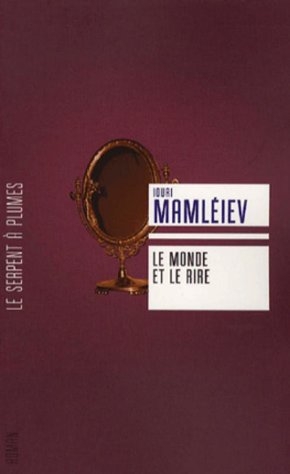 Le déploiement du code métaphysique caché qui se trouve au-delà de l'homme empirique (ou "externe", comme l'appelle Mamleev) est une tentative d'atteindre un "réalisme supérieur" (Dostoïevski : "Je suis un réaliste au sens le plus élevé du terme, c'est-à-dire quelqu'un qui décrit les profondeurs de l'âme humaine"). Mamleev, qui suit en cela Gogol et Dostoïevski, considérait que ces antinomies, ces abîmes, ces orphelinats, ces destructions intérieures, ces omniprésences et la recherche de Dieu par l'âme russe n'étaient pas artificiels, mais faisaient partie de "l'hystérie métaphysique de l'esprit russe, de sa tentative de dépasser toutes les limites et les normes" (N. Berdyaev).
Saltikov-Chtchedrine a compris que Dostoïevski "ne se distancie pas seulement de nous", mais que le secret qui fait de lui un Autre réside dans le fait que l'écrivain "pénètre au-delà du champ de l'immédiat, dans la prospective et le pressentiment, ce qui est le champ des grandes questions de l'humanité". C'est précisément dans ce "champ" où l'on perçoit "le caché, l'incompréhensible, le chaotique, le grandiose et l'abîme sans fond" que pénètre le regard artistique de Mamleev, car c'est précisément cette recherche qui détermine l'être de tous ses personnages ou "êtres métaphysiques". Mamleev, cependant, donne à cet être une existence réelle, ce qui le rapproche du réalisme magique de la littérature latino-américaine du 20e siècle, où le réel et le magique, le banal et le fantastique se confondent. Mais contrairement au réalisme magique, Mamleev "n'a pas eu recours au mythe, mais à une sorte de prose très traditionnelle et ordinaire, incorporant toutes les facettes de la réalité en elle..... comme un tissu métaphorique... Nous parlons donc d'un genre complètement nouveau... où le métaphorique, le métaphysique et le symbolique finissent par être "incorporés" dans l'histoire réaliste et où tout cela réalise une synthèse" (1). Une telle synthèse est "l'une des variantes de tous les processus artistiques du vingtième siècle où interagissent des systèmes de pensée non classiques" (2).
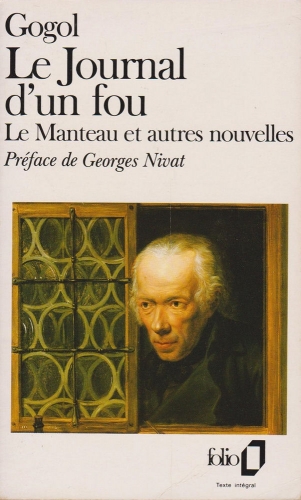
Toutefois, il est possible de parler d'un autre type d'"interaction". Les personnages de Mamleev, capturés par cette "autre réalité", changent non seulement extérieurement, mais aussi dans leur "essence", c'est-à-dire qu'une alchimie humaine a lieu. Mamleev appelle les transformations "miraculeuses" de ses personnages des métaphores : les critiques d'art contemporain considèrent qu'il ne s'agit pas de métaphores mais de simulacres, d'images artificielles ou "d'images d'une réalité absente". Les œuvres de Yuri Mamleev sont généralement surchargées de citations et sont immergées dans un contexte culturel et artistique très large, révélant l'existence de différentes traditions littéraires. On trouve des traces évidentes de traditions telles que les Ménippées (genre satirique romain, n.d.t.) et des réalités grotesques du carnaval, où la mort et la fête convergent, dans des nouvelles telles que Les Noces et Cruelles rencontres. Les personnages monstrueux des Cruelles rencontres semblent sortis des gravures de Bosch et de Goya : des corps à deux têtes, des cadavres ambulants et un homme-ours. L'influence de la littérature d'horreur gothique et du romantisme d'Hoffmann et d'E. Poe est également évidente dans ces contes. Poe dans de tels récits. En outre, l'inspiration de Mamleev pour le fantastique russe classique est très évidente dans son écriture, en particulier les nombreuses références au Marchand de cercueils et au Festin pendant la peste de Pouchkine ou au Journal d'un fou et aux Âmes mortes de Nikolaï Gogol, mais surtout les références à Fyodor Dostoïevski sont très claires.
La poésie de Mamleev ne ressemble qu'extérieurement à des éléments postmodernes tels que la réalité virtuelle et les images-simulacres incarnées dans l'intertextualité brute, sombre, choquante, phénoménale et mixte de Mamleev qui polémique avec tous les auteurs qu'il cite (ces derniers dans le sens le plus large possible). La variabilité ludique qui se développe dans toutes ces collisions ou la manière dont les problèmes sont résolus donne parfois l'impression que la pensée de l'auteur est très incomplète et contribue à ce que ses œuvres soient perçues comme un texte ouvert et infini. Cependant, la réalité quotidienne est le fondement de toutes les œuvres de Mamleev. L'inconnu n'est pas conçu comme quelque chose de fantastique, mais comme une "réalité spirituelle intuitive". C'est pourquoi le réalisme de Mamleev est lié à sa tentative d'articuler son idée du monde avec une sorte de cosmo-anthropologie philosophique.
Vasia Kurolesov, l'un des "voyageurs métaphysiques" de Mamleev (L'abîme), confesse : "Tout est à sa place, comme il se doit, Dieu est Dieu, et pourtant, même après cela, je continue à courir et à courir ! Où devrais-je courir maintenant, ayant trouvé le Divin ? Seulement vers Toi, Seigneur, qui es en moi, vers le moi, ou bien je cours plutôt vers une distance qu'aucun signe ne peut révéler et que le vide ne peut exprimer ?
 Ce sont des mots qui indiquent le chemin vers le supra-réel ou vers un abîme à l'extérieur - au-delà de tout ce qui est connu et imaginable - et à l'intérieur - où se trouvent les mystères de l'âme humaine. Cependant, il est inexact de définir les voyages dans ces œuvres par l'épithète "voyage dans l'espace". En outre, le chemin vers le transcendantal que suivent les personnages de Mamleev est toujours conditionné par le réalisme. Dans l'histoire du Coureur, la capacité de Vasia Kurolesov à voler à travers tout l'univers, visible et invisible, est le résultat de son imagination, étant en ce sens une conséquence (un symptôme) de la maladie mentale d'un homme qui a essayé de "se dépasser" et a dépassé ses limites. La partie la plus importante de l'histoire se trouve dans le chapitre intitulé "Notes d'un fou", qui est divisé en deux parties correspondant à deux phases de la maladie et à deux versions différentes de son fantasme : la première partie s'intitule "Notes de Vasia Kurolesov" ("quand il a fui son corps") et la deuxième partie s'intitule "Notes de Vasia Kurolesov après que Zamorisheva a vu qu'il était lui-même devenu un monstre de l'au-delà". Le personnage de Vasia Kurolesov fait référence à la tradition littéraire des "fous sages" (cf. Poprishchin dans le Journal d'un fou de Gogol). Bien qu'il ait sombré dans une sorte de psychose maniaque, Vasia conserve un sens aigu de l'observation et de la perspicacité, capable d'analyser et d'évaluer tout ce qu'il voit.
Contrairement au postmodernisme, ce n'est pas Vasia qui est malade (la maladie est une convention artistique, disait Dostoïevski), ce sont les "hommes moyens" modernes et philistins qui sont malades parce qu'ils se sont détournés des utopies traditionnelles et des mythes religieux : "Ma pensée et mon moi survolent tous ces mondes de merde, aussi béats soient-ils. Partout où je regarde et épie, partout où je mets mon nez... je donne aux passants un goût de folie et j'effraie les habitants de ce lieu. C'est comme si j'avais échappé à toutes les lois cosmiques, grâce à la volonté de l'Invisible, et que je pouvais ainsi effrayer tout le monde avec ma particularité. Oh, petites étoiles, petites étoiles ! Je meurs de rire". Je crois qu'il y a dans ces phrases une certaine allusion à l'"âge d'or" utopique décrit par Dostoïevski dans Le rêve d'un homme ridicule. Dans cette histoire, la vie des enfants d'une belle étoile dans laquelle tombe accidentellement un "homme ridicule", "ils vivaient dans l'état dans lequel nos ancêtres existaient dans le paradis terrestre. Parmi eux, il y avait de l'amour et des enfants sont nés, mais je n'ai jamais observé parmi eux de cruelles explosions de la luxure qui s'empare de presque tout le monde sur notre terre, et qui est la source de la plupart des péchés de notre humanité. Ils se réjouissaient de la naissance de leurs enfants, car ils partageaient désormais leur joie. Il n'y avait aucune querelle entre eux, aucune jalousie, et ils ne comprenaient même pas ce que cela signifiait. Leurs enfants appartenaient à tout le monde, car ils formaient tous une seule famille. Il n'y avait presque pas de maladie, mais la mort était là ; leurs vieux mouraient lentement, comme s'ils s'endormaient, entourés de gens qui leur disaient au revoir, les bénissaient et leur disaient adieu avec des sourires joyeux. Il n'y avait ni chagrin ni larmes à voir lorsque cela s'est produit, mais un amour qui semblait multiplié jusqu'à l'extase, mais une extase tranquille, complète et contemplative". Vasia Kurolesov parodie l'utopie dostoïevskienne lorsqu'il décrit l'une des nombreuses dimensions de l'Univers dans laquelle il a jeté un coup d'œil : "Leur vie, ma mère, ne se déroule pas comme la nôtre : elle est très, très lente, ce sont des sortes de parasites qui vivent pendant des millions et des millions d'années. Ils vivent béatement, satisfaits d'eux-mêmes, comme s'ils étaient des dieux dont le corps est fait de la plus fine substance de tout..... Et quel bien ont-ils trouvé dans cette joie et cette félicité ? Rien que de la stupidité et aucun abîme en eux, ils sont restés assis là béatement pendant des millions d'années. Nos compatriotes deviendraient fous en vivant comme ça". Cependant, Vasia critique également le monde souterrain et les démons lorsqu'il les considère du point de vue de l'expérience et des besoins humains plus importants : "Les démons... vivent encore plus mal que les dieux. De simples bâtards qui ne travaillent que pour eux-mêmes, mais qui, par-dessus tout, craignent leur maître. Et leur plus grande peur est de voir l'abîme, ce qui signifie qu'ils ne connaîtront jamais la profondeur de la réalité. Les célestes, surtout ceux de très haut rang, se réunissent sans cesse avec leur Maître en disant que nous vivons dans un monde clair où personne ne connaît le plus grand de tous les mystères. Les autres démons tremblent en entendant parler de l'Esprit de leur Maître et croient qu'ils disparaîtront dès qu'ils le connaîtront. Ils vivent dans la peur.
Mamleev soutient que l'aspiration de Vasia à atteindre l'abîme (même après avoir pénétré l'absolu, c'est-à-dire Dieu) est une manifestation de l'esprit russe, qui a pour principe cosmologique de servir de médiateur entre l'absolu (y compris Dieu lui-même) et l'abîme qui existe au-delà. Une telle interprétation de l'esprit russe amène Vasia à réaliser que la Russie n'est pas seulement un sixième du globe, mais quelque chose de plus : "D'ailleurs, la Russie n'est pas seule sur cette Terre de péché". Il est nécessaire d'expliquer cette phrase : Y. Mamleev et T. Goricheva ont écrit un livre intitulé La nouvelle ville de Kitezh dans lequel ils expliquent leur conception cosmologique ou métaphysique de la Russie. Selon eux, "l'essence historique de la Russie se situe bien au-delà de notre monde terrestre et constitue l'un des plus profonds mystères de la relation entre Dieu et le Cosmos..... Notre Russie historique n'est qu'une des nombreuses manifestations de la Russie cosmologique que l'on trouve sur d'autres planètes et dans d'autres réalités spatio-temporelles. L'idée de la Russie existe au-delà de notre monde terrestre et humain, si ce dernier est vrai, alors cette idée se manifestera inévitablement dans d'autres mondes également" (3). Ce concept de Russie cosmologique se retrouve chez N. Berdiaev et les "slavophiles radicaux", qui ont lié l'idée de la Russie à l'idée de l'humanité. Ainsi, les êtres vivant dans la Russie cosmologique ne sont pas seulement analogues à leurs homologues terrestres, mais sont liés à un certain archétype humain. Il est possible que des Russes vivant dans d'autres mondes russes soient en proie à l'"angoisse" et à la "folie". Bien sûr, pour cela, ces êtres doivent incarner une idée russe adaptée à leur monde.
Le récit de la fuite du "sage fou" dans l'éternité révèle en fait le mythe de la Russie cosmologique auquel Mamleev croit.
Un autre mythe de Mamleev est son concept du "moi métaphysique", du "Dieu qui existe en moi", qu'il a exposé dans ses ouvrages philosophiques (Le destin de l'être ; La Russie éternelle) et dont les origines se trouvent dans la métaphysique orientale. Selon ce concept, l'homme est capable de trouver Dieu en lui-même. Pas seulement une étincelle de Dieu ou de sa conscience, mais Dieu dans son ensemble, jusqu'à la coïncidence totale avec l'Absolu. L'un des nombreux voyageurs métaphysiques de Mamleev, Andrei Artemievich (La route de l'abîme), "prêchait et pratiquait un certain enseignement ancien et traditionnel (Vedanta) né en Inde, mais une fois compris et éclairé par le fougueux esprit russe, il a fini par se transformer", raison pour laquelle il enseignait à ses étudiants "le concept du moi métaphysique" comme suit : "Selon l'Advaita-Vedanta... le principe absolu et suprême, éternel et supra-mondain, que la plupart appellent Dieu se trouve "en" nous, le reste n'est qu'un horrible rêve. Tout le monde peut découvrir ce Soi supérieur ou Dieu qui existe en soi et avec lequel on peut même s'identifier, mais pour cela il faut éliminer toute fausse identification avec son corps, sa psyché, son individualité et son esprit, afin de cesser d'être une "créature tremblante" ..... Et l'homme devient ce qu'il est vraiment : nous ne serons pas, par exemple, Nikolaï Smirnov, ni aucun autre homme, mais une réalité absolue éternelle, qui ne peut être exprimée en tant qu'existence individuelle au moyen du temps, des nombres ou de l'espace et qui peut exister même lorsque ni le monde ni l'univers n'existent".
L'anthropologie philosophique et artistique de Mamleev est une synthèse des concepts de la philosophie religieuse russe et de l'"idée russe", notamment des théories de N. Berdiaev, ainsi que de la métaphysique indienne, du Vedanta, de l'enseignement dogmatique chrétien sur la théosis de l'homme, de l'autodévouement nietzschéen et de certains éléments de la philosophie de Heidegger sur la manière dont l'homme s'approche de l'être. On y trouve également les idées de Dostoïevski selon lesquelles l'homme possède dans son âme une "étincelle de Dieu" qui le relie à Dieu et à son Fils.
Il ne s'agit pas d'un jeu de mots, ni d'une défense de l'impossibilité de parvenir à une Vérité absolue ou d'une sorte de justification du relativisme postmoderne. Il s'agit plutôt d'une synthèse très complexe de diverses idées autour desquelles tourne toute l'œuvre de Mamleev, sans parler de la pensée chaotique et des ténèbres dans lesquelles l'âme de l'homme moderne a pénétré et dont l'amour chrétien n'est plus en mesure de le sauver : l'homme d'aujourd'hui, même s'il reconnaît le Christ et l'accepte comme idéal, ne peut pas se sauver, car il doit "dépasser" le carrefour où Dieu et l'abîme se rencontrent.
Le concept de l'Homme en tant que "situation métaphysique" tel que le conçoit Yuri Mamleev est un "quadrilatère" qui se trouve "intuitivement" dans l'alchimie spirituelle de l'Homme.
Notes :
1. Метафизический реализм писателя-оптимиста. Беседа с А. Вознесенским. Независимая газета. 2000, 25 мая.
2. См.: Лейдерман Н. Л., Липовецкий М.Н. Современная русская литература: 1950-1990 годы. Т. 1. М., 2002. С.17.
3. Мамлеев Ю. В. Россия вечная. М., 2002. С. 116-125. Подробнее об этом см.: Мамлеев Ю. Судьба бытия (гл. “Последняя доктрина”). М., 1997.
Fuente: https://magazines.gorky.media/october/2007/3/kto-est-ya.h...







 del.icio.us
 Digg
Digg Facebook


























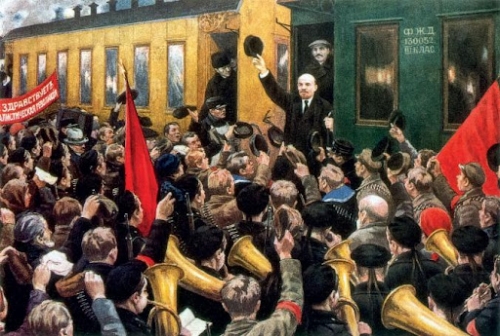
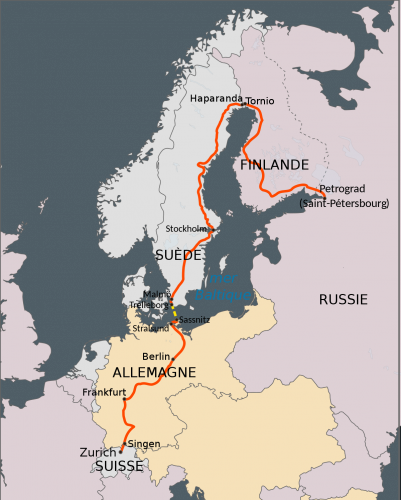
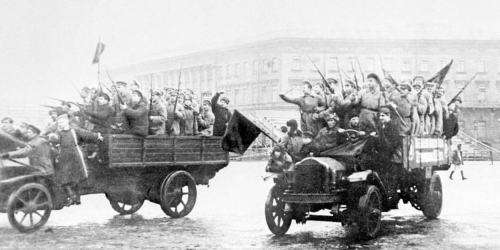
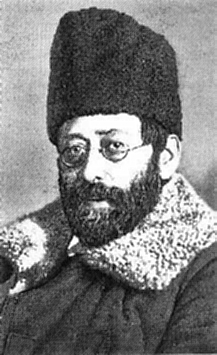 Lors d'une discussion entre les exilés russes à Zurich le 19 mars, le dirigeant menchevik, Julius Martov, a suggéré de rechercher un accord avec le gouvernement allemand pour les laisser passer par l'Allemagne. Ils pourraient ensuite traverser la mer Baltique jusqu'en Suède, et atteindre la Russie via la Finlande. En contrepartie, a proposé Martov, ils accepteraient de demander la libération des prisonniers de guerre allemands à leur arrivée en Russie.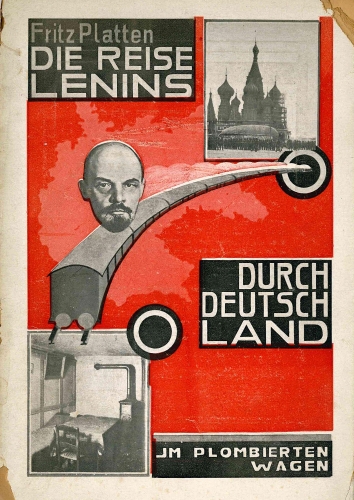























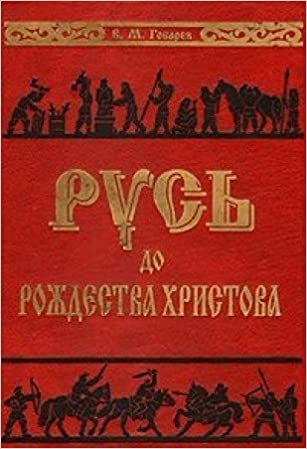 Ainsi, l'amateur d'histoire antique V. M. Gobarev a publié deux éditions complémentaires: La Russie avant le Christ (M., 1996) et le livre en deux volumes Préhistoire de la Russie (1994). Dans une forme littéraire fascinante, il retrace l'histoire de la lutte des anciens peuples d'Europe centrale et orientale pour leur indépendance et couvre la période allant du deuxième millénaire au IVème siècle avant J.-C. (Targitai et Radegosh dans les guerres de l'âge du bronze, Svyatovit et la Forêt-Noire, Svarog et Svarozhich dans la lutte contre les Cimmériens, les rois scythes, les Skolotes, etc.). A la fin du livre, on trouve une liste de références, un commentaire détaillé, un dictionnaire des noms et des toponymes, ainsi que des illustrations, rassemblées en annexe. Dans ce nouveau livre, V. M. Gobarev poursuit un récit populaire de l'histoire du monde païen de l'Europe de l'Est. Cette fois, l'auteur se concentre sur les IIIème-Ier siècles avant Jésus-Christ. Il commence l'histoire par les exploits de Radigastus, décrit les voyages maritimes des Vénètes, leurs combats contre les Goths, la bataille des ancêtres des Slaves avec les Amazones et les Sarmates nomades, l'alliance guerrière des anciens Slaves et des Scythes, les actes héroïques de Skilur, Polak, Savmak, le livre se termine par un essai sur les guerres de Mithridate et les premières campagnes contre les Romains.
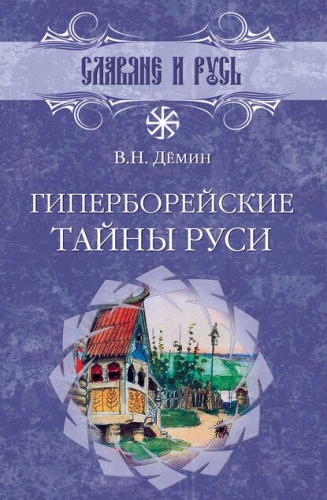 L'écrivain prolifique V. N. Demin fait partie des partisans de la théorie du Nord. Ses hypothèses et généralisations audacieuses sont contenues dans ses livres, Where Are You From, Russian Tribe? (M., 1996), Rus' Hyperboréen (M., 2002), Ancienne Antiquité. Russian Protocivilization, co-écrit avec E. Lazarev et N. Slatin (M., 2004). Sur la base des données de l'ethnographie, de la linguistique, de la mythologie, de l'archéologie et du folklore modernes, V.N. Demin propose un concept non trivial de l'origine du peuple russe. Il pense que dans les temps anciens, dans le nord de l'Eurasie, dans des conditions climatiques différentes de celles d'aujourd'hui, existait une "civilisation hyperboréenne", qui a partiellement disparu, et s'est partiellement dissoute dans les cultures eurasiennes anciennes et modernes. Son livre passe en revue les études classiques de l'histoire de l'antiquité, un riche matériel sémiotique, beaucoup de citations poétiques, d'exemples littéraires, de dessins et de symboles.
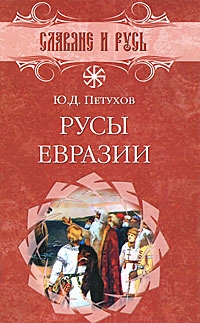 Une tentative de révision radicale de l'histoire ancienne a été entreprise dans ses œuvres par Yury Dmitriyevich Petukhov (1951-2009), un écrivain contemporain talentueux et prolifique, éditeur de la série de livres La véritable histoire du peuple russe. L'une de ses études les plus connues, The Roads of the Gods, a survécu à plusieurs grands tirages. Le livre, qui a pour sous-titre Ethnogenèse et mythogenèse des Indo-Européens. Résolution du problème principal de l'indo-européanisme (M., 1998), parle des voies de développement des Protoslaves, que l'auteur considère comme les géniteurs des peuples d'Europe, d'Iran et d'Inde, qui ont jeté les bases de la civilisation du monde antique et actuel. Analysant une énorme quantité de données factuelles sur le paganisme russe et pré-slave, Petukhov propose sa propre interprétation de l'histoire de nos anciens ancêtres et de leur vision du monde. Les cultes de Perun, Veles et Svarog sont analysés en détail. Une place particulière est consacrée à la "trinité inséparable" Leto-Artemis-Apollo, dont les racines remontent à l'ère indo-européenne. Sur la base de ses recherches, l'auteur propose des schémas qui modélisent l'arbre de la mythologie slave.
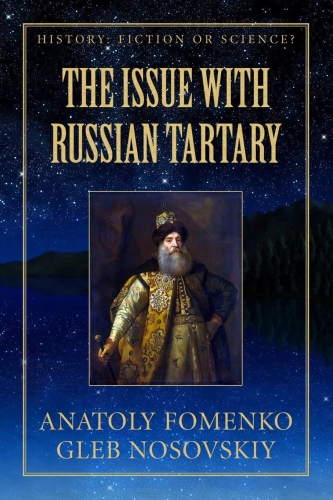 Les publications de deux auteurs, G.V. Nosovsky et A.T. Fomenko, chefs scandaleux de l'école hypercritique, qui sont à leur tour les disciples de Nikolai Aleksandrovich Morozov (1854-1946), célèbre subversif du christianisme et créateur de la nouvelle chronique de l'humanité, ont atteint des tirages exceptionnellement élevés. La compréhension de la nature multi-variante inévitable de l'histoire les a poussés à créer une version alternative de l'histoire du monde et à nier les fondements traditionnels de la science historique. Selon cette hypothèse, il n'y a eu ni Homère, ni Jésus-Christ, ni les Mongolo-Tatars, ni l'histoire médiévale en général. La théorie de Fomenko-Nosovsky, créée sur des principes mécanistes et mathématiques, conduit à l'absurdité de certaines généralisations curieuses, et sape ainsi la crédibilité d'autres hypothèses audacieuses, qui pourraient constituer une percée dans la connaissance historique. Plusieurs livres et articles ont été consacrés à la dénonciation de la méthodologie pseudo-scientifique des auteurs de la "Nouvelle Chronologie" dans les magazines "Native Land", "Ancestral Heritage" et autres.