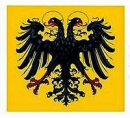
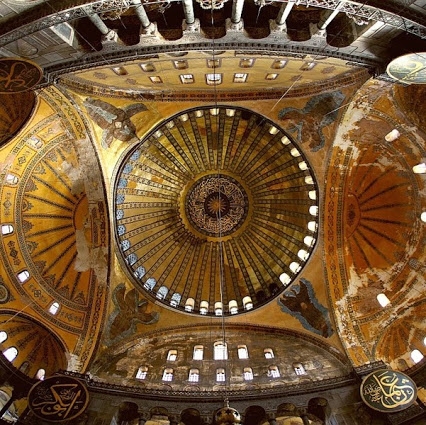
The great dream of the Tsars over the centuries had been to conquer and convert the Ottoman capital of Istanbul/Constantinople into Tsargrad and free the Straits for the Russian Black Sea fleet. In 1914 Tsar Nicholas II entered into alliance with the British Empire in order to fulfil that dream as a part of the Great War on Germany and the Ottoman Empire that he was expecting. Plans had been made by the Russian army and navy in preparation for the day, the Armenian Dashnaks had been primed and all that was needed was the right event in the Balkans to act as detonator.
It was for that reason that the Great War was brought to the Ottoman Empire in 1914.
The Tsar’s former Interior Minister, Pyotr Durnovo, had warned him in a last Memorandum (Where did it all go wrong for Russia?), in the February before the War, that even if he achieved this feat and was not cheated out of his prize by the British, the British Royal Navy, with its mighty fleet of ships, naval bases and coaling stations dotted across the Mediterranean, lay in wait for the Russian Navy beyond. It was not something that was worth risking all for in a catastrophic Great War that would destroy the peace of Europe and more.
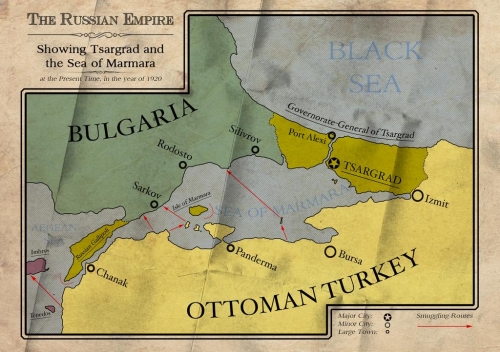
The Tsar’s army collapsed due to the blood his people were forced to shed, in return for massive British loans, and being forced to fight on to the bitter end for Constantinople. After the Revolution of February 1917 he handed over power to the Liberals and Socialists who persevered with his War, and reaffirmed its aim of taking the Ottoman capital, but who proved incapable of governing the State. And the Bolsheviks who then emerged in catastrophe, under Lenin’s direction, both governed the State and saved it, as well as wiping the Romanovs from history, along with their catastrophic War. Far from the Russian eagle flying over Tsargrad, the Ottoman army had reached Baku, in the Russian Southern Caucasus, captured its oil wells, and made it the capital of the new state of Azerbaijan.
But the Russians did actually reach Constantinople in the end…
In November 1920, the remnant of the White Russian society, who had attempted to overthrow the Bolshevik upstarts and restore something of the Old Russia, were obliged by the Red Army to evacuate the Crimea with General Wrangel’s forces, after Britain withdrew its support for the attempt to overthrow the Bolsheviks. They found themselves sailing for the Tsar’s prize, now occupied by their victorious British allies, for refuge as asylum seekers.
Over 120 boats, containing around 150,000 Russian refugees, arrived in Constantinople/Istanbul. With them the Russians brought the remnants of their society, including the precious Imperial stud. They came not, as they had once hoped, “to hang Russia’s shield on the gates of Tsargrad” but as seekers of shelter and protection. The hungry and thirsty were known to lower their wedding rings and other jewellery down on string to gathering boatloads of Armenian and Greek shopkeepers in return for bread and water. Their Christian allies treated them with contempt and, in their hour of need, bled them dry.
The Russian Army and refugees slept in the stables of Dolmabahce Palace, in rooms vacated by prostitutes in the cheap hotels, in the streets, and in makeshift army camps outside the city. Young Tsarist officers worked as porters and butlers on the streets of Pera and slept in bunkbeds in the camp at night. They walked the Grand Rue de Pera in their Cossack uniforms, and worked as taxi drivers, or played the violin in casinos. The concierge of a hotel could be a General while a waitress at a restaurant could be a Countess. They gave to Istanbul the European-style restaurant and generated a new night life. But many just descended into ruin in the city.
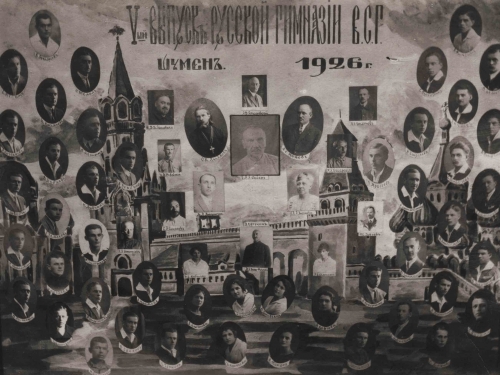
The Ottoman government, which operated before it was repressed by the British occupation forces, did not spare the aid to the old enemy they could provide under very difficult circumstances. Russian lawyer and Duma member Nikolay Chebyshev wrote in his memoires, “The immigrant Russians have not felt as much in their homes as in Istanbul, even in the embracing Slavic countries.” A refugee later said, “While fleeing from Russia, we always thought that the only country that opened its doors to Jews who escaped from the Spanish Inquisition was Turkey in 1492. They would not turn us away.” (Daily Sabah, 7.7.2017)
Good relations were formed with the hospitable Moslem Turks, their enemies of centuries, whilst the Russians grew to despise the greed and dishonesty of those Christians they had once proclaimed as allies to liberate. The world had been turned upside down.
Graham Stephen, a Scotsman who had travelled as a vagabond through the Caucasus in the decade before the Great War, and who had written of the contentment he observed in the Russian countryside during the days of the great Count Witte, found himself in Istanbul in 1920-1. There he came across the broken remnants of Old Russia, which, having been promised Constantinople by Britain in return for its services in the Great War, had finally reached its heart’s desire – but not as conquering heroes establishing Tsargrad, but as abandoned refugees from the failed British interventions in Russia that the duplicitous Lloyd George had aborted.
In British-occupied Istanbul, Graham Stephen commented: “The Russians shall have Constantinople”, after all.
Everyone in England would have known what that phrase meant. It came from one of the most famous London music hall songs of the late 1870s, which made a fortune for its Irish performer – “The Jingo War Song”. It had stirred English fight against the Russian Bear and his attempt to take Constantinople in 1877/8, which Disraeli had thwarted with the threat of war and taken care of in the Treaty of Berlin. Its famous chorus, which popularised the term “Jingoism” went as follows:
“We don’t want to fight but by Jingo if we do
We’ve got the ships, we’ve got the men, and got the money too!
We’ve fought the Bear before and while we’re Britons true
The Russians shall not have Constantinople.”
That song lived in the memory for at least a generation in England and Ireland.
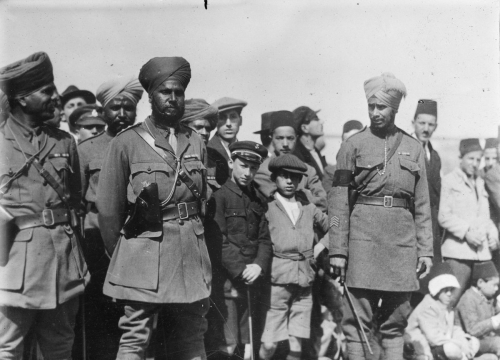
But that was in the days before Sir Edward Grey brought about a Revolution in British Foreign Policy and ditched Britain’s traditional allies in Istanbul to procure the services of England’s main enemy in the World, Russia, so that the Tsar’s Steamroller could be used to help destroy the German commercial threat in a Great War. The Great Game gave way to the Balance of Power and the Great War.
Graham Stephen saw the result of the British success in luring the Tsar into an unnecessary war on the streets of Istanbul in 1920:
“Constantinople has five times as many people as it can house, a city now of appalling unhappiness and misery, and of a concomitant luxury and waste. A scene at night: two children, a boy and a girl, lie huddled together on the pavement sleeping whilst the rain beats down upon them. The crowd keeps passing, keeps passing, and some step over them, many glance questioningly downward, but all pass on. No one stops. I stood at a corner and watched. Then I walked up to the children and wakened them and tried to make them speak. But they stared with their pale faces and said nothing… I stopped a Russian woman who was hesitating as she passed. “There are many,” said she. “It is quite common. You see plenty babies lying in the rain…”
The Russians have got Constantinople at last. It Is an irony of Fate. There are a hundred thousand of them there, the best blood of Russia, and the most charming and delightful people in Europe in themselves, though now almost entirely destitute of means… The refugee peasantry and working class are mostly confined in barbed-wire internment camps outside the city, and guarded by Sengalese. Twenty per cent get permission to go into the city each day. The seventy or eighty thousand indigent Russians in Constantinople belong mostly to the upper classes. Very many belong to Petrograd society, and are people who fled to the Crimea and the Caucasus, were caught up in the Deniken or Wrangel panic, and transported hither. They are well-educated people, speaking English and French, and well-read and accomplished. But how little are those modem accomplishments when it comes to the elemental realities of life…
Alas, the temptations are great. Need becomes more and more incessant. Starvation stares thousands in the face. One sees those who keep their heads up still, but we lose sight of many who are utterly cast down and lost. Many a Russian has gone down here in this great city and been lost, vanished into the hideous underworld of the Levant. They sell all their jewels and then sell the last jewel of all. In the cabarets and night-halls of low amusement there is nude dancing and drink, lascivious Greeks, drunken American sailors capable of enormities of behaviour, British Tommies with the rolling eye, “seeing the world and being paid for it” as the posters say. The public places are a scandal, and the private dens got up in all sorts of styles with rose-coloured shaded lights and divans and cushions for abandonment to drugs and sensual affections must be explored individually to be described. A part of old Russia has come to Constantinople — to die.
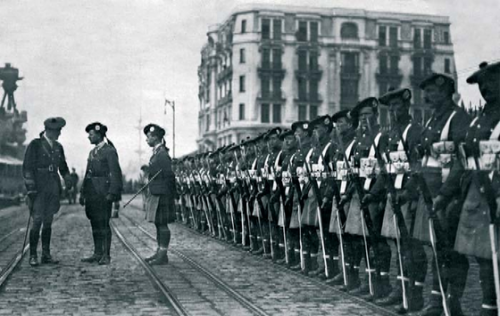
In charge of this imbroglio is a British General. The city Is under Allied control, and is patrolled by the troops of four nations, but the British is the main authority. G.H.Q. Constantinople occupies a large barracks which faces a parade-ground. Indian sentries march to and fro outside and enjoy thus serving their King, a picture of polish and smartness.
Facing the barracks is a smaller building called “The Jockey Club” where the Commander-in-Chief himself and many of his staff meet to lunch or dine, play billiards, or chat pleasantly over their liqueurs in English style.
“What a pleasure it is to see our fellows in the streets so clean and well-behaved, with no interest except in football, and to compare them with the loafers you see everywhere,” says General M. “One thing the British Empire can thank the Jews for,” says Capt. C, “is that they’ve ruined Russia.” “What’s the matter with the Russians,” says stout Col. C, “is that there’s no punch in them; they’re a helpless sort of people, from a general to a private soldier, it’s all the same; they cannot cross a road unless you take them by the hand and lead them across.” (Europe – Whither Bound?: Quo Vadis Europa?; Being letters of travel from the capitals of Europe in the year 1921, pp.35-40.)
It is hard to read this and not weep. And people wonder why Russia is still suspicious of Britain!

 del.icio.us

 Digg
 Facebook

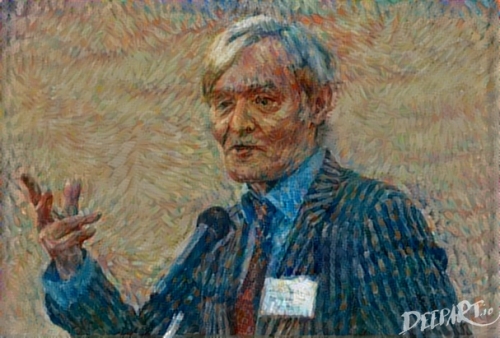
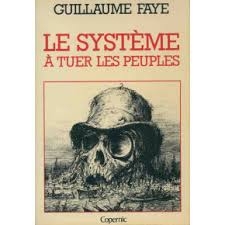 Dentro del GRECE (Groupement de recherche et d’études pour la civilisation européenne – Grupo de Investigación y Estudios para la civilización europea), se dedicó a estudiar con detenimiento la filosofía política -Machiavelo, Hobbes, Hegel, Pareto, Carl Schmitt, Oswald Spengler, Ernst Jünger, Moeller van den Bruck, Heidegger, Arnold Gehlen, Konrad Lorenz, etc.-. También desarrollaría un gran interés por las teorías geopolíticas europeistas de Jean Thiriart. Dueño de un estilo original y de una inteligencia muy lúcida, Faye ocupó un puesto importante en el GRECE y se convirtió en un referente de la Nouvelle Droite. Desde las páginas de Nouvelle École y Eléments puso su pluma al servicio del polo antimodernista del movimiento: por ello sus textos del período se destacan por su duro repudio a las ideas centrales de la Ilustración (y a sus herederos que buscan promoverlas), por su feroz crítica al materialismo y al consumismo burgués, y por sus despiadados ataques contra la tecnocracia. Alain de Benoist, entusiasmado con su ímpetu militante e impresionado con su rigor intelectual, le encomendó en 1974 la dirección de la revista Études et Recherches, la más académica de las publicaciones de la organización.

 En 1997 Faye reingresa al campo político, reincorporándose al GRECE y uniéndose a Terre et Peuple. Al año siguiente publicará L’Archéofuturisme a través de la editorial L’Ancre, propiedad de Gilles Soulas. El texto denuncia el penoso estado presente de la sociedad europea, y propone aliar el espíritu del futurismo con la tradición ancestral indoeuropea, empleando a la tecnociencia para ultrapasar a la Modernidad en lugar de para consumarla. La obra, además, ataca a la estrategia metapolítica de la Nouvelle Droite, reprochándole el no haberse involucrado más activamente en la lucha electoral, lo que sólo habría perjudicado al pueblo francés. Alain de Benoist recibió con poca simpatía al libro. El discurso racialista y evidentemente en contra de la islamización de Europa de Faye quedó más prístinamente plasmado en La colonisation de l’Europe, publicado en 2000 también por la editorial L’Ancre. El libro señala que el choque de civilizaciones no puede ser resuelto con la integración o la asimilación, sino que la única salida que garantice la persistencia de la raza blanca es la Reconquista, que no sería más que una nueva guerra étnica. La publicación del libro le costó a Faye y a Soulas una onerosa multa, acusados de actuar con la intención de producir literatura que incite a la discriminación y al odio racial. Además, debido a ello, Alain de Benoist expulsó a Faye del GRECE, y acusó al escritor de haber producido una obra delirante y peligrosa.
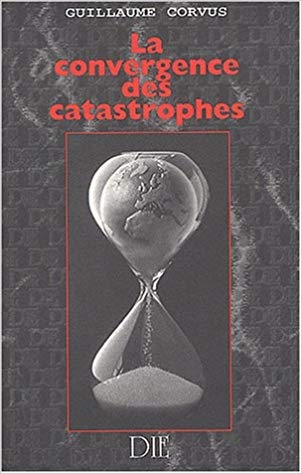 En 2004 se editan los libros La convergence des catastrophes y Le coup d’état mondial. El primero, que circuló firmado con el seudónimo «Guillaume Corvus», no es más que un resumen del pensamiento de Faye en el que –adaptando las teorías del matemático René Thom a la sociología– alerta que el sistema europeo está en peligro de colapsar debido a que las catástrofes sociales, económicas, demográficas, ecológicas e institucionales pueden confluir en un mismo momento y destruir lo que queda en pie del orden civilizatorio occidental. El otro libro, en cambio, es un análisis sobre el imperialismo estadounidense, al cual repudia, pero destacando que en Norteamérica existe el potencial para contribuir al freno del genocidio blanco (por ello amplía su idea de la Eurosiberia para incluir a los países americanos en una entidad que denominará «Septentrión»). Gracias a estas ideas su pensamiento fue bien acogido por el paleoconservadurismo norteamericano, lo que le permitiría después ser citado como uno de los inspiradores del movimiento Alt Right, gracias a Jared Taylor de American Renaissance.
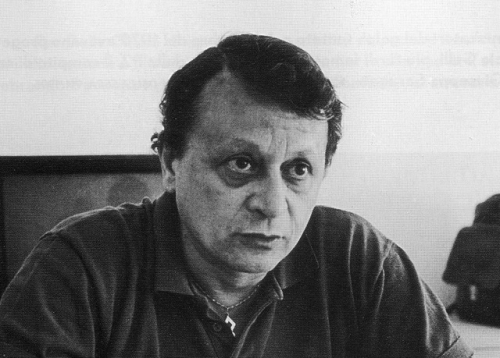
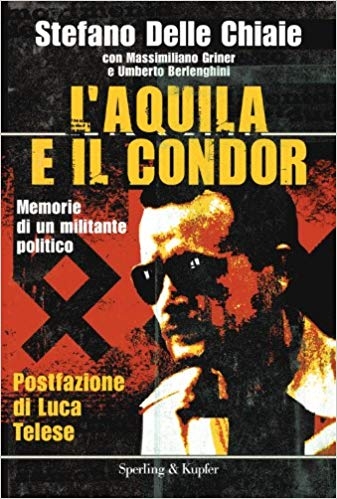 Lo cierto es que Delle Chiaie es un personaje central en la acción política patriótica de la Italia de los años 60 y 70, y de las relaciones internacionales de los movimientos nacionalistas de occidente de los 80 y los 90 hasta su regreso a Italia a finales de la centuria para reincorporarse a la política italiana, exonerado de los supuestos crímenes en los que se le incriminaba, como las matanzas de Piazza Fontana de 1969 en Milán, donde murieron 17 personas, o la masacre de Bolonia de 1980, con 85 fallecidos.
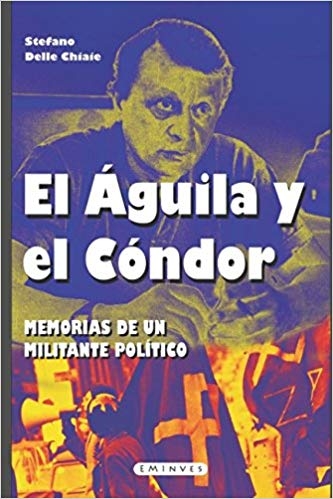 Su salida de Italia es fruto de su participación en el golpe de estado de Junio Valerio Borguese, en el año 1970, un pseudo golpe de estado que fracasa y que obliga a Delle Chiaie a dejar Italia.
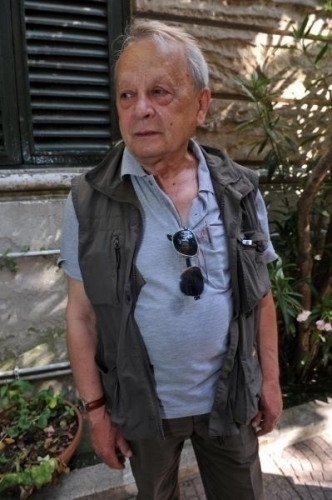 En 1987 es detenido en Venezuela y trasladado a Italia para ser enjuiciado, siendo absuelto de toda responsabilidad penal por los distintos atentados en los que se le incriminaba en nueve distintos juicios. Años más tarde, ante la Comisión contra el terrorismo que en Italia trató de dilucidar aquellos años de violencia, durante una audiencia de 1997, encabezada por el senador Giovanni Pellegrino, Stefano Delle Chiaie siguió hablando de una «internacional fascista negra» y su esperanza de crear las condiciones de una «revolución internacional». Habló de la Liga Anticomunista Mundial, pero dijo que después de asistir a una reunión en el Paraguay, la había abandonado afirmando que era una fachada de la CIA. Lo único que admitió haber tomado parte en la organización del Nuevo Orden Europeo (NOE).
 Pourquoi vous intéresser aux idéologies ? Ces dernières ont-elles un vrai impact sur notre société ?
 Son progressisme se réclame d’une sorte de sens de l’Histoire allant vers plus de libéralisme économique et politique, de technologies douces, de multilatéralisme, de gouvernance, de performance et d’Europe. Mais, il entend aussi réaliser des « valeurs » sociétales, libertaires : ouverture, innovation, réalisation de soi, diversité, tolérance... Il est bien l’héritier des idées lib-lib qui se sont répandues peu avant ou après la chute de l’URSS et il pourrait être le symptôme d’une fin de cycle intellectuel. Pour le moment, de telles représentations convient plutôt à ceux, disons d’en haut. Elles leur garantissent à la fois la défense de leurs intérêts matériels et la satisfaction ostentatoire de se sentir supérieurs. Moralement face aux obsédés de l’identité et autres autoritaires ou intellectuellement face à ceux qui n’ont « pas compris que le monde a changé » .
 Vous relevez que les idéologies actuelles sont « anti » : antilibéralisme, anti-mondialisme, etc. Notre époque éprouve-t-elle des difficultés à créer de vraies idéologies, comme ont pu l’être le marxisme, le positivisme, le libéralisme ou le structuralisme ?

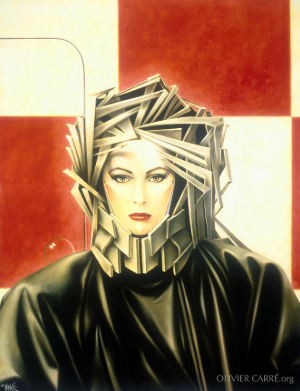
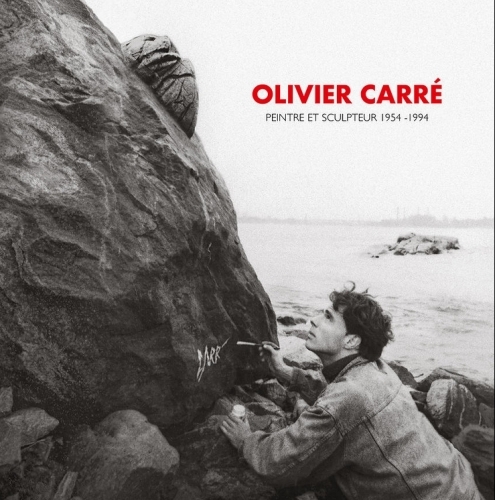
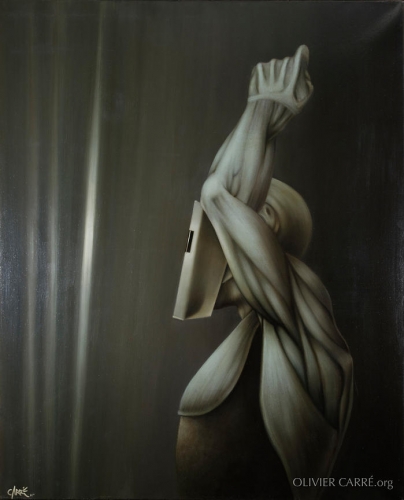
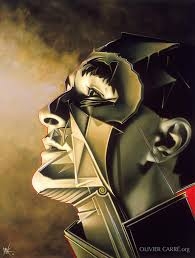 Une philosophie exigeante et ardue sourd de son œuvre, qu’aucun concept ne peut réduire tant ses tableaux étaient des incitations et non de quelconques solutions données à des problèmes qu’il aurait nettement formulés. Son Athéna nucléaire tout autant que quelques portraits de commandes privées montrent une expression de l’humain perçu comme une liberté à conquérir, une liberté qui doit être refusée si elle n’est qu’une permission donnée par d’autres, par la société, par quelques individus députés à cette fonction, ou par le monarque même ; la liberté telle que la comprenait esthétiquement Carré n’est pas même envisagée comme soumise à une volonté consciente, ni dépendante de la réalisation d’un projet calculé ou d’ordre politique ; elle doit sourdre de l’action, sortir d’elle comme sa principale conquête, quel que soit l’objectif pratique qui est visé. Le rôle social des individus, pour lui, importait peu ; seul l’attirait leur capacité à l’action novatrice et à la mise en œuvre d’une forme nouvelle et créatrice. Autant dire que, pour l’essentiel, Carré ne voyait autour de lui que des esclaves sans grande consistance, et s’amusait de leurs ballets. Il haïssait, pour les mêmes raisons, le circuit des galeristes et des critiques d’art.
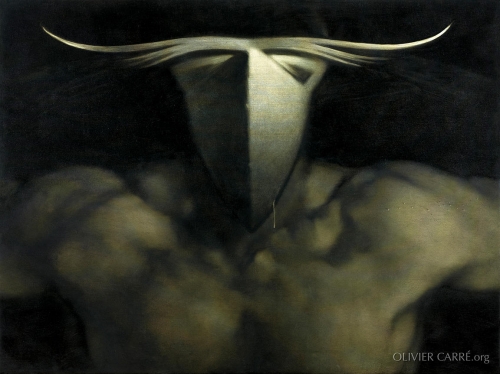
 De quelque bord qu’on la prenne, l’époque se pâme devant les revendications. Mais elles sont toutes d’essence technique et attendent les projets ou les entreprises qui les mettent en œuvre et tentent de les satisfaire. Carré, quant à lui, construisait sa peinture comme un événement capable de regarder son spectateur depuis l’avenir. La négation déréalisante du présent et l’affirmation péremptoire d’un autre monde possible avaient chez lui, quitte à prendre la forme d’une provocation, la même vocation à la disponibilité, la même ouverture vers l’exigence de devenir. Son art ne revendiquait rien d’objectivable. Il traduisait, poussée à ses limites extrêmes, la conscience strictement poétique et généreuse que l’artiste n’a pas à nommer la réalité des choses mais à désigner l’étrangeté qu’elles recèlent, l’inaccompli qu’elles révèlent. L’énoncé conceptuel relève de la raison, qui peut opposer des thèses et leurs contraires puisqu’elle les élabore elle-même ; les facultés propres à un créateur comme Carré ont une autre vocation : lever le voile des vérités juvéniles, ne jamais en compromettre le mystère, ni interrompre la complexité du monde, attiser le feu chaque fois que possible, montrer le geste et habiter la foudre. Sa demeure était l’éclair.



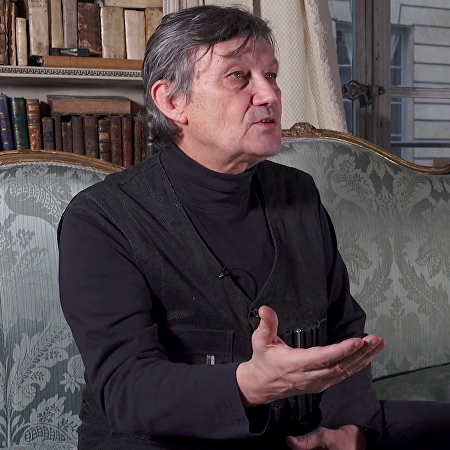
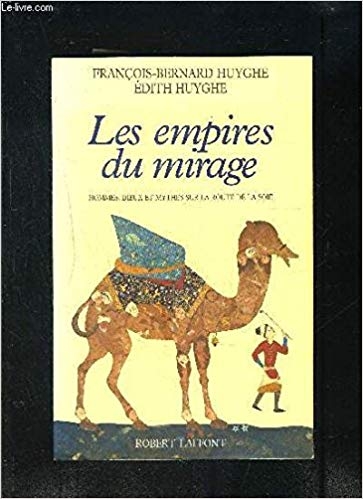
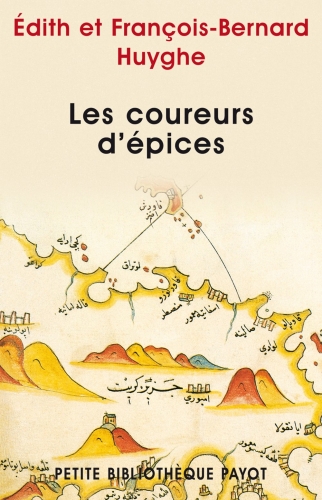

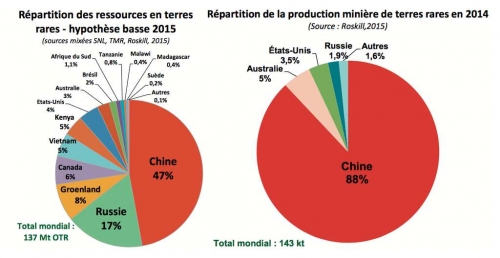

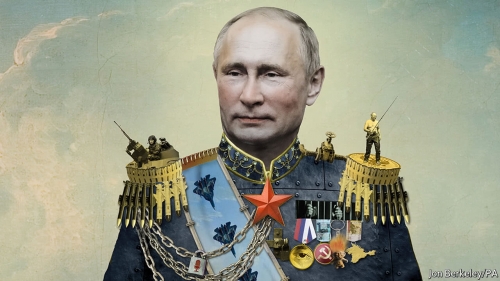
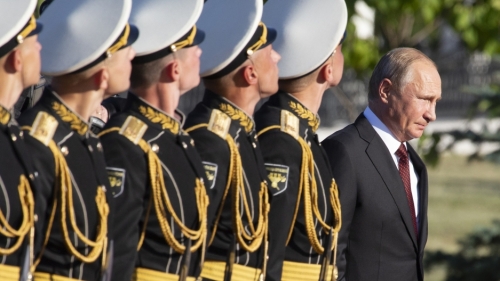
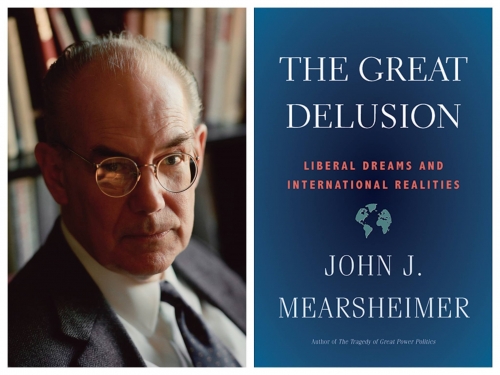

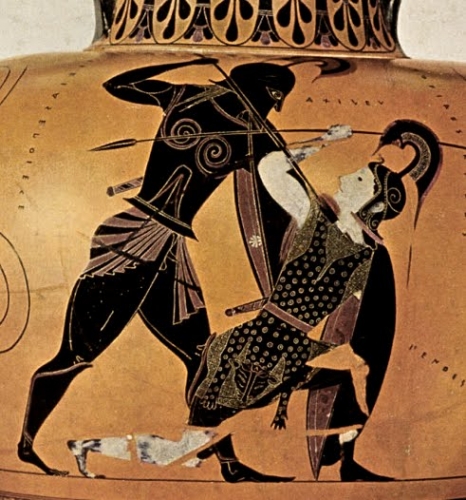
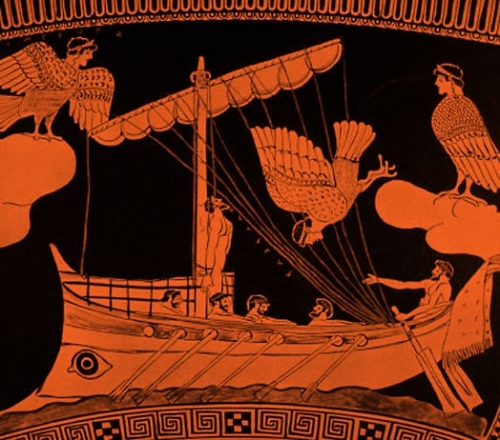
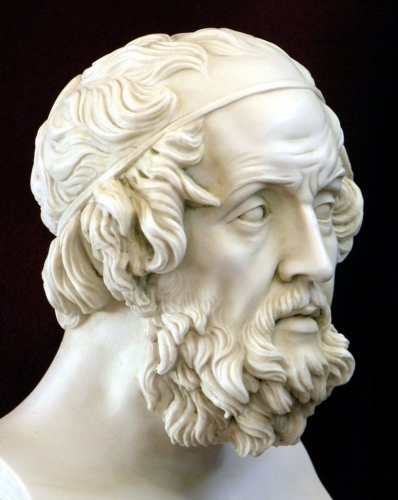 European culture formally began with the books of Homer. These European cultural stories were popularized in Europe approximately 3,000 years ago and then written down by the poet Homer about 2,700 years ago. One of the major themes in Homer is the concept of Xenia. Xenia defines the behavior expected from local European residents toward travelers, strangers, and even immigrants. Xenia also defines the behavior that is expected in return from these guests, these strangers in a strange land. The concepts presented in the Iliad and the Odyssey are considered the foundation of the European cultural tradition termed the code of hospitality or the code of courtesy.






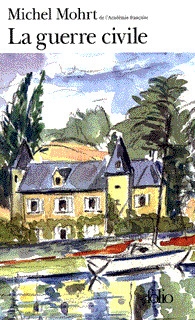
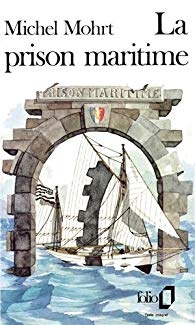 En effet, dans deux de ses romans, Mon Royaume pour un cheval et La Guerre civile, Mohrt évoque à la fois Drieu, qu’il avait rencontré dans le Paris de la fin de l’Occupation, et surtout Bassompierre, son camarade aux Chasseurs alpins sur le front italien, devenu Bargemont dans plusieurs de ses romans, condamné à mort après la Libération et fusillé, malgré l’intervention de grands résistants, pour son engagement sur le front russe. Singulière figure que celle de Bassompierre, qui incarne les déchirements d’une certaine France et dont le tragique destin a profondément marqué Mohrt : une partie importante de son œuvre témoigne de son inconsolable tristesse.
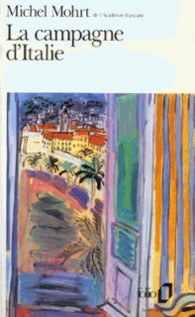 Ecoutons Mohrt évoquer ce jeune officier démobilisé après une campagne bien courte qui, contrairement à celle du jeune Stendhal, ne fit pas de lui ce dragon victorieux entrant dans Milan pour occuper - en vainqueur - une loge à la Scala : « Je n’avais plus confiance en moi, parce que j’avais perdu confiance en mon pays. Comme lui, je le sentais vaincu. Je passais mon temps à ruminer la défaite, cherchant à en préciser les causes, si évidentes pour moi ». C’est à ce moment que cet avocat réfugié en zone libre se met à lire les auteurs qui, après la défaite de 1870, proposent une réforme intellectuelle et morale qui ne viendra pas. Même espoir chez Mohrt d’un relèvement, même hantise de la guerre civile - qui viendra, car aux massacres de la Commune succèdent ceux de l’Occupation et de la Libération. Mohrt a dit et répété qu’il avait l’impression d’assister, « à la naissance d’une vérité officielle qui contredisait tout ce que j’avais vu ou cru voir ». Les années d’après la défaite, il les vécut « en somnambule » et dans l’amertume.
 Peu d’écrivains français peuvent se vanter d’avoir enseigné aux prestigieuses universités de Yale ou de Californie ; très peu nombreux sont ceux qui reçurent en outre la proposition d’intégrer le corps professoral de Princeton. Paradoxe pour ce chouan nourri de Maistre et de Maurras, et qui fut, des décennies durant, l’un des principaux passeurs en France - chez Gallimard - des plus grands écrivains américains du siècle vingtième : qui se souvient que c’est Mohrt qui introduisit Roth et Kerouac chez Gallimard ? Sans oublier son travail en faveur de Faulkner , à qui le liait une sensibilité commune : « Les hommes de l’Ouest ont entre eux bien des ressemblances. Nous étions un peu chouans. Avec M. de Charrette, nous serions allés « chasser la perdrix », nous étions sudistes ».