


vendredi, 20 août 2010
Pavel Florenskij : Il pensiero contro l'ideologia
di Vito Mancuso
Fonte: La Repubblica [scheda fonte]
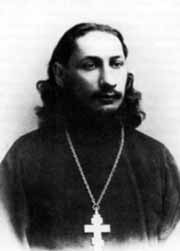 L'incontro con Pavel Florenskij ha segnato profondamente la mia vita e quindi questo articolo lo si deve intendere come una dichiarazione d'amore. L'occasione è la nuova edizione del capolavoro del 1914 La colonna e il fondamento della verità grazie al contributo encomiabile di Natalino Valentini, al quale si deve la cura di molti altri scritti, tra cui Bellezza e liturgia, l'epistolario dal gulag Non dimenticatemi e le memorie Ai miei figli. Come ogni dichiarazione d'amore, anche questa si rivolge alla più intima umanità dell'interessato, a quel mistero personale non riassumibile nelle sue conoscenze. Dico questo per liberare Florenskij dall'incanto della sua genialità («il Leonardo da Vinci della Russia») per l'essere stato matematico, fisico, ingegnere, e, sull'altro versante, teologo, filosofo, storico dell'arte. Marito e padre di cinque figli, fu anche sacerdote ortodosso, status che gli costò la vita nel 1937. Essere sacerdote e insieme scienziato era una smentita vivente dell'ideologia comunista, per la quale la fede era solo ignoranza: la dittatura non poteva tollerarlo e non lo tollerò.
Da una lettera del 1917 emerge la sua inconfondibile personalità: «Nello spazio ampio della mia anima non vi sono leggi, non voglio la legalità, non riesco ad apprezzarla... Non mi turba nessun ostacolo costruito da mani d'uomo: lo brucio, lo spacco, diventando di nuovo libero, lasciandomi portare dal soffio del vento». Eccoci al cospetto di un nesso incandescente: dedizione assoluta per «la colonna e il fondamento della verità» e insieme vibrante ribellione a ogni legaccio della libertà. Si comprende così come non solo per il regime ma anche per la Chiesa gerarchica il suo pensiero era ed è destabilizzante, tant'è che ancora oggi, nonostante il martirio, Florenskij non è stato beatificato. Durante la prigionia scriveva al figlio Kirill: «Ho cercato di comprendere la struttura del mondo con una continua dialettica del pensiero». Dialettica vuol dire movimento, pensiero vivo, perché «il pensiero vivo è per forza dialettico», mentre il pensiero che non si muove è quello morto dell'ideologia, che, nella versione religiosa, si chiama dogmatismo.
Il pensiero si muove se è sostenuto da intelligenza, libertà interiore e soprattutto amore per la verità, qualità avverse a ogni assolutismo e abbastanza rare anche nella religiosità tradizionale. Al riguardo Florenskij racconta che da bambino «il nome di Dio, quando me lo ponevano quale limite esterno, quale sminuimento del mio essere uomo, era in grado di farmi arrabbiare tantissimo». La sua lezione spirituale è piuttosto un'altra: la fede non è un assoluto, è relativa, relativa alla ricerca della verità. Quando la fede non si comprende più come via verso qualcosa di più grande ma si assolutizza, si fossilizza in dogmatismo e tradisce la verità.
La dialettica elevata a chiave del reale si chiama antinomia, concetto decisivo per Florenskij che significa «scontro tra due leggi» entrambe legittime. L'antinomia si ottiene guardando la vita, che ha motivi per dire che ha un senso e altri opposti. Di solito gli uomini scelgono una prospettiva perché tenerle entrambe è lacerante, ma così mutilano l'esperienza integrale della realtà. Ne viene che ciò che i più ritengono la verità, è solo un polo della verità integrale, per attingere la quale occorre il coraggio di muoversi andando dalla propria prospettiva verso il suo contrario. Conservando la propria verità, e insieme comprendendone il contrario, si entra nell'antinomia.
«La verità è antinomica e non può non essere tale», scrive Florenskij nello straordinario capitolo della Colonna dedicato alla contraddizione dove convengono Eraclito, Platone, Cusano, Fichte, Schelling, Hegel. Ma è per Kant l'elogio più alto: «Kant ebbe l'ardire di pronunciare la grande parola "antinomia", che distrusse il decoro della pretesa unità. Anche solo per questo egli meriterebbe gloria eterna». In realtà questa celebrazione della vita aldilà del concetto è il trionfo dell'anima russa, quella di Puskin, Gogol', Dostoevskij, Tolstoj, Cechov, Pasternak, e che pure traspare da molte pagine di Florenskij cariche di poesia.
Per lui anche la Bibbia e la dottrina sono colme di antinomie, in particolare la Lettera ai Romani è «una bomba carica di antinomie». Ma di ciò si deve preoccupare solo chi ha una concezione dottrinale del cristianesimo, non chi, come Florenskij, lo ritiene funzionale alla vita.
Tra i due nomoi dell'antinomia non c'è però per Florenskij perfetta simmetria: operativamente egli privilegia il polo positivo. Pur sapendo bene che «la vita non è affatto una festa, ma ci sono molte cose mostruose, malvagie, tristi e sporche», non cede mai alla rassegnazione o al cinismo; al contrario insegna ai figli che «rendendosi conto di tutto questo, bisogna avere dinnanzi allo sguardo interiore l'armonia e cercare di realizzarla».
Tale armonia non può venire dal mondo, dove regna l'antinomia, ma da una dimensione più profonda. La voglio illustrare con alcune righe del testamento spirituale, iniziato nel 1917, l'anno della rivoluzione, avendo subito intuito la minaccia che incombeva su di lui: «Osservate più spesso le stelle. Quando avrete un peso sull'animo, guardate le stelle o l'azzurro del cielo. Quando vi sentirete tristi, quando vi offenderanno, quando qualcosa non vi riuscirà, quando la tempesta si scatenerà nel vostro animo, uscite all'aria aperta e intrattenetevi, da soli, col cielo. Allora la vostra anima troverà la quiete».
Tante altre notizie su www.ariannaeditrice.it
00:05 Publié dans Philosophie | Lien permanent | Commentaires (0) | Tags : russie, lettres russes, littérature russe, lettres, littérature, orthodoxie, slavisme, slavistique, études slaves, religion, chrisitanisme |  |
|  del.icio.us |
  |
|  Digg |
  Facebook
jeudi, 19 août 2010
Multiculturalisme kent alleen maar verliezers
O. DELECRUZE - 16 AUGUSTUS 2010
 Linkse activisten dragen de schuld voor de fouten in het huidige integratiebeleid: sinds lang hebben die ieder debat onmogelijk gemaakt. Maar bovenal was en is het doel van de multiculturele campagnes de vernietiging van het eigene, "tot de overgrote meerderheid weet wat van hen verwacht wordt en de rol speelt die hen is opgelegd."
In Groot Brittannië had de massa-immigratie en daarmee de "multicultuur" als doel "de ziel van de natie te wijzigen," om "het demografische en culturele patroon van het land te veranderen," om door overmacht de verandering in houding te veroorzaken waar de Britse evenknie van de PvdA, Labour, zich de representant van beschouwde. Deze streefde naar "een multiculturele samenleving die zijn eigen geschiedenis zou moeten heroverwegen, en de traditionele trots vervangen door een besef van schuld."
Klootjesvolk
 Ook in Nederland is het voorduren van de massa-immigratie zeer aannemelijk een opzettelijk project van de progressieve politiek die volgde op de ontrouw van de wegvluchtende kiezers waar vooral de PvdA eind zestiger mee te kampen had.[1] Volgens de Provo-beweging in die periode had de welvaartsmaatschappij het ontrouwe arbeiderselectoraat "in slaap gesust". De arbeiders waren ontaard tot een "grauwe, gemakzuchtige massa". Van dit "klootjesvolk" hoefde niemand mee iets positiefs te verwachten," schrijft Duco van Weerlee in Wat de provo’s willen.[2] Of in de taal van de Amsterdamse Provo’s:
"Bourgeoisie en voormalig proletariaat zijn samengeklonterd tot een groot grijs klootjesvolk, de misselijk makende middenstand, de torren en lieveheersbeestjes, de spruitjeseters."Het is even wennen, schrijft Jos van Lans,[3] maar alras stijgt uit dit soort kritiek een groeiende sympathie op voor alles wat afwijkt, wat buiten de grauwe grijze middelmaat treedt. Het boek van Herman Milikowski 'Lof der onaangepastheid' trekt deze radicale kritiek door naar de onmaatschappelijkheidsbestrijding:
"Er treedt een bont palet van sociale bewegingen aan die zich rondom een specifieke identiteit manifesteren: de gekkenbeweging, de kraakbeweging, de milieubeweging, de jongerenbeweging, de vrouwenbeweging, de ene nog radicaler dan de andere."Het gevolg was dat de uit de hand gelopen massa-immigratie voor de progressieve politiek nooit een issue werd of mocht worden. Alleen bij de grondwetsherziening begin jaren '80 speelde het een bijrol, maar dan alleen om immigranten het stemrecht toe te kennen (voor gemeenteraden), wat zeer lucratief zou zijn voor vooral linkse partijen. Aan de andere kant moest het morrende "klootjesvolk" onder controle gehouden worden. Daarvoor werden vooral begin 90'er jaren, na de val van het communisme, "multicultuur" en "diversiteit" het toneel opgevoerd en konden "de spruitjeseters" (inmiddels aangeduid met "onderbuik"[4]) die zich tegen die multicultuur durfde te uit te spreken ineens inherent als "racisten" bestempeld worden.
Over de moedwillige bevolkingspolitiek schreef de oud-diplomaat C. van Nispen tot Sevenaer in 2005:
"De massale immigratie is door bepaalde mensen nagestreefd. Terwijl Jacques Wallage fractievoorzitter was van de PvdA in de Tweede Kamer (coalitieregeringen van CDA, PvdA, VVD en D66), zijn onder een zogenaamd restrictief toelatingsbeleid tussen 1990 en 1999 één miljoen honderdertigduizend – legale – immigranten naar Nederland gekomen [CBS] met nu een totaal van 3 miljoen mensen van allochtone afkomst, 20 procent van de Nederlandse bevolking. Wallage, (oud burgemeester van Groningen, recent informateur van het mislukte Paars Plus), zegt: "Wie zijn wij om een eerstgeboorterecht uit te oefenen, hoezo is Nederland voor zijn inwoners? Iedereen heeft recht op dit stukje aarde, waarom zouden wij, toevallige inwoners, daar enig bijzonder recht op doen gelden?"Multiculturalisme is tweedeling
In het rapport "De armoedigheid van het multiculturalisme", dat in hetzelfde jaar, 2005, werd uitgebracht door de denktank Civitas, werd geconcludeerd dat het politieke concept "multiculturalisme", raciale scheidslijnen bevordert (ofwel: tweedeling), en mogelijk heeft bijgedragen aan de zelfmoordaanslagen in het Verenigd Koninkrijk. Het rapport bekritiseeert de overtuigde multiculturalisten:
"…die beweren dat geen enkele cultuur is beter dan een andere, maar ook de eersten zijn om te benadrukken dat de westerse cultuur eigenlijk minderwaardig is. Het feit dat de plegers van de zelfmoordaanslagen in Londen geboren en getogen zijn in Groot-Brittannië en door de staat zijn aangemoedigd om anders te zijn, toont aan dat het harde multiculturalisme het niet alleen in zich heeft om verdeeldheid te zaaien maar ook zondermeer dodelijk kan zijn."In een Franse studie uit 2007, Seculariteit in de Lage Landen? Over hoofddoekjes in een neutrale staat,[5] werd zelfs specifiek gewaarschuwd voor het Nederlandse multiculturalisme: "Wat is er in de ogen van de Fransen mis gegaan met het Nederlandse minderhedenbeleid?" Volgens dit rapport van de Franse Commissie-Stasi uit 2007, maakt de Nederlandse politiek zich schuldig aan een destructieve vorm van multiculturalisme. De typisch Nederlandse zuilen-traditie heeft allochtone groepen aangemoedigd tot zelf-organisatie in gesloten culturele gemeenschappen: "Sinds de jaren zestig is Nederland aan het wegglijden in communitarisme."
Jacqueline Costa, lid van de delegatie van de commissie-Stasi die ter plaatse onderzoek heeft verricht naar de Nederlandse situatie, beweert dat het rapport uit beleefdheid veel te mild is geformuleerd. Naar haar mening zou het accurater zijn geweest om te zeggen dat de integratie in Nederland is uitgelopen tot een complete mislukking:
"De traditionele Nederlandse tolerantie heeft zich tegen zichzelf gekeerd met het bieden van een veilige haven aan islamisten die het als operationele basis gebruiken om de liberale staat van binnenuit op te blazen. Het Rapport Stasi werd sterk beïnvloed door de negatieve bevindingen in Nederland"Rekening houdend met het feit dat Nederland als afschrikwekkend voorbeeld kan dienen, heeft de Commissie daaropvolgend vastgesteld dat de Nederlandse manier koste wat kost vermeden moest worden. "Deze situatie voedt etnische en religieuze spanningen en doet het anti-semitisme heropleven…"
Terug naar de middeleeuwen
Valentina Colombo in Decepties, Dwalingen en Slachtoffers van het Multiculturalisme wijst op de verzuiling waar ook het Franse rapport aan refereerde, als voorloper van het multiculturalisme. Die verzuiling had als opzet "een vreedzame samenwerking mogelijk te maken tussen de leiders van de verschillende zuilen, maar met nog grotendeels gescheiden achterbannen" [maar volgens Paul Scheffer, "wel met een algemeen aanvaarde grondwet en kon worden uitgevochten in een en dezelfde taal."] Vandaag de dag echter zou dergelijke verzuiling met verschillende codes en rechtsvormen, zoals de sharia, onvermijdelijk leiden tot een vergaande en gevaarlijke discriminatie van vrouwen: "Het probleem zit in het misplaatste geloof dat deze wandaad uitsluitend iets van- en voor de minder fortuinlijke immigranten zou zijn, en de samenleving als geheel onaangetast zou laten." Multiculturalisten pleiten voor uitbreiding van een pertinent gelijke status voor de verschillende etnische en religieuze groepen, "echter zonder het bevorderen van welke etnische, religieuze of culturele waarden dan ook."
 Colombo haalt twee recente door moslimvrouwen geschreven boeken aan die het multiculturalisme definiëren als "een dwaling" en "een deceptie." Der Multikulti-Irrtum, Wie wir in Deutschland besser zusammen leben können ("De Multiculti-dwaling"), gepubliceerd in Duitsland in 2007, geschreven door Seran Ates, een advocaat die geboren is in Istanbul en getogen in Duitsland; en L'Inganno - Vittime del Multiculturalismo ("De Deceptie, Slachtoffers van Multiculturalisme") dat verscheen in Italië in 2010 en was geschreven door Souad Sbai, een Italiaans parlementslid en journalist, geboren in Marokko, opgegroeid in Duitsland en woonachtig in Italië.
Beide auteurs hebben – op verschillende manieren – met allochtone vrouwen gewerkt. En allebei stellen ze dat het multiculturalisme niet alleen achterhaald is, maar vooral tegen de rechten van de vrouw indruist:
Seyran Ates, die in toenemende mate werd verstikt door haar autoritaire huiselijke omgeving, besloot op haar zeventiende weg te lopen van haar familie. Zij zocht toevlucht in een opvanghuis voor vrouwen, waar ze in een gemeenschap terecht kwam van mishandelde Turkse en Duitse vrouwen. Een gewapende ultra-nationalistische groep Turkse jongeren viel in 1984 de vrouwen in het centrum aan. Ates werd in de keel geschoten en raakte ernstig gewond, een vrouw naast haar werd gedood.Colombo eindigt haar artikel met te stellen dat we het niet kunnen toelaten dat vrouwen in het Westen in hun geboorteland gediscrimineerd worden, of, zoals Souad Sbai zegt, "dat vrouwen in het algemeen in Europa worden teruggeleid naar de middeleeuwen". Souad Sbai zegt op haar eigen website:
Het kostte Ates vijf jaar om te herstellen van de wonden en het trauma. Na deze aanslag op haar leven besloot ze dat niemand het recht had haar droom om advocaat te worden te vernietigen, en ging zich inzetten voor de rechten van vrouwen. In 2007, na weer een doodsbedreiging, stopte ze met haar werk als advocaat voor Turkse migrantenvrouwen. Maar haar gedrevenheid behield ze: in de hoop de situatie in Duitsland te kunnen veranderen ging ze schrijven. Haar boek, "De Multiculti-dwaling" is een heldere analyse van de situatie in haar land.
Ates beschouwt met name linkse activisten als de schuldigen voor de fouten in het huidige integratiebeleid: sinds lang hebben die ieder debat onmogelijk gemaakt.
Ondanks alles waar linkse activisten zich voor inzetten, stelt Ates dat zij nooit goed hebben gekeken naar wat er werkelijk gaande is binnen de gemeenschappen die zich in Duitsland [en elders in de Westerse wereld] hebben gevestigd. Zij schrijft dat een nadere bestudering van de derde generatie de gevolgen laat zien van waar Duitsland in de afgelopen decennia in is gefaald: een groot deel van haar boek is gewijd aan vrouwen en geweld – gedwongen huwelijken, eerwraak en geweld in het algemeen.
Souad Sbai, een Italiaans parlemenslid die sinds jaar en dag met allochtone vrouwen werkt, beschouwt de situatie van moslimvrouwen in het Westen als het resultaat van het falen van de "multiculturele samenleving" als geheel. Multiculturalisme, volgens Sbai, is een afschuwelijk veelkoppig monster en belichaamt twee van de belangrijkste fenomenen: 1. Het instrumentele gebruik van religie door islamisten om hun politieke doel en de onderwerping van de vrouw na te streven; 2. De afschaffing van de burgerlijke vrijheden en de waardigheid van de mens.
De ondertitel van haar boek, "Slachtoffers van het Multiculturalisme," identificeert het belangrijkste probleem als het resultaat van een juridische en politieke terugtreding, daar waar het gaat om het bevorderen van de universele rechten van de mens en het respecteren van de centrale plaatsing en de onaantastbaarheid van het individu. Hoewel het woord "slachtoffers" hier kan klinken alsof het alleen verwijst naar allochtone vrouwen in het Westen en hun segregatie in een wereld van onnozelheid en geweld, heeft het een universele waarde: De boodschap in haar boek is dat elke persoon, man of vrouw, van welke religie ook, slachtoffer van islamisme en fanatisme kan worden.
Volgens Souad Sbai, is deceptie de blind makende illusie van het multiculturalisme: de weigering om het karakter van een ideologie [islam] en de rampzalige gevolgen ervan te erkennen, maar ook de neiging van mensen om muliculturalisme te verwarren met "iets positiefs." Deceptie is, zo stelt Souad Sbai, de promotie van abstracte ideeën en ideologieën van mensenrechten en universeel broederschap op zodanige wijze dat ze ironisch genoeg degenereren in een perverse vorm van onverschilligheid en ontkenning van rechten. Deceptie is een juridisch en cultureel relativisme dat de schuldigen vrijpleit en weerloze vrouwen geslagen, verkracht, verbrand, en misbruikt laat.
 "Het beginsel van de politieke correctheid vergt een absoluut respect voor de cultuur van niet-westerse volkeren, wat multiculturalisme genoemd wordt. Maar wat als die niet-westerse culturen in hun gedrag geen respect voor vrouwen kennen? (…) Het multiculturalisme kent alleen maar slachtoffers. Slachtoffers als Hina Saleem uit Brescia, de Pakistaanse die door haar vader onthoofd werd en in de tuin begraven "omdat zij zich gedroeg als een christen"; als Bouchra, een Marokkaanse uit Verona, die doodgestoken werd door haar man omdat zij weigerde de sluier te dragen; als Fouzia, de Egyptische uit Milaan die door haar echtgenoot voor de ogen van haar driejarige dochtertje gewurgd werd en vervolgens in een park gedumpt, omdat zij zich westers kleedde; als Fatima Saamali, de Marokkaanse uit Aosta die door haar man werd vermoord omdat zij aan de politie had gerapporteerd dat zij door haar man mishandeld werd…"
Maar het multiculturalisme leidt niet alleen vrouwen terug naar de middeleeuwen. Volgens emeritus hoogleraar Russische en Slavische Studies, Frank Ellis, speelt er ook nog iets anders en is de onmiddellijke context voor het begrijpen van de politieke correctheid en het multiculturalisme, de Sovjet-Unie en haar catastrofale utopische experiment:
Multiculturalisme, voorbode voor de Goelag?
door Frank Ellis
"Omwille van het dagelijks bestaan was het zondermeer noodzakelijk, of soms van belang, om goed na te denken alvorens iets te zeggen; maar een lid van De Partij die benaderd werd voor een politiek of ethisch oordeel, werd geacht in staat te zijn de correcte zienswijzen net zo volautomatisch uit te sproeien als een machinegeweer dat met kogels doet." – George Orwell, "1984".Er bestaat geen succesvolle samenleving die een spontane neiging tot multiculturalisme of multi-etniciteit kent. Succesvolle en duurzame samenlevingen vertonen een hoge mate van homogeniteit. Degenen die het multiculturalisme voorstaan zijn hier óf niet van op de hoogte, óf – wat waarschijnlijker is – beseffen terdege dat als zij de Westerse samenlevingen willen transformeren tot strikt gereguleerde, etnisch-gefeminiseerde bureaucratieën, ze eerst die samenlevingen zullen moeten saboteren.
Deze transformatie is even radicaal en revolutionair als indertijd het project was om het communisme in de Sovjet-Unie te vestigen. Net als dat ieder aspect van het leven onder politieke controle moest worden gebracht – zodat de commissarissen hun visie aan de samenleving konden opleggen – hopen de multiculturalisten ieder aspect van ons leven te controleren en te domineren. Hoewel hun variant in vergelijking met de genadeloze tirannie van de Sovjets wat softer en milder lijkt, is het wél één waarmee ze ons hopen net zo strak te kunnen houden als een gevangene in de Goelag: de tegenwoordige "politieke correctheid" stamt immers rechtstreeks af van die communistische terreur en -hersenspoeling.
Wat het multiculturalisme – in tegenstelling tot het direct herkenbare vreemde implantaat communisme – bijzonder verraderlijk en moeilijk te bestrijden maakt, is dat het zich de morele en intellectuele infrastructuur van het Westen toeëigent. Hoewel het zich voordoet als een voorvechter van de diepste overtuigingen van het Westen, is het daar in feite een perversie van en breekt het systematisch het hele idee van het Westen af.
Wat wij "politieke correctheid" noemen stamt uit de Sovjet-Unie van de jaren '20 (politicheskaya pravil’nost heette dat in het Russisch), en was de uitwaaiering van de politieke controle naar onderwijs, psychiatrie, ethiek en gedrag. Het was een essentieel element in het streven om alle aspecten van het leven in overeenstemming te brengen met de ideologische orthodoxie (wat het onderscheidend kenmerk is van alle totalitaire regimes). In het post-Stalin-tijdperk betekende politieke correctheid zelfs dat dissidentie werd gezien als het symptoom van een psychische aandoening, waarvoor permanente opsluiting de enige kuur was.
Zoals Mao Tse-Tung, de Grote Roerganger, stelde: "Het niet hebben van een politiek correcte oriëntatie is als het niet hebben van een ziel." Mao's Rode Boekje staat vol met aansporingen om het juiste pad van de communistische gedachte te volgen, en eind jaren '60 had de maoïstische politieke correctheid zich al stevig in de Amerikaanse en Europese universiteiten genesteld. De laatste fase van die ontwikkeling waar we nu sinds ruim twee, drie decennia getuige van zijn, is het resultaat van een kruisbestuiving met de nieuwste "ismen:" anti-racisme, feminisme, structuralisme, post-modernisme [en het opkomende islamisme], die nu de universitaire curricula domineren. Het resultaat is een nieuwe en virulente stam van het totalitarisme, dat duidelijke parallellen heeft met het communistische tijdperk. De hedendaagse dogma's hebben geleid tot rigide eisen met betrekking tot woordgebruik, het denken en het gedrag, en de onwilligen worden behandeld alsof zij mentaal onevenwichtig zijn, net als de Sovjet-dissidenten indertijd.
Matthijs van Nieuwkerk: "U zegt dat mensen die op Wilders stemmen, en dan vooral de mensen die de krant lezen en gezond verstand hebben, want die zijn toerekeningsvatbaar dan blijkbaar."Er zijn er die gesteld hebben dat het onrechtvaardig is om het regime van Stalin als "totalitair" te kenschetsen, erop wijzend dat één man, hoe genadeloos hij ook de macht uitoefende, onmogelijk alle handelingen van de staat kon controleren. Maar in feite hoefde hij dat ook helemaal niet. Totalitarisme is veel meer dan staatsterreur, censuur en concentratiekampen; totalitarisme is een geestestoestand waarin het idee van een prive-mening of eigen standpunt uitgewist is. De totalitaire propagandist dwingt de mensen om te geloven dat slavernij vrijheid is, vunzigheid een beloning, onwetendheid kennis, en dat een streng gesloten samenleving de meest open samenleving in de wereld is. En zodra ervoor is gezorgd dat genoeg mensen op deze manier zijn gaan denken, is er spake van functioneel totalitairisme: zelfs als een dictator het allemaal niet persoonlijk onder controle heeft.
Maarten van Rossum: "Ik kan me niet voorstellen dat je een gezond verstand hebt en dan op Wilders stemt."
Matthijs van Nieuwkerk: "Maar wat er nu gebeurt is, we hadden hier gisteren Bram Moszkovicz zitten, de advocaat van Geert Wilders… Herman van Veen vergeleek de PVV met de NSB… u zegt nu dat de mensen die op WIlders stemmen zijn niet goed bij hun hoofd."
Maarten van Rossum: "Ja, daar komt het in grote trekken op neer."
Matthijs van Nieuwkerk: "Dus u denkt dat demonisering, want dat woord valt nogal eens de laatste tijd, en Bram Moszkovicz had het er ook weer over, gaat door."
Maarten van Rossum: "Nou, ik zie dat helemaal niet als demonisering, het gaat erom dat vrij makkelijk kan worden aangetoond dat in feite de wereld die, die Wilders aan zijn kiezers aandoet …biedt, dat dat een paranoïde waanwereld is, dat 'ie in feite heel weinig of niets met de werkelijkheid van doen heeft."
Matthijs van Nieuwkerk: "Maar d'r zijn er meer dan éénmiljoen mensen niet goed bij hun hoofd op dit moment in Nederland."
Maarten van Rossum: "Ik denk dat dat op zichzelf al een vrij conservatieve conclusie is." (publiek lacht).[6]
Tegenwoordig uiteraard, wordt men voorgehouden dat diversiteit winst is, perversiteit een deugd, succes onderdrukking, en dat het keer op keer herhalen van deze ideeën een uitdrukking van "tolerantie" en "diversiteit" is. Inderdaad, de multiculturele revolutie zorgt overal voor subversie, net als de communistische revoluties dat deden: juridisch activisme ondermijnt de rechtsstaat, "tolerantie" ondergraaft de omstandigheden die een echte tolerantie mogelijk maakt; universiteiten – die paradijzen van het waardevrije onderzoek zouden moeten zijn – praktiseren een censuur die dat van de Sovjets naar de kroon steekt. Tegelijkertijd is er een tomeloze drang naar "gelijkheid": de Bijbel, Shakespeare, rap-teksten, zijn simpelweg teksten met "gelijkwaardige perspectieven"; afwijkend en crimineel gedrag is een "alternatieve leefgewoonte" (of "andere cultuur"). Dostojewski's Misdaad en Boete zou vandaag de dag met de titel Criminaliteit en Counseling zijn uitgegeven.
In het communistische tijdperk was de totalitaire staat gebaseerd op geweld. De zuiveringen van de jaren '30 en de Grote Terreur (wat Mao's model voor de Culturele Revolutie werd) pasten geweld toe tegen de "klassevijanden" om loyaliteit af te dwingen. Partijleden tekenden zonder scrupules doodvonnissen voor "vijanden van het volk", met een vanzelfsprekend geloof in de juistheid van de aanklachten, wetende dat de beschuldigden in werkelijkheid onschuldig waren. In de jaren '30, rechtvaardigde de collectieve schuld het vermoorden van miljoenen Russische boeren. Zoals door Robert Conquest aangehaald in The Harvest of Sorrow (p.143), was de visie van de Staat op deze klasse dat:
"…niet één van hen zich schuldig aan iets had gemaakt, maar zij behoorden nu eenmaal tot een klasse die schuldig was aan alles."Het stigmatiseren van complete instituties en sociale groepen ["spruitjeseters" of de "onderbuik"] maakt het veel gemakkelijker om een grootschalige verandering te bewerkstelligen. Hierin ligt natuurlijk de aantrekkelijkheid van het onderwerp "racisme" en "seksisme" voor de hedendaagse cultuurafbrekers – de zonde kan dan worden uitgestrekt tot ver voorbij het individu, om instellingen, literatuur, taal, geschiedenis, wetten, gebruiken, en complete beschavingen binnen bereik te brengen. De beschuldiging van "institutioneel racisme" [evenals als "xenophobie" en "islamofobie"] is niet anders uit te leggen dan het tot een vijand van het volk verklaren van een complete economische klasse. "Racisme" en "seksisme", de aanvalswapens van het multiculturalisme, zijn Grote Ideeën, net als wat de klassenstrijd betekende voor de communisten; en de gevolgen zijn hetzelfde. Als een misdrijf gecollectiviseerd wordt kan iedereen schuldig zijn, alleen omdat zij tot de verkeerde groep behoren. De jonge autochtonen die het slachtoffer zijn van raciale voorkeuren [van "positieve" discriminatie bijvoorbeeld], zijn de hedendaagse Russische boeren. Zelfs als zij nog nooit eigenhandig iemand onderdrukt hebben, "behoren zij tot het soort dat schuldig is aan alles."
Het doel van deze multiculturele campagnes is de vernietiging van het eigene. De mond beweegt, de juiste gebaren volgen, maar het is de mond en het zijn de gebaren van een zombie, van een nieuwe Sovjet-mens of – zoals tegenwoordig – een Politiek Correcte Mens.[7] Zodra er maar genoeg mensen op deze wijze geconditioneerd zijn, is geweld niet langer noodzakelijk. We bereiken dan het steady-state totalitarisme, waarin de overgrote meerderheid weet wat van hen verwacht wordt en de rol speelt die hen is opgelegd.
Het Russische experiment met de revolutie en totalitaire social engineering is uitvoerig geboekstaafd door twee van de grootste schrijvers van dat land, Fjodor Dostojevski (1821-1881) en Aleksandr Solzjenitsyn (1918-2008). Zij ontleedden op briljante wijze de methoden en psychologie van de totalitaire controle. Dostojewski's De Bezetenen [uit 1872, ook verschenen met de titel Duivels] kent geen gelijke in zijn indringende en verontrustende analyse van revolutionaire en utopische gedachten. De "bezetenen" zijn radicale studenten van de midden-en hogere klassen die flirten met iets wat ze niet begrijpen. De heersende klasse probeert bij hen in de gunst te komen en de universiteiten hebben in wezen de oorlog verklaard aan de samenleving als geheel. De luide roep van de studenten-radicalen is vrijheid: de bevrijding van de gevestigde normen van de samenleving, de bevrijding van de zeden, de bevrijding van ongelijkheid en van het verleden.
Hans Vandeweghe in De Morgen: "De Bezetenen van Fjodor Dostojevski vertelt het verhaal van de terroristische nihilisten van Sergei Nechajev. In zijn roman beschrijft Dostojevski de grotere maatschappij waarin ze actief zijn. Alle slimmerds, van de rechters tot de weldenkende en welvarende dames, staan aan Nechajevs kant. Tijdens het theedrinken fezelen de dames tegen elkaar: 'Prachtig toch wat die kerels willen bereiken. Jammer dat ze niet goed begrepen worden.' Diezelfde houding trof je ook aan in Duitsland tijdens de terreur van de Rote Armee Fraktion. In die periode was ik in Berlijn om research te doen voor mijn doctoraalscriptie. Ik huurde een flat van vage, gefortuneerde kennissen, die zeer sympathiek stonden tegenover de terroristen van de RAF. In de flat onder die van mij hebben ze lange tijd een koppel gehuisvest dat actief was in de Baader-Meinhofgroep. Mijn huisbaas – een kaviaarsocialist – was er erg trots op dat hij dat soort mensen onderdak verleende. In rijke linkse kringen golden RAF-terroristen als een statussymbool…"[8]Rusland's onderdompeling in moord en krankzinnigheid is een krachtige waarschuwing voor wat er gebeurt wanneer een natie de oorlog verklaart aan het verleden in de hoop een aards paradijs [socialistische heilstaat] op te kunnen bouwen. Dostojevski leefde niet lang genoeg om getuige te zijn van de gruwelen die hij had voorzien, Solzjenitsyn echter maakte ze mee uit eerste hand. "De Goelag Archipel" en "Augustus 1914" kunnen worden gezien als een geschiedenis van ideeën, van pogingen om verslag uit te brengen van het verschrikkelijke lot dat Rusland trof na 1917.
 Solzjenitsyn wijst op het onderwijs – op de manier waarop leerkrachten het als hun plicht zagen om een soort van vijandigheid in te prenten tegen iedere vorm van traditionele autoriteit – als de belangrijkste factor die verklaart waarom de jeugd van Rusland werd verleid voor socialistische revolutionaire ideeën. In het Westen gedurende de jaren '60 en '70 – die collectief "de jaren '60" genoemd kunnen worden – zien we een krachtige echo van de collectieve mentale capitulatie die in de jaren '70 van de negentiende eeuw in Rusland plaatsvond, en werd voortgezet in de revolutie (van 1917).
Solzjenitsyn in een lezing in 1978: "Het is vrijwel universeel erkend dat het Westen de hele wereld een manier toont voor succesvolle economische ontwikkeling, hoewel dat in de afgelopen jaren sterk is verstoord door een chaotische inflatie. Veel mensen in het Westen echter zijn niet tevreden met hun eigen samenleving. Zij verachten het, of beschuldigen het niet op het niveau van volkomenheid te zijn dat door de mens bereikt is. Een aantal van zulke critici wenden zich tot het socialisme, wat een valse en gevaarlijke stroming is.
Ik hoop dat niemand hier mij ervan zal verdenken dat mijn persoonlijke kritiek op het Westerse systeem bedoeld is om het socialisme als een alternatief te presenteren. Als iemand die het toegepaste socialisme heeft meegemaakt in een land waar het alternatief gerealiseerd is, zal ik mij er zeker niet voor uitspreken. De bekende Russische wiskundige Shafarevich, lid van de Russische Academie van Wetenschappen, heeft een briljant boek geschreven met de titel Socialisme, een grondige analyse die aantoont dat het socialisme van elk type en soort leidt tot een totale vernietiging van de menselijke geest en tot een nivellering van de mensheid in de dood. Shafarevich's boek werd bijna twee jaar geleden gepubliceerd in Frankrijk en tot nu toe is niemand gevonden die het kon weerleggen." (…)
Het communistische regime in het Oosten kon stand houden en groeien als gevolg van de enthousiaste steun van een enorm aantal westerse intellectuelen die verwantschap voelden en weigerden om de misdaden van het communisme te zien. Toen ze hier niet meer onderuit konden, probeerden ze het te vergoeilijken. In onze Oost-Europese landen heeft het communisme een complete ideologische nederlaag geleden, het is niks en minder dan niks. Maar westerse intellectuelen kijken er nog steeds naar op met belangstelling en empathie…"[9]
 Eén van de echo's van het marxisme die vandaag de dag maar blijft nagalmen, is het idee dat waarheid in een klasse zit opgesloten (of geslacht of ras of erotische geaardheid). De waarheid is dan niet iets dat kan worden vastgesteld door rationeel onderzoek, maar is afhankelijk van het perspectief van de spreker. In het multiculturele universum is het perspectief van een persoon "getaxeerd" naar klasse. Feministen en allochtonen bijvoorbeeld hebben een grotere aanspraak op de waarheid, omdat ze "onderdrukt" zouden worden. In de ellende van die "onderdrukking" vinden zij de waarheid eerder dan bij de witte heteroseksuele mannen die hen "onderdrukken". Dit is een perfect spiegelbeeld van de morele en intellectuele superioriteit van het marxistische proletariaat ten opzichte van de bourgeoisie. Tegenwoordig verleent "onderdrukking" een "bevoorrecht perspectief" dat in wezen onfeilbaar is. Om een uitdrukking uit Robert Bork's Naar Gomorra te parafrasereren, zijn etnische minderheden en feministische activisten "gestaald tegen het logische argument" – net zoals de ware communistische gelovigen dat waren.
Inderdaad, feminisme- en anti-racisme-activisten verwerpen openlijk de objectieve waarheid. Ervan overtuigd dat ze hun oppositie geïntimideerd hebben, zijn feministen in staat om allerlei eisen af te dwingen om de veronderstelling dat mannen en vrouwen in alle opzichten gelijk zijn van een waarheid te voorzien. Wanneer de resultaten niet overeenkomen met dat geloof, dienen die alleen maar als nog meer bewijs van de witte, mannelijke kwaadaardigheid.
Wat het meest deprimerend is om te zien in het Westen van vandaag, met name in de universiteiten en in de media, is de bereidheid om het feminisme te propageren als een belangrijke bijdrage aan kennis en zich te onderwerpen aan haar absurditeiten. Opmerkelijk is dat dit geen fysiek geweld vereist. De wens geaccepteerd te worden maakt het dat mens zich slaafs opstelt ten opzichte van deze middenklasse van would-be revolutionairen. Peter Verkhovensky, die moord en doodslag regisseerde in Dostojevski's Duivels, spreekt met bewonderenswaardige minachting: "Alles wat ik hoef te doen is mijn stem verheffen en ze te vertellen dat ze niet links genoeg zijn." Uiteraard spelen de anti-racismeclubs hetzelfde spel: beschuldig een laat-20e eeuwse linksliberaal van "racisme" of "seksisme" en zie hoe hij uiteenvalt in een orgie van zelfkastijding en maoïstische zelfkritiek. Zelfs "conservatieven" krimpen ineen bij het horen van die woorden.
Aloude vrijheden en veronderstellingen van onschuld hebben geen enkele betekenis waar het "racisme" betreft: u bent schuldig tot het tegendeel bewezen is, wat bijna onmogelijk is, en zelfs dan bent u nog altijd verdacht. Een beschuldiging van "racisme" heeft nagenoeg hetzelfde effect als de beschuldiging van hekserij had in het 17e eeuwse Salem.
Het is de kracht van de beschuldiging van "racisme" dat het de hoon smoort die anders zou volgen op het idee dat we de "diversiteit moeten waarderen". Maar als "diversiteit" de autochtonen werkelijk voordeel zou bieden, zouden zij er veel meer van willen, en graag zien dat nog meer steden aan immigranten zouden worden overgedaan. Maar natuurlijk staan zij niet in een rij te dringen om diversiteit en multiculturalisme te omarmen: ze maken dat ze wegkomen in de tegenovergestelde richting. Het aanprijzen van diversiteit is een hobby voor mensen die niet dagelijks met de voordelen ervan geconfronteerd worden.
Een multiculturele samenleving is een samenleving die inherent vatbaar is voor conflicten, niet voor harmonie. Dit is waarom wij een enorme groei in de overheidsbureaucratieën zien die zich wijden aan het oplossen van geschillen die langs etnische en culturele lijnen onstaan. Deze conflicten kunnen nooit definitief worden opgelost omdat de bureaucraten één van de belangrijkste oorzaken ervan ontkennen: ethiciteit. Dit is waarom er zoveel over "multicultureel" gesproken wordt in plaats van het meer precieze "multi-etnisch." Steeds meer veranderingen en wetten worden doorgevoerd om de ontvangende samenleving meer verwant te maken met etnische minderheden. Dit veroorzaakt alleen maar nog meer eisen, en moedigt de ongewapende oorlog tegen de autochtonen aan, tegen hun beschaving, en zelfs tegen het hele idee van het Westen.
Hoe wordt een dergelijk radicaal programma doorgevoerd? De Sovjet-Unie had een enorm censuur-apparaat – de communisten censureerden zelfs stadsplattegronden – en het is vermeldenswaard dat er twee soorten censuur waren: de openlijke censuur door overheidsdiensten, en de meer subtiele zelfcensuur die inwoners van "volksdemocratieën" zich al snel hadden aangeleerd.
De situatie in het Westen is niet zo enkelvoudig. Er is [nog] niet iets dat vergelijkbaar is met Sovjet-achtige overheidscensuur en toch kennen we een opzettelijke onderdrukking van afwijkende meningen. Arthur Jensen, Hans Eysenck, J. Philippe Rushton, Chris Brand, Michael Levin en Glayde Whitney zijn allemaal eind negentiger jaren verketterd voor hun standpunten over etnische kwesties. De zaak van de Canadese professor Rushton [wiens onderzoek naar intelligentie en raciale verschillen door mensenrechtenactivisten werd veroordeeld als 'racistisch'] was vooral verontrustend omdat zelfs zijn wetenschappelijke werk door de politie werd onderzocht. De poging om hem tot zwijgen te brengen waren gebaseerd op de bepalingen in de Canadese hate speech-wetgeving. Dit is precies het soort intellectuele terreur dat men in de oude Sovjet-Unie kon verwachten. Om het dan toegepast te zien in een land dat er prat op gaat een toonbeeld te zijn van een Westerse liberale democratie, is één van de meest verontrustende uitvloeisels van het multiculturalisme.
Een controlemodus over de publieke opinie die meer omvloerst is dan regelrechte censuur is de huidige obsessie met fictieve rolmodellen. Het feministische en anti-racistische thema wordt voortdurend in films en televisieprogramma's verwerkt, wat een voorbeeld is van Bartold Brecht's stelling dat de marxistische kunstenaar de wereld niet moet zien zoals het is, maar als zoals het zou moeten zijn. Dit is bijna rechtstreeks ontleend aan het Sovjet achtige socialistisch-realisme, met geïdealiseerde voorstellingen van stoere proletariërs die het kapitalistische ongedierte te lijf gaan.
Het multiculturalisme heeft dezelfde ambities als het Sovjet-communisme. Het is absolutistisch in de uitvoerig van haar verschillende agenda's, maar relativeert tegelijkertijd alle gezichtspunten van anderen in zijn aanval op haar vijanden. Het multiculturalisme is een ideologie die een einde maakt aan alle andere ideologieën, en deze totalitaire aspiratie leidt tot twee gevolgen: ten eerste moet het multiculturalisme overal alle oppositie elimineren: er kan en mag geen veilig toevluchtsoord zijn voor dissidenten. Ten tweede moet, zodra het eenmaal vaste grond onder de voeten heeft gekregen, het multiculturele paradijs ten koste van alles verdedigd worden. De socialistische orthodoxie dient dan behouden te blijven met alle middelen die de overheid ter beschikking staat.
Een dergelijke (multiculturele) maatschappij is hard op weg totalitair te worden. Misschien nog niet direct met strafkampen, maar wel met heropvoedingscentra voor die trieste wezens die maar blijven volharden in hun "hegemonische witte-mannen discours." Eerder dan met het harde totalitarisme van de Sovjetstaat, hebben we dan met een mildere variant van doen waar onze geesten worden ingekwartierd door de staat. We zouden dan bevrijd worden van de last van het nadenken en daarom niet in de ketterij van politieke incorrectheid kunnen vervallen.
Als we het multiculturalisme zien als de zoveelste uiting van het 20ste-eeuwse totalitarisme (socialisme, fascisme, nazisme, communisme, enz), kunnen we ons dan troosten met de gedachte dat de Sovjet-Unie toch uiteindelijk ineenstortte? Is het multiculturalisme een fase, een periodieke crisis waar het Westen doorheen moet, of vertegenwoordigt het misschien iets fundamentelers en iets wat onomkeerbaar is?
Ondanks de inspanningen van pro-Sovjet elementen werd het Sovjet-imperium wel degelijk door het Westen als een bedreiging herkend. Het multiculturalisme echter wordt niet op een vergelijkbare wijze als bedreiging gezien. Hierdoor blijven veel van de aannames en doelstellingen van het multiculturalisme zonder weerwoord. Toch zijn er een aantal redenen voor optimisme, bijvoorbeeld de snelheid waarmee de term "politieke correctheid" opgepakt werd. De zichzelf onkwetsbaar achtende radicalen werden hier compleet door verrast, maar dit is slechts een kleine winst.
Op de termijn zal het belangrijkste slagveld van de oorlog tegen het multiculturalisme in de Verenigde Staten zijn. Deze strijd wordt dan waarschijnlijk een langzame, frustrerende uitputtingsslag. Maar als het mislukt, zal de waanzin van het multiculturalisme iets worden waar de witte Amerikanen mee zullen moeten leren leven. Natuurlijk, op een bepaald punt kunnen ze eisen dat er een einde komt aan het gestraft worden voor het falen van andere bevolkingsgroepen. Of, zoals professor Michael Hart in de negentiger jaren betoogde in The Real American Dilemma, zou een deling van de Verenigde Staten plaats kunnen gaan vinden langs etnische lijnen. Wat in de Balkan is gebeurd hoeft zich niet per sé tot dat deel van de wereld te beperken. Hoewel een etnische oorlog niet iets is waar de welgestelde radicalen bewust op aansturen, duwt hun beleid wel die kant op.
Tot dusver heb ik betoogd dat de onmiddellijke context voor het begrijpen van de politieke correctheid en het multiculturalisme, de Sovjet-Unie en haar catastrofale utopische experiment is. En toch is de politiek correcte/multiculturele mentaliteit al veel ouder. In Reflections on the Revolution in France, schetst Edmund Burke een portret van Franse radicalen die nog steeds, 200 jaar nadat hij het schreef, relevant is:
“Ze hebben geen respect voor de wijsheid van anderen, maar kopen dat af met een volle portie vertrouwen in zichzelf. Voor hen is 'omdat het oud is' al voldoende reden om de oude manier waarop de dingen gedaan werden te vernietigen. Ook met betrekking tot het nieuwe maken zij zich in het geheel geen zorgen over de tijd die een aanloop naar haast kost, want tijdsduur is geen kwestie voor diegenen die denken dat er voor hun tijd weinig of niets bereikt was, en die al hun hoop op het nieuwe richten."Uiteraard staat het multiculturalisme ver af van een oplossing voor etnische of culturele conflicten. Integendeel zelfs: het multiculturalisme is de weg naar een speciaal soort van hel, naar iets wat we eerder gezien hebben in de gruwelijke 20ste eeuw; een hel die de mens — die de rede verlaat en in opstand komt tegen Gods schepping, voor zichzelf en anderen creëërt.
"O, Westerse vrijheidslievende "linkse" denkers! O, linkse vakbondsmensen! O, Amerikaanse, Duitse, Nederlandse en Franse progressieve studenten! Dit alles zal nog steeds niet duidelijk genoeg zijn voor u. Het hele boek is voor u nutteloos geweest. Maar u zult alles meteen begrijpen wanneer u zelf – "met de handen op de rug" – onze Archipel binnenstrompelt."[10]
————————
Valentina Colombo (PhD) is onderzoeker van de islam, doceert aan de universiteit van Bologna en is Senior Research Fellow aan de IMT school of Advanced Studies in Lucca (Italië), de European Foundation for Democracy (Brussel) en Center for the Liberty in the Middle East (Brussel.Washington). Samen met Gustavo Gozzi is zij de auteur van "Culturele tradities, juridische systemen en de mensenrechten in Middellandse-Zeegebied" (Le edizioni del Mulino, 2003). "Deceits, Mistakes and Victims of Multiculturalism" door Valentia Colombo is gepubliceerd op Annaqed.
Dr. Frank Ellis is voormalig hoogleraar Russische en Slavische Studies aan de Universiteit van Leeds in Engeland. In 2006 sprak hij zijn steun uit voor de Bell Curve theory, zoals werd beschreven in een boek van Richard Hernnstein en Charles Murray waarin werd geconcludeerd dat etniciteit een rol zou kunnnen spelen in IQ niveaus. Meer dan 500 studenten ondertekenden daarop een petitie waarin geëist werd dat hij zou worden ontslagen waarna hij vervolgens uit zijn aanstelling werd ontheven. Dit is een vrije veraling van "Multiculturalism and Marxism" dat in 1999 werd gepubliceerd op American Renaissance. Citaten zijn toegevoegd door de vertaler.
[1] Remieg Aerts: "Land van kleine gebaren: een politieke geschiedenis van Nederland, 1780-1990"; p.305: "In 1967, het verkiezingsjaar waarin D66 opeens in de politiek was verschenen, werd de PvdA getroffen door de ontrouw van de zwevende kiezers: met 23,4 procent van de stemmen bereikten de socialisten en dieptpunt. De PvdA-leiding was zwaar aangeslagen door die nederlaag en was daardoor rijp voor en ommezwaai van de partijkoers. Die diende zich aan in de vorm van Nieuw Links. Rond 1970 had deze oppositiegroep vrijwel alle topfuncties binnen de PvdA veroverd"
[2] Duco van Weerlee, "Wat de provo’s willen", De Bezige Bij, Amsterdam 1966, p.25. "De nieuwe tijd rekent hardhandig af met het burgermansfatsoen dat Nederland tot in de laagste regionen van de samenleving in zijn greep heeft genomen. Of in de taal van de Amsterdamse Provo’s: "Bourgeoisie en voormalig proletariaat zijn samengeklonterd tot een groot grijs klootjesvolk, de misselijk makende middenstand, de torren en lieveheersbeestjes, de spruitjeseters."
[3] Jos van Lans, "Zelfbeschikking of bemoeizorg" (html)
[4] Max van Weezel, Margalith Kleijwegt "Guusje ter Horst: 'Een opstand van de elite is hard nodig", 7 juli 2009 (VN): "In haar studententijd had je ook "een anti-autoritaire revolte," vertelde ze, maar wel eentje "met inhoud," en "nu zijn het vooral onderbuikgevoelens. Ik heb het over een algemene desavouering van alles wat met autoriteit te maken heeft."
[5] Jean Monnet Working Paper 14/07; Cees Maris 2007, "Laîcité in the Low Countries? On Headscarves in a Neutral State"; p.3 e.v. (html)
[6] Citaten Van Nieuwkerk en Van Rossum uit: De Wereld Draait Door (DWDD), VARA, 10 november 2009, Deel 1
[7] Takuan Seiyo in zijn onvolprezen reeks "Van Mekka naar Atlantis" vergelijkt de Politiek Correcte Mens met "Pods" die uitgroeien tot "Body Snatchers".
[8] Citaat van nevski-prospekt.blogspot.com; Hans Vandeweghe, De Morgen, 13/12/2008
[9] Citaat uit: Alexander Solzhenitsyn, "Text of address at Harvard Class Day Afternoon Exercises", 8 juni 1978.
[10] Citaat uit "De Goelag Archipel" Deel VII, Hoofdstuk 3. ("Nederlandse" toegevoegd)
00:10 Publié dans Actualité | Lien permanent | Commentaires (0) | Tags : multiculturalisme, multiculture, sociologie, problèmes contemporains, actualité | | del.icio.us | | Digg | Facebook
Iran: les Etats-Unis préoccupés par les investissements chinois
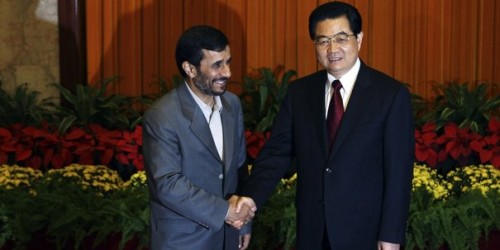
Ferdinando CALDA :
Iran : les Etats-Unis préoccupés par les investissements chinois
Les rapports commerciaux sino-iraniens et russo-iraniens risquent d’annuler l’effet des sanctions américaines
Le maillage des sanctions infligées à l’Iran par les Etats-Unis et la « communauté internationale » n’est pas étanche, ce qui fait enrager les bellicistes américains et donne matière à penser aux Israéliens, qui, en attendant, fourbissent leurs armes pour toute intervention militaire éventuelle.
Vendredi 30 juillet 2010, la Chine, à son tour et après la Russie, a critiqué la décision de l’UE d’imposer de nouvelles sanctions unilatérales contre l’Iran, sanctions qui s’ajoutent à celles déjà votées par l’ONU. « La Chine désapprouve les sanctions décidées unilatéralement par l’UE à l’encontre de l’Iran. Nous espérons que les parties intéressées continueront dans l’avenir à opter pour la voie diplomatique afin de chercher à résoudre de manière appropriée les différends, par le biais de discussions et de négociations », a déclaré Jiang Yu, le porte-paroles du ministère chinois des affaires étrangères.
Dans le sillage des décisions prises ces jours-ci par les Etats-Unis, en effet, l’Union Européenne ainsi que le Canada et l’Australie ont adopté une série de sanctions unilatérales sans précédent contre l’Iran, sanctions qui frappent surtout le secteur énergétique du pays. Le ministre iranien des affaires étrangères, Manouchehr Mottaki, a souligné que cette décision, une fois de plus, démontre que « l’Europe est sous l’influence des Etats-Unis dans toutes ses décisions de politiques extérieures ».
Plus grave : ces mesures restrictives prises récemment par l’UE déplaisent fortement à la Russie et à la Chine qui, à la tribune de l’ONU, avaient demandé d’éviter toutes sanctions « paralysantes » contre la République Islamique d’Iran, particulièrement dans le secteur énergétique, lequel constitue le véritable talon d’Achille de Téhéran. Tant Moscou que Beijing entretiennent des rapports commerciaux avec l’Iran et n’ont aucune intention d’y renoncer. La position prise par les Russes et les Chinois préoccupe fortement la Maison Blanche, vu qu’elle ébranle considérablement toutes les tentatives entreprises pour isoler l’Iran.
« Le fait que Beijing fasse des affaires avec Téhéran est pour nous un motif de grande préoccupation », confirme Robert Einhom, conseiller spécial du département d’Etat américain pour la non prolifération et le contrôle des armements.
Ce fonctionnaire américain a par ailleurs annoncé qu’une délégation américaine se rendra en Chine très bientôt, ainsi qu’au Japon (qui, lui aussi, au cours de ces derniers mois, a entamé une collaboration avec l’Iran pour la construction de centrales nucléaires antisismiques). Cette délégation se rendra également en Corée du Sud et dans les Emirats arabes du Golfe car ces Etats exportent énormément vers l’Iran. Le but de la délégation est évidemment de faire accepter par toutes ces puissances les sanctions contre l’Iran décidées par Washingto (ndt : et entérinées benoîtement par ses satellites).
Plus particulièrement, cette délégation aura pour tâche de rappeler à Beijing que les nouvelles sanctions approuvées par les Etats-Unis, l’Union Européenne, le Canada et l’Australie impliquent que toutes les entreprises étrangères qui coopèreront avec le secteur énergétique iranien seront également sanctionnées. Or, actuellement, les entreprises chinoises, auxquelles la délégation américaine fait implicitement référence, sont en train d’investir de « manière agressive » dans ce secteur-là et non dans d’autres.
Du reste, le pétrole et le gaz iraniens —qui pourraient arriver en Chine via le Pakistan, après qu’Islamabad ait noué d’importants accords en ce sens avec Téhéran— représentent un enjeu important pour une Chine en croissance continue, de plus en plus demanderesse en matières énergétiques.
« Les Chinois prétendent avoir des exigences importantes en matière de sécurité », explique Einhom, qui, toutefois, invite Beijing « à revoir ses priorités ».
Entretemps, la République Islamique d’Iran cherche de nouvelles collaborations pour échapper aux sanctions et à l’étranglement voulu par Washington. Ces dernières semaines, le vice-ministre iranien des pétroles, Javad Oji, a eu une longue entrevue avec une délégation irakienne afin de préparer un accord sur l’exportation de gaz iranien vers l’Irak. Les Iraniens espèrent qu’il y aura très bientôt un gazoduc partant d’Iran pour aboutir en Irak qui, ultérieurement, pourra être étendu au territoire syrien et, de là, aboutir à la Méditerranée et servir à l’alimentation énergétique de l’Europe.
Ferdinando CALDA (f.calda@rinascita.eu ).
(article tiré de « Rinascita », Rome, 31 juillet/1 août 2010 ; http://www.rinascita.eu/ ).
00:05 Publié dans Actualité | Lien permanent | Commentaires (0) | Tags : économie, géoéconomie, iran, chine, etats-unis, politique internationale, géopolitique, asie, affaires asiatiques, moyen orient, hydrocarbures | | del.icio.us | | Digg | Facebook
mercredi, 18 août 2010
Die weltweite Getreidekrise verschlimmert sich

00:10 Publié dans Actualité | Lien permanent | Commentaires (0) | Tags : céréales, crise céréalière, politique internationale, économie, agriculture, alimentation | | del.icio.us | | Digg | Facebook
Les Etats-Unis modifient leur stratégie en Afghanistan
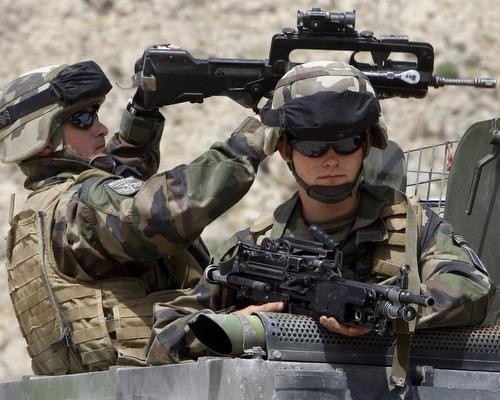
Bernhard TOMASCHITZ :
Les Etats-Unis modifient leur stratégie en Afghanistan
A partir de 2014, le gouvernement afghan devra lui-même assurer la sécurité sur son propre territoire. Cette intention a été confirmée au Président Hamid Karzai fin juillet 2010, lors de la Conférence internationale sur l’Afghanistan, tenue à Kaboul. Dès l’été 2011, les premières troupes américaines quitteront le pays, ce qui, d’après les paroles d’Hillary Clinton, ministre américaine des affaires étrangères, constituera « le commencement d’une phase nouvelle de notre engagement et non sa fin ». En fin de compte, les Etats-Unis entendent participer, après le retrait de leurs troupes, à la formation des forces afghanes de sécurité.
Le Président américain Barack Obama cherche ainsi à se débarrasser du vieux fardeau afghan, hérité de son prédécesseur George W. Bush, juste avant les présidentielles de 2012. Mais derrière les plans de retrait hors d’Afghanistan, que l’on concocte aux Etats-Unis, se profile le constat que la guerre dans ce pays, qui dure maintenant depuis neuf ans, ne pourra pas être gagnée. A cela s’ajoute le coût très élevé de cette guerre, qui se chiffre à quelque 100 milliards de dollars par an. Une telle somme ne peut plus raisonnablement s’inscrire désormais dans le budget américain, solidement ébranlé. Richard N. Haass, Président du très influent « Council of Foreign Relations » (CFR) tire la conclusion : « Nous devons reconnaître que cette guerre a été un choix et non pas une nécessité ». Il y a surtout que le coût militaire de l’entreprise est trop élevé, dans la mesure où elle mobilise des ressources qui, du coup, manquent en d’autres points chauds. Haass cite, dans ce contexte, l’Iran et la Corée du Nord, deux Etats étiquetés « Etats voyous », qui se trouvent depuis longtemps déjà dans le collimateur de Washington.
Si les Etats-Unis se retirent du théâtre opérationnel de l’Hindou Kouch, l’Afghanistan, ébranlé par la guerre, n’évoluera pas pour autant vers des temps moins incertains. Ensuite et surtout, les Etats-Unis ne disposent pas de moyens adéquats pour trancher le nœud gordien afghan, constitué d’un entrelacs très compliqué de combattants talibans, de divisions ethniques et de structures claniques traditionnelles. Il y a ensuite le voisin pakistanais, disposant d’armes nucléaires, qui est tout aussi instable que l’Afghanistan. Rien que ce facteur-là interdit aux Etats-Unis de laisser s’enliser l’Afghanistan dans un chaos total. D’après Haass, « les deux objectifs des Etats-Unis devraient être les suivants : empêcher qu’Al Qaeda ne se redonne un havre sécurisé dans les montagnes afghanes et faire en sorte que l’Afghanistan ne mine pas la sécurité du Pakistan ». C’est pourquoi, malgré le retrait annoncé, on peut être certain que des troupes américaines demeureront en permanence en Afghanistan, fort probablement en vertu d’un accord bilatéral qui sera signé entre Washington et Kaboul. Les Américains, finalement, n’ont que fort peu confiance en les capacités du Président afghan Karzai, homme corrompu, qui, au cours des années qui viennent de s’écouler, n’a pu assurer sa réélection que par une tricherie de grande envergure.
La situation en Afghanistan et aussi en Irak indique aujourd’hui qu’il y a changement de stratégie à Washington, comme l’atteste les nouvelles démarches des affaires étrangères américaines. Hier, nous avions les « guerres préventives » pour généraliser sur la planète entière les principes de la « démocratie libérale » ; les cénacles et les « boîtes à penser » des néo-conservateurs les avaient théorisées. Aujourd’hui, nous assistons à un retour à la Doctrine Nixon. Richard Nixon, Président des Etats-Unis de 1969 à 1974, après le désastre du Vietnam, avait parié, surtout en Asie, sur le renforcement des économies des pays alliés et sur le soutien militaire à leur apporter. Aujourd’hui, le ministre de la défense américain Robert Gates déclare « qu’il est peu vraisemblable que les Etats-Unis répètent bientôt un engagement de l’ampleur de celui d’Afghanistan ou d’Irak, pour provoquer un changement de régime et pour construire un Etat sous la mitraille ». Mais parce que le pays doit faire face à toutes sortes de menaces, en premier lieu celle du terrorisme, l’efficacité et la crédibilité des Etats-Unis doivent demeurées intactes aux yeux du monde. Ces réalités stratégiques exigent, dit Gates, que le gouvernement de Washington améliore ses capacités à consolider les atouts de ses partenaires. Il faudra donc, poursuit-il, « aider d’autres Etats à se défendre eux-mêmes et, si besoin s’en faut, de lutter aux côtés des forces armées américaines, dans la mesure où nous aurons préparé leurs équipements, veillé à leur formation et apporté d’autres formes d’assistance à la sécurité ». Gates justifie aussi le changement de stratégie comme suit : l’histoire récente a montré que les Etats-Unis ne sont pas prêts de manière adéquate à affronter des dangers nouveaux et imprévus émanant surtout d’Etats dits « faillis ».
L’Afghanistan recevra donc une « assistance à la sécurité », mais on peut douter qu’elle enregistrera le succès escompté. Toutefois la nouvelle stratégie américaine nous montre que Washington n’est pas vraiment prêt à renoncer à ses visées hégémoniques. En effet, l’armement d’alliés et de partenaires, en lieu et place de l’envoi de troupes propres, offre un grand avantage : les moyens peuvent être utilisés de manière beaucoup plus diversifiée. En fin de compte, il y a, dispersés sur l’ensemble du globe, bon nombre de pays qui peuvent être mobilisés pour faire valoir les intérêts américains. Exemples : la Colombie, pour tenir en échec le Président vénézuélien Hugo Chavez, ennemi des Etats-Unis ; ou les petits émirats du Golfe Persique pour constituer un avant-poste menaçant face à l’Iran. Comme l’exprime le ministre des affaires étrangères Gates : « Trouver la manière d’améliorer la situation qu’adoptera ensuite le gouvernement américain pour réaliser cette tâche décisive, tel est désormais le but majeur de notre politique nationale ».
Bernhard TOMASCHITZ.
(article paru dans « zur Zeit », Vienne, n°30/2010 ; http://www.zurzeit.de/ ).
00:05 Publié dans Actualité, Géopolitique | Lien permanent | Commentaires (0) | Tags : afghanistan, moyen orient, asie, affaires asiatiques, politique internationale, etats-unis, géopolitique | | del.icio.us | | Digg | Facebook
mardi, 17 août 2010
Presseschau - August 2010 / 04
Presseschau
August 2010 - 04
Einige Links. Bei Interesse anklicken...
###
Unionsstreit um Wehrpflicht
Bundeswehrreform könnte Heer halbieren
Der Plan hätte drastische Folgen: Nach SPIEGEL-Informationen favorisiert Verteidigungsminister zu Guttenberg eine Bundeswehrreform, die das Heer nahezu halbieren würde. In der Union regt sich zunehmend Unmut. Besonders die Zukunft der Wehrpflicht droht zur Zerreißprobe zu werden.
http://www.spiegel.de/politik/deutschland/0,1518,710693,00.html
E-Mail aus Kundus – Todesangst im Feuergefecht
Hauptmann Jan C. schreibt auf WELT ONLINE vom Leben in Afghanistan. In Teil 4 der Serie berichtet er über ein Gefecht mit Aufständischen.
http://www.welt.de/politik/ausland/article8815338/E-Mail-aus-Kundus-Todesangst-im-Feuergefecht.html
Grundsatzfrage
Verfassungsrichter streiten über Inlandseinsatz der Bundeswehr
Mit welchen Mitteln darf die Bundeswehr im Notfall im Inland eingreifen? Seit Jahren streitet die Politik über diese Frage – nun spaltet sie nach einem Bericht der „Süddeutschen Zeitung“ auch das Bundesverfassungsgericht. Am Ende könnte es zur seltenen Konfrontation der beiden Senate kommen.
http://www.spiegel.de/politik/deutschland/0,1518,709863,00.html
Kanadas Militär-Hochschule
Nicht für die Uni, für den Krieg lernen wir
Aus Kingston, Kanada, berichtet Christian Salewski
Die USA haben West Point, die Briten haben Sandhurst – Kanada hat das Royal Military College. Auf der Militär-Uni in Kingston lernen Jung-Offiziere das Kriegshandwerk. Militärischer Drill geht hier über alles.
http://www.spiegel.de/unispiegel/studium/0,1518,709106,00.html
Israelisch-libanesische Grenze
Beobachter rätseln über Hintergründe des Gefechts in Nahost
Aus dem Südlibanon berichtet Ulrike Putz
Wollten israelische Soldaten wirklich nur einen Baum fällen? Wer schoß zuerst, und welche Rolle spielte ein schiitischer Kommandeur? Einen Tag nach dem Feuergefecht an der israelisch-libanesischen Grenze sind viele Fragen ungeklärt. Ein neuer Krieg scheint abgewendet – doch die Ruhe ist trügerisch.
http://www.spiegel.de/politik/ausland/0,1518,710101,00.html
US-Truppenabzug aus dem Irak
Mission unerfüllt
Sieben Jahre lang waren US-Kampftruppen im Irak stationiert, jetzt ziehen sie ab – und eine blutige Anschlagsserie erschüttert das Land. Dutzende Menschen wurden bei Explosionen getötet. Von Stabilität kann keine Rede sein.
http://www.spiegel.de/politik/ausland/0,1518,710757,00.html
Geschäft mit den Saudis
Waffen-Deal bringt US-Regierung in Bredouille
Washington plant laut „Wall Street Journal“ ein heikles Waffengeschäft. Weil Saudi-Arabien das iranische Atomprogramm fürchtet, will Obamas Regierung dem arabischen Land Kampfjets verkaufen – für 30 Milliarden Dollar. Doch ein anderer Verbündeter der USA torpediert den Deal: Israel.
http://www.spiegel.de/politik/ausland/0,1518,710830,00.html
USA haben Angriffsplan gegen Iran
http://www.spiegel.de/politik/ausland/0,1518,709585,00.html
US-Behörden setzen WikiLeaks-Aktivisten unter Druck
http://www.spiegel.de/politik/ausland/0,1518,709446,00.html
Swift-Abkommen mit den USA
Europa schaltet den Datensauger an
http://www.spiegel.de/politik/deutschland/0,1518,709559,00.html
Jeder zehnte Amerikaner hält Obama für Ausländer
Viele US-Bürger trauen Barack Obama nicht. Nur 23 Prozent der republikanischen Wähler sind sich sicher, daß er legal im Amt ist.
http://www.welt.de/politik/ausland/article8826276/Jeder-zehnte-Amerikaner-haelt-Obama-fuer-Auslaender.html
Deutschland „entschädigt“ Familien von getöteten Raubmördern und Dieben ...
Opfer des Kunduz-Luftangriffs
Bundeswehr zahlt Angehörigen halbe Million Dollar
http://www.spiegel.de/politik/ausland/0,1518,710355,00.html
5000 Dollar pro Familie
Entschädigung für Kundus-Opfer
http://www.n-tv.de/politik/Entschaedigung-fuer-Kundus-Opfer-article1212211.html
Verwirrung um möglichen Anschlag auf Ahmadinedschad
http://www.tagesschau.de/multimedia/video/ondemand100_id-video749824.html
17jährige Deutsche in Türkei vergewaltigt
Sechs Bauarbeiter sollen ein 17jähriges deutsches Urlauber-Mädchen im türkischen Urlaubsort Side vergewaltigt haben. Die mutmaßliche Tat ereignete sich fünf Tage vor dem 18. Geburtstag des Opfers
http://www.n24.de/news/newsitem_6244463.html
Helmut Schmidt tief besorgt über Europa
http://www.focus.de/politik/deutschland/fuehrungskrise-helmut-schmidt-tief-besorgt-ueber-europa_aid_536641.html
Kalifornien
US-Gericht kippt Verbot der Homo-Ehe
Es ist ein wichtiger Schritt für die Rechte von Schwulen und Lesben: Im US-Bundesstaat Kalifornien hat ein Gericht die umstrittene „Proposition 8“, die gleichgeschlechtliche Ehen verbot, für verfassungswidrig erklärt. Jetzt geht der Streit wohl in die nächste Instanz.
http://www.spiegel.de/politik/ausland/0,1518,710225,00.html
Gesundheitsreform
Kassenpatienten sollen selbst für Arztkosten zahlen
http://www.focus.de/finanzen/versicherungen/krankenversicherung/gesundheitsreform-kassenpatienten-sollen-selbst-fuer-arztkosten-zahlen_aid_538468.html
Haider-Konten
Seid vergessen, Millionen
Besaß Jörg Haider ein geheimes Riesenvermögen? Der verstorbene Rechtspopulist soll laut einem österreichischen Magazin bis zu 45 Millionen Euro in Liechtenstein gebunkert haben
http://www.spiegel.de/politik/ausland/0,1518,709575,00.html
Liechtensteiner Justiz dementiert Haider-Konten
http://www.welt.de/die-welt/vermischtes/article8787814/Liechtensteiner-Justiz-dementiert-Haider-Konten.html
Liechtenstein: Steuerdaten
Der Mann mit der CD - Heinrich Kieber, der Rächer
http://www.sueddeutsche.de/geld/liechtenstein-steuerdaten-die-rache-des-heinrich-kieber-1.984131
CDU in Sachsen-Anhalt sagt NPD den Kampf an
[„...die NPD sei die größte Bedrohung für den demokratischen Staat“. Andere Probleme scheint die CDU nicht mehr zu haben ...]
http://www.mdr.de/sachsen-anhalt/7298997.html
Schornsteinfeger und Feuerwehrmann
Von Martin Lichtmesz
http://www.sezession.de/18341/schornsteinfeger-und-feuerwehrmann.html#more-18341
Leben mit Lutz Battke
Von Götz Kubitschek
Bezirksschornsteinfegermeister Lutz Battke erlebt aufregende Wochen: Der Wirtschaftsminister Sachsen-Anhalts, Reiner Haseloff (CDU), will Deutschland vor ihm retten, der Präsident des Deutschen Olympischen Sportbundes (DOSB), Thomas Bach, möchte Kinderseelen vor Jugendtrainer Battke schützen und die ausländische Presse sieht in Laucha, dem Wohnort von Staatsfeind Nummer klein, nachgerade so etwas wie ein KZ entstehen.
Wie ist das, wenn Lutz Battke an der Haustür klingelt? Kann man damit leben? Ein Erfahrungsbericht aus dem Rittergut Schnellroda:
http://www.sezession.de/18401/leben-mit-lutz-battke.html#more-18401
Die sind aber auch gerissen, die Neonazis ...
Neonazis tarnen sich als harmlose Mieter
http://www.tagesspiegel.de/berlin/neonazis-tarnen-sich-als-harmlose-mieter/1897524.html
„Secret Society-Rede“ von John F. Kennedy, gehalten am 27. April 1961 vor amerikanischen Pressevertretern:
http://www.youtube.com/watch?v=mhG1oR1lnrM&feature=related
http://www.youtube.com/watch?v=QtHTw4dtN2c&feature=related
In „Gegengift“ wurden dieses Mal die Urlaubskarten der Prominenz abgedruckt. Prädikat: sehr lesenswert.
http://cms.gegengift-verlag.de/index.php?option=com_content&task=view&id=688&Itemid=26
Neues Konkordat
Debatte um Bezahlung der Bischöfe
http://www.augsburger-allgemeine.de/Home/Nachrichten/Bayern/Artikel,-Debatte-um-Bezahlung-der-Bischoefe-_arid,2211158_regid,2_puid,2_pageid,4289.html
Die Deutschen und ihre Nachbarn
http://www.jungefreiheit.de/Single-News-Display-mit-Komm.154+M53a845edff5.0.html
Prof. Norbert Bolz über Thilo Sarrazin und linke Medien
http://www.youtube.com/watch?v=Q7UohXkRxts
Neue Broschüre der Konrad-Adenauer-Stiftung über „Die Linke“: „Freiheit oder Sozialismus“
http://www.kas.de/wf/de/33.20217/
Frieden und Fortschritt dank Ehrenburg
http://www.jungefreiheit.de/Single-News-Display-mit-Komm.154+M5de8898cd57.0.html
Die Lach-und-Sach-Geschichte mit dem Klaus [Ernst]
http://www.jungefreiheit.de/Single-News-Display-mit-Komm.154+M542d2514262.0.html
SPD verlangt Rückzug von Vertriebenen-Funktionär
Opposition wirft CDU-Politiker Arnold Tölg „Revanchismus“ vor – BdV-Präsidentin Erika Steinbach weist Kritik zurück
von Thomas Vitzthum und Sven Felix Kellerhoff
http://www.welt.de/die-welt/politik/article8807957/SPD-verlangt-Rueckzug-von-Vertriebenen-Funktionaer.html
Peter Steinbach. Ein Geschichtsklitterer vor dem Herrn. Absolut fanatisch und verblendet ...
Neuer Ärger um Stiftung
Vertriebenenvertreter unter Revanchismusverdacht
Von Florian Gathmann
Ärger um die Vertriebenenstiftung: Vertreter von SPD und Grünen erheben Revanchismusvorwürfe gegen zwei stellvertretende Mitglieder vom Bund der Vertriebenen. Auch der Zeithistoriker Peter Steinbach sieht das Gremium gefährdet – der Verband will davon nichts wissen.
http://www.spiegel.de/politik/deutschland/0,1518,709903,00.html
Vergangenheitsillusion
Ulrike Jureit und Christian Schneider kritisieren die Kultur der Erinnerung an die NS-Zeit.
http://www.zeit.de/2010/31/L-P-Jureit-Schneider
Interessante Videoproduktion über den Ausbruch des Zweiten Weltkriegs:
Hitlers Krieg – Was Guido Knopp verschweigt
http://www.paukenschlag.org/?page_id=84
http://brd-schwindel.com/hitlers-krieg-was-guido-knopp-verschweigt/
http://www.youtube.com/watch?v=aTnjgtEycj0
Zum Tod des Historikers Tony Judt
Der Dissident des Zionismus
Kritiker linker Revolutionshoffnungen, Skeptiker des Zionismus, großer Historiker des europäischen Geistes: Der britische Ideengeschichtler Tony Judt ist im Alter von 62 Jahren gestorben. Ein Nachruf.
Von Lorenz Jäger
http://www.faz.net/s/Rub117C535CDF414415BB243B181B8B60AE/Doc~EB58AFA140DC7406386850AB4C2F86071~ATpl~Ecommon~Scontent.html
FACHKRÄFTEMANGEL
Die Anwerbewelle der deutschen Firmen rollt längst
Als wichtigstes Lockangebot dienen die Leistungen des deutschen Sozialstaates.
http://www.handelsblatt.com/politik/deutschland/fachkraeftemangel-die-anwerbewelle-der-deutschen-firmen-rollt-laengst;2628649
Angriffe mit scharfer Munition auf Polizei in Frankreich
http://de.news.yahoo.com/2/20100805/tpl-angriffe-mit-scharfer-munition-auf-p-451fab7.html
Reconquista-Video auf PI-News
http://www.pi-news.net/2010/08/video-hilferuf-aus-frankreich/#more-149669
Zivilcourage gezeigt – schwer verletzt
Weil er Gesicht zeigte, als ein Bekannter von mehreren (typisch) Schlägern angegriffen wurde, ist ein 21jähriger schwer verletzt worden. Neusprech: „Er zog sich schwere Verletzungen zu“ – wie bei einem Erdbeben oder einem Unfall. Die Täter stammen – oh Wunder – aus Südosteuropa.
http://www.pi-news.net/2010/08/zivilcourage-gezeigt-schwer-verletzt/
21jähriger von Schlägern in Linden-Süd schwer verletzt
http://www.haz.de/Hannover/Aus-den-Stadtteilen/West/21-Jaehriger-von-Schlaegern-in-Linden-Sued-schwer-verletzt
Das Vermächtnis einer Richterin
Von Michael Paulwitz
Die erste Auflage war noch am Tag des Erscheinens ausverkauft. „Das Ende der Geduld“, das mit kühlem Kopf und heißem Herzen geschriebene Vermächtnis der toten Berliner Jugendrichterin Kirsten Heisig, ist ein Buch, auf das man offenkundig lange gewartet hat und das dennoch zur rechten Zeit kommt.
http://www.jungefreiheit.de/Single-News-Display-mit-Komm.154+M585c405e48e.0.html
Artikel lediglich zur neutralen Kenntnisname ...
Offenbar Auskunftssperre über die genauen Todesumstände von Kirsten Heisig
http://www.unzensuriert.at/001699-der-fall-heisig-zweifel-am-selbstmord-auskunftssperre-und-zensur
Muslime zwingen Mädchen in Prostitution
Durch den Fall eines 14jährigen Mädchens, das in die Sex-Sklaverei gezwungen wurde, ist ans Licht gekommen, daß ihr Schicksal kein Einzelfall war. Weiße Mädchen werden in Großbritannien gezielt von „asiatischen“ (politisch korrekt für muslimischen) Zuhälterbanden gejagt, um sie zu prostituieren. Weiße Mädchen sind für sie generell „Nutten“. Die 14jährige war eine Privatschülerin. Sie wurde von einem gewissen Asad Hassan und seinen Kumpels Mohammed Basharat und Mohammed Atif mit Wodka und Drogen vollgepumpt, um sie gefügig zu machen, bevor alle drei Männer über sie herfielen.
http://www.pi-news.net/2010/08/muslime-zwingen-maedchen-in-prostitution/
Vorwurf: Frau wurde zur Sterilisation gezwungen
Weil eine Marokkanerin kein Deutsch verstand konnte ihr Mann sie beim Arzt hintergehen
http://www.fnp.de/fnp/region/lokales/vorwurf-frau-wurde-zur-sterilisation-gezwungen_rmn01.c.8025943.de.html
Europäische Union
Jeder vierte Asylbewerber stellt Doppelantrag
http://www.mz-web.de/servlet/ContentServer?pagename=ksta/page&atype=ksArtikel&aid=1280813829559&openMenu=987490165154&calledPageId=987490165154&listid=994342720546
Ketten und rosa Unterwäsche für illegale Immiganten in den USA
http://www.spiegel.de/video/video-50259.html
Neues Einwanderungsgesetz in Arizona USA
http://www.spiegel.de/video/video-1077420.html
Bestechende Logik ...
Migrantenkinder wegen Vornamen benachteiligt
http://www.pi-news.net/2010/08/migrantenkinder-wegen-des-namens-benachteiligt/#more-149500
Eine Forscherin ist der Vornamen-Diskriminierung auf der Spur: Migrantenkinder landen womöglich deshalb öfter auf der Hauptschule.
[Klar, die Schüler werden einfach nur wegen ihres Namens auf die Hauptschule geschickt – trotzdem sich ihre Leistungen mit Schülern anderer Schulformen „messen lassen können“.]
http://www.welt.de/vermischtes/article8851550/Migrantenkinder-wegen-Vornamen-benachteiligt.html
Geschichte
Explosion des Wissens
Von Frank Thadeusz
Hat Deutschland im 19. Jahrhundert einen industriellen Aufstieg erlebt, weil das Land kein Urheberrecht kannte? Mit dieser Analyse sorgt ein Münchner Wirtschaftshistoriker für Aufsehen.
http://www.spiegel.de/spiegel/0,1518,709761,00.html
Nichts wie raus!
Jungen sind die Verlierer des Bildungssystems. Das echte Leben ist die bessere Schule für sie.
http://www.zeit.de/2010/32/Jungen-Bildung-Entschulung
Architekt Christoph Mäckler
Die Kunst des Bauens
Komplexität statt Reduktion: Ein FR-Gespräch mit dem Frankfurter Architekten Christoph Mäckler über die gesellschaftliche Notwendigkeit der Stadtbaukunst und über die Überwindung der Ideologie der Moderne.
http://www.fr-online.de/kultur/architektur/die-kunst-des-bauens/-/1473352/4531982/-/item/0/-/index.html
Posener unterstützt das Projekt Stuttgart 21 ...
Stuttgart 21, untertunnelt
von Alan Posener
http://www.welt.de/die-welt/debatte/article8884172/Stuttgart-21-untertunnelt.html
Tierischer Gesang
Auch Vögel tun sich mit Dialekten schwer
Nicht nur Menschen mögen aktuelle Hits aus dem eigenen Land – auch Singvögel können verblüffend heimatverbunden sein. Dachs-Ammern etwa stehen auf Gesänge ihrer Artgenossen – am besten, wenn sie direkt vor eigenen der Haustür leben. Weltmusik hat keine Chance.
http://www.spiegel.de/wissenschaft/natur/0,1518,710073,00.html
Vom Feld in die Welt
Gen-Raps breitet sich unkontrolliert aus
Genetisch veränderter Raps kann sich auch über große Entfernungen ausbreiten. Das wollen Forscher an Straßenrändern im US-Bundesstaat North Dakota herausgefunden haben. Bei Tests zeigten fast 90 Prozent der Pflanzen Zeichen genetischer Veränderungen.
http://www.spiegel.de/wissenschaft/natur/0,1518,710596,00.html
Tansania
Forscher finden Katzen-Krokodil aus der Urzeit
Es war nur katzengroß, lebte an Land und konnte kauen: Wissenschaftler haben in Tansania Überreste eines Urzeit-Krokodils entdeckt, das verblüffende Ähnlichkeiten mit Säugetieren hatte. Nun spekulieren die Forscher, was sich noch alles im afrikanischen Boden verbirgt.
http://www.spiegel.de/wissenschaft/natur/0,1518,709991,00.html
Sport und Ernährung
Forscher räumt mit Mythen der Frauen-Fitneß auf
Neue Erkenntnisse aus der Sport- und Ernährungsforschung: Die Muskeln sind zwar gleich, aber Frauen kommen anders zu Kräften als Männer.
http://www.welt.de/gesundheit/article8860879/Forscher-raeumt-mit-Mythen-der-Frauen-Fitness-auf.html
00:10 Publié dans Actualité, Affaires européennes | Lien permanent | Commentaires (0) | Tags : médias, journaux, presse, allemagne, europe, affaires européennes, actualité | | del.icio.us | | Digg | Facebook
lundi, 16 août 2010
Schritt für Schritt in den nächsten (kalten) Krieg. Die USA planen militärische Dauerpräsenz in den Gewässern vor China
Schritt für Schritt in den nächsten (kalten) Krieg. Die USA planen militärische Dauerpräsenz in den Gewässern vor China
Wang Xin Long
in: http://info.kopp-verlag.de/
Das amerikanisch-südkoreanische Seemanöver im Ostchinesischen Meer rund um die Koreanische Halbinsel ist letzte Woche zu Ende gegangen. Die Weltgemeinschaft ist also dem Ernstfall gerade noch einmal entkommen. Was sich wie Panikmache liest, ist aber leider bittere Wirklichkeit. Die Nationen der Region haben über die letzten vier Tage und Nächte den Atem angehalten – und das Militär machte Überstunden in Bereitschaft. Die Welt war nur einen Wimpernschlag von einer militärischen, möglicherweise sogar atomaren Auseinandersetzung entfernt.
Unfälle passieren, weil Menschen fehlbar sind, weil sie Fehleinschätzungen machen oder eine Sekunde lang nicht aufpassen. In der letzten Woche befanden sich mehr als 8.000 Soldaten, bewaffnet mit neuester Kriegstechnologie, an der Grenze zu Nordkorea, um dort einen Krieg zu führen – wenn auch nur als Simulation. Es haben also 8.000 Menschen über vier Tage und Nächte hinweg mit dem Finger am Abzug ein »Signal« nach Nordkorea gesendet. Wenn nur einem der 8.000 am Manöver beteiligten Soldaten ein menschliches Versagen (welcher Art auch immer) unterlaufen wäre, hätte sich Nordkorea zu einem Gegenschlag genötigt gesehen – und diesen auch ausgeführt, hierüber darf kein Zweifel bestehen.
Das ganze Szenario erinnert irgendwie an einen Kindergarten, in dem die Bandenchefs »ihr« Territorium verteidigen. Es werden Linien in den Sand gezogen, diese Linien werden irgendwann übertreten, und am Ende gibt es Tränen.
In Bezug auf die aktuelle Situation ist es nun einmal leider so, dass aus einer kleinen fehlgeleiteten Rakete oder der falsch berechneten Position eines Kriegsschiffes sich schnell eine Situation hätte hochschaukeln können, mit allerschlimmsten Folgen für die Menschen weltweit. Die Liste der potenziellen Auslöser kann beliebig weitergeführt werden – und das macht die Gefahr nur noch greifbarer, und den Konflikt wahrscheinlicher. Aber es ist ja nun »zum Glück« nichts passiert. Schade ist nur, dass die Menschheit mittlerweile auf das Glück angewiesen ist, denn die Vernunft scheint sich aus verschiedenen Winkeln der Welt bereits verabschiedet zu haben.
Und Glück wird die Menschheit weiterhin brauchen; eine ganze Menge sogar, denn die USA planen eine Dauerpräsenz in der Region, mit weiteren Manövern und Tausenden von Soldaten. Die Nordkoreaner haben auf diese Ankündigung bereits reagiert und bekannt gegeben, dass man sich vor diesen »Bedrohungen« nicht fürchtet und jederzeit gewillt ist, mit voller Härte zurückzuschlagen. Die USA quittieren solche Ankündigungen mit der Aussage, man sei lediglich an der militärischen Übung interessiert und wolle auf keinen Fall provozieren. Aber wenn dem tatsächlich so ist, warum muss diese Übung dann nur einen Steinwurf von jener Grenze stattfinden, deren Verletzung einen Weltkrieg auslösen könnte? Ist das nicht ein zu hoher Preis für so ein wenig »militärische Übung«?
Es ist in der Tat ein hoher Preis, der gezahlt werden muss. Die Frage ist nur: von wem? Denn bei den asiatischen Nachbarn machen sich die Südkoreaner durch das Spiel mit dem Feuer nicht gerade beliebt. Insbesondere die Volksrepublik China, die ja gleichfalls Adressat der amerikanisch-südkoreanischen »Signale« ist, wird diese Provokation so schnell nicht vergessen.
Denn in Wahrheit geht es den USA nämlich um mehr als nur ein paar militärische Übungen und »Signale«. Es geht – wieder einmal – um die geopolitischen Interessen der Amerikaner. Diese Interessen hat die amerikanische Außenministerin, Hillary Clinton, bei der letzte Woche stattgefundenen ASEAN-Konferenz (Association of Southeast Asian Nations, deutsch: Verbund der Südostasiatischen Nationen) unverblümt zu Protokoll gegeben.
Clinton sprach ganz offen über die »nationalen Interessen« der USA im Südchinesischen Meer (nicht zu verwechseln mit dem Ostchinesischen Meer, in dem die Manöver der letzten Woche stattfanden). Die Außenministerin stellte darüber hinaus fest, dass die dortigen Souveränitäts-verhältnisse nicht geklärt seien. Das ist politischer Sprengstoff, und die Tragweite dieser Aussage darf nicht unterschätzt werden. Denn die »Besitzverhältnisse« im Südchinesischen Meer sind – vorsichtig ausgedrückt – problembehaftet. Dies liegt in der Tatsache begründet, dass die Anrainerstaaten unterschiedliche Ansprüche aus der eigenen geografischen Lage ableiten.
Somit haben die USA, hier in Person ihrer Außenministerin, wieder einmal Öl in ein Feuer gegossen, welches schnell eine ganze Region in Brand stecken könnte. Und warum? Ganz einfach: wegen der »nationalen Interessen« der USA! Denn aus den angeblich ungeklärten Hoheitsverhältnissen leiten die USA das Recht – nein, die Pflicht! – ab, sich in der Region zu engagieren. Als Friedensstifter sozusagen.
Die Worte Clintons zielen darauf ab, einen über viele Jahre hinweg erfolgreich geführten Friedensprozess aufzulösen, um die nötige Volatilität in der Region zu schüren. Denn die Anrainerstaaten des Südchinesischen Meeres haben eine gemeinsame Erklärung unterzeichnet, welche die Hoheitsansprüche und Nutzungsrechte vor Ort regelt, um den Frieden und die Kooperation in der Region zu sichern. Es handelt sich hierbei um die Declaration on the Conduct of Parties in the South China Sea (DOC), die im Rahmen des ASEAN-Forums ausgehandelt wurde und seit 2002 in Kraft ist.
Die Erklärung als solche geht eindeutig auf die Initiative der Volksrepublik China zurück, und die Tatsache, dass alle Anrainerstaaten die Erklärung unterzeichneten, ist ein Verdienst unermüdlicher Diplomatie. Oberstes Ziel war es, der Region die nötige Stabilität zu geben. Dass die angestrebte Stabilität nun gewährleistet ist, ist den Amerikanern zwar bekannt – aber offensichtlich egal. Aus einer stabilen Region ist nun einmal aus Sicht der USA kein geopolitischer oder wirtschaftlicher Nutzen zu ziehen.
Einen ganz besonderen Schliff bekommt die Angelegenheit durch die Aussage Clintons, die Anrainererklärung sei nicht bindend, denn die Regeln des Seerechtsübereinkommens der Vereinten Nationen (United Nations Convention on the Law of the Sea, UNCLOS) seien bei Fragen zu den Hoheitsrechten anzuwenden. Mit anderen Worten: Die USA sprechen den souveränen Anrainerstaaten einer ganzen Region die Fähigkeit ab, eigene nationale Interessen in multilateralen Verträgen zu regeln. Stattdessen verlangen die Amerikaner im Rahmen des internationalen Rechts, die Würfel zu Gunsten der USA neu zu rollen. Hervorzuheben ist, dass die USA dieses Seerechtsübereinkommen selbst nie ratifiziert haben, weil man durch diese Erklärung die eigenen Interessen und Souveränität gefährdet sieht.
Dank der »Friedensinitiative« der USA wird das Südchinesische Meer nun also zum geopolitischen Brennpunkt. Sehen wir also weiter zu, wie unsere Freunde aus »Fernwest« die Welt in Fernost zu befrieden gedenken.
00:10 Publié dans Actualité, Géopolitique | Lien permanent | Commentaires (0) | Tags : pacifique, chine, etats-unis, asie, affaires asiatiques, géopolitique | | del.icio.us | | Digg | Facebook
dimanche, 15 août 2010
Contre tous les nationalismes, l'indispensable révisionnisme européen
Contre tous les nationalismes, l’indispensable révisionnisme européen
par Georges FELTIN-TRACOL
Les récents contentieux frontaliers survenus en Europe devraient inquiéter tous les Européens sincères. Diverses crises locales du Vieux Continent témoignent en effet de la persistance du mouvement nationalitaire et de ses manifestations parfois irrédentistes.
On ne traitera pas ici de la question belge. On évoquera plutôt certains événements survenus en Europe centrale et orientale. Dans cette partie de notre continent, fort méconnue par les Français, on assiste à une résurgence des revendications historiques accumulées aux XIXe et XXe siècles, des funestes traités de paix de 1919 – 1920 aux piteux accords d’Helsinki de 1975 en passant par les traités de Paris de 1947. La disparition, il y a vingt ans, du bloc communiste a réveillé des déchirements nationaux mal soignés et de lourdes querelles mémorielles. En voici quelques exemples.
La C.I.A. estime que la Pologne pourrait retrouver son rang de puissance régionale dans les prochaines années. Pendant cinq ans, entre 2005 et 2010, le président Lech Kaczynski dont le programme politique intérieur était assez sympathique, exprimait sur le plan diplomatique un atlantisme exacerbé, un profond euroscepticisme et une hostilité non dissimulée aussi bien envers l’Allemagne, soupçonnée de guigner les territoires orientaux perdus au-delà de la ligne Oder-Neiss, qu’envers la Russie perçue comme la nouvelle émanation du soviétisme grand-russien. Sa disparition subite près de Katyn en avril dernier paraît avoir contraint son frère jumeau, Jaroslav, à remiser sa phobie russo-germanique. La victoire à la présidentielle du libéral Bronislav Komorowski marquera-t-elle la relance et l’approfondissement du « Triangle de Weimar » (la coopération institutionnelle Paris – Berlin – Varsovie) ? Cependant, malgré quelques éclats, cette querelle de voisinage reste confinée au symbolique, ce qui n’est pas le cas pour les relations entre la Hongrie et la Slovaquie.
Les élections législatives hongroises de mars 2010 ont vu le triomphe du Fidesz (Fédération des jeunes démocrates, la droite conservatrice-libérale) de Viktor Orban. Lassée par huit années de gabegie socialo-libérale, les électeurs ont en outre permis le succès électoral du Jobbik (Mouvement pour une Hongrie meilleure) qui n’hésite pas à dénoncer l’emprise de l’O.T.A.N., de l’Union européenne, du sionisme et des Roms sur le pays.
L’une des premières décisions du nouveau gouvernement Orban a été d’accorder aux membres des minorités magyares hors de Hongrie la citoyenneté hongroise. Par ailleurs, le Jobbik joua sur le traumatisme du traité de Trianon qui disloqua la Grande Hongrie (ou Transleithanie). Le mouvement de Gabor Vona distribua une multitude d’autocollants représentant ce vaste territoire aujourd’hui partagé entre la Roumanie, la Serbie, la Croatie, l’Autriche, la Slovaquie et l’Ukraine. Si la décision gouvernementale ne suscita aucune réaction de la part de Kiev, de Zagreb, de Belgrade, de Vienne et de Bucarest en dépit des rodomontades de Vadim Tudor, le président du Parti de la Grande Roumanie (un condensé de nationalisme rance, de communisme maintenu et de libéralisme abject), elle entraîna au contraire le vif mécontentement de Bratislava.
Indépendante au 1er janvier 1993, la Slovaquie est un jeune État. Sa colère ne s’explique pas si on ignore qu’au XVIe siècle, lors de l’occupation ottomane de la Hongrie, les seules portions magyares non envahies devenaient la « Hongrie royale » (1) réunissant la Croatie, la Hongrie occidentale bordant l’Autriche et la Haute-Hongrie qui allait plus tard correspondre grosso modo à la future Slovaquie. C’est à partir de ce noyau hongrois que les Habsbourg entreprirent une Reconquête. Il résulte de cette histoire mouvementée une présence de minorités hongroises dans la partie méridionale de la Slovaquie (environ 10 % de la population totale), d’où la crainte permanente chez des Slovaques d’un séparatisme hongrois.
Jusqu’aux élections législatives de juin 2010 qui a permis à une coalition de quatre formations de centre-droit d’orientation atlantiste et libérale de constituer un nouveau gouvernement conduit par une femme, Iveta Radicova, Bratislava était gouverné par le socialiste Robert Fico allié pour la circonstance au Parti populaire – Mouvement pour une Slovaquie démocratique du père de l’indépendance Vladimir Meciar, russophile, et au Parti national slovaque, nationaliste, de Jan Slota. À l’annonce de la décision d’Orban, Fico, en pleine campagne électorale, n’hésita pas à convoquer un Conseil national de défense et à envisager un conflit possible avec la Hongrie ! Quelques mois plus tôt, il avait interdit la venue du président hongrois dans une ville frontalière à majorité magyare afin d’inaugurer la statue d’une personnalité hongroise…
On pourrait aussi mentionner le litige frontalier maritime entre la Slovénie et la Croatie finalement résolu après l’approbation référendaire des citoyens slovènes.
Ces quelques cas montrent que les peuples européens ne sont pas tous somnolents et que certains, pas encore confrontés aux délices de l’idéologie multiculturelle et de l’immigration allogène de peuplement, ne rechigneraient pas à reprendre aux voisins – par la force s’il le faut – des terres perdues. Leur vivacité revendicative achoppe néanmoins sur l’intangibilité des frontières. En outre, ces rivalités nationales risquent d’être instrumentalisées par les vrais ennemis de l’Europe, en l’occurrence les États-Unis, l’O.T.A.N., l’O.N.U., la Cour pénale internationale et le mondialisme, et donc d’affaiblir toute renaissance continentale.
Tout Européen conscient de notre destin grand-continental doit comprendre la nécessité de dépasser les enjeux territoriaux inter-européens en acceptant la révision générale des délimitations politiques, non pas par un énième mécano géopolitique, mais en promouvant, d’une part, des regroupements frontaliers locaux avec la multiplication d’euro-régions, et en redécouvrant, d’autre part, les conceptions austro-marxistes du territoire et de la nationalité. Il est évident que, pour nous, les euro-régions à vocation identitaire contribueront à la formation d’un ensemble continental enfin souverain et légitime. Cela implique au préalable la fin des États-nations et la sortie de la Modernité au profit de la redécouverte de l’idée impériale qui se conçoit comme le projet impératif de dépassement de l’ethnique et du civique (sans les nier ou les effacer !) par le géopolitique et le spirituel.
Être révisionniste au XXIe siècle suppose par conséquent d’admettre la disparition des nations étatiques dans leur forme actuelle et leur indispensable métamorphose. Agents corrosifs des traditions, les nationalismes ont toujours été à l’encontre de toutes nos identités charnelles, historiques et spirituelles. Largement responsables de la nouvelle Guerre de Trente Ans (1914 – 1945), ils portent en eux un égoïsme statolâtrique préjudiciable au Bien commun de la civilisation européenne. N’oublions jamais comme nous le rappelle Jacques Marlaud que « le nationalisme est une idée juive (2) ». Que les Européens redécouvrent la substance culturelle des nations tout en valorisant, par le bas, leurs communautés vernaculaires et, par le haut, leur unité géopolitique. De grâce, Kaczynski, Orban et compagnie, cessez vos enfantillages et devenez des patriotes responsables ! Participez à la construction de l’Europe-puissance ! Il y a tant d’ennemis extérieurs à combattre !
Georges Feltin-Tracol
Notes
1 : Sa capitale fut transférée de Bude à Presbourg (Poszony en hongrois), l’actuelle Bratislava.
2 : Jacques Marlaud, « Critique du nationalisme », Interpellations. Questionnements métapolitiques, Dualpha, 2004, pp. 298 – 304. Il faut plus que jamais relire cet article brillant qui explique pourquoi on ne peut adhérer au nationalisme.
Article printed from Europe Maxima: http://www.europemaxima.com
URL to article: http://www.europemaxima.com/?p=1322
00:15 Publié dans Actualité, Affaires européennes | Lien permanent | Commentaires (0) | | del.icio.us | | Digg | Facebook
Presseschau - August 2010 / 03
Presseschau
August 2010 / 3
Links zum Anklicken. Bei Interesse...
###
Afghanistan-Einsatz
Blutiger Juli für US-Truppen
Es ist ein trauriger Rekord: Der Juli ist für die US-Truppen in Afghanistan der verlustreichste Monat seit Beginn der Offensive vor neun Jahren. Und die Nato rechnet mit weiteren Angriffen. Während nun die ersten ausländischen Soldaten abziehen, erstarken die Taliban.
http://www.spiegel.de/politik/ausland/0,1518,709287,00.html
Der „Spiegel“ ist alarmiert ...
Tötungseinsätze in Afghanistan
Bundeswehr lieferte Namen für Taliban-Jagdliste
Die Bundeswehr ist stärker in die Einsätze zur gezielten Tötung von Aufständischen in Afghanistan verwickelt als bisher bekannt. Nach SPIEGEL-Informationen hat Deutschland mehrere Namen auf die Jagdliste setzen lassen. Mindestens ein Taliban-Kommandeur wurde danach von US-Spezialkräften getötet.
http://www.spiegel.de/politik/ausland/0,1518,709488,00.html
Das Gesetz des Krieges:
Wikileaks veröffentlicht geheime Task Force 373 Protokolle:
http://wikileaks.org/wiki/Afghan_War_Diary,_2004-2010
http://www.spiegel.de/spiegel/0,1518,ausg-4728,00.html
http://www.spiegel.de/netzwelt/web/0,1518,708464,00.html
http://www.spiegel.de/thema/wikileaks/
http://www.spiegel.de/politik/ausland/0,1518,708507,00.html
„Mädchen getötet, Frau getötet, Esel getötet – aber kein Feind getötet“
http://www.tagesanzeiger.ch/ausland/naher-osten-und-afrika/Maedchen-getoetet-Frau-getoetet-Esel-getoetet--aber-kein-Feind-getoetet/story/28515985
Dazu zu empfehlen:
Das Gesetz des Krieges
http://www.amazon.de/Das-Gesetz-Krieges-Jörg-Friedrich/dp/3492221165
Weisungen des neuen US-Kommandeurs
Petraeus ruft zur tödlichen Hatz auf Taliban
Von Matthias Gebauer
„Rammt eure Zähne in ihr Fleisch und laßt nicht mehr los“: Mit martialischen Worten schärft General Petraeus den Soldaten in Afghanistan Kampfeswillen ein. Der Krieg unter dem neuen Chef der Nato-Schutztruppe soll härter werden – inklusive harscher Methoden wie dem gezielten Töten von Taliban.
http://www.spiegel.de/politik/ausland/0,1518,709567,00.html
Blutiger Juli im Irak
Zahl toter Zivilisten steigt dramatisch an
Bombenanschläge, gezielte Erschießungen, Feuergefechte: Die Sicherheitslage im Irak ist schlecht. Neue Statistiken zeigen, daß im Juli so viele Menschen im Land gewaltsam zu Tode kamen wie schon lange nicht mehr – insgesamt 535.
http://www.spiegel.de/politik/ausland/0,1518,709548,00.html
Somalia
1000 von Berlin finanzierte Polizisten verschwunden
Eine Million Dollar steckte Deutschland in das Ausbildungsprogramm. Nun könnten die Polizisten für Islamisten kämpfen.
http://www.welt.de/politik/ausland/article8732585/1000-von-Berlin-finanzierte-Polizisten-verschwunden.html
Arktis-Grenzgebiet
Kanadische Jagdflieger fangen russische Bomber ab
Brenzlige Situation in der Arktis: Zwei russische Langstreckenbomber haben nach Angaben des kanadischen Verteidigungsministeriums mehrfach versucht, in den Luftraum über Neufundland einzudringen. Sie wurden von CF-18-Jagdfliegern abgedrängt.
http://www.spiegel.de/politik/ausland/0,1518,709520,00.html
Rußland
Inlandsgeheimdienst FSB gewinnt an Macht
http://www.focus.de/politik/weitere-meldungen/russland-inlandsgeheimdienst-fsb-gewinnt-an-macht_aid_535630.html
Kreml-Beauftragte für Menschenrechte geht im Streit
http://newsticker.sueddeutsche.de/list/id/1021682
Schlechte Verlierer in Hamburg
Wenn das Volk nicht so will
Im Hamburger Rathaus wurde die Bürgerinitiative gegen die Schulreform von Anfang an als „Gucci-Protest“ verunglimpft. Bürgermeister Beust strickte mit an der Legende eines „Klassenkampfs von oben“. Doch die Wahlstatistik zeigt: Nicht nur „die Reichen“ waren gegen die Schulreform.
http://www.faz.net/s/Rub594835B672714A1DB1A121534F010EE1/Doc~E891826DDA5754582A9EE9540C1F1207C~ATpl~Ecommon~Scontent.html
Internationaler Finanzmarkt
Die Unsicherheit verschwindet nicht
Der Chart des Dax erinnert an das Profil einer Bergetappe der Tour de France. Die abgelaufene Woche belegt, daß ein Ende der Verunsicherung nicht abzusehen ist. Besonders die Vorgänge am Goldmarkt sind unklar.
http://www.faz.net/s/Rub645F7F43865344D198A672E313F3D2C3/Doc~E277DB28C8B0340B1B0CDCA074393B203~ATpl~Ecommon~Scontent.html
Streiks
Tourismus in Griechenland steht vor dem Aus
http://www.welt.de/reise/article8732201/Tourismus-in-Griechenland-steht-vor-dem-Aus.html
Steuerzahlerbund NRW warnt
Beamten-Pensionen werden unbezahlbar
http://www.express.de/news/politik-wirtschaft/beamten-pensionen-werden-unbezahlbar/-/2184/4511490/-/index.html
Niederlande
Wilders toleriert rechte Minderheitsregierung
In den Niederlanden zeichnet sich die Bildung einer Minderheitsregierung ab, die vom Islamkritiker Geert Wilders toleriert wird.
http://www.welt.de/politik/ausland/article8740538/Wilders-toleriert-rechte-Minderheitsregierung.html
ARD-Tagesthemen: NPD und DVU diskutieren Parteien-Fusion
http://www.youtube.com/watch?v=dIJOujugMho
Jedes Jahr im Juli: Obskure Feier der Mächtigen – Bohemian Grove
http://www.theintelligence.de/index.php/enthuellungen/organisationen/1192-bohemian-grovemysterioeses-sommercamp-fuer-die-weltelite.html
http://www.nytimes.com/2010/07/28/us/28land.html?_r=2
http://de.wikipedia.org/wiki/Bohemian_Grove
http://propagandaschock.blogspot.com/2008/07/bohemian-grove-2008-ringelpitz-mit.html
Wähler-Umfrage
Berliner Grüne sind genauso stark wie die SPD
Mit diesem Ergebnis könnten die Berliner Grünen die nächste Landtagswahl gewinnen: Laut einer Umfrage liegt die Partei erstmals gleichauf mit der SPD. Die mögliche grüne Spitzenkandidatin ist demnach sogar beliebter als der derzeitige sozialdemokratische Berliner Bürgermeister Wowereit.
http://www.spiegel.de/politik/deutschland/0,1518,709525,00.html
Die GAL fordert von Christoph Ahlhaus (Hamburgs designierter Bürgermeister) die Distanzierung von seiner früheren Studentenverbindung.
http://www.mopo.de/2010/20100727/hamburg/politik/polit_zoff_um_ahlhaus_fecht_freunde.html
GAL kritisiert Mitgliedschaft des designierten Hamburger Bürgermeisters Ahlhaus (CDU) in der schlagenden Verbindung Ghibellinia
http://www.taz.de/1/nord/artikel/1/gal-kritisiert-geschlagenen-ahlhaus/
Passend zur GAL-Forderung bzgl. Ahlhaus ...
Der Charakter des Antifaschismus
Von Michael Wiesberg
http://www.jungefreiheit.de/Single-News-Display-mit-Komm.154+M59c6a2b6538.0.html
Mecklenburg-Vorpommern schwört Kindergärten auf Verfassung ein
SCHWERIN. Die Sozialministerin Mecklenburg-Vorpommerns, Manuela Schwesig (SPD), hat von Trägern von Kindertagesstätten verlangt, sich zum Grundgesetz zu bekennen. Aufgrund eines Erlasses müssen ab dem 1. August alle neuen Träger nachweisen, daß sie und ihre Mitarbeiter auf dem Boden der Verfassung stehen.
http://www.jungefreiheit.de/Single-News-Display-mit-Komm.154+M5cd1d00df91.0.html
Vertriebenenzentrum: Streit um Stiftungsrat spitzt sich zu
http://www.jungefreiheit.de/Single-News-Display-mit-Komm.154+M519002f7ca4.0.html
Kriegerdenkmal in Oldenburg geschändet
OLDENBURG. Ein „Kommando Andi, NRW“ hat sich zur Schändung des Artillerie-Ehrenmals in Oldenburg bekannt. In dem bei der Nordwest-Zeitung eingegangenen Bekennerschreiben fordert die Gruppe unter anderem den Abriß aller Bundeswehr-Ehrenmale und die Auflösung der Partnerschaft zwischen der Stadt Oldenburg mit der Bundeswehr.
http://www.jungefreiheit.de/Single-News-Display-mit-Komm.154+M565366cbc1c.0.html
Überraschend doch Mordanklage gegen RAF-Terroristin Becker
Zweifel an Indizien im Fall Buback bleiben
http://www.welt.de/die-welt/politik/article8702914/Ueberraschend-doch-Mordanklage-gegen-RAF-Terroristin-Becker.html
Stéphane Hessel
Poet des Widerstands
Ein Jahrhundertleben: Er überstand Buchenwald und schrieb die UN-Menschenrechts-Charta. Er begegnete Picasso, Max Ernst, Walter Benjamin, de Gaulle. Er kämpfte in der Résistance. Der 92jährige Stéphane Hessel träumt in seinem alten Kopf noch immer junge Träume.
http://www.tagesspiegel.de/kultur/poet-des-widerstands/1890358.html
Sowohl die Tat als auch die hysterischen Reaktionen darauf sind Ausdruck einer Psychopathologie ...
Hacker stellen Neonazi-Symbole auf buchenwald.de
Teile der Internetseiten wurden gelöscht. Der Leiter der KZ-Gedenkstätte Buchenwald spricht von einem bisher einmaligen Vorgang.
http://www.welt.de/politik/deutschland/article8696226/Hacker-stellen-Neonazi-Symbole-auf-buchenwald-de.html
So was kommt von so was ...
Jeder deutsche Schüler soll Auschwitz besuchen
Wie läßt sich die Erinnerung an NS-Verbrechen über die nächsten Generationen wachhalten? Zum Beispiel mit einem Besuch im Konzentrationslager Auschwitz. Eine Reise zur Gedenkstätte soll bald jedem Jugendlichen möglich sein [wie gütig!] – finanziert von privaten Spendern.
http://www.welt.de/politik/article7821654/Jeder-deutsche-Schueler-soll-Auschwitz-besuchen.html
Israel slams Oliver Stone’s interview
Director: US Holocaust focus is product of ‘Jewish media domination.’
http://www.jpost.com/ArtsAndCulture/Entertainment/Article.aspx?ID=182659
Oliver Stone: „Medien sind jüdisch dominiert“
http://www.tagesanzeiger.ch/kultur/kino/Oliver-Stone-Medien-sind-juedisch-dominiert/story/19950407
Oliver Stones sozialistische Selbstkritik
Von Martin Lichtmesz
http://www.sezession.de/18231/oliver-stones-sozialistische-selbstkritik.html#more-18231
Anklagen gegen zwei mutmaßliche NS-Täter?
http://www.faz.net/s/Rub594835B672714A1DB1A121534F010EE1/Doc~E1DE1C8D1FB6E4115837D1B92BD0A3830~ATpl~Ecommon~Scontent.html
So sehr ich Alain de Benoist schätze (sein Buch „Kulturrevolution von rechts“ war für mich geradezu eine Initiation!), muß ich Lichtmesz mit seiner Kritik leider doch in sämtlichen Punkten recht geben ...
Alain de Benoist unter Muslimen und Mauretaniern
Von Martin Lichtmesz
Die Mauretanier von „Hier & Jetzt“ haben in der neuesten Ausgabe ihrer „radikal rechten Zeitung“ den „Nouvelle Droite“-Vordenker Alain de Benoist interviewt, der auch in unserer „Division Antaios“ einen verdienten Ehrenrang innehat. Das Ergebnis fiel wie gewohnt querdenkerisch aus (...)
http://www.sezession.de/17988/alain-de-benoist-unter-muslimen-und-mauretaniern.html
Interview mit Tom Koenigs
„Die Überspitzung ist verdächtig“
Der Grünen-Abgeordnete Tom Koenigs spricht im FR-Interview über Fremdenfeindlichkeit in Europa und warum das Burkaverbot eine Feinderklärung ist.
http://www.fr-online.de/politik/-die-ueberspitzung-ist-verdaechtig-/-/1472596/4509916/-/index.html
Urteil zum Einwanderungsgesetz
US-Bundesstaat Arizona geht in Berufung
Der Streit um das Einwanderungsgesetz in Arizona geht in die nächste Runde: Eine Richterin hatte die umstrittene Regelung teilweise außer Kraft gesetzt – dagegen legte der Bundesstaat nun Berufung ein. Die Debatte spaltet die USA.
http://www.spiegel.de/politik/ausland/0,1518,709258,00.html
Frankreich
Straftat da, Staatsbürgerschaft weg
Frankreichs Präsident Sarkozy hat eine neue Offensive gegen Kriminalität gestartet: Straftätern ausländischer Herkunft soll die Staatsangehörigkeit entzogen werden.
http://www.zeit.de/politik/ausland/2010-07/sarkozy-staatsbuergerschaft
Frankreich geht gegen Roma vor
Illegale Siedlungen sollen aufgelöst werden - Menschenrechtler protestieren
http://www.welt.de/die-welt/politik/article8722398/Frankreich-geht-gegen-Roma-vor.html
Dt. Bundestag
Kontroverse um Abschiebungen von Roma ins Kosovo
http://www.bundestag.de/dokumente/textarchiv/2010/30304212_kw25_pa_inneres/index.html
Deutschland nimmt 50 iranische Dissidenten auf
http://newsticker.sueddeutsche.de/list/id/1019255
McAllister kassiert Özkans umstrittene Mediencharta
Die heftig kritisierte Mediencharta der niedersächsischen Sozialministerin Özkan ist vom Tisch. Ministerpräsident McAllister distanzierte sich von dem Papier und stellte gleich noch klar: Medienpolitik ist Chefsache.
http://www.spiegel.de/politik/deutschland/0,1518,708749,00.html
Ein weiterer Buchtip (komisch, man findet im Internet keine Presseartikel der „etablierten“ Presse über das Buch):
Thilo Sarrazin
Deutschland schafft sich ab: Wie wir unser Land aufs Spiel setzen
http://www.amazon.de/Deutschland-schafft-sich-unser-setzen/dp/3421044309/ref=wl_it_dp_o?ie=UTF8&coliid=I1JO2IEUUISFXV&colid=18CQA42FV5CUN
Volksverhetzung: Staatsanwaltschaft Darmstadt ermittelt gegen Sarrazin
http://www.jungefreiheit.de/Single-News-Display-mit-Komm.154+M5c3ab12f6c1.0.html
Jugendkrimininalität
Rettet die Kinder, bevor es zu spät ist
Wenn sie vor Gericht stehen, ist es zu spät: Die Berliner Jugendrichterin Kirsten Heisig hat mit ihrem Buch „Das Ende der Geduld“ eine Streitschrift verfaßt, die uns aufrütteln muß.
http://www.faz.net/s/RubD3A1C56FC2F14794AA21336F72054101/Doc~EDE0D95E2F78146769DB31CD354AE9DE8~ATpl~Ecommon~Scontent.html
Teufelskreis aus Haß, Armut, Angst und Gewalt
Yilmaz, Hussein und Kaan – drei jugendliche Vergewaltiger. Sie sind grausam und beschützt von ihrem Clan. Ein Kapitel aus Kirsten Heisigs Buch.
http://www.welt.de/vermischtes/article8622529/Teufelskreis-aus-Hass-Armut-Angst-und-Gewalt.html
http://www.amazon.de/Das-Ende-Geduld-jugendliche-Gewalttäter/dp/3451302047
Beitrag aus der ZDF-Mediathek
Diesem zufolge hat man Kirsten Heisigs Leichnam in fünf Metern Höhe gefunden. Außerdem zeigt der Beitrag ihr Buch und zitiert ein wenig daraus.
http://www.zdf.de/ZDFmediathek/hauptnavigation/startseite#/beitrag/video/1099008/Buch-als-Verm%C3%A4chtnis-der-Jugendrichterin
Wieder Migrantengewalt in Hamburg
Wieder hat ein Türke einen Deutschen durch Messerstiche lebensgefährlich verletzt. Das Opfer wehrte sich mit einem Faustschlag, woraufhin der Täter zu Boden stürzte. Der Messerstecher soll 18 Jahre alt und flüchtig sein.
http://www.pi-news.net/2010/07/wieder-migrantengewalt-in-hamburg/#more-147974
Türkischer Intensivstraftäter schlägt Deutschen brutal zusammen
http://www.jungefreiheit.de/Single-News-Display-mit-Komm.154+M5c3ff116850.0.html
Video aus Paris: Sieben gegen einen
Bevor Sie sich dieses Video ansehen, müssen wir Sie warnen: Die hier gezeigte Brutalität steigert das noch erheblich, was wir von den Aufnahmen aus der Münchner U-Bahn kennen, als Serkan A. und Spyridon L. mit den Worten „Scheiß Deutscher. Sau. Schwein“ einen pensionierten 76jährigen Schulrektor fast zu Tode traten. Der Verwahrlosungsgrad bei der Anwendung rohester und rücksichtslosester Gewalt scheint aber noch Luft nach oben zu haben.
Von den Ereignissen in diesem Video wissen wir, daß sie am 1.6.2008 um halb sechs Uhr morgens vor einer Pariser Discothek stattfanden. Eine Person, Franzose mit nordafrikanischem Migrationshintergrund, hatte einen Disput mit diversen Mitbürgern nordafrikanischer und arabischer Herkunft, bei dem es wohl um Geld ging. Er versuchte zu flüchten, was ihm aber nicht gelang. Dann nahm das Verhängnis seinen unkontrollierten Verlauf. Erst drei, dann sieben gegen einen. Und wie. Nichts für schwache Nerven.
http://www.pi-news.net/2010/07/video-aus-paris-sieben-gegen-einen/
Nach zehn Jahren
Technische Hochschulen kehren zurück zum Diplom
In den Ingenieurfächern setzen die führenden Technischen Hochschulen wieder auf den alten Abschluß. Das könnte erst der Anfang sein.
http://www.welt.de/politik/deutschland/article8758265/Technische-Hochschulen-kehren-zurueck-zum-Diplom.html
Ende einer blutigen Tradition
Kataloniens Parlament verbietet den Stierkampf, und auch im Rest von Spanien ist das Ritual vom Verschwinden bedroht
http://www.welt.de/die-welt/politik/article8703022/Ende-einer-blutigen-Tradition.html
Chile
Erdbeben hat Küstengebiete meterweit angehoben
Das Erdbeben, das im Februar in Chile Hunderte Menschen getötet hat, war eines der heftigsten in der Geschichte der Messungen. Die Folge war nicht nur eine leichte Verschiebung der Erdachse – es kam auch zu dramatischen Veränderungen an Chiles Küste, wie spektakuläre Fotos zeigen.
http://www.spiegel.de/wissenschaft/natur/0,1518,709259,00.html
Osttimor
Schädel einer monströsen Ratte ausgegraben
Archäologen haben in Osttimor die Überreste einer ausgestorbenen Riesenratte entdeckt. Der Nager soll sechs Kilogramm gewogen haben.
http://www.welt.de/wissenschaft/article8674204/Schaedel-einer-monstroesen-Ratte-ausgegraben.html
Biologie
In Panama hat ein mysteriöser Hautpilz bereits 30 Amphibienarten ausgelöscht: Experten warnen vor einem Massensterben wie bei den Dinosauriern.
http://www.welt.de/wissenschaft/umwelt/article8675805/Killerpilz-zwingt-Tiere-zu-Verhaltensaenderungen.html
Rote Handschuhe
http://www.sezession.de/17971/rote-handschuhe.html
--
00:10 Publié dans Actualité, Affaires européennes | Lien permanent | Commentaires (0) | Tags : presse, actualité, médias, presse allemande, europe, affaires européennes | | del.icio.us | | Digg | Facebook
samedi, 14 août 2010
Etwas ist faul an WikiLeaks

00:18 Publié dans Actualité | Lien permanent | Commentaires (0) | Tags : actualité, etats-unis, wikileaks, manipulation médiatique, politique internationale | | del.icio.us | | Digg | Facebook
A.M. Le Pourhiet: la discrimination positive marque le "retour au droit des orangs-outans"
Anne-Marie Le Pourhiet : la discrimination positive marque le « retour au droit des orangs-outans »
Ex: http://www.communautarisme.net/
Anne-Marie Le Pourhiet, professeur de droit public à l’Université Rennes-I, se livre dans cet entretien à l'Observatoire du communautarisme à une dénonciation en règle des principes de la discrimination positive et du règne du politiquement correct qui pèse chaque jour davantage sur le débat public. Rappel des principes républicains élémentaires, défense de l'assimilation comme modèle historique, du droit à la distinction et au jugement et critique de l'indifférenciation postmoderne : un entretien tonitruant et décapant !

B[Observatoire du communautarisme : Quels sont les principes de la discrimination positive ?]b
B[Anne-Marie Le Pourhiet :]b Le terme de discrimination lui-même est aujourd’hui tellement galvaudé qu’on ne sait plus du tout de quoi l’on parle. Il paraît donc nécessaire de « déconstruire » un peu notre sujet.
Le mot « discriminer » n’a a priori aucun sens péjoratif ou répréhensible puisqu’il désigne simplement le fait de distinguer, séparer, sélectionner ou discerner et vous m’accorderez qu’il est en principe tout à fait louable de savoir distinguer les êtres, les choses, les caractères ou les oeuvres. Il est rassurant de jouir de ses « facultés de discernement » et c’est le contraire qui est jugé inquiétant par le corps médical. Savoir distinguer un homme courageux d’un lâche, un homme vertueux d’un fainéant, un savant d’un ignorant, le permis de l’interdit ou encore un chef d’œuvre d’un barbouillage est traditionnellement une qualité.
Il se trouve cependant que par un glissement sémantique dont on ignore l’origine mais qui est peut-être lié au goût postmoderne pour l’indifférenciation, le terme de discrimination a acquis une signification essentiellement péjorative désignant des distinctions arbitraires et mal fondées. Dès lors, une discrimination devient une sélection négative préjudiciable à celui qui la subit au point d’être moralement et/ou juridiquement condamnée. C’est ce qui résulte clairement de la politique dite de « lutte contre les discriminations ». On n’affirme pas haut et fort vouloir lutter contre de bonnes actions. En conséquence, parler de discrimination positive n’a a priori pas de sens puisque cela revient à reconnaître un caractère positif à ce contre quoi on prétend lutter y compris pénalement ! Il faut donc être cohérent : si la discrimination c’est le mal, alors toutes les discriminations sont mauvaises, sans exception.
La vérité est cependant plus complexe car elle est essentiellement idéologique.
Tout d’abord, il n’est plus certain que la capacité de discernement soit encore perçue comme une qualité dans nos sociétés. Distinguer une tenue de sport d’une tenue de classe et s’étonner qu’une élève vienne au collège en jogging constitue désormais une « humiliation », de même que rendre les copies par ordre de notes décroissantes (Le Monde, 14 septembre 2005) ; qualifier un certain art contemporain d’« excrémentiel » est un scandale ; distinguer les sexes et les âges est pénalement répréhensible tandis que différencier l’enfant légitime de l’enfant adultérin est civilement inacceptable ; donner une dictée ou une dissertation à faire à des élèves ou candidats est un « mode de reproduction des inégalités sociales » ; vouloir sélectionner à l’entrée des Universités est une faute politique impardonnable. De façon plus générale, sélectionner, préférer, hiérarchiser ou tout simplement juger est devenu révélateur d’une « phobie » c'est-à-dire d’une maladie mentale à soigner d’urgence par les moyens idoines. Dans ces conditions, le terme de discrimination est évidemment voué à un usage illimité et la « Haute Autorité » en charge de la lutte contre cette infamie à un fabuleux destin de Big Brother. L’« apparence physique » étant récemment devenue un motif de discrimination sanctionné par le droit français on se demande comment les agences de mannequins et le concours de Miss France sont encore tolérés.
Il est donc désormais interdit de discriminer sauf ... quand il s’agit d’attribuer des privilèges à ceux qui ont la chance d’appartenir au club très prisé des « dominés ». Femmes, handicapés, « issus de l’immigration africaine et maghrébine », homo-bi-trans-sexuels, originaires de régions « à identité forte », etc. ont le droit de bénéficier d’avantages refusés aux hommes mâles, blancs, valides, hétérosexuels et originaires de régions hexagonales à … identité faible. Voilà très exactement ce qu’est une discrimination « positive » : un passe-droit reconnu aux membres de catégories ethnico-culturelles ou sexuelles ayant réussi à se forger un statut de victimes d’une domination perpétrée par une catégorie de bourreaux qui ne sera donc pas fondée à s’en plaindre. Préférer une femme à un homme n’est pas répréhensible, c’est, au contraire une discrimination « positive » fortement encouragée. Préférer recruter un chômeur français qu’un étranger est révélateur d’une « xénophobie populiste » mais réserver les emplois et professions des collectivités d’Outre-mer aux autochtones est une judicieuse prise en compte de la « situation de l’emploi local ». La « Haute Autorité » précitée devrait plutôt s’intituler de « lutte contre certaines discriminations seulement ».
Mais le terme de discrimination positive est un oxymore si flagrant et révélateur de l’imposture intellectuelle qu’il désigne que les promoteurs de cette politique de passe-droit le laissent aujourd’hui au placard pour lui préférer une terminologie plus neutre et moins voyante du type « promotion de l’égalité des chances » ou « diversité ».
Il existe aussi une autre forme de camouflage terminologique qui consiste à utiliser, au contraire, la notion de discrimination positive tous azimuts pour tenter de la banaliser en la neutralisant. C’est ce qu’a tenté de faire Eric Keslassy dans son livre consacré aux discriminations positives. On prétendra alors voir des discriminations positives dans la moindre subvention aux agriculteurs, prime à la délocalisation d’entreprise ou à l’emploi dans les zones rurales. Une dispense de concours d’entrée dans une grande école pour les candidats à la peau basanée sera ainsi mise sur le même plan que l’adoption d’une mesure fiscale d’aménagement du territoire … anodine et inoffensive donc. La stratégie consiste à feindre de confondre discrimination positive et politique publique prioritaire. Dans ces conditions la loi de finances de l’année n’est plus qu’une collection de discriminations positives et on réussit ainsi à « noyer le poison ».
Personnellement, je ne considère pas la politique des zones d’éducation prioritaires comme une discrimination, c’est une priorité scolaire comme tant d’autres. Quand il faut rénover cinquante lycées il faut bien hiérarchiser les urgences et commencer par les plus abîmés. Un instituteur qui s’attarde à l’école pour aider à faire ses devoirs un élève qui a de mauvaises conditions de travail chez lui ne pratique pas une discrimination, en revanche s’il s’amuse à le dispenser d’épreuve ou à lui remonter ses notes il trahit l’esprit républicain et renie son métier. C’est toute la différence entre le système de l’ESSEC et celui de Sciences-Po : le premier aide à affronter l’obstacle alors que le second l’enlève, le premier respecte la règle du jeu méritocratique le second la bafoue, il triche. La raison pour laquelle la vraie discrimination positive, celle qui déroge à la règle, est si sulfureuse c’est qu’elle transgresse précisément nos grands interdits républicains, philosophiques et juridiques.
B[OC : En quoi sont-ils opposés aux principes de la République française ?]b
B[AMLP :]b Dans notre pays où la Révolution a substitué le droit écrit à la coutume et donc l’autodétermination à la tradition, les principes de la République ne sortent pas de l’air du temps mais de textes explicites auxquels il suffit de se référer pour comprendre en quoi la discrimination positive est en totale contradiction avec ces valeurs. Je constate souvent que pas un seul de nos dirigeants n’est capable de citer un article de la Déclaration de 1789 ou de la Constitution de 1958 et qu’en particulier, le Président de la République, pourtant garant de notre texte fondamental, semble ignorer copieusement son contenu. Lisons-le.
I[« Les hommes naissent libres et égaux en droits. Les distinctions sociales ne peuvent être fondées que sur l’utilité commune »]i (article 1er de la Déclaration de 1789), « La loi doit être la même pour tous, soit qu’elle protège soit qu’elle punisse. Tous les citoyens, étant égaux à ses yeux, sont également admissibles à toutes dignités, places et emplois publics, selon leur capacité et sans autre distinction que celle de leurs vertus et de leurs talents » (article 6). I[« Tout être humain, sans distinction de race, de religion ni de croyance possède des droits inaliénables et sacrés »]i (préambule de la Constitution de 1946, alinéa 1), « La loi garantit à la femme, dans tous les domaines, des droits égaux à ceux de l’homme » (alinéa 3). La France « assure l’égalité devant la loi de tous les citoyens sans distinction d’origine, de race ou de religion » (préambule de la Constitution de 1958).
Tous ces textes ont pleine valeur constitutionnelle et sont d’une parfaite clarté : ils proclament l’égalité de droit, elle-même consubstantielle à la liberté, mais aucunement une égalité de fait. C’est Marx qui a précisément critiqué le caractère formel des libertés révolutionnaires en les qualifiant de libertés bourgeoises que seules les nantis auraient les moyens d’exercer. Mais il s’inscrivait ouvertement dans une remise en cause radicale de ces conceptions. Or on constate aujourd’hui que de nombreux hommes politiques, militants ou « sociologues » en arrivent à revendiquer une rupture de l’égalité juridique et une remise en cause de ces principes explicites en invoquant pourtant les valeurs de la République, c’est un comble ! On convie la République à sa répudiation, quelle imposture !
Lorsque le Conseil constitutionnel explique, en 1982 et en 1999, que « ces principes constitutionnels s’opposent à toute division par catégories des électeurs ou des éligibles » et qu’il invalide en conséquence les quotas par sexe ou la parité dans les élections, il applique à la lettre et dans son esprit la philosophie juridique de la République française. En contournant cette jurisprudence pour pouvoir imposer la parité, le pouvoir politique a donc délibérément écarté les valeurs de la République et introduit une contradiction fondamentale au sein du texte constitutionnel. De même, en consacrant une « préférence autochtone » en matière d’accès aux emplois et professions et même à la propriété foncière en Nouvelle-Calédonie puis dans toutes les collectivités d’Outre-mer régies par le nouvel article 74 de la Constitution, la droite et la gauche françaises confondues ont renié l’article 1er qui interdit les distinctions entre citoyens français fondées sur la race ou l’origine. Lorsque Monsieur Baroin ose citer l’Outre-mer comme modèle de non-discrimination (Le Figaro du 12 juillet 2005) il oublie les « horreurs constitutionnelles » qui ont été commises sous l’égide de son ministère et feint d’ignorer que les collectivités qui relèvent de sa responsabilité baignent entièrement, comme la Corse, dans la discrimination « positive » c'est-à-dire les privilèges systématiques, de fait ou de droit, avec les résultats finaux (désastreux) que l’on sait. Le même ministre ne propose t-il pas d’introduire une nouvelle discrimination ultra-marine dans le droit de la nationalité ?
B[OC : Que penser du débat autour des « statistiques ethniques », c'est-à-dire la mise en place d’indicateurs statistiques triant la population en ethnies ? Que vous inspirent les récentes déclarations d’Azouz Begag : « Il faut inoculer dans le corps social le virus de l’origine pour se débarrasser de l’origine dans le corps social. J’utilise en quelque sorte la méthode Pasteur » ?]b
B[AMLP :]b Il faut bien comprendre ce qu’on est en train de faire et pourquoi on le fait. Si je me mets, comme Renaud Camus, à compter le nombre de journalistes juifs à France-Culture c’est parce que je m’apprête évidemment à juger qu’il y en a « trop » à partir d’un critère standard qu’il me faudra bien expliciter. Que veut dire « trop » ou « pas assez de » ? Si le gouvernement et le patronat demandent à la CNIL l’autorisation de recenser les origines ethniques ou nationales des salariés c’est bien pour que ce comptage débouche sur une appréciation de type « trop » ou « pas assez de » d’inspiration proportionnelle. Et où cela nous mène t-il directement ? A des quotas, bien entendu, même si le mot est pudiquement caché et si l’on se garde bien d’afficher publiquement les standards numériques retenus. L’IEP de Paris n’a sans doute pas fixé à l’avance un pourcentage officiel de Beurs ou de Noirs à recruter chaque année, il n’en demeure pas moins que l’objectif est bien, pour parler comme Fernand Raynaud, d’en faire entrer « un certain nombre ». On introduit bien le poison de l’ethnicité dans les critères de recrutement et de promotion. Or ce critère est foncièrement injuste et pervers. Alors que le concours et le mérite provoquent une concurrence et une compétition stimulante entre les individus, l’introduction d’un critère ethnique ne peut que provoquer des rivalités inter-ethniques et un permanent sentiment de frustration et d’injustice. C’est une erreur politique et psychologique colossale.
Ayant plusieurs fois lu et entendu Monsieur Azouz Begag avant sa nomination je ne peux m’empêcher de penser que celle-ci constitue elle-même une discrimination positive car la vacuité et la médiocrité de ses idées ou propos ne le destinaient certainement pas objectivement à une carrière ministérielle. Quand il ne compare pas la France à une voiture il se prend lui-même pour Pasteur en confondant cependant les microbes et les virus, c’est lourd et c’est irresponsable. Les déclarations de Dominique de Villepin sur sa prétendue hostilité aux discriminations positives alors qu’il nomme monsieur Begag ministre délégué auprès de lui-même c'est-à-dire chargé d’agir et parler pour le compte et sous la responsabilité de Matignon sont d’une incroyable hypocrisie, on baigne dans le mensonge public le plus effronté et on prend les Français pour des imbéciles. C’est bien M. Begag qui affirmait que « la police nationale a besoin de recruter des jeunes issus de l’immigration magrébine et africaine » (mesure effectivement adoptée sous le nom trompeur de « cadets de la République ») et proposait d’imposer une présence systématique de policiers issus de l’immigration dans les jurys ainsi que d’abandonner des épreuves « trop culturellement marquées » ! Tout cela commence à sentir sérieusement le népotisme. C’est aussi ce que proposent certains syndicats étudiants d’obédience musulmane : il faudrait « adapter » les modalités d’examens et de notation universitaires aux différences culturelles ! On va finir en république bananière !
On constate cependant, depuis très peu de temps, une tendance à rendre publiques un certain nombre d’informations jusque là occultées. Le journal Le Monde se met à révéler l’existence de réseaux puissants et structurés de personnalités « issues de l’immigration » dont le lobbying (Club du XXIème siècle, Club Averroès, notamment) est à l’origine desdites revendications et qui démontrent de façon éclatante la fausseté des affirmations selon lesquelles les « minorités visibles » seraient absentes des lieux de pouvoir (« L’« élite beurre » mène le débat sur les minorités … hors des partis », Le Monde, 20-21 février 2005). Ces clichés victimaires sont, en effet, totalement faux et la liste est longue des personnes très influentes qui effectuent un lobbying efficace en faveur des discriminations positives rebaptisées « diversité ». De même, plusieurs rapports récents remettent en cause les préjugés généralement colportés sur l’échec scolaire des enfants d’immigrés. A force de concentrer l’attention médiatique et politique sur les « sauvageons » des mauvais quartiers on a fini par occulter la réussite tout à fait répandue de très nombreux Beurs et Noirs. J’ai moi-même distribué d’excellentes notes d’oral à un très fort pourcentage d’étudiants issus de l’immigration qui ont fait ensuite de belles carrières. Bien entendu, ces étudiants sont parfaitement assimilés, s’expriment dans un français impeccable et ont une culture et une tenue correctes, on n’imagine pas que des individus incultes au vocabulaire limité à moins de cent mots et déboulant au collège en jogging à capuche en injuriant des professeurs vont pouvoir rentrer à l’ENA ! Un chasseur de têtes africain expliquait récemment dans la presse qu’il recrute en France des diplômés d’origine africaine pour essayer de les faire revenir au pays, c’est donc bien que cette élite existe (Le Monde, 16 septembre 2005). Quant aux Antillais - dont je ne parviens pas à comprendre pourquoi ils veulent s’assimiler aux immigrés alors qu’ils sont Français depuis plus longtemps que les Corses et les Savoyards - cela fait longtemps que les « hussards » de la République en ont fait des avocats, des procureurs, des professeurs, des énarques, des médecins etc.… Un ancien député martiniquais se plaît à affirmer que son île est la région de France où il y a le plus d’intellectuels au mètre carré … ce qui n’est d’ailleurs pas forcément un gage de bonne santé économique.
B[OC : Quel bilan peut être fait des politiques de discrimination positive aux Etats-Unis ?]b
B[AMLP :]b Votre question présuppose déjà que le but de l’Affirmative Action est en soi légitime et qu’il suffit de vérifier s’il a été atteint ou non. Or précisément, on peut être tout à fait colour ou sex blind et se moquer du point de savoir s’il y a ou non des Noirs ou des femmes dans telle profession ou assemblée politique. Je ne serais pas du tout gênée s’il n’y avait aucune femme à l’Assemblée Nationale car je me moque du sexe des députés comme de celui des anges d’autant que les interventions et travaux des parlementaires féminins ne sont guère brillants et que la parité n’apporte évidemment et absolument rien au regard de l’intérêt public. Je suis un jour tombée des nues en entendant un de mes étudiants martiniquais me faire remarquer qu’il y avait deux professeurs juifs dans un jury de thèse que j’avais composé … je ne m’en étais pas aperçue et j’ai trouvé cette remarque obscène. Je dois sans doute être « ethnophobe » et le simple constat qu’il y a ou qu’il n’y a pas de Noirs, d’Arabes, de Juifs ou de Bretons dans un endroit me choque profondément, je trouve cela vulgaire et déplacé. Ernest Renan appelait cette comptabilité de la « zoologie » et y voyait un « retour au droit des orangs-outans », je partage tout à fait son analyse. Je suis trop individualiste et libre pour pouvoir raisonner en termes de groupe et ne comprends pas qu’on puisse accepter d’être rangé dans un troupeau.
Le bilan de l’AA aux USA est évidemment impossible à faire sérieusement puisque son évaluation véritable supposerait qu’on puisse savoir où en serait aujourd’hui l’Amérique sans cette politique. Autant dire qu’on ne pourra jamais vraiment juger. Il y a de toute évidence en Amérique beaucoup de Noirs qui ont parfaitement réussi naturellement, sans le secours de l’AA (Condoleezza Rice et le maire de la Nouvelle-Orléans, Ray Nagin, par exemple). Il est coutumier de dire que l’AA a permis l’émergence d’une moyenne bourgeoisie noire mais il est difficile d’affirmer que celle-ci n’aurait pas existé sans cette politique. Je suis personnellement tellement habituée à côtoyer une grande et moyenne bourgeoisie antillaise, pur produit de l’élitisme républicain, que j’ai peine à imaginer que des progrès similaires ne se sont pas aussi faits spontanément aux USA. Pour ce qui est du domaine que je connais, c'est-à-dire l’Université, il faut bien admettre que les quotas ayant évidemment conduit à recruter au moindre mérite ont surtout débouché sur la spécialisation des Noirs dans les voies de garage des black studies. Les sciences sociales sont le réceptacle privilégié des étudiants moyens ou faibles qui n’ont pas le niveau pré-requis pour les disciplines littéraires ou scientifiques. Lorsqu’on n’est pas recruté sur les mêmes critères d’exigence que les autres on n’arrive pas non plus à suivre le même cursus. On n’entre pas par effraction dans l’élite scientifique. Ceci s’observe évidemment aussi en France où les écoles Centrale et Polytechnique ne pourraient pas s’offrir un gadget de type Sciences-Po, on ne triche pas avec la science et ce qui est possible dans une école de pouvoir ne l’est pas forcément dans un lieu de savoir. On peut dispenser de dissertation dans une école de « tchatche », on ne peut pas dispenser de résoudre une équation dans une école d’ingénieurs. Si l’on pratiquait des discriminations positives à l’Ecole nationale d’aviation civile je ne monterais plus dans un avion !
B[OC : Vous avez vécu aux Antilles : quelle est votre expérience des politiques de discrimination positive là-bas ?]b
B[AMLP :]b Il n’y a pas officiellement de politique de discrimination positive dans les DOM puisque, contrairement aux collectivités de l’article 74 (ex-TOM), ils sont soumis au principe de l’assimilation juridique simplement « adaptée ». Il y a néanmoins des méthodes de recrutement qui aboutissent de facto à une préférence autochtone : par exemple si on déconcentre le recrutement de certains fonctionnaires territoriaux en organisant les concours sur place, il est évident que des candidats métropolitains ne vont pas faire le voyage et que ce système privilégie partout, mais surtout dans les collectivités insulaires, le recrutement local.
Mais on trouve cependant aux Antilles et en Guyane, à la différence de la Réunion où ne sévit pas cette mentalité, le même comportement « nationaliste » qu’en Corse qui aboutit à une discrimination positive de fait dans tous les domaines. Du point de vue économique, on connaît d’abord les privilèges fiscaux, sociaux et salariaux délirants aux effets pervers inouïs mais qu’on ne parvient pas à supprimer puisqu’ils sont considérés comme des « droits acquis » intouchables par des syndicats qui se disent indépendantistes mais dont le comportement infantile plombe l’économie de leur région et l’enfonce définitivement dans la dépendance. On retrouve la même spirale qu’en Corse, dans le Mezzogiorno italien et, maintenant aussi, dans les länder d’Allemagne de l’Est qui vivent sous perfusion et dont la population s’aigrit d’un système de transfert censé lui profiter mais qui l’installe durablement dans l’assistanat et le ressentiment. Du point de vue ethnique la « préférence nationale » est également revendiquée aux Antilles et en Guyane et le « modèle » calédonien a fait des envieux. En tout état de cause la racialisation des rapports sociaux et professionnels est omniprésente et délibérément entretenue car elle permet des chantages efficaces. En métropole des militants antillais se plaignent des « écrans pâles » mais en Martinique, le personnel de RFO n’hésite pas à se mettre en grève pour protester contre la nomination d’un directeur blanc. La vulgate habituelle consiste à dénoncer le fait que les magistrats et les hauts fonctionnaires de l’Etat sont majoritairement métropolitains en faisant semblant d’imputer cela à la « persistance d’une situation coloniale » alors qu’il s’agit évidemment des conséquences quantitatives d’une simple logique minoritaire. Dès lors que le personnel de direction de l’administration d’Etat est recruté par concours nationaux et que la mobilité est une condition essentielle de l’impartialité et de la qualité du service, il est inévitable que les préfets, recteurs et directeurs de services soient essentiellement métropolitains. Cela résulte du caractère unitaire de l’Etat français et n’a rien à voir avec le colonialisme. J’ajoute que bon nombre de hauts fonctionnaires et magistrats antillo-guyanais ne souhaitent nullement être affectés dans leur région d’origine par crainte des pressions du milieu local mais aussi par préférence pour l’horizon et l’esprit continentaux plus larges. Dans l’enseignement supérieur la préférence raciale joue depuis longtemps dans le recrutement et la promotion des enseignants-chercheurs et le résultat est regrettable. Alors que l’université de la Réunion s’en sort plutôt bien grâce à un esprit d’ouverture, l’université des Antilles et de la Guyane a raté ses ambitions. Par exemple, le président de l’université de la Réunion peut parfaitement être métropolitain alors que c’est impensable aux Antilles où on préférera avoir comme doyen de faculté un assistant « local » non docteur à la légitimité scientifique absolument nulle plutôt que d’avoir un doyen blanc aux titres reconnus. Pour le contingent local de promotion des maîtres de conférences et des professeurs, on assiste parfois à des situations ubuesques : sera promu un professeur « local » non agrégé dont les publications se résument à quelques articles sans intérêt dans une revue locale ou même dans France-Antilles tandis qu’un professeur agrégé métropolitain au CV exemplaire devra renoncer … Cela n’a heureusement pas de conséquence personnelle grave dans la mesure ou la majorité des promotions est bien assurée au niveau national mais cela discrédite totalement l’établissement ainsi voué à végéter scientifiquement. J’ai vu le conseil d’administration de l’Université refuser d’entériner le recrutement d’un très bon maître de conférences métropolitain pour réserver le poste à la promotion ultérieure d’un candidat local dont aucune université métropolitaine n’aurait voulu. L’« antillanisation » du corps enseignant est désormais ouvertement prêchée par certains de mes anciens collègues. Le problème est que lorsqu’une institution commence à faire passer le mérite au second plan elle recrute des médiocres qui ne supportent pas, ensuite, de voir arriver des meilleurs de telle sorte que le pli s’installe durablement et qu’on ne peut plus remonter la pente. Même entre deux candidats locaux on préférera, au bout du compte, choisir le moins bon pour qu’il ne fasse pas d’ombre et la rivalité devient plus aiguë encore à l’intérieur même du milieu local. Quand le mérite s’efface, il ne reste plus que l’arbitraire et la « tête du client » c’est à dire la loi de la jungle et le ridicule. Les spécialistes de sciences des organisations analysent très bien ces phénomènes psychologiques à l’œuvre dans les ressources humaines et devraient s’emparer davantage de l’audit des discriminations positives. Le problème est que le sujet est tabou et que personne n’ose vraiment l’affronter.
On parle aussi souvent du racisme des Corses à l’égard des continentaux et des maghrébins mais on retrouve le même aux Antilles à l’égard des Métropolitains, des Haïtiens ou des Saint-Luciens et je ne parle pas de la campagne antisémite effroyable qui s’est développée il y a quelques années dans un journal martiniquais auquel collaborent les principaux apôtres de la « créolité ». La « concurrence des victimes » sévit partout.
OC : Quelles sont les forces politiques qui poussent à l’adoption de politiques de discrimination positive ? Pourquoi ?
B[AMLP :]b Bonne question à laquelle je n’ai malheureusement pas de réponse. Là aussi il faut approfondir l’analyse pour essayer de comprendre. On voit bien quels sont les lobbies à l’œuvre dans cette affaire, les associations et réseaux divers et variés de minorités défendant leur part de gâteau. Ce qui est plus difficilement explicable c’est le positionnement politique sur cette question. Globalement, je pense que l’état de faiblesse de nos dirigeants de tous bords et surtout leur clientélisme éhonté les empêche de dire « non » à quelque revendication que ce soit y compris la plus immorale et la plus nocive pour la société. Depuis une décennie, hormis la loi sur le voile, nous n’avons pas vu une seule décision politique de refus : c’est toujours « oui ». Qu’un gouvernement censé appartenir à la droite libérale ait pu faire adopter une loi liberticide, digne des soviets, sur la répression des propos sexistes et homophobes malgré l’avis négatif de la Commission nationale consultative des droits de l’homme est proprement ahurissant. La vénalité et la couardise de notre classe politique défient l’entendement.
La gauche nous a habitués à préférer l’égalité réelle à la liberté, c’est l’essence du marxisme et on ne s’étonne donc pas trop de sa conversion aux discriminations positives.
Mais à droite je ne comprends pas. On veut m’expliquer que le libéralisme et le communautarisme vont de pair mais je ne parviens pas à saisir le lien logique qui les unirait. Quoi de plus anti-libéral que la sanction des discriminations dites « indirectes », les CV anonymes et l’obligation de recruter des membres des minorités ? Tout est autoritaire voire totalitaire là dedans. J’avoue que ce que Pierre Méhaignerie peut trouver aux discriminations positives m’échappe complètement.
Quant à la prétendue opposition entre messieurs de Villepin et Sarkozy sur cette question elle et évidemment totalement factice et Azouz Begag est là pour le démontrer quotidiennement. Jacques Chirac s’était offusqué à Nouméa de ce que les fiches de recensement comporte la mention de l’origine ethnique alors que c’est lui qui a promulgué les lois constitutionnelle et organique qui consacrent l’ethnicisation juridique du « caillou », et que c’est encore lui qui a étendu cette préférence autochtone aux autres collectivités d’Outre-mer à la demande de son ami Gaston Flosse. Il a aussi commencé par juger que ce n’était pas « convenable » de chercher un préfet musulman puis s’est quand même empressé d’en nommer un et il se fait maintenant le chantre de la fameuse « diversité » qui n’est évidemment que le faux nez de la discrimination positive. A vrai dire je ne suis pas certaine que le président de la République pense beaucoup. Il semble n’avoir aucune conviction réelle et lire des discours préparés par des collaborateurs dont la culture philosophique et juridique est inégale. Tout cela est consternant et je ne crois pas qu’il faille réellement chercher d’autres explications à ces choix que le clientélisme, la lâcheté et peut-être la bêtise.
La seule chose réjouissante à observer est le parfait accord des républicains de gauche comme de droite sur la condamnation des discriminations positives. L’avenir leur donnera raison mais peut-être trop tard.
B[OC : Face à la question des « discriminations » quel diagnostic et quelles politiques mener ? Quelles réflexions vous inspirent la question de la lutte contre les discriminations ?]b
B[AMLP :]b Pour « diagnostiquer » des discriminations il faut d’abord s’entendre sur la définition de ce terme et s’accorder sur ce qui est juste et ce qui ne l’est pas. Constater qu’il y a peu de descendants d’immigrés maghrébins ou africains à Polytechnique ou peu de handicapés au barreau de Paris ou aucune femme sur les échafaudages des ravalements d’immeubles ou derrière les camions-poubelles ne permet pas forcément de crier à l’injustice et à la discrimination. Encore faut-il accepter d’examiner les choses avec bonne foi et réalisme au lieu de le faire avec du sectarisme idéologue et de l’opportunisme militant.
Il est évidemment, naturellement et normalement plus difficile à des enfants d’immigrés de réussir rapidement dans la société d’accueil qu’à des nationaux de souche. Et plus la différence culturelle et économique avec cette société est grande, plus longue et difficile sera l’intégration. I[A fortiori]i si une idéologie multiculturaliste conseille aux migrants de ne pas s’assimiler et de cultiver leur différence, les chances d’intégration se réduisent et le risque de rejet et de ghettoïsation se développe. Prétendre contester ces évidences ou les combattre relève de l’angélisme ou de l’intégrisme. Avant de dénoncer la « panne » de l’ascenseur social regardons donc ce qu’on inflige à cet ascenseur : n’est-il pas trop ou mal chargé, auquel cas il est inévitable qu’il s’arrête ?
Il n’est pas anormal pour un client de préférer être défendu par un avocat valide que par un handicapé, il n’est donc pas forcément discriminatoire pour un cabinet de tenir compte des exigences de la clientèle. Il n’est pas interdit aux femmes de bouder les métiers du bâtiment et leur absence des chantiers n’est donc pas forcément révélatrice d’une discrimination sournoise.
J’ai entendu le président de la HALDE, Louis Schweitzer tenir dans l’émission « Les matins de France Culture » des propos parfaitement circulaires et vides de sens qui semblaient en lévitation au-dessus du réel et révélaient son incapacité à savoir exactement contre quoi l’institution qu’il préside est chargée de « lutter ». Cela n’a rien d’étonnant car le sujet des discriminations baigne dans le politiquement correct tel que le décrivent fort bien André Grjebine et Georges Zimra (1), c'est-à-dire « un discours hypnotique qui anesthésie l’esprit critique et qui s’impose comme une croyance ». On ne sait tout simplement plus de quoi on parle tant le slogan creux s’est substitué à l’argument.
Nul ne répond d’abord à des questions de pure légitimité. Pourquoi, si l’on a un studio à louer ou un emploi à offrir, serait-ce « mal » de préférer le donner à un citoyen français qu’à un étranger et pourquoi serait-ce au contraire « bien » de faire le choix inverse ? Pourquoi inscrit-on dans la Constitution de la République la préférence locale de type ethnique dans les collectivités d’outre-mer et pourquoi la simple préférence nationale, juridique et non ethnique, au niveau de la France entière est-elle condamnée pour xénophobie ? L’existence même de l’Etat n’implique t-elle pas, par définition, une solidarité et une priorité nationales ? Pourquoi le Premier ministre peut-il faire preuve de « patriotisme d’entreprise » pour s’opposer aux OPA d’actionnaires étrangers et pourquoi ne pourrait-on pas donner la priorité d’emploi aux demandeurs français ?
Si un employeur préfère un candidat français blanc moins diplômé et expérimenté qu’un candidat français noir, il est certainement raciste et commet sans doute une grosse erreur managériale préjudiciable à son entreprise, mais à CV équivalent en quoi est-ce « mal » de préférer le Blanc et, au contraire, « bien » de préférer le Noir ?
En quoi est-ce critiquable, pour un jeune créateur d’entreprise aux débuts difficiles, de préférer recruter un homme plutôt qu’une femme enceinte qui va devoir partir rapidement en congé ? En quoi est-ce condamnable de préférer mettre en contact avec le public un employé élégant au physique agréable plutôt qu’un handicapé ou un obèse ? En quoi est-ce répréhensible de ne guère apprécier la collaboration avec un homme maniéré et efféminé ?
Faute de vouloir aborder ces questions toutes simples le législateur s’expose à l’incompréhension des citoyens qui ne parviennent plus à distinguer en quoi tel ou tel comportement qui leur paraît parfaitement légitime est cependant illégal. Le divorce entre les deux appréciations mènera au mieux au mépris de la loi, au pire au goulag.
Il devient indispensable de crever la bulle politiquement correcte et de passer chaque questionnement au crible si on ne veut pas continuer à dire et faire n’importe quoi.
La « concurrence des victimes » a débouché sur un nivellement et une indifférenciation entre les différentes revendications qui se traduit par une législation fourre-tout ou l’on mélange absolument tout : les Noirs et les homosexuels, les femmes et les handicapés, les Juifs et les obèses, la religion et l’âge, l’apparence physique et l’opinion, l’origine nationale et l’appartenance syndicale, les violences physiques et les plaisanteries verbales, etc…
Les conséquences de cette disparition du jugement au profit d’une confusion mentale et morale généralisée peuvent être dramatiques. Un jeune Noir me disait récemment dans une réunion publique que la mauvaise indemnisation des Sénégalais engagés dans l’armée française était un « génocide » ! On utilise les mêmes notions pour désigner un massacre et une injustice matérielle !
Max Gallo s’est récemment fait traiter de « révisionniste » pour avoir osé dire qu’il ne savait pas si l’esclavage était un crime contre l’humanité. Examinons la question de plus près. Il n’a pas nié l’existence matérielle de l’esclavage en prétendant qu’il n’avait pas eu lieu mais a seulement exprimé un doute sur le bien-fondé de sa qualification politico-juridique, c'est-à-dire sur le point de savoir si on peut ou non le qualifier de crime contre l’humanité (au même titre que la Shoah, cela s’entend). Cette question est tout à fait légitime car la notion de crime contre l’humanité est évidemment politique et a été forgée en 1945 pour décrire une extermination physique moderne de telle sorte qu’utiliser le même terme pour désigner aussi une exploitation économique ancienne est évidemment très discutable au regard de la rigueur nécessaire aux catégories juridiques. Et ce que révèle ce refus de la hiérarchisation et cette tendance à la confusion conceptuelle c’est bien, au final, la non-discrimination généralisée.
En somme, il est devenu juridiquement obligatoire d’être idiot et de ne plus rien savoir distinguer. Monsieur Schweitzer et sa HALDE pourraient ainsi se transformer bientôt en instrument totalitaire de lutte contre l’intelligence.
B[OC : Le dernier concept à la mode est celui de « diversité ». S’oppose t-il celui d’ « assimilation » qui semble être devenu un véritable tabou ?]b
B[AMLP :]b J’ai déjà indiqué auparavant que la diversité est simplement devenue le faux nez de la discrimination positive. Ce terme n’a pas d’autre fonction que de camoufler la politique de passe-droit généralisé qui se met en place. Mais en lui-même, il ne signifie absolument rien, c’est un slogan débile.
J’avais pu vérifier en 1996 aux Antilles, lors de l’anniversaire de la loi de départementalisation, combien le mot « assimilation » était curieusement devenu imprononçable. C’est un repoussoir absolu pour la doctrine multiculturaliste mais je constate cependant que ce terme est encore largement revendiqué à la Réunion … autre mentalité. J’approuve personnellement le mouvement de Nicolas Dupont-Aignan, Debout la République, qui aborde cette question de façon très décomplexée en utilisant délibérément le terme d’assimilation au lieu et place de celui d’intégration.
Le journal Libération avait accusé Le Fabuleux destin d’Amélie Poulain de propagande frontiste au motif que le seul Arabe du film se prénommait Lucien ! Ce prénom « assimilé » semblait déplaire au journaliste pour lequel un « bon » Arabe est sans doute exclusivement celui qui s’appelle Mohammed ou Mustapha. Pour ma part, si ma fille faisait un jour sa vie en Italie je lui conseillerai vivement d’appeler ses enfants Massimo ou Umberto pour signifier leur appartenance à la nouvelle patrie, j’y vois une question d’hommage à la terre d’accueil et de respect pour celle-ci.
Je crains que la nouvelle idéologie qui nous submerge nous apporte davantage « d’indigènes de la République » schizophrènes, pétris de bêtise et professionnels du ressentiment que de citoyens dignes de ce nom et bien dans leur peau. Je ne suis guère optimiste.
---------------------------------
1) « De la langue de bois au politiquement correct : un dialogue », Géopolitique n°89, 2005, « Le politiquement correct », p.53
D'Anne-Marie Le Pourhiet, lire :
- « Elle assure l'égalité devant la loi de tous les citoyens sans distinction d'origine, de race ou de religion. Elle respecte toutes les croyances », article extrait de l'ouvrage Actualité de l'article 1er de la constitution de 1958, sous la direction de Frédérique de la Morena, 2005
- Droit à la différence et revendication égalitaire : les paradoxes du postmodernisme, article extrait de l'ouvrage collectif dirigé par Norbert Rouland : Le droit à la différence, Presses Universitaires d'Aix-Marseille, Laboratoire de théorie juridique, 2002, pages 251 à 261
- Pour une analyse critique de la discrimination positive, article parue dans la revue Le Débat, n°114, mars-avril 2001
00:10 Publié dans Droit / Constitutions, Sociologie | Lien permanent | Commentaires (0) | Tags : discrimination, discrimination positive, france, europe, affaires européennes, droit, sociologie, actualité, political correctness | | del.icio.us | | Digg | Facebook
vendredi, 13 août 2010
La geopolitica en la Italia republicana
LA GEOPOLÍTICA EN LA ITALIA REPUBLICANA
por Tiberio Graziani *
Un país con soberanía limitada
A pesar de su enviadiable posición geográfica y de los carácteres que constituyen su estructura morfológica, en la actualidad, Italia no posee una doctrina geopolítica.
Esto se debe principalmente a los tres siguientes aspectos: a) la afiliación de Italia en la esfera de influencia americana (el así llamado sistema occidental); b) la profunda crisis de la identidad nacional; c) la escasa cultura geopolítica de su clase dirigente.
El primer aspecto, además de limitar la soberanía del Estado italiano en múltiples ámbitos, desde el militar al de la política exterior, tanto para citar algunos de aquellos más relevantes bajo el apecto geopolítico, condiciona la política y la economía interna, la elección estratégica por lo que concierne el tema de la energía, investigación tecnológica y realización de grandes infraestructuras y, no por último, incluso llega a vincular las políticas nacionales de contraste a la criminalidad organizada. La Italia republicana, por causa de las notorias consecuencias del tratado de paz de 1947 y también en virtud de la ambigüedad ideológica de su dictamen constitucional, según el cual la soberanía pertenecería a una entidad socioeconómica y cultural, por otra parte variable y vagamente homogénea, el pueblo, y no a un sujeto político bien definido como es el Estado (1), ha seguido la regla áurea del “realismo colaboracionista o claudicador”, es decir, el de renunciar a la responsabilidad de dirigir el proprio destino (2). Semejante abdicación ubica a Italia en la condición de “subordinación pasiva” y ata sus elecciones estratégicas a “la buena voluntad del Estado subordinador” (3).
El segundo aspecto invalida uno de los factores necesarios para la definición de una doctrina política coherente. La crisis de la identidad italiana se debe a causas complejas que remontan a la fracasada combinación de las varias ideologías nacionales (la de inspiración católica, monárquica, liberal, socialista o laico-masónica) que han apoyado el proceso de unificación de Italia, la edificación del Estado unitario y, luego de la paréntesis fascista, la realizaciٖón del actual orden republicano. Además, la crisis de la identidad nacional se debe también a la mal digerida experiencia fascista y al trauma de la derrota sufrida durante la guerra. La retórica romántica del Estado-Nación, el mito de la Nación y, sucesivamente, los de la Resistencia y de la “liberación”, seguramente non han ofrecido un buen servicio a los intereses de Italia, quien, después de ciento cincuenta años de su unificación, aún está en busca de su propia identidad nacional.
Finalmente, el tercer aspecto que por motivos históricos en parte se puede relacionar a los anteriores, no permite situar la cuestión de las directrices geopolíticas de Italia entre las prioridades de la agenda nacional.
No obstante, una especie de geopolítica – o bien una política exterior esencialmente basada en la colocación geográfica – correspondiente a los intereses nacionales y por lo tanto excéntrica con respecto a las indicaciones estadounidenses, exclusivamente dirigida para asegurarle a Washington la hegemonía en el Mediterráneo, se ha hallado siempre presente en las alternas vicisitudes de la República italiana. En particular, el interés de hombres del gobierno como Moro, Andreotti, Craxi, así como de importantes commis d’État como Mattei, orientado a los países de África del Norte y a los del Cercano y Medio Oriente, si bien limitado a las relaciones “de amistosa vecindad” y de “coprosperidad”, estaba decididamente acorde no sólo con la posición geográfica de Italia en el Mediterráneo, sino que también era funcional sea a una potencial, futura y deseable emancipación de la Italia democrática del amparo norteamericano, sea del papel regional que Roma habría podido ejercer también en el ámbito del rígido sistema bipolar. Tales iniciativas habrían podido constituir la base para definir las líneas estratégicas de lo que el argentino, Marcelo Gullo, ha denominado, en el ámbito del estudio de la construcción del poder de las naciones, “realismo liberacionista” para permitir a Italia transitar desde la “subordinación pasiva” a la “subordinación activa”, un estadio decisivo para conseguir algunos espacios de autonomía en la competición internacional.
El fracaso de la modesta política mediterránea de la Italia repubblicana hay que atribuirlo, además de las interferencias norteamericanas, también a la naturaleza ocasional con la cual ha sido ejercida y a la actitud contraria y obstativa de los grupos de presión internos más filoamericanos y prosionistas. Con la conclusión del bipolarismo y de la así llamada Primera república, las iniciativas arriba expuestas, orientadas a conseguir una aun limitada autonomía de la política exterior italiana, literalmente se han desvanecido.
Actualmente Italia, en calidad de país euromediterráneo subordinado a los intereses americanos, se halla en una situación muy delicada, puesto que además de sufrir, en cuanto miembro de la Unión Europea y de la OTAN, las tensiones entre Usa y Rusia presentes en Europa continental, particularmente en aquella centroriental (véase la cuestión polaca por lo que respecta la “seguridad”, o bien aquella energética), sufre sobre todo las repercusiones de las políticas cercano y mediorientales de Washington. Además, el sometimiento de Italia a los Estados Unidos que – vale la pena corroborarlo- se expresa a través de un evidente límite de la soberanía del Estado italiano, exalta los carácteres de fragilidad típicos de las áreas peninsulares (tensión entre la parte continental, aun limitada por lo que concierne Italia y aquella más específicamente peninsular e insular), aumenta los empujes centrífugos, hasta hacer dificultosa la gestión de la normal administración del Estado.
Ocupada militarmente por los Estados Unidos, - en el ámbito de la “alianza” atlántica- con más de cien bases (4), desprovista de recursos energéticos adecuados, económicamente frágil y socialmente instable por la continua erosión del ya agonizante “estado social”, Italia no posee niveles de libertad tales que le permitan valorizar su potencial geopolítico y geoestratégico en sus naturales directrices representadas por el Mediterráneo y por el área adriática-balcánica-danubiana, sino en el contexto de las estrategias de allende el atlántico con exclusivo beneficio para los intereses extranacionales y extracontinentales.
Las oportunidades que posee Italia para alcanzar un propio rol geopolítico resultan ser, por lo tanto, externas a la voluntad de Roma; éstas radican en la recaída que la actual evolución del escenario mundial – a esta altura multipolar- produce en la cuenca mediterránea y en el área continental europea. De hecho, los grandes trastornos geoplíticos en acto, principalmente determinados por Rusia podrían exaltar la función estratégica de Italia en el Mediterráneo precisamente en el ámbito del orden y de la consolidación del nuevo sistema multipolar y de la potencial integración eurasiática.
De hecho, hay que tener presente que la estructuración de este nuevo sistema geopolítico multipolar pasa, por obvias razones, a través del proceso de desarticulación o de reorganización de aquel de tipo “occidental” bajo control norteamericano, a partir de sus periferias. Estas últimas están compuestas, considerando la masa euroafroasiática, por la península europea, por la cuenca mediterránea y por el arco insular japonés.
Rusia y Turquía: los dos polos geopolíticos
Las recientes transformaciones del cuadro geopolítico global han producido algunos factores que podrían facilitar la “desvinculación” de gran parte de los países que constituyen el llamado sistema occidental bajo tutela del “amigo americano”. Esto, potencialmente pondría a Roma en la posición de activar una propia doctrina geopolítica en coherencia con el nuevo contexto mundial.
Es notorio que la reafirmación de Rusia a nivel mundial y el protagonismo de China y de India han provocado un reajuste de las relaciones entre las mayores potencias y ha sentado las premisas para la constitución de un nuevo orden que excluye las relaciones de fuerza de carácter militar, y que se basa en unidades geopolíticas continentales de interés estratégico. Tales cambios también se registran en la parte meridional del hemisferio oriental, el que fue el patio trasero de los EE.UU, donde las relaciones de Brasil, Argentina y Venezuela con las potencias eurasiticas arriba mencionadas han aportado nuevo impulso a las hipótesis de la unidad continental suramericana. Por lo que concierne el área mediterránea, el principal de estos nuevos factores geopolíticos está representado por la inversión de tendencia fijada por Ankara en sus últimas políticas cercano y mediorientales. La ruptura con Washington y Tel Aviv de parte de Ankara podría asumir, a corto plazo, un alcance geopolítico de largo alcance con el fin de constituir un espacio geopolítico eurasiático integrado, puesto que representa un primer acto concreto a través del cual se hace posible desencadenar el proceso de desarticulación (o de limitación) del sistema occidental a partir de la cuenca mediterranea.
Dadas las condiciones actuales, los polos geopolíticos - acerca de los cuales una Italia relamente intencionada a emanciparse de la tutela norteamericana debería hacer hincapié- están representados precisamente por Turquía y Rusia. Un alineamiento de Roma a las indicaciones turcas sobre el tema de política cercano oriental dotaría a Italia del necesario prestigio, pesadamente obcecado por sus avasalladoras relaciones con Washington, para imprimir un sentido geopolítico a la fatigada política de cooperación que desde hace años la Farnesina mantiene con el margen sur del Mediterráneo y el Cercano Oriente. Además, la pondría junto (y gracias a ello) al aliado turco, en la situación, si bien no de denuncia del pacto atlántico, por lo menos en aquella necesaria de renegociar el oneroso y humillante empeño en el seno de la Alianza, y, simultanemanete, para plantear la reconversión de las bases militares controladas por la OTAN en bases útiles para la seguridad del Mediterráneo. Italia y Turquía, junto a los demás países costeños del Mediterráneo, podrían en ese caso realizar un sistema de defensa integrado siguiendo el ejemplo de la Organización del Tratatdo de la Seguridad Colectiva (OTSC).
Para ejercer esta “exit strategy” del vínculo americano, sintéticamente esbozada en los párrafos anteriores, Roma encontraría un apoyo valedero, además de parte de Ankara, también de Tripoli, Damasco y Teheran y, lógicamente, de Moscú. Por otra parte esta última apoyaría con certeza a Roma en su salida de la órbita norteamericana, favoreciendo su natural proyección geopolítica en la directriz adriática-balcanica-danubiana en el marco, obviamente, de una alianza italo-turco-rusa edificada bajo intereses comunes en el así llamado Mediterráneo alargado (es decir, constituido por los mares Mediterráneo, Negro y Caspio).
* Eurasia. Rivista di Studi Geopolitici
Notas
1. Por lo que concierne el estudio de la génesis del primer artículo de la Constitución y, en particular, el segundo apartado (La soberanía pertenece al pueblo, quien la ejerce en las formas y en los límites de la Constitución), y además por la falta de un artículo específico de la Constitución dedicado al Estado y a la soberanía, como lo deseaba Dossetti, véase Maurizio Fioravanti, Constitución y pueblo soberano, Il Mulino, Bologna, 2004, p.11 y pp. 91-98.
2. Marcelo Gullo, La insubordinación fundante, Editorial Biblos, Buenos aires, 2008, pp. 26-27.
3. Marcelo Gullo, ibid.
4. Fabrizio Di Ernesto, Portaerei Italia. Sessant’anni di Nato nel nostro Paese, Fuoco Edizioni, Roma, 2009.
(Trad. di V. Paglione)
00:10 Publié dans Actualité, Affaires européennes, Géopolitique | Lien permanent | Commentaires (1) | Tags : géopolitique, europe, affaires européennes, italie, méditerranée, souveraineté, politique internationale | | del.icio.us | | Digg | Facebook
Thomas Molnar (1921-2010)
 De Hongaars-Amerikaanse politieke filosoof Thomas Molnar werd in 1921 geboren te Boedapest als Molnár Tamás. Hij liep school in de stad Nagyvárad, op de Hongaars-Roemeense grens, die werd ingenomen door Roemeense troepen in 1919. Het jaar nadien bepaalde het Verdrag van Trianon dat de stad, herdoopt als Oradea, zou toebehoren aan Roemenië. Begin jaren ‘40 verhuisde hij naar België om er in het Frans te studeren aan de Université Libre de Bruxelles (ULB). Tijdens de oorlog werd hij er als leider van de katholieke studentenbeweging door de Duitse bezetter geïnterneerd in het KZ Dachau. Na de oorlog keerde hij terug naar Boedapest en was er getuige van de geleidelijke machtsovername door de communisten. Daarop vertrok hij naar de Verenigde Staten, waar hij in 1950 aan de Universiteit van Columbia zijn doctoraat in filosofie en geschiedenis behaalde. Hij droeg vaak bij tot National Review, het in 1955 door William F. Buckley opgerichte conservatieve tijdschrift. Hij doceerde aan verscheidene universiteiten en na de val van het communistisch regime in Hongarije ook aan de Universiteit van Boedapest en de Katholieke Péter-Pázmány-Universiteit. Sinds 1995 was hij ook lid van Hongaarse Academie der Kunsten. Hij is de auteur van meer dan 40 boeken, zowel in het Engels als Frans, en publiceerde in tal van domeinen zoals politiek, religie en opvoeding.
00:05 Publié dans Hommages, Philosophie, Révolution conservatrice | Lien permanent | Commentaires (0) | Tags : conservatisme, philosophie, droite, révolution conservatrice, catholicisme, hommages | | del.icio.us | | Digg | Facebook
jeudi, 12 août 2010
Presseschau - August 02/2010
Presseschau
August 2010 / 02
Einige Links. Bei Interesse anklicken...
###
http://www.spiegel.de/politik/ausland/0,1518,705848,00.html
Afghanistan
Mit großem Kaliber gegen die Taliban
Die Bundeswehr setzt in Afghanistan zunehmend schwere Waffen ein. Ob Marder, Dingo oder Fuchs – jeder Panzer ist für einen speziellen Zweck geeignet. Nur auf dem neuesten Stand der Technik sind sie oft nicht. Und die Aufständischen erweisen sich als lernfähig.
http://www.faz.net/s/RubDDBDABB9457A437BAA85A49C26FB23A0/Doc~E25ADC365E957456A99044E4C979A918A~ATpl~Ecommon~Scontent.html
Bundeswehr
Jenseits der Schmerzgrenze
Die Bundeswehr soll in Afghanistan immer mehr Aufgaben übernehmen, zugleich wird die Lage immer gefährlicher. Zuhause in Deutschland fehlt es jedoch schon in der Ausbildung an allen Ecken und Enden. Die Soldaten schlagen Alarm.
http://www.faz.net/s/Rub0CCA23BC3D3C4C78914F85BED3B53F3C/Doc~E15F56E5A9BDD44B9875A7569A9B3CEC2~ATpl~Ecommon~Scontent.html
Bundeswehr in Afghanistan
Soldatenmutter will Politiker und Militärs vor Gericht bringen
Ihr Sohn war der 38. Bundeswehrsoldat, der im Afghanistankrieg ums Leben kam. Jetzt verlangt die Mutter nach SPIEGEL-Informationen, sein Tod solle ein juristisches Nachspiel haben.
http://www.spiegel.de/politik/ausland/0,1518,707114,00.html
Offener Brief
Professor Wilhelm Hankel an die Bundesregierung
http://www.dr-hankel.de/brief-an-die-bundesregierung/
Hamburg
Die Sonntagsfrage
Am Sonntag wird in Hamburg per Volksentscheid über die Bildungsreform abgestimmt – aber gleichzeitig auch über die schwarz-grüne Koalition des Ole von Beust. Den Zeitpunkt seines Abgangs wird der regierende Bürgermeister aber allein bestimmen.
http://www.faz.net/s/Rub594835B672714A1DB1A121534F010EE1/Doc~E132C4D39656D45DC96554BBA25B0FBA4~ATpl~Ecommon~Sspezial.html
Linke Meinungsmache in vermeintlich neutraler Berichtsform ...
Volksentscheid in Hamburg
Showdown eines Schulkampfs
Von Birger Menke und Jochen Leffers
Lernen Hamburgs Schüler künftig zwei Jahre länger gemeinsam? Es wäre ein beispielloser Schul-Umbau – doch bildungspolitisch steht weit mehr auf dem Spiel. Und Ole von Beust will zurücktreten. SPIEGEL ONLINE erklärt, warum die Republik zum Volksentscheid-Finale nach Norden schaut.
http://www.spiegel.de/schulspiegel/wissen/0,1518,706953,00.html
Helmut Markwort über Sarrazin ...
Ärger, weil einer die Wahrheit sagt
Wir müssen uns auf einen seltsamen Prozeß gefaßt machen. Einen Prozeß, in dem es um die Frage geht, ob es bei uns strafbar ist, die Wahrheit zu sagen.
Falls das Gericht der Strafanzeige einiger türkischer Mitbewohner folgt, wird Thilo Sarrazin der Angeklagte sein.
http://www.focus.de/magazin/tagebuch/chefredakteur-helmut-markwort-aerger-weil-einer-die-wahrheit-sagt_aid_529207.html
Maria Böhmer hatte mal wieder eine ganz tolle Idee ...
„Interkulturelle Kompetenz“ soll Teil der Grundausbildung werden
http://www.jungefreiheit.de/Single-News-Display-mit-Komm.154+M5acf82dd54a.0.html
EuroPride in Warschau
Rechtsradikale werfen Eier und Flaschen auf Schwulen-Parade
In Warschau haben Homosexuelle aus ganz Europa in einem bunten Umzug für mehr Gleichberechtigung demonstriert. Rechtsradikale und ultrakonservative Christen versuchten, den Zug zu stoppen. Auch in Frankfurt kamen Zehntausende Schwule und Lesben zusammen.
http://www.spiegel.de/politik/ausland/0,1518,707095,00.html
Prof. Dr. Pierre Vial: Für eine identitäre Strategie in Europa (12.05.10)
Die Definition einer derartigen Strategie erfordert es, zunächst alle persönlichen Streitigkeiten, emotionalen Reaktionen, Verbitterungen, Ränke, Engstirnigkeiten und Interessensgegensätze finanzieller, politischer etc. Art hintanzustellen. Auf dem weltanschaulichen Terrain darf hinsichtlich der anzusprechenden Mitstreiter nur allein der Anspruch auf Klarheit und Anständigkeit Geltung haben.
http://de.altermedia.info/general/prof-dr-pierre-vial-fur-eine-identitare-strategie-in-europa-12-05-10_44994.html
Kirsten Heisig: Ihr letztes Interview – und die Zweifel am Selbstmord wachsen
http://www.deutschlandwoche.de/2010/07/09/kirsten-heisig-ihr-letztes-interview-und-die-zweifel-am-selbstmord-wachsen/
Der mysteriöse Selbstmord der Kirsten Heisig
http://www.augsburger-allgemeine.de/Home/Nachrichten/Aus-aller-Welt/Artikel,-Spurensuche-im-Fall-Kirsten-Heisig-070710-_arid,2189137_regid,2_puid,2_pageid,4293.html
Der Hund der Kirsten Heisig
Ein Spaziergänger soll an dem Fundort der Leiche eine nach Verwesung riechende Plastikplane und einen Hundekadaver gefunden haben
Tatsächlich redet niemand davon, daß Kirsten Heisig ja einen Hund besessen haben soll. Neben all ihren Verpflichtungen schaffte sie es auch noch, „mit ihrem Hund joggen zu gehen“, konnte man am 4. Juli 2010 auf der Website der Berliner Morgenpost lesen.
http://info.kopp-verlag.de/hintergruende/deutschland/gerhard-wisnewski/tod-von-kirsten-heisig-das-ende-der-selbstmordversion-teil-3-.html
Kirsten Heisig: Seltsamer Selbstmord
Ein Jurist im Bekanntenkreis stellt, mit dem Hinweis „Bin ja nun kein Verschwörungstheoretiker ...“, einige Fragen.
http://www.deutschlandwoche.de/2010/07/05/kirsten-heisig-seltsamer-selbstmord/
Das Eigentümliche als Furunkel
Von Karlheinz Weißmann
Vor einigen Monaten geisterten die Ergebnisse einer Umfrage durch die Medien, denen zufolge die Deutschen das beliebteste Volk der Erde seien.
Wer das damals nicht glauben wollte, sieht sich korrigiert. Die Fußballweltmeisterschaft hat es gezeigt, sogar die Franzosen loben unseren Teamgeist, britische Massenblätter halten ihrer eigenen Equipe die deutsche Disziplin vor, ganz ohne Verweis auf „the Blitz“ oder „the Wehrmacht“, und noch unsere Niederlage im Halbfinale brachte uns Sympathiepunkte: Verlierer wie andere auch, der Deutsche ist ungefährlich, strebt nicht mehr nach Weltherrschaft, nicht einmal auf dem Fußballplatz.
http://www.sezession.de/16642/das-eigentuemliche-als-furunkel.html#more-16642
Am Kiosk
Von Martin Lichtmesz
In der letzten Woche machte die Meldung die Runde, daß derzeit diverse linke Gruppen im Umkreis Berlin-Brandenburg eine Offensive gegen den Vertrieb von „rechten Zeitungen“ planen. Als Bösewichter genannt werden die Junge Freiheit, die Deutsche Stimme, Zuerst!, die Deutsche Militärzeitung und die Preußische Allgemeine Zeitung.
Das Post-SED-Blatt Neues Deutschland zitierte die KampagnensprecherIn: „Es kann doch nicht sein, daß in diesen Blättern permanent nationalistische, rassistische, sexistische, homophobe, militaristische und zum Teil sogar neonazistische Inhalte verbreitet werden“. In der Litanei fehlt nur noch der Quatschbegriff „menschenverachtend“, aber das wird auf der Netzseite der Initiative reichlich nachgeholt.
http://www.sezession.de/17760/am-kiosk.html#more-17760
Strohpuppenzukunft – Nachklapp zur WM
http://www.sezession.de/17728/strohpuppenzukunft-nachklapp-zur-wm.html#more-17728
Ohne Kommentar ...
Wowereit ruft zur Demonstration gegen Rechtspopulisten auf
Berlin (dpa/bb) – Berlins Regierender Bürgermeister Klaus Wowereit (SPD) hat zur Beteiligung an einer Demonstration gegen die Bürgerbewegung Pro Deutschland aufgerufen. Anlaß ist die Bundesversammlung der Rechtspopulisten an diesem Samstag im Rathaus Schöneberg. „Fremdenhaß, Rassismus und Sozialdarwinismus haben in Berlin keinen Platz“, erklärte Wowereit am Freitag. „Auch Organisationen scheinbar weichgespülter Rechtsextremer wie ‚Pro Deutschland‘ dürfen bei uns auf keinen Fall Fuß fassen.“ Er freue sich, wenn viele Berliner sich friedlich an Protestaktionen beteiligen.
http://www.welt.de/newsticker/dpa_nt/regioline_nt/berlinbrandenburg_nt/article8498800/Wowereit-ruft-zur-Demonstration-gegen-Rechtspopulisten-auf.html
„Pro Deutschland“-Parteitag in Berlin
„Das ist Rechtsextremismus light“
Der Politologe Richard Stöss glaubt nicht, daß „Pro Berlin“ bei der Wahl 2011 erfolgreich ist. Trotzdem dürfe man sie nicht unterschätzen. Schon ein neuer Moscheenstreit könnte für starken Zulauf sorgen.
http://www.taz.de/1/berlin/artikel/1/das-ist-rechtsextremismus-light/
Demonstration
Lautstarker Protest gegen „Pro Deutschland“
http://www.morgenpost.de/printarchiv/berlin/article1351130/Lautstarker-Protest-gegen-Pro-Deutschland.html
Verhaltener Protest gegen Pro Deutschland
http://www.jungefreiheit.de/Single-News-Display-mit-Komm.154+M5d65fc4a853.0.html
Jusos und Grüne Jugend wollen Bundeswehr-Gelöbnis verhindern
STUTTGART. Jusos und Grüne Jugend haben dazu aufgerufen, ein öffentliches Gelöbnis der Bundeswehr in Stuttgart zu verhindern. Neben den Nachwuchsorganisationen von SPD und Grünen zählen auch zahlreiche linksextremistische Gruppen und Parteien zu den Unterstützern der Aktion.
http://www.jungefreiheit.de/Single-News-Display-mit-Komm.154+M53af5e18427.0.html
Na zum Glück hatte der liebe Kerl kein T-Shirt mit z.B. einer aufgedruckten Reichskriegsflagge an. Dann hätte es garantiert Haft gegeben, auch ohne Steinewurf ...
Berlin
Bewährungsstrafe für Berliner Steinewerfer
http://www.fnp.de/fnp/region/hessen/bewaehrungsstrafe-fuer-berliner-steinewerfer_rmn01.c.7945589.de.html
Stasi-Mord am Rastplatz?
Heute vor 30 Jahren wurde der DDR-Kritiker Bernd Moldenhauer erdrosselt. Eine Spurensuche
von Dirk Banse, Uwe Müller und Lucas Wiegelmann
http://www.welt.de/die-welt/vermischtes/article8472627/Stasi-Mord-am-Rastplatz.html
Gift in Buletten
von Dirk Banse;Uwe Müller
Nach dem Fall der Mauer wurden zahlreiche Mordpläne der Stasi bekannt. Doch kaum ein Täter kam hinter Gitter. „Es ist zu vermuten, daß viele Morde der DDR-Geheimpolizei wegen vernichteter Stasi-Unterlagen nicht aufgedeckt werden können“, sagt der Leiter der Stasi-Opfer-Gedenkstätte Hohenschönhausen, Hubertus Knabe. Im Fall Wolfgang Welsch war die Aktenlage jedoch so eindeutig, daß der Mordplan zu einer Verurteilung führte. Der Agent, der den Fluchthelfer umbringen wollte, erhielt 1994 eine hohe Gefängnisstrafe. Er hatte dem aus DDR-Sicht „politischen Provokateur“ und „Menschenhändler“ mit Thallium vergiftete Buletten vorgesetzt. Den Anschlag überlebte Welsch knapp. In großer Gefahr hatte sich auch der 1962 nach West-Berlin geflüchtete DDR-Grenzer Rudi Thurow befunden. Er sollte laut Stasi-Plan mit einem Hammer erschlagen und die Tat als Raubmord getarnt werden. Dieses Vorhaben mißlang jedoch. DW
http://www.welt.de/die-welt/vermischtes/article8472631/Gift-in-Buletten.html
Gebeine toter Deutscher auf Müllkippe entsorgt
STETTIN. In einer Ortschaft in Hinterpommern ist ein ehemaliger deutscher Friedhof auf entehrende Weise ausgehoben und das Erdreich auf einer Müllhalde abgekippt worden. Tagelang lagen Gebeine, Schädelteile und Sargreste unter freiem Himmel offen da. Nach einem Bericht der Gazeta Wyborcza Szczecin sah die örtliche Verwaltung darin kein Problem.
http://www.jungefreiheit.de/Single-News-Display-mit-Komm.154+M5e4ddf31f81.0.html
http://polskaweb.eu/die-deutsch-polnische-versoehnung-im-realitaet-7652.html
Forschungsthema Weltkriegstrauma
„Innerlich alles kaputt“
Von Ina Brzoska
Psychologiedoktorandin Svenja Eichhorn interviewte Frauen, die im Zweiten Weltkrieg vergewaltigt worden waren. Bei der schwierigen Recherche beschimpften manche traumatisierten Opfer sie sogar. Im Gespräch gaben sich die alten Damen meist robust – aber zu lieben fiel ihnen ein Leben lang schwer.
http://www.spiegel.de/unispiegel/wunderbar/0,1518,698395,00.html
ANMERKUNG: Das immer gleiche Muster der Rechtfertigung und Rationalisierung: „Im Januar 1945 rückten 2,2 Millionen russische Soldaten über Ostpreußen, Schlesien, Pommern und Brandenburg nach Berlin vor. Es war die Endphase eines Kriegs, in dem Hitlers Soldaten und SS-Schergen in Osteuropa grausam gewütet hatten (sic!). Unter dem Zorn der schließlich siegreichen Rotarmisten hatte vor allem die deutsche Zivilbevölkerung zu leiden.“ – Selbst viele Zeitzeugen haben diese Sicht mittlerweile komplett verinnerlicht. Aussage eines Vergewaltigungsopfers von damals: „Das sind junge, ausgehungerte Männer gewesen, unsere haben das doch nicht anders gemacht.“ – Aufschlußreich sind auch die Leserkommentare!
Verlegung von Stolpersteinen in Frankfurt (Oder)
http://www.welt.de/newsticker/dpa_nt/regioline_nt/berlinbrandenburg_nt/article8323027/Verlegung-von-Stolpersteinen-in-Frankfurt.html
Hitler-Bild in Hotel in Bad Vilbel bleibt folgenlos
http://www.op-online.de/nachrichten/frankfurt-rhein-main/hitler-bild-strafverfahren-839579.html
Europäische Union plant Öffnung des Arbeitsmarktes
BRÜSSEL. Einwanderer aus außereuropäischen Ländern soll künftig die Einreise und der Aufenthalt in Staaten der Europäischen Union (EU) wesentlich erleichtert werden. Dies kündigte EU-Innenkommissarin Cecilia Malmström am Mittwoch in Brüssel an.
http://www.jungefreiheit.de/Single-News-Display-mit-Komm.154+M541c039f3e3.0.html
Erstmals über 16 Millionen Menschen mit Zuwanderungshintergrund
WIESBADEN. Die Bevölkerung mit Zuwanderungshintergrund in Deutschland hat im Jahr 2009 erstmals den Wert von 16 Millionen überschritten. Dies geht aus den am Mittwoch veröffentlichten Zahlen des Statistischen Bundesamts hervor.
http://www.jungefreiheit.de/Single-News-Display-mit-Komm.154+M52175de4bab.0.html
„Leute liegen niedergetrampelt in Blutlachen“
Heute sollte im englischen Dudley erneut eine EDL-Demonstration stattfinden, doch die Ereignisse liefen anders ab, als geplant. Die Polizei prügelte ungehemmt auf die Demonstranten ein, dazu fielen wütende Moslemhorden über die EDL-Leute her. Es soll auf seiten der EDL eine Frau getötet worden sein. „Gates of Vienna“ hat ein paar Aussagen aus dem EDL-Forum über die heutigen Ereignisse zusammengestellt.
http://www.pi-news.net/2010/07/leute-liegen-niedergetrampelt-in-blutlachen/#more-146805
Tödliche Verfolgungsjagd mit Polizei
Schwere Krawalle in Grenoble
Mehr als 50 Autos brannten, ebenso Läden, Sicherheitskräfte wurden beschossen. „Jugendliche“ in Grenoble haben mit Gewalt auf den Tod eines Diebes reagiert, der von der Polizei erschossen worden war. Jetzt sollen 250 zusätzliche Beamte für Ruhe sorgen, ordnete Innenminister Hortefeux an.
http://www.spiegel.de/panorama/justiz/0,1518,707105,00.html
Berlin: 50köpfiger Mob attackiert Zivilpolizisten
In Berlin-Steglitz wurden am Freitag abend zwei Zivilbeamte der Polizei verletzt, als sie versuchten, eine Auseinandersetzung zu beenden. Als die Beamten gegen 22 Uhr 40 auf dem Hermann-Ehlers-Platz beobachteten, wie drei Männer einen am Boden liegenden 43jährigen mit Fußtritten attackierten, gaben sie sich als Polizeibeamte zu erkennen und schritten ein. Daraufhin ließen die Angreifer von ihrem Opfer ab. Als die Polizisten den Haupttäter festnahmen, wurden sie von rund 50 Personen umringt.
http://www.pi-news.net/2010/07/berlin-50-koepfiger-mob-attackiert-zivilpolizisten/#more-146784
Polizeibeamte von 50köpfiger Personengruppe attackiert
Steglitz-Zehlendorf
http://www.berlin.de/polizei/presse-fahndung/archiv/303367/index.html
Rund 90 Prozent der Häftlinge, die zur Zeit in Berliner Haftanstalten einsitzen, sollen Muslime sein ...
Mangel an muslimischen Seelsorgern in den Berliner Haftanstalten
http://www.islamischereligionsgemeinschaft.org/index.php/IRG/IRG-Pressemitteilung-2010-02-07
Türken ...
Heilbronn
Vier mutmaßliche Sexualstraftäter festgenommen
Heilbronn – Nach einer mutmaßlichen Vergewaltigung hat die Polizei vier Männer im Alter von 17 und 18 Jahren festgenommen. Zwei von ihnen sollen zwei 14jährige Mädchen in einer Heilbronner Tiefgarage vergewaltigt und sie dabei mit einem Messer bedroht haben, teilte die Polizei am Freitag mit. Ihre beiden Freunde sollen die Tat mit dem Handy gefilmt haben. Die polizeibekannten Männer bestreiten die Tat.
http://www.stuttgarter-zeitung.de/stz/page/2560976_0_7542_-heilbronn-vier-mutmassliche-sexualstraftaeter-festgenommen.html
Vier mutmaßliche jugendliche Sexualstraftäter in Haft
http://www.localxxl.com/de/lokal_nachrichten/heilbronn/vier-mutmassliche-jugendliche-sexualstraftaeter-in-haft-1279286675-fta/
Schlägerei im Prinzenbad
Am Freitag abend, bei 35° in Berlin, mußte ein weiteres Schwimmbad geräumt werden: Das Prinzenbad, welches sich – oh Zufall – im stark bereicherten Kreuzberg befindet. 5.000 Badegäste mußten leider draußen warten, weil sich – wie die BZ korrekt berichtet – mehrere „Jugendliche“ mal eben geprügelt hatten. Sicher war die Hitze schuld.
http://www.pi-news.net/2010/07/schlaegerei-im-prinzenbad/
Räuber flüchtet durch die Innenstadt
http://www.op-online.de/nachrichten/offenbach/raubueberfall-offenbach-innenstadt-833800.html
„Frankfurter Rundschau“ mit Zensur der Täterherkunft ...
Kreis Offenbach
Raubserie scheint geklärt
Einen durchschlagenden Erfolg in der Kriminalitätsbekämpfung sieht die Polizei in der vorläufigen Festnahme eines 18jährigen. „Damit stehen 17 Raubüberfälle aus dem Jahr 2010 vor der Aufklärung“, sagt Polizeipräsident Günter Hefner.
[Im Polizeibericht, unter Ziffer 2, aber wird die Herkunft des Täters genannt: „Die Ordnungshüter stellten in der Wohnung des hinreichend polizeibekannten Türken neben zwei Schußwaffen auch die komplette Tatbekleidung sicher.“]
http://www.fr-online.de/frankfurt_und_hessen/nachrichten/kreis_offenbach/2840087_Kreis-Offenbach-Raubserie-scheint-geklaert.html
http://www.presseportal.de/polizeipresse/pm/43561/1646673/polizeipraesidium_suedosthessen_offenbach
„Frankfurter Neue Presse“ mit Zensur der Täterherkunft ...
Haftstrafe für Steinwürfe gegen U-Bahn
http://www.fnp.de/fnp/region/lokales/haftstrafe-fuer-steinwuerfe-gegen-ubahn_rmn01.c.7941261.de.html
Diesmal gibt die „Frankfurter Rundschau“ aber Hinweis auf den „Deutsch-Afghanen“ ...
Ben-Gurion-Ring
Die übliche Randale
Ein junger Mann vom Ben-Gurion-Ring muß für elf Monate ins Gefängnis.
Von Stefan Behr
Alte Bekannte. Abdul K. und die Frankfurter Justiz. Keine guten Freunde, aber alte Bekannte. Abdul K. ist einer aus der Jugendgang vom Ben-Gurion-Ring, die eine gewisse traurige Berühmtheit erlangt hat. Abdul K. ist 22 Jahre alt, er sitzt derzeit wegen gemeinsamer gefährlicher Körperverletzung im Knast.
http://www.fr-online.de/frankfurt_und_hessen/nachrichten/frankfurt/2841408_Ben-Gurion-Ring-Die-uebliche-Randale.html
Zehetmair tritt ab
Von Thomas Paulwitz
http://www.jungefreiheit.de/Single-News-Display-mit-Komm.154+M53485b46a43.0.html
Rundbrief Bund Freiheit der Wissenschaft
http://www.bund-freiheit-der-wissenschaft.de/downloads/bfw_rundbrief_juni2010.pdf
Unsere Königin der Herzen
200 Jahre dauert nun schon der Kult um Luise von Preußen, die am 19. Juli 1810 starb. Und er reißt nicht ab, findet Günter de Bruyn
http://www.welt.de/die-welt/kultur/literatur/article8503657/Unsere-Koenigin-der-Herzen.html
Das kleine Fernsehspiel: Leroy
Ein gefühliger Auftaktfilm zur „Gefühlsecht“-Reihe
Der Film beginnt ein bißchen wie eine Märchenerzählung für die Kleinen. Das ist Leroy, das ist sein Papa, ein Erfinder, das seine linksliberale Mama. Wir schauen jetzt mal, wie es ihm so geht, als Farbiger in Deutschland. (...)
http://www.nordsee-zeitung.de/Home/Nachrichten/Startseite/diid,1_tsArID,234250_puid,1_pageid,52.html
Thiazi-Diskussion zum Thema Rassenmischung
[Aufschlußreich wie immer die Beiträge von Agrippa!]
http://forum.thiazi.net/showthread.php?t=176912
Gründe, gegen negride und allgemein fremdrassige Zuwanderung zu sein
http://forum.thiazi.net/showthread.php?t=9232
UN warnen vor Aids-Epidemie in Osteuropa
In Estland, der Ukraine und Georgien ist mindestens einer von 100 Bürgern HIV-positiv. Damit ist die Rate zehnmal so hoch wie in Mitteleuropa.
http://www.welt.de/politik/ausland/article8498516/UN-warnen-vor-Aids-Epidemie-in-Osteuropa.html
200 Jahre altes Schiff am Ground Zero gefunden
Sensationeller Fund bei den Bauarbeiten des neuen World Trade Centers: Ein 200 Jahre altes Schiff lag unter dem zerstörten Gebäude.
http://www.welt.de/vermischtes/article8490714/200-Jahre-altes-Schiff-am-Ground-Zero-gefunden.html
Kosmisches Mega-Ereignis
Strahlungsblitz läßt Nasa-Satellit erblinden
Es war ein Vorfall bisher ungekannten Ausmaßes in der Tiefe des Weltalls: Ein Gammablitz hat den Nasa-Satelliten „Swift“ zeitweise lahmgelegt. Der Energieausbruch war so gewaltig, daß die Software ausfiel. Astronomen sind dennoch begeistert – und rätseln über die genaue Ursache des Teilchensturms.
http://www.spiegel.de/wissenschaft/weltall/0,1518,706631,00.html
Essay
Neue deutsche Männer
Von Alexander Osang
Die Nationalelf war bei der WM Botschafter eines anderen, jungen Landes.
http://www.spiegel.de/spiegel/0,1518,705941,00.html
Thema Toleranz
Racine und Millowitsch in einem Stück
http://www.fr-online.de/in_und_ausland/kultur_und_medien/feuilleton/2837371_Thema-Toleranz-Racine-und-Millowitsch-in-einem-Stueck.html
Erster Einsatz deutscher Artillerie seit dem Zweiten Weltkrieg ...
Krieg in Afghanistan
Bundeswehr setzt schwere Artillerie gegen Aufständische ein
Blutiges Wochenende in Afghanistan: Aufständische haben Dutzende Menschen getötet, auch die Bundeswehr wurde Ziel eines Angriffs. Erstmals setzten die deutschen Soldaten ihre schwerste Waffe ein – sie beschossen die Angreifer mit einer Panzerhaubitze.
15:16 Publié dans Actualité, Affaires européennes | Lien permanent | Commentaires (0) | Tags : journaux, presse, actualité, europe, affaires européennes, allemagne, médias | | del.icio.us | | Digg | Facebook
vendredi, 06 août 2010
Prussien par élection
Prussien par élection
Hommage à Hans-Joachim Schoeps, à l’occasion du trentième anniversaire de sa disparition
 « On n’est pas Prussien par le sang, on le devient par un acte de foi ». Cette phrase est due à la plume du philosophe juif et de l’explorateur des religions Hans-Joachim Schoeps. Le 8 juillet 2010, il y avait juste trente ans qu’il avait quitté ce monde. Inutile de préciser que la maxime mise en exergue de ce texte le concernait personnellement : Schoeps s’affirmait Prussien.
Après la seconde guerre mondiale, à une époque où le peuple allemand entamait le long processus qui consistait à se nier soi-même, Schoeps s’est dressé et a commencé à militer pour le droit de l’Allemagne à la vie. Il savait comment son engagement allait être perçu et il l’a dit de manière très pertinente : « Les pierres angulaires de ma vie, être tout à la foi conservateur, prussien et juif, font bien évidemment l’effet d’une provocation chez les fils rouges de pères bruns ». Les insultes n’ont pas manqué de fuser : Wolf Biermann, compositeur juif de chansons d’inspiration communiste, s’est immédiatement laissé aller en étiquetant Schoeps de « Juif à la Heil Hitler ». Cette insulte était bien entendu une aberration telle qu’elle n’a jamais eu d’équivalent. De fait, Schoeps, qui a enseigné jusqu’en 1938 au Gymnasium juif de Vienne, n’avait pas eu d’autre alternative, après la terrible « Nuit de Cristal » d’emprunter le chemin de l’exil. Il s’est rendu en Suède. Son père, le Dr. Julius Schoeps, colonel médecin militaire attaché à l’état-major, et d’après le très officiel « Biographisches Handbuch der deutschsprachigen Emigration » (« Manuel biographique de l’émigration germanophone ») , un « nationaliste allemand », est mort en 1942 dans le camp-ghetto de Theresienstadt.
Le rêve de l’unité allemande
Hans-Joachim Schoeps est né en 1909 à Berlin. Il était sentimentalement et profondément lié à la capitale allemande et le resta jusqu’à la fin de ses jours. Il n’a malheureusement pas pu vivre la chute du Mur et la réunification du pays. Dans les souvenirs qu’il nous a laissés, il écrit : « ah, que j’aimerais encore une fois au moins me promener dans les rues de Potsdam et entendre le son des vieilles cloches de l’église de la garnison ou me retrouver sur les murailles de Marienburg pour voir y flotter l’aigle noir et le drapeau avec nos deux couleurs, le drapeau sous lequel ont combattu les Chevaliers de l’Ordre pour gagner la Prusse au Reich ».
Pendant la République de Weimar, Schoeps a fréquenté les nationaux-allemands, les mouvements de jeunesse « bündisch » (liguistes), liés à la tradition des Wandervögel, mais en s’intéressant à la politique et animés par une volonté de forger une société et un Etat nouveaux. En 1932, une année après avoir obtenu son doctorat en philosophie, thèse qui portait sur « l’histoire de la philosophie religieuse juive à l’époque moderne », Schoeps fonde le « Deutscher Vortrupp – Gefolgschaft deutsche Juden » (« Avant-garde des éclaireurs allemands – Leudes juifs allemands »), pour offrir un espace d’activité et de survie aux Juifs allemands patriotes, leur donnant simultanément la possibilité d’agir pour forger un ordre nouveau. L’entreprise fut un échec car ni les antisémites de la NSDAP ni les sionistes ne voulaient voir se constituer un tel mouvement.
En 1946, Schoeps revient de Suède et se fixe à nouveau en Allemagne. Il a l’honneur de refuser catégoriquement l’offre que lui fit immédiatement l’occupant américain : travailler dans un journal sous licence pour participer à la rééducation du peuple. « Je ne veut pas devenir un Quisling des Américains », déclara-t-il à la suite de son refus hautain. En 1947, il obtient un nouveau titre de docteur à l’Université de Marbourg et, à partir de 1950, il enseigne l’histoire des religions et des idées à l’Université d’Erlangen. Dans le cadre de ses activités universitaires, il s’est toujours dressé contre les accusations collectives que l’idéologie nouvelle, anti-allemande, ne cessait de formuler. Schoeps s’engage aussi pour réhabiliter l’histoire prussienne, continuellement diffamée. Dès 1951, il réclame la reconstitution de la Prusse, que le Conseil de Contrôle interallié avait dissoute en 1947.
Après la guerre, il n’a jamais cessé non plus de parler au nom de la communauté juive d’Allemagne. Il refusait de s’identifier aux idéologues du sionisme et n’a jamais voulu se rendre dans le nouvel Etat d’Israël.
(article paru dans DNZ, n°28/juillet 2010).
00:15 Publié dans Judaica, Révolution conservatrice | Lien permanent | Commentaires (0) | Tags : allemagne, judaica, judaïsme, révolution conservatrice, histoire, années 30, années 40, weimar | | del.icio.us | | Digg | Facebook
jeudi, 05 août 2010
L'Allemagne et la Chine renforcent leur partenariat stratégique
Andrea PERRONE :
L’Allemagne et la Chine renforcent leur partenariat stratégique
Berlin et Beijing relancent leurs rapports commerciaux, économiques et politiques
Jiabao heureux des nouveaux rapports avec l’UE
La Chancelière allemande Angela Merkel est arrivée à Beijing vers la mi-juillet 2010, après avoir rencontré le Président russe Dmitri Medvedev à Yekaterinenbourg, pour une visite qui pourrait contribuer à la naissance d’un vaste partenariat stratégique entre les deux pays : la Chine, en effet, est le premier partenaire commercial de l’Allemagne en Asie et l’Allemagne est le principal partenaire commercial européen pour la Chine ; le volume des échanges se chiffre à quelque 105,73 milliards de dollars en 2009, pour 2010, le chiffre pourrait être beaucoup plus élevé. L’Allemagne et la Chine vont donc relancer leurs relations bilatérales, qui reposeront sur « de nouvelles bases », comme l’a déclaré Mme Merkel, à la fin des entretiens qu’elle a eus à Beijing avec le premier ministre chinois Wen Jiabao. Pour résumer le parcours entrepris depuis quelque temps par les deux puissances économiques, un communiqué de vingt-huit points a été distribué, illustrant le travail fait en commun dans les secteurs de l’économie, des sciences et de la culture. Nous avons donc affaire à une véritable syntonie et à un grand pas en avant dans les relations germano-chinoises, qui envisagent notamment une coopération élargie dans la lutte contre les changements climatiques. Ce projet a été confirmé par une déclaration de Wen Jiabao qui, en s’adressant à ses interlocuteurs allemands, a rappelé : « Nous sommes embarqués sur le même navire ». Le ministre allemand de l’environnement, Norbert Roettgen, vient de signer un accord pour renforcer le travail commun entrepris par la Chine et l’Allemagne dans les secteurs de la politique énergétique et écologique. Pour l’automne, Allemands et Chinois ont prévu une réunion d’experts des deux pays pour discuter de la lutte contre les effets négatifs du changement climatique.
Les différends qui avaient opposé les deux pays semblent avoir été surmontés: ils étaient survenus en 2007 lorsque la Chancellerie allemande avait reçu le Dalaï Lama, chef spirituel des Tibétains. Le premier ministre Jiabao a tenu à préciser que l’Europe constitue la destination préférée des investissements chinois à l’extérieur. “Il est de bonne notoriété que la Chine possède d’abondantes réserves de devises étrangères”, a poursuivi le premier ministre chinois lors d’une conférence de presse, tenue après les entretiens qu’il avait eus pendant deux heures avec Mme Merkel. “En qualité de responsable et d’investisseur sur le long terme, la Chine adhère au principe de toujours détenir un portefeuille diversifié. Le marché européen est et restera l’un des marchés clefs pour les investissements chinois”, a-t-il ajouté. Le premier ministre chinois a rappelé que la Chine a offert une aide quand certains pays européens ont été frappés par une crise de la dette publique, ce qui a renforcé les relations amicales entre la Chine et l’Europe.
Les accords commerciaux qui ont été conclus entre les deux pays sont très importants. La firme Daimler, géant automobile allemand qui possède la marque Mercedes-Benz, et le producteur de camions chinois Beiqi Foton Motor ont signé un projet commun pour constituer une « joint venture » dans le secteur des poids lourds. La « joint venture » Daimler/Foton, où chacun des signataires détient une quantité égale de parts, produira des autocars et des autobus dont la technologie aura été développée chez Daimler (surtout en ce qui concerne les moteurs Diesel). Les véhicules seront vendus soit en Chine soit à l’étranger, en particulier en Asie. Le groupe allemand n’a pas donné jusqu’ici de détails sur son engagement dans cette initiative mais des sources gouvernementales à Berlin ont révélé que les deux entreprises associées ont consenti un investissement total de 800 millions d’euros.
Toujours au cours de la conférence de presse tenue conjointement avec Mme Merkel, Jiabao a précisé que « la Chine poursuivra sa politique de rapprochement économique et continue à avoir confiance en l’Europe, malgré la crise financière qui l’a frappée » ; il faut souligner que ces paroles du premier ministre chinois constituent « un signal important de confiance en l’euro de la part de la Chine ». Pour ce qui concerne l’économie du géant asiatique, Jiabao a dit bien clairement que le gouvernement chinois « maintiendra une continuité dans sa politique et mettra en acte une politique fiscale active et une politique monétaire permissive à bon escient ». Sur la crise des dettes publiques en Europe, Jiabao semble pourtant trop optimiste, en rappelant que la Chine « a toujours tendu la main » dans les moments difficiles et s’est déclaré « convaincu qu’avec un dur labeur en commun au sein de la communauté internationale, l’Europe surmontera certainement ses difficultés ». Jiabao a ensuite répété sa satisfaction de voir l’Allemagne intercéder pour la Chine au sein de l’UE et reconnaître la valeur de l’économie de marché en Chine, se félicitant, par la même occasion, que l’Allemagne, moteur de l’économie européenne, joue un rôle actif dans le renforcement des relations entre la Chine et l’UE.
Andrea PERRONE ( a.perrone@rinascita.eu ).
(texte paru dans « Rinascita », Rome, 17 juillet 2010 ; http://www.rinascita.eu/ ).
00:10 Publié dans Actualité, Affaires européennes | Lien permanent | Commentaires (0) | Tags : allemagne, chine, géopolitique, politique internationale, commerce international, europe, asie, affaires asiatiques, affaires européennes, eurasie, eurasisme | | del.icio.us | | Digg | Facebook
mercredi, 04 août 2010
Sarközy ou la trahison du gaullisme
Bernard TOMASCHITZ :
Sarközy ou la trahison du gaullisme
En France, la résistance au sarközisme s’organise car le Président a mené le pays à l’impasse
La France vit déjà à l’ombre des présidentielles de 2012. En juin de cette année, l’ancien chef du gouvernement, Dominique de Villepin, un adversaire de longue date du Président Nicolas Sarközy, a formé son propre parti, « République solidaire ». De Villepin, dit-on, cultive depuis longtemps l’ambition d’accéder à la magistrature suprême. Par conséquent, il critique la politique de Sarközy, notamment l’important déficit budgétaire, qui livre la France « aux bonnes grâces de ses créanciers », de même que le retour dans le giron de l’OTAN et de ses structures de commandement, ce qui met en péril l’indépendance de la nation.
Même si Villepin attend encore pour annoncer sa candidature, la lutte pour le pouvoir bat déjà son plein dans le camp gaulliste. Finalement, les deux hommes se perçoivent comme les héritiers du fondateur de la 5ème République, même si, depuis l’entrée en fonction de Sarközy il y a trois ans, le gaullisme n’est plus rien d’autre que du folklore politique. Il y a belle lurette que la politique étrangère de la « Grande Nation » est déterminée par le sarközisme : elle se manifeste de la manière la plus patente dans le rapprochement entre la France, d’une part, et les Etats-Unis et l’OTAN, d’autre part. Dès l’été 2007, à peine quelques semaines après son entrée à l’Elysée, Sarközy annonçait : « L’alliance atlantique est notre alliance : nous l’avons fondée, nous sommes aujourd’hui l’un de ses principaux bailleurs de fonds ». L’enthousiasme que manifeste Sarközy pour le « partenariat transatlantique » va si loin que les conflits d’intérêt entre la France et les Etats-Unis, comme par exemple la résistance de Paris à l’attaque contre l’Irak en 2003, sont complètement mis entre parenthèses au nom de l’harmonie nouvelle. En mars 2009, Sarközy défendait les opérations des Etats-Unis et de l’OTAN contre la Yougoslavie et l’Afghanistan : « Non, l’Alliance atlantique ne pratique pas le ‘choc des civilisations ‘ ; elle a défendu les Musulmans de Bosnie et du Kosovo contre les agressions de Milosevic et elle défend le peuple afghan contre tout retour des talibans et d’Al Qaeda ». L’ancien Président américain, George W. Bush, n’aurait pas mieux défendu la politique hégémoniste des Etats-Unis.
Par la politique pro-américaine de son Président, la France court le risque de perdre toutes ses marges de manœuvre en politique étrangère et sur le plan de la défense. Après l’ère de la décolonisation dans les années 60, Paris s’est toujours efforcé de défendre ses intérêts en Afrique, par la force des armes s’il le fallait, afin d’apporter son soutien à ses favoris. Le meilleur exemple reste le Tchad, où la France a réussi à atteler ses « partenaires européens » sous un prétexte humanitaire pour appuyer le potentat du lieu, Idriss Deby. Aujourd’hui, des appels viennent de Washington, demandant aux Français de s’engager davantage en Afghanistan, pays où, selon Sarközy, « le peuple afghan doit être défendu contre le retour des talibans et d’Al Qaeda ». Paris doit dès lors s’exécuter et envoyer plus de troupes dans l’Hindou Kouch, troupes qui y seront clouées et ne pourront donc plus servir à défendre la « Françafrique », la zone d’influence française sur le Continent Noir. Les Etats-Unis seuls profiteront de cette situation car, dans la concurrence qui oppose aujourd’hui les puissances pour le contrôle des richesses minières africaines, ils se débarrassent ainsi subrepticement de leurs derniers concurrents européens dignes d’être pris au sérieux.
Renoncer aux projets politiques gaulliens –qui entendaient former un contre-pôle européen solide face aux superpuissances américaine et soviétique, tout en réclamant l’instauration de rapports particuliers avec Moscou– signifie aussi un fameux recul dans le développement d’une Communauté de sécurité et de défense au sein de l’UE. Car sans la France comme puissance motrice, il n’y aura pas, face aux Etats-Unis, d’émancipation européenne sur les plans de la sécurité et de la défense. Cette capitulation va dans le sens des forces les plus influentes qui, au sein des innombrables « think tanks » américains, se cassent la tête pour savoir comment agir pour que l’Europe demeure sur le long terme dans un statut semi-colonial. Le journaliste français Thierry Meyssan émet l’hypothèse que la CIA « a fait de l’un de ses agents le Président de la République française ». D’après Meyssan, les services secrets américains ont programmé en trois étapes « l’annihilation du courant gaulliste » et la montée de Sarközy. « D’abord, la mise hors jeu de la direction du parti gaulliste et la prise de contrôle de son appareil ; ensuite l’élimination du principal rival à droite, puis la nomination d’un candidat gaulliste à la présidence et, finalement, l’élimination de tout challengeur sérieux à gauche » : tel aurait été le scénario, selon Meyssan.
Entretemps, surtout dans les rangs de la droite, on s’est rendu compte en France que le sarközisme était en contradiction avec les intérêts stratégiques du pays. L’ancien premier ministre Alain Juppé, homme de confiance de Jacques Chirac, le prédécesseur de Sarközy, a critiqué ce dernier en février 2009, juste deux semaines avant que l’Assemblée nationale ne donne son feu vert au retour de la France dans les structures de commandement de l’OTAN ; Juppé écrivait, à ce propos, dans une tribune libre du quotidien Le Monde : «Fondée dans le contexte de l’opposition entre les blocs soviétique et occidental, l’OTAN doit aujourd’hui repenser le but de son existence et de ses missions et réfléchir au lieu où celles-ci s’exercent. La conception que s’en font les Etats-Unis ne correspond pas nécessairement à celle des Européens, surtout les Français ». Il est donc fort possible que Juppé et d’autres hommes politiques influents de la droite française iront soutenir de Villepin lors des prochaines présidentielles.
Bernhard TOMASCHITZ.
(article paru dans « zur Zeit », Vienne, n°27/2010 ; http://www.zurzeit.at/ ).
00:18 Publié dans Actualité, Affaires européennes | Lien permanent | Commentaires (0) | Tags : france, politique internationale, sarkozy, europe, affaires européennes, atlantisme, otan, villepin | | del.icio.us | | Digg | Facebook
Les ennuis d'Erdogan
Bernhard TOMASCHITZ :
Les ennuis d’Erdogan
Le tribunal constitutionnel turc annule les projets de réforme constitutionnelle –
Le conflit avec les Kurdes mobilise les adversaires du Premier ministre turc
 Recep Tayyip Erdogan vient d’encaisser une défaite. Le Tribunal constitutionnel turc vient de rejeter le projet du Premier Ministre de renforcer la position de son parti, l’AKP ou « Parti pour la Justice et la Prospérité », par le truchement d’une réforme constitutionnelle. Les juges suprêmes du Tribunal constitutionnel ont surtout estimé non recevables le projet d’instaurer de nouvelles procédures de nomination pour les juges constitutionnels et les plans visant à modifier le statut du « Haut Conseil des Juges et Avocats » (HCJA). A côté de l’armée, le Tribunal constitutionnel est la seule institution encore contrôlée par les kémalistes. C’est pour cette raison que le chef du gouvernement islamiste a cherché à s’assurer une majorité dans le HCJA, qui élit les membres du Conseil constitutionnel. Les limitations apportées aux compétences des tribunaux militaires sont restées telles quelles. Le 12 septembre prochain, un référendum aura lieu qui décidera des vingt modifications de la Constitution qui n’ont pas été acceptées.
Les milieux gouvernementaux n’épargnent pas leurs critiques acerbes à l’encontre des juges constitutionnels, après avoir voulu vendre leurs projets d’accroître le pouvoir des islamistes (aux dépens des laïques et des kémalistes) sous prétexte que les structures militarisées de l’Etat turc devaient être assouplies sinon supprimées pour que la Turquie puisse adhérer à l’UE. Le ministre de la justice Sadullah Ergin a déclaré, pour sa part, que le Tribunal constitutionnel avait outrepassé ses compétences et « commis une erreur ». Cependant l’opposition kémaliste n’est pas davantage satisfaite de la décision prise par les juges constitutionnels. Muharrem Ince, du CHP (Parti Populaire Républicain), qui avait porté plainte auprès du Tribunal suprême d’Ankara contre la réforme proposée par Erdogan, a déclaré, lui aussi, « qu’il n’était personnellement pas satisfait ».
Mais Erdogan ne doit pas lutter que sur un seul front, celui où il s’oppose au Tribunal constitutionnel. Dans les régions kurdes, la situation est de plus en plus instable et agitée ; pratiquement tous les jours des combats éclatent entre des guérilleros du PKK (Parti Ouvrier Kurde) et des unités de l’armée turque ; au cours de ces quatre derniers mois, 130 insurgés kurdes ont été tués. Ensuite, l’armée turque ne cesse d’attaquer par les airs les positions kurdes dans le Nord de l’Irak, que le PKK utilise comme zone de repli. En arguant de la question kurde, les kémalistes cherchent à gagner la sympathie des électeurs et à contraindre le premier ministre à la défensive. Devler Bahceli, président du MHP (Parti du Mouvement National), vient de reprocher au gouvernement d’Erdogan « d’être en grande partie responsable de la montée du terrorisme et du séparatisme ». Propos similaires chez le nouveau chef de file du CHP, Kemal Kilicdaroglu, qui accuse l’AKP « d’avoir une grande part de responsabilité » dans la situation de quasi belligérance qui règne dans les régions kurdes.
Les critiques de la politique du gouvernement de l’AKP partagent l’avis que le procès intenté aux protagonistes du complot Ergenekon, à l’initiative d’Erdogan, a renforcé la rébellion kurde. L’ancien général Edip Baser, toujours influent, pense que les enquêtes judiciaires dans l’affaire Ergenekon, où même le Procureur général de l’Etat a croupi en détention préventive pendant plus de six mois, ont entravé considérablement le bon fonctionnement des services secrets. Il souligne surtout le fait qu’à l’époque où ces enquêtes étaient menées, tous les noms ont été publiés de ceux qui travaillaient dans les services secrets de l’armée, de la gendarmerie ou de la sûreté de l’Etat. Ces révélations ont littéralement décapité ces services et il faudra quelques années pour y remédier. Le premier ministre Erdogan est soupçonné d’avoir voulu éliminer certains de ses ennemis en lançant l’affaire Ergenekon. Lui voit les choses d’un autre œil. Selon Erdogan, la plainte contre les soi-disant comploteurs du réseau Ergenekon permet « de voir très clairement le lien entre les organisations terroristes et les bandes qui se sont incrustées dans le pays ».
Entretemps la question kurde devient de plus en plus pesante dans la région, ce qui inquiète bien entendu les milieux militaires. « L’Irak dispose d’un gouvernement central, qui doit exercer ses responsabilités. Ce gouvernement ne devrait pas donner refuge à des terroristes sur son territoire » a déclaré récemment le chef de l’état-major turc Ilker Basbug lors d’un entretien accordé à la télévision. Erdogan songe aussi à déclencher une attaque générale contre les zones du Nord de l’Irak, en prenant prétexte de la guerre globale contre le terrorisme. Toutefois Erdogan ne veut pas lancer seul cette attaque mais y impliquer ses partenaires de l’OTAN. Puisque l’un des objectifs principaux et déclarés de l’Alliance atlantique est de mener une guerre globale contre le terrorisme et puisque la Turquie mène déjà seule, dans son secteur, cette guerre contre les séparatistes kurdes campés comme « terroristes », « Les pays membres de l’OTAN », dixit Erdogan, «devraient apporter leur soutien dans cette lutte ». Erdogan a formulé cette demande fin juin dans un entretien qu’il a accordé à la chaine américaine PBS. A l’évidence, Erdogan veut obtenir cette participation de l’OTAN à la lutte contre les Kurdes pour, en échange, accroître la participation d’Ankara à la guerre américaine en Afghanistan. « Nous nous précipiterons vers Kaboul, dans la mesure où vous, vous vous précipiterez vers Kandil (une localité dans le Nord de l’Irak) ».
Vu le refroidissement évident des relations entre la Turquie et les Etats-Unis, à cause de la politique proche orientale du gouvernement Erdogan, et vu les difficultés qu’éprouvent les Etats-Unis en Afghanistan, il y a bien peu de chances que Washington réponde au souhait d’Erdogan. La proposition qu’a formulée ce dernier aux Américains a été passée sous silence en Europe et laisse entrevoir ce qui se passerait si la Turquie devenait membre à part entière de l’UE. Rien qu’à cause de l’obligation d’assistance, prévue par le Traité de Lisbonne, et vu la faiblesse politique de l’UE, l’Europe court le risque d’être entrainée dans les conflits du Proche et du Moyen Orient si jamais la Turquie réclamait à nos pays une assistance pareille à celle que vient de formuler Erdogan à l’adresse des Américains.
Bernhard TOMASCHITZ.
(article paru dans « zur Zeit », Vienne, n°28-29/2010 ; http://www.zurzeit.at/ ).
00:15 Publié dans Actualité | Lien permanent | Commentaires (0) | Tags : turquie, asie mineure, asie, affaires asiatiques, méditerranée, kémalisme, erdogan | | del.icio.us | | Digg | Facebook
mardi, 03 août 2010
Nicosie et Athènes lancent un avertissement à la Turquie

Nicosie et Athènes lancent un avertissement à la Turquie
Un navire turc dans les eaux grecques et chypriotes se livre à la prospection en vue de trouver du pétrole
La tension est montée entre Nicosie et Ankara, quelques jours avant le 36ième anniversaire de l’invasion turque de Chypre, à cause de la présence d’une navire suspect circulant dans les eaux chypriotes.
Le gouvernement de Chypre a annoncé son intention de surveiller les mouvements d’un bateau turc, manifestement destiné à l’exploration, qui circule au large des côtes occidentales de l’île. Le navire, qui se trouvait entre l’île de Kastellorizo, l’île la plus orientale de la Grèce, et la pointe la plus occidentale de Chypre, a été envoyé pour procéder à une prospection des fonds marins, vraisemblablement à la recherche de pétrole.
L’annonce qu’un contrôle radar sera effectué pour suivre les mouvements du navire à l’initiative conjointe de la Grèce et de Chypre a été faite quelques jours avant la commémoration de l’intervention militaire turque de juillet 1974, qui s’était déroulée en deux opérations : un débarquement de troupes sur les plages de Kyrenia et le lancement de parachutistes sur les hauteurs entourant Nicosie. On ne sait toujours pas exactement à combien de morts se chiffre le bilan de cette opération : les autorités chypriotes estiment qu’environ 300 hommes de la Garde Nationale chypriote, capturés par l’armée turque après le débarquement ont été froidement massacrés.
Le ministre chypriote de la défense nationale, Costas Papacostas, intervenant sur la question du navire turc de prospection repéré par les Grecs et les Chypriotes, a déclaré : « Nous observons sans relâche les activités d’exploration de ce navire turc en coopérant pleinement, dans cette tâche, avec le Grèce ». de son côté, l’ambassadeur grec à Ankara a déposé le 14 juillet 2010 une note diplomatique auprès du ministère turc des affaires étrangères, afin de lancer un avertissement contre toute forme d’exploration, en vue de découvrir éventuellement du pétrole, qui se déroulerait sur la plateforme continentale des eaux de l’Egée sous souveraineté grecque. L’avertissement qu’a lancé à son tour le ministre grec de la défense, Evangelos Venizelos, est tout aussi tranché : celui-ci a précisé que les mouvements du navire seront constamment surveillés.
La tension pourrait encore s’aggraver si la Turquie envoie des navires de guerre ou des avions militaires dans le territoire qu’elle occupe illégalement dans le Nord de l’île de Chypre, au début de la troisième semaine de juillet pour célébrer le trente-sixième anniversaire de l’invasion de 1974. La question chypriote constitue l’un des nœuds gordiens (non tranchés) qui empêchent l’adhésion pleine et entière de la Turquie à l’UE. Elle explique pourquoi les négociations et les pourparlers bilatéraux pour faire progresser les prolégomènes de l’adhésion turque traînent et s’enlisent, au moins depuis 2005.
Cet enlisement et les dangers qu’il représente pour Ankara ont été confirmés ces jours-ci par Mensur Akgun, directeur de la « boîte à penser » turque « Global Politics – Trend Research Center », qui attribue l’échec turc à se faire accepter par l’UE à une combinaison de facteurs relevant de la politique extérieure et de la politique intérieure, parmi lesquels la question de Chypre. La Grèce, membre de l’Union Européenne, s’oppose de fait, et avec énergie, à l’adhésion turque, tant qu’Ankara refuse de retirer les 35.000 soldats turcs dispersés sur tout le territoire de la « République turque de Chypre du Nord », instance non reconnue et auto-proclamée.
(article paru dans « Rinascita », Rome, 17 juillet 2010 ; http://www.rinascita.eu/ ).
00:15 Publié dans Actualité, Affaires européennes | Lien permanent | Commentaires (0) | Tags : grèce, turquie, chypr, méditerranée, conflits, europe, affaires européennes, politique internationale | | del.icio.us | | Digg | Facebook
Les métamorphoses de la Turquie
Les métamorphoses de la Turquie
On a maintes fois plagié la célèbre petite phrase « it’s about the economy, stupid ! » (« Ça tourne autour de l’économie, imbécile ! »), prononcée à tour de bras lors de la campagne électorale de Bill Clinton en 1992. Celui qui l’a forgée, dit-on, fut un certain James Carville, l’un des stratèges qui menaient cette campagne à bien. L’idée était d’insister avant tout sur l’économie qui peinait à reprendre son rythme, seule manière de battre Bush Senior. L’idée, simple, a porté ses fruits : Bush-le-Père a été battu.
« Cette phrase aurait sa place dans la bouche du premier ministre turc Erdogan » remarquait récemment un diplomate. Les nouvelles ambitions internationales de la Turquie sont de plus en plus souvent commentées dans la presse. Mais on parle beaucoup moins de l’impressionnante croissance économique de la Turquie. A tort car c’est elle qui rythme la marche, c’est elle qui permet au pays de se donner le rôle nouveau qu’il s’assigne. Ce qui se passe actuellement en Turquie pourrait avoir à terme des répercussions importantes sur les relations entre la Turquie et l’Union Européenne.
Les relations entre la Turquie et Israël sont au plus bas. On parlait depuis quelque temps déjà de ce recul : l’incident de la flottille en partance vers Gaza a constitué le coup de grâce pour les rapports turco-israéliens, jadis harmonieux. Où ce gel n’est-il qu’une apparence ? Les observateurs les plus avisés constatent qu’il y a un gouffre entre les réactions diplomatiques officielles (abandon de toute coopération militaire, rappels d’ambassadeurs, …) et les réalités économiques. L’espace aérien turc peut certes demeurer fermé à tout exercice militaire pour l’aviation de Tsahal, il n’empêche qu’une commande turque auprès des arsenaux israéliens n’a pas été annulée, jusqu’à nouvel ordre : elle porte sur une somme de 190 millions de dollars et concerne des aéronefs sans pilote (des drones). Dans une large mesure, la Turquie dépend de l’Etat hébreu pour ses commandes militaires. Il n’existe pas de chiffres exacts mais d’après le « Jane’s Defense Weekly », généralement bien informé, l’ampleur du « commerce militaire bilatéral » tournerait autour de 1,8 milliard des dollars. Seuls les Etats-Unis importent davantage de technologies militaires en Turquie. Entre la Turquie et Israël existe un accord de libre-échange, qui n’a nullement été dénoncé en dépit de l’émotion suscitée par l’attaque israélienne contre la flottille à destination de Gaza. Notre diplomate ajoute : « Affirmer que l’attaque contre la flottille n’a eu aucun effet, c’est aller trop loin ». « La confiance réciproque a pris un coup et, côté israélien, il y a désormais un certaine réticence car on craint que le matériel livré aujourd’hui pourrait un jour être utilisé contre Israël ; mais, globalement, ce que l’on constate, c’est que les relations commerciales se poursuivent comme auparavant ».
Impressionnant
Tandis qu’on se contente souvent en Europe d’une croissance de 1%, l’économie turque, elle, a crû de 11,4% pour le premier trimestre de cette année. Seule la Chine fait mieux. Il y a dix ans, le déficit budgétaire turc était encore de 16% du PNB et l’inflation se chiffrait à 72%. Aujourd’hui, ce déficit n’est plus que de 3% et l’inflation de 8%. Trouver des solutions pour résorber cette dernière est l’objectif premier pour les années à venir. La dette publique équivaut à 49% du PNB elle est donc bien moindre que la plupart des dettes publiques des pays de la zone euro, y compris la Belgique. Dans un entretien récemment accordé, Husnu Ozyegin, quasiment l’homme le plus riche de Turquie, rappelle que les paramètres de risque utilisés sur les marchés financiers deviennent toujours plus favorables à son pays. « Nous nous trouvons à peu près au même niveau que l’Italie et nous faisons nettement mieux que la Grèce », constate-t-il. En juin 2010, les exportations turques étaient de 13% plus élevées qu’en juin 2009, surtout grâce aux demandes de pays comme l’Iran, l’Irak ou la Russie. Les lignes aériennes turques (Turkish Airlines) desserviront bientôt plus de villes irakiennes que de villes françaises. Les lignes aériennes, dont la croissance est la plus rapide, conduisent en Libye, en Syrie ou en Russie, soit vers les pays qui sont désormais les principaux partenaires commerciaux de la Turquie. Pour conclure, encore un chiffre : cette année, la Turquie aura exporté davantage vers la Syrie et l’Iran que vers les Etats-Unis. Valeur totale des échanges : 1,6 milliard de dollars, ce qui équivaut à 200 millions de dollars de plus que le total des exportations turques vers les Etats-Unis.
Adhésion à l’UE ?
Ce qui se dessine à l’horizon est clair : la Turquie vit actuellement un « miracle économique », surtout grâce au commerce qu’elle entretient avec certains pays d’Orient et avec la Russie. L’ambition turque de jour un rôle régional plus important se traduit en une nouvelle politique internationale, soutenue justement par ce renforcement tous azimuts de l’économie turque. Dans un tel contexte, où se trouve aujourd’hui l’UE et, —doit-on le demander ?– où en est le projet d’adhésion de la Turquie à cette Union ?
Toutes choses prises en considération, les cartes de la Turquie sont plus mauvaises aujourd’hui pour la perspective d’une adhésion qu’elles ne l’étaient en 2004, lorsque le pays fut accepté comme « candidat officiel ». Se porter candidat implique de satisfaire trente-cinq critères, avec une quantité de normes à respecter. La Turquie n’obtient de bons points dans cette épreuve que pour treize de ces critères. Parmi les 22 autres, auxquels elle ne satisfait pas, il y en a douze où la situation est complètement bloquée. Où ce situe les pierres d’achoppement ? Dans une série de dossiers concrets, tels celui de Chypre par exemple. Par ailleurs, il y a en Europe pas mal de résistance à l’adhésion éventuelle de la Turquie. Le Président français Sarközy a des idées claires sur le sujet. Bon nombre d’autres le suivent tacitement. Dans le contexte actuel, le fait que la Turquie ait refusé de voter des sanctions supplémentaires contre l’Iran, à l’instar des Européens et des Américains, lors de la session ad hoc du Conseil de sécurité de l’ONU, n’a pas arrangé les choses. Pour l’Europe technocratique de Bruxelles, le minimum que l’on attend d’un pays candidat, c’est de s’aligner sur les autres Etats de l’Union dans des dossiers aussi sensibles. Lorsque l’Espagne, au début de cette année 2010, a assuré la présidence de l’Union, elle s’affirmait sûre d’obtenir un accord sur quatre critères. Un seul de ces quatre critères a été satisfait, ce qui, au vu de toutes les circonstances, procède d’un véritable miracle !
La procession d’Echternach (trois pas en avant, deux pas en arrière) est une véritable course folle, si on la compare au cheminement de la Turquie vers l’UE. La question se pose : la Turquie a-t-elle encore envie d’adhérer ? Pour accumuler les avantages économiques, l’adhésion n’est pas nécessaire. Les ambitions turques actuelles se tournent vers d’autres directions. De plus en plus. Cela signifie que la frontière maritime que constitue le Bosphore devient de plus en plus large.
« M. »/ « ‘t Pallieterke ».
(Texte paru dans « ‘t Pallieterke », Anvers, 21 juillet 2010 ; http://www.pallieterke.info/ ).
00:13 Publié dans Actualité, Affaires européennes | Lien permanent | Commentaires (0) | Tags : turquie, afaaires européennes, affaires asiatiques, europe, asie, asie mineur, proche orient, méditerranée | | del.icio.us | | Digg | Facebook
lundi, 02 août 2010
L'antagonisme Chine/Etats-Unis sur le continent africain

Federico DAL CORTIVO:
L’antagonisme Chine/Etats-Unis sur le continent africain
Avec la création de l’AFRICOM, la thalassocratie américaine veut transformer le Continent noir en une arrière-cour de Washington !
Les Etats-Unis, sous « l’Administration Bush », n’ont plus cessé de considérer l’Afrique comme un futur « espace vital », destiné à fournir des matières premières, dont du pétrole, indispensables pour l’économie américaine qui est constamment à la recherche de nouveaux territoires à exploiter sans vergogne, aujourd’hui plus que jamais, vu l’actuelle crise économique et le recul de l’hégémonie américaine sur l’Amérique latine, son arrière-cour traditionnelle. Mais la volonté de Washington d’étendre son influence en Afrique a aussi pour objectif de s’opposer à la pénétration chinoise sur ce continent, qui se montre de plus en plus importante. Beijing entretient des rapports commerciaux étroits et de grande ampleur avec de nombreux pays africains, rapports qui, eux aussi, s’avèrent de plus en plus nécessaire pour une économie chinoise en pleine croissance.
Dans le passé, la présence militaire américaine s’était manifestée en Afrique via l’ « US European Command » qui prenait sous son aile tous les pays africains ; ensuite cette compétence fut transférée au « Strike Command », devenu en 1971 le « Readiness Command » et puis, successivement, au « CentCom » et au « Pacific Command ». Il a fallu attendre 2007 pour que le Pentagone annonce la création d’un commandement tout entier consacré à l’Afrique seule.
La création de ce nouveau commandement a permis de définir clairement les nouvelles structures militaires qui expriment la volonté bien déterminée de Washington de renforcer considérablement sa présence militaire et de se doter, en Afrique, de capacités de riposte rapide.
Placé sous le commandement du Général William E. « Kip » Ward, l’Africom comprend toutes les armes formant traditionnellement les forces armées : l’armée de terre, la marine, l’aviation et les Marines, dont les postes de commandement se situent actuellement en Italie, à Vicenza (US Army Africa Setaf), à Naples (US Navy Africa), et en Allemagne, à Ramstein (US Air Force Africa), à Boeblingen (US Marine Corps Africa) et à Stuttgart (Special Operation Command Africa) ; enfin, à ces postes installés en Italie et en Allemagne, s’ajoute le Camp Lemonier à Djibouti en Afrique orientale, où se trouve également le « Combined Joint Task Force – Horn of Africa ». Le Pentagone examine actuellement la possibilité de mettre à la disposition de l’Africom d’autres forces, afin d’accroître sa vitesse opérationnelle : 1000 Marines aéroportables, capables d’être déployés rapidement sur divers théâtres d’opération. Toujours sous le prétexte de la « lutte contre le terrorisme international », Washington a renforcé ses liens militaires et diplomatiques avec plusieurs Etats africains, en suivant, dans cette optique, trois lignes directrices principales : la diplomatie, la chose militaire et le développement. Ce dernier sert, comme d’habitude, à lier l’Etat en question au modèle économique américain, afin d’un faire un vassal, pompeusement baptisé « allié ».
Aux côtés du Général Ward, on trouvera l’ambassadeur Anthony Holmes afin de mieux coordonner les rapports entre pays africains et, par conséquent, de s’assurer une mainmise toujours plus forte sur le Continent noir, considéré dorénavant comme « stratégique ». Tout cela correspond bel et bien à ce que l’on peut lire dans le « Quadrennial Defence Review » de février 2010, qui prévoit une augmentation des dépenses militaires de 2%, avec une somme totale allouée de 708 milliards de dollars pour 2011 (y compris les 160 milliards de dollars prévus pour les guerres d’Irak et d’Afghanistan). Pour 2010, l’Africom pourra s’attendre à recevoir 278 millions de dollars pour les opérations et 263 autres millions de dollars pour la logistique, le développement de nouvelles structures et d’autres moyens divers.
La machine de guerre américaine s’apprête aussi à débarquer en force en Afrique, où elle avait déjà, à intervalles réguliers, organisé des manœuvres militaires communes avec le Mali, le Nigéria, le Maroc et le Sénégal.
Les raisons géopolitiques, qui président à ce nouveau projet africain des Etats-Unis, doivent être recherchées dans le poids de plus en plus lourd que pèse Beijing en Afrique, grâce à une politique de non ingérence dans les affaires intérieures des pays concernés, à la différence de la pratique américaine qui a toujours préféré contrôler étroitement les « gouvernements amis » et les manipuler à loisir.
Après avoir adopté le « socialisme de marché », en tant que version revue et corrigée du communisme, la Chine s’est affirmée avec force sur la scène internationale, mue par l’impératif d’acquérir matières énergétiques en grandes quantités et à bon prix. On se rappellera les bonnes relations qu’entretient Beijing avec certains pays d’Amérique latine, surtout le Venezuela et le Brésil ; ces relations se déroulent de manière paritaire, mode de travail qui ne trouble en aucune façon le cours nouveau qu’a emprunté ce continent sud-américain, comme on peut le constater en observant les accords pris entre certains de ces pays d’Amérique ibérique, d’une part, et la Russie, l’Inde, l’Iran et l’Afrique du Sud, d’autre part.
Cependant la partie la plus importante se joue en Afrique où d’immenses richesses minières et pétrolières sont encore disponibles. Le Dragon chinois est présent sur place, avec des investissements dépassant les 20 milliards de dollars pour la réalisation d’infrastructures importantes comme des ponts, des centrales électriques et des routes.
Les rapports entre la Chine, d’une part, l’Angola et le Soudan, d’autre part, sont optimaux ; d’autres accords ont été conclu avec l’Algérie et l’Egypte, où 150 entreprises chinoises se sont implantées. En Afrique du Sud, les Chinois ont acquis la « Standard Bank », principale banque de ce pays riche en minerais, dont l’or et le diamant.
Au Soudan, la découverte de riches gisements de pétrole a attiré l’attention de la « China Petroleum Company », ce qui fait que 8% du pétrole consommé en Chine vient désormais de ce pays africain. En Algérie, la « China Petroleum & Chemical Corporation » et la « China National Petroleum » ont pris en main la gestion des puits les plus importants. A la liste, on peut ajouter le Nigéria, troisième fournisseur africain de pétrole à la Chine ; ensuite, le Sénégal, la Tchad, la Guinée, qui possèdent aussi des gisements de pétrole, et le Cameroun, où l’on trouve et du gaz naturel et du pétrole.
Aujourd’hui donc, force est de constater que les fronts sur lesquels sont déployées les forces armées des Etats-Unis augmentent en nombre au lieu de diminuer ; dans un tel contexte, la thalassocratie américaine ne peut rien faire d’autre que de mettre la main sur les ressources du « Tiers Monde » (comme il était convenu de l’appeler). Pour y parvenir, Washington doit déployer de plus en plus de troupes, d’avions et de navires aux quatre coins du globe. Ces efforts ne laissent pas indifférents les Américains eux-mêmes car, pour réaliser cette politique d’omniprésence, la Défense engloutit des sommes gigantesques : il suffit d’analyser les chiffres ; entre 2001 et 2011, le bilan du Pentagone a augmenté de 40% et, si nous prenons en compte également les frais engendrés par les guerres, nous arrivons au chiffre de 70%. Nous sommes dont dans un état de guerre permanente, même si cette guerre n’a jamais été déclarée ; en effet, 400.000 hommes de l’armée américaine sont déployés sur les divers théâtres opérationnels de tous les continents. On le voit : de Bush à Obama, il n’y a eu aucun changement.
Federico DAL CORTIVO.
(article paru dans « Rinascita », Rome, 13 juillet 2010 ; http://www.rinascita.eu/ ).
00:15 Publié dans Actualité, Géopolitique | Lien permanent | Commentaires (0) | Tags : chine, etats-unis, africom, afrique, affaires africaines, matières premièrs, hydrocarbures, géopolitique, géostratégie, politique internationale, géoéconomie | | del.icio.us | | Digg | Facebook
US-Raketen in der Umgabung Chinas stationiert
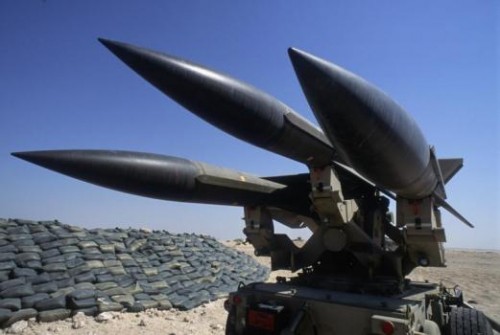
00:10 Publié dans Actualité, Géopolitique | Lien permanent | Commentaires (0) | Tags : chine, etats-unis, politique internationale, géostratégie, géopolitique, asie, affaires asiatiques, extrême orient, pacifique | | del.icio.us | | Digg | Facebook
Presseschau - August 2010 / 1
Presseschau
August 2010 / 1
Einige Links. Bei Interesse anklicken...
###
 Volk ist ein Begriff, der einem überaus verwirrenden Sprachgebrauch unterliegt, aus dem sich folgende Hauptbedeutungen herausheben: Volk als Bevölkerung größerer oder kleinerer Gebiete; Volk als Untertanenschaft eines Staates, aus der sich eine mündige Nation entwickeln kann; Volk („gemeines Volk“) als tragende Unterschicht ohne Rücksicht auf völkische Geschlossenheit (Entartungsform: Pöbel); Volk als eigenständiges, durch Blut, Boden und Geist (besonders Sprache) geeintes Lebewesen, das zugleich fähig ist, ein eigenvölkisches Staatswesen geschichtlich zu verwirklichen. In den mit „Volk“ zusammengesetzten Wörtern taucht dieses in den verschiedenen Bedeutungen auf, die überdies geschichtlich höchst wandelbar waren. Heute gehen wir im letztgenannten Sinne vom Volk als Volkstumsträger und natürlich-geschichtlich eigengearteter Gemeinschaft aus. Auch in den Begriffserläuterungen dieser Schrift wurde dieser Wortsinn soweit in den Vordergrund gerückt, als das ohne Vergewaltigung des Sprachgebrauchs und Verwirrung herkömmlicher Denkgewöhnung möglich war.
(Max Hildebert Boehm: ABC der Volkstumskunde. Der Begriffsschatz der deutschen Volkslehre für jedermann, Potsdam 1936, S. 82)
###
Internationaler Gerichtshof bestätigt Unabhängigkeit des Kosovo
http://www.jungefreiheit.de/Single-News-Display-mit-Komm.154+M547f115a292.0.html
Kosovo-Gutachten
Serbien beklagt Verlust „unseres Jerusalems“
Aus serbischer Sicht ist die Unabhängigkeit des Kosovo weiter unrechtmäßig. Nach der IGH-Entscheidung wettern Politik, Presse und Kirche.
http://www.welt.de/politik/ausland/article8592348/Serbien-beklagt-Verlust-unseres-Jerusalems.html
Das Kosovo-Urteil ist Teil neuer Konflikte
Der Internationale Gerichtshof bestätigte die Unabhängigkeit des Kosovo. Wo aber beginnt das Recht auf Eigenstaatlichkeit?
Von Michael Stürmer
http://www.welt.de/debatte/kommentare/article8618245/Das-Kosovo-Urteil-ist-Teil-neuer-Konflikte.html
Taliban-Offensive nahe Kunduz
Herausfordern, hinrichten, herrschen
Aus Kabul berichten Matthias Gebauer und Shoib Najafizada
Die Gewalt im Süden des Bundeswehrstützpunkts Kunduz eskaliert. Taliban haben eine Polizeiwache attackiert, sechs Polizisten enthauptet – als Zeichen der neuen Stärke. Die Region Baghlan droht von den Radikalen überrannt zu werden, die westlichen Truppen schlagen mit Kommandoaktionen zurück.
http://www.spiegel.de/politik/ausland/0,1518,707683,00.html
Zoff um Wehrpflicht
Union probt Aufstand gegen Verteidigungsminister
In CDU und CSU formiert sich nach SPIEGEL-Informationen massiver Widerstand gegen Karl-Theodor zu Guttenberg. Führende Unionspolitiker lehnen den Plan des Verteidigungsministers ab, die Bundeswehr zu einer Freiwilligenarmee umzubauen. „Wir sind grundsätzlich für den Erhalt der Wehrpflicht.“
http://www.spiegel.de/politik/deutschland/0,1518,708250,00.html
Die deutsche Wirtschaft ist in Hochstimmung
Ifo-Index steigt so stark an wie noch nie seit der Wiedervereinigung – Unternehmen für Zukunft optimistisch
(Na, dann war’s das wohl schon mit der Finanzkrise?)
http://www.welt.de/die-welt/wirtschaft/article8613463/Die-deutsche-Wirtschaft-ist-in-Hochstimmung.html
CDU
Wutwelle aus dem Westen
Schlechte Wahlergebnisse, bröckelnde Machtoptionen, null Begeisterung: Die CDU leidet unter einer beispiellosen Auszehrung. Im Westen wächst die Wut – auch auf Angela Merkel.
http://www.focus.de/politik/deutschland/tid-19251/cdu-wutwelle-aus-dem-westen_aid_533826.html
Jeder 5. Deutsche würde neue Rechtspartei wählen
http://www.focus.de/magazin/kurzfassungen/focus-30-2010-jeder-5-deutsche-wuerde-neue-rechtspartei-waehlen_aid_533766.html
Neue Debatte um das Waffenrecht
Verfassungsbeschwerden von Gegnern und Befürwortern einer Verschärfung
von Christoph Wenzel
http://www.welt.de/die-welt/politik/article8613414/Neue-Debatte-um-das-Waffenrecht.html
Fördervereinigung Legaler Waffenbesitz
http://www.fvlw.de/
Warnung vor manipulierten Webcams
Ausweispflicht im Internet gefordert
(Hinter dieser Forderung nach weniger Anonymität im Internet könnten auch ganz andere Interessen der Überwachung stehen ...)
http://www.rp-online.de/digitale/internet/Ausweispflicht-im-Internet-gefordert_aid_883020.html
Kirsten Heisig: „Ich bin zu der Auffassung gelangt, daß die Furcht vor den kriminellen Großfamilien alle anderen Aspekte bei weitem überwiegt“
http://www.deutschland-kontrovers.net/?p=23204
RICHTERIN KIRSTEN HEISIG (†48)
Ihr bitteres Vermächtnis
„Das Ende der Geduld“: Die Juristin rechnet ab mit der gesetzlosen, kriminellen Parallelwelt
Von 550 jugendlichen Intensivtätern in Berlin leben 214 in Neukölln, 45 Prozent von ihnen hätten arabische, 34 türkische Wurzeln, schreibt Heisig, wobei es insgesamt viermal mehr Türkischstämmige im Kiez gebe. „Die Araber stellen also gemessen an ihrem Bevölkerungsanteil die Mehrheit der Intensivtäter.“ Junge deutsche Kriminelle mit über 30 Straftaten gebe es in Neukölln kaum.
http://www.berlinonline.de/berliner-kurier/print/berlin/312479.html
Tod einer Unbeugsamen – der Fall Kirsten Heisig
Anfang Juli wird die Berliner Jugendrichterin Kirsten Heisig zuerst vermißt gemeldet und dann tot aufgefunden: Erhängt an einem Baum durch eigene Hand lautet die offizielle Version. Die Ermittlungen hatte das LKA, Abteilung 124 übernommen – sie ist zuständig für Delikte am Menschen, bearbeitet aber auch Vermißtensachen.
http://www.deutschland-kontrovers.net/?p=23255
Antifaschistische Pressewächter
Von Felix Krautkrämer
Engagierte Antifaschisten haben es heutzutage nicht leicht: Die Welt ist grausam, brutal, menschenverachtend und ungerecht. Überall herrschen „Rassismus, Geschichtsrevisionismus, Antisemitismus und Sozialchauvinismus“. Zumindest wenn man den Initiatoren der Kampagne „Let’s push things forward“ glauben möchte, die den Verkauf „rechter Zeitungen“ an Kiosken und im Zeitschriftenhandel unterbinden wollen.
http://www.jungefreiheit.de/Single-News-Display-mit-Komm.154+M55deb2eebba.0.html
Komplett geheilt
Eine linke Kampagne fordert die „Verbannung“ rechter Zeitungen aus der Öffentlichkeit. Das wirkt nicht eben souverän. Unser Autor ist trotzdem dankbar
http://www.freitag.de/kultur/1029-komplett-geheilt
„Michel Friedman ist die Einladung eines NPD-Vertreters zuzutrauen“: Im Gespräch mit Arne Schimmer (MdL Sachsen)
http://gesamtrechts.wordpress.com/2010/07/20/michel-friedman-ist-die-einladung-eines-npd-vertreters-zuzutrauen-im-gesprach-mit-arne-schimmer-mdl-sachsen/#more-13689
Aussichtsloser Kampf gegen Wikipedia
Die Wählervereinigung „Bürger in Wut“ stößt im Streit um eine kritische Formulierung in dem Online-Lexikon auf unüberwindliche Hindernisse.
http://www.jungefreiheit.de/Single-News-Display-mit-Komm.154+M5f822fa797e.0.html
Verdacht auf Betrug
Staatsanwalt ermittelt gegen Linke-Chef Klaus Ernst
Der Politiker wird des Betrugs und der Untreue verdächtigt. Die Ermittler prüfen, ob er Reisekosten falsch abgerechnet hat.
http://www.welt.de/politik/deutschland/article8563727/Staatsanwalt-ermittelt-gegen-Linke-Chef-Klaus-Ernst.html
Joschka Fischers Erinnerungen ...
http://service.gmx.net/de/cgi/g.fcgi/application/navigator?CUSTOMERNO=39290822&t=de2109990765.1280052640.e58c987
Vertriebenenzentrum: Angriffe auf Mitglieder des Stiftungsrates nehmen zu
BERLIN. Der Mannheimer Historiker Peter Steinbach hat scharfe Kritik an den stellvertretenden Mitgliedern des Stiftungsrates des Vertriebenenzentrums, Hartmut Saenger und Arnold Tölg geäußert. Die beiden Mitglieder des Bundes der Vertriebenen (BdV) verträten Thesen, „die vor allem in einer rechten Geschichtsbetrachtung gang und gäbe seien“, sagte Steinbach im Deutschlandradio Kultur.
http://www.jungefreiheit.de/Single-News-Display-mit-Komm.154+M59929057e56.0.html
Wolfskinder
Die vergessenen Opfer
Verwaist oder von ihren Familien getrennt, überlebten Tausende Kinder aus dem deutschen Osten nach 1945 wie einsame Wölfe in den Wäldern Litauens. Diese sogenannten „Wolfskinder“ gehören zur „anderen“, verdrängten, abgeschobenen und bagatellisierten Geschichte des Krieges. Ihr Schicksal war über Jahrzehnte in Vergessenheit geraten.
http://www.jungefreiheit.de/Single-News-Display-mit-Komm.154+M571a0b81b2c.0.html
Studenten erinnern an 20. Juli
BERLIN. In mehreren deutschen Universitätsstädten haben Studenten in der Nacht zum Dienstag mit Aufklebern an das Attentat auf Adolf Hitler vom 20. Juli 1944 erinnert.
http://www.jungefreiheit.de/Single-News-Display-mit-Komm.154+M578e3ec4802.0.html
Täter-T-Hemd
Von Götz Kubitschek
Seit ein paar Wochen kann man in Hattorf/Harz Hemden bestellen, auf die – im Stile der Pop-Arts von Andy Warhol – der Hitler-Attentäter von Stauffenberg aufgedruckt ist. „Konmo“ nennt Jens Gerlach seine Marke, KONservative MOde will er kreieren, mit dem nebenstehenden Motiv ist ihm das gut gelungen.
Stauffenberg – der auch schon für die „Sezession“ warb – ist nun alles andere als eine Friedenstaube, das bewies er unter anderem heute vor 66 Jahren.
http://www.sezession.de/17843/taeter-t-hemd.html#more-17843
Operation Walküre
Von Christian Vollradt
http://www.jungefreiheit.de/Single-News-Display-mit-Komm.154+M51405ca31dd.0.html
JF-Dossier: Der 20. Juli 1944
http://www.jungefreiheit.de/20-Juli-1944.174.0.html
Der Letzte vom 20. Juli
Ewald von Kleist war einer der Verschwörer um Oberst Stauffenberg. Daß er überlebte, wundert ihn noch heute. Eine Begegnung
von Michael Stürmer
http://www.welt.de/die-welt/vermischtes/article8526517/Der-Letzte-vom-20-Juli.html
Kampf um die Deutung
Von Thorsten Hinz
Das Attentat auf Adolf Hitler am 20. Juli 1944 wurde jahrzehntelang als ein Akt der Selbstreinigung und Ehrenrettung gewürdigt, der über die Untaten des Nationalsozialismus hinaus zu nationaler Selbstachtung auffordert und eine moralische und politische Selbstbehauptung Deutschlands ermöglicht. Dieser geschichts- und gesellschaftspolitische Konsens gerät mehr und mehr ins Wanken.
http://www.jungefreiheit.de/Single-News-Display-mit-Komm.154+M51247266e6a.0.html
Neue Untersuchung: Linksextreme Musik – Konträr zur rechtsextremen Musik?
http://www.amazon.de/Linksextreme-Musik-Kontr%C3%A4r-zur-rechtsextremen/dp/364032028X/ref=sr_1_1?ie=UTF8&s=books&qid=1279974264&sr=8-1
Deutsche Sprache ausmisten
Der folgende Entschluß der GrünInnen Bayerns, diedeutsche Sprache per gesetzlicher Vorgabe von allen maskulinen, patriarchalischen Worten auf dem Weg zu einem selbst – bestimmten Leben für junge Frauen zu reinigen, erzeugt bei einigen nur Verständnislosigkeit, bei anderen Wut und wieder bei anderen ein fröhliches Hurra auf den Kampf gegen das faschistisch-verbrecherisch-kapitalistisch-repressiv-patriarchalische-Imperialistensystem, in dem wir leben. Urteilen Sie selbst.
http://cdu-politik.de/2010/07/22/deutsche-sprache-ausmisten/#comments
Niederlande
Lebensgeschichte von Anne Frank als Comic
http://www.focus.de/panorama/vermischtes/niederlande-lebensgeschichte-von-anne-frank-als-comic-_aid_528605.html
Zuckererbsen, Tod und Teufel
Das Historische wird wahrhaft historisch: Eine letzte Momentaufnahme der 68er aus Anlaß der Beerdigung von Fritz Teufel
http://www.freitag.de/kultur/1029-seid-zur-heiterkeit-bereit
Beklemmende Gespräche
Die Reportage „Kampf im Klassenzimmer – Deutsche in der Minderheit“ schildert schonungslos die Realität an einer Essener Hauptschule. Die ARD-Verantwortlichen indes haben den Dokumentarfilm ins Nachtprogramm verschoben.
http://www.jungefreiheit.de/Single-News-Display-mit-Komm.154+M5b2ed457057.0.html
Prügel! Islamismus! Mobbing! Haß auf deutsche Schüler!
Der tägliche Wahnsinn in Essens Horror-Schule
http://www.bild.de/BILD/regional/ruhrgebiet/aktuell/2010/07/21/pruegel-islamismus-mobbing-hass-auf-deutsche-schueler/der-taegliche-wahnsinn-in-essens-horror-schule.html
Anekdote zur umgekehrten Integration
Von Martin Lichtmesz
Die Fernseh-Reportage „Kampf in Klassenzimmer“ anzusehen, war mir beinahe unerträglich...
http://www.sezession.de/17936/anekdote-zur-umgekehrten-integration.html
Doku: Kampf im Klassenzimmer
http://www.deutschland-kontrovers.net/?p=23235#comments
Özkan fordert Medien zu „Kultursensibilität“ auf
Niedersachsens Sozialministerin fordert eine „kultursensible Sprache“ für Beiträge über Integration. Die Journalisten sind empört.
http://www.welt.de/politik/deutschland/article8598557/Oezkan-fordert-Medien-zu-Kultursensibilitaet-auf.html
http://www.nwzonline.de/Region/Artikel/2391776/Ministerin+will+Medien+Inhalte+vorgeben.html
Wulffs Türken-Ministerin Özkan (CDU) läßt die demokratischen Hüllen fallen. Nach typisch moslemischer, arabischer und türkischer Manier bestimmt der Staat, was in der Zeitung steht. Noch Fragen zur Pressefreiheit, wenn die Mihigrus regieren?
http://fact-fiction.net/?p=4690
Ehefrau wollte Zweitfrau nicht dulden
http://www.nz-online.de/artikel.asp?art=1259465&kat=30
Integration
Schavan lobt türkische „Elite“
Bildungsministerin Schavan sieht große Fortschritte bei der Integration von Ausländern in Deutschland. Vor allem junge Türken würden verstärkt Verantwortung übernehmen. Deren Ehrgeiz und Aufstiegswillen vergleicht sie mit der Nachkriegsgeneration.
http://www.focus.de/politik/deutschland/integration-schavan-lobt-tuerkische-elite_aid_533775.html
Als Beispiel nennt Ministerin Schavan Özil, der demnächst bei Real Madrid auf der Ersatzbank sitzt, und ausgerechnet die Zensur-Özkan – siehe gestern!!! Es kann keiner mehr erzählen, daß dies keine Zufälle sind! http://fact-fiction.net/?p=4693
Stadt der Vielfalt – Das Entstehen des neuen Berlin durch Migration
(Das Buch kann man in dem Link als pdf-Version herunterladen)
http://www.berlin.de/lb/intmig/publikationen/minderheiten/index.html
Bad Soden
Schwestern wurden entführt
Streit unter zwei Familienclans
http://www.fnp.de/fnp/region/lokales/schwestern-wurden-entfuehrt_rmn01.c.7966318.de.html
Frankfurt
Tramfahrerin angegriffen
http://www.fnp.de/fnp/region/lokales/tramfahrerin-angegriffen_rmn01.c.7966186.de.html
CDU stellt Stadtkewitz Ultimatum
BERLIN. Die CDU-Fraktion im Berliner Abgeordnetenhaus hat ihrem Mitglied René Stadtkewitz ein Ultimatum gestellt, sich von dem niederländischen Islamkritiker Gert Wilders zu distanzieren.
http://www.jungefreiheit.de/Single-News-Display-mit-Komm.154+M5bc2035f37b.0.html
Streit um Einladung
Stadtkewitz will Wilders-Einladung nicht zurücknehmen
René Stadtkewitz wirft dem CDU-Fraktionschef Frank Henkel Ignoranz vor. Der hatte Stadtkewitz zuvor mit einem Rauswurf gedroht, weil dieser den Rechtspopulisten Wilders zu einer Debatte über den Islam eingeladen hatte.
http://www.tagesspiegel.de/berlin/landespolitik/stadtkewitz-will-wilders-einladung-nicht-zuruecknehmen/1889772.html;jsessionid=503BED82080C9A0F4F4B5B54ED134897
Gewerkschaft fordert türkische Polizisten in deutschen Städten
DÜSSELDORF. In Problemvierteln deutscher Großstädte sollen künftig türkische Polizisten gemeinsam mit deutschen Beamten Streife gehen. Dies hat die Deutsche Polizeigewerkschaft vor dem Hintergrund „vermehrter Medienmeldungen“ über jugendliche Täter mit Zuwanderungshintergrund gefordert.
http://www.jungefreiheit.de/Single-News-Display-mit-Komm.154+M5c117bc3e82.0.html
Sieben Festnahmen
Türkische Fans wüten beim Test in Mönchengladbach
Beim Testspiel der Erzrivalen Galatasaray und Fenerbahce Istanbul in Mönchengladbach mußte die Polizei zum Großeinsatz ausrücken.
http://www.welt.de/sport/fussball/article8577521/Tuerkische-Fans-wueten-beim-Test-in-Moenchengladbach.html
Versuchte Vergewaltigung in Hannover
Wieder war es in einem Schwimmbad, und wieder war der Täter ein „Südländer“. Mehr sagt uns die „Hannoversche Allgemeine“ nicht, und mehr dürfen auch die Leser nicht sagen, denn die Kommentarfunktion des Beitrages ist deaktiviert. Pool-Partys gibt es zukünftig nicht mehr. Auch das ist der Bereicherung geschuldet.
http://www.pi-news.net/2010/07/versuchte-vergewaltigung-in-hannover/#more-147740
„Grapscher“ von Rheindahlen ist erst zwölf Jahre alt
http://www.wz-newsline.de/?redid=887803
Gegen elfjährige Dealer ist die Polizei machtlos
In Berlin werden vorzugsweise Minderjährige eingesetzt, um harte Drogen an den Mann zu bringen. Ein System der Ausnutzung.
http://www.welt.de/vermischtes/weltgeschehen/article8542718/Gegen-elfjaehrige-Dealer-ist-die-Polizei-machtlos.html
Berlin
Polizei schnappt erneut Kinderdealer
Schon wieder ist ein Jugendlicher in Berlin beim Handel mit Drogen erwischt worden. Die Polizei schnappte den 13jährigen beim Verkauf einer Szenekugel. Die Forderungen nach geschlossenen Heimen für Dealer im Teenager-Alter werden immer lauter.
http://www.spiegel.de/panorama/justiz/0,1518,707515,00.html
Berlin erwägt geschlossene Heime für Kinder-Dealer
Was tun mit elfjährigen Drogendealern? Weil es immer mehr junge Täter gibt, erwägt Berlin nun die Unterbringung in geschlossenen Heimen.
http://www.welt.de/vermischtes/weltgeschehen/article8556738/Berlin-erwaegt-geschlossene-Heime-fuer-Kinder-Dealer.html
Berlin
50 Personen greifen Polizeibeamte an
In Steglitz-Zehlendorf haben zwei Polizisten Prellungen und Schürfwunden erlitten, als sie von etwa 50 Personen attackiert wurden. Die Beamten waren zuvor einem Mann zu Hilfe geeilt, der von drei Angreifern zusammengeschlagen wurde.
http://www.spiegel.de/panorama/justiz/0,1518,707107,00.html
Kripo ermittelt
Polizei erneut von Pöbel-Mob attackiert
Bei einer Festnahme in Steglitz wurden Polizisten von einer Gruppe aus 30 Personen umringt.
http://www.bz-berlin.de/bezirk/steglitz/polizei-erneut-von-poebel-mob-attackiert-article925779.html
Prozesse um brutale Attacken auf Polizisten
Ein Zivilbeamter wurde niedergestochen, der andere getreten und geschlagen. Die Täter sind 18- und 19jährige. Am Montag begannen die Prozesse, eine Anklage lautet auf versuchten Mord.
http://www.tagesspiegel.de/berlin/polizei-justiz/prozesse-um-brutale-attacken-auf-polizisten/1886898.html
Von Offenbach aus im großen Stil Iraker geschleust
Offenbach – Die Bundespolizei hat einen von Offenbach aus agierenden internationalen Schleuserring zerschlagen. Die Täter sollen sich darauf spezialisiert haben, Iraker über Deutschland nach Skandinavien zu bringen. In Offenbach und Frankfurt wurden vier Männer festgenommen. Von Ralf Enders
http://www.op-online.de/nachrichten/frankfurt-rhein-main/offenbach-grossen-stil-iraker-geschleust-851211.html
Zuwanderung
FDP fordert Erleichterung für ausländische Fachkräfte
Das deutsche Zuwanderungsgesetz enthält nach Auffassung von FDP-Generalsekretär Christian Lindner zu viele Hürden für qualifizierte Zuwanderer aus Nicht-EU-Ländern.
http://www.welt.de/die-welt/politik/article8541690/FDP-fordert-Erleichterung-fuer-auslaendische-Fachkraefte.html
Hasenjagd auf Polizei in Grenoble
Die seit Freitag andauernden schweren Krawalle in der französischen Stadt Grenoble dauern immer noch an. Ein Sprecher der Polizei umschreibt die Situation mit einer Jagdszene: „Es läuft schlecht. Meine Kollegen nehmen es schlecht auf. Man schießt auf uns wie auf Kaninchen. Und heute nacht? Wie wird es heute nacht für uns ausgehen? … Wir rechnen mit dem Schlimmsten.“
http://www.pi-news.net/2010/07/hasenjagd-auf-polizei-in-grenoble/#more-147042
Nach Todesschüssen der Polizei
Schwere Krawalle erschüttern Grenoble
http://www.tagesschau.de/ausland/ausschreitungengrenoble100.html
Neue Unruhen halten Frankreich in Atem:
In Grenoble schießen Jugendliche auf Polizei
Ausschreitungen nach Tötung eines Casino-Räubers
http://www.news.at/articles/1029/15/273520/neue-unruhen-frankreich-atem-in-grenoble-jugendliche-polizei
Reaktionen auf Volksentscheid
Begeistert, beflügelt, bedröppelt
Konservative Bildungspolitiker jubeln, grüne Reformer im Saarland und in NRW fühlen sich auf dem richtigen Weg, Berlins Bildungssenator trauert. Die Reaktionen auf den Hamburger Volksentscheid sind so unterschiedlich wie die Schulsysteme in Deutschland.
http://www.spiegel.de/schulspiegel/wissen/0,1518,707290,00.html
Bildungspolitische Profillosigkeit rächt sich
Erfolgreiche bürgerliche Revolte in Hamburg gegen vereinheitlichte Schule – Die CDU ist der große Verlierer
http://91.204.34.222/2008/index.php?option=com_content&task=view&id=100059753&Itemid=1
Bildungspolitik: Chef des Lehrerverbands wirft CDU Profillosigkeit vor
http://www.jungefreiheit.de/Single-News-Display-mit-Komm.154+M5ddb8214d05.0.html
Elternrebellen blamieren Senat
Hamburg macht Schule
Von Birger Menke und Ole Reißmann
Es war ein historischer Sonntag für Hamburg, und Ole von Beusts Rückzug hat nur zum kleineren Teil damit zu tun. Wichtiger noch ist: Per Volksentscheid haben die Bürger das Primarschul-Projekt des schwarz-grünen Senats gekippt. Ihr Triumph wird bundesweit Folgen für die Bildungspolitik haben.
http://www.spiegel.de/schulspiegel/wissen/0,1518,707177,00.html
Lexikon der Dummheit
Doof wie Bohnenstroh
Von Philipp Maußhardt
Für Klugheit ist das Arsenal der Redewendungen überschaubar, für Dummheit gibt es umso mehr. Eine Forscherin hat gesammelt, wie clever und einfallsreich wir Sprachbilder erfinden. Das Hochschulmagazin „duz“ resümiert, wer oder was, neben dem Esel und dem Stroh, noch für Blödheit herhalten muß.
http://www.spiegel.de/unispiegel/studium/0,1518,703405,00.html
OHL – seit Jahren eine Ausnahmeband der Deutschpunkszene, die wie kaum eine andere die Gemüter polarisiert. Mit den kompromißlosen und aggressiven Texten von Sänger und Mastermind DEUTSCHER W. kämpft die Band gegen politische Extreme von rechts wie links, gegen religiöse Bevormundung und Eingrenzung der individuellen Freiheit. Darüber wird oft vergessen, daß OHL auch musikalisch einzigartig und unverkennbar sind. Mit „Krieg Der Kulturen“, dem 11. Studioalbum der Band, präsentieren DEUTSCHER W., KALASHNIKOV (Drums), EGON KRENZ (Baß) und STALIN (Gitarre) wieder ein rasantes Sperrfeuer aus treibenden Schlagzeugrhythmen, bollerndem Baß und kantig-rockigen Gitarrenriffs, gekrönt vom typisch aggressiven Gesang. Songs wie „Kein Gottesstaat“, „Der Weg der Wahrheit“ oder „Die Welt steht in Flammen“ werden die zahlreichen OHL-Fans wie eh und je in Begeisterung versetzen. „Krieg der Kulturen“ ist ein streitsüchtiges, unangepaßtes Punkalbum fernab vom gemütlichen Mainstream. 12 Songs, CD-Erstauflage (2.000) im Digipack mit 20-seitigem 4c-Booklet, limitierte Vinylauflage (500) in transparentem Vinyl mit bedruckter 4c-Innenhülle auf Crazy United Records.
http://www.amazon.de/Krieg-Kulturen-Ohl/dp/B002V9L4YE/ref=sr_1_1?ie=UTF8&s=music&qid=1279549786&sr=8-1
Das Desaster von Duisburg
Im Tunnel des Todes
Von Julia Jüttner, Duisburg
Der Horror steht den Ravern von Duisburg ins Gesicht geschrieben. Sie wollten feiern – dann durchlitten sie Todesangst, sahen Menschen sterben. Nach der Massenpanik auf der Love Parade mit mindestens 19 Toten und mehr als 300 Verletzten werden Fragen laut. Viele aus dem Tunnel sind traumatisiert.
http://www.spiegel.de/panorama/0,1518,708355,00.html
Polizisten zu Love-Parade-Unglück
„Da war nur noch Chaos“
Von Jörg Diehl
Polizisten beschreiben erschreckende Szenen bei der Love Parade: Aufgeputschte und aggressive Raver trafen auf überforderte Organisatoren. „Die Stimmung war explosiv, viele schienen berauscht“, sagt ein Beamter – ein anderer glaubt, die Stadt Duisburg habe „allen Sicherheitsbedenken getrotzt“.
http://www.spiegel.de/panorama/0,1518,708349,00.html
--
00:05 Publié dans Actualité, Affaires européennes | Lien permanent | Commentaires (0) | Tags : allemagne, prsse, médias, europe, affaires européennes, politique internationale, journaux | | del.icio.us | | Digg | Facebook
dimanche, 01 août 2010
La proposition Baettig vue de Flandre
La proposition Baettig, vue de Flandre
Le 1 janvier 1979, la Suisse se donnait un nouveau canton. Le Jura, à majorité francophone, fut à l’époque détaché du canton de Berne, majoritairement germanophone, après une consultation populaire le 24 septembre 1978. Il ne s’agissait pas seulement d’une question linguistique car les districts francophones protestants ont préféré demeurer bernois. Depuis lors, le Jura suisse n’a plus jamais fait la une de l’actualité internationale car il ne compte que 70.000 habitants, dont la capitale est Delémont (Delsberg en allemand) : c’est insuffisant pour intéresser les journalistes étrangers. Cela préoccupe peut-être les Jurassiens car ils habitent le long de la frontière française et possèdent désormais leur propre canton qui, officiellement, s’appelle « République et Canton du Jura ».
L’UDC/SVP n’était pas favorable à la sécession jurassienne dans les années 70 et mena campagne contre les sécessionnistes jurassiens, sans succès. En 2003, le SVP est devenu le plus grand parti de Suisse et l’est resté en 2007, avec 29% des voix. Ce parti se situe « à droite » de l’échiquier politique suisse et ne joue pas vraiment un rôle primordial dans l’épicentre du pouvoir helvétique, même s’il parvient, de temps en temps, à faire mousser le monde politique de la Confédération, notamment par le biais de referenda. Il suffit de songer au récent référendum sur les minarets, suivi à grande échelle par la population suisse.
Dans le Jura, l’UDC/SVP n’a pas la tâche facile et n’enregistre par les mêmes succès qu’ailleurs dans la Confédération, pour les raisons évoquées plus haut : l’hostilité du SVP à la sécession jurassienne contre Berne, il y a un peu plus de trente années. Dans le parlement cantonal ne siègent que trois députés UDC sur un total de soixante représentants du peuple, ce qui équivaut à un peu moins de 6% de l’électorat. Il n’y a que dans le Tessin italophone que l’UDC enregistre encore moins de scores, mais elle y fait front commun avec un parti régionaliste italophone.
Invitation
Etonnant mais vrai : un député UDC/SVP a pu obtenir un des deux sièges jurassiens au Conseil National en 2007. L’heureux élu est un certain Dominique Baettig, à qui on reproche d’avoir eu un parcours politique dans sa jeunesse qui n’était pas très « politiquement correct ». Etudiant, il aurait été actif dans quelques groupes d’extrême droite mais, au fil des années, l’homme s’est assagi, a obtenu un diplôme de psychiatre, a arrondi les angles de sa pensée et a navigué dans des eaux plus tranquilles.
Récemment, toutefois, Baettig a su attirer l’attention de tous les médias suisses en formulant une proposition surprenante. La Suisse, selon lui, devrait pouvoir se donner la possibilité légale d’offrir à une série de régions frontalières la chance de pouvoir rejoindre la Confédération Helvétique. Baettig voit grand et estime pouvoir éveiller un certain intérêt dans le Land allemand de Bade-Wurtemberg, dans les départements français de l’Ain, du Jura et de Savoie, en Alsace, dans les régions de Bolzano, Varese, Aoste et Côme en Italie et dans le Land autrichien du Vorarlberg. L’idée de Baettig ne suscite pas vraiment les sympathies en Suisse. Il a dû écoper des sourires de commisération, des haussements d’épaule et quelques rires sonores.
Le Conseil Fédéral, qui constitue le gouvernement de la Suisse, a rejeté sa proposition. Si la Suisse avait accepté le projet, cela aurait constitué « un geste inamical » à l’endroit des Etats voisins, estime le gouvernement. Les Etats voisins considèreraient à juste titre l’acceptation de cette proposition comme une provocation et cela nuirait aux bonnes relations qu’entretient la Confédération avec ses voisins. Les ministres helvétiques ont donc estimé qu’il ne fallait pas retenir la proposition Baettig.
Le gouvernement suisse émet une réticence supplémentaire quant à d’éventuelles sécessions dans les pays frontaliers de la Confédération : ces régions voisines devrait justement faire officiellement sécession. Or, en droit international, il n’existe aucun droit général autorisant la sécession, sauf comme ultima ratio, c’est-à-dire si des circonstances exceptionnelles justifient de se séparer de l’Etat auquel on appartient. Mais on ne peut évoquer de telles circonstances exceptionnelles pour les habitants de la région de Côme, du Land de Bade-Wurtemberg, de l’Alsace, etc. On ne doit pas s’attendre à ce que le gouvernement suisse considère comme circonstance exceptionnelle justifiant la sécession le fait de devoir vivre dans un pays gouverné par Berlusconi, Sarközy ou Merkel.
Des sondages surprenants
L’hebdomadaire suisse Weltwoche, qui n’est pas hostile à l’UDC/SVP, a voulu organiser un petit sondage à propos de la proposition Baettig et les résultats de ce sondage sont pour le moins très surprenants ! D’après le magazine suisse alémanique, une majorité de citoyens dans les régions concernées du Bade-Wurtemberg, du Vorarlberg, de la Savoie et des régions de Côme et de Varese aimerait devenir suisse. Chez les Autrichiens et les Italiens, plus de 52% des personnes interrogées souhaiteraient que leur région devienne partie intégrante de la Confédération Helvétique ; chez les Français et les Allemands, dans les régions dont question, l’adhésion à la Suisse suscite l’intérêt de 48% de citoyens. Ce qui les attire le plus est le système fiscal suisse, ce qui n’étonnera personne. Mais il y a aussi la démocratie directe de type helvétique qui séduit les habitants des régions alpines autour de la Suisse. Cependant, les ressortissants français, allemands, autrichiens ou italiens interrogés ne veulent pas sortir de la zone euro et adopter une « monnaie plus petite » ou quitter l’UE. Cela ne va pas dans le sens que souhaiterait Baettig car son parti est résolument hostile à l’UE.
On remarquera que les tenants et les adversaires de l’euro sont à ex æquo dans le Bade-Wurtemberg uniquement (45% contre 45%). Nous n’allons donc pas affirmer tout de go qu’un grand remaniement territorial est sur le point de s’effectuer en plein centre de l’Europe alpine. La proposition de Baettig est un « jeu », un jeu certes fort amusant, mais rien de plus. Mais cette proposition a révélé un état d’esprit riche de signification : à peu près la moitié des habitants des régions voisines de la Suisse, tous pays confondus, envisage, le cœur léger, de quitter l’Etat auquel elle appartient.
Cela prouve que la confiance des citoyens voisins de la Suisse dans les gouvernements français, allemand, italien ou autrichien n’est pas vraiment grande.
Anton BESENBACHER.
(Article tiré de « ‘t Pallieterke », Anvers, 28 juillet 2010 ; http://www.pallieterke.info/ ).
00:15 Publié dans Actualité, Affaires européennes | Lien permanent | Commentaires (0) | Tags : suisse, alpes, politique internationale, actualité, europe, affaires européennes, zone alpine, fédéralisme | | del.icio.us | | Digg | Facebook
Pour un élargissement de la Confédération Helvétique: les propositions de Dominique Baettig
Pour un élargissement de la Confédération Helvétique : les propositions de Dominique Baettig
Une motion originale au Parlement de Berne
Dominique Baettig est un élu jurassien de l’UDC/SVP, le parti qui a engrangé le plus de voix en Suisse lors des dernières élections. S’il fallait écouter Dominique Baettig, le Souabe serait le dialecte le plus parlé dans la Confédération Helvétique et sa plus grande ville serait Stuttgart. Très sérieux, Baettig a demandé au gouvernement de Berne de créer les conditions pour que les plus belles régions du Land allemand de Bade-Wurtemberg puissent, si elles le souhaitent, demander à faire partie de la Confédération Helvétique.
« Le Conseil Fédéral a reçu pour mission d’élaborer un projet de droit constitutionnel et ensuite de légiférer pour que les régions voisines de la Suisse puissent intégrer la Confédération sous la forme de nouveaux cantons, si la majorité de la population en exprimait le souhait ». Tel est le texte de la motion parlementaire, cosignée par 29 députés de l’UDC/SVP. Ces députés justifient le dépôt de leur motion comme suit : « Certaines régions limitrophes de la Suisse souffrent du manque d’intérêt de la classe politique de leur Etat et de l’UE pour les besoins de ces territoires frontaliers. Le besoin qu’éprouvent ces régions à se déclarer autonomes face à leur gouvernement central (ou face à l’eurocratie bruxelloise) ne cesse de croître. C’est pour cette raison que nous demandons au Conseil Fédéral de présenter aussi vite que possible à l’Assemblée fédérale un projet de droit constitutionnel et de loi afin que les départements, provinces ou Länder suivants puissent adhérer à la Confédération Helvétique, si une majorité de la population le souhaite : l’Alsace (ndlr : annexée à la France au 17ème siècle), Bolzano (ndlr : annexé à l’Italie après 1919), le département du Jura (ndlr : saccagé, génocidé et annexé contre tout droit à la France au 17ème siècle, comme tout le reste de la Franche-Comté), le Vorarlberg (ndlr : qui a demandé en 1919 à adhérer à la Confédération Helvétique), le département de l’Ain (ndlr : qui constitue l’ancienne province savoisienne de la Bresse, annexée à la France au 16ème siècle), la Savoie (ndlr : qui ne fait pas partie de la France selon le droit des gens ; en 1861, la Savoie n’a opté que pour une union douanière ; en cas de conflit, elle devait rejoindre la Confédération Helvétique, demeurer territoire neutre et la France n’avait pas le droit de mobiliser les hommes admirables de cette magnifique province impériale, fidèle à Charles-Quint, et de les faire mourir pour ses causes sordides ; sur les murs de Savoie, on voit aujourd’hui des affichettes représentant le drapeau savoisien, flanqué du texte suivant : « La France hors la loi de la Savoie »), le Bade-Wurtemberg (ndlr : Land de la République fédérale constituée en 1949 au départ de la tri-zone d’occupation) et les provinces lombardes de Varese et de Côme ». La liste n’est pas exhaustive.
Le texte dit encore : « Les régions frontalières susmentionnées souhaitent depuis longtemps davantage de souveraineté pour leurs citoyens et citoyennes ; elles veulent une démocratie de proximité à visage humain ». « Il s’agit surtout d’émettre un signal politique par lequel on ferait activement la promotion du modèle suisse de souveraineté, au lieu de laisser la Suisse glisser inexorablement dans l’UE, une construction dont les institutions centralisatrices ont rompu tous les liens charnels qui les unissaient à leurs citoyens et citoyennes ».
Un « acte inamical »
Le Conseil fédéral UDC/SVP Hans Fehr, cosignataire de la proposition Baettig, a défini le projet comme une « idée audacieuse », qui, en première instance, signifie un refus du Super-Etat que devient l’UE. Un journal rappelle, en se souvenant de l’Autriche : « Jadis, en 1919, le Vorarlberg avait voulu adhérer à la Confédération Helvétique, tandis que d’autres Länder du nouvel Etat fédéral autrichien, constitué sur les débris de l’Empire austro-hongrois, optaient pour la fusion avec l’Allemagne ». En mai 1919, 82% des habitants du Vorarlberg avaient voté pour adhérer à la Confédération Helvétique. Leurs vœux n’avaient pas été exaucés, car les diktats imposés par les vainqueurs de la première guerre mondiale stipulaient expressis verbis que les territoires de l’Autriche germanophone résiduaire devaient demeurer indivisés. Quant aux ambitions grandes helvétiques des députés de l’UDC/SVP, le Conseil Fédéral de Berne a fait savoir qu’une révision de la Constitution fédérale, telle que le demande leur parti, « constituerait un geste politique inamical que les Etats voisins pourraient juger à raison comme une provocation ». Ensuite : « Cette révision serait non seulement inappropriée sur le plan politique, elle poserait aussi problème sur le plan du droit des gens. Elle enfreindrait un principe fondamental de l’ordre international car celui-ci ne prévoit pas un droit général à la sécession. On ne peut évoquer un droit à la sécession, comme ultima ratio, que si l’on peut faire valoir l’existence de facto de situations extraordinaires - présupposés qui n’existent en aucun cas ici ».
La proposition ne fait pas l’unanimité, comme l’atteste le courrier des lecteurs des journaux suisses, comme, par exemple, le Temps de Genève ou le Tages-Anzeiger de Zurich. On y lit notamment cette phrase : « Si l’on réfléchit, on conclura que les dix millions d’habitants du Bade-Wurtemberg pourront décider de tout dans une Confédération à laquelle ils auraient adhérer. Démocratiquement, Stuttgart serait élue capitale de la nouvelle Confédération et, de fil en aiguille, la Suisse se retrouverait annexée à l’Allemagne. Les Allemands auraient ainsi un nouveau Land, obtiendraient beaucoup d’argent et mettraient un terme à une certaine évasion fiscale, qui, du coup, ne poserait plus problème ».
HW.
(article extrait de DNZ, n°38/juillet 2010).
00:10 Publié dans Actualité, Affaires européennes | Lien permanent | Commentaires (4) | Tags : suisse, jura, proposition baettig, dominique baettig, europe, affairs européennes, europe alpine, zone alpine, alpes | | del.icio.us | | Digg | Facebook