


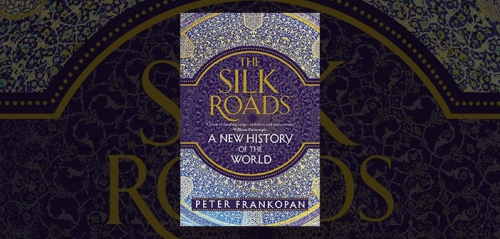
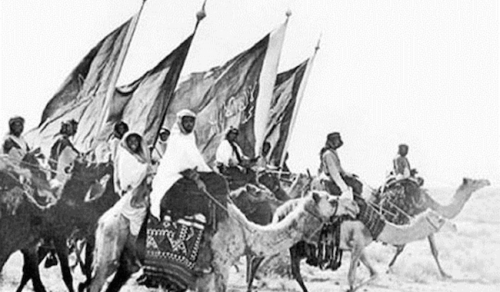
 The very mention of the Silk Roads creates an instant image: camel caravans trudging through the high plains and deserts of central Asia, carrying silks, spices and philosophies to Europe and the larger Mediterranean. And while these ancient routes may remain embedded in our imagination, they have, over the past few centuries, slowly faded in

 del.icio.us
 Digg
Digg Facebook
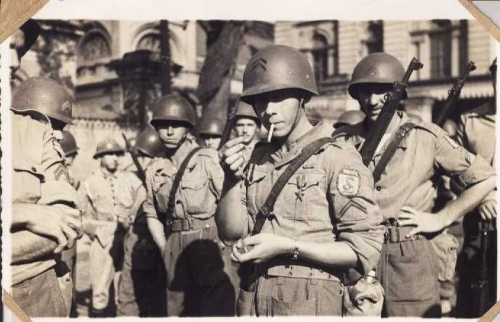
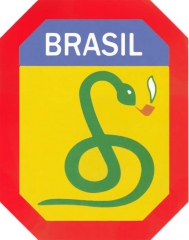 Dans la nuit du 22 août 1942, les torpilles d’un sous-marin allemand envoient au fond de la mer cinq vapeurs brésiliens patrouillant le long des côtes. Il y a 610 morts. Quelques heures après ce terrible incident, le Brésil déclare la guerre à l’Allemagne et à l’Italie. Le parallèle avec la première guerre mondiale saute aux yeux. A cette époque-là, en 1917, le torpillage de navires civils, dont le navire amiral de la flotte commerciale brésilienne, le Paranà, par des sous-marins de Guillaume II, fut aussi considéré comme un casus belli par le Brésil.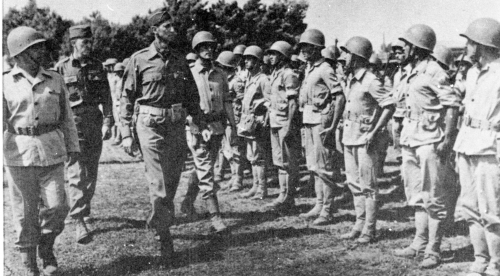
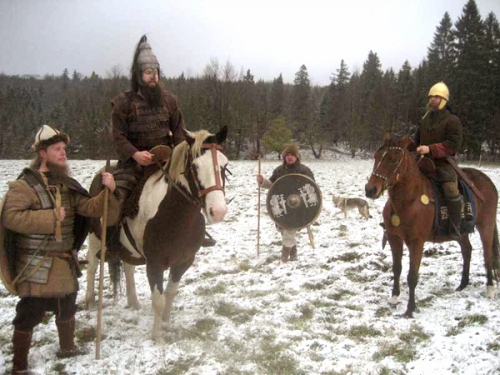
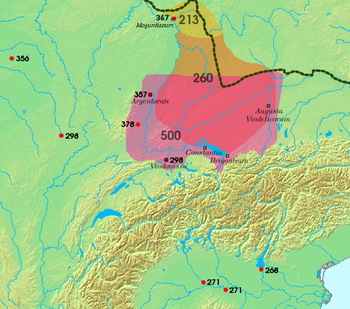
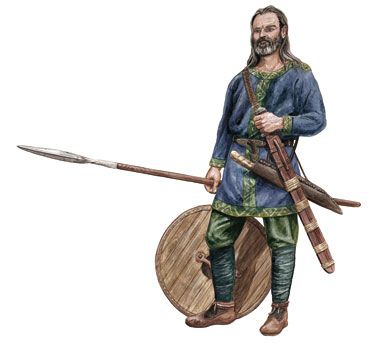 The "major military defeat" Heather refers to is not only the Battle of Strasbourg but the later Battle of Solicinium in 367 CE, in which Valentinian I defeated the Alemanni in the southwestern region of Germany. Even though he was victorious, the Alemanni were by no means broken and were still a formidable force some 80 years later when they joined the forces of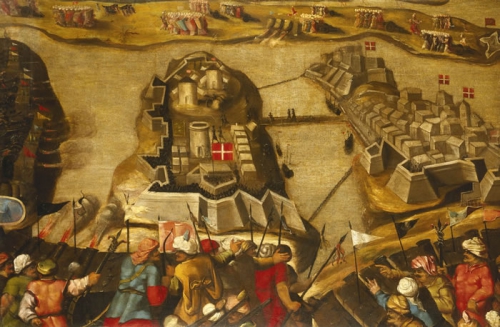

¿Quién fue realmente el Rey Pelayo?
¿Qué ocurrió en la batalla de Covadonga?
¿Qué acontecimientos vivía la península durante el siglo VIII?
http://editorialeas.com/shop/argos/la-luz-del-norte-por-c...
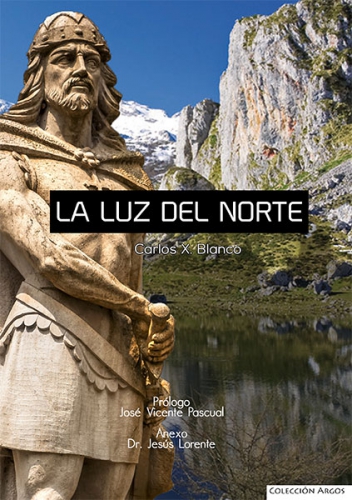
La historiografía tradicional da por establecido y concluido el relato sobre don Pelayo, noble astur que resistió a la conquista de la península Ibérica por los musulmanes, frenó la expansión del Islam en este territorio e inició la dinastía de los reyes asturianos. El asunto, sin embargo, no puede (ni debe) afrontarse desde una perspectiva única, la que sitúa a Pelayo como figura épica providencial que tras derrotar a los ejércitos africanos en Roncesvalles da inicio a la saga de nuestra Reconquista.
Carlos X. Blanco ha elegido la versión de don Pelayo, muy extendida y bastante plausible, de la Crónica Albeldense, conciliándola con la leyenda que lo traslada a Tierra Santa para huir de las intrigas de Witiza, sobre quien recaían sospechas de haber urdido la muerte de Favila, padre de nuestro protagonista. Adscrito a una sociedad iniciática fuertemente cohesionada por la fe cristiana y el convencimiento legitimista de la civilización hispano-romana, Pelayo vuelve a Hispania (el regresado del mar), e inicia su aventura, la diplomacia, la guerra y los dramáticos juegos del poder, hasta convertirse en adalid de la resistencia contra el Islam y primus inter pares entre la nobleza goda y astur.
José Vicente Pascual (escritor)
AUDIO:
http://play.cadenaser.com/audio/1474022512_758888/
Carlos X. Blanco. Autor de La luz del norte. Pelayo, revisitado |
|
Escrito por Lupercio González Ex: http://fuionasturias.com |
| Es asturianista declarado, y va más allá: se considera covadonguista. 'Y no me avergüenzo. Cuando voy a Covadonga, reconozco mi identidad en aquella cascada y aquella gruta'. Como niño asturiano, se familiarizó con el mito de Pelayo y el inicio de la Reconquista. Como adulto, ha querido recrear aquellos escenarios y hechos históricos, rindiendo su particular homenaje al héroe astur.
Foto: Fusión Asturias
"Los que hemos estudiado la cultura y la lengua asturiana también somos culpables del mal momento actual. No hemos sabido transmitir un mensaje de autoestima y conocimiento" -¿Cuánto de invención y cuánto de narración histórica hay en esta novela?
|

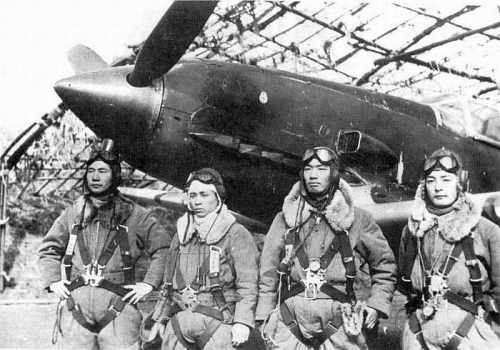
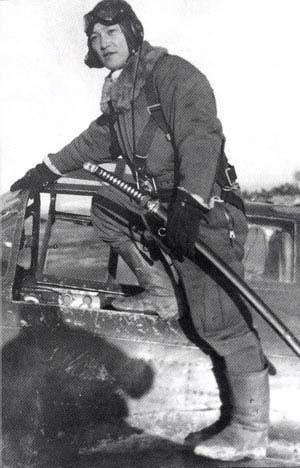 Japan had a one-year strategic reserve of oil. Its stark choice was either run out of oil, fuel, and scrap steel over 12 months or go to war while it still had these resources. The only other potential source of oil for Japan was the distant Dutch East Indies, today Indonesia.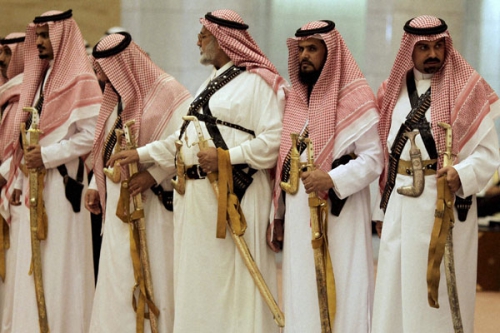


 I note with amusement the statements on the value of a Russian alliance, the unreliability of a French guarantee, and the perfidy of Albion, observations which would no doubt resonate with many people in later centuries. Plus ça change !
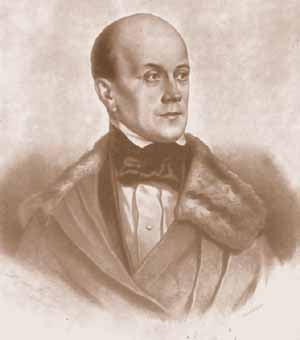 « Nous ne sommes ni de l’Orient, ni de l’Occident », concluait sur un ton particulièrement pessimiste le philosophe russe
 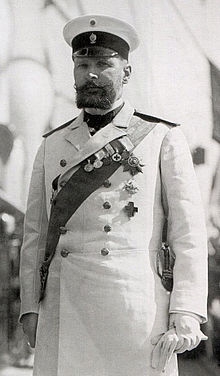 Les premiers contacts diplomatiques entre les deux pays sont traditionnellement datés de la délégation envoyée par la Chine au tsar Michel en 1618. Si le
 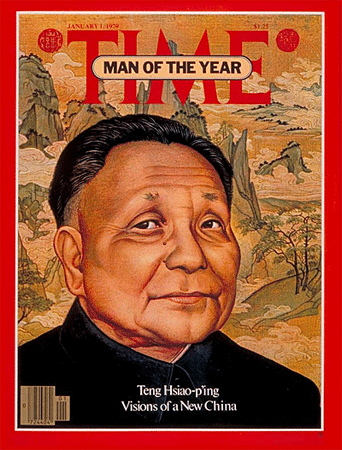 Seule la mort de Mao Zedong en 1976, qui entraînera en Chine un certain recul de l’impératif de “pureté marxiste”, permettra d’engager un premier rapprochement. Son successeur,
 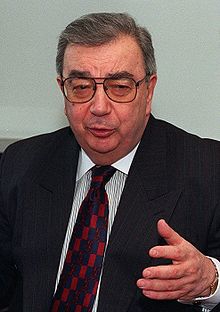 Il est assez coutumier de désigner Vladimir Poutine, arrivé au pouvoir en 2000 mais dont l’ascension a été permise par Boris Eltsine, comme l’artisan fondateur du repositionnement russe dans la politique internationale, et en particulier du rapprochement avec la Chine. Il serait toutefois plus juste d’attribuer ce rôle au Ministre des affaires étrangères nommé par Eltsine en 1996,

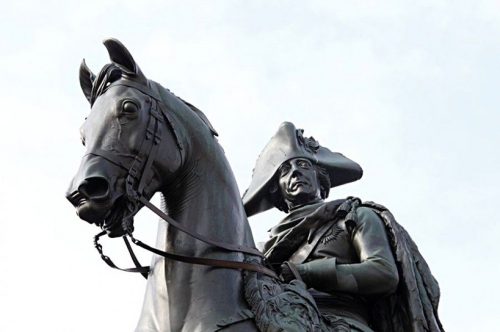
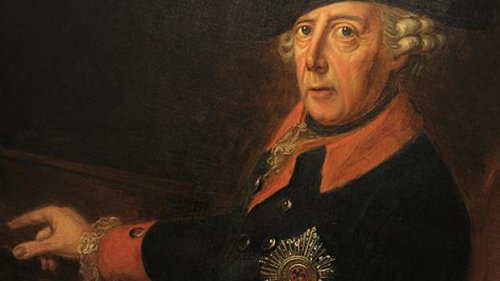
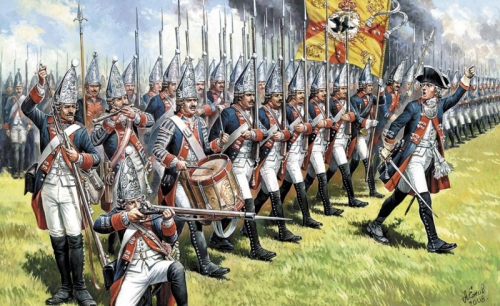
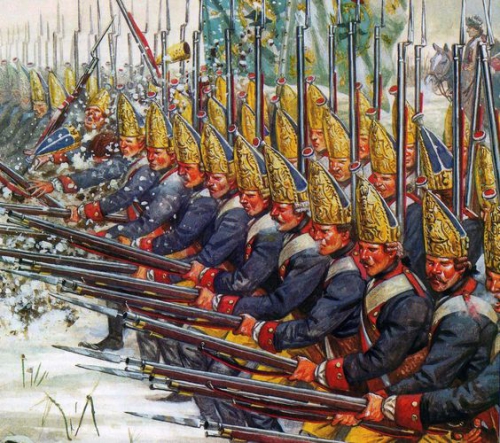
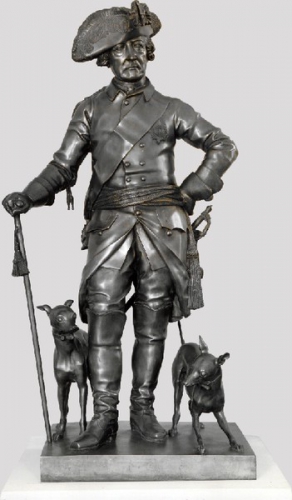 Frederick asserts that laws should aim to promote “[g]ood manners and public safety.” He is enormously concerned with civil peace, saying French chancellor Michel de l’Hôpital’s efforts to increase tolerance and defuse tensions between Catholics and Protestants during the Wars of Religion “worked for the salvation of the fatherland.” Laws may deal with politics (government), manners (criminal), and civil matters (contracts, usury).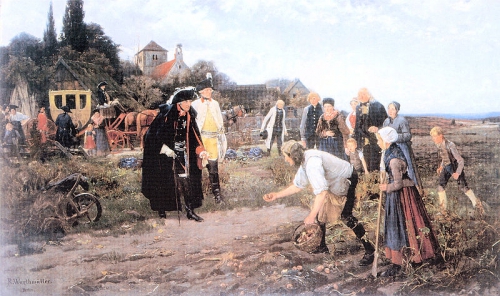
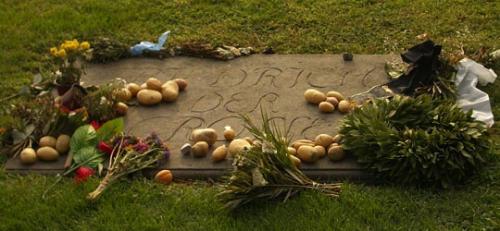
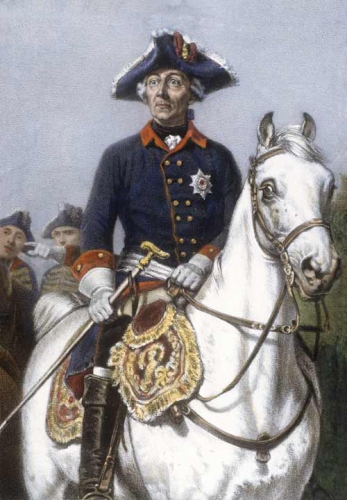 Frederick’s advocacy of paternal authority is all the more poignant and significant in that his own father, Frederick-William, also known as the Soldier King, had been a harsh one. Frederick-William had often beaten his son and executed before Frederick’s eyes his youthful best friend (and possible lover), Hans von Katte, for “desertion.”
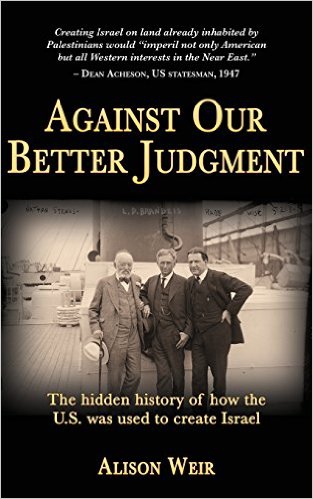 Alison Weir's relatively short book covers the history of Zionism in the United States from the last decades of the 19th century until the creation of the state of Israel in 1948. (She is working on a second volume that will carry this history to the present.) Its brevity does not mean, however, that it is in any sense superficial, as it brings out key historical information, all well-documented, that sets the stage for the troubled world in which we now live. While histories of Zionism have usually focused on Europe, Weir shows that American adherents of this ideology have been far more important than generally has been recognized
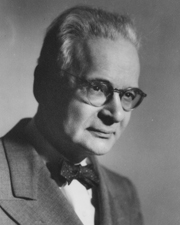 Kallen was regarded by some as first promoting the idea for what became the Balfour Declaration, which would set the stage for the modern state of Israel. He promoted this scheme in 1915 when the U.S. was still a neutral. He told a British friend that this would serve to bring the United States into World War I. It should be pointed out that at that time, despite serious diplomatic issues regarding German submarine warfare, the great majority of the American people wanted to avoid war and Wilson would be re-elected president in November 1916 on the slogan “He kept us out of war.” Kallen’s idea for advancing the Zionist goal, however, soon gained traction.
 Although Segev is a daring historian who often rejects the Zionist myths on the creation of Israel, in this case he essentially relies on a classic Zionist-constructed strawman, which involves greatly exaggerating the view that the Zionists (and Jews in general) don’t like. It is highly doubtful that the British foreign office believed that Jews were so powerful as to be “turning the wheels of history.” (If that had been the case, one would think that the British would have offered Jews much more than Palestine from the very start of the war.) Furthermore, as noted earlier, Weir does not subscribe to anything like this Zionist strawman in regard to the Balfour Declaration, or anything else, I should add.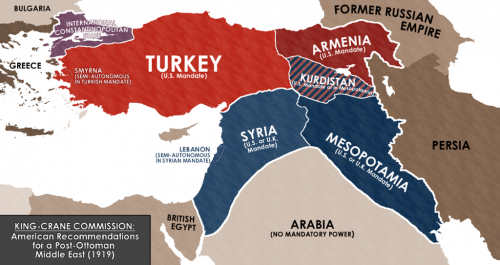
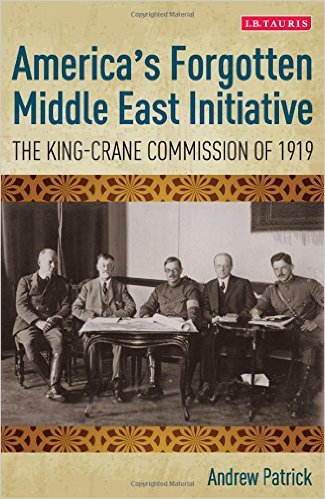 One minor criticism here is that the reader might incorrectly get the impression that the King-Crane Commission dealt solely with Palestine, while it actually involved all the territories severed from, or expected to be severed from, the Ottoman Empire (Turkey).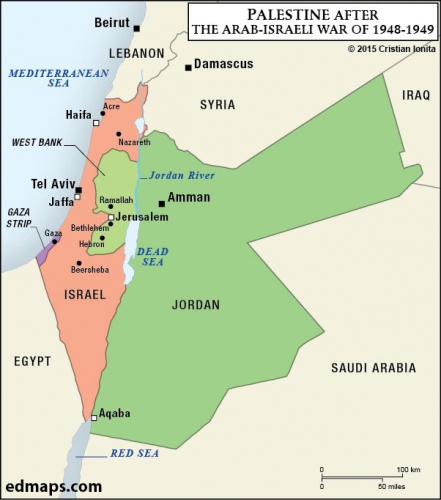
 A quick aside here: somewhat ironically, in my view, Weir barely touches on the United States decision to recognize Israel. Moreover, what does exist is largely in the endnotes. Although there will be a second volume to Weir’s history, and the cut-off point for this volume has to be somewhere, still the fact that the book does make reference to events in 1948 would seem to have made it appropriate to discuss in some detail the issue of America’s quick recognition of Israel.
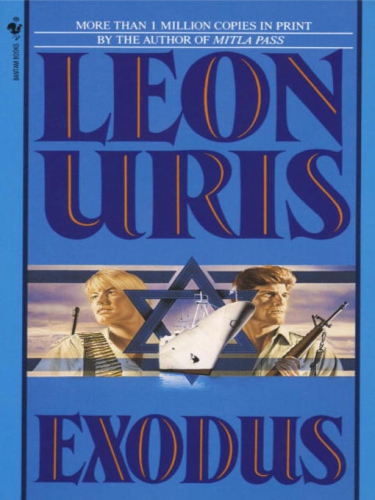 Weir includes a brief reference to Leon Uris’s bestselling 1958 novel on the Exodus ship, and though it falls outside the chronological purview of this volume, I would add that the impact of the already mythologized Exodus event was greatly magnified by Uris’s book, which sold over 7 million copies and was turned into a blockbuster movie in 1960 by Otto Preminger, a leading film director of the era. The film has been identified by many commentators as having greatly enhanced support for Israel in the United States by Jews as well as gentiles and in the view of some scholars this movie has had a lasting effect on how Americans view the Israeli–Palestinian conflict. Weir even acknowledges that it had initially shaped her thinking on the subject.
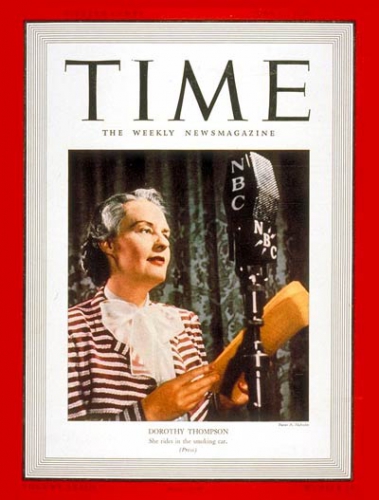 In 1939, Time Magazine named Thompson the second most popular and influential woman in America behind Eleanor Roosevelt.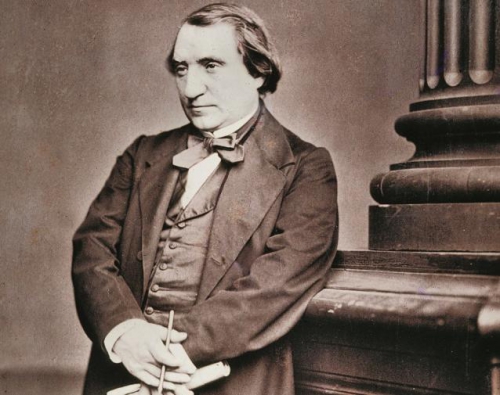
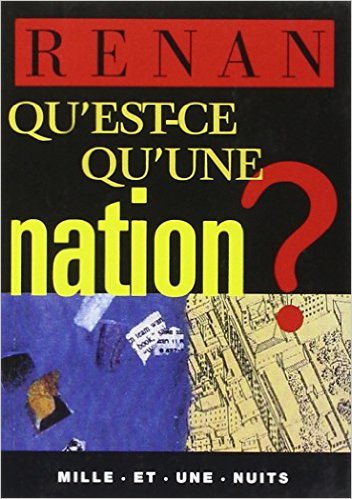 Profondément européen, il prôna l’alliance de la France avec l’Angleterre et l’Allemagne, anticipant le temps des empires.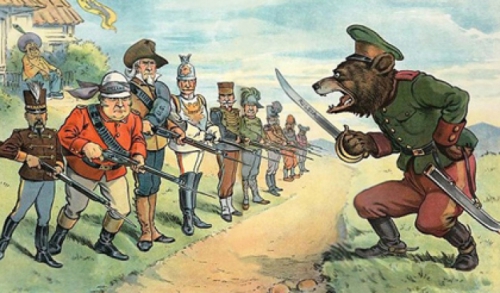
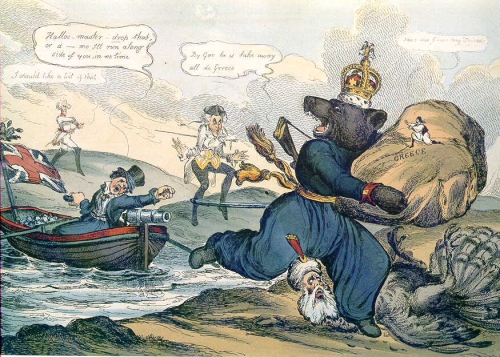
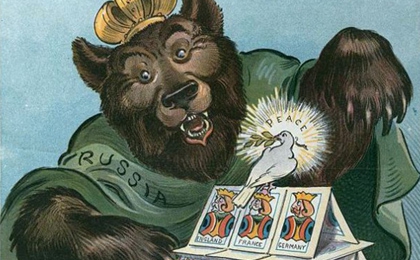 In the West, the so-called “Roman Catholic Church” (another misnomer – there is nothing Roman or “catholic” – meaning “universal” – about the Papacy as it is Frankish and local) likes to present itself as the original Church whose roots and traditions go back to the Apostolic times. This is simply false. The reality is that the religion which calls itself “Roman Catholic” is a relatively new religion, younger than Islam by several centuries, which was born in the 11th century of a rejection of the key tenets of the 1000 year long Christian faith. Furthermore, from the moment of its birth, this religion has embarked on an endless cycle of innovations including the 19th century (!) dogmas of the Papal infallibility and the Immaculate Conception. Far from being conservative or traditionalists, the Latins have always been rabid innovators and modernists.
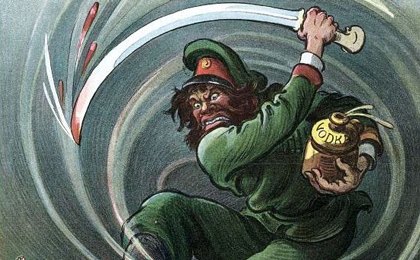 Regardless of the actual level of religiosity in Russia, Russia remains the objective historical and cultural heir to the Roman Empire: the First Rome fell in 476, the Second Rome fell in 1453 while the Third Rome fell in 1917.

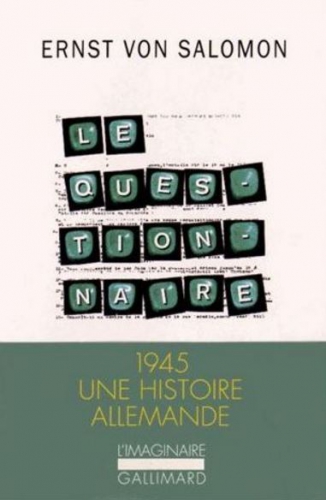 L’architecture générale du livre s’appuie sur les quelques 130 questions auxquelles les Américains demandèrent aux Allemands de répondre en 1945 afin d’organiser la dénazification du pays, mais en les détournant souvent et prenant à de nombreuses reprises le contre-pied des attentes des vainqueurs. A bien des égards, le livre est ainsi non seulement à contre-courant de la doxa habituelle, mais camoufle également bien des aspects d’une réalité que l’Allemagne de la fin des années 1940 refusait de reconnaître : « Ma conscience devenue très sensible me fait craindre de participer à un acte capable, dans ces circonstances incontrôlables, de nuire sur l’ordre de puissances étrangères à un pays et à un peuple dont je suis irrévocablement ». Certaines questions font l’objet de longs développements, mais presque systématiquement un humour grinçant y est présent, comme lorsqu’il s’agit simplement d’indiquer son lieu de naissance : « Je découvre avec étonnement que, grâce à mon lieu de naissance (Kiel), je peux me considérer comme un homme nordique, et l’idée qu’en comparaison avec ma situation les New-Yorkais doivent passer pour des Méridionaux pleins de tempérament m’amuse beaucoup ». Et à la même question, à propos des manifestations des SA dans la ville avant la prise du pouvoir par les nazis : « Certes, la couleur de leurs uniformes était affreuse, mais on ne regarde pas l’habit d’un homme, on regarde son coeur. On ne savait pas au juste ce que ces gens-là voulaient. Du moins semblaient-ils le vouloir avec fermeté … Ils avaient de l’élan, on était bien obligé de le reconnaître, et ils étaient merveilleusement organisés. Voilà ce qu’il nous fallait : élan et organisation ». Au fil des pages, il revient à plusieurs reprises sur son attachement à la Prusse traditionnelle, retrace l’histoire de sa famille, développe ses relations compliquées avec les religions et les Eglises, évoque des liens avec de nombreuses personnes juives (dont sa femme), donne de longues précisions sur ses motivations à l’époque de l’assassinat de Rathenau, sur son procès ultérieur et sur son séjour en prison. Suivant le fil des questions posées, il détaille son éducation, son cursus scolaire, son engagement dans les mouvements subversifs « secrets », retrace ses activités professionnelles successives avec un détachement qui parfois peu surprendre mais correspond à l’humour un peu grinçant qui irrigue le texte, comme lorsqu’il parle de son éditeur et ami Rowohlt. Il revient bien sûr longuement sur les corps francs entre 1919 et 1923, sur l’impossibilité à laquelle il se heurte au début de la Seconde guerre mondiale pour faire accepter son engagement volontaire, tout en racontant qu’il avait obtenu en 1919 la plus haute de ses neuf décorations en ayant rapporté à son commandant… « un pot de crème fraîche. Il avait tellement envie de manger un poulet à la crème ! ». Toujours ce côté décalé, ce deuxième degré que les Américains n’ont probablement pas compris. La première rencontre avec Hitler, le putsch de 1923, la place des élites bavaroises et leurs rapports avec l’armée de von Seeckt, la propagande électorale à la fin des années 1920, et après l’arrivée au pouvoir du NSDAP les actions (et les doutes) des associations d’anciens combattants et de la SA, sont autant de thèmes abordés au fil des pages, toujours en se présentant et en montrant la situation de l’époque avec détachement, presque éloignement, tout en étant semble-t-il hostile sur le fond et désabusé dans la forme. Les propos qu’il tient au sujet de la nuit des longs couteaux sont parfois étonnants, mais finalement « dans ces circonstances, chaque acte est un crime, la seule chose qui nous reste est l’inaction. C’est en tout cas la seule attitude décente ». Ce n’est finalement qu’en 1944 qu’il lui est demandé de prêter serment au Führer dans le cadre de la montée en puissance du Volkssturm, mais « l’homme qui me demandait le serment exigeait de moi que je défende la patrie. Mais je savais que ce même homme jugeait le peuple allemand indigne de survivre à sa défaite ». Conclusion : défendre la patrie « ne pouvait signifier autre chose que de la préserver de la destruction ». Toujours les paradoxes. Dans la dernière partie, le comportement des Américains vainqueurs est souvent présenté de manière négative, évoque les difficultés quotidiennes dans son petit village de haute Bavière : une façon de presque renvoyer dos-à-dos imbécilité nazie et bêtise alliée… et donc de s’exonérer soi-même.
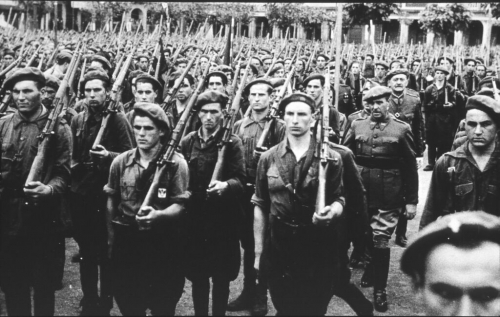
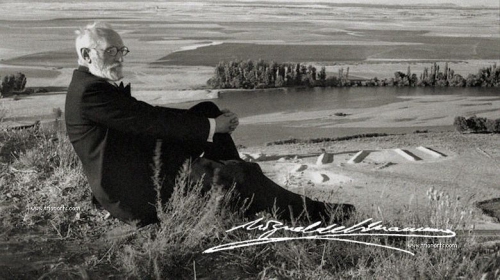
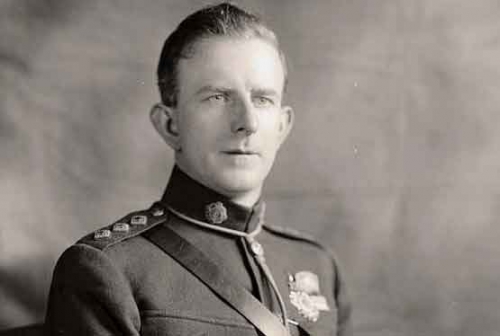
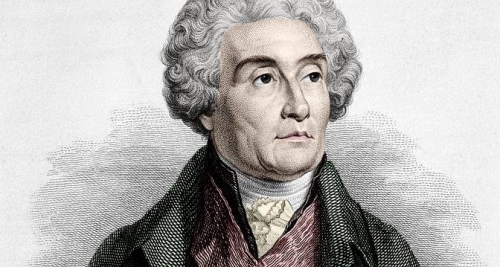


 Le choc de la Grande Guerre devait anéantir ses tentatives alternatives, mais d’autres devaient naitre sur les ruines de notre continent. L’expérience révolutionnaire et poétique de Fiume en 1917 sera une autre forme de cette recherche d’une communauté idéale. Mais cela est déjà une autre histoire.
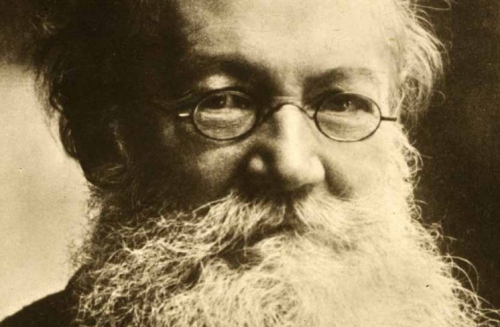
Was kann eine Revolution entzünden? Um hierauf eine Antwort zu finden, schildert Manuel Ionas das Leben und die Gedankenwelt des russischen Anarchisten Peter Kropotkin.
Das revolutionärste Buch der Bibel ist ihr letztes, die Apokalypse des Johannes. In einer ekstatischen Schau wird der Seher Johannes Zeuge kommender, gigantischer Umstürze, welche die Autorität Gottes gegen alle anderen Autoritäten, allen voran Babylons, der Großen, durchsetzen. Alles Gute kommt von oben, und das Heil arbeitet sich durch ein monumentales Zerstörungswerk an allem Mächtigen und Festgefügten voran.
Bei Peter Kropotkin (1842-1921) und anderen namhaften Anarchisten kommt alles Gute von unten. Kein Gott kümmert sich um die Unterdrückten, kein Herr der Herren oder König der Könige auf Wolken wird es richten, sondern sie, die bis dahin passiv Hinnehmenden tun es selbst. Wollte man die anarchistische Bewegung als kirchliches Mysterienspiel persiflieren, so wäre der berserkernde Wander-Revolutionär Michael Bakunin (1814-1876) Johannes der Täufer, der wohlerzogene Peter Kropotkin wäre Paulus. Und der Heiland?
Der Welterlöser wäre die Revolution. Keine Gestalt, nicht einmal eine Lehre oder ein Dogma, sondern einzig und allein ein Ereignis wurde zum Hoffnungsträger hochstilisiert und messianisch erwartet. Man hat die anarchistische Bewegung gern als religiöses Phänomen gedeutet und (ab)gewertet. Sie galt strengen Kommunisten marxistisch-leninistischer Prägung gleichsam als die pubertäre Phase des Sozialismus. Noch der letzte große, marxistisch orientierte Geschichtsschreiber Eric Hobsbawm bewegte sich ganz in dieser Tradition. Schwer taten sich die Bescheid-Wisser der bolschewistischen Kaderpartei mit dem unbedingten Freiheitsdrang, der vermeintlichen Fortschrittsfeindlichkeit sowie vor allem der konsequenten Anti-Staatlichkeit der sozialistischen Stiefbrüder.
Was aber gerade der Anarchismus, der nie eine einheitliche, geschlossene Bewegung gewesen ist, uns Heutigen in puncto Revolution bzw. Revolutionserwartung zu sagen hat, soll im Fortgang dieses Artikels am Beispiel eines scharfsinnigen Pamphlets Kropotkins aus dem Jahr 1880 vor Augen geführt werden.
Freiwillig in Sibirien: Lehrjahre eines russischen Aristokraten
Der oben gewagte Vergleich Kropotkins mit dem Völkerapostel Paulus erklärt sich aus dem radikalen Bruch mit dem Herkunftsmilieu, den beide vollzogen haben, um allein ihrer Mission gegenüber loyal zu sein. Peter Kropotkin war Spross eines Zweigs der altrussischen Herrscherdynastie der Rurikiden und behielt trotz Bekehrung zum Anarchismus stets die feinen Manieren seiner Klasse bei.
In seiner Haftzeit in der berühmten Peter und Paul Festung erhielt er einmal hohen Besuch vom Bruder Zar Alexander II., Großfürst Nikolai, der mit eigenen Augen sehen wollte, dass ein Mitglied der Aristokratie und ehemaliger Page de Chambre des Zaren tatsächlich als Staatsfeind einsaß. Seine Abstammung sorgte anfangs auch für anhaltendes Misstrauen im sozialrevolutionären Tschaikowski Kreis in St. Petersburg, in den der 30-Jährige 1872 um Aufnahme gebeten hatte. In einem Brief von 1878 wird ihm übellaunig das Fehlen jeder Führungs- und Organisationsfähigkeit attestiert. Ein Fanatiker der Ideen sei er, so lautet das Verdikt eines Kampfgenossen über den ersten umfassenden Theoretiker anarchistischer Ideen.
Doch war Peter Kropotkin keineswegs ein Stubenhocker, der vor der Anschauung in die heile Welt der Theorie floh. Schon in jungen Jahren vollzog er einen Schritt der Emanzipation, der allenthalben für Kopfschütteln gesorgt hatte: 1862 ersuchte er um eine Versetzung in den Stab des Militärgouverneurs von Ost-Sibirien. Es war eine Flucht vor einer Karriere am Hofe des Zaren, zu dem er zuvor noch als Page aufgeblickt hatte, da Alexander II. als Befreier der Bauern galt. Es war aber auch eine Flucht vor dem allmächtigen Vater, der auf seinen Ländereien wie ein Kasernenkommandant regierte, obwohl er nicht einmal zu den grausamsten seiner Klasse gehörte. Bei den Bauern seines Vaters hatte der sensible Junge schon früh den Zusammenhalt und die menschliche Wärme einer unterdrückten Gruppe kennengelernt.
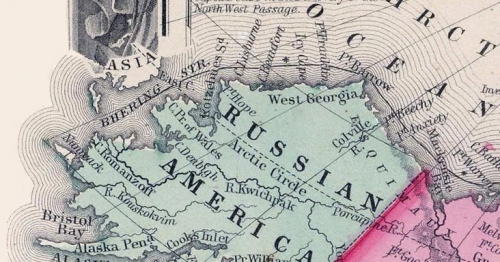
Diese Eindrücke vergaß er nie und nahm sie mit in die Amur-Region. Dort, entrückt von Zivilisation und Hofglanz, vollzog sich seine Bekehrung zu anarchistischen Grundideen. Später wird Kropotkin, der sich in dieser Zeit intensiv mit Geographie und Biologie beschäftigte, immer wieder auf soziale Phänomene in sibirischen Stammesgesellschaften wie auch in der Tierwelt zu sprechen kommen.
Bei den Tschuktschen im fernen Osten formten sich die Eckpfeiler seiner Überzeugungen, wie sie von Anarchisten vertreten wurden. Zu ihnen gehören: Tradition statt Zivilisation, Gemeinschaft statt Staat und Freiheit statt Autorität. Angeleitet vom ähnlich empfindenden Gouverneur, einem Sympathisanten Bakunins, und ergänzt durch Lektüre westlicher Philosophen vollzog sich in Peter Kropotkin die Wandlung zum libertären Revolutionär.
Rechts vor Links oder: Das Volk zuerst
Dass rechts auch da ist, wo der Daumen links ist, trifft bisweilen sogar auf dem Feld des ideologischen Kampfes zu, oftmals zur Überraschung der beteiligten Protagonisten. Nicht erst seit Karl Radeks Schlageter-Rede aus dem Jahr 1923, in welcher der originelle Bolschewik die national empfindenden Massen Deutschlands im Lager der Arbeit und nicht im Lager des Kapitals verortete, kann man bei antistaatlichen Revolutionären Schnittmengen ausmachen.
Und so nimmt es nicht Wunder, dass sich seit dem 19. Jahrhundert in den Chor sozialistisch-libertärer Stimmen auch Rufe nach nationaler Unabhängigkeit mischten. Kein Geringerer als Michael Bakunin war von den Slawophilen beeinflusst und sah, vereint mit allen russischen Revolutionären jeder Couleur, in Preußen-Deutschland das Symbol allen Übels, dessen ein Staat fähig war und dies, obwohl die Prägung durch den deutschen Idealismus auch bei ihm nicht wegzudenken ist.
Peter Kropotkin, dessen ideelle und geographische Wanderschaft ihn Anfang 1872 zur Jura-Föderation der Ersten Internationalen geführt hatte, zu der sich die anti-marxistischen Sozialisten zusammengeschlossen hatten, konnte dem nationalen Aufbegehren ebenfalls Positives abgewinnen.
Im Einklang mit seinen Überzeugungen von notwendiger Abschüttelung aller Autoritäten konnte er etwa 1897 zur angespannten Lage der Balkanvölker schreiben, dass der Befreiungskampf gegen eine auswärtige Tyrannei als Auftakt zur Befreiung von sozialen Tyranneien angesehen werden müsse. Dem Internationalismus erteilte er in einem anderen Schreiben eine Absage, solange nicht jede Nation wirklich unabhängig wäre. Freiheit galt für Individuen, Gruppen sowie für ganze Nationen. Nach anarchistischer Ansicht dürfte nicht einmal der Seele eine Herrschaft über den Körper (und umgekehrt) zugestanden werden. Einem vorauseilenden Kosmopolitismus wurde ebenso eine Absage erteilt, wie dem Imperialismus.
1880 erschien in der Genfer Zeitschrift Le Révolté ein Artikel Kropotkins, der später als Pamphlet in französischer Sprache herauskommen sollte. In ihm wird eine konzise Diagnose einer revolutionären Situation erstellt, die in vielem an unsere aktuelle Befindlichkeit erinnert. Dem naturwissenschaftlich interessierten und bewanderten Autor erscheinen Revolutionen wie Naturgewalten, die periodisch auftreten, alles mit sich reißen und ein neues Gleichgewicht herstellen. Ähnlich einer Krankheit geht ihnen eine Inkubationszeit voraus. In letzterer kommt es nach Kropotkin zu einer Art Umwertung aller bisher gültigen und anerkannten Werte.
Was früher Recht war, stellt sich nun als schreiendes Unrecht heraus. Die Untätigkeit der Regierenden beschleunigt diesen Prozess. Die Spannungen nehmen überall in der Gesellschaft zu und reichen bis in das Innere der Familien. Die soziale Zersplitterung schreitet voran und wird durch eine Ökonomie der fieberhaften Profitmaximierung gesteigert. Die Regierung ist schnell überfordert und wird von den Problemen überholt. Sie funktioniert allenfalls mechanisch und ist nicht einmal mehr in der Lage, offensiv reaktionär zu agieren.
Eine einzige missglückte Unterdrückungsmaßnahme
Jedes Entgegenkommen seitens der Herrschenden ist nun zu spät und stachelt das revolutionäre Fieber eher noch an. Die Massen beginnen, sich ihrer Stärke bewusst zu werden. Die Revolution bricht aus. Zwar glaubt Kropotkin, anders als der Psychologe Gustave Le Bon, dass auch in dieser Phase die meisten Menschen den Stimmen der Mäßigung zugeneigt sind, doch dauert dieses retardierende Moment des Aufruhrs nicht allzu lang. Die warnenden Stimmen nämlich haben seit je her die kleine mutige Elite diskreditiert, die auf dieses Ereignis hingearbeitet hat, ohne dass jemand ernsthaft Notiz nahm.
Nach seiner Meinung genügt in dieser Situation nur eine einzige verunglückte Unterdrückungsmaßnahme seitens der Regierung, um den Revolutionären die Sympathien der Massen zu garantieren. Der Stachel der Revolution bohrt sich nun unaufhaltsam bis in die herrschenden Klassen hinein, deren Einheit nun zerbröckelt. Peter Kropotkin ist davon überzeugt, dass diejenige Partei in einer Revolution Gehör findet, die am meisten und am härtesten für sie gearbeitet hat. Aus ihren Reihen kommen die wenigen Mutigen, die eine Masse von bis dahin Ängstlichen mitreißen können, denn, so sein Credo „Mut, Hingabe und Opferbereitschaft sind ebenso ansteckend, wie die Feigheit“ (Peter Kropotkin „The spirit of revolt“).