Ex: http://www.juanasensio.com
Les Modérés du pestiféré Abel Bonnard est un livre remarquable, écrit dans «une forme que pas un autre écrivain n'égale à présent, ni dans le public ni dans les Académies», avait affirmé André Suarès à la princesse Murat, alors que Charles Maurras confiait à Xavier Vallat que Bonnard était un prosateur «extrêmement brillant». François Mitterrand qui, comme Jean Dutourd, avait été une des personnalités à qui Olivier Mathieu avait envoyé sa biographie sur Abel Bonnard, avait peut-être Les Modérés en tête lorsqu'il écrivit son Coup d’État permanent, qui lui est inférieur par toutes ses dimensions. C'est en tout cas le dernier livre que Henri de Régnier lut et aima, et, en 1962, les derniers 571 exemplaires que la maison Grasset avait gardés furent envoyés au pilon en grande totalité. On fit ainsi croire à Abel Bonnard, reparti dans un exil volontaire en Espagne, alors qu'il eût pu demander après son procès la restitution de son siège à l'Académie Française à Jules Romains, qu'ils avaient été sauvés, et il leur écrivit : «Je considère avec une émotion profonde, exempte de toute sensiblerie, ces hommes, pareils à des colonnes debout dans une nation en ruines. Quant à ce fond de Modérés, je ne m'en soucie en rien. Je vous demanderai seulement de m'en envoyer deux.»
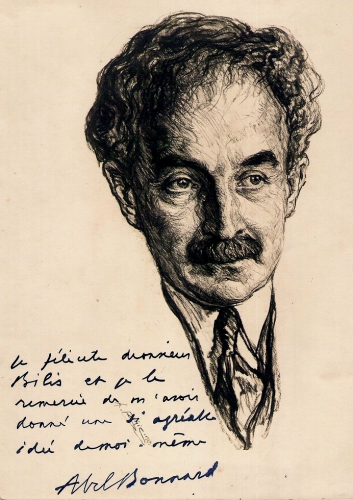
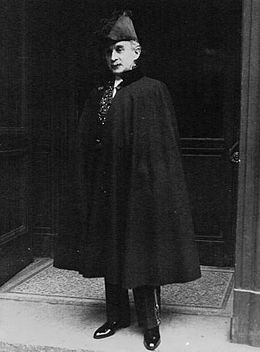
Je n'ai aucune compétence pour présenter ce livre sous l'éclairage historico-politique qui pourrait en révéler les subtilités, ou montrer par exemple les indices laissant penser que cet ouvrage a été écrit contre Charles Maurras. À d'autres, l'inscription minutieuse de ce pamphlet impeccablement écrit, dont chaque phrase semble un diamant finement ciselé enchâssé dans une bague elle-même polie avec le plus grand soin, dans l'exégèse qui dévoilera son contexte historique et, bien sûr, sa pertinence pour notre époque. De la même manière, je ne m'attarderai pas sur la réalité de l'épithète infamante (Gestapette) que la Résistance eut vite fait d'accoler à Abel Bonnard. Arno Breker avait affirmé à Olivier Mathieu que Bonnard n'était pas homosexuel mais Patrick Buisson, penseur de troisième ordre que j'ai moi-même évoqué dans une note sur Renaud Camus, s'attache à la vue traditionnelle selon laquelle l'homosexualité d'Abel Bonnard était évidente, vue qui fut sans sans doute répandue par le sonnet de Jean Paulhan liant le nom de Bonnard à celui de l'autre Abel de l'Académie française et de la collaboration intellectuelle (lui véritablement homosexuel, et qui avait permis à son ancien giton Jacques de Lacretelle, qui vota son exclusion, d'entrer très jeune à l'Académie), Abel Hermant.
Ce qui m'intéresse, modestement, est de montrer de quelle façon Abel Bonnard établit la certitude de la permanence de la France au travers des époques, y compris celle, la nôtre sans doute, de la plus grande nullité politique et, partant, métaphysique.
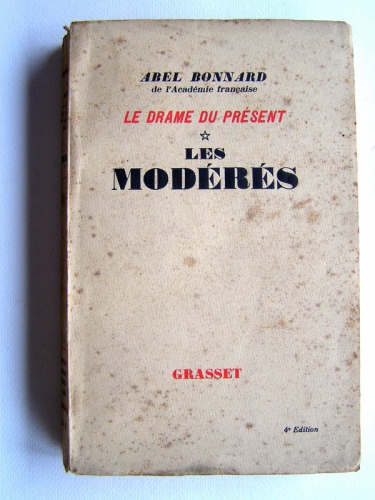 La France selon Abel Bonnard est une entité organique, y compris même (en fait : surtout) lorsqu'elle est démembrée : «La France ne se sera rendue vraiment apte à se donner une meilleure organisation que lorsqu'elle regardera le régime dont elle se plaint comme l'expression obscène des défauts qu'elle a accepté de garder sourdement en elle, et comme la place visible où s'avoue un mal profond» (1).
Ce mal profond, ce sont les mots, la grande passion française, qui vont le révéler, même s'il ne faut pas hésiter, comme Abel Bonnard le fait, à suspecter leur véracité et donc à procéder comme un écrivain véritable, en se réappropriant les mots usés, galvaudés, trahis : «L'éloquence des assemblées nous ment sur le drame où elle est mêlée. Elle compte beaucoup moins, en vérité, pour ce qu'elle exprime que pour ce qu'elle cache; elle étale l'emphatique sur l'inavouable et quand un discours ne sert pas à nous prouver que l'homme qui le prononce n'a rien pensé, il sert à nous cacher les arrière-pensées qu'il a eues» (p. 16).
Ainsi, si tous les grands mots ne sont présents que d'une façon spectrale, «comme des morts jetés sur une dalle; aucun n'avait sa vertu» (p. 17), le premier devoir de l'écrivain, Bonnard parlera du «premier réalisme», du moins en politique mais aussi en littérature, consiste donc à «connaître les démons qui sont cachés dans les mots» (p. 29).
Coupé des vieux mots rendus caducs, l'homme moderne n'est plus qu'une coquille vide, une outre remplie de vent et de mots devenus vieux, comme des acteurs sur le retour que l'on forcerait à se grimer pour indiquer des passions qu'ils n'éprouvent plus, s'ils les ont jamais éprouvées : «Ce qui caractérise une société ainsi faite, c'est qu'en isolant les hommes de la réalité, elle leur donne une juridiction verbale sur toutes les choses qu'ils ne touchent plus» (p. 109). Une outre remplie de vent, dans un monde qui n'est plus réel mais tout entier contaminé par un langage déprécié, vicié, tout juste bon à véhiculer quelques idées toutes faites et, puisque nous sommes en France, des causeries vaines, des jeux de mots et des traits d'esprit où se montre la vanité, le vide d'une époque sans racines : «Les conversations les plus brillantes sont des échanges où se glisse toujours un peu de fausse monnaie et le plaisir qu'elles causent ne serait pas si vif, si chacun ne s'y faisait pas illusion sur la valeur de ce qu'il dit. Au causeur souverain comme Rivarol, qui n'est qu'un penseur qui s'exerce, se joint aussitôt l'adroit manieur de mots pour qui avoir de l'esprit n'est que la plus brillante façon de ne pas comprendre; puis vient immédiatement le sot à facettes, que le sot sans facettes suit de très près» (p. 110). En somme, la France «est le pays où les défauts des salons sont descendus dans les rues», contribuant ainsi un peu plus à éloigner de la réalité le peuple, puisqu'il s'agit «pour chaque parleur de primer sur tous les autres» (p. 112), alors même que les «conversations mondaines n'ont que l'apparence d'un tournoi d'idées; ce sont des luttes de vanité», ce qui conduit Bonnard à poser cette évidence : «Parler, alors, devient un faux acte» puisque, quand «une opinion n'est pas tirée de l'expérience pour renvoyer à l'action, ce n'est plus qu'une aigrette que se met un individu» (p. 126).
Réfugiée dans la fausse parle analysée par Armand Robin, la France d'Abel Bonnard (et que dire de la nôtre !) est malade, peut-être même mourante bien que quelques indices, quelques lueurs, nous le verrons, nous laissent penser que son agonie, ô combien longue, n'est toutefois point totalement désespérée : «Ainsi des formes sociales aujourd'hui détruites nous encombrent encore des façons d'être qu'elles ont créées; ainsi quantité de Français nous paraissent tour à tour n'avoir pas l'âme assez forte pour agir dans le drame où ils sont jetés, et n'avoir pas l'esprit assez simple pour l'apercevoir. Cette impossibilité d'aller à l'important et au principal, cette curiosité volage pour toutes les idées qui n'est que l'incapacité d'en retenir fortement aucune, cette frivolité qui espère encore s'amuser des événements dont elle s'effraye, cette parodie de l'esprit de finesse qui donne une furieuse envie de retrouver l'esprit d'épaisseur, cette façon de faire la roue au bord de l'abîme, avant d'y tomber, cette rage de paraître jusqu'au moment où l'on disparaît, tous ces défauts, misérables parce qu'on y sent à la fois l'insuffisance de la personne et la suffisance de l'individu, ce sont, dans une nation que le destin somme de renaître, les dernières expressions d'une société qui meurt» (pp. 114-5).
Le Mal, selon Bonnard, pourrait bien porter le nom très antique de diable, d'obstacle, de division, de césure, celle qui, aux yeux de l'auteur, a constitué une véritable brèche dans l'histoire de la France, et a coupé, séparé, ce qui se tenait tant bien que mal : «C'est ainsi qu'Aristote et saint Thomas se répondent, que Cicéron pourrait converser avec Lavoisier, que les plus nobles des Croisés et des Musulmans se renvoient les mêmes rayons de chevalerie, qu'un jésuite français et un sage chinois, produits par deux mondes presque sans rapports, se trouvent néanmoins face à face sur le même plan. Ces fraternités involontaires, au bout d'efforts séparés, cette rencontre suprême de ceux qui ne se sont pas cherchés, voilà, sans doute, ce que notre espèce peut offrir de plus beau; si le mot d'humanité a un sens, c'est quand il tremble comme une lueur autour de cette réunion de quelques hommes» (p. 34).
 C'est la continuité de «la civilisation humaine» (p. 40) que la Révolution a brisée, alors que la royauté se faisait un devoir de la respecter : «Tels étaient les sentiments auxquels un Roi de France eût été obligé par sa fonction, alors même qu'il n'y aurait pas été porté par son caractère, dans une organisation où le pouvoir politique, bien loin de prétendre fixer lui-même les valeurs morales, se piquait au contraire d'honorer plus que personne celles qu'il n'avait pas établies» (pp. 38-9). Et Abel Bonnard d'illustrer par un long passage la vertu de l'Ancien Régime, chaîne ininterrompue de mérites, de bassesses et de médiocrités sans doute, mais surtout d'une vision verticale, capable de transcender les petites misères si bassement politiques qui forment la glu pourrie de notre époque : «Quand Harel, bonapartiste déclaré et qui, comme tel, avait âprement combattu la Restauration, brigua en 1829 la direction de l'Odéon, théâtre royal, on ne trouva pas de meilleur moyen de le recommander à Charles X que de faire valoir le dévouement qu'il avait montré pour l'Empereur tombé et Harel, en effet, eut son privilège. Quand Hyde de Neuville, en 1829, ministre du même roi, désire le faire revenir d'un choix qu'il a déjà fait, pour nommer à une place vacante l'officier de marine Bisson, il raconte au souverain la résolution et le courage que Bisson a montrés à Rochefort, en 1815, en offrant à Napoléon de lui faire percer la croisière anglaise, et cela décide Charles X. Tels étaient les sentiments, conclut Abel Bonnard, auxquels un Roi de France eût été obligé par sa fonction, alors même qu'il n'y aurait pas été porté par son caractère, dans une organisation où le pouvoir politique, bien loin de prétendre fixer lui-même les valeurs morales, se piquait au contraire d'honorer plus que personne celles qu'il n'avait pas établies» (pp. 38-9).
En somme, le Roi accepte de supporter le fardeau d'une charge qui ne devrait même pas lui incomber, puisque sa personne est le symbole et le garant d'une histoire dont il ne saurait désavouer la moindre seconde, alors que la Révolution, elle, ne peut rien assumer, puisqu'elle a prétendu tout refonder. De sorte que sa haine du passé ne peut jamais s'estimer rassasiée car, privée de légitimité, se sustentant seulement du sang de ses ennemis, il lui faut sans cesse en réinventer de nouveaux : «Ainsi cette Révolution n'est pas une chose faite une fois pour toutes, qui assure des droits égaux à tous les Français; c'est un drame qui se continue, l'effort d'un monde qui en veut remplacer un autre, et le misérable rallié, qui se croyait quitte, s'aperçoit qu'il ne se sera jamais suffisamment renié, tant qu'il ne se sera pas tout à fait détruit» (p. 57). Abel Bonnard condense sa pensée en une phrase ayant valeur de maxime, que n'eût sans doute point désavouée Joseph de Maistre : «À l'origine d'un régime d'égalité, il y a des droits établis; à l'origine d'un régime égalitaire, il y a des têtes coupées» (p. 61).
Car, s'il est vrai que la démocratie, consécration du régime égalitaire par opposition au régime d'égalité, «partout où elle est établie», finit par amener «l'abaissement de la personne humaine», alors que le régime égalitaire, lui, y tend «expressément dès l'abord» (p. 60), l'homme représentatif du présent, c'est-à-dire, aux yeux d'Abel Bonnard, le modéré qui est le sujet de son très beau livre, est en fin de compte «un homme rattrapé par le drame qu'il cherchait à fuir» (p. 54), un drame qui exige, nous l'avons vu, son anéantissement, mais aussi l'anéantissement de l'ensemble de ses représentations mentales et des mots qui sont chargés de les conceptualiser. La Révolution, si elle est un régicide, si elle représente le Régicide comme interruption brutale d'une Histoire de France plusieurs fois séculaire, est aussi, est d'abord peut-être un crime contre le langage de l'homme commun, au sens non péjoratif de l'adjectif : «Sans doute, dans ce régime dénaturé [qui est le nôtre], il arrive parfois que des hommes en place parlent sagement; ils s'émancipent jusqu'à citer un proverbe, ils osent rappeler une de ces vérités banales qui ont cessé de l'être dans un régime séparé du vrai : mais, contraires à l'esprit du système où elles sont prononcées, leurs paroles n'y résonnent pas, elles tombent à terre sans que nul les ait entendues, tandis que le moindre appel de démagogie retentit comme s'il passait par le clairon de l'archange» (pp. 62-3).
En somme, comme le savait Carlo Michelstaedter, les mots que toute démocratie utilise n'ont aucun poids, ils tournent à vide puisque le monde où ils ont grandi a cessé d'exister, et qu'ils ne sont plus capables, par leur fragilité et leur porosité, d'en faire jaillir un nouveau. Je ne sais si Renaud Camus a lu le livre d'Abel Bonnard, entre deux séances d'auto-contemplation repue, mais il est bien évident que le passage qui suit convient merveilleusement pour décrire le sens de son pitoyable combat pseudo-politique, puisque notre Narcisse devenu vieux se contrefiche du bien commun mais ne prétend servir, comme toujours, qu'une seule cause, la sienne, celle de son petit confort de châtelain jouant les seigneurs médiévaux : «La seule guerre à laquelle les jacobins ne puissent renoncer, c'est celle qu'ils font aux Français. La politique est essentiellement pour eux la guerre à l'intérieur. Il n'est pour s'en assurer que de lire les affiches électorales. Tout y respire la bataille : on n'y parle que d'armées, de camps, de drapeaux, d'assauts, de traîtres, de transfuges. Elles imposent à ceux qui les lisent l'obligation de la haine, et les ennemis qu'on désigne ainsi à chaque Français, c'est le Français d'à côté, ce sont des hommes enveloppés dans la communauté dont nous faisons partie, et pour lesquels nous ne devrions nous sentir qu'une présomption de bienveillance» (p. 64). Chacun de ces mots ou presque, enterre ou, hélas, devrait enterrer, les petites expectorations haineuses du Châtelain solipsiste, qui confond la res publica avec le diamètre, certes immense, de son nombril. Je ne m'attarderai pas davantage sur le cas, après tout banal, de notre Souchien dont l'irrédentisme catholique, opportunément apparu à une date récente, ne concerne toutefois que la seule dimension esthétique, la plus commode comme le savait Kierkegaard, du christianisme, sans avoir décoché une dernière flèche, encore empruntée au carquois d'Abel Bonnard, sur le bathmologue transi prenant la pose du nouveau saint Sébastien de la bien-pensance : «[...] on ne voit que trop de gens en qui la prostitution de l'âme a laissé intacte la virginité de l'intelligence» (p. 131). Notons que je n'ai aucun doute sur la qualité de l'âme de Renaud Camus, mes interrogations concernant plutôt son intelligence.
Quoi qu'il en soit, le régime républicain, essentiellement corrompu (2), selon Abel Bonnard, portera à tout jamais les marques de sa naissance : «Le malheur de la République est d'être née dans la haine : elle date du moment où la France s'est divisée. Elle ne pourra jamais devenir sincèrement un régime d'amitié; elle ne pourra jamais faire ce qui était si naturel à la monarchie, de prendre la France entière dans ses bras» (pp. 64-5).
Superbe expression, qui à mes yeux constitue sans aucun doute, avec celle de Georges Bernanos (de mémoire : un jeune homme à cheval qui n'a pas peur), la plus magnifique définition du génie de la royauté.
Que faire, face à un présent corrompu, duquel «l'honnête ouvrier du réel» (p. 87) est exclu, alors qu'un passé plus ou moins vivace continue, çà et là, comme des nappes résurgentes (3), à irriguer le désert du politico-théologique (une expression que Bonnard n'emploie jamais) ? La tentation conservatrice peut être une réponse. Voici de quelle belle façon Abel Bonnard définit les conservateurs : «Les conservateurs authentiques ne répugnent point par principe à tout changement, mais ils veulent maintenir dans le corps social une certaine âme, et ils sont par là les vrais poètes de la politique, au sens où le sentiment poétique achève et approfondit le sentiment du réel» (p. 79).
La réaction n'est pas loin, non plus, elle sera même évoquée quelques pages plus loin, tant le conservateur est aussi celui qui doit agir, comme l'indique cette magnifique flèche décochée dans le ventre mou du modéré: «Je rentrerai dans le passé par le raccourci que vous prenez pour le fuir» (p. 92).
Le réactionnaire se distingue essentiellement du modéré parce qu'il «nous est le reste et le témoin d'un temps antérieur au nôtre, où l'homme, au lieu de s'exprimer seulement dans des paroles et des opinions, s'imprimait dans des actes où il marquait toute sa nature» (p. 119). Et, dans un passage qu'il convient une fois de plus de citer intégralement, Abel Bonnard affirme du réactionnaire qu'il est «au bout d'un monde. Ce passé dont la plupart des Français sont si séparés qu'ils n'en conservent même plus l'idée, il y revient aisément, et par des sentiers à lui : une lecture l'y ramène, un objet, une rêverie; il rentre dans son pays par des cimetières. peut-être saisit-il mieux l'âme du monde auquel sa foi le garde attaché qu'au moment où, incorporée au réel, elle y contractait les imperfections de tout ce qui existe matériellement; à mesure qu'il perd les derniers avantages sociaux de sa condition, il est plus sûr qu'il n'y a rien d'égoïste dans ses convictions et les crevasses de son toit ne lui servent qu'à apercevoir ses étoiles. Pour les pensées et les sentiments, le réactionnaire vit dans une ruine, mais elle est à lui. Le modéré loge à l'auberge : il emprunte à n'importe qui des idées qu'il n'aura que pour un moment et il est plaisant d'observer que ces gens qui, jusqu'à ces derniers temps, ont été des hommes nantis, possédant hôtel, château ou villa, sont intellectuellement des vagabonds sans feu ni lieu» (p. 121).
 Toutefois, le salut réside peut-être, nous dit Bonnard, dans la présence, au sein d'une société devenue tout entière modérée, c'est-à-dire composée d'individus (belle défini comme étant «l'homme réduit par l'exigence de la vanité à l'indigence du Moi, aussi séparé de la modestie que de la grandeur», p. 248), de quelques réactionnaires, puisque certaines «âmes sont comme ces grains de blé toujours féconds que les archéologues trouvent dans les tombes de l'Égypte antique : elles se conservent dans le passé pour être semées dans l'avenir» (p. 122).
Mais ces graines, à condition de parier sur leur existence même, doivent pousser, et nous devons nous demander quel pourrait bien être l'engrais qui, dans le sol asséché de notre époque, pourrait les faire germer, puis grandir, car il n'y a rien, semble nous dire Abel Bonnard, depuis que les modérés ont modestement triomphé ou plutôt, c'est le rien qui a pris la place de quelque chose : «Une certaine faiblesse ne cesse de nous donner la nausée que pour nous donner le vertige, et au moment où nous croyons avoir le droit de la mépriser pour le peu qu'elle est, elle se défend de notre dédain par le prestige du néant» (p. 135). Bonnard va ainsi jusqu'à affirmer que les modérés sont «les femmes de la politique; ils souhaitent qu'on leur fasse une agréable violence» (p. 154)
Le langage, une fois de plus, est au cœur de la réflexion de Bonnard, puisqu'il ne cesse de fustiger celles et ceux qui ont prononcé «de grands mots qui n'avaient plus d'âme» (p. 138) ou encore qu'il note «l'inanité de certains discours, si vides qu'on n'y trouve même plus des erreurs» (p. 141), la France étant «le pays de l'émiettement» (p. 144) mais aussi celui où prospèrent les «conférences du brouillard et de la fumée», les «conciliabules du paon et du lièvre», les «dialogues des trembleurs et des importants» (pp. 144-5), le mal étant donc, selon toute apparence, sans recours, «lorsque les mots mêmes qui désignent les sentiments nobles par où l'on pourrait réagir contre ce système sont sans cesse souillés par une éloquence sans vergogne» (pp. 169-70). La consomption du langage est illustrée par cette image saisissante : «Cette interminable banderole de discours qui sort de la bouche des anciens libéraux se raccourcit à mesure qu'on approche des modérés d'aujourd'hui, et ceux-ci sont à présent si incertains et si déconfits que, nés pour être bavards, ils finissent par être muets» (p. 202).
Les esprits ou ce qu'il en reste sont donc prêts, semble nous dire l'auteur, pour être embrigadés et, sous la force, point le drame : «De ces intrigues, de ces menées, de ces turpitudes qui se protègent de notre examen par le dégoût même qu'elles nous inspirent, sortira l'événement qui ira frapper les familles heureuses autour de leur lampe et un poète solitaire auprès de la sienne», car, comme l'explique Abel Bonnard : «Lorsque l'élément dramatique qui n'est jamais absent de la politique cesse d'être inclus dans l'effort que des hommes supérieurs, ou au moins honnêtes, font pour maîtriser des difficultés toujours renouvelées, il ne se retire de l'agitation des individus que pour reparaître dans les circonstances qui les entourent et dans les menaces qui les surplombent. Plus la comédie politique s'avilit, plus le ciel noircit au-dessus d'elle, et quand elle est réduite à une farce qui ne fait rire que les étourdis, c'est alors que, sur cette bouffonnerie, on entend le grondement paresseux, langoureux, rêveur, le murmure presque pareil à un roucoulement du premier tonnerre» (pp. 150-1). Nous sommes en 1936 et, à vrai dire, ce n'est pas exactement le premier coup de tonner que les hommes de cette époque ont pu entendre : «Il n'est que trop aisé de mener des hommes à l'assaut de tout ce que l'homme a conquis sur la brutalité de sa propre nature; il suffit de mêler les idées folles aux passions sombres; il suffit de distribuer aux instincts le drapeau des grands mots : il suffit d'enrôler pêle-mêle les hommes de la haine et les hommes de la chimère, ceux qui ne se trompent pas sur ce qu'ils veulent détruire et ceux qui s'abusent sur ce qu'ils peuvent créer» (pp. 135-6).
Il nous reste peut-être quelque chance de nous sauver du naufrage. Tout d'abord, bien qu'il la comprenne, Abel Bonnard condamne la tentation de l'action révolutionnaire, qu'il peint ainsi : «Quand une société qui ne vit plus que par survivance se désagrège en hommes épars, qui ne sont sauvés de leur pauvreté intérieure par aucun rapport avec un fonds commun à tous, sans terroir, sans religion, sans disciplines, fonctionnaires ennuyés de leur emploi, artisans dépris de leur métier, ouvriers qui n'aiment plus leur besogne et qui ont, trop souvent, une besogne qu'ils ne peuvent pas aimer, comment ces individus désintégrés pourraient-ils essayer de revivre autrement que par des opinions révolutionnaires ? Comment le grain de poussière rentrerait-il dans le drame universel, sinon par la turbulence des vents ? (p. 175).
 Toutefois, la Révolution, selon l'auteur, «est par essence incapable de procurer à ses partisans ni les plus hautes, ni les plus profondes des joies qu'on trouve dans l'amour de l'ordre, mais on s'expliquerait mal sa puissance, si l'on n'avait pas compris que, dans le monde décomposé d'aujourd'hui, elle dispense à ceux qu'elle asservit le rudiment informe et honteux des jouissances que l'ordre assure à ceux qui le servent. Les révolutionnaires appartiennent encore au désordre par la volupté de détruire, mais ils rentrent malgré eux dans l'ordre par le bonheur d'obéir» (pp. 177-8). Ainsi, les «révolutions sont les temps de l'humiliation de l'homme et les moments les plus matériels de l'histoire. Elles marquent moins la revanche des malheureux que celle des inférieurs. Ce sont des drames énormes dont les acteurs sont très petits» (p. 181), ce constat étant suivi de quelques portraits sans la moindre complaisance des révolutionnaires français les plus connus. Pourrait-on confier la destinée de la France à certains de ces hommes qui, «dans de grands postes et parfois avec des talents supérieurs, avaient, en servant la République, essayé malgré elle de servir l'État.» Suit alors une superbe évocation, que l'on dirait bernanosienne dans son rythme et sa cruauté assoupie, de ces personnages : «Certains de leurs propos me prouvaient qu'ils avaient fait la somme de leurs observations, et qu'ils jugeaient la démocratie pour ce qu'elle vaut. Mais ils ne parlaient ainsi devant moi que parce qu'ils étaient sûrs de ma discrétion, ou peut-être même, par moments, parce qu'ils oubliaient ma présence; j'écoutais alors, non sans une émotion singulière, ce murmure de toute une vie, pareil à la rumeur d'une ville, et où, dans le bourdonnement confus des réminiscences, sonnait parfois une vérité plus nette, comme, dans la vapeur sonore qui monte des toits, tinte le marteau d'un forgeron» (pp. 197-8).
Un autre secours, qu'il ne faut pas négliger même s'il s'agit d'en indiquer les limites et les dangers, est celui d'un recours à la dictature. Je ne sais si Abel Bonnard a lu Donoso Cortès, mais il est évident qu'il a lu Joseph de Maistre : «Je manquerais à la haute idée que je me fais de l'Ordre, si je chantais ici la louange des dictatures. Elles ne peuvent être regardées que comme le remède très pénible d'un mal très profond, l'expression rudimentaire de l'ordre lorsqu'il s'oppose au chaos; elles se justifient surtout par ce qu'elles ont empêché et c'est précisément un des griefs les plus graves qu'on puisse faire à la démocratie, que de rendre nécessaire ce régime où elle se continue encore, quoiqu'il ait l'air de la démentir» (p. 280). Abel Bonnard évoque le personnage des dictateurs de la façon suivante : «S'il est très douteux qu'ils soient des grands hommes, il est très certains qu'ils sont éminemment des hommes; tout leur effort en fait foi, et cette valeur virile suffit à les mettre de mille coudées au-dessus des politiciens; ils n'ont pas fait leur carrière par des tricheries et des bassesses, mais par la lutte et par la prison, et ayant engagé toute leur personne dès leurs premiers actes, jamais ils ne l'ont exposée davantage que dans le poste suprême où ils sont des chefs pour être des cibles» (p. 281).
Pourrait-on espérer un secours de la part du langage, à condition qu'il ne soit pas utilisé frauduleusement et que l'on n'appelle pas ainsi le «cynisme de la fin» sagesse, la «fureur du milieu» énergie, et «l'étourderie du commencement générosité» (p. 207), à condition qu'il ne soit pas seulement l'apanage du seul «orateur politique, baryton des beaux sentiments, qui ne les exprime jamais avec plus de faste que lorsqu'il les éprouve à peine» (p. 223), et que, enfin, il ne s'écarte point de la réalité jusqu'à constituer une espèce de bulle malodorante et spécieuse sans le moindre rapport avec elle (cf. p. 211) ? Il n'y aura en tout cas «pas de postérité, Abel Bonnard nous l'assure, pour ceux qui ont laissé s'abîmer un monde, car ce que nous appelons de ce nom, ce n'est que notre civilisation qui dure après nous» (p. 212).
A contrario, le grand homme, lui, qu'il s'agisse de Napoléon ou du comte de Chambord, laisse une postérité bien lisible, indubitable, et jamais nous ne pourrions le considérer comme l'auteur de la phrase de Ledru-Rolin, involontairement comique : «Je suis leur chef, il faut que je les suive» (p. 217). Le grand homme, lui, comme «Napoléon passe au-dessus d'une époque dont il ne porte rien en soi comme la comète d'un Moi monstrueux qui entraîne dans sa queue tous les Moi minuscules d'une société désagrégée : il sort du gouffre des siècles, sans qu'on sache exactement duquel il revient, et entouré de signes fascinants qu'on a peine à lire et où l'on croit voir des cimeterres, des diadèmes, des sceptres qui sont encore des bâtons, il flamboie au-dessus de tous les parleurs, qu'il excite autant qu'il les a méprisés» (pp. 215-6). On croirait lire Léon Bloy lorsqu'il évoque le mystérieux et torve serviteur de Dieu que fut l'Empereur !
Les «grands hommes d'action sont des dons imprévus que le génie de l'humanité fait à son histoire», et Abel Bonnard d'affirmer que les grands hommes forment une espèce de communauté totalement à l'écart du reste des hommes : «leur âme ne nous renseigne pas mieux sur les sociétés d'où elle s'élève, que la cime des plus hautes montagnes sur les pays d'où elles se dégagent, et, au faîte du génie de Jules César, on ne se sent pas plus dans l'histoire romaine, qu'en parvenant au haut du Mont Blanc, on ne se souvient qu'on est en France; les sommets de l'homme, comme ceux de la Terre, échappent à leur enracinement local, et, d'où qu'ils surgissent, les mêmes qualités suprêmes miroitent doucement sur eux, comme sur les monts les plus hauts de l'Europe ou de l'Asie brillent les mêmes glaciers et les mêmes neiges» (pp. 213-4).
Les dernières pages des Modérés sont aussi remarquables et bien écrites (4) que le reste de l'ouvrage, qui évoquent aussi brillamment que méchamment la figure d'Adolphe Thiers comme contrepoint grotesque de celle de l'Empereur (cf. p. 254), moquent les prétentions de Hugo (cf. p. 230 et sq.) et plus généralement celles du romantisme (5), professent une nouvelle fois, devant l'évidence que «la République telle qu'elle est ne peut plus suffire aux circonstances où la France est placée» (p. 273), un amour et une admiration immodérés pour la royauté, ce modèle politico-social de cohérence maximale, «les deux extrémités d'une hiérarchie où tout se tenait» (p. 265) dont le faîte se trouvait dans la gloire et la base dans l'honneur, cette forme de poésie après tout, qui permet à cette dernière de s'implanter dans «l'ordre pratique», pouvant ainsi mettre «au-dessus d'un peuple un signe où il peut toujours rassembler son âme» (p. 261), les peuples ne se rattachant point par raison à la sagesse, «mais par un ensemble de traditions saintes, d'usages, de mœurs, où des sentiments plus hauts ou plus profonds que la raison voisinent avec un bon sens plus sûr qu'elle» (p. 257).
L'ennemie est la démocratie qui a tout avilit, et d'abord le rapport au réel des Français, les hommes, ce «printemps d'hommes» (p. 299) comme le dit magnifiquement l'auteur, étant «de ce régime où tout ment, et qui trompe autant qu'il se trompe, où tout est obscène sans que rien soit franc, où le mot de progrès désigne une décadence, où le mot de laïcité est l'étiquette d'une religion, et qui n'est jamais moins humain que lorsqu'il se targue de philanthropie; ils sentent que, s'il est inévitable que nous soyons sujets à l'erreur, il ne l'est pas que nous soyons ses sujets» (p. 300).
Il faut donc «marier de nouveau la France au réel; nous ne devons échapper à notre présent récent que pour nous retremper dans un passé antérieur, plus profond et plus nourricier, où nous redevenons des hommes complets en nous rattachant à des Français qui le furent. Une France est finie, il ne faut pas que la France le soit» (p. 296).
C'est par là, sans doute, cette rupture entre le monde réel et les politiciens, puis un peuple tout entier, que l'analyse d'Abel Bonnard est profonde, et rejoint du reste celle d'un Bernanos dans La Grande peur des bien-pensants, séparation jamais mieux instaurée, nous l'avons vu, que par la Révolution française, puisque la «fausse monnaie de l'esprit a précédé l'autre, et avant que le Français de la Révolution eût les poches bourrées de billets qui ne valaient rien, le Français du XVIIIe siècle a déjà pensé en assignats» (p. 293), la «France d'à présent [étant] au terme d'une phase de son histoire, qui a ses commencements visibles au XVIIIe siècle» (p. 292).
 Nous en sommes là, et force est d'admettre que la situation présente, dans ses grandes lignes du moins, n'a pas beaucoup changé, a même, sans doute, empiré, depuis l'époque où Abel Bonnard a écrit son pamphlet aussi juste et beau qu'implacable, droite et gauche confondues dans une même critique dont la hauteur et la puissance impressionnent : «Les circonstances où nous sommes auront paru vainement, si elles ne donnent pas lieu à une rentrée de l'homme. Les crises ne font jamais que nous sommer d'être nous-mêmes; les choses aboient autour de nous pour provoquer quelqu'un qui les dompte, et cette même clameur qui donne aux âmes lâches l'envie de s'enfuir donne aux âmes fortes celle de se montrer» (p. 290, je souligne).
Abel Bonnard se montre en tout cas confiant pour la suite des événements, car il «est fini, cet âge intermédiaire où chacun des Français pouvait encore jouir égoïstement d'un ordre qu'aucun d'eux ne travaillait plus à soutenir, où les démolisseurs eux-mêmes étaient logés dans le palais dont ils faisaient une ruine, où la Démocratie, héritière ingrate du Passé, vivait, en l'insultant tous les jours, des ressources qu'il lui avait laissées» (p. 289), alors même que «le régime parlementaire ne se perfectionne que pour s'isoler de toutes les questions qu'il devrait résoudre», et que le «politicien devient le parasite d'une société et d'une nation qu'il détruit ou laisse détruire; il vit de nous sans vivre pour nous et la démocratie à son comble offre ce contraste singulier, que tout le monde semble s'inquiéter du sort de l'État, et que personne ne s'en occupe : il y a de la politique partout, et il n'y a des politiques nulle part» (p. 285, je souligne).
Notre société, coupée du réel selon Abel Bonnard, ne donne plus que l'apparence de la force ou, tout simplement, de la vie, alors qu'elle n'est pas morte sans doute (selon l'auteur) mais mourante, comme il l'évoque dans ce passage qui se conclut par une image saisissante : «Nous n'aurons vraiment rien pu sur les lecteurs de ce livre, si nous ne les laissons pas persuadés que la violence des opinions n'est aujourd'hui, chez nous, dans l'immense pluralité des cas, que le dernier degré de l'abandonnement, et le dévergondage de l'impuissance. Il suffirait, pour s'en convaincre, de regarder ces manifestations révolutionnaires où des foules à la fois molles et haineuses portent sur leurs flots un député d'extrême-gauche, resté malgré lui petit bourgeois, comme les inondations charrient un fauteur Voltaire» (pp. 282-3).
Il faut agir car, pendant que «les esprits reviennent au vrai en charrette, les événements arrivent sur nous en rapide, et si nous ne sommes pas prêts avant qu'ils soient là, et qu'ils ne trouvent pas des hommes capables de les dominer, il importera assez eu que le soleil de l'irréparable se lève sur des cerveaux qui étaient paresseusement en train de guérir» (p. 305).
Il faut agir, en fondant l'action sur des opinions fortes qui, nous dit l'auteur, ne sont pas des opinions violentes, celles-ci s'en prenant à des hommes, celles-là remontant à des causes (cf. p. 310), il faut agir, en remettant à l'honneur la «recherche de la vérité [qui] est une fête par elle-même, de quelque peine que les résultats où elle nous mène puissent affliger notre cœur» car, «toutes les fois que l'incandescence de la pensée se ternit d'une couleur, c'est qu'un des sentiments de l'individu s'est insinué indûment dans une activité qui ne s'accomplit que si elle les ignore» (p. 317).
Il faut agir, car la «crise est si tragique et si décisive que les tombeaux eux-mêmes s'intéressent pour son issue, le fantôme de César erre par toute l'Europe, comme celui de Gengis-Khan passe dans les horizons de l'Asie, et sans doute les morts obscurs reviennent aussi, si bien que tel Français ordinaire qui, hier, pérorait selon la rhétorique inepte d'un parti, sent tout à coup la pression humble et puissante de tous ceux dont il est sorti, qui lui demandent d'avoir plus de raison qu'il n'y a de confusion dans les choses, et plus d'âme qu'il n'y a de matière en elles» (pp. 322-3).
Il faut agir et, pour agir, l'homme doit se tourner ou plutôt se retourner vers l'esprit, «car l'action ne peut se chercher de sources qu'au-dessus d'elle» (p. 323).
Il faut agir, en retrouvant le sens d'une action qui serait incarnée dans et par un homme, et non un individu qui «partout ne s'abîme que pour transmettre l'âpreté de son Moi minuscule au Moi énorme des nations» (p. 324).
Je conclurai cette note trop longue et pourtant si imparfaite par les dernières lignes d'Abel Bonnard, en souhaitant que ses Immodérés soient réédités par une véritable maison d'édition (Grasset, par exemple ?) plutôt que par le plaisantin Alain Soral : «On peut dire que c'est là le monde de la force et cependant c'est surtout celui de la faiblesse, car toutes les forces qu'on y voit titubent à la recherche d'une âme; on peut dire que c'est le monde des passions, et c'est d'abord celui de la peur, présente dans le cœur même de ceux qui prétendent l'inspirer, tant les chefs et les nations s'effrayent de ne pas savoir où ils vont et d'être forcés d'aller. Ces machines contre lesquelles l'homme doit lutter, à la fin d'une époque immense, comme Hercule, au commencement, dut lutter contre les monstres, ces usines aussi funestes à l'homme dans leur prospérité que dans leur détresse, dragons qui noircissent le ciel de leur fumée, quand ils sont vivants, et qui, lorsqu'ils sont morts, empoisonnent la terre de leur corruption, ces villes qui ne sont devenues énormes que pour être des cibles qu'aucun projectile ne pourra manquer, ces capitales qui tentent l'incendie avec leurs musées trop pleins et qui ne semblent avoir rassemblé le trésor de l'homme que pour l'offrir à la destruction, ces peuples qui se tournent insensiblement en armées, ces foules effilochées de France, ces foules plus denses d'Italie, ces foules carrées d'Allemagne, durcies en bataillons, pareilles à des pièces d'échecs prêtes à êtres poussées sur un échiquier, ce ciel noir aux trouées livides, au fond duquel s'enfuient comme des ramiers nos derniers plaisirs, et d'où les astres eux-mêmes épanchent leurs influences sur l'agitation des hommes, tout cela nous présente le spectacle d'un jour dont nous ne savons pas la saison, car rien ne ressemble aux troubles où naît le printemps comme les tumultes où meurt l'automne. Cependant ce monde informe, limoneux, diluvien, ce n'est que le terrain de chasse de l'Esprit» (pp. 325-6). Notes
(1) Abel Bonnard, Le drame du présent. Les Modérés (Grasset, 1936), p. 12.
(2) «En un mot, lorsque la meilleure partie de la nation a laissé se faire des régimes qu'elle n'a pas faits, ou elle s'étiole en refusant de les servir, ou elle se dégrade si elle les sert» (p. 77).
(3) Je cite in extenso ce magnifique passage : «Il n'est que trop aisé de montrer par quels sentiments la France n'a plus voulu être royaliste; mais il faudrait une touche plus fluide et plus délicate pour marquer par combien d'endroits elle est demeurée royale : il lui est arrivé le plus triste malheur dont une grande nation puisse être frappée : en l'excitant à se méconnaître, on a fait d'elle un pays interrompu, un peuple acharné contre soi; mais ce passé dont on l'a séparée par un énorme barrage, s'il ne coule plus dans le présent avec opulence, y suinte et s'y insinue cependant par mille infiltrations secrètes; ce domestique qui ne croit pas nécessaire d'opposer son âme aux maîtres qu'il sert, cet artisan qui ose encore s'appliquer à sa besogne, ce cuisinier qui fait commencer son art dans l'excellence des denrées, pour l'achever dans la succulence des plats, ce libraire qui ne s'interdit pas de glisser un regard curieux dans les vieux livres qu'il vend, ces deux lettrés qui se promènent à l'automne sur le mail, en foulant des feuilles mortes précieuses et vaines comme les sages pensées qu'ils échangent, participent encore d'un autre monde, même à leur insu : il y a parmi eu des aristocrates obscurs, et jusqu'à des princes cachés» (p. 98).
(4) La simplicité des moyens dont use Bonnard, parfois abuse il est vrai, est confondante, puisqu'il se contente d'insuffler à ses phrases un balancement binaire, dont l'effet de contraste est souvent réussi tel que : «Il ne peut nous éloigner de lui par ce qu'il affecte, qu'il ne nous ramène à lui par ce qu'il est» (p. 230) ou «Dès qu'il ne s'agissait plus d'être fort dans la mesure où l'on se commande, il ne resta qu'à le paraître dans la mesure où l'on s'abandonne» (p. 180).
(5) «Mais l'ampleur du spectacle ne doit pas nous tromper sur sa nature. Rien ne fait tableau comme la chute et la ruine éblouissante d'un grand fleuve, et ce grondement de discours, ces arcs-en-ciel de poèmes, ces feux des idées trempés dans les gouttelettes des mots, ce n'est pourtant que l'Homme qui tombe» (p. 240).




 del.icio.us
 Digg
Digg Facebook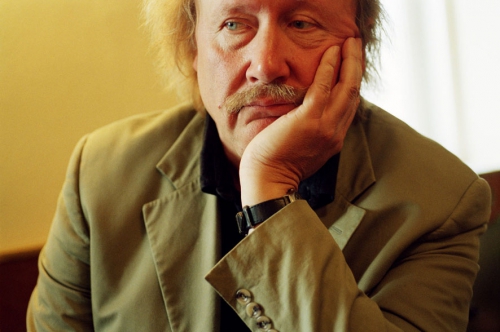
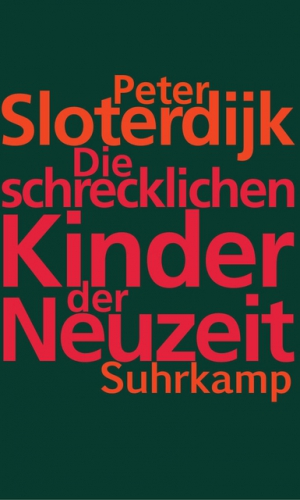 Sloterdijk verbindt dit hiaat ook concrete historische gebeurtenissen vast. Zo heeft in de Franse Revolutie, met haar voorlopige hoogtepunt in de executie van koning Lodewijk XVI op 21 januari 1793, de breuk met alles wat geweest is zijn definitieve manifestatie gevonden.
 Dépressifs s’abstenir… Ce texte vous collera au cerveau pendant plusieurs semaines. Et les lueurs d’espérance n'y sont guère nombreuses.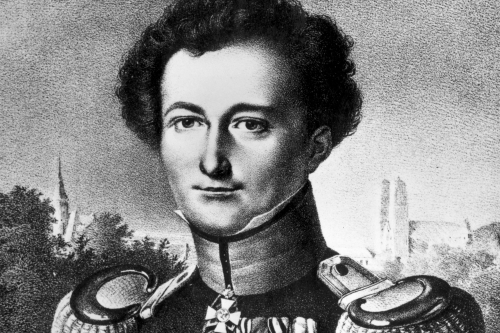
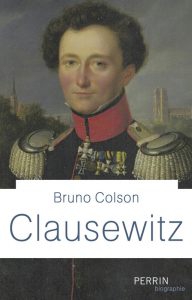 Carl von Clausewitz (1780-1831) appartient à la catégorie des illustres inconnus dont l’oeuvre a masqué la vie. C’est en effet grâce à Vom Kriege (De la guerre), publié quelques années après sa mort, qu’il acquiert une célébrité qui va défier le temps. Cet immense traité reste considéré comme le plus important jamais consacré aux questions militaires et stratégiques, inspirant les plus grands généraux, mais également des intellectuels comme Guy Debord, Raymond Aron ou René Girard.
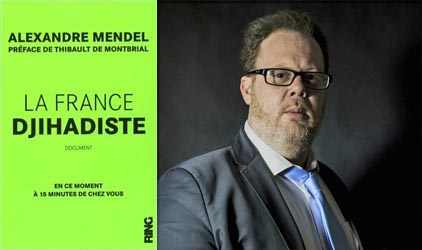 Alors, quelle est-elle cette France djihadiste ? A première vue, et sans minimiser la dangerosité des célèbres « déséquilibrés », elle ne se compose pas de moudjahidines féroces, n’en déplaise aux « néo-croisés ». En effet, il ne faut pas regarder du côté du prophète – dans tout ce qu’il a de belliqueux – mais plutôt du côté de la CAF et du CCAS du coin. Cas-sociaux, petits trafiquants ré-islamisés et paumés constituent le gros des départs pour la Syrie. Leur point commun ? Etre, pour la grande majorité, des enfants d’immigrés. Profils de déracinés nourris à l’occidentalisme plus qu’avec les versets du Coran, ces joyeux drilles rendent désormais la monnaie de leur pièce à tous ces bisounours droit-de-l’hommiste qui les ont traités en victimes pendant tant d’années… Ce n’est donc pas tant le coran qui est à l’origine des nombreuses conversions à l’islam radical -et aux départs pour la Syrie- mais plutôt le monde moderne. Déracinement identitaire, manque de verticalité et crise du sens ont fait beaucoup de mal. Sur ce dernier sujet, ce sont souvent des imams autoproclamés ou des organismes politico-religieux comme les Frères Musulmans qui l’exploitent, voire parfois des services de renseignements…

 Désormais, une manif ne se disperse plus mais se disloque. Le verbe générer a remplacé susciter, tandis qu’impacter (avoir un impact sur) s’est imposé. On parle de déroulé (et non de déroulement) ou de ressenti (sentiment). Or, regrette-t-elle, cet appauvrissement du vocabulaire conduit parfois à des erreurs. Ainsi des violences qui se font désormais «en marge» des manifestations, alors qu’elles les accompagnent. «En marge» également, les agressions sexuelles de la place Tahrir en Égypte? Pourtant, les violeurs étaient aussi des manifestants.
 Deux ans après, un assassinat similaire survient (le meurtre du jeune Kilian, en juin 2012). Le Monde choisit de désigner le suspect comme un… Vladimir avant de préciser que «le prénom a été changé». S’ensuit un courrier des lecteurs auquel répond le médiateur: il s’agissait de respecter l’anonymat du suspect «conformément à la loi» – argument fallacieux tant cette précaution est rarement respectée par ailleurs.

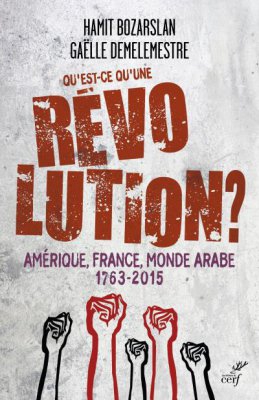 Recensé : Hamit Bozarslan et Gaëlle Demelemestre,
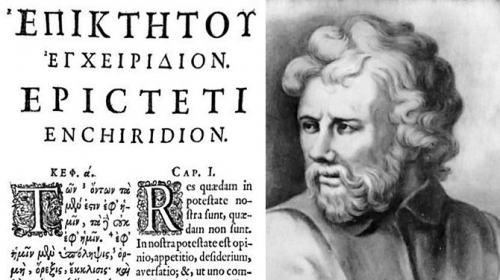
 Parmi les philosophies antiques, le stoïcisme tient une grande place. Traversant l'antiquité grecque et l'antiquité romaine sur près de six siècles, symbole du sérieux et de l'abnégation de tout un peuple, l'école du Portique apprend à ses disciples à vivre en harmonie avec l'univers et ses lois. Maîtrise de soi, courage, tenue, éthique, ce sont là quelques mots clés pour comprendre le stoïcisme. Le Manuel 1 d'Epictète, condensé de cette sagesse, permet à chaque Européen de renouer avec les plus rigoureuses racines de notre civilisation. Brillant exemple de ce que pouvait produire l'univers mental propre au paganisme européen, le stoïcisme continuera d'irriguer la pensée européenne sur la longue durée (avec notamment le mouvement du néo-stoïcisme de la Renaissance). Et au delà de la longue durée, il est important de souligner l'actualité de la philosophie stoïcienne. Philosophie de temps de crise comme le souligne son histoire, le stoïcisme redirige l'homme vers l'action.
 La pensée stoïcienne dégage à ses origines trois grands axes d'étude: la physique (l'étude du monde environnant), la logique et l'éthique (qui concerne l'action). La pensée d'Epictète a ceci de particulier qu'elle ne s'intéresse pas à l'étude de la physique et ne s'attarde que peu sur celle de la logique, même si Epictète rappelle la prééminence de cette dernière dans l'un de ses aphorismes: Le Manuel, LII, 1-2. Car en effet, toute éthique doit être démontrable.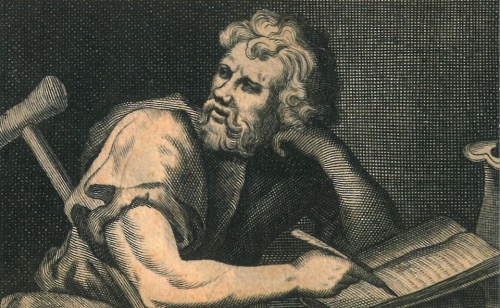
 Et c'est cet Honneur au-dessus de tout, au-dessus de la vie elle-même qui est invoqué par la pensée d'Epictète. Car rappelons-le, la tenue est la base de la pensée stoïcienne. Sans Honneur, point de tenue. Sans tenue, point de voie d'accès à la Sagesse. Et sans Sagesse, on ne saurait faire le Bien. Il faut d'abord et avant tout vivre dans l'honneur et savoir quitter la scène le jour où notre honneur nous le commandera. C'est ce que ce grand Européen que fut Friedrich Nietzsche rappelle dans Le Crépuscule des Idoles 4 (Erreur de la confusion entre la cause et l'effet, 36): Il faut « Mourir fièrement lorsqu'il n'est plus possible de vivre fièrement ». Et s'exercer à contempler la mort jusqu'à ne plus la craindre, jusqu'à lui être supérieur est une des principales méditations stoïciennes : Le Manuel, XXI: « Que la mort, l'exil et tout ce qui paraît effrayant soient sous tes yeux chaque jour ; mais plus que tout, la mort. Jamais plus tu ne diras rien de vil, et tu ne désireras rien outre mesure ». Celui qui se délivrera de l'emprise de la mort sur son existence pourra alors vivre dans l'Honneur jusqu'à sa dernière heure.
 Nous devons donc ne nous préoccuper que de ce qui ne dépend que de nous car selon Epictète, l'une des plus grandes dichotomies à réaliser c'est celle existante entre les choses qui dépendent de nous et celles qui n'en dépendent pas. Parmi les choses qui dépendent de nous, le jugement que l'on se fait de soi et de l'univers qui nous entoure. Ce qui dépend de nous, c'est tout ce qui a trait à notre âme et à notre libre-arbitre. Et parmi les choses qui ne dépendent pas de nous : la mort, la maladie, la gloire, les honneurs et les richesses, les coups du sort tout comme les actions et pensées de nos contemporains. L'homme sage ne s'attachera donc qu'à ce qui dépend de lui et ne souciera point de ce qui n'en dépend point. C'est là la seule manière d'être libéré de toute forme de servilité. Car l'on peut courir après richesses et gloires mais elles sont par définition éphémères. Elles ne trouvent pas leur origine dans notre être profond et lorsque la mort viendra nous trouver, à quoi nous serviront-elles ? Pour être libre, il convient donc de d'abord s'attacher à découvrir ce qui dépend de nous et ce qui n'en dépend pas. C'est bel et bien la première discipline du stoïcisme : celle du discernement. En se plongeant dans Le Manuel d'Epictète, on apprendra vite qu'il faut d'abord et avant tout s'attacher à ce que l'on peut et au rôle dont le destin nous a gratifié. Le rôle qui nous est donné l'a été par l'univers (que ce soit par l'entremise des Dieux ou par la voie des causes et des conséquences) et c'est donc avec ferveur que nous devons le remplir. C'est en faisant ainsi, cheminant aux côtés de ses semblables, modeste et loyal, que l'on sera le plus utile aux siens et à sa patrie. C'est bel et bien une vision fataliste de l'existence, un amor fati très européen. Rappelons-nous qu'aller à l'encontre du destin, c'est défier les Dieux et l'univers. Et pourtant... cela nous est bel et bien permis à nous Européens. La Sagesse consiste à savoir que cela ne peut se faire que lorsque tel acte est commandé par l'absolue nécessité et en étant prêt à en payer le prix. On se replongera dans l'Iliade pour se le remémorer. Mais comme il est donné à bien peu d'entre nous de connaître ce que le destin leur réserve, notre existence reste toujours ouverte. Il n'y a pas de fatalité, seulement un appel à ne jamais se dérober lorsque l'histoire nous appelle. Voici une autre raison de s'exercer chaque jour à contempler la mort. Car si nous ne nous livrons pas quotidiennement à cette méditation, comment réagirons-nous le jour où il nous faudra prendre de véritables risques, voir mettre notre peau au bout de nos idées ? Lorsque le Destin frappera à notre porte, qu'il n'y aura d'autre choix possible qu'entre l'affrontement et la soumission, le stoïcien n'hésitera pas. Que seul le premier choix nous soit accessible, voici le présent que nous fait le stoïcisme. Le Manuel, XXXII, 3: « Ainsi donc, lorsqu'il faut s'exposer au danger pour un ami ou pour sa patrie, ne va pas demander au devin s'il faut s'exposer au danger. Car si le devin te déclare que les augures sont mauvais, il est évident qu'il t'annonce, ou la mort, ou la mutilation de quelque membre du corps, ou l'exil. Mais la raison prescrit, même avec de telles perspectives, de secourir un ami et de s'exposer au danger pour sa patrie. Prends garde donc au plus grand des devins, à Apollon Pythien, qui chassa de son temple celui qui n'avait point porté secours à l'ami que l'on assassinait ».
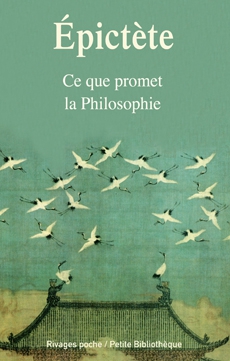 Il convient de s'attarder maintenant sur ces définitions de l'être et de l'action. Comme nous le voyons, non seulement nous devons aller dans la bonne direction mais qui plus est nous interdire tout ce qui pourrait nous en détourner. Vivre en stoïque, c'est vivre de manière radicale. Que l'on vive le stoïcisme en philosophe ou en citoyen ne change rien à cela. Il n'y a pas de place pour la demi-mesure. Une droite parfaitement rectiligne, c'est ce qui doit symboliser le chemin parcouru par l'homme antique, l'homme stoïque. Il a été dit plus haut que tout était éphémère, que tout n'était que changement. A partir de cette constatation, sachant que nous ne devons point désirer et accorder d'importance à ce qui ne dépend point de nous, il devient dès lors impossible de s'attacher à ses possessions, à ses amis, à sa famille. Ceux-ci ne nous appartiennent pas et rien de ces choses et de ces personnes ne sont une extension de nous-même. Hommes ou objets, nous n'en jouissons que temporairement. Et cela ne doit pas être vu comme un appel à l'indifférence et à l'égoïsme. L'enseignement qui doit en être retiré est que la vérité et l'exigence de tenue ne doivent pas tenir compte de ces que nos contemporains, si proches soient-ils de nous, peuvent en penser. De même, l'argent et les biens matériels ne sont que des outils. Des outils au service du bien, de la cité, de la patrie. Celui qui se laisse posséder par ce qui est extérieur à lui-même ne mérite pas le titre de stoïcien, le qualificatif de stoïque. Et à ceux qui verront le stoïcisme comme trop dur, Epictète répond que la Sagesse a un prix. Nous ne pouvons désirer la paix de l'âme et les fruits d'une vie de servitude. A vrai dire, à vouloir les deux à la fois, on n'obtient bien souvent ni l'un ni l'autre. Et à ceux qui se décourageront en chemin, Epictète rappelle que nous pouvons trouver en nous tous les outils pour persévérer. Face à l'abattement, invoquons la ferveur, face à la fatigue, invoquons l'endurance, face aux insultes et aux coups, invoquons le courage.
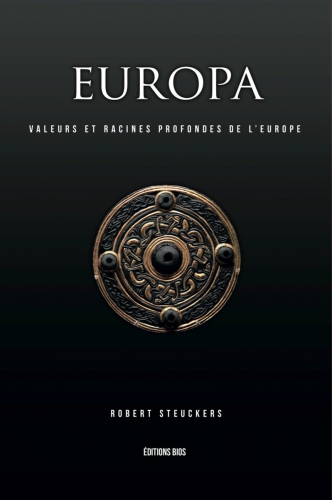
 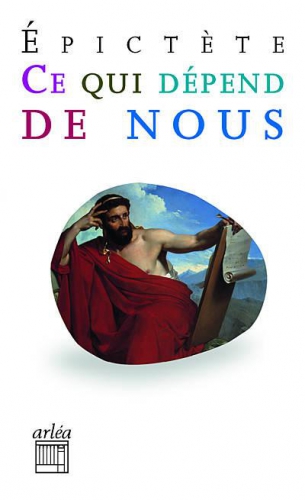 Aller au-devant du monde le cœur serein. Rester droit face aux pires menaces et affronter la mort sans faillir, voilà la grande ambition du stoïcisme. En des temps troublés, l'Européen, quel que soit son rang, trouvera dans le Manuel tous les outils pour y arriver. Par la méditation, la raison et la maîtrise de soi il pourra se forger jour après jour une antique et véritable tenue. Le stoïcisme est également l'une des traditions par laquelle on peut se rapprocher du divin puis enfin mériter soi-même ce qualificatif. Devenir « pareil au Dieux » fut l'une des grandes inspirations de nos plus lointains ancêtres au sein de toute l'Europe. Germains et Celtes aux ancêtres divins ou Latins et Hellènes rêvant de prendre place à la table des Dieux, tous étaient habités par cette métaphysique de l'absolu qui guide nos âmes depuis nos origines. Une métaphysique de l'absolu qui les poussait à rechercher la perfection, l'harmonie, la beauté. Avec la raison menant au divin et le divin menant à la raison, le stoïcisme réussit un syncrétisme que beaucoup ont cherché à réaliser en vain pendant des siècles. Et cette sagesse n'est nullement incompatible avec les fois chrétiennes comme avec nos antiques fois européennes. Le libre penseur, l'incroyant lui-même n'en est pas exclu. Voilà pourquoi celui qui ouvre Le Manuel aura alors pour horizon l'Europe toute entière et ce, à travers toutes ses époques. Que celui qui contemple alors notre histoire se rappelle ces paroles d'Hector dans L'Iliade 5 (XII, 243) : « Il n'est qu'un bon présage, celui de combattre pour sa patrie ».
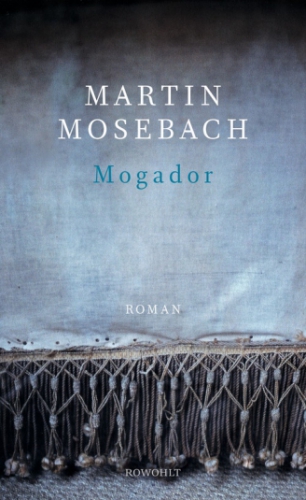 Bücher über die Finanzkrise hat es viele gegeben. Keines warnt so eindringlich vor der Flüchtigkeit des Hier und Jetzt wie Martin Mosebachs „Mogador“. Eine Rezension.

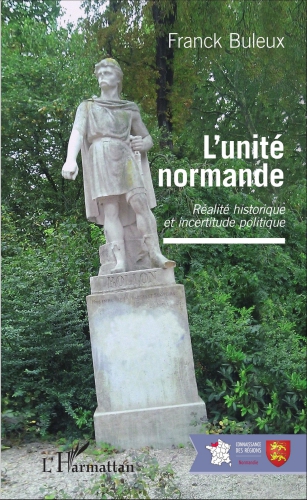 Franck Buleux s’intéresse longuement à la revue d’inspiration nordiciste Viking de Jean Mabire. « Fondée en mars 1949 et diffusée à partir de cette même date, y compris en kiosques dans l’ensemble des départements normands et dans la Capitale, [elle] se qualifia comme “ la revue des Pays Normands ” ou les “ Cahiers de la jeunesse des pays normands ”. Elle va illustrer, tout au long de sa pagination et de son existence, cette identification de la terre normande à son passé scandinave. Cette revue […] produisit un ensemble de 27 numéros entre mars 1949 et le printemps 1958 (p. 44). »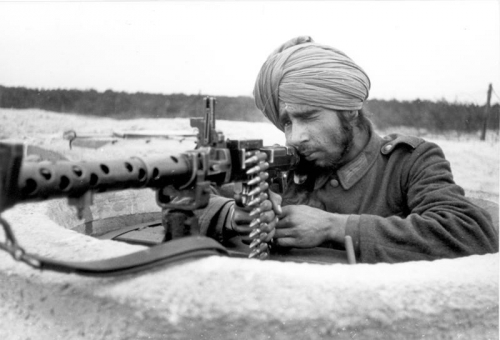
 Mais il existe aussi un « tiers-mondisme de droite » que son origine antérieure à 1952 autorise à qualifier de « paléo-tiers-mondisme » ou « tiers-mondisme » ante litteram. C’est ce courant de pensée qu’aborde le remarquable ouvrage de Philippe Baillet (1), sur une durée d’environ un siècle, avec un retour en arrière (p. 391) sur l’époque de la Révolution française.
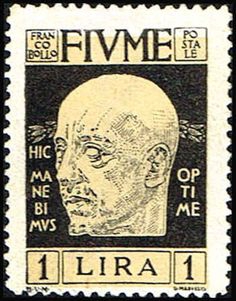 Aux yeux de Baillet, l’immigration non européenne et non blanche et l’islamisation constituent deux périls conjoints. C’est une hydre à deux têtes qu’il faut mettre hors d’état de nuire en tranchant sans équivoque le dilemme susdit : non à la « solidarité anti-impérialiste », oui à la « défense de la race », qui postule le combat contre l’islam et l’immigration. Cette conclusion dénuée de toute ambiguïté est adossée à une pénétrante analyse historique des idées alter-tiers-mondistes déjà présentes, en 1919 – 1922, dans la Ligue de Fiume fondée par le poète-soldat italien Gabriele d’Annunzio.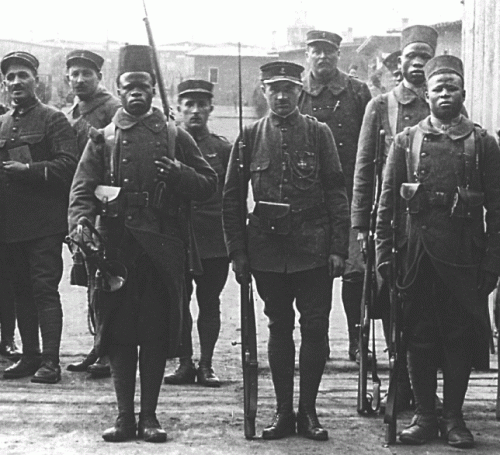
 Après 1945, l’autre tiers-mondisme « accède à une claire conscience de lui-même qui donne lieu à une formulation théorique cohérente (p. 161) ». Telle est l’œuvre de Jean Thiriart, fondateur de Jeune Europe et partisan d’une « Quadricontinentale », c’est-à-dire d’une coordination des luttes de libération nationale en Asie, en Afrique et en Amérique du Sud (la « Tricontinentale » fondée à La Havane en 1966), mais aussi en Europe. L’histoire des idées est redevable à Thiriart de la désignation de l’« ennemi américain » au sein d’un courant de pensée pour lequel cette prise de position n’était pas évidente. Elle est consolidée, au sein de la « Nouvelle Droite », par Alain de Benoist, Giorgio Locchi et Guillaume Faye, en un temps où les États-Unis partagent encore avec l’Union Soviétique l’hégémonie duopole hérité de Yalta. Baillet montre très bien que la russophilie est un des traits récurrents et distinctifs de l’« autre tiers-mondisme », même avant la décomposition du communisme. Nous verrons d’ailleurs plus loin que lui-même invite aujourd’hui les identitaires albo-européens à se tourner vers la Russie de Poutine comme vers le salutaire « poumon extérieur » souhaité par Thiriart.
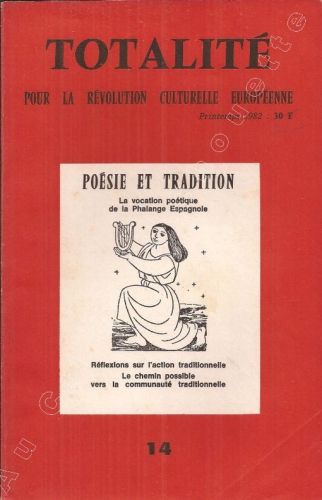 Fondée deux ans plus tôt, la revue Totalité consacre un numéro spécial à la révolution iranienne et, dans les livraisons ultérieures, il est question d’une « croisade » (Antonio Medrano), qui « n’aura donc absolument pas lieu contre l’Islam, mais à ses côtés (p. 212) ». Éric Houllefort écrit que son camp est celui « du fanatisme des martyrs qui combattent et meurent dans la voie de Dieu (p. 210) ». Désormais, l’ennemi à désigner est la modernité. Le nationalisme-révolutionnaire se mue en un traditionalisme-révolutionnaire. Le monde de la Tradition auquel il est fait référence est celui décrit par Julius Evola et René Guénon. Sur la revue Totalité s’exerce l’influence de l’universitaire italien Claudio Mutti. Membre du groupe fondateur de Totalité, Baillet se livre aujourd’hui à une intransigeante critique de Mutti et de Guénon.
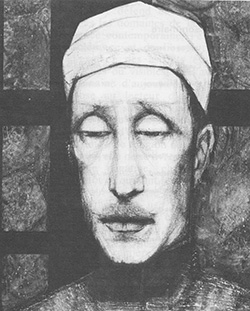 Mais il faut fidèlement rendre compte des arguments de Baillet, pour qui Guénon n’est pas un penseur infaillible « missionné » par on ne sait quel Centre Suprême. Il reproche à l’œuvre de Guénon son caractère totalement impolitique (c’est lui qui souligne). À ses yeux, Guénon ne cesse de « penser hors sol ». Son indifférence à la dimension raciale est proportionnelle au « simplisme effarant » avec lequel il définit la notion de peuple qui, comme toutes les catégories intermédiaires entre l’individuel et l’universel, l’intéresse très peu. Il « sort de l’histoire » au point que son testament intellectuel de 1946 (Le Règne de la Quantité et les Signes des Temps) ne contient pas une ligne sur le conflit mondial qui vient de se dénouer. À charge de Guénon, Baillet ajoute « sa méconnaissance presque totale du fait indo-européen », son approche de la mentalité moderne comme un « gigantesque envoûtement général », « son mépris affiché pour la coutume » et son ignorance des « réactions saines » de « régulation vitale » et de « défense immunitaire » garantissant la cohésion sociale.
 La grande offensive laïciste de ces quarante dernières années est strictement contemporaine de l’immigrationnisme intensif, du relâchement des mœurs, du naufrage de l’enseignement, de la fièvre des questions sociétales et de l’émergence d’un type humain libéral-libertaire-libertin uniquement soucieux de sa « croissance personnelle ». Cette dernière expression est propre au mouvement New Age, que Baillet ne tient pas en grande estime, ce en quoi je suis totalement d’accord avec lui.
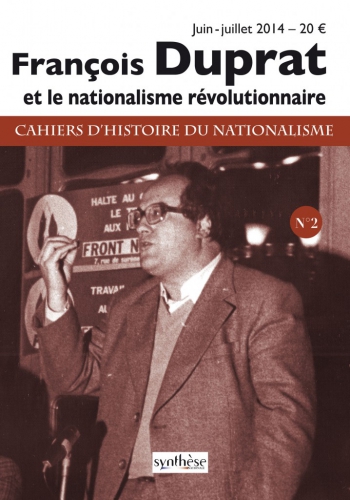 Avec François Duprat, je n’ai eu que des relations épistolaires. Je ne puis donc ni confirmer ni infirmer le « dégoût physique (p. 24) » qu’il inspirait à Baillet et à d’autres. Il m’a accueilli dans sa Revue d’histoire du fascisme et m’a encouragé dans mon essai de transformer à Genève, le NOS (Nouvel ordre social) en un GNR (Groupe nationaliste-révolutionnaire). Le Genevois Georges Néri et moi-même avons crée le CCL (Cercle Culture et Liberté), à la tribune duquel ont pris la parole Jean-Gilles Malliarakis (p. 391) et Yves Bataille (pp. 178 – 179). Ma rencontre à Lausanne avec Gaston-Armand Amaudruz (pp. 159 – 160), qui reprochait à Evola de « débiologiser » la race, atteste que j’ai été aussi attentif que possible au discours identitaire de base, bien que ma préférence pour le traditionalisme intégral impliquât la revendication d’une identité tendancielle : la « race de l’esprit » transversale et trans-ethnique, la caste comme « tendance foncière (Schuon) ». Aux côtés de l’excellent germaniste Robert Steuckers (p. 99) militait le regretté Alain Derriks, dont je n’ai pas oublié cette remarque : la lecture d’Evola et de Guénon n’incite-t-elle pas à un alter-universalisme susceptible de détourner les identitaires des priorités de leur combat pour leur particularisme culturel et racial ?

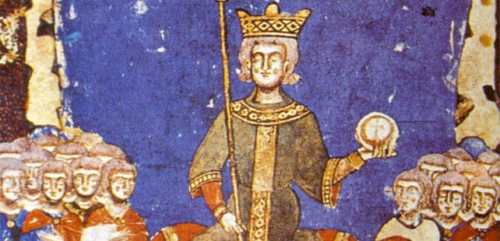
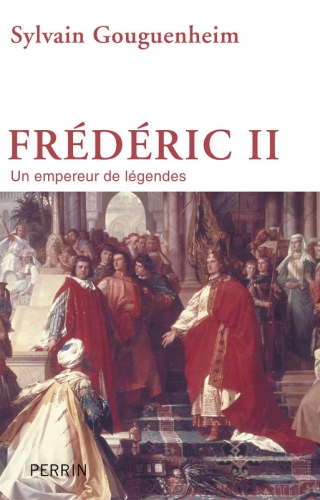 L’empereur Frédéric II est, comme le rappelle à plusieurs reprises l’auteur, l’un des derniers, dans la lignée de Charlemagne, à tenter une restauration (Restitutio) de l’Empire romain. Héritier au deuxième de degré de Frédéric Ier Barberousse, empereur germanique, il est surtout un enfant quand son père Henri VI meurt. En ces premières années du XIIIe siècle, il est donc un enfant placé sous la tutelle de sa mère Constance, qui occupe la régence du royaume de Sicile (incluant alors tout le Sud de l’Italie en plus de la grande île), mais aussi sous celle du pape. Ce dernier souhaite maintenir une suzeraineté sur le royaume de Sicile. En effet, Frédéric est par ses héritages roi de Sicile mais aussi prétendant à la dignité impériale : il peut de jure encercler les villes d’Italie du Nord (logiquement comprise dans un royaume de Pavie devenu fictif depuis le XIIe siècle) et la papauté (appuyant son indépendance sur le fameux faux intitulé « Donation de Constantin »). Voilà donc dès son enfance les forces profondes qui vont s’opposer à son autorité : les bourgeoisies urbaines en plein essor (que ce soit dans les royaumes et fiefs constitutifs de l’Empire, en Germanie notamment, ou en Italie), les grands princes d’Empire (qui ne veulent pas se laisser dicter une centralisation, voire même une hérédité à la dignité impériale) et surtout Rome.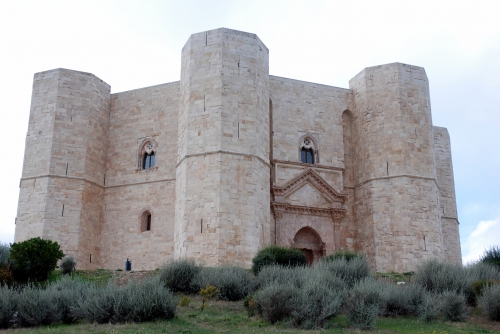
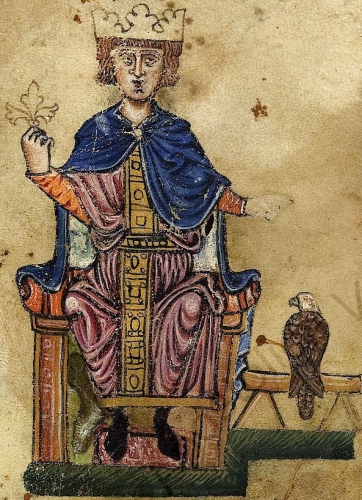 Paradoxalement, enfin, la biographie de ce personnage plus que controversé du Moyen Age est assez détachée des polémiques qui ont ponctué les publications de Sylvain Gouguenheim. En effet l’universitaire avait suscité des clivages particulièrement violents à l’occasion de son Aristote au mont Saint-Michel il y a quelques années. Sur les rapports de Frédéric II au monde arabe, l’auteur semble avancer à pas de loup. Il faut dire qu’il avait fait débat comme l’objet de son livre… Frédéric fut en effet voué aux gémonies par ses contemporains pour avoir obtenu par la négociation et non par le combat la souveraineté sur quelques parcelles des Etats latins perdus quelques années auparavant. Il a en effet obtenu par le traité de Jaffa quelques places, mais rien de bien viable pour maintenir durablement la présence croisée au Levant. Effectivement, les Etats latins ne durèrent pas. Sur les rapports savants, intellectuels qui étaient au cœur de ses précédentes réflexions sur la Renaissance des idées en Occident, l’auteur conclue en s’appuyant sur la faiblesse des sources sur le fait qu’il a pu y avoir influence, mais que celle-ci est difficilement quantifiable. On se reportera au récent ouvrage qui pourra renseigner précisément sur quelques aspects de la Sicile comme plaque tournante des échanges culturels entre Nord et Sud de la Méditerranée (Héritages arabo-islamiques dans l’Europe méditerranéenne), l’auteur se concentrant uniquement sur la ville de Lucera, cas inédit d’une population musulmane concentrée en une ville pouvant demeurer musulmane au cœur même de l’Italie chrétienne.




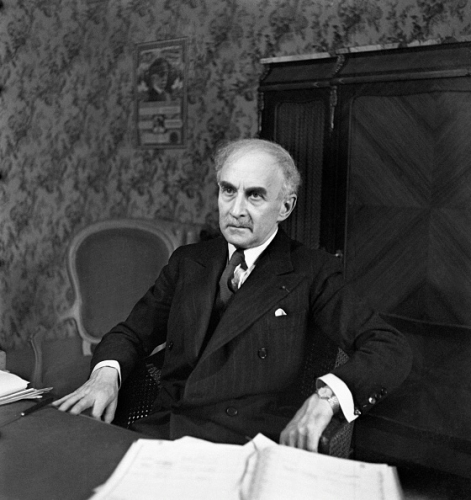
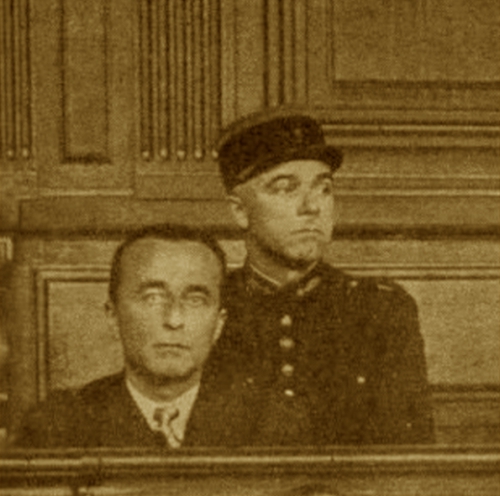
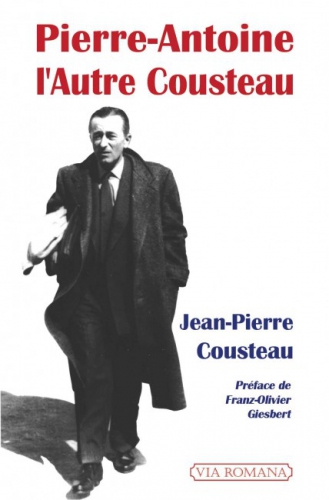 Ecrite par son fils, Jean-Pierre Cousteau, la présente biographie se base sur un corpus de documents souvent inédits, à savoir la correspondance de PAC (avec sa femme lorsqu'il était détenu mais pas seulement) et son journal de prison (Intra muros, qui devrait être publié prochainement pour la première fois). Si l'auteur s'efforce de rester objectif quant au parcours et aux choix de son père, son témoignage est évidemment emprunt d'amour filial mais aussi d'une certaine fierté exprimée très élégamment. Et il peut être fier : PAC n'était pas n'importe qui !
 Vomissant la faiblesse et la tiédeur (Mais pourquoi avoir choisi Franz-Olivier Giesbert pour préfacer le livre ? PAC en aurait été horrifié!), PAC était de cette race d'hommes faisant passer l'honneur avant tout. Il se tint toute sa vie la tête haute et paya fort cher (que ce soit à un niveau personnel ou familial) cette vertu. Vouloir combattre pour ses idées, ne pas se taire face à la décadence de son temps, il en avait fait sa raison de vivre. « Je n'ai à me justifier devant personne. Une seule chose était inconcevablement déshonorante, c'était de ne pas prendre parti. » disait-il... Oui, PAC a souhaité la victoire de l'Allemagne nationale-socialiste, « la dernière chance de l'homme blanc ». C'était logique pour lui et il s'en expliqua longuement lors de son procès, en 1946. « Epouvanté par la décadence de la France » ayant mené à la débâcle de 1940, persuadé que le libéralisme économique avait fait son temps et que seule l'option du socialisme national était désormais possible, PAC considérait qu'il n'y avait que cette solution qui aurait permis à la France de rester elle-même et d'aller de l'avant. Pacifiste, son antisémitisme se voulait avant tout une réaction à la déclaration de guerre des communautés juives du monde entier envers le IIIe Reich dès 1933.
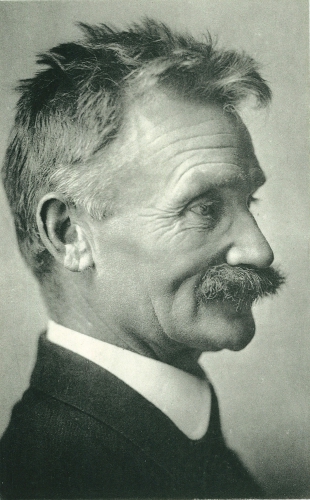 Wij moeten Stijn Streuvels uit het literaire museum halen! Wij moeten hem definitief bevrijden van het imago van een gedateerde, landelijke, regionale, particularistische, West-Vlaamse heimatschrijver.
 Breës wilde geen klassieke biografie schrijven. In het Streuvelsonderzoek, zo zegt hij, ‘ontbrak nog een omvattende wetenschappelijke synthese van zowat alle beschikbare bronnen’. Die biedt hij ons nu aan in zijn boek. Hij onderzocht allereerst de wijze waarop Streuvels’ werk in de loop der jaren werd ontvangen, en keek ernaar in het licht van documenten en getuigenissen. Zijn bevindingen beschrijft hij in zestien hoofdstukken per thema. Privéleven, vrienden, tijdgenoten en tijdssfeer komen aan bod in zoverre ze raakpunten met het schrijverschap hebben.
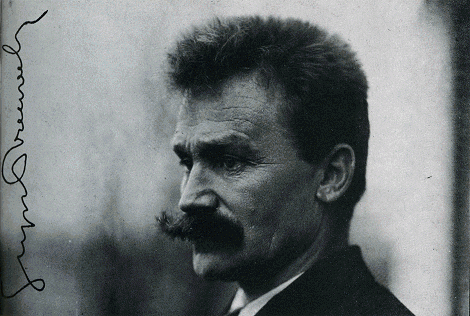 In het begin van zijn schrijversloopbaan, maar ook later kreeg Streuvels wel eens te maken met zedenmeesters en andere puriteinen. Dat was zeker het geval op het einde van de jaren twintig, toen De teleurgang van de Waterhoek verscheen, de roman die in de jaren zeventig de film Mira zou inspireren. Dat Eros een sterke rol speelde in die roman, hebben die cineasten graag in beeld gebracht. Toch constateert Toon Breës dat ‘men’ over het algemeen zo weinig aandacht geschonken heeft aan het belang van de erotiek in Streuvels’ werk. Verdoezelde men dat, om de goegemeente niet te storen en het imago van de katholieke auteur niet te schaden, of kon men gewoon niet goed lezen? Breës besteedt er veel aandacht aan, en hij kon ‘uitvoerig aantonen dat het erotische in de meeste romans en verhalen zelfs een structureel bepalende factor is’.
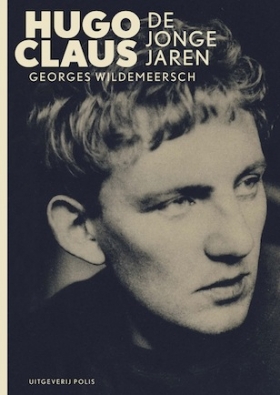 Wie het Verdriet van België wil begrijpen, moet Hugo Claus – De jonge jaren van Georges Wildemeersch lezen. De professor emeritus zet de auteur schaamteloos bloot, en doet dat tegelijk met groot respect. Eind 2015 verscheen dit werk, en bij de reguliere pers was er weinig aandacht voor. Een schande, want hoe schaamteloos Wildemeersch ook uitpakt, hij hanteert de hoge literaire stijl en geeft een heldere historische context.
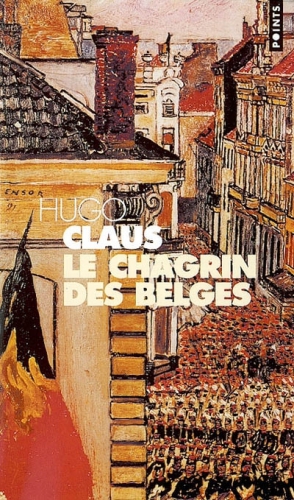 Maar ook vrouwen werden harteloos gedumpt, met als voornaamsten Elly Overzier, Kitty Courbois en Marja Habraken. Zij verhing zich toen ze besefte dat aandringen nutteloos was. Het was de enige keer dat Claus enig teken van medeleven gaf, in de vorm van een mea culpa-gedicht, het voorlaatste van zijn Gedichten 1948-1993. De titel van het gedicht is niet lang, niet langer dan één letter: M.
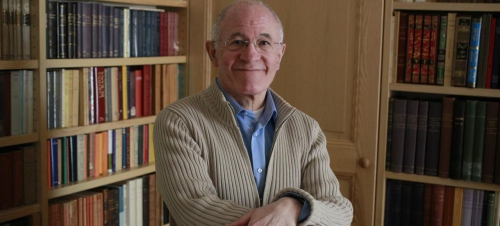
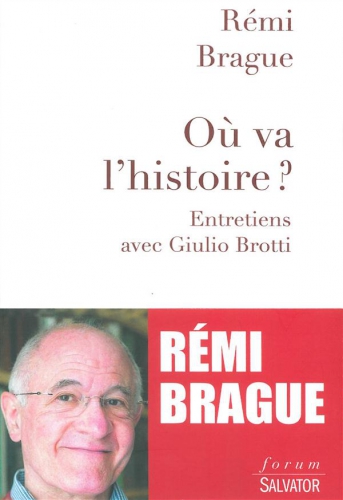 Il n’y a qu’une chose qui ne soit pas très pertinente dans le livre d’entretien du professeur Rémi Brague avec Giulio Brotti, c’est le titre. Il ne s’agit pas de savoir « où va l’histoire ». Car l’histoire n’est pas un véhicule, c’est le réseau même des routes possibles. C’est la carte. Il s’agit de savoir, non où va l’histoire, mais où va l’homme.
 Justement, sans Dieu, comment fonder la morale ? « Que dois-je faire ? » s’interroge Rémi Brague à la suite de Kant. L’idée du « bien faisable », idée d’Aristote, suffit pour cela. Mais comment hisser les hommes au niveau nécessaire pour que l’humanité ait un sens ? En d’autres termes, la morale n’est pas qu’une question de pratique. Il est besoin de ce que Kant appelait une raison pure pratique. Sa forme moderne pourrait sans doute être définie comme une esthétique de la morale, telle qu’on la trouva chez Nietzsche, ou encore, très récemment, avec Dominique Venner.
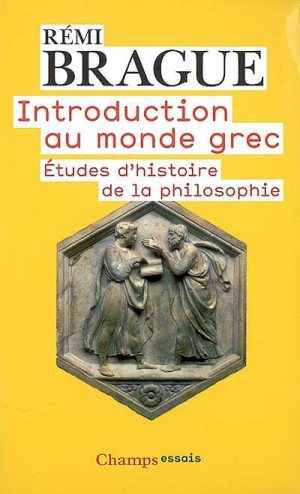 Nous avons aboli le monde vrai et la distinction entre vrai et faux, nous avons aboli le sujet et nous avons aboli le propre de l’homme qui est d’être un être historique. En d’autres termes, « l’homme est mort » – et pas seulement « Dieu est mort » (ce que Nietzsche constatait avec déploration, craignant que nous ne soyons pas à la hauteur du défi)). Dieu est mort et l’homme est mort. Et l’un est peut-être la conséquence de l’autre, suggèreRémi Brague. La sociobiologie a pris la place de l’histoire, la sociologie a pris la place du sujet (« les sciences humaines naturalisent l’histoire » explique Brague), la sophistique postmoderne a pris la place de la vérité, ou tout du moins de sa recherche. Les Anciens (on est Anciens jusqu’à la Révolution française, hantée elle-même par l’Antiquité) voulaient améliorer l’homme. Nous voulons maintenant le changer. Nous oscillons entre le rêve transhumaniste, qui n’est autre qu’un posthumanisme, et une postmodernité liquide qui relève d’un pur vitalisme dont l’une des formes fut, disons-le sans tomber dans le point Godwin ou reductio ad hitlerum, le national-socialisme. ( comme le montre très bien la confrontation des textes de Werner Best, doctrinaire nazi du droit, et de Carl Schmitt, in Carl Schmitt, Guerre discriminatoire et logique des grands espaces, éditions Krisis, 2011, préface de Danilo Zolo, notes et commentaires de Günter Maschke, traduction de François Poncet. On y voit que Best critique Schmitt au nom d’un vitalisme que Schmitt refuse d’adopter. Dont acte. Face à ce double risque de liquéfaction ou de fuite en avant transhumaniste, Rémi Brague rappelle le besoin de fondements qui nomme métaphysiques mais qui ne viennent pas forcément « après » la physique, dans la mesure où ils donnent sens àl’horizon même du monde physique. Rémi Brague appelle cela des « ancres dans le ciel » (titre d’un de ses précédents ouvrages).