Translated by Guillaume Durocher
Ex: http://www.counter-currents.com
Translator’s Note: The following extracts are drawn from Taisen Deshimaru, Zen et Arts martiaux (Paris: Albin Michel, 1983 [1977]). The style reflects the rambling, spontaneous speaking of many Zen masters, whose “writings” are often not of their own initiative, but rather sayings recorded by their pious (often Western) followers. Another example of this would be Shunryū Suzuki, who was popular in California. This does raise the question of how “Taisen Deshimaru” authored the books ascribed to him. Deshimaru’s French was poor and his English a tolerable “Zenglish.” The particular French language used then must be the product of his followers. Still, as with all foundational spiritual texts, whatever the relationship with the founder himself, the words are a genuine reflection of his school or movement, and, in this case, of an authentically Francophone and European Zen.
Is there not a Way which would allow man to surpass the limits of his humanity? To go beyond?
It was to answer this fundamental hope that Budo[1] [2] produced the principle of wasa. One can define a wasa as an art, as a kind of super-technique passed on from master to student, enabling one to impose oneself on other man and to elevate oneself above them. The wasa of Japanese Budo goes back to the historical age of the samurai. It is a power, beyond the individual’s own strength.
Zen, for its part, has created another super-technique, which not only grants physical and mental strength, but even opens the path to Wisdom, the path of a wisdom comparable to that of God or Buddha. This is zazen:[2] [3] a training in sitting down in a traditional posture, a training in walking, in feeling oneself standing up, in breathing correctly; a mental attitude, the hishiryo[3] [4] state of consciousness, a profound and unique education. (16)
* * *
 The Seven Principles
The fusion of Buddhism and Shintoism enabled the creation of Bushido, the Way of the samurai. One can sum up this Way in seven fundamental points:
- Gi: right decision in equanimity, the right attitude, truth. When we must die, we must die.
- Yu: bravery with shades of heroism.
- Jin: universal love, benevolence towards humanity.
- Rei: right behavior, which is a fundamental point.
- Makoto: total sincerity.
- Melyo: honor and glory.
- Chugi: devotion, loyalty.
These are the seven principles of the spirit of Bushido. Bu: martial arts. Shi: the warrior. Do: the Way.
The way of the samurai is imperative and absolute. The practice coming from the body via the unconscious is fundamental. Hence the very great importance assigned to education in right behavior.
The influences between Bushido and Buddhism have been reciprocal. But Buddhism was influenced by Bushido in five respects:
- The calming of sentiments.
- Tranquil obedience in the face of the inevitable.
- Self-mastery in the presence of any event.
- Greater intimacy with the idea of death than with that of life.
- Pure poverty.
Before the Second World War, Zen Master Kodo Sawaki gave lectures to the greatest martial arts masters, to the highest authorities of Budo. In French, we confuse martial arts and the arts of wars; but in Japanese the former is the Way. In the West, these martial arts, which are now fashionable, have become a sport, a technique, without the spirit of the Way.
In his lectures, Kodo Sawaki said that Zen and the martial arts have the same taste and are united. In Zen as in the martial arts, training counts for a lot. How long must one train? Many people have asked me: “How many years must I do zazen?” And I answer: “Until your death.” Then my conversation partners are not very happy. Europeans want to learn quickly, some even in a single day. “I’ve been once and I’ve understand,” so they say! But the dojo is different from University.
And Budo, too, one must continue up to one’s death. (20-21)
* * *
In the martial arts, one must penetrate the elements, the phenomena, and not miss the mark. The martial arts are then essentially virile, because man penetrates woman. But nowadays, everyone saves their energy and only half-lives. We are always incomplete. People half-live, tepid like bathwater. (31)
* * *
We must create our life, make ourselves free, detached, attentive only to the here and now: everything is there. (32)
* * *
To concentrate means the complete expulsion, the total discharge of energy. This must be found in all the acts of our life. In the modern world, we see just the opposite: the young half-live and are half-dead. And during their work or during zazen, they think of sex, and vice versa: it is like this in all the acts of life. (33)
* * *
One must channel the body’s tension and the technique’s skill into the mind’s mindfulness-intuition. The mind is then empty, ku,[4] [5] flawless. This is Zen. This is also the true way of Budo. In the face of death, as with life, the consciousness must be calm. And one must decide, all the while accepting, one’s life as much as one’s death. To not passively endure.[5] [6] Even if my body dies, my mind must remain upright: this is the training of Zen and Budo. (48)
* * *
In the spirit of Zen and Budo, daily life becomes a battlefield. Every moment one must be conscious, getting up, working, eating, going to sleep. Self-mastery is found here. (49)
* * *
You can use [controlled breathing] in your daily life. In a discussion, when you are getting emotion, practice it, and you will calm yourself. You keep your control. (53)
* * *
One must not bow any old which way: in the West, one vaguely joins the hands together and one bends the head down a bit; one has not understood anything about the gesture’s beauty! One must bow completely: join one’s hands together slowly, arms straight, parallel to the ground, the ends of the fingers coming to the nose’s height, then curving thus one’s back towards the ground, powerfully, to get back up with one’s hands still joined and putting the arms naturally along the body. Body upright, neck upright, feet on the ground, the mind calm. (In a majestic gesture, Taisen Deshimaru got up and bowed to us.) Thus you show the respect you have for your opponents, for your master, for the dojo, and for life! I am sometimes asked why I bow before the statue of the Buddha, in the dojo: I am not bowing to a wooden statue, but to all those who are here with me, in the dojo, and also to the entire cosmos. (55)
* * *
 No one is normal today. Everyone is a bit mad, with their mind working all the time: they see the world in a narrow, impoverished way. They are consumed by their ego. They think they see, but they are wrong: they are projecting their madness, their world, onto the world. No lucidity, no wisdom in that! That is why Socrates, like Buddha, like all sages, first says, “Know yourself and you will know the universe.” That is the spirit of traditional Zen and Bushido! For this, the observation of one’s behavior is very important. Behavior influences consciousness. With the right behavior, there is the right consciousness. Our attitude here, now, influences the entire environment: our words, our gestures, our bearings, all this influences what happens around us and within us. The actions of every moment, of every day, must be right. The behavior in the dojo will spill over in your daily life. Every gesture is important! How to eat, how to get dressed, how to wash, to go to the toilet, how to put things away, how to behave with others, with one’s family, one’s wife, how to work, how to be completely in each gesture. One must not dream one’s life! But one must be completely in everything we do. This is training in the kata.[6] [7] The spirit of Zen and Buddha tends to this: they are true sciences of behavior. This has nothing to do with the imagination that transforms the world, as in many religions. One must live the world with one’s body, here and now. And completely concentrate on each gesture. . . . Modern civilization understands nothing of all this, from school onward we are cut off from life in order to do theory. (55-56)
* * *
“What is the Buddha way?” It is to study the ego. “What is studying the ego?” To forget oneself. . . . “Do not think. Do not search. Do not desire. Do not hold yourself back. Do not obtain. Do not give up.” (66)
* * *
You must kill yourself, kill your own spirit. (69)
* * *
“The moon’s reflection in the river water does not move, does not flow. It’s only the water which is passing.” . . . If one wants to explain the relationships between spirit, consciousness, and the true self, it is exactly like the relationships between the Moon, its reflection, and the river water. (69-70)
* * *
In Budo, consciousness and action must always be a unity. At first, in aikido, kendo, etc., one repeats the wasa, the techniques, and the kata, the forms. One repeats them constantly for two or three years. The kata and wasa, the forms and techniques, also become a habit. At first to practice them, one must use one’s personal consciousness. It is the same in playing the piano, the drum, or the guitar, for example. At the end, it is possible to play unconsciously, without attachment anymore, without using the principles anymore. One can play naturally, automatically. It is possible to create something fresh by this wisdom. And it is the same in our daily life. This is Zen, the spirit of the Way.
The great works of art are created beyond technique. In the field of technology and science, the great discoveries go beyond principles and techniques. To be attached to only one idea, one category, one system of values, is a false conception, contrary to the laws of life and of the Way. (81)
* * *
If we only think about the result, the fruits [of our actions] with our personal consciousness, then we cannot concentrate nor evacuate our full energy. If we only make the make, the greatest fruits will then appear, unconsciously, naturally. Practice without consciousness is better than conscious practice. (83)
* * *
There need only be neither love nor hatred
For understanding to appear
Spontaneously clear
Like the light of day in a cave.
— From the Shin Jin Mei (Poem on Faith and Mind, 89)[7] [8]
* * *
[How can one exercise one’s ki?[8] [9]] By practicing zazen! (People laugh.) But also by training oneself in combat, in action. Today, children are too weak: modern education makes them weak, soft, ki-less. Master Obaku always educated with his kyosaku (staff) by striking great blows upon this follower who was too intelligent, asked too many questions, and always analyzed each situation with his conscious mind. (102-3)
* * *
There is no reason to be afraid of anything. Those who are afraid are too selfish, think only of themselves. One must abandon one’s ego, then fear vanishes. When you always go against, fear arises. Even in a fight, one must have the same consciousness as one’s opponent and not go against, but with. This is a great koan.[9] [10]
One must become the situation and not differentiate oneself from it. A selfish being can never be brave, never. The true traditional education of the martial arts strengthens ki, destroys egoism and fear, makes one abandon the dualistic spirit, and develop mushin consciousness,[10] [11] which forgets the self.
No need to want to win; only then can one win.
To abandon the ego . . . That is the secret to the right life. The strengthening of the will, strength, and skill are necessary in life as in the practice of the martial arts. But to strengthen the spirit and find one’s freedom remain essential!
Mushin . . . nothingness. (103)
* * *
[Does the spirit remain?] Perhaps. I don’t agree with the Western theories which separate body and spirit. The spirit needs a form to realize itself, therefore a body. Also, if a body is dead, what we know under the name of spirit also dies, returns to the cosmic energy. Our ki, upon death, returns to the cosmos.
The real problem remains: where does all this come from? (105)
* * *
Another factor in the loss of ki, especially in modern civilization, is dispersion, mental agitation, anxiety, disordered thoughts: today, we use the frontal lobes too much, whereas one should develop the unconscious activity of the hypothalamus to strengthen the deep brain, intuition, instinct. And the lack of vital energy is making everyone sick: everyone is more or less sick today. (106)
* * *
To know how to concentrate is to put one’s ki, one’s vital energy, in one single action at a time.
Training in concentration means that, little by little, one knows how to concentrate on one thing at a time, but also to be conscious of everything which is happening around us. . . . In general, we need to fully concentrate in each situation. Here, now, I drink water; to only do this, to drink water. To concentrate on the water I drink. And so forth. No need to think too much! . . .
Concentration is acquired through training: to be concentrated on each gesture. To return to the normal state of the body and the mind. In the end, will plays no more role, it is done automatically, naturally, unconsciously. Without fatigue. Whereas with the will, the frontal lobes become tired, and with them, the entire being. During fights, the lower dan[11] [12] tire quickly because they are tense, always ask themselves what they should do, when to act, and so on. It’s the same thing for an actor who thinks about his role while acting, he is bad: he must live his role, that’s all, commit himself completely. . . . (107-8)
* * *
[What is the Way?] To look at one’s consciousness, here and now . . . and the Zen koan says: the Way is under your feet. (108)
* * *
[T]he martial arts ultimately aim to keep oneself alive in the face of contrary forces, whereas zazen resolves the question of death. I often say: practicing zazen is likely entering your coffin because, in the end, you abandon everything. . . . It follows that in being alive, we need to concentrate on life and the approach of death, we need to abandon life and know how to die. That is wisdom. But what is life, what is death?
Then, if we want to really live, we need to know death within oneself. Life is a succession of here-and-nows: one needs to constantly concentrate, in the here and now. People, who are worried by the future or the past, do not realize the illusion in which they live. One must resolve the contradiction in oneself, the contradiction carried by the brain itself. (108-9)
* * *
[What should I do when I am attacked? One cannot think of all these things at once.] Don’t think, of course! But react with wisdom. One must always be wise. If you are attacked by someone stronger than you and you really don’t feel you are up to size, it is better to flee! No need to get whooped! (People laugh.) Otherwise, one needs to fight. Without passion, with instinct, strength, and wisdom. (109)
* * *
By reflecting on oneself, one can then see the imperfections of one’s karma and control the bonno,[12] [13] desires, and passions. And in this zazen is the great mirror to ourselves which allows us to improve ourselves. If in life there is no such practice which rebalances tendencies, we develop only a part of ourselves. One becomes, one way or another, too spiritualist or too materialist. That is the mistake of all of modern civilization and the cause of the current crisis. (110)
* * *
. . . understand that your life is nothing but a dream, a bubble, a shadow . . . Your death will come soon: never forget this from one moment of consciousness to another, from each breath in to each breath out. (118)
* * *
With a long experience, and thanks to the infinite merits of zazen, you will understand all this unconsciously . . . Nor is it from one day to the next that we will become sensitive to the goodness of the people with whom we live. On the Buddha-Way, you must always keep hope without ever tiring, whether this be in happiness or misfortune. . . .
It is within us that is found the root, the origin of life and death. (121)
* * *
If the mind is calm, the body can act spontaneously; action then becomes free and easy. If one always uses one’s conscious mind, the body is constrained in its action. (131)
* * *
Nowadays people are too chatty. When they talk, they only speak according to the result of the words, at a superficial level, to be polite, out of interest or competition. Human interrelations become complexity, worry, and pride. By the practice of zazen, we learn to have direct, natural ties, not influenced by our ego, and we also learn the merits of silence. (134)
* * *
“To study the Buddha-Way is to study oneself; to study oneself is to abandon the ego; to abandon to ego is to melt into the whole cosmos.” (136)
* * *
Cosmic energy is concentrated in the lower belly, and in particular in the genitals. Sexual energy, indeed, is the primary manifestation of this universal life in us, and enables the relationship between the life of the universe and individual life, between the world of phenomena and the invisible world of ku. . . .
Sexual energy during procreation enables the manifestation of the force (ki) of universal life in the phenomenal world. (137)
* * *
In Europe, the philosophers have tried to realize this fusion between mind and matter, but only at a superficial, purely intellectual level. (138)
Notes
[1] [14] The martial arts. The Way of the samurai, to be precise: bushido. Budo is the way of combat. But the kanji bu really means: to stop the sword, to stop using the sword, to cease fighting. [Unless otherwise indicated, footnotes are taken from Zen et arts martiaux’s Glossary. – GD]
[2] [15] Seated meditation. – GD
[3] [16] Thinking without thinking. Beyond thought.
[4] [17] Vacuity. Existence without a noumenon. In Buddhism, it also means: the Invisible. A notion identical with the notion of God.
[5] [18] For subir. – GD
[6] A “form” in Budo. All the martial arts – judo, kendo, aikido, etc. – have kata: forms, actions, training exercises aimed at winning. The beginners must learn the kata, internalize them, use them, and then create based on them, from this original and specific form unique to each of the martial arts.
[7] [19] Translated from the French. – GD
[8] [20] Invisible activity imbued with the energy of the cosmos. Becomes the energy of the body, in all its cells.
[9] [21] A Zen riddle, often apparently absurd. – GD
[10] [22] “Mind without mind,” a kind of detached activity, comparable to “flow.” – GD
[11] [23] A rank in Eastern martial arts. – GD
[12] [24] Illusions, attachments. – GD





 del.icio.us
 Digg
Digg Facebook
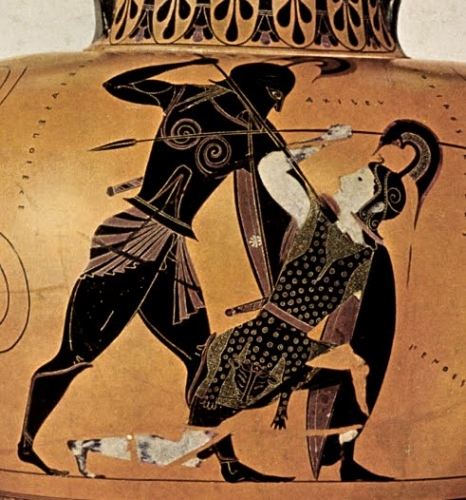
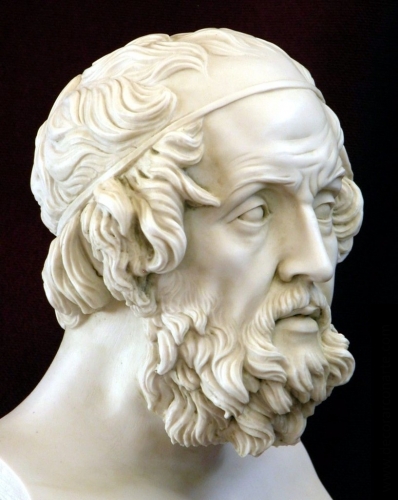 European culture formally began with the books of Homer. These European cultural stories were popularized in Europe approximately 3,000 years ago and then written down by the poet Homer about 2,700 years ago. One of the major themes in Homer is the concept of Xenia. Xenia defines the behavior expected from local European residents toward travelers, strangers, and even immigrants. Xenia also defines the behavior that is expected in return from these guests, these strangers in a strange land. The concepts presented in the Iliad and the Odyssey are considered the foundation of the European cultural tradition termed the code of hospitality or the code of courtesy.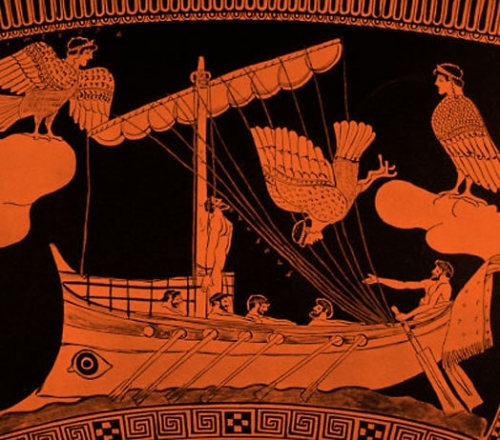

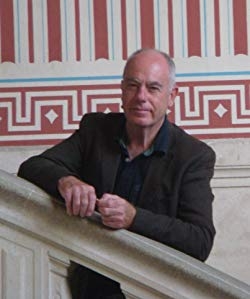 Sur une batterie de huit questions sur la spiritualité païenne que leur a posée Pierre Vial, deux personnalités consacrées en ce domaine,
  Pour sa part,
 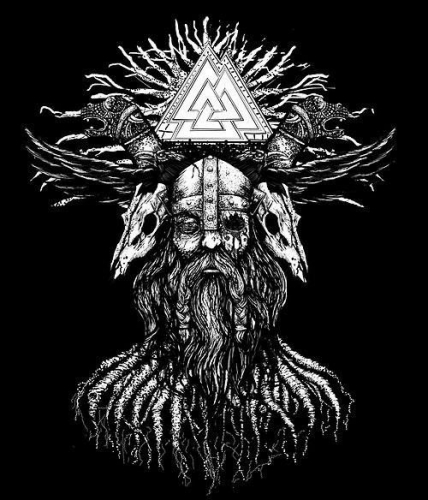 Halfdan Rekkirsson
 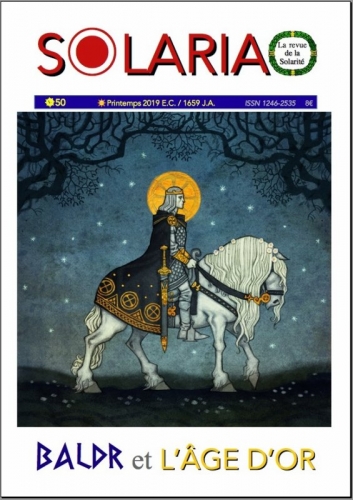 Jean-Christophe Mathelin,
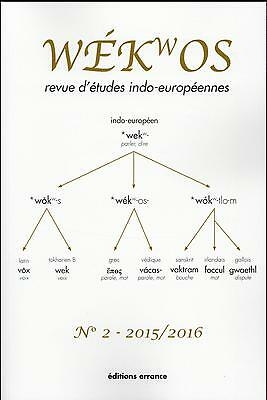 Robert Dragan

 Dans le monde d’avant 1968, point de photographie du Président de la République française enlacé par deux jeunes hommes noirs, torses nus ; encore moins de plug anal géant défigurant la très distinguée place Vendôme à Paris. Et s’il n’y avait que cela…
 Il partage ses activités littéraires entre deux passions :
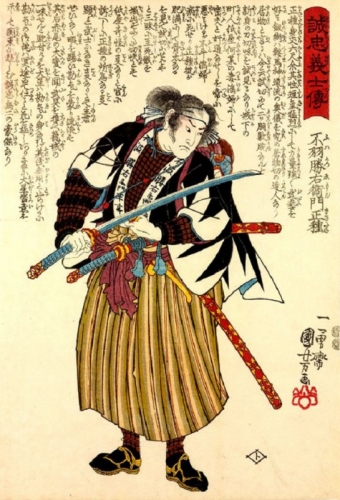
 Jocho Yamamoto a « écrit » le traité Hagakure au début du siècle des Lumières, quand la crise européenne bat son plein. On passe en trente ans de Bossuet à Voltaire, comme a dit Paul Hazard, et cette descente cyclique est universelle, frappant France, Indes, catholicisme, Japon. J’ai beaucoup expliqué cette époque : retrouvez mes textes sur Voltaire ou sur Swift et la fin du christianisme (déjà…). Le monde moderne va se mettre en place. Mais c’est ce japonais qui alors a le mieux, à ma connaissance, décrit cette chute qui allait nous mener où nous en sommes. On pourra lire mes pages sur les 47 rônins (que bafoue Yamamoto !) dans un de mes livres sur le cinéma. Le Japon, comme dit notre génial Kojève, vit en effet une première Fin de l’Histoire avec cette introduction du shogunat et ce déclin des samouraïs, qui n’incarnèrent pas toujours une époque marrante comme on sait non plus. Voyez les films de Kobayashi, Kurosawa, Mizoguchi et surtout de mon préféré et oublié Iroshi Inagaki.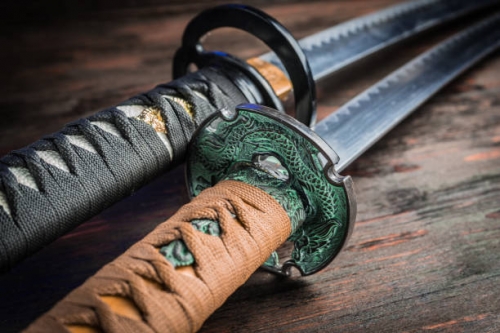
 On pourra rappeler de belles analyses sur le roi Lear. On passe au métier de roi, dans la pièce de Shakespeare comme à la cour du roi de France (dixit Macluhan bien sûr au début de sa trop oubliée galaxie). Voyez aussi le Mondain de Voltaire.
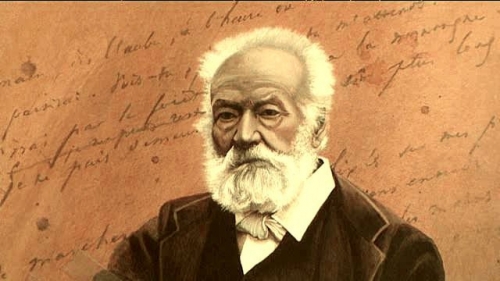
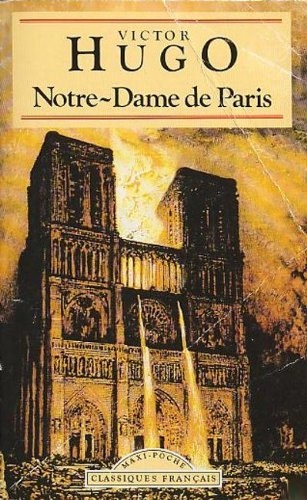 « Quand la mémoire des premières races se sentit surchargée, quand le bagage des souvenirs du genre humain devint si lourd et si confus que la parole, nue et volante, risqua d’en perdre en chemin, on les transcrivit sur le sol de la façon la plus visible, la plus durable et la plus naturelle à la fois. On scella chaque tradition sous un monument. » Ainsi Victor Hugo évoque-t-il le premier passage d’une ère d’oralité à un âge où l’architecture devient « le grand livre de l’humanité ». Souvenons-nous cependant de la parole biblique concernant la pierre que les bâtisseurs ont écartée et qui est justement la pierre d’angle. Le risque de « perdre en chemin » un élément essentiel deviendrait-il réalité dès que s’élèvent les premiers menhirs celtiques que l’on retrouve « dans la Sibérie d’Asie » ou « les pampas d’Amérique » ?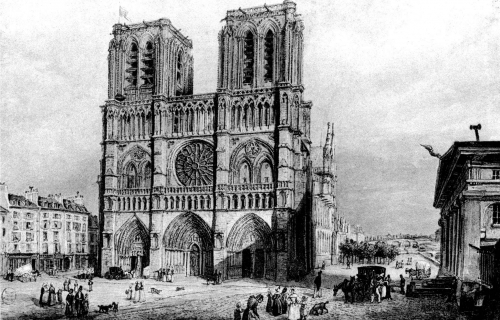
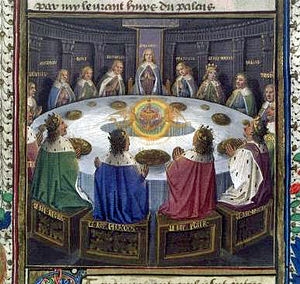 Le thème du Graal est l’équivalent païen, au sens noble du terme, de la pierre d’angle biblique rejetée par les bâtisseurs. Énigmatique demeure à mes yeux cette phrase de René Guénon : « Le Graal ne peut être qu’un zodiaque. » Mais je suis convaincu que, pour déchirer le voile qui recouvre le mystère des origines, pour retrouver ce « grain d’or » dont parle l’astronome Kepler (1571 – 1630), il faut emprunter la voie de l’astrologie, domaine impensé de notre mouvance intellectuelle (du moins à ma connaissance), art antique vénérable raillé par La Fontaine et Voltaire, discipline dévoyée depuis quatre siècles, hormis quelques soubresauts : le marquis de Boulainvilliers (1658 – 1722), une école française aux alentours de 1900 (Caslant, Choisnard, Boudineau), une école belge (avec Gustave-Lambert Brahy comme figure de proue), les travaux plus récents de Gauquelin et Barbault (tous deux nés en 1920). Si le Graal est un vase, ce n’est pas exclusivement parce que Joseph d’Arimathie y a recueilli le sang de Jésus crucifié, mais c’est, par-delà sa dérivation chrétienne, par son identification plus générale à un récipient recueillant la pluie des influences cosmiques. Cet élargissement de la signification du Graal s’inscrit, soit dans la « Préhistoire partagée (Raphaël Nicolle) » des peuples indo-européens, soit dans une proto-histoire plus ample, ainsi qu’en témoigne le rapprochement d’Hugo entre les pierres levées d’Europe occidentale et celle de l’Asie sibérienne et de l’Argentine.
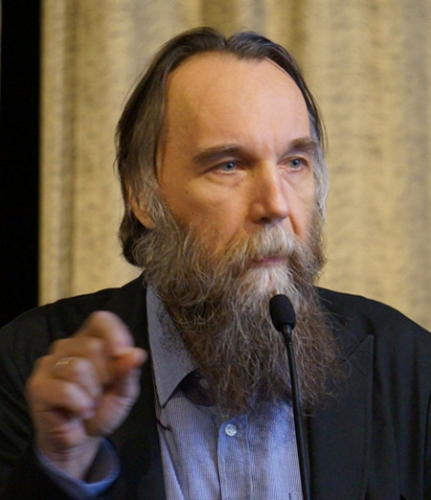 Meanwhile for the liberal, the reason that the radical displays its creation of the human will which aspire for absolute freedom.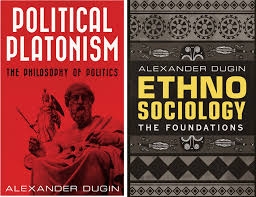

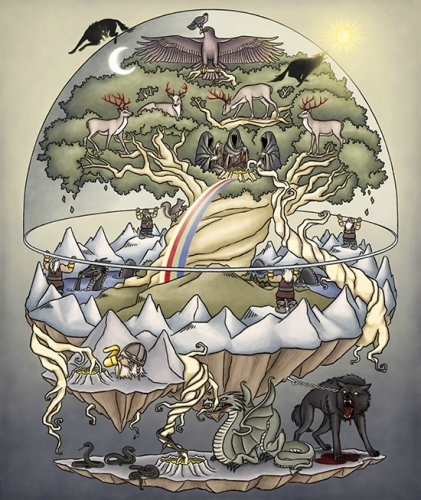
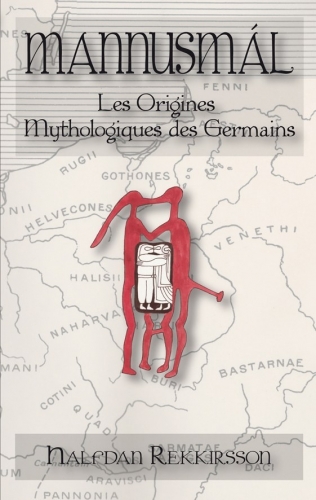 La mythologie nordique et le monde germano-scandinave jouissent d’un intérêt grandissant, et d’une vulgarisation pas toujours heureuse. La série Vikings, plutôt décevante, n’est pas vraiment ce que l’on peut appeler une « série historique réaliste ». D’ailleurs feu Régis Boyer préférait ne pas faire de commentaire à son sujet… Cependant, et d’un point de vue positif, certains ont pu (re)découvrir un imaginaire, une culture, et un univers qui leur ait souvent plus proche qu’il n’y paraît. En bonus, ils auront pu également découvrir l’excellente musique du groupe norvégien Wardruna !
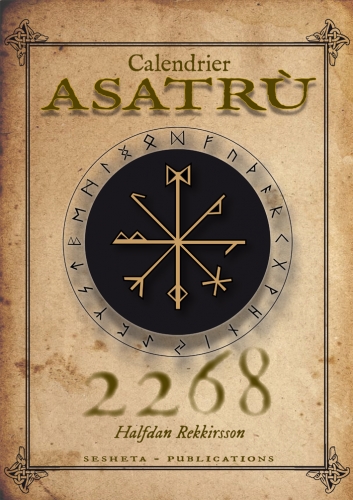 Nous parlions d’un auteur « maison » en la personne de Halfdan Rekkirson. Celui-ci compte deux ouvrages à son actif. Le premier s’intitule Calendrier runique Asatru. L’Asatru est une religion néo-païenne qui s’est donnée comme mission de réanimer la vielle foi du Nord. Ce courant, qui se porte bien soit dit en passant, se rencontre principalement en Islande et dans les pays anglo-saxons, États-Unis et Grande-Bretagne en tête. L’ouvrage de Rekkirson témoigne avant toute chose d’un travail sérieux. Élaborer un calendrier n’est pas chose facile ! Le pari est pourtant relevé ! En outre, l’auteur développe certains sujets comme l’interprétation des contes ou l’importance de la Déesse Frigg. C’est un livre roboratif et plaisant à lire.
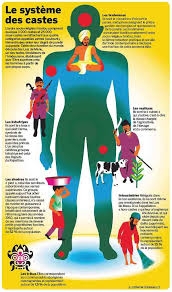 Mérites du système des castes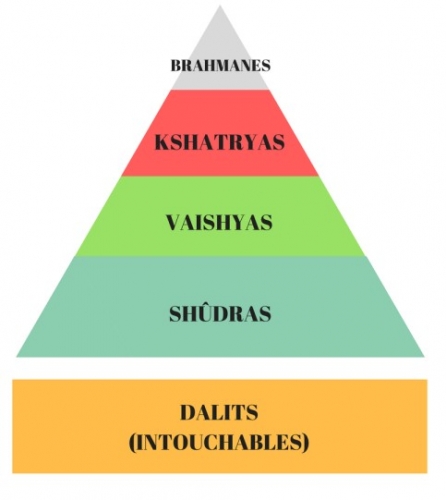
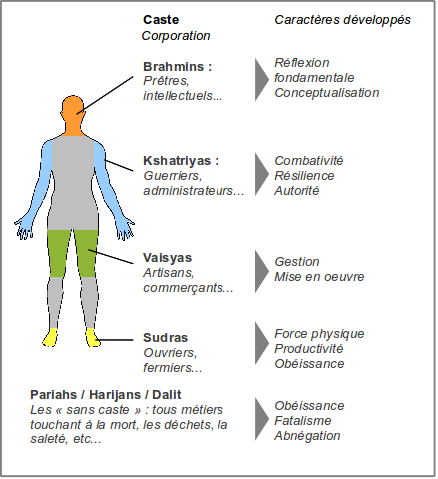
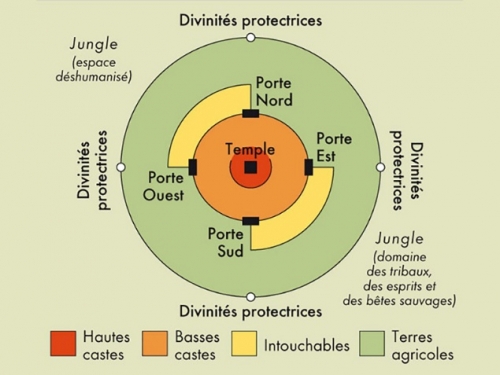
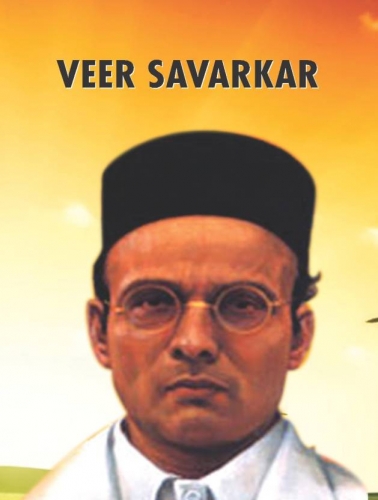 Veer Savarkar, l’idéologue du nationalisme hindou, prônait les mariages inter-castes pour unifier la nation hindoue même au niveau biologique. La plupart des hindous contemporains, bien qu’à présent généralement opposés à l’inégalité de caste, continuent à se marier dans leurs jatis respectives parce qu’ils ne voient pas de raison de les supprimer.
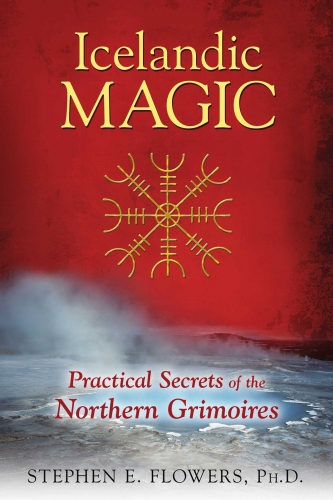
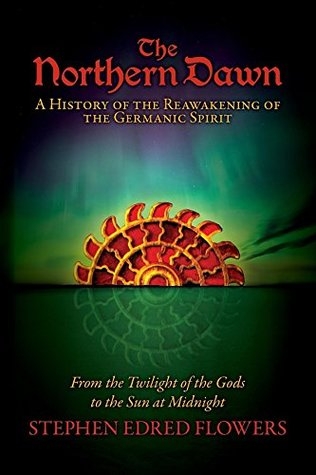
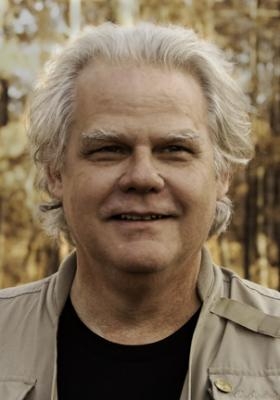 Suivant un travail en philologie germanique et celtique sous la direction de l’estimé professeur Edgar Polomé (1920–2000), Flowers reçut son doctorat en 1984 avec une thèse intitulée Runes and Magic: Magical Formulaic Elements in the Elder Tradition (plus tard publiée par Lang, 1986). Au milieu des années 1980, Flowers commença aussi une carrière d’auteur plus publique sous le nom d’Edred Thorsson. Ses livres sur les Runes et la magie germanique (Futhark, Runelore, At the Well of Wyrd, Rune-Might, Northern Magic, The Nine Doors of Midgard, et A Book of Troth) sont devenus des classiques du genre, et bien qu’ils visent le marché du livre occulte, ils révèlent une profondeur de compréhension et un degré de connaissance qu’il est inhabituel de trouver dans ce genre.
 Michael : Qu’est-ce qui amena votre initiation dans l’Asatru ou l’Odinisme organisés, et comment regardez-vous cette période aujourd’hui ?
 Stephen : Je pense que cette attitude vient presque entièrement de deux sources : (1) l’antagonisme entre la vision-du-monde matérialiste et la vision-du-monde spirituelle traditionnelle, et (2) le fait que les adhérents de la vision-du-monde matérialiste ont saisi l’occasion d’attaquer la vision spirituelle en se basant sur les événements historiques liés à la Seconde Guerre mondiale. Cette vision-du-monde matérialiste est « monothéiste » au sens où elle autorise un seul ensemble de valeurs orthodoxes. De cette manière elle est vraiment une forme laïcisée de la religion monothéiste. Le système de pensée judéo-chrétien s’est très bien prêté à une laïcisation d’une manière telle qu’il peut être transformé en un modèle pour des théories politiques et économiques. Comme remarque additionnelle, l’islam a été beaucoup plus obstiné dans son adhésion à ses valeurs d’origine, ce qui l’a rendu très « arriéré » par rapport à ses cousins monothéistes.
 Comme je l’ai exposé dans mon essai « How to Be a Heathen » [Comment être un païen], publié dans le volume Blue Runa (Rûna-Raven, 2001), il y eut un temps où la « connaissance païenne » désignait d’abord quelque chose qui était rigoureux, et qui évoluait graduellement vers des domaines supérieurs de ce qui est ordinairement ineffable. La « foi chrétienne » était quelque chose qui s’opposait à la « connaissance païenne » et qui était caractérisée par le subjectivisme et des appels incessants à des autorités invérifiables du début à la fin du processus. De cette manière, on peut voir que le « New Ager » ou le « Wiccan » typique est en fait paradigmatiquement beaucoup plus proche du modèle de pensée chrétien originel que ne l’est le « croyant chrétien » moyen aujourd’hui. Les séminaristes chrétiens sérieux ne songeraient pas à ignorer l’étude du latin, du grec et de l’hébreu, et pourtant les nombreux aspirants à la « prêtrise » d’Asatru aujourd’hui pensent qu’il est déraisonnable de leur demander d’apprendre le vieux norrois. Il est remarquable de noter le nombre de gens qui ne connaissent même pas correctement la grammaire de leur « nom nordique » supposé !
 Stephen : Dans Hermetic Magic, je me suis concentré sur les opérations des papyri magiques grecs qui utilisaient le pouvoir symbolique du langage et de l’alphabet (c’est-à-dire les opérations les plus influencées par le grec). En fait il y a beaucoup d’enrichissements mutuels possibles entre les traditions germaniques et grecques de magie verbale et alphabétique. Le livre Hermetic Magic fut une expérimentation pour l’usage du principe des RUNA dans le décodage d’une tradition autre que la germanique. Cela se révéla généralement fructueux. Une grande partie de ce qu’était la magie hermétique a été perdue dans la magie du style Golden Dawn/OTO des gentlemen de l’époque victorienne. Hermetic Magic est une tentative pour aller au fond des choses, c’est-à-dire à revenir aux sources de ce qu’est la magie hermétique, afin d’arriver à une perspective fraiche et éternelle sur le pouvoir de la volonté humaine. C’est un exercice sur le pouvoir des RUNA, des Mysterion, tel que je le vois. Hermetic Magic montre ce qui peut être fait avec le principe des RUNA/Mysterion. Que cela ait été généralement ignoré par la foule de l’« hermétisme » ordinaire ne fait que montrer à quel point la véritable tradition est ésotérique.
 Je suis très satisfait de voir de jeunes individus – beaucoup encore étudiants – à la conférence runique m’approcher discrètement et me dire qu’une partie de la raison pour laquelle ils vinrent à la conférence était de me rencontrer, et qu’ils avaient été exposés pour la première fois au monde merveilleux des runes et la tradition germanique ésotérique par mes travaux plus « populaires ».
 Stephen : Il est clair d’après ce qui a déjà été dit que la discipline universitaire de runologie, ainsi que certaines des études germaniques et des études indo-européennes plus anciennes, sont en danger. Si la runologie scientifique est laissée à son cycle normal de mode intellectuelle, il n’y a pas de mal. Le runologue traditionnel radical serait libre comme toujours de partager les fruits de ce travail intellectuel et de voir son travail intérieur enrichi par celui-ci. Mais si les domaines universitaires traditionnels sont déracinés et marginalisés pour l’extinction, alors cela ne serait plus possible.
 Ce sera un siècle terrible parmi les siècles. Les peuples tomberont sous toi, Allemagne, et ta puissance sera si grande que le monde entier s’alliera contre toi.
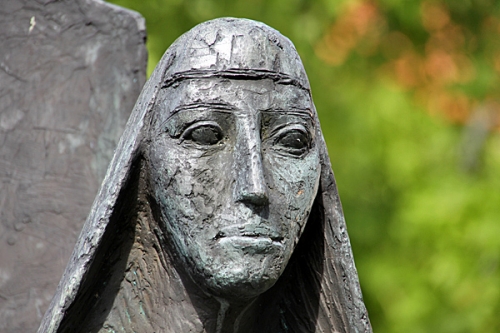
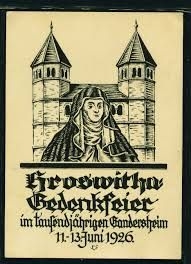
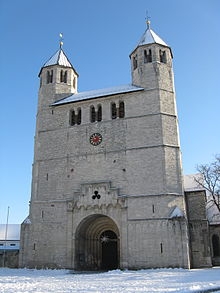 Voilà de la bonne propagande de guerre ! Or il semble bien que ce Gabriel Langlois fut le premier à livrer une version française du texte de la « prophétie » de Hrosvitha. Etait-il latiniste ? Agissait-il de sa propre initiative, ou lui avait-on « suggéré » de publier ces soi-disant prophéties (car celle de Hrosvitha n’est pas la seule citée) concernant la Première Guerre mondiale ?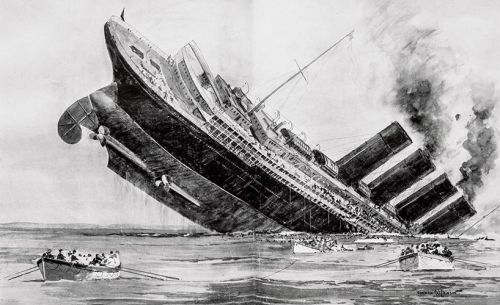
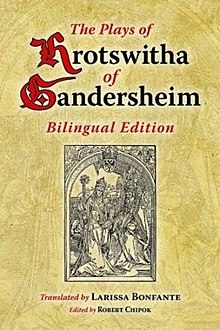 (1) savoir si la soi-disant prophétie figure vraiment dans l’ouvrage allemand précité, paru en 1902. Mais même s’il y figurait, cela ne prouverait toujours pas l’authenticité de la prophétie ! Il pourrait alors s’agir d’un faux rédigé par un faussaire allemand, dès 1902 ou même avant (et ce texte aurait été remarqué plus tard par les services alliés, anglais ou français, et utilisé par eux – mais tout cela est vraiment trop invraisemblable).


 Il primo di questi è per l’appunto, il non saper leggere i segni, perché in fondo ad essi non crediamo affatto. Invero, ogni cosa nell’Universo Creato è segno, o per meglio dire, simbolo, di qualcos’altro. Questa è certezza di ogni Sapienza Tradizionale, anche e soprattutto di quella cristiana. La Storia, d’altro canto non è semplice successione di eventi, bensì Storia Sacra che si svolge dall’alfa all’omega secondo un superiore disegno di Provvidenza. Pertanto all’uomo il cui intelletto non è ancora stato sigillato non possono sfuggire i segni che continuamente essa ci presenta. Solo un’opera di cultura può colmare tale ignoranza e portare ad un primo risveglio dei sensi interiori.
 « En nous rapprochant de l’Occident,… le VIe siècle fut le point de départ de la civilisation dite « classique », la seule à laquelle les modernes reconnaissent le caractère « historique », et tout ce qui précède est assez mal connu pour être traité de « légendaire », bien que les découvertes archéologiques récentes ne permettent plus de douter que, du moins, il y eut là une civilisation très réelle ; et nous avons quelques raisons de penser que cette première civilisation hellénique fut beaucoup plus intéressante intellectuellement que celle qui la suivit, et que leurs rapports ne sont pas sans offrir quelque analogie avec ceux qui existent entre l’Europe du moyen âge et l’Europe moderne. »
 Et Tchouang-Tseu :
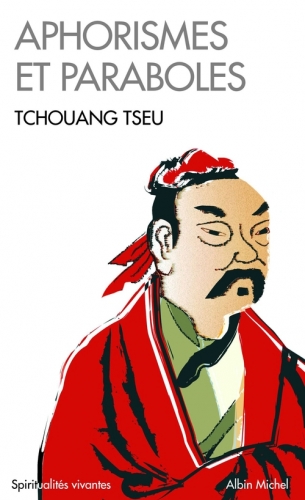 Le développement intellectuel, administratif et bureaucratique est cause de la décadence. Tchouang-Tseu :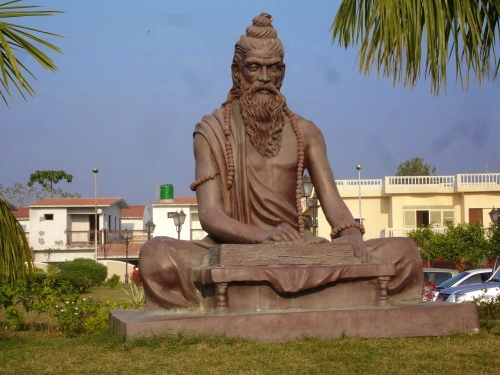
 Los hábitos regulares que forman la base moral y ética de la filosofía yóguica se denominan Yamas, a saber: inofensividad, veracidad, honradez, templanza y generosidad, y Niyamas, que abarcan la limpieza, el contento, la austeridad, el estudio de uno mismo y la devoción a un ideal.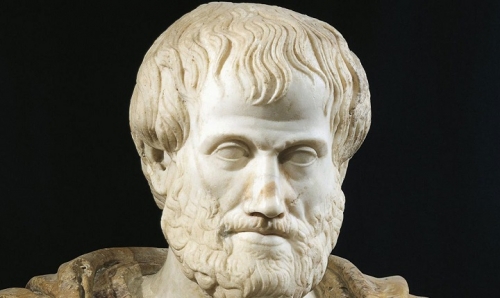
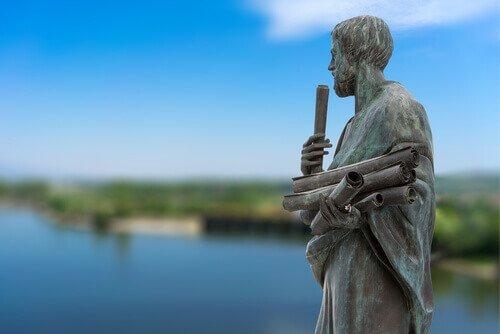
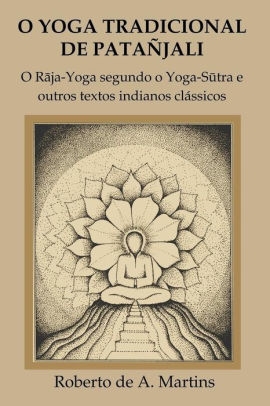 Patánjali también nos habla del Dios último y enfoca la vida del hombre virtuoso y bueno en función de la consecución de una unión con lo divino. Cuando I. K. Taimni (1979)
 3) Tale conoscenza non è sapere se non è innanzitutto uno stato dell’essere; lo stato dell’essere è vedere l’Invisibile, che è l’Indicibile, ma per colui che è Essere non è che l’Uno, l’Istante che è fuori dal tempo: colui che vive nella dimensione dello Spirito è nel tempo pur essendo, nella radice, fuori dal tempo, vedrà il Divenire che è Essere, come indica l’enigmatico sorriso dell’Apollo di Veio, Egli, sorridendo della nostra stupidità, accenna, svela e rivela la Verità: l’Assoluto, il Divino è semplicemente ciò che tu vedi e che sei! Tu però non lo sai!
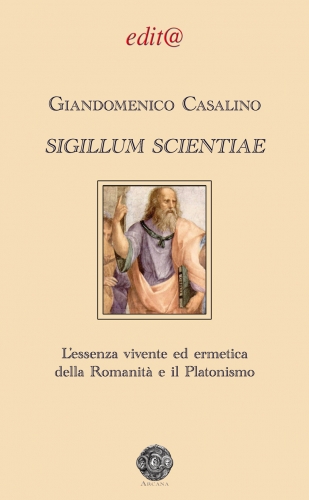 Si conosce solo ciò che si è e si è solo ciò che si conosce. Gli Dei non esistono a priori (per fede) ma esistono solo se si conoscono e si conoscono solo se si esperimentano, quindi esistono solo per colui il quale li esperimenta, cioè li vive e quindi li conosce; nel senso che, pur esistendo da sempre, per colui il quale non li conosce Essi non esistono. Tale è il significato della frase: “I Greci non credevano negli Dei; poiché li vedevano!”