Presseschau - Dezember 2017
Einige Links. Bei Interesse anklicken…
AUßENPOLITISCHES
Durch Steuern
EU-Parlamentspräsident fordert Haushalts-Verdoppelung
https://jungefreiheit.de/politik/deutschland/2017/eu-parl...
European Union, Euro-skepticism, Western Civilization, Eurasianism and Slavic World
Boris Nad (Serbia) interviews Robert Steuckers (Brussels)
http://euro-synergies.hautetfort.com/archive/2017/11/26/e...
Orbán forciert Verschwörungs-Kampagne gegen Soros
https://www.welt.de/finanzen/article171004307/Orban-forci...
Ungarn : Soros schlägt gegen Orbán zurück
http://www.faz.net/aktuell/politik/ausland/soros-schlaegt...
Offenes Rennen
Katalonien: Wer die Wahl hat, hat die Qual
https://www.tichyseinblick.de/kolumnen/aus-aller-welt/kat...
Spanien
Der Protest in Katalonien flammt wieder auf
Die Festnahme von Politikern und Separatistenführern empört selbst Katalanen, die gegen die Unabhängigkeit sind. Zu Hunderttausenden demonstrieren Menschen für ihre Freilassung.
http://www.augsburger-allgemeine.de/politik/Der-Protest-i...
Deutschland bezuschusst U-Boot-Lieferung an Israel
http://www.faz.net/aktuell/wirtschaft/unternehmen/deutsch...
Kampf gegen den Terrorismus
Der IS verliert die letzte Stadt in Syrien
Die syrische Armee und mir ihr verbündete Milizen haben die letzte Hochburg der Terrormiliz IS in dem Land eingenommen. Die letzten verbliebenen IS-Kämpfer zogen sich aus der ostsyrischen Grenzstadt Albu Kamal zurück.
http://www.dw.com/de/der-is-verliert-die-letzte-stadt-in-...
Krieg in Syrien
USA ermöglichten IS-Kämpfern Flucht aus Rakka
https://jungefreiheit.de/politik/ausland/2017/usa-ermoegl...
Syrien-Konflikt
Putin empfängt Assad: „Syrische Flüchtlinge können zurückkehren
https://jungefreiheit.de/politik/deutschland/2017/putin-e...
Kuwait Airways
Zweierlei Maß
von Jürgen Liminski
https://jungefreiheit.de/debatte/kommentar/2017/zweierlei...
Wochenlange Proteste
Islamisten erzwingen Rücktritt von Pakistans Justizminister
https://jungefreiheit.de/politik/ausland/2017/islamisten-...
Ägypten: Anschlag auf Moschee - mindestens 155 Tote
https://www.gmx.net/magazine/politik/aegypten-anschlag-mo...
(Zu Donald Trump…)
Ein Jahr nach der Wahl
Der Gottseibeiuns der Eliten
von Michael Paulwitz
https://jungefreiheit.de/debatte/kommentar/2017/der-gotts...
Islamkritik
Trumps Tweets bringen May in Rage
https://jungefreiheit.de/politik/ausland/2017/trumps-twee...
Sonntagsheld (36) – Burenland ist freies Land!
https://sezession.de/57472/sonntagsheld-(36)-%E2%80%93-bu...!
Der Niedergang Simbabwes unter Mugabe beispielhaft für den schwarzen Kontinent
Das Gesicht des afrikanischen Scheiterns
http://www.pi-news.net/das-gesicht-des-afrikanischen-sche...
Jubel auf Simbabwes Straßen
Mugabe tritt zurück
In Simbabwe endet eine Ära. Robert Mugabe erklärt in einem Brief seinen Rücktritt. In der Hauptstadt ertönen Hupkonzerte, die Menschen feiern die Nachricht vom Rückzug des Langzeitherrschers.
https://www.n-tv.de/politik/Mugabe-tritt-zurueck-article2...
(Krise der Religion in Japan)
Dinosaurier-Statue beschützt jahrhundertealten japanischen Tempel
https://deutsch.rt.com/newsticker/60398-dinosaurier-statu...
Chinesen verspotten Merkel als naiven weißen Gutmenschen
https://www.welt.de/politik/ausland/article170917663/Chin...
Der Westen ist blind
Wenn Engel fallen – Der Islam erobert Birma
https://www.tichyseinblick.de/kolumnen/spahns-spitzwege/w...
„Ehe für alle“
Australier stimmen für gleichgeschlechtliche Ehe
https://jungefreiheit.de/politik/ausland/2017/australier-...
INNENPOLITISCHES / GESELLSCHAFT / VERGANGENHEITSPOLITIK
Merkel – ein Rückblick
Die Ära Merkel geht zu Ende. Zum Glück, denn sie steht für den sinnentleerten Machterhalt einer Monarchin.
http://plus.faz.net/feuilleton/2017-11-16/d5637e1d071d2d6...
Akute Ignoranz
Politisch gewollte Staatsverwahrlosung
http://www.tichyseinblick.de/kolumnen/goergens-feder/poli...
Agenda 2050: Der neue Totalitarismus
Die Vision, die Merkel bewegt
http://www.freiewelt.net/nachricht/die-vision-die-merkel-...
CSU-Landesgruppenchef Dobrindt - Jamaika soll gegen AfD eintreten
https://www.zdf.de/nachrichten/heute/csu-landesgruppenche...
Geplatzte Verhandlungen
Grüne und Union enttäuscht über Jamaika-Aus
https://jungefreiheit.de/politik/deutschland/2017/gruene-...
Jamaika-Aus
Schwarzgrüner Kuschelkurs
https://jungefreiheit.de/debatte/kommentar/2017/schwarzgr...
In Deutschland muss wieder Politik gemacht werden
Nicht die FDP, sondern die AfD lässt Merkel scheitern!
http://www.pi-news.net/nicht-die-fdp-sondern-die-afd-laes...
Sieg!
Die FAZ hat kürzlich den Verlauf der gescheiterten Verhandlungen zur Jamaika-Koalition anhand von Hintergrundgesprächen nachgezeichnet. Wenn die folgende Szene nicht auf gezielten Falschinformationen beruht, können wir feiern.
https://sezession.de/57491/?komplettansicht=1
AfD im Bundestag
Realos und Fundis
von Christian Vollradt
https://jungefreiheit.de/debatte/kommentar/2017/realos-un...
Pro Deutschland
Wollen keine AfD-Konkurrenz sein: Rechtspopulistische Splitterpartei löst sich auf
http://www.focus.de/politik/deutschland/pro-deutschland-w...
Weidel (AfD) erste Rede zum ersten AfD-Antrag im Bundestag
https://www.youtube.com/watch?time_continue=16&v=9dmQ...
Warnzeichen in Görlitz, Offenbach und anderswo
Siemens kümmert kein Berliner Balkon
http://www.pi-news.net/siemens-kuemmert-kein-berliner-bal...
Offener Brief "Eine Frage des Respekts"
Ein Jahr nach dem Anschlag am Breitscheidplatz werfen Angehörige aller zwölf Todesopfer der Regierung Versagen vor. Der SPIEGEL dokumentiert ihren offenen Brief an die Kanzlerin.
http://www.spiegel.de/politik/deutschland/anschlag-in-ber...
„Mindestens grenzwertig“
Kritik an Vergabe der Leuschner-Medaille an Ex-Ministerpräsident Koch
https://www.op-online.de/hessen/kritik-vergabe-leuschner-...
Globales Ranking
Alle lieben Deutschland – nur die Deutschen nicht
https://www.welt.de/wirtschaft/article170670115/Alle-lieb...
Das nächste Schlachtfeld
In den Verhandlungen der Jamaika-Koalitionäre geht es besonders heftig beim Thema Migration zu: Darf es eine Obergrenze geben? Wie viel Familiennachzug verkraftet das Land? Im Schatten dieser Auseinandersetzung formieren sich Politiker eher linker Parteien für eine Debatte, die in den nächsten vier Jahren aufbrechen und Deutschland möglicherweise noch mehr verändern wird als die Einwanderungswelle seit 2015.
http://www.achgut.com/artikel/das_naechste_schlachtfeld
Innenministerkonferenz
De Maizière will Lauschangriff drastisch erweitern
https://jungefreiheit.de/politik/deutschland/2017/de-maiz...
Bundeswehr mit Nachwuchssorgen
Immer weniger Bewerber für freiwilligen Wehrdienst
http://www.manager-magazin.de/politik/deutschland/freiwil...
Altena
Mögliches politisches Motiv
Merkel und Maas verurteilen Messerattacke auf Bürgermeister
https://jungefreiheit.de/politik/deutschland/2017/merkel-...
Messerangriff auf Bürgermeister von Altena: Bigotterie und Doppelmoral
https://juergenfritz.com/2017/11/28/messerangriff-auf-bue...
Das Fake-Attentat in Altena
https://politsatirischer.blogspot.de/2017/11/vor-genau-24...
Gedenkstätte Hohenschönhausen
DDR-Opferverband verteidigt Aufnahme Pazderskis
https://jungefreiheit.de/politik/deutschland/2017/ddr-opf...
Bezirkschef zieht in ein neues Büro Von Dassel macht Platz für Geschichte
Im Rathaus Tiergarten eröffnen zwei neue Ausstellungen. Eine davon haben Schüler gestaltet.
http://www.tagesspiegel.de/berlin/bezirkschef-zieht-in-ei...
Gedenkpolitik
AfD lehnt Denkmal für polnische NS-Opfer ab
https://jungefreiheit.de/politik/deutschland/2017/afd-leh...
(Horror. Schnellstmögliche Entfernung…)
Hakenkreuz auf Sportplatz: Baggerfahrer macht in Hamburg ungewöhnlichen Fund
https://www.gmx.net/magazine/panorama/hakenkreuz-sportpla...

LINKE / KAMPF GEGEN RECHTS / ANTIFASCHISMUS / RECHTE
(Aktion angeblicher "Künstler" gegen Björn Höcke)
Aktivisten fordern: Björn Höcke soll sich auf Knien entschuldigen
https://www.gmx.net/magazine/politik/akivisten-bjoern-hoe...
Zentrum für politische Schönheit
Staatskunst
von Thorsten Hinz
https://jungefreiheit.de/debatte/kommentar/2017/staatskun...
Björn Höcke vs. Das Zentrum für moralischen Psychoterror
https://sezession.de/57485/?komplettansicht=1
„Zentrum für politische Schönheit“ (ZPS) – Orwell in Reinform
http://www.pi-news.net/zentrum-fuer-politische-schoenheit...
Schuldsekte baut Holocaust-Denkmal vor Höckes Haus
https://www.youtube.com/watch?v=gTw29yS_Fd8
Zentrum für politische Schönheit
Landtagspräsident verurteilt Anti-Höcke-Aktion
https://jungefreiheit.de/politik/deutschland/2017/landtag...
„Denkmal der Schande“ : Stelenfeld neben Haus von Björn Höcke vorerst geschlossen
http://www.faz.net/aktuell/feuilleton/debatten/denkmal-de...
Bespitzlung
Weiter Streit um Anti-Höcke-Aktion
https://jungefreiheit.de/politik/deutschland/2017/weiter-...
K-Gruppen und Terrorhelfer
Wenn die AfD eine radikale Partei sein soll, was waren dann die frühen Grünen?
von Karlheinz Weißmann
https://jungefreiheit.de/politik/deutschland/2017/wenn-di...
Antrittsbesuch in Sachsen : Steinmeier ruft zu Kampf gegen rechts auf
http://www.faz.net/aktuell/politik/sachsen-frank-walter-s...
https://jungefreiheit.de/politik/deutschland/2017/steinme...
Berlin
Staatliche Fördermittel
„Kampf gegen Rechts“: Kosten steigen auf 116 Millionen Euro
https://jungefreiheit.de/politik/deutschland/2017/kampf-g...
Wien
Finanzierung beendet
Linkes Rechercheportal nach Grünen-Niederlage offline
https://jungefreiheit.de/politik/ausland/2017/linkes-rech...
(Zu Gerald Hensel…)
Denunziantentum heißt jetzt Zivilcourage
http://www.achgut.com/artikel/denunziantentum_heisst_jetz...
AfD und die Neue Rechte : Sie nennen es konservativ
von Justus Bender
http://www.faz.net/aktuell/politik/inland/afd-gibt-oeffen...
Hajo Funke auf 3sat – neutraler Extremismusexperte?
von Benedikt Kaiser
https://sezession.de/57486/hajo-funke-auf-3sat-%E2%80%93-...?
Thomas Wagner ("Die Angstmacher") über die "Neue Rechte" | Frankfurter Buchmesse 2017
https://www.youtube.com/watch?v=Bj2lHGYsFzc
Verfassungsschutz
Telefonüberwachung von Linksextremisten in Berlin eingestellt
https://jungefreiheit.de/politik/deutschland/2017/telefon...
Baden-Württemberg
AfD wirft Innenminister Unkenntnis über linksextreme Szene vor
https://jungefreiheit.de/politik/deutschland/2017/afd-wir...
Kampf gegen Linksextremismus
CDU-Innenexperten: Staatliche Förderung linksextremer Keimzellen beenden
https://jungefreiheit.de/politik/deutschland/2017/cdu-inn...
Inlandgeheimdienst
Linken-Abgeordnete wird vom Verfassungsschutz beobachtet
https://jungefreiheit.de/politik/deutschland/2017/linken-...
Grotesker Aufzug
Kommunisten rollen mit russischem Panzer durch Berlin
https://jungefreiheit.de/politik/deutschland/2017/kommuni...
(Bizarre Buchmesse-Selbstinszenierung von Alt-68er Achim Bergmann)
Video-Beweis
Rechter Killer-Ninja schlägt APO-Rentner nieder
https://jungefreiheit.de/kultur/2017/rechter-killer-ninja...
Nach linksextremen Attacken
AfD-Nachwuchspolitiker unterliegt im Gerichtsstreit um Mietvertrag
https://jungefreiheit.de/politik/deutschland/2017/afd-nac...
(Kuscheljustiz gegen links)
Selbstanzeige
G20-Plünderer zur Bewährung verurteilt
https://jungefreiheit.de/politik/deutschland/2017/g20-plu...
Berlin
Hotel Orania
Betreiber spricht von Hetze der linken Szene und kritisiert Politiker
https://www.berliner-zeitung.de/berlin/hotel-orania-betre...
Linksextreme Kräfte formieren sich gegen den AfD-Bundesparteitag – Gewaltexzesse befürchtet
https://www.unzensuriert.de/content/0025459-Linksextreme-...
Linksextremismus
Anschlag auf Haus von Hamburgs SPD-Fraktionschef
https://jungefreiheit.de/politik/deutschland/2017/anschla...
Diskussionveranstaltung an der Uni
Proteste in Köln: Studenten schreien Polizeigewerkschafter Wendt nieder
http://www.focus.de/politik/deutschland/das-ist-keine-pro...
Proteste gegen Parteitag
„Die AfD angreifen – mit allen notwendigen Mitteln!“
von Felix Krautkrämer
https://jungefreiheit.de/politik/deutschland/2017/die-afd...
EINWANDERUNG / MULTIKULTURELLE GESELLSCHAFT
US-Studie
Zahl der Moslems in Deutschland könnte sich verdreifachen
https://jungefreiheit.de/politik/deutschland/2017/zahl-de...
Neun Stockwerke neues Deutschland
Ein Feature über ein Haus in Gladbeck
http://www.ard.de/home/radio/Neun_Stockwerke_neues_Deutsc...
Respekt- und disziplinlos
Berliner Polizeischüler schockieren Ausbilder
http://www.n-tv.de/politik/Berliner-Polizeischueler-schoc...
Neue Vorwürfe gegen Berliner Polizei
Polizeischüler sollen aus kriminellen Großfamilien stammen
http://www.tagesspiegel.de/berlin/neue-vorwuerfe-gegen-be...
Anonymer Brief kursiert
LKA-Beamter warnt: Berliner Polizei wird von kriminellen Clans unterwandert
http://www.focus.de/politik/deutschland/anonymer-brief-lk...
Zustände in Berliner Polizei-Akademie
Die lange Liste der Vorwürfe gegen die Berliner Polizei-Vizepräsidentin
http://www.focus.de/politik/deutschland/zustaende-in-berl...
Meinung
Die unterwanderte Polizei
von Boris T. Kaiser
https://jungefreiheit.de/debatte/kommentar/2017/die-unter...
Hurra, wir haben uns integriert!
Von Henryk M. Broder
http://www.achgut.com/artikel/hurra_wir_haben_uns_integri...
„Koordinierter Angriff“
Flüchtlinge stürmen spanische Küsten
https://jungefreiheit.de/politik/ausland/2017/fluechtling...
Jugendliche Einwanderer randalieren in Brüssel
https://jungefreiheit.de/politik/ausland/2017/jugendliche...
https://www.youtube.com/watch?v=WJJYr7VjRvs
https://www.youtube.com/watch?v=IqJDOX-p95Q
Maya und Isabel Schayani geben Tipps zur Einwanderung nach Deutschland
WDR sendet „Einladung“ an arabische Welt
http://www.pi-news.net/wdr-sendet-einladung-an-arabische-...
Nach Jamaika-Aus
Göring-Eckardt: Mit uns wäre es Flüchtlingen besser gegangen
https://jungefreiheit.de/politik/deutschland/2017/goering...
Ohne Behördenkontakt
In Deutschland werden Hunderttausende Untergetauchte vermutet
https://www.welt.de/politik/deutschland/article170281634/...
Fast jeder zweite unbegleitete Minderjährige ist über 18
https://jungefreiheit.de/politik/deutschland/2017/fast-je...
Trotz Rückfallgefahr
Kommunen müssen kriminelle Asylbewerber aufnehmen
https://jungefreiheit.de/politik/deutschland/2017/kommune...
Niedersachsen: Jobcenter fordert von Invasionshelfern Sozialleistungen zurück
Bahnhofsklatscher schockiert: Sie sollen für ihre Schützlinge zahlen
http://www.pi-news.net/bahnhofsklatscher-schockiert-sie-s...
Sprachkurse für Abgelehnte
De Maizière wirft Berlin Abschiebe-Sabotage vor
https://jungefreiheit.de/politik/deutschland/2017/de-maiz...
Jamaika-Sondierungen
Union deutet Kompromißbereitschaft beim Familiennachzug an
https://jungefreiheit.de/politik/deutschland/2017/union-d...
Identitäre Aktion
Aktionsvideo | Erdogan - Hol deine Türken ham!
https://www.youtube.com/watch?v=ob-YpAs94YE
Facebook löscht Kommentar zu rassistischer Multi-Kulti-Propaganda
Martin Sellners Antwort auf die „Typisch Deutsch?“-Kampagne
http://www.pi-news.net/martin-sellners-antwort-auf-die-ty...
Auch ohne Arbeit besser als in der Heimat
Von Thilo Sarrazin
http://www.achgut.com/artikel/auch_ohne_arbeit_besser_als...
"Die Menschen spüren, dass Europa insgesamt die Kontrolle verloren hat"
Der frühere polnische Außenminister Radoslaw Sikorski kritisiert im Interview der NZZ die Flüchtlingspolitik von Angela Merkel.
https://www.nzz.ch/international/die-menschen-spueren-das...
Karl Lagerfeld nennt Flüchtlinge "Feinde" der Juden
Der deutsche Modedesigner Karl Lagerfeld sorgt mit einer harschen Kritik an Angela Merkels Flüchtlingspolitik für Aufsehen.
https://bazonline.ch/panorama/leute/karl-lagerfeld-nennt-...
Staatliches Gewaltmonopol: Eine persönliche Geschichte
von Johannes Konstantin Poensgen
https://sezession.de/57475/das-problem-des-staatlichen-ge...
Radikale Prediger
Emirate kritisieren lasche Kontrollen von deutschen Moscheen
https://jungefreiheit.de/politik/ausland/2017/emirate-kri...
Düsseldorf
Polizisten verletzt
Kurdische Gemeinde distanziert sich von Ausschreitungen
https://jungefreiheit.de/politik/deutschland/2017/kurdisc...
Frankfurt
Über den Zaun an der Startbahn West geklettert
Aufregung am Flughafen: Flüchtling wollte nach Italien
https://www.op-online.de/region/frankfurt/nach-aufregung-...
Essener Hauptbahnhof
Bis zu 200 Einwanderer sprengen Halloween-Veranstaltung
https://jungefreiheit.de/politik/deutschland/2017/bis-zu-...
Spezialeinheit für den Alex
Ein Platz unter Polizeischutz
https://www.berliner-kurier.de/berlin/polizei-und-justiz/...
Zwei „psychisch labile“ Merkel-Gäste
Nürnberg-Südstadt: Schüsse, Macheten und „Allahu Akbar“-Schreie
http://www.pi-news.net/nuernberg-suedstadt-schuesse-mache...
Audi-Zentrum Landshut: Mein Auto, mein Land, meine Psychose
Syrischer „Flüchtling“ fordert sein Auto: „Frau Merkel bezahlen…“
http://www.pi-news.net/syrischer-fluechtling-fordert-sein...
Polizeifahndung
Brutaler Angriff: Polizei sucht Schläger vom Alexanderplatz
Mit Fotos aus der Überwachungskamera sucht die Polizei mehrere Personen, die am Alexanderplatz zwei Männer verletzt haben sollen.
https://www.morgenpost.de/berlin/polizeibericht/article21...
Berliner Kinderbauernhof: Mann (23) vergeht sich sexuell an Pony
https://rtlnext.rtl.de/cms/berliner-kinderbauernhof-mann-...
http://www.wochenblatt.de/boulevard/regensburg/artikel/21...
Italienische Staatsbürger
„Spaß erlaubt“: Polizei nimmt Obdachlosen-Anzünder fest
https://jungefreiheit.de/kultur/gesellschaft/2017/spass-e...
(Die Überschrift ist natürlich irreführend. Es handelt sich nicht um "hessische Autoknacker", sondern, wie der Artikel dann zeigt "organisierte Banden aus Osteuropa", die – nicht nur – in Hessen Autos stehlen.)
Hessische Autoknacker spezialisieren sich: Vor allem Lenkräder und Airbags sind begehrt
http://www.allgemeine-zeitung.de/lokales/polizei/hessisch...
Kein Aufschrei und keine Lichterketten der üblichen "Rassismus-Riecher"
Düsseldorf: Araber-Gang attackiert Passanten mit Messerstichen
http://www.pi-news.net/duesseldorf-araber-gang-attackiert...
Falsche Identität und Todesdrohungen
Dortmund: Polizei nimmt grapschenden Afrikaner fest
https://jungefreiheit.de/kultur/gesellschaft/2017/dortmun...
Merkel-Gäste zeigen sich erkenntlich: Landfriedensbruch - Körperverletzung - Sachbeschädigung
Essen: Syrer zerlegen Tchibo-Filiale
http://www.pi-news.net/essen-syrer-zerlegen-tchibo-filiale/
(Beim Kölner Stadt-Anzeiger sind es "Jugendliche". Erst im letzten Abschnitt wird im Text auf die syrische Herkunft hingewiesen. Immerhin.)
Essener Hauptbahnhof
Jugendliche zerlegen Tchibo-Filiale und verletzen Ladendetektiv https://www.ksta.de/region/essener-hauptbahnhof-jugendlic...
Blutige Folgen von Merkels Grenzöffnung
Das Opfer von Sachsenhausen klagt an
http://www.bff-im-roemer.de/index.php?id=44&no_cache=...
Ausländerkriminalität
Möglichst keine Details
http://sichtplatz.de/?p=9620
Bayern
Belästigungen und Diebstähle: Linke Bar sperrt Flüchtlinge aus
https://jungefreiheit.de/kultur/gesellschaft/2017/belaest...
Offenbach
Sicherheitsmaßnahmen werden verschärft
Punsch zwischen Betonpollern
https://www.op-online.de/leben/weihnachten-ere44823/beton...
Mann rast mit Pkw in Gruppe
Autoattacke mitten in Cuxhavens City
https://www.cn-online.de/stadt-land/news/autoattacke-mitt...
Bei Hausbesuch
Syrer vergewaltigt Sozialarbeiterin im Dienst
https://jungefreiheit.de/kultur/gesellschaft/2017/syrer-v...
Woman, 32, is left with a horrific head wound after three Asian thugs beat her in the street in a 'racially aggravated' attack
http://www.dailymail.co.uk/news/article-5130171/Woman-lef...
(Kriminalfälle-Sammlung)
Bunte Republik Deutschland
http://www.achgut.com/artikel/bunte_republik_deutschland
(Kriminalfälle-Sammlung)
Bunte Republik Deutschland, Fortsetzung
http://www.achgut.com/artikel/bunte_republik_deutschland_...

KULTUR / UMWELT / ZEITGEIST / SONSTIGES
Die tödliche Verwahrlosung der deutschen Hauptstadt
http://www.achgut.com/artikel/die_verwahrlosung_berlins_i...
Bibel-Museum in Washington D.C. eröffnet heute
https://www.pro-medienmagazin.de/gesellschaft/weltweit/20...
Freiheit im Internet
Zensur durch Regierungen nimmt zu
https://jungefreiheit.de/politik/ausland/2017/zensur-durc...
FDP-Wahlversprechen
Internetverband fordert Stop von Anti-Haß-Gesetz
https://jungefreiheit.de/politik/deutschland/2017/interne...
Gesetzesinitiative
AfD sagt NetzDG Kampf an
https://jungefreiheit.de/politik/deutschland/2017/afd-sag...
Anordnung
Zürcher Polizei darf Herkunft von Straftätern nicht mehr nennen
https://jungefreiheit.de/politik/ausland/2017/zuercher-po...
Schulen in Deutschland
„Sprachschwierigkeiten, schlimmste soziale Verhältnisse“
https://www.welt.de/politik/deutschland/article170324917/...
http://www.bff-frankfurt.de/artikel/index.php?id=1240
Deutsche Hochschulen
Gemeinschaft von Gläubigen
https://jungefreiheit.de/debatte/kommentar/2017/gemeinsch...
Das 3. Geschlecht und seine Folgen
Nicht das 3. Geschlecht ist das Problem. Der Umgang damit.
https://www.tichyseinblick.de/daili-es-sentials/nicht-das...
LGBT-Lobby
New Yorks U-Bahn-Ansprachen ab sofort geschlechtsneutral
https://jungefreiheit.de/politik/ausland/2017/new-yorks-u...
Nach Protest der Académie Française
Frankreich schafft geschlechtergerechte Schreibweise ab
https://jungefreiheit.de/politik/ausland/2017/frankreich-...
Sexismus
Macron will Maßnahmenpaket gegen Sexismus
https://jungefreiheit.de/politik/ausland/2017/macron-will...
Penny-Gayt
Endlich! Auch der Nikolaus outet sich als schwul
http://www.pi-news.net/endlich-auch-der-nikolaus-outet-si...
„Agent*In“
Linker Soziologe will Anti-Gender-Pranger fortführen
https://jungefreiheit.de/kultur/gesellschaft/2017/linker-...
Gender
Lehrer suspendiert, weil er Transgender-Schüler falsch ansprach
https://jungefreiheit.de/politik/ausland/2017/lehrer-susp...
Gendertheorie
Evangelische Kirche in Schweden macht Gott geschlechtsneutral
https://jungefreiheit.de/politik/ausland/2017/evangelisch...
Durchgeknallt
Hass-Aktivismus: Homosexueller Islamkritiker soll zum „Homophoben des Jahres 2017“ erklärt werden
https://philosophia-perennis.com/2017/10/21/hass-aktivism...
(Einsatz gegen Rassismus und Homophobie)
"Let's dance" im Big AppleStadt
New York hebt uraltes Tanzverbot auf
https://www.n-tv.de/panorama/Stadt-New-York-hebt-uraltes-...
(Zum Feminismus aus Sexualneid)
#menot
von Ellen Kositza
https://sezession.de/57484/#menot
Urteil gegen Ärztin
"Mehr als vorgestrig"
Die Ärztin Kristina Hänel muss eine Strafe zahlen, weil sie für Schwangerschaftsabbrüche geworben haben soll. Ihre Anwältin ist entsetzt. Die wichtigsten Fragen in diesem umstrittenen Fall.
http://www.spiegel.de/panorama/justiz/aerztin-kristina-ha...
Wegen Sexismus
Englische Mutter will „Dornröschen“ verbieten
https://jungefreiheit.de/politik/ausland/2017/englische-m...
Schweden
Pippi-Langstrumpf-Hörspiel sorgt für Polizeieinsatz
https://jungefreiheit.de/politik/ausland/2017/pippi-langs...
Hochschulverbandspräsident
„Das Klima der Political Correctness ist bedenklich“
https://jungefreiheit.de/kultur/gesellschaft/2017/das-kli...
Netzwerkdurchsetzungsgesetz
Die Säuberungswellen laufen an
https://jungefreiheit.de/kultur/medien/2017/die-saeuberun...
Leipzig Uni will gegen rassistischen Professor vorgehen
http://www.spiegel.de/lebenundlernen/uni/leipzig-minister...
Rassismusvorwürfe
Universität Leipzig prüft dienstrechtliche Schritte gegen Professor
https://jungefreiheit.de/kultur/gesellschaft/2017/univers...
(Dazu…)
Sonntagsheld (38) - Bringt die Geschütze in Stellung
https://sezession.de/57482/sonntagsheld-(38)bringt-die-ge...
Universität Leipzig: Linke Ideologie vs. Bildung
Linke Hetzjagd auf Leipziger Uniprofessor Rauscher geht weiter!
http://www.pi-news.net/linke-hetzjagd-auf-leipziger-unipr...
Klage gegen Konzerthaus-Chef
Gabalier scheitert vor Gericht
https://jungefreiheit.de/politik/deutschland/2017/andreas...
Der FAZ-Leninist Dietmar Dath und die „Schmarotzmonster“
https://sezession.de/57474/?komplettansicht=1
Die Verewigung der Vergangenheit
Immer wieder taucht der Begriff „Schuld“ in den politischen Diskussionen auf. Besonders beim Wort „Schuldkult“ regt sich in unserem Gastautor Felix Ludwig Widerspruch. Eine Gegenhypothese.
https://sezession.de/57476/?komplettansicht=1
Kanada
Antifa calls Jewish Defense League "Nazis"
https://www.youtube.com/watch?v=CGIW0I7hy4g
Vorwürfe gegen "Defend Europe"
Sellner: "Die linke Presse will uns das in die Schuhe schieben"
von Lukas Steinwandter
https://jungefreiheit.de/debatte/interview/2017/sellner-d...
Dekonstruktion, die AfD und Juli Zehs Molotowcocktail
https://sezession.de/57477/
Lust an der Empörung
"Moralismus mit totalitären Zügen"
Der Philosoph Alexander Grau plädiert dafür, mehr Dissens zuzulassen. Zur Zeit dominiere in gesellschaftlichen Debatten ein "Tonfall hochgeschraubter Moralität", kritisierte Grau im Dlf. Sachfragen kämen zu kurz. Die "Hegemonie des hypermoralistischen Diskurses" diskreditiere Nonkonformisten.
http://www.deutschlandfunk.de/lust-an-der-empoerung-moral...
Antisemitismus
Der Beginn der Unterwerfung
Von Mathias Döpfner
https://www.welt.de/debatte/kommentare/article170728821/D...
Islam und Wissenschaft. Ein Gegensatz? Gründe für den Niedergang der Blütezeit des Islams
http://lynxx-blog.blogspot.de/2011/06/islam-und-wissensch...
Sturz in den Schatten
Der Islam erlebte sein Goldenes Zeitalter, während Europa im Mittelalter stagnierte. In der Neuzeit aber fiel das Morgenland weit hinter das Abendland zurück - eine schlüssige Erklärung dafür steht noch aus.
http://www.spiegel.de/spiegel/spiegelgeschichte/d-7396692...
Vorbild Ibtihaj Muhammad
Mattel bringt Kopftuch-Barbie auf den Markt
https://jungefreiheit.de/kultur/gesellschaft/2017/mattel-...
Kopftuch-Hype
Lautloses Einsickern
von Thorsten Hinz
https://jungefreiheit.de/debatte/kommentar/2017/lautloses...
Bands, Lichteffekte, Lounge-Atmosphäre
So will die evangelische Kirche Jugendliche erreichen
https://jungefreiheit.de/kultur/2017/so-will-die-ekd-juge...
Hufftingtonpost - wo geistige Armut über den Islam nachdenkt
Akif Pirinçci: Der diskrete Charme der Frauenverachtung
http://www.pi-news.net/akif-pirincci-der-diskrete-charme-...
Kunstinstallation
Berlin-Kreuzberg: Attentäter von Paris wird als Märtyrer ausgestellt
https://jungefreiheit.de/politik/deutschland/2017/berlin-...
Pirelli-Kalender 2018 : „Alice im Wunderland“ mal anders
Naomi Campbell, Sean „Diddy“ Combs, Whoopi Goldberg und ein paar umwerfend schöne, schwarze Models: Der Pirelli-Kalender 2018 ist eine Hommage an schwarze Menschen. Fotograf Walker hofft, dass seine Botschaft ankommt.
http://www.faz.net/aktuell/stil/mode-design/pirelli-kalen...
Indonesien
Keine Selfies mehr mit Adolf
Museum schafft Hitler-Wachsfigur ab
http://www.n-tv.de/panorama/Museum-schafft-Hitler-Wachsfi...
In Trondheim
Norwegische Studenten feiern in Nazi-Uniformen
http://www.focus.de/panorama/welt/in-trondheim-norwegisch...
100 Jahre Kommunismus. 100 Millionen Tote.
http://www.achgut.com/artikel/100_jahre_kommunismus._100_...
Schönheit versus Nahostkrieg
Foto von Miss-Irak und Miss-Israel verursacht arabischen Shitstorm
http://www.pi-news.net/foto-von-miss-irak-und-miss-israel...
(Thorsten Schulte)
Umstrittener Bestsellerautor : Der Provokateur
http://www.faz.net/aktuell/wirtschaft/afd-sympathisant-un...
US-Sektengründer und Serienmörder
Charles Manson ist tot
http://www.spiegel.de/panorama/leute/charles-manson-serie...
Das war's. Diesmal mit: Narren, Närrinnen und Süßigkeiten
https://sezession.de/57479/das-war's.-diesmal-mit:-narren...
Neuer EU-Hammer: Warum Ihre Banking-PIN bald unsicher ist
http://www.chip.de/news/Neuer-EU-Hammer-Warum-Ihre-Bankin...
(Zum Smartphone- und Online-Wahn)
KenFM im Gespräch mit: Manfred Spitzer ("Cyberkrank!")
https://www.youtube.com/watch?v=dxicBvXv-DM
Geschichte, Archäologie
Fernhandel provozierte größte Schlacht der Bronzezeit
https://www.welt.de/geschichte/article171024374/Fernhande...
Ich hab damals zwei AfD-ler im Keller versteckt – Sätze, die wir in einigen Jahren en masse hören werden
https://juergenfritz.com/2017/11/26/ich-hab-zwei-afd-ler-...
(Wieder mal ein Film zur "Neonazi"-Gefahr…)
"Aus dem Nichts": Schaut auf dieses Gesicht
Fatih Akins Film "Aus dem Nichts" lebt ganz von den Großaufnahmen, die seine Hauptdarstellerin Diane Kruger zeigen.
http://www.zeit.de/2017/48/aus-dem-nichts-diane-kruger-fa...
(Und die nächste "Neonazi"-Klamotte…)
"Familie Braun"
ZDF-Serie gewinnt internationalen Emmy
Am Montagabend wurden die "International Emmys" in New York verliehen. Neben Großbritannien, dem Abräumer des Abends, kann sich auch Deutschland freuen: Die ZDF-Serie "Familie Braun" erhielt eine der begehrten Auszeichnungen.
https://www.stern.de/kultur/tv/zdf-serie--familie-braun--...
http://www.filmstarts.de/nachrichten/18515752.html
(Nun wird auch noch "Ötzi" für den Kampf gegen "Fremdenhass" missbraucht…)
Steinzeitmann
"Der Mann aus dem Eis": Jürgen Vogel begeistert als "Ötzi"
https://www.volksstimme.de/kino/filmbesprechung/der-mann-...




 If we take these words out of context but relate them to certain ideas held by Mishima, then these worlds can equally equate to the changing landscape of Japan based on skyscrapers and the dilution of faith and philosophy. In other words, maybe Japan had learned everything under the Meiji Restoration based on the hypocrisy of Western, Catholic, and Islamic empires that utilized fear and control at the drop of a hat. Of course, while Islamization followed the Ottomans and Catholicism followed the Spanish – the British view was that you didn’t have to enslave one hundred percent by destroying indigenous faiths. Instead, the essence of the British Empire was to exploit resources at all costs – while destroying the soul of poor indigenous British nationals based on child labor, the workhouse, and a host of other barbaric realities.
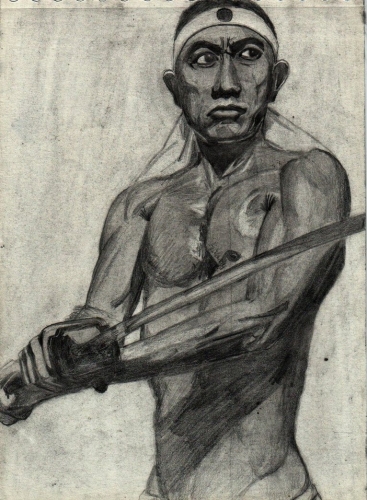 Mishima said, “If we value so highly the dignity of life, how can we not also value the dignity of death? No death may be called futile.”

 del.icio.us
 Digg
Digg Facebook





 L’ouvrage est essentiel car depuis le délire a débordé des campus et gagné la société occidentale toute entière. En même temps qu’elle déboulonne les statues, remet en cause le sexe de Dieu et diabolise notre héritage littéraire et culturel, cette société intégriste-sociétale donc menace le monde libre russe, chinois ou musulman (je ne pense pas à Riyad…) qui contrevient à son alacrité intellectuelle. Produit d’un nihilisme néo-nietzschéen, de l’égalitarisme démocratique et aussi de l’ennui des routines intellos (Bloom explique qu’on voulait « débloquer des préjugés, « trouver du nouveau »), la pensée politiquement correcte va tout dévaster comme un feu de forêt de Stockholm à Barcelone et de Londres à Berlin. On va dissoudre les nations et la famille (ou ce qu’il en reste), réduire le monde en cendres au nom du politiquement correct avant d’accueillir dans les larmes un bon milliard de réfugiés. Bloom pointe notre lâcheté dans tout ce processus, celle des responsables et l’indifférence de la masse comme toujours.
 Tout cela évoque Henry James mais aussi Hemingway, Gertrude Stein, Scott Fitzgerald, à qui Woody Allen rendait un rare hommage dans son film Minuit à Paris – qui plut à tout le monde, car on remontait à une époque culturelle brillante, non fliquée, censurée. Cette soi-disant « génération perdue » des couillons de la presse n’avait rien à voir avec la nôtre – avec la mienne.

 Guénon rajoute dans une note passionnante :




 À l’heure où l’environnement économique et commercial international est de plus en plus complexe et hasardeux, le Comité central du PCC, avec le camarade Xi Jinping comme noyau dirigeant, a lancé en temps opportun le concept de développement innovant, coordonné, vert, ouvert et partagé. M. Xi a indiqué : « Nous devons prendre conscience que l’économie chinoise, en dépit du volume considérable qu’elle représente, n’est pas encore robuste et qu’en dépit de sa croissance très rapide, elle n’affiche pas une qualité optimale. Notre modèle de développement extensif qui misait principalement sur les facteurs de production, en particulier les ressources, pour stimuler la croissance économique et l’expansion du volume économique n’est pas durable. Il est temps d’accélérer notre transformation pour passer d’un développement essentiellement alimenté par les facteurs de production et l’investissement massif à un développement tiré par l’innovation. »





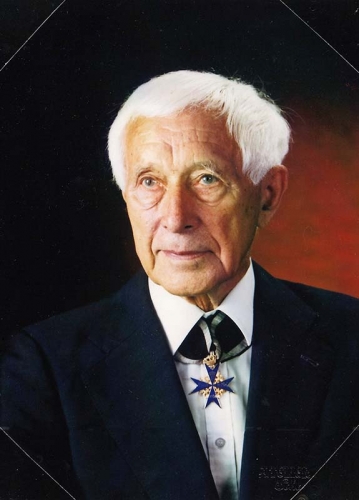 Ernst Jünger appartient incontestablement à ces lettrés allemands qui s’enracinent dans l’âme germanique afin de mieux la dépasser et ainsi accéder au psyché européen. C’est ce qu’avait compris Dominique Venner dans son Ernst Jünger. Un autre destin européen (Éditions du Rocher, coll. « Biographie », 2009). Venner oublie néanmoins d’évoquer la sortie en 1962 de L’État universel dans lequel Jünger ne cache pas ses intentions mondialistes. « Un mouvement d’importance mondiale, y écrit-il, est, de toute évidence, en quête d’un centre. […] Il s’efforce d’évoluer des États mondiaux à l’État universel, à l’ordonnance terrestre ou globale (L’État universel suivi de La mobilisation totale, Gallimard, coll. « Tel », 1990, p. 40). » Pour Jünger, la saturation maximale de la Technique et l’assomption du Travailleur aboutissent à l’État universel. Pourtant, l’intrigue du roman de 1977, Eumeswil, se déroule dans une ère post-historique survenue après l’effondrement de l’État universel et la renaissance des cités-États.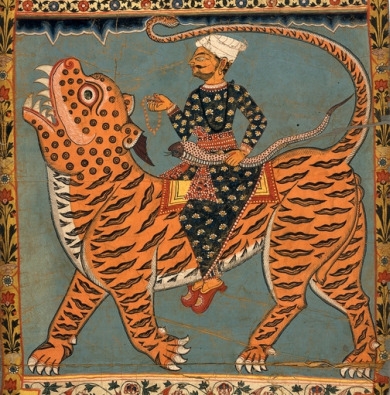
 Publié à l’origine en hongrois fin 2012 en tant qu’anthologie des articles d’Evola sur la jeunesse et la Droite, A Handbook For Right-Wing Youth (Un manuel pour la jeunesse de Droite) est maintenant disponible grâce à Arktos en anglais. Nous espérons qu’une version française verra le jour tôt ou tard. En effet, l’influence d’Evola sur la désormais célèbre Nouvelle Droite française et tous ses héritiers (des identitaires aux militants nationalistes-révolutionnaires et traditionalistes radicaux), sans oublier le fondateur du présent site, Georges Feltin-Tracol (4), et certains contributeurs tels Daniel Cologne (5) et votre serviteur lui-même, est tout simplement énorme.



 Noboru is fascinated with the sea and ships. He convinces his mother to take him to a port, where a sailor by the name of Ryuji Tsukazaki, second mate aboard a freighter ship, shows him around his ship. The reader is introduced to Ryuji when Fusako invites him to the Kurodas’ home and Noboru observes the two embracing through a hole in the wall behind a chest in his bedroom.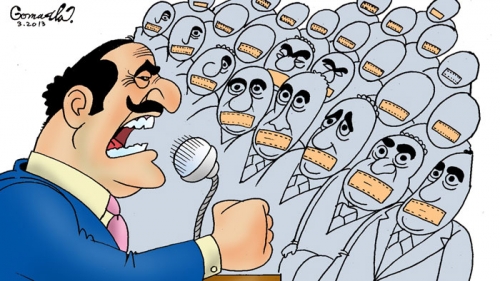
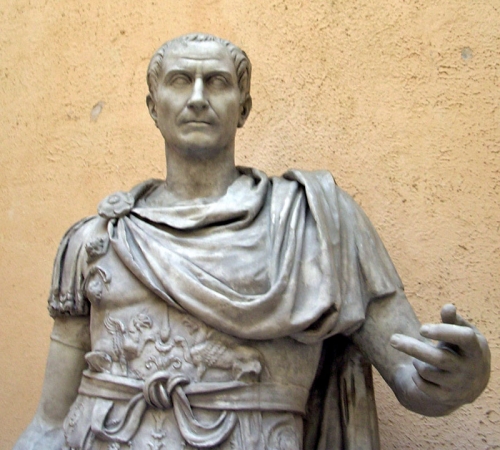
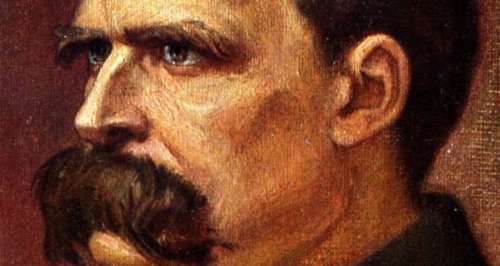
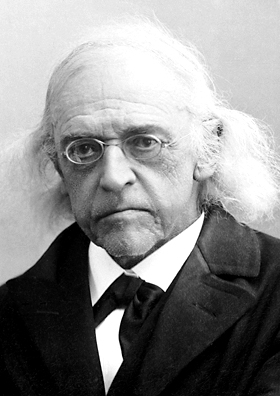 Was de geschiedenis van Rome een voorafspiegeling van die van het Duitsland waarin Theodor Mommsen leefde en stierf?
  Zijn die harde woorden, die harde oordelen van Mommsen over Bismarck en het door hem verenigde Duitsland wel gerechtvaardigd?

 Lisez le livre définitif sur l’homosexualité et la question nazie, écrit par l’ancien chroniqueur du Monde Philippe Simonnot. Il se nomme Le Rose et le brun et montre bien que ce détraquement sexuel bien germanique que l’on observe sous Merkel a des origines bien brunes – et même impériales (scandale Krupp, entourage du Kaiser, etc.). On pourra aussi souligner la parenté de la tyrannie Merkel avec celle de l’eschatologique figure dans le meilleur épisode d’Harry Potter (phénix). Angela Merkel illustre bien l’autoritarisme rose bonbon de Dolores Umbridge, professeur en arts obscurs.



Die Leute werden nicht müde, trotz Abwesenheit allgemein akzeptierter Autoritäten, von indiskutablen letzten Werten, verbindlichen Normen sowie gemeinsamen Überzeugungen über Politik zu reden.
Demokraten z.B. gehen davon aus, dass ihresgleichen einer mit sachlichen Argumenten geführten Diskussion zugänglich sein muss. Es kann ja gar nicht anders sein. Nach ihnen hat die Vernunft es so eingerichtet, dass „wir Demokraten“ miteinander reden können. Schließlich sind wir alle – d.h. „wir Demokraten“ – vernünftig.
In der Demokratie zählt Gleichheit mehr als Vernunft
Dabei wird vergessen, dass in der Demokratie die Gleichheit der Vernunft übergeordnet ist: Entweder ist die Vernunft allen Individuen gleichermaßen angeboren, oder aber wir haben kein individuelles Vernunftvermögen, welches uns bezüglich der Vernunft voneinander unterschiede.
Entweder sind „wir Demokraten“ alle von Natur aus gleich weise, einsichtig und vernünftig bzw. töricht, uneinsichtig und unvernünftig, oder aber „wir Demokraten“ können nachträglich gemeinsam übereinkommen in Einsicht, Verständigkeit und Besonnenheit, bzw. in Torheit, Unverstand und Wahnsinn, vermittels der Gleichheit.
Unmöglichkeit der Diskussion
Trotz demokratischer „Gleichberechtigung“ in der Diskussion sollte die Pattsituation, in der sich jede Diskussion von selbst erübrigt, die demokratische Situation schlechthin sein. Denn dem der Demokratie zu Grunde liegenden individualistischen Gleichheitsgrundsatz, der von der geistigen Autarkie und Autonomie der Einzelnen ausgeht, entspricht es nämlich beileibe nicht, von anderen zu fordern, sie möchten die besseren eigenen Argumente doch einsehen, sie akzeptieren und, infolgedessen, sich selbst zu eignen machen.
So betrachtet ist Überzeugen keine Option, sondern ein Wahn: von mir kann vernünftigerweise niemand verlangen, den Willen aufzubringen, je nachdem, entweder andere überzeugen zu wollen, oder aber mich überzeugen zu lassen. Längst gibt es die schwächlichen, den Gegenüber angeblich beschwichtigenden Wendungen: „Ich will die ja gar nicht überzeugen“ und „Das ist einfach nur meine persönliche Meinung ohne jeden Anspruch auf Wahrheit“.
Liberale Demokratie und „dialogische Form“ schließen einander aus
Die liberale, fälschlich für dialogisch gehaltene Form der Demokratie, welche auf der unentwegten gegenseitigen Zusicherung von Gesprächsbereitschaft – „parlement“ – beruht, erweist sich bei näherem Hinsehen als Chimäre. Soll überhaupt ein Dialog stattfinden, müssen die Kontrahenten einander wirklich ebenbürtig sein. Ebenbürtigkeit aber schließt Gleichheit mit Nichtebenbürtigen von vornherein aus. Und ebenbürtig ist auch nur der, der gleich geartet, d.h. gleichen Geistes und Gemüts wie einer selbst, ist. Damit aber ist ein Schlussstrich unter die Demokratie gezogen.
Nach Einigung auf die Sachlichkeit der Argumente erfordert der Dialog von beiden Seiten noch behelfsmäßige Annahme, Prüfung, Erörterung, Auseinandersetzung sowie beiderseitige Willfährigkeit, zu überzeugen und sich überzeugen zu lassen, gerade weil beider Leitstern die Wahrheit ist. Denn wäre sie das nicht, wozu dann diskutieren, meinen, reden? Wer ohne Wahrheit, d.h. vernunftlos, redet, redet einfach nur der Rede wegen, oder aber weil es ihm um nichts anderes als um die Vormacht geht, und zwar nicht um die Vormacht im Gespräch, sondern um die wahre, die handfeste Vormacht.
„Demokratie“ als Recht des Stärkeren – Recht des Listigeren
Innerhalb der liberalen Demokratie ist es um dialogische Form von vornherein schlecht bestellt: Gibt es doch tatsächlich Menschen, die zu ihrer natürlichen geistigen Begnadetheit auch noch die notwendige Selbstbeherrschung mitbringen, um allein Dienst an der Wahrheit zu tun. In der Konfrontation mit ihnen landen unsere gesprächsbereiten Demokraten früher oder später bei Machiavellis Standpunkt, dass die sicherste Art zu herrschen – bzw. davon abgeleitet: in der Diskussion zu triumphieren – immer noch die der Zerstörung (des Gegners) ist.
Dabei ist die einzige Herrschaft, für die gestritten werden sollte, die der Wahrheit. Demokraten aber geht es letztlich auch nur um ihre Herrschaft. Innerhalb des liberalen gesellschaftlichen Redeflusses sind „gleiche Chance“ und „Gleichberechtigung“ daher nichts anderes als Chiffren: Für den Einzelnen chiffrieren sie seine Selbstsucht und seinen Eigennutz, für Gruppen und Parteien die eigene Selbstgerechtigkeit und Scheinheiligkeit, also ebenfalls Selbstsucht und Eigennutz. „Demokratie“ kann deshalb sowohl Recht des Stärkeren als auch Recht des Listigeren, vor allem des Hinterlistigeren, bedeuten.
Von der liberalen Demokratie zur Wissensgesellschaft
Die Schwierigkeit der dialogischen Form, die sie auch mit der liberalen Demokratie unvereinbar macht, liegt in ihren individuellen Voraussetzungen. Nicht jeder Mensch ist fähig und auch willens, im Dialog der Wahrheit uneigennützig zum Siege zu verhelfen. Vielmehr gilt: Für Eigensinn und Willen zur Macht gibt es kein besseres Mistbeet und Treibhaus als eben unsere liberale Demokratie, die sich selbst „Wissensgesellschaft“ zu nennen goutiert.
Aus ihr sprießen Heerscharen von Schulmeistern, sonstigen wissenden Widerspruchswichten aber auch grobianischen Wortberserkern. Sokrates selbst findet freilich auch unzählige Nachahmer, unter denen sich aber kein einziger echter Sokrates auffinden lässt, sondern einfach nur Papageien. Kein Mensch hat Nerven, die demokratische Pattsituation zu akzeptieren. Auch sind es immer wieder liberale Demokraten, die ein geradezu pathologisches Mitteilungsbedürfnis haben. „Lakonisch“ und „liberal“ sind nicht nur politisch Gegensätze. Sie sind es auch in der Rede.
Machtmensch vs. Dialogiker
Dem Dialogiker, der sich unvorsichtigerweise darauf eingelassen hat, mit Machtmenschen zu reden, kommt seine Unvorsicht teuer zu stehen. Der Machtmensch dankt dem Dialogiker seine Gesprächsbereitschaft nicht. Im Gegenteil versucht er ihn zu überbieten. Aufgrund der demokratischen Gleichheit hegt der Machtmensch nämlich den Verdacht, der Dialogiker wolle ihn überbieten.
Damit ihm ja nicht geschehe, was er selbst seinem Gegenüber, seinem potentiellen Opfer, antun will, bietet er alles auf, um durch vorauseilendes Übertrumpfen zu verhindern, dass er zum Überbotenen und, somit, zum Besiegten werde. Die Mittel dazu sind: den Gegenüber sprachlos, rhetorisch, logisch und auch bezüglich Einzelheiten platt zu machen. Und zu diesem Zweck werden Kampfmittel aufgefahren und sogar Täuschungsmanöver angewandt.
Alles eine Machtfrage!?
Das Gespräch ist ein Kampf. Der Soziologe Gabriel de Tarde hat sogar von einem „logischen Zweikampf“ gesprochen. Und die alten Griechen kultivierten den rhetorischen Wettkampf wie jeden anderen Wettkampf auch. Der Machtmensch aber macht aus diesen logischen Wettkämpfen einen Ringkampf um die Macht, bei dem jegliches Einhalten von Regeln zu seinen eigenen Ungunsten ausschlagen würde.
Nichts liegt ihm ferner als liberales Fairplay. Argumente sind ihm Waffen und Waffen Argumente. Selbst die behelfsmäßige Annahme, getätigt im Dienste der Wahrheit, sein Gegenüber könnte Recht haben, verlangt ihm eine Liebe zur Wahrheit (Philosophie) ab, die er gar nicht haben kann. Und, anstatt die Willfährigkeit und die sich aus ihr ergebende Bereitschaft, zu überzeugen und selbst – wenn auch nur der Möglichkeit nach – überzeugt zu werden, mitzubringen, bringt er ganz einfach den Willen zur Macht mit. Und selbst für gewitztere (liberale) Demokraten, die als ihre einzigen Waffen entwaffnenden Humor und Ironie mitbringen, ist allein der Wille zur Macht maßgebend.
Sektierer, Gemeinde und Gesinnungspolizei in einer Person
Das politische Gespräch heutzutage ist eine Unmöglichkeit. Hauten sich die Leute gegenseitig die Köpfe ein und schwiegen sie – oder umgekehrt – wäre ihnen besser gedient. Es ist nämlich ganz zwecklos, mit anderen Menschen über Politik ins Gespräch zu kommen. Man scheint in die Lage des inneren Exilanten Machiavelli versetzt, der sein Zwiegespräch mit den römischen Klassikern hielt, um über Politik reden und schreiben zu können.
Oder aber in die Platos, des Meisters des Dialogs, der sich seine Dialogpartner selbst ersann um die Dinge der Politik dialogisch-dialektisch auseinanderzusetzen. Oder aber in die Rankes, welcher durch die beiden Brüder seines „politischen Gesprächs“ selbst zu Wort kam. Die Benimmregel, aus Gründen des Zusammenlebens bei Tisch nicht über Politik, Religion und Fußball – was im Grunde alles dasselbe ist – zu reden, kann man getrost auf die ganze gnostische Wissensgesellschaft ausdehnen: In ihr ist jeder sein eigener Sektierer und sich selbst dazu noch die Gemeinde.
Damit sind Sektierer und Gemeinde in einer Person vereint und die Gesinnungspolizei, die man ebenfalls selbst ist, hat allerhand zu tun, sowohl mit gleich und als auch ungleich gearteten Menschen verbal handgreiflich zu werden.