


Cet article de Jean-Dominique Merchet est paru dans Marianne, n° 707 – Magazine, samedi 6 novembre 2010, p. 70.
Dans « Carnages – Les guerres secrètes des grandes puissances en Afrique », dont nous publions en exclusivité des extraits, Pierre Péan révèle les guerres secrètes que se livrent les puissances occidentales à l’ombre des massacres, dans la région des Grands Lacs. Une cynique partie d’échecs d’où les Etats-Unis, aidés de la Grande-Bretagne et d’Israël, évincent peu à peu la France.

Peut-on cacher un génocide ? La question semble à peine croyable, et c’est pourtant celle qui se trouve au coeur du nouvel ouvrage de Pierre Péan, « Carnages – Les guerres secrètes des grandes puissances en Afrique ». Sur près de 600 pages, le journaliste français revient, avec de nombreuses révélations, sur les «guerres secrètes» en Afrique, en particulier dans la région des Grands Lacs.
La thèse qu’il défend – et qui ne manquera pas de provoquer de vives polémiques – est qu’à la suite du premier génocide au Rwanda, en 1994, un second a été commis, en 1996-1997, par les victimes de la veille – les Tutsis – à l’encontre des Hutus réfugiés en République démocratique du Congo (RDC, ex-Zaïre). Et que ces massacres, qui ont causé la mort de millions de personnes, se sont déroulés avec la bienveillance des Etats-Unis, quand ce n’est pas leur participation directe, comme le montrent les extraits que nous publions.
Une « question irrésolue »
Depuis 1994, la France est régulièrement accusée de complicité dans le génocide du Rwanda. Pierre Péan avait consacré en 2005 un premier livre – « Noires fureurs, blancs menteurs » (Fayard) – à la réfutation de cette thèse. Il renverse aujourd’hui carrément la table en accusant les procureurs d’être complices de massacres à grande échelle !
L’actualité sert sa thèse. Publié en août 2010, un rapport du Haut-Commissariat des Nations unies aux droits de l’homme évoque pour la première fois de manière officielle, même si c’est avec les prudences diplomatiques d’usage, la possibilité qu’un second génocide ait bien été commis par les troupes du président rwandais Paul Kagamé et de ses alliés : « La question de savoir si les nombreux graves actes de violence commis à l’encontre des Hutus (réfugiés et autres) constituent des crimes de génocide demeure irrésolue jusqu’à présent ».
En clair : on ne peut plus l’exclure ! Ce rapport a suscité la colère du Rwanda autant que la gêne chez ses alliés américains. Les soutiens français de Kigali – qui ne veulent connaître que les supposés crimes de l’armée française et les turpitudes de la politique de François Mitterrand – sont consternés.
Fidèle Israël
Pierre Péan, lui, jubile. Et cogne encore plus fort, au risque de prendre quelques mauvais coups. L’homme ne fait pas dans la dentelle. On lui doit des enquêtes journalistiques qui ont fait date : celle sur le passé vichyste de Mitterrand (« Une jeunesse française », Fayard, 1994), sur le journal le Monde (« La Face cachée du Monde », avec notre collaborateur Philippe Cohen, Mille et Une Nuits, 2003) ou plus récemment sur Bernard Kouchner (« Le Monde selon K », Fayard, 2009).
Mais la grande passion de ce journaliste, né en 1938, est l’Afrique, un continent qu’il arpente depuis 1962. Carnages est une somme, celle de « Pierre l’Africain », comme disent ses amis. Il y raconte le jeu des grandes puissances, Etats-Unis en tête, sur ce continent depuis la Seconde Guerre mondiale.
Son propos est centré sur la région des Grands Lacs : Rwanda, Ouganda, Soudan, RDC… Une région regorgeant de minerais et de querelles ethniques, d’ambitions politiques et de massacres à grande échelle. Des millions de civils – personne ne connaît le chiffre exact – y sont morts en une quinzaine d’années.
Ce qui révolte Pierre Péan, ce sont « les militants qui trient entre les bons et méchants morts, en usant du tamis de la repentance », comme si les « maux d’Afrique ne s’expliquaient que par un seul mot : la France ».
Cette France qui a été mise hors jeu par les Américains, à deux reprises, lorsque Jacques Chirac voulut déclencher une opération militaro-humanitaire pour venir en aide aux réfugiés (lire pages suivantes). Pierre Péan révèle par exemple comment les hommes de la DGSE infiltrés au Congo durent être rapatriés illico, sans doute à la demande de Bill Clinton.
La parution de « Noires fureurs, blancs menteurs avait valu de sérieux ennuis à son auteur, tant il remettait en cause le consensus « droits-de-l’hommiste » au sujet du Rwanda. Homme de gauche, « j’étais devenu pour une fraction de l’élite française raciste, révisionniste, négationniste et antisémite », confie-t-il. Des procès lui furent intentés, en France et en Belgique.
SOS Racisme l’accusa d’ « incitation à la haine raciale », son président, Dominique Sopo, expliquant qu’ « évoquer le sang des Hutus, c’est salir le sang des Tutsis ». Débouté en appel en novembre 2009, SOS Racisme s’est pourvu en cassation. Auprès de ses ennemis, le nouveau livre de Péan ne va pas arranger son cas.
Non seulement il s’en prend au « trucage des chiffres des victimes » par le régime rwandais, mais il décrit en détail le rôle peu connu de l’Etat d’Israël dans cette région. L’Etat hébreu, fidèle allié de Kagamé – une alliance qui va au-delà des intérêts stratégiques bien réels des parties en présence et repose sur la vision d’une concordance symbolique entre la Shoah et le génocide de 1994. Critiquer le Rwanda reviendrait en quelque sorte à s’en prendre à la Shoah…
« J’en vins à me demander s’il n’y avait pas un lien entre les attaques dont j’étais l’objet de la part de l’Union des étudiants juifs de France, de l’Union des patrons et des professionnels juifs de France et d’intellectuels comme Elie Wiesel, et l’intérêt géopolitique porté par Israël au Rwanda », s’interroge Péan.
L’enquêteur ajoute aujourd’hui une nouvelle pièce au dossier, en abordant la question du Soudan. Il établit un lien entre la volonté de l’Etat d’Israël d’affaiblir – en le divisant – le plus grand pays d’Afrique et les campagnes humanitaires, en France comme aux Etats-Unis, sur les massacres au Darfour. Voilà qui ne va certainement pas apaiser le débat… Mieux vaut donc juger sur pièces.
——————————-
EXTRAITS
Une version tronquée de l’histoire des Grands Lacs
Plus de 8 millions de morts ? Qui en parle ? Depuis la fin de la guerre froide, la région des Grands Lacs est devenue celle de la mort et du malheur dans une indifférence quasi générale.
Avec 2 millions de Rwandais exterminés en 1994 à l’intérieur du Rwanda (1), plus de 6 millions de morts rwandais et congolais dans l’ex-Zaïre, des centaines de milliers de Soudanais tués, de nombreuses victimes ougandaises, plus de un demi-million de morts angolais, des millions de déplacés, quatre chefs d’Etat et des centaines de ministres et autres dirigeants assassinés, des dizaines de milliers de femmes violées, des pillages éhontés, cette zone a le triste privilège d’avoir subi plus de dommages que ceux additionnés de toutes les guerres intervenues de par le monde depuis la fin de la Seconde Guerre mondiale.
Pourtant, les médias, dans leur très grande majorité, n’ont parlé, ne parlent et ne pleurent que les centaines de milliers de victimes tutsies du Rwanda, dénoncent les Hutus comme seuls responsables directs de ces boucheries, et les Français, qui les auraient aidés dans leur horrible besogne, faisant de François Mitterrand et d’Edouard Balladur des réincarnations d’Hitler, et des soldats français, celles de Waffen SS.
Une version officielle, affichée non seulement par Paul Kagamé, l’actuel président du Rwanda, mais également par le Tribunal pénal international pour le Rwanda (TPIR), le bras justicier de la communauté internationale, et par les Etats-Unis, le Royaume-Uni et la majorité des autres pays…
(1) Chiffre fourni par le ministère de l’Intérieur rwandais en décembre 1994.
Les gardiens de la vérité officielle
Convaincu par mes enquêtes que Paul Kagamé, l’actuel chef d’Etat du Rwanda, avait commandité l’attentat contre l’avion qui transportait son prédécesseur – attentat qui déclencha en avril 1994 le génocide des Tutsis et des massacres de Hutus -, quand il était attribué aux extrémistes hutus, je décidai en 2004 de chercher à comprendre ce qui s’était réellement passé.
Je découvris rapidement l’incroyable désinformation qui avait accompagné la conquête du pouvoir par Paul Kagamé, et les moyens mis en oeuvre pour décourager ceux qui seraient tentés de s’opposer à la doxa. Des moyens qui ressemblent fort à des armes de destruction massive : grâce à une analogie abusive entre le génocide des Tutsis et la Shoah, les gardiens de la vérité officielle traitent les contrevenants de négationnistes, de révisionnistes, de racistes, voire d’antisémites.
[...] J’ai décidé de reprendre mon enquête et de l’étendre en l’insérant dans l’histoire de la région des Grands Lacs et de l’Afrique centrale, pour comprendre comment et pourquoi avait pu ainsi s’installer une version tronquée de l’histoire de la tragédie rwandaise. [...]
J’ai travaillé à mettre au jour les actions – ouvertes et clandestines – des Etats-Unis, depuis les années 80, dans la région des Grands Lacs, visant à un nouveau partage des zones d’influence sur le continent africain, et le » scandale géologique » que constitue le fabuleux sous-sol du Zaïre, redevenu aujourd’hui Congo et convoité par tous. [...]
Contre-offensive impossible
Officiellement, à partir d’octobre 1996, le Zaïrois Laurent-Désiré Kabila a mené une guerre de libération en vue de chasser le président corrompu Mobutu Sese Seko. La réalité fut bien différente : Laurent-Désiré Kabila n’était alors qu’une marionnette de Kigali, de Kampala et de Washington.
Une nouvelle boucherie, après celle du Rwanda, visant cette fois à exterminer les seuls Hutus ayant fui le Rwanda, déclarés « extrémistes » par la propagande, se déroula dans un silence assourdissant des principaux médias.
Les services secrets français étaient parfaitement au courant que des forces spéciales américaines, les services secrets et des avions américains renseignaient les soldats rwandais et ougandais dans leur chasse aux Hutus dans l’immense Est congolais. L’exécutif français s’interrogea alors sur l’opportunité d’arrêter la marche de Kabila et de ses « parrains » sur Kinshasa.
La désinformation efficace sur le rôle de la France en Afrique en général et au Rwanda en particulier rendait désormais impossible toute contre-offensive, qui aurait mis face à face Français et Américains. Jacques Chirac décida in fine de ne pas envoyer de forces spéciales françaises à Kisangani début 1997.
Quand l’armée américaine participe à la traque des Hutus au Congo…
Washington porte une lourde responsabilité dans ce qu’un prérapport de l’ONU rendu public en août 2010 décrit comme un probable génocide commis en République démocratique du Congo en 1996 et 1997.
Pourquoi tant de diplomates, tant de militaires et d’agents secrets américains ont-ils été mobilisés pour parler d’une situation que les journalistes ne pouvaient directement appréhender ? Parce que la grande puissance américaine, celle qui, avec ses satellites, ses écoutes, ses hélicoptères et ses avions, aidait ceux qu’on nommait « rebelles », mais qui, en réalité, étaient en très grande majorité des Rwandais ou des Ougandais, à localiser les prétendus « génocidaires » pour les liquider.
Comment ne pas être révolté par la passivité, voire par la bienveillante sollicitude du Haut-Commissariat aux réfugiés ? Comment accepter la propagande officielle de l’époque, qui voulait que les Hutus n’eussent que ce qu’ils méritaient et que les Tutsis exerçassent là un légitime droit de revanche ? Alors que, justement, la version officielle de l’histoire, reçue et acceptée par la communauté internationale, est fausse ?
[...] Les services secrets français – Direction du renseignement militaire (DRM) et Direction générale de la sécurité extérieure (DGSE) – sont très avertis de ce qui se passe aux frontières du Kivu, fin octobre-début novembre 1996.
Le camp de Kibumba dans la région de Goma est bombardé : quelque 200.000 réfugiés partent vers le camp de Mugunga. Le camp de Katale est attaqué à l’arme lourde, et Bukavu, la capitale du Sud-Kivu, est pris par les « rebelles ». Les camps des alentours sont détruits, provoquant la fuite de 250.000 personnes à travers la forêt équatoriale vers Kisangani…
Militaires et services ne se contentent pas des images satellite fournies par les Américains, sur lesquelles on ne voit pas de réfugiés ; elles ne donnent à rien voir qui corresponde aux informations qui leur remontent du terrain, par de nombreuses sources humaines. Début novembre 1996, un Breguet Atlantic localise des cohortes de réfugiés et rapporte des photos qui montrent deux hélicoptères américains, des Black Hawks.
Poker menteur entre Paris et Washington
Les espions français s’interrogent sur le rôle des bérets verts, les commandos des US Army Special Forces, lors des massacres qui ont suivi la prise de Bukavu, fin octobre 1996. Ils se demandent aussi quelle est l’origine des mitraillages aériens opérés de nuit contre les camps de réfugiés : « Cela pose de graves questions quand on sait que parmi les avions américains déployés figurait au moins un C-130 Gunship des forces spéciales, véritable canonnière volante. Que faisait-il là si, comme le disait alors le commandement américain, il s’agissait seulement de rechercher des réfugiés pour étudier ensuite les moyens de leur porter assistance ? »
Malgré ce questionnement sur le rôle ambigu de Washington, pas plus l’état-major que les politiques français n’envisagent une quelconque action sans les Américains ou, à plus forte raison, contre eux. Mais la « forte dégradation de la situation humanitaire » entraîne les uns et les autres à envisager dans les plus brefs délais une opération militaire multinationale dans le Kivu, tout au moins à en émettre l’idée. Le Centre opérationnel interarmées (COIA) est chargé par l’état-major d’en définir les contours possibles.
Le 5 novembre, une note signée de Jean-Pierre Kelche, major général de l’état-major, arrive sur le bureau du ministre de la Défense, Charles Millon : « L’effet majeur d’une opération militaire au Kivu visera à stabiliser les réfugiés dans une zone dégagée de forces constituées ».
Les rédacteurs estiment indispensable la participation de pays européens (France, Espagne, Belgique, Allemagne et Grande-Bretagne), mais soulignent qu’un «commandement centralisé (préconisé) devrait être proposé aux Américains dont la présence au sol garantirait la neutralité rwandaise». « L’action militaire sera limitée à une sécurisation de zones, au profit des organisations humanitaires ». Le général Kelche envisage un déploiement de 1.500 à 2.000 hommes.
Le lendemain, lors d’un conseil restreint de défense, Jacques Chirac accepte les propositions du COIA, et insiste sur l’implication américaine, c’est-à-dire que « la France interviendra si les Américains interviennent avec du personnel au sol ». Et, quant à la nationalité française ou américaine du commandement de l’opération, le président n’a pas de préférence. Après le fiasco politico-médiatique, deux ans plus tôt, de l’opération «Turquoise», il n’est pas question pour la France de se lancer seule dans une telle opération…
Immédiatement après ce conseil restreint, diplomates et militaires prennent langue avec les Américains. [...] Les Français s’aperçoivent vite que les Américains, malgré quelques bonnes paroles, jouent déjà une autre partition. Si le général George A. Joulwan promet de mettre à disposition des C5 Galaxy pour projeter, si nécessaire, matériels et hommes vers le Kivu, les interlocuteurs des Français refusent d’engager leurs troupes sur le terrain.
Paris et Washington ont déjà commencé une partie de poker menteur. Alors que, sur le terrain, les acteurs rwandais, ougandais et américains ont parfaitement conscience de mener un combat indirect contre Paris, les contacts entre diplomates et militaires à Washington, Paris ou Stuttgart se déroulent entre gens de bonne compagnie.
[...] Le Monde du 8 novembre 1996 résume ainsi la situation : « La France a du mal à convaincre l’ONU de l’urgence d’une intervention au Zaïre ». Elle a du mal parce que Washington et ses alliés africains ne veulent pas que la France revienne dans la région et contrarie leurs plans, mais Paris veut croire qu’il a encore la main.
Pour ne pas s’opposer frontalement à la France, Washington monte alors une opération astucieuse destinée à enterrer le projet sans pour autant se mettre à dos l’opinion publique : elle consiste à demander au Canada de constituer cette force, d’en réunir les éléments et d’en déterminer les règles… Commence alors une grande agitation qui n’est qu’un leurre.
Politiques et militaires français n’ont pas compris tout de suite que l’opération lancée par le Premier ministre canadien Jean Chrétien à la demande des Américains ne vise qu’à enterrer le projet de Chirac et à laisser les mains libres aux Américains, ainsi qu’à leurs marionnettes rwandaises et ougandaises dans la région des Grands Lacs.
Pendant quelques jours, l’état-major croit à l’acceptation d’un déploiement d’une force franco-britannique sous commandement canadien dans la région sud du Kivu. A preuve, une mission de reconnaissance effectuée par des militaires britanniques, sous le commandement du brigadier général Thomson (Royal Marines), avec trois officiers français, dirigés par le colonel Philippe Tracqui, qui est le numéro 2 du Centre opérationnel de l’armée de terre (Coat).
Dès le début, Tracqui et ses deux compagnons ont compris que quelque chose ne collait pas. [...] Le rapport de Tracqui, daté du 21 novembre, lève les dernières interrogations sur la place désormais accordée à la France dans les Grands Lacs et sur les manoeuvres américaines. «Les Américains sont tout à fait opposés à une action militaire au Sud-Kivu», écrit Tracqui. [...]
Thomson a donné à Tracqui un mémorandum du général Smith, rédigé le 16 novembre à Entebbe, qui dévoile la position américaine. « Depuis vingt-quatre heures, la situation s’est arrangée, tout va bien à Goma, et la nature des besoins humanitaires s’en trouve changée. Bien qu’il ne soit pas encore possible d’apprécier exactement le nombre total des réfugiés qui vont rentrer ou ceux qui auraient l’intention de le faire dans les prochains jours, il est clair qu’il n’existe plus en ce moment de crise humanitaire justifiant une action militaire d’urgence », écrit le général américain qui ne réclame donc aucun moyen supplémentaire.
[...] Le soir de ce 16 novembre 1996, à Entebbe, le général américain Smith dirige une réunion de planification à laquelle participe le lieutenant-colonel Pouly, de la Direction du renseignement militaire française. Pouly [...] sait que la situation décrite par l’Américain est fausse. Il ose prendre la parole après le général américain et lui fait remarquer que son appréciation de la situation ne fait aucun cas des 700.000 réfugiés et 300.000 déplacés du Sud-Kivu.
Le numéro 2 du Coat rapporte toutes les informations fournies par Pouly, le meilleur spécialiste militaire français de la région des Grands Lacs. Pouly est convaincu que « les Américains présents dans la région des Grands Lacs, qu’il s’agisse des diplomates de Kigali ou des militaires isolés à Entebbe, ne souhaitent aucune présence dans la région ».
Il a noté « l’existence à Kigali d’une importante mission militaire de coopération américaine qui a compté jusqu’à 50 personnels. Elle s’occupe de la formation militaire de l’APR [l'Armée patriotique rwandaise], fait de l’instruction de déminage, de la formation à l’action psychologique avec des spécialistes appartenant au 4e bataillon de Fort Bragg, notamment pour ce qui concerne les opérations de propagande liée à l’organisation des retours ». L’espion français a appris que « les équipes psyops américaines, chargées des opérations psychologiques, c’est-à-dire d’influencer l’opinion, sont en place et opèrent à partir de Kigali, depuis trois mois ».
L’initiative de la France pour venir en aide aux réfugiés rwandais a été brisée dans l’oeuf, au grand soulagement des Etats-Unis, du Rwanda et de l’Ouganda.
Décrédibilisée par l’action de tous les psyops rwandais et américains relayés par les porte-voix occidentaux du Front patriotique rwandais, le parti du président Kagamé, et par la plupart des médias, y compris par de nombreuses bonnes âmes françaises, la France n’a rien pu faire pour stopper les massacres de masse organisés de Hutus. Les massacres vont donc pouvoir se poursuivre, après l’enterrement sans fleurs ni couronnes de la force multinationale.
Quelques notes subtilisées aux services secrets ougandais et rwandais montrent même un engagement américain et britannique beaucoup plus accentué. Les moyens qui ont été mis en oeuvre sont énormes. Un réseau ultramoderne de satellites espions (intelligence communication network), couvrant la zone de Kigali à Brazzaville pour recueillir, contrôler et neutraliser toutes les informations en langues française et locales, a bien été déployé pour le compte des Américains, des Britanniques et des Ougandais.
Pas d’objection à l’ « anéantissement »
Selon les documents ougandais et rwandais, des avions américains seront spécialement affectés à la traque des Hutus qui se cachent dans les forêts (Report 678 ref 567/JL/RW/UG) : « Il a été conclu que les forces aériennes américaines enverront 3 P-3 Orion Propeller Planes à Entebbe. Ils opéreront pendant la journée d’Entebbe au Zaïre, à la recherche des Hutus qui se cachent dans les forêts. Les avions seront équipés de trois équipements [il s'agit en réalité de trois spécialistes chargés de contrôler une cinquantaine d'ordinateurs] destinés à traquer les mouvements des gens sur le terrain ».
Concoctés par Paul Kagamé, les plans d’attaque et de démantèlement des camps de réfugiés hutus dans l’ex-Zaïre sont présentés aux Américains pour approbation, comme le montre une note (Plan 67 ref 67/JL/RW/ZR) : « Les plans visant à attaquer les Hutus dans l’est du Zaïre ont été finalisés. Octobre et novembre 1996 sont les meilleurs mois pour l’opération. L’ONU sera engagée dans le processus de fournir les prochaines livraisons de vivres et nous saboterons ce processus ».
Une réunion entre services ougandais et rwandais (Crisis 80/L ref 78/RW. Doc) définit le modus operandi d’une action dans laquelle 30 soldats rwandais vont monter une attaque déguisés en miliciens hutus : « Il y a besoin de liquider les Hutus Interahamwe [miliciens impliqués dans le génocide de 1994] dans l’est du Zaïre. Nous avons pénétré les camps de réfugiés de Katale et Kahindo. Nous allons aider le Rwanda à exécuter l’opération afin de forcer l’ONU à fermer les deux camps. Opération : 30 soldats de l’APR vont déclencher une attaque contre les autochtones zaïrois en se faisant passer pour Interahamwe. On procédera à la destruction de leurs propriétés. Une attaque similaire avec armes à feu sera mise en oeuvre aux heures de nuit au Rwanda. Le gouvernement du Rwanda devra alors se plaindre auprès de l’ONU. Si l’ONU est lente à réagir, une opération sans annonce préalable se perpétrera alors et anéantira toutes les milices hutues se trouvant dans ces camps. L’opération d’anéantissement est approuvée sans aucune objection ».
Les dates d’un conflit
1994, premier génocide.
Le 6 avril, l’assassinat du président du Rwanda, Juvénal Habyarimana, met le feu aux poudres. Déclenchement du génocide contre la minorité tutsie et les Hutus modérés (800.000 morts). Venu de l’Ouganda, le Front patriotique rwandais (FPR) de Paul Kagamé (Tutsi) conquiert le pays et le pouvoir. Devant l’échec de la communauté internationale, la France déclenche l’opération « Turquoise ». Des centaines de milliers de Hutus – dont certains responsables du génocide – fuient le pays vers le Zaïre, où ils s’entassent dans des camps.
1996-1997, second génocide.
La guerre se déplace dans l’est du Zaïre. Avec le soutien du Rwanda et de l’Ouganda, des Zaïrois menés par Laurent-Désiré Kabila renversent le président Mobutu. Le Zaïre devient la République démocratique du Congo (RDC). Des massacres de grande ampleur – le second génocide aujourd’hui évoqué – sont commis à l’encontre des réfugiés hutus. Les Américains empêchent, à deux reprises, une intervention française pour y mettre fin. La guerre va se poursuivre en RDC jusqu’en 2002. Elle aurait fait plusieurs millions de morts.
Lire aussi : « Noires fureurs, blancs menteurs : Rwanda 1990-1994 »

 del.icio.us
 Digg
Digg Facebook
 Cette vision a été élaborée en utilisant une méthodologie fondée sur de nombreux emprunts aux enseignements de Marcel Merle (1), à la méthode prospective d'Hugues de Jouvenel et à l'œuvre d'Edgar Morin avec lesquels j'ai eu la chance de partager des réflexions dans le cadre de Futuribles et de la Fondation pour les études de défense à l'époque où elle était présidée par le général Buis.
 Écrit par un collectif d’auteurs dont certains avaient déjà participé à la rédaction du roman d’anticipation politique Eurocalypse et qui ont assimilé l’œuvre de Jean Baudrillard, Choc et Simulacre est un ouvrage dense qui interprète, d’une manière décapante, les grands événements en cours.



 (1968),
  (1970), and
  (1972). Baudrillard believed that there were four ways an object acquired value: through its functional value (similar to the Marxian use-value); through its exchange, or economic value; through its symbolic value (the object’s relationship to a subject, or individual, such as an engagement ring to a young lady or a medal to an Olympic athlete); and, finally, through its sign value (the object’s value within a system of objects, whereby a Montblanc fountain-pen may signify higher socioeconomic status than a Bic ball-pen, or a Fair Trade organic chicken may signify certain social values in relation to a chicken that has been intensively farmed). Baudrillard focused most of his energy on the latter forms of value. Writing at the juncture between evolutionary psychology and marketing, Geoffrey Miller (an evolutionary psychologist) does the same here, except from a purely biological perspective.
 , Jean Baudrillard’s early works on consumerism, and some of the texts in Miller’s own bibliography, which include — surprise, surprise! —
  , by Richard Herrnstein and Charles Murray, and
  , by Richard Lynn, among others.
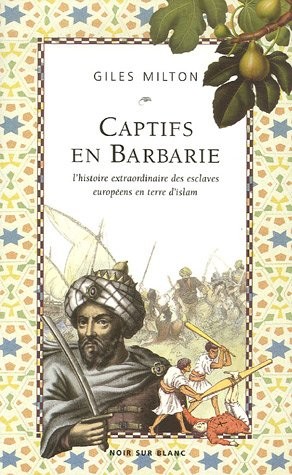 Dans son roman policier Le Phare, paru en 2008 à LGF/Livre de Poche et qu’elle situe à Combe Island, au large de la Cornouailles, l’Anglaise P. D. James signale à plusieurs reprises la terreur exercée par les pirates maghrébins, surtout ceux de Rabat-Salé, sur les côtes sud de l’Angleterre où ils s’étaient emparés de plusieurs îles, transformées en bastions. Le sort tragique et « l’histoire extraordinaire des esclaves européens en terre d’islam », c’est justement ce qu’a étudié l’historien Giles Milton, anglais lui aussi, dans Captifs en Barbarie.

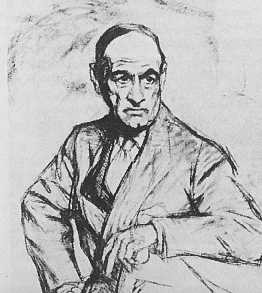 Sans doute le grand romancier trouva-t-il aussi dans le livre du philosophe, comme le remarque José Luis Goyenna dans son intéressante (quoique pleine de fautes) préface, en plus d'images étonnantes bien propres à enthousiasmer l'écrivain, une authentique philosophie de la liberté comme accomplissement métaphysique du moi qui, à la différence de celle de Sartre qualifiée par l'auteur d'Ultramarine de «pensée de seconde main» (2), ne se dépêcherait pas bien vite de déposer aux pieds de l'idole le fardeau trop pesant, enchaînant ainsi la liberté à la seule discipline stupide des masses. Tout lecteur de La révolte des masses aime je crois, en tout premier lieu, l'écriture de ce livre érudit, pressé, menaçant, parfois prodigieusement lucide et même, osons ce mot tombé dans l'ornière journalistique, prophétique.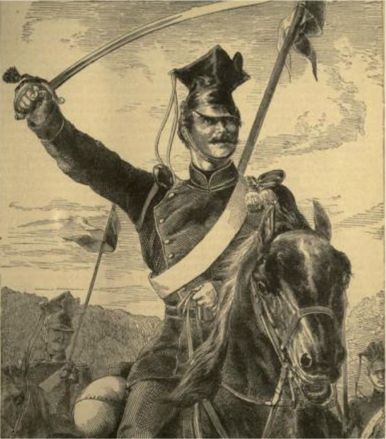


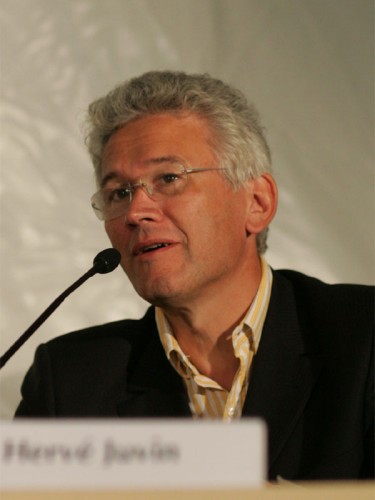 Hervé Juvin n’est pas qu’un économiste, ni uniquement un essayiste, non plus seulement le président d’Eurogroup Institute, il est encore et surtout un analyste incomparable, aussi lucide que courageux, du monde comme il ne va plus.
 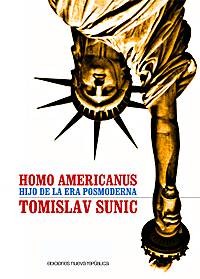 « (…) Tout dans l’Amérique est une copie grotesque de la réalité », constate l’universitaire et géopoliticien Tomislav Sunic dans Homo americanus, rejeton de la postmodernité, passionnante étude que viennent de publier les éditions Akribeia. « L’Amérique postmoderne fonctionne depuis 1945 comme une photocopie géante de la métaréalité ; non l’Amérique telle qu’elle est, mais l’Amérique telle qu’elle devrait être dans le monde entier. La seule différence est que, au XXIe siècle, l’histoire (…) est passée à la vitesse supérieure. Les événements se succèdent de façon désordonnée et foncent à toute allure vers un chaos total » – ce « chaos total » que l’idéologue néo-conservateur Michael Ledeen, pilier de la World Jewish Review et l’un des principaux inspirateurs de George W. Bush dans la guerre contre l’Irak, appelait de ses vœux dès 2001 car il y voyait le seul moyen d’instaurer un gouvernement mondial.
 « Pendant que les Juifs russes inventent le socialisme et que les Juifs autrichiens découvrent la psychanalyse, les Juifs américains participent, au tout premier rang, à la naissance du capitalisme américain et à l’américanisation du monde », a reconnu, cité par Sunic, Jacques Attali dans Les Juifs, le monde et l’argent (Fayard 2002). Il est donc logique que Homo americanus et Homo sovieticus aient présenté tant de points communs tels le non-respect des Conventions de Genève sur les prisonniers de guerre ou l’envoi des dissidents dans des hôpitaux psychiatriques – sort réservé en 1945 à Ezra Pound, le plus grand poète états-unien jugé trop favorable au fascisme italien. Et logique aussi que « l’américanisation du monde », y compris du monde ex-soviétique (par le truchement de certains oligarques patrons de presse), soit menée tambour battant.
 Fiction: en juillet 1940, Hitler parvient à forcer la main au général Franco qui laisse passer les troupes allemandes sur son territoire. Gibraltar tombe et les panzers, après avoir traversé le Maroc et l'Algérie, foncent sur Le Caire. 300.000 prisonniers français sont libérés et commis aux moissons. La popularité du vieux maréchal est au zénith. Un débarquement allemand a lieu en Irlande du Sud. Malte tombe aux mains des paras de la Luftwaffe de Goering. Churchill est mis en minorité et remplacé par Lord Halifax, qui fait la paix, en échange des puits de pétrole du Moyen Orient, qui restent sous contrôle britannique. Pourquoi faire la guerre dans ces conditions? Le succès de l'opération Barbarossa est quasi complet et, rapidement, les troupes de l'Axe font jonction dans le Caucase. Par un coup d'audace inouï (Skorzeny?), Vladivostok tombe. C'est la panique au Japon, qui se rapproche des Américains. Dans l'Empire, c'est le délire: d'ailleurs, à Berlin, on joue Sartre à guichets fermés! Dans cette atmosphère de triomphalisme, l'épuration ethnique dont sont victimes les Juiffss prend heureusement fin et l'Empire favorisera même, pour gêner les Anglais, la naissance d'un Etat hébreu, armé par l'Allemagne. A Berlin, l'aile modérée menée par Bibbentrop, le cher Otto Tabetz, ou Krommel élimine les “natzis” forcenés. Une fausse explosion nucléaire, vers 1943, calme les Américains, qui se contentent d'armer la résistance soviétique (Staline combat toujours en Yakoutie). Une vraie bombe, que le Führer obtient grâce à ses réseaux d'espions (juiffss?) aux Etats-Unis, assure définitivement la neutralité américaine. Hitler meurt le 30 décembre 1946, à la veille du réveillon. Speer, l'amiral Panaris et surtout Gersdorff entreprennent une première “dénatzification” et, de 59 à 78, Stendel, le Führer suivant, proscrit le racisme et le remplace par le différentialisme critériologique: les Juiffss sont incités à collaborer ou à émigrer en Israël, où ils forment une tête de pont de l'Empire.
 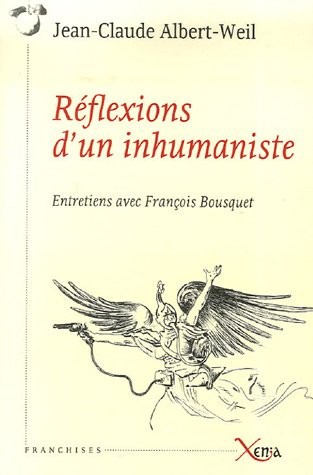 L'Empire est résolument non humaniste et rejette sagement les droits de l'homme, qui ne sont jamais que “les droits du client”: “droit de chier des litanies de progénitures débilo-crédulo-proliférantes, pulluliques, malsaines, ivres de tuer leur prochain ou de leur passer la Grande Maladie”. Car la Maladie, venue de l'Ouest est interdite dans l'Empire: un corps d'élite veille et nettoie, liquidant impitoyablement malades infiltrés par les démothalassocrates, agents d'influence de la pourriture utilitairo-protestante et militants nationalistes (des Gagaouzes aux Vourdalaks). Pas question d'affaiblir l'Empire! Les chrétiens, et les croyeux
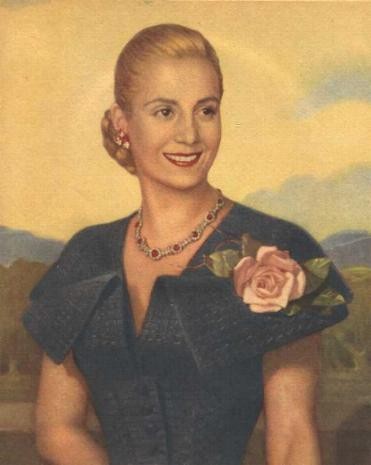
 Jean-Claude Rolinat a publié dernièrement, aux éditions Dualpha, une remarquable biographie d'Eva Peron.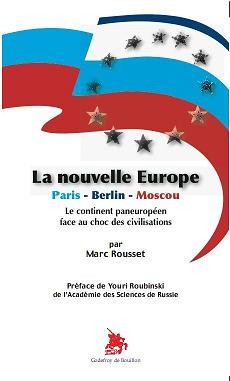
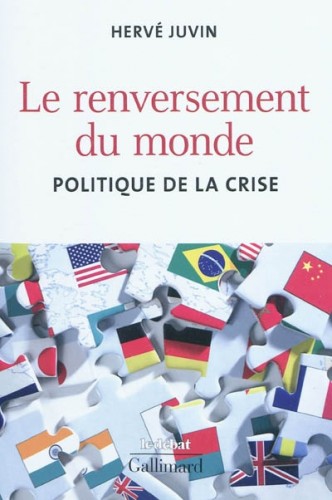
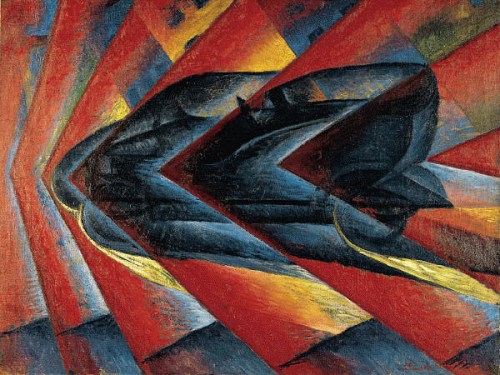
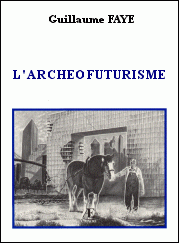 There is no question for him that the liberal project is doomed: although its proponents paint it as good and inevitable, egalitarian modernity is, in fact, a highly artificial condition, an unsustainable one, which will fall victim to the very processes it set in motion. Faye believes that we are currently facing a ‘convergence of catastrophes’. These include: the colonization of the North by Afro-Asian peoples from the South; an imminent economic and demographic crisis, caused by an aging population in the West, falling birthrates, and unfunded promises made by the democratic welfare state; chaos in the countries of the South, caused by absurd Western-sponsored development and development programs; a global economic crisis, much worse than the depression of the 1930s, led by the financial sector; ‘the surge of religious fundamentalist fanaticism, particularly in Islam;’ ‘the confrontation of North and South, on theological and ethnic grounds;’ unchecked environmental degradation; and the convergence of these catastrophes against a backdrop of nuclear proliferation, international mafias, and the reemergence of viral and microbial diseases, such as AIDS. For Faye, the way out is not through reform, because a system that is contrary to reality is beyond reform), but through collapse and revolution. As a catastrophic collapse is inevitable, revolutionary thought and action must today be post-catastrophic in outlook. He further suggests that inaction on our part will only open European civilization to conquest by Islam.
 VARSOVIE (NOVOpress) – Boguslaw Woloszanski, journaliste polonais, continue dans son nouvel ouvrage, 39-45 : les dossiers oubliés, aux Editions Jourdan, d’explorer les faces méconnues de la Seconde Guerre mondiale, sur la base notamment de la récente ouverture des archives de l’ex-Union Soviétique.

