


jeudi, 05 janvier 2012
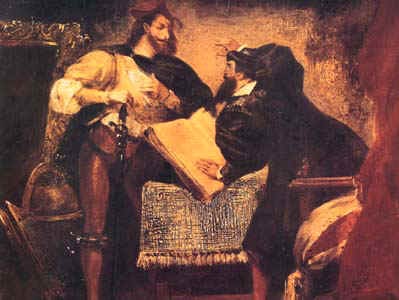
Desafios Pós-modernos: Entre Fausto & Narciso
Desafios Pós-modernos: Entre Fausto & Narciso
Por Robert Steuckers (1987)
Ex: http://yrminsul.blogspot.com/
Tradução: para o inglês por Greg Johnson
[Para o português pela Equipe Yrminsul]
Parte 1
Nos termos de Oswald Spengler, nossa cultura Europeia é o produto de uma “pseudomorfose, isto é, do acréscimo de mentalidade estrangeira sobre nossa nativa, original e inata mentalidade. Spengler chama a mentalidade inata de “a Faustiana”.
O Confronto entre a mentalidade Inata e a Adquirida
A mentalidade estrangeira é teocêntrica, a “mágica” perspectiva nascida no Oriente Próximo. Para a mentalidade “mágica”, o ego se curva respeitosamente perante a substância divina, como um escravo diante de seu senhor. No âmbito desta religiosidade, o indivíduo deixa-se guiar pela força divina que ele absorve através do batismo ou iniciação.
Não há nada comparável ao antigo espírito Faustiano europeu, diz Spengler. O Homo europeanus, apesar do verniz mágico / Cristão cobrindo o nosso pensamento, tem uma religiosidade voluntarista e antropocêntrica. Para nós, o bom é não permitir-se guiar passivamente por Deus, mas sim, reconhecer e realizar a nossa própria vontade. "Para ser capaz de escolher", esta é a base fundamental da religiosidade nativa Europeia. No cristianismo medieval, esta religiosidade voluntarista aparece, perfurando a crosta do “magismo" importado do Oriente Médio.
Por volta do ano 1000, este voluntarismo dinâmico aparece gradualmente na arte e em épicos literários, juntamente com uma sensação de espaço infinito dentro do qual o auto de Fausto seria, e pode, se expandir. Assim, para o conceito de um espaço fechado, no qual o eu se encontra bloqueado, se opõe o conceito de um espaço infinito, no qual um aventureiro graceja por diante.
Do Mundo "Fechado" ao Universo Infinito
De acordo com o filósofo americano Nelson Benjamin [1], o velho sentido helênico de physis (natureza), com todo o dinamismo que isso implica, triunfou no final do século 13, graças ao averroísmo, que transmitiu a sabedoria empírica dos gregos (e de Aristóteles, em particular) para o Ocidente. Aos poucos, a Europa passou do "mundo fechado" para o universo infinito. Empirismo e nominalismo suplantou uma escolástica que havia sido inteiramente discursiva, auto-referencial e auto-fechado (self-enclosed). O Renascimento, seguindo Copérnico e Bruno (o trágico mártir do Campo dei Fiori), renunciou o geocentrismo, tornando-o seguro para proclamar que o universo é infinito, uma intuição essencialmente faustiana de acordo com os critérios de Spengler.
No segundo volume da História do Pensamento Ocidental, Jean-François Revel, que anteriormente oficiou no Ponto e, infelizmente, ilustrou a ideologia ocidentalista Americanocêntrica, escreve bastante pertinente: "É fácil entender que a eternidade o infinito do universo anunciada por Bruno poderia ter tido, sobre os homens cultos da época, o efeito traumatizante da passagem da vida no útero para o projeto vasto e cruel de um vortex frígido e sem limites”. [2]
O medo "mágico", a angústia causada pelo colapso da certeza reconfortante do geocentrismo, causou a morte cruel de Bruno, que se tornaria, no total, uma apoteose terrível. . . Nada poderia refutar o heliocentrismo, ou a teoria da infinitude dos espaços siderais. Pascal dizia, em resignação, com o acento de arrependimento: "O silêncio eterno desses espaços infinitos me assusta."
Do Logos Teocrático à Razão Fixa
Para substituir o pensamento mágico de "logos teocrático," o crescente e triunfante pensamento burguês, seria elaborado um pensamento centrado na razão, uma razão abstrata perante a qual é necessário se curvar, como as pessoas do Oriente Próximo se curvam diante de seu deus. O aluno "burguês" desta “razão mesquinha", virtuoso e calculista, ansiosos para suprimir os impulsos de sua alma ou do seu espírito, encontra assim uma finitude confortável, um espaço fechado e seguro. O racionalismo deste tipo virtuoso humano não é o aventureiro, audacioso, ascético e criativo descrito por Max Weber [3], o qual educa o homem interior, precisamente para enfrentar a infinitude afirmada por Giordano Bruno. [4]
A partir do final da Renascença, Duas Modernidades são justapostas
O racionalismo mesquinho denunciado por Sombart [5] domina as cidades por rigidificarem o pensamento político, restringindo construtivos impulsos ativistas. O genuíno racionalismo Faustiano e conquistador descrito por Max Weber, impulsionaria a humanidade europeia para fora dos seus limites territoriais iniciais, dando o impulso principal para todas as ciências do concreto.
A partir do final da Renascença, assim descobrimos, por um lado, uma modernidade rígida e moralista, sem vitalidade, e, por outro lado, uma modernidade aventureira, conquistadora e criativa, assim como estamos hoje no limiar de uma pós-modernidade suave ou de uma pós-modernidade vibrante, auto-confiante e potencialmente inovadora. Ao reconhecer a ambiguidade dos termos "racionalismo", "racionalidade", "modernidade" e "pós-modernidade", entramos em um nível de domínio das ideologias políticas, até mesmo um militante Weltanschauungen.
A racionalização saturada com arrogância moral descrita por Sombart em seu famoso retrato do "burguês", gera os messianismos moles e sentimentais das grandes narrativas tranquilizantes das ideologias contemporâneas. A racionalização conquistadora descrita por Max Weber provoca as grandes descobertas científicas e o espírito metódico, o refinamento engenhoso da conduta de vida e crescente domínio do mundo externo.
Esta racionalização conquistadora também tem seu lado negativo: Desencanta, drena e esquematiza excessivamente o mundo. Embora especializados em um ou outro domínio da tecnologia, a ciência, ou o espírito, sendo totalmente investidos ali, os "Faustianos" da Europa e América do Norte muitas vezes levam a um nivelamento de valores, um relativismo que tende a mediocridade porque nos faz perder o sentimento do sublime, da mística telúrica, e isola cada vez mais os indivíduos. No nosso século, a racionalidade elogiada por Weber, se positiva no início, entrou em colapso com um americanismo quantitativista e mecanizado que instintivamente levou como forma de compensação, para o suplemento espiritual do charlatanismo religioso combinando o proselitismo mais delirante e a religiosidade lamurienta.
Esse é o destino do "faustinianismo" quando cortado dos seus fundamentos míticos, das suas mais antigas memórias, de seu solo mais profundo e fértil. Este rompimento é sem dúvida o resultado da pseudomorfose, o enxerto "mágico" no tronco Fausto / europeu, um enxerto que falhou. O "Magismo" não poderia imobilizar a unidade perpétua Faustiana; para isso, deve-se - e isso é mais perigoso – cortá-la de seus mitos e de sua memória, condená-la a esterilidade e dessecação, como observado por Valéry, Rilke, Duhamel, Céline, Drieu, Morand , Maurois, Heidegger, ou Abellio.
Racionalidade Conquistadora, Racionalidade Moralizante, Dialética do Iluminismo, as "Grandes Narrativas" de Lyotard
A racionalidade conquistadora, se arrancada de seus mitos fundadores, da sua base étnico-identitária, da sua matriz indo-europeia, cai - depois de ataques impetuosos, inertes, vazios - nas armadilhas de um racionalismo mesquinho e na ideologia imatura das "grandes narrativas" do racionalismo e do fim da ideologia. Para Jean-François Lyotard, a "modernidade" na Europa é essencialmente a "Grande Narrativa" do Iluminismo, na qual os heróis do conhecimento trabalham pacificamente e moralmente para alcançarem um final ético-político feliz: a paz universal, onde não haveria nenhum antagonismo. [6] A "modernidade" de Lyotard corresponde à famosa "Dialética do Iluminismo" de Horkheimer e Adorno, os líderes da famosa "Escola de Frankfurt". [7] Na visão deles, a ação do político ou o trabalho do homem de ciência, deve ser submetido a uma razão racional, um corpo ético, uma autoridade moral fixa e imutável, a uma catequese que retarda a sua unidade, que limita o seu ardor Faustiano. Para Lyotard, o fim da modernidade, portanto, o advento da "pós-modernidade", é a incredulidade - progressiva, astuta, fatalista, irônica, zombeteira - em relação a esta metanarrativa.
Incredulidade também significa um possível retorno do dionisíaco, o irracional, o carnal, o turvo, e áreas desconcertantes da alma humana reveladas por Bataille ou Caillois, tal como previsto e esperado pelo professor Maffesoli, [8] da Universidade de Estrasburgo, e pelo alemão Bergfleth [9], um jovem filósofo não-conformista; ou seja, é possível que vejamos um retorno do espírito fáustico, um espírito comparável com o qual nos legou o gótico ardente, de uma racionalidade conquistadora que tem sido reconectada com a velha e dinâmica mitologia européia, como Guillaume Faye explica em Europa e Modernidade. [10]
Notas
1. Benjamin Nelson, Der Ursprung der Moderne, Vergleichende Studien zum Zivilisationsprozess [A Origem da Modernidade: Estudos Comparativos do Processo de Civilização] (Frankfurt am Main: Suhrkamp, 1986).
2. Jean-François Revel, Histoire de la pensée occidentale [História do Pensamento Ocidental], vol. 2, La philosophie pendant la science (XVe, XVIe et XVIIe siècles) [Filosofia e Ciência (Séculos XV, XVI, e XVII)] (Paris: Stock, 1970). Cf. também a obra-prima de Alexandre Koyré, Do Mundo Fechado ao Universo Infinito (Baltimore: Johns Hopkins University Press, 1957).
3. Cf. Julien Freund, Max Weber (Paris: P.U.F., 1969).
Paul-Henri Michel, La cosmologie de Giordano Bruno [A Cosmologia de Giordano Bruno] (Paris: Hermann, 1962).
Cf. essentially: Werner Sombart, Le Bourgeois. Contribution à l’histoire morale et intellectuelle de l’homme économique moderne [The Bourgeois: Contribuição à História Moral e Intelectual do homem econômico moderno] (Paris: Payot, 1966).
4. Jean-François Lyotard, A condição pós-moderna: Um Relatório sobre Conhecimento, trad. Geoff Bennington e Brian Massumi. (Minneapolis: University of Minnesota Press, 1984).
5. Max Horkheimer eTheodor Adomo, A Dialética do Esclarecimento, trad. Edmund Jephcott (Stanford: Stanford University Press, 2002). Cf. também Pierre Zima, L’École de Francfort. Dialectique de la particularité [A Escola de Frankfurt: Dialética do Particularidade] (Paris: Éditions Universitaires, 1974). Michel Crozon, “Interroger Horkheimer” [“Interrogando Horkheimer”] e Arno Victor Nielsen, “Adorno, le travail artistique de la raison” [“Adorno: o trabalho artístico da Razão”], Esprit, Maio 1978.
6. Cf. principalmente Michel Maffesoli, L’ombre de Dionysos: Contribution à une sociologie de l’orgie [Sombra de Dionísio: contribuição a uma Sociologia da Orgia] (Méridiens, 1982). Pierre Brader, “Michel Maffesoli: saluons le grand retour de Dionysos” [Michel Maffesoli: Vamos Saudar o Grande Retorno de Dionísio], Magazine-Hebdo no. 54 (Setembro 21, 1984).
7. Cf. Gerd Bergfleth et al., Zur Kritik der Palavernden Aufklärung [Para uma Crítica da Razão Palavreada] (Munich: Matthes & Seitz, 1984). Nesta notável pequena antologia, Bergfleth publicou quatro textos fatais para a rotina "Moderno-Frankfurtista": (1) “Zehn Thesen zur Vernunftkritik” [“Dez Teses Sobre a Crítica da Razão”]; (2) “Der geschundene Marsyas” [“O Abuso de Mársias”]; (3) “Über linke Ironie” [“Sobre a Ironia Esquerdista”]; (4) “Die zynische Aufklärung” [“O Iluminismo Cínico”]. Cf. também R. Steuckers, “G. Bergfleth: enfant terrible de la scène philosophique allemande” [“enfant terrible da cena filosófica alemã”], Vouloir no. 27 (Março 1986). Na mesma edição, ver também, “Bergfleth: critique de la raison palabrante” [“Bergfleth: Crítica da Razão Palavreada”] e “Une apologie de la révolte contre les programmes insipides de la révolution conformiste” [“Uma Apologia para a Revolta Contra os Programas Insípidos da Revolução Conformista”]. Ver também M. Froissard, “Révolte, irrationnel, cosmicité et . . . pseudo-antisémitisme,” [“Revolta, irracionalidade, cosmicity e. . . pseudo-anti-semitismo”], Vouloir nos. 40–42 (Julho–Agosto 1987).
8. Guillaume Faye, Europe et Modernité [Europe e Modernidade] (Méry/Liège: Eurograf, 1985).
Desafios Pós-Modernos:
Entre Fausto & Narciso, Parte 2
A Metanarrativa Encistada. . .
Uma vez que a metanarrativa Iluminista foi estabelecida - "encistada"- na mente ocidental, as grandes ideologias seculares progressivamente apareceram: o liberalismo, com sua idolatria da "mão invisível", [1] e do Marxismo, com seu forte determinismo e metafísica da história, contestada no alvorecer do século 20 por Georges Sorel, a figura mais sublime do socialismo militante europeu. [2] Após Giorgio Locchi [3], quem ocasionalmente chama a metanarrativa de "ideologia" ou "ciência" - pensamos que este complexo "metanarrativa / ideologia / ciência” não há mais regras por consenso, mas por constrangimento, na medida em que há uma resistência muda (especialmente na arte e na música [4]) ou um desuso geral da metanarrativa como uma das ferramentas de legitimação.
A metanarrativa liberal-iluminista persiste por golpe de força e propaganda. Mas na esfera do pensamento, poesia, música, arte, ou letras, esta metanarrativa não diz e nem inspira nada. Ela não impulsionou uma grande mente por 100 ou 150 anos. Já no final do século 19, o modernismo literário expressou uma diversidade de línguas, uma heterogeneidade de elementos, uma espécie de caos desordenado que o "fisiologista" Nietzsche analisou [5] e que Hugo von Hoffmannstahl chamou de “die Welt der Bezuge” (o mundo das relações).
Estas inter-relações e sobredeterminações onipresentes nos mostram que o mundo não é explicado por uma história simples, limpa e arrumada, nem submete-se à regra de uma autoridade moral desencarnada. Melhor: eles nos mostram que as nossas cidades, nosso povo, não podem expressar todas as suas potencialidades vitais no âmbito de uma ideologia determinada e instituída uma vez para tudo e para todos, nem podemos indefinidamente preservar a instituições resultantes (o corpo doutrinário derivado da "metanarrativa do Iluminismo ").
A presença anacrônica da metanarrativa constitui um freio sobre o desenvolvimento do nosso continente em todas as áreas: ciência (informática e biotecnologia [6]), economia (o apoio dos dogmas liberais dentro da CEE), militares (o fetichismo de um mundo bipolar e servilismo em relação aos Estados Unidos, paradoxalmente um inimigo econômica), cultural (a mídia concussiva afavor de um cosmopolitismo que elimina a especificidade Faustiana e visa o advento de uma grande aldeia de convívio global, executa os princípios da "sociedade fria" à maneira dos queridos Bororos para Lévi-Strauss [7]).
A Rejeição do Neo-Ruralismo, Neo Pastoralismo…

A desordem confusa do modernismo literário no final do século 19 teve um aspecto positivo: o seu papel era para ser o magma que, gradualmente, torna-se o criador de uma nova luta Faustiana [8] É Weimar a arena do criativo e fértil confronto do expressionismo, [9] neo-marxismo, e a "revolução conservadora" [10] - que nos legou, com Ernst Jünger, uma idéia de modernidade "pós-metanarrativa" (ou pós-modernidade, se chama "modernidade" da Dialética do Iluminismo, posteriormente teorizada pela Escola de Frankfurt). O modernismo, com a confusão que inaugurou, devido ao progressivo abandono da pseudo-ciência do Iluminismo, corresponde um pouco com o niilismo observado por Nietzsche. Niilismo deve ser superado, ultrapassado, mas não por um retorno sentimental, então negado, por um passado completo. O niilismo não é superado pela Wagnerismo teatral, fulminado por Nietzsche, tal como hoje o naufrágio da "Grande Narrativa" marxista não é superado por um pseudo-rústica neoprimitivismo.[11]
Em Jünger- o Jünger do Tempestades de Aço, O Trabalhador, e Eumeswil – não se encontra referência alguma sobre o misticismo do solo: apenas uma admiração sóbria pela perenidade do camponês, indiferente a perturbações históricas. Jünger nos diz da necessidade de equilíbrio: se houver uma recusa total do rural, do solo, da dimensão estabilizadora da Heimat, o futurismo construtivista Faustiano já não terá uma base, um ponto de partida, uma opção reserva. Por outro lado, se é dada muita ênfase na base inicial, no ponto de lançamento, sobre o nicho ecológico que dá origem ao povo Faustiano, então eles estão envoltos em um casulo e privados de influência universal, prestados cegos para a chamada do mundo, impedidos de saltarem para a realidade em toda sua plenitude, o "exótico" incluído. O regresso tímido à pátria priva o faustinianismo de sua força de difusão e relega seus "vasos humanos" para o nível dos "eternos camponeses a-históricos" descrito por Spengler e Eliade. [12] O equilíbrio consiste em desenhar internamente (a partir das profundezas do solo original) e difundir externamente(em relação ao mundo exterior).
Apesar de toda nostalgia para o "orgânico", rural, ou pastoral –apesar do sereno, idílico e da beleza estética que recomendam Horace ou Virgil - Tecnologia e Trabalho são a partir de agora as essências do nosso mundo pós-niilista. Nada escapa por muito tempo da tecnologia, tecnicidade, mecânica, ou da máquina: nem o camponês que ara com o seu tractor, nem o padre que conecta um microfone para dar mais impacto para sua homilia.
A Era da “Tecnologia”
A tecnologia mobiliza totalmente (Total Mobilmachung) e impulsiona o indivíduo para uma infinitude inquietante, em que nós não somos nada mais que engrenagens intercambiáveis. A metralhadora, nota o guerreiro Jünger, dizima o bravo e o covarde com uma igualdade perfeita, como no total material de guerra inaugurado em 1917 em batalhas de tanques da Frente francesa. O “Ego” Faustiano perde sua introversão e se afoga em um vórtice incessante de atividade. Este Ego, tendo modelado o rendilhado de pedra e pináculos do Gótico exuberante, caiu no quantitativismo Americano, ou, confuso e hesitante, adotou as inundações de informações do século XX, sua avalanche de fatos concretos. Isso foi nosso niilismo, nossa indecisão congelada, devido à um subjetivismo exacerbado, que nos mira na bagunça enlameada dos fatos.

Cruzando a “linha”, como Heidegger e Jünger dizem,[13] a mônada Faustiana (sobre o quê Leibniz[14] falou) cancela seu subjetivismo e encontra o puro poder, puro dinamismo, no universo da Tecnologia. Com a chegada Jüngeriana, o círculo é fechado de novo: como o universo fechado da “magia” foi substituído pelo pequeno e não-autêntico mundo da burguesia – sedentário, tímido, embalsamado na esfera utilitária – assim o dinâmico “Faustiano” universo é substituído com uma arena Tecnológica, despojando esse tempo de subjetivismo.
A Tecnologia Jüngeriana varre a falsa modernidade da metanarrativa Iluminada, a hesitação modernismo literário do fim do século XIX, e a trompe-l’ oeil do wagnerismo e do neopastoralismo. Mas essa modernidade Jüngeriana, perpetuamente mal entendida desde a publicação do Der Arbeiter (O Trabalhador) em 1932, permanece como uma escritura morta.
Notas:
1. Na fundação teológica da doutrina da “mão invisível”, ver Hans Albert, “Modell-Platonismus. Der Neoklassische Stil des ökonomischen Denkens in Kritischer Beleuchtung” [“Platonismo Modelo: O Estilo Neoclássico de Pensamento Econômico em Elucidação Crítica”], em Ernst Topitsch, ed., Logik der Sozialwissenschaften [Lógica das Ciências Sociais] (Köln/Berlin: Kiepenheuer & Witsch, 1971).
2. Há abundante literatura francesa em Georges Sorel. Não obstante, é deplorável que a biografia e a análise valiosas como a de Michael Freund não foi traduzida: Georges Sorel, Der revolutionäre Konservatismus [Georges Sorel: Conservadorismo Revolucionário] (Frankfurt a.M.: Vittorio Klostermann, 1972).
3. Cf. G. Locchi, “Histoire et société: critique de Lévi-Strauss” [“História e Sociedade: Crítica de Lévi-Strauss”], Nouvelle Ecole, no. 17 (Março 1972) and “L’histoire” [“História”], Nouvelle Ecole, nos. 27–28 (Janeiro 1976).
4. Cf. G. Locchi, “L’idée de la musique’ et le temps de l’histoire” [“A ‘Idéia de Música’ e os Tempos de História”], Nouvelle Ecole, no. 30 (Novembro 1978) e Vincent Samson, “Musique, métaphysique et destin” [“Música, Metafísica, e Destino”], Orientations, no. 9 (Setembro 1987).
5. Cf. Helmut Pfotenhauer, Die Kunst als Physiologie: Nietzsches äesthetische Theorie und literarische Produktion [Arte como Fisiologia:: A estética Teoria e Produção Lietrária de Nietzsche] (Stuttgart: J. B. Metzler, 1985). Cf. no livro de Pfotenhauer book: Robert Steuckers, “Regards nouveaux sur Nietzsche” [“Novas visões sobre Nietzsche”], Orientações, no. 9.
6. Biotecnologia e as mais recentes inovações biocybernéticas, quando aplicadas para a operação da sociedade humana, fundamentalmente põe em questão as mecânicas e teóricas fundações da “Grande Narrativa” do Iluminismo. Menos rígido, leis mais flexíveis, porque adaptadas às vias profundas da psicologia e da fisiologia humana, restauraria um dinamismo às nossas sociedades e as colocaria sincronizadas com as inovações tecnológicas. A Grande Narrativa – que está sempre ao redor, apesar do seu anacronismo – bloqueia a evolução das nossas sociedades; o pensamento de Habermas, cujo categoricamente recusa cair no passo com os descobrimentos epistemológicos de Konrad Lorenz, por exemplo, ilustra perfeitamente a genuína rigidez reacionária do neo-Iluminismo nas suas derivações Franfurtianas e neo-liberais. Para entender a mudança que está tomando lugar independentemente da reação liberal-Frankfurtiana, veja o trabalho do bio-cyberneticista Alemão Frederic Vester: (1) Unsere Welt—ein vernetztes System, dtv, no. l0,118, 2º ed. (München, 1983) e (2) Neuland des Denkens. Vom technokratischen zum kybernetischen Zeitalter (Stuttgart: DVA, 1980). A restauração do pensamento social holista (ganzheitlich) pela biologia moderna é discutida, mais notavelmente, em Gilbert Probst, Selbst-Organisation, Ordnungsprozesse in sozialen Systemen aus ganzheitlicher Sicht (Berlin: Paul Parey, 1987).
7. G. Locchi, “L’idée de la musique’ et le temps de l’histoire.”
8. Para enfrentar a questão do modernismo literário no século XIX, ver: M. Bradbury, J. McFarlane, eds., Modernism 1890–1930 (Harmondsworth: Penguin, 1976).
9. Cf. Paul Raabe, ed., Expressionismus. Der Kampf um eine literarische Bewegung (Zürich: Arche, 1987)—Uma antologia útil dos principais manifestos expressionistas.
10. Armin Mohler, La Révolution Conservatrice en Allemagne, 1918–1932 (Puiseaux: Pardès, 1993). Ver principalmente o texto A3 entitulado “Leitbilder” (“Idéias Norteadoras”).
11. Cf. Gérard Raulet, “Mantismo e as Condições Pós Modernas” e Claude Karnoouh, “O Paraíso Perdido do Regionalismo: A Crise da Pós Modernidade na França,” Telos, no. 67 (Março 1986).
12. Cf. Oswald Spengler, The Decline of the West, 2 vols., trans. Charles Francis Atkinson (Nova Iorque: Knopf, 1926) para a definição do “camponês a-histórico” ver vol. 2. Cf. Mircea Eliade, The Sacred and the Profane: The Nature of Religion, trans. Willard R. Trask (San Diego: Harcourt, 1959). Para o lugar dessa visão do “camponês” na controvérsia contemporânea em relação ao neo-paganismo, ver: Richard Faber, “Einleitung: ‘Pagan’ und Neo-Paganismus. Versuch einer Begriffsklärung,” em Richard Faber e Renate Schlesier, Die Restauration der Götter: Antike Religion und Neo-Paganismus [The Restoration of the Gods: Ancient Religion and Neo-Paganism] (Würzburg: Königshausen & Neumann, 1986), 10–25. Esse texto foi revisado na França por Robert Steuckers, “Le paganisme vu de Berlin” [“Paganismo como é visto em Berlim”], Vouloir no. 28–29, Abril 1986, pp. 5–7.
13. Na questão da “linha” em Jünger e Heidegger, cf. W. Kaempfer, Ernst Jünger, Sammlung Metzler, Band 20l (Stuttgart, Metzler, 1981), pp. 119–29. Cf também J. Evola, “Devant le ‘mur du temps’” [“Frente à ‘Parede do Tempo’”] em Explorations: Hommes et problems [Explorations: Men and Problems], trans. Philippe Baillet (Puiseaux: Pardès, 1989), pp. 183–94. Vamos tomar essa oportunidade para lembrar que, contrariamente às idéias aceitadas em geral, Heidegger não rejeita a tecnologia de uma maneira reacionária, nem em sobre ser perigoso em si mesmo. O perigo é devido ao erro de pensar no mistério de sua essência, preservando os homens de retornar à um mais originário desocultamento e de ouvir o chamado da verdade mais primordial. Se a idade da tecnologia parece ser a forma final do Esquecimento do Ser, em que a ansiedade adequada ao pensamento aparece como uma abstinência de ansiedade na garantia e objetivação do ser, é também desse extremo perigo que a possibilidade de um novo começo é concebível uma vez que a metafísica da subjetividade é completa.
14. Para avaliar a importância de Leibniz no desenvolvimento do pensamento orgânico Alemão, cf. F. M. Barnard, Herder’s Social and Political Thought: From Enlightenment to Nationalism (Oxford: Clarendon Press, 1965), 10–12.
DESAFIOS PÓS MODERNOS:
ENTRE FAUST & NARCISUS,
PARTE 3
O Babbitt com o paradoxo Sartreano
Em 1945, o tom do debate tecnológico foi estabelecido pelas ideologias vitoriosas. Nóspoderíamos escolher o liberalismo Americano (a ideologia do Sr. Babbitt) ou o Marxismo, uma alegada versão burguesa da metanarrativa. A Grande Narrativa assumiu responsabilidade, caçou qualquer filósofo ou movimento “irracionalista”, [1] manteve uma polícia do pensamento, e, finalmente, brandindo o bicho-papão do feroz barbarismo, inaugurou uma área completamente vazia.
Sartre e seu elegante existencialismo parisiense deve ser analisado na luz da sua restauração. Sartre, crente no seu “ateísmo”, sua recusa em privilegiar um valor, não acreditou nas fundações do liberalismo ou Marxismo. Por fim, ele não estabeleceu a metanarrativa (na sua versão mais recente, o Marxismo vulgar dos partidos Comunistas[2]) como uma verdade, mas como um “inevitável” imperativo categórico, pelo qual se deve militar caso não se quer ser um “bastardo”, i.e., um desses desprezíveis seres que veneram “ordens petrificadas”[3] Isso é o paradoxo por inteiro do sartreanismo: por um lado, nos estimula não adorar “ordens petrificadas”, o quê é propriamente faustiano, e, por outro lado, nos determina “magicamente” a adorar uma “ordem petrificada” do Marxismo vulgar, já derrubada por Sombart e De Man. Portanto, pelos anos cinqüenta, a idade dourada do sartreanismo, o consenso é de fato um constrangimento, uma obrigação ditada pelo pensamento cada vez mais midiatizado. Mas um consenso alcançado pelo consentimento, pela obrigação de acreditar sem discussão, não é um consenso eterno. Por isso, o contemporâneo esquecimento do sartreanismo, com seus excessos e exageros.
O Anti-Humanismo Revolucionário de Maio de 1968
Com o Maio de 68, o fenômeno de uma geração, “humanismo”, o atual rótulo da metanarrativa, foi agredido e destruído pelaas interpretações francesas de Nietzsche, Marx e Heidegger. [4] No sulco da revolta estudantil, acadêmicos e popularizadores tanto proclamaram o humanismo uma ilusão “petite-bourgeois”. Contra o Ocidente, o navio geopolítico da metanarrativa Iluminista, os rebeldes de 68 alçados a montagem das barricadas, tomando lados, algumas vezes com um ingênuo romantismo, em toda luta dos anos 70: Vietnã espartana contra o imperialismo americano, guerrilhas latino-americanas (“Ché”), o separatismo basco, o patriotismo irlandês, ou os palestinos.
A irritabilidade faustiana, incapacitada de ser expressada por modelos autóctones, foi transposta para uma exótica: Ásia, Arábia, África, ou Índia. O Maio de 68, em si mesmo, pela sua fixação resoluta na Grande Política, pelo seu ethos de guerrilha, pela sua opção de luta, apesar de tudo tomou uma dimensão muito mais importante que os bloqueios tensos do sartreanismo ou a grande regressão do contemporâneo neo-liberalismo. Na direita, Jean Cau, escrevendo seu maravilhoso livro sobre Che Guevara[5], entendeu essa questão perfeitamente, considerando que a direita, a qual é fixada em seus dogmas e memórias da esquerda, não queria ver.
Com a geração de 68 – combativa e politizada, consciente das grandes questões geopolíticas e econômicas do planeta – os último fogos históricos queimaram no espírito público francês antes do grande surgimento da pós-história e pós-política representadas pelo narcisismo do neoliberalismo contemporâneo.
A tradução dos escritos da “Escola de Frankfurt” anunciam o Advento do Neo-Liberalismo Narcisista
A primeira fase do ataque neo-liberal contra o anti-humanismo político do Maio de 68 foi a redescoberta dos escritos da Escola de Frankfurt: nascida na Alemanha, antes da chegada do Nacional Socialismo, amadureceu durante o exílio da California de Adorno, Horkheimer, e Marcuse, e estabeleceu-se como um objeto de veneração na Alemanha Ocidental do pós-guerra. Em Dialektik der Aufklärung, um pequeno e conciso livro que é fundamental para entender a dinâmica do nosso tempo, Horkheimer e Adorno clamam que há duas “razões” no pensamento Ocidental que, no sulco de Spengler e Sombart, somos tentados a nomear “razão faustiana” e “razão mágica”. O molde, para os dois antigos exílios na Califórnia, é o pólo negativo da “razão complexa” na civilização Ocidental: essa razão é puramente “instrumental”; é usada para acrescentar o poder pessoal daqueles que utilizam. É razão científica, a razão que doma as forças do universo e coloca nas mãos de um líder ou de um povo, um partido ou um Estado. Com isso, de acordo com Herbert Marcuse, é de Prometeu, não Narcisista/órfico.[6] Para Horkheimer, Adorno, e Marcuse, esse é o tipo de racionalidade que Max Weber teorizou.
Por outro lado, a “razão mágica”, de acordo com a terminologia genealógica de Spengler, é, amplamente falada, a razão da metanarrativa de Lyotard. É uma autoridade moral que dita uma conduta ética, alérgica à uma expressão de poder, e assim a qualquer manifestação da essência da política.[7] Na França, a redescoberta da teoria da razão de Horkheimer-Adorno próximo do fim dos anos 1970 inaugurou a era da despolitização, a qual, substituindo disconexão generalizada por história concreta e tangível, deu-se para a “era do vazio” descrita tão bem pelo professor de Grenoble Gilles Lipovetsky.[8] Segundo a efervescência militante do Maio de 68, chegou uma geração a qual atitudes mentais são caracterizadas justamente por Lipovetsky como apatia, indiferença (também para a metanarrativa na sua forma crua), abandono (dos partidos políticos, especialmente do Partido Comunista), dessindicalização, narcisismo, etc. Para Lipovetsky, essa resignação e abdicação generalizada constitui uma oportunidade de ouro. Essa é a garantia, ele fala, que a violência irá recuar, portanto nenhuma “totalitarismo”, vermelho, preto, ou marrom, será possível de ganhar poder. Essa fácil mudança fisiológica, unida à uma indiferença narcisista, constitui a idade “pós-moderna”.
Há Várias Definições Possíveis de “Pós-Modernidade”
Por outro lado, se nós compreendemos – contrário ao costume de Lipovetsky – “modernidade” ou “modernismo” como expressões da metanarrativa, assim como quebra a energia faustiana, a pós-modernidade irá necessariamente ser um retorno para a política, uma rejeição de criacionismo para-normal e suspeita anti-política que emergiu depois do Maio de 68, no sulco de especulações na “razão instrumental” e “razão objetiva” descritas por Horkheimer e Adorno.
A complexidade da situação “pós-moderna” fez ser impossível dar uma única definição de “pós-modernidade” que possa ser exclusiva. No limiar do século XXI, várias pós-modernidades se tornam incultas, lado a lado, diversos modelos sociais pós-modernos potenciais, cada uma com base em valores fundamentalmente antagônicos, preparados para o confronto. Essas pós-modernidades diferem – na linguagem ou no seu ‘estilo’ – das ideologias que as procedem; elas são, não obstante, unidas com os eternos, antiqüíssimos, valores que permanecem sobre elas. Conforme a política entra na esfera histórica pelas confrontações binárias, confrontos de clãs opostos e a exclusão das minorias, ousam evocar a dicotomia possível do futuro: uma pós-modernidade neo-liberal Ocidental Americana contra uma brilhante pós-modernidade faustiana e nietzscheana.
A “Geração da Moral” & a “Era do Vazio”
Essa pós-modernidade neo-liberal foi triunfantemente proclamada, com delírio messiânico, por Laurent Joffrin em sua imposição da revolta dos estudantes de Dezembro de 1986 (Un coup de jeune [Um golpe da Juventude], Arlea, 1987). Para Joffrin, quem previu [9] a morte da extrema esquerda, do proletarianismo militante, o Dezembro de 86 é o precursor de uma “geração da moral”, combinada em uma mentalidade levemente de esquerda, coletivismo de preguiça cultural, e egoísmo neo-liberal, narcisista, e pós-político: o modelo social dessa sociedade hedonista centrada na praxis comercial, que Lipovetsky descreveu como a Era do Vácuo. Um vazio político, um vazio intelectual, e um deserto pós-histórico: essas são as características do espaço bloqueado, o horizonte fechado característico do neo-liberalismo contemporâneo. A pós-modernidade constitui um impedimento preocupante para a grande Europa que deve emergir assim que tenhamos um futuro viável e preso a lenta decadência anunciada pelo desemprego massivo e pelas demografias declinantes que espalham devastação sob a luz abatida das ilusões consumistas, a grande mentira dos anunciantes, e os sinais de néon que louvam os méritos de uma fotocopiadora japonesa ou de uma linha aérea americana.
Por outro lado, a pós-modernidade que rejeita e velha metanarrativa anti-política do Iluminismo, com suas metamorfoses e metástases; que afirma a audácia de um Nietzsche ou de um ideal metálica de um Jünger; que cruza a “linha”, como Heidegger estimula, deixando para trás o dandismo estéril de tempos niilístas; a pós-modernidade que reune o aventuroso, para um programa político ousado concretamente implica a rejeição dos blocos de poder existentes, a construção de uma economia autárquica e Eurocêntrica, enquanto luta selvagemente e sem concessões contra todos estilos antigos de religiões e ideologias, desenvolvendo o eixo principal de uma diplomacia independente de Washington; a pós-modernidade que carregará voluntariamente seu programa e negar as negações da pós-história – essa pós-modernidade terá nossa total adesão.

Nesse breve ensaio, eu gostaria de provar que há uma continuidade na confrontação das mentalidades “faustiana” e “mágica”, e que essa continuidade antagônica é refletida no debate decorrente da pós-modernidade. O Ocidente centro-americano é o realce do “magismo”, com o seu cosmopolitismo e facções autoritárias.[10] A Europa, a herdeira do faustianismo muito abusado pelo pensamento “mágico”, reafirmar-se-á a si mesma com uma pós-modernidade que recapitulará os temas inexpressivos, recorrentes mas sempre novos, do intrínseco faustianismo para a alma Européia.
Notas:
1. O clássico entre os clássicos na condenação do “irracionalismo” é a suma de György Lukács, The Destruction Of Reason, 2 volumes (1954). Esse livro tem objetivo de ser um tipo de Discourse on Method para a dialética do Iluminismo-contra-Iluminismo, Racionalismo-Irracionalismo. Através de uma técnica de fusão que traz uma breve semelhança à um panfleto estalinista, amplo setor da cultura alemã e européia, de Schelling à neo-Thomismo, são culpados de preparar e apoiar o fenômeno Nacional Socialista. É uma visão paranóica de cultura.
2. Para entender a racionalidade fundamental do Comunismo de Sartre, deve-se ler Thomas Molnar, Sartre, philosophie de la contestation (Paris: La Table Ronde, 1969). Em Português: Sartre, Ideologia do Nosso Tempo (New York : Funk & Wagnalls, 1968).
3. Cf. R.-M. Alberes, Jean-Paul Sartre (Paris: Éditions Universitaires, 1964), 54–71.
4. Na França, a pontaria polêmica numa rejeição final do anti-humanismo de 68 e seus fundamentos filosóficos nietzscheano, marxista, e heideggerianos, é encontrado em Luc Ferry e Alain Renault, French Philosophy of the Sixties: An Essay on Anti-Humanism, trans. Mary H. S. Cattani (Amherst: University of Massachusetts Press, 1990) e seu apêndice ’68–’86. Itinéraires de l’individu [’68-’86: Routes of the Individual] (Paris: Gallimard, 1987). Contrariamente à essas defendidas em primeiro a esses dois trabalhos, Guy Hocquenghem em Lettre ouverte à ceux qui sont passés du col Mao au Rotary Club [Open Letter to those Went from Mao Jackets to the Rotary Club] (Paris: Albin Michel, 1986) deplorou a assimilação do hiper-politismo da geração de 68, para a onda liberal contemporânea. De um ponto de vista definitivamente polêmico e com o objetivo do debate restaurador, assim como é, no campo da abstração filosófica, deve-se ler Eddy Borms, Humanisme—kritiek in het hedendaagse Franse denken [Humanism: Critique in Contemporary French Thought (Nijmegen: SUN, 1986).
5. Jean Cau, o ex-secretário de Jean-Paul Sartre, agora classificado como polemista da “direita”, que se delicia em desafiar as manias e obsessões dos conformistas intelectuais, não hesitou em prestar homenagem à Che Guevara e dedicar um livro à ele. Os “radicais” da burguesia o acusaram “body snatching”! Os admiradores de Cau da extrema direita também não apreciaram sua mensagem. Para eles, os sandinistas nicaraguenses, que não obstante admiravam Abel Bonnard, e o “fascista” americano Lawrence Dennis, são emanações do Mal.
6. Cf. A. Vergez, Marcuse (Paris: P.U.F., 1970).
7. Julien Freund, Qu’est-ce que la politique? [O Quê é Política?] (Paris: Seuil, 1967). Cf Guillaume Faye, “La problématique moderne de la raison ou la querelle de la rationalité” [“O Problema Moderno da Razão ou a Questão da Racionalidade”] Nouvelle Ecole no. 41, Novembro de 1984.
8. G. Lipovetsky, L’ère du vide: Essais sur l’individualisme contemporain [The Era of the Vacuum: Essays on contemporary individualism] (Paris: Gallimard, 1983). Logo depois que esse ensaio foi escrito, Gilles Lipovetsky publicou um segundo livro que reforçou seu ponto de vista: L’Empire de l’éphémère: La mode et son destin dans les sociétés modernes [Império do Efêmero: Estilo e seu Destino nas Sociedades Modernas] (Paris: Gallimard, 1987). Quase simultaneamente, François-Bernard Huyghe and Pierre Barbès protestaram contra a opção “narcisista” em La soft-idéologie [A Ideologia Suave] (Paris: Laffont, 1987). Desnecessário dizer, minhas visões estão fechadas para aqueles dos dois últimos escritores.
9. Cf. Laurent Joffrin, La gauche en voie de disparition: Comment changer sans trahir? [A Esquerda em Processo de Desaparecimento: Como Mudar Sem Trair?] (Paris: Seuil, 1984).
10. Cf. Furio Colombo, Il dio d’America: Religione, ribellione e nuova destra [O Deus da América: Religião, Rebelião, e a Nova Direita] (Milano: Arnoldo Mondadori, 1983).
Fontes:
http://www.counter-currents.com/2010/12/postmodern-challenges-between-faust-and-narcissus-part-1/
http://www.counter-currents.com/2010/12/postmodern-challenges-between-faust-and-narcissus-part-2/
http://www.counter-currents.com/2010/12/postmodern-challenges-between-faust-and-narcissus-part-3/
00:05 Publié dans Philosophie, Synergies européennes | Lien permanent | Commentaires (0) | Tags : philosophie, postmodernité, synergies européennes |  |
|  del.icio.us |
  |
|  Digg |
  Facebook
mercredi, 04 janvier 2012
L’eroe Baltasar Gracian
L’eroe Baltasar Gracian
 Il vecchio storico inglese Thomas Carlyle insegnò con inclinazione romantica che l’eroismo ha molte facce, che quasi ogni aspetto della vita può essere interpretato come un momento in cui si può dispiegare una speciale attitudine verso l’ascesi di perfezione. Eroe è il Dio pagano che assomma su di sé tutte le qualità della stirpe, ma eroico può essere allo stesso modo lo spirito sacerdotale, ed eroi possono essere il profeta, il poeta, lo scrittore, il sovrano.
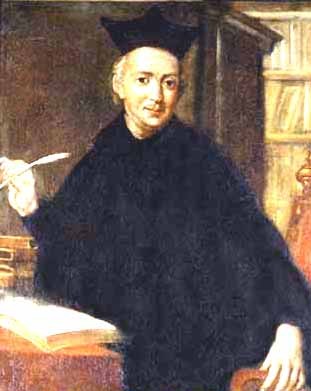
Il singolarissimo teologo spagnolo Baltasar Gracián, vissuto nel Seicento, a tutto questo aveva aggiunto l’eroismo come qualità dell’individuo differenziato che, grazie ad una poderosa fiducia in se stesso, duramente conquistata, perviene al successo nel mondo e al trionfo della sua volontà su quelle altrui. Si eccelle tra gli uomini attraverso l’uso accorto e disciplinato di doti sottili costantemente affinate. Qualcosa di più e di meglio di un moralista alla Montaigne. Un divulgatore di sapienza e di strategie di vita vissuta, tutte tese alla gloria trionfale nel mondo e all’affermazione sui tipi “inferiori” e indifferenziati. Gracián, ammirato e citato da Schopenhauer e da Nietzsche, che lo considerarono quasi un loro maestro e antesignano, scrisse diversi libri di gran successo, diremmo dei veri e propri “manuali del Superuomo”.
Era un gesuita, e dal gesuitismo imparò tutte quelle nozioni di affilata capacità di introspezione e di acuta conoscenza dei tempi e dei modi, che fecero di quell’ordine il tempio della dissimulazione e infine anche della sua degenerazione curiale, l’ipocrisia farisaica. In Gracián, tuttavia, si nota l’assoluta assenza di riferimenti ai dogmi cristiani: per questo, tenuto in sospetto dalla Compagnia di Gesù, fu prima ammonito, poi allontanato nel 1657 dalla cattedra e infine messo in condizione di non nuocere relegandolo presso un convento sperduto, con la tassativa proibizione di scrivere. Lo si accusava di aver intrapreso una precettistica del tutto profana sul saper vivere e, soprattutto, sul saper predominare sulle cose e sul mondo degli uomini, insomma di essere un laicissimo teorico di ciò che oggi chiameremmo una volontà di potenza in piena regola.

La recente pubblicazione de L’eroe (Bompiani), uno dei testi più celebri del trattatista aragonese, è l’occasione per verificare come il pensiero europeo si sia sempre misurato con queste categorie dell’essere e del mostrarsi, del fare e dell’avere ragione della realtà, in maniera che, dai sofisti e dagli stoici fino a Machiavelli, ai moralisti francesi o a Nietzsche e all’esistenzialismo, problema non da poco è sempre stato quello di avere a che fare col dispiegarsi dell’essere tra le penombre dell’apparire e del sembrare. Gracián insegnava la dissimulazione in quanto categoria dell’essere superiore e dell’innalzarsi al di là di se stessi, in un procedimento di continuo esercizio alla protezione dei propri fini. «Impedisca a tutti l’uomo colto di sondare il fondo della sua fonte, se da tutti vuole essere venerato… la metà è più del tutto, perché una metà ostentata e l’altra promessa, son più di un tutto dichiarato».
La velatezza dell’essere, in questo caso, non sarà un volgare atteggiamento di subdolo mascheramento volto all’inganno, ma, molto più sottilmente e nobilmente, lo strumento di una cerca dell’eccellenza, da ottenersi con il freno dei modi, la perfezione in ogni manifestazione di sé e un dosato ombreggiare i propri disegni. Qualcosa di propriamente “politico”, insomma: «Dissimulare una volontà sarà sovranità». In queste proposizioni sembra riecheggiare, in qualche modo, la dialettica heideggeriana circa il velamento della verità, secondo la struttura stessa della parola greca antica, che proponeva non a caso l’alfa privativo: a-lethéia, proprio nel senso che verità è essenzialmente un togliere veli per gradi. La dialettica sottile dell’apparire e del velarsi, lungi dall’essere solo un gioco femmineo di ritrosie seduttive, è in realtà, secondo la logica dell’etica tradizionale, il segreto della gloria. E la gloria, considerata dagli antichi l’unica e insieme la massima via all’eternità, è ugualmente per Gracián il premio al lavoro terreno dell’uomo di valore superiore.
In anni recenti è stato Emanuele Severino – il cui pensiero sappiamo essere sulla scia heideggeriana – a precisare i contorni del significato della gloria dal punto di vista esistenziale e tradizionale: «L’indefinita manifestazione dell’eterno, in cui la Gloria consiste e che indefinitamente si arricchisce, è il senso autentico della nostra destinazione per l’eternità». La gloria ha dunque a che fare col destino. E il destino ha a che fare con la fortuna e la fortuna con l’audacia, persino con l’azzardo. A patto che prima, dentro di sé, il temerario che si senta chiamato sulla via della gloria abbia percepito la concordanza della sua anima, tesa all’impossibile, con gli arcani segreti del fato. Difatti, in un passo de L’eroe si dice per l’appunto che la fortuna è «gran figlia della suprema provvidenza» e che «è regola da maestri compiuti nella politica discrezione notare la propria fortuna e quella dei propri sostenitori». Non diversamente la pensarono, a ben vedere, e magari senza aver letto un riga di Gracián, personaggi come Napoleone, che diceva di preferire generali fortunati a generali ben preparati, oppure come Hitler, che confessò più volte di aver giocato d’azzardo tutta la vita, sicuro di avere dalla sua parte la “provvidenza”. La fanatica fiducia in se stessi, quale suprema attitudine al comando in grado di piegare anche gli eventi sfavorevoli a proprio vantaggio, veniva da Gracián ricordata come dote dell’uomo di tempra superiore. E faceva l’esempio di Cesare, che al marinaio stanco e sfiduciato rivolse l’ammonimento: «Non dubitare, che offendi la fortuna di Cesare». Il dubbio interiore come ingiuria al destino. Quanto di meno cristiano e di più pagano si possa immaginare. Comprendiamo benissimo il motivo per cui lo scrittore venne messo al bando nella Spagna cattolicissima del gran secolo.

Tutto questo ha i contorni del tragico. Poiché in Gracián è ben vivo il senso di una lotta che l’eroe deve intraprendere prima di tutto su se stesso. Il controllo su ciò che appare e sulle occasioni che gli si presentano deve essere il frutto di un drammatico auto-controllo: questa volontà auto-imposta deve essere la sua signoria. Tanto che, se necessario, anche quando dentro l’uomo differenziato tutto lo sospingesse a dir di sì, la sua potenza e il suo comando interiore lo condurranno a un vittorioso dir di no. Questo si inserisce alla perfezione in quel dominio metafisico in cui si attua il contatto fra trascendenza e vita terrena. È ciò che gli antichi greci chiamavano kairòs, l’attimo fuggente, e i romantici tedeschi indicavano come der grosse Zufall, il grande caso fortunato. Saper cogliere il manifestarsi del momento in cui il destino si palesa per cenni: la levigata sensibilità, quasi un istinto lungamente esercitato, saprà all’istante percepire questa epifania subitanea. Un evidenziarsi del sacro che indica il momento dell’agire. Poiché kairòs è suprema saggezza, è intima consonanza con gli interni voleri del fato, ma è anche sentimento di giustizia. Tradizionalmente, ciò che appare nel mondo, nell’immutabilità di ciò che è vero da sempre, oppure nell’improvviso irrompere dell’inatteso attraverso l’attimo, è anche ciò che è giusto: giusto è ciò che sa sopraggiungere al momento opportuno.
Una filosofia del rischio? Piuttosto, un’acuta capacità di percezione delle armonie e delle disarmonie del mondo. Nella sua introduzione a L’eroe, Antonio Allegra precisa che le sollecitazioni di Gracián verso l’affermazione di sé hanno il carattere di una libera alleanza col destino: «Occorre, in ogni caso, agire all’interno dello spazio della fortuna e del mondo: tutto sta nel potere ancora affermare un margine di libertà rispetto alla situazione integralmente mondana che si presenta, che va acutamente interpretata e colta nelle sue nascoste potenzialità». L’individuo differenziato, l’essere superiore costruito su un’elaborata e fanatica fiducia, si esprime attraverso la decrittazione dei segni lasciati cadere dal fato provvidenziale. Si tratta in fondo di un gioco: vince chi sa elaborare al massimo grado la dialettica tra il vivere all’occasione e l’essere uomo integro in grado di interpretare correttamente i segnali. L’individuo potenziato da questa superiore autocoscienza non è scelto dal caso, ma è lui stesso che sceglie l’attimo. Risolutezza e fulminea capacità di ricorrere alla decisione sono i sintomi dello spirito dominatore: «La prontezza fa da oracolo nei dubbi maggiori, sfinge negli enigmi, filo d’oro nei labirinti, e suole aver l’indole del leone, che riserva il massimo sforzo per quando ne ha più bisogno», scrive Gracián. Un manuale di politica: la golpe e il lione di Machiavelli, più un tocco di quel pessimismo barocco e manieristico che piacque tanto a Schopenhauer e che cercava di interpretare la complessità del mondo moderno allora già in agguato: L’eroe venne pubblicato nel 1637, l’anno di uscita del Discorso sul metodo di Cartesio. Ma anche una filosofia dell’intuito. Una vera mistica terrena dell’azione e del primato. In questo senso, la maschera che, secondo, Gracián, l’uomo superiore deve indossare per assicurarsi il dominio sul mondo non è un trucco plebeo, ma il necessario stigma della diversità: l’eroe gioca le sue maestrìe certo di non dover aprire a nessuno il suo cuore. Il mondo intriso di scaltrezze e di indegnità abbisogna di menti in grado di batterlo sul suo stesso terreno, mantenendo giusto il cuore. «Ti voglio singolare», suona l’esortazione con cui Gracián apre il suo pamphlet rivolgendosi al lettore, «qui avrai non una politica né un’economica, ma una ragion di stato di te stesso». La si direbbe una potente anticipazione di figure metapolitiche come l’Anarca jüngeriano oppure l’Autarca evoliano…
La fama di Gracián non si limitò alla sua epoca o ai momenti di insorgenza sovrumanista. In tempi recenti il suo nome ha riscosso un famigerato successo tra le turbe dei manager d’azienda… e il povero Gracián si è visto trascinare via dall’etica tradizionale aristocratica e dal suo stoicismo barocco, fin dentro le maleodoranti stanze dei consigli d’amministrazione, nei grattacieli americani: numerose edizioni dei suoi libri sono state vendute come il pane tra le schiere di yuppies alla ricerca del facile successo attraverso i manuali di auto-stima per piazzisti in carriera. I suoi libri hanno conosciuto l’onta di essere paragonati alle pubblicazioni a grande tiratura in uso sin dagli anni Cinquanta negli USA, ad esempio quelle a cura della Fondazione Carnegie: come vincere la paura degli altri, come avere successo nel lavoro… Noi aggiungiamo: come trascinare un filosofo del sovrumanismo europeo nel fango della morale da insetti tipica del liberalismo americano…
* * *
Tratto da Linea del 24 ottobre 2008.
00:05 Publié dans Philosophie | Lien permanent | Commentaires (0) | Tags : philosophie, espagne, 17ème siècle | | del.icio.us | | Digg | Facebook
mardi, 03 janvier 2012
Mircea Eliade, il genio
Mircea Eliade, il genio
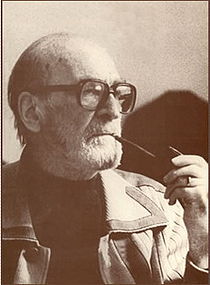 Il 13 marzo di cent’anni fa nasceva a Bucarest Mircea Eliade. Fin dall’infanzia i genitori spostano il compleanno al 9 marzo. Al suo nome di battesimo non corrispondeva infatti alcun patrono nel calendario ortodosso, sicché la famiglia decise di festeggiare il giorno 9, che non era consacrato a nessun santo particolare bensì ai Quaranta Martiri uccisi a Sebaste durante le persecuzioni di Luciano.
Studioso del mito e delle religioni, esperto di yoga e sciamanesimo, di occultismo ed esoterismo, romanziere fecondo, saggista dall’erudizione prodigiosa e a suo agio in otto lingue, Eliade è stato tra le intelligenze più acute e versatili del Novecento. Ma l’intelligenza è un dono di dèi invidiosi, un dono avvelenato: il confine che la separa dall’ottusità è mobile.
«Che uomo straordinario sono!», annota il trentaquattrenne intellettuale nel suo Jurnalul din Portugalia, l’inedito diario dei cinque anni, dal 1941 al 1945, trascorsi come consigliere culturale all’ambasciata rumena di Lisbona (in Italia sarà pubblicato da Bollati Boringhieri). Il giovane Eliade, all’epoca ancora sconosciuto al grande pubblico europeo, passa parte delle sue giornate a rileggere alcune sue pagine e si paragona ai grandi della letteratura: «La mia capacità di comprendere e percepire tutto ciò che appartiene alla sfera culturale è illimitata … Comunque sia, i miei orizzonti intellettuali sono più vasti di quelli di Goethe». Il 15 luglio 1943 annota con ineffabile disinvoltura: «Mi rendo conto che dopo Eminescu [il poeta nazionale rumeno], la nostra razza non ha mai più conosciuto una personalità tanto (…) potente e tanto dotata quanto la mia».
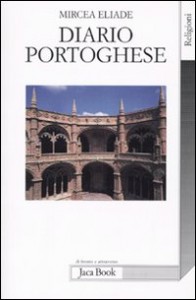 I diari integrali saranno desecretati solo nel 2018, ma tutto fa pensare che l’autocritica non appartenesse al pur vastissimo repertorio di Eliade. Né che egli sia mai guarito dalla megalomania di cui evidentemente andava affetto. A quattordici anni aveva già pubblicato il suo primo racconto: Come ho scoperto la pietra filosofale. In un successivo Romanzo dell’adolescente miope (1923) elabora la quasi umiliante scoperta della propria sessualità. Qualche anno dopo, in Gaudeamus (1928), entrano in scena la femminilità e l’amore, e per converso il concetto di «virilità», mutuato dall’adorato Papini, autore di Maschilità. Il suo io è superalimentato dall’ambizione e da una «religione della volontà» fatta di astinenza e disciplina (dormiva cinque ore per non sottrarre tempo allo studio).
Iscrittosi nel 1925 a Lettere e Filosofia dell’università di Bucarest, emerge come leader della giovane «Generazione», un gruppo di intellettuali anticonformisti che aspira a rinnovare la tradizione rumena. Tra gli altri «latini d’Oriente» ci sono Cioran (che nel 1986 gli dedicherà uno dei suoi superbi Exercises d’admiration), Ionesco, Costantin Noica e Mihail Sebastian, un ebreo a lui molto caro.
Nel 1927 e 1928 visita l’Italia, avendo alle spalle una serie di letture rapaci che mettono le ali alla sua passione per nostra cultura (documentata esaurientemente da Roberto Scagno per Jaca Book). Su tutti Papini ed Evola, a proposito del quale scriverà un testo, Il fatto magico, andato perduto. Dopo la laurea su La filosofia italiana da Marsilio Ficino a Giordano Bruno, alla fine del 1928, parte alla volta dell’India per studiare la filosofia orientale con Surendranath Dasgupta. Vi rimane fino al dicembre del 1931, imparando il sanscrito e raccogliendo materiali, conoscenze ed esperienze che lo segnano profondamente. C´è anche una storia d’amore con Maitreyi, la figlia di Dasgupta, nella cui casa a Calcutta era andato ad abitare. La ragazza è la protagonista dell’omonimo romanzo, che Eliade pubblica in Romania nel 1933. Sarà un grande successo, che trasfigura Maitreyi in un simbolo dell’immaginario rumeno.
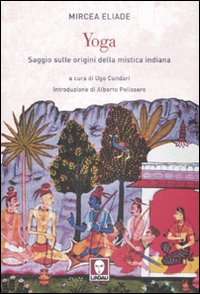 Incrinatisi i rapporti con Dasgupta, viaggia nellHimalaya occidentale soggiornando nell’ashram di Shivananda e facendosi iniziare allo yoga. Nel contempo lavora alla tesi di dottorato, che discute a Bucarest nel ‘33 e pubblica a Parigi nel ‘36 con il titolo Yoga, saggio sulle origini della mistica indiana. Un libro che lo lancerà come autore di culto quando lo yoga si diffonderà in Occidente.
Dal 1933 al 1940 è di nuovo a Bucarest come assistente di Nae Ionescu, il leggendario maestro della giovane Generazione. Ionescu lo avvicina alla Guardia di Ferro, l’organizzazione di estrema destra capeggiata da Codreanu. Costui era convinto, tra l’altro, che gli ebrei cospirassero per fondare una nuova Palestina tra il Mal Baltico e il Mar Nero, e il suo vice, Ion Mota, aveva tradotto in rumeno I protocolli dei Savi di Sion. Eliade non era antisemita, ma all’epoca si lasciò intruppare. Il diario che l’amico ebreo Sebastian tenne fra il 1935 e il 1944, pubblicato nel 1996, è un’accorato lamento per il comportamento ambiguo di Eliade. Che è tutto preso dalle sue carte: pubblica vari saggi (tra cui Oceanografia e Il mito della reintegrazione), romanzi (tra cui Ritorno dal Paradiso, La luce che si spegne, i due volumi Huliganii), un’importante rivista di studi mitologici, Zalmoxis, che richiamerà l’attenzione di Carl Schmitt ed Ernst Jünger.
 Alla fine della guerra si trasferisce a Parigi dove, aiutato da Dumézil, insegna all’Ecole des Hautes Etudes. Il Trattato di storia delle religioni (1949) lo consacra come massimo studioso del fenomeno religioso su scala mondiale. Ostile al metodo positivistico e storicista, Eliade riprende la prospettiva aperta da Rudolf Otto e sviluppa uno studio comparativo del sacro e delle sue manifestazioni, le «ierofanie». La sua non è una storia bensì una morfologia del sacro, le cui forme appaiono e si ripetono nel tempo, con le feste, e nello spazio, con i «centri del mondo», riattualizzando miti primordiali. Per lui il mito non è affatto arcaico né fuori gioco. Si è piuttosto ritirato negli interstizi della modernità, dove si tratta di scovarlo. Contro la presunta superiorità dell’uomo moderno sui «primitivi».
Nel 1950 è invitato da C.G. Jung al primo incontro di «Eranos» ad Ascona. Nel 1956 passa a insegnare alla Divinity School di Chicago, dove rimarrà fino alla morte (avvenuta il 22 aprile 1986 per un ictus). Dal 1960 al 1972 dirige con Ernst Jünger una straordinaria rivista di storia delle religioni, Antaios. Intanto seguita a pubblicare a ritmo martellante un’infinità di lavori, culminati nella grande Storia delle credenze e delle idee religiose (1976-1983). È anche candidato al Nobel per la letteratura.
Purtroppo, un dettaglio ne stoppa l’apoteosi, e gli schizza addosso una macchia infamante. Un dettaglio biografico, sul quale la sua intelligenza si incaglia e si rovescia in ottusità.
Nel 1972 lo storico Theodor Lavi (pseudonimo di Lowenstein), in base al diario ancora inedito di Sebastian e ad altre testimonianze, rivela su Toladot, una piccola rivista dell’emigrazione rumena in Israele, che Eliade era stato vicino alla Guardia di ferro. Eliade fa finta di nulla, cerca di sbarazzarsi del suo passato come un serpente della sua pelle. Ma la notizia fa il giro del mondo, in Italia è ripresa da Furio Jesi. Un suo viaggio a Gerusalemme nella primavera del 1973 dev’essere annullato in extremis, tra lo sconcerto dell’amico Gershom Scholem. Nei suoi diari, silenzio.
Da quel momento Eliade adopera la sua intelligenza per dissimulare e insabbiare. Cerca coperture, si stringe ad amici insospettabili, come Paul Ricoeur e lo scrittore ebreo Saul Bellow. Quest’ultimo diventa suo intimo, ma nel romanzo Ravelstein inscena il dubbio che lo tormenta. Il protagonista, alias Allan Bloom, mette in guardia l’amico narratore da Radu Grielescu, alias Eliade: è stato «un seguace di Nae Ionescu che fondò la Guardia di Ferro», avverte, un jew-hater che denunciò «la sifilide ebraica che contagiava la raffinata civiltà balcanica», «ti strumentalizza» per «rifarsi una verginità». Il tarlo del sospetto non soffocherà la compassione, e ai funerali di Eliade Bellow prenderà la parola per dire il suo dolore e la sua compassione.
 È difficile giudicare del caso Eliade. Come è difficile giudicare di Heidegger, Carl Schmitt o Céline. Certo, la loro opera non può più essere letta solo in chiave scientifica o letteraria, separandola dalla biografia. Eppure, la loro vita mediocre non basta a oscurare la grandezza dell’opera che ha generato. Ci chiediamo: perché intellettuali di tale statura si sono ostinati a tacere il loro passato? La verità è che gli uomini sono molto meno uguali di quello che dicono, e molto più di quello che pensano.
È probabilmente questa saggezza che ha indotto perfino il regista Francis Coppola a rendere omaggio a Eliade. Il suo nuovo film, Youth without Youth, prende spunto da un omonimo racconto di Eliade (Tinerete fara tinerete): un settantenne professore, colpito da un fulmine, diventa più giovane anziché più vecchio, attirando l’attenzione dei servizi segreti. Il professore deve scappare attraverso vari paesi fino in India… Anche questa singolare fortuna è un dettaglio in cui si nasconde il buon Dio, e ci avverte che l’opera di Eliade rimane un capitolo inevitabile della storia intellettuale del Novecento, un passaggio obbligato per capirne le convulsioni.
* * *
Tratto da Repubblica del 12 marzo 2007.
00:05 Publié dans Philosophie, Traditions | Lien permanent | Commentaires (0) | Tags : mircea eliade, roumanie, religions, mythologie, tradition | | del.icio.us | | Digg | Facebook
vendredi, 30 décembre 2011
Secular Theocracy: The Foundations and Folly of Modern Tyranny

Secular Theocracy: The Foundations and Folly of Modern Tyranny
Ex: http://www.attackthesystem.com/
We live in an increasingly secularized world of massive and pervasive nation states in which traditional religion, especially Christianity, is ruled unwelcome and even a real danger on the basis of a purported history of intolerance and “religious violence.” This is found in most all “public” domains, including the institutions of education, business, government, welfare, transportation, parks and recreation, science, art, foreign affairs, economics, entertainment, and the media. A secularized public square policed by government is viewed as providing a neutral, rational, free, and safe domain that keeps the “irrational” forces of religion from creating conflict and darkness. And we are told that real progress requires expanding this domain by pushing religion ever backward into remote corners of society where it has little or no influence. In short, modern America has become a secular theocracy with a civic religion of national politics (nationalism) occupying the public realm in which government has replaced God.
For the renowned Christian scholar and writer C.S. Lewis, such a view was fatally flawed morally, intellectually, and spiritually, producing the twentieth-century rise of the total state, total war, and mega-genocides. For Lewis, Christianity provided the one true and coherent worldview that applied to all human aspirations and endeavors: “I believe in Christianity as I believe that the sun has risen, not only because I see it, but because by it I see everything else.” (The Weight of Glory)[1]
In his book, The Discarded Image, Lewis revealed that for Medieval Christians, there was no sacred/secular divide and that this unified, theopolitical worldview of hope, joy, liberty, justice, and purpose from the loving grace of God enabled them to discover the objective, natural-law principles of ethics, science, and theology, producing immense human flourishing. [2] Lewis described the natural law as a cohesive and interconnected objective standard of right behavior:
This thing which I have called for convenience the Tao, and which others may call Natural Law or Traditional Morality or the First Principles of Practical Reason or the First Platitudes, is not one among a series of possible systems of value. It is the sole source of all value judgements. If it is rejected, all values are rejected. If any value is retained, it is retained. The effort to refute it and raise a new system of value in its place is self-contradictory. There has never been, and never will be, a radically new judgement of value in the history of the world. What purport to be new systems or (as they now call them) “ideologies,” all consist of fragments from the Tao itself. Arbitrarily wrenched from their context in the whole and then swollen to madness in their isolation, yet still owing to the Tao and to it alone such validity as they possess. If my duty to my parents is a superstition, then so is my duty to posterity. If justice is a superstition, then so is my duty to my country or my race. If the pursuit of scientific knowledge is a real value, then so is conjugal fidelity. (The Abolition of Man)[3]
And in his recent book, The Victory of Reason, Rodney Stark has further shown “How Christianity Led to Freedom, Capitalism, and the Success of the West.”[4] Similarly and prior to the rise of the secular nation-state in America, Alexis de Tocqueville documented in his 1835 volume, Democracy in America, the remarkable flexibility, vitality and cohesion of Christian-rooted liberty in American society with business enterprises, churches and aid societies, covenants and other private institutions and communities.[5]
In his book, The Myth of Religious Violence: Secular Ideology and the Roots of Modern Conflict, William Cavanaugh similarly notes that for Augustine and the ancient world, religion was not a distinct realm separate from the secular. The origin of the term “religion” (religio) came from Ancient Rome (re-ligare, to rebind or relink) as a serious obligation for a person in the natural law (“religio for me”) not only at a shrine, but also in civic oaths and family rituals that most westerners would today consider secular. In the Middle Ages, Aquinas further viewedreligio not as a set of private beliefs but instead a devotion toward moral excellence in all spheres.[6]
However in the Renaissance, religion became viewed as a “private” impulse, distinct from “secular” politics, economics, and science.[7] This “modern” view of religion began the decline of the church as the public, communal practice of the virtue of religio. And by the Enlightenment, John Locke had distinguished between the “outward force” of civil officials and the “inward persuasion” of religion. He believed that civil harmony required a strict division between the state, whose interests are “public,” and the church, whose interests are “private,” thereby clearing the public square for the purely secular. For Locke, the church is a “voluntary society of men,” but obedience to the state is mandatory.[8]
The subsequent rise of the modern state in claiming a monopoly on violence, lawmaking, and public allegiance within a given territory depended upon either absorbing the church into the state or relegating the church to a private realm. As Cavanaugh notes:
Key to this move is the contention that the church’s business is religion. Religion must appear, therefore, not as what the church is left with once it has been stripped of earthly relevance, but as the timeless and essential human endeavor to which the church’s pursuits should always have been confined…. In the wake of the Reformation, princes and kings tended to claim authority over the church in their realms, as in Luther’s Germany and Henry VIII’s England…. The new conception of religion helped to facilitate the shift to state dominance over the church by distinguishing inward religion from the bodily disciplines of the state.[9]
For Enlightenment figures like Jean-Jacques Rousseau who dismissed natural law, “civic religion” as in democratic regimes “is a new creation that confers sacred status on democratic institutions and symbols.”[10]And in their influential writings, Edward Gibbon and Voltaire claimed that the wars of religion in the sixteenth and seventeenth centuries were “the last gasp of medieval barbarism and fanaticism before the darkness was dispelled.”[11] Gibbon and Voltaire believed that after the Reformation divided Christendom along religious grounds, Protestants and Catholics began killing each other for more than a century, demonstrating the inherent danger of “public” religion. The alleged solution was the modern state, in which religious loyalties were upended and the state secured a monopoly of violence. Henceforth, religious fanaticism would be tamed, uniting all in loyalty to the secular state. However, this is an unfounded “myth of religious violence.” The link between state building and war has been well documented, as the historian Charles Tilly noted, “War made the state, and the state made war.”[12] In the actual period of European state building, the most serious cause of violence and the central factor in the growth of the state was the attempt to collect taxes from an unwilling populace with local elites resisting the state-building efforts of kings and emperors. The point is that the rise of the modern state was in no way the solution to the violence of religion. On the contrary, the absorption of church into state that began well before the Reformation was crucial to the rise of the state and the wars of the sixteenth and seventeenth centuries.
Nevertheless, Voltaire distinguished between “state religion” and “theological religion” of which “A state religion can never cause any turmoil. This is not true of theological religion; it is the source of all the follies and turmoils imaginable; it is the mother of fanaticism and civil discord; it is the enemy of mankind.”[13] What Rousseau proposed instead was to supplement the purely “private” religion of man with a civil or political religion intended to bind the citizen to the state: “As for that man who, having committed himself publicly to the state’s articles of faith, acts on any occasion as if he does not believe them, let his punishment be death. He has committed the greatest of all crimes: he has lied in the presence of the laws.”[14]
As a result, the Enlightenment set in motion what has become today’s secular theocracy that is authoritarian and hypocritical for not just its denial of moral condemnation of secular violence, but its exaltation of such violence as highly praiseworthy.
[1] C.S. Lewis, “Is Theology Poetry?” in The Weight of Glory and Other Addresses (San Francisco: HarperOne, 2001).
[2] C.S. Lewis, The Discarded Image: An Introduction to Medieval and Renaissance Literature (New York, Cambridge University Press, 1994).
[3] C.S. Lewis, The Abolition of Man (San Francisco: HarperOne, 1974), 44.
[4] Rodney Stark, The Victory of Reason: How Christianity Led to Freedom, Capitalism, and Western Success (New York: Random House, 2006).
[5] Alexis de Tocqueville, Democracy in America, trans. Delba Winthrop (Chicago: University of Chicago Press, 2002).
[6] William T. Cavanaugh, The Myth of Religious Violence: Secular Ideology and the Roots of Modern Conflict (Oxford: Oxford University Press, 2009), 62–68.
[12] Charles Tilly, “Reflections on the History of European State-Making,” in The Formation of National States in Western Europe, ed. Charles Tilly (Princeton, N.J.: Princeton University Press, 1975), 42.
[14] Jean-Jacques Rousseau, The Social Contract, trans. Willmoore Kendall (South Bend, IN: Gateway, 1954), 149.
David J. Theroux is the Founder, President and Chief Executive Officer of The Independent Institute and Publisher of The Independent Review.
00:15 Publié dans Philosophie, Théorie politique | Lien permanent | Commentaires (0) | Tags : théocratie, théocratie séculière, etats-unis, politologie, théorie politique, sciences politiques, philosophie, pouvoir | | del.icio.us | | Digg | Facebook
mercredi, 28 décembre 2011
Nel deserto dell’umano. Potenza e Machenschaft nel pensiero di Martin Heidegger
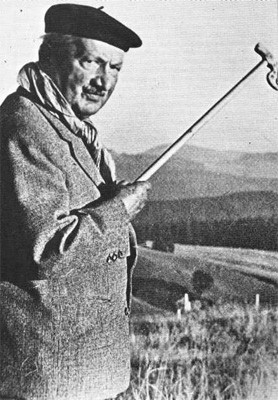 Nel deserto dell’umano.
 Potenza e Machenschaft nel pensiero di Martin Heidegger
di Salvatore Spina
Fonte: recensionifilosofiche

Lo studio di Gorgone, Nel deserto dell’umano. Potenza e Machenschaft nel pensiero di Martin Heidegger, ha come argomento centrale l’assunzione della questione della Machenschaft come «il tema fondamentale attorno a cui ruotano le meditazioni successive alla Kehre intorno alla tecnica, al nichilismo e alla storia dell’essere» (p. 22). La questione della Machenschaft è rintracciabile soprattutto in quei testi di fine anni Trenta, che Heidegger tenne segreti fino alla propria morte, precisamente Beiträge zur Philosophie e Besinnung;
il termine, che in italiano viene reso – non senza problemi ermeneutici – come “macchinazione”, indica il modo in cui l’essere si dispiega nell’era della tecnica, ovvero nell’epoca del compimento della modernità. Il lavoro di Gorgone, prendendo come punto di partenza questi testi e muovendosi in modo trasversale all’interno della sterminata produzione heideggeriana, vuole essere un’analisi del pensiero del filosofo di Messkirch dopo la svolta, e nel contempo il tentativo di individuare nel concetto di Machenschaft la chiave di volta di tutta la riflessione heideggeriana, che, dopo il fallimento del progetto di Essere e tempo, subisce quella “svolta ontologica” che ne delinea i tratti caratteristici in maniera peculiare lungo tutto il percorso successivo.
il termine, che in italiano viene reso – non senza problemi ermeneutici – come “macchinazione”, indica il modo in cui l’essere si dispiega nell’era della tecnica, ovvero nell’epoca del compimento della modernità. Il lavoro di Gorgone, prendendo come punto di partenza questi testi e muovendosi in modo trasversale all’interno della sterminata produzione heideggeriana, vuole essere un’analisi del pensiero del filosofo di Messkirch dopo la svolta, e nel contempo il tentativo di individuare nel concetto di Machenschaft la chiave di volta di tutta la riflessione heideggeriana, che, dopo il fallimento del progetto di Essere e tempo, subisce quella “svolta ontologica” che ne delinea i tratti caratteristici in maniera peculiare lungo tutto il percorso successivo.
I testi in cui Heidegger tratta della questione della Machenschaft sono molto importanti sia da un punto di vista squisitamente teorico, in quanto rappresentano i primi testi in cui la Kehre viene espressamente “tematizzata”, ma anche da una prospettiva più strettamente storico-politica. Essi vengono redatti alla fine degli anni Trenta – i Beiträge zur Philosophie tra il 1936 e il 1938 mentre Besinnung nel biennio 1938-39 –, periodo in cui l’assetto geopolitico dell’Europa stava mutando in maniera radicale; questi mutamenti nell’arco di pochi anni avrebbero generato nel Vecchio Continente la più grande devastazione che la storia abbia mai conosciuto.
Dopo l’iniziale illusione di una possibilità rivoluzionaria propugnata dal nazionalsocialismo, Heidegger individua il nesso fondamentale che intercorre tra tecnica, nichilismo e totalitarismo; il nazionalsocialismo, così come ogni fascismo (ivi compreso l’americanismo – ed è questo forse l’aspetto più rivoluzionario e attuale del pensiero “politico” di Heidegger), appare agli occhi del filosofo la realizzazione esplicita della volontà di potenza e dominio tipica della tecnica, che ha come parola d’ordine l’efficienza del fare [machen]. Ma coinvolti nell’estremo dominio della volontà di potenza sono anche quegli aspetti della vita che a prima vista sembrerebbero estranei alla logica del fare: le esperienze vissute [Erlebnisse]. Il divertissement e l’esperienza vissuta rappresentano agli occhi di Heidegger la maschera più appropriata che la Machenschaft indossa per nascondere la sua intima essenza violentemente nichilistica ed apparire così meno aggressiva e pervasiva. Lungi dall’essere il luogo del disincantamento del mondo, la modernità tecno-scientifica è il tempo della mistificazione per eccellenza.
Come evidenzia Gorgone nel proprio studio, l’interpretazione del reale secondo le categorie della Machenschaft ha come suo sostrato filosofico la coeva riflessione di Ernst Jünger, il quale agli inizi degli anni Trenta nel saggio Der Arbeiter (1932), attraverso un’implacabile indagine della modernità, parla di metafisica del lavoro, ovvero di riduzione di tutto l’ente a materiale utilizzabile e fattibile, e di mobilitazione totale, sostenendo – sulla scorta dell’esperienza della Grande Guerra – il generale coinvolgimento di tutto l’essente in quel movimento impetuoso ed inarrestabile che caratterizza il mondo tecnico, tanto che anche il bambino nella culla «è minacciato come tutti gli altri, se non addirittura di più».
Quando nel 1945 Heidegger scrisse i Colloqui su un sentiero di campagna – testo decisivo all’interno del lavoro di Gorgone – le analisi della modernità e della tecnica non erano più mere profezie, ma erano diventate triste realtà con la scia di morte e distruzione che la Seconda guerra mondiale aveva lasciato dietro di sé. È proprio di fronte all’apocalittico scenario di una Germania in rovina e costretta alla resa che Heidegger individua nella metafora del deserto l’immagine più appropriata a descrivere la condizione dell’Europa devastata dal conflitto. Il deserto, eco di quel “debito impensato” che, come viene mostrato da Gorgone attraverso l’elaborazione di una “geofilosofia del deserto” (p. 157), legherebbe idealmente Heidegger alla tradizione ebraica, è da sempre il simbolo di morte e distruzione, ma anche e soprattutto dell’impossibilità della rinascita: non semplice disfacimento, secondo una ciclicità vita/morte/vita, ma più radicalmente annichilimento totale.
Ma desertica è anche l’essenza dell’uomo nell’era della Machenschaft: incapace di percepirsi come destinatario degli appelli dell’essere, l’uomo si fa trascinare dall’impetuoso fluire dell’impianto [Gestell] tecnico, correndo il massimo pericolo di essere ridotto ad ente tra gli altri enti, obliando così quella che è la sua massima dignità, ovvero essere il luogo di apertura dell’essere stesso. L’uomo ridotto ad una dimensione, quella tecnica, diventa così un mero impiegato (nel duplice senso del termine) dell’apparato tecnico, un esecutore funzionale della potenza della Machenschaft.
Machenschaft e desertificazione sono i due modi in cui l’essere si dona nell’epoca della tecnica dispiegata; a questi Heidegger contrappone – sebbene mai in maniera del tutto oppositiva, ma in una intima ed essenziale coappartenenza – da un lato la sovranità regale dell’essere [Herrschaft], cioè «la possibilità di fondazione non-violenta di ogni ente» (p. 28), un’im-potenza che precede (non cronologicamente, ma a livello ontologico) ed eccede ogni potere violento della metafisica e rivela quell’inesauribile ricchezza «di ciò che non può mai essere completamente dis-velato e che pure concede ogni possibilità di manifestazione» (p. 86); alla desertificazione, invece, fa da contraltare la vastità accogliente della radura [Weite], ovvero quel luogo aperto e libero «sottratto al fare e dis-fare della Machenschaft, in cui le cose e l’uomo possano essere raccolte nella semplicità della loro essenza» (p.163).
Il testo di Gorgone è diviso in quattro capitoli che, avendo una loro struttura compiuta, potrebbero sembrare a se stanti; tuttavia un’analisi più attenta rivela un’unitarietà di fondo che pervade l’intero lavoro dell’autore. Il primo capitolo è un’analisi della Machenschaft così come appare nei testi heideggeriani, ma anche il tentativo, ben compiuto, di individuare il sostrato filosofico di questo pensiero nella riflessione di Aristotele e nel dualismo classico dynamis-enérgheia. Il secondo capitolo, invece, identifica in Ernst Jünger il referente principale della riflessione heideggeriana intorno alla tecnica ed alla modernità, evidenziando anche la problematicità di questo rapporto ermeneutico che trova la sua forma “compiuta” nel volume 90 della Gesamtausgabe, testo ancora inedito in Italia e, per molti versi, poco conosciuto. Il terzo capitolo è il tentativo di trovare una concretizzazione storica del fenomeno della Machenschaft; attraverso l’esame di alcuni testi di Heidegger, come il famigerato Discorso al rettorato, Gorgone propone un’interpretazione disincantata e scevra da pregiudizi di quello che probabilmente è il problema più dibattuto tra gli studiosi heideggeriani: il rapporto tra Heidegger e il nazionalsocialismo. Giudicando l’adesione di Heidegger al partito nazionalsocialista una “colpa d’impazienza” (p. 131), l’autore vuole individuare le ragioni profonde che da un lato portarono Heidegger a intravedere nel movimento nazista un’autentica possibilità rivoluzionaria, e dall’altra lo convinsero, in seguito, dell’intimo carattere nichilistico del nazionalsocialismo stesso. L’ultimo capitolo, ripercorrendo alcuni dei temi trattati, individua un nesso essenziale tra la Machenschaft e quella condizione desertica, già profetizzata da Nietzsche, che caratterizza tanto la modernità nell’epoca del suo compimento quanto l’uomo che di quest’epoca è interprete; è proprio a partire da questa condizione di massima povertà e spaesamento che Heidegger propone delle strade alternative che non siano mere vie di fuga, quanto piuttosto dei percorsi di approfondimento che riaffermino quella che è la massima dignità dell’uomo: farsi portavoce del messaggio dell’essere.
Proprio in questo compito Gorgone individua quell’ “etica originaria” di cui parla Jean Luc Nancy a proposito del pensiero dell’essere di Heidegger; nell’introduzione al testo scrive Gorgone: «L’essenza dell’umanità a venire diviene, così, quel luogo primariamente etico di resistenza alle logiche totalitarie della macchinazione ed al contempo di corrispondenza al richiamo semplice ed essenziale della vastità desertica dell’essere, del suo inesauribile darsi-donarsi come senso nella storia» (p. 18).
Indice:
Introduzione
1. Potenza e mobilitazione
2. Machenschaft e metafisica del lavoro: Heidegger legge Jünger
3. Lo spirito e il totalitarismo
4. L’umanità nel deserto della Machenschaft
Milano, Mimesis, 2011, pp. 212, euro 18, ISBN 978-88-5750-454-4
Tante altre notizie su www.ariannaeditrice.it
00:14 Publié dans Livre, Philosophie, Révolution conservatrice | Lien permanent | Commentaires (0) | Tags : livre, allemagne, faisabilité, philosophie, martin heidegger, révolution conservatrice, technique | | del.icio.us | | Digg | Facebook
mardi, 27 décembre 2011
La critica di Spengler a Marx è di non aver capito il capitalismo moderno
La critica di Spengler a Marx è di non aver capito il capitalismo moderno
di Francesco Lamendola
Fonte: Arianna Editrice [scheda fonte]

È quasi incredibile il fatto che neppure la crisi gravissima che le nostre società stanno attraversando abbia sollecitato negli ambienti culturali, oltre che in quelli economici, un serio dibattito sulle origini di essa e sui meccanismi della finanza che consentono di eludere il fisco e di spostare continuamente ingenti capitali al di fuori di qualsiasi controllo; meccanismi così capillari e pervasivi che perfino il più modesto cittadino, attraverso la trasformazione del risparmio in titoli azionari, diventa possessore teorico di proprietà delle quali non conosce assolutamente nulla se non il controvalore, sempre mutevole, in quotazioni borsistiche.
Questa arretratezza culturale quasi inconcepibile o, per dir meglio, questa assordante assenza di riflessione e di dibattito è, in larga misura, uno dei tanti effetti negativi che l’egemonia del marxismo ha avuto nella mentalità occidentale, anche fra coloro che lo hanno avversato e che lo hanno combattuto.
Una volta stabilito, in via definitiva, che Marx indiscutibilmente era un genio dell’economia politica, non restava che prendere per buona la sua analisi e attrezzarsi di conseguenza, sia che si auspicasse la rivoluzione comunista da lui propugnata, sia che la si paventasse; per cui non solo milioni di cittadini comuni, ma anche quasi tutta la schiera degli economisti e moltissimi filosofi dell’economia, sono rimasti letteralmente ipnotizzati dalle sue formule, dai suoi slogan e dai suoi mantra, ripetuti all’infinito con monotona ed esasperante insistenza.
Senonchè, Marx non era, forse, quel genio dell’economia che tutti affermano: la sua analisi dell’economia politica parte dalla realtà storica del 1848, ma vista - come osserva acutamente Oswald Spengler - con gli occhi di un liberale del 1789; in altre parole, le sue basi culturali erano quelle del diciottesimo secolo, e del capitalismo moderno egli aveva compreso poco o nulla, benché la rapida evoluzione di esso fosse proprio sotto i suoi occhi.
In particolare, Marx non si rese conto della crescente, inarrestabile trasformazione del capitale industriale in capitale finanziario e basò la sua riflessione su una figura quasi mitologica, quella del capitano d’industria che sfrutta gli operai della fabbrica, secondo il modello di Charles Dickens, mentre ben altri erano i meccanismi in movimento e ben altre le modalità di accumulazione capitalistica, assai più complesse e meno spettacolari.
E tuttavia, per quasi un secolo e mezzo, le masse occidentali sono rimaste affascinate e incantate da quella mitologia, da quello schema in bianco e nero, che presentava tutto come semplice e chiaro: di qua gli sfruttatori, alcuni loschi individui in cilindro e redingote, di là le masse sfruttate e sofferenti, gli onesti operai dalle mani callose, costretti a farsi schiavi delle macchine per impinguare i forzieri dei loro insaziabili padroni.
Lo stereotipo ingenuamente manicheo ha retto almeno fino al 1968, aiutato dal fatto, invero paradossale, che la cultura egemone in Italia, e in buona parte del mondo, fino a quella data e ancora oltre, è stata quella di matrice marxista, ma senza che praticamente nessuno di quanti la professavano si fosse dato in realtà la pena di leggere i ponderosi, noiosissimi volumi de «Il Capitale», e tanto meno di leggerli con un minimo di spirito critico. Non si legge un testo religioso con spirito critico, specialmente se si è degli apostoli zelanti: e tali si sentivano milioni di giovani e di meno giovai rivoluzionari” di sinistra, che facevano il tifo - oltre che per Marx - per Lenin, Stalin, Mao, Ho-chi-min e “Che” Guevara. I testi religiosi si citano come verità rivelata e si brandiscono come spade, magari per chiudere la bocca a qualche arrogante infedele.
L’immagine marxiana di una semplicistica contrapposizione fra “capitalista” e “proletario” è rimasta inalterata anche quando Engels, e soprattutto Lenin, hanno ripreso il discorso, riprendendolo là dove Marx di fatto lo aveva lasciato e sviluppando l’analisi del capitalismo finanziario, dei trust, dei cartelli e delle forme impersonali del capitale; ed è rimasta inalterata per la buona ragione che è molto più semplice creare un immaginario collettivo a sfondo mitologico, come ben sanno gli ideatori delle varie forme di pubblicità, specialmente televisiva, che non modificarlo o riequilibrarlo, una volta ch’esso si sia imposto.
Scriveva, dunque, Spengler ne «La rigenerazione del Reich» (titolo originale: «Neubau des Deutschen Reiches», Munchen, 1924; traduzione italiana di Carlo Sandrelli, Edizioni di Ar, Padova, 1992, pp. 92-95):
«L’ideale delle imposte dirette, calcolate in base ad una corretta valutazione fiscale dei propri redditi e pagate personalmente da ogni concittadino, oggi domina così incondizionatamente che la sua equità ed efficacia sembrano evidenti. La critica si rivolge ad aspetti particolari, non al principio in quanto tale. Eppure esso deriva non da considerazioni ed esperienze pratiche, ed ancor meno dalla preoccupazione di sostenere la vita economica, bensì DALLA FILOSOFIA DI ROUSSEAU. Ai crudi metodi degli appaltatori e degli esattori del 18° secolo, volti esclusivamente alla realizzazione di un profitto, esso contrappone il concetto dei diritti umani nati, fondato sulla rappresentazione dello Stato come frutto di un libero contratto sociale - figura, questa, che a sua volta viene contrapposta alle forme statali storicamente sviluppatesi. Secondo questa concezione, è dovere del singolo cittadino e rientra nella sua dignità umana stimare personalmente e pagare personalmente la propria partecipazione al pagamento dei carichi che gravano sull’intera società. Da questo momento la moderna politica fiscale si fonda, dapprima inconsapevolmente poi in modo sempre più chiaro, in corrispondenza con la crescente democratizzazione dell’opinione pubblica, su una Weltanschauung che cede ai sentimenti e agli stati d’animo politici, alla fine escludendo completamente un riflessione spregiudicata sull’adeguatezza dei procedimenti correnti. Quel concetto tuttavia era allora sostenibile. A quell’epoca, la struttura dell’economia era tale che i singoli redditi erano tutti palesi e facilmente accertabili. Essi derivavano dall’agricoltura, da un ufficio oppure dal commercio e dall’industria., dove, in virtù di un’organizzazione corporativa, ognuno poteva conoscere la situazione dell’altro. Non esistevano entrate maggiori da tener nascoste. Inoltre, allora i patrimoni erano un possesso immobile e visibile: terra e campi, case, aziende ed imprese che ognuno sapeva a chi appartenevano. Ma proprio con la fine de secolo è intervenuto nell’ambito economico un sovvertimento che ne ha interamente modificatola struttura interna, il ciclo ed il significato, e che risulta molto più importante di ciò che Marx intende per capitalismo”, ossia l’egemonia dei capitani d’industria. Proprio la dottrina di Marx, poiché parte da una segreta invidia e perciò può scorgere soltanto la superficie delle cose, per un secolo intero ha disegnato con linee false l’immagine riconosciuta dell’economia. L’influenza delle sue formule speciose è stata tanto maggiore in quanto essa ha rimosso i giudizi riferiti all’esperienza, soppiantandoli con i giudizi dettati dal sentimento. È stata così grande che nemmeno i suoi avversari vi si sono sottratti e che la normativa moderna sul lavoro poggia totalmente sui concetti fondamentali interamente marxisti di “prestatore di lavoro”e “datori di lavoro” (come se questi ultimi non lavorassero). Poiché queste formule si riferiscono agli operai delle grandi città, la dottrina rifletteva la svolta decisiva intervenuta verso la metà del XIX secolo con la rapida crescita della grande industria. Ma proprio nell’ambito della grande tecnica lo sviluppo era stato assai regolare. Un’industria meccanica esisteva già dal 18° secolo. Agisce piuttosto da fattore decisivo il progressivo svanire della proprietà intesa come qualità naturale delle cose possedute, con l’introduzione di certificati di valore, quali i crediti, le partecipazioni o le azioni. I patrimoni individuali diventano mobili, invisibili e inafferrabili Essi non CONSTANO più di cose visibili, giacché in queste ultime sono INVESTITI ed in ogni momento possono mutare il luogo e le modalità di investimento. Il PROPRIETARIO delle aziende si è contemporaneamente trasformato in POSSESSORE di azioni. Gli azionisti hanno perduto qualsiasi rapporto naturale, organico con le aziende. Essi nulla capiscono delle loro funzioni e capacità produttive, né se ne interessano: badano solo al profitto. Possono cambiare rapidamente, essere molti o pochi, e trovarsi in qualsiasi luogo; le quote di partecipazione possono essere riunite in poche mani, oppure disperse o addirittura finire all’stero. Nessuno sa a chi realmente appartenga un’azienda. Nessun proprietario conosce le cose che possiede. Conosce soltanto il valore monetario di questa proprietà secondo le quote di Borsa. Non si sa mai quante delle cose che si trovano entro i confini di un Paese appartengono ai suoi abitanti. Infatti, da quando esiste un servizio elettrico di trasmissione delle notizie - che con una semplice disposizione orale consente di cambiare anche la titolarità delle azioni oppure di trasferirle all’estero -, la partecipazioni di azionisti azionali in aziende del nostro Paese può aumentare o ridursi di quantità impressionanti in un’ora di Borsa, a seconda che gli stranieri cedano o acquistino pacchetti azionari, magari in un solo giorno. Oggi in tutte le Nazioni ad economia avanzata oltre la metà delle proprietà è diventata mobile ed i suoi mutevoli proprietari sono disseminati per tutta la terra, avendo perduto ogni interesse che non sia finanziario al lavoro effettivamente compiuto. Anche l’imprenditore è diventato sempre più un impiegato ed un oggetto di questi ambienti. Tutto questo non è riconoscibile nelle aziende medesime e non è accettabile con alcun metodo fiscale. Così però svanisce la possibilità di verificare l’assolvimento del dovere fiscale della singola persona, se il possessore di valori variabili non lo vuole. Lo stesso vale in misura crescente per i redditi. La mobilità, la libertà professionale, la soppressione delle corporazioni sottrae il singolo al controllo dei suoi compagni di lavoro. Da quando esistono ferrovie, piroscafi, giornali e telegrammi, la circolazione delle notizie ha assunto forme che liberano L’acquisto e la vendita dal limite del tempo e dello spazio. La vendita a distanza domina l’economia. Le transazioni a termine superano il semplice scambio tra produttori e consumatori. Il fabbisogno locale per il quale lavorava la corporazione viene ora soddisfatto dalla Borsa merci, che approfitta dei nessi tra la produzione, la distribuzione e il consumo di cose per realizzare guadagni speculativi. Per le banche, al posto delle operazioni di cambio del 18° secolo,la fonte principale di guadagno diventa l’erogazione di crediti, mentre la speculazione con i valori diventati mobili decide da un giorno all’altro nella Borsa valori sull’ammontare del patrimonio nazionale. Così anche i profitti commerciali e speculativi risultano sottratti a qualsiasi controllo ufficiale, alla fine rimangono soltanto i redditi medio-bassi che, come i salari e gli stipendi, sono così modesti che non è proprio possibile sbagliarsi sulla loro entità.»
Può essere una scoperta, per quanti hanno sempre considerato Spengler semplicemente come un filosofo della storia, scoprire in lui una tale acutezza nell’analisi dell’economia politica e una tale indipendenza di giudizio rispetto a un “mostro sacro” come Marx, del quale coglie tutta l’insufficienza speculativa, nonché i sotterranei meccanismi psicologici (la «segreta invidia» del piccolo borghese declassato rispetto ai ricchi imprenditori; salvo poi vivere senza alcun imbarazzo, si potrebbe aggiungere, sul portafoglio di quegli aborriti signori, tramite l’amico Engels che era, appunto, figlio di un capitano d’industria).
In effetti, la fama - positiva o negativa, questo non importa - de «Il tramonto dell’Occidente» ha messo alquanto in ombra le altre opere di questo filosofo e gli svariati e molteplici aspetti del suo itinerario speculativo.
Ma forse, vi è un’altra ragione per cui il cliché mitologico marxiano del capitalismo ha avuto tanto successo, nonostante la sua palese rozzezza e inverosimiglianza: il fatto che ampliare l’analisi dei meccanismi finanziari speculativi avrebbe recato un colpo decisivo all’immagine del proletario moralmente sano e antropologicamente differente dal bieco capitalista.
La verità è che, nella speculazione finanziaria, il cittadino comune è contemporaneamente vittima e carnefice: vittima, perché i suoi risparmi sono risucchiati in un mostruoso, anonimo meccanismo che li utilizza in modi a lui sconosciuti e, comunque, incomprensibili; carnefice, perché egli stesso si avvantaggia della legge della giungla che domina nelle Borse, e realizza margini di profitto ogni qualvolta si indeboliscono titoli e azioni detenuti da altri piccoli risparmiatori, simili a lui.
Tutto questo, naturalmente, non si accorda con il mito dell’operaio e del “lavoratore” senza macchia e senza paura, versione marxista del roussoiano “buon selvaggio”, perciò andava rimosso: le bandiere della rivoluzione andavano sventolate in omaggio a dei fantasmi ideologici, non alla realtà.
Tante altre notizie su www.ariannaeditrice.it
00:08 Publié dans Economie, Philosophie, Révolution conservatrice, Théorie politique | Lien permanent | Commentaires (0) | Tags : économie, philosophie, oswald spengler, karl marx, théorie politique, politologie, sciences politiques | | del.icio.us | | Digg | Facebook
lundi, 26 décembre 2011
Carl Schmitt et la théologie politique...
Carl Schmitt et la théologie politique...
Ex: http://metapoinfos.hautetfort.com
Les éditions du Cerf viennent de publier un recueil comportant quatre essais inédits du juriste et philosophe politique allemand Carl Schmitt. Le volume est présenté par Bernard Bourdin, professeur de philosophie et de théologie à l'université de Metz, et préfacé par Jean-François Kervégan, auteur récent d'un essai intitulé Que faire de Carl Schmitt ? (Gallimard, 2011).
"L'expression « théologie politique » n'a jamais été utilisée en tant que telle par les théologiens chrétiens. Elle n'apparaît pour la première fois que dans le titre d'un ouvrage majeur de la philosophie du XVIIe siècle, le « Traité théologico-politique » de Spinoza. L'intention de son auteur était de conjoindre la souveraineté et la liberté de pensée, et par là même de régler le « problème théologico-politique ». Il faut attendre l'anarchiste Bakounine, au XIXe siècle, pour « réhabiliter » la théologie politique à des fins révolutionnaires, puis pour dénoncer le déisme de Mazzini.
En 1922, en rédigeant son premier texte sur la théologie politique, Carl Schmitt prend le contre-pied de l'anarchisme révolutionnaire. Avec le juriste rhénan, la théologie politique est désormais identifiée à la théorie de la souveraineté. C'est par une formule lapidaire, devenue célèbre, qu'il commence son essai : « Est souverain celui qui décide de la situation exceptionnelle. » Dès la fin du IIe Reich, puis dans le context de la république de Weimar, tout le projet intellectuel de Schmitt est d'articuler sa théorie du droit et du politique à une structure de pensée théologico-politique. Le problème de la démocratie libérale est son incapacité à disposer dune véritable théorie de la représentation, en raison de l'individualisme inhérent à la pensée libérale. Face à cette impuissance, le catholicisme, par sa structure ecclésiologique, offre au contraire tous les critères de la représentation politique et de la décision.
Les textes que Bernard Bourdin présente dans ce volume, parus entre 1917 et 1944, sont des plus explicites s'agissant de ces aspects de la théorie schmittienne : institution visible de l'Église, forme représentative et décisionnisme. Ils mettent de surcroît en évidence la double ambivalence de la pensée de Schmitt dans son rapport au christianisme (catholique) et à la sécularisation. En raison de son homologie de structure entre Dieu, État et Église, la nécessité d'une transcendance théologico-politique plaide paradoxalement pour une autre approche d'une pensée politique séculière. Ambivalence qui ne sera pas non plus sans équivoque."
00:05 Publié dans Livre, Philosophie, Révolution conservatrice, Théorie politique | Lien permanent | Commentaires (0) | Tags : carl schmitt, révbolution conservatrice, catholicisme, théologie politique, théorie politique, politologie, philosophie, sciences politiques, droit, allemagne | | del.icio.us | | Digg | Facebook
Generation Lovecraft: Die Flucht in den konservierten Raum
| Generation Lovecraft: Die Flucht in den konservierten Raum |
|
Geschrieben von: Dietrich Müller |
|
Ex: http://www.blauenarzisse.de/ |
|
Heute ist nichts mehr im Überfluss vorhanden. Das Wort Freizeit, vorher noch Gebot der Stunde, hat einen schalen Klang bekommen, sogar einen leicht despektierlichen. Von meinen Bekannten und Freunden gleichen Alters sind ungefähr ein Viertel durch Suizid abgetreten, ein großer Teil hat immerhin hart dorthin gearbeitet. |

00:05 Publié dans Littérature, Philosophie, Révolution conservatrice | Lien permanent | Commentaires (0) | Tags : lovecraft, réflexions personnelles, philosophie, déclin, nihilisme | | del.icio.us | | Digg | Facebook
mardi, 13 décembre 2011
Lumière de Herder
Lumière de Herder
 En cette période de montée des nationalismes – voire des « ethnicismes » – en Europe comme ailleurs, les ethnologues, qui redoutaient naguère d’être considérés comme des suppôts du colonialisme, éprouvent souvent aujourd’hui, à l’inverse, l’angoisse d’être, malgré eux, de par la nature et l’objet même de leur discipline, des apôtres du tribalisme, des défenseurs inconscients d’un romantisme contre-révolutionnaire exaltant les valeurs particularistes contre l’universalisme des Droits de l’homme et du citoyen.
En penseur, qu’on a pris récemment, un peu rapidement, pour l’emblème même de ce tribalisme (1), semble, au contraire, être un de ceux dont l’œuvre peut aider à lever cette angoisse, en ouvrant le chemin à un rationalisme rénové, apte à comprendre le lien qui, à l’est de l’Europe en particulier, mais à l’ouest parfois aussi, unit nationalisme et recherche de la démocratie. Ce penseur, c’est Johann Gottfried Herder.
Herder et l’Aufklärung
Herder, honni par Joseph de Maistre (2) et vénéré, au contraire, par Edgar Quinet, Thomas Mazaryk et d’autres grandes figures de la démocratie européenne et américaine, est un héritier éclatant de la pensée des Lumières, de l’Aufklärung du XVIIe siècle, même s’il la critique parfois. En fait cette critique est une critique « de gauche », dirait-on aujourd’hui, et non « de droite », comme celle de Maistre ou Bonald. Comme l’a écrit Ernst Cassirer, en Herder, la philosophie des Lumières se dépasse elle-même et atteint son « sommet spirituel » (Cassirer 1970 : 237).
Effectivement, il n’est guère de thèmes fondamentaux de sa pensée, du relativisme à la philosophie de l’histoire, du naturalisme au déisme, etc., dont on ne retrouve les antécédents, au XVIIe et au XVIIIe siècle, chez les meilleurs représentants de la philosophie des Lumières, qu’il s’agisse de Saint-Evremont ou de Voltaire, de l’abbé Du Bos ou de David Hume, d’Adam Fergusson ou de D. Diderot. Y compris le thème du Nationalgeist. Y compris celui du relativisme (je préférerais dire « perspectivisme »).
Ce n’est pas Herder, mais Hume qui, dans ses Essais de morale, écrit : « Vous n’avez point eu assez d’égard aux mœurs et aux usages de différents siècles. Voudriez-vous juger un Grec ou un Romain d’après les lois d’Angleterre ? Écoutez-les se défendre par leurs propres maximes, vous vous prononcerez ensuite. Il n’y a pas de mœurs, quelque innocentes et quelque raisonnables qu’elles soient, que l’on ne puisse rendre odieuses ou ridicules lorsqu’on les jugera d’après un modèle inconnu aux auteurs » (Hume 1947 : 192). Il est vrai que ce souci d’équité ethnologique ne signifie pas, pour Hume, qu’il ne faut pas souhaiter l’effacement de différences nationales. Mais, dans l’idéal, Herder le souhaite pareillement. S’il lui arrive de faire l’éloge des « préjugés », c’est-à-dire des présupposés culturels attachés à telle ou telle nation ou civilisation, c’est uniquement dans la mesure où cela peut donner aux pensées la force et l’effectivité qui risquent de leur manquer lorsqu’elles s’efforcent d’atteindre l’humain et l’universel seulement par un refus abstrait du particulier. L’idée est d’ailleurs dans Rousseau. Elle n’empêche pas de poser que « l’amour de l’humanité est véritablement plus que l’amour de la patrie et de la cité » (Herder 1964 : 327).
Quant au Nationalgeist, Montesquieu le nomme « esprit du peuple », « caractère de la nation ». Même chez Voltaire on trouve les notions de « génie d’une langue » et de « génie national » (3). Il est vrai que, chez eux, ce ne sont sans doute pas des principes originels, mais qu’ils dépendent d’autres facteurs historiques. Cependant, il n’en est pas autrement chez Herder. En fait, Herder voit dans le peuple ou la nation un effet statistique, produit par un ensemble de particularités individuelles, modelées par un même milieu, un même climat, des circonstances historiques communes, des emprunts similaires à d’autres peuples et la tradition qui en résulte. La nation n’apparaît comme une entité substantielle qu’à un regard éloigné, qu’à une vue d’ensemble. Herder est, au fond, sur le plan de la théorie sociale, comme il l’est d’ailleurs sur le plan éthique, un individualiste (4). La primauté de la société ne signifie rien d’autre, chez Herder, que l’idée que l’histoire ne peut être que celle des peuples, celle du peuple, et non celle des rois et de leurs ministres ; elle ne peut être que celle de la civilisation. Et, de ce point de vue, Herder est un voltairien qui ne s’ignore pas…
Une anthropologie de la diversité
Il y a cependant deux sources majeures de la pensée de Herder, sans lesquelles il n’est pas facile de la comprendre, et toutes deux ont eu une énorme influence sur l’Aufklärung allemande : ce sont l’œuvre de Leibniz et celle de Rousseau.
Sans Rousseau, il n’est pas possible de comprendre la logique qui unit le rationalisme de Herder à son anthropologie de la diversité. C’est Rousseau qui, le premier sans doute, nous a fait comprendre que la raison et la liberté étaient une seule et même chose. Herder lui emboîte le pas. Précurseur de Bolk et de Géza Roheim (5), théoricien de l’immaturité essentielle de l’homme ou, tout au moins, de son indétermination, qui fait sa liberté, mais qui est également la raison même de sa raison, Herder montre clairement que la diversité des cultures est la conséquence directe de l’existence de cette raison, qui n’est pas une faculté distincte, mais, en quelque sorte, l’être même de l’homme. La différence entre l’homme et l’animal n’est pas une différence de facultés, mais, comme il le dit dans le Traité sur l’origine de la langue, une différence totale de direction et de développement de toutes ses facultés (1977 : 71).
Mais si la raison n’est pas une faculté séparée et isolée, elle est présente dès l’enfance, dès l’origine, dans le moindre effort de langage. La raison herderienne est une raison du sens, non une raison du calcul, une raison vichienne, non une raison cartésienne, mais c’est une raison tout de même. Et fort importante, puisque la seconde ne va pas sans la première ; et puis parce que la raison cartésienne ne fonde ni morale ni droit.
Herder, comme Vico, a pressenti à quoi conduisait un certain cartésianisme. S’il n’existe pas un trésor de sens, où chacun puisse puiser ce qui le fait cet être unique et, en même temps, de part en part dicible (donc, par là même, en qui subsiste toujours du non-dit), qu’est un être humain, alors on parvient rapidement à l’humpty-dumptisme, qui est la pire des tyrannies. Chacun va décréter le sens des mots dans la mesure du pouvoir dont il dispose. Il n’y aura plus aucun contrat possible, aucune entente, sinon par le pouvoir despotique de quelque Léviathan. La politique de Descartes, ce ne pourrait être, effectivement, dans ces conditions, que le monstre froid que décrit Hobbes et où c’est, effectivement, le souverain qui décide du sens des mots. C’est bien ce monstre que les grands hommes d’Etat du XVIIe siècle cherchent à réaliser, à commencer par le cardinal de Richelieu. Cela aboutit finalement à la fameuse « langue de bois », même si cela ne commence que par d’apparemment innocentes académies.
Un eudémonisme relativiste
L’idée de l’essentielle variabilité humaine conduit à une éthique d’une grande souplesse, puisque, pour Herder, la raison est d’abord inhérente à la sensibilité ; et donnant pour fin à l’homme le bonheur, elle en modèle la figure idéale en fonction de la diversité des besoins et des sentiments. L’infinie variété des circonstances produit aussi une infinie variété des aspirations et le bonheur, qui est le but de notre existence, ne peut être atteint partout de la même façon : « Même l’image de la félicité change avec chaque état de choses et chaque climat – car qu’est-elle, sinon la somme de satisfactions de désirs, réalisations de buts et de doux triomphes des besoins qui tous se modèlent d’après le pays, l’époque, le lieu ? » C’est que « la nature humaine… n’est pas un vaisseau capable de contenir une félicité absolue…, elle n’en absorbe pas moins partout autant de félicité qu’elle le peut : argile ductile, prenant selon les situations, les besoins et les oppressions les plus diverses, des formes également diverses » (Herder 1964 : 183).
Il y a donc chez Herder une sorte d’eudémonisme relativiste que Kant ne pourra supporter, et qui signifie que, pour Herder, l’individu n’est pas fait pour l’État ni, d’ailleurs, pour l’espèce. Les générations antérieures ne sont pas faites pour les dernières venues, ni les dernières venues pour les futures. Ainsi le sens de la vie humaine n’est pas dans le progrès de l’espèce, mais dans la possibilité pour chacun, à toute époque, de réaliser son humanité, quelle que soit la société dans laquelle il vit et la culture propre à cette société. Il y a là un humanisme qui s’oppose à celui de Kant, pour qui nous devons accepter que les générations antérieures sacrifient leur bonheur aux générations ultérieures ; celles-ci, seules, pourront en jouir. Herder, au contraire, pense que chaque époque a son bonheur propre ; chaque époque, chaque peuple et même chaque individu. Car chaque période, mais aussi chaque individu forme, pour ainsi dire, un tout qui a sa fin en soi. C’est pourquoi Herder en vient même à récuser tout finalisme dans l’explication historique, de peur d’avoir à subordonner le destin des individus au cours de l’histoire globale. Dieu n’agit dans l’histoire que par des lois générales naturelles, non téléologiques, et par l’effet de notre propre liberté.
Des monades dans l’histoire
Mais Herder est aussi un leibnizien. C’est dire que son individualisme n’est pas atomistique, mais monadique ; ce qui signifie qu’il a un caractère dynamique et que l’individu y intègre l’universel qui est dans la totalité organique de l’histoire.
Ce que dit Ernst Cassirer de la conception leibnizienne de l’individuel éclaire la conception herderienne :
« Chaque substance individuelle, au sein du système leibnizien, est, non pas seulement une partie, un fragment, un morceau de l’univers, mais cet univers même, vu d’un certain lieu et dans une perspective particulière… toute substance, tout en conservant sa propre permanence et en développant ses représentations selon sa propre loi, se rapporte cependant, dans le cours même de cette création individuelle, à la totalité des autres et s’accorde en quelque façon avec elle » (Cassirer 1970 : 65).
Pourtant, il y a, dans Une autre philosophie de l’histoire (Auch eine Philosophie der Geschichte), un passage où Herder semble nous dénier la possibilité d’être, comme il dit, « la quintessence de tous les temps et de tous les peuples ». En fait, il admet que nous avons en nous toutes les dispositions, toutes les aptitudes, toutes les potentialités qui se sont manifestées comme réalités achevées dans les diverses civilisations du passé. De ce point de vue, il y a, en chacun de nous une égale quantité de forces et un même dosage de ces forces. Mais un leibnizien ne sépare pas l’individualité des circonstances qui modèlent son développement. L’individualité est dans la continuité d’un développement qui intègre les circonstances qui permettent à cette individualité de se manifester.
Or chaque civilisation, chaque culture réalise un des possibles de l’humain et en occulte d’autres (6). Au cours de l’histoire, il se peut donc que l’ensemble des virtualités de la nature humaine se trouvent réalisées, mais tour à tour, non simultanément. Chaque moment, cependant, fruit d’une égale nécessité, possède un égal mérite. Cela ne contredit pas l’idée d’un progrès d’ensemble, mais va contre un évolutionnisme pour lequel l’humain ne se réalise pleinement qu’au terme de l’histoire (ou de la préhistoire, pour parler le langage d’un certain marxisme).
Herder utilise, au fond, le principe auquel Haeckel donnera son nom en le formulant en termes biologiques, mais qui est aussi la maxime d’une vieille métaphore : la phylogénèse se retrouve dans l’ontogénèse ; et on comprend à partir de là comment il peut concilier progression – Fortgang – et égalité de valeur. L’enfance vaut par elle-même, elle a ses propres valeurs, son propre bonheur ; l’adolescence, de même. Mais c’est quand même l’adulte qui est l’homme achevé, l’homme dans sa maturité.
Mais, mieux encore, l’égalité herderienne des cultures et des époques trouve sa justification dans ce que Michel Serres (1968 : 265) appelle, chez Leibniz, « la notion d’altérité qualitative dans une stabilité des degrés » : « En passant du plaisir de la musique à celui de la peinture, dit Leibniz, le degré des plaisirs pourra être le même, sans que le dernier ait pour lui d’autre avantage que celui de la nouveauté… Ainsi le meilleur peut être changé en un autre qui ne lui cède point, et qui ne le surpasse point. » Il n’en reste pas moins qu’« il y aura toujours entre eux un ordre, et le meilleur ordre qui soit possible ». S’il est vrai qu’« une partie de la suite peut être égalée par une autre partie de la même suite », néanmoins « prenant toute la suite des choses, le meilleur n’a point d’égal (7) ». Mais on peut aller beaucoup plus loin, et dire que, de même qu’il y a équipotence entre, non seulement la suite des nombres pairs et la suite des carrés, mais la suite des carrés, par exemple, et la suite des entiers, le meilleur a même puissance dans une partie de la suite et dans l’ordre du tout.
Chez Herder, il se peut donc que chaque phase ou chaque époque soit la meilleure, que chaque culture soit la meilleure, mais qu’il y ait, en plus, un meilleur dans l’ordre de succession, c’est-à-dire un ordre progressif, où le meilleur n’est atteint que dans le progrès même, en tant que succession bien ordonnée. Au-delà, on peut dire aussi que l’universel – un universel dynamique, celui de l’histoire comme totalité non fermée – est présent dans la singularité des cultures et des individus.
Inversement, d’ailleurs, l’universel n’existe qu’incarné dans des singularités historiques. C’est le cas, par exemple, du christianisme, religion universelle par excellence, mais qui n’existe que sous telle ou telle forme, particulière à telle ou telle époque, à telle ou telle civilisation : « Il était radicalement impossible que cette odeur délicate pût exister, être appliquée, sans se mêler à des matières plus terrestres dont elle a besoin pour lui servir en quelque sorte de véhicule. Tels furent naturellement la tournure d’esprit de chaque peuple, ses mœurs et ses lois, ses penchants et ses facultés… plus le parfum est subtil, plus il tendrait par lui-même à se volatiliser, plus aussi il faut le mélanger pour l’utiliser » (Herder 1964 : 209-211).
Un patriotisme cosmopolite
La présence de l’universel dans le singulier et le fait que le singulier et l’universel ne puissent être séparés rend compte de la possibilité, pour Herder, d’être à la fois cosmopolite et patriote, comme le furent ultérieurement quelques-uns de ses grands disciples. Le cosmopolite selon Herder n’est donc pas l’adepte d’un cosmopolitisme abstrait qui s’étonne de ne pas retrouver en chacun l’homme universel qu’il prétend lui-même incarner. Le cosmopolitisme de Herder est un cosmopolitisme de la compréhension entre les peuples et entre les cultures, c’est un cosmopolitisme « dialogique ».
De 1765 (année où il prononce à Riga son discours, Avons-nous encore un public et une patrie commune comme les Anciens ?) jusqu’à la fin de sa vie, Herder gardera cette position humaniste, hostile au particularisme aveugle, favorable seulement à un patriotisme qui ouvre sur l’universel. Herder récuse le patriotisme exclusif des anciens, qui regarde l’étranger comme un ennemi. Il veut, quant à lui, voir et aimer tous les peuples en l’humanité, dont il dit qu’elle est notre seule vraie patrie.
Il est vrai que cette vertu d’humanité, il pensera finalement que le peuple allemand sera, dans la période de l’histoire qui vient, celui qui l’incarnera probablement le mieux et que son aptitude à la philosophie en fait un excellent porteur d’universalité ; ce qui n’est pas si mal vu, si l’on pense à l’éclatante lignée de penseurs que l’Allemagne produira, de Kant à Marx et au-delà. De Lessing, Herder et Kant, avec Schiller et Goethe, Herzen (1843) dira que leur but commun fut de « développer les caractères nationaux pour leur donner un sens universel ».
On pourrait en dire autant de la génération suivante, celle des romantiques, pour laquelle on affiche quelquefois en France un bien curieux mépris. De Tieck, Novalis, Achim von Arnim, Clemens Brentano, Lucien Lévy-Bruhl (1890 : 336) écrivait : « Ce n’est pas un sentiment de patriotisme qui poussait ces écrivains à exhumer les trésors de l’Allemagne du Moyen Age. Le contraire est plutôt vrai : ce fut l’Allemagne du Moyen Age, retrouvée et passionnément aimée, qui réveilla en eux le patriotisme. Encore n’arrivèrent-ils à l’Allemagne que par un long et capricieux circuit, en faisant le tour du monde. Ils se seraient reproché, sans nul doute, de s’enfermer dans l’étude des antiquités germaniques. Elle eût offert à elle seule un champ de travail assez vaste ; mais les Romantiques ne s’y attardèrent point. Ils le parcoururent un peu, comme on l’a dit, en chevaliers errants. Leur humeur vagabonde, d’accord avec leur cosmopolitisme, les emportait bientôt ailleurs. »
Herder est préromantique dans la mesure où il y a, dans le romantisme, une sorte d’universalisme du populaire, où l’universalisme se concilie fort bien avec le pluralisme. En fait, ce qu’on retrouve dans le pluralisme littéraire de Goethe, de Herder et des romantiques d’Allemagne et d’ailleurs, c’est la volonté de réhabiliter le sensible et de fonder une esthétique, au sens large et au sens étroit. Peut-être même faut-il dire que le romantisme est là d’abord, et, de ce point de vue, il est déjà chez le Kant de la Critique du jugement, voire même chez Leibniz.
Mais cette réhabilitation du sensible est, en même temps et du même coup, une réhabilitation du sens, c’est-à-dire de la langue. Tout part de là chez Herder et tout y aboutit ; chez Herder comme aussi, par exemple chez Schlegel. Il s’agit d’édifier une science où l’on puisse vivre. Mais cette science est déjà présente dans la culture populaire, dans les cultures populaires. Cette réhabilitation du sensible s’intéresse donc au « populaire » en général, à l’« ethnique » si l’on veut, mais aussi à autrui, à l’autre en tant que tel, car autrui, c’est d’abord du sensible et il n’y a pas de monde sensible sans autrui. Autrui n’est accessible que comme sensible, et ce sensible ne peut être réduit. Feuerbach, de ce point de vue, est dans la postérité du romantisme, et le romantisme est peut-être ce qui a rendu possible l’ethnologie.
Herder « gauchiste »
Herder, cependant, reste un Aufklärer, mais, nous l’avons dit, un Aufklärer de gauche ; de gauche, et même d’extrême gauche. Et c’est la raison pour laquelle certains croient voir en lui un adversaire des Lumières, voire même un contre-révolutionnaire, ce qui constitue un assez joli contresens.
Il y a une autre raison de cette méprise, chez les auteurs français tout au moins : c’est que Herder se réclame du christianisme. C’est même un homme d’Église, un pasteur ; à l’époque (1784) où il écrit les Ideen (Herder 1962), il est évêque de Weimar. Or les Français pensent généralement que les Lumières sont nécessairement antichrétiennes, ce qui est une grave erreur historique, surtout en ce qui concerne l’Allemagne. Herder, en fait, est dans la tradition allemande de la Guerre des paysans, au temps de la Réforme, guerre dont l’idéologie fut celle d’un protestantisme populaire, millénariste et extrêmement avancé sur le plan social. C’est de Herder que Goethe tire l’idée de Goetz von Berlichingen. Mais on retrouve la même attitude chez le Herder tardif des Ideen, lorsqu’il fait l’éloge des hussites, de anabaptistes, des mennonites, etc., après avoir fait celui des bogomiles et des cathares pour les mêmes raisons. On le voit bien, dans ce chapitre des Ideen, où il se situe (Herder 1962 : 483-489). Cette position « gauchiste » de Herder aboutit effectivement à une critique de la philosophie des Lumières sur un certain nombre de points : théorie mystificatrice du contrat social, goût du despotisme « éclairé », tolérance envers l’esclavagisme et l’exploitation coloniale, avec sa brutalité destructrice, racisme, etc. Il s’agit bien d’une critique « de gauche », dont nous avons déjà vu une manifestation dans le refus de soumettre les individus aux « fins de l’histoire ».
En ce qui concerne la doctrine du contrat social, il ne faut pas oublier qu’elle a pris diverses formes et que chez certains de ses plus illustres défenseurs, elle aboutit à une légitimation de l’absolutisme. C’est le cas non seulement de la doctrine de Hobbes, mais de celles de Grotius et de Pufendorf. On oublie généralement le côté par où la théorie du contrat prétend engendrer la cité en engendrant le gouvernement de la cité. Hormis Rousseau, c’est le cas de nombre de ses adeptes. Et, dans ces conditions, ils admettront souvent que le gouvernement de la cité, quelles que soient sa nature et son origine de fait (y compris la conquête), existe par contrat tacite, ce qui n’est en fait, la plupart du temps, qu’une légitimation a posteriori de la force. C’est ce côté de la doctrine du contrat qu’attaque Herder, le côté par où, par une série de confusions, entre gouvernement et État, puis entre État et société, elle risque d’aboutir à l’absolutisme.
Herder est, avant tout, un adversaire du « despotisme éclairé », à la manière de Frédéric II et de quelques autres. Son soutien à ce que nous appellerions peut-être aujourd’hui des « ethnies » a principalement ce fondement. A tort ou à raison, il pense que la diversité ethnique, comme la multiplicité des corps intermédiaires (communautés diverses, villes-cités, etc.) est un puissant contrepoids à la force niveleuse du despotisme.
L’envers de cette haine du despotisme sous toutes ses formes, y compris le prétendu despotisme éclairé, c’est l’esprit démocratique. En dénonçant le nationalisme de Herder, on oublie que son nationalisme est lié à cet esprit démocratique. Les sujets d’un monarque n’ont pas de patrie. Le despotisme a aussi pour effet de freiner le développement des sciences et des arts. La culture, qui est créativité et non réception passive d’une tradition, est démocratique et nationale, tout à la fois et indissolublement.
Un nationalisme anarchiste
A vrai dire, Herder est non seulement antiabsolutiste, mais antiétatiste, contre l’État, anarchiste en ce sens-là. Contrairement à beaucoup de penseurs des Lumières, il soutient que l’État est, en lui-même, plutôt contraire au bonheur de l’individu que l’agent principal de ce bonheur. C’est un point important parce qu’il est à rattaché à cette méprise qui fait dire à Herder, par des citations isolées de leur contexte, qu’il est contre le mélange des nations et des cultures. Il n’est pas contre le mélange (8), il est contre l’État conquérant et impérialiste, qui groupe sous sa domination une foule de peuples divers dont il étouffe la diversité. C’est ce mélange-là que Herder repousse.
Herder est pour les peuples parce qu’il est pour le peuple, et il est pour le peuple parce qu’il est contre l’État, contre toute forme étatique, contre l’absurdité de la monarchie héréditaire (et la tradition, pour lui, sur le plan politique en tout cas, ne légitime rien du tout), contre la tyrannie des aristocraties, contre le Léviathan démocratique, dans la mesure où la démocratie reste un État, dans la mesure où elle est toujours cratie, même si elle est démo. Herder est aussi contre les classes sociales, qui vont contre la nature parce qu’elles ne sont établies que par la tradition, encore une fois – ce qui montre que Herder n’a rien d’un traditionaliste !
Pour Herder, tous les gouvernements éduquent les hommes pour les laisser dans l’état de minorité, dans une détresse infantile qui permet de mieux les dominer. Et, de ce point de vue, Herder retourne l’Aufklärung kantienne contre elle-même. Car c’est à Kant qu’il faut attribuer le principe cité par Herder dans les Ideen : « L’homme est un animal qui a besoin d’un maître et attend de ce maître ou d’un groupe de maîtres le bonheur de sa destination finale. » C’est un résumé de la position kantienne telle qu’elle est exprimée dans l’Idée d’une histoire universelle du point de vue cosmopolitique (Kant 1947 : 67 et sq.). Herder réplique : « L’homme qui a besoin d’un maître est une bête ; dès qu’il devient homme, il n’a plus besoin d’un maître à proprement parler… La notion d’être humain n’inclut pas celle d’un despote qui lui soit nécessaire et qui serait lui aussi un homme » (Herder 1962 : 157). Kant le prendra assez mal, mais c’est bien lui qui, dans sa philosophie de l’histoire prend position contre l’autonomie, et c’est Herder qui la défend.
L’antiétatisme de Herder est à relier à son antiartificialisme, à son antimécanicisme, et à cet organicisme dont on ne voit pas que, loin de subordonner l’individu aux finalités du tout, comme une pièce de la machine au fonctionnement de la mécanique entière, lui confère, au contraire, l’activité d’un organe sans lequel le tout ne pourrait s’animer. Il y a du Herder chez Stein, le ministre libéral de Frédéric-Guillaume IV, lorsqu’il soutient que l’Etat doit être non une machine, mais un organisme. Cette idée, précisément, est au fondement du libéralisme de Stein. Elle signifie que les sujets ne doivent pas être des instruments passifs aux mains de l’État, mais des organes actifs, capables d’initiatives.
L’antimilitarisme de Herder, sa polémique contre le principe de l’équilibre européen, invoqué par les princes pour mener leurs sujets au combat, sont à rattacher au même état d’esprit. La guerre est un instrument du totalitarisme de l’Etat monarchique, où personne « n’a plus le droit de savoir… ce que c’est que la dignité personnelle et la libre disposition de soi » (ibid. : 277), où le grain de sable qu’est l’individu ne pèse rien dans la machine (ibid. : 279).
Anticolonialisme
Mais Herder va plus loin dans le refus de certaines conséquences de la philosophie des Lumières, philosophie qui prône les vertus du commerce et de l’économie marchande. Dans une des pages les plus saisissantes de Une autre philosophie de l’histoire, il dénonce, avec une ironie voltairienne, les dévastations que fait subir à l’humanité la prédominance de cette économie marchande. C’est là une des clés de la pensée de Herder, qui a fort bien vu le lien étroit qu’il y a entre la colonisation « extérieure » et la colonisation « intérieure ».
Encore une fois, le point de vue de Herder est celui de la révolution paysanne. Herder est issu d’une famille de paysans pauvres et il a vécu à Riga, qui fut touchée par la révolte des anabaptistes au XVIe siècle. On peut peut-être rendre compte de son attitude à partir de là.
Il écrit donc : « Où ne parviennent pas, et où ne parviendront pas à s’établir des colonies européennes ! Partout les sauvages, plus ils prennent goût à notre eau-de-vie et à notre opulence, deviennent mûrs pour nos efforts de conversion ! Se rapprochent partout, surtout à l’aide de l’eau-de-vie et de l’opulence, de notre civilisation – seront bientôt, avec l’aide de Dieu, tous des hommes comme nous ! Des hommes bons, forts, heureux.
« Commerce et papauté, combien avez-vous déjà contribué à cette grande entreprise ! » Plus loin, il poursuit : « Si cela marche dans les autres continents, pourquoi pas en Europe ? C’est une honte pour l’Angleterre que l’Irlande soit si longtemps restée sauvage et barbare : elle est policée et heureuse. ».
Herder fait ensuite allusion au sort de l’Écosse. Mais il n’y en a pas que pour l’Angleterre ; la France n’est pas oubliée : « Quel royaume en notre siècle n’est devenu grand et heureux par la culture ! Il n’y en avait qu’un qui s’étalait au beau milieu, à la honte de l’humanité, sans académies ni sociétés d’agriculture, portant des moustaches et nourrissant par suite des régicides. Et vois tout ce que la France généreuse, à elle seule, a déjà fait de la Corse sauvage ! Ce fut l’œuvre de trois… moustaches : en faire des hommes comme nous ! des hommes bons, forts, heureux ! »
« L’unique ressort de nos États : la crainte et l’argent ; sans avoir aucunement besoin de la religion (ce ressort enfantin !), de l’honneur et de la liberté d’âme et de la félicité humaine. Comme nous savons bien saisir par surprise, comme un second Protée, le dieu unique de tous les dieux : Mammon ! et le métamorphoser ! et obtenir de lui par force tout ce que nous voulons ! Suprême et bienheureuse politique ! » (Herder 1964 : 271-273).
Plus loin encore, il récidivera, mettant cette fois en cause ce qu’il appelle le « système du commerce », et qui embrasse, semble-t-il, à la fois l’idéologie sous-jacente à la science économique et le capitalisme commercial, industriel et agraire : « Notre système commercial ! Peut-on rien imaginer qui surpasse le raffinement de cette science qui embrasse tout ? … En Europe, l’esclavage est aboli parce qu’on a calculé combien ces esclaves coûteraient davantage et rapporteraient moins que des hommes libres ; il n’y a qu’une chose que nous nous soyons permise : utiliser comme esclaves trois continents, en trafiquer, les exiler dans les mines d’argent et les sucreries – mais ce ne sont pas des Européens, pas des chrétiens, et en retour nous avons de l’argent et des pierres précieuses, des épices, du sucre, et… des maladies intimes ! Cela à cause du commerce, et pour une aide fraternelle réciproque et la communauté des nations ! « Système du commerce. » Ce qu’il y a de grand et d’unique dans cette organisation est manifeste : trois continents dévastés et policés par nous, et nous, par eux, dépeuplés, émasculés, plongés dans l’opulence, l’exploitation honteuse de l’humanité et la mort : voilà qui est s’enrichir et trouver son bonheur dans le commerce » (ibid. : 279-281).
On a rarement dénoncé avec autant de véhémence les ravages qui ont rendu possible l’édification de notre « économie-monde ». Herder a fort bien vu que l’entreprise, malgré « l’humanisme » de ses hérauts et thuriféraires, prenait volontiers appui sur un racisme ordinaire ou extraordinaire.
Antiracisme
Herder a fort bien vu aussi ce que la notion même de race, appliquée au genre humain, comporte de racisme implicite, dans la mesure où elle suppose, en fait, un polygénisme. Ceux qui, comme Buffon ou Kant se veulent monogénistes, mais parlent néanmoins de races humaines, sont donc, au moins, inconséquents. Herder est, lui, résolument monogéniste, contrairement à Voltaire, par exemple, qui pensait que « les Blancs et les Nègres, et les Rouges, et les Lapons et les Samoyèdes et les Albinos ne viennent certainement pas du même sol. La différence entre toutes ces espèces est aussi marquée qu’entre les chevaux et les chameaux »… Le monogénisme chrétien est donc à rejeter : « Il n’y a… qu’un brahmane mal instruit et entêté qui puisse prétendre que tous les hommes descendent de l’Indien Damo et de sa femme (9). »
Herder croit à la profonde unité de l’espèce humaine parce qu’il croit à la profonde unité des traditions. L’apparente diversité de ce qu’on appelle les races humaines n’est qu’un effet de la diversité des climats qui ne peut, tout au plus, produire que des variétés, mais qui ne pourrait, en aucun cas, engendrer des espèces. Cette diversité n’est donc pas un fait d’histoire naturelle, mais plutôt, pourrait-on dire, de géographie historique ou d’histoire géographique ; histoire qui témoigne, en tout cas, de la souplesse d’organisation de l’espèce humaine, c’est-à-dire de sa raison. Chez Herder, l’universalité de la raison prend appui non seulement sur la diversité des cultures, mais même sur la diversité d’apparence physique, de race, si l’on veut.
Selon lui, on perd le fil de l’histoire quand on a une prédilection pour une race quelconque et qu’on méprise tout ce qui n’est pas elle. L’historien de l’humanité doit être impartial et sans passion, comme le naturaliste, qui donne une valeur égale à la rose et au chardon, au ver de terre et à l’éléphant. La nature fait lever tous les genres possibles selon le lieu, le temps, la force. Conformément à l’inspiration leibnizienne de la pensée de Herder, « les nations se modifient selon le lieu, le temps et leur caractère interne », mais « chacune porte en elle l’harmonie de sa perfection, non comparable à d’autres » (Herder 1962 : 275). On retrouve ici ce que nous avons développé plus haut.
Herder est donc opposé également au racisme d’un Buffon, chez qui le racisme ou, comme dit Todorov, le « racialisme », entraîne la justification de l’esclavage et, bien entendu et a fortiori, de la colonisation et de la conquête (10). Mais il est probable qu’il ne pouvait non plus approuver Kant, pour qui, certes, même chez les Lapons, les Groenlandais, les Samoyèdes, même les « indigènes des mers du Sud » dont il est question dans les Fondements de la métaphysique des mœurs (1957 : 141) ont droit à notre respect, mais qui n’en sont pas moins à considérer comme moralement condamnables : en premier lieu parce qu’ils n’ont pas su constituer d’État. Or l’État est la condition pour que nous ayons quelque chance d’atteindre à la moralité. En second lieu, et surtout, parce qu’ils ne s’appliquent pas à développer leurs aptitudes par le travail, bref, parce qu’ils n’ont pas notre culture. Plaçant le droit, le droit « rationnel » moderne au-dessus du bonheur et, avec le droit, le travail, l’activité productive qui éveille en l’homme l’idée de la supériorité de la raison sur les sens, Kant aboutit en fait à un naïf européocentrisme, peu en accord avec la philosophie de Herder.
Un nouveau Vico
En Europe même, la prétention à se faire l’éducateur du genre humain risque d’aboutir à une dictature platonicienne des « spécialistes de l’universel ». L’anthropologie herderienne nous propose une conception de la culture qui relativise par avance l’opposition : culture (au singulier) / cultures (au pluriel) ou, plus clairement, l’opposition pensée / culture (au sens de l’anthropologie). Que les cultures, au pluriel, ne contiennent aucune pensée active, aucune créativité, n’est vrai que dans la mesure où « les cultures » ont été écrasées, tronçonnées, émiettées, ôtées à leurs courants d’échange « naturels », mais cela se révèle faux partout où on les laisse s’épanouir normalement.
Herder est un nouveau Vico, qui a compris qu’une éducation purement cartésienne, une éducation de la « table rase », laisse l’homme désemparé, privé de tout repère moral et politique, arraché aux dimensions sociales de son être. L’éducation de la pure pensée doit se compléter d’une éducation des sens et des sentiments, d’une éducation « humaniste » qui fasse place aux certitudes morales, c’est-à-dire au plus probable. Les arts du langage y doivent tenir leur rang, trop souvent méconnu : l’art du discours et des lettres, l’art de la traduction également, nécessaire à la connaissance morale d’autrui, et sans lequel on conçoit mal que puisse se constituer une raison « dialogique ».
Cette raison a besoin aussi de connaissances ethnologiques et historiques, elle a besoin de ce décentrement de la pensée qu’elles procurent, et sans lequel il n’y a point de reconnaissance d’autrui. L’histoire anthropologique, à la manière de Vico ou de Herder réunit ces deux types de connaissances. Elle préfigure l’histoire telle qu’elle a été pratiquée de nos jours, depuis Fustel de Coulanges jusqu’à Michel Foucault, en passant par l’école des Annales. Conformément à l’esprit herderien, cette histoire est, non plus histoire des gouvernants et des hommes de guerre, mais histoire des peuples, histoire des gens, histoire de tous. L’histoire continuiste, dont certains ont la nostalgie, c’est la mythologie du pouvoir, de ce pouvoir qui est, d’ailleurs, souvent responsable précisément des coupures, des cassures dans l’histoire des simples gens et de leurs mentalités, comme il est responsable de l’enfermement des ethnies en elles-mêmes, de leur emprisonnement dans des frontières fermées, bloquant les échanges spontanés entre cultures.
Ce que dit Giuseppe Cocchiara (1981 : 21) de Gian Battista Vico, à savoir qu’avec lui, les traditions populaires entrent, de manière décisive, dans l’histoire, qu’avec lui aussi, les peuples dits « primitifs » sont appelés à faire partie de l’histoire de l’humanité et qu’à ce titre, il est un précurseur des méthodes de l’ethnologie, on pourrait le redire de Herder. Il n’y a pas de peuple qui ne soit dans l’histoire. L’égalité des peuples, c’est aussi cela, c’est l’égale vocation à entrer dans l’histoire et c’est l’égale sympathie que doit leur vouer l’historien. Les insuffisances de l’Aufklärung sur ce point ont persisté souvent jusqu’à nos jours.
Conclusions
Si nous ne perdons pas de vue que la culture allemande des XVIIIe et XIXe siècles a apporté beaucoup à celle de l’Est européen, en Russie même et chez les nations qui connaissent aujourd’hui un réveil démocratique, l’importance de Herder, qui y fut souvent lu et apprécié, n’échappera à personne.
Bien loin d’être un danger pour la démocratie, l’esprit herderien peut être un facteur qui permette d’exorciser les fantômes d’un nationalisme rétrograde et agressif, et d’intégrer les valeurs ethniques et nationales à un esprit démocratique rénové, où l’individualisme ne fasse pas obstacle au sens de la communauté et la recherche du bien-être à la créativité culturelle.
Mais pour que cela soit possible, il ne faut pas caricaturer la pensée de Herder et dévaloriser systématiquement l’une des conquêtes les plus précieuses de l’esprit scientifique, à savoir le perspectivisme, dans la mesure même où il nous permet de rendre justice à toutes les formes d’humanité.
En fait, il est paradoxal que l’on trouve aujourd’hui, du côté des philosophes et des spécialistes des sciences humaines, une remise en cause du perspectivisme et du particularisme linguistique et culturel, à un moment précisément où, à l’inverse, les spécialistes des sciences « dures » et des techniques haut de gamme en viennent au perspectivisme eux aussi – consciemment, car ils l’ont toujours pratiqué en fait – et, dans le travail même de la recherche et de l’invention technique et scientifique, vantent les mérites de la tradition culturelle et son potentiel de créativité.
L’utilisation de l’ordinateur va elle-même dans le sens du perspectivisme. Presque toujours l’ordinateur calcule faux, et il faut trouver son chemin dans le brouillard des erreurs. Or il y a plusieurs chemins possibles…
Dans la physique moderne, l’absence d’ambiguïté et le caractère prédictible des phénomènes a disparu, du fait, en particulier, de l’absence de simplicité du point de départ de la ligne d’événements à prévoir. Comme l’écrit l’épistémologue italien Tito Arecchi (1989), « l’existence d’un point de vue privilégié pour effectuer la mesure, sur laquelle tous les physiciens étaient d’accord, est tombée en disgrâce ». C’est du sein même de la théorie et de la pratique expérimentale physiciennes que surgit le perspectivisme.
Mais il y a un point sur lequel des physiciens et des techniciens se retrouvent pour rapprocher la science moderne des savoirs anciens : dans la recherche de la créativité, l’étude de la dynamique de l’invention scientifique et technique fait ressortir l’importance de l’oral, de l’expression parlée, dans la science et, par conséquent, l’importance de la langue et de l’enracinement de cette langue dans un terreau culturel particulier. Ce sont les physiciens et les technologues, aujourd’hui, qui deviennent herderiens. Je cite Jean-Marc Lévy-Leblond (1990 : 25-26), physicien théoricien : « On peut… tranquillement affirmer que la science, en France, est faite de beaucoup plus de mots français (parlés) qu’anglais (écrits). Qu’il soit nécessaire de rappeler cette évidence montre à quel point le débat est faussé par une grave erreur de conception sur la nature de la recherche scientifique, identifiée à son produit final (les publications), plutôt qu’à son activité réelle. Or cette vitalité de la langue naturelle dans la science est utile et féconde. La science se fait comme elle se parle. A s’énoncer, donc à se penser, dans une langue autre que la langue ambiante, elle perdrait son enracinement dans le terreau culturel commun et serait ipso facto privée d’une source essentielle, même si elle est souvent invisible, de sa dynamique. Les mots ne sont pas des habits neutres pour les idées : c’est souvent par leur jeu libre et inattendu que se fait l’émergence des idées neuves… Et cela est encore plus vrai si l’on considère l’autre versant de la recherche scientifique, celui non de la création novatrice, mais de la réflexion critique. »
Et André-Yves Portnoff, directeur délégué de Science et technologie, va dans le même sens. Avec David Landes, il regrette que beaucoup de responsables du tiers monde « cultivent l’illusion de moderniser leur pays en faisant table rase de leur héritage historique », alors qu’« aujourd’hui, la créativité technologique et industrielle, comme la créativité artistique, fait appel à l’imaginaire », et que, de ce point de vue, « chaque langue, dans toute son épaisseur historique, avec toutes ses strates de mémoire collective, constitue un instrument d’une richesse indispensable » (1990 : 26).
A entendre de tels propos, l’ombre de Herder frémirait d’aise dans l’au-delà. Mais à propos de Herder faut-il parler d’ombre ? Ou de lumière ? Nous optons pour la lumière.
Max Caisson,
« Lumière de Herder », Terrain, numero-17 – En Europe, les nations (octobre 1991)
———————————
Bibliographie :
Arecchi T., 1989. « Chaos et complexité », Le Monde/Liber, n° 1, oct.
Cassirer E., 1970. La philosophie des Lumières, Paris, Fayard (Die Philosophie der Aufklärung, Tübingen, 1932).
Cocchiara G., 1981. Storia del folklore in Italia, Palerme, Sellerio.
Finkielkraut A., 1987. La défaite de la pensée, Paris, Gallimard.
Herder J. G., 1977. Traité sur l’origine de la langue, Paris, Aubier (Abhändlung über den Ursprung der Sprache, 1770).
1964. Une autre philosophie de l’histoire, Paris, Aubier (Auch eine Philosophie der Geschichte, 1774).
1962. Idées pour la philosophie de l’histoire de l’humanité, Paris, Aubier (Ideen zur Philosophie der Geschichte der Menschheit, 1784).
Herzen A. I., 1843. « Le dilettantisme dans la science », Annales de la patrie.
Hume D., 1947 (1751). Essai de morale, in Enquête sur les principes de la morale, trad. de A. Leroy, Paris, Aubier.
Kant E., 1947. Philosophie de l’Histoire (Opuscules), trad. de St. Piobetta, Paris, Aubier.
1957 (1797). Fondements de la métaphysique des mœurs, trad. de V. Delbos, Paris, Delagrave.
Lévi-Bruhl L., 1890. L’Allemagne depuis Leibniz, Paris, Hachette.
Lévy-Leblond J.-M., 1990. « Une recherche qui se fait comme elle se parle… », Le Monde diplomatique, janv.
Portnoff A.-Y., 1990. « La créativité victime des jargons », Le monde diplomatique, janv.
Roheim G., 1972. Origine et fonction de la culture, Paris, Gallimard.
Serres M., 1968. Le système de Leibniz et ses modèles mathématiques, I, Paris, PUF.
Todorov T., 1989. Nous et les autres, Paris, Le Seuil.
———————–
Notes :
1 – Cf. Finkielkraut (1987).
2 – J. de Maistre appelle Herder « l’honnête comédien qui enseignait l’Evangile en chaire et le panthéisme dans ses écrits ». C’est dire la sympathie qu’il éprouvait pour lui…
3 – Cf. l’article « Français » dans l’Encyclopédie.
4 – En ce qui concerne l’éthique herderienne, voir, dans le présent article, le paragraphe intitulé « Un eudémonisme relativiste. ».
5 – Voir notamment Roheim 1972.
6 – On pourrait, sur ce point, comparer la pensée de Herder avec certaines thèses de Cl. Lévi-Strauss.
7 – Leibniz, 1710. Essais de Théodicée : paragraphe 202.
8 – La preuve est que, pour lui, la prééminence actuelle de l’Europe est due, pour une part, à l’extraordinaire mélange de populations et de cultures qui la caractérise : « En aucun continent les peuples ne se sont autant mélangés qu’en Europe ; en aucun autre ils n’ont si radicalement et si souvent changé de résidences, et avec celles-ci de mode de vie et de mœurs… fusion sans laquelle l’esprit général européen aurait difficilement pu s’éveiller » (Herder 1962 : 309).
9 – Voltaire, Essai sur l’histoire générale et l’esprit des nations depuis Charlemagne jusqu’à nos jours, ch. III.
10 – Voir particulièrement le chapitre intitulé « Les voies du racialisme » dans l’ouvrage de Todorov (1989 : 179 et sq.).
00:05 Publié dans Philosophie | Lien permanent | Commentaires (0) | Tags : philosophie, herder, allemagne, différentialisme, 18ème siècle, idéologie des lumières, lumières, enracinement, théorie politique, politologie, sciences politiques, romantisme | | del.icio.us | | Digg | Facebook
samedi, 03 décembre 2011
Equidad (epieikéia), la excepción ante la ley
Equidad (epieikéia), la excepción ante la ley
Alberto Buela (*)
Cuando algo no se tiene claro en filosofía lo primero que se recomienda es comenzar por la cuestión del nombre, el quid nominis, qué es lo que significa el término.
Equidad, una palabra cada vez más en desuso, proviene del latín aequitas que es la traducción del término griego epiéikeia. Vocablo constituido por el prefijo épi= alrededor de, sobre, acerca de, y el verbo éiko= semejar, ser conveniente, estar bien, cuyo participio presente eikós significa: parecido, semejante, conveniente, razonable, natural verosímil, vemos entonces como todos estos conceptos se pueden resumir en el término “equitativo”.
Aristóteles, siempre Aristóteles, fue el primero que se detuvo a pensar sobre la equidad, y en su principal obra sobre el obrar humano, La ética nicomaquea, afirma: “lo equitativo es una corrección de los justo legal= tò nomikón (1137 b 13). Y en La Retórica lo confirma cuando sostiene que: “lo equitativo es aquello justo que está más allá de la ley escrita= parà tón gegramménon nómon (1374 a 28).
Como la ley considera lo que se da las más de las veces, el legislador busca encontrar una expresión universal pero sabiendo va a haber excepciones a la ley, ya sean errores o casos no contemplados, porque no es posible abarcar todos los casos en su singularidad, entonces interviene la equidad.
Ahora bien, la equidad no surge por una falencia de la ley o un error del legislador sino que está fundada en la naturaleza de la cosa, pues así es la materia concerniente a las acciones de los hombres. Es que el obrar humano se mueve en el plano de la verosímil, de la plausible, de la contingencia y no podemos exigirle a él la exactitud matemática, sino a lo sumo el rigor moral de hacer el bien y evitar el mal.
La equidad viene a socorrer a la ley y corregir su omisión en los casos singulares. “Y esa es la naturaleza de lo equitativo: ser corrección de la ley en tanto que ésta incurre en omisiones a causa de su índole general” (1137 b 26-27).
Así lo equitativo siendo lo justo es mejor que lo justo “relativamente”, en la aplicación de los casos particulares, pero no es mejor que lo justo “absolutamente”. Lo justo es aplicable al género mientras que lo equitativo a cada una de sus especies.
Como todo no se puede legislar, existen infinidad de cosas y situaciones que no se pueden someter a la ley. Para ello los gobiernos cuentan con los “decretos”, que a diferencia de la ley= nómos, que es de carácter general, se aplican a una situación o caso singular. El hombre equitativo, el spoudaios, no se atiene a la rigidez de la ley sino que va más acá o más allá y cede en orden al castigo fijado por la ley, buscando la indulgencia y diferenciando entre el error, el acto desafortunado y el acto injusto, pero teniendo siempre “a la ley como defensora” (1138 a 2). La equidad no deroga la ley sino que aprovecha el propio pliegue o resquicio no contemplado por la universalidad de la ley. Es un correctivo a la justicia legal.
Para la jurisprudencia romana, la aequitas era la moderación del rigor de la ley por causas éticas, políticas o culturales, mientras que para la patrística cristiana era la moderación por causas o motivos de caridad y misericordia.
Para la teólogos escolásticos medievales era la justicia supralegal, sobre lo especial y excepcional. Retoman, en cierta medida, la visión griega clásica con el adagio: summun ius, summa inuria, mientras que para la ciencia jurídica moderna, es la interpretación de la ley, caracterizada por un máximo de libertad y flexibilidad.
Para el denominado ius naturalismo contemporáneo, es la justicia natural, o derecho justo, mientras que para la jurisprudencia anglosajona, la equidad, es un cuerpo especial de la norma jurídica consuetudinaria.
La equidad es una virtud, que como tal, es considerada como un término medio entre dos extremos opuestos, sea por exceso o sea por defecto. Así por exceso desemboca en la permisividad y por defecto, no tiene nombre ese vicio. Pero como toda virtud moral no se encuentra en un término medio matemático, la equidad se encuentra más inclinada hacia la permisividad que hacia el rigor. “Ser indulgente con las cosas humanas es también de equidad” (Retorica, 1374 b 11).
En el 2002 el máximo representante de los liberals norteamericanos, John Rawls publicó un libro titulado Justicia como equidad en donde responde a las críticas a su libro Teoría de la justicia de 1971. Allí sostiene que solo el socialismo democrático o liberal pueden constituir una sociedad equitativa, el resto de las opciones contemporáneas violan elementos o principios de justicia. “Los individuos bajo un velo de ignorancia eligen el principio de igual trato” (sic).
El esfuerzo teórico de Rawls, si bien loable, no supera la ideología del igualitarismo liberal nacido hace doscientos años y que se resuelve en una vacía formalidad de ordenanzas y decretos, que nos recuerdan “el como sí” de la máxima kantiana.
La equidad no se funda en la igualdad de trato, ni en la igualdad de oportunidades ni en la igualdad ante la ley, sino que tiene su fundamento en el spoudaios, en el hombre íntegro, noble y cabal que como tal se alza como norma del obrar humano, incluso sobre la ley misma en aquello que falla.
Y es en la formación de este tipo de hombre en que radica la mayor y mejor equidad de nuestras sociedades.
Surge aquí una vez más la clara distinción entre aquellos, como Rawls y Kant que privilegian el deber sobre el bien, y así para ellos el hombre es bueno o equitativo (en este caso) cuando realiza actos buenos, esto es, actos que debe realizar. En cambio para otros, aquellos que privilegian el bien, el hombre realiza actos buenos porque ya es bueno, este hombre no obra por deber sino por inclinación de su propia índole, que se fue formando a través de su tiempo de vida, principalmente en la niñez y juventud. (Siempre hay que recordar el viejo dicho criollo: Burro viejo, no agarra trote).
La pregunta por el bien es más amplia que la pregunta por el deber, puesto que no podemos saber qué hacer sino sabemos qué es el bien. Así como posee mayor jerarquía moral un “hombre bueno” que un “buen hombre”. Pues este último hace lo que debe hacer, mientras que aquél va más allá del deber y la justicia.
Esta disyuntiva fatal se nota en forma evidente en la vida espiritual cuando erróneamente se le exige a todos igual capacidad de sacrificio y privaciones, por el deber de realizarlas. Cuando en realidad, en la vida del espíritu cada uno tiene su tope o maximun y no se le puede exigir más pues, de lo contrario, fracasan y terminan abandonando la tarea propuesta y malográndose personalmente. Cuantas vocaciones laudables se han fracasado por un rigorismo moral inadecuado a la naturaleza del postulante. Y cómo ello ha funcionado como fuente del resentimiento espiritual que, en la práctica, no tiene cura.
En la vida del espíritu es donde más y mejor se nota la desigualdad entre los hombres. Es donde se pone de manifiesto que, no solo somos personas: seres singulares e irrepetibles, morales y libres sino que además tenemos distintas jerarquías. La plenitud de uno puede ser mínima pero es plenitud (una copa pequeña pero llena hasta el tope) y la plenitud de otros puede ser mediana o máxima pero es plenitud (copas más grandes pero hasta el tope). De lo contrario se fracasa por exigencia en exceso.
Esto, está magníficamente reflejado en le grito desesperado de Salieri, aquel oscuro músico que se comparaba con el genio de Mozart cuando arrojando el crucifijo al fuego, grita: “Toma, porqué me has dado la vocación y no los talentos”.
El hombre equitativo es el que auna en sí: talento y vocación para llenar el vacío que dejo la universalidad de la ley en el caso singular. Funciona así como criterio de los actos para los cuales la ley es insuficiente.
Para aquellos que privilegian el deber el hombre es bueno cuando realiza actos buenos, esto es, los actos que debe realizar. En cambio para los otros, los que privilegian el bien, el hombre realiza actos buenos porque es bueno, este hombre no obra por deber sino por inclinación de su buena índole.
Al respecto, alguna vez comentando el mito platónico de Giges hemos sostenido que: “Esta teoría (la de la justicia, la del obrar por deber) tiene una limitación, y es que muchas veces y en muchas ocasiones, el hombre honrado para ser justo, para seguir siendo “buen hombre” debe ir más allá de la justicia, hecho no contemplado por John Rawls. Así por ejemplo, quien se deja calumniar sin defenderse para no traicionar la confianza de un amigo. Quien no vuelve la espalda a un hombre injustamente perseguido y la da cobijo. Quien da consejo en una disputa familiar a riesgo de ser odiado por ambas partes. Quien paga una deuda de un hermano o de un amigo sin tener obligación de hacerlo. En todos estos casos, aquél “buen hombre” se transforma en un “hombre bueno”.” [1]
Este ejemplo nos muestra objetivamente como la pregunta por el bien es más amplia que la pregunta por el deber, puesto que no podemos saber qué hacer sino sabemos qué es el bien.
00:05 Publié dans Philosophie | Lien permanent | Commentaires (0) | Tags : philosophie, droite, exception, alberto buela, argentine, amérique latine, amérique du sud | | del.icio.us | | Digg | Facebook
dimanche, 27 novembre 2011
Goethe and the Indo-European religiosity
Goethe and the Indo-European religiosity
Hans Friedrich Karl Günther
Posted by Eurocontinentalism Journal
The greatest ideas of mankind have been conceived in the lands between India and Germania, between Iceland and Benares (where Buddha began to teach) amongst the peoples of Indo-European language; and these ideas have been accompanied by the Indo-European religious attitude which represents the highest attainments of the mature spirit. When in January 1804, in conversation with his colleague, the philologist Riemer, Goethe expressed the view that he found it “remarkable that the whole of Christianity had not brought forth a Sophocles”, his knowledge of comparative religion was restricted by the knowledge of his age, yet he had unerringly chosen as the precursor of an Indo-European religion the poet Sophocles, “typical of the devout Athenian… in his highest, most inspired form”,41 a poet who represented the religiosity of the people, before the people (demos) of Athens had degenerated into a mass (ochlos). But where apart from the Indo-European, has the world produced a more devout man with such a great soul as the Athenian, Sophocles?
Where outside the Indo-European domain have religions arisen, which have combined such greatness of soul with such high flights of reason (logos, ratio) and such wide vision (theoria)? Where have religious men achieved the same spiritual heights as Spitama Zarathustra, as the teachers of the Upanishads, as Homer, as Buddha and even as Lucretius Carus, Wilhelm von Humboldt and Shelley?
Goethe wished that Homer’s songs might become our Bible. Even before the discovery of the spiritual heights and power of the pre-Christian Teuton, but especially after Lessing, Winckelmann and Heinrich Voss, the translator of Homer, the Indo-European outlook renewed itself in Germany, recalling a world of the spirit which was perfected by great German poets and thinkers during the late eighteenth and early nineteenth centuries.
Since Goethe’s death (1832), and since the death of Wilhelm von Humboldt (1835), the translator of the devout Indo-European Bhagavad Gita, this Indo-European spirit, which also revealed itself in the pre-Christian Teuton, has vanished.
Goethe had a premonition of this decline of the West: even in October 1801 he remarked in conversation with the Countess von Egloffstein, that spiritual emptiness and lack of character were spreading — as if he had foreseen what today characterises the most celebrated literature of the Free West. It may be that Goethe had even foreseen, in the distant future, the coming of an age in which writers would make great profits by the portrayal of sex and crime for the masses. As Goethe said to Eckermann, on 14th March 1830, “the representation of noble bearing and action is beginning to be regarded as boring, and efforts are being made to portray all kinds of infamies”. Previously in a letter to Schiller of 9th August 1797, he had pointed out at least one of the causes of the decline: in the larger cities men lived in a constant frenzy of acquisition and consumption and had therefore become incapable of the very mood from which spiritual life arises. Even then he was tortured and made anxious, although he could observe only the beginnings of the trend, the sight of the machine system gaining the upper hand; he foresaw that it would come and strike (Wilhelm Meisters Wanderjahre, Third Book, Chapter 15, Cotta’s Jubilee edition, Vol. XX, p. 190). In a letter to his old friend Zelter, on 6th June 1825, he pronounced it as his view that the educated world remained rooted in mediocrity, and that a century had begun “for competent heads, for practical men with an easy grasp of things, who [...] felt their superiority above the crowd, even if they themselves are not talented enough for the highest achievements”; pure simplicity was no longer to be found, although there was a sufficiency of simple stuff; young men would be excited too early and then torn away by the vortex of the time. Therefore Goethe exhorted youth in his poem Legacy of the year 1829:
In increasing degree since approximately the middle of the nineteenth century poets and writers as well as journalists — the descendants of the “competent heads” by whom Goethe was alarmed even in the year 1801 — have made a virtue out of necessity by representing characterlessness as a fact. With Thomas Mann this heartless characterlessness first gained world renown. Mann used his talent to conceal his spiritual desolation by artifices which have been proclaimed by contemporary admirers as insurpassable. But the talent of the writers emulating Thomas Mann no longer sufficed even to conceal their spiritual emptiness, although many of their readers, themselves spiritually impoverished, have not noticed this.
The freedom of the Press, which was introduced through the constitution of May 1816 into the Duchy of Weimar and which had already been demanded by Wieland with his superficial judgment would, Goethe declared, do nothing more than give free rein to authors with a deep contempt of public opinion (Zahme Xenien, Goethes Sämtliche Werke, Cotta’s Jubilee edition, Vol. IV, p. 47; Annalen (Annals) 1816, same edition, Vol. XXX, p. 298). In the Annalen of 1816, he remarked that every right-thinking man of learning in the world foresaw the direct and incalculable consequences of this act with fright and regret. Thus even in his time, Goethe must have reflected how little the men of the Press, were capable of combining freedom with human dignity.
When the descendants of the competent heads of the beginning of the nineteenth century rose, through their talents, to the upper classes, where due to a lower birthrate their families finally died out, the eliminating process of social climbing in Europe seized hold of less capable heads and bore them away into the vortex of the time. Their culture has been described most mercilessly by Friedrich Nietzsche in his lectures of the year 1871-72: Concerning the Future of Our Educational Institutions (Pocket edition, Vol. I, 1906, pp. 314, 332-333, 396). Nietzsche above all concentrated on famous contemporary writers, “the hasty and vain production, the despicable manufacturing of books, the perfected lack of style, the shapelessness and characterlessness or the lamentable dilution of their expressions, the loss of every aesthetic canon, the lust for anarchy and chaos” — which he described as if he had actually seen the most celebrated literature of the Free West, whose known authors no longer mastered their own languages even to the extent still demanded by popular school teachers around 1900. These vociferous heralds of the need for culture in an era of general education were rejected by Nietzsche who in this displayed true Indo – European views – as fanatical opponents of the true culture, which holds firm to the aristocratic nature of the spirit. If Nietzsche described the task of the West as to find the culture appropriate to Beethoven, then the serious observer today will recognise only too well the situation which Nietzsche foresaw and described as a laughing stock and a thing of shame.
In the year 1797, Friedrich Schiller composed a poem: Deutsche Grösse. Full of confidence in the German spirit he expressed the view that defeat in war by stronger foes could not touch German dignity which was a great moral force. The precious possession of the German language would also be preserved. Schiller (Das Siegesfest) certainly knew what peoples had to expect of war:
| For Patrocles lies buried and Thersites mes back; |
but he must have imagined that the losses of the best in the fight could be replaced. The dying out of families of dignity and moral stature (megalopsychia and magnanimitas), had then not yet begun in Europe.
In the year 1929, just a decade after the First World War had ended, that Peloponnesian war of the Teutonic peoples, which caused both in England and in Germany excessively heavy losses of gifted young men, of officers and aristocrats, Oskar Walzel (Die Geistesströmungen des 19. Jahrhunderts, 1929, p. 43), Professor of German literature at the university of Bonn, gave it as his opinion that after this war the trend to de-spiritualise Germany had gained ground far more rapidly than hitherto: “Is there in German history in general such an identical want of depth in men to be observed as at present?” But for the Germans it is poor consolation that this “de-spiritualising” is just as marked in other Western countries. Another sign of this trend is that today many famous writers are no longer capable of preserving the precious possession of the German language. Other Western languages are also neglecting their form and literature, but this again is poor consolation for the Germans. Such neglect is considered by many writers today as characteristic of, and part of the process of gaining their freedom and liberation from all traditional outlooks. Goethe criticised this as a false idea of freedom (Maxims and Reflections, Goethes Sämtliche Werke, Cottas Jubiläumsausgabe, Vol. IV, p. 229) in the following words:
“Everything which liberates our spirit, without increasing our mastery of ourselves, is pernicious.”
Thus, by freedom Goethe also understood the dignity of the freeborn, not the nature and mode of life of the freed slave.
From The Religious Attitudes of The Indo-Europeans, London 1967. Translated by Vivian Bird.
00:09 Publié dans Littérature, Philosophie | Lien permanent | Commentaires (0) | Tags : indo-européens, philosophie, littérature, goethe, allemagne, littérature allemande, lettres allemandes, lettres | | del.icio.us | | Digg | Facebook
vendredi, 25 novembre 2011
Emil Cioran e o Culto à Morte
por Tomislav Sunic
Ex: http://legio-victrix.blogspot.com/


Este é o momento da rica Europa arrumar-se e ir embora, e ceder a cena histórica para outros povos mais viris. A civilização se torna decadente quando toma a liberdade como certa; seu desastre é iminente quando se torna tolerante a todo tosco de lá de fora. No entanto, apesar de que os furacões políticos estão à espreita no horizonte, Cioran, como Marcus Aurelius, está determinado a morrer com estilo. Seu senso do trágico ensinou-o a estratégia do ars moriendi, o tornando preparado para qualquer surpresa, independente da sua magnitude. Vitoriosos e vítimas, heróis e capangas, eles todos não se revezam nesse carnaval da história, lamentando e lamentando seu destino enquanto no fundo do poço, e tomando vingança enquanto no topo? Dois mil anos de história greco-cristã é uma mera ninharia em comparação à eternidade. Uma civilização caricatural está agora tomando forma, escreve Cioran, na qual os que estão criando estão ajudando aqueles que a querem destruir. A história não tem sentido e, portanto, na tentativa de torna-la significativa, ou esperar disso uma explosão final de teofania, é uma quimera auto-destrutiva. Para Cioran, há mais verdade nas ciências ocultas do que em todas as filosofias que tentam dar sentido de vida. O homem se tornará finalmente livre quando ele tirar sua camisa de força do finalismo e do determinismo, e quando ele compreender que a vida é um erro acidental que saltou de uma circunstância astral desconcertante. Provas? Uma pequena torção da cabeça claramente mostra que a história, de fato, se resume a uma classificação do policiamento: “afinal de contas, a barganha histórica não é a imagem da qual as pessoas têm do policiamento das épocas?”[12] Suceder na mobilização das massas em nome de algumas idéias obscuras, para as permitir farejar sangue, é um caminho certeiro para o sucesso político. As mesmas massas, as quais carregaram nos ombros a revolução francesa em nome da igualdade e da fraternidade, não têm muitos anos atrás também carregado nos ombros um imperador de roupas novas – um imperador em cujo nome corriam descalços de Paris a Moscou, de Jena para Dubrovnik? Para Cioran, quando uma sociedade cai fora das utopias políticas, não há mais esperanças, e consequentemente não se pode mais haver vida. Sem utopia, escreve Cioran, as pessoas são forçadas a cometer suicídio; graças à utopia, elas cometem homicídio.
Hoje em dia não há mais utopia. A democracia de massa tomou seu lugar. Sem a democracia a vida possui algum sentido; agora, a democracia não possui vida em si mesmo. Afinal, Cioran argumenta, se não fosse por um lunático da Galiléia, o mundo seria um lugar muito chato. Ai, ai, quantos lunáticos hoje estão incubando hoje suas auto-denominadas derivativas teológicas e ideológicas. “A sociedade está mal organizada”, escreve Cioran, “ela não faz nada contra os lunáticos que morrem tão cedo.”[13] “Provavelmente todos os profetas e adivinhos políticos deveriam imediatamente ser condenados à morte, porque quando a ralé aceita um mito – prepare-se para massacres ou, melhor, para uma nova religião.”[14]
Inequivocamente, como os ressentimentos de Cioran contra a utopia poderiam aparecer, ele está longe de ridicularizar sua importância criativa. Nada poderia ser mais repugnante para ele do que o vago clichê da modernidade que associa a busca pela felicidade com uma sociedade da busca pelo prazer da paz. Desmistificada, desencantada, castrada, e incapaz de prever a tempestade que virá, a sociedade moderna está condenada à exaustão espiritual e à morte lenta. Ela é incapaz de acreditar em qualquer coisa, exceto na pseudo-humanidade dos seus chupa-cabras futuros. Se uma sociedade realmente desejasse preservar seu bem biológico, argumenta Cioran, sua tarefa primordial é aproveitar e alimentar sua “calamidade substancial”; isso deve manter um cálculo da sua capacidade de auto-destruição. Afinal, seus nativos Balkans, nos quais seus vampiros seculares hoje novamente dançam ao tom da carnificina, não têm também gerado uma piscina de espécimes vigorosas prontas para o cataclisma de amanhã? Nessa área da Europa, na qual interminavelmente se estraga pelos tremores políticos e terremotos reais, uma nova história está hoje sendo feita – uma história da qual provavelmente recompensará sua população pelo sofrimento passado.
“Qualquer que fosse seu passado, e independente de sua civilização, esses países possuem um estoque biológico do qual não se pode encontrar no Ocidente. Maltradados, deserdados, precipitados no martírio anônimo, tornados a parte entre miséria e insubordinação, eles irão, talvez, no futuro, ter uma recompensa por tantas provações, tanto por humilhação como por covardia.”[15]
Não é o melhor retrato da anônima Europa “Oriental” da qual, segundo Cioran, está pronta hoje para acelerar a história do mundo? A morte do comunismo na Europa Oriental pode provavelmente inaugurar o retorno da história para toda a Europa. Por causa da “melhor metade” da Europa, a única que nada em ar condicionado e salões assépticos, que a Europa está esgotada de idéias robustas. Ela é incapaz de odiar e sofrer, logo de liderar. Para Cioran, a sociedade se torna consolidada no perigo e atrofia: “Nesses lugares onde há paz, higiene e saque do lazer, psicoses também se multiplicam...eu venho de um país no qual nunca se ensinou a conhecer o sentido da felicidade, mas também nunca se tem produzido um único psicoanalista.”[16] A maneira cru dos canibais do novo Leste, sem “paz e amor”, determinará a direção da história de amanhã. Aqueles que passaram pelo inferno sobrevivem mais facilmente do que aqueles que somente conheceram o clima acolhedor de um paraíso secular.
Essas palavras de Cioran são objetivas na decadente França ‘la Doulce’ na qual as conversas da tarde sobre a obesidade ou a impotência sexual de alguém se tornaram maiores bafafás nas preocupações diárias. Incapazes de montar resistência contra os conquistadores de amanhã, essa Europa Ocidental, de acordo com Cioran, merece ser punida da mesma maneira da nobreza do regime antigo, o qual na véspera da Revolução Francesa, ria de si mesmo, enquanto louva a imagem do ‘bon sauvage’. Quantos dentre aqueles bons aristocratas franceses estavam cientes de que os mesmos bon sauvage estavam prestes ter suas cabeças roladas nas ruas de Paris? “No futuro”, escreve Cioran, “se a humanidade é para nascer novamente, serão os parias, com mongóis por todas os lados, com a escora dos continentes.”[17] A Europa está se escondendo na sua própria imbecilidade em frente a um fim catastrófico. Europa? “A podridão que cheira agradável, um corpo perfumado.”[18]
Apesar das tempestades que virão, Cioran está seguro com a noção de que pelo menos ele é o último herdeiro do “fim da história”. Amanhã, quando o real apocalipse começar, e como o perigo das proporções titânicas tomam forma final no horizonte, então, até o mundo “arrependido” desaparecerá de seu vocabulário. “Minha visão do futuro”, continua Cioran, “ é tão clara que se eu tivesse crianças eu iria estrangula-las imdediatamente”.[19]
Depois de uma boa lida do opus de Cioran pode-se concluir que ele é essencialmente um satírico que ridiculariza o estúpido arrepio existencial das massas modernas. Pode-se ser tentado a argumentar que Cioran oferece um elegante manual de suicídio designado para aqueles que, assim como ele, tem deslegitimado o valor da vida. Mas assim como Cioran diz, o suicídio é cometido por aqueles que não são mais capazes de agir no otimismo, e.g., para aqueles em que o fio da alegria e da felicidade rasga em pedaços. Aqueles assim como ele, os pessimistas cautelosos, “dado que eles não têm nenhuma razão para viver, porque eles teriam para morrer?”[20] A impressionante ambivalência do trabalho literário de Cioran consiste nos pressentimentos apocalípticos em uma mão, umas evocações entusiastas de horror na outra. Ele acredita que a violência e a destruição são os principais ingredientes da história, porque o mundo sem violência é condenado ao colapso. Ainda se admira do por quê Cioran é assim oposto ao mundo da paz, se, pela sua lógica, esse mundo de paz poderia ajudar a acelerar sua própria morte cravada, e assim facilitar sua imersão na insignificância? Claro que sim, Cioran nunca moraliza sobre a necessidade da violência; antes, de acordo com os cânones dos seus queridos antecessores reacionários Joseph de Maistre e Nichollo Machiavelli, ele afirma que “a autoridade, não a verdade, faz a lei”, e que, consequentemente, a credibilidade de uma mentira política também determinará a magnitude da justiça política. Admitido que isso seja correto, como ele explica o fato de que a autoridade, pelo menos do modo como ele a vê, somente perpetua o ser odioso do qual ele tão fortemente deseja para absolver a si mesmo? Esse mistério nunca será conhecido a não ser por ele mesmo. Cioran admite, entretanto, que apesar da aversão à violência, todo o homen, incluindo a ele, tem, pelo menos uma vez na sua vida, contemplado como se assa uma pessoa viva, ou como se corta a cabeça de uma pessoa:
“Convencido de que os problemas da sociedade vêm das pessoas mais velhas, eu tenho concebido o plano de liquidar todos os cidadãos que passarem dos quarenta – o início da esclerose e da mumificação. Eu cheguei a acreditar que isso foi um ponto de virada quando cada humano se tornou um insulto à sua nação e um fardo à sua comunidade...Aqueles que ouviram isto não apreciaram esse discurso e me consideraram um canibal...Esta minha intenção deve ser condenada? Ela somente expressa algo que cada homem, que está ligado ao seu país, deseja do fundo do seu coração: a liquidação de metade de seus compatriotas.”[21]
O elitismo literário de Cioran é sem comparação na literatura moderna, e por causa disso ele muitas vezes aparece como um incômodo para orelhas sentimentais e modernas domadas com canções de ninar da eternidade terrestre ou êxtase espiritual. O ódio de Cioran em relação ao presente e ao futuro, seu desrespeito à vida, continuará certamente contrariando os apóstolos da modernidade que nunca descansam de cantarolar vagas promessas sobre o “melhor-aqui-e-agora”. Seu humor paradoxal é tão devastador que não se pode toma-lo pelo valor literal, especialmente quando Cioran descreve a si mesmo.
Seu formalismo na linguagem, sua impecável escolha das palavras, apesar de algumas similaridades com autores modernos do mesmo calibre elitista, o torna difícil de seguir. Pode-se admirar o arsenal de palavras de Cioran como “abulia”, “esquizofrenia”, “apatia”, etc, que realmente mostram um ‘nevrosé’ que ele diz ser.
Se alguém pudesse atenuar a descrição de Cioran em um curto parágrafo, então deveria descreve-lo como um autor que parece na veneração moderna do intelecto, um diagrama de moralismos espirituais e da transformação feia do mundo. De fato, para Cioran, a tarefa do homem é lavar-se a si mesmo na escola da futilidade existencial, por futilidade não é desespero; a futilidade não é uma recompensa para aqueles que desejam livrar-se a si mesmos da vida epidêmica e do vírus da esperança. Provavelmente, esta pintura melhor convém o homem que descreve a si mesmo como um fanático, sem nenhuma convicção – um acidente encalhado no cosmos que projeta olhares nostálgicos em direção de seu rápido desaparecimento.
Ser livre é livrar-se a si mesmo para sempre da noção de recompensa; esperar nada das pessoas e deuses; renunciar não só esse e outros mundos, mas salvar-se a si mesmo; destruir até mesmo essa idéia de correntes entre correntes. (Le mauvais demiurge, p. 88.)

Pessimismo histórico e senso trágico são motivos recorrentes na literatura Européia. De Heraclitus à Heidegger, de Sophocles à Schopenhauer, os representantes do ponto de vista trágico assinalam que a maneira mais curta de existência humana pode somente ser superada pela intensidade heróica de viver. A filosofia do trágico é incompatível com o dogma cristão de salvação e otimismo de algumas ideologias modernas. Muitas políticas ideológicas e teológicas modernas se estabelecem a partir do pressuposto de que “o futuro radiante” está em algum lugar depois de virar a esquina, e que o medo existencial pode ser melhor subjugado pela aceitação de um linear e progressivo conceito histórico. É interessante observar que indivíduos e massas, na nossa pós-modernidade, cada vez mais evitam alusões à morte e ao fato de morrer. Procissões e despertares, que há não muito honraram a comunhão pós-moderna entre a vida e a morte, estão rapidamente caindo no esquecimento. Em uma sociedade fria e super-racional de hoje, a morte de alguém causa constrangimento, como se a morte nunca tivesse existido, e como se a morte pudesse ser adiada por uma “procura da felicidade” deliberada. A crença de que a morte pode ser despistada com um elixir da juventude eterna e a “ideologia das boas aparências”, é generalizada na sociedade moderna orientada pela TV. Essa crença se tornou uma fórmula de conduta sócio-política.
O ensaísta franco-romeno, Emile Cioran, sugere que uma conscientização da futilidade existencial representa a única arma contra delírios teológicos e ideológicos que têm balançando a Europa por séculos. Nascido na Romênia em 1911, Cioran desde muito cedo se identificou com o velho provérbio Europeu de que geografia significa destino. Da sua região nativa, de onde uma vez vagou pelas hordas de Scythian e Sarmatian, e na qual mais recentemente, vampiros e Draculas políticos estão tomando o pedaço, ele herdou um típico talento “balkanesque” de sobrevivência. Dezenas de povos gregos antigos evitavam esta área, e quando as circunstâncias políticas os forçaram a fugir, escolheram uma nova pátria na Sicília ou na Itália – ou hoje, como Cioran, na França. “Nossa época” escreve Cioran, “vai ser marcada pelo romantismo de pessoas apátridas. Já a imagem do universo está no passo de que ninguém terá direitos civis.”[1] Similarmente a esses compatriotas exilados, Eugene Ionesco, Stephen Lupasco, Mircea Eliade, e muitos outros, Cioran vem para compreender muito cedo que o senso de futilidade existencial pode melhor ser curado pela crença em um conceito histórico cíclico, que exclui qualquer noção de chegada de um Messias ou a continuação do progresso tecno-econômico.
A atitude política, estética e existencial, de Cioran em relação a ser e tempo é um esforço para restaurar o pensamento pré-Socrático, o qual o Cristianismo, logo a herança do racionalismo e do positivismo, empurrou para a periferia da especulação filosófica. Nesse ensaio e aforisma, Cioran tenta lançar uma fundação de uma filosofia de vida que, paradoxalmente, consiste na refutação total de todo o viver. Em uma era de história acelerada lhe parece sem sentido especular sobre o aperfeiçoamento humano ou sobre o “fim da história”. “O futuro”, escreve Cioran, “vão e vejam por si mesmos se realmente desejam. Eu prefiro me agarrar ao inacreditável presente e ao inacreditável passado. Eu os deixo a oportunidade de encarar o inacreditável.”[2] Antes dos empreendimentos humanos em devaneios sobre a sociedade futurista, ele devia primeiro imergir a si mesmo na insignificância da sua vida, e finalmente restaurar a vida para o que ela é de fato: uma hipótese trabalhosa. Em uma de suas litografias, o pintor francês J. Valverde, do século XVI, esboçou um homem que tinha tirado sua própria pele. Esse incrível homem, segurando uma faca em uma das mãos e sua pele recém tirada na outra, assemelha-se a Cioran, que agora ensina aos seus leitores como melhor tirar a máscara das ilusões políticas. Homens sentem medo somente na sua pele, não no esqueleto. Como seria para uma mudança, pergunta Cioran, se o homem poderia ter pensado em algo não relacionado ao ser? Nem tudo que transparece teimoso tem causado dores de cabeça? “E eu tenho pensado em todos que eu conheço”, escreve Cioran, “em todos que não estão mais vivos, há muito chafurdando em seus caixões, para sempre isentos da sua carne – e medo.”[3]
A interessante característica de Cioran é a tentativa de lutar contra o niilismo existencial por significados niilistas. Diferente de seus contemporâneos, Cioran é averso ao pessimismo chic dos intelectuais modernos que lamentam paraísos perdidos, e que continuam pontificando sobre o fim do progresso econômico. Inquestionavelmente, o discurso literário da modernidade tem contribuído para essa disposição do falso pessimismo, embora esse pessimismo pareça ser mais induzido por apetites econômicos frustrados, e menos, pelo que Cioran fala, “alienação metafísica”. Contrário ao existencialismo de J.P. Sartre, que foca na ruptura entre ser e não-ser, Cioran lamenta a divisão entre a linguagem e a realidade e, portanto, a dificuldade de transmitir inteiramente a visão da insignificância existencial. Em um tipo de alienação popularizada por escritores modernos, Cioran detecta o ramo da moda do “parnasianismo” que elegantemente mascara uma versão aquecida de uma crença frustrada em andamento. Como uma atitude crítica em relação aos seus contemporâneos, talvez seja a razão do por quê Cioran nunca teve elogios caindo aos montes sobre ele, e por quê seus inimigos gostam de apelida-lo de “reacionário”. Para rotular Cioran de filósofo do niilismo pode ser melhor apropriado em vista do fato de quê ele é um blasfemador teimoso que nunca se cansa de chamar Cristo, São Paulo, e todo o clérigo cristão, tão bem quanto seus seculares marxistas freudianos, de sucessores totais da mentira e mestres da ilusão. Ao atenuar Cioran para uma categoria ideológica e intelectual preconcebida não se pode fazer justiça ao seu temperamento complexo, nem refletir objetivamente sua filosofia política complicada. Cada sociedade, democrática ou despótica, tenta silenciar aqueles que encarnam a negativa da sacrossanta teologia política. Para Cioran, todo os sistemas devem ser rejeitados pela simples razão de que eles glorificam o homem como criatura final. Somente no louvor do não-ser, e na total negação da vida, argumenta Cioran, a existência do homem se torna suportável. A grande vantagem de Cioran é, como ele diz, “eu vivo somente porque é meu poder morrer quando eu quiser; sem a idéia de suicídio, eu tenho me matado já há muito tempo atrás.”[4] Essas palavras testemunham a alienação de Cioran da filosofia de Sisyphus, bem como sua desaprovação do pathos moral do trabalho infestado de esterco. Dificilmente um caráter bíblico ou moderno democrata poderia querer contemplar de maneira similar a possibilidade de quebrar o ciclo do tempo. Como Cioran diz, o supremo senso de beatitude é alcançável somente quando o homem compreende que ele pode, em qualquer momento, terminar com sua vida; somente nesse momento isso significará uma nova “tentação de existir”. Em outras palavras, poderia ser dito que Cioran desenha sua força vital do constante fluxo de imagens de morte saudada, assim interpretando irrelevante todas as tentativas de qualquer compromisso ético ou político. O homem deveria, por uma mudança, argumenta Cioran, tentar funcionar como uma bactéria saprófita; ou melhor, como uma ameba da era Paleozóica. Como forma primordial de existência pode suportar o terror do ser e do tempo mais facilmente. Em um protoplasma, ou em espécies mais arcaicas, há mais beleza que em todos os filósofos da vida. E para reiterar este ponto, Cioran acrescenta: “Oh, como eu gostaria de ser uma planta, mesmo que eu teria que ser um excremento de alguém!”[5]
Talvez Cioran poderia ser retratado como arruaceiro, ou como os franceses diriam, “trouble fete”, do qual os aforismas suicidas ofendem a sociedade burguesa, mas de quem as palavras também chocam os socialistas modernos sonhadores. Em vista da sua aceitação da idéia da morte, assim como sua rejeição de todas as doutrinas políticas, não é de admirar que Cioran não mais se sente imposto ao egoísta amor da vida. Por isso, não há razão para ele no refletir sobre a estratégia de vida; alguém deveria, primeiro, começar a pensar sobre a metodologia da morte ou, melhor ainda, como nunca ter nascido. “A humanidade tem regredido muito”, escreve Cioran, e “nada prova isso melhor que a impossibilidade de encontrar uma única nação ou tribo na qual o nascimento de uma criança causa luto e lamentação”[6] Onde estão aqueles tempos sacros, pergunta Cioran, quando os bogumils balcânicos e os cátaros franceses viram no nascimento de uma criança um castigo divino? As gerações atuais, ao invés de alegrarem-se quando seus queridos morrem, estão aturdidos com terror e descrença na visão da morte. Ao invés de lamentar e lutar quando sua prole nasce, organizam festividades em massa:
“Se embargá-los é um mal, a causa desse mal deve ser vista no escândalo do nascimento – porque para nascer significa ser embargado. O propósito da separação deveria ser a supressão de todos os vestígios desse escândalo – o sinistro e o menos tolerável dos escândalos.”[7]
A filosofia de Cioran carrega uma forte marca de Friedrich Nietzsche e das Upanishads indianas. Embora seu incorrigível pessimismo muitas vezes chama a “Weltschmerz” de Nietzsche, sua linguagem clássica e sua rígida sintaxe raramente tolera narrativas românticas ou líricas, nem as explosões sentimentais que pode-se encontrar na prosa de Nietzsche. Ao invés de recorrer à melancolia trovejante, o humor paradoxal de Cioran expressa algo o qual, em primeiro lugar, nunca deveria ter sido construído verbalmente. A fraqueza da prosa de Cioran reside, provavelmente, na sua falta de organização temática. Quando seus aforismos são lidos como notas destruídas de uma boa construção musical, e também sua linguagem é bastante hermética, em que o leitor tem de tatear o significado.
Quando alguém lê a prosa de Cioran é confrontado por um autor que impõe um clima de gélido apocalipse, que contradiz completamente a herança do progresso. A verdadeira alegria está em não-ser, diz Cioran, que é, na convicção de que cada ato de criação intencional perpetua o caos cósmico. Não há propósito nas deliberações intermináveis sobre um melhor sentido da vida. A história inteira, seja a história lembrada ou a história mítica, é repleta de cacofonia de tautologias teológicas e ideológicas. Tudo é “éternel retour”, um carrossel histórico, com aqueles que estão hoje no topo, terminando amanhã no fundo do poço.
“Eu não posso desculpar a mim mesmo por ter nascido. É como se, ao insinuar a mim mesmo nesse mundo, eu profanasse algum mistério, traísse algum importante noivado, executasse um erro de gravidade indescritível.”[8]
Não significa que Cioran seja completamente isolado dos tormentos físicos e mentais. Ciente da possibilidade de um desastre cósmico, e persuadido neurologicamente de que algum outro predador pode em qualquer momento privar-se do seu privilégio para assim morrer, ele implacavelmente evoca um conjunto de imagens de morte em camas. Não é um verdadeiro método aristocrático de aliviar a impossibilidade d ser?
“A fim de vencer a ansiedade ou temor tenaz, não há nada melhor do que imaginar seu próprio funeral: método eficiente e acessível a todos. A fim de evitar recorrer a isso durante o dia, o melhor é entrar nessas virtudes logo após se levantar. Ou talvez fazer uso disso em ocasiões especiais, semelhante ao Papa Inocêncio IX que mandou pintarem ele morto em sua cama. Ele lançaria um olhar para aquela pintura toda vez que tivesse uma decisão importante a fazer...”[9]
Primeiramente, já se deve ter sido tentado a dizer que Cioran é afeiçoado em mergulhar nas suas neuroses e idéias mórbidas, como se pudessem ser usadas para inspirar sua criatividade literária. Tão emocionante que ele encontra seu desgosto pela vida que ele próprio sugere que “aquele que consegue adquiri-lo tem um futuro o qual fará tudo prosperar; sucesso assim como derrota.”[10] Tal franca descrição de seus espasmos emocionais o faz confessar que sucesso, para ele, é tão difícil adquirir quanto a falha. Tanto um como o outro lhe causam dor-de-cabeça.
O sentimento da futilidade sublime com relação a tudo que engloba a vida vai de mão à mão com a atitude pessimista de Cioran com respeito ao surgimento e à decadência dos impérios e dos Estados. Sua visão da circulação do tempo histórico lembra Vico's corsi e ricorsi, e seu cinismo sobre a natureza humana desenha na “biologia” histórica de Spengler. Tudo é um carrossel, e todo sistema está condenado a perecer no momento em que toma entrada na cena histórica. Pode-se detectar nas profecias sombrias de Cioran os pressentimentos do estóico imperador romano Marcus Aurelius, quem ouviu na distância do Noricum o galope dos cavalos bárbaros, e quem discerniu através da neblina de Panonia as pendentes ruínas do império romano. Embora hoje os atores sejam diferentes, a configuração permanece similar; milhões de novos bárbaros começaram a bater nos portões da Europa, e em breve tomarão posse daquilo que está dentro dela:
“Independentemente do quê o mundo se tornará no futuro, os ocidentais assumirão o papel do Graeculi do império romano. Necessitados de e desprezados por novos conquistadores, não terão nada para oferecer a não ser a imposturice da sua inteligência ou o brilho de seu passado.”[11]
O ensaísta franco-romeno, Emile Cioran, sugere que uma conscientização da futilidade existencial representa a única arma contra delírios teológicos e ideológicos que têm balançando a Europa por séculos. Nascido na Romênia em 1911, Cioran desde muito cedo se identificou com o velho provérbio Europeu de que geografia significa destino. Da sua região nativa, de onde uma vez vagou pelas hordas de Scythian e Sarmatian, e na qual mais recentemente, vampiros e Draculas políticos estão tomando o pedaço, ele herdou um típico talento “balkanesque” de sobrevivência. Dezenas de povos gregos antigos evitavam esta área, e quando as circunstâncias políticas os forçaram a fugir, escolheram uma nova pátria na Sicília ou na Itália – ou hoje, como Cioran, na França. “Nossa época” escreve Cioran, “vai ser marcada pelo romantismo de pessoas apátridas. Já a imagem do universo está no passo de que ninguém terá direitos civis.”[1] Similarmente a esses compatriotas exilados, Eugene Ionesco, Stephen Lupasco, Mircea Eliade, e muitos outros, Cioran vem para compreender muito cedo que o senso de futilidade existencial pode melhor ser curado pela crença em um conceito histórico cíclico, que exclui qualquer noção de chegada de um Messias ou a continuação do progresso tecno-econômico.
A atitude política, estética e existencial, de Cioran em relação a ser e tempo é um esforço para restaurar o pensamento pré-Socrático, o qual o Cristianismo, logo a herança do racionalismo e do positivismo, empurrou para a periferia da especulação filosófica. Nesse ensaio e aforisma, Cioran tenta lançar uma fundação de uma filosofia de vida que, paradoxalmente, consiste na refutação total de todo o viver. Em uma era de história acelerada lhe parece sem sentido especular sobre o aperfeiçoamento humano ou sobre o “fim da história”. “O futuro”, escreve Cioran, “vão e vejam por si mesmos se realmente desejam. Eu prefiro me agarrar ao inacreditável presente e ao inacreditável passado. Eu os deixo a oportunidade de encarar o inacreditável.”[2] Antes dos empreendimentos humanos em devaneios sobre a sociedade futurista, ele devia primeiro imergir a si mesmo na insignificância da sua vida, e finalmente restaurar a vida para o que ela é de fato: uma hipótese trabalhosa. Em uma de suas litografias, o pintor francês J. Valverde, do século XVI, esboçou um homem que tinha tirado sua própria pele. Esse incrível homem, segurando uma faca em uma das mãos e sua pele recém tirada na outra, assemelha-se a Cioran, que agora ensina aos seus leitores como melhor tirar a máscara das ilusões políticas. Homens sentem medo somente na sua pele, não no esqueleto. Como seria para uma mudança, pergunta Cioran, se o homem poderia ter pensado em algo não relacionado ao ser? Nem tudo que transparece teimoso tem causado dores de cabeça? “E eu tenho pensado em todos que eu conheço”, escreve Cioran, “em todos que não estão mais vivos, há muito chafurdando em seus caixões, para sempre isentos da sua carne – e medo.”[3]
A interessante característica de Cioran é a tentativa de lutar contra o niilismo existencial por significados niilistas. Diferente de seus contemporâneos, Cioran é averso ao pessimismo chic dos intelectuais modernos que lamentam paraísos perdidos, e que continuam pontificando sobre o fim do progresso econômico. Inquestionavelmente, o discurso literário da modernidade tem contribuído para essa disposição do falso pessimismo, embora esse pessimismo pareça ser mais induzido por apetites econômicos frustrados, e menos, pelo que Cioran fala, “alienação metafísica”. Contrário ao existencialismo de J.P. Sartre, que foca na ruptura entre ser e não-ser, Cioran lamenta a divisão entre a linguagem e a realidade e, portanto, a dificuldade de transmitir inteiramente a visão da insignificância existencial. Em um tipo de alienação popularizada por escritores modernos, Cioran detecta o ramo da moda do “parnasianismo” que elegantemente mascara uma versão aquecida de uma crença frustrada em andamento. Como uma atitude crítica em relação aos seus contemporâneos, talvez seja a razão do por quê Cioran nunca teve elogios caindo aos montes sobre ele, e por quê seus inimigos gostam de apelida-lo de “reacionário”. Para rotular Cioran de filósofo do niilismo pode ser melhor apropriado em vista do fato de quê ele é um blasfemador teimoso que nunca se cansa de chamar Cristo, São Paulo, e todo o clérigo cristão, tão bem quanto seus seculares marxistas freudianos, de sucessores totais da mentira e mestres da ilusão. Ao atenuar Cioran para uma categoria ideológica e intelectual preconcebida não se pode fazer justiça ao seu temperamento complexo, nem refletir objetivamente sua filosofia política complicada. Cada sociedade, democrática ou despótica, tenta silenciar aqueles que encarnam a negativa da sacrossanta teologia política. Para Cioran, todo os sistemas devem ser rejeitados pela simples razão de que eles glorificam o homem como criatura final. Somente no louvor do não-ser, e na total negação da vida, argumenta Cioran, a existência do homem se torna suportável. A grande vantagem de Cioran é, como ele diz, “eu vivo somente porque é meu poder morrer quando eu quiser; sem a idéia de suicídio, eu tenho me matado já há muito tempo atrás.”[4] Essas palavras testemunham a alienação de Cioran da filosofia de Sisyphus, bem como sua desaprovação do pathos moral do trabalho infestado de esterco. Dificilmente um caráter bíblico ou moderno democrata poderia querer contemplar de maneira similar a possibilidade de quebrar o ciclo do tempo. Como Cioran diz, o supremo senso de beatitude é alcançável somente quando o homem compreende que ele pode, em qualquer momento, terminar com sua vida; somente nesse momento isso significará uma nova “tentação de existir”. Em outras palavras, poderia ser dito que Cioran desenha sua força vital do constante fluxo de imagens de morte saudada, assim interpretando irrelevante todas as tentativas de qualquer compromisso ético ou político. O homem deveria, por uma mudança, argumenta Cioran, tentar funcionar como uma bactéria saprófita; ou melhor, como uma ameba da era Paleozóica. Como forma primordial de existência pode suportar o terror do ser e do tempo mais facilmente. Em um protoplasma, ou em espécies mais arcaicas, há mais beleza que em todos os filósofos da vida. E para reiterar este ponto, Cioran acrescenta: “Oh, como eu gostaria de ser uma planta, mesmo que eu teria que ser um excremento de alguém!”[5]
Talvez Cioran poderia ser retratado como arruaceiro, ou como os franceses diriam, “trouble fete”, do qual os aforismas suicidas ofendem a sociedade burguesa, mas de quem as palavras também chocam os socialistas modernos sonhadores. Em vista da sua aceitação da idéia da morte, assim como sua rejeição de todas as doutrinas políticas, não é de admirar que Cioran não mais se sente imposto ao egoísta amor da vida. Por isso, não há razão para ele no refletir sobre a estratégia de vida; alguém deveria, primeiro, começar a pensar sobre a metodologia da morte ou, melhor ainda, como nunca ter nascido. “A humanidade tem regredido muito”, escreve Cioran, e “nada prova isso melhor que a impossibilidade de encontrar uma única nação ou tribo na qual o nascimento de uma criança causa luto e lamentação”[6] Onde estão aqueles tempos sacros, pergunta Cioran, quando os bogumils balcânicos e os cátaros franceses viram no nascimento de uma criança um castigo divino? As gerações atuais, ao invés de alegrarem-se quando seus queridos morrem, estão aturdidos com terror e descrença na visão da morte. Ao invés de lamentar e lutar quando sua prole nasce, organizam festividades em massa:
“Se embargá-los é um mal, a causa desse mal deve ser vista no escândalo do nascimento – porque para nascer significa ser embargado. O propósito da separação deveria ser a supressão de todos os vestígios desse escândalo – o sinistro e o menos tolerável dos escândalos.”[7]
A filosofia de Cioran carrega uma forte marca de Friedrich Nietzsche e das Upanishads indianas. Embora seu incorrigível pessimismo muitas vezes chama a “Weltschmerz” de Nietzsche, sua linguagem clássica e sua rígida sintaxe raramente tolera narrativas românticas ou líricas, nem as explosões sentimentais que pode-se encontrar na prosa de Nietzsche. Ao invés de recorrer à melancolia trovejante, o humor paradoxal de Cioran expressa algo o qual, em primeiro lugar, nunca deveria ter sido construído verbalmente. A fraqueza da prosa de Cioran reside, provavelmente, na sua falta de organização temática. Quando seus aforismos são lidos como notas destruídas de uma boa construção musical, e também sua linguagem é bastante hermética, em que o leitor tem de tatear o significado.
Quando alguém lê a prosa de Cioran é confrontado por um autor que impõe um clima de gélido apocalipse, que contradiz completamente a herança do progresso. A verdadeira alegria está em não-ser, diz Cioran, que é, na convicção de que cada ato de criação intencional perpetua o caos cósmico. Não há propósito nas deliberações intermináveis sobre um melhor sentido da vida. A história inteira, seja a história lembrada ou a história mítica, é repleta de cacofonia de tautologias teológicas e ideológicas. Tudo é “éternel retour”, um carrossel histórico, com aqueles que estão hoje no topo, terminando amanhã no fundo do poço.
“Eu não posso desculpar a mim mesmo por ter nascido. É como se, ao insinuar a mim mesmo nesse mundo, eu profanasse algum mistério, traísse algum importante noivado, executasse um erro de gravidade indescritível.”[8]
Não significa que Cioran seja completamente isolado dos tormentos físicos e mentais. Ciente da possibilidade de um desastre cósmico, e persuadido neurologicamente de que algum outro predador pode em qualquer momento privar-se do seu privilégio para assim morrer, ele implacavelmente evoca um conjunto de imagens de morte em camas. Não é um verdadeiro método aristocrático de aliviar a impossibilidade d ser?
“A fim de vencer a ansiedade ou temor tenaz, não há nada melhor do que imaginar seu próprio funeral: método eficiente e acessível a todos. A fim de evitar recorrer a isso durante o dia, o melhor é entrar nessas virtudes logo após se levantar. Ou talvez fazer uso disso em ocasiões especiais, semelhante ao Papa Inocêncio IX que mandou pintarem ele morto em sua cama. Ele lançaria um olhar para aquela pintura toda vez que tivesse uma decisão importante a fazer...”[9]
Primeiramente, já se deve ter sido tentado a dizer que Cioran é afeiçoado em mergulhar nas suas neuroses e idéias mórbidas, como se pudessem ser usadas para inspirar sua criatividade literária. Tão emocionante que ele encontra seu desgosto pela vida que ele próprio sugere que “aquele que consegue adquiri-lo tem um futuro o qual fará tudo prosperar; sucesso assim como derrota.”[10] Tal franca descrição de seus espasmos emocionais o faz confessar que sucesso, para ele, é tão difícil adquirir quanto a falha. Tanto um como o outro lhe causam dor-de-cabeça.
O sentimento da futilidade sublime com relação a tudo que engloba a vida vai de mão à mão com a atitude pessimista de Cioran com respeito ao surgimento e à decadência dos impérios e dos Estados. Sua visão da circulação do tempo histórico lembra Vico's corsi e ricorsi, e seu cinismo sobre a natureza humana desenha na “biologia” histórica de Spengler. Tudo é um carrossel, e todo sistema está condenado a perecer no momento em que toma entrada na cena histórica. Pode-se detectar nas profecias sombrias de Cioran os pressentimentos do estóico imperador romano Marcus Aurelius, quem ouviu na distância do Noricum o galope dos cavalos bárbaros, e quem discerniu através da neblina de Panonia as pendentes ruínas do império romano. Embora hoje os atores sejam diferentes, a configuração permanece similar; milhões de novos bárbaros começaram a bater nos portões da Europa, e em breve tomarão posse daquilo que está dentro dela:
“Independentemente do quê o mundo se tornará no futuro, os ocidentais assumirão o papel do Graeculi do império romano. Necessitados de e desprezados por novos conquistadores, não terão nada para oferecer a não ser a imposturice da sua inteligência ou o brilho de seu passado.”[11]
Este é o momento da rica Europa arrumar-se e ir embora, e ceder a cena histórica para outros povos mais viris. A civilização se torna decadente quando toma a liberdade como certa; seu desastre é iminente quando se torna tolerante a todo tosco de lá de fora. No entanto, apesar de que os furacões políticos estão à espreita no horizonte, Cioran, como Marcus Aurelius, está determinado a morrer com estilo. Seu senso do trágico ensinou-o a estratégia do ars moriendi, o tornando preparado para qualquer surpresa, independente da sua magnitude. Vitoriosos e vítimas, heróis e capangas, eles todos não se revezam nesse carnaval da história, lamentando e lamentando seu destino enquanto no fundo do poço, e tomando vingança enquanto no topo? Dois mil anos de história greco-cristã é uma mera ninharia em comparação à eternidade. Uma civilização caricatural está agora tomando forma, escreve Cioran, na qual os que estão criando estão ajudando aqueles que a querem destruir. A história não tem sentido e, portanto, na tentativa de torna-la significativa, ou esperar disso uma explosão final de teofania, é uma quimera auto-destrutiva. Para Cioran, há mais verdade nas ciências ocultas do que em todas as filosofias que tentam dar sentido de vida. O homem se tornará finalmente livre quando ele tirar sua camisa de força do finalismo e do determinismo, e quando ele compreender que a vida é um erro acidental que saltou de uma circunstância astral desconcertante. Provas? Uma pequena torção da cabeça claramente mostra que a história, de fato, se resume a uma classificação do policiamento: “afinal de contas, a barganha histórica não é a imagem da qual as pessoas têm do policiamento das épocas?”[12] Suceder na mobilização das massas em nome de algumas idéias obscuras, para as permitir farejar sangue, é um caminho certeiro para o sucesso político. As mesmas massas, as quais carregaram nos ombros a revolução francesa em nome da igualdade e da fraternidade, não têm muitos anos atrás também carregado nos ombros um imperador de roupas novas – um imperador em cujo nome corriam descalços de Paris a Moscou, de Jena para Dubrovnik? Para Cioran, quando uma sociedade cai fora das utopias políticas, não há mais esperanças, e consequentemente não se pode mais haver vida. Sem utopia, escreve Cioran, as pessoas são forçadas a cometer suicídio; graças à utopia, elas cometem homicídio.
Hoje em dia não há mais utopia. A democracia de massa tomou seu lugar. Sem a democracia a vida possui algum sentido; agora, a democracia não possui vida em si mesmo. Afinal, Cioran argumenta, se não fosse por um lunático da Galiléia, o mundo seria um lugar muito chato. Ai, ai, quantos lunáticos hoje estão incubando hoje suas auto-denominadas derivativas teológicas e ideológicas. “A sociedade está mal organizada”, escreve Cioran, “ela não faz nada contra os lunáticos que morrem tão cedo.”[13] “Provavelmente todos os profetas e adivinhos políticos deveriam imediatamente ser condenados à morte, porque quando a ralé aceita um mito – prepare-se para massacres ou, melhor, para uma nova religião.”[14]
Inequivocamente, como os ressentimentos de Cioran contra a utopia poderiam aparecer, ele está longe de ridicularizar sua importância criativa. Nada poderia ser mais repugnante para ele do que o vago clichê da modernidade que associa a busca pela felicidade com uma sociedade da busca pelo prazer da paz. Desmistificada, desencantada, castrada, e incapaz de prever a tempestade que virá, a sociedade moderna está condenada à exaustão espiritual e à morte lenta. Ela é incapaz de acreditar em qualquer coisa, exceto na pseudo-humanidade dos seus chupa-cabras futuros. Se uma sociedade realmente desejasse preservar seu bem biológico, argumenta Cioran, sua tarefa primordial é aproveitar e alimentar sua “calamidade substancial”; isso deve manter um cálculo da sua capacidade de auto-destruição. Afinal, seus nativos Balkans, nos quais seus vampiros seculares hoje novamente dançam ao tom da carnificina, não têm também gerado uma piscina de espécimes vigorosas prontas para o cataclisma de amanhã? Nessa área da Europa, na qual interminavelmente se estraga pelos tremores políticos e terremotos reais, uma nova história está hoje sendo feita – uma história da qual provavelmente recompensará sua população pelo sofrimento passado.
“Qualquer que fosse seu passado, e independente de sua civilização, esses países possuem um estoque biológico do qual não se pode encontrar no Ocidente. Maltradados, deserdados, precipitados no martírio anônimo, tornados a parte entre miséria e insubordinação, eles irão, talvez, no futuro, ter uma recompensa por tantas provações, tanto por humilhação como por covardia.”[15]
Não é o melhor retrato da anônima Europa “Oriental” da qual, segundo Cioran, está pronta hoje para acelerar a história do mundo? A morte do comunismo na Europa Oriental pode provavelmente inaugurar o retorno da história para toda a Europa. Por causa da “melhor metade” da Europa, a única que nada em ar condicionado e salões assépticos, que a Europa está esgotada de idéias robustas. Ela é incapaz de odiar e sofrer, logo de liderar. Para Cioran, a sociedade se torna consolidada no perigo e atrofia: “Nesses lugares onde há paz, higiene e saque do lazer, psicoses também se multiplicam...eu venho de um país no qual nunca se ensinou a conhecer o sentido da felicidade, mas também nunca se tem produzido um único psicoanalista.”[16] A maneira cru dos canibais do novo Leste, sem “paz e amor”, determinará a direção da história de amanhã. Aqueles que passaram pelo inferno sobrevivem mais facilmente do que aqueles que somente conheceram o clima acolhedor de um paraíso secular.
Essas palavras de Cioran são objetivas na decadente França ‘la Doulce’ na qual as conversas da tarde sobre a obesidade ou a impotência sexual de alguém se tornaram maiores bafafás nas preocupações diárias. Incapazes de montar resistência contra os conquistadores de amanhã, essa Europa Ocidental, de acordo com Cioran, merece ser punida da mesma maneira da nobreza do regime antigo, o qual na véspera da Revolução Francesa, ria de si mesmo, enquanto louva a imagem do ‘bon sauvage’. Quantos dentre aqueles bons aristocratas franceses estavam cientes de que os mesmos bon sauvage estavam prestes ter suas cabeças roladas nas ruas de Paris? “No futuro”, escreve Cioran, “se a humanidade é para nascer novamente, serão os parias, com mongóis por todas os lados, com a escora dos continentes.”[17] A Europa está se escondendo na sua própria imbecilidade em frente a um fim catastrófico. Europa? “A podridão que cheira agradável, um corpo perfumado.”[18]
Apesar das tempestades que virão, Cioran está seguro com a noção de que pelo menos ele é o último herdeiro do “fim da história”. Amanhã, quando o real apocalipse começar, e como o perigo das proporções titânicas tomam forma final no horizonte, então, até o mundo “arrependido” desaparecerá de seu vocabulário. “Minha visão do futuro”, continua Cioran, “ é tão clara que se eu tivesse crianças eu iria estrangula-las imdediatamente”.[19]
Depois de uma boa lida do opus de Cioran pode-se concluir que ele é essencialmente um satírico que ridiculariza o estúpido arrepio existencial das massas modernas. Pode-se ser tentado a argumentar que Cioran oferece um elegante manual de suicídio designado para aqueles que, assim como ele, tem deslegitimado o valor da vida. Mas assim como Cioran diz, o suicídio é cometido por aqueles que não são mais capazes de agir no otimismo, e.g., para aqueles em que o fio da alegria e da felicidade rasga em pedaços. Aqueles assim como ele, os pessimistas cautelosos, “dado que eles não têm nenhuma razão para viver, porque eles teriam para morrer?”[20] A impressionante ambivalência do trabalho literário de Cioran consiste nos pressentimentos apocalípticos em uma mão, umas evocações entusiastas de horror na outra. Ele acredita que a violência e a destruição são os principais ingredientes da história, porque o mundo sem violência é condenado ao colapso. Ainda se admira do por quê Cioran é assim oposto ao mundo da paz, se, pela sua lógica, esse mundo de paz poderia ajudar a acelerar sua própria morte cravada, e assim facilitar sua imersão na insignificância? Claro que sim, Cioran nunca moraliza sobre a necessidade da violência; antes, de acordo com os cânones dos seus queridos antecessores reacionários Joseph de Maistre e Nichollo Machiavelli, ele afirma que “a autoridade, não a verdade, faz a lei”, e que, consequentemente, a credibilidade de uma mentira política também determinará a magnitude da justiça política. Admitido que isso seja correto, como ele explica o fato de que a autoridade, pelo menos do modo como ele a vê, somente perpetua o ser odioso do qual ele tão fortemente deseja para absolver a si mesmo? Esse mistério nunca será conhecido a não ser por ele mesmo. Cioran admite, entretanto, que apesar da aversão à violência, todo o homen, incluindo a ele, tem, pelo menos uma vez na sua vida, contemplado como se assa uma pessoa viva, ou como se corta a cabeça de uma pessoa:
“Convencido de que os problemas da sociedade vêm das pessoas mais velhas, eu tenho concebido o plano de liquidar todos os cidadãos que passarem dos quarenta – o início da esclerose e da mumificação. Eu cheguei a acreditar que isso foi um ponto de virada quando cada humano se tornou um insulto à sua nação e um fardo à sua comunidade...Aqueles que ouviram isto não apreciaram esse discurso e me consideraram um canibal...Esta minha intenção deve ser condenada? Ela somente expressa algo que cada homem, que está ligado ao seu país, deseja do fundo do seu coração: a liquidação de metade de seus compatriotas.”[21]
O elitismo literário de Cioran é sem comparação na literatura moderna, e por causa disso ele muitas vezes aparece como um incômodo para orelhas sentimentais e modernas domadas com canções de ninar da eternidade terrestre ou êxtase espiritual. O ódio de Cioran em relação ao presente e ao futuro, seu desrespeito à vida, continuará certamente contrariando os apóstolos da modernidade que nunca descansam de cantarolar vagas promessas sobre o “melhor-aqui-e-agora”. Seu humor paradoxal é tão devastador que não se pode toma-lo pelo valor literal, especialmente quando Cioran descreve a si mesmo.
Seu formalismo na linguagem, sua impecável escolha das palavras, apesar de algumas similaridades com autores modernos do mesmo calibre elitista, o torna difícil de seguir. Pode-se admirar o arsenal de palavras de Cioran como “abulia”, “esquizofrenia”, “apatia”, etc, que realmente mostram um ‘nevrosé’ que ele diz ser.
Se alguém pudesse atenuar a descrição de Cioran em um curto parágrafo, então deveria descreve-lo como um autor que parece na veneração moderna do intelecto, um diagrama de moralismos espirituais e da transformação feia do mundo. De fato, para Cioran, a tarefa do homem é lavar-se a si mesmo na escola da futilidade existencial, por futilidade não é desespero; a futilidade não é uma recompensa para aqueles que desejam livrar-se a si mesmos da vida epidêmica e do vírus da esperança. Provavelmente, esta pintura melhor convém o homem que descreve a si mesmo como um fanático, sem nenhuma convicção – um acidente encalhado no cosmos que projeta olhares nostálgicos em direção de seu rápido desaparecimento.
Ser livre é livrar-se a si mesmo para sempre da noção de recompensa; esperar nada das pessoas e deuses; renunciar não só esse e outros mundos, mas salvar-se a si mesmo; destruir até mesmo essa idéia de correntes entre correntes. (Le mauvais demiurge, p. 88.)
1. Emile Cioran, Syllogismes de l'amertume (Paris: Gallimard, 1952), p. 72 (my translation)
2. De l'inconvénient d'etre né (Paris: Gallimard, 1973), p. 161-162. (my translation) (The Trouble with Being Born, translated by Richard Howard: Seaver Bks., 1981)
3. Cioran, Le mauvais démiurge ( Paris: Gallimard, 1969), p. 63. (my translation)
4. Syllogismes de l'amertume, p. 87. (my trans.)
5. Ibid., p. 176.
6. De l'inconvénient d'etre né, p. 11. (my trans.)
7. Ibid., p. 29.
8. Ibid., p. 23.
9. Ibid., p. 141.
10. Syllogismes de l'amertume, p. 61. (my trans.)
11. La tentation d'exister, (Paris: Gallimard, 1956), p. 37-38. (my trans.) (The temptation to exist, translated by Richard Howard; Seaver Bks., 1986)
12. Syllogismes de l'amertume, p. 151. (my trans.)
13. Ibid., p. 156.
14. Ibid., p. 158.
15. Histoire et utopie (Paris: Gallimard, 1960), p. 59. (my trans.) ( History and Utopia, trans. by Richard Howard, Seaver Bks., 1987).
16. Syllogismes de l'amertume, p. 154. (my trans.)
17. Ibid., p. 86.
18. De l'inconvénient d'etre né, p. 154. (my trans.)
19. Ibid. p. 155.
20. Syllogismes de l'amertume, p. 109.
21. Histoire et utopie (Paris: Gallimard, 1960), p. 14. (my trans.)
2. De l'inconvénient d'etre né (Paris: Gallimard, 1973), p. 161-162. (my translation) (The Trouble with Being Born, translated by Richard Howard: Seaver Bks., 1981)
3. Cioran, Le mauvais démiurge ( Paris: Gallimard, 1969), p. 63. (my translation)
4. Syllogismes de l'amertume, p. 87. (my trans.)
5. Ibid., p. 176.
6. De l'inconvénient d'etre né, p. 11. (my trans.)
7. Ibid., p. 29.
8. Ibid., p. 23.
9. Ibid., p. 141.
10. Syllogismes de l'amertume, p. 61. (my trans.)
11. La tentation d'exister, (Paris: Gallimard, 1956), p. 37-38. (my trans.) (The temptation to exist, translated by Richard Howard; Seaver Bks., 1986)
12. Syllogismes de l'amertume, p. 151. (my trans.)
13. Ibid., p. 156.
14. Ibid., p. 158.
15. Histoire et utopie (Paris: Gallimard, 1960), p. 59. (my trans.) ( History and Utopia, trans. by Richard Howard, Seaver Bks., 1987).
16. Syllogismes de l'amertume, p. 154. (my trans.)
17. Ibid., p. 86.
18. De l'inconvénient d'etre né, p. 154. (my trans.)
19. Ibid. p. 155.
20. Syllogismes de l'amertume, p. 109.
21. Histoire et utopie (Paris: Gallimard, 1960), p. 14. (my trans.)
00:10 Publié dans Littérature, Philosophie | Lien permanent | Commentaires (0) | Tags : philosophie, pessimisme, cioran, france, roumanie, lettres, lettres françaises, lettres roumaines, littérature roumaine, littérature française | | del.icio.us | | Digg | Facebook
mardi, 22 novembre 2011
Der tragische Mythos der Geheimgesellschaft Acéphale
Der tragische Mythos der Geheimgesellschaft Acéphale
Der von Georges Bataille am Vorabend des Zweiten Weltkriegs entworfene Mythos des »Acéphale« und die gleichnamige, auf ihm begründete Geheimgesellschaft, um die es in diesem Buch geht, reden nicht der Kopflosigkeit das Wort; sie fordern die Abschaffung aller sozialen Strukturen, die von einem einzigen Kopf, sei es ein Gott, traditioneller Souverän oder faschistischer Führer, beherrscht werden. »Acéphale«, der Mythos einer »führerlosen Gemeinschaft«, ist als ein
leidenschaftliches Plädoyer für den Pluralismus, die Vielköpfig- und Vielstimmigkeit zu verstehen.
Rita Bischof rekonstruiert einen Ausschnitt aus der Geschichte der französischen Intellektuellen der Zwischenkriegszeit, über die bislang
nur die wildesten Spekulationen in Umlauf waren. Dabei tritt ein dichtes Netz ans Licht, das die französische mit der deutschen Philosophie eng verknüpft.

Tragisches Lachen
Die Geschichte von Acéphale
368 Seiten, gebunden mit Schutzumschlag
ISBN 978-3-88221-689-9
€ 34,90 / CHF 49,90
Stimmen
»...eine sehr kundige Analyse … eine sehr ideenreiche und inspirierende Neuinterpretation der Philosophie Batailles und somit unentbehrlich für jeden philosophisch und historisch Interessierten: ein Meisterwerk. Der Verlag Matthes & Seitz hat das Buch, gewohnt hochwertig in einer bibliophil gestalteten Hardcover-Ausgabe besorgt...hier bleiben wirklich keine Wünsche offen.«
Patrick Kilian, IKONEN, 15. August 2011
»Rita Bischof ist mit Tragisches Lachen. Die Geschichte von Acéphale ein großer Wurf gelungen. Bei der Rekonstruktion von Georges Batailles Geheimgesellschaft Acéphale spürt sie die Baupläne eines linken Sakralen auf, mit dem der Kampf gegen den Faschismus auf spiritueller Ebene geführt werden sollte.«
Frank Raddatz, Theater der Zeit, März 2011
»Bischofs Buch „Tragisches Lachen“ ist nicht nur eine kleine Kulturgeschichte, sondern auch eine kluge Soziologie männlich dominierter Intellektuellenzirkel.«
Dresdner Kulturmagazin, Dezember 2010
»Ein wenig bekanntes und von Legenden umranktes Kapitel aus der französischen Philosophiegeschichte am Vorabend des Faschismus beleuchtet die ausgewiesene Bataille-Kennerin Rita Bischof in ihrem Buch über die Geheimgesellschaft Acéphale.«
Uwe Schütte, Wiener Zeitung, 4./5. Dezember 2010
00:05 Publié dans Livre, Philosophie | Lien permanent | Commentaires (0) | Tags : acéphale, philosophie, littérature, lettres, lettres françaises, littérature française, france, acéphale, revue | | del.icio.us | | Digg | Facebook
dimanche, 20 novembre 2011
Der Dandy der Leere – E.M.Cioran
Der Dandy der Leere – E.M.Cioran
Cioran, der »Dandy der Leere, neben dem selbst Stoiker wie unheilbare Lebemänner wirken« (Bernard-Henri Lévy), war einer der einflussreichsten kulturkritischen Denker des 20. Jahrhunderts. Sein widersprüchliches Leben ist noch nie so detailreich rekonstruiert worden wie in der vorliegenden Biografie von Bernd Mattheus. In bisweilen schmerzlicher Nähe zu den Äußerungen des Selbstmord- Theoretikers beleuchtet er auch die bislang wenig bekannte Zeit vor seiner Emigration nach Frankreich.
Emil M. Cioran, geboren 1911 im rumänischen Sibiu (Hermannstadt), studierte an der Universität Bukarest, wo er mit Mircea Eliade und Eugène Ionesco eine lebenslange Freundschaft schloß. Nach einem längeren Aufenthalt in Berlin emigrierte er 1937 nach Paris; seit dieser Zeit schreibt er auf französisch. Der Verfasser von stilistisch brillanten Aphorismen und Essays pessimistischster Prägung erregt schließlich mit der 1949 erschienenen Schrift »Lehre vom Zerfall« großes Aufsehen. Das Buch, das ihn international bekannt machte, wurde von Paul Celan ins Deutsche übersetzt und begründete seinen Ruf als unerbittlicher Skeptiker. Es folgen viele weitere kompromisslose Werke wie »Syllogismen der Bitterkeit« oder »Die verfehlte Schöpfung«. Bis in die späten 1980er Jahre bleibt Ciorans finanzielle Lage prekär, 1995 stirbt der Aristokrat des Zweifels und der Luzidität als gefeierter Denker in Paris.
Die vorliegende Biografie Ciorans ist die bislang gründlichste Gesamtdarstellung von Leben und Werk dieses Ausnahmedenkers. Bernd Mattheus gelingt nicht nur eine präzise Rekonstruktion Ciorans Lebens, sondern auch eine verblüffende Verlebendigung des »nach Kierkegaard einzigen Denkers von Rang, der die Einsicht unwiderruflich gemacht hat, daß keiner nach sicheren Methoden verzweifeln kann.« Peter Sloterdijk

Bernd Mattheus
Cioran
Portrait eines radikalen Skeptikers
367 Seiten, gebunden mit Schutzumschlag
3 Abbildungen
ISBN 978-3-88221-891-6
€ 28,90 / CHF 40,50
Stimmen
»Komplementär zur Werkausgabe sollte man das im Matthes & Seitz Verlag erschienene vorzügliche biographische Porträt des Cioran-Übersetzers Bernd Mattheus heranziehen. Bei aller Bewunderung ist es nicht blind für die Abgründe und Widersprüche dieses Lebens und Werkes. Es bietet auch genealogisch Erhellendes, das heißt bei Cioran stets: Verdüsterndes, so zu der tiefambivalenten Beziehung zu seiner Mutter.«
Ludger Lütkehaus, Badische Zeitung, 16. April 2011
»Die spannende und nicht nur in politischen Fragen differenzierte Cioran-Biografie von Bernd Mattheus gibt Einblick in die geistesgeschichtlichen Zusammenhänge und das turbulente Leben Ciorans, der gerne auch mal die Einladung eines französischen Staatspräsidenten ausschlug.«
Tobias Schwartz, Märkische Allgemeine, 26./27. Juni 2010
»So ausführlich und aus neuesten französischen wie auch rumänischen Quellen gespeist, ist Ciorans Leben bislang auf Deutsch noch nicht dargestellt worden.«
Cornelius Hell, Die Furche, 24. Juli 2008
»In einem anregenden wie irritierenden Buch fasst er Cioran mitunter ganz aus der Nähe, mit wenig schmeichelhaften Zügen.«
Karl- Markus Gauß, Kommune, Juni/Juli 2008
»Bernd Mattheus porträtiert diesen trostlosen Misanthropen nicht. Er lässt ihn einfach zu Wort kommen. Es ist ein seltsamens und in gewisser Weise schon wieder ein faszinierendes Buch.«
Walter van Rossum, WDR, 17. Juli 2008
»Sein Leben ist noch nie so detailreich rekonstruiert worden wie in der vorliegenden Biographie von Bernd Mattheus. Mattheus gelingt nicht nur eine präzise Rekonstruktion Ciorans Leben, sondern auch eine verblüffende Verlebendigung des nach Kierkegaard ›einzigen Denkers von Rang‹.Mattheus liefert damit eine vorzügliche Monographie zum Werk Ciorans in Form einer Biographie, die viel Neues in sich birgt.«
Daniel Bigalke, Buchtips.net
»Ciorans Biograf Bernd Mattheus hat nun ein Porträt des radikalen Auflösers vorgelegt, das ein differnziertes, facettenreiches Bild zeichnet.«
Wolfgang Müller, taz, 24. Mai 2008
»Als Mattheus ein junger Mann war, in den siebziger Jahren, war er mit Cioran in Paris bekannt. Die Biographie spart nicht mit Kritik, lässt aber immer die Symphatie des Autors für den exzentrischen Rumänen durchscheinen, was das Buch lesenswert macht. Eine einfühlsame, kluge Biographie.«
Franziska Augstein, Süddeutsche Zeitung, 7. April 2008
00:05 Publié dans Littérature, Livre, Philosophie | Lien permanent | Commentaires (0) | Tags : livre, littérature, lettres, lettres françaises, littératurefrançaise, lettres roumaines, littérature roumaines, philosophie, france, roumanie, e. m. cioran | | del.icio.us | | Digg | Facebook
vendredi, 18 novembre 2011
Crise du futurisme en Euro-Occident
Crise du futurisme en Euro-Occident
Diagnostic de deux intellectuels européens : Peter Sloterdijk et Slavoj Zizek
La mèche a certes été allumée de longue date aux Etats Unis avec la dérégulation monétaire (extinction des accords de Bretton Wood) unilatéralement décidée par les Américains en 1971, la dérégulation commerciale préparée par le GATT en 1945 qui a engendré l’OMC, puis la dérégulation financière en 1999. N’empêche, si la crise de l’endettement qui ébranle tous les Etats d’Europe a connu une telle virulence, c’est parce que, sous la conduite d’élites indignes, la flamme a été alimentée par notre aveuglement, notre paresse et notre soif inextinguible de jouissance qui ont aboli toutes les règles, fait sauter toutes les sécurités. A la place, un vaste no mans land parcouru d’individus sans foi, ni loi, aux vécus et aux horizons disparates ou amnésiques, angoissés ou cyniques.
Au printemps dernier, le quotidien Le Monde a invité deux philosophes –l’allemand Peter Sloterdijk (Nietzsche et Heidegger) et le slovène Slavoj Zizek (Jacques Rancière, Etienne Balibar, Gilles Deleuze ou encore Alain Badiou)- à se pencher et échanger sur cet état d’apesanteur déliquescent où gît ce que certains appellent l’Europe, d’autres l’Occident. L’Euro-occident.
Metamag
Nicolas Truong-Le Monde: Pour la première fois depuis 1945, l'idée d'avenir est en crise en Europe. Et l'Occident peine à croire au progrès, à l'image de ces nouvelles générations qui n'imaginent plus qu'elles vivront mieux que celles de leurs aînés. Désaffection politique, crise économique ou crispation identitaire : comment caractériser le moment que nous traversons ? Et peut-on, selon vous, parler d'une crise de civilisation ?
Peter Sloterdijk: Que voulons-nous dire, lorsque nous employons le terme de "civilisation occidentale", dans laquelle nous vivons depuis le XVIIe siècle ? A mon avis, nous parlons d'une forme de monde créé sur l'idée de la sortie de l'ère du passéisme. La primauté du passé a été rompue ; l'humanité occidentale a inventé une forme de vie inouïe fondée par l'anticipation de l'avenir. Cela signifie que nous vivons dans un monde qui se "futurise" de plus en plus. Je crois donc que le sens profond de notre "être-dans-le-monde" réside dans le futurisme, qu'il est le trait fondamental de notre façon d'exister.
La primauté de l'avenir date de l'époque où l'Occident a inventé ce nouvel art de faire des promesses, à partir de la Renaissance, au moment où le crédit est entré dans la vie des Européens. Pendant l'Antiquité et le Moyen Age, le crédit ne jouait presque aucun rôle parce qu'il était entre les mains des usuriers, condamnés par l'Eglise. Tandis que le crédit moderne, lui, ouvre un avenir. Pour la première fois, les promesses de remboursements peuvent être remplies ou tenues. La crise de civilisation réside en ceci: nous sommes entrés dans une époque où la capacité du crédit d'ouvrir un avenir tenable est de plus en plus bloquée, parce qu'aujourd'hui on prend des crédits pour rembourser d'autres crédits.
Autrement dit, le "créditisme" est entré dans une crise finale. On a accumulé tant de dettes que la promesse du remboursement sur laquelle repose le sérieux de notre construction du monde ne peut pas être tenue. Demandez à un Américain comment il envisage le remboursement des dettes accumulées par le gouvernement fédéral. Sa réponse sera surement: "personne ne le sait", et je crois que ce non-savoir est le noyau dur de notre crise. Personne sur cette Terre ne sait comment rembourser la dette collective. L'avenir de notre civilisation se heurte à un mur de dettes.
Slavoj Zizek: J'adhère pleinement à cette idée d'une crise du "futurisme" et de la logique de crédit. Mais prenons la crise économique dite des subprimes de 2008: tout le monde sait qu'il est impossible de rembourser ces crédits hypothécaires, mais chacun se comporte comme s'il en était capable. J'appelle cela, dans mon jargon psychanalytique, un désaveu fétichiste: "Je sais bien que c'est impossible, mais quand même, je vais essayer…" On sait très bien qu'on ne peut pas le faire, mais on agit en pratique comme si on pouvait le faire. Cependant, j'emploierais le terme "futur" pour désigner ce que Peter Sloterdijk appelle le "créditisme". Le terme "avenir", d'ailleurs, me semble plus ouvert. La formule "no future" est pessimiste mais le mot "avenir" est plus optimisme. Et je ne cherche pas, ici, à relancer le communisme de Marx qui s'apparente, en effet, à un créditisme démesuré.
Afin de caractériser notre situation, économique et politique, idéologique et spirituelle, je ne peux que rappeler une histoire probablement apocryphe. Il s'agit d'un échange de télégrammes entre les états-majors allemand et autrichien pendant la Grande Guerre. Les Allemands avaient envoyé un télégramme aux Autrichiens en leur disant: "Chez nous, la situation sur le front est sérieuse mais pas catastrophique", et les Autrichiens avaient répondu: "Chez nous la situation est catastrophique mais pas sérieuse" ! Et c'est cela le catastrophique: on ne peut pas payer ses dettes, mais, d'une certaine façon, on ne prend pas ça au sérieux. Outre ce mur de dettes, l'époque actuelle s'approche d'une sorte de "degré zéro".
Premièrement, l'immense crise écologique nous impose de ne pas continuer dans cette voie politico-économique. Deuxièmement, le capitalisme, à l'image de la Chine, n'est désormais plus naturellement associé à la démocratie parlementaire. Troisièmement, la révolution biogénétique nous impose d'inventer une autre biopolitique. Quant aux divisions sociales mondiales, elles créent les conditions d'explosions et d'émeutes populaires sans précédent…
Pour une nouvelle logique de la discrétion, de la distance, voire de l'ignorance
Le Monde : L'idée de collectif est également touchée par la crise. Comment, à l'heure de l'individualisme débridé, redonner sens au "commun"?
Slavoj Zizek : Même si nous devons rejeter le communautarisme naïf, l'homogénéisation des cultures, tout comme ce multiculturalisme qui est devenu l'idéologie du nouvel esprit du capitalisme, nous devons faire dialoguer les civilisations et les individus singuliers. Au niveau des particuliers, il faut une nouvelle logique de la discrétion, de la distance, voire de l'ignorance. Alors que la promiscuité est devenue totale, c'est une nécessité vitale, un point crucial.
Au niveau collectif, il faut en effet inventer une autre façon d'articuler le commun. Or, le multiculturalisme est une fausse réponse au problème, d'une part parce qu'il est une sorte de racisme désavoué, qui respecte l'identité de l'autre mais l'enferme dans son particularisme. C'est une sorte de néocolonialisme qui, à l'inverse du colonialisme classique, "respecte" les communautés, mais du point de vue de sa posture d'universalité. D'autre part, la tolérance multiculturelle est un leurre qui dépolitise le débat public, renvoyant les questions sociales aux questions raciales, les questions économiques aux considérations ethniques.
Il y a aussi beaucoup d'angélisme dans cette posture de la gauche postmoderne. Ainsi le bouddhisme, par exemple, peut-il servir et légitimer un militarisme extrême: dans les années 1930-1940, l'établissement du bouddhisme zen n'a pas seulement soutenu la domination de l'impérialisme japonais, mais l'a même légitimé. J'utilise volontiers le mot de "communisme", car mes problèmes, en réalité, sont ceux des biens "communs", comme la biogénétique et l'écologie.
Peter Sloterdijk : Il faut retrouver la véritable problématique de notre ère. Le souvenir du communisme et de cette grande expérience tragique de la politique du XXe siècle nous rappelle qu'il n'y a de solution idéologique dogmatique et automatique. Le problème du XXIe est celui de la coexistence au sein d'une "humanité" devenue une réalité physiquement. Il ne s'agit plus de "l'universalisme abstrait" des Lumières, mais de l'universalité réelle d'un collectif monstrueux qui commence à être une communauté de circulation réelle avec des chances de rencontres permanentes et des chances de collisions élargies.
La question du lien social au sein d'une trop grande société
Nous sommes devenus comme des particules dans un gaz, sous pression. La question est désormais celle du lien social au sein d'une trop grande société; et je crois que l'héritage des prétendues religions est important, parce qu'elles sont les premières tentatives de synthèses méta-nationales et méta-ethniques.
Le sangha bouddhiste était un vaisseau spatial, où tous les déserteurs de toutes les ethnies pouvaient se réfugier. De la même manière, on pourrait décrire la chrétienté, sorte de synthèse sociale qui transcende la dynamique des ethnies fermées et les divisions des sociétés de classes. Le dialogue des religions à notre époque n'est rien d'autre que le reformatage du problème du "communisme".
La réunion qui a eu lieu à Chicago en 1900, le congrès des religions mondiales, était une façon de poser la question de notre actualité à travers ces fragments, ces représentants de n'importe quelle provenance, les membres de la famille humaine qui s'étaient perdus de vue après l'exode africain… A l'âge du rassemblement, il faut poser et reformater tout ce qu'on a pensé jusqu'ici sur le lien de coexistence d'une humanité débordante. C'est pour cela que j'emploie le terme de "co-immunisme"
Toutes les associations sociales de l'histoire sont en effet des structures de co-immunité. Le choix de ce concept rappelle l'héritage communiste. Dans mon analyse, le communisme remonte à Rousseau et à son idée de "religion de l'homme". C'est un concept immanent, c'est un communautarisme à l'échelle globale. On ne peut pas échapper à la nouvelle situation mondiale. Dans mon livre, la déesse ou entité divine qui apparaît dans les dernières pages, c'est la crise: elle est la seule instance qui possède assez d'autorité pour nous pousser à changer notre vie. Notre point de départ est une évidence écrasante: on ne peut pas continuer comme ça.
Slavoj Zizek : Mon idée ne consiste pas tant à chercher un "co-immunisme" qu'à revivifier l'idée d'un véritable communisme. Mais rassurez-vous, il s'agit plutôt de celui de Kafka que celui de Staline, davantage celui de d'Erik Satie que celui de Lénine! En effet, dans son dernier récit, Joséphine la cantatrice ou le peuple des souris, dessine l'utopie d'une société égalitaire, un monde où les artistes, comme cette cantatrice Joséphine, dont le chant rassemble, subjugue et méduse les foules, et qui est célébrée sans pour autant obtenir d'avantages matériels.
Une société de reconnaissance qui maintient le rituel, revivifie les fêtes de la communauté, mais sans hiérarchie ni grégarité. Idem pour Erik Satie. Tout pourtant, semble éloigner de la politique le fameux auteur des « Gymnopédies », qui déclarait composer une "musique d'ameublement", une musique d'ambiance ou de fond. Et pourtant, il fut membre du Parti communiste. Mais loin d'écrire des chants de propagande, il donnait à écouter une sorte d'intimité collective, à l'exact opposée de la musique d'ascenseur. Et c'est cela mon idée du communisme.
Le Monde : Pour sortir de cette crise, Peter Sloterdijk, vous optez sur la réactivation des exercices spirituels individuels alors que vous, Slavoj Zizek, insistez sur les mobilisations politiques collectives ainsi sur la réactivation de la force émancipatrice du christianisme. Pourquoi de telles divergences ?
Peter Sloterdijk : Je propose d'introduire le pragmatisme dans l'étude des prétendues religions; cette dimension pragmatique vous oblige à regarder de plus près ce que font les religieux, à savoir des pratiques intérieures et extérieures, que l'on peut décrire comme des exercices qui forment une structure de personnalité. Ce que j'appelle le sujet principal de la philosophie et de la psychologie, c'est le porteur des séries d'exercices qui composent la personnalité. Et quelques-unes des séries d'exercices qui constituent la personnalité peuvent être décrites comme religieuses.
Mais qu'est-ce que ça veut dire ? On fait des mouvements mentaux pour communiquer avec un partenaire invisible, ce sont des choses absolument concrètes que l'on peut décrire, il n'y a rien de mystérieux en tout cela. Je crois que jusqu'à nouvel ordre, le terme "système d'exercices" est mille fois plus opératoire que le terme de "religion" qui renvoie à la bigoterie d'Etat des Romains. Il ne faut pas oublier que l'utilisation des termes "religion", "piété" ou "fidélité" était chez les Romains réservée aux épithètes que portaient les légions romaines stationnées dans la vallée du Rhin et partout ailleurs.
Le plus grand privilège d'une légion était de porter les épithètes pia fedilis, parce que cela exprimait une loyauté particulière à l'empereur à Rome. Je crois que les Européens ont tout simplement oublié ce que "religio" veut dire. Le mot, signifie littéralement "diligence". Cicéron en a donné la bonne étymologie : lire, legere, religere, c'est-à-dire étudier attentivement le protocole pour régler la communication avec les êtres supérieurs. C'est donc une sorte de diligence, ou dans ma terminologie, un code d'entraînement. Pour cette raison je crois que "le retour du religieux" ne serait efficace que s'il pouvait conduire à des pratiques d'exercices intensifiés.
En revanche, nos "nouveaux religieux" ne sont que des rêveurs paresseux la plupart du temps. Mais au XXe siècle, le sport a pris le dessus dans la civilisation occidentale. Ce n'est pas la religion qui est revenue, c'est le sport qui est réapparu, après avoir été oublié pendant presque 1 500 ans. Ce n'est pas le fidéisme, mais l'athlétisme qui a occupé le devant de la scène. Pierre de Coubertin voulait créer une religion du muscle au tournant du XXe siècle. Il a échoué comme fondateur d'une religion, mais il a triomphé comme créateur d'un nouveau système d'exercices.
Slavoj Zizek : Considérer la religion comme ensemble de pratiques corporelles, cela existait déjà chez les avant-gardes russes. Le réalisateur soviétique Sergueï Eisenstein (1898-1948) a écrit un très beau texte sur le jésuite Ignace de Loyola (1491-1556), pour qui il s'agissait d'oublier Dieu, sinon comme quelqu'un qui a mis en place certains exercices spirituels. Ma thèse du retour au christianisme est très paradoxale : je crois que ce n'est qu'à travers le christianisme que l'on peut véritablement se sentir vraiment athée.
Si vous considérez les grands athéismes du XXe siècle, il s'agit en réalité d'une tout autre logique, celle d'un "créditisme" théologique. Le physicien danois Niels Bohr (1885-1962), l'un des fondateurs de la mécanique quantique, a été visité par un ami dans sa datcha. Mais celui-ci hésitait à passer la porte de sa maison à cause d'un fer de cheval qui y était cloué – une superstition pour empêcher les mauvais esprits d'entrer. Et l'ami dit à Bohr : "Tu es un scientifique de premier rang, alors comment peux-tu croire à ses superstitions populaires?" "Je n'y crois pas !", répondit Niels Bohr. "Mais pourquoi laisses-tu donc ce fer à cheval, alors", insista l'ami. Et Niels Bohr eut cette très belle réponse: "Quelqu'un m'a dit que ça fonctionne, même si on n'y croit pas !" Ce serait une assez bonne image de notre idéologie actuelle.
Je crois que la mort du Christ sur la croix signifie la mort de Dieu, et qu'il n'est plus le Grand Autre qui tire les ficelles. La seule façon d'être croyant, après la mort du Christ, est de participer à des liens collectifs égalitaires. Le christianisme peut être entendu comme une religion d'accompagnement de l'ordre existant ou une religion qui dit "non" et aider à y résister. Je crois que le christianisme et le marxisme doivent combattre ensemble le déferlement des nouvelles spiritualités ainsi que la grégarité capitaliste. Je défends une religion sans Dieu, un communisme sans maître.
Peter Sloterdijk : Admettons que nous soyons dans la séance de clôture du concile du Nicée et que l'un des archevêques pose la question dans la réunion: faut-il mettre à l'index notre frère Slavoj Zizek ? Je crois que la grande majorité voterait l'anathème, car il commet ce que les anciens appelaient une "hérésie". Slavoj Zizek assume une attitude sélective par rapport à la vérité entière : hérésie signifie sélection. Et la sélection dans ce cas précis, c'est d'omettre la suite de l'histoire biblique, qui parle de résurrection après la mort du Christ. Mais si l'on omet la résurrection, on oublie l'essentiel parce que le message du christianisme c'est que la mort ne nous menace plus.
Le succès mondial du christianisme ne reposait pas seulement sur le message de l'amour universel mais surtout sur la neutralisation des menaces que faisait peser la mort sur chaque conscience. Sans omettre la phobocratie païenne : Tous les empires sont fondés sur le pouvoir de la peur. On peut raconter l'histoire comme Slavoj Zizek l'a fait, mais il faut ajouter une deuxième dimension libératrice : sans rupture avec la phobocratie, il n'y a pas de liberté, ni chrétienne ni athée. Sinon, on ne fait que changer de seigneur ; Jupiter ou le Christ, ça ne fait aucune différence tant que les deux divinités demeurent des puissances phobocrates.
Malheureusement, le christianisme est devenu la phobocratie la plus terrible de toute l'histoire des religions, surtout grâce à Augustin qui, avec sa théorie de la prédestination, a créé un véritable réacteur de peurs, que la philosophie des Lumières a heureusement interrompu. Même dans l'aventure communisme, la phobocratie chrétienne a persisté sous la forme du terrorisme d'Etat !
Et ce n'est pas terminé. La phobocratie musulmane n'est pas prêt de s'arrêter. Pour tous ceux qui cherchent une sortie de l'univers concentrationnaire des phobocraties classiques, il faut reconstruire la dimension émancipatrice d'un christianisme éclairé. Et j'accepte volontiers une reconstruction athée, à condition de mettre l'accent sur la suppression de l'élément phobocrate de l'ancien paganisme.
Le Monde : Le moment historique que nous traversons semble être marqué par la colère. Une indignation culmine dans le mot d'ordre "Dégage!" des révolutions arabes ou des protestations démocratiques espagnoles. Or, à croire Slavoj Zizek, vous êtes trop sévère, Peter Sloterdijk, à l'égard des mouvements sociaux qui proviendrait selon vous du ressentiment.
Imaginer une nouvelle gauche au-delà du ressentiment
Peter Sloterdijk : Il faut distinguer la colère et le ressentiment. A mon avis, il y a toute une gamme d'émotions qui appartiennent au régime du thymos, c'est-à-dire au régime de la fierté. Il existe une sorte de fierté primordiale, irréductible, qui est au plus profond de notre être. Sur cette gamme thymotique s'exprime la jovialité, contemplation bienveillante de tout ce qui existe. Ici, le champ psychique ne connaît pas de trouble. On descend un peu dans l'échelle des valeurs, c'est la fierté de soi.
On descend encore un peu, c'est la vexation de cette fierté qui provoque la colère. Si la colère ne peut pas s'exprimer, condamnée à attendre, pour s'exprimer plus tard et ailleurs, cela conduit au ressentiment, et ainsi de suite jusqu'à la haine destructrice qui veut anéantir l'objet d'où est sortie l'humiliation. N'oublions pas que la bonne colère, selon Aristote, c'est le sentiment qui accompagne le désir de justice. Une justice qui ne connaît pas la colère reste une velléité impuissante. Les courants socialistes du XIXe et XXe siècle ont créé des points de collecte de la colère collective, sans doute quelque chose de juste et d'important. Mais trop d'individus et trop d'organisations de la gauche traditionnelle ont glissé vers le ressentiment. D'où l'urgence à penser et imaginer une nouvelle gauche au-delà du ressentiment.
Slavoj Zizek : Ce qui satisfait la conscience dans le ressentiment, c'est plus de nuire à l'autre et de détruire l'obstacle que de profiter de moi-même. Nous, slovènes, sommes comme ça par nature. Vous connaissez la légende où un ange apparaît à un paysan et lui demande: "Veux-tu que je te donne une vache? Mais attention, je vais aussi donner deux vaches à ton voisin !" Et le paysan slovène dit: "Bien sûr que non !" Mais pour moi, le ressentiment, ce n'est jamais vraiment l'attitude des pauvres. Plutôt l'attitude du pauvre maître, comme Nietzsche l'a très bien analysée. C'est la morale des "esclaves".
Seulement, il s'est un peu trompé du point de vue social: ce n'est pas l'esclave véritable, c'est l'esclave qui, comme le Figaro de Beaumarchais, veut remplacer le maître. Dans le capitalisme, je crois qu'il y a une combinaison très spécifique entre l'aspect thymotique et l'aspect érotique. C'est-à-dire que l'érotisme capitaliste est médiatisé par rapport à un mauvais thymotisme, qui engendre le ressentiment. Je suis d'accord avec Peter Sloterdijk : au fond le plus compliqué c'est de savoir comment penser l'acte de donner, au-delà de l'échange, au-delà du ressentiment.
Je ne crois pas vraiment dans l'efficacité de ces exercices spirituels que propose Peter Sloterdijk. Je suis trop pessimiste, pour cela. A ces pratiques auto-disciplinaires, comme chez les sportifs, je veux y ajouter une hétérotopie sociale. C'est pourquoi j'ai écrit le chapitre final de « Vivre la fin des temps » où j'entrevois un espace utopique communiste, en me référant à ces œuvres qui donnent à voir et à entendre ce que l'on pourrait appeler une intimité collective. Je m'inspire aussi de ces films de science-fiction utopiques, où il y a des héros errants et des types névrosés rejetés qui forment de véritables collectivités. Des parcours individuels peuvent aussi nous guider.
Ainsi, on oublie souvent que Victor Kravtchenko (1905-1966), le dignitaire soviétique qui dénonça très tôt les horreurs du stalinisme dans J'ai choisi la liberté et qui fut ignoblement attaqué par les intellectuels pro-soviétiques, écrivit une suite, intitulée « J'ai choisi la justice », alors qu'il luttait en Bolivie et organisait un système de production agraire plus équitable. Il faut suivre et encourager les nouveaux Kravtchenko qui émergent de partout aujourd'hui, de l'Amérique du Sud aux rivages de la Méditerranée.
Peter Sloterdijk : Je pense que vous êtes victime de l'évolution psycho-politique des pays de l'Est. En Russie, par exemple, chacun porte en soi un siècle entier de catastrophe politique et personnelle sur ses épaules. Les peuples de l'Est expriment cette tragédie du communisme et n'en sortent pas. Tout cela forme une espèce de boucle de désespoir autogène. Je suis pessimiste par nature, mais la vie a réfuté mon pessimisme originel. Je suis donc pour ainsi dire un apprenti-optimiste. Et là je pense que nous sommes assez proches l'un de l'autre parce que nous avons parcouru des biographies parallèles dans un certain sens à partir de points de départ radicalement différents, tout en lisant les mêmes livres.
Le Monde : Juste un mot sur l'affaire Dominique Strauss-Kahn. S'agit-il d'une simple affaire de mœurs ou bien du symptôme d'un malaise plus important?
Peter Sloterdijk : Indéniablement, il s'agit d'une affaire planétaire qui dépasse le simple fait divers. Dominique Strauss-Kahn est peut-être innocent. Mais cette histoire révèle que le pouvoir exorbitant détenu par un individu peut créer une sorte de religion des puissants que je qualifierais de panthéisme sexuel. Nous croyions en avoir terminé avec les rois soleil. Mais, curieusement, le XXIe siècle multiplie par dix mille ces hommes de pouvoir qui s'imaginent que tous les objets de leur désir peuvent être pénétrés par leur rayonnement.
Slavoj Zizek : Le seul aspect intéressant de l'affaire DSK, c'est la rumeur selon laquelle ses amis auraient approché la famille de la victime supposée en Guinée, offrant une somme exorbitante d'argent si Nafissatou Diallo retirait sa plainte. Si cela est vrai, quel dilemme ! Faut-il choisir la dignité ou l'argent qui peut sauver la vie d'une famille, en lui donnant la possibilité de vivre dans la prospérité ? C'est cela, qui résumerait la véritable perversion morale de notre temps.
Titres sous-titres et inter sont de la rédaction
Propos recueillis par Nicolas Truong
Article paru dans l'édition du 28.05.11 http://www.lemonde.fr/idees
00:05 Publié dans Actualité, Entretiens, Philosophie | Lien permanent | Commentaires (0) | Tags : occident, actualité, entretiens, philosophie, peter sloterdijk, slavoj zizek | | del.icio.us | | Digg | Facebook
dimanche, 13 novembre 2011
Da "Ordem Natural" à "Auto-Organização" ou a Vigência da Idéia Orgânica
Da "Ordem Natural" à "Auto-Organização" ou a Vigência da Idéia Orgânica
por José Agustín Vásquez
O organicismo, um fantasma?
"A idéia orgânica", à primeira vista, aparece como um vasto e pouco definido campo de exploração ideológica. Onde escuta-se hoje mencionar a idéia orgânica? Na imensa estepe democrática e igualitária, onde já nada nem ninguém tem sentido enquanto célula de um organismo social, senão somente em sua qualidade de número, igual a outros, haveria lugar para uma concepção orgânica da sociedade?
Hoje por hoje, os politólogos e cientistas políticos, que assistem deslumbrados à decadência do socialismo no oceano da democracia liberal e do capitalismo, somente poderiam conceber ao organicismo como a fórmula ideológica própria do fascismo de entreguerras, esmagado e rechaçado pela história, ou bem certa forma de organização social reacionária própria da Idade Média (por tanto, retrógrada, obscurantista) e contra a qual alçou-se o Terceiro Estado em 1789 para proclamar os sagrados e eternos príncipes da Liberdade, da Igualdade, e da Fraternidade, ao tempo que, com a lei Le Chapelier, arrasava com as potestades sociais e corporativas, em nome da liberdade de associação. Mais além dessas interpretações reducionistas não encontramos nenhuma tentativa de uma releitura objetiva da concepção orgânica, nem de uma renovação do discurso corporativista entre os que poderiam considerar-se seus "herdeiros", salvo notáveis exceções (que já encarregar-nos-emos de assinalar); a partir do tronco neofascista na Europa, as chamadas "direitas nacionais", que desenvolvem uma tática entrista no sistema parlamentar, ou o interessante fenômeno intelectual que resolveu chamar-se a "Nova Direita", que tenta criar um projeto de influência metapolítica sobre a sociedade.
Por sua parte, o tradicionalismo católico, preferencialmente o hispano, produtor de uma multitude de pensadores no passado, encontra-se hoje atrofiado no conservadorismo ou desnaturalizado em suas essências doutrinárias. Em definitiva, o discurso orgânico ou corporativo pareceria ter passado à história das idéias políticas. Enquanto presença nas estruturas políticas contemporâneas, é inegável que este pura e simplesmente, não existe, ou bem aparece, como o musgo entre as pedras, como uma excrecência parasitária de estruturas alheias por inteiro à cosmovisão na qual o organicismo insere-se. O ponto está, então, em verificar sua vigência, sua realidade sociológica e sua capacidade de assumir, como método de análise e como concepção capaz de guiar o caminho das comunidades humanas, a complexidade dos processos sociais e do devir histórico.
Porém, antes de verificar tal hipótese, é necessário orientar o leitor em relação ao significado da idéia orgânica, de seu desenvolvimento histórico e das concepções teóricas que desde essa perspectiva formularam-se.
Origens Teóricas
Podemos encontrar as primeiras concepções teóricas guiadas pela idéia orgânica já em Platão e Aristóteles. O primeiro, na República, afirma que "a cidade bem constituída pode comparar-se a um corpo que participa do prazer e da dor de seus membros. E suas três classes - os governantes, os guerreiros e os artesãos - são como órgãos que cumprem funções diversas do organismo estatal". Por sua parte, Aristóteles compara a cidade com o ser vivo, composto de elementos. Ambos filósofos, como indica-o Gonzalo Fernández de la Mora, não "afirmam o organicismo em sentido estrito e real; porém entranham uma imagem antropomórfica do Estado que inicia um milenar paralelismo doutrinário dos organismos biológicos com os sociais" (G. Fernández de la Mora. Os teóricos esquerdistas da democracia orgânica).
Esta origem teórica milenar não aparece como uma formulação "ideológica", no sentido de uma preconcepção que tenta ser imposta ao ente social senão que constitui o reconhecimento de uma ordem que, por essas épocas, era muito fácil distinguir; uma ordem que, baseada na harmonia das partes que conformam a sociedade, reconhece as naturais hierarquias entre os homens e entre as instituições. Uma cosmovisão muito distinta à moderna, permite a subsistência milenar desta ordem alheia às idéias lineares de desenvolvimento ou progresso. Esta ordem milenar da tradição persistirá, surgindo já na escuridão do paleolítico, para prolongar-se ao longo de grandes ciclos históricos e de culturas muito diversas. Assim, encontramo-a presente na Antiguidade grecolatina, nos povos germânicos e celtas como também nas altas culturas americanas precolombianas, e estender-se-á sem maiores variações ao longo do período histórico ocidental chamado "Idade Média", já dominado pela mensagem cristã, porém que assumiu os valores externos das civilizações tradicionais. Encontramos no mundo medieval um dos momentos de ápice da concepção orgânica, manifestada tanto nas formas que assume a comunidade como em suas manifestações físicas. Assim, "na cidade medieval experimenta-se um sentimento de biologia perfeita, de harmoniosa correspondência entre a forma - soma de esforços convergentes a um mesmo fim - e a comunidade urbana em si mesma. Vemos uma incorporação sutil de elementos diversos, unificados desde o interior pela unidade espiritual que vincula à Comunidade. Estamos em um dos ápices da arte urbana: a da arquitetura orgânica, e do ser urbano: a da comunhão". (Ciudad de los Cesares Nº2: "O urbanismo, desde uma perspectiva orgânica"). A sua vez as teorias medievais da sociedade assumem formas decididamente orgânicas: "Uma construção orgânica da sociedade humana era tão familiar ao Medievo como era-lhe alheia uma construção mecânica e atomista" (O. Giercke: Das deutsche Genossenschafsrecht). Tomás de Aquino, Tolomeu de Lucca, e outros teólogos, assentam as bases de uma concepção organicista a partir de seus postulados teológicos. A sua vez, os doutrinadores políticos extraem as consequências práticas destes postulados. Entre eles Marsilio de Pádua, que refere-se aos estamentos, associações e grêmios (agricultores, artesãos e comerciantes), ou Nicolás de Cusa, que propõe um esquema quase parlamentar, no qual "os distritos eleitorais são membros orgânicos e corporativos de um povo articulado" (Nicolás de Cusa: De concordantia Catholica).
A comunidade política medieval construía-se através de âmbitos espaciais (família, paróquia, município, feudo, reino e império) que integravam-se sucessivamente; e âmbitos funcionais (grêmios, estamentos, confissões, culturas e Estados) articulados de modo recíproco e, com frequência, escalonado, ninguém era igual a outro, cad um era ele mesmo com sua determinada circunstância. Esta magna construção histórica sofrerá o embate de duas ofensivas: a Reforma e a Revolução. Entre os teólogos espanhóis da Contrarreforma, aparecem alguns, como Francisco Suárez adeptos à concepção orgânica do Estado: "A comunidade humana é como um organismo que não pode subsistir sem diversos ministros e categorias de pessoas que são como vários membros" (F. Suárez, Defensor Fidei).
A Reforma e o protestantismo entranham a dissolução da religiosidade orgânica, na qual o crente religa-se a Deus e às Escrituras através do magistério e da tradição. O livre exame luterano deixa-o sozinho diante dos textos, proclamando um absoluto individualismo intelectual, ao qual agrega-se um individualismo moral (a justificação pela fé), e um individualismo político, na qual o sacerdote já não é um supervisor carismático, senão um igual, encontrando-se o crente sozinho diante de Deus.
Com a revolução francesa, a investida contra a antiga sociedade orgânica alcança sua máxima intensidade. A Comunidade política, segundo os postulados de Locke e Rousseau, nasce de um pacto entre iguais que partilham a soberania. O cidadão, sem corpos intermediários entre ele e o Estado, exerce mediante o sufrágio universal inorgânico sua mínima fração de poder. É o atomismo abstrato frente ao organicismo concreto. Este último, despojado de seu caráter de cosmovisão "consensual", começa a percorrer diversos caminhos. Na Alemanha encontramo-nos, paralelamente com o chamado "romantismo político", com o organicismo restauracionista, representado por figuras como Herder, Fichte, Novalis, Schlegel e Savigny, entre outros. Rechaçam o individualismo, o pactismo social, o racionalismo e a democracia inorgânica, afirmando ao invés, os grêmios, o naturalismo social, as minorias, os sentimentos, a representação estamental e corporativa. A extensa obra destes autores e sua programa institucional foram derrotados pelos princípios revolucionários; razão pela qual não são suficientemente conhecidos ou valorizados.
Hegel, por sua parte, deve ser considerado um organicista metafísico, e sua teoria da sociedade e do Estado é manifestamente organicista: "A sociedade civil deve designar a seus representantes não dispersa em individualidades atômicas que somente reúnem-se para um ato isolado e ocasional, senão em associações (Genossenschaften), prefeituras (Gemeinden) e Corporações (Korporationen)" (G.W.F. Hegel, Grundlinien der Philosophie des Rechtes). A idéia de representação em Hegel, ainda que tendencialmente corporativa, mantém as grandes linhas do estamentalismo tradicional.
Do organicismo social que vai-se perfilando surgirão duas versões posteriores, a sociológica e a corporativa. A primeira mantém-se em um plano acadêmico, sendo seus representantes mais destacados Spencer, Fouillé, Lilienfeld e Kjellen, entre outros. Potencializada pela influência do darwinismo, a sociologia organicista verá sua época de ouro na segunda metade do século XIX, e chegará até o período de entreguerras, em que o organicismo social entrará em sua nova etapa: o corporativismo, representado por figuras como Renán, Giercke, Oliveira Martins, Durkheim, Mosca, Duguit e Spann, que enlaçou com os medievais e românticos e conectou com as tradições nacionais. Em Portugal (1923 - 1973), Itália (1922 - 1945) e Espanha (1936 - 1976) fez-se teoria e prática, em diversas circunstâncias históricas e sociais, e com resultados desiguais. A história destes regimes e do desenvolvimento dentre deles das concepções orgânicas e corporativas permite um desenvolvimento muito mais amplo que não é o objetivo desse trabalho.

Paralelamente a este desenvolvimento histórico, as tendências organicistas católicas lograram um importante com pensadores como Brañas, Vásquez de Mella, Donoso Cortés, Aparisi Guijarro, etc. Vásquez de Mella, por exemplo, destaca a existência da soberania social que é "um conjunto de direitos naturais que projetam-se perante o Estado (soberania política) para ser respeitado e cumpridos, desta maneira as sociedades intermediárias entre a família e o Estado, vem a ser as manifestações orgânicas da soberania social e portanto constituem poder por si mesmas" (Citado em Osvaldo Lira, Nostalgia de Vásquez de Mella). Na Espanha, igualmente cativaram as teorias políticas de Enrique Ahrens, catedrático e político alemão (1808 - 1879), discípulo de Carlos Cristian Krauss (1781 - 1822). Sua obra Curso de Direito Natural gera na Espanha uma escola de pensamento organicista de tendência laica e esquerdista, cujos representantes mais destacados foram Sanz del Rio, Salmerón, Giner de los Ríos, Pérez Pujol, Posada, etc. O chamado "Krausismo", ou escola de Krauss, constitui a raiz da linha sóciopolítica que deriva nos corporativismos do segundo terço do século XX na Europa. A sociedade é, para Ahrens, "um grande organismo que compreende um conjunto de sistemas e de organismos particulares, sendo esses organismos particulares ou esferas sociais de dois tipos: os territoriais (família, município, região, nação, etc.) e os funcionais, (ordem jurídica, religiosa, moral, científica, artística, educativa e econômica)".
Já no século XX encontramo-nos com um amplo desenvolvimento teórico e prático: as construções institucionais do fascismo na Itália, do integralismo português ou do nacional-sindicalismo na Espanha recolheram as diversas teorias que circulam. Filósofos e pensadores de grande relevância aprofundaram-se na teoria organicista do Estado.
Os italianos Gentile, Spirito e Bottai, o romeno Manoilesco, o austríaco Spann, e muitos outros interessam-se e desenvolve as teorias orgânicas corporativas do Estado. Gentile e Spirito, com sua concepção do "Estado Ético", ou a "societas in interiore homini"; Manoilesco caracterizando o corporativismo como aquela forma de organização social cuja essência é a solidariedade nacional; Oliveira Salazar tentando realizá-lo na prática em Portugal; no Chile, Guillermo Izquierdo Araya em sua Racionalização da Democracia, tentando precisar aquele conceito de "democracia funcional" que implique "uma transformação integral no econômico e no social que trará logicamente uma morfologia nova do Estado".
A Perspectiva Tradicional
Esta concepção do organicismo, que poderíamos chamar sociopolítica, não contrapõe-se fundamentalmente com a perspectiva que chamaremos "tradicional" (para diferencia-lo daquela "tradicionalista", que tem seu discurso próprio e autônomo). Para Julius Evola, a idéia orgânica pertence a essa ordem de idéias que, em uma civilização "normal" (entendamos por isso uma civilização tradicional) tem um caráter real-constitutivo, enquanto que nas civilizações em crise somente tem um caráter ideal-normativo ("o que é" frente a "o que deve ser"). Para Evola, esta idéia tem uma orientação "desde e para o alto". Esta tensão "garante o caráter normativo e suprahistórico que confere à idéia tradicional uma perene atualidade". A idéia orgânica não é, pois, produto de uma especulação filosófica, e teve vigência na realidade histórica de uma série de grandes civilizações e sociedades, o que não obsta que a idéia possa ser permanentemente separada de suas encarnações contingentes para preservar sua permanência como modelo de novas estruturas existenciais, "diversas porém homólogas" às anteriores.
Para Evola, em todo Estado tradicional à idéia central une-se um correspondente princípio positivo de soberania e de autoridade. Pois a idéia orgânica não abarca somente a relação das partes entre si, senão também a das partes com o todo. A concepção hierárquica e estamental vai associada ao núcleo da idéia orgânica, e não deve entender-se nela uma concepção classista ou uma estrutura de dominação, senão o normal ordenamento que assumem os homens e os corpos sociais em ordem ao correto exercício da função própria de cada um. Nesta ordem a unidade está produzida pelo consenso em torno a um princípio ordenador superior e não em torno aos mecanismos subalternos ou burocráticos, pelo que "um relativo pluralismo é um traço essencial de todo sistema orgânico". Não é a organização do externo o essencial, nem a regulamentação ou a centralização; ao contrário, também é característica de tais sistemas uma ampla descentralização, de onde toda tentativa de estruturação da sociedade que tente impor-se através dos mecanismos das burocracias institucionais não é mais que um desvio totalitário na qual "deve-se ver a inversão e a contrarrealização de um sistema orgânico". Como também sustenta-o Fernández de la Mora "a sociedade hierárquica..., é um fato biológico, fundado genéticamente e anterior em milhões de anos ao aparecimento dos hominídios; é pois, uma realidade dada não já para cada indivíduo concreto, senão para a espécie humana. A sociobiologia refuta apoditicamente a hipótese do pacto social". Segundo constata-o a etologia, "a hierarqua aporta mais de uma contribuição à próspera organização de seres desiguais, ao enfrentar-se às necessidades comuns. Assim mesmo, reduz a luta. Uma vez estabelecida a ordem de domínio, raraz vezes produz-se a séria agressão, havido conta de que cada membro conhece muito bem suas capacidades em relação com os demais. A ordem hierárquica, mediante a competição, esclarece aos desiguais, colocando em postos de influência os principais valores de todo o grupo".
Porém a perspectiva tradicional é também a perspectiva da decadência e da dissolução cíclica das civilizações, das sociedades e dos Estados tradicionais. Este ciclo de dissolução parte da perda do vínculo espiritual, do centro unificante e transcendente, em primeiro lugar pela crise do princípio central, e logo pela progressiva regressão, nos indivíduos, de toda sensibilidade e interesse superior. Através de sucessivas quedas, a sociedade vai perdendo esse caráter tradicional e orgânico que fazia-a harmônica e ordenada a um fim superior. Na base desta dissolução encontramos também o individualismo, que conduz ao atomismo social, ao reino da Quantidade, que, por um processo lógico, conduz ao subpessoal, ao coletivo, ao subracional. Em tal circunstância, aponta Evola, a tarefa de levar à humanidade a uma nova manifestação da idéia orgânica e tradicional deve declarar-se hoje como impossível. Hoje somente pode conceber-se uma ação, não sobre a base dos resíduos do mundo da Tradição que ainda circulem no que sobrevive do mundo da burguesia, senão a partir de um determinado tipo humano que, sobre a base da vontade pura e sem apoios, tenha a capacidade de uma autotranscendência ascendente, em relação à escolha de uma idéia em estado puro. Uma contribuição válida à definição de tal tipo humano foi feita por Ernst Jünger através das figuras arquetípicas do Trabalhador, do Anarca e do Emboscado.
Portanto, hoje não é tanto a simples arquitetura política o essencial. Não é a construção do Estado corporativo a "idéia em estado puro" sobre a qual deve-se articular uma ação política. Já apontava-o José Antonio Primo de Rivera em 1934: "Quê importa-nos o Estado corporativo, que importa-nos que suprima-se o Parlamento, se isto é para seguir produzindo com outros órgãos a mesma juventude cauta, pálida, escorregadia, e sorridente, incapaz de inflamar-se pelo entusiasmo da Pátira e nem se quer, digam o que digam, pelo da religião?" E continuava, "muito cuidado com isso do Estado corporativo, muito cuidado com todas essas coisas frias que dirão muitos procurando que convertamo-nos em mais um partido...nós não satisfazemos nossas aspirações configurando de outra maneira o Estado". Entre parênteses, há que assinalar que Primo de Rivera e a Falange Espanhola devem algumas de suas características, não tanto ao fascismo italiano ou ao nacional-socialismo alemão, como ao tradicionalismo católico e no caso específico de José Antonio, a seu professor Adolfo González Posada, da mais pura cepa do organicismo de esquerda, procedente de Ahrens e Krause. O seguinte princípio falangista: "Que volte a irmanar-se o indivíduo em seu contorno pela reconstrução desses valores orgânicos, livres e eternos, que chamam-se o indivíduo portador de uma alma; a família, o sindicato, o município, unidades naturais de convivência", está mais próximo da linguagem krausista do que da mussoliniana, segundo aponta acertadamente Fernández de la Mora. Do mesmo modo, constatamos em Primo de Rivera um claro rechaço das tentativas de reconstruir a ordem tradicional e orgânica através de iniciativas totalitárias (ainda quando a Falange explicitamente refere-se em sentido positivo ao totalitarismo). No discurso de clausura do 2º Congresso Nacional da Falange (Madri, 17 de novembro de 1935), critica por igual o anarquismo e o totalitarismo, o primeiro, por resolver a desarmonia entre o homem e a coletividade dissolvendo esta nos indivíduos; a segunda, por resolver o problema absorvendo os indivíduos na coletividade. Ao anarquismo cataloga de "dissolvente e funesto". Mais benévolo com o totalitarismo (não esqueçamos que, apesar de suas objeções, olhava com simpatia o fascismo italiano e o nacional-socialismo alemão), considera-o uma solução "não definitiva", somente sustentável "pela tensão genial de uns quantos homens". A longo prazo, afirma, chegar-se-á a formas mais maduras.
Em relação às formas totalitárias do organicismo, que levaram-se à prática na Europa do entreguerras e que na Espanha e Portugal prolongaram-se até a década de 70, revestiram diversas formas e estiveram regidas por muitos princípios ordenadores diversos, pelo que é muito difícil referir-se genericamente a elas. O fascismo italiano recolhe em sua idéia de Estado a noção do "Estado Ético" e da "societas in interiore homine", desenvolvida pelo mais importante filósofo italiano da primeira metade do século passado, Giovanni Gentile. Este Estado, esta sociedade não "entre homens", senão "no interior dos homens", na qual o trabalho (no mais amplo sentido da palavra) nega o particularismo e o individualismo liberal e situa o homem em sua dimensão universal, traduz-se no Estado corporativo fascista, desenvolvido em sua versão mais depurada na fase republicana do fascismo (1943 - 1945). Porém já em 1921, o fascismo define a Nação e o Estado desde uma perspectiva orgânica: "A Nação não é somente uma soma de habitantes do território, nem um instrumento que cada partido possa empregar para o logro de seus objetivos, senão um organismo que abraça uma série ilimitada de gerações, e dentro do qual cada indivíduo é somente um membro contingente e transitório; a Nação é a síntese suprema de todas as energias materiais e morais da Raça. O Estado é a expressão da Nação". O Estado é para o fascismo a única exteriorização do conteúdo inteiro da Nação. Desde logo, proscreve o fascismo toda forma de vida social ou coletiva alheia ao Estado: "Tudo no Estado, nada contra o Estado; nada fora do Estado" (Mussolini). Segundo a expressão de Rocco, "o indivíduo é tão somente um elemento transitório e infinitamente pequeno dentro de um todo orgânico".
As materializações institucionais dos regimes antes expostos, de um ou de outro modo, sob diversos prismas ideológicos ou filosóficos, tentaram reconstruir a ordem orgânica corporativa. Não obstante, todas elas naufragaram mais por razões externas que por causa da dinâmica mesma dos sistemas. O fenômeno histórico fascista, em geral, cometeu os erros do totalitarismo, da burocratização e da transação com formas institucionais antitéticas, porém não foi o corporativismo ou a idéia orgânica que fracassaram. A guerra sepultou estas experiências, ou, no caso da Espanha e Portugal, mumificou os regimes, retirando-lhes toda substância de índole transcendente ou revolucionária, transformando-as em sonolentas burocracias que sobreviveram a si mesmas, apoiadas na inércia histórica e política ou no mando carismático da figura superior (Franco e Oliveira Salazar).

O Organicismo no Pós-Guerra
As fórmulas posteriores nacional-populistas que surgem no pós-guerra (Argentina, Egito, Indonésia), de algum modo, menos explícito, buscam também interpretar a idéia da Nação como organismo. Perón e os trabalhadores; Nasser e o Exército mais a idéia do pan-arabismo como unidade histórica, étnica e religiosa; Sukarno e a união da idéia nacional, a questão social e a religião (o Nasakom). Porém o corporativismo e a concepção orgânica, como formulações ideológicas, ficarão marcados com o estigma do fascismo. Na atualidade volta-se a escutar falar delas, desde um plano sociológico, ideologicamente neutro. E é que a sociedade, não obstante que as fórmulas demo-liberais tendam a impor-se mundialmente como uma espécie de uniforme, continua estando estruturada como um organismo. Ao qual a abstração individualista ou coletivista não serve-lhe como meio de representar sua natural estrutura. Daí os "pactos sociais", os Conselhos Econômicos e Sociais, os "lobbies" de pressão, que aparecem como estruturas paralelas às estruturas parlamentares formais. Daí a força que assumem as grandes confederações sindicais. A democracia liberal, para sobreviver, deve gerar válvulas de escape à pressão da comunidade. Os partidos políticos buscam então transformar-se em leitos para que os corpos sociais, ou suas inquietudes, canalizem-se. Em um recente artigo de Robert Steuckers (Vouloir, Bruxelas, nº56 - 57 - 58, Outubro - Novembro 1989), expõem-se as mais recentes idéias sobre o tema, desde uma perspectiva cognitivo-biológica. Apresenta-se, em primeiro lugar, um problema de caráter semântico: "Quando fala-se de organização, dever-se-ia em seguida pensar em 'orgânico' e não simplesmente pensar em um modo estático qualquer de regulação estrutural. Na acepção semântica do termo 'organização' as tradições filosóficas grega e alemã perceberão em conjunto a dimensão orgânica/somática/cognitivo-biológica enquanto que o grosso da tradição sociológica norteamericana - que vai com vento em popa desde 1945 - não vê detrás do vocábulo 'organização' mais que um simples fato de gestão mecânica, ou um procedimento de regulação sem recursos íntimos profundos". Portanto, a partir da concepção baseada na tradição européia, a lógica última da organização alimentar-se-á de uma fonte interior, não impulsionada desde o exterior; na tradição empírica e mecanicista anglo-saxã, a organização será a ação de um diretor de orquestra exterior.
Porém, seguindo a tradição européia, a organização é um "organon", não uma instituição. Um sistema organizado segundo leis interiores próprias possuirá as seguintes qualidades: complexidade unitária dinâmica e processual, não determinada e autônoma, interativa e fazendo referência a si mesma. Tal sistema poderá ser uma planta, um bosque, um processo mineral ou físico-químico, uma agrupação animal como um formigueiro, uma manada de cervos, um rebanho de búfalos, uma tribo de símios ou uma soicedade humana. A organização não é jamais uma hierarquia pela hierarquia, nem uma ordem pela ordem. Não tem uma dimensão construtivista, é um fenômeno processual e não institucional.
Na atualidade, o enfoque orgânico aponta a compreender a dinâmica dos sistemas, de modo a lograr que eles sejam entendidos não como processos retroativos estabilizantes, senão como "auto-organizações inovadoras". Prévia a esta etapa, o organicismo sociológico teve um matiz conservador. Contra a crescente opressão e a quebra do expansionismo economicista e racionalista, o pensamento organicista conservador dos anos 20 e 30 põe o acento na estabilidade das ordens naturais orgânicas em sua adaptabilidade constante. O principal foco intelectual do conservadorismo organicista é indubitavelmente o austríaco Othmar Spann (1878 - 1950). Um de seus biógrafos recentes, Walter Becker, resume sucintamente os ataques que Spann faz ao liberalismo de Smith, Mandeville ou Hayek. Sua crítica dirige-se especialmente a Hayek e influenciou todas as escolas organicistas solidaristas, pertencentes ao movimento cristão-corporativista do pré-guerra e, mais parcialmente, ao movimento democrata-cristão personalista do pós-guerra.
Para Spann e os organicistas, o mercado não é um "bilhar neutro" em que as bolas-mercadorias e as bolas-serviços entrechocam-se, senão um terreno preciso, que varia segundo as circunstâncias geográficas e históricas. As circunstâncias determinam as variáveis de toda ação econômica: Não há pois ação econômica padrão, realizada por indivíduos padrão, senão ações econômicas variáveis realizadas por indivíduos diferentes, quer dizer, diferenciados pelas circunstâncias espaço-temporais. Contrariamente às afirnações da escola neoliberal, para Spann e seus discípulos o agente econômico não atua somente frente ao absoluto, sem um programa social (familiar, regional, nacional, corporativo, etc.) senão como representante de uma rede de interesses coletivos, de sentimentos compartilhados, de móveis determinados pela história, etc. Na ótica de Hayek, para fazer prosperar a ordem econômica é necessário atuar fazendo abstração de todo contato e sentimento social e solidário e não fazer senão aquilo que vai no sentido dos interesses da própria individualidade. Para Spann, não existe o ato econômico descontextualizado, desprendido de um tecido social preciso, que tenha sua história e sua circunstância. Pensar como Hayek é favorecer o deslocamento da economia e preparar o terreno para as tentativas de tipo marxista. A planificação surge necessariamente do enfoque organicista.
Porém não é o enfoque sociológico o que queremos destacar. Este enfoque mostra a multiplicidade de perspectiva que uma cosmovisão orgânica pode entregar. O problema na atualidade é, fundamentalmente, representar a complexidade da sociedade. O princípio de representação, que condenava como ingênua e utópica toda pretensão de participação direta dos indivíduos na coisa pública, caiu vítima dos mesmos argumentos que evocou contra seus adversários, em primeiro lugar a incapacidade em dar conta das dimensões (não geográfico-espaciais, senão funcionais) assumida pelos portadores de demandas frente ao sistema político. As políticas de tipo neocorporativo, adotadas pela socialdemocracia e pelos governos liberais - progressistas europeus, enfrentam esta essencial problemática. Com o termo neocorporativo, neste caso, indica-se um sistema de regulamentação das relações sociais baseado na concertação entre governos, empresários privados e grandes sindicatos, com o objetivo de incluir a parte social na esfera de ação política estatal. Este modelo conheceu uma grande aceitação a partir dos primeiros anos 70 e, partindo da Suécia, experimentou diversas traduções em diversos países de Europa (Ex.: o pacto da Moncloa, em Espanha). Depois dos primeiros êxitos, atolou-se em suas contradições de origem, pois em definitiva deixa fora à maioria ou a um grande número de atores sociais, reduzindo-se aos grandes "cartéis" empresariais e às grandes confederações sindicais (Marco Tarchi: La política dell'identitá. Crisi della democrazia e "nuovi movimenti").
Em nosso país, após o fracasso político da experiência militar, as concepções neocorporativistas que surgiram na primeira etapa do regime e que materializaram-se nos Conselhos de Desenvolvimento Comunal (CODECOS), nos Conselhos Regionais de Desenvolvimento (COREDES) e, a nível nacional, no Conselho Econômico e Social (CES), todos eles, na prática, mais caixas de ressonância das autoridades locais, regionais ou nacionais que leitos de participação orgânica, hoje encontram-se ameaçados de rápida extinção. Não obstante isso, subsistem as tendências neocorporativistas ao interior de alguns setores do governo, em especial do chamado "socialismo renovado". Assim, o Subsecretário de Desenvolvimento Regional, Gonzalo Martner, ao anunciar que o Governo apresentaria nos próximos dias um projeto de reforma municipal, com o objetivo de realizar eleições diretas de prefeitos durante 1991, anunciou também que os CODECOS seriam substituídos por um Conselho Econômico e Social a nível Comunal, para que junto ao Conselho Municipal preste assessoria aos prefeitos. Afirmou que "parece pertinente que permaneça um Conselho de Desenvolvimento Econômico e Social de caráter local, no qual estejam representadas de modo corporativo as distintas organizações vivas da Comunidade". Precisou que este organismo e o Conselho Municipal permitirão que o Prefeito tenha "a possibilidade de estabelecer uma estreita relação de consulta e trabalho comum com as forças vivas da Comunidade", e acrescentou que "o que queremos é reunir a diversidade das organizações territoriais e a capacidade de ação dos vizinhos".
Conclusão
Em definitivo, não é resolver um problema de maior ou menor representação de interesses sociais ou econômicos o objetivo final da idéia orgânica. Despojada de seu significado superior ou transcendente pode facilmente converter-se em uma escola sociológica ou em uma ideologia neutra, mais ou menos eficaz como sistema para enfrentar a complexidade dos grupos humanos. Porém uma sociedade que perdeu todo princípio ordenador e normativo, e que entrou em uma etapa de involução acelerada, não pode retomar um caminho de ascensão e de recuperação por obra de uma técnica sociológica ou ideológica. Resta então, para os que não sentem-se comprometidos com o atual processo de dissolução e em geral, com os pressupostos do mundo moderno, reter os princípios ordenadores que inspirar a idéia orgânica. Com Evola, podemos dizer que, "em particular, podemos admitir um sistema de competências técnicas e de representações corporativas para substituir o parlamentarismo dos partidos; porém deve ter-se presente que as hierarquias técnicas em seu conjunto, não podem significar nada mais que um grau da hierarquia integra: estas referem-se à ordem dos meios, que hão de subordinar-se à ordem dos fins, à qual, portanto, corresponde a parte propriamente política e espiritual do Estado. Falar pois em um 'Estado do Trabalho' ou da produção equivale a fazer da parte um todo, equivale a reduzir um organismo humano a suas funções simplesmente físicas, vitais. Nem uma coisa tal, obscura e obtusa, pode ser nossa bandeira, nem a mesma idéia social. A antítese verdadeira tanto frente ao 'Ocidente' como ao 'Oriente' não é o 'Ideal Social'. É, ao invés, a idéia hierárquica integral. Em relação a isso, nenhuma incerteza é tolerável."
00:05 Publié dans Philosophie, Théorie politique | Lien permanent | Commentaires (0) | Tags : philosophie, théorie politique, politologie, sciences politiques, organicisme, théorie organique, holisme | | del.icio.us | | Digg | Facebook
mardi, 08 novembre 2011
La Germania dionisiaca di Alfred Bäumler
Alfred Baeumler, L'Innocenza del divenire, Edizioni di Ar
La Germania dionisiaca di Alfred Bäumler
Il profeta del ritorno alle radici della Grecia presocratica, quando valeva la prima devozione agli dei dell’Europa
Alfred Baeumler fu il primo filosofo tedesco a dare di Nietzsche un'interpretazione politica. Prima di Jaspers e di Heidegger, che ne furono influenzati, egli vide nella Germania "ellenica" pensata da Nietzsche la raffigurazione eroica di una rivoluzione dei valori primordiali incarnati dalla Grecia arcaica, il cui perno filosofico e ideologico veniva ravvisato nel controverso testo sulla Volontà di potenza. Asistematico nella forma, ma coerentissimo nella sostanza.
In una serie di scritti che vanno dal 1929 al 1964, Baeumler ingaggiò una lotta culturale per ricondurre Nietzsche nel suo alveo naturale di pensatore storico e politico, sottraendolo ai tentativi di quanti - allora come oggi -, insistendo su interpretazioni metafisiche o psicologizzanti, avevano inteso e intendono disinnescare le potenzialità dirompenti della visione del mondo nietzscheana, al fine di ridurla a un innocuo caso intellettuale.
Ora questi scritti di Baeumler vengono riuniti e pubblicati dalle Edizioni di Ar sotto il titolo L'innocenza del divenire, in un'edizione di alto valore filologico e documentale, ma soprattutto filosofico e storico-politico. Un evento culturale più unico che raro nel panorama dell'editoria colta italiana, così spesso dedita alle rimasticature piuttosto che allo scientifico lavoro di scavo in profondità.
Inoltre, l'edizione in parola reca in appendice Una postilla di Marianne Baeumler, consorte del filosofo, in cui si chiariscono i temi della famosa polemica innescata da Mazzino Montinari, il curatore di un'edizione italiana delle opere di Nietzsche rimasto famoso per i suoi tenacissimi sforzi di edu1corarne il pensiero, sovente deformandone i passaggi culminali.
La polemica, vecchia di decenni (data dall'insano innamoramento della "sinistra" per Nietzsche, tra le pieghe dei cui aforismi cercò invano consolazione per l'insuperabile dissesto culturale e ideologico, precipitato nella sindrome del "pensiero debole"), è tuttavia ancora di attualità, stante il mai superato stallo del progressismo, non ancora pervenuto ad un' onesta analisi del proprio fallimento epocale e quindi dedito da anni a operazioni di strumentale verniciatura della cultura europea del Novecento. È anche per questo che il breve scritto di Marianne Baeumler acquista un particolare significato, anche simbolico, di raddrizzamento dell' esegesi nietzscheana, dopo lunghe stagioni di incontrollate manomissioni interpretative.
Effettivamente, una falsificazione di Nietzsche è esistita – soprattutto in relazione alla Volontà di potenza ma non dalla parte di Elisabeth Nietzsche, bensì proprio di coloro che, come Montinari e Colli, si studiarono di trasformare l'eroismo tragico espresso da Nietzsche con ruggiti leonini nel belato di un agnello buonista : uno sguardo alla postfazione del curatore e traduttore Luigi Alessandro Terzuolo, basterà per rendersi conto, testi alla mano, della volontà di mistificazione ideologica lucidamente perseguita dai soliti noti, con esiti di aperta e democratica contraffazione.
Negli scritti (studi, postfazioni, saggi estratti da altre opere) raccolti in L'innocenza del divenire, Alfred Baeumler misura la forza concettuale di Nietzsche in relazione alla storia, al carattere culturale germanico e al destino della cultura europea. Egli individua come ultimo elemento di scissione lo spirito borghese, che si è inserito sotto la dialettica hegeliana per operare una sciagurata sovrammissione tra mondo classico antico e cristianesimo, ottenendo così un nefasto obnubilamento tanto del primo quanto del secondo. Un procedimento, questo, che Nietzsche riteneva decisivo per la perdita di contatto tra cultura europea e identità originaria. Una catastrofe del pensiero che si sarebbe riverberata sul destino europeo, consegnato al moralismo e sottratto all’autenticità, per cie prima speculative e poi politiche. Solo in quella nuova Ellade che doveva essere la Germania ; preconizzata prima dalla cultura romantica e dalla sua sensibilità per le tradizioni mitiche popolari, poi da Holderlin e infine da Nietzsche, si sarebbe realizzata, secondo Baeumler, la riconquista dell'unità dell'uomo, finalmente liberato dalle intellettualizzazioni razionaliste e ricondotto alla verità primaria fatta di mente, di corpo, di volontà, di lotta ordinatrice, di eroismo dionisiaco, di legami di storia e di natura, di verginità di istinti e di slanci, di serena convivenza con la tragicità del destino, di oltrepassamenti verso una visione del mito come anima religiosa primordiale, come superumana volontà di potenza. Col suo duro lavoro di studioso, è come se Baeumler ci restituisse, insomma, il vero Nietzsche. II profeta del ritorno alle radici di popolo della Grecia pre-socratica, quando valeva la prima devozione agli dèi dell'Europa, secondo quanto cantò HolderIin, in un brano ripreso non a caso da Baeumler nel suo Hellas und
Gennanien uscito nel 1937 : "Solo al cospetto dei Celesti i popoli / ubbidiscono al sacro ordine gerarchico / erigendo templi e città.. .".
La pubblicazione degli scritti di Baeumler – dovuta all'unica casa editrice italiana che si stia metodicamente interessando al filosofo tedesco, volutamente occultato in omaggio ai perduranti blocchi mentali – si inquadra nello sforzo culturale di porre termine, per quanto possibile, alla stagione delle dogmatiche falsificatorie. Un decisivo documento che va in questa stessa direzione è, tra l'altro, il recente lavoro di Domenico Losurdo su Nietzsche come ribelle aristocratico. Pubblicare Baeumler – come le Ar hanno fatto anche coi precedenti Estetica. e Nietzsche filosofo e politico – significa lasciare tracce eloquenti di quel contro-pensiero intimamente radicato nell'anima europea e incardinato sulla denuncia del modernismo progrossista come finale maschera del caos, che oggi o viene semplicemente ignorato per deficienza di mezzi intellettuali, o viene piegato alle esigenze del potere censorio, oppure viene relegato tra le voci della dissonanza. Il che, nella logica del pensiero unico, significa condanna e diffamazione.
(Luca Lionello Rimbotti, in Linea, 1/12/03) [source]
00:05 Publié dans Philosophie, Révolution conservatrice | Lien permanent | Commentaires (0) | Tags : allemagne, nietzsche, alfred bäumler, révolution conservatrice, dionysisme, dionysos, philosophie | | del.icio.us | | Digg | Facebook
samedi, 29 octobre 2011
Note sul potere culturale e sul gramscismo
Stefano Vaj
Note sul potere culturale e sul gramscismo
Le radici di un dibattito — Augustin Cochin, Antonio Gramsci e le cause delle rivoluzioni — La struttura del potere culturale nella società.
Le radici di un dibattito
Negli ultimi tempi ha ripreso vigore in Europa il dibattito sui nuovi modi di fare politica. Due sono a nostro avviso i fattori che stimolano oggi questo dibattito. Da un lato il definitivo fallimento dei grandi progetti del dopoguerra di trasformazione della società e delle loro espressioni parlamentari e armate: in occidente le opposizioni pare vadano oggi al potere solo quando sono ormai indistinguibili dalle forze di governo e completamente recuperate alla difesa dei regimi politici vigenti. Dall'altro la realtà sempre più vistosa dello svuotamento della politica, come è comunemente intesa, svuotamento non solo in termine di reale potere decisionale, ma addirittura in termini di incidenza sociale.
Rimandando ad una prossima occasione un'analisi globale dei due fenomeni, delle loro cause e delle loro conseguenze sul piano strategico nei confronti di clii si situa al di fuori del sistema oggi dominante, va notato subito come essi abbiano contribuito a rilanciare il tema del cosiddetto « potere culturale », che si presenta oggi come assolutamente centrale nella politologia più avanzata.
Il prendere coscienza dell'importanza di questo argomento e una sua minimrivisitazione in termini storici e analitici risultano del resto preliminari indispensabili all'articolazione del discorso sulla politica — sia in termini scientifici che di progetto — che si andrà sempre più sviluppando dalle pagine della rivista.
Augustin Cochin, Antonio Gramsci e le cause delle rivoluzioni
Vale innanzitutto la pena di limitare il discorso al periodo politico moderno, quello cioè caratterizzato dal situarsi della politica sul piano dello scontro interno tra le ideologie nate dal mito egualitario e progressista. Ciò perché, allargare il discorso ad ogni epoca ed area culturale, lo renderebbe tanto generico da divenire insignificante. Ristretto in tal modo il campo, vanno citati, ad un primo livello, gli scrittori controrivoluzionari dell'ottocento francese. Lo shock creato dal crollo verticale di tutto un ordine costituito, shock ancora operante a distanza di decenni per autori sentimentalmente e dottrinariamente legati all'ancien régime ed alla ideologia della Restaurazione, spingeva di per sé alla ricerca dei sintomi, dei presupposti, dei meccanismi della grande ondata rivoluzionaria che aveva bruscamente posto termine al regno di Luigi XVI.
Sono poi autori come Tocqueville, Taine, e soprattutto Augustin Cochin ad approfondire questa linea di indagine, arrivando a disegnare a proposito della rivoluzione del 1789 un modello di analisi storica che è stato proprio negli ultimi anni grandemente rivalutato per finezza interpretativa e capacità di penetrazione. Cochin, morto a trentanove anni, volontario nella prima guerra mondiale, senza aver potuto completare la sua monumentale opera sulla rivoluzione francese, ha fatto comunque in tempo a rivelarsi il più grande storico circa idee rivoluzionarie e del percorso da esse compiuto nella società francese.
Nei suoi scritti non troviamo tanto una banale e scolastica constatazione del ruolo assunto dal movimento illuminista nell'elaborazione delle dottrine che poi incarnerà più o meno fedelmente lo stato rivoluzionario, quanto riscontriamo invece una puntuale e minuziosa ricostruzione del ruolo preciso, operante ed attivo assunto dal potere culturale illuminista — quindi dal libero-pensiero, dai club, dalle società di pensiero, dalle accademie, dalle logge — ‘ nella costruzione di un contropotere radicato nella società e in grado di sostituire le vecchie istituzioni. Ricostruzione comunque che non si fa per nulla precorritrice delle moderne teorie sulla « storia occulta », e che resta strettamente legata al dato obiettivo. Né vi erano in realtà per questi autori necessità particolari di immaginare complotti o di sconfinare nel campo dell'illazione, dal momento che i fatti in questione erano ben noti anche al tempo in cui si svolgevano, così come le società segrete erano ben poco segrete e circa le idee rivoluzionarie si discuteva pubblicamente nelle università e nei salotti, essendo il regime politico assai poco in grado, per il suo ritardo storico, di reagire efficacemente alle une ed alle altre.
La rivoluzione francese perde in quest'ottica il suo carattere apparente di fulmine a ciel sereno, di esplosione maturata in pochi anni o in pochi mesi e acquista l'aspetto di un evento preparato, reso possibile e attuato da una strategia di conquista della società che, senz'altro inconsapevole del suo sbocco e probabilmente incosciente ed implicita in larga parte, arrivò a far crollare un regime monarchico-nobiliare sclerotizzato e chiuso alla circolazione delle élites, largamente infiltrato e in preda alla cattiva coscienza, nonché ormai completamente isolato dalla base sociale. Il che venne reso realizzabile dalla possibilità che questa strategia aprì di rimettere in discussione lo stesso principio di legittimazione dell'ordine politico vigente, quindi, a termine, di sostituirlo.
Di fronte alla vittoria di un'altra rivoluzione, quella fascista in Italia, sarà tra gli altri un autore di orientamento e cultura molto diversi ad accostarsi ancora alla questione della meccanica rivoluzionaria: Antonio Gramsci. Soltanto che, mentre per quanto riguarda la rivoluzione francese l'analisi del ruolo assunto dal potere culturale veniva fatta meramente in base ad un interesse prima polemico, come negli ideologi della Restaurazione, poi essenzialmente storiografico, Gramsci, coerentemente con la sua formazione marxista, tenta di fare di questa analisi una teoria della prassi, con risultati indubbiamente interessanti e stimolanti. Scrittore abbastanza noioso, politico ingenuo e nel complesso fallito, Gramsci sembra sostenere la teoria della centralità degli intellettuali nel processo rivoluzionario quasi per ragioni di rivincita personale nei confronti degli altri dirigenti comunisti, e resta inoltre ampiamente dominato in tutta la sua produzione teorica da influenze relativamente contingenti. Ciò nonostante i suoi scritti sono abbastanza originali e spesso abita in essi una notevole lucidità.
In realtà l'artefice de L'Ordine nuovo comincia ad occuparsi seriamente del problema di cui trattiamo a partire dall'inizio della sua carcerazione, (una condanna a vent'anni di prigione irrogatagli nel periodo successivo allo scioglimento e alla forzata clandestinità del partito comunista). Limitato nella sua libertà di azione dalla detenzione, politicamente sempre più isolato anche nell'area marxista, Gramsci ha, nel periodo dall'imprigionamento alla morte, il tempo e il modo di tentare, nei Quaderni del carcere, una riflessione globale sulla travolgente affermazione della rivoluzione fascista e sulle ragioni della sconfitta socialista degli anni venti. Com'è possibile, si chiede l'autore, che la coscienza degli uomini si trovi in ritardo rispetto a ciò che la coscienza di classe dovrebbe loro dettare? A proposito della risposta che Gramsci si dà, va tenuto conto innanzitutto che nell'esperienza storica di allora rientrava ormai la rivoluzione russa e la pratica di movimenti totalitari come il futurismo ed il fascismo. Ciò rende sotto certi aspetti postmarxista la concezione gramsciana dei mutamenti sociopolitici e ne aumenta l'interesse.
Gramsci distingue la « società politica » (l'apparato dello stato e dei partiti) dalla « società civile » in senso hegeliano, cioè l'intero corpo sociale a prescindere dalle istituzioni e dagli apparati politici, « società civile » di cui invece fanno parte le istituzioni culturali. L'ideologia collettiva, fondamento del consenso sociale e della stabilità egemonica della società politica, si elabora nella società civile. Questa ideologia collettiva implicita, basata su valori ammessi dalla maggioranza dei consociati, costituisce il mezzo tramite il quale lo stato « organizza il consenso » — e comprende la cultura, i costumi, le idee, le tradizioni, la mentalità corrente. Lo stato per mantenersi durevolmente deve non soltanto conservare un potere coercitivo, ma altresì continuare a gestire un potere culturale diffuso e potente, secondo un modello che ha portato gli autori neomarxisti a formalizzare la distinzione tra « apparati repressivi » e « apparati ideologici » dello stato.
Ed è questo potere culturale a innervare e a formare al tempo stesso l'infrastruttura reale, il fondamento su cui poggiano le società esistenti. Da qui l'essenzialità della sostituzione dell'«egemonia culturale proletaria » all'egemonia borghese, attraverso un lungo lavoro ideologico nella società civile.
Sostituiti i valori socialisti ai vecchi valori, attraverso un lavoro di metodica sovversione degli spiriti, i regimi politici perderanno la loro legittimazione e la loro forza reale situata a livello dell'arretratezza della coscienza popolare e saranno facile preda di un attacco diretto dalla forze rivoluzionarie. A condurre questa lotta vengono chiamati individui proletarizzati o spontaneamente espressi dal seno della classe operaia; intellettuali che sono definiti organici perché deputati ad omogeneizzare, a dare conoscenza di sé, a rappresentare le forze vive della produzione. Questa avanguardia legata al proletariato, prende così nella teoria il ruolo di soggetto della storia pur continuando ad essere soltanto l'espressione dell'evoluzione storica intesa secondo la dialettica marxista, il che è esattamente ciò che intende l'intelligenza marxista italiana quando parla oggi di Gramsci come del teorico o perlomeno del riscopritore della soggettività storica. Con il suo lavoro di termite, tale avanguardia aprirà la strada e creerà i presupposti per il riscatto definitivo dal sistema capitalistico.
Nel delineare le modalità concrete di azione di questa avanguardia metapolitica, Gramsci resta abbastanza nel vago, si ispira direttamente alla prassi dell'area politico-culturale fascista e prefascista, o dà indirizzi propagandistici tanto banali da apparire ovvi. È però tanto intelligente da intuire che l'eventuale postfascismo europeo sarà il terreno ideale per mettere in opera questo tentativo di instaurare l'egemonia della « cultura della classe operaia ».
Benché le tesi gramsciane contraddicano le concezioni marxiste e liberali ortodosse, secondo le quali l'infrastruttura sociale sarebbe economica, esse sono state realmente alla base dei più consistenti sforzi politici operati dai partiti comunisti occidentali nel dopoguerra, tesi a fare pienamente leva sul primato morale delle forze marxiste nella lotta al fascismo. E probabilmente sono state anche alla base dei relativi successi da questi riportati. Successi comunque vanificati dalla mancata percezione della progressiva trasformazione del sistema e del panorama sociale, dalla tara cioè costituita dal trovarsi sempre in « ritardo di una guerra ».
La struttura del potere culturale nella società
Benché rappresenti un progresso nell'analisi e nella comprensione del concetto di potere culturale, e in qualche modo una sorta di razionalizzazione dell'avvento della rivoluzione fascista (di cui comunque Gramsci non capisce il significato e la portata), l'analisi gramsciana paga un pesante pedaggio al suo contesto marxista in termini di schematismo, di meccanicisno e di adesione dogmatica a categorie politiche assai poco verificate come lo stesso concetto di « classe », presentandosi così in gran parte superata. Il teorico comunista resta inoltre legato al pregiudizio razionalista di poter trovare una volta per tutte la « chiave », le « regole » del divenire storico, mentre là caratteristica precipua della storicità quale attributo specificamente umano, è invece proprio il fatto che non soltanto le società e le culture si trasformano eternamente, ma mutano eternamente anche le leggi che governano questo divenire; per cui l'evoluzione storica è si deducibile — nel senso che è giustificabile e se ne possono spiegare le ragioni —, ma solo a posteriori.
Ritornando alla questione che qui ci interessa, potremmo dire che ciò che fonda in realtà una data società, localizzata storicamente nel tempo e culturalmente nello spazio, è la sua concezione globale del mondo, che comunque resta tra l'altro inevitabilmente legata, come invece non coglieva Gramsci, alla sua percezione del mondo (Weltsich) e radicata a livello biologico e della « costituzione mentale » di quel particolare popolo. Questa concezione globale del mondo può essere definita come la risultante, la somma vettoriale delle particolari « concezioni del mondo » presenti in essa; e di essa, l'«infrastruttura culturale » in senso stretto non è che una componente. Componente che ha però la particolarità di dar luogo ad un « clima ideologico » e ad un sistema di valori politici con o senza consenso attivo (il fatto che oggi in Italia nessuno sia presumibilmente disposto a farsi uccidere per la democrazia, non cambia ad esempio il fatto che la democrazia sia oggi un valore politico dominante), e che genera comunque un certo tipo di istituzioni e di rapporti sociali ed economici.
A loro volta, queste istituzioni e questi rapporti «producono » la società politica: tipo di partiti, classe politica, costituzione reale dello stato. A differenza di Gramsci, che non vedeva che due livelli, due termini legati tra loro in modo statico, se ne scoprono così tre: una infrastruttura culturale, una mediostruttura istituzionale, economico-sociale, giuridico-militare e una sovrastruttura « politica » nel senso corrente e superficiale del termine, assimilabile alla «società politica » gramsciana. Partizione che però è valida soltanto tenendo poi presente che società civile e società politica non sono due realtà tra loro indipendenti e dialetticamente contrapponibili, e che la seconda non è altro che un momento, un'estrinsecazione della prima, così come il potere politico èanch'esso un potere di tipo culturale, dando al termine un senso ampio, antropologico, anzi è una parte del potere culturale all'interno di una società.
Non ha quindi molto senso la tesi gramsciana secondo la quale il leninismo in Russia ha potuto trionfare in quanto non esisteva nel paese per arretratezza storica una « società civile »; ciò è altrettanto assurdo quanto il sostenere che il fascismo in Italia vinse perché non esisteva il popolo. In realtà invece la rivoluzione russa e proprio un esempio tipico del processo di costruzione di un contropotere sociale da parte di un'avanguardia mirante a sostituirsi ad un potere costituito. Quanto vi è di specificamente russo in questa rivoluzione, anche come rivolta ad un regime progressivamente occidentalizzato, ne è una riconferma.
Le influenze tra i tre livelli precedentemente individuati si presentano infine come reciproche: esistono cioè fenomeni di retroazione facilmente riscontrabili. Ma è altrettanto vero che le influenze realmente determinanti, rilevanti e a lungo termine sono quelle dirette dal basso verso l'alto. D'altro canto, passando dalle «infrastrutture » alle «sovrastrutture », per continuare ad usare questo linguaggio, si passa da realtà di lunga durata e portata a meri epifenomeni sociali.
Il «regime» politico, per esempio, ha soprattutto oggi un carattere più «spettacolare» e cotitingente che istituzionale. La sua influenza in quanto tale sui costumi e sul politico stesso è in realtà ancora più tenue di quanto si creda, mentre aumenta sempre più il suo aspetto di sottoprodotto ad utilità decrescente del sistema di cui è espressione.
Gramsci insiste sulla conquista del « potere culturale » come preambolo alla manomissione della « società politica ». Noi possiamo andare più lontano: la lotta « culturale » in senso ampio, la conquista eversiva degli spiriti e della società non costituiscono soltanto una « fase preparatoria » della « conquista dello stato », né esistono due fasi distinte di questo tipo. Ciò in quanto l'azione tesa alla « conquista dello stato » è esattamente un momento, e nemmeno quello finale, della lotta « culturale » e metapolitica; fa cioè parte di questa.
Stefano Vaj
00:05 Publié dans Nouvelle Droite, Philosophie | Lien permanent | Commentaires (0) | Tags : gramsci, métapolitique, pouvoir culturel, nouvelle droite | | del.icio.us | | Digg | Facebook
mercredi, 26 octobre 2011
Libéralisme, corporatisme et populisme
Libéralisme, corporatisme et populisme
par Benjamin GUILLEMAIND
Bonsoir aux auditeurs.
J’ai accepté de vous traiter cette chronique, car l’évolution de la situation suscite bien des observations, auxquelles le « Libre-Journal des Artisans » apporte des solutions, qui rompent avec le discours très universitaire des grosses têtes qui s’expriment sur Radio Courtoisie.
En effet, je suis souvent consterné par certaines analyses formulées ici et de solutions proposées à la crise actuelle. Crise qui est plus qu’une crise. C’est la fin d’un cycle. C’est un effondrement : l’effondrement d’un « système », installé il y a plus de deux siècles, dont les artisans ont été les premières victimes, et qui produit aujourd’hui tous ses effets. Un « Système » qui est vicié en lui-même dans sa conception même de l’organisation sociale et auquel on se contente de n’apporter que des correctifs partiels pour en limiter les méfaits, sans réformer, ni changer le « système » lui-même.
Même des personnalités, qui sont d’excellents amis à Radio Courtoisie, qui ont compris la dérive culturelle, éducative, familiale, artistique, médicale, éthique… (Bravo ! à chacun), en même temps se tirent une balle dans le pied en se laissant gagner au libéralisme économique, qui est la cause première, la cause fondamentale de tous les autres désordres, qui s’enchaînent les uns aux autres. Très peu apportent de solutions d’ensemble pour changer le système.
Tout le discours libéral focalise le public sur l’emprise croissante de l’État, pendant que des pans entiers de l’économie se libéralisent. En tirant à boulet rouge sur l’État, on se trompe d’adversaire. Le problème n’est pas là : plus d’État…, moins d’État…; l’excroissance de l’État n’est qu’une conséquence du système libéral : dès lors qu’il n’y a plus face à face que l’individu et l’État, celui-ci se substitue aux corps intermédiaires où devraient normalement être prises les décisions être organisées les solidarités et les « économies » de chaque secteur professionnel. Tant que l’on n’a pas compris cela, on n’a rien compris à la situation. C’est un premier point.
Je voudrais maintenant attirer votre attention sur d’autres points, pour que les auditeurs de Radio Courtoisie ne se laissent pas entraîner et égarer vers des voies de garage.
L’ultra-libéralisme
Récemment j’entendais des intervenants traiter de la crise du livre : l’un en attribuait la cause à « l’ultra-libéralisme », qui ne met aucun frein à des ventes concurrentielles parallèles. Cette formule de « l’ultra-libéralisme » est souvent utilisée par d’autres invités, pour limiter leur hostilité aux méfaits évidents du libéralisme, comme s’il y avait un bon et un mauvais libéralisme. C’est exaspérant. L’autre intervenant, bien qu’il déplorât cette injustice commerciale, offre les colonnes de sa publication à un auteur qui termine toujours ses articles en vantant les vertus du marché : le marché ! le marché ! le marché !…, c’est-à-dire la concurrence sans limite doit tout résoudre. Ils n’ont pas compris que c’est la doctrine même du libéralisme qui est en cause. J’y reviendrai tout à l’heure. Ce n’est pas une question de degré, c’est une question de nature et de valeurs.
Corporatisme et populisme
D’autres emploient à tort et à travers les termes de corporatisme et de populisme. Ils qualifient de corporatisme des structures maffieuses, comme les syndicats du livre ou des dockers, ou encore des lobbies qui défendent des intérêts financiers très sectoriels. J’ai même entendu un jour quelqu’un assimiler le corporatisme au fascisme, au prétexte que les régimes nationaux-socialistes allemands et fascistes italiens avaient intégré les communautés naturelles corporatives à l’État. En sorte qu’avec de tels commentaires et une telle désinformation – même sur Radio Courtoisie – personne ne s’y retrouve plus.
Il a même fallu que le Pr. François-Georges Dreyfus, lors d’une émission d’août 2011 sur le Maréchal Pétain rectifie l’assertion en ce sens d’un intervenant de la première partie et rétablisse la vérité pour rappeler que sous Pétain le « corporatisme à la française » qui fut mis en œuvre (je précise bien : « à la française ») était dans la droite ligne de l’application de la Doctrine sociale de l’Église.
Soyons clairs : le corporatisme, c’est l’auto-organisation professionnelle, indépendante de l’État, pour assurer le BIEN COMMUN d’un métier, c’est-à-dire le bien vivre de ses membres, selon le principe de subsidiarité, et assurer des salaires décents.
Quant au populisme, c’est un courant d’origine centre-gauche, qui met en cause, à juste titre, les oligarchies, qui se sont installées dans le système de démocratie représentative et dirigent le pays par-dessus le peuple organisé. Mais avec le populisme, « le peuple » est considéré globalement dans son expression électorale et représente toujours les partis, composés d’individus et de classes en fonction de leur idéologie et du nombre de votants. On reste dans la démocratie du nombre. Les libéraux qui aujourd’hui dénoncent ces oligarchies, sont les premiers à en avoir créé les conditions, en considérant « le peuple » globalement hors de ses communautés naturelles.
De plus le populisme se réduit souvent au référendum d’initiative populaire. On est très loin de la démocratie directe où les communautés gèrent leurs propres affaires. Tant qu’on n’a pas compris ces mécanismes du libéralisme, qui a fondé nos institutions sur les individus regroupés en partis, on n’a rien compris au système, installé à la Révolution, avec la loi Le Chapelier, qui a aboli les communautés professionnelles avec leurs libertés pour édicter leurs propres lois privées.
Ce caractère individualiste du libéralisme a entraîné son expression dans la représentation parlementaire. C’est là aussi un aspect mal perçu de nos concitoyens. À la Révolution, on est passé d’une démocratie organique à une démocratie « représentative », où le député que vous élisez n’est plus votre avocat, mais devient « député de la Nation ». Il y a un député de la droite républicaine qui à chaque fois qu’il vient à Radio Courtoisie ne manque pas une occasion de rappeler ce caractère. Grâce à Radio Courtoisie, il ne cache pas sa couleur : il n’est pas là pour émettre vos souhaits ou doléances. Il est là pour représenter « la nation », l’intérêt de la nation, il « sublime la nation ». Au moins c’est clair.
Primauté du Bien Commun
Ainsi s’affirme nettement ce caractère individualiste qui s’est substitué à la notion de BIEN COMMUN. Toute la vie sociale, économique, politique s’organise autour de l’individu. En politique, on compte des individus-électeurs, regroupés en partis, qui définissent, la loi générale, l’intérêt général en fonction du nombre. En économie, c’est pareil. L’individu est libre de créer son entreprise, en fonction de son intérêt individuel, indépendamment du « bien commun » de ses collègues de même métier, qu’il peut concurrencer sans règles.
Il faut le redire inlassablement, la toute première cause du désastre actuel, le péché originel en quelque sorte, c’est la promotion de l’individu, l’individualisme libéral, qui considère l’individu hors de toute communauté
Le Bien Commun a complètement disparu. Les libéraux ne parlent jamais de bien commun, mais d’intérêt général. Alors que dans la société traditionnelle, le bien commun est la fonction primordiale en fonction de laquelle on se détermine pour apprécier une situation. C’est d’ailleurs un point essentiel de la Doctrine sociale de l’Église. Tous les papes insistent beaucoup pour réhabiliter la notion de Bien Commun. Car elle prend en compte, non seulement les avantages matériels, les intérêts financiers, mais les valeurs éthiques, morales, culturelles, spirituelles : l’octroi par exemple d’un salaire décent, des conditions de travail décentes, en fonction des besoins familiaux, valeurs qui priment sur les avantages matériels.
Les quatre critères du libéralisme
Enfin dernier point pour comprendre le système et proposer des solutions cohérentes.
Quand on met en cause le libéralisme, certains objectent : seriez-vous contre la liberté d’entreprendre ? Comme si cette liberté était la seule en cause ?
1) Bien sûr que nous sommes – sur le principe – pour la liberté d’entreprendre. Mais pour les libéraux, adeptes de l’intérêt individuel, il ne doit y avoir aucune condition, aucune limite à son exercice. N’importe qui peut faire n’importe quoi, même sans compétence. L’entreprise, organe de combat et pilier de l’économie doit pouvoir prospérer, sans règle, grossir même au détriment des concurrents : toujours plus grand au nom de la liberté de concurrence et des lois du marché ?
Alors que dans une économie de Bien Commun, une économie organique, c’est la profession (tous les membres de la profession associés, patrons et salariés) qui fixe les règles pour exercer un métier, garantir au consommateur une qualité de fabrication, et ne pas nuire à la liberté d’entreprendre des collègues.
2) La liberté d’entreprendre n’est pas le seul élément à mettre en cause dans le système libéral. Il y a la liberté des prix et des salaires. Les libéraux revendiquent la liberté totale en matière de prix. Dans un système fonctionnant en fonction du Bien Commun, il s’agit de fixer les règles de la concurrence pour que s’établisse un marché équitable, permettant un revenu décent et des conditions de travail conformes à la dignité des personnes.
Sans règle c’est la porte ouverte à la mondialisation, qui uniformise les économies de chaque pays; c’est la porte ouverte à la concurrence mondiale entre entreprises, qui tend à mettre sur un pied d’égalité le salarié chinois et français.
3) Le troisième aspect du libéralisme économique, c’est la liberté de circulation des hommes et des marchandises. Elle découle de la précédente liberté des salaires. C’est l’abolition des frontières, des douanes….
4) Quatrième aspect : c’est l’abolition des monnaies locales et nationales. Ce ne sont plus les États qui créent leur propre monnaie nationale. Ce sont les banques. Le système mondialisé est devenu incontrôlable.
On entend souvent sur Radio Courtoisie des émissions fort savantes sur l’endettement d’économistes qui traitent de l’endettement : endettement de l’État, des collectivités locales des entreprises, des particuliers, comme le fléau majeur à combattre. Mais personne ne veut s’attaquer à la cause première de cette situation : le libéralisme économique et la création monétaire par les banques.
Pour conclure
La cause première de nos malheurs, c’est le libéralisme économique. Ce n’est pas le socialisme qui n’en est qu’une conséquence, dû au fait que le libéralisme, après avoir supprimé les corps intermédiaires naturels professionnels, composé de l’association patrons et salariés, a laissé face à face l’individu de l’État.
C’est à cette cause première qu’il faut s’attaquer en priorité, et non aux effets secondaires : l’endettement, la fiscalité, les taux de croissance, les taux d’intérêts, l’étatisation des charges sociales, le chômage, l’investissement… Il faut s’attaquer aux quatre critères rappelés tout à l’heure et remettre en cause le système globalement.
Et reconstituer la démocratie directe ou démocratie organique à partir des deux réformes fondamentales et de trois secondaires.
Deux réformes fondamentales :
1) Sortir du système des partis : en restaurant une représentation parlementaire, fondée sur les communautés naturelles : familles, professions, associations…
Sous l’Ancien Régime, cela s’appelait les États Généraux. En 1789, ils avaient doublé le nombre de députés du tiers état. Mais les révolutionnaires de la bourgeoisie s’empressèrent de supprimer l’institution, d’instituer le vote par tête, et non plus le vote par ordre, et de supprimer le « mandat impératif », fondement d’une démocratie organique….
2) Mutualiser l’économie, en rendant aux communautés de métier reconstituées (patrons et salariés associés), la maîtrise de leurs propres affaires. Cela implique une réforme des syndicats actuels de salariés, qui sont dans l’esprit du système libéral, des syndicats de classes. Il ne s’agit pas de les supprimer, mais de les remodeler leur donner davantage de pouvoir économique par profession, de façon à ce qu’elles soient de véritables corps intermédiaires entre l’État et les entreprises, capables de prendre des mesures économiques, par des accords et conventions négociées entre syndicats de patrons et de salariés. Cette mutualisation de l’économie tend à unir patrons et salariés d’une même profession pour assurer le Bien Commun de leurs membres.
Trois réformes secondaires : elles permettront de replacer l’homme comme « sujet » de l’économie, moteur de l’économie.
1) Relocaliser les économies, à l’échelon des États et des régions, de façon que chaque État ait son autonomie alimentaire, son autonomie financière, son autonomie industrielle avec un réseau très diversifié de petites entreprises.
2) Retour à la création monétaire par les banques centrales des États. Création d’un réseau de banques professionnelles, gérées paritairement par tous les membres de la profession.
3) Calcul des charges sociales sur la valeur ajoutée des productions – et non plus sur les salaires.
Il faut regretter de ne pas retrouver ces orientations fondamentales dans les programmes électoraux, alors qu’elles furent dans leur esprit général soutenues et proposées aux Français dans des projets antérieurs et par des personnalités de premier plan. Simone Weil préconisa la suppression des partis politiques. Le Maréchal Pétain avait préparé, comme il en avait reçu mission par Albert Lebrun en 1940, un projet de constitution pour rétablir en 1944 une république, fondée sur un Sénat organique. Pierre Poujade fut le seul en 1955 – 1960 à proposer les États Généraux, qui était le cœur de son programme. Le général De Gaulle en reprit l’idée d’un Sénat organique au référendum de 1969, qui n’eut pas l’agrément des autres partis en place.
Il n’y a cependant pas d’autre issue pour redresser la situation catastrophique de la France.
Benjamin Guillemaind
« Chronique de l’artisanat » dans le « Libre-Journal des Artisans » du 7 Octobre 2011, sur Radio Courtoisie.
Article printed from Europe Maxima: http://www.europemaxima.com
URL to article: http://www.europemaxima.com/?p=1335
00:05 Publié dans Philosophie, Théorie politique | Lien permanent | Commentaires (2) | Tags : libéralisme, corporatisme, populisme, théorie politique, idéologie, sciences politiques, politologie | | del.icio.us | | Digg | Facebook
dimanche, 23 octobre 2011
La tolleranza di Voltaire non è che la maschera di una nuova e più feroce intolleranza
La tolleranza di Voltaire non è che la maschera di una nuova e più feroce intolleranza
di Francesco Lamendola
Fonte: Arianna Editrice [scheda fonte]

Abbiamo già visto come il gran padre del liberalismo, John Locke, abbia proclamato, fin dal 1689 (l’anno della “Glorious Revolution” inglese) il sacro principio della tolleranza universale; escludendone, però, per ragioni di fatto e di principio, tutta una serie di categorie umane e specialmente religiose: guarda caso, i non inglesi, i non protestanti, i non cristiani, i non religiosi (cfr. il nostro articolo «Locke auspica tolleranza religiosa per tutti, ma invoca la persecuzione di cattolici islamici e atei», apparso sul sito di Arianna Editrice in data 10/02/2011).
Ci resta da vedere come il suo legittimo successore in terra di Francia, Voltaire, abbia a sua volta ripreso ed esposto le proprie idee in fatto di tolleranza, questo roboante slogan dell’Illuminismo che, nel 1793, non varrà a risparmiare la vita di forse un milione di Vandeani, cattivi cittadini che non vorranno accogliere con il berretto frigio e l’Albero della Libertà le deliziose parole d’ordine: libertà, fraternità, uguaglianza, ma che preferiranno farsi massacrare, potenza dell’ignoranza e della superstizione, in difesa del loro re, della loro Chiesa e dei loro signori.
Per farsi un’idea dell’estensione che Voltaire accorda al suo soggetto, basta andare a cercare il codicillo, l’avvertenza, la specificazione in cui esplicitamente, come già aveva fatto il padre nobile Locke, vengono esposte le categorie di cittadini immeritevoli di godere anch’essi dei benefici della tolleranza, perché non sono veramente esseri umani, ma “lupi”: e con i lupi, si sa, non bisogna mostrare alcuna pietà, perché la pietà sarebbe un crimine verso gli altri, cioè verso i “bravi” cittadini, rispettosi dei Lumi della ragione e di tutto l’armamentario liberale.
Ecco dunque cosa afferma Voltaire, nel capitolo XVIII del suo «Trattato sulla tolleranza» del 1763, circa ottant’anni dopo quello di Locke, che in realtà, era stato scritto nel 1685-86 (titolo originale: «Traité sur la tolérance à l’occasion de la mort de Jan Calas»; traduzione italiana di Glauca Michelini, Demetra Editrice, 1995, pp. 79-80; capitolo intitolato esplicitamente: «I soli casi in cui l’intolleranza è di diritto umano»):
«Perché un governo non abbia il diritto di punire gli errori degli uomini è necessario che questi errori non siano delitti; essi sono delitti solo quando turbano la società: e la turbano non appena ispirano il fanatismo. È necessario dunque che gli uomini comincino col non essere fanatici per meritare la tolleranza.
Se alcuni giovani gesuiti, sapendo che la chiesa ha in orrore i reprobi, che i giansenisti sono condannati da una bolla papale e che sono perciò dei reprobi, vanno ad appiccare il fuoco ad una casa dei Padri dell’Oratorio perché l’oratoriano Quesnel era giansenista, è chiaro che si sarà costretti a punire questi gesuiti.
Nello stesso modo, se hanno diffuso massime delittuose, se il loro istituto è contrario alle leggi del regno, non si può fare a meno di sciogliere la loro compagnia e abolire i gesuiti per trasformarli in cittadini, cosa che in fondo è un male immaginario, e per loro un bene reale, perché che cosa c’è di male nel portare un abito corto invece che una sottana, e nell’essere liberi invece che schiavi? Tranquillamente si riformano reggimenti interi, che non se ne lamentano: perché i gesuiti lanciano così alte grida quando li si sottopone a riforme per ottenere la pace?
Se i francescani, trasportati a sacro zelo per la Vergine Maria, andassero a demolire la chiesa dei domenicani, che sono convinti che Maria è nata nel peccato originale, si sarebbe allora obbligati a trattare i francescani quasi come i gesuiti.
Si dirà la stessa cosa dei luterani e dei calvinisti. Avranno un bel dire: “Noi seguiamo i moti della nostra coscienza, è meglio obbedire a Dio che agli uomini; siamo il vero gregge, dobbiamo sterminare i lupi”. È evidente che allora sono lupi anche loro.
Uno degli esempi più singolari di fanatismo è stato quello di una piccola seta in Danimarca, i cui fondamento era il migliore del mondo. Costoro volevano procurare la salute eterna ai loro fratelli; ma le conseguenze che ricavano da questo principio fondamentale erano singolari.
Sapeva che tutti i bambini che muoiono senza battesimo sono dannati, e che tutti quelli che hanno la fortuna di morire subito dopo aver ricevuto il battesimo godono del la gloria eterna: andavano quindi sgozzando i bambini e le bambine appena battezzati che incontravano. Era senza dubbio un modo di fare loro il più grande bene possibile: li si preservava dal peccato, dalle miserie di questa vitae dall’inferno; li si mandava infallibilmente in cielo. Ma queste caritatevoli persone non consideravano che non è permesso fare neppure un piccolo male in vista di un grande bene; che non avevano alcun diritto sulla vita di questi bambini; che la maggior parte dei padri e delle madri è abbastanza materialista da preferire di avere con sé i propri figli e le proprie figlie anziché vederli sgozzare per mandarli in paradiso; che, in una parola, il magistrato deve punire l’omicidio, anche se commesso con buone intenzioni.
Sembra che gli Ebrei abbiano più diritto degli altri di derubarci e di ucciderci: infatti, benché ci siano cento esempi di tolleranza nell’Antico Testamento, tuttavia vi sono anche esempi e leggi di rigore. Dio ordinò loro talvolta di uccidere gli idolatri, e di risparmiare solo le figlie nubili: essi ci considerano idolatri, e anche se noi oggi li tollerassimo, potrebbero bene, se fossero loro a comandare, non lasciar al mondo che le nostre figlie.
Sarebbero soprattutto assolutamente obbligati ad assassinare tutti i Turchi, cosa ovvia; infatti i Turchi posseggono i territori degli Etei, dei Gebusei, degli Amorrei, dei Gersenei, degli Evei, degli Aracei, dei Cinei, degli Amatei, dei Samaritani. Tutti questi popoli furono colpiti da anatema: il loro paese, che si estendeva per più di venticinque leghe, fu donato agli Ebrei con successivi patti. Essi devono rientrare in possesso dei loro beni: i maomettani ne sono gli usurpatori da più di mille anni.
Se gli Ebrei ragionassero così, è chiaro che non ci sarebbe altro modo di rispondere loro che mandandoli in galera.
Questi sono i soli casi, all’incirca, in cui l’intolleranza sembra ragionevole.»
Questa pagina di prosa è notevole perché in essa si concentrano tutte le principali caratteristiche di Voltaire “filosofo”; se mai è lecito parlare di filosofia a proposito di una delle menti più eminentemente antifilosofiche nella storia del pensiero europeo, se mai ve ne fu una.
L’esordio è una tipica professione di fede nel Vangelo dei “diritti naturali” e della concezione dello Stato liberale come semplice strumento di tutela affinché il singolo cittadino possa esercitare i suoi diritti: i quali coincidono con la libertà di fare tutto ciò che, non potendosi qualificare come crimine, non incorre nei rigori della legge. In altri termini, la legge è quell’insieme di norme coercitive che colpiscono il crimine e di altro non si interessa; anche se vi sono molti comportamenti che, pur non essendo criminali, danneggiano gravemente la società, per Voltaire solo il delitto la turba e quindi solamente esso va punito.
Non solo: per Voltaire pare che un solo crimine turbi la società, il fanatismo; ecco allora che, per non incorrere nei rigori della legge, bisogna astenersi dal fanatismo: solo a questa condizione gli uomini diventano meritevoli di tolleranza.
A questo punto la tolleranza non risulta più l’atteggiamento fondamentale dell’uomo verso il suo simile e dello Stato verso il cittadino, bensì il prerequisito per meritare di essere trattati, a propria volta, con tolleranza: se non si è tolleranti, si è fanatici e se si è fanatici, non si merita alcuna tolleranza né dagli altri uomini, né, tanto meno, dalla società organizzata secondo i dettami della ragione, vale a dire dallo Stato.
Ovviamente, il primo esempio di fanatismo immeritevole di tolleranza che viene in mente al Nostro è quello dei gesuiti, i quali, come tutti sanno, impiegano la maggior parte del loro tempo andandosene in giro ad appiccare il fuoco alle chiese dei giansenisti: dunque, nessuna tolleranza con essi, ma, al contrario, il pugno di ferro dello Stato: nessuna pietà per quanti sono anatema rispetto al Vangelo del fondamentalismo illuminista.
Subito dopo Voltaire passa dal caso particolare al generale e insinua che i gesuiti, essendo seminatori di dottrine velenose, meritano che il loro ordine venga sciolto e che essi siano ridotti allo stato laicale. Di fatto, i Gesuiti erano stati espulsi da tutti gli Stati europei entro il 1767, per cui, quando Voltaire scriveva il suo “pamphlet”, la cosa era già avvenuta; anzi poco dopo, nel 1773, il papa Clemente XIV procedette allo scioglimento della Compagnia di Gesù.
Subito dopo, con il suo solito ghigno derisorio, Voltaire si abbandona a una pesantissima ironia, affermando che la cosa migliore, per i gesuiti, è proprio quella di essere ridotti allo stato laicale, perché, in tal modo, lo Stato li spoglia di un bene immaginario e dona loro un bene reale: infatti li trasforma da schiavi in uomini liberi e da portatori di sottana, in cittadini dal vestito corto, come tutti gli altri.
Ci vuole una bella faccia tosta per parlare così, vantando la violenza statale come un atto di generosità e deridendo il sentimento religioso altrui, anzi, facendosene beffe nella maniera più triviale: parlando di bene immaginario, infatti, egli butta nel cestino della carta straccia ciò che per migliaia di esseri umani è stato una ragione di vita e prefigura quel che accadrà con la Costituzione civile del clero durante la Rivoluzione francese, allorché migliaia di sacerdoti, di frati e di monache dovranno scegliere se accettare il sopruso oppure rimanere fedeli ai loro ideali, andando incontro al carcere, alla deportazione o alla morte sulla ghigliottina.
Poi, per fare sfoggio d’imparzialità, Voltaire se la prende con i francescani, con i luterani, con i calvinisti, con i giudei; ma il suo particolare, astioso malanimo verso il cattolicesimo e verso i gesuiti, traspare dal fatto che egli afferma che se altri, per esempio i francescani, dovessero comportarsi con altrettanto fanatismo dei membri della Compagnia fondata da Ignazio di Loyola, allora essi meriterebbero di essere trattati “quasi” - quasi, si badi - come questi ultimi.
Il brano dedicato ai Giudei è particolarmente interessante perché Voltaire, che pure si proclama loro difensore e loro estimatore, sottolinea che tutti i non ebrei, per questi ultimi, sono “infedeli” e che probabilmente verrebbero sterminati, qualora i rapporti di forza si capovolgessero; aggiunge pure che gli Ebrei, se tornassero padroni della Palestina, sterminerebbero migliaia e migliaia di musulmani. Il tutto in un crescendo di tale intensità, da mettere seriamente in crisi l’assioma secondo il quale l’antisemitismo sarebbe stato coltivato da tutti, tranne che dagli illuministi, perché questi ultimi, essendo i campioni della libertà e della tolleranza, non POTEVANO essere antisemiti (cfr. Il nostro recente articolo «Ma quanti contorsionismi per giustificare l’antisemitismo dell’”illuminato” Lichtenberg», apparso sul sito di Arianna Editrice il 26/09/2011).
La considerazione finale di Voltaire, secondo il quale, se tutti gli Ebrei ragionassero da nemici degli altri popoli e delle altre fedi, meriterebbero di essere “mandati in galera”, suona particolarmente sinistra, perché un popolo intero non si potrà mai mandare in galera, ma solo nei campi di concentramento, il che è precisamente quanto accadrà durante la seconda guerra mondiale; e, anche in quel caso, la motivazione dell’inumana decisione sarà di tipo difensivo: poiché gli Ebrei tramano contro la razza ariana, della quale sono divenuti mortali parassiti, allora è necessario metterli in condizioni di non nuocere, costi quel che costi…
E così, chi lo avrebbe detto, ecco che il campione della tolleranza universale assume le vesti, alquanto inquietanti, di un precursore dello sterminio del popolo ebreo, nonché di tutte le pratiche che il totalitarismo ha sempre prediletto per sbarazzarsi dei propri oppositori, dopo averli dipinti come nemici del genere umano, come nemici della pace e della tolleranza: perché, una volta che l’avversario sia stato trasformato non solo in un nemico irriducibile, come insegna Carl Schmitt, ma addirittura in un lupo feroce, che altro rimane da fare, se non abbatterlo senza pietà, come una fiera irrimediabilmente feroce e pericolosa?
Tolleranza per tutti, dunque: tranne che per chi non s’inchina alla Buona Novella della ragione.
Vengono in mente quei gesuiti del Paraguay che vennero espulsi dal marchese di Pombal, al solo scopo di “liberare” i poveri indios dall’odioso fanatismo cattolico e non certo perché i latifondisti portoghesi potessero farli schiavi impunemente: ma quando mai, questi sono solo cattivi pensieri…
Tante altre notizie su www.ariannaeditrice.it
00:05 Publié dans Philosophie | Lien permanent | Commentaires (0) | Tags : philosophie, 18ème siècle, voltaire, france, tolérance, intolérance | | del.icio.us | | Digg | Facebook
mardi, 18 octobre 2011
L'Occident, un crime contre l'imaginaire européen
L'OCCIDENT, UN CRIME CONTRE L'IMAGINAIRE EUROPEEN
Jure Georges Vujic, un écrivain „contre-bandier“ d'idées
A propos du livre „Un Ailleurs européen -Hestia sur les rivages de Brooklyn“
Avatar Editions, mai 2011
 „La tradition est inversée. L’Europe ne raconte plus l’Occident. C’est l’Occident qui comte l’Europe. La marche en avant des proto-iraniens, peuples de cavaliers vers leur foyer « européen », la « hache barbare » du peuple des demi-dieux hyperboréens, Alexandre, Charlemagne, Hoffenstaufen, Charles Quint, Napoléon ne font plus rêver. L’Occident hyperréel sublimé, le mirage du « standing », du bonheur à la carte est le songe éveillé et névrotique du quart-monde favellisé, d’un imaginaire tiers-mondiste « bolly-woodisé ». Il n’y a plus de grand métarécit européen faute de diégèse authentiquemment européenne. La « mimesis vidéosphérique » occidentale dévoile, déshabille, montre et remontre dans l’excès de transparence. Loin des rivages de l’Hellade, Hestia s’est trouvé un nouveau foyer sur les bords de Brooklyn, aussi banal et anonyme que les milliers d’« excréments existentiels » qui jonchent les rivages de Long Island.“
C'est sur ce constat pessimiste que l'on pourrait très bien résumer le dernier livre de Maitre Jure Georges Vujic, (écrivain franco-croate), intitulé „ Un Ailleurs européen-Hestia sur les rivages de Brooklyn ». Ce livre qui sort aux éditions Avatar, pourrait très bien être autobiographique, l'auteur y mêlant avec un langage á la fois lapidaire, incisif et au style hermétique, á la fois des éléments mémorialistes et anthologiques, mais aussi analytiques qui rendent très bien compte de l'état de la crise á la fois politique , spirituelle et identitaire que traverse aujourd'hui l'Europe. Au fil d'une méditation et d'une réflexion personnelle que l'auteur qualifie de „contrebandière“ „transversale“ et „asymétrique „ Vujic se livre á un défrichage intellectuel des contradictions et de maux internes qui accablent l'Europe contemporaine. Dans le cadre de cette réflexion, il l'oppose l'idée d’Europe, éminemment spirituelle, aristocratique, organique et plurielle á l'occidentisme contemporain mercantile, néolibéral, techniciste americanocentré contemporain. Selon lui : « L’Europe d’après 1945 et l’Europe de nos jours ne sont guère différentes et présentent des similitudes flagrantes ou plutôt portent les mêmes stigmates « décadentistes » de la « fin d’un monde », . Depuis la guerre froide jusqu’au monde unipolaire américanocentré de nos jours, l’Europe semble inéluctablement engagée dans une lente agonie á la fois « festives « et « hyper-réelle » caractérisée par un climat généralisé de déliquescence, la corruption des « idées » et mœurs, l’anomie généralisée, l’absence de « sens et de principes métaphysiques », l’irresponsabilité et la pusillanimité des démocraties parlementaires, l’imposture libérale et le déclin de la notion de souveraineté. La blessure et l’humiliation infligées à l’Europe au lendemain de 1945 ne cessèrent de grandir et d’affecter les organismes vivants que sont les peuples européens : d’est en ouest les mêmes maux accablent l’Europe d’hier comme celle d’aujourd’hui, et je persiste à croire que les mêmes remèdes restent indispensables pour une renaissance authentiquement européenne. »
Il convient de reconnaitre á l’auteur le mérite et l’audace de vouloir á travers cette démonstration littéraire concilier les thèses et les pensées d’écrivains et penseurs de la « droite révolutionnaire » ou de la « tradition »« » tels que Jünger, Évola, Bardèche, Salomon, avec des penseurs contemporains « post-structuralistes » et « dé-constructivistes » classés à gauche, tels que Derrida, Deleuze, Guattari, Cacciari, Foucault ou Baudrillard. Vujic prône une reconquête de cet esprit européen originel mais sans tomber dans le carcan d’un discours passéiste et néoromantique antimoderniste. »Remonter à l’essence, à la source spirituelle de la pensée européenne, c’est reconnaître que dans sa solidarité comme dans sa diversité. Cette Europe « plurielle » et « buissonnière » apparaissait ainsi dès le XIXe siècle aux plus hauts et sages de nos penseurs à un Goethe, un Renan. Michelet, Proudhon, Quinet, fils de 1789 et militants de la génération de 1848, traitaient déjà des thèmes socialistes et nationaux : respect de la force, critique de la démocratie, culte du travail et de la patrie, contre-religion. La génération de 14 et la « camaraderie » de 1945 feront entendre la même mélodie martiale : reconquête de la virilité, fidélité à la fraternité des tranchées, exaltation de l’héroïsme guerrier ; Péguy, E. von Salomon, Moeller Van den Bruck, E. Jünger, Georges Sorel apportaient un bain de jouvence révolutionnaire à la pensée nationale. La pensée de Vujic est manifestement « oecuménique « et reflète bien son idiosyncrasie personnelle, qui tente dedépasser la simple dimension réactive d’une pensée hétéroclite et à la fois cohérente, pour en extraire les matrices constantes et stables qui imprègnent les diverses chapelles de pensées dites de « droite » ou de « gauche », le plus souvent dispersées voire rivales.
 En abordant la question du devenir de l’Europe, l’auteur rend compte des mutations du „monde européen“ contemporain dans le sens symbolique, essentialiste et métaphysique, asphyxié sous l’empire d'un „occidentalo-centrisme“ mécaniciste qui l'a indéniablement absorbé et consumé, est qui du reste constitue son degré zéro de la puissance symbolique. Il constate que l'Europe actuelle s'est mise aux couleurs de l’Occident qui, dans ses excès, dans son absurdité, produit une fatale réversion pour se transformer en son exact contraire : un extrême-occident impérialiste et mortiphère. Au de la de toute pensée passéiste , a l’opposé des formules réactionnaires et restauratrices, Vujic fait preuve d’une extrême lucidité en appelant á constater le monde en soi, l’Europe contemporaine « en soi » c'est-à-dire par ce qu'elle nous offre de plus concret. Cette approche qui nous rappelle l’attitude d’un Jünger ( réalisme tragique), le gai savoir d’un Nietzche et « l’être au monde » d’un Merleau-Ponty, conduit l’auteur á la réflexion su « l’ailleurs européen » le miroir- inversion, la version spéculaire d’une Europe « kidnappée » par l’occidentisme contemporain. » Défendre le passé d'une Europe „originelle“, intact et mythique consisterait en une opération tautologique qui tendrait á s'opposer á son propre devenir et de défendre son propre „simulacre“, car il faut partir du simple constant que l'esprit prométhéen européen a bel et bien depuis l'antiquité enfanté l'occidentisme hypermoderne actuelle. L'Europe d'hier s'est irrmédiablement retournée en son contraire, l'Occident contemporain. » C’est ce qui l fait dire a l’auteur que l’Europe actuelle est en proie « au jeu de simulacres ». « La « simulacr-isation » de l’Europe sous forme de produits consuméristes, d’images d’épinal, d’archétypes culturels, de stéréotypes touristiques ne fait que simuler d'autres simulacres sois-disants « évènementiels » « rétrospectifs » ou « ostensibles » . Toute méta-narration incantatoire, tout grand-récit, toute notion de « grande politique » á la fois « vectorielle » et « vertêbrante », d'une œuvre originale, d'un événement authentique, d'une réalité première a disparu, pour ne plus laisser la place qu'au jeu des simulacres ». En ceci, Vujic rejoint l'analyse nietzschéenne de la vérité comme voile, et de la pudeur de la féminité, ensemble de voiles qui ne font que voiler d'autres voiles. Ôtez tous les voiles, et il ne reste plus rien. ». Pour lui l’occident contemporain est « avant tout un paysage sociétal, de « landscape » virtuel. Souffrant d’un vide identitaire et d’une absence de paternité, L'Europe s'est peu á peu transformer en super-usine occidentale qui produit á l’excès une idéologie économiciste de marché, des valeurs exclusivement consuméristes , une prolifération sans frein de développement technologique, de progrès infini, et s'est fait le porte drapeau d’une morale totalitaire planétaire, qui 'est donnée pour but de réaliser le rêve utopique d'une „unite intégrale“ mondiale.
La structure du livre quasi-photographique pourrait très bien être celle d’un scénario de Godart alors que le séquençage rappelle les actes du théâtre antique- La méprise, la Forclusion, ect… au nombreuses références de la mythologie grecque. Le style de l’auteur est á la fois baroque et dépouillé, et témoigne d’une curieuse « sérendipité » comme l’aime l’appeler l’auteur qui nous plonge dans un récit dystopique, métapolitique et philosophique qui n’en finit pas d’interroger au gré des chapitres.
Le parcours narratif de l’auteur, est hanté par la présence du personnage parabolique et métaphorique d’Hestia, une sorte de déesse postmoderne du foyer et de l’identité, mi-démon mi-ange, qui au gré du cheminement réflexif de l’auteur, rôde telle une vagabond en quête de sens sur les rivages de Brooklyn, comme leitmotiv d’un Occident désoeuvré, spirituellement ravagé et vidé, un peu comme dans un film noir, mêlant les accents d’un Kerouac ou d’un Céline.
„Que faire ? Hestia devra-t-elle chevaucher ce nouveau paysage extrême-occidental, c’est-à-dire faire en sorte que ce paysage devienne le centre de l’aventure d’une nouvelle extension métaidentitaire ? Faire l’expérience d’une nouvelle déconstruction identitaire par « l’archipélisation » ? La tâche de Hestia est celle du poète qui s’efforce de diffuser la totalité dans son lieu, trouver et inscrire « l’Ailleurs » dans « l’Ici ». Faire d’un territoire hostile et rival un lieu commun. Le génie « européen » qui avait pensé sensiblement le monde, qui l’avait dompté et conquis en l’accaparant dans la raison instrumentaire et intelligible avait fini par être consumé par la res cogitans occidentale, un « Nouveau monde » qui l’avait pulvérisé dans la sphère de l’intelligible et la surreprésentation excessive. En un mot l’esprit européen avait lui-même enfanté une image criminelle de lui-même. Et si c’était vrai ? Si l’Occident n’avait été que ça : un crime contre l’imaginaire ? S’il n’était rien d’autre qu’une machine à sublimer qui n’a cessé de servir le plus sournois des cultes de la représentation et de la raison discursive ? L’Occident en tant que processus de désenchantement irréversible ?“
La question reste ouverte, l’auteur ne nous offre pas des réponses toutes faites, L’intertextualité et les thèses critiques de Vujic sont éminemment politiquement incorrect, contestataires et « réfractaires », mais aussi pédagogiques et anticipatrices ouvrant diverses pistes de réflexions, de nouvelles lignes de fuites dans la pensée unique. Le grand mérite de ce livre est de mettre en exergue et d’offrir au de lá des schémas de critique « binaire »,« un archipel de « litteralité » qui regroupe des pensées de générations différentes
C’est pourquoi , dans le contexte de la pensée unique dominante, Vujic fait incontestablement preuve d’un liberté de pensée indéniablement subversive car l’acte de penser librement et en toute indépendance est indéniablement « subversif », acte non pas illégal mais a-légal, qui se situe en amont du systémisme et du positivisme dominant. Le livre est á recommander á tous les esprits épris de sens et d’amour pour une certaine idée de l’Europe. On parle de la fameuse quête du sens en oubliant que la question du sens est inséparable de la mise en question du sens établi.
Edouard Largny
Journaliste et critique littéraire
00:15 Publié dans Livre, Philosophie, Réflexions personnelles | Lien permanent | Commentaires (0) | Tags : occident, occidentalisme, europe, imaginaire, réflexions personnelles, philosophie, jure vujic, livre | | del.icio.us | | Digg | Facebook
dimanche, 16 octobre 2011
Identità umana e pregiudizio etnico ne «I viaggi di Gulliver» di Jonathan Swift
di Francesco Lamendola
Fonte: Arianna Editrice [scheda fonte]
Da quando è apparso nelle librerie di Londra, nel 1726, il capolavoro di quella mente satirica e paradossale che fu Jonathan Swift (in una sua opera minore, la «Modesta proposta», del 1729, aveva suggerito, con la impassibile seriosità dell’economista, che i bambini poveri venissero utilizzati come cibo per i ricchi), ossia «Gulliver’s travels», esso non ha finito di dar luogo ad equivoci e fraintendimenti.
Basti dire che, per anni ed anni, di esso, o piuttosto di una sua edizione ridotta e “normalizzata”, si è voluto fare un classico per la gioventù; cosa ancora più amaramente paradossale di quel che avrebbe potuto immaginare il suo stesso autore, dato che tutto si può pensare de «I viaggi di Gulliver», tranne che sia un romanzo adatto ai bambini.
Se bastasse il fatto che il protagonista, a un certo punto, capita nel paese di Lilliput, dove tutto, a cominciare dagli abitanti, è quindici volte più piccolo che nel nostro mondo; oppure che, nella sua successiva avventura, egli finisce nel paese di Brobdingnag, ove il rapporto delle grandezze è rovesciato a sfavore dell’uomo, e lo stesso protagonista finisce rinchiuso in gabbia come un canarino, per il trastullo della gigantesca figlia del re; se bastassero tali aspetti puramente esteriori, allora vorrebbe dire che noi attribuiamo ben poca importanza a ciò che diamo da leggere ai bambini, oppure che non abbiamo capito nulla della terribile serietà di questo libro.
Che cos’è che non passa attraverso la macina della satira impietosa di Swift, misantropo inguaribile e scatenato pessimista? Non si salva nessuno: i suoi strali colpiscono con infallibile cattiveria i filosofi, gli storici, gli inventori (e questo in piena ideologia del progresso, in pieno secolo dei Lumi!); l’avidità e la brutalità degli Europei, protesi alla conquista degli altri continenti (e ciò nel Paese europeo che più di tutti si stava impegnando in questa sedicente “missione di civiltà”, la Gran Bretagna, dopo aver ridotto alla disperazione i vicini Irlandesi); la sete degli uomini di vivere eternamente; il primordiale istinto di sopraffazione proprio della natura umana, che viene significativamente contrapposto alla olimpica saggezza e all’esplicito disprezzo ad essa riservato dai nobili cavalli parlanti.
Dal punto di vista filosofico, «I viaggi di Gulliver» sono una vera e propria miniera di spunti per la riflessione, almeno quanto lo sono altri classici ammirati sotto il profilo letterario, ma, di solito, poco considerati in questa prospettiva, quali la «Divina Commedia» di Dante, il «Don Chisciotte della Mancia» di Cervantes e i «Promessi Sposi» di Manzoni.
Una miniera addirittura inesauribile: al punto che, se volessimo non già trattare, ma anche solo sfiorare, le principali tematiche filosofiche sottese al romanzo di Swift, avremmo la necessità di riempire parecchi volumi; qui, pertanto, vogliamo limitarci a toccare uno solo di tali aspetti, vale a dire quello riguardante il problema dell’identità e del pregiudizio etnico.
Formidabile accusatore dell’etnocentrismo, Swift insiste continuamente, lungo tutta la sua opera, sulla estrema difficoltà, anzi, sulla radicale impossibilità di superare i pregiudizi culturali della propria civiltà, nel momento in cui ci si trova alle prese con una civiltà diversa, i cui presupposti materiali e spirituali siano totalmente differenti dai nostri e anche da quelli che potremmo teoricamente concepire.
È ovvio che, così impostata la questione, la soluzione non può consistere nel generico e velleitario cosmopolitismo illuminista, benché tanto decantato da Voltaire e dagli altri “philosophes” francesi, a cominciare da Montesquieu: come si fa ad essere cittadini del mondo, infatti, se risulta per noi insormontabile la barriera culturale entro la quale siamo nati e cresciuti e dall’interno della quale tendiamo a giudicare, con arbitraria sicumera, altri modi di essere, di sentire e di pensare, del tutto diversi ai nostri?
Più sensato, semmai, appare un atteggiamento di scettica tolleranza, simile a quello già mostrato da Montaigne e del quale abbiamo già avuto, a suo tempo, occasione di occuparci (cfr. il nostro articolo «Michel de Montaigne e il cannibale felice», apparso sul sito di Arianna Editrice in data 13/12/2007).
Ha scritto Gianni Celati nel suo saggio introduttivo a «I viaggi di Gulliver» di Jonathan Swift (Feltrinelli, Milano, 2004, pp. XV-XVI):
«Che si tratti di meschini lillipuziani o di magnanimi giganti o di cavalli virtuosi, le abitudini dei vari paesi dipendono sempre da una fissazione su certi assiomi, definizioni nominali, dogmi o giudizi a priori; e sono una cecità che impedisce di vere oltre i limiti di una cultura, anche dove si tratta di cose osservabili a occhio nudo. Non solo nei comportamenti, ma anche nelle percezioni e nei pensieri intimi, la natura umana sembra ineluttabilmente dipendente da condizionamenti ambientali. Per cui il passaggio da un regime di abitudini all’altro corrisponde sempre a un lavaggio del cervello; e Gulliver non fa che subire lavaggi del cervello passando da un paese all’atro e adeguandosi a sempre nuove situazioni.
Se tutti i comportamenti e i pensieri dipendono così strettamente da condizionamenti esterni, viene da chiedersi dove ci porti questa lezione di relativismo radicale. Come si chiede Patrick Reilly: “che ne è della vantata libertà della mente, l’inviolabile santuario dell’io”? Spesso è stato detto che Swift porge un orecchio all’uomo perché si riconosca. Ma guardiamo Gulliver, che sembra un automa in balia della relatività , alieno in tutti i paesi dove capita e anche nella sua amata Inghilterra: se lui è l’uomo in cui specchiarsi, l’uomo è l’alieno del mondo, che appena fuori casa diventa come Gulliver una specie di “freak” da baraccone, alla maniera dei selvaggi che erano esibiti per lo svago delle folle o dei potenti. Dal libro risulta che l’identità umana viene riconosciuta attraverso “leggi di Natura”; le quali però sono giudizi a priori, abitudini di pensiero per discriminare l’indigeno dall’estraneo. Ad esempio, nella prima parte Gulliver si trova subito a essere classificato dai dotti lillipuziani come un uomo caduto dalla luna, in base a supposte “leggi di Natura”; e per gli stessi motivi i dotti di Brobdingnag lo classificano come un embrione abortivo, poi uno scherzo di natura; e i matematici lapuziani lo disprezzano perché non ha le loro stesse attitudini demenziali; infine i cavali lo espellono dalla Houyhnhnmland perché lo considerano una bestia irrazionale. Sempre le “leggi di natura” servono a definire la differenza tra l’indigeno e l’estraneo, e hanno il risultato di esporre Gulliver a sanzioni, a condanne al rischio della vita, all’espulsione.
Inoltre va notato che la consistenza di questi giudizi a priori si fonda soprattutto sulla boria dei sapienti, sui luoghi comuni della cultura, e in nessun altro libro la scienza dei dotti viene così collegata alle forme universali dell’etnocentrismo. È questo che impedisce di riconoscere nell’alieno Gulliver un’identità umana;, facendone appunto un “freak”, uno scherzo di natura: perché, nella scienza dei dotti, i valori differenziali diventano modi del pregiudizio etnico che decide l’identità dell’individuo; sicché i luoghi comuni d’ogni cultura rappresentano i criteri ultimi per distinguere gli individui umani al resto delle creature sensitive.
Questa una lezione che Swift ha imparato da Montaigne, uno dei suoi grandi ispiratori; e il «Gulliver»» sviluppa la visione di Montaigne sulla relatività delle opinioni e abitudini e di tutti i popoli. Una battuta nella quarta parte riassume il pensiero che attraversa il nostro libro: “dov’è mai un essere vivente non trascinato da preconcetti e parzialità per la sua terra natia?”: Bisognerebbe citare i tratti del pregiudizio etnico negli omiciattoli di Lilliput come nei cavali della Houyhnhnmland : pensare alle idee dei capi lillipuziani di macellare o accecare il povero Gulliver, ricordare le proposte nell’assemblea dei cavalli di castrare gli Yahoo. Che si tratti dell’untuosa crudeltà dei lillipuziani, della crudeltà orientale del re di Luggnagg, di quella olimpica dei cavalli, o di quella degli europei impegnati in guerre e massacri coloniali, la cultura delle nazionalità sembra che debba sempre confermare le proprie abitudini ricorrendo a sistemi di crudeltà.
Ogni cultura risulta un modo violento di marchiare gli altri, di segnare i limiti tra noi e l’estraneo. Perché chi è fuori dai limiti d’una cultura, l’alieno, sembra appartenere alla natura brada come le bestie, dunque dovrà essere domato, marchiato o castrato come le bestie. Questo mi sembra il succo delle disavventure di Gulliver, e fa venire un mente un celebre passo di Montaigne: “Noi non abbiamo altro punto di riferimento per la verità e la ragione che l’esempio e l’idea degli usi e opinioni del nostro paese. […] Perciò gli altri diversi da noi sembrano selvaggi, allo stesso modo in cui chiamiamo selvatici i frutti che la natura ha prodotto nel suo naturale sviluppo” (“Essais”, libro I, cap. XXXI).»
Abbiamo detto che la constatazione della irrimediabile limitatezza e dell’insuperabile condizionamento degli individui da parte della società fa sì che Swift propenda per una visione relativistica e scettica della condizione umana.
La sua satira, che assume talora i toni di un feroce sarcasmo, non sa o non vuole individuare una”pars costruens” sulla quale far leva, in tanto pessimismo antropologico; egli è un formidabile distruttore, ma non si pone nemmeno il problema di come l’uomo possa tentare di uscire dal condizionamento cui sempre viene sottoposto, senza neppure rendersene conto.
Non si può dire che ne abbia l’obbligo: Swift non è un filosofo, ma uno scrittore; il fatto che abbia saputo vedere e criticare, dietro la vuota retorica del cosmopolitismo illuminista e del progresso illimitato, il vuoto presuntuoso di una cultura incapace anche solo di comprendere i limiti della sua stessa ideologia, sta a significare che il grande demistificatore era di parecchie lunghezze più avanti dei suoi contemporanei, senza però spingersi innanzi fino a raggiungere, o almeno a intravedere, un terreno solido su cui poggiare i piedi.
Proviamo, dunque, a riprendere il discorso là dove l’autore de «I viaggi di Gulliver» lo lascia in sospeso, e vediamo a quali conclusioni si possa arrivare.
Oggi che la globalizzazione sta rimescolando le culture, le riflessioni di Swift appaiono di particolare urgenza, perché è ovvio che una mescolanza culturale, realizzata in tempi brevissimi e con l’unico denominatore comune del profitto economico di pochi, non può che portare a incomprensioni, tensioni, conflitti.
Non ci sembra, però, che l’appartenenza a una determinata cultura debba connotarsi prevalentemente in senso negativo, come Swift sembra pensare: al contrario, l’identità culturale è un elemento essenziale al buon vivere, perché consente all’individuo di interagire positivamente con l’ambiente, di comprendere gli altri ed esserne compreso, di condividere con essi valori, strumenti di pensiero e sensibilità. Un individuo senza identità è come una pianta secca e senza radici; una cultura senza identità è, a sua volta, come un deserto pietrificato, dove ogni cosa diviene anonima e intercambiabile.
È chiaro che l’identità culturale, se si chiude su se stessa e degenera in esclusivismo intollerante, finisce per rendere un pessimo servizio all’individuo, espropriandolo della sua unicità e precludendogli la via di ogni possibile arricchimento spirituale; ma, fino a che questo non avviene e la società si limita ad offrire all’individuo dei saldi punti di riferimento e una rete di relazioni armoniose con l’altro, non solo non ne limita la creatività, ma gli offre un insostituibile punto d’appoggio, sul quale far leva e con il quale orientarsi.
Il problema è che, oggi, da un lato le culture tendono ad abdicare alla propria autonomia e a lasciarsi omologare in un generale appiattimento, ciò che produce un gravissimo impoverimento anche per il singolo individuo; dall’altro, tendono a svuotarsi dall’interno e a dimenticare le proprie radici, trasformandosi in quelle “società liquide” di cui parla Zygmunt Bauman, dominate dalla smania del cambiamento e caratterizzate dalla riduzione del cittadino a consumatore compulsivo di beni sempre più inutili, senza i quali, però, egli si sentirebbe povero ed escluso.
Il grande pericolo, perciò, al giorno d’oggi, non è tanto l’etnocentrismo, quanto l’anonimità e la degradazione delle culture, in nome di un “progresso” incontrollabile e di un tecnicismo esasperato che relegano sempre più l’individuo nel ruolo di semplice accessorio di un sistema efficiente, ma impersonale, dominato dalla sola dimensione economica.
E non ci sembra si possa dire che i pregiudizi dell’economia siano più accettabili di quelli di origine culturale: al fanatismo identitario si sostituisce il non meno temibile ricatto dello status economico-sociale.
Nel romanzo di Gulliver, “freak” è lo straniero in quanto diverso, ridotto a fenomeno da baraccone; nella società globalizzata contemporanea, ove imperano la tecnoscienza e le leggi del profitto, “freak” è colui che non può o non vuole consumare secondo le modalità totalitarie del consumismo imperante: chi, per esempio, si accontenta di essere fruitore di beni e servizi e non più di marchi, di firme, di simboli legati all’industria.
“Freak”, abnorme, è, oggi, colui che voglia essere se stesso e rifiutare le maschere dell’avere e dell’apparire: egli viene guardato con sospetto e disprezzo, proprio come i lillipuziani guardano Gulliver, così ingombrante nella sua diversità.
Ma tale diversità è un bene, non un male, sia per il singolo individuo, sia per la società intera.
Potrebbe una società permettersi di fare a meno di quel cinque per cento creativo, di quella piccola minoranza di persone che non si adeguano passivamente a tutte le mode e a tutti i pregiudizi, ma che coltivano in se stesse la preziosa, inestimabile pianticella dell’originalità, della consapevolezza, dell’apertura esistenziale?
Tante altre notizie su www.ariannaeditrice.it
00:05 Publié dans Littérature, Philosophie | Lien permanent | Commentaires (0) | Tags : gulliver, jonathan swift, 18ème siècle, angleterre, lettres, lettres anglaises, littérature, littérature anglaise | | del.icio.us | | Digg | Facebook
vendredi, 14 octobre 2011
Questions à Raymond Abellio sur sa vision de l’Occident
Questions à Raymond Abellio sur sa vision de l’Occident
(Revue Question De. No 4. 1974)
Vers la fin d’un certain ésotérisme
Q. Quelle place accordez-vous à ce que chacun aujourd’hui nomme « l’ésotérisme » ? Voyez-vous dans l’ésotérisme une situation radicalement nouvelle de la vie sociale et religieuse, un signe de transformation de l’Histoire présente ? Est-ce une révolte, le dernier soubresaut d’un monde en train de disparaître ou l’annonce d’une renaissance spirituelle ? Vous avez d’ailleurs intitulé votre dernier ouvrage « la fin de l’ésotérisme ». Qu’entendez-vous par là ?
R. Bien entendu, j’ai choisi un titre provocant, la provocation étant un moyen de communication utile aujourd’hui. Il faut secouer les gens pour qu’ils s’éveillent. Il est bien évident que l’ésotérisme, de par son essence, ne peut pas avoir de fin, dans la mesure où l’on admet que la connaissance en soi est toujours inachevée et inachevable, étant donné que c’est une question d’intensité. Mais « fin » signifie aussi que nous sommes dans une période de désoccultation et qu’il convient de réagir contre une certaine tendance des ésotéristes traditionnels à s’enfermer dans ce qu’ils appellent le secret. Certes, l’ésotérisme, en tant que corps de connaissance, aura toujours une frange secrète, ou plutôt un noyau secret (puisqu’encore une fois il est d’une intensité inachevable) ; mais le secret, en tant que forme moralisatrice de protection d’un corps de doctrine dont on ne connaît d’ailleurs pas le développement, me paraît quelque chose de très dégradé comme conception. C’est contre cela, finalement, que j’ai voulu être provocant. Attaquer les ésotéristes qui se servent dans leurs livres de ces formules : « Je connais beaucoup de choses, mais je ne peux pas les dire », « Je ne veux pas les dire ». Mais qu’ils n’écrivent pas de livres, alors ! Ce qu’on sait, on le sait, et l’on doit le dire. Pourquoi craindre le danger ? Les mots « danger » et « décadence », je ne les emploie pas ou je les mets entre guillemets.
Q. Mais je pense que, pour les ésotéristes qui sont, je crois, beaucoup plus occultistes qu’ésotéristes, il s’agit d’intéresser à tout prix par un pseudo-secret, par des points d’interrogation, par des conditionnels en succession infinie. Alors on voit apparaître dans ce sens de nombreuses collections d’ouvrages qui sont effectivement la fin d’un certain ésotérisme, qui sont l’extrême du vulgaire. Par contre, on peut entendre aussi la fin de l’ésotérisme comme étant son accomplissement.
R. Parfaitement. C’est ainsi que je l’entends, dans le sens supérieur. Quand je parle de désoccultation, il est certain que c’est d’un accomplissement qu’il s’agit. C’est le besoin qu’a tout être qui cherche la connaissance, d’être illuminé par elle, et il est incontestable que l’illumination est un accomplissement. C’est assurément une fin, fin toute relative, bien entendu, que vous ressentez comme un absolu et dont vous savez bien que vous retomberez, quitte ensuite à rechercher une intensité supérieure. Mais il est certain que, chez les ésotéristes dont nous parlons, se développe aujourd’hui une sorte de « décadence ». Par exemple, le mépris qu’ils témoignent à l’Occident, à l’effort scientifique de l’Occident, est quelque chose d’incompréhensible.
Q. Le mépris de René Guénon à l’égard de l’Occident en est le meilleur exemple.
R. Il est très provocant, injuste. Mais Guénon vivait à une époque où il était nécessaire de détruire le scientisme.
Q. Guénon ne pouvant se convertir à l’hindouisme, se convertit à l’islam. Tout plutôt que l’Occident ! Partant de là, il échafaude des théories qui sont en soi assez discutables, celles de la Tradition primordiale. Celle-ci est reléguée dans un temps historique indéterminé, où les hommes sont parfaits, purs et connaissants. Il énonce alors ses idées sur l’initiation. Qu’en pensez-vous ?
R. Les moyens de communication que ces hommes pouvaient avoir avec le monde supérieur, avec le monde invisible, les forces divines ? Je crois qu’il est préférable de ne pas en parler, parce qu’on ne peut pas en parler. Alors, faire de ces êtres du début des temps de la Tradition, des êtres purs, omniscients, etc., cela ne fait pas très sérieux.
Q. Non seulement cela ne fait pas très sérieux, mais on retrouve tout un courant qui est pris chez Saint-Yves d’Alveydre et chez quelques autres, et la tradition de l’Aggartha n’est pas de Guénon.
R. Enfin, ces yeux tournés vers le passé, vers une sorte d’âge d’or perdu, non ! Ce n’est pas conforme à la vocation de l’Occident.
Le rôle de l’initiation
Q. Comment vous situez-vous par rapport aux doctrines « initiatiques » ? Pensez-vous qu’il y ait une initiation possible pour l’homme, la réalisation du « passage », faire mourir le vieil homme et renaître à la vie transcendante ? Qu’est-ce que l’initiation pour vous, et que pensez-vous des ordres initiatiques ?
R. Il se peut très bien qu’à une certaine époque historique, mal déterminée, les rites aient été un mode de communication nécessaire et privilégié, dans la mesure où l’on n’en connaissait pas la signification exacte : une sorte de magie que l’on retrouve dans certaines peuplades d’Afrique. Je crois que les rites d’initiation, tels que les conçoit Guénon, ont eu leur nécessité en Occident à une époque où, justement, la conceptualisation n’avait pas atteint le degré de nécessité et de clarté qu’elle peut atteindre aujourd’hui : de même que, dans certaines peuplades d’Afrique noire, la magie joue un rôle que joue en Europe la science. Je me rappelle l’histoire que me racontait un de mes amis. Il avait été désigné par je ne sais quelle société savante américaine pour faire une enquête auprès de peuplades primitives. Il voit, un jour, une vieille femme qui était en train de regarder le feuillage d’un arbre qui bougeait. Il dit : « Qu’est-ce que vous faites ? » Elle répondit : « Je passe » un message à mon petit-fils qui est à l’école et à qui j’ai oublié de dire ce matin de me rapporter du café. Je lui passe un message par le vent des arbres. » Il s’étonna, bien qu’il fût là pour faire des études sur la télépathie. Il demanda des explications. La femme était très gênée ; elle disait : « Vous êtes très forts, vous êtes de grands magiciens, vous avez le téléphone. » Elle considérait le téléphone comme un instrument de magie plus perfectionné. Le rite est simplement un medium de magie, moins perfectionné que le medium scientifique. C’est tout. Et l’on comprend que, selon les époques, les besoins de rites d’initiation diffèrent.
Q. Ce qui semblerait indiquer qu’aujourd’hui, selon vous, les rites d’initiation, l’appartenance à des sociétés secrètes, choses tant prônées par les milieux ésotériques de la fin du siècle dernier, ne représentent plus que l’ultime chatoiement d’un monde en voie de disparition.
R. C’est en ce sens, d’ailleurs, que j’ai parlé de la fin de l’ésotérisme — la fin d’un certain ésotérisme.
Le Renouveau de l’Occident
Q. Votre recherche politique se fonde sur une double connaissance : connaissance du monde spirituel traditionnel et connaissance de la technocratie moderne. Dès après la Seconde Guerre mondiale, vous avez entrepris une pénétrante méditation sur le rôle de l’Europe dans la politique future.
R. Depuis la guerre, l’Europe ne joue plus de rôle politique, ou, si elle essaie d’en jouer un, vous voyez au milieu de quelles difficultés et à quel niveau inférieur ! Actuellement, l’Europe, par l’intermédiaire des sociétés multinationales, est colonisée par l’aire américano-russe. De même, sur le plan de la recherche intellectuelle, palle marxisme russe. Nous avons à présent une aire américano-russe occidentale et une aire tibéto-chinoise. C’est dans ce sens que je donne à l’absorption du Tibet par la Chine une signification sacrée. Il y a là une véritable « théophagie ». Et c’est cela qui donne toute son amplitude au conflit est-ouest maintenant. L’Orient apparaît, de nos jours, devant la dégénérescence des religions occidentales, comme le porteur d’une puissance spirituelle par la révolution culturelle. Mais ce n’est là qu’une vision profane.
Q. Alors, selon vous, la Chine ne pourrait pas nous apporter, à nous Occidentaux, un renouveau des forces ordonnées face à une évidente dégénérescence des croyances judéo-chrétiennes et à un retour brutal des formes les plus frustes du paganisme ?
R. Je ne crois pas. Je crois que la révolution culturelle chinoise est une révolution collectiviste. Il est incontestable qu’en Chine, par exemple, les problèmes de l’homme intérieur ne sont pas posés. Le problème du sexe, celui de l’art, le problème métaphysique de la mort et de la religion sont éludés par le marxisme chinois. Or ce sont ces problèmes-là qui, dans l’invisible, commandent l’activité de la « prêtrise » occidentale à venir.
Les nouveaux prêtres… et les hippies
Q. Cette « prêtrise » invisible est-elle la suite moderne de l’antique caste des brahmanes védiques ? Voyez-vous en cela un renouveau possible à l’idée de castes ?
R. Absolument pas. Les prêtres invisibles sont des hommes qui passent au-delà des castes. Alors que les hommes de connaissance, les brahmanes, veulent institutionnaliser la connaissance, c’est-à-dire l’enfermer dans des églises, les prêtres invisibles refusent de se laisser institutionnaliser. Eux seuls sont les prêtres de la fin des temps, les nouveaux prophètes.
Q. Il est bon alors de rappeler qu’aux trois castes le plus communément admises prêtres, guerriers, agriculteurs vous opposez une vision nettement plus équilibrée de la société avec une division en quatre castes. Ces quatre castes seraient sommairement ordonnées comme suit : hommes de connaissance, de puissance, de gestion, d’exécution. Mais se pose à nouveau aujourd’hui le problème des hors-castes, les hippies et autres contestataires modernes.
R. Vous avez raison, et je suis persuadé que la mauvaise conception actuelle des quatre castes conduit à une méconnaissance de la hors-caste : celle d’en-bas disons les hippies — mais également celle d’en haut, les prêtres invisibles. Il y a incontestablement la caste des hippies qui refusent justement d’être des hommes d’exécution, de travail, mais qui ne sont pas, bien entendu, des « brahmanes ». Ils sont dans une hors-caste indéfinissable, et je crois cependant que leur rôle est capital, car c’est là que germent, dans ce terreau d’humus indifférencié, les nouvelles générations de castes. De ce point de vue, on peut même imaginer toute une sorte de géographie sacrée qui préciserait les zones de l’hémisphère occidental où apparaissent ces castes.
La notion de géographie sacrée
Q. L’existence de certaines zones privilégiées, de régions chargées de forces, d’énergies particulières, c’est pour vous, je crois, la géographie sacrée ou, tout au moins, sa structure de base. Ainsi, dans cette conception du monde, vous accordez à la Californie un rôle déterminant dans l’évolution et le développement des nouvelles hors-castes.
R. Oui, pour moi, sur un plan symbolique, la Californie est une ligne qui marque la limite à l’extrême ouest de l’Occident. Elle s’oppose à l’Amérique ; la Californie n’est pas du tout l’Amérique. Et c’est justement ce qui m’a conduit à penser qu’il y avait un symbolisme considérable dans la révolte des étudiants de Berkeley en 1964, qui a été la première manifestation dans le monde de la révolte des étudiants.
Q. Si la Californie n’est pas l’Amérique, mais l’Extrême-Occident, l’Occident n’est pas l’Europe. Je crois même que vous faites une différence fondamentale qui est, en quelque sorte, l’assise de votre géographie sacrée.
R. La distinction entre l’Europe et l’Occident est, pour moi, fondamentale. Dans notre cycle de temps, nul lieu au monde n’eut plus que l’Europe l’illusion de faire naître l’Histoire. L’Europe s’est vue comme déterminant et écrivant l’Histoire tout entière du cycle terrestre actuellement en cours, et une Histoire de plus en plus dense et dramatique. Je fais de la distinction Europe-Occident une clef fondamentale. Ainsi, l’Europe est construite, l’Occident est constitué. L’Est est le support d’une infinité passée, l’Ouest celui d’une infinité à venir : l’Occident est, entre eux, celui d’une infinité présente. Mais c’est justement parce que l’homme européen est pris actuellement dans l’implication infinie des liaisons historiques, et qu’il y est pris seul, qu’il est, à l’état naissant, le porteur de l’être occidental capable de transcender l’Histoire, de la vider de ses événements isolés et passagers et de faire émerger, ici et maintenant, une nouvelle conscience dans le monde. L’Occident est d’abord vision absolue du monde et de lui-même par la découverte d’une structure absolue. L’Europe vit en mode d’ampleur, l’Occident en mode d’intensité. L’Europe veut progresser en mode de sédimentation, l’Occident se résout en mode de cristallisation.
Q. Quel sens donnez-vous à cette opposition ?
R. Un sens dialectique. Ainsi l’Europe se livre au temps tandis que l’Occident lui échappe. L’Europe paraît fixe dans l’espace, c’est-à-dire dans la géographie, tandis que l’Occident y est mobile et déplace son épicentre terrestre selon le mouvement des avant-gardes civilisées. L’Europe est provisoire, l’Occident est éternel. Un jour, l’Europe sera politiquement effacée des cartes, mais l’Occident vivra toujours. L’Occident est partout où la conscience devient majeure.
Révélation et illumination
Q. Vous accordez une importance fondamentale à la notion de révélation dans toute votre œuvre. Vous acceptez l’idée qu’une connaissance peut venir subitement, sans apport intellectuel ; cette connaissance résume alors des formes très diverses du savoir. Elle est la gnose à l’état pur, une réalité universelle qui, soudain, relie l’homme à l’infini.
R. Tous, autant que nous sommes, nous avons eu des moments où la certitude en nous se passait de preuves. Ma propre certitude, à certains moments de ma vie, a été totale, immédiate, fulgurante. C’est ainsi que je puis vous dire, et de façon très précise, que j’ai reçu la révélation de ma clef numérique de la Kabbale le 5 avril 1946 à dix heures du matin, le Vendredi saint de cette année-là. La liste des valeurs ésotériques des nombres m’est venue globalement, sans nuance. Elle m’est tombée dessus comme un coup de tonnerre, à tel point que, pendant trois heures, je suis resté paralysé, dans un état d’immobilité absolue. Je brûlais et j’avais l’impression que ma tête allait éclater. Quand j’ai enfin pu me déplacer, je suis allé me coucher sous une tente qui était au fond du jardin. Pendant ce repos, chaque fois que j’essayais de deviner le sens précis de ma révélation, j’avais l’impression que tout pouvait sauter en moi. Une idée de plus, et mon cerveau sautait ; c’était bien un court-circuit qui s’était produit entre deux univers, le mien, celui de l’homme, et l’autre, celui de la révélation, du savoir infini, de la gnose abrupte. La notion de choc dans la révélation est, pour moi, très importante ; car je l’ai reçue comme un coup de bâton, direct, sans pitié, sans faiblesse. Mais il est, je crois, bien inutile de vous dire qu’au moment où j’ai reçu cette connaissance subite, je n’avais qu’une idée très vague de ce que la révélation m’apportait. Disons que je venais d’accrocher l’idée centrale. Ensuite, j’ai dû procéder aux applications intellectuelles. La révélation est comme un objet brut ; le stade de l’exégèse intellectuelle est celui du raffinement.
Q. Considérez-vous la découverte abrupte, la révélation comme la vérité absolue ?
R. Pas nécessairement. La certitude, aussi forte soit-elle, n’est pas forcément la vérité, même si elle s’accompagne de phénomènes étranges qui s’apparentent à ce que communément l’on nomme « Révélation ». La révélation n’est pas, pour autant, un terrain vague, une certitude reçue à travers un voile, le donné abstrait à partir duquel on tirera des élucubrations plus ou moins confuses. Elle est, au contraire, parfaite et précise ; elle s’apparente totalement à la gnose, c’est vrai ; or la gnose, c’est le domaine de la certitude absolue, instantanée et totale, sinon celui de la vérité.
Q. Du reste, dès que l’on se situe à ce niveau de la perception spirituelle, le mot « vérité », tel qu’il est communément utilisé, ne veut plus rien dire. La révélation transmise à l’homme qui vit dans le temps, dans les dimensions de l’espace, se heurte évidemment à un mur, le mur du temps. La connaissance ou la certitude intemporelles sont récupérées par des êtres qui vivent dans le temps. Ce glissement de l’intemporel au temporel affaiblit sans doute la révélation, lui fait perdre cette force immédiate, totale, instantanée et infinie qu’elle possède en elle-même.
R. Vous avez raison. Mais c’est la force de la loi du progrès : la loi de l’homme. La loi étant historique, soumise à la succession du temps, nous n’avons pas la prétention de tout vivre, de tout assumer, de tout comprendre, même nos propres moments de certitude, de révélation. Nous vivons cependant à certains moments dans des rapports privilégiés avec l’étincelle éternelle, avec l’Un informel : c’est alors la réalisation de l’homme intérieur, l’homme intérieur qui est en assomption tout au long des siècles, une assomption qui trouve sa plénitude, sa pleine réalité à chaque instant éternel de la révélation.
***
MEDITATION POUR LES DERNIÈRES FOIS
Heureux celui qui sait ne pas donner de raisons vaniteuses à ses défaites. Et encore plus heureux celui qui sait qu’il n’est pas de défaites.
Partout où nous irons désormais nous porterons en nous ce monde horizontal. Il est celui des ténèbres extérieures.
Mais la grande nouveauté est celle-ci : Ce monde ne sera plus jamais trop grand pour nous, c’est nous qui sommes devenus trop grands pour lui. Jamais plus nous ne pourrons dire comme Moïse : Je verrai la terre promise et je mourrai.
Nous avons déjà vu toutes les terres promises et nous survivons.
Ce soir, je rêve d’Archimède, insensible au tumulte des guerres et traçant sur le sable, du bout de sa canne, les figures géométriques de son énigme intérieure, tandis que le soldat, irrité, l’interpelle et se prépare à le tuer. Nous sommes voués comme lui à une connaissance et une immobilité infinies. En elles se tiennent toute dévotion, tout amour, toute adoration, tout accomplissement, tout service.
Et même si le sens de ce dernier mot nous échappe car il englobe tous les sens, et si, plus encore qu’à nous, il échappe aux Barbares, que ces derniers au moins, quand ils viendront, nous trouvent d’abord attentifs à notre art.
Rien ne peut sauver les corps. Mais on peut rêver d’un regard si plein de connaissance humaine que les corps tout entiers se perdent dans ce regard. Un jour, en rencontrant les yeux de l’homme immobile, l’assassin le moins capable de retour sur soi saura que cet assassiné était plus grand que lui. Au cœur le plus sensible de l’Europe, à l’endroit d’où elle se croit le plus absente, s’accumulent ce comble de refus et ce comble d’attention qui, par la réversibilité mystérieuse du rachat, constituent au contraire sa vraie présence.
Le goût des formes et des bavardages, la hâte du présent et la déception du lendemain, les petits brigandages politiques, le cynisme sans risques, la vulgarité des riches et la soumission des pauvres, et, par-dessus tout, l’impuissante nostalgie d’une beauté qui se refuse et d’une vérité qui se perd, composent une sorte de cri profond qui monte des plaines d’Europe, mais qui stagne dessus comme un brouillard d’hiver.
Ce désordre est trop grand. Comment en démêler les fils ? On peut aujourd’hui donner une sorte de curiosité fraternelle à ceux qui veulent mettre de l’ordre dans ce qu’on appelle le monde, et qui se jettent dans la foule.
Mais il y a temps pour tout sous le soleil.
Aujourd’hui, ce n’est pas dans ce monde qu’il faut mettre de l’ordre, mais dans nos pensées. Nous avons fait dans le monde assez d’expériences, et ce n’est pas en vain que nous en avons traîné le poids si haut. Le monde est ici, pas ailleurs.
J’essaie d’imaginer ce que pourront être ces heures de la transfiguration, quand les guerriers se feront prêtres, et, n’ayant plus rien à défendre qui ne soit détruit, se découvriront les hommes les plus riches du monde.
Extrait de l’Assomption de l’Europe (Paris, Flammarion, 1953).
POUR MIEUX CONNAÎTRE RAYMOND ABELLIO
De son vrai nom Georges Soulès, Raymond Abellio est ne le 11 novembre 1907 d Toulouse.
De 1930 à 1932, il est élève de l’École des ponts et chaussées. Ingénieur enfin, il commence une carrière qui le conduit dans la Drôme. C’est là qu’il prend contact avec le monde politique. Des 1932, il est nommé secrétaire fédéral adjoint de la S.F.I.O. En 1935, il est un des dirigeants de la dissidence socialiste connue sous le nom de Gauche révolutionnaire. A Paris, en 1936, il entre au cabinet de Jules Much. A partir de 1937, il est un des dirigeants du Parti socialiste, tout en gardant très évidente son optique Gauche révolutionnaires, que développent encore ses études marxistes et trotskystes.
Au cours des combats de 1940, il est fait prisonnier à Calais et se retrouve, pour quelque temps, dans un camp d’internement en Allemagne. Cette triste période sera occupée par quantité de réflexions. Il se lie avec différents officiers cagoulards qui partagent la même captivité. Ses options politiques sont remises en cause. Le marxisme, qu’il considéra toujours comme valable du point de vue de l’analyse économique et comme philosophie réflexive, l’a déçu, au moment de la guerre d’Espagne et du pacte Staline-Laval.
Pendant la guerre
En 1941, il est libéré et rentre en France. Il s’inscrit au Mouvement social révolutionnaire de Deloncle, dont il devient l’adjoint. Les rapports avec l’occupant restent tendus, malgré l’apparente reconnaissance du Mouvement social révolutionnaire par le nazisme.
L’année suivante, en 1942, un fait va déterminer le cours de l’évolution intellectuelle de Georges Soulès : sa rencontre avec Pierre de Combas. Ce dernier a une connaissance remarquable des grandes philosophies et doctrines traditionnelles, du judaïsme à l’hindouisme. Il a étudié les mouvements occultes et ésotériques occidentaux par ailleurs, il possède une excellente documentation sur les différents mystiques.
C’est Pierre de Combas qui, notamment, déterminera son évolution critique en face de la pensée de René Guénon.
La découverte de Husserl
Georges Soulès est bien à la recherche de tout autre chose. Son but : découvrir le véritable cheminement qui irait de la Tradition jusqu’à l’exploitation de toutes les ouvertures scientifiques offertes par le monde moderne. C’est dans ce sens, la découverte de Husserl et de la phénoménologie, découverte qui restera un des premiers événements de sa vie spéculative. La tradition hébraïque lui apporte, avec la Kabbale, les éléments du savoir religieux initiatique, tandis que la phénoménologie lui permet d’acquérir une méthode prospective et une charpente méthodique qui manquent aux traditions étudiées comme telles.
Dès cette époque sont en gestation les thèmes fondamentaux qui formeront la trame philosophique de ses livres. Selon lui, le politicien moderne est loin de représenter une vision réelle de ce que devrait être la politique authentique. Celle-ci serait, selon Soulès, appuyée à la fois sur un organisme de sociétés secrètes recelant des connaissances traditionnelles et sur un développement scientifique des facultés métapsychiques, afin d’influer, sans autres moyens que la réalisation mentale, sur les foules. La géopolitique occupe également une place dans la construction de son système. Les différents États, les continents eux-mêmes sont, certes, des réalités évidentes. Mais celles-ci ne sont quand même que les jouets de forces cosmiques et telluriques dont une plus exacte connaissance serait indispensable, afin d’accéder à la parfaite réalisation d’un pouvoir à la fois occulte et politique.
Après la guerre
En 1944, sa position devient de plus en plus difficile. Bientôt, on le recherche, et il doit se cacher.
En 1945, ce sont les gaullistes qui, à leur tour, le poursuivent. Commence alors pour lui une vie de traqué et de vagabond. Enfin, il quitte la France A la fin de février 1947. La Suisse sera son lieu d’exil jusqu’en 1951, époque à laquelle, à la suite d’un non-lieu, il rentre à Paris.
Ses années de fuite et d’exil furent les plus fructueuses, spirituellement. Sa vision du monde atteint un aspect prophétique. En 1946, il fait paraître, sous le pseudonyme d’Abellio, son premier livre. C’est un roman, Heureux les pacifiques, qui sera suivi de Les yeux d’Ezéchiel sont ouverts ; enfin, beaucoup plus tard, de la Fosse de Babel. Ces trois livres forment une trilogie romanesque sur laquelle il fonde la partie la plus publique de son œuvre. Parallèlement, il développera des recherches, avec la Bible, document chiffré, Vers un nouveau prophétisme, Assomption de l’Europe et la Structure absolue (1965).
Ce dernier ouvrage, véritable somme philosophique, est une recherche fondée sur l’ésotérisme et la phénoménologie afin de cerner la clé universelle de l’être et du devenir, des situations et des mutations.
Le monde futur
Vers un nouveau prophétisme est un « essai sur le rôle du sacré et la situation de Lucifer dans le monde moderne ». L’Occident — et l’Europe en particulier — n’a pas terminé son rôle sur la grande scène de l’Histoire. L’ultime Occident est à naître, « quand les guerriers se feront prêtres et, n’ayant plus rien à défendre qui ne soit détruit, se découvriront les hommes les plus riches du monde » (Abellio, Assomption de l’Europe).
Abellio reconnaît que nous vivons la fin d’un cycle, les dernières saccades de l’agonie. Mais cette agonie est à la mesure de notre formidable destin luciférien. L’Europe accède à son assomption et le monde entier se développe et vit et meurt selon nos concepts, nos religions, nos hérésies et nos systèmes politiques.
Une situation retient tout particulièrement son attention : celle de la Chine, Abellio ne cache pas un certain pessimisme qui s’accompagne de visions apocalyptiques dans la Fosse de Babel.
OEUVRES DE RAYMOND ABELLIO
Aux éditions Flammarion :
« Heureux les. Pacifiques », roman
« Assomption de l’Europe », essai
« La fin de l’ésotérisme », essai
Aux éditions Gallimard :
« Les yeux d’Ezéchiel sont ouverts », roman
« Vers un nouveau prophétisme », essai
« La Bible, document chiffré », 2 vol., essai
« La fosse de Babel », roman
« La structure absolue », essai
« Ma dernière mémoire », récit, le tome I est, jusqu’à présent, seul paru
« Un faubourg de Toulouse »
Dans une âme et un corps », Journal de l’année 1971
00:05 Publié dans Entretiens, Philosophie | Lien permanent | Commentaires (0) | Tags : entretiens, philosophie, raymond abellio, tradition, europe | | del.icio.us | | Digg | Facebook
L’Europe transfigurée de Raymond Abellio
L’Europe transfigurée de Raymond Abellio
par Daniel COLOGNE
 En 1978, l’éditorialiste du Figaro-Magazine constate la désuétude du clivage idéologique Droite-Gauche. Louis Pauwels appelle de ses vœux une « redistribution des cartes », une recomposition des familles de pensée selon des critères « métapolitiques ». Un de ces critères est la vision de l’histoire.
La même année, dans le sillage de son exact contemporain Mircea Eliade (1907 – 1986), Georges Soulès alias Raymond Abellio (1) observe que « les anciennes conceptions linéaires et progressistes de l’histoire font place à des conceptions cycliques » (2).
La représentation circulaire du mouvement historique se réfère à la géométrie plane. Du point de vue de la géométrie dans l’espace, c’est en toute rigueur la « sphéricité » qu’il convient d’opposer à la « linéarité » (p. 64).
Dans la vision abellienne de l’écoulement du devenir s’enchevêtrent deux spirales, l’une montante, l’autre descendante : « la double torsion du temps » (p. 342).
La spirale ascendante se caractérise par un passage de l’ampleur à l’intensité. L’intensification est synonyme de transfiguration. Elle est notamment illustrée, au VIe siècle av. J.C., par le prophétisme juif, auquel la « Latinité » sert de relais ultérieur. Abellio désigne les Latins comme les « successeurs des Juifs à l’extrême pointe de la fonction d’analyse » (p. 105), tout en plongeant les racines de sa réflexion philosophique dans le riche terreau de la pensée germanique : Maître Eckhart, Spinoza, Nietzsche, Husserl (3).
La « Latinité de Marie » (p. 340) appelle quelques réserves, même si les hauts lieux de culte de la Vierge s’échelonnent de Fatima à Banneux en passant par Lourdes et de Garabandal à Beauraing en passant par San Damiano. Il ne faut pas oublier Medzugorje ni Chestokowa, ni surtout l’importance de la mariologie dans toute l’Église orthodoxe d’Europe orientale.
On peut aussi regretter l’inachèvement d’une cyclologie sacramentale limitée au baptême et à la communion. Abellio allèche le lecteur en prétendant « fonder une symbolique historique des sacrements » (p. 13), mais elle reste malheureusement à l’état d’esquisse. Elle ouvre pourtant d’intéressantes perspectives. La décadence d’une civilisation pourrait correspondre au sacrement de l’extrême-onction, l’apogée de sa caste sacerdotale à celui de l’ordination.
Un ouvrage d’une rare densité
Assomption de l’Europe renferme 352 pages d’une rare densité. Un quart de siècle sépare la première mouture de la seconde édition. Celle-ci ne comporte cependant qu’onze notes infra-paginales. Il y est peu question de l’Islam, dont le réveil sonne un an plus tard avec la révolution iranienne (1979). Il était difficile à l’auteur de prévoir la décomposition du marxisme, dont il proclame la « perpétuité » (p. 261), la chute du Mur de Berlin et la réunification de l’Allemagne. Aussi cette dernière est-elle jugée politiquement « morte » (p. 7), au mieux « épuisée » (p. 9).
Plus clairvoyante s’avère la critique abellienne de l’américanisme et du soviétisme. L’un et l’autre sont renvoyés dos à dos comme de pitoyables dérives de théories économiques initialement européennes. L’Europe exporte vers l’Est « le socialisme libertaire et égalitaire » (p. 171) qui se « dénature » en « communisme dictatorial et niveleur » (p. 172). Elle propage vers l’Ouest « le capitalisme libéral et hiérarchisant » (p. 171) qui dévie « en productivisme monopoliste et planifié » (p. 172).
« Aux limites extrêmes de l’Ouest et de l’Est », Raymond Abellio discerne des « lieux d’évasion » (p. 187). La Californie et le Tibet sont comme des digues où « la vague d’activisme venue d’Europe » atteint son « maximum d’ampleur » (p. 145), se brise et épouse in fine un mouvement de « reflux » : le New Age et les révoltes étudiantes des années 60. Le Mai 68 de Paris est précédé par la contestation universitaire de Berkeley (1964). L’Europe tombe sous le charme d’un courant où se mêlent l’apologie de l’élan vital et l’éloge du lamaïsme d’Extrême-Asie (Ibid., note infra-paginale).
 Mais remontons avec l’auteur à l’une des principales sources de « l’activisme européen » : la conquista des Amériques du Sud et centrale. Elle a vidé ces régions « de toute sève et de toute richesse pour en gorger l’Europe du moment, en sorte que les nations ibériques faillirent en mourir de pléthore et de paresse et furent même de ce fait écartées pour longtemps de l’activisme européen » (p. 233). A présent mûre pour un « futur engrossement » (p. 234), disponible pour accueillir une « migration du germe occidental » (p. 230), l’Amérique dite « latine » peut former avec l’Europe un des grands axes géopolitiques de demain, une sorte d’empire transocéanique reposant sur une puissante symbolique.
La direction Sud-Ouest correspond en effet à des moments clefs du cycle annuel et du cycle journalier. « Trois heures de l’après-midi », moment présumé de la Crucifixion de Jésus, « indique exactement l’heure du Sud-Ouest » (p. 232). Au cœur de l’été de l’hémisphère Nord, à mi-chemin entre le solstice de juin (Sud) et l’équinoxe de septembre (Ouest), dans le signe de feu du Lion que la tradition astrologique tient pour le domicile du Soleil, le calendrier festif catholique situe la Transfiguration (6 août) et l’Assomption (15 août). C’est un 6 août qu’explose la bombe atomique sur Hiroshima. L’humanité reçoit alors un « sacrement de sang » (p. 197).
Le destin spirituel de l’Europe
Dans ce genre d’évocation, l’écriture d’Abellio est saisie d’un lyrisme somptueux. « J’essaie d’imaginer ce que pourront être ces heures de la transfiguration, quand les guerriers se feront prêtres, et, n’ayant plus rien à défendre qui ne soit détruit, se découvriront les hommes les plus riches du monde » (p. 348, c’est nous qui soulignons).
Les Européens sont « des hommes qu’un siècle et demi de guerres a rejetés d’une aventure géante et pathétique » (p. 10). Quel destin leur convient-il ? Certes pas celui de « confédérés juridiques, bâtards de l’histoire » (Ibid.). Encore moins celui d’un pseudo-redressement qui se réduirait « à la réorganisation d’une maison de commerce mal tenue » (p. 11). Même « de l’Europe politique, il nous faut sortir » (p. 12), si la politique n’est plus que « dévergondage sentimental » de « boutiquiers » accoudés à leur « comptoir de chimères et de prébendes » (p. 11).
L’État de droit et l’économie de marché ne sont certes pas les apsides de « l’axe du bien », pour reprendre le sous-titre d’un livre récent. Une « politique de puissance » est-elle pour autant une judicieuse alternative ? L’auteur de cet ouvrage pense que non et estime opportun de rappeler que, pour l’Europe, « prendre conscience de son rôle sur la scène internationale » ne sera jamais « synonyme de projection de force ». L’actuelle Union européenne « a été fondée pour surmonter le jeu désastreux des politiques de puissance des États-nations. Elle ne pourrait donc pas, sans préjudice pour sa propre intégrité et pour la paix, mener à l’extérieur une politique contraire à sa nature même » (4).
La « nature » de l’Europe n’est ni marchande ni guerrière. L’Europe porte en elle le germe d’une révolution spirituelle, à condition de ne pas confondre la spiritualité avec le religieux ou le sacré. La nouvelle prêtrise évoquée par Abellio n’est pas un clergé de type médiéval ou une caste chamanique de mages ensorceleurs. C’est une aristocratie de savants dont la « longue mémoire » garantit la maîtrise de l’avenir, pour paraphraser Nietzsche. C’est une élite analogue à ces cosmographes chaldéens qui prétendaient détenir « des archives astrales s’étendant sur les 300.000 années écoulées » (p. 293).
L’Occident, devenir de l’Europe
Raymond Abellio nomme « Occident » ce germe spirituel enfermé au cœur de l’Europe. Dans l’acception abellienne du terme, l’Occident n’est donc nullement l’ensemble transatlantique euraméricain. Il ne s’identifie pas davantage à des États-Unis imbus de leur cocktail mercantiliste-belliciste, dont l’Europe devrait se distancier au nom du droit international ou de la primauté du spirituel. Pour Abellio, l’Europe doit devenir Occident pour se transfigurer. L’Occident, c’est l’Europe sublimée.
L’auteur d’Assomption de l’Europe avertit d’emblée : « Nous distinguerons fondamentalement l’Europe et l’Occident » (p. 29). Il confirme un peu plus loin : « L’Europe vit en mode d’ampleur, l’Occident en mode d’intensité » (p. 32). « Soumise au temps, c’est-à-dire à l’histoire », paraissant « fixe dans l’espace, c’est-à-dire dans la géographie » : telle est l’Europe. En revanche, l’Occident échappe au temps et à l’espace, il est méta-historique et méta-géographique, il est « mobile » et il « déplace son épicentre terrestre selon le mouvement d’avant-gardes civilisées » (p. 33). « Un jour l’Europe sera effacée des cartes, l’Occident vivra toujours » (Ibid.).
De préférence aux vocables « Orient » et « Occident » les dénominations « Est » et « Ouest » sont réservées au bloc communiste et aux États-Unis. Se référant aux travaux de l’astrologue André Barbault (5), Raymond Abellio écrit que « le couple Est-Ouest des U.S.A. et de Russie apparaît comme livré à la dialectique Uranus-Neptune » (p. 195). Certes, « les astrologues rattachent symboliquement Uranus aux U.S.A. » (Ibid., note infra-paginale) et à l’individualisme. Dans leur esprit, Uranus – « je cultive ma différence » – s’oppose à Neptune – « j’approfondis ma communion ». Pourtant, « ce fut toujours l’Est, le premier levé, qui défendit son originalité contre l’Ouest par des murailles de Chine ou des rideaux de fer » (p. 128). Derrière cette apparente contradiction se cache le secret de la « structure absolue » et une des clefs de la vision abellienne de l’histoire.
 La « structure absolue » est l’inversion d’inversion en tant que processus intensificateur. Les valeurs symboliques des découvertes d’Uranus (1781) et de Neptune (1846) résident dans leur respective coïncidence avec les révolutions libérales bourgeoises et l’éclosion des mouvements ouvriers. Invertissant l’Ancien Régime, l’individualisme uranien est à son tour inverti par le collectivisme neptunien. Mais ce dernier intensifie le facteur Uranus sous la forme du culte de la personnalité propre à tous les régimes totalitaires : Führer, « père des peuples », « grand timonier », autant de variétés de l’archétype du « chef oriental » (p. 154).
Le collectivisme neptunien englobe une part d’Uranus (le culte du chef) tout comme l’aspiration uranienne « à commencer orgueilleusement l’avenir sans passé » (p. 121) renferme une part de Neptune (dieu des océans), qui réside peut-être dans l’utopisme démocratique des thalassocraties de l’Ouest. A l’opposé de celui-ci, l’Est « n’aspire qu’à recommencer vainement le passé sans avenir » (Ibid.). Le « fatalisme » de l’Est entre ainsi en rapport dialectique avec l’« optimisme » de l’Ouest. L’optimisme de l’Ouest n’est toutefois que « méconnaissance de sa folie ». Chaque principe porte en lui son contraire, à la manière du vieux symbole chinois de la non-dualité où la moitié blanche du yang entoure un petit point noir et la moitié noire du yin un petit point blanc.
Décadence de l’astrologie
Raymond Abellio ne se fait aucune illusion quant à l’astrologie « banale » et « vulgaire » (p. 292), dont il stigmatise « la diffusion croissante et charlatanesque » (p. 293). Mais il n’est guère plus complaisant envers les « savants profanes » aux « conceptions causalistes » qui, ignorant « l’implication indéfinie des corrélations » (p. 193), isolent le drame humain du drame cosmique, avec lequel il est pourtant en constante interaction. Depuis l’édit de Colbert (1666) et le Diktat de Marie-Thérèse d’Autriche (1756) expulsant l’astrologie des universités européennes, il ne subsiste plus, de l’antique art de la Muse Uranie, qu’une dérisoire parodie (contre-tradition) tout aussi ridiculement vilipendée par une « science moderne » (anti-tradition) limitée « depuis trois siècles » à une « quantification des faits » (p. 59). Rejoignant le diagnostic de René Guénon (1886-1951), Raymond Abellio condamne les « sciences européennes en crise » à « l’apprentissage sans fin de la multiplicité » (p. 31). Il place dans l’Europe transfigurée, qu’il nomme « Occident », l’espoir de « l’expérience unique de l’infinité » (Ibid., c’est nous qui soulignons).
L’Europe transfigurée en Occident suppose une révolution au niveau de la vision du monde. À « la durée linéaire et univoque des causes et des fins particulières » doit se substituer « la permanence sphérique d’une interaction globale dépourvue de cause et de fin » (p. 31). Ainsi tout « problème géopolitique » devient « un problème des hauteurs célestes » (p. 192).
Mais ailleurs, Raymond Abellio confesse que « jamais les situations célestes ne sont répétitives » (p. 62). Chassée par le grand portail du palais de la pensée, la « ligne du temps » rentre subrepticement par la porte de service, et l’on comprend pourquoi elle hante l’inspiration des Prix Nobel (Ilya Prigogine) et des académiciens (Jean d’Ormesson). La vision abellienne du monde est in fine non-dualiste. Elle illustre le propos de Leibniz, cité par René Guénon (6) : « Tout système est vrai en ce qu’il affirme et faux en ce qu’il nie ». Ainsi se résume peut-être l’essence de l’esprit européen.
Daniel Cologne
Notes
1 : Né à Toulouse en 1907, mort à Nice en 1986, Raymond Abellio est principalement connu pour son essai La Structure absolue, Paris, Gallimard, 1965.
2 : Assomption de l’Europe, Paris, Flammarion, 1978, p. 176. Toutes les citations suivies d’un numéro de page sont extraites de ce livre.
3 : Le Je transcendantal d’Edmund Husserl (1859-1938) est l’exemple – type d’intensification abellienne par rapport au Moi ordinaire.
4 : Louis Michel, Horizons. L’axe du bien, Bruxelles, Éditions Luc Pire, 2004, p. 72.
5 : André Barbault (né en 1920) a publié récemment un ouvrage de synthèse : Introduction à l’astrologie mondiale, Monaco, Éditions du Rocher, 2004.
6 : Le Règne de la Quantité et les Signes des Temps, Paris, Gallimard, 1970.
Article printed from Europe Maxima: http://www.europemaxima.com
URL to article: http://www.europemaxima.com/?p=1306
00:05 Publié dans Philosophie, Traditions | Lien permanent | Commentaires (0) | Tags : raymond abellio, philosophie, tradition, traditionalisme | | del.icio.us | | Digg | Facebook
Il Dio di Ezra Pound
di Luca Leonello Rimbotti
Fonte: mirorenzaglia [scheda fonte]
 Il contraltare di Evola, dal punto di vista di una lettura “pagana” del Fascismo, fu certamente Ezra Pound. Se il primo del regime mussoliniano intese fare un risultato moderno delle virtù guerriere ario-romane, un’epifania della potenza, il secondo ne scorse i connotati di religione agreste, la cui continuità sarebbe stata garantita – più che non ostacolata – da forme di cristianesimo non dogmatiche, legate alle credenze arcaiche relative alla sacralità della terra. Se Evola vide nel movimento dei fasci una rinascenza del fato di gloria, qualcosa dunque di “uranico”, Pound rimase colpito invece dalla natura tellurica, diremmo quasi Blut-und-Boden, del comunitarismo fascista del suolo e del seme. Il significato è comunque, nei due casi, quello di una continuità ininterrotta, ben rappresentata dal particolare tipo di imperialismo veicolato dal Fascismo, tutto incentrato sull’idea di redenzione del suolo, di lavoro dei campi, di civilizzazione attraverso la coltivazione e la valorizzazione della terra.
Ezra Pound è stato probabilmente il maggiore e più profondo cesellatore del ruralismo fascista, che giudicò elemento direttamente proveniente dagli arcaici riti latini legati alla fertilità e ai cicli di natura. La “battaglia del grano”, l’impresa delle bonifiche, la celebrazione del pane quale simbolo di vita santificato dalla fatica quotidiana, non sarebbero stati, per il poeta americano, che altrettanti momenti in cui gli antichi misteri pagani tornavano a parlare al popolo, e sotto la sollecitazione ideologica di un regime che fu allo stesso tempo quanto mai attento alla modernità. E che registrò il passaggio dell’Italia a nazione più industriale che agricola, con un numero di operai che per la prima volta nel 1937 superò quello dei contadini.
Questo doppio registro, tipico del Fascismo, di portare avanti insieme i due comparti, senza deprimerne uno a vantaggio dell’altro, questa simmetrica capacità di operare lo sviluppo industriale e quello agricolo, iniettando la modernizzazione nelle tecniche di coltura ma rinforzando l’attaccamento atavico al suolo, fu la formula adottata da Mussolini per promuovere il progresso senza intaccare – ma anzi rinsaldandolo – il patrimonio immaginale legato alla terra, e per di più abbinandolo ad un reale incremento della capacità produttiva, affidata alla scelta autarchica. Della terra, con costante perseveranza, si celebrò la sacralità, facendo del suolo patrio, quello da cui il popolo ricava la fonte di vita, una vera e propria religione di massa. Questa religione popolare fascista, riscoperta intatta dall’antichità e dotata di moderne applicazioni anti-utilitariste ed anti-speculative, ebbe in Pound un cantore geniale.
La recente uscita del libro di Andrea Colombo Il Dio di Ezra Pound. Cattolicesimo e religioni del mistero (Edizioni Ares) ce ne fornisce un nuovo attestato. In questo agile ma importante lavoro noi riscopriamo tutta la profondità di una concezione del mondo incentrata su ciò che Pound definitiva “economia sacra”. Come già fatto da Caterina Ricciardi nel 1991, nella sua antologia di scritti giornalistici di Pound, anche Colombo sottolinea questa impostazione del poeta che, forte della sua recisa ostilità al mondo liberista del profitto finanziario e nemico giurato dell’usura, vide nella sana e naturale economia fascista un preciso riverbero di ancestrali tendenze sacrali. In una serie di articoli pubblicati sul settimanale “Il Meridiano di Roma” fra il 1939 e il 1943, Pound andò indagando le origini italiche, perlustrandone la vena religiosa relativa ai misteri e ai riti di fertilità. In tal modo, «Roma è Venere, l’antica dea dell’amore che ritorna a restituire il sogno pagano agli uomini», realizzando il contatto vivente fra l’antichità e il presente moderno: «E Mussolini, il Duce della bonifica e della battaglia del grano, diventa per il poeta il riesumatore dell’antica cultura agraria, la religione fondata sul mistero sacro del grano, mistero di fertilità».
Entro questi grandi spazi ideologici di rinascita moderna delle logiche arcaiche, Pound ingaggiò la sua personale lotta contro quel mondo di speculatori, affaristi privi di scrupoli e autentici criminali da lui individuato nei governanti angloamericani, che in nome dell’usura finanziaria e dell’idolatria dell’oro non avevano esitato a scatenare contro i popoli a economia organica la più distruttiva delle guerre. Proveniente per nascita egli stesso dal pericoloso milieu presbiteriano, come Colombo ricorda, Pound ben presto se ne distaccò, avvicinandosi ad una interpretazione del cristianesimo come continuità pagana sotto specie devozionale ai santi locali, alle varie Madonne, alle processioni popolari d’impronta rurale. Convinto – e a ragione – di una netta presenza neoplatonica nella stessa teologia cattolica, Pound finì col considerare la religione di Cristo come una forma neopagana di accettazione del mistero della vita. Egli contestava alla radice la filiazione del cristianesimo dall’ebraismo, affermando che invece ciò che si doveva stabilirne era la continuità con l’ellenismo e con il politeismo in auge nell’Impero romano, al cui interno il cristianesimo poté inserirsi senza traumi particolari, in virtù della sua sostanza di religione dapprima solare, erede del mitraismo, poi anche tellurica, erede delle venerande liturgie agresti.
Pound conobbe gli scritti di Frazer e di Zielinski, allora famosi, ma noi possiamo aggiungere che questa lettura poundiana, tutt’altro che peregrina, ha trovato conferma in molti studiosi di religione anche molto importanti, da Cumont a Wind, da Seznec fino a Wartburg: il cristianesimo, ed ivi compreso talora anche il papato, veicolavano sostanziose dosi di neoplatonismo pagano. L’interesse di Pound per figure come Gemisto Pletone o Sigismondo Malatesta – esemplari del neopaganesimo rinascimentale – furono il lato filosofico di un mondo ammirato profondamente da Pound, quello dell’etica economica medievale e proto-moderna, coi suoi fustigatori dell’interesse e della speculazione: un San Bernardino, ad esempio, che combatté tutta la vita l’usura, in forme anche violente e non meno anticipatrici di certi argomenti moderni.
Pound nel paganesimo, e di nuovo nel cristianesimo francescano (notoriamente di ispirazione neoplatonica), vide l’antefatto di quella guerra aperta alla schiavitù dell’interesse che solo con il Fascismo, e con la sua ideologia corporativa del “giusto prezzo”, divenne movimento mondiale di lotta al disumano profitto liberista. Il prezzo della merce, quando stabilito dalla mano pubblica, dà garanzie di giustizia, è regolato dal potere politico, ha veste legale, è insomma pretium justum; quando invece è affidato al gioco incontrollato degli interessi privati, come accade nelle economie liberiste, fornisce l’evidenza di una guerra belluina fra speculatori, a tutto danno del popolo e del suo lavoro.
Questi concetti Pound li martellò in scritti e discorsi alla radio italiana durante la guerra, e sono massicciamente presenti anche nei Cantos. E questo gli costò, come noto, l’infamia della gabbia e del manicomio, cui lo destinarono i “democratici” vincitori. Questa di Pound fu una battaglia a difesa del lavoro onesto contro la bolgia degli speculatori. A difesa della sacralità dell’economia – che è lavoro del popolo – e contro quanti al denaro attribuiscono un demoniaco potere assoluto.
Pound era in prima fila, non faceva l’intellettuale ben ripagato e ben protetto, magari pronto a cambiare bandiera al primo vento contrario. Propagandava idee, lanciava fulmini e saette contro l’ingiustizia sociale e la speculazione, come un moderno Bernardino da Feltre ci metteva la faccia del predicatore intransigente e la parola infiammata del profeta che vede prossimo l’abisso. La sua condanna dell’usura e dell’usuraio ebbe aspetti di radicalismo medievale in piena guerra mondiale.
Quest’uomo vero fu pronto a pagare di persona, senza mai rinnegare una sola parola. Si esponeva senza remore. E parlava chiaro e forte. Come ad esempio in quella lettera – riportata da Colombo – indirizzata a don Calcagno (il sacerdote eresiarca fondatore di “Crociata Italica” durante la RSI e vicino a Farinacci) nell’ottobre 1944, in cui si scagliò contro la doppiezza vaticana di Pio XII: «Credete che un figlio d’usuraio, venduto e stipendiato, o indebitato agli ebrei sia la persona più adatta a “portare le anime a Cristo”? La Chiesa una volta condannava l’usura».
Ezra Pound non era un sognatore fuori dal mondo, e nemmeno un visionario ingenuo, come hanno cercato di farlo passare certi suoi non richiesti ammiratori antifascisti. Era un perfetto lettore della realtà e un geniale interprete dell’epoca in cui visse. Ebbe chiarissima davanti a sé l’entità della prova che si stava svolgendo con la Seconda guerra mondiale. Comprese come pochi che quella era la lotta decisiva fra l’usuraio e il contadino, e che difficilmente per il vinto ci sarebbe stata una rivincita. Quando la guerra piegò verso il trionfo degli usurai – allorché, come scrisse, «i fasci del littore sono spezzati» – partecipò fino in fondo all’esperienza tragica della Repubblica Sociale, consapevole di vivere, come dice Colombo, «l’età apocalittica della fine».
L’uomo europeo deve molto a Pound. Gli deve una grande passione ideale e una formidabile attrezzatura ideologica, che è grande poesia e a volte anche grande prosa. Proprio mentre l’usura universale sta facendo a pezzi un popolo dietro l’altro, proprio mentre infuria la volontà di scannare i popoli per arricchire piccole oligarchie di speculatori apolidi, quella di Pound appare come una gigantesca opera di profezia e di riscatto.
Tante altre notizie su www.ariannaeditrice.it
00:05 Publié dans Littérature, Philosophie | Lien permanent | Commentaires (0) | Tags : ezra pound, théologie, tradition, philosophie, littérature, lettres, lettres américaines, littérature américaine | | del.icio.us | | Digg | Facebook